Oligosaccharides
Subcategories of "Oligosaccharides"
- Aminoethyl Glycosides, Aminopropyl Glycosides(14 products)
- Asn Binding Glycans(33 products)
- Biotinated Oligosaccharides(13 products)
- Blood Groups and Lewis Antigens(11 products)
- Blood Type Oligosaccharides(13 products)
- Cellooligosaccharides(1 products)
- Cyclodextrins(183 products)
- Disaccharides(190 products)
- Epitope Oligosaccharides(19 products)
- Fructooligosaccharides(2 products)
- Functional Oligosaccharides(556 products)
- Functionalised Oligosaccharides(1 products)
- Galactosamine(41 products)
- Galactose(261 products)
- Galb(1-3)GalNAc(21 products)
- Ganglio-series(11 products)
- Globo- and Isoglobo-series(17 products)
- Glucosamine(128 products)
- Glucuronic Acids(52 products)
- Glycoproteins, Glycopeptides(59 products)
- Glycosaminoglycan(26 products)
- Human Milk Oligosaccharides(22 products)
- Labeled O-Glycans(9 products)
- Labeled Oligosaccharides(36 products)
- LacNAc(53 products)
- Lacto- and Neolacto-series(14 products)
- Lacto-N-biose(10 products)
- Lactooligosaccharides(7 products)
- Linker Attached Oligosaccharides(19 products)
- Maltooligosaccharides(6 products)
- Milk Oligosaccharides(31 products)
- N-Glycans(149 products)
- Natural Glycosides(177 products)
- Natural Oligosaccharides(103 products)
- O-Glycan(18 products)
- Oligosaccharide Building Blocks(7 products)
- Oligosaccharide Replacement(2 products)
- Oligosaccharides by Component Sugar(225 products)
- Oligoses(24 products)
- Other Oligosaccharides(14 products)
- PEG Oligomers(33 products)
- Phosphated Sugars(17 products)
- Protected Sugars(526 products)
- Reagents for Oligosaccharide Synthesis(254 products)
- Ser, Thr Binding Glycans(9 products)
- Sialylated Oligosaccharides(3 products)
- Sphingoglycolipids(42 products)
- Sugar Amino Acids, Sugar Peptides(20 products)
- Sugar Antigens(31 products)
- Sugar Building Blocks by Target Oligosaccharides(225 products)
- Sugar Conjugates(100 products)
- Sulfated Sugars(16 products)
- Tetrasaccharides(34 products)
- Trisaccharides and Above(95 products)
- Xylooligosaccharides(5 products)
Found 2296 products of "Oligosaccharides"
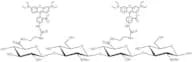
Hyaluronate biotin - Molecular Weight - 50kDa
Hyaluronate biotin is a complex carbohydrate that contains both a saccharide and a polysaccharide. The saccharide is usually linked to the backbone of the polysaccharide via glycosylation.Purity:Min. 95%2'-Fucosyllactose-APD-BSA
2'-Fucosyllactose-APD-BSA is a high purity, custom synthesis, glycosylation, polysaccharide that is Click modified and methylated. 2'-Fucosyllactose-APD-BSA is a complex carbohydrate with a CAS number of 6440-85-3. This product is synthesized from the monosaccharide 2'-fucosyllactose and the oligosaccharide, APD. It has been shown to inhibit bacterial growth and supports the immune system by promoting antibody production after antigen stimulation. The fucose sugars on this product are linked to the phosphate backbone through an amide bond. This product can be used in glycoprotein research, molecular biology work, or as an adjuvant for vaccine formulation.Purity:Min. 95%Color and Shape:White PowderGala1-3Gal-HSA
Gala1-3Gal-HSA is a modified glycan with three terminal alpha-galactoside units. It is synthesized by the modification of Gala1-3Gal (saccharide) with HSA. This product is also fluorinated, methylated and click-modified. The chemical name for this product is 3-[(2S,3S)-2,3-bis[(carboxymethyl)amino]propyl]-alpha-D-galactopyranosyl-(1→4)-O-[(carboxymethyl)(hydroxyethyl)]-.
Purity:Min. 95%Color and Shape:PowderGalactofuranose pentasaccharide PEG6-NH-sp-biotin
Galactofuranose pentasaccharide PEG6-NH-sp-biotin is a PEG compound with two different functional groups (also known as heterobifunctional). Unlike homobifunctional PEG compounds (same functional group on both ends), this type of compounds are more versatile as have two different anchor points. Galactofuranose pentasaccharide PEG6-NH-sp-biotin is used as a linker and spacer to add a PEG moiety, via pegylation (a bioconjugation technique) to proteins, peptides, oligonucleotides, small molecules and nanoparticles.Purity:Min. 95%Hyaluronate biotin - Molecular Weight - 1000kDa
Hyaluronate biotin (HB) is a modified form of hyaluronic acid. It is produced by the methylation and glycosylation of hyaluronic acid and it has an average molecular weight of 1000 kDa. HB is used in tissue engineering, cell culture, and as a contrast agent for magnetic resonance imaging. The modification of hyaluronate with biotin allows for the visualization of HB using immunofluorescence microscopy. Hyaluronate biotin is a synthetic product that can be custom-synthesized to customer specifications, such as purity level, oligosaccharide content, and monosaccharide content.Purity:Min. 95%NeuAc-a2,3-Gal-b-1,4-Glc-GlycineNH2
NeuAc-a2,3-Gal-b-1,4-Glc-GlycineNH2 is a carbohydrate that belongs to the group of saccharides. It is an oligosaccharide that has been synthesized via a custom synthesis. This product is high purity and has been modified with methylation, glycosylation, and click modification.Formula:C25H43N3O19Purity:Min. 95%Color and Shape:PowderMolecular weight:689.62 g/mol6-Deoxy-6-Fluorocyclomaltoheptaose
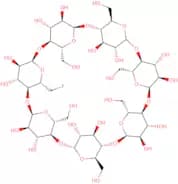
CAS:The 6-deoxy-6-fluorocyclomaltoheptaose is a low molecular weight compound that has been found to have anti-amylase activity. This substance is characterized by its chromatographic techniques, which can be used to identify the chemical structure of the molecule. The 6-deoxy-6-fluorocyclomaltoheptaose has been found to consist of an amylase inhibitor and an enzyme substrate. It exhibits specificity for the catalytic site of amylase, which is located in subsite 1, and it attacks this substrate at the 6-position of glucose. This substance is not as potent as other amylase inhibitors such as d-glucose, but it does show greater specificity for amylase than other substances with similar structures.Formula:C42H69FO34Purity:Min. 95%Molecular weight:1,136.98 g/mol3'-Sialyllacto-N-biose
3'-Sialyllacto-N-biose is a regiospecific, biochemically defined carbohydrate. It is a component of the glycan chains that are present on the surface of cell membranes. Lacto-n-biose has been shown to have inhibitory activity against the growth of Mycobacterium tuberculosis and Mycobacterium avium complex bacteria.Purity:Min. 95%Color and Shape:PowderGM1a-Oligosaccharide
GM1a pentasaccharide (ammonium salt) has a core tetrasaccharide structure (Galβ1,3GalNAcβ1,4Galβ1,4Glc) with a single sialic acid residue linked α2,3 to the inner galactose residue (Ledeen, 2009). GM1a pentasaccharide is the carbohydrate moiety in GM1a ganglioside which interacts and modulates tyrosine kinases, such as, neural tropomyosin receptor kinase A (TrkA), by inducing the release of neurotrophins from fibroblast cells and the epidermal growth factor receptor (EGFR) (Higuero, 2009). Oligosaccharide domain of monosialylated glycosphingolipid GM1 of a-series that specifically interacts with cholera toxin B subunit (CBT) fromâ¯V. cholerae, heat-labile toxin B subunit (LTB) fromâ¯E. coliâ¯and alpha toxin fromâ¯C. perfrigens. This ganglioside is abundant in nervous system as well as in other peripheral tissues (Chiricozzi, 2020).Formula:C37H61N2O29NaPurity:Min. 95%Color and Shape:PowderMolecular weight:1,020.87 g/molBenzyl 4- O- b- D- glucuronyl-b- D- xylopyranoside
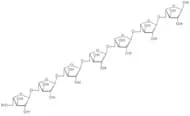
Benzyl 4- O- b- D- glucuronyl-b- D- xylopyranoside is a synthetic derivative of benzyl 4- O- b- D- glucuronylxylose. It has been shown to be a good substrate for glycosylation, click modification and fluorination. This product has been custom synthesized for the synthesis of complex carbohydrate, which is an oligosaccharide. It is also used in methylation reactions.Purity:Min. 95%1,5-a-L-Arabinoheptaose
CAS:1,5-a-L-Arabinoheptaose is a sugar that is found in the cell walls of bacteria. The chemical modification of this sugar has been studied extensively. The modification of this sugar with methyl groups and click chemistry has been shown to alter its properties, such as binding affinity and solubility. This modified sugar can be used for glycosylation reactions or custom synthesis. 1,5-a-L-Arabinoheptaose is also available in high purity and with a custom synthesis.
Formula:C35H58O29Purity:Min. 95%Color and Shape:PowderMolecular weight:942.82 g/molBlood Group A type I linear trisaccharide
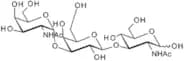
CAS:GalNAca1-3Galb1-3GlcNAcFormula:C22H38N2O16Purity:Min. 95%Molecular weight:586.54 g/molA1 N-Glycan
CAS:A1 N-glycan is a custom synthesis, complex carbohydrate that is an oligosaccharide and polysaccharide. It is modified with saccharides, methylation, glycosylation, and fluorination. A1 N-Glycan has high purity and is custom synthesized to order.Formula:C73H121N5O54Purity:Min. 95%Color and Shape:PowderMolecular weight:1,932.74 g/molGlycyl-lacto-N-fucopentaose II
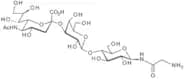
Glycyl-lacto-N-fucopentaose II is a synthetic glycosylation product. It has high purity and is easy to use in the synthesis of complex carbohydrates. This product can be fluorinated, methylated, or modified with click chemistry to generate a wide range of products. Glycyl-lacto-N-fucopentaose II is CAS No. 107834-53-2 and has a molecular weight of 707.5 Da.END>>Formula:C34H59N3O25Purity:Min. 95%Molecular weight:909.84 g/mol3'-Sialyl-N-acetyllactosamine-BSA
3'-Sialyl-N-acetyllactosamine-BSA is an oligosaccharide that is a component of the glycosylation pathway. It is synthesized from 3'-sialyllactose and N-acetylglucosamine. This compound can be modified with fluorine, methylation, or click chemistry to yield novel derivatives for use in research.Purity:Min. 95%Color and Shape:PowderGlycyl-lacto-N-fucopentaose I
Glycyl-lacto-N-fucopentaose I is an oligosaccharide that is a modified form of the carbohydrate, glycogen. It has been synthesized and its structure determined through the use of nuclear magnetic resonance spectroscopy. Glycyl-lacto-N-fucopentaose I is a complex carbohydrate with a molecular weight of 6,280 Da. The chemical formula for it is C194H290O60F6N8O6. This compound is soluble in water, ethanol, methanol, acetone and acetic acid. Glycyl-lacto-N-fucopentaose I has CAS No. 122959-00-5 and one monosaccharide unit methylated with one glycosylation site and one polysaccharide unit with two sugar units fluorinated.Formula:C34H59N3O25Purity:Min. 95%Molecular weight:909.84 g/molGQ1b-Ganglioside ammonium
CAS:GQ1b ganglioside (ammonium salt) has a core tetrasaccharide structure (Galβ1,3GalNAcβ1,4Galβ1,4Glc) with two sialic acids (NeuAc) linked α2,3/α2,8 to the inner galactose residue, two sialic acids (NeuAc) linked α2,3/α2,8 to the terminal galactose residue, and ceramide linked β to position 1 on the reducing terminal glucose residue (Ledeen, 2009). Anti-GQ1b ganglioside antibody is associated with Miller Fisher syndrome and is also found in patients with related conditions that may share the same pathogenic mechanism, such as, Bickerstaff brainstem encephalitis. Thus, the measurement of anti-GQ1b antibody in suspected cases of Miller Fisher syndrome is a useful diagnostic marker (Paparounas, 2004). It has been found that GQ1b ganglioside contributes to synaptic transmissions and synapse formation. Low concentrations of GQ1b ganglioside, evoked dopamine (DA) release from laboratory tissues (Chen, 2018).
Formula:C106H182N6O56·xNH4Purity:Min. 95%Monofucosyl-para-lacto-N-hexaose I
Monofucosyl-para-lacto-N-hexaose I is an oligsaccharide that is found in human milkFormula:C46H78N2O35Purity:Min. 95%Molecular weight:1,219.12 g/molDextran 110, MW: 100,000 to 120,000
CAS:Complex glucan (a 1-6) from Leuconostoc spp.; extender in blood transfusions.Color and Shape:White PowderMaltododecaose
CAS:α-1,4-glucododecasaccharide derived from starch by hydrolysis and chromatographyFormula:C72H122O61Purity:Min. 95%Color and Shape:Clear Liquid PowderMolecular weight:1,962 g/molLacto-N-tetraose-BSA
Lacto-N-tetraose-BSA is a carbohydrate that contains four monosaccharides. It has been shown to be an autoantibody in patients with myasthenia gravis and can cause muscle weakness by binding to the muscle protein, actin. Lacto-N-tetraose-BSA has also been found to bind with nerve tissue and may be involved in the development of sclerosis. This carbohydrate is also negatively charged and agglutinates red blood cells. When used for immunofluorescence, it shows a strong reaction against glycoconjugates on the surface of neurons and nerve tissue. Lacto-N-tetraose-BSA binds specifically to bovine serum albumin (BSA) containing antibodies, which are produced by immune cells called B cells. The binding sites are located on the outer part of the molecule, near the sugar residues.
Purity:Min. 95%Color and Shape:PowderBlood Group B pentasaccharide type I
CAS:Gala1-3(Fuca1-2)Galb1-3GlcNAcb1-3Gal (B antigen pentasaccharide Type I)Formula:C32H55NO25Purity:Min. 95%Color and Shape:PowderMolecular weight:853.77 g/molHyaluronate rhodamine - Molecular Weight - 20kDa
Fluorogenic substrate is used for detection of hyaluronidase activity. Urinary hyaluronidase activity is elevated in patients with intermediate and high grade bladder cancer; the expression of hyaluronidase and hyaluronan synthase-1 mRNA in malignant tissue can predict bladder cancer metastasis and disease recurrence (Kramer, 2011). These findings underscore the potential utility of the hyaluronidases to serve as biomarkers for bladder cancer. A novel fluorescent substrate labelled with two dyes: fluorescein as a green donor fluorophore, and rhodamine B as a red acceptor fluorophore, was therefore developed to measure hyaluronidase enzyme kinetics (Zhang, 2008). It was then demonstrated that simultaneous measurements of green and red emission of HAâFRET could be used to measure hyaluronidase presence and activity (Fudala, 2011).Purity:Min. 95%3-O-b-D-Galactosylsucrose
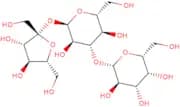
CAS:3-O-b-D-Galactosylsucrose is a synthetic, fluorinated, high purity, oligosaccharide. It is a complex carbohydrate that contains an O-linked glycosylated monosaccharide. This product has been modified with a click modification. The CAS number for this product is 686717-73-7 and it can be synthesized to order.Formula:C18H32O16Purity:Min. 95%Color and Shape:PowderMolecular weight:504.44 g/molGM1-Ganglioside labelled by biotin
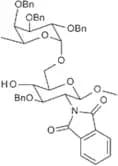
GM1-biotin ganglioside (sodium salt) has a core tetrasaccharide structure (Galβ1,3GalNAcβ1,4Galβ1,4Glc) with sialic acid linked α2,3 to the inner galactose residue, ceramide linked β to position 1 on the reducing terminal glucose residue, and biotin to position 5 on sialic acid (Ledeen, 2009). GM1 ganglioside is abundant in all mammalian brains where it covers 10%-20% of the total ganglioside mixture. It is found in epithelial membranes and is a key element for bacterial toxicity and viral infection as it is the intestinal receptor for the cholera toxin, the B-subunits of heat-labile toxin, rotavirus, and simian virus 40. GM1 ganglioside functions as a neurotrophic and neuroprotective compound, and has been used therapeutically for diabetic and peripheral neuropathies. GM1 ganglioside also has the ability to bind amyloid-β proteins and is involved in Alzheimerâs pathogenesis (Chiricozzi, 2020).Formula:C71H122N6O33SPurity:Min. 95%Molecular weight:1,619.82 g/molMethyl 3-O-benzyl-6-O-(2,3,4-tri-O-benzyl-a-L-fucopyranosyl)-2-deoxy-2-phthalimido-b-D-glucopyranoside
CAS:Methyl 3-O-benzyl-6-O-(2,3,4-tri-O-benzyl-a-L-fucopyranosyl)-2,3,4,6-tetra-O-(2,3,4,6,-tetra-O-(2′,3′,4′,-triacetyl)benzoyl) -2′ deoxy -2′ phthalimido -bD glucopyranoside is a synthetic carbohydrate. It is a modification of the natural product Dioscorea polysaccharides that has been modified by an acetylation reaction with 2,3,4 triacetylbenzoic acid and then further modified by a benzoylation reaction with methyl 3 tosylate. Methyl 3 O benzyl 6 O (2 3 4 tri O benzyl a L fucopyranosyl) 2 deoxy 2 phthalimido bFormula:C49H51NO11Purity:Min. 95%Molecular weight:829.93 g/molBlood group B trisacchharide-APE-HSA
Blood group B trisacchharide-APE-HSA is a synthetic carbohydrate that inhibits the synthesis of complex carbohydrates. The methylation of saccharides and polysaccharides can be accomplished by the addition of an amine to the 3′ hydroxyl group. In this reaction, the sugar is attached to a protein carrier (e.g., human serum albumin) via an amide bond, which prevents its degradation by proteases in the body. The modification of saccharides and polysaccharides is also accomplished through click chemistry, which is based on copper catalysis. This process involves attaching two functional groups through a copper-mediated reaction, forming a new carbon-carbon bond. Modification of saccharides and oligosaccharides can be accomplished using either chemical or enzymatic methods. Sugar modification can be achieved using high purity enzymes that have been custom synthesized for specific purposes (e.g., glycosylation). Carbohydrate modification can
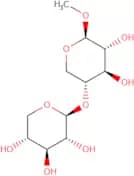
Purity:Min. 95%Methyl b1-4-D-xylobioside
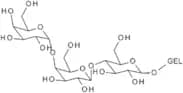
CAS:Methyl b1-4-D-xylobioside is a bioreactor that binds to the carbohydrate binding domain of the enzyme. It has been shown to be reactive with galactose and other glycosides, and is used as a substrate for electrophotographic analysis. This product also has immobilized properties, which make it suitable for use in an acceptor column in order to purify oligosaccharides or gene products with similar sequences. Methyl b1-4-D-xylobioside is used as a selective inhibitor of tuberculosis by binding to the enzyme mycobactin synthase, which is involved in the biosynthesis of mycolic acids.Formula:C11H20O9Purity:Min. 95%Molecular weight:296.27 g/molGlobotriose-GEL
Immobilised on Fractogel with glycosylamine formation of the monosaccharide
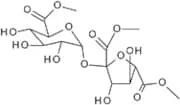
Purity:Min. 95%Color and Shape:White LiquidSucrose 1,6,6'-tricarboxylic acid trimethyl ester
CAS:Sucrose 1,6,6'-tricarboxylic acid trimethyl ester is a carbohydrate that has been fluorinated and methylated. It is a synthetic sugar that can be custom synthesized by our chemists to meet your specifications. This product is very pure and has a high degree of purity. It can be used as an oligosaccharide or as a monosaccharide in glycosylation or methylation reactions. Sucrose 1,6,6'-tricarboxylic acid trimethyl ester is also known as sucrose 3-fluoro-3-methylbutyrate, CAS No. 289711-92-8, or C12H18O7F3.Formula:C15H22O14Purity:Min. 95%Molecular weight:426.33 g/mol6'-Sulpho Lewisx-BSA
6'-Sulpho Lewisx-BSA is a complex carbohydrate that contains a saccharide moiety with a sulfated Lewisx epitope. It has been synthesized using click chemistry and modified with methylation and fluorination to yield the desired structure. The carbohydrate is of high purity and can be used in research as a model for glycosylation and glycosidic linkage. The carbohydrate also has properties that are analogous to those observed in glycoconjugates, such as antibodies and lectins.
Purity:Min. 95%2-Acetamido-4-O-[2,4-di-O-acetyl-3,6-di-O-(2,3,4,6-tetra-O-acetyl-a-D-mannopyranosyl)-b-D-glucopyranosyl]-1,3,6-tri-O-acetyl-2-deoxy -b-D-glucopyranose
2-Acetamido-4-O-[2,4-di-O-acetyl-3,6-di-O-(2,3,4,6-tetra-O-acetyl aDmannopyranosyl)-bDglucopyranosyl]-1,3,6triOacetyl2deoxybDglucopyranose is a modification of the sugar 2 acetamido 4 O-[2,4diO acetyl 3,6diO (2,3,4,6 tetra O acetyl a D mannopyranoside) b D glucopyranoside] 1 3 6 tri O acetyl 2 deoxy b D glucopyranose. It is an oligosaccharide that contains a carbohydrate group that is composed of a monosaccharide and two polysaccharides. This modification has been shown to be synthesized by methylating the 6Formula:C52H71NO34Purity:Min. 95%Color and Shape:Brown solid.Molecular weight:1,254.11 g/mol2'-Fucosyllactose-BSA
2'-Fucosyllactose-BSA is a high purity, custom synthesis, synthetic oligosaccharide. It is a glycosylated and methylated monosaccharide that can be used for Click modification with azido-functionalized molecules. 2'-Fucosyllactose-BSA has a CAS number of 113959-06-8 and an Oligosaccharide content of >95%. It is soluble in water and has a Glycosylation content of >95% and a Carbohydrate content of >95%.Purity:Min. 95%Gala1-3Galb1-4GlcNAcb1-3Galb1-4Glc
CAS:Methylated glycans are carbohydrate-based molecules that are modified by the addition of a methyl group. These modifications can be used for many purposes, including as probes for enzymatic reactions and to block or enhance specific cell surface receptors. The modification is often done with a click chemistry reaction, which is a fast and efficient method that can also be used to modify other compounds such as proteins. Methylation of glycans is often done in the lab using methylamine gas, but it can also be accomplished through more complex methods like click chemistry or fluorination. Glycosylation is the process of adding sugars to other molecules and is one way to produce methylated glycans. Galactosamine (GalN) is an example of a monosaccharide that can be methylated and glycosylated, producing galactose-N-methyltransferase (Gal1MT) and Gal1M3GnT1. This product has been synthesized inFormula:C32H55NO26Purity:Min. 95%Molecular weight:869.77 g/molMan-a-2-Man-a-3-Man-b-4-GlcNAc
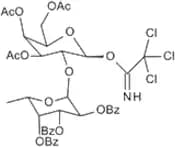
Man-a-2-Man-a-3-Man-b-4-GlcNAc is a custom synthesis of an oligosaccharide that belongs to the group of polysaccharides. It has a CAS number and can be modified with methylation, glycosylation, and click modification. This product is a sugar that can be used in pharmaceuticals and other applications. It is fluorinated, which makes it resistant to degradation by bacteria. Man-a-2-Man-a-3-Man-b-4-GlcNAc has high purity and is a synthetic carbohydrate.Purity:Min. 95%3,4,6-Tri-O-acetyl-2-O-(2,3,4-tri-O-benzoyl-a-L-fucopyranosyl)-D-galactopyranosyl trichloroacetimidate
3,4,6-Tri-O-acetyl-2-O-(2,3,4-tri-O-benzoyl-a-L-fucopyranosyl)-D-galactopyranosyl trichloroacetimidate is a sugar. It is a complex carbohydrate that is a polysaccharide made up of three monosaccharides: D-, L-, and erythro-. This molecule has been fluorinated at the C3 position. The CAS number for this compound is 123787−06−1. 3,4,6-Tri-O-acetyl-2-O-(2,3,4-tri-O--benzoyl--a--L--fucopyranosyl)-D--galactopyranosyl trichloroacetimidate is custom synthesized and has high purity.Formula:C41H40Cl3NO16Purity:Min. 95%Molecular weight:909.11 g/molLewis A tetrasaccharide-BSA
Lewis A tetrasaccharide-BSA is a synthetic oligosaccharide complex carbohydrate. It is a high purity custom synthesis that has been modified with click chemistry, methylation, and fluorination. Lewis A tetrasaccharide-BSA is a glycosylated polysaccharide that has been shown to have antiviral activity against human cytomegalovirus. This product can be used in research as a model for studying the structure of glycoproteins, including their interactions with other molecules in biological systems.
Color and Shape:White Powder1,6-anhydrochitobiose
1,6-Anhydrochitobiose is an anhydosugar that can be used in the synthesis of oligosaccharides and polysaccharidesFormula:C12H22N2O8Molecular weight:322.39 g/molPinoresinol diglucopyranoside
CAS:Pinoresinol diglucopyranoside is a natural compound found in Chinese herb. It has been shown to have an anti-atherosclerotic effect, which may be due to the inhibition of nuclear factor kappa-light-chain-enhancer (NF-κB) and matrix metalloproteinase (MMP)-9. Pinoresinol diglucopyranoside also inhibits collagenase activity in vitro and reduces inflammation in vivo. The molecular mechanism of this compound may involve the toll-like receptor 4 (TLR4) pathway, which is responsible for immune responses to bacterial products. Pinoresinol diglucopyranoside has been shown to inhibit the transcription and polymerization of DNA by binding to DNA gyrase and topoisomerase IV, respectively.
Formula:C32H42O16Purity:Min. 96.0 Area-%Molecular weight:682.67 g/molRef: 3D-Q-100734
1gTo inquire5gTo inquire250mgTo inquire500mgTo inquire2500mgTo inquire-Unit-ggTo inquire3'-Sialyllactose-GEL
3'-Sialyllactose-GEL is a custom synthesis of a complex carbohydrate. It has CAS No. and is a polysaccharide that has been modified by methylation, glycosylation, and click modification. 3'-Sialyllactose-GEL is a high purity product with fluorination. It is synthetic and has a molecular weight of 1,000 Daltons.
Purity:Min. 95%Man-3-F N-Glycan
CAS:Man-3-F N-Glycan is a custom synthesis of an oligosaccharide. It is a polysaccharide that is modified with methylation, glycosylation and click modification. Man-3-F N-Glycan is a high purity product that has been fluorinated for use in synthetic biology.Formula:C40H68N2O30Purity:Min. 95%Molecular weight:1,056.96 g/molSialyllacto-N-fucopentaose V-APD-HSA
Sialyllacto-N-fucopentaose V-APD-HSA is a methylated, fluorinated, click modified oligosaccharide. It is an Oligosaccharide and Polysaccharide. It also has a saccharide, Carbohydrate, and Monosaccharide. This product is Custom synthesized with High purity and Modification.Purity:Min. 95%2,3,4,3',4'-Penta-O-isovaleryl-sucrose
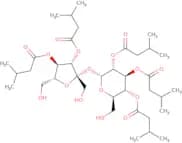
CAS:2,3,4,3',4'-Penta-O-isovaleryl-sucrose is a custom synthesis that has been modified by fluorination and methylation. It is a monosaccharide with a molecular weight of 596.84 g/mol. This compound is synthesized from sucrose through a click modification reaction and then further modified by glycosylation reactions to form an oligosaccharide or polysaccharide. 2,3,4,3',4'-Penta-O-isovaleryl-sucrose can be used in the production of complex carbohydrates such as Sucralose and Stevia.Purity:Min. 95%Color and Shape:Powder[12-C13]-Lactulose
12-C13 Lactulose is a synthetic monosaccharide that is used in the preparation of complex carbohydrates. This compound can be modified by fluorination or methylation. It has an average molecular weight between 350 and 500 Da. 12-C13 Lactulose can be synthesized from D-galactopyranose and C2-C3 alkyl bromides, which are readily available commercially.Formula:C12H22O11Purity:Min. 95%Molecular weight:354.21 g/molG-NGA2F N-Glycan
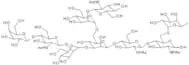
CAS:G-NGA2F N-Glycan is a methylated, saccharide containing oligosaccharide. It is a custom-synthesized, high purity carbohydrate and sugar that can be modified with fluorination. G-NGA2F N-Glycan has been shown to have complex carbohydrate properties with a CAS No. of 84825-26-3.Formula:C62H104N4O46Purity:Min. 95%Color and Shape:SolidMolecular weight:1,641.49 g/molLipid A (E. Coli) triethylammonium salt
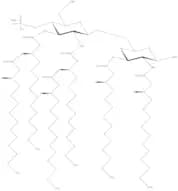
CAS:The Lipid A moiety of lipopolysaccharide forms the outer monolayer of the outer membrane in most Gram-negative bacteria. Escherichia coli lipid A is synthesized on the cytoplasmic side of the inner membrane by a conserved pathway of nine constitutive enzymes. Following attachment of the core oligosaccharide, nascent core-lipid A is flipped to the outer surface of the inner membrane by the ABC transporter MsbA, where the O-antigen polymer is attached. These complex glycoforms protect bacteria from antibiotics and complement-mediated lysis. The core and O-antigen domains are required for virulence and consequently are present in most clinical and environmental isolates (Raetz, 2007).Formula:C94H178N2O25P2Purity:Min. 95%Molecular weight:1,798.37 g/molBenzyl 2-acetamido-3-O-(2,3,4,6-tetra-O-acetyl-b-D-galactopyranosyl)-4,6-O-benzylidene-2-deoxy-a-D-glucopyranoside
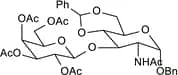
3-O-Benzyl-2,6-dideoxy-a-D-galactopyranosyl b benzylidene 4,6-O-(2,3,4,6-tetraacetyl)-a D glucopyranoside is a complex carbohydrate with a molecular weight of 1.097 grams per mole. It has been synthesized by the modification of the sugar unit with methylation and glycosylation to yield 3-O-(2,3,4,6 tetraacetyl)-b benzylidene 4,6 O-(2,3,4 6 tetra acetyl) a D glucopyranoside. The carbohydrate is then modified with fluorination to yield 3-O-(2 3 4 6 tetraacetyl)-b benzylidene 4 6 O-(2 3 4 6 tetra acetyl) a D glucopyranoside. This product is offered at high purity and custom synthesisFormula:C36H43NO15Purity:Min. 95%Molecular weight:729.72 g/molNA3 N-Glycan
CAS:NA3 N-glycan is a base that forms glycosidic bonds with other molecules. It has been shown to be pharmacologically active in tissues and has a safety profile. NA3 N-glycan is metabolized by the serine protease, which cleaves it from its glycosylated protein. The resulting molecule lacks a reactive group, which prevents it from forming toxic reactions with other molecules. NA3 N-glycan has been used for pharmacokinetic modeling and for mass spectrometric measurements of proteins in human serum and plasma.
Formula:C76H127N5O56Purity:Min. 95%Color and Shape:Solid.Molecular weight:2,006.82 g/molMethyl 3-O-(2-acetamido-2-deoxy-b-D-galactopyranosyl)-b-D-galactopyranoside
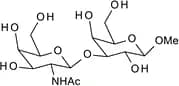
CAS:Methyl 3-O-(2-acetamido-2-deoxy-b-D-galactopyranosyl)-b-D-galactopyranoside is a modified sugar that can be used for synthesis of saccharides, oligosaccharides, and polysaccharides. This product has been custom synthesized to be a high purity compound with CAS No. 130234-66-1. It has been fluorinated and is available in the glycosylation form.Formula:C15H27NO11Purity:Min. 95%Molecular weight:397.36 g/mol2,3,2',3',4',6'-Hexa-O-acetyl-1,6-anhydro-b-D-maltose
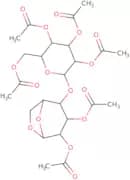
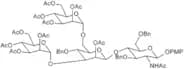
CAS:2,3,2',3',4',6'-Hexa-O-acetyl-1,6-anhydro-b-D-maltose (HAP) is a custom synthesis that can be modified with fluorination, methylation, and monosaccharide. HAP is a synthetic oligosaccharide that is glycosylated and has a saccharide and sugar. HAP has the CAS No. 28868-67-9. This product can be used as an additive in food production or as a pharmaceutical agent.Formula:C24H32O16Purity:Min. 95%Molecular weight:576.5 g/mol4-Methoxyphenyl 2-acetamido-4-O-[2-O-acetyl-3,6-di-O-(2,3,4,6-tetra-O-acetyl-a-D-mannopyranosyl)-4-O-benzyl-b-D-mannopyranosyl]-3,6- di-O-benzyl-2-deoxy-b-D-glucopyranoside
This product is a custom synthesis and modification of a natural product. The chemical name is 4-Methoxyphenyl 2-acetamido-4-O-[2-O-acetyl-3,6-di-O-(2,3,4,6-tetra-O-acetyl-aDmannopyranosyl)-4-ObenzylbDmannopyranosyl]-3,6diOBenzyl2deoxybDglucopyranoside. This molecule has been fluorinated with trifluoromethanesulfonic acid in the presence of polystyrene as an initiator to form the desired compound. The molecular weight of this molecule is 1,895.09 g/mol. This product was synthesized by methylation using methanol and ammonium chloride as reagents in the presence of tetrapropylammonium perruthenate as catalyst for the process.Formula:C72H87NO31Purity:Min. 95 Area-%Color and Shape:PowderMolecular weight:1,462.45 g/molMan6GlcNAc (I)
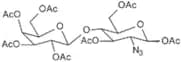
CAS:Man6GlcNAc (I) is a synthetic, fluorinated, monosaccharide that can be modified to produce a wide range of products. This product has been shown to have high purity and can be customized for specific applications. It is used in the production of complex carbohydrates with click modification and methylation. Man6GlcNAc (I) is often used as an intermediate in the synthesis of oligosaccharides such as glycosylated proteins or glycans.Formula:C44H75NO36Purity:Min. 95%Color and Shape:PowderMolecular weight:1,194.05 g/mol1,3,6-Tri-O-acetyl-4-O-(2,3,4,6-tetra-O-acetyl-b-D-galactopyranosyl)-2-azido-2-deoxy-D-glucopyranose
1,3,6-Tri-O-acetyl-4-O-(2,3,4,6-tetra-O-acetyl-b-D-galactopyranosyl)-2-azido-2-deoxy--D--glucopyranose is a modification of a natural sugar. It is an oligosaccharide that is composed of one monosaccharide and two disaccharides. The triacetate group on the first saccharide provides protection against hydrolysis and methylation reactions. This compound has been shown to be synthesized chemically in high purity and with high yield.
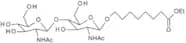
Formula:C26H35N3O17Purity:Min. 95%Molecular weight:661.57 g/mol8-Ethoxycarbonylheptyl N,N'-di-O-acetyl-b-chitobioside
8-Ethoxycarbonylheptyl N,N'-di-O-acetyl-b-chitobioside is a custom synthesis of an oligosaccharide. It is a complex carbohydrate that is composed of saccharides and has a CAS number. 8-Ethoxycarbonylheptyl N,N'-di-O-acetyl-b-chitobioside is modified with methylation, glycosylation and click modification. This product is also fluorinated. 8-Ethoxycarbonylheptyl N,N'-di-O-acetyl-b-chitobioside has high purity and can be used as a sugar in the synthesis of other compounds.Formula:C26H46N2O13Purity:Min. 95%Molecular weight:594.65 g/molD-Raffinose undecaacetate
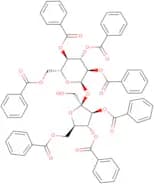
CAS:D-Raffinose undecaacetate is a sweetener that is used in some chewing gum and other foods. It is a sucrose ester with the chemical formula C12H24O11. D-Raffinose undecaacetate has been shown to increase the release of insulin, which may be due to its effects on glucose uptake or modulation of taste receptors on the tongue. It has also been shown to have an anti-inflammatory effect, which may be due to its interactions with the bitter taste receptors present in tissues such as the small intestine and liver.Formula:C40H54O27Purity:Min. 95%Molecular weight:966.84 g/mol2,3,4,6,3',4',6'-Hepta-O-benzoylsucrose
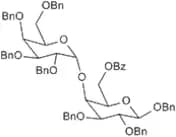
CAS:2,3,4,6,3',4',6'-Hepta-O-benzoylsucrose (HBS) is a custom synthesis and modification of sucrose. The sugar is modified with 2,3,4,6-tetra-O-benzoyl groups at the 6′ position on the fructose unit and 3′ position on the glucose unit. HBS has been used in a click chemistry reaction as an acceptor for azide moieties.Formula:C61H50O18Purity:Min. 95%Color and Shape:PowderMolecular weight:1,071.04 g/molBenzyl 4-O-(2,3,4,6-tetra-O-benzyl-a-D-galactopyranosyl)-2,3-di-O-benzyl-6-O-benzoyl-b-D-galactopyranoside
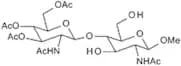
Benzyl 4-O-(2,3,4,6-tetra-O-benzyl-a-D-galactopyranosyl)-2,3-di-0benzyl 6-O-benzoyl-b-D-galactopyranoside is a synthetic carbohydrate that belongs to the class of oligosaccharides. It has been modified by fluorination and methylation. This compound is also glycosylated and click modified.Formula:C68H68O12Purity:Min. 95%Molecular weight:1,077.26 g/molMethyl 2-acetamido-4-O-(2-acetamido-3,4,6-tri-O-acetyl-2-deoxy-b-D-glucopyranosyl)-2-deoxy-b-D-glucopyranoside
CAS:Methyl 2-acetamido-4-O-(2-acetamido-3,4,6-tri-O-acetyl-2-deoxy-b-D-glucopyranosyl)-2-deoxy-b-D-glucopyranoside is a custom synthesis that is fluorinated and methylated to create an acetal. The monosaccharide is a custom synthesis that has been modified with click chemistry. This oligosaccharide is found in glycosylation reactions and can be used for the synthesis of polysaccharides. Methyl 2 acetamido 4 O-(2 acetamido 3,4,6 tri O acetyl 2 deoxy b D glucopyranosyl) 2 deoxy b D glucopyranoside has CAS Number 97242 82 5.
Formula:C23H36N2O14Purity:Min. 95%Molecular weight:564.54 g/molHyaluronate biotin - Molecular Weight - 20kDa
Hyaluronate biotin is a high purity, complex carbohydrate that has been modified with methylation and glycosylation. It has a molecular weight of 20kDa and is supplied as a powder. It is a white to off-white solid that can be dissolved in water or buffer solutions. This product can be used as an excipient in the manufacture of biologics such as vaccines, antibodies, enzymes, or other therapeutic proteins.
Purity:Min. 95%k-Carratriose disulfate disodium salt
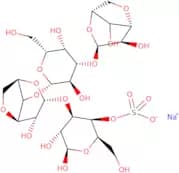
k-carrageenan derived trisaccharide disulfateFormula:C18H30O21S2•2NaPurity:Min. 95%Color and Shape:White PowderMolecular weight:692.51 g/molNGA4B N-Glycan
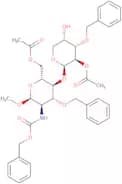
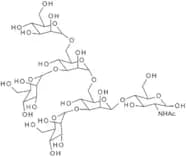
CAS:NGA4B N-Glycan is a custom synthetic compound that can be modified to include methylation, fluorination, and other modifications. It is an oligosaccharide that is a polysaccharide composed of saccharides. The saccharides are monosaccharides or simple sugars. NGA4B N-Glycan is available at high purity for use in research and as a reagent.Formula:C74H123N7O51Purity:Min. 95%Molecular weight:1,926.79 g/molMethyl 6-O-acetyl-3-O-benzyl-N-Cbz-2-deoxy-4-O-(methyl-2-O-acetyl-3-O-benzyl-a-L-idopyranuronosyl)-a-D-glucopyranosaminide,
CAS:Methyl 6-O-acetyl-3-O-benzyl-N-Cbz-2-deoxy-4-O-(methyl-2-O-acetyl-3-O-benzyl)-aLidopyranuronosyl)-aDglucopyranosaminide is a carbohydrate that belongs to the class of saccharides. It is a synthetic oligosaccharide that is made up of a monosaccharide, fructose, and 2 disaccharides, maltose and glucuronic acid. This product has been modified by fluorination, methylation, glycosylation, and click chemistry.Purity:Min. 95%N-Allyloxycarbonyl-b-lactosamine
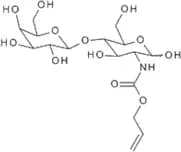
CAS:The linker N-Allyloxycarbonyl-b-lactosamine (NALB) is a bifunctional molecule that can be used to form triplexes with DNA. The NALB has been shown to inhibit the growth of gram-negative bacteria such as Escherichia coli and Haemophilus influenzae by binding to the bacterial cell wall and disrupting its permeability. The linker is synthesized by solid phase synthesis. This process involves the stepwise addition of building blocks in a sequence that is predetermined. The residues are usually protected with protecting groups, which are then removed at the end of the synthesis process.Formula:C16H27NO12Purity:Min. 95%Molecular weight:425.38 g/mol4-O-Acetyl-3,6-di-O-(3,4,6-tri-O-acetyl-1,2-ethylidene-b-D-mannopyranosyl)-1,2-ethylidene-b-D-mannopyranose
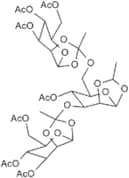
CAS:Methylation of 4-O-acetyl-3,6-di-O-(3,4,6-tri-O-acetyl-1,2-ethylidene bDmannopyranosyl)-1,2-ethylidene bDmannopyranose with methyl iodide and potassium carbonate in the presence of sodium hydroxide leads to the formation of 4-O-acetyl 3,6 di O-(3,4,6 tri O acetyl 1 , 2 ethylene b D mannopyranosyl)-1 , 2 ethylene b D mannopyranose. This compound is a polysaccharide that is similar to cellulose. It is used in the synthesis of complex carbohydrates.Formula:C38H52O25Purity:Min. 95%Molecular weight:908.8 g/molMethyl 3-O-(b-D-galactopyranosyl)-b-D-galactopyranoside
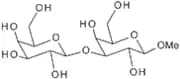
CAS:Methyl 3-O-(b-D-galactopyranosyl)-b-D-galactopyranoside is a disaccharide that is the residue of 6-fluoro-3-indoxyl beta-D-galactopyranoside. This product is a glycoside of methyl 3,6,3',6'-tetraacetate and b-D-galactose.Formula:C13H24O11Purity:Min. 95%Molecular weight:356.32 g/molHeparin disaccharide III-H disodium salt
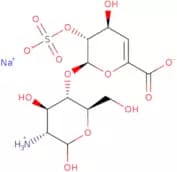
CAS:Heparin is a polysaccharide consisting of repeating units of glucosamine and glucuronic acid that has been shown to have anti-coagulant, antithrombotic, and anti-inflammatory properties. Heparin disaccharide III-H disodium salt is a heparin disaccharide that has been modified by the addition of sodium ions. This heparin disaccharide has been shown to inhibit the proliferation of leukaemia cells in vitro, which may be due to its inhibition of DNA synthesis or cell cycle progression. The mechanism by which this heparin disaccharide inhibits cell growth is not yet known. Research into this mechanism could lead to new treatments for cancer and other diseases.Formula:C12H18NNaO13SPurity:Min. 95%Molecular weight:439.33 g/molMan5GlcNAc
CAS:Man5GlcNAc is a glycoprotein that is expressed in the Golgi apparatus of mammalian cells. It is cleaved by alpha-mannosidase II and alpha-mannosidase I, which are enzymes located in the golgi apparatus. Man5GlcNAc has been shown to be an effective glp-1 analogue, which is a hormone that stimulates insulin secretion. This protein has also been shown to have structural similarities to high mannose type oligosaccharides, which are found on the surface of some bacteria. The protein may also act as a signal peptide for proteins that are exported from the golgi to the cell membrane.Formula:C38H65NO31Purity:Min. 95%Color and Shape:PowderMolecular weight:1,031.91 g/molSialyl-Lex-hexa-APD-HSA
Sialyl-Lex-hexa-APD-HSA is a high purity synthetic glycosylation that is custom synthesized. It has been modified with fluorination, methylation, and click modification. Sialyl-Lex-hexa-APD-HSA can be used in the synthesis of complex carbohydrates and is available in CAS Number: 75869-57-3.Purity:Min. 95%2-O-(2-Acetamido-2-deoxy-b-D-glucopyranosyl)-L-fucopyranose
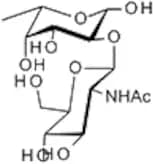
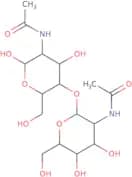
This is a custom synthesis of 2-O-(2-acetamido-2-deoxy-b-D-glucopyranosyl)-L-fucopyranose, which is an oligosaccharide that has been modified by methylation and glycosylation. This product is a white solid with a molecular weight of 671.87 and a melting point of 137°C. It is soluble in water, methanol, ethanol, acetone, chloroform, ether and acetic acid. The purity of this product is more than 99%.Formula:C14H25NO10Purity:Min. 95%Molecular weight:367.35 g/mol2-Acetamido-4-O-(2-acetamido-2-deoxy-a-D-glucopyranosyl)-2-deoxy-D-galactopyranose
CAS:2-Acetamido-4-O-(2-acetamido-2-deoxy-a-D-glucopyranosyl)-2-deoxy-D-galactopyranose is a Custom synthesis of an oligosaccharide that is synthesized by the modification of natural sugars. This product has been fluorinated, methylated and modified with click chemistry. It is saccharide consisting of two monosaccharides, which are 2 acetamido 4 O-(2 acetamido 2 deoxy a D glucopyranosyl)-2 deoxy D galactopyranose and 2 deoxy D galactose. The molecular weight of this compound is 528.5 g/mol.
Formula:C16H28N2O11Purity:Min. 95%Molecular weight:424.4 g/molHyaluronate fluorescein - Molecular Weight - 250kDa
Hyaluronate fluorescein is a large molecular weight, high-molecular weight, high-purity, highly modified carbohydrate. It is a synthetic oligosaccharide that has been chemically modified with methylation and saccharide. Hyaluronate fluorescein is synthesized using Click chemistry to add a fluorescent tag at the reducing end of the molecule. This product can be used for custom synthesis and glycosylation. Hyaluronate fluorescein is available in various sizes including 250kDa.
Purity:Min. 95%Oligogalactosyllactose
Oligogalactosyllactose is a polysaccharide made from galactose and glucose. Oligogalactosyllactose has been shown to have an inhibitory effect on the growth of Staphylococcus aureus strains. Oligogalactosyllactose also has anti-inflammatory properties, which may be due to its ability to bind to free fatty acids and reduce the production of pro-inflammatory cytokines. This dietary ingredient is found in inulin, which is a type of carbohydrate that can be found in some vegetables. Oligogalactosyllactose is composed of short chains of sugar molecules, making it easier for the body to absorb. It is also more readily metabolized by bacteria in the gut than other types of carbohydrates like celluloses or starches.Purity:Min. 95%Color and Shape:Powder6-O-(2,3,4,6-Tetra-O-acetyl-a-D-mannopyranosyl)-1,2,3,4-tetra-O-benzyl-a-D-mannopyranoside
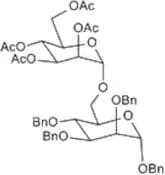
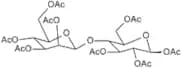
6-O-(2,3,4,6-Tetra-O-acetyl-a-D-mannopyranosyl)-1,2,3,4-tetra-O-benzyl-a-D-mannopyranoside is an oligosaccharide with a complex carbohydrate structure. This chemical is a custom synthesis and it has high purity. 6-O-(2,3,4,6-Tetra-O-acetyl-a-D-mannopyranosyl)-1,2,3,4-- tetra--O--benzyl--A--mannopyranoside is used as an intermediate for the production of other compounds. The CAS number for this compound isFormula:C48H54O15Purity:Min. 95%Molecular weight:870.93 g/mol1,2,3,6-Tetra-O-acetyl-4-O-(2,3,4,6-tetra-O-acetyl-b-D-mannopyranosyl)-D-glucopyranose
CAS:1,2,3,6-Tetra-O-acetyl-4-O-(2,3,4,6-tetra-O-acetyl-b-D-mannopyranosyl)-D-glucopyranose is a synthetic sugar that has been modified by the methylation of the hydroxyl groups at C1 and C6 with acetaldehyde. This sugar is used in glycosylation reactions to modify proteins and other biomolecules. The product is a white crystalline solid that has a CAS number of 132341-46-9. It can be custom synthesized for research purposes or as a high purity material for commercial use.Formula:C28H38O19Purity:Min. 95%Molecular weight:678.59 g/mol6-O-(a-D-Galactopyranosyl)-D-mannopyranose
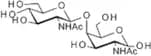
The 6-O-(a-D-galactopyranosyl)-D-mannopyranose, also known as epimelibiose, is an oligosaccharide formed by linking an α-D-galactose molecule to a D-mannose molecule. It could be found in various natural products or glycoconjugates, such as glycolipids or glycoproteins. The configuration and linkage of sugars in such molecules often play a crucial role in their biological functions. 6-O-(a-D-galactopyranosyl)-D-mannopyranose can be used in research to modify polysaccharides and glycans. It has a role as a plant metabolite and a mouse metabolite.Formula:C12H22O11Purity:Min. 95%2-Acetamido-4-O-(2-acetamido-2-deoxy-b-D-glucopyranosyl)-2-deoxy-D-galactopyranose
CAS:2-Acetamido-4-O-(2-acetamido-2,3-dideoxy-b-D-glucopyranosyl)-2,3,6,7-tetraaminopyranose (1) is a custom synthesis that has been modified by fluorination of the C5 and C6 hydroxyl groups and methylation of the C2 hydroxy group. It has also been shown to be effective in inhibiting the growth of bacteria such as Staphylococcus aureus and Clostridium perfringens. 2-Acetamido-4-O-(2,3,6,7,-tetraaminopyranose) (1) is an oligosaccharide with four sugar units that can be glycosylated to produce complex carbohydrates.Formula:C16H28N2O11Purity:Min. 95%Molecular weight:424.4 g/molLacto-N-neotetraose-GEL
Lacto-N-neotetraose-GEL is a glycosylation product that is used in the synthesis of complex carbohydrates. It is a methylated, fluorinated, and saccharide-modified oligosaccharide. This product can be custom synthesized in high purity with a CAS number and has a very low endotoxin level. Lacto-N-neotetraose-GEL has been shown to have many uses including as an adjuvant for vaccines and monoclonal antibody production. It has also been shown to suppress inflammation and increase the efficacy of cancer treatments.Purity:Min. 95%6'-Sialyllactose-PAA-biotin
6'-Sialyllactose-PAA-biotin is a high purity, custom synthesis, and synthetic oligosaccharide with a molecular weight of 792.04 Da. It is a glycosylated saccharide that has been modified with fluorination, glycosylation, methylation and click modification.Purity:Min. 95 Area-%Color and Shape:PowderGM3NeuGc-Ganglioside
Ganglioside GM3NeuGc (sodium salt) has a core disaccharide structure (Galβ1,4Glc) with N-glycolyl sialic acid linked α2,3 to the galactose residue, and ceramide linked β to position 1 on the reducing terminal glucose residue (Ledeen, 2009). GM3(NeuGc) ganglioside is of interest due to its restrictive expression in normal human tissues, according to immunohistochemical studies, using either polyclonal or monoclonal antibodies. However, both immunohistochemical and biochemical methods have strongly suggested its over-expression in human breast tumours (Oliva, 2006). It is seen as a possible tumor-associated carbohydrate antigen for cancer immunotherapy (Changping, 2019).Purity:Min. 95%Color and Shape:White PowderMan-3-Xyl-Fuc N-Glycan
Man-3-Xyl-Fuc N-Glycan is a custom synthesis of mannose that has been modified with fucose and glycosylated with a conjugated xylose. This complex carbohydrate can be used in the manufacturing of pharmaceuticals, as well as in research for the production of biofuels.Formula:C45H76N2O34Purity:Min. 95%Molecular weight:1,189.08 g/molEpi-N-Acetyl-lactosamine
CAS:Epi-N-Acetyl-lactosamine is a glycosylation agent that is used to modify proteins, carbohydrates, and other biomolecules. It is also used in the synthesis of oligosaccharides and polysaccharides. This product has been custom synthesized to meet your specifications and has been purified to high purity.Formula:C14H25NO11Purity:Min. 95%Molecular weight:383.35 g/molKdo2-Lipid A ammonium
CAS:Please enquire for more information about Kdo2-Lipid A ammonium including the price, delivery time and more detailed product information at the technical inquiry form on this pageFormula:C110H202N2O39P2•(NH3)4Purity:Min. 95%Molecular weight:2,306.84 g/molb-D-Fructofuranosyl-a-D-galactopyranoside
CAS:The b-D-Fructofuranosyl-a-D-galactopyranoside is a sugar molecule that is a carbohydrate. It contains sugar phosphates and an aldehyde group. The hydroxyl groups on the molecule can be found on the hydroxyl, ketone, and alcohols that are present. This carbohydrate also has hemiketal and sugar alcohol groups. These molecules have six carbon atoms in their molecular structure with one oxygen atom and one hydrogen atom attached to each of them. The deoxy form of this molecule is not active for DNA synthesis or protein synthesis but it can be used as an intermediate in the production of other sugars such as maltose, cellobiose, and sucrose.Formula:C12H22O11Purity:Min. 95%Molecular weight:342.3 g/molMethyl 3,6-di-O-(a-D-mannopyranosyl)-a-D-mannopyranoside
CAS:Used for structural and conformational studies and as enzyme substratesFormula:C19H34O16Purity:Min. 95%Color and Shape:PowderMolecular weight:518.46 g/molLipid A monophosphoryl
CAS:Lipid A monophosphoryl (MPL) is an adjuvant that stimulates the immune response to vaccines so that optimal protection can be achieved. MPL immunostimulant, a monophosphoryllipid A preparation derived from the lipopolysaccharide (LPS) of Salmonella minnesota R595. MPL is being considered as an adjuvant for a number of human vaccines, and experience to date has shown that it is safe, well tolerated, and able to provide a heightened immune response to coadministered antigens.Formula:C96H181N2O22PPurity:Min. 95%Color and Shape:PowderMolecular weight:1,746.44 g/mola1,4-Mannobiose-BSA
a1,4-Mannobiose-BSA is a complex carbohydrate that can be synthesized in the laboratory. It is composed of mannose and glucose units. This molecule has been modified with methyl groups, which can be used for click chemistry reactions. Mannobiose-BSA is a polysaccharide with CAS number 56938-64-2. It has been modified by Click chemistry and glycosylation to yield high purity compounds.Purity:Min. 95%Lacto-N-fucopentaose II-GEL
CAS:Lacto-N-fucopentaose II-GEL is a complex carbohydrate with a molecular weight of 11,000 Da. This product is not for human use and is intended for research purposes only. It should not be used in food or cosmetics.
Purity:Min. 95%GT2-Oligosaccharide
GT2 oligosaccharide (free acid) has a core trisaccharide structure (GalNAcβ1,4Galβ1,4Glc) with three sialic acid residues (NeuAc) linked α2,8/α2,8/α2,3 to the inner galactose residue (Ledeen, 2009). GT2 oligosaccharide is the carbohydrate moiety in the GT2 ganglioside. A key role has been reported for gangliosides, such as, GT1b and GT2 as modulators in the interaction between microglia (resident cells of the brain that regulate brain development) and brain tumors. It is possible that they will be important targets for therapeutical intervention in the near future (Daniele, 2020). In addition, C-series gangliosides, such as GT3, GT2, GQ1c, and CP1c are expressed in normal pancreatic tissue but are practically lost in the pancreas of diabetic animals (Saito, 1999).Formula:C53H83N4O40Na3Purity:Min. 95%Molecular weight:1,485.2 g/molBlood Group B trisaccharide-b-allyl glycoside
Useful glycosylation donorFormula:C21H36O15Purity:Min. 95%Molecular weight:528.5 g/molGala1-2Gal-BSA
Gala1-2Gal-BSA is a modified oligosaccharide with the chemical formula of C(3)H(6)O(4)n. It is a carbohydrate that can be synthesized from galactose and alpha-galactosyltransferase. Gala1-2Gal-BSA has been shown to have anti-cancer properties in vitro, but its mechanism of action is not known.Purity:Min. 95%1,4-b-D-Cellopentaitol
CAS:1,4-B-D-Cellopentaitol is a high purity and custom synthesis sugar. It can be modified with fluorination, glycosylation, methylation, or modification. It has CAS No. 61473-65-2 and is an oligosaccharide with a saccharide backbone consisting of 1,4-linked D-glucopyranosyl units joined by alpha-(1,4) linkages and containing one or more monosaccharides (e.g., glucose) or disaccharides (e.g., cellobiose). The carbohydrate may be in the form of a complex carbohydrate.Formula:C30H54O26Purity:Min. 95%Molecular weight:830.73 g/mol[UL-13C6glc]Lactose monohydrate
The product is a high purity, custom synthesis, sugar. It is fluorinated and glycosylated. The product has click modification and methylation. This product can be modified with a variety of reagents such as saccharide, oligosaccharide, and monosaccharide. The CAS Number for this product is [UL-13C6glc]Lactose monohydrate.Purity:Min. 95%GD2-Oligosaccharide-b-(N-acetyl-propargyl)
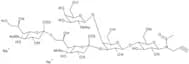
The core trisaccharide of the ganglioside GD2,protected with a propargyl glycoside group, is the most prominent alkynyl glycoside used in oligosaccharide synthesis (Das, 2016). The structure (sodium salt) comprises (GalNAcβ1,4Galβ1,4Glc) of its two sialic acids linked α2,3/α2,8 to the central galactose residue (Ledeen, 2009). GD2 ganglioside is expressed at a low concentration in the central nervous system, nerves, skin melanocytes and stem cells in healthy adults. On the other hand, GD2 ganglioside is overexpressed in a number of tumors including neuroblastoma, melanoma, small cell lung carcinoma and brain tumors. Recently, GD2 ganglioside has been found in low concentrations on breast cancer stem cells (CSC) that possess: self-renewal properties (division without disrupting the undifferentiated state) and tumor-initiating capabilities. It has been suggested that GD2 ganglioside may be developed as an effective target antigen for CSC immunotherapy (Fleurence, 2017).Formula:C47H72N4O32Na2Purity:Min. 95%Molecular weight:1,251.06 g/molP1-Antigen
CAS:The P1-antigen is a blood group antigen that is encoded by the gene. It is synthesized as a precursor protein of approximately 150 amino acids that undergoes proteolytic processing to generate two peptides, A and B, which are attached to the cell surface. The P1-antigen has been shown to be involved in transcriptional regulation and antimicrobial activity. It has also been shown to be present in metastatic colorectal cancer cells and its expression can be induced by trypsin treatment. The P1-antigen is also one of the most frequently studied proteins for its role in immune responses against bacteria, viruses, and parasites. This protein has been found to have response elements for several transcription factors including NF-κB, AP-1, NFAT, SP-1, and STAT3. The basic structure of this protein contains a diode region with two negatively charged regions that are critical for its function.Formula:C20H35NO16Purity:Min. 95%Color and Shape:White Off-White PowderMolecular weight:545.49 g/molGlycyl-monosialyl,monofucosyllacto-N-neohexose I
Glycyl-monosialyl,monofucosyllacto-N-neohexose I is a synthetic, fluorinated monosaccharide that has been modified with a glycosylation. This oligosaccharide is an important building block in the synthesis of complex carbohydrates. Glycyl-monosialyl,monofucosyllacto-N-neohexose I is used in the synthesis of polysaccharides and glycoproteins. It is also commonly used as a starting material for modifying other sugars with methylation or click chemistry. The CAS number for this compound is 144977-01-1. The molecular weight of this compound is 254.5 g/mol and it has a purity of 99% (HPLC).Formula:C59H99N5O43Purity:Min. 95%Molecular weight:1,566.43 g/molMonosialyl, difucosyllacto-N-neohexaose
Monosialyl, difucosyllacto-N-neohexaose is a high purity, custom synthesis sugar that can be modified with fluorination and glycosylation. It has CAS No. and has the following properties: oligosaccharide, monosaccharide, saccharide, complex carbohydrate. Monosialyl, difucosyllacto-N-neohexaose is a synthetic carbohydrate that is used in click modification and methylation. This product can also be used for glycosylation and modification.Formula:C63H105N3O47Purity:Min. 95%Molecular weight:1,656.5 g/mol3-(b-D-Mannopyranosyl)-D-rhamnose
3-(b-D-Mannopyranosyl)-D-rhamnose is a custom synthesized carbohydrate that is modified by fluorination. It is also a complex carbohydrate with an Oligosaccharide, sugar, and a Monosaccharide. 3-(b-D-Mannopyranosyl)-D-rhamnose has high purity and can be used for methylation, glycosylation, or Click modifications. Click modification is an organic chemistry technique that uses a copper ion to add chemical groups to the surface of molecules. This provides access to new functionalities, such as increased solubility or stability in organic solvents.
Purity:Min. 95%Neocarratetraose-41-O-sulfate sodium salt
CAS:Neocarratetraose-41-O-sulfate sodium salt is a high purity, synthetic oligosaccharide with a CAS number of 108321-78-4. It is an oligosaccharide that has been modified with methylation, saccharide, and Click modification. Neocarratetraose-41-O-sulfate sodium salt is used in the synthesis of complex carbohydrates and glycosylations. Neocarratetraose-41-O-sulfate sodium salt is synthesized by reacting the sugar neocarratetraose with sulfuryl chloride to form the corresponding sulfonic acid chloride. The resulting compound is then treated with sodium hydroxide to produce its sodium salt form.Formula:C24H37NaO22SPurity:Min. 95%Color and Shape:PowderMolecular weight:732.59 g/mol6'-Sialyllactose-APD-HSA
6'-Sialyllactose-APD-HSA is a complex carbohydrate that belongs to the group of oligosaccharides. It has a CAS number of 102600-80-4 and it is a polysaccharide. This compound is modified with methylation, glycosylation, and click modification. It is also fluorinated and synthesized.
Purity:Min. 95%









![[12-C13]-Lactulose](/_next/image/?url=https%3A%2Fstatic.cymitquimica.com%2Fproducts%2F3D%2Fthumb-webp%2FOL57708.webp&w=3840&q=75)







![[UL-13C6glc]Lactose monohydrate](/_next/image/?url=https%3A%2Fstatic.cymitquimica.com%2Fproducts%2F3D%2Fthumb-webp%2FOL16272.webp&w=3840&q=75)