


Oligosaccharides
Subcategories of "Oligosaccharides"
- Aminoethyl Glycosides, Aminopropyl Glycosides(14 products)
- Asn Binding Glycans(33 products)
- Biotinated Oligosaccharides(13 products)
- Blood Groups and Lewis Antigens(11 products)
- Blood Type Oligosaccharides(13 products)
- Cellooligosaccharides(1 products)
- Cyclodextrins(183 products)
- Disaccharides(190 products)
- Epitope Oligosaccharides(19 products)
- Fructooligosaccharides(2 products)
- Functional Oligosaccharides(556 products)
- Functionalised Oligosaccharides(1 products)
- Galactosamine(41 products)
- Galactose(261 products)
- Galb(1-3)GalNAc(21 products)
- Ganglio-series(11 products)
- Globo- and Isoglobo-series(17 products)
- Glucosamine(128 products)
- Glucuronic Acids(52 products)
- Glycoproteins, Glycopeptides(59 products)
- Glycosaminoglycan(26 products)
- Human Milk Oligosaccharides(22 products)
- Labeled O-Glycans(9 products)
- Labeled Oligosaccharides(36 products)
- LacNAc(53 products)
- Lacto- and Neolacto-series(14 products)
- Lacto-N-biose(10 products)
- Lactooligosaccharides(7 products)
- Linker Attached Oligosaccharides(19 products)
- Maltooligosaccharides(6 products)
- Milk Oligosaccharides(31 products)
- N-Glycans(149 products)
- Natural Glycosides(177 products)
- Natural Oligosaccharides(103 products)
- O-Glycan(18 products)
- Oligosaccharide Building Blocks(7 products)
- Oligosaccharide Replacement(2 products)
- Oligosaccharides by Component Sugar(225 products)
- Oligoses(24 products)
- Other Oligosaccharides(14 products)
- PEG Oligomers(33 products)
- Phosphated Sugars(17 products)
- Protected Sugars(526 products)
- Reagents for Oligosaccharide Synthesis(254 products)
- Ser, Thr Binding Glycans(9 products)
- Sialylated Oligosaccharides(3 products)
- Sphingoglycolipids(42 products)
- Sugar Amino Acids, Sugar Peptides(20 products)
- Sugar Antigens(31 products)
- Sugar Building Blocks by Target Oligosaccharides(225 products)
- Sugar Conjugates(100 products)
- Sulfated Sugars(16 products)
- Tetrasaccharides(34 products)
- Trisaccharides and Above(95 products)
- Xylooligosaccharides(5 products)
Found 2294 products of "Oligosaccharides"
Lewis Y hexasaccharide
CAS:A human milk oligosaccharideFormula:C38H65NO29Purity:Min. 95%Color and Shape:PowderMolecular weight:999.91 g/molD-Maltose monohydrate
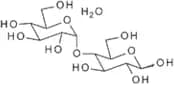
CAS:Maltose (or malt sugar) is produced by the action of alpha- and beta-amylase on starch. Maltose is an intermediate in the intestinal digestion (i.e. hydrolysis) of glycogen and starch and is found in germinating grains (and other plants and vegetables). Maltose-containing syrups are used in the brewing, baking, soft drink, canning, confectionery, and other food industries (Collins, 2006). Maltose is also used in affinity purification of proteins using MBP-fused protein constructs. Herein, maltose is added to an elution buffer causing release of the MBP-fused protein from the resin.Formula:C12H22O11·H2OColor and Shape:White PowderMolecular weight:360.31 g/mol2-Acetamido-2-deoxy-4-O-(6-sulfo-β-D-galactopyranosyl)-β-D-glucopyranose sodium
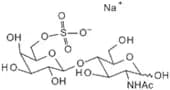
2-Acetamido-2-deoxy-4-O-(6-sulfo-b-D-galactopyranosyl)-b-D-glucopyranose sodium salt (6F3G) is a synthetic, fluorinated monosaccharide that has been used as a probe for the study of glycosylation and polysaccharide synthesis. 6F3G has been shown to be an effective inhibitor of the enzyme D-glycerate kinase, which catalyzes the conversion of D-glycerate to phosphoenolpyruvate. This inhibition leads to a decrease in the formation of ATP and NADH, which provides evidence that 6F3G binds to the active site of this enzyme.
Formula:C14H25NO14S•NaPurity:Min. 95%Color and Shape:White PowderMolecular weight:486.39 g/mol4-O-β-D-Galactosylsucrose
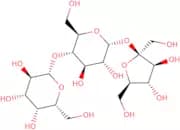
CAS:Similar to Raffinose but with the galactose residue attached 1,4 to the glucoseFormula:C18H32O16Purity:Min. 95 Area-%Color and Shape:White PowderMolecular weight:504.44 g/mol6'-a-Sialyl-N-acetyllactosamine-PAA-biotin
6'-a-Sialyl-N-acetyllactosamine-PAA-biotin is a biotin labelled sialyllactose. PAA - poly-N-(2-hydroxyethyl)acrylamide. The MW of PAA is ca 20,000DaSugar content: ca 10 mol%Purity:Min. 95 Area-%Color and Shape:Off-White PowderLewis A trisaccharide
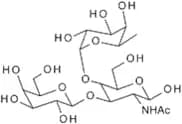
CAS:Lewis A is a trisaccharide that has been found to be present in the glycan structures of spermatozoa. It has also been identified as a major component of the glycan structures on the surface of HL-60 cells. Lewis A is composed of three monosaccharides, galactose, fucose, and N-acetylgalactosamine, which are linked together with a beta (1→4) linkage. The hydroxyl group on the galactose molecule allows for steric interactions with neighboring sugar molecules through hydrogen bonding and van der Waals forces. The Lewis A trisaccharide is an important marker for identifying blood type O because it does not have any antigenic determinants that can cause an immune response.Formula:C20H35NO15Purity:Min. 95 Area-%Color and Shape:White PowderMolecular weight:529.49 g/mol3-O-(β-D-Galactopyranosyl)-D-glucopyranose
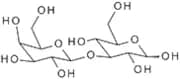
CAS:3-O-(β-D-Galactopyranosyl)-D-glucopyranose is a custom synthesis, modification, and fluorination of a monosaccharide. It is a synthetic and modified saccharide. The molecular formula for this compound is C6H10O5 and its molecular weight is 180.17 g/mol. This chemical has been assigned CAS No. 28447-38-3 and has the following structure:Formula:C12H22O11Purity:Min. 95%Color and Shape:White PowderMolecular weight:342.3 g/molMaltotriose - Ultrapure
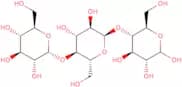
CAS:linear a-(1,4) trisaccharide produced from starch by acid or enzyme hydrolysis
Formula:C18H32O16Purity:Min. 95.0 Area-%Color and Shape:PowderMolecular weight:504.44 g/molMonofucosyllacto-N-hexaose III
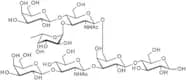
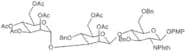
CAS:Sialylated tetrasaccharide found in human milk, possible health benefits for the neonate by supporting resistance to pathogens, gut maturation, immune function, and cognitive development. Purity typically above 60%. Contains other oligosaccharide fragments. For a typical IC trace see datasheet sectionFormula:C46H78N2O35Purity:(By Hpaec) Min. 60%Color and Shape:PowderMolecular weight:1,219.12 g/mol4-Methoxyphenyl 4-O-{3-O-[2,4-di-O-(3,4 ,6-tri-O-acetyl-2-deoxy-2-phthalimido-β-D-glucopyranosyl)-3 ,6-di-O-benzyl-β-D-mannopyranosyl]-4 ,6-O-benzylidene-2-O-levulinoyl-β-D-glucopyranosyl}-3 ,6-di-O-benzyl-2-deoxy-2-phthalimido-β-D-glucopyranoside
4-Methoxyphenyl 4-O-{3-O-[2,4-di-O-(3,4,6-tri-O-acetyl-2-deoxy-2-phthalimido -bDglucopyranosyl)-3,6-di-ObenzylbDmannopyranosyl] -4,6-- Obenzylidene--2-- Olevulinoyl-- bDglucopyranosyl} -3,6-- diOBenzyl 2-- deoxy 2-- phthalimido bDglucopyranoside is an oligosaccharide with a sugar backbone. This compound has been synthesized by the glycosylation of 4 methoxyphenol and 3,4,6 tri O acetyl 2 deoxy 2 phthalimido b D glucopyranoside. The glycosidic bond was formed between C 1Formula:C113H113N3O38Purity:Min. 95%Molecular weight:2,121.1 g/molMethyl 4-O-(2-acetamido-2-deoxy-β-D-galactopyranosyl)-β-D-galactopyranoside
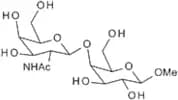
CAS:Methyl 4-O-(2-acetamido-2-deoxy-b-D-galactopyranosyl)-b-D-galactopyranoside is a glycosylated, fluorinated oligosaccharide. The product has been modified with acetamidomethyl and 2,3,4,6'-tetraacetyl bromoacetate to produce the desired structure. This compound is used in synthesis of glycoproteins and carbohydrates for medical purposes. It is synthesized from high purity monosaccharides and custom synthesis for specific applications.Formula:C15H27NO11Purity:Min. 95%Color and Shape:PowderMolecular weight:397.38 g/molChitooctaose octahydrochloride
CAS:Chitooctaose 8HCl is an antiviral agent that inhibits the replication of viruses. It blocks the virus from entering and infecting cells by binding to its receptor, which prevents cell-to-cell transmission. Chitooctaose 8HCl has a hydrolysable form and can be acetylated to increase its potency. This drug also interacts with ligands such as oligosaccharides, which are molecules consisting of several monomers linked together in a chain. The structural changes in these oligosaccharides are important for the interaction with chitooctaose 8HCl. Chitooctaose 8HCl has been shown to inhibit the replication of RNA viruses such as influenza A virus, human immunodeficiency virus type 1 (HIV-1), and rotavirus. This antiviral agent also inhibits the replication of DNA viruses such as herpes simplex type 2 (HSV-2) and hepatitis B virus (Formula:C48H90N8O33•(HCl)8Purity:Min. 85 Area-%Color and Shape:White PowderMolecular weight:1,598.95 g/molBlood Group A pentasaccharide type I
A antigen pentasaccharide Type I, possible use in antiviral developmentFormula:C34H58N2O25Purity:Min. 85%Color and Shape:PowderMolecular weight:894.82 g/molBenzyl 4-O-{4-O-[[2,4-di-O-acetyl-3-O-[2,4-di-O-(3,4,6-tri-O-acetyl-2-deoxy-2-phthalimido-b-D-glucopyranosyl)-3,6-di-O-benzyl-a-D-ma nnopyranosyl]-6-O-[3,4-di-O-acetyl-2,6-di-O-(3,4,6-tri-O-acetyl-2-deoxy-2-phthalimido-b-D-glucopyranosyl)-a-D-mannopyr
CAS:The benzyl group is a type of organic group in which the hydrogen atom at the alpha position is replaced with a phenyl group. In this compound, the benzyl group is attached to a sugar molecule through an ether bond. The benzyl group can be modified to produce different compounds. For example, it can be fluorinated to produce fluoro-benzyl compounds that are used as anti-cancer agents.Formula:C203H206N6O71SPurity:Min. 95%Molecular weight:3,897.87 g/molIsomaltose
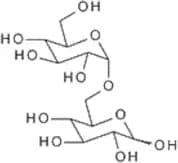
CAS:Sweetener; has low cariogenicity; produced from high maltose syrup by treatment
Formula:C12H22O11Purity:Min. 97 Area-%Color and Shape:White PowderMolecular weight:342.3 g/mol4-Methoxyphenyl 4-O-[2,6-di-O-acetyl-3-O-(2,3,4,6-tetra-O-acetyl-α-D-mannopyranosyl)-4-O-benzyl-β-D-mannopranosyl]-3,6-di-O-benzyl-2 -deoxy-2-phthalimido-β-D-glucopyranoside
4-Methoxyphenyl 4-O-[2,6-di-O-acetyl-3-O-(2,3,4,6-tetra-O-acetyl-a-D-mannopyranosyl)-4-O-benzylbDmannopranosyl]-3,6diObenzyl 2 -deoxy2 -phthalimidoBglucopyranoside is a carbohydrate that belongs to the group of oligosaccharides. It is a saccharide that consists of an acetate ester and an acetal linkage. This carbohydrate has been custom synthesized for use in click chemistry. 4MPP4ODABAGMBZ is a synthetic monosaccharide with a methylation and glycosylation modification.Formula:C66H71NO24Purity:Min. 95%Molecular weight:1,262.26 g/molAgarotriose
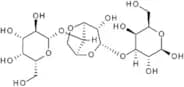
CAS:Agarose is a polysaccharide found in red algae, typically Gelidium and Gracilaria. It is a strictly alternating polysaccharide of β-1,3 linked D-galactose and α-1,4 linked L-3,6 anhydrogalactose with occasional sulfation at position 6 of the anhydrogalactose residue. Agaro-oligosaccharides result from cleavage at galactose residues and neoagaro-oligosaccharides from cleavage at 3,6-anhydro residues. It is reported that agarotriose has prebiotic properties.Formula:C18H30O15Purity:Min. 98 Area-%Color and Shape:White PowderMolecular weight:486.42 g/molGalacturonan DP5 sodium salt
Sodium Pentagalacturonate, (β-1,4 sodium Pentagalacturonate) is derived from pectin or pectic acid, by enzymatic or partial acid hydrolysis (Combo, 2012). It is used inâ¯galacturonic acidâ¯metabolism research as a substrate to identify, differentiate, and characterize endo- and exopolygalacturonase(s), and gluconase(s) (Jayani, 2005). The addition of very short fragments of homogalacturonan, tri-galacturonate, tetra-galacturonate, and penta-galacturonate oligosaccharides, restore development in dark-grown, de-etiolated seedling mutants, suggesting that they are unable to generate de-methylesterified pectin fragments. A model of spatiotemporally separated photoreceptive and signal-responsive cell types has been proposed, that contains overlapping subsets of the regulatory network of light-dependent seedling development (Sinclair, 2017).Purity:(Hpaec-Pad) Min. 65%Color and Shape:PowderLewis A tetrasaccharide
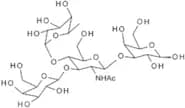
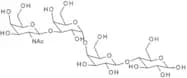
CAS:Lewis A tetrasaccharide is a glycosylated oligosaccharide with the following chemical structure: The Lewis A tetrasaccharide is a carbohydrate that has been modified with fluorination and methylation. This modification has been shown to increase its stability in aqueous environments. The Lewis A tetrasaccharide may be used as a synthetic monosaccharide for custom synthesis. It is also used as an intermediate for the synthesis of glycosylated oligosacscharsides.Formula:C26H45NO20Purity:90%Color and Shape:White PowderMolecular weight:691.64 g/mol2,3,6,2',3',4',6'-Hepta-O-acetyl-a-D-maltosyl bromide
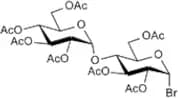
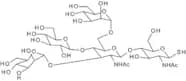
CAS:2,3,6,2',3',4',6'-Hepta-O-acetyl-a-D-maltosyl bromide is a fatty acid that is isolated from the fungus Penicillium notatum. It has been shown to have anti-cancer properties by inhibiting cell proliferation and inducing cancer cell death by apoptosis. The mechanism of action has been shown to be due to its ability to inhibit the phospholipid membrane synthesis and disrupt the interaction between lipids and proteins in the membrane. This compound also inhibits the growth of cancer cells by binding with the hydroxyl group on the surface of cancer cells. 2,3,6,2',3',4',6'-Hepta-O-acetyl-a-D-maltosyl bromide has been shown to inhibit muscle cell proliferation in vitro and in vivo. This drug can be used as an alternative for treatment for cancer or other diseases that are caused by muscleFormula:C26H35BrO17Purity:Min. 95 Area-%Color and Shape:White PowderMolecular weight:699.45 g/mol1,2,3,6-Tetra-O-acetyl-4-O-[2,4,6-tri-O-acetyl-3-O-(2-acetamido-3,4,6-tri-O-acetyl-2-deoxy-b-D-glucopyranosyl)-b-D-galactoyranosyl]- b-D-thioglucopyranose
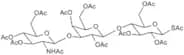
This is a custom synthesis of a complex carbohydrate. The modification, fluorination, methylation, and monosaccharide composition of this carbohydrate have been modified by the Click modification technique. This carbohydrate has the CAS No. 59057-77-4 and a molecular weight of 1,914. It is an oligosaccharide saccharide with glycosylation and sugar composition that are classified as carbohydrates.Formula:C40H55NO25SPurity:Min. 95%Molecular weight:981.92 g/molLS-tetrasaccharide c ammonium salt
CAS:Sialylated tetrasaccharide found in human milk, possible health benefits for the neonate by supporting resistance to pathogens, gut maturation, immune function, and cognitive development.Formula:C37H62N2O29•NH3Purity:Min. 95 Area-%Color and Shape:White PowderMolecular weight:1,015.88 g/molBlood Group B trisaccharide, N-aminoethyl nonanamide
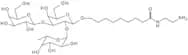
Blood group antigen derivative for biochemical researchFormula:C29H54N2O16Purity:Min. 95%Color and Shape:Off-White PowderMolecular weight:686.74 g/mol2-Azidoethyl N-acetyl-D-lactosamine
CAS:2-Azidoethyl N-acetyl-D-lactosamine is a custom synthesis that is a complex carbohydrate. It has been modified to include methylation and glycosylation. The saccharide is composed of several sugar molecules, including glucose and galactose, which are linked by alpha (1→4) or beta (1→3) bonds. The carbohydrate can be fluorinated, which increases its stability in the presence of oxygen. This compound has CAS number 338971-38-3. 2-Azidoethyl N-acetyl-D-lactosamine is a high purity product that can be used in the modification of other carbohydrates with click chemistry.Formula:C16H28N4O11Purity:Min. 95%Color and Shape:PowderMolecular weight:452.41 g/molHeparin derived dp18 saccharide ammonium salt
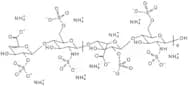
Heparin derived dp18 saccharide ammonium salt is a complex carbohydrate that has been modified with methylation, custom synthesis, click modification, and fluorination. It is used as an anticoagulant to prevent the formation of blood clots. Modification of the sugar chain on the heparin molecule can be achieved through either monosaccharide or polysaccharide substitution. The monosaccharides most commonly found in heparin are glucosamine and N-acetylglucosamine. The polysaccharides that can be found in heparin include chondroitin sulfate, dermatan sulfate, keratan sulfate, and heparan sulfate. Heparin derived dp18 saccharide ammonium salt is a high purity product that has been modified to have a higher degree of efficacy for use in clinical applications. This product is available for purchase at a cost-effective price point.Purity:Min. 95%Color and Shape:PowderMolecular weight:~ 5200 (average)Globo-N-tetraose
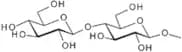
CAS:Tetrasaccharide associated with the glycolipid globosideFormula:C26H45NO21Purity:Min. 95 Area-%Color and Shape:White PowderMolecular weight:707.63 g/molMethyl b-D-cellobioside
CAS:Methyl β-D-cellobioside is the β-configured glycosylation product of cellobiose and methanol. It is a cellobiose mimetic without the reactive (reducing) properties of the cellobiose aldehyde/hemiacetal. As a highly water soluble, non-reducing mimetic of cellobiose (the repeating disaccharide of cellulose), methyl β-D-cellobioside has been applied as inhibitor of binding events involving cellulose-binding domains (CBD) in proteins, for instance as part of the eluent in the related affinity chromatography. It is also a substrate for various β-glucosidases and glycosyltransferases, and the scaffold is a useful starting material for the chemical synthesis of inhibitors of the latter types of enzymes.Formula:C13H24O11Purity:Min. 95%Color and Shape:PowderMolecular weight:356.32 g/mol6’-Sulfated-N-acetyllactosamine
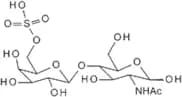
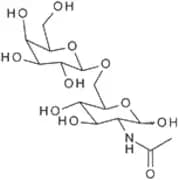
6’-Sulfated-N-acetyllactosamine (6SA) is a complex carbohydrate that is a glycosylation product of lactose. It is methylated at the hydroxyl group and then click-modified by the addition of sulfate groups. 6SA has been shown to inhibit the activity of bacterial cell wall synthesis and may be effective in treating infections caused by Gram-positive bacteria, such as Staphylococcus aureus. 6SA also has antifungal properties and is effective against Candida albicans, including drug-resistant strains. This compound can be custom synthesized or purchased from commercial suppliers.
Formula:C14H25NO14SPurity:Min. 95%Color and Shape:PowderMolecular weight:463.41 g/molChitosan oligomer (Dp 12-20)
Chitosan oligomer (Dp 12-20) is a modification of chitin, a polysaccharide. It can be synthesized by treating chitin with sodium hydroxide in an alkaline environment. Chitosan oligomer (Dp 12-20) has a high degree of saccharide modification and exhibits a variety of functions, including complex carbohydrate, custom synthesis, synthetic, high purity, CAS No., and monosaccharide methylation. This compound has been shown to inhibit the growth of bacteria such as Staphylococcus aureus and Clostridium perfringens.Formula:(C6H11NO4)nColor and Shape:Beige PowderDermatan sulphate hexasaccharide ammonium salt
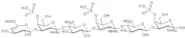
Dermatan sulphate hexasaccharide ammonium salt is a complex carbohydrate modified with an oligosaccharide. Dermatan sulfate hexasaccharide ammonium salt is a synthetic, high purity chemical produced by custom synthesis. This compound has CAS No. 849-27-6. It is a monosaccharide that can be methylated and glycosylated to form polysaccharides of different lengths and configurations. Dermatan sulfate hexasaccharide ammonium salt is a sugar that can be fluorinated or saccharified to produce compounds of varying molecular weights and properties.Purity:Approx. 88%Color and Shape:Powder1,1,1-Kestopentaose
CAS:Non-reducing sucrose analog containing glucose and fructose; prebiotic fibreFormula:C30H52O26Purity:Min. 95 Area-%Color and Shape:White PowderMolecular weight:828.72 g/mol6'-Sialyllactose sodium salt
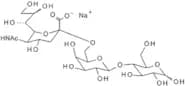
CAS:6'-Sialyllactose is found in milk with immunoprotective effects against pathogens in newborns and aids development and maturation of the immune system and gut microbiota. It suppresses adhesion and infectivity of bacteria and viruses, such as influenza viruses, HIV-1 and rotaviruses and inhibits binding of cholera toxin.Formula:C23H38NO19NaPurity:Min. 90 Area-%Color and Shape:White PowderMolecular weight:655.53 g/molN-Acetylallolactosamine
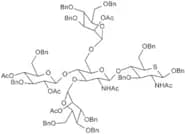
CAS:N-Acetylallolactosamine is a lectin that has been shown to have an acceptor for the oligosaccharide, n-acetylllactosamine. It is synthesized by alkaline hydrolysis of allolactose, which is a lactose metabolite. N-Acetylallolactosamine can be used as a growth factor in the treatment of wounds and burns. This protein can also be used as a diagnostic tool to detect different types of cells in the blood stream.Formula:C14H25NO11Purity:Min. 95%Color and Shape:PowderMolecular weight:383.35 g/molBenzyl 2-acetamido-4-O-[2-acetamido-4-O-(2,4-di-O-acetyl-3,6-di-O-benzyl-b-D-glucopyranosyl)-3,6-di-O-(2-O-acetyl-3,4,6-tri-O-benzyl -a-D-mannopyranosyl)-2-deoxy-b-D-glucopyranosyl]-3,6-di-O-benzyl-2-deoxy-5-thio-b-D-glucopyranoside
This compound is a custom synthesis for Modification, Fluorination, Methylation, Monosaccharide, Synthetic, Click modification, Oligosaccharide and saccharide. It has CAS No. and Polysaccharide as Carbohydrate. The molecular weight of this compound isFormula:C119H132N2O29SPurity:Min. 95%Molecular weight:2,086.38 g/molFructooligosaccharide
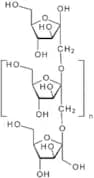
CAS:Fructooligosaccharide is a natural carbohydrate that is used in dietary supplements and as an additive to food products. It is a prebiotic, meaning it stimulates the growth of beneficial bacteria in the colon. Fructooligosaccharide has been shown to be effective against bowel disease by up-regulating protein genes and enzyme activities. Fructooligosaccharide also has significant anti-inflammatory properties. The anti-inflammatory effects may be due to its ability to inhibit prostaglandin synthesis.Purity:Min. 95 Area-%Color and Shape:White PowderChondroitin disaccharide di-diSD trisodium salt
CAS:Chondroitin disaccharide di-diSD trisodium salt is a synthetic, high purity chondroitin sulfate with a molecular weight of about 1 million. It is custom synthesized and modified to include a Click modification on the sugar, fluorination, glycosylation and methylation. The CAS number for this product is 149368-03-6. This product can be used as an ingredient in pharmaceuticals or in cosmetics.Formula:C14H18NO17S2Na3Purity:Min. 95%Color and Shape:PowderMolecular weight:605.39 g/molLacto-N-fucopentaose I
CAS:Milk oligosaccharide; expressed on human induced pluripotent cellsFormula:C32H55NO25Purity:Min. 95%Color and Shape:White PowderMolecular weight:853.77 g/mol2-Acetamido-4-O-[2-acetamido-4-O-(β-D-glucopyranosyl)-3,6-di-O-(α-D-mannopyranosyl)-2-deoxy-β-D-glucopyranosyl]-2-deoxy-β-D-thiogluc opyranoside
2-Acetamido-4-O-[2-acetamido-4-O-(b-D-glucopyranosyl)-3,6-di-O-(a-D-mannopyranosyl)-2,6-di-O-(a,b,c,d)-D mannopyranosyl]-2,6-di-O-(a,b,c,d)-D mannopyranosyl]-2 deoxy -b D thioglucopyranose is a carbohydrate that belongs to the class of saccharides. This compound is modified with fluorination and methylation and can be custom synthesized. It has high purity and can be glycosylated or click modified.Formula:C34H58N2O25SPurity:Min. 95%Color and Shape:SolidMolecular weight:926.89 g/molMaltohexaose
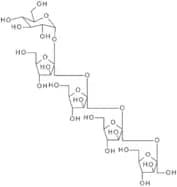
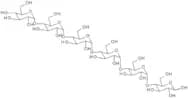
CAS:Maltohexaose is a polysaccharide formed by 6 units of glucose and can be metabolised inside the cell to a substrate-based inhibitor of fucosyltransferases. It can also be converted to GDP-2-deoxy-2-fluoro-L-fucose, a competitive inhibitor of α-1,3-fucosyltransferase. Matohexaose is used as acceptor for measuring the activity of 4-Alpha-Glucanotransferase.Formula:C36H62O31Purity:Min. 70 Area-%Color and Shape:White PowderMolecular weight:990.86 g/mola,a-D-Trehalose dihydrate
CAS:Please enquire for more information about a,a-D-Trehalose dihydrate including the price, delivery time and more detailed product information at the technical inquiry form on this page
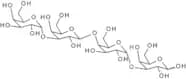
Formula:C12H26O13Purity:Min. 98 Area-%Molecular weight:378.33 g/mol3a,4b,3a-Galactotetraose
CAS:The acetolysis of carrageenan produces a polymer homologous series of oligosaccharides, [Gal α1,3 Gal, Gal β1,4 Gal], [Gal α1,3 Gal β1,4 Gal, Gal β14, Gal α1,3 Gal], [Gal α1,3 Gal β1,4 Gal α1,3 Gal, Gal β1,4Gal α1,3Gal β1,4Gal] etc. (Lawson, 1968). This is significant as it provides an entry to the α-gal series or Galili antigens due to the fact that the disaccharide Galα1,3 Gal can be isolated in quantity. The distribution of the full α-gal epitope (Galα1-3Galβ1-4GlcNAc-R) is unique in mammals, being abundantly expressed on glycoconjugates of non-primate mammals, prosimians and New World monkeys. In contrast, the α-gal epitope is not expressed on glycoconjugates of Old World monkeys, apes and humans; instead, they produce the natural anti-Gal antibody that specifically binds the α-epitope. Anti-Gal mediates the rejection of pig xenograft organs in humans and monkeys by binding α-gal epitopes on the pig cells, inducing complement mediated destruction and antibody dependent cell mediated destruction. This barrier to xenotransplantation has been eliminated by producing α1,3 glycosyltransferase to knockout pigs. Since anti-Gal is ubiquitous in humans, the α-gal epitope has clinical potential in the production of vaccines expressing α-epitopes that can be targeted to antigen presenting cells (APC), thereby increasing the immunogenicity of viral and other microbial vaccines (Macher, 2008).Formula:C24H42O21Purity:Min. 95 Area-%Color and Shape:White Off-White PowderMolecular weight:666.58 g/molSialyllacto-N-fucopentaose V
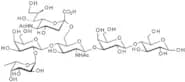
CAS:Sialyllacto-N-fucopentaose V is a complex carbohydrate with the CAS No. 89458-13-9. The molecular weight of this compound is 597.07 g/mol, and it has the following chemical structure:
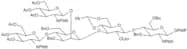
Formula:C43H72N2O33Purity:Min. 95%Molecular weight:1,145.03 g/mol4-Methoxyphenyl 2,6-di-O-acetyl-4-O-[2,4,6-tri-O-acetyl-3-O-allyl-β-D-galactopyranosyl]-3-O-allyl-β-D-glucopyranoside
The chemical structure of this compound is composed of a custom synthesis, modification, and fluorination. The molecular weight is 572.6 g/mol and the CAS No. is 1027152-06-6. The molecular formula is C50H76O24. This compound has a molecular weight of 572.6 g/mol and an empirical formula of C50H76O24. It appears as a white crystalline powder that can be dissolved in water or ethanol.=END>>Formula:C35H46O17Purity:Min. 95%Molecular weight:738.73 g/molLactose octaisobutyrate
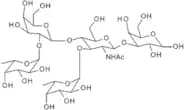
Synthetic building block for oligosaccharide synthesisFormula:C44H70O19Purity:Min. 95%Color and Shape:PowderMolecular weight:903.02 g/molLewis Y pentasaccharide
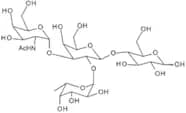
Lewis Y pentasaccharide is a carbohydrate antigen that is expressed on the surface of cells in the cancer, tissue and lymphatic system. It has been shown to be a polyvalent carbohydrate ligand for lectins, which are proteins that bind carbohydrates. Lewis Y pentasaccharide has a high affinity for erythrocytes of blood group A and B, which makes it useful as an antigen for detection of these blood groups. The binding of Lewis Y pentasaccharide to glycolipids on tumor cells initiates complement-dependent cytotoxicity (CDC) by activating the classical pathway of the immune system. CDC can be used as an adjuvant therapy in cancer treatment.Formula:C32H55NO24Purity:Min. 95%Color and Shape:PowderMolecular weight:837.79 g/molCyclohexylmethyl-4-O-(a-D-glucopyranosyl)-b-D-glucopyranoside
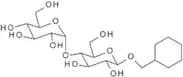
CAS:Detergent used for the solubilization of membrane proteins. Important for the solubilization is the detergent-to-protein ratio. At low ratios (1:10) the membranes are lysed and large complexes of are formed containing protein, detergent, and membrane lipids. With progressively larger ratios smaller complexes are obtained. Finally, at ratios of 10:1 to 20:1 individual detergent-protein complexes are formed free of membrane lipids. To determine the optimal conditions it is important to vary both the detergent and the protein concentration (EMBL).Formula:C19H34O11Purity:Min. 95%Color and Shape:PowderMolecular weight:438.47 g/molBlood Group A tetrasaccharide type V
CAS:Core antigen fragment in ABO blood group systemFormula:C26H45NO20Purity:Min. 90%Color and Shape:White PowderMolecular weight:691.63 g/molGangliotetraose
CAS:Gangliotetraose (Galβ1,3GalNAcβ1,4Galβ1,4Glc) is the core tetrasaccharide found in many gangliosides, such as, GM1 (Ledeen, 2009). Gangliosides containing gangliotetraose are abundant in mammalian brains, where they can cover 10%â20% of the total ganglioside mixture. They are found in epithelial membranes and are key elements for bacterial toxicity and viral infection, for example, it is the intestinal receptor for cholera toxin, the B-subunits of heat-labile toxin, rotavirus, and simian virus 40. They can function as neurotrophic and neuroprotective compounds, and have been used therapeutically for diabetic and peripheral neuropathies. They bind amyloid-β proteins and are involved in Alzheimerâs pathogenesis (Chiricozzi, 2020).
Formula:C26H45NO21Purity:Min. 95%Color and Shape:PowderMolecular weight:707.64 g/molLaminaritetraose
CAS:Ex algal/bacterial polysaccharides-value in b1-3 glucanase assays & diagnosticsFormula:C24H42O21Purity:Min. 95 Area-%Color and Shape:White PowderMolecular weight:666.6 g/molD-Galactopyranosyl-(b1-3)-[N-acetylneuraminyl-(a2-6)]-D-N-acetylgalactosaminyl serine
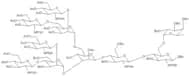
D-Galactopyranosyl-(b1-3)-[N-acetylneuraminyl-(a2-6)]-D-N-acetylgalactosaminyl serine is a synthetic, fluorinated glycoside that has been modified with methylation and saccharide modifications. It is used in click chemistry to modify proteins and other biomolecules. This compound is available as a custom synthesis, and can be modified with various saccharides or oligosaccharides. D-Galactopyranosyl-(b1-3)-[N-acetylneuraminyl-(a2-6)]-D-N-acetylgalactosaminyl serine is an important carbohydrate in glycosylation reactions as it contains the sugar backbone needed for N-, O-, and S-glycosidic linkages. The CAS number for this compound is 514063-.Formula:C28H47N3O21Purity:Min. 95%Color and Shape:PowderMolecular weight:761.68 g/mol





![4-Methoxyphenyl 2,6-di-O-acetyl-4-O-[2,4,6-tri-O-acetyl-3-O-allyl-β-D-galactopyranosyl]-3-O-allyl-…](/_next/image/?url=https%3A%2Fstatic.cymitquimica.com%2Fproducts%2F3D%2Fthumb-webp%2FOM10984.webp&w=3840&q=75)
![D-Galactopyranosyl-(b1-3)-[N-acetylneuraminyl-(a2-6)]-D-N-acetylgalactosaminyl serine](/_next/image/?url=https%3A%2Fstatic.cymitquimica.com%2Fproducts%2F3D%2Fthumb-webp%2FOG15272.webp&w=3840&q=75)