Dyes, Stains and Tinctures
Subcategories of "Dyes, Stains and Tinctures"
- Acid Dyes(49 products)
- Azobenzenes(270 products)
- Azoic Dyes(7 products)
- Basic Dyes(27 products)
- Coumarin Dyes(72 products)
- Cyanine Dyes, Squarylium Dyes(53 products)
- DCM Dyes(4 products)
- Diarylethenes(12 products)
- Dipyrromethene Dyes(26 products)
- Direct Dyes(17 products)
- Disperse Dyes(2 products)
- Dye Sensitizers(12 products)
- Dyes(418 products)
- Dyes & Stains(911 products)
- Generating Insoluble Dyes(14 products)
- Generating Soluble Dyes(11 products)
- Hexaarylbiimidazole(4 products)
- Indicators(575 products)
- Mordant Dyes(10 products)
- Near-Infrared (NIR) Dyes(28 products)
- Oil Dyes(15 products)
- Other Stains and Dyes(2 products)
- Perylene Dyes(17 products)
- Photochromic Dyes(40 products)
- Phthalocyanine Dyes, Porphyrin Dyes(101 products)
- Quinacridone Dyes(8 products)
- Spiropyrans(16 products)
- Stains and Dyes(243 products)
- Stains and Dyes for Microscopy(5 products)
- Vat Dyes(5 products)
- Xanthene Dyes(67 products)
Found 758 products of "Dyes, Stains and Tinctures"
C.I.Basic Yellow 49
CAS:Please enquire for more information about C.I.Basic Yellow 49 including the price, delivery time and more detailed product information at the technical inquiry form on this page
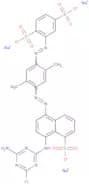
Purity:Min. 95%Reactive orange 35
CAS:Reactive orange 35 is a functional group that is used as an analytical reagent in organic solvents. It is also used to introduce additives into polymers, oligosaccharides, and other compounds. Reactive orange 35 has been shown to react with amide groups in the presence of an amine or ammonia at elevated temperatures. This reaction system can be used to produce a variety of compounds, including pharmaceuticals and pesticides. The reactive nature of this compound makes it an excellent plant cell penetrant.
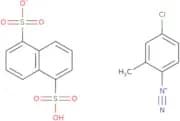
Formula:C27H19ClN9Na3O9S3Purity:Min. 95%Molecular weight:814.12 g/molFast red TR salt 1,5-naphthalenedisulfonate
CAS:Fast red TR salt 1,5-naphthalenedisulfonate salt is a reactive, multidrug molecule that binds to DNA and inhibits the synthesis of viral RNA. It also has an antiviral effect on hepatitis and some types of cancer. Fast red TR salt 1,5-naphthalenedisulfonate salt is used in conjunction with other compounds to treat cancerous tumors. The drug is activated by light when it's injected intravenously into the bloodstream, where it can be taken up by cells in the kidney or liver. Fast red TR salt 1,5-naphthalenedisulfonate salt prevents the production of acetylcholine at nerve endings and blocks the transmission of nerve impulses. This drug also prevents the binding of doxorubicin to DNA in tumor cells and blocks tumor cell growth through a process called hybridization. Fast red TR salt 1,5-naphthalenedisulfonate salt is used to create tissue
Formula:C10H7O6S2•C7H6ClN2Purity:Min. 95%Color and Shape:PowderMolecular weight:440.88 g/molC.I.Acid Orange 88
CAS:C.I. Acid Orange 88 is a fine chemical, which can be used as a versatile building block in the synthesis of complex compounds for use as research chemicals and reaction components. It is a useful intermediate for the production of other chemicals. C.I. Acid Orange 88 belongs to the group of speciality chemicals and has high quality properties that make it useful as a reagent in research applications.
Formula:C32H26CrN10O8S2•NaPurity:Min. 95%Color and Shape:Solid.Molecular weight:817.73 g/molRef: 3D-FA41261
Discontinued productThiazolyl blue tetrazolium bromide
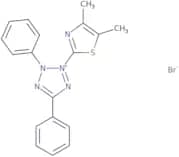
CAS:Thiazolyl blue tetrazolium bromide, also called 3-(4,5-dimethylthiazol-2-yl)-2,5-diphenyl-2H-tetrazolium bromide and methylthiazolyldiphenyl-tetrazolium bromide, and mainly known as MTT, is employed in the so-called MTT reduction or colorimetric assay. The MTT assay is used to determine the metabolic activity of living cells and the viable cell number in proliferation and cytotoxicity studies. The assay is based on the enzymatic reduction of the yellow MTT to the purple-blue water-insoluble formazan catalysed by mitochondrial dehydrogenases of living cells. The amount of formazan produced is directly proportional to the number of viable cells and can be quantified by measuring absorbance at 570nm. The MTT assay is broadly employed in cell biology because it is rapid and economical. MTT is also used as enzyme substrates in studies of nicotinamide adenine dinucleotide phosphate (NADP)-dependent dehydrogenases.
Formula:C18H16BrN5SPurity:Min. 97 Area-%Color and Shape:Yellow PowderMolecular weight:414.32 g/molC.I.Acid Orange 56
CAS:C.I. Acid Orange 56 is a surfactant that is used as an inkjetting agent for the production of polycarbonates and organic solvents. It is also used in radiation-curable coatings, such as paint and varnish, to reduce viscosity. C.I. Acid Orange 56 has been shown to be an efficient surface active agent that can remove calcium ions from surfaces and also a polymerizable photoinitiator for the production of polymeric materials such as silicon wafers, which are used in semiconductor manufacturing.br>br>
C.I. Acid Orange 56 is a member of the class of amphoteric surfactants that can act as both an acid and base in solution due to its ability to donate protons or accept protons when dissolved in water or other polar solvents.br>br>
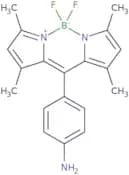
C.I. Acid Orange 56 has been shown to have a viscosity of 0.5 cPPurity:Min. 95%8-(4-Anilino) bodipy
CAS:Fluorescent probe
Formula:C19H20BF2N3Purity:Min. 90 Area-%Color and Shape:PowderMolecular weight:339.19 g/molRef: 3D-FA17933
Discontinued productPhenol red sodium salt
CAS:Phenol red is a pH indicator that finds broad applications from chemistry to microbiology. Colour varies from yellow at pH<6.8 (lmax 443nm) through to light red/pink at 6.8<pH<8.2 (lmax 570 nm) to vivid purple/red at pH>8.2. It is widely used in cell culture to monitor pH and for colorimetric titration. For example, phenol red can be used to quantify Br- content in sea or fresh water. It is added to VTM as pH indicator, at the concentration of 10mg/ml, maintaining a pink colour at neutral pH.
Formula:C19H13NaO5SColor and Shape:Slightly Brown Red PowderMolecular weight:376.36 g/molRef: 3D-FP01503
Discontinued productC.I.Disperse Red 362
CAS:Disperse Red 362 is a yellow pigment that can be used in inkjet printing. It has an express color and is typically used in the printing of textiles, paper, plastics, and other materials. The color of Disperse Red 362 is similar to that of cadmium yellow.
Purity:Min. 95%Acid Orange 154
CAS:Acid Orange 154 is a hydroxyalkyl, divalent cyclic compound that is used as a colorant for textiles and paper. This chemical is detected by absorbance at 400 nm and has an anionic charge. Acid Orange 154 has been shown to form benzyl, acidic chlorophenyl, and alkylene derivatives in the presence of metal ions or polymeric stabilizers. Acid Orange 154 can be analyzed using various techniques including gas chromatography and mass spectrometry.
Purity:Min. 95%C.I.Vat green 11
CAS:Please enquire for more information about C.I.Vat green 11 including the price, delivery time and more detailed product information at the technical inquiry form on this page
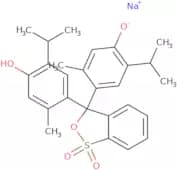
Purity:Min. 95%Thymol blue sodium salt
CAS:Thymol blue sodium salt is a dye that is used to stain fatty acids. The hydroxyl group of thymol blue sodium salt reacts with the carboxylic acid group of fatty acids, forming a cross-link between the two groups. This reaction can be monitored by measuring changes in the intensity of light transmitted through the solution. Thymol blue sodium salt has also been used as a cross-linking agent in polycarboxylic acid hydration reactions, and as an analytical method for determining cationic polymerization. Optical sensors have been developed that are capable of measuring changes in cavity size due to hydration or cationic polymerization.
Formula:C37H40N2Na4O13SPurity:Min. 95%Color and Shape:PowderMolecular weight:844.74 g/molRef: 3D-FT01471
Discontinued productAcid Orange 33
CAS:Acid Orange 33 is a synthetic diazo dye used as a colorant and a dye intermediate. It is soluble in water and organic solvents, but insoluble in oils. Acid Orange 33 can be used as an ophthalmic or topical agent for the treatment of various skin conditions, such as acne. The mechanism of action of this drug is not yet fully understood, but it is known to cleave collagen at specific sites. Acid Orange 33 may also have anti-inflammatory properties, which are due to its cationic character and ability to bind with amines.
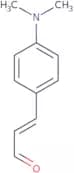
The reaction time for Acid Orange 33 varies depending on the type of amine that it binds to, with lower reactivity observed when it binds to more basic amines (e.g., methylamine).Purity:Min. 95%4-Dimethylaminocinnamaldehyde
CAS:4-Dimethylaminocinnamaldehyde (DMAC) is a metabolite of the herbicide paraquat. It has been studied as an anticancer agent that inhibits the proliferation of human carcinoma cell lines and induces apoptosis. DMAC also binds to DNA, inhibiting transfer reactions and preventing the synthesis of unsymmetrical dyes and procyanidins. DMAC has been shown to inhibit inflammation in mice by blocking the production of prostaglandins and leukotrienes. The anti-inflammatory activity is due to its ability to inhibit cyclooxygenase (COX) enzymes, thereby preventing the formation of prostaglandins from arachidonic acid.
Formula:C11H13NOColor and Shape:Yellow PowderMolecular weight:175.23 g/molC.I.Solvent Yellow 51
CAS:Please enquire for more information about C.I.Solvent Yellow 51 including the price, delivery time and more detailed product information at the technical inquiry form on this page
Purity:Min. 95%Pigment Orange 64
CAS:Pigment Orange 64 is an organic solvent that can be used as a polymerization initiator. Pigment Orange 64 has been extensively used in the production of polyester, polyurethane, and epoxy resins. It is also used as a colorant in paints and textiles. Pigment Orange 64 can be detected using high-performance liquid chromatography (HPLC) with detection sensitivity of 0.01 ppm. The skeleton of Pigment Orange 64 consists of a hydrophobic benzene ring with two hydroxyl groups on either side and two double bonds on each end. It has four functional groups: a carboxylic acid group, an aromatic ring, a phenol group, and an alcohol group. Pigment Orange 64 is soluble in water to form orange solutions and can be detected by its characteristic odor. In addition, it can act as a matrix polymer for metal particles due to its basic properties.
Formula:C12H10N6O4Purity:Min. 95%Color and Shape:PowderMolecular weight:302.25 g/molPigment yellow 155
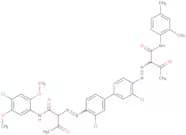
CAS:Pigment yellow 155 is a polycarboxylic acid. It has a hydroxyl group and a polymerization initiator that can polymerize monomers to form polymers. Pigment yellow 155 is soluble in organic solvents, such as alcohols and ketones. It also has functional groups, which are groups of atoms on a molecule that can react with other substances. Pigment yellow 155 is used in the production of paints, plastics, rubber, textiles, and paper. The pigment’s color varies depending on its particle size. Pigment yellow 155 is typically used for coloring objects for use in electrophotography because it produces high-quality images when exposed to light or laser radiation.
Formula:C34H32N6O12Molecular weight:716.65 g/molRef: 3D-FP164826
Discontinued productAcid red 134
CAS:Acid Red 134 is a dye that belongs to the group of amino acid dyes. It is used in textile manufacturing as a colorant and has been found to be mutagenic for bacteria. Acid Red 134 is also used as a hydrophobic dye, which means it does not dissolve in water and instead dissolves in organic solvents such as alcohol or acetone. Acid Red 134 can be polymerized using UV light, making it an excellent initiator for polymerization reactions. This dye is hydrophobic and can form crystals with a low melting point.
Formula:C40H34N4Na2O12S2Color and Shape:Red PowderMolecular weight:872.83 g/molRef: 3D-FA41012
Discontinued productBrilliant blue FCF
CAS:Brilliant blue FCF is a water-soluble dye that has been used for many purposes, including as a food coloring and in wastewater treatment. It is an intensely blue powder that is soluble in water and reactive to acids. The toxicity of this substance has been extensively studied, with long-term studies showing no significant negative effects on the liver or other organs. In addition, it does not cause any toxic effects when tested on human serum. The adsorption of brilliant blue FCF onto activated carbon or silica gel beads has been shown to be reversible and time-dependent. This dye can also be quantified using an analytical method involving surface methodology coupled with electrochemical impedance spectroscopy.
Formula:C37H34N2Na2O9S3Color and Shape:PowderMolecular weight:792.85 g/molRef: 3D-FB19007
Discontinued productC.I.Solvent Orange 56
CAS:Please enquire for more information about C.I.Solvent Orange 56 including the price, delivery time and more detailed product information at the technical inquiry form on this page
Purity:Min. 95%C.I.Acid Yellow 19
CAS:Please enquire for more information about C.I.Acid Yellow 19 including the price, delivery time and more detailed product information at the technical inquiry form on this page
Purity:Min. 95%Pigment Yellow 110
CAS:Pigment Yellow 110 is a colorant that is used in coatings, plastics, and rubber. Pigment Yellow 110 is a derivative of the pigment barium sulfate, which exhibits thermal expansion. Pigment Yellow 110 has an absorption maximum at 590 nm, with a particle size of approximately 8 µm. This product also has reactive functional groups that can cross-link to calcium carbonate and glycol esters.
Formula:C22H6Cl8N4O2Color and Shape:PowderMolecular weight:641.93 g/molC.I.Vat Orange 4
CAS:C.I. Vat Orange 4 is a synthetic organic compound that is used as a pigment and a coating. It is soluble in organic solvents and can be used as an additive to polyethylene glycols, monomers, and coatings. C.I. Vat Orange 4 has been shown to react with radiation and metal hydroxides to form the polymerization inhibitor propionate. This polymerization inhibitor prevents polymerization reactions from occurring at high temperatures or when exposed to thermal energy.
Purity:Min. 95%Alizarin
CAS:Alizarin, traditionally obtained from the roots of the madder plant, has been used to dye textiles since early days. Alizarin red is used in histology and medicine to stain calcium-containing specimens, e.g. bones and calcifications. Chromogenic substrates for enzymes based on alizarin have been developed and, as an example, alizarin-beta-D-galactoside (Aliz-gal) has been reported for the detection of bacterial beta-galactosidase by researchers at the University of Northumbria and the Freeman Hospital, Newcastle upon Tyne in the UK (James, 2000)
Formula:C14H8O4Purity:Min. 95%Color and Shape:Yellow PowderMolecular weight:240.21 g/molRef: 3D-FA39740
Discontinued productC.I.Vat green 13
CAS:C.I.Vat green 13 is a versatile research chemical that finds application in various fields. It is commonly used in the synthesis of copolymers and as a dye for staining purposes. C.I.Vat green 13 has shown promising results in crystallization studies and can be used as an indicator or probe in different experiments. Additionally, it has been found to have inhibitory effects on certain growth factors and enzymes such as epoxomicin. With its unique properties, C.I.Vat green 13 is a valuable tool for researchers and scientists working in diverse areas ranging from polymer chemistry to biological studies.
Purity:Min. 95%C.I.Reactive Red 222
CAS:Please enquire for more information about C.I.Reactive Red 222 including the price, delivery time and more detailed product information at the technical inquiry form on this page
Purity:Min. 95%C.I.Reactive Yellow 145
CAS:C.I.Reactive Yellow 145 is an azo dye that is used in the treatment of wastewater. It has been shown to be a reactive dye, meaning that it will react with other materials in the environment and break down into smaller molecules. C.I.Reactive Yellow 145 has been used for the treatment of wastewater due to its high hydroxyl group content and its chemical stability in the presence of sodium carbonate, which is usually added to wastewater for pH control purposes. This dye has also been used for kinetic studies when combined with surface methodology techniques such as sodium carbonate activation or anhydrous sodium analytical chemistry.
Formula:C28H24ClN9O16S5•Na4Purity:Min. 95%Color and Shape:PowderMolecular weight:1,030.28 g/molPigment yellow 95
CAS:Pigment Yellow 95 is a yellow colorant that is used in paints and plastics. It has been shown to have a high thermal expansion and good light resistance, which makes it an ideal candidate for coatings. Pigment Yellow 95 can be cross-linked with glycol esters or polycarboxylic acids to form a thermosetting plastic. Pigment Yellow 95 is also used as a radiation absorber in some types of smoke detectors. This pigment has been found to be toxic to aquatic organisms and has been associated with environmental pollution in the past.
Formula:C44H38Cl4N8O6Color and Shape:PowderMolecular weight:916.63 g/molRef: 3D-FP164828
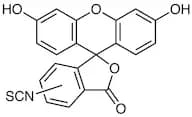
Discontinued productFluorescein Isothiocyanate (mixture of 5- and 6- isomers)
CAS:Formula:C21H11NO5SPurity:>97.0%(T)(HPLC)Color and Shape:Light yellow to Brown powder to crystalMolecular weight:389.38Acid Orange 74
CAS:Acid Orange 74 is a reactive dye that is used in wastewater treatment. It is a water-soluble dye that can be used to measure the rate of water permeability and hydrogen bond. Acid Orange 74 has been shown to induce apoptosis through its interaction with the survivin protein. The reactivity of Acid Orange 74 to wild-type cells is higher than its reactivity with mutant cells, which may be due to its ability to form hydrogen bonds in wild-type cells more easily than mutant cells. Acid Orange 74 was found to bind monoclonal antibodies and guanine nucleotide-binding proteins, which are involved in DNA replication and repair. This dye also induces reactive oxygen species (ROS) production, leading to oxidative stress in cells.
Formula:C16H10CrN5NaO8SPurity:Min. 85%Color and Shape:PowderMolecular weight:507.34 g/molRef: 3D-FA41259
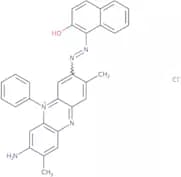
Discontinued productIndoine Blue
CAS:Indoine blue is a dye that can be used for the staining of cell nuclei in tissue sections. Indoine blue is a molecule with an acidic and basic dye group, which can be titrated with hydrochloric acid and amines to produce different colors. Indoine blue has been shown to have affinity values of 0.06 to 0.1 M in agarose gels and polymer films, respectively. Indoine blue is also an electron-rich molecule with an oxidation potential of -0.36 V (versus SCE).
Formula:C30H24N5OClPurity:Min. 95%Color and Shape:Brown PowderMolecular weight:506 g/molRef: 3D-FI52675
Discontinued productDisperse Yellow 23, technical grade dye content
CAS:Disperse Yellow 23 is a synthetic, industrial dye that is used in the manufacturing of plastics, textiles, and paper. It has a molecular formula of C10H16ClN2O and an x-ray crystal structure with one molecule in the asymmetric unit. Disperse Yellow 23 reacts with hydroxyl groups to form a diazonium salt. It is soluble in water and has a neutral pH. Disperse Yellow 23 is highly reactive and should be handled with care as it may cause burns on contact. The chemical structures of Disperse Yellow 23 are shown below:
Formula:C18H14N4OPurity:Min. 95%Molecular weight:302.33 g/molRef: 3D-FD41304
Discontinued productSanodure grey NL
Please enquire for more information about Sanodure grey NL including the price, delivery time and more detailed product information at the technical inquiry form on this page
Purity:Min. 95%Ref: 3D-FS170829
Discontinued product2,7-Dichlorofluorescein
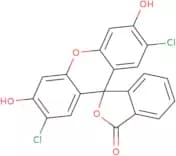
CAS:Fluorophore used in biological assays and for labeling cells and tissues
Formula:C20H10Cl2O5Purity:Min. 95%Color and Shape:PowderMolecular weight:401.2 g/molRef: 3D-FD52655
Discontinued productAcid alizarin blue 2b
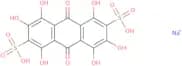
CAS:For the identification of acidophilic cells, blue color
Formula:C14H8NaO14S2Purity:Min. 95%Molecular weight:487.3 g/molRef: 3D-KAA11440
Discontinued productRhodamine WT, 20% aqueous solution
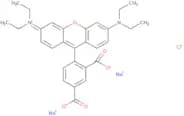
CAS:Rhodamine is a fluorescent compound that, in a 20% aqueous solution, serves as an effective fluorescent probe for detecting nitrite ions (NO2). When exposed to ultraviolet light, it undergoes a remarkable color change in response to nitrite presence. Beyond nitrite detection, rhodamine also interacts with various chemical substances, including organic solvents commonly found in wastewater treatment systems, which shows its potential, especially in environmental monitoring and analytical chemistry applications. This 20% solution is 20% w/w. Our sales mass in g is the final mass of the solution.
Formula:C29H29N2O5·Cl·2NaPurity:Min. 95%Color and Shape:Clear LiquidMolecular weight:567 g/molPigment Yelow 176
CAS:Pigment Yellow 176 is an inorganic pigment that exhibits a resistance to high temperatures and a high degree of light stability. It has been used as a pharmaceutical preparation, in coatings, and as a polymerization initiator. Pigment Yellow 176 reacts with acid molecules such as nitric acid or hydrochloric acid to form metal ion complexes. These complexes are usually unstable and may undergo reactions with other substances, such as cellulose acetate. This pigment also contains functional groups that can react with hydroxyl groups found on the surface of paper or other organic surfaces.
Formula:C36H35ClN6O6Purity:Min. 95%Color and Shape:PowderMolecular weight:683.15 g/molAlizarin Yellow R sodium salt
CAS:Acid-base indicator dye; textile dye; yellow color
Formula:C13H8N3O5NaPurity:Min. 95%Molecular weight:309.21 g/molRef: 3D-FA52710
Discontinued productCloprednol
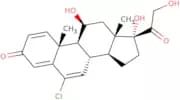
CAS:Controlled ProductCloprednol is an anti-infective agent that belongs to the group of aziridine derivatives. It is a synthetic analog of prednisolone, which has been shown to inhibit the inflammatory response in the intestine. Cloprednol has been shown to be highly biocompatible and its long-term efficacy against microbial infection has been demonstrated by kinetic data. This drug also inhibits choroidal neovascularization, which is a major cause of blindness in patients with age-related macular degeneration. Cloprednol is used for the treatment of bowel diseases such as Crohn’s disease and ulcerative colitis. It also has been shown to be effective in treating autoimmune diseases such as psoriasis, rheumatoid arthritis, and systemic lupus erythematosus.
Formula:C21H25ClO5Purity:Min. 95%Molecular weight:392.87 g/molRef: 3D-FC20516
Discontinued productMetanil yellow, 95%
CAS:Please enquire for more information about Metanil yellow, 95% including the price, delivery time and more detailed product information at the technical inquiry form on this page
Formula:C18H15N3O3S•NaPurity:Min. 95%Molecular weight:376.39 g/molRef: 3D-FM183608
Discontinued productPrednisolone 21-Hemisuccinate
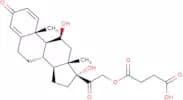
CAS:Controlled ProductPrednisolone 21-hemisuccinate is a synthetic glucocorticoid that has antiinflammatory activity. Prednisolone 21-Hemisuccinate is used in the treatment of inflammatory bowel disease, as well as various other types of inflammatory conditions, such as autoimmune diseases and infectious diseases. It is also used to treat myocardial infarcts and various types of cancer (e.g., leukemia). Prednisolone 21-hemisuccinate acts by binding to the glucocorticoid receptor, which alters gene expression and protein synthesis in cells. Prednisolone 21-Hemisuccinate binds to the Toll-like receptor 4 (TLR4), thereby inhibiting inflammation in mouse models of colitis. Prednisolone 21-Hemisuccinate also decreases glucose levels by decreasing insulin secretion from pancreatic beta cells.
Purity:Min. 95%Methylene violet
CAS:Please enquire for more information about Methylene violet including the price, delivery time and more detailed product information at the technical inquiry form on this page
Formula:C14H12N2OSPurity:65%Molecular weight:256.32 g/molRef: 3D-FM183308
Discontinued productAf488-alkyne
CAS:Please enquire for more information about Af488-alkyne including the price, delivery time and more detailed product information at the technical inquiry form on this page
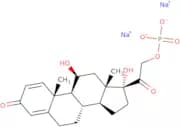
Formula:C24H17N3O10S2Purity:Min. 95%Molecular weight:571.5 g/molPrednisolone disodium phosphate
CAS:Prednisolone is a corticosteroid that is used to treat inflammation and reduce the body's immune response. Prednisolone disodium phosphate (PDSP) is an enteric-coated tablet that releases prednisolone in the small intestine, where it can be absorbed into the bloodstream. It has been shown to be effective at reducing bowel disease activity in patients with inflammatory bowel disease. Prednisolone disodium phosphate may also have a role in controlling infectious diseases, such as tuberculosis, due to its ability to inhibit toll-like receptor 4 signaling. The drug has been studied as a model system for predicting drug interactions by monitoring the rate constant for benzalkonium chloride binding to human serum albumin.
Formula:C21H29O8P•Na2Purity:Min. 95%Color and Shape:PowderMolecular weight:486.4 g/molAcid Green 50
CAS:Acid Green 50 is a reactive dye that is used for wastewater treatment and in the pharmaceutical industry. It has been shown to be an effective treatment for infectious diseases, such as herpes simplex virus. Acid Green 50 binds to biological surfaces and forms a film-forming polymer. The adsorption mechanism of Acid Green 50 has been studied using kinetic data and kinetic studies. The acylation reaction of Acid Green 50 with collagen gel has also been investigated. This dye is able to emit light when excited by UV radiation and can be used in a flow system. In addition, this dye can be synthesized using a polymerase chain reaction (PCR).
Purity:Min. 95%Color and Shape:PowderMolecular weight:577.63 g/molRef: 3D-FA40988
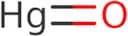
Discontinued productMercuric oxide red
CAS:Controlled ProductMercuric oxide red is a dinucleotide phosphate that has been used as an oxidation catalyst in organic synthesis. Mercuric oxide red is also used as a reagent for the conversion of glycoside derivatives to their corresponding mercuric salts. It can be used in the determination of certain metabolites, such as amino acids and fatty acids, in biological samples. In addition, it can be used to detect lipid peroxidation and oxidative stress. For example, Mercuric oxide red has been shown to have the ability to bind to Toll-like receptor 4 (TLR4). This binding induces the production of pro-inflammatory cytokines, including IL-6. Mercuric oxide red also inhibits plasma mass spectrometry by suppressing ionization and reducing fragmentation.
Formula:HgOPurity:Min. 95%Color and Shape:PowderMolecular weight:216.60 g/molRef: 3D-FM44545
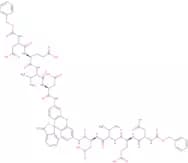
Discontinued product(Z-Asp-Glu-Val-Asp)2-Rhodamine 110
CAS:Fluorogenic dye targeting caspase 3
Formula:C72H78N10O27Purity:Min. 95%Molecular weight:1,515.44 g/molRef: 3D-FA110985
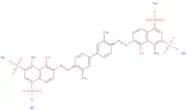
Discontinued productEvans blue
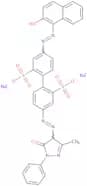
CAS:Evans blue is a basic protein that binds to the active site of metalloproteinases, such as MMP-9. It is used in the study of enzyme activities and in biological samples for determining levels of MMP-9 activity. Caproic acid is capable of chelating metal ions and is often used as a substrate for measuring water permeability. Evans blue has been shown to have a hypoglycemic effect and can be used as a pharmacological agent for treating conditions such as ischemia-reperfusion injury, congestive heart failure, and toll-like receptor 4 (TLR4) mediated inflammation.
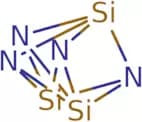
Formula:C34H24N6O14S4Na4Purity:Min. 95%Molecular weight:960.81 g/molSilicon nitride - predominantly β-phase, -325 mesh
CAS:Silicon nitride is a compound of silicon and nitrogen. It is used in the preparation of high purity silicon, as well as in the production of semiconductors, electronic devices, and other products. Silicon nitride is also used to make parts for aircraft engines and turbines. The thermal expansion coefficient of silicon nitride is typically 5x10⁻⁶/°C, which makes it ideal for use in high-temperature environments. Silicon nitride has antimicrobial properties that may be due to its ability to release hydrogen fluoride and water vapor when heated. These compounds are toxic to bacteria and fungi, making silicon nitride a potential candidate for use in biomedical implants or medical devices such as catheters or prosthetic joints. Silicon nitride is chemically stable at temperatures up to 1000°C, making it an excellent material for high-temperature applications such as aerospace engine components. Silicon nitride can also be used as a sample preparation tool because it can remove impurities from samples without
Formula:N4Si3Purity:Min. 95%Color and Shape:PowderMolecular weight:140.28 g/molRef: 3D-FS168689
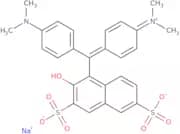
Discontinued productVictoria blue B
CAS:Victoria Blue B is a compound that contains potassium dichromate and sodium citrate. It has been shown to have high resistance against many types of bacteria, including human serum and cell nuclei. Victoria Blue B has been shown to adsorb nitrite ions from wastewater, which can be useful for the treatment of sewage or as an antimicrobial agent in biological samples. The mechanism by which Victoria Blue B does this is not yet fully understood.
Formula:C33H32N3ClPurity:Min. 70 Area-%Color and Shape:PowderMolecular weight:506.08 g/molRef: 3D-FV52673
Discontinued productFluorol yellow 088
CAS:Please enquire for more information about Fluorol yellow 088 including the price, delivery time and more detailed product information at the technical inquiry form on this page
Formula:C22H16OPurity:Min. 95%Molecular weight:296.36 g/molRef: 3D-FF183935
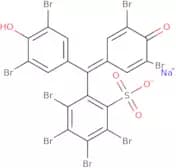
Discontinued productTetrabromophenol blue sodium salt
CAS:Tetrabromophenol blue sodium salt is a dye that is used as an additive in the production of vinyl alcohol polymer films. Tetrabromophenol blue sodium salt can be used to measure albumin concentration and postexposure by adding phenyl groups to the molecule. The color of tetrabromophenol blue sodium salt changes upon exposure to radiation, which makes it useful for diagnostic purposes. It also has a hydrocarbon group that transforms into an insoluble form when exposed to evaporation, making it useful for titration methods. Tetrabromophenol blue sodium salt is relatively stable and labile in nature, making it susceptible to techniques such as pyrolysis, oxidation, or reduction.
Formula:C19H5Br8NaO5SPurity:Min. 95%Molecular weight:1,007.53 g/molRef: 3D-FT147404
Discontinued productDisperse red 277
CAS:Please enquire for more information about Disperse red 277 including the price, delivery time and more detailed product information at the technical inquiry form on this page
Purity:Strength 100%±3%Color and Shape:PowderRef: 3D-FD183458
Discontinued productAcid Red 111
CAS:Acid Red 111 is a basic dye that is soluble in water. It has an acid pH, which can be activated by acid catalysts. Acid Red 111 has been shown to be reactive with functional groups and to polymerize with hydroxyl groups. This dye has been shown to have protease activity and potential use as a colorant for polymers. Acid Red 111 has also been found to inhibit the growth of ganoderma lucidum and fatty acids.
Purity:Min. 95%Ref: 3D-FA41265
Discontinued productBP Fluor 488 hydrazide
CAS:Green fluorescent dye used for labelling aldehydes or ketones in polysaccharides or glycoproteins with an excitation peak at 499 nm and an emission peak at 520 nm. Frequently employed in microscopy and flow cytometry.
Formula:C21H16N4O10S2Molecular weight:548.51 g/molRef: 3D-FB184557
Discontinued productPigment blue 60 - technical grade
CAS:Pigment blue 60 is a water-soluble dye that is used as a pigment in paints, inks, and textiles. Pigment blue 60 is also used as an indicator of the presence of alkanoic acids in wastewater. The reaction mechanism for the formation of pigment blue 60 has not been fully elucidated; however, it is thought to involve the oxidation of benzalkonium chloride by hydroxyl radicals from hydrogen peroxide. This reaction solution can be analysed using phosphorus pentoxide or nitrogen atoms to determine the quantity of pigment blue 60 present. Pigment blue 60 has been shown to have antibacterial activity against several bacterial strains including Escherichia coli and Staphylococcus aureus. Pigment blue 60 is also used as an analytical method for measuring the amount of oxygen in air or other gasses by reacting with nitrogen oxides at elevated temperatures.
Formula:C28H14N2O4Purity:(With Total Nitrogen) Min. 97.0%Color and Shape:PowderMolecular weight:442.42 g/molIron oxide black
CAS:Controlled ProductIron oxide black is a reactive dye that is used in wastewater treatment. It is an oxide of iron that can be synthesized from sodium carbonate and langmuir adsorption isotherm. Iron oxide black has been shown to have a colloidal gold-like color, chemical stability, and constant pressure. The particle size of this compound ranges from 10-1000 nm and it reacts with a solution containing anhydrous sodium carbonate to form magnetite nanoparticles. Iron oxide black also has an asymmetric synthesis reaction with ferric chloride and nitric acid, which produces magnetic nanoparticles.
Formula:Fe3O4Purity:Min. 95%Color and Shape:PowderMolecular weight:231.53 g/molRef: 3D-FI41084
Discontinued productPigment red 48 (C.I. 15865)
CAS:Pigment Red 48 (C.I. 15865) is a red organic pigment that is soluble in water and most organic solvents. It has a melting point of 200°C and is used in paints, plastics, textiles, paper, and other products. Pigment Red 48 (C.I. 15865) can be synthesized by the diazonium salt coupling reaction between an aromatic amine and an acid chloride. The pigment also has a hydroxyl group that enables it to form covalent bonds with other molecules such as polymers or proteins. Pigment Red 48 (C.I. 15865) is used in many products because of its high stability, excellent heat resistance, low toxicity, non-irritating properties, high transparency, and good color fastness to light and washing.BR> Pigment Red 48 (C.I. 15865) is not considered hazardous according to the Globally Harmonized System of Classification and Lab
Formula:C18H11ClN2Na2O6SPurity:Min. 95%Molecular weight:464.79 g/mol