Dyes, Stains and Tinctures
Dyes, stains, and tinctures are essential tools in molecular biology, crucial for visualizing and studying DNA, chromosomes, and cell nuclei. These compounds enable researchers to highlight specific cellular components, facilitating detailed observation and analysis under a microscope. In this category, you will find a wide range of high-quality dyes and stains used in various staining techniques, including fluorescent dyes for DNA and chromosomal analysis, histological stains for tissue samples, and specific stains for cellular structures. These tools are indispensable in genetic research, cytology, histology, and diagnostics, providing clarity and contrast in biological specimens. At CymitQuimica, we offer a comprehensive selection of dyes, stains, and tinctures to support your molecular biology research and ensure precise and reliable results in your studies.
Subcategories of "Dyes, Stains and Tinctures"
- Acid Dyes(49 products)
- Azobenzenes(270 products)
- Azoic Dyes(7 products)
- Basic Dyes(27 products)
- Coumarin Dyes(72 products)
- Cyanine Dyes, Squarylium Dyes(53 products)
- DCM Dyes(4 products)
- Diarylethenes(12 products)
- Dipyrromethene Dyes(26 products)
- Direct Dyes(17 products)
- Disperse Dyes(2 products)
- Dye Sensitizers(12 products)
- Dyes(418 products)
- Dyes & Stains(911 products)
- Generating Insoluble Dyes(14 products)
- Generating Soluble Dyes(11 products)
- Hexaarylbiimidazole(4 products)
- Indicators(575 products)
- Mordant Dyes(10 products)
- Near-Infrared (NIR) Dyes(28 products)
- Oil Dyes(15 products)
- Other Stains and Dyes(2 products)
- Perylene Dyes(17 products)
- Photochromic Dyes(40 products)
- Phthalocyanine Dyes, Porphyrin Dyes(101 products)
- Quinacridone Dyes(8 products)
- Spiropyrans(16 products)
- Stains and Dyes(243 products)
- Stains and Dyes for Microscopy(5 products)
- Vat Dyes(5 products)
- Xanthene Dyes(67 products)
Show 23 more subcategories
Found 758 products of "Dyes, Stains and Tinctures"
Sort by
Purity (%)
0
100
|
0
|
50
|
90
|
95
|
100
Pigment Red 112
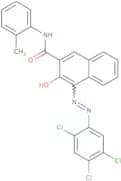
CAS:Pigment Red 112 is a hydroxylated derivative of the low molecular weight glycol ester, polyethylene glycol. It is used as a control agent in the manufacture of paints and plastics. Pigment Red 112 is soluble in organic solvents such as acetone, which makes it useful for coating metal surfaces. It is also water-soluble and can be used to produce transparent coatings. Pigment Red 112 has been shown to inhibit lipid biosynthesis by binding to fatty acids and particle formation due to its chemical crosslinking properties. Pigment Red 112 may cause allergic reactions in some people who are sensitive or have skin conditions such as eczema.Formula:C24H16O2N3Cl3Color and Shape:Red Clear LiquidMolecular weight:484.76 g/molSanodure fiery red ML
Please enquire for more information about Sanodure fiery red ML including the price, delivery time and more detailed product information at the technical inquiry form on this page
Purity:Min. 95%C.I.Reactive Black 5
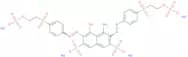
CAS:C.I.Reactive Black 5 is a reactive dye that can be used to detect bacterial growth in the presence of sodium carbonate, which is added to the reaction solution at a concentration of 0.1M. The dye has been shown to inhibit enzyme activities, such as nitrogen atoms and anhydrous sodium, and disrupt bacterial growth by binding to cell surfaces. This dye is also able to photobind with bacterial cells in nutrient solutions and kinetic experiments, leading to inhibition of cell division through the disruption of DNA replication.Formula:C26H21N5O19S6Na4Purity:Min. 95%Color and Shape:Brown PowderMolecular weight:991.82 g/molC.I.Solvent Orange 45
CAS:Please enquire for more information about C.I.Solvent Orange 45 including the price, delivery time and more detailed product information at the technical inquiry form on this pageFormula:C32H24CoN8O10•HPurity:Min. 95%Color and Shape:PowderMolecular weight:740.52 g/molC.I.Vat green 2
CAS:C.I. Vat green 2 is a synthetic dye that has been shown to have genotoxic potential and is therefore considered carcinogenic. It is soluble in water, but not in organic solvents such as acetone or chloroform. C.I. Vat green 2 can be used in the textile industry as a colorant for nylon fibers, polyester yarns, rayon fabrics, and acrylic fibers, among others. The stability of this dye depends on temperature and pH; it decomposes at temperatures above 120 °C and pH above 10. This compound is commonly used to produce an emerald green color when dissolved in water or alcohol with the help of an acidifier or base catalyst such as sodium hydroxide, ammonium hydroxide, or hydrogen peroxide.Formula:C36H18Br2O4Purity:Min. 95%Molecular weight:674.33 g/molAmyloid Dan Protein (1-34) (reduced) trifluoroacetate salt
CAS:Please enquire for more information about Amyloid Dan Protein (1-34) (reduced) trifluoroacetate salt including the price, delivery time and more detailed product information at the technical inquiry form on this pageFormula:C185H270N48O51S2Purity:Min. 95%Molecular weight:4,046.55 g/molPigment Red 52:1
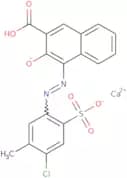
CAS:6-Fluoro-3-indoxyl-beta-D-galactopyranoside is a potent antituberculosis drug that falls under the class of rifamycins. It is highly effective in treating tuberculosis infections due to its bactericidal activity. This active compound works by inhibiting bacterial growth through binding to DNA-dependent RNA polymerase, which prevents transcription and replication. Its efficacy has been demonstrated through transcription-quantitative polymerase chain reactions and patch-clamp techniques on human erythrocytes. In terms of metabolism, it undergoes various transformations such as hydrolysis by esterases or glucuronidases, oxidation by cytochrome p450 enzymes, reduction by glutathione reductase, or conjugation with glucuronic acid. Additionally, 6-Fluoro-3-indoxyl-beta-D-galactopyranoside specifically targets markers expressed at high levels in Mycobacterium tuberculosis strains and inhibits their cell growth in culturePurity:Min. 95%Glutathione-monoethyl ester (reduced)
CAS:Glutathione-monoethyl ester (reduced) H-Glu(Cys-Gly-OEt)-OH is a polymerase chain reaction (PCR) enhancer that consists of a glutathione monoester and an ethyl ester. Glutathione monoethyl ester (reduced) H-Glu(Cys-Gly-OEt)-OH is used as a cancer therapeutics agent in the treatment of cells with high levels of reactive oxygen species. It also inhibits drug efflux from cells and induces apoptosis in endothelial cells, which can lead to the inhibition of tumor growth. Glutathione monoethyl ester (reduced) H-Glu(Cys-Gly-OEt)-OH has been shown to cause changes in intracytoplasmic sperm and protein thiols in PC12 cells, which may be related to its ability to inhibit cell proliferation.Formula:C12H21N3O6SPurity:Min. 95%Molecular weight:335.38 g/molLys(Dabsyl)-(Asn670,Leu671)-Amyloid beta/A4 Protein Precursor770 (667-676)-Gln-Lucifer Yellow ammonium salt
CAS:Please enquire for more information about Lys(Dabsyl)-(Asn670,Leu671)-Amyloid beta/A4 Protein Precursor770 (667-676)-Gln-Lucifer Yellow ammonium salt including the price, delivery time and more detailed product information at the technical inquiry form on this pageFormula:C89H122N24O31S3Purity:Min. 95%Molecular weight:2,120.26 g/molGraphitized carbon black - Partical size 100-300um
CAS:Graphitized; Particle size 100-300 µmFormula:CPurity:Min. 95%Color and Shape:Black SolidMolecular weight:12.01 g/molMethylprednisolone hemisuccinate
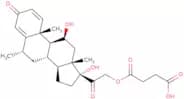
CAS:Controlled ProductMeghylprednisolone hemisuccinate is a nonsteroidal anti-inflammatory drug (NSAID) that belongs to the group of pharmacological agents. It is used for pain relief in cases of inflammatory bowel disease, and has been shown to be effective against human immunoglobulin A (IgA) nephropathy. Meghylprednisolone hemisuccinate inhibits prostaglandin synthesis by binding to the enzyme cyclooxygenase and blocking the conversion of arachidonic acid to prostaglandins. This drug also blocks the production of leukotrienes, which are mediators of inflammation and tissue injury. Meghylprednisolone hemisuccinate has been shown to be less toxic than methylprednisolone sodium succinate in rats when given at low doses orally, although it has not been studied in humans.Formula:C26H34O8Purity:Min. 95%Molecular weight:474.54 g/mol4,4'-(4,5,6,7-Tetrabromo-1,1-dioxido-3H-2,1-benzoxathiol-3-ylidene)bis[2-iodo-6-nitrophenol]
CAS:Dye for detection of human serum albumin in urineFormula:C19H6Br4I2N2O9SPurity:Min. 95 Area-%Color and Shape:PowderMolecular weight:1,011.75 g/molNew methylene blue NX
CAS:New methylene blue NX is a versatile building block that can be used in the synthesis of many different compounds. It can be used as a reagent to produce research chemicals or as a reactant for the production of high quality, useful intermediates. The compound is also a useful scaffold for the synthesis of complex compounds. New methylene blue NX has CAS number 6586-05-6 and is registered under the Chemical Abstracts Service (CAS).Formula:C18H22N3S•(Cl2Zn)x•ClPurity:Min. 95%Color and Shape:PowderMolecular weight:832.1Direct Blue 15
CAS:Direct Blue 15 is a water-soluble organic dye that is used in electrochemical impedance spectroscopy for wastewater treatment. The high salt and physiological effects of Direct Blue 15 have been studied in dose groups of rats. Direct Blue 15 was not found to be carcinogenic to rats, but did cause liver lesions at high doses. However, it did not cause DNA damage or induce mutations in the calf-thymus DNA. The hydroxyl group on the molecule allows it to bind to amines, which may explain its toxicity and mutagenicity.Formula:C34H24N6O16S4Na4Purity:Min. 95%Molecular weight:992.81 g/molIndigo
CAS:Indigo is a dye that has been used for centuries in the textile industry for its unique blue color.
Formula:C16H10N2O2Purity:Min. 95%Color and Shape:Blue PowderMolecular weight:262.26 g/molC.I.Reactive Red 120
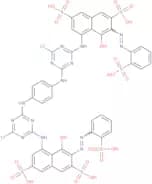
CAS:C.I.Reactive Red 120 is a reactive dye that has been shown to adsorb onto the crystal structure of formic acid and react at a temperature of 50°C. C.I.Reactive Red 120 is also catalytic, with an efficiency of up to 80%. The antibacterial activity of this dye has been shown to be comparable to that of other dyes, such as Reactive Yellow 3 and Reactive Blue 15. This dye is used in the detection, identification, and quantification of bacteria by liquid chromatography (LC) with UV-visible spectroscopy or LC-MS/MS analysis. It can be used for bacterial identification in the presence of escherichia coli and bovine serum albumin (BSA) proteins as well as other interfering substances in biological samples.Formula:C44H30O20N14S6Cl2Purity:Min. 95%Color and Shape:PowderMolecular weight:1,338.09 g/molSomatostatin-14 (reduced)
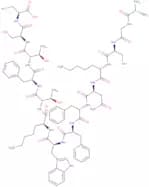
CAS:Somatostatin-14 (reduced) H-Ala-Gly-Cys-Lys-Asn-Phe-Phe-Trp-Lys-Thr-Phe-Thr-Ser-Cys is a synthetic peptide that is an adjuvant for vaccines. It induces a biphasic response by increasing the humoral immune response and decreasing the cellular immune response. Somatostatin has been shown to decrease the severity of symptoms in patients with psychiatric disorders and can be used as a long term treatment for these conditions. Somatostatin also has effects on the pancreas, such as inhibiting insulin release, leading to decreased blood glucose levels. Its disulfide bond in its structure may be important for its activity and stability.Formula:C76H106N18O19S2Purity:Min. 95%Molecular weight:1,639.9 g/mol([15N]Gly)-Glutathione (reduced)
CAS:Please enquire for more information about ([15N]Gly)-Glutathione (reduced) including the price, delivery time and more detailed product information at the technical inquiry form on this pagePurity:Min. 95%1,9-Dimethyl-methylene blue zinc chloride
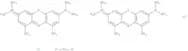
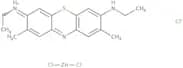
CAS:1,9-Dimethyl-methylene blue zinc chloride double salt is a fluorescent dye that has been used in the study of hyaluronic acid and mesenchymal stem cells. The compound absorbs light at a wavelength of 580 nm, which is the same as the absorption wavelength for hyaluronic acid and mesenchymal stem cells. 1,9-Dimethyl-methylene blue zinc chloride double salt can be used to measure the amount of these compounds in tissues. This dye also shows sensitivity to artifacts such as hemolysis and lipemia, making it useful for research purposes.Formula:(C18H22ClN3S)2•ZnCl2Purity:Min. 95%Color and Shape:PowderMolecular weight:832.11 g/molFluorescent Brightener 28
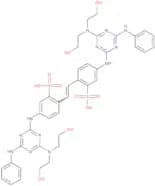
CAS:Fluorescent Brightener 28 is a fluorescent dye that is used for the diagnosis of opportunistic fungal infections. It is also used as a marker for cell proliferation in tissue culture. Fluorescent Brightener 28 binds to the signal-peptide region of RNA polymerase II and can be detected using immunofluorescence microscopy. The fluorescent signal is observed in the nucleus, cytoplasm, or both. Fluorescent Brightener 28 has been shown to bind to human α1-acid glycoprotein (AAG) and α2-macroglobulin, which can affect drug interactions. This dye has no effect on fatty acid metabolism and does not interfere with the test results when testing samples such as blood or urine.Formula:C40H44N12O10S2Purity:Min. 95%Color and Shape:PowderMolecular weight:916.99 g/mol






![4,4'-(4,5,6,7-Tetrabromo-1,1-dioxido-3H-2,1-benzoxathiol-3-ylidene)bis[2-iodo-6-nitrophenol]](/_next/image/?url=https%3A%2Fstatic.cymitquimica.com%2Fproducts%2F3D%2Fthumb-webp%2FFT76467.webp&w=3840&q=75)


![([15N]Gly)-Glutathione (reduced)](/_next/image/?url=https%3A%2Fstatic.cymitquimica.com%2Fproducts%2F3D%2Fthumb-webp%2FFG109306.webp&w=3840&q=75)