Polycyclic Compounds
Polycyclic compounds are organic molecules that contain multiple interconnected rings. These compounds include polycyclic aromatic hydrocarbons and other complex ring systems. They are significant in materials science, pharmaceuticals, and organic electronics. At CymitQuimica, we provide high-quality polycyclic compounds to support your research and industrial applications, ensuring reliable and effective results in your projects.
Subcategories of "Polycyclic Compounds"
- Acridines(97 products)
- Anthraquinones(533 products)
- Anthraquinonesulfonic Acids(16 products)
- Azobenzenes(270 products)
- Azonaphthalenes(98 products)
- Azoxybenzenes(12 products)
- Azulenes(11 products)
- Benzimidazoles(1,475 products)
- Benzodioxanes(27 products)
- Benzofurans(924 products)
- Benzothiophenes(700 products)
- Benzotriazoles(438 products)
- Binaphthyls(133 products)
- Carbazoles(462 products)
- Chromanes, Chromenes(480 products)
- Coumarins(1,122 products)
- Cyclophanes(11 products)
- Fluorenes and Fluorenones(381 products)
- Imidazopyridines(10 products)
- Indans(118 products)
- Indazoles(2,037 products)
- Indenes(22 products)
- Indoles(3,988 products)
- Indolines(119 products)
- Isatins(234 products)
- Isobenzofurans(17 products)
- N-Substituted Phthalimides(153 products)
- Naphthalenes(2,436 products)
- Naphthyridines(17 products)
- Naphtoquinone(2 products)
- Perylenes(36 products)
- Phenazines(25 products)
- Phthalazines(33 products)
- Phthalimide(153 products)
- Polycyclic Aromatic Hydrocarbons (PAHs)(270 products)
- Polyphenol(261 products)
- Pteridines(52 products)
- Pyrenes(87 products)
- Quinuclidine(1 products)
- Tetracenes(7 products)
Show 32 more subcategories
Found 4574 products of "Polycyclic Compounds"
Sort by
Purity (%)
0
100
|
0
|
50
|
90
|
95
|
100
6-Hydrazinopurine
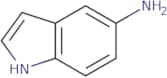
CAS:<p>6-Hydrazinopurine is an anti-hepatitis drug that is a prodrug for 6-chloropurine. Its mechanism of action is not fully understood, but it has been shown to bind to the virus receptor and inhibit the replication of the virus. It also competitively inhibits amines in biochemical assays. This property may be due to its hydroxyl group, which can form a hydrogen bond with the amino group of amines. It has been shown to be active against prostate carcinoma cells. 6-Hydrazinopurine has been shown to inhibit the growth of cancer cells by inducing apoptosis and decreasing cell proliferation.</p>Formula:C5H6N6Purity:Min. 95%Color and Shape:PowderMolecular weight:150.14 g/mol5-Aminoindole
CAS:<p>5-Aminoindole is a hydrogen bond acid. It has been shown to have an optimum concentration of 0.1 mM in the presence of 0.2 mM potassium chloride and 2 mM magnesium chloride, which is similar to the pH range for biological systems. 5-Aminoindole also acts as a competitive inhibitor of quinoline derivatives, such as chloroquine and hydroxychloroquine, which are used in the treatment of malaria and rheumatoid arthritis. The compound has been shown to be active against primary cells grown in culture, including mouse erythrocytes and human hepatocytes. When used with agarose gel electrophoresis or electrochemical impedance spectroscopy, 5-aminoindole shows excellent selectivity for kinases over other enzymes. 5-Aminoindole is not reactive under physiological conditions because it does not have any redox potentials that can be measured by Langmuir adsorption isother</p>Formula:C8H8N2Purity:Min. 97%Color and Shape:Brown PowderMolecular weight:132.16 g/molEthyl 5-methylindole-2-carboxylate
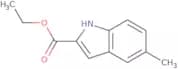
CAS:<p>Ethyl 5-methylindole-2-carboxylate is an antioxidant that is used as a reagent in the synthesis of other compounds. It has been shown to inhibit cancer cell growth in vitro via its ability to inhibit the metabolic activity of human hepatoma cells. Ethyl 5-methylindole-2-carboxylate has also been shown to have cytotoxic activity against human hepatoma cells in vitro, and may be a potential anticancer drug candidate.</p>Formula:C12H13NO2Purity:Min. 95%Color and Shape:PowderMolecular weight:203.24 g/molDecursinol
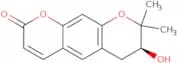
CAS:<p>Decursinol is a coumarin derivative, which is sourced from the roots of the plant Angelica gigas, commonly found in East Asia. The compound is recognized for its biochemical properties, specifically as a secondary metabolite in the umbelliferous family. Its mode of action involves the inhibition of key inflammatory pathways, notably through the suppression of pro-inflammatory cytokines and enzymes such as COX-2 and NF-κB. This molecular interaction effectively reduces inflammatory responses at the cellular level.</p>Formula:C14H14O4Purity:Min. 98 Area-%Color and Shape:White Off-White PowderMolecular weight:246.26 g/mol5-Ethylindole-3-acetic acid
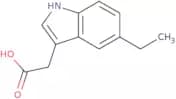
CAS:<p>5-Ethylindole-3-acetic acid is a high quality chemical that is an intermediate in the synthesis of a variety of complex compounds. It is also a reagent for many reactions and can be used as a building block for more complex compounds. 5-Ethylindole-3-acetic acid has been shown to have antihistamine, analgesic, and antipyretic properties and is useful in treating allergic reactions.</p>Formula:C12H13NO2Purity:Min. 95%Molecular weight:203.24 g/mol7-Nitroindole
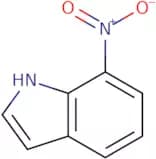
CAS:<p>7-Nitroindole is a hybridization analog of the base cytosine that has been used in biological studies. It has been shown to be active against microglia cells, which are involved in the inflammatory response. 7-Nitroindole's mechanism of action is not well understood; it may react with hydrochloric acid in the stomach to form nitrosamines and chloride ions, or it may react with hydrogen chloride to produce an ethyl ester. It also reacts with ethyl esters in the presence of light to form a photochemical reaction that generates fluorescence. The mechanism is not yet fully understood.</p>Formula:C8H6N2O2Color and Shape:PowderMolecular weight:162.15 g/mol6-Bromoindole
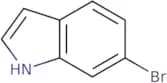
CAS:<p>6-Bromoindole is a synthetic compound that has been shown to have significant anticancer activity in animals. 6-Bromoindole shows cytotoxicity against cervical cancer cells and has been shown to be active against leukemia cells, with the potential for use as a therapeutic agent for both solid tumor cancers and hematological malignancies. The synthesis of 6-bromoindole is based on an asymmetric Friedel-Crafts reaction, which uses hydrochloric acid as a catalyst. This product also shows significant antibacterial activity and has been found to be effective against LPS-stimulated RAW264.7 cells.</p>Formula:C8H6BrNPurity:Min. 95%Color and Shape:PowderMolecular weight:196.04 g/molIndole-2-acetic acid
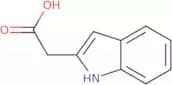
CAS:<p>Indole-2-acetic acid is a coumarin derivative that is found in plants and is used as a dietary supplement. It has been shown to have an inhibitory effect on photosynthetic activity and the growth of bacteria, fungi, and protozoa. Indole-2-acetic acid can be produced by chemical reactions involving aromatic hydrocarbons such as benzene or dioxane. It also inhibits the production of insulin in vivo and has been shown to reduce insulin resistance in rats.</p>Formula:C10H9NO2Purity:Min. 95%Color and Shape:PowderMolecular weight:175.18 g/mol5-Chloroindole
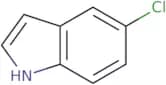
CAS:<p>5-Chloroindole is a molecule that can bind to the CB2 cannabinoid receptor. It has been shown in experiments to be an allosteric modulator of this receptor. 5-Chloroindole has been found to have an inhibitory effect on degenerative diseases, such as Huntington's disease and Alzheimer's disease, and may have therapeutic potential for these disorders. 5-Chloroindole binds to a metal surface by forming hydrogen bonds with the oxygen atom of its carboxyl group and the metal surface. The nucleophilic nature of 5-chloroindole allows it to react with chloride ions present in solution. 5-Chloroindole reacts with the carbon source in tissue culture, which leads to receptor activity and inhibition of cell proliferation.</p>Formula:C8H6ClNColor and Shape:White PowderMolecular weight:151.59 g/molDecursin
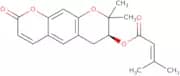
CAS:<p>MAO inhibitor; neuro-protective and cognitive enhancement effects</p>Formula:C19H20O5Purity:Min. 98 Area-%Color and Shape:White PowderMolecular weight:328.36 g/molIso-oxypeucedanin
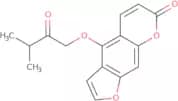
CAS:<p>Iso-oxypeucedanin is a naturally occurring furanocoumarin compound, which is isolated from various plant species, particularly those belonging to the Apiaceae family. It exhibits a range of biological activities, primarily attributable to its structural properties that allow it to interact with various molecular targets.</p>Purity:Min. 95%1-(5-Isoquinolinesulfonyl)piperazine hydrochloride
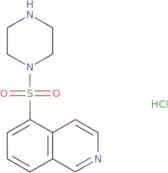
CAS:<p>1-(5-Isoquinolinesulfonyl)piperazine hydrochloride (1-ISOQ-PIP) is a chemical compound that has been shown to inhibit the growth of leukemia cells. It inhibits the expression of leukemia inhibitory factor, which may be due to its ability to introduce modifications into the sequence of DNA. 1-ISOQ-PIP also inhibits pluripotent stem cells and induces adipocyte differentiation. This substance can be used for cancer treatment by inhibiting the growth of leukemia cells and inducing differentiation.</p>Formula:C13H16ClN3O2SPurity:Min. 95%Color and Shape:PowderMolecular weight:313.8 g/mol5,7-Dihydroxy-4-methylcoumarin monohydrate
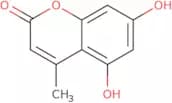
CAS:<p>5,7-Dihydroxy-4-methylcoumarin monohydrate is an organic chemical compound, specifically a type of coumarin derivative. Coumarins are a class of naturally occurring aromatic compounds that are found in various plant sources, such as tonka beans, sweet clover, and other botanicals. This particular compound, with its distinct hydroxyl and methyl groups, falls under the broader category of hydroxycoumarins, which are of significant interest in biochemical research due to their various functional properties.</p>Formula:C10H8O4·H2OPurity:Min. 95%Color and Shape:Off-White Yellow PowderMolecular weight:210.18 g/mol3-Trichloroacetylindole
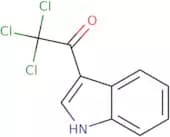
CAS:Controlled Product<p>3-Trichloroacetylindole is an indole derivative that is a hydrogen bond donor. It is a pharmacological agent that has been shown to have antitumor and antiproliferative activities. The crystal structure of 3-trichloroacetylindole has been determined and the interaction with solvent molecules studied. It was synthesized from indole-3-carboxylic acid, which was converted to the hemihydrate form by reacting with butyl lithium in ether. 3-Trichloroacetylindole is a 5-HT4 receptor antagonist, and it also inhibits the synthesis of serotonin and dopamine.</p>Formula:C10H6Cl3NOPurity:Min. 95%Molecular weight:262.52 g/mol9-Fluoro-10,13,17-Trimethyl-2,3,4,5,6,7,8,11,12,14,15,16-Dodecahydro-1H-Cyclopenta[a]Phenanthrene-3,11,17-Triol
CAS:Controlled Product9-Fluoro-10,13,17-Trimethyl-2,3,4,5,6,7,8,11,12,14,15,16-Dodecahydro-1H-Cyclopenta[a]Phenanthrene-3,11,17-Triol is a synthetic nucleic acid molecule that can be used for diagnostic purposes. It has been shown to bind to the nucleic acid of human cells. This nucleic acid binds to the antibodies in order to detect and identify different types of RNA sequences. 9F18TMTD has also been shown to target specific sites on the DNA molecule and can be used as a probe for detecting specific sequences of DNA. The synthetic process starts by reacting an aromatic compound with methanol in the presence of a base catalyst to form an intermediate product. The intermediate is then oxidized with nitric acid and hydrogen peroxide in order form the final product.Formula:C20H33FO3Purity:Min. 95%Molecular weight:340.47 g/molEthyl 2-hydroxy-5,6,7,8-tetrahydroquinoline-3-carboxylate
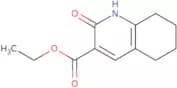
CAS:Ethyl 2-hydroxy-5,6,7,8-tetrahydroquinoline-3-carboxylate is a fine chemical that is used as a building block in the manufacture of other compounds. It is also used as a reagent and speciality chemical. Ethyl 2-hydroxy-5,6,7,8-tetrahydroquinoline-3-carboxylate is an intermediate that can be used to produce other compounds. It can be used as a reaction component or useful scaffold for complex molecules.Formula:C12H15NO3Purity:Min. 95%Color and Shape:PowderMolecular weight:221.25 g/mol4-Benzyloxyindole-3-carboxaldehyde
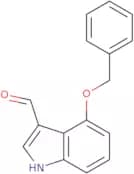
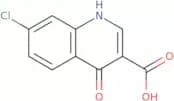
CAS:<p>4-Benzyloxyindole-3-carboxaldehyde is an analog of psilocin that is synthesized by the condensation of formylbenzene with indole-3-carboxaldehyde. It has been shown to act as a formylating agent, which can be used in the synthesis of other compounds. 4-Benzyloxyindole-3-carboxaldehyde may also be converted to n-dimethyltryptamine (DMT) by oxidation and decarboxylation.</p>Formula:C16H13NO2Purity:Min. 95%Color and Shape:PowderMolecular weight:251.28 g/mol7-Chloro-4-hydroxyquinoline-3-carboxylic acid
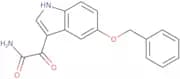
CAS:<p>7-Chloro-4-hydroxyquinoline-3-carboxylic acid is a chemical compound that has antioxidative activity and is used in the production of various organic substances. It is synthesized by reacting ammonium nitrate with a hydroxy group, an organic solvent, and phenoxy. The resulting product can be heated to form 7-chloro-4-hydroxyquinoline, which undergoes a series of reactions to produce 7-chloro-4-(2,2,2,-trichloroethoxy)quinoline. This reaction system produces a quinoline derivative that has been shown to be expressed at high levels in phosphatidylcholine (PC) and alpha-tocopherol (a vitamin E derivative). The final product is then purified by triethyl orthoformate (TEO), which removes the sulfoxide group.</p>Formula:C10H6ClNO3Purity:Min. 95%Color and Shape:PowderMolecular weight:223.61 g/mol5-Benzyloxyindole-3-glyoxylamide
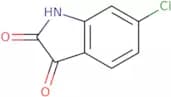
CAS:5-Benzyloxyindole-3-glyoxylamide is a versatile building block that can be used in the synthesis of complex compounds. It has been shown to have a high quality and is useful as a reagent for research purposes. 5-Benzyloxyindole-3-glyoxylamide can be used as a reaction component and is useful as an intermediate in organic synthesis. 5BIGA has CAS number 22424-62-0 and is also known as 3-(benzyloxy)-5-(2,2,2-trifluoroethoxy)indole glyoxamide.Formula:C17H14N2O3Purity:Min. 95%Molecular weight:294.3 g/mol6-Chloroisatin
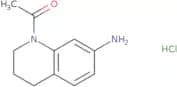
CAS:<p>6-Chloroisatin is a potent inhibitor of bacterial growth that binds to the 50S ribosomal subunit. It has been shown to have strong inhibitory activity against tuberculosis and sulphamethoxazole-resistant strains of Mycobacterium tuberculosis. 6-Chloroisatin inhibits bacterial growth by binding to the 50S ribosomal subunit, thereby preventing protein synthesis and cell division. The electron deficient form of 6-chloroisatin reacts with the electron rich sulphamethoxazole by displacement of chloride ion from the sulphonamide ring, forming a regiospecific product that inhibits bacterial respiration. This reaction system is inhibited by activated carbon, which may be a potential therapeutic strategy for patients with drug resistant tuberculosis.</p>Formula:C8H4ClNO2Purity:Min. 95%Molecular weight:181.58 g/mol1-Acetyl-1,2,3,4-tetrahydroquinolin-7-amine hydrochloride
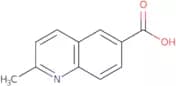
CAS:<p>1-Acetyl-1,2,3,4-tetrahydroquinolin-7-amine hydrochloride is a versatile building block that can be used in the synthesis of complex compounds with high quality and as a speciality chemical. This compound is useful as a reagent and reaction component in organic synthesis. It has been shown to be useful in the synthesis of new scaffolds for drug discovery.</p>Formula:C11H14N2O·HClPurity:Min. 95%Color and Shape:Off-White PowderMolecular weight:226.7 g/mol2-Methyl-6-quinolinecarboxylic acid
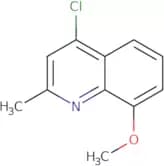
CAS:<p>2-Methyl-6-quinolinecarboxylic acid is a molecule with an affinity for aromatic rings. It has been shown through experiment that this molecule has a stable structure and can be transferred from one ring to another. 2-Methyl-6-quinolinecarboxylic acid has also been shown to have an affinity for aromatic rings in the range of 8.1 × 10 to 8.3 × 10 M−1, with an experimental affinity value of 1.2 × 10 M−1. This compound is known to interact with other molecules in a molecular docking process and can be optimized using parameters such as hydrogen bonding and van der Waals interactions.END> END></p>Formula:C11H9NO2Purity:Min. 95%Color and Shape:PowderMolecular weight:187.19 g/mol4-Chloro-8-methoxy-2-methylquinoline
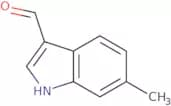
CAS:<p>4-Chloro-8-methoxy-2-methylquinoline is a compound that has been found in nature. It is a diversity of nonreciprocal nucleic acid sequences and has been shown to be polymorphic. This nucleotide can cause stenosis in the coronary heart, which may lead to heart disease. 4-Chloro-8-methoxy-2-methylquinoline also inhibits the growth of Plasmodium falciparum and Plasmodium vivax. The drug's mechanism of action is not yet known, but it may have evolved from other compounds with a similar molecular structure.</p>Formula:C11H10ClNOPurity:Min. 95%Color and Shape:PowderMolecular weight:207.66 g/mol6-Methyl-1H-indole-3-carbaldehyde
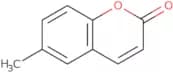
CAS:<p>6-Methyl-1H-indole-3-carbaldehyde is a synthetic chemical that has been used as a reagent in the form of its sodium salt. It is an acetylating agent and can be used for formylation reactions. 6-Methyl-1H-indole-3-carbaldehyde has shown strong antifungal activity against phytopathogenic fungi such as Fusarium, Rhizoctonia, and Phytophthora. This chemical also has a triazine group, which can be used to enhance the herbicidal properties of certain compounds.</p>Formula:C10H9NOPurity:Min. 95%Color and Shape:PowderMolecular weight:159.18 g/mol6-Methylcoumarin
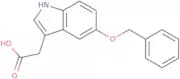
CAS:<p>The 6-methylcoumarin is a benzalkonium chloride that can be used as a stabilizer for biological samples. It has been shown to inhibit the activity of coumarin derivatives, which are receptors that are involved in the transmission of pain signals in the brain. The 6-methylcoumarin is also able to inhibit signal peptide, which is a protein that is secreted by cells and functions as a messenger between cells. This compound was found to have hypoglycemic effects due to its ability to stimulate glucose uptake in the body.</p>Formula:C10H8O2Purity:Min. 95%Color and Shape:PowderMolecular weight:160.17 g/mol5-Benzyloxyindole-3-acetic acid
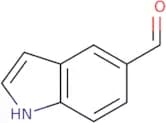
CAS:<p>5-Benzyloxyindole-3-acetic acid is a synthetic chemical that is used as a plant growth regulator. It inhibits the uptake of other plant nutrients, such as nitrates and phosphate ions by roots, which leads to decreased plant growth. This compound also has an inhibitory effect on membranes and morphology. The inhibition of membrane transport can lead to cell death, which can be seen in the case of plants treated with this chemical. 5-Benzyloxyindole-3-acetic acid has been shown to affect the response pathway of plants at temperatures between c1-c3 degrees Celsius.</p>Formula:C17H15NO3Purity:Min. 95%Color and Shape:PowderMolecular weight:281.31 g/mol5-Formylindole
CAS:<p>5-Formylindole is a non-selective and irreversible inhibitor of protein α, which is the catalytic subunit of the enzyme AMP-activated protein kinase. It binds to the hydroxyl group at position Cys177 in the ATP binding pocket of protein α, thereby inhibiting its activity. 5-Formylindole has been shown to inhibit tumor growth in xenografts and also inhibits fat accumulation in 3T3-L1 preadipocytes by inhibition of fatty acid synthesis. This compound has also been used to study molecular modeling in order to understand hydrogen bond interactions between aldehyde groups and intramolecular hydrogen. The genus that this compound belongs to is stilbene derivatives.</p>Formula:C9H7NOPurity:Min. 95%Color and Shape:PowderMolecular weight:145.16 g/mol3-(4-ethoxyphenyl)spiro[1,3-thiazolidine-2,3'-indoline]-4,7-dione
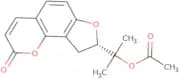
CAS:<p>Please enquire for more information about 3-(4-ethoxyphenyl)spiro[1,3-thiazolidine-2,3'-indoline]-4,7-dione including the price, delivery time and more detailed product information at the technical inquiry form on this page</p>Purity:Min. 95%Acetyl columbianetin
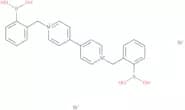
CAS:Acetyl columbianetin is a natural compound, which is a type of secondary metabolite derived primarily from plant sources. This compound is part of a broader category of phytochemicals known for their diverse bioactive properties. Acetyl columbianetin is specifically sourced from certain species within the Apiaceae family, commonly found in traditional medicine.Formula:C16H16O5Purity:Min. 95%Color and Shape:PowderMolecular weight:288.3 g/molN,N'-4,4'-Bis(benzyl-2-boronic acid)-bipyridinium dibromide
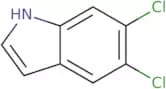
CAS:<p>N,N'-4,4'-Bis(benzyl-2-boronic acid)-bipyridinium dibromide is a high quality reagent that can be used as an intermediate for the synthesis of complex organic compounds. It is a complex compound that contains boronic acid and bipyridinium moieties. N,N'-4,4'-Bis(benzyl-2-boronic acid)-bipyridinium dibromide is useful in the synthesis of fine chemicals and speciality chemicals. It has versatile building block properties and can be used as a reaction component in many chemical reactions.</p>Formula:C24H24B2N2O4Br2Purity:Min. 95%Color and Shape:PowderMolecular weight:585.89 g/mol5,6-Dichloroindole
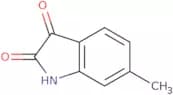
CAS:<p>5,6-Dichloroindole is a chemical compound that contains a functional group with acidic properties. The compound has been shown to inhibit the activity of bafilomycin A1, which is an inhibitor of vacuolar ATPase. This inhibition leads to an increase in intracellular phosphate levels and an accumulation of lysosomal membrane proteins. 5,6-Dichloroindole has also been found to inhibit bone resorption in gramine-fed rats. It also has anti-inflammatory effects and inhibits the growth of zoobotryon pinnatum cells and algal cells. 5,6-Dichloroindole can be used as a molecular descriptor for predicting the presence or absence of bryozoan species in a sample.</p>Formula:C8H5Cl2NColor and Shape:PowderMolecular weight:186.04 g/mol6-Methyl-1H-indole-2,3-dione
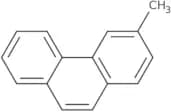
CAS:6-Methyl-1H-indole-2,3-dione is a synthetic molecule that has an amide orientation. The molecule is a crystalline solid and can be found in the form of a white powder. This product also contains impurities such as amino acids, transport molecules, and formic acid. 6-Methyl-1H-indole-2,3-dione is soluble in solvents like formic acid and water. It has been shown to have transport properties for electrons and aldehydes.Formula:C9H7NO2Purity:Min. 95%Color and Shape:PowderMolecular weight:161.16 g/mol3-Methylphenanthrene
CAS:<p>3-Methylphenanthrene is a compound that inhibits the reductase activity of aromatic hydrocarbons. 3-Methylphenanthrene has been shown to inhibit both bacterial and mammalian reductases, with interactive effects on the enzyme's substrate molecule. It also shows an inhibitory effect on axonal growth, which may be due to its ability to reduce fatty acid uptake, as well as its ability to interact with the aromatic hydrocarbon uptake system. 3-Methylphenanthrene is easily detected by spectrometry analyses and can be used as a substrate molecule for bacterial enzymes.</p>Formula:C15H12Purity:Min. 98%Color and Shape:White PowderMolecular weight:192.26 g/mol13,4-diaza-5-(tert-butyl)-2-hydroxy-7-oxotricyclo[6.4.0.0<2,6>]dodeca-1(8),4,9,11-tetraene-3-carboxamide
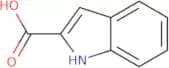
CAS:Please enquire for more information about 13,4-diaza-5-(tert-butyl)-2-hydroxy-7-oxotricyclo[6.4.0.0<2,6>]dodeca-1(8),4,9,11-tetraene-3-carboxamide including the price, delivery time and more detailed product information at the technical inquiry form on this pagePurity:Min. 95%Indole-2-carboxylic acid
CAS:Indole-2-carboxylic acid is a potent inducer of the cytochrome P450 enzyme. It has been shown to bind to the active site of the enzyme and inhibit its activity. Indole-2-carboxylic acid is an acidic molecule with two hydrogen atoms that are capable of forming an intermolecular hydrogen bond, which may be responsible for its ability to bind to the enzyme. This compound has been shown to inhibit the activity of other enzymes such as xanthine oxidase and phosphodiesterase, which are involved in chemical reactions that produce reactive oxygen species (ROS). ROS are implicated in neuronal death and Parkinson's disease.Formula:C9H7NO2Purity:Min 98%Color and Shape:PowderMolecular weight:161.16 g/mol5,7-Dinitroindole-2-carboxylic acid
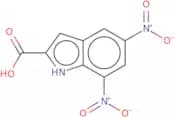
CAS:<p>5,7-Dinitroindole-2-carboxylic acid is a versatile building block that has been used as a reagent in organic synthesis. It has also been shown to be an intermediate in the preparation of 5,7-dichloroindole and other complex compounds. This compound is a reaction component for the synthesis of many useful compounds, including research chemicals and speciality chemicals. 5,7-Dinitroindole-2-carboxylic acid is soluble in most solvents and can be purified by recrystallization or chromatography. The purity can be determined by elemental analysis or nuclear magnetic resonance spectroscopy.</p>Formula:C9H5N3O6Purity:Min. 95%Color and Shape:PowderMolecular weight:251.15 g/mol5-Bromoisatin
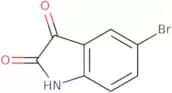
CAS:<p>5-Bromoisatoic anhydride is a potential anticancer agent that contains nitrogen atoms. It inhibits the growth of cancer cells by binding to the enzyme acetylcholine, which is involved in the production of growth factors. The compound also inhibits the production of malonic acid, which is a metabolic disorder. 5-Bromoisatoic anhydride forms stable complexes with malonic acid and does not cause any adverse effects on normal cells.</p>Formula:C8H4BrNO2Purity:Min. 95%Color and Shape:PowderMolecular weight:226.03 g/mol3,3'-Diindolyl
CAS:<p>3,3'-Diindolyl is a molecule that belongs to the class of oxindoles. Oxindoles are bioactive molecules that are formed by the reduction of 3,3'-dihydroxyindole (oxindole). The borohydride reduction of 3,3'-dihydroxyindole yields 3,3'-diindolyl. It has been shown to have anti-inflammatory properties and can be used for the treatment of inflammatory diseases such as congestive heart failure. 3,3'-Diindolyl is also an acidic compound and therefore can be used as an acidic buffer in pharmacopeia. It reacts with peroxide to form an aldehyde after oxidation. This reaction is catalyzed by sodium borohydride reduction or hydrogen peroxide. The borohydride reduction of 3,3'-diindolyl yields 2-hydroxy-1-(2-hydroxyethyl) indole (oxindole).</p>Formula:C16H12N2Purity:Min. 95%Color and Shape:PowderMolecular weight:232.28 g/mol1,10-Phenanthroline-2-carbaldehyde
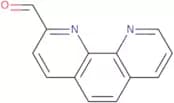
CAS:<p>1,10-Phenanthroline-2-carbaldehyde is a phenylhydrazone compound that has been shown to have anticancer activity. It is also a supramolecular complex, which means it can form hydrogen bonds and coordinate bonds with other molecules. The anticancer activity of 1,10-phenanthroline-2-carbaldehyde may be due to its ability to inhibit the growth of prostate carcinoma cells. This compound also inhibits the growth of human cervical carcinoma cells by binding to their DNA and inhibiting the synthesis of RNA and protein. 1,10-Phenanthroline-2-carbaldehyde is being studied for its potential as an inhibitor of tumor angiogenesis.<br>1,10-Phenanthroline-2-carbaldehyde has been shown to have antiplatelet aggregation effects in platelets from healthy humans as well as those with type 2 diabetes mellitus or chronic kidney disease.</p>Formula:C13H8N2OPurity:Min. 90 Area-%Color and Shape:Off-White PowderMolecular weight:208.22 g/mol3,4-diaza-5-(tert-butyl)-2-hydroxy-3-((4-methylphenyl)sulfonyl)tricyclo[6.4.0.0<2,6>]dodeca-1(8),4,9,11-tetraen-7-one
CAS:Please enquire for more information about 3,4-diaza-5-(tert-butyl)-2-hydroxy-3-((4-methylphenyl)sulfonyl)tricyclo[6.4.0.0<2,6>]dodeca-1(8),4,9,11-tetraen-7-one including the price, delivery time and more detailed product information at the technical inquiry form on this pagePurity:Min. 95%4,4'-Dichloro-2,2'-bipyridine
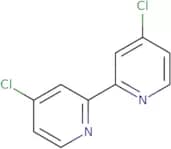
CAS:<p>4,4'-Dichloro-2,2'-bipyridine (4,4'-DDBP) is a polydentate ligand that has been shown to be highly cytotoxic against cancer cells. 4,4'-DDBP binds to amines in the cancer cell and uses its nucleophilic character to activate the amine by displacement of chloride ions. This leads to the production of an excited state that can be used for photodynamic therapy or as a fluorescence probe. This compound has also been shown to have operational kinetic properties in the inhibition of bilirubin oxidase.</p>Formula:C10H6Cl2N2Purity:Min. 95%Color and Shape:White PowderMolecular weight:225.07 g/mol(1R)-(-)-2-Azabicyclo[2.2.1]hept-5-en-3-one
CAS:(1R)-(-)-2-Azabicyclo[2.2.1]hept-5-en-3-one is a carbocyclic nucleoside that has been used as a flow rate standard to measure the rate of liquid chromatography. It is an organic solvent, which has been shown to have kinetic properties in the ring opening of lactams and the hydrolysis of esters. (1R)-(-)-2-Azabicyclo[2.2.1]hept-5-en-3-one can be synthesized by reacting with a cocatalyst and a reaction time of less than 5 minutes at room temperature in a high performance liquid chromatography method or by liquid chromatography with preparative methods.br>br> (1R)-(-)-2-Azabicyclo[2.2.1]hept-5-en-3-one is used as a binding agent forFormula:C6H7NOPurity:Min. 98 Area-%Color and Shape:White PowderMolecular weight:109.13 g/mol3-Carboxy-5-(2-chlorophenyl)-1-phenylpyrazole
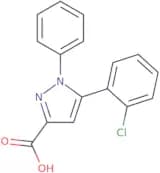
CAS:Controlled Product<p>3-Carboxy-5-(2-chlorophenyl)-1-phenylpyrazole is a white solid that is soluble in organic solvents. It is a useful scaffold that can be used as a starting material for the synthesis of complex compounds. 3-Carboxy-5-(2-chlorophenyl)-1-phenylpyrazole has been shown to be an intermediate in the synthesis of speciality chemicals and fine chemicals, such as pesticides and pharmaceuticals.</p>Formula:C16H11ClN2O2Purity:Min. 95%Molecular weight:298.72 g/mol2-Azaspiro[3.3]heptane HCI
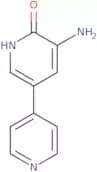
CAS:<p>2-Azaspiro[3.3]heptane HCI is a fine chemical that has many uses in research, manufacturing, and other industries. It is a versatile building block that can be used as an intermediate or reaction component for the synthesis of organic compounds. 2-Azaspiro[3.3]heptane HCI is also a speciality chemical because it has many applications in the pharmaceutical and agrochemical industries. This compound can be used as a reagent for the determination of carboxylic acids, alcohols, and amines by paper chromatography and high performance liquid chromatography (HPLC). 2-Azaspiro[3.3]heptane HCI is also useful in the synthesis of peptides and other complex compounds, such as diazepam.</p>Formula:C6H11N·ClHPurity:Min. 95%Color and Shape:White Off-White PowderMolecular weight:133.62 g/mol5-Amino-(3,4'-bipyridin)-6(1H)-one
CAS:<p>Phosphodiesterase type 3 inhibitor; positive inotropic agent; vasodilatory</p>Formula:C10H9N3OPurity:Min. 95%Color and Shape:PowderMolecular weight:187.2 g/molL-5-Methyltetrahydrofolate calcium
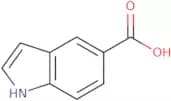
CAS:<p>L-5-Methyltetrahydrofolate calcium is also known as calcium levomefolate; N-[4-[[(2-amino-1,4,5,6,7,8-hexahydro-5-methyl-4-oxo-6-pteridinyl)methyl]amino]benzoyl]-L-glutamic acid, calcium salt; and L-5-MTHF. L-5-Methyltetrahydrofolate calcium is the calcium salt of L-5-methyltetrahydrofolic acid, and a member of the folate group of vitamins (Vitamin B9). It is the coenzymated and most active form of folic acid, which performs many vital cellular functions, including DNA reproduction, cysteine cycle and homocysteine regulation. L-5-Methyltetrahydrofolate calcium is used as in dietary supplements and has been proposed for treatment of cardiovascular disease.</p>Formula:C20H23CaN7O6Purity:Min. 95 Area-%Color and Shape:White PowderMolecular weight:497.52 g/molIndole-5-carboxylic acid
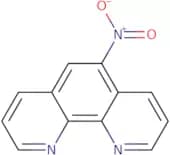
CAS:<p>Indole-5-carboxylic acid is a chemical species that contains a heterocyclic ring with five atoms, one of which is a carboxyl group. It is an intermediate in the biosynthesis of tryptophan and histidine in the body. Indole-5-carboxylic acid has been used as a ligand to immobilize copper, nickel, palladium, and platinum on conductive supports. It has also been used for the structural analysis of dopamine by hybridization experiments and for the detection of mismatched hydrogen bonding interactions. This compound can be detected using FT-IR spectroscopy or electrochemical impedance spectroscopy.</p>Formula:C9H7NO2Purity:Min. 95%Color and Shape:PowderMolecular weight:161.16 g/mol5-Nitro-1,10-phenanthroline
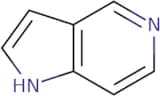
CAS:5-Nitro-1,10-phenanthroline is a coordination compound that belongs to the group of p2. It has been shown to have low toxicity and can be used as an ancillary ligand in coordination chemistry. 5-Nitro-1,10-phenanthroline has been used as a synchronous fluorescence probe for amines and is also useful for kinetic studies due to its high stability and sensitivity. FTIR spectroscopy has shown that this compound binds to glyoxal at neutral pH; it may also react with reactive oxygen species such as superoxide, hydrogen peroxide, or hydroxyl radicals.Formula:C12H7N3O2Purity:Min. 97 Area-%Color and Shape:PowderMolecular weight:225.2 g/mol5-Azaindole
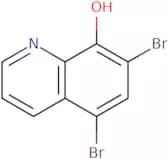
CAS:<p>5-Azaindole is a heterocyclic compound that has been studied for its biological properties. It is a prodrug of trifluoroacetic acid, which can be used to treat metabolic disorders and autoimmune diseases. 5-Azaindole has also been shown to increase the expression of growth factor in cells, which may be useful in treating pain or bowel disease. This drug is metabolized by hydroxylation followed by conjugation with glucuronic acid and excretion in the urine. 5-Azaindole is also converted to an active form by enzymatic oxidation of a hydroxyl group and protonation on the nitrogen atom, as well as conversion to sorafenib (a drug used to inhibit tumor growth).</p>Formula:C7H6N2Purity:Min. 95%Color and Shape:PowderMolecular weight:118.14 g/mol5,7-Dibromo-8-hydroxyquinoline
CAS:<p>5,7-Dibromo-8-hydroxyquinoline is a cytotoxic agent that has been shown to inhibit the growth of xenograft tumor cells. It was found to be effective in inhibiting the mitochondrial membrane potential and decrease the rate of cell proliferation. 5,7-Dibromo-8-hydroxyquinoline also showed significant cytotoxicity against carcinoma cell lines, with no effect on normal human fibroblast cells. The drug is an organophosphate compound that inhibits fatty acid synthesis by binding to an enzyme involved in fatty acid biosynthesis. This inhibition causes diarrhoea and sodium salt loss. 5,7-Dibromo-8-hydroxyquinoline can be extracted from hydrochloric acid through a solvent extraction process.</p>Formula:C9H5Br2NOPurity:Min. 95%Color and Shape:PowderMolecular weight:302.95 g/mol


![9-Fluoro-10,13,17-Trimethyl-2,3,4,5,6,7,8,11,12,14,15,16-Dodecahydro-1H-Cyclopenta[a]Phenanthrene-…](/_next/image/?url=https%3A%2Fstatic.cymitquimica.com%2Fproducts%2F3D%2Fthumb-webp%2FFF103008.webp&w=3840&q=75)
![3-(4-ethoxyphenyl)spiro[1,3-thiazolidine-2,3'-indoline]-4,7-dione](/_next/image/?url=https%3A%2Fstatic.cymitquimica.com%2Fproducts%2F3D%2Fthumb-webp%2FFE169782.webp&w=3840&q=75)
![13,4-diaza-5-(tert-butyl)-2-hydroxy-7-oxotricyclo[6.4.0.0<2,6>]dodeca-1(8),4,9,11-tetraene-3-carbo…](/_next/image/?url=https%3A%2Fstatic.cymitquimica.com%2Fproducts%2F3D%2Fthumb-webp%2FFD169872.webp&w=3840&q=75)

![3,4-diaza-5-(tert-butyl)-2-hydroxy-3-((4-methylphenyl)sulfonyl)tricyclo[6.4.0.0<2,6>]dodeca-1(8),4…](/_next/image/?url=https%3A%2Fstatic.cymitquimica.com%2Fproducts%2F3D%2Fthumb-webp%2FFD169677.webp&w=3840&q=75)
![(1R)-(-)-2-Azabicyclo[2.2.1]hept-5-en-3-one](/_next/image/?url=https%3A%2Fstatic.cymitquimica.com%2Fproducts%2F3D%2Fthumb-webp%2FFA18047.webp&w=3840&q=75)
![2-Azaspiro[3.3]heptane HCI](/_next/image/?url=https%3A%2Fstatic.cymitquimica.com%2Fproducts%2F3D%2Fthumb-webp%2FFA29377.webp&w=3840&q=75)