Coumarins
Coumarins are a class of polycyclic aromatic compounds consisting of a benzene ring fused to a pyrone ring. These compounds are widely used as fragrances, flavoring agents, and in the synthesis of pharmaceuticals and agrochemicals. Coumarins exhibit various biological activities, including anticoagulant, anti-inflammatory, and antimicrobial properties. At CymitQuimica, we provide a wide selection of high-quality coumarins for your research and industrial applications.
Found 1122 products of "Coumarins"
Sort by
Purity (%)
0
100
|
0
|
50
|
90
|
95
|
100
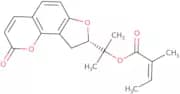
Columbianadin
CAS:<p>Columbianadin is a coumarin derivative, which is a natural compound primarily extracted from plants in the Apiaceae family, such as Angelica species. This natural product possesses a unique molecular structure characterized by the presence of a coumarin skeleton, which is responsible for its diverse biological activities.</p>Formula:C19H20O5Purity:Min. 98 Area-%Color and Shape:PowderMolecular weight:328.36 g/molRutaretin
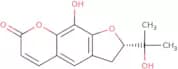
CAS:<p>Rutaretin is a polyphenolic compound, which is a derivative of natural flavonoids extracted from plant sources. It functions primarily as an antioxidant by scavenging free radicals and inhibiting oxidative stress at the cellular level. Its molecular structure allows it to interact with reactive oxygen species, mitigating the damaging effects on cellular components such as DNA, proteins, and lipids.</p>Formula:C14H14O5Purity:Min. 98 Area-%Color and Shape:PowderMolecular weight:262.26 g/molEpoxybergamottin
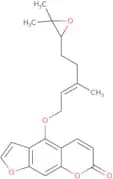
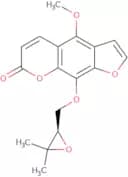
CAS:<p>Epoxybergamottin is a furanocoumarin derivative, which is a natural bioactive compound. It is primarily sourced from citrus fruits, particularly grapefruit. The primary mode of action of epoxybergamottin is the inhibition of cytochrome P450 enzymes, specifically CYP3A4. This enzyme is a major player in the metabolism of many pharmaceuticals, and its inhibition can lead to increased bioavailability and prolonged effects of drugs metabolized by this pathway.</p>Formula:C21H22O5Purity:Min. 95 Area-%Color and Shape:PowderMolecular weight:354.40 g/molOsthenol
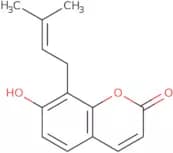
CAS:<p>Osthenol is a natural product compound, known for its osteogenic-promoting properties. It is derived from plant sources, specifically from the fruits of Cudrania tricuspidata, a member of the Moraceae family. This compound functions by modulating cellular activities associated with bone formation. Osthenol has been reported to promote the differentiation and maturation of osteoblasts, the bone-forming cells, through the activation of specific signaling pathways such as the BMP-2 and Wnt/β-catenin pathways. These pathways are crucial for enhancing the deposition of extracellular matrix and increasing the expression of osteogenic markers.</p>Formula:C14H14O3Purity:Min. 95%Color and Shape:PowderMolecular weight:230.26 g/molBergaptol
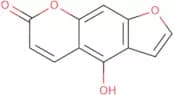
CAS:<p>Bergaptol is a naturally occurring furanocoumarin, which is a compound derived from plants, particularly from the Rutaceae family such as bergamot and other citrus species. It is primarily characterized by its chemical structure containing a furan ring fused to a coumarin moiety. Bergaptol acts primarily through its interaction with biological systems by inhibiting certain enzymatic activities and interfering with the biological pathways that involve reactive oxygen species. This compound exhibits antioxidant properties, reducing oxidative stress by scavenging free radicals and thereby protecting cells from damage.</p>Formula:C11H6O4Purity:Min. 95%Color and Shape:Off-White PowderMolecular weight:202.16 g/molGeiparvarin
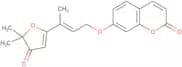
CAS:<p>Geiparvarin is a cytotoxic compound, which is a plant-derived chemical with notable bioactivity. It is sourced from the roots of the Daflon plant, known for various natural compounds with potential therapeutic effects. Geiparvarin acts by interfering with cellular processes, leading to apoptosis in malignant cells. This mode of action is particularly significant in the study and development of anticancer therapies.</p>Purity:Min. 95%Esculin sesquihydrate
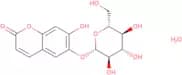
CAS:Fluorescent dye used in diagnostic culture mediaFormula:C15H16O9•(H2O)1Purity:(Uv) Min. 97.5%Color and Shape:White Off-White PowderMolecular weight:367.31 g/mol5,7-Dimethoxycoumarin
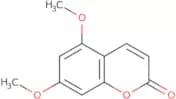
CAS:<p>5,7-Dimethoxycoumarin is a naturally occurring coumarin derivative, which is primarily sourced from various plant species, most notably those belonging to the Apiaceae and Rutaceae families. This compound is characterized by the presence of methoxy groups at the 5 and 7 positions on the coumarin core structure. These structural features contribute to its biological activity by influencing its interaction with various biomolecular targets.</p>Formula:C11H10O4Purity:Min. 95%Color and Shape:White PowderMolecular weight:206.19 g/mol4-Hydroxy-3-phenylcoumarin
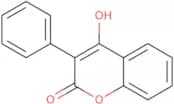
CAS:<p>4-Hydroxy-3-phenylcoumarin is an organic compound, which is a derivative of coumarin. It is synthetically derived through chemical modification processes that introduce a hydroxy group and a phenyl ring to the coumarin core structure. Its mechanism of action involves the inhibition of vitamin K epoxide reductase, an enzyme critical for the cyclic conversion of vitamin K. This inhibition prevents the activation of vitamin K-dependent clotting factors, thereby exerting its anticoagulant effects.</p>Formula:C15H10O3Purity:Min. 98 Area-%Color and Shape:PowderMolecular weight:238.24 g/molIsopimpinellin - Angelica archangelica (angelica)
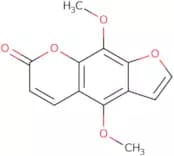
CAS:Isopimpinellin is a furanocoumarin compound, which is derived from the plant Angelica archangelica, commonly known as angelica. This compound is characterized by its intricate chemical structure that includes the fusion of a furan ring to a coumarin backbone. The source, Angelica archangelica, is a biennial plant found predominantly in temperate regions and is notable for its use in traditional herbal medicine.Formula:C13H10O5Purity:Min. 95%Color and Shape:Off-White Yellow PowderMolecular weight:246.22 g/mol6-Hydroxy-7-methoxy-4-phenylcoumarin
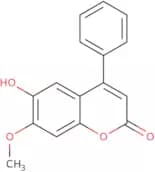
CAS:<p>6-Hydroxy-7-methoxy-4-phenylcoumarin is a synthetic chemical compound classified as a coumarin derivative. Derived from natural coumarin structures, this compound is often synthesized through organic chemistry techniques involving the hydroxylation and methoxylation of coumarin backbones, with the addition of a phenyl group.</p>Formula:C16H12O4Purity:Min. 95%Color and Shape:PowderMolecular weight:268.26 g/mol5-Geranyloxy-7-methoxycoumarin
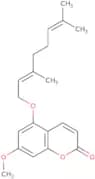
CAS:<p>5-Geranyloxy-7-methoxycoumarin is a naturally occurring compound known as a coumarin derivative, which is primarily sourced from specific plant species such as those within the Rutaceae family. This compound is characterized by its unique chemical structure that incorporates both geranyloxy and methoxy functional groups, conferring specific biological activities.</p>Formula:C20H24O4Purity:Min. 95%Color and Shape:PowderMolecular weight:328.4 g/molUmbelliferone-3-carboxylic acid
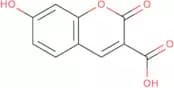
CAS:<p>Umbelliferone-3-carboxylic acid is a coumarin derivative, which is a type of natural or synthetic organic compound often utilized in biochemical research. It is sourced from modifications of natural coumarins, which are typically isolated from plants belonging to the Apiaceae family, such as parsley, celery, and carrots. This compound functions by interacting with cellular enzymes, providing a fluorescent probe that aids in the investigation of enzymatic activities and pathways.</p>Formula:C10H6O5Purity:Min. 95%Color and Shape:PowderMolecular weight:206.15 g/mol7-Methylcoumarin
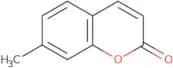
CAS:<p>7-Methylcoumarin is an organic compound classified as a coumarin derivative, which is sourced from various plants and synthesized chemically. Its basic structure consists of a benzopyrone, with a methyl group at the seventh position on the coumarin core, distinguishing it from naturally occurring coumarins.</p>Formula:C10H8O2Purity:Min. 95%Color and Shape:White PowderMolecular weight:160.17 g/mol(-)-Oxypeucedanin
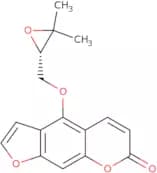
CAS:<p>(-)-Oxypeucedanin is a natural furanocoumarin, which is a type of organic compound. Furanocoumarins are derived from specific plants and are known for their complex structures and biological activities. (-)-Oxypeucedanin is sourced primarily from plants belonging to the Apiaceae family, such as Peucedanum species.</p>Formula:C16H14O5Purity:Min. 95%Color and Shape:White PowderMolecular weight:286.28 g/molGlycocoumarin - Glycyrrhiza uralensis (liquorice)
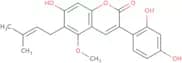
CAS:<p>Glycocoumarin is a phytochemical compound that is primarily categorized as a bioactive flavonoid. It is derived from Glycyrrhiza uralensis, commonly known as liquorice, a plant renowned for its diverse pharmacological properties. The mode of action of glycocoumarin involves the modulation of various biological pathways, including its potential to influence inflammatory responses and antioxidant activity. This compound is known to interact with cellular signaling mechanisms, which could mediate its effects on immune modulation and cellular protection.</p>Formula:C21H20O6Purity:Min. 98 Area-%Color and Shape:PowderMolecular weight:368.38 g/mol7-Methoxy-4-methylcoumarin
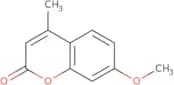
CAS:<p>7-Methoxy-4-methylcoumarin is a synthetic organic compound, which is a derivative of coumarins—a class of compounds widely found in plants. This compound is primarily synthesized through organic chemical reactions rather than extracted directly from natural sources. Its mode of action involves exhibiting fluorescence, which makes it a valuable probe in various scientific studies.</p>Formula:C11H10O3Purity:Min. 95%Color and Shape:PowderMolecular weight:190.2 g/molOxypeucedanin hydrate acetate
<p>Oxypeucedanin hydrate acetate is a furanocoumarin, primarily classified as a phytochemical. It is derived from various plant sources, particularly from species in the Apiaceae family, such as Peucedanum and Angelica. These compounds are typically isolated through advanced extraction and chromatographic techniques.</p>Purity:Min. 95%Byakangelicol
CAS:<p>Byakangelicol is a naturally occurring furanocoumarin, which is a type of organic compound found predominantly in the roots of certain plants, such as Angelica dahurica. This compound is synthesized through the plant's secondary metabolic pathways, primarily as a defense mechanism against herbivores and pathogens. Byakangelicol exerts its biological effects primarily through the inhibition of various enzymatic pathways, such as cytochrome P450s and monoamine oxidase, which are key in processes like drug metabolism and neurotransmitter regulation.</p>Formula:C17H16O6Purity:Min. 98 Area-%Color and Shape:PowderMolecular weight:316.31 g/molDecursin
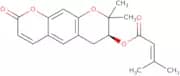
CAS:<p>MAO inhibitor; neuro-protective and cognitive enhancement effects</p>Formula:C19H20O5Purity:Min. 98 Area-%Color and Shape:White PowderMolecular weight:328.36 g/mol