Organometallic Ligands
In this category, you will be able to find a large number of organometallic molecules used as ligands in biomolecules. These organometallic ligands can be used in organic chemistry and synthesis in the laboratory. They play a critical role in forming coordination complexes and catalyzing various chemical reactions. At CymitQuimica, we offer a diverse selection of high-quality organometallic ligands to support your research and industrial needs.
Subcategories of "Organometallic Ligands"
- Buchwald Ligands(22 products)
- DPEN(4 products)
- DPHEN(4 products)
- JOSIPHOS(4 products)
- Phosphine(497 products)
- Porphirines(75 products)
Found 2887 products of "Organometallic Ligands"
Sort by
Purity (%)
0
100
|
0
|
50
|
90
|
95
|
100
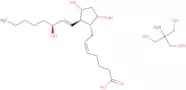
Prostaglandin F2a tris salt
CAS:<p>Prostaglandin F2α receptor agonist</p>Formula:C20H34O5·C4H11NO3Purity:Min. 95%Color and Shape:White/Off-White SolidMolecular weight:475.62 g/molAxltide Peptide substrate
<p>Axltide-is a substrate peptide for use in kinase assays and is based on the mouse insulin receptor substrate 1 (IRS1) (amino acid 979-989).IRS1 is a membrane-proximal adaptor protein, which binds to, and is phosphorylated by, the insulin receptor (IR) at its tyrosine residue. IRS1 transmits the extracellular signal for insulin to serine/threonine kinases, such as Akt which then deliver the signal into the cell to mediate the various actions of insulin.</p>Purity:Min. 95%Color and Shape:PowderMolecular weight:1,513.7 g/molPARP1 (487-496) peptide
<p>Amino acids 487-496 of Poly(ADP-ribose) polymerase 1 (PARP1). PARP1 is a nuclear DNA repair enzyme that binds to DNA when damage is detected. PARP1 coordinates double and single strand break repair by first cleaving NAD+ into nicotinamide and ADP-ribose, and then synthesising poly-(ADP-ribose) (PAR) chains from ADP-ribose on target proteins (PARylation). PARylation of histone proteins mediates relaxation of the chromatin and recruitment of DNA-break repair enzymes.PARP1 can also act as a transcriptional co-activator, modulating the expression of itself and many other genes by direct binding to or PARylation of enhancers and promoters. PARP1 is also involved in maintaining mtDNA.PARP1 belongs to the PARP family which has 7 known and 10 putative members. PARP1 accounts for >85% of the PARP activity in cellular systems.</p>Purity:Min. 95%Color and Shape:PowderMolecular weight:1,106.6 g/molGSK3 (3-13)/crosstide-[S]
<p>A glycogen synthase kinase 3β- (GSK3β-) / crosstide fragment representing the phosphorylation site on GSK3β-. GSK3β- is a serine/threonine kinase which regulates glycogen synthase activity and is a key mediator of vertebrate development, tumourigenesis and cell differentiation. GSK3β- is phosphorylated by activated AKT/protein kinase B on serine 9- promoting its inactivation.</p>Purity:Min. 95%Color and Shape:PowderMolecular weight:1,193.6 g/molε - PKC Inhibitor
<p>eV1-2 is a selective εPKC inhibitor peptide which interferes with protein-protein interactions between the ϵPKC isozyme and its anchoring protein (ϵRACK). ϵPKC and ϵRACK regulate the contraction rate of heart muscle cells and provide protection from ischemia induced cell death. ϵV1-2 is derived from the C2 domain of ϵPKC, a region important for protein-protein interactions and thus acts as a competitive inhibitor of these interactions. The C2 region is well conserved between species, but different enough from other PKC isozymes to allow for targeted inhibition (ϵV1-2 is 88% identical between sea slugs and rat ϵPKC, yet only 36% identical between rat ϵPKC and rat θ´PKC). This peptide contains a C-terminal cysteine residue for conjugation to a carrier protein.</p>Purity:Min. 95%Color and Shape:PowderMolecular weight:946.5 g/molPARP1 (651-660)
<p>Amino acids 651-660 of Poly(ADP-ribose) polymerase 1 (PARP1). PARP1 is a nuclear DNA repair enzyme that binds to DNA when damage is detected. PARP1 coordinates double and single strand break repair by first cleaving NAD+ into nicotinamide and ADP-ribose, and then synthesising poly-(ADP-ribose) (PAR) chains from ADP-ribose on target proteins (PARylation). PARylation of histone proteins mediates the relaxation of the chromatin and recruitment of DNA-break repair enzymes.PARP1 can also act as a transcriptional co-activator, modulating the expression of itself and many other genes by direct binding to or PARylation of enhancers and promoters. PARP1 is also involved in maintaining mtDNA.PARP1 belongs to the PARP family which has 7 known and 10 putative members. PARP1 accounts for >85% of the PARP activity in cellular systems.</p>Purity:Min. 95%Color and Shape:PowderMolecular weight:1,025.6 g/molIdelalisib
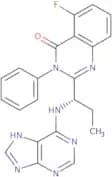
CAS:<p>Idelalisib is a pharmaceutical drug that functions as a PI3Kδ inhibitor, developed through synthetic chemical processes. Its mode of action involves selectively targeting and inhibiting phosphatidylinositol 3-kinase delta (PI3Kδ), a lipid kinase that plays a crucial role in the signaling pathways responsible for cell proliferation, survival, and differentiation. By inhibiting this enzyme, Idelalisib effectively impedes pathways that are often hyperactivated in certain hematologic malignancies, thereby exerting antitumor effects.</p>Formula:C22H18FN7OPurity:Min. 95%Color and Shape:PowderMolecular weight:415.42 g/molBexarotene - Bio-X ™
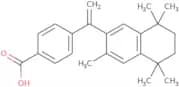
CAS:Controlled Product<p>Bexarotene is a retinoid and antineoplastic agent that is used for the treatment of solid tumours and t-cell lymphomas. It inhibits the growth in vitro of some tumor cell lines of hematopoietic and squamous cell origin and research has shown that it induces tumor regression in vivo in some animal models.</p>Formula:C24H28O2Purity:Min. 95%Color and Shape:PowderMolecular weight:348.48 g/molAfatinib - Bio-X ™
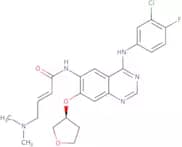
CAS:<p>Afatinib is a small molecule that inhibits the activity of cellular kinases that are involved in the progression of cancer. It is an Irreversible inhibitor of three members of the ErbB family. This molecule binds covalently to cysteine 797 residue in HER2 and blocks downstream cellular signalling which inhibits cellular growth and promotes apoptosis. It has been researched for the treatment of non-small cell lung cancer (NSCLC), breast cancer, pancreatic cancer and colorectal cancer.</p>Formula:C24H25ClFN5O3Purity:Min. 95%Color and Shape:PowderMolecular weight:485.94 g/molLRRKtide amide
<p>LRRKtide (also called moesin) is a peptide substrate for leucine-rich repeat kinase 2 (LRRK2). The sequence of LRRKtide has been derived from the ERM proteins: Ezrin (amino acids 561-573), radixin (amino acids 558-570) and moesin (amino acids 539-553). These proteins influence cytoskeletal dynamics by anchoring the cytoskeleton to the plasma membrane. LRRK2 phosphorylates LRRKtide at its Thr558 site.LRRK2 is a large, ubiquitous protein of unknown function. LRRK2 has GTPase and kinase activity, and is located in multiple areas of the cell where it is found associated with intracellular membranes and vesicular structures. Its multiple cellular locations suggest that LRRK2 may be involved in several cellular pathways. LRRK2 is also found in most organs and mutations in LRRK2 have been identified in Parkinson's disease.This peptides has an amidated C-terminal end.</p>Purity:Min. 95%Molecular weight:1,929.1 g/molCarmustine - Bio-X ™
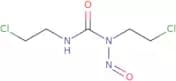
CAS:<p>Carmustine is a DNA alkylating agent which also cross-links DNA. As a result, Carmustine disrupts the function of DNA, resulting in the arrest the cell cycle and apoptosis. Consequently these properties of Carmustine, in addition to its ability to easily transmit through the blood-brain barrier, means it can be used as a cancer treatment, treating cancers such as, breast, ovarian and pancreatic as well as lymphomas and leukemias. Furthermore Carmustine can contribute to cytotoxic effects through its ability to carbamoylate DNA repair enzymes and proteins.</p>Formula:C5H9Cl2N3O2Purity:Min. 95%Color and Shape:PowderMolecular weight:214.05 g/molPTP1B Substrate
<p>Substrate peptide for protein tyrosine phosphatase 1B (PTP1B)- an ubiquitously expressed non-receptor tyrosine phosphatase. PTP1B negatively regulates signalling pathways controlling metabolic homeostasis, cell proliferation and immunity (such as leptin and insulin receptor signalling), making PTP1B an interesting target for type 2 diabetes mellitus (T2DM) and obesity treatment. PTP1B also has important leptin-independent metabolic effects, playing a critical role in the regulation of inflammation, cell proliferation, differentiation and invasion. Therefore PTP1B is also interesting as a therapeutic target for inflammatory and autoimmune diseases and cancer.-For application data please see: Figure 2 supplement 1C.</p>Purity:Min. 95%Molecular weight:1,327.5 g/molTacrolimus
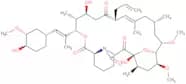
CAS:<p>Antirheumatic; immunosuppressant; neuroprotective; neuroregenerative</p>Formula:C44H69NO12Purity:Min. 98 Area-%Color and Shape:White PowderMolecular weight:804.02 g/molDMH 1
CAS:<p>A specific inhibitor of Bone Morphogenetic Protein (BMP) type 1 receptors ALK2 and ALK3 (IC50 < 0.5 µM). Dorsomorphin analog that exclusively targets the BMP but not VEGF signaling. It is able to inhibit the BMP-induced Smad1/5/8 activation but not the p38/MAP kinase signaling or Activin A-induced Smad2 activation.</p>Formula:C24H20N4OPurity:Min. 95%Color and Shape:SolidMolecular weight:380.44 g/mol6-OAU
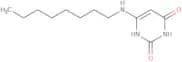
CAS:<p>6-OAU is a chemical compound categorized as a cytokinin-like molecule, which is derived from natural plant sources. It functions by modulating gene expression and hormone pathways involved in various plant growth and developmental processes. The mode of action of 6-OAU largely revolves around mimicking the activity of cytokinins, essential plant hormones that regulate cell division, shoot and root growth, as well as delay senescence.</p>Formula:C12H21N3O2Purity:Min. 95%Color and Shape:PowderMolecular weight:239.31 g/molAKTide-2T
<p>AKTide-2T is a 14-mer peptide which has the ability to bind to the substrate binding domain of Akt1 with a Ki of 12mM. AKt1 is part of the Akt kinase family which are serine/threonine kinase and it is ubiquitously expressed. AKt1 performs roles such as promoting endothelial neoplasms and through phosphorylating angiogenic substrates AKt1 plays a role in angiogenesis. AKT kinases as a whole perform functional roles in cell proliferation, cell growth, survival and intermediary metabolism.During peptide library screening, AKTide-2T was found to contain the optimal motif for successful binding to AKT. When phosphoamino acid analysis of AKTide-2T was carried out it was observed that although AKTide-2T contained two potential AKT phosphorylation sites: serine or threonine, AKT only phosphorylated the serine site. Furthermore it was found that AKTide-2T exhibits properties of being a competitive inhibitor for example it competitively inhibits histone H2B from being phosphorylated by AKT.</p>Purity:Min. 95%Color and Shape:PowderMolecular weight:1,714.9 g/molCarmofur - Bio-X ™
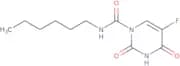
CAS:<p>Carmofur is an antineoplastic agent that is used to treat various cancers such as breast and colorectal cancer. This drug is a derivative of fluorouracil. Carmofur is an inhibitor of the human acid ceramidase, a lysosomal amidase involved in the development of cancer cells.</p>Formula:C11H16FN3O3Purity:Min. 95%Color and Shape:PowderMolecular weight:257.26 g/molCytochalasin D
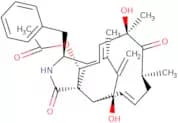
CAS:<p>Inhibits actin polymerization</p>Formula:C30H37NO6Purity:Min. 95%Color and Shape:PowderMolecular weight:507.62 g/molDinoprostone
CAS:<p>A metabolite of arachidonic acid, synthesised by COX enzymes and prostaglandin E synthases (PGEs). Binds to EP1, EP2, EP3 and EP4 receptors with high affinity (Kd < 10 nM). Therapeutic potential for analgesia, pain relief and arthritic diseases. Enhances differentiation and expansion of iPSC-derived hematopoietic progenitor cells.</p>Formula:C20H32O5Purity:(Hplc) 97.0 To 103.0%Color and Shape:PowderMolecular weight:352.48 g/molLY 2886721
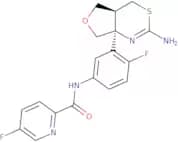
CAS:<p>Inhibitor of BACE1 protease</p>Formula:C18H16F2N4O2SPurity:Min. 98 Area-%Color and Shape:PowderMolecular weight:390.41 g/molVardenafil HCl - Bio-X ™
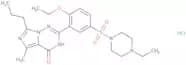
CAS:<p>Vardenafil is a phosphodiesterase type 5 inhibitor that binds to intracellular targets and competitively inhibits cyclic guanosine monophosphate (cGMP) hydrolysis thus increasing cGMP levels. Vardenafil can be used for the research of erectile dysfunction, hepatitis and diabetes.</p>Formula:C23H33ClN6O4SPurity:Min. 95%Color and Shape:PowderMolecular weight:525.07 g/molNrf2 (69-84)
<p>Nuclear Factor Erythroid 2-Related Factor 2 (Nrf2) and its negative regulator Kelch-Like ECH-Associated Protein 1 (Keap1) provide vital protection in maintaining cellular redox. In parallel, Nrf2 also aids the resolution of inflammation and also tissue repair. In homeostatic conditions, the transcription factor Nrf2 is controlled in a cytoplasmic complex with Keap1 with ubiquitination and protein degradation. Nrf2 has been linked to numerous cancers due to mutations affecting the binding region of Nrf2 to Keap1, resulting in Nrf2 dissociating from the complex. Nrf2 constitutively accumulates in the nucleus and activation of prosurvival genes that promote cancer cell proliferation.The Neh2 region of Nrf2 interacts with Keap1, as shown by nuclear magnetic resonance spectroscopy. The 16 amino acid peptide (AFFAQLQLDEETGEFL) (69-84) flanks the conserved ETGE motif and can replicate the binding to keap1.Therapeutics targeting the Nrf2 signalling pathway and activation of Nrf2 is a keen area of research, with many cancers being linked to Nrf2, particularly pancreatic cancer. Additionally, activation of Nrf2 has become a possible target as a treatment for COVID. Nrf2 (69-84) replicating full-length Nrf2 binding has been helpful in all cases.</p>Purity:Min. 95%Color and Shape:PowderMolecular weight:1,856.9 g/molSorafenib tosylate
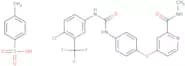
CAS:<p>Sorafenib is a drug that belongs to the class of multikinase inhibitors. It inhibits a number of kinases, including the Mcl-1 protein, which is involved in apoptosis along with blocking picolinic acid (PA), an endogenous metabolite involved in apoptosis signal transduction. Sorafenib also binds to epidermal growth factor receptor (EGFR) on the surface of cancer cells, inhibiting the production of proteins that are required for angiogenesis, thus blocking the formation of new blood vessels. Sorafenib may also inhibit P-glycoprotein (Pgp) activity. Overall, these cytotoxic effects give Sorafenib anti-tumor properties, inhibiting angiogenesis and cellular transformation, which are the two main processes of tumor growth and metastasis. Sorafenib tosylate has been shown to be effective against a range of solid tumors such as breast, prostate and lung cancers and is also used for the treatment of metastatic colorectal cancer and renal cell carcinoma. A combination therapy group found that sorafenib was more effective when used with interferon alfa-2b for the treatment of advanced renal cell carcinoma. Sorafenib also has the potential for drug interactions with other drugs that are metabolized by cytochrome P450 enzymes.</p>Formula:C21H16ClF3N4O3•C7H8O3SPurity:Min. 95%Color and Shape:Off-White PowderMolecular weight:637.03 g/molBKM 120
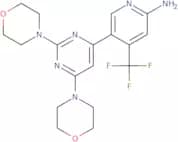
CAS:<p>Inhibitor of pan-class I PI3K family of lipid kinases; antineoplastic</p>Formula:C18H21O2N6F3Purity:Min. 95%Color and Shape:White PowderMolecular weight:410.39 g/molPeiminine
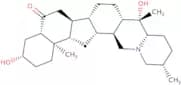
CAS:<p>Inhibitor of TGF-α, CTGF, ERK1/2, NF-κB and FasL; anti-inflammatory</p>Formula:C27H43NO3Purity:Min. 98 Area-%Molecular weight:429.64 g/molMelatonin - Bio-X ™
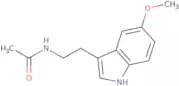
CAS:<p>Melatonin is a neurotransmitter produced by the pineal gland that is involved in the regulation of sleep-wake cycles. It can be used to treat several conditions like shift work disorders, insomnia, jet lag, and alterations of the circadian rhythm. Some authors also proposed the use of melatonin against cognitive disorders. In an interesting research conducted on zebrafish, it was found that memory formation occurs better during daytime compared to nighttime, suggesting a role of melatonin in this process. When melatonin was administered during the daytime it caused reduced memory formation. On the contrary, removing the pineal gland or treating the fish with a melatonin antagonist significantly improves nighttime memory formation.</p>Formula:C13H16N2O2Purity:Min. 95%Color and Shape:PowderMolecular weight:232.28 g/molIvabradine HCl - Bio-X ™
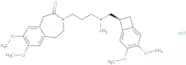
CAS:<p>Ivabradine is a HCN channel blocker that is used to reduce the risk of hospitalization for worsening heart failure and used in the treatment of symptomatic heart failure. This drug acts by inhibiting the “funny” channel pacemaker current (If) which results in a lower heart rate and allows for more blood flow to the myocardium.</p>Formula:C27H36N2O5•HClPurity:Min. 99 Area-%Color and Shape:PowderMolecular weight:505.05 g/molLofepramine - Bio-X ™
CAS:<p>Lofepramine is a psychoactive drug that belongs to the class of tricyclic antidepressants. It is used to treat depression and anxiety disorders. This drug works by inhibiting the reuptake of neurotransmitters such as serotonin and norepinephrine and as a result these neurotransmitters remain active in the brain for a longer period, which can help improve mood and alleviate symptoms of depression.</p>Formula:C26H27ClN2OPurity:Min. 95%Color and Shape:PowderMolecular weight:418.96 g/molTroxipide - Bio-X ™
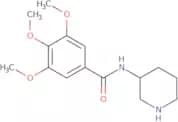
CAS:<p>Troxipide is a gastric cytoprotective agent that is used for the treatment of gastroesophageal reflux disease (GERD). It has anti-inflammatory, anti-ulcer and mucus secreting properties. This drug inhibits proinflammatory mediators in order to restore the normal gastric mucosa.</p>Formula:C15H22N2O4Purity:Min. 95%Color and Shape:PowderMolecular weight:294.35 g/molSGC AAK1 1
CAS:<p>Dual inhibitor of the adaptor protein 2-associated kinase 1 (AAK1) and BMP2-inducible kinase (BMP2K) with IC50 values of 270 nM and 1 μM, respectively. In a recent study, SGC AAK1 1 stabilised β-catenin, inhibited phosphorylation of the AP2 complex subunit mu protein (AP2M1) and activated Wnt signalling in in vitro experiments._x000D_</p>Formula:C21H25N5O3SPurity:Min. 95%Color and Shape:SolidMolecular weight:427.52 g/molNexinhib20
CAS:<p>Inhibits interaction between small GTPase Rab27a and its effector JFC1 (synaptotagmin-like protein1, Slp1). These proteins regulate neutrophil exocytosis, decrease neutrophil infiltration in liver and kidneys and reduce extracellular ROS production by NAPDH oxidase. Thus, nexinhibib20 suppresses systemic inflammation.</p>Formula:C15H16N4O3Purity:Min. 95%Color and Shape:PowderMolecular weight:300.31 g/molJNJ 10198409
CAS:<p>Selective inhibitor of the platelet derived growth factor receptor PDGFRβ with IC50 value of 4.2 nM. JNJ 10198409 inhibits the PDGFRβ kinase activity and its downstream signalling leading to anti-proliferative and anti-angiogenic effects, which were confirmed in various tumoral cell lines.</p>Formula:C18H16FN3O2Purity:Min. 95%Color and Shape:SolidMolecular weight:325.12265Autocamtide-2 Related Inhibitory Peptide
<p>Autocamtide-2-related inhibitory peptide is a calmodulin-dependent protein kinase II (CaMKII) inhibitor.CAMK represents a class of Ca2+/calmodulin-dependent protein kinase enzymes. CAMKs are activated by increases in the concentration of intracellular calcium ions (Ca2+) and transfers phosphates from ATP to defined serine or threonine residues in other proteins. Activated CAMK is involved in the phosphorylation of transcription factors and therefore, in the regulation of expression of responding genes.</p>Purity:Min. 95%Color and Shape:PowderMolecular weight:1,707.1 g/molERKtide amide
<p>ERKtide Substrate Peptide.</p>Purity:Min. 95%Color and Shape:PowderMolecular weight:1,674.9 g/molBrimonidine-D-tartrate
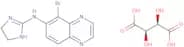
CAS:<p>Brimonidine-D-tartrate is a selective alpha-2 adrenergic agonist, which is a pharmacological compound derived synthetically, targeting specific receptor subtypes in the adrenergic receptor family. Its mode of action involves reducing aqueous humor production and increasing uveoscleral outflow in the eye, thereby lowering intraocular pressure. Additionally, it induces peripheral vasoconstriction, playing a role in reducing redness in rosacea.</p>Formula:C15H16BrN5O6Color and Shape:White PowderMolecular weight:442.22 g/molDapoxetine hydrochloride - Bio-X ™
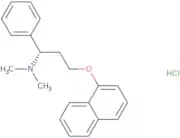
CAS:Controlled Product<p>Dapoxetine is a drug that belongs to the group of selective serotonin reuptake inhibitors (SSRIs). It is used to treat premature ejaculation. This drug inhibits the serotonin transporter allowing for an increased action of serotonin at the postsynaptic cleft, thus promoting ejaculatory delay.</p>Formula:C21H24ClNOPurity:Min. 98 Area-%Color and Shape:PowderMolecular weight:341.87 g/molVipivotide tetraxetan linker
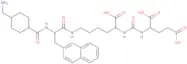
CAS:<p>Vipivotide tetraxetan is a radioactive therapeutic agent, which is a radioligand conjugate composed of a DOTA chelator linked to a targeting moiety. The source of this compound lies in its synthesis, where the DOTA ligand is conjugated to a peptide or small molecule that targets specific cell surface antigens expressed on cancer cells.</p>Formula:C33H45N5O9Purity:Min. 95%Color and Shape:PowderMolecular weight:655.7 g/molZiprasidone HCl monohydrate - Bio-X ™
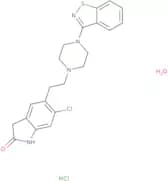
CAS:Controlled Product<p>Ziprasidone is an atypical antipsychotic drug that is used to manage schizophrenia, bipolar mania, and agitation. This drug binds to serotonin and dopamine receptors. As a result it enhances modulation of mood and improves overall cognition.</p>Formula:C21H21ClN4O2S•HCl•H2OPurity:Min. 95%Color and Shape:PowderMolecular weight:467.41 g/molA 939572
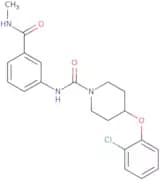
CAS:<p>Inhibitor of stearoyl-CoA desaturase SCD1 with IC50 of 6.3 nM, as measured in the SCD1-expressing human microsomes. A 939572 exhibited anticancer activity as it reduced cell proliferation and triggered cell killing in human non-small cell lung carcinoma cells. A 939572 inhibited tumour growth in an in vivo model for gastric carcinoma and reduced the oleic acid:stearic acid ratio in mouse liver and plasma.</p>Formula:C20H22ClN3O3Purity:Min. 95%Color and Shape:PowderMolecular weight:387.86 g/molEbselen
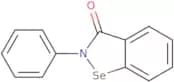
CAS:<p>Ebselen is a non-toxic organoselenium compound with antioxidant, anti-inflammatory and cytoprotective properties. Ebselen is an inhibitor of lipoxygenases, nitric oxide (NO) synthases, protein kinase C, H+/K+-ATPase, thioredoxin reductase and NADPH oxidase. Recently, ebselen has been identified by several studies as a covalent inhibitor of the main protease Mpro from coronaviruses. For the SARS-CoV-2 main protease Mpro, the IC50 value is 0.67 μM and EC50 is 4.57 μM.</p>Formula:C13H9NOSePurity:Min. 98 Area-%Color and Shape:PowderMolecular weight:274.18 g/molKU-0063794
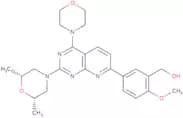
CAS:<p>Inhibits mTORC1 and mTORC2 serine/threonine kinases</p>Formula:C25H31N5O4Purity:Min. 95%Color and Shape:White To Beige To Yellow SolidMolecular weight:465.54 g/molFonturacetam
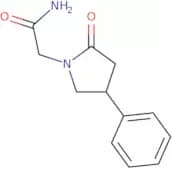
CAS:Controlled Product<p>Piracetam analog; AMPA receptor allosteric modulator</p>Formula:C12H14N2O2Purity:Min. 99 Area-%Molecular weight:218.25 g/molCL 316243
CAS:<p>Agonist of β3-adrenoreceptors with thermogenic properties and potential to control diet-induced obesity. The compound reversed obesity in adult rats and was effective even in animals that continued to feed on high-fat food. It caused the enlarged white adipocytes to shrink and triggered remodelling of the white adipose tissue.</p>Formula:C20H20ClNO7·2NaPurity:Min. 96 Area-%Color and Shape:White PowderMolecular weight:467.81 g/molClomipramine hydrochloride - Bio-X ™
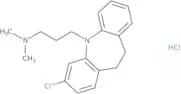
CAS:Controlled Product<p>Clomipramine is a tricyclic antidepressant drug that inhibits the reuptake of serotonin, norepinephrine, and dopamine. It is used to treat obsessive compulsive disorder, panic disorders and cataplexy. Additionally, Clomipramine is shown to modulate immune activation and shows constant anti-inflammatory properties at therapeutic concentrations by consistently decreasing pro-inflammatory cytokines.</p>Formula:C19H24Cl2N2Purity:Min. 95%Color and Shape:White PowderMolecular weight:351.31 g/molFasentin
CAS:<p>Inhibitor of glucose uptake via GLUT1 and GLUT4 transporters, promoting intracellular glucose deprivation. The compound is a chemical sensitizer to the FAS cell death receptor and is able to break down the resistance of caspase activation. It has potential for anti-cancer therapy as it modulates the Warburg effect in cancer cell lines.</p>Formula:C11H9ClF3NO2Purity:Min. 95%Color and Shape:SolidMolecular weight:279.64 g/mol[G]-JAK1 peptide (1015-1027) p(Y1022)
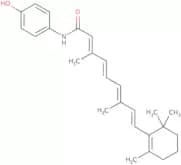
<p>This peptide is phosphorylated by Janus kinase 1 (JAK1) and is an ideal substrate for use in kinase assays. The JAK family of kinases is essential for the signalling of a host of immune modulators in tumour, stromal, and immune cells where they are highly expressed. JAK family proteins mediate the signalling of the interferon (IFN), IL-6, and IL-2 families of cytokines.JAK kinases are associated with cytokine receptors. Cytokine binding to these receptors results in activation of JAK kinases and receptor phosphorylation. Phosphorylated cytokine receptors recruit STAT proteins, which are then phosphorylated by the activated JAK kinases. Phosphorylated STAT proteins form homo- and hetero-dimers that translocate into the nucleus and function as transcription factors.This JAK1 substrate peptide contains an N-terminal Glycine-residue and a phospho-tyrosine-residue.</p>Purity:Min. 95%Color and Shape:PowderMolecular weight:1,710.7 g/molFenretinide
CAS:<p>Modulator of RBP protein; activator of sphingomyelinase; pro-apoptotic</p>Formula:C26H33NO2Purity:Min. 95%Color and Shape:Yellow SolidMolecular weight:391.55 g/molBalsalazide
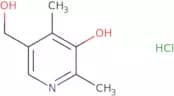
CAS:<p>Prodrug of 5-aminosalicylic acid; anti-inflammatory</p>Formula:C17H15N3O6Purity:Min. 96 Area-%Color and Shape:PowderMolecular weight:357.32 g/mol4-Deoxypyridoxine hydrochloride
CAS:<p>Vitamin B6 antimetabolite</p>Formula:C8H11NO2•HClPurity:Min. 95%Color and Shape:PowderMolecular weight:189.64 g/molGRL 0617
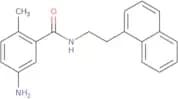
CAS:<p>A novel non-covalent inhibitor of the PLpro protease from SARS-CoV-2 and SARS-CoV viruses. GRL 0617 inhibits the proteolytic processing of the viral polypeptide. As PLpro also acts as a protease in pathways involved in innate immunity, there are indications that it can promote immunity against the virus.</p>Formula:C20H20N2OPurity:Min. 98 Area-%Color and Shape:PowderMolecular weight:304.39 g/mol


![GSK3 (3-13)/crosstide-[S]](/_next/image/?url=https%3A%2Fstatic.cymitquimica.com%2Fproducts%2F3D%2Fthumb-webp%2FCRB1000548.webp&w=3840&q=75)









![[G]-JAK1 peptide (1015-1027) p(Y1022)](/_next/image/?url=https%3A%2Fstatic.cymitquimica.com%2Fproducts%2F3D%2Fthumb-webp%2FCRB1000480.webp&w=3840&q=75)