Organometallic Ligands
In this category, you will be able to find a large number of organometallic molecules used as ligands in biomolecules. These organometallic ligands can be used in organic chemistry and synthesis in the laboratory. They play a critical role in forming coordination complexes and catalyzing various chemical reactions. At CymitQuimica, we offer a diverse selection of high-quality organometallic ligands to support your research and industrial needs.
Subcategories of "Organometallic Ligands"
- Buchwald Ligands(22 products)
- DPEN(4 products)
- DPHEN(4 products)
- JOSIPHOS(4 products)
- Phosphine(497 products)
- Porphirines(75 products)
Found 2887 products of "Organometallic Ligands"
Sort by
Purity (%)
0
100
|
0
|
50
|
90
|
95
|
100
JNJ-40418677
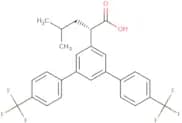
CAS:<p>JNJ-40418677 is a small-molecule pharmaceutical compound that functions as a highly selective phosphodiesterase 10A (PDE10A) inhibitor. It is developed from synthetic chemical sources and is designed to modulate intracellular signaling pathways by targeting the PDE10A enzyme. The mode of action involves inhibition of PDE10A, which is predominantly expressed in the striatum—a brain region linked to motor control and cognitive functions. By inhibiting PDE10A, JNJ-40418677 increases the levels of cyclic nucleotides (cAMP and cGMP) within neurons, which can enhance dopaminergic and glutamatergic signaling pathways.</p>Formula:C26H22F6O2Purity:Min. 95%Molecular weight:480.44 g/molVTX-27
CAS:<p>VTX-27 is an innovative bioengineered compound, which is synthesized through a combination of cutting-edge biotechnological and synthetic chemistry techniques. This product acts by modulating specific biological pathways, leveraging its unique molecular structure to interact with targeted receptors or enzymes, thereby altering cellular functions in a highly controlled manner. VTX-27 is primarily used for its potential in therapeutic applications, particularly in the fields of oncology and neurodegenerative disorders. The precise modulation of pathways allows for investigation into novel treatments, offering insights into disease mechanisms and potentially leading to the development of more effective therapeutic strategies with minimized side effects. Scientists are exploring VTX-27 to understand its efficacy and safety profiles, aiming to contribute to the next generation of targeted treatment options.</p>Formula:C20H24ClFN6OPurity:Min. 95%Molecular weight:418.9 g/molCurcumin-d6
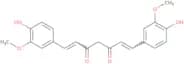
CAS:<p>Curcumin-d6 is a stable isotopic labeled compound, which is derived from the natural polyphenolic compound curcumin sourced from the plant Curcuma longa. As a deuterated analogue, its structure contains six deuterium atoms, which aid in various analytical applications. The mode of action for Curcumin-d6 involves providing a reference standard for mass spectrometry and nuclear magnetic resonance (NMR) studies, where its isotopic composition allows for precise, quantitative analysis and differentiation from non-labeled compounds.</p>Formula:C21H20O6Purity:Min. 95%Molecular weight:374.4 g/molPalbociclib dihydrochloride
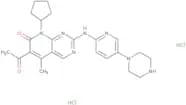
CAS:<p>Palbociclib dihydrochloride is a selective inhibitor of cyclin-dependent kinases 4 and 6 (CDK4/6), which is derived from synthetic chemical processes. Its mode of action involves disrupting the progression of the cell cycle from G1 to S phase, thereby inhibiting cellular proliferation. By specifically targeting and inhibiting CDK4/6, Palbociclib effectively arrests the growth of cancer cells that rely on these kinases for division.</p>Formula:C24H31Cl2N7O2Purity:Min. 95%Molecular weight:520.5 g/molCYM 50308
CAS:<p>CYM 50308 is a synthetic herbicide, which is synthesized through chemical processes designed to target specific plant physiological pathways. Its mode of action involves the inhibition of key enzyme pathways that are essential for the biosynthesis of amino acids in plants. This disruption leads to the cessation of protein synthesis, ultimately causing the death of targeted weed species.</p>Formula:C20H21F2N3O2SPurity:Min. 95%Molecular weight:405.46 g/mol06:0-06:0 NBD pg
CAS:<p>06:0-06:0 NBD pg is a synthetic fluorescence probe which is used in the field of biochemistry and cell biology. This product is derived from phosphatidylglycerol and carries a nitrobenzoxadiazole (NBD) fluorescent group attached through an acyl chain. The mode of action involves the incorporation of the NBD-labeled lipid into biological membranes or liposomes, enabling visualization and analysis of lipid behavior and protein-membrane interactions under a fluorescence microscope or via spectroscopic methods.</p>Formula:C24H40N5O13PPurity:Min. 95%Molecular weight:637.57 g/molSIS3
CAS:<p>SIS3 is a selective inhibitor of Signal Transducer and Activator of Transcription 3 (STAT3), which is a key transcription factor often implicated in cancer and other diseases. This chemical compound is synthetically derived, allowing for precise targeting of STAT3 without affecting structurally similar molecules, thereby providing a more refined approach to inhibition.</p>Formula:C14H14ClN3SPurity:Min. 95%Molecular weight:291.8 g/molJaspamycin
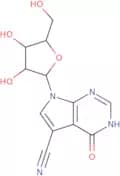
CAS:<p>Jaspamycin is an antitumor antibiotic, which is a natural product isolated from the bacterium *Streptomyces hygroscopicus*. Its mode of action involves disrupting RNA synthesis by inhibiting nucleic acid chain elongation, thereby impeding cell proliferation and leading to cell death in rapidly dividing cancer cells. This mechanism makes Jaspamycin particularly effective as a chemotherapeutic agent.</p>Formula:C12H12N4O5Purity:Min. 95%Molecular weight:292.25 g/molSDZ 220-581
CAS:<p>Please enquire for more information about SDZ 220-581 including the price, delivery time and more detailed product information at the technical inquiry form on this page</p>Formula:C16H17ClNO5PPurity:Min. 95%Molecular weight:369.74 g/molXL413 hydrochloride
CAS:<p>XL413 hydrochloride is a potent small-molecule inhibitor, which is a synthetic compound specifically designed to target protein kinases. It acts as a selective inhibitor of Cdc7 kinase, a serine/threonine kinase essential for the initiation of DNA replication. This kinase is involved in the phosphorylation of MCM2 and the activation of the pre-replicative complex, a critical step in the S-phase of the cell cycle. By inhibiting Cdc7, XL413 hydrochloride effectively halts cell cycle progression, thereby impacting cellular proliferation.</p>Formula:C14H13Cl2N3O2Purity:Min. 95%Color and Shape:PowderMolecular weight:326.18 g/molMS436
CAS:<p>MS436 is a synthetic small molecule inhibitor, which is designed through rational drug design and chemical synthesis. It functions by specifically inhibiting bromodomain-containing proteins, particularly targeting the BET (bromodomain and extra-terminal) family proteins. The mode of action involves binding to the acetyl-lysine recognition domains, thereby preventing the interaction of these proteins with acetylated histones, which disrupts transcriptional regulation.<br><br>MS436 is primarily used in biomedical research to study epigenetic regulation and its effects on gene expression. Its applications are pivotal in exploring the mechanisms underlying various diseases, including cancers, where dysregulation of BET proteins is often implicated. Researchers utilize MS436 to elucidate pathways involved in cell cycle regulation, apoptosis, and differentiation. By modulating these pathways, MS436 aids in advancing our understanding of disease pathogenesis, facilitating the development of therapeutic strategies. As such, its use is crucial in preclinical studies that aim to validate the potential therapeutic targets within the epigenetic landscape.</p>Formula:C18H17N5O3SPurity:Min. 95%Molecular weight:383.42 g/molErlotinib base
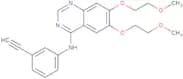
CAS:<p>Tyrosine kinase inhibitor; affects EGFR receptor; pancreatic cancer treatment</p>Formula:C22H23N3O4Purity:Min. 99 Area-%Color and Shape:PowderMolecular weight:393.44 g/molQZ59S-SSS
CAS:<p>QZ59S-SSS is an innovative biochemical reagent, which is derived from a synthetic molecular framework designed for specificity in biochemical interactions. This product operates through selective molecular binding, enabling targeted engagement with specific cellular or molecular entities. It employs precision in its mode of action, ensuring minimal non-specific interactions, which is critical for experimental accuracy in various research settings.</p>Formula:C24H30N6O3S3Purity:Min. 95%Molecular weight:546.73 g/molCM-675
CAS:<p>CM-675 is a specialized chemical compound designed for laboratory and industrial research, which originates from advanced chemical synthesis techniques. This compound functions by offering distinct reaction pathways or interactions at a molecular level, crucial for facilitating complex chemical reactions or processes.</p>Formula:C31H32N6O3Purity:Min. 95%Molecular weight:536.6 g/molAkt-I-1,2 HCl
CAS:<p>Akt-I-1,2 HCl is a selective Akt inhibitor, which is a synthetic chemical compound designed to target and modulate kinase activity. It originates from pharmaceutical research focused on developing therapies for diseases driven by dysregulated Akt signaling pathways. The mode of action of Akt-I-1,2 HCl involves the inhibition of Akt serine/threonine kinases, interfering with phosphorylation events that are crucial for Akt-mediated signaling. This blockade results in the modulation of cellular processes such as growth, survival, and metabolism, which are often aberrant in cancer cells.</p>Formula:C23H21N3·HClPurity:Min. 95%Molecular weight:339.43 g/molML 18
CAS:<p>ML 18 is a novel antibiotic compound, which is a product derived from a newly identified bacterium species known as Streptomyces. This source bacterium has been isolated from unique soil environments that promote the synthesis of distinct secondary metabolites. ML 18 functions by inhibiting bacterial protein synthesis, specifically targeting the ribosomal subunits, leading to the cessation of bacterial growth and eventual cell death.</p>Formula:C32H35N5O5Purity:Min. 95%Molecular weight:569.65 g/molProcinolol
CAS:<p>Procinolol is a pharmaceutical compound classified as a beta-adrenergic blocker, which is a type of medication derived from synthetic sources. Its primary mode of action involves the competitive antagonism of beta-adrenergic receptors, particularly in cardiac tissue, leading to a decrease in heart rate and myocardial contractility. This mechanism results in a reduction of cardiac output, which consequently lowers blood pressure and myocardial oxygen demand.</p>Formula:C15H23NO2Purity:Min. 95%Molecular weight:249.35 g/molEthyl rosmarinate
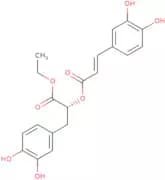
CAS:<p>Ethyl rosmarinate is an esterified derivative of rosmarinic acid, which is naturally sourced from the rosemary plant (Rosmarinus officinalis). This compound exhibits potent antioxidant properties, acting primarily by scavenging free radicals and inhibiting lipid peroxidation. These mechanisms allow it to mitigate oxidative stress within biological systems.</p>Formula:C20H20O8Purity:Min. 95%Molecular weight:388.37 g/molGLPG 0974
CAS:<p>GLPG 0974 is an experimental pharmaceutical compound, specifically an antagonist of the free fatty acid receptor 2 (FFA2), also known as GPR43. This compound is synthesized through a process of chemical engineering aimed at selectively inhibiting GPR43's activity. The mode of action involves blocking the interaction of short-chain fatty acids with GPR43, a receptor implicated in inflammatory pathways.</p>Formula:C25H25ClN2O4SPurity:Min. 95%Molecular weight:485 g/molS3QEL 2
CAS:<p>S3QEL 2 is a compound that targets selective suppression of superoxide, a reactive oxygen species, exclusively from the mitochondrial respiratory complex I. It is categorized as a small-molecule inhibitor developed from biochemical research focused on mitochondrial function regulation. S3QEL 2 acts by specifically interacting with a site on the complex I that is responsible for superoxide production, thereby reducing oxidative stress within cells without interfering with the other normal functions of the electron transport chain.</p>Formula:C19H25N5Purity:Min. 95%Molecular weight:323.44 g/molGambogenic acid
CAS:<p>Gambogenic acid is a naturally occurring compound, which is a diterpenoid extracted from the resin of the Garcinia hanburyi tree. The source of this product is primarily in Southeast Asia, where the plant species is native. Gambogenic acid acts by modulating intracellular signaling pathways, leading to the induction of apoptosis and the inhibition of proliferation in cancer cells. It primarily targets pathways such as the NF-κB and PI3K/Akt, which are crucial for cell survival and growth, thereby exhibiting its antiproliferative effects.</p>Formula:C38H46O8Purity:Min. 95%Molecular weight:630.77 g/molMMSET-IN-1
CAS:<p>MMSET-IN-1 is a small molecule inhibitor specifically designed to target the histone methyltransferase activity of MMSET (also known as NSD2 or WHSC1). This compound originates from a synthetic chemical library explicitly developed for epigenetic research. The mode of action involves the selective inhibition of MMSET's enzymatic function, which is responsible for di- and tri-methylation of lysine 36 on histone H3 (H3K36me2/3).</p>Formula:C18H29N7O5Purity:Min. 95%Molecular weight:423.5 g/mol(2R,3S)-E1R
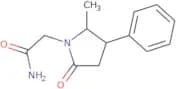
CAS:<p>(2R,3S)-E1R is a chiral chemical compound used in advanced research and pharmaceutical development. It is synthesized through a series of stereochemical reactions to ensure precise enantiomeric purity. The compound is typically derived from complex organic synthesis involving enantioselective catalysts, ensuring that its specific 2R,3S configuration is maintained.</p>Formula:C13H16N2O2Purity:Min. 95%Molecular weight:232.28 g/molSSE15206
CAS:<p>SSE15206 is a chemical compound commonly referred to as an intermediate in organic synthesis. It is derived from complex chemical precursors through an extensive series of reactions involving catalysts and controlled conditions. This compound serves a pivotal role in the synthetic pathway by enabling the construction of more intricate molecules.</p>Formula:C19H21N3O3SPurity:Min. 95%Molecular weight:371.45 g/molTMPH Hydrochloride
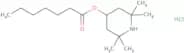
CAS:<p>TMPH Hydrochloride is a synthetic chemical compound commonly utilized in biochemical research. It is derived from synthetic processes involving organic chemistry techniques. The mode of action of TMPH Hydrochloride involves its interaction with neurotransmitter systems, where it functions by modulating receptor activity or inhibiting specific enzymatic pathways.</p>Formula:C16H31NO2·HClPurity:Min. 95%Molecular weight:269.42 g/molSitoindoside I
CAS:<p>Sitoindoside I is a naturally occurring glycoside, which is isolated from the plant Withania somnifera, commonly known as Ashwagandha. It functions as a bioactive compound with adaptogenic properties, which means it helps the body resist the physiological impacts of stress. The chemical structure of Sitoindoside I contributes to its ability to modulate various neurochemical pathways, which is critical in the regulation of stress responses.</p>Formula:C51H90O7Purity:Min. 95%Molecular weight:815.3 g/molSonepiprazole hydrochloride
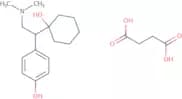
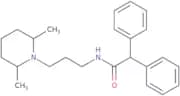
CAS:Controlled Product<p>Sonepiprazole hydrochloride is an experimental pharmaceutical compound, which is derived from synthetic sources with a high degree of chemical precision. This compound acts as a selective dopamine D4 receptor antagonist, modulating neurochemical transmission by inhibiting D4 receptor activity. The specificity for the D4 receptor suggests its potential use in elucidating the pathophysiology of conditions such as schizophrenia and other neuropsychiatric disorders. Research into Sonepiprazole hydrochloride focuses on its efficacy in altering dopaminergic pathways, which may contribute to improved cognitive and behavioral functions in preclinical models. While its exact therapeutic potential remains under study, Sonepiprazole hydrochloride represents a promising avenue in the development of targeted treatments for psychiatric conditions where dopamine dysregulation is implicated.</p>Formula:C20H31NO6Purity:Min. 95%Molecular weight:381.5 g/mol4-(2-(1H-Imidazol-1-yl)ethoxy)benzoic acid hydrochloride
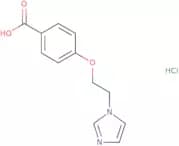
CAS:<p>4-(2-(1H-Imidazol-1-yl)ethoxy)benzoic acid hydrochloride is a synthetic chemical compound, which is typically sourced through organic synthesis methods. This compound is characterized by its unique structure featuring an imidazole group linked to a benzoic acid moiety via an ethoxy bridge. The mode of action of this compound predominantly involves interactions at a molecular level with various biological targets, potentially influencing biochemical pathways by mimicking or inhibiting natural biological molecules.</p>Formula:C12H13ClN2O3Purity:Min. 95%Molecular weight:268.69 g/mol12:0 Lyso NBD pc
CAS:<p>12:0 Lyso NBD PC is a fluorescent lipid probe, which is an analog of lysophosphatidylcholine. This synthetic product is derived from phospholipids modified with a NBD (7-nitro-2-1,3-benzoxadiazol-4-yl) fluorophore. Its primary manner of action involves integration into cellular membranes, where it enhances the visualization of lipid domains and membrane trafficking through fluorescence microscopy or flow cytometry.</p>Formula:C26H44N5O10PPurity:Min. 95%Molecular weight:617.63 g/molXL888
CAS:<p>XL888 is a selective and potent inhibitor of heat shock protein 90 (HSP90), which is a molecular chaperone involved in the proper folding, stability, and function of many client proteins, including those critical in cancer progression. Sourced from rigorous medicinal chemistry processes, XL888 is designed to bind to the ATP-binding site of HSP90, thereby inhibiting its chaperone activity. This inhibition leads to the degradation of client proteins that are essential for tumor growth and survival.</p>Formula:C29H37N5O3Purity:Min. 95%Molecular weight:503.64 g/molE6446 (dihydrochloride)
CAS:<p>E6446 (dihydrochloride) is a small molecule compound that acts as a selective inhibitor of the mitotic kinesin Eg5, also known as KIF11. This compound is synthetically derived and is typically utilized in laboratory research. Its mode of action involves binding to the motor domain of Eg5, thereby inhibiting its ATPase activity, which is crucial for the Eg5-driven separation of spindle poles during cell mitosis. By selectively targeting Eg5, E6446 effectively disrupts mitotic spindle formation, leading to cell cycle arrest and apoptosis in rapidly dividing cells.<br><br>These characteristics make E6446 an important tool in scientific research, particularly in the study of cancer cells and the development of anticancer therapies. Its ability to halt cell division without affecting other kinesins provides researchers with a precise method to investigate the role of mitotic kinesins in cell cycle progression and to screen for potential therapeutic compounds.</p>Formula:C27H37Cl2N3O3Purity:Min. 95%Molecular weight:522.51 g/molHJC0152 Hydrochloride
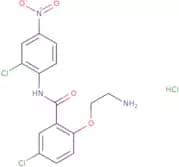
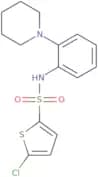
CAS:<p>HJC0152 Hydrochloride is a research compound that acts as a selective agonist of the sphingosine-1-phosphate receptor 5 (S1P5). This compound originates from synthetic chemical sources, where it is meticulously crafted to interact specifically with the S1P5 receptor. Through binding to this receptor, HJC0152 Hydrochloride modulates signaling pathways involved in cellular processes, particularly within the central nervous system.</p>Formula:C15H13Cl2N3O4·HClPurity:Min. 95%Molecular weight:370.19 g/mol5-Chloro-N-(2-piperidin-1-ylphenyl)thiophene-2-sulfonamide
CAS:<p>5-Chloro-N-(2-piperidin-1-ylphenyl)thiophene-2-sulfonamide is a chemical compound that falls under the category of small molecule inhibitors. This compound is synthesized through organic chemical processes and is primarily studied for its potential interactions with various biological targets. Its mode of action often involves binding to specific proteins or receptors, leading to the modulation of certain physiological pathways. It is particularly noted for its potential affinity for certain enzymes or cellular receptors, which could be relevant in research focusing on conditions such as inflammation or cancer.</p>Formula:C15H17ClN2O2S2Purity:Min. 95%Molecular weight:356.9 g/molCiwujianoside A1
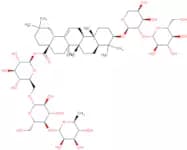
CAS:<p>Ciwujianoside A1 is a saponin compound, which is isolated from the roots of the Eleutherococcus senticosus plant, commonly known as Siberian ginseng. This compound belongs to the family of triterpenoid saponins, which are notable for their diverse biological activities. Ciwujianoside A1 primarily acts by interacting with specific cellular pathways, including modulating immune responses and exerting antioxidative effects.</p>Formula:C59H96O26Purity:Min. 95%Molecular weight:1,221.38 g/molKDM4D-IN-1
CAS:<p>KDM4D-IN-1 is a chemical compound that acts as a selective inhibitor. It is derived synthetically to target the KDM4D enzyme, a member of the Jumonji family of histone demethylases. The mode of action involves the inhibition of the catalytic activity of KDM4D, which regulates the demethylation of lysine residues on histones, specifically demethylating H3K9me3/me2. This regulation plays a significant role in chromatin remodeling and gene expression.</p>Formula:C11H7N5OPurity:Min. 95%Molecular weight:225.21 g/molWEHI-539 hydrochloride
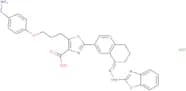
CAS:<p>WEHI-539 hydrochloride is a chemical compound that functions as a potent and selective Bcl-XL inhibitor. It is synthetically derived and serves as a valuable tool in the study of apoptotic pathways. Bcl-XL is a member of the Bcl-2 family of proteins, which are critical regulators of apoptosis, and its inhibition can promote cell death in cancer cells that rely on this pathway for survival.</p>Formula:C31H30ClN5O3S2Purity:Min. 95%Molecular weight:620.19 g/molConcanamycin A
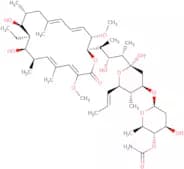
CAS:<p>Inhibitor of vacuolar ATP-ases</p>Formula:C46H75NO14Purity:Min. 95%Color and Shape:PowderMolecular weight:866.09 g/molPd-85639
CAS:<p>Pd-85639 is a synthetic small molecule, which is a product of laboratory-derived chemical synthesis. Its structure mimics certain naturally occurring biomolecules that interact with cellular pathways pivotal in the regulation of cell growth and apoptosis. Specifically, Pd-85639 operates by inhibiting specific enzymes and signaling pathways, leading to the disruption of malignant cell proliferation and induction of programmed cell death.</p>Formula:C24H32N2OPurity:Min. 95%Molecular weight:364.5 g/molMAY0132
CAS:<p>MAY0132 is an innovative biopolymer that is derived through advanced fungal fermentation processes. This product is developed utilizing cutting-edge biotechnology techniques, where specific fungal strains are cultivated and optimized to produce high-molecular-weight polymers. The mode of action involves the biosynthesis of these polymers through the metabolic pathways of the fungi, resulting in a sustainable and environmentally friendly material.</p>Formula:C16H15ClF3NPurity:Min. 95%Molecular weight:313.74 g/mol(4-Chloro-6-((2-methyl-6-(trifluoromethyl)pyridin-3-yl)methoxy)-1-benzothiophen-3-yl)acetic acid
CAS:<p>(4-Chloro-6-((2-methyl-6-(trifluoromethyl)pyridin-3-yl)methoxy)-1-benzothiophen-3-yl)acetic acid is a highly specialized agrochemical compound, which is synthesized through complex organic reactions. It acts primarily as a herbicide, disrupting plant physiological processes by inhibiting specific enzymes necessary for growth, particularly in broadleaf weeds.</p>Formula:C18H13ClF3NO3SPurity:Min. 95%Molecular weight:415.8 g/molGSK 1702934a
CAS:<p>GSK 1702934A is a highly selective antagonist, which is derived from GlaxoSmithKline's series of research compounds targeting specific neuronal pathways. It primarily functions by inhibiting the activity of orexin receptors, particularly orexin 1 receptor (OX1R). This selective antagonism allows for precise modulation of the orexinergic system, which is pivotal in regulating various physiological processes such as sleep-wake cycles, appetite, and stress response.</p>Formula:C22H25N3O2SPurity:Min. 95%Molecular weight:395.5 g/molVeledimex
CAS:<p>Veledimex is an inducible transcriptional activator, which is synthetically derived. It operates by modulating gene expression through a regulated system that requires the presence of its specific ligand. The product utilizes a small molecule called a chemical inducer of dimerization. Upon binding, it triggers the activator to dimerize, thus initiating transcription of the target gene. This mode of action allows for precise control over gene expression, offering a controlled system to study gene functions and recombinant protein production.</p>Formula:C27H38N2O3Purity:Min. 95%Molecular weight:438.6 g/molDMU2105
CAS:<p>DMU2105 is a novel photosensitizer, developed from synthetic organic compounds, which operates through the absorption of specific wavelengths of light to produce reactive oxygen species. These reactive species interact with cellular components, inducing cytotoxicity and aiding in selective destruction of target cells. This mode of action is particularly effective in photodynamic therapy (PDT) and medical imaging.</p>Formula:C18H13NOPurity:Min. 95%Molecular weight:259.3 g/molBalaglitazone
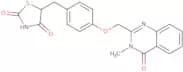
CAS:<p>Balaglitazone is an antidiabetic agent classified as a thiazolidinedione, which is a synthetic compound derived from pharmaceutical research focused on insulin sensitization. Its mode of action involves selective activation of the peroxisome proliferator-activated receptor gamma (PPARγ), a nuclear receptor that plays a critical role in adipocyte differentiation and glucose metabolism. By modulating the transcription of specific insulin-responsive genes, Balaglitazone enhances insulin sensitivity in peripheral tissues, thus facilitating more effective glucose uptake and utilization.</p>Formula:C20H17N3O4SPurity:Min. 95%Molecular weight:395.43 g/molTubulin, gst tagged human
CAS:<p>Tubulin, GST tagged human, is a recombinant protein used extensively in cell biology research. It is derived from a human source, with genetic engineering employed to append a Glutathione S-transferase (GST) tag. This tagging facilitates purification and enhances solubility, crucial for downstream applications.</p>Purity:Min. 95%GO-203
CAS:<p>GO-203 is an engineered peptide therapeutic, which is derived from rational design strategies targeting cancer-specific pathways. It functions by interfering with the MUC1-C oncoprotein, a transmembrane protein that plays a crucial role in the regulation of signal transduction pathways associated with oncogenesis. By binding to the MUC1-C subunit, GO-203 disrupts its dimerization and subsequent downstream signaling, thereby inhibiting cancer cell growth and survival.</p>Formula:C89H171F3N52O21S2Purity:Min. 95%Molecular weight:2,426.8 g/molZanubrutinib
CAS:<p>Inhibitor of Bruton's tyrosine kinase (BTK)</p>Formula:C27H29N5O3Purity:Min. 95%Molecular weight:471.55 g/molGLPG-0187
CAS:<p>Please enquire for more information about GLPG-0187 including the price, delivery time and more detailed product information at the technical inquiry form on this page</p>Formula:C29H37N7O5SPurity:Min. 95%Molecular weight:595.71 g/molTak-448 acetate
CAS:Controlled Product<p>TAK-448 acetate is a synthetic GnRH receptor antagonist, which is derived from advanced peptide engineering. Its mechanism of action involves competitive inhibition of the gonadotropin-releasing hormone receptors in the pituitary gland, subsequently leading to the suppression of luteinizing hormone and follicle-stimulating hormone release. This suppression effectively reduces the downstream production of sex steroids, such as testosterone and estradiol.</p>Formula:C60H84N16O16Purity:Min. 95%Molecular weight:1,285.4 g/molBMS 345541
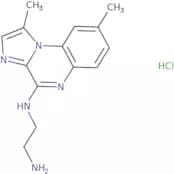
CAS:<p>BMS 345541 is a selective inhibitor of IKK-β, which is an enzyme involved in the nuclear factor kappa-light-chain-enhancer of activated B cells (NF-κB) signaling pathway. It is synthesized through chemical synthesis, which allows for its precise targeting and modulation of specific signaling cascades.</p>Formula:C14H17N5·HClPurity:Min. 95%Molecular weight:291.78 g/mol