Organosilicon Compounds
Subcategories of "Organosilicon Compounds"
Found 4342 products of "Organosilicon Compounds"
Ref: IN-DA0035SO
Discontinued productCyclopentene, 1-[(trimethylsilyl)oxy]-
CAS:Formula:C8H16OSiPurity:97%Color and Shape:LiquidMolecular weight:156.2975Ref: IN-DA002CCA
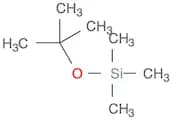
Discontinued productSilane, (1,1-dimethylethoxy)trimethyl-
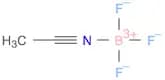
CAS:Formula:C7H18OSiPurity:98%Color and Shape:LiquidMolecular weight:146.3027Boron trifluoride-acetonitrile complex
CAS:Formula:C2H3BF3NPurity:%Color and Shape:SolidMolecular weight:108.8581Ref: IN-DA00BXBA
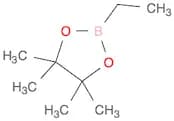
Discontinued product1,3,2-Dioxaborolane, 2-ethyl-4,4,5,5-tetramethyl-
CAS:Formula:C8H17BO2Purity:98%Color and Shape:LiquidMolecular weight:156.0304Ref: IN-DA004YJ2
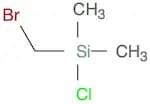
Discontinued productBromomethyldimethylchlorosilane
CAS:Formula:C3H8BrClSiPurity:95%Color and Shape:LiquidMolecular weight:187.5381Silane, dichloromethyloctyl-
CAS:Formula:C9H20Cl2SiPurity:97%Color and Shape:LiquidMolecular weight:227.2466Ref: IN-DA001FCP
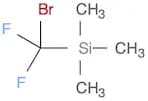
Discontinued productSilane, (bromodifluoromethyl)trimethyl-
CAS:Formula:C4H9BrF2SiPurity:95%Color and Shape:LiquidMolecular weight:203.10061-Propanamine, 3-(trimethylsilyl)-
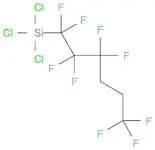
CAS:Formula:C6H17NSiPurity:97%Color and Shape:LiquidMolecular weight:131.2914Silane,trichloro(3,3,4,4,5,5,6,6,6-nonafluorohexyl)-
CAS:Formula:C6H4Cl3F9SiPurity:98%Molecular weight:381.5261Ref: IN-DA008MHN
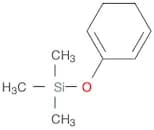
Discontinued product2-(Trimethylsiloxy)-1,3-cyclohexadiene
CAS:Formula:C9H16OSiPurity:94%Color and Shape:LiquidMolecular weight:168.3082Benzene, [(dimethylsilyl)methyl]-
CAS:Formula:C9H14SiPurity:96%Color and Shape:LiquidMolecular weight:150.2930Ref: IN-DA001TRL
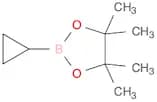
Discontinued productCyclopropylboronic acid, pinacol ester
CAS:Formula:C9H17BO2Purity:98%Color and Shape:LiquidMolecular weight:168.0411Pentasiloxane, 1,1,1,3,3,5,5,7,7,9,9,9-dodecamethyl-
CAS:Formula:C12H36O4Si5Purity:98%Color and Shape:LiquidMolecular weight:384.8393Ref: IN-DA001FQH
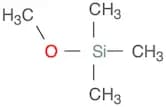
Discontinued productSilane, methoxytrimethyl-
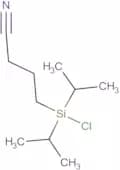
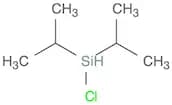
CAS:Formula:C4H12OSiPurity:96%Color and Shape:LiquidMolecular weight:104.2230Diisopropylchlorosilane
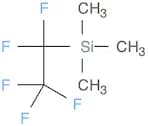
CAS:Formula:C6H15ClSiPurity:95%Color and Shape:LiquidMolecular weight:150.7218Silane, trimethyl(1,1,2,2,2-pentafluoroethyl)-
CAS:Formula:C5H9F5SiPurity:95%Color and Shape:LiquidMolecular weight:192.2025Silanol, 1-(1,1-dimethylethyl)-1,1-dimethyl-
CAS:Formula:C6H16OSiPurity:98%Color and Shape:LiquidMolecular weight:132.2761Ref: IN-DA00232V
Discontinued productSILANE, (1-BROMOETHENYL)TRIMETHYL-
CAS:Formula:C5H11BrSiPurity:98%Color and Shape:LiquidMolecular weight:179.1303Ref: IN-DA0012ET
Discontinued product(Trifluoromethyl)Trimethylsilane
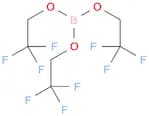
CAS:Formula:C4H9F3SiPurity:98%Color and Shape:LiquidMolecular weight:142.1950Ethanol, 2,2,2-trifluoro-, triester with boric acid (H3BO3)
CAS:Formula:C6H6BF9O3Purity:97%Color and Shape:LiquidMolecular weight:307.9067Acetaldehyde, 2-[[(1,1-dimethylethyl)dimethylsilyl]oxy]-
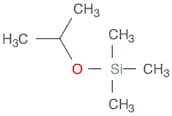
CAS:Formula:C8H18O2SiPurity:90%Color and Shape:LiquidMolecular weight:174.3128Trimethyl(1-methylethoxy)silane
CAS:Formula:C6H16OSiPurity:97%Color and Shape:LiquidMolecular weight:132.2761Ref: IN-DA0023YR
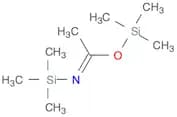
Discontinued productN,O-Bis(Trimethylsilyl)Acetamide
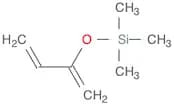
CAS:Formula:C8H21NOSi2Purity:95%Color and Shape:LiquidMolecular weight:203.42942-(Trimethylsiloxy)-1,3-butadiene
CAS:Formula:C7H14OSiPurity:95%Color and Shape:LiquidMolecular weight:142.2710Silane, dimethoxymethyl-
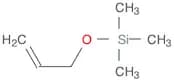
CAS:Formula:C3H10O2SiPurity:95%Color and Shape:LiquidMolecular weight:106.1958Silane, trimethyl(2-propen-1-yloxy)-
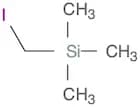
CAS:Formula:C6H14OSiPurity:98%Color and Shape:LiquidMolecular weight:130.2603(Iodomethyl)trimethylsilane
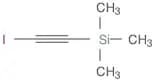
CAS:Formula:C4H11ISiPurity:97%Color and Shape:LiquidMolecular weight:214.1201Silane, (2-iodoethynyl)trimethyl-
CAS:Formula:C5H9ISiPurity:97%Color and Shape:LiquidMolecular weight:224.1149Ref: IN-DA0022ZB
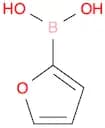
Discontinued productBoronic acid, B-2-furanyl-
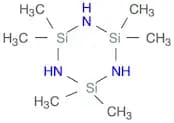
CAS:Formula:C4H5BO3Purity:97%Color and Shape:SolidMolecular weight:111.8917Cyclotrisilazane, 2,2,4,4,6,6-hexamethyl-
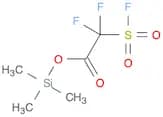
CAS:Formula:C6H21N3Si3Purity:95%Color and Shape:LiquidMolecular weight:219.5075Trimethylsilyl 2,2-difluoro-2-(fluorosulfonyl)acetate
CAS:Formula:C5H9F3O4SSiPurity:95%Color and Shape:LiquidMolecular weight:250.2683Ref: IN-DA003V4E
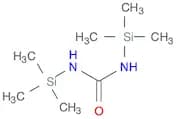
Discontinued productUrea, N,N'-bis(trimethylsilyl)-
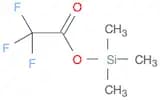
CAS:Formula:C7H20N2OSi2Purity:98%Color and Shape:SolidMolecular weight:204.4175Trimethylsilyl trifluoroacetate
CAS:Formula:C5H9F3O2SiPurity:95%Color and Shape:LiquidMolecular weight:186.2045Ref: IN-DA003V4I
Discontinued product2-Propynal, 3-(trimethylsilyl)-
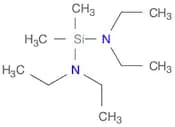
CAS:Formula:C6H10OSiPurity:97%Color and Shape:LiquidMolecular weight:126.2285Bis(Diethylamino)dimethylsilane
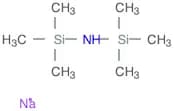
CAS:Formula:C10H26N2SiPurity:%Color and Shape:LiquidMolecular weight:202.4123Sodium bis(trimethylsilyl)amide
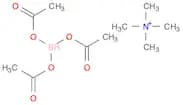
CAS:Formula:C6H18NNaSi2Purity:95%Color and Shape:LiquidMolecular weight:183.3746bis(acetyloxy)boranuidyl acetate; tetramethylazanium
CAS:Formula:C10H22BNO6Purity:97%Color and Shape:SolidMolecular weight:263.0958Ref: IN-DA00387V
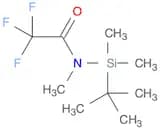
Discontinued productN-(tert-Butyldimethylsilyl)-N-methyl-trifluoroacetamide
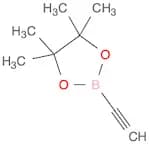
CAS:Formula:C9H18F3NOSiPurity:95%Color and Shape:LiquidMolecular weight:241.32602-ethynyl-4,4,5,5-tetramethyl-1,3,2-dioxaborolane
CAS:Formula:C8H13BO2Purity:96%Color and Shape:SolidMolecular weight:151.9986Silane, (methoxymethyl)trimethyl-
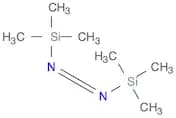
CAS:Formula:C5H14OSiPurity:97%Color and Shape:LiquidMolecular weight:118.2496Bis(trimethylsilyl)carbodiimide
CAS:Formula:C7H20N2Si2Purity:95%Color and Shape:LiquidMolecular weight:188.4181Ref: IN-DA00008E
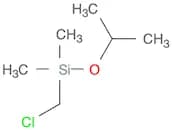
Discontinued productSilane, (chloromethyl)dimethyl(1-methylethoxy)-
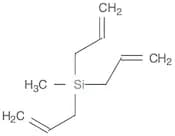
CAS:Formula:C6H15ClOSiPurity:96%Color and Shape:LiquidMolecular weight:166.7212Silane,methyltri-2-propen-1-yl-
CAS:Formula:C10H18SiPurity:98%Color and Shape:LiquidMolecular weight:166.3354Ref: IN-DA007AYX
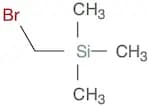
Discontinued productSilane, (bromomethyl)trimethyl-
CAS:Formula:C4H11BrSiPurity:98%Color and Shape:SolidMolecular weight:167.1196Ref: IN-DA0023VR
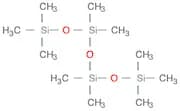
Discontinued productTetrasiloxane, 1,1,1,3,3,5,5,7,7,7-decamethyl-
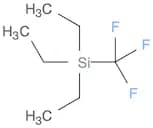
CAS:Formula:C10H30O3Si4Purity:98%Color and Shape:LiquidMolecular weight:310.6854Silane, triethyl(trifluoromethyl)-
CAS:Formula:C7H15F3SiPurity:98%Color and Shape:LiquidMolecular weight:184.27473,6,9-Trioxa-2,10-disilaundecane, 2,2,10,10-tetramethyl-
CAS:Formula:C10H26O3Si2Purity:98%Color and Shape:LiquidMolecular weight:250.4826Ref: IN-DA001WTZ
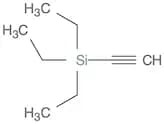
Discontinued productSilane, triethylethynyl-
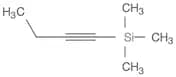
CAS:Formula:C8H16SiPurity:97%Color and Shape:LiquidMolecular weight:140.29811-(Trimethylsilyl)-1-butyne
CAS:Formula:C7H14SiPurity:95%Color and Shape:LiquidMolecular weight:126.2716Ref: IN-DA003V3K
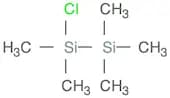
Discontinued productDisilane, 1-chloro-1,1,2,2,2-pentamethyl-
CAS:Formula:C5H15ClSi2Purity:95%Color and Shape:LiquidMolecular weight:166.79664-(Trimethylsilyl)morpholine
CAS:Formula:C7H17NOSiPurity:95%Color and Shape:LiquidMolecular weight:159.3015Trisiloxane, 1,1,1,5,5,5-hexamethyl-3-[(trimethylsilyl)oxy]-
CAS:Formula:C9H28O3Si4Purity:95%Color and Shape:LiquidMolecular weight:296.6588Tetraethylammonium Borohydride
CAS:Formula:C8H24BNPurity:97%Color and Shape:SolidMolecular weight:145.0939Ref: IN-DA003UNV
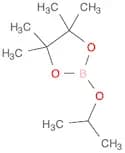
Discontinued product2-Isopropoxy-4,4,5,5-tetramethyl-1,3,2-dioxaborolane
CAS:Formula:C9H19BO3Purity:96%Color and Shape:LiquidMolecular weight:186.0564Silane, (1,1-dimethylethyl)dimethyl-
CAS:Formula:C6H16SiPurity:97%Color and Shape:LiquidMolecular weight:116.2767Ethanol, 2-[[(1,1-dimethylethyl)dimethylsilyl]oxy]-
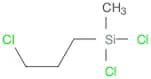
CAS:Formula:C8H20O2SiPurity:98%Color and Shape:LiquidMolecular weight:176.32873-Chloropropyldichloromethylsilane
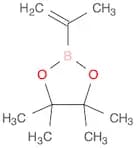
CAS:Formula:C4H9Cl3SiPurity:98%Color and Shape:LiquidMolecular weight:191.55881,3,2-Dioxaborolane, 4,4,5,5-tetramethyl-2-(1-methylethenyl)-
CAS:Formula:C9H17BO2Purity:97%Color and Shape:LiquidMolecular weight:168.0411Ref: IN-DA003U1J
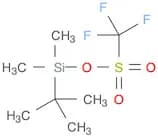
Discontinued producttert-Butyldimethylsilyl trifluoromethanesulfonate
CAS:Formula:C7H15F3O3SSiPurity:95%Color and Shape:LiquidMolecular weight:264.3379Ref: IN-DA003V27
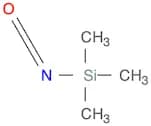
Discontinued productisocyanatotrimethylsilane
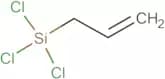
CAS:Formula:C4H9NOSiPurity:80%Color and Shape:LiquidMolecular weight:115.2059Allyltrichlorosilane
CAS:S00350 - Allyltrichlorosilane
Formula:C3H5Cl3SiColor and Shape:Liquid, ClearMolecular weight:175.50999450683594n-Octadecyltrichlorosilane
CAS:S12250 - n-Octadecyltrichlorosilane
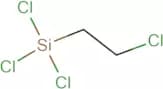
Formula:C18H37Cl3SiPurity:95%Color and Shape:Liquid, ClearMolecular weight:387.929992675781252-Chloroethyltrichlorosilane
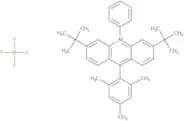
CAS:Purity:95%Color and Shape:Liquid, ClearMolecular weight:197.940002441406253,6-Bis(1,1-dimethylethyl)-10-phenyl-9-(2,4,6-trimethylphenyl)-acridinium tetrafluoroborate
CAS:3,6-Bis(1,1-dimethylethyl)-10-phenyl-9-(2,4,6-trimethylphenyl)-acridinium tetrafluoroborate is a high quality reagent that is used as an intermediate in the synthesis of other compounds. It has CAS No. 1810004-87-5 and a molecular weight of 345.7 g/mol. This compound is useful for the synthesis of complex compounds and can be used in fine chemicals. 3,6-Bis(1,1-dimethylethyl)-10-phenyl-9-(2,4,6-trimethylphenyl)-acridinium tetrafluoroborate is also useful for research purposes and can be used as a scaffold for drug discovery. It is also a versatile building block that can be used in reactions to produce speciality chemicals and reaction components such as esters or amides.Formula:C36H40BF4NPurity:Min 95%Color and Shape:PowderMolecular weight:573.51 g/molRef: 3D-FB76607
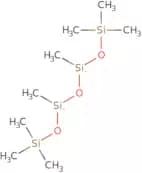
Discontinued product1,1,1,3,5,7,7,7-Octamethyltetrasiloxane
CAS:1,1,1,3,5,7,7,7-Octamethyltetrasiloxane is a volatile liquid that is used as a fumigant. It is used in the manufacture of silicone elastomers and sealants. This chemical has been shown to be an effective sealant and to have good adhesion properties. It also has excellent resistance to high temperatures and chemicals. The mechanism of 1,1,1,3,5,7,7,7-octamethyltetrasiloxane is not fully understood but it may involve hydrogen bonding with the organic solvent. In addition to its use as a sealant and fumigant this chemical can be used as a ligand for bifunctional catalysts for polymerization reactions or for kinetic studies on polyolefins
Formula:C8H26O3Si4Purity:Min. 95%Color and Shape:Clear LiquidMolecular weight:282.63 g/molRef: 3D-FO29717
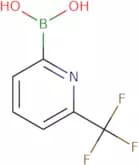
Discontinued product6-(Trifluoromethyl)pyridine-2-boronic acid
CAS:6-(Trifluoromethyl)pyridine-2-boronic acid is a solid chemical that is soluble in organic solvents. It is a building block for the synthesis of more complex compounds, and also serves as an intermediate in the synthesis of pharmaceuticals. 6-(Trifluoromethyl)pyridine-2-boronic acid has been shown to be useful for the preparation of fine chemicals and has been widely used as a reagent in research.
Formula:C6H5BF3NO2Purity:Min. 95%Color and Shape:PowderMolecular weight:190.92 g/molRef: 3D-FT160126
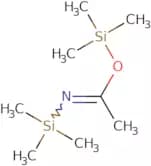
Discontinued productN,O-Bis(trimethylsilyl) acetamide
CAS:N,O-Bis(trimethylsilyl) acetamide is a protein that is used as a reagent for the detection of integrin receptors. It can be used to identify human immunoglobulin and human serum proteins. This compound has been shown to be pluripotent in cells, which means that it can differentiate into any type of cell. N,O-Bis(trimethylsilyl) acetamide has been shown to have surfactant properties and can be used as an alternative in toxicity studies. This compound has been shown to be toxic to bowel disease cells when tested with a dose of 3mg/mL. The disulfide bond within this molecule may be important for its biological activity. Synchronous fluorescence spectroscopy and plasma mass spectrometry are two methods that have been used to study the structure of this molecule. Electrochemical impedance spectroscopy is another method that has been used in the structural analysis of this molecule.
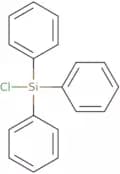
Formula:C8H21NOSi2Purity:Min. 95 Area-%Color and Shape:Colorless Yellow Clear LiquidMolecular weight:203.43 g/molTriphenylchlorosilane
CAS:Triphenylchlorosilane is a reactive compound that has been used as a model system for studying the reaction of congestive heart failure. It has been shown to inhibit energy metabolism and cell factor, which are important factors in the progression of congestive heart failure. Triphenylchlorosilane also reacts with p-hydroxybenzoic acid to form an unstable intermediate, which undergoes intramolecular hydrogen transfer to give the final product. The reaction mechanism is proposed to be a coordination geometry involving three chlorine atoms. This compound is not reactive with sodium salts or structural analysis, but it does bind signal peptide in vivo models and can be used as a probe for protein-protein interactions.
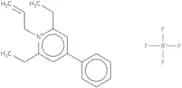
Formula:C18H15ClSiPurity:Min. 95%Color and Shape:PowderMolecular weight:294.85 g/molN-Propyl-1-ene-2,6-diethyl-4-phenylpyridinium tetrafluoroborate
CAS:N-Propyl-1-ene-2,6-diethyl-4-phenylpyridinium tetrafluoroborate (NPEEDPBF) is a fine chemical that has been used as a building block in research and industrial chemistry. The synthesis of NPEEDPBF typically involves the reaction of diethyl phenylpyridinium bromide with n propyl iodide. It can be used as a reagent for organic syntheses and as an intermediate for other compounds. NPEEDPBF is also a versatile building block for complex compounds.Formula:C18H22N•BF4Purity:Min. 95%Molecular weight:339.18 g/molRef: 3D-FP145686
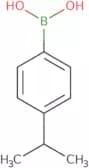
Discontinued product4-Isopropylphenylboronic acid
CAS:4-Isopropylphenylboronic acid is a chiral organic chemical that is used as a Grignard reagent. It is an optically pure compound that can be isolated by recrystallization. The optical purity of 4-isopropylphenylboronic acid has been confirmed by the red shift observed in its IR spectrum. This compound undergoes nucleophilic substitution reactions, and it also catalyses the hydrostannylation of styrene with phenyllithium or butyllithium. The synthesis of this molecule requires relatively mild reaction conditions, and it can be obtained in high yield.
Formula:C9H13BO2Purity:Min. 95%Color and Shape:PowderMolecular weight:164.01 g/molRef: 3D-FI46458
Discontinued productCarboxyethylsilanetriol sodium salt - 25% in water
CAS:Carboxyethylsilanetriol sodium salt - 25% in water is a reagent that is used to form complex compounds. It can be used as a reaction component or a building block to create more complex compounds, such as new medicines. Carboxyethylsilanetriol sodium salt - 25% in water has been shown to be an efficient and versatile scaffold for the production of fine chemicals and research chemicals. CAS No. 18191-40-7 is a speciality chemical that can react with other organic compounds to form new compounds for research purposes. Carboxyethylsilanetriol sodium salt - 25% in water is a useful intermediate and building block for various synthetic reactions because it can easily react with other organics to form new compounds which are useful in pharmaceuticals, agrochemicals, and other industries.
Formula:C3H6Na2O5SiPurity:Approximately 25%Color and Shape:Clear LiquidMolecular weight:196.14 g/molRef: 3D-FC139273
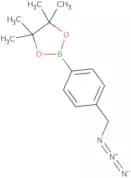
Discontinued product2-(4-(AzidoMethyl)phenyl)-4,4,5,5-tetraMethyl-1,3,2-dioxaborolane
CAS:2-(4-(AzidoMethyl)phenyl)-4,4,5,5-tetraMethyl-1,3,2-dioxaborolane is a high quality reagent that is useful for complex compound synthesis. It has CAS No. 1239481-05-0 and has been shown to be a useful intermediate in many reactions. 2-(4-(AzidoMethyl)phenyl)-4,4,5,5-tetraMethyl-1,3,2-dioxaborolane is also a fine chemical that can be used as a research chemical or as a building block for speciality chemicals. This compound has shown to be versatile because it can react with nucleophiles and electrophiles to produce diverse products.
Formula:C13H19BN3O2Purity:Min. 95%Molecular weight:260.12 g/molRef: 3D-FA39907
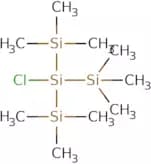
Discontinued productChlorotris(trimethylsilyl)silane
CAS:Chlorotris(trimethylsilyl)silane is a chlorosilane with a trifluoromethyl group and one other organic group. It can be prepared by thermal decomposition of chlorotrimethylsilane. Chlorotris(trimethylsilyl)silane has been used in the synthesis of branched-chain alkanes and cycloalkanes, as well as in the preparation of molecular fragments for use in organometallic syntheses. This molecule absorbs ultraviolet light strongly at 254 nm, making it useful for measurements of UV absorption spectra.
Formula:C9H27ClSi4Purity:Min. 95 Area-%Color and Shape:White PowderMolecular weight:283.11 g/molRef: 3D-FC61091
Discontinued product2,3-Dimethoxyphenylboronic acid
CAS:2,3-Dimethoxyphenylboronic acid is a synthetic molecule that contains a boronic acid group. This compound has been shown to interact with histones H3 and L6. It has also been shown to modify lysine residues on the histone H3 protein by methylation. In addition, 2,3-dimethoxyphenylboronic acid interacts with other molecules in a way that changes their conformation and this interaction can be studied using vibrational spectroscopy. Organic chemists may use 2,3-dimethoxyphenylboronic acid as a ligand for biological targets or as a means of modifying proteins.
Formula:C8H11BO4Purity:Min. 95%Color and Shape:PowderMolecular weight:181.98 g/molRef: 3D-FD29965
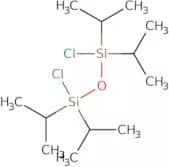
Discontinued product1,3-Dichloro-1,1,3,3-tetraisopropyldisiloxane
CAS:1,3-Dichloro-1,1,3,3-tetraisopropyldisiloxane is a chromatographic stationary phase that has been used for the analysis of oligosaccharides and hydrogen bonds. 1,3-Dichloro-1,1,3,3-tetraisopropyldisiloxane has been shown to be useful in the separation of uridine from other nucleotides. It also has been shown to be useful as a titration calorimetry standard. This stationary phase can be used with fluorescence spectrometry and tryptophan fluorescence for structural analysis of pyrimidine compounds. Molecular modeling studies have also demonstrated that this stationary phase is stereoselective with regards to hydroxyl group emissions. The 1,3-Dichloro-1,1,3,3-tetraisopropyldisiloxane stationary phase is
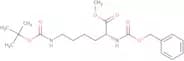
Formula:C12H28Cl2OSi2Purity:Min. 95%Color and Shape:Colorless Slightly Yellow Clear LiquidMolecular weight:315.43 g/molNα-Z-Nε-Boc-D-lysine methyl ester
CAS:Please enquire for more information about Nα-Z-Nε-Boc-D-lysine methyl ester including the price, delivery time and more detailed product information at the technical inquiry form on this page
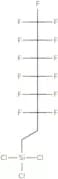
Formula:C20H30N2O6Purity:Min. 95%Color and Shape:PowderMolecular weight:394.46 g/molTrichloro(1H,1H,2H,2H- tridecafluoro-n-octyl)silane
CAS:Trichloro(1H,1H,2H,2H-tridecafluoro-n-octyl)silane is a chemical compound with the formula CClF[CF(CF)CFSiCl]. It is a colorless liquid that can be used in coatings and as a precursor to other fluorinated compounds. Trichloro(1H,1H,2H,2H-tridecafluoro-n-octyl)silane has been shown to have synergistic effects when combined with cationic surfactants and laser ablation techniques for microbial infection. This compound also has transport properties that are influenced by the presence of water vapor. Trichloro(1H,1H,2H,2H-tridecafluoro-n-octyl)silane is an inert monolayer on boron nitride substrates and has constant optical properties.
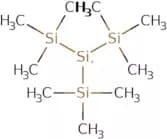
Formula:C8H4Cl3F13SiPurity:Min. 95%Color and Shape:Clear LiquidMolecular weight:481.54 g/molTris(trimethylsilyl)silane
CAS:Tris(trimethylsilyl)silane is a reactive functional group that is used in the synthesis of monoclonal antibodies. It reacts with halides to form an intermediate, which then undergoes chain reactions with other molecules to form the final product. Tris(trimethylsilyl)silane can be used for cancer therapy and for the detection of antibodies. It has been shown that tris(trimethylsilyl)silane will react with a light emitting compound (e.g., 4-dimethylaminopyridine) and a cationic polymerization initiator (e.g., diallyldimethylammonium chloride). This reaction produces high values of light emission, which can be detected by x-ray crystal structures.
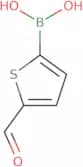
Formula:C9H28Si4Purity:Min. 97 Area-%Color and Shape:Clear LiquidMolecular weight:248.66 g/mol5-Formyl-2-thiopheneboronic acid
CAS:5-Formyl-2-thiopheneboronic acid is a synthetic molecule that has been shown to be an effective electron microscope stabilizer. It is a boronate ester with a formyl group at the 2-position and a thiophene ring at the 5-position. The chloride in this molecule is used as a functional group, which can then react with other molecules to form new compounds. The functional theory of 5-formyl-2-thiopheneboronic acid includes its ability to form bonds with other molecules and its use as an inorganic base. The particle size of 5-formyl-2-thiopheneboronic acid is unsymmetrical, making it different from other molecules.
Formula:C5H5BO3SPurity:Min. 95%Color and Shape:PowderMolecular weight:155.97 g/molRef: 3D-FF31588
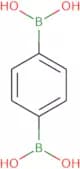
Discontinued product1,4-Phenylenebisboronic acid
CAS:1,4-Phenylenebisboronic acid is a chemical compound with the following structural formula:
It is a white crystalline solid, soluble in water and ethanol. 1,4-Phenylenebisboronic acid has been used for analytical chemistry and photochemical studies. It has also been studied as a model system for ternary complex formation, x-ray diffraction data analysis, and ester linkages. Structural analysis of 1,4-phenylenebisboronic acid reveals hydrogen bonding interactions between the nitrogen atoms and the boron atoms.Formula:C6H8B2O4Purity:Min. 95 Area-%Color and Shape:PowderMolecular weight:165.75 g/molRef: 3D-FP74696
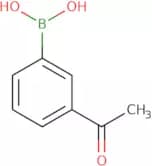
Discontinued product3-Acetylphenylboronic acid
CAS:3-Acetylphenylboronic acid is a functional group with an acetyl group substituted for the hydroxyl group of phenol. 3-Acetylphenylboronic acid has been shown to inhibit cholinesterase through competitive inhibition. It also binds to the endocannabinoid receptor CB1 and competes with anandamide, which is a natural ligand of this receptor. 3-Acetylphenylboronic acid may be used as a replacement for fatty acids in carbon nanotubes because it has the same basic structure but does not react with oxygen or other chemicals. 3-Acetylphenylboronic acid also reacts with metal ions such as copper and zinc, which may be due to its electron withdrawing ability.
Formula:C8H9BO3Purity:Min. 98 Area-%Color and Shape:White Slightly Yellow PowderMolecular weight:163.97 g/molRef: 3D-FA36799
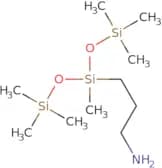
Discontinued product3-Aminopropyldiisopropylethoxysilane
CAS:3-Aminopropyldiisopropylethoxysilane (APDS) is a monolayer chemical that is used to modify the surface properties of a variety of substrates. This chemical can be used for patterning, functionalization, and immobilization of biomolecules. APDS has been shown to have a protective effect on cells in culture by preventing oxidation and denaturation of proteins. APDS also has been used for detection methods such as electron microscopy and photoelectron spectroscopy.
Formula:C10H29NO2Si3Purity:Min. 95%Color and Shape:Clear LiquidMolecular weight:279.6 g/molRef: 3D-FA149583
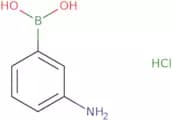
Discontinued product(3-Aminophenyl)boronic acid hydrochloride
CAS:3-Aminophenylboronic acid hydrochloride is a chemical compound that is used for analytical chemistry, bioconjugate chemistry, and clinical diagnostics. The compound binds to model proteins with high affinity and specificity. 3-Aminophenylboronic acid hydrochloride has been shown to have low binding constants with polyols, which make it ideal for use in cell culture. 3-Aminophenylboronic acid hydrochloride has a pK of 2.7 at pH 7.4, making it acidic at this pH. The compound also has a pK of 9.3 at pH 4.5, making it neutral at this pH. 3-Aminophenylboronic acid hydrochloride is an electrochemically active molecule and can be used as an electrode material in electrochemical impedance spectroscopy experiments.
Formula:C6H9BClNO2Purity:Min. 95%Color and Shape:PowderMolecular weight:173.4 g/molRef: 3D-FA139811
Discontinued productPoly ε L-lysine HCl - Average MW 2000~4700Da
CAS:Antimicrobial cationic peptide; used for microscopy glass slides coating
Formula:(C6H12N2O•HCl)nPurity:Min. 95 Area-%Color and Shape:White Yellow PowderRef: 3D-FP159079
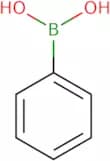
Discontinued productPhenylboronic acid
CAS:Phenylboronic acid is a natural compound that has been shown to inhibit the growth of squamous carcinoma cells. The optical sensor can be used to measure the amount of phenylboronic acid in a solution. The sensor is made from a thin film of colloidal gold, which changes color in response to phenylboronic acid. This method of detection is not as accurate as other methods and can only be used with low concentrations. Phenylboronic acid has been shown to have anti-inflammatory properties, which may be due to its ability to inhibit toll-like receptor 4 and toll-like receptor 6 signaling pathways.
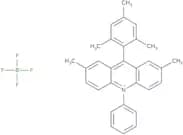
Formula:C6H7BO2Purity:Min. 95%Color and Shape:White PowderMolecular weight:121.93 g/mol9-Mesityl-2,7-dimethyl-10-phenylacridinium tetrafluoroborate
CAS:9-Mesityl-2,7-dimethyl-10-phenylacridinium tetrafluoroborate is a versatile building block and reagent for organic synthesis. It is a fine chemical that is used in the production of research chemicals and speciality chemicals. 9-Mesityl-2,7-dimethyl-10-phenylacridinium tetrafluoroborate can be used as a reaction component to synthesize complex compounds with various functional groups. It has been reported to have high quality, being both useful and stable. CAS NO: 1621020-00-5Formula:C30H28BF4NColor and Shape:Yellow PowderMolecular weight:489.35 g/molRef: 3D-FM76605
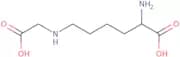
Discontinued productN-ε-(1-Carboxymethyl)-L-lysine
CAS:N-ε-(1-Carboxymethyl)-L-lysine (NEM) is a versatile building block that is used in the synthesis of complex compounds. It is a reagent and speciality chemical that can be used as an intermediate to produce other useful chemicals or as a reaction component. It has been shown to be useful in the synthesis of peptides, oligonucleotides, and organic molecules. NEM has also been shown to have high quality and purity, making it a useful scaffold for further research into new compounds.
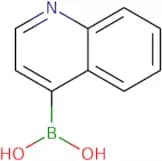
Formula:C8H16N2O4Purity:Min. 97%Color and Shape:White PowderMolecular weight:204.22 g/molQuinolin-4-ylboronic acid
CAS:Quinolin-4-ylboronic acid is a heterocyclic compound with two nitrogen atoms that are attached to the ring by means of carbonyl groups. This compound is a precursor in the synthesis of the drug dorsomorphin, which is used for pain relief. It also has an important role in pharmacokinetics because it can be used as a marker for estimating blood levels of other drugs. Quinolin-4-ylboronic acid yields an active form, quinolin-4-yl boronic acid, when reacted with piperazine in basic conditions. The drug ldn-193189 is a derivative of this active form and has been evaluated as a potential drug for treating osteoporosis and cancer.
Formula:C9H8BNO2Purity:Min. 95 Area-%Color and Shape:PowderMolecular weight:172.98 g/molCalcium dobesilate
CAS:Calcium dobesilate is a calcium salt that emits chemiluminescence in the presence of an oxidant. It has been used as a treatment for hypercalcemia, which is caused by high levels of calcium in the blood, and to prevent skin cancer. The experimental model was conducted on human serum and showed that calcium dobesilate reduced the enzyme activities in serum samples by 30% after 15 minutes of incubation. This reduction was statistically significant when compared to untreated groups. Calcium dobesilate also inhibited the growth of skin cancer cells in a pharmacological agent-induced experimental model.
Formula:C8H6O5S•Ca0Purity:Min. 98 Area-%Color and Shape:PowderMolecular weight:418.41 g/molRef: 3D-FC40877
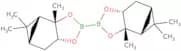
Discontinued product(-)-Bis(pinanediolato)diboron
CAS:(-)-Bis(pinanediolato)diboron is a reactive component that can be used as a reagent. It reacts with alkenes to form pinacolboronates, which are useful for the synthesis of complex compounds. (-)-Bis(pinanediolato)diboron is also an intermediate in the synthesis of diboronic acid and pinacolborane. This compound has broad utility as a building block, scaffold, or intermediate in organic synthesis.
-Pinanediolato boron is also a versatile building block that can be used to synthesize many other chemical compounds. For example, it can be used as an intermediate to synthesize (-)-pinanediol and 3-hydroxy-1-methylpyridinium iodide (3HMPI), which are speciality chemicals.
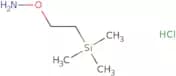
-Pinanediolato boron is also an excellent building block for organic synthesis due to its abilityFormula:C20H32B2O4Purity:Min. 95%Color and Shape:White SolidMolecular weight:358.09 g/molO-(2-Trimethylsilylethyl)hydroxylamine HCl
CAS:O-(2-Trimethylsilylethyl)hydroxylamine HCl is a fine chemical that can be used as a versatile building block in the synthesis of complex compounds. It is also an intermediate for research chemicals, reagents, and speciality chemicals. O-(2-Trimethylsilylethyl)hydroxylamine HCl can be used as a reaction component in organic synthesis and has been shown to be useful in the synthesis of new scaffolds.
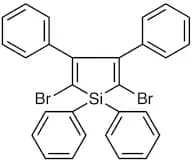
Formula:C5H15NOSi·HClPurity:Min. 95%Color and Shape:White PowderMolecular weight:169.72 g/mol2,5-Dibromo-1,1,3,4-tetraphenylsilole
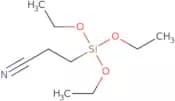
CAS:Formula:C28H20Br2SiPurity:>98.0%(GC)Color and Shape:White to Light yellow powder to crystalMolecular weight:544.362-Cyanoethyltriethoxysilane
CAS:2-Cyanoethyltriethoxysilane is a cross-linking agent that is used in coatings and adhesives. It has been shown to have an adsorption mechanism that is dependent on the pH of the solution, with a maximum adsorption at pH 3.2 and a minimum at pH 11. The rate of adsorption is also dependent on the concentration of 2-cyanoethyltriethoxysilane, with higher concentrations leading to faster adsorption rates. Kinetic data for 2-cyanoethyltriethoxysilane has been shown using gravimetric analysis to show that it has an adsorption rate constant of 1.0 × 10^4 s^(-1) at pH 3.2 and 6.5 × 10^4 s^(-1) at pH 11, which are independent of the concentration of this molecule in solution. Pluronic P123 was used as a model polymer
Formula:C9H19NO3SiPurity:Min. 97 Area-%Color and Shape:PowderMolecular weight:217.34 g/molRef: 3D-FC62904
Discontinued product

![Cyclopentene, 1-[(trimethylsilyl)oxy]-](/_next/image/?url=https%3A%2Fstatic.cymitquimica.com%2Fproducts%2FIN%2Fthumb-webp%2FDA002CCA.webp&w=3840&q=75)


![Benzene, [(dimethylsilyl)methyl]-](/_next/image/?url=https%3A%2Fstatic.cymitquimica.com%2Fproducts%2FIN%2Fthumb-webp%2FDA001TRL.webp&w=3840&q=75)



![Acetaldehyde, 2-[[(1,1-dimethylethyl)dimethylsilyl]oxy]-](/_next/image/?url=https%3A%2Fstatic.cymitquimica.com%2Fproducts%2FIN%2Fthumb-webp%2FDA0006UO.webp&w=3840&q=75)







![Trisiloxane, 1,1,1,5,5,5-hexamethyl-3-[(trimethylsilyl)oxy]-](/_next/image/?url=https%3A%2Fstatic.cymitquimica.com%2Fproducts%2FIN%2Fthumb-webp%2FDA003V8K.webp&w=3840&q=75)


![Ethanol, 2-[[(1,1-dimethylethyl)dimethylsilyl]oxy]-](/_next/image/?url=https%3A%2Fstatic.cymitquimica.com%2Fproducts%2FIN%2Fthumb-webp%2FDA0006ZG.webp&w=3840&q=75)