Organic Halides
In this category, you can find organic molecules containing one or more halogen atoms in their structure. These organic halides include brominated, iodinated, chlorinated, and cyclic halide compounds. Organic halides are widely used in organic synthesis, pharmaceuticals, agrochemicals, and materials science due to their reactivity and ability to undergo a variety of chemical transformations. At CymitQuimica, we offer a comprehensive selection of high-quality organic halides to support your research and industrial applications, ensuring reliable and effective performance in your synthetic and analytical projects.
Subcategories of "Organic Halides"
Found 20440 products of "Organic Halides"
Sort by
Purity (%)
0
100
|
0
|
50
|
90
|
95
|
100
4-Bromo-L-phenylalanine
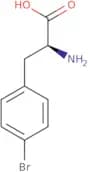
CAS:<p>4-Bromo-L-phenylalanine is a potent inhibitor of the enzyme dehydrogenase. It is used in the synthesis of β-amino acids, which are precursors for peptides and proteins. 4-Bromo-L-phenylalanine has been shown to be an acceptor for the enzyme diacetate and it inhibits tryptic activity at low concentrations. 4-Bromo-L-phenylalanine has also been shown to be a potent antagonist of acid dehydrogenase from endophytic fungus. This compound has also been found to inhibit biosynthesis of proteins in thermodynamic studies. In validation studies, this compound was found to have low energy barriers.</p>Formula:C9H10BrNO2Purity:Min. 95%Color and Shape:PowderMolecular weight:244.09 g/mol1-Azetidin-3-yl-1H-imidazole dihydrochloride
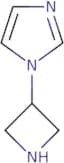
CAS:<p>1-Azetidin-3-yl-1H-imidazole dihydrochloride is a high quality, versatile building block that can be used in the synthesis of a wide range of compounds. It is used as a reagent, speciality chemical and reaction component in the synthesis of pharmaceuticals, agrochemicals and other organic compounds. 1-Azetidin-3-yl-1H-imidazole dihydrochloride is available at an affordable price with a purity level of 99%.</p>Formula:C6H9N3•(HCl)2Purity:Min. 95%Color and Shape:PowderMolecular weight:196.16 g/molHydrazine dihydrochloride
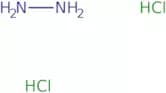
CAS:Controlled ProductHydrazine dihydrochloride (HDH) is a chemical compound with the molecular formula N2H4Cl2. It is used in electrochemistry as an electrolyte and to control enzyme activities. HDH has been shown to inhibit sulfate reduction and phosphatase activity, which may be due to its effect on the cell-specific biochemistry of Sulfolobus solfataricus. Hydrazine dihydrochloride also inhibits water vapor-induced chemiluminescence in methyl glycosides. This inhibition is due to a decrease in the production of hydrogen peroxide and the subsequent decomposition of the product that leads to luminescence. The mechanism for this inhibition is unknown, but it may be due to its ability to bind to Toll-like receptor 4 (TLR4). Hydrazine dihydrochloride has also been shown to have fluorescent properties that can be used as a probe for detecting DNA damage in cells.Formula:H4N2•(HCl)2Purity:98.0 To 102.0%Color and Shape:White PowderMolecular weight:104.97 g/molN-(2-(3,4-dimethoxyphenyl)ethyl)(2-(4-chlorophenoxy)(3-pyridyl))formamide
CAS:<p>Please enquire for more information about N-(2-(3,4-dimethoxyphenyl)ethyl)(2-(4-chlorophenoxy)(3-pyridyl))formamide including the price, delivery time and more detailed product information at the technical inquiry form on this page</p>Purity:Min. 95%2,4-Dichloropyrimidine-5-carboxamide
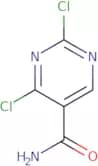
CAS:<p>2,4-Dichloropyrimidine-5-carboxamide is a 2,4-dichloropyrimidine derivative. It is an intermediate in the synthesis of other compounds, and can be used as a building block in the synthesis of complex compounds. It is a versatile building block that can be used to make many different products. This chemical has been shown to have high quality and is useful as a research reagent or speciality chemical. 2,4-Dichloropyrimidine-5-carboxamide is also a useful intermediate for reactions involving nucleophilic substitution reactions and can serve as a scaffold for organic synthesis.</p>Formula:C5H3Cl2N3OPurity:Min. 95%Color and Shape:Off-White To Yellow SolidMolecular weight:192 g/mol3-Chloro-4-toluic acid
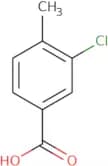
CAS:<p>3-Chloro-4-toluic acid is a quinone, which is derived from 3,4-dichlorotoluene. It has been shown to bind to nuclear receptors and act as a retinoic acid linker. This compound is also used in the synthesis of organic compounds by desorption in an acidic environment, followed by methyl esterification with an alcohol. 3-Chloro-4-toluic acid can be converted into zirconium chloride or hydrotalcite through chlorination or hydrochlorination. The resulting product can be used for dispersive solid-phase extraction methods.</p>Formula:C8H7ClO2Purity:Min. 95%Color and Shape:PowderMolecular weight:170.59 g/mol2,4-Dichlorophenylthiourea
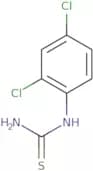
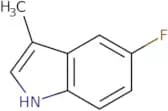
CAS:<p>2,4-Dichlorophenylthiourea is a hydrogen-bonding molecule that has dihedral angles of 109.5° and a molecular weight of 202.2 g/mol. 2,4-Dichlorophenylthiourea has been shown to form dimers with benzene and hydrogen bonds with itself and other molecules.</p>Purity:Min. 95%5-Fluoro-3-methylindole
CAS:<p>5-Fluoro-3-methylindole is a reactive compound that is not soluble in water. It has a molecular weight of 288.5 and an ionization potential of 7.8 eV. 5-Fluoro-3-methylindole can act as a potent antagonist by binding to the pharmacophore, which is the three hydrogen bonding sites on the benzodiazepine receptor. This drug has been shown to be reactive with halides, nitro, and magnesium, as well as with some endogenous compounds such as nitroarenes and amides. 5-Fluoro-3-methylindole also reacts with fluorescence ligands and transfer agents.</p>Formula:C9H8FNPurity:Min. 95%Molecular weight:149.16 g/mol3-Ethoxybenzoyl chloride
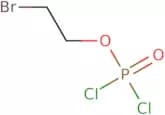
CAS:<p>3-Ethoxybenzoyl chloride is a versatile building block that can be used to synthesize complex compounds. It has been shown as a useful intermediate in research and development, as well as being a reagent for the synthesis of other chemicals. 3-Ethoxybenzoyl chloride is also a high quality chemical with a variety of uses, including as an intermediate in organic reactions and as a scaffold for the preparation of other chemical compounds.</p>Formula:C9H9ClO2Purity:Min. 80%Color and Shape:PowderMolecular weight:184.62 g/molβ-Bromoethylphosphoryl dichloride
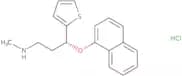
CAS:<p>b-Bromoethylphosphoryl dichloride (BEPC) is a versatile building block that can be used as a reagent or speciality chemical. It is mainly used in the synthesis of complex compounds and research chemicals. BEPC is soluble in organic solvents such as chloroform, benzene, toluene, and ethers. It also has a high quality and is useful for producing fine chemicals. BEPC is an intermediate for the synthesis of new drugs, which may be because of its usefulness as a scaffold molecule.</p>Formula:C2H4BrCl2O2PPurity:Min. 95%Color and Shape:Clear LiquidMolecular weight:241.84 g/mol(R)-N-Methyl-3-(1-naphthoxy)-3-(2-thienyl)propylamine hydrochloride
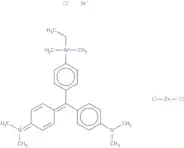
CAS:Controlled Product<p>(R)-N-Methyl-3-(1-naphthoxy)-3-(2-thienyl)propylamine hydrochloride is a nonsteroidal anti-inflammatory drug that has been shown to be effective for the treatment of osteoarthritis, rheumatoid arthritis, ankylosing spondylitis, and chronic low back pain. This drug can also be used for other inflammatory conditions such as psoriasis and Crohn's disease. The mechanism of action of (R)-N-Methyl-3-(1-naphthoxy)-3-(2-thienyl)propylamine hydrochloride is not fully understood. It may work by blocking the synthesis of prostaglandins in the body. This drug is metabolized in the liver to its active form, which binds to cyclooxygenase 1 and 2 enzymes to inhibit the production of prostaglandins. It also inhibits human serum x-ray</p>Formula:C18H19NOS•HClPurity:Min. 95%Color and Shape:White To Off-White SolidMolecular weight:333.88 g/molMethyl green, zinc chloride
CAS:<p>Methyl green zinc chloride is a reagent that is used as a building block for research chemicals, speciality chemicals, and fine chemicals. It is also an intermediate in the synthesis of many biologically active compounds. Methyl green zinc chloride can be used as a versatile building block in the preparation of complex compounds. It is soluble in water and has CAS number 7114-03-6.</p>Formula:C27H35BrClN3•ZnCl2Purity:Min. 95%Color and Shape:PowderMolecular weight:653.23 g/molN-Methyl-N-phenylglycine hydrochloride
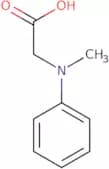
CAS:N-Methyl-N-phenylglycine hydrochloride (NMPG) is a glycopeptide antibiotic and immunosuppressant that is used to treat inflammatory bowel disease. NMPG binds to the D-alanyl-D-alanine moiety of bacterial cell wall peptidoglycan, inhibiting the synthesis of bacterial cell wall and leading to bacterial death. NMPG has been shown to be active against Escherichia coli, Klebsiella pneumoniae, and Helicobacter pylori. NMPG also has antibacterial activity against Acinetobacter baumannii and Enterococcus faecalis. The asymmetric synthesis of NMPG is enhanced by the presence of acrylonitrile.Formula:C9H11NO2·HClPurity:Min. 95%Color and Shape:PowderMolecular weight:201.65 g/molAzane; 2-(Ethyl-(1,1,2,2,3,3,4,4,5,5,6,6,7,7,8,8,8-Heptadecafluorooctylsulfonyl)Amino)Ethyl Dihydrogen Phosphate
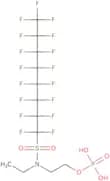
CAS:Controlled ProductAzane is a tyrosinase inhibitor that is used in the treatment of dental plaque, expressed as Streptococcus mutans. Azane is also an anti-inflammatory agent and has been shown to inhibit the growth of spirochetes and viscosa. This drug has been sequenced and the sequences have been submitted to GenBank. Azane inhibits the activity of Streptococcus mutans by binding to its enzyme, tyrosinase, which catalyzes the conversion of tyrosine to L-DOPA, an important precursor for melanin synthesis. Azane inhibits microflora by binding to bacterial 16S ribosomal RNA and inhibiting protein synthesis, leading to cell death by inhibiting the production of proteins vital for cell division. It has also shown anti-inflammatory properties.Formula:C12H11F17NO6PSPurity:Min. 95%Molecular weight:651.23 g/mol[(2-Methylimidazo[2,1-b][1,3,4]thiadiazol-6-yl)methyl]amine dihydrochloride
CAS:[(2-Methylimidazo[2,1-b][1,3,4]thiadiazol-6-yl)methyl]amine dihydrochloride is a high quality reagent with many uses. It is a complex compound that is used as an intermediate in the synthesis of many other compounds. This chemical has been shown to be useful as a scaffold for drug design and development. It also has been found to be a valuable building block for the synthesis of speciality chemicals and pharmaceuticals. This chemical can be used in reactions as a versatile building block and reaction component.Formula:C6H8N4S·2HClPurity:Min. 95%Color and Shape:White PowderMolecular weight:241.14 g/mol4-Chlorobenzanilide
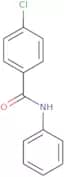
CAS:<p>4-Chlorobenzanilide is an efficient method for the synthesis of aryl chlorides. 4-Chlorobenzanilide is used as an antibacterial agent in the treatment of intestinal infections, and has been shown to have a suppressive effect on cancer. 4-Chlorobenzanilide inhibits bacterial growth by binding to DNA-dependent RNA polymerase, thereby preventing transcription and replication. It also has an antibacterial activity that is mediated by the desulfurisation of sulfhydryl groups present in amides.</p>Formula:C13H10ClNOPurity:Min. 95%Color and Shape:SolidMolecular weight:231.68 g/mol3-Bromo-2-hydroxy-5-nitrobenzaldehyde
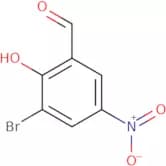
CAS:<p>3-Bromo-2-hydroxy-5-nitrobenzaldehyde is a hydroxy group with a formyl group, an imine and an isomeric structure. It can be used as a fluorescence probe in biological studies. The compound has been shown to have antioxidant activity, which may be due to its ability to donate hydrogen bonds or its ability to act as a phenylhydrazone. 3-Bromo-2-hydroxy-5-nitrobenzaldehyde also has the ability to react with ammonium nitrate and produce nitrogen gas (NH3) when heated. This reaction is exothermic and produces an orange color.</p>Formula:C7H4BrNO4Purity:Min. 95%Color and Shape:PowderMolecular weight:246.02 g/molDefluoro prasugrel hydrochloride
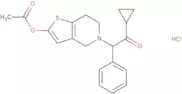
CAS:<p>Defluoro prasugrel hydrochloride is a chemical compound that is used as a research chemical, a speciality chemical, or an intermediate for the synthesis of other chemicals. Defluoro prasugrel hydrochloride is a versatile building block that can be used in the synthesis of complex compounds. This product has been assigned CAS No. 1391053-53-4 and is soluble in water.</p>Formula:C20H22ClNO3SPurity:Min. 95 Area-%Color and Shape:PowderMolecular weight:391.91 g/mol2-Iodophenylacetic acid
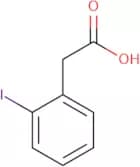
CAS:<p>2-Iodophenylacetic acid is an amide that is synthesized from benzyl esters and 2-iodophenol. It has a potent chemokine activity and has been shown to be a human pathogen that causes low-energy pneumonia. 2-Iodophenylacetic acid is used as a solvent for organic reactions, such as synthesis of biomolecules. It can also be used as a carbon disulfide extractant in the purification of serine proteases from bacteria. This compound can act as a nucleophile, attacking chloride ions with different types of halides to produce methyl esters. It also reacts with sodium sulfide to form hypervalent iodine compounds, which are useful in organic synthesis.</p>Formula:C8H7IO2Purity:Min. 95%Color and Shape:PowderMolecular weight:262.04 g/mol2-(2-Chlorophenoxy)-2-methylpropanoic acid
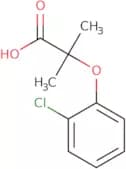
CAS:2-(2-Chlorophenoxy)-2-methylpropanoic acid is a plant hormone that is involved in the mediation of plant responses to various biotic and abiotic stressors. It is synthesized from salicylic acid by the enzyme phenylalanine ammonia-lyase and its structure resembles that of hydrogen peroxide. Its linear growth-promoting activity is mediated by the formation of 2,4-dichlorophenoxyacetic acid, which activates the production of hydrogen peroxide and induces cell expansion. The biosynthesis of this compound has been shown in plants through studies on excised tissues.Formula:C10H11ClO3Purity:Min. 95%Color and Shape:PowderMolecular weight:214.65 g/mol2,7-Dichloro-1,8-naphthyridine
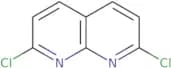
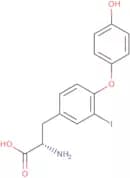
CAS:2,7-Dichloro-1,8-naphthyridine is a structural analog of the functional group 2,7-dichloroquinoline. The protonated form of this molecule reacts with aryl chlorides to produce hydrogen bonds and generate supramolecular complexes. These complexes have been shown to be stable in solution and have low efficiency for electron transfer reactions. This compound has been shown to react with fluorine gas to generate reduction products with an nmr spectrum that is different from that of 2,7-dichloroquinoline. Crystallographic studies on this molecule show hydrogen bonding interactions between the molecules.Formula:C8H4Cl2N2Purity:Min. 95%Color and Shape:Yellow PowderMolecular weight:199.04 g/mol3-Iodo-L-thyronine
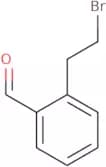
CAS:3-Iodo-L-thyronine is a thyroid hormone that is synthesized from thyroxine. It has a high maximal response in humans and it may be useful for the treatment of hypothyroidism. 3-Iodo-L-thyronine is not active against rat liver microsomes because it is a noncompetitive inhibitor. The clinical relevance of this drug needs to be evaluated before it can be used as a therapeutic agent, but its analytical methods are similar to those used for other thyroid hormones, such as T3, T4, and 3,5,3'-triiodothyronine. This molecule has been successfully detected in human serum and tissues by using an analytical method based on iodoacetic acid.Formula:C15H14INO4Purity:Min. 95%Color and Shape:PowderMolecular weight:399.18 g/mol2-(2-Bromoethyl)benzaldehyde
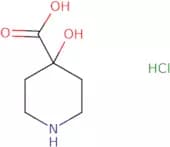
CAS:<p>2-(2-Bromoethyl)benzaldehyde is an organic compound that is used in the synthesis of many other compounds. It is produced by the acetylation of 2-bromoethanol with acetic anhydride and hydrochloric acid. This reaction mechanism starts with the formation of a carbocation from the protonated bromine and ethylene, followed by nucleophilic attack by the acetate anion to form a tertiary alcohol. The final step involves elimination of bromine to give 2-(2-bromoethyl)benzaldehyde. Techniques such as basic hydrolysis or chiral resolution can be used to produce optically pure 2-(2-bromoethyl)benzaldehyde.</p>Formula:C9H9BrOPurity:(%) Min. 80%Color and Shape:Clear LiquidMolecular weight:213.07 g/mol4-Hydroxypiperidine-4-carboxylic acid hydrochloride
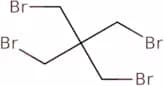
CAS:<p>4-Hydroxypiperidine-4-carboxylic acid hydrochloride (HPCA) is a versatile building block, which can be used as a starting material for the synthesis of complex compounds. It is also a useful intermediate in the synthesis of pharmaceuticals, agrochemicals and other fine chemicals. HPCA has been shown to react with various reagents, such as amines and alcohols. This compound is widely used in research and industrial applications. 4-Hydroxypiperidine-4-carboxylic acid hydrochloride is a white crystalline solid that can be synthesized from piperidone through oxidation with hydrogen peroxide in the presence of sulfuric acid.</p>Formula:C6H11NO3·HClPurity:Min. 95 Area-%Color and Shape:White PowderMolecular weight:181.62 g/molPentaerythrityl tetrabromide
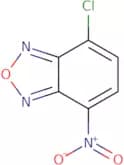
CAS:<p>Pentaerythrityl tetrabromide is a brominated derivative of pentaerythritol. It can be used as a radiation-absorbing coating, and has been shown to have good hydrophobic properties. The FTIR spectrum of pentaerythrityl tetrabromide shows features at 3,000-3,600 cm-1 that are attributed to the NH and OH groups in the molecule. This compound has been shown to have good water permeability in cell culture experiments, which may be due to its acidic nature. Pentaerythrityl tetrabromide reacts with hydrochloric acid and sodium carbonate to produce chloride ions, which may be responsible for its acidic nature.</p>Formula:C5H8Br4Purity:Min. 95%Color and Shape:White Clear LiquidMolecular weight:387.73 g/mol4-Chloro-7-nitrobenzofurazan
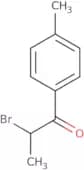
CAS:<p>4-Chloro-7-nitrobenzofurazan is a fluorescent derivative that binds to the α subunit of DNA polymerase. It can be used as an analytical method for the detection of DNA polymerase inhibitors. 4-Chloro-7-nitrobenzofurazan has also been shown to inhibit cell nuclei and human serum, as well as binding to reactive sites on human cells. This compound can be used in control analysis for laboratory experiments related to protein synthesis and cell death.</p>Formula:C6H2ClN3O3Purity:Min. 97 Area-%Color and Shape:Yellow PowderMolecular weight:199.55 g/mol2-Bromo-4'-methylpropiophenone
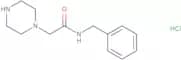
CAS:Controlled Product<p>2-Bromo-4'-methylpropiophenone is a chemical compound that belongs to the group of phenols. It is used as a solvent in silicone rubber and as a colorant in plastics, paints, and enamels. 2-Bromo-4'-methylpropiophenone has been shown to be an effective antioxidant for china, silica gel, and silicone rubber. This chemical also produces red color when heated and can be used as a connector or monochrome panel on copper plates. 2-Bromo-4'-methylpropiophenone is soluble in water but insoluble in organic solvents such as alcohols and ethers. This chemical has been found to have the ability to produce solar modules with high efficiency by converting sunlight into electricity.</p>Formula:C10H11BrOPurity:(%) Min. 85%Color and Shape:PowderMolecular weight:227.1 g/molPiperazinophenylacetic acid benzylamide hydrochloride
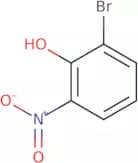
CAS:Piperazinophenylacetic acid benzylamide hydrochloride is a versatile building block that can be used in the synthesis of complex compounds for research and development. It is a reagent for the preparation of speciality chemicals and also a useful intermediate for the synthesis of reaction components. Piperazinophenylacetic acid benzylamide hydrochloride is a high quality, commercially available chemical that can be used as a scaffold for the preparation of new chemical compounds.Formula:C13H19N3O•HClPurity:Min. 95%Color and Shape:PowderMolecular weight:269.77 g/mol2-Bromo-6-nitrophenol
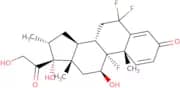
CAS:<p>2-Bromo-6-nitrophenol is a synthetic chemical that is used as an intermediate in the synthesis of other chemicals. It can be prepared by reacting ammonium formate with hydroxyl group of 2-bromo-6-nitropyridine. The reaction yield can be improved by activating the hydroxyl group and removing impurities through a dehydration reaction. The time required for the reaction to occur can be shortened by using acetonitrile as a solvent instead of water. This chemical is also synthesized by coupling metal salts with nitro groups or amines, which are called Suzuki coupling reactions.</p>Formula:C6H4BrNO3Color and Shape:PowderMolecular weight:218 g/mol(9R,11S,14S,16R,17R)-6,6,9-Trifluoro-11,17-Dihydroxy-17-(2-Hydroxyacetyl)-10,13,16-Trimethyl-8,11,12,14,15,16-Hexahydro-7H-Cyclopent a[a]Phenanthren-3-One
CAS:Controlled Product(9R,11S,14S,16R,17R)-6,6,9-Trifluoro-11,17-dihydroxy-17-(2-hydroxyacetyl)-10,13,16-trimethyl-8,11,12,14,15,16-hexahydro-7H-cyclopenta[a]phenanthrene 3-one is a congestive heart failure drug that belongs to the group of cardiotonic drugs. It has high resistance to elution and is used in the diagnosis of autoimmune diseases. (9R,11S) 6-(1′Hexahydrocyclohexa[b]pyrrolo[2′1′b]indolizinium bromide) is a nitrogenous compound that has been employed as a pharmaceutical preparation for the treatment of cardiac disorders. The biological properties of (9R) 11-(2′HydroxyacetylFormula:C22H27F3O5Purity:Min. 95%Molecular weight:428.44 g/molPropantheline bromide
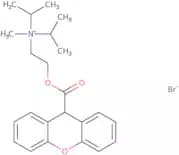
CAS:<p>Propantheline bromide is a drug that belongs to the group of chemical stabilizers. It is an anti-inflammatory agent that is used for the treatment of bowel disease, especially in elderly patients. Propantheline bromide has been shown to have long-term efficacy with good tolerability in the treatment of overactive bladder syndrome and other urinary disorders. This drug can be administered orally or intravenously and has little effect on the body's water balance or blood pressure. Propantheline bromide works by blocking nerve signals from the gastrointestinal tract to the detrusor muscle, which is responsible for contraction and relaxation of the bladder.</p>Formula:C23H30BrNO3Purity:Min. 95%Color and Shape:PowderMolecular weight:448.39 g/mol4-Bromoisoxazole
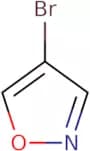
CAS:<p>4-Bromoisoxazole is a reactive isoxazole that can be prepared by the reaction of an azide and a boronic ester. This compound has been shown to be effective for the treatment of cancer, but it also has an inhibitory effect on the synthesis of proteins and enzymes. The 4-bromoisoxazole can be synthesized from phenyl substituted isoxazoles and palladium-catalyzed cross-coupling reactions. Preparative methods for this compound include the use of acetonitrile as solvent with a dipolarity of 0.5D or greater, and argon as inert gas at atmospheric pressure. Hydrochloric acid should not be used in these preparations as it will react with 4-bromoisoxazole to produce toxic hydrochloric acid fumes.</p>Formula:C3H2BrNOPurity:Min. 95%Color and Shape:PowderMolecular weight:147.96 g/mol3-((4,5-dichloroimidazolyl)methyl)-4-bromo-2-methyl-1-phenyl-3-pyrazolin-5-one
CAS:<p>Please enquire for more information about 3-((4,5-dichloroimidazolyl)methyl)-4-bromo-2-methyl-1-phenyl-3-pyrazolin-5-one including the price, delivery time and more detailed product information at the technical inquiry form on this page</p>Purity:Min. 95%5-Fluoroindole-2-carboxylic acid
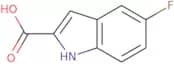
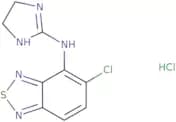
CAS:5-Fluoroindole-2-carboxylic acid is a new substance that has been found to be an inhibitor of the influenza virus. It prevents the virus from replicating by inhibiting the synthesis of viral proteins and nucleic acids. 5-Fluoroindole-2-carboxylic acid can be prepared by dispersive solid phase extraction of a mixture of fluoroindole, fumaric acid, and potassium hydroxide in water. The compound has also been shown to potentiate the effects of carbamazepine on caspases and enhance mass spectrometric analysis for gaseous hydrochloric acid. 5-Fluoroindole-2-carboxylic acid produces antinociceptive effects in animals.Formula:C9H6FNO2Color and Shape:PowderMolecular weight:179.15 g/molTizanidine hydrochloride
CAS:<p>α2 agonist; myotonolytic agent</p>Formula:C9H9Cl2N5SPurity:Min. 95%Color and Shape:White PowderMolecular weight:290.17 g/molDextromethorphan hydrobromide monohydrate
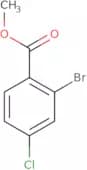
CAS:Controlled Product<p>Dextromethorphan is a drug that is used for the treatment of cough and cold symptoms. It has been shown to be effective in human studies, and has minimal side effects. Dextromethorphan hydrobromide monohydrate is a pseudoephedrine prodrug that is metabolized in the liver through demethylation and hydroxylation before being excreted in urine. Dextromethorphan has been shown to have anti-inflammatory properties, which may be due to its ability to inhibit prostaglandin synthesis. The pharmacological mechanism of action of dextromethorphan remains unclear.</p>Formula:C18H25NO•HBr•H2OPurity:Min. 98 Area-%Color and Shape:White PowderMolecular weight:370.32 g/mol2-Bromo-4-chlorobenzoic acid methyl ester
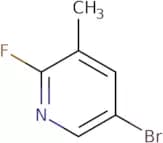
CAS:<p>2-Bromo-4-chlorobenzoic acid methyl ester is a versatile chemical that can be used as a building block in the synthesis of many complex chemical compounds. It is also a useful reagent, and can be used to synthesize speciality chemicals. 2-Bromo-4-chlorobenzoic acid methyl ester has a high quality that makes it useful for research purposes. It is also an important intermediate in the synthesis of other compounds and has been found to be an effective scaffold for drug discovery. This compound is also commercially available under CAS No. 57381-62-1.</p>Formula:C8H6BrClO2Purity:Min. 95%Color and Shape:Clear LiquidMolecular weight:249.49 g/mol5-Bromo-2-fluoro-3-methylpyridine
CAS:<p>5-Bromo-2-fluoro-3-methylpyridine is a fine chemical that is used as a scaffold for building more complex compounds. This chemical can be used in the synthesis of sulfonamides, thiocarbamates, and other organic compounds. 5-Bromo-2-fluoro-3-methylpyridine is also a versatile intermediate that can be used in the production of research chemicals and speciality chemicals. The purity of this compound is high and it has been shown to be a useful reagent in various reactions.</p>Formula:C6H5BrFNPurity:Min. 95%Molecular weight:190.02 g/molPigment Red 38;Diethyl 4,4'-[(3,3'-dichlOrO[1,1'-biphenyl]-4,4'-diyl)bis(azO)]bis[4,5-dihydrO-5-OxO-1-phenyl-1H-pyrazOle-3-carbOxyla te]
CAS:Pigment Red 38 is a red dye that is used in the production of magnetic particles, cross-linking agents, and fluorescent dyes. Pigment Red 38 has a hydroxyl group at the 4 position and a methyl ethyl group at the 2 position. It can be synthesized from diethyl 4,4'-(3,3'-dichlorobiphenyl)-4,4'-diylbisazolate. Pigment Red 38 is thermoreversible because it can be converted to its anhydrous form when heated or dissolved in water and then reconverted back to its original form when cooled or dried. The pigment was named for its ability to produce light emission when exposed to ultraviolet radiation. Pigment Red 38 has a diameter of 6 nm and reacts with coordination complexes to form particle clusters with diameters ranging from 10-200 nm.Purity:Min. 95%Myristoylcholine chloride
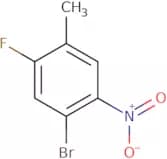
CAS:<p>Myristoylcholine chloride is a monolayer-forming cationic surfactant that can be used as an antimicrobial agent. It forms stable complexes with fatty acids, which are non-polymeric and hydrophobic. This product has been shown to have hemolytic activity, and also exhibits antibacterial properties against gram-positive bacteria, such as Streptococcus pneumoniae and Staphylococcus aureus. Myristoylcholine chloride is not active against gram-negative bacteria, such as Pseudomonas aeruginosa.<br>Myristoylcholine chloride forms stable complexes with pentacosanoic acid (PCA) when mixed in solution. The chemical structure of PCA is shown below:<br>CH(CH)COOH<br>The enzyme hydrolysis of PCA by choline esterases results in the formation of choline and pentacosanoic acid.</p>Formula:C19H40ClNO2Purity:Min. 95%Color and Shape:White PowderMolecular weight:349.98 g/mol4-Bromo-2-fluoro-5-nitrotoluene
CAS:<p>4-Bromo-2-fluoro-5-nitrotoluene is a chemical building block that is used as a research and speciality chemical. It has been shown to be useful in the synthesis of complex compounds, including pharmaceuticals and dyes. 4-Bromo-2-fluoro-5-nitrotoluene is also used as a reagent for the reaction with other chemicals, such as thiourea, to form 2,4,6-trichlorophenylacetonitrile. This compound is classified as hazardous by the American Chemical Society (ACS) because it can cause irritation to the skin and eyes.</p>Formula:C7H5BrFNO2Purity:Min. 95%Color and Shape:PowderMolecular weight:234.02 g/mol3,7-Dibromo-5,5-dioctyl-5H-dibenzo[b,d]silole
CAS:<p>3,7-Dibromo-5,5-dioctyl-5H-dibenzo[b,d]silole is a fine chemical that belongs to the group of versatile building blocks for organic synthesis. It is a complex compound that has been used in research as a reagent and speciality chemical. It also has many applications in the production of commercial chemicals such as pharmaceuticals and agrochemicals. This compound can be used as an intermediate for the production of other compounds with pharmaceutical or agricultural uses.</p>Formula:C28H40Br2SiPurity:Min. 95%Color and Shape:Colorless PowderMolecular weight:564.51 g/molAzetidine hydrochloride
CAS:<p>Azetidine hydrochloride is a prodrug that is converted to its active form, azetidine-2-carboxylic acid, in the body. Azetidine hydrochloride inhibits the production of MMP-9 and other inflammatory molecules such as prostaglandins and leukotrienes. It also has an inhibitory effect on the activity of aromatic hydrocarbon metabolism enzymes, such as cytochrome P450 enzymes, which are involved in fatty acid synthesis. Azetidine hydrochloride has been shown to be effective against diabetic neuropathy and insulin resistance by inhibiting the activity of protein kinase C (PKC). Azetidine hydrochloride is a potent antagonist of low energy for its ability to bind to the GABA receptor at high concentrations.</p>Formula:C3H8ClNPurity:Min. 95%Color and Shape:White PowderMolecular weight:93.56 g/mol2-[[(Heptadecafluorooctyl)Sulphonyl]Methylamino]Ethyl Methacrylate
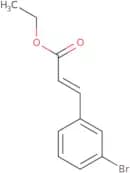
CAS:Controlled Product<p>2-[[(Heptadecafluorooctyl)Sulphonyl]Methylamino]Ethyl Methacrylate is a substance that belongs to the group of substances. It is a chemical substance with a molecular formula of CH2=C(COOCH2CF3SO2)-N(CH3)2. 2-[[(Heptadecafluorooctyl)Sulphonyl]Methylamino]Ethyl Methacrylate is used as an additive in paints, adhesives and sealants to improve their resistance to water, oil and acid. This substance also has a sulfonate group, which makes it soluble in organic solvents.</p>Formula:C15H12F17NO4SPurity:Min. 95%Molecular weight:625.3 g/mol3-Bromocinnamic acid ethyl ester
CAS:<p>3-Bromocinnamic acid ethyl ester is a chemical that is useful as a building block for the synthesis of more complex compounds. It is an intermediate in the synthesis of organic compounds and can be used as a reaction component. 3-Bromocinnamic acid ethyl ester has CAS No. 24398-80-9 and is a reagent that can be used to synthesize other chemicals. 3-Bromocinnamic acid ethyl ester is also useful as a scaffold in the development of new drugs, because it has an amide bond, which may lead to new types of drug molecules with different properties.</p>Formula:C11H11BrO2Purity:Min. 95%Molecular weight:255.11 g/mol4-[3-[2-(Trifluoromethyl)-9H-thioxanthen-9-ylidene]propyl]-1-piperazineethanol dihydrochloride
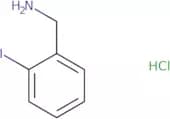
CAS:Controlled Product4-[3-[2-(Trifluoromethyl)-9H-thioxanthen-9-ylidene]propyl]-1-piperazineethanol dihydrochloride is a potent antagonist of the 5-HT2A receptor. It has been shown to reduce body weight and food intake in animal models. The compound has also been shown to decrease motor activity and increase grooming behavior, which are symptoms of Parkinson's disease. 4-[3-[2-(Trifluoromethyl)-9H-thioxanthen-9-ylidene]propyl]-1-piperazineethanol dihydrochloride is a Pgp substrate and can be used to measure the activity of this transporter in human serum, as well as determining its effect on renal function in rats.Formula:C23H27Cl2F3N2OSPurity:Min. 95%Color and Shape:PowderMolecular weight:507.44 g/mol2-Iodobenzylamine HCl
CAS:<p>2-Iodobenzylamine HCl is an imine that is used in the synthesis of carboxamides. It can be produced by carbonylation of alkylamines with formaldehyde and hydrogen peroxide. In the presence of palladium, 2-iodobenzylamine HCl undergoes deprotection to give the desired carboxamide.<br>2-Iodobenzylamine HCl has been shown to react intramolecularly with amines to produce imines, which are useful intermediates in organic synthesis.</p>Formula:C7H8IN·HClPurity:Min. 95%Color and Shape:PowderMolecular weight:269.51 g/mol3-Nitro-5-(trifluoromethyl)benzene-1,2-diamine
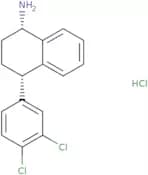
CAS:3-Nitro-5-(trifluoromethyl)benzene-1,2-diamine is a chemical compound that can be used as a reaction component or reagent in research. It is a useful scaffold and building block for complex compounds. 3-Nitro-5-(trifluoromethyl)benzene-1,2-diamine has CAS No. 2078-01-5 and is classified as a speciality chemical. This chemical is versatile because it has many uses in both organic chemistry and biology, including use as an intermediate or building block for more complex compounds.Formula:C7H6F3N3O2Purity:Min. 95%Color and Shape:PowderMolecular weight:221.14 g/molrac-cis-N-Desmethyl sertraline hydrochloride
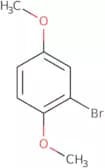
CAS:<p>Rac-cis-N-Desmethyl sertraline hydrochloride is an analog of the antidepressant drug, sertraline. It is a racemic mixture of two stereoisomers that are mirror images of each other and have different effects on the human body. Rac-cis-N-Desmethyl sertraline hydrochloride has been shown to inhibit reuptake of serotonin from the synaptic cleft, which may be responsible for its antidepressant effect. The compound is also radiolabeled with carbon 11 and can be used as a diagnostic agent for positron emission tomography (PET).</p>Formula:C16H16Cl3NPurity:Min. 96 Area-%Color and Shape:White PowderMolecular weight:328.66 g/mol1-Bromo-2,5-dimethoxybenzene
CAS:1,2-Bromo-2,5-dimethoxybenzene is a methylating agent that can be used in Friedel-Crafts acylation reactions. It reacts with hydrochloric acid to yield 1,2-dibromoethane and hydrogen peroxide. The product of the reaction is a mixture of chloride and alkylation products. Bromine is released as a byproduct in this reaction. This agent has been shown to be useful in the synthesis of compounds containing C=N bonds such as dienolates and amides.Formula:C8H9BrO2Purity:Min. 95%Molecular weight:217.06 g/mol3-Hydroxybenzamidine hydrochloride
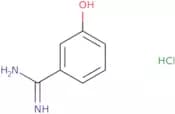
CAS:<p>3-Hydroxybenzamidine hydrochloride is a fine chemical with the formula C6H5NH2CH2COOH. It is a versatile building block that is used as a reagent, speciality chemical, or reaction component in organic synthesis. 3-Hydroxybenzamidine hydrochloride has been shown to be useful as an intermediate for producing other compounds, such as pharmaceuticals and dyes.</p>Formula:C7H8N2O·ClHPurity:Min. 95%Color and Shape:PowderMolecular weight:172.61 g/mol3-Iodobenzylamine hydrochloride
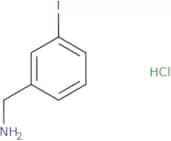
CAS:<p>3-Iodobenzylamine HCl is a weak anion that has a moderate affinity for the adenosine A3 receptor. 3-Iodobenzylamine HCl is used in the analysis of adenosine, d-xylose and other compounds. The binding of 3-iodobenzylamine to the A3 receptor causes an increase in cyclic AMP levels and an increase in intracellular Ca2+ levels, leading to cell signaling. 3-Iodobenzylamine HCl also acts as a competitive antagonist at the A3 receptor. This drug can also act as an agonist at the A3 receptor, with binding affinities for this site comparable to those of adenosine. This drug is able to inhibit cyanamide catalysis due to its ability to bind with fluorine atoms on the acceptor site of this enzyme.</p>Formula:C7H8IN•HClPurity:Min. 95%Color and Shape:PowderMolecular weight:269.51 g/mol3,4-Dichlorobenzonitrile
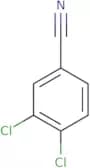
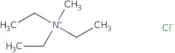
CAS:<p>3,4-Dichlorobenzonitrile is a chemical compound that is synthesized by reacting hydrochloric acid and hydrogen chloride in the presence of 3,4-dichlorophenylacetic acid. The uptake of this chemical has been shown to be increased in prostate cancer cells that are exposed to methanol concentrations at or above 10%. This chemical also has phytotoxic properties and can cause plant damage. Impurities from the synthesis process can include lead, mercury, cadmium, arsenic, or chromium. 3,4-Dichlorobenzonitrile is used as an intermediate for industrial preparations such as pesticides and pharmaceuticals. This chemical may have coordination geometry around its central atom that can vary from octahedral to tetrahedral.</p>Formula:C7H3Cl2NPurity:Min. 95%Color and Shape:PowderMolecular weight:172.01 g/molTriethylmethylammonium chloride
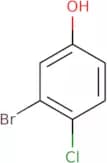
CAS:<p>Triethylmethylammonium chloride is a disulfide bond forming agent that reacts with 4-benzoyloxybenzoic acid to produce an inorganic acid. It also reacts with the substrate film to form a nitrogen atom. This product has been used as a phase transition temperature indicator and as a probe for investigating the effects of thermal expansion on electrochemical impedance spectroscopy measurements. Triethylmethylammonium chloride has also been shown to cause acid formation from sodium carbonate, which can be used in the production of hydroxyl groups, amides or fatty acids.</p>Formula:C7H18ClNPurity:Min. 95%Color and Shape:PowderMolecular weight:151.68 g/mol3-Bromo-4-chlorophenol
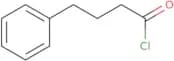
CAS:<p>3-Bromo-4-chlorophenol (3BCP) is a halogenated phenolic compound that is used as a preservative in the food industry. It is also used in the chemical and pharmaceutical industries for polymerization reactions and to produce other chemicals such as chlorinated hydrocarbons. 3BCP has been shown to inhibit the growth of organisms by binding to their receptors, which can be deformed and thus not function properly. The affinity of 3BCP for these receptors can be rationalized by its chemical nature, which includes chlorine atoms that are nucleophilic and can form hydrogen bonds with other molecules. 3BCP has two isomers: 3-bromo-4-chlorophenol and 4-bromo-3-chlorophenol, each with different effects on organisms.</p>Formula:C6H4BrClOPurity:Min. 95%Color and Shape:PowderMolecular weight:207.45 g/mol4-Phenylbutyryl chloride
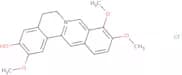
CAS:<p>4-Phenylbutyryl chloride is a chemical with a chiral center and an asymmetric carbon atom. The chemical can be synthesized by the reaction of phenylacetic acid and butyric acid chloride. This compound has been shown to have hypoglycemic effects in animal studies, which may be due to its ability to inhibit the activity of alpha-glucosidase. 4-Phenylbutyryl chloride has also been used for the synthesis of some drugs, including acarbose, miglitol, and glipizide. It has also been shown to have anti-cancer properties in prostate cancer cells. 4-Phenylbutyryl chloride is metabolized by the liver into urinary metabolites that are detectable in urine samples.</p>Formula:C10H11ClOPurity:Min. 97 Area-%Color and Shape:Brown Off-White Yellow Clear LiquidMolecular weight:182.65 g/molJatrorrhizine hydrochloride
CAS:<p>Jatrorrhizine hydrochloride is a bioactive alkaloid, which is derived from plants such as Coptis chinensis, commonly known as goldthread. This compound exhibits a range of pharmacological properties due to its ability to interact with various biological targets. Its mode of action involves modulation of cellular pathways, including anti-inflammatory and anti-microbial activities, through the inhibition of specific enzymes and interference with DNA replication processes.</p>Formula:C20H20NO4·HClPurity:Min. 95%Color and Shape:PowderMolecular weight:374.84 g/molL-DOPA methyl ester hydrochloride
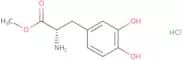
CAS:Controlled Product<p>L-DOPA methyl ester hydrochloride is a form of L-dopa that is used to treat Parkinson's disease. It is a prodrug of L-dopa, which has been shown to have a pharmacokinetic profile similar to that of levodopa. L-DOPA methyl ester hydrochloride is administered orally and is released slowly into the blood stream over time. This drug has been shown to interact with other drugs, such as antidepressants and antipsychotics, through its effects on neurotransmitters. In addition, this drug may cause locomotor activity in animals and can cause an increase in levels of dehydroascorbic acid in patients with chronic oral administration.</p>Formula:C10H13NO4•HClPurity:Min. 96 Area-%Color and Shape:PowderMolecular weight:247.68 g/mol1-(3-Chloropropyl)-4-methylpiperazine
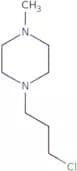
CAS:1-(3-Chloropropyl)-4-methylpiperazine is an analog of chlorpromazine. It has been shown to be a transactivator, which causes the activation of genes in response to a variety of stimuli and plays a role in the pathogenesis of infections. 1-(3-Chloropropyl)-4-methylpiperazine also interacts with chloride ions, causing an increase in intracellular chloride concentrations. This increased concentration leads to an increase in transcription and replication rates. The structures of viral RNA were determined using 1-(3-chloropropyl)-4-methylpiperazine as a fluorescent probe.Formula:C8H17ClN2Purity:Min. 95%Color and Shape:Clear LiquidMolecular weight:176.69 g/mol6-Bromo-1-indanone
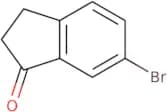
CAS:<p>6-Bromo-1-indanone is a chemical compound with the molecular formula C5H5BrNO. It belongs to the class of aromatic ketones and has a herringbone structure. 6-Bromo-1-indanone has been shown to inhibit cancer cells by binding to their a2a adenosine receptors and disrupting their function. This analog also inhibits survivin, an enzyme that regulates cell death, which may be due to its ability to form intramolecular hydrogen bonds. The crystal structure of 6-bromo-1-indanone was determined using crystallography and found to have two different conformations in solution, which is stereoselective.</p>Formula:C9H7BrOPurity:Min. 95%Color and Shape:White PowderMolecular weight:211.06 g/molMethyl 2,3-dichlorobenzoate
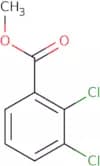
CAS:<p>Methyl 2,3-dichlorobenzoate is a benzyl compound that has been shown to be a potent lead compound for the treatment of neuropathic pain. It inhibits the activity of tetrazole, an enzyme that is involved in the synthesis of nerve growth factor (NGF). Methyl 2,3-dichlorobenzoate also blocks the action of triazoles, which are compounds that inhibit NGF. This leads to reduced pain sensitivity in rats. The reoptimized physicochemical properties of methyl 2,3-dichlorobenzoate make it more effective than other lead compounds for treatment of neuropathic pain.</p>Formula:C8H6Cl2O2Purity:Min. 95%Color and Shape:White PowderMolecular weight:205.04 g/molDimethyldistearylammonium chloride
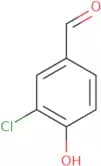
CAS:<p>Dimethyldistearylammonium chloride is a chemical compound that is used as an antimicrobial agent. It is a cationic quaternary ammonium salt that functions by forming a covalent bond with the sulfhydryl group of cysteine residues in proteins, which disrupts the disulfide bonds in the protein's tertiary or quaternary structure. Dimethyldistearylammonium chloride has been shown to have high antimicrobial activity against gram-positive bacteria and fungi but low activity against gram-negative bacteria. The optimum concentration for this compound is 0.2%. Dimethyldistearylammonium chloride has been used as a model system to study the effect of molecular weight on transfer reactions and polymer compositions, and it has also been used to study the biological properties of human immunoglobulin G (IgG).</p>Formula:C38H80ClNColor and Shape:PowderMolecular weight:586.5 g/mol3-Chloro-4-hydroxybenzaldehyde
CAS:<p>3-Chloro-4-hydroxybenzaldehyde is a molecule that belongs to the class of aldehydes. It is a monocarboxylic acid and an important precursor in the production of coumarin derivatives. 3-Chloro-4-hydroxybenzaldehyde has been shown to have pharmacokinetic properties, such as vibrational, chemical, and optical properties. It is also a fluorophore with strong fluorescence emission. The hydroxymethyl group can be programmed by adding an amine or thiol group at the 4 position on the ring of 3-chloro-4-hydroxybenzaldehyde. The addition of these groups will change the optical properties of 3-chloro-4-hydroxybenzaldehyde to make it more useful for biotechnology applications.</p>Formula:C7H5ClO2Purity:Min. 95%Color and Shape:PowderMolecular weight:156.57 g/mol3-Amino-3'-nitrobiphenyl hydrochloride
CAS:<p>3-Amino-3'-nitrobiphenyl hydrochloride is a versatile intermediate that can be used in the synthesis of complex compounds. It is a white crystalline solid with a melting point of 178 °C. This product is soluble in water, methanol, ethanol, acetone and chloroform. 3-Amino-3'-nitrobiphenyl hydrochloride has many applications including research chemicals and speciality chemicals.</p>Formula:C12H10N2O2·HClPurity:Min. 95%Color and Shape:PowderMolecular weight:250.68 g/molN-[6-Chloro-5-(2-methoxyphenoxy)-(2,2-bipyrimidine)4-4-yl]-(1,1-dimethylethyl)-benzenesulfonamide
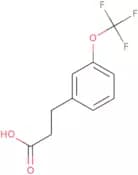
CAS:<p>N-[6-Chloro-5-(2-methoxyphenoxy)-(2,2-bipyrimidine)4-4-yl]-(1,1-dimethylethyl)-benzenesulfonamide is a reagent that can be used as a reaction component in the synthesis of complex compounds. It has high quality and is a versatile building block for the synthesis of speciality chemicals. N-[6-Chloro-5-(2-methoxyphenoxy)-(2,2-bipyrimidine)4-4-yl]-(1,1-dimethylethyl)-benzenesulfonamide is also a useful intermediate in the synthesis of fine chemicals.</p>Formula:C25H24ClN5O4SPurity:Min. 95%Color and Shape:White PowderMolecular weight:526.01 g/mol3-(Trifluoromethoxy)hydrocinnamic acid
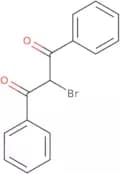
CAS:<p>3-(Trifluoromethoxy)hydrocinnamic acid is a useful building block that is used in the synthesis of many organic compounds. It has been used as a reagent and as a speciality chemical, and is also a versatile building block for the synthesis of complex compounds. 3-(Trifluoromethoxy)hydrocinnamic acid can be synthesized from cinnamic acid, which is available commercially and can be obtained by reacting benzaldehyde with nitric acid. 3-(Trifluoromethoxy)hydrocinnamic acid has CAS No. 168833-77-0 and can be found under the name 2,4-dichloro-3-(trifluoromethoxy)benzene.</p>Formula:C10H9F3O3Purity:Min. 98 Area-%Color and Shape:Clear LiquidMolecular weight:234.17 g/mol2-Bromo-1,3-diphenylpropane-1,3-dione
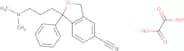
CAS:<p>2-Bromo-1,3-diphenylpropane-1,3-dione is a ligand that binds to metal ions. It has been used as an efficient method for the synthesis of phenyl groups in organic chemistry. 2-Bromo-1,3-diphenylpropane-1,3-dione was found to have a catalytic effect on reactions involving halides and phosphine. A study on the reaction mechanism revealed that 2-bromo-1,3-diphenylpropane-1,3-dione acts as an electron donor to phosphites and phosphines. The xray diffraction study showed that the ligand binds to metal ions through its phenyl groups.</p>Formula:C15H11BrO2Purity:Min. 95%Molecular weight:303.15 g/molrac Desfluoro citalopram oxalate
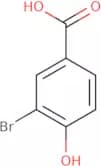
CAS:Racemic Desfluoro-Citalopram Oxalate is a novel reagent for the synthesis of pharmaceuticals. It is a building block for speciality chemicals and research chemicals. Racemic Desfluoro-Citalopram Oxalate has many uses, including as an intermediate in the synthesis of Citalopram, as well as a versatile building block for organic chemistry. This compound is also used to modify the physical properties of polymers and other materials. This product can be used to synthesize research chemicals or serve as a reaction component in organic chemistry.Formula:C22H24N2O5Purity:Min. 95%Color and Shape:White PowderMolecular weight:396.44 g/mol3-Bromo-4-hydroxybenzoic acid
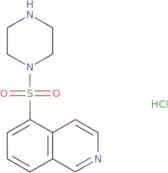
CAS:<p>3-Bromo-4-hydroxybenzoic acid (3BBA) is a hydroxylated benzoic acid that is used as an intermediate in the production of dyes, pharmaceuticals, and other chemicals. 3BBA also has been shown to have anti-inflammatory effects and may be useful for the treatment of heart disease patients. The antimicrobial activity of 3BBA is due to its ability to inhibit bacterial growth by inhibiting the enzyme acetate extract, which is involved in the biosynthesis of fatty acids. This substance also inhibits bacterial growth by binding to particle and p. aeruginosa. 3BBA can be synthesized using ethylene diamine and p-hydroxybenzoic acid in basic dye reactions at pH optimum 7.5.</p>Formula:C7H5BrO3Purity:Min. 95%Color and Shape:SolidMolecular weight:217.02 g/mol1-(5-Isoquinolinesulfonyl)piperazine hydrochloride
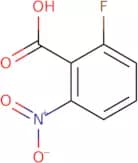
CAS:<p>1-(5-Isoquinolinesulfonyl)piperazine hydrochloride (1-ISOQ-PIP) is a chemical compound that has been shown to inhibit the growth of leukemia cells. It inhibits the expression of leukemia inhibitory factor, which may be due to its ability to introduce modifications into the sequence of DNA. 1-ISOQ-PIP also inhibits pluripotent stem cells and induces adipocyte differentiation. This substance can be used for cancer treatment by inhibiting the growth of leukemia cells and inducing differentiation.</p>Formula:C13H16ClN3O2SPurity:Min. 95%Color and Shape:PowderMolecular weight:313.8 g/mol2-Fluoro-6-nitrobenzoic acid
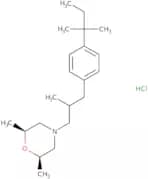
CAS:<p>Intermediate in the synthesis of idelalisib</p>Formula:C7H4FNO4Purity:Min. 95%Color and Shape:PowderMolecular weight:185.11 g/molAmorolfine hydrochloride
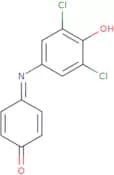
CAS:<p>Anti-fungal agent; inhibits ergosterol biosynthesis</p>Formula:C21H35ON•HClPurity:Min. 95%Color and Shape:White PowderMolecular weight:353.97 g/mol2,6-Dichlorophenolindophenol
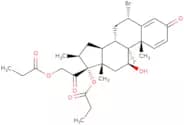
CAS:<p>2,6-Dichlorophenolindophenol is a redox indicator that can be used as an optical sensor for the measurement of hydrogen peroxide and other reactive oxygen species. It has been shown to inhibit caspase-independent cell death in carcinoma cells and is active against the opportunistic fungus Candida glabrata. The optimum concentration for this compound has been determined to be 1 mM.</p>Formula:C12H7Cl2NO2Purity:Min. 95%Color and Shape:Black Green PowderMolecular weight:268.09 g/mol6-Bromo-betamethasone 17,21-dipropionate
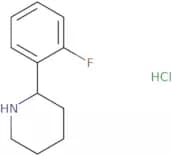
CAS:Controlled Product6-Bromo-betamethasone 17,21-dipropionate is a chemical intermediate that can be used to synthesize a wide variety of compounds. It has a high quality and is versatile. 6-Bromo-betamethasone 17,21-dipropionate is a fine chemical with many uses in the research and development industry. This compound is also useful for the production of pharmaceuticals, pesticides, antibiotics, and other organic compounds.Formula:C28H36BrFO7Purity:Min. 95 Area-%Color and Shape:White PowderMolecular weight:583.48 g/mol2-(2-Fluorophenyl)piperidine hydrochloride
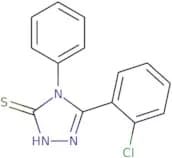
CAS:Please enquire for more information about 2-(2-Fluorophenyl)piperidine hydrochloride including the price, delivery time and more detailed product information at the technical inquiry form on this pageFormula:C11H15ClFNPurity:Min. 95%Color and Shape:PowderMolecular weight:215.69 g/mol3-(2-chlorophenyl)-4-phenyl-1,2,4-triazoline-5-thione
CAS:Please enquire for more information about 3-(2-chlorophenyl)-4-phenyl-1,2,4-triazoline-5-thione including the price, delivery time and more detailed product information at the technical inquiry form on this pagePurity:Min. 95%N-[(8-Fluoro-2,3-Dihydro-1-Methyl-5-Phenyl-1H-1,4-Benzodiazepin-2-Yl)Methyl]-3-Furancarboxamide
CAS:Controlled Product<p>N-[(8-Fluoro-2,3-Dihydro-1-Methyl-5-Phenyl-1H-1,4-Benzodiazepin-2-Yl)Methyl]-3-Furancarboxamide is a hydrophobic, implanting drug with an iontophoresis device. It has been shown to have therapeutic effects in cancer. The drug is a targetable molecule that can be used for diagnostic purposes and the treatment of various cancers. N-[(8-Fluoro-2,3-Dihydro-1,5 -Phenyl 1H -1,4 Benzodiazepin 2 Yl) Methyl] 3 Furancarboxamide has been shown to inhibit cell proliferation by blocking the synthesis of proteins required for DNA replication and also inhibits the activity of protein kinase C.</p>Purity:Min. 95%1-(2,5-Dibromophenyl)ethanone
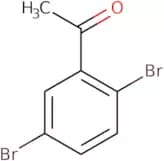
CAS:<p>2',5'-Dibromoacetophenone is an imine that has been shown to be a potent inhibitor of NS5A. It is used in the synthesis of elbasvir and other pharmaceuticals. The enantioselective synthesis of 2',5'-dibromoacetophenone is achieved by using a chiral catalyst derived from camphor, which can produce the desired product in large quantities with high purity.</p>Formula:C8H6Br2OPurity:Min. 95%Color and Shape:PowderMolecular weight:277.94 g/mol2’-C-Methyl-5-fluorouridine
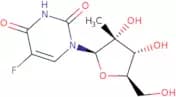
CAS:<p>2’-C-Methyl-5-fluorouridine is a fine chemical that is used as a versatile building block for the synthesis of various complex compounds. It is also used as a reaction component in the synthesis of research chemicals and speciality chemicals. 2’-C-Methyl-5-fluorouridine is an important intermediate in organic chemistry and has many applications, such as being a reaction component in the synthesis of pharmaceuticals, agrochemicals, dyes, and perfumes.</p>Formula:C10H13FN2O6Purity:Min. 95%Color and Shape:SolidMolecular weight:276.22 g/mol4-Amino-3-chlorobenzonitrile
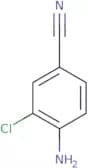
CAS:<p>4-Amino-3-chlorobenzonitrile is a ligand that binds to the heme of cytochrome P450 (CYP) enzymes. It has been shown to have a pharmacokinetic profile in rats and mice with lung diseases, which is similar to that of 4-amino-2-bromobenzonitrile. This ligand inhibits CYP enzymes by competing with endogenous substrates for binding sites on the heme, leading to an increase in the metabolism of drugs such as carbonyl drugs. 4-Amino-3-chlorobenzonitrile also has potent inhibitory effects on efflux pumps in cells and may be used to treat drug resistant bacteria.</p>Formula:C7H5ClN2Purity:Min. 95%Color and Shape:PowderMolecular weight:152.58 g/mol3-Amino-2,5,6-trifluorobenzoic acid
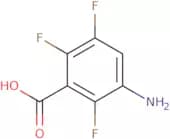
CAS:<p>3-Amino-2,5,6-trifluorobenzoic acid is a pharmaceutical agent that can be used in the synthesis of dyestuffs and as a matrix for laser desorption/ionization (LDI) mass spectrometry. 3-Amino-2,5,6-trifluorobenzoic acid has been shown to form crystals that are insoluble in water or organic solvents. The crystal morphology was determined by using XRD and FTIR. 3-Amino-2,5,6-trifluorobenzoic acid also has high concentrations of impurities such as 2,4,6-trichloroaniline and 2-(3,4 dichlorophenyl) ethyl amine.</p>Formula:C7H4F3NO2Purity:Min. 95%Color and Shape:PowderMolecular weight:191.11 g/mol4-[2-[[3-(4-Hydroxyphenyl)-1-methylpropyl]amino]ethyl]-1,2-benzenediol hydrochloride
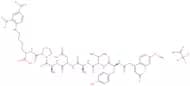
CAS:<p>Dobutamine is a beta-adrenergic agonist that causes the heart to contract and increase blood pressure. It is used for pharmacological treatment of congestive heart failure and ventricular arrhythmias, as well as during angiography of the coronary arteries. Dobutamine stimulates dopamine receptors in the heart, which increases the systolic pressure. Dobutamine has been shown to be effective in improving myocardial contractility, left ventricle function, and cardiac output in patients with chronic congestive heart failure. This drug also improves left ventricular regional wall motion, papillary muscle function, and mitral valve regurgitation. Dobutamine may cause side effects such as nausea, vomiting, headache, or chest pain.</p>Formula:C18H24ClNO3Purity:Min. 95%Color and Shape:PowderMolecular weight:337.84 g/molMca-Tyr-Val-Ala-Asp-Ala-Pro-Lys(Dnp)-OH trifluoroacetate
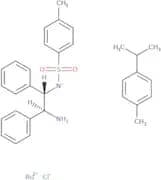
CAS:Please enquire for more information about Mca-Tyr-Val-Ala-Asp-Ala-Pro-Lys(Dnp)-OH trifluoroacetate including the price, delivery time and more detailed product information at the technical inquiry form on this pageFormula:C53H64N10O19•(C2HF3O2)xPurity:95%NmrColor and Shape:PowderMolecular weight:1,145.13 g/mol(S,S)-N-(p-Toluenesulfonyl)-1,2-diphenyl ethanediamine(chloro)(p-cymene)ruthenium(II)
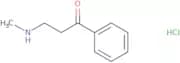
CAS:(S,S)-N-(p-Toluenesulfonyl)-1,2-diphenylethanediamine(chloro)(p-cymene)ruthenium(II) is an organic compound that belongs to the class of solvents. It is a reagent that is used in acidic conditions. The elimination of hydrocarbons from (S,S)-N-(p-toluenesulfonyl)-1,2-diphenylethanediamine(chloro)(p-cymene)ruthenium(II) is carried out by chloroform or hexane and potassium hydroxide. This compound can be purified by recrystallization from aqueous ethanol or preparative thin layer chromatography with chloroform as eluent. Recycling of this compound is possible.Formula:C31H35ClN2O2RuSColor and Shape:PowderMolecular weight:636.21 g/mol3-(Methylamino)propiophenone hydrochloride
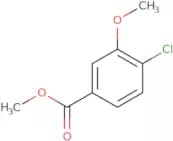
CAS:3-(Methylamino)propiophenone hydrochloride is a synthetic compound that can be used as an alternative to fluoxetine in microwave irradiation. It has similar effects to the drug, including advances in neurodegenerative diseases. 3-(Methylamino)propiophenone hydrochloride has been shown to improve the effects of radiation therapy on cancer cells, by inhibiting the production of reactive oxygen species and improving cell survival.Formula:C10H13NO•HClPurity:Min. 95%Color and Shape:PowderMolecular weight:199.68 g/mol4-Chloro-3-methoxybenzoic acid methyl ester
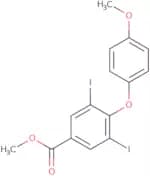
CAS:4-Chloro-3-methoxybenzoic acid methyl ester is a chemical compound that is used as a reagent in organic synthesis. It can be used to produce high quality research chemicals, speciality chemicals, and fine chemicals. This compound has a wide variety of uses because it is versatile and can be used as a reaction component or building block. Its CAS number is 116022-18-5.Formula:C9H9ClO3Purity:Min. 95%Color and Shape:SolidMolecular weight:200.62 g/mol3,5-Diiodo-4(4'-methoxyphenoxy)benzoic acid methyl ester
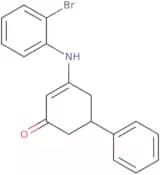
CAS:<p>3,5-Diiodo-4(4'-methoxyphenoxy)benzoic acid methyl ester (DIMBOA) is a hormone analogue that inhibits the growth of cancer cells by interfering with mitochondrial function. DIMBOA binds to the mitochondria of animal cells and prevents adenosine triphosphate (ATP) production. DIMBOA also blocks the synthesis of DNA and RNA in animal cells, which may be due to its ability to interfere with enzyme activities such as protein synthesis, cell proliferation, and apoptosis. 3,5-Diiodo-4(4'-methoxyphenoxy)benzoic acid methyl ester has been shown to inhibit cellular growth by autophagy. This drug has been shown to have no adverse effects on normal fibroblasts or antigen presenting cells in animals.</p>Formula:C15H12I2O4Purity:Min. 95%Color and Shape:PowderMolecular weight:510.06 g/mol3-((2-bromophenyl)amino)-5-phenylcyclohex-2-en-1-one
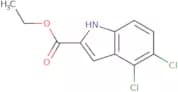
CAS:Please enquire for more information about 3-((2-bromophenyl)amino)-5-phenylcyclohex-2-en-1-one including the price, delivery time and more detailed product information at the technical inquiry form on this pagePurity:Min. 95%Ethyl 4,5-dichloro-1H-indole-2-carboxylate
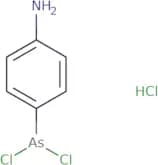
CAS:<p>Ethyl 4,5-dichloro-1H-indole-2-carboxylate is an organic chemical compound that is a reaction component, reagent, and useful scaffold in the synthesis of pharmaceuticals. It has been shown to have high quality and be a versatile building block for the synthesis of complex compounds. This chemical can be used as a speciality chemical or research chemical.</p>Formula:C11H9Cl2NO2Purity:Min. 95%Color and Shape:White PowderMolecular weight:258.1 g/molp-Aminophenyldichloroarsine hydrochloride
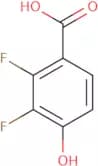
CAS:<p>p-Aminophenyldichloroarsine hydrochloride (APD) is a reversible alkylating agent that binds to sulphydryls and reversibly inhibits the activity of nicotinic acetylcholine receptors. It is also an arsenical that has been shown to react with other proteins, such as acetylcholine receptor subunits. When it reacts with the acetylcholine receptor, it forms stable complexes and irreversible bonds. This prevents the receptor from functioning normally and leads to paralysis of muscles. The APD also binds to the reactive sites on DNA and blocks rRNA synthesis, leading to cell death.<br>APD is active against many bacteria, including Mycobacterium tuberculosis, but not against Gram-positive bacteria such as staphylococci or streptococci. It is also active against some fungi and protozoa but not against viruses.</p>Formula:C6H7AsCl3NPurity:Min. 95%Color and Shape:PowderMolecular weight:274.41 g/mol2,3-Difluoro-4-hydroxybenzoic acid
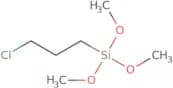
CAS:<p>2,3-Difluoro-4-hydroxybenzoic acid is a protonated molecule that has been experimentally shown to be an antioxidant. It is an electron-donating and electron-withdrawing moiety that can act as a hydrogen atom scavenger. 2,3-Difluoro-4-hydroxybenzoic acid can also be deprotonated by hydroxide ions or other strong acids to form the corresponding carboxylic acid. The dianionic form of this molecule has been shown to have high antioxidant potential in a number of experiments.</p>Formula:C7H4F2O3Purity:Min. 95%Color and Shape:PowderMolecular weight:174.1 g/molgamma-Chloropropyl trimethoxysilane
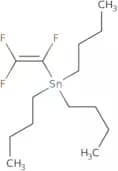
CAS:<p>Gamma-chloropropyl trimethoxysilane (CPS) is a chemical compound with the formula Cl3Si(OCH3)2. It is an organosilicon compound that is used in surface preparation and modification to improve hydrophobicity, chemical stability, and mechanical properties. CPS forms covalent linkages with organic compounds on the surface by reaction with hydroxyl groups. It has been shown to react with fatty acids such as oleic acid, forming a metal chelate. CPS reacts with sodium carbonate (Na2CO3) to form sodium chloropropoxide (NaClOCH3). This reaction is exothermic and can be used for sample preparation. The mechanism of this reaction is thought to involve the formation of a copper complex followed by its hydrolysis.</p>Formula:C6H15ClO3SiPurity:Min. 95%Color and Shape:Clear LiquidMolecular weight:198.72 g/molTributyl(trifluoroethenyl)stannane
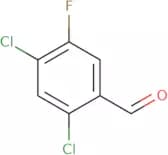
CAS:Controlled Product<p>Tributyl(trifluoroethynyl)stannane is a drug that has immunosuppressive activity. It is used to treat certain cancers, including chronic lymphocytic leukemia and rheumatoid arthritis. Tributyl(trifluoroethynyl)stannane has been shown to inhibit the production of cytokines and other inflammatory mediators by macrophages, which may be due to its ability to inhibit DNA synthesis.</p>Formula:C14H27F3SnPurity:Min. 95%Molecular weight:371.07 g/mol2,4-Dichloro-5-fluorobenzaldehyde
CAS:<p>2,4-Dichloro-5-fluorobenzaldehyde (2,4-DFCA) is a functional group that can be found in inorganic, fatty acids, and fatty acid. 2,4-DFCA has been shown to increase insulin-like growth factor I (IGF-I) levels in vitro and in vivo. 2,4-DFCA also increases the expression of IGF-I gene polymorphisms. This compound is used to induce insulin resistance by increasing serum level of IGF-I. 2,4-DFCA also inhibits the activity of a protein called impeller that is required for cardiac contractility. This compound can be found on the surface of untreated control cells.</p>Formula:C7H3Cl2FOPurity:Min. 95%Color and Shape:PowderMolecular weight:193 g/mol(Des-Gly10,D-His2,D-Trp6,Pro-NHEt 9)-LHRH trifluoroacetate
CAS:Please enquire for more information about (Des-Gly10,D-His2,D-Trp6,Pro-NHEt 9)-LHRH trifluoroacetate including the price, delivery time and more detailed product information at the technical inquiry form on this pageFormula:C64H83N17O12•(C2HF3O2)xPurity:Min. 95%Molecular weight:1,282.45 g/mol(6-Bromo-3,4-dimethoxyphenyl)acetone
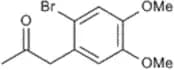
CAS:<p>(6-Bromo-3,4-dimethoxyphenyl)acetone is a fine chemical that can be used as a versatile building block. This compound is typically used in research and development for the synthesis of complex compounds. It has been shown to be useful in the synthesis of high quality pharmaceuticals and speciality chemicals. The CAS number for this chemical is 116145-28-9.</p>Formula:C11H13BrO3Purity:Min. 95%Molecular weight:273.12 g/mol4-Cyanobenzyl bromide
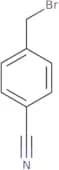
CAS:<p>4-Cyanobenzyl bromide is a chemical compound that is stable in the presence of hydrogen bonds and with a palladium-catalyzed coupling reaction. It has been shown to react with amines to form an azobenzene, which is a fluorescent compound. 4-Cyanobenzyl bromide reacts with x-ray diffraction data and molecular modeling to form halides and hydroxy groups. The mechanism of this reaction is not yet known, but it appears that the initial step involves the formation of a hydrogen bond between the 4-cyanobenzyl group and the amine. Magnetic resonance spectroscopy has confirmed that hippuric acid can be formed from this reaction as well.</p>Formula:C8H6BrNPurity:Min. 95%Color and Shape:PowderMolecular weight:196.04 g/mol6-Bromobenzo-(1,3)-dioxole-5-carboxylic acid
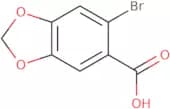
CAS:6-Bromobenzo-(1,3)-dioxole-5-carboxylic acid is a natural product that is synthesised by the reaction of hydrochloric acid with bromobenzene and dioxolane. It has been used as an intermediate in the synthesis of carbaryl, which is used as an insecticide. 6-Bromobenzo-(1,3)-dioxole-5-carboxylic acid has also been shown to inhibit the biosynthesis of berberine in plants. This compound can be synthesized by reacting noradrenaline with hydrobromic acid or deuterium oxide.Formula:C8H5BrO4Purity:Min. 95%Color and Shape:PowderMolecular weight:245.03 g/molFluorescein-cadaverine dihydrobromide
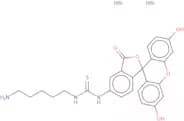
CAS:<p>Fluorescein-cadaverine dibromide is a fluorescent compound that is used in diagnostic imaging. It is synthesized by the reaction of cadaverine with fluorescein, and has been shown to be as effective as phenylephrine in increasing blood pressure. Fluorescein-cadaverine dibromide has been found to inhibit the activity of efflux pumps in cancer cells and spheroids, which may have implications for cancer therapy. This fluorescent dye is also biodegradable, making it an ideal candidate for use in optical imaging techniques.</p>Formula:C26H25N3O5S•(HBr)2Purity:90%Color and Shape:PowderMolecular weight:653.38 g/mol2-Amino-5-nitro-2'-fluorobenzophenone
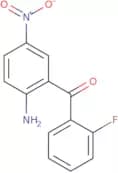
CAS:<p>2-Amino-5-nitro-2'-fluorobenzophenone is a prodrug that is activated by thiourea, a chemical agent that is used to break down the drug. It is an anti-inflammatory drug that acts as a selective COX inhibitor and has been shown to be effective in vivo against primary tumors. 2-Amino-5-nitro-2'-fluorobenzophenone has also been shown to have antiangiogenic properties and has been used to treat inflammatory diseases such as arthritis and psoriasis. This drug can be radiolabeled with carbon, fluorine, or iodine isotopes for use in positron emission tomography (PET) imaging of primary tumors. The drug binds to response elements on cells through electrostatic interactions between the molecular orbitals of the 2 amino groups and the nucleophilic centers of these molecules.</p>Formula:C13H9FN2O3Purity:Min. 95%Color and Shape:PowderMolecular weight:260.22 g/mol



![[(2-Methylimidazo[2,1-b][1,3,4]thiadiazol-6-yl)methyl]amine dihydrochloride](/_next/image/?url=https%3A%2Fstatic.cymitquimica.com%2Fproducts%2F3D%2Fthumb-webp%2FFM123820.webp&w=3840&q=75)


![Pigment Red 38;Diethyl 4,4'-[(3,3'-dichlOrO[1,1'-biphenyl]-4,4'-diyl)bis(azO)]bis[4,5-dihydrO-5-Ox…](/_next/image/?url=https%3A%2Fstatic.cymitquimica.com%2Fproducts%2F3D%2Fthumb-webp%2FFP43985.webp&w=3840&q=75)

![3,7-Dibromo-5,5-dioctyl-5H-dibenzo[b,d]silole](/_next/image/?url=https%3A%2Fstatic.cymitquimica.com%2Fproducts%2F3D%2Fthumb-webp%2FFD141100.webp&w=3840&q=75)

![2-[[(Heptadecafluorooctyl)Sulphonyl]Methylamino]Ethyl Methacrylate](/_next/image/?url=https%3A%2Fstatic.cymitquimica.com%2Fproducts%2F3D%2Fthumb-webp%2FFH98020.webp&w=3840&q=75)
![4-[3-[2-(Trifluoromethyl)-9H-thioxanthen-9-ylidene]propyl]-1-piperazineethanol dihydrochloride](/_next/image/?url=https%3A%2Fstatic.cymitquimica.com%2Fproducts%2F3D%2Fthumb-webp%2FFT23498.webp&w=3840&q=75)


![N-[6-Chloro-5-(2-methoxyphenoxy)-(2,2-bipyrimidine)4-4-yl]-(1,1-dimethylethyl)-benzenesulfonamide](/_next/image/?url=https%3A%2Fstatic.cymitquimica.com%2Fproducts%2F3D%2Fthumb-webp%2FFC20113.webp&w=3840&q=75)
![N-[(8-Fluoro-2,3-Dihydro-1-Methyl-5-Phenyl-1H-1,4-Benzodiazepin-2-Yl)Methyl]-3-Furancarboxamide](/_next/image/?url=https%3A%2Fstatic.cymitquimica.com%2Fproducts%2F3D%2Fthumb-webp%2FFF102093.webp&w=3840&q=75)
![4-[2-[[3-(4-Hydroxyphenyl)-1-methylpropyl]amino]ethyl]-1,2-benzenediol hydrochloride](/_next/image/?url=https%3A%2Fstatic.cymitquimica.com%2Fproducts%2F3D%2Fthumb-webp%2FFH27507.webp&w=3840&q=75)