Organic Halides
In this category, you can find organic molecules containing one or more halogen atoms in their structure. These organic halides include brominated, iodinated, chlorinated, and cyclic halide compounds. Organic halides are widely used in organic synthesis, pharmaceuticals, agrochemicals, and materials science due to their reactivity and ability to undergo a variety of chemical transformations. At CymitQuimica, we offer a comprehensive selection of high-quality organic halides to support your research and industrial applications, ensuring reliable and effective performance in your synthetic and analytical projects.
Subcategories of "Organic Halides"
Found 20440 products of "Organic Halides"
Sort by
Purity (%)
0
100
|
0
|
50
|
90
|
95
|
100
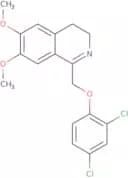
1-((6,7-dimethoxy(3,4-dihydroisoquinolyl))methoxy)-2,4-dichlorobenzene
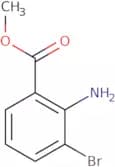
CAS:Please enquire for more information about 1-((6,7-dimethoxy(3,4-dihydroisoquinolyl))methoxy)-2,4-dichlorobenzene including the price, delivery time and more detailed product information at the technical inquiry form on this pagePurity:Min. 95%Methyl 2-amino-3-bromobenzoate
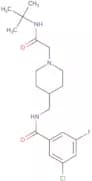
CAS:<p>Methyl 2-amino-3-bromobenzoate is a high quality, versatile building block that is used as a reagent and intermediate in the synthesis of biologically active compounds. Methyl 2-amino-3-bromobenzoate is a complex compound that has proven useful as an intermediate in the synthesis of various fine chemicals, such as speciality chemicals. The compound also serves as a useful scaffold for the preparation of other compounds, such as research chemicals. Methyl 2-amino-3-bromobenzoate can be used in reactions with other reagents to form new compounds. It is also used to make important reaction components, such as CAS No. 104670-74-8.</p>Formula:C8H8BrNO2Purity:Min. 95%Color and Shape:PowderMolecular weight:230.06 g/molN-((1-(2-(tert-Butylamino)-2-oxoethyl)piperidin-4-yl)methyl)-3-chloro-5-fluorobenzamide
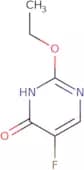
CAS:<p>N-((1-(2-(tert-Butylamino)-2-oxoethyl)piperidin-4-yl)methyl)-3-chloro-5-fluorobenzamide is a novel antiarrhythmic drug that inhibits the activation of cardiac cells. It was shown to inhibit proliferation and migration of human leukemia cells in vitro and to inhibit tumor growth in vivo. N-(1-(2-(tert-Butylamino)-2-oxoethyl)piperidin-4-yl)methyl)-3-chloro-5-fluorobenzamide has been shown to have cardioprotective effects in Sprague Dawley rats, reducing the incidence of ventricular tachycardia and fibrillation. The clinical studies conducted so far have not revealed any adverse effects on the heart or other organs.</p>Formula:C19H27ClFN3O2Purity:Min. 95%Color and Shape:White SolidMolecular weight:383.89 g/mol2-Ethoxy-5-fluoro-1H-pyrimidin-4-one
CAS:<p>2-Ethoxy-5-fluoro-1H-pyrimidin-4-one is a chemical compound that can be synthesized in ethanol, ether, and ethyl formate. It is a white crystalline solid with a melting point of 164°C. The impurities are filtered out using filtration. This compound reacts with substance to produce crystallization. 2-Ethoxy-5-fluoro-1H-pyrimidin-4-one can also be synthesized by reacting trimethylamine and isourea.</p>Formula:C6H7FN2O2Purity:Min. 95%Color and Shape:PowderMolecular weight:158.13 g/molTetramethylammonium fluoride tetrahydrate
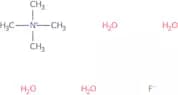
CAS:<p>Tetramethylammonium fluoride tetrahydrate (TMF) is an ionic liquid that is a reaction product of tetraethylammonium and hydrochloric acid. TMF has been shown to react reversibly with water to produce aqueous hydrogen fluoride, which can be detected at low concentrations with a variety of analytical techniques such as gas chromatography. TMF has also been shown to have selectivities for the transport of silicon and calcium carbonate ions, which are useful in electrochemical studies. The activation energies for the reaction of TMF with water were determined by electrochemical studies to be around -0.4 eV.</p>Formula:C4H12FN·4H2OColor and Shape:White PowderMolecular weight:165.2 g/mol2-Cyano-3-trifluoromethylpyridine
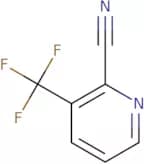
CAS:<p>2-Cyano-3-trifluoromethylpyridine is a fine chemical that is used as a versatile building block in the synthesis of complex compounds. It can be used as an intermediate in research chemicals, reaction components, and speciality chemicals. 2-Cyano-3-trifluoromethylpyridine is a high quality reagent that can be used for the synthesis of various derivatives. It is also a useful scaffold for the development of new drugs and other chemical compounds.</p>Formula:C7H3F3N2Purity:Min. 95%Color and Shape:liquid.Molecular weight:172.11 g/mol1,3-Dichloro-1,1,3,3-tetraisopropyldisiloxane
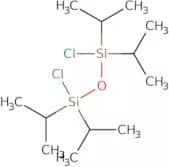
CAS:<p>1,3-Dichloro-1,1,3,3-tetraisopropyldisiloxane is a chromatographic stationary phase that has been used for the analysis of oligosaccharides and hydrogen bonds. 1,3-Dichloro-1,1,3,3-tetraisopropyldisiloxane has been shown to be useful in the separation of uridine from other nucleotides. It also has been shown to be useful as a titration calorimetry standard. This stationary phase can be used with fluorescence spectrometry and tryptophan fluorescence for structural analysis of pyrimidine compounds. Molecular modeling studies have also demonstrated that this stationary phase is stereoselective with regards to hydroxyl group emissions. The 1,3-Dichloro-1,1,3,3-tetraisopropyldisiloxane stationary phase is</p>Formula:C12H28Cl2OSi2Purity:Min. 95%Color and Shape:Colorless Slightly Yellow Clear LiquidMolecular weight:315.43 g/mol2-[[(4-Anilinophenyl)imino]methyl]-4,6-dichlorophenol
CAS:2-[[(4-Anilinophenyl)imino]methyl]-4,6-dichlorophenol is a chemical that has been used in the synthesis of pharmaceuticals and other organic compounds. It is a versatile building block for the preparation of complex compounds and fine chemicals. This product can be used as a reagent or reaction component for research purposes. It is also useful as an intermediate or building block in the synthesis of drugs and other organic compounds. CAS No. 303215-67-0Formula:C19H14Cl2N2OPurity:Min. 95%Color and Shape:Red PowderMolecular weight:357.23 g/mol(2-Indol-3-ylethyl)((2,4,5-trichlorophenyl)sulfonyl)amine
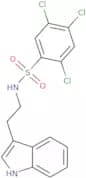
CAS:Please enquire for more information about (2-Indol-3-ylethyl)((2,4,5-trichlorophenyl)sulfonyl)amine including the price, delivery time and more detailed product information at the technical inquiry form on this pageFormula:C16H13Cl3N2O2SPurity:Min. 95%Color and Shape:PowderMolecular weight:403.71 g/mol3,6-Dibromothieno[3,2-b]thiophene
CAS:<p>3,6-Dibromothieno[3,2-b]thiophene is a semiconducting material that has been shown to have electron mobility of 1.5 cm2/Vs and an enhancement factor of ~5 in pyridine as the acceptor molecule. The compound is processed into thin films using chemical vapor deposition and shows potential for use in transistors. 3,6-Dibromothieno[3,2-b]thiophene is also a natural gas sensor that can be used to detect methane concentrations in the range of 0.1% - 10% by volume.</p>Formula:C6H2Br2S2Purity:Min. 95%Color and Shape:PowderMolecular weight:298.02 g/mol2-Amino-4-(trifluoromethyl)benzoic acid
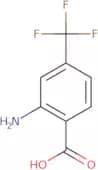
CAS:<p>2-Amino-4-(trifluoromethyl)benzoic acid (2ATB) is a fluorescent compound that is used in assays to study the function of cells. It is a functional theory that 2ATB binds to the skeleton of cells, which are then subjected to optical properties testing. Fluorescence resonance energy transfer has been shown to occur between 2ATB and retinoic acid molecules in the cell nucleus, which may be related to cellular senescence. The structure of 2ATB has been determined by X-ray crystallography and it has been synthesized by halogenation.</p>Formula:C8H6F3NO2Purity:Min. 95%Color and Shape:PowderMolecular weight:205.13 g/molTriphenylchlorosilane
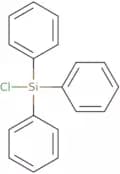
CAS:<p>Triphenylchlorosilane is a reactive compound that has been used as a model system for studying the reaction of congestive heart failure. It has been shown to inhibit energy metabolism and cell factor, which are important factors in the progression of congestive heart failure. Triphenylchlorosilane also reacts with p-hydroxybenzoic acid to form an unstable intermediate, which undergoes intramolecular hydrogen transfer to give the final product. The reaction mechanism is proposed to be a coordination geometry involving three chlorine atoms. This compound is not reactive with sodium salts or structural analysis, but it does bind signal peptide in vivo models and can be used as a probe for protein-protein interactions.</p>Formula:C18H15ClSiPurity:Min. 95%Color and Shape:PowderMolecular weight:294.85 g/mol5-Chloro-L-tryptophan
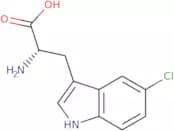
CAS:<p>5-Chloro-L-tryptophan (5CTP) is a chemical compound that belongs to the class of cyclic peptides. It is biosynthesized by plants and other organisms from 4-chloro-L-tryptophan. 5CTP is synthesized from 4CTP by a two step process, involving an oxidative decarboxylation followed by a deamination reaction. The oxidative decarboxylation converts the amino acid into an intermediate, which is then deaminated and converted into 5CTP. This compound has been shown to have potential as a drug against cancer cells, with its mechanism of action being related to its ability to form metal chelates with heavy metals such as copper and mercury. 5CTP has also been used in molecular modeling studies, genetic analyses, and biochemical investigations of substrate binding and enzyme catalysis.</p>Formula:C11H11N2O2ClPurity:Min. 95%Color and Shape:White PowderMolecular weight:238.67 g/mol4-Bromo-3-methylbenzylamine hydrochloride
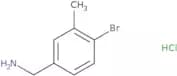
CAS:4-Bromo-3-methylbenzylamine hydrochloride is a synthetic chemical that can be used in the synthesis of various products. This compound is a useful scaffold for the preparation of complex compounds, and it has been used as a reaction component in organic chemistry. It is also a versatile building block that can be used to synthesize fine chemicals with high purity. 4-Bromo-3-methylbenzylamine hydrochloride has been assigned CAS No. 1955514-32-5 by the Chemical Abstracts Service (CAS).Formula:C8H10BrN•HClPurity:Min. 95%Molecular weight:236.54 g/mol3,5-Diiodo-4(4'-methoxyphenoxy)benzoic acid
CAS:<p>3,5-Diiodo-4-(4'-methoxyphenoxy)benzoic acid is a chemical intermediate that has been used in the synthesis of pharmaceuticals and agricultural chemicals. It is a versatile building block that can be used to produce pharmaceuticals, such as diazepam and bromazepam, and other useful compounds. 3,5-Diiodo-4-(4'-methoxyphenoxy)benzoic acid is a fine chemical with high quality and speciality chemical. It has been extensively researched for its usefulness as a reagent for organic synthesis reactions.</p>Formula:C14H10I2O4Purity:Min. 95%Color and Shape:PowderMolecular weight:496.04 g/mol(4-Bromophenyl)acetic acid
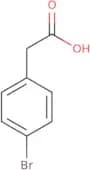
CAS:4-Bromophenylacetic acid is a monocarboxylic acid that has been identified as an inhibitor of phosphatase. It also has an inhibitory effect on microbial infection and can be used for the synthesis of amides and cationic surfactants. 4-Bromophenylacetic acid has shown to have a high affinity for humans, which may be due to its glucuronide conjugate, isolated yield, and plant physiology. This molecule is able to undergo electrochemical studies due to its electrophilic nature.Formula:C8H7BrO2Purity:Min. 95%Color and Shape:PowderMolecular weight:215.04 g/molL-Tryptophan-7-amido-4-methylcoumarin
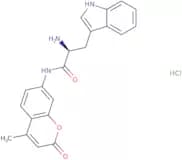
CAS:Please enquire for more information about L-Tryptophan-7-amido-4-methylcoumarin including the price, delivery time and more detailed product information at the technical inquiry form on this pageFormula:C21H19N3O3Purity:Min. 95%Color and Shape:PowderMolecular weight:361.39 g/mol(3R)-(+)-3-(Trifluoroacetamido)pyrrolidine hydrochloride
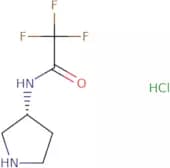
CAS:(3R)-(+)-3-(Trifluoroacetamido)pyrrolidine hydrochloride is a high-quality reagent that is used as an intermediate in the synthesis of complex compounds. It is also a useful building block, which can be utilized in a variety of chemical reactions. This compound has been shown to be a versatile building block and can be used as a reaction component in research chemicals.Formula:C6H9F3N2O·HClColor and Shape:PowderMolecular weight:218.6 g/mol2,5-Dichlorocinnamic acid
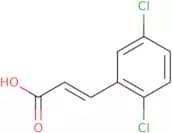
CAS:<p>2,5-Dichlorocinnamic acid is a chemical compound with the formula CHClCOCHCl. It is typically used as a reagent or building block in organic synthesis. 2,5-Dichlorocinnamic acid is an alpha-hydroxycarboxylic acid that exists in two tautomeric forms: the enol form (2,5-dichloro-3-oxopentanoic acid) and the keto form (2,5-dichlorohexanedioic acid). The enol form predominates at pH 7 and above. The keto form predominates at pH 1 and below.</p>Formula:C9H6Cl2O2Purity:Min. 95%Color and Shape:PowderMolecular weight:217.05 g/molTrifluoperazine dihydrochloride
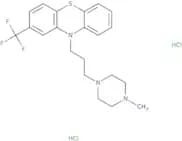
CAS:Controlled ProductTrifluoperazine is a drug that belongs to the class of selective p-glycoprotein (p-gp) inhibitors. It has been shown to decrease cytosolic calcium levels and glucose-dependent insulinotropic peptide (glp-1) levels in rats. Trifluoperazine has also been shown to have constant pressure and physiological effects on energy metabolism in rat adipocytes at an optimum concentration of 1 μM. In addition, trifluoperazine inhibits the activity of target enzymes such as neuronal death and intracellular calcium levels. The optimal concentration for trifluoperazine is 1 μM, which can be determined by electrochemical impedance spectroscopy. Trifluoperazine also binds to fluorescence probes, which may be used for imaging purposes.Formula:C21H26Cl2F3N3SPurity:(Titration) Min. 98.0%Color and Shape:PowderMolecular weight:480.42 g/mol4-Fluoro-2-hydroxybenzoic acid methyl ester
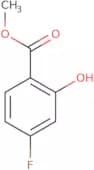
CAS:4-Fluoro-2-hydroxybenzoic acid methyl ester is a chemical compound that is used as a synthetic intermediate in the synthesis of drugs. 4-Fluoro-2-hydroxybenzoic acid methyl ester can be prepared by reductive amination of an acyl chloride with an amine, followed by reaction with methanol. This chemical intermediate is used in the synthesis of the BCL-2 inhibitor venetoclax, which inhibits cell growth and induces apoptosis in lymphoma cells. 4-Fluoro-2-hydroxybenzoic acid methyl ester also has been shown to inhibit the activity of amidating enzymes and transferases, suggesting it may have potential as an anti-inflammatory drug.Formula:C8H7FO3Purity:Min. 95%Color and Shape:PowderMolecular weight:170.14 g/molMethyl 3-bromo-5-hydroxybenzoate
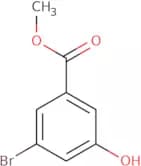
CAS:<p>Methyl 3-bromo-5-hydroxybenzoate is a fine chemical that belongs to the group of useful building blocks. It is a versatile building block that can be used as a reagent and reaction component in organic synthesis. Methyl 3-bromo-5-hydroxybenzoate has been shown to be an intermediate in the synthesis of various compounds, including pharmaceuticals, pesticides, and other fine chemicals. This product is also used as a scaffold for research chemicals.</p>Formula:C8H7BrO3Purity:Min. 95%Color and Shape:White PowderMolecular weight:231.04 g/mol2-Amino-3-chloro-5-nitrobenzonitrile
CAS:<p>2-Amino-3-chloro-5-nitrobenzonitrile is a hydroxyalkyl compound. It is sensitive to light, sulfamic acid and heat. The compound has been expressed in E. coli, but it is not possible to crystallize it due to its sensitivity to ph changes and organic solvents. The substance can be used as a dyestuff or dye intermediate. Due to its stability in crystal form, this substance can also be used as a raw material for the production of nitrite.</p>Formula:C7H4ClN3O2Purity:Min. 95%Color and Shape:PowderMolecular weight:197.58 g/mol1-[(2,6-Difluorophenyl)Methyl]-4-Methyl-2-Propan-2-Ylbenzimidazole
CAS:Controlled Product<p>1-[(2,6-Difluorophenyl)Methyl]-4-Methyl-2-Propan-2-Ylbenzimidazole is a broad spectrum HIV drug that inhibits the HIV transcriptase. It binds to the active site of the enzyme and blocks the binding of nucleotides, preventing RNA synthesis. 1-[(2,6-Difluorophenyl)Methyl]-4-Methyl-2-Propan-2-Ylbenzimidazole has been shown to be effective against HIV in vitro and in vivo. This inhibitor has been shown to inhibit both wild type and mutant forms of HIV transcriptase by binding to the same region of the enzyme. The molecule also shows good activity against other types of viruses, including influenza virus, vesicular stomatitis virus and poliovirus.</p>Formula:C18H18F2N2Purity:Min. 95%Molecular weight:300.35 g/mol3-Bromomethylthiophene
CAS:<p>3-Bromomethylthiophene is a monomer that has been shown to inhibit the synthesis of cholesterol. This inhibition is due to the inhibition of 3-hydroxy-3-methylglutaryl coenzyme A reductase, which converts HMGCoA to mevalonate and is an enzyme involved in the synthesis of cholesterol. The kinetics of this reaction were studied using UV spectroscopy and kinetic analysis. The optical properties of 3-bromomethylthiophene have also been examined using fluorescence microscopy. It has also been shown to have antihypertensive activity, which may be due to its ability to inhibit angiotensin converting enzyme (ACE).</p>Formula:C5H5BrSPurity:Min. 90%Color and Shape:Clear LiquidMolecular weight:177.06 g/mol(2-Aminophenyl)boronic acid hydrochloride
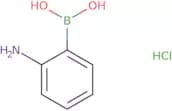
CAS:(2-Aminophenyl)boronic acid hydrochloride is an analytical reagent that is used in the cross-coupling reaction between aryl bromides and organoboron compounds. It has been synthesized from 2-aminophenylboronic acid, which can be produced by the alkylation of phenol with 3-bromoquinoline. This compound has been shown to have antimalarial activity against the human malaria parasite Plasmodium falciparum in vitro. (2-Aminophenyl)boronic acid hydrochloride has also been shown to have a high intestinal absorption rate when given orally to rats. In vivo studies are needed to determine whether this chemical is safe for humans.Formula:C6H9BClNO2Purity:Min. 95%Color and Shape:PowderMolecular weight:173.41 g/molTris(dimethylamino)sulfonium difluorotrimethylsilicate
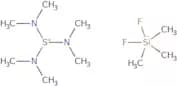
CAS:<p>Tris(dimethylamino)sulfonium difluorotrimethylsilicate is a solute that is used in synthetic chemistry. It has been shown to stimulate bone growth in vitro and to inhibit the metastasis of cancer cells in animal studies. Tris(dimethylamino)sulfonium difluorotrimethylsilicate has also been shown to be an effective treatment for bladder cancer. This compound has been shown to bind to cortistatin, an active substance that inhibits the proliferation of human bladder cancer cells. The compound binds to benzyl groups on cortistatin and prevents it from binding with its receptors on the bladder cancer cells, leading to cell death.</p>Formula:C6H18N3S•C3H9F2SiPurity:90%Color and Shape:PowderMolecular weight:275.48 g/mol7-Chloro-5-(2-fluorophenyl)-1,3-Dihydro-1-(2,2,2-trifluoroethyl)-2H-1,4-benzodiazepin-2-one
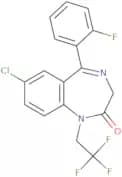
CAS:Controlled Product<p>Quazepam is a benzodiazepine drug that binds to the benzodiazepine binding site of the GABAA receptor. It has clinical properties as an anxiolytic and anticonvulsant. Quazepam has been determined to have a high affinity for the benzodiazepine binding site in human liver, plasma, and brain tissue. The kinetic data for quazepam show that it is metabolized by oxidation and hydrolysis, which result in two metabolites: N-desmethyldiazepam and oxazepam. Quazepam is also shown to induce sleep, even at doses of 25 mg or less per day. The clinical properties of quazepam are similar to those of other benzodiazepines with a short half-life such as triazolam. However, it does not have significant drug interactions with other drugs like triazolam does.</p>Formula:C17H11ClF4N2OPurity:Min. 98 Area-%Color and Shape:SolidMolecular weight:370.73 g/mol2,3-Difluoro-6-methoxybenzoic acid methyl ester
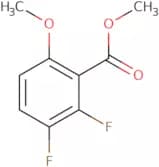
CAS:<p>2,3-Difluoro-6-methoxybenzoic acid methyl ester is a versatile building block that can be used in the production of fine chemicals and research chemicals. It is an intermediate for the synthesis of complex compounds and can be used as a reagent or speciality chemical in research. 2,3-Difluoro-6-methoxybenzoic acid methyl ester is also a useful building block for the synthesis of drugs.</p>Formula:C9H8F2O3Purity:Min. 95%Molecular weight:202.15 g/mol3-Chloro-4-fluorophenylhydrazine hydrochloride
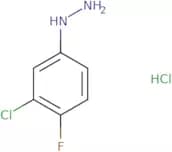
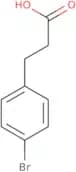
CAS:3-Chloro-4-fluorophenylhydrazine hydrochloride is a fine chemical that has been used in research as a reagent and building block. It is also used as an intermediate in the synthesis of other compounds with high commercial value, such as pharmaceuticals and agrochemicals. 3-Chloro-4-fluorophenylhydrazine hydrochloride can be used to synthesize complex molecules that are difficult to make, such as pharmaceuticals, agrochemicals, and speciality chemicals. This compound can be reacted with other compounds to form new compounds or reactants that are useful in a variety of reactions.Formula:C6H7Cl2FN2Purity:Min. 95%Color and Shape:PowderMolecular weight:197.04 g/mol3-(4-Bromophenyl)propionic acid
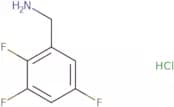
CAS:<p>3-(4-Bromophenyl)propionic acid is a potent linker that is synthesized from trifluoromethanesulfonic acid by the reaction of bromine and 4-bromobenzene. 3-(4-Bromophenyl)propionic acid inhibits the biosynthesis of fatty acids by inhibiting the enzyme fatty acid synthase. 3-(4-Bromophenyl)propionic acid has been shown to be an effective inhibitor of cellular growth in glioma cells. It also decreases blood pressure through inhibition of angiotensin II receptors.</p>Formula:C9H9BrO2Purity:Min. 95%Color and Shape:PowderMolecular weight:229.07 g/mol2,3,5-Trifluorobenzylamine hydrochloride
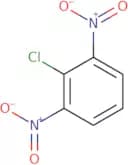
CAS:2,3,5-Trifluorobenzylamine hydrochloride is an important chemical building block that is used in a variety of chemical reactions. It can be used as a reagent to form 2,3,5-trifluorobenzaldehyde and other useful chemicals. The compound also has the ability to be used as a versatile building block in synthetic organic chemistry. 2,3,5-Trifluorobenzylamine hydrochloride is an intermediate in the synthesis of various pharmaceuticals and pesticides. The compound also has potential use as a scaffold in drug design applications.Formula:C7H6F3N·ClHPurity:Min. 95%Color and Shape:PowderMolecular weight:197.59 g/mol1-Chloro-2,6-dinitrobenzene
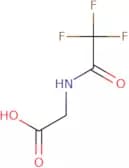
CAS:<p>1-Chloro-2,6-dinitrobenzene is a synthetic compound that has been shown to be an effective antiviral agent in vitro. It has a high affinity for nucleophilic sites and can react with the nitro group of compounds to form dinitrobenzoic acid derivatives. 1-Chloro-2,6-dinitrobenzene is highly reactive and can undergo thermolytic decomposition, which limits its use as an antiviral agent. This chemical is not active against HIV or influenza A virus strains.</p>Formula:C6H3ClN2O4Purity:Min. 98 Area-%Color and Shape:Clear LiquidMolecular weight:202.55 g/molN-(Trifluoroacetyl)glycine
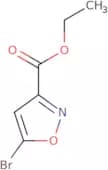
CAS:N-(Trifluoroacetyl)glycine is an amide with a trifluoroacetyl group. It is used in the synthesis of hydrophilic compounds and as a linker for other molecules. N-(Trifluoroacetyl)glycine has been shown to be toxic to the kidneys, which may be due to its ability to inhibit the conversion of glycine to urea by the enzyme glycine-N-acyltransferase. This drug also has antiviral activity against HIV infection, particularly when combined with other antiviral drugs such as zidovudine or lamivudine.Formula:C4H4F3NO3Purity:Min. 95%Color and Shape:White Off-White PowderMolecular weight:171.07 g/molEthyl 5-bromoisoxazole-3-carboxylate
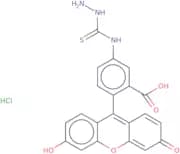
CAS:<p>Ethyl 5-bromoisoxazole-3-carboxylate is a fine chemical that can be used as a versatile building block for research chemicals and pharmaceuticals. It is also a useful intermediate for complex compounds, useful building blocks, and reagents. The CAS number for this compound is 1914946-33-0.</p>Formula:C6H6BrNO3Purity:Min. 95%Color and Shape:PowderMolecular weight:220.02 g/molFluorescein-5-thiosemicarbazide hydrochloride
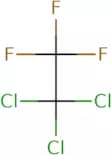
CAS:<p>Fluorescein-5-thiosemicarbazide HCl is a fluorescent compound that has been used extensively as a dye in biological research. It is commonly used with other compounds to measure the transfer of resonance energy, the interaction between two molecules, or the solubility of one molecule in another. Fluorescein-5-thiosemicarbazide HCl can be used to measure cellulose because it reacts with hydroxyl groups on the surface of the material. The quantum yield for this compound is 0.06%.</p>Formula:C21H15N3O5S•HClPurity:Min. 95%Color and Shape:PowderMolecular weight:457.89 g/mol1,1,1-Trichlorotrifluoroethane
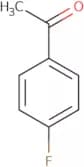
CAS:<p>1,1,1-Trichlorotrifluoroethane is a chemical that belongs to the group of trifluoroacetic acid. It has been shown to react with hydrogen fluoride in the presence of uv light to form hydrogen chloride and trifluoroacetic acid. 1,1,1-Trichlorotrifluoroethane can be used as an alternative solvent for nitromethane and hexane. It is also used as a medium for cell culture because it does not react with most biological tissue and it does not cause skin irritation. The reaction mechanism for 1,1,1-trichlorotrifluoroethane is nucleophilic attack by the hydrogen chloride molecule on the carbon atom of the ethyl group. This reaction produces a product that contains chlorine atoms that are capable of spontaneously reacting with another molecule of 1,1,1-trichlorotrifluoroethane to form hydrogen chloride</p>Formula:C2Cl3F3Purity:Min. 95%Color and Shape:Colorless PowderMolecular weight:187.37 g/mol4'-Fluoroacetophenone
CAS:4'-Fluoroacetophenone is an organic molecule that is used for wastewater treatment. It reacts with amine groups to form a covalent bond. 4'-Fluoroacetophenone can be used to activate AMP-activated protein kinase (AMPK) and increase the rate of cellular respiration, which may help treat cancer. The chemical structure of 4'-fluoroacetophenone includes hydrogen bonds, nucleophilic substitutions, and acylation reactions. The Langmuir adsorption isotherm for this molecule has been determined to be linear.Formula:C8H7FOPurity:Min. 95%Color and Shape:Clear LiquidMolecular weight:138.14 g/molL-Lysine amide dihydrochloride
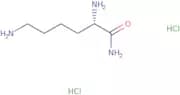
CAS:L-Lysine amide dihydrochloride is a crystalline compound that is used for the treatment of tumours. It has been shown to bind to the enzyme iridoid synthase, which is involved in the formation of imines and aldehydes. L-Lysine amide dihydrochloride also inhibits the production of staining compounds, such as fluorine and heterocycles. The compound may also be used cosmetically as an anti-aging agent because it can inhibit the production of collagenase and elastase, which cause degradation of collagen.Formula:C6H15N3O•HCl2Purity:Min. 95%Color and Shape:Off-White PowderMolecular weight:218.12 g/molPhosgeneiminium chloride
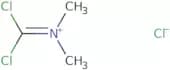
CAS:<p>Phosgeneiminium chloride is a polycarboxylic acid that is synthesized by the reaction of phosphorus pentachloride and hydroxylamine. It has been shown to have an active form with regiospecificity in nucleophilic attack and amide synthesis. Phosgeneiminium chloride can be used as a reagent for the preparation of organic compounds, such as 3-hydroxybenzoic acid, which are intermediates for medicines such as tamoxifen. This compound also shows antitumor activity against leukemia cells and may be useful for fighting cancer. The efficient method of this compound is coordination chemistry.</p>Formula:C3H6Cl3NPurity:Min. 95%Molecular weight:162.44 g/mol(2-Chlorophenyl)(4-(3-nitrophenyl)(2,5-thiazolyl))amine
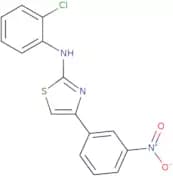
CAS:Please enquire for more information about (2-Chlorophenyl)(4-(3-nitrophenyl)(2,5-thiazolyl))amine including the price, delivery time and more detailed product information at the technical inquiry form on this pagePurity:Min. 95%Methyl 4-bromo-3-nitrobenzoate
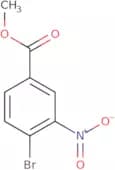
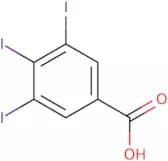
CAS:Methyl 4-bromo-3-nitrobenzoate is a methoxy-substituted methyl ester of 3-nitrobenzoic acid. It has been shown to bind to copper ions with high affinity, and can be used to regulate the uptake of copper ions in cells. Methyl 4-bromo-3-nitrobenzoate is a ligand for many metal ions, and can be used as a predictable, conformationally constrained framework for drug design. Selectivities are achieved by carboxylate substituents and nitro groups on the benzene ring. The asymmetric center allows for conformational control of the molecule, which can be exploited in drug design.Formula:C8H6BrNO4Purity:Min. 95%Color and Shape:PowderMolecular weight:260.04 g/mol3,4,5-Triiodobenzoic acid
CAS:<p>3,4,5-Triiodobenzoic acid is a mesomeric molecule that has regulatory effects on root formation. It is an inhibitor of the transport of calcium ions and thereby inhibits the uptake of calcium by plant cells. 3,4,5-Triiodobenzoic acid also prevents the formation of intermolecular hydrogen bonds and molecular electrostatic potentials in biological studies. In addition, it has been shown to have a pH optimum of 6.0 and vibrational frequencies at 157 cm-1. This compound is used as a radiopaque contrast agent for X-ray imaging in muscle tissue.</p>Formula:C7H3I3O2Purity:Min. 95%Color and Shape:PowderMolecular weight:499.81 g/mol2,4-Dichloro-β-methyl-β-nitrostyrene
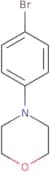
CAS:2,4-Dichloro-beta-methyl-beta-nitrostyrene is a versatile building block that can be used as a reaction component or reagent for the synthesis of other fine chemicals. It is also a useful intermediate for the production of complex compounds. 2,4-Dichloro-beta-methyl-beta-nitrostyrene has been widely used in research and development due to its high quality and versatility. This compound is also available from Sigma Aldrich at competitive prices.Formula:C9H7Cl2NO2Purity:Min. 95%Molecular weight:232.06 g/mol4-(4-Bromophenyl)morpholine
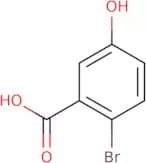
CAS:<p>4-(4-Bromophenyl)morpholine is a microbicide that can be used as a conditioning agent. It has been shown to have microbicidal properties and is active against bacteria, fungi, and amoeba. 4-(4-Bromophenyl)morpholine has been shown to inhibit the growth of Gram-positive bacteria such as Staphylococcus aureus and Clostridium perfringens. The mechanism of action for this compound is nucleophilic attack by the bromine atom on the chloride ion to form a chlorobenzene intermediate. This intermediate reacts with an amine group in the bacterial cell wall, leading to cell death by cross-coupling with DNA or protein synthesis inhibition. 4-(4-Bromophenyl)morpholine also has fungicidal activity against Candida albicans yeast cells, but does not show activity against human cells.</p>Formula:C10H12BrNOPurity:Min. 95%Molecular weight:242.11 g/mol2-Bromo-5-hydroxybenzoic acid
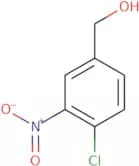
CAS:2-Bromo-5-hydroxybenzoic acid is a naturally occurring chemical that belongs to the group of phenols. It is an intermediate in the biosynthesis of the phorbol esters and is used as a nutrient for many bacteria. 2-Bromo-5-hydroxybenzoic acid has been shown to protect against microbial infections by inhibiting the growth of certain bacteria. It also inhibits production of inflammatory compounds, such as leukotrienes and prostaglandins, by modifying the enzyme activity of peroxidases and other enzymes involved in lipid metabolism. 2-Bromo-5-hydroxybenzoic acid has been shown to inhibit the enzyme lactoperoxidase and prevent oxidation of thiol groups in proteins, altering their functions. This compound also potently inhibits tissue inflammation induced by phorbol myristate acetate (PMA).Formula:C7H5BrO3Purity:Min. 95%Color and Shape:PowderMolecular weight:217.02 g/mol4-Chloro-3-nitrobenzyl alcohol
CAS:<p>4-Chloro-3-nitrobenzyl alcohol is a synthetic chemical that reacts with hydrochloric acid to form 4-chloro-3-nitrobenzyl chloride and hydrogen. It can be used in the preparation of other chemicals, such as divinylbenzene and chloride. This compound is insoluble in water and soluble in organic solvents, such as acetone and ether. 4-Chloro-3-nitrobenzyl alcohol has two stereoisomers, one of which is more reactive than the other.</p>Formula:C7H6ClNO3Purity:Min. 95%Molecular weight:187.58 g/mol(+)-1-(9Fluorenyl)ethyl chloroformate - 18mM acetone solution
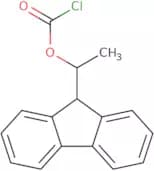
CAS:<p>(+)-1-(9-Fluorenyl)ethyl chloroformate is a chemical reagent that is used to prepare pharmaceutical preparations. It is an acetone solution with a concentration of 18mM. Its thermal expansion properties are such that it can be used in the manufacturing of microcapsules and analytical chemistry techniques. The emission of (+)-1-(9-Fluorenyl)ethyl chloroformate has been shown to be carcinogenic, but only at high concentrations. Toxicity profiles have not been established for this compound. It is also known to cause biochemical changes in the heart and skin cells, as well as act on the calcium overload and epidermal growth factor receptor (EGFR).</p>Formula:C16H13ClO2Color and Shape:Colorless Clear LiquidMolecular weight:272.73 g/mol3-Bromobenzaldoxime
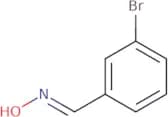
CAS:<p>3-Bromobenzaldoxime is a dialkylamino aldoxime compound that is soluble in organic solvents such as diethyl ether, chloroform, dichloromethane, and benzene. It can be synthesized from benzaldehyde and aniline through the reaction of cyclopentenes with phenylsulfonyl chloride. This reaction produces an intermediate that is then reacted with nitrobenzene to produce 3-bromobenzaldoxime. 3-Bromobenzaldoxime has been used in the synthesis of hydroxamic acids and its use as a solvent for nitro compounds.</p>Formula:C7H6BrNOPurity:Min. 98 Area-%Color and Shape:PowderMolecular weight:200.03 g/mol1-Bromo-8-fluoronaphthalene
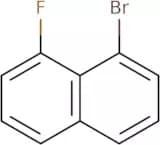
CAS:<p>1-Bromo-8-fluoronaphthalene is a versatile compound that has various applications in the field of research and medicine. It is commonly used as a building block for the synthesis of different compounds, including misoprostol, a medication used to prevent stomach ulcers. Additionally, 1-Bromo-8-fluoronaphthalene has been found to enhance the growth factor effect of allopregnanolone, a neurosteroid with potential therapeutic benefits.</p>Formula:C10H6BrFPurity:Min. 95%Color and Shape:Clear LiquidMolecular weight:225.06 g/mol2-Chloro-4-hydroxybenzoic acid monohydrate
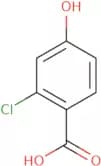
CAS:2-Chloro-4-hydroxybenzoic acid monohydrate is a fine chemical that is used as a building block for research chemicals. It is an important reagent for the synthesis of complex compounds and can be used as a versatile building block for the synthesis of polymers and pharmaceuticals. 2-Chloro-4-hydroxybenzoic acid monohydrate has been used to synthesize a range of novel polymers with potential application in materials science, medicine, and electronics. This compound is also a useful intermediate in organic synthesis reactions and can be used as a scaffold to produce more complex molecules.Formula:C7H5ClO3·H2OPurity:Min. 95%Color and Shape:White PowderMolecular weight:190.58 g/mol1-Bromo-3,4-dihydroxy-5-methoxybenzene monohydrate
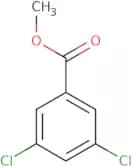
CAS:<p>1-Bromo-3,4-dihydroxy-5-methoxybenzene monohydrate is a versatile building block for the creation of complex compounds. It is a useful intermediate and can be used as a reagent in organic synthesis. This chemical is also used as an additive in plastics and rubber production. 1-Bromo-3,4-dihydroxy-5-methoxybenzene monohydrate is synthesized from 3,4,5-trimethoxyphenol and bromine. It has been assigned the CAS number 205748-04-5.</p>Formula:C7H7BrO3·H2OPurity:Min. 95%Color and Shape:PowderMolecular weight:237.05 g/molMethyl 3,5-dichlorobenzoate
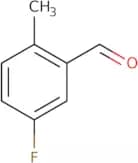
CAS:Methyl 3,5-dichlorobenzoate is an organic compound that belongs to the class of dihalo benzoates. It is a colorless solid with a melting point of -28 °C. The molecule consists of three asymmetric carbon atoms, two of which are in the terminal positions and one in the middle. This molecule has acidic properties due to its carboxylic acid group. Methyl 3,5-dichlorobenzoate has been shown to have antibacterial activity against bacteria such as Staphylococcus and Mycobacterium tuberculosis. Methyl 3,5-dichlorobenzoate is typically used for formylation reactions and analytical methods such as covid-19 pandemic testing.Formula:C8H6Cl2O2Purity:Min. 95%Molecular weight:205.04 g/mol5-Fluoro-2-methylbenzaldehyde
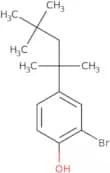
CAS:<p>5-Fluoro-2-methylbenzaldehyde is a fine chemical that is used as an intermediate in the synthesis of pharmaceuticals, agrochemicals, and other organic molecules. It is also useful in the preparation of synthetic resins, dyes, and flavors. 5-Fluoro-2-methylbenzaldehyde has been shown to be a versatile building block with many potential applications. This molecule can be used as a reaction component or as a speciality chemical to produce high quality reagents.</p>Formula:C8H7FOPurity:90%Color and Shape:Clear LiquidMolecular weight:138.14 g/mol2-Bromo-4-tert-octylphenol
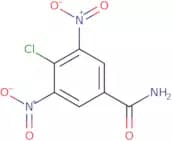
CAS:<p>2-Bromo-4-tert-octylphenol is a high quality chemical that can be used in research. It is an organic compound that reacts as a building block to create other complex compounds. 2-Bromo-4-tert-octylphenol is also a versatile building block, useful intermediate, and useful building block for the creation of speciality chemicals. This reagent has been shown to be effective as a reaction component in the synthesis of reagents, such as with the synthesis of 1,3-bis(2,4,6-trimethylbenzoyl)benzene.</p>Formula:C14H21BrOPurity:Min. 95 Area-%Color and Shape:Clear LiquidMolecular weight:285.22 g/mol4-Chloro-3,5-dinitrobenzamide
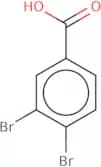
CAS:<p>4-Chloro-3,5-dinitrobenzamide is a bifunctional molecule that contains a chlorine atom. It has been found to react with dipolar solutes as well as vicinal dioxan arylation. The nucleophilic amide group is also labile and can be hydrolyzed by strong acids or bases. The electron lone pair of the chlorine atom in 4-chloro-3,5-dinitrobenzamide can be used for electrophilic substitution reactions with aromatic rings or amines. This molecule has been found to undergo an arylation reaction with imidazole in the presence of dioxan solvent at room temperature.</p>Formula:C7H4ClN3O5Purity:Min. 95%Molecular weight:245.58 g/mol3,4-Dibromobenzoic acid
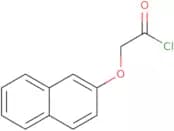
CAS:<p>3,4-Dibromobenzoic acid (DBBA) is a white solid that has a melting point of -5°C. It is produced by the electrolysis of bromoacetic acid in the presence of aluminium chloride and phenylacetonitrile, followed by hydrolysis. DBBA can be used for the synthesis of 2-amino-4-bromobenzamide, which is an important intermediate for dyes and pharmaceuticals. The compound has been studied as a precursor to trifluoromethyl compounds with high thermal stability. DBBA can be prepared by bromination of benzene with bromine in acetic acid, followed by fluorination with hydrogen fluoride in acetic acid to yield 3-fluoro-4-(trifluoromethyl)benzoic acid and 3,4-dibromobenzoic acid. This process also yields anhydrous hydrogen fluoride as a co</p>Formula:C7H4Br2O2Purity:Min. 95%Color and Shape:PowderMolecular weight:279.91 g/mol(2-Naphthyloxy)acetyl chloride
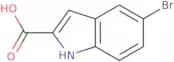
CAS:<p>(2-Naphthyloxy)acetyl chloride is an inhibitor of alcohol dehydrogenase, which is the enzyme that catalyzes the conversion of ethanol to acetaldehyde. It has been shown to be active against grapevine, but not against the yeast Saccharomyces cerevisiae. (2-Naphthyloxy)acetyl chloride inhibits alcohol dehydrogenase with a potency comparable to hexanol and ethylene glycol. It also inhibits esterases, which may account for its inhibitory effect on vinifera l. (2-Naphthyloxy)acetyl chloride has been shown to be more selective in inhibiting both alcohol and aldehyde dehydrogenases than hexanol or ethylene glycol.</p>Formula:C12H9ClO2Purity:Min. 95%Color and Shape:Off-White PowderMolecular weight:220.65 g/mol5-Bromoindole-2-carboxylic acid
CAS:<p>5-Bromoindole-2-carboxylic acid is an indole derivative that has been shown to inhibit the expression of MMP-13, a matrix metalloproteinase that is involved in tumor invasion and metastasis. This compound also inhibits the transcriptional activity of RNA polymerases I and II, which is important for preventing cancer cell proliferation. 5-Bromoindole-2-carboxylic acid may be used as a treatment for cancer by inhibiting collagen synthesis. This would reduce the size of a tumor by preventing it from expanding in size.</p>Formula:C9H6BrNO2Purity:Min. 95%Color and Shape:PowderMolecular weight:240.05 g/mol4-Bromo-2,6-difluoroaniline
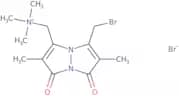
CAS:<p>4-Bromo-2,6-difluoroaniline is an alkali metal that inhibits cancer cells. It has been shown to inhibit the growth of cancer cells in vitro and in vivo by binding to DNA and RNA. This drug also inhibits the activity of a number of enzymes, including carbonic anhydrase, topoisomerase II, glutathione S-transferase, and phospholipases. 4-Bromo-2,6-difluoroaniline is not cytotoxic to normal cells. The anticancer effect of this drug has been demonstrated in both clinical and laboratory settings.</p>Formula:C6H4BrF2NPurity:Min. 95%Color and Shape:White PowderMolecular weight:208 g/molBromotrimethylammoniumbimane bromide
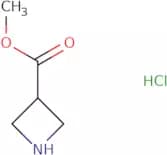
CAS:Bromotrimethylammoniumbimane bromide is a fluorescent molecule that can be used as a probe for protease activity. It is also used to study the α1 subunit of the human histone deacetylase (HDAC) complex, which plays an important role in HIV infection and autoimmune diseases. The redox potential of Bromotrimethylammoniumbimane bromide has been shown to be dependent on its basic structure, with the disulfide bond being the most reactive. This chemical has been shown to have cytosolic Ca2+-dependent effects on cell signaling pathways, including induction of apoptosis and modulation of protein phosphatases.Formula:C13H19Br2N3O2Purity:Min. 95%Color and Shape:PowderMolecular weight:409.12 g/molMethyl azetidine-3-carboxylate hydrochloride
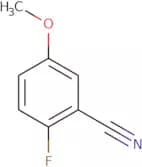
CAS:Methyl azetidine-3-carboxylate hydrochloride is a potent suppressant of the immune system. It has been shown to be effective at reducing the incidence of experimental autoimmune encephalomyelitis in monkeys, and also shows promise as a therapeutic agent for human immunodeficiency virus (HIV) infection. Methyl azetidine-3-carboxylate hydrochloride is orally active and can be administered in doses that are not toxic to the host. There have been no reports of adverse effects from administration of this drug, with the exception of nausea and vomiting, which were reported at doses greater than 30 mg/kg. Pharmacokinetic studies indicate that methyl azetidine-3-carboxylate hydrochloride does not accumulate in lymphocytes or other tissues following repeated oral doses, but instead is excreted rapidly via urine. The pharmacological activity of this compound appears to be due to its ability to inhibit protein synthesis by binding to ribFormula:C5H10ClNO2Purity:Min. 95%Color and Shape:PowderMolecular weight:151.59 g/mol2-Fluoro-5-methoxybenzonitrile
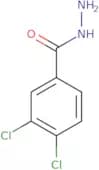
CAS:<p>2-Fluoro-5-methoxybenzonitrile is a metal catalyst that has been shown to be effective in the synthesis of various organic compounds. The use of ultrasound can increase the yields of reactions involving 2-fluoro-5-methoxybenzonitrile. 2-Fluoro-5-methoxybenzonitrile has also been demonstrated as a pharmacological agent with a number of potential applications. It inhibits the activity of phosphodiesterase 4, which may lead to an improved therapeutic profile for conditions such as asthma and erectile dysfunction. 2-Fluoro-5-methoxybenzonitrile is also used in photochemical reactions, where it acts as an inhibitor to prevent the formation of undesired products.</p>Formula:C8H6FNOPurity:Min. 95%Color and Shape:PowderMolecular weight:151.14 g/mol3,4-Dichlorobenzhydrazide
CAS:<p>3,4-Dichlorobenzhydrazide is a chemical compound that is used in research as a reaction component or reagent. It is a versatile building block and useful intermediate in organic synthesis. It can be used to synthesize complex compounds with diverse functional groups. 3,4-Dichlorobenzhydrazide has been used as a reactant for the production of fine chemicals, such as pesticides and pharmaceuticals.</p>Formula:C7H6Cl2N2OPurity:Min. 95%Color and Shape:PowderMolecular weight:205.04 g/mol5-Fluoro-N,N-Dimethyl-1H-Indole-3-Ethanamine
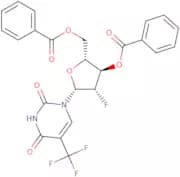
CAS:Controlled Product5-Fluoro-N,N-Dimethyl-1H-Indole-3-Ethanamine is a psychedelic drug with affinity for the serotonin 5HT2A receptor. It has been shown to interact with a diversity of ion channels and transporters. The affinity of 5FEDME for the 5HT2C receptor may also be normalizing. This drug has been shown to be an agonist at the 5HT2A receptor, which may contribute to its psychedelic effects.Formula:C12H15FN2Purity:Min. 95%Molecular weight:206.26 g/mol3’,5’-Di-O-benzoyl-2’-deoxy-2’-fluoro-5-trifluoromethyl-arabinouridine
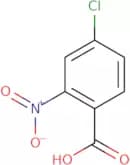
CAS:Please enquire for more information about 3’,5’-Di-O-benzoyl-2’-deoxy-2’-fluoro-5-trifluoromethyl-arabinouridine including the price, delivery time and more detailed product information at the technical inquiry form on this pagePurity:Min. 95%4-Chloro-2-nitrobenzoic acid
CAS:<p>4-Chloro-2-nitrobenzoic acid is a hydrogen bond donor with a coordination geometry of tetrahedral. It has two functional groups: an organic acid and a nitro group. This compound has been used in molecular modeling to study telomeric interactions. 4-Chloro-2-nitrobenzoic acid is also found in biological systems such as the enzyme chloramphenicol acetyltransferase and the antibiotic chloramphenicol. 4-Chloro-2-nitrobenzoic acid can be synthesized from phosphorus pentachloride and amine, which are both commercially available.</p>Formula:C7H4CINO4Purity:Min. 95%Color and Shape:PowderMolecular weight:305.03 g/mol2-[[(Heptadecafluorooctyl)Sulphonyl]Propylamino]Ethyl Methacrylate
CAS:Controlled Product2-[[(Heptadecafluorooctyl)Sulphonyl]Propylamino]Ethyl Methacrylate is a sulfonate that is used as a crosslinker in various chemical substances. It is also used to connect substances together, such as chemicals. 2-[[(Heptadecafluorooctyl)Sulphonyl]Propylamino]Ethyl Methacrylate has the chemical formula CH2=CFCF2CF(OCH2CH2)SO3H. 2-[[(Heptadecafluorooctyl)Sulphonyl]Propylamino]Ethyl Methacrylate is an oily liquid that is colorless and odorless.Formula:C17H16F17NO4SPurity:Min. 95%Molecular weight:653.35 g/mol3-Bromopyruvic acid
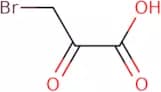
CAS:<p>3-Bromopyruvic acid is a small molecule that inhibits an enzyme called dextran sulfate reductase. This enzyme is involved in the formation of sulfate in the body and is important for glycolysis, which is the process by which cells break down glucose to produce energy. 3-Bromopyruvic acid inhibits both cancer cells and normal cells, but has a greater effect on cancer cells. This compound also causes caspase-independent cell death, which means that it does not activate pro-apoptotic proteins. It may work by targeting enzymes involved in energy metabolism or by inhibiting DNA polymerase activity.</p>Formula:C3H3BrO3Purity:Min. 95%Color and Shape:PowderMolecular weight:166.96 g/mol7-Chloroindole
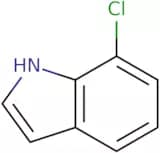
CAS:<p>7-Chloroindole is a potent compound that inhibits bacterial growth. It has been shown to inhibit the growth of tumour cell lines at submicromolar concentrations, with an IC50 of 0.5 µM. 7-Chloroindole also strongly inhibits the growth of Staphylococcus aureus, with an IC50 of 0.1 µM. This compound does not cause cell death by caspase-independent pathways, but rather induces a dry weight increase and surface methodology changes in cells treated with this compound. 7-Chloroindole belongs to the class of compounds known as carotenoids and has been shown to have a neutral pH optimum. It is formed through an enzymatic reaction involving two molecules of malonyl-CoA and one molecule each of acetate and chlorophyllide a.</p>Formula:C8H6ClNColor and Shape:PowderMolecular weight:151.59 g/mol3-Hydroxypiperidine hydrochloride
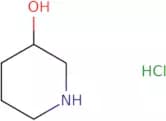
CAS:<p>3-Hydroxypiperidine hydrochloride is a synthetic compound that inhibits the enzyme acetylcholinesterase, which breaks down the neurotransmitter acetylcholine. The specificity of this inhibitor has been shown to be high in human urine samples. 3-Hydroxypiperidine hydrochloride can be used as a tethering agent in exploratory assays. This drug also has an effect on chemokine production and citric acid levels in the urine.</p>Formula:C5H11NO•HClPurity:Min. 95%Color and Shape:PowderMolecular weight:137.61 g/mol4'-Fluoro-biphenyl-4-methanamine
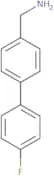
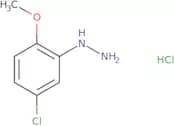
CAS:4'-Fluoro-biphenyl-4-methanamine is a fine chemical that is a versatile building block, useful intermediate, and research chemical. It is used as a reaction component in the production of other chemicals. 4'-Fluoro-biphenyl-4-methanamine can be used as an additive in many commercial products. This compound is an important reagent and can be found in high quality research laboratories. CAS No. 776291-03-3Formula:C13H12FNPurity:Min. 95%Color and Shape:SolidMolecular weight:201.24 g/mol5-Chloro-2-methoxyphenylhydrazine hydrochloride
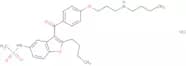
CAS:5-Chloro-2-methoxyphenylhydrazine hydrochloride is a reagent, complex compound with CAS No. 5446-16-2. It is useful as an intermediate in the manufacture of a variety of fine chemicals and research chemicals. This compound can be used as a versatile building block in the synthesis of new chemical compounds and is also a reaction component.Formula:C7H9ClN2O·ClHPurity:Min. 95%Color and Shape:PowderMolecular weight:209.07 g/molDesbutyl dronedarone hydrochloride
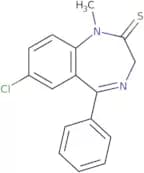
CAS:<p>Desbutyl dronedarone hydrochloride is a reaction component that can be used as a reagent for organic synthesis, or in the preparation of other compounds. It is also a useful scaffold for designing new compounds, and has been found to be high quality and research chemical. Desbutyl dronedarone hydrochloride can be used as an intermediate in the production of complex compounds, such as fine chemicals. This compound can undergo many reactions to form different products and is versatile enough to serve as a building block for many different types of molecules.</p>Formula:C27H37ClN2O5SPurity:Min. 95%Color and Shape:White PowderMolecular weight:537.11 g/mol7-Chloro-1,3-dihydro-1-methyl-5-phenyl-2H-1,4-benzodiazepine-2-thione
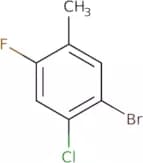
CAS:Controlled Product<p>7-Chloro-1,3-dihydro-1-methyl-5-phenyl-2H-1,4-benzodiazepine-2-thione (7CDMT) is a molecule that has been reconstituted in order to serve as an allosteric modulator. This compound is an analog of diazepam and has the same biological properties. 7CDMT binds to the benzodiazepine site on the GABA receptor and can be used for research purposes. It is a competitive antagonist of GABA at the benzodiazepine site, but also acts as an agonist at the fatty acid site. 7CDMT has been shown to have no effect on fatty alcohols or fatty acids. The activity index of this molecule is 0.913. <br>The product research study was conducted in rats with chronic drug treatment over 60 days and showed that 7CDMT had no observable toxic effects, but did cause convulsions</p>Formula:C16H13ClN2SPurity:Min. 95%Color and Shape:PowderMolecular weight:300.81 g/mol5-Bromo-4-chloro-2-fluorotoluene
CAS:<p>5-Bromo-4-chloro-2-fluorotoluene is a chemical reagent that is used as a building block in organic synthesis. It has been shown to be useful in the preparation of complex compounds, useful intermediates, and fine chemicals. 5-Bromo-4-chloro-2-fluorotoluene is also useful in the preparation of speciality chemicals and research chemicals. This compound can be used as a versatile building block in reactions.</p>Formula:C7H5BrClFPurity:Min. 80%Color and Shape:Clear LiquidMolecular weight:223.47 g/mol5-Bromothiophene-2-carboxylic acid methyl ester
CAS:5-Bromothiophene-2-carboxylic acid methyl ester is an alkene that is used in the synthesis of molybdenum trioxide and other polyhalogenated compounds. It can be prepared by alkylation of 5-bromothiophene with ethyl bromoacetate in the presence of carbon tetrachloride and a halide, such as bromine. The use of photophysical optimization has been shown to significantly improve the yield of this reaction. The reactive nature of 5-bromothiophene-2-carboxylic acid methyl ester makes it suitable for use in organic synthesis. This compound has been shown to have a positive effect on bone mass, which may be due to its ability to inhibit osteoclasts, reducing the activity of these cells that break down bone tissue.Formula:C6H5BrO2SPurity:Min. 95%Color and Shape:PowderMolecular weight:221.07 g/mol2,6-Difluorotoluene
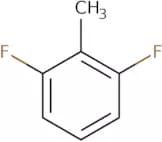
CAS:<p>2,6-Difluorotoluene is a colorless liquid with a pleasant odor and is used as an intermediate in the production of other chemicals. It reacts with anhydrous sodium to produce 2,6-difluoroaniline at a rate that is enhanced by metal ions or chloride. The reaction system can be analyzed by vibrational spectroscopy and dihedral angles. The infrared spectrum for 2,6-difluorotoluene shows amide bonding, which has been shown to be low energy. This compound reacts rapidly with chlorine gas to form hydrogen chloride and difluorotoluene. Reaction time can be slowed by adding dipole-inhibiting groups at the ortho position on the phenyl ring.</p>Formula:C7H6F2Purity:Min. 95%Color and Shape:Clear LiquidMolecular weight:128.12 g/molIpratropium bromide
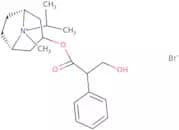
CAS:Muscarinic antagonistFormula:C20H30BrNO3Purity:Min. 95%Color and Shape:PowderMolecular weight:412.36 g/mol7-Chloroquinaldine
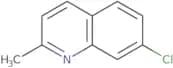
CAS:<p>7-Chloroquinaldine is a redox potential that is used in the industrial production of quinoline. It is also used as an intermediate for the synthesis of other organic compounds, such as 7-chloroquinoline and chloroquine. The reaction generally starts with sodium hydroxide solution (NaOH) and pyridine (C5H5N), which react to form sodium pyridinium chloride (NaC5H4N+Cl−). This compound reacts with chloroform (CHCl3) to form 7-chloroquinoline and hydrochloric acid (HCl). The reaction product can be purified by crystallization or by washing with water. A Friedel-Crafts reaction is then conducted using aluminum chloride, which reacts with the 7-chloroquinolone to produce 3,4-dichloropyridine. Finally, this compound reacts with hydrogen peroxide and potassium hydroxide to produce hydrogen chloride</p>Formula:C10H8ClNPurity:Min. 95%Color and Shape:PowderMolecular weight:177.63 g/mol2-Chloro-5-(trifluoromethyl)benzonitrile
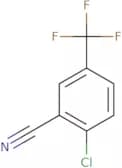
CAS:<p>2-Chloro-5-(trifluoromethyl)benzonitrile is an organic molecule that has a molecular weight of 154.14 g/mol and a chemical formula of C6H3ClF3N. The connectivity index, or the number of bonds formed by each atom in the molecule, is 1.74. The molecular descriptors for this molecule are:</p>Formula:C8H3ClF3NPurity:Min. 95%Molecular weight:205.56 g/mol5-Fluoroorotic acid hydrate
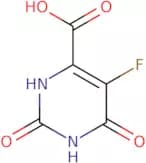
CAS:<p>Selection reagent for orotidine 5'-phosphate decarboxylase mutants</p>Formula:C5H3FN2O4·xH2OPurity:(%) Min. 97%Color and Shape:Off-White Yellow PowderMolecular weight:174.09 g/mol2-Bromo-4-fluorobenzonitrile
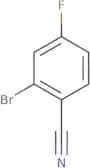
CAS:<p>2-Bromo-4-fluorobenzonitrile is a chemical compound that has the molecular formula C6H5BrF2. It is a competitive inhibitor of chaperones. This molecule also has structural isomers, including 2-bromo-4-fluoroaniline and 2,4-dichlorobenzonitrile. The clinical development of this drug for cancer treatment has been halted due to toxic effects on the heart. However, it was shown in animal studies that 2-bromo-4-fluorobenzonitrile can inhibit the growth of tumour cells in a dose dependent manner with nanomolar concentrations. It is believed that these properties are due to its ability to bind to type 1 receptors and inhibit surfactant sodium dodecyl (SDS) fluorescence.</p>Formula:C7H3BrFNPurity:Min. 95%Molecular weight:200.01 g/mol2'-Bromo-5'-methoxyacetophenone
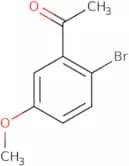
CAS:<p>2'-Bromo-5'-methoxyacetophenone is a perchloric acid catalyst that can be used in the synthesis of ketones, methyl ketones, and other organic compounds. Bromination reactions are catalyzed by hypobromous acid (HOBr), which is generated from bromine and HOCl. The reaction is typically initiated with an acid catalyst such as 2'-bromo-5'-methoxyacetophenone.</p>Formula:C9H9BrO2Purity:Min. 95%Color and Shape:Clear LiquidMolecular weight:229.07 g/mol3-Fluoro-5-methylbenzonitrile
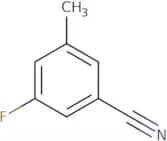
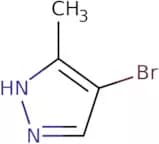
CAS:3-Fluoro-5-methylbenzonitrile is a reactive halogen molecule that can be used in model compounds, such as 3-fluoro-5-methylbenzoic acid. It has been shown to react with nucleophiles in the presence of microwaves, yielding high yields. The compound can be labeled with a variety of labels, including fluorine isotopes, which can be useful for tracking the compound's metabolism.Formula:C8H6FNPurity:Min. 95%Color and Shape:PowderMolecular weight:135.14 g/mol4-Bromo-3-methylpyrazole
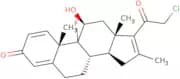
CAS:<p>4-Bromo-3-methylpyrazole is a 3-methylpyrazole that has been shown to have an inhibitory effect on the growth of plants. It is used as a predictive model for pyrazole compounds and has been shown to be an additive in crop plants. 4-Bromo-3-methylpyrazole can be activated by diazo compounds, such as nitrosamines, leading to a variety of chemical reactions. The descriptor for this compound is C6H4BrN2.</p>Formula:C4H5BrN2Color and Shape:PowderMolecular weight:161 g/molClobetasol Propionate - Impurity B
CAS:Controlled Product(11β)-21-Chloro-9-fluoro-11-hydroxy-16-methylpregna-1,4,16-triene-3,20-dione is a chemical compound that can be used as a building block in the synthesis of other chemicals. It is structurally related to progesterone and has been found to have antiandrogenic properties. This product can also be used as a reagent or speciality chemical in research. It is high quality and versatile. (11β)-21-Chloro-9-fluoro-11-hydroxy-16-methylpregna 1,4,16 triene 3,20 dione has been shown to have an effect on the body's reproductive system by binding to the androgen receptor.Formula:C22H26ClFO3Purity:Min. 95%Color and Shape:PowderMolecular weight:392.89 g/mol3-Chloro-1,1-diethoxypropane - Stabilized with CaCO3
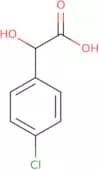
CAS:3-Chloro-1,1-diethoxypropane is a molecule that has been studied for its potential in cancer treatment. It has shown to be toxic to some human cell lines but not others. 3-Chloro-1,1-diethoxypropane has also been shown to be effective at reducing blood pressure and as an antiviral agent against HIV. The molecule is stable in the presence of calcium carbonate and can be administered orally or intravenously.Formula:C7H15ClO2Purity:Min. 90 Area-%Color and Shape:Clear LiquidMolecular weight:166.65 g/mol4-Chloromandelic acid
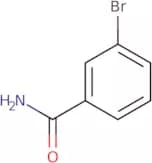
CAS:<p>4-Chloromandelic acid is an organic compound that is an important intermediate in the synthesis of pharmaceuticals and other organic compounds. It can be used as a ligand to form complexes with transition metals, such as Mo(VI), which are used to catalyze hydrogenation reactions. 4-Chloromandelic acid binds to the substrate binding site on the enzyme through hydrogen bonding interactions. This binding causes a conformational change in the enzyme that inhibits its activity. The kinetic data for 4-chloromandelic acid was determined using trifluoroacetic acid as the solvent and supercritical carbon dioxide as the antisolvent. The enantiomer of 4-chloromandelic acid was identified by analytical methods, including gas chromatography and mass spectroscopy.</p>Formula:C8H7ClO3Purity:Min. 95%Color and Shape:PowderMolecular weight:186.59 g/mol3-Bromobenzamide
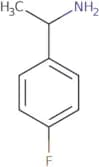
CAS:3-Bromobenzamide is an amide compound, which is a functional group. It has a molecular weight of 273.3 g/mol and three amine groups. The 3-methoxybenzamide moiety in the molecule can be protonated, which provides the hydration of the molecule and increases its solubility in water. This molecule also has a dipole moment due to the presence of two amide groups. The synthesis of 3-bromobenzamide starts with the reaction between 3-aminobenzoic acid and benzoyl chloride to form 3-benzoyloxybenzoic acid. This is then reacted with ammonia to form 3-aminobenzamide. Finally this is converted into 3-bromobenzamide by reacting it with bromine in the presence of potassium carbonate as a catalyst. This molecule is used as an inhibitory compound for mammalian cell proliferation, specifically for cancer cellsFormula:C7H6BrNOPurity:Min. 95%Color and Shape:PowderMolecular weight:200.03 g/mol4-Fluoro-α-methylbenzylamine
CAS:<p>4-Fluoro-a-methylbenzylamine is a chiral, protonated, and enthalpic compound. It can be synthesized by reacting anilines with 4-fluorobenzaldehyde in the presence of a base such as sodium ethoxide. The flavonoids from the plant Hedera helix have been shown to inhibit this enzyme. <br>4-Fluoro-a-methylbenzylamine has been found to be a potent inhibitor of imidazole amidohydrolase, an enzyme involved in the metabolism of histamine and other biologically active amines. This inhibition prevents the conversion of histamine to imidazole and therefore may help prevent allergic reactions such as asthma.</p>Formula:C8H10FNPurity:Min. 95%Molecular weight:139.17 g/mol3-Chloro-4-(trifluoromethoxy)aniline
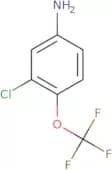
CAS:<p>Please enquire for more information about 3-Chloro-4-(trifluoromethoxy)aniline including the price, delivery time and more detailed product information at the technical inquiry form on this page</p>Formula:C7H5ClF3NOPurity:Min. 95%Color and Shape:PowderMolecular weight:211.57 g/mol1-Bromo-3-isopropylbenzene
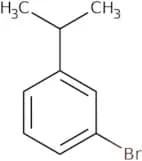
CAS:<p>1-Bromo-3-isopropylbenzene is a reactive chemical that is used to produce diazotization, which is the addition of nitrite ion or its salts to an amine. This reaction produces an unstable intermediate product called diazoaminobenzene, which reacts with water and forms nitrous acid. The production of 1-bromo-3-isopropylbenzene involves the use of a deuterium isotope, which has been shown to have different effects on the reactivity of the molecule. Deuterium substitution can lead to a termination reaction rather than the desired aromatisation, as well as other reactions that are not observed when using regular hydrogen. The presence of nitrite ions in the environment can lead to deaminate reactions in 1-bromo-3-isopropylbenzene, which leads to degradation by hydrolysis and biodegradation.</p>Formula:C9H11BrPurity:Min. 95%Color and Shape:Clear LiquidMolecular weight:199.09 g/mol6-Chloro-9-(tetrahydro-2H-pyran-2-yl)purine
CAS:6-Chloro-9-(tetrahydro-2H-pyran-2-yl)purine is a nucleoside analog that is used to treat various types of cancer. It is a c–h bond regiospecific nucleophile that forms the 6-chloro 9-(tetrahydro-2H-pyran-2-yl)purine intermediate. The chloride ion acts as a nucleophile in the first step of this process, which results in the formation of an organocuprate and glyoxylate. 6CPP binds to DNA and inhibits RNA synthesis, leading to cell death by apoptosis or necrosis. This drug has been shown to be effective for treating human cell lines. 6CPP is also known for its antitumor effects, which may be due to its ability to inhibit phosphonates and cross-coupling reactions.Formula:C10H11ClN4OPurity:Min. 95%Color and Shape:SolidMolecular weight:238.67 g/mol1-(Aminomethyl)cyclopropanecarboxamide hydrochloride
CAS:1-(Aminomethyl)cyclopropanecarboxamide hydrochloride is a versatile building block that can be used in the synthesis of complex compounds. It has been shown to be an excellent reagent for the synthesis of novel pharmaceuticals and speciality chemicals. This compound is also a useful intermediate for the preparation of high-quality products and can be used as a reaction component or scaffold in synthesis.Formula:C5H10N2O·HClPurity:Min. 95%Color and Shape:White PowderMolecular weight:150.61 g/molBenzyl 4-bromophenyl ketone
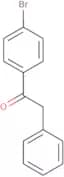
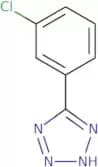
CAS:Benzyl 4-bromophenyl ketone is a colorless liquid with a sweet odor. It is soluble in alcohol, ether, and benzene but insoluble in water. It can be synthesized by the reaction of an amino alcohol with a hydrochloride acid. Benzyl 4-bromophenyl ketone is an analog of diethyl ether and trihexyphenidyl.Formula:C14H11BrOPurity:Min. 95%Molecular weight:275.14 g/mol5-(3-Chlorophenyl)-2H-tetrazole
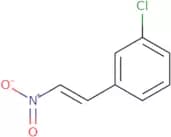
CAS:<p>The synthesis of 5-(3-chlorophenyl)-2H-tetrazole, a new heterocyclic compound, was accomplished in an efficient and simple way by condensation of piperazine with amines using acidic catalysis. This reaction is catalyzed by the use of nonmetal halides as additives and can be performed in organic solvents. The synthesis of 5-(3-chlorophenyl)-2H-tetrazole has been shown to be possible with various azides and halides. Furthermore, this compound has been found to contain functional groups such as nitro, nitrile, carboxylic acid, phenolic hydroxyl group, and amino.</p>Formula:C7H5ClN4Purity:Min. 95%Color and Shape:PowderMolecular weight:180.59 g/mol1-(3-Chlorophenyl)-2-nitroethene
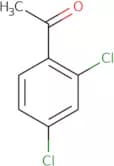
CAS:<p>1-(3-Chlorophenyl)-2-nitroethene is a reagent that is used as an intermediate in the production of fine chemicals, research chemicals, and speciality chemicals. It has been shown to provide a useful scaffold for the synthesis of complex compounds and is also a versatile building block that can be used in a variety of reactions. 1-(3-Chlorophenyl)-2-nitroethene is not intended for use as a drug or food additive.</p>Formula:C8H6ClNO2Purity:Min. 95%Color and Shape:PowderMolecular weight:183.59 g/mol2',4'-Dichloroacetophenone
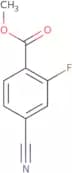
CAS:<p>2',4'-Dichloroacetophenone is a chemical intermediate used in the treatment of wastewater. It reacts with chloride ions to form 2,4-dichloro-5-chlorobenzene-1,3-diol (2,4-DCD) and dichloroacetic acid (DCAA). DCDA is an inhibitor of the synthesis of triazole antifungal agents. In addition to its use as an intermediate, 2',4'-Dichloroacetophenone has been shown to be an effective inhibitor of the enzyme carbonyl reductase and can also serve as a precursor for the synthesis of other chemicals. The reaction products are geometric isomers that differ only in their orientation about the double bond. This product's molecular weight is 188.27 g/mol and its melting point is 53 °C.</p>Formula:C8H6Cl2OPurity:Min. 95%Color and Shape:PowderMolecular weight:189.04 g/mol4-Cyano-2-fluorobenzoic acid methyl ester
CAS:4-Cyano-2-fluorobenzoic acid methyl ester is a versatile building block for complex compounds. It can be used as a reagent to synthesize other compounds and as a speciality chemical with high quality. This chemical is also an intermediate in the synthesis of other compounds, such as 4-cyano-2-fluorobenzoic acid ethyl ester, which has been shown to be useful in the synthesis of β-lactam antibiotics.Formula:C9H6FNO2Purity:Min. 95%Color and Shape:PowderMolecular weight:179.15 g/mol

![2-[[(4-Anilinophenyl)imino]methyl]-4,6-dichlorophenol](/_next/image/?url=https%3A%2Fstatic.cymitquimica.com%2Fproducts%2F3D%2Fthumb-webp%2FFA71703.webp&w=3840&q=75)
![3,6-Dibromothieno[3,2-b]thiophene](/_next/image/?url=https%3A%2Fstatic.cymitquimica.com%2Fproducts%2F3D%2Fthumb-webp%2FFD62226.webp&w=3840&q=75)


![1-[(2,6-Difluorophenyl)Methyl]-4-Methyl-2-Propan-2-Ylbenzimidazole](/_next/image/?url=https%3A%2Fstatic.cymitquimica.com%2Fproducts%2F3D%2Fthumb-webp%2FFD98108.webp&w=3840&q=75)





![2-[[(Heptadecafluorooctyl)Sulphonyl]Propylamino]Ethyl Methacrylate](/_next/image/?url=https%3A%2Fstatic.cymitquimica.com%2Fproducts%2F3D%2Fthumb-webp%2FFH97996.webp&w=3840&q=75)