Organic Halides
In this category, you can find organic molecules containing one or more halogen atoms in their structure. These organic halides include brominated, iodinated, chlorinated, and cyclic halide compounds. Organic halides are widely used in organic synthesis, pharmaceuticals, agrochemicals, and materials science due to their reactivity and ability to undergo a variety of chemical transformations. At CymitQuimica, we offer a comprehensive selection of high-quality organic halides to support your research and industrial applications, ensuring reliable and effective performance in your synthetic and analytical projects.
Subcategories of "Organic Halides"
Found 20440 products of "Organic Halides"
Sort by
Purity (%)
0
100
|
0
|
50
|
90
|
95
|
100
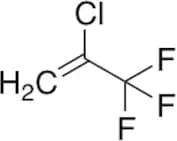
2-Chloro-3,3,3-trifluoropropene
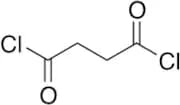
CAS:Controlled Product<p>Applications 2-Chloro-3,3,3-trifluoropropene (cas# 2730-62-3) is a useful research chemical.<br></p>Formula:C3H2ClF3Color and Shape:NeatMolecular weight:130.496Succinyl Chloride
CAS:Controlled Product<p>Applications SUCCINYL CHLORIDE (cas# 543-20-4) is a useful research chemical.<br> Not a dangerous good if item is equal to or less than 1g/ml and there is less than 100g/ml in the package<br></p>Formula:C4H4Cl2O2Color and Shape:NeatMolecular weight:154.9795-Bromo-1-(2-fluorophenyl)-2-pentanone
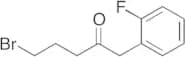
CAS:Controlled Product<p>Applications 5-Bromo-1-(2-fluorophenyl)-2-pentanone is an intermediate in the synthesis of Prasugrel (P701150). Prasugrel is a novel antiplatelet agent; it is a third-generation thienopyridine. Antiplatelet agent Prasugrel showed greater platelet inhibition and decreased incidence of ischemic events than Clopidogrel but may induce increased incidence of bleeding in patient with acute coronary syndrome.<br>References Von Beckerath, N., et al.: Circulation, 112, 2946 (2005), Jernberg, T., et al.: Eur. Heart J., 27, 1166 (2006), Farid, N., et al.: Drug Metab. Dispos., 35, 1096 (2007), Farid, N., et al.: Clin. Pharmacol. Ther., 81, 735 (2007), Jakubowski, J., et al.: J. Cardiovasc. Pharmacol., 49, 167 (2007), Wiviott, S., et al.: N. Engl. J. Med., 357, 2001 (2007),<br></p>Formula:C11H12BrFOColor and Shape:NeatMolecular weight:259.115(S)-1-(3-Chlorophenyl)-2-hydroxy-1-propanone
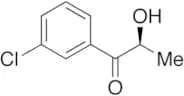
CAS:Controlled Product<p>Impurity Bupropion (S)-Hydroxy Propanone Impurity<br>Applications Bupropion intermediate.<br>References Kelley, J., et al.: J. Med. Chem., 39, 347 (1996), Musso, D., et al.: Bioorg. Med. Chem. Lett ., 7, 1 (1997)<br></p>Formula:C9H9ClO2Color and Shape:NeatMolecular weight:184.62Strontium Chloride Hexahydrate
CAS:Controlled Product<p>Applications Strontium Chloride Hexahydrate is used in the preparation of mesoporous strontium titanate thin films.<br>References Mohammadi, M. et al.: J. Coat. Tech. Res., 8, 585 (2011);<br></p>Formula:Cl2H12O6SrColor and Shape:NeatMolecular weight:266.62(R)-1-(3-Chlorophenyl)-2-hydroxy-1-propanone
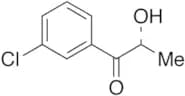
CAS:Controlled Product<p>Applications Bupropion intermediate.<br>References Kelley, J., et al.: J. Med. Chem., 39, 347 (1996), Musso, D., et al.: Bioorg. Med. Chem. Lett ., 7, 1 (1997)<br></p>Formula:C9H9ClO2Color and Shape:NeatMolecular weight:184.62Decanoyl Chloride
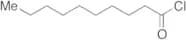
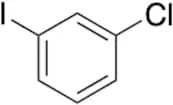
CAS:Controlled Product<p>Applications Decanoyl Chloride is used in the synthesis of an effective metalloproteinase inhibitor. Also acts as a reagent in the synthesis of reversible α-ketoheterocycle inhibitors of fatty acid amide hydrolase as potnetial analgesics.<br> Not a dangerous good if item is equal to or less than 1g/ml and there is less than 100g/ml in the package<br>References Levy, D. et al.: J. Med. Chem., 41m 199 (1998); Boger, D. et al.: J. Med. Chem., 48, 1849 (2005);<br></p>Formula:C10H19ClOColor and Shape:NeatMolecular weight:190.713-Chloroiodobenzene
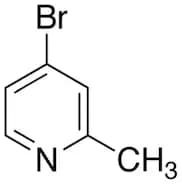
CAS:Controlled Product<p>Applications 3-Chloroiodobenzene is used in the synthesis of is a common organic reagent used i the synthesis of a prostacyclin agonist actin in the treatment of pulmonary hypertension.<br>References Tran, T. et al.: J. Med. Chem., 60, 913 (2017);<br></p>Formula:C32H34N2O8Color and Shape:NeatMolecular weight:574.6214-Bromo-2-picoline
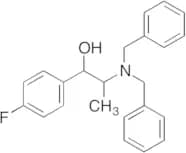
CAS:Controlled Product<p>Applications Used in the preparation of phenyloxadiazolyl pyridines as immunomodulating agents.<br>References Iwakubo, M., et al.: Bioorg. Med. Chem., 15, 350 (2007), Schaafsma, D., et al.: Eur. J. Pharmacol., 585, 398 (2008),<br></p>Formula:C6H6BrNColor and Shape:NeatMolecular weight:172.022-(Dibenzylamino)-1-(4-fluorophenyl)propan-1-ol
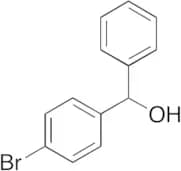
CAS:Controlled Product<p>Applications 2-(Dibenzylamino)-1-(4-fluorophenyl)propan-1-ol is an intermediate used in the synthesis of p-Fluoro-4-methylaminorex (F791850), which is a derivative of Aminorex (A629200), an anorectic stimulant drug of the 2-amino-5-aryl oxazoline class. Aminorex has been shown to have locomotor stimulant effects similar to Methamphetamine (M258795).<br>References Poos, G., et al.: J. Med. Chem., 6, 266 (1963), Watson, A., et al.: Res. Vet. Sci., 45, 411 (1988), Russell, B., et al.: Pharmacol. Biochem. Behav., 51, 375 (1995),<br></p>Formula:C23H24FNOColor and Shape:NeatMolecular weight:349.444-Bromo-α-phenylbenzenemethanol
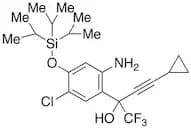
CAS:Controlled Product<p>Applications 4-Bromo-α-phenylbenzenemethanol is used in the synthesis of diarylmethylpiperazines as potent and selective nonpeptidic δ-opioid receptor agonists. Is used in the ysnthesis of bronsted acid-catalyzed benzylation of 1,3-dicarbonyl derivatives.<br>References Plobeck, N. et al.: J. Med. Chem., 43, 3878 (2000); Sanz, R. et al.: Org. Lett., 9, 2027 (2007);<br></p>Formula:C13H11BrOColor and Shape:NeatMolecular weight:263.132-Amino-5-chloro-α-(cyclopropylethynyl)-4-isopropylsilyloxy-α-(trifluoromethyl)benzenemethanol
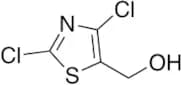
CAS:Controlled Product<p>Applications 2-Amino-5-chloro-α-(cyclopropylethynyl)-4-isopropylsilyloxy-α-(trifluoromethyl)benzenemethanol (cas# 1159977-02-2) is a compound useful in organic synthesis.<br></p>Formula:C16H19ClF3NO2SiColor and Shape:NeatMolecular weight:377.862,4-Dichloro-5-thiazolemethanol
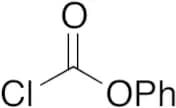
CAS:Controlled Product<p>Applications 2,4-Dichloro-5-thiazolemethanol (cas# 170232-69-6) is a useful research chemical.<br></p>Formula:C4H3Cl2NOSColor and Shape:NeatMolecular weight:184.03Phenyl Chloroformate
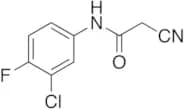
CAS:Controlled Product<p>Applications Phenyl chloroformate is a corrosive liquid that is used to synthesize Urazole, a five membered heterocyclic compound that reacts with aldoses to form α and β pyranosides and furanosides. Phenyl chloroformate is also used as a reagent to prepare Sorafenib (S676850), a multikinase inhibitor that targets the tumour and tumour vasculature in patients with melanoma.<br> Not a dangerous good if item is equal to or less than 1g/ml and there is less than 100g/ml in the package<br>References Boettecher, B. & Meister, A.: Anal. Biochem., 138, 449 (1984); Chai, W., et al.: Tetrahedron Lett., 53, 3514 (20112); Eisen, T., et al.: Brit. J. Cancer, 95, 581 (2006); Kolb, V., et al.: J. Mol. Evol., 38, 549 (1994); Llovet, J., et al.: Engl. J. Med., 359, 378 (2008)<br></p>Formula:C7H5ClO2Color and Shape:NeatMolecular weight:156.57N-(3-Chloro-4-fluorophenyl)-2-cyanoacetamide
CAS:Controlled Product<p>Applications N-(3-Chloro-4-fluorophenyl)-2-cyanoacetamide (cas# 219529-31-4) is a compound useful in organic synthesis.<br></p>Formula:C9H6ClFN2OColor and Shape:NeatMolecular weight:212.61Hydrofluoric Acid
CAS:Controlled Product<p>Applications Hydrofluoric Acid is a common chemical reagent used as a precursor to most pharmaceutical and high volume fluoride compounds as well as in the oil refinery process. Hydrofluoric acid causes skin burns if contact with skin.<br> Not a dangerous good if item is equal to or less than 1g/ml and there is less than 100g/ml in the package<br>References Yamashita M. et al.; Crit. Care. Med., 29, 1575 (2001); Stahl, K. et al.: Ind. Eng. Chem., 7, 56 (1915);<br></p>Formula:FHColor and Shape:NeatMolecular weight:20.0110-Bromo-1-decanol
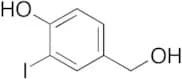
CAS:Controlled Product<p>Stability Moisture Sensitive<br>Applications 10-Bromodecanol can be used to synthesize rotaxane dendrimers. It can also be used to synthesize J2326, a molecule that induces neurite outgrowth in neuronal cells.<br>References Wei, W., et al.: Proc. Natl. Acad. Sci. USA 112, 5597 (2015); Chang, P., et al.: Neuropharmacology 92, 146 (2015)<br></p>Formula:C10H21BrOColor and Shape:NeatMolecular weight:237.184-(Hydroxymethyl)-2-iodophenol
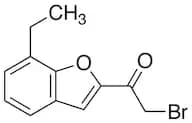
CAS:Controlled Product<p>Applications 4-(Hydroxymethyl)-2-iodophenol is a reagent that is used in the synthesis of 3,3’,5-Triiodo-D-thyronine (T795375), which has been shown to reduce cholesterol in blood serum.<br>References Mintz, D.O., et. al.: New Engl. J. Med., 266, 808 (1962)<br></p>Formula:C7H7IO2Color and Shape:NeatMolecular weight:250.032-Bromoacetyl-7-ethylbenzofuran
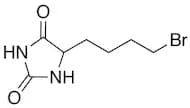
CAS:Controlled Product<p>Applications Intermediate in the production of Bufuralol Hydrochloride<br></p>Formula:C12H11BrO2Color and Shape:NeatMolecular weight:267.125-δ-Bromobutylhydantoin
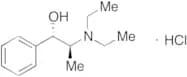
CAS:Controlled Product<p>Applications 5-δ-Bromobutylhydantoin (cas# 28484-49-3) is a compound useful in organic synthesis.<br>References Can. J. Res., 26B, 387 (1948)<br></p>Formula:C7H11BrN2O2Color and Shape:NeatMolecular weight:235.08(R*,R*)-(±)-N,N-Diethyl Norephedrine Hydrochloride
CAS:Controlled Product<p>Applications (R*,R*)-(±)-N,N-Diethyl Norephedrine Hydrochloride is the salt analogue of rac-syn N,N-Diethyl Norephedrine (D444670), the main basic metabolite of Diethylpropione.<br>References Banci, F., et al.: Arzneim.-Forsch., 21, 1616 (1971); Mikhailova, D., et al.: Eur. J. Med. Chem., 13, 49 (1978)<br></p>Formula:C13H21NO·HClColor and Shape:NeatMolecular weight:243.7731-Iodobutane
CAS:Controlled Product<p>Applications 1-Iodobutane is one of the most universally useful substrates in the assessment of haloalkene dehalogenase activity.<br> Not a dangerous good if item is equal to or less than 1g/ml and there is less than 100g/ml in the package<br>References Koudelakova, T., et al.: Biochem. J., 435, 345 (2011)<br></p>Formula:C4H9IColor and Shape:NeatMolecular weight:184.021-(2,2-Difluorobenzo[d][1,3]dioxol-5-yl)cyclopropanecarbonitrile
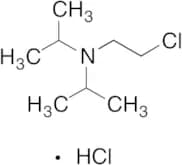
CAS:Controlled Product<p>Applications 1-(2,2-DIFLUOROBENZO[D][1,3]DIOXOL-5-YL)CYCLOPROPANECARBONITRILE (cas# 862574-87-6) is a useful research chemical.<br></p>Formula:C11H7NO2F2Color and Shape:NeatMolecular weight:223.172-Diisopropylaminoethyl Chloride Hydrochloride
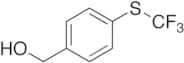
CAS:Controlled Product<p>Applications 2-Diisopropylaminoethyl Chloride Hydrochloride is a useful intermediate for pharmaceuticals and in organic synthesis.<br>References Gonzalez-Naranjo, P., et al.: Eur. J. Med. Chem.,73, 56 (2014); Antypenko, L. M., et al.: Sci. Pharm., 81,15 (2013); Yadav, Y., et al.: Eur. J. Med. Chem., 46, 3858 (2011)<br></p>Formula:C8H18ClN·HClColor and Shape:NeatMolecular weight:163.69 + (36.46)4-(Trifluoromethylthio)benzyl Alcohol
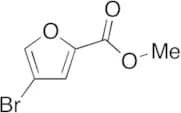
CAS:Controlled Product<p>Applications Used for preparation of substituted heteroaryl- and phenylsulfamoyl compounds as peroxisome proliferator activator receptor (PPAR) agonists.<br>References Yao, Z., et al.: Bioorg. Med. Chem., 6, 1799 (1998), Fischer, E., et al.: Science, 253, 401 (1991), Andersen, H., et al.: J. Biol. Chem., 275, 7101 (2000),<br></p>Formula:C8H7F3OSColor and Shape:NeatMolecular weight:208.20Methyl 4-Bromofuran-2-carboxylate
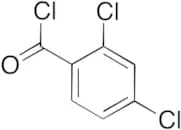
CAS:Controlled Product<p>Applications Methyl 4-Bromofuran-2-carboxylate is used to prepare pyrimidinamines and pyridinamines as adenosine receptor modulators for treatment of CNS disorders.<br>References Borroni, E., et al.; PCT Int. Appl., WO 2001062233 A2 20010830 (2001)<br></p>Formula:C6H5BrO3Color and Shape:NeatMolecular weight:205.012,4-Dichlorobenzoyl Chloride
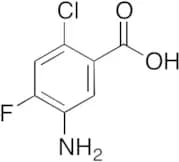
CAS:Controlled Product<p>Applications 2,4-Dichlorobenzoyl Chloride is a reactant used in the synthesis of aroyl(sulfamoylphenyl)thiourea derivatives as 15-lipoxygenase inhibitors.<br> Not a dangerous good if item is equal to or less than 1g/ml and there is less than 100g/ml in the package<br>References Mahdavi, M., et. al.: Eur. J. Med. Chem., 82, 308 (2014)<br></p>Formula:C7H3Cl3OColor and Shape:NeatMolecular weight:209.465-Amino-2-chloro-4-fluorobenzoic Acid
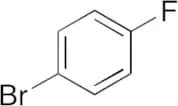
CAS:Controlled Product<p>Applications 5-Amino-2-chloro-4-fluorobenzoic Acid is an intermediate in the synthesis of Saflufenacil-d7 (S081802). Saflufenacil-d7 is the labeled version of Saflufenacil (S081800), which is a herbicide of the pyrimidinedione chemical class used for the preplant burndown and selective preemergence dicot weed control in different field crops. It was found to inhibit protoporphyrinogen IX oxidase (PPO) enzyme.<br>References Knezevic, S., et al.: Crop Prot., 29, 148 (2010); Grossmann, K., et al.: Weed Sci., 58, 1 (2010)<br></p>Formula:C7H5ClFNO2Color and Shape:NeatMolecular weight:189.574-Bromofluorobenzene
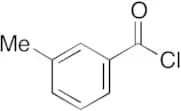
CAS:Controlled Product<p>Applications 4-Bromofluorobenzene is a dihalogenated benzene used in the preparation of pharmaceutical compounds such as atypical antipsychotic agents.<br> Not a dangerous good if item is equal to or less than 1g/ml and there is less than 100g/ml in the package<br>References Sunil K.I.V. et al.: Beil. J. Org. Chem., 7, 29 (2011); Li, W. et al.: Adv. Mat. Res., 236, 2594 (2011);<br></p>Formula:C6H4BrFColor and Shape:NeatMolecular weight:175.00m-Toluoyl Chloride
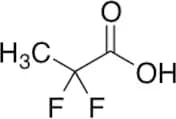
CAS:Controlled Product<p>Applications m-Toluoyl Chloride is used as a reagent in the synthesis of glycine benzamides as oral GPR139 receptor agonists. m-Toluoyl Chloride is also used in the preparation of colchicine derivatives which have potent anticancer activity and reduced P-glycoprotein induction liability.<br> Not a dangerous good if item is equal to or less than 1g/ml and there is less than 100g/ml in the package<br>References Dvorak, C.A., et al.: ACS Med. Chem. Lett., 6, 1015 (2015); Singh, B., et al.: Org. Biomol. Chem., 13, 5674 (2015)<br></p>Formula:C8H7ClOColor and Shape:NeatMolecular weight:154.592,2-Difluoropropionic acid
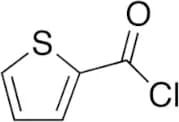
CAS:Controlled Product<p>Applications 2,2-Difluoropropionic acid (cas# 373-96-6) is a useful research chemical.<br></p>Formula:C3H4O2F2Color and Shape:NeatMolecular weight:110.052-Thiophenecarbonyl Chloride
CAS:Controlled Product<p>Applications 2-Thiophenecarbonyl Chloride is used in the synthesis of substituted pyridines as selective and highly effective GPR119 agonists. It is also seen in the preparation of diuretics.<br>References Wu, Y. et al.: Bioorg. Med. Chem. Lett., 20, 2577 (2010); Plattner, J. et al.: J. Med. Chem., 27, 1016 (1984)<br></p>Formula:C5H3ClOSColor and Shape:NeatMolecular weight:146.592-Chlorobenzhydrol
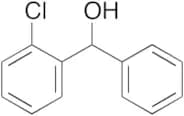
CAS:Controlled Product<p>Applications 2-Chlorobenzhydrol is used as a reagent in the synthesis of bifonazole analogs which have antibacterial and antifungal activities. 2-Chlorobenzhydrol is also a reagent in the preparation of cinnamyl piperazine derivatives which have anticonvulsant activity.<br> Not a dangerous good if item is equal to or less than 1g/ml and there is less than 100g/ml in the package<br>References El Hage, S., et al.: Arch. Pharm., 344, 402 (2011); Hu, C., et al.: Lett. Drug Des. Discov., 7, 661 (2010)<br></p>Formula:C13H11ClOColor and Shape:NeatMolecular weight:218.684-Fluoro-3-nitroaniline
CAS:Controlled Product<p>Applications 4-Fluoro-3-nitroaniline (cas# 364-76-1) is a useful research chemical.<br></p>Formula:C6H5FN2O2Color and Shape:NeatMolecular weight:156.112-(4-Chlorophenyl)ethylamine
CAS:Controlled Product<p>Applications 2-(4-Chlorophenyl)ethylamine has been used as a reactant in the preparation of isoalloxazine derivatives as cholinesterase inhibitors with a potential use in Alzheimer therapy.<br>References Kanhed, A.M., et. al.: Bioorg. Chem., 61, 7 (2015)<br></p>Formula:C8H10ClNColor and Shape:NeatMolecular weight:155.62Methyl a-Bromophenylacetate
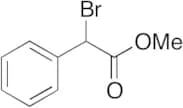
CAS:Controlled Product<p>Applications Methyl α-bromophenylacetate is used in synthetic chemistry as an initiator for polymerization reactions (such as the polymerization of methyl methacrylate). Methyl α-bromophenylacetate is also used as a reagent to synthesize compounds that act as selective Serotonin (HCl: S274980) reuptake inhibitors (SSRI). SSRIs are used to modulate symptoms in autistic patients.<br> Not a dangerous good if item is equal to or less than 1g/ml and there is less than 100g/ml in the package<br>References Fors, B. & Hawker, C.: Angew. Chem. Int. Edit., 51, 8850 (2012); Ghoneim, O., et al.: Bioorgan. Med. Chem. Lett., 21, 6714 (2011); O’Reilly, R., et al.: Macromolecules, 40, 7441 (2007)<br></p>Formula:C9H9BrO2Color and Shape:NeatMolecular weight:229.07Triethyltin Bromide
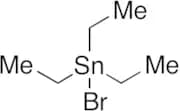
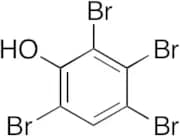
CAS:Controlled Product<p>Applications Triethyltin Bromide is used as an endocrine disrupting compound, inducing adipogenesis through RXR and PPARγ activation.<br> Not a dangerous good if item is equal to or less than 1g/ml and there is less than 100g/ml in the package<br>References Grun, F. et al.: Mol. Endocrinol., 20, 2141 (2006); Yano, K. et al.: J. Health Sci., 49, 195 (2003)<br></p>Formula:C6H15BrSnColor and Shape:NeatMolecular weight:285.82,3,4,6-Tetrabromophenol
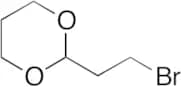
CAS:Controlled Product<p>Applications 2,3,4,6-Tetrabromophenol is a standard for environmental testing and research. Determination of urinary bromophenols (BrPs) as potential biomarkers for human exposure to polybrominated di-Ph ethers (PBDEs) using gas chromatography-tandem mass spectrometry (GC-MS/MS).<br> Not a dangerous good if item is equal to or less than 1g/ml and there is less than 100g/ml in the package<br>References Feng, C., et al.: J. Chromatogr. B: Analyt. Technol. Biomed. Life Sci., 1022, 70 (2016)<br></p>Formula:C6H2Br4OColor and Shape:NeatMolecular weight:409.72-(2-Bromoethyl)-1,3-dioxane
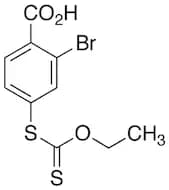
CAS:Controlled Product<p>Applications 2-(2-Bromoethyl)-1,3-dioxane, is an building block used for the synthesis of various pharmaceutical compounds such as Oxaflumazine (O758550), an Antipsychotic. It provides a useful means of introducing a masked ß-formylethyl group.<br>References Marrero-Ponce, Y., et al.: Euro. J. Med. Chem., 46 (12), 5736 (2011); J. Org. Chem., 41, 560 (1976);<br></p>Formula:C6H11BrO2Color and Shape:NeatMolecular weight:195.052-Bromo-4-(ethoxycarbonylthio)-4-thiobenzoic Acid
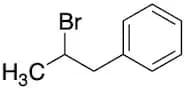
CAS:Controlled Product<p>Applications 2-Bromo-4-(ethoxycarbonylthio)-4-thiobenzoic Acid (cas# 1076199-58-0) is a compound useful in organic synthesis.<br></p>Formula:C10H9BrO3S2Color and Shape:NeatMolecular weight:321.212-Bromo-1-phenylpropane
CAS:Controlled Product<p>Applications 2-BROMO-1-PHENYLPROPANE (cas# 2114-39-8) is a useful research chemical.<br></p>Formula:C9H11BrColor and Shape:NeatMolecular weight:199.081,8-Dibromooctane
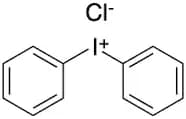
CAS:Controlled Product<p>Applications 1,8-Dibromooctane is used as a reagent in the synthesis of novel 7-aminoalkyl-substituted flavonoid derivatives as potential cholinesterase inhibitors.<br>References Luo, W., et al.: Bioorg. Med. Chem., 24, 672 (2016)<br></p>Formula:C8H16Br2Color and Shape:NeatMolecular weight:272.02Diphenyliodonium Chloride
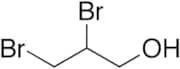
CAS:Controlled Product<p>Applications Diphenyliodonium chloride >=98.0% (AT) (cas# 1483-72-3) is a useful research chemical.<br></p>Formula:C12H10ClIColor and Shape:NeatMolecular weight:316.572,3-Dibromo-1-propanol
CAS:Controlled Product<p>Applications 2,3-Dibromo-1-propanol is a metabolite of the flame retardant tris(2,3-dibromopropyl) phosphate (T775560), previously shown to be a mutagen and carcinogen in experimental animals.<br> Not a dangerous good if item is equal to or less than 1g/ml and there is less than 100g/ml in the package<br>References Pandith, A.H., et al.: Org. Chem. Int., 17, (2010); Dixon, D., et al.: Toxicol. Pathol., 36,428 (2008);Eustis, S.L., et al.: Toxiciol. Sci., 26, 41 (1994);<br></p>Formula:C3H6Br2OColor and Shape:NeatMolecular weight:217.892-Bromo-5,5-dimethyl-5,6-dihydrobenzo[d]thiazol-7(4H)-one
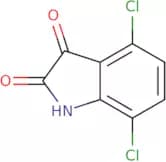
CAS:Controlled Product<p>Applications 2-bromo-5,5-dimethyl-5,6-dihydrobenzo[d]thiazol-7(4h)-one (cas# 10513-26-5) is a useful research chemical.<br></p>Formula:C9H10NOSBrColor and Shape:NeatMolecular weight:260.154,7-Dichloroisatin
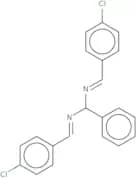
CAS:<p>4,7-Dichloroisatin is an organic compound that is synthesized by ring-opening of oxindole. It is a bifunctional molecule that can be used for the synthesis of other organic compounds. 4,7-Dichloroisatin has been found to be an efficient method for the synthesis of thiazolidinedione derivatives and can be used as a control experiment for this type of reaction. The mechanism for the reaction includes nitroaldol addition to the C=O group, followed by nucleophilic attack on the carbonyl group to form a tetrahedral intermediate. The intermediate then collapses to form a new C=N bond and release acetonitrile.</p>Formula:C8H3Cl2NO2Purity:Min. 95%Color and Shape:SolidMolecular weight:216.02 g/molN,N'-Bis-(4-chlorobenzylidene)-C-phenylmethanediamine
CAS:N,N'-Bis-(4-chlorobenzylidene)-C-phenylmethanediamine is a fine chemical that is useful as a building block for the preparation of other compounds. It can also be used as a reaction component in research and as a reagent for synthesizing organic compounds. This compound has CAS No. 320734-42-7 and is classified as speciality chemicals.Formula:C21H16Cl2N2Purity:Min. 95%Molecular weight:367.27 g/molN-α-Benzoyl-L-arginine methyl ester hydrochloride
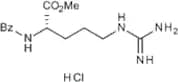
CAS:N-alpha-Benzoyl-L-arginine methyl ester hydrochloride is a useful intermediate in the synthesis of a variety of complex compounds. It is an important reagent for the synthesis of high quality fine chemicals, and can be used as a building block in the construction of new chemical compounds. The CAS number for N-alpha-Benzoyl-L-arginine methyl ester hydrochloride is 1784-04-9. This compound has been shown to be useful in research on speciality chemicals, and it has been utilized as a reaction component for the synthesis of versatile building blocks.Formula:C14H20N4O3•HClPurity:Min. 95%Color and Shape:PowderMolecular weight:328.79 g/mol1-Ethynyl-2,3,4,5,6-pentafluorobenzene
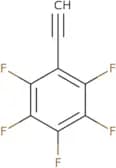
CAS:<p>1-Ethynyl-2,3,4,5,6-pentafluorobenzene is an organofluorine compound that has been the subject of research. The compound has been shown to react with nucleophiles at the 1- and 2-positions in a nucleophilic substitution reaction. It is also used as a solvent for reactions involving amines and alcohols.</p>Formula:C8HF5Purity:Min. 98 Area-%Color and Shape:PowderMolecular weight:192.09 g/mol2-Bromo-3,6-difluorobenzaldehyde
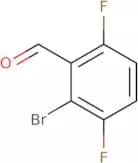
CAS:<p>2-Bromo-3,6-difluorobenzaldehyde is a versatile building block that is used in the synthesis of many complex compounds. It has been shown to be a useful intermediate and reaction component in organic synthesis. 2-Bromo-3,6-difluorobenzaldehyde can be used as a reagent or speciality chemical for research purposes. This compound has high quality and is a useful scaffold for the preparation of fine chemicals.</p>Formula:C7H3BrF2OPurity:Min. 95%Color and Shape:Off-White PowderMolecular weight:221 g/mol1-Pyrimidin-2-ylpiperidin-4-amine dihydrochloride
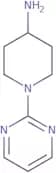
CAS:1-Pyrimidin-2-ylpiperidin-4-amine dihydrochloride is a high quality, crystalline compound with a CAS number of 1179369-48-2. It is an intermediate in the synthesis of various fine chemicals, including pharmaceuticals and pesticides. 1-Pyrimidin-2-ylpiperidin-4-amine dihydrochloride also has applications as a versatile building block for the synthesis of other compounds and is used as a reaction component in organic chemistry. This reagent can be used to synthesize many different compounds for use in research or medical purposes.Formula:C9H14N4·2HClPurity:Min. 95%Color and Shape:PowderMolecular weight:251.16 g/mol3-Chlorophenylhydrazine hydrochloride
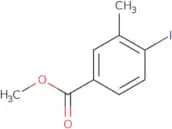
CAS:<p>3-Chlorophenylhydrazine hydrochloride is a pyrazole that has been shown to have potent antibacterial activity. It is used in the treatment of inflammatory diseases and has been shown to be effective against Helicobacter pylori, which causes gastritis, peptic ulcers, and stomach cancer. 3-Chlorophenylhydrazine hydrochloride is an acidic compound with a molecular weight of 192.2 g/mol. It contains a pyrazole ring that is eluted with hydrochloric acid and reacts with gyrase enzymes in bacteria, inhibiting DNA synthesis. 3-Chlorophenylhydrazine hydrochloride also has anti-inflammatory properties due to its ability to inhibit prostaglandin synthesis.</p>Formula:C6H7ClN2•HClPurity:Min. 95%Color and Shape:PowderMolecular weight:179.05 g/mol4-Iodo-3-methylbenzoic acid methyl ester
CAS:4-Iodo-3-methylbenzoic acid methyl ester is a chemical that is structurally analogous to 4-iodo-2,5-dimethoxybenzoic acid methyl ester. It is synthesized by the reaction of 3-methylbenzoic acid with ethyl chloroformate and iodomethane. 4-Iodo-3-methylbenzoic acid methyl ester has been shown to inhibit o6 alkylguanine DNA alkyltransferase (AGT) and o6 alkylguanine dna glycosylase (AGG). AGT and AGG are enzymes that repair DNA damage caused by reactive oxygen species. This inhibition leads to the accumulation of DNA damage in cells and induces apoptosis.Formula:C9H9IO2Purity:90%Color and Shape:PowderMolecular weight:276.07 g/mol(1R,4R)-tert-Butyl 2,5-diazabicyclo[2.2.1]heptane-2-carboxylate hydrochloride
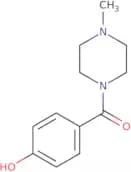
CAS:<p>Tert-Butyl 2,5-diazabicyclo[2.2.1]heptane-2-carboxylate hydrochloride (TBDAHC) is a fine chemical that is an intermediate for the synthesis of other compounds. TBDAHC is a versatile building block that can be used in research chemicals, reaction components, and specialty chemicals. It is also a useful scaffold for making complex compounds and useful building blocks. The compound has high quality and can be used as a reagent in organic chemistry.</p>Formula:C10H18N2O2·HClPurity:Min. 95%Color and Shape:White PowderMolecular weight:234.72 g/mol1-(4-Hydroxybenzoyl)-4-methyl-piperazine hydrochloride
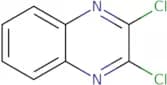
CAS:1-(4-Hydroxybenzoyl)-4-methyl-piperazine hydrochloride is a fine chemical that is used as a building block in organic synthesis, research and development of pharmaceuticals, and the production of agrochemicals. It can be used as a reagent or speciality chemical to produce high quality chemicals with various functional groups. 1-(4-Hydroxybenzoyl)-4-methyl-piperazine hydrochloride can be used in reactions such as nucleophilic substitution reactions, esterification reactions, amide bond formation, amidation reactions, and other reactions to produce versatile scaffolds.Formula:C12H16N2O2Purity:Min. 95%Molecular weight:220.27 g/mol2,3-Dichloroquinoxaline
CAS:<p>2,3-Dichloroquinoxaline is a chemical compound that has inhibitory properties against the growth of bacteria. It is reactive and can be used as a disinfectant and antimicrobial agent. 2,3-Dichloroquinoxaline has been shown to have a bactericidal effect against P. aeruginosa in the presence of hydrochloric acid. This chemical also binds to human immunoglobulin (Ig)G molecules and has transport properties. Quinoxalines are an important class of quinoline derivatives that include 2,4-dichlorobenzoic acid, which inhibits bacterial growth by binding to DNA gyrase. The fluorescence property of 2,3-Dichloroquinoxaline is due to its nitrogen nucleophile and chloride ion content. In addition, this chemical's protein–protein interaction activity leads it to bind with other proteins in the cell membrane or cytoplasmic membrane.</p>Formula:C8H4Cl2N2Purity:Min. 95%Color and Shape:Off-White PowderMolecular weight:199.04 g/mol4-[(5-Bromo-2-chlorophenyl)methyl]phenol
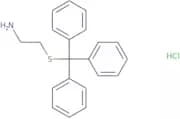
CAS:Intermediate in the synthesis of empagliflozinFormula:C13H10BrClOPurity:Min. 95%Color and Shape:PowderMolecular weight:297.57 g/molTrt-cysteamine hydrochloride
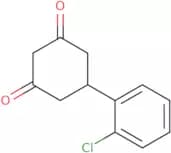
CAS:Trt-cysteamine hydrochloride is a prodrug that is metabolized to cysteamine in vivo. Cysteamine inhibits the production of tumor necrosis factor (TNF) by binding to its receptor and blocking NF-κB signaling pathways. In vitro models have shown that trt-cysteamine hydrochloride has minimal effects on cells, but when used in vivo, it can inhibit oxidative stress and induce cell death. Trt-cysteamine hydrochloride also binds to molecular targets with disulfide bonds, which may be potential therapeutic targets for cancer treatment.Formula:C21H21NS·HClPurity:Min. 95%Color and Shape:White Off-White PowderMolecular weight:355.92 g/mol5-(2-Chlorophenyl)cyclohexane-1,3-dione
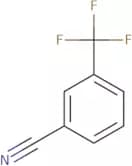
CAS:Please enquire for more information about 5-(2-Chlorophenyl)cyclohexane-1,3-dione including the price, delivery time and more detailed product information at the technical inquiry form on this pageFormula:C12H11ClO2Purity:Min. 95%Color and Shape:PowderMolecular weight:222.67 g/mol3-(Trifluoromethyl)benzonitrile
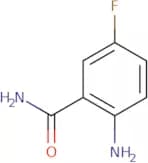
CAS:<p>3-(Trifluoromethyl)benzonitrile is an efficient method for the synthesis of diphenyl ethers. 3-(Trifluoromethyl)benzonitrile can be synthesized in a few steps from commercially available starting materials. The luminescence properties of 3-(Trifluoromethyl)benzonitrile make it an excellent candidate for use as a fluorescent probe. This compound has been used to study receptor binding and acceptor interactions in amine-containing monolayers, with molybdenum as the electron donor and benzonitrile as the electron acceptor. The bond cleavage of cyclopentane ring has also been studied using 3-(Trifluoromethyl)benzonitrile.</p>Formula:C8H4F3NPurity:Min. 95%Color and Shape:Clear LiquidMolecular weight:171.12 g/mol2-Amino-5-fluorobenzamide
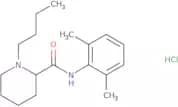
CAS:<p>2-Amino-5-fluorobenzamide (2AFB) is a compound that has been shown to have neurotoxic properties. 2AFB is a ring-opening agent, which means it can open the six-membered ring of aromatic compounds such as benzene or pyridine. 2AFB also has affinity for metal ions and therefore can be used in magnetic separations. The reaction system of 2AFB includes an enzyme, pentylenetetrazole (PTZ), that catalyzes the reaction between 2AFB and its substrate, 4-nitrophenol (4NP). This reaction produces free radicals that react with oxygen to produce peroxides. These peroxides are then detected by a chemiluminescence assay. In this way, the amount of 2AFB and 4NP can be measured quantitatively.<br>2AFB also has antioxidant properties, which may be due to its ability to scavenge free radicals from</p>Formula:C7H7FN2OPurity:Min. 95%Color and Shape:PowderMolecular weight:154.14 g/molBupivacaine hydrochloride
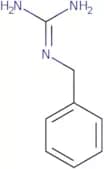
CAS:<p>Sodium channel blocker, targets channel intracellular domain</p>Formula:C18H28N2O·HClPurity:Min. 98 Area-%Color and Shape:White PowderMolecular weight:324.89 g/molN-Benzylguanidine hydrochloride
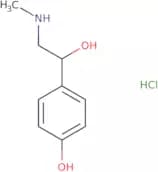
CAS:N-Benzylguanidine hydrochloride (N-BzGuaHCl) is a nitrogen-containing heterocyclic compound that belongs to the group of mitochondrial inhibitors. It is used as a cardiac agent and has also been shown to inhibit the activity of integrin receptors. N-BzGuaHCl has been shown to be effective in preventing tumor growth in mice, which may be due to its ability to inhibit the uptake of monoclonal antibodies by cells. This drug also inhibits the activity of benzalkonium chloride, which is often used as a preservative in cosmetics and household products.Formula:C8H11N3·HClPurity:Min. 95%Color and Shape:PowderMolecular weight:185.65 g/mol(+/-)-Synephrine hydrochloride
CAS:Synephrine is a naturally occurring compound that is found in various plants and foods, such as oranges, tomatoes, and bananas. It is also produced endogenously by the adrenal gland and is a metabolite of ephedrine. Synephrine hydrochloride (SH) has been shown to increase metabolic rate and promote weight loss in humans. SH binds to the beta-2 adrenergic receptor, which causes an increase in body temperature, heart rate, blood pressure, and respiratory rate. Synephrine can also cause eye disorders such as myopia or glaucoma. SH may be effective against tumors because it acts as an agonist for the alpha-1 adrenergic receptor and stimulates the production of tumor necrosis factor-α (TNF-α).Formula:C9H14ClNO2Purity:Min. 95%Color and Shape:White PowderMolecular weight:203.67 g/mol4-Bromoisatin
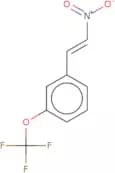
CAS:4-Bromoisatin is a synthetic compound that reversibly inhibits the activity of telomerase and has been shown to be effective against a broad range of bacterial species. It binds to the catalytic site on telomerase and prevents the synthesis of ribonucleotides, which are necessary for DNA replication. 4-Bromoisatin is synthesized by humans, but can also be found in plants such as coffee beans and black tea leaves. The antibacterial properties of 4-bromoisatin may be due to its ability to inhibit the biosynthesis of purine, an essential component in bacterial DNA synthesis.Formula:C8H4BrNO2Purity:Min. 95%Color and Shape:Orange PowderMolecular weight:226.03 g/mol1-(3-(Trifluoromethoxy)phenyl)-2-nitroethene
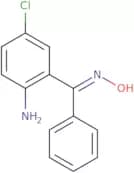
CAS:<p>1-(3-Trifluoromethoxy)phenyl)-2-nitroethene is a fluorinated aromatic compound that can be used as a building block for synthesis of pharmaceuticals, research chemicals, and other specialty chemicals. It is an intermediate that can be used in the production of other compounds. This compound may be used in pharmaceuticals to treat bacterial infections and inflammatory diseases. 1-(3-Trifluoromethoxy)phenyl)-2-nitroethene may also be utilized as a reaction component for synthesizing other organic compounds. It is soluble in solvents such as benzene, ether, chloroform, and acetone.</p>Formula:C9H6F3NO3Purity:Min. 95%Molecular weight:233.14 g/mol2-Amino-5-chlorobenzophenone oxime
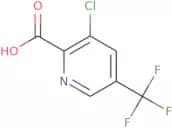
CAS:2-Amino-5-chlorobenzophenone oxime is a drug that belongs to the class of hydrazides. It was originally developed as an antidepressant and it has been shown in animal experiments to have antidepressant effects. 2-Amino-5-chlorobenzophenone oxime inhibits the enzyme monoamine oxidase, which is responsible for breaking down amines such as serotonin and norepinephrine. This inhibition leads to increased levels of these neurotransmitters in the brain, which may be responsible for its antidepressant effect. 2-Amino-5-chlorobenzophenone oxime also has analgesic properties, with yields of up to 86%.Formula:C13H11ClN2OPurity:Min. 85 Area-%Color and Shape:PowderMolecular weight:246.69 g/mol3-Chloro-5-(trifluoromethyl)pyridine-2-carboxylic acid
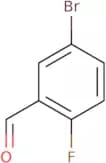
CAS:<p>The compound 3-Chloro-5-(trifluoromethyl)pyridine-2-carboxylic acid is a synthetic intermediate that has been used in the synthesis of amides with high analytical quality. It is also an important reagent for the synthesis of many pharmaceuticals and agrochemicals. In addition, 3-chloro-5-(trifluoromethyl)pyridine-2-carboxylic acid has been shown to have dose dependent phytotoxic effects and causes plant growth inhibition.</p>Formula:C7H3ClF3NO2Purity:Min. 95%Color and Shape:White PowderMolecular weight:225.55 g/mol5-Bromo-2-fluorobenzaldehyde
CAS:<p>Intermediate in the synthesis of ipragliflozin</p>Formula:C7H4BrFOPurity:Min. 95%Color and Shape:PowderMolecular weight:203.01 g/mol(5R)-5-(Chloromethyl)-3-[3-fluoro-4-(4-morpholinyl)phenyl]-2-oxazolidinone
CAS:(5R)-5-(Chloromethyl)-3-[3-fluoro-4-(4-morpholinyl)phenyl]-2-oxazolidinone is an enantiopure compound that is used in the synthesis of pharmaceuticals. It has been shown to be a very potent antibacterial agent that can be used to prevent bacterial infections. The (5R)-isomer has been found to have a higher potency than the (5S) isomer, but both are effective. This compound has a cyclopropane ring and a five-membered ring with an oxazolidinone functional group, which makes it structurally related to linezolid and carbonylation.Formula:C14H16ClFN2O3Purity:Min. 95%Color and Shape:White Off-White PowderMolecular weight:314.74 g/mol2-Fluorobenzophenone
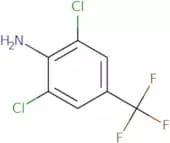
CAS:<p>2-Fluorobenzophenone is a carbonyl group that is used as a sterilant. 2-Fluorobenzophenone is a precursor to 4-fluorobenzophenone, which can be synthesized by reacting with chlorine gas, chloromethyl ether, or polychlorinated biphenyls. 2-Fluorobenzophenone has been shown to be chemically stable and resistant to chemical ionization and thermal decomposition. It has been used as a photoinitiator for the polymerization of oxetane resins. 2-Fluorobenzophenones are also useful for the synthesis of functional groups such as oxetanes, epoxides, and dioxetanes. These compounds are typically found in polymers with an oxetane backbone.</p>Formula:C13H9FOPurity:Min. 95%Molecular weight:200.21 g/mol2,6-Dichloro-4-(trifluoromethyl)aniline
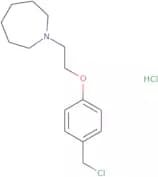
CAS:2,6-Dichloro-4-(trifluoromethyl)aniline is a colorless solid that is soluble in organic solvents. It is used as an absorber of chloride gas and other gases. 2,6-Dichloro-4-(trifluoromethyl)aniline reacts with hydrochloric acid to produce diazonium salt and chloride ions. The diazonium salt reacts with organic solvent and hydrogen gas to form the reaction products. In the presence of carbon dioxide and hydrogen chloride, 2,6-dichloro-4-(trifluoromethyl)aniline undergoes chlorinating reactions to produce hydrogen chloride gas and the chlorinated product.Formula:C7H4Cl2F3NPurity:Min. 95%Color and Shape:PowderMolecular weight:230.01 g/mol1-(2-(4-(Chloromethyl)phenoxy)ethyl)azepane HCl
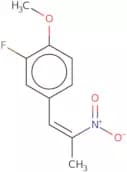
CAS:<p>1-(2-(4-(Chloromethyl)phenoxy)ethyl)azepane HCl is a versatile building block that can be used as a reagent, speciality chemical, or intermediate. It is also a useful scaffold for the synthesis of complex compounds. The compound has been shown to be useful in research and industry due to its high quality and versatility. 1-(2-(4-(Chloromethyl)phenoxy)ethyl)azepane HCl has CAS No. 223251-25-0 and can be used as a reaction component in organic synthesis reactions.</p>Formula:C15H23Cl2NOPurity:Min. 95%Color and Shape:Off-White PowderMolecular weight:304.25 g/mol1-(3-Fluoro-4-methoxyphenyl)-2-nitropropene
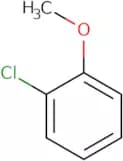
CAS:1-(3-Fluoro-4-methoxyphenyl)-2-nitropropene is a chemical compound with the molecular formula CHNO. It is a high quality reagent that is useful for preparing complex compounds, scaffolds and building blocks for use in research and development. 1-(3-Fluoro-4-methoxyphenyl)-2-nitropropene is a fine chemical that can be used as a versatile building block in reactions.Formula:C10H10FNO3Purity:Min. 95%Molecular weight:211.19 g/mol2-Chloroanisole
CAS:2-Chloroanisole is a chlorinated aromatic compound that has been used in industrial settings as a solvent and intermediate. It is a precursor in the synthesis of various organic compounds, such as benzoate esters, and it is also used for the conversion of catechol to 2-chloroacetophenone. 2-Chloroanisole has been found to be an effective methylating agent, which can be used for the production of methyl benzoate. The reaction mechanism proceeds via an electrophilic attack of chlorine on the benzene ring. This mode of reaction is known as the Suzuki coupling reaction. The rate of this reaction increases with increasing temperature and pH. To produce ionization techniques that are sensitive to different isotopomers, activated carbon can be used as a catalyst. Activated carbon also has the ability to remove volatile organic compounds from air or water, which makes it useful for removing chlorinated aromatic compounds from contaminated environments.Formula:C7H7ClOPurity:Min. 95%Color and Shape:Clear LiquidMolecular weight:142.58 g/mol7-Bromo-2-chlorothieno[3,2-d]pyrimidine
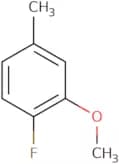
CAS:7-Bromo-2-chlorothieno[3,2-d]pyrimidine is a high quality, reagent grade compound that is used as an intermediate in the synthesis of other complex compounds. It is also a useful scaffold for the synthesis of speciality chemicals and research chemicals. This compound can be used as a versatile building block for the synthesis of many different compounds.Formula:C6H2BrClN2SPurity:Min. 95%Color and Shape:Off-White To Yellow SolidMolecular weight:249.52 g/mol4-Fluoro-3-methoxytoluene
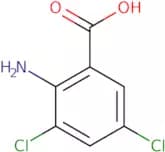
CAS:4-Fluoro-3-methoxytoluene (4FMET) is a polymeric organic compound that has an index of refraction of 1.5. It is soluble in common solvents, such as chloroform, acetone and ethanol, but insoluble in water. 4FMET can be used as a copolymerization additive to improve the chemical stability of polymers and plastics. It also has antibacterial properties that are due to its ability to disrupt bacterial membranes and inhibit protein synthesis. 4FMET is FDA approved for use in ophthalmic solutions that transmit ultraviolet light, such as UV-A or UV-B radiation.Formula:C8H9FOPurity:Min. 95%Color and Shape:Clear LiquidMolecular weight:140.15 g/mol2-Amino-3,5-dichlorobenzoic acid
CAS:2-Amino-3,5-dichlorobenzoic acid is a petrochemical that has been used in the production of other chemicals, such as phosphorus pentachloride. It also serves as a precursor for molybdenum and ATP binding cassette transporter. 2-Amino-3,5-dichlorobenzoic acid binds to the hydrochloric acid and sodium hydroxide solution present in the stomach to produce hydrochloric acid and sodium chloride. 2-Amino-3,5-dichlorobenzoic acid is also a precursor for quinazolone, which is used in the production of dyes and pharmaceuticals. It has also been shown to inhibit plant physiology by inhibiting chlorophyll synthesis.Formula:C7H5Cl2NO2Purity:Min. 95%Color and Shape:PowderMolecular weight:206.03 g/mol4-Chloro-3-pyridinesulfonamide
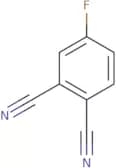
CAS:<p>4-Chloro-3-pyridinesulfonamide is an antibacterial sulfonamide that inhibits the enzyme carbonic anhydrase. It has been shown to inhibit the growth of cancer cells in vitro and in vivo. The anticancer effect may be due to its ability to block the growth of cancer cells by interfering with DNA synthesis and inducing apoptosis, which causes cell death. 4-Chloro-3-pyridinesulfonamide also inhibits tuberculosis and tuberculostatic activity may be due to its inhibition of mycobacterium tuberculosis ribosomes. 4-Chloro-3-pyridinesulfonamide binds to the active site of bacterial anhydrase as well as human carbonic anhydrase II, blocking the conversion of CO2 into bicarbonate ions, which leads to a decrease in pH. This drug also binds to DNA and RNA, inhibiting DNA synthesis and RNA synthesis respectively, leading to cell</p>Formula:C5H5ClN2O2SPurity:Min. 95%Color and Shape:SolidMolecular weight:192.62 g/mol4-Fluorophthalonitrile
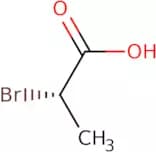
CAS:4-Fluorophthalonitrile is a colorless liquid that is insoluble in water and has a strong odor. This chemical is found naturally in coal tar and has been used to synthesize supramolecular devices, such as those that are capable of producing light. 4-Fluorophthalonitrile can be obtained synthetically by cross-coupling reactions with aryl chlorides or chlorine. It exhibits fluorescence when irradiated with light. 4-Fluorophthalonitrile also reacts with terminal alkynes to form aryl fluorides.Formula:C8H3FN2Purity:Min. 95%Molecular weight:146.12 g/mol(S)-2-Bromopropionic acid
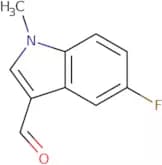
CAS:(S)-2-Bromopropionic acid is a synthetic compound that has been shown to bind to an antigen. The structure activity relationship of this compound has been studied in order to find a suitable surrogate for the synthesis of (S)-2-Bromopropionic acid. This compound was synthesized using solid-phase chemistry and the resulting product was purified by HPLC. The synthetic route for (S)-2-Bromopropionic acid included d-alanine, which was used as the biomolecular building block. The alkylation reaction involved the use of chloroacetic acid and methyl iodide, which were reacted with d-alanine in aqueous solution at room temperature. After hydrolysis, ester linkages were introduced with methanol and acetic anhydride. The final product was purified by recrystallization from methanol and acetone.Formula:C3H5BrO2Purity:Min. 95%Color and Shape:Slightly Yellow Clear LiquidMolecular weight:152.97 g/mol5-Fluoro-1-Methyl-1H-Indole-3-Carbaldehyde
CAS:5-Fluoro-1-Methyl-1H-Indole-3-Carbaldehyde is a high quality chemical that is used as a reagent, an intermediate for the synthesis of pharmaceuticals, and in the production of fine chemicals. 5FMICA is also a useful scaffold for developing valuable building blocks. This chemical has been shown to be a versatile building block for the synthesis of complex compounds. 5FMICA can be used as a reaction component for the preparation of speciality chemicals and research chemicals.Formula:C10H8FNOPurity:Min. 95%Color and Shape:PowderMolecular weight:177.18 g/mol6-Bromo-4-chloro-1H-indazole
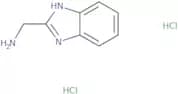
CAS:<p>6-Bromo-4-chloro-1H-indazole is an organic compound that has been reported as a reaction component, reagent, and useful scaffold in the synthesis of complex compounds. It is also a speciality chemical with versatile building block and useful intermediate properties. 6-Bromo-4-chloro-1H-indazole is a fine chemical with complex structure and high purity.</p>Formula:C7H4BrClN2Purity:Min. 95%Color and Shape:Off-white to brown solid.Molecular weight:231.48 g/mol1H-Benzimidazol-2-ylmethylamine dihydrochloride
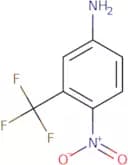
CAS:<p>VX-950 is an antibacterial agent that inhibits the synthesis of bacterial protein. It binds to a small molecule, benzimidazol-2-ylmethylamine, which reduces the production of proteins in the bacterial cell by inhibiting the enzyme dihydrofolate reductase. VX-950 has been shown to be effective against a number of pathogens including fungi and bacteria. VX-950 has also been shown to bind to two ligands, imidazolines and diazepinones, that are found in mammalian tissue. This binding allows it to reduce the production of proteins in hepatocytes as well as inhibit growth in Saccharomyces cerevisiae strain.</p>Formula:C8H9N3•(HCl)2Purity:Min. 95%Color and Shape:PowderMolecular weight:220.1 g/mol4-Nitro-3-(trifluoromethyl)aniline (FLU-1)
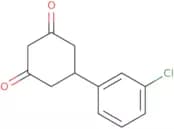
CAS:<p>4-Nitro-3-(trifluoromethyl)aniline (FLU-1) is a molecule that has been shown to be carcinogenic in both animals and humans. This compound has an activation energy of 4.2 kcal/mol, which is a measure of the amount of energy required for a reaction to occur. FLU-1 is stable in n-dimethylformamide and reacts with acetic acid to form an ester, which can be hydrolyzed to form 4-nitro-3-(trifluoromethyl)acetic acid. FLU-1 also reacts with ammonia and boron nitride to form 4-(aminocarbonyl)-3-(trifluoromethyl)aniline. The physical properties of this compound are dependent on the solvents used in the reaction. For example, its nmr spectra are different in chloroform than they are in acetone or</p>Formula:C7H5F3N2O2Purity:Min. 98 Area-%Color and Shape:PowderMolecular weight:206.12 g/mol5-(3-Chlorophenyl)cyclohexane-1,3-dione
CAS:5-(3-Chlorophenyl)cyclohexane-1,3-dione is a versatile building block. It can be used as a reagent, speciality chemical, or useful building block in the synthesis of complex compounds. 5-(3-Chlorophenyl)cyclohexane-1,3-dione is also used as a reaction component or scaffold in the synthesis of valuable chemicals. This chemical has high purity and quality.Formula:C12H11ClO2Purity:Min. 95%Color and Shape:White PowderMolecular weight:222.67 g/mol6-Iodoisatin
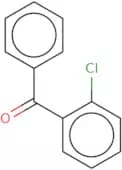
CAS:<p>6-Iodoisatin is a potential anticancer agent that has been shown to inhibit the growth of murine melanoma cells in vitro. The mechanism of action is not yet fully understood, but it seems that 6-iodoisatin may inhibit the synthesis of melanin and its cross-coupling reaction. This compound also exhibits affinity for tumour cells and can be radiolabeled with a radionuclide such as iodine-131 (I) or iodine-123 (I). 6-Iodoisatin has been shown to have a high biodistribution profile in mice. It accumulates in melanoma tumours at an amount that is ten times higher than that observed in other tissues.</p>Formula:C8H4INO2Purity:Min. 95%Color and Shape:Orange PowderMolecular weight:273.03 g/mol2-Chlorobenzophenone
CAS:2-Chlorobenzophenone is a group P2 compound that is synthesized by the thermodynamic approach. It is also produced by the solid-phase synthesis of 2-chlorobenzoyl chloride and phosphorus pentachloride in a nonpolar solvent. This chemical can be purified through chromatographic methods. The chloride ion present in 2-chlorobenzophenone is replaced by an amine to form an amide or ester, which are more soluble in water than the chloride ion. 2-Chlorobenzophenone is used as a precursor for many other organic compounds, including benzodiazepines and organometallic compounds. This chemical has been shown to have sequences that are similar to benzodiazepine receptors and can act as a ligand for these receptors, blocking neurotransmission at synapses.>>END>>Formula:C13H9ClOPurity:Min. 95%Color and Shape:PowderMolecular weight:216.66 g/mol3-Aminobenzylamine dihydrochloride
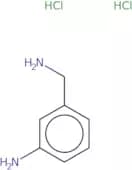
CAS:<p>3-Aminobenzylamine dihydrochloride is a chemical building block that is useful for the synthesis of complex compounds. 3-Aminobenzylamine dihydrochloride is an aminobenzamide and has been used as a reagent or reaction component in laboratory research. This chemical is a versatile building block that can be used to synthesize a variety of compounds. 3-Aminobenzylamine dihydrochloride has been shown to be effective in the synthesis of 1,2,4-triazole derivatives, which are useful as pharmaceuticals or herbicides. 3-Aminobenzylamine dihydrochloride is also useful for the preparation of other fine chemicals and speciality chemicals.</p>Formula:C7H10N2·2ClHPurity:Min. 95%Color and Shape:SolidMolecular weight:195.09 g/mol4-Difluoromethoxyaniline
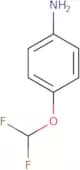
CAS:4-Difluoromethoxyaniline is an allosteric modulator for glutamate receptors. It is a chemical compound that can be used to modify glutamate receptors to act as either metabotropic or ionotropic. 4-Difluoromethoxyaniline is used in the treatment of Parkinson's disease and other movement disorders, such as dyskinesia. It has been shown that 4-difluoromethoxyaniline increases the activity of activated glutamate receptors, which leads to increased levels of the neurotransmitter dopamine in the brain. This drug may also inhibit nitric oxide production and corticotropin-releasing hormone (CRH) synthesis.Formula:C7H7F2NOPurity:Min. 95%Molecular weight:159.13 g/mol6-Fluoroindole-3-acetic acid
CAS:<p>6-Fluoroindole-3-acetic acid is a molecule that has been synthesized by the reaction of 6-fluoroindole with acetic anhydride. When mixed with acetonitrile, the fluorescence of 6-fluoroindole-3-acetic acid can be seen in the solution. The fluorescence intensity is proportional to the concentration of this molecule. 6-Fluoroindole-3-acetic acid is used as a template molecule for fluorescence labeling experiments. It interacts with hormones and can be used to identify their conformations and interactions. This compound has been shown to have anticancer properties in mice, and it may also be effective against cancer cells in humans. It has also been shown to inhibit the growth of pisum sativum (pea).</p>Formula:C10H8FNO2Purity:Min. 95%Color and Shape:PowderMolecular weight:193.17 g/molManidipine dihydrochloride
CAS:Manidipine is an antagonist of L-and T-type calcium channels that are present on smooth muscle cells. Manidipine is clinically used in hypertensive patients to achieve a significant peripheral vasodilation without an associated cardiodepression. In 2020, manidipine was identified as a potential drug in the treatment of COVID-19.Formula:C35H38N4O6•(HCl)2Purity:Min. 95%Color and Shape:PowderMolecular weight:683.62 g/mol2-Chlorophenylacetone
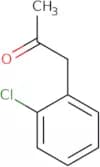
CAS:Controlled Product2-Chlorophenylacetone is an organic chemical compound that is a substrate for enzymes. It can be used as a reagent in the synthesis of phenylacetone and other substituted phenylacetic acids, which are chiral starting materials used in the production of pharmaceuticals, pesticides, dyes, and plastics. 2-Chlorophenylacetone binds to the active site on enzymes that catalyze reactions involving ethylene, nitroethane, chloride and phenylacetone. The binding site is defined by amino acid residues at positions corresponding to glycine (G), alanine (A), and aspartic acid (D) in the enzyme's active site. 2-Chlorophenylacetone has been shown to be a powerful inhibitor of dehydrogenase activity with IC50 values of 1.5 mM for acetaldehyde dehydrogenase from yeast cells and 3.2 mM for alcohol dehydrogenase from rat liver mitochondria. In addition, itFormula:C9H9ClOPurity:Min. 97%Color and Shape:LiquidMolecular weight:168.62 g/molPyrithioxin dihydrochloride
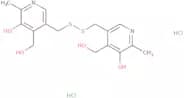
CAS:<p>Pyrithioxin dihydrochloride is a pharmaceutical dosage form used to treat degenerative diseases. It has been shown to have an inhibitory effect on the activity of cholinergic neurons, and can be used to treat symptoms such as muscle weakness, muscle atrophy, and difficulty with movement. Pyrithioxin dihydrochloride may also be used in long-term treatment for Alzheimer's disease or Parkinson's disease. Pyrithioxin dihydrochloride inhibits the synthesis of acetylcholine by binding to the enzyme choline acetyltransferase and blocking the transfer of acetyl-coenzyme A from the coenzyme A pool. This drug also inhibits brain infarction in animal models by preventing accumulation of fatty acids in the blood vessels.</p>Formula:C16H20N2O4S2·2HClPurity:Min. 95%Color and Shape:White To Off-White To Light (Or Pale) Yellow SolidMolecular weight:441.39 g/mol2-Chloro-4-(trifluoromethoxy)aniline
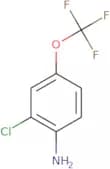
CAS:<p>2-Chloro-4-(trifluoromethoxy)aniline is a chemical reagent that is used in organic synthesis. It has a variety of uses including as a building block for complex compounds, an intermediate for the synthesis of other chemicals, and a reagent for the production of pharmaceuticals. 2-Chloro-4-(trifluoromethoxy)aniline is also useful in research to study the mechanism of certain reactions. The high quality and versatility of this compound make it a speciality chemical with many applications.</p>Formula:C7H5ClF3NOMolecular weight:211.57 g/mol1-(Trimethylsilyl)-2-naphthyl Trifluoromethanesulfonate
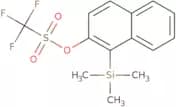
CAS:<p>1-(Trimethylsilyl)-2-naphthyl Trifluoromethanesulfonate is a solvent that has been used for the synthesis of oxygen heterocycles. It is also used as a reagent to cleave bonds in organic molecules, such as alkene, solvents, aldehydes and activated esters. This compound is an unsymmetrical nucleophile that reacts with electron-poor alkenes to generate an unsaturated bond between two carbons. Mechanistic studies have shown that the reaction proceeds through a concerted mechanism involving the formation of a covalent phosphine intermediate.</p>Formula:C14H15F3O3SSiPurity:Min. 95%Color and Shape:PowderMolecular weight:348.41 g/molPentafluorobenzeneboronic acid
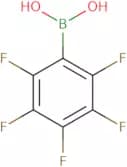
CAS:Pentafluorobenzeneboronic acid is a boronic acid that is used in the synthesis of cationic polymers for use as an environmentally friendly alternative to perfluoroalkyl compounds. Pentafluorobenzeneboronic acid can be synthesized by the reaction of hydrochloric acid and pentafluorophenol. The energy efficiency of this molecule is low, which makes it an attractive candidate for use in polymer synthesis. Pentafluorobenzeneboronic acid reacts with nucleophiles at its α carbon to form a covalent linkage, which is reversible under certain conditions. This chemical has been shown to react with β-unsaturated ketones and trifluoroacetic acid to form polyenes with control experiments being done by adding ammonia gas or water to the reaction mixture.Formula:C6H2BF5O2Purity:Min. 95%Color and Shape:SolidMolecular weight:211.88 g/mol5-Bromo-6-azauracil
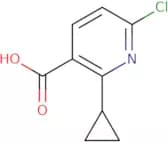
CAS:5-Bromo-6-azauracil is a nucleophilic compound that can be used to treat wastewater. It is also able to lyse cells and has been used as an immobilizing agent. The reactive nature of 5-Bromo-6-azauracil enables it to undergo nucleophilic substitutions with amines, which are present in the cell wall and other biomolecules. This process results in the formation of amide bonds, which leads to the inhibition of protein synthesis. 5-Bromo-6-azauracil has shown inhibitory effects on glucans, which may be due to its ability to form covalent bonds with glucose molecules.Formula:C3H2BrN3O2Purity:Min. 95%Color and Shape:White To Off-White SolidMolecular weight:191.97 g/mol6-Chloro-2-cyclopropylnicotinic acid
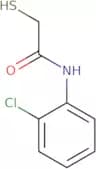
CAS:6-Chloro-2-cyclopropylnicotinic acid is a clear, colorless liquid that is soluble in organic solvents. It has a molecular weight of 174.9 and an empirical formula of C8H7ClN2O2. This compound is used as a reagent, intermediate, or building block in organic synthesis and can be used in the production of pharmaceuticals. It is also useful as a building block for drug discovery and can be used to produce various other compounds with biological activity, such as 4-chloro-1-(4-nitrophenyl)piperidine. 6-Chloro-2-cyclopropylnicotinic acid is described by CAS number 862695-75-8 and has the chemical name 6-(chloromethyl) 2-(cyclopropyl) nicotinic acid.Formula:C9H8ClNO2Purity:Min. 95%Color and Shape:PowderMolecular weight:197.62 g/molN-(2-Chlorophenyl)-2-mercaptoacetamide
CAS:2-Chloroacetamide is a useful building block that can be used to synthesize a variety of compounds. This chemical is also a versatile intermediate and can be used in the preparation of fine chemicals, research chemicals, and speciality chemicals. It is also a reaction component that can be used in the synthesis of complex compounds. 2-Chloroacetamide has been shown to have high quality properties and is often used as a reagent.Formula:C8H8ClNOSPurity:Min. 95%Color and Shape:White PowderMolecular weight:201.67 g/mol





![1-(2,2-Difluorobenzo[d][1,3]dioxol-5-yl)cyclopropanecarbonitrile](/_next/image/?url=https%3A%2Fstatic.cymitquimica.com%2Fproducts%2FTR%2Fthumb-webp%2FD445858.webp&w=3840&q=75)



![2-Bromo-5,5-dimethyl-5,6-dihydrobenzo[d]thiazol-7(4H)-one](/_next/image/?url=https%3A%2Fstatic.cymitquimica.com%2Fproducts%2FTR%2Fthumb-webp%2FB997890.webp&w=3840&q=75)


![(1R,4R)-tert-Butyl 2,5-diazabicyclo[2.2.1]heptane-2-carboxylate hydrochloride](/_next/image/?url=https%3A%2Fstatic.cymitquimica.com%2Fproducts%2F3D%2Fthumb-webp%2FFB15223.webp&w=3840&q=75)
![4-[(5-Bromo-2-chlorophenyl)methyl]phenol](/_next/image/?url=https%3A%2Fstatic.cymitquimica.com%2Fproducts%2F3D%2Fthumb-webp%2FFB76123.webp&w=3840&q=75)

![(5R)-5-(Chloromethyl)-3-[3-fluoro-4-(4-morpholinyl)phenyl]-2-oxazolidinone](/_next/image/?url=https%3A%2Fstatic.cymitquimica.com%2Fproducts%2F3D%2Fthumb-webp%2FFC57969.webp&w=3840&q=75)

![7-Bromo-2-chlorothieno[3,2-d]pyrimidine](/_next/image/?url=https%3A%2Fstatic.cymitquimica.com%2Fproducts%2F3D%2Fthumb-webp%2FFB156457.webp&w=3840&q=75)