Organic Halides
In this category, you can find organic molecules containing one or more halogen atoms in their structure. These organic halides include brominated, iodinated, chlorinated, and cyclic halide compounds. Organic halides are widely used in organic synthesis, pharmaceuticals, agrochemicals, and materials science due to their reactivity and ability to undergo a variety of chemical transformations. At CymitQuimica, we offer a comprehensive selection of high-quality organic halides to support your research and industrial applications, ensuring reliable and effective performance in your synthetic and analytical projects.
Subcategories of "Organic Halides"
Found 20440 products of "Organic Halides"
Sort by
Purity (%)
0
100
|
0
|
50
|
90
|
95
|
100
1-(Difluoromethyl)-4-nitrobenzene
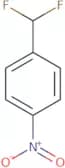
CAS:1-(Difluoromethyl)-4-nitrobenzene is a versatile building block that can be used as a fine chemical, research chemical, or reagent. It is an intermediate for the production of difluoromethylene-1,4-diamine and 1,1-difluoroethane. This compound has been shown to be useful in the synthesis of complex compounds such as 3-hydroxyazetidine and 4-amino-5H-thiazolo[3,2-a]pyrimidin-2(7H)-one. The high purity of this product makes it excellent for use in laboratory settings.Formula:C7H5F2NO2Purity:Min. 95%Color and Shape:SolidMolecular weight:173.12 g/mol1-(3-(Trifluoromethoxy)phenyl)-2-nitroethene
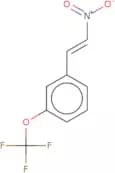
CAS:<p>1-(3-Trifluoromethoxy)phenyl)-2-nitroethene is a fluorinated aromatic compound that can be used as a building block for synthesis of pharmaceuticals, research chemicals, and other specialty chemicals. It is an intermediate that can be used in the production of other compounds. This compound may be used in pharmaceuticals to treat bacterial infections and inflammatory diseases. 1-(3-Trifluoromethoxy)phenyl)-2-nitroethene may also be utilized as a reaction component for synthesizing other organic compounds. It is soluble in solvents such as benzene, ether, chloroform, and acetone.</p>Formula:C9H6F3NO3Purity:Min. 95%Molecular weight:233.14 g/mol2-Amino-5-fluorobenzamide
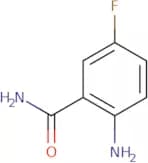
CAS:<p>2-Amino-5-fluorobenzamide (2AFB) is a compound that has been shown to have neurotoxic properties. 2AFB is a ring-opening agent, which means it can open the six-membered ring of aromatic compounds such as benzene or pyridine. 2AFB also has affinity for metal ions and therefore can be used in magnetic separations. The reaction system of 2AFB includes an enzyme, pentylenetetrazole (PTZ), that catalyzes the reaction between 2AFB and its substrate, 4-nitrophenol (4NP). This reaction produces free radicals that react with oxygen to produce peroxides. These peroxides are then detected by a chemiluminescence assay. In this way, the amount of 2AFB and 4NP can be measured quantitatively.<br>2AFB also has antioxidant properties, which may be due to its ability to scavenge free radicals from</p>Formula:C7H7FN2OPurity:Min. 95%Color and Shape:PowderMolecular weight:154.14 g/mol3-Chlorobenzyl chloride
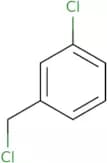
CAS:3-Chlorobenzyl chloride is an aryl halide that binds to the p. aeruginosa group in the cell membrane and inhibits bacterial growth by inhibiting the synthesis of essential cell components such as proteins, nucleic acids, and lipids. 3-Chlorobenzyl chloride binds to inhibitory molecules on the p. aeruginosa cell surface by covalent bonds or ionic interactions, which prevents these molecules from interacting with other cells. This inhibits the production of functional groups such as chloride ions and cross-coupling reactions. 3-Chlorobenzyl chloride has been shown to have chemical properties that prevent it from being metabolized by microorganisms, which may be due to its resistance to hydrolysis or oxidative metabolism.Formula:C7H6Cl2Purity:Min. 95%Color and Shape:Colorless Clear LiquidMolecular weight:161.03 g/molMeclofenoxate hydrochloride
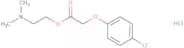
CAS:Controlled ProductMeclofenoxate hydrochloride is a cholinergic drug that has been used to treat bowel diseases. It inhibits the enzyme acetylcholinesterase, which breaks down acetylcholine in the body and thus increases the amount of acetylcholine available to stimulate muscle contractions. Meclofenoxate hydrochloride also affects the production of other enzymes, such as those involved in energy metabolism. The drug has been shown to increase water vapor loss through sweating and reduce body weight in experimental models. The drug may also have a beneficial effect on brain function by increasing oxygen consumption and blood flow to the brain. Meclofenoxate hydrochloride is not well absorbed from the gastrointestinal tract and does not cross the blood-brain barrier, so it can be administered orally or intravenously without causing side effects such as convulsions that are common with other cholinergic drugs. Meclofenoxate hydrochloride is an anhydrousFormula:C12H17Cl2NO3Purity:Min. 95%Color and Shape:White PowderMolecular weight:294.17 g/mol4-Fluoro-L-histidine
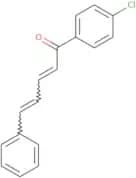
CAS:<p>4-Fluoro-L-histidine is a fluorinated analog of L-histidine that functions as an inhibitor of protein synthesis by the virus. 4-Fluoro-L-histidine was found to be more potent than L-histidine in inhibiting murine sarcoma virus (MSV) replication and cytopathogenicity in vitro. This molecule has been shown to be a pentadecapeptide, which is comprised of five amino acids. The conformational properties of 4FLH are similar to those of histidine, and it can act as a substrate for enzymes involved in protein synthesis. 4FLH is also available with a deuterium isotope effect, which may affect its biological activity.</p>Purity:Min. 95%(2E,4E)-1-(4-Chlorophenyl)-5-phenylpenta-2,4-dien-1-one
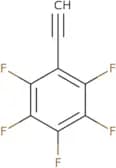
CAS:<p>2,4-Dien-1-one is a cyclic dienone that is used in the preparation of various pharmaceutical drugs. It has been reported to be an excellent building block for the synthesis of complex compounds. This compound has shown antimicrobial activity against methicillin resistant Staphylococcus aureus (MRSA) and Mycobacterium tuberculosis.<br>2,4-Dien-1-one is a versatile intermediate that can be used as a speciality chemical or research chemicals. It is also a useful scaffold for the synthesis of various pharmaceutical drugs and can be used as a reaction component for various reactions.</p>Formula:C17H13ClOPurity:Min. 95%Color and Shape:PowderMolecular weight:268.74 g/mol1-Ethynyl-2,3,4,5,6-pentafluorobenzene
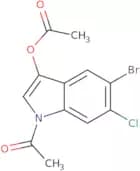
CAS:<p>1-Ethynyl-2,3,4,5,6-pentafluorobenzene is an organofluorine compound that has been the subject of research. The compound has been shown to react with nucleophiles at the 1- and 2-positions in a nucleophilic substitution reaction. It is also used as a solvent for reactions involving amines and alcohols.</p>Formula:C8HF5Purity:Min. 98 Area-%Color and Shape:PowderMolecular weight:192.09 g/mol5-Bromo-6-chloroindolyl 1,3-diacetate
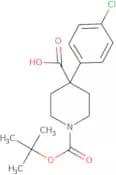
CAS:5-Bromo-6-chloroindolyl 1,3-diacetate is a versatile building block that can be used in the synthesis of complex compounds. It is a useful intermediate for the synthesis of speciality chemicals with high quality. 5-Bromo-6-chloroindolyl 1,3-diacetate is a reagent and reaction component for research chemicals with CAS No. 108847-96-7. It has a variety of applications in the manufacture of fine chemicals and pharmaceuticals, as well as being a useful scaffold for the production of new compounds.Formula:C12H9BrClNO3Purity:Min. 95%Color and Shape:Off-White PowderMolecular weight:330.57 g/molBoc-4-(4-chlorophenyl)-piperidine-4-carboxylic acid
CAS:Boc-4-(4-chlorophenyl)-piperidine-4-carboxylic acid is a versatile building block that can be used to synthesize complex compounds. It is a high quality, research chemical that can be used as a reagent or speciality chemical. Boc-4-(4-chlorophenyl)-piperidine-4-carboxylic acid is an intermediate for the synthesis of pharmacologically active compounds and has been used as a reaction component in the synthesis of other useful scaffolds. CAS No. 644981-94-2Formula:C17H22ClNO4Purity:Min. 95%Color and Shape:White PowderMolecular weight:339.81 g/mol2-(Trifluoromethoxy)phenylboronic acid
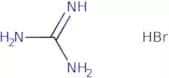
CAS:2-(Trifluoromethoxy)phenylboronic acid (2-TFB) is a boronic acid that is used in cross-coupling reactions. It has been shown to be an effective inhibitor of the Vismodegib pathway, which may offer therapeutic benefits for cancer patients. 2-TFB has also been shown to inhibit the activity of other pathways involved in cancer development, such as the benzamide and suzuki pathways. 2-TFB is metabolized through filtration, which can lead to significant pharmacokinetic properties. This compound can be recycled and reused in cross-coupling reactions, which reduces waste production and costs.Formula:C7H6BF3O3Purity:Min. 95%Color and Shape:PowderMolecular weight:205.93 g/molGuanidine hydrobromide
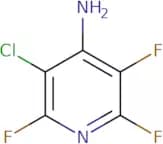
CAS:<p>Guanidine hydrobromide is a chemical compound that is used in wastewater treatment. It has been shown to interact with human serum and form hydrogen bonding interactions. Guanidine hydrobromide has also been shown to react with metal hydroxides to form guanidinium ions. The guanidinium ions have been shown to be able to bind to the mucin gene, which is an important gene for epithelial cells. This binding can lead to cell death and toxicity in humans. Guanidine hydrobromide has also been shown to react with nitrate and produce toxic products such as cyanogen bromide. The reaction mechanism of guanidine hydrobromide is currently being studied by titration calorimetry, a technique that measures heat released during chemical reactions by observing changes in temperature.</p>Formula:CH6BrN3Purity:Min. 95%Color and Shape:White PowderMolecular weight:139.98 g/mol4-Amino-3-chloro-2,5,6-trifluoropyridine
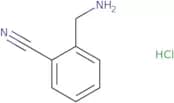
CAS:4-Amino-3-chloro-2,5,6-trifluoropyridine is a reactive and unstable chemical compound that belongs to the group of anilines. It is used in the synthesis of hypsochromic dyes. The compound has been shown to interact with other molecules, such as chemo-, supramolecular-, and synthetically-. The fluorophore has been stabilized by a supramolecular approach. Chemically induced fluorescence properties have been observed for 4-amino-3-chloro-2,5,6-trifluoropyridine.Formula:C5H2ClF3N2Purity:Min. 95%Color and Shape:SolidMolecular weight:182.53 g/mol2-Cyanobenzylamine hydrochloride
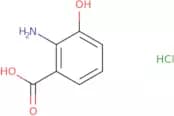
CAS:<p>2-Cyanobenzylamine hydrochloride is a chemical building block and intermediate that can be used in the synthesis of many different compounds. It is also a useful reagent for reactions involving nitro compounds. 2-Cyanobenzylamine hydrochloride is a fine chemical that is registered with the Chemical Abstract Service (CAS No. 1134529-25-1). It has been identified as a versatile building block and useful intermediate in the synthesis of pharmaceuticals, agrochemicals, and other organic chemicals.</p>Formula:C8H8N2·HClPurity:Min. 95%Color and Shape:White/Off-White SolidMolecular weight:168.62 g/mol3-Hydroxyanthranilic acid Hydrochloride
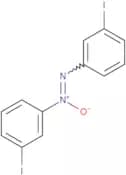
CAS:<p>3-Hydroxyanthranilic acid hydrochloride is a prodrug of 3-hydroxyanthranilic acid. It is metabolized by the liver to 3-hydroxyanthranilic acid, which inhibits the synthesis of proteins and blocks the formation of bacterial cell walls. The carboxyl group on this drug attaches to a hydrogen atom on the phenol group and forms a hydrogen bond with a protonated chloride atom to form an ionic bond. This drug also has an amino group that can donate a proton to become positively charged.</p>Formula:C7H7NO3·ClHPurity:Min. 95%Molecular weight:189.6 g/mol3,3'-Diiodoazoxybenzene
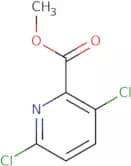
CAS:Please enquire for more information about 3,3'-Diiodoazoxybenzene including the price, delivery time and more detailed product information at the technical inquiry form on this pageFormula:C12H8I2N2OPurity:Min. 95%Molecular weight:450.01 g/molMethyl 3,6-dichloropyridine-2-carboxylate
CAS:Methyl 3,6-dichloropyridine-2-carboxylate is a nitro compound that is used as a transport inhibitor. It has been shown to inhibit the transport of some organic compounds in h9c2 cells by binding to the active site of ATP synthase, which is required for energy production. Methyl 3,6-dichloropyridine-2-carboxylate has also been shown to modulate physiological effects in mice, such as modulating the activity of enzymes involved in fatty acid synthesis. This compound is synthetically derived from anthranilic acid and dichlorprop with oxadiazole as a starting material.Formula:C7H5Cl2NO2Purity:Min. 95%Color and Shape:PowderMolecular weight:206.03 g/mol2-[(4-Chlorophenyl)-2-pyridinylmethoxy]-N,N-dimethylethanamine maleate salt
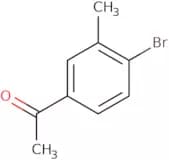
CAS:Controlled Product<p>2-[(4-Chlorophenyl)-2-pyridinylmethoxy]-N,N-dimethylethanamine maleate salt (DCLM) is a controlled-release preparation of an antihistamine that is used for the relief of allergic symptoms. It is a prodrug that is hydrolyzed to 2-[(4-chlorophenyl)-2-pyridinylmethoxy]ethanol (DCPEM) in vivo. DCLM has been shown to be effective against viruses and has been found to have receptor activity in human serum. The drug can be administered either orally or by injection. DCLM has also been shown to suppress allergic symptoms in vitro with LC-MS/MS analysis.</p>Formula:C20H23ClN2O5Purity:Min. 95%Color and Shape:White To Off-White SolidMolecular weight:406.86 g/mol4'-Bromo-3'-methylacetophenone, 75%
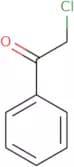
CAS:<p>4'-Bromo-3'-methylacetophenone, 75% is a high quality reagent that is a useful intermediate for the synthesis of complex compounds. It has CAS No. 37074-40-1 and can be used as a fine chemical or speciality chemical in research. This product is also a versatile building block that can be used as an intermediate in reactions and as a reaction component.</p>Formula:C9H9BrOPurity:Min. 95%Molecular weight:213.07 g/mol2-Chloroacetophenone
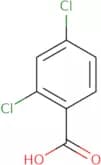
CAS:Controlled Product<p>2-Chloroacetophenone is a chemical that has been shown to be an effective inhibitor of the enzyme form of the human acetylcholinesterase. It is used in experimental studies for its ability to inhibit the activity of other enzymes such as polymerase chain, which is involved in DNA replication. 2-Chloroacetophenone has also been shown to have anti-cancer properties, inhibiting skin cancer cells and cancer cells derived from cardiac tissue. The drug also has anti-inflammatory properties and can be used for the treatment of arthritis. 2-Chloroacetophenone's toxicity has been studied extensively and it does not appear to affect glomerular filtration rate or body mass index significantly, although it may affect receptor activity.</p>Formula:C8H7ClOPurity:Min. 95%Color and Shape:PowderMolecular weight:154.59 g/mol2,4-Dichlorobenzoic acid
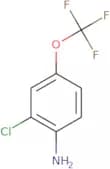
CAS:<p>2,4-Dichlorobenzoic acid is a chemical compound that is commonly used for sample preparation for analytical methods. It is also used as a nutrient in group P2 bacteria. 2,4-Dichlorobenzoic acid has coordination geometry of octahedral with the central atom being surrounded by six ligands. This chemical has hydrogen bonding interactions that are most likely due to the electronegative chlorine atoms.</p>Formula:C7H4Cl2O2Purity:Min. 95%Color and Shape:PowderMolecular weight:191.01 g/mol2-Chloro-4-(trifluoromethoxy)aniline
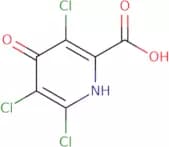
CAS:<p>2-Chloro-4-(trifluoromethoxy)aniline is a chemical reagent that is used in organic synthesis. It has a variety of uses including as a building block for complex compounds, an intermediate for the synthesis of other chemicals, and a reagent for the production of pharmaceuticals. 2-Chloro-4-(trifluoromethoxy)aniline is also useful in research to study the mechanism of certain reactions. The high quality and versatility of this compound make it a speciality chemical with many applications.</p>Formula:C7H5ClF3NOMolecular weight:211.57 g/mol3,5,6-Trichloro-4-hydroxy-2-picolinic acid
CAS:<p>3,5,6-Trichloro-4-hydroxy-2-picolinic acid is a high quality reagent that is used as a building block for the synthesis of complex compounds with potential pharmaceutical applications. It can be used as an intermediate in the production of fine chemicals and speciality chemicals. This compound is also useful for research purposes and as a versatile building block for reactions.</p>Formula:C6H2Cl3NO3Purity:Min. 95%Color and Shape:White to off-white solid.Molecular weight:242.44 g/mol4-Fluoro-3-methoxybenzonitrile
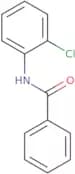
CAS:<p>4-Fluoro-3-methoxybenzonitrile (4FM) is an orally active dihydrobenzofuran derivative that has been optimized for oral bioavailability. The drug is a potent inhibitor of efflux and can be used to lower the oral bioavailability of drugs that are substrates for efflux. 4FM also inhibits heterocycle metabolism, which can be used as a strategy to evolve drugs with improved physicochemical properties. 4FM has shown preclinical efficacy in lowering heterocycle levels, including lowering of methadone levels in humans. The drug is a competitive inhibitor of the enzyme P450 2D6, which is responsible for the metabolism of many drugs. This inhibition may have adverse effects on these drugs and should be monitored closely during treatment with 4FM.</p>Formula:C8H6FNOPurity:Min. 95%Color and Shape:PowderMolecular weight:151.14 g/molN-(2-Chlorophenyl)benzamide
CAS:<p>N-(2-Chlorophenyl)benzamide is a phenanthridone that reacts with chlorides in the presence of anilines to form singlet carbonyls. The photocyclization of these carbonyls yields an electron-deficient product that can be converted to a reactive electrophile by the addition of chlorine. This electrophilic species reacts with electron-rich aromatic compounds, such as phenols and benzene, to produce substitution products. The reaction rate for this process is dependent on the isotope effect, which is the change in reactivity due to changes in the mass number of atoms. The use of deuterium chloride instead of hydrogen chloride provides a kinetic isotope effect, which enhances the reaction rate.</p>Formula:C13H10ClNOPurity:Min. 95%Molecular weight:231.68 g/mol[(5-Cyclopropyl-1,2,4-oxadiazol-3-yl)methyl]amine hydrochloride
CAS:[(5-Cyclopropyl-1,2,4-oxadiazol-3-yl)methyl]amine hydrochloride is an intermediate used in the synthesis of a variety of complex compounds. It is also a fine chemical that can be used as a reagent and building block in the manufacture of drugs. [(5-Cyclopropyl-1,2,4-oxadiazol-3-yl)methyl]amine hydrochloride has been shown to be a versatile building block for the synthesis of many types of compounds. This compound has been shown to react with various functional groups, including alcohols and amines. This reagent can also be used as a reaction component with other chemicals such as nitroalkanes or ketones to produce heterocycles or other useful compounds. ([(5-Cyclopropyl-1,2,4-oxadiazol-3-yl)methyl]amine hydrochloride)Formula:C6H10ClN3OPurity:Min. 95%Color and Shape:Off-White PowderMolecular weight:175.62 g/mol4-Chloro-3-fluorobenzonitrile
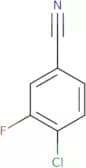
CAS:4-Chloro-3-fluorobenzonitrile is a fluorination agent that reacts with potassium to form 4-chloro-3-fluoroaniline. 4-Chloro-3-fluorobenzonitrile is used in the preparation of other fluorinated compounds. The reaction takes place in a reactor and requires refluxing in chlorobenzonitrile with tetraphenylphosphonium fluoride.Formula:C7H3ClFNPurity:Min. 95%Color and Shape:PowderMolecular weight:155.56 g/mol3,4-Bis(difluoromethoxy) Roflumilast
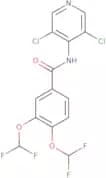
CAS:3,4-Bis(difluoromethoxy) roflumilast is a reagent that is used to synthesize fine chemicals. It is an intermediate for the synthesis of 3,4-bis(difluoromethoxy) roflumilast-1-carboxylic acid and can also be used as a building block for other research chemicals. 3,4-Bis(difluoromethoxy) roflumilast has been shown to be useful in reactions that require versatile building blocks.Formula:C14H8Cl2F4N2O3Purity:Min. 95%Color and Shape:PowderMolecular weight:399.12 g/mol1-Adamantyl(amino)acetic acid hydrochloride
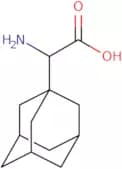
CAS:<p>1-Adamantyl(amino)acetic acid hydrochloride is an organic compound that is used as a versatile building block and intermediate in the synthesis of complex compounds. It reacts with nitric acid to form 1-Adamantyl nitrate, which is a useful reagent for organic synthesis. This compound has CAS number 16091-96-6 and can be found on the list of speciality chemicals. It is a fine chemical with high quality and is useful for research purposes.</p>Formula:C12H19NO2·HClPurity:Min. 95%Color and Shape:PowderMolecular weight:245.75 g/mol3,5-Diiodosalicylic acid
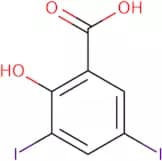
CAS:3,5-Diiodosalicylic acid is a chemical compound that has been used in biological studies to study the kinetic energy of nuclear DNA and to examine the surface glycoprotein receptors. It binds tightly to copper chloride and lithium and can be used as an inhibitor for receptor activity. 3,5-Diiodosalicylic acid has also been shown to have anti-inflammatory effects in hl-60 cells by inhibiting the production of cytokines such as IL-1β, TNFα, IL-6, IL-10, and GM-CSF.Formula:C7H4I2O3Purity:Min. 95%Color and Shape:PowderMolecular weight:389.91 g/molTriphenylmethanesulfenyl chloride
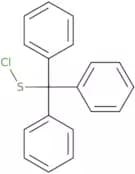
CAS:<p>Triphenylmethanesulfenyl chloride is a nucleophilic reagent that reacts with hydrochloric acid to form triphenylmethanesulfonyl chloride. This compound is a key precursor in the synthesis of technetium-99m, which is used in diagnostic nuclear medicine. Triphenylmethanesulfenyl chloride was first synthesized by K. W. James and J. F. Danielli in 1961 as a means to produce Tc-99m by reacting it with Cl- via nucleophilic substitution at the sulfur atom. The macrocyclic structure of this compound has been determined using X-ray crystal structures and isolated yields have been shown to be high (typically >95%). Triphenylmethanesulfenyl chloride can also be used for the preparation of other organic compounds, such as carbodiimides and carboxamides, through its reaction with carbonic anhydrase or carbodiimide respectively.</p>Formula:C19H15ClSPurity:Min. 95%Color and Shape:Yellow PowderMolecular weight:310.84 g/mol5-(Bromomethyl)-2-chloropyridine
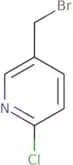
CAS:5-(Bromomethyl)-2-chloropyridine is a drug with mediated activity. It is a potent inhibitor of the enzyme aldehyde oxidase, which is responsible for the oxidation of aldehydes to carboxylic acids. The inhibition of this enzyme leads to an increase in the concentration of reactive aldehydes and reactive oxygen species, which can lead to cell death. 5-(Bromomethyl)-2-chloropyridine has been shown to be effective as an anti-inflammatory agent in animal models and has also been used as an immunosuppressant in organ transplantation. 5-(Bromomethyl)-2-chloropyridine analogues have been synthesized and shown to be potent inhibitors of aldehyde oxidase, with much better pharmacokinetics than the parent molecule.Formula:C6H5BrClNPurity:Min. 95%Color and Shape:SolidMolecular weight:206.47 g/mol3-Bromo-2-nitroanisole
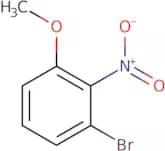
CAS:<p>3-Bromo-2-nitroanisole is a potassium channel blocker that has neuroprotective effects. It can be used for the treatment of glaucoma and hypertension. 3-Bromo-2-nitroanisole can inhibit the activity of potassium channels and act as a neuroprotective agent. The drug has been shown to have neuroprotective effects in animal models, with evidence of efficacy in humans. The drug also inhibits the production of nitric oxide, which may contribute to its neuroprotective effect.</p>Formula:C7H6BrNO3Purity:Min. 95%Color and Shape:Off-White PowderMolecular weight:232.03 g/mol4-Bromo-2-chloroiodobenzene
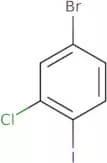
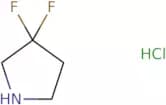
CAS:4-Bromo-2-chloroiodobenzene is a catalytic agent that is used in the synthesis of aryl halides. It is also used as a reagent for the functionalization of esters and amides. 4-Bromo-2-chloroiodobenzene has been shown to be an effective catalyst for coupling reactions between aromatic compounds and copper, as well as for cross-coupling reactions with aryl halides. This compound may be used in palladium chemistry, where it acts as a chemoselective catalyst.Formula:C6H3BrClIPurity:Min. 95%Color and Shape:PowderMolecular weight:317.35 g/mol3,3-Difluoropyrrolidine hydrochloride
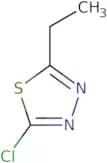
CAS:3,3-Difluoropyrrolidine hydrochloride is a pharmacokinetic agent that is used for the treatment of diabetes. It is an inhibitor of dipeptidase and other peptidases, which are enzymes that break down proteins into smaller molecules. 3,3-Difluoropyrrolidine hydrochloride inhibits these enzymes and thus slows the breakdown of proteins in the body. This drug has a high oral bioavailability and is rapidly absorbed after oral administration. It also has a high selectivity for inhibition of dipeptidase over other types of peptidases, which may lead to fewer side effects. 3,3-Difluoropyrrolidine hydrochloride is soluble in water but insoluble in organic solvents such as alcohol or acetone.Formula:C4H8ClF2NPurity:Min. 95%Color and Shape:Off-White PowderMolecular weight:143.56 g/mol2-Chloro-5-ethyl-1,3,4-thiadiazole
CAS:<p>2-Chloro-5-ethyl-1,3,4-thiadiazole is a volatile organic compound that can be found in the headspace of crops and soils. It is also a metabolite produced by various fungi and bacteria. 2-Chloro-5-ethyl-1,3,4-thiadiazole has been shown to inhibit the growth of Erysiphe cichoracearum and Fusarium oxysporum f. sp. lycopersici. It has also been shown to have antiinflammatory properties in mice due to its ability to suppress the production of prostaglandins.</p>Formula:C4H5ClN2SPurity:Min. 95%Color and Shape:Yellow PowderMolecular weight:148.61 g/mol1-(3-Fluorophenyl)-2-nitropropene
CAS:<p>1-(3-Fluorophenyl)-2-nitropropene is a versatile building block that can be used as a reagent, speciality chemical, or a reaction component. This compound is also useful for the synthesis of complex compounds. 1-(3-Fluorophenyl)-2-nitropropene has been shown to react with various electrophiles, including carbonyl compounds and nitro compounds, to give substituted products. This chemical is classified as a high quality compound and can be used in the synthesis of pharmaceuticals and other fine chemicals.</p>Formula:C9H8FNO2Purity:Min. 95%Molecular weight:181.16 g/molMethyl 3,5-dibromo-2-methoxybenzoate
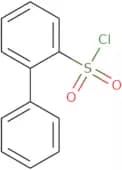
CAS:<p>Methyl 3,5-dibromo-2-methoxybenzoate is a fine chemical that is useful as a scaffold for the preparation of a variety of compounds. It is also used as an intermediate in the synthesis of pharmaceuticals and research chemicals. Methyl 3,5-dibromo-2-methoxybenzoate can be used as a reaction component to generate complex compounds with high purity and quality. This compound has been classified as a speciality chemical and may be reclassified due to its usefulness in research.</p>Formula:C9H8Br2O3Purity:Min. 95%Molecular weight:323.97 g/molBiphenyl-2-sulfonyl chloride
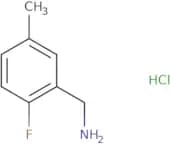
CAS:<p>Biphenyl-2-sulfonyl chloride is a solvate that has anti-cancer properties. It inhibits the activity of histone deacetylase, which is an enzyme that controls gene expression. Biphenyl-2-sulfonyl chloride also prevents deformylation and hydroxamates, which are important in the development of neurodegenerative diseases such as Parkinson's disease and Alzheimer's disease.</p>Formula:C12H9ClO2SPurity:Min. 95%Color and Shape:PowderMolecular weight:252.72 g/mol2-Fluoro-5-methylbenzylamine hydrochloride
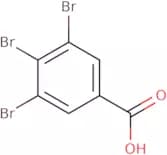
CAS:2-Fluoro-5-methylbenzylamine hydrochloride is a reagent that is used as a starting material in the synthesis of fine chemicals, research chemicals, and speciality chemicals. It reacts with a variety of compounds to form complex compounds. 2-Fluoro-5-methylbenzylamine hydrochloride has a high quality and is a versatile building block for making other chemical products. The compound also has an interesting reactivity with various substrates. 2-Fluoro-5-methylbenzylamine hydrochloride can be used as an intermediate in the synthesis of pharmaceuticals, herbicides, insecticides, and dyes. The CAS number for this compound is 1214341-09-9.Formula:C8H11ClFNPurity:Min. 95%Molecular weight:175.63 g/mol3,4,5-Tribromobenzoic acid - technical grade
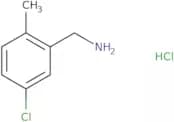
CAS:3,4,5-Tribromobenzoic acid is a benzoic acid with the molecular formula C6H3Br3O2. It is used as a plant growth regulator in agriculture and gardening. 3,4,5-Tribromobenzoic acid may be applied to the surface of plants to stimulate abscission (the natural shedding of leaves) or excision (the removal of flowers). This chemical also has been shown to inhibit physiological activity in plants by inhibiting 2,3,5-triiodobenzoic acid synthesis. This inhibition leads to a reduction in the production of substances that are involved in physiological processes such as photosynthesis and protein synthesis.Formula:C7H3Br3O2Purity:Min. 95%Molecular weight:358.81 g/mol5-Chloro-2-methylbenzylamine hydrochloride
CAS:<p>5-Chloro-2-methylbenzylamine hydrochloride is a chemical reagent used in the production of pharmaceuticals and other chemicals. It is also known as 5-Chloro-2-methylbenzaldehyde, or 5-Methoxyindole. 5-Chloro-2-methylbenzylamine hydrochloride is an important building block for the synthesis of many complex compounds with high purity and quality. This compound is also versatile and can be used as a reaction component or as a reagent. CAS No: 28096-37-9.</p>Formula:C8H10ClN·HClPurity:Min. 95%Molecular weight:192.09 g/mol[2-(3-Methyl-1,2,4-oxadiazol-5-yl)ethyl]amine hydrochloride
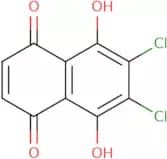
CAS:<p>2-(3-Methyl-1,2,4-oxadiazol-5-yl)ethyl]amine hydrochloride is a high quality chemical reagent that can be used as a complex intermediate in organic synthesis. It is also a useful scaffold for the synthesis of other complex compounds. 2-(3-Methyl-1,2,4-oxadiazol-5-yl)ethyl]amine hydrochloride is an excellent building block for the synthesis of various fine chemicals and research chemicals. This compound has many uses as a versatile building block in chemical reactions due to its reactivity.</p>Formula:C5H9N3O·HClPurity:Min. 95%Color and Shape:White PowderMolecular weight:163.61 g/mol2,3-Dichloro-5,8-dihydroxy-1,4-naphthalenedione
CAS:2,3-Dichloro-5,8-dihydroxy-1,4-naphthalenedione (DDD) is a chemical inhibitor of the proton response pathway. It is an analog of 2,3,7,8-tetrachlorodibenzo-p-dioxin (TCDD). DDD has been shown to enhance the induction of apoptosis in human macrophages and leishmania parasites. This agent also inhibits the growth of some tumor cell lines and enhances the cytotoxicity of other chemotherapeutic drugs. DDD has low bioavailability due to its high lipophilicity and rapid metabolism by esterases and glucuronidases.Formula:C10H4Cl2O4Purity:Min. 95%Color and Shape:Red PowderMolecular weight:259.04 g/mol4-(3-Chloro-benzyloxy)benzoic acid
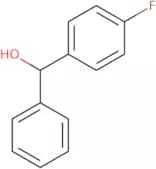
CAS:<p>4-(3-Chloro-benzyloxy)benzoic acid (4CBA) is a useful scaffold for the synthesis of complex compounds. It is a versatile building block that can be used as an intermediate in the synthesis of fine chemicals and research chemicals. 4CBA is also a reactive compound that can be used in reactions to form covalent bonds, such as amide formation. 4CBA has a CAS number of 84403-70-3 and can be used in reactions involving organic chemistry, such as esterification, etherification, nitration, sulfonation, amidation, and chlorination.</p>Formula:C14H11ClO3Purity:Min. 95%Color and Shape:White PowderMolecular weight:262.69 g/mol4-Fluorobenzhydrol
CAS:<p>4-Fluorobenzhydrol is a chiral aromatic ketone that has been used in catalytic transfer hydrogenation. The functional theory of 4-fluorobenzhydrol has been rationalized and its catalytic properties have been investigated in detail. 4-Fluorobenzhydrol is a functional group with a catalytic effect and it can be used to catalyze the transfer hydrogenation of aldehydes. 4-Fluorobenzhydrol was synthesized by the reaction of benzene with ethyl chloroformate, followed by hydrolysis of the ester and reduction of the resulting acid chloride. This product has been shown to give high yields from these reactions.</p>Formula:C13H11FOPurity:Min. 95%Color and Shape:PowderMolecular weight:202.22 g/mol3-Fluoro-2-methylaniline
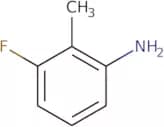
CAS:3-Fluoro-2-methylaniline is a reactive, electron-deficient compound that can react with cytochromes. It has been shown to bind to the microsomal preparations of rat liver and inhibit the interaction of 3-fluoro-2-methylaniline with cytochrome P450 system by stereoselective interactions. The molecular modelling studies revealed that this drug inhibits the reaction intermediate between cocrystallized benzoate and 3-fluoro-2-methylaniline.Formula:C7H8FNPurity:Min. 95%Color and Shape:Yellow To Dark Red LiquidMolecular weight:125.14 g/molPentafluorobenzeneboronic acid
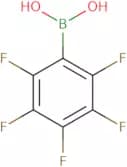
CAS:Pentafluorobenzeneboronic acid is a boronic acid that is used in the synthesis of cationic polymers for use as an environmentally friendly alternative to perfluoroalkyl compounds. Pentafluorobenzeneboronic acid can be synthesized by the reaction of hydrochloric acid and pentafluorophenol. The energy efficiency of this molecule is low, which makes it an attractive candidate for use in polymer synthesis. Pentafluorobenzeneboronic acid reacts with nucleophiles at its α carbon to form a covalent linkage, which is reversible under certain conditions. This chemical has been shown to react with β-unsaturated ketones and trifluoroacetic acid to form polyenes with control experiments being done by adding ammonia gas or water to the reaction mixture.Formula:C6H2BF5O2Purity:Min. 95%Color and Shape:SolidMolecular weight:211.88 g/molN-α-[2,4-Dinitro-5-fluorophenyl]-D-alanine amide
CAS:N-alpha-[2,4-Dinitro-5-fluorophenyl]-D-alanine amide is a potential drug for the treatment of cancer. It has been shown to be effective in inhibiting the proliferation of human prostate carcinoma cells in culture. This compound is a potential anticancer drug that binds to DNA and inhibits topoisomerase II, which is an enzyme involved in DNA replication. The mechanism of action of this drug was studied using methods such as optimization, isomers, plates, trifluoroacetic acid, tautomers, amino acid analysis and nanomolar concentrations. N-alpha-[2,4-Dinitro-5-fluorophenyl]-D-alanine amide has also been shown to inhibit cyanobacteria growth.Formula:C9H9N4O5FPurity:Min. 95%Color and Shape:Light (Or Pale) Yellow To Yellow SolidMolecular weight:272.05572,4,6-Trichlorobenzoic acid
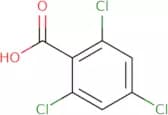
CAS:<p>2,4,6-Trichlorobenzoic acid is a trifluoroacetic acid that has been used as a solvent in vitro assays and as a carbon source for kinetic studies. It has also been shown to be an effective inhibitor of bacterial growth when tested with dextrans. 2,4,6-Trichlorobenzoic acid is toxic to cells in culture and can inhibit fatty acid synthesis by inhibiting the activity of fatty acid synthase.<br>2,4,6-Trichlorobenzoic acid has also been found to have anti-inflammatory properties and may be useful for the treatment of asthma.</p>Formula:C7H3Cl3O2Purity:Min. 95%Color and Shape:PowderMolecular weight:225.46 g/molPentaerythrityl tetrachloride
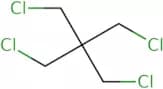
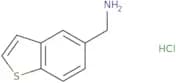
CAS:Pentaerythrityl tetrachloride is a chemical compound that has been shown to inhibit the activity of a number of enzymes. It is used as an industrial chemical for wastewater treatment, for the production of carbon tetrachloride, glycol ethers and phosphates, as well as in the manufacture of polymers and adhesives. Pentaerythrityl tetrachloride has also been shown to have anti-inflammatory properties by inhibiting growth factor-β1. This compound is also used in research to study nuclear DNA and silicon-zirconium oxide nanocomposite materials.Formula:C5H8Cl4Purity:Min. 95%Color and Shape:PowderMolecular weight:209.93 g/mol(1-Benzothien-5-ylmethyl)amine hydrochloride
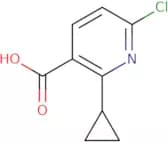
CAS:(1-Benzothien-5-ylmethyl)amine hydrochloride is a white crystalline solid that is soluble in organic solvents. It has been used as a research chemical, reagent, and speciality chemical. It is also an intermediate for the synthesis of other compounds.Formula:C9H9NS·HClPurity:Min. 95%Color and Shape:SolidMolecular weight:199.7 g/mol6-Chloro-2-cyclopropylnicotinic acid
CAS:6-Chloro-2-cyclopropylnicotinic acid is a clear, colorless liquid that is soluble in organic solvents. It has a molecular weight of 174.9 and an empirical formula of C8H7ClN2O2. This compound is used as a reagent, intermediate, or building block in organic synthesis and can be used in the production of pharmaceuticals. It is also useful as a building block for drug discovery and can be used to produce various other compounds with biological activity, such as 4-chloro-1-(4-nitrophenyl)piperidine. 6-Chloro-2-cyclopropylnicotinic acid is described by CAS number 862695-75-8 and has the chemical name 6-(chloromethyl) 2-(cyclopropyl) nicotinic acid.Formula:C9H8ClNO2Purity:Min. 95%Color and Shape:PowderMolecular weight:197.62 g/mol5,7-Dichloro-1H-imidazo[4,5-b]pyridine
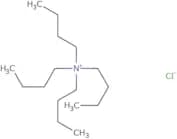
CAS:<p>5,7-Dichloro-1H-imidazo[4,5-b]pyridine is a synthetic compound that has been shown to inhibit the replication of herpes simplex virus in cell culture. It is active against a broad range of viruses including HIV and influenza A. The antiviral potency of 5,7-dichloro-1H-imidazo[4,5-b]pyridine against herpes simplex virus may be due to its ability to act as an agonist on adenosine receptor subtypes such as A2aR. This drug also has immunosuppressive properties and can be used for the treatment of immunodeficiency disorders.</p>Formula:C6H3Cl2N3Purity:Min. 95%Color and Shape:PowderMolecular weight:188.01 g/molTetra-n-butylammonium chloride anhydrous
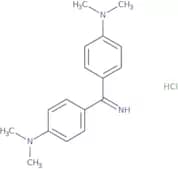
CAS:Tetra-n-butylammonium chloride anhydrous (TBACl) is an inorganic acid that is a colorless solid. It is soluble in water and soluble in organic solvents. TBACl reacts with hydrogen fluoride to form a colorless solution of tetrabutylammonium hydrogen fluoride (TBHF). The reaction proceeds by the following equation:Formula:C16H36NClPurity:Min. 95%Color and Shape:White PowderMolecular weight:277.92 g/molAuramine O hydrochloride
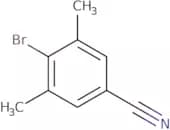
CAS:Controlled ProductAuramine O hydrochloride is a fluorescent dye that is used in the diagnosis of wastewater. Auramine O hydrochloride is a reactive dye that binds to malonic acid and forms stable complexes. It has been used as a fluorescence probe for polymerase chain reaction (PCR) detection of human serum samples, and it has been shown to be thermodynamically stable under conditions of pH 8-12, at temperatures up to 80°C, and in the presence of organic solvents. In addition, this dye can be activated with UV light or sodium hypochlorite solution. This dye also reacts with amino groups on proteins and lipids on cell membranes, which makes it useful for microscopy studies.Formula:C17H21N3•HClColor and Shape:Yellow PowderMolecular weight:303.83 g/mol4-Bromo-3,5-dimethylbenzonitrile
CAS:<p>4-Bromo-3,5-dimethylbenzonitrile is a high quality reagent that has been used as an intermediate in the synthesis of complex compounds. This compound has been shown to be useful in the synthesis of fine chemicals and research chemicals. 4-Bromo-3,5-dimethylbenzonitrile is also a versatile building block for use in reactions for the production of speciality chemicals. The CAS number for this compound is 75344-77-3.</p>Formula:C9H8BrNPurity:Min. 95%Color and Shape:PowderMolecular weight:210.07 g/molBromo-PEG3-acid
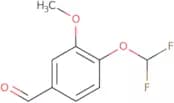
CAS:Bromo-PEG3-acid is a PEG compound with two different functional groups (also known as heterobifunctional). Unlike homobifunctional PEG compounds (same functional group on both ends), this type of compounds are more versatile as have two different anchor points. Bromo-PEG3-acid is used as a linker and spacer to add a PEG moiety, via pegylation (a bioconjugation technique) to proteins, peptides, oligonucleotides, small molecules and nanoparticles.Formula:C9H17BrO5Purity:Min. 95%Color and Shape:Colorless PowderMolecular weight:285.13 g/mol3-Methoxy-4-(difluoromethoxy)benzaldehyde
CAS:3-Methoxy-4-(difluoromethoxy)benzaldehyde is a chemical compound that has been found to have anti-tumor properties. It inhibits tumor cells by inducing cell apoptosis. 3-Methoxy-4-(difluoromethoxy)benzaldehyde induces apoptosis in human carcinoma cells, with optimal activity at doses of 10 micromolar and higher. This chemical can be used as an anti-tumor agent because it shows no genotoxic effects, and has high yield with a low toxicity profile. When this compound is exposed to UV radiation, the formation of reactive oxygen species (ROS) increases the rate of cell death. 3-Methoxy-4-(difluoromethoxy)benzaldehyde also has anti-inflammatory properties, which may be due to its ability to inhibit prostaglandin synthesis.Formula:C9H8F2O3Purity:Min. 95%Color and Shape:Colourless To Pale Yellow LiquidMolecular weight:202.15 g/molDL-alpha-Methylhistidine dihydrochloride
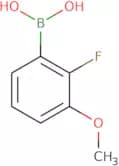
CAS:<p>DL-alpha-Methylhistidine dihydrochloride is a reagent that has been used as a complex building block. It is an intermediate in the preparation of other compounds and is also used as a speciality chemical. DL-alpha-Methylhistidine dihydrochloride can be used to synthesize a variety of useful compounds, including pharmaceuticals, agrochemicals, and research chemicals. DL-alpha-Methylhistidine dihydrochloride can also be used as a versatile building block for the synthesis of other fine chemicals.</p>Formula:C7H11N3O2·2HClPurity:Min. 95%Color and Shape:White PowderMolecular weight:242.1 g/mol(2-Fluoro-3-methoxyphenyl)boronic acid
CAS:<p>2-Fluoro-3-methoxyphenylboronic acid is a boronic acid that has been shown to be orally activated. It is a potent inhibitor of the enzyme target, which is involved in the production of estradiol. 2-Fluoro-3-methoxyphenylboronic acid has been found to inhibit cellular growth and induce cancer cell death by targeting estrogen receptor β. This molecule also inhibits the growth factor, leading to inhibition of prostate cancer cells in vitro.</p>Formula:C7H8BFO3Purity:Min. 95%Color and Shape:White PowderMolecular weight:169.95 g/mol2-Nitro-4-ethylsulfonylchlorobenzene
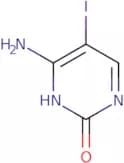
CAS:<p>2-Nitro-4-ethylsulfonylchlorobenzene is a high quality, versatile and useful chemical. It has been used as an intermediate in the synthesis of other compounds, such as pharmaceuticals. As a reagent, it has been used to form complex compounds and to produce fine chemicals. 2-Nitro-4-ethylsulfonylchlorobenzene is also a useful scaffold for the production of research chemicals. This compound has shown potential for use in the production of speciality chemicals or as a reaction component.</p>Formula:C8H8ClNO4SPurity:Min. 95%Color and Shape:PowderMolecular weight:249.67 g/mol5-Iodocytosine
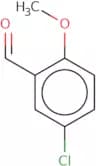
CAS:<p>5-Iodocytosine (5-IC) is an analog of cytosine that can be used as a precursor for the synthesis of thymine. 5-IC has been shown to cross-couple with DNA, which may contribute to its antiviral potency. 5-IC is also a potent inhibitor of dna replication and herpes simplex virus. The biochemical properties of 5-IC have been extensively studied, including its ability to react with hydrochloric acid to form the corresponding tautomers. The hydrolysis rate increases at higher pH values and decreases at lower pH values. Bioconjugate chemistry has been applied to synthesize a bioconjugated prodrug of 5-IC for cancer treatment.</p>Formula:C4H4IN3OPurity:Min. 95%Color and Shape:PowderMolecular weight:237 g/mol5-Chloro-2-methoxybenzaldehyde
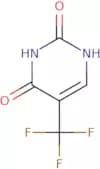
CAS:5-Chloro-2-methoxybenzaldehyde is a potent inhibitor of the bacterial enzyme acetylcholinesterase. It has been shown to have an interaction with biomolecules, such as chalcones, and can be used in the manufacture of antibacterial agents. 5-Chloro-2-methoxybenzaldehyde has been found to have potent inhibitory activity against organocatalytic aldehydes and atypical aldehydes and can be used as an active ingredient in the synthesis of novel compounds with antibacterial activity.Formula:C8H7ClO2Purity:Min. 95%Color and Shape:PowderMolecular weight:170.59 g/mol5-Trifluorothymine
CAS:Intermediate in the synthesis of tipiracil + trifluridineFormula:C5H3F3N2O2Purity:Min. 95%Color and Shape:PowderMolecular weight:180.08 g/molTris(2-methoxyphenyl)bismuth dichloride
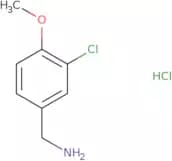
CAS:Tris(2-methoxyphenyl)bismuth dichloride is a coordination compound with the chemical formula BiCl(OMeCH). It crystallizes in the triclinic crystal system and its molecular structure is trigonal. Tris(2-methoxyphenyl)bismuth dichloride has been characterized by X-ray and infrared spectroscopy, as well as by analysis of the axial, apical, and trigonal coordinates. The compound has been shown to form perchlorate and diperchlorate salts. The presence of bismuth atoms in this molecule produces a bright yellow color.Formula:C21H21BiCl2O3Purity:Min. 95%Color and Shape:Off-White PowderMolecular weight:601.28 g/mol3-Chloro-4-methoxybenzylamine hydrochloride
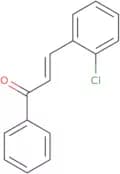
CAS:3-Chloro-4-methoxybenzylamine hydrochloride is a quinoline derivative that inhibits the activity of phosphodiesterase 5, an enzyme that breaks down cGMP in the brain. This drug has been shown to increase levels of cGMP and decrease levels of low energy (i.e., low ATP) in synaptosomes. 3-Chloro-4-methoxybenzylamine hydrochloride may be useful for the treatment of Alzheimer's disease, as it has been shown to improve cognitive function and memory in animal models. The mechanism of action is not fully understood but may involve inhibition of cholinergic neurotransmission or activation of nitric oxide synthase.Formula:C8H10ClNO•HClPurity:Min. 95%Color and Shape:PowderMolecular weight:208.08 g/mol3-(2-Chlorophenyl)-1-phenylpropene-1-one
CAS:3-(2-Chlorophenyl)-1-phenylpropene-1-one is an amide that is synthesized by the acylation of 3-phenylpropene-1-one with 2,3,5,6-tetrafluorobenzoyl chloride in the presence of a base. The proton transport mechanism is initiated by the addition of a proton to the carbonyl group and then proceeds through an intermediate called a chalcone. This reaction can be accomplished using biomimetic methods or by using chalcones and halides as intermediates.Formula:C15H11ClOPurity:Min. 95%Molecular weight:242.7 g/mol1,1'-Di-n-octyl-4,4'-bipyridinium Dibromide
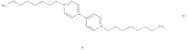
CAS:1,1'-Di-n-octyl-4,4'-bipyridinium Dibromide is a bifunctional organometallic compound. It is used as a catalyst in the reduction of nitro groups or other electron-deficient centers and in the transfer process with azides. This chemical has shown selectivity for aliphatic substrates over aromatic ones. The catalytic activity of 1,1'-Di-n-octyl-4,4'-bipyridinium Dibromide can be enhanced by replacing the hydrogen atom on the nitrogen atom with an alkene group. 1,1'-Di-n-octyl-4,4'-bipyridinium Dibromide is also a radical cation that can be reduced by electron donors to form radicals.Formula:C26H42Br2N2Purity:Min. 95%Color and Shape:Slightly Yellow PowderMolecular weight:542.43 g/mol3,5-Dibromo-4-hydroxybenzaldehyde
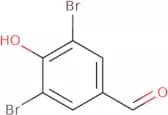
CAS:<p>3,5-Dibromo-4-hydroxybenzaldehyde is an aldehyde that is used as a precursor to other organic compounds. It can be produced using the efficient method of reacting 3,5-dibromo-4-hydroxybenzoic acid with sodium borohydride in methanol. The molecule has three hydroxymethyl groups and two functional groups. 3,5-Dibromo-4-hydroxybenzaldehyde is soluble in water and organic solvents such as ethanol and acetone. This compound has shown antibacterial activity against some strains of bacteria, including group P2 bacteria. The reaction yield for the synthesis of this compound is approximately 93%. The inhibitory activities of 3,5-dibromo-4-hydroxybenzaldehyde have been demonstrated against both Gram positive and Gram negative bacteria.</p>Formula:C7H4Br2O2Purity:Min. 95%Color and Shape:PowderMolecular weight:279.91 g/mol1,3-Diphenyl-5-(2-chlorophenyl)pyrazole
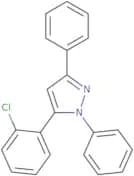
CAS:The title compound was obtained by reacting phenylhydrazine with 2-chloro-1,3-diphenylpyrazole. The reaction mixture was filtered, the solid was washed with water and dried to give 1,3-diphenyl-5-(2-chlorophenyl)pyrazole as a white powder.Formula:C21H15ClN2Purity:Min. 95%Molecular weight:330.81 g/mol4-Bromo-2,6-difluorobenzonitrile
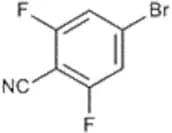
CAS:4-Bromo-2,6-difluorobenzonitrile is a chemical that can be synthesized from tetrahydrofuran and benzonitrile. It has been shown to have photophysical properties. This chemical has been used as a precursor for the synthesis of other compounds. 4-Bromo-2,6-difluorobenzonitrile has also been used in the production of methanoic acid and cyclohexane ring fragments. The reaction conditions are refluxed in cyclohexane with activated tetrakistriphenylphosphine to form the corresponding Grignard reagent. This is then thermally reduced butoxide to give the desired product.Formula:C7H2BrF2NPurity:Min. 95%Color and Shape:PowderMolecular weight:218 g/molEthyl oxalyl monochloride
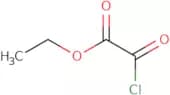
CAS:<p>Ethyl oxalyl monochloride is an ester that has been used to treat tumors. This drug is a prodrug that is hydrolyzed in vivo to form ethyl chloroformate and oxalic acid. Ethyl oxalyl monochloride inhibits the activity of receptors for acetylcholine, histamine, and serotonin. It also inhibits the production of nitric oxide, which causes vasodilation and hypotension. Ethyl oxalyl monochloride may be useful in treating bowel disease by inhibiting the production of prostaglandins.<br>br>br><br>Ethyl oxalyl monochloride has shown efficacy against autoimmune diseases such as rheumatoid arthritis and multiple sclerosis, but it can also cause eye disorders or hiv infection when used at higher concentrations.br>br><br>Ethyl oxalyl monochloride binds with lipids in mitochondrial membranes, leading to a decrease in mitochondrial membrane potential</p>Formula:C4H5ClO3Purity:Min. 95%Color and Shape:Colorless Clear LiquidMolecular weight:136.53 g/mol3-Methyl-3,8-diaza-bicyclo[3.2.1]octane dihydrochloride
CAS:3-Methyl-3,8-diaza-bicyclo[3.2.1]octane dihydrochloride is a high quality reagent that is useful as an intermediate in the synthesis of complex compounds and as a reagent for fine chemicals. 3-Methyl-3,8-diaza-bicyclo[3.2.1]octane dihydrochloride can be used as a versatile building block in the synthesis of speciality chemicals and research chemicals. It can also be used to synthesize a variety of reaction components, such as amines, carboxylic acids, alcohols, amides, and nitriles.Formula:C7H16Cl2N2Purity:Min. 95%Color and Shape:PowderMolecular weight:199.12 g/mol3-Bromophthalide
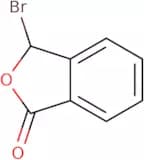
CAS:3-Bromophthalide is a potent antibacterial agent that blocks the synthesis of fatty acids, leading to bacterial cell death. It can be used to treat metabolic disorders and heart disease. 3-Bromophthalide has an antibacterial action against many Gram-positive bacteria, including methicillin-resistant Staphylococcus aureus (MRSA) and Clostridium perfringens, but not against acid-fast bacteria such as Mycobacterium tuberculosis or Mycobacterium avium complex. The mechanism of antibacterial activity is due to its ability to inhibit the synthesis of fatty acids by blocking enzymes in the fatty acid biosynthetic pathway. 3-Bromophthalide also has antiinflammatory effects, which may be due to its ability to inhibit prostaglandin synthesis.Formula:C8H5BrO2Purity:Min. 95%Molecular weight:213.03 g/mol4-Chloro-6-iodoquinazoline
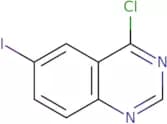
CAS:4-Chloro-6-iodoquinazoline is a synthetic molecule that binds to the tyrosine kinase domain of trifluoroacetic acid polymerase chain (TFPPC) and inhibits its activity. 4-Chloro-6-iodoquinazoline has been shown to have antifilarial and anti-cancer properties. In addition, it has been shown to be an effective inhibitor of epidermal growth factor (EGF), which is a potent mitogen for cells in culture. In clinical studies, 4-chloro-6-iodoquinazoline has been shown to be safe for use in humans.Formula:C8H4ClIN2Purity:Min. 95%Molecular weight:290.49 g/mol(S)-(+)-2-Phenylglycine methyl ester hydrochloride
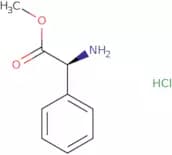
CAS:(S)-(+)-2-Phenylglycine methyl ester hydrochloride is a nitro compound that inhibits the production of nitric oxide (NO) by inhibiting the enzyme nitric oxide synthase. It has shown inhibitory effects on bronchial hyperresponsiveness in animals with bronchial asthma and ischemic reperfusion injury. The compound also inhibits nitrogen-induced allergic reactions and inflammatory diseases. (S)-(+)-2-Phenylglycine methyl ester hydrochloride has been shown to have a protective effect against prostate cancer in animal models, although it was not active against prostate cancer cells in vitro. This may be due to its inability to cross the cell membrane or its inability to effectively penetrate the nucleus, which is where cancerous cells originate. The functional groups present on this molecule include amide, carbonyl, and hydroxyl groups.Formula:C9H12ClNO2Purity:Min. 95%Color and Shape:White To Off-White SolidMolecular weight:201.65 g/mol2-Bromopropionic acid tert-butyl ester
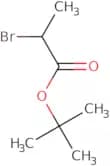
CAS:2-Bromopropionic acid tert-butyl ester is a chemical compound that belongs to the group of alkylation agents. It is used in organic synthesis as a reagent for the preparation of enolates and acrylates by transfer reactions. This compound can be used to prepare styrene copolymers with acrylic acid, methacrylic acid, and crotonic acid. 2-Bromopropionic acid tert-butyl ester has been shown to react with chloride ions in an electrophilic substitution reaction to form a radical species that reacts with oxygen in the presence of light or heat to form a dipole. This process has been shown using techniques such as gel permeation chromatography and mass spectroscopy.Formula:C7H13BrO2Purity:Min. 95%Color and Shape:Colorless Clear LiquidMolecular weight:209.08 g/mol4-Chloro-6-hydroxypyrimidine
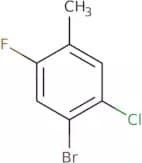
CAS:<p>4-Chloro-6-hydroxypyrimidine is an organic compound that is used as a precursor to other chemical compounds. It can be prepared by the reaction of ethylene with chlorine in the presence of carbon disulphide. 4-Chloro-6-hydroxypyrimidine has been shown to react with halides, amidines, and ethylene to form tritiated pyrimidines. It also reacts with disulphides, chlorinates and uracil. 4-Chloro-6-hydroxypyrimidine is reactive and can undergo desulfurization reactions with aluminium and malonate to form chloride or sulphoxide. The halides, amidines, and ethylene are all reactive substances that can react with each other or undergo other reactions to form new substances.</p>Formula:C4H3ClN2OPurity:Min. 95%Color and Shape:White To Light (Or Pale) Yellow SolidMolecular weight:130.53 g/mol4-Bromo-5-chloro-2-fluorotoluene
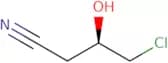
CAS:4-Bromo-5-chloro-2-fluorotoluene is a research chemical that is used in the synthesis of pharmaceuticals, pesticides, and other chemicals. It is also a versatile building block that can be used as an intermediate or a building block for complex compounds. 4-Bromo-5-chloro-2-fluorotoluene has been shown to have high quality and is useful in the manufacture of fine chemicals.Formula:C7H5BrClFPurity:Min. 95%Molecular weight:223.47 g/mol(R)-4-Chloro-3-hydroxybutyronitrile
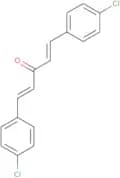
CAS:(R)-4-Chloro-3-hydroxybutyronitrile is a chiral pharmaceutical that has been shown to have hypotensive effects and hypoglycaemic properties. It is formed by the asymmetric synthesis of a ketone, utilising a synthetic route. This drug has been shown to be effective in treating cerebral infarction and other conditions related to poor blood flow. The mechanism of action of (R)-4-Chloro-3-hydroxybutyronitrile is not yet known, but it is believed that it may act as an alcohol or nutrient utiliser.Formula:C4H6ClNOPurity:Min. 95%Color and Shape:Clear LiquidMolecular weight:119.55 g/mol1,5-Di(4-Chlorophenyl)penta-1,4-dien-3-one
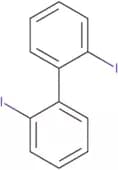
CAS:1,5-Di(4-chlorophenyl)penta-1,4-dien-3-one is a chromophore that has been extensively studied for its vibrational and optical properties. This compound has shown biological activity in the form of antitumor activity, as well as an ability to inhibit radiation and carcinogenesis. The optical properties of 1,5-di(4-chlorophenyl)penta-1,4-dien-3-one are determined by its polarizability and carbonyl group. Further research is needed to determine the functional theory and techniques used to study this compound's optical properties.Formula:C17H12Cl2OPurity:Min. 95%Molecular weight:303.18 g/mol2,2'-Diiodobiphenyl
CAS:<p>2,2'-Diiodobiphenyl is a preparative reagent that can be used to prepare diazonium salts. It is prepared by reacting an alkynyl group with an activatable probe. The product of this reaction has the same reactivity as the parent compound, but with a different spatial orientation and chemical properties. The 2,2'-diiodophenyl can be used for the preparation of carbazoles and transfer reactions. The following are some examples of 2,2'-diiodophenyl compounds:<br>-Ethane-1,1'-dibromo-2,2'-diiodobiphenyl<br>-Carbazole-4-carboxaldehyde<br>-Naphthalene-1,5-dicarboxaldehyde</p>Formula:C12H8I2Purity:Min. 95%Color and Shape:PowderMolecular weight:406 g/mol3-Iodopentafluoropropene-1
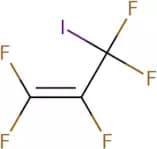
CAS:<p>3-Iodopentafluoropropene-1 is a monomer that can be used in the synthesis of polymers. It is synthesized by an asymmetric synthesis from silicon, terminal alkynes, and hydrochloric acid. 3-Iodopentafluoropropene-1 also reacts with epoxides to form polyethers. This reaction occurs in supercritical carbon dioxide at high pressures (200 bar). The chlorine atom introduced in this reaction is removed by zinc powder to yield a functional group. 3-Iodopentafluoropropene-1 can also react with hydrocarbon ligands to form a variety of products. 3-Iodopentafluoropropene-1 can be reacted with carbon tetrachloride to yield chlorofluorocarbons, which are widely used as propellants or refrigerants.</p>Formula:C3F5IPurity:Min. 95%Color and Shape:Clear LiquidMolecular weight:257.93 g/mol8-Chloroadenine
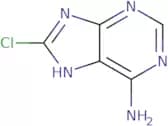
CAS:8-Chloroadenine is an antimicrobial agent that inhibits the DNA replication of bacteria by binding to the dna template. It is a potent inhibitor of oxidative DNA damage and has been shown to be effective against various bacteria, including Staphylococcus aureus. 8-Chloroadenine also has reactive properties and can react with chloride in the environment to form hypochlorous acid (HOCl) and 8-chloroguanine. This compound may also act as an enzyme catalyst for the enzymatic reaction between hypochlorous acid and chloride ions.Formula:C5H4ClN5Purity:Min. 95%Color and Shape:PowderMolecular weight:169.57 g/mol6-Fluorosalicylaldehyde
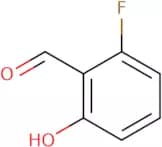
CAS:<p>6-Fluorosalicylaldehyde is a sulfate that has been used in the synthesis of 6-fluorosalicylic acid, which is an intermediate for the production of aspirin. It also can be used to synthesize phenols and formylation products. The reaction with hydroxylamine leads to salicylaldehydes, while the reaction with methoxide leads to salicylaldehyde.<br>6-Fluorosalicylaldehyde reacts with magnesium salts in acidic conditions to produce paraformaldehyde. Deprotonation of 6-fluorosalicylaldehyde yields methoxide.</p>Formula:C7H5FO2Purity:Min. 95%Color and Shape:PowderMolecular weight:140.11 g/molMethyl 3-chlorosulfonylthiophene-2-carboxylate
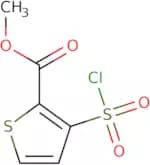
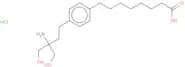
CAS:<p>Methyl 3-chlorosulfonylthiophene-2-carboxylate is a chemical compound that belongs to the family of thiophene carboxylic acid esters. It has been used for the synthesis of bioactive molecules, such as tenoxicam, and heteroarylations. Methyl 3-chlorosulfonylthiophene-2-carboxylate can be used in cross-coupling reactions with chloride as a reagent and is regiospecific. This chemical has also been shown to be reactive towards proteins, nucleic acids, and other biomolecules.</p>Formula:C6H5ClO4S2Purity:Min. 95%Color and Shape:PowderMolecular weight:240.69 g/molFTY720 octanoic acid hydrochloride
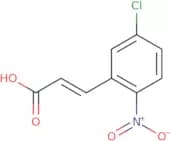
CAS:<p>Please enquire for more information about FTY720 octanoic acid hydrochloride including the price, delivery time and more detailed product information at the technical inquiry form on this page</p>Formula:C19H31NO4•HClPurity:Min. 95%Molecular weight:373.92 g/mol5-Chloro-2-nitrocinnamic acid
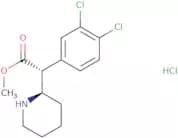
CAS:<p>5-Chloro-2-nitrocinnamic acid is a fine chemical with a CAS number of 20357-28-2. It is a versatile building block that can be used as a reaction component or intermediate in the synthesis of more complex compounds. The high purity and quality of 5-Chloro-2-nitrocinnamic acid makes it an ideal reagent for research purposes, and it can be used as a building block for the synthesis of useful scaffolds.</p>Formula:C9H6ClNO4Purity:Min. 95%Molecular weight:227.6 g/mol3,4-Dichloromethylphenidate HCl
CAS:Controlled Product<p>3,4-Dichloromethylphenidate HCl is a versatile building block that can be used in the synthesis of many complex compounds. It has been shown to be useful as a reagent and as an intermediate in the synthesis of pharmaceuticals. This compound may also have potential for use as a reaction component and scaffold in organic chemistry. 3,4-Dichloromethylphenidate HCl is available at high quality and is a useful building block for research purposes.</p>Formula:C14H17Cl2NO2·HClPurity:Min. 95%Color and Shape:PowderMolecular weight:338.66 g/mol1-Octyl-3-methylimidazolium hexafluorophosphate
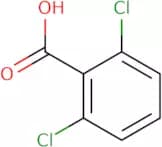
CAS:1-Octyl-3-methylimidazolium hexafluorophosphate is a polymerase chain reaction (PCR) reagent that has been widely used in DNA amplification. It has been shown to have a low thermal expansion coefficient, which makes it an ideal material for the preparation of PCR tubes. 1-Octyl-3-methylimidazolium hexafluorophosphate is also used in the analysis of fatty acids and can be used to determine the constant pressure volume at which these molecules are soluble. The analytical method is based on hydrogen bonding interactions, enzyme activities, and plasma mass spectrometry. This extractant can also be used to remove excess water from samples prior to extraction by using electrophoresis or other methods.Formula:C12H23F6N2PPurity:Min. 95%Color and Shape:Colorless Clear LiquidMolecular weight:340.29 g/mol2,6-Dichlorobenzoic acid
CAS:2,6-Dichlorobenzoic acid (2,6-DCBA) is a chemical substance that can be found in groundwater. 2,6-DCBA is metabolized by colon cells to produce metabolites, including 2,4-dichlorophenol and 4-chlorophenylacetic acid. The metabolic reaction products have been shown to inhibit the uptake of radioactive iodine by Caco-2 cells. 2,6-DCBA is also a monocarboxylic acid with two nitrogen atoms. It has been shown to have acute toxicities in rats and other animals. This substance can also be used as an analytical reagent for the determination of metals such as iron and copper.Formula:C7H4Cl2O2Purity:Min. 95%Color and Shape:PowderMolecular weight:191.01 g/molN-Methyl-N-(1-naphthyl)-2-iodobenzamide
CAS:N-Methyl-N-(1-naphthyl)-2-iodobenzamide is a chemical building block that is used in the synthesis of new compounds. It reacts with other chemicals to form new compounds, and can be used as a reaction component or reagent. N-Methyl-N-(1-naphthyl)-2-iodobenzamide has been shown to have high quality and is useful as a research chemical. This compound can be used as a versatile building block in the synthesis of complex compounds and fine chemicals.Formula:C18H14INOPurity:Min. 95%Molecular weight:387.21 g/mol2-Iodo-N-phenylbenzamide
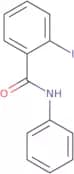
CAS:2-Iodo-N-phenylbenzamide is a palladium compound that inhibits bacterial growth by binding to DNA and preventing transcription. The drug binds to the DNA as a monomer, but also forms polymeric matrixes with other drugs. 2-Iodo-N-phenylbenzamide has been shown to have genotoxic effects on subtilis and methicillin resistant Staphylococcus aureus (MRSA) in vitro, which may be due to its ability to form crosslinks between adjacent strands of DNA. 2-Iodo-N-phenylbenzamide has been shown to be an effective anti-bacterial agent against MRSA, methicillin resistant coagulase negative staphylococci and erythromycin resistant strains of Streptococcus pyogenes.Formula:C13H10INOPurity:Min. 95%Molecular weight:323.13 g/mol6-Bromoquinazolin-4-amine
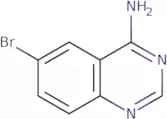
CAS:6-Bromoquinazolin-4-amine is an alkylamine that is used as a chemical intermediate. It reacts with formamide to produce formamidine, which is a result of the amination of formamide. 6-Bromoquinazolin-4-amine has been shown to react with aromatic amines to produce substituted quinazolines.Formula:C8H6BrN3Purity:Min. 95%Color and Shape:White PowderMolecular weight:224.06 g/molTrans-diamminedichloropalladium(II)
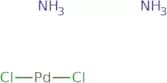
CAS:<p>Trans-Diamminedichloropalladium is a particle with an average size of 0.5 microns. It is a metal carbonyl complex that belongs to the group of analytical methods. Trans-Diamminedichloropalladium can be used for the treatment of wastewater and oxidation catalysts. The electrochemical impedance spectroscopy (EIS) of the particles has been shown to be sensitive to changes in morphology, which may be due to the hydroxyl group on the surface or due to a change in oxidation state. Trans-Diamminedichloropalladium can also act as an oxidizing agent that converts hydrochloric acid into chlorine gas, which has been shown by solid catalyst experiments.</p>Formula:Pd(NH3)2Cl2Purity:Min. 95%Color and Shape:Yellow Clear LiquidMolecular weight:211.39 g/molNε-Methyl-L-lysine hydrochloride
CAS:<p>Ne-Methyl-L-lysine hydrochloride is an acetylated form of the amino acid L-lysine. It has shown to be effective in treating pernicious anemia, a condition in which the body lacks sufficient vitamin B12. Ne-Methyl-L-lysine hydrochloride inhibits the production of human vascular endothelial growth factor (VEGF) and can also be used as a diagnostic tool for pernicious anemia. This drug is expressed by genetically engineered cells and has been shown to inhibit acetylation reactions, leading to monoclonal antibodies with increased stability. Ne-Methyl-L-lysine hydrochloride also binds to vitamin B12 and prevents its catabolism, thereby increasing the levels of this essential nutrient.</p>Formula:C7H16N2O2•HClPurity:Min. 95%Color and Shape:White PowderMolecular weight:196.67 g/molN-(2-Chlorophenyl)-2-mercaptoacetamide
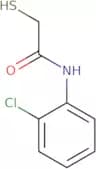
CAS:2-Chloroacetamide is a useful building block that can be used to synthesize a variety of compounds. This chemical is also a versatile intermediate and can be used in the preparation of fine chemicals, research chemicals, and speciality chemicals. It is also a reaction component that can be used in the synthesis of complex compounds. 2-Chloroacetamide has been shown to have high quality properties and is often used as a reagent.Formula:C8H8ClNOSPurity:Min. 95%Color and Shape:White PowderMolecular weight:201.67 g/molIndium(III) trifluoromethanesulfonate
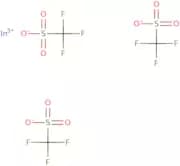
CAS:<p>Indium trifluoromethanesulfonate is a reactive, c1-c4 haloalkyl. It has been used as a reagent for the synthesis of serine protease inhibitors. Indium trifluoromethanesulfonate reacts with unsaturated ketones to form x-ray absorption products, which can be analyzed by x-ray diffraction and x-ray fluorescence techniques. The reaction products are quinoline derivatives, which are useful in the synthesis of carbohydrates and other organic compounds. Control experiments were performed to ensure that the reactivity of indium trifluoromethanesulfonate was not due to contaminants or impurities. A more efficient method for synthesizing indium trifluoromethanesulfonate was developed in order to avoid the use of toxic solvents like diphenyl ether. This process involves amines as nucleophiles, which are activated by transfer reactions with carbon tetr</p>Formula:C3F9InO9S3Purity:Min. 95%Color and Shape:SolidMolecular weight:562.03 g/molN-Methyl-N-(1-naphthyl)-2-bromobenzamide
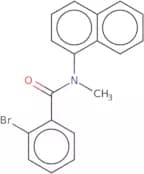
CAS:N-Methyl-N-(1-naphthyl)-2-bromobenzamide is a high quality reagent that is used as a complex compound. It has CAS No. 74881-58-6 and it can be used as a useful intermediate, fine chemical or speciality chemical. N-Methyl-N-(1-naphthyl)-2-bromobenzamide is also a versatile building block that is used in reactions to synthesize other compounds.Formula:C18H14BrNOPurity:Min. 95%Molecular weight:340.21 g/mol


![2-[(4-Chlorophenyl)-2-pyridinylmethoxy]-N,N-dimethylethanamine maleate salt](/_next/image/?url=https%3A%2Fstatic.cymitquimica.com%2Fproducts%2F3D%2Fthumb-webp%2FFC19699.webp&w=3840&q=75)

![[(5-Cyclopropyl-1,2,4-oxadiazol-3-yl)methyl]amine hydrochloride](/_next/image/?url=https%3A%2Fstatic.cymitquimica.com%2Fproducts%2F3D%2Fthumb-webp%2FFC121975.webp&w=3840&q=75)


![[2-(3-Methyl-1,2,4-oxadiazol-5-yl)ethyl]amine hydrochloride](/_next/image/?url=https%3A%2Fstatic.cymitquimica.com%2Fproducts%2F3D%2Fthumb-webp%2FFM120047.webp&w=3840&q=75)

![N-α-[2,4-Dinitro-5-fluorophenyl]-D-alanine amide](/_next/image/?url=https%3A%2Fstatic.cymitquimica.com%2Fproducts%2F3D%2Fthumb-webp%2FFD48427.webp&w=3840&q=75)
![5,7-Dichloro-1H-imidazo[4,5-b]pyridine](/_next/image/?url=https%3A%2Fstatic.cymitquimica.com%2Fproducts%2F3D%2Fthumb-webp%2FFD139433.webp&w=3840&q=75)




![3-Methyl-3,8-diaza-bicyclo[3.2.1]octane dihydrochloride](/_next/image/?url=https%3A%2Fstatic.cymitquimica.com%2Fproducts%2F3D%2Fthumb-webp%2FFM140947.webp&w=3840&q=75)