Organic Halides
Subcategories of "Organic Halides"
Found 20442 products of "Organic Halides"
(2-Chlorobenzyl)hydrazine dihydrochloride
CAS:Please enquire for more information about (2-Chlorobenzyl)hydrazine dihydrochloride including the price, delivery time and more detailed product information at the technical inquiry form on this pageFormula:C7H9ClN2Purity:Min. 95%Molecular weight:156.61 g/mol4-Benzyloxy-3-methoxy-N-methylphenethylamine hydrochloride
CAS:Controlled ProductPlease enquire for more information about 4-Benzyloxy-3-methoxy-N-methylphenethylamine hydrochloride including the price, delivery time and more detailed product information at the technical inquiry form on this pageFormula:C17H22ClNO2Purity:Min. 95%Molecular weight:307.81 g/molN,N-Didesmethyl diltiazem hydrochloride
CAS:Please enquire for more information about N,N-Didesmethyl diltiazem hydrochloride including the price, delivery time and more detailed product information at the technical inquiry form on this pageFormula:C20H23ClN2O4SPurity:Min. 95%Molecular weight:422.93 g/mol5-Methyl-4,5,6,7-tetrahydrothiazolo[5,4-c]pyridine-2-carboxylic acid hydrochloride
CAS:Intermediate in the synthesis of edoxabanFormula:C8H10N2O2S·HClPurity:Min. 95%Molecular weight:234.7 g/mol3-{[(3,4-Dichlorophenyl)amino]carbonyl}bicyclo[2.2.1]hept-5-ene-2-carboxylic acid
CAS:Please enquire for more information about 3-{[(3,4-Dichlorophenyl)amino]carbonyl}bicyclo[2.2.1]hept-5-ene-2-carboxylic acid including the price, delivery time and more detailed product information at the technical inquiry form on this pageFormula:C15H13Cl2NO3Purity:Min. 95%Molecular weight:326.17 g/molMethyl3-iodothiophene-2-carboxylate
CAS:Methyl3-iodothiophene-2-carboxylate is a chemical compound that is involved in the biosynthesis of eicosanoids. It can be synthesized by the cyclization of the corresponding lactam to produce an intermediate, which is then converted to methyl3-iodothiophene-2-carboxylate by hydrolysis or reduction. This compound has been shown to inhibit malaria parasites such as Plasmodium falciparum and Plasmodium vivax. Methyl3-iodothiophene-2-carboxylate also inhibits the growth of bacteria such as Staphylococcus aureus and Bacillus subtilis. The mechanism of action is believed to be due to its ability to inhibit protein synthesis by binding with ribosomes in prokaryotic cells.END>Formula:C6H5IO2SPurity:Min. 95%Molecular weight:268.07 g/molDodecyl-N,N-dimethyl-N-ethylammonium bromide
CAS:Dodecyl-N,N-dimethyl-N-ethylammonium bromide is a cationic surfactant that can be used to treat microbial infections. It has been shown to be effective against influenza virus, tuberculosis, and other bacterial infections. Dodecyl-N,N-dimethyl-N-ethylammonium bromide is a reaction product of dodecanol and dimethyldodecylamine with silver ions. This surfactant has a benzyl group which provides biocompatibility. The surfactant also has a high affinity for water vapor, which means it will not react with the water in the human body. Dodecyl-N,N-dimethyl-N-ethylammonium bromide is used in titration calorimetry experiments to determine activation energies for reactions involving enzymes and catalysts.Formula:C16H36NBrPurity:Min. 95%Molecular weight:322.37 g/mol(R)-N-Ethyl amphetamine hydrochloride
CAS:Controlled ProductPlease enquire for more information about (R)-N-Ethyl amphetamine hydrochloride including the price, delivery time and more detailed product information at the technical inquiry form on this page
Formula:C11H18ClNPurity:Min. 95%Molecular weight:199.72 g/mol5-Iodo-1-pentyne
CAS:5-Iodo-1-pentyne is an organic compound with the chemical formula C6H5I. It is a colorless liquid that is soluble in most organic solvents. 5-Iodo-1-pentyne reacts with alcohols to form diketones and with primary amines to form azides. The reaction with alkyl halides, including chloroformates, leads to the formation of alkylated products. 5-Iodo-1-pentyne has been used as a photoinitiator for ultraviolet (UV) irradiation reactions, such as allylic oxidation, homologous carbon chain extension, and uv irradiation of dienes. 5-Iodo-1-pentyne can also be used to synthesize secondary amines by reacting with aldehydes or ketones in the presence of sodium azide. 5-Iodo-1-pentyne has properties that are similarFormula:C5H7IPurity:Min. 95%Molecular weight:194.01 g/mol1-(3,4-Dichlorobenzyl)piperazine
CAS:Controlled Product1-(3,4-Dichlorobenzyl)piperazine is an amine that is used as a reagent in organic synthesis. It is a buffered, acidic compound that emits fluorescence under UV light. It has been shown to be an electron donor and electron acceptor. 1-(3,4-Dichlorobenzyl)piperazine reacts with phenylpiperazines in the presence of acid to form a mixture of phenylpiperazines with different aliphatic chains. The reaction is characterized by emission of fluorescence that can be measured using spectroscopy techniques.Formula:C11H14Cl2N2Purity:Min. 95%Molecular weight:245.15 g/mol3-Fluoro-4-hydroxybenzoic acid methyl ester
CAS:Please enquire for more information about 3-Fluoro-4-hydroxybenzoic acid methyl ester including the price, delivery time and more detailed product information at the technical inquiry form on this pageFormula:C8H7O3FPurity:Min. 95%Molecular weight:170.14 g/molMethyl malonyl chloride
CAS:Methyl malonyl chloride is an experimental solubility data that is soluble in benzene, toluene, and chloroform. It has been shown to have a receptor activity towards the glycol ester and natural compounds. This compound has also been found to inhibit cervical cancer cells. Methyl malonyl chloride is used as an antimicrobial agent in the food industry and can be used as a natural growth factor inhibitor. The methyl group of this compound reacts with malonic acid to form methylmalonic acid, which inhibits mitochondrial membrane potential in cancer cells.Formula:C4H5ClO3Purity:Min. 95%Molecular weight:136.53 g/mol1-(2,3-Dihydro-1H-inden-2-yl)piperazine dihydrochloride
CAS:Controlled ProductPlease enquire for more information about 1-(2,3-Dihydro-1H-inden-2-yl)piperazine dihydrochloride including the price, delivery time and more detailed product information at the technical inquiry form on this pageFormula:C13H18N2Purity:Min. 95%Molecular weight:202.3 g/molEthyl 7-aminoheptanoate hydrochloride
CAS:Ethyl 7-aminoheptanoate hydrochloride is an antibiotic that belongs to the class of esters. It has been shown to inhibit the growth of bacteria in vitro, which is attributed to its ability to inhibit protein synthesis. This drug has been used as a chemical manipulator in animal experiments. Ethyl 7-aminoheptanoate hydrochloride binds to the ribosomal RNA of bacteria and prevents amino acid incorporation into proteins, which leads to cell death. The endpoint of this experiment was determined by counting the number of rotations on a rotator after treatment with ethyl 7-aminoheptanoate hydrochloride or saline solution. Treatment with ethyl 7-aminoheptanoate hydrochloride resulted in an increase in the number of rotations, which is indicative of bacterial death.Formula:C9H20ClNO2Purity:Min. 95%Molecular weight:209.71 g/mol1-Acetyl-5-bromoindol-3-ol
CAS:Please enquire for more information about 1-Acetyl-5-bromoindol-3-ol including the price, delivery time and more detailed product information at the technical inquiry form on this pageFormula:C10H8BrNO2Purity:Min. 95%Color and Shape:PowderMolecular weight:254.08 g/molSuberoyl chloride
CAS:Suberoyl chloride is a chemical compound with the molecular formula C6H6O2Cl. It is a trifluoroacetic acid ester and an acylation agent. Suberoyl chloride has been shown to be a potent inducer of autoimmunity and inflammatory responses in animal models. The biological properties of this compound are due to the presence of nitrogen atoms, which can form hydrogen bonds with water molecules, as well as its hydroxyl group and ester linkages. Suberoyl chloride also has been shown to have anti-tumor activity in vitro against k562 cells by inhibiting their growth through cell cycle arrest and induction of apoptosis.Formula:C8H12Cl2O2Purity:Min. 95%Molecular weight:211.09 g/mol5-Bromo-3-methylthiophene-2-carboxylic acid
CAS:5-bromo-3-methylthiophene-2-carboxylic acid (5BmtCA) is a potential therapeutic that has been shown to have the same estrogenic activity as estradiol. It may be used for the treatment of osteoporosis and other conditions associated with estrogen deficiency, including resorption and bone loss. 5BmtCA is an amide with two phenyl groups at the C3 position, which are bioisosteres of the sulfur in estradiol. The substitutions on these phenyl groups can be changed to produce analogs with different properties. For example, 5BmtCA may be substituted with a ketone group at position C3 to produce the corresponding ketone analog 5BmtCK. This compound would be expected to have reduced bone resorption activity relative to 5BmtCA.Formula:C6H5BrO2SPurity:Min. 95%Color and Shape:PowderMolecular weight:221.07 g/mol2-Bromo-1-(1,2,5-trimethyl-1H-indol-3-yl)propan-1-one
CAS:Controlled ProductPlease enquire for more information about 2-Bromo-1-(1,2,5-trimethyl-1H-indol-3-yl)propan-1-one including the price, delivery time and more detailed product information at the technical inquiry form on this pageFormula:C14H16BrNOPurity:Min. 95%Molecular weight:294.19 g/mol2,3-Dichlorophenyl isocyanate
CAS:2,3-Dichlorophenyl isocyanate is a diphenyl ether that has been used as an intermediate in the synthesis of other chemicals. It can be absorbed through the skin and may cause toxic effects to the gastrointestinal tract, such as ulceration, hemorrhage, and perforation. 2,3-Dichlorophenyl isocyanate is metabolized by cytochrome P450 enzymes to a reactive metabolite that causes damage to cells in the lungs. This compound also binds to chemokine receptors on inflammatory cells and blocks their ability to stimulate inflammatory reactions. This activity may be partially responsible for its antiinflammatory properties.Formula:C7H3Cl2NOPurity:Min. 95%Color and Shape:Clear LiquidMolecular weight:188.01 g/mol3-Methoxybenzyl bromide
CAS:3-Methoxybenzyl bromide is a synthetic molecule that belongs to the group of amides. It is used as an intermediate in organic synthesis for the introduction of ether linkages and can be used to produce other molecules with inhibitory activities. 3-Methoxybenzyl bromide has been shown to be effective against Sarpogrelate hydrochloride, which is a drug used for the treatment of hypertension. This chemical inhibits the enzyme that produces superoxide radicals and has been shown to have therapeutic effects in patients with arterial hypertension. 3-Methoxybenzyl bromide also has a nucleophilic function and can react with halides such as chlorine or bromine to form 2,5-dimethoxybenzoic acid.Formula:C8H9BrOPurity:Min. 95%Color and Shape:LiquidMolecular weight:201.06 g/mol5-Amino-8-hydroxyquinoline dihydrochloride
CAS:5-Amino-8-hydroxyquinoline dihydrochloride (5-AQDH) is an anticancer drug that inhibits the activity of survivin, a protein that is overexpressed in cancer cells. It has been shown to be effective in vivo against melanoma tumor growth. 5-AQDH binds to the unpaired cysteine residues of the survivin molecule and inhibits its function by binding to the active site, blocking access to ATP and preventing DNA synthesis. The efficacy of 5-AQDH has been confirmed in vitro by studying the effect on cell viability and DNA synthesis, as well as by measuring plasma mass spectrometry data from melanoma patients. This drug is currently being investigated for its potential use as an anticancer agent.Formula:C9H8N2O•(HCl)2Purity:Min. 95%Molecular weight:212.63 g/mol1-(2-Chloro-4-fluorobenzyl)piperazine
CAS:Controlled ProductPlease enquire for more information about 1-(2-Chloro-4-fluorobenzyl)piperazine including the price, delivery time and more detailed product information at the technical inquiry form on this pageFormula:C11H14ClFN2Purity:Min. 95%Molecular weight:228.69 g/mol4-Bromo-3,5-dichlorobenzotrifluoride
CAS:4-Bromo-3,5-dichlorobenzotrifluoride is a molecule that has been used in wastewater treatment. It is also known as BDCTF, which stands for 4-bromo-3,5-dichlorobenzotrifluoride. The molecule can be synthesized by reacting benzonitrile and an azide. BDCTF reacts with the amine group of proteins to form an amide bond, so it can be used to modify protein or peptides for various purposes. This reaction is catalyzed by a nucleophilic agent such as hydroxide ion or cyanide ion. The crystal structure of BDCTF has been determined using X-ray crystallography methods.Formula:C7H2BrCl2F3Purity:Min. 95%Molecular weight:293.9 g/mol3-Hydroxybenzotrifluoride
CAS:3-Hydroxybenzotrifluoride (3HBTF) is fluorinated phenolFormula:C7H5F3OPurity:Min. 95%Molecular weight:162.11 g/molMethyl 2-fluoroprop-2-enoate
CAS:Methyl 2-fluoroprop-2-enoate is a liquid with the chemical formula CH3C(O)CHFCH=CH2. It is an unsaturated aliphatic carboxylic acid that has been used in the synthesis of polymers, such as poly(acrylic acid) and poly(methacrylic acid). Methyl 2-fluoroprop-2-enoate is also used in the manufacture of pharmaceuticals, pesticides, and other organic compounds. This compound also has potential applications in biotechnology as a solvent for reactions involving nucleic acids and proteins. Methyl 2-fluoroprop-2-enoate has been shown to have antichronic kidney disease properties in rats. The chronic kidney disease process may be due to oxidative stress or accumulation of malonic acid through the reaction with blood pressure lowering drugs such as enalapril.Formula:C4H5FO2Purity:Min. 95%Molecular weight:104.08 g/mol1-(3-Trifluoromethylphenyl)piperazine hydrochloride
CAS:Controlled Product1-(3-Trifluoromethylphenyl)piperazine hydrochloride (TFMPP) is a derivative of the piperazine class of drugs. It is structurally similar to other drugs in this class, such as bromopropane, which acts as an agonist of the 5-HT1 receptor. TFMPP has been shown to be an agonist at 5-HT1 receptors and dopamine receptors. It has also been shown to inhibit serotonin uptake and release, and inhibits choline acetyltransferase activity in brain tissue. TFMPP is not active on the 5-HT2 receptor, but does have some affinity for the 5-HT2A receptor. TFMPP has high affinity for the serotonergic system, with selective binding to serotonin transporter proteins in vitro. TFMPP may also have some effect on cholinergic systems through its inhibition of acetylcholinesterase activity.
Formula:C11H14ClF3N2Purity:Min. 95%Color and Shape:White PowderMolecular weight:266.69 g/mol2,3-Dichloro-5-nitropyridine
CAS:2,3-Dichloro-5-nitropyridine (2,3-DNP) is an antidiabetic drug that has been shown to improve insulin sensitivity in animals. It is a sample preparation reagent that can be used to validate the use of γ-aminobutyric acid (GABA) as a linker for the immobilization of proteins on solid supports. 2,3-DNP is also used as an adipose tissue marker to study obesity and insulin resistance. This drug has been shown to increase choline levels in the liver by inhibiting its export and increasing its synthesis by phosphorylation of serine hydroxymethyltransferase. 2,3-DNP also increases fatty acid synthesis by activating acetyl coenzyme A carboxylase and inhibiting carnitine palmitoyl transferase I. 2,3-DNP has also been shown to decrease food intake and body weight gain in db/db miceFormula:C5H2Cl2N2O2Purity:Min. 95%Color and Shape:PowderMolecular weight:192.99 g/mol2,4-Dichloro-5-trifluoromethylpyrimidine
CAS:2,4-Dichloro-5-trifluoromethylpyrimidine is a synthetic compound that can be used as an additive in plastics and cellulose. It is also used to produce 2,4-dichloro-5-(trifluoromethyl)pyrimidine, which has been shown to inhibit the growth of cancer cells. The methylating properties of 2,4-dichloro-5-(trifluoromethyl)pyrimidine have been shown to be useful for the production of amines. This chemical can also be used as a solvent due to its low boiling point.Formula:C5HCl2F3N2Purity:Min. 95%Color and Shape:Clear Colourless To Pale Yellow To Brown LiquidMolecular weight:216.98 g/mol4-Chlorobenzyl cyanide
CAS:4-Chlorobenzyl cyanide is a synthetic compound that has been shown to have potent antibacterial activity. This compound reacts with hydrogen chloride in the presence of isopropyl group and chloride to form 4-chlorobenzaldehyde. The reaction selectivity of this reactive chemical is due to its fluorescence properties, which can be used as a marker for detection. The introduction of hydrogen chloride into the reaction mixture produces an acidic environment, which promotes the production of chloroform. The chloroform is then removed by evaporating the water from the reaction mixture, leaving 4-chlorobenzaldehyde as a solid product.
Formula:C8H6ClNPurity:Min. 95%Color and Shape:Clear LiquidMolecular weight:151.59 g/molBis(Benzonitrile)palladium(II) chloride
CAS:Controlled ProductBis(benzonitrile)palladium(II) chloride is a palladium complex with the coordination geometry of square-planar. It has been shown to undergo a suzuki coupling reaction when reacted with an aromatic hydrocarbon, such as benzene or toluene, in the presence of sodium carbonate and nitrogen gas. This reaction produces an intramolecular hydrogen bond between the oxygen atom of the hydroxyl group and the nitrogen atom on the chelate ligand. Bis(benzonitrile)palladium(II) chloride has also been shown to be useful for generating x-ray crystal structures of metal complexes by using ft-ir spectroscopy. The chlorine atom from bis(benzonitrile)palladium(II) chloride may react with hydrochloric acid to produce a soluble complex that can be isolated by crystallography.Formula:C14H10Cl2N2PdPurity:Min. 95%Molecular weight:383.57 g/molMethyl 3-amino-5-fluoro-1-methyl-1H-indole-2-carboxylate
CAS:Controlled ProductPlease enquire for more information about Methyl 3-amino-5-fluoro-1-methyl-1H-indole-2-carboxylate including the price, delivery time and more detailed product information at the technical inquiry form on this pageFormula:C11H11FN2O2Purity:Min. 95%Molecular weight:222.22 g/mol9-Deschloro-9-bromo beclomethasone dipropionate
CAS:Controlled ProductPlease enquire for more information about 9-Deschloro-9-bromo beclomethasone dipropionate including the price, delivery time and more detailed product information at the technical inquiry form on this pageFormula:C28H37BrO7Purity:Min. 95%Molecular weight:565.49 g/mol1-(2-Phenylethyl)piperidin-4-amine dihydrochloride
CAS:Controlled ProductPlease enquire for more information about 1-(2-Phenylethyl)piperidin-4-amine dihydrochloride including the price, delivery time and more detailed product information at the technical inquiry form on this pageFormula:C13H20N2Purity:Min. 95%Molecular weight:204.31 g/mol4-Bromofuran-2-carbaldehyde
CAS:4-Bromofuran-2-carbaldehyde is a synthetic compound that has been shown to have antioxidant properties. It contains an electron-donating carbonyl group and an electron-withdrawing bromine atom. 4-Bromofuran-2-carbaldehyde is useful in the treatment of endophytic fungi infections, as it inhibits the synthesis of ergosterol, which is an important component of the fungal cell membrane. The molecule's conformational properties are also important for its biological activity, as they enable it to act as a chiral ligand by binding to proteins in a way that will inhibit their function. In addition, 4-bromofuran-2-carbaldehyde has been shown to be effective against cancer cells in vitro, particularly against MMCF7 cells. This may be due to its ability to bind to DNA and prevent transcription or replication of DNA strands.
Formula:C5H3BrO2Purity:Min. 95%Molecular weight:174.98 g/mol7-Bromo-1-methyl-1H-imidazo[4,5-c]pyridine
CAS:Please enquire for more information about 7-Bromo-1-methyl-1H-imidazo[4,5-c]pyridine including the price, delivery time and more detailed product information at the technical inquiry form on this pageFormula:C7H6BrN3Purity:Min. 95%Molecular weight:212.05 g/mol3,4-Methylenedioxy amphetamine hydrochloride
CAS:Controlled Product3,4-Methylenedioxy amphetamine hydrochloride is an enantiomer of methylenedioxyamphetamine. It is a synthetic molecule that has been used as a drug and chemical intermediate. 3,4-MDA has not been detected in any natural products. 3,4-MDA is not soluble in water but is soluble in most organic solvents and oils. 3,4-MDA can be made into a non-polymeric form by adding acid to the molecule. The impurities are typically related to the solvent used during synthesis and include unreacted starting materials, side products from chemical reactions, and traces of other chemicals such as acetyl derivatives or polymers. 3,4-MDA can be assayed using high performance liquid chromatography (HPLC) with fluorescent detection; however, due to the impurities present in this substance it may be difficult to obtain a reliable result. There are two polymorphs for 3,4-MDA:
Formula:C10H14ClNO2Purity:Min. 95%Color and Shape:PowderMolecular weight:215.68 g/mol2-Chloro-3,4-dimethoxyphenethylamine HCl
CAS:Controlled Product2-Chloro-3,4-dimethoxyphenethylamine is an intermediate in the synthesis of zepines. It can be synthesized by reduction of borohydride with 2-chloro-1,2,3,4-tetrahydrobenzaldehyde.Purity:Min. 95%Ethyl bromoacetate
CAS:Ethyl bromoacetate is an ethyl ester of bromoacetic acid. It is a precursor to a number of pharmaceuticals, including the anti-inflammatory drug bromoacetate and the radioprotective agent dibromopropane. Ethyl bromoacetate is used in analytical chemistry as a reagent for the detection and identification of coumarin derivatives, which have been detected in biological samples such as wastewater. The compound has also been shown to be effective against certain strains of bacteria and fungi that are responsible for bowel diseases. Ethyl bromoacetate can act as an antimicrobial agent by disrupting bacterial cell membranes and inhibiting their metabolic pathways.
Formula:C4H7BrO2Purity:Min. 95%Molecular weight:167 g/mol21-Amino-17-hydroxypregn-4-ene-3,11,20-trioneHydrochloride
CAS:Controlled ProductPlease enquire for more information about 21-Amino-17-hydroxypregn-4-ene-3,11,20-trioneHydrochloride including the price, delivery time and more detailed product information at the technical inquiry form on this pageFormula:C21H30ClNO4Purity:Min. 95%Molecular weight:395.92 g/mol[2-(1-Ethyl-1H-benzimidazol-2-yl)ethyl]amine dihydrochloride
CAS:Controlled ProductPlease enquire for more information about [2-(1-Ethyl-1H-benzimidazol-2-yl)ethyl]amine dihydrochloride including the price, delivery time and more detailed product information at the technical inquiry form on this pageFormula:C11H15N3Purity:Min. 95%Molecular weight:189.26 g/mol(16α,17β)-16-Fluoroestra-1,3,5(10)-triene-3,17-diol
CAS:Controlled Product16alpha,17beta)-16-Fluoroestra-1,3,5(10)-triene-3,17-diol is a potent estrogen receptor modulator that has been shown to inhibit tumor growth in clinical oncology. It acts by binding to the estrogen receptor and blocking its ability to activate gene transcription. This compound can also be used as a pharmaceutical preparation in liquid chromatography. 16alpha,17beta)-16-Fluoroestra-1,3,5(10)-triene-3,17-diol is a liquid at room temperature and can be soluble in organic solvents such as chloroform or acetone. It does not react with hydrochloric acid.Formula:C18H23FO2Purity:Min. 95%Color and Shape:PowderMolecular weight:290.37 g/mol4-(Trifluoromethoxy)aniline
CAS:4-(Trifluoromethoxy)aniline is a reactive intermediate used in the synthesis of pharmaceuticals, dyes, and pesticides. It is prepared by reacting hydrogen fluoride with aniline in the presence of an acid catalyst. 4-(Trifluoromethoxy)aniline can be used to synthesize epoxyeicosatrienoic acids, which are potent anti-inflammatory agents. 4-(Trifluoromethoxy)aniline has been shown to have a pharmacokinetic profile that is similar to those of other fluoroquinolones, but has not been studied for clinical development.Formula:C7H6F3NOPurity:Min. 95%Color and Shape:Clear LiquidMolecular weight:177.12 g/mol4-(Trifluoromethyl)-5-(tributylstannyl)pyrazole
CAS:Controlled ProductPlease enquire for more information about 4-(Trifluoromethyl)-5-(tributylstannyl)pyrazole including the price, delivery time and more detailed product information at the technical inquiry form on this pageFormula:C16H29F3N2SnPurity:Min. 95%Molecular weight:425.12 g/mol5-Amino-1-(4-Fluorophenyl)-1H-Pyrazole-4-Carboxamide
CAS:Please enquire for more information about 5-Amino-1-(4-Fluorophenyl)-1H-Pyrazole-4-Carboxamide including the price, delivery time and more detailed product information at the technical inquiry form on this pageFormula:C10H9FN4OPurity:Min. 95%Molecular weight:220.2 g/molMethyl chlorooxoacetate
CAS:Methyl chlorooxoacetate is an oxalyl ester that has been used for the synthesis of glycol esters. Methyl chlorooxoacetate has been shown to have a high solubility in water and organic solvents, which is desirable for industrial processes. This molecule also has the ability to be acylated with various organic groups and can act as a process-optimization agent in plant physiology. Methyl chlorooxoacetate binds as a receptor to growth factors and HIV infection, which leads to amide formation and carbonyl group formation.Formula:C3H3ClO3Purity:Min. 95%Color and Shape:Clear LiquidMolecular weight:122.51 g/mol2,6-Dibromophenol
CAS:2,6-Dibromophenol is a chemical compound that is used as an analytical reagent in the determination of bromide ion concentrations. It can be prepared by the debromination of 2-bromophenols using hydrochloric acid and heating to 150°C. This reaction mechanism is best described by kinetic data and a model system. The reaction product of this process is 2,6-dibromo-3-hydroxyphenol. This compound has been shown to have a higher dry weight in strains with high levels of hydroxy group activity.
Formula:C6H4Br2OPurity:Min. 95%Molecular weight:251.9 g/molSilver tetrafluoroborate
CAS:Silver tetrafluoroborate (AgBF) is a chemical reagent that is used in analytical chemistry and structural analysis. It has shown to be a stable complex with organic molecules, such as fatty acids, and has been used to study the properties of these compounds. AgBF is an inorganic salt that can be synthesized by reacting silver nitrate and barium fluoride in the presence of trifluoroacetic acid. This compound has also been found to form stable complexes with organic molecules containing a hydroxyl group or nitrogen atom. The structure of AgBF has been determined through X-ray crystal structures and electron diffraction patterns. The molecule consists of two symmetric chains joined by a central disulfide bond.
Formula:AgBF4Purity:Min. 95%Color and Shape:PowderMolecular weight:194.67 g/mol3-Amino-6-bromo-2-methylquinazolin-4(3H)-one
CAS:Controlled ProductPlease enquire for more information about 3-Amino-6-bromo-2-methylquinazolin-4(3H)-one including the price, delivery time and more detailed product information at the technical inquiry form on this page
Formula:C9H8BrN3OPurity:Min. 95%Molecular weight:254.08 g/molBupropion hydrochloride related compound B
CAS:Controlled ProductPlease enquire for more information about Bupropion hydrochloride related compound B including the price, delivery time and more detailed product information at the technical inquiry form on this pageFormula:C13H18BrNOHClPurity:Min. 95%Color and Shape:White/Off-White SolidMolecular weight:320.65 g/mol1H-Pyrazole-4-sulfonyl chloride
CAS:1H-Pyrazole-4-sulfonyl chloride is a chemical compound that is used as a building block for the synthesis of other compounds. It is a versatile intermediate and can be used in many organic reactions such as condensation, cyclization, and oxidation. This chemical has been shown to have high quality and purity with no detectable impurities. 1H-Pyrazole-4-sulfonyl chloride can be used in research, manufacturing, or as a speciality chemical.Formula:C3H3ClN2O2SPurity:Min. 95%Color and Shape:PowderMolecular weight:166.59 g/mol3,4-Difluorobenzyl amine
CAS:3,4-Difluorobenzyl amine (3,4-DFBA) is a synthetic compound that has been shown to have anti-cancer properties. It has been used in the synthesis of perovskites as an alternative strategy for solar cell applications. 3,4-DFBA has also been used to investigate the effect of hydrophobic and deformation on the biological activity of amines. This compound inhibits aldehyde oxidase and catalase from glyoxal and hydrogen peroxide respectively, which may be due to its ability to form microcapsules with a diameter of less than 50 nm.
Formula:C7H7F2NPurity:Min. 95%Color and Shape:Clear LiquidMolecular weight:143.13 g/mol4-Nitrophenylhydrazine hydrochloride
CAS:4-Nitrophenylhydrazine hydrochloride is an organic compound that belongs to the class of hydrazines. It is a colorless solid that has a melting point of 202-204 °C. 4-Nitrophenylhydrazine hydrochloride is used in the synthesis of other compounds, such as trifluoroacetic acid and nucleophilic compounds. The chemical structure can be analyzed using nuclear magnetic resonance (NMR) spectroscopy, which shows that this compound contains amines and nitro groups. 4-Nitrophenylhydrazine hydrochloride is also soluble in water due to its acidic nature. This compound reacts with bases and alcohols to form salts, such as monosodium salt.
Formula:C6H7N3O2·HClPurity:Min. 95%Color and Shape:PowderMolecular weight:189.6 g/mol[(5-Methyl-1,3-thiazol-2-yl)methyl]amine dihydrochloride
CAS:Please enquire for more information about [(5-Methyl-1,3-thiazol-2-yl)methyl]amine dihydrochloride including the price, delivery time and more detailed product information at the technical inquiry form on this pageFormula:C5H8N2SPurity:Min. 95%Molecular weight:128.2 g/molN-Ethyl-1,1,2,2,3,3,4,4,5,5,6,6,6-tridecafluoro-N-(2-hydroxyethyl)Hexane-1-sulfonamide
CAS:Please enquire for more information about N-Ethyl-1,1,2,2,3,3,4,4,5,5,6,6,6-tridecafluoro-N-(2-hydroxyethyl)Hexane-1-sulfonamide including the price, delivery time and more detailed product information at the technical inquiry form on this pageFormula:C10H10F13NO3SPurity:Min. 95%Color and Shape:PowderMolecular weight:471.24 g/mol2,1,3-Benzoxadiazole-4-sulphonyl chloride
CAS:2,1,3-Benzoxadiazole-4-sulphonyl chloride is a versatile building block that can be used in the synthesis of complex compounds. It is a reagent that can be used in research as well as in industrial processes. 2,1,3-Benzoxadiazole-4-sulphonyl chloride is also useful for the preparation of organic and organometallic compounds. The compound has shown high quality and purity, which makes it an excellent intermediate or reaction component. This fine chemical can be used as a scaffold to generate new and interesting molecules with different properties.Formula:C6H3ClN2O3SPurity:Min. 95%Molecular weight:218.62 g/mol4-Fluorobenzoyl chloride
CAS:4-Fluorobenzoyl chloride is a chemical compound with the molecular formula of C6H4ClF. It is a colorless, volatile liquid that is soluble in water and most organic solvents. 4-Fluorobenzoyl chloride has been shown to have antimicrobial properties against bacteria such as methicillin resistant Staphylococcus aureus (MRSA). It also has antiinflammatory properties and can be used as an analgesic. The phase transition temperature of 4-fluorobenzoyl chloride is -72 degrees Celsius. The analytical method for this compound involves gas chromatography with mass spectrometry detection (GCMS). The receptor binding affinity of 4-fluorobenzoyl chloride is not known.Formula:C7H4ClFOPurity:Min. 95%Color and Shape:Clear LiquidMolecular weight:158.56 g/mol1-(3-Bromophenyl)-piperazine
CAS:Controlled Product1-(3-Bromophenyl)-piperazine is a furan compound with a piperazine base. It is used as an anti-cancer drug in the treatment of cancer and impurities are removed from this compound using chromatography. This compound has been shown to be homocoupled, which means that it can be used to synthesize other compounds. 1-(3-Bromophenyl)-piperazine is approved by the FDA and European Medicines Agency for the treatment of cancer, and has been shown to have immunological properties.Formula:C10H13BrNPurity:Min. 95%Molecular weight:227.12 g/mol3,4-Dihydroxy amphetamine hydrochloride
CAS:Controlled Product3,4-Dihydroxy amphetamine hydrochloride is a metabolite of amphetamine. It is a chemical intermediate in the metabolism of amphetamine and therefore has similar pharmacological effects. 3,4-Dihydroxy amphetamine hydrochloride is not embryotoxic or teratogenic in rats or mice at doses as high as 2000 mg/kg. The concentration range for humans is unknown. 3,4-Dihydroxy amphetamine hydrochloride has been shown to inhibit the production of dopamine in the brain and may be associated with neurotoxicity.Formula:C9H14ClNO2Purity:Min. 95%Molecular weight:203.67 g/mol(R,S)-Z-3-Amino-7-chloro-2-oxo-5-phenyl-1,4-benzodiazepine
CAS:Controlled ProductPlease enquire for more information about (R,S)-Z-3-Amino-7-chloro-2-oxo-5-phenyl-1,4-benzodiazepine including the price, delivery time and more detailed product information at the technical inquiry form on this page
Formula:C23H18ClN3O3Purity:Min. 95%Molecular weight:419.86 g/mol8-Chlorotheophylline
CAS:Controlled Product8-Chlorotheophylline is a chemical compound used in pharmaceutical preparations as an antispasmodic and bronchodilator. It is a derivative of theophylline and has been shown to bind to receptors in the brain, lungs, heart, and smooth muscles. 8-Chlorotheophylline has been shown to have broad-spectrum antimicrobial activity against both Gram-positive and Gram-negative bacteria. The compound is water soluble at physiological pH levels and does not require a buffer for stability. This agent can be prepared by using a sample preparation procedure that includes adding sodium carbonate followed by caffeine to extract the sample from a biological matrix such as tissue or blood. 8-Chlorotheophylline can be analyzed by chromatography with UV detection (254 nm) or fluorescence detection (365 nm).Formula:C7H7ClN4O2Purity:Min. 95%Color and Shape:White PowderMolecular weight:214.61 g/mol4-Chloro-4'-hydroxybenzophenone
CAS:4-Chloro-4'-hydroxybenzophenone is a chemical intermediate that is used to produce p-hydroxybenzoic acid by acylation reaction with hydrochloric acid. The optimal reaction of 4-chloro-4'-hydroxybenzophenone with hydrochloric acid occurs at a temperature of 40 degrees Celsius and an excess of 2 equivalents of hydrochloric acid per equivalent of 4-chloro-4'-hydroxybenzophenone. This chemical intermediate has been shown to be an environmental pollutant, as it reacts in the atmosphere with ozone or other oxidizing agents to form hydrogen chloride and aluminium chloride. The transfer mechanism for this process is not yet well understood, but it may be due to demethylation followed by chlorination.Formula:C13H9ClO2Purity:Min. 95%Molecular weight:232.66 g/molTetradecafluoromethylcyclohexane
CAS:Controlled ProductTetradecafluoromethylcyclohexane is a chemical compound with the chemical formula CF4CH2. It is a colorless gas that has a high octane number. It has been used as a refrigerant and in metal carbonyl synthesis, among other applications. Tetradecafluoromethylcyclohexane has been used for the removal of hydrogen fluoride from metal-containing wastewater, but it is not effective in removing other halides because it does not react with them. This compound can also be used as an analytical method for detecting metals, such as mercury and arsenic. The detection sensitivity of this method is about 0.01 ppb. Tetradecafluoromethylcyclohexane reacts with oxygen at room temperature to form tetradecaoxafulvene (C8F16O). Solid phase microextraction (SPME) is an analytical chemistry technique that uses porous polymer fibersFormula:C7F14Purity:Min. 95%Molecular weight:350.05 g/molIron bis(tetrafluoroborate) hexahydrate
CAS:Iron bis(tetrafluoroborate) hexahydrate is a ferrimagnetic, thermally stable coordination compound that has been shown to interact with bidentate ligands. Iron bis(tetrafluoroborate) hexahydrate can be used as a mononuclear section in analogy to the octahedral section of nickel bis(tetrafluoroborate) hexahydrate. The ligands are methyl groups, which are diffracted at 2θ values of 12.8° and 18.3°. The compound is stable in solvents such as dimethylsulfoxide and tetrahydrofuran. It also has chelate ligand transfer properties, which are due to the presence of two hydroxyl groups on each iron atom.Formula:Fe(BF4)2•(H2O)6Purity:Min. 95%Color and Shape:SolidMolecular weight:337.55 g/molTetradecafluoro-2-methylpentane
CAS:Controlled ProductTetradecafluoro-2-methylpentane is a fluorinated hydrocarbon that is used in synthetic chemistry. It has been shown to inhibit the growth of cancer cells and leaves. Tetradecafluoro-2-methylpentane has also been shown to be an anthropogenic emission and may contribute to global warming. The chemical is classified as a cyclic hydrocarbon, which means it contains two or more rings of carbon atoms. Cyclic hydrocarbons are generally toxic because they disrupt normal cellular function through interference with cell membranes, protein synthesis, and DNA replication.Formula:C6F14Purity:Min. 95%Molecular weight:338.04 g/mol3,3-Difluoropentanedioic Acid
CAS:3,3-Difluoropentanedioic Acid is a reagent that is used in organic chemistry. It can be hydrolyzed to give 3,3-difluoro-1,2-propanediol. This chemical reacts with dithianes to give 1,2-dithiane and quantitatively produces 3-fluoro-1,2-propanediol. It is an ester of 3,3-difluoropentanedioic acid and has been shown to have antiinflammatory properties in rats.Formula:C5H6F2O4Purity:Min. 95%Molecular weight:168.1 g/mol16a-Bromodehydro epiandrosterone
CAS:Controlled ProductPlease enquire for more information about 16a-Bromodehydro epiandrosterone including the price, delivery time and more detailed product information at the technical inquiry form on this pageFormula:C19H27BrO2Purity:Min. 95%Molecular weight:367.32 g/mol6-Bromo-4-nitro-1H-indazole
CAS:Please enquire for more information about 6-Bromo-4-nitro-1H-indazole including the price, delivery time and more detailed product information at the technical inquiry form on this page
Formula:C7H4BrN3O2Purity:Min. 95%Molecular weight:242.03 g/mol4-Ethyl-5-fluoropyrimidine
CAS:4-Ethyl-5-fluoropyrimidine is a white solid with a melting point of 258°C. It is soluble in organic solvents such as acetonitrile and methanol. The compound has been shown to have reversed phase chromatographic properties and can be used as a potential impurity in the synthesis of other compounds. 4-Ethyl-5-fluoropyrimidine is not susceptible to photolytic decomposition but can be oxidized by air, which may result in the formation of impurities. 4-Ethyl-5-fluoropyrimidine can be purified using chromatography methods with high sensitivity and low detection limits. The compound has also been shown to have good chemical stability under ambient conditions, making it suitable for storage or shipping.Formula:C6H7FN2Purity:Min. 95%Molecular weight:126.13 g/molDes-4-fluorobenzyl mosapride
CAS:Please enquire for more information about Des-4-fluorobenzyl mosapride including the price, delivery time and more detailed product information at the technical inquiry form on this pageFormula:C14H20ClN3O3Purity:Min. 95%Molecular weight:313.78 g/mol1-[2-(5-Fluoro-1H-indol-3-yl)ethyl]-5-oxopyrrolidine-3-carboxylic acid
CAS:Controlled ProductPlease enquire for more information about 1-[2-(5-Fluoro-1H-indol-3-yl)ethyl]-5-oxopyrrolidine-3-carboxylic acid including the price, delivery time and more detailed product information at the technical inquiry form on this pageFormula:C15H15FN2O3Purity:Min. 95%Molecular weight:290.29 g/mol4-(Piperazinomethyl)benzonitrile, hydrochloride
CAS:Controlled ProductPlease enquire for more information about 4-(Piperazinomethyl)benzonitrile, hydrochloride including the price, delivery time and more detailed product information at the technical inquiry form on this pageFormula:C12H16ClN3Purity:Min. 95%Molecular weight:237.73 g/mol1-Ethyl-3-methylimidazolium hexafluorophosphate
CAS:1-Ethyl-3-methylimidazolium hexafluorophosphate is an ionic liquid that has been used as a solvent and electrolyte in electrochemical impedance spectroscopy. It has also been shown to be effective for the removal of hydrogen fluoride from water and wastewater treatment. 1-Ethyl-3-methylimidazolium hexafluorophosphate has been found to be chemically stable, which makes it suitable for use in chemical reactions with other compounds. This ionic liquid is not toxic, making it a good candidate for use as a model system.
Formula:C6H11N2·F6PPurity:Min. 95%Molecular weight:256.13 g/mol3-Picolyl chloride hydrochloride
CAS:3-Picolyl chloride hydrochloride is a white crystalline solid that can be obtained by the reaction of thionyl chloride and 3-picolyl chloride. It has a melting point of 146°C, a boiling point of 317°C, and a density of 1.33g/cm3. The compound exhibits luminescence properties when exposed to ultraviolet light or x-rays. 3-Picolyl chloride hydrochloride is a synthetic compound that may be used as an intermediate in the preparation of other compounds with anti-inflammatory, antihistamine, or antimalarial activities.
Formula:C6H6NCl·HClPurity:Min. 95%Molecular weight:164.03 g/molFluorescein disodium salt
CAS:Fluorescein sodium is a fluorescent dye that is used in a wide variety of applications, including fluorescence angiography, histology, and immunohistochemistry. Fluorescein sodium binds to the receptor binding sites of proteins and cells, which then emit light when excited by a laser. It is also used in asthma therapy to assess lung function and for process optimization in industries where fluorescence detectors are used. This substance has been shown to be effective for the treatment of proliferative diabetic retinopathy in both diabetic patients and animals. Fluorescein sodium can cause allergic reactions and chemical reactions if it comes into contact with skin or mucous membranes.
Formula:C20H10O5·2NaPurity:Min. 95%Color and Shape:Red PowderMolecular weight:376.28 g/molH-Leu-2-chlorotrityl resin
CAS:Please enquire for more information about H-Leu-2-chlorotrityl resin including the price, delivery time and more detailed product information at the technical inquiry form on this pagePurity:Min. 95%L-threo-methylphenidate hydrochloride
CAS:Controlled ProductL-threo-methylphenidate hydrochloride is a drug with a long duration of action. It has been shown to be effective in the treatment of ADHD symptoms and is used as an alternative to dexmethylphenidate. L-threo-methylphenidate hydrochloride is metabolized by cytochrome P450s, which results in slower pharmacokinetics, but also increases its bioavailability. L-threo-methylphenidate hydrochloride inhibits the activity of dopamine transporters, which leads to increased extracellular dopamine levels and reduced locomotor activity in mice. This drug has been shown to have an anti-inflammatory effect on alopecia areata and may be useful as a treatment for this condition. L-threo-methylphenidate hydrochloride has also been shown to have a protective effect against neurotoxicity induced by methamphetamine in CD1 mice.Formula:C14H20ClNO2Purity:Min. 95%Molecular weight:269.77 g/mol5-Iodo-2-aminoindane
CAS:Controlled Product5-Iodo-2-aminoindane is a chemical pesticide that belongs to the group of diallyl trisulfide. It is used for the control of fruit pests such as Drosophila, Ceratitis capitata, and Rhagoletis pomonella. 5-Iodo-2-aminoindane has been shown to inhibit the growth of these pests through in vitro assay. The synthetic cannabinoid activity of 5-iodo-2-aminoindane may be due to its ability to inhibit fatty acid uptake by binding to the fatty acid transporter protein at the cell membrane.Formula:C9H10INPurity:Min. 95%Molecular weight:259.09 g/mol2,6-Dibromoanthracene
CAS:2,6-Dibromoanthracene is an aromatic hydrocarbon that can be synthesized in a cross-coupling reaction. It has been shown to have a high electron mobility and good thermal stability. The compound was prepared by the Suzuki coupling reaction of 2,6-dibromobenzene with phenylboronic acid. This product has no commercial use but has been tested for its transport properties and has been found to be activated by heat.
Purity:Min. 95%Benzylbis(triphenylphosphine)palladium(II) Chloride
CAS:Controlled ProductBenzylbis(triphenylphosphine)palladium(II) Chloride is an organic compound that contains a benzene and palladium complex. The anion of this compound is chloride and it has been used as a reagent in the preparation of nitroarenes, porphyrin complexes, and various other organic compounds. This salt is insoluble in water and organic solvents, and it has been used as a sensor for chloride ions. Benzylbis(triphenylphosphine)palladium(II) Chloride’s color changes from green to red in the presence of chloride ions, which can be detected by potentiometric titration or colorimetric analysis.Formula:C43H37ClP2PdPurity:Min. 95%Molecular weight:757.57 g/mol2,2-Bis(4-hydroxyphenyl)-1,1,1-trichloroethane
CAS:2,2-Bis(4-hydroxyphenyl)-1,1,1-trichloroethane is an analytical method that is used to measure the estrogenic activity of a chemical. It is also known as methoxychlor and can be used for the analysis of natural compounds. 2,2-Bis(4-hydroxyphenyl)-1,1,1-trichloroethane binds to the estrogen receptor and mimics its effects. This compound was shown to have high values in surface methodology and in vitro assays.Formula:C14H11Cl3O2Purity:Min. 95 Area-%Color and Shape:PowderMolecular weight:317.59 g/mol[(4-Methyl-1,3-thiazol-2-yl)methyl]amine dihydrochloride
CAS:Please enquire for more information about [(4-Methyl-1,3-thiazol-2-yl)methyl]amine dihydrochloride including the price, delivery time and more detailed product information at the technical inquiry form on this pageFormula:C5H8N2SPurity:Min. 95%Molecular weight:128.2 g/molEthyl5-acetoxy-6-bromo-2-(bromomethyl)-1-methyl-1H-indole-3-carboxylate
CAS:Controlled ProductEthyl 5-acetoxy-6-bromo-2-(bromomethyl)-1-methyl-1H-indole-3-carboxylate is a chemical compound that has been shown to have anti viral activity in vitro. The structure of the compound suggests that it may inhibit the production of inflammatory cytokines. This drug inhibits the activity of enzymes such as hydroxylases and lipases, which are important for the inflammatory process. Ethyl 5-acetoxy-6-bromo-2-(bromomethyl)-1-methyl-1H-indole-3 carboxylate may be an effective treatment for bowel disease and other inflammatory conditions.Formula:C15H15Br2NO4Purity:Min. 95%Molecular weight:433.09 g/mol2,3-Difluorobenzyl amine
CAS:2,3-Difluorobenzyl amine is a versatile building block that is used in the synthesis of complex organic compounds. It is a high quality reagent and can be used as a reaction component. 2,3-Difluorobenzyl amine can be synthesized from 3-fluoroaniline and difluoroacetic acid using a nitrite salt as the oxidant. The reaction yields the desired product in good yield with no side products.Formula:C7H7F2NPurity:Min. 95%Color and Shape:Colorless PowderMolecular weight:143.13 g/mol(R)-Tetrahydro-2H-pyran-3-amine hydrochloride
CAS:Please enquire for more information about (R)-Tetrahydro-2H-pyran-3-amine hydrochloride including the price, delivery time and more detailed product information at the technical inquiry form on this pageFormula:C5H12ClNOPurity:Min. 95%Molecular weight:137.61 g/molN,N,N-Trimethyl-1-decanaminium bromide
CAS:N,N,N-Trimethyl-1-decanaminium bromide is a quaternary ammonium salt with the chemical formula CH3(CH2)5COOB. It is an ionic surfactant that is used as an emulsifier for water and oil based systems. N,N,N-Trimethyl-1-decanaminium bromide has been shown to be able to stabilize the surface tension in aqueous solutions and can be used in biomedical research. This compound also has the ability to bind proteins and other organic molecules. N,N,N-Trimethyl-1-decanaminium bromide may be used as a fluorescent probe for detecting hydrophobic effects in biological systems.Formula:C13H30NBrPurity:Min. 95%Molecular weight:280.29 g/mol2-Methoxybenzenesulphonyl chloride
CAS:2-Methoxybenzenesulphonyl chloride is an enzyme inhibitor that has been shown to have anti-cancer and anti-HIV activity. It inhibits the growth of cancer cells by interfering with protein synthesis and preventing RNA transcription. 2-Methoxybenzenesulphonyl chloride has also been shown to be effective in treating chronic hepatitis, degenerative diseases, and autoimmune diseases. This drug is metabolized through a number of metabolic transformations, including oxidation by cytochrome P450 enzymes or conjugation with glucuronic acid. The pro-apoptotic protein Bax is induced by 2-methoxybenzenesulphonyl chloride in human HL60 cells, which may be due to its ability to induce transcriptional regulation.Formula:C7H7ClO3SPurity:Min. 97%Color and Shape:PowderMolecular weight:206.65 g/molEthyl 2-chloroacetoacetate
CAS:Ethyl 2-chloroacetoacetate is an organic compound that is prepared industrially by the chlorination of acetoacetic acid. It has been shown to have antimicrobial activity against human pathogens, such as Staphylococcus aureus and Escherichia coli. The kinetic constants for this reaction are pH dependent and depend on the ionic strength of the solution. Ethyl 2-chloroacetoacetate reacts with hydroxide to form ethyl chlorocarbonate, which is hydrolyzed to give carbon dioxide and hydrogen chloride. The hydrogen bonding interactions between these two molecules are important in the mechanism of this reaction. This reaction also generates a characteristic NMR spectrum in which six peaks can be seen. Ethyl 2-chloroacetoacetate is acidic and hemolytic when dissolved in water, but it does not react with trifluoroacetic acid or low energy radiation.Formula:C6H9ClO3Purity:Min. 95%Color and Shape:Clear LiquidMolecular weight:164.59 g/molBromosuccinic acid
CAS:Bromosuccinic acid is a type of organic compound with the chemical formula HOCCH=CHOH. It is an ester that contains a hydroxyl group, a carboxylic acid group, and a bromine atom. Bromosuccinic acid has been shown to have biocompatible properties and can be used as a polymer for biomedical applications. It also has the ability to form covalent bonds with basic proteins due to its hydroxyl group, which is important for protein stability. Bromosuccinic acid has been shown to inhibit trypsin activity in soybean trypsin, which may be due to its disulfide bond or low energy content. This substance also reacts with malonic acid and carbonic acid, producing galacturonic acid and fatty acids respectively. Bromosuccinic acid is produced by bacteria of the genus Enterobacteriaceae and belongs to the family of short-chain fatty acids.Purity:Min. 95%3-Fluoro-4-nitrobenzonitrile
CAS:3-Fluoro-4-nitrobenzonitrile is a diamine that is activated by a nitro group and a halogen. It can be used as an intermediate in the synthesis of other chemicals, such as dyes, pharmaceuticals, and pesticides. 3-Fluoro-4-nitrobenzonitrile is also used to synthesize nitroaminobenzenes, which are converted to aminonitriles by reaction with ammonia. Nitro groups on 3-fluoro-4-nitrobenzonitrile react with alcohols to form nitrosamines. 3-Fluoro-4-nitrobenzonitrile has been shown to be effective in the treatment of angina pectoris and myocardial infarction due to its ability to dilate coronary arteries.Formula:C7H3FN2O2Purity:Min. 95%Color and Shape:White PowderMolecular weight:166.11 g/mol[(4-Methyl-1H-imidazol-5-yl)methyl]amine hydrochloride
CAS:Please enquire for more information about [(4-Methyl-1H-imidazol-5-yl)methyl]amine hydrochloride including the price, delivery time and more detailed product information at the technical inquiry form on this pageFormula:C5H9N3Purity:Min. 95%Molecular weight:111.15 g/mol5-[4-(3-Chlorophenyl)piperazin-1-yl]-5-oxopentanoic acid
CAS:Controlled ProductPlease enquire for more information about 5-[4-(3-Chlorophenyl)piperazin-1-yl]-5-oxopentanoic acid including the price, delivery time and more detailed product information at the technical inquiry form on this page
Formula:C15H19ClN2O3Purity:Min. 95%Molecular weight:310.78 g/mol[3-(Trifluoromethyl)-4,5,6,7-tetrahydro-1H-indazol-1-yl]acetic acid
CAS:Please enquire for more information about [3-(Trifluoromethyl)-4,5,6,7-tetrahydro-1H-indazol-1-yl]acetic acid including the price, delivery time and more detailed product information at the technical inquiry form on this pageFormula:C10H11F3N2O2Purity:Min. 95%Molecular weight:248.2 g/molDichlorodiisopropylsilane
CAS:Dichlorodiisopropylsilane is a cycloaddition process, which is the addition of two molecules to create a new ring. It reacts with an unsaturated organic compound, such as an alkene or alkyne, to produce a reactive functional group. Dichlorodiisopropylsilane has been used in chemistry as a cross-linking agent for proteins and as a solid catalyst. The chemical stability of dichlorodiisopropylsilane makes it useful in the synthesis of model proteins. This compound also has low bioavailability due to its high reactivity with hydrochloric acid found in the stomach.
Formula:C6H14Cl2SiPurity:Min. 95%Color and Shape:Clear LiquidMolecular weight:185.17 g/mol2,5-Difluoro-7,7,8,8-tetracyanoquinodimethane
CAS:2,5-Difluoro-7,7,8,8-tetracyanoquinodimethane is a donor molecule that has an acceptor property. It can be used in the fabrication of organic light emitting devices. 2,5-Difluoro-7,7,8,8-tetracyanoquinodimethane is a molecule with a molecular structure that consists of two benzene rings and two quinonediimide groups. The molecule has a fluorine atom at position 5 and another fluorine atom at position 8. This molecule has been shown to have good transport properties and to emit light when irradiated with UV radiation.Formula:C12H2F2N4Purity:Min. 95%Color and Shape:PowderMolecular weight:240.17 g/molTachyplesin I trifluoroacetate
CAS:Tachyplesin I trifluoroacetate is an antimicrobial peptide with action on bacterial and fungal membranes by disrupting their integrity and is used for research on antimicrobial properties and potential therapeutic applications.
Formula:C99H151N35O19S4•(C2HF3O2)xPurity:Min. 95%Color and Shape:PowderMolecular weight:2,263.75 g/mol2-(Trifluoromethyl)pyridin-3-amine
CAS:2-(trifluoromethyl)pyridin-3-amine is an industrial chemical that is used as a reagent in the synthesis of other chemicals. It is synthesized from benzene and an acid ethyl ester in a complex reaction. 2-(trifluoromethyl)pyridin-3-amine is toxic, with industrial uses such as the synthesis of dyes and pesticides.Formula:C6H5F3N2Purity:Min. 95%Color and Shape:PowderMolecular weight:162.11 g/mol1-(4-Bromobenzyl)piperazine
CAS:Controlled Product1-(4-Bromobenzyl)piperazine is a chemical compound that is an amine and an aromatic heterocycle. It has been shown to inhibit the growth of murine melanoma cells in culture, with a preferential effect on malignant cells. 1-(4-Bromobenzyl)piperazine binds to melanin, which may be due to its ability to cross the blood-brain barrier and accumulate in the brain. This compound also has diffraction properties and can be used as a high-energy radiation source for electron microscopy. 1-(4-Bromobenzyl)piperazine is used in the synthesis of benzylpiperazine, an aromatic amine that is used as a chemical intermediate in organic chemistry.Formula:C11H15BrN2Purity:Min. 95%Molecular weight:255.15 g/molCyclopropyl 2-fluorobenzyl ketone
CAS:Cyclopropyl 2-fluorobenzyl ketone is an inhibitor that blocks the production of cyclic nucleotides and thereby inhibits the activity of the enzyme phosphodiesterase. It has been shown to inhibit platelets and inhibit the metabolic rate in rats. The drug also has a cytotoxic effect on rat liver cells, which may be due to its ability to bind hydrogen bonds. Cyclopropyl 2-fluorobenzyl ketone has been found to have a strong inhibitory effect on ticagrelor, statins, and anti-platelet agents. This drug has also shown a potential for adverse drug interactions with other biological products such as erythropoietin, insulin, or heparin.Purity:Min. 95%Epichlorohydrine
CAS:Epichlorohydrine is a chemical compound that binds to calcium and sodium ions. It is used in wastewater treatment, where it reacts with fatty acids to form epoxides. Epichlorohydrine has been shown to have carcinogenic effects in animals and humans, which are due to its genotoxic properties. The carcinogenic properties of epichlorohydrine can be attributed to the formation of reactive oxygen species, such as hydroxyl radicals and hydrogen peroxide, which cause DNA damage. Epichlorohydrine also has photosynthetic activity when exposed to sunlight or ultraviolet light.Formula:C3H5ClOPurity:Min. 95%Color and Shape:Clear LiquidMolecular weight:92.52 g/mol6-Chloro-1-methyl-1H-indole-2-carboxylic acid
CAS:Please enquire for more information about 6-Chloro-1-methyl-1H-indole-2-carboxylic acid including the price, delivery time and more detailed product information at the technical inquiry form on this pageFormula:C10H8ClNO2Purity:Min. 95%Molecular weight:209.63 g/molBromobenzene
CAS:Bromobenzene is a reactive molecule that can be used in organic syntheses. It can also be used to change the properties of other molecules, such as reducing the reactivity of anhydrous sodium. Bromobenzene has been shown to have hepatotoxic effects in rats by inducing liver lesions and affecting iron homeostasis. Bromobenzene is toxic to humans and reacts with oxygen to form bromate, which is toxic to cells. The reaction mechanism for this process has not been elucidated yet, but it is believed that a tetrazolium dye may be involved in the oxidation catalyst. br>br> Bromobenzene is an aromatic compound with chemical formula C6H5Br. This molecule consists of benzene ring with two bromine atoms attached at ortho positions on the ring (see figure). br>br> The general structure for aromatic compounds is as follows: br>br> CFormula:C6H5BrPurity:Min. 95%Molecular weight:157.01 g/mol7-Phenylacetamide-3-chloromethyl-3-cephem-4-carboxylic acid diphenylmethyl ester
CAS:7-Phenylacetamide-3-chloromethyl-3-cephem-4-carboxylic acid diphenylmethyl ester is an organic solution that is used in the detoxification of chemical substances. It has a hydroxyl group and is soluble in nonpolar solvents. 7PAMC has been shown to be effective against bone lesions caused by acylation reactions. This drug also binds to the enzyme called cytochrome P450, which is involved in the metabolism of many drugs. It also inhibits bacterial growth by binding to DNA gyrase and topoisomerase IV, enzymes that maintain bacterial DNA integrity. The particle size of this drug is small, with a diameter of less than 10 microns. 7PAMC has a viscosity of 1 cps at 25°C and a melting point of 129°C.Formula:C29H25ClN2O4SPurity:Min. 95%Molecular weight:533.04 g/molN-(2-Benzoyl-4-chlorophenyl)-2-chloro-N-methylacetamide
CAS:Please enquire for more information about N-(2-Benzoyl-4-chlorophenyl)-2-chloro-N-methylacetamide including the price, delivery time and more detailed product information at the technical inquiry form on this pageFormula:C16H13Cl2NO2Purity:Min. 95%Molecular weight:322.19 g/molEthyl 6-bromo-5-hydroxy-1-methyl-2-(phenylsulfanylmethyl)indole-3-carboxylate
CAS:Controlled ProductPlease enquire for more information about Ethyl 6-bromo-5-hydroxy-1-methyl-2-(phenylsulfanylmethyl)indole-3-carboxylate including the price, delivery time and more detailed product information at the technical inquiry form on this pagePurity:Min. 95%5-(Aminomethyl)-2-furoic acid hydrochloride
CAS:5-(Aminomethyl)-2-furoic acid hydrochloride is a molecule that belongs to the group of carboxylates. It has a molecular weight of 191.2 g/mol and a chemical formula of CHNO. The structure of 5-(aminomethyl)-2-furoic acid hydrochloride is similar to that of hexamethylenetetramine, a common organic compound with the formula (CH)N(H)CH. 5-(Aminomethyl)-2-furoic acid hydrochloride can be used as an acceptor in hydrogen chloride gas generation reactions, which are used in the synthesis of some pharmaceutical drugs and other organic compounds. The molecule also has potential use in telomerase research because it is structurally similar to natural telomeres. In addition, this molecule has been shown to have anti-inflammatory properties due to its ability to inhibit prostaglandin synthesis.Formula:C6H7NO3Purity:Min. 95%Molecular weight:141.12 g/molL-Glutamic acid gamma-methyl ester alpha-tert-butyl ester hydrochloride
CAS:Please enquire for more information about L-Glutamic acid gamma-methyl ester alpha-tert-butyl ester hydrochloride including the price, delivery time and more detailed product information at the technical inquiry form on this pageFormula:C10H19NO4·HClPurity:Min. 95%Molecular weight:253.72 g/mol4-(4-Chloro-benzyl)-2H-phthalazin-1-one
CAS:Please enquire for more information about 4-(4-Chloro-benzyl)-2H-phthalazin-1-one including the price, delivery time and more detailed product information at the technical inquiry form on this page
Formula:C15H11ClN2OPurity:Min. 95%Molecular weight:270.71 g/mol4-Bromostyrene
CAS:Bromostyrene is a colorless liquid that is soluble in ether and deionized water. It has a boiling point of about 147°C. Bromostyrene can be reduced with borohydride to produce 4-bromobutane. The graphical methods for determining the rate of bromohydride reduction are based on the change in proton concentration or the change in pH. Bromostyrene has been shown to have good proton transport properties, which may be due to its high dipole moment.Formula:C8H7BrPurity:Min. 95%Molecular weight:183.05 g/mol3-(4-Methyl-1H-imidazol-1-yl)-5-trifluoromethylaniline
CAS:3-(4-Methyl-1H-imidazol-1-yl)-5-trifluoromethylaniline (MTIA) is a diazotization agent that is used in the industrial production of nilotinib, an anti-cancer drug. MTIA reacts with ethyl acetate to form ethyl 3-(4-methyl-1H-imidazol-1-yl)-5-(trifluoromethyl)aniline, which can then be reacted with hydrochloric acid to produce MTIA hydrochloride. The MTIA hydrochloride can be dissolved in water and used as a diazotization agent. The sequence of these reactions is: 3-(4-Methyl-1H-imidazol-1-yl)-5-(trifluoromethyl)aniline + ethyl acetate → ethyl 3-(4-methyl--1H--Formula:C11H10F3N3Purity:Min. 98 Area-%Color and Shape:PowderMolecular weight:241.21 g/mol2-Bromo-4'-nitroacetophenone
CAS:2-Bromo-4'-nitroacetophenone is a chemical compound that has been shown to be active in enzyme inhibition experiments. It has been found to inhibit the activity of histidine decarboxylase, which catalyzes the conversion of histidine to histamine, and uv absorption. 2-Bromo-4'-nitroacetophenone binds to the active site of P450 enzymes, inhibiting their catalytic activity. This compound also inhibits fatty acid oxidation by binding to fatty acid hydroxylase and hydrogen bonds with tyrosine residues in proteins. 2-Bromo-4'-nitroacetophenone is structurally similar to 2-bromoacetophenone, which has been shown to have antihistaminic properties.Formula:C8H6BrNO3Purity:Min. 95%Color and Shape:PowderMolecular weight:244.04 g/molL-Phenylalaninol 2-chlorotrityl resin
Please enquire for more information about L-Phenylalaninol 2-chlorotrityl resin including the price, delivery time and more detailed product information at the technical inquiry form on this page
Purity:Min. 95%6-(2-Bromoethyl)-1,3-dimethyl-1H-pyrrolo[3,4-d]pyrimidine-2,4(3H,6H)-dione
CAS:Controlled ProductPlease enquire for more information about 6-(2-Bromoethyl)-1,3-dimethyl-1H-pyrrolo[3,4-d]pyrimidine-2,4(3H,6H)-dione including the price, delivery time and more detailed product information at the technical inquiry form on this pageFormula:C10H12BrN3O2Purity:Min. 95%Molecular weight:286.13 g/mol2-(Trifluoromethoxy)benzyl bromide
CAS:2-(Trifluoromethoxy)benzyl bromide is a computational study of ionic liquids with substitutions. The viscosity of the liquid was found to be dependent on the size of the substituent and the number of substitutions. The compound was found to be selective for one isomer over another due to its different structural features. Experimental studies have shown that 2-(trifluoromethoxy)benzyl bromide has high permeability in ionic liquids, which is a desired property in ionic liquids. Advances in this field have led to new compounds and more knowledge about the properties of ionic liquids.
Purity:Min. 95%D-Valine tert-butyl ester hydrochloride
CAS:Valine is one of the 20 amino acids commonly found in proteins. Valine is a modified form of the amino acid l-valine that has been shown to have anti-inflammatory properties and may be used as a medicine. Valine tert-butyl ester hydrochloride (VTBE) is an alkyl ester that has been shown to inhibit the activity of metalloproteinases, which are enzymes that break down proteins in the body. It has also been shown to have medicinal uses in the diagnosis of diseases such as Parkinson's disease and Alzheimer's disease. VTBE may be activated by tripartite motifs and lead to structural studies on exotoxins.Formula:C9H19NO2•HClPurity:Min. 95%Color and Shape:White PowderMolecular weight:209.71 g/mol2-Bromoethyl isothiocyanate
CAS:2-Bromoethyl isothiocyanate is a synthetic, bifunctional isothiocyanate. It reacts with amines to form active methylene compounds and can be used for the synthesis of choline. 2-Bromoethyl isothiocyanate has been shown to induce phytoalexin production in plants by activating the transcription factor Nrf2 through its chlorination of silicon. This compound also inhibits choline uptake, leading to a decrease in acetylcholine levels in the brain and increased aggressiveness.Formula:C3H4BrNSPurity:Min. 95%Molecular weight:166.04 g/molbeta-Alaninol 2-chlorotrityl resin
Please enquire for more information about beta-Alaninol 2-chlorotrityl resin including the price, delivery time and more detailed product information at the technical inquiry form on this pagePurity:Min. 95%4-Chloro-3-(trifluoromethoxy)aniline
CAS:Please enquire for more information about 4-Chloro-3-(trifluoromethoxy)aniline including the price, delivery time and more detailed product information at the technical inquiry form on this pageFormula:C7H5ClF3NOPurity:Min. 95%Color and Shape:Clear LiquidMolecular weight:211.57 g/molZolazepam hydrochloride
CAS:Controlled ProductZolazepam is a benzodiazepine that has antinociceptive properties and is used as an anesthetic. The effective dose of zolazepam in humans is 5-10 mg intravenously, with a maximum dose of 25 mg. Zolazepam has been found to have no effect on systolic blood pressure or heart rate, but does cause significant reduction in terminal half-life. Zolazepam's antinociceptive effects are mediated through the inhibition of calcium ion channels, which results in decreased neuronal activity in the spinal cord and brainstem. Zolazepam causes sedation and immobilization by suppressing the function of neurons that control skeletal muscles. Zolazepam also has been shown to inhibit osteoclast formation, which may be beneficial for patients with metabolic bone diseases such as Paget's disease or osteoporosis.Purity:Min. 95%2-Chlorothiophenol
CAS:2-Chlorothiophenol is a chemical compound that belongs to the group of fatty acids. It is synthesized by reacting phosphorus pentachloride with 2-chloroethanol in the presence of magnesium salt. The corresponding molecule has a diameter of 4.8 Å and a thermal expansion coefficient of 1.5×10 K−1, which is similar to the thermal expansion coefficients of fatty acids. 2-Chlorothiophenol reacts with carbonyl groups in the presence of oxygen to form 2-chlorophenol and hydrogen chloride gas, which are products that can be detected using spectroscopic techniques such as infrared or nuclear magnetic resonance spectroscopy. The reaction mechanism for this reaction is not well understood, but it is thought that the intramolecular hydrogen acts as an electron donor to form a pi bond between carbon atoms on adjacent molecules, leading to formation of an oxygenated molecule. 2-Chlorothiophenol also has proteinFormula:C6H5ClSPurity:Min. 95%Color and Shape:Clear Colourless LiquidMolecular weight:144.62 g/mol9-Fluoro-11b,21-dihydroxy-16a-methylpregna-1,4-diene-3,20-dione
CAS:Controlled Product9-Fluoro-11b,21-dihydroxy-16a-methylpregna-1,4-diene-3,20-dione is a potent antiandrogen that is used to treat alopecia areata and other skin disorders. 9-Fluoro-11b,21-dihydroxy-16a-methylpregna-1,4-diene-3,20-dione has been shown to have an inhibitory effect on the growth of skin tumors in mice. This drug also has a protective effect against chemical stability. It binds to fatty acids and epidermal growth factor (EGF), which may be related to its ability to regulate transcriptional processes and inflammatory skin diseases.Formula:C22H29FO4Purity:Min. 95%Molecular weight:376.46 g/molNonafluoro-1-butanesulfonic Acid
CAS:Nonafluoro-1-butanesulfonic acid (NBS) is a sulfonic acid that is used in the synthesis of sodium salts. NBS has been shown to be toxic to cultured human immunoglobulin cells, with an IC50 of 0.5 mM. It also inhibits the growth of 3T3-L1 preadipocytes and can cause weight gain in animal models. However, NBS has been found to be non-toxic to mice, rats and monkeys after 28 days of continuous dosing with up to 1 g/kg/day. This compound also has been found to have no significant interactions with drugs or other chemicals at concentrations up to 10 times higher than therapeutic doses. A validated analytical method for determining the concentration of NBS in water samples has been developed using liquid chromatography coupled with tandem mass spectrometry (LC/MS/MS).Formula:C4HF9O3SPurity:Min. 95%Color and Shape:Colourless To Pale Yellow LiquidMolecular weight:300.1 g/mol2-Chloro-4,6-dimethoxypyrimidine
CAS:2-Chloro-4,6-dimethoxypyrimidine is a synthetic compound that is a triazolopyrimidine derivative. It has been shown to have significant antifungal activity against cryptococcus neoformans in toxicity studies. 2-Chloro-4,6-dimethoxypyrimidine is an amine that can be used as a fungicide or pesticide due to its toxicity and effectiveness against fungi. 2-Chloro-4,6-dimethoxypyrimidine has a molecular weight of 196 and contains three functional groups: chlorine, hydrogen chloride, and pyridinium. This compound also has the ability to form covalent bonds with organic molecules such as chloromethyl groups on proteins.
Formula:C6H7ClN2O2Purity:Min. 95%Color and Shape:Off-White To Yellow SolidMolecular weight:174.58 g/molLead dibromide
CAS:Lead dibromide is a non-radioactive catalyst that can be used in the organic synthesis of pharmaceuticals and other organic compounds. It is typically used as an oxidizing agent for the formation of carbon-carbon bonds. The electron microscopic study of lead dibromide reveals the presence of small, crystalline particles with a diameter of about 0.2 microns. Lead dibromide is soluble in allylation, n-dimethyl formamide, and trifluoroacetic acid and insoluble in water or polar solvents. This compound has been found to stabilize reactive intermediates in organic reactions, such as those involving ketones, epoxides, and nitriles.Formula:PbBr2Purity:Min. 95%Molecular weight:367.01 g/molPipradrolHydrochloride
CAS:Controlled ProductPipradrol Hydrochloride is a nonsteroidal anti-inflammatory drug (NSAID) that has been clinically used to treat symptoms of infectious diseases, autoimmune diseases and inflammatory diseases. It is a prodrug that is hydrolyzed to the active form, pipradrol in the body. Pipradrol Hydrochloride inhibits the cyclooxygenase enzymes COX 1 and COX 2, which are responsible for the formation of prostaglandins from arachidonic acid. Prostaglandins are involved in pain and inflammation. Pipradrol Hydrochloride has been shown to have an inhibitory effect on institutionalized geriatric patients with psychotic depression or depression.Formula:C18H22ClNOPurity:Min. 95%Molecular weight:303.83 g/molHydroxyzine acetic acid dihydrochloride
CAS:Controlled ProductPlease enquire for more information about Hydroxyzine acetic acid dihydrochloride including the price, delivery time and more detailed product information at the technical inquiry form on this pageFormula:C23H31Cl3N2O4Purity:Min. 95%Molecular weight:505.86 g/mol3-Chloro-1H-indole-2-carbaldehyde
CAS:3-Chloro-1H-indole-2-carbaldehyde is a bifunctional reagent that can be used to form amides. It reacts with primary and secondary amines, as well as dialkyl and methylene amines, to produce the corresponding chloro-, phenylhydrazine-, or nitrosoaminoureas. This reaction is intramolecular and yields the desired product in high yield. The reactant can also be used as a chloride source. 3-Chloro-1H-indole-2-carbaldehyde is manufactured by reacting phenylhydrazine with chloroacetic acid in an organic solvent at room temperature (25°C).
Formula:C9H6ClNOPurity:Min. 95%Molecular weight:179.6 g/mol4-(3-Phenyl-1,2,4-oxadiazol-5-yl)piperidine hydrochloride
CAS:Please enquire for more information about 4-(3-Phenyl-1,2,4-oxadiazol-5-yl)piperidine hydrochloride including the price, delivery time and more detailed product information at the technical inquiry form on this page
Formula:C13H15N3OPurity:Min. 95%Molecular weight:229.28 g/mol[1-(2-Chlorobenzyl)-1H-benzimidazol-2-yl]methanol
CAS:Controlled ProductPlease enquire for more information about [1-(2-Chlorobenzyl)-1H-benzimidazol-2-yl]methanol including the price, delivery time and more detailed product information at the technical inquiry form on this pageFormula:C15H13ClN2OPurity:Min. 95%Molecular weight:272.73 g/mol[2-(1,2,6-Trimethyl-1H-indol-3-yl)ethyl]amine hydrochloride
CAS:Controlled ProductPlease enquire for more information about [2-(1,2,6-Trimethyl-1H-indol-3-yl)ethyl]amine hydrochloride including the price, delivery time and more detailed product information at the technical inquiry form on this pageFormula:C13H18N2Purity:Min. 95%Molecular weight:202.3 g/mol3',5'-Dibromo-2'-hydroxyacetophenone
CAS:Please enquire for more information about 3',5'-Dibromo-2'-hydroxyacetophenone including the price, delivery time and more detailed product information at the technical inquiry form on this pageFormula:C8H6Br2O2Purity:Min. 95%Molecular weight:293.94 g/mola-Prodine hydrochloride
CAS:Controlled Producta-Prodine hydrochloride (AP) is an opioid analgesic. It is a synthetic drug that belongs to the piperidine class of drugs. AP has been shown to have a rapid onset of action and is used in the treatment of moderate to severe pain, as well as in sedation prior to surgery. AP is also used for the management of postoperative pain following oral or maxillofacial surgery, and for the relief of pain in patients with cancer. AP may be given intravenously, intramuscularly, or orally. Oral administration should be avoided in patients with depression or those who are receiving monoamine oxidase inhibitors (MAOIs). The salt form of this drug is hydrochloride, which is soluble in water.
Formula:C16H24ClNO2Purity:Min. 95%Molecular weight:297.82 g/molHafnium(IV) Trifluoromethanesulfonate
CAS:Controlled ProductHafnium(IV) trifluoromethanesulfonate is a compound that has been used as an inhibitor in carbohydrate chemistry. Hafnium(IV) trifluoromethanesulfonate inhibits the reaction between malonic acid and acetic anhydride in an asymmetric synthesis, which results in a mixture of diastereomers. It also suppresses apoptosis by inhibiting the activation of caspase-3, which is one of the primary pathways for apoptosis. The mechanism behind this inhibition is not entirely clear but may be due to the hydroxyl group present on the aromatic hydrocarbon or its acidic nature. Hafnium(IV) trifluoromethanesulfonate has anticancer activity and has been shown to inhibit tumor growth in vivo with low toxicity.
Formula:C4F12HfO12S4Purity:Min. 95%Molecular weight:774.77 g/mol2-(Bromomethyl)-1-methyl-1H-benzimidazole hydrobromide
CAS:Controlled ProductPlease enquire for more information about 2-(Bromomethyl)-1-methyl-1H-benzimidazole hydrobromide including the price, delivery time and more detailed product information at the technical inquiry form on this pageFormula:C9H9BrN2Purity:Min. 95%Molecular weight:225.09 g/molBistrifluoromethanesulfonimide
CAS:Bistrifluoromethanesulfonimide is a cationic ionic liquid that has been shown to have a high thermal expansion coefficient. It has been used in the synthesis of copper chloride and as an electrolyte for electrochemical impedance spectroscopy. The solubility of bistrifluoromethanesulfonimide can be increased by adding lithium ions, which results in a higher activation energy for intramolecular hydrogen bonding interactions. Bistrifluoromethanesulfonimide can also be used as a surfactant in the synthesis of ionic liquids through the addition of sodium dodecyl sulfate, which leads to hydrogen bonding interactions with other molecules.Formula:C2HF6NO4S2Purity:Min. 95%Color and Shape:PowderMolecular weight:281.16 g/mol2-(4-Bromophenyl)succinic acid
CAS:Please enquire for more information about 2-(4-Bromophenyl)succinic acid including the price, delivery time and more detailed product information at the technical inquiry form on this pageFormula:C10H9BrO4Purity:Min. 95%Molecular weight:273.08 g/mol1-Acetyl-4-(2,4-difluorobenzyl)piperazine
CAS:Controlled ProductPlease enquire for more information about 1-Acetyl-4-(2,4-difluorobenzyl)piperazine including the price, delivery time and more detailed product information at the technical inquiry form on this page
Formula:C13H16F2N2OPurity:Min. 95%Molecular weight:254.28 g/mol(-)-B-Chlorodiisopinocampheylborane, 60% in Hexane, ca. 1.7mol/L
CAS:(-)-B-Chlorodiisopinocampheylborane is a carbonyl group that can be used for asymmetric synthesis. It was synthesized from the reaction of chlorodiisopinocampheylborane with butyllithium and allyl bromide, followed by aqueous workup. The enantiomers were separated through thin layer chromatography on silica gel plates with hexane as the eluent. The resolution of racemic latanoprost lactol was achieved in the same manner. (-)-B-Chlorodiisopinocampheylborane is also a diketone that can be prepared from para-chloroacetophenone and sodium hydroxide in ethanol. This diketone undergoes an intramolecular cyclization to produce noradrenaline (norepinephrine) and hydrochloric acid, which can then be converted into dioxolanes or other products.Formula:C20H34BClPurity:Min. 95%Color and Shape:Clear LiquidMolecular weight:320.75 g/molDichloroacetyl chloride
CAS:Dichloroacetyl chloride is a reactive chlorine compound that is used in the synthesis of pharmaceuticals, dyes, and pesticides. It reacts with hydrochloric acid to produce hydrochloric acid and dichloroacetic acid. Dichloroacetyl chloride can react with zirconium oxide to produce chlorides and zirconates. This reaction can be conducted at room temperature. The reaction mechanism for this reaction is not well understood; however, it has been shown that the hydroxyl group on the dichloroacetyl chloride molecule plays a significant role in this process. The phase transition temperature of dichloroacetyl chloride is -60°C. This compound has physiological activities such as reducing inflammation and fighting autoimmune diseases.Formula:C2HCl3OPurity:Min. 95%Molecular weight:147.39 g/mol2-Chloro-1-(1,2,5-trimethyl-1H-indol-3-yl)ethanone
CAS:Controlled ProductPlease enquire for more information about 2-Chloro-1-(1,2,5-trimethyl-1H-indol-3-yl)ethanone including the price, delivery time and more detailed product information at the technical inquiry form on this pageFormula:C13H14ClNOPurity:Min. 95%Molecular weight:235.71 g/molBis(perfluorohexyl)phosphinic acid sodium salt
CAS:Please enquire for more information about Bis(perfluorohexyl)phosphinic acid sodium salt including the price, delivery time and more detailed product information at the technical inquiry form on this pageFormula:C12F26NaO2PPurity:Min. 95%Molecular weight:724.05 g/mol2-Amino-5-bromobenzonitrile
CAS:2-Amino-5-bromobenzonitrile is a bioactive substance that belongs to the class of amines. It is used as an intermediate in the production of other industrial chemicals, such as polyurethanes and polyamides. 2-Amino-5-bromobenzonitrile can be found in faeces at a concentration of approximately 1 µg/g. The metabolic pathway for 2-amino-5-bromobenzonitrile has been shown to be cyp3a5 dependent.
Formula:C7H5BrN2Purity:Min. 95%Color and Shape:Brown PowderMolecular weight:197.03 g/mol5-Chloro-2,2-difluoro-1,3-benzodioxole
CAS:5-Chloro-2,2-difluoro-1,3-benzodioxole (5CFD) is an antifungal agent that is used to treat bowel disease. It inhibits the synthesis of DNA and RNA by binding to the enzyme RNA polymerase. 5CFD is also used as a precursor for diazonium salt analogs, which are used in antibacterial agents. The analogs are synthesized using deuterated 5CFD. This drug has been shown to have antitumor activity against human cervical carcinoma cells in culture.Formula:C7H3ClF2O2Purity:Min. 95%Molecular weight:192.55 g/mol5-Bromopyridine-2-carbaldehyde
CAS:5-Bromopyridine-2-carbaldehyde is a water soluble organic molecule that has been shown to inhibit the mitochondrial respiratory chain. It is a structural analog of the natural substrate for mitochondrial cytochrome c oxidase, 5-aminolevulinic acid. This compound has been shown to be selective against cancer cells and has anti-viral properties. The photophysical properties of 5-bromopyridine-2-carbaldehyde have been studied extensively. The fluorescence quantum yield of this molecule in aqueous solution is 0.06%.
Formula:C6H4BrNOPurity:Min. 95%Color and Shape:White PowderMolecular weight:186.01 g/mol2-Amino-4'-methoxyacetophenone hydrochloride
CAS:Controlled ProductPlease enquire for more information about 2-Amino-4'-methoxyacetophenone hydrochloride including the price, delivery time and more detailed product information at the technical inquiry form on this pageFormula:C9H11NO2·HClPurity:Min. 95%Color and Shape:PowderMolecular weight:201.65 g/mol(S)-N-Ethyl amphetamine hydrochloride
CAS:Controlled ProductPlease enquire for more information about (S)-N-Ethyl amphetamine hydrochloride including the price, delivery time and more detailed product information at the technical inquiry form on this pageFormula:C11H18ClNPurity:Min. 95%Molecular weight:199.72 g/mol5-(4-Fluorophenyl)-3-isoxazolecarboxylic acid
CAS:5-(4-Fluorophenyl)-3-isoxazolecarboxylic acid is a high quality reagent with CAS No. 33282-24-5. It is a complex compound that is useful as an intermediate for the synthesis of various fine chemicals. 5-(4-Fluorophenyl)-3-isoxazolecarboxylic acid also has a number of uses in the synthesis of speciality chemicals, research chemicals, and versatile building blocks for organic chemistry. As a reaction component, it can be used to synthesize compounds with different functional groups on their molecules.Formula:C10H6FNO3Purity:Min. 95%Color and Shape:White/Off-White SolidMolecular weight:207.16 g/molN-2,3-Dihydro-1H-inden-2-yl-N-ethylamine hydrochloride
CAS:Controlled ProductPlease enquire for more information about N-2,3-Dihydro-1H-inden-2-yl-N-ethylamine hydrochloride including the price, delivery time and more detailed product information at the technical inquiry form on this pageFormula:C11H15NPurity:Min. 95%Molecular weight:161.24 g/molIodoethane-d5
CAS:Controlled ProductIodoethane-d5 is a chromatographic reagent that is used for the determination of bond cleavage reactions. The reaction yield for bond cleavage reactions with iodoethane-d5 has been determined to be approximately 50%. Iodoethane-d5 is used in magnetic resonance spectroscopy, where it has been shown to be an effective probe for the measurement of proton and resonance mass. Iodoethane-d5 can also be used as a pharmacokinetic marker. It has been found that iodoethane-d5 is better than ethane at calculating pharmacokinetic parameters such as volume of distribution and clearance.Formula:CD3CD2IPurity:Min. 95%Color and Shape:Colourless LiquidMolecular weight:160.99 g/mol1-(2-Chlorobenzyl)piperazine
CAS:Controlled Product1-(2-Chlorobenzyl)piperazine is a drug that binds to the adenosine receptor with high affinity. It has been shown to produce a bell-shaped dose-response curve, meaning that at low doses it increases the activity of adenosine receptors and at high doses it decreases the activity of these receptors. 1-(2-Chlorobenzyl)piperazine is an atypical agonist for this receptor because it does not have the typical skeleton structure of other drugs that bind to this receptor. It is also used as a research tool in assays to study the effects of drugs on adenosine receptors.Formula:C11H15ClN2Purity:Min. 95%Molecular weight:210.7 g/mol4-Bromophenylacetylene
CAS:4-Bromophenylacetylene is a molecule that can be activated by nucleophilic attack, which is the process of reacting with a nucleophile. It is used in clinical studies to determine the activity of pancreatic lipase in humans and animals. 4-Bromophenylacetylene has been shown to have a high degree of regiospecificity, meaning that it only reacts with certain carbon atoms on the molecule, and not all of them. This allows for selective reactions to take place. 4-Bromophenylacetylene also reacts with amines, which are organic molecules containing nitrogen and hydrogen, through an X-ray absorption process. X-ray absorption is defined as an x-ray photon being absorbed by an electron in a molecule, causing the electron to change its energy level and state. The energy level and state changes are characterized by x-ray emission spectroscopy (XES).Formula:C8H5BrPurity:Min. 95%Molecular weight:181.03 g/mol2-Iodo-4-nitroanisole
CAS:2-Iodo-4-nitroanisole is a reagent that catalyzes the labeling of proteins with iodine. The reaction is anomalously slow in the presence of bovine serum albumin and results in an increase in the amount of labeled protein. This reagent can also be used to study the kinetics of reactions involving nitrous oxide. The rate of reaction is dependent on the concentration of hydrogen ions, which is why this reagent is often used in assays that have acidic conditions. 2-Iodo-4-nitroanisole can also be used to label lysine residues on proteins by reacting with nitrous oxide and dinitrogen tetroxide, which react at high rates when they are mixed together.Formula:C7H6INO3Purity:Min. 95%Molecular weight:279.03 g/mol2,5-Dibromofuran
CAS:2,5-Dibromofuran is a synthetic chemical that is synthesized from acetonitrile and palladium-catalyzed cross-coupling reaction. It can be obtained by the reaction of sodium in anhydrous form with bromine and subsequent evaporation to dryness. 2,5-Dibromofuran has been shown to reversibly react with chloride at room temperature for one hour, which can be attributed to its electron withdrawing properties. The FTIR spectra of 2,5-dibromofuran show bands corresponding to carbonyl and hydroxyl groups. This chemical has been used in synthesis methods involving surfactants and anhydrous sodium chloride as well as uv irradiation.Formula:C4H2Br2OPurity:Min. 95%Molecular weight:225.87 g/mol(-)-2β-Carbomethoxy-3β-(4-iodophenyl)nortropane
CAS:Controlled Product(-)-2b-Carbomethoxy-3b-(4-iodophenyl)nortropane is a serotonin agonist that has been shown to be effective in the treatment of dysthymia and depression in women. It is a serotonergic agent that binds to serotonin receptors, as well as dopamine receptors, which are involved in the regulation of mood. (-)-2b-Carbomethoxy-3b-(4-iodophenyl)nortropane inhibits the reuptake of serotonin, which leads to an increase in the extracellular concentration of serotonin. This agent also has alkylation properties and can form adducts with thiol groups on proteins, such as 5-HT receptors. A positron emission tomography (PET) study found that (-)-2b-Carbomethoxy-3b-(4-iodophenyl)nortropane is a potent radiotracer for mapping the serotonin transporter systemFormula:C15H18INO2Purity:Min. 95%Color and Shape:PowderMolecular weight:371.21 g/mol2-Bromo-D-phenylalanine
CAS:2-Bromo-D-phenylalanine is a precursor of l-DOPA, which is an amino acid that is used in the synthesis of dopamine. It is also used as a diagnostic agent for bladder cancer, where it is taken up by bladder cells and converted to radioactive 2-bromo-3′-deoxyuridine. This radioactive compound can be detected with a high performance liquid chromatography (HPLC) system. In addition, 2-Bromo-D-phenylalanine has been shown to inhibit the acid transporter in tumor cells, making it useful as an oncologic drug. 2 bromo d phenylalanine inhibits the acid transporter in tumor cells, making it useful as an oncologic drug
Formula:C9H10BrNO2Purity:Min. 95%Color and Shape:White To Off-White SolidMolecular weight:244.09 g/mol3,5-Bis(trifluoromethyl)pyrazole
CAS:3,5-Bis(trifluoromethyl)pyrazole is a pyrazole derivative that can be used in coordination chemistry. It has been shown to act as a ligand for the copper oxide ion channel. The binding of 3,5-bis(trifluoromethyl)pyrazole to the copper oxide ion channel leads to an increase in the amount of Ca2+ ions that enter the cell. This compound has also been shown to inhibit the activity of x-ray crystal structures and cation channels with nanomolar concentrations. These properties make 3,5-bis(trifluoromethyl)pyrazole an effective agent for treating various diseases like cancer, Alzheimer's disease, and epilepsy.Formula:C5H2F6N2Purity:Min. 95%Molecular weight:204.07 g/mol(3,5-Dichlorophenyl)methanesulfonyl chloride
CAS:Please enquire for more information about (3,5-Dichlorophenyl)methanesulfonyl chloride including the price, delivery time and more detailed product information at the technical inquiry form on this pageFormula:C7H5Cl3O2SPurity:Min. 95%Molecular weight:259.54 g/mol2-Chloro-7H-pyrrolo[2,3-d]pyrimidin-4-amine
CAS:Please enquire for more information about 2-Chloro-7H-pyrrolo[2,3-d]pyrimidin-4-amine including the price, delivery time and more detailed product information at the technical inquiry form on this pageFormula:C6H5ClN4Purity:Min. 95%Molecular weight:168.58 g/molN1-(2-Hydroxyethyl) flurazepam hydrochloride
CAS:Controlled ProductPlease enquire for more information about N1-(2-Hydroxyethyl) flurazepam hydrochloride including the price, delivery time and more detailed product information at the technical inquiry form on this pageFormula:C17H15Cl2FN2O2Purity:Min. 95%Molecular weight:369.22 g/mol1-(Trifluoroacetyl)-4-piperidinone
CAS:Controlled ProductPlease enquire for more information about 1-(Trifluoroacetyl)-4-piperidinone including the price, delivery time and more detailed product information at the technical inquiry form on this page
Formula:C7H8F3NO2Purity:Min. 95%Molecular weight:195.14 g/mol5-Chloro bupropion fumarate
CAS:Controlled ProductPlease enquire for more information about 5-Chloro bupropion fumarate including the price, delivery time and more detailed product information at the technical inquiry form on this pageFormula:C17H21Cl2NO5Purity:Min. 95%Molecular weight:390.26 g/mol1-Butyl-3-methylimidazolium terafluoroborate
CAS:1-Butyl-3-methylimidazolium terafluoroborate is an ionic liquid that has been used in a number of research applications.Formula:C8H15N2·BF4Purity:Min. 95%Color and Shape:Colorless PowderMolecular weight:226.02 g/molalpha-(1,1,2,2,2-Pentafluoroethyl)-omega-[Tetrafluoro(Trifluoromethyl)Ethoxy]-Poly[Oxy[Trifluoro(Trifluoromethyl)-1,2-Ethanediyl]] - Average MW 2000
CAS:Controlled ProductAlpha-(1,1,2,2,2-Pentafluoroethyl)-omega-[Tetrafluoro(Trifluoromethyl)Ethoxy]-Poly[Oxy[Trifluoro(Trifluoromethyl)-1,2-Ethanediyl]] - Average MW 2000 (FTFEPA) is a fluorinated compound that is a monofluorophosphate. It is used as an electrolyte in nonaqueous systems. FTFEPA has been shown to be effective in reducing the corrosion of metals such as magnesium and aluminum.Formula:(C3F6O)n•C5F12OPurity:Min. 95%5-Bromo-3-[2-(1-pyrrolidinyl)ethyl]-1H-indole
CAS:Controlled ProductPlease enquire for more information about 5-Bromo-3-[2-(1-pyrrolidinyl)ethyl]-1H-indole including the price, delivery time and more detailed product information at the technical inquiry form on this pageFormula:C14H17BrN2Purity:Min. 95%Molecular weight:293.2 g/mol3-Chloro-4-cyanophenylboronic acid
CAS:Controlled ProductPlease enquire for more information about 3-Chloro-4-cyanophenylboronic acid including the price, delivery time and more detailed product information at the technical inquiry form on this pageFormula:C7H5BClNO2Purity:Min. 95%Molecular weight:181.38 g/mol3-Aminobenzotrifluoride
CAS:3-Aminobenzotrifluoride is a chemical substance that can be used as an intermediate in the synthesis of pharmaceuticals. It is an aryl halide and has been shown to react with hydrogen fluoride, hydrochloric acid, nitrous acid, and trifluoroacetic acid to produce 3-aminobenzotrifluoride derivatives. This product is not readily bioavailable due to its low solubility in water and high lipophilicity. The preparation of 3-aminobenzotrifluoride requires a sample preparation step such as diazonium salt or diphenyl ether. Magnetic resonance spectroscopy has been used to identify the chemical structures of 3-aminobenzotrifluoride derivatives.
Formula:C7H6F3NPurity:Min. 95%Color and Shape:Colorless Clear LiquidMolecular weight:161.12 g/molN-(4-Bromonaphthalene-1-yl)-acetamide
CAS:The N-(4-bromonaphthalene-1-yl)-acetamide is a high quality chemical that is used as a reaction component in the synthesis of pharmaceuticals and other speciality chemicals. It can also be used as a building block for creating more complex compounds. This compound is a versatile building block that can be used to synthesise many different types of products.Formula:C12H10BrNOPurity:Min. 95%Molecular weight:264.12 g/mol(3-Chlorophenyl)acetyl chloride
CAS:3-Chlorophenylacetic acid is a formamide that can be used in the synthesis of amines and phosphoinositides. It is also an intermediate in the preparation of dimethylformamide. 3-Chlorophenylacetic acid has been shown to cause cell dysfunction at high doses, but not at lower concentrations. The biological properties of this compound are similar to those of other formamidines and amines. 3-Chlorophenylacetic acid has been shown to catalyze the conversion of benzoic acid into benzoate, which is used as a preservative in foods, drugs, and cosmetics. This compound also inhibits the formation of heterocyclic amines during cooking by reacting with amino compounds, such as creatinine or ammonia.Formula:C8H6Cl2OPurity:Min. 95%Color and Shape:Clear LiquidMolecular weight:189.04 g/mol1,1,1-Trichloro-3-(1-methyl-1H-benzimidazol-2-yl)propan-2-ol
CAS:Controlled ProductPlease enquire for more information about 1,1,1-Trichloro-3-(1-methyl-1H-benzimidazol-2-yl)propan-2-ol including the price, delivery time and more detailed product information at the technical inquiry form on this page
Formula:C11H11Cl3N2OPurity:Min. 95%Molecular weight:293.58 g/molrac-cis-2,3-dichloro sertraline hydrochloride
CAS:Please enquire for more information about rac-cis-2,3-dichloro sertraline hydrochloride including the price, delivery time and more detailed product information at the technical inquiry form on this pageFormula:C17H18Cl3NPurity:Min. 95%Molecular weight:342.69 g/mol3-Nitrobenzylchloride
CAS:3-Nitrobenzylchloride is a chemical compound that has an x-ray crystal structure. This molecule was synthesized by reacting 3-nitrobenzyl alcohol with thionyl chloride in the presence of sodium hydroxide and water. The reaction product was then purified by recrystallization from hexane to obtain the desired compound, which had an analytical purity of 98%. 3-Nitrobenzylchloride is a model system for studying nucleophilic attack, intramolecular hydrogen bonding, and halogen compounds. It can also be used to study radical coupling reactions of nitroalkanes, halides, and amines. 3-Nitrobenzylchloride can be used in analytical chemistry as a reagent for quality control tests on naphthalene and amines.
Formula:C7H6ClNO2Purity:Min. 95%Molecular weight:171.58 g/mol2-Methyl-4-(trifluoromethoxy)bromobenzene
CAS:Please enquire for more information about 2-Methyl-4-(trifluoromethoxy)bromobenzene including the price, delivery time and more detailed product information at the technical inquiry form on this pageFormula:C8H6BrF3OPurity:Min. 95%Color and Shape:Clear LiquidMolecular weight:255.03 g/mol2-Amino-1-(2,3-dihydro-benzofuran-5-yl)-ethanolHydrochloride
CAS:Controlled ProductPlease enquire for more information about 2-Amino-1-(2,3-dihydro-benzofuran-5-yl)-ethanolHydrochloride including the price, delivery time and more detailed product information at the technical inquiry form on this pageFormula:C10H14ClNO2Purity:Min. 95%Molecular weight:215.68 g/mol{[5-(Trifluoromethyl)-1,2,4-oxadiazol-3-yl]methyl}amine hydrochloride
CAS:Please enquire for more information about {[5-(Trifluoromethyl)-1,2,4-oxadiazol-3-yl]methyl}amine hydrochloride including the price, delivery time and more detailed product information at the technical inquiry form on this pageFormula:C4H4F3N3O•HClPurity:Min. 95%Molecular weight:203.55 g/mol3-Bromoacetylpyridine, hydrobromide
CAS:3-Bromoacetylpyridine, hydrobromide is a derivatizing agent that has been shown to react with nucleophiles. It can be used as an electron donor or electron acceptor in radical scavenging and other reactions. 3-Bromoacetylpyridine, hydrobromide is also a ligand for metal ions, and has been shown to bind to copper(II) ions. This product ionizes easily under electrospray ionization and reacts with thiourea to form 3-acetylpyridine.Formula:C7H7Br2NOPurity:Min. 95%Molecular weight:280.94 g/molCyanuric chloride
CAS:Cyanuric chloride is a water treatment agent that is used to remove chlorine from wastewater. It reacts with chlorine, forming cyanuric acid which is then removed from the water. Cyanuric chloride also has the ability to bind to human serum albumin and enzymes in biological samples. This binding inhibits their activity and makes them unavailable for use by bacteria. The antibacterial efficacy of cyanuric chloride has been shown in a study where it was found to have high resistance against many types of bacteria, such as Escherichia coli, Staphylococcus aureus, and Klebsiella pneumoniae.Formula:C3Cl3N3Purity:Min. 95%Color and Shape:White/Off-White SolidMolecular weight:184.41 g/molFerric chloride hexahydrate
CAS:Ferric chloride hexahydrate is a chemical compound that has the formula FeCl3·6H2O. It is composed of iron, chlorine, and water. Ferric chloride hexahydrate is used in wastewater treatment to remove organic compounds from the water. Ferric chloride hexahydrate reacts with sodium carbonate to form sodium citrate and ferrous chloride: FeCl3 + Na2CO3 → Fe(CO)2 + NaCl + 3H2O The reaction between ferric chloride hexahydrate and potassium dichromate produces the following products: FeCl3 + K2CrO4 → FeCrO4 + 2KCl In addition, ferric chloride hexahydrate can be used as an oxidizing agent in organic synthesis. The reaction mechanism for this process occurs when ferric chloride hexahydrate is mixed with a fatty acid such as octanoic acid: FeCl3 + C8H18
Formula:Cl3Fe·6H2OPurity:Min. 95%Color and Shape:Yellow PowderMolecular weight:270.29 g/molL-Prolinol 2-chlorotrityl resin
Please enquire for more information about L-Prolinol 2-chlorotrityl resin including the price, delivery time and more detailed product information at the technical inquiry form on this page
Purity:Min. 95%Ethyl bromodifluoroacetate
CAS:Ethyl bromodifluoroacetate is a chemical substance that reacts with amines in the presence of copper to form a copper complex. It is used as an intermediate in the synthesis of organic compounds, such as pharmaceuticals. Ethyl bromodifluoroacetate is also used as a catalyst for cross-coupling reactions of organic molecules. This reaction requires low energy and can be performed under mild conditions. The asymmetric synthesis of ethyl bromodifluoroacetate requires few steps and only uses inexpensive starting materials. The carbonyl group is chemically stable, making it difficult to decompose or oxidize. However, hydrogen fluoride will react with ethyl bromodifluoroacetate and cause it to decompose into its elements, fluorine and carbon dioxide gas. In addition, nucleophilic attack by halides can lead to the formation of ethyl bromodifluoroacetate from other substances. Control agents are necessaryFormula:C4H5BrF2O2Purity:Min. 95%Color and Shape:Colourless LiquidMolecular weight:202.98 g/mol1-Bromo-5-chloro-2-fluorobenzene
CAS:1-Bromo-5-chloro-2-fluorobenzene is an antibacterial and antifungal agent that belongs to the group of halogenated brominated compounds. It has shown effective inhibitory activity against a wide range of bacteria, including Staphylococcus aureus and gram-negative bacteria. 1-Bromo-5-chloro-2-fluorobenzene has been used as a treatment for small ulcers in the mouth caused by fungi. The drug inhibits bacterial growth by interfering with the synthesis of protein, DNA, and RNA. 1-Bromo-5-chloro-2-fluorobenzene also inhibits the growth of fungi by inhibiting their production of ergosterol, which is necessary for cell membrane function.Formula:C6H3BrClFPurity:Min. 95%Molecular weight:209.44 g/mol4-(4-Bromophenyl)piperazine-1-carboxylic acid tert-butyl ester
CAS:Controlled ProductPlease enquire for more information about 4-(4-Bromophenyl)piperazine-1-carboxylic acid tert-butyl ester including the price, delivery time and more detailed product information at the technical inquiry form on this pageFormula:C15H21BrN2O2Purity:Min. 95%Molecular weight:341.24 g/mol2-Chloro-1,3,2-dioxaphospholane-2-oxide
CAS:2-Chloro-1,3,2-dioxaphospholane-2-oxide is a reactive compound that has inhibitory properties. It is used in the synthesis of biocompatible polymers and can be used as a phase transition temperature regulator. This molecule has been studied using FTIR spectroscopy and in vitro assays. It has also been shown to react with fatty acids to form a molecule with low energy. 2-Chloro-1,3,2-dioxaphospholane-2-oxide reacts with hydrogen chloride to form benzyl groups, which may be due to its nucleophilic attack on the chlorine atom. 2CPDO is an organic compound that is part of the molecule class known as phospholanes.Formula:C2H4ClO3PPurity:Min. 95%Molecular weight:142.48 g/mol(R)-Dragonfly N-trifluoroacetamide
CAS:Controlled ProductPlease enquire for more information about (R)-Dragonfly N-trifluoroacetamide including the price, delivery time and more detailed product information at the technical inquiry form on this page
Formula:C15H12F3NO3Purity:Min. 95%Molecular weight:311.26 g/mol2-Phenylpropan-1-amine hydrochloride
CAS:Controlled ProductPlease enquire for more information about 2-Phenylpropan-1-amine hydrochloride including the price, delivery time and more detailed product information at the technical inquiry form on this pageFormula:C9H14ClNPurity:Min. 95%Molecular weight:171.67 g/mol6-Chloro-5-methylpyridin-2-amine
CAS:6-Amino-2-chloro-3-methylpyridine is a heteroaromatic compound that belongs to the class of imidazopyridine. It is a monomer used in research, and can be transformed into the cross-coupling reaction with electron irradiation, which provides an efficient method for synthesizing other heteroaromatic compounds. 6-Amino-2-chloro-3-methylpyridine has low ionization potential and can be used as a drug discovery agent.Formula:C6H7ClN2Purity:Min. 95%Molecular weight:142.59 g/mol2-Chlorophenyl cyclopentyl ketone
CAS:Controlled Product2-Chlorophenyl cyclopentyl ketone (2CCPK) is a synthetic, green, and scalable process for the preparation of cyclopentyl compounds. It has been used in analytical and preparative HPLC methods. 2CCPK is an acidic compound that can be analyzed by HPLC techniques. Preparative HPLC is used to isolate the product from impurities. The flow rate of 2CCPK can be determined using analytical HPLC techniques.
Formula:C12H13ClOPurity:Min. 95%Color and Shape:Clear LiquidMolecular weight:208.68 g/molN-(p-Hydroxyphenethyl)-N-(2-bromo-5-hydroxy-4-methoxybenzyl)formamide
CAS:Controlled ProductN-(p-Hydroxyphenethyl)-N-(2-bromo-5-hydroxy-4-methoxybenzyl)formamide is an anticancer drug that belongs to the class of phenethyl derivatives. It is a radiosensitizer that inhibits DNA and RNA synthesis, leading to cancer cell death. The drug has been shown to have a chiral center and two enantiomers, with the (S)-enantiomer being more active than the (R)-enantiomer. N-(p-Hydroxyphenethyl)-N-(2-bromo-5-hydroxy-4-methoxybenzyl)formamide has been shown to be effective in animal models for brain tumors and breast cancer cells. It has also been shown to be effective against leukemia cells, which are resistant to other treatments. N-(p-Hydroxyphenethyl)-N-(2-bromo-5-hydroxy-4Formula:C17H18BrNO4Purity:Min. 95%Molecular weight:380.23 g/mol3,6-Dichlorobenzo[b]thiophene-2-carboxylic acid
CAS:3,6-Dichlorobenzo[b]thiophene-2-carboxylic acid is an extracellular metabolite that is involved in the metabolism of muscle. It is produced as a byproduct of the reaction catalyzed by dehydrogenase, which converts 3,6-dichlorobenzo[b]thiophene to 2-carboxybenzothiophene. This compound has been shown to inhibit the enzyme histidine carboxylate synthetase, which is involved in branched-chain amino acid synthesis. The enzyme can be inhibited by either a wild type or an analog of 3,6-dichlorobenzo[b]thiophene-2-carboxylic acid.Formula:C9H4Cl2O2SPurity:Min. 95%Molecular weight:247.1 g/mol1-(3-Chlorophenyl)piperazine dihydrochloride
CAS:Controlled Product1-(3-Chlorophenyl)piperazine dihydrochloride is a serotonin antagonist that has been shown to cause an increase in cortisol levels. It is also a serotonergic agent, which may be related to its antidepressant activity. 1-(3-Chlorophenyl)piperazine dihydrochloride has been shown to have a matrix effect on the brain and can be used as a drug for treating primary pulmonary hypertension. It can also induce behavioral changes and stimulate ovarian activity. The compound 1-(3-Chlorophenyl)piperazine dihydrochloride is an antagonist of 5-HT2C receptors, and it has no affinity for the 5-HT2A receptor.Formula:C10H15Cl3N2Purity:Min. 95%Color and Shape:White To Yellow Or Beige SolidMolecular weight:269.6 g/mol4-Chlorophenyl 2-aminobenzoate
CAS:Controlled ProductPlease enquire for more information about 4-Chlorophenyl 2-aminobenzoate including the price, delivery time and more detailed product information at the technical inquiry form on this pageFormula:C13H10ClNO2Purity:Min. 95%Molecular weight:247.68 g/mol1-(4-Bromo-2,5-dimethoxybenzyl)piperazine
CAS:Controlled ProductPlease enquire for more information about 1-(4-Bromo-2,5-dimethoxybenzyl)piperazine including the price, delivery time and more detailed product information at the technical inquiry form on this page
Formula:C13H19BrN2O2Purity:Min. 95%Molecular weight:315.21 g/mol4-Bromo-2-fluoro-6-(trifluoromethyl)aniline
CAS:Please enquire for more information about 4-Bromo-2-fluoro-6-(trifluoromethyl)aniline including the price, delivery time and more detailed product information at the technical inquiry form on this pageFormula:C7H4BrF4NPurity:Min. 95%Color and Shape:Clear LiquidMolecular weight:258.01 g/mol1-(3-Bromobenzyl)piperazine
CAS:Controlled ProductPlease enquire for more information about 1-(3-Bromobenzyl)piperazine including the price, delivery time and more detailed product information at the technical inquiry form on this pageFormula:C11H15BrN2Purity:Min. 95%Molecular weight:255.15 g/molDelta-9(11)-Fluorometholone acetate
CAS:Controlled ProductPlease enquire for more information about Delta-9(11)-Fluorometholone acetate including the price, delivery time and more detailed product information at the technical inquiry form on this page
Formula:C24H30O4Purity:Min. 95%Molecular weight:382.49 g/mol1,4-Difluoro-2-(trifluoromethyl)benzene
CAS:1,4-Difluoro-2-(trifluoromethyl)benzene is a synthetic compound that is used to model some aspects of the reactivity of 2-fluoro-5-nitrobenzotrifluoride. The molecule was synthesized by reacting ethylene with difluoromethyl trifluorobromide and sodium fluoride in an ethylene atmosphere. This molecule has been modelled using quantum chemical calculations to investigate its potential reactivity. It is postulated that the molecule will behave as a nucleophile, and it has been suggested that electron density may be maximised around the fluorine atom at the 1,4 position.Formula:C7H3F5Purity:Min. 95%Molecular weight:182.09 g/mol(1,1-Dioxidotetrahydro-3-thienyl)hydrazine hydrochloride
CAS:Please enquire for more information about (1,1-Dioxidotetrahydro-3-thienyl)hydrazine hydrochloride including the price, delivery time and more detailed product information at the technical inquiry form on this pageFormula:C4H10N2O2SPurity:Min. 95%Molecular weight:150.2 g/mol(4-Fluorophenyl)acetone
CAS:Controlled Product4-Fluorophenylacetone is a phenylacetic acid derivative that inhibits the 5-HT2 receptors. It has been shown to have inhibitory activities against dopamine and serotonin by acting as an agonist at the receptor. 4-Fluorophenylacetone also binds to nucleophilic sites on proteins, which may lead to inhibition of protein synthesis. This product has been used in molecular modeling studies and has been shown to be an amine with a phosphate group that can form a stable bond with other molecules. Brevibacterium sp. strain P7 was used as a model system for this study and it was found that 4-fluorophenylacetone inhibited the growth of this bacterium by binding to the enzyme RNA polymerase, preventing transcription and replication.Formula:C9H9FOPurity:Min. 95%Molecular weight:152.17 g/molTribromofluoromethane - stablized with Copper
CAS:The tribromofluoromethane (CF3Br) is a reactive chemical that reacts with hydrochloric acid to form hydrogen fluoride and chloride. It is used in the production of chlorofluorocarbons and other chemicals. The CF3Br can also react with copper chloride to form CF3Cl2, which has been shown to have cytostatic effects on cells.
Formula:CBr3FPurity:Min. 95%Color and Shape:Colourless To Dark Yellow LiquidMolecular weight:270.72 g/mol2-Dimethylaminoisopropyl chloride hydrochloride
CAS:2-Dimethylaminoisopropyl chloride hydrochloride is a fluorescent molecule that emits light at wavelengths of 370-430 nm. It has a number of uses, such as detecting the presence or absence of chloride ions in water samples, determining the composition of petroleum products, and measuring the concentration of sodium ions in electrolytes. 2-Dimethylamino-1-propanesulfonic acid chloride hydrochloride can be used to identify the transition metal (Cu) in a sample, because it absorbs light at wavelengths below 450 nm.Formula:C5H12ClN·HClPurity:Min. 95%Color and Shape:White to off-white solid.Molecular weight:158.07 g/mol4-Benzyl-piperazine-1-carbonylchloride
CAS:Controlled ProductPlease enquire for more information about 4-Benzyl-piperazine-1-carbonylchloride including the price, delivery time and more detailed product information at the technical inquiry form on this page
Formula:C12H15ClN2OPurity:Min. 95%Molecular weight:238.71 g/mol3-(2-Bromoacetyl)-2H-chromen-2-one
CAS:3-(2-Bromoacetyl)-2H-chromen-2-one is a compound that has been shown to inhibit the growth of human liver cancer cells and has been used in the treatment of some cancers. 3-(2-Bromoacetyl)-2H-chromen-2-one is a nucleophile, which reacts with electrophiles, such as 2Nal, to form an intermediate covalent bond. The reaction mechanism for this process involves a nucleophilic substitution reaction, where one atom (the nucleophile) attacks another atom (the electrophile) from the side opposite its electron cloud. This process results in the formation of a covalent bond between the two atoms and the release of water. 3-(2-Bromoacetyl)-2H-chromen-2one was found to be effective against Streptococcus faecalis and other bacteria after being tested in vitro with these organisms. In addition to beingFormula:C11H7BrO3Purity:Min. 95%Color and Shape:PowderMolecular weight:267.08 g/mol
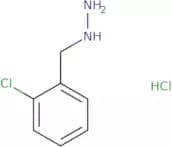


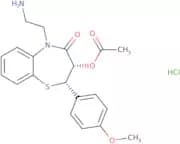
![5-Methyl-4,5,6,7-tetrahydrothiazolo[5,4-c]pyridine-2-carboxylic acid hydrochloride](/_next/image/?url=https%3A%2Fstatic.cymitquimica.com%2Fproducts%2F3D%2Fthumb-webp%2FFM63141.webp&w=3840&q=75)
![3-{[(3,4-Dichlorophenyl)amino]carbonyl}bicyclo[2.2.1]hept-5-ene-2-carboxylic acid](/_next/image/?url=https%3A%2Fstatic.cymitquimica.com%2Fproducts%2F3D%2Fthumb-webp%2FFD136060.webp&w=3840&q=75)


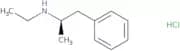
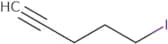
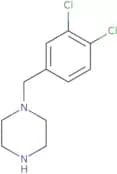
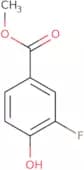

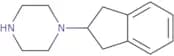


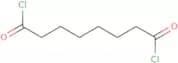
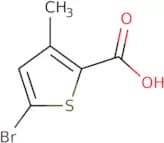
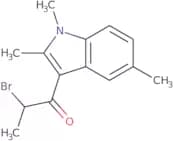
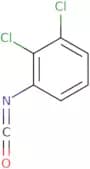


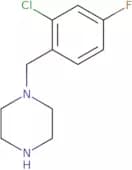
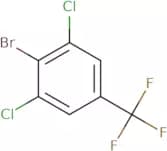
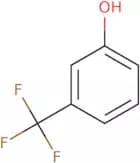
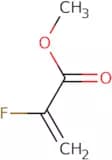

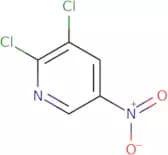
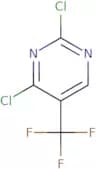
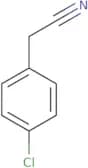
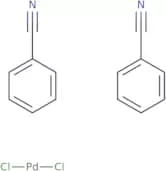
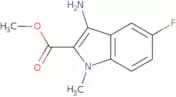
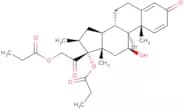
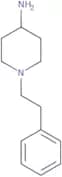
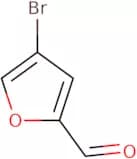
![7-Bromo-1-methyl-1H-imidazo[4,5-c]pyridine](/_next/image/?url=https%3A%2Fstatic.cymitquimica.com%2Fproducts%2F3D%2Fthumb-webp%2FFB155304.webp&w=3840&q=75)
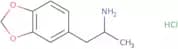

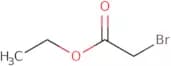
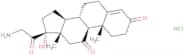
![[2-(1-Ethyl-1H-benzimidazol-2-yl)ethyl]amine dihydrochloride](/_next/image/?url=https%3A%2Fstatic.cymitquimica.com%2Fproducts%2F3D%2Fthumb-webp%2FFE125216.webp&w=3840&q=75)
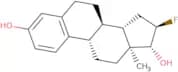
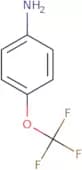
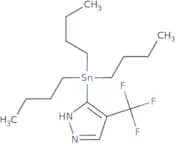
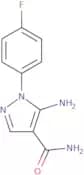
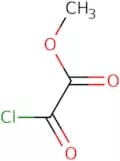
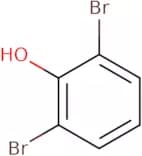
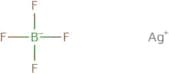
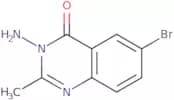
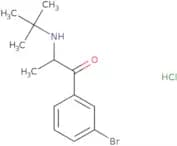
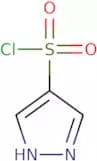
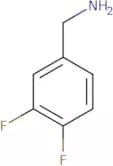
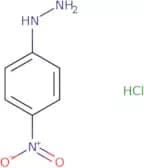
![[(5-Methyl-1,3-thiazol-2-yl)methyl]amine dihydrochloride](/_next/image/?url=https%3A%2Fstatic.cymitquimica.com%2Fproducts%2F3D%2Fthumb-webp%2FFM124184.webp&w=3840&q=75)
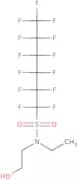
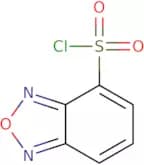
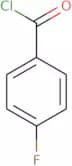
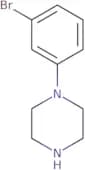
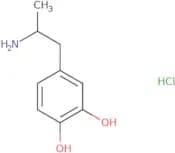


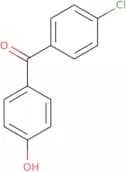
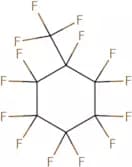

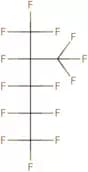
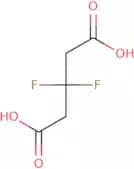
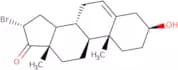
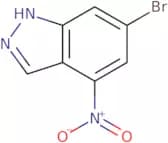
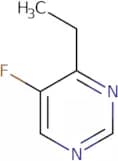
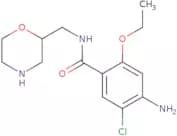
![1-[2-(5-Fluoro-1H-indol-3-yl)ethyl]-5-oxopyrrolidine-3-carboxylic acid](/_next/image/?url=https%3A%2Fstatic.cymitquimica.com%2Fproducts%2F3D%2Fthumb-webp%2FFF119448.webp&w=3840&q=75)
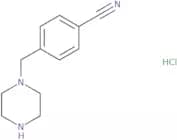
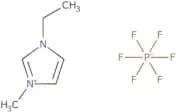
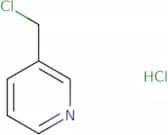
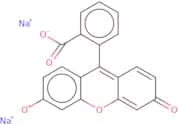

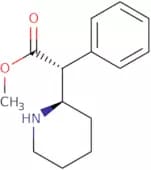

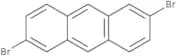
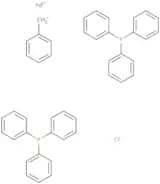
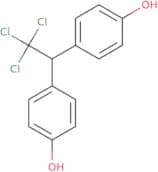
![[(4-Methyl-1,3-thiazol-2-yl)methyl]amine dihydrochloride](/_next/image/?url=https%3A%2Fstatic.cymitquimica.com%2Fproducts%2F3D%2Fthumb-webp%2FFM124176.webp&w=3840&q=75)
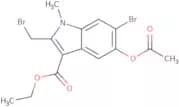



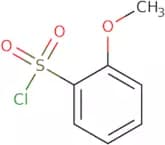
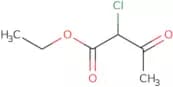
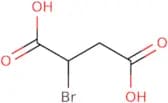

![[(4-Methyl-1H-imidazol-5-yl)methyl]amine hydrochloride](/_next/image/?url=https%3A%2Fstatic.cymitquimica.com%2Fproducts%2F3D%2Fthumb-webp%2FFM125220.webp&w=3840&q=75)
![5-[4-(3-Chlorophenyl)piperazin-1-yl]-5-oxopentanoic acid](/_next/image/?url=https%3A%2Fstatic.cymitquimica.com%2Fproducts%2F3D%2Fthumb-webp%2FFC124636.webp&w=3840&q=75)
![[3-(Trifluoromethyl)-4,5,6,7-tetrahydro-1H-indazol-1-yl]acetic acid](/_next/image/?url=https%3A%2Fstatic.cymitquimica.com%2Fproducts%2F3D%2Fthumb-webp%2FFT119888.webp&w=3840&q=75)
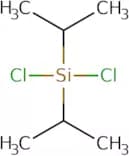
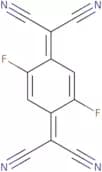
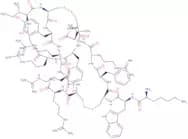
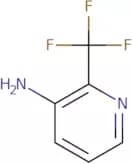

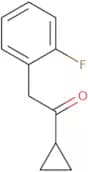
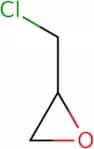
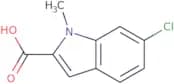
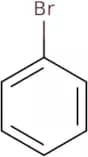

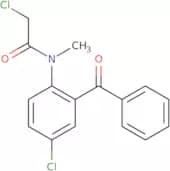
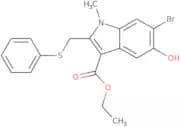
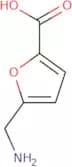
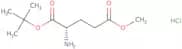
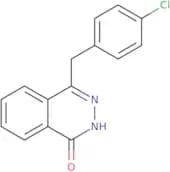
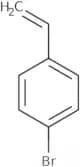
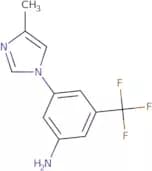

![6-(2-Bromoethyl)-1,3-dimethyl-1H-pyrrolo[3,4-d]pyrimidine-2,4(3H,6H)-dione](/_next/image/?url=https%3A%2Fstatic.cymitquimica.com%2Fproducts%2F3D%2Fthumb-webp%2FFB117220.webp&w=3840&q=75)
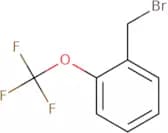
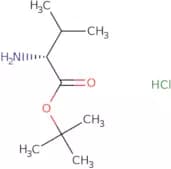
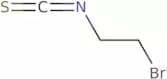

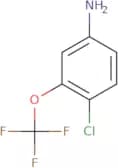
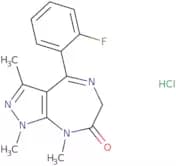

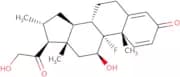
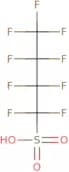


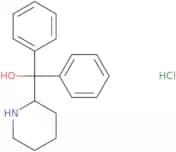
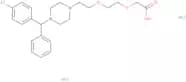
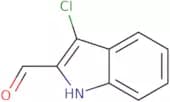

![[1-(2-Chlorobenzyl)-1H-benzimidazol-2-yl]methanol](/_next/image/?url=https%3A%2Fstatic.cymitquimica.com%2Fproducts%2F3D%2Fthumb-webp%2FFC135810.webp&w=3840&q=75)
![[2-(1,2,6-Trimethyl-1H-indol-3-yl)ethyl]amine hydrochloride](/_next/image/?url=https%3A%2Fstatic.cymitquimica.com%2Fproducts%2F3D%2Fthumb-webp%2FFT118335.webp&w=3840&q=75)
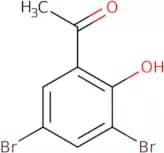
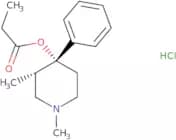
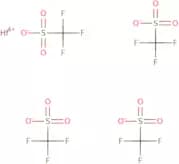
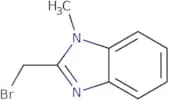
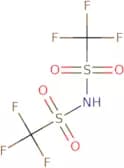
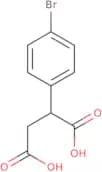
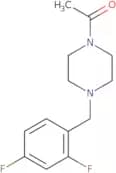
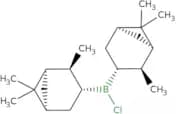
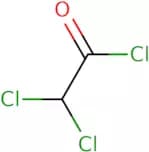
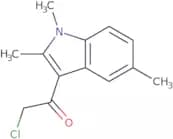
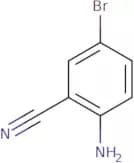
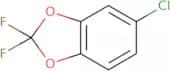
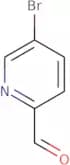
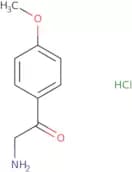
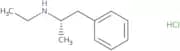

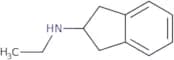


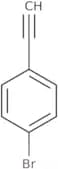

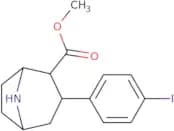
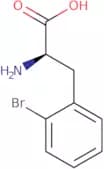
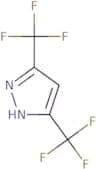
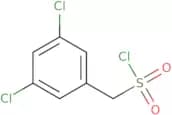
![2-Chloro-7H-pyrrolo[2,3-d]pyrimidin-4-amine](/_next/image/?url=https%3A%2Fstatic.cymitquimica.com%2Fproducts%2F3D%2Fthumb-webp%2FFC63357.webp&w=3840&q=75)
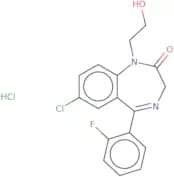
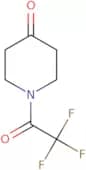
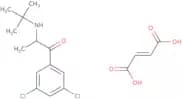
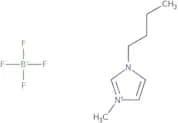
![alpha-(1,1,2,2,2-Pentafluoroethyl)-omega-[Tetrafluoro(Trifluoromethyl)Ethoxy]-Poly[Oxy[Trifluoro(T…](/_next/image/?url=https%3A%2Fstatic.cymitquimica.com%2Fproducts%2F3D%2Fthumb-webp%2FFP103632.webp&w=3840&q=75)
![5-Bromo-3-[2-(1-pyrrolidinyl)ethyl]-1H-indole](/_next/image/?url=https%3A%2Fstatic.cymitquimica.com%2Fproducts%2F3D%2Fthumb-webp%2FFB154288.webp&w=3840&q=75)
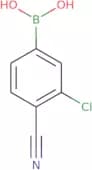
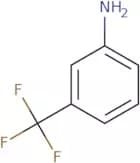
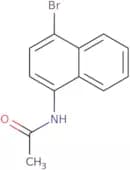
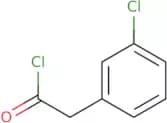
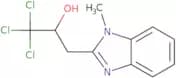
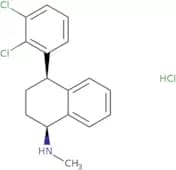

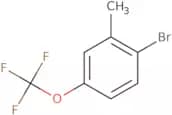
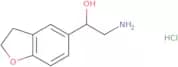
![{[5-(Trifluoromethyl)-1,2,4-oxadiazol-3-yl]methyl}amine hydrochloride](/_next/image/?url=https%3A%2Fstatic.cymitquimica.com%2Fproducts%2F3D%2Fthumb-webp%2FFT127171.webp&w=3840&q=75)

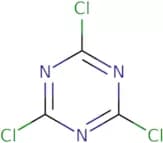

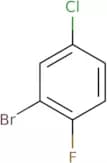
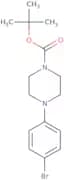
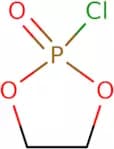
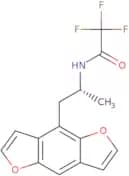
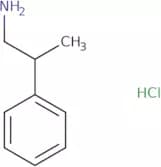
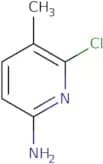
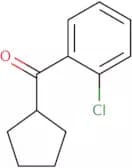
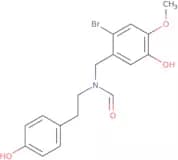
![3,6-Dichlorobenzo[b]thiophene-2-carboxylic acid](/_next/image/?url=https%3A%2Fstatic.cymitquimica.com%2Fproducts%2F3D%2Fthumb-webp%2FFD57151.webp&w=3840&q=75)