Organic Halides
Subcategories of "Organic Halides"
Found 20442 products of "Organic Halides"
2-Chloro-3,4-dihydroxybenzoic acid
CAS:Cefepime is a broad-spectrum antibiotic that is used to treat bacterial infections. It inhibits cell wall synthesis by binding to the penicillin-binding proteins and interfering with the cross-linking of peptidoglycan. Cefepime has been shown to be active against gram-negative pathogens such as Aeruginosa, Stenotrophomonas maltophilia, and P. aeruginosa. Cefepime also inhibits the growth of gram-positive bacteria such as Staphylococcus aureus, Enterococcus faecalis, and Streptococcus pneumoniae. The chemical structure of cefepime is similar to that of other beta-lactam antibiotics like methicillin, oxacillin, cloxacillin, ampicillin, and amoxicillin. Cefepime has been shown to be effective in treating resistant gram-negative organisms such as Pseudomonas aeruginosa (P.Formula:C7H5ClO4Purity:Min. 95%Color and Shape:White To Yellow To Light Brown SolidMolecular weight:188.56 g/molACTH (3-24) (human, bovine, rat) trifluoroacetate salt
CAS:Please enquire for more information about ACTH (3-24) (human, bovine, rat) trifluoroacetate salt including the price, delivery time and more detailed product information at the technical inquiry form on this pageFormula:C124H196N38O27SPurity:Min. 95%Molecular weight:2,683.19 g/molH-beta-Chloro-Ala-NHOH hydrochloride salt
CAS:Please enquire for more information about H-beta-Chloro-Ala-NHOH hydrochloride salt including the price, delivery time and more detailed product information at the technical inquiry form on this page
Formula:C3H7ClN2O2Purity:Min. 95%Molecular weight:138.55 g/mol6-Hydroxy chlorzoxazone
CAS:6-Hydroxy chlorzoxazone is a drug that interacts with 5-hydroxy omeprazole, cytochrome P450 (CYP2E1), and chlorzoxazone. This drug is not metabolized by CYP2E1, but is metabolized by liver microsomes. The plasma concentration of 6-hydroxy chlorzoxazone increases as the patient's body mass index increases. It has been shown to affect the activity of hepatic enzymes such as CYP2E1 and p450 in rat liver microsomes. 6-Hydroxy chlorzoxazone may be used for the treatment of bronchial asthma and chronic obstructive pulmonary disease. The kinetic data for 6-hydroxy chlorzoxazone are based on studies done on humans and rats.Formula:C7H4ClNO3Purity:(%) Min. 95%Color and Shape:Beige PowderMolecular weight:185.56 g/mol(Arg8)-Conopressin G trifluoroacetate salt
CAS:Please enquire for more information about (Arg8)-Conopressin G trifluoroacetate salt including the price, delivery time and more detailed product information at the technical inquiry form on this pageFormula:C44H71N17O10S2Purity:Min. 95%Molecular weight:1,062.28 g/mol(D-Arg0, Hyp 3,Igl5,D-Igl7, Oic 8)-Bradykinin trifluoroacetate salt
CAS:Please enquire for more information about (D-Arg0, Hyp 3,Igl5,D-Igl7, Oic 8)-Bradykinin trifluoroacetate salt including the price, delivery time and more detailed product information at the technical inquiry form on this page
Formula:C64H95N19O13Purity:Min. 95%Molecular weight:1,338.56 g/mol6-Bromo-1-methylindazole
CAS:6-Bromo-1-methylindazole is an industrial chemical that can be synthesized by the reaction of formate, methanol, and indazole. The synthesis method involves the esterification of methyl formate with indazole to produce 6-bromo-1-methylindazole. It can also be synthesized by the annulation of methyl formate and cyclopentadiene followed by hydrolysis. This chemical has several isomers that are distinguished from each other based on their synthesis methods. 6-Bromo-1-methylindazole has been shown to have a hydrolysis reaction when it reacts with water, producing methyl bromide and hydrogen bromide.Formula:C8H7BrN2Purity:Min. 95%Molecular weight:211.06 g/molPAR-4 (1-6) (mouse) trifluoroacetate salt
CAS:Please enquire for more information about PAR-4 (1-6) (mouse) trifluoroacetate salt including the price, delivery time and more detailed product information at the technical inquiry form on this pageFormula:C33H45N7O8Purity:Min. 95%Molecular weight:667.75 g/mol5-Chlorouracil
CAS:5-Chlorouracil is a drug that is used to treat cancer. It has been shown to have biological properties, and its mechanism of action is not yet fully understood. 5-Chlorouracil can be synthesized in the laboratory by reacting sodium hydroxide with 5-chloro-2,4(1H,3H)-pyrimidinedione. In wastewater treatment plants, it reacts with organic matter in the water to form nontoxic products, such as carbon dioxide and urea. The reaction solution contains 5-chlorouracil, which undergoes tautomerization spontaneously or through the addition of base. This reaction is reversible, and both the erythro and threo forms are present in solution at equilibrium. The biological properties of 5-chlorouracil have been investigated using sublethal doses in experimental animals. In one study, 5-chlorouracil was found to inhibit xanthine oxidase activity in rats significantly moreFormula:C4H3ClN2O2Purity:Min. 95%Color and Shape:PowderMolecular weight:146.53 g/molCRAMP (mouse) trifluoroacetate salt
CAS:Please enquire for more information about CRAMP (mouse) trifluoroacetate salt including the price, delivery time and more detailed product information at the technical inquiry form on this pageFormula:C178H302N50O46Purity:Min. 95%Molecular weight:3,878.61 g/molZ-Phe-Lys-2,4,6-trimethylbenzoyloxy-methylketone trifluoroacetate salt
CAS:Z-Phe-Lys-2,4,6-trimethylbenzoyloxy-methylketone trifluoroacetate salt is a proteolytic enzyme that has been shown to have bone resorption and tissue destructive properties. It is active against porphyromonas and bactericidal against fibrinogen. Z-Phe-Lys-2,4,6-trimethylbenzoyloxy-methylketone trifluoroacetate salt also inhibits the formation of osteoclasts by inhibiting the uptake and protease activity of extracellular matrix proteins such as fibrinogen. This drug is currently being researched for possible use in the treatment of Alzheimer's Disease.Formula:C34H41N3O6Purity:Min. 95%Molecular weight:587.71 g/molH-Trp(Boc)-2-chlorotrityl resin (200-400 mesh) (Low Substitution)
Please enquire for more information about H-Trp(Boc)-2-chlorotrityl resin (200-400 mesh) (Low Substitution) including the price, delivery time and more detailed product information at the technical inquiry form on this page
Purity:Min. 95%Pancreastatin (33-48) (human) trifluoroacetate salt
CAS:Pancreastatin (33-48) is a synthetic, acidic, sulfated peptide that has been shown to have high activity against pancreatic cancer cells. Pancreastatin (33-48) has been synthesized by reacting an oligopeptide with glutamic acid and aspartic acid. The N-terminal of this peptide is amidated and contains a sulfate group. This molecule has been purified by SDS-polyacrylamide gel electrophoresis and the sulfate fractionation method. Pancreastatin (33-48) is able to inhibit the proliferation of pancreatic tumor cells in vitro, but it does not appear to be cytotoxic to normal pancreatic cells. In addition, pancreastatin (33-48) has also been shown to decrease tumor growth in vivo in mice bearing a transplanted human pancreatic tumor.Formula:C78H123N21O27SPurity:Min. 95%Molecular weight:1,819 g/molPalmitoyl-Cys((RS)-2,3-di(palmitoyloxy)-propyl)-Ser-Lys-Lys-Lys-Lys-OH trifluoroacetate salt
CAS:Agonist of toll-like receptors TLR1/2Formula:C81H156N10O13SPurity:Min. 95%Molecular weight:1,510.23 g/mol(Tyr9)-beta-MSH (porcine) trifluoroacetate salt
CAS:Please enquire for more information about (Tyr9)-beta-MSH (porcine) trifluoroacetate salt including the price, delivery time and more detailed product information at the technical inquiry form on this pageFormula:C101H140N24O30SPurity:Min. 95%Molecular weight:2,202.4 g/molL-Alanine benzyl ester hydrochloride
CAS:L-Alanine benzyl ester hydrochloride is a conjugate of L-alanine and the quaternary ammonium salt benzyl ester hydrochloride. The water molecule is attached to the nitrogen atom in the benzyl ester. It has been shown to inhibit viral replication by interfering with the virus' ability to use host enzymes and proteins for synthesis. L-Alanine benzyl ester hydrochloride has significant cytotoxicity against leukemia cells, which may be due to its ability to inhibit rna polymerase activity. L-Alanine benzyl ester hydrochloride can also be used as an inhibitor of angiotensin converting enzyme (ACE), which is important in regulating blood pressure.Formula:C10H13NO2•HCLPurity:Min. 95%Color and Shape:White PowderMolecular weight:215.68 g/molH-D-Val-2-chlorotrityl resin (200-400 mesh)
Please enquire for more information about H-D-Val-2-chlorotrityl resin (200-400 mesh) including the price, delivery time and more detailed product information at the technical inquiry form on this pagePurity:Min. 95%H-Arg(Pbf)-2-chlorotrityl resin (200-400 mesh) (Low Substitution)
Please enquire for more information about H-Arg(Pbf)-2-chlorotrityl resin (200-400 mesh) (Low Substitution) including the price, delivery time and more detailed product information at the technical inquiry form on this pagePurity:Min. 95%2',3'-Difluoroacetophenone
CAS:2',3'-Difluoroacetophenone is a polymerized, salicylic acid that can be used as a deformation treatment method for silicon. It has been shown to reduce the resistance of transistors and improve the performance of esters. 2',3'-Difluoroacetophenone is also used in the manufacture of polyolefins and polycarboxylic acids. It is also used in skin care products because it can reduce sebum production and inhibit the formation of acne-causing bacteria.Formula:C8H6F2OPurity:Min. 95%Molecular weight:156.13 g/molEthyl 2,4-dichloropyrimidine-5-carboxylate
CAS:Please enquire for more information about Ethyl 2,4-dichloropyrimidine-5-carboxylate including the price, delivery time and more detailed product information at the technical inquiry form on this pageFormula:C7H6Cl2N2O2Purity:Min. 95%Molecular weight:221.04 g/mol2-Bromo-5-nitro-3-(trifluoromethyl)pyridine
CAS:2-Bromo-5-nitro-3-(trifluoromethyl)pyridine is a white crystalline compound that is soluble in water. It has high melting point and is stable at high temperatures. This chemical has been recycled from terephthalic acid by the cyanation reaction with sodium nitrite, followed by hydrogenation of 2-bromo-5-nitro-3-(trifluoromethyl)pyridine to 5,6-dichloro-2,4,6-(1H,3H)-triazine. The target product of this recycling process is terephthalic acid. 2-Bromo-5-nitro-3-(trifluoromethyl)pyridine can be used as a catalyst for the preparation of drugs for urogenital use.Purity:Min. 95%Matrix Protein M1 (58-66) (Influenza A virus) trifluoroacetate salt
CAS:Please enquire for more information about Matrix Protein M1 (58-66) (Influenza A virus) trifluoroacetate salt including the price, delivery time and more detailed product information at the technical inquiry form on this pageFormula:C49H75N9O11·C2HF3O2Purity:Min. 95%Molecular weight:1,080.2 g/molNeuropeptide AF (human) trifluoroacetate salt
CAS:Neuropeptide AF is a peptide that is synthesized in the brain and has been shown to have a wide range of biological activities. It has been shown to block growth factor-β1, activate the ryanodine receptor, and cause neuronal death. Neuropeptide AF also activates the polymerase chain reaction (PCR) and can be used as a potential biomarker for Alzheimer's disease. Neuropeptide AF has been shown to decrease body mass index and improve long-term efficacy in patients with chronic heart disease. There is also evidence that Neuropeptide AF binds calcium ions, which may play a role in structural heart disease or cardiac function.
Formula:C90H132N26O25Purity:Min. 95%Molecular weight:1,978.17 g/mol(D-Phe6,Leu-NHEt 13,des-Met14)-Bombesin (6-14) trifluoroacetate salt
CAS:Bombesin is a peptide hormone that is secreted by the intestines and the pancreas. Bombesin stimulates the adrenal glands to release adrenaline, which in turn stimulates the bladder to contract. Bombesin has been shown to increase bladder efficiency significantly when given intravenously to patients with chronic urinary retention. This drug also has significant effects on pain syndrome, as it can facilitate or inhibit pain depending on its concentration. Bombesin's mechanism of action is still unclear, but it may work by antagonizing other neurotransmitters like noradrenaline or adrenaline.Formula:C49H69N13O9Purity:Min. 95%Molecular weight:984.15 g/molBiotinyl-pTH (1-34) (human) trifluoroacetate salt
CAS:Please enquire for more information about Biotinyl-pTH (1-34) (human) trifluoroacetate salt including the price, delivery time and more detailed product information at the technical inquiry form on this pageFormula:C191H305N57O53S3Purity:Min. 95%Molecular weight:4,344.02 g/molFibrinopeptide B (human) trifluoroacetate salt
CAS:Fibrinopeptide B is a fibrinogen-derived peptide that has shown to inhibit the growth of HL-60 cells. It may be active as a receptor antagonist for thrombin and caproic acid. Fibrinopeptide B also inhibits angiogenesis by inhibiting the binding of acidic, basic proteins to the vascular endothelium in atherosclerotic lesions. The biological sample can be obtained from human serum or plasma.Formula:C66H93N19O25Purity:Min. 95%Molecular weight:1,552.56 g/molMyelin Basic Protein (85-99) Peptide Antagonist trifluoroacetate salt
CAS:Please enquire for more information about Myelin Basic Protein (85-99) Peptide Antagonist trifluoroacetate salt including the price, delivery time and more detailed product information at the technical inquiry form on this pageFormula:C70H114N18O21Purity:Min. 95%Molecular weight:1,543.76 g/molNeuropeptide S (1-10) (human) trifluoroacetate salt
CAS:Please enquire for more information about Neuropeptide S (1-10) (human) trifluoroacetate salt including the price, delivery time and more detailed product information at the technical inquiry form on this pageFormula:C42H68N14O14SPurity:Min. 95%Molecular weight:1,025.14 g/mol(Gly21)-Amyloid b-Protein (1-40) trifluoroacetate salt
CAS:Please enquire for more information about (Gly21)-Amyloid b-Protein (1-40) trifluoroacetate salt including the price, delivery time and more detailed product information at the technical inquiry form on this page
Formula:C193H293N53O58SPurity:Min. 95%Molecular weight:4,315.78 g/molDynorphin A (1-10)-Gly-chloromethylketone trifluoroacetate salt
CAS:Please enquire for more information about Dynorphin A (1-10)-Gly-chloromethylketone trifluoroacetate salt including the price, delivery time and more detailed product information at the technical inquiry form on this pageFormula:C60H95ClN20O12Purity:Min. 95%Molecular weight:1,323.98 g/mol7-Methoxy-4-(trifluoromethyl)coumarin
CAS:7-Methoxy-4-(trifluoromethyl)coumarin is a potent and selective aromatase inhibitor. It inhibits the activity of the enzyme, which converts testosterone to estradiol. The inhibition of this enzyme may be beneficial in the treatment of breast cancer. This compound has also been shown to inhibit the activity of P450 enzymes and coumarin derivatives, which are involved in drug metabolism and detoxification.Formula:C11H7F3O3Purity:Min. 95%Molecular weight:244.17 g/molAc-Trp-Glu-His-Asp-AFC trifluoroacetate salt
CAS:Please enquire for more information about Ac-Trp-Glu-His-Asp-AFC trifluoroacetate salt including the price, delivery time and more detailed product information at the technical inquiry form on this page
Formula:C38H37F3N8O11Purity:Min. 95%Molecular weight:838.74 g/molAmyloid Bri Protein (1-34) trifluoroacetate salt
CAS:Please enquire for more information about Amyloid Bri Protein (1-34) trifluoroacetate salt including the price, delivery time and more detailed product information at the technical inquiry form on this pageFormula:C173H273N49O52S2Purity:Min. 95%Molecular weight:3,935.45 g/mol3-(2,6-Dichlorophenyl)-5-methylisoxazole-4-carbonyl chloride
CAS:3-(2,6-Dichlorophenyl)-5-methylisoxazole-4-carbonyl chloride is a chlorinated, thermosetting emulsifier that is used in the production of pressure sensitive adhesives. This compound has a high viscosity and is used as a retardant and an emulsifier. It is also used as a trichloride to produce vinyl chloride monomer. 3-(2,6-Dichlorophenyl)-5-methylisoxazole-4-carbonyl chloride inhibits the growth of bacteria by acting as an antimicrobial agent. The mechanism of action for this compound is not fully understood but it has been shown to inhibit protein synthesis in bacteria.Formula:C11H6Cl3NO2Purity:Min. 95%Molecular weight:290.53 g/molH-Phe-2-chlorotrityl resin (200-400 mesh) (Low Substitution)
Please enquire for more information about H-Phe-2-chlorotrityl resin (200-400 mesh) (Low Substitution) including the price, delivery time and more detailed product information at the technical inquiry form on this pagePurity:Min. 95%H-Glu-Glu-Lys-Leu-Ile-Val-Val-Ala-Phe-OH trifluoroacetate salt
CAS:Please enquire for more information about H-Glu-Glu-Lys-Leu-Ile-Val-Val-Ala-Phe-OH trifluoroacetate salt including the price, delivery time and more detailed product information at the technical inquiry form on this pageFormula:C50H82N10O14Purity:Min. 95%Molecular weight:1,047.25 g/molDefensin HNP-1 (human) trifluoroacetate salt
CAS:Defensin HNP-1 is a trifluoroacetate salt of human defensin HNP-1. It has antimicrobial activity against Gram-negative and Gram-positive bacteria, including Mycobacterium tuberculosis, Staphylococcus aureus, Mycoplasma pneumoniae, Streptococcus pneumoniae, Haemophilus influenzae and Enterococcus faecalis. The purified protein also has broad-spectrum activity against cancer cells. Defensin HNP-1 is most active in neutrophils from humans with active cystic fibrosis. The protein binds to the bacterial cell membrane and causes the release of lysosomal enzymes that kill the bacteria. Defensin HNP-1 is also able to inhibit the growth of tumor cells as it can be internalized into these cells by endocytosis.Formula:C150H222N44O38S6Purity:Min. 95%Molecular weight:3,442.04 g/mol5,6-Dichloronicotinic acid
CAS:5,6-Dichloronicotinic acid is a compound that can be synthesized by reacting methyl ketones with chloroacetic acid. It is used in the synthesis of maleic anhydride and has been shown to inhibit the catalysis of acetylcholine chloride. 5,6-Dichloronicotinic acid has also been shown to have an inhibitory effect on Alzheimer's disease. The kinetic mechanism for this inhibition occurs through the hydrolysis step of 5,6-Dichloronicotinic acid by magnesium chloride in hexane solution. The reactive acylation reaction proceeds when 5,6-Dichloronicotinic acid reacts with acetic anhydride in the presence of pyridine.Formula:C6H3Cl2NO2Color and Shape:PowderMolecular weight:192 g/molHCV NS4A Protein (21-34) (JT strain) trifluoroacetate salt
CAS:Please enquire for more information about HCV NS4A Protein (21-34) (JT strain) trifluoroacetate salt including the price, delivery time and more detailed product information at the technical inquiry form on this pageFormula:C63H116N20O17Purity:Min. 95%Molecular weight:1,425.72 g/molSarafotoxin B trifluoroacetate salt
CAS:Component of snake venom; part of a family of vasoconstrictor isopeptidesFormula:C110H159N27O34S5Purity:Min. 95%Molecular weight:2,563.93 g/molAmylin (mouse, rat) trifluoroacetate
CAS:Amylin (mouse, rat) trifluoroacetate is a synthetic peptide, which is a derivative of the islet amyloid polypeptide (IAPP) found in rodent species. It is sourced from the pancreatic beta cells of mice and rats, where it is co-secreted with insulin. The mode of action involves regulation of glucose metabolism through its effects on gastric emptying, glucagon secretion, and satiety. These actions are crucial in managing postprandial blood glucose levels and provide insights into the pathophysiology of diabetes.Amylin (mouse, rat) trifluoroacetate is primarily used in research applications to study the mechanisms of amylin aggregation and its implications in type 2 diabetes. It also serves as a model for understanding the differences in amyloid fibril formation between human and rodent amylin, making it invaluable for the development of therapeutic strategies aimed at mitigating amyloid-related cellular toxicity. Researchers utilize this peptide to explore the potential compensatory roles of amylin analogs in diabetic models, advancing our understanding of diabetes progression and treatment options.Formula:C167H272N52O53S2•(C2HF3O2)xPurity:Min. 95%Molecular weight:3,920.4 g/mol6,8-Dichlorochromone-2-carboxylic acid
CAS:6,8-Dichlorochromone-2-carboxylic acid is a fine chemical that is used as a building block in the synthesis of complex compounds. It is also a versatile building block that can be used in many reactions, such as nucleophilic substitution, electrophilic addition, and condensation reactions. This compound has CAS number 16722-38-6 and is a reagent for research purposes.Formula:C10H4Cl2O4Purity:Min. 95%Color and Shape:PowderMolecular weight:259.04 g/molRF9 trifluoroacetate salt
CAS:RF9 is a dipeptide that is structurally similar to the endogenous neuropeptides kisspeptin and arginine-vasopressin. RF9 binds to the GPR54 receptor, which is a G protein-coupled receptor that regulates secretion of luteinizing hormone in the anterior pituitary gland, as well as sexual desire and function. RF9 has been shown to be an antagonist of the GPR54 receptor and has been shown to inhibit the secretion of luteinizing hormone in primates.Formula:C26H38N6O3Purity:Min. 95%Molecular weight:482.62 g/mol2-Chloro-5-pyridylcarbinol
CAS:2-Chloro-5-pyridylcarbinol is an alkene that features a five-membered ring. It is a conformationally rigid molecule, which means it has no rotational or vibrational barriers. The molecule can be classified as a tricyclic heterocycle because the carbon atoms are arranged in three rings. The analogues of this compound feature six-membered carbocycles and intramolecular cycloadditions. 2-Chloro-5-pyridylcarbinol also constitutes one of the azomethine adducts of nicotine, which is a type of tricyclic heterocycle.Formula:C6H6ClNOPurity:Min. 95%Molecular weight:143.57 g/molN-Methyl-1,2-phenylenediamine dihydrochloride
CAS:N-Methyl-1,2-phenylenediamine dihydrochloride (NMP) is a synthetic compound that is used as the precursor to various pharmaceuticals, such as the antihypertensive drug clonidine. NMP can be synthesized from benzene and ammonia or phenylmagnesium bromide. It is carcinogenic in animals and humans, and has been shown to cause DNA damage and cell apoptosis. The chemical has a high potential for nitrosation reactions when exposed to nitrites. This reaction produces nitric oxide, which is cytotoxic and can lead to liver cancer in rats. The synthesis of NMP generates impurities such as methanol solvent, sodium sulfide, and hydrogen chloride gas. These impurities are often found in recycled NMP due to incomplete removal during processing.Formula:C7H12Cl2N2Purity:Min. 95%Color and Shape:PowderMolecular weight:195.09 g/molButyl Trifluoromethanesulfonate
CAS:Butyl trifluoromethanesulfonate is an immunoregulatory agent that has been shown to have insulin-sensitizing and anti-inflammatory properties. It has been reported to cause a significant reduction in the concentration of glucose in the blood, which may be due to its ability to inhibit the synthesis of cholesterol esters. Butyl trifluoromethanesulfonate is also used as a solvent in detergent compositions, and as a reagent for synthesizing quinoline derivatives. This compound has been shown to increase the viscosity of oils and other organic solvents, making it useful for a wide range of industrial applications.Formula:C5H9F3O3SPurity:Min. 95%Color and Shape:Clear LiquidMolecular weight:206.18 g/mol4-Bromo-2-pyrrolecarboxaldehyde
CAS:4-Bromo-2-pyrrolecarboxaldehyde is a synthetic chemical that is used as an antifungal agent. It inhibits the growth of filamentous fungi by binding to their pyrrole rings and inhibiting the synthesis of proteins. 4-Bromo-2-pyrrolecarboxaldehyde has shown in vitro antifungal activity against isolates of Candida albicans, Aspergillus niger, and Fusarium oxysporum. This compound also has substitutions at positions 1 and 2 of the pyrrole ring, which are thought to be responsible for its inhibitory properties. 4-Bromo-2-pyrrolecarboxaldehyde is soluble in organic solvents such as acetone and chloroform.Formula:C5H4BrNOPurity:Min. 95%Color and Shape:PowderMolecular weight:174 g/mol(alphaR)-alpha-[[[2-(4-Nitrophenyl)ethyl]amino]methyl]benzenemethanol hydrochloride
CAS:Intermediate in the synthesis of mirabegron
Formula:C16H18N2O3·HClPurity:Min. 95%Molecular weight:322.79 g/molGRF (bovine) trifluoroacetate salt
CAS:Growth hormone-releasing factor (GRF) or GHRH (growth hormone-releasing hormone).Binds to the growth hormone-releasing hormone receptor (GHRH-R), causing growth hormone secretion.porcine: H-YADAIFTNSYRKVLGQLSARKLLQDIMSRQQGERNQEQGARVRL-NH2bovine: H-YADAIFTNSYRKVLGQLSARKLLQDIMNRQQGERNQEQGAKVRL-NH2ovine: H-YADAIFTNSYRKILGQLSARKLLQDIMNRQQGERNQEQGAKVRL-NH2human: H-YADAIFTNSYRKVLGQLSARKLLQDIMSRQQGESNQERGARARL-NH2Formula:C220H366N72O66SPurity:Min. 95%Molecular weight:5,107.77 g/molUrocortin (human) trifluoroacetate salt
CAS:Trifluoroacetate saltFormula:C204H337N63O64Purity:Min. 95%Molecular weight:4,696.24 g/molKisspeptin-54 (27-54) (human) trifluoroacetate salt
CAS:Please enquire for more information about Kisspeptin-54 (27-54) (human) trifluoroacetate salt including the price, delivery time and more detailed product information at the technical inquiry form on this pageFormula:C149H226N42O39Purity:Min. 95%Molecular weight:3,229.65 g/mol2-Bromoethylamine hydrobromide
CAS:2-Bromoethylamine HBr is a nonsteroidal anti-inflammatory drug that is used to treat inflammation and pain. It is a prodrug that is hydrolyzed in vivo to its active form, 2-bromoethylamine. The bound form of this drug has been shown to inhibit the development of cell nuclei in the nucleus of cells. This drug also inhibits the production of nitric oxide, which leads to cell death by necrosis. 2-Bromoethylamine HBr has been shown to have an inhibitory effect on the activity of glycol ethers, which are used as solvents for resins in coatings and adhesives. It also has the ability to form body tissue (e.g., papillary) and can be used as an experimental model for studying necrosis.Formula:C2H6BrN•HBrPurity:Min. 95%Color and Shape:White PowderMolecular weight:204.89 g/mol4-Fluoro-2-methoxyaniline
CAS:4-Fluoro-2-methoxyaniline is an inhibitor of tyrosine kinase. It is a molecule that has been isolated from the ground leaves of erythroxylon coca and is used in the treatment of diabetes mellitus. 4-Fluoro-2-methoxyaniline inhibits the growth factor receptor, epidermal growth factor (EGF), and its receptor, EGF receptor. This inhibition leads to decreased proliferation of epidermal cells and decreased insulin production by pancreatic beta cells. 4-Fluoro-2-methoxyaniline also has antioxidant properties, which may be due to its ability to scavenge free radicals.Formula:C7H8FNOPurity:Min. 95%Color and Shape:Light Brown To Brown LiquidMolecular weight:141.14 g/molFurin Inhibitor II trifluoroacetate salt
CAS:Furin inhibitor II is a small molecule that inhibits the activity of furin, which is an enzyme used in the processing of growth factor-β1. Furin inhibitor II binds to human receptors and blocks their binding to the surface glycoprotein on cancer cells. Furin inhibitor II also has physiological activities, such as reducing inflammation, inhibiting viral replication, and inhibiting the growth of bacteria. Furin inhibitor II may be useful for treating cancer or infectious diseases.Formula:C36H75N25O6Purity:Min. 95%Molecular weight:954.15 g/mol3-Iodo-2-methylbenzoic acid
CAS:3-Iodo-2-methylbenzoic acid is a reagent that is used as an intermediate in the synthesis of complex compounds and fine chemicals. 3-Iodobenzoic acid is classified as a speciality chemical, which means it can be used for research purposes only. 3-Iodo-2-methylbenzoic acid has many uses, including being a versatile building block in chemical reactions and a reaction component in the synthesis of useful scaffolds and building blocks.Formula:C8H7IO2Purity:Min. 95%Color and Shape:SolidMolecular weight:262.04 g/molTRAF6 Peptide trifluoroacetate salt
CAS:Please enquire for more information about TRAF6 Peptide trifluoroacetate salt including the price, delivery time and more detailed product information at the technical inquiry form on this pageFormula:C145H238N34O44Purity:Min. 95%Molecular weight:3,161.64 g/molDansyl-Ala-Arg-OH trifluoroacetate salt
CAS:Please enquire for more information about Dansyl-Ala-Arg-OH trifluoroacetate salt including the price, delivery time and more detailed product information at the technical inquiry form on this pageFormula:C21H30N6O5SPurity:Min. 95%Molecular weight:478.57 g/molUrocortin II (mouse) trifluoroacetate salt
CAS:Please enquire for more information about Urocortin II (mouse) trifluoroacetate salt including the price, delivery time and more detailed product information at the technical inquiry form on this pageFormula:C187H320N56O50Purity:Min. 95%Molecular weight:4,152.89 g/mol3-Bromo-2-methylaniline
CAS:3-Bromo-2-methylaniline is a six membered, planar, planar conformation with a dihedral angle of 120°. The molecule has two dimers that are connected by hydrogen bonds. It has a crystal structure that is made up of molecules arranged in a hexagonal grid. The molecule is made up of three atoms: one carbon atom, one nitrogen atom, and one bromine atom. The three atoms are arranged in the following order: bromine, carbon, nitrogen.
Formula:C7H8BrNPurity:Min. 95%Color and Shape:Clear Colourless To Yellow To Brown Or Red-BrownMolecular weight:186.05 g/molH-D-Phe-His-Leu-Leu-Arg-Glu-Val-Leu-Glu-Nle-Ala-Arg-A la-Glu-Gln-Leu-Ala-Gln-Gln-Ala-His-Ser-Asn-Arg-Lys-a-Me-Leu-Nle-Glu-Ile-Ile-NH 2 trifluoroacetate salt
CAS:Please enquire for more information about H-D-Phe-His-Leu-Leu-Arg-Glu-Val-Leu-Glu-Nle-Ala-Arg-A la-Glu-Gln-Leu-Ala-Gln-Gln-Ala-His-Ser-Asn-Arg-Lys-a-Me-Leu-Nle-Glu-Ile-Ile-NH 2 trifluoroacetate salt including the price, delivery time and more detailed product information at the technical inquiry form on this pageFormula:C159H267N49O43Purity:Min. 95%Molecular weight:3,553.13 g/mol(Des-octanoyl)-Ghrelin (human) trifluoroacetate salt
CAS:Trifluoroacetate saltFormula:C141H235N47O41Purity:Min. 95%Molecular weight:3,244.67 g/molHTLV-1 Tax (11-19) trifluoroacetate salt
CAS:Please enquire for more information about HTLV-1 Tax (11-19) trifluoroacetate salt including the price, delivery time and more detailed product information at the technical inquiry form on this pageFormula:C56H79N9O12Purity:Min. 95%Molecular weight:1,070.28 g/mol(S)-(+)-6,6'-Dibromo-1,1'-bi-2-naphthol
CAS:Used in the synthesis of 6,6'-substituted BINOL chiral ligandsFormula:C20H12Br2O2Purity:Min. 95%Color and Shape:PowderMolecular weight:444.12 g/molAmyloid Dan Protein (1-34) (reduced) trifluoroacetate salt
CAS:Please enquire for more information about Amyloid Dan Protein (1-34) (reduced) trifluoroacetate salt including the price, delivery time and more detailed product information at the technical inquiry form on this pageFormula:C185H270N48O51S2Purity:Min. 95%Molecular weight:4,046.55 g/molOrphan GPCR SP9155 Agonist P550 (mouse) trifluoroacetate salt
CAS:Please enquire for more information about Orphan GPCR SP9155 Agonist P550 (mouse) trifluoroacetate salt including the price, delivery time and more detailed product information at the technical inquiry form on this pageFormula:C126H195N37O37Purity:Min. 95%Molecular weight:2,820.12 g/mol(Deamino-Cys1,Leu4,Lys8)-Vasopressin trifluoroacetate salt
CAS:Vasopressin is a hormone that belongs to the family of peptide hormones. Vasopressin has been shown to be localized in many tissues, including the brain, where it acts as a neurotransmitter and neuromodulator. Vasopressin is released by the paraventricular nucleus of the hypothalamus and stored in the posterior pituitary gland, from which it is released into the circulation when needed. Vasopressin binds to V1 receptors and causes an increase in cytosolic calcium levels through activation of voltage-gated calcium channels. It also stimulates cell growth and proliferation through activation of tyrosine kinase receptors on cells.Formula:C47H67N11O11S2Purity:Min. 95%Molecular weight:1,026.23 g/mol2-Bromo-7-iodo-9,9-dimethyl-9H-fluorene
CAS:2-Bromo-7-iodo-9,9-dimethyl-9H-fluorene is a chemical compound that is used as a sensor for electron transfer in organic molecules. When the molecule is oxidized, the bromine atom is reduced to hydrogen bromide, which is able to conduct electricity. This allows it to be used as a sensing electrode to measure electron transfer in organic molecules. 2-Bromo-7-iodo-9,9-dimethyl-9H-fluorene has been synthesized using experimental techniques and geometry experiments. The transport of electrons can be measured using electrodes with tripodal geometry with nanoscale dimensions.Formula:C15H12BrIPurity:95%NmrMolecular weight:399.06 g/mol(Dab 9)-Neurotensin (8-13) trifluoroacetate salt
CAS:Please enquire for more information about (Dab 9)-Neurotensin (8-13) trifluoroacetate salt including the price, delivery time and more detailed product information at the technical inquiry form on this pageFormula:C36H60N10O8Purity:Min. 95%Molecular weight:760.92 g/mol(Des-Gly10,D-His2,D-Ser4,D-Leu6,Pro-NHEt 9)-LHRH trifluoroacetate salt
Please enquire for more information about (Des-Gly10,D-His2,D-Ser4,D-Leu6,Pro-NHEt 9)-LHRH trifluoroacetate salt including the price, delivery time and more detailed product information at the technical inquiry form on this pageFormula:C59H84N16O12Purity:Min. 95%Molecular weight:1,209.4 g/molPrepro VIP (81-122) (human) trifluoroacetate salt
CAS:Please enquire for more information about Prepro VIP (81-122) (human) trifluoroacetate salt including the price, delivery time and more detailed product information at the technical inquiry form on this page
Formula:C202H325N53O64SPurity:Min. 95%Molecular weight:4,552.13 g/mol(D-Arg6,Asn10)-MCH (6-16) amide (human, mouse, rat) trifluoroacetate salt
CAS:Please enquire for more information about (D-Arg6,Asn10)-MCH (6-16) amide (human, mouse, rat) trifluoroacetate salt including the price, delivery time and more detailed product information at the technical inquiry form on this pageFormula:C60H100N22O14S3Purity:Min. 95%Molecular weight:1,449.77 g/molNeuroendocrine Regulatory Peptide-2 (rat) trifluoroacetate salt
Please enquire for more information about Neuroendocrine Regulatory Peptide-2 (rat) trifluoroacetate salt including the price, delivery time and more detailed product information at the technical inquiry form on this pageFormula:C175H290N56O59Purity:Min. 95%Molecular weight:4,122.52 g/molo-Ethoxybenzoyl chloride
CAS:O-Ethoxybenzoyl chloride is a pesticide that belongs to the group of sildenafil. It inhibits the activity of prolyl endopeptidase, an enzyme that degrades the peptide hormone vasoactive intestinal polypeptide (VIP). This inhibition prevents degradation of VIP, which is important for the regulation of blood vessel tone. The compound has been shown to be effective against Sclerotinia sclerotiorum and Claviceps purpurea. O-Ethoxybenzoyl chloride has been shown to have a high level of tolerance in plants and animals. It also has been found to be safe for humans with its low toxicity levels and low acute toxicity. It is not classified as hazardous by the World Health Organization (WHO).
Formula:C9H9ClO2Purity:Min. 95%Molecular weight:184.62 g/mol(D-His2)-LHRH trifluoroacetate salt
CAS:Please enquire for more information about (D-His2)-LHRH trifluoroacetate salt including the price, delivery time and more detailed product information at the technical inquiry form on this pageFormula:C55H75N17O13Purity:Min. 95%Molecular weight:1,182.29 g/molLys-Thymic Factor trifluoroacetate salt
CAS:Please enquire for more information about Lys-Thymic Factor trifluoroacetate salt including the price, delivery time and more detailed product information at the technical inquiry form on this pageFormula:C39H68N14O17Purity:Min. 95%Molecular weight:1,005.04 g/molTos-Gly-Pro-Lys-AMC trifluoroacetate salt
CAS:Please enquire for more information about Tos-Gly-Pro-Lys-AMC trifluoroacetate salt including the price, delivery time and more detailed product information at the technical inquiry form on this pageFormula:C30H37N5O7SPurity:Min. 95%Molecular weight:611.71 g/molZ-Asp(OMe)-Gln-Met-DL-Asp(OMe)-fluoromethylketone
CAS:Z-Asp(OMe)-Gln-Met-DL-Asp(OMe)-fluoromethylketone is a mitochondria-targeting compound that has been shown to have neuroprotective and anti-inflammatory properties. It binds to the ATP synthase in the mitochondrial membrane, inhibiting ATP production and causing cell death by apoptosis. ZAFMK also inhibits kinases such as protein kinase 3β (PK3β) and caspase 9, which are involved in inflammation and apoptosis. ZAFMK has been shown to be effective against various diseases such as multiple sclerosis, Alzheimer's disease, Parkinson's disease, amyotrophic lateral sclerosis, Huntington's disease, and stroke.
Formula:C29H40FN5O11SPurity:Min. 95%Molecular weight:685.72 g/molHepcidin-1 (mouse) trifluoroacetate salt
CAS:Please enquire for more information about Hepcidin-1 (mouse) trifluoroacetate salt including the price, delivery time and more detailed product information at the technical inquiry form on this pageFormula:C111H169N31O35S8Purity:Min. 95%Molecular weight:2,754.25 g/molH-Gly-2-chlorotrityl resin (200-400 mesh) (Low Substitution)
CAS:Please enquire for more information about H-Gly-2-chlorotrityl resin (200-400 mesh) (Low Substitution) including the price, delivery time and more detailed product information at the technical inquiry form on this pagePurity:Min. 95%Neuromedin B trifluoroacetate salt
CAS:Neuromedin B is a peptide hormone that is produced by the hypothalamus and regulates many physiological processes such as energy metabolism, appetite, and sleep. Neuromedin B is a member of the family of guanine nucleotide-binding proteins (G proteins) that bind to G protein-coupled receptors on the surface of cells. It has been shown to stimulate calcium release from intracellular stores in response to an increase in cytosolic Ca2+. Neuromedin B has been shown to have anti-inflammatory effects on infectious diseases such as meningitis, sepsis, and tuberculosis, which may be due to its ability to inhibit neutrophil migration. Neuromedin B also stimulates hippocampal formation activity in rats during the rotarod test, which may be due to its effects on dopamine release.Formula:C52H73N15O12SPurity:Min. 95%Molecular weight:1,132.3 g/molGalanin-Like Peptide (porcine) trifluoroacetate salt
CAS:Please enquire for more information about Galanin-Like Peptide (porcine) trifluoroacetate salt including the price, delivery time and more detailed product information at the technical inquiry form on this pageFormula:C281H443N81O78Purity:Min. 95%Molecular weight:6,204.02 g/molKisspeptin-13 (human) trifluoroacetate salt
CAS:Please enquire for more information about Kisspeptin-13 (human) trifluoroacetate salt including the price, delivery time and more detailed product information at the technical inquiry form on this pageFormula:C78H107N21O18Purity:Min. 95%Molecular weight:1,626.81 g/molMca-(Ala7,Lys(Dnp)9)-Bradykinin trifluoroacetate salt
CAS:Please enquire for more information about Mca-(Ala7,Lys(Dnp)9)-Bradykinin trifluoroacetate salt including the price, delivery time and more detailed product information at the technical inquiry form on this pageFormula:C66H81N15O19Purity:Min. 95%Molecular weight:1,388.44 g/molH-Cys(Trt)-2-chlorotrityl resin (100-200 mesh)
Please enquire for more information about H-Cys(Trt)-2-chlorotrityl resin (100-200 mesh) including the price, delivery time and more detailed product information at the technical inquiry form on this pagePurity:Min. 95%2-(2-Bromoethyl)-1,3-dioxolane
CAS:2-(2-Bromoethyl)-1,3-dioxolane is a synthetic chemical compound that is used for the asymmetric synthesis of fatty acids. It can be prepared by the cross-coupling reaction of ethyl formate with bromoethane and copper(II) acetate in trifluoroacetic acid. The reaction produces an unsymmetrical product with two aldehyde groups and two halides on each side of the molecule. It can also be prepared by the reaction of 2-bromoethanol with sodium formaldehyde sulfoxylate and sodium methoxide in methanol. This process produces a symmetrical molecule with one aldehyde group on each side of the molecule. 2-(2-Bromoethyl)-1,3-dioxolane has been shown to have anti-cancer properties in carcinoma cell lines.Formula:C5H9BrO2Purity:Min. 95%Color and Shape:Brown Colorless Yellow Clear LiquidMolecular weight:181.03 g/molH-Asp-Pro-Gln-Phe-Tyr-OH hydrochloride salt
CAS:Please enquire for more information about H-Asp-Pro-Gln-Phe-Tyr-OH hydrochloride salt including the price, delivery time and more detailed product information at the technical inquiry form on this pageFormula:C32H40N6O10Purity:Min. 95%Molecular weight:668.69 g/mol3-Benzylmorpholine Hydrochloride
CAS:3-Benzylmorpholine Hydrochloride is a hydroxamate that is used as an acylating agent in organic synthesis. It is also used as a reagent for the preparation of hydroxamic acid and hydroxamic esters. 3-Benzylmorpholine Hydrochloride can be prepared by reacting 3-benzylmorpholine with hydrochloric acid or hydrogen chloride gas in the presence of a base such as triethylamine. The reaction starts by forming a hemiaminal, which reacts with the metal chloride to form the desired product. This reaction follows a kinetic, stereoelectronic, and rationalize mechanism. 3-Benzylmorpholine Hydrochloride has been shown to have chiral properties, which means it has two forms that are non-superimposable mirror images of each other. The enantiomeric purity can be determined using optical rotations or gas chromatography-mass spectrometry.Formula:C11H15NO·HClPurity:Min. 95%Molecular weight:213.7 g/molCalcium-Like Peptide 3 trifluoroacetate salt
CAS:Please enquire for more information about Calcium-Like Peptide 3 trifluoroacetate salt including the price, delivery time and more detailed product information at the technical inquiry form on this pageFormula:C44H68N10O9Purity:Min. 95%Molecular weight:881.07 g/molPiperazinoacetic acid anilide dihydrochloride
CAS:Piperazinoacetic acid anilide dihydrochloride is a high quality, reagent compound which can be used as a useful intermediate or a speciality chemical. Piperazinoacetic acid anilide dihydrochloride is a complex compound that has been shown to have a number of useful properties, such as being an effective building block for the synthesis of other compounds. It can also be used as a reaction component in the preparation of fine chemicals and research chemicals. This product is also versatile, allowing it to be built into different scaffolds to create new compounds.
Formula:C12H17N3O•(HCl)2Purity:Min. 95%Molecular weight:292.2 g/molAPL1b28 trifluoroacetate salt
CAS:Please enquire for more information about APL1b28 trifluoroacetate salt including the price, delivery time and more detailed product information at the technical inquiry form on this pageFormula:C109H185N31O39SPurity:Min. 95%Molecular weight:2,585.89 g/mol(2-Methoxypropyl)amine hydrochloride
CAS:2-Methoxypropyl)amine hydrochloride (2MPPA) is a versatile building block that can be used in the synthesis of complex compounds. It is a research chemical that is used as a reagent and as a speciality chemical for the production of pharmaceuticals, agrochemicals, and other organic chemicals. 2MPPA can be used as an intermediate in the manufacture of useful scaffolds or useful reaction components. This product has CAS number 70807-90-8 and is of high quality.Formula:C4H11NO·HClPurity:Min. 95%Color and Shape:SolidMolecular weight:125.6 g/mol2-(Difluoromethoxy)Phenol
CAS:2-(Difluoromethoxy)Phenol is a purine derivative and pyrimidine derivative. It has been shown to inhibit the growth of cancer cells in vitro and in vivo. 2-(Difluoromethoxy)phenol inhibits multidrug resistance by inhibiting the transport of drugs into cells and thereby preventing their accumulation. As a result, it suppresses inflammatory diseases and autoimmune diseases. The hydroxyl group in this compound can be replaced with fluorine or nitro groups to generate new derivatives with different properties. Piperidine can also be added to this molecule to create an analogue that is more potent than 2-(difluoromethoxy)phenol and has a longer duration of action.Formula:C7H6F2O2Purity:Min. 95%Molecular weight:160.12 g/molInfluenza PR8 Hemagglutinin Peptide (110-119) trifluoroacetate salt
CAS:Influenza PR8 Hemagglutinin Peptide (110-119) trifluoroacetate salt H-Ser-Phe-Glu-Arg-Phe-Glu-Ile-Phe-Pro-Lys-OH trifluoroacetate sa lt is a surface glycoprotein that has been shown to enhance the survival of neuronal cells. It is also involved in the regulation of energy metabolism and iron homeostasis, as well as in the induction of autoimmune diseases. This peptide contains a hydroxyl group, which can be oxidized by reactive oxygen species and may have neurotrophic effects. Trifluoroacetate salts of this protein are ester linkages that bind iron tightly and have been used for the treatment of iron overload.Formula:C63H90N14O16Purity:Min. 95%Molecular weight:1,299.47 g/molPrepro-Neuromedin S (70-103) (human) trifluoroacetate salt
Please enquire for more information about Prepro-Neuromedin S (70-103) (human) trifluoroacetate salt including the price, delivery time and more detailed product information at the technical inquiry form on this pageFormula:C180H271N49O44SPurity:Min. 95%Molecular weight:3,857.45 g/molH-Glu(Ala-Gly-pNA)-OH trifluoroacetate salt
CAS:Please enquire for more information about H-Glu(Ala-Gly-pNA)-OH trifluoroacetate salt including the price, delivery time and more detailed product information at the technical inquiry form on this pageFormula:C16H21N5O7Purity:Min. 95%Molecular weight:395.37 g/molBoc-Leu-Ser-Thr-Arg-AMC trifluoroacetate salt
CAS:Boc-Leu-Ser-Thr-Arg-AMC trifluoroacetate salt is a synthetic substrate that is used in enzyme assays. The hydrolysis of the peptidyl ester bond by the enzyme results in release of AMC and an unstable intermediate, which reacts with AMC to form a stable fluorescent product. This product can be detected using various chromatographic techniques. Boc-Leu-Ser-Thr-Arg-AMC trifluoroacetate salt has been shown to be an effective anticoagulant for blood clotting and it is also used as a second order rate constant in the determination of coagulation factors.Formula:C34H52N8O10Purity:Min. 95%Molecular weight:732.82 g/mol2,4-Dichlorobenzaldehyde
CAS:2,4-Dichlorobenzaldehyde is a compound that is a member of the class of phenylpropanoids. It has been shown to react with curcumin analogues to form 1,3-dichloro-2,4-bis(chloromethyl)benzene and 1,3-dichloro-2,4-(1′,2′-dichloroethoxy)benzene. These products have been found to have high values for fluorescence analysis. This molecule also has physiological effects as a growth regulator and antimicrobial agent. 2,4-Dichlorobenzaldehyde has been used in analytical methods such as dihedral angle determination and synthetic processes like the synthesis of benzaldehydes.
Formula:C7H4Cl2OPurity:Min. 95%Color and Shape:PowderMolecular weight:175.01 g/molH-D-Ile-Phe-Lys-pNA trifluoroacetate salt
CAS:Please enquire for more information about H-D-Ile-Phe-Lys-pNA trifluoroacetate salt including the price, delivery time and more detailed product information at the technical inquiry form on this pageFormula:C27H38N6O5Purity:Min. 95%Molecular weight:526.63 g/molDefensin HNP-2 (human) trifluoroacetate salt
CAS:Defensin HNP-2 is a peptide that has been shown to bind to cancer cells, metabolic disorders, and endometriosis. It also has pharmaceutical preparations for treating microbial infection and other diseases. Defensin HNP-2 is a broad-spectrum antimicrobial peptide and it binds to bacterial membranes in the cell cytoplasm. Defensin HNP-2 may be used as diagnostic agents or in the treatment of microbial infections. This antimicrobial peptide is stable when complexed with calcium ions and can be used against s. aureus strains that are resistant to antibiotics such as ciprofloxacin.Formula:C147H217N43O37S6Purity:Min. 95%Molecular weight:3,370.96 g/mol2,5-Dinitrofluorene
CAS:2,5-Dinitrofluorene is a carcinogenic compound that has been shown to cause cancer in laboratory animals. It can be found in high concentrations in tissues of rats and other animals. 2,5-Dinitrofluorene is metabolized by nitroreductase to the amide form. This compound has been shown to cause cancer in rats and mice when administered intramammary or topically. The tumorigenicity of 2,5-dinitrofluorene is significant at high doses, but it does not show significant effects at low doses. This agent also causes tumours on the skin of mice when applied topically. 2,5-Dinitrofluorene is an environmental pollutant that may be found in air emissions from coal burning power plants and vehicle exhausts, as well as in the soil near these facilities.Formula:C13H8N2O4Purity:Min. 95%Color and Shape:PowderMolecular weight:256.21 g/mol4,4'-Dibromobiphenyl
CAS:Controlled Product4,4'-Dibromobiphenyl is a diphenyl ether that is used in the synthesis of palladium complexes. It is also used as a carbon source for polymer films. The structural formula of 4,4'-dibromobiphenyl is C 12 H 10 Br 2 . This compound can be debrominated with hydrochloric acid to form biphenyl. 4,4'-Dibromobiphenyl has been shown to have anti-inflammatory properties and can be used as a specific antibody against dry weight.
Formula:C12H8Br2Purity:Min. 95%Molecular weight:312 g/molRenin Substrate 1 trifluoroacetate salt
CAS:Please enquire for more information about Renin Substrate 1 trifluoroacetate salt including the price, delivery time and more detailed product information at the technical inquiry form on this pageFormula:C109H157N31O22S2Purity:Min. 95%Molecular weight:2,317.74 g/molBoc-D-Homoarg (Et)2-OH (symmetrical) hydrochloride salt
CAS:Please enquire for more information about Boc-D-Homoarg (Et)2-OH (symmetrical) hydrochloride salt including the price, delivery time and more detailed product information at the technical inquiry form on this pageFormula:C16H32N4O4Purity:Min. 95%Molecular weight:344.45 g/molTris[4-(trifluoromethyl)phenyl]phosphine
CAS:Tris[4-(trifluoromethyl)phenyl]phosphine (TFPP) is a diphosphine ligand that binds to metal ions in the active site of enzymes. It has been shown to bind to methylenecyclopropanes, which are intermediates in the reaction of Grignard reagents with quinoline derivatives. TFPP is also able to form complexes with phosphines and other ligands, such as borane. The crystal structures of TFPP have been determined by x-ray diffraction studies. These structures show that TFPP is monosubstituted with four trifluoromethyl groups and one phosphorus atom.br>br> TFPP has also been shown to be an effective catalyst for reactions involving amides, such as hydroamination and acylation reactions. In addition, it was found that TFPP inhibits the growth of bacteria by inhibitingFormula:C21H12F9PPurity:Min. 95%Color and Shape:SolidMolecular weight:466.28 g/molSomatostatin-14 (3-14) trifluoroacetate salt
CAS:Please enquire for more information about Somatostatin-14 (3-14) trifluoroacetate salt including the price, delivery time and more detailed product information at the technical inquiry form on this pageFormula:C71H96N16O17S2Purity:Min. 95%Molecular weight:1,509.75 g/molH-Trp-Phe-Tyr-Ser(PO3H2)-Pro-Arg-AMC trifluoroacetate salt
CAS:Please enquire for more information about H-Trp-Phe-Tyr-Ser(PO3H2)-Pro-Arg-AMC trifluoroacetate salt including the price, delivery time and more detailed product information at the technical inquiry form on this pageFormula:C53H62N11O13PPurity:Min. 95%Molecular weight:1,092.1 g/molCaloxin 2A1 trifluoroacetate salt
CAS:Please enquire for more information about Caloxin 2A1 trifluoroacetate salt including the price, delivery time and more detailed product information at the technical inquiry form on this pageFormula:C64H91N19O22Purity:Min. 95%Molecular weight:1,478.52 g/molHel 13-5 trifluoroacetate salt
CAS:Controlled ProductHel 13-5 trifluoroacetate salt H-Lys-Leu-Leu-Lys-Leu-Leu-Leu-Lys-Leu-Trp-Leu-Lys-Leu-Leu-Lys-Leu-Leu
Hel 13 is a ternary anionic surfactant consisting of a helix and three head groups. The head groups are Lys, Leu, and Leu. Each of these three head groups have a hydrophilic polar group and two lipophilic chains. It is typically used as a surfactant in the pulmonary system to help maintain lung function. When Hel 13 is used in the pulmonary system, it helps to keep the alveoli open so that air can be exchanged with blood. Hel 13 also has been shown to reduce surface tension at high pressures and temperatures, which could potentially be used for industrial purposes such as oil drilling or nuclear power plants.Formula:C113H204N24O19Purity:Min. 95%Molecular weight:2,202.98 g/mol(Phe13,Tyr19)-MCH (human, mouse, rat) trifluoroacetate salt
CAS:Please enquire for more information about (Phe13,Tyr19)-MCH (human, mouse, rat) trifluoroacetate salt including the price, delivery time and more detailed product information at the technical inquiry form on this pageFormula:C109H160N30O26S4Purity:Min. 95%Molecular weight:2,434.89 g/molSperm Peptide P10G trifluoroacetate salt
CAS:Please enquire for more information about Sperm Peptide P10G trifluoroacetate salt including the price, delivery time and more detailed product information at the technical inquiry form on this pageFormula:C36H58N10O13Purity:Min. 95%Molecular weight:838.91 g/mol4-Bromo-1-methyl-1H-imidazole
CAS:4-Bromo-1-methyl-1H-imidazole is an organic compound that belongs to the group of imidazoles. It is a chiral molecule with two stereoisomers, 4-bromo-1H-imidazole and 1H-imidazole. This compound can be synthesized by reacting ethyl formate with α-amino acid and chlorides in the presence of magnesium, followed by reduction with lithium aluminum hydride. The yield of this reaction is low, so it is not used in industrial processes. The imidazoles are important for their pharmacological activity as they are a class of drugs such as nitrofurantoin or griseofulvin. The dinitrate derivatives are also important for their metallation reactions and use in organic synthesis.Formula:C4H5BrN2Purity:Min. 95%Molecular weight:161 g/molTri-tert-butylphosphine tetrafluoroborate
CAS:Tri-tert-butylphosphine tetrafluoroborate (TBPB) is a compound that inhibits tumor growth by inhibiting the activation of allyl carbonates. TBPB has been shown to inhibit tumor growth in vivo and to have an inhibitory effect on the growth of cancer cells in vitro. This drug has been shown to be effective against multiple types of cancer, including breast, prostate, leukemia, and lymphomas. TBPB also inhibits the activity of protein kinase C (PKC), which may play a role in tumorigenesis. It is believed that this drug works by binding to PKC and preventing its activation.Formula:C12H28BF4PPurity:Min. 95%Color and Shape:White PowderMolecular weight:290.13 g/molAc-Val-Glu-His-Asp-AFC trifluoroacetate salt
CAS:Please enquire for more information about Ac-Val-Glu-His-Asp-AFC trifluoroacetate salt including the price, delivery time and more detailed product information at the technical inquiry form on this pageFormula:C32H36F3N7O11Purity:Min. 95%Molecular weight:751.66 g/molGastric Inhibitory Polypeptide (3-42) (human) trifluoroacetate salt
CAS:Please enquire for more information about Gastric Inhibitory Polypeptide (3-42) (human) trifluoroacetate salt including the price, delivery time and more detailed product information at the technical inquiry form on this pageFormula:C214H324N58O63SPurity:Min. 95%Molecular weight:4,749.28 g/mol([13C6]Leu15)-pTH (1-34) (human) trifluoroacetate salt
Please enquire for more information about ([13C6]Leu15)-pTH (1-34) (human) trifluoroacetate salt including the price, delivery time and more detailed product information at the technical inquiry form on this pagePurity:Min. 95%Glycinamide hydrochloride
CAS:Glycinamide hydrochloride is an inhibitor that binds to the glycine-binding site of the protein synthetase and inhibits the formation of glycinamide ribonucleotide. It has been shown to inhibit human glycinamide ribonucleotide synthetase in vitro. Glycinamide hydrochloride is also a glycinamide amide, which was synthesized by linking two molecules of glycine with an amide bond. This molecule is cross-linked with a macrogel, forming a hydrogel. The hydrogel can be used in biomedical applications, such as tissue engineering and drug delivery systems.
Formula:C2H7ClN2OColor and Shape:White PowderMolecular weight:110.54 g/mol(Cys(Acm)2·7)-a-CGRP (human) trifluoroacetate salt
CAS:Please enquire for more information about (Cys(Acm)2·7)-a-CGRP (human) trifluoroacetate salt including the price, delivery time and more detailed product information at the technical inquiry form on this page
Formula:C169H279N53O51S2Purity:Min. 95%Molecular weight:3,933.48 g/mol(Des-Gly10,tBu-D-Gly6,Pro-NHEt 9)-LHRH trifluoroacetate
CAS:(Des-Gly10, tBu-D-Gly6,Pro-NHEt 9)-LHRH trifluoroacetate salt Pyr-His-Trp-Ser-Tyr-tBu-D-Gly-Leu-Arg-Pro-NHEt trifluoroacetate salt is a synthetic hormone that is the active form of luteinizing hormone releasing hormone (LHRH), a gonadotropin releasing hormone (GnRH). It has been used in the diagnosis and treatment of prostate cancer. The drug is also used to treat endometriosis and other conditions. It can be administered by injection or as an intranasal spray. The drug inhibits follicular growth and fertility by downregulating estradiol benzoate production.Formula:C59H84N16O12•(C2HF3O2)xPurity:Min. 95%Color and Shape:PowderMolecular weight:1,209.4 g/molCRAMP-18 (mouse) trifluoroacetate salt
CAS:Please enquire for more information about CRAMP-18 (mouse) trifluoroacetate salt including the price, delivery time and more detailed product information at the technical inquiry form on this pageFormula:C101H171N27O24Purity:Min. 95%Molecular weight:2,147.61 g/mol6-Hydroxy-6-defluoro Ciprofloxacin hydrochloride
CAS:Hydrochloride saltFormula:ClC17H20N3O4Purity:Min. 95%Molecular weight:365.81 g/molDL-Alanine ethyl ester hydrochloride
CAS:DL-Alanine ethyl ester hydrochloride is a byproduct of the reaction between ethylene and amines. It can be produced through the addition of l-phenylalanine to acetonitrile. This compound is an organic ester that has been shown to have a variety of reactions with metal ions, such as aluminium, l-glutamic acid, and primary amines. The product can be used in thermodynamic data for reaction systems involving DL-alanine ethyl ester hydrochloride.
Formula:C5H11NO2·HClPurity:Min. 95%Color and Shape:White To Off-White SolidMolecular weight:153.61 g/mol(Val5)-Angiotensin I trifluoroacetate salt
CAS:Angiotensin I is a peptide that belongs to the class of substances called angiotensins. This substance is found in many tissues and organs, including the brain, adrenal gland, and lung. Angiotensin I has been shown to be a pressor agent and also has biochemical effects on amino acid composition. The c-terminal sequence of this substance has been determined by incubating the molecule with pepsin at different pH values. The molecular weight of this substance is 938 Da and it has an amino acid composition of Asp-Arg-Val-Tyr-Val-His-Pro-Phe-His-Leu.Formula:C61H87N17O14Purity:Min. 95%Molecular weight:1,282.45 g/mol3-Bromopropiophenone
CAS:3-Bromopropiophenone is a chemical compound that is structurally related to the antimalarial drug chloroquine. It has been shown to be a potent inhibitor of parasitic kinases in mammalian cells, with IC50 values in the nanomolar range. 3-Bromopropiophenone has been shown to inhibit the growth of trypanosomes, and can be used as an alternative treatment for this disease. The vibrational spectra and kinetic parameters of 3-bromopropiophenone have also been studied using cell culture and molecular modeling methods. The nature of the isomers formed during the reaction of 3-bromopropiophenone with its substrate have also been investigated using computational methods. 3-Bromopropiophenone inhibits heart disease progression by interacting with parameters such as frequency and heart rate.Formula:C9H9BrOPurity:Min. 95%Color and Shape:White PowderMolecular weight:213.07 g/molNeuronostatin-19 (human, canine, porcine) trifluoroacetate salt
Please enquire for more information about Neuronostatin-19 (human, canine, porcine) trifluoroacetate salt including the price, delivery time and more detailed product information at the technical inquiry form on this page
Formula:C90H151N29O25Purity:Min. 95%Molecular weight:2,039.34 g/mol(D-Arg0, Hyp 3,D-Phe7)-Bradykinin trifluoroacetate salt
CAS:Bradykinin is a peptide hormone that has been found to act through the bradykinin receptor. It has also been found to be an antagonist of the receptor, as it inhibits the growth of cells that are stimulated by bradykinin. This drug can be used for the treatment of asthma and other inflammatory diseases. The sequence of this drug is D-Arg0, Hyp 3,D-Phe7)-Bradykinin trifluoroacetate salt H-D-Arg-Arg-Pro-Hyp-Gly-Phe-Ser-D-Phe-Phe-Arg-OH trifluoroacetate salt.Formula:C60H87N19O13Purity:Min. 95%Molecular weight:1,282.45 g/mol1H,1H,2H,2H-Heptadecafluorodecyl iodide
CAS:Controlled Product1H,1H,2H,2H-Heptadecafluorodecyl iodide is a volatile chemical that is used in the transport of various analytes. It can be used to detect alcohols and organic chemicals in the environment. 1H,1H,2H,2H-Heptadecafluorodecyl iodide has been sporadically found in the atmosphere of China.Formula:C10H4F17IPurity:Min. 95%Molecular weight:574.02 g/mol3-(Chloromethyl)-5-methylpyridine hydrochloride
CAS:3-(Chloromethyl)-5-methylpyridine hydrochloride (3CMPH) is a chemical compound that is synthesized from chlorine and methylpyridine. 3CMPH can be produced by the reaction of chlorination with toluene or hydrogen chloride. The synthesis of 3CMPH is done in two steps: first, reacting toluene with chlorine gas at high temperature and pressure in the presence of sulfuric acid, followed by the addition of sulfuric acid to the resulting product. In the second step, hydrogen chloride reacts with methylpyridine in an alkaline solution, yielding 3-(chloromethyl)-5-methylpyridine hydrochloride as a white solid. 3CMPH has been shown to have antihistamine effects and can be used for treating allergies. It can also be used as a skin protectant against uv light and rupatadine.Formula:C7H8ClN·HClPurity:Min. 95%Molecular weight:178.06 g/molAmyloid beta-Protein (1-42) hydrochloride salt
CAS:Key subunit of extracellular plaques found in the brains of patients with Alzheimer's disease; Hydrochloride saltFormula:C203H311N55O60SPurity:Min. 95%Molecular weight:4,514.04 g/mol6-Chloro-pyridazine hydrochloride
CAS:Please enquire for more information about 6-Chloro-pyridazine hydrochloride including the price, delivery time and more detailed product information at the technical inquiry form on this page
Formula:C4H3ClN2·HClPurity:Min. 95%Molecular weight:150.99 g/mol1b-(4-Fluorophenyl)hexahydro-',7-dihydroxy-7-(1-methylethyl)-1a-phenyl-7a-[(phenylamino)carbonyl]-3H-oxireno[3,4]pyrrolo[2,1-b][1,3] oxazine-3-butanoic Acid
CAS:Please enquire for more information about 1b-(4-Fluorophenyl)hexahydro-',7-dihydroxy-7-(1-methylethyl)-1a-phenyl-7a-[(phenylamino)carbonyl]-3H-oxireno[3,4]pyrrolo[2,1-b][1,3] oxazine-3-butanoic Acid including the price, delivery time and more detailed product information at the technical inquiry form on this pageFormula:C33H35FN2O7Purity:Min. 95%Molecular weight:590.64 g/molAcetyl-(3,4-dehydro-Pro1,4-fluoro-D-Phe2,D-Trp3·6)-LHRH trifluoroacetate salt
CAS:Please enquire for more information about Acetyl-(3,4-dehydro-Pro1,4-fluoro-D-Phe2,D-Trp3·6)-LHRH trifluoroacetate salt including the price, delivery time and more detailed product information at the technical inquiry form on this pageFormula:C69H85FN16O13Purity:Min. 95%Molecular weight:1,365.51 g/molGalanin (human) trifluoroacetate salt
CAS:Please enquire for more information about Galanin (human) trifluoroacetate salt including the price, delivery time and more detailed product information at the technical inquiry form on this pageFormula:C139H210N42O43Purity:Min. 95%Molecular weight:3,157.41 g/mol(Des-Gly10,D-Leu6, Orn 8,Pro-NHEt 9)-LHRH trifluoroacetate salt
CAS:Please enquire for more information about (Des-Gly10,D-Leu6, Orn 8,Pro-NHEt 9)-LHRH trifluoroacetate salt including the price, delivery time and more detailed product information at the technical inquiry form on this pageFormula:C58H82N14O12Purity:Min. 95%Molecular weight:1,167.36 g/mol4-Fluorophenoxyacetic acid
CAS:4-Fluorophenoxyacetic acid is a chemical compound that is used as an insecticide. It has been shown to be effective against the planthopper and ipomoea, two agricultural pests. 4-Fluorophenoxyacetic acid binds to the active site of a specific protein in the insect's cells, inhibiting its function and causing cell death. 4-Fluorophenoxyacetic acid also inhibits the growth of human breast cancer cells in culture. The molecular weight of this compound is 180.2 g/mol and has a melting point of 185°C with a boiling point of 232°C at atmospheric pressure. 4-Fluorophenoxyacetic acid can be synthesized by reacting phenol with acetic anhydride in the presence of palladium complexes and nitrogen atoms. The reaction mechanism for this synthesis is nucleophilic addition to form a covalent bond between the nitrogen atom and sulfur atom on one side of the
Formula:C8H7FO3Purity:Min. 95%Color and Shape:PowderMolecular weight:170.14 g/mol(Asn670,Leu671)-Amyloid b/A4 Protein Precursor770 (667-676) trifluoroacetate salt
CAS:Please enquire for more information about (Asn670,Leu671)-Amyloid b/A4 Protein Precursor770 (667-676) trifluoroacetate salt including the price, delivery time and more detailed product information at the technical inquiry form on this pageFormula:C50H78N14O19Purity:Min. 95%Molecular weight:1,179.24 g/molTetrakis(4-Fluorophenyl)-Borate Sodium (1:1)
CAS:Tetrakis(4-fluorophenyl)borate sodium (1:1) is a solid that is soluble in organic solvents. It has been used as an adsorbent for nuclear waste and organic molecules. Tetrakis(4-fluorophenyl)borate sodium (1:1) has been shown to adsorb hydrophobic molecules such as polycyclic aromatic hydrocarbons, which are difficult to remove from the environment. Tetrakis(4-fluorophenyl)borate sodium (1:1) can be prepared by reacting tetraphenylborate with 4-fluoroboric acid. This reaction produces a mixture of products, of which tetrakis(4-fluorophenyl)borate sodium (1:1) is the most common. Tetrakis(4-fluorophenyl)borate sodium (1:1), like other borate salts, is used in zeolites toFormula:C24H16BF4NaPurity:Min. 95%Molecular weight:414.18 g/mol5-FAM-Amylin (mouse, rat) trifluoroacetate salt
CAS:Please enquire for more information about 5-FAM-Amylin (mouse, rat) trifluoroacetate salt including the price, delivery time and more detailed product information at the technical inquiry form on this page
Formula:C188H282N52O59S2Purity:Min. 95%Molecular weight:4,278.7 g/molDL-Tyrosine ethyl ester hydrochloride
CAS:DL-Tyrosine ethyl ester hydrochloride is a reagent and reaction component that is used in the synthesis of many complex compounds. It is a high quality chemical that has been shown to be useful as a building block for the synthesis of complex compounds. DL-Tyrosine ethyl ester hydrochloride has CAS No. 5619-08-9, which makes it a versatile building block with wide applications in research. This compound can also be used as an intermediate or as a reagent in the synthesis of other chemicals. DL-Tyrosine ethyl ester hydrochloride can be used as a speciality chemical or as a research chemical due to its high quality and versatility.Formula:C11H16ClNO3Purity:Min. 95%Color and Shape:White to off white solid.Molecular weight:245.7 g/molL-Phenylalanine benzyl ester hydrochloride
CAS:L-Phenylalanine benzyl ester hydrochloride is an ester of L-phenylalanine and benzoic acid. It has a solubility of 1.9g/L in water, 2.1g/L in methanol, and 0.8g/L in acetonitrile at 20°C. The melting point is 119°C to 120°C and the boiling point is 243°C to 244°C at atmospheric pressure. This compound can be synthesized by reacting formamide with L-phenylalanine chloride in the presence of hexamethylphosphoramide as a catalyst.Formula:C16H17NO2·HClPurity:Min. 95%Molecular weight:291.77 g/mol(Deamino-Cys1,b-cyclohexyl-Ala4,Arg8)-Vasopressin trifluoroacetate salt
CAS:Desmopressin is a synthetic analogue of vasopressin, which is used to treat disorders associated with insufficient secretion of vasopressin. It has been shown that desmopressin binds to the vasopressin V2 receptor subtype and stimulates the release of arginine-vasopressin in corticotropin-releasing hormone (CRH)-treated rat pituitary cells. This stimulation was mediated by a residue on the Cys1,b-cyclohexyl residue. The binding of desmopressin to this site was demonstrated in vitro using binding experiments on rat brain synaptosomes. Desmopressin has also been shown to stimulate ovulation in rats and humans, and it has been shown to be effective for treating nocturnal enuresis in children.Formula:C50H71N13O11S2Purity:Min. 95%Molecular weight:1,094.31 g/mol(Val671)-Amyloid b/A4 Protein Precursor770 (667-676) trifluoroacetate salt
CAS:Please enquire for more information about (Val671)-Amyloid b/A4 Protein Precursor770 (667-676) trifluoroacetate salt including the price, delivery time and more detailed product information at the technical inquiry form on this pageFormula:C51H82N14O18Purity:Min. 95%Molecular weight:1,179.28 g/mol4-Isopropylphenylhydrazine hydrochloride
CAS:4-Isopropylphenylhydrazine, hydrochloride (IPH) is a chemical compound that has been shown to induce rearrangements in the indolenines. IPH can also be used as a nucleophile. IPH is regioselective and stereoselective for the indole ring system. It has shown to react with nucleophiles such as alcohols, amines, and thiols.Formula:C9H14N2•HClPurity:Min. 95%Color and Shape:PowderMolecular weight:186.68 g/mol1-(3-Chloro-4-methoxyphenyl)acetone
CAS:1-(3-Chloro-4-methoxyphenyl)acetone is a white solid with a melting point of 60-61°C. It is a versatile building block that can be used in the synthesis of complex compounds and as a reaction component for the preparation of speciality chemicals. 1-(3-Chloro-4-methoxyphenyl)acetone has been studied extensively as an intermediate for the synthesis of pharmaceuticals, including acetaminophen and amoxicillin. This compound also has uses in research laboratories and as a reagent in organic synthesis.Formula:C10H11ClO2Purity:Min. 95%Molecular weight:198.65 g/molNeuromedin U-25 (human) trifluoroacetate salt
CAS:Please enquire for more information about Neuromedin U-25 (human) trifluoroacetate salt including the price, delivery time and more detailed product information at the technical inquiry form on this pageFormula:C141H203N41O38Purity:Min. 95%Molecular weight:3,080.37 g/molH-Glu(Glu(Glu-OH)-OH)-OH trifluoroacetate salt
CAS:H-Glu(Glu(Glu-OH)-OH)-OH trifluoroacetate salt is a casein that is used as a model system for pancreatic β-cells. It has been shown to induce cell apoptosis in malignant cells and sequences that are associated with the development of pancreatic cancer. H-Glu(Glu(Glu-OH)-OH)-OH trifluoroacetate salt also induces endothelial cell proliferation and decreases cell function, which may be due to its ability to promote uptake of this compound.Formula:C15H23N3O10Purity:Min. 95%Molecular weight:405.36 g/mol(Pro34)-Peptide YY (human) trifluoroacetate salt
CAS:Please enquire for more information about (Pro34)-Peptide YY (human) trifluoroacetate salt including the price, delivery time and more detailed product information at the technical inquiry form on this pageFormula:C194H294N54O56Purity:Min. 95%Molecular weight:4,278.74 g/mol3-Chloro-4-(3-fluorobenzyloxy)aniline
CAS:3-Chloro-4-(3-fluorobenzyloxy)aniline is a potent inhibitor of the epidermal growth factor receptor (EGFR), which is a tyrosine kinase that plays an important role in the initiation and progression of cancer. The compound has been shown to inhibit the proliferation of human cancer cell lines, such as breast cancer and prostate cancer, by blocking EGFR signaling. 3-Chloro-4-(3-fluorobenzyloxy)aniline also inhibits the activity of other kinases, such as lapatinib and 2-amino-4-fluorobenzoic acid. This inhibition may be due to its ability to bind to the ATP binding site on these enzymes.Formula:C13H11ClFNOPurity:Min. 95%Color and Shape:PowderMolecular weight:251.68 g/mol2-(4-Chlorophenyl-acetyl)benzoic acid
CAS:2-(4-Chlorophenyl-acetyl)benzoic acid is a fine chemical that is a versatile building block and useful intermediate. 2-(4-Chlorophenyl-acetyl)benzoic acid is used in the manufacture of other chemicals, such as pharmaceuticals, pesticides, dyes, or perfumes. It is also used for research purposes and as a reagent. It has a CAS number of 53242-76-5.Formula:C15H11ClO3Purity:Min. 95%Color and Shape:PowderMolecular weight:274.7 g/molN-[4-(2-Bromoacetyl)phenyl]methanesulfonamide
CAS:N-[4-(2-Bromoacetyl)phenyl]methanesulfonamide is a chiral biocatalytic agent, which is synthesized by chemoenzymatic or enzymatic reactions. It has been used in enantioselective synthesis of 4-aminoacetophenone and as an antiarrhythmic agent. This compound is not active against bacterial infections.Formula:C9H10BrNO3SPurity:Min. 95%Molecular weight:292.15 g/mol1-(5-Chloro-2-hydoxyphenyl)ethanone
CAS:1-(5-Chloro-2-hydoxyphenyl)ethanone is a potent inhibitor of the antiapoptotic protein survivin. It binds to the carbonyl group of the molecule, which is located on the intramolecular hydrogen bond surface. This leads to conformational changes in the molecule and ternary complex formation, which eventually leads to apoptosis protein aggregation and activation. 1-(5-Chloro-2-hydoxyphenyl)ethanone has been shown to inhibit prostate cancer cells and has also been studied in clinical trials for its anticancer properties.Formula:C8H7ClO2Purity:Min. 95%Color and Shape:White PowderMolecular weight:170.59 g/molAc-Glu-Asp(EDANS)-Lys-Pro-Ile-Leu-Phe-Phe-Arg-Leu-Gly-Lys(DABCYL)-Glu-NH2 trifluoroacetate salt
CAS:Please enquire for more information about Ac-Glu-Asp(EDANS)-Lys-Pro-Ile-Leu-Phe-Phe-Arg-Leu-Gly-Lys(DABCYL)-Glu-NH2 trifluoroacetate salt including the price, delivery time and more detailed product information at the technical inquiry form on this pageFormula:C104H146N24O23SPurity:Min. 95%Molecular weight:2,132.49 g/molNeurotensin (1-6) trifluoroacetate salt Pyr-Leu-Tyr-Glu-Asn-Lys-OH trifluoroacetate salt
CAS:Please enquire for more information about Neurotensin (1-6) trifluoroacetate salt Pyr-Leu-Tyr-Glu-Asn-Lys-OH trifluoroacetate salt including the price, delivery time and more detailed product information at the technical inquiry form on this page
Formula:C35H52N8O12Purity:Min. 95%Molecular weight:776.83 g/molFuraltadone hydrochloride
CAS:Furaltadone hydrochloride is a drug that belongs to the class of quinolones. It is used as an antibiotic for the treatment of microbial infections and may be used in combination with other antibiotics. Furaltadone hydrochloride binds to bacterial DNA, inhibiting protein synthesis, leading to cell death. The mechanism of action has not been fully elucidated, but it is thought that furaltadone hydrochloride binds to the sodium ion in the hydroxyl group of DNA. This binding prevents the formation of an antibiotic-inhibitor complex with the enzyme cell wall synthesis that is required for cell wall biosynthesis, inhibiting protein synthesis and cell division. Furaltadone hydrochloride has been shown to have a low systemic effect and high adsorption rate in animals; therefore it may be used as an oral antibiotic or as an injectable drug.Formula:C13H17ClN4O6Purity:Min. 95%Color and Shape:Yellow SolidMolecular weight:360.75 g/mol(Trp11,D-Phe15·16)-SDF-1 (7-16) (Dimer) (human, cat, mouse) trifluoroacetate salt
Please enquire for more information about (Trp11,D-Phe15·16)-SDF-1 (7-16) (Dimer) (human, cat, mouse) trifluoroacetate salt including the price, delivery time and more detailed product information at the technical inquiry form on this pageFormula:C134H180N34O26S2Purity:Min. 95%Molecular weight:2,747.21 g/molTyr-Lys-Gly-(Cyclo(Glu26-Lys29),Pro34)-Neuropeptide Y (25-36) trifluoroacetate salt
CAS:Please enquire for more information about Tyr-Lys-Gly-(Cyclo(Glu26-Lys29),Pro34)-Neuropeptide Y (25-36) trifluoroacetate salt including the price, delivery time and more detailed product information at the technical inquiry form on this pageFormula:C91H145N27O20Purity:Min. 95%Molecular weight:1,937.29 g/mol3-Bromo-2-methyl-5-nitropyridine
CAS:Please enquire for more information about 3-Bromo-2-methyl-5-nitropyridine including the price, delivery time and more detailed product information at the technical inquiry form on this pageFormula:C6H5BrN2O2Purity:Min. 95%Molecular weight:217.02 g/molAPL1b27 trifluoroacetate salt
CAS:Please enquire for more information about APL1b27 trifluoroacetate salt including the price, delivery time and more detailed product information at the technical inquiry form on this pageFormula:C103H174N30O38SPurity:Min. 95%Molecular weight:2,472.73 g/molCART (61-102) (human, rat) trifluoroacetate salt
CAS:Please enquire for more information about CART (61-102) (human, rat) trifluoroacetate salt including the price, delivery time and more detailed product information at the technical inquiry form on this pageFormula:C189H310N58O56S7Purity:Min. 95%Molecular weight:4,515.3 g/molKR-12 (human) trifluoroacetate salt
CAS:Please enquire for more information about KR-12 (human) trifluoroacetate salt including the price, delivery time and more detailed product information at the technical inquiry form on this page
Formula:C71H127N25O15Purity:Min. 95%Molecular weight:1,570.93 g/molRetrocyclin-1 trifluoroacetate salt
CAS:Retrocyclin-1 trifluoroacetate salt is a synthetic antimicrobial peptide, which is derived from humanized sequences based on the theta-defensin family, originally found in certain primates. Retrocyclin-1 is particularly notable for its circular structure which contributes to its stability and biological activity. The peptide is produced through a process of solid-phase peptide synthesis, designed to mimic the native cyclic conformation of natural theta-defensins.Formula:C74H128N30O18S6Purity:Min. 95%Molecular weight:1,918.4 g/molAlpha-Casein (90-96) trifluoroacetate salt
CAS:Please enquire for more information about Alpha-Casein (90-96) trifluoroacetate salt including the price, delivery time and more detailed product information at the technical inquiry form on this pageFormula:C43H64N10O12Purity:Min. 95%Molecular weight:913.03 g/mol2-Bromo-6-chlorophenol
CAS:2-Bromo-6-chlorophenol is a reactive, thiourea-containing compound that undergoes catalytic reactions. 2-Bromo-6-chlorophenol reacts with sulfate in water to form chlorine radicals, which react with other organic compounds to produce chlorinated organic compounds. This reaction can be used for the oxidation of phenols and alcohols to yield chlorinated products. The yields of this process depend on the concentration of acetonitrile used in the reaction. Acetonitrile is also required for the conversion of dichlorinated benzenes to brominated products.Formula:C6H4BrClOPurity:Min. 95%Molecular weight:207.45 g/mol1,1,2,3,3,3-Hexafluoro-1-propene oxidized polymd.
CAS:1,1,2,3,3,3-Hexafluoro-1-propene oxidized polymd. is a cosmetically active organic solvent that is used as an ingredient in cosmetic products. It is also used as a raw material for the production of polymer films. 1,1,2,3,3,3-Hexafluoro-1-propene oxidized polymd. has been shown to be effective in preventing calcium carbonate from agglomerating and provides a constant viscosity in water. This product can also be used as a film-forming polymer with anti-fogging properties. The product also has nutritional supplement properties and can be found in dietary supplements such as fish oil capsules or vitamin E pills.Purity:Min. 95%Color and Shape:Clear Liquid(E)-2-(Aminomethyl)-N,N-diethyl-1-phenylcyclopropanecarboxamideHydrochloride
CAS:Controlled ProductLevomilnacipran is a serotonin-norepinephrine reuptake inhibitor (SNRI) that is used for the treatment of major depressive disorder and fibromyalgia. It has been shown to have antidepressant effects in patients with major depressive disorder and fibromyalgia. Levomilnacipran inhibits the reuptake of serotonin and norepinephrine by blocking the transporter proteins in these neurotransmitter pathways, increasing their availability to interact with receptors in the brain. Levomilnacipran also has been found to inhibit aminotransferase activity, which may be responsible for its hepatotoxicity.Formula:C15H23ClN2OPurity:Min. 95%Molecular weight:282.81 g/molPrion Protein (118-135) (human) trifluoroacetate salt
CAS:Please enquire for more information about Prion Protein (118-135) (human) trifluoroacetate salt including the price, delivery time and more detailed product information at the technical inquiry form on this pageFormula:C68H112N18O22S2Purity:Min. 95%Molecular weight:1,597.86 g/molNociceptin (1-13) amide trifluoroacetate salt
CAS:Please enquire for more information about Nociceptin (1-13) amide trifluoroacetate salt including the price, delivery time and more detailed product information at the technical inquiry form on this pageFormula:C61H100N22O15Purity:Min. 95%Molecular weight:1,381.59 g/mol2-Bromo-5-chlorobenzaldehyde
CAS:2-Bromo-5-chlorobenzaldehyde is an industrial chemical that is used as a precursor for the production of other chemicals. It can be synthesized by reacting 3-chlorobenzaldehyde with sodium bromide in the presence of a catalyst. 2-Bromo-5-chlorobenzaldehyde has been shown to have high reactivity, and can be used as a catalyst to produce large amounts of organic compounds. This chemical can also be produced in large quantities by neutralizing alkalis with acid, which is an effective way to dispose of these hazardous substances.
Formula:C7H4BrClOPurity:Min. 95%Molecular weight:219.46 g/molH-Pro-Pro-Asp-NH2 trifluoroacetate salt
CAS:Please enquire for more information about H-Pro-Pro-Asp-NH2 trifluoroacetate salt including the price, delivery time and more detailed product information at the technical inquiry form on this pageFormula:C14H22N4O5·C2HF3O2Purity:Min. 95%Color and Shape:SolidMolecular weight:440.37 g/molFibronectin Adhesion-Promoting Peptide trifluoroacetate salt
CAS:Fibronectin Adhesion-Promoting Peptide trifluoroacetate salt H-Trp-Gln-Pro-Pro-Arg-Ala-Arg-Ile-OH trifluoroacetate salt (FAP) is a synthetic peptide that promotes fibronectin adhesion. It binds to the amino acid sequence in the C terminal end of fibronectin, which is known to be responsible for binding to actin filaments and growth factors. FAP has been shown to promote wound healing by stimulating the proliferation of corneal epithelial cells in vitro. The mechanism of action of FAP may be due to its ability to bind to chloride ions, which are involved in the regulation of cell proliferation and migration.
Formula:C47H74N16O10Purity:Min. 95%Molecular weight:1,023.19 g/mol2,3-Dibromo-N-methylmaleimide
CAS:2,3-Dibromo-N-methylmaleimide is a synthetic compound that can be used as an anticancer agent. It inhibits the proliferation of endothelial cells and induces apoptosis in cancer cells. The molecular structure of 2,3-Dibromo-N-methylmaleimide is similar to bisindolylmaleimides, which are naturally occurring compounds found in plants. 2,3-Dibromo-N-methylmaleimide is synthesized by cross coupling with magnesium and hydroxyl group using a vibrational spectroscopy technique called nmr spectra. This molecule also has amine groups that can be used for drug conjugation or activation.Formula:C5H3Br2NO2Purity:Min. 95%Molecular weight:268.89 g/molBiotinyl-Neuromedin S (human) trifluoroacetate salt
CAS:Please enquire for more information about Biotinyl-Neuromedin S (human) trifluoroacetate salt including the price, delivery time and more detailed product information at the technical inquiry form on this page
Formula:C183H279N55O46SPurity:Min. 95%Molecular weight:4,017.58 g/molNeuronostatin-13 (human, canine, porcine) trifluoroacetate salt
CAS:Please enquire for more information about Neuronostatin-13 (human, canine, porcine) trifluoroacetate salt including the price, delivery time and more detailed product information at the technical inquiry form on this pageFormula:C64H110N20O16Purity:Min. 95%Molecular weight:1,415.68 g/mol4-Fluoro-2-methoxyphenol
CAS:4-Fluoro-2-methoxyphenol is a fluorinating agent that is used in the manufacture of pharmaceuticals, plastics and pesticides. It has been shown to induce apoptosis in cultured cells by upregulating reactive oxygen species (ROS) and increasing mitochondrial membrane permeability, as well as inhibiting cellular physiology. 4-Fluoro-2-methoxyphenol also inhibits the production of ATP and may be toxic to cells by interfering with dinucleotide phosphate.Formula:C7H7FO2Purity:Min. 95%Color and Shape:Clear LiquidMolecular weight:142.13 g/mol3-Chloro-N,N-dimethylpropan-1-amine
CAS:3-Chloro-N,N-dimethylpropan-1-amine (3CMP) is a chemical that belongs to the group of organic solvents. It is soluble in water and has a low toxicity for mammals. 3CMP has been shown to have antimicrobial properties against typhimurium and other bacteria. 3CMP binds to the hydroxyl group of biomembranes and interferes with bacterial replication by inhibiting RNA synthesis. The mechanism of this inhibition may be due to the chloride ions that are released from the membrane or may be due to an increase in cell size, which can lead to hypertrophy. 3CMP binds to the chloride ion on bacterial membranes, which inhibits the synthesis of RNA by blocking its ability to bind with the ribosome. This leads to cell death by inhibiting protein synthesis and cell division.Formula:C5H12ClNPurity:Min. 95%Molecular weight:121.61 g/molSodium 2,2,2-trifluoroethanolate
CAS:Sodium 2,2,2-trifluoroethanolate is a fluorinated alcohol. It is used as an animal health drug and has been shown to have a significant inhibitory effect on the growth of bacteria. The reaction intermediate for this compound is trifluoroacetic acid, which can be formed from sodium and hydrogen fluoride in the presence of ethylene glycol. This molecule also reacts with nitrosyl chloride to form a nitrogen-containing product. Sodium 2,2,2-trifluoroethanolate has been shown to be active against both Gram-positive and Gram-negative bacteria. The FTIR spectra for this compound shows that it has two sets of absorption bands at 3,200 cm−1 (due to C–H stretching) and 3,000 cm−1 (due to C=C stretching).Formula:C2H2F3NaOPurity:Min. 95%Color and Shape:PowderMolecular weight:122.02 g/molTRAP-5 trifluoroacetate salt
CAS:TRAP-5 is a peptide consisting of the amino acid sequence H-Ser-Phe-Leu-Leu-Arg. This peptide has been shown to have antiviral, anti-inflammatory, and anticancer properties. It has also been found to inhibit platelet activation in vitro and to reduce atherosclerotic lesions in mice. TRAP-5 has been shown to have therapeutic potential for diseases such as heart disease and lung diseases, although its efficacy has not yet been tested in humans.Formula:C30H50N8O7Purity:Min. 95%Molecular weight:634.77 g/mol4-bromo-5-chloro-2-fluorobenzoic Acid
CAS:Please enquire for more information about 4-bromo-5-chloro-2-fluorobenzoic Acid including the price, delivery time and more detailed product information at the technical inquiry form on this pageFormula:C7H3BrClFO2Purity:Min. 95%Molecular weight:253.45 g/mol2-Cyclohexylethanamine hydrochloride
CAS:Please enquire for more information about 2-Cyclohexylethanamine hydrochloride including the price, delivery time and more detailed product information at the technical inquiry form on this page
Formula:C8H18ClNPurity:Min. 95%Color and Shape:PowderMolecular weight:163.69 g/molIL-1beta (163-171) (human) trifluoroacetate salt
CAS:Interleukin-1 beta (IL-1β) is a cytokine that is produced by activated macrophages and T cells. It is an important regulator of immune function, inducing fever, activating the inflammatory response, and increasing vascular permeability. IL-1β is a 163-amino acid polypeptide with a molecular weight of 18.7 kDa. The trifluoroacetate salt of IL-1β has been shown to be active in vitro against human leukemic cells and to have an interferon-gamma activity in vitro.Formula:C39H64N12O19Purity:Min. 95%Molecular weight:1,004.99 g/mol2-Chloro-4-iodopyridine
CAS:2-Chloro-4-iodopyridine is an antibacterial agent that inhibits bacterial growth by interfering with the synthesis of folic acid. It has been shown to be effective against Escherichia coli, Staphylococcus aureus, and Pseudomonas aeruginosa. 2-Chloro-4-iodopyridine is a ligand that binds to metal ions such as copper and silver. The transfer of electrons from the metal ion to the ligand facilitates the cross-coupling reaction in organic synthesis. Cross-coupling reactions are also used in devices such as solar cells and hydrogen fuel cells. 2-Chloro-4-iodopyridine can also be used for photophysical experiments with single crystal x-ray diffraction studies.Formula:C5H3ClINPurity:Min. 95%Color and Shape:White PowderMolecular weight:239.44 g/molMeOSuc-Ala-Ala-Pro-Val-chloromethylketone
CAS:MeOSuc-Ala-Ala-Pro-Val-chloromethylketone is a serine protease inhibitor that has been shown to be effective against influenza virus and HIV. It was found to be active against a number of serine proteases, such as trypsin, chymotrypsin, and elastase. MeOSuc-Ala-Ala-Pro-Val-chloromethylketone also has chemotactic activity in thp1 cells and lung fibroblasts. It is activated by the addition of water and has been shown to inhibit the growth of soybean trypsin. However, it does not have any effect on human trypsin.Formula:C22H35ClN4O7Purity:Min. 95%Molecular weight:502.99 g/molNeuropeptide Y (13-36) (human, rat) trifluoroacetate salt
CAS:Trifluoroacetate saltFormula:C134H207N41O36SPurity:Min. 95%Molecular weight:3,000.4 g/mol(1R,3S)-3-Aminocyclopentanol hydrochloride
CAS:Intermediate in the synthesis of bictegravirFormula:C5H12ClNOPurity:Min. 95%Molecular weight:137.61 g/mol3-Chloro-2,4-pentanedione
CAS:3-Chloro-2,4-pentanedione is a model system that has been used to study the reaction mechanism of the intramolecular hydrogen transfer. This molecule was found to be more reactive in the presence of sodium carbonate and anhydrous sodium, which is due to protonation of the hydroxyl group on the ethylene diamine. 3-Chloro-2,4-pentanedione reacts with carbon disulphide and ethylene diamine to form 2,5-dimethylhexane-1,6-diol. 3D molecular docking analysis has shown that this compound binds to the ryanodine receptor and may be a potential therapeutic agent for patients with carcinoma cell lines.
Formula:C5H7ClO2Purity:Min. 95%Color and Shape:Clear LiquidMolecular weight:134.56 g/molPAR-4 (1-6) amide (mouse) trifluoroacetate salt
CAS:PAR-4 (1-6) amide (mouse) trifluoroacetate salt H-Gly-Tyr-Pro-Gly-Lys-Phe-NH2 trifluoroacetate salt is a guanine nucleotide binding protein that belongs to the PAR family of proteins. It is expressed in wild type mice and binds to the cytosolic calcium, which regulates polymerase chain reaction. PAR-4 (1-6) amide (mouse) trifluoroacetate salt H-Gly-Tyr-Pro-Gly-Lys-Phe NH2 trifluoroacetate salt can be used as a potential drug target for epidermal growth factor. It has been shown to activate transcription polymerase chain and transcriptase polymerase chain during transcriptional regulation of messenger RNA.
Formula:C33H46N8O7Purity:Min. 95%Molecular weight:666.77 g/molH-Cys-Ser-Arg-Ala-Arg-Lys-Gln-Ala-Ala-Ser-Ile-Lys-Val-Ala-Val-Ser-Ala-Asp-Arg-OH trifluoroacetate salt
CAS:Please enquire for more information about H-Cys-Ser-Arg-Ala-Arg-Lys-Gln-Ala-Ala-Ser-Ile-Lys-Val-Ala-Val-Ser-Ala-Asp-Arg-OH trifluoroacetate salt including the price, delivery time and more detailed product information at the technical inquiry form on this pageFormula:C82H149N31O26SPurity:Min. 95%Molecular weight:2,017.32 g/mol3-Amino-5-chloropyrazine-2-carbonitrile
CAS:Please enquire for more information about 3-Amino-5-chloropyrazine-2-carbonitrile including the price, delivery time and more detailed product information at the technical inquiry form on this pageFormula:C5H3ClN4Purity:Min. 95%Molecular weight:154.56 g/molAcetyl-alpha-MSH (11-13) hydrochloride salt
CAS:Please enquire for more information about Acetyl-alpha-MSH (11-13) hydrochloride salt including the price, delivery time and more detailed product information at the technical inquiry form on this pageFormula:C18H33N5O4Purity:Min. 95%Molecular weight:383.49 g/molDichloro(pentamethylcyclopentadienyl)iridium(III) dimer
CAS:Dichloro(pentamethylcyclopentadienyl)iridium(III) dimer (DCPI) is a synthetic ligand that can be used in biomolecular and chemical applications. DCPI has been shown to be stable in the presence of chloride, which is needed for many catalytic reactions. This compound has high activity as a transfer agent and is also able to transfer amines and cyclic compounds. DCPI can be used in fluorescence-based assays, due to its strong fluorescence emission.Formula:C20H30Cl4Ir2Purity:Min. 95%Color and Shape:PowderMolecular weight:796.7 g/molH-Arg-Pro-pNA trifluoroacetate salt
CAS:Controlled ProductPlease enquire for more information about H-Arg-Pro-pNA trifluoroacetate salt including the price, delivery time and more detailed product information at the technical inquiry form on this pageFormula:C17H25N7O4Purity:Min. 95%Molecular weight:391.43 g/molMca-Gly-Ser-Pro-Ala-Phe-Leu-Ala-Lys(Dnp)-D-Arg-NH2 trifluoroacetate salt
CAS:Please enquire for more information about Mca-Gly-Ser-Pro-Ala-Phe-Leu-Ala-Lys(Dnp)-D-Arg-NH2 trifluoroacetate salt including the price, delivery time and more detailed product information at the technical inquiry form on this pageFormula:C61H82N16O18Purity:Min. 95%Molecular weight:1,327.4 g/mol4-Chloro-6-methyl-2-trifluoromethylpyrimidine
CAS:Please enquire for more information about 4-Chloro-6-methyl-2-trifluoromethylpyrimidine including the price, delivery time and more detailed product information at the technical inquiry form on this pageFormula:C6H4ClF3N2Purity:Min. 95%Molecular weight:196.56 g/mol4-Methylvaleryl chloride
CAS:4-Methylvaleryl chloride (4MVC) is a thionyl chloride that reacts with 2-pentenoic acid to produce 4-methylvaleric acid. It has been used as a pharmaceutical intermediate and as a potent inhibitor of side-chain cleavage reactions. The reaction time required for the formation of 4MVC depends on the reaction temperature. At room temperature, it takes approximately one hour to form; at 60 degrees Celsius, it takes approximately five minutes to form.Formula:C6H11ClOPurity:Min. 95%Color and Shape:Colorless Clear LiquidMolecular weight:134.6 g/molN-[3-Fluoro-4-[6-(2-methyl-2H-tetrazol-5-yl)-3-pyridinyl]phenyl]carbamic acid phenylmethyl ester
CAS:Intermediate in the synthesis of tedizolidFormula:C21H17FN6O2Purity:Min. 95%Molecular weight:404.4 g/molNesfatin-1 (30-59) (human) trifluoroacetate salt
Please enquire for more information about Nesfatin-1 (30-59) (human) trifluoroacetate salt including the price, delivery time and more detailed product information at the technical inquiry form on this pageFormula:C167H263N41O54Purity:Min. 95%Molecular weight:3,709.12 g/mol2,3-Difluoro-5-(trifluoromethyl)pyridine
CAS:2,3-Difluoro-5-(trifluoromethyl)pyridine is a diluent that is used in organic synthesis. It is a nucleophilic and hydrogen fluoride (HF) activated fluoropyridine. This compound has a diameter of 190.7 pm and an anhydrous form. 2,3-Difluoro-5-(trifluoromethyl)pyridine can be prepared by condensing pyridine with fluorine gas in the presence of an activating agent such as HF or silver nitrate. This compound reacts when exposed to vapor or heat, releasing HF as a byproduct. The pyridine ring found in this compound contains six carbon atoms, two nitrogen atoms, and one oxygen atom.
Formula:C6H2F5NPurity:Min. 95%Molecular weight:183.08 g/mol(Glu17·21·24)-Osteocalcin (1-49) (human) trifluoroacetate salt
Please enquire for more information about (Glu17·21·24)-Osteocalcin (1-49) (human) trifluoroacetate salt including the price, delivery time and more detailed product information at the technical inquiry form on this pageFormula:C266H381N67O76S2Purity:Min. 95%Molecular weight:5,797.41 g/mol2-chloro-3-fluoropyridin-4-amine
CAS:Please enquire for more information about 2-chloro-3-fluoropyridin-4-amine including the price, delivery time and more detailed product information at the technical inquiry form on this pageFormula:C5H4ClFN2Purity:Min. 95%Molecular weight:146.55 g/mol7-Bromo-1H-indazole
CAS:7-Bromo-1H-indazole is a brominated indazole with an unusual amino acid sequence. It can be used as a building block for the synthesis of new compounds that have potential as medicines. 7-Bromo-1H-indazole has been investigated in cancer cell lines, and it has been shown to inhibit the growth of these cells by inhibiting the production of chloride ions. The molecular modeling of this compound has also shown that it may bind to the chloride channel on cancer cells, preventing chloride ions from entering or leaving the cell. The X-ray crystal structures show that 7-bromoindazole binds with hydrogen bonds to azobisisobutyronitrile (AIBN) and ruthenium complex, which are both potential anticancer drugs.Formula:C7H5BrN2Purity:Min. 95%Molecular weight:197.03 g/mol


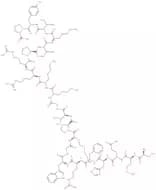
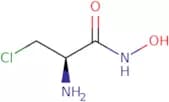
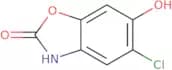


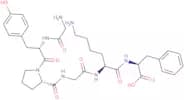
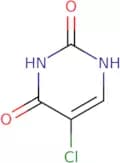
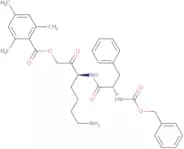
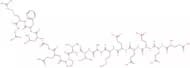
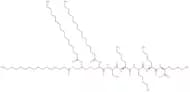

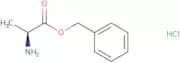
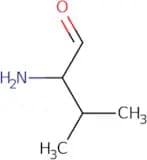
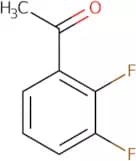
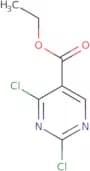
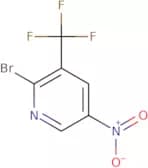

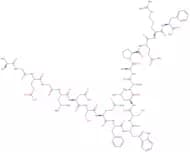
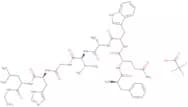


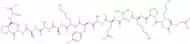

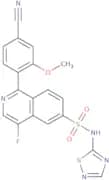
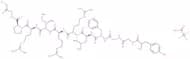

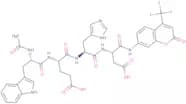


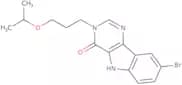
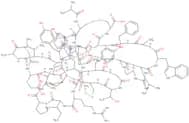


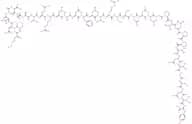
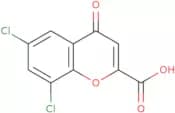
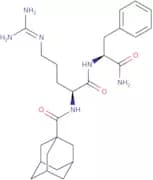
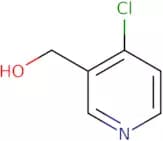
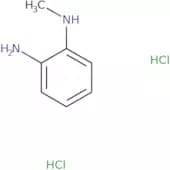
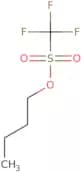

![(alphaR)-alpha-[[[2-(4-Nitrophenyl)ethyl]amino]methyl]benzenemethanol hydrochloride](/_next/image/?url=https%3A%2Fstatic.cymitquimica.com%2Fproducts%2F3D%2Fthumb-webp%2FFN156825.webp&w=3840&q=75)

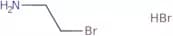
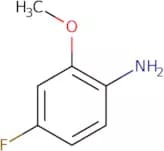

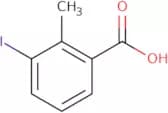
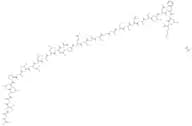
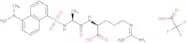
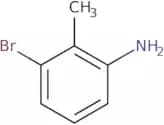
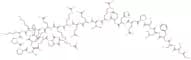
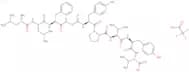
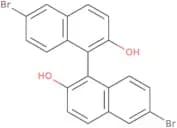


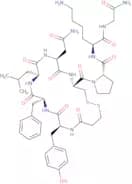
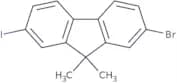
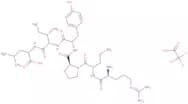
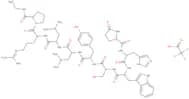
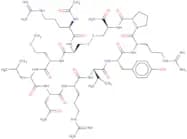

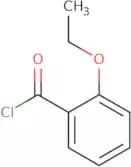
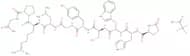



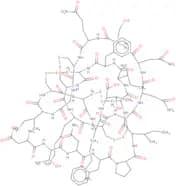
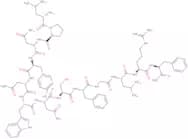
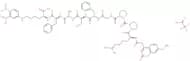
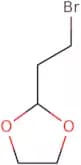
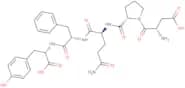
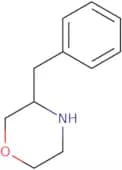
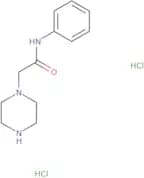

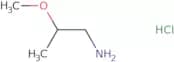
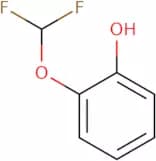


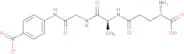

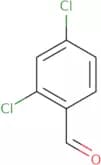
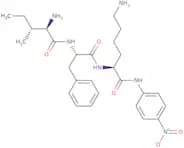
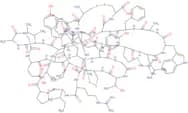
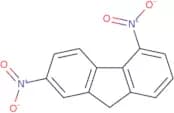
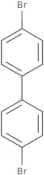
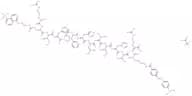
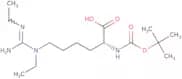
![Tris[4-(trifluoromethyl)phenyl]phosphine](/_next/image/?url=https%3A%2Fstatic.cymitquimica.com%2Fproducts%2F3D%2Fthumb-webp%2FFT100710.webp&w=3840&q=75)
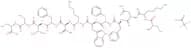
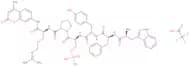


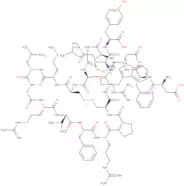
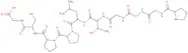
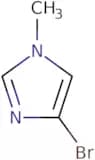
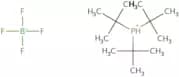

![([13C6]Leu15)-pTH (1-34) (human) trifluoroacetate salt](/_next/image/?url=https%3A%2Fstatic.cymitquimica.com%2Fproducts%2F3D%2Fthumb-webp%2FFL110012.webp&w=3840&q=75)
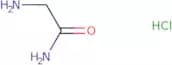

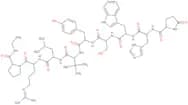
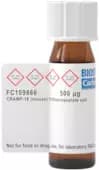

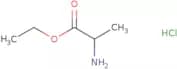
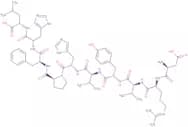
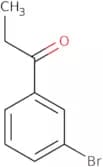


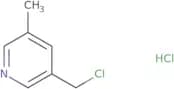

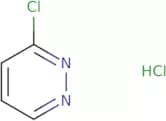
![1b-(4-Fluorophenyl)hexahydro-',7-dihydroxy-7-(1-methylethyl)-1a-phenyl-7a-[(phenylamino)carbonyl]-…](/_next/image/?url=https%3A%2Fstatic.cymitquimica.com%2Fproducts%2F3D%2Fthumb-webp%2FFF171220.webp&w=3840&q=75)
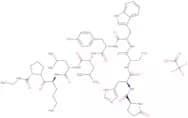
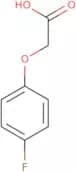
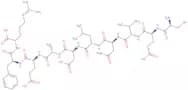
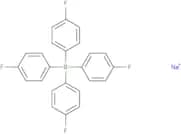
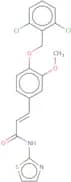
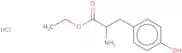
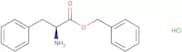
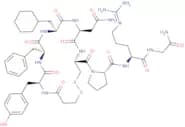

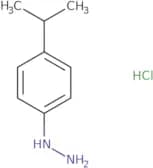
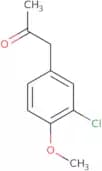
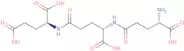


![N-[4-(2-Bromoacetyl)phenyl]methanesulfonamide](/_next/image/?url=https%3A%2Fstatic.cymitquimica.com%2Fproducts%2F3D%2Fthumb-webp%2FFB19192.webp&w=3840&q=75)
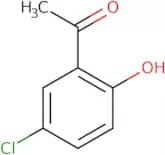


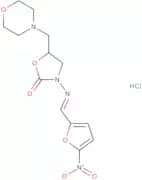
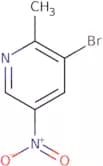

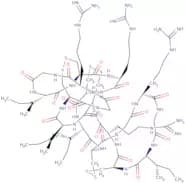
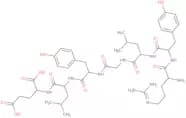
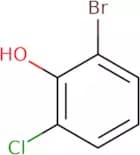

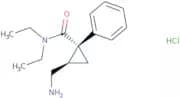
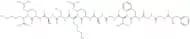
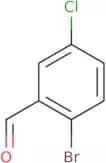
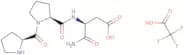
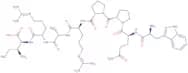
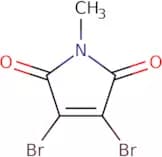
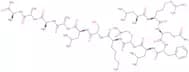

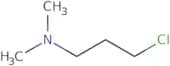
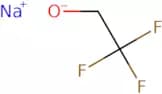
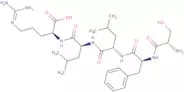

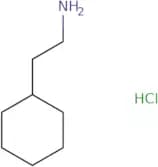
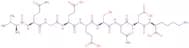
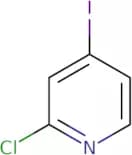

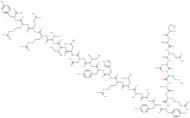
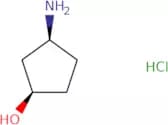
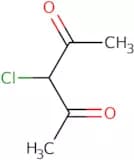
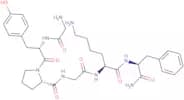

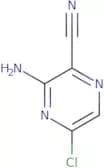
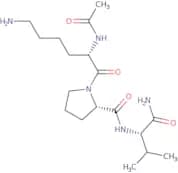

![N-[3-Fluoro-4-[6-(2-methyl-2H-tetrazol-5-yl)-3-pyridinyl]phenyl]carbamic acid phenylmethyl ester](/_next/image/?url=https%3A%2Fstatic.cymitquimica.com%2Fproducts%2F3D%2Fthumb-webp%2FFF102200.webp&w=3840&q=75)