Organic Halides
In this category, you can find organic molecules containing one or more halogen atoms in their structure. These organic halides include brominated, iodinated, chlorinated, and cyclic halide compounds. Organic halides are widely used in organic synthesis, pharmaceuticals, agrochemicals, and materials science due to their reactivity and ability to undergo a variety of chemical transformations. At CymitQuimica, we offer a comprehensive selection of high-quality organic halides to support your research and industrial applications, ensuring reliable and effective performance in your synthetic and analytical projects.
Subcategories of "Organic Halides"
Found 20437 products of "Organic Halides"
Sort by
Purity (%)
0
100
|
0
|
50
|
90
|
95
|
100
1-Chloroundecane
CAS:<p>1-Chloroundecane is an organic compound that has been used as a disinfectant and an oxidizing agent. It can be prepared by the chlorination of undecane, or by the oxidation of 1-chloro-1,2-butadiene with sodium dichromate. 1-Chloroundecane is a white crystalline solid that melts at 8°C. The compound does not have any known medical use. It can be used for sample preparation in analytical chemistry, as well as for surface disinfection and deodorization. 1-Chloroundecane has been shown to inhibit cell growth in culture and to have antioxidant properties.</p>Formula:C11H23ClPurity:Min. 95%Color and Shape:Clear LiquidMolecular weight:190.75 g/mol4-Bromophenylacetylene
CAS:<p>4-Bromophenylacetylene is a molecule that can be activated by nucleophilic attack, which is the process of reacting with a nucleophile. It is used in clinical studies to determine the activity of pancreatic lipase in humans and animals. 4-Bromophenylacetylene has been shown to have a high degree of regiospecificity, meaning that it only reacts with certain carbon atoms on the molecule, and not all of them. This allows for selective reactions to take place. 4-Bromophenylacetylene also reacts with amines, which are organic molecules containing nitrogen and hydrogen, through an X-ray absorption process. X-ray absorption is defined as an x-ray photon being absorbed by an electron in a molecule, causing the electron to change its energy level and state. The energy level and state changes are characterized by x-ray emission spectroscopy (XES).</p>Formula:C8H5BrPurity:Min. 95%Molecular weight:181.03 g/molIron bis(tetrafluoroborate) hexahydrate
CAS:<p>Iron bis(tetrafluoroborate) hexahydrate is a ferrimagnetic, thermally stable coordination compound that has been shown to interact with bidentate ligands. Iron bis(tetrafluoroborate) hexahydrate can be used as a mononuclear section in analogy to the octahedral section of nickel bis(tetrafluoroborate) hexahydrate. The ligands are methyl groups, which are diffracted at 2θ values of 12.8° and 18.3°. The compound is stable in solvents such as dimethylsulfoxide and tetrahydrofuran. It also has chelate ligand transfer properties, which are due to the presence of two hydroxyl groups on each iron atom.</p>Formula:Fe(BF4)2•(H2O)6Purity:Min. 95%Color and Shape:SolidMolecular weight:337.55 g/mol1-Methylimidazole-2-sulfonyl chloride
CAS:<p>1-Methylimidazole-2-sulfonyl chloride is a synthetic estrogen that is used for the treatment of estrogen deficiency in women. It has been shown to increase plasma estradiol levels and reduce plasma testosterone levels. This drug is not active at physiological levels, but was found to have biological relevance when administered at higher doses. 1-Methylimidazole-2-sulfonyl chloride has been found to be effective in the treatment of cancer in humans, with a specific effect on breast cancer cells.</p>Formula:C4H5ClN2O2SPurity:Min. 95%Molecular weight:180.61 g/mol5-Bromo-3-[2-(1-pyrrolidinyl)ethyl]-1H-indole
CAS:Controlled Product<p>Please enquire for more information about 5-Bromo-3-[2-(1-pyrrolidinyl)ethyl]-1H-indole including the price, delivery time and more detailed product information at the technical inquiry form on this page</p>Formula:C14H17BrN2Purity:Min. 95%Molecular weight:293.2 g/mol4-(2-Chloro-4-nitrophenyl)piperazine-1-carboxamide
CAS:<p>Please enquire for more information about 4-(2-Chloro-4-nitrophenyl)piperazine-1-carboxamide including the price, delivery time and more detailed product information at the technical inquiry form on this page</p>Formula:C11H13ClN4O3Purity:Min. 95%Molecular weight:284.7 g/mol3-Amino-5-bromopyridine
CAS:<p>3-Amino-5-bromopyridine (3ABP) is a linker for the synthesis of cisplatin. It has been shown to have strong bactericidal activity against Escherichia coli and Staphylococcus aureus. 3ABP is cytotoxic to both renal proximal tubule cells and ring-opening cells, which are found in the kidney. It is also an inhibitor of nicotinic acetylcholine receptors (nAChRs), which are proteins that control nerve cell communication. 3ABP's pharmacokinetic properties make it suitable as a linker for cisplatin, as it has good oral bioavailability, low systemic toxicity, and high tissue selectivity.</p>Formula:C5H5BrN2Purity:Min. 98 Area-%Molecular weight:173.01 g/molMethyl 3-(3-bromophenyl)-3-oxopropanoate
CAS:<p>Please enquire for more information about Methyl 3-(3-bromophenyl)-3-oxopropanoate including the price, delivery time and more detailed product information at the technical inquiry form on this page</p>Formula:C10H9BrO3Purity:Min. 95%Molecular weight:257.08 g/molHexachlorodimethyl sulfone
CAS:<p>Hexachlorodimethyl sulfone (HCDS) is an industrial chemical that is used in the production of polymers, resins, and dyes. It is also used for the decontamination of radiation-contaminated water, soil, and air. HCDS has been shown to be a potent inhibitor of cationic polymerization reactions such as those used to make paints and varnishes. This property makes it useful in the development of paint strippers. Hexachlorodimethyl sulfone has a high resistance to acidity and is stable at high temperatures. This chemical can cause necrosis factor-mediated chronic arthritis in animals following intraperitoneal administration.</p>Formula:C2Cl6O2SPurity:Min. 95%Molecular weight:300.8 g/mol(5-Fluoro-2-methyl-1H-inden-3-yl)acetic acid
CAS:<p>(5-Fluoro-2-methyl-1H-inden-3-yl)acetic acid (FMIAA) is a phase transfer catalyst that catalyses the condensation of alkyl esters. It can be used in the condensation of aromatic and aliphatic aldehydes in liquid phase with potassium as a reagent and organic solvent. The FMIAA is then removed by dehydrating the product, leaving it in solid form. FMIAA has been shown to be effective for the synthesis of a wide range of compounds, including pharmaceuticals such as cyclopentanone, aminomethylpiperidine, and 4-aminoquinoline.</p>Formula:C12H11FO2Purity:Min. 95%Molecular weight:206.21 g/mol4-(4-Fluorophenyl)cyclohexanone
CAS:<p>Please enquire for more information about 4-(4-Fluorophenyl)cyclohexanone including the price, delivery time and more detailed product information at the technical inquiry form on this page</p>Formula:C12H13FOPurity:Min. 95%Molecular weight:192.23 g/mol2-Methyl-4-chlorophenoxyacetic acid
CAS:<p>2-Methyl-4-chlorophenoxyacetic acid is a sodium salt of 2-methyl-4-chlorophenoxyacetic acid. It is a herbicide that inhibits photosynthesis by disrupting the electron transport chain in chloroplasts. The hydroxyl group on the phenoxy ring is responsible for its herbicidal activity. 2-Methyl-4-chlorophenoxyacetic acid has been shown to cause significant cell death in tissue culture, which may be due to its ability to inhibit enzymes such as acetylcholinesterase, phosphodiesterase, and carboxypeptidase A2. This chemical also has carcinogenic potential, but no toxicological studies have been conducted in humans or animals.</p>Formula:C9H9ClO3Purity:Min. 95%Molecular weight:200.62 g/molEthyl 1-benzyl-3-(4-bromophenyl)-1H-pyrazole-5-carboxylate
CAS:Controlled Product<p>Please enquire for more information about Ethyl 1-benzyl-3-(4-bromophenyl)-1H-pyrazole-5-carboxylate including the price, delivery time and more detailed product information at the technical inquiry form on this page</p>Formula:C19H17BrN2O2Purity:Min. 95%Molecular weight:385.25 g/molBenzyl bromoacetate
CAS:<p>Benzyl bromoacetate is a bicyclic heterocycle that is metabolized by the enzyme benzyl alcohol dehydrogenase. The resulting metabolites are then converted to methyl benzoate and benzyl alcohol. It has been shown to inhibit prostate cancer cells and basic fibroblasts, which may be due to its ability to inhibit enzymes involved in fatty acid synthesis. Benzyl bromoacetate also has therapeutic effects on autoimmune diseases such as bowel disease, which may be due to its ability to reduce inflammation and suppress the immune system.</p>Formula:C9H9BrO2Purity:Min. 95%Color and Shape:Clear Colourless To Light (Or Pale) Yellow LiquidMolecular weight:229.07 g/mol6-Chloroindole-2-carboxylic acid
CAS:<p>6-Chloroindole-2-carboxylicacid is a potent inhibitor of β-lactamase enzymes. It has been shown to act as a competitive inhibitor with an affinity for the β-lactamase enzyme in the nanomolar range. 6-Chloroindole-2-carboxylicacid is also a potent compound that can be used in experiments and screening. It has been shown to bind to the β-lactamase enzyme, which inhibits its activity, leading to a decrease in fluorescence. 6-Chloroindole-2-carboxylicacid has also been shown to have an inhibitory effect on bacterial cells by inhibiting protein synthesis, DNA replication, and RNA transcription.</p>Formula:C9H6ClNO2Purity:95%NmrMolecular weight:195.6 g/mol2-Fluoroaniline
CAS:<p>2-Fluoroaniline is an organic compound that is used as a substrate in enzyme studies. It is used to study the activity of enzymes such as diazonium salt hydrolase, methyl ketone oxidase, and flow system. 2-Fluoroaniline has been shown to be metabolized by rat liver microsomes. This compound also reacts with hydrochloric acid to produce ionization techniques and langmuir adsorption isotherm. 2-Fluoroaniline can be used as an alternative to trifluoroacetic acid for the removal of water vapor from a gas stream.</p>Formula:C6H6FNPurity:Min. 95%Molecular weight:111.12 g/molNonafluoro-4-hydroxybiphenyl
CAS:<p>Please enquire for more information about Nonafluoro-4-hydroxybiphenyl including the price, delivery time and more detailed product information at the technical inquiry form on this page</p>Formula:C12HF9OPurity:Min. 95%Molecular weight:332.12 g/mol2,4-Dichloro-6-methyl-Benzenesulfonylchloride
CAS:<p>Please enquire for more information about 2,4-Dichloro-6-methyl-Benzenesulfonylchloride including the price, delivery time and more detailed product information at the technical inquiry form on this page</p>Formula:C7H5Cl3O2SPurity:Min. 95%Molecular weight:259.54 g/mol3'-Chloro-biphenyl-4-carboxylic acid
CAS:<p>Please enquire for more information about 3'-Chloro-biphenyl-4-carboxylic acid including the price, delivery time and more detailed product information at the technical inquiry form on this page</p>Purity:Min. 95%Tetrakis[N-tetrachlorophthaloyl-(S)-tert-leucinato]dirhodium Bis(ethyl Acetate) Adduct
CAS:<p>Please enquire for more information about Tetrakis[N-tetrachlorophthaloyl-(S)-tert-leucinato]dirhodium Bis(ethyl Acetate) Adduct including the price, delivery time and more detailed product information at the technical inquiry form on this page</p>Formula:C56H40Cl16N4O16Rh2·C8H16O4Purity:Min. 95%Molecular weight:1,974.2 g/molBromodichloroacetonitrile
CAS:<p>Bromodichloroacetonitrile (BCN) is a chemical with disinfectant properties. It is used in wastewater treatment, as it is able to destroy bacteria and viruses. BCN also has been shown to be effective against the Covid-19 pandemic. BCN can be used as an analytical reagent for the analysis of chloride ions in deionized water. The carcinogenic potential of BCN in humans is unknown, but it has been shown to cause bladder cancer in rats.</p>Formula:C2BrCl2NPurity:Min. 95%Color and Shape:Colorless PowderMolecular weight:188.84 g/mol1-(Bromomethyl)-2-(trifluoromethyl)-4-nitrobenzene
CAS:<p>Please enquire for more information about 1-(Bromomethyl)-2-(trifluoromethyl)-4-nitrobenzene including the price, delivery time and more detailed product information at the technical inquiry form on this page</p>Formula:C8H5BrF3NO2Purity:Min. 95%Color and Shape:PowderMolecular weight:284.03 g/molDesethyl chloroquine
CAS:<p>Desethyl chloroquine is a drug that is used to treat malaria and other infectious diseases. It is an antimalarial drug that has been shown to be effective in the treatment of malaria and related diseases such as toxoplasmosis, amebiasis, trypanosomiasis, and leishmaniasis. Methods for the preparation of desethyl chloroquine are described in the analytical section. To measure the concentration of desethyl chloroquine in blood, it is recommended to collect a sample of blood by venipuncture or fingerstick. The concentration-time curve in blood can be analyzed using a fluorescence detector and LC-MS/MS method. When analyzing pharmacokinetic properties, it is important to take into account the matrix effect due to human serum proteins. Desethyl chloroquine has potent inducers that affect its pharmacokinetics and metabolism, including CYP3A4 enzymes and glutathione reductase.</p>Formula:C16H22ClN3Purity:Min. 95%Color and Shape:Slightly Yellow PowderMolecular weight:291.82 g/mol(R)-1,2,3,4-Tetrahydro-5-methoxy-N-propyl-2-naphthalenamine hydrochloride
CAS:Controlled Product<p>Please enquire for more information about (R)-1,2,3,4-Tetrahydro-5-methoxy-N-propyl-2-naphthalenamine hydrochloride including the price, delivery time and more detailed product information at the technical inquiry form on this page</p>Formula:C14H22ClNOPurity:Min. 95%Molecular weight:255.78 g/molrac-N-ethyl-4-methyl cathinone hydrochloride
CAS:Controlled Product<p>Please enquire for more information about rac-N-ethyl-4-methyl cathinone hydrochloride including the price, delivery time and more detailed product information at the technical inquiry form on this page</p>Formula:C12H18ClNOPurity:Min. 95%Molecular weight:227.73 g/mol7-Chloro-2-hydrazino-5-phenyl-3H-1,4-benzodiazepine
CAS:Controlled Product<p>7-Chloro-2-hydrazino-5-phenyl-3H-1,4-benzodiazepine is a metabolically stable benzodiazepine that binds to the benzodiazepine receptor. It has been shown to have a higher affinity for this receptor than alprazolam and other related compounds. 7-Chloro-2-hydrazino-5-phenyl-3H-1,4-benzodiazepine has been used as an active ingredient in a number of pesticide products that are used against termites and ants. This compound has also been found to be an effective insecticide against mosquitoes. 7C2HDBZ has been shown to be stable in the environment and is not readily degraded by hydrolysis or pyrolysis.</p>Formula:C15H13ClN4Purity:Min. 95%Molecular weight:284.74 g/mol1-Trifluoromethylcyclopropane-1-carboxylic acid
CAS:<p>1-Trifluoromethylcyclopropane-1-carboxylic acid is a ketone that is used in research in organic chemistry for the preparation of imidazole. It can be prepared by the transformation of ethyl 2-(trifluoromethyl)acrylate, and is also obtained from 1,4-dichloroacetone. 1-Trifluoromethylcyclopropane carboxylic acid has been shown to have some medicinal properties. It has been used in research on cancer cells and as an anti-inflammatory agent. The compound has a steric effect on the body and can be used as a weight loss drug, with one kilogram of 1-Trifluoromethylcyclopropane carboxylic acid being equivalent to 3 kilograms of weight loss.</p>Formula:C5H5F3O2Purity:Min. 95%Color and Shape:PowderMolecular weight:154.09 g/mol1,3-Dichloropropane
CAS:<p>1,3-Dichloropropane is an aromatic hydrocarbon that is used in clinical chemistry as a solvent for the extraction of cholesterol. It has been shown to cause genotoxic effects in animals and humans. 1,3-Dichloropropane has been detected in the blood of CD-1 mice after exposure by inhalation or injection. The micronucleus test was used to detect these effects and found that 1,3-dichloropropane causes chromosomal aberrations. This chemical also affects the metabolic pathways of rats, causing changes in liver microsomes and increased levels of chloride ions.</p>Formula:C3H6Cl2Purity:Min. 95%Molecular weight:112.99 g/mol5-Chloro-3-phenyl-1,2,4-oxadiazole
CAS:<p>5-Chloro-3-phenyl-1,2,4-oxadiazole is a potent and selective inhibitor of fatty acid amide hydrolase (FAAH). It is also an inhibitor of the permeability glycoprotein PGP. 5-Chloro-3-phenyl-1,2,4-oxadiazole has a potent inhibitory activity against FAAH and PGP at low concentrations. This inhibition can be improved by optimization of the lead compound. 5-Chloro-3-phenyl-1,2,4-oxadiazole is orally active in rats and in humans. In animal studies it has been shown to produce dose dependent effects on blood pressure and heart rate when administered intravenously or orally.</p>Formula:C8H5ClN2OPurity:Min. 95%Molecular weight:180.59 g/mol2-Fluoro-5-methoxyaniline
CAS:<p>2-Fluoro-5-methoxyaniline is a high quality reagent that is used as an intermediate in the synthesis of various complex compounds. The CAS number for this chemical is 62257-15-2 and it has been shown to be useful as a building block for the synthesis of fine chemicals, speciality chemicals, and research chemicals with many different uses. It is also a versatile building block that can be used in reactions involving amines, alcohols, thiols, and nitriles. 2-Fluoro-5-methoxyaniline may also be used as a reaction component in organic syntheses.</p>Formula:C7H8FNOPurity:Min. 95%Color and Shape:PowderMolecular weight:141.14 g/molLauroylcholine chloride hydrate
CAS:<p>Lauroylcholine chloride hydrate is a chemical compound that has been shown to have antimicrobial activity. It has been shown to react with exogenous acceptors such as pluronic F127, benzalkonium chloride, and inorganic acid. The reaction mechanism of Lauroylcholine chloride hydrate is not well understood, but it is thought to be due to the presence of a hydroxyl group and a carbonyl group on the molecule. Lauroylcholine chloride hydrate is a non-polymeric cationic surfactant with molecular weight similar to heparin's. This chemical compound may be used as an additive in personal care products or pharmaceuticals.</p>Formula:C17H36ClNO2Purity:Min. 95%Color and Shape:White PowderMolecular weight:321.93 g/mol5-(3-Bromophenyl)-2H-tetrazole
CAS:<p>5-(3-Bromophenyl)-2H-tetrazole is a chemical compound that can be used as a catalyst. It can be synthesized by the reaction of zinc oxide with organic compounds and is often used in the production of tetrazoles. 5-(3-Bromophenyl)-2H-tetrazole has been shown to work well as an oxidant, which makes it useful for various reactions involving organic synthesis and oxidation reactions.</p>Formula:C7H5BrN4Purity:Min. 95%Molecular weight:225.05 g/mol4-(4-Bromophenoxy)butanoic acid
CAS:Controlled Product<p>Please enquire for more information about 4-(4-Bromophenoxy)butanoic acid including the price, delivery time and more detailed product information at the technical inquiry form on this page</p>Formula:C10H11BrO3Purity:Min. 95%Molecular weight:259.1 g/mol1,2,3,5-Tetrafluorobenzene
CAS:<p>1,2,3,5-Tetrafluorobenzene is a chemical compound that belongs to the group of aromatic hydrocarbons. It has been shown to have antiinflammatory activity in vitro. 1,2,3,5-Tetrafluorobenzene is a metastable form of hydrogen fluoride and can be used as an intermediate in the synthesis of other fluorine-containing compounds. The molecule has a dipole moment and reacts with hydrogen ions to form hydrogen bonds. It also has high chemical stability and does not react with oxygen or nitrogen at room temperature.</p>Formula:C6H2F4Purity:Min. 95%Color and Shape:Clear LiquidMolecular weight:150.07 g/mol4-Dimethylaminopyridinium Bromide Perbromide
CAS:Controlled Product<p>4-Dimethylaminopyridinium Bromide Perbromide is a synthetic compound that contains a phenolic hydroxyl group. It reacts with chloride to form the perbromide salt, which is anhydrous and insoluble in water. The compound has been shown to inhibit the growth of cancer cells by interfering with DNA replication and transcription.</p>Formula:C7H11Br3N2Purity:Min. 95%Molecular weight:362.89 g/molrac 1,2-Bis-palmitoyl-3-chloropropanediol-D5
CAS:Controlled Product<p>Rac-1,2-Bis-palmitoyl-3-chloropropanediol (rac1,2BPC) is a dispersive compound that has been used in the experimental phase of extraction. It has been shown to be efficient in the quantification and screening of fatty acids. Rac1,2BPC has also been used as a spiking agent for food samples to identify contaminants. The recoveries have been validated and linearity has been demonstrated. Rac1,2BPC is an anion that can be quantified by liquid chromatography with wavelength detection at 202 nm.</p>Formula:C35H62D5ClO4Purity:Min. 95%Molecular weight:592.38 g/molBromodimethylsulfonium bromide
CAS:<p>Bromodimethylsulfonium bromide is a chemical that has been used as a diagnostic agent in the diagnosis of leukemia. It is also used for the treatment of cancer, although it has shown to be ineffective against some resistant mutants. Bromodimethylsulfonium bromide is an unsymmetrical ion with one proton and one bromine atom. It reacts with amines to form an alkylammonium cation, which in turn reacts with nucleophiles such as water or alcohols to form a glycosidic bond. This reaction is responsible for the tissue culture growth inhibition seen in cells treated with this compound. Bromodimethylsulfonium bromide also inhibits fatty acid synthesis by preventing the enzyme acyl-CoA synthase from functioning properly, which leads to decreased levels of cellular energy production. Bromodimethylsulfonium bromide's fluorescence properties can be observed in tissue culture</p>Formula:C2H6Br2SPurity:Min. 95%Molecular weight:221.94 g/molN-Trifluoroacetyl (S)-amphetamine
CAS:Controlled Product<p>Please enquire for more information about N-Trifluoroacetyl (S)-amphetamine including the price, delivery time and more detailed product information at the technical inquiry form on this page</p>Formula:C11H12F3NOPurity:Min. 95%Molecular weight:231.21 g/mol7-Chlorothieno[3,2-B]Pyridine
CAS:<p>7-Chlorothieno[3,2-B]pyridine is a nucleophilic compound that is used as an inhibitor of the tyrosine kinase enzyme. It binds to the ATP binding site and blocks the enzymatic activity of the enzyme, preventing cell proliferation. 7-Chlorothieno[3,2-B]pyridine has been shown to inhibit growth in tumour cell lines and has been shown to be effective against tyrosine kinase receptor positive cancer cells. This drug also shows a cytotoxic activity against tumour cells in vivo, which may be due to its ability to inhibit factor receptor and receptor tyrosine.</p>Formula:C7H4ClNSPurity:Min. 95%Molecular weight:169.63 g/molCicletanine hydrochloride
CAS:<p>Cicletanine hydrochloride is a drug that has been shown to be effective in the treatment of pulmonary hypertension. It is a prodrug that is converted to cicletanine, which inhibits the activity of the cytosolic calcium-calmodulin-dependent protein kinase II (CaM kinase II). Cicletanine hydrochloride has been shown to have cardiac effects in vivo and to reduce cardiac contractility. This compound has potential side effects such as metabolic disorders, gastrointestinal problems, and fetal toxicity.</p>Formula:C14H13Cl2NO2Purity:Min. 95%Color and Shape:PowderMolecular weight:298.16 g/mol1-(2,3-Dimethylphenyl)-piperazine monohydrochloride
CAS:Controlled Product<p>Piperazine monohydrochloride is a white crystalline powder that is soluble in water and ethanol. It has a molecular weight of 208.23 and a melting point of 117-119°C. Piperazine monohydrochloride exhibits anti-inflammatory properties, which may be due to its inhibition of prostaglandin synthesis.</p>Purity:Min. 95%Ent-paroxetine hydrochloride
CAS:Controlled Product<p>Please enquire for more information about Ent-paroxetine hydrochloride including the price, delivery time and more detailed product information at the technical inquiry form on this page</p>Formula:C19H21ClFNO3Purity:Min. 95%Color and Shape:PowderMolecular weight:365.83 g/mol4-Chloro-benzene-sulfinic acid sodium salt
CAS:<p>The 4-chloro-benzenesulfinic acid sodium salt is a type of sulfinic acid. It can be used to control experiments involving methides, halides, and human macrophages. Sodium salts of this compound have been shown to inhibit the growth of Candida glabrata and Galleria mellonella in vitro. The 4-chloro-benzenesulfinic acid sodium salt reacts with chloride ion to form a nucleophilic trifluoroacetate anion, which reacts with thiosulfonates to produce type strain. Trifluoroacetic acid is used as a solvent in the reaction.</p>Formula:C6H4ClNaO2SPurity:Min. 95%Molecular weight:198.6 g/mol4-Iodo-benzeneethanamine HCl (1:1)
CAS:Controlled Product<p>Please enquire for more information about 4-Iodo-benzeneethanamine HCl (1:1) including the price, delivery time and more detailed product information at the technical inquiry form on this page</p>Formula:C8H11ClINPurity:Min. 95%Molecular weight:283.54 g/molN-Methyl-1-(3,4,5-trimethoxyphenyl)methanamine hydrochloride
CAS:Controlled Product<p>Please enquire for more information about N-Methyl-1-(3,4,5-trimethoxyphenyl)methanamine hydrochloride including the price, delivery time and more detailed product information at the technical inquiry form on this page</p>Formula:C11H17NO3Purity:Min. 95%Molecular weight:211.26 g/mol1,3-Thiazol-4-ylacetic acid hydrochloride
CAS:<p>1,3-Thiazol-4-ylacetic acid hydrochloride is an antimicrobial agent that has been shown to be active against Gram-negative bacteria. It is an acidic compound that hydrolyzes in water to produce a carboxylic acid and an alcohol. 1,3-Thiazol-4-ylacetic acid hydrochloride has been used in pharmaceutical preparations as an antimicrobial and blood platelet aggregating agent. It also inhibits the coagulation of blood platelets and the aggregation of platelets. The mechanism for this may involve the interference with phospholipid biosynthesis or with the cytochrome P450 enzyme system involved in the metabolism of arachidonic acid into prostaglandins.</p>Formula:C5H5NO2SPurity:Min. 95%Molecular weight:143.16 g/mol2,2-Difluoroethyl methyl ether
CAS:<p>2,2-Difluoroethyl methyl ether (DEFME) is a nonpolar, hydrophobic compound that can be used as an alternative to isopentane. Radiative data show that DEFME has a higher thermal stability than isopentane, which makes it more suitable for use in high-temperature applications. DEFME has been shown to have synergistic effects with chlorine and amines in the presence of radiation. Furthermore, DEFME can be used to remove chlorinated organic compounds from contaminated water and soil. The chemical properties of DEFME are also ideal for use in polyolefin production and other polymerization processes. The chemical structure of DEFME is similar to that of methylamine and amines, which make it useful as an actuation gas in aerosol cans and other pressurized containers. The atmospheric lifetime of DEFME is long enough that it does not accumulate in the environment or cause environmental pollution when released into the atmosphere.</p>Formula:C3H6F2OPurity:Min. 95%Molecular weight:96.08 g/mol5-Methyl-4H-1,2,4-triazole-3-sulfonyl chloride
CAS:<p>Please enquire for more information about 5-Methyl-4H-1,2,4-triazole-3-sulfonyl chloride including the price, delivery time and more detailed product information at the technical inquiry form on this page</p>Formula:C3H4ClN3O2SPurity:Min. 95%Color and Shape:White PowderMolecular weight:181.6 g/molMART-1 (26-35) (human) trifluoroacetate salt
CAS:<p>Native Melan-A (26-35) decapeptide derives from the melanocyte lineage-specific protein Melan-A/MART-1, which is expressed in almost 75-100% of primary and metastatic melanomas.<br>The region 26-35 of Melan-A protein acts as an antigenic peptide that is recognized by CD8+ tumor-reactive cytolytic T lymphocytes (CTLs) for designing antigen-specific cancer vaccines1. It has been shown that CD8+ Melan-A-specific CTLs isolated from melanoma patients efficiently lyse the Melan-A-expressing HLA-A*0201+ melanoma cell line. However, CTLs preferentially recognize the Melan-A (26-35) peptide as compared with the Melan-A (27-35) peptide. Moreover, the Melan-A (26-35) A27L analog (ELAGIGILTV) has a higher binding affinity to HLA-A*0201 than the native Melan-A (26-35) peptide (EAAGIGILTV), and consequently displays more potent antigenicity and immunogenicity.<br>It has been reported that the concentration of Melan-A (26-35) A27L analog required to obtain 50% of maximal antigenic activity (EC50) is 0.01nM, whereas that of the native Melan-A (26-35) peptide is 0.25nM1. Therefore, the relative activity of Melan-A (26-35) A27L analog is 25 fold higher than that of the native Melan-A (26-35) peptide.<br>Furthermore, functional competition assay has shown that the concentration of Melan-A (26-35) A27L analog required to achieve 50% inhibition (IC50) of tumor lysis is 2nM, which is 10 fold lower than that of the native Melan-A (26-35) peptide. Regarding peptide stability in human serum, the half-lifes (t1/2) of the native Melan-A (26-35) peptide and the A27L analog are quite similar (45 and 40min, respectively) as measured by HPLC-ESI-MS, but much higher than that of the Melan-A (27-35) nonapeptide (5min).</p>Formula:C42H74N10O14Purity:Min. 95%Molecular weight:943.1 g/molTetradecafluoromethylcyclohexane
CAS:Controlled Product<p>Tetradecafluoromethylcyclohexane is a chemical compound with the chemical formula CF4CH2. It is a colorless gas that has a high octane number. It has been used as a refrigerant and in metal carbonyl synthesis, among other applications. Tetradecafluoromethylcyclohexane has been used for the removal of hydrogen fluoride from metal-containing wastewater, but it is not effective in removing other halides because it does not react with them. This compound can also be used as an analytical method for detecting metals, such as mercury and arsenic. The detection sensitivity of this method is about 0.01 ppb.<br>Tetradecafluoromethylcyclohexane reacts with oxygen at room temperature to form tetradecaoxafulvene (C8F16O). Solid phase microextraction (SPME) is an analytical chemistry technique that uses porous polymer fibers</p>Formula:C7F14Purity:Min. 95%Molecular weight:350.05 g/mol4,5-Dichloro-2-nitroaniline
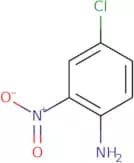
CAS:<p>4,5-Dichloro-2-nitroaniline is a chemical compound that has been shown to be an uncoupler of oxidative phosphorylation in ciliates. It is experimentally shown that the reaction yield for 4,5-Dichloro-2-nitroaniline is much higher than that of the corresponding methylbenzene. The two isomers are not detected in the gaseous phase, but only as products of thermal decomposition at high temperatures. Linear regression analysis and predictive models were used to evaluate the transfer and population growth rates at different temperatures. Narcosis was observed in rats exposed to 4,5-Dichloro-2-nitroaniline at concentrations greater than 0.1 ppm (0.1 mg/L).</p>Formula:C6H4Cl2N2O2Purity:Min. 95%Molecular weight:207.01 g/mol2-Iminopiperidine hydrochloride
CAS:<p>2-Iminopiperidine hydrochloride is an acetylcholine receptor agonist. It is used as a biochemical tool to study the function of acetylcholine receptors, which are important for the transmission of nerve impulses from the brain and spinal cord to other parts of the body. 2-Iminopiperidine hydrochloride has been shown to be effective in treating Alzheimer's disease, and may be a factor receptor for this disease. The compound has also been shown to have efficient methods of introducing into cells, such as hydrochloric acid and dimethyl formamide. 2-Iminopiperidine hydrochloride binds with phosphoinositides, which are important in intracellular signal transduction pathways. This compound is expressed at M1 receptors in various tissues, including the heart and gastrointestinal tract.</p>Formula:C5H11ClN2Purity:Min. 95%Molecular weight:134.61 g/mol5-Bromonicotinoyl chloride
CAS:<p>5-Bromonicotinoyl chloride is a synthetic compound that has been shown to be an inhibitor of some cancer cells. This compound has been shown to inhibit the enzyme phosphatidylinositol 3-kinase (PI3K) in a specific ligand-dependent manner. The precise mechanism of action is not yet understood, but it is thought that 5-bromonicotinoyl chloride may bind to the enzyme and inhibit its activity by hydrogen bonding interactions. This product inhibits PI3K, which is responsible for generating phosphatidylinositol 3,4,5-triphosphate (PIP3). PIP3 activates protein kinase B (AKT), which promotes cell proliferation and inhibits apoptosis. It also inhibits the enzyme phosphodiesterase type 4 (PDE4), which controls intracellular levels of cyclic GMP. PDE4 activity leads to vasodilation and platelet aggregation.</p>Formula:C6H3BrClNO2Purity:Min. 95%Molecular weight:236.54 g/molN-(4-Bromonaphthalene-1-yl)-acetamide
CAS:<p>The N-(4-bromonaphthalene-1-yl)-acetamide is a high quality chemical that is used as a reaction component in the synthesis of pharmaceuticals and other speciality chemicals. It can also be used as a building block for creating more complex compounds. This compound is a versatile building block that can be used to synthesise many different types of products.</p>Formula:C12H10BrNOPurity:Min. 95%Molecular weight:264.12 g/mol5-Bromo-2,3-dimethoxypyrazine
CAS:<p>Please enquire for more information about 5-Bromo-2,3-dimethoxypyrazine including the price, delivery time and more detailed product information at the technical inquiry form on this page</p>Formula:C6H7BrN2O2Purity:Min. 95%Molecular weight:219.04 g/mol1-(RS)-2-(Dibutylamino)-2-[2,7-dichloro-9-(4-chlorobenxylidene)]-9H-fluoren- 4-yl]ethanol - E/Z mixture
CAS:<p>Please enquire for more information about 1-(RS)-2-(Dibutylamino)-2-[2,7-dichloro-9-(4-chlorobenxylidene)]-9H-fluoren- 4-yl]ethanol - E/Z mixture including the price, delivery time and more detailed product information at the technical inquiry form on this page</p>Formula:C30H32Cl3NOPurity:Min. 95%Molecular weight:528.94 g/mol1-Azaspiro[4.4]nonane hydrochloride
CAS:<p>1-Azaspiro[4.4]nonane hydrochloride is a versatile building block that is also used in research, as a reagent, and as a speciality chemical. It has been shown to be an excellent building block for complex compounds, with wide applications in the pharmaceutical industry. 1-Azaspiro[4.4]nonane hydrochloride has a CAS No. of 1417567-64-6 and can be found under the trade name Azapropynalene Hydrochloride (AP). It is soluble in water, alcohols, ethers and acetone but insoluble in most other solvents. 1-Azaspiro[4.4]nonane hydrochloride has been shown to have high quality and stability when stored under appropriate conditions; it is also resistant to degradation by light or air.</p>Formula:C8H15N•HClPurity:Min. 95%Color and Shape:PowderMolecular weight:161.67 g/molCholesterol 2,4-Dichlorobenzoate
CAS:<p>Cholesterol 2,4-Dichlorobenzoate (CDCB) is a crystalline solid that forms the polymorphs of monoclinic, orthorhombic, and hexagonal. This compound has been traditionally used as a food additive in many commercial products to improve flavor and stability. The membranes of bacteria are composed of cholesterol 2,4-dichlorobenzoate. The nature of the compound is such that it can exist as two different conformers: the trans conformer with the chloro group on one side and the benzoate on the other or the cis conformer with both chloro groups on one side. The monoclinic form has two conformational isomers: propionate and acetate. These isomers are not distinguishable by X-ray diffraction but can be distinguished by infrared spectroscopy.</p>Purity:Min. 95%Molecular weight:559.65 g/mol(S)-1-N-Boc-Propane-1,2-diamine hydrochloride
CAS:<p>Please enquire for more information about (S)-1-N-Boc-Propane-1,2-diamine hydrochloride including the price, delivery time and more detailed product information at the technical inquiry form on this page</p>Formula:C8H19ClN2O2Purity:Min. 95%Molecular weight:210.7 g/mol5-Bromo-2-fluoro-benzenesulfonyl chloride
CAS:<p>5-Bromo-2-fluoro-benzenesulfonyl chloride (5BFCl) is a chemical reagent used in organic synthesis. It is a chlorinating agent that gives a high yield of 5-bromo-2-fluoroaniline and chloride. 5BFCl reacts with electron rich aromatic compounds, such as anilines, to form sulfones. The reaction is highly selective for electron rich aromatic compounds and can be used to produce target products from the desired reactant.</p>Formula:C6H3BrClFO2SPurity:Min. 95%Color and Shape:PowderMolecular weight:273.51 g/mol4-Fluoro(pentafluorosulfanyl)benzene
CAS:<p>4-Fluoro(pentafluorosulfanyl)benzene is a fluorinating agent that can be used to produce fluorides, including the trifluoroacetic acid. The cost-effective nature of this compound makes it an attractive alternative to hydrogen fluoride and other fluorinating agents.</p>Formula:C6H4F6SPurity:Min. 95%Molecular weight:222.15 g/molDeschloro clomiphene
CAS:Controlled Product<p>Please enquire for more information about Deschloro clomiphene including the price, delivery time and more detailed product information at the technical inquiry form on this page</p>Formula:C26H29NOPurity:Min. 95%Molecular weight:371.51 g/mol(4-Bromobenzyl)methylamine hydrochloride
CAS:Controlled Product<p>(4-Bromobenzyl)methylamine hydrochloride is a reagent that is used for the analysis of carboxylic acids. It has been used in a number of studies to analyze cellular metabolism and energy metabolism. This reagent has also been used to study the functional groups of organic acids, as well as their reactivity. (4-Bromobenzyl)methylamine hydrochloride can be used in liquid chromatography or electrospray ionization methods to analyze samples using mass spectrometry.</p>Formula:C8H10BrNPurity:Min. 95%Molecular weight:200.08 g/mol4-(2,4-Difluorobenzoyl)piperidine hydrochloride
CAS:<p>Iloperidone is a white to off-white crystalline powder that is soluble in water and alcohol. It is used as an antipsychotic drug and belongs to the class of benzamides. Iloperidone has been shown to be effective for schizophrenia, bipolar disorder, and major depressive disorder. The chemical name for iloperidone hydrochloride is 4-(2,4-Difluorobenzoyl)piperidine hydrochloride. This drug also has a high affinity for serotonin 5-HT2A receptors in the brain, which may contribute to its therapeutic effects.</p>Formula:C12H14ClF2NOPurity:Min. 95%Color and Shape:PowderMolecular weight:261.7 g/mol(S)-Esmolol hydrochloride
CAS:Controlled Product<p>(S)-Esmolol hydrochloride is an optical isomer of esmolol that is used to treat cardiac arrhythmias. It has a low affinity for beta-adrenergic receptors and has been shown to have a profile of antiarrhythmic effects. The drug also has the ability to block potassium channels, which may be due to its structural similarity to propanolol. (S)-Esmolol hydrochloride can be synthesized from the reaction of ethyl chloroformate with potassium phosphate in alkaline conditions. This optical isomer of esmolol is used as a probe for determining the stereochemistry of other compounds.</p>Formula:C16H25NO4•HClPurity:Min. 95%Molecular weight:331.83 g/molChloromethylated polystyrene - 0.8-1.5meq/g, 100-200Mesh
CAS:<p>Chloromethylated polystyrene is a polymer that contains a hydroxyl group and a disulfide bond. It can be used to synthesize an asymmetric synthesis of the borane-tetrahydrofuran complex, which is an important reagent in organic synthesis. In this reaction, trifluoroacetic acid reacts with hydrogen fluoride to produce chloromethylated polystyrene. This product has been shown to be effective in preventing cancerous tissue growth and inhibiting infectious diseases by binding to nucleophilic sites on the cell surface.</p>Purity:Min. 95%3,4-Diaminobenzotrifluoride
CAS:<p>3,4-Diaminobenzotrifluoride is a photophysical agent that emits light of a specific wavelength when irradiated with ultraviolet light. It has been shown to inhibit the growth of human cervical carcinoma cells in vitro and to cause apoptosis in these cells. 3,4-Diaminobenzotrifluoride also inhibits the proliferation of human liver and lung cancer cells in vitro. The mechanism by which this agent causes cell death is unknown. 3,4-Diaminobenzotrifluoride is an acid catalyst and stabilizes the chloride ion. This agent may inhibit DNA synthesis or affect proteins that are involved in signal transduction pathways for cell proliferation.</p>Formula:C7H7F3N2Purity:Min. 95%Color and Shape:PowderMolecular weight:176.14 g/mol4-Bromo-2-fluoro-1,1'-biphenyl
CAS:<p>4-Bromo-2-fluoro-1,1'-biphenyl is a chemical compound that is used for the synthesis of biphenyl. It reacts with an ethyl acetate and sodium bicarbonate to produce the desired product. 4-Bromo-2-fluoro-1,1'-biphenyl has been shown to be stable in acidic conditions, but susceptible to hydrolysis in basic environments. This compound can be synthesized by the Suzuki coupling reaction between aryl halides and organometallic compounds. The chloride groups on 4-bromo-2-fluoro-1,1'-biphenyl are good leaving groups during the cross coupling reaction, which are easily replaced by other functional groups.</p>Formula:C12H8BrFPurity:Min. 95%Color and Shape:PowderMolecular weight:251.09 g/mol3-(Bromomethyl)benzoic acid
CAS:<p>3-(Bromomethyl)benzoic acid is a quaternary ammonium salt that has been shown to be an ampk activator. It has been used in the synthesis of mesoporous materials and for the synthesis of sulfoxides, oxindoles, and carboxylic acids. 3-(Bromomethyl)benzoic acid has also been used as a calibrant for nonlinear regression analysis, due to its conformational properties.</p>Formula:C8H7BrO2Purity:Min. 95%Molecular weight:215.04 g/mol4-Iodoaniline
CAS:<p>4-Iodoaniline is a molecule that can be synthesized by the reaction of an arylamine with sodium nitrite and hydrochloric acid. The product of this reaction is converted to 4-iodoaniline by oxidation with hydrogen peroxide in the presence of potassium iodide. This molecule has been used as a model system to study enzyme activities, such as amines oxidase, which catalyzes the conversion of amines to nitrosoamines. The diphenyl ether group has been shown to bind to hydroxyl groups and form hydrogen bonds. The analytical chemistry for 4-iodoaniline includes high performance liquid chromatography (HPLC) and gas chromatography (GC).</p>Formula:C6H6INPurity:Min. 95%Molecular weight:219.02 g/molCyclopropylacetyl chloride
CAS:<p>Cyclopropylacetyl chloride is a reactive chemical that is used in the synthesis of pharmaceuticals and agrochemicals. Cyclopropylacetyl chloride binds to glutamate receptors, which are associated with a variety of neurological disorders, including cancer and inflammatory bowel disease. It also inhibits the cb2 receptor, which has been shown to be involved in inflammatory bowel disease. Cyclopropylacetyl chloride has been shown to cause insulin resistance and amide formation, which can lead to diabetes-induced neuropathy. In addition, carbonyl groups have been shown to induce bowel diseases such as ulcerative colitis and Crohn's disease.</p>Formula:C5H7ClOPurity:Min. 95%Molecular weight:118.56 g/mol5-(Chloromethyl)-3-ethylisoxazole
CAS:<p>Please enquire for more information about 5-(Chloromethyl)-3-ethylisoxazole including the price, delivery time and more detailed product information at the technical inquiry form on this page</p>Formula:C6H8ClNOPurity:Min. 95%Molecular weight:145.59 g/mol4-Bromo-2-fluorobenzoic acid methyl ester
CAS:<p>4-Bromo-2-fluorobenzoic acid methyl ester is a synthetic chemical that is used as a drug substance in the synthesis of pharmaceuticals. It is also a reagent for organic synthesis, specifically cross coupling reactions. 4-Bromo-2-fluorobenzoic acid methyl ester can be used to introduce an alkyl group into a molecule, which can then be used in other synthetic reactions. This chemical has been shown to inhibit prolyl hydroxylase (PHD), which is an enzyme that catalyzes the conversion of proline to hydroxyproline. 4-Bromo-2-fluorobenzoic acid methyl ester also inhibits the Bcl-2 family proteins, including bcl2, bclxl and bax, which are known to play a role in apoptosis. 4-Bromo-2-fluorobenzoic acid methyl ester</p>Formula:C8H6BrFO2Purity:Min. 95%Molecular weight:233.03 g/mol3-Bromopyridine
CAS:<p>3-Bromopyridine is a colorless liquid that is soluble in water and methanol. It has a chemical ionization mass spectrum with hydrogen bonding interactions, which are shown by the nitrogen atoms. 3-Bromopyridine reacts with amines to form nitroso compounds and has transport properties that are dependent on pH. 3-Bromopyridine has been shown to be a metastable substance, which means it can be isolated in a yield of greater than 50%. 3-Bromopyridine is soluble in alkaline solutions, but decomposes at high temperatures. The solution turns red when phosphotungstic acid is added and it gives an orange precipitate when hydrochloric acid is added. The solution turns yellow when sodium hydroxide is added. 3-Bromopyridine can be detected by its nmr spectra and kinetic energy measurements.</p>Formula:C5H4NBrPurity:Min. 95%Molecular weight:158 g/molN,N-Diisopropylcarbamoyl chloride
CAS:<p>N,N-Diisopropylcarbamoyl chloride is a potent antagonist that has been shown to inhibit the thrombin receptor. This drug may be used in the treatment of retinopathies and other conditions that are caused by matrix effects. N,N-Diisopropylcarbamoyl chloride has also been shown to have antidiabetic properties, which may be due to its ability to stabilize glucose levels. It has also been found to be an effective cancer treatment when combined with other drugs during chemotherapy. The carbonyl group in this molecule reacts with amide groups on proteins in a way that inhibits their activity, leading to cancer cell death. N,N-Diisopropylcarbamoyl chloride can be synthesized using asymmetric synthesis and a polymeric matrix.</p>Formula:C7H14ClNOPurity:Min. 95%Color and Shape:PowderMolecular weight:163.64 g/molTerephthaloyl chloride
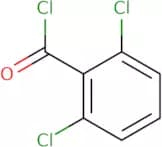
CAS:<p>Terephthalaldehyde chloride is a water-insoluble, white solid that is soluble in organic solvents. It forms a protective layer on metal surfaces and plastics, preventing corrosion and microbial growth. Terephthalaldehyde chloride has been shown to be effective against Escherichia coli, Klebsiella pneumoniae, Bacillus subtilis, Pseudomonas aeruginosa, Staphylococcus aureus, and Salmonella enterica. Terephthalaldehyde chloride's antimicrobial activity is attributed to its acid complex with phosphorus pentoxide and electrochemical impedance spectroscopy data indicate that it reacts with the anionic sites of bacterial cell walls. Terephthalaldehyde chloride does not react with human serum proteins or ester linkages; however, it has toxic effects on mice at high doses.</p>Formula:C8H4Cl2O2Purity:Min. 95%Color and Shape:PowderMolecular weight:203.02 g/mol4-[4-(3-Chlorophenyl)piperazin-1-yl]-4-oxobutanoic acid
CAS:Controlled Product<p>Please enquire for more information about 4-[4-(3-Chlorophenyl)piperazin-1-yl]-4-oxobutanoic acid including the price, delivery time and more detailed product information at the technical inquiry form on this page</p>Formula:C14H17ClN2O3Purity:Min. 95%Molecular weight:296.75 g/mol(E)-5-(2-Bromovinyl)uracil
CAS:<p>(E)-5-(2-Bromovinyl)uracil is a drug that has been shown to be effective against leukemic cells. It is a prodrug of 5-bromouracil, which is an antimetabolite and cytotoxic agent. (E)-5-(2-Bromovinyl)uracil has also been shown to be active against solid tumours, such as metastatic colorectal cancer, and bacteria. The mechanism of action involves the irreversible inhibition of the enzyme thymidylate synthase, which catalyzes the conversion of deoxyuridine monophosphate (dUMP) to thymidine monophosphate (dTMP). The drug binds to the dinucleotide phosphate pocket in the enzyme's active site and blocks access by dUMP. This leads to DNA synthesis errors, causing cell death. As a prodrug, it has low toxicity profiles and does not cause bone marrow suppression like</p>Formula:C6H5BrN2O2Purity:(¹H-Nmr) Min. 95 Area-%Color and Shape:Off-white to pale orange solid.Molecular weight:217.02 g/mol2-Bromo-4'-nitroacetophenone
CAS:<p>2-Bromo-4'-nitroacetophenone is a chemical compound that has been shown to be active in enzyme inhibition experiments. It has been found to inhibit the activity of histidine decarboxylase, which catalyzes the conversion of histidine to histamine, and uv absorption. 2-Bromo-4'-nitroacetophenone binds to the active site of P450 enzymes, inhibiting their catalytic activity. This compound also inhibits fatty acid oxidation by binding to fatty acid hydroxylase and hydrogen bonds with tyrosine residues in proteins. 2-Bromo-4'-nitroacetophenone is structurally similar to 2-bromoacetophenone, which has been shown to have antihistaminic properties.</p>Formula:C8H6BrNO3Purity:Min. 95%Color and Shape:PowderMolecular weight:244.04 g/mol2-(Chloromethyl)-3-(4-fluorophenyl)quinazolin-4(3H)-one
CAS:Controlled Product<p>Please enquire for more information about 2-(Chloromethyl)-3-(4-fluorophenyl)quinazolin-4(3H)-one including the price, delivery time and more detailed product information at the technical inquiry form on this page</p>Formula:C15H10ClFN2OPurity:Min. 95%Molecular weight:288.7 g/mol2-Bromo-1-(1,2-dimethyl-1H-indol-3-yl)propan-1-one
CAS:Controlled Product<p>Please enquire for more information about 2-Bromo-1-(1,2-dimethyl-1H-indol-3-yl)propan-1-one including the price, delivery time and more detailed product information at the technical inquiry form on this page</p>Formula:C13H14BrNOPurity:Min. 95%Molecular weight:280.16 g/mol2-Chloro-1-[4-(4-Fluorophenyl)-1-Piperazinyl]Ethanone
CAS:Controlled Product<p>Please enquire for more information about 2-Chloro-1-[4-(4-Fluorophenyl)-1-Piperazinyl]Ethanone including the price, delivery time and more detailed product information at the technical inquiry form on this page</p>Formula:C12H14ClFN2OPurity:Min. 95%Molecular weight:256.7 g/molDiphenyleneiodonium sulfate
CAS:<p>Diphenyleneiodonium sulfate is a dinucleotide phosphate that has been shown to activate epidermal growth factor (EGF) in vivo. The activated EGF stimulates the synthesis of lipids and proteins, which are needed for cell division. Diphenyleneiodonium sulfate also has an effect on cellular metabolism by inhibiting oxidative phosphorylation and increasing the production of reactive oxygen species. The drug binds to DNA and alters its structure, leading to cell death. Diphenyleneiodonium sulfate has been shown to bind to DNA with high affinity, but does not inhibit protein synthesis or change the expression of genes.</p>Formula:C12H8ISO4Purity:Min. 95%Molecular weight:327.13 g/mol4,6-Dichloroisatin
CAS:<p>4,6-Dichloroisatin is a pro-apoptotic compound that is synthesized from amino acids. It has been shown to have anticancer activity in human liver cancer cells, which may be due to its ability to induce apoptosis. 4,6-Dichloroisatin has also been shown to inhibit the production of electron transport chain proteins in the mitochondria by binding to their regulatory sites and inhibiting their phosphorylation. This inhibition of electron transport chain proteins leads to an accumulation of electrons that can react with molecular oxygen and produce reactive oxygen species (ROS). ROS are known for their ability to cause DNA damage and cell death through oxidative stress.</p>Formula:C8H3Cl2NO2Purity:Min. 95%Molecular weight:216.02 g/molrac-N-ethyl amphetamine hydrochloride
CAS:Controlled Product<p>Racemic amphetamine is a psychoactive substance that has been extensively used in the past as a stimulant, for example in the treatment of ADHD and narcolepsy. Racemic amphetamine is typically used to monitor drug use or to identify adulterants in urine samples. It is also used in the analysis of psychoactive substances and for the detection of phenylpropanolamine (PPA) and formic acid. Racemic amphetamine is a controlled substance that can be found in various forms, including methanolic solution, dilution, analyze, and reaction monitoring. Its use has been shown to be linear and it can be quantified by high-performance liquid chromatography.</p>Formula:C11H18ClNPurity:Min. 95%Molecular weight:199.72 g/molEtifoxine hydrochloride
CAS:Controlled Product<p>Etifoxine hydrochloride is a drug that has been used in the treatment of asthma and other pulmonary diseases. It is a potent inhibitor of phospholipase A2, which modulates the production of inflammatory mediators. Etifoxine hydrochloride has been shown to have neurotrophic effects, with potential for clinical use in the treatment of neurodegenerative disorders such as Alzheimer's disease and Parkinson's disease. This drug also has anti-inflammatory properties due to its inhibition of prostaglandin synthesis. Etifoxine hydrochloride acts as an agonist on receptors, which may be responsible for some of its biological properties, including thermal expansion and axonal growth. In addition, this drug is a competitive inhibitor of the enzyme poly(ADP-ribose) polymerase (PARP), which is involved in DNA repair and cell division.</p>Formula:C17H18Cl2N2OPurity:Min. 95%Molecular weight:337.24 g/mol2-Bromo-4-methylacetaphenone
CAS:<p>2-Bromo-4-methylacetophenone is a synthetic compound that inhibits bacterial growth through acetylation of the aromatic ring. It is used in the synthesis of imidazolidinones, which are a class of antibacterial drugs. 2-Bromo-4-methylacetophenone has shown inhibitory activity against MCF-7 breast carcinoma cells and mononuclear cells. It also has been synthesized from phenacyl bromide and potassium carbonate in anhydrous conditions. The crystal system for 2-bromo-4-methylacetophenone is tetragonal with space group P42/mnm.</p>Formula:C9H9BrOPurity:Min. 95%Molecular weight:213.07 g/mol4-Methyl-2-hexanamine hydrochloride
CAS:Controlled Product<p>4-Methyl-2-hexanamine hydrochloride is a synthetic amide that is used as a solvent in laboratories. It is a psychoactive substance and has been found to be an inhibitor of serotonin uptake, which may be related to its ability to inhibit the function of the serotonin transporter. The amount of 4-methyl-2-hexanamine hydrochloride absorbed by the body varies depending on how it is taken. When taken orally, 4-methyl-2-hexanamine hydrochloride enters through the digestive tract and reaches high levels in the blood stream. When taken intravenously, it enters the bloodstream directly and can reach higher concentrations in the blood. When inhaled, 4-methyl-2-hexanamine hydrochloride can enter into the lungs at high concentrations and then is absorbed into the bloodstream. 4-Methyl-2-hexanamine hydrochloride also degrades quickly in natural environments due to its biodegradable properties.</p>Formula:C7H18ClNPurity:Min. 95%Color and Shape:PowderMolecular weight:151.68 g/mol3-Bromo-N,N-dimethylpropan-1-amine hydrobromide
CAS:<p>Please enquire for more information about 3-Bromo-N,N-dimethylpropan-1-amine hydrobromide including the price, delivery time and more detailed product information at the technical inquiry form on this page</p>Purity:Min. 95%3-Chloro-7-nitro-1H-indole
CAS:<p>3-Chloro-7-nitro-1H-indole is a chemical compound that has been shown to have antitumor activity in clinical trials. It is catalysed by the addition of chloride ions to the nitro group, yielding an aminocarbonyl intermediate. This intermediate reacts with hydrogen chloride to form a chlorinating agent that can react with DNA and protein bases. The chlorinating agent has been shown to be efficient in screening for anticancer drugs. 3-Chloro-7-nitro-1H-indole is currently being tested for efficacy against colon carcinoma cells and human colon carcinoma xenografts.</p>Formula:C8H5ClN2O2Purity:Min. 95%Molecular weight:196.59 g/molMethyl 6-chloro-2-pyridinecarboxylate
CAS:<p>Methyl 6-chloro-2-pyridinecarboxylate is a reactive, organic compound that belongs to the class of monomers. It is a white crystalline solid with a melting point of approximately 130 degrees Celsius. This chemical can be synthesized by reacting 2-chlorobenzothiazole with sodium carbonate in water at temperatures between 100 and 140 degrees Celsius. The reaction yields methyl 6-chloro-2-pyridinecarboxylate as well as chloride and picolinic acid as side products. This compound has been shown to have neurotoxic effects when administered to rats at high doses.</p>Formula:C7H6ClNO2Purity:Min. 95%Molecular weight:171.58 g/mol4-Chloro-3-(trifluoromethyl)phenyl isocyanate
CAS:<p>4-Chloro-3-(trifluoromethyl)phenyl isocyanate (4CTFPI) is a phenoxy that has significant antiproliferative activity and can be used to treat cancer. It can inhibit the growth of tumor cells by suppressing the production of growth factors and binding to the receptor for these factors, which leads to inhibition of cell division. 4CTFPI also inhibits tumor growth through its ability to induce apoptosis in cancer cells. 4CTFPI has been shown to have antitumor effects on sarcoma cells in vitro and in vivo with a low toxicity profile. This compound is not active against bacterial infections or fungi, but it does not show any carcinogenic effects.</p>Formula:C8H3ClF3NOPurity:Min. 95%Color and Shape:PowderMolecular weight:221.56 g/mol2-Amino-2',5-dichlorobenzophenone
CAS:<p>2-Amino-2',5-dichlorobenzophenone (2,5-DCP) is a molecule with a chromatographic retention time of 23.8 minutes. 2,5-DCP has been detected in human urine samples using the chemical ionization technique as well as the Nova-Pak C18 column and an acetic acid/methanol mobile phase. This compound has been used as a standard for the detection of benzodiazepine drugs such as diazepam and flunitrazepam in urine samples by gas chromatography. 2,5-DCP has also been used in analytical toxicology to detect lormetazepam and lorazepam metabolites in human urine samples.</p>Formula:C13H9Cl2NOPurity:Min. 95%Color and Shape:Off-White PowderMolecular weight:266.12 g/molBis(4-(di-tert-butylphosphino)-N,N-dimethylbenzenamine) palladium dichloride
CAS:Controlled Product<p>Bis(4-(di-tert-butylphosphanyl)-N,N-dimethylaniline) is a boronic acid that has been used as a surfactant in organic chemistry. It is hydrophobic and has hydrogen bonding interactions with other molecules. Bis(4-(di-tert-butylphosphanyl)-N,N-dimethylaniline) is also a proton acceptor and can form stable complexes with metal ions such as palladium chloride. This compound is kinase selective and can be used to inhibit tyrosine kinases by binding to the ATP binding site of the enzyme's kinase domain. The functional groups of this compound are able to undergo cross-coupling reactions with other functional groups that have been activated by a reagent such as palladium chloride. Bis(4-(di-tert-butylphosphanyl)-N,N-dimethylaniline) has been used in high</p>Formula:C32H56Cl2N2P2PdPurity:Min. 95%Color and Shape:PowderMolecular weight:708.07 g/mol[2-(1-Isobutyl-1H-benzimidazol-2-yl)ethyl]amine dihydrochloride
CAS:Controlled Product<p>Please enquire for more information about [2-(1-Isobutyl-1H-benzimidazol-2-yl)ethyl]amine dihydrochloride including the price, delivery time and more detailed product information at the technical inquiry form on this page</p>Formula:C13H19N3Purity:Min. 95%Molecular weight:217.31 g/mol4-Chloropyridine HCL
CAS:<p>4-Chloropyridine HCL is a regulatory chemical that can be used to inhibit the population growth of microbes. It functions as a biotransforming agent and is typically used in the production of other substances, such as pharmaceuticals and plastics. 4-Chloropyridine HCL is not readily biodegradable and has been shown to be toxic to ciliates, but it may still have some use in the treatment of certain bacterial infections. The compound's molecular descriptors include a constant value of -0.8, an isomer count of 1, and a molecular weight range between 112 and 142.</p>Formula:C5H4ClN·HClPurity:Min. 95%Molecular weight:150.01 g/mol4-(2-Chlorophenyl)-9-methyl-6H-thieno[3,2-f][1,2,4]triazolo[4,3-a][1,4]diazepine-2-propanoic acid
CAS:Controlled Product<p>Please enquire for more information about 4-(2-Chlorophenyl)-9-methyl-6H-thieno[3,2-f][1,2,4]triazolo[4,3-a][1,4]diazepine-2-propanoic acid including the price, delivery time and more detailed product information at the technical inquiry form on this page</p>Formula:C18H15ClN4O2SPurity:Min. 95%Molecular weight:386.86 g/mol(2S,6S)-2-Amino-2-(2-chlorophenyl)-6-hydroxycyclohexan-1-one HCl
CAS:Controlled Product<p>Please enquire for more information about (2S,6S)-2-Amino-2-(2-chlorophenyl)-6-hydroxycyclohexan-1-one HCl including the price, delivery time and more detailed product information at the technical inquiry form on this page</p>Formula:C12H15CI2NO2Purity:Min. 95%Color and Shape:PowderMolecular weight:471.07 g/mol6-Bromo-1,2,3,4-tetrahydronaphthalen-2-ylamine hydrochloride
CAS:Controlled Product<p>Please enquire for more information about 6-Bromo-1,2,3,4-tetrahydronaphthalen-2-ylamine hydrochloride including the price, delivery time and more detailed product information at the technical inquiry form on this page</p>Formula:C10H12BrN·HClPurity:Min. 95%Molecular weight:262.57 g/molTin(II) chloride dihydrate
CAS:<p>Tin(II) chloride dihydrate is a white or pale yellow crystalline solid. It is soluble in water and has a relatively low melting point. Tin(II) chloride dihydrate is used as an acid catalyst for the preparation of esters from ethyl trifluoroacetate, and as an intermediate for synthesizing quinoline derivatives. Tin(II) chloride dihydrate can also be used to deactivate fatty acids by reacting with them in the presence of water. The reaction vessel is heated to about 300°C to evaporate the solvent and leave a residue of tin chloride, which can then be recovered by distillation. Tin(II) chloride dihydrate has been shown to have transport properties that are similar to those of other metal chlorides at comparable concentrations.</p>Formula:SnCl2•(H2O)2Purity:Min. 95%Color and Shape:Colorless Clear LiquidMolecular weight:225.65 g/molLithium 1,1,2,2,3,3-Hexafluoropropane-1,3-disulfonimide
CAS:<p>Lithium 1,1,2,2,3,3-hexafluoropropane-1,3-disulfonimide is a compound of lithium and fluorine. It is an additive that can be used in the manufacture of polymers and other materials. Lithium 1,1,2,2,3,3-hexafluoropropane-1,3-disulfonimide has been shown to act as a transition metal ion catalyst for the oxidation of fluoride to form hydrogen gas. This compound has also been shown to promote the formation of layered films made up of transition metals such as nickel oxide. Lithium 1,1,2,2,3,3-hexafluoropropane-1</p>Formula:C3F6LiNO4S2Purity:Min. 95%Molecular weight:299.1 g/molQuinoline-6-sulfonyl chloride
CAS:<p>Please enquire for more information about Quinoline-6-sulfonyl chloride including the price, delivery time and more detailed product information at the technical inquiry form on this page</p>Formula:C9H6ClNO2SPurity:Min. 95%Molecular weight:227.67 g/molSalbutamon hydrochloride
CAS:Controlled Product<p>Please enquire for more information about Salbutamon hydrochloride including the price, delivery time and more detailed product information at the technical inquiry form on this page</p>Formula:C13H20ClNO3Purity:Min. 95%Molecular weight:273.76 g/mol2-(3-Bromopropyl)-1,3-dioxolane
CAS:<p>2-(3-Bromopropyl)-1,3-dioxolane is a detectable, organometallic compound with the chemical formula CHBrO. It has been used in asymmetric synthesis as an intermediate for the construction of alcohols and aldehydes. The compound reacts with aldehydes to form 2-bromoacetophenones or 2-bromoacetals, which are useful intermediates for the synthesis of other compounds. 2-(3-Bromopropyl)-1,3-dioxolane has also been shown to be effective against Gram-negative bacteria and resistant parasites such as ectoparasites and cross-coupling. Trifluoroacetic acid is used in multidrug efflux pump inhibition studies on Gram-negative bacteria.</p>Formula:C6H11BrO2Purity:Min. 95%Molecular weight:195.05 g/mol4-(Trifluoromethyl)phenylacetylene
CAS:<p>4-(Trifluoromethyl)phenylacetylene is a functional group that has been synthesized by reacting an azide with a terminal alkynes. 4-(Trifluoromethyl)phenylacetylene can be used as a ligand in biomolecular syntheses and has shown fluorescence properties. It has been used to study the reactivity of metal complexes, such as copper and mercury, with other ligands. The crystal x-ray diffraction of 4-(trifluoromethyl)phenylacetylene shows that it is an unsymmetrical molecule. This functional group is not commercially available but can be recycled.</p>Formula:C9H5F3Purity:Min. 95%Color and Shape:Clear LiquidMolecular weight:170.13 g/mol4-Nitrobenzyl bromide
CAS:<p>4-Nitrobenzyl bromide is a reactive compound that reacts with the hydroxyl group of phenols to form 4-nitrophenols. It has been shown to react with congestive heart failure (CHF) patients' sera and bind to receptors on the surface of red blood cells, thereby inhibiting their ability to carry oxygen. The reaction mechanism for this process is unclear, but it is thought that it may involve a nucleophilic attack on the double bond in the phenol by a hydroxyl radical. This chemical can also be used as an analytical method for determining organic acids in natural compounds. Monoclonal antibodies are used for this purpose because they are specific for certain organic acids and thus will only react with them.</p>Formula:C7H6BrNO2Purity:Min. 95%Color and Shape:PowderMolecular weight:216.03 g/mol5-Bromo-1-ethyl-1H-1,2,4-triazole
CAS:<p>Please enquire for more information about 5-Bromo-1-ethyl-1H-1,2,4-triazole including the price, delivery time and more detailed product information at the technical inquiry form on this page</p>Formula:C4H6BrN3Purity:Min. 95%Molecular weight:176.01 g/mol(3-Chlorophenyl)acetyl chloride
CAS:<p>3-Chlorophenylacetic acid is a formamide that can be used in the synthesis of amines and phosphoinositides. It is also an intermediate in the preparation of dimethylformamide. 3-Chlorophenylacetic acid has been shown to cause cell dysfunction at high doses, but not at lower concentrations. The biological properties of this compound are similar to those of other formamidines and amines. 3-Chlorophenylacetic acid has been shown to catalyze the conversion of benzoic acid into benzoate, which is used as a preservative in foods, drugs, and cosmetics. This compound also inhibits the formation of heterocyclic amines during cooking by reacting with amino compounds, such as creatinine or ammonia.</p>Formula:C8H6Cl2OPurity:Min. 95%Color and Shape:Clear LiquidMolecular weight:189.04 g/molN-[4-Amino-3-(trifluoromethyl)phenyl]-2-methylpropanamide
CAS:<p>Please enquire for more information about N-[4-Amino-3-(trifluoromethyl)phenyl]-2-methylpropanamide including the price, delivery time and more detailed product information at the technical inquiry form on this page</p>Formula:C11H13F3N2OPurity:Min. 95%Molecular weight:246.23 g/mol1-(2-Fluorobenzyl)piperazine
CAS:Controlled Product<p>1-(2-Fluorobenzyl)piperazine (1FP) is an inhibitor of cholinesterase, which is an enzyme that breaks down the neurotransmitter acetylcholine. It binds to the active site of the enzyme and prevents it from functioning. 1FP has a high affinity for benzylpiperazine (BZP), but lower affinity for phenylpiperazine (PP). The conformational kinetic study showed that 1FP inhibits BZP more effectively than PP. This is due to the fact that 1FP has a higher dihedral angle, making it more likely to bind in the active site of BZP.</p>Purity:Min. 95%Distigmine bromide
CAS:<p>Distigmine bromide is a cholinergic agent that can be used to treat the symptoms of urinary incontinence. It is also used to treat underactive bladders and the symptoms associated with it. Distigmine bromide belongs to pharmacological agents and is an acetylcholinesterase inhibitor. This drug is administered by mouth, and its effects are long-lasting. It can be used for the treatment of psychotic disorders as well as for diagnosis of bladder disease.</p>Formula:C22H32N4O4•(Br)2Purity:Min. 95%Color and Shape:PowderMolecular weight:576.32 g/molChlorfenapyr
CAS:<p>Chlorfenapyr is a polymerase chain inhibitor that binds to the terminal residues of the protein. It is used as an insecticide, and has been shown to be effective against insects such as termites, ants, cockroaches, and fleas. Chlorfenapyr prevents synthesis of proteins by binding to the ribosomes at the site where amino acids are joined together to form a new protein. This binding prevents translation and leads to cell death. Chlorfenapyr also inhibits certain mammalian enzymes, including kidney bean trypsin inhibitor, which may be due to its ability to bind with these proteins in both bound and free forms.</p>Formula:C15H11BrClF3N2OPurity:Min. 95%Color and Shape:White PowderMolecular weight:407.61 g/mol2-Chloro-4-iodo-6-(trifluoromethyl)pyridine
CAS:<p>2-Chloro-4,6-difluoro-pyridine is an electrophilic compound that can react with nucleophiles to form covalent bonds. This reaction is known as nucleophilic substitution and it can be used in the synthesis of organic compounds. The diisopropylamide of lithium is a popular reagent for this purpose because it is inexpensive, highly reactive, and easily purified by distillation. In particular, 2-chloro-4,6-difluoro-pyridine reacts quantitatively with lithium diisopropylamide to form 4-(2-chloro-4,6-difluoro)pyrimidin-2(1H)-ones in tetrahydrofuran.</p>Formula:C6H2ClF3INPurity:Min. 95%Color and Shape:Solid.Molecular weight:307.44 g/molKisspeptin-54 (human) trifluoroacetate salt
CAS:<p>Kisspeptin-54 is a mammalian peptide hormone that regulates the release of gonadotropin-releasing hormone (GnRH) from the hypothalamus. Kisspeptin-54 has been shown to be potently immunogenic in humans and can be used as an antigen for the production of monoclonal antibodies. It is also a candidate drug for the treatment of obesity and may have neuroprotective effects. Kisspeptin-54 has been shown to reduce body mass index, which may be due to its ability to stimulate the immune system and promote antibody production against tumors. This peptide also has potent on-line binding properties that are useful in polymerase chain reactions.</p>Formula:C258H401N79O78Purity:Min. 95%Molecular weight:5,857.43 g/mol2-Chloro-N-(2,3-dihydro-1H-inden-2-yl)acetamide
CAS:Controlled Product<p>Please enquire for more information about 2-Chloro-N-(2,3-dihydro-1H-inden-2-yl)acetamide including the price, delivery time and more detailed product information at the technical inquiry form on this page</p>Formula:C11H12ClNOPurity:Min. 95%Molecular weight:209.67 g/mol3,5-Dichloro-4-pyridinecarboxaldehyde
CAS:<p>3,5-Dichloro-4-pyridinecarboxaldehyde is a synthetic heterocycle that has been studied for its pharmacokinetic properties. The compound has the ability to bind to the active site of metalloporphyrin and inhibit the enzyme's activity. This inhibition leads to an increase in the levels of homologous aldehydes, which are oxidized by hydrogen peroxide to produce electrosprays. 3,5-Dichloro-4-pyridinecarboxaldehyde also has a number of oxidation products that have been found in experiments using purines as substrates.</p>Formula:C6H3Cl2NOPurity:Min. 95%Molecular weight:176 g/mol3,4-Dichlorobenzyl mercaptan
CAS:<p>3,4-Dichlorobenzyl mercaptan is a yellow, volatile liquid that has been shown to be toxic to animals and humans. It is a sulfide compound that has been classified as an acid halide. 3,4-Dichlorobenzyl mercaptan is used as a pheromone in the sex attractant of some species of insects and moths. In addition, it can be used as a plant growth regulator or herbicide for plants such as eggplants. It has low toxicity against other plants and mammals, but high toxicity against some insects.</p>Formula:C7H6Cl2SPurity:Min. 95%Molecular weight:193.09 g/molN-Methylcarbonyl-2-chloroacetamidrazone
CAS:<p>Please enquire for more information about N-Methylcarbonyl-2-chloroacetamidrazone including the price, delivery time and more detailed product information at the technical inquiry form on this page</p>Formula:C4H8ClN3O2Purity:Min. 95%Molecular weight:165.58 g/mol3-[(Dimethylamino)methyl]benzoic acid hydrochloride
CAS:<p>Please enquire for more information about 3-[(Dimethylamino)methyl]benzoic acid hydrochloride including the price, delivery time and more detailed product information at the technical inquiry form on this page</p>Formula:C10H13NO2Purity:Min. 95%Molecular weight:179.22 g/mol3-Bromo-2-(bromomethyl)pyridine
CAS:<p>Please enquire for more information about 3-Bromo-2-(bromomethyl)pyridine including the price, delivery time and more detailed product information at the technical inquiry form on this page</p>Formula:C6H5Br2NPurity:Min. 95%Molecular weight:250.92 g/molBenzethidine hydrobromide
CAS:Controlled Product<p>Please enquire for more information about Benzethidine hydrobromide including the price, delivery time and more detailed product information at the technical inquiry form on this page</p>Formula:C23H30BrNO3Purity:Min. 95%Molecular weight:448.39 g/mol3,4-Dihydroxy amphetamine hydrochloride
CAS:Controlled Product<p>3,4-Dihydroxy amphetamine hydrochloride is a metabolite of amphetamine. It is a chemical intermediate in the metabolism of amphetamine and therefore has similar pharmacological effects. 3,4-Dihydroxy amphetamine hydrochloride is not embryotoxic or teratogenic in rats or mice at doses as high as 2000 mg/kg. The concentration range for humans is unknown. 3,4-Dihydroxy amphetamine hydrochloride has been shown to inhibit the production of dopamine in the brain and may be associated with neurotoxicity.</p>Formula:C9H14ClNO2Purity:Min. 95%Molecular weight:203.67 g/molBis(2,2,2-trifluoroacetato-kO)di-mercury fluorescein
CAS:Controlled Product<p>Please enquire for more information about Bis(2,2,2-trifluoroacetato-kO)di-mercury fluorescein including the price, delivery time and more detailed product information at the technical inquiry form on this page</p>Formula:C24H10F6Hg2O9Purity:Min. 95%Molecular weight:957.5 g/molEthyl (R)-(+)-4-chloro-3-hydroxybutyrate
CAS:<p>Ethyl (R)-(+)-4-chloro-3-hydroxybutyrate is a chiral compound with two stereoisomers, one of which is the natural form. It can be synthesized by asymmetric synthesis from ethylene diamine and acetaldehyde. This reaction is catalysed by enzymes such as dehydrogenase, which are used in the biosynthesis of other compounds. The enzyme catalysis results in a high activation energy. Ethyl (R)-(+)-4-chloro-3-hydroxybutyrate also has an organic solvent that is required for its synthesis, d-xylose. The enzyme expression plasmid that is used to express this compound requires recombinant cells.</p>Formula:C6H11ClO3Purity:Min. 95%Color and Shape:Clear LiquidMolecular weight:166.6 g/molACTH (2-24) (human, bovine, rat) trifluoroacetate salt
CAS:<p>Please enquire for more information about ACTH (2-24) (human, bovine, rat) trifluoroacetate salt including the price, delivery time and more detailed product information at the technical inquiry form on this page</p>Formula:C133H205N39O29SPurity:Min. 95%Molecular weight:2,846.36 g/mol1-(4-(Aminomethyl)phenyl)pyridin-1-ium chloride
CAS:<p>1-(4-(Aminomethyl)phenyl)pyridin-1-ium chloride is a chemical compound that belongs to the class of pyridines and has pinpoint as its molecular weight. It is an ionic liquid that can be used in analytical methods, such as liquid chromatography and ionization techniques, for the identification of unsaturated fatty acids. This compound can be analyzed by gas chromatography with either electron capture detection or chemical ionization. The GC separation column used for this analysis would have to be a phase column with an unsaturated fatty acid stationary phase. GC-EID and GC-CI are two common ionization techniques that could be used in conjunction with this analytical method. The lower limit of detection for this technique is about 0.1 ppm, which makes it a sensitive analytical tool for use in food production and quality control laboratories. The yield of 1-(4-(Aminomethyl)phenyl)pyridin-1-</p>Purity:Min. 95%2-(Trifluoroacetamido)Ethylamine Hydrochloride
CAS:<p>Please enquire for more information about 2-(Trifluoroacetamido)Ethylamine Hydrochloride including the price, delivery time and more detailed product information at the technical inquiry form on this page</p>Formula:C4H7F3N2OPurity:Min. 95%Molecular weight:156.11 g/mol2-Bromopropionic acid
CAS:<p>2-Bromopropionic acid is a tetroxide used in organic synthesis. It is an intermediate in the synthesis of 2,4-dibromopropionamide and 2,4-dibromo-3-methylpentanoic acid. The reaction mechanism of this process starts with the formation of a bromine atom from bromine monoxide and hydrogen peroxide. This bromine atom reacts with the carbon to form an alkyl radical that reacts with another molecule of bromine monoxide to form an alkyl radical that is stabilized by two atoms of hydrogen (i.e., CBr). The alkyl radical then undergoes a nucleophilic attack on iodobenzene to form an iodoalkane intermediate. This intermediate reacts with acetic acid to form the desired product, acetyl chloride. This reaction also produces iodoacetic acid as a byproduct.</p>Formula:C3H5BrO2Purity:Min. 95%Molecular weight:152.97 g/molDidecyl dimethyl ammonium chloride - 80% aqueous solution
CAS:<p>Didecyl dimethyl ammonium chloride is a quaternary ammonium compound that has been shown to have a broad-spectrum antimicrobial activity. It has been used in disinfectants and as an active ingredient in pharmaceuticals, cosmetics, and foods. The compound is not toxic to humans or animals at concentrations up to 50%. Didecyl dimethyl ammonium chloride has been shown to be effective against infectious diseases caused by bacteria, viruses, fungi, and protozoa. This compound also has an effect on the epithelial-mesenchymal transition (EMT) process. Didecyl dimethyl ammonium chloride can be prepared by titration calorimetry or analytical method. The preparation of didecyl dimethyl ammonium chloride can be done using chloroform and benzalkonium chloride or glycol ether.</p>Formula:C22H48ClNColor and Shape:Clear LiquidMolecular weight:362.08 g/mol2-Bromo-4-nitrophenol
CAS:<p>2-Bromo-4-nitrophenol is a byproduct of the reaction between hydrogen peroxide and sodium bromate. It can be detected in the presence of hydrochloric acid, which reacts with 2-bromo-4-nitrophenol to form an orange color that can be detected spectrophotometrically. 2-Bromo-4-nitrophenol has been shown to inhibit the growth of various strains of bacteria, including Escherichia coli, Bacillus subtilis, and Pseudomonas aeruginosa. This compound binds to flavin adenine dinucleotide (FAD) as well as other nucleophilic cofactors such as thioredoxin reductase. The binding affinity is increased when carbon sources are present. This property makes it a useful inhibitor for catalytic reduction reactions in biotechnology and synthetic chemistry applications.br>br> 2B4NP is a by</p>Formula:C6H4BrNO3Purity:Min. 95%Color and Shape:PowderMolecular weight:218 g/mol6-Chloro-3,4-dihydro-3-(a-methylbenzyl)-2H-1,2,4-benzothiadiazine-7-sulfonamide 1,1-dioxide
CAS:<p>6-Chloro-3,4-dihydro-3-(a-methylbenzyl)-2H-1,2,4-benzothiadiazine-7-sulfonamide 1,1-dioxide is an active metabolite of the drug benzbromarone. It is primarily administered as a diuretic to treat high blood pressure and congestive heart failure. The pharmacodynamics of this drug are related to its ability to inhibit the activity of sodium channels in vascular smooth muscle cells and thereby reduce the force of contraction and relax the vessel wall. 6CBDMTD has shown an increase in glomerular filtration rate in patients with congestive heart failure. This drug also decreases the plasma concentration of fatty acids by inhibiting the formation of lipoprotein particles. 6CBDMTD has been shown to be effective at lowering diastolic and systolic blood pressure levels in patients with hypertension.</p>Formula:C15H16ClN3O4S2Purity:Min. 95%Molecular weight:401.89 g/mol1-(4-Chlorophenyl)cyclopropylamine
CAS:<p>Please enquire for more information about 1-(4-Chlorophenyl)cyclopropylamine including the price, delivery time and more detailed product information at the technical inquiry form on this page</p>Formula:C9H10ClNPurity:Min. 95%Molecular weight:167.64 g/molMethyl 4-chloro-4-oxobutanoate
CAS:<p>Methyl 4-chloro-4-oxobutanoate is a chemical compound that is used as a medicine. It has been shown to have an affinity for the human immunodeficiency virus (HIV) and can be used to treat HIV infection. Methyl 4-chloro-4-oxobutanoate is also used in other types of medicines, such as those for treating high blood pressure and heart disease. This chemical binds to the receptors on cells that are responsible for regulating blood pressure and heart rate, which leads to inhibition of cyclic guanosine monophosphate (cGMP) production. Methyl 4-chloro-4-oxobutanoate inhibits the activity of lipolytic enzymes, which break down fats into smaller units, by binding at the active site of these enzymes. It also binds to chloride ions and prevents them from being released from cells, which causes a rise in intracellular chloride levels. This increase in chloride</p>Formula:C5H7ClO3Purity:Min. 95%Color and Shape:Clear LiquidMolecular weight:150.56 g/mol(R)-Benzphetamine hydrochloride
CAS:Controlled Product<p>Please enquire for more information about (R)-Benzphetamine hydrochloride including the price, delivery time and more detailed product information at the technical inquiry form on this page</p>Formula:C17H22ClNPurity:Min. 95%Molecular weight:275.82 g/molα,α-Difluorophenylacetic acid
CAS:<p>Please enquire for more information about alpha,alpha-Difluorophenylacetic acid including the price, delivery time and more detailed product information at the technical inquiry form on this page</p>Formula:C8H6F2O2Purity:Min. 95%Molecular weight:172.13 g/mol[4-(2-Aminopropyl)phenyl]dimethylamine dihydrochloride
CAS:Controlled Product<p>Please enquire for more information about [4-(2-Aminopropyl)phenyl]dimethylamine dihydrochloride including the price, delivery time and more detailed product information at the technical inquiry form on this page</p>Formula:C11H18N2Purity:Min. 95%Molecular weight:178.27 g/mol1-(4-Fluorophenyl)-5-methyl-1H-pyrazole-4-carboxylic acid
CAS:<p>Please enquire for more information about 1-(4-Fluorophenyl)-5-methyl-1H-pyrazole-4-carboxylic acid including the price, delivery time and more detailed product information at the technical inquiry form on this page</p>Formula:C11H9FN2O2Purity:Min. 95%Molecular weight:220.2 g/mol4-Iodobenzyl bromide
CAS:<p>4-Iodobenzyl bromide is an aromatic hydrocarbon that inhibits the activity of aromatic hydroxylase, an enzyme responsible for the metabolism of aromatic compounds. It is a synthetic compound that has been used in research to study the metabolism of aromatic amino acids. 4-Iodobenzyl bromide has been shown to be effective in inhibiting the synthesis of diphenyl sulfoxide and chloride by human kidney cells in vitro. The inhibition of this reaction leads to a decrease in the concentration of these substances in urine samples. It also inhibits silver trifluoromethanesulfonate, which may be due to its ability to react with chloride ions. This product is soluble in organic solvents such as chloroformate and can be used as a functional group.</p>Formula:C7H6BrIPurity:Min. 95%Color and Shape:PowderMolecular weight:296.93 g/mol4-Bromo-1-butanol
CAS:<p>4-Bromo-1-butanol is a synthetic fatty acid used as a reagent in the synthesis of glycyrrhetinic acid. It is a colorless liquid with a strong odor. This substance has impurities that are not specified. It reacts with n-hexane and thionyl chloride to form bromobutanoic acid, which can be used as an intermediate in the production of other substances. 4-Bromo-1-butanol is also used in the synthesis of polyvinyl pyrrolidone, which is an organic polymer that is soluble in water and polar solvents such as alcohols and acetone. The molecular weight of this compound ranges from 300 to 3,000 g/mol, with a melting point below 100 °C. Formamide is another substance that can be synthesized using 4-bromo-1 butanol. Formamide is a colorless liquid with a pungent odor and it has</p>Formula:C4H9BrOPurity:80%MinColor and Shape:Colorless Clear LiquidMolecular weight:153.02 g/mol2-Ethylbutyryl chloride
CAS:<p>2-Ethylbutyryl chloride is a growth regulator and plant hormone. It is a non-competitive inhibitor of the enzyme glutamate decarboxylase. 2-Ethylbutyryl chloride has been shown to be effective in treating horticultural crops, such as apples, peaches, and pears. This chemical also has pharmacokinetic properties that are unique to its structure. For example, it is eliminated by the liver and kidney quickly and completely, with a half-life of about 1 minute in mice. In addition, this chemical does not affect nitric oxide production or cause hemolysis in mouse models.</p>Formula:C6H11ClOPurity:Min. 95%Molecular weight:134.6 g/molSemicarbazide-13C,15N2 Hydrochloride
CAS:<p>Please enquire for more information about Semicarbazide-13C,15N2 Hydrochloride including the price, delivery time and more detailed product information at the technical inquiry form on this page</p>Formula:CH5NN2O·HClPurity:Min. 95%Molecular weight:114.56 g/mol(4-Chlorophenyl)methanesulphonyl chloride
CAS:<p>Please enquire for more information about (4-Chlorophenyl)methanesulphonyl chloride including the price, delivery time and more detailed product information at the technical inquiry form on this page</p>Formula:C7H6Cl2O2SPurity:Min. 95%Color and Shape:PowderMolecular weight:225.09 g/mol4-(2-Chloroethyl)-1-(triphenylmethyl)-1H-imidazole
CAS:Controlled Product<p>Please enquire for more information about 4-(2-Chloroethyl)-1-(triphenylmethyl)-1H-imidazole including the price, delivery time and more detailed product information at the technical inquiry form on this page</p>Formula:C24H21ClN2Purity:Min. 95%Molecular weight:372.89 g/molDimethylammonium dichlorotri(mu-chloro)bis[(R)-(+)-5,5'-bis(diphenylphosphino)-4,4'-bi-1,3-benzodioxole]diruthenate(II)
CAS:Controlled Product<p>Please enquire for more information about Dimethylammonium dichlorotri(mu-chloro)bis[(R)-(+)-5,5'-bis(diphenylphosphino)-4,4'-bi-1,3-benzodioxole]diruthenate(II) including the price, delivery time and more detailed product information at the technical inquiry form on this page</p>Formula:C78H64Cl5O8P4Ru2NPurity:Min. 95%Molecular weight:1,646.64 g/molDimethylcarbamoyl chloride
CAS:<p>Dimethylcarbamoyl chloride is a chemical that is used as an ionization reagent in analytical chemistry. It is a colorless liquid with a neutral pH, boiling point of 73 °C, and density of 1.01 g/mL. Dimethylcarbamoyl chloride can be used to synthesize acylated amines and carbonyls for use in pharmaceuticals, polymers, dyes and other chemicals. The chlorine atom can also be substituted with other halogens. The compound has been shown to be chemically stable and resistant to oxidation by catalysts such as oxygen or hydrogen peroxide. Dimethylcarbamoyl chloride is mainly used as an analytical tool for the detection of carbonyl groups in molecules using chemical ionization (CI). Dimethylcarbamoyl chloride has also been shown to have anti-cancer properties due to its effects on choroidal neovascularization (a condition associated with eye diseases) by inhibiting vascular endothelial growth</p>Formula:C3H6ClNOPurity:Min. 95%Color and Shape:Colourless To Pale Yellow LiquidMolecular weight:107.54 g/mol3-Bromo-5-fluoropyridine
CAS:<p>3-Bromo-5-fluoropyridine is a synthetic dyestuff that is used in the production of dyes and pigments. It has an analogous structure to 3-amino-5-bromopyridine, which is used as a medicine for treating epilepsy. 3-Bromo-5-fluoropyridine reacts with acetoacetate or ethyl acetoacetate to form methylated products, such as 3-(4'-hydroxyphenyl)propionate. This compound can be synthesized by halogenation with bromine or chlorination followed by hydrolysis. The synthesis of 3-bromo-5-fluoropyridine from 3-amino-5-bromopyridine involves a series of reactions, including diazonium salt formation, followed by bromination and reduction to produce the desired product.</p>Formula:C5H3BrFNPurity:Min. 95%Color and Shape:PowderMolecular weight:175.9 g/mol2’-Nor thiamine hydrochloride
CAS:<p>Please enquire for more information about 2’-Nor thiamine hydrochloride including the price, delivery time and more detailed product information at the technical inquiry form on this page</p>Formula:C11H16Cl2N4OSPurity:Min. 95%Molecular weight:323.24 g/molEthyl 5-fluoroindole-2-carboxylate
CAS:<p>Ethyl 5-fluoroindole-2-carboxylate is a cytotoxic compound that belongs to the class of organic compounds called aryl rings. It has been shown to inhibit tumor growth in vitro and in vivo through the inhibition of protein synthesis. The molecular docking studies have shown that this compound binds to the enzyme SMMC-7721 cell, which is involved in DNA transcription and replication. It also inhibits activity of other enzymes, such as kinases and phosphatases, which are involved in cellular processes such as proliferation and differentiation. Ethyl 5-fluoroindole-2-carboxylate may be used for the treatment of blood cancer or monosugar diseases, such as diabetes mellitus or hyperlipidemia.</p>Formula:C11H10FNO2Purity:Min. 95%Molecular weight:207.2 g/mol9-Chloro-11β,17,21-trihydroxy-16β-methylpregna-1,4-diene-3,20-dione 17-valerate
CAS:Controlled Product<p>Prednisolone is a synthetic corticosteroid that is used in the treatment of a number of lung diseases, including asthma. Prednisolone is used to decrease the inflammation and swelling around the airways and lungs. Prednisolone is used to treat certain skin conditions, such as eczema and dermatitis. This drug also decreases the activity of the immune system by inhibiting production of substances that cause inflammation. The onset of action for prednisolone is typically one day with a duration of up to two weeks. It has been shown to be more effective when taken orally than when applied topically. It may be taken with or without food and can be given as an oral or an intravenous dose. Prednisolone tablets must be dissolved in water before they are placed under the tongue (sublingual). The tablets will dissolve quickly under the tongue, releasing prednisolone into your bloodstream. Enteric-coated tablets should not be crushed or chewed</p>Formula:C27H37ClO6Purity:Min. 95%Molecular weight:493.03 g/mol2-Chloro-5-methylpyrazine
CAS:<p>Please enquire for more information about 2-Chloro-5-methylpyrazine including the price, delivery time and more detailed product information at the technical inquiry form on this page</p>Formula:C5H5ClN2Purity:Min. 95%Molecular weight:128.56 g/mol3-Fluorophenethylamine
CAS:Controlled Product<p>3-Fluorophenethylamine is a fluorinated analog of phenethylamine that binds to the same receptors and has a similar effect on neurotransmitters as the parent compound. 3-Fluorophenethylamine inhibits the production of tumor necrosis factor-α (TNF-α) in vitro, which may be due to its ability to inhibit prostaglandin synthesis by binding to cyclooxygenase. This drug has also been shown to have anti-inflammatory effects that are mediated by inhibition of TNF-α production and activation of nuclear factor kappa B (NFκB) pathways in hippocampal neurons.</p>Formula:C8H10FNPurity:Min. 95%Molecular weight:139.17 g/mol4-Chlorobutyric acid
CAS:<p>4-Chlorobutyric acid is a fatty acid with the chemical formula CH3ClC(O)CH2CO2H. It can be found in animal fats, vegetable oils, and butter. 4-Chlorobutyric acid has been shown to inhibit the growth of PC12 cells by hydrogen bonding to the cell membrane. This inhibition results in an increase in sodium hydroxide solution activity, which leads to increased production of gamma-aminobutyric acid. The butyrolactone that is produced inhibits nerve function and has been shown to have biological treatment potential for hydrochloric acid and cell culture models.</p>Formula:C4H7ClO2Purity:Min. 95%Color and Shape:Clear LiquidMolecular weight:122.55 g/mol(Oc-6-21)-(4-Aminophenyl)Pentafluoro-Sulfur
CAS:<p>(Oc-6-21)-(4-Aminophenyl)Pentafluoro-Sulfur is a synthetic chemical that has the molecular formula of CF5SO2NH. It is a five membered heterocycle with an affinity for chloride ions. The compound was synthesized using phenacyl chloride and chlorosulfonyl fluoride in a one step synthesis. This chemical has shown to be an analog of serotonin with hydrogen bonding capabilities. (Oc-6-21)-(4-Aminophenyl)Pentafluoro-Sulfur can act as both a sensor and an electroneutral chlorine ionophore.</p>Formula:C6H6F5NSPurity:Min. 95%Molecular weight:219.18 g/mol3-Chloro-4-methylaniline
CAS:<p>3-Chloro-4-methylaniline is a chemical compound with a chlorinated aromatic ring. It is a metabolite of the herbicide atrazine, which has been found to produce toxic effects in humans and animals. 3-Chloro-4-methylaniline has been shown to disrupt energy metabolism in mammalian cells through its interaction with mitochondrial respiratory chain complexes I and II. This compound has also been found to cause tubule cell death in the kidneys of rats, as well as liver lesions in mice.</p>Formula:C7H8ClNPurity:Min. 95%Molecular weight:141.60 g/mol2-Chloroquinolin-8-ol
CAS:<p>2-Chloroquinolin-8-ol is a chemical compound that binds to the human serum albumin and has cytotoxic effects on cancer cells. It has been shown to be an inhibitor of survivin, a protein that can promote cancer cell survival. 2-Chloroquinolin-8-ol has also been shown to inhibit the proliferation of human epidermoid carcinoma cells in vitro. This agent also inhibits the growth of Trichophyton mentagrophytes, a fungus that causes tinea versicolor, by binding to the ribosomal RNA. The binding constants for 2-chloroquinolin-8-ol were determined using atomic orbital calculations and vibrational spectroscopy. It has also been shown to bind with high affinity to hepg2 cells and cervical cancer cells.</p>Formula:C9H6ClNOPurity:Min. 95%Molecular weight:179.6 g/molN-Ethyl-1,1,2,2,3,3,4,4,5,5,6,6,6-tridecafluoro-N-(2-hydroxyethyl)Hexane-1-sulfonamide
CAS:<p>Please enquire for more information about N-Ethyl-1,1,2,2,3,3,4,4,5,5,6,6,6-tridecafluoro-N-(2-hydroxyethyl)Hexane-1-sulfonamide including the price, delivery time and more detailed product information at the technical inquiry form on this page</p>Formula:C10H10F13NO3SPurity:Min. 95%Color and Shape:PowderMolecular weight:471.24 g/mol5-(5-Chloro-1-methyl-1H-benzimidazol-2-yl)pentanoic acid
CAS:Controlled Product<p>Please enquire for more information about 5-(5-Chloro-1-methyl-1H-benzimidazol-2-yl)pentanoic acid including the price, delivery time and more detailed product information at the technical inquiry form on this page</p>Formula:C13H15ClN2O2Purity:Min. 95%Molecular weight:266.72 g/molrac 1,2-dioleoyl-3-chloropropanediol
CAS:<p>Rac-1,2-dioleoyl-3-chloropropanediol is a fatty acid and can be used for the preparation of isotopically labelled fatty acids. Rac-1,2-dioleoyl-3-chloropropanediol has been used as an internal standard in the quantification of fatty acid esters in plant oils. The use of rac 1,2-dioleoyl-3-chloropropanediol was found to be appropriate for calibrating liquid chromatography with a quadrupole mass spectrometer.</p>Formula:C39H71ClO4Purity:Min. 95%Molecular weight:639.43 g/molL-Alaninol-2-chlorotrityl resin
<p>Please enquire for more information about L-Alaninol-2-chlorotrityl resin including the price, delivery time and more detailed product information at the technical inquiry form on this page</p>Purity:Min. 95%Methyl 6-Bromo-1-Methyl-1H-Indole-2-Carboxylate
CAS:Controlled Product<p>Please enquire for more information about Methyl 6-Bromo-1-Methyl-1H-Indole-2-Carboxylate including the price, delivery time and more detailed product information at the technical inquiry form on this page</p>Formula:C11H10BrNO2Purity:Min. 95%Molecular weight:268.11 g/molTriarylsulfonium hexafluoroantimonate salts mixed - 50 wt. % in propylene carbonate
CAS:<p>Triarylsulfonium hexafluoroantimonate salts mixed - 50 wt. % in propylene carbonate, also known as TAS-50, is a coating that is used in analytical chemistry and polymerization reactions. TAS-50 has been shown to be biocompatible and non-irritating to skin, eyes, or mucous membranes. It is a fluorescent compound that can be used for the detection of analytes in liquid samples. TAS-50 has been shown to have optical properties that are similar to those of glass. The coating has also been shown to have efficient methods for fabricating optical fibers with improved temperature resistance and radiation resistance.</p>Formula:C60H47F18S5Sb3Purity:Min. 95%Color and Shape:Clear LiquidMolecular weight:1,635.6 g/molMyristoyl chloride
CAS:<p>Myristoyl chloride is an antimicrobial agent that belongs to the group of cationic surfactants. It has been shown to be active against bacteria and fungi, but not against viruses. Myristyl chloride has been used in a number of industries, including food production and processing, for its ability to inhibit microbial growth in acidic environments. This chemical also has anti-inflammatory properties and can be used as a topical treatment for inflammatory diseases such as psoriasis or atopic dermatitis.</p>Formula:C14H27ClOPurity:Min. 95%Color and Shape:Colourless To Pale Yellow LiquidMolecular weight:246.82 g/molS-Ethylisothio urea, hydrobromide
CAS:<p>S-Ethylisothio urea, hydrobromide is a nitric oxide (NO) synthase inhibitor that prevents the conversion of arginine to NO. It has been shown to inhibit protein synthesis in cells, which may be due to its ability to inhibit guanylate cyclase and intracellular calcium concentrations. S-Ethylisothio urea, hydrobromide has been used in experimental models as an anti-inflammatory drug for the treatment of autoimmune diseases like rheumatoid arthritis. This compound also blocks the production of NO by inhibiting the oxygen transport system in the lungs, which is required for redox potential. S-Ethylisothio urea, hydrobromide is a cyclase inhibitor that prevents the conversion of dehydroascorbic acid to ascorbic acid. It can be used as an antioxidant by scavenging reactive oxygen species and preventing oxidative damage.</p>Formula:C3H9BrN2SPurity:Min. 95%Molecular weight:185.09 g/mol3,5-Dinitrobenzylchloride
CAS:<p>3,5-Dinitrobenzylchloride is a chemical compound that belongs to the family of phenylchloroformates. It is an aminoacylated derivative of subtilisin and was synthesized by reacting 3,5-dinitrobenzyl chloride with glutamate in methanol. The reaction yielded a mixture of two products: one with an aminoacyl group at the C-terminal end and the other without. The latter product contains a carbonyl group at the C-terminal end instead. 3,5-Dinitrobenzylchloride has been used as a reagent for detection of proteins with high sensitivity by gel electrophoresis. It also has thermal expansion properties that are greater than those of chromatography columns, which makes it useful in supramolecular chemistry or spectrometric analysis where these properties may be advantageous. 3,5-Dinitrobenzylchloride is not effective against methyl ketones</p>Formula:C7H5ClN2O4Purity:Min. 95%Molecular weight:216.58 g/mol3,5-Dibromo-6-methylpyrazin-2-amine
CAS:<p>Please enquire for more information about 3,5-Dibromo-6-methylpyrazin-2-amine including the price, delivery time and more detailed product information at the technical inquiry form on this page</p>Formula:C5H5Br2N3Purity:Min. 95%Molecular weight:266.92 g/mol2-(2-Chlorophenyl)ethylamine
CAS:Controlled Product<p>2-(2-Chlorophenyl)ethylamine is an amine that inhibits the production of proteins vital for cell division. It binds to bacterial 16S ribosomal RNA and inhibits protein synthesis, leading to cell death by inhibiting the production of proteins vital for cell division. 2-(2-Chlorophenyl)ethylamine has been shown to be effective against methicillin-resistant Staphylococcus aureus (MRSA) and Clostridium perfringens, although is not active against acid-fast bacteria such as Mycobacterium tuberculosis or Mycobacterium avium complex. 2-(2-Chlorophenyl)ethylamine has shown anti-inflammatory properties, which may be due to its inhibition of prostaglandin synthesis.</p>Formula:C8H10ClNPurity:Min. 95%Molecular weight:155.62 g/mol3-(3-Chlorophenyl)quinazoline-2,4(1H,3H)-dione
CAS:Controlled Product<p>Please enquire for more information about 3-(3-Chlorophenyl)quinazoline-2,4(1H,3H)-dione including the price, delivery time and more detailed product information at the technical inquiry form on this page</p>Formula:C14H9ClN2O2Purity:Min. 95%Molecular weight:272.69 g/molBromoacetic acid-13C2
CAS:<p>Please enquire for more information about Bromoacetic acid-13C2 including the price, delivery time and more detailed product information at the technical inquiry form on this page</p>Formula:C2H3BrO2Purity:Min. 95%Color and Shape:PowderMolecular weight:140.95 g/mol2-Bromo-N,N-dimethylethanamine hydrobromide
CAS:<p>2-Bromo-N,N-dimethylethanamine hydrobromide is a quaternary ammonium salt that is used as an excipient in pharmaceutical formulations. It has been used to prepare conjugates for clinical diagnostics and can be used as a substrate in phosphorus pentoxide assays. This product is also an intermediate in the synthesis of paracyclophanes, which are stereoisomers of cyclopentane. 2-Bromo-N,N-dimethylethanamine hydrobromide has been shown to have anti-inflammatory properties and may be useful for the treatment of respiratory diseases. The drug also has potential in the treatment of Alzheimer's disease due to its ability to inhibit β-amyloid aggregation.</p>Formula:C4H11Br2NPurity:Min. 95%Color and Shape:White PowderMolecular weight:232.94 g/mol3-Bromo-4-pyridinecarboxylic acid
CAS:<p>3-Bromo-4-pyridinecarboxylic acid is a naphthyridine derivative that is used in drug development. It is a crystalline solid that can be dissolved in organic solvents. 3-Bromo-4-pyridinecarboxylic acid has been shown to have antiinflammatory properties and can be used as an oxidant. 3-Bromo-4-pyridinecarboxylic acid is being investigated as a receptor subtype for inflammatory diseases, and it has also been used to study the mechanism of chronic inflammatory diseases.</p>Formula:C6H4BrNO2Purity:Min. 95%Molecular weight:202.01 g/molCyclopropanecarboxylic acid chloride
CAS:<p>Cyclopropanecarboxylic acid chloride is an organic compound with a molecular formula of C3H6Cl2O. It belongs to the group of carboxylic acids and has a pyrazole ring, which is a potential drug target. Cyclopropanecarboxylic acid chloride has been found to be active against infectious diseases such as herpes, influenza, and Ebola. The mechanism of action for this compound is not yet fully understood but it has been shown to have an effect on growth factors and kinetic data.</p>Formula:C4H5ClOPurity:Min. 95%Molecular weight:104.53 g/molEtoxeridine hydrochloride
CAS:Controlled Product<p>Please enquire for more information about Etoxeridine hydrochloride including the price, delivery time and more detailed product information at the technical inquiry form on this page</p>Formula:C18H28ClNO4Purity:Min. 95%Molecular weight:357.87 g/mol(5-bromo-2-fluorophenyl)boronic Acid
CAS:<p>5-Bromo-2-fluorophenyl)boronic acid is a synthetic chemical that is used in the synthesis of pharmaceuticals and pesticides. This compound is an inhibitor of bace1, which is an enzyme involved in the production of amyloid beta peptide (Aβ) and other proteins implicated in Alzheimer's disease. 5-Bromo-2-fluorophenyl)boronic acid has been shown to be effective at reducing Aβ levels in mice with Alzheimer's disease. It also inhibits pyrethroid, a pesticide that is used on crops to control insects, by binding to the active site of the enzyme. 5-Bromo-2-fluorophenyl)boronic acid has been evaluated for use as a cancer treatment, but these studies have not been completed.</p>Formula:C6H5BBrFO2Purity:Min. 95%Molecular weight:218.82 g/mol(5-Chloropyridin-3-yl)boronic acid
CAS:<p>Please enquire for more information about (5-Chloropyridin-3-yl)boronic acid including the price, delivery time and more detailed product information at the technical inquiry form on this page</p>Formula:C5H5BClNO2Purity:Min. 95%Molecular weight:157.36 g/mol4-Nitrobenzotrifluoride
CAS:<p>4-Nitrobenzotrifluoride is a chemical with the formula C6H3N3O2F3. It is a white solid that is soluble in organic solvents and insoluble in water. The compound has been used as a precursor to other compounds, including 4-nitrobenzoic acid, 4-nitrophenol, and 2,4-dinitrobenzenesulfonic acid. The nitro group of this compound can be reduced to an amine by reaction with hydroxide solution. This reaction is exothermic and produces hydrogen gas as a byproduct. Further reactions involving the nitro group can be performed in the presence of aryl chlorides or alkali metals such as potassium or sodium hydroxide. These reactions yield products that have the functional groups RNH2, RCOOH, and RN=C=O. The product of these reactions can be identified using nuclear magnetic resonance spectroscopy</p>Formula:C7H4F3NO2Purity:Min. 95%Molecular weight:191.11 g/mol1,2,3,5-Tetrachlorobenzene
CAS:<p>1,2,3,5-Tetrachlorobenzene (1,2,3,5-TCB) is a chlorinated aromatic compound that inhibits the growth of bacteria. It has been used as a model system to study the inhibition of aniline-dependent enzymes by 1,2,3,5-TCB. The rate of elimination of 1,2,3,5-TCB from human and rat tissues varies with the type of tissue and the type of fatty acid present in the tissue. In addition to its effects on enzyme activity and bacterial growth rate, 1,2,3,5-TCB can also inhibit mitochondrial electron transport chain function and vitamin B12 absorption.</p>Formula:C6H2Cl4Purity:Min. 95%Molecular weight:215.89 g/mol4-Iodotoluenedifluoride
CAS:<p>4-Iodotoluenedifluoride is a molecule that can be produced by the Friedel-Crafts reaction of iodotoluene with sulfoxides. It has been shown to be a bioactive molecule and an efficient method for the stereoselective synthesis of sulfoxides. 4-Iodotoluenedifluoride is also used in the synthesis of phenoxy compounds, which have been shown to have anti-inflammatory properties. The phenoxy group can be replaced with fluorine, which increases the lipophilicity of these molecules and makes them useful for lipid lowering drugs. These molecules are also capable of inhibiting cholesterol biosynthesis and increasing density lipoprotein (HDL).</p>Formula:C7H7F2IPurity:Min. 95%Molecular weight:256.03 g/molN-Methyl-O-methyl-L-tyrosine hydrochloride
CAS:<p>N-Methyl-O-methyl-L-tyrosine hydrochloride (NMT) is an organic compound that is synthesized from D-alanine. It has been shown to inhibit the production of didemnin, a protein that regulates the cell cycle, in mcf-7 cells. NMT has also been shown to stop the growth of human breast cancer cells and increase the lifespan of mice with cancerous tumors. NMT is a macrocyclic molecule, which means it has a ring structure made up of at least six atoms. The conformation of this molecule may be cyclic or linear.</p>Formula:C11H15NO3·HClPurity:Min. 95%Molecular weight:245.7 g/mol4-Amino-3-(trifluoromethoxy)benzoic acid
CAS:<p>Please enquire for more information about 4-Amino-3-(trifluoromethoxy)benzoic acid including the price, delivery time and more detailed product information at the technical inquiry form on this page</p>Formula:C8H6F3NO3Purity:Min. 95%Molecular weight:221.13 g/mol3-[4-(2-Chlorophenyl)-9-methyl-6H-thieno[3,2-f][1,2,4]triazolo[4,3-a][1,4]diazepin-2-yl]-2-propyn-1-ol
CAS:Controlled Product<p>Please enquire for more information about 3-[4-(2-Chlorophenyl)-9-methyl-6H-thieno[3,2-f][1,2,4]triazolo[4,3-a][1,4]diazepin-2-yl]-2-propyn-1-ol including the price, delivery time and more detailed product information at the technical inquiry form on this page</p>Formula:C18H13ClN4OSPurity:Min. 95%Molecular weight:368.84 g/mol4-Bromo-2-nitrothiophene
CAS:<p>Please enquire for more information about 4-Bromo-2-nitrothiophene including the price, delivery time and more detailed product information at the technical inquiry form on this page</p>Formula:C4H2BrNO2SPurity:Min. 95%Molecular weight:208.03 g/mol4-Fluoro bupropion
CAS:Controlled Product<p>Please enquire for more information about 4-Fluoro bupropion including the price, delivery time and more detailed product information at the technical inquiry form on this page</p>Formula:C13H18FNOPurity:Min. 95%Molecular weight:223.29 g/molrac-8-hydroxy-2-dipropylaminotetralin hydrobromide
CAS:Controlled Product<p>Rac-8-hydroxy-2-dipropylaminotetralin hydrobromide is a potent 5-HT agonist that has been shown to inhibit the release of prolactin in the serum of rats. Rac-8-hydroxy-2-dipropylaminotetralin hydrobromide was found to be an antagonist of 5HT receptors, with a potency comparable to that of 8-OHDPAT and WAY 100635. Rac rac8-hydroxy-2-dipropylaminotetralin hydrobromide also inhibits locomotor activity induced by the 5HT1A agonist 8OHDPAT. Experiments in vivo have shown that rac rac8-hydroxy-2-dipropylaminotetralin hydrobromide binds to benzodiazepine binding sites and has a low affinity for dopamine receptors. It also blocks cholinergic transmission in the brain, which may explain its</p>Formula:C16H26BrNOPurity:Min. 95%Molecular weight:328.29 g/molBenzidinedihydrochloride
CAS:Controlled Product<p>Benzidinedihydrochloride is a chemical compound that is used as a marker for chromatographic analysis. It has been shown to have genotoxic activity and carcinogenic potential. Benzidinedihydrochloride inhibits human DNA polymerase alpha, beta and gamma, which are enzymes involved in DNA synthesis. It also inhibits the enzyme activities of other proteins such as RNA polymerase II, ribonuclease H1, collagenase and alkaline phosphatase. The reaction solution is composed of benzidine hydrochloride (0.04 g), potassium chloride (0.2 g) and sodium hydroxide (0.02 g).</p>Formula:C12H14Cl2N2Purity:Min. 95%Color and Shape:PowderMolecular weight:257.16 g/mol2-Iodo-5-methylpyrimidine
CAS:<p>Please enquire for more information about 2-Iodo-5-methylpyrimidine including the price, delivery time and more detailed product information at the technical inquiry form on this page</p>Formula:C5H5IN2Purity:Min. 95%Molecular weight:220.01 g/mol1-Bromo-3-(Pentafluorosulfanyl)Benzene
CAS:<p>1-Bromo-3-(pentafluorosulfanyl)benzene is a molecule that can be used in the synthesis of biologically active compounds. It has been shown to have anti-inflammatory properties, which may be due to its ability to modulate the activity of 5-hydroxytryptamine (5-HT). The functionalities of 1-bromo-3-(pentafluorosulfanyl)benzene include cross-coupling (i.e., chemical reactions that join two or more substances together), protonation, and ligand binding. This molecule has been synthesized from 2,4,6-trifluorobenzonitrile and bromine. The isomers for this molecule are cis and trans, with the cis isomer being more active than the trans isomer. Techniques such as molecular modeling have also been used to study 1-bromo-3-(pentafluorosulfanyl)ben</p>Formula:C6H4BrF5SPurity:Min. 95%Molecular weight:283.06 g/molEicosafluorononane
CAS:Controlled Product<p>Eicosafluorononane is a hydrogen fluoride that is used as a chemical reagent to produce dry weight in cells. It has been shown to promote growth factor-induced cell proliferation and monoclonal antibody production. Eicosafluorononane has also been used for diagnostic purposes, with the ability to react with cell culture media and form fluorescent compounds. This agent is lipophilic and can be used in humans, which makes it an ideal candidate for use in a basic fibroblast model. The reaction solution of eicosafluorononane can also be used to measure boron nitride, mainly due to its high thermal expansion coefficient and low solubility coefficient. Eicosafluorononane reacts with trifluoroacetic acid at high temperatures, forming a volatile compound that can be collected by condensation.</p>Formula:C9F20Purity:Min. 95%Molecular weight:488.06 g/mol2-Bromoallyl alcohol
CAS:<p>2-Bromoallyl alcohol is a halogenated aromatic hydrocarbon that is an analyte in the chemical analysis of soil. It is also used as a reagent for the debromination of 2-bromopropane and as a dehalogenating agent for the removal of bromine from organic compounds. 2-Bromoallyl alcohol can be distilled at high temperatures, but it will volatilize if heated to 80°C or higher. It has been reported that 2-bromoallyl alcohol was found to be present in all replicates analyzed. The recovery of this compound ranged from 83% to 114%. 2-Bromoallyl alcohol is used as a reagent in organic synthesis, such as in palladium catalyzed couplings with boronic acids and esters. This compound may also be used to synthesize N-(2-hydroxyethyl)hydroxylamines by reacting with sodium hydroxide</p>Formula:C3H5BrOPurity:Min. 95%Molecular weight:136.98 g/mol[4-[2-(Diethylamino)ethoxy]-3-iodophenyl][2-(1-hydroxybutyl)-3-benzofuranyl]-methanone
CAS:Controlled Product<p>Please enquire for more information about [4-[2-(Diethylamino)ethoxy]-3-iodophenyl][2-(1-hydroxybutyl)-3-benzofuranyl]-methanone including the price, delivery time and more detailed product information at the technical inquiry form on this page</p>Formula:C25H30INO4Purity:Min. 95%Molecular weight:535.41 g/molPentafluorobenzenethiol
CAS:<p>Pentafluorobenzenethiol is an organosulfur compound that is synthesized by the nucleophilic attack of deuterium on a hydrogenated aliphatic hydrocarbon. It is a colorless liquid with a characteristic low boiling point and high volatility. Pentafluorobenzenethiol has been shown to react with chelate rings and to form irreversible oxidation products. This chemical has analytical applications in the determination of potassium, sodium, and lithium in water samples; it also has semiconductor properties. The diameter of pentafluorobenzenethiol is 6.2 Å, which makes it a low energy aromatic hydrocarbon that can be easily transported through porous media.</p>Formula:C6HF5SPurity:Min. 95%Color and Shape:Colorless Clear LiquidMolecular weight:200.13 g/molN-Methyl-L-valine hydrochloride
CAS:<p>N-Methyl-L-valine hydrochloride is a synthetic molecule that binds to the CB2 receptor. It has been shown to have anti-inflammatory effects in mice by reducing the production of inflammatory mediators such as prostaglandins and cytokines. N-Methyl-L-valine hydrochloride has also been shown to reduce inflammation in several mouse models of autoimmune diseases, such as type 1 diabetes, multiple sclerosis, and rheumatoid arthritis. This drug was found to be effective in animal models for these diseases by inhibiting inflammatory mediator release from immune cells.</p>Formula:C6H13NO2·HClPurity:Min. 95%Color and Shape:PowderMolecular weight:167.63 g/mol2,6-Dichlorophenylacetic acid
CAS:<p>2,6-Dichlorophenylacetic acid is an inhibitor of the enzyme acetylcholinesterase. It has been shown to be effective in a number of functional assays and is efficient at inhibiting the uptake of 2,6-dichlorobenzoic acid in cells. The inhibition of this enzyme by 2,6-dichlorophenylacetic acid may be due to its protonation and binding to the active site. This binding prevents the release of the acetylcholine molecule that has been bound to the enzyme's active site. This results in increased levels of acetylcholine in the synaptic cleft, leading to an increase in neurotransmitter activity, which can have a variety of effects on neuronal function. 2,6-Dichlorophenylacetic acid also inhibits cell proliferation and induces apoptosis (programmed cell death) in Caco-2 cells by inhibiting protein synthesis.</p>Formula:C8H6Cl2O2Purity:Min. 95%Color and Shape:White Off-White PowderMolecular weight:205.04 g/moltert-Butyl 4-(2-bromophenyl)piperazine-1-carboxylate
CAS:Controlled Product<p>Please enquire for more information about tert-Butyl 4-(2-bromophenyl)piperazine-1-carboxylate including the price, delivery time and more detailed product information at the technical inquiry form on this page</p>Purity:Min. 95%Perfluorophenyl 1-Benzyl-1H-Imidazole-4-Carboxylate
CAS:Controlled Product<p>Please enquire for more information about Perfluorophenyl 1-Benzyl-1H-Imidazole-4-Carboxylate including the price, delivery time and more detailed product information at the technical inquiry form on this page</p>Formula:C17H9F5N2O2Purity:Min. 95%Molecular weight:368.26 g/mol2-Amino-5-ethylphenol hydrochloride
CAS:<p>Please enquire for more information about 2-Amino-5-ethylphenol hydrochloride including the price, delivery time and more detailed product information at the technical inquiry form on this page</p>Formula:C8H12ClNOPurity:Min. 95%Molecular weight:173.64 g/mol2-(tert-Butylamino)propiophenone hydrochloride
CAS:Controlled Product<p>Please enquire for more information about 2-(tert-Butylamino)propiophenone hydrochloride including the price, delivery time and more detailed product information at the technical inquiry form on this page</p>Formula:C13H20ClNOPurity:Min. 95%Molecular weight:241.76 g/mol3-Bromo-5-phenyl-1,2,4-oxadiazole
CAS:<p>3-Bromo-5-phenyl-1,2,4-oxadiazole (3BrO) is an organic compound that can be synthesized by coupling a benzoyl chloride with a cyanide salt. 3BrO is also produced in the pyrolysis of benzophenone and 1,2,4-triazole. The fragmentation of 3BrO produces catechol and phenylhydrazine. The deoxygenative coupling reaction of 3BrO with sodium azide produces the explosive compound 2,4,6-trinitrobenzamide. This chemical has been used as the starting material for the synthesis of many other explosives such as RDX and TNT.</p>Formula:C8H5BrN2OPurity:Min. 95%Molecular weight:225.04 g/mol4-Chloro-L-phenylalanine
CAS:<p>4-Chloro-L-phenylalanine is an amino acid that is a precursor for the synthesis of dopamine and other monoamines. It is used to investigate the mechanisms of cancer, Parkinsonism, and other diseases. 4-Chloro-L-phenylalanine has been shown to be a potent pressor in wild-type mice. This compound has also been shown to increase locomotor activity in mice. 4-Chloro-L-phenylalanine has been identified as an endophytic fungus metabolite found in plants. It reacts with sodium hydroxide solution to produce chlorophenols. The enzyme reaction solution can be used to measure the concentrations of 4-chloro-L-phenylalanine in urine samples.</p>Formula:C9H10ClNO2Purity:Min. 95%Color and Shape:White PowderMolecular weight:199.63 g/mol2,6-Dichlorobenzoyl chloride
CAS:<p>2,6-Dichlorobenzoyl chloride is an inhibitor of the hepatitis virus. It is a nucleophilic compound that undergoes a phase transition from liquid to solid at around -8°C. This chemical has been shown to inhibit the infectious disease caused by hepatitis virus in cell culture and to be effective against other virus such as influenza A2 and herpes simplex type 1. 2,6-Dichlorobenzoyl chloride has also been shown to have an inhibitory effect on fatty acid synthesis by acting as a competitive inhibitor of acyl coenzyme A synthetase. This inhibition causes an accumulation of acetyl-CoA and malonyl-CoA in the cell, which leads to decreased production of lipids. 2,6-Dichlorobenzoyl chloride also possesses irritancy properties, which may be due to its ability to activate sensory nerves in human skin cells.</p>Formula:C7H3Cl3OPurity:Min. 99.0%Color and Shape:Clear LiquidMolecular weight:209.46 g/mol4-Chloro-2-nitroaniline
CAS:<p>4-Chloro-2-nitroaniline (4CNA) is a chemical that is used for wastewater treatment. 4CNA reacts with phosphorus pentachloride or phosphorus pentoxide to form phosphoric acid, which can be used as a pH buffer in water treatment applications. It is also used as an antidepressant treatment in pharmaceutical dosage and has been shown to have signal properties. 4CNA is also used in the production of monoclonal antibodies, n-dimethyl formamide and intracranial haemorrhage treatments. It can be produced by reacting hydrochloric acid with membrane systems at low energy.</p>Formula:C6H5ClN2O2Purity:Min. 95%Molecular weight:172.57 g/mol

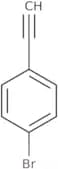

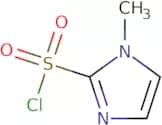
![5-Bromo-3-[2-(1-pyrrolidinyl)ethyl]-1H-indole](/_next/image/?url=https%3A%2Fstatic.cymitquimica.com%2Fproducts%2F3D%2Fthumb-webp%2FFB154288.webp&w=3840&q=75)
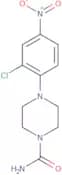
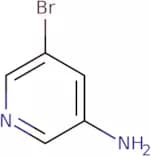

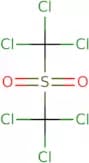
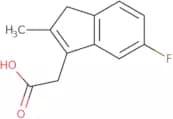

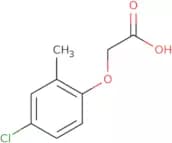
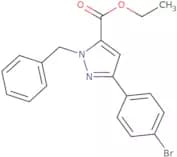
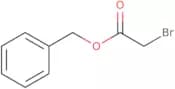

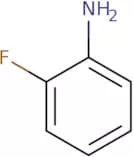
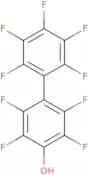
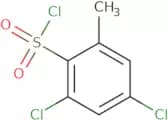
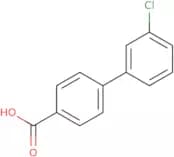
![Tetrakis[N-tetrachlorophthaloyl-(S)-tert-leucinato]dirhodium Bis(ethyl Acetate) Adduct](/_next/image/?url=https%3A%2Fstatic.cymitquimica.com%2Fproducts%2F3D%2Fthumb-webp%2FFT60020.webp&w=3840&q=75)
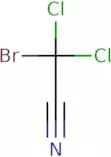

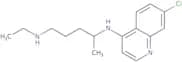

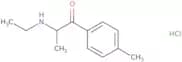
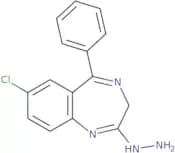

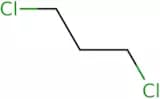
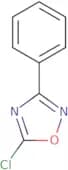


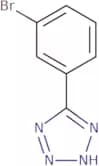
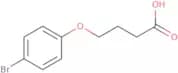
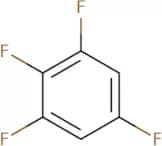
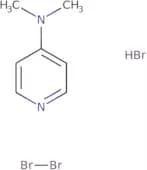

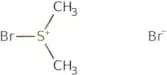

![7-Chlorothieno[3,2-B]Pyridine](/_next/image/?url=https%3A%2Fstatic.cymitquimica.com%2Fproducts%2F3D%2Fthumb-webp%2FFC53344.webp&w=3840&q=75)
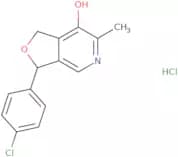
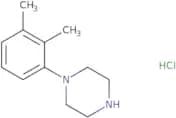
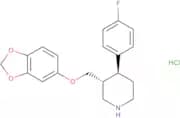
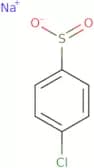
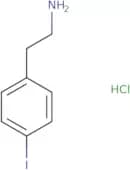

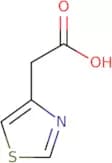
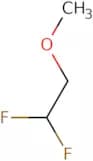
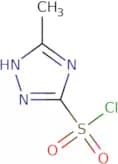
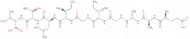
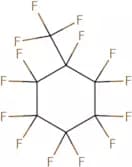
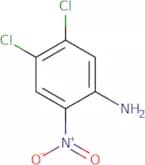
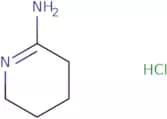
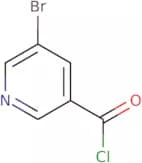
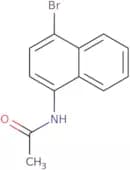

![1-(RS)-2-(Dibutylamino)-2-[2,7-dichloro-9-(4-chlorobenxylidene)]-9H-fluoren- 4-yl]ethanol - E/Z mi…](/_next/image/?url=https%3A%2Fstatic.cymitquimica.com%2Fproducts%2F3D%2Fthumb-webp%2FFD71423.webp&w=3840&q=75)
![1-Azaspiro[4.4]nonane hydrochloride](/_next/image/?url=https%3A%2Fstatic.cymitquimica.com%2Fproducts%2F3D%2Fthumb-webp%2FFA130012.webp&w=3840&q=75)
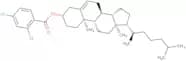
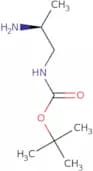
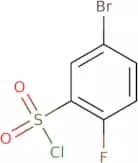
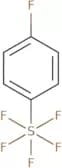
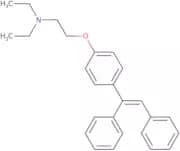


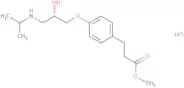


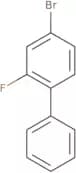
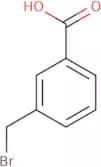
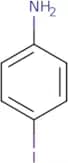
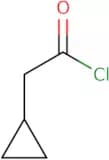
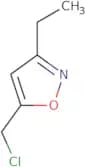
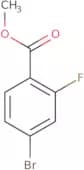
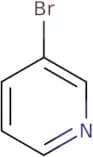
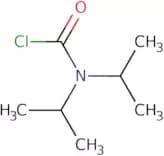
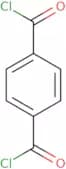
![4-[4-(3-Chlorophenyl)piperazin-1-yl]-4-oxobutanoic acid](/_next/image/?url=https%3A%2Fstatic.cymitquimica.com%2Fproducts%2F3D%2Fthumb-webp%2FFC124815.webp&w=3840&q=75)
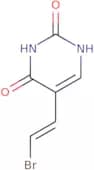

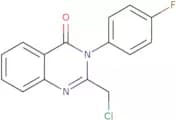
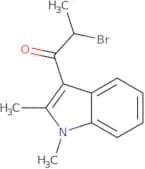
![2-Chloro-1-[4-(4-Fluorophenyl)-1-Piperazinyl]Ethanone](/_next/image/?url=https%3A%2Fstatic.cymitquimica.com%2Fproducts%2F3D%2Fthumb-webp%2FFC93551.webp&w=3840&q=75)
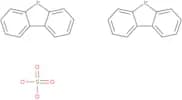
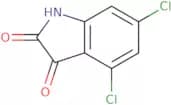


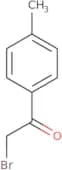
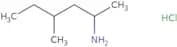
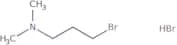
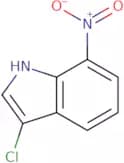
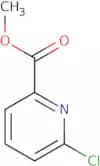
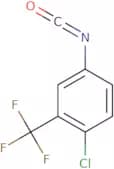
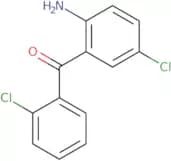
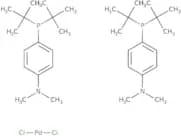
![[2-(1-Isobutyl-1H-benzimidazol-2-yl)ethyl]amine dihydrochloride](/_next/image/?url=https%3A%2Fstatic.cymitquimica.com%2Fproducts%2F3D%2Fthumb-webp%2FFI135795.webp&w=3840&q=75)
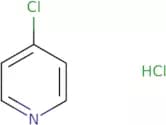
![4-(2-Chlorophenyl)-9-methyl-6H-thieno[3,2-f][1,2,4]triazolo[4,3-a][1,4]diazepine-2-propanoic acid](/_next/image/?url=https%3A%2Fstatic.cymitquimica.com%2Fproducts%2F3D%2Fthumb-webp%2FFC20336.webp&w=3840&q=75)
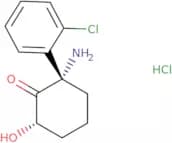
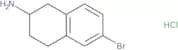
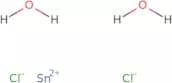
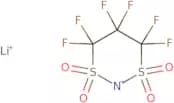

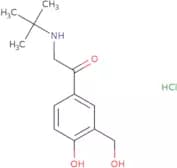
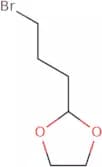
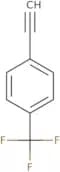
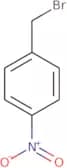
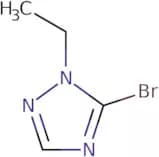
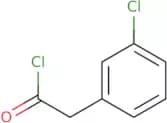
![N-[4-Amino-3-(trifluoromethyl)phenyl]-2-methylpropanamide](/_next/image/?url=https%3A%2Fstatic.cymitquimica.com%2Fproducts%2F3D%2Fthumb-webp%2FFA17485.webp&w=3840&q=75)

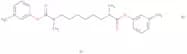
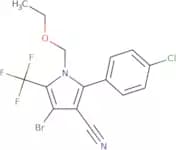

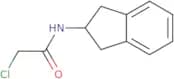
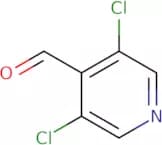
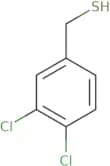
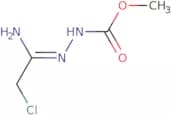
![3-[(Dimethylamino)methyl]benzoic acid hydrochloride](/_next/image/?url=https%3A%2Fstatic.cymitquimica.com%2Fproducts%2F3D%2Fthumb-webp%2FFD124093.webp&w=3840&q=75)

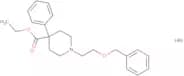
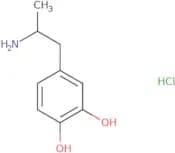
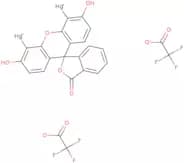
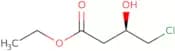
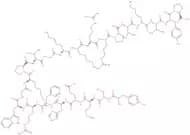


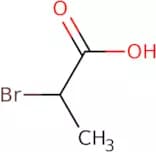

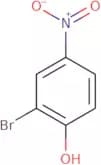
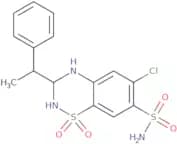
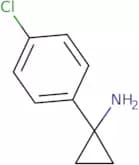
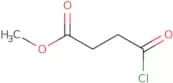
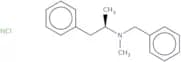
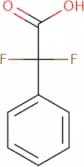
![[4-(2-Aminopropyl)phenyl]dimethylamine dihydrochloride](/_next/image/?url=https%3A%2Fstatic.cymitquimica.com%2Fproducts%2F3D%2Fthumb-webp%2FFA120226.webp&w=3840&q=75)
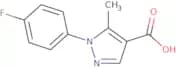
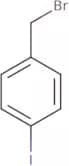

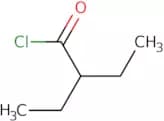
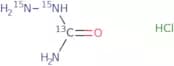
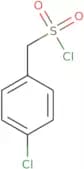
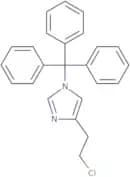

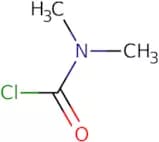
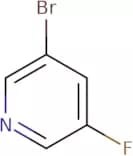
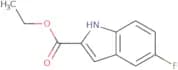

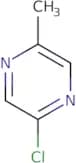
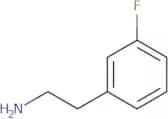
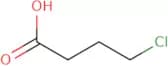
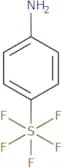
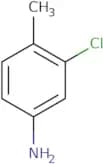
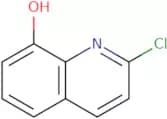
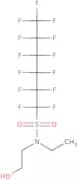
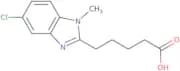

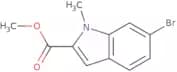
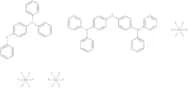

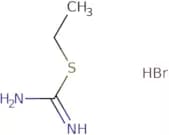

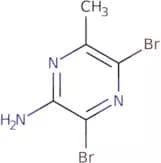
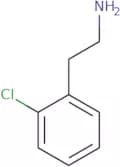
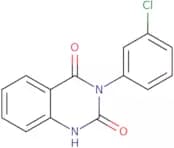

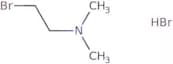

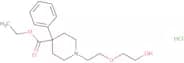

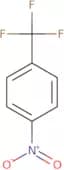
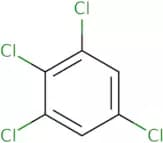

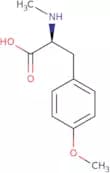

![3-[4-(2-Chlorophenyl)-9-methyl-6H-thieno[3,2-f][1,2,4]triazolo[4,3-a][1,4]diazepin-2-yl]-2-propyn-…](/_next/image/?url=https%3A%2Fstatic.cymitquimica.com%2Fproducts%2F3D%2Fthumb-webp%2FFC20335.webp&w=3840&q=75)
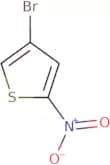
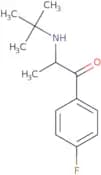
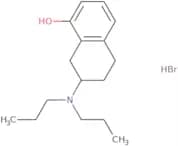
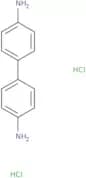
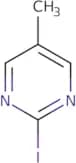
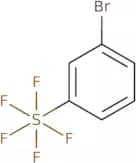
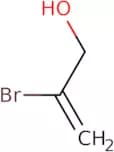
![[4-[2-(Diethylamino)ethoxy]-3-iodophenyl][2-(1-hydroxybutyl)-3-benzofuranyl]-methanone](/_next/image/?url=https%3A%2Fstatic.cymitquimica.com%2Fproducts%2F3D%2Fthumb-webp%2FFD150040.webp&w=3840&q=75)