Organic Halides
In this category, you can find organic molecules containing one or more halogen atoms in their structure. These organic halides include brominated, iodinated, chlorinated, and cyclic halide compounds. Organic halides are widely used in organic synthesis, pharmaceuticals, agrochemicals, and materials science due to their reactivity and ability to undergo a variety of chemical transformations. At CymitQuimica, we offer a comprehensive selection of high-quality organic halides to support your research and industrial applications, ensuring reliable and effective performance in your synthetic and analytical projects.
Subcategories of "Organic Halides"
Found 20440 products of "Organic Halides"
Sort by
Purity (%)
0
100
|
0
|
50
|
90
|
95
|
100
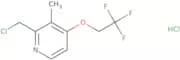
2-Chloromethyl-3-methyl-4-(2,2,2-trifluoroethoxy)pyridine, hydrochloride
CAS:<p>Please enquire for more information about 2-Chloromethyl-3-methyl-4-(2,2,2-trifluoroethoxy)pyridine, hydrochloride including the price, delivery time and more detailed product information at the technical inquiry form on this page</p>Formula:C9H10Cl2F3NOPurity:Min. 95%Molecular weight:276.08 g/mol[1,1'-Bis(diphenylphosphino)ferrocene]-dichloropalladium (II)
CAS:Controlled Product[1,1'-Bis(diphenylphosphino)ferrocene]-dichloropalladium (II) is a catalyst used in cross-coupling reactions. It has been shown to be an efficient catalyst for the synthesis of substituted benzene derivatives. The presence of substituents on the benzene ring influences its reactivity and selectivity with respect to other substrates. In addition, it can be used as a photochemical source of ferrocenium ions, which are useful intermediates in organic synthesis. This compound is also used to simulate the reaction mechanisms of thiophene and triazine compounds.Formula:C34H28Cl2FeP2PdPurity:Min. 95%Color and Shape:Red PowderMolecular weight:731.7 g/mol4-Fluorophenylboronic acid
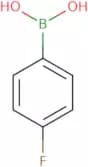
CAS:<p>4-Fluorophenylboronic acid is a boron compound that has been used in molecular modeling and functional assays. It has been shown to be a strong ligand for palladium complexes and can be used to synthesize metal complexes. 4-Fluorophenylboronic acid has also been shown to bind to the CB2 receptor with high affinity and selectivity, making it a potential drug for the treatment of pain. This compound can be synthesized by many different methods, but one of the most common is the synthesis from phenylacetic acid and boron trifluoride gas. The other methods include direct reaction with phenylboronic acid, or by heating anhydrous copper chloride in anhydrous hydrochloric acid with boric acid at high temperatures. Magnetic resonance spectroscopy (MRS) has also been used to study its properties. Canagliflozin is an example of a drug that contains this chemical group as</p>Formula:C6H6BFO2Purity:Min. 95%Color and Shape:White PowderMolecular weight:139.92 g/mol4-Iodo-2-methylanisole
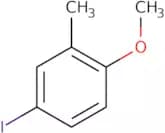
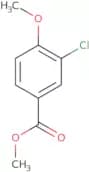
CAS:<p>4-Iodo-2-methylanisole (4IM) is a naphthalene that is regiospecifically eliminated after activation by nitrate in an acidic medium. The hydrochloride salt of 4IM, koenigicine, has been shown to produce estrogen levels in the female rat similar to those produced by 17β-estradiol. The synthesis of 4IM involves the nitration of 2-methylanisole followed by iodine oxidation. This reaction produces a mixture of mono-, di-, and tri-iodonapthalenes. The product obtained from this reaction is purified with column chromatography or recrystallization.<br>Theory predicts that 4IM will be oxidized to 4-iodo-2,6-dimethylanisole by terpene oxidants such as acetonitrile or ozone.</p>Formula:C8H9IOPurity:Min. 95%Color and Shape:PowderMolecular weight:248.06 g/mol3-Chloro-4-methoxybenzoic acid methyl ester
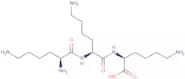
CAS:3-Chloro-4-methoxybenzoic acid methyl ester is a potent antiproliferative agent that inhibits the growth of cancer cells and bacteria. It is an amide, which has been synthesized by equilibration between two equivalents of 3-chlorobenzoic acid and methylamine. The copulatory proton profile for this compound has been determined using liquid chromatography with mass spectrometry detection (LCMS). This compound is also a weak inhibitor of tyrosine kinases, but is more potent as an inhibitor of protein kinase C. Sorafenib and dasatinib are examples of compounds that have been shown to be linked to this drug. 3-Chloro-4-methoxybenzoic acid methyl ester can induce the production of TNF-α in thp-1 cells at micromolar concentrations.Formula:C9H9ClO3Purity:Min. 95%Color and Shape:PowderMolecular weight:200.62 g/molPoly-L-lysine hydrobromide - M.W:1000-5000
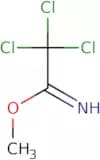
CAS:<p>Poly-L-lysine hydrobromide is a polymer that consists of repeating lysine monomers. It has a molecular weight range of 1000 to 5000 Daltons. Poly-L-lysine hydrobromide is used for intramolecular hydrogen bonding, which increases its resistance to thermal and kinetic energy. Poly-L-lysine hydrobromide is also used in the structural analysis of proteins, because it can be easily purified from human serum by dialysis. This polymer has been shown to be effective against carcinoma cell lines, amide bonds, terminal residues, and ester linkages. There is also evidence that poly-L-lysine hydrobromide may have anticancer properties in vitro and in vivo.<br>Poly-L-lysine hydrobromide has been shown to have antiangiogenic properties due to its ability to block the interaction between tumor cells and endothelial cells. This can lead to tumor regression and decreased metastasis</p>Formula:(C6H12N2O2)n•(HBr)xPurity:Min. 95%Color and Shape:White PowderMethyl 2,2,2-trichloroacetimidate
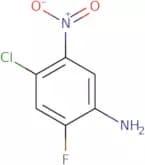
CAS:Methyl 2,2,2-trichloroacetimidate is a chemical compound that belongs to the group of compounds with an asymmetric carbon atom. It is a hydroxy derivative of methyl 2,2,2-trichloroacetate and has an inhibitory effect on thermal expansion. Methyl 2,2,2-trichloroacetimidate can be synthesized using a number of routes and has been shown to have antiviral potency against herpes simplex virus type 1 (HSV-1). The compound also inhibits the production of amines in animal models and inhibits the growth of k562 cells. The compound is used as an analytical reagent in analytical chemistry.Formula:C3H4Cl3NOPurity:Min. 90 Area-%Color and Shape:Clear LiquidMolecular weight:176.43 g/mol4-Chloro-2-fluoro-5-nitroaniline
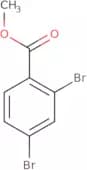
CAS:<p>4-Chloro-2-fluoro-5-nitroaniline is a fine chemical that is used as a reagent and speciality chemical in research, as well as a building block for the synthesis of complex compounds. 4-Chloro-2-fluoro-5-nitroaniline has been shown to be an excellent building block for the synthesis of versatile scaffolds, which can be used in the production of drugs with antibacterial properties. This product is also useful as a reaction component for the synthesis of high quality, complex compounds.</p>Formula:C6H4ClFN2O2Purity:Min. 95%Color and Shape:PowderMolecular weight:190.56 g/molMethyl 2,4-dibromobenzoate
CAS:<p>Methyl 2,4-dibromobenzoate is used as a coupling agent in organic chemistry. It is a reactive intermediate that can be used to carry out oxidative cyclizations. This compound is also an efficient catalyst for the amination of ketones and aryl bromides with palladium catalysis. Methyl 2,4-dibromobenzoate may also be used to achieve the oxidative cyclization of electron-deficient alkenes with palladium catalysts.</p>Formula:C8H6Br2O2Purity:Min. 95%Color and Shape:PowderMolecular weight:293.94 g/mol1,2-Dioleoyl-3-trimethylammonium-propane, chloride
CAS:1,2-Dioleoyl-3-trimethylammonium-propane, chloride (DOTAP) is a cationic lipid of the phospholipid class. DOTAP has been shown to stimulate the growth and differentiation of hematopoietic cells in vivo. DOTAP also enhances the metastatic potential of tumor cells by increasing their uptake and inhibiting apoptosis. It has been found to be active against skin cancer cells, which may be due to its ability to enhance antitumor response. DOTAP is used as a fluorescent probe for intracellular pH measurements in live cells and can be used as a carrier lipid for liposomal drug delivery systems. The major biological properties of DOTAP are its ability to form vesicles and its capacity for energy metabolism.Formula:C42H80ClNO4Purity:(¹H-Nmr) Min. 95 Area-%Color and Shape:PowderMolecular weight:698.54 g/mol4-Methyl-3-nitrobenzenesulfonyl chloride
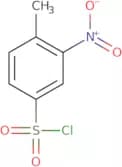
CAS:4-Methyl-3-nitrobenzenesulfonyl chloride (4MNBS) is a fungicide that inhibits the growth of fungi, such as Plasmodiophora brassicae, by inhibiting the enzyme dehydrogenase. 4MNBS has also been shown to inhibit mammalian pyridine nucleotide dehydrogenase and to have low toxicity in mammals. 4MNBS has been found to be an inhibitor of human cytochrome P450 isoforms CYP1A2, CYP2B6, and CYP3A4 with IC50 values ranging from 10 μM to 100 μM. 4MNBS was also shown to be a potent inhibitor of chloroplast dehydrogenases from cruciferous plants with IC50 values between 0.1 μM and 100 nM. This compound has low phytotoxicity and does not accumulate in the leaves of cruciferous plants at a concentration of 500 ppm or higher.Formula:C7H6ClNO4SPurity:Min. 95%Molecular weight:235.65 g/molN'-(2-Cyano-4-fluorophenyl)-N,N-dimethylimidoformamide
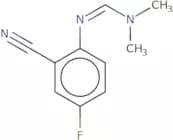
CAS:<p>N'-(2-Cyano-4-fluorophenyl)-N,N-dimethylimidoformamide is a high quality, reagent that is useful for the synthesis of complex compounds. It can be used as a fine chemical and speciality chemical in research and development. The CAS number for this compound is 1017082-62-0. N'-(2-Cyano-4-fluorophenyl)-N,N-dimethylimidoformamide has shown to be a versatile building block for the synthesis of novel compounds that are not commercially available. This product is suitable for use in reaction components as well as being an intermediate for the synthesis of other compounds.</p>Formula:C10H10FN3Purity:Min. 95%Color and Shape:PowderMolecular weight:191.21 g/molFuran-2-carboximidamide hydrochloride
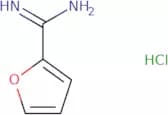
CAS:Please enquire for more information about Furan-2-carboximidamide hydrochloride including the price, delivery time and more detailed product information at the technical inquiry form on this pageFormula:C5H6N2O•HClPurity:Min. 95%Molecular weight:146.57 g/mol4-(Bromomethyl)biphenyl
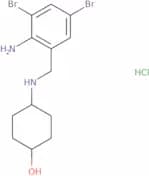
CAS:<p>4-(Bromomethyl)biphenyl is a biphenyl with a linear response to light. It has been shown to have high activity in hydrocarbon solvents, and can be used as a transfer agent. The reaction mechanism of 4-(Bromomethyl)biphenyl involves an alkoxycarbonyl group that reacts with an electron-deficient aromatic ring and the bromide ion (Br-) to produce the final product. The nmr spectra of this compound show the presence of hydrophilic compounds. 4-(Bromomethyl)biphenyl can be detected by liquid chromatography.</p>Formula:C13H11BrPurity:Min. 95%Color and Shape:PowderMolecular weight:247.13 g/molAmbroxol hydrochloride
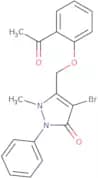
CAS:<p>Antioxidant; secretolytic; anti-inflammatory; sodium channel blocker</p>Formula:C13H18Br2N2O•HClPurity:Min. 98 Area-%Color and Shape:White PowderMolecular weight:414.56 g/mol3-((2-acetylphenoxy)methyl)-4-bromo-2-methyl-1-phenyl-3-pyrazolin-5-one
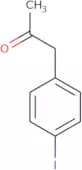
CAS:<p>Please enquire for more information about 3-((2-acetylphenoxy)methyl)-4-bromo-2-methyl-1-phenyl-3-pyrazolin-5-one including the price, delivery time and more detailed product information at the technical inquiry form on this page</p>Formula:C19H17BrN2O3Purity:Min. 95%Color and Shape:PowderMolecular weight:401.25 g/mol(4-Iodophenyl)acetone
CAS:Controlled Product<p>4-Iodophenylacetone is a chemical compound that is used as a radioactive label in animal and human studies. 4-Iodophenylacetone has been shown to be taken up by the nervous system, specifically the brain, when injected into animals. This uptake is constant with time and dose, indicating that it may be used as a radiopharmaceutical for imaging of the brain. 4-Iodophenylacetone has also been shown to have characteristics similar to those of acetate extraction (i.e., lipid solubility) and can be used for the analysis of tissue samples in liquid chromatography. The use of 4-iodophenylacetone as a labeling agent may provide information about the uptake of this compound in humans and its effects on blood pressure.</p>Formula:C9H9IOPurity:Min. 95%Color and Shape:Clear LiquidMolecular weight:260.07 g/mol3-(3-Piperidinopropoxy)-1-[3-(Trifluoromethyl)Phenyl]-1H-Indazole
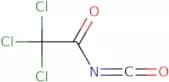
CAS:Controlled Product3-(3-Piperidinopropoxy)-1-[3-(Trifluoromethyl)Phenyl]-1H-Indazole is a compound that functions as an actuator. It can be used to implement force, such as controlling a change in the position of a control or actuation, and it can also be used to shift control. 3-(3-Piperidinopropoxy)-1-[3-(Trifluoromethyl)Phenyl]-1H-Indazole is an actuation method that can be controlled by implementing force.Formula:C22H24F3N3OPurity:Min. 95%Molecular weight:403.44 g/mol2,2,2,-Trichloroacetyl isocyanate
CAS:<p>2,2,2-Trichloroacetyl isocyanate is a fluorescent derivative of acetone that can be used to probe the biochemical properties of cells. This compound has been shown to react with methanol in solution and form hydrogen bonds. The reaction mechanism of 2,2,2-trichloroacetyl isocyanate with methyl glycosides was studied using an LC-MS/MS method. The hydroxyl group on the 2 position reacts with the ester linkages on the 3 position to form a new carbon-carbon bond in the product. 2,2,2-Trichloroacetyl isocyanate has been shown to be effective against pandemic influenza viruses and Mycobacterium tuberculosis. Pharmacokinetic studies have been conducted in rats and dogs for different doses of 2,2,2-trichloroacetyl isocyanate over a 24 hour period.</p>Formula:C3Cl3NO2Purity:Min. 95%Color and Shape:PowderMolecular weight:188.4 g/molButyrylcholine chloride
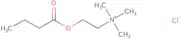
CAS:<p>Butyrylcholine chloride is a choline esterase inhibitor that binds to acetylcholine receptors, preventing the release of acetylcholine. This prevents the transmission of nerve impulses, which leads to an inhibition of brain functions. Butyrylcholine chloride has been shown to have inhibitory properties against signal peptide and target enzymes such as esterases and phospholipases. Butyrylcholine chloride also has a fluorescent probe that can be used for biological samples, such as enzyme activity in rat brain tissue. It is also used as pharmacological agents for treatment of Alzheimer's disease, myasthenia gravis, and other diseases involving cholinergic dysfunction.</p>Formula:C9H20ClNO2Purity:Min. 95%Color and Shape:Off-White PowderMolecular weight:209.71 g/mol1,1,3,3,4,4,4a,5,5,6,6,7,7,8,8,8a-Hexadecafluoro-2-(trifluoromethyl)decahydroisoquinoline
CAS:Controlled Product1,1,3,3,4,4,4a,5,5,6,6,7,7,8,8,8a-Hexadecafluoro-2-(trifluoromethyl)decahydroisoquinoline is an organic solvent that has a very low boiling point and high volatility. It can be used in dry powder inhalers or as a component of hydrogel compositions for oxygen delivery to the lungs. The uptake of 1HF-2TFI into human colon carcinoma cells was found to be significantly higher than uptake by mammary carcinomas. This may be due to the difference in cell types and/or the phosphate group on the molecule. The binding constants of this molecule are also higher than those of other organic solvents such as acetone and ethanol. The results from a questionnaire study also indicated that 1HF-2TFI can be used for perfusion with oxygenated gas mixtures forFormula:C10F19NPurity:Min. 95%Molecular weight:495.08 g/mol2-Fluoro-6-methoxybenzaldehyde
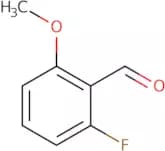
CAS:<p>2-Fluoro-6-methoxybenzaldehyde is a quinone that is used as an intermediate in the synthesis of other organic compounds. It has been shown to be a competitive inhibitor of malonate-induced fibrillation in heart muscle and also slows the reaction time. The pharmacokinetic properties of 2-fluoro-6-methoxybenzaldehyde have been evaluated in dogs, rats, and rabbits. In all three species, 2-fluoro-6-methoxybenzaldehyde showed no significant accumulation in any tissue after intravenous injection and was rapidly excreted unchanged in urine. 2-Fluoro-6-methoxybenzaldehyde may have some potential as an antihypertensive agent due to its ability to reduce blood pressure in rabbits.</p>Formula:C8H7FO2Purity:Min. 95%Color and Shape:PowderMolecular weight:154.14 g/mol(2-Chlorophenyl)-N-[4-(trifluoromethyl)phenyl]carboxamide
CAS:<p>This is a high quality reagent, complex compound, useful intermediate, and fine chemical. It is also a useful scaffold and can be used as a reaction component in the synthesis of speciality chemicals. The CAS number for this compound is 3873-79-8. <br>[[Category:Chemical Compounds]]</p>Formula:C14H9ClF3NOPurity:Min. 95%Molecular weight:299.68 g/mol3-Bromo-4-hydroxybenzonitrile
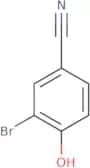
CAS:3-Bromo-4-hydroxybenzonitrile is an acidic compound with a basic structure. It has been shown to inhibit the activity of thrombin, which is an enzyme that plays a key role in blood clotting. 3-Bromo-4-hydroxybenzonitrile also inhibits bacterial growth by binding to DNA and interfering with transcription. This compound can be synthesized from bromine and nitrite under acidic conditions or from chlorobenzene and hydroxylamine under basic conditions. 3-Bromo-4-hydroxybenzonitrile can be phototransformed into the corresponding phenol by UV irradiation, which may have potential health effects on humans and animals if it is absorbed through the skin or if ingested. The coating industry uses this compound to produce coatings for metal surfaces that are resistant to corrosion, because it prevents oxidation of metal surfaces.Formula:C7H4BrNOPurity:Min. 95%Color and Shape:PowderMolecular weight:198.02 g/mol2-Chloroquinoline-8-carboxylic acid
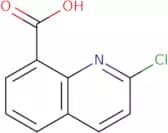
CAS:<p>2-Chloroquinoline-8-carboxylic acid is a fine chemical that is useful as a scaffold for the synthesis of other compounds. It is a versatile building block and can be used in the production of the drug chloroquine. 2-Chloroquinoline-8-carboxylic acid has been used as an intermediate in research chemicals, reaction components in speciality chemical and complex compound. This compound has high quality and can be used as a reagent.</p>Formula:C10H6ClNO2Purity:Min. 95 Area-%Color and Shape:White Off-White PowderMolecular weight:207.61 g/mol3-(4-chlorophenyl)spiro[1,3-thiazolidine-2,3'-indoline]-4,7-dione
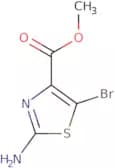
CAS:<p>Please enquire for more information about 3-(4-chlorophenyl)spiro[1,3-thiazolidine-2,3'-indoline]-4,7-dione including the price, delivery time and more detailed product information at the technical inquiry form on this page</p>Formula:C16H11ClN2O2SPurity:Min. 95%Color and Shape:PowderMolecular weight:330.79 g/mol2-Amino-5-bromothiazole-4-carboxylic acid methyl ester
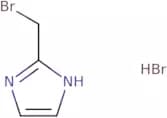
CAS:2-Amino-5-bromothiazole-4-carboxylic acid methyl ester is a reagent that can be used as a building block for the synthesis of complex compounds. It is also an intermediate in the synthesis of other chemical compounds with therapeutic potential. 2-Amino-5-bromothiazole-4-carboxylic acid methyl ester is a fine chemical, which is useful for research purposes. The CAS number for this product is 850429-60-6.Formula:C5H5BrN2O2SPurity:Min. 95%Color and Shape:PowderMolecular weight:237.08 g/mol2-(Bromomethyl)-1h-imidazole hydrobromide
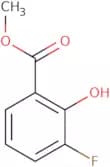
CAS:Please enquire for more information about 2-(Bromomethyl)-1h-imidazole hydrobromide including the price, delivery time and more detailed product information at the technical inquiry form on this pageFormula:C4H6Br2N2Purity:Min. 95%Color and Shape:PowderMolecular weight:241.91 g/mol3-Fluoro-2-hydroxybenzoic acid methyl ester
CAS:<p>3-Fluoro-2-hydroxybenzoic acid methyl ester (3-FHBA) is a high quality chemical compound that is used as an intermediate to produce other compounds. It has been shown to be a useful scaffold for the synthesis of complex compounds with various functional groups. 3-FHBA is also a reagent in the production of fine chemicals, research chemicals, and speciality chemicals. This compound has many uses, including being a versatile building block for reactions in organic synthesis and being a reaction component in the production of many types of products.</p>Formula:C8H7FO3Purity:Min. 95%Color and Shape:White PowderMolecular weight:170.14 g/molSodium 2-[[3-(trifluoromethyl)phenyl]amino]benzoate
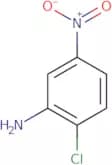
CAS:<p>Sodium 2-[[3-(trifluoromethyl)phenyl]amino]benzoate (TFPB) is a synthetic substrate that has been used in the synthesis of microcapsules. TFPB is soluble in water, which allows it to be administered orally and provides a non-toxic environment for the release of protein drugs. TFPB is also able to bind with receptors on polymorphonuclear leucocytes and can be used as an adjuvant therapy in women.</p>Formula:C14H9F3NNaO2Purity:Min. 95%Color and Shape:PowderMolecular weight:303.21 g/mol2-Chloro-5-nitroaniline
CAS:<p>2-Chloro-5-nitroaniline (2C5N) is a drug substance that belongs to the group of amines. It is an intermediate that is used in the synthesis of caffeine and other amines. 2C5N has been shown to have genotoxic impurities, which may be due to its reaction with hydrochloric acid and acylation. 2C5N has also been shown to be soluble in water, but not chloroform or ethers.</p>Formula:C6H5ClN2O2Purity:Min. 95%Color and Shape:PowderMolecular weight:172.57 g/molPoly(vinyl chloride)
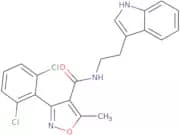
CAS:Polyvinyl chloride (PVC) is a polymer consisting of vinyl and chlorine. It is widely used in the manufacture of plastics, especially for pipes, cables, and wall coverings. PVC has been found to have genotoxic effects, which may be due to its ability to cause DNA strand breaks. Polyvinyl chloride has also been shown to be toxic to the liver and can cause liver lesions in rats. The toxicity of polyvinyl chloride is increased when it reacts with other chemicals such as methyl ethyl ketone (MEK) or diphenyl ether.Formula:(C2H3Cl)nPurity:Min. 95%Color and Shape:PowderMolecular weight:62.50 g/mol(3-(2,6-dichlorophenyl)-5-methylisoxazol-4-yl)-N-(2-indol-3-ylethyl)formamide
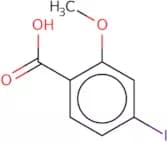
CAS:Please enquire for more information about (3-(2,6-dichlorophenyl)-5-methylisoxazol-4-yl)-N-(2-indol-3-ylethyl)formamide including the price, delivery time and more detailed product information at the technical inquiry form on this pagePurity:Min. 95%4-Iodo-2-methoxybenzoic acid
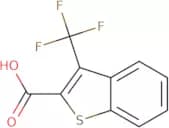
CAS:<p>4-Iodo-2-methoxybenzoic acid is an organic compound that contains a carbonyl group and a copper chelate. It has been shown to be stable in the presence of mercapto, chloroform, and palladium. The chemical structures of 4-iodo-2-methoxybenzoic acid are different from those of other compounds because it contains a chelate ring. Experiments have shown that extracts containing 4-iodo-2-methoxybenzoic acid are more extractable than those without it. This is due to the chelate ring which can act as an ion exchange group, allowing for the extraction of charged ions from the solution.</p>Formula:C8H7IO3Purity:Min. 95%Color and Shape:PowderMolecular weight:278.04 g/mol3-(Trifluoromethyl)-1-benzothiophene-2-carboxylic acid
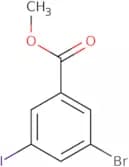
CAS:3-(Trifluoromethyl)-1-benzothiophene-2-carboxylic acid is a versatile building block that can be used as a reagent, speciality chemical, and useful scaffold in research. This compound has been used to synthesize the drug called Raxibacumab, which is an antibody fragment. 3-(Trifluoromethyl)-1-benzothiophene-2-carboxylic acid can be used as a reaction component or intermediate to produce drugs such as Cefotaxime, Penicillin G, and Ampicillin.Formula:C10H5F3O2SPurity:Min. 95%Molecular weight:246.21 g/mol3-Bromo-5-iodobenzoic acid methyl ester
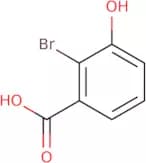
CAS:3-Bromo-5-iodobenzoic acid methyl ester is a reactive, insensitive and phosphine-sensitive chemical that can be used as a probe for the detection of azides and anions. This compound has been shown to be damaging to DNA and peptidic bonds in proteins. 3-Bromo-5-iodobenzoic acid methyl ester reacts with anions such as chloride, bromide, iodide, fluoride, nitrate, and thiocyanate. It also reacts with azides such as sodium azide. The reactivity of 3-bromo-5-iodobenzoic acid methyl ester towards halides and polysulfides is not yet known.Formula:C8H6BrIO2Purity:Min. 95%Color and Shape:PowderMolecular weight:340.94 g/mol2-Bromo-3-hydroxybenzoic acid
CAS:<p>2-Bromo-3-hydroxybenzoic acid is an inhibitor of HIV protease that has potent antiviral activity. It inhibits the enzyme responsible for the cleavage of the gag and pol polyproteins in HIV, preventing the formation of new virus particles. 2-Bromo-3-hydroxybenzoic acid is orally bioavailable and can be used as a prodrug for other benzamides or urethanes with antiviral potency. This drug is a cyclic inhibitor that binds to the hydrophobic pocket on the surface of HIV protease and prevents it from functioning as an enzyme.</p>Formula:C7H5BrO2Purity:Min. 95%Color and Shape:PowderMolecular weight:201.02 g/mol3-(4'-Bromo[1,1'-biphenyl]-4-yl)-1,2,3,4-tetrahydro-1-naphthalenol
CAS:3-(4'-Bromo[1,1'-biphenyl]-4-yl)-1,2,3,4-tetrahydro-1-naphthalenol is a chemical compound that belongs to the group of bromonaphthalenes. It has been used as a reaction component in organic synthesis and as a reagent for detection of DNA binding. 3-(4'-Bromo[1,1'-biphenyl]-4-yl)-1,2,3,4-tetrahydro-1-naphthalenol can be used as a building block for complex compounds with speciality applications. The compound is an intermediate in the production of pharmaceuticals such as selective estrogen receptor modulators.Formula:C22H19BrOPurity:Min. 95%Color and Shape:PowderMolecular weight:379.29 g/mol3-Fluoro-5-methoxybenzonitrile
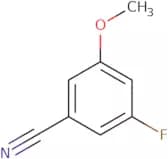
CAS:<p>3-Fluoro-5-methoxybenzonitrile is a useful chemical intermediate that can be used in organic synthesis. It is a versatile building block with a high quality and it is easy to use in the synthesis of complex compounds. 3-Fluoro-5-methoxybenzonitrile has been shown to react as a nucleophile, and it has been used as a reagent for the production of other compounds. This compound also has potential applications in research, such as being an intermediate for the production of pharmaceuticals and agrochemicals. 3-Fluoro-5-methoxybenzonitrile is not classified as hazardous and does not pose any significant risk to human health or the environment.</p>Formula:C8H6FNOPurity:Min. 95%Color and Shape:PowderMolecular weight:151.14 g/molTris(pentafluorophenyl)borane
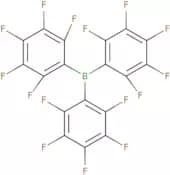
CAS:Tris(pentafluorophenyl)borane is a cationic polymerization agent that can be used to form stable complexes with amines. These complexes are useful for the synthesis of polymers, which are used in a variety of applications such as coatings and adhesives. Tris(pentafluorophenyl)borane is also an important reagent in transfer reactions, electrochemical impedance spectroscopy, kinetic studies, and chemical stability. It has been shown to react with intramolecular hydrogen atoms to form polymeric matrixes that have high kinetic energy and transport properties. In coordination geometry, tris(pentafluorophenyl)borane has a planar geometry with a triangular arrangement around the boron atom.Formula:C18BF15Purity:Min. 95%Color and Shape:PowderMolecular weight:511.98 g/mol6-Bromo-4-fluoro-2-methyl-1-propan-2-ylbenzimidazole
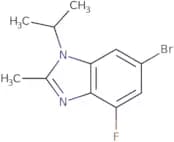
CAS:<p>6-Bromo-4-fluoro-2-methyl-1-propan-2-ylbenzimidazole is an environmental pollutant that can be found in deionized water, as a result of the reaction between hydrochloric acid and benzene. It has been synthesized using the industrial synthesis method by reacting n-hexane with sodium sulfate, followed by treatment with acetone and hydriodic acid. 6BFMBI is a white solid that reacts with hydrogen to produce acetone and formaldehyde. The reaction time for this compound is about three hours at room temperature.</p>Formula:C11H12BrFN2Purity:Min. 95%Color and Shape:PowderMolecular weight:271.13 g/mol4-Fluororesorcinol
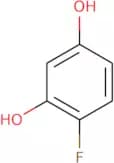
CAS:<p>4-Fluororesorcinol is a sulfonation agent that is used to synthesize sulfones and sulfonamides. It has been shown to have anticancer activity in vitro, but its use in vivo has been limited by its high toxicity. 4-Fluororesorcinol has also been shown to inhibit the functional groups of tyrosinase, an enzyme that helps produce melanin. The oxidation products of 4-fluororesorcinol are less toxic and more photostable than the parent compound. This compound inhibits the production of melanin by tyrosinase, which may lead to potential skin care applications.</p>Formula:C6H5FO2Purity:(%) Min. 98%Color and Shape:White PowderMolecular weight:128.1 g/molChlorphenesin
CAS:Chlorphenesin is a preservative that is used as an analytical agent in vivo to determine chemical stability and to maintain the pH of a solution. It has been shown to be stable in human serum at a concentration of 0.1% (w/v). Chlorphenesin is also a carbamate, which reacts with acidic compounds, such as benzalkonium chloride, to form chlorhexidine. In vitro assays have shown that chlorphenesin inhibits the enzyme acetylcholinesterase, which breaks down acetylcholine. This effect may be due to its ability to bind with serine hydroxyl groups on the protein. Chlorphenesin also has been shown to inhibit the activity of isoxsuprine hydrochloride, an inhibitor of cyclooxygenase-2 (COX-2), through competitive inhibition.Formula:C9H11ClO3Purity:Min. 98 Area-%Color and Shape:PowderMolecular weight:202.63 g/mol6-Chloro-2-nitrotoluene
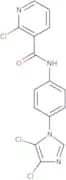
CAS:6-Chloro-2-nitrotoluene is a synthetic organic compound that has been identified in environmental samples as a reaction product of chlorine and organic compounds. It has been shown to induce root formation in plants, which is related to its ability to inhibit the formation of chlorinated hydrocarbons. 6-Chloro-2-nitrotoluene can be produced by reacting nitrogen atoms with zirconium at high temperatures and low pressures, requiring an activation energy of 50 kcal/mol.Formula:C7H6ClNO2Purity:Min. 95%Molecular weight:171.58 g/molN-(4-(4,5-dichloroimidazolyl)phenyl)(2-chloro(3-pyridyl))formamide
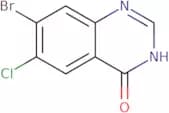
CAS:Please enquire for more information about N-(4-(4,5-dichloroimidazolyl)phenyl)(2-chloro(3-pyridyl))formamide including the price, delivery time and more detailed product information at the technical inquiry form on this pagePurity:Min. 95%7-Bromo-6-chloro-4(1H)-quinazolinone
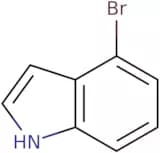
CAS:<p>7-Bromo-6-chloro-4(1H)-quinazolinone is a synthetic compound that is used as an intermediate in the synthesis of ethylene diamine. This substance has been shown to exhibit cytotoxicity against bladder cancer cells and tenella, as well as antiproliferative effects on human epidermal growth factor receptor (EGFR) and epidermal growth factor (EGF). 7-Bromo-6-chloro-4(1H)-quinazolinone can be synthesized in an efficient manner using butanol as a solvent. The compound has been found to exhibit cytotoxicity against tumor cells in the intestine.</p>Formula:C8H4BrClN2OPurity:Min. 95%Color and Shape:White To Yellow SolidMolecular weight:259.49 g/mol4-Bromoindole
CAS:<p>4-Bromoindole is a model compound that serves as a building block for the synthesis of pharmaceutically important compounds. 4-Bromoindole has been shown to have high catalytic rates for the oxidative coupling of zirconium oxide. This compound can also be used in asymmetric synthesis because it is able to form both R and S enantiomers in moderate yield. The reaction mechanism is thought to involve a nucleophilic attack by bromide on the carbonyl group, followed by elimination of hydrogen bromide from this intermediate. 4-Bromoindole can be synthesized in three ways: (1) via an oxidative coupling reaction with ZrOCl2 and H2O2; (2) via an oxidative coupling reaction with ZrOCl2 and HBr; or (3) by reacting 4-bromoaniline with CuSO4 and Mn(NO3)2.</p>Formula:C8H6BrNPurity:Min. 95%Color and Shape:Brown Yellow Clear LiquidMolecular weight:196.04 g/molMethyl 4-(2-nitro-4-(trifluoromethyl)phenoxy)benzoate
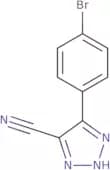
CAS:Please enquire for more information about Methyl 4-(2-nitro-4-(trifluoromethyl)phenoxy)benzoate including the price, delivery time and more detailed product information at the technical inquiry form on this pageFormula:C15H10F3NO5Purity:Min. 95%Color and Shape:PowderMolecular weight:341.24 g/mol4-(4-Bromophenyl)-1H-1,2,3-triazole-5-carbonitrile
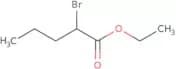
CAS:4-(4-Bromophenyl)-1H-1,2,3-triazole-5-carbonitrile (1) is an organic compound with a molecular formula of C8H6BrN3 and a molar mass of 218.9 g/mol. It has been shown to be a useful scaffold for the synthesis of complex compounds with interesting biological properties, such as antibiotic activity, antiviral activity and cytotoxicity. This compound can be used as a building block in the synthesis of other chemical compounds or as an intermediate in pharmaceutical research. 1 is also used as a reagent in organic synthesis and as a reactant for the production of fine chemicals.Formula:C9H5BrN4Purity:Min. 97 Area-%Color and Shape:PowderMolecular weight:249.07 g/molDL-Ethyl 2-bromovalerate
CAS:<p>DL-Ethyl 2-bromovalerate is a fatty acid that inhibits the activity of enzymes involved in fatty acid synthesis. DL-Ethyl 2-bromovalerate has been shown to have anti-inflammatory properties, which may be due to its ability to inhibit prostaglandin synthesis. It also has been found to inhibit the growth of microorganisms such as HIV and Mycobacterium tuberculosis. DL-Ethyl 2-bromovalerate has been used in the treatment of inflammatory bowel disease, as well as congestive heart failure and cardiovascular diseases. This drug also has a pharmacokinetic effect on human population growth, because it can inhibit cell proliferation.</p>Formula:C7H13BrO2Purity:Min. 95%Color and Shape:Clear LiquidMolecular weight:209.08 g/mol

![[1,1'-Bis(diphenylphosphino)ferrocene]-dichloropalladium (II)](/_next/image/?url=https%3A%2Fstatic.cymitquimica.com%2Fproducts%2F3D%2Fthumb-webp%2FFB13964.webp&w=3840&q=75)


![3-(3-Piperidinopropoxy)-1-[3-(Trifluoromethyl)Phenyl]-1H-Indazole](/_next/image/?url=https%3A%2Fstatic.cymitquimica.com%2Fproducts%2F3D%2Fthumb-webp%2FFP97740.webp&w=3840&q=75)

![(2-Chlorophenyl)-N-[4-(trifluoromethyl)phenyl]carboxamide](/_next/image/?url=https%3A%2Fstatic.cymitquimica.com%2Fproducts%2F3D%2Fthumb-webp%2FFC145671.webp&w=3840&q=75)
![3-(4-chlorophenyl)spiro[1,3-thiazolidine-2,3'-indoline]-4,7-dione](/_next/image/?url=https%3A%2Fstatic.cymitquimica.com%2Fproducts%2F3D%2Fthumb-webp%2FFC169673.webp&w=3840&q=75)
![Sodium 2-[[3-(trifluoromethyl)phenyl]amino]benzoate](/_next/image/?url=https%3A%2Fstatic.cymitquimica.com%2Fproducts%2F3D%2Fthumb-webp%2FFS92420.webp&w=3840&q=75)
![3-(4'-Bromo[1,1'-biphenyl]-4-yl)-1,2,3,4-tetrahydro-1-naphthalenol](/_next/image/?url=https%3A%2Fstatic.cymitquimica.com%2Fproducts%2F3D%2Fthumb-webp%2FFB164965.webp&w=3840&q=75)