Organic Halides
Subcategories of "Organic Halides"
Found 20443 products of "Organic Halides"
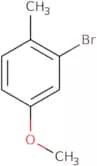
3-Bromo-4-methylanisole
CAS:3-Bromo-4-methylanisole is a natural product that has been shown to selectively activate the transcription factor, proliferator activated receptor γ (PPARγ), which plays a central role in cell differentiation and lipid metabolism. 3-Bromo-4-methylanisole is a competitive inhibitor of the catalytic site of PPARγ and also inhibits the activity of other transcriptional factors. This compound has been shown to stimulate the production of peroxisomes, which are organelles involved in lipid metabolism. 3-Bromo-4-methylanisole can be synthesized from toluene by a two step process involving electrolysis followed by chlorination. It can also be prepared from magnolol, a natural product isolated from Magnolia officinalis, by oxidation with potassium dichromate and sodium bisulfite.
Formula:C8H9BrOPurity:Min. 95%Color and Shape:PowderMolecular weight:201.06 g/mol2-(Methylsulfonyl)-4-(trifluoromethyl)benzoic acid
CAS:2-(Methylsulfonyl)-4-(trifluoromethyl)benzoic acid (MTBA) is a synthetic chemical that is used as a reagent for the alkaline hydrolysis of sulfides. It is also used in analytical chemistry to monitor the presence of sulfide in environmental samples. MTBA has been shown to be metabolized by the body into benzonitrile, which is an active metabolite. MTBA has not been shown to have any effects on humans and it does not appear to be toxic at low doses.Formula:C9H7O4SF3Purity:Min. 95%Color and Shape:PowderMolecular weight:268.21 g/mol5-Bromo-2-fluorobenzaldehyde
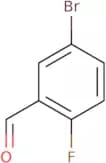
CAS:Intermediate in the synthesis of ipragliflozin
Formula:C7H4BrFOPurity:Min. 95%Color and Shape:PowderMolecular weight:203.01 g/mol4-[(4-Chlorobenzyl)oxy]benzoic acid
CAS:4-[(4-Chlorobenzyl)oxy]benzoic acid is a methyl ester of 4-chlorobenzoic acid, which is an organic compound. It is a herbicide that has been shown to be effective against weeds in rice fields. The herbicidal activity of 4-[(4-Chlorobenzyl)oxy]benzoic acid may be due to the inhibition of the plant enzyme dehydrohalogenating, which plays an important role in the synthesis of chlorophyll and other pigments. The herbicidal properties are also likely due to its ability to inhibit the enzyme carbonate, which is involved in the biosynthesis of fatty acids and sterols.
Formula:C14H11ClO3Purity:Min. 95%Color and Shape:PowderMolecular weight:262.69 g/mol2,6-Difluoro-3-nitrobenzonitrile
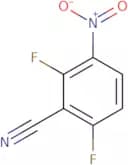
CAS:2,6-Difluoro-3-nitrobenzonitrile is an aliphatic compound that inhibits the activity of monoamines by binding to the endogenously produced 2,6-difluoro-3-nitrobenzonitrile (DNFB). DNFB is a nitrosamine that has been shown to be a potent inhibitor of muscle contraction. This inhibition occurs at high concentrations and has been found in muscle cells. It has also been shown to inhibit the production of nitric oxide from monoxide or homologous nitrates, which may lead to atherosclerosis. 2,6-Difluoro-3-nitrobenzonitrile is also an amine and exhibits structural similarities with other members of this family.Formula:C7H2F2N2O2Purity:Min. 95%Color and Shape:PowderMolecular weight:184.1 g/mol4,4'-Dichlorobiphenyl
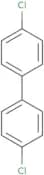
CAS:Controlled Product4,4'-Dichlorobiphenyl is a biphenyl derivative that is used in the production of polyurethane and elastomers. It has been shown to be toxic to animals such as rats, with a low elimination rate. 4,4'-Dichlorobiphenyl has the potential to cause adverse effects on the environment through its photolytic transformation into biphenyl-4-ol and through its toxicity to plants. This compound is classified as a carcinogen and is mutagenic in bacteria. 4,4'-Dichlorobiphenyl does not biodegrade in water or soil because it does not undergo direct photolysis or microbial degradation.Formula:C12H8Cl2Purity:Min. 95%Color and Shape:PowderMolecular weight:223.1 g/moltert-Butyl 3-bromo-1H-indole-1-carboxylate
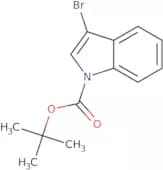
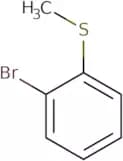
CAS:Tert-Butyl 3-bromo-1H-indole-1-carboxylate is a versatile building block that can be used in the synthesis of complex compounds. It is a useful reagent and speciality chemical, as well as a useful intermediate in the production of research chemicals. Tert-Butyl 3-bromo-1H-indole-1-carboxylate has been found to be a useful scaffold for drug design and development, with potential applications in cancer treatment.Formula:C13H14BrNO2Purity:Min. 95%Color and Shape:White To Off-White SolidMolecular weight:296.16 g/mol2-Bromothioanisole
CAS:2-Bromothioanisole is an enolate that is derived from the reaction of thioanisoles with a variety of solvents. This compound has been shown to have inhibitory activities against sulfoxide formation by immobilized enzymes and molecular modeling studies. 2-Bromothioanisole can be used as a substrate molecule for preparation of sulfoxide compounds using high performance liquid chromatography (HPLC). The sulfoxides formed from this compound are found to inhibit the enzyme activity in the trichloroacetic acid, trifluoroacetic acid, and sulfonic acid.
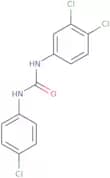
Formula:C7H7BrSPurity:Min. 95%Molecular weight:203.1 g/mol3,4,4'-Trichlorocarbanilide
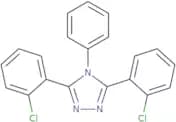
CAS:3,4,4'-Trichlorocarbanilide is a chemical compound that is used as a model system for benzalkonium chloride. It has been shown to have a high affinity for the blood sampling matrix and can be used to study the interaction of benzalkonium chloride with biological samples. 3,4,4'-Trichlorocarbanilide has also been shown to have receptor activity and inhibitory effect on the multidrug efflux pump in gram-positive bacteria. This chemical is often used in conjunction with triclosan or p-hydroxybenzoic acid to maintain the effectiveness of antimicrobial agents.Formula:C13H9Cl3N2OPurity:Min. 98.00%Color and Shape:White Clear LiquidMolecular weight:315.58 g/mol2,5-(2-Chlorophenyl)-phenyl-1,3,4-triazole
CAS:2,5-(2-Chlorophenyl)-phenyl-1,3,4-triazole is a versatile building block that can be used as a reagent in organic synthesis. It is also a useful intermediate for the preparation of other compounds and an important reaction component for the synthesis of complex compounds. CAS No. 88032-13-7.
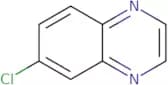
Formula:C20H13Cl2N3Purity:Min. 95%Molecular weight:366.24 g/mol7-Chloroquinoxaline
CAS:7-Chloroquinoxaline is a nucleophilic compound that can be synthesized by reductive chlorination of 7-chloroquinoline. 7-Chloroquinoxaline has been shown to have anticancer activity in vitro, as well as the ability to inhibit the proliferation of human breast cancer cells (MCF-7) in culture. It also inhibits glyoxalase I and II, which are enzymes that catalyze the conversion of glyoxal to D-lactate and H2O2. This inhibition may be due to its ability to react with the C=N bond at carbon 2 of dimethylformamide (DMF), forming a covalent adduct with DMF and an anticancer agent such as methotrexate or 5-fluorouracil. The formation of this conjugate would result in a decrease in DMF concentration, leading to decreased production of H2O2 and increased levels of D-l
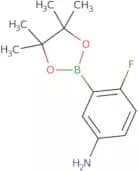
Formula:C8H5ClN2Purity:Min. 95%Molecular weight:164.59 g/mol4-Fluoro-3-(4,4,5,5-tetramethyl-1,3,2-dioxaborolan-2-yl)aniline
CAS:4-Fluoro-3-(4,4,5,5-tetramethyl-1,3,2-dioxaborolan-2-yl)aniline is a fine chemical and a useful building block. It is used as a reagent in research laboratories and as a speciality chemical. 4-Fluoro-3-(4,4,5,5-tetramethyl-1,3,2-dioxaborolan-2-yl)aniline can be used to synthesize complex compounds that are versatile building blocks for the production of pharmaceuticals.
Formula:C12H17BFNO2Purity:Min. 95%Color and Shape:White Off-White PowderMolecular weight:237.08 g/molMethyl 2-[(1H-pyrrolo[2,3-b]pyridin-5-yl)oxy]-4-fluorobenzoate
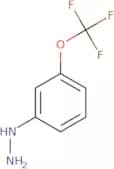
CAS:Methyl 2-[(1H-pyrrolo[2,3-b]pyridin-5-yl)oxy]-4-fluorobenzoate is a versatile building block that can be used as a reagent or speciality chemical. It has been shown to be useful in the synthesis of complex compounds and research chemicals. Methyl 2-[(1H-pyrrolo[2,3-b]pyridin-5-yl)oxy]-4-fluorobenzoate is an intermediate for the synthesis of various pharmaceuticals and agrochemicals. This compound may also act as a scaffold for drug design and development.Formula:C15H11FN2O3Purity:Min. 95%Color and Shape:Off-White PowderMolecular weight:286.26 g/mol1-(3-(Trifluoromethoxy)phenyl)hydrazine hydrochloride
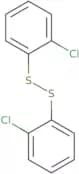
CAS:1-(3-(Trifluoromethoxy)phenyl)hydrazine hydrochloride is a reagent that can be used as a reaction component in organic synthesis. It is also a useful scaffold for the preparation of high-quality research chemicals and other versatile building blocks. 1-(3-(Trifluoromethoxy)phenyl)hydrazine hydrochloride is an intermediate in the synthesis of complex compounds, such as fine chemicals.Formula:C7H7F3N2OPurity:Min. 95%Molecular weight:192.14 g/mol2,2'-Dichloro diphenyl disulfide
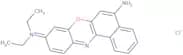
CAS:2,2'-Dichloro diphenyl disulfide is a high quality chemical that is widely used as a reagent. It belongs to the category of complex compounds and has been extensively studied as an intermediate for the synthesis of pharmaceuticals. 2,2'-Dichloro diphenyl disulfide is also useful as a building block or scaffold for the preparation of a wide range of useful chemicals. This product can be used in research laboratories and by industry as a versatile building block in organic synthesis, with applications including use as a reaction component in the production of pharmaceuticals and agrochemicals.Formula:C12H8Cl2S2Purity:Min. 95%Color and Shape:PowderMolecular weight:287.23 g/molNile blue chloride
CAS:Nile blue chloride is a dye used in wastewater treatment. It can be used to measure the dry weight of a sample of material. Nile blue chloride has been shown to be a reliable fluorescent probe for bacterial detection in cell culture and tissue culture, as well as for the detection of infectious diseases. This compound has also been shown to have an effect on the oxygen transport in living cells, which may be due to its high affinity for fatty acids.
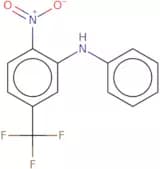
Formula:C20H20N3OClPurity:Min. 95%Color and Shape:PowderMolecular weight:353.85 g/molN-Phenyl-2-nitro-4-trifluoromethyl-phenylamine
CAS:N-Phenyl-2-nitro-4-trifluoromethylphenylamine is a versatile building block. It is a fine chemical that is used in research and as a reagent, speciality chemical, or useful scaffold for the synthesis of complex compounds. This compound has CAS No. 5108-04-3 and can be used as an intermediate in reactions. It is also useful in the synthesis of various types of building blocks. N-Phenyl-2-nitro-4-trifluoromethylphenylamine has been shown to be a high quality product that can be used in various ways.Formula:C13H9F3N2O2Purity:Min. 95%Molecular weight:282.22 g/molPotassiumtetrachloroaurate(III)
CAS:Potassiumtetrachloroaurate(III) is a chemical compound with the molecular formula KAuCl4. It is a white solid that has been shown to have anti-cancer properties in animal studies. Potassiumtetrachloroaurate(III) has also been found to be toxic to bacteria, such as Pseudomonas aeruginosa. The redox potential of potassiumtetrachloroaurate(III) can be changed by adding copper chloride or sodium citrate, which may affect its toxicity towards bacteria.
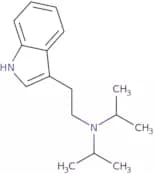
Formula:AuCl4KPurity:Min. 95%Molecular weight:377.88 g/mol3-(2-Diisopropylaminoethyl)indole hydrochloride
CAS:Controlled Product3-(2-Diisopropylaminoethyl)indole hydrochloride is an inhibitor of the enzyme monoamine oxidase (MAO). MAO is responsible for the degradation of monoamines such as serotonin, dopamine, and norepinephrine. 3-(2-Diisopropylaminoethyl)indole hydrochloride inhibits these enzymes in order to increase the levels of these neurotransmitters in the brain. These effects are observed with a sectional study on the host plant species. 3-(2-Diisopropylaminoethyl)indole hydrochloride has been shown to have low potency for inhibiting 5-HT1A and 5-HT2A receptors in rat studies, but it is not active against 5-HT2C receptors. This drug was used to measure urinary serotonin and dopamine levels in human urine samples.
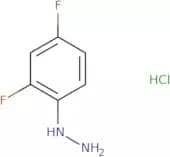
Formula:C16H25ClN2Purity:Min. 95%Molecular weight:280.84 g/mol2,4-Difluorophenylhydrazine hydrochloride
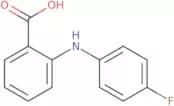
CAS:2,4-Difluorophenylhydrazine hydrochloride is a synthetic analgesic that is used to produce pain relief. It can be synthesized by refluxing 2,4-difluoroaniline and hydrazine in acetonitrile. The yield of the reaction depends on the catalyst used. An acid catalyst such as pyridine or benzoic acid will yield more product than a base such as potassium carbonate. The synthesis of 2,4-difluorophenylhydrazine hydrochloride can also be achieved by reacting phenylhydrazine with an alkyl halide in the presence of a base. This process yields pyrazoles, which are then converted to 2,4-difluorophenylhydrazine hydrochloride by treatment with hydrochloric acid. 2,4-Difluorophenylhydrazine hydrochloride is an antibacterial agent that hasFormula:C6H7ClF2N2Purity:Min. 95%Color and Shape:PowderMolecular weight:180.58 g/molN-(4-Fluorophenyl)Anthranilic Acid
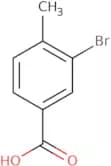
CAS:N-(4-Fluorophenyl)Anthranilic Acid is a fine chemical that is used as a scaffold for research chemicals, reaction components, and speciality chemicals. It can be used as a building block for complex compounds and useful building blocks. This compound has been shown to have high quality and can be used as an intermediate in the synthesis of other chemicals. N-(4-Fluorophenyl)Anthranilic Acid is a versatile building block that can be used in the synthesis of many different types of compounds. It also has been shown to be useful in the production of pharmaceuticals, dyes, pesticides, and herbicides.Formula:C13H10FNO2Purity:Min. 95%Color and Shape:Green PowderMolecular weight:231.22 g/mol3-Bromo-4-methylbenzoic acid
CAS:3-Bromo-4-methylbenzoic acid is a labile chemical compound that is used in the synthesis of retinoic acid, an analog of vitamin A. 3-Bromo-4-methylbenzoic acid can be synthesized by a two step process involving the boronic ester and biphenyl. The biphenyl is first treated with phosphorus pentachloride to produce a phenoxyacetate which reacts with 3-bromo-4-methylbenzoyl chloride in the presence of base to produce 3-bromo-4-methylbenzoic acid. This conversion can also be done via a solid phase synthesis where the biphenyl is anchored on silica gel and reacted with 3-bromo-4 methylbenzoyl chloride. The boronic esters are then cleaved from the solid support by treatment with sodium hydroxide under reflux conditions. 3 - Bromo -Formula:C8H7BrO2Purity:Min. 95%Color and Shape:PowderMolecular weight:215.04 g/molGlycine t-butyl ester hydrochloride
CAS:Glycine t-butyl ester hydrochloride is a glycine prodrug that is converted to the neurotransmitter, cinchonidine, by carboxylesterase. It has been shown to be effective in resistant cancer cells and has good bioavailability in humans. Glycine t-butyl ester hydrochloride is synthesized from glycine and butyric acid with sodium carbonate as a catalyst and then reacted with anhydrous hydrogen chloride to form the final product. This synthesis requires an asymmetric reaction solution, which can be achieved by using a chiral reactant such as potassium carbonate or magnesium chloride. The dehydration of the ester group can be performed by heating in vacuum at 120°C for 2 hours.
Formula:C6H14ClNO2Purity:Min. 95%Color and Shape:White PowderMolecular weight:167.63 g/mol4-Acetamido-2'-nitro-4'-(trifluoromethyl)diphenyl sulphone
CAS:4-Acetamido-2'-nitro-4'-(trifluoromethyl)phenyl sulphone is a fine chemical that has versatile building block properties. It is a complex compound that has been used in research chemicals and as a reagent. 4-Acetamido-2'-nitro-4'-(trifluoromethyl)phenyl sulphone is also useful for the production of speciality chemicals and as an intermediate for the synthesis of high quality compounds, such as pharmaceuticals, agrochemicals and other industrial products. This product can be used as a reaction component or scaffold for the synthesis of new compounds.
Formula:C15H11F3N2O5SPurity:Min. 95%Color and Shape:PowderMolecular weight:388.32 g/mol3-Piperazin-1-yl-benzo[d]isothiazole hydrochloride
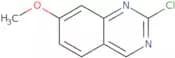
CAS:3-Piperazin-1-yl-benzo[d]isothiazole hydrochloride is an atypical antipsychotic that belongs to the group of inorganic compounds. It has been shown to have a high affinity for acidic surfaces and can be used in industrial applications such as the removal of metal ions from water by filtration. 3-Piperazin-1-yl-benzo[d]isothiazole hydrochloride is synthesized by reacting an inorganic base with a piperazine compound, followed by hydrolysis of the piperazine ring using acid. Impurities are often found during synthesis, which may contain traces of other compounds such as pyridine or methylamine.Formula:C11H13N3SPurity:Min. 95%Color and Shape:PowderMolecular weight:219.31 g/mol2-Chloro-7-methoxyquinazoline
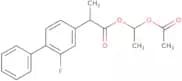
CAS:2-Chloro-7-methoxyquinazoline is a useful chemical that is used in the production of other compounds. It can be used as a building block for the synthesis of various organic compounds, such as pharmaceuticals and pesticides. This compound has been shown to have useful properties, such as high purity and low cost.Formula:C9H7ClN2OPurity:Min. 95%Color and Shape:Yellow PowderMolecular weight:194.62 g/mol1-Acetoxyethyl 2-(2-fluoro-4-biphenylyl)propionate
CAS:1-Acetoxyethyl 2-(2-fluoro-4-biphenylyl)propionate is a synthetic analog of flurbiprofen that has potent nonsteroidal anti-inflammatory drug activity. It binds to the same receptor as flurbiprofen, but with a higher affinity. 1-Acetoxyethyl 2-(2-fluoro-4-biphenylyl)propionate is used for the treatment of postoperative pain and inflammation following abdominal surgery. This compound is also used for the prevention of ischemic brain damage after cardiac bypass surgery or other types of vascular surgery, such as carotid endarterectomy. 1-Acetoxyethyl 2-(2-fluoro-4-biphenylyl)propionate can be synthesized by reacting bisphenol A with carbonyldiimidazole and 4-[2-(2,4 -difluorophenyl)-Formula:C19H19FO4Purity:Min. 95%Color and Shape:Orange PowderMolecular weight:330.35 g/mol5-Bromo-2-nitrophenol
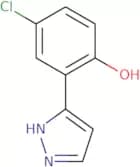
CAS:5-Bromo-2-nitrophenol is an organic compound that is used in the industrial production of drugs and dyes. It is soluble in ethanol, but insoluble in water. 5-Bromo-2-nitrophenol can be obtained by extracting it from the filtrate of a solution of potassium tert-butyl ether with aqueous ethanol. The extraction process involves adding morpholine to the solution, which is then heated and refluxed. This process yields high yields of 5-bromo-2-nitrophenol.Formula:C6H4BrNO3Purity:Min. 95%Color and Shape:Yellow solid.Molecular weight:218 g/mol3-(5-Chloro-2-hydroxyphenyl)pyrazole
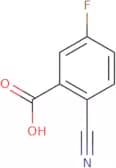
CAS:3-(5-Chloro-2-hydroxyphenyl)pyrazole is a monosubstituted, stepwise, substituted pyrazole. It has been shown to exhibit antibacterial and antifungal properties against phytopathogens. 3-(5-Chloro-2-hydroxyphenyl)pyrazole binds to metal ions in the active site of the enzyme and inhibits its activity. The phenylhydrazine group is reduced by NADH to form a covalent bond with the enzyme's cysteine residue. The binding of this compound prevents the formation of an enzyme-substrate complex that catalyzes an essential reaction, leading to cell death.Formula:C9H7ClN2OPurity:Min. 95%Color and Shape:PowderMolecular weight:194.62 g/mol2-Cyano-5-fluorobenzoic acid
CAS:2-Cyano-5-fluorobenzoic acid (2C5FBA) is a chemical that is synthesized by the reaction of sodium nitrite with methyl ester. It can be used in organic synthesis as a target product and can also be used as an intermediate for the synthesis of other chemicals. 2C5FBA has been shown to react with nitrogen to produce cyanide, which is toxic to humans and animals. 2C5FBA also reacts with acid methyl to produce methyl esters, which are often used as solvents in industrial settings.
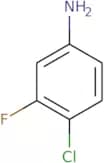
Formula:C8H4FNO2Purity:Min. 95%Color and Shape:PowderMolecular weight:165.12 g/mol4-Chloro-3-fluoroaniline
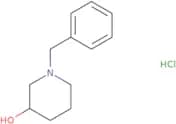
CAS:4-Chloro-3-fluoroaniline is a synthetic compound with a molecular formula of C6H4ClFNO. It is an epoxide hydrolase inhibitor and has been shown to produce a frequency shift in the infrared spectrum. This compound also has an additive reaction yield and produces hydrogen fluoride when reacted with hydrochloric acid. 4-Chloro-3-fluoroaniline has two isomers, one that is fluorescent and the other that is not. The reaction product of the two isomers can be determined by mass spectrometry analysis. The dipole moment of this compound can be detected by fluorescence spectroscopy.Formula:C6H5ClFNPurity:Min. 95%Color and Shape:PowderMolecular weight:145.56 g/mol1-Benzyl-3-hydroxypiperidine hydrochloride
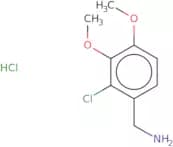
CAS:1-Benzyl-3-hydroxypiperidine hydrochloride is a versatile building block that can be used as a research chemical, reagent, speciality chemical or useful building block. It is a high quality compound with many potential uses as a reaction component or scaffold.Formula:C12H17NO·HClPurity:Min. 95%Color and Shape:PowderMolecular weight:227.73 g/mol2-Chloro-3,4-dimethoxybenzylamine HCl
CAS:2-Chloro-3,4-dimethoxybenzylamine HCl is a fine chemical that can be used as a building block to synthesize new compounds. It is also a useful intermediate in the production of pharmaceuticals and other organic chemicals. 2-Chloro-3,4-dimethoxybenzylamine HCl has been used as a reaction component for the synthesis of various complex compounds. This compound has been shown to have high purity and quality.Formula:C9H12ClNO2·HClPurity:Min. 95%Molecular weight:238.11 g/mol2-Bromo-3-pyridinol
CAS:2-Bromo-3-pyridinol is a nicotinic acetylcholine receptor antagonist that has anti-influenza activity. It was synthesized as an analogue of the natural product pyridostigmine, which inhibited influenza in mice. 2-Bromo-3-pyridinol binds to the nicotinic acetylcholine receptor at the same site as nicotine and prevents it from being activated by acetylcholine. This drug also inhibits tumor growth and proliferation in vitro and in vivo, showing potent cytotoxicity against carcinoma cells by inhibiting protein synthesis and cell division. 2-Bromo-3-pyridinol has been shown to inhibit Alzheimer's disease in a mouse model of this disorder. The drug inhibits amyloid plaque formation and toxicity in cultured cells, suggesting its potential for treating this disease.Formula:C5H4BrNOPurity:Min. 95%Color and Shape:White To Off-White SolidMolecular weight:174 g/mol3-Bromo-2-methylbenzoic acid
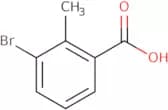
CAS:3-Bromo-2-methylbenzoic acid is a hydrogen bond donor. Hydrogen bonding may provide an explanation for the functional theory of 3-bromo-2-methylbenzoic acid, which has been shown to have anticancer properties in vitro and in vivo. This compound has been shown to be effective against cancer cells that express PDL1 (programmed cell death protein 1) and is being studied as a potential therapeutic agent for cancers that are resistant to conventional anticancer drugs. 3-Bromo-2-methylbenzoic acid has low solubility in water and is poorly absorbed from the gastrointestinal tract. It also does not bind to plasma proteins, which makes it pharmacologically active even at low doses. 3BBMBA inhibits viral replication by binding to the viral RNA polymerase enzyme, thereby inhibiting transcription and replication of the virus genome. In addition, it inhibits the proliferation of human cancer cells through inhibition of protein synthesis and DNA synthesisFormula:C8H7BrO2Purity:Min. 95%Color and Shape:PowderMolecular weight:215.04 g/mol2-[[(2,4-Difluorophenyl)-2-oxiranyl]methyl]-1H-1,2,4-triazole methanesulfonate
CAS:2-[[(2,4-Difluorophenyl)-2-oxiranyl]methyl]-1H-1,2,4-triazole methanesulfonate (CAS No. 86386-77-8) is a fine chemical that is used as a versatile building block in organic synthesis and has been shown to be a useful intermediate in the preparation of other compounds. This compound is also an important reagent for research purposes. 2-[(2,4-Difluorophenyl)-2-oxiranyl]methyl]-1H-1,2,4-triazole methanesulfonate can be used as an effective reaction component in the synthesis of complex compounds with high purity and quality.Formula:C11H9F2N3O•CH4O3SPurity:Min. 95%Color and Shape:White PowderMolecular weight:333.31 g/mol2-Chloro-1-propene
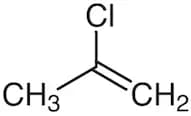
CAS:Formula:C3H5ClPurity:>97.0%(GC)Color and Shape:Colorless to Almost colorless clear liquidMolecular weight:76.524-Cyanobenzoyl Chloride
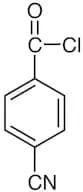
CAS:Formula:C8H4ClNOPurity:>98.0%(GC)(T)Color and Shape:White to Light yellow powder to crystalMolecular weight:165.58Sodium 3,5,6-trichloro-2-pyridinol
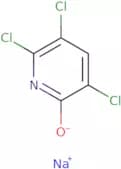
CAS:Sodium 3,5,6-trichloro-2-pyridinol is an inorganic compound that has been shown to be an effective biocide for the removal of hydrogen chloride and hydroxide solution. The optimal reaction was found to be at pH 10.3 with a reaction vessel containing 1% sodium hydroxide solution and a concentration of 0.2 grams per liter of hydrogen chloride. This compound reacts with hydrogen chloride to form hydrochloric acid (HCl) and sodium 3,5,6-trichloro-2-pyridinol hydrochloride (NCTP), which can then be removed by wastewater treatment or precipitation as sodium chloride. NCTP is also used for the treatment of skin conditions such as acne and eczema.Formula:C5HCl3NONaPurity:Min. 95%Color and Shape:Off-White SolidMolecular weight:220.42 g/mol4-Bromo-1-hydroxyanthraquinone-2-carboxylic acid
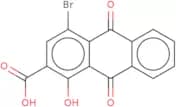
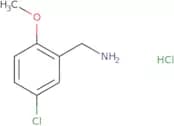
CAS:4-Bromo-1-hydroxyanthraquinone-2-carboxylic acid is a monocarboxylic acid that is used in analytical chemistry to optimize the process efficiency. It can be used as an extraction solvent, and its kinetics can be modeled using quadratic equations to optimize the recovery of analytes. 4-Bromo-1-hydroxyanthraquinone-2-carboxylic acid has also been shown to be useful for surface methodology, where it improves the dispersive power of carboxy groups on a surface.Formula:C15H7BrO5Purity:Min. 95%Molecular weight:347.12 g/mol5-Chloro-2-methoxybenzylamine hydrochloride
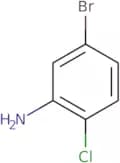
CAS:5-Chloro-2-methoxybenzylamine hydrochloride is a chemical substance that is used as an intermediate in the synthesis of pharmaceuticals and other chemicals. It can be used as a building block to create complex compounds, or it can be used in reactions to produce speciality chemicals. 5-Chloro-2-methoxybenzylamine hydrochloride is a high quality reagent that can be used as a reaction component in research and development. A fine chemical, 5-Chloro-2-methoxybenzylamine hydrochloride has many uses as a versatile building block for organic synthesis. It is also useful for generating research chemicals and complex compounds for use in medicines and other products.Formula:C8H10ClNO·(HCl)Purity:Min. 95%Color and Shape:PowderMolecular weight:208.08 g/mol5-Bromo-2-chloroaniline
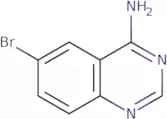
CAS:5-Bromo-2-chloroaniline is an industrial chemical that is used as a boronic acid reagent in organic synthesis. It can be prepared by the reaction of trimethyl borate with 2-chloroaniline. The optimal conditions for this reaction are to use a grignard reagent and borate as the starting materials, and to perform the reaction at low temperature. This product has been shown to be an efficient target product for diazotization and boronic esterification reactions. 5-Bromo-2-chloroaniline hydrolyzes readily, so it should be stored in a cool place or under nitrogen gas to prevent degradation.Formula:C6H5ClBrNPurity:Min. 95%Color and Shape:PowderMolecular weight:206.47 g/mol6-Bromoquinazolin-4-amine
CAS:6-Bromoquinazolin-4-amine is an alkylamine that is used as a chemical intermediate. It reacts with formamide to produce formamidine, which is a result of the amination of formamide. 6-Bromoquinazolin-4-amine has been shown to react with aromatic amines to produce substituted quinazolines.Formula:C8H6BrN3Purity:Min. 95%Color and Shape:White PowderMolecular weight:224.06 g/mol2-Fluorobenzophenone
CAS:2-Fluorobenzophenone is a carbonyl group that is used as a sterilant. 2-Fluorobenzophenone is a precursor to 4-fluorobenzophenone, which can be synthesized by reacting with chlorine gas, chloromethyl ether, or polychlorinated biphenyls. 2-Fluorobenzophenone has been shown to be chemically stable and resistant to chemical ionization and thermal decomposition. It has been used as a photoinitiator for the polymerization of oxetane resins. 2-Fluorobenzophenones are also useful for the synthesis of functional groups such as oxetanes, epoxides, and dioxetanes. These compounds are typically found in polymers with an oxetane backbone.Formula:C13H9FOPurity:Min. 95%Molecular weight:200.21 g/mol3-Chlorophenylhydrazine hydrochloride
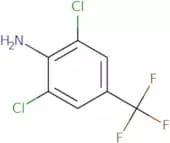
CAS:3-Chlorophenylhydrazine hydrochloride is a pyrazole that has been shown to have potent antibacterial activity. It is used in the treatment of inflammatory diseases and has been shown to be effective against Helicobacter pylori, which causes gastritis, peptic ulcers, and stomach cancer. 3-Chlorophenylhydrazine hydrochloride is an acidic compound with a molecular weight of 192.2 g/mol. It contains a pyrazole ring that is eluted with hydrochloric acid and reacts with gyrase enzymes in bacteria, inhibiting DNA synthesis. 3-Chlorophenylhydrazine hydrochloride also has anti-inflammatory properties due to its ability to inhibit prostaglandin synthesis.Formula:C6H7ClN2•HClPurity:Min. 95%Color and Shape:PowderMolecular weight:179.05 g/mol2,6-Dichloro-4-(trifluoromethyl)aniline
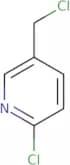
CAS:2,6-Dichloro-4-(trifluoromethyl)aniline is a colorless solid that is soluble in organic solvents. It is used as an absorber of chloride gas and other gases. 2,6-Dichloro-4-(trifluoromethyl)aniline reacts with hydrochloric acid to produce diazonium salt and chloride ions. The diazonium salt reacts with organic solvent and hydrogen gas to form the reaction products. In the presence of carbon dioxide and hydrogen chloride, 2,6-dichloro-4-(trifluoromethyl)aniline undergoes chlorinating reactions to produce hydrogen chloride gas and the chlorinated product.Formula:C7H4Cl2F3NPurity:Min. 95%Color and Shape:PowderMolecular weight:230.01 g/mol2-Chloro-5-chloromethylpyridine
CAS:2-Chloro-5-chloromethylpyridine is a nicotinic acetylcholine analog. It is synthesized by chlorinating anhydrous sodium and phosphorus pentachloride in the presence of sodium carbonate. 2-Chloro-5-chloromethylpyridine is soluble in water, but insoluble in organic solvents. The synthesis produces a yellow solution that contains hydrogen chloride, hydrogen fluoride, and other products such as 2-chloropyridinol and 2-methylpyridine. The yield of this reaction is not reported.END>Formula:C6H5Cl2NPurity:Min. 95%Color and Shape:White To Yellow SolidMolecular weight:162.02 g/mol4-(Trifluoromethoxy)phenyl isocyanate
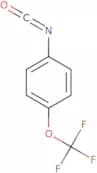
CAS:4-(Trifluoromethoxy)phenyl isocyanate (4-TFPC) is a potent antagonist of the platelet P2Y12 receptor. It inhibits platelet aggregation and adhesion, as well as prevents the formation of blood clots. 4-TFPC has a low molecular weight and can be administered orally. It also has been shown to increase insulin sensitivity and reduce blood glucose levels in mice with type 2 diabetes. This antiplatelet agent binds to receptors on the surface of platelets, preventing activation. 4-TFPC is also an inhibitor of protein kinase C and phosphodiesterases, which are enzymes that regulate cell signalling pathways. In vitro studies have shown that 4-TFPC inhibits cycloheptyl (CPH)-induced aggregation in human platelets in a dose-dependent manner with an IC50 value of 0.5 μM.END>
Formula:C8H4F3NO2Purity:Min. 95%Color and Shape:Colorless Clear LiquidMolecular weight:203.12 g/molPhenylthiophosphonic Dichloride
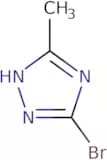
CAS:Formula:C6H5Cl2PSPurity:>98.0%(GC)(T)Color and Shape:Colorless to Light orange to Yellow clear liquidMolecular weight:211.043-Bromo-5-methyl-1H-1,2,4-triazole
CAS:3-Bromo-5-methyl-1H-1,2,4-triazole is a bifunctional building block that can be used in organic synthesis as a versatile building block. It is also an important intermediate for the preparation of various types of chemical compounds and can be used as a research chemical or speciality chemical. This compound has been shown to have high purity and quality. 3-Bromo-5-methyl-1H-1,2,4-triazole is a complex compound that has been used in the synthesis of pharmaceuticals and agrochemicals.Formula:C3H4BrN3Purity:Min. 95%Color and Shape:PowderMolecular weight:161.99 g/mol


![4-[(4-Chlorobenzyl)oxy]benzoic acid](/_next/image/?url=https%3A%2Fstatic.cymitquimica.com%2Fproducts%2F3D%2Fthumb-webp%2FFC119049.webp&w=3840&q=75)
![Methyl 2-[(1H-pyrrolo[2,3-b]pyridin-5-yl)oxy]-4-fluorobenzoate](/_next/image/?url=https%3A%2Fstatic.cymitquimica.com%2Fproducts%2F3D%2Fthumb-webp%2FFM97152.webp&w=3840&q=75)



![3-Piperazin-1-yl-benzo[d]isothiazole hydrochloride](/_next/image/?url=https%3A%2Fstatic.cymitquimica.com%2Fproducts%2F3D%2Fthumb-webp%2FFP50755.webp&w=3840&q=75)


![2-[[(2,4-Difluorophenyl)-2-oxiranyl]methyl]-1H-1,2,4-triazole methanesulfonate](/_next/image/?url=https%3A%2Fstatic.cymitquimica.com%2Fproducts%2F3D%2Fthumb-webp%2FFD104245.webp&w=3840&q=75)