Biochemicals and Reagents
Biochemicals and reagents are fundamental substances for research and development in fields such as biotechnology, molecular biology, pharmacology, and medicine. These products are essential for a variety of applications, including compound synthesis, biological sample analysis, metabolic process research, and drug production. At CymitQuimica, we offer a wide selection of high-quality, high-purity biochemicals and reagents suitable for various scientific and industrial needs. Our catalog includes enzymes, antibodies, nucleic acids, amino acids, and many other products, all designed to support researchers and professionals in their research and development projects, ensuring reliable and reproducible results.
Subcategories of "Biochemicals and Reagents"
- Biomolecules(99,152 products)
- By Biological Target(100,635 products)
- By Pharmacological Effects(6,815 products)
- Cryopreservatives(21 products)
- Desinfectants and Related Compounds(28 products)
- Hormones(346 products)
- Plant Biology(6,727 products)
- Secondary Metabolites(14,353 products)
Found 130615 products of "Biochemicals and Reagents"
Sort by
Purity (%)
0
100
|
0
|
50
|
90
|
95
|
100
(R)-CR8
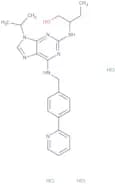
CAS:(R)-CR8 is an analog of the natural amino acid L-cysteine. In vivo, (R)-CR8 is converted to cysteine, which functions as a precursor for other important biological molecules, such as glutathione, taurine and S-adenosylmethionine. (R)-CR8 has been shown to protect neurons from apoptotic cell death induced by chronic exposure to high levels of glutamate or oxygen deprivation. It also has neuroprotective properties in vivo in an animal model of Parkinson's disease. The pharmacokinetic properties of (R)-CR8 have been studied in vivo and in vitro human cells, and it has been shown to be well tolerated when administered orally at doses up to 1 g/kg body weight.Formula:C24H29N7O•(HCl)3Purity:Min. 95%Molecular weight:540.92 g/molRO 25-6981 Maleate
CAS:RO 25-6981 Maleate is a selective sigma receptor agonist that has been shown to have antidepressant, neuroprotective, and anti-pain effects. RO 25-6981 Maleate inhibits glutamate release in the hippocampus, which is related to the neuroprotective effect of this drug. It also affects locomotor activity, response element-binding protein expression in the caudate putamen, and rotarod performance in mice. RO 25-6981 Maleate also has an affinity for dopamine receptors and may be used as a potential treatment for Parkinson's disease.Formula:C26H33NO6Purity:Min. 95%Molecular weight:455.55 g/molLanopepden
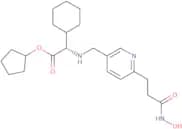
CAS:<p>Lanopepden is an antibiotic drug with broad-spectrum antibacterial activity. It is a modified version of the natural product, lanosin A. Lanopepden has been shown to be active against Gram-positive and Gram-negative bacteria, including Enterobacteriaceae and Staphylococcus aureus strains that are resistant to other antibiotics. Lanopepden inhibits bacterial growth by binding to the 50S ribosomal subunit, which leads to inhibition of protein synthesis and cell death. Lanopepden has also been shown to have good skin penetration properties in mice models.</p>Formula:C22H34FN7O4Purity:Min. 95%Molecular weight:479.5 g/mol18:1-16:0 PC
CAS:<p>18:1-16:0 PC is a fatty acid that is used as a connector in on-line monitoring of the activity of hydroxyl group and cavity. It is also used as an antimicrobial agent to prevent the growth of bacteria, fungi, and protozoans. 18:1-16:0 PC has been shown to inhibit the enzyme activities of caco-2 cells. This inhibition is due to its ability to form hydrogen bonds with hydroxyl groups and cavities. The frequency shift of light signal from 18:1-16:0 PC has been shown to be dependent on its length, which can be measured using optical spectroscopy. The diameter of 18:1-16:0 PC has been shown to be dependent on its length, which can be measured using optical microscopy.</p>Formula:C42H82NO8PPurity:Min. 95%Molecular weight:760.08 g/molADX88178
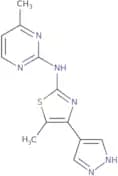
CAS:ADX88178 is a novel enantiomer of L-glutamic acid, which is currently being studied for its potential as an antidepressant drug. ADX88178 has been shown to produce locomotor effects in mice, and also has anti-inflammatory mechanisms. The drug binds to the 5-membered heteroaryl site on the glutamate receptor, which is not present in humans. This binding leads to increased serotonin levels in the brain and reduced inflammation, both of which are linked to depression and other psychiatric disorders. Preliminary studies have shown that ADX88178 may be effective against autoimmune diseases such as multiple sclerosis, as well as cancer.Formula:C12H12N6SPurity:Min. 95%Molecular weight:272.33 g/molCKI 7 dihydrochloride
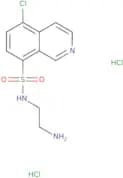
CAS:<p>Inhibitor of casein kinase 1</p>Formula:C11H12ClN3O2S·2HClPurity:Min. 95%Molecular weight:358.67 g/molCI-943
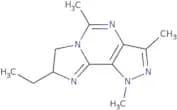
CAS:CI-943 is a pyrimidine compound that has been shown to have atypical antipsychotic activity in Sprague-Dawley rats. CI-943 inhibits dopamine release from the tegmental area of the brain and enhances dopaminergic transmission in the prefrontal cortex. This drug has also been shown to have no toxic effects on sperm production or fertility, as well as being nontoxic to platelets. CI-943 is not active against schizophrenic patients with chronic treatment, but does show some promise for treating chronic schizophrenia in animals.Formula:C12H17N5Purity:Min. 95%Molecular weight:231.3 g/molPF 06446846 hydrochloride
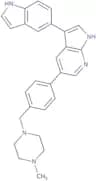
CAS:<p>Inhibitor of PCSK9 enzyme</p>Formula:C22H20ClN7O·xHClPurity:Min. 95%Molecular weight:433.89 g/molEHP-101
CAS:EHP-101 is a synthetic cannabinoid that binds to the CB2 receptor. It has been shown to have anti-inflammatory effects and may be useful for the treatment of skin cancer, atp levels in cardiac cells, and microglia activation. This drug has also been shown to stimulate collagen production and inhibit neuronal death. Clinical studies have shown that EHP-101 can be used to treat inflammatory diseases such as Crohn's disease and ulcerative colitis.Formula:C28H35NO3Purity:Min. 95%Molecular weight:433.6 g/molPF-03882845
CAS:PF-03882845 is a selective small molecule inhibitor of Janus kinase 3 (JAK3), which is derived from a pharmaceutical synthesis process. Its mode of action involves targeting and inhibiting the JAK3 enzyme, a crucial component of the JAK-STAT signaling pathway, which is integral to immune system function and various cellular processes. By specifically inhibiting JAK3, PF-03882845 interferes with the signaling pathways that rely on this kinase, potentially modulating immune responses.Formula:C24H22ClN3O2Purity:Min. 95%Molecular weight:419.9 g/molSJF620
CAS:SJF620 is a Chinese medicinal compound that has been shown to be an effective inhibitor of tumor growth in human cancer cells. This anticancer agent has been found in the urine of patients receiving traditional Chinese medicine for the treatment of various cancers. SJF620 works by inhibiting kinases, which are proteins that play a key role in cell division and proliferation. By blocking these kinases, SJF620 induces apoptosis (programmed cell death) in cancer cells, leading to their destruction. SJF620 is an analog of other kinase inhibitors and has shown promising results in preclinical studies as a potential treatment for various types of cancer.Formula:C41H44N8O7Purity:Min. 95%Molecular weight:760.8 g/molRP-54745
CAS:<p>RP-54745 is a synthetic product that inhibits oxidative phosphorylation by inhibiting mitochondrial ATPase. This inhibitor has been shown to be effective in the treatment of inflammatory bowel disease, mental disorders and bowel disease. RP-54745 has also been shown to inhibit the synthesis of inflammatory cytokines such as TNF-α and IL-6. It is thought that this inhibition may be due to the inhibition of the activity of cyclooxygenase and lipoxygenase. RP-54745 also inhibits scleral blood vessels, which may be used for treatment of eye diseases such as retinal tissue inflammation.</p>Formula:C13H12ClNOS2Purity:Min. 95%Molecular weight:297.82 g/molCpth6 (hydrobromide)
CAS:<p>Cpth6 is a peptide that is used as a research tool for the study of ion channels and protein interactions. Cpth6 has been shown to inhibit the activity of a wide range of ion channels, including potassium, sodium and calcium channels. It also inhibits the binding of ligands to their receptors and has been used in pharmacological studies on drugs with analgesic or sedative effects. Cpth6 is an inhibitor that binds to ATP-binding proteins in the plasma membrane, preventing ATP from being hydrolyzed and released into solution. This inhibition leads to cell death by preventing cellular processes such as DNA replication, protein synthesis, and cell division.</p>Formula:C15H17BrClN3SPurity:Min. 95%Molecular weight:386.70 g/molMc70 hydrochloride
CAS:Mc70 hydrochloride is a prodrug that is converted to the active form, Mc70, in acidic environments. It is used to inhibit the activity of efflux pumps in cancer cells. The linker, dibutylamine, and activated esters are conjugated to the drug in order to increase its stability and potency. Analysis of this drug has shown that it inhibits cancer cell growth by inhibiting the activity of efflux pumps. This results in an increased accumulation of toxic substances within the cells. Mc70 hydrochloride also displays anti-inflammatory properties due to its ability to inhibit prostaglandin synthesis and reduce inflammation.Formula:C24H26ClNO3Purity:Min. 95%Molecular weight:411.9 g/molDL-phenylalanine-2-d1
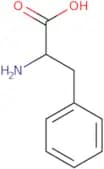
CAS:<p>Please enquire for more information about DL-phenylalanine-2-d1 including the price, delivery time and more detailed product information at the technical inquiry form on this page</p>Formula:C9H11NO2Purity:Min. 95%Molecular weight:166.19 g/molRorγ activator 1b
CAS:Rorγ activator 1b is a research tool that inhibits ion channels. It is an inhibitor of ligand-gated ion channels and voltage-gated ion channels. This compound binds to the receptor sites on the cell membrane and blocks the passage of ions through the cell membrane, which prevents depolarization of the membrane. Rorγ activator 1b can be used in pharmacology as a research tool to study protein interactions and investigate how these interactions lead to cellular signaling events.Formula:C15H14N2OS2Purity:Min. 95%Molecular weight:302.4 g/molCardanol monoene
CAS:<p>Cardanol monoene is a phenolic lipid, which is a natural derivative obtained from cashew nut shell liquid. It is sourced from the renewable agricultural by-product of the Anacardium occidentale, allowing for a sustainable means of production. Its chemical structure features a phenolic ring with an aliphatic chain, which imparts unique properties that facilitate its mode of action.</p>Formula:C21H34OPurity:Min. 95%Color and Shape:PowderMolecular weight:302.49 g/molNoricaritin
CAS:Noricaritin is a natural sugar residue that has been reported to have therapeutic effects for autoimmune diseases, bone growth, and the prevention of heat-shock protein denaturation. It has been shown that noricaritin possesses flavonoid properties and acts as a nutrient. Noricaritin also binds to extracellular matrix proteins and causes cell proliferation in lung tissue. It is also shown to inhibit the production of proinflammatory cytokines and chemokines in human lung epithelial cells. Noricaritin may be effective in treating interstitial lung diseases such as bronchiolitis obliterans syndrome (BOS).Formula:C18H19NO4Purity:Min. 95%Molecular weight:313.35 g/molα-Conotoxin MII
CAS:<p>α-Conotoxin MII is a peptide toxin that binds to nicotinic acetylcholine receptors. α-Conotoxin MII can inhibit the activity of acetylcholine at the neuromuscular junction, leading to muscle paralysis. It has been shown to be a potent antagonist against nicotinic acetylcholine receptors in rat caudate putamen and human carcinoma cell lines. This peptide also inhibits nicotine-induced locomotor activity in rats and nicotine binding in rat liver cells. α-Conotoxin MII also blocks the ryanodine receptor, which is involved in calcium release from intracellular stores, leading to inhibition of cell proliferation and decreased cancer cell growth.</p>Formula:C67H103N23O22S4Purity:Min. 95%Molecular weight:1,710.99 g/molPRX 07034
CAS:PRX 07034 is a potential drug candidate that acts as a potent and selective agonist of the melanocortin receptor MC3R. It has been shown to stimulate nerve cells and activate the release of acetylcholine in the brain, suggesting that PRX 07034 may be useful for treating nervous system diseases. In addition, PRX 07034 has been shown to be an antagonist of the α-2C adrenergic receptor, which may offer therapeutic potential for treating disorders such as hypertension.Formula:C21H29Cl2N3O4SPurity:Min. 95%Molecular weight:490.4 g/molDichlorodenafil
CAS:<p>Dichlorodenafil is a synthetic compound, which is an analogue of sildenafil. The source of this product is a laboratory synthesis where chemical manipulation replicates the structural characteristics of known phosphodiesterase inhibitors. Its mode of action involves the inhibition of the phosphodiesterase type 5 (PDE5) enzyme, leading to the relaxation of smooth muscle tissue and increased blood flow, primarily in the corpus cavernosum. This mechanism is similar to other compounds aimed at treating erectile dysfunction.</p>Formula:C19H20Cl2N4O2Purity:Min. 95%Molecular weight:407.3 g/molLY 320135
CAS:<p>Selective cannabinoid CB1 receptor antagonist, with 70-fold higher affinity than for peripheral CB2 receptors. Antagonizes anandamide-induced inhibition of adenylate cyclase in Chinese hamster ovary (CHO) cells, transfected with CB1 receptors.</p>Formula:C24H17NO4Purity:Min. 95%Molecular weight:383.4 g/molHDAC-IN-3
CAS:HDAC-IN-3 is a small molecule that inhibits the activity of histone deacetylases (HDACs), which are enzymes that regulate gene expression. HDAC-IN-3 has been shown to inhibit viral replication in cells and to be effective in animal models of multifocal leukoencephalopathy, an infectious disease caused by the West Nile virus. HDAC-IN-3 also has the potential to assess genetic predisposition for developing leukoencephalopathy.Formula:C22H33N3O4Purity:Min. 95%Molecular weight:403.52 g/molFR167344
CAS:<p>FR167344 is a b2 receptor antagonist that inhibits the binding of the ligands bradykinin and thromboxane A2 to their receptors. It has been shown to be effective in the treatment of inflammatory diseases such as pancreatitis, and also for reducing leukotriene synthesis. The pharmacokinetics of FR167344 have been studied in rats, mice, and healthy volunteers. It is absorbed from the gastrointestinal tract and eliminated by liver metabolism. The drug is eliminated mainly through renal excretion of unchanged drug, with less than 1% metabolized by the liver.<br>FR167344 has been shown to inhibit binding of bradykinin to its receptor in cell membrane preparations from human epidermoid carcinoma (A431) cells and lung fibroblasts, with a maximal response at concentrations between 0.1-10 µM.</p>Formula:C30H28BrCl2N5O4Purity:Min. 95%Molecular weight:673.4 g/molORG 12962 hydrochloride
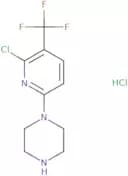
CAS:<p>Serotonin (5-HT2C) receptor agonist</p>Formula:C10H11ClF3N3·ClHPurity:Min. 95%Molecular weight:302.12 g/molTH1760
CAS:<p>TH1760 is a microdialysis probe that is used to measure the concentration of cortisol in human body fluids. The probe consists of a semipermeable membrane and an electrochemical cell. It is used for the diagnosis of psychotic disorder, liver disease, and cancer. The probe has been shown to accurately measure cortisol levels in humans with symptoms of depression and anxiety. TH1760 has also been shown to be a valid biomarker for bladder cancer.</p>Formula:C20H18N4O5SPurity:Min. 95%Molecular weight:426.4 g/molArzoxifene hydrochloride
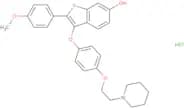
CAS:<p>Arzoxifene hydrochloride is a potential anticancer agent that inhibits the activity of integrin receptors. It has been shown to inhibit the growth of estrogen receptor-positive breast cancer cells in vivo, and also reduces the incidence of mammary tumors in rats. Arzoxifene hydrochloride has been shown to inhibit the binding of integrins to their receptors, reducing cell proliferation and preventing tumor metastasis. The drug also binds to estrogen receptors, which may be its mechanism for inhibiting tumor growth. Arzoxifene hydrochloride is a polyunsaturated compound with a chemical structure similar to other drugs used for cancer treatment and autoimmune diseases. This drug has not been shown to have any significant interactions with other drugs, but it does have pharmacological effects on certain cells such as erythrocytes and lymphocytes.</p>Formula:C28H30ClNO4SPurity:Min. 95%Molecular weight:512.1 g/molVicenin-1
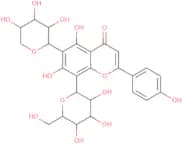
CAS:<p>Vicenin-1 is a bioactive compound classified as a flavonoid glycoside, which is typically derived from plant sources such as herbs and certain fruits. With a unique mode of action, Vicenin-1 acts primarily as an antioxidant, scavenging free radicals and reactive oxygen species to mitigate oxidative stress within biological systems. This process is crucial in protecting cellular components from oxidative damage, which is often implicated in aging and various diseases.</p>Formula:C26H28O14Purity:Min. 95%Molecular weight:564.5 g/molOctahydro-3-oxo-2,6-methano-2H-quinolizin-8-yl ester
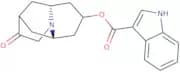
CAS:Dolasetron mesylate is a mesylate of the biologically active form of dolasetron, which is an octahydro-3-oxo-2,6-methano-2H-quinolizin-8-yl ester. Dolasetron has been shown to be effective in the treatment of nausea and vomiting caused by cytotoxic chemotherapy or radiation therapy. It has been approved for use in adults with cancer who have not responded to other treatments. Dolasetron is rapidly absorbed from the gastrointestinal tract and is then distributed throughout the body, including into the brain. The elimination half life of dolasetron mesylate is about 2 hours and it binds to plasma proteins. Dolasetron mesylate specifically binds to serotonin receptors, which are found on cells in the gut. This binding inhibits serotonin induced contraction of bowel smooth muscle cells.Formula:C19H20N2O3Purity:Min. 95%Color and Shape:White To Off-White To Grey SolidMolecular weight:324.37 g/molMas17
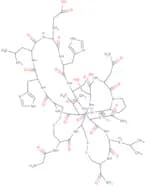
CAS:Please enquire for more information about Mas17 including the price, delivery time and more detailed product information at the technical inquiry form on this pageFormula:C70H132N20O15Purity:Min. 95%Molecular weight:1,493.92 g/molCdk4 inhibitor V
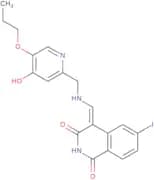
CAS:Palbociclib is a CDK4 inhibitor that is used to treat cancer. It inhibits the activity of Cdk4 and prevents cells from progressing through the cell cycle, leading to their death. Palbociclib has been shown to inhibit tumor growth in humans with breast cancer and other proliferative disorders. The drug binds directly to Cdk4, preventing it from phosphorylating its substrates. This inhibition leads to the accumulation of p27, which suppresses the activity of cyclin-dependent kinases (CDKs). Inhibition of CDKs prevents cells from entering mitosis and results in cell death by apoptosis.Formula:C19H18IN3O4Purity:Min. 95%Molecular weight:479.27 g/molATPO
CAS:<p>Atovaquone is a medication used to treat chronic viral hepatitis and other conditions. It inhibits the synthesis of RNA by binding to the polymerase enzyme. This drug has been shown to be effective in treating patients with hepatitis and autoimmune diseases, such as lysis, cell lysis, and diagnosis. Atovaquone also has a role in the treatment of chronic HBV infection by inhibiting the production of viral DNA. Atovaquone is a prodrug that is converted into its active form, hydroxychloroquine (HCQ), by cytochrome P450 enzymes. HCQ is then converted into chloroquine (CQ) through further oxidation reactions. CQ can inhibit protein synthesis, leading to cell death by inhibiting the production of proteins vital for cell division.<br>ATPO has also been shown to have anti-inflammatory properties, which may be due to its inhibition of prostaglandin synthesis.</p>Formula:C11H19N2O7PPurity:Min. 95%Molecular weight:322.25 g/molCZ415
CAS:CZ415 is a novel, small molecule that inhibits the activity of collagen. CZ415 has been shown to inhibit the proliferation of cervical cancer cells and the growth of xenograft tumors in mice. It also inhibits tumor cell migration and invasion, as well as the formation of new blood vessels required for tumor growth. The underlying mechanism by which CZ415 inhibits tumor growth is through induction of autophagy, a process by which cells degrade their own proteins and organelles. In addition to its anti-cancer effects, CZ415 has been shown to reduce inflammation in lung fibroblasts in vitro and may be useful for treating autoimmune diseases or other conditions where inflammation is an issue. CZ415 has not yet been tested on humans but initial studies indicate that it may be well tolerated with few side effects.Formula:C22H29N5O4SPurity:Min. 95%Molecular weight:459.56 g/molMK 571
CAS:<p>MK 571 is a drug that inhibits the ATP-binding cassette (ABC) transporter. MK 571 has been shown to inhibit leukotriene production in hl-60 cells and increase ATP release from myocardial infarcted hearts. It also inhibits the activity of nonsteroidal anti-inflammatory drugs and has been shown to have synergistic effects with other chemotherapeutic agents in cancer treatment.</p>Formula:C26H27ClN2O3S2Purity:Min. 95%Molecular weight:515.09 g/mol1,3-Didecyl-5-[3-(1,3-didecylhexahydro-4,6-dioxo-2-thioxo-5-pyrimidinyl)-2-propenylidene]dihydro-2-thioxo-4,6-(1H,5H)-pyrimidinedion e
CAS:This compound is a research tool that is used to activate the Ligand and Receptor in Cell Biology. It is also used for the study of Ion channels, High purity, Protein interactions, and Pharmacology. This compound has a CAS number of 169211-45-4 and was originally discovered by Research Biochemicals International.Formula:C51H88N4O4S2Purity:Min. 95%Molecular weight:885.4 g/molDefactinib
CAS:Inhibitor of FAK kinase; cancer stem cell inhibitorFormula:C20H21F3N8O3SPurity:Min. 95%Molecular weight:510.49 g/molBad, gst tagged human
CAS:The G-protein coupled receptors (GPCRs) are a large protein family that have been extensively studied in pharmacology, cell biology and biochemistry. These proteins interact with other proteins, including peptides, to form the signaling pathways for various cellular processes. The GPCRs are also involved in the regulation of ion channels and ligand binding. This GPCR is a human receptor that has been tagged with an antibody and is being sold as a research tool for Cell Biology and Cell Signaling research. It has not yet been proven to be an activator or inhibitor of this receptor. The CAS number for this product is 2242842-51-7.Purity:Min. 95%Ac-RYYRIK-NH2
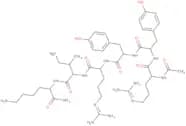
CAS:<p>Ac-RYYRIK-NH2 is a chemical compound that has been shown to bind with high affinity to both κ and δ opioid receptors in rat cardiomyocytes. Ac-RYYRIK-NH2 has also been shown to inhibit adenyl cyclase activity and increase the release of dopamine in rat brain cells. Ac-RYYRIK-NH2 is an analogue of the endogenous enkephalin peptide, Met-enkephalin, which binds to kappa opioid receptors. This compound has not been tested for biological activity in animal experiments or human clinical trials, but it has been shown to be effective in vitro assays and cell membrane preparations.</p>Formula:C44H70N14O9Purity:Min. 95%Molecular weight:939.1 g/molT 1776Na
CAS:T 1776Na is a monoclonal antibody that targets the toll-like receptor (TLR) and inhibits the TLR signaling pathway. This leads to a reduction in inflammation and to synergistic effects on cancer cells. T 1776Na has been shown to be effective against breast cancer cells in vitro, as well as in vivo. It has also been shown to reduce the levels of collagen and protease activity in mice with an inflammatory disease. T 1776Na is currently being investigated for its potential use as an anti-inflammatory agent for people with arthritis or other inflammatory diseases.Formula:C25H27F4N3O3SPurity:Min. 95%Molecular weight:525.6 g/molParsaclisib hydrochloride
CAS:<p>Parsaclisib hydrochloride is a research tool that is used to study the activation of receptors. It has been shown to be a ligand for the Tumor Necrosis Factor Receptor (TNFR) and the receptor for Advanced Glycation End-Products (RAGE). Parsaclisib hydrochloride can also inhibit ion channels, such as calcium channels, potassium channels, and chloride channels. In addition, it has been shown to bind to antibodies and peptides. The binding of this drug affects these proteins' functions in cell biology and pharmacology.</p>Formula:C20H23Cl2FN6O2Purity:Min. 95%Molecular weight:469.3 g/molResminostat
CAS:Resminostat is a small molecule that inhibits the transcriptional co-activator, pd-l1. It has been shown to be very effective at reducing the growth of squamous cell carcinoma cells in vitro and in vivo. Resminostat also reduces liver fat content and steatosis by inhibiting fatty acid synthesis. Resminostat has been shown to induce apoptosis in cancer cells through inhibition of nuclear DNA replication, which leads to decreased production of proteins required for cell division. This drug has not been tested on humans but is being investigated as a potential treatment for hepatic steatosis, a condition characterized by excess fat accumulation in the liver.Formula:C16H19N3O4SPurity:Min. 95%Molecular weight:349.41 g/molFormoterol fumarate
CAS:Controlled Product<p>Formoterol fumarate is a long-acting bronchodilator that is used to treat asthma and chronic cough. It works by relaxing the muscles in the airways, which makes breathing easier. Formoterol fumarate can be administered as a dry powder inhaler or as an oral inhalation solution. The most common side effects of this drug are headache, palpitations, and heart rate changes. Formoterol fumarate should not be taken by people with a history of heart disease or those who are at risk for it. Formoterol fumarate does not contain hydrogen fluoride (HF). Analysis of formoterol fumarate can be performed using chromatographic analysis, which involves separating the different components of a mixture based on their physical properties.</p>Formula:C23H28N2O8Purity:Min. 95%Molecular weight:460.5 g/molRetorphan
CAS:Retorphan, a peptide inhibitor, is used as a research tool to study protein interactions and receptor signaling. It has been shown to be an activator of Ligand-gated ion channels, inhibiting the current in response to ligands such as acetylcholine and serotonin. Retorphan also inhibits the activity of Protein Kinase C. Retorphan is a high purity compound with a purity greater than 99%.Formula:C21H23NO4SPurity:Min. 95%Molecular weight:385.5 g/molPF 915275
CAS:PF 915275 is a novel, orally active drug for the treatment of type 2 diabetes. It is an inhibitor of glucocorticoid receptor activity and has shown promising results in animal models for type 2 diabetes treatment. PF 915275 also has a potential role in treating metabolic disorders such as obesity, glucose intolerance, and hyperlipidemia. This drug is a potent inhibitor of the transcriptional activity of the glucocorticoid receptor, which leads to decreased cortisol levels in blood cells. The mechanism of action of PF 915275 involves the inhibition of phosphorylation by p-nitrophenyl phosphate (PNPP) on the glucocorticoid receptor and subsequent reduction in cAMP production. This results in decreased PGE2 levels and increased insulin secretion by pancreatic β-cells. PF 915275 binds to thyroid hormone receptors with high affinity and may have therapeutic implications for thyroid diseases such as Graves’ disease or Hashimoto’s thyroiditis.Formula:C18H14N4O2SPurity:Min. 95%Molecular weight:350.4 g/molEPZ031686
CAS:<p>EPZ031686 is a small molecule that binds to methyltransferases and inhibits the transfer of methyl groups from S-adenosylmethionine (SAM) to histones. This leads to decreased levels of lysine methylation, which has been shown to affect cancer cell viability and prognosis. EPZ031686 has been shown to induce autophagy in bladder cancer cells, and this may be due to its ability to inhibit growth factor signaling. EPZ031686 also reduces the expression of genes involved in epithelial-mesenchymal transition, which may have clinical relevance for the treatment of cancers such as bladder cancer.</p>Formula:C26H34ClF3N4O4SPurity:Min. 95%Molecular weight:591.09 g/molWZ4141R
CAS:Please enquire for more information about WZ4141R including the price, delivery time and more detailed product information at the technical inquiry form on this pageFormula:C16H15N3O2Purity:Min. 95%Molecular weight:281.31 g/molXE 991 dihydrochloride
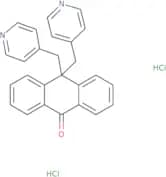
CAS:<p>XE 991 dihydrochloride is a small molecule inhibitor, which is an experimental compound used primarily in neuroscience research. It is sourced synthetically and serves as a specific and selective blocker of the K_v7/M (KCNQ) potassium channels. The mode of action of XE 991 dihydrochloride involves binding to these channels, thereby inhibiting their activity and preventing potassium ion flow across neuronal membranes. This results in changes to neuronal excitability and membrane potential.</p>Formula:C26H20N2O·2HClPurity:Min. 95%Molecular weight:449.37 g/molTafluprost ethyl ester
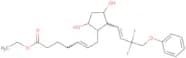
CAS:<p>Tafluprost is a prostaglandin F2-alpha analog that has been shown to be an activator of the human EP4 receptor. Tafluprost binds to the EP4 receptor, which is found in many tissues and cells, including the eye. This binding activates the receptor, which causes increased levels of cAMP and PKA. These increase levels of cAMP and PKA cause vasodilation and reduced intraocular pressure. Tafluprost is used as an ophthalmic medication for the treatment of glaucoma.</p>Formula:C24H32F2O5Purity:Min. 95%Molecular weight:438.5 g/molGemcabene calcium
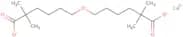
CAS:Gemcabene calcium is a fatty acid that inhibits the formation of proteins and has been shown to be effective against atherosclerosis in animals. Gemcabene calcium also inhibits soluble guanylate cyclase and fibrinogen, which are regulatory proteins in the cell that are involved in blood clotting. The drug has been shown to have a positive effect on cardiovascular disease by reducing cholesterol levels, improving high-density lipoprotein (HDL) levels, and lowering low-density lipoprotein (LDL) levels. Gemcabene calcium analogs have been shown to be effective for treating metabolic disorders such as obesity. The drug is metabolized through hepatic cytochrome P450 enzymes, although there is no evidence of toxicity or teratogenicity from gemcabene calcium at doses up to 20 mg/kg per day.Formula:C16H28CaO5Purity:Min. 95%Molecular weight:340.5 g/molStanniocalcin-1, human, recombinant
Stanniocalcin-1 is a protein that belongs to the stanniocalcin family of proteins. It is expressed by a variety of tissues and has been shown to have chemotactic, pleiotropic, and adipogenic effects. Stanniocalcin-1 also regulates luteinization and homologous differentiation in cells. The recombinant form of this protein has been shown to stimulate the growth of cells in culture with high levels of expression. Additives such as deionized water and chromatographic techniques can be used to purify this protein.Purity:Min. 95%PHA-680632
CAS:PHA-680632 is a potent and selective small-molecule inhibitor of Aurora kinases, which are serine/threonine kinases involved in crucial processes during mitosis. Sourced from synthesized chemical compounds, this inhibitor specifically targets Aurora kinases A, B, and C, disrupting their role in cell cycle regulation. The mode of action involves binding to the ATP-binding site of these kinases, leading to the inhibition of their activity and subsequently arresting cell cycle progression at the mitotic phase.Formula:C28H35N7O2Purity:Min. 95%Molecular weight:501.62 g/molCerivastatin
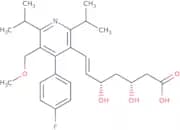
CAS:<p>An inhibitor of 3-hydroxy-3-methylglutaryl coenzyme A (HMG-CoA) reductase that reduces total cholesterol and low-density lipoprotein (LDL). Cerivastatin is cardioprotective and anti-atherosclerotic. Cerivastatin inhibits the expression of the atherosclerotic genes monocyte chemoattractant protein-1 (MCP-1) and C-C chemokine receptor type 2 (CCR2), whilst inducing the expression of Kruppel-like factor 2 (KLF2).</p>Formula:C26H34FNO5Purity:Min. 95%Molecular weight:459.55 g/molLeptin (Rat)-ELISA Kit (1ea)
<p>Leptin ELISA Kit is a sandwich ELISA for the quantitative measurement of mouse leptin in rat serum. Leptin is a 16-kDa peptide hormone that regulates energy balance and body weight. It is produced by adipose tissue, and circulates in the blood as a protein complex with high-density lipoprotein (HDL). The assay employs monoclonal antibodies (MAbs) to measure mouse leptin in rat serum. The Mabs are specific for the mouse leptin sequence, which allows them to selectively bind to the mouse leptin in rat serum. Quantitative measurements of mouse leptin can be made using standard colorimetric procedures.</p>Purity:Min. 95%16:0-09:0 (Aldo) pc
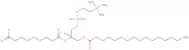
CAS:<p>16:0-09:0 (Aldo) pc is a metabolite of hexadecanoyl. It is produced from the oxidation of hexadecanoic acid and can be found in human urine. Hexadecanoyl is a fatty acid that can be found in various animal fats, including butter and cheese. 16:0-09:0 (Aldo) pc has been shown to have antioxidant properties, which may be due to its ability to inhibit lipid peroxidation by binding reactive oxygen species.</p>Formula:C33H64NO9PPurity:Min. 95%Molecular weight:649.84 g/molNiraparib hydrochloride
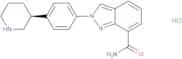
CAS:<p>Niraparib hydrochloride is an inhibitor of poly (ADP-ribose) polymerase, which is a key enzyme in the repair of DNA. It also inhibits the phosphorylation of histone H2AX at serine 139, which leads to cell cycle arrest and apoptosis. Niraparib hydrochloride has been shown to be effective against inflammatory lesions caused by radiation and platinum-resistant ovarian cancer. This drug has a synergistic effect with cisplatin in preclinical models for platinum-resistant ovarian cancer. Niraparib hydrochloride has also been evaluated as a potential biomarker for primary breast cancers by measuring its serum concentration in vivo using fluorescence imaging.</p>Formula:C19H21ClN4OPurity:Min. 95%Molecular weight:356.85 g/molTC-S 7005
CAS:TC-S 7005 is an antibody that binds to the N-terminus of the human calcitonin receptor. TC-S 7005 has been employed as a research tool in cell biology, peptides and pharmacology to study protein interactions and ligand binding. It has also been used as an activator of ion channels in the studies of life sciences and protein interactions. The antibody is a monoclonal IgG1 antibody with high purity, which can be used for research or in the development of drugs. TC-S 7005 has a CAS number of 1082739-92-1 and is soluble in PBS at pH 7.4.Formula:C21H17N3O3Purity:Min. 95%Molecular weight:359.38 g/molDm-nofd
CAS:<p>Dm-nofd is a novel natural molecule that has been shown to inhibit the growth of cancer cells in culture. Dm-nofd inhibits the expression of messenger RNA (mRNA) and protein synthesis in cancer cells. It also induces autophagy, which is a process by which cells degrade their own components and recycle them for energy production. This process can lead to cell death if it is not regulated. Dm-nofd has been shown to have a reactive effect on transcriptional regulation, as well as fatty acid metabolism, through transfection experiments. It inhibits hepatic steatosis in mice and shows promise in clinical data for the treatment of hepatocellular carcinoma.</p>Formula:C13H15NO5Purity:Min. 95%Molecular weight:265.26 g/molMouse GIP (Active) ELISA (1ea)
Mouse GIP (Active) ELISA (1ea) is a Mouse GIP (Active) ELISA Kit that can be used to measure the levels of active Mouse GIP in serum, plasma or other biological fluids. The assay employs a monoclonal antibody specific for mouse GIP. This antibody captures Mouse GIP from test samples, and a biotinylated polyclonal antibody specific for mouse GIP is then used to measure the captured Mouse GIP by means of a colorimetric reaction. The amount of Mouse GIP in the test sample is inversely proportional to the intensity of the color developed.Purity:Min. 95%PHAD-504
CAS:PHAD-504 is an immunologically active synthetic molecule containing a fatty acid amide, which has been shown to enhance the antibody response. PHAD-504 contains two isomers, one of which is expressed in the mammalian system and the other in E. coli. The molecule has been shown to be both safe and effective as a vaccine adjuvant in animal studies.Formula:C94H180N3O22PPurity:Min. 95%Molecular weight:1,735.42 g/molGln-AMS
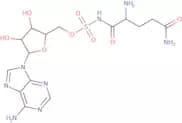
CAS:<p>Gln-AMS is a sesquiterpene lactone that inhibits the growth of bacteria. It has been shown to inhibit the growth of infectious microbes such as Streptococcus pneumoniae, Staphylococcus aureus, and Helicobacter pylori. Gln-AMS also has anti-inflammatory properties, which may be due to its ability to inhibit toll-like receptor 4 (TLR4) signaling pathways. This molecule has shown efficacy in an experimental model for bacterial infection in Galleria mellonella. Further research is needed to determine if it can be used as an antimicrobial agent for wastewater treatment.</p>Formula:C15H22N8O8SPurity:Min. 95%Molecular weight:474.5 g/molVEGFR-2-IN-6
CAS:<p>VEGFR-2-IN-6 is a high purity peptide that contains a ligand that can bind to VEGFR-2. This peptide can be used as a research tool in the study of cancer cells and their interactions with VEGFR-2 receptors. The receptor is found on endothelial cells and mediates many biological processes, including the growth of new blood vessels. The activator of this receptor is VEGF, which activates this receptor by binding to it. The binding of VEGF to the receptor causes activation of phosphatidylinositol 3-kinase (PI3K) which leads to increased production of nitric oxide synthase (NOS), leading to increased production of nitric oxide (NO). NO activates guanylate cyclase, leading to an increase in intracellular cyclic guanosine monophosphate (cGMP) levels and vasodilation.</p>Formula:C20H29N7O2SPurity:Min. 95%Molecular weight:431.6 g/molCZC-25146 hydrochloride
CAS:CZC-25146 hydrochloride is an experimental, novel element that has been synthesized in our lab. The elemental composition of CZC-25146 hydrochloride is not yet known. CZC-25146 hydrochloride has been found to be highly homogenous and can be oriented with respect to the elements of a particular analytical technique. This novel element was synthesized by optimizing the experimental conditions for polymerization reactions. It is possible that CZC-25146 hydrochloride may be layered or have a polymer structure. Sinusoidal plate laminates were used to investigate how this element could interact with other elements in layered configurations.Formula:C22H25FN6O4S·HClPurity:Min. 95%Molecular weight:525 g/mol13-Cis-retinol
CAS:13-Cis-retinol is a geometric isomer of retinol, which is a type of vitamin A derivative predominantly sourced from animal products such as liver, fish oils, and dairy. This compound undergoes conversion from retinyl esters or dietary provitamin A carotenoids, and is known for its structural differences that influence its physiological interactions.Formula:C20H30OPurity:Min. 95%Molecular weight:286.5 g/molVLX600
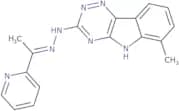
CAS:VLX600 is a mitochondria-targeted oxidative phosphorylation inhibitor that has been shown to inhibit the growth of cancer cells in vitro and in vivo. VLX600 has been shown to significantly kill tumour cells by inhibiting the production of ATP, which is necessary for cell division. VLX600 also prevents the formation of reactive oxygen species, which can damage DNA and proteins and lead to cell death. VLX600 has been shown to have significant cytotoxicity in various carcinoma cell lines, including human breast carcinoma, prostate carcinoma, and lung adenocarcinoma cell lines. Vlx600 is a novel therapeutic agent for treatment of eye disorders such as age-related macular degeneration (AMD), retinal detachment, and dry eye syndrome (DES). This drug inhibits mitochondrial metabolism by binding to complex I of the electron transport chain, leading to increased levels of reactive oxygen species. This inhibition leads to decreased levels of ATP production andFormula:C17H15N7Purity:Min. 95%Molecular weight:317.35 g/molAnti GIP (Rat) Serum
Anti-GIP (Rat) Serum is a recombinant, affinity-purified antibody that recognizes the peptide sequence of rat GIP. Anti-GIP (Rat) Serum is an important research tool used in the study of protein interactions, activation, ligand binding, and receptor activation. It can also be used to inhibit GIP activity by blocking the binding site on the receptor. Anti-GIP (Rat) Serum is available in high purity and at competitive pricing.Purity:Min. 95%TAT (48-57)
CAS:<p>TAT (48-57) is a peptide that binds to the TAT receptor, which is a member of the immunoglobulin superfamily. The TAT (48-57) peptide has been shown to activate ion channels in vitro and inhibit ligand-induced activation of ion channels in vivo. TAT (48-57) may also be used as a research tool for studying protein interactions, cell biology, and pharmacology.</p>Formula:C55H109N31O12Purity:Min. 95%Molecular weight:1,396.7 g/molSHP099 Hydrochloride
CAS:SHP099 hydrochloride is a novel small molecule that inhibits the enzyme SHP2. It is a potential drug target for cancer and inflammatory diseases. SHP099 hydrochloride inhibits phosphatase activity, which is an important step in the activation of T cells. SHP099 hydrochloride also has the potential to be used as a targeted therapy for cancer by preventing activation of neutrophils, which are important in the immune response against tumors.Formula:C16H19Cl2N5·XHClPurity:Min. 95%Molecular weight:352.26 g/molAQW-051
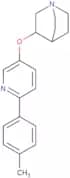
CAS:AQW-051 is a salt form of nicotinic acid. Nicotinic acid is a medication used to treat high cholesterol, and may also be used to treat other conditions as determined by your doctor. Nicotinic acid works by blocking the production of cholesterol in the liver and decreasing the amount of cholesterol absorbed from food. It also helps to increase the body's response to insulin which can help control blood sugar levels.Formula:C19H22N2OPurity:Min. 95%Molecular weight:294.4 g/molGlucosyl(β) sphingosine-d5
CAS:Controlled Product<p>Glucosyl(β)-sphingosine-d5 is a synthetic lipid that is used as a research tool to study protein interactions and receptor activation. Glucosyl(β) sphingosine-d5 has been shown to activate ion channels, such as the nicotinic acetylcholine receptor, by binding to the ligand binding site. This lipid also inhibits the activity of peptides, such as calcitonin gene-related peptide and substance P. Glucosyl(β) sphingosine-d5 can be used in pharmacological studies as an inhibitor of cell proliferation and as an anti-inflammatory agent.</p>Formula:C24H42D5NO7Purity:Min. 95%Molecular weight:466.66 g/molNortriptyline
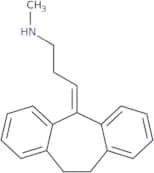
CAS:Controlled ProductSerotonin and norepinephrine reuptake inhibitor; anti-depressantFormula:C19H21NPurity:Min. 95%Color and Shape:PowderMolecular weight:263.38 g/molGSK2593074A
CAS:GSK2593074A is a potent inhibitor of the VSMACs, which are proteins that interact with the extracellular matrix and regulate the inflammatory response. GSK2593074A has been shown to inhibit aneurysm formation by inhibiting the expression levels of gelatinase and MMP2, two key enzymes in aneurysm progression. GSK2593074A also inhibits reactive oxygen species production by muscle cells and has a diameter of 2.5 nm.Formula:C27H23N5OSPurity:Min. 95%Molecular weight:465.57 g/molAspochalasin M
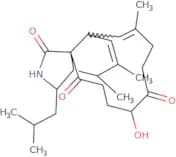
CAS:Controlled Product<p>Aspochalasin M is a natural product, specifically a cytochalasin, which is a secondary metabolite derived from fungi of the genus *Aspergillus*. Its mode of action involves the disruption of actin filament polymerization within the cytoskeleton. By binding to the barbed ends of actin filaments, Aspochalasin M effectively inhibits further monomer addition, leading to altered cellular morphology and impaired cellular processes such as division and motility.</p>Formula:C24H35NO4Purity:Min. 95%Molecular weight:401.5 g/molAMPC
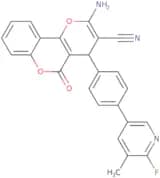
CAS:<p>AMPC is a protein that belongs to the family of cyclin-dependent kinases (CDKs). It plays a crucial role in regulating cell division and apoptosis. AMPC inhibitors have been studied for their potential as anticancer agents, as they can prevent cancer cell growth by blocking the activity of this protein. Chinese urine has been identified as a source of an AMPC analog with promising anticancer properties. Studies have shown that this analog can inhibit tumor growth in human cancer cells and may be a potential therapeutic option for cancer treatment. The development of AMPC inhibitors represents an exciting new avenue for cancer research and treatment.</p>Formula:C25H16FN3O3Purity:Min. 95%Molecular weight:425.4 g/molELR510444
CAS:ELR510444 is a small molecule that inhibits the expression of survivin, an apoptosis protein. ELR510444 has potent antitumor activity and is currently being evaluated in clinical trials for the treatment of cervical cancer and renal cell cancer. This drug is being developed by Eli Lilly and Company. ELR510444 also has antiangiogenic properties, which may be due to its ability to inhibit tumor growth by blocking the growth factor VEGF signaling pathway. The mechanism of action of ELR510444 is still under investigation, but it has been shown to bind to the drug transporter ABCG2 and inhibit cellular proliferation in vitro. ELR510444 was docked against a number of proteins implicated in cancer progression including EGFR, HER2, MET, PIK3CA, and AKT1 using molecular docking analysis. It was found that ELR510444 binds to these proteins with high affinity (Kd = 0.6-0.7 nM) andFormula:C19H16N2O2S2Purity:Min. 95%Molecular weight:368.47 g/molApelin-36 (rat, mouse)
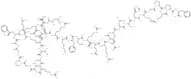
CAS:<p>Apelin-36 is a peptide that is a ligand for the APJ receptor. It has been shown to activate this receptor in vitro, as well as in vivo in rats and mice. Apelin-36 has also been shown to act as an inhibitor of the activity of the enzyme phosphodiesterase 4 (PDE4), which is involved in inflammatory responses.</p>Formula:C185H304N68O43SPurity:Min. 95%Molecular weight:4,201 g/molTyr-Pro TFA
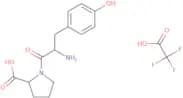
CAS:Please enquire for more information about Tyr-Pro TFA including the price, delivery time and more detailed product information at the technical inquiry form on this pageFormula:C16H19F3N2O6Purity:Min. 95%Molecular weight:392.33 g/molIsoetharine mesylate
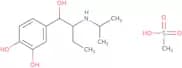
CAS:Controlled Product<p>β2 adrenoreceptor agonist</p>Formula:C13H21NO3·CH4O3SPurity:Min. 95%Color and Shape:White To Light (Or Pale) Yellow SolidMolecular weight:335.42 g/molELN-441958
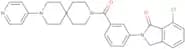
CAS:ELN-441958 is a linker that is immunocompetent and potently competitive with the linker molecule. The ELN-441958 binds to the antigen on the CD4 receptor, which is found on the surface of immunocompetent cells, and this binding causes an autoimmune response in mice. ELN-441958 has been shown to be effective against a number of autoimmune diseases, such as rheumatoid arthritis, systemic lupus erythematosus, and multiple sclerosis. It also has anti-inflammatory properties in mice with induced colitis. The polymer is biocompatible and can be used for a number of purposes as a linker molecule in drug development, including pain models and other types of models for inflammatory diseases. ELN-441958 is also virulent in immunodeficient mice but not immunocompetent mice.Formula:C29H29ClN4O2Purity:Min. 95%Molecular weight:501.02 g/molRacemic dobutamine
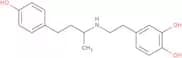
CAS:<p>Ã1-adrenoceptor agonist; cardiotonic agent</p>Formula:C18H23NO3Purity:Min. 95%Molecular weight:301.38 g/molWAY-262611
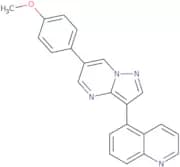
CAS:WAY-262611 is a synthetic small-molecule compound, which is an experimental pharmacological agent originally sourced from chemical libraries aimed at modulating bone biology. This compound acts as an antagonist of the Wnt signaling pathway, specifically targeting low-density lipoprotein receptor-related protein 5 (LRP5). By inhibiting the binding of Wnt proteins, WAY-262611 modulates downstream signaling events, leading to alterations in gene expression that influence bone mass and density.Formula:C20H22N4Purity:Min. 95%Molecular weight:318.42 g/molELX-02 sulfate
CAS:<p>ELX-02 is an antibody that binds to the protein CD4, which is a receptor for HIV. ELX-02 can be used as a research tool in cell biology and pharmacology. It has high purity, excellent solubility, and low toxicity. ELX-02 has been shown to inhibit the activation of the G protein by peptide agonists, as well as to inhibit the activity of ion channels. This antibody also recognizes a variety of other receptors including those for histamine, serotonin, acetylcholine, and dopamine.</p>Formula:C19H40N4O14SPurity:Min. 95%Molecular weight:580.6 g/molFlaviviruses-inhibitor-I
CAS:<p>Flaviviruses-inhibitor-I is a peptide that is used for research purposes. It is an activator that can activate antibodies and ligands, as well as inhibit ion channels. This inhibitor has been shown to interact with the receptor and it may have pharmacological properties.</p>Formula:C17H17N3O3SPurity:Min. 95%Molecular weight:343.4 g/molA 357300
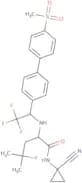
CAS:<p>A 357300 is a novel drug that has been shown to be effective in treating bowel diseases. The drug's mechanism of action is not yet fully understood, but it has been shown to reduce pro-inflammatory cytokines, such as tumor necrosis factor (TNF), and increase anti-inflammatory cytokines, such as IL-10. A 357300 is also thought to inhibit the production of methionine aminopeptidase, which is an enzyme that degrades the amino acid methionine. This leads to higher levels of methionine in the gut, which activates a type of immune cell called a macrophage. Activated macrophages release nitric oxide (NO), which can help treat bowel disease by reducing inflammation and increasing blood flow in the gut. A 357300 has also been found to reduce pain in rats with inflammatory bowel disease by blocking nerve signals from reaching the brain through activation of calcium channels.<br>A 357300 has not yet been</p>Formula:C15H22ClN3O3SPurity:Min. 95%Molecular weight:359.9 g/molMART-1 (26-35) (human) trifluoroacetate salt
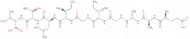
CAS:Native Melan-A (26-35) decapeptide derives from the melanocyte lineage-specific protein Melan-A/MART-1, which is expressed in almost 75-100% of primary and metastatic melanomas. The region 26-35 of Melan-A protein acts as an antigenic peptide that is recognized by CD8+ tumor-reactive cytolytic T lymphocytes (CTLs) for designing antigen-specific cancer vaccines1. It has been shown that CD8+ Melan-A-specific CTLs isolated from melanoma patients efficiently lyse the Melan-A-expressing HLA-A*0201+ melanoma cell line. However, CTLs preferentially recognize the Melan-A (26-35) peptide as compared with the Melan-A (27-35) peptide. Moreover, the Melan-A (26-35) A27L analog (ELAGIGILTV) has a higher binding affinity to HLA-A*0201 than the native Melan-A (26-35) peptide (EAAGIGILTV), and consequently displays more potent antigenicity and immunogenicity. It has been reported that the concentration of Melan-A (26-35) A27L analog required to obtain 50% of maximal antigenic activity (EC50) is 0.01nM, whereas that of the native Melan-A (26-35) peptide is 0.25nM1. Therefore, the relative activity of Melan-A (26-35) A27L analog is 25 fold higher than that of the native Melan-A (26-35) peptide. Furthermore, functional competition assay has shown that the concentration of Melan-A (26-35) A27L analog required to achieve 50% inhibition (IC50) of tumor lysis is 2nM, which is 10 fold lower than that of the native Melan-A (26-35) peptide. Regarding peptide stability in human serum, the half-lifes (t1/2) of the native Melan-A (26-35) peptide and the A27L analog are quite similar (45 and 40min, respectively) as measured by HPLC-ESI-MS, but much higher than that of the Melan-A (27-35) nonapeptide (5min).Formula:C42H74N10O14Purity:Min. 95%Molecular weight:943.1 g/molAmorfrutin
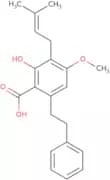
CAS:<p>Amorfrutin is a pegylated natural extract from the fruit of the amorfruto tree. It has been shown to inhibit the expression of inflammatory genes and cytokines, such as tumor necrosis factor-α (TNF-α) induced by lipopolysaccharide (LPS). Amorfrutin may be used in the treatment of inflammatory diseases and cancer. This compound is also a potential anti-inflammatory agent that can be used to treat insulin resistance. The pharmacokinetics of Amorfrutin have been studied in rats and mice, and it has been shown to have a half life of about four hours.</p>Formula:C21H24O4Purity:Min. 95%Molecular weight:340.4 g/mol(E)-N-[(2S)-1-[5-[2-(4-Cyanoanilino)-4-(propylamino)pyrimidin-5-yl]pent-4-ynylamino]-1-oxopropan-2-yl]-4-(dimethylamino)-N-methylbut -2-enamide
CAS:<p>(E)-N-[(2S)-1-[5-[2-(4-Cyanoanilino)-4-(propylamino)pyrimidin-5-yl]pent-4-ynylamino]-1-oxopropan-2-yl]-4-(dimethylamino)-N-methylbut-2-enamide is a novel small molecule, which is a synthetic compound designed for research purposes. Its structure is derived from a combination of pyrimidine and aniline derivatives, engineered to enhance biological activity and specificity. This compound functions mainly as a kinase inhibitor, targeting specific signaling pathways involved in cellular proliferation and survival. By inhibiting kinase activity, it can modulate aberrant signal transduction pathways frequently observed in various pathological conditions, including cancers.</p>Formula:C29H38N8O2Purity:Min. 95%Molecular weight:530.7 g/molIACS 010759
CAS:Inhibitor of oxidative phosphorylationFormula:C25H25F3N6O4SPurity:Min. 95%Color and Shape:SolidMolecular weight:562.57 g/molAmcasertib (BBI503)
CAS:Amcasertib is a β-catenin inhibitor that inhibits tumor growth and metastasis. It is currently in clinical trials for the treatment of cancer. Amcasertib inhibits the phosphorylation of β-catenin by GSK3β, which leads to its degradation by proteasomes, thereby reducing cellular levels of β-catenin. Amcasertib has also been shown to enhance the cytotoxicity of folfirinox, an anticancer drug. Amcasertib has a hydroxyl group at C-2 and a carbonyl group at C-4, which are necessary for binding to β-catenin. The lack of a disulfide bond makes amcasertib more stable than other potential β-catenin inhibitors.Formula:C31H33N5O2SPurity:Min. 95%Molecular weight:539.69 g/mol18:1-6:0 Biotin pi(4,5)P2
CAS:Biotin is a coenzyme that plays an important role in the metabolism of fat and protein. Biotin is required for the synthesis of fatty acids and for the production of acetyl-coenzyme A from pyruvate. It also participates in gluconeogenesis, the conversion of pyruvate to glucose, and in cholesterol synthesis. Biotin deficiency may lead to skin rash, hair loss, impaired growth, or nerve degeneration. Biotin is a ligand for certain receptors such as the retinoic acid receptor and thyroid hormone receptor. In addition to its role as a ligand, biotin has been shown to act as an activator for some ion channels such as calcium channels.Formula:C43H87N6O21P3SPurity:Min. 95%Molecular weight:1,149.16 g/molAZD4320
CAS:AZD4320 is a molecule that binds to the CDK4/CDK6 complex, which controls the cell cycle. AZD4320 has been shown to induce apoptosis in cancer cells by triggering mitochondrial membrane depolarization and long-term treatment of chronic lymphocytic leukemia. AZD4320 also inhibits the proliferation of leukemic cells by binding to CDK4/CDK6. This agent has potential as an anti-leukemic drug because it can be used in combination with monoclonal antibodies and thrombocytopenia drugs.Formula:C45H48ClF3N4O7S3Purity:Min. 95%Molecular weight:945.5 g/molGlutapyrone
CAS:Glutapyrone is a polymeric matrix that is composed of glutamic acid, polyethylene glycol, and polyvinyl alcohol. It is used to treat acute liver failure by reducing the amount of free fatty acids in the blood. Glutapyrone prevents the formation of conjugates with fatty acids and also has antioxidative activity. In rat kidneys, glutapyrone reduces the level of ubiquitin-proteasome system and increases mitochondrial membrane potential. This drug also has respiratory control effects, which may be due to its ability to increase mitochondrial membrane potential and reduce respiratory chain inhibition caused by lipopolysaccharide.Formula:C19H24N2Na2O9Purity:Min. 95%Molecular weight:470.4 g/molGLP-2 (Human)-EIA Kit (1ea)
GLP-2 is a gut peptide that belongs to the glucagon-like peptide family. It is produced by K cells in the ileum and colon, and also by L cells in the stomach. GLP-2 is composed of 31 amino acids, has a molecular weight of 3,000 daltons, and has an amino acid sequence that is highly conserved among species. The EIA kit for human GLP-2 (GLP-2 Human) is designed to detect the presence of GLP-2 in samples from human serum or plasma.Purity:Min. 95%3-(1,3-Benzothiazol-2-yl)-8-((bis(2-hydroxyethyl)amino)methyl)-7-hydroxy-2H-chromen-2-one
CAS:<p>3-(1,3-Benzothiazol-2-yl)-8-((bis(2-hydroxyethyl)amino)methyl)-7-hydroxy-2H-chromen-2-one is a small molecule that has been shown to inhibit protein interactions by binding to the active site of the enzyme. It is also an activator of GPCRs and other proteins, as well as a receptor for peptides. 3-(1,3-Benzothiazol-2-yl)-8-((bis(2-hydroxyethyl)amino)methyl)-7-hydroxy-2H-- chromen 2one has been used in research to generate antibodies against various proteins and is a high purity material suitable for use in life science experiments.</p>Formula:C21H20N2O5SPurity:Min. 95%Molecular weight:412.5 g/molBAY-474
CAS:BAY-474 is a combination of two active compounds, vegfr and mapk inhibitors. It has been shown to be effective for the treatment of bladder cancer in vitro and in vivo. BAY-474 is administered intraperitoneally for prophylaxis purposes. BAY-474 may also be used for the treatment of other types of cancers that have a high incidence of vascular endothelial growth factor (VEGF) expression, such as nasal cancer. The drug is solvated with an organic solvent, which may help to stabilize the drug's activity and improve its pharmacokinetics.Formula:C17H15N5Purity:Min. 95%Molecular weight:289.33 g/molDestruxin B2
CAS:<p>Destruxin B2 is a peptide that belongs to the group of activators. It has been shown to bind to the receptor and activate ion channels, which leads to an increase in calcium ions. Destruxin B2 has also been shown to inhibit the binding of ligands with receptors, such as antibodies. This product is used as a research tool for cell biology and cell signaling studies. It is also used as an inhibitor for high purity research compounds.</p>Formula:C29H49N5O7Purity:Min. 95%Molecular weight:579.7 g/mol2-Amino-5-[(1-methoxy-2-methylindolizin-3-yl)carbonyl]benzoic acid
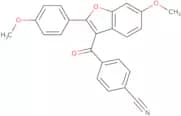
CAS:2-Amino-5-[(1-methoxy-2-methylindolizin-3-yl)carbonyl]benzoic acid is a sophisticated organic compound, typically synthesized for scientific research purposes. It is derived through multi-step chemical processes that integrate functional groups to achieve its specific structure. This compound functions by interacting with biological targets at the molecular level, potentially influencing biochemical pathways and signaling mechanisms.Formula:C18H16N2O4Purity:Min. 95%Molecular weight:324.3 g/molNvp-aew541 hydrochloride
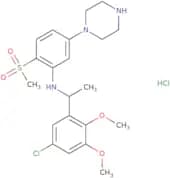
CAS:<p>Please enquire for more information about Nvp-aew541 hydrochloride including the price, delivery time and more detailed product information at the technical inquiry form on this page</p>Formula:C27H31Cl2N5OPurity:Min. 95%Molecular weight:512.5 g/molT 3775440 hydrochloride
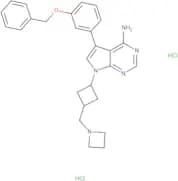
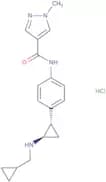
CAS:Lysine-specific inhibitor of histone demethylase (LSD1)Formula:C18H23ClN4OPurity:Min. 95%Molecular weight:346.85 g/mol











![1,3-Didecyl-5-[3-(1,3-didecylhexahydro-4,6-dioxo-2-thioxo-5-pyrimidinyl)-2-propenylidene]dihydro-2…](/_next/image/?url=https%3A%2Fstatic.cymitquimica.com%2Fproducts%2F3D%2Fthumb-webp%2FUGA21145.webp&w=3840&q=75)













![(E)-N-[(2S)-1-[5-[2-(4-Cyanoanilino)-4-(propylamino)pyrimidin-5-yl]pent-4-ynylamino]-1-oxopropan-2…](/_next/image/?url=https%3A%2Fstatic.cymitquimica.com%2Fproducts%2F3D%2Fthumb-webp%2FXIC79769.webp&w=3840&q=75)


![2-Amino-5-[(1-methoxy-2-methylindolizin-3-yl)carbonyl]benzoic acid](/_next/image/?url=https%3A%2Fstatic.cymitquimica.com%2Fproducts%2F3D%2Fthumb-webp%2FYIB46313.webp&w=3840&q=75)