Biochemicals and Reagents
Biochemicals and reagents are fundamental substances for research and development in fields such as biotechnology, molecular biology, pharmacology, and medicine. These products are essential for a variety of applications, including compound synthesis, biological sample analysis, metabolic process research, and drug production. At CymitQuimica, we offer a wide selection of high-quality, high-purity biochemicals and reagents suitable for various scientific and industrial needs. Our catalog includes enzymes, antibodies, nucleic acids, amino acids, and many other products, all designed to support researchers and professionals in their research and development projects, ensuring reliable and reproducible results.
Subcategories of "Biochemicals and Reagents"
- Biomolecules(99,117 products)
- By Biological Target(99,161 products)
- By Pharmacological Effects(6,787 products)
- Cryopreservatives(21 products)
- Desinfectants and Related Compounds(28 products)
- Hormones(346 products)
- Plant Biology(6,705 products)
- Secondary Metabolites(14,220 products)
Found 130581 products of "Biochemicals and Reagents"
Sort by
Purity (%)
0
100
|
0
|
50
|
90
|
95
|
100
IGRP Catalytic Subunit-related Protein (206-214)
<p>Peptide corresponding to residues 206-214 of murine islet-specific glucose-6-phosphatase catalytic subunit-related protein (IGRP), the autoantigen targeted by pathogenic CD8+ T cells in non obese diabetic (NOD) mice. Cells that recognize IGRP(206-214) are present in the earliest islet infiltrates of NOD mice and undergo avidity maturation as islet inflammation progresses to overt disease.</p>Molecular weight:1,094.6 g/mol™PRSS4 (199-207) fluorogenic peptide
<p>TMPRSS4 (199-207) fluorogenic peptide</p>Color and Shape:PowderMolecular weight:1,691.8 g/molH-SV^^LGQL^GITK^-OH
<p>Peptide H-SV^^LGQL^GITK^-OH is a Research Peptide with significant interest within the field academic and medical research. This peptide is available for purchase at Cymit Quimica in multiple sizes and with a specification of your choice.</p>Galanin (2-13)
<p>Galanin is a widely distributed neuropeptide in the central nervous system, peripheral regions and endocrine system. Galanin has a role in energy homeostasis. Central injections of galanin to the amygdala led to food intake in rats. Galanin also acts in the CNS to inhibit neurotransmitter release, such as acetylcholine. Galanin has been implicated in numerous neurological conditions, including Alzheimer's disease, depression, and epilepsy.Galanin interacts with 3 receptor subtypes, GalR1-3 G protein-coupled receptors which are inserted into the plasma membrane. GalR1 is believed to activate a Gβγ pathway to regulate MAPK activation. GalR2 can also activate the MAPK pathway, but unlike GalR1, there is detectable inositol phosphate production. GalR3 is associated with the Galphai/o pathway- receptor activation leads to a cellular influx of potassium ions.The galanin active fragment (1-16) has been identified as a highly potent agonist for the galanin receptors from binding assays. This has become a basis for galanin-based peptides, which are neuroactive. These are being investigated as a potential source for anticonvulsant neuropeptides as a therapeutic for conditions such as epilepsy. A library of galanin fragments has allowed screening of their properties to be assessed and used to generate chimeric peptides. Galanin fragments have different affinities for GalR receptors- however, the N-terminal (1-16) residues have been shown to have a conserved affinity for the receptors. This galanin (2-13) peptide is provided in the amide form. The acidic form is also available in our catalogue.</p>Color and Shape:PowderMolecular weight:1,289.7 g/molFFW
<p>Sal-like4 (SALL4) derived peptide able to antagonise the SALL4-NuRD complex in hepatocellular carcinoma, turning SALL4 from a dual transcription repressor-activator to a singular transcription activator. Displays antitumour effects in xenograft mouse models.</p>Molecular weight:1,378.8 g/molIntegrin-binding cell adhesive peptide
<p>Derived from fibronectin, integrin-binding cell adhesive peptide can be used as an adhesion ligand, it contains the cell binding motif RGD. Providing integrin-mediated cell adhesion is a valuable tool for a wide variety of research applications particularly in cell culture and implants. The integrin-binding cell adhesive peptide can also functionalise biomolecules. This has been successfully demonstrated by the generation of a protease-degradable hydrogel containing the integrin-binding cell adhesive peptide that can support skin formation in vitro. Integrin-binding cell adhesive peptide has also been used to form hydrogels to adhere numerous cell lines, for example to study extracellular vesicle secretion.</p>Color and Shape:PowderMolecular weight:861.3 g/molH-RCTRVGTED-OH
<p>H-RCTRVGTED-OH is a custom peptide that can be synthesized rapidly by our peptide experts in under 2 weeks. H-RCTRVGTED-OH is provided at greater that >95% purity (HPLC) from Cymit Quimica for a variety of research applications. We also offer H-RCTRVGTED-OH in bulk quantities in addition to our standard pack sizes.Please enquire for more information about H-RCTRVGTED-OH at the technical inquiry form on this page</p>Purity:Min. 95%H-WLGLSAEYGNLYR^-OH
<p>Peptide H-WLGLSAEYGNLYR^-OH is a Research Peptide with significant interest within the field academic and medical research. This peptide is available for purchase at Cymit Quimica in multiple sizes and with a specification of your choice.</p>CEA antibody
<p>The CEA antibody is a highly specialized product in the field of Life Sciences. This monoclonal antibody is specifically designed to target and bind to carcinoembryonic antigen (CEA), a cytosolic protein that is overexpressed in various types of cancer cells. The CEA antibody has been extensively used for the detection and imaging of amyloid plaques, which are associated with neurodegenerative diseases such as Alzheimer's.</p>AcrAP2
<p>Venom peptidomes and proteomes have yielded significant novel drug discoveries. The non-disulphide bridge peptides (NDBPs) have become a particular focus due to their large range of structures as well biological activity while retaining high specificity.AcrAP2 was identified as a NDBP in A. crassicauda within highly conserved family of proteins. Data shows it has antimicrobial activity against bacteria and yeast while also capable of haemolysing horse erythrocytes. However, AcrAP2 did not affect the growth of cancerous cell lines tested. Therefore, this peptide could be a useful model for modification to improve its potency. Furthermore, it may allow researchers to identify specific targets in disease pathways for new drug designs. A significant example of this, bradykinin-potentiating peptide Captopril® manages hypertension and originated from the conserved NDBP family.</p>Formula:C95H146N20O22Molecular weight:1,938.31 g/molHuman serum albumin, HSA (41-50) Heavy
<p>The HSA (41-50) peptide is derived from human serum albumin (HSA), a protein present in the blood plasma. It is involved in the transportation of compounds through the blood stream, the maintenance of osmotic blood pressure and could be used to improve drug delivery. The lysine residue at position 10 is isotopically labelled with carbon-13 (6) and nitrogen-15 (2).</p>Purity:Min. 95%Molecular weight:1,156.6 g/molA 485
CAS:<p>Histone acetyltransferase inhibitor of p300/CBP; anti-proliferative</p>Formula:C25H24F4N4O5Purity:Min. 95%Color and Shape:PowderMolecular weight:536.48 g/molPhycocyanin dye
<p>Phycocyanin dye is a versatile and vibrant pigment that is widely used in various applications. It is a natural blue pigment derived from algae, specifically phycocyanin. This dye has excellent stability and solubility, making it ideal for use in many different industries.</p>Purity:Min. 95%Ac-AVAGKAGAR-OH
<p>Peptide Ac-AVAGKAGAR-OH is a Research Peptide with significant interest within the field academic and medical research. This peptide is available for purchase at Cymit Quimica in multiple sizes and with a specification of your choice.</p>MAP1A (169-178) Heavy
<p>Amino acids 169-178 of microtubule-associated protein 1A (MAP1A) light chain. MAP1A is expressed from the Map1a gene which encodes a precursor polypeptide which is cleaved to produce MAP1A heavy chain and light chain.MAP1A is a structural protein essential for the organisation of neuronal microtubules (MTs) and is abundantly expressed in the mammalian brain. MAP1A is thought to help maintain the neuronal MT network, and modulate synaptic proteins and neuronal survival in the adult central nervous system (CNS). When MAP1A is disrupted in the body it results in problems in coordination, tremors, and late-onset degeneration of cerebellar Purkinje cells.The arginine residue at position 10 of this peptide is isotopically labelled with carbon-13 (6) and nitrogen-15 (4), giving this peptide a mass increase of 10 compared to the unlabelled peptide.</p>Purity:Min. 95%Molecular weight:1,168.6 g/molAcetyl-Claudin-3
<p>Acetyl-Claudin-3 is derived from the tight junction protein Claudin-3 which is encoded by the CLDN3 gene located on chromosome 7q11.23 and can be found within epithelial cell to cell contacts. Structurally, the Claudin family are transmembrane proteins containing two extracellular loops and are involved in maintaining cell polarity and controlling paracellular ion flux.During cancer research reduction in the number of Claudins has been associated with tumour formation. This could be explained using Claudin role in maintaining cell detachment and migration although cancers such as breast and prostate have shown to overexpress both Claudin- 3 and Claudin-4. Similarly in ovarian cancer overexpression of Claudin 3 and 4 is thought to increase the motility of tumour cells and their survival through basement membrane degrading matrix metalloproteinase activation.Both Claudin 3 and 4 have potential to be used as diagnostic markers and their two extracellular loops may be used as targets for antibodies. As receptors for the Clostridium perfringens enterotoxin, Claudin 3 and 4 may have further use in targeting the enterotoxin as a therapeutic for ovarian cancers.</p>Color and Shape:PowderMolecular weight:2,618.3 g/molSuc-LLVY-[AMC]
<p>Fluorogenic substrate peptide of the 20S proteasome. In its intact state this peptide is non-fluorescent, however when aminomethylcoumarin (AMC) is released upon hydrolysation, fluorescence can be detected. This peptide is therefore a useful tool for analysing the activity of the 20S proteasome as well as other chymotrypsin-like proteases and calpains. This peptide is also a substrate for chymase, papain, carboxypeptidase Y, proteinase yscE (kexin) and ingensin.AMC is a fluorescent dye with excitation maxima at around 360 nm and emission maxima at around 450 nm. AMC can be excited with a mercury lamp and observed using a UV filter set.</p>Color and Shape:PowderMolecular weight:763.4 g/molExendin 3 (9-39) amide
<p>Originally identified in Heloderma horridum horridum (Mexican beaded lizard), exendin-3 shares homology with vasoactive intestinal peptide (VIP), secretin, helospectin I and II and helodermin. Exendin-3 increases cellular cAMP levels and amylase release from pig pancreatic cells.Truncated exendin-3 is a potent and selective GLP-1 receptor antagonist. It inhibits cAMP production and insulin release induced by GLP-1, exendin-3, and exendin-4. It also blocks the inhibitory effect of GLP-1 on food intake in rats. Exendin 3 (9-39) amide is being considered for clinical use in obese patients. This is based on the extensive and consistent data demonstrating its effectiveness as a tool to improve fasting and postprandial levels of glucose and glucagon.</p>Color and Shape:PowderMolecular weight:3,367.7 g/molTAT (47-57)
CAS:<p>Tat (47-57) is a cell penetrating cationic peptide derived from the N-terminus of the Tat protein, which is a trans-activator of the transcription protein present in the human immunodeficiency virus (HIV). Specifically TAT (47-57) is located within the arginine-rich basic domain 48-60 of the TAT peptide which as a whole has three domains which function to aid HIV through transactivation, DNA binding and nuclear transport. As a cell penetrating peptide (CPP) TAT aids in the cellular uptake of molecules and hence serves a valuable purpose in transduction methods. This property has been demonstrated through its ability of allowing toxins such as the neurotoxin Botulinum neurotoxin Type A, produced by the Clostridium botulinum type A bacteria to penetrate the skin barrier non-invasively. Additionally TAT (47-57) can be used to deliver proteins, fluorophores, chelators and DNA to target cells.</p>Formula:C64H118N32O14Color and Shape:PowderMolecular weight:1,559.83 g/molβ-Amyloid (1-15) human
<p>Amino acids 1-15 of β-amyloid protein (Aβ), this fragment represents one of many short Aβ species found in vivo and is formed by the cleavage of amyloid β precursor protein by β- and α-secretase.Aβ has been identified as the key subunit of the extracellular plaques found in the brains of patients with Alzheimer disease (AD) and Down syndrome (DS). Aβ has therefore been extensively studied as a potential target for treatment of AD.Aβ is formed from the cleavage of the large, transmembrane protein- APP (amyloid precursor protein). Cleavage of APP by β- and then γ-secretases results in the formation of Aβ. Aβ can aggregate to produce amyloid-β oligomers, which are thought to be highly neurotoxic. Over time Aβ can further aggregate to produce the characteristic senile plaques present in AD and DS. Aβ can be degraded by enzymes such as neprilysin, insulin degrading enzyme or endothelin converting enzyme. At physiological levels Aβ may be involved in controlling synaptic activity and neuronal survival.</p>Molecular weight:1,325.3 g/molEBV LMP2 200-208 (HLA-B*40:01)
<p>Custom research peptide; min purity 95%. For different specs please use the Peptide Quote Tool</p>Minocycline HCL
<p>Minocycline HCL (USP grade powder) chemical reference substance</p>Purity:Min. 95%Amitryptylline hydrochloride - Bio-X ™
CAS:Controlled Product<p>Amitryptylline is a tricyclic antidepressant that is used to treat depression and to relieve depression associated anxiety. Although its mechanism is not fully understood, it is suggested that this drug inhibits norepinephrine and serotonin thus increasing their concentrations at the synaptic clefts. Additionally, Amitryptylline has shown to have anticholinergic properties.</p>Formula:C20H23N•HClPurity:Min. 95%Color and Shape:PowderMolecular weight:313.86 g/molH-YISPDQLADLYK^-OH
<p>Peptide H-YISPDQLADLYK^-OH is a Research Peptide with significant interest within the field academic and medical research. This peptide is available for purchase at Cymit Quimica in multiple sizes and with a specification of your choice.</p>4-Fluorobenzoyl-A20FMDV2
<p>A20FMDV2, a peptide derived from the foot and mouth disease virus, inhibits the epithelial-specific integrin alphavβ6 and here is labelled with 4-fluorobenzoyl as the light version of the PET ligand 4-[18F]Fluorobenzoyl A20FMDV2 which can be used for in vivo imaging.</p>Molecular weight:2,283.3 g/mol[5-FAM]-Arg9
<p>Acetyl-(Arg)9, derived from (Arg)9 is a cationic cell-penetrating peptide consisting of 9 arginines. Arginine rich CPPs enter cells in a passive manner through membrane multilamellarity and fusion. (Arg)9 can function to deliver specific molecules to target cells and can be used for drug delivery purposes.Peptide is labelled with an N-terminal 5-carboxyfluorescein (5-FAM), a widely used green fluorescent tag.</p>Molecular weight:1,781 g/molAngiotensin 1-7 Heavy Ile
<p>Angiotensin 1-7 (Ang-(1-7)) is a component of the renin angiotensin system RAS. Ang-(1-7) is produced by angiotensin-converting enzyme 2 (ACE2), from the angiotensin II (Ang-II) peptide, as well as by prolylendopeptidase (PEP) and neutral endopeptidase (NEP) which produce Ang1 7 directly from angiotensin I (Ang-I).Ang-(1-7) broadly opposes Ang-II actions. Ang-(1-7) has vasodilatory and anti-oxidative effects, and exerts protective actions in hypertension, diabetes, and other cardiovascular disorders. Ang-(1-7) represents a promising therapeutic target for cardiovascular and metabolic diseases. Ang (1-7) stimulate the secretion of atrial natriuretic peptide (ANP) and exerts its actions via its G protein-coupled receptor, Mas. ANP is part of an antagonistic hormonal system to RAS, which also participates in the regulation of body fluid and electrolytes balance. ANP is mainly released from the atrium, and its release results in natriuresis, anti-hypertension, and anti-proliferation.This novel arm of the RAS has effects that counterbalance those mediated by the classical ACE/Ang-II pathway. The isoleucine residue of this peptide is universally labelled with carbon-13 and nitrogen-15 stable isotopes, giving a mass increase of 7.</p>Purity:Min. 95%Color and Shape:PowderMolecular weight:905.5 g/molH-VLAIDHLNEDQLR^-OH
<p>Peptide H-VLAIDHLNEDQLR^-OH is a Research Peptide with significant interest within the field academic and medical research. This peptide is available for purchase at Cymit Quimica in multiple sizes and with a specification of your choice.</p>HTATIP antibody
<p>HTATIP antibody was raised in mouse using recombinant Human Hiv-1 Tat Interacting Protein, 60Kda (Htatip)</p>AH1 Sequence (6-14)
<p>The AH1 peptide is a H2-Ld-restricted epitope derived from the sequence of the gp70 envelope protein of the ecotropic mammalian C-type retrovirus, murine leukaemia virus (MuLV, emv-1).The envelope gene products of MuLV are expressed in a variety of tumour cells, including B16 melanoma, lymphomas and leukaemia's. AH1 peptide is a tumour-associated antigen and is highly expressed on CT26 and C51 tumour cells.</p>Color and Shape:PowderMolecular weight:1,126.5 g/molGLP-1 (9-36) amide
CAS:<p>Natural cleavage product of GLP-1 which, unlike GLP-1, does not affect either insulin secretion or glucose homeostasis. GLP-1(9-36) has low affinity for, and acts as an antagonist to, the GLP-1 receptor.GLP-1 (9-36) does however display unique biological activities such as beneficial cardiovascular effects and reducing the production of reactive oxygen species (ROS). GLP-1 (9-36) also exerts important physiological effects on neuronal plasticity in the hippocampus, and inhibits chemokine-induced migration of human CD4-positive lymphocytes.GLP-1 (9-36) is formed from the breakdown of biologically active but highly unstable GLP-1 (7-36) amide by the ubiquitous serine protease, dipeptidyl peptidase-IV (DPP-IV).</p>Color and Shape:PowderMolecular weight:3,087.6 g/molH-GVSAYLSRPSPFDGGC-OH
<p>H-GVSAYLSRPSPFDGGC-OH is a custom peptide that can be synthesized rapidly by our peptide experts in under 2 weeks. H-GVSAYLSRPSPFDGGC-OH is provided at greater that >95% purity (HPLC) from Cymit Quimica for a variety of research applications. We also offer H-GVSAYLSRPSPFDGGC-OH in bulk quantities in addition to our standard pack sizes.Please enquire for more information about H-GVSAYLSRPSPFDGGC-OH at the technical inquiry form on this page</p>Purity:Min. 95%H-LLDLLEGLTGQK^-OH
<p>Peptide H-LLDLLEGLTGQK^-OH is a Research Peptide with significant interest within the field academic and medical research. This peptide is available for purchase at Cymit Quimica in multiple sizes and with a specification of your choice.</p>TRAP-14 amide
CAS:<p>Custom research peptide; min purity 95%. For different specs please use the Peptide Quote Tool</p>Formula:C81H119N21O22Molecular weight:1,738.96 g/molH-WRCTRVGTE-OH
<p>H-WRCTRVGTE-OH is a custom peptide that can be synthesized rapidly by our peptide experts in under 2 weeks. H-WRCTRVGTE-OH is provided at greater that >95% purity (HPLC) from Cymit Quimica for a variety of research applications. We also offer H-WRCTRVGTE-OH in bulk quantities in addition to our standard pack sizes.Please enquire for more information about H-WRCTRVGTE-OH at the technical inquiry form on this page</p>Purity:Min. 95%H-AR^PALEDLR-OH
<p>Peptide H-AR^PALEDLR-OH is a Research Peptide with significant interest within the field academic and medical research. This peptide is available for purchase at Cymit Quimica in multiple sizes and with a specification of your choice.</p>Loxapine succinate
CAS:Controlled Product<p>Antagonist of dopamine (D2/D4), histamine and serotonin receptors</p>Formula:C18H18ClN3O·C4H6O4Purity:Min. 98 Area-%Color and Shape:White PowderMolecular weight:445.9 g/molPp1A, active, gst tagged human
CAS:<p>Pp1A is an active form of a human protein that belongs to the class of peptide hormones. Pp1A has been shown to be involved in the regulation of axonal growth and brain functions, as well as being a potential drug target for diseases such as carcinoid syndrome and congestive heart failure. Pp1A may play a role in the regulation of serum prolactin levels, which is important for neural development and endocrine function. The kinetic energy of Pp1A has also been shown to be greater than that of other proteins, due to its higher structural stability. <br>Pp1A has a molecular weight of 5,879 Da and contains 473 amino acids. It is found in both pro-opiomelanocortin (POMC) and pro-enkephalin (PE) cells in the anterior pituitary gland.</p>Purity:Min. 95%Cysteine peptide
<p>Heptapeptide containing a cysteine residue whose thiol group makes it vulnerable to a range of oxidative modifications.</p>Color and Shape:PowderMolecular weight:1,931.9 g/molMosapride
CAS:<p>Serotonin 5-HT4 receptor agonist</p>Formula:C21H25ClFN3O3Purity:Min. 95%Color and Shape:PowderMolecular weight:421.89 g/molOvalbumin
CAS:<p>Protein found in egg white</p>Purity:(Agarose Electrophoresis) Min 98%Color and Shape:Powder[Tyr0]-Apelin-13
<p>[Tyr0]-Apelin-13 is derived from the apelin peptide which acts as a ligand for the apelin receptor (APJ) G protein coupled receptor and is a substrate for angiotensin converting enzyme 2. Preprapelin, encoded for by APLN located on Xq25-26.1, is cleaved to form either apelin-36 or apelin-17, 12 and apelin-13. As a member of the adipokine hormone family, which are involved in processes such as vascular homeostasis and angiogenesis, apelin is secreted from adipose tissue.Apelin has been found to be expressed in the spinal cord and the human brain and when performing immunohistochemistry it was observed that Apelin-17 is significantly expressed in the human heart, brain, lungs and endothelial cells.Both apelin and the apelin receptor are widely distributed around the body thus apelin has been found to be associated with cardiovascular diseases, obesity, diabetes and cancer. Studies exploring myocardial infarction showed there to be greater apelin mRNA expression during human heart failure compared to in healthy tissue. Apelin protects against heart failure due to, the pyroglutamyl form of apelin, playing a role in decreasing infarct size of myocardial infarctions. Furthermore in rats with hypertension, the expression of apelin and APJ was decreased.</p>Molecular weight:1,712.9 g/molAmyloid β peptide(1-40) trifluoroxalate - synthetic
CAS:<p>Amyloid beta peptide (Aβ) is a neurotrophic factor that is involved in the pathogenic mechanism of Alzheimer's disease. This drug inhibits the production of Aβ by binding to the enzyme, secretase. It has been shown that Aβ binds to a transporter protein and is transported into cells, where it accumulates in the cytoplasm. The physiological levels of Aβ are regulated by proteins called "gene chaperones" which prevent Aβ from aggregating into plaques. Dextran sulfate inhibits this process by binding to amyloid and preventing it from accumulating in the cytoplasm. Amyloid beta peptide trifluoroxalate (ATFX) has been shown to inhibit the production of Aβ with structural analysis, inhibition of cellular uptake and secretion, and inhibition of fibrillization. ATFX also has potential as a biomarker for Alzheimer's disease because it can be detected at low concentrations in urine or serum</p>Formula:C194H295N53O58S·C2HF3O2Purity:Min. 95%Color and Shape:White PowderMolecular weight:4,443.83 g/molH-LFEVIETEK^-OH
<p>Peptide H-LFEVIETEK^-OH is a Research Peptide with significant interest within the field academic and medical research. This peptide is available for purchase at Cymit Quimica in multiple sizes and with a specification of your choice.</p>Anti-HSPB1 antibody - serum
<p>Please enquire for more information about Anti-HSPB1 antibody - serum including the price, delivery time and more detailed product information at the technical inquiry form on this page</p>H-ASYPGLQFEIIAMSTTGDK^-OH
<p>Peptide H-ASYPGLQFEIIAMSTTGDK^-OH is a Research Peptide with significant interest within the field academic and medical research. This peptide is available for purchase at Cymit Quimica in multiple sizes and with a specification of your choice.</p>Kemptide
CAS:<p>Peptide Kemptide is a Research Peptide with significant interest within the field academic and medical research. This peptide is available for purchase at Cymit Quimica in multiple sizes and with a specification of your choice.</p>Formula:C32H61N13O9Molecular weight:771.92 g/molH-MPPYLFT-OH
<p>H-MPPYLFT-OH is a custom peptide that can be synthesized rapidly by our peptide experts in under 2 weeks. H-MPPYLFT-OH is provided at greater that >95% purity (HPLC) from Cymit Quimica for a variety of research applications. We also offer H-MPPYLFT-OH in bulk quantities in addition to our standard pack sizes.Please enquire for more information about H-MPPYLFT-OH at the technical inquiry form on this page</p>Purity:Min. 95%Docetaxel trihydrate - Bio-X ™
CAS:<p>Docetaxel is a cytotoxic semi-synthetic taxane and is an anthracycline antibiotic. The compound is an anti-microtubule agent and has significant inhibitory activity in solid tumors either alone or in combination with other chemotherapeutic agents.<br>Docetaxel trihydrate is part of our Bio-X ™ Range. These products are aimed at life science researchers who need high quality ready to use products for assay development, screening or other R&D work. With a solubility datasheet and convenient vials, all of our Bio-X ™ products are in stock across our global warehouses for rapid delivery and ease of use.</p>Formula:C43H53NO14•(H2O)3Purity:Min. 90 Area-%Molecular weight:861.93 g/molAngiotensin (1-5)
CAS:<p>Custom research peptide; min purity 95%. For different specs please use the Peptide Quote Tool</p>Formula:C30H48N8O9Molecular weight:664.77 g/molApolipoprotein A-I (APOA1)(86-101)
<p>Apolipoprotein A-I enables the efflux of fat molecules from within cells as high-density lipoprotein (HDL) particles for transport back into LDL particles or to the liver for excretion. HDLs are one of five major groups of lipoproteins.Increasing concentrations of HDL particles are strongly associated with decreasing accumulation of atherosclerosis within the walls of arteries. Apolipoprotein A-I is often used as a biomarker for prediction of cardiovascular diseases, such that low levels of APOA1 are associated with an increased risk of adverse events in patients with coronary artery disease. In such cases, APOA1 can be used as a biomarker to predict cardiovascular disease progression.</p>Molecular weight:1,930.9 g/molClick FBP
<p>Cell penetrating peptides (CPPs) provide a delivery method for molecules across the membrane in an efficient manner without compromising the cell. FBP forms a sheet structure when interacting with a membrane forming a transmembranous pore. FBP, also known as Pβ, is rapidly internalised and localises primarily to the nucleus.FBP is provided here with a N-terminal alkyne attachment. Two of the most regularly encountered functional groups for click chemistry are azides and alkynes, and the azide-alkyne cycloaddition has become the most popular click reaction. The use of click chemistry with alkyne-FBP allows a wide variety of applications particularly for conjugation, modification, and peptide design.</p>Color and Shape:PowderMolecular weight:3,013.6 g/molLeptin protein
<p>MVPIQKVQDD TKTLIKTIVT RINDISHTQS VSSKQKVTGL DFIPGLHPIL TLSKMDQTLA VYQQILTSMP SRNVIQISND LENLRDLLHV LAFSKSCHLP WASGLETLDS LGGVLEASGY STEVVALSRL QGSLQDMLWQ LDLSPGC</p>Purity:>95% By Sds-PagehCG protein
<p>The hCG protein is a monoclonal antibody that targets the necrosis factor-related apoptosis-inducing ligand (TRAIL). It is used in the field of Life Sciences to study and detect TRAIL receptors and their role in apoptosis. This protein can be used in various applications, including ELISA, Western blotting, immunohistochemistry, and flow cytometry. The hCG protein is highly specific and has a high affinity for its target molecule, making it a valuable tool for researchers in the field. Additionally, this protein has been found to have antiangiogenic properties and can inhibit endothelial growth. It is commonly used in studies related to cancer research and angiogenesis.</p>Purity:40-60%.GLP-1 (7-36) amide
CAS:<p>This is an incretin hormone that causes glucose dependent release of insulin by pancreatic beta cells. It is the cleavage product of GLP-1 (1-36) amide peptide. This peptide, human GLP-1 (7–36), shares the same sequence with preproglucagon (78-107), amide, human.</p>Formula:C149H226N40O45Color and Shape:PowderMolecular weight:3,297.63 g/molFluorescein HLA-A*02:01 HBV core (18-27)
<p>HLA-A*02 is a class I major histocompatibility complex (MHC) allele which is part of the HLA-A group of human major histocompatibility complex (MHC) leukocyte antigens (HLA), found at the HLA-A locus. HLA-A is one of three major types of human MHC class I cell surface receptors. The receptor is a heterodimer, and is composed of a heavy alpha chain and smaller β chain. MHC Class I molecules such as HLA-A are part of a process that presents short polypeptides to the immune system. These polypeptides are typically 7-11 amino acids in length and originate from proteins being expressed by the cell. Cytotoxic T cells in the blood "read" the peptide presented by the complex and should only bind to non-self peptides. If binding occurs, a series of events is initiated culminating in cell death via apoptosis. This peptide corresponds to the Hepatitis B variant (HBV) core sequence which is presented on the MHC class I antigen HLA-A*02 and contains fluorescein, a widely used flourescent dye.</p>Molecular weight:1,537.6 g/molH-MPRHSRAKRAPRPSAC-NH2
<p>Peptide H-MPRHSRAKRAPRPSAC-NH2 is a Research Peptide with significant interest within the field academic and medical research. This peptide is available for purchase at Cymit Quimica in multiple sizes and with a specification of your choice.</p>CRP antibody
<p>CRP antibody was raised in mouse using human CRP derived from pleural/ascetic fluid or plasma as the immunogen.</p>Histatin-5
<p>Histatins are histidine rich cationic peptides produced in salivary glands and released into the saliva. The main histatins that make up more than 80% of histatins in saliva are histatin 1, histatin 3 and histatin 5. There are two histatin genes, one which encodes histatin 1, and one that encodes histatin 3, all other histatins are derivatives of these two histatins. Histatin 3 is a precursor of histatin 5, each with distinct roles.Histatin 5 is considered an antimicrobial peptide (AMP) as it has antibacterial activity as has been shown against opportunist infections such as P. aeruginosa, E. coli, and S. aureus. Histatin 5 also has potent anticandidal activity for example against Candida and Leishmania, it is shown to be the strongest antifungal of the histatins. The antifungal activity functions by invasion of the microbe and entry to the mitochondria, histatin 5 then inhibits ATPase activity resulting in rapid depletion and ultimately bacterial cell death/apoptosis. As a salivary peptide, it inhibits Bacteroides gingivalis proteinase clostripain and protease activity microbe implicated in periodontal disease.</p>Color and Shape:PowderMolecular weight:3,036.29 g/molacfTAT
<p>TAT contains a protein transduction domain which allows it to enter cells by crossing the cell membrane. The amino acid sequence of the protein transduction domain (PTD) and this property confers cell penetrating peptide properties on TAT and derivatives. TAT peptides have been widely used to deliver functional biomolecules into cells both in vitro and in vivo. The entire protein can be used but in practice it is more efficient to use truncated sequences containing only the basic residues required for transport. Through covalent attachment to TAT derived peptides, cargo molecules including proteins, nucleic acids, small molecules, oligonucleotides, enzymes, polymers, plasmid DNA and liposomes can be transported into cells with high efficiency.acfTAT is a fusion of the TAT PTD to a red fluorescent tag (TAMRA) at the carboxy terminal. This peptide is ideal for live cell localisation work using fluorescent microscopy as the TAT PTD can transduce small peptides into the cell efficiently without affecting the cell. Additionally, the fluorescent label is highly stable against photo bleaching and should be easily detectable under various excitation sources including mercury, arc, tungsten, and xenon lamps.</p>Molecular weight:2,095.2 g/molH-LLIYDASNLETGVPSR^-OH
<p>Peptide H-LLIYDASNLETGVPSR^-OH is a Research Peptide with significant interest within the field academic and medical research. This peptide is available for purchase at Cymit Quimica in multiple sizes and with a specification of your choice.</p>Fluor-RGDK-OH
<p>Peptide Fluor-RGDK-OH is a Research Peptide with significant interest within the field academic and medical research. This peptide is available for purchase at Cymit Quimica in multiple sizes and with a specification of your choice.</p>H-FR^-OH
<p>Peptide H-FR^-OH is a Research Peptide with significant interest within the field academic and medical research. This peptide is available for purchase at Cymit Quimica in multiple sizes and with a specification of your choice.</p>CART1 antibody
<p>CART1 antibody was raised in mouse using recombinant Human Cartilage Paired-Class Homeoprotein 1 (Cart1)</p>H-SSSPSSSSPSSSRRWRE-OH
<p>H-SSSPSSSSPSSSRRWRE-OH is a custom peptide that can be synthesized rapidly by our peptide experts in under 2 weeks. H-SSSPSSSSPSSSRRWRE-OH is provided at greater that >90% purity (HPLC) from Cymit Quimica for a variety of research applications. We also offer H-SSSPSSSSPSSSRRWRE-OH in bulk quantities in addition to our standard pack sizes.Please enquire for more information about H-SSSPSSSSPSSSRRWRE-OH at the technical inquiry form on this page</p>Purity:Min. 95%Biotin-aMp3
<p>Biotinylated aMp3 is a Mycobacterium avium subsp. Paratuberculosis (MAP) specific ligand. MAP can cause Johne disease (the wasting disease) in livestock. It is important therefore to detect the presence of MAP in animal milk and faeces.Biotinylated aMp3 can be used (along with aMptD peptides) to detect the viability of MAP cells in infected livestock through combined peptide-mediated magnetic separation phage display due to their high affinity for MAP. The addition of biotin to aMp3 asparagine residue, changes the orientation of aMp3 so that it can bind to the target bacteria with increased stability, thus achieving a high capture efficiency. A similar effect is observed on the addition of biotin to aMptD glycine residue.</p>Molecular weight:1,642.8 g/molDes 1-10 Obestatin (Human)
<p>A human truncated analog of Obestatin, a 23 amino acid gastrointestinal peptide, encoded for by the ghrelin gene and is known to reduce food intake through supressing appetite. This peptide has been found to influence the pancreas, cardiovascular system and adipose tissues as well as the gastrointestinal system. One study showed that when high-fat diet fed rats were given chronic administration of obestatin it prevented the development of non-alcoholic fatty liver disease. Consequently Obestatin has the potential to be used in preventing obesity-related diseases.</p>Formula:C63H100N20O20Purity:Min. 95%Molecular weight:1,457.62 g/molSteroid Receptor Coactivator-1 (SRC-1) (686-700)
<p>There are three members of the p160 family of steroid receptor coactivators, SRC-1, SRC-2, and SRC-3. These steroid receptor coactivators control the functional output of numerous genetic programs and serve as pleiotropic rheostats for diverse physiological processes. Coactivator proteins interact with nuclear receptors in a ligand-dependent manner and augment transcription.</p>Molecular weight:1,770 g/molGluten Exorphin A5
CAS:<p>Gluten Exorphin A5 is a δ opioid that has been synthetically produced. It binds to the μ-opioid receptor, which is found on cells in the gastrointestinal tract, and can be used to treat inflammatory diseases and autoimmune diseases. Gluten Exorphin A5 also has anti-cancer properties, as it inhibits cell proliferation and induces apoptosis in colon cancer cells by binding to their surface. Gluten Exorphin A5 is orally active and can be used for the treatment of infectious diseases. This drug also binds to bacterial surfaces and blocks the pain response induced by naloxone. The molecular weight of Gluten Exorphin A5 has been determined using a spectrometer after purification.</p>Formula:C29H37N5O9Purity:Min. 95%Color and Shape:White PowderMolecular weight:599.63 g/mol(Z)-10-Pentadecenoic acid methyl ester
CAS:Controlled Product<p>(Z)-10-Pentadecenoic acid methyl ester is a fatty acid ester, which serves as an important compound in chemical ecology. This ester is commonly sourced from natural plant and insect secretions, playing a critical role in the communication systems of various organisms. Its primary mode of action involves functioning as a pheromone, influencing insect behavior such as mating, aggregation, and territorial signaling.</p>Formula:C16H30O2Purity:Min. 95%Color and Shape:Clear LiquidMolecular weight:254.41 g/molCarcinoembryonic antigen-related cell adhesion molecule 5 (625-639)
<p>Custom research peptide; min purity 95%. For different specs please use the Peptide Quote Tool</p>BNP-32 (human)
CAS:<p>Natriuretic; vasodilatory;diuretic; treats decompensated congestive hear failure</p>Formula:C143H244N50O42S4Purity:Min. 95%Color and Shape:PowderMolecular weight:3,464.04 g/molTeriflunomide isomer E
CAS:Controlled Product<p>Teriflunomide isomer E is an antimicrobial agent which has been shown to inhibit the growth of bacteria by binding to basic proteins. This antibiotic has been used in vivo on humans and in vitro on human cells, and it has been shown to inhibit autophagy. Teriflunomide isomer E binds to uridine and inhibits the polymerase chain reaction (PCR) of DNA, preventing replication. It also inhibits the production of cyclin D2, an anti-inflammatory cytokine that limits inflammatory responses. In addition, teriflunomide isomer E binds to nonsteroidal anti-inflammatory drugs (NSAIDs), inhibiting their activity.</p>Formula:C12H9F3N2O2Purity:Min. 95%Molecular weight:270.21 g/molH-DFFVWLHYYSVRDTL-OH
<p>H-DFFVWLHYYSVRDTL-OH is a custom peptide that can be synthesized rapidly by our peptide experts in under 2 weeks. H-DFFVWLHYYSVRDTL-OH is provided at greater that >80% purity (HPLC) from Cymit Quimica for a variety of research applications. We also offer H-DFFVWLHYYSVRDTL-OH in bulk quantities in addition to our standard pack sizes.Please enquire for more information about H-DFFVWLHYYSVRDTL-OH at the technical inquiry form on this page</p>Purity:Min. 95%Actin Heavy
<p>Actin is a highly conserved key cytoskeletal protein involved in numerous structural and functional roles.Actin exists as soluble monomers (G-actin) as well as actin filaments (F-actin). G-actin monomers polymerise to form filaments that organise into dynamic networks with crucial roles in multiple and diverse cellular processes. Actin organisation varies greatly across cell types, and the ordered assembly and turnover of actin networks drive multiple cellular processes, including cell movement, cell adhesion, changes in cell morphology, vesicle trafficking, and cytokinesis.The clinical significance of actin is seen in congenital myopathies, which are characterised by muscle weakness. Mutations in smooth-muscle associated alpha-actin (ACTA2) have been seen to cause coronary heart disease, stroke and thoracic aortic disease. The vascular smooth muscle cell (SMC)-specific isoform of α-actin (ACTA2) is a major component of the contractile apparatus in SMCs located throughout the arterial system. By studying and manipulating the actin cytoskeleton, the underlying cause of these myopathies can be understood.The Arginine residue at position 11 is isotopically labelled with carbon-13 (6) and nitrogen-15 (4), giving this peptide a mass increase of 10 compared to the unlabelled peptide.</p>Purity:Min. 95%Molecular weight:1,207.7 g/molTNF α antibody
<p>TNF alpha antibody was raised in goat using highly pure recombinant human TNF-alpha as the immunogen.</p>Purity:Min. 95%Cys-TAT(48-60)
<p>Peptide derived from the HIV transactivator of transcription protein. TAT is a cationic cell-penetrating peptide.</p>Purity:Min. 95%Color and Shape:PowderMolecular weight:1,821.18 g/molIle-Val-Ile
<p>Custom research peptide; min purity 95%. For different specs please use the Peptide Quote Tool</p>Formula:C17H33N3O4Molecular weight:343.46 g/molHistone H3.2 (1-44)
<p>Histone H3.2 is a highly common variant of the core histone H3 which is found in all eukaryotes except budding yeast. H3.2 is replication-dependent and is associated with gene silencing. Histone variants can replace canonical histones in certain cells or stages of development and help regulate numerous nuclear processes including transcription, DNA repair and chromosome segregation.Histone 3 (H3) which is one of the four core histones (H2A, H2B, H3 and H4) fundamental in compacting eukaryotic DNA into the nucleosome. Both H4 and H3 are highly conserved and perform roles in binding to segments of DNA which enter and leave the nucleosome and in chromatin formation. Similar to the other core histone, H3 has a globular domain and a flexible N-terminal domain, 'histone tail' which can undergo modifications such as acetylation, methylation, phosphorylation and ubiquitination.</p>Molecular weight:4,668.7 g/molComplement C3 (1304-1320) Light
<p>Complement C3 is a fundamental factor featured in all three complement system pathways: the classical, lectin and alternative. To activate the complement cascade C3 associates with C3 convertase to produce C3a and C3b. It is also thought that C3 can be cleaved by proteases outside of the complement cascade. C3b can bind to carbohydrate and protein hydroxyl groups through a thioester bond generated by C3 convertase cleavage. This action allows C3b to be used as a 'marker of foreign molecules such as pathogens and ultimately leads to the assembly of the membrane attack complex (MAC) and anaphylatoxin production.Overall the main functions of the complement system are to mark cells for phagocytosis, the recruitment of inflammatory cells and the cell lysis of bacteria cell by the MAC. The anaphylatoxins C3a and C5a recruit neutrophils and causes the inflammatory response while the MAC produces pores in the bacterial membrane thus causing a Ca2+ influx into the cell and bacterial cell death.The complement system as a whole can be associated with the neurological diseases, bacterial meningitis, thrombotic disorders, neurological and autoimmune diseases.</p>Purity:Min. 95%Color and Shape:PowderMolecular weight:2,020.1 g/molH-GPRPC-NH2
<p>Peptide H-GPRPC-NH2 is a Research Peptide with significant interest within the field academic and medical research. This peptide is available for purchase at Cymit Quimica in multiple sizes and with a specification of your choice.</p>ACTH (7-39) human
<p>C- terminal fragment of adrenocorticotropic hormone (ACTH) also known as corticotropin, and competitive antagonist of ACTH receptor (ACTHR), also known as melanocortin type 2 receptor (MC2R).ACTH is a member of the melanocortins-peptide family, this tropic hormone is produced and secreted by the anterior pituitary gland. ACTH is an important component of the hypothalamic-pituitary-adrenal (HPA) axis and is often produced in response to biological stress. ACTH acts to increase the production and release of cortisol via its interaction with ACTHR. Receptor activation increases the intracellular concentration of cAMP via adenylyl cyclase. Abnormal ACTH levels in the body have been linked to primary adrenal insufficiency/Addison's disease, Cushing's disease and secondary adrenal insufficiency.</p>Color and Shape:PowderMolecular weight:3,804 g/molH-GTYHTNEAK^-OH
<p>Peptide H-GTYHTNEAK^-OH is a Research Peptide with significant interest within the field academic and medical research. This peptide is available for purchase at Cymit Quimica in multiple sizes and with a specification of your choice.</p>Angiotensin IV Trifluoroacetate
CAS:<p>Angiotensin-IV is primarily produced from angiotensin-III by the removal of an arginine residue from the N-terminal by membrane alanyl aminopeptidase N (AP-N). Ang-IV can however also be formed by the action of aminopeptidases on Ang-I directly.Ang-IV has been shown to enhance cognitive functions, although how it does this in still unclear. It has been suggested that Ang-IV is able to inhibit the insulin-regulated aminopeptidase (IRAP) receptor in the brain (originally defined as the AT(4) receptor). IRAP is a single-spanning transmembrane zinc-metallopeptidase that belongs to the M1 family of aminopeptidases and its substrates include vasopressin, somatostatin, and cholecystokinin. The half-life of these compounds are prolonged when IRAP is inhibited by Ang-IV, and this may result in the enhanced cognitive abilities seen with Ang-IV treatment. c-Met, a tyrosine kinase receptor that binds hepatocyte growth factor (HGF) has also been proposed as an Ang IV targets. c-Met is associated with memory and learning consolidation.</p>Molecular weight:774.4 g/molH-RAFEEEYYRFYTPPC-NH2
<p>H-RAFEEEYYRFYTPPC-NH2 is a custom peptide that can be synthesized rapidly by our peptide experts in under 2 weeks. H-RAFEEEYYRFYTPPC-NH2 is provided at greater that >95% purity (HPLC) from Cymit Quimica for a variety of research applications. We also offer H-RAFEEEYYRFYTPPC-NH2 in bulk quantities in addition to our standard pack sizes.Please enquire for more information about H-RAFEEEYYRFYTPPC-NH2 at the technical inquiry form on this page</p>Purity:Min. 95%Biot-GRADSP-NH2
<p>Peptide Biot-GRADSP-NH2 is a Research Peptide with significant interest within the field academic and medical research. This peptide is available for purchase at Cymit Quimica in multiple sizes and with a specification of your choice.</p>Imiquimod - Bio-X ™
CAS:<p>Imiquimod is a toll-like receptor 7 agonist drug that is used for the treatment of genital warts, basal cell carcinoma and condyloma acuminata. This drug works by relieving and controlling wart production. Studies in mice have shown that this drug may induce cytokines such as interleukins. Imiquimod helps to increase apoptosis of diseased tissues and an infiltration of lymphocytes into tumor lesions.</p>Formula:C14H16N4Purity:Min. 95%Color and Shape:PowderMolecular weight:240.3 g/molACTH (7-39) Cys
<p>C-terminal fragment of adrenocorticotropic hormone (ACTH), also known as corticotropin, with a C-terminal cysteine residue for conjugation. ACTH (7-39) is a competitive antagonist of ACTH receptor (ACTHR), also known as melanocortin type 2 receptor (MC2R).ACTH is a member of the melanocortins-peptide family, this tropic hormone is produced and secreted by the anterior pituitary gland. ACTH is an important component of the hypothalamic-pituitary-adrenal (HPA) axis and is often produced in response to biological stress. ACTH acts to increase the production and release of cortisol via its interaction with ACTHR. Receptor activation increases the intracellular concentration of cAMP via adenylyl cyclase. -Abnormal ACTH levels in the body have been linked to primary adrenal insufficiency/Addison's disease, Cushing's disease and secondary adrenal insufficiency.</p>Molecular weight:3,906 g/molI-A(g7) BDC2.5 mimotope
<p>The MHC class II allele I-Ag7 is the allele associated with diabetes in the non-obese diabetic (NOD) mouse. I-Ag7 is also associated with spontaneous mouse models of arthritis and multiple sclerosis. The peptide mimotope mimics the structure of an epitope and therefore causes an antibody response similar to the one elicited by the epitope.</p>Molecular weight:1,303.6 g/molGRGD-acid
CAS:<p>GRGD-acid is a cell adhesive peptide containing the RGD motif. This enables it the ability to increase cell adhesion and rates of cell growth, differentiation and proliferation. When immobilised onto a Poly(etheretherketone) (PEEK) surface it has been shown to increase cell adhesion and proliferation in MC3T3-E1 cells. GRGD could therefore be used in dental implants.</p>Formula:C14H25N7O7Color and Shape:PowderMolecular weight:403.39 g/molHydroxylated collagen α-1(III) chain (696-707) Heavy
<p>Residues 696-707 of collagen III alpha 1 chain (α1(III)). Type III collagen represents about 20% of the collagen present in the dermis, although it is more abundant in the walls of distensible (expandable) organs and blood vessels. This peptide contains a hydroxylated proline residue, 4-hydroxyproline (4Hyp). 4Hyp residues help stabilize the collagen triple helix through water-bridged intramolecular hydrogen bonding.Type III collagen is a homotrimer, consisting of three α1(III) chains, that are cross-linked in a staggered array through lysine residues to form microfibrils. Collagen III fibrils assume a 'flexi-rod' structure with flexible zones interspersed with rod-like domains, essential for maintaining flexibility in young, pliable tissues and distensible organs. Collagen III has a nearly identical structural arrangement and charge distribution pattern as collagen I, allowing for its substitution by collagen I in embryonic development and wound healing.Collagen III participates in a variety of biological functions including: cell-binding- haemostasis and angiogenesis- tissue remodelling- foetal development, and wound healing. Collagen III is coded for by the COL3A1 gene and COL3A1 disease-causing sequence variants can result in vascular Ehlers-Danlos syndrome (EDS type IV), cerebral aneurysms, gastroesophageal reflux disease, and pelvic organ prolapse.The proline residue at position 5 of this peptide is isotopically labelled with carbon-13 (5) and nitrogen-15 (1), giving this peptide a mass increase of 6 compared to the unlabelled peptide.</p>Purity:Min. 95%Molecular weight:1,001.5 g/mol[Nle12] a-factor
<p>[Nle12] alpha-factor is a cyclic analog of the Saccharomyces cerevisiae alpha-factor mating pheromone.</p>Molecular weight:1,663.9 g/molH-Leu-2-ClTrt-Resin (100-200 mesh) 1% DVB
<p>H-Leu-2-ClTrt-Resin (100-200 mesh) 1% DVB is a resin that has been used to synthesize peptides. It can be used as a building block for many other chemical reactions, such as cross-linking and oxidation. This resin is typically used in the synthesis of peptides with an amino acid sequence of H-Leu-2-ClTrt and contains 1% DVB. The resin can be used for the synthesis of small organic molecules, such as antibiotics, with a molecular weight between 500 and 2000 Da.</p>Purity:Min. 95%Apolipoprotein B-100 (APOB100) (923-933) Heavy
<p>Apolipoprotein B-100 (apoB-100) is a highly expressed human protein, which is targeted by T- and B-cell immune responses in a subgroup of Lyme arthritis (LA) patients. ApoB-100 is present at high levels in the joint fluid of these patients. The high levels of apoB-100 in joints may lead to antigen presentation of apoB-100 peptides by human leukocyte antigen (HLA)-DR molecules, and to T- and B-cell responses to the protein making this protein a novel autoantigen. HLA-DR-presented peptides of apoB-100 have been shown to be immunoreactive.Lyme arthritis (LA) is a late manifestation of infection with the tick-borne spirochete,-Borrelia burgdorferi.The leucine residue at position seven of this peptide is isotopically labelled with carbon-13 (6) and nitrogen-15 (1), giving this peptide a mass increase of 7 compared to the unlabelled peptide.</p>Purity:Min. 95%Molecular weight:1,286.7 g/mol[5-TAMRA]-LPETAG N-terminal Sortagging
<p>This peptide is recognised and cleaved by the enzyme Sortase A (SrtA) from-Staphylococcus aureus. The catalytic cysteine residue in the active site of SrtA, serves as a nucleophile to cleave the peptide bond between threonine and glycine. Cleavage results in the formation of a thioacyl intermediate between the peptide and SrtA. This intermediate is then resolved by the N-terminus of an (oligo)glycine nucleophile, resulting in the creation of a new peptide bond that links the peptide and its-nucleophile, resulting in the creation of a new peptide bond that links the peptide and its fluorescent- to the incoming nucleophile.- This method of protein labelling is known as sortagging5-Carboxytetramethylrhodamine (5-TAMRA) is a widely used fluorescent dye which excites at 546 nm and emits at 579 nm</p>Color and Shape:PowderMolecular weight:997.5 g/molOxythiamine chloride hydrochloride
CAS:<p>Oxythiamine chloride hydrochloride is an inhibitor of thiamine-dependent enzymes. It is used in cell factor binding and as a biological control for studies involving the effects of thiamine-dependent reactions. The compound has been shown to inhibit enzyme activities in plants and animal tissues, including those that are involved in energy metabolism. Oxythiamine chloride hydrochloride also has inhibitory properties that may be due to its ability to bind to integrin receptors on the cell surface or to its ability to inhibit DNA synthesis by binding to nuclear DNA.</p>Formula:C12H16ClN3O2S•HClPurity:Min. 95 Area-%Color and Shape:PowderMolecular weight:338.25 g/molH-TEAFIPFSLGK^-OH
<p>Peptide H-TEAFIPFSLGK^-OH is a Research Peptide with significant interest within the field academic and medical research. This peptide is available for purchase at Cymit Quimica in multiple sizes and with a specification of your choice.</p>Liver-Expressed Antimicrobial Peptide 2, human
<p>Liver-Expressed Antimicrobial Peptide 2 (LEAP2) is a peptide that belongs to the family of antimicrobial peptides. LEAP2 is a potent activator of ion channels, which are membrane proteins that regulate the passage of ions through the cell membrane. LEAP2 can also inhibit protein interactions by binding to receptors and ligands on the surface of cells. LEAP2 has been shown to be a receptor for Ligand-gated ion channels, which are involved in many cellular processes such as neurotransmitter release, muscle contraction, and hormone release.<br>LEAP2 can be used as an inhibitor of the hyperpolarization activated cyclic nucleotide-gated (HCN) channels in neurons. These channels are important for regulating neuronal excitability and inhibiting neuronal activity following action potentials.</p>Formula:C191H316N64O57S5Purity:Min. 95%Molecular weight:4,581.3 g/molC105Y
CAS:<p>C105Y is a cell penetrating peptide aiding in the delivery of DNA into cells.</p>Formula:C97H148N20O23SMolecular weight:1,994.4 g/mol[Biotin]-GLP-1
<p>Glucagon-like peptide (GLP)-1 is a gastrointestinal peptide hormone with multiple roles in relation to metabolism. The primary role of GLP-1 is increasing insulin secretion in the presence of high plasma glucose levels, in addition, GLP-1 also suppresses glucagon secretion from the pancreas. GLP-1 slows down gastric emptying and regulates appetite, both valuable in reducing food intake and body weight. These roles of GLP-1 make it a useful target in the management of type 2 diabetes mellitus (T2DM).GLP-1 exerts its effects by binding to and activating the class B G protein-coupled receptor (GPCR): GLP-1 receptor (GLP-1R). Receptor activation in turn activates signalling pathways which culminates in insulin secretion via CAMP and Ca2+ signalling.Recently evidence has increased for GLP-1 playing a cardio-protective role as well as regulating immune responses and even in kidney function. GLP-1 may also exert neuroprotective and neurotropic effects as it can decrease endogenous levels of amyloid-β (Aβ) and prevent Aβ-induced cell death.This peptide contains an N-terminal Biotin tag for simple detection and purification.</p>Color and Shape:PowderMolecular weight:4,335.1 g/molAc-QIDVALSQDSTYQG-OH
<p>Peptide Ac-QIDVALSQDSTYQG-OH is a Research Peptide with significant interest within the field academic and medical research. This peptide is available for purchase at Cymit Quimica in multiple sizes and with a specification of your choice.</p>2-Furoyl-LIGRL-amide
<p>PAR2 plays a particular role in protecting the gastric mucosa mediated by capsaicin-sensitive sensory neurons. PAR2 also serves to aid in gut smooth muscle motility- colon inflammation pathway- hyperalgesia and is also anti-inflammatory in other circumstances.Development of selective agonists for PAR2 are crucial for research. (2-Furoyl)-LIGRL-amide is a far more potent agonist than the native PAR2 activating peptide SLIGRL-NH2. In mice, oral administration conferred cytoprotection from gastrointestinal lesions. However, it was inhibited by capsaicin pre-treatment.</p>Molecular weight:663.4 g/molH-TLAAWTSSG-OH
<p>H-TLAAWTSSG-OH is a custom peptide that can be synthesized rapidly by our peptide experts in under 2 weeks. H-TLAAWTSSG-OH is provided at greater that >95% purity (HPLC) from Cymit Quimica for a variety of research applications. We also offer H-TLAAWTSSG-OH in bulk quantities in addition to our standard pack sizes.Please enquire for more information about H-TLAAWTSSG-OH at the technical inquiry form on this page</p>Purity:Min. 95%CMV IgM seroconversion panel 7
<p>CMV IgM seroconversion panel 7 is a life science tool for use in pharmaceutical and diagnostic applications. Please enquire for more information about CMV IgM seroconversion panel 7 including the price, delivery time and more detailed product information at the technical inquiry form on this page.</p>CMV IgM seroconversion panel 6
<p>CMV IgM seroconversion panel 6 is a life science tool for use in pharmaceutical and diagnostic applications. Please enquire for more information about CMV IgM seroconversion panel 6 including the price, delivery time and more detailed product information at the technical inquiry form on this page.</p>PENNY peptide (375-396) Heavy
<p>GFYPSDIAVEWESNGQPENNYK (375-396) the asparagine (N388) located within the Fc region of the heavy chain is identified as deamidation hot spot. The PENNY Peptide is used as an indicator for induced deamidation of mAbs.</p>Purity:Min. 95%Molecular weight:2,557.2 g/molHepatitis C Virus antibody
<p>Hepatitis C virus antibody was raised in mouse using highly pure HCV NS3 as the immunogen.</p>Purity:Min. 95%CYFRA21-1 antibody
<p>The CYFRA21-1 antibody is a highly specific monoclonal antibody used in the field of Life Sciences. It targets the CYFRA21-1 protein, which is an important biomarker for various types of cancer, including lung and bladder cancer. This antibody has been shown to inhibit the activity of interferon and collagen, two proteins involved in tumor growth and metastasis. Additionally, it has the ability to bind to alpha-fetoprotein in human serum, making it a valuable tool for diagnostic purposes. The CYFRA21-1 antibody also exhibits inhibitory effects on transferrin, a protein involved in iron transport, as well as lipoprotein lipase, which plays a role in lipid metabolism. With its high specificity and superior performance, this antibody is an essential component in cancer research and diagnostics.</p>Mca-Ala-Pro-Lys(Dnp)-OH trifluoroacetate salt
CAS:<p>Mca-Ala-Pro-Lys(Dnp)-OH trifluoroacetate salt is a high quality, versatile, and speciality chemical that is used as an intermediate in the synthesis of complex compounds. Mca-Ala-Pro-Lys(Dnp)-OH trifluoroacetate salt is also a useful scaffold for building block molecules and a versatile building block for peptide synthesis. This compound can be utilized in the manufacture of research chemicals and speciality chemicals.</p>Purity:Min. 98 Area-%Color and Shape:PowderMolecular weight:696.66 g/molUrate Oxidase Recombinant
<p>Urate oxidase is a flavoenzyme that catalyses the oxidation of uric acid to allantoin. It is present in many organisms, including fungi and primates. Urate oxidase catalyzes the oxidation of uric acid to allantoin via the reduction of oxygen to water with concomitant production of hydrogen peroxide. There are four forms of urate oxidase found in nature: tetrameric, dimeric, monomeric, and recombinant. The recombinant form has been shown to be effective against hyperuricaemia in primates and humans with lymphoid malignancies.</p>Formula:C1523H2383N417O462S7Purity:>90% By Sds-PageCellulose synthase 4 Light [Populus tomentosa]
<p>Cellulose synthase is a crucial enzyme involved in the synthesis of cellulose. Cellulose is an aggregation of unbranched polymer chains made of β-(1-4)-linked glucose residues, and is a component of primary and secondary cell walls - functioning to primarily maintain strength and shape in cells. Cellulose is synthesised by large cellulose synthase complexes (CSCs), which consist of synthase protein isoforms (CesA) that are arranged into a unique hexagonal structure. Cellulose synthase 4 Light [Populus tomentosa] is specific to the Populus tomentosa species.</p>Purity:Min. 95%Color and Shape:PowderMolecular weight:1,129.5 g/molBmf-Y peptide
<p>The Bmf-Y peptide is a short fragment derived from the protein Bmf (Bcl-2-modifying factor), which is a pro-apoptotic member of the BH3-only family of proteins. These proteins play crucial roles in regulating apoptosis by interacting with other members of the Bcl-2 family, such as Bax and Bak, to promote cell death.<br>The Bmf-Y peptide specifically refers to a portion of the Bmf protein that contains the BH3 domain—a critical region responsible for its interaction with anti-apoptotic Bcl-2 proteins. This interaction inhibits the survival-promoting activity of Bcl-2 proteins, thereby triggering apoptosis.<br>In research and therapeutic contexts, peptides like Bmf-Y are used to mimic the action of natural BH3-only proteins, promoting apoptosis in cancer cells or other diseased tissues by targeting the apoptotic pathways regulated by Bcl-2 family proteins. By doing so, they help in restoring the natural cell death process in cells that are evading apoptosis, such as in cancer.</p>Ac-PKTSSATPQETLISD-NH2
<p>Ac-PKTSSATPQETLISD-NH2 is a custom peptide that can be synthesized rapidly by our peptide experts in under 2 weeks. Ac-PKTSSATPQETLISD-NH2 is provided at greater that >95% purity (HPLC) from Cymit Quimica for a variety of research applications. We also offer Ac-PKTSSATPQETLISD-NH2 in bulk quantities in addition to our standard pack sizes.Please enquire for more information about Ac-PKTSSATPQETLISD-NH2 at the technical inquiry form on this page</p>Purity:Min. 95%H-HLNILSTLWKYR-NH2
<p>Peptide H-HLNILSTLWKYR-NH2 is a Research Peptide with significant interest within the field academic and medical research. This peptide is available for purchase at Cymit Quimica in multiple sizes and with a specification of your choice.</p>CYP2B1 antibody
<p>The CYP2B1 antibody is a highly specialized monoclonal antibody used in the field of Life Sciences. It specifically targets and binds to the CYP2B1 enzyme, which plays a crucial role in drug metabolism and detoxification processes. This antibody has been extensively studied and proven to have high affinity and specificity for its target. One of the key features of this antibody is its ability to bind with various proteins, including collagen, serum albumin, alpha-fetoprotein, erythropoietin, fibronectin, and growth factors. This versatility makes it an invaluable tool in research and diagnostic applications. Furthermore, the CYP2B1 antibody has shown excellent performance in glycosylation studies. It can effectively detect and analyze glycosylated proteins in human serum samples, providing valuable insights into various physiological processes. In summary, the CYP2B1 antibody is a powerful tool that offers researchers precise targeting capabilities and reliable results. Its broad binding spectrum and exceptional performance</p>Purity:Min. 95%Dolasetron mesylate
CAS:<p>Serotonin receptor 5-HT3 antagonist</p>Formula:C19H20N2O3·CH4O3SPurity:Min. 95%Color and Shape:White PowderOprozomib
CAS:<p>Proteosome inhibitor; pro-apoptotic; has anti-myeloma activity</p>Formula:C25H32N4O7SPurity:Min. 95%Color and Shape:White To Off-White SolidMolecular weight:532.61 g/molp17 Treponema pallidum protein
<p>Purified recombinant p17 Treponema pallidum protein</p>Purity:Min. 95%Calcipotriol
CAS:<p>Calcipotriol is a vitamin D analogue that is used to treat psoriasis. It is classified as an aprotic solvent and is not soluble in water, but it dissolves in organic solvents. Calcipotriol binds to the receptor for nuclear factor kappa-B (NF-κB) and inhibits its activation, which suppresses the production of cytokines that are involved in inflammation and immune responses. The calcipotriol molecule has been shown to inhibit EGFR signaling, thereby suppressing tumor growth. This drug has also been shown to be effective in combination therapy with other drugs such as dithranol or anthralin for the treatment of psoriasis. Calcipotriol can be administered topically or by oral administration. It is usually applied twice daily and the dosage depends on the severity of the disease.</p>Formula:C27H40O3Purity:Min. 95 Area-%Color and Shape:White PowderMolecular weight:412.6 g/molH-FLASVSTVLTSK^-OH
<p>Peptide H-FLASVSTVLTSK^-OH is a Research Peptide with significant interest within the field academic and medical research. This peptide is available for purchase at Cymit Quimica in multiple sizes and with a specification of your choice.</p>Anti-HRVA16 di-uridylated antibody R1G - 0.5mg/mL
<p>human rhinovirus (HRV) VPg uridylylation.</p>Purity:Min. 95%Pyroglutamyl β-Amyloid (4-14) Biotin
<p>Pyroglutamyl β-Amyloid (4-14) Biotin is derived from Amyloid-β, which has been identified as the key subunit of the extracellular plaques found in the brains of patients with Alzheimer's disease (AD) and Down's syndrome (DS). Aβ has therefore been extensively studied as a potential target for treatment of AD.Aβ is formed from the cleavage of the large, transmembrane protein- APP (amyloid precursor protein). Cleavage of APP by β- and then γ-secretases results in the formation of Aβ. Aβ can aggregate to produce amyloid-β oligomers, which are thought to be highly neurotoxic. Over time Aβ can further aggregate to produce the characteristic senile plaques present in AD and DS. Aβ can be degraded by enzymes such as neprilysin, insulin degrading enzyme or endothelin converting enzyme. At physiological levels Aβ may be involved in controlling synaptic activity and neuronal survival.This peptide contains a C-terminal Biotin tag that is covalently bonded via ethylenediamine and can be used for detection and purification. Additionally, there is a Pyroglutamyl molecule located at the N-terminal position.</p>Molecular weight:1,761.8 g/molComplement C5 (437-449) Heavy
<p>Complement C5 is a fundamental factor of the complement system pathways and whose cleavage by C5 convertase produces the anaphylatoxins C5a and C5b. This cleavage occurs due to the C3b factor binding to the C3 convertases from all the complement pathways: the classical, lectin and alternative and generating the C5 convertases C4bC2aC3b and C3bBbC3b.Overall the main functions of the complement system are to mark cells for phagocytosis, the recruitment of inflammatory cells and the cell lysis of bacteria cell by the MAC. The anaphylatoxins C3a and C5a recruit neutrophils and causes the inflammatory response while the MAC produces pores in the bacterial membrane thus causing a Ca2+ influx into the cell and bacterial cell death.Complement C5 is vital for the assembly of the MAC as C5b, the product of C5, in complex with C6 can bind to target cells. C5bC6 can then form a complex with C7, C8 and C9 to create the MAC, also known as C5b-9.The complement system as a whole can be associated with the neurological diseases, bacterial meningitis, thrombotic disorders, neurological and autoimmune diseases.The arginine residue at position 13 of complement C5 (437-449) is isotopically labelled with carbon-13 (6) and nitrogen-14 (4).</p>Purity:Min. 95%Molecular weight:1,464.7 g/molT peptide
<p>Cell permeable peptide where the amyloid forming sequence is homologous to a nucleating sequence from the human Tau protein (306VQIVYK311). Forms long lived oligomers that are taken up by endocytosis and is cytotoxic in multiple cell lines.- Co-localizes with pathological hyperphosphorylated forms of Tau in vitro.</p>Molecular weight:2,194.4 g/molAmlodipine besylate - Bio-X ™
CAS:<p>Amlodipine is a calcium channel blocker that is used to treat hypertension and angina. This drug inhibits the influx of calcium ions into both vascular smooth muscle and cardiac muscle.</p>Formula:C20H25ClN2O5•C6H6O3SPurity:Min. 95%Color and Shape:PowderMolecular weight:567.05 g/molP1A antigen
<p>P1A was the first tumour antigen identified to be recognised by cytotoxic T cells. Tumour antigens are highly expressed on tumour cells however, they are also expressed during early embryogenesis then largely silenced in adulthood thus termed onco-fetal antigens. Targetting tumours expressing these antigens is possible due to their absence in adult tissue (apart from within the testes and placenta). The immune response to the P1A antigen is the major component of the tumour rejection response observed in normal mice. P1A antigen has been tested as a vaccine for tumours to induce P1A-specific CD8+ tumour-infiltrating lymphocytes (TILs). Therefore, the P1A antigen is a useful tool in the search in new cancer immunotherapies using targeted tumour-specific antigens.</p>Molecular weight:1,105.6 g/molN-[3-(1,3-Benzodioxol-5-yl)pyrazolo[1,5-a]pyrimidin-5-yl]-N',N'-dimethyl-propane-1,3-diamine
<p>Selective inhibitor of the mutated RET variant RETV804M, which is the anticipated drug-resistant RET mutant that can occur in tumours treated with kinase inhibitors. The compound has a biochemical IC50 of 0.02 µM and selectivity for purified RETV804M over purified RET and KDR of 3.7 and 110, respectively. The efficacy of the compound was shown also in cell cultures with IC50 of 4.4 µM, and cell assay selectivity for RETV804M over RET and KDR of 0.89 and 2.3, respectively.</p>Formula:C18H21N5O2Purity:Min. 98 Area-%Color and Shape:PowderMolecular weight:339.39 g/molGuanidine HCl
CAS:<p>Guanidine is a guanidine salt that is used in the chemical industry as a raw material for the manufacture of plastics and synthetic rubber. It is also used as a disinfectant and deodorizer in wastewater treatment. The reaction mechanism of guanidine HCl involves hydrogen bonding interactions with the metal hydroxides and receptor activity. Guanidine has been shown to have an inhibitory effect on mucin gene expression, which may be due to its ability to inhibit toll-like receptor signalling pathways.</p>Formula:CH5N3·HClColor and Shape:White PowderMolecular weight:95.5 g/molNictide
<p>LRRK2 is a leucine rich repeat kinase 2. Increase in LRRK2 kinase activity due to mutation has been linked to numerous forms of Parkinson disease (PD). Theoretically, identification of suitable inhibitors of LRRK2 could be the basis for treatments of PD. Markers of LRRK2 activity and function are available that may be clinically relevant in the future as prognostic indicators. Nictide is a substrate model peptide for LRRK2 activity in in vitro kinase assay analysis. -LRRK2 phosphorylates Rab GTPases and alters their association with effector proteins leading to changes in a vast array of cellular functions including the immune response. The use of in vitro kinase assays with small molecules substrates makes screening for LRRK2 inhibitors possible. Alongside nictide, LRRKtide is also used in the same in vitro assays as a substrate model peptide for LRRK2.- Nictide and LRRKtide are available in our catalogue.</p>Molecular weight:2,748.5 g/molc20 Ceramide (d17:1/20:0)
CAS:<p>C20 Ceramide (d17:1/20:0) is a sphingolipid analog, specifically synthesized for laboratory research. It is a ceramide, a type of lipid molecule found in cell membranes, derived from a synthetic source to facilitate targeted scientific inquiries. The mode of action involves its incorporation into cell membranes, mimicking endogenous ceramides to alter and study cellular signaling pathways, particularly those related to apoptosis, cell growth, and differentiation.</p>Formula:C37H73NO3Purity:Min. 95%Molecular weight:579.98 g/molAcetyl-Alpha-synuclein (1-13)
<p>Acetylated α-synuclein (1-13) is derived from the alpha-synuclein intrinsically disordered protein which is found in the neurons and presynaptic terminals. Encoded by the SNCA1/PARK1 gene alpha-synclein is structurally composed of 140 amino acids, making up the three domains: N-terminal membrane binding domain, a hydrophobic non-amyloid-β component domain and a hydrophilic C-terminal domain. Usually alpha-synuclein plays a role in protecting neurons from apoptotic stimuli and is involved in synaptic vesical trafficking.However it has been found that the accumulation of alpha-synuclein aggregates can lead to neurodegenerative diseases such as Parkinson disease, dementia with Lewy bodies and multiple system atrophy. It is further involved in the fibrilisation of amyloid-b and tau which play a major role in Alzheimer disease. Amyloid fibrils are formed from alpha synuclein monomers within the cytosol and when bound to membranes these monomers can undergo conformational changes to form protofibrils and then ring like oligomers. This can result in the formation of transmembrane pores which disrupts the membrane, calcium homeostasis and signalling.Alpha-synuclein can be subjected to the post-translational modifications of phosphorylation and N-terminal acetylation. When acetylation occurs at the N-terminus of an alpha-synuclein monomer, the intramolecular hydrogen bonds are altered thus reducing the rate of alpha-synuclein aggregation and the strength at which it interacts with the membrane is increased.</p>Molecular weight:1,524.8 g/molBid BH3 Peptide
<p>The Bid BH3 Peptide is derived from the pro-apoptotic proteins Bid (BH3-interacting domain death agonist) and BH3, which are both members of the BCL-2 family proteins and activate the BAX and BAK proteins to promote apoptosis.The process of apoptosis can be activated by the intrinsic or extrinsic pathways, the former is activated by stress stimuli such as DNA damage and nutrient deficiency, while the latter is induced through activation of the death receptors FAS and TRAIL.The BCL-2 family's transmembrane anchor at the C-terminus allows them to locate at the mitochondrial outer membrane and play a vital role in apoptosis.Within the mitochondria BH3 molecules, containing the members BID, BIM, PUMA and NOXA, can be activated by the intrinsic pathway. These in turn can initiate the homo-oligomerisation of BAX and BAK which induce mitochondrial outer membrane permeabilisation (MOMP) and the release of cytochrome c into the cytosol. Here cytochrome c associates with APAF-1 and dATP, ultimately activating effector caspase3/7 and apoptosis.In addition to Bid's role in apoptosis, it also plays a role within a mitosis checkpoint and genomic stability maintenance. Bid's main role is in the extrinsic pathway of apoptosis. When the death receptors are activated Caspase-8 generates tBid through the cleavage of Bid. This then locates to and targets Bax to the outer mitochondrial membrane (OMM) where it induces permeabilisation and hence apoptosis.</p>Color and Shape:PowderMolecular weight:2,308.2 g/molAc-QKRGR-NH2
<p>Peptide Ac-QKRGR-NH2 is a Research Peptide with significant interest within the field academic and medical research. This peptide is available for purchase at Cymit Quimica in multiple sizes and with a specification of your choice.</p>Protein AMBP [279-290]
<p>Custom research peptide; min purity 95%. For different specs please use the Peptide Quote Tool</p>RSV antibody
<p>RSV antibody was raised in mouse using fusion protein of RSV, types A and B as the immunogen.</p>Neuropeptide S rat
<p>Neuropeptide S (NPS) is a neuropeptide found in mammalian brains, primarily in neurons in the lateral parabrachial nucleus, the-peri-locus coeruleus and the principle sensory 5 nucleus of the trigeminus. NPS is involved in several neuroendocrine, behavioural and inflammatory responses, including: reducing anxiety in mice- suppressing appetite and inducing wakefulness and hyperactivity. NPS treatment can be used to improve fear extinction in mice and limit fear memory retrieval after fear reduction training, thus making it an interesting target for treatment of post-traumatic stress disorder. NPS exerts its actions by binding to a G-protein coupled receptor, NPSR</p>Color and Shape:PowderMolecular weight:2,209.2 g/molHBsAg antibody
<p>HBsAg antibody was raised in goat using human hepatitis B surface antigen as the immunogen.</p>Purity:Min. 95%PTP1B Substrate
<p>Substrate peptide for protein tyrosine phosphatase 1B (PTP1B)- an ubiquitously expressed non-receptor tyrosine phosphatase. PTP1B negatively regulates signalling pathways controlling metabolic homeostasis, cell proliferation and immunity (such as leptin and insulin receptor signalling), making PTP1B an interesting target for type 2 diabetes mellitus (T2DM) and obesity treatment. PTP1B also has important leptin-independent metabolic effects, playing a critical role in the regulation of inflammation, cell proliferation, differentiation and invasion. Therefore PTP1B is also interesting as a therapeutic target for inflammatory and autoimmune diseases and cancer.-For application data please see: Figure 2 supplement 1C.</p>Purity:Min. 95%Molecular weight:1,327.5 g/molCONSENSUS B Tat - 15
<p>Custom research peptide; min purity 95%. For different specs please use the Peptide Quote Tool</p>Molecular weight:1,681.8 g/molH-IQIIPK^-OH
<p>Peptide H-IQIIPK^-OH is a Research Peptide with significant interest within the field academic and medical research. This peptide is available for purchase at Cymit Quimica in multiple sizes and with a specification of your choice.</p>Human Lysozyme (107-115)
<p>Human Lysozyme (107-115) is derived from human lysozyme, a glycosidase enzyme which can kill both gram-positive and gram-negative bacteria. This can be carried out in a catalytic manner through the hydrolysis of peptidoglycan in the cell wall or alternatively in a non-catalytic manner. Due to the surface of bacteria being negatively charged, they are vulnerable to be targeted by the human lysozyme which is cationic. These antimicrobial properties can be used therapeutically as an anti-pseudomonal agent.Structurally the human lysozyme is comprised of four intramolecular disulphide bonds, four alpha helices within an alpha domain and β-sheets within a β-domain. Human lysozyme (107-115) is found within the α-domain.</p>Molecular weight:1,212.7 g/molTIT Ubiquitin (12-27) Heavy
<p>Ubiquitin (12-27) is derived from ubiquitin, a protein which is added through a catalytic process to target proteins to initiate processes such as protein degradation, DNA repair, protein kinase activation and vesicle trafficking.When ubiquitin is added to a target molecule, it is first activated by an ubiquitin-activating enzyme E1 resulting in the formation of the E1-Ub thioester. It is then received by the E2 ubiquitin conjugating enzyme and then transferred onto a lysine residue of the target protein by the E3 ubiquitin ligase.Ubiquitin plays a major role in protein degradation due to the formation of a polyubiquitin chain. This is produced when the lysine-48 residue on ubiquitin is itself ubiquitinated and sequentially followed by the further addition of ubiquitin molecules. The target protein which now contains the polyubiquitinated chain is recognised by the 26s proteasome and degraded.Alternatively monoubiquitination signals can initiate processes such as receptor internalisation and DNA repair. Specifically polyubiquitin chains on lysine 63 residues can regulate processes such as protein kinase activation and vesicle trafficking.The lysine residue at position 19 is isotopically labelled with carbon-13 (5) and nitrogen-15 (2).</p>Purity:Min. 95%Molecular weight:2,110.1 g/molGlucagon (1-29)-[Lys(AF647)]
<p>Glucagon (1-29)-[Lys(AF647)] is derived from glucagon, which is a peptide hormone secreted by alpha cells located in the islet of Langerhans region of the pancreas. Glucagon is an essential catabolic hormone that is responsible for the regulation of blood glucose levels. Once released into the bloodstream, glucagon stimulates the production of hepatic glucose, which means it is considered to be a glucose-mobilizing agent. Excessive levels of glucagon can result in the development of hyperglycaemia, since the action of glucagon results in abnormally high blood glucose levels.This peptide contains AF647, structural analog to Alexa Fluor® 647 which is a widely used far-red fluorescent dye.</p>Purity:Min. 95%Color and Shape:PowderMolecular weight:4,750 g/molComplement C5Light
<p>Complement C5 is a fundamental factor of the complement system pathways and whose cleavage by C5 convertase produces the anaphylatoxins C5a and C5b. This cleavage occurs due to the C3b factor binding to the C3 convertases from all the complement pathways: the classical, lectin and alternative and generating the C5 convertases C4bC2aC3b and C3bBbC3b.Overall the main functions of the complement system are to mark cells for phagocytosis, the recruitment of inflammatory cells and the cell lysis of bacteria cell by the MAC. The anaphylatoxins C3a and C5a recruit neutrophils and causes the inflammatory response while the MAC produces pores in the bacterial membrane thus causing a Ca2+ influx into the cell and bacterial cell death.Complement C5 is vital for the assembly of the MAC as C5b, the product of C5, in complex with C6 can bind to target cells. C5bC6 can then form a complex with C7, C8 and C9 to create the MAC, also known as C5b-9.The complement system as a whole can be associated with the neurological diseases, bacterial meningitis, thrombotic disorders, neurological and autoimmune diseases.</p>Purity:Min. 95%Molecular weight:718.3 g/mol1a,25-Dihydroxyvitamin D3
CAS:<p>Calcitriol is a steroid hormone, vitamin D metabolite and agonist of vitamin D receptor (VDR), also known as calcitriol receptor. It regulates absorption of calcium from intestine, resorption of bone calcium and calcium excretion via kidneys. This compound also controls cell cycle, promotes cell differentiation, triggers apoptosis and acts as anti-inflammatory factor within the tumor microenvironment. It has anti-proliferative effects in malignant epithelial cells and in tumour-derived endothelial cells (TDEC). Also, it is a potent inhibitor of retinal neoangiogenesis in vitro.</p>Formula:C27H44O3Purity:Min. 98 Area-%Color and Shape:White Off-White PowderMolecular weight:416.32905Azelastine HCl - Bio-X ™
CAS:<p>Azelastine is an antihistamine drug that is used to treat allergic rhinitis. It inhibits the production of inflammatory mediators such as histamine and leukotrienes. It antagonizes the actions of histamine, resulting in relief of allergy symptoms. Azelastine has been shown to inhibit mediators of mast cell degranulation like leukotrienes in the nasal lavage of patients with rhinitis and possesses mast cell-stabilizing qualities that limit the production of interleukin-6, tryptase, histamine, and TNF-alpha2 from mast cells.</p>Formula:C22H24ClN3O•HClPurity:Min. 95%Color and Shape:PowderMolecular weight:418.36 g/molY 27632 dihydrochloride
CAS:<p>Specific inhibitor of Rho-associated ROCK kinases which supresses tumour cell invasion and affects cell proliferation, differentiation and motility. The compound competes with ATP for binding to the kinase catalytic site and inhibits phosphorylation of ROCK substrates. This inhibitor was also shown to attenuate neuronal death after transient retinal ischemia and to possess protective effects on human embryonic stem cells.</p>Formula:C14H21N3O·2HClPurity:Min. 90 Area-%Color and Shape:White Beige PowderMolecular weight:320.26 g/molH-WQEEMELYR^-OH
<p>Peptide H-WQEEMELYR^-OH is a Research Peptide with significant interest within the field academic and medical research. This peptide is available for purchase at Cymit Quimica in multiple sizes and with a specification of your choice.</p>Temporin SHF
<p>Temporin-SHf is a broad spectrum anti-microbial peptide (AMP) with activity against Gram-positive and Gram-negative bacteria and yeasts, which displays no haemolytic activity. Temporin-SHf was first isolated from the skin of the frog Pelophylax saharica and is a member of the temporin family of AMPs. Temporins are a large family of short, linear, AMPs produced in the skin of frogs belonging to Rana species, but are also found in wasp venom. Temporin-SHf is the smallest natural linear AMP found to date and has a highly hydrophobic sequence (75%) plus the highest percentage of phenylalanine residues of any known peptide (50%).Temporin-SHf works by disrupting the acyl chain packing of anionic lipid bilayers, causing cracks and microbial membrane disintegration through a detergent-like effect. Temporin-SHf is a promising candidate for the development of a new class of anti-microbial drugs.</p>Color and Shape:PowderMolecular weight:1,075.3 g/molH-DVNAAIAAIK^-OH
<p>Peptide H-DVNAAIAAIK^-OH is a Research Peptide with significant interest within the field academic and medical research. This peptide is available for purchase at Cymit Quimica in multiple sizes and with a specification of your choice.</p>Endothelin-2 (human, canine)
CAS:<p>Custom research peptide; min purity 95%. For different specs please use the Peptide Quote Tool</p>Formula:C115H160N26O32S4Molecular weight:2,546.97 g/molSEN 304
<p>Soluble, oligomeric forms of β-amyloid (Aβ) are neurotoxic and are the primary cause of neuronal injury and cell death in Alzheimer's disease (AD). SEN304 is a powerful inhibitor of Aβ aggregation and toxicity and therefore may be therapeutic for AD. SEN 304 can bind directly to Aβ(1-42), delay β-sheet formation and promote aggregation of toxic oligomers into a nontoxic form.</p>Molecular weight:724.5 g/molPAR-2 receptor agonist
<p>Protease activated receptors (PARs) are a distinctive four-member family of seven transmembrane G protein-coupled receptors (GPCRs) widely expressed in inflammatory cells. PARs are cleaved by certain serine proteases to expose a tethered ligand domain, this ligand domain then binds to and activates the receptors to initiate multiple signalling cascades. These PAR-activating proteases therefore represent PAR agonists. This PAR-2 agonist peptide represents the sequence of the 'tethered ligand' and is therefore capable of activating the receptor independently of N-terminal proteolysis.This peptide has been shown to elicit a range of cellular responses including- histamine release from skin mast cells- IL-8 and lactoferrin secretion from peripheral blood neutrophils- increased vascular cell adhesion molecule-1 (VCAM-1) expression- release of IL-8 and granulocyte colony-stimulating factor (G-CSF) from bronchial fibroblasts- secretion of granulocyte-macrophage colony-stimulating factor (GM-CSF), intercellular adhesion molecule 1 (ICAM-1), tumour necrosis factor alpha (TNF-α), matrix metalloproteinase-1 (MMP-1), and MMP-10 from epithelial cells- and production of thymic stromal lymphopoietin (TSLP) in the skin of mice and its release from T cells.PAR activation has been linked to inflammation and an increase in PAR-2 expression is seen in patients with septic shock.- Therefore compounds that-mimic or interfere with the PAR-activating processes are attractive therapeutic candidates.</p>Color and Shape:PowderMolecular weight:614.4 g/molCI 988
CAS:<p>CholecystokininB (CCKB) receptor antagonist</p>Formula:C35H42N4O6Purity:Min. 95%Molecular weight:614.73 g/molThomsen-Friedenreich antibody
<p>Thomsen-Friedenreich antibody was raised in mouse using neuraminidase-treated human red blood cells as the immunogen.</p>Renin antibody
<p>Renin antibody is a potent inhibitor that belongs to the family of kinase inhibitors. It is used in Life Sciences for research purposes and has shown promising results in various studies. Renin antibody specifically targets and neutralizes the activity of renin, an enzyme involved in the regulation of blood pressure and fluid balance. By inhibiting renin, this antibody helps to reduce the production of angiotensin II, a hormone that constricts blood vessels and increases blood pressure. Additionally, renin antibody has been found to have potential therapeutic applications in conditions such as hypertension, cardiovascular diseases, and kidney disorders. With its high specificity and effectiveness, this monoclonal antibody is a valuable tool for researchers studying renin-related pathways and developing novel treatments.</p>Goat anti Human IgM (mu chain)
<p>Affinity purified Goat anti Human IgM antibody (mu chain)</p>Purity:Min. 95%5TAMRA-KKRYDREFLLGFQF-OH
<p>Peptide 5TAMRA-KKRYDREFLLGFQF-OH is a Research Peptide with significant interest within the field academic and medical research. This peptide is available for purchase at Cymit Quimica in multiple sizes and with a specification of your choice.</p>Balteatide
<p>Balteatide is a novel antimicrobial peptide (AMP) isolated from the skin secretion of wild Peruvian purple-sided leaf frogs,-Phyllomedusa baltea. Balteatide has activity against the Gram-positive bacterium,-Staphylococcus aureus- the Gram-negative bacterium,-Escherichia coli- and the yeast,-Candida albicans- against which, unusually, it is most potent. Bateatide is also devoid of haemolytic activity up to concentrations of 512 mg/L.Balteatide is C-terminally amidated which is common in AMP as it effectively removes a membrane-repelling negative charge and replaces it with a hydrophobic membrane-interacting group. AMPs are a fundamental component of innate immunity/molecular defence across most forms of life and act in a membranolytic fashion to destroy the integrity of microorganisms.Balteatide differs from the myotropic peptide, sauvatide, by just one amino acid (I at position 9 in balteatide and T in sauvatide), however sauvatide displayed little or no antimicrobial activity and balteatide is devoid of myotropic activity.</p>Molecular weight:1,176.8 g/molSomatostatin 14 (human, rat, mouse, pig, chicken, frog)
<p>Somatostatin-14 (SST-14) is a small cyclic peptide hormone secreted by hypothalamus. SST-14 has several roles including inhibiting the release of several hormones such as- growth hormone (GH), gastrin and gastric acid, insulin and glucagon and the regulation of amyloid β-42. In the brain somatostatin increases body temperature and influences visceral functions (e.g. increased blood pressure, decreased heart rate, prevents sympathetically mediated hyperglycemia and stimulates gastric acid secretion).Somatostatin is also present in an N-terminally extended form, somatostatin-28. In mammals, both somatostatin-14 and 28 originate from the prohormone, prosomatostatin, which is generated after removal of a 24 amino acid signal sequence from the 116 amino acids precursor, preprosomatostatin. Somatostatin-14 and 28 bind with similar affinity to five distinct somatostatin receptor subtypes, sst1 to sst5. These receptors belong to the G-protein coupled seven transmembrane domain receptor family and are related to the urotensin II receptors.</p>Molecular weight:1,636.7 g/molInterleukin-27 subunit β (22-30)
<p>Reactivity to human leukocyte antigens (HLAs) is a rising concern in clinical treatments such as organ transplant rejection. Understanding the epitopes and the signalling pathways leading to reactivity could produce better clinical therapies in the future. The peptides presented by the non-classical HLA-G are important for a largely tolerogenic role and are considered part of an immune checkpoint. This, therefore, makes understanding ligand characteristics and HLA-G a target for cancer therapies. Interleukin-27 subunit β (22-30) fragment has been identified as an epitope that human leukocyte antigen HLA-G naturally presents, determined by liquid chromatographic tandem mass spectrometry (LC-MS/MS). This epitope has been used extensively in the literature to help understand the natural ligand presentation of HLA-G.For example, leukocyte immunoglobulin (Ig)-like receptors (LILRs) are key regulators of the immune response and therefore targets for therapeutics. Inhibitory LILRB1 and LILRB2 with HLA-G are pivotal for immunotolerance during pregnancy and autoimmune diseases plus cancer cell immune evasion. Interleukin-27 subunit β (22-30) fragment was used in binding affinity assays to clarify the conformational plasticity of the interaction between the receptor, the HLA antigen, and the various peptides HLA-G can accommodate.</p>Color and Shape:PowderMolecular weight:866.5 g/molα-Gliadin (31 - 43)
<p>This peptide is derived from gliadin wheat protein residues 31-43. It elicits an innate immune response by upregulating expression of interleukin (IL)-15 and cyclooxygenase (COX)-2. This peptide also promotes expression of CD25 on monocytes and macrophages, expression of CD83 on dendritic cells, and p38 MAP kinase activation. Treatment with this peptide allows immunodominant epitopes (57-68 and 62-75) to induce T-cell activation and enterocyte apoptosis.</p>Molecular weight:1,526.8 g/molH-DNLTKDDLDEEEDTHL-OH
<p>H-DNLTKDDLDEEEDTHL-OH is a custom peptide that can be synthesized rapidly by our peptide experts in under 2 weeks. H-DNLTKDDLDEEEDTHL-OH is provided at greater that >95% purity (HPLC) from Cymit Quimica for a variety of research applications. We also offer H-DNLTKDDLDEEEDTHL-OH in bulk quantities in addition to our standard pack sizes.Please enquire for more information about H-DNLTKDDLDEEEDTHL-OH at the technical inquiry form on this page</p>Purity:Min. 95%Magainin II
<p>Magainins, also known as PGS (peptide glycine serine) are anti-microbial peptides originally isolated from the skin of the African clawed frog Xenopus laevis, they belong to a large family of amphibian amphipathic alpha-helical cationic anti-microbial peptides (CAMPs). Magainin II is active against a wide spectrum of pathogens including Gram-positive and Gram-negative bacteria, fungi and protozoa and has anti-viral properties. Magainins also displays anti-tumour activities and are known to facilitate wound closure and to reduce inflammation.Magainin peptides act by first binding to and then causing eventual collapse of the membrane. Magainins, carry several positive charges, and interact best with membranes with a negative surface charge, such as bacteria or tumour cells. They are non-toxic to healthy eukaryotic cells which are charge-neutral at their outer membrane. The physical mode of action of these peptides reduces the ability of target organisms to develop resistance to them, suggesting good therapeutic potential.</p>Color and Shape:PowderMolecular weight:2,466.9 g/molAdiponectin antibody
<p>The Adiponectin antibody is a monoclonal antibody that specifically targets the antigen binding domain of Adiponectin. It is widely used in Life Sciences research to study the role of Adiponectin in various biological processes. This antibody has been shown to inhibit syncytia formation and block the interaction between Adiponectin and its receptors. It can be used for immunohistochemistry, immunofluorescence, and Western blotting applications. The Adiponectin antibody is highly specific and exhibits minimal cross-reactivity with other proteins. Its use in research has provided valuable insights into the function of Adiponectin in regulating metabolism, inflammation, and insulin sensitivity.</p>Ac-DHRREAHPKATAKHRC-NH2
<p>Ac-DHRREAHPKATAKHRC-NH2 is a custom peptide that can be synthesized rapidly by our peptide experts in under 2 weeks. Ac-DHRREAHPKATAKHRC-NH2 is provided at greater that >85% purity (HPLC) from Cymit Quimica for a variety of research applications. We also offer Ac-DHRREAHPKATAKHRC-NH2 in bulk quantities in addition to our standard pack sizes.Please enquire for more information about Ac-DHRREAHPKATAKHRC-NH2 at the technical inquiry form on this page</p>Purity:Min. 95%SARS-CoV-2 Nucleoprotein (331-345)
<p>SARS-CoV-2 Nucleoprotein (331-345)</p>Molecular weight:1,662.9 g/molBisoprolol hemifumarate - Bio-X ™
CAS:Controlled Product<p>Bisoprolol is a β1- adrenergic antagonist agent that is used to treat hypertension and prevent myocardial infarction. As adrenergic neurotransmitters activate β1-receptors it causes an increase in blood pressure and heart rate. By reducing contractility and the need for oxygen through competitive inhibition of β1-adrenergic receptors, bisoprolol reduces the cardiac workload.</p>Formula:C18H31NO4C4H4O4Purity:Min. 95%Color and Shape:PowderMolecular weight:383.48 g/molCytokeratin 9 (14-29) Heavy
<p>Cytokeratin 9 (14-29) is derived from the cytoskeleton component cytokeratin, a family of intermediate filamentous proteins which have structural and mechanical functions in the cell. The cytokeratin family contains cytokeratins 1-20, where cytokeratins 1-8 are categorised as being type II basic, while cytokeratins 9-20 are categorised as being type I acidic. Cytokeratins 1 to 20 have been ordered regarding their molecular weight, where cytokeratin 1 has the highest molecular weight and cytokeratin 20 has the smallest.The expression of Cytokeratins in the epithelial tissues is dependent on where it is located in the body and at which stage of differentiation and development the organism is at. Consequently cytokeratins can be used as tissue specific markers (for example an ocular surface epithelia marker) and to investigate cell differentiation progression.The arginine residue at position 16 is isotopically labelled with carbond-13 (6) and nitrogen-15 (4).</p>Purity:Min. 95%Molecular weight:1,241.6 g/molDNA damage-binding protein 2 (DDB2)-[Cys(AF647)]-amide
<p>DNA damage-binding protein 2 is able to recognise and bind to UV-induced DNA lesions and facilitates efficient recognition by XPC. DDB2 and XPC then initiate global genome nucleotide excision repair (GG-NER) to protect DNA from mutagenesis associated with premature aging and skin cancer. Timely DDB2 dissociation is required for DNA damage handover to XPC and swift progression of the multi-step repair reaction. Damage handover from DDB2 to XPC coincides with the arrival of the TFIIH complex, which further promotes DDB2 dissociation and formation of a stable XPC-TFIIH damage verification complex. DDB2 binds directly to and flips out UV-induced damaged bases to create a more suitable substrate for XPC.The UV-DDB complex is part of a larger E3 ubiquitin-ligase complex (CRL4DDB2), also containing CUL4A, RBX1, and the COP9 signalosome. AF647 dye is a commonly used bright, far-red-fluorescent dye which is pH-insensitive over a wide molar range.</p>Molecular weight:4,023.6 g/molH-HEIPVLPNR^-OH
<p>Peptide H-HEIPVLPNR^-OH is a Research Peptide with significant interest within the field academic and medical research. This peptide is available for purchase at Cymit Quimica in multiple sizes and with a specification of your choice.</p>Histone H2AB1 (22-30)
<p>Histone H2A.Bbd (Barr body deficient) is a variant of the core histone protein H2A, which along with H2B, H3 and H4 form the histone octamer around which DNA is wound to form the nucleosome. Histone variants can replace canonical histones in certain cells or stages of development and help regulate numerous nuclear processes including transcription, DNA repair and chromosome segregation.The genes encoding H2A.Bbd are expressed in a variety of tissues and cell types, suggesting a widespread role in chromatin regulation. H2A.Bbd-containing chromatin has an unconventional chromatin structure which is more open and less stable and is associated with active transcription/ H2A.Bbd-containing nucleosomes arrange only ~120 bp of DNA and have shorter nucleosome spacing. The specific structure of H2A.Bbd bound chromatin facilitates both transcription and initial mRNA processing. H2A.Bbd regulates interactions with RNA splicing machinery and is involved in splicing of introns from precursor mRNAs.</p>Purity:Min. 95%Molecular weight:943.5 g/molH-GFYAEGSR^-OH
<p>Peptide H-GFYAEGSR^-OH is a Research Peptide with significant interest within the field academic and medical research. This peptide is available for purchase at Cymit Quimica in multiple sizes and with a specification of your choice.</p>Pemetrexed disodium salt - Bio-X ™
CAS:<p>Pemetrexed is an antifolate drug that is used to treat mesothelioma and non-small cell lung cancer. It is used during chemotherapy and sometimes used in conjunction with cisplatin. This drug disrupts folate-dependent metabolic activities essential for cell replication. In vitro studies have shown that Pemetrexed inhibits thymidylate synthase.</p>Formula:C20H19N5Na2O6Purity:Min. 95%Color and Shape:PowderMolecular weight:471.37 g/molProcalcitonin antibody
<p>Procalcitonin antibody is a monoclonal antibody that targets procalcitonin, a protein that is involved in various biological processes. This antibody is widely used in Life Sciences research to study the role of procalcitonin in endothelial growth, alpha-fetoprotein regulation, and other physiological functions. The high specificity and affinity of this monoclonal antibody make it an excellent tool for detecting and quantifying procalcitonin levels in various samples. It can be used in techniques such as immunohistochemistry, enzyme-linked immunosorbent assay (ELISA), Western blotting, and flow cytometry. Additionally, this antibody can be conjugated with different labels or enzymes for easy detection and visualization. Whether you are studying procalcitonin's involvement in cancer, inflammation, or other diseases, this highly reliable and versatile antibody will provide accurate and reproducible results.</p>PDGF BB protein
<p>Region of PDGF BB protein corresponding to amino acids SLGSLTIAEP AMIAECKTRT EVFEISRRLI DRTNANFLVW PPCVEVQRCS GCCNNRNVQC RPTQVQLRPV QVRKIEIVRK KPIFKKATVT LEDHLACKCE TVAAARPVT.</p>Purity:Min. 95%[TAMRA]-β-Amyloid (1-15) Human
<p>Amyloid β 1-15 (Aβ1-15) is one of many short Aβ species found in vivo and is formed by the cleavage of amyloid β precursor protein by β- and alpha-secretase.Aβ has been identified as the key subunit of the extracellular plaques found in the brains of patients with Alzheimer's disease (AD) and Down's syndrome (DS). Aβ has therefore been extensively studied as a potential target for treatment of AD.Aβ is formed from the cleavage of the large, transmembrane protein- APP (amyloid precursor protein). Cleavage of APP by β- and then γ-secretases results in the formation of Aβ. Aβ can aggregate to produce amyloid-β oligomers, which are thought to be highly neurotoxic. Over time Aβ can further aggregate to produce the characteristic senile plaques present in AD and DS. Aβ can be degraded by enzymes such as neprilysin, insulin degrading enzyme or endothelin converting enzyme. At physiological levels Aβ may be involved in controlling synaptic activity and neuronal survival.Contains an N-terminal Carboxytetramethylrhodamine (TAMRA) fluorophore. TAMRA is a pH-stable orange-red fluorescenct dye with good photostability.</p>Molecular weight:2,237.9 g/molAc-EDSARVYENVGLMQ-NH2
<p>Ac-EDSARVYENVGLMQ-NH2 is a custom peptide that can be synthesized rapidly by our peptide experts in under 2 weeks. Ac-EDSARVYENVGLMQ-NH2 is provided at greater that >95% purity (HPLC) from Cymit Quimica for a variety of research applications. We also offer Ac-EDSARVYENVGLMQ-NH2 in bulk quantities in addition to our standard pack sizes.Please enquire for more information about Ac-EDSARVYENVGLMQ-NH2 at the technical inquiry form on this page</p>Purity:Min. 95%Lacidipine - Bio-X ™
CAS:<p>Lacidipine is a lipophilic dihydropyridine calcium channel blocker that is used in the treatment of hypertension. This drug acts as an antihypertensive agent to dilate peripheral arteries and reduces blood pressure. Lacidipine blocks voltage-dependent L-type calcium channels.</p>Formula:C26H33NO6Purity:Min. 95%Color and Shape:PowderMolecular weight:455.54 g/molC.I.Reactive Orange 4
CAS:<p>C.I.Reactive Orange 4 is a synthetic dye that is used in the textile industry to give colors to fabrics. It is also used as an additive in foods, drugs, and cosmetics. C.I.Reactive Orange 4 is activated by UV irradiation and can be decomposed by wastewater treatment processes such as activated sludge and dyebath with hydrogen peroxide. HPLC analyses suggest that this dye is adsorbed on activated sludge surfaces and can be removed by adsorption kinetic techniques such as the use of a dyebath with hydrogen peroxide.</p>Purity:Min. 95%H-TIVGALIQSVK^-OH
<p>Peptide H-TIVGALIQSVK^-OH is a Research Peptide with significant interest within the field academic and medical research. This peptide is available for purchase at Cymit Quimica in multiple sizes and with a specification of your choice.</p>Human γ Globulin protein
<p>Human gamma Globulin protein is a monoclonal antibody that plays a crucial role in various biological processes. It has the ability to bind to fibronectin and insulin, neutralizing their effects. This human protein has been extensively studied in the field of Life Sciences and is widely used in research and diagnostic applications. The Human gamma Globulin protein is commonly used as an electrode for immobilization purposes. It can be utilized in Native Proteins & Antigens assays, where it helps in the detection and quantification of specific proteins and antigens. Additionally, this protein has cytotoxic properties, making it useful for lysis experiments. Furthermore, Human gamma Globulin protein is often employed as an insulin antibody in studies related to diabetes and insulin resistance. Its ability to target β-catenin also makes it valuable in research involving cell signaling pathways. Overall, the Human gamma Globulin protein is a versatile tool with multiple applications across various scientific disciplines. Its neutralizing properties, along with its role in immune</p>Purity:≥95%H-I^DAL^NENK-OH
<p>Peptide H-I^DAL^NENK-OH is a Research Peptide with significant interest within the field academic and medical research. This peptide is available for purchase at Cymit Quimica in multiple sizes and with a specification of your choice.</p>JAG-1 (188-204)
<p>JAG-1(188-204). Jagged - 1 is a cell surface ligand for in the Notch pathway. Notch receptors and ligands are present on the extracellular service of cells and require cell-cell contact for engagement. Ligand binding to Notch receptors results in the proteolytic cleavage of membrane-bound Notch receptors, thus allowing the intercellular region to be transported to the nucleus and become a transcriptional activator. The ligand-induced Notch activation is regulated by E3 ubiquitin ligases, Mindbomb1 (Mib-1) and Neuralized.JAG1 is widely expressed throughout mammalian development, across many tissues and developmental stages. Notch signalling plays a critical role in cellular fate determination including muscle cell differentiation, neurogenesis, and the development of the sensory regions of the inner ear- heart- kidney- eye- lung and other tissues.Jag-1 has been implicated in breast- cervical- colorectal- endometrial- gastric- head and neck- ovarian- hepatocellular- lung- pancreatic- prostate, and kidney and adrenocortical cancers, leukemia and lymphoma. Co-overexpression of Notch-1 and Jagged-1 predicts the poorest overall cancer survival. JAG1 mutations have also been associated Alagille syndrome.</p>Molecular weight:2,105.9 g/molBiotin gliadin-derived peptide
<p>Biotin gliadin-derived peptides derived from Gliadin peptides, the component of wheat involved in the gastrointestinal symptoms of wheat allergy and Celiac Disease (CD). During wheat allergies histamines and leukotrienes are secreted due to gliadin peptide sequences cross-linking two IgE molecules on mast cells and basophils.The glutamine and proline rich peptides of which Gliadin is composed of are resistant to proteolysis during digestion, leaving them active in the gastrointestinal tract. Subsequently these are deamidated by tissue transglutaminase and can bind to HLA-DQ2 or DQ8. As a result in patients with the autoimmune disease CD, there is a Th-mediated inflammatory immune response against these gliadin peptides.Gliadin can exert additional effects on the intestinal microbiota and ileal barrier function. It has been found that gut microbiota members such as Bifidobacterium and lactobacillus have the ability to digest and inactivate gliadin peptides hence reducing their inflammatory effects in the gastrointestinal system.Here Biotin (B7) has been added. Biotin is a cofactor for several mammalian biotin-dependent carboxylases which are involved in processes such as gluconeogenesis, amino acid metabolism and fatty acid synthesis.</p>Color and Shape:PowderMolecular weight:1,564.7 g/molUbiquitin K11 Light
<p>This sequence corresponds to the peptide bond between mammalian Lys11- (K11) linked Ub proteins- where (GG) corresponds to the C-terminus of the side chain appended Ub.Chains containing Lys11 (K11) Ub linkages are considered atypical. However they have been implicated in a range of cellular pathways. K11-Linked Ub, assembled via the ubiquitin ligase: anaphase-promoting complex/cyclosome (APC/C), regulate cell cycle progression via targeting proteins to the proteasome. K11 ubiquitin linkages are also involved in maintaining endoplasmic reticulum homeostasis and maintaining cellular protein homeostasis and have been discovered in protein aggregates found in neurodegenerative diseases, such as Alzheimer's disease and Huntington's disease.</p>Purity:Min. 95%Color and Shape:PowderMolecular weight:2,401.3 g/molMoexipril HCl - Bio-X ™
CAS:<p>Moexipril is an angiotensin converting enzyme inhibitor that is used for the treatment of hypertension. This drug is a prodrug for moexiprilat and works by relaxing the blood vessels causing them to widen and lowering blood pressure. Moexipril has been shown to be effective in treating metabolic disorders such as congestive heart failure.</p>Formula:C27H34N2O7Purity:Min. 95%Color and Shape:PowderMolecular weight:498.57 g/molH-YEGLLRRNKVGRNNE-OH
<p>H-YEGLLRRNKVGRNNE-OH is a custom peptide that can be synthesized rapidly by our peptide experts in under 2 weeks. H-YEGLLRRNKVGRNNE-OH is provided at greater that >80% purity (HPLC) from Cymit Quimica for a variety of research applications. We also offer H-YEGLLRRNKVGRNNE-OH in bulk quantities in addition to our standard pack sizes.Please enquire for more information about H-YEGLLRRNKVGRNNE-OH at the technical inquiry form on this page</p>Purity:Min. 95%GSK3 (3-13)/crosstide-[S]
<p>A glycogen synthase kinase 3β- (GSK3β-) / crosstide fragment representing the phosphorylation site on GSK3β-. GSK3β- is a serine/threonine kinase which regulates glycogen synthase activity and is a key mediator of vertebrate development, tumourigenesis and cell differentiation. GSK3β- is phosphorylated by activated AKT/protein kinase B on serine 9- promoting its inactivation.</p>Purity:Min. 95%Color and Shape:PowderMolecular weight:1,193.6 g/molE-64
CAS:<p>Inhibitor of cathepsins and other cysteine proteases</p>Formula:C15H27N5O5Purity:Min. 98 Area-%Color and Shape:White PowderMolecular weight:357.41 g/molSARS-CoV-2 Nucleoprotein (321-335)
<p>The coronavirus (CoV) nucleoprotein is the major component of CoV structural proteins. The nucleoprotein has a critical role in virus assembly and RNA transcription. The nucleoprotein is essential in the formation of helical ribonucleoproteins and in regulating viral RNA synthesis. The nucleoprotein can also regulate infected host cellular mechanisms. It is highly expressed during infection and may induce protective immune responses against SARS-CoV and SARS-CoV-2.The nucleoprotein residues GMEVTPSGTWLTYTG (321-335) from SARS-CoV-2 have been identified as a T-cell epitope with a predicted HLA restriction. Immune targeting of confirmed epitopes may potentially offer protection against SARS-CoV-2 and help the development of vaccines for long-lasting immunity.</p>Molecular weight:1,598.7 g/molSOD1 (147-153) human
<p>The SOD1 homodimer forms a β-barrel and contains an intramolecular disulphide bond and a binuclear Cu/Zn site in each subunit. This Cu/Zn site holds a copper and zinc ion and is responsible for catalysing the disproportionation of ROS, namely superoxide to hydrogen peroxide and dioxygen. In binding to copper and zinc ions, SOD1 is one of three superoxide dismutases responsible for destroying free superoxide radicals.The clinical relevance of SOD1 is related to its function in regulating ROS in the mitochondria of cells. Most notably, SOD1 is a crucial enzyme involved in ROS release during oxidative stress by ischemia-reperfusion injury, specifically in the myocardium as part of ischemic heart disease. During ischemia reperfusion, ROS release substantially contribute to the cell damage and death via a direct effect on the cell as well as via apoptotic signals. SOD1 is known to have a capacity to limit the detrimental effects of ROS. As such, SOD1 is important for its cardioprotective effects.</p>Molecular weight:656.4 g/mol







![Suc-LLVY-[AMC]](/_next/image/?url=https%3A%2Fstatic.cymitquimica.com%2Fproducts%2F3D%2Fthumb-webp%2FCRB1100485.webp&w=3840&q=75)

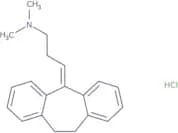
![[5-FAM]-Arg9](/_next/image/?url=https%3A%2Fstatic.cymitquimica.com%2Fproducts%2F3D%2Fthumb-webp%2FCRB1100289.webp&w=3840&q=75)


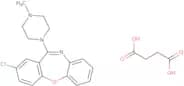
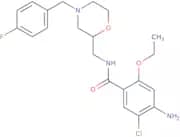

![[Tyr0]-Apelin-13](/_next/image/?url=https%3A%2Fstatic.cymitquimica.com%2Fproducts%2F3D%2Fthumb-webp%2FCRB1001645.webp&w=3840&q=75)









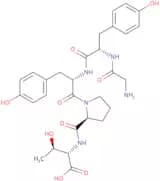







![[Nle12] a-factor](/_next/image/?url=https%3A%2Fstatic.cymitquimica.com%2Fproducts%2F3D%2Fthumb-webp%2FCRB1001333.webp&w=3840&q=75)


![[5-TAMRA]-LPETAG N-terminal Sortagging](/_next/image/?url=https%3A%2Fstatic.cymitquimica.com%2Fproducts%2F3D%2Fthumb-webp%2FCRB1100658.webp&w=3840&q=75)


![[Biotin]-GLP-1](/_next/image/?url=https%3A%2Fstatic.cymitquimica.com%2Fproducts%2F3D%2Fthumb-webp%2FCRB1000881.webp&w=3840&q=75)


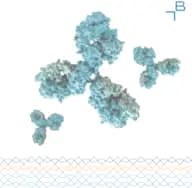

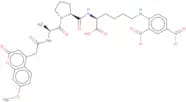

![Cellulose synthase 4 Light [Populus tomentosa]](/_next/image/?url=https%3A%2Fstatic.cymitquimica.com%2Fproducts%2F3D%2Fthumb-webp%2FCRB1000364.webp&w=3840&q=75)

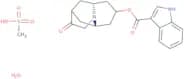
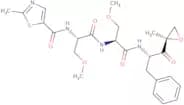

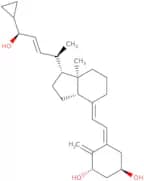



![N-[3-(1,3-Benzodioxol-5-yl)pyrazolo[1,5-a]pyrimidin-5-yl]-N',N'-dimethyl-propane-1,3-diamine](/_next/image/?url=https%3A%2Fstatic.cymitquimica.com%2Fproducts%2F3D%2Fthumb-webp%2FEB176309.webp&w=3840&q=75)
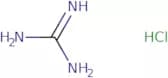

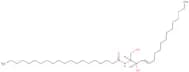

![Protein AMBP [279-290]](/_next/image/?url=https%3A%2Fstatic.cymitquimica.com%2Fproducts%2F3D%2Fthumb-webp%2FPP50808.webp&w=3840&q=75)


![Glucagon (1-29)-[Lys(AF647)]](/_next/image/?url=https%3A%2Fstatic.cymitquimica.com%2Fproducts%2F3D%2Fthumb-webp%2FCRB1101573.webp&w=3840&q=75)

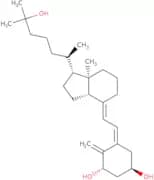
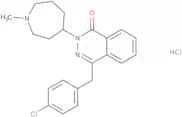
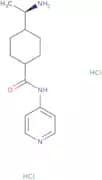
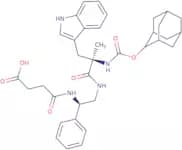



![[5-FAM]-ERKtide](/_next/image/?url=https%3A%2Fstatic.cymitquimica.com%2Fproducts%2F3D%2Fthumb-webp%2FCRB1100601.webp&w=3840&q=75)

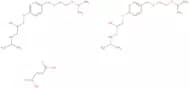

![DNA damage-binding protein 2 (DDB2)-[Cys(AF647)]-amide](/_next/image/?url=https%3A%2Fstatic.cymitquimica.com%2Fproducts%2F3D%2Fthumb-webp%2FCRB1100404.webp&w=3840&q=75)

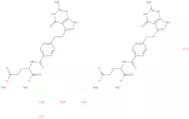


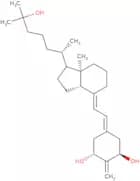
![[5-FAM]-Val](/_next/image/?url=https%3A%2Fstatic.cymitquimica.com%2Fproducts%2F3D%2Fthumb-webp%2FCRB1101717.webp&w=3840&q=75)
![[TAMRA]-β-Amyloid (1-15) Human](/_next/image/?url=https%3A%2Fstatic.cymitquimica.com%2Fproducts%2F3D%2Fthumb-webp%2FCRB1100840.webp&w=3840&q=75)

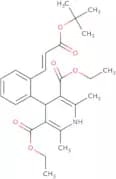
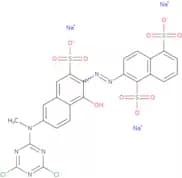



![GSK3 (3-13)/crosstide-[S]](/_next/image/?url=https%3A%2Fstatic.cymitquimica.com%2Fproducts%2F3D%2Fthumb-webp%2FCRB1000548.webp&w=3840&q=75)