Biochemicals and Reagents
Biochemicals and reagents are fundamental substances for research and development in fields such as biotechnology, molecular biology, pharmacology, and medicine. These products are essential for a variety of applications, including compound synthesis, biological sample analysis, metabolic process research, and drug production. At CymitQuimica, we offer a wide selection of high-quality, high-purity biochemicals and reagents suitable for various scientific and industrial needs. Our catalog includes enzymes, antibodies, nucleic acids, amino acids, and many other products, all designed to support researchers and professionals in their research and development projects, ensuring reliable and reproducible results.
Subcategories of "Biochemicals and Reagents"
- Biomolecules(99,117 products)
- By Biological Target(99,161 products)
- By Pharmacological Effects(6,787 products)
- Cryopreservatives(21 products)
- Desinfectants and Related Compounds(28 products)
- Hormones(346 products)
- Plant Biology(6,710 products)
- Secondary Metabolites(14,222 products)
Found 130581 products of "Biochemicals and Reagents"
Sort by
Purity (%)
0
100
|
0
|
50
|
90
|
95
|
100
Imiquimod - Bio-X ™
CAS:<p>Imiquimod is a toll-like receptor 7 agonist drug that is used for the treatment of genital warts, basal cell carcinoma and condyloma acuminata. This drug works by relieving and controlling wart production. Studies in mice have shown that this drug may induce cytokines such as interleukins. Imiquimod helps to increase apoptosis of diseased tissues and an infiltration of lymphocytes into tumor lesions.</p>Formula:C14H16N4Purity:Min. 95%Color and Shape:PowderMolecular weight:240.3 g/molElesclomol
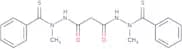
CAS:<p>Elesclomol is an investigational anticancer agent, which is a small-molecule compound. It functions by targeting the cellular oxidative stress pathway; specifically, it enhances the production of reactive oxygen species (ROS) within cancer cells. By elevating ROS levels beyond the threshold tolerable by cancer cells, Elesclomol induces apoptosis through the disruption of mitochondrial function, making it selective for environments with heightened oxidative stress.</p>Formula:C19H20N4O2S2Purity:Min. 95%Color and Shape:PowderMolecular weight:400.52 g/molPrasugrel - Bio-X ™
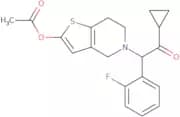
CAS:<p>Prasugrel is a thienopyridine prodrug that inhibits the enzyme ADP-dependent P2Y purinergic receptor. Prasugrel inhibits platelet aggregation and the formation of blood clots by blocking the conversion of ADP to ATP on the surface of platelets, thus preventing the release of serotonin from platelets. The reaction products formed by prasugrel are similar to those formed by clopidogrel and include hydrogen sulfate ions and a thiol-containing metabolite. It has also been shown to have potent cytotoxic activity against melanoma cells and anti-inflammatory properties. <br>Prasugrel is part of our Bio-X ™ Range. These products are aimed at life science researchers who need high quality ready-to-use products for assay development, screening or other R&D work. With a solubility datasheet and convenient vials, all of our Bio-X ™ products are in stock across our global warehouses for rapid delivery and ease of use.</p>Formula:C20H20FNO3SPurity:(%) Min. 95%Molecular weight:373.44 g/molH-QAKEVLNGEMEKSRRYGAPS-OH
<p>H-QAKEVLNGEMEKSRRYGAPS-OH is a custom peptide that can be synthesized rapidly by our peptide experts in under 2 weeks. H-QAKEVLNGEMEKSRRYGAPS-OH is provided at greater that >95% purity (HPLC) from Cymit Quimica for a variety of research applications. We also offer H-QAKEVLNGEMEKSRRYGAPS-OH in bulk quantities in addition to our standard pack sizes.Please enquire for more information about H-QAKEVLNGEMEKSRRYGAPS-OH at the technical inquiry form on this page</p>Purity:Min. 95%H-DKTKVLVVQPKK-OH
<p>H-DKTKVLVVQPKK-OH is a custom peptide that can be synthesized rapidly by our peptide experts in under 2 weeks. H-DKTKVLVVQPKK-OH is provided at greater that >98% purity (HPLC) from Cymit Quimica for a variety of research applications. We also offer H-DKTKVLVVQPKK-OH in bulk quantities in addition to our standard pack sizes.Please enquire for more information about H-DKTKVLVVQPKK-OH at the technical inquiry form on this page</p>Purity:Min. 95%Ac-CDADLKDVNVIPATA-OH
<p>Ac-CDADLKDVNVIPATA-OH is a custom peptide that can be synthesized rapidly by our peptide experts in under 2 weeks. Ac-CDADLKDVNVIPATA-OH is provided at greater that >90% purity (HPLC) from Cymit Quimica for a variety of research applications. We also offer Ac-CDADLKDVNVIPATA-OH in bulk quantities in addition to our standard pack sizes.Please enquire for more information about Ac-CDADLKDVNVIPATA-OH at the technical inquiry form on this page</p>Purity:Min. 95%H-VNNVPR-OH
<p>H-VNNVPR-OH is a custom peptide that can be synthesized rapidly by our peptide experts in under 2 weeks. H-VNNVPR-OH is provided at greater that >95% purity (HPLC) from Cymit Quimica for a variety of research applications. We also offer H-VNNVPR-OH in bulk quantities in addition to our standard pack sizes.Please enquire for more information about H-VNNVPR-OH at the technical inquiry form on this page</p>Purity:Min. 95%WRN Helicase Inhibitor, NSC 19630
CAS:<p>WRN Helicase Inhibitor, NSC 19630, is a selective molecular inhibitor targeting WRN helicase, which is derived from synthetic chemical libraries. The WRN helicase, part of the RecQ helicase family, plays a critical role in DNA repair and replication processes by unwinding DNA strands. The inhibitor functions by binding to the helicase domain, obstructing its unwinding activity, and thereby interfering with the replication and repair of DNA at stalled replication forks.</p>Formula:C8H9NO4Purity:Min. 95%Color and Shape:PowderMolecular weight:183.16 g/molH-GYNCGGCKFGWTGPD-OH
<p>H-GYNCGGCKFGWTGPD-OH is a custom peptide that can be synthesized rapidly by our peptide experts in under 2 weeks. H-GYNCGGCKFGWTGPD-OH is provided at greater that >80% purity (HPLC) from Cymit Quimica for a variety of research applications. We also offer H-GYNCGGCKFGWTGPD-OH in bulk quantities in addition to our standard pack sizes.Please enquire for more information about H-GYNCGGCKFGWTGPD-OH at the technical inquiry form on this page</p>Purity:Min. 95%H-GGCKFGWTGPDCNRK-OH
<p>H-GGCKFGWTGPDCNRK-OH is a custom peptide that can be synthesized rapidly by our peptide experts in under 2 weeks. H-GGCKFGWTGPDCNRK-OH is provided at greater that >80% purity (HPLC) from Cymit Quimica for a variety of research applications. We also offer H-GGCKFGWTGPDCNRK-OH in bulk quantities in addition to our standard pack sizes.Please enquire for more information about H-GGCKFGWTGPDCNRK-OH at the technical inquiry form on this page</p>Purity:Min. 95%H-GQWHLSKRDTGAGSC-OH
<p>H-GQWHLSKRDTGAGSC-OH is a custom peptide that can be synthesized rapidly by our peptide experts in under 2 weeks. H-GQWHLSKRDTGAGSC-OH is provided at greater that >95% purity (HPLC) from Cymit Quimica for a variety of research applications. We also offer H-GQWHLSKRDTGAGSC-OH in bulk quantities in addition to our standard pack sizes.Please enquire for more information about H-GQWHLSKRDTGAGSC-OH at the technical inquiry form on this page</p>Purity:Min. 95%H-VTQARMVSK-OH
<p>H-VTQARMVSK-OH is a custom peptide that can be synthesized rapidly by our peptide experts in under 2 weeks. H-VTQARMVSK-OH is provided at greater that >95% purity (HPLC) from Cymit Quimica for a variety of research applications. We also offer H-VTQARMVSK-OH in bulk quantities in addition to our standard pack sizes.Please enquire for more information about H-VTQARMVSK-OH at the technical inquiry form on this page</p>Purity:Min. 95%H-YNESIAFFYNRSGGGGSKK-OH
<p>H-YNESIAFFYNRSGGGGSKK-OH is a custom peptide that can be synthesized rapidly by our peptide experts in under 2 weeks. H-YNESIAFFYNRSGGGGSKK-OH is provided at greater that >75% purity (HPLC) from Cymit Quimica for a variety of research applications. We also offer H-YNESIAFFYNRSGGGGSKK-OH in bulk quantities in addition to our standard pack sizes.Please enquire for more information about H-YNESIAFFYNRSGGGGSKK-OH at the technical inquiry form on this page</p>Purity:Min. 95%H-LAEIYVNSSFYK-OH
<p>H-LAEIYVNSSFYK-OH is a custom peptide that can be synthesized rapidly by our peptide experts in under 2 weeks. H-LAEIYVNSSFYK-OH is provided at greater that >95% purity (HPLC) from Cymit Quimica for a variety of research applications. We also offer H-LAEIYVNSSFYK-OH in bulk quantities in addition to our standard pack sizes.Please enquire for more information about H-LAEIYVNSSFYK-OH at the technical inquiry form on this page</p>Purity:Min. 95%H-PDGKKLASGCKNGQILLWDP-OH
<p>H-PDGKKLASGCKNGQILLWDP-OH is a custom peptide that can be synthesized rapidly by our peptide experts in under 2 weeks. H-PDGKKLASGCKNGQILLWDP-OH is provided at greater that >95% purity (HPLC) from Cymit Quimica for a variety of research applications. We also offer H-PDGKKLASGCKNGQILLWDP-OH in bulk quantities in addition to our standard pack sizes.Please enquire for more information about H-PDGKKLASGCKNGQILLWDP-OH at the technical inquiry form on this page</p>Purity:Min. 95%H-MREGVELCPGNKYEMRRHGT-OH
<p>H-MREGVELCPGNKYEMRRHGT-OH is a custom peptide that can be synthesized rapidly by our peptide experts in under 2 weeks. H-MREGVELCPGNKYEMRRHGT-OH is provided at greater that >95% purity (HPLC) from Cymit Quimica for a variety of research applications. We also offer H-MREGVELCPGNKYEMRRHGT-OH in bulk quantities in addition to our standard pack sizes.Please enquire for more information about H-MREGVELCPGNKYEMRRHGT-OH at the technical inquiry form on this page</p>Purity:Min. 95%Ac-CEPQAPEMLQRARE-NH2
<p>Ac-CEPQAPEMLQRARE-NH2 is a custom peptide that can be synthesized rapidly by our peptide experts in under 2 weeks. Ac-CEPQAPEMLQRARE-NH2 is provided at greater that >85% purity (HPLC) from Cymit Quimica for a variety of research applications. We also offer Ac-CEPQAPEMLQRARE-NH2 in bulk quantities in addition to our standard pack sizes.Please enquire for more information about Ac-CEPQAPEMLQRARE-NH2 at the technical inquiry form on this page</p>Purity:Min. 95%Cellubrevin antibody
<p>Cellubrevin antibody was raised in mouse using recombinant human cellubrevin (1-77aa) purified from E. coli as the immunogen.</p>CCG 58150
CAS:<p>Rho/MRTF/SRF mediated gene transcription inhibitor</p>Formula:C11H8Cl2N2O3Purity:Min. 95%Color and Shape:SolidMolecular weight:287.1 g/molHuman Growth Hormone antibody
<p>The Human Growth Hormone antibody is a glycosylated protein that plays a crucial role in endothelial growth and development. It acts as a growth factor and interacts with androgen receptors to regulate various physiological processes. The antibody specifically targets the human growth hormone, inhibiting its activity and preventing excessive growth.</p>Deoxyribonuclease I antibody
<p>Deoxyribonuclease I antibody was raised in rabbit using deoxyribonuclease A isolated from bovine pancreas as the immunogen.</p>Purity:Min. 95%LYN antibody
<p>LYN antibody was raised in sheep using maltose binding protein fusion protein as the immunogen.</p>Purity:Min. 95%H-RPFYSNAPQEIFIQQGR-OH
<p>H-RPFYSNAPQEIFIQQGR-OH is a custom peptide that can be synthesized rapidly by our peptide experts in under 2 weeks. H-RPFYSNAPQEIFIQQGR-OH is provided at greater that >95% purity (HPLC) from Cymit Quimica for a variety of research applications. We also offer H-RPFYSNAPQEIFIQQGR-OH in bulk quantities in addition to our standard pack sizes.Please enquire for more information about H-RPFYSNAPQEIFIQQGR-OH at the technical inquiry form on this page</p>Purity:Min. 95%OVA(323-339)
<p>H-ISQAVHAAHAEINEAGR-OH is a custom peptide that can be synthesized rapidly by our peptide experts in under 2 weeks. H-ISQAVHAAHAEINEAGR-OH is provided at greater that >95% purity (HPLC) from Cymit Quimica for a variety of research applications. We also offer H-ISQAVHAAHAEINEAGR-OH in bulk quantities in addition to our standard pack sizes.Please enquire for more information about H-ISQAVHAAHAEINEAGR-OH at the technical inquiry form on this page</p>Formula:C74H120N26O25Purity:Min. 95%Molecular weight:1,773.9 g/molCyfra21-1 antibody
<p>Cyfra21-1 antibody is a monoclonal antibody that specifically targets the activated form of Cyfra21-1, a tumor marker commonly found in various types of cancers. This antibody has been extensively studied in the field of life sciences and has shown promising results as a potential therapeutic agent. It works by binding to the Cyfra21-1 protein and inhibiting its activity, thereby preventing the growth and spread of cancer cells. Additionally, this antibody has been found to have inhibitory effects on other growth factors such as fibrinogen and adrenomedullin. It also exhibits multidrug resistance reversal properties, making it a valuable tool in cancer treatment. With its unique mechanism of action and high specificity, Cyfra21-1 antibody holds great potential for targeted cancer therapy.</p>ApoC-II protein
<p>ApoC-II protein is a vital component of the human body that plays a crucial role in various biological processes. It acts as an epidermal growth factor and is involved in the regulation of cell growth and development. This protein has been extensively studied in Life Sciences, and its importance has been recognized in various research fields. The antigen binding domain of ApoC-II protein allows it to interact with specific molecules, facilitating an antigen-antibody reaction. This property makes it an ideal candidate for use in immunoassays and bioassays, where its binding affinity can be utilized for diagnostic purposes. Furthermore, ApoC-II protein has shown promising results in studies related to microvessel density and growth factor activity. Its ability to modulate these factors makes it a potential target for therapeutic interventions aimed at promoting tissue regeneration and wound healing. In addition to its biological functions, ApoC-II protein is also widely used in scientific research as a tool for studying molecular interactions. Monoclon</p>Purity:>95% By Sds-PageH-CEPVVPNAPPAYEKL-OH
<p>H-CEPVVPNAPPAYEKL-OH is a custom peptide that can be synthesized rapidly by our peptide experts in under 2 weeks. H-CEPVVPNAPPAYEKL-OH is provided at greater that >90% purity (HPLC) from Cymit Quimica for a variety of research applications. We also offer H-CEPVVPNAPPAYEKL-OH in bulk quantities in addition to our standard pack sizes.Please enquire for more information about H-CEPVVPNAPPAYEKL-OH at the technical inquiry form on this page</p>Purity:Min. 95%Bovine IgG
<p>Bovine IgG is an immunoglobulin that plays a crucial role in the immune response. It acts as an inhibitory factor for oncostatin, a cytokine involved in cell growth and differentiation. Bovine IgG is commonly used in research laboratories for various applications, including the production of monoclonal antibodies and polyclonal antibodies. It can be used as a control or standard in immunoassays to measure the concentration of specific proteins or analytes. Bovine IgG is also used in the field of life sciences for studying various biological processes, such as signal transduction, gene expression, and protein interactions. With its high purity and stability, bovine IgG is an essential component in many experimental protocols.</p>Purity:Min. 95%Myoglobin antibody
<p>Myoglobin antibody was raised in mouse using human Myoglobin as the immunogen.</p>Purity:Min. 95%IL1 β protein
<p>Region of IL1 beta protein corresponding to amino acids APVRSLNCTL RDSQQKSLVM SGPYELKALH LQGQDMEQQV VFSMSFVQGE ESNDKIPVAL GLKEKNLYLS CVLKDDKPTL QLESVDPKNY PKKKMEKRFV FNKIEINNKL EFESAQFPNW YISTSQAENM PVFLGGTKGG QDITDFTMQF VSS.</p>Purity:≥98% By Sds Page Gel And Hplc Analysis.CEA protein (Preservative-free)
<p>Purified native Human CEA protein (Preservative-free)</p>Purity:>95% By Sds-Page And ElectrophoresisComplement C3 antibody
<p>Complement C3 antibody is a highly specialized product designed to target and neutralize the complement protein C3. This antibody has been extensively tested and proven effective in laboratory studies. It has shown high affinity for C3 and can effectively block its activity.</p>Purity:Min. 95%WWL 154
CAS:Controlled Product<p>Inhibitor of the fatty acid amide hydrolase FAAH-4. The FAAH-4 inhibition with WWL 154 prevents the breakdown of 2-arachidonoylgycerol (2-AG), prolongs lifespan in Caenorhabditis elegans and protects from oxidative stress.</p>Formula:C18H19N3O5Purity:Min. 95%Color and Shape:SolidMolecular weight:357.36 g/molRET V804M-IN-1
CAS:<p>Selective inhibitor of the mutated RET variant RETV804M, which is the anticipated drug-resistant RET mutant that can occur in tumours treated with kinase inhibitors. The compound has a biochemical IC50 of 0.02 µM and selectivity for purified RETV804M over purified RET and KDR of 3.7 and 110, respectively. The efficacy of the compound was shown also in cell cultures with IC50 of 4.4 µM, and cell assay selectivity for RETV804M over RET and KDR of 0.89 and 2.3, respectively.</p>Formula:C19H16N6OPurity:Min. 97 Area-%Color and Shape:White PowderMolecular weight:344.37 g/molβ 2 Microglobulin protein (> 95% pure)
<p>Purified native Human beta 2 Microglobulin protein</p>Purity:> 95% By Sds - PageS-(+)-Clopidogrel hydrogen sulfate
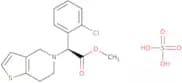
CAS:<p>Clopidogrel is a potent inhibitor of the platelet aggregation. It reduces blood clotting by inhibiting the ADP receptor on the surface of platelets, thereby inhibiting the aggregation and adhesion of platelets. Clopidogrel has been shown to be effective in preventing thrombosis, myocardial infarction (heart attack), and stroke. Clopidogrel inhibits the activity of cytochrome P450 3A4 (CYP3A4) and p2Y 12 receptors. Clopidogrel has been shown to have synergic effects with nonsteroidal anti-inflammatory drugs (NSAIDs). The polymorphic nature of Clopidogrel can be monitored using a liquid chromatography-tandem mass spectrometry (LC-MS/MS) method for quantification in biological samples such as human serum and plasma.</p>Formula:C16H18ClNO6S2Purity:Min. 98 Area-%Color and Shape:White PowderMolecular weight:419.9 g/molAmiodarone HCl
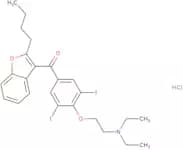
CAS:<p>Amiodarone a class III anti-arrhythmic agent, used to treat and prevent certain types of irregular heartbeats. It is a competitor for natural ligands of alpha and beta adrenergic receptors, muscarinic acetylcholine receptors, histamine H1 receptors, and serotonin 5HT2A/5HT2C receptors. Amiodarone has been shown to reduce the number of atrial and ventricular arrhythmias in patients with structural heart disease, and has been used to treat atrial fibrillation, ventricular tachycardia, and Wolff-Parkinson-White Syndrome. It has also been used in the prevention of myocardial infarcts due to its ability to modify blood pressure and maintain cardiac function. In addition, amiodarone inhibits prostaglandin synthesis by inhibiting cyclooxygenase enzymes. This prevents inflammation in the gastrointestinal tract and reduces bowel disease symptoms such as cramping or diarrhea.</p>Formula:C25H30ClI2NO3Purity:Min. 98 Area-%Color and Shape:PowderMolecular weight:681.77 g/molCediranib
CAS:<p>Inhibitor of VEGF receptor tyrosine kinases and non-receptor tyrosine kinases</p>Formula:C25H27FN4O3Purity:Min. 98 Area-%Color and Shape:White To Off-White SolidMolecular weight:450.20672Metoclopramide hydrochloride hydrate
CAS:<p>Dopamine (D2) receptor antagonist; 5-HT4 serotonin receptor agonist</p>Formula:C14H22ClN3O2·HCl·H2OColor and Shape:White Off-White PowderMolecular weight:354.27 g/molSolenopsin
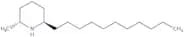
CAS:<p>Solenopsin is used as a research tool in the study of ion channels. It has been shown to inhibit potassium channels and activate calcium channels, which are important for nerve transmission. Solenopsin binds to cell-surface receptors, such as the nicotinic acetylcholine receptor, which causes an influx of calcium ions into cells.</p>Formula:C17H35NPurity:Min. 95%Molecular weight:253.5 g/molBacillus anthracis antibody (Protective Antigen)
<p>Polyclonal Bacillus anthracis antibody (Protective Antigen), Anti-Bacillus anthracis antibody (Protective Antigen), Bacillus anthracis PA antibody, Anthrax PA antibody, Bacillus anthracis Protective Antigen antibody, Anthrax Protective Antigen antibody</p>CA 15-3 protein
<p>6-Fluoro-3-indoxyl-beta-D-galactopyranoside: Experience the power of 6-Fluoro-3-indoxyl-beta-D-galactopyranoside, a potent antituberculosis drug from the rifamycin class. Designed to combat tuberculosis infection, this active compound exhibits remarkable bactericidal activity. By binding to DNA-dependent RNA polymerase, it inhibits bacterial growth by preventing transcription and replication. Tested using advanced techniques like the patch-clamp technique on human erythrocytes, this drug has shown high efficacy in treating tuberculosis. Metabolized through various transformations including hydrolysis by esterases or glucuronidases, oxidation by cytochrome P450 enzymes, reduction by glutathione reductase, or conjugation with glucuronic acid, it offers comprehensive treatment against Mycobacterium strains. Don't let tuberculosis hold you back - choose 6-Fluoro-3-indoxyl</p>Purity:Purity Ratio Reported As U/Ml/OdAflatoxin B antibody
<p>Aflatoxin B antibody was raised in Mouse using Raised against aflatoxin of Aspergillus flavus origin as the immunogen.</p>Myoglobin antibody
<p>Myoglobin antibody was raised in mouse using human cardiac myoglobin as the immunogen.</p>CEA antibody (HRP)
<p>CEA antibody (HRP) was raised in goat using affinity pure human CEA as the immunogen.</p>IL1 β antibody
<p>IL1 beta antibody was raised using the N terminal of IL1B corresponding to a region with amino acids DLDLCPLDGGIQLRISDHHYSKGFRQAASVVVAMDKLRKMLVPCPQTFQE</p>Purity:Min. 95%VEGFR1 protein
<p>6-Fluoro-3-indoxyl-beta-D-galactopyranoside is an antituberculosis drug that falls under the category of rifamycins. It is highly effective in treating tuberculosis infections and contains active compounds with bactericidal activity. This drug works by binding to DNA-dependent RNA polymerase, preventing transcription and replication, thus inhibiting bacterial growth. Extensive research has demonstrated its high efficacy using advanced techniques such as the patch-clamp technique on human erythrocytes. In addition, this drug undergoes various metabolic transformations including hydrolysis by esterases or glucuronidases, oxidation by cytochrome P450 enzymes, reduction by glutathione reductase, or conjugation with glucuronic acid. Furthermore, it specifically targets markers expressed at high levels in Mycobacterium tuberculosis strains and inhibits cell growth in culture.</p>Purity:Min. 95%Pro-Collagen I antibody
<p>Pro-Collagen I antibody was raised in mouse using human procollagen I as the immunogen.</p>Purity:Min. 95%TGF α antibody
<p>TGF alpha antibody was raised in mouse using 17-amino acid synthetic peptide from carboxyl-terminus of rat TGF-alpha as the immunogen.</p>Purity:Min. 95%AHSG Blocking Peptide
<p>A synthetic peptide for use as a blocking control in assays to test for specificity of AHSG antibody, catalog no. 70R-5916</p>Streptococcus Group B antibody
<p>Streptococcus Group B antibody was raised in mouse using Group B Streptococcus as the immunogen.</p>Chikungunya virus antibody
<p>Chikungunya virus antibody is a highly effective solution for combating the Chikungunya virus. This antibody specifically targets and neutralizes the virus, preventing its replication and spread within the body. It works by binding to collagen, which is present on the surface of infected cells, effectively blocking the virus from entering healthy cells.</p>α Actin antibody
<p>The alpha Actin antibody is a monoclonal antibody that specifically targets and binds to alpha actin, a protein involved in muscle contraction. This antibody has various characteristics and applications in the field of Life Sciences. It can be used for research purposes to study the role of alpha actin in different biological processes. One of the key characteristics of this antibody is its cytotoxic activity. It has been shown to have a potent cytotoxic effect on human hepatocytes, inhibiting their growth and inducing cell death. This makes it a valuable tool for studying the mechanisms underlying liver diseases and potential therapeutic interventions. Additionally, the alpha Actin antibody has been found to have anti-vascular endothelial growth factor (anti-VEGF) properties. VEGF is a protein that promotes the formation of new blood vessels, and its overexpression is associated with various diseases, including cancer. By blocking VEGF activity, this antibody may help inhibit angiogenesis and tumor growth. Furthermore, this monoclonal antibody has</p>Insulin antibody
<p>Insulin antibody is a monoclonal antibody that has inhibitory properties against insulin. It acts by binding to insulin and preventing its activation, thereby inhibiting its function in the body. This antibody has been shown to have inhibitory effects on various processes, including nuclear signaling pathways, chemokine production, interferon release, collagen synthesis, and the production of autoantibodies. Additionally, insulin antibody has been found to inhibit the activity of TGF-β1, a cytokine involved in cell growth and immune responses. In the field of Life Sciences, this antibody is commonly used in research studies involving insulin-related pathways and metabolism. It has also been utilized in liver microsome studies to investigate drug interactions and metabolic processes.</p>Phosphoserine antibody
<p>Phosphoserine antibody was raised in rabbit using phosphoserine-KLH and phosvitin mixture as the immunogen.</p>Purity:Min. 95%M-CSF protein
<p>Region of M-CSF protein corresponding to amino acids MKEVSEHCSH MIGNGHLKVL QQLIDSQMET SCQIAFEFVD QEQLDDPVCY LKKAFFLVQD IIDETMRFKD NTPNANATER LQELSNNLNS CFTKDYEEQN KACVRTFHET PLQLLEKIKN FFNETKNLLE KDWNIFTKNC NNSFAKCSSR DVVTKP.</p>Purity:Min. 95%OSMR antibody
<p>OSMR antibody was raised using the N terminal of OSMR corresponding to a region with amino acids YQSEVLAERLPLTPVSLKVSTNSTRQSLHLQWTVHNLPYHQELKMVFQIQ</p>Purity:Min. 95%Goat anti Rat IgG + IgA + IgM (H + L) (HRP)
<p>Goat anti-rat IgG/IgA/IgM (H+L) (HRP) was raised in goat using rat IgG, IgA and IgM whole molecules as the immunogen.</p>Purity:Min. 95%Treponema pallidum TmpA protein
<p>Purified recombinant Treponema pallidum TmpA protein</p>Purity:Min. 95%Mouse IgG
<p>Mouse IgG is a monoclonal antibody that is widely used in Life Sciences research. It specifically binds to epidermal growth factor and insulin, making it an essential tool for studying the functions of these molecules. Mouse IgG is commonly used in experiments involving immunoprecipitation, Western blotting, and immunohistochemistry. This purified immunoglobulin has been extensively characterized and validated for its high specificity and affinity. It can be used to detect and quantify various targets, including antigens, autoantibodies, and specific proteins such as HER2 (human epidermal growth factor receptor 2). Additionally, Mouse IgG can be conjugated with different labels or enzymes to facilitate detection or purification processes. Its versatility and reliability make it an indispensable reagent in many areas of research, including cell biology, immunology, and molecular biology.</p>Purity:Min. 95%DNP antibody
<p>Dinitrophenol antibody was raised in goat using dinitrophenol-modified protein as the immunogen.</p>Purity:Min. 95%Neisseria gonorrhoeae antibody
<p>Neisseria gonorrhoeae antibody was raised in rabbit using a whole cell preparation of Neisseria gonorrhoeae; ATCC 31426 as the immunogen.</p>Trichomonas vaginalis antibody
<p>Trichomonas vaginalis antibody was raised in mouse using Trichomonas vaginalis as the immunogen.</p>FGF10 protein
<p>Region of FGF10 protein corresponding to amino acids MLGQDMVSPE ATNSSSSSFS SPSSAGRHVR SYNHLQGDVR WRKLFSFTKY FLKIEKNGKV SGTKKENCPY SILEITSVEI GVVAVKAINS NYYLAMNKKG KLYGSKEFNN DCKLKERIEE NGYNTYASFN WQHNGRQMYV ALNGKGAPRR GQKTRRKNTS AHFLPMVVHS.</p>Purity:Min. 95%CYP2C8 + CYP2C9 + CYP2C19 antibody
<p>CYP2C8 + CYP2C9 + CYP2C19 antibody was raised in rabbit using a synthetic peptide as the immunogen.</p>Purity:Min. 95%Streptococcus pneumoniae antibody
<p>Streptococcus Pneumoniae antibody was raised in mouse using the Streptococcus pneumoniae common C-polysaccharide as the immunogen.</p>Human Serum Albumin protein
<p>Human Serum Albumin protein is a versatile protein widely used in the Life Sciences field. It serves as an enzyme substrate, making it valuable for various research applications. This protein has neutralizing properties and contains histidine residues that can be activated to bind to specific molecules. Human Serum Albumin also acts as an anticoagulant, preventing blood from clotting.</p>Purity:< 95% (Electrophoresis)Mouse anti Human IgM
<p>Human IgM antibody was raised in mouse using purified human serum IgM as the immunogen.</p>Dengue Type 2 antibody
<p>Dengue type 2 antibody was raised in mouse using dengue type 2, (New Guinea C), as the immunogen.</p>Quinidine antibody
<p>Quinidine antibody was raised in mouse using quinidine conjugated to KLH as the immunogen.</p>FKBP3 antibody
<p>FKBP3 antibody was raised in mouse using recombinant Human Fk506 Binding Protein 3, 25Kda (Fkbp3)</p>HCG antibody
<p>The HCG antibody is a highly specialized product that offers a range of unique characteristics and applications in the field of Life Sciences. This monoclonal antibody is specifically designed to neutralize and inhibit the activity of human chorionic gonadotropin (HCG), a hormone that plays a crucial role in pregnancy.</p>Candida albicans antibody
<p>Candida albicans antibody was raised in rabbit using Candida albicans, type A as the immunogen.</p>Purity:Min. 95%cMyc antibody
<p>The cMyc antibody is a powerful tool used in Life Sciences research. It is an antibody that specifically targets and neutralizes the cMyc protein, which plays a crucial role in cell growth and proliferation. This antibody is commonly used in various applications such as immunoassays, protein kinase assays, and Western blotting to study the functions of cMyc and its involvement in different cellular processes.</p>Streptolysin O protein
<p>Streptolysin O protein is a monoclonal antibody that belongs to the category of Recombinant Proteins & Antigens. It is designed to target specific molecules and has been found to be effective in neutralizing autoantibodies. Streptolysin O protein exhibits cytotoxic properties and has been shown to have an impact on collagen and adipose tissues. This protein is also involved in various biological processes, such as the regulation of glucagon and galectin-3, which are important for glucose metabolism and cell adhesion. In addition, Streptolysin O protein plays a role in interferon signaling pathways. Its unique properties make it a valuable tool for research in the field of Life Sciences.</p>Purity:>90% By Sds-PageMouse anti Human IgM
<p>Human IgM antibody was raised in mouse using immunoglobulin M Fab region as the immunogen.</p>CBP tag Blocking Peptide
<p>A synthetic peptide for use as a blocking control in assays to test for specificity of CBP tag antibody, catalog no. 70R-12226</p>Purity:Min. 95%AFP antibody
<p>The 6-Fluoro-3-indoxyl-beta-D-galactopyranoside is a powerful antituberculosis drug that falls under the class of rifamycins. It is known for its bactericidal activity against tuberculosis infection. This active compound works by inhibiting bacterial growth through binding to DNA-dependent RNA polymerase, preventing transcription and replication. It has been extensively studied using advanced techniques like the patch-clamp technique on human erythrocytes. The drug undergoes various metabolic transformations, including hydrolysis, oxidation, reduction, or conjugation with glucuronic acid. With its specific binding ability to markers expressed in Mycobacterium tuberculosis strains, it effectively inhibits cell growth in culture.</p>CRP antibody
<p>The CRP antibody is a highly specialized drug antibody that plays a crucial role in the field of Life Sciences. It is specifically designed to neutralize and immobilize agonist proteins, thereby inhibiting their activity. This antibody is buffered and activated to ensure optimal performance and efficacy.</p>HBsAg protein (Subtype ayw)
<p>Purified recombinant HBsAg protein (Subtype ayw)</p>Purity:>98% By Sds-PageAdenovirus antibody
<p>Adenovirus antibody was raised in goat using hexon from ADV, type 2 as the immunogen.</p>Purity:Min. 95%Influenza A antibody
<p>Influenza A antibody was raised in mouse using Influenza A as the immunogen.</p>CD44 antibody
<p>The CD44 antibody is a highly reactive monoclonal antibody that targets the CD44 protein, which is involved in cell adhesion and migration. It specifically recognizes the acid residues of CD44 and has been shown to have neuroprotective and neurotrophic effects. In Life Sciences research, this antibody is commonly used to study the role of CD44 in various cellular processes, including collagen binding and insulin signaling. It can also be used as a diagnostic tool for detecting autoantibodies in human serum. With its high specificity and affinity, the CD44 antibody is a valuable tool for researchers studying glial fibrillary acidic proteins and other related proteins.</p>Purity:Min. 95%JNK1 antibody
<p>JNK1 antibody was raised in sheep using purified JNK-1 yeast fusion protein as the immunogen.</p>Purity:Min. 95%HSV1 + HSV2 ICP27 antibody
<p>HSV1 + HSV2 ICP27 antibody was raised in mouse using herpes simplex virus regulatory ICP27 as the immunogen.</p>COVID-19 Nucleocapsid protein
<p>COVID-19 Nucleocapsid protein recombinant Antigen</p>Purity:Min. 95%PKM2 antibody
<p>The PKM2 antibody is a highly specialized monoclonal antibody that has a strong affinity for the pyruvate kinase M2 isoform. This antibody binds specifically to the receptor sites of PKM2, inhibiting its activity and preventing the conversion of phosphoenolpyruvate (PEP) to pyruvate. As a result, glycolysis is disrupted, leading to decreased ATP production and altered metabolic pathways.</p>CREST antibody
<p>The CREST antibody is a monoclonal antibody that specifically targets transthyretin, a protein involved in various biological processes. This antibody is widely used in Life Sciences research and diagnostics. It can be used in a variety of applications, including immunohistochemistry, western blotting, and ELISA assays. The CREST antibody has been shown to effectively bind to transthyretin in human hepatocytes and other cell types. It can also be used as an electrode for electrochemical analysis or as a tool for antibody-mediated cytotoxicity studies. With its high specificity and binding affinity, the CREST antibody is an essential tool for researchers studying transthyretin-related diseases and exploring therapeutic options.</p>Troponin I antibody
<p>Troponin I antibody is a specialized antibody used in Life Sciences research. It is designed to target and bind to troponin I, a protein found in cardiac muscle tissue. This antibody specifically recognizes troponin I dimers and can be used for various applications such as immunohistochemistry, western blotting, and ELISA assays. Troponin I antibody plays a crucial role in the detection and quantification of troponin I levels, which are important indicators of heart damage or myocardial infarction. It has been extensively used in studies related to cardiovascular diseases and has shown excellent specificity and sensitivity. This monoclonal antibody is highly effective in neutralizing the effects of interferon-gamma (IFN-gamma) and superoxide production induced by IFN-gamma. With its high affinity for troponin I, this antibody is an invaluable tool for researchers studying cardiac function and disease mechanisms.</p>Clostridum difficile toxin A antibody
<p>Clostridum difficile toxin A antibody was raised in mouse using toxin/toxoid A of Clostridium difficile as the immunogen.</p>Flk1 antibody
<p>The Flk1 antibody is a monoclonal antibody that targets the Flk1 protein, also known as vascular endothelial growth factor receptor 2 (VEGFR-2). This antibody specifically binds to the Flk1 protein and can be used for various research applications.</p>Phycoerythrin dye
<p>Phycoerythrin dye is a versatile and highly stable fluorescent dye commonly used in Life Sciences research. It is widely employed in various applications, including flow cytometry, immunohistochemistry, and fluorescence microscopy. This dye offers exceptional photostability, ensuring accurate and reliable results even under intense illumination. Phycoerythrin dye can be conjugated to a variety of molecules such as monoclonal antibodies or growth factors, allowing for specific targeting and detection of cellular components or biomarkers. Its bright emission enables the visualization of cellular structures or processes with high sensitivity. Additionally, Phycoerythrin dye can be used as a blocking agent and/or inhibitor in assays to prevent non-specific binding or interference from other substances. With its broad range of applications and outstanding performance characteristics, Phycoerythrin dye is an indispensable tool for researchers in the field of Life Sciences.</p>Purity:Min. 95%Peanut Conglutin Mouse Monoclonal Antibody
<p>Peanut Conglutin Mouse Monoclonal Antibody is a life science tool for use in pharmaceutical and diagnostic applications. Please enquire for more information about Peanut Conglutin Mouse Monoclonal Antibody including the price, delivery time and more detailed product information at the technical inquiry form on this page.</p>Von Willebrand Positive Human Plasma
<p>Von Willebrand Positive Human Plasma is a life science tool for use in pharmaceutical and diagnostic applications. Please enquire for more information about Von Willebrand Positive Human Plasma including the price, delivery time and more detailed product information at the technical inquiry form on this page.</p>FLAG peptide acetate salt
CAS:<p>FLAG peptide</p>Formula:C41H60N10O20Purity:Min. 95%Molecular weight:1,012.9 g/molNeurofilament Light Chain (NfL) Monoclonal Antibody
<p>Neurofilament Light Chain (NfL) Monoclonal Antibody is a life science tool for use in pharmaceutical and diagnostic applications. Please enquire for more information about Neurofilament Light Chain (NfL) Monoclonal Antibody including the price, delivery time and more detailed product information at the technical inquiry form on this page.</p>IL8 protein
<p>Region of IL8 protein corresponding to amino acids AVLPRSAKEL RCQCIKTYSK PFHPKFIKEL RVIESGPHCA NTEIIVKLSD GRELCLDPKE NWVQRVVEKF LKRAENS.</p>Purity:≥98% By Sds Page Gel And Hplc Analysis.68 kDa Neurofilament protein
<p>The 6-Fluoro-3-indoxyl-beta-D-galactopyranoside is an antituberculosis drug that falls under the class of rifamycins. It is highly effective in treating tuberculosis infections. This active compound exhibits bactericidal activity by binding to DNA-dependent RNA polymerase, inhibiting transcription and replication. Through various metabolic transformations, such as hydrolysis by esterases or glucuronidases, oxidation by cytochrome P450 enzymes, reduction by glutathione reductase, or conjugation with glucuronic acid, it undergoes metabolization. Additionally, it specifically targets markers expressed in Mycobacterium tuberculosis strains and inhibits cell growth in culture.</p>Purity:>98% By Sds-Gel.Legionella pneumophila (Serogroup 1) antibody
<p>Legionella pneumophila (serogroup 1) antibody was raised in mouse using Legionella pneumophila antigenic subgroup knoxville 1 as the immunogen.</p>IGF1 antibody
<p>IGF1 antibody was raised in goat using highly pure recombinant murine IGF-I as the immunogen.</p>Purity:Min. 95%Mumps virus protein
<p>Mumps virus protein is a chemokine that plays a crucial role in various biological processes. It contains tyrosine residues that are essential for its function, including the activation of caspase-9 and inhibition of EGFR protein. This protein also stimulates endothelial growth and has been found to interact with epidermal growth factor. Native Proteins & Antigens offers monoclonal antibodies specifically designed to target this protein, making it an invaluable tool for research in the field of life sciences. These antibodies have shown neutralizing activity against mumps virus, providing valuable insights into the mechanisms of viral infection and potential therapeutic interventions.</p>Purity:Min. 95%P38 MAPK antibody
<p>The 6-Fluoro-3-indoxyl-beta-D-galactopyranoside is a powerful antituberculosis drug that falls under the category of rifamycins. It is specifically designed to target tuberculosis infections and contains active compounds with bactericidal activity. This drug works by inhibiting bacterial growth through its binding to DNA-dependent RNA polymerase, preventing transcription and replication. The effectiveness of this drug has been proven through extensive testing using the patch-clamp technique on human erythrocytes. It undergoes various metabolic transformations, including hydrolysis by esterases or glucuronidases, oxidation by cytochrome P450 enzymes, reduction by glutathione reductase, or conjugation with glucuronic acid. Additionally, it has the ability to bind to markers expressed in high levels in Mycobacterium tuberculosis strains and inhibit cell growth in culture.</p>Purity:Min. 95%Influenza B antibody
<p>Influenza B antibody was raised in mouse using a nuclear protein from the Singapore strain of influenza B as the immunogen.</p>Peptide M trifluoroacetate
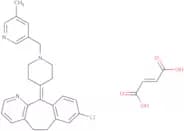
<p>Please enquire for more information about Peptide M trifluoroacetate including the price, delivery time and more detailed product information at the technical inquiry form on this page</p>Formula:C81H141N21O31•(C2HF3O2)xPurity:Min. 95 Area-%Color and Shape:PowderRupatadine fumarate - Bio-X ™
CAS:<p>Rupatadine is a dual histamine H1 receptor and platelet activating factor antagonist that is used for the treatment of allergic rhinitis. It can also be used for the treatment of chronic spontaneous urticaria. This drug inhibits the H1 receptor and the platelet activating factor receptor from carrying out their roles resulting in a reduction in the symptoms of allergic rhinitis.</p>Formula:C30H30ClN3O4Purity:Min. 95%Color and Shape:PowderMolecular weight:532.03 g/molGoat anti Rabbit IgG
<p>Goat anti rabbit IgG was raised in goat using highly purified rabbit IgG as the immunogen.</p>Purity:Min. 95%PSA antibody
<p>PSA antibody was raised in mouse using human PSA from seminal plasma as the immunogen.</p>tPA antibody
<p>tPA antibody was raised in goat using single chain human TPA isolated from malignant melanoma (Bowes) cell culture as the immunogen.</p>Purity:Min. 95%ALW-II-41-27 - Bio-X ™
CAS:<p>This product is part of our Bio-X ™ Range. These products are aimed at life science researchers who need high quality ready-to-use products for assay development, screening or other R&D work. With a solubility datasheet and convenient vials, all of our Bio-X ™ products are in stock across our global warehouses for rapid delivery and ease of use.</p>Formula:C32H32F3N5O2SPurity:Min. 95%Color and Shape:PowderMolecular weight:607.69 g/molAbarelix acetate - Bio-X ™
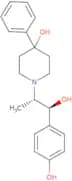
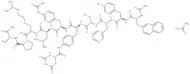
CAS:<p>This product is part of our Bio-X ™ Range. These products are aimed at life science researchers who need high quality ready-to-use products for assay development, screening or other R&D work. With a solubility datasheet and convenient vials, all of our Bio-X ™ products are in stock across our global warehouses for rapid delivery and ease of use.</p>Formula:C72H95ClN14O14•(C2H4O2)xPurity:Min. 95%Color and Shape:PowderMolecular weight:1,416.06 g/molTraxoprodil - Bio-X ™
CAS:Controlled Product<p>This product is part of our Bio-X ™ Range. These products are aimed at life science researchers who need high quality ready-to-use products for assay development, screening or other R&D work. With a solubility datasheet and convenient vials, all of our Bio-X ™ products are in stock across our global warehouses for rapid delivery and ease of use.</p>Formula:C20H25NO3Purity:Min. 95%Color and Shape:PowderMolecular weight:327.42 g/molD-159687 - Bio-X ™
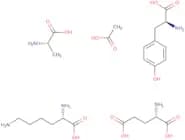
CAS:<p>This product is part of our Bio-X ™ Range. These products are aimed at life science researchers who need high quality ready-to-use products for assay development, screening or other R&D work. With a solubility datasheet and convenient vials, all of our Bio-X ™ products are in stock across our global warehouses for rapid delivery and ease of use.</p>Formula:C21H19ClN2O2Purity:Min. 95%Color and Shape:PowderMolecular weight:366.84 g/molGlatiramer acetate - Bio-X ™
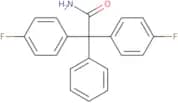
CAS:Controlled Product<p>This product is part of our Bio-X ™ Range. These products are aimed at life science researchers who need high quality ready-to-use products for assay development, screening or other R&D work. With a solubility datasheet and convenient vials, all of our Bio-X ™ products are in stock across our global warehouses for rapid delivery and ease of use.</p>Formula:(C9H11NO3•C6H14N2O2•C5H9NO4•C3H7NO2)x•XC2H4O2Purity:Min. 95%Color and Shape:PowderSenicapoc - Bio-X ™
CAS:<p>This product is part of our Bio-X ™ Range. These products are aimed at life science researchers who need high quality ready-to-use products for assay development, screening or other R&D work. With a solubility datasheet and convenient vials, all of our Bio-X ™ products are in stock across our global warehouses for rapid delivery and ease of use.</p>Formula:C20H15F2NOPurity:Min. 95%Color and Shape:PowderMolecular weight:323.34 g/molSIS17 - Bio-X ™
CAS:<p>This product is part of our Bio-X ™ Range. These products are aimed at life science researchers who need high quality ready-to-use products for assay development, screening or other R&D work. With a solubility datasheet and convenient vials, all of our Bio-X ™ products are in stock across our global warehouses for rapid delivery and ease of use.</p>Formula:C21H38N2OSPurity:Min. 95%Color and Shape:PowderMolecular weight:366.6 g/molTetradecylphosphocholine - Bio-X ™
CAS:<p>This product is part of our Bio-X ™ Range. These products are aimed at life science researchers who need high quality ready-to-use products for assay development, screening or other R&D work. With a solubility datasheet and convenient vials, all of our Bio-X ™ products are in stock across our global warehouses for rapid delivery and ease of use.</p>Formula:C19H42NO4PPurity:Min. 95%Color and Shape:PowderMolecular weight:379.52 g/molDegarelix acetate - Bio-X ™
CAS:Controlled Product<p>This product is part of our Bio-X ™ Range. These products are aimed at life science researchers who need high quality ready-to-use products for assay development, screening or other R&D work. With a solubility datasheet and convenient vials, all of our Bio-X ™ products are in stock across our global warehouses for rapid delivery and ease of use.</p>Formula:C82H103ClN18O16•C2H4O2Purity:Min. 95%Color and Shape:PowderMolecular weight:1,692.31 g/molMMP3 antibody
<p>MMP3 antibody was raised in mouse using APMA (4-Aminophenylmercuric acetate) activated human stromelysin-1 (SL-1) as the immunogen.</p>Purity:Min. 95%NSE protein
<p>The NSE protein is a native protein and antigen that plays a crucial role in various biological processes. It acts as a superoxide scavenger, protecting cells from oxidative damage. Additionally, it serves as a substrate for protein kinases, including the c-myc oncogene product. In the field of life sciences, NSE protein is widely used in research involving proteins and antigens. It can be expressed using plasmids and has high affinity for ribosomal binding. Monoclonal antibodies against NSE protein are available and commonly used in studies related to antiphospholipid antibodies and tyrosine activation. Furthermore, NSE protein has been implicated in the pathogenesis of neurodegenerative disorders such as alpha-synucleinopathies and collagen-related diseases. Its multifunctional nature makes it an essential component in various scientific investigations.</p>Purity:>96% By Sds PageTroponin I antibody (Cardiac)
<p>Troponin I antibody (cardiac) was raised in mouse using human cardiac troponin I (N-Terminal) as the immunogen.</p>Purity:Min. 95%E2F6 antibody
<p>E2F6 antibody was raised in mouse using recombinant Human E2F Transcription Factor 6, Transcript Variant A</p>Treponema pallidum TmpA protein
<p>Purified recombinant Treponema pallidum TmpA protein</p>Purity:Min. 95%α Synuclein protein
<p>MDVFMKGLSK AKEGVVAAAE KTKQGVAEAA GKTKEGVLYV GSKTKEGVVH GVATVAEKTK EQVTNVGGAV VTGVTAVAQK TVEGAGSIAA ATGFVKKDQL GKNEEGAPQE GILEDMPVDP DNEAYEMPSE EGYQDYEPEA</p>Purity:>95% By Sds-PageESAT6 protein (His tag)
<p>Purified recombinant Mycobacterium tuberculosis ESAT6 Protein (His tag)</p>CMV Pp65 protein
<p>The E.Coli derived 52.2 kDa recombinant protein contains the CMV Pp65 (UL83) immunodominant regions, 297-510 amino acids. Recombinant CMV-Pp65 is fused to a 26 kDa GST tag.</p>Purity:Min. 95%Goat anti Bovine IgG (H + L) (HRP)
<p>Goat anti-bovine IgG (H + L) (HRP) was raised in goat using bovine IgG (H & L) as the immunogen.</p>NDUFC1 antibody
<p>NDUFC1 antibody was raised using a synthetic peptide corresponding to a region with amino acids RSKFYVREPPNAKPDWLKVGFTLGTTVFLWIYLIKQHNEDILEYKRRNGL</p>Hexylcaine HCL
<p>Hexylcaine Hydrochloride (USP grade powder) chemical reference substance</p>Purity:Min. 95%α 1 Antichymotrypsin protein
<p>The 6-Fluoro-3-indoxyl-beta-D-galactopyranoside is a powerful antituberculosis drug from the class of rifamycins. It is highly effective in treating tuberculosis infections and contains active compounds that exhibit bactericidal activity. This drug inhibits bacterial growth by binding to DNA-dependent RNA polymerase, preventing transcription and replication. Its efficacy has been demonstrated through extensive research using the patch-clamp technique on human erythrocytes. The metabolization process involves various transformations, including hydrolysis by esterases or glucuronidases, oxidation by cytochrome P450 enzymes, reduction by glutathione reductase, or conjugation with glucuronic acid. Additionally, it specifically targets markers expressed at high levels in Mycobacterium tuberculosis strains and effectively inhibits their growth in culture.</p>Purity:Min. 95%TGF β 1 protein
<p>Region of TGF beta 1 protein corresponding to amino acids ALDTNYCFSS TEKNCCVRQL YIDFRKDLGW KWIHEPKGYH ANFCLGPCPY IWSLDTQYSK VLALYNQHNP GASAAPCCVP QALEPLPIVY YVGRKPKVEQ LSNMIVRSCK CS.</p>Purity:≥98% By Sds-Page Gel And HplcGoat anti Bovine IgG (H + L) (biotin)
<p>Goat anti-Bovine IgG (H + L) (biotin) was raised in goat using purified Bovine IgG (H&L) as the immunogen.</p>Troponin I antibody (Cardiac)
<p>Troponin I antibody (Cardiac) was raised in mouse using animo acid residues 41-49 of cTnI as the immunogen.</p>VEGFR1 antibody
<p>The VEGFR1 antibody is a highly specialized monoclonal antibody that targets the vascular endothelial growth factor receptor 1 (VEGFR1). It works by neutralizing the activity of VEGFR1, which plays a crucial role in angiogenesis and blood vessel formation. This antibody has been extensively used in Life Sciences research to study the effects of VEGFR1 inhibition on various physiological processes.</p>Purity:Min. 95%CKMB antibody
<p>The CKMB antibody is a highly specialized product used in the field of Life Sciences. It belongs to the class of Antibodies and specifically targets CKMB dimers. This Monoclonal Antibody is designed to immobilize and neutralize activated CKMB, which is crucial for accurate diagnostic testing.</p>SHBG antibody
<p>SHBG antibody was raised in goat using human sex hormone binding globulin as the immunogen.</p>Purity:Min. 95%H-Ile-Pro-Pro-OH
CAS:<p>Ile-Pro-Pro (IPP) has the ability to inhibit angiotensin-converting enzyme and stimulate the production of nitric oxide. It could be used to improve hypertension thus reducing the risk of cardiovascular diseases.</p>Formula:C16H27N3O4Purity:Min. 95%Molecular weight:325.4 g/molOVA (250-264)
<p>Ovalbumin (OVA) is the primary protein in egg-white, and is involved in initiating food allergies and asthma. It is a highly immunogenic protein and can be used for peptide conjugation in the development of antibodies.OVA (250-264) is a class I (Kb)-restricted peptide epitope of OVA. The ovalbumin fragment is presented by the class I MHC molecule, H-2Kb.</p>Molecular weight:1,718.9 g/molAc-RLR-[Rh110]-[D-Pro]
<p>Fluorogenic substrate peptide to assay trypsin-like activity. In its intact state this peptide is non-fluorescent, however when the Rhodamine fluorophore is released upon hydrolysation, fluorescence can be detected. This peptide is therefore a useful tool for analysing trypsin-like enzyme activity.The presence of the D-proline residue on the C terminal of the rhodamine molecule ensures one directional rhodamine cleavage which simplifies fluorescence studies. Rhodamine 110 is a laser grade fluorescent dye with excitation maxima at 496 nm and emission maxima at 522 nm.</p>Molecular weight:894.5 g/molPAR-4 Agonist (Mouse)
CAS:<p>Thrombin is the main effector of the coagulation cascade- it is a serine protease. Thrombin binds to active protease activated receptor (PAR) which belongs to a subfamily of G-protein coupled receptors (GPCR). Thrombin activation of mouse PAR-4 reveals an amino terminus sequence of GYPGKF. This is the natural ligand for PAR-4. GYPGKF binds internally to the receptor and leads to signalling activation. Identification of GYPGKF as a PAR-4 agonist has allowed better understand of the function of PAR. Addition of GYPGKF to PAR-4 expressing cell lines achieved 55% of the maximal response of thrombin. GYPGKF can provide understanding of PAR-4 and a template for more potent agonists.</p>Formula:C33H46N8O7Color and Shape:PowderMolecular weight:666.3 g/molSecretogranin-1 (450-462) Heavy
<p>Secretogranin-1 (450-462) Heavy</p>Purity:Min. 95%Molecular weight:1,416.7 g/molAcetyl-Histone H4 (1-21)
<p>Histone 4 (H4) is one of the four core histones (H2A, H2B, H3 and H4) which are essential for compacting eukaryotic DNA into the nucleosome. Due to the high lysine and arginine content, histones have a net positive charge and therefore electrostatically interact with negatively charged DNA. The nucleosome arises when 147 base pairs of DNA wrap around a H3-H4 tetramer and two H2A-H2B dimers, forming the histone octamer core. Like other core histones, H4 has a globular domain and a flexible N-terminal domain, the histone tail, which can undergo modifications such as acetylation, methylation, phosphorylation and ubiquitination.Gene transcriptional activation or inactivation is controlled by ATP-dependent chromatin remodelling factors and histone modifying enzymes. Both processes function to alter the positioning of the nucleosome, allowing the DNA within to be either accessible to the transcription machinery or inaccessible. H4 lysine rich tail plays a role in the higher order chromatin folding.Acetyl-Histone H4 (1-21)-has an uncharged C-terminal amide and is protected from N-terminal modifications by a covalently bonded acetyl group.</p>Molecular weight:2,131.3 g/mol[5-FAM]-Tyr-Ahx-Ser-Asp-Lys-Pro-acid
<p>[5-FAM]-Tyr-Ahx-SDKP-acid</p>Color and Shape:PowderMolecular weight:1,079.4 g/molβ-Amyloid (1-11) Human
<p>Amyloid β-peptide (Aβ) has been identified as the key subunit of the extracellular plaques found in the brains of patients with Alzheimer's disease (AD) and Down's syndrome (DS). Aβ has therefore been extensively studied as a potential target for treatment of AD. Aβ is formed from the cleavage of the large, transmembrane protein APP (amyloid precursor protein). Cleavage of APP by β- and then γ-secretases results in the formation of Aβ. Aβ can aggregate to produce amyloid-β oligomers, which are thought to be highly neurotoxic. Over time Aβ can further aggregate to produce the characteristic senile plaques present in AD and DS. Aβ can be degraded by enzymes such as neprilysin, insulin degrading enzyme or endothelin converting enzyme. At physiological levels Aβ may be involved in controlling synaptic activity and neuronal survival.</p>Molecular weight:1,325.3 g/molPAR-3 Agonist (Human)
<p>Protease activated receptors (PARs) are a distinctive four-member family of seven transmembrane G protein-coupled receptors (GPCRs) widely expressed in inflammatory cells. PARs are cleaved by certain serine proteases to expose a tethered ligand domain, this ligand domain then binds to and activates the receptors to initiate multiple signalling cascades. These PAR-activating proteases therefore represent PAR agonists. This PAR-3 agonist peptide represents the sequence of the 'tethered ligand' and is therefore capable of activating the receptor independently of N-terminal proteolysis.PAR-3 is required for intercellular adhesion molecule 1 (ICAM-1) expression in endothelial cells and PAR-3 cooperates with PAR-1 to mediate the effect of thrombin on cytokine production and vascular cell adhesion molecule (VCAM- 1) expression.</p>Molecular weight:646.4 g/molh-Chemerin-9 (149-157)
<p>A Chemerin-9 peptide derived from chemerin, a protein that is involved in a variety of functions such as autocrine, angiogenic, reproductive and chemotactic processes. Chemerin-9 binds to the chemerin receptor 23 (G-protein coupled receptor) and causes the receptors internalisation.</p>Molecular weight:1,063.5 g/molUrumin
<p>Urumin is a veridical host defence peptide against influenza A virus.The peptide specifically targets the evolutionarily conserved H1 hemagglutinin stalk region of H1-containing influenza A viruses.Urumin has been used against drug-resistant influenza A viruses that are resistant against oseltamivir, zanamivir and peramivir. While its mechanism of action is not fully understood, urumin seems to inhibit viral growth by physically destroying influenza A virions, and is able to protect naive mice from doses of influenza A infection as high as 2 times the LD50. Because of its specific targeting of the hemagglutinin stalk region of the influenza A virus, the mechanism of action of urumin is similar to that of antibodies induced in the body by universal influenza vaccines.</p>Molecular weight:2,959.4 g/molAlbumin (mouse, rat)
<p>Albumin is a family of globular, water soluble, un-glycosylated proteins commonly found in blood plasma. Albumins generally act as transport proteins that bind to various ligands to transport them around.The most common member of this family is serum albumin. Serum albumin is produced by the liver and is the most abundant plasma protein, it provides oncotic pressure, transports bilirubin, steroids, fatty acids, thyroid hormones and other hormones, and serves as an extracellular antioxidant agent.Too much or too little circulating serum albumin may be harmful. Perturbations in serum albumin concentration is associated with both type 2 diabetes and metabolic syndrome (MetS). Increase in serum albumin concentration might protect against early glycemic deterioration and progression to type 2 diabetes even in subjects without MetS. Albumin in the urine usually denotes the presence of kidney disease.</p>Molecular weight:1,055.7 g/molHistone H4 (1-23)
<p>Histone 4 (H4) is one of the four core histones (H2A, H2B, H3 and H4) which are fundamental in compacting eukaryotic DNA into the nucleosome. Due to the high lysine and arginine content, histones have a net positive charge and therefore electrostatically interact with negatively charged DNA. The nucleosome arises when 147 base pairs of DNA wrap around a H3-H4 tetramer and two H2A-H2B dimers, forming the histone octamer core. Like other core histones, H4 has a globular domain and a flexible N-terminal domain, the histone tail, which can undergo modifications such as acetylation, methylation, phosphorylation and ubiquitination.Gene transcriptional activation or inactivation is controlled by ATP-dependent chromatin remodelling factors and histone modifying enzymes. Both processes function to alter the positioning of the nucleosome, allowing the DNA within to be either accessible to the transcription machinery or inaccessible. H4's lysine rich tail plays a role in the higher order chromatin folding.</p>Color and Shape:PowderMolecular weight:2,400.5 g/molAra h 2 (147-155) peanut Allergen
<p>Ara h 2 is one of the major allergenic proteins from peanut (Arachis hypogaea) which contains approximately 13 potential allergenic proteins.Ara h 2 is a member of the 2S albumins (conglutinins) belonging to the prolamin superfamily which also includes Ara h 6. 2S albumins contain major food allergens from seeds of many mono- and dicotyledon plants and share a common compact structure that renders the proteins highly resistant to proteolysis.In mouse models Ara h 2 and Ara h 6 are the main cause of effector responses such as mast cell degranulation and anaphylaxis. Ara h 2 has a high predictive value for diagnosis of clinical peanut allergy and is also more potent than Ara h 1 or Ara h 3 in histamine release assays and skin prick tests.This peptide represents a tryptic peptide of Ara h 2.</p>Color and Shape:PowderMolecular weight:1,027.5 g/molANP (13-26)
<p>ANP (13-26) is derived from the atrial natriuretic peptide (ANP) which is a cardiac hormone involved in maintaining cardio-renal homeostasis. This occurs through the activation of the guanylyl cyclase-coupled receptor, resulting in the increased concentration of cyclic guanylate monophosphate. Moreover its function in the processes of anti-proliferation and anti-angiogenesis allow it to take part in the cardiovascular remodelling process.ANP is a member of the natriuretic peptide family and it is encoded by the NPPA gene, located on chromosome 1. Once synthesized from the 151 amino acid pre-prohormone into its biologically active form, ANP is secreted by the atrial cardiomyocytes in the circulating forms: ANP (1-98) and ANP (99-126). This synthesis process involves the signal peptide being removed from the pre-prohormone resulting in proANP (1-126) which is converted into the circulating forms by the type II transmembrane serine protease Corin.</p>Color and Shape:PowderMolecular weight:1,423.7 g/molNeuromedin U 25
<p>Neuromedin U (NmU) is a neuropeptide expressed in various organs including the brain, gut, bone marrow and lungs. NmU has a wide range of roles in physiology including: decreasing appetite and body weight and increasing gross locomotor activity, heat production, oxygen consumption, uterine smooth muscle contraction, body temperature, and bone mass. It is also involved in regulating circadian rhythm, stress response and blood flow and ion transport in the gut. NmU can also stimulate cytokine production and promote mast cell-mediated inflammation and is important during the early proliferative stages of erythroid development. NmU has been shown to be a c-Myb target gene and NmU in turn activates protein kinase C-βII, a factor associated with hematopoietic differentiation-proliferation.Two related G protein-coupled receptors have been identified as NmU receptors: NMU-R1: expressed in various tissues, including the small intestine and lung, and NMU-R2: predominantly expressed in the hypothalamus and the small intestine. Activation of these receptors via NmU binding mobilises intracellular Ca2+ stores and downstream signalling.</p>Molecular weight:3,078.5 g/molSynapsin-1 (177-186) Heavy
<p>Peptide derived from the phosphoprotein synapsin-1, a substrate in the presynaptic terminal for protein kinases such as cyclic AMP-dependent protein kinases and calcium dependent protein kinases. The arginine at position 10 is isotopically labelled with carbon-13 (6) and nitrogen-15 (4).</p>Purity:Min. 95%Molecular weight:1,196.7 g/molProlactin-releasing peptide (PrRP20)
<p>Prolactin-releasing peptide (PrRP20) was originally identified for being able to stimulate lactin release. However, that is not considered its function anymore, it is reclassified as a neuropeptide with a role in energy balance, and an inhibitor of appetite. PrRP20 is considered a central neuromodulator found within the A1 and A2 noradrenergic neurons and neurons of the dorsomedial nucleus of the hypothalamus. PrRP20 binds with high affinity to the G protein coupled receptor GPR10. Binding can lead to activation of numerous signalling pathways including activation of mitogen-activated protein kinase/extracellular-regulated kinase (MAPK/ERK1/2) and cAMP response element-binding protein (CREB). Not much is known about the binding mechanism and activation of GPR10. Use of PrRP20 and its analogs have aimed to provide greater insight to the binding and activation of GRP10 to better understand how this effects energy balance. With new links being made between diabetes and obesity with Alzheimer's disease it raises the question of whether PrRP20 and GP10 may be a factor in the disease development due to the colocalization in the same brain regions. Further study may lead to novel therapies for obesity, diabetes, and Alzheimer's disease in the future.</p>Molecular weight:2,271.2 g/molAntennapedia peptide amide
<p>Penetratin is a cell-penetrating peptide (CPP), also known as a protein transduction domain (PTD), of which the first 16 amino acids are derived from the third helix of the Antennapedia protein homeodomain. Penetratin linked to a phosphodiester oligonucleotide is capable of permeating through neuronal cell membranes and down-regulating genes.</p>Molecular weight:2,245.75 g/molGhrelin Human
<p>Ghrelin is involved in several physiological processes, including feeding and lipid accumulation, stress response, anxiety, cardiac performance, immunity and inflammation, taste sensation, reward-seeking behaviour, regulation of glucose metabolism and thermogenesis, memory, motivation and learning.Ghrelin is a peptide hormone that typically has a serine at the third residue and relies on modification with a fatty acid to give ghrelin its functional activity. In its modified form, ghrelin is an endogenous ligand for the pituitary gland's growth hormone receptor (GHS-R) and stimulates growth hormone release.Ghrelin acts on the hypothalamic arcuate nucleus as an orexigenic agent to stimulate appetite. Ghrelin is produced in the stomach as a precursor peptide preproghrelin, cleaved to ghrelin. Ghrelin circulates in the blood and can cross the blood-brain barrier. Levels of ghrelin respond to fasting conditions and allow signals about the energy status to be transmitted from the peripheral organs to the central nervous system to maintain energy homeostasis.Ghrelin is a valuable target for treating conditions such as anorexia, cachexia, sarcopenia, cardiopathy, neurodegenerative disorders, renal and pulmonary disease, gastrointestinal disorders, inflammatory disorders and metabolic syndrome.</p>Color and Shape:PowderMolecular weight:3,370.86 g/mol[5-FAM]-PR9
<p>CPPs can transport molecules such as nucleic acids, proteins and imaging agents into cells of inter-est. PR9, Pas non-arginine, is an arginine rich CPP. It is composed of the nona-arginine: R9 and Pas which is a peptide penetrating accelerating sequence and it functions to export molecules out of endocytic vesicles. During a study in which PR9 was in complex with a Quantum dot probe (QD) it was evident that the PR9/QD complex was transported into the cell through endocytosis where it co-localises with actins, lysosomes, early endosomes and the nucleus. Due to the non-toxicity of the PR9/QD complex it can be used as a safe vector for biomedical purposes.It contains 5-Carboxyfluorescein (5-FAM), a widely used green fluorescent tag.</p>Molecular weight:2,584.01 g/molEBV BZLF1 (190-197) (HLA-B8)
<p>Portion of EBV BZLF-1</p>Color and Shape:PowderMolecular weight:1,002.6 g/molHeavy Tirzepatide (+52Da)
CAS:<p>Heavy Tirzepatide (+52Da)</p>Purity:Min. 95%Molecular weight:4,862.7 g/mold-α-MSH Heavy
<p>Alpha-melanocyte stimulating hormone (alpha-MSH) is a melanocortin family neuropeptide which plays important roles in metabolic and immune homeostasis. It is formed from the cleavage of adrenocorticotropic hormone, the cleavage product of proopiomelanocortin hormone. alpha-MSH is expressed ubiquitously to varying degrees in a wide variety of cells including the hypothalamus, monocytes and retinal pigment epithelial cells. alpha-MSH is a non-selective agonist of melanocortin receptors.alpha-MSH is a suppresser of inflammation from both innate and adaptive immune pathways, it is involved in hair and skin pigmentation (through MC1 receptor activation), has reproductive functions, cardio protective functions and regulates food intake and energy metabolism.The phenylalanine residue at position 7 is isotopically labelled with carbon-13 (9) and nitrogen-15 (1).</p>Purity:Min. 95%Molecular weight:1,631.8 g/molSARS-CoV-2 NSP13 (226-240)
<p>The SARS-CoV-2 non-structural protein 13 (NSP13) has been identified as a target for anti-viral therapeutics due to its highly conserved sequence and is essential for viral replication. NSP13 is part of the helicase superfamily 1B. As an NTPase and RNA helicase, NSP13 binds to RNA-dependent RNA polymerase and acts in concert with the replication-transcription complex to stimulate backtracking and further activate NSP13 helicase activity. These factors make NSP13 a good target for developing new antiviral drugs. In addition, the identification of epitopes within the NSP13 sequence can help design more effective SARS-CoV-2 vaccines.Models have predicted epitopes exhibiting antigenicity, stability and interactions with MHC class-I and class-II molecules. NSP13 (226-240) is an epitope candidate with various HLA restrictions. This epitope can be used to better vaccine design for more durable CD4+ and CD8+ T cell responses for long-lasting immunity.</p>Molecular weight:1,565.9 g/molPep - 1: Chariot
<p>Pep-1 is a synthetic cell-penetrating peptide (CPP), and has been successfully used to deliver a variety of proteins and other biopharmaceutical macromolecules into cells in a non-disruptive manner. It is a CPP with primary amphipathicity, which results from its amino acid sequence as opposed to its folding structure. The primary structure of Pep-1: Chariot comprises three main domains: a tryptophan-rich, hydrophobic domain, and a hydrophilic domain derived from an NLS (nuclear localisation signal) of SV40 (simian virus 40) large T-antigen, and a spacer.</p>Color and Shape:PowderMolecular weight:2,846.5 g/mol[Pyr]-Apelin-13
CAS:<p>[Pyr1]-Apelin-13 acts as a ligand for the apelin receptor (APJ) G protein-coupled receptor and is a substrate for angiotensin-converting enzyme 2. Apelin is a member of the adipokine hormone family from adipose tissue. Adipokines are involved in processes such as vascular homeostasis and angiogenesis.Apelin and the apelin receptor are widely distributed throughout the body. Apelin is associated with cardiovascular diseases, obesity, diabetes and cancer. Apelin is expressed in the spinal cord and the human brain. Immunohistochemistry shows that apelin-17 is significantly expressed in the human heart, brain, lungs and endothelial cells. Studies show myocardial infarction apelin mRNA expression is greater during human heart failure than in healthy tissue. Apelin protects against heart failure due to the pyroglutamic form of apelin, [Pyr1]-Apelin-13, which decreases infarct size of myocardial infarctions. Furthermore, rats with hypertension have reduced levels of apelin and APJ. [Pyr1]-Apelin-13 exhibits higher APJ agonist potency than Apelin-13. We also have the alternative available.</p>Formula:C69H108N22O16SColor and Shape:PowderMolecular weight:1,533.8 g/molSalmonella antibody (LPS core)
<p>Salmonella antibody (LPS core) was raised in mouse using LPS core of Salmonella as the immunogen.</p>Ubiquitin K6 Heavy
<p>This sequence corresponds to the peptide bond between mammalian Lys6- (K6) linked Ub proteins- where (GG) corresponds to the C-terminus of the side chain appended Ub.K6-linked Ub chains have been liked to DNA damage response and to the E3 Ub ligase BRCA1. K6 chains have also been shown to be important for mitophagy. The RING-in-between-RING (RBR) E3 ligases RNF144A and RNF144B assemble K6-linked chains in vitro. The homologous to the E6AP carboxyl terminus (HECT) E3 ligase HUWE1 also assembles K6-linked chains in vitro.The C-terminal lysine residue of this peptide is isotopically labelled with carbon-13 (6) and nitrogen-15 (2), giving this peptide a mass increase of 8 compared to the unlabelled peptide.</p>Purity:Min. 95%Color and Shape:PowderMolecular weight:1,386.8 g/molUbiquitin M1 Light
<p>This sequence corresponds to the bond between Met1-linked mammalian ubiquitin proteins (Met1-Ub). Linear chains of Ub are assembled by attaching one Ub protein to the N-terminal methionine (Met1) residue of a donor ubiquitin. This peptide is derived specifically from the bond between linearly linked ubiquitin chains. Ub chains assembled through Met1, have a role in innate immune receptor signalling and inflammatory processes as well as cell survival signalling after DNA damage and restriction of Wnt signalling during embryonic development.</p>Purity:Min. 95%Molecular weight:878.5 g/molTP10
<p>TP10 is an amphipathic cell-penetrating peptide (CPPs) also known as transportan 10. Its formation involves the use of a lysine residue to form a chimeric linkage between a mastoparan 21-residue peptide, a wasp venon 14-residue peptide and 6-residues derived from the neuropeptide galanin. Structurally TP10 contains only positively charged amino acids along with 4 lysines and an N-terminus. Therefore it will produce a +5 charge under conditions of a neutral pH. It has been found that TP10 may aid molecules in penetrating through the cell membrane barrier through directly interacting with the lipid bilayer. During these interactions with the membrane TP10 will form an amphipathic alpha-helix. TP10 can be used in transduction methods.</p>Molecular weight:2,180.4 g/molEPO antibody (HRP)
<p>EPO antibody (HRP) was raised in mouse using human EPO as the immunogen.</p>Purity:Min. 95%GOLM1 protein
<p>GOLM1 protein is a nuclear receptor that plays a crucial role in various biological processes, including cell growth and differentiation. It has been identified as a potential target for therapeutic interventions, and several inhibitors and antibodies have been developed to target GOLM1. Trastuzumab, a monoclonal antibody commonly used in the treatment of breast cancer, has shown promising results in inhibiting GOLM1 activity. Additionally, autoantibodies against GOLM1 have been detected in human serum, suggesting its involvement in autoimmune diseases. The amino group of GOLM1 protein is essential for its interaction with other molecules such as thymidylate and epidermal growth factor. Overall, understanding the function and regulation of GOLM1 protein holds great potential for advancements in the field of Life Sciences and the development of targeted therapies.</p>Purity:Min. 95%[5-FAM] EGFR/kinKDR peptide substrate
<p>Peptide substrate of the epidermal growth factor receptor (EGFR), a member of the receptor tyrosine kinase family known as ErbBs or HER receptors. These receptors are involved in the regulation of cell proliferation, survival, differentiation and migration. When these receptors are dysregulated many diseases, including cancer, can arise.Binding to the ligand binding domain of the EGFR causes receptor dimerization. This is sequentially followed by the tyrosine kinase domain being activated and the tyrosine residues on the C-terminal tail of the receptor becoming phosphorylated, activating downstream signalling pathways.This peptide contains an N-terminal 5-Carboxyfluorescein (5-FAM) moiety, a widely used green fluorescent tag.</p>Molecular weight:1,978.9 g/molAcetyl-α-2-antiplasmin-[AF680]
<p>Alpha-2-antiplasmin (alpha2AP), a member of the serine protease inhibitor (SERPIN) superfamily, is the main inhibitor of the fibrinolytic enzyme plasmin as well as an inhibitor of trypsin, elastase, and C protein. It plays a crucial role in reducing plasmin production and activity and thus inhibiting fibrinolysis.alpha2AP is synthesized in the liver and secreted as a single-chain glycoprotein, containing 11-14% carbohydrate, with a methionine (Met) as its N-terminus (Met-alpha2AP). The N-terminus of alpha2AP is involved in the incorporation of alpha2AP into a clot and the C-terminus is involved in the initial interaction of alpha2AP with plasmin(ogen). Circulating alpha2AP undergoes both N-and C-terminal modifications, which alter its activity. Increased concentrations of a2AP are associated with a higher risk of cardiovascular diseases.</p>Purity:Min. 95%Molecular weight:2,735.2 g/molHp1404
<p>Antimicrobial peptides (AMP) are proving a lucrative area for antibiotics in the era of bacterial resistance. Of note, the scorpion Heterometrus petersii was found to produce Hp1404, an amphipathic cationic peptide with specific activity against Gram-positive bacteria- Hp1404 was shown to be effective against methicillin-resistant Staphylococcus aureus (MRSA). The mode of action is by membrane penetration and disruption. MRSA did not gain resistance after several exposures to Hp1404 suggesting it may be a key agent against the rise of antibiotic resistance. Importantly, bacterial lethality was maintained with low toxicity to mammalian cells. Hp1404 is being used to generate analogues with reduced toxicity to mammalian cells and improved antimicrobial potency against a wider range of organisms.</p>Color and Shape:PowderMolecular weight:1,544.9 g/molProtein Z-dependent protease inhibitor Heavy (224-233) (Mouse)
<p>Protein Z-dependent protease inhibitor Heavy (224-233) (Mouse)</p>Purity:Min. 95%Molecular weight:1,210.6 g/mol























































![Ac-RLR-[Rh110]-[D-Pro]](/_next/image/?url=https%3A%2Fstatic.cymitquimica.com%2Fproducts%2F3D%2Fthumb-webp%2FCRB1100532.webp&w=3840&q=75)


![[5-FAM]-Tyr-Ahx-Ser-Asp-Lys-Pro-acid](/_next/image/?url=https%3A%2Fstatic.cymitquimica.com%2Fproducts%2F3D%2Fthumb-webp%2FCRB1100398.webp&w=3840&q=75)


![[5-FAM]-PR9](/_next/image/?url=https%3A%2Fstatic.cymitquimica.com%2Fproducts%2F3D%2Fthumb-webp%2FCRB1100285.webp&w=3840&q=75)


![[Pyr]-Apelin-13](/_next/image/?url=https%3A%2Fstatic.cymitquimica.com%2Fproducts%2F3D%2Fthumb-webp%2FCRB1000443.webp&w=3840&q=75)




![[5-FAM] EGFR/kinKDR peptide substrate](/_next/image/?url=https%3A%2Fstatic.cymitquimica.com%2Fproducts%2F3D%2Fthumb-webp%2FCRB1101428.webp&w=3840&q=75)
![Acetyl-α-2-antiplasmin-[AF680]](/_next/image/?url=https%3A%2Fstatic.cymitquimica.com%2Fproducts%2F3D%2Fthumb-webp%2FCRB1110405.webp&w=3840&q=75)