Biochemicals and Reagents
Biochemicals and reagents are fundamental substances for research and development in fields such as biotechnology, molecular biology, pharmacology, and medicine. These products are essential for a variety of applications, including compound synthesis, biological sample analysis, metabolic process research, and drug production. At CymitQuimica, we offer a wide selection of high-quality, high-purity biochemicals and reagents suitable for various scientific and industrial needs. Our catalog includes enzymes, antibodies, nucleic acids, amino acids, and many other products, all designed to support researchers and professionals in their research and development projects, ensuring reliable and reproducible results.
Subcategories of "Biochemicals and Reagents"
- Biomolecules(99,115 products)
- By Biological Target(99,160 products)
- By Pharmacological Effects(6,787 products)
- Cryopreservatives(21 products)
- Desinfectants and Related Compounds(28 products)
- Hormones(346 products)
- Plant Biology(6,722 products)
- Secondary Metabolites(14,222 products)
Found 130582 products of "Biochemicals and Reagents"
Sort by
Purity (%)
0
100
|
0
|
50
|
90
|
95
|
100
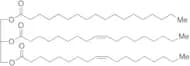
1,2-Dioleoyl-3-stearoyl-rac-glycerol
CAS:Formula:C57H106O6Color and Shape:NeatMolecular weight:887.448L-Threonolactone
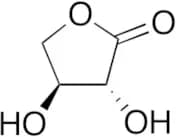
CAS:Controlled Product<p>Applications L-Threonolactone is formed in the autoxidation of L-Ascorbic acid (A786990), a compound that is essential for numerous enzymatic reactions in the body and is also responsible for scavenging free radicals to prevent oxidative damage to cells.<br>References Miyake, N., et al.: Biosci. Biotech. Bioch., 61, 2069 (1997); Kvernberg, P. & Pedersen, B.: Acta Chem. Scand., 48, 646 (1994); Tsukaguchi, H., et al.: Nature, 399, 70 (1999)<br></p>Formula:C4H6O4Color and Shape:NeatMolecular weight:118.088Celestolide
CAS:Controlled Product<p>Applications Used for fragrance compositions and perfumes with long-lasting fragrance.<br>References Ternes, T., et al.: Sci. Total Environ., 225, 81 (1999), Simonich, S., et al.: Environ. Sci. Technol., 36, 2839 (2002) Metcalfe, C., et al.: Environ. Toxicol. Chem., 22, 2872 (2003),<br></p>Formula:C17H24OColor and Shape:White CrystallineMolecular weight:244.37Potassium p-Nitrophenyl Sulphate
CAS:<p>Applications Potassium p-Nitrophenyl Sulphate (cas# 6217-68-1) is a compound useful in organic synthesis.<br></p>Formula:C6H4NO6S·KColor and Shape:NeatMolecular weight:257.26N-Pivaloylglycine
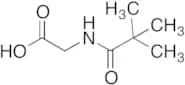
CAS:Controlled Product<p>Applications N-Pivaloylglycine is used in the biological study between dogs and rats. In a high dose toxicity study of pivalic acid (PA), PA caused skeletal muscle disorder in dog, and a significant increase of pivaloyl carnitine (PC) was observed in canine muscle, but not in rat muscle.<br>References Yamaguchi, T., et al.: Toxicol. Appl. Pharmacol., 214, 61-68 (2006)<br></p>Formula:C7H13NO3Color and Shape:NeatMolecular weight:159.18L-Serine-2-13C
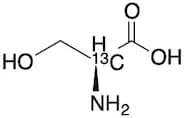
CAS:Controlled Product<p>Applications Isotope labelled L-Serine is used in the synthesis of purines and pyrimidines as antibacterial/antifungal agents, as well as acting as a proteinogenic compound.<br>References Olivella, M. et al.: Bioorg. Med. Chem., 20, 6109 (2012);<br></p>Formula:C213CH7NO3Color and Shape:NeatMolecular weight:106.09Oleyl Oleate
CAS:<p>Applications Oleyl Oleate is a synthetic analog of jojoba oil. Used as a wax ester for various applications.<br>References Lopes, D. et al.: Food Sci. Biotech., 20, 1203 (2011); Radzi, S. et al.: J. Oleo. Sci., 59, 127 (2010);<br></p>Formula:C36H68O2Color and Shape:NeatMolecular weight:532.92Sulforhodamine 101
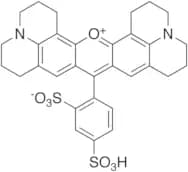
CAS:Controlled Product<p>Applications Sulforhodamine 101 is a red fluorescent dye used in the calcium imaging methods in neurophysiological experiments.Dyes and metabolites.<br>References Strouse, J., et al.: Anal. Biochem., 437, 77 (2013); Collot, M., et al.: J. Am. Chem. Soc., 134, 14923 (2012);<br></p>Formula:C31H30N2O7S2Color and Shape:NeatMolecular weight:606.71Acid violet 17 (Technical Grade)
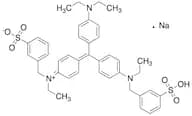
CAS:Controlled Product<p>Applications Acid violet 17 is an anionic dye used in adsorption studies and to dye proteins in electrophoresis applications. Dyes and metabolites, Environmental Testing<br></p>Formula:C41H44N3O6S2·NaColor and Shape:NeatMolecular weight:761.92N-Methoxysuccinyl-Ala-Ala-Pro-Val p-Nitroanilide
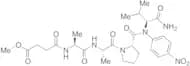
CAS:<p>Applications N-Methoxysuccinyl-Ala-Ala-Pro-Val p-Nitroanilide is a highly sensitive peptide substrate that is hydrolyzed by both human and mouse neutrophil elastase and PR3 but not cathespin.<br>References Rao. N. et al.: J. Biol., 266, 9450 (1991); Mantovani, A. et al.: Nat. Rev. Immunol., 11, 519 (2011);<br></p>Formula:C27H38N6O9Color and Shape:NeatMolecular weight:590.63Hansa Yellow (Technical Grade)
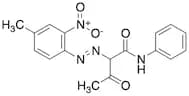
CAS:<p>Applications Hansa Yellow is used in method for dyeing keratinous material, comprising the use of an Organosilicon compound, a Chromophoric compound and a film-forming polymer II.<br>References Krohn, R., et al.: PCT Int. Appl., (2020);<br></p>Formula:C17H16N4O4Color and Shape:NeatMolecular weight:340.3333Reboxetine-d5 Mesylate
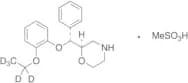
CAS:Controlled ProductFormula:C20H22D5NO6SColor and Shape:Off White SolidMolecular weight:414.536-Aminoisoquinoline
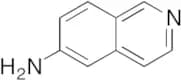
CAS:Controlled Product<p>Applications 6-Aminoisoquinoline is a reactant used in the preparation of N-[{2-(4-methylpiperidin-1-yl)-6-(trifluoromethyl)-pyridin-3-yl}methyl] N'-(6,6-fused heterocyclic) ureas as highly potent TRPV1 antagonists.<br>References Sun, W., et. al.: Bioorg. Med. Chem. Lett., 25, 803 (2015)<br></p>Formula:C9H8N2Color and Shape:NeatMolecular weight:144.1732-Chloro-6-[N,N-di(2-hydroxybenzyl)amino]-9-isopropylpurine
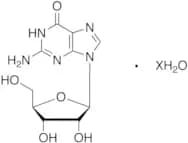
CAS:Controlled Product<p>Applications 2-Chloro-6-[N,N-di(2-hydroxybenzyl)amino]-9-isopropylpurine (cas# 1076199-83-1) is a compound useful in organic synthesis.<br></p>Formula:C22H22ClN5O2Color and Shape:NeatMolecular weight:423.90Guanosine Hydrate
CAS:Controlled Product<p>Applications A constituent of nucleic acids.<br> Not a dangerous good if item is equal to or less than 1g/ml and there is less than 100g/ml in the package<br>References Miles, et al.: Science, 142, 1458 (1963), Bugg, et al.: Biochem. Biophys. Res. Commun., 3, 436 (1968),<br></p>Formula:C10H13N5O5·xH2OColor and Shape:NeatMolecular weight:283.24Menaquinone 7, Synthetic (90%)
CAS:<p>Stability Light and Temperature Sensitive<br>Applications Menaquinones are isoprenoid quinones of the naphthalene series and belongs to the K2 Vitamin homologs. Menaquinones were originally discovered as the anti-hemorrhagic factor and now encompasses a variety of physiological processes. Menaquinone 7 belongs to the class of K2-Vitamins homologs. Menaquinone 7 has been identified as the most bioactive cofactor for the carboxylation reaction of Gla-proteins such as osteocalcin and matrix-Gla protein, which plays a crucial role in building and maintaining overall bone health.<br>References Hugenholtz, P., et al.: J. Bacteriol., 180, 4765 (1998), Ginet, N., et al.: Biochemistry, 40, 1812 (2001), Cape, J., et al.: J. Biol. Chem., 280, 34654 (2005),<br></p>Formula:C46H64O2Purity:90%Color and Shape:Light YellowMolecular weight:649.005-Azido-5-deoxy-D-fructose
CAS:Controlled Product<p>Applications 5-Azido-5-deoxy-D-fructose (cas# 94801-02-2) is a compound useful in organic synthesis.<br></p>Formula:C6H11N3O5Color and Shape:NeatMolecular weight:205.17Abacavir-d4
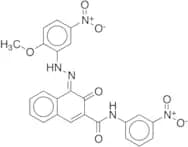
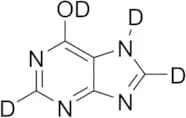
CAS:Controlled Product<p>Stability Very Hygroscopic<br>Applications Abacavir-d4 is deuterium labeled Abacavir (A104990). Abacavir is a carbocyclic 2'-deoxyguanosine nucleoside reverse transcriptase inhibitor and an anti-HIV drug used to treat HIV infection (1). Intracellular enzymes convert Abacavir to its active form, carbovir-triphosphate (CBV-TP), which then selectively inhibits HIV reverse transcriptase by incorporating into viral DNA (2). Abacavir is metabolized in the liver by uridine diphosphate glucuronyltransferase and alcohol dehydrogenase resulting in inactive glucuronide and carboxylate metabolites, respectively.<br>References (1) Jackson, A., et al.: Antivir Ther. 17, 19 (2012) (2) Yuen, G. J., et al.: Clin Pharmacokinet. 47, 351 (2008)<br></p>Formula:C14H14D4N6OColor and Shape:Off-WhiteMolecular weight:290.36Pigment Red 23 (Technical Grade)
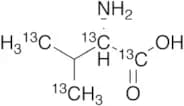
CAS:Controlled Product<p>Stability Light Sensitive<br>Applications Pigment Red 23 (cas# 6471-49-4) is a useful research chemical.<br></p>Formula:C24H17N5O7Color and Shape:NeatMolecular weight:487.421L-Valine-13C5,15N
CAS:Controlled Product<p>Applications Labelled analogue of L-Vailne. L-Valine is an essential amino acid and one of 20 proteinogenic amino acids. L-Valine cannot be manufactured by the body and must be acquired through diet or supplementation. L-valine is found in grains, dairy products, mushrooms, meats, peanuts and soy proteins. L-Valine has been used in studies to attenuate arrhythmias and induce hypotensive effects.<br>References Choi, C.W. et al.: Anim. Feed Sci. Technol., 102, 15 (2002); Kolarski, D. et al.: Krmiva, 30, 155 (1988); Oba, M. et al.: J. Dairy Sci., 93, 2044 (2010); Mitrega, K. et al.: Pharmacol. Res., 64, 218 (2011);<br></p>Formula:C5H1115NO2Color and Shape:NeatMolecular weight:123.12-O-(α-D-Galactopyranosyl)-D-galactose
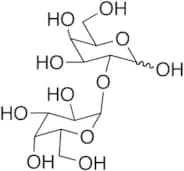
CAS:<p>Applications 2-O-(α-D-Galactopyranosyl)-D-galactose is used in determination of antibody potency in blood serum by ELISA<br>References Abramenko, I.V., et al.: Tsitologiya, 35 (5), 91 (1993), Kelly, R.F., et al.: Mol. Microbiol., 10 (3), 615 (1993), Stortz, C.A., et al.: J. Carbohydr. Chem., 13 (2), 235 (1994), Neethling, F.A., et al.: Transplantation, 57 (6), 959 (1994)<br></p>Formula:C12H22O11Color and Shape:NeatMolecular weight:342.30N-(Dithiocarboxy)sarcosine Diammonium Salt
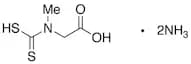
CAS:Controlled ProductFormula:C4H7NO2S2·2H3NColor and Shape:NeatMolecular weight:199.29Proflavine Hemisulfate
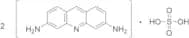
CAS:Controlled Product<p>Applications Proflavine hemisulfate (CAS# 1811-28-5) is a useful research chemical compound.<br></p>Formula:C13H11N3·5H2SO4·xH2OColor and Shape:NeatMolecular weight:2 (209.25) + 98.07Dithio-bis-maleimidoethane
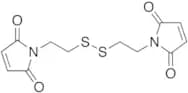
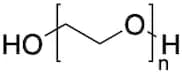
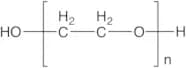
CAS:Controlled Product<p>Stability Hygroscopic<br>Applications A sulfhydryl reactive homobifunctional crosslinking reagent.Spacer Arm: 13.3 Angstroms<br>References Han, J.C., et al.: Anal. Biochem., 220, 5 (1994)<br></p>Formula:C12H12N2O4S2Color and Shape:NeatMolecular weight:312.36Poly(ethylene Glycol) ~4000
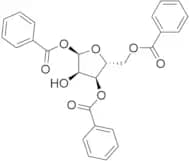
CAS:Controlled ProductFormula:H2O(C2H4O)nColor and Shape:White To Off-WhiteMolecular weight:62.071,3,5-Tri-O-benzoyl-a-D-ribofuranose
CAS:Controlled ProductFormula:C26H22O8Color and Shape:NeatMolecular weight:462.45Decanoyl-L-carnitine-d3 Chloride
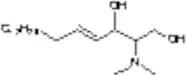
CAS:Controlled Product<p>Stability Hygroscopic<br>Applications Decanoyl-L-carnitine-d3 Chloride is the isotope labelled analog of Decanoyl-L-carnitine Chloride (D212580); a metabolite of L-Carnitine (C184110) which is an essential cofactor of fatty acid metabolism. Also required for the transport of fatty acids through the inner mitochondrial membrane.<br>References Mitchell, M.E., et al.: Am. J. Clin. Nutr., 31, 293 (1978); Lango, R., et al.: Cardiovasc. Res., 51, 21 (2001); Vaz, F.M., et al.: Biochem. J., et al.: 361, 417 (2002); Karlic, H., et al.: Nutrition, 20, 709 (2004)<br></p>Formula:C17D3H31NO4·ClColor and Shape:NeatMolecular weight:354.93D-erythro-N,N-Dimethylsphingosine
CAS:Controlled Product<p>Applications D-erythro-N,N-Dimethylsphingosine is general modulator of protein kinases . D-erythro-N,N-Dimethylsphingosine is implicated in neuropathic pain.<br>References Igarashi, Y. et al.: Biochemistry, 28, 6796 (1989), Igarashi, Y. et al.: J. Biol. Chem., 265, 5385 (1990); Chemical and Engineering News, 90(4) 8 (2012)<br></p>Formula:C20H41NO2Color and Shape:NeatMolecular weight:327.54Ademethionine 1,4-Butanedisulfonate
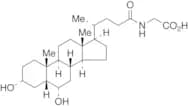
CAS:Controlled Product<p>Stability Hygroscopic<br>Applications Ademethionine 1,4-Butanedisulfonate is used in the synthesis of sulfonio-adenosyl-L-methionine (SAMe) salts.<br></p>Formula:C15H22N6O5S·3C4H10O6S2Color and Shape:NeatMolecular weight:1451.62Glycohyodeoxycholic Acid
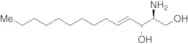
CAS:Controlled Product<p>Applications Glycine conjugated Hyodeoxycholate, facilitates the biological transport of Hyodeoxycholate within the intestine<br>References Yang, L., et al.: Chem. Res. Toxicol. 21, 2280 (2008), Sato, H., et al.: J. Med. Chem., 51, 4849 (2008), Gnewuch, C., et al.: World J. Gastroenterol., 15, 3134 (2009),<br></p>Formula:C26H43NO5Color and Shape:Off-WhiteMolecular weight:449.62(2S,3R,4E)-2-Amino-4-tetradecene-1,3-diol
CAS:Controlled Product<p>Applications Sphingosine base present in crayfish and drosophila, contributing to muscle degeneration<br>References Kita, K., et al.: Eur. J. Biochem., 268, 592 (2001), Fyrst, H., et al.: J. Lipid Res., 49, 597 (2008),<br></p>Formula:C14H29NO2Color and Shape:NeatMolecular weight:243.39D,L-Mevalonic Acid Lactone
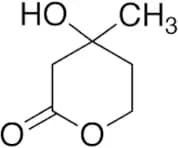
CAS:<p>Stability Hygroscopic<br>Applications A metabolite from endophytes of the medicinal plant Erythrina crista-galli.<br>References Stadler, M., et al.: Planta Med., 60, 128 (1994), Kopcke, B., et al.: Phytochemistry, 60, 709 (2002), Chu, M., et al.: J. Nat. Prod., 66, 1527 (2003), Weber, D., et al.: J. Antibiot., 57, 559 (2004),<br></p>Formula:C6H10O3Color and Shape:NeatMolecular weight:130.14Mutilin
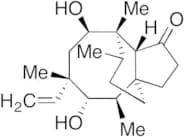
CAS:Controlled Product<p>Stability Hygroscopic<br>Applications Mutilin, is used to perform biological studies with focus on antimicrobial activity. This complex is also a reagent in the production of pleuromutilin derivatives.<br>References Helmut, E., et al.: J. Antibiot., 29, 923 (1976)<br></p>Formula:C20H32O3Color and Shape:Off-WhiteMolecular weight:320.4710-Azido-1-decanol
CAS:Controlled Product<p>Applications 10-Azido-1-decanol (cas# 57395-48-9) is a compound useful in organic synthesis.<br></p>Formula:C10H21N3OColor and Shape:NeatMolecular weight:199.29Glycolithocholic-2,2,4,4-d4 Acid
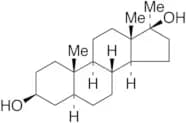
CAS:Controlled Product<p>Applications Glycolithocholic-2,2,4,4-d4 Acid (CAS# 2044276-16-4) is a useful isotopically labeled research compound.<br></p>Formula:C26D4H39NO4Color and Shape:NeatMolecular weight:437.648617-Methyl-5α-androstane-3β,17β-diol
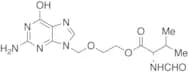
CAS:Controlled Product<p>Applications A metabolite of 17α-Methyltestosterone (M326400).<br>References Dumasia, M., et al.: Xenobiotica, 11, 323 (1981), Tang, P., et al.: Anal. Biochem., 182, 289 (1989),<br></p>Formula:C20H34O2Color and Shape:NeatMolecular weight:306.483N-Formyl Valacyclovir
CAS:Controlled Product<p>Impurity Valaciclovir EP Impurity M<br>Applications N-Formyl Valacyclovir (Valaciclovir EP Impurity M) Valacyclovir (V085000) impurity.<br>References Furman, P., et al.: Antimicrob. Agents Chemother., 20, 518 (1981),<br></p>Formula:C14H20N6O5Color and Shape:White To Off-WhiteMolecular weight:352.35N,N'-Diacetyl-L-lanthionine Disodium Salt
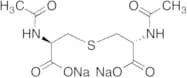
<p>Stability Hygroscopic<br>Applications N,N’-Diacetyl-L-lanthionine Disodium Salt is a derivative of N-Acetyl-L-cysteine (A172091), which is a metabolite of Methyl Isocyanate.<br>References Slatter, J. G., et al.: Chem. Res. Toxicol., 4, 157 (1991);<br></p>Formula:C10H14N2O6S·2NaColor and Shape:Off White SolidMolecular weight:336.27N-Pivaloyl-L-tyrosine
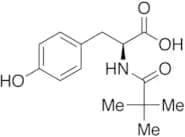
CAS:Controlled Product<p>Stability Hygroscopic<br>Applications Used in peptide N-terminal amino acid determination.<br>References Prota, G., et al.: Biochimie, 53, 51 (1971),<br></p>Formula:C14H19NO4Color and Shape:NeatMolecular weight:265.3(Z)-10-Tritriacontene
CAS:Controlled ProductFormula:C33H66Color and Shape:NeatMolecular weight:462.8773-Bodipy-propanoylaminocaproic Acid, N-Hydroxysuccinimide Ester
CAS:Controlled Product<p>Stability Temperature Sensitive<br>Applications An amine reactive fluorescent labeling reagent.<br></p>Formula:C24H29BF2N4O5Color and Shape:NeatMolecular weight:502.32L-Ethionine
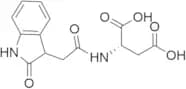
CAS:Controlled Product<p>Applications Ethionine-induced inhibition of protein synthesis and lowering of ATP level in the liver.<br>References Rotig, A., et al.: Lancet, 356, 391 (2000), Forsgren, M., et al.: Biochem. J., 382, 519 (2004), Johnson, A., et al.: J. Biol. Chem., 280, 31397 (2005), Horvath, R., et al.: Neurology, 66, 253 (2006), Mollet, M., et al.: J. Clin. Invest., 117, 765 (2007),<br></p>Formula:C6H13NO2SColor and Shape:NeatMolecular weight:163.24Oxindole-3-acetyl-N-aspartic Acid
CAS:Controlled ProductFormula:C14H14N2O6Color and Shape:NeatMolecular weight:306.2711-Palmitoyl-2-oleoyl-sn-glycero-3-phospho-(1'-rac-glycerol) Sodium Salt
CAS:<p>Applications 1-Palmitoyl-2-oleoyl-sn-glycero-3-phospho-(1'-rac-glycerol) Sodium Salt is useful for various surfactant applications.<br>References Mansour, H., et al.: J. Pharm. Sci., et al.: 96, 377 (2006); Dudia, A., et al.: Nano Lett., 8, 1105 (2008)<br></p>Formula:C40H76NaO10PColor and Shape:WhiteMolecular weight:770.99Poly(ethylene Glycol) ~600
CAS:Controlled Product<p>Applications Poly(ethylene Glycol) molecules of an average molecular mass of 600. Poly(ethylene Glycol) is used in various applications from industrial chemistry to biological chemistry. Recent research has shown PEG maintains the ability to aid the spinal cord injury recovery process, helping the nerve impulse conduction process in animals. In rats, it has been shown to aid in the repair of severed sciatic axons, helping with nerve damage recovery. It is industrially produced as a lubricating substance for various surfaces to reduce friction. PEG is also used in the preparation of vesicle transport systems in with application towards diagnostic procedures or drug delivery methods.<br>References Borgens, R. et al.: J. Neurosci. Res., 66, 1179 (2001); Stavisky, R. et al.: Neurosci. Lett., 376, 98 (2005); Nalam, P. et al.: Tribiol. Lett., 37, 541 (2010); Steinmetz, N. et al.: J. Am. Chem. Soc., 131, 17093 (2009); Li, X. et al.: J. Am. Chem. Soc., 133, 11147 (2011); Li, L. et al.: Int. J. Pharm., 447, 192 (2013);<br></p>Formula:H2O(C2H4O)nColor and Shape:Colourless To Off-WhiteMolecular weight:62.072-Chloro-1,4-phenylenediamine Sulfate
CAS:Controlled Product<p>Stability Hygroscopic<br>Applications 2-Chloro-1,4-phenylenediamine Sulfate<br></p>Formula:C6H9ClN2O4SColor and Shape:NeatMolecular weight:142.599808(R)-2-Thioxothiazolidine-4-carboxylic Acid
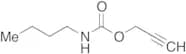
CAS:Controlled ProductFormula:C4H5NO2S2Color and Shape:NeatMolecular weight:163.22Propargyl Butylcarbamate
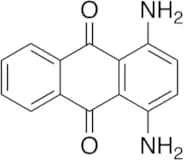
CAS:Controlled Product<p>Applications Propargyl Butylcarbamate is used in the preparation of cosmetic and pharmaceutical products.<br> Not a dangerous good if item is equal to or less than 1g/ml and there is less than 100g/ml in the package<br>References Schmaus, G., et al.: PCT Int. Appl. (2007), WO 2007062957 A1 20070607;<br></p>Formula:C8H13NO2Color and Shape:NeatMolecular weight:155.191,4-Diaminoanthraquinone
CAS:Controlled Product<p>Stability Light Sensitive<br>Applications An anthraquinone derivative that is a potent and selective protein kinase CK1 delta inhibitor. Studies suggest that it has potential solar cell applications. Used in studies as a potential competitive non-peptidic inhibitor of HIV-1 proteinase. Dyes and metabolites, Environmental Testing.<br>References Cozza, G. et al.: Bioorg. Med. Chem. Lett., 18, 5672 (2008); Brovelli, F. et al.: Polym. Bull., 58, 521 (2007); Brinkworth, R.I. et al.: Biochim. Biophys. Acta, Prot. Struct. Mol. Enzymol., 1253, 5 (1995);<br></p>Formula:C14H10N2O2Color and Shape:Dark RedMolecular weight:238.242,4-Dimethylaniline-d9
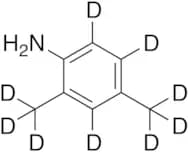
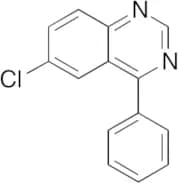
CAS:Controlled Product<p>Applications 4,6-Di(methyl-d3)benzen-2,3,5-d3-amine is a useful isotopically labeled research compound.<br></p>Formula:C8H2D9NColor and Shape:NeatMolecular weight:130.246-Chloro-4-phenylquinazoline
CAS:Controlled ProductFormula:C14H9ClN2Color and Shape:NeatMolecular weight:240.6884-Aminohippuric Acid
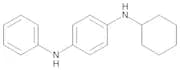
CAS:Controlled Product<p>Applications 4-Aminohippuric Acid is used in the measurement of renal plasma flow as a diagnostic tool which may be applied towards kidney disorders.<br>References Phillips, R. et al.: Am. J. Physiol., 152, 523 (1948);<br></p>Formula:C9H10N2O3Color and Shape:Off White SolidMolecular weight:194.19N-Phenyl-N'-cyclohexyl-p-phenylenediamine (>90%)
CAS:Controlled ProductFormula:C18H22N2Purity:>90%Color and Shape:NeatMolecular weight:266.3807Pentaethylene glycol dichloride
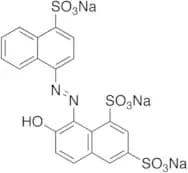
CAS:Controlled Product<p>Applications Pentaethylene glycol dichloride is a useful synthetic intermediate. Pentaethylene glycol dichloride is used as a reagent to prepare various Crown Ethers.<br>References Peng, C., et al.: J. Appl. Polym. Sci., 70, 501 (1998); Park, S., et al.: Chem. Lett., 35, 1024 (2006)<br></p>Formula:C10H20Cl2O4Color and Shape:NeatMolecular weight:275.17Food Red No. 102 (>80%)
CAS:<p>Stability Hygroscopic<br>Applications Food Red No. 102 is an artificial coloring food additive. Dye. Dyes and metabolites, Environmental Testing<br>References McCann, D. et al.: Lancet. 370, 1560 (2007); Kim, Y. et al.: Text. Res. J., 71, 318 (2001);<br></p>Formula:C20H11N2O10S3·3NaPurity:>80%Color and Shape:Dark RedMolecular weight:604.474-Nitrophenyl-α-L-arabinofuranoside
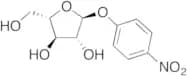
CAS:Controlled Product<p>Stability Hygroscopic<br>Applications 4-Nitrophenyl-α-L-arabinofuranoside is a substrate for the enzyme arabinofuranosidase.<br>References Tefsen, B., et. al.: Biol. Chem., 393, 767 (2012)<br></p>Formula:C11H13NO7Color and Shape:NeatMolecular weight:271.22N,N-Bis(2-hydroxyethyl)-N-methyl-2-[(1-oxohexadecyl)oxy]ethanaminium Chloride
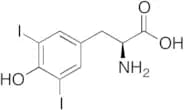
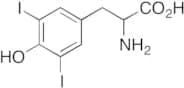
CAS:Controlled ProductFormula:C23H48NO4·ClColor and Shape:White To Off-WhiteMolecular weight:438.093,5-Diiodo-DL-tyrosine
CAS:Controlled Product<p>Applications 3,5-Diiodo-DL-tyrosine is used for diagnosis of hypothyroidism caused by DEHAL1 gene defects.<br>References Encinas, S., et al.: Chem. Res. Toxicol., 11, 946 (1998), Daneshvar, A., et al.: Chemosphere, 80, 301 (2010), Eriksson, J., et al.: Photochem. Photobiol., 86, 528 (2010),<br></p>Formula:C9H9I2NO3Color and Shape:NeatMolecular weight:432.981,2-Dipalmitoyl-rac-glycero-3-phosphoethanolamine
CAS:Controlled Product<p>Applications 1,2-Dipalmitoyl-rac-glycero-3-phosphoethanolamine is a long chain fatty acid, acting as a luminescence marker. Is used in enhancing radiotherapy for cancer treatment<br>References Dotsikas, Y. et al.: Anal. Sci., 28, 753 (2012); Choi, J. et al.: J. Nanomet., 8, 863704, (2012);<br></p>Formula:C37H74NO8PColor and Shape:NeatMolecular weight:691.96N6-[Bis(ethylamino)methylene]-D-lysine
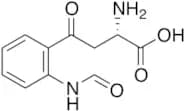
CAS:Controlled Product<p>Applications N6-[Bis(ethylamino)methylene]-D-lysine is an intermediate in preparation of analogs of transforming and epidermal growth factor fragment.<br>References Nestor, John J., et al.: U.S., (1987);<br></p>Formula:C11H24N4O2Color and Shape:NeatMolecular weight:244.334Formylkynurenine
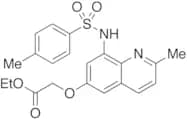
CAS:Controlled ProductFormula:C11H12N2O4Color and Shape:NeatMolecular weight:236.224Zinquin Ethyl Ester
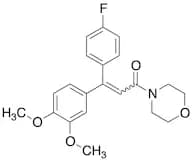
CAS:Controlled Product<p>Applications A fluorescent reagent and indicator of intracellular zinc ions. An analogue of widely used indicator, TS-Q. Zinquin ethyl ester is membrane permeable therefore useful to detect intracellular zinc ions. Zinquin ethyl ester forms a complex with a zinc ion with two nitrogen atoms in the structure. Used for studying the role of zinc in apoptosis.Fluorescence: max. Abs. l = 368nm, max. Em. l = 490nm<br>References Zalewski, P.D., et al.: Biochem.J., 296, 403 (1993), Zalewski, P.D., et al.: J. Histochem. Cytochem., 42, 877 (1994), Zalewski, P.D., et al.: Biochem.J., 303, 278 (1994), Zalewski, P.D., et al.: Chemistry & Biology, 1, 153 (1994)<br></p>Formula:C21H22N2O5SColor and Shape:NeatMolecular weight:414.47Flumorph
CAS:Controlled Product<p>Applications Flumorph can be used in analytical study of simultaneous determination of 106 pesticides in nuts by LC-MS/MS using freeze-out combined with dispersive solid-phase extraction purification.<br>References Wang, J., et al.: J Sep Sci, 40, 2398 (2017)<br></p>Formula:C21H22FNO4Color and Shape:NeatMolecular weight:371.402-Phenylethylamine hydrochloride
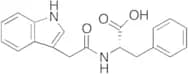
CAS:Controlled Product<p>Applications 2-Phenylethylamine hydrochloride (cas# 156-28-5) is a useful research chemical.<br> Not a dangerous good if item is equal to or less than 1g/ml and there is less than 100g/ml in the package<br></p>Formula:C8H11N·ClHColor and Shape:WhiteMolecular weight:157.64indole-3-acetyl-L-phenylalanine
CAS:Controlled Product<p>Applications Indole-3-acetyl-L-phenylalanine is an indole-3-acetyl-amino acid conjugate involved in regulatory mechanisms for the control of auxin activity during physiological and pathophysiological responses.<br>References Ostrowski, M., et al.: J Plant Physiol, 191, 63-72 (2016)<br></p>Formula:C19H18N2O3Color and Shape:NeatMolecular weight:322.358Azido-PEG3-azide
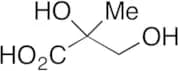
CAS:Controlled Product<p>Applications A useful linker for biomolecules.<br></p>Formula:C8H16N6O3Color and Shape:NeatMolecular weight:244.25α-Methylglyceric Acid
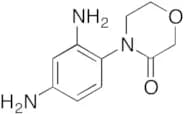
CAS:Controlled Product<p>Applications α-Methylglyceric Acid is a biogenic secondary organic aerosol used in air quality diagnosis.<br>References Ru, P., et. al.: Environ. Sci. Technol., 48, 8491 (2014); Napelenok, S.L., et. al.: Environ. Sci. Technol., 48, 464 (2014); Stone, E.A., et. al.: Environ. Chem., 9, 263 (2012)<br></p>Formula:C4H8O4Color and Shape:NeatMolecular weight:120.14-(2,4-Diaminophenyl)-3-morpholinone
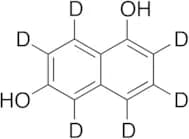
CAS:Controlled ProductFormula:C10H13N3O2Color and Shape:NeatMolecular weight:207.231,6-Dihydroxynaphthalene-d7
CAS:<p>Applications 1,6-Dihydroxynaphthalene-d6 is the isotopically labeled compound form of 1,6-Dihydroxynaphthalene(D454158) which is used in preparing rhodol-based fluorescent probes for the detection of fluoride ion and its application in water, tea and live animal imaging.<br>References Jin, Xilang. et al., SPECTROCHIM. ACTA. A. 224, 117467(2020);<br></p>Formula:C10D6H2O2Color and Shape:NeatMolecular weight:166.2061-O-Dodecyl-rac-glycerol
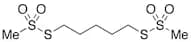
CAS:Controlled Product<p>Applications 1-O-Dodecylglycerol is a antibacterial agent which stimulates autolysin activity in Streptococcus faecium ATCC 9790. It is also found to be synergistic with amphotericin B against fungi.<br>References Ved, H., et al.: J. Biol. Chem., 259, 8115 (1984); Haynes, M., et al.: Antimicro. Agents Chemother., 38, 1523 (1994)<br></p>Formula:C15H32O3Color and Shape:NeatMolecular weight:260.411,5-Pentanediyl Bismethanethiosulfonate
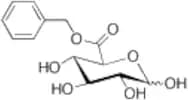
CAS:Controlled Product<p>Applications A sulfhydryl cross-linking reagent.<br>References Loo, T., et al.: J. Biol. Chem., 276, 40, 36877 (2001)<br></p>Formula:C7H16O4S4Color and Shape:NeatMolecular weight:292.46Benzyl D-Glucuronate
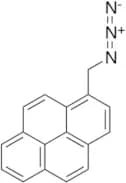
CAS:Controlled Product<p>Stability Hygroscopic<br>Applications Used in efficient synthesis of 1β-O-acyl glucuronides via regioselective acylation<br>References Meng, X., et al.: J. Med. Chem., 50, 6165 (2007),<br></p>Formula:C13H16O7Color and Shape:NeatMolecular weight:284.261-(Azidomethyl)pyrene
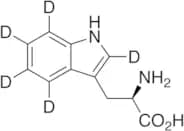
CAS:Controlled Product<p>Applications 1-(Azidomethyl)pyrene (cas# 1006061-57-9) is a useful research chemical.<br></p>Formula:C17H11N3Color and Shape:NeatMolecular weight:257.29D-Tryptophan-d5
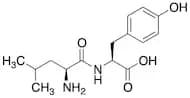
CAS:Controlled Product<p>Applications Labelled analogue of an essential amino acid found in naturally produced peptides. Unlike its stereoisomer, L-tryptophan, it is not used in structural or enzyme proteins.<br>References Karunakaran, S.et al.: Bochem. J., 414, 343 (2008); Pallaghy, P.K. et al.: Biochem., 38, 11553 (1999);<br></p>Formula:C112H5H7N2O2Color and Shape:NeatMolecular weight:209.26L-Leucyl-L-tyrosine
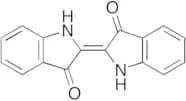
CAS:Controlled ProductFormula:C15H22N2O4Color and Shape:NeatMolecular weight:294.35Indigo (Technical Grade)
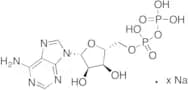
CAS:<p>Applications Indigo is a chemical compound used as a dye in industrial clothing and textile processes. Also used in the synthesis of organic semiconductors. Dyes and metabolites.<br>References He, B. et al.: J. Am. Chem. Soc., 136, 15093 (2014); Pitayatanakul, O. et al.: J. mat. Chem. C., Mat. Op. Elec. Dev., 9311 (2014);<br></p>Formula:C16H10N2O2Color and Shape:NeatMolecular weight:262.26Adenosine 5'-Diphosphate Sodium Salt
CAS:Controlled Product<p>Stability Hygroscopic<br>Applications Adenosine 5'-diphosphate monosodium salt (cas# 20398-34-9) is a useful research chemical.<br></p>Formula:C10H15N5O10P2·x(Na)Color and Shape:White To Off-WhiteMolecular weight:427.20 + x(22.99)Hydrogenated Soya Phosphatidylcholine
CAS:Controlled ProductFormula:C73H103N17O26Color and Shape:NeatMolecular weight:NAHexetidine, Mixture of Stereoisomers
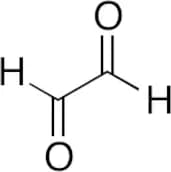
CAS:Controlled Product<p>Applications Hexetidine, mixture of stereoisomers is an antibacterial and antifungal agent.<br></p>Formula:C21H45N3Color and Shape:ColourlessMolecular weight:339.60Glyoxal (40% w/w in H2O) (Technical Grade)
CAS:Controlled ProductFormula:C2H2O2Color and Shape:Single SolutionMolecular weight:58.043-(2-Deoxy-β-D-erythro-pentofuranosyl)-4,6,7,8-tetrahydro-6-hydroxypyrimido[1,2-a]purin-10(3H)-one
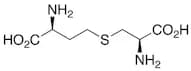
CAS:Controlled ProductFormula:C13H17N5O5Color and Shape:NeatMolecular weight:323.3L-(+)-Cystathionine
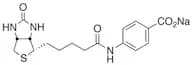
CAS:Controlled Product<p>Applications Intermediate in transsulfuration whereby the mammal transfers the sulfur of methionine via homocysteine to cysteine.<br>References Prochazka, Z., et al.: Collection Czechoslov. Chem. Commun., 45, 1982 (1980), Yorek, M.A. & Spector, A.A.: Prog. Clin. Biol. Res., 179, 361 (1985)<br></p>Formula:C7H14N2O4SColor and Shape:White To Off-WhiteMolecular weight:222.26(+)-Biotin 4-Amidobenzoic Acid, Sodium Salt
CAS:<p>Applications (+)-Biotin 4-Amidobenzoic Acid, Sodium Salt is a fluorigenic substrate for the determination of Biotinidase activity.<br></p>Formula:C17H20N3O4S·NaColor and Shape:White To Light YellowMolecular weight:385.41Arginine Vasopressin Diacetate
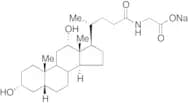
CAS:<p>Applications An endogenous antidiuretic hormone in most mammalian species. It is released into the blood from nerve terminals in the posterior pituitary and median eminence. It is a neurotransmitter in the central nervous system and also implicated in a variety of physiological processes such as regulating water balance by antidiuretic action. It is a peptidic V1a receptor agonist that produces vasoconstriction via V1aR-mediated vascular smooth muscle cell contraction and is being used to increase blood pressure in septic shock, a form of vasodilatory hypotension.<br>References Perucca, J. et al.: J. AM. Soc. Nephrol., 19, 1721 (2008); Toba, K. et al.: Prog. Brain Res., 119, 337 (1998); Berrada, K. et al.: J. Biol. Chem., 275, 27229 (2000);<br></p>Formula:C50H73N15O16S2Color and Shape:NeatMolecular weight:1204.34Glycodeoxycholic Acid Sodium Salt
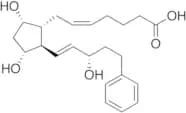
CAS:Controlled Product<p>Stability Hygroscopic<br>Applications Glycodeoxycholic acid is a bile acid that induces severe pancreatitis in rats.<br>References Houghton, A., et al.: Neuroreport, 8, 3795 (1997); Lake, A., et al.: Toxicol. Appl. Pharm., 268, 132 (2013); Zhao, X., et al.: Scand. J. Gastroentero., 37, 1351 (2002)<br></p>Formula:C26H42NO5·NaColor and Shape:White To Off-WhiteMolecular weight:471.61Bimatoprost Acid
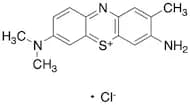
CAS:Controlled Product<p>Applications Bimatoprost Acid is an impurity of the antiglaucoma agent Bimatoprost (B386820).Bimatoprost Acid is a metabolically stable analog of PGF2α (P838625) and is a potent agonist for the FP receptor.<br>References Balapure, A.K. et al.: Biochem. Pharmacol., 38, 2375 (1989); Hellberg, M.R. et al.: J. Ocular Pharmacol. Ther., 19, 97 (2003); Krishna, P.M. et al.: J. Pharm. res., 4, 2381 (2011);<br></p>Formula:C23H32O5Color and Shape:White To Off-WhiteMolecular weight:388.50Toluidine Blue O
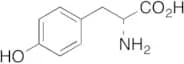
CAS:Controlled Product<p>Applications Toluidine Blue O is metachromatic dye used for a variety of histological staining. A solution of this organic molecule strengthens cell walls in plants by binding to cellulose fibers. Color index 52040.<br>References Penney, D.P., et al.: Biotech. Histochem., 77, 237-275 (2002) PMID: 12564600<br></p>Formula:C15H16N3S·ClColor and Shape:NeatMolecular weight:305.826D-Tyrosine
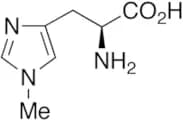
CAS:Controlled Product<p>Applications D-Tyrosine, the stereoisomer to L-Tyrosine (T899975), is an amino acid used in various organic syntheses for antibiotics. It is used in the synthesis of (-)-anisomycin, as well as BATSI (boronic acid transition state inhibitors) which act on β-lactamases. It has also been studied as an inhibitor of microbial growth on surfaces, reducing microbial attachment to hydrophillic glass and hydrophobic polypropylene surfaces.<br>References Li, Ji. et al.: Chin. Chem. Lett., 23, 647 (2012); Xu, H. et al.: Water Res., 45, 5796 (2011); Ke, W. et al.: Antimicrob. Agents Chemother., 55, 174 (2011);<br></p>Formula:C9H11NO3Color and Shape:NeatMolecular weight:181.191-Methyl-L-histidine
CAS:Controlled Product<p>Applications The urinary 1- and 3-methylhistidine (1- and 3-MH) metabolites as potential biomarkers of skeletal muscle toxicity. These metabolites were highly correlated to sex-, dose-, and time-dependent development of cerivastatin-induced myotoxicity. Natural but non-proteinogenic amino acid; employed as index of muscle protein breakdown.<br>References Berna, M., et al.: Anal. Chem., 79, 4199 (2007), Pritt, M., et al.: Toxicol. Sci., 103, 382 (2008), Tonomura, Y., et al.: Toxicology, 266, 48 (2009),<br></p>Formula:C7H11N3O2Color and Shape:NeatMolecular weight:169.182,3,5-Tri-O-benzyl-D-ribono-1,4-lactone
CAS:Controlled Product<p>Applications 2,3,5-Tri-O-benzyl-D-ribono-1,4-lactone (cas# 55094-52-5) is a useful research chemical.<br></p>Formula:C26H26O5Color and Shape:NeatMolecular weight:418.482




![2-Chloro-6-[N,N-di(2-hydroxybenzyl)amino]-9-isopropylpurine](/_next/image/?url=https%3A%2Fstatic.cymitquimica.com%2Fproducts%2FTR%2Fthumb-webp%2FC365330.webp&w=3840&q=75)















![N,N-Bis(2-hydroxyethyl)-N-methyl-2-[(1-oxohexadecyl)oxy]ethanaminium Chloride](/_next/image/?url=https%3A%2Fstatic.cymitquimica.com%2Fproducts%2FTR%2Fthumb-webp%2FH466730.webp&w=3840&q=75)

![N6-[Bis(ethylamino)methylene]-D-lysine](/_next/image/?url=https%3A%2Fstatic.cymitquimica.com%2Fproducts%2FTR%2Fthumb-webp%2FB985820.webp&w=3840&q=75)





![3-(2-Deoxy-β-D-erythro-pentofuranosyl)-4,6,7,8-tetrahydro-6-hydroxypyrimido[1,2-a]purin-10(3H)-one](/_next/image/?url=https%3A%2Fstatic.cymitquimica.com%2Fproducts%2FTR%2Fthumb-webp%2FD282528.webp&w=3840&q=75)