Biochemicals and Reagents
Biochemicals and reagents are fundamental substances for research and development in fields such as biotechnology, molecular biology, pharmacology, and medicine. These products are essential for a variety of applications, including compound synthesis, biological sample analysis, metabolic process research, and drug production. At CymitQuimica, we offer a wide selection of high-quality, high-purity biochemicals and reagents suitable for various scientific and industrial needs. Our catalog includes enzymes, antibodies, nucleic acids, amino acids, and many other products, all designed to support researchers and professionals in their research and development projects, ensuring reliable and reproducible results.
Subcategories of "Biochemicals and Reagents"
- Biomolecules(99,116 products)
- By Biological Target(99,075 products)
- By Pharmacological Effects(6,785 products)
- Cryopreservatives(21 products)
- Desinfectants and Related Compounds(28 products)
- Hormones(346 products)
- Plant Biology(6,700 products)
- Secondary Metabolites(14,220 products)
Found 130578 products of "Biochemicals and Reagents"
Sort by
Purity (%)
0
100
|
0
|
50
|
90
|
95
|
100
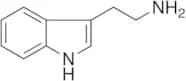
Tryptamine
CAS:<p>Applications Tryptamine is a monoamine alkaloid found in plants. Tryptamine is commonly used in the preparation of biologically active compounds such as neurotransmitters and psychedelics.<br>References Nichols, D. E., et al.: Curr. Top. Behav. Neurosci., 36, 1(2018); Espinoza, S., et al.: Top. Med. Chem., 23, 175 (2017)<br></p>Formula:C10H12N2Color and Shape:YellowMolecular weight:160.22Sudan I-d5
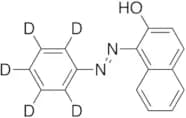
CAS:Controlled Product<p>Applications Labelled Sudan I. A food azo-dye, a liver and urinary bladder carcinogen for rodents and a potent contact allergen and sensitizer for humans. Genotoxic and carcinogenic. Dyes and metabolites, Environmental Testing.<br>References Skog, K., et al.: Carcinogenesis, 14, 2027 (1993), Slob, W., et al.: Toxicol. Sci., 84, 167 (2005),,, Slob, W; Food and Chemical Toxicology 2006, 44, 933<br></p>Formula:C162H5H7N2OColor and Shape:RedMolecular weight:253.312,4-Diaminoanisole Sulfate Hydrate
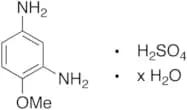
CAS:Controlled Product<p>Applications 2,4-Diaminoanisole Sulfate is a compound that was used as a component in hair dyes. There is evidence that indicate that 2,4-Diaminoanisole Sulfate Hydrate has carcinogenic effects and is reasonably anticipated to be a human carcinogen by the NTC.<br> Not a dangerous good if item is equal to or less than 1g/ml and there is less than 100g/ml in the package<br>References Sontag, J.M. et al.: JNCI J. Nat. Cancer Inst., 66, 591 (1981); Sheu, C.-J. et al.: Mutat. Res. Gen. Toxicol. Test., 68, 85 (1979); Burnett, C. et al.: J. Toxicol. Environ. Health, 1, 1027 (1976);<br></p>Formula:C7H10N2O·H2O·H2O4SColor and Shape:NeatMolecular weight:254.26Poly(ethylene Glycol) ~20000
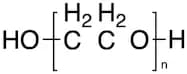
CAS:Controlled Product<p>Stability Hygroscopic<br>Applications Poly(ethylene Glycol) molecules of an average molecular mass of 20000. Poly(ethylene Glycol) is used in various applications from industrial chemistry to biological chemistry. Recent research has shown PEG maintains the ability to aid the spinal cord injury recovery process, helping the nerve impulse conduction process in animals. In rats, it has been shown to aid in the repair of severed sciatic axons, helping with nerve damage recovery. It is industrially produced as a lubricating substance for various surfaces to reduce friction. PEG is also used in the preparation of vesicle transport systems in with application towards diagnostic procedures or drug delivery methods.<br>References Borgens, R. et al.: J. Neurosci. Res., 66, 1179 (2001); Stavisky, R. et al.: Neurosci. Lett., 376, 98 (2005); Nalam, P. et al.: Tribiol. Lett., 37, 541 (2010); Steinmetz, N. et al.: J. Am. Chem. Soc., 131, 17093 (2009); Li, X. et al.: J. Am. Chem. Soc., 133, 11147 (2011); Li, L. et al.: Int. J. Pharm., 447, 192 (2013);<br></p>Formula:H2O(C2H4O)nColor and Shape:Off-WhiteMolecular weight:62.07Adenosine 5'-Monophosphate Disodium Salt
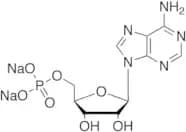
CAS:<p>Stability Hygroscopic<br>Applications Adenosine monophosphate is useful for skin rejuvenation in dermatology and aesthetic dermatology.<br>References Watanabe, M., et al.: Arch. Dermatol., 127, 1689 (1991), Engelke, M., et al.: Br. J. Dermatol., 137, 219 (1997),<br></p>Formula:C10H12N5O7P·2NaColor and Shape:NeatMolecular weight:391.18Sunset Yellow FCF
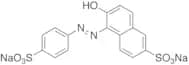
CAS:<p>Stability Light Sensitive<br>Applications Provisionally listed for use in food, drugs and cosmetics. Sunset Yellow is useful in fermented foods which must be heat treated. It may be found in orange sodas, orange jelly, marzipan, Swiss rolls, apricot jam, citrus marmalade, lemon curd, sweets, hot chocolate mix and packet soups, trifle mix, breadcrumbs, snack chips, shelf fresh noodles, cheese sauce mixes. Sunset Yellow is a sulfonated version of Sudan I, a possible carcinogen. Sunset Yellow itself may be responsible for causing an allergic reaction in people with an aspirin intolerance, resulting in various symptoms, including gastric upset, diarrhea, vomiting, nettle rash (urticaria), swelling of the skin (angioedema) and migraines. Dyes and metabolites, Environmental Testing<br>References Radomski, J.L., et al.: J. Pharmacol. Exp. Ther., 136, 259 (1962), Gaunt, I.F., et al.: Food Cosmet. Toxicol., 5, 747 (1967),<br></p>Formula:C16H10N2O7S2·2NaColor and Shape:NeatMolecular weight:452.37D-Homocystine
CAS:Controlled Product<p>Applications D-Homocysteine is the stereoisomer of L-Homocystine, increased levels lead to hyperhomocysteinemia; a cardiovascular risk factor in prediction of coronary heart disease as well as being associated with congenital birth defects, pregnancy complications and cancer.<br>References Geisel, J. et al.: Clin. Chem. Lab. Med., 41, 1513 (2003); Geisel, J. et al.: Clin. Chem. Lab. Med., 41, 1513 (2003);<br></p>Formula:C8H16N2O4S2Color and Shape:WhiteMolecular weight:268.35MTT
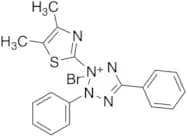
CAS:<p>Applications MTT (cas# 298-93-1) is a useful research chemical. Dyes and metabolites.<br></p>Formula:C18H16N5SBrColor and Shape:NeatMolecular weight:414.32Sarcosine-d3 Hydrochloride
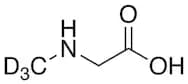
CAS:Controlled ProductFormula:C32H3H4NO2·ClHColor and Shape:NeatMolecular weight:128.57Carminic Acid, >70%
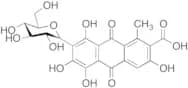
CAS:<p>Applications A red glucosidal hydroxyanthrapurin, it is produced naturally within some insects as a defense mechanism. Dyes and metabolites, Environmental Testing.<br>References Enoch, S., et al.: Chem. Res. Toxicol., 23, 1547 (2010), Valianou, L., et al.: Anal. Bioanal. Chem., 396, 3115 (2010), Gohil, V., et al.: Nat. Biotechnol., 28, 249 (2010),<br></p>Formula:C22H20O13Purity:>70%Color and Shape:Dark RedMolecular weight:492.39rac Tenofovir-d6
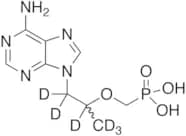
CAS:Controlled Product<p>Applications A deuterated acyclic phosphonate nucleotide analogue, reverse transcriptase inhibitor. Used as an anti-HIV agent. Antiviral.<br> Not a dangerous good if item is equal to or less than 1g/ml and there is less than 100g/ml in the package<br>References Shaw, J.-P., et al.: Pharm. Res., 14, 1824 (1997), Wyles, D., et al.: Clin Infect. Dis., 40, 174 (2005), Peng, J., et al.: J. Clin. Pharmacol., 46, 265 (2006), Seminari, E., et al.: J. Antimicrob. Chemother., 60, 831 (2007),<br></p>Formula:C92H6H8N5O4PColor and Shape:Off White SolidMolecular weight:293.25(+)-Lactacystin
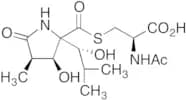
CAS:Controlled Product<p>Applications A selective and potent inhibitor of proteasome-mediated degradation of ubiquitin-tagged proteins. A Streptomyces metabolite that acts as a highly specific inhibitor of the 20S proteasome (MCP: multicatalytic proteinase complex).<br>References Fenteany, G., et al.: Science, 268, 726 (1995), Fenteany, G., et al.: Proc. Natl. Acad. Sci. USA, 91, 3358 (1994),<br></p>Formula:C15H24N2O7SColor and Shape:NeatMolecular weight:376.434-Methylumbelliferyl 2-Acetamido-2-deoxy-α-D-glucopyranoside
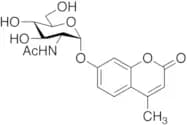
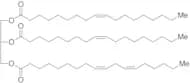
CAS:Formula:C18H21NO8Color and Shape:NeatMolecular weight:379.361,2-Dioleoyl-3-linoleoyl-rac-glycerol (>90%)
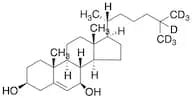
CAS:Formula:C57H102O6Purity:>90%Color and Shape:NeatMolecular weight:883.427ß-Hydroxycholesterol-d7
CAS:Controlled Product<p>Applications 7ß-Hydroxycholesterol-d7 is a standard used in the simultaneous measurement of F2-isoprostane, hydroxyoctadecadienoic acid, hydroxyeicosatetraenoic acid, and hydroxycholesterols in plasma and liver of hepatitis patients.<br>References Yoshida, Yasukazu., Analytical Biochemistry, 379, 105-115, (2008)<br></p>Formula:C272H7H39O2Color and Shape:NeatMolecular weight:409.70N-Ethyl-N’-(3-dimethylaminopropyl)carbodimide Hydrochloride
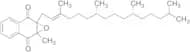
CAS:<p>Applications An enzyme inhibitor.<br></p>Formula:C8H18ClN3Color and Shape:White To Off-WhiteMolecular weight:191.70Vitamin K1 2,3-Epoxide
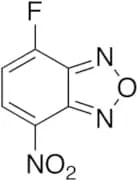
CAS:Controlled Product<p>Applications Vitamin K1 2,3-Epoxide is a metabolite of Vitamin K1 (V676080), which is occurs widely in green plants, algae, and photosynthetic bacteria.<br>References Smee, D.F., et al.: Antimicrob. Agents Chemother., 23, 676 (1983), Miyamoto, T., et al.: Biochem. Pharmacol., 35, 839 (1986); Hassan, M.M.A., et al.: Anal. Profiles Drug Subs., 17, 449 (1988), Breton, J., et al.: Biochemistry, 33, 12405 (1994), Dowd, P., et al.: Science, 269, 1684 (1995);<br></p>Formula:C31H46O3Color and Shape:Light YellowMolecular weight:466.704-Fluoro-7-nitro-2,1,3-benzoxadiazole
CAS:Controlled Product<p>Applications A fluorescence reagent used to evaluate amino acid racemates from homogenized retinal tissue.<br>References Imai, K., et al.: Biomed. Chromatogr., 10, 303 (1996), Tsai, G., et al.: Biol. Psychiatry, 44, 1081 (1998), Ribeiro, C., et al.: Brain Res. 929, 202 (2002),<br></p>Formula:C6H2FN3O3Color and Shape:NeatMolecular weight:183.101-Thioglycerol
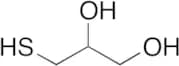
CAS:Controlled Product<p>Stability Air Sensitive, Hygroscopic<br>Applications 1-Thioglycerol is generally used as a size-regulating capping agent for nanocrystals. 1-Thioglycerol is also used in bacteriology experiments to induce the synthesis of porphyrin compounds in aerobically growing Escherichia coli.<br> Not a dangerous good if item is equal to or less than 1g/ml and there is less than 100g/ml in the package<br>References Harrison, M., et al.: Adv. Mater., 12, 123 (2000); Javor, G. & Febre, E.: J. Bacteriol., 174, 1072 (1992); Wang, Y., et al.: J. Raman Spectrosc.,38, 34 (2007)<br></p>Formula:C3H8O2SColor and Shape:NeatMolecular weight:108.16N-Acetyl-L-cystine
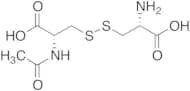
CAS:Controlled Product<p>Applications N-Acetyl-L-cystine is an antioxidant, used in the treatment of influenza A virus pandemic (1). N-Acetyl-L-cystine promotes fertilization by reducing disulfide bonds in zona pellucida of mouse (2).Releases N-Acetyl-L-cysteine, which is an antidote for paracetamol poisoning.<br>References (1) Zhang, R., et al.: (2014) Int. Immunopharmacol. 22: 1-8 (2) Takeo, T., et al.: Biol Reprod. (2015) 92: 1-7<br></p>Formula:C8H14N2O5S2Color and Shape:NeatMolecular weight:282.34L-Valine
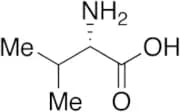
CAS:Controlled Product<p>Applications L-Valine is an essential amino acid and one of 20 proteinogenic amino acids. L-Valine cannot be manufactured by the body and must be acquired through diet or supplementation. L-valine is found in grains, dairy products, mushrooms, meats, peanuts and soy proteins. L-Valine has been used in studies to attenuate arrhythmias and induce hypotensive effects.<br>References Choi, C.W. et al.: Anim. Feed Sci. Technol., 102, 15 (2002); Kolarski, D. et al.: Krmiva, 30, 155 (1988); Oba, M. et al.: J. Dairy Sci., 93, 2044 (2010); Mitrega, K. et al.: Pharmacol. Res., 64, 218 (2011);<br></p>Formula:C5H11NO2Color and Shape:NeatMolecular weight:117.15(E)-2-Hydroxy-6-(4-hydroxystyryl)benzoic Acid
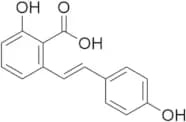
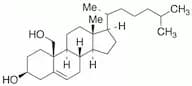
CAS:Controlled ProductFormula:C15H12O4Color and Shape:NeatMolecular weight:256.2519-Hydroxy Cholesterol
CAS:<p>Applications A metabolite of Cholesterol. Cholesterol oxidation product having cytotoxicity effects.<br>References Higley, N., et al.: Food Chem. Toxicol., 22, 983 (1984), Emanuel, H., et al.: J. Food Sci., 56, 843 (1991), Kilsdonk, E., et al.: J. Lipid Res., 36, 505 (1995), Cantwell, H., et al.: Cell Biol. Toxicol., 14, 401 (1998),<br></p>Formula:C27H46O2Color and Shape:NeatMolecular weight:402.655b-Cholanic Acid-3a,6b-diol
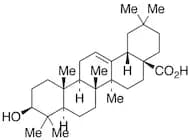
CAS:Controlled Product<p>Applications 5β-Cholanic Acid-3α, 6β-Diol is a cholesterol derivative; Plasma lipophilic biomarkers in rats. Also, it is one of two major metabolites from the hydroxylation of hepatic lithocholic acid catalyzed by Cyp3a/Cyp3a11 enzymes in mice.<br>References Mayengbam, S., et al.: Eur. J. Nutr., 55, 1213-1223 (2016); Hrycay, E., et al.: Mol. Cell. Biochem., 389, 119-132 (2014)<br></p>Formula:C24H40O4Color and Shape:White To Off-WhiteMolecular weight:392.58Oleanolic Acid
CAS:<p>Applications A triterpenoid known for its anti-inflammatory properties, is commonly present in several medicinal plants. Inhibits secretory phospholipase A2.<br>References Andrikopoulos, N., et al.: J. Med. Food, 5, 1 (2002), Lanteri, S., et al.: Food Chem., 76, 501 (2002), Rodriguez-Rodriguez, R., et al.: Br. J. Pharmacol., 155, 535 (2008), Sotiroudis, T., et al.: Eur. J. Nutr, 47, 69 (2008),<br></p>Formula:C30H48O3Color and Shape:White To Off-WhiteMolecular weight:456.70(±)-Aspartic Acid
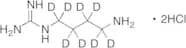
CAS:<p>Applications (±)-Aspartic Acid, is a non-essential amino acid found in food sources. Its conjugate base D-aspartate has potential use as a a therapeutic agent in the treatment of schizophrenia-related symptoms.<br>References Errico, F. et al.: J. Neurosci., 28, 10404 (2008); Denu, J.M. et al.: Biochem., 34, 3396 (1995); Chen, P.E. et al.: Mol. Pharmacol., 67, 1470 (2005);<br></p>Formula:C4H7NO4Color and Shape:NeatMolecular weight:133.104-Aminobutyl-d8 Guanidine Dihydrochloride
CAS:Controlled Product<p>Applications 4-Aminobutyl-d8 Guanidine is the labelled analog of the decarboxylation product of the amino acid arginine (A769500) and also an intermediate in polyamine biosynthesis.<br>References Golding, B.T., et al.: Biochem. Soc. Trans., 22, 391S (1994);<br></p>Formula:C5H6D8N4·2HClColor and Shape:NeatMolecular weight:211.16263Orange G, Technical Grade
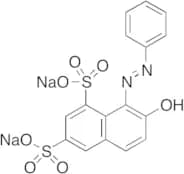
CAS:Controlled Product<p>Applications Orange G is an azo dye used primarily as a histological stain. Dyes and metabolites.<br></p>Formula:C16H10N2O7S2·2NaColor and Shape:NeatMolecular weight:452.37Olivetol
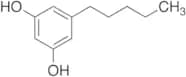
CAS:Controlled Product<p>Stability Light Sensitive<br>Applications Olivetol is a precursor in various syntheses of tetrahydrocannabinol.<br>References Kumano, T., et al.: Bioorg. Med. Chem., 16, 8117 (2008), Appendino, G., et al.: J. Nat. Prod., 71, 1427 (2008), Sampietro, D., et al.: Food Chem., 115, 1170 (2009),<br></p>Formula:C11H16O2Color and Shape:NeatMolecular weight:180.24Isodeoxycholic Acid
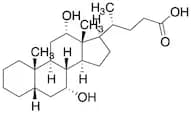
CAS:Controlled Product<p>Applications Isodeoxycholic Acid is used for comprehensive bile acid profiling in hereditary intrahepatic cholestasis.<br>References Liu, T., et al.: Liver Int. 38, 1676 (2018)<br></p>Formula:C24H40O4Color and Shape:White To Off-WhiteMolecular weight:392.58Malachite Green Oxalate
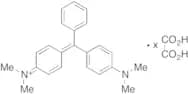
CAS:Controlled Product<p>Applications A triphenylmethane dye with fungicidal and limited antiseptic activity. The term Malachine green applies to the oxalate as well as the chloride. Harmful if swallowed. Avoid release to the environment. Dyes and metabolites.<br> Not a dangerous good if item is equal to or less than 1g/ml and there is less than 100g/ml in the package<br>References Carter, S.G., et al.: J. Biochem. Biophys. Methods, 7, 7 (1982), Saikan, S., et al.: J. Chem. Phys., 79, 4154 (1983), Clemmensen, S., et al.: Arch. Toxicol., 56, 43 (1984),<br></p>Formula:C23H25N2·C2H2O4·2C2HO4Color and Shape:Green To Dark GreenMolecular weight:927.00Leucomycins (>85%)
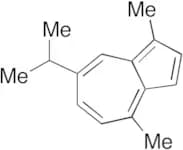
CAS:Controlled Product<p>Applications Leucomycins (>85%) (cas# 1392-21-8) is a compound useful in organic synthesis.<br></p>Formula:C7H7NO2Purity:>85%Color and Shape:WhiteGuaiazulene
CAS:Controlled Product<p>Applications Guaiazulene is a lipophilic azulene that is commonly used as a skin conditioning agent in cosmetic, beauty and body care products. It is photomutagenic in Salmonella and also causes DNA damage in human cells.<br>References Chiang, H., et al.: J. Photochem. Photobiol. A: Chem., 211, 123 (2010); Fiori, J., et al.: Toxicol. Vitro, Kourounakis, A., et al.: J. Pharm. Pharmacol., 49, 938 (1997); Wang, L., et al.: Mut. Res., 530, 19 (2003)<br></p>Formula:C15H18Color and Shape:NeatMolecular weight:198.30L-Phenylalanine-d7
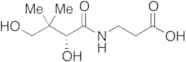
CAS:Controlled Product<p>Applications Labelled analogue of L-Phenylalanine, an essential amino acid.<br>References Hollunger, G. et al.: Acta Pharmacol. Toxicol., 34, 391 (1974); Bagchi, S.P. et al.: Biochem. Pharmacol., 26, 900 (1977);<br></p>Formula:C9H4D7NO2Color and Shape:NeatMolecular weight:172.23Pantothenic Acid (Technical Grade, Contains Lactone)
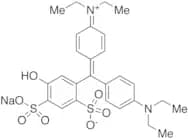
CAS:Controlled Product<p>Stability Hygroscopic<br>Applications Pantothenic Acid is a member of the B complex vitamins; essential vitamin for the biosynthesis of coenzyme A in mammalian cells. Occurs ubiquitously in all animal and plant tissue. The richest common source is liver, but jelly of the queen bee contains 6 times as much as liver. Rice bran and molasses are other good sources.<br>References Gardner, P., et al.: Food Chem., 68, 471 (2000); Ou, B., et al.: J. Agric. Food Chem., 50, 2772 (2002); Bahorun, T., et al.: J. Sci. Food Agric., 84, 1553 (2004)<br></p>Formula:C9H17NO5Color and Shape:NeatMolecular weight:219.24Acid Blue 3 Sodium Salt (>90%)
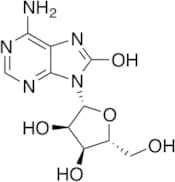
CAS:<p>Applications Acid Blue 3 Sodium Salt is an synthetic food dye that is banned in Australia and the USA due to reoccurring allergic reactions. Dyes and metabolites, Environmental Testing.<br>References Siwinska-Stefanska, K., et al.: Dyes. Pigment. 94, 338 (2012); Sharma, V., et al.: J. Chem. Edu., 88, 24 (2011);<br></p>Formula:C27H31N2O7S2·NaPurity:>90%Color and Shape:Dark Blue To BlackMolecular weight:582.668-Oxoadenosine
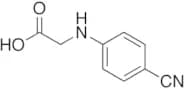
CAS:Controlled Product<p>Applications 8-Oxoadenosine (cas# 29851-57-8) is a useful research chemical.<br></p>Formula:C10H13N5O5Color and Shape:NeatMolecular weight:283.24N-(4-Cyanophenyl)-glycine
CAS:Controlled Product<p>Applications N-(4-Cyanophenyl)-glycine (cas# 42288-26-6) is a compound useful in organic synthesis.<br></p>Formula:C9H8N2O2Color and Shape:NeatMolecular weight:176.1717α-Hydroxy Pregnenolone-d3
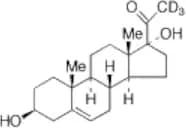
CAS:Controlled Product<p>Applications A labelled metabolite of Pregnenolone (P712200).<br>References Kramer, R., et al.: J. Steroid Biochemi., 18, 715 (1983), Hiwatashi, A., et al.: J. Biochem., 98, 619 (1985), Eiichi, T., et al.: J. Pharmacol. Sci., 95, 140 (2004),<br></p>Formula:C212H3H29O3Color and Shape:NeatMolecular weight:335.50Vitamin D4
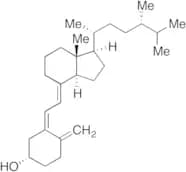
CAS:<p>Stability Hygroscopic, Temperature Sensitive<br>Applications Vitamin D4 is the active analogue of Vitamin D.<br> Not a dangerous good if item is equal to or less than 1g/ml and there is less than 100g/ml in the package<br>References Holick, M., et al.: J. Biochemistry, 10, 2799 (1971), Haddad, J., et al.: J. Bone Miner. Res., 4, 243 (1989), Palmieri, G., et al.: J. Clin. Endocrin. Metab., 82, 3516 (1997),<br></p>Formula:C28H46OColor and Shape:NeatMolecular weight:398.66N-ε-acetyl-l-lysine
CAS:Controlled Product<p>Applications N-Epsilon-acetyl-l-lysine is used in the metabolomics study on the combined effect of cocaine and ethanol via liquid chromatography-mass spectrometry metabolomics approach.<br>References Sanchez-Lopez, E., et al.: J. Pharm. Biomed. Anal., 140, 313 (2017)<br></p>Formula:C8H16N2O3Color and Shape:NeatMolecular weight:188.22Lithocholic Sulfate Disodium Salt
CAS:Controlled ProductFormula:C24H38Na2O6SColor and Shape:NeatMolecular weight:500.6(5Z)-5-Dodecenoic Acid
CAS:Controlled Product<p>Stability Light Sensitive<br>Applications (5Z)-5-Dodecenoic acid is a fatty acid and a component of the essential oils of certain plants, such as Paeonia lactiflora Pall., and is used as biofuel.<br>References Liu, P.; et al.: Industrial Crops and Products, 107, 260 (2017); Xu, L.; et al.: Renewable Energy, 130, 910 (2019).<br></p>Formula:C12H22O2Color and Shape:NeatMolecular weight:198.30Eosine-5-isothiocyanate
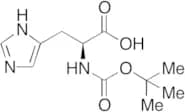
CAS:Controlled Product<p>Applications Eosine-5-isothiocyanate is a fluorescence probe.<br></p>Formula:C21H7Br4NO5SColor and Shape:NeatMolecular weight:704.96Na-Boc-L-histidine
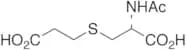
CAS:Controlled Product<p>Applications Nα-Boc-L-histidine is an N-Boc-protected form of L-Histidine (H456010). L-Histidine is an essential amino acid that plays an important role in mitochondrial glutamine transport and has potential of abolishing oxidative stress caused by brain edema.L-Histidine promotes zinc uptake in human erythrocyes and also has potential as an antioxidant therapy for acute mammary inflammation in cattle.<br>References Chaiyotwittayakun, A., et al.: J. Dairy Sci., 85, 60 (2002); Horn, N., et al.: J. Phys., 489, 73 (1995); Rama Rao, K., et al.: Am. J. Path., 176, 1400 (2010);<br></p>Formula:C11H17N3O4Color and Shape:NeatMolecular weight:255.27N-Acetyl-S-(2-carboxyethyl)-L-cysteine Bis(dicyclohexylamine) Salt
CAS:<p>Applications A metabolite of S-propylcysteine.<br>References Jones, A.R., et al.: Xenobiotica, 10, 827 (1980), 25) Ramu, K., et al.: Chem. Res. Toxicol., 8, 515 (1995), Krause, R., et al.: Drug Metab. Dispos., 25, 1013 (1997), Powley, M., et al.: Chem. Res. Toxicol., 16, 1448 (2003),<br></p>Formula:C12H23N·C8H13NO5SColor and Shape:NeatMolecular weight:597.892,5-Diaminotoluene (>80%)
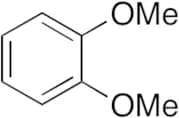
CAS:Controlled Product<p>Applications 2,5-Diaminotoluene is an aromatic compound that is commonly used in permanent hair-dye formulations. 2,5-Diaminotoluene is weakly mutagenic and is also partially responsible for causing allergic contact dermatitis in humans.<br> Not a dangerous good if item is equal to or less than 1g/ml and there is less than 100g/ml in the package<br>References Chung, K., et al.: Mutat. Res./Rev. Mutat. Res., 387, 1 (1997); Inouye, M. & Murakami, U.: Food Cosm. Toxicol., 15, 447 (1977); Yazer, K., et al.: Cont. Derm., 66, 27 (2012)<br></p>Formula:C7H10N2Purity:>80%Color and Shape:Grey CrystallineMolecular weight:122.17Veratrole
CAS:<p>Applications Veratrole is common reagent in organic synthesis such as the synthesis of arizonins B1 and C1. Also used in the synthesis of pharmacophores of salmeterol and roflumilast as dual β2-adrenoreceptor agonists-PDE4 inhibitors.<br>References Fernandes, R. et al.: Tetrahedron: Asymm., 24, 1548 (2013); Liu, A. et al.: Bioorg. Med. Chem. Lett., 23, 1548 (2013);<br></p>Formula:C8H10O2Color and Shape:NeatMolecular weight:138.16Disperse Red 1 (Technical Grade)
CAS:Controlled Product<p>Applications Disperse Red 1 is an azo disperse dye which is water insoluble. Disperse Red 1 can be used to dye polyester and acetate fibers. Dyes and metabolites, Environmental Testing.<br>References Sareek, J.: J. Soc. Dyers Colour., 78, 326 (1962); Iskender, M., et al.: Textile Res. J., 75, 462 (2005)<br></p>Formula:C16H18N4O3Color and Shape:NeatMolecular weight:314.34