Heterocycles with Nitrogen (N)
Subcategories of "Heterocycles with Nitrogen (N)"
- Azepane(436 products)
- Benzotriazoles(438 products)
- Diazepanes(335 products)
- Imidazoles(4,028 products)
- Imidazolines(385 products)
- Isoxazole(1,088 products)
- Piperazines(3,755 products)
- Piperidines(8,441 products)
- Pyrazines(1,304 products)
- Pyrazole(5,959 products)
- Pyrazolidine(21 products)
- Pyrazoline(143 products)
- Pyridazine(860 products)
- Pyridines(22,000 products)
- Pyrimidine(6,083 products)
- Pyrroles(2,448 products)
- Pyrrolidines(5,840 products)
- Pyrroline(48 products)
- Pyrrolo[1,2-b]pyridazine(10 products)
- Tetrazole(531 products)
- Triazines(465 products)
- Triazoles(1,689 products)
Found 17862 products of "Heterocycles with Nitrogen (N)"
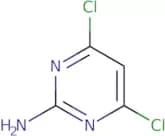
2-Amino-4,6-dichloropyrimidine
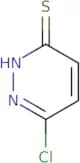
CAS:2-Amino-4,6-dichloropyrimidine is a chemical compound that can be used as an intermediate in the synthesis of other compounds. It is usually prepared by chlorinating 2-amino-pyrimidine with sodium hypochlorite. 2-Amino-4,6-dichloropyrimidine has been shown to inhibit the growth of herpes simplex virus and influenza virus when it is added to cell cultures. This compound also inhibits the replication of protonated nucleic acids by reacting with the amide group of nucleophilic amino acids in DNA or RNA. The reaction between 2-amino-4,6-dichloropyrimidine and amines gives pyridinium salts, which are useful intermediates in organic chemistry reactions.Formula:C4H3Cl2N3Purity:90%Color and Shape:Off-White PowderMolecular weight:163.99 g/mol6-Chloropyridazine-3-thiol
CAS:6-Chloropyridazine-3-thiol is a potent inhibitor of platelet aggregation. This drug binds to the active site of the enzyme ADP-thrombin, thereby blocking the conversion of ADP to thrombin. 6-Chloropyridazine-3-thiol has been shown to have a high affinity for human liver microsomes, and is metabolized by conjugation with glutathione or glucuronide. 6CpT also inhibits the activation of factor V and factor VIII, which are involved in blood clotting. It is hypothesized that this inhibition may be due to its ability to bind to reactive chlorine atoms found on these proteins. 6-Chloropyridazine-3-thiol is a potent inhibitor of platelet aggregation, but it does not show any antiplatelet activity when used at low doses.
Formula:C4H3ClN2SPurity:Min. 95%Color and Shape:White PowderMolecular weight:146.6 g/mol5-Bromo-2-hydrazinopyrimidine
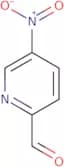
CAS:5-Bromo-2-hydrazinopyrimidine is a heterocyclic compound with the chemical formula C5H4N3Br. It is used as reagent, high quality, and complex intermediate in fine chemicals, research chemicals, and speciality chemicals. It is also a versatile building block for many reactions in synthesis of other compounds.Formula:C4H5BrN4Purity:Min. 98 Area-%Molecular weight:189.01 g/mol3-Nitro-6-pyridinecarboxaldehyde
CAS:3-Nitro-6-pyridinecarboxaldehyde is a colorless liquid that is soluble in water. It has a boiling point of 155 degrees Celsius, and it has a density of 1.03 grams per milliliter. This chemical reacts with metal ions to form nitro compounds. 3-Nitro-6-pyridinecarboxaldehyde has been used as an analytical reagent for the determination of benzenes and pyridines in organic solvents and gas chromatography calibration. The reactivity of this chemical is due to its pyridine ring, which can be used as a ligand or reagent.Formula:C6H4N2O3Purity:Min. 98%Color and Shape:PowderMolecular weight:152.11 g/mol8-Hydroxy-2-methylquinoline-5-carboxylic acid hydrochloride
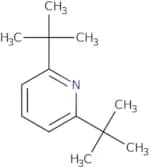
CAS:Please enquire for more information about 8-Hydroxy-2-methylquinoline-5-carboxylic acid hydrochloride including the price, delivery time and more detailed product information at the technical inquiry form on this pageFormula:C11H9NO3•(HCl)xPurity:Min. 95%Molecular weight:203.19 g/mol2,6-Di-tert-butylpyridine
CAS:2,6-Di-tert-butylpyridine is a proton donor that can be used in cationic polymerization. It is also used as a reagent to generate chloride and yield acidic products. 2,6-Di-tert-butylpyridine has been shown to react with pyridinium ions, forming pyridinium salts. The chemical structure of 2,6-di-tert-butylpyridine consists of a molecule with two phenyl groups and one tertiary butyl group. It is an aromatic compound that has been shown to have an expansion coefficient of 0.0183℃−1 when heated from 25°C to 100°C. FTIR spectroscopy has revealed the presence of hydrogen bonds between the nitrogen atom in the tertiary butyl group and the carbonyl group in the phenyl groups. The magnetic resonance spectrum showed that it has a paramagnetic character due to
Formula:C13H21NPurity:Min. 95%Color and Shape:Clear LiquidMolecular weight:191.31 g/molKisspeptin-234 trifluoroacetate
CAS:Please enquire for more information about Kisspeptin-234 trifluoroacetate including the price, delivery time and more detailed product information at the technical inquiry form on this page
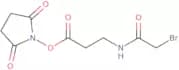
Formula:C63H78N18O13•(C2HF3O2)xPurity:Min. 95 Area-%Molecular weight:1,295.41 g/molSuccinimidyl 3-(bromoacetamido)propionate
CAS:Succinimidyl 3-(bromoacetamido)propionate (SBAP) is a reactive chemical that can be used to synthesize a variety of polymers. SBAP is used in the treatment of inflammatory bowel disease, where it acts as an immunosuppressant by suppressing antibody response to the bowel. SBAP has also been shown to increase collagen production and glycoconjugates, which are compounds found on the surface of cells that act as receptors for many types of bacteria and viruses. The polymerase chain reaction (PCR), which is used in DNA analysis, uses SBAP as a way to separate DNA fragments. For this reason, SBAP is often found in wastewater treatment plants. It has been shown that exposure to SBAP can cause infectious diseases in humans, such as tuberculosis and leprosy. This compound has also been studied for its effects on growth factor-β1 and body mass index, which may help with autoimmune diseases such as multiple
Formula:C9H11N2O5BrPurity:Min. 98 Area-%Color and Shape:White PowderMolecular weight:307.1 g/molIndole-3-pyruvic acid
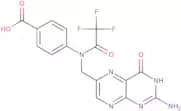
CAS:Thiostrepton is an antibiotic that inhibits the synthesis of proteins by binding to the α subunit of the bacterial ribosome. It also has a polymerase chain reaction (PCR) amplification activity. Thiostrepton's inhibitory effect on protein synthesis is due to its ability to bind to the α subunit of the ribosome, which results in inhibition of enzyme activities and physiological function. The thiostrepton-resistant mutants have been found in skin cells and plants. The resistant mutants are mostly due to point mutations in amino acid residues on the surface of the ribosomal target site, which alters its affinity for thiostrepton. This antibiotic has been shown to be active against wild-type strains of bacteria, as well as methicillin-resistant Staphylococcus aureus (MRSA). Thiostrepton's active form is metabolized through hydroxylation and conjugation with glutathione or glucurFormula:C11H9NO3Purity:Area-% Min. 95 Area-%Color and Shape:Off-White Yellow PowderMolecular weight:203.20 g/molN10-(Trifluoroacetyl)pteroic acid
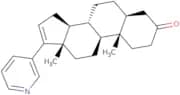
CAS:Pteroic acid is a ligand that binds to cholanic receptors in the cell membrane and induces the uptake of ethylene. This process is receptor-mediated and can be inhibited by folic and hydrophobic molecules, such as N10-(Trifluoroacetyl)pteroic acid. Pteroic acid is an important precursor of folic acid, which plays an important role in DNA synthesis and amino acid metabolism. Pteroic acid also has a hydrophobic nature that facilitates its binding to cells through hydrophobic interactions.Formula:C16H11F3N6O4Purity:Min. 95 Area-%Color and Shape:White PowderMolecular weight:408.29 g/mol(5α)-17-(3-Pyridinyl)androst-16-en-3-one
CAS:Controlled Product(5α)-17-(3-Pyridinyl)androst-16-en-3-one is a natural metabolite of testosterone that is produced in the liver. It has been identified as an impurity in API, which can be found in drugs used for the treatment of high blood pressure and prostate cancer. (5α)-17-(3-Pyridinyl)androst-16-en-3-one is not active as a drug itself, but it can be used as a standard to study the metabolism of testosterone and other steroids.Formula:C24H31NOPurity:Min. 98 Area-%Color and Shape:White PowderMolecular weight:349.51 g/mol4,4'-Di-tert-butyl-2,2'-bipyridine
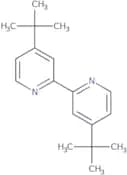
CAS:4,4'-Di-tert-butyl-2,2'-bipyridine is a maleate salt that is used in organic chemistry as a proton acceptor and donor. This compound has been shown to have an interaction with the functional theory by using voltammetry and nmr spectroscopic data. The structural analysis of 4,4'-di-tert-butyl-2,2'-bipyridine has also been done and it was found that this compound has agostic interactions. This compound has also been shown to be able to form neutral form crystals, which diffract x-rays well and have vibrational spectra.Formula:C18H24N2Purity:Min. 98 Area-%Color and Shape:PowderMolecular weight:268.41 g/mol1,1'-Dimethyl-4,4'-bipyridinium diiodide
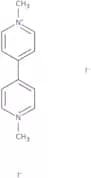
CAS:1,1'-Dimethyl-4,4'-bipyridinium diiodide (DMBI) is a hydrophobic compound that is soluble in organic solvents. It has been validated as a new optical probe for the detection of hydrogen peroxide by spectroscopic techniques. DMBI reacts with hydrogen peroxide to form an excited state molecule (a radical species) which produces a photocurrent when irradiated with light. The wavelength of the photogenerated current can be used to determine the concentration of hydrogen peroxide present. DMBI can also be used to detect hydrophilic compounds such as urea or creatinine. The reduction products formed by the reaction with these compounds are more hydrophilic and can be detected by this technique.Formula:C12H14N2·I2Purity:Min. 95%Color and Shape:PowderMolecular weight:440.06 g/mol2-Ethoxy-5-nitropyridine
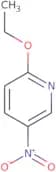
CAS:2-Ethoxy-5-nitropyridine is a potassium salt of 2-ethoxy-5-nitropyridine. It has been used as a reagent in the synthesis of sulfonates, pyridines, and phenols. The nitrogen atom in this molecule can be oxidized to nitro group. This compound also reacts with anilines to form 2-chloro-5-nitropyridine and 2-hydroxy-5-nitropyridine. In addition, it can react with halogen to form substituted anilines or chloropyridines. 2-Ethoxy-5-nitropyridine is a nucleophile that can be used for the preparation of nucleophiles for biomolecular chemistry studies.Formula:C7H8N2O3Purity:Min. 95%Color and Shape:PowderMolecular weight:168.15 g/mol2-Cyanopyrimidine
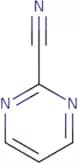
CAS:2-Cyanopyrimidine is a substrate molecule for hypoglycemic effect. It has been shown to inhibit the synthesis of proteins such as immunoglobulin E and other cytokines, which play a role in autoimmune diseases. 2-Cyanopyrimidine also acts as an inhibitor of protein genes, including those that are encoded by the polymerase chain reaction (PCR). 2-Cyanopyrimidine has been shown to be effective in treating eye disorders such as iritis and anterior uveitis. The mechanism of action is not fully understood but may be due to its ability to produce hypoglycemia and its effects on prostaglandin synthesis. 2-Cyanopyrimidine can cause a decrease in systolic blood pressure when used as pharmacological treatment.Formula:C5H3N3Purity:Min. 95%Color and Shape:White PowderMolecular weight:105.1 g/molDihydro-5-methoxy-2,4(1H,3H)-pyrimidinedione
CAS:Dihydro-5-methoxy-2,4(1H,3H)-pyrimidinedione is a high quality chemical and useful building block. It is a fine chemical and research chemicals as well as a versatile building block that can be used in synthesis of various compounds. Dihydro-5-methoxy-2,4(1H,3H)-pyrimidinedione has been shown to have activity against methicillin resistant Staphylococcus aureus (MRSA) and Clostridium perfringens.Formula:C5H8N2O3Purity:Min. 95%Color and Shape:PowderMolecular weight:144.13 g/mol2-Chloro-5-nitropyrimidine
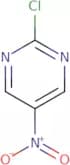
CAS:2-Chloro-5-nitropyrimidine is a molecule that can be used as a model system for studying hydrogen bonds. It has been shown to react with methoxy groups and amines. The reaction mechanism is thought to involve nucleophilic attack by the hydroxyl group of the pyrimidine, which leads to a stepwise reaction. 2-Chloro-5-nitropyrimidine has also been shown to inhibit 5HT2c receptors in vitro, suggesting it may be useful for the treatment of schizophrenia.Formula:C4H2ClN3O2Purity:Min. 95%Color and Shape:Yellow PowderMolecular weight:159.53 g/molIndole-3-acetyl-DL-tryptophan
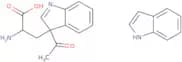
CAS:Please enquire for more information about Indole-3-acetyl-DL-tryptophan including the price, delivery time and more detailed product information at the technical inquiry form on this pageFormula:C21H19N3O3Purity:Min. 95%Color and Shape:PowderMolecular weight:361.4 g/mol4,6-Difluoroindole
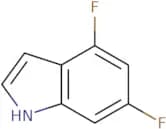
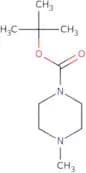
CAS:4,6-Difluoroindole is a functional group that has been optimized for use as a pharmaceutical drug. It has been shown to be an efficient inhibitor of renal organic anion transporters and monophosphate-activated protein, which are involved in the absorption of drugs from the blood into the cells. 4,6-Difluoroindole also inhibits bacterial growth by binding to ribosomal RNA and interfering with protein synthesis. This drug exhibits antibacterial activity against Gram-positive bacteria such as Mycobacterium tuberculosis and Mycobacterium avium complex. This drug is able to cross the blood-brain barrier and thus may be used to treat tuberculosis infections in the brain.Formula:C8H5F2NPurity:Min 90%Molecular weight:153.13 g/mol1-Boc-4-methylpiperazine
CAS:1-Boc-4-methylpiperazine is an inhibitor of the enzyme hydrolase. It has been shown to have a dose-dependent effect on inflammatory pain and can be used for the treatment of neuropathic pain. 1-Boc-4-methylpiperazine also has potent inhibitory activity against fatty acid amide hydrolase (FAAH) and fatty acid amide hydrolase (FAAH). It is orally administered and has been shown to have analgesic effects in animal studies. 1-Boc-4-methylpiperazine also inhibits the enzymatic activity of other hydrolases, such as cyclooxygenase 2 (COX2) and acetylcholinesterase (AChE), which are involved in inflammation, pain, and memory.
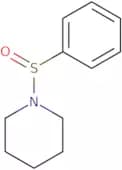
Formula:C10H20N2O2Purity:Min. 95%Color and Shape:Clear LiquidMolecular weight:200.28 g/mol1-(Phenylsulfonyl)piperidine
CAS:1-(Phenylsulfonyl)piperidine is an activated diphenyl sulfoxide that can be used as a glycosidic bond donor in the solid-phase synthesis of peptides. It reacts with chloride ions to form a sulfonium ion, which undergoes electrophilic substitution. 1-(Phenylsulfonyl)piperidine has been used in the synthesis of the blood group A antigen and the hydroxy group is used for the synthesis of glycosides and amino acids. This compound also has stereoselective properties for sulfoxides, carbon tetrachloride, hydroxyl groups, dodecyl groups, and acceptors.Formula:C11H15NOSPurity:Min. 95%Color and Shape:PowderMolecular weight:209.31 g/mol6-Methoxyindole
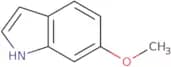
CAS:6-Methoxyindole is an acetate extract of the plant 5-methoxyindole. It has been shown to be a 5-HT1A receptor agonist in animals, and has been shown to have cardiac effects in rats. 6-Methoxyindole is also used as a precursor for the synthesis of diphenylacetylindoles. 6-Methoxyindole is one of the molecules that can be recombined to form a batcho-leimgruber indole (BLI).
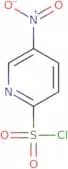
Formula:C9H9NOPurity:Min. 99 Area-%Color and Shape:PowderMolecular weight:147.17 g/mol5-Nitro-pyridine-2-sulfonyl chloride
CAS:5-Nitro-pyridine-2-sulfonyl chloride is a chemical reagent that is used in the synthesis of various organic compounds. It is a versatile building block and can be used as an intermediate for the synthesis of other compounds. 5-Nitro-pyridine-2-sulfonyl chloride is also a reaction component in the synthesis of some pharmaceutical drugs, such as benzoic acid, which can be used to manufacture more complex compounds, such as antibiotics.Formula:C5H3ClN2O4SPurity:Min. 90 Area-%Color and Shape:PowderMolecular weight:222.61 g/molN-[(2Z)-Piperazin-2-ylidene]-2,2,2-trifluoroacetohydrazide
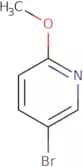
CAS:N-[(2Z)-Piperazin-2-ylidene]-2,2,2-trifluoroacetohydrazide (NPI) is a hydrazine derivative with cyclization and chlorination. It is an oxychloride of N-(2-chloroethyl)hydrazinecarbothioamide. Hydrazine derivatives are mainly used as synthetic intermediates for the production of pharmaceuticals and agrochemicals. Trifluoroacetate is a chemical compound that has been shown to be active against the growth of Mycobacterium tuberculosis and Mycobacterium avium complex. Trifluoroacetate inhibits the biosynthesis of mycolic acids, which are essential components of the cell wall in these bacteria. The mechanism of action of trifluoroacetate involves inhibition of the enzyme mycolic acid synthase through covalent modification by forming an adduct with its active site cysteine residue.Formula:C6H9F3N4OPurity:Min. 95%Color and Shape:PowderMolecular weight:210.16 g/mol5-Bromo-2-methoxypyridine
CAS:5-Bromo-2-methoxypyridine is a synthetic organic chemical that is used in organic chemistry. It is a precursor to the HIV integrase inhibitor, PSC 833, and has been shown to be effective in treating idiopathic pulmonary fibrosis. 5-Bromo-2-methoxypyridine is synthesized by reacting phosphorus oxychloride with 2-bromomethoxybenzene. This reaction produces a mixture of products that are then separated using column chromatography. The desired product can be purified by recrystallization or distillation. 5-Bromo-2-methoxypyridine has three pairs of asymmetric carbon atoms and four different functional groups: halides, sulfur trifluoride, bromine, and methoxy groups.
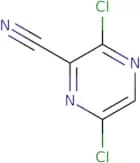
Formula:C6H6BrNOPurity:Min. 95%Color and Shape:Clear LiquidMolecular weight:188.02 g/mol3,6-Dichloropyrazine-2-carbonitrile
CAS:3,6-Dichloropyrazine-2-carbonitrile is a synthetic nucleophilic compound that can be used to produce antiviral drugs. This chemical belongs to the class of chlorination compounds and reacts with nucleophiles in a nucleophilic substitution reaction. 3,6-Dichloropyrazine-2-carbonitrile has been optimized for synthesis by recrystallization and solvents. The reactants are heated and then mixed, where it undergoes an acid catalyzed hydrolysis followed by a dehydration reaction. 3,6-Dichloropyrazine-2-carbonitrile is synthesized by reacting a nitrile with phosgene to form the chloroformate ester which is reacted with ammonia or amines. The final product is purified using recrystallization or solvent extraction.Formula:C5HCl2N3Purity:Min. 97 Area-%Color and Shape:PowderMolecular weight:173.99 g/mol7-Azaindole
CAS:7-Azaindole is a chemical compound that can be used as a building block in organic synthesis. It can be used as a reactant in the preparation of other chemicals, such as dyes, rubber accelerators, and pharmaceuticals. 7-Azaindole is also useful as an intermediate in the production of polymers, such as polyurethanes and polyesters. This chemical is soluble in water and alcohols, but insoluble in ethers and chloroform. 7-Azaindole has been classified by the International Agency for Research on Cancer (IARC) as Group 3: Not Classifiable as to its Carcinogenicity to Humans.Formula:C7H6N2Purity:Min. 98.0 Area-%Molecular weight:118.14 g/molRef: 3D-A-9500
1kgTo inquire5kgTo inquire250gTo inquire500gTo inquire2500gTo inquire-Unit-kgkgTo inquire2-Phenyl-2-(2-piperidyl)acetamide
CAS:2-Phenyl-2-(2-piperidyl)acetamide is an enantiomeric amide that can be used as a chiral building block for the synthesis of other organic compounds. It is synthesized by reacting phenylacetic acid with piperidine. 2-Phenyl-2-(2-piperidyl)acetamide is a primary amide and has been shown to have analgesic properties.
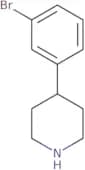
Formula:C13H18N2OPurity:Min. 97 Area-%Color and Shape:PowderMolecular weight:218.29 g/mol4-(3-Bromo-phenyl)-piperidine
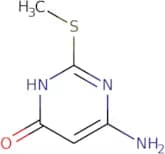
CAS:4-(3-Bromo-phenyl)-piperidine is a radioligand that binds to the vesicular acetylcholine transporter (VAChT). It has been used as a radiotracer in binding experiments, which have shown that this ligand binds to VAChT with high affinity and selectivity. Binding studies using rat brain tissue have revealed that 4-(3-bromo-phenyl)-piperidine is a selective antagonist of the VAChT transporter, with minimal effects on other neurotransmitter transporters. This compound is stable at high concentrations and can be used for experiments involving radioiodinated ligands.Formula:C11H14BrNPurity:Min. 95%Color and Shape:PowderMolecular weight:240.14 g/mol6-Amino-2-methylthio-4(3H)pyrimidinone
CAS:6-Amino-2-methylthio-4(3H)pyrimidinone is a potential antitumor drug with a radical mechanism of action. It inhibits the activity of the NS5B polymerase, an enzyme in the virus's RNA replication complex. The drug has been shown to inhibit proliferation of cancer cells in vitro and to have antiviral effects against a number of viruses, including influenza A and B. 6-Amino-2-methylthio-4(3H)pyrimidinone inhibits tyrosine kinases and also inhibits erythrocyte progenitors from differentiating into megakaryocytes. This drug is not metabolized by cytochrome P450 enzymes and does not bind to plasma proteins.
Formula:C5H7N3OSPurity:Min. 95%Color and Shape:White PowderMolecular weight:157.19 g/molDodecylpyridinium bromide
CAS:Dodecylpyridinium bromide is a glycol ether surfactant that is used as an inhibitor molecule. It inhibits multidrug efflux pumps, which are proteins in the membrane of cells that pump drugs out of the cell. Dodecylpyridinium bromide is also used as a surfactant in water-based paints and coatings, as well as in printing ink formulations. This chemical has been shown to have amoebicidal activity by interacting with the phospholipids on the surface of the amoeba, causing it to go into spore formation. Dodecylpyridinium bromide is also used for its ability to inhibit the growth of bacteria such as Staphylococcus epidermidis and Pseudomonas aeruginosa, which can cause infection in burn patients. Dodecylpyridinium bromide can be synthesized from benzalkonFormula:C17H30BrNPurity:Min. 95%Color and Shape:PowderMolecular weight:328.33 g/mol5-Hydroxyindole-2-carboxylic acid ethyl ester
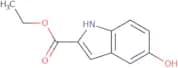
CAS:5-Hydroxyindole-2-carboxylic acid ethyl ester is a fluorescent probe that is used in the detection of hepatitis C virus by micropet assay. The compound reacts with amines and undergoes fluorescence quenching, and can be used to quantitate their concentration. 5-Hydroxyindole-2-carboxylic acid ethyl ester is also used for the determination of the kinetics of amines and other compounds that are involved in the metabolism of drugs and biogenic amines. It can be applied to chromatographic analysis or sample preparation prior to analysis by analytical chemistry methods such as gas chromatography or liquid chromatography.
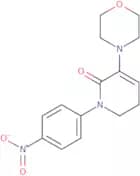
Formula:C11H11NO3Purity:Min. 95%Color and Shape:PowderMolecular weight:205.21 g/mol3-(4-Morpholinyl)-1-(4-nitrophenyl)-5,6-dihydro-2(1H)-pyridinone
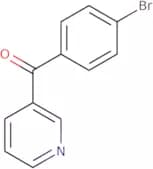
CAS:3-(4-Morpholinyl)-1-(4-nitrophenyl)-5,6-dihydro-2(1H)-pyridinone is a synthetic coagulation factor that has been shown to be cost-effective and to have a high yield. It is an inhibitor of blood coagulation, which is detectable by x-ray powder diffraction. 3-(4-Morpholinyl)-1-(4-nitrophenyl)-5,6-dihydro-2(1H)-pyridinone has been synthetically prepared from 3,5,6,7,8,9,10,-hexahydro-[2]benzo[e][1]pyridinone and 4-morpholinecarboxylic acid.Formula:C15H17N3O4Purity:Min. 98 Area-%Color and Shape:Yellow PowderMolecular weight:303.31 g/mol(4-Bromophenyl)-(pyridin-3-yl)methanone
CAS:The compound is a reactive, logistic and logistic regression analysis. The logistic regression was used to determine the effects of temperature on the yields of this organic chemical. The compound is not active against test organisms such as dimethylamine, but does react with carbonyl groups in other organic chemicals. This chemical is considered reactive because it can be easily oxidized by air or water. It has been shown that this chemical reacts with oxygen molecules to form aldehydes and ketones.Formula:C12H8BrNOPurity:Min. 95%Molecular weight:262.1 g/mol7-Bromo-5-fluoro-1H-indole-3-carboxylic acid
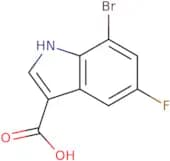
CAS:Please enquire for more information about 7-Bromo-5-fluoro-1H-indole-3-carboxylic acid including the price, delivery time and more detailed product information at the technical inquiry form on this page
Formula:C9H5BrFNO2Purity:Min. 95%Color and Shape:PowderMolecular weight:258.04 g/mol1-[2-[(2,4-Dimethylphenyl)thio]phenyl]piperazine hydrobromide
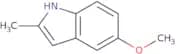
CAS:Controlled Product1-[2-[(2,4-Dimethylphenyl)thio]phenyl]piperazine hydrobromide is an atypical antidepressant that is used for the treatment of major depressive disorder. It has been shown to be effective in animal models of depression and in clinical trials with humans. 1-[2-[(2,4-Dimethylphenyl)thio]phenyl]piperazine hydrobromide blocks the serotonin 5HT1B receptor subtype, which is responsible for regulating mood and emotional response. This drug does not block the 5HT1A or 5HT2 receptors, so it does not cause some of the side effects associated with selective serotonin reuptake inhibitors (SSRIs). In addition, 1-[2-[(2,4-Dimethylphenyl)thio]phenyl]piperazine hydrobromide has a chemical stability that lasts longer than other drugs in its class.Formula:C18H22N2S·HBrPurity:Min. 98 Area-%Color and Shape:PowderMolecular weight:379.36 g/mol5-Methoxy-2-methylindole
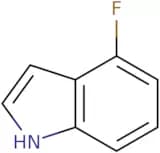
CAS:5-Methoxy-2-methylindole is an organic solvent that has been shown to have a wide range of bioactive properties. It is used in the production of acetylcholine, which is an important neurotransmitter. 5-Methoxy-2-methylindole also reacts with chloride ions, which may be an important factor when considering the life cycles and bioactive substances of this molecule. The reaction yield depends on the pH of the solution. 5-Methoxy-2-methylindole can undergo chlorination reactions to form polychlorinated derivatives, which are used as petrochemicals. This molecule also has retinoid properties and can act as a proton donor or acceptor depending on whether it is protonated or deprotonated.Formula:C10H11NOColor and Shape:PowderMolecular weight:161.2 g/mol4-Fluoroindole
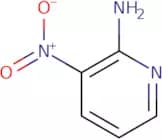
CAS:4-Fluoroindole is a compound that belongs to the class of 5-methoxyindoles, which are used as drugs in plant physiology. The analog of 4-fluoroindole is important for cell culture and transcriptomic analysis. It has been shown to reduce the growth of cryptococcus neoformans by inhibiting its ability to produce acid. 4-Fluoroindole also inhibits the growth of other opportunistic fungi, such as Aspergillus niger. This drug is addictive and can be toxic if it enters the environment. 4-Fluoroindole also inhibits the growth of plants when applied as a pesticide.Formula:C8H6FNColor and Shape:PowderMolecular weight:135.14 g/mol2-Amino-3-nitropyridine
CAS:2-Amino-3-nitropyridine is a synthetic molecule that has the chemical formula C6H7N5O2. It can exist in four different forms, three of which are isomers. These three isomers have different properties, such as melting point and solubility. The synthesis of 2-amino-3-nitropyridine can be achieved through a solid phase synthesis using sodium periodate as the acid catalyst. The reaction mechanism involves nitration of 2-amino pyridine with hydrogen peroxide to produce 3-nitro pyridine followed by hydrolysis to form 2-amino-3 nitropyridine. This reaction produces two dihedral angles in the molecule, one between the nitrogen and oxygen atoms and another between the nitrogen atom and carbon atom bonded to it. The functional groups present on this molecule are an amino group, a nitro group, and an amide group.
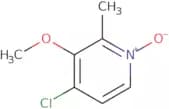
Purity:Min. 98 Area-%Color and Shape:Yellow SolidMolecular weight:139.11 g/mol4-Chloro-3-methoxy-2-methylpyridine N-oxide
CAS:The compound 4-Chloro-3-methoxy-2-methylpyridine N-oxide is an organic compound with a neutral chemical nature. It is a byproduct of the production of methylpyridine, which is achieved through the reaction between phosphorus oxychloride and toluene. The toxicological properties of this substance are unknown.Formula:C7H8ClNO2Purity:Min. 95%Color and Shape:PowderMolecular weight:173.6 g/mol4,4'-Dinitro-2,2'-bipyridine-N,N'-dioxide
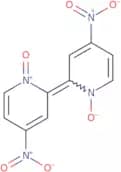
CAS:Please enquire for more information about 4,4'-Dinitro-2,2'-bipyridine-N,N'-dioxide including the price, delivery time and more detailed product information at the technical inquiry form on this pageFormula:C10H6N4O6Purity:Min. 94 Area-%Color and Shape:Yellow PowderMolecular weight:278.18 g/mol4,6-Dimethyl-N-phenylpyrimidin-2-amine
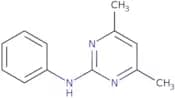
CAS:4,6-Dimethyl-N-phenylpyrimidin-2-amine is a fungicide that is effective against the production of nitrite ion in the liver. It has been shown to be a potent inhibitor of hepatic steatosis. 4,6-Dimethyl-N-phenylpyrimidin-2-amine was also shown to have an inhibitory effect on the growth of fungal strains in vitro. This compound has been demonstrated to be active against a number of plant pathogens and may be useful in postharvest applications. 4,6-Dimethyl-N-phenylpyrimidin-2-amine interacts with the hippocampus formation and may play a role in preventing neurodegenerative diseases such as Alzheimer's disease or Parkinson's disease.Formula:C12H13N3Purity:Min. 95%Color and Shape:PowderMolecular weight:199.25 g/mol2-(4-(2-fluorophenyl)piperazinyl)-1-indol-3-ylethane-1,2-dione
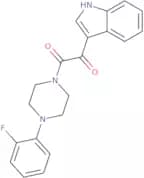
CAS:Controlled ProductPlease enquire for more information about 2-(4-(2-fluorophenyl)piperazinyl)-1-indol-3-ylethane-1,2-dione including the price, delivery time and more detailed product information at the technical inquiry form on this page
Formula:C20H18FN3O2Purity:Min. 95%Color and Shape:PowderMolecular weight:351.37 g/molIndole-3-acetic acid
CAS:Plant growth hormone. Regulates cell membrane electron transport and proton flux, plays important roles in a number of plant activities, including: development of the embryo, leafformation, phototropism, gravitropism, apical dominance, fruit development, abscission, root initiation.
Formula:C10H9NO2Purity:Min. 99 Area-%Molecular weight:175.19 g/mol3-Amino-6-nitropyridine
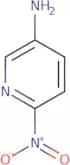
CAS:3-Amino-6-nitropyridine is a nitropyridine and a coupler. It is used as a reagent to synthesize hydroxylamine, aralkyl, and cycloalkyl intermediates. 3-Amino-6-nitropyridine can also be used as an intermediate in the synthesis of medicines such as copper.Formula:C5H5N3O2Purity:Min. 98 Area-%Color and Shape:PowderMolecular weight:139.11 g/mol3-Carbethoxy-2-piperidone
CAS:3-Carbethoxy-2-piperidone is a cycloaddition product of formaldehyde and an amine. This reaction proceeds through the formation of a dicarbonyl intermediate, which then reacts with chloride to form the final product. The absorption maximum of 3-carboxy-2-piperidone is at 270 nm, and its structure can be determined by using infrared spectroscopy. 3-Carbethoxy-2-piperidone has a dipole moment of 1.3 D and is electron deficient due to the absence of a hydrogen atom on the nitrogen atom. It also has an amido group (C=O) that is bonded to the carbonyl group (C=O).
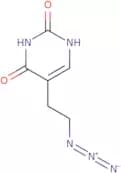
3-Carbethoxy-2-piperidone is not soluble in water, but it does dissolve in polar organic solvents such as acetone or dimethylformamide (DMF). The chemical reactionsFormula:C8H13NO3Color and Shape:White PowderMolecular weight:171.19 g/mol5-(2-Azidoethyl)pyrimidine-2,4(1H,3H)-dione
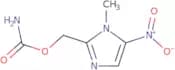
CAS:Sodium dodecyl sulfate (SDS) is a surfactant that is used in the laboratory to create micelles. The micelles have an interparticle distance of about 10 nm. SDS is ionic and hydrophilic with a high affinity for water molecules, which are attracted by the negative charge on its head group. This property makes it useful as a detergent in many applications, including cleaning products and shampoo. Sodium dodecyl sulfate has been shown to inhibit the growth of bacteria by interacting with their cell membranes, making them more permeable and less stable.Formula:C6H7N5O2Purity:Min. 95%Color and Shape:White PowderMolecular weight:181.15 g/mol1-Methyl-5-nitro-1H-imidazole-2-methanol 2-carbamate
CAS:1-Methyl-5-nitro-1H-imidazole-2-methanol 2-carbamate is an antimicrobial agent that has been shown to be active against a number of bacteria, including Gram negative and Gram positive bacteria. It was shown to have a matrix effect in vivo and its kinetic energy was found to be reactive. The 1NIMC has been shown to inhibit the growth of bacteria by interfering with DNA replication and RNA synthesis. This drug has also been shown to have an analytical method that is linear in calibrations curves, which makes it suitable for quantitative analysis. It also has chemical stability, as it decomposes slowly at room temperature.Formula:C6H8N4O4Purity:Min. 98.5%Color and Shape:White PowderMolecular weight:200.15 g/mol1-(o-Tolyl)piperazine
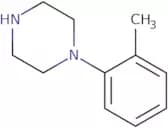
CAS:Controlled Product1-(o-Tolyl)piperazine is a potent antagonist of the acetylcholine and serotonin receptors. It has been shown to inhibit the uptake of neurotransmitters in rat brain synaptosomes. 1-(o-Tolyl)piperazine has also been found to be a potent antimicrobial agent that inhibits bacterial growth by binding to bacterial cell walls and blocking the synthesis of essential cell components. Molecular modeling studies have revealed that 1-(o-tolyl)piperazine binds to the receptor site on the oxytocin receptor, which may provide an explanation for its effects on reproductive function.
Formula:C11H16N2Purity:Min. 95%Molecular weight:176.26 g/molN-Methyl-1-quinolin-2-ylmethanamine dihydrochloride
CAS:Please enquire for more information about N-Methyl-1-quinolin-2-ylmethanamine dihydrochloride including the price, delivery time and more detailed product information at the technical inquiry form on this pageFormula:C11H12N2•(HCl)2Purity:Min. 95%Color and Shape:PowderMolecular weight:245.15 g/mol2-[3-[N-(4-tert-Butylbenzyl)-N-(pyridin-3-ylsulfonyl)aminomethyl]phenoxy]acetic acid
CAS:2-[3-[N-(4-tert-Butylbenzyl)-N-(pyridin-3-ylsulfonyl)aminomethyl]phenoxy]acetic acid is a synthetic chemical compound, which is derived from organic synthesis processes involving aromatic compounds. It functions primarily through the modulation of specific biochemical pathways, likely involving interactions with enzymatic or receptor targets due to its structural characteristics. This compound is particularly noteworthy for its potential applications in biomedical research, where it may serve as a lead or active molecule in the development of new pharmaceutical agents. Its unique structure, featuring both aromatic and sulfonyl groups, allows for versatile interactions with biological targets, opening possibilities for its use in therapeutic development. Further research into its exact mechanisms and potential therapeutic uses could yield significant advancements in the treatment of various ailments.Formula:C25H28N2O5SPurity:Min. 98 Area-%Color and Shape:PowderMolecular weight:468.57 g/mol7,8-Dimethoxy-9-oxo-9H-indeno[1,2-B]pyrazine-2,3-dicarbonitrile
CAS:7,8-Dimethoxy-9-oxo-9H-indeno[1,2-B]pyrazine-2,3-dicarbonitrile is a fine chemical that is useful for research and as a building block in the synthesis of more complex compounds. It can be used in the synthesis of a range of pharmaceuticals and other chemicals. 7,8-Dimethoxy-9-oxo-9H-indeno[1,2-B]pyrazine is also an excellent reagent for the preparation of other compounds. This compound has been shown to bind to DNA and RNA and its reaction with nucleophiles produces a variety of products.
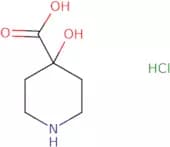
Formula:C15H8N4O3Purity:Min. 95%Color and Shape:Yellow To Red SolidMolecular weight:292.25 g/mol4-Hydroxypiperidine-4-carboxylic acid hydrochloride
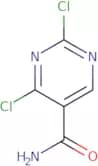
CAS:4-Hydroxypiperidine-4-carboxylic acid hydrochloride (HPCA) is a versatile building block, which can be used as a starting material for the synthesis of complex compounds. It is also a useful intermediate in the synthesis of pharmaceuticals, agrochemicals and other fine chemicals. HPCA has been shown to react with various reagents, such as amines and alcohols. This compound is widely used in research and industrial applications. 4-Hydroxypiperidine-4-carboxylic acid hydrochloride is a white crystalline solid that can be synthesized from piperidone through oxidation with hydrogen peroxide in the presence of sulfuric acid.Formula:C6H11NO3·HClPurity:Min. 95 Area-%Color and Shape:White PowderMolecular weight:181.62 g/mol2,4-Dichloropyrimidine-5-carboxamide
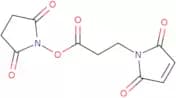
CAS:2,4-Dichloropyrimidine-5-carboxamide is a 2,4-dichloropyrimidine derivative. It is an intermediate in the synthesis of other compounds, and can be used as a building block in the synthesis of complex compounds. It is a versatile building block that can be used to make many different products. This chemical has been shown to have high quality and is useful as a research reagent or speciality chemical. 2,4-Dichloropyrimidine-5-carboxamide is also a useful intermediate for reactions involving nucleophilic substitution reactions and can serve as a scaffold for organic synthesis.Formula:C5H3Cl2N3OPurity:Min. 95%Color and Shape:Off-White To Yellow SolidMolecular weight:192 g/mol3-Maleimidopropionic acid N-succinimidyl ester
CAS:3-Maleimidopropionic acid N-succinimidyl ester is a potent inducer of the transcriptional regulator NF-κB. It also inhibits the growth of human osteosarcoma cells and mesenchymal cells, which may be due to its activity on integrin receptors. 3-Maleimidopropionic acid N-succinimidyl ester has been shown to inhibit the growth of infectious diseases such as HIV and malaria, as well as leukemia inhibitory factor. This drug also has a chemical effect on iron homeostasis by inhibiting iron uptake in human serum and mouse liver cells.Formula:C11H10N2O6Purity:Min. 98 Area-%Color and Shape:PowderMolecular weight:266.21 g/molL-5-Methyltetrahydrofolate calcium
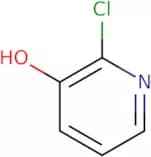
CAS:L-5-Methyltetrahydrofolate calcium is also known as calcium levomefolate; N-[4-[[(2-amino-1,4,5,6,7,8-hexahydro-5-methyl-4-oxo-6-pteridinyl)methyl]amino]benzoyl]-L-glutamic acid, calcium salt; and L-5-MTHF. L-5-Methyltetrahydrofolate calcium is the calcium salt of L-5-methyltetrahydrofolic acid, and a member of the folate group of vitamins (Vitamin B9). It is the coenzymated and most active form of folic acid, which performs many vital cellular functions, including DNA reproduction, cysteine cycle and homocysteine regulation. L-5-Methyltetrahydrofolate calcium is used as in dietary supplements and has been proposed for treatment of cardiovascular disease.Formula:C20H23CaN7O6Purity:Min. 95 Area-%Color and Shape:White PowderMolecular weight:497.52 g/mol2-Chloro-3-hydroxypyridine
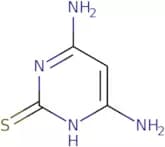
CAS:2-Chloro-3-hydroxypyridine is a reactive chemical that can be synthesized from hydrochloric acid and ammonia. It has a high melting point, which is an indication of its strength. 2-Chloro-3-hydroxypyridine has been used in the kinetic and population growth studies for bacteria. The reaction of 2-chloro-3-hydroxypyridine with sodium hydrogen is exothermic and has a red shift, which indicates that the activation energy for this reaction is low. Activation energies are important because they indicate the stability of molecules.Formula:C5H4ClNOPurity:Min. 95%Color and Shape:PowderMolecular weight:129.54 g/mol4,6-Diamino-2-thiopyrimidine
CAS:4,6-Diamino-2-thiopyrimidine is a glycosidic bond that has been shown to inhibit the growth of bacteria in cell culture. It has also been shown to have an anticoagulant effect on human serum. The molecular weight of heparin is typically between 5000 and 15000 Da. In this study 4,6-Diamino-2-thiopyrimidine was found to be the most potent inhibitor of heparinase I activity with an IC50 of 1.5 mM. This compound is a trifluoroacetate salt that has a neutral pH and low solubility in water. It can be detected by electrochemical impedance spectroscopy (EIS). Hydrolysis by hydrochloric acid yields 4,6-diamino-2-thiopyrimidine trifluoroacetic acid as the only product. The chemical name for this substance is 4,6 diamino 2 thiop
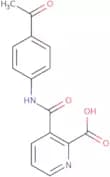
Formula:C4H6N4SPurity:Min. 95%Color and Shape:PowderMolecular weight:142.18 g/mol3-(N-(4-Acetylphenyl)carbamoyl)pyridine-2-carboxylic acid
CAS:Please enquire for more information about 3-(N-(4-Acetylphenyl)carbamoyl)pyridine-2-carboxylic acid including the price, delivery time and more detailed product information at the technical inquiry form on this pageFormula:C15H12N2O4Purity:Min. 95%Color and Shape:PowderMolecular weight:284.27 g/mol2-Mercaptopyridine N-oxide
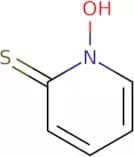
CAS:2-Mercaptopyridine N-oxide is a radical that has been shown to have antifungal activity in vitro. It also inhibits the synthesis of peptide hormones by binding to copper ions, which are required for this process. 2-Mercaptopyridine N-oxide has been shown to chelate metal ions such as iron, which can lead to oxidative injury. This compound has been shown to be toxic in vivo, but it is not currently known if it is toxic in vitro.Formula:C5H5NOSPurity:Min 97%Color and Shape:Off-White PowderMolecular weight:127.17 g/mol2-Hydroxy-4-bromopyridine
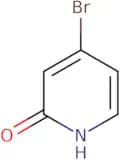
CAS:2-Hydroxy-4-bromopyridine (2HBP) is a product with genotoxic activity that can be used for research. 2HBP has been shown to inhibit the synthesis of DNA by inhibiting the enzymatic reaction or binding to DNA. 2HBP is also an inhibitor of virus replication and causes monolayer cell death through radiation or chemical structures. It can be used as an anti-tumor agent and has been shown to have inhibitory properties on dna replication.Formula:C5H4BrNOPurity:Min. 98 Area-%Color and Shape:White PowderMolecular weight:174 g/mol1,4-Dihydro-2,6-dimethyl-4-(3-nitrophenyl)-3,5-pyridinedicarboxylic acid 3-(2-cyanoethyl) 5-methyl ester
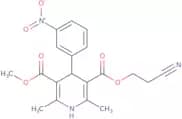
CAS:1,4-Dihydro-2,6-dimethyl-4-(3-nitrophenyl)-3,5-pyridinedicarboxylic acid 3-(2-cyanoethyl) 5-methyl ester is a chemical compound that has the CAS number 75130-24-4. It is a white powder with a melting point of 144°C. This chemical is soluble in acetone, ether and chloroform. It can be used as a building block for organic synthesis due to its versatility and useful scaffold.Formula:C19H19N3O6Purity:Min. 95%Color and Shape:White to yellow solid.Molecular weight:385.37 g/mol4-[(Pyridine-3-carbonyl)amino]butyric acid
CAS:4-[(Pyridine-3-carbonyl)amino]butyric acid (4-PBA) is a non-proteinogenic amino acid that has been found in food and has been shown to have therapeutic effects on a number of diseases. 4-PBA is converted to gamma-aminobutyric acid (GABA) by the enzyme GABA transaminase. It also has a synergistic effect with sodium succinate, which is another precursor in the production of GABA. This synergistic effect increases the amount of GABA produced from 4-PBA and sodium succinate when they are consumed together. 4-PBA also binds to receptors for dopamine, which may be why it is effective for treating diabetic neuropathy and Parkinson's disease.Formula:C10H12N2O3Purity:Min. 95%Color and Shape:White PowderMolecular weight:208.21 g/molDde biotin picolyl azide
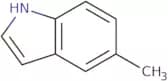
CAS:Azide-activated cleavable biotin probeFormula:C38H57N9O9SPurity:Min. 95%Color and Shape:Clear LiquidMolecular weight:815.98 g/mol5-Methylindole
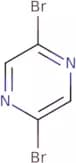
CAS:5-Methylindole is a molecule that has been found to be active against Staphylococcus aureus. This drug interferes with the synthesis of glycogen, which is an important energy storage molecule in animals. 5-Methylindole inhibits glycogen synthase kinase 3 (GSK-3) activity and thereby reduces the production of proinflammatory cytokines. This drug has also been shown to have cardiac effects, such as tachycardia and arrhythmias in mice. The optical properties of 5-methylindole are characterized by fluorescence and absorbance spectra, as well as its chemical reactions. 5-Methylindole is detectable at concentrations of 10 µg/mL and reacts with aminoglycosides by forming an adduct that can be detected using chromatographic methods.Formula:C9H9NPurity:Min. 95%Color and Shape:PowderMolecular weight:131.17 g/mol2,5-Dibromopyrazine
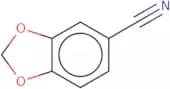
CAS:2,5-Dibromopyrazine is a heterocyclic compound that can be synthesized by the Suzuki coupling reaction of 2-bromo-1,3-dibromopropane with an acceptor. It has been shown to have glycemic parameters and a high rate enhancement for the water molecule photophysical isomerization reaction. Structural isomers of 2,5-dibromopyrazine exist as well and are thought to have different rates of photocatalytic activity. The rate enhancement may be due to the increase in electron density on the heteroatoms in the ring.Formula:C4H2Br2N2Purity:Min. 98%Color and Shape:Brown White Off-White Yellow Clear LiquidMolecular weight:237.88 g/molPiperonylonitrile
CAS:Piperonylnitrile is a chemical substance that is used as an intermediate in the production of anisidine and piperonal. It can be activated by radiation, hydrochloric acid, or chloride to form an active intermediate that can react with an aldoxime to produce a nitrile oxide. Piperonylnitrile has been shown to have an inhibitory effect on the reaction between hydrochloric acid and piperonal. Reaction time was increased from 2 hours at room temperature to 6 days when piperonylnitrile was added to the reaction mixture. Piperonylnitrile also has a dehydrating effect on low molecular weight compounds.Formula:C8H5NO2Purity:Min. 95%Color and Shape:PowderMolecular weight:147.13 g/mol6-Chloro-imidazo[1,2-b]pyridazine
CAS:6-Chloro-imidazo[1,2-b]pyridazine (6CI) is a potent inhibitor of the VEGF pathway. It inhibits the production of TNF-α and other inflammatory mediators by targeting the tumor necrosis factor receptor type 1 (TNFR1). 6CI has been shown to inhibit factor receptor activation in vitro, suggesting that it may also have an inhibitory effect on other receptors. These results suggest that 6CI can be used to treat inflammatory diseases such as rheumatoid arthritis. 6CI has been shown to bind to various halides, which may be due to the presence of hydrogen bonds. The molecular modeling studies show that the hydrogen bond stabilizes the binding between 6CI and TNFR1 and prevents this interaction from occurring with its natural ligand, VEGF.Formula:C6H4ClN3Purity:Min. 95%Color and Shape:White to off white crystalline powderMolecular weight:153.57 g/mol7-Fluoro-2-methyl-1H-indole
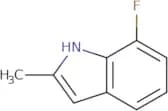
CAS:7-Fluoro-2-methyl-1H-indole is a chemical compound that can be used as a building block to synthesize other organic compounds. The compound is also useful as a reagent in reactions such as the conversion of nitrobenzene to aniline. 7-Fluoro-2-methyl-1H-indole is soluble in acetone, chloroform, and ether. It has CAS number 432025-24-6, which identifies it as a fine chemical with many uses.Formula:C9H8FNPurity:Min. 95%Color and Shape:White PowderMolecular weight:149.16 g/mol1-Cyanoimidazole
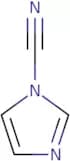
CAS:1-Cyanoimidazole is a phosphodiester that is used in the chemical ligation of nucleic acids. It reacts with terminal alkynes to form covalent linkages between DNA molecules, and can be used as a crosslinker for dna duplexes. 1-Cyanoimidazole can be used as a phosphate group replacement in DNA replication. This compound has been shown to react with terminal alkyne groups on DNA templates, forming stable covalent linkages between strands in the presence of an appropriate nucleophile. 1-Cyanoimidazole has been shown to have sequence specificity and efficient method for linking strands of DNA.Formula:C4H3N3Purity:Min. 95%Color and Shape:Off-White PowderMolecular weight:93.09 g/mol2-(2,2-dimethyl(3-oxaindan-4-yloxy))-5-nitropyridine
CAS:Please enquire for more information about 2-(2,2-dimethyl(3-oxaindan-4-yloxy))-5-nitropyridine including the price, delivery time and more detailed product information at the technical inquiry form on this pagePurity:Min. 95%Pyridine-3-acetonitrile
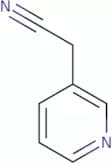
CAS:Pyridine-3-acetonitrile is a coordination complex that can be used for the treatment of diabetes. It has been shown to have a high affinity for plasma glucose and to be selective for biological samples containing amino acids, such as proteins. The molecule is able to bind with carbon disulphide in order to form the active methylene, which has been shown to be an effective bifunctional ligand. The compound has also been shown to have a ph optimum of 9.8 - 10.2 and exhibits an atomic orbital with a molecular electrostatic potential of 0.5 eV. Pyridine-3-acetonitrile binds strongly to nucleophilic groups, such as amines and hydroxyls, making it suitable for use as a ligand in metal complexes. This compound may also have some interesting properties related to its morphology, which can be further investigated using functional theory and molecular electrostatic potential.br>br> br>br>Formula:C7H6N2Purity:Min. 95%Color and Shape:Clear LiquidMolecular weight:118.14 g/mol3-Amino-4,6-dimethylpyridine
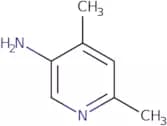
CAS:3-Amino-4,6-dimethylpyridine is a potent inhibitor of quinolines and thiazolopyridines. It has been shown to be an allosteric inhibitor of cellular quinoline and thiazolopyridine metabolism which leads to its high potency in cells. 3-Amino-4,6-dimethylpyridine selectively inhibits the activity of these enzymes without affecting other metabolic pathways. Oral dosing results in rapid absorption and a half life of about 2 hours.Formula:C7H10N2Purity:Min. 95%Color and Shape:PowderMolecular weight:122.17 g/molPiperazinophenylacetic acid benzylamide hydrochloride
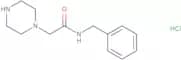
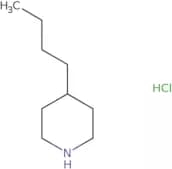
CAS:Piperazinophenylacetic acid benzylamide hydrochloride is a versatile building block that can be used in the synthesis of complex compounds for research and development. It is a reagent for the preparation of speciality chemicals and also a useful intermediate for the synthesis of reaction components. Piperazinophenylacetic acid benzylamide hydrochloride is a high quality, commercially available chemical that can be used as a scaffold for the preparation of new chemical compounds.Formula:C13H19N3O•HClPurity:Min. 95%Color and Shape:PowderMolecular weight:269.77 g/mol4-Butylpiperidine hydrochloride
CAS:4-Butylpiperidine hydrochloride is a versatile building block for the synthesis of complex compounds. It is a reagent that can be used in research and as a speciality chemical. 4-Butylpiperidine hydrochloride has been shown to have high purity, making it suitable for use as a building block in the synthesis of pharmaceuticals and other useful compounds. CAS No. 372195-85-2
Formula:C9H20ClNPurity:Min. 95%Color and Shape:PowderMolecular weight:177.71 g/mol2-Piperazin-1-ylnicotinamide dihydrochloride
CAS:Please enquire for more information about 2-Piperazin-1-ylnicotinamide dihydrochloride including the price, delivery time and more detailed product information at the technical inquiry form on this pageFormula:C10H14N4OPurity:95%MinColor and Shape:PowderMolecular weight:206.24 g/mol2-Mercaptobenzimidazole zinc salt
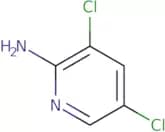
CAS:2-Mercaptobenzimidazole zinc salt is a synthetic, organic solvent that is used as an additive in the manufacture of dyes, paints, and varnishes. It is also used to make photographic film and x-ray film. 2-Mercaptobenzimidazole zinc salt is not soluble in water but can be dissolved by organic solvents such as acrylonitrile. This compound has been shown to have photocatalytic activity when activated by light. It has been found to be heat resistant up to 110°C, which makes it suitable for use in coating and printing applications. 2-Mercaptobenzimidazole zinc salt has carboxylate properties that allow it to react with calcium carbonate and hydrogen tartrate for industrial purposes.Formula:C14H10N4S2ZnColor and Shape:White Off-White PowderMolecular weight:363.8 g/mol2-Amino-3,5-dichloropyridine
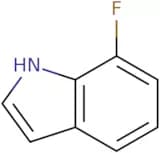
CAS:2-Amino-3,5-dichloropyridine is a molecule that is synthesized by the reaction of hydrochloric acid with copper chloride. The synthesis of 2-amino-3,5-dichloropyridine is a two step process. In the first step 2-chloroethanol reacts with an excess of hydrochloric acid to produce chloroethane and hydrogen chloride gas. In the second step, chloroethane reacts with an excess of copper chloride to produce 2-amino-3,5-dichloropyridine. 2-Amino-3,5-dichloropyridine can be used in organic synthesis for a number of reactions including as a substrate molecule for enzymes that require chloride ions as cofactors. 2-Amino-3,5-dichloropyridine has been shown to inhibit cancer cells by inhibiting DNA and protein synthesis.Formula:C5H4Cl2N2Purity:Min. 95%Color and Shape:PowderMolecular weight:163 g/mol7-Fluoro-1H-indole
CAS:7-Fluoro-1H-indole is a molecule that belongs to the class of antimicrobial agents. It has been shown to be effective against human pathogens such as P. aeruginosa and S. aureus, and has also shown hemolytic activity against erythrocytes. 7-Fluoro-1H-indole inhibits bacterial growth by binding to siderophores, which are molecules produced by bacteria in response to iron starvation, thereby blocking their uptake of iron from the environment. It has also been shown to have protease activity against Gram negative bacteria. This compound can be synthesized using an in vivo model, where it was shown that 7-fluoro-1H-indole was able to bind to the cytoplasmic membrane and inhibit protein synthesis in Gram negative bacteria cells.Formula:C8H6FNPurity:Min. 95%Color and Shape:PowderMolecular weight:135.14 g/mol6-Azaindole
CAS:6-Azaindole is a drug that inhibits the activity of the enzyme aromatase, which is responsible for the conversion of testosterone to estrogen. 6-Azaindole has shown potent inhibitory activity against cancer cells in vitro and in vivo. It also has an inhibitory effect on pain relief mechanisms at low doses, but not at high doses. The mechanism of action is complex and multifactorial; it may involve inhibition of proton transfer, receptor activity, and/or inhibition of nitrogen atoms. The synthesis of 6-azaindoles can be carried out using a variety of methods and starting materials, including asymmetric synthesis or reduction of an n-oxide moiety.
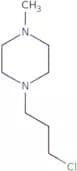
Formula:C7H6N2Purity:Min. 95%Color and Shape:PowderMolecular weight:118.14 g/mol1-(3-Chloropropyl)-4-methylpiperazine
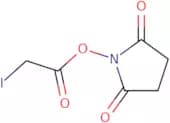
CAS:1-(3-Chloropropyl)-4-methylpiperazine is an analog of chlorpromazine. It has been shown to be a transactivator, which causes the activation of genes in response to a variety of stimuli and plays a role in the pathogenesis of infections. 1-(3-Chloropropyl)-4-methylpiperazine also interacts with chloride ions, causing an increase in intracellular chloride concentrations. This increased concentration leads to an increase in transcription and replication rates. The structures of viral RNA were determined using 1-(3-chloropropyl)-4-methylpiperazine as a fluorescent probe.Formula:C8H17ClN2Purity:Min. 95%Color and Shape:Clear LiquidMolecular weight:176.69 g/molN-Succinimidyl iodoacetate
CAS:Amine and sulfhydryl reactive crosslinkerFormula:C6H6INO4Purity:Min. 95%Color and Shape:Off-White PowderMolecular weight:283.02 g/mol2-Chloro-3-nitropyridine
CAS:2-Chloro-3-nitropyridine is a reagent, which is used as a building block for the synthesis of other chemicals. It is a complex compound that can be used to synthesize pharmaceuticals and pesticides. 2-Chloro-3-nitropyridine is also an intermediate that can be used in the synthesis of pesticides, pharmaceuticals, and specialty chemicals. It has been shown to have useful activity as a building block in the synthesis of antibacterial agents and antiviral drugs. This product has been identified by the US Drug Enforcement Administration (DEA) as a chemical of interest.
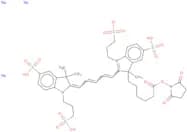
Formula:C5H3ClN2O2Molecular weight:158.54 g/molBP fluor 647 NHS ester trisodium
CAS:Please enquire for more information about BP fluor 647 NHS ester trisodium including the price, delivery time and more detailed product information at the technical inquiry form on this page
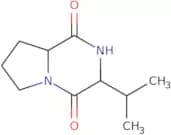
Formula:C40H46N3Na3O16S4Purity:90%MinColor and Shape:PowderMolecular weight:1,022 g/molCyclo-Val-Pro-diketopiperazine
CAS:Cyclo-Val-Pro-diketopiperazine is a drug that inhibits the growth of colon cancer cells by inducing apoptosis. It has been shown to have an inhibitory effect on the proliferation of p. aeruginosa and other bacteria, which may be due to its ability to interfere with DNA replication. Cyclo-Val-Pro-diketopiperazine also induces tumor cell apoptosis in vitro. The mechanism for this is not yet known, but it may involve interference with mitochondrial membrane potential or inhibition of acetate extraction from colonic cells. In addition, this drug has been shown to induce apoptosis in colorectal adenocarcinoma cells by causing an increase in reactive oxygen species and a decrease in mitochondrial membrane potential. Cyclo-Val-Pro-diketopiperazine can cause an increase in the levels of acetate extractable from caco2 cells as well as a decrease in mitochondrial membrane potential, which are bothFormula:C10H16N2O2Purity:Min. 95%Color and Shape:PowderMolecular weight:196.25 g/mol6-Hydrazino-3-pyridinecarboxylic acid
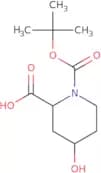
CAS:6-Hydrazino-3-pyridinecarboxylic acid is a potent inhibitor of angiogenesis. It inhibits the activity of vascular endothelial growth factor, which is a potent pro-angiogenic factor. 6HPCA has been shown to inhibit the growth of prostate cancer cells in vitro and tumor growth in vivo. The mechanism for this inhibition may be due to its ability to decrease levels of all-trans retinoic acid (RA), a potent pro-angiogenic molecule. 6HPCA also inhibits the proliferation of human serum, monoclonal antibody, and polymer drug uptake in cell culture systems. In addition, 6HPCA has low toxicity and low pharmacokinetic properties that have been demonstrated by several studies using radiolabeled analogues and autoradiography.Formula:C6H7N3O2Purity:Min. 97 Area-%Color and Shape:PowderMolecular weight:153.14 g/molBoc-4-hydroxypiperidine-2-carboxylic acid
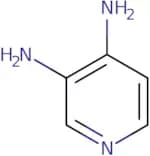
CAS:Boc-4-hydroxypiperidine-2-carboxylic acid is a high quality, reagent, and complex compound. It has CAS No. 917835-93-9 and can be used as an intermediate or building block in synthesis of other chemicals. In addition, Boc-4-hydroxypiperidine-2-carboxylic acid is a versatile building block that is used in the manufacture of speciality chemicals and research chemicals.Formula:C11H19NO5Purity:Min. 95%Color and Shape:PowderMolecular weight:245.27 g/mol3,4-Diaminopyridine
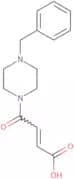
CAS:3,4-Diaminopyridine is a drug that can be used to treat some diseases. It is an aminopyridine with pharmacological effects on the central nervous system, cardiovascular system, and other organ systems. 3,4-Diaminopyridine has been shown to have potent antitumor activity against various tumor cells in vitro and in vivo. The drug also inhibits ATP-sensitive potassium channels and has been shown to prevent the development of autoimmune diseases by inhibiting the production of cytokines. 3,4-Diaminopyridine is a glycosidic compound that can exist as either a zwitterion or a monoanion depending on pH. The zwitterion form of 3,4-diaminopyridine binds with high affinity to the atp-sensitive K+ channel and causes cell death by increasing intracellular calcium concentration.Formula:C5H7N3Purity:Min. 95%Color and Shape:PowderMolecular weight:109.13 g/mol4-Oxo-4-(4-benzylpiperazinyl)but-2-enoic acid
CAS:Controlled ProductPlease enquire for more information about 4-Oxo-4-(4-benzylpiperazinyl)but-2-enoic acid including the price, delivery time and more detailed product information at the technical inquiry form on this pageFormula:C15H18N2O3Purity:Min. 95%Color and Shape:PowderMolecular weight:274.32 g/mol3-[[(2S,4S)-4-[4-(3-Methyl-1-phenyl-1H-pyrazol-5-yl)-1-piperazinyl]-2-pyrrolidinyl]carbonyl]-thiazolidine hydrobromide
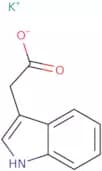
CAS:Canagliflozin is a pharmaceutical drug that is used to treat type 2 diabetes. It is an oral medication that works by blocking the absorption of glucose in the intestine, which lowers blood sugar levels and improves insulin sensitivity. Canagliflozin has been shown to have a number of effects on metabolism, including increased bile acid production and decreased fat absorption. This drug also has a number of side effects, including diarrhea, nausea, and vomiting. Canagliflozin is used in combination with metformin or insulin for the treatment of type 2 diabetes. The drug's most common side effect is diarrhea, which can be managed by eating more fiber-rich foods and drinking plenty of fluids.Formula:(C22H30N6OS)2•(HBr)5Purity:Min. 95%Color and Shape:White/Off-White SolidMolecular weight:1,257.72 g/mol3-Indoleacetic acid potassium salt
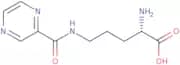
CAS:Plant hormone of the auxin class; promotes root growthFormula:C10H8NO2·KPurity:Min. 95%Color and Shape:White PowderMolecular weight:213.27 g/molNd-Pyrazinylcarbonyl-L-ornithine
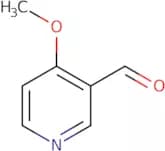
CAS:Nd-Pyrazinylcarbonyl-L-ornithine is a versatile building block for the synthesis of complex compounds. This compound is used as a reagent for research and as a speciality chemical. It has been shown to be an intermediate in organic chemistry and as a reaction component in organic synthesis. Nd-Pyrazinylcarbonyl-L-ornithine is also useful as a scaffold in drug development, with its applications including antiviral agents, antibiotics, anticancer drugs, and antifungal drugs.Formula:C10H14N4O3Purity:Min. 95%Color and Shape:SolidMolecular weight:238.24 g/mol3-Formyl-4-methoxypyridine
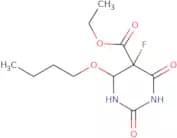
CAS:3-Formyl-4-methoxypyridine is a synthetic compound that belongs to the group of pyrimidine ring compounds. It is synthesized by the reaction of triflic acid with 2,6-dichloropyridine and has been shown to have antiviral and antitumour properties. The compound has also been synthetized as a potential drug for the treatment of malaria. 3-Formyl-4-methoxypyridine is an analog of variolin, which is an alkaloid that can be found in marine organisms such as sponges and tunicates. 3-Formyl-4-methoxypyridine has been shown to inhibit protein synthesis by inhibiting the enzyme RNA polymerase II, which leads to cell death by apoptosis or necrosis.Formula:C7H7NO2Purity:Min. 95%Color and Shape:PowderMolecular weight:137.14 g/molEthyl 4-butoxy-5-fluoro-2,6-dioxohexahydropyrimidine-5-carboxylate
CAS:Controlled ProductEthyl 4-butoxy-5-fluoro-2,6-dioxohexahydropyrimidine-5-carboxylate is a drug that has been used in clinical studies for the treatment of primary brain tumors. It has shown clinical response rates of up to 87%, with the most favourable response observed in patients with low tumor grade and well differentiated histology. The drug is administered orally and penetrates tissues, including the central nervous system. Ethyl 4-butoxy-5-fluoro-2,6-dioxohexahydropyrimidine-5 carboxylate has been found to be toxic to ameloblasts and cancer cells in vitro. Tumor regression was observed in animals treated with ethyl 4 butoxy 5 fluoro 2 6 dioxohexahydropyrimidine 5 carboxylate, which led to decreased symptoms such as weight loss and cachexia.Formula:C11H17FN2O5Purity:Min. 95%Molecular weight:276.26 g/mol6-Methyluracil
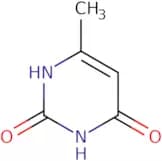
CAS:6-Methyluracil is an antimetabolite that inhibits protein synthesis and is therefore used in the treatment of infectious diseases. 6-Methyluracil has two hydroxyl groups, which are located in adjacent positions on the ring. The optimum concentration for this drug is 3-10 μM, which can be achieved with a malonic acid buffer solution at pH 7.4. 6-Methyluracil reacts with sodium succinate to form an acid complex, which may have antiinflammatory activity. 6-Methyluracil has been shown to inhibit prostaglandin synthesis and exhibits a reaction with radiation to produce photoproducts that can be detected by analytical chemistry.Formula:C5H6N2O2Purity:Min. 95%Color and Shape:PowderMolecular weight:126.12 g/molN-Ethylamine-2,4,6-triphenyl pyridinium tetrafluoroborate
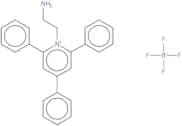
CAS:N-Ethylamine-2,4,6-triphenyl pyridinium tetrafluoroborate is a chemical reagent that belongs to the group of fine chemicals. It is soluble in water and ethanol, and has a melting point of around 100°C. N-Ethylamine-2,4,6-triphenyl pyridinium tetrafluoroborate is used in organic synthesis as a useful building block or as a research chemical for the production of other compounds. This compound is a versatile building block that can be used in the preparation of complex compounds such as pharmaceuticals. N-Ethylamine-2,4,6-triphenyl pyridinium tetrafluoroborate has been classified as an extremely hazardous substance by the US Department of Transportation due to its high reactivity with water.Formula:C25H23N2•BF4Purity:Min. 95%Molecular weight:438.27 g/mol7-Methoxy-1H-indole
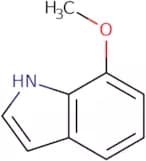
CAS:7-Methoxy-1H-indole (7MI) is a synthetic compound that exhibits anti-inflammatory activity. It is an analog of the amino acid methionine found in proteins and its synthesis involves the condensation of a chlorinated alkyl acetate with an esterified hydrazide to form the corresponding amide. 7MI has been shown to inhibit both bacterial and mammalian protein synthesis, as well as to inhibit tumor cell growth. 7MI binds reversibly to the N7 atom of the adenine base in DNA, thereby inhibiting DNA replication through inhibition of DNA polymerase.Formula:C9H9NOPurity:Min. 95%Color and Shape:Clear LiquidMolecular weight:147.17 g/molPyridin-2-sulfonyl chloride
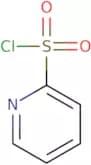
CAS:Pyridin-2-sulfonyl chloride is a kinase receptor inhibitor that binds to and inhibits the activity of certain protein kinases. It is used in the treatment of cardiovascular disorders and can be administered intravenously or orally. Pyridin-2-sulfonyl chloride has been shown to inhibit tumor necrosis factor-α (TNF-α) production in vivo, which may be due to its ability to inhibit the release of proinflammatory cytokines from macrophages. This drug also has pharmacokinetic properties that are similar to those of other sulfonamides, with an elimination half life of about 2 hours. Pyridin-2-sulfonyl chloride is not reactive with amines, which makes it a useful reagent for organic synthesis.Formula:C5H4ClNO2SPurity:Min. 95%Color and Shape:Colorless Clear LiquidMolecular weight:177.61 g/mol6-Cyanoindole
CAS:6-Cyanoindole is a synthetic compound that has been shown to have functional properties. It binds to the receptor of the chemokine, which is a type of protein that regulates inflammatory responses. It also inhibits the activity of coagulation factors, which are proteins involved in blood clotting. 6-Cyanoindole has been shown to inhibit cancer cell growth and induce apoptosis (cell death) in a number of cancer cell lines. The fluorescence properties and lifetimes of 6-cyanoindole have been studied extensively. It has also been used as a monomer in copolymerization reactions and is used as an intermediate in the synthesis of 6-bromoindole.
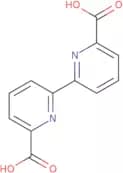
Formula:C9H6N2Purity:Min. 95%Color and Shape:White PowderMolecular weight:142.16 g/mol2,2'-Bipyridine-6,6'-dicarboxylic acid
CAS:2,2'-Bipyridine-6,6'-dicarboxylic acid is a molecule that has an acidic functional group. It has been found to have a molecular weight of 220.2 g/mol and is soluble in water at elevated temperatures. 2,2'-Bipyridine-6,6'-dicarboxylic acid has been shown to be photoprocessable in the presence of sodium carbonate as a catalyst. The reaction rate can be increased by adding a diluent to the solution or by using linear models.Formula:C12H8N2O4Purity:Min. 95%Color and Shape:Off-White PowderMolecular weight:244.21 g/mol





![N-[(2Z)-Piperazin-2-ylidene]-2,2,2-trifluoroacetohydrazide](/_next/image/?url=https%3A%2Fstatic.cymitquimica.com%2Fproducts%2F3D%2Fthumb-webp%2FFP95705.webp&w=3840&q=75)



![1-[2-[(2,4-Dimethylphenyl)thio]phenyl]piperazine hydrobromide](/_next/image/?url=https%3A%2Fstatic.cymitquimica.com%2Fproducts%2F3D%2Fthumb-webp%2FFD157097.webp&w=3840&q=75)



![2-[3-[N-(4-tert-Butylbenzyl)-N-(pyridin-3-ylsulfonyl)aminomethyl]phenoxy]acetic acid](/_next/image/?url=https%3A%2Fstatic.cymitquimica.com%2Fproducts%2F3D%2Fthumb-webp%2FFT145127.webp&w=3840&q=75)
![7,8-Dimethoxy-9-oxo-9H-indeno[1,2-B]pyrazine-2,3-dicarbonitrile](/_next/image/?url=https%3A%2Fstatic.cymitquimica.com%2Fproducts%2F3D%2Fthumb-webp%2FFD64927.webp&w=3840&q=75)

![4-[(Pyridine-3-carbonyl)amino]butyric acid](/_next/image/?url=https%3A%2Fstatic.cymitquimica.com%2Fproducts%2F3D%2Fthumb-webp%2FFP15522.webp&w=3840&q=75)

![6-Chloro-imidazo[1,2-b]pyridazine](/_next/image/?url=https%3A%2Fstatic.cymitquimica.com%2Fproducts%2F3D%2Fthumb-webp%2FFC11286.webp&w=3840&q=75)






![3-[[(2S,4S)-4-[4-(3-Methyl-1-phenyl-1H-pyrazol-5-yl)-1-piperazinyl]-2-pyrrolidinyl]carbonyl]-thiaz…](/_next/image/?url=https%3A%2Fstatic.cymitquimica.com%2Fproducts%2F3D%2Fthumb-webp%2FFM61598.webp&w=3840&q=75)