Heterocycles with Nitrogen (N)
In this category, you will find a wide variety of nitrogen-containing heterocycles. Heterocycles are carbon chains that form a cycle in which at least one position is occupied by a heteroatom, in this case, nitrogen. These compounds are integral in the synthesis of pharmaceuticals, agrochemicals, and dyes, offering unique reactivity and stability. At CymitQuimica, we provide a comprehensive selection of high-quality nitrogen-containing heterocycles to support your research and industrial applications
Subcategories of "Heterocycles with Nitrogen (N)"
- Azepane(434 products)
- Benzotriazoles(436 products)
- Diazepanes(331 products)
- Imidazoles(4,011 products)
- Imidazolines(385 products)
- Isoxazole(1,077 products)
- Piperazines(3,736 products)
- Piperidines(8,405 products)
- Pyrazines(1,299 products)
- Pyrazole(5,921 products)
- Pyrazolidine(21 products)
- Pyrazoline(142 products)
- Pyridazine(856 products)
- Pyridines(21,917 products)
- Pyrimidine(6,041 products)
- Pyrroles(2,443 products)
- Pyrrolidines(5,816 products)
- Pyrroline(48 products)
- Pyrrolo[1,2-b]pyridazine(10 products)
- Tetrazole(510 products)
- Triazines(462 products)
- Triazoles(1,680 products)
Show 14 more subcategories
Found 17855 products of "Heterocycles with Nitrogen (N)"
Sort by
Purity (%)
0
100
|
0
|
50
|
90
|
95
|
100
1H-Pyrazolo[3,4-b]pyridine-3-amine
CAS:<p>1H-Pyrazolo[3,4-b]pyridine-3-amine (1HPP) is a β-unsaturated ketone that can be synthesized from nitrous acid and triazine. 1HPP has been shown to inhibit the growth of cancer cells by binding to the DNA and inhibiting transcription and replication. Its binding to DNA may be due to hydrogen bonding interactions with chloride ions, as well as the presence of functional groups such as a carbonyl group and nitro group. 1HPP also inhibits the activity of xanthine oxidase, an enzyme that catalyzes the oxidation of hypoxanthine to xanthine. This inhibition may be due to its ability to form a covalent bond with this enzyme's cofactor, NADPH.</p>Formula:C6H6N4Purity:Min. 95%Color and Shape:PowderMolecular weight:134.14 g/mol2-Amino-3-methylpyridine
CAS:Formula:C6H8N2Purity:>98.0%(GC)Color and Shape:White or Colorless to Light orange to Yellow powder to lump to clear liquidMolecular weight:108.145-Bromo-1H-indazole-3-carbonitrile
CAS:<p>5-Bromo-1H-indazole-3-carbonitrile is a high quality, versatile building block that can be used in the synthesis of complex compounds. It has been described as a "useful intermediate" and a "useful scaffold".</p>Formula:C8H4BrN3Purity:Min. 95%Color and Shape:PowderMolecular weight:222.04 g/moltrans-4-Propyl-L-proline
CAS:<p>Please enquire for more information about trans-4-Propyl-L-proline including the price, delivery time and more detailed product information at the technical inquiry form on this page</p>Formula:C8H15NO2Purity:Min. 95%Molecular weight:157.21 g/mol5,6-Diaminobenzimidazole dihydrochloride
CAS:<p>Please enquire for more information about 5,6-Diaminobenzimidazole dihydrochloride including the price, delivery time and more detailed product information at the technical inquiry form on this page</p>Formula:C7H10Cl2N4Purity:Min. 95%Color and Shape:Off-white to pale brown solid.Molecular weight:221.09 g/mol4-Amino-2,6-dichloro-3-nitropyridine
CAS:<p>4-Amino-2,6-dichloro-3-nitropyridine is a synthetic compound that inhibits tyrosine kinases. It is an isomer of 2,6-Dichloropyridine and has been shown to inhibit the growth of lymphoma cells in vitro. 4-Amino-2,6-dichloro-3-nitropyridine has three substitutions on the pyridine ring as compared to 2,6-Dichloropyridine. The substitutions are thought to be responsible for the increased hydrophilic properties of this compound. This may lead to increased cellular uptake and better bioavailability.</p>Formula:C5H3Cl2N3O2Purity:Min. 95%Color and Shape:Slightly Yellow PowderMolecular weight:208 g/mol1-Butyl-N-(2,6-dimethylphenyl)-piperidine-2-carboxamide
CAS:<p>Ropivacaine is a local anaesthetic of the amino ester group that is used to provide relief from pain caused by surgery or other medical procedures. It is a potent inhibitor of the enzyme activity of cholinesterases, which are enzymes responsible for the degradation of acetylcholine. Ropivacaine also inhibits the activity of cardiac Na+/K+ ATPase and Na+-Ca2+ exchanger, thereby reducing the excitability and contractility of heart muscle. This drug has shown pharmacokinetic properties in maternal blood that are similar to those observed in plasma, indicating that it can cross the placenta. Ropivacaine has been shown to have bactericidal effects against bacterial strains such as Escherichia coli and Staphylococcus aureus. In addition, ropivacaine has been shown to inhibit colorectal adenocarcinoma cells in vitro and in vivo. Levobupivacaine</p>Formula:C18H28N2OPurity:Min. 95%Color and Shape:White/Off-White SolidMolecular weight:288.43 g/mol4-(1-Piperidylmethyl)phenylboronic acid
CAS:<p>4-(1-Piperidylmethyl)phenylboronic acid is a fine chemical that is used as a versatile building block in the synthesis of complex compounds. It has been used as a reagent and speciality chemical in research. 4-(1-Piperidylmethyl)phenylboronic acid is also a useful intermediate in organic synthesis, and can be used as a reaction component or scaffold for the preparation of other chemicals.</p>Formula:C12H18BNO2Purity:Min. 95%Color and Shape:PowderMolecular weight:219.09 g/mol3-Amino-2,6-dichloropyridine
CAS:<p>3-Amino-2,6-dichloropyridine is a carboxamidopyridine that is used as an antiplatelet agent. This drug inhibits the action of ADP and thrombin in platelets, thereby inhibiting platelet aggregation. 3-Amino-2,6-dichloropyridine has been shown to be effective when given orally and is not degraded by stomach acid. It has been shown to inhibit transcriptase activity in vitro. The drug also inhibits the synthesis of prostaglandin E2 (PGE2) through inhibition of cyclooxygenase (COX) enzymes and prevents platelet aggregation by suppressing the production of adenosine diphosphate (ADP).</p>Purity:Min. 95%Color and Shape:PowderMolecular weight:162.92 g/mol6-Chloro-2-methyl-4-pyrimidinamine
CAS:<p>6-Chloro-2-methyl-4-pyrimidinamine is a molecule that has been studied for anticancer activity. It is an urea nitrogen, which is a hydrogen bond donor. The fructus of the 6-chloro-2-methyl-4-pyrimidinamine molecule has been shown to have anticancer activity in vitro. The anticancer activities of 6-chloro-2-methyl-4-pyrimidinamine are thermodynamic and vibrational, with etridiazole as the most potent inhibitor. The diamine tetraacetic acid (DTA) protonation state of the molecule was found to be 5.6, while the chloride protonation state was 3.6. In addition, it has been shown that 6CHMPA binds to Triticum aestivum cells through ethylene diamine and atomic orbital interactions.</p>Formula:C5H6ClN3Purity:Min. 95%Color and Shape:White To Off-White SolidMolecular weight:143.57 g/mol4,6-Dimethyl-2-methylmercapyrimidine
CAS:<p>4,6-Dimethyl-2-methylmercapyrimidine is a synthetic chemical compound with two different structural isomers. The 4,6-dimethyl isomer has shown to be an effective bifunctional inhibitor of cellular peroxide production and sirtuin activity. This compound also stabilizes cellular proteins by preventing the formation of reactive oxygen species, which are generated as a result of oxidative stress. 4,6-Dimethyl-2-methylmercapyrimidine is able to inhibit the enzyme SIRT2 in cells, which plays a key role in regulating cell metabolism. This compound can also inhibit the production of nitric oxide in cells, which mediates inflammatory responses.</p>Formula:C7H10N2SPurity:Min. 95%Color and Shape:Off-White PowderMolecular weight:154.23 g/mol2-Aminopyridine-5-sulfonic acid
CAS:<p>2-Aminopyridine-5-sulfonic acid is an alkaline hydrolysis product of benzene and water. It is an organic compound that is classified as a heterocyclic amine. The molecule has a pyridine ring with two nitrogen atoms in the ring. 2-Aminopyridine-5-sulfonic acid has been shown to be used as a ligand for coordination of ruthenium metal ions, which has been studied by theory and experiment. This ligand was also found to be able to coordinate halides such as chloride, bromide, or iodide ions. 2-Aminopyridine-5-sulfonic acid can exist in two different isomers: (S)-2-(benzyloxycarbonylamino)pyridine 5 sulfonic acid or (R)-2-(benzyloxycarbonylamino)pyridine 5 sulfonic acid.</p>Formula:C5H6N2O3SPurity:Min. 95%Color and Shape:SolidMolecular weight:174.18 g/molN-Propyl-2-ene-2,4,6-triphenylpyridinium tetrafluoroborate
CAS:<p>N-Propyl-2,4,6-triphenylpyridinium tetrafluoroborate (NPPBF) is a versatile building block with a wide range of applications in the synthesis of complex compounds. It is a fine chemical that has been used as a reagent, speciality chemical, and useful scaffold for research chemicals. NPPBF has been shown to be an intermediate in the synthesis of various pharmaceuticals and agrochemicals. It can also be used as a reaction component in organic synthesis. The compound is soluble in polar solvents such as DMF, DMSO, THF, and acetonitrile.</p>Formula:C26H22N•BF4Purity:Min. 95%Molecular weight:435.26 g/mol5,6-Dimethoxypyridin-3-amine
CAS:<p>5,6-Dimethoxypyridin-3-amine is an organic compound with the formula CHN. It is a versatile building block in organic chemistry. 5,6-Dimethoxypyridin-3-amine can be used as a reagent in the synthesis of other compounds or as a reactant to form new compounds. 5,6-Dimethoxypyridin-3-amine is soluble in organic solvents and reacts with most common electrophiles to give substituted products. 5,6-Dimethoxypyridin-3-amine has been found to be useful as an intermediate in the synthesis of a variety of natural products and pharmaceuticals.</p>Formula:C7H10N2O2Purity:Min. 95%Color and Shape:Purple PowderMolecular weight:154.17 g/mol2-Cyano-1,5-dimethylpyrrole
CAS:<p>2-Cyano-1,5-dimethylpyrrole is a quinone antibiotic. It has been shown to have antibacterial activity against organisms such as Staphylococcus, Streptococcus, and Pyogenes. This chemical has been shown to be active in the gaseous phase and against test organisms in alcohol extracts. 2-Cyano-1,5-dimethylpyrrole also exhibits flavonoid and saponin properties that may contribute to its antimicrobial activity.</p>Formula:C7H8N2Purity:Min. 95%Color and Shape:PowderMolecular weight:120.15 g/mol2-Amino-5(6)-benzoylbenzimidazole
CAS:<p>2-Amino-5(6)-benzoylbenzimidazole is an antifilarial and anthelmintic drug that belongs to the benzimidazole class. It is used for the treatment of filarial infections in humans, including lymphatic filariasis, which is caused by worms transmitted by mosquitoes. 2-Amino-5(6)-benzoylbenzimidazole has low bioavailability due to its poor water solubility. The drug can be administered orally or topically and is metabolized in the liver. The metabolites are excreted in urine as glucuronides and sulfates.</p>Formula:C14H11N3OPurity:Min. 95%Color and Shape:PowderMolecular weight:237.26 g/mol5-Chloroindole-3-acetonitrile
CAS:<p>5-Chloroindole-3-acetonitrile is a chemical compound that can be used as a reaction component, reagent, or useful scaffold in the synthesis of complex compounds. 5-Chloroindole-3-acetonitrile is also a fine chemical with many uses as a high quality research chemical and versatile building block. It is commercially available from various suppliers and its CAS number is 81630-83-3.</p>Formula:C10H7ClN2Purity:Min. 95%Color and Shape:Yellow PowderMolecular weight:190.63 g/mol6,6'-Dibromo-2,2'-bipyridine
CAS:<p>6,6'-Dibromo-2,2'-bipyridine is a synthetic molecule that is used to produce amines. It can be synthesized in a cross-coupling reaction involving the reaction of an amine with bromine and a palladium catalyst. 6,6'-Dibromo-2,2'-bipyridine reacts with formaldehyde to form 2,4-diaminobiphenyls. This reaction is catalyzed by acid or base. 6,6'-Dibromo-2,2'-bipyridine has been shown to be reactive and photoexcited. Its photophysical properties make it a useful synthetic intermediate for the production of amines.</p>Formula:C10H6Br2N2Purity:Min. 95%Color and Shape:PowderMolecular weight:313.98 g/mol2,3,5,6-Tetrachloro-4-(methylsulfonyl)pyridine
CAS:<p>2,3,5,6-Tetrachloro-4-(methylsulfonyl)pyridine is a n-oxide with antimicrobial activity. It is used in horticultural applications for the control of microbial infection on plants. 2,3,5,6-Tetrachloro-4-(methylsulfonyl)pyridine has been shown to have high bactericidal activity against gram positive and gram negative bacteria. It has also been shown to be effective against fungi and some viruses. This compound is used as an additive in glycol ethers and gel pores. It is also used as a biocide in the form of trifluoroacetic acid or benzalkonium chloride.END></p>Formula:C6H3Cl4NO2SPurity:Min. 95%Color and Shape:White To Light (Or Pale) Yellow SolidMolecular weight:294.97 g/mol1-(2-Chlorophenyl)piperazine
CAS:Controlled Product<p>1-(2-Chlorophenyl)piperazine is a chloroquine-resistant anti-malarial drug that acts by inhibiting the enzyme dihydropteroate synthase. This method is efficient, with constant values for the vibrational energy and electron affinity. It has also been shown to be effective against 5-HT2C receptors in mammalian cells in culture. The chromatographic method was used to measure the affinity of 1-(2-chlorophenyl)piperazine for binding sites on plasma membranes of oocytes injected with Xenopus laevis. Fluorescence measurements were taken to determine the binding affinity of 1-(2-chlorophenyl)piperazine to arylpiperazines, which are fluorescent analogues of piperazines. Functional theory was used as a theoretical basis for this study.</p>Formula:C10H13ClN2Purity:Min. 95%Color and Shape:PowderMolecular weight:196.68 g/molAzathioprine
CAS:Formula:C9H7N7O2SPurity:>98.0%(T)(HPLC)Color and Shape:Light yellow to Yellow to Green powder to crystalMolecular weight:277.262,6-Dimethyl-1,4-diphenylpyridinium tetrafluoroborate
CAS:<p>2,6-Dimethyl-1,4-diphenylpyridinium tetrafluoroborate is a high quality reagent that can be used as a useful intermediate in the synthesis of fine chemicals. It is used as an important building block in the synthesis of many organic compounds and is also an important reaction component. This compound has a wide range of uses and can be used as a versatile building block in organic synthesis or as a speciality chemical for research purposes.</p>Formula:C19H18N·BF4Purity:Min. 95%Molecular weight:347.16 g/mol3-Bromo-5-methylpyridine
CAS:<p>3-Bromo-5-methylpyridine is a synthetic compound that has been found in the filtrate of a diethyl malonate synthesis. It was also observed as an impurity in the hydrogenation reduction of 3-bromo-5-methylpyridine. The addition of sodium nitrite to toluene results in the formation of 3-bromo-5-methylpyridine, which is an acidic organic compound.</p>Formula:C6H6BrNPurity:Min. 95%Color and Shape:PowderMolecular weight:172.02 g/mol1-(4-Hydroxybenzoyl)-4-methyl-piperazine hydrochloride
CAS:<p>1-(4-Hydroxybenzoyl)-4-methyl-piperazine hydrochloride is a fine chemical that is used as a building block in organic synthesis, research and development of pharmaceuticals, and the production of agrochemicals. It can be used as a reagent or speciality chemical to produce high quality chemicals with various functional groups. 1-(4-Hydroxybenzoyl)-4-methyl-piperazine hydrochloride can be used in reactions such as nucleophilic substitution reactions, esterification reactions, amide bond formation, amidation reactions, and other reactions to produce versatile scaffolds.</p>Formula:C12H16N2O2Purity:Min. 95%Molecular weight:220.27 g/mol6-Amino-5(2,2-diethoxyethyl)-4-hydroxy pyrimidine
CAS:<p>6-Amino-5(2,2-diethoxyethyl)-4-hydroxy pyrimidine is a reagent that is used in the synthesis of various chemical substances. It is a versatile building block and can be used as an intermediate for the production of fine chemicals. 6-Amino-5(2,2-diethoxyethyl)-4-hydroxy pyrimidine has been shown to have high reactivity and selectivity, making it a useful scaffold for organic synthesis. This compound can be used as an intermediate for the production of complex compounds such as pharmaceuticals, agrochemicals, or perfumes. 6-Amino-5(2,2-diethoxyethyl)-4-hydroxy pyrimidine is also known to be useful in research fields such as biology and medicine.</p>Formula:C10H17N3O3Purity:Min. 95%Color and Shape:White PowderMolecular weight:227.26 g/mol4-Amino-3-chloro-2,5,6-trifluoropyridine
CAS:<p>4-Amino-3-chloro-2,5,6-trifluoropyridine is a reactive and unstable chemical compound that belongs to the group of anilines. It is used in the synthesis of hypsochromic dyes. The compound has been shown to interact with other molecules, such as chemo-, supramolecular-, and synthetically-. The fluorophore has been stabilized by a supramolecular approach. Chemically induced fluorescence properties have been observed for 4-amino-3-chloro-2,5,6-trifluoropyridine.</p>Formula:C5H2ClF3N2Purity:Min. 95%Color and Shape:SolidMolecular weight:182.53 g/mol2-Methylnicotinic Acid
CAS:Formula:C7H7NO2Purity:>98.0%(GC)(T)Color and Shape:White to Green to Brown powder to crystalMolecular weight:137.142,2'-Bipyridine-4,4'-dicarboxylic acid
CAS:<p>2,2'-Bipyridine-4,4'-dicarboxylic acid (BBDA) is a synthetic molecule that has been used as an oxidant in organic synthesis. It is a redox-active compound with a reversible oxidation potential of +0.2 V. The electron transfer to the adjacent nitrogen atom is accompanied by light emission at 490 nm and chloride ion release. BBDA reacts with potassium dichromate in water to form 2,2'-bipyridine-6,6'-dicarboxylic acid and potassium chloride. This reaction can be monitored by magnetic resonance analysis and X-ray absorption spectroscopy. The formation of BBDA from dimethylformamide and esters has been reported in the literature.</p>Formula:C12H8N2O4Purity:Min. 95%Color and Shape:PowderMolecular weight:244.21 g/mol2-Methylimidazole
CAS:<p>2-Methylimidazole is a crystalline solid that has been used in the preparation of coordination compounds. The compound is prepared by reacting 2-methylimidazole with an appropriate metal cyanide, such as copper cyanide or nickel cyanide. The crystal structure of 2-methylimidazole shows strong hydrogen bonding interaction between the nitrogen atoms and the carboxylate groups. This compound has been used in clinical pathology to detect increased levels of ammonia, uric acid, and lactic acid in the blood. 2-Methylimidazole is not toxic to humans but has shown some toxicity to mice when injected intravenously at high concentrations. It can be used as an analytical method for determining trace amounts of chlorine in chemical compounds by way of electrochemical impedance spectroscopy (EIS).</p>Formula:C4H6N2Purity:Min. 95%Color and Shape:White Clear LiquidMolecular weight:82.1 g/mol4-Pyridineethanol Hydrochloride
CAS:Formula:C7H9NO·HClPurity:>98.0%(T)(HPLC)Color and Shape:White to Almost white powder to crystalMolecular weight:159.612-Amino-6-iodopurine
CAS:<p>2-Amino-6-iodopurine is an analog of the purine nucleoside guanine, which has been used to synthesize a variety of boronic acids. The most common use for 2-amino-6-iodopurine is in the synthesis of benzylboronic acid, which can be used as an organometallic reagent in organic synthesis. This compound also has dehydrogenase activity and has been shown to catalyze the conversion of benzoic acid to benzaldehyde, mediated by NADH. 2-Amino-6-iodopurine is found in the biosynthesis of ribonucleotides and deoxyribonucleotides, where it reacts with chloride ions and phosphate groups to form adenylate and xanthosine monophosphates.</p>Formula:C5H4IN5Purity:Min. 95%Color and Shape:PowderMolecular weight:261.02 g/mol4,5,6-Pyrimidinetriamine sulfate hydrate
CAS:<p>4,5,6-Pyrimidinetriamine sulfate hydrate is a pyrimidine derivative that can be used as a building block for the synthesis of a wide range of compounds. It is used as a starting material in organic chemistry and pharmaceuticals. 4,5,6-Pyrimidinetriamine sulfate hydrate is also used in research and development as an intermediate or reagent.</p>Formula:C4H7N5·H2SO4·xH2OPurity:Min. 95%Molecular weight:223.21 g/mol4,4'-Bis(methoxycarbonyl)-2,2'-bipyridine
CAS:<p>4,4'-Bis(methoxycarbonyl)-2,2'-bipyridine is a ligand that can be used in cross-coupling reactions. It has been shown to bind to metal ions and form complexes with the ligands. 4,4'-Bis(methoxycarbonyl)-2,2'-bipyridine has a constant value for maximizing the yield of the reaction and is luminescent. This product also has photophysical properties that allow it to be utilized in voltammetry studies. The transfer of this product can be optimized by using chromophores or catalysis. 4,4'-Bis(methoxycarbonyl)-2,2'-bipyridine provides a means for cross-coupling reactions using electrochemical studies and dichroism.</p>Formula:C14H12N2O4Purity:Min. 95%Color and Shape:PowderMolecular weight:272.26 g/mol1-(2-Hydroxyethyl)-4-methylpiperazine
CAS:<p>1-(2-Hydroxyethyl)-4-methylpiperazine is an organic compound with the formula CHN(CHOH)CHNH. It is a colorless, viscous liquid that is soluble in water and has a pungent odor. The chemical is used as a viscosity control agent and as an intermediate in the manufacture of other chemicals. 1-(2-Hydroxyethyl)-4-methylpiperazine can be synthesized by the reaction of ethylene oxide with amines, or by quaternization of diethanolamine with chloroethane. 1-(2-Hydroxyethyl)-4-methylpiperazine is used in industrial applications such as in ion exchange resins and to control the viscosity of drilling fluids. It has been detected at low levels in surface waters and soils, where it may be derived from wastewater treatment plants or atmospheric deposition.</p>Formula:C7H16N2OPurity:Min. 95%Color and Shape:PowderMolecular weight:144.21 g/mol2,5,6-Triamino-4-hydroxypyrimidine
CAS:<p>2,5,6-Triamino-4-hydroxypyrimidine (THP) is a nitrogenous base that has been shown to have anticancer activity. It is an intermediate in the biosynthesis of lysine and can be found in environmental pollution. THP is formed by the reaction of hydrogen chloride with dimethylformamide, which produces hydrochloric acid as a byproduct. 2,5,6-Triamino-4-hydroxypyrimidine also reacts with glyoxal to produce a compound that can cause metabolic disorders. THP is an acidic compound that becomes neutral when dissolved in water. The molecular formula for THP is C 3 H 6 N 8 O 4 .</p>Formula:C4H7N5OPurity:Min. 95%Color and Shape:PowderMolecular weight:141.13 g/mol5-(Bromomethyl)-2-chloropyridine
CAS:<p>5-(Bromomethyl)-2-chloropyridine is a drug with mediated activity. It is a potent inhibitor of the enzyme aldehyde oxidase, which is responsible for the oxidation of aldehydes to carboxylic acids. The inhibition of this enzyme leads to an increase in the concentration of reactive aldehydes and reactive oxygen species, which can lead to cell death. 5-(Bromomethyl)-2-chloropyridine has been shown to be effective as an anti-inflammatory agent in animal models and has also been used as an immunosuppressant in organ transplantation.<br>5-(Bromomethyl)-2-chloropyridine analogues have been synthesized and shown to be potent inhibitors of aldehyde oxidase, with much better pharmacokinetics than the parent molecule.</p>Formula:C6H5BrClNPurity:Min. 95%Color and Shape:SolidMolecular weight:206.47 g/mol1-Pyrimidin-2-ylpiperidin-4-amine dihydrochloride
CAS:<p>1-Pyrimidin-2-ylpiperidin-4-amine dihydrochloride is a high quality, crystalline compound with a CAS number of 1179369-48-2. It is an intermediate in the synthesis of various fine chemicals, including pharmaceuticals and pesticides. 1-Pyrimidin-2-ylpiperidin-4-amine dihydrochloride also has applications as a versatile building block for the synthesis of other compounds and is used as a reaction component in organic chemistry. This reagent can be used to synthesize many different compounds for use in research or medical purposes.</p>Formula:C9H14N4·2HClPurity:Min. 95%Color and Shape:PowderMolecular weight:251.16 g/mol6-Aza-5-methyl-1H-indazole
CAS:<p>6-Aza-5-methyl-1H-indazole is a chemical compound that acts as a building block for the synthesis of pharmaceuticals and other compounds. It is used in research for the development of new drugs, such as antihypertensive agents, antibiotics, and immunosuppressants. 6-Aza-5-methyl-1H-indazole has been shown to be an effective intermediate in the synthesis of many complex compounds, including cephalosporins, penicillins, carbapenems, and aminoglycosides. This versatile reagent can be used to synthesize a wide variety of organic compounds.</p>Formula:C7H7N3Purity:Min. 95%Color and Shape:White To Beige SolidMolecular weight:133.15 g/mol[(3S,4R)-4-(4-Fluorophenyl)-3-piperidinyl]methanol
CAS:<p>[(3S,4R)-4-(4-Fluorophenyl)-3-piperidinyl]methanol is a chemical with the molecular formula C10H17FN2O. It is a versatile building block that can be used as an intermediate in organic synthesis, or in the synthesis of complex compounds such as pharmaceuticals. This product has been shown to have high quality and is a useful reagent in research.</p>Formula:C12H16FNOPurity:Min. 95%Color and Shape:PowderMolecular weight:209.26 g/mol2-Amino-5-bromo-3-iodopyridine
CAS:<p>2-Amino-5-bromo-3-iodopyridine (2AB3IP) is a cacchi anthelmintic that is active against the trophozoites of Giardia lamblia. 2AB3IP also has antimicrobial properties, but is not active against bacteria. The high lipophilicity and pharmacokinetic properties of this drug make it a potential therapeutic candidate for the treatment of giardiasis. The mechanism of action of 2AB3IP is mediated by potassium t-butoxide, which activates the drug to form its reactive intermediate. This intermediate reacts with DNA in the parasite to form covalent adducts. This process leads to inhibition of RNA synthesis and subsequent cell death.</p>Formula:C5H4BrIN2Purity:Min. 95%Color and Shape:White to tan solid.Molecular weight:298.9 g/mol4-Methoxy-3-nitropyridine
CAS:<p>4-Methoxy-3-nitropyridine (4MNOP) is an organic compound that is a white solid at room temperature. 4MNOP has been shown to interact with alkali metals and can be used in the preparation of emulsifying agents. It also has been found to have pharmacokinetic properties, including a low molecular weight, good solubility in water, and a high degree of absorption. The imidazopyridine ring system is susceptible to reductive amination reactions, which may lead to the formation of amine or surfactant residues.</p>Formula:C6H6N2O3Purity:Min. 95%Color and Shape:PowderMolecular weight:154.13 g/mol6-Bromo-7-azaindole
CAS:<p>6-Bromo-7-azaindole is a homologous molecule. It is an electron deficient compound with a piperidine moiety at the 6 position and a nitrogen atom at the 7 position. The nitrogen atom substitutes for an oxygen atom, making this molecule reactive. The electron deficient nature of this molecule makes it suitable for use in transistors and other physicochemical devices. 6-Bromo-7-azaindole has been shown to be effective against carcinoma cells in vitro, as well as to inhibit tumor growth in vivo. This drug also causes homologous recombination by interacting with DNA in mammalian cells. 6-Bromo-7-azaindole binds to DNA, forming a covalent bond with the guanine base of DNA through the nitrogen atom, which is electron deficient.</p>Formula:C7H5BrN2Purity:Min. 95%Color and Shape:Off-White To Beige To Yellow SolidMolecular weight:197.03 g/mol[3-Methyl-4-(2,2,2-trifluoro-ethoxy)-pyridin-2-yl]-methanol
CAS:<p>[3-Methyl-4-(2,2,2-trifluoro-ethoxy)-pyridin-2-yl]-methanol is a synthetic organic compound that is used in the synthesis of other organic compounds. It can be purified by filtration or gasification and recrystallization.</p>Purity:Min. 95%Color and Shape:Powder4-Nitropyridine-2-carboxylic acid
CAS:<p>4-Nitropyridine-2-carboxylic acid (4NPCA) is a nitro compound that can form both an n-oxide and a deuterium isotope effect. 4NPCA has been shown to react with picolinic acid, forming a stable chelate ligand that is stabilized by the electron withdrawal of the nitro group. 4NPCA also reacts with acetonitrile to form isotopomers, which are molecules that differ only in the number of atoms of hydrogen or deuterium present. The formation of these isotopomers occurs through an intramolecular hydrogen transfer from the hydroxyl group on one molecule to the nitro group on another.</p>Formula:C6H4N2O4Purity:Min. 95%Color and Shape:Pale yellow solid.Molecular weight:168.11 g/mol3-Hydroxy-2-pyridine carboxylic acid
CAS:<p>3-Hydroxy-2-pyridine carboxylic acid is a picolinic acid derivative. It is a ligand for the P2 site of ATP synthase, which it binds to by hydrogen bonding interactions. 3-Hydroxy-2-pyridine carboxylic acid has been shown to be an inhibitor of human immunoglobulin production. 3-Hydroxy-2-pyridine carboxylic acid has also been shown to inhibit matrix metalloproteinases (MMPs) and collagenases, which are enzymes that degrade extracellular matrix proteins in the tumor microenvironment.</p>Formula:C6H5NO3Purity:Min. 95%Color and Shape:Off-White PowderMolecular weight:139.11 g/mol2-Chloro-4-hydroxypyrimidine
CAS:<p>2-Chloro-4-hydroxypyrimidine is a reactive heterocycle that belongs to the group of quinazolines. It can be synthesized by reacting pyrimidine with thiophosgene and thiol in an analogous reaction, or through the substitution of amino acids with isothiocyanate. Analogues of this compound exist that have been shown to be chemoselective for the replacement of 2-chloro-4-hydroxypyrimidine residues in proteins.</p>Formula:C4H3ClN2OPurity:Min. 95%Color and Shape:White PowderMolecular weight:130.53 g/mol2-Chloro-4-methyl-6-methylsulfanylpyrimidine
CAS:<p>2-Chloro-4-methyl-6-methylsulfanylpyrimidine is a high quality chemical that is an intermediate for organic synthesis. It is a reagent and useful intermediate in the production of complex compounds. 2-Chloro-4-methyl-6-methylsulfanylpyrimidine has been shown to be a building block for use in synthesizing fine chemicals, pharmaceuticals, and pesticides. This compound can also be used as a reaction component for the synthesis of other chemicals, making it an important research chemical. <br>2-Chloro-4-methyl-6-methylsulfanylpyrimidine is soluble in water and insoluble in ethanol or ether. It has CAS No. 89466-59-1 and a molecular weight of 238.2 g/mol.br>br><br>2CMSMP can be used to produce various compounds such as:</p>Formula:C6H7ClN2SPurity:Min. 95%Color and Shape:PowderMolecular weight:174.65 g/mol2,6-Dichloro-3-nitropyridine
CAS:<p>2,6-Dichloro-3-nitropyridine is a nitro compound that is used to synthesize the drug flupirtine. Flupirtine has been shown to be effective in treating hepatitis C and prostate cancer cells. It inhibits glycogen synthase kinase-3 (GSK-3) by binding to the ATP site on the enzyme, which prevents phosphorylation of its substrate proteins and leads to cell death. 2,6-Dichloro-3-nitropyridine can also inhibit pim-1 and ammonolysis, two enzymes involved in DNA damage repair.</p>Formula:C5H2Cl2N2O2Purity:Min. 95%Color and Shape:Slightly Yellow PowderMolecular weight:192.99 g/mol5-Nitro-7-azaindole
CAS:<p>5-Nitro-7-azaindole is a heterocyclic compound that is structurally related to the furoquinolines. It has been shown to act as an inhibitor of benzene and pyridine oxidases, which are enzymes that catalyze the conversion of these compounds into reactive intermediates. The reaction mechanism of 5-Nitro-7-azaindole with benzene and pyridine oxidases involves the formation of covalent bonds with reactive sulfur atoms in the enzyme active site. 5-Nitro-7-azaindole also inhibits bacterial growth by inhibiting DNA synthesis. This compound has been found to be scalable and can be produced at large scales without loss in quality. 5-Nitro-7-azaindole is not stereoselective and it is not an aromatic system, meaning that it does not have a benzene ring.</p>Formula:C7H5N3O2Purity:Min. 95%Color and Shape:PowderMolecular weight:163.13 g/molMethyl piperidine-3-carboxylate
CAS:<p>Methyl piperidine-3-carboxylate (PMP) is a potent inhibitor of the enzyme ido1, which is involved in the metabolism of tryptophan to serotonin. It was synthesized by reacting methyl piperidine-3-carboxylate with 3 equivalents of 1,2-propanediol and 2 equivalents of potassium carbonate in an aqueous solution at room temperature for 2 hours. This reaction yields PMP as a white solid that can be characterized by nuclear magnetic resonance spectroscopy and thin layer chromatography. PMP has been shown to inhibit the enzymatic activity of ido1 and may be useful in the treatment of neurodegenerative diseases because it inhibits the production of serotonin.</p>Formula:C7H13NO2Purity:Min. 95%Color and Shape:PowderMolecular weight:143.18 g/mol3-Hydrazinopyridine 2HCl
CAS:<p>3-Hydrazinopyridine 2HCl is a carboxylic acid that occurs naturally in the form of its dihydrochloride salt, 3-hydrazinopyridine dihydrochloride. It is an intermediate in the synthesis of numerous other compounds and has been used as a precursor to maleic anhydride. 3-Hydrazinopyridine 2HCl is also a reagent for the production of dialkylated or chlorinated derivatives. The hydrolysis of 3-hydrazinopyridine 2HCl with sodium hydroxide yields acetic acid, which can be oxidized to form maleic acid, or reduced to form acrylonitrile.</p>Formula:C5H9Cl2N3Purity:Min. 95%Color and Shape:PowderMolecular weight:182.05 g/mol2,2':6',2'-Terpyridine-4,4',4''-tricarboxylic acid
CAS:<p>2,2':6',2'-Terpyridine-4,4',4''-tricarboxylic acid is a model system that has been studied for its photochemical properties. In this molecule, there are two carboxyl groups and three pyridine rings. The molecule can be protonated easily by electron transfer to form a positively charged anion. This allows the molecule to undergo electron transfer reactions with other molecules in the presence of radiation or visible light. 2,2':6',2'-Terpyridine-4,4',4''-tricarboxylic acid absorbs photons easily and then transfers its energy to a nearby electron. The electron then passes on the energy to another molecule, which can produce a photocurrent.</p>Formula:C18H11N3O6Purity:Min. 95%Color and Shape:Brown SolidMolecular weight:365.3 g/mol4-Ethynylpyridine HCl
CAS:<p>4-Ethynylpyridine HCl is a white solid that can be prepared by the reaction of 4-ethynylaniline with hydrochloric acid. The molecule has an ionization potential (IP) of 2.51 eV and a molecular weight of 149.25 g/mol. 4-Ethynylpyridine HCl has been used in electrochemical studies, as it interacts with metal ions to form metallacycles and crystallizes into the orthorhombic crystal system, which provides crystallographic data for analysis. It also has the ability to bind to nitrogen atoms, which may provide insight into its optical properties and microscopy techniques.</p>Formula:C7H5N·HClPurity:Min. 98 Area-%Color and Shape:PowderMolecular weight:139.58 g/mol4-Amino-6-chloro-2-(methylthio) pyrimidine
CAS:<p>4-Amino-6-chloro-2-(methylthio) pyrimidine is a reactive chemical that is used in medicine as an antioxidant. It has been shown to have beneficial effects on atherosclerosis, colitis and cancer. 4-Amino-6-chloro-2-(methylthio) pyrimidine has also been shown to inhibit the production of reactive oxygen species (ROS). ROS are generated by lipoxygenase enzymes in soybean oil and cause damage to cells. 4-Amino-6-chloro-2-(methylthio) pyrimidine binds to the enzyme's heme group, preventing it from forming ROS.</p>Formula:C5H6ClN3SPurity:Min. 95%Molecular weight:175.64 g/molPiperonyl alcohol
CAS:Controlled Product<p>Piperonyl alcohol is an enzyme inhibitor that blocks the oxidation of piperonal, a chemical found in many plants and fruits. It has been used as a pharmaceutical preparation to treat skin conditions such as acne and psoriasis. Piperonyl alcohol can be used in food composition as a preservative and antioxidant. This compound is also used in the production of polymers for paints, plastics, and rubber. Piperonyl alcohol inhibits melanogenesis by inhibiting tyrosinase activity and interrupting the synthesis of melanin. The use of this compound to inhibit melanin synthesis has been approved for cosmetic use in Europe.<br>Piperonyl alcohol was first synthesized by Ludwig Knorr in 1885 from piperonal, an aromatic organic compound found in many plants and fruits. The reaction solution obtained from the hydrolysis of piperonyl acetate with hydrochloric acid is reacted with cationic polymerization using sodium carbonate (NaCO) as a catalyst to produce</p>Formula:C8H8O3Purity:Min. 95%Color and Shape:PowderMolecular weight:152.15 g/mol1-(3-Hydroxyphenyl)piperazine
CAS:<p>1-(3-Hydroxyphenyl)piperazine (1HPP) is a proton-sensing molecule that is transported into cells by the dopamine transporter. It interacts with the mitochondria and causes cell apoptosis, which can be detected using hypoxia imaging. 1HPP may also affect synaptic function, growth factor activity, and serotonin levels in the central nervous system. The analytical methods for this compound are not well established, but it has been shown to react with rhodamines as a fluorescent probe and enzyme activities.</p>Formula:C10H14N2OPurity:Min. 95%Color and Shape:White PowderMolecular weight:178.23 g/mol1-(5-Chloropyridin-2-yl)piperazine
CAS:<p>1-(5-Chloropyridin-2-yl)piperazine is a chemical compound that binds to the tropane receptor. It has been shown to have affinity for the ligands of protein kinase C, and as such may be useful in treating tumors. 1-(5-Chloropyridin-2-yl)piperazine is an analog of homopiperazine and piperazine and is related to the oxime class of compounds. It has not been shown to have any affinity for the other types of receptors, including dopamine, serotonin, acetylcholine, or histamine receptors.</p>Formula:C9H12ClN3Purity:Min. 95%Color and Shape:White/Off-White SolidMolecular weight:197.66 g/mol4,6-Dimethoxypyrimidin-2-amine
CAS:<p>4,6-Dimethoxypyrimidin-2-amine is a pyrimidine compound with the molecular formula C5H4N4O2. It can be prepared from the reaction of 2,4,6-trichloropyrimidine with formaldehyde and sodium cyanide in an organic solution. The properties of 4,6-Dimethoxypyrimidin-2-amine were studied on bacterial strain and human urine samples. This molecule is soluble in water and reacts with carboxylic acid to form a hydrogen bond. The nitrogen atoms show some reactivity towards copper chloride and hydrogen chloride.</p>Formula:C6H9N3O2Purity:Min. 95%Color and Shape:White PowderMolecular weight:155.15 g/mol2-Bromo-3-pyridinol
CAS:<p>2-Bromo-3-pyridinol is a nicotinic acetylcholine receptor antagonist that has anti-influenza activity. It was synthesized as an analogue of the natural product pyridostigmine, which inhibited influenza in mice. 2-Bromo-3-pyridinol binds to the nicotinic acetylcholine receptor at the same site as nicotine and prevents it from being activated by acetylcholine. This drug also inhibits tumor growth and proliferation in vitro and in vivo, showing potent cytotoxicity against carcinoma cells by inhibiting protein synthesis and cell division. 2-Bromo-3-pyridinol has been shown to inhibit Alzheimer's disease in a mouse model of this disorder. The drug inhibits amyloid plaque formation and toxicity in cultured cells, suggesting its potential for treating this disease.</p>Formula:C5H4BrNOPurity:Min. 95%Color and Shape:White To Off-White SolidMolecular weight:174 g/mol4,4'-Dipyridyl Disulfide
CAS:Formula:C10H8N2S2Purity:>97.0%(GC)(T)Color and Shape:White to Light yellow to Light red powder to crystalMolecular weight:220.316-Amino-5-bromopyrimidine-2,4(1H,3H)-dione
CAS:<p>6-Amino-5-bromopyrimidine-2,4(1H,3H)-dione (6ABPD) is a purine derivative that functions as an inhibitor of phosphorylase kinase. It has been shown to inhibit tumor growth in vivo and in vitro and is used as a therapeutic agent for the treatment of cancer. 6ABPD inhibits the production of phosphorylase kinase by binding to the enzyme's active site with noncompetitive inhibition. Inhibition of phosphorylase kinase leads to a decrease in the levels of ATP and thus decreases the availability of substrates for tumor cell growth and proliferation. 6ABPD also binds to thymidine kinase and inhibits its activity, which may account for some of its antitumor effects.</p>Formula:C4H4BrN3O2Purity:Min. 95%Color and Shape:PowderMolecular weight:206 g/mol4-Chloro-3-pyridinesulfonamide
CAS:<p>4-Chloro-3-pyridinesulfonamide is an antibacterial sulfonamide that inhibits the enzyme carbonic anhydrase. It has been shown to inhibit the growth of cancer cells in vitro and in vivo. The anticancer effect may be due to its ability to block the growth of cancer cells by interfering with DNA synthesis and inducing apoptosis, which causes cell death. 4-Chloro-3-pyridinesulfonamide also inhibits tuberculosis and tuberculostatic activity may be due to its inhibition of mycobacterium tuberculosis ribosomes. 4-Chloro-3-pyridinesulfonamide binds to the active site of bacterial anhydrase as well as human carbonic anhydrase II, blocking the conversion of CO2 into bicarbonate ions, which leads to a decrease in pH. This drug also binds to DNA and RNA, inhibiting DNA synthesis and RNA synthesis respectively, leading to cell</p>Formula:C5H5ClN2O2SPurity:Min. 95%Color and Shape:SolidMolecular weight:192.62 g/mol(3-Trifluoromethylpyrid-2-yl)hydrazine
CAS:<p>Building block for preparation of heteroaryltriazole derivatives</p>Formula:C6H6F3N3Purity:Min. 95%Color and Shape:PowderMolecular weight:177.13 g/mol3-Hydroxy-1-methylpyridin-4(1H)-one
CAS:<p>3-Hydroxypyridin-4(1H)-one is a compound that belongs to the group of organic compounds called pyridines. It is a colorless, crystalline solid with a melting point of 210 °C. 3-Hydroxypyridin-4(1H)-one is soluble in ether and chloroform. 3-Hydroxypyridin-4(1H)-one forms complexes with metal ions such as copper, zinc, and nickel. The stability constants for these complexes are in the order of Cu > Zn > Ni. Potentiometric titration experiments show that the ligands are stronger bases than water and therefore react more strongly with copper ions than hydroxide ions.</p>Formula:C6H7NO2Purity:Min. 95%Color and Shape:PowderMolecular weight:125.13 g/mol2-Amino-4-fluoropyridine
CAS:<p>2-Amino-4-fluoropyridine is an acylation reaction product of 2-amino-4-chloropyridine and a fatty acid. The diaminopyridine moiety is responsible for the inhibition of copper enzymes. In addition, fluorine substitution provides a higher operational stability. The synthesis of this compound is accomplished through the use of thionyl chloride in an operational procedure that includes heating at 180 °C for 4 hours. 2-Amino-4-fluoropyridine has been shown to be effective against some bacteria such as Mycobacterium tuberculosis and Legionella pneumophila, which are resistant to other agents. This drug also has antiplasmodial properties and can be used to treat malaria. The structure based design of this molecule was optimized by replacing chlorine with fluorine as well as introducing a n oxide group to provide a sterically more favorable conformation.</p>Formula:C5H5FN2Purity:Min. 95%Color and Shape:White To Yellow SolidMolecular weight:112.11 g/mol2-[(4-Chlorophenyl)-2-pyridinylmethoxy]-N,N-dimethylethanamine maleate salt
CAS:Controlled Product<p>2-[(4-Chlorophenyl)-2-pyridinylmethoxy]-N,N-dimethylethanamine maleate salt (DCLM) is a controlled-release preparation of an antihistamine that is used for the relief of allergic symptoms. It is a prodrug that is hydrolyzed to 2-[(4-chlorophenyl)-2-pyridinylmethoxy]ethanol (DCPEM) in vivo. DCLM has been shown to be effective against viruses and has been found to have receptor activity in human serum. The drug can be administered either orally or by injection. DCLM has also been shown to suppress allergic symptoms in vitro with LC-MS/MS analysis.</p>Formula:C20H23ClN2O5Purity:Min. 95%Color and Shape:White To Off-White SolidMolecular weight:406.86 g/molIndole-3-acetonitrile
CAS:<p>Indole-3-acetonitrile is a natural product that belongs to the class of antimicrobial agents. It has been shown to have antiinflammatory activity in mice and to inhibit enzyme activities in the plasma of rats. This compound was also found to be an inhibitor of indole synthesis, which may provide insight into its potential use as a therapeutic agent for cancer treatment. Indole-3-acetonitrile has been shown to have antimicrobial properties against galleria mellonella, which are insect larvae that are used as model organisms for research on development and genetics. The biological properties of this compound have been studied using structural analysis and biochemical research.</p>Formula:C10H8N2Purity:Min. 95%Color and Shape:Yellow To Brown SolidMolecular weight:156.18 g/mol5-Methyl-2-nitropyridine
CAS:<p>Please enquire for more information about 5-Methyl-2-nitropyridine including the price, delivery time and more detailed product information at the technical inquiry form on this page</p>Formula:C6H6N2O2Purity:Min. 95%Color and Shape:PowderMolecular weight:138.12 g/molMethyl 5-methoxy-2-methylindole-3-acetate
CAS:<p>Methyl 5-methoxy-2-methylindole-3-acetate is a versatile building block that can be used as a research chemical, reagent, or speciality chemical. It is also an intermediate in the synthesis of other compounds and has been shown to be useful in reactions involving nucleophilic substitution and electrophilic addition. This compound can be used as a scaffold for complex organic molecules. CAS No. 7588-36-5</p>Formula:C13H15NO3Purity:Min. 95%Color and Shape:Beige SolidMolecular weight:233.26 g/mol1-Propylpiperidin-4-amine 2HCl
CAS:<p>1-Propylpiperidin-4-amine 2HCl is a cyclic amine. It is an organic compound that has a high absorption rate and can be used as an absorbent. 1-Propylpiperidin-4-amine 2HCl is used in experiments to study the speciation of different compounds, such as carbonates and desorption. The experiment was performed using various solvents with different densities, such as water, ethanol, and acetone, to determine the absorption rate of 1-Propylpiperidin-4-amine 2HCl. The experiment also studied viscosity changes over time while in contact with 1-Propylpiperidin-4-amine 2HCl. This chemical has a molecular structure consisting of one propyl group and four amines.</p>Formula:C8H20Cl2N2Purity:Min. 95%Color and Shape:SolidMolecular weight:215.16 g/mol7-Azaindole-3-carboxaldehyde
CAS:<p>7-Azaindole-3-carboxaldehyde is a molecule that belongs to the class of indoles. It has been shown to have cytotoxic activity in vitro against cancer cells and isomers have been identified. 7-Azaindole-3-carboxaldehyde has been investigated for its ability to bind to CB2 receptors, which are located on the surface of immune cells, and may be used as a lead compound for the development of novel anti-cancer drugs. 7-Azaindole-3-carboxaldehyde also binds to chloride ions, which may be important in understanding how it interacts with other compounds or proteins.</p>Formula:C8H6N2OPurity:Min. 95%Color and Shape:PowderMolecular weight:146.15 g/mol3-Quinolinecarboxylic acid
CAS:<p>3-Quinolinecarboxylic acid is a water-soluble drug that is soluble in both organic solvents and water. It is reactive, which limits its therapeutic use. 3-Quinolinecarboxylic acid is used to treat inflammatory disease by inhibiting the production of prostaglandins and leukotrienes in the body. 3-Quinolinecarboxylic acid has been shown to have genotoxic effects on primary cells, as well as an antiinflammatory effect. It also has been shown to be effective for treating rheumatoid arthritis in animal models, but not humans.</p>Formula:C10H7NO2Purity:Min. 95%Color and Shape:PowderMolecular weight:173.17 g/mol2-(4,6-dimethylpyrimidin-2-ylthio)-N-(4-iodophenyl)acetamide
CAS:<p>Please enquire for more information about 2-(4,6-dimethylpyrimidin-2-ylthio)-N-(4-iodophenyl)acetamide including the price, delivery time and more detailed product information at the technical inquiry form on this page</p>Purity:Min. 95%1-(Pyrimidin-2-yl)thiourea
CAS:<p>1-(Pyrimidin-2-yl)thiourea (1PTU) is a sulfur-containing compound with coordination properties. It is an allylamine derivative that contains a thiourea group. 1PTU has been shown to be able to form a crystalline solid in the presence of sulfur, and its spectra can be used as a probe for sulfur content. The thermal analysis of 1PTU reveals that it has two main decomposition peaks at 280°C and 500°C, which are attributed to the elimination of H 2 S and SO 2 respectively. The kinetic parameters for 1PTU have been determined by calorimetry experiments, yielding values of k = 0.0013 s−1 and K = 6×10⁻⁴ M−1s−1. The electron density distribution for the molecule is given by:</p>Formula:C5H6N4SPurity:Min. 95%Color and Shape:PowderMolecular weight:154.19 g/molethyl 4-(N-propylcarbamoyl)piperazinecarboxylate
CAS:<p>Please enquire for more information about ethyl 4-(N-propylcarbamoyl)piperazinecarboxylate including the price, delivery time and more detailed product information at the technical inquiry form on this page</p>Purity:Min. 95%5-Methyl-3-(4-phenylpiperazinyl)cyclohex-2-en-1-one
CAS:<p>Please enquire for more information about 5-Methyl-3-(4-phenylpiperazinyl)cyclohex-2-en-1-one including the price, delivery time and more detailed product information at the technical inquiry form on this page</p>Formula:C17H22N2OPurity:Min. 95%Color and Shape:PowderMolecular weight:270.37 g/mol2-(4-(tert-Butyl)phenoxy)pyridine-3-carboxylic acid
CAS:<p>Please enquire for more information about 2-(4-(tert-Butyl)phenoxy)pyridine-3-carboxylic acid including the price, delivery time and more detailed product information at the technical inquiry form on this page</p>Formula:C16H17NO3Purity:Min. 95%Color and Shape:PowderMolecular weight:271.31 g/mol4,6-Dimethylpyrimidin-2-ylthiourea
CAS:<p>4,6-Dimethylpyrimidin-2-ylthiourea is a white crystalline solid with a melting point of about 150°C. It has been shown that 4,6-Dimethylpyrimidin-2-ylthiourea has two-dimensional crystal structure. The molecule is held together by hydrogen bonds.</p>Purity:Min. 95%2-((4-(Benzo[3,4-d]1,3-dioxolan-5-ylmethyl)piperazinyl)carbonyl)cyclohexanecarboxylic acid
CAS:<p>Please enquire for more information about 2-((4-(Benzo[3,4-d]1,3-dioxolan-5-ylmethyl)piperazinyl)carbonyl)cyclohexanecarboxylic acid including the price, delivery time and more detailed product information at the technical inquiry form on this page</p>Formula:C20H26N2O5Purity:Min. 95%Color and Shape:PowderMolecular weight:374.43 g/molmethyl 2-(2-((4-(3-chloro-5-(trifluoromethyl)(2-pyridyl))piperazinyl)sulfonyl)-4,5-dimethoxyphenyl)acetate
CAS:<p>Please enquire for more information about methyl 2-(2-((4-(3-chloro-5-(trifluoromethyl)(2-pyridyl))piperazinyl)sulfonyl)-4,5-dimethoxyphenyl)acetate including the price, delivery time and more detailed product information at the technical inquiry form on this page</p>Purity:Min. 95%Methyl 2-(4,5-dimethoxy-2-((4-methylpiperazin-1-yl)sulfonyl)phenyl)acetate
CAS:<p>Please enquire for more information about Methyl 2-(4,5-dimethoxy-2-((4-methylpiperazin-1-yl)sulfonyl)phenyl)acetate including the price, delivery time and more detailed product information at the technical inquiry form on this page</p>Purity:Min. 95%(4-{[5-(Trifluoromethyl)pyridin-2-yl]oxy}phenyl)amine
CAS:<p>Please enquire for more information about (4-{[5-(Trifluoromethyl)pyridin-2-yl]oxy}phenyl)amine including the price, delivery time and more detailed product information at the technical inquiry form on this page</p>Formula:C12H9F3N2OPurity:Min. 95%Molecular weight:254.21 g/molN-Nitrosopiperazine
CAS:<p>N-Nitrosopiperazine is a nitrosating agent that forms N-nitrosamines in the body. It is used to produce anthelmintic drugs, such as albendazole and mebendazole. It is also used to activate aromatic amines. Piperazine reacts with electrophilic nucleophiles by nucleophilic attack at the alpha carbon of the piperazine ring to form substituted piperazines. The reaction proceeds via a S1 mechanism and the rate of formation is proportional to the concentration of substrate and inversely proportional to pH. N-Nitrosopiperazine has been shown to be present in human urine samples, with a formation rate that increases significantly when exposed to acidic conditions. This drug was found to have immunotoxic effects, including induction of chronic oral toxicity, autoimmune diseases, and cancer in rats.</p>Formula:C4H9N3OPurity:Min. 95%Color and Shape:Slightly Yellow PowderMolecular weight:115.13 g/mol4-Nitro-N-pyridin-2-ylbenzamide
CAS:<p>Please enquire for more information about 4-Nitro-N-pyridin-2-ylbenzamide including the price, delivery time and more detailed product information at the technical inquiry form on this page</p>Formula:C12H9N3O3Purity:Min. 95%Color and Shape:PowderMolecular weight:243.22 g/mol2-{[3-chloro-5-(trifluoromethyl)-2-pyridinyl]sulfanyl}acetohydrazide
CAS:<p>Please enquire for more information about 2-{[3-chloro-5-(trifluoromethyl)-2-pyridinyl]sulfanyl}acetohydrazide including the price, delivery time and more detailed product information at the technical inquiry form on this page</p>Purity:Min. 95%4-(4-Methoxyphenoxy)-6-methyl-2-pyrimidinamine
CAS:<p>Please enquire for more information about 4-(4-Methoxyphenoxy)-6-methyl-2-pyrimidinamine including the price, delivery time and more detailed product information at the technical inquiry form on this page</p>Formula:C12H13N3O2Purity:Min. 95%Color and Shape:PowderMolecular weight:231.25 g/mol2-(4-Nitrophenoxy)-3-chloro-5-trifluoromethyl pyridine
CAS:<p>Please enquire for more information about 2-(4-Nitrophenoxy)-3-chloro-5-trifluoromethyl pyridine including the price, delivery time and more detailed product information at the technical inquiry form on this page</p>Purity:Min. 95%3-(N-(5-methylisoxazol-3-yl)carbamoyl)pyridine-2-carboxylic acid
CAS:<p>Please enquire for more information about 3-(N-(5-methylisoxazol-3-yl)carbamoyl)pyridine-2-carboxylic acid including the price, delivery time and more detailed product information at the technical inquiry form on this page</p>Purity:Min. 95%2-(4-(Pyrimidin-2-ylamino)-3,5-thiazolyl)acetic acid
CAS:<p>Please enquire for more information about 2-(4-(Pyrimidin-2-ylamino)-3,5-thiazolyl)acetic acid including the price, delivery time and more detailed product information at the technical inquiry form on this page</p>Purity:Min. 95%2,6-Bis(bromomethyl)pyridine
CAS:<p>2,6-Bis(bromomethyl)pyridine (BMP) is a pyridine derivative that is used as a catalyst in organic synthesis. It has been shown to be an effective catalyst for the conversion of picolinic acid to xanthopterin in the presence of sodium. The reactivity of BMP can be attributed to its functionalities and the metal ion that it contains. The reaction mechanism has been studied by computer modelling and molecular modelling techniques. The catalytic rate is determined by intramolecular hydrogen transfer.</p>Formula:C7H7Br2NPurity:Min. 95%Molecular weight:264.95 g/mol2-Chloro(3-pyridyl) 4-(5-chloro-2-methylphenyl)piperazinyl ketone
CAS:<p>Please enquire for more information about 2-Chloro(3-pyridyl) 4-(5-chloro-2-methylphenyl)piperazinyl ketone including the price, delivery time and more detailed product information at the technical inquiry form on this page</p>Formula:C17H17Cl2N3OPurity:Min. 95%Color and Shape:PowderMolecular weight:350.24 g/mol2-Chloro-5,5-dimethyl-3-(4-phenylpiperazinyl)cyclohex-2-en-1-one
CAS:<p>Please enquire for more information about 2-Chloro-5,5-dimethyl-3-(4-phenylpiperazinyl)cyclohex-2-en-1-one including the price, delivery time and more detailed product information at the technical inquiry form on this page</p>Formula:C18H23ClN2OPurity:Min. 95%Color and Shape:PowderMolecular weight:318.84 g/mol((4-Phenylpiperazinyl)methylene)methane-1,1-dicarbonitrile
CAS:<p>Please enquire for more information about ((4-Phenylpiperazinyl)methylene)methane-1,1-dicarbonitrile including the price, delivery time and more detailed product information at the technical inquiry form on this page</p>Formula:C14H14N4Purity:Min. 95%Color and Shape:PowderMolecular weight:238.29 g/molN-(4-(methylpropyl)phenyl)-2-pyrimidin-2-ylthioethanamide
CAS:<p>Please enquire for more information about N-(4-(methylpropyl)phenyl)-2-pyrimidin-2-ylthioethanamide including the price, delivery time and more detailed product information at the technical inquiry form on this page</p>Purity:Min. 95%N-(3,5-bis(trifluoromethyl)phenyl)-2-pyrimidin-2-ylthioethanamide
CAS:<p>Please enquire for more information about N-(3,5-bis(trifluoromethyl)phenyl)-2-pyrimidin-2-ylthioethanamide including the price, delivery time and more detailed product information at the technical inquiry form on this page</p>Purity:Min. 95%(Phenylamino)(4-((phenylamino)thioxomethyl)piperazinyl)methane-1-thione
CAS:<p>Please enquire for more information about (Phenylamino)(4-((phenylamino)thioxomethyl)piperazinyl)methane-1-thione including the price, delivery time and more detailed product information at the technical inquiry form on this page</p>Formula:C18H20N4S2Purity:Min. 95%Color and Shape:PowderMolecular weight:356.5 g/mol3-Chloro-2-(2-methyl(8-quinolyloxy))-5-(trifluoromethyl)pyridine
CAS:<p>Please enquire for more information about 3-Chloro-2-(2-methyl(8-quinolyloxy))-5-(trifluoromethyl)pyridine including the price, delivery time and more detailed product information at the technical inquiry form on this page</p>Formula:C16H10ClF3N2OPurity:Min. 95%Color and Shape:PowderMolecular weight:338.71 g/mol2-Amino-3-bromo-5-methylpyridine
CAS:<p>2-Amino-3-bromo-5-methylpyridine is an imidazopyrazine that interacts with the magnetic field and can be used as a ligand. It has been synthesized from pyrazole derivatives and has been shown to have antimicrobial activity against Cryptococcus neoformans. 2-Amino-3-bromo-5-methylpyridine has also been shown to inhibit the growth of bacterial cells by binding to the nicotinamide adenine dinucleotide phosphate (NADP) cofactor in bacterial cells, thereby preventing ATP production. This drug is structurally related to fluoroquinolones, which are known for their antibacterial activity. 2-Amino-3-bromo-5-methylpyridine is an amido compound that ionizes in acidic environments and transfers electrons via resonance transfer. Its FTIR spectra show strong absorption bands at 3595 cm−1</p>Formula:C6H7BrN2Purity:Min. 95%Molecular weight:187.04 g/mol2-(4-Chloro-2-methylphenoxy)pyridine-3-carboxylic acid
CAS:<p>Please enquire for more information about 2-(4-Chloro-2-methylphenoxy)pyridine-3-carboxylic acid including the price, delivery time and more detailed product information at the technical inquiry form on this page</p>Formula:C13H10ClNO3Purity:Min. 95%Color and Shape:PowderMolecular weight:263.68 g/molethyl 2-(4-(pyrimidin-2-ylamino)-3,5-thiazolyl)acetate
CAS:<p>Please enquire for more information about ethyl 2-(4-(pyrimidin-2-ylamino)-3,5-thiazolyl)acetate including the price, delivery time and more detailed product information at the technical inquiry form on this page</p>Purity:Min. 95%5-Bromo-4,6-dimethylpyrimidin-2-ylthiourea
CAS:<p>Please enquire for more information about 5-Bromo-4,6-dimethylpyrimidin-2-ylthiourea including the price, delivery time and more detailed product information at the technical inquiry form on this page</p>Purity:Min. 95%5,5-Dimethyl-3-(4-phenylpiperazinyl)cyclohex-2-en-1-one
CAS:<p>Please enquire for more information about 5,5-Dimethyl-3-(4-phenylpiperazinyl)cyclohex-2-en-1-one including the price, delivery time and more detailed product information at the technical inquiry form on this page</p>Formula:C18H24N2OPurity:Min. 95%Color and Shape:PowderMolecular weight:284.4 g/mol1-[3-chloro-5-(trifluoromethyl)-2-pyridinyl]-4-piperidinecarboxylic acid
CAS:<p>1-[3-Chloro-5-(trifluoromethyl)-2-pyridinyl]-4-piperidinecarboxylic acid (3CFP) is a phenoxy carboxamide that is an anticonvulsant. 3CFP has been shown to be effective in animal models of seizure and has a potency that exceeds that of phenobarbital. It also has potent anticonvulsant activity against seizures induced by pentylenetetrazole and electroshock. 3CFP binds to the GABA receptor, which is important for the regulation of neuronal excitability and is the target for many types of antiepileptic drugs. The chlorine atom in 3CFP may contribute to its pharmacological properties because it can form a covalent bond with amino acids like cysteine, which are important for protein synthesis.</p>Purity:Min. 95%4-((4-methylphenyl)carbonyl)piperazinecarbaldehyde
CAS:<p>Please enquire for more information about 4-((4-methylphenyl)carbonyl)piperazinecarbaldehyde including the price, delivery time and more detailed product information at the technical inquiry form on this page</p>Purity:Min. 95%3-(N-(2-(3,4-dimethoxyphenyl)ethyl)carbamoyl)pyridine-2-carboxylic acid
CAS:<p>Please enquire for more information about 3-(N-(2-(3,4-dimethoxyphenyl)ethyl)carbamoyl)pyridine-2-carboxylic acid including the price, delivery time and more detailed product information at the technical inquiry form on this page</p>Purity:Min. 95%4-(5-(Trifluoromethyl)-2-pyridyl)piperazinecarbaldehyde
CAS:<p>Please enquire for more information about 4-(5-(Trifluoromethyl)-2-pyridyl)piperazinecarbaldehyde including the price, delivery time and more detailed product information at the technical inquiry form on this page</p>Formula:C11H12F3N3OPurity:Min. 95%Color and Shape:PowderMolecular weight:259.23 g/mol6-(4-(4-Fluorophenyl)piperazinyl)-4-methylpyrimidine-2-ylamine
CAS:<p>Please enquire for more information about 6-(4-(4-Fluorophenyl)piperazinyl)-4-methylpyrimidine-2-ylamine including the price, delivery time and more detailed product information at the technical inquiry form on this page</p>Formula:C15H18FN5Purity:Min. 95%Color and Shape:PowderMolecular weight:287.34 g/mol2-((4-(2-Fluorophenyl)piperazinyl)carbonyl)cyclohexanecarboxylic acid
CAS:Controlled Product<p>Please enquire for more information about 2-((4-(2-Fluorophenyl)piperazinyl)carbonyl)cyclohexanecarboxylic acid including the price, delivery time and more detailed product information at the technical inquiry form on this page</p>Formula:C18H23Fn2O3Purity:Min. 95%Color and Shape:PowderMolecular weight:334.39 g/mol4-[(1H-Benzimidazol-2-yl)oxy]-3-methyl-2-pyridinecarboxylic acid
CAS:<p>Please enquire for more information about 4-[(1H-Benzimidazol-2-yl)oxy]-3-methyl-2-pyridinecarboxylic acid including the price, delivery time and more detailed product information at the technical inquiry form on this page</p>Formula:C14H11N3O3Purity:Min. 95%Molecular weight:269.26 g/mol3-(N-(4-(Dimethylamino)phenyl)carbamoyl)pyridine-2-carboxylic acid
CAS:<p>Please enquire for more information about 3-(N-(4-(Dimethylamino)phenyl)carbamoyl)pyridine-2-carboxylic acid including the price, delivery time and more detailed product information at the technical inquiry form on this page</p>Formula:C15H15N3O3Purity:Min. 95%Color and Shape:PowderMolecular weight:285.3 g/mol4-Oxo-4-(4-(3-phenylprop-2-enyl)piperazinyl)but-2-enoic acid
CAS:<p>Please enquire for more information about 4-Oxo-4-(4-(3-phenylprop-2-enyl)piperazinyl)but-2-enoic acid including the price, delivery time and more detailed product information at the technical inquiry form on this page</p>Formula:C17H20N2O3Purity:Min. 95%Color and Shape:PowderMolecular weight:300.35 g/mol4-Piperazin-1-yl-benzaldehyde
CAS:<p>4-Piperazin-1-yl-benzaldehyde (PPBA) is a natural product that has been shown to have effects on animals and cells. PPBA can be used as an antidote for sulfite poisoning, which is caused by the ingestion of sulfites in food or drink. The mechanism of PPBA's effects is not fully known, but it may involve the inhibition of sulfite reductase, which converts sulfites into sulfates. It also reversibly forms a complex with the transition state of the reaction, enhancing the rate of this reaction. This enhancement is due to a low detection limit and shift in solution temperature. PPBA has been shown to have fluorescence and fluorescent properties when exposed to light, making it useful for endogenous labeling.</p>Formula:C11H14N2OPurity:Min. 95%Molecular weight:190.24 g/mol3-((4-(2-Fluorophenyl)piperazinyl)carbonyl)pyridine-2-carboxylic acid
CAS:Controlled Product<p>Please enquire for more information about 3-((4-(2-Fluorophenyl)piperazinyl)carbonyl)pyridine-2-carboxylic acid including the price, delivery time and more detailed product information at the technical inquiry form on this page</p>Formula:C17H16FN3O3Purity:Min. 90%Color and Shape:PowderMolecular weight:329.33 g/mol1-(2-chloronicotinoyl)-4-phenylpiperazine
CAS:Controlled Product<p>Please enquire for more information about 1-(2-chloronicotinoyl)-4-phenylpiperazine including the price, delivery time and more detailed product information at the technical inquiry form on this page</p>Purity:Min. 95%Color and Shape:PowderMolecular weight:301.77 g/mol5-Nitro-2-(2'-pyridinethio)benzaldehyde
CAS:<p>Please enquire for more information about 5-Nitro-2-(2'-pyridinethio)benzaldehyde including the price, delivery time and more detailed product information at the technical inquiry form on this page</p>Purity:Min. 95%N-Boc-4-(hydroxymethyl)-pyrrolidin-2-ol
Controlled Product<p>Applications N-Boc-4-(hydroxymethyl)-pyrrolidin-2-ol is a chemical reagent used in organic synthesis for pharmaceutically active compounds.<br>References Yohannes, D. et al.: Org. Lett., 10, 5353 (2008);<br></p>Formula:C10H19NO4Color and Shape:NeatMolecular weight:217.2624-(2-Naphthyl)piperidine Hydrochloride
CAS:Controlled ProductFormula:C15H17N·HClColor and Shape:NeatMolecular weight:247.7633-Bromopyrrolidine hydrobromide
CAS:<p>Stability Hygroscopic<br>Applications 3-Bromopyrrolidine hydrobromide<br></p>Formula:C4H9Br2NColor and Shape:NeatMolecular weight:230.935-(2-Pyridyl)-1,2-dihydropyridin-2-one
CAS:Controlled Product<p>Applications 5-(2-Pyridyl)-1,2-dihydropyridin-2-one is used in the synthesis of AMPA receptor antagonists in the treatment of neurological diseases causing dysfunction of glutamatergic neurotransmission.<br>References Hibi, S. et al.: J. Med. Chem., 55, 10584 (2012); McElhinny, C. et al.: Synthesis, 44, 57 (2012);<br></p>Formula:C10H8N2OColor and Shape:NeatMolecular weight:172.185-(1-Aminoethyl)pyrimidine
CAS:Controlled ProductFormula:C6H9N3Color and Shape:NeatMolecular weight:123.1561-Isobutyl-1H-pyrazole-3-carboxylic Acid
CAS:Controlled Product<p>Applications 1-isobutyl-1H-pyrazole-3-carboxylic acid (cas# 1006493-64-6) is a useful research chemical.<br></p>Formula:C8H12N2O2Color and Shape:NeatMolecular weight:168.193N-(4-Methoxybenzyl)-N-2-pyridinyl-1,2-ethanediamine
CAS:Controlled Product<p>Applications N-(4-Methoxybenzyl)-N-2-pyridinyl-1,2-ethanediamine (cas# 109912-28-9) is a compound useful in organic synthesis.<br></p>Formula:C15H19N3OColor and Shape:NeatMolecular weight:257.33tert-Butyl 2-Cyanopiperazine-1-carboxylate
CAS:Controlled Product<p>Applications tert-Butyl 2-cyanopiperazine-1-carboxylate (cas# 1053656-76-0) is a useful research chemical.<br></p>Formula:C10H17N3O2Color and Shape:NeatMolecular weight:211.264-[2-(5-Ethyl-2-pyridinyl)ethoxy]benzenemethanol
CAS:Controlled Product<p>Applications Pioglitazone (P471000) intermediate.<br>References Kletzien, R., et al.: Mol. Pharmacol., 41, 393 (1992),<br></p>Formula:C16H19NO2Color and Shape:NeatMolecular weight:257.3281-(3-Fluoro-4-nitrobenzoyl)-2-imidazolidinone
CAS:Controlled ProductFormula:C10H8FN3O4Color and Shape:NeatMolecular weight:253.1874-(Dimethylamino)pyridin-1-ium ((2-Nitrophenyl)sulfonyl)(phenoxycarbonyl)amide
Controlled Product<p>Applications 4-(Dimethylamino)pyridin-1-ium ((2-Nitrophenyl)sulfonyl)(phenoxycarbonyl)amide is an intermediate used in the synthesis of Monosulfuron (M567185), which is a sulfonylurea herbicide that inhibits Acetohydroxyacid synthase enzyme.<br>References Wang, J., et al.: J. Comput. Aided Mol. Des., 19, 801 (2005);<br></p>Formula:C13H9N2O6S·C7H11N2Color and Shape:NeatMolecular weight:444.461Methyl 1-[(2-Fluorophenyl)methyl]pyrazolo[3,4-b]pyridine-3-carboximidate
CAS:Controlled Product<p>Applications Methyl 1-[(2-Fluorophenyl)methyl]pyrazolo[3,4-b]pyridine-3-carboximidate is a useful reactant to study metabolites of orally active NO-independent pyrazolopyridine stimulators of soluble guanylate cyclase.<br>References Straub, A., et al.: Bioorg. Med. Chem., 10, 1711 (2002);<br></p>Formula:C15H13FN4OColor and Shape:NeatMolecular weight:284.288N-(Benzoyl)piperazine-2,2,3,3,5,5,6,6-d8
CAS:Controlled Product<p>Applications N-(Benzoyl)piperazine-2,2,3,3,5,5,6,6-d8 (CAS# 1219805-49-8) is a useful isotopically labeled research compound.<br></p>Formula:C11H6D8N2OColor and Shape:NeatMolecular weight:198.291-[(5-Chloropyridin-2-yl)methyl]piperazine
CAS:Controlled ProductFormula:C10H14ClN3Color and Shape:NeatMolecular weight:211.6915-Nitropyridin-2(1H)-one
CAS:Controlled Product<p>Applications 5-Nitropyridin-2(1H)-one can be used for molecular crystal optical materials.<br>References Uemya, T., et.al., Jpn. Kokai Tokkyo Koho, 22, (1995);<br></p>Formula:C5H4N2O3Color and Shape:NeatMolecular weight:140.1(R)-(-)-4-Phenyl-2-oxazolidinone
CAS:Controlled Product<p>Stability N/A<br>Applications (R)-(-)-4-Phenyl-2-oxazolidinone (cas# 90319-52-1) is a compound useful in organic synthesis.<br></p>Formula:C9H9NO2Color and Shape:NeatMolecular weight:163.172,4,6-trimethyl-5-pyrimidinol
CAS:Controlled Product<p>Applications 2,4,6-trimethyl-5-pyrimidinol (cas# 71267-12-4) is a useful research chemical.<br></p>Formula:C7H10N2OColor and Shape:NeatMolecular weight:138.176-methylimidazo[1,2-a]pyridin-2-amine
CAS:Controlled Product<p>Applications 6-methylimidazo[1,2-a]pyridin-2-amine (cas# 39588-33-5) is a useful research chemical.<br></p>Formula:C8H9N3Color and Shape:NeatMolecular weight:147.177Ethyl-1-tert-butyl-5-fluoro-1H-pyrazole-3-carboxylate
CAS:Controlled ProductFormula:C10H15FN2O2Color and Shape:NeatMolecular weight:214.2371,3-Bis(2,6-diisopropylphenyl)-2,2-difluoro-2,3-dihydro-1H-imidazole
CAS:Controlled ProductFormula:C27H36F2N2Color and Shape:NeatMolecular weight:426.61-(2-Ethoxy-2-oxoethyl)pyridin-1-ium-d5 Chloride
CAS:Controlled Product<p>Applications 1-(2-Ethoxy-2-oxoethyl)pyridin-1-ium-d5 Chloride is an intermediate used in the synthesis of Girard’s Reagent P-d5 (G388502), which is a labeled girard’s reagent used in the identification and quantification of protein carbonylation as well as in the modification of nucleosides and nucleotides. Used in the preparation of potent photoactive agents.<br>References Mirzaei, H. et al.: J. Chrom. A, 1134, 122 (2007); Kanofsky, J.R. et al.: Photochem. Photobiol., 73, 349 (2001);<br></p>Formula:C9D5H7NO2·ClColor and Shape:NeatMolecular weight:206.6814-(Piperazinomethyl)benzoic Acid, Dihydrochloride
CAS:Controlled Product<p>Applications 4-(Piperazinomethyl)benzoic Acid, Dihydrochloride (cas# 86620-70-4) is a compound useful in organic synthesis.<br></p>Formula:C12H16N2O2·2ClHColor and Shape:NeatMolecular weight:293.193-(2-Chloroethyl)benzimidazolidin-2-one
CAS:Controlled Product<p>Applications 3-(2-Chloroethyl)benzimidazolidin-2-one (cas# 52548-84-2) is a compound useful in organic synthesis.<br></p>Formula:C9H9ClN2OColor and Shape:NeatMolecular weight:196.63(R)-2-(2-Methylpropyl)-pyrrolidine
CAS:Controlled ProductFormula:C8H17NColor and Shape:NeatMolecular weight:127.23(9R)-6,7,8,9-Tetrahydro-9-hydroxy-5H-cyclohepta[b]pyridin-5-one
CAS:Controlled ProductFormula:C10H11NO2Color and Shape:NeatMolecular weight:177.2Pyrimidine-2-sulfonyl Fluoride
CAS:<p>Stability Moisture Sensitive, Air Sensitive<br>Applications pyrimidine-2-sulfonyl fluoride (cas# 35762-87-9) is a useful research chemical.<br> Not a dangerous good if item is equal to or less than 1g/ml and there is less than 100g/ml in the package<br></p>Formula:C4H3FN2O2SColor and Shape:NeatMolecular weight:162.142-(Hydroxymethyl)pyridine N-Oxide
CAS:Controlled Product<p>Applications 2-(Hydroxymethyl)pyridine N-Oxide (cas# 10242-36-1) is a compound useful in organic synthesis.<br></p>Formula:C6H7NO2Color and Shape:NeatMolecular weight:125.135-Ethyl-2-vinylpyridine
CAS:Controlled Product<p>Applications 5-Ethyl-2-vinylpyridine (cas# 5408-74-2) is a compound useful in organic synthesis.<br></p>Formula:C9H11NColor and Shape:NeatMolecular weight:133.191-(Pyridin-4-yl)-1H-pyrazole-3-carboxylic Acid
CAS:Controlled Product<p>Applications 1-(pyridin-4-yl)-1H-pyrazole-3-carboxylic acid (cas# 911463-81-5) is a useful research chemical.<br></p>Formula:C9H7N3O2Color and Shape:NeatMolecular weight:189.1711H-1,2,3-Triazole-15N3
CAS:Controlled ProductFormula:C2H315N3Color and Shape:NeatMolecular weight:72.0465-(2-Pyridinyl)-2-oxazolecarboxylic Acid
CAS:Controlled ProductFormula:C9H6N2O3Color and Shape:NeatMolecular weight:190.163-Bromo-1H-pyrazol-5-amine
CAS:Controlled ProductFormula:C3H4BrN3Color and Shape:NeatMolecular weight:161.99(2R,6R)-rel-2,6-Dimethyl-4-oxo-1,1-dimethylethyl Ester 1-Piperidine Carboxylic Acid
CAS:Controlled ProductFormula:C12H21NO3Color and Shape:NeatMolecular weight:227.32-(Methylthio)imidazole
CAS:Controlled ProductFormula:C4H6N2SColor and Shape:NeatMolecular weight:114.17N-(3-(2-Methylpiperidin-1-yl)propyl)-2-(p-tolyl)benzo[d]imidazo[2,1-b]thiazole-7-carboxamide
Controlled Product<p>Applications N-(3-(2-Methylpiperidin-1-yl)propyl)-2-(p-tolyl)benzo[d]imidazo[2,1-b]thiazole-7-carboxamide is a useful synthetic intermediate in organic synthesis and pharmaceuticals.<br></p>Formula:C26H30N4OSColor and Shape:NeatMolecular weight:446.608Ethyl 2-(1H-Pyrrol-2-yl)acetate
CAS:Controlled Product<p>Applications Ethyl 2-(1H-Pyrrol-2-yl)acetate is an intermediate in the synthesis of rac Ketorolac 6-Benzoyl Isomer (K235620). rac Ketorolac 6-Benzoyl Isomer (Ketorolac EP Impurity C) is an isomeric impurity of Ketorolac (K235620).<br></p>Formula:C8H11NO2Color and Shape:NeatMolecular weight:153.182-(Naphthalen-1-yl)pyrrolidine Hydrochloride
CAS:Controlled ProductFormula:C14H15N·HClColor and Shape:NeatMolecular weight:233.7372,5-Dimethyl-3-pyridinamine-d2
CAS:Controlled ProductFormula:C7D2H8N2Color and Shape:NeatMolecular weight:124.184-(4-Amino-phenoxy)-pyridine-2-carbonitrile
CAS:Controlled ProductFormula:C12H9N3OColor and Shape:NeatMolecular weight:211.2192,4-Di(tert-butoxy)pyrimidine-5-boronic Acid
CAS:Controlled Product<p>Applications 2,4-Di(tert-butoxy)pyrimidine-5-boronic acid<br></p>Formula:C12H21BN2O4Color and Shape:NeatMolecular weight:268.123-(Propan-2-Yl)pyrrolidine
CAS:Controlled ProductFormula:C7H15NColor and Shape:NeatMolecular weight:113.2014-Oxo-2,2,6,6-tetramethylpiperidine-d16;1-15N-1-oxyl
CAS:Controlled Product<p>Applications 4-Oxo-2,2,6,6-tetramethylpiperidine-d16;1-15N-1-oxyl (CAS# 80404-14-4) is a useful isotopically labeled research compound.<br></p>Formula:C9D16N)O2Color and Shape:NeatMolecular weight:187.32Ethyl 4-(Hydroxymethyl)piperidine-1-carboxylate
CAS:Controlled Product<p>Applications ethyl 4-(hydroxymethyl)piperidine-1-carboxylate (cas# 118156-56-2) is a useful research chemical.<br></p>Formula:C9H17NO3Color and Shape:NeatMolecular weight:187.242-Bromo-5-ethylpyridine
CAS:Controlled ProductFormula:C7H8BrNColor and Shape:NeatMolecular weight:186.0492,4,6-Trimethylpyridine-d11
CAS:Controlled Product<p>Applications 2,4,6-Trimethylpyridine-d11 (CAS# 1219805-54-5) is a useful isotopically labeled research compound.<br></p>Formula:C8D11NColor and Shape:NeatMolecular weight:132.255-benzyl-1,3-oxazolidin-2-one
CAS:Controlled Product<p>Applications 5-benzyl-1,3-oxazolidin-2-one (cas# 42746-49-6) is a useful research chemical.<br></p>Formula:C10H11NO2Color and Shape:NeatMolecular weight:177.2Pyridine-2,6-d2
CAS:Controlled Product<p>Applications Pyridine-2,6-d2 (CAS# 17265-96-2) is a useful isotopically labeled research compound.<br></p>Formula:C5H3D2NColor and Shape:NeatMolecular weight:81.1123-(2-Bromoethyl)pyridine Hydrobromide
CAS:Controlled ProductFormula:C7H8NBr•HBrColor and Shape:NeatMolecular weight:266.963-Chloro-5-(trifluoromethyl)-2-pyridineacetonitrile
CAS:Controlled ProductFormula:C8H4ClF3N2Color and Shape:NeatMolecular weight:131.6034-(3-Pyridyl)-1,2,4-triazolodone-3,5-dione
CAS:Controlled Product<p>Applications Urazole derivative.<br></p>Formula:C7H6N4O2Color and Shape:NeatMolecular weight:178.152-(2,5-Dimethylphenyl)piperidine Oxalate
CAS:Controlled ProductFormula:C13H19N·C2H2O4Color and Shape:NeatMolecular weight:279.3324-Amino-6-(trifluoromethyl)pyridine-3-carbonitrile
CAS:Controlled ProductFormula:C7H4F3N3Color and Shape:NeatMolecular weight:187.1224,5,6,7-Tetrahydrothiazolo[5,4-c]pyridine
CAS:Controlled ProductFormula:C6H8N2SColor and Shape:NeatMolecular weight:140.2067-Methyl-1-phenylpyrazolo[1,5-a]pyrimidine-2,5(1H,4H)-dione
CAS:Controlled Product<p>Applications 7-Methyl-1-phenylpyrazolo[1,5-a]pyrimidine-2,5(1H,4H)-dione, is a building block used in the synthesis of various 5-pyrazolone derivatives.<br>References El-Zanfally, S. et al.: Indian Journal of Chemistry, Vol. 16B, Iss. 6, P: 496-8 (1978);<br></p>Formula:C13H11N3O2Color and Shape:NeatMolecular weight:241.2451-Cyclopropyl-1H-pyrazole
CAS:Controlled ProductFormula:C6H8N2Color and Shape:NeatMolecular weight:108.141N-(5-Chloro-2-pyridinyl)-3-(hydroxymethyl)-2-pyrazinecarboxamide
CAS:Controlled Product<p>Applications Used in the preparation of Eszopiclone (E889150) impurity.<br>References Sha, Y. et al.: Molecules 13, 1817(2008).<br></p>Formula:C11H9ClN4O2Color and Shape:NeatMolecular weight:264.676-(1-(2-Fluorobenzyl)piperidin-4-yl)-2-(pyridin-2-yl)pyrimidin-4(1H)-one
CAS:Controlled ProductFormula:C21H21FN4OColor and Shape:NeatMolecular weight:364.416tert-Butyl 6-(Hydroxymethyl)pyridin-3-ylcarbamate
CAS:Controlled Product<p>Applications tert-Butyl 6-(Hydroxymethyl)pyridin-3-ylcarbamate, is a reagent in the monitoring of dynamic glycosylation in vivo using supersensitive click chemistry in mammalian cells and in early zebra fish embryogenesis.<br>References Jiang, H., et al.: Bioconjugate Chem., 25, 698 (2014)<br></p>Formula:C11H16N2O3Color and Shape:NeatMolecular weight:224.2562-[1-(2-Fluorobenzyl)-1H-pyrazolo[3,4-b]pyridin-3-yl]pyrimidine-4,5,6-triamine
CAS:Controlled Product<p>Applications 2-[1-(2-Fluorobenzyl)-1H-pyrazolo[3,4-b]pyridin-3-yl]pyrimidine-4,5,6-triamine is a metabolite of stimulators of soluble guanylate cyclase for the treatment of pulmonary hypertension.<br>References Mittendorf, J., et al.: ChemMedChem, 4, 853 (2009); Straub, A., et al.: Bioorg. Med. Chem., 10, 1711 (2002); Straub, A., et al.: Bioorg. Med. Chem., 10, 3075 (2002);<br></p>Formula:C17H15FN8Color and Shape:NeatMolecular weight:350.352-(Piperidin-2-yl)-1H-indole
CAS:Controlled ProductFormula:C13H16N2Color and Shape:NeatMolecular weight:200.285-Hydroxymethyl-2-methylpyridine
CAS:Controlled ProductFormula:C7H9NOColor and Shape:NeatMolecular weight:123.1533-(Piperidin-4-yl)-6-(pyrrolidin-1-yl)pyridazine
CAS:Controlled Product<p>Applications 3-(piperidin-4-yl)-6-(pyrrolidin-1-yl)pyridazine (cas# 1955520-87-2) is a useful research chemical.<br></p>Formula:C13H20N4Color and Shape:NeatMolecular weight:232.3252-{[(pyridin-2-ylmethyl)amino]methyl}phenol
CAS:Controlled ProductFormula:C13H14N2OColor and Shape:NeatMolecular weight:214.26Oxazole-5-carboxylic Acid Hydrazide
CAS:Controlled Product<p>Applications OXAZOLE-5-CARBOXYLIC ACID HYDRAZIDE (cas# 885274-30-6) is a useful research chemical.<br></p>Formula:C4H5N3O2Color and Shape:NeatMolecular weight:127.14-chloropyridine-2-carbonyl chloride
CAS:Controlled ProductFormula:C6H3Cl2NOColor and Shape:NeatMolecular weight:176.0tert-Butyl 4-(3-Oxobutanoyl)piperidine-1-carboxylate
CAS:Controlled ProductFormula:C14H23NO4Color and Shape:NeatMolecular weight:269.3373-(4H-1,2,4-Triazol-4-yl)-benzoic Acid
CAS:Controlled Product<p>Applications 3-(4H-1,2,4-Triazol-4-yl)-benzoic acid (cas# 335255-80-6) is a useful research chemical.<br></p>Formula:C9H7N3O2Color and Shape:NeatMolecular weight:189.17Ethyl 5-(thiophen-2-yl)isoxazole-3-carboxylate
CAS:Controlled Product<p>Applications Ethyl 5-(thiophen-2-yl)isoxazole-3-carboxylate is a useful reagent for organic synthesis.<br></p>Formula:C10H9NO3SColor and Shape:NeatMolecular weight:223.25Phenylpiperidinoacetonitrile
CAS:Controlled ProductFormula:C13H16N2Color and Shape:NeatMolecular weight:200.28N-Methyl-4,5,6,7-tetrahydro-2H-pyrazolo[4,3-c]pyridine-3-carboxamide Hydrochloride
CAS:Controlled Product<p>Applications N-methyl-4,5,6,7-tetrahydro-2H-pyrazolo[4,3-c]pyridine-3-carboxamide hydrochloride (cas# 1219957-27-3) is a useful research chemical.<br></p>Formula:C8H12N4O·HClColor and Shape:NeatMolecular weight:180.21 + (36.46)5-(tert-Butoxycarbonyl)-1,4,5,6-tetrahydropyrrolo[3,4-c]pyrazole-3-carboxylic Acid
CAS:Controlled ProductFormula:C11H15N3O4Color and Shape:NeatMolecular weight:253.2553-Hydroxypiperidine
CAS:Controlled Product<p>Applications 3-Hydroxypiperidine is used as a reagent to synthesize trisubstituted ureas, compounds that act as thrombin receptor (PAR-1) antagonists. 3-Hydroxypiperidine is also a metabolite of Piperidine (P479985), Piperidine is an organic heterocyclic amine widely used as building block and reagent in the synthesis of organic compounds including pharmaceuticals.<br> Not a dangerous good if item is equal to or less than 1g/ml and there is less than 100g/ml in the package<br>References Barrow, J., et al.: Bioorg. Med. Chem. Lett., 11, 2691 (2001); Reshmi, S.K., et al.: J. Med. Plant. Res., 4, 1535 (2010); Wiles, J.A., et al.: J. Med. Chem., 54, 3418 (2011);<br></p>Formula:C5H11NOColor and Shape:NeatMolecular weight:101.152-(Difluoromethoxy)pyridin-4-amine
CAS:Controlled Product<p>Applications 2-(Difluoromethoxy)pyridin-4-amine (cas# 1211587-46-0) is a useful research chemical.<br></p>Formula:C6H6N2OF2Color and Shape:NeatMolecular weight:160.12N-tert-Butoxycarbonyl-2-piperidinone
CAS:Controlled Product<p>Applications Intermediate in the preparation of various biological inhibitors.<br>References Chonan, T., et al.: Bioorg. Med. Chem. Lett., 19, 6645 (2009), Bunnage, M., et al.: J. Med. Chem., 50, 6095 (2007),<br></p>Formula:C10H17NO3Color and Shape:NeatMolecular weight:199.252-[(2,4-Dichlorophenyl)amino]-4-(trifluoromethyl)-5-pyrimidinecarboxylic Acid Methyl Ester
CAS:Controlled ProductFormula:C13H8Cl2F3N3O2Color and Shape:NeatMolecular weight:366.1232,3,5,6-Tetramethylpyrazolo[1,2-a]pyrazole-1,7-dione
CAS:Controlled Product<p>Applications 2,3,5,6-Tetramethylpyrazolo[1,2-a]pyrazole-1,7-dione (cas# 68654-22-8) is a compound useful in organic synthesis.<br></p>Formula:C10H12N2O2Color and Shape:NeatMolecular weight:192.212-(Dimethyl-4H-1,2,4-triazol-3-yl)acetonitrile
CAS:Controlled ProductFormula:C6H8N4Color and Shape:NeatMolecular weight:136.1552-(2-Aminophenyl)-1H-benzimidazole
CAS:Controlled Product<p>Applications 2-(2-Aminophenyl)-1H-benzimidazole is a chemical reagent used in the synthesis of small molecule inhibitors targeting ubiquitin-like domains for treatments of diseases caused by the cellular accumulation of damaged proteins. Also used in the synthesis of pharmaceutical agents targeting leishmania related parasites.<br>References Keurulainen, L. et al.: Bioorg. Med. Chem. Lett., 25, 1933 (2015); He, Y. et al.: Bioorg. Med. Chem., 23, 2798 (2015);<br></p>Formula:C13H11N3Color and Shape:NeatMolecular weight:209.251-[(4-Chlorophenyl)methyl]-1H-pyrazole-4,5-diamine Sulfate
CAS:Controlled ProductFormula:C10H11ClN4·H2SO4Color and Shape:NeatMolecular weight:320.753Diethyl-2-propylimidazole-4,5-dicarboxylate
CAS:Controlled Product<p>Impurity Olmesartan Imidazole Diethyl Ester Impurity<br>Applications An intermediate in the synthesis of Olmesartan Medoxomil. (O550000)<br></p>Formula:C12H18N2O4Color and Shape:NeatMolecular weight:254.28[1,2,4]Triazolo[1,5-a]pyridin-8-ol
CAS:Controlled Product<p>Applications [1,2,4]Triazolo[1,5-a]pyridin-8-ol can be used to prepare aminopyridine derivatives as glucokinase activators useful to treat diseases.<br>References Aicher, T. D., et al.: PCT Int. Appl., 145, (2008);<br></p>Formula:C6H5N3OColor and Shape:NeatMolecular weight:135.125-(Trifluoromethyl)dihydropyrimidine-2,4(1H,3H)-dione
CAS:Controlled Product<p>Applications 5-(trifluoromethyl)dihydropyrimidine-2,4(1H,3H)-dione (cas# 2145-56-4) is a useful research chemical.<br></p>Formula:C5H5F3N2O2Color and Shape:NeatMolecular weight:182.1014-Amino-1-propylpyrrolidin-2-one Hydrochloride
CAS:Controlled Product<p>Applications 4-amino-1-propylpyrrolidin-2-one hydrochloride (cas# 1255717-37-3) is a useful research chemical.<br></p>Formula:C7H14N2O·HClColor and Shape:NeatMolecular weight:142.20 + 36.463-Fluoro-6-bromopyridine
CAS:Controlled Product<p>Applications 3-Fluoro-6-bromopyridine is used in the synthesis of mGluR5 antagonist for the treatment of neuropathic pain.<br>References Son, M.H., et al.: Bioorg. Med. Chem. Lett., 23, 1472 (2013);<br></p>Formula:C5H3BrFNColor and Shape:NeatMolecular weight:175.99Phenyl (4-((4-Ethylpiperazin-1-yl)methyl)-3-(trifluoromethyl)phenyl)carbamate Hydrochloride
CAS:Controlled Product<p>Applications Phenyl (4-((4-Ethylpiperazin-1-yl)methyl)-3-(trifluoromethyl)phenyl)carbamate Hydrochloride is an intermediate in the synthesis of N-[4-[(4-Ethyl-1-piperazinyl)methyl]-3-(trifluoromethyl)phenyl]-N'-[4-[[6-(methylamino)-4-pyrimidinyl]oxy]phenyl]urea (E926495), which is an inhibitor of RET, FLT3, KDR, c-Abl and c-Kit. Also, it prevent the growth of human thyroid cancer cells.<br>References Weisberg, E., et al.: Genes Cancer, 1, 1021-1032 (2010);<br></p>Formula:C21H24F3N3O2·HClColor and Shape:NeatMolecular weight:443.89
![1H-Pyrazolo[3,4-b]pyridine-3-amine](/_next/image/?url=https%3A%2Fstatic.cymitquimica.com%2Fproducts%2F3D%2Fthumb-webp%2FFP09386.webp&w=3840&q=75)

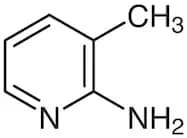

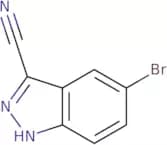


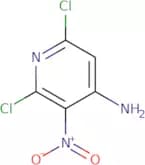
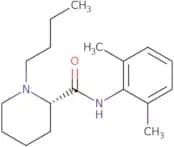
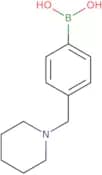
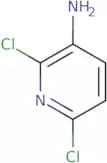

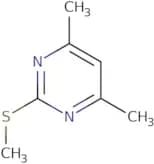
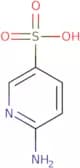
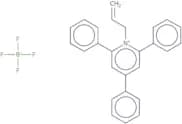
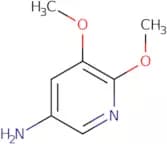
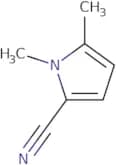
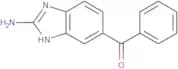
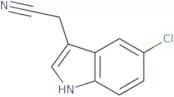
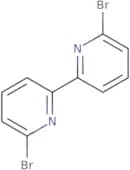
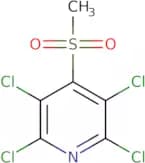
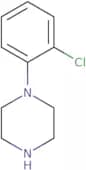
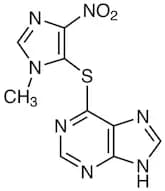
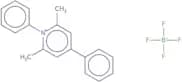
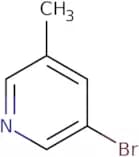
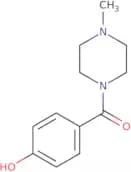
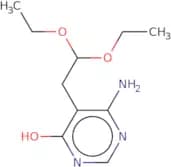
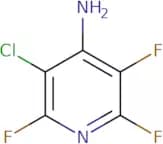
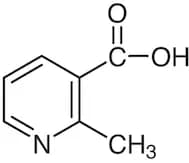
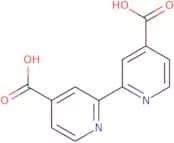
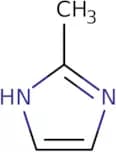
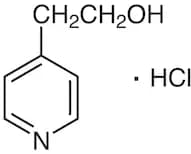
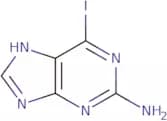
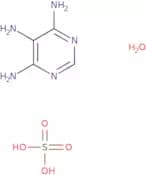
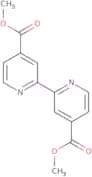
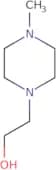

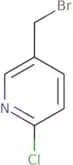
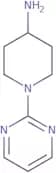
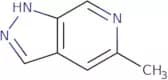
![[(3S,4R)-4-(4-Fluorophenyl)-3-piperidinyl]methanol](/_next/image/?url=https%3A%2Fstatic.cymitquimica.com%2Fproducts%2F3D%2Fthumb-webp%2FFF92100.webp&w=3840&q=75)
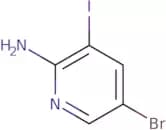
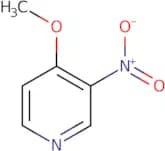
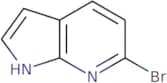
![[3-Methyl-4-(2,2,2-trifluoro-ethoxy)-pyridin-2-yl]-methanol](/_next/image/?url=https%3A%2Fstatic.cymitquimica.com%2Fproducts%2F3D%2Fthumb-webp%2FFM38829.webp&w=3840&q=75)


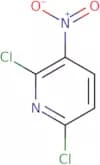

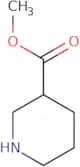


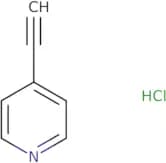

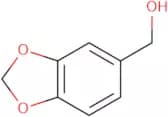
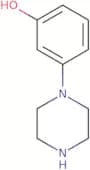
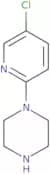
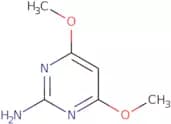

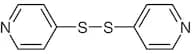
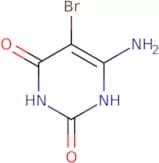

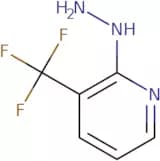

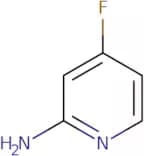
![2-[(4-Chlorophenyl)-2-pyridinylmethoxy]-N,N-dimethylethanamine maleate salt](/_next/image/?url=https%3A%2Fstatic.cymitquimica.com%2Fproducts%2F3D%2Fthumb-webp%2FFC19699.webp&w=3840&q=75)


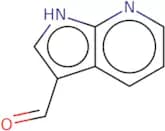
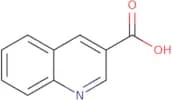

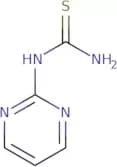
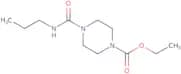

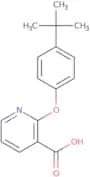
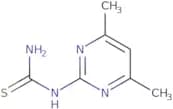
![2-((4-(Benzo[3,4-d]1,3-dioxolan-5-ylmethyl)piperazinyl)carbonyl)cyclohexanecarboxylic acid](/_next/image/?url=https%3A%2Fstatic.cymitquimica.com%2Fproducts%2F3D%2Fthumb-webp%2FFB169464.webp&w=3840&q=75)
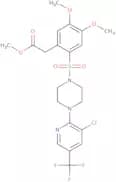
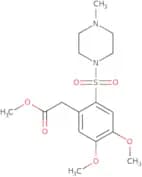
![(4-{[5-(Trifluoromethyl)pyridin-2-yl]oxy}phenyl)amine](/_next/image/?url=https%3A%2Fstatic.cymitquimica.com%2Fproducts%2F3D%2Fthumb-webp%2FFT130504.webp&w=3840&q=75)

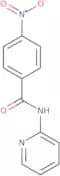
![2-{[3-chloro-5-(trifluoromethyl)-2-pyridinyl]sulfanyl}acetohydrazide](/_next/image/?url=https%3A%2Fstatic.cymitquimica.com%2Fproducts%2F3D%2Fthumb-webp%2FFC170011.webp&w=3840&q=75)
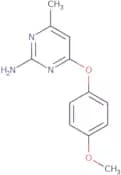

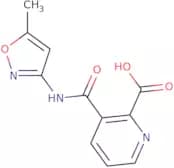
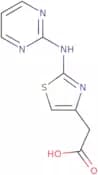
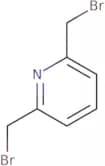
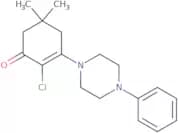
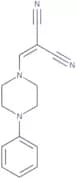
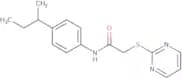

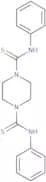
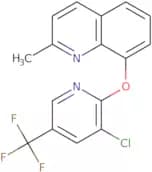
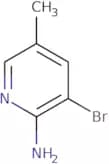
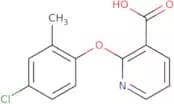
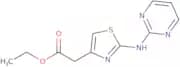
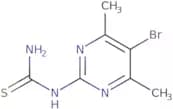

![1-[3-chloro-5-(trifluoromethyl)-2-pyridinyl]-4-piperidinecarboxylic acid](/_next/image/?url=https%3A%2Fstatic.cymitquimica.com%2Fproducts%2F3D%2Fthumb-webp%2FFC170003.webp&w=3840&q=75)

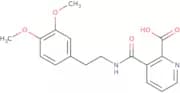
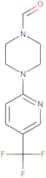
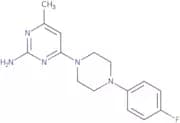
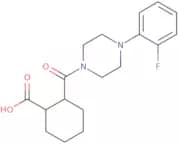
![4-[(1H-Benzimidazol-2-yl)oxy]-3-methyl-2-pyridinecarboxylic acid](/_next/image/?url=https%3A%2Fstatic.cymitquimica.com%2Fproducts%2F3D%2Fthumb-webp%2FFB156806.webp&w=3840&q=75)
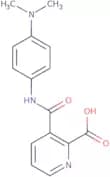
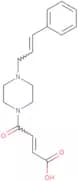
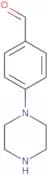

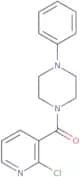
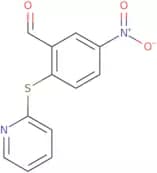
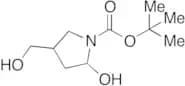


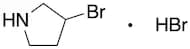
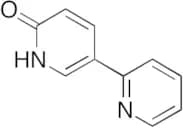
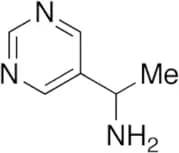
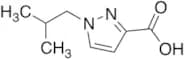
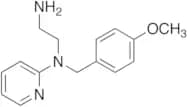
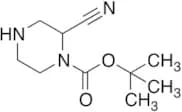
![4-[2-(5-Ethyl-2-pyridinyl)ethoxy]benzenemethanol](/_next/image/?url=https%3A%2Fstatic.cymitquimica.com%2Fproducts%2FTR%2Fthumb-webp%2FE925570.webp&w=3840&q=75)
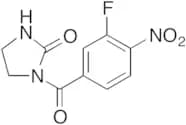
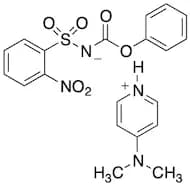
![Methyl 1-[(2-Fluorophenyl)methyl]pyrazolo[3,4-b]pyridine-3-carboximidate](/_next/image/?url=https%3A%2Fstatic.cymitquimica.com%2Fproducts%2FTR%2Fthumb-webp%2FM305748.webp&w=3840&q=75)

![1-[(5-Chloropyridin-2-yl)methyl]piperazine](/_next/image/?url=https%3A%2Fstatic.cymitquimica.com%2Fproducts%2FTR%2Fthumb-webp%2FB405473.webp&w=3840&q=75)
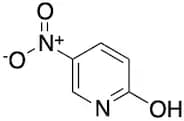
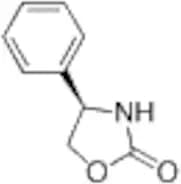

![6-methylimidazo[1,2-a]pyridin-2-amine](/_next/image/?url=https%3A%2Fstatic.cymitquimica.com%2Fproducts%2FTR%2Fthumb-webp%2FM279721.webp&w=3840&q=75)

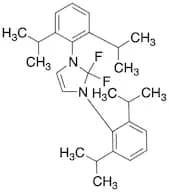

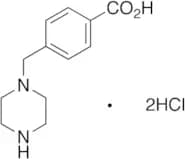
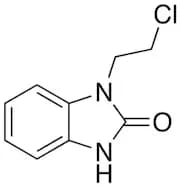
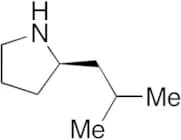
![(9R)-6,7,8,9-Tetrahydro-9-hydroxy-5H-cyclohepta[b]pyridin-5-one](/_next/image/?url=https%3A%2Fstatic.cymitquimica.com%2Fproducts%2FTR%2Fthumb-webp%2FT293145.webp&w=3840&q=75)
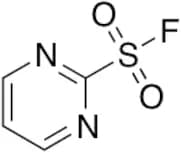
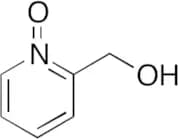
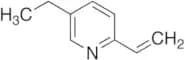

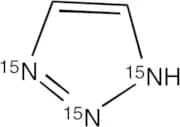

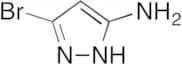
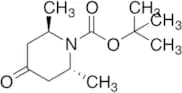
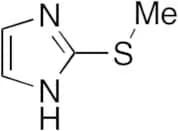
![N-(3-(2-Methylpiperidin-1-yl)propyl)-2-(p-tolyl)benzo[d]imidazo[2,1-b]thiazole-7-carboxamide](/_next/image/?url=https%3A%2Fstatic.cymitquimica.com%2Fproducts%2FTR%2Fthumb-webp%2FM325435.webp&w=3840&q=75)
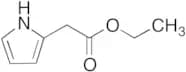

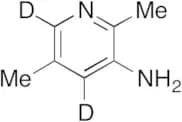
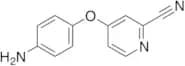
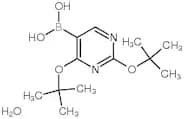
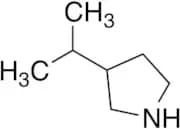
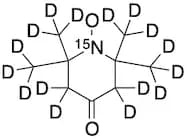
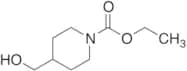
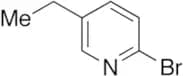
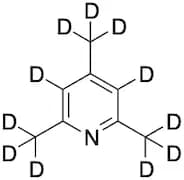
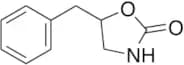
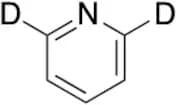

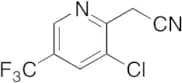
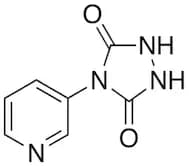
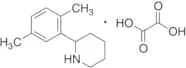
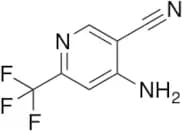
![4,5,6,7-Tetrahydrothiazolo[5,4-c]pyridine](/_next/image/?url=https%3A%2Fstatic.cymitquimica.com%2Fproducts%2FTR%2Fthumb-webp%2FT796683.webp&w=3840&q=75)
![7-Methyl-1-phenylpyrazolo[1,5-a]pyrimidine-2,5(1H,4H)-dione](/_next/image/?url=https%3A%2Fstatic.cymitquimica.com%2Fproducts%2FTR%2Fthumb-webp%2FM336230.webp&w=3840&q=75)
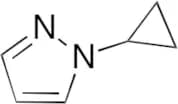
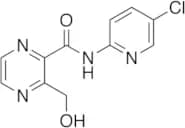
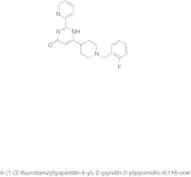
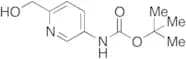
![2-[1-(2-Fluorobenzyl)-1H-pyrazolo[3,4-b]pyridin-3-yl]pyrimidine-4,5,6-triamine](/_next/image/?url=https%3A%2Fstatic.cymitquimica.com%2Fproducts%2FTR%2Fthumb-webp%2FF595655.webp&w=3840&q=75)
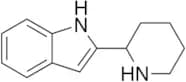
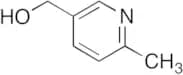
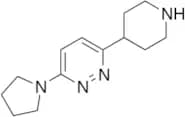
![2-{[(pyridin-2-ylmethyl)amino]methyl}phenol](/_next/image/?url=https%3A%2Fstatic.cymitquimica.com%2Fproducts%2FTR%2Fthumb-webp%2FA576348.webp&w=3840&q=75)
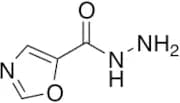
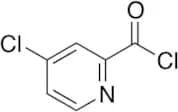
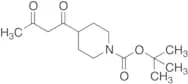
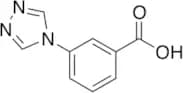
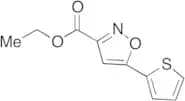
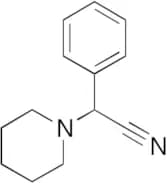
![N-Methyl-4,5,6,7-tetrahydro-2H-pyrazolo[4,3-c]pyridine-3-carboxamide Hydrochloride](/_next/image/?url=https%3A%2Fstatic.cymitquimica.com%2Fproducts%2FTR%2Fthumb-webp%2FM334248.webp&w=3840&q=75)
![5-(tert-Butoxycarbonyl)-1,4,5,6-tetrahydropyrrolo[3,4-c]pyrazole-3-carboxylic Acid](/_next/image/?url=https%3A%2Fstatic.cymitquimica.com%2Fproducts%2FTR%2Fthumb-webp%2FB701348.webp&w=3840&q=75)
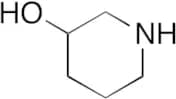
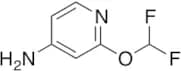
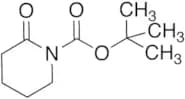
![2-[(2,4-Dichlorophenyl)amino]-4-(trifluoromethyl)-5-pyrimidinecarboxylic Acid Methyl Ester](/_next/image/?url=https%3A%2Fstatic.cymitquimica.com%2Fproducts%2FTR%2Fthumb-webp%2FD436355.webp&w=3840&q=75)
![2,3,5,6-Tetramethylpyrazolo[1,2-a]pyrazole-1,7-dione](/_next/image/?url=https%3A%2Fstatic.cymitquimica.com%2Fproducts%2FTR%2Fthumb-webp%2FT304650.webp&w=3840&q=75)


![1-[(4-Chlorophenyl)methyl]-1H-pyrazole-4,5-diamine Sulfate](/_next/image/?url=https%3A%2Fstatic.cymitquimica.com%2Fproducts%2FTR%2Fthumb-webp%2FC380435.webp&w=3840&q=75)
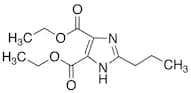
![[1,2,4]Triazolo[1,5-a]pyridin-8-ol](/_next/image/?url=https%3A%2Fstatic.cymitquimica.com%2Fproducts%2FTR%2Fthumb-webp%2FT796318.webp&w=3840&q=75)