Heterocycles with Nitrogen (N)
Subcategories of "Heterocycles with Nitrogen (N)"
- Azepane(436 products)
- Benzotriazoles(438 products)
- Diazepanes(335 products)
- Imidazoles(4,028 products)
- Imidazolines(385 products)
- Isoxazole(1,088 products)
- Piperazines(3,755 products)
- Piperidines(8,442 products)
- Pyrazines(1,304 products)
- Pyrazole(5,959 products)
- Pyrazolidine(21 products)
- Pyrazoline(143 products)
- Pyridazine(860 products)
- Pyridines(22,001 products)
- Pyrimidine(6,083 products)
- Pyrroles(2,448 products)
- Pyrrolidines(5,840 products)
- Pyrroline(48 products)
- Pyrrolo[1,2-b]pyridazine(10 products)
- Tetrazole(531 products)
- Triazines(465 products)
- Triazoles(1,689 products)
Found 17861 products of "Heterocycles with Nitrogen (N)"
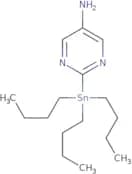
2-(Tributylstannyl)pyrimidin-5-amine
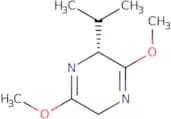
CAS:Controlled ProductPlease enquire for more information about 2-(Tributylstannyl)pyrimidin-5-amine including the price, delivery time and more detailed product information at the technical inquiry form on this pageFormula:C16H31N3SnPurity:Min. 95%Molecular weight:384.15 g/mol(R)-2,5-Dihydro-3,6-dimethoxy-2-isopropylpyrazine
CAS:(R)-2,5-Dihydro-3,6-dimethoxy-2-isopropylpyrazine and its enantiomer (S)-2,5-Dihydro-3,6-dimethoxy-2-isopropylpyrazine are also known as Schöllkopf chiral auxiliaries or Schöllkopf reagents, and are used to produce optically pure α-amino acids via asymmetric synthesis. The Schöllkopf reagent can be deprotonated at the prochiral α-carbon, and the resulting enolate is trapped with electrophiles to yield adducts with high (typically > 95% d.e.) diastereoselectivity. The enolate is essentially planar, and the steric bulk of the isopropyl group directs the incoming electrophile to attack from the opposite face, yielding trans adducts. A wide range of electrophiles including alkyl halides, alkyl sulfonates, acyl chlorides, aldehydes, ketones, epoxides, thioketones and enones can be used. Hydrolysis, typically under mild acidic conditions, yields the non-substituted amino acid with high (typically > 95 e.e.) enantiopurity.
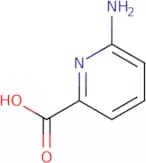
Formula:C9H16N2O2Purity:Min. 98%Color and Shape:Colorless Yellow Clear LiquidMolecular weight:184.24 g/mol6-Amino-2-pyridinecarboxylic acid
CAS:6-Amino-2-pyridinecarboxylic acid is a potentiating agent that belongs to the class of cyclic peptides. It has been shown to have anti-leukemic activity and can be used for the treatment of leukemia. The mechanism of action is not yet fully understood, but it may involve hydrogen bonding interactions with other molecules or cavities in proteins. 6-Amino-2-pyridinecarboxylic acid forms stable complexes with halides and intramolecular hydrogen bonds. This drug also has quantum theory effects, including a short lifetime in solution and an increase in fluorescence intensity when excited with light at low energies.Formula:C6H6N2O2Purity:Min. 95%Color and Shape:PowderMolecular weight:138.12 g/mol4-Acetoxyindole
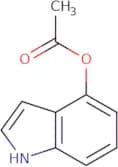
CAS:4-Acetoxyindole is a chromophore that belongs to the pyrrole family of compounds. It has been shown to react with an ionic liquid under acidic conditions to form a protonated intermediate, which can be deprotonated by a nucleophile. This reaction yields an acetate anion and a fluorescing product. 4-Acetoxyindole also reacts with deuterium gas, yielding an acetate, a deuterium atom, and fluorescing product. The reaction is reversible and the yield of the product depends on the concentration of the reactants. 4-Acetoxyindole has strong carbonyl groups that make it reactive towards other functional groups. These reactions are useful for synthesizing heterocycles such as indoles and isoquinolines.
Formula:C10H9NO2Purity:Min. 97 Area-%Color and Shape:White PowderMolecular weight:175.18 g/mol2-Bromo-6-methylpyridine
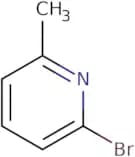
CAS:2-Bromo-6-methylpyridine (2BMPy) is an organic compound that belongs to the group of pyridinium halides. It is soluble in common solvents such as water, ethanol, and acetone. 2BMPy has been shown to act as a glutamate receptor antagonist and has been used in the study of glutamate receptors, including their subtypes. This chemical has also been shown to have antioxidant properties and can be used in the prevention of atherosclerosis.Formula:C6H6BrNPurity:Min. 95%Color and Shape:Clear LiquidMolecular weight:172.02 g/mol2,4,5-Triamino-6-hydroxypyrimidine sulfate
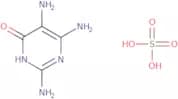
CAS:2,4,5-Triamino-6-hydroxypyrimidine sulfate is a chemical compound that is a metabolite of the amino acid lysine. It is produced when lysine undergoes hydrolysis by enzymes and is converted to 2,4,5-triamino-6-hydroxypyrimidine sulfate by the addition of sulfate ions. This metabolite has been shown to have reactive properties and may play a role in mitochondrial dysfunction. 2,4,5-Triamino-6-hydroxypyrimidine sulfate has been used in binding experiments to measure the strength of protein interactions with other proteins or molecules. For example, it was used in experiments with dimethylformamide (DMF) to study the binding affinity of DMF with proteins such as cytochrome c oxidase. In these experiments, 2,4,5-triamino-6-hydroxypyrimidine sulfate was found toFormula:C4H7N5O•H2SO4Purity:Min. 95%Color and Shape:PowderMolecular weight:239.21 g/molN, N-Dimethylpyridin-4-amine 4-methylbenzenesulfonate
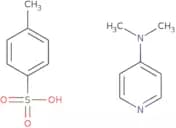
CAS:N,N-Dimethylpyridin-4-amine 4-methylbenzenesulfonate is an integrating agent used in polymer chemistry. It can be used to study the effects of chromophores on both linear and nonlinear optical properties in polymers. N,N-Dimethylpyridin-4-amine 4-methylbenzenesulfonate has been shown to be a good 1,3-dipolar cycloadductor for the synthesis of polymers with polarizable hyperbranched structures.
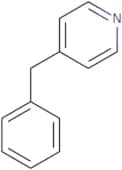
Formula:C7H10N2·C7H8O3SPurity:Min. 95%Color and Shape:White PowderMolecular weight:294.37 g/mol4-Benzylpyridine
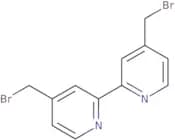
CAS:4-Benzylpyridine is an organic compound with a molecular formula of C8H6N2. It has two chlorine atoms, two nitrogen atoms, and a methyl group. The chemical structure of 4-benzylpyridine is heterocyclic and it has a molecular weight of 150.4 g/mol. 4-Benzylpyridine is soluble in organic solvents, but insoluble in water. The reactivity of this compound can be explained by the presence of the C=C double bond and one or more electron withdrawing groups (-NH2, -Cl). 4-Benzylpyridine is used as an inhibitor for many reactions such as hydrogen bonding or carboxylate reactions. The x-ray crystal structures show that the molecule's shape resembles that of 1,3-benzodioxole-5-carboxylic acid (BDC) but with a benzene ring instead on a 1,3 benzo groupFormula:C12H11NPurity:Min. 98 Area-%Color and Shape:Colorless Clear LiquidMolecular weight:169.22 g/mol4,4'-Bis(bromomethyl)-2,2'-bipyridine
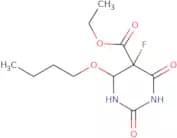
CAS:4,4'-Bis(bromomethyl)-2,2'-bipyridine is a cyclic molecule that can be synthesized by the reaction of 4-bromo-2,2'-bipyridine with a brominating agent. It is used as a precursor to ruthenium catalysts in organic synthesis, and as an additive in dendrimers. The compound has been shown to have light absorption properties and can be used in photovoltaics and electropolymerization.Formula:C12H10N2Br2Purity:Min. 95%Color and Shape:PowderMolecular weight:342.03 g/molEthyl 4-butoxy-5-fluoro-2,6-dioxohexahydropyrimidine-5-carboxylate
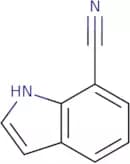
CAS:Controlled ProductEthyl 4-butoxy-5-fluoro-2,6-dioxohexahydropyrimidine-5-carboxylate is a drug that has been used in clinical studies for the treatment of primary brain tumors. It has shown clinical response rates of up to 87%, with the most favourable response observed in patients with low tumor grade and well differentiated histology. The drug is administered orally and penetrates tissues, including the central nervous system. Ethyl 4-butoxy-5-fluoro-2,6-dioxohexahydropyrimidine-5 carboxylate has been found to be toxic to ameloblasts and cancer cells in vitro. Tumor regression was observed in animals treated with ethyl 4 butoxy 5 fluoro 2 6 dioxohexahydropyrimidine 5 carboxylate, which led to decreased symptoms such as weight loss and cachexia.Formula:C11H17FN2O5Purity:Min. 95%Molecular weight:276.26 g/mol7-Cyanoindole
CAS:7-Cyanoindole is a synthetic compound that can be synthesized from amino-acids. The synthesis of 7-cyanoindole starts with the hydration of cyanamide, which yields cyanogen chloride. This reaction is followed by the dehydration of this molecule to produce 7-cyanoindole. The fluorescence properties and lifetimes are dependent on the hydration and dehydrations states. Synthetically, 7-cyanoindole is used as a fluorescent probe for amino acids in solution. This probe has been shown to bind to amino acids at acidic pHs and fluoresce brightly at wavelengths around 400 nm. Industrialized methods for synthesis include reacting cyanoacetylene with ammonia or methylamine in the presence of silicane or silicon dioxide as a catalyst. Reaction yield is dependent on the method used and ranges from 10% to 100%.Formula:C9H6N2Purity:Min. 95%Color and Shape:Off-White PowderMolecular weight:142.16 g/mol6-Amino-2-methylthio-4(3H)pyrimidinone
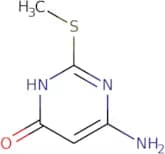
CAS:6-Amino-2-methylthio-4(3H)pyrimidinone is a potential antitumor drug with a radical mechanism of action. It inhibits the activity of the NS5B polymerase, an enzyme in the virus's RNA replication complex. The drug has been shown to inhibit proliferation of cancer cells in vitro and to have antiviral effects against a number of viruses, including influenza A and B. 6-Amino-2-methylthio-4(3H)pyrimidinone inhibits tyrosine kinases and also inhibits erythrocyte progenitors from differentiating into megakaryocytes. This drug is not metabolized by cytochrome P450 enzymes and does not bind to plasma proteins.
Formula:C5H7N3OSPurity:Min. 95%Color and Shape:White PowderMolecular weight:157.19 g/molNd-Pyrazinylcarbonyl-L-ornithine
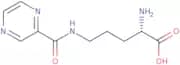
CAS:Nd-Pyrazinylcarbonyl-L-ornithine is a versatile building block for the synthesis of complex compounds. This compound is used as a reagent for research and as a speciality chemical. It has been shown to be an intermediate in organic chemistry and as a reaction component in organic synthesis. Nd-Pyrazinylcarbonyl-L-ornithine is also useful as a scaffold in drug development, with its applications including antiviral agents, antibiotics, anticancer drugs, and antifungal drugs.Formula:C10H14N4O3Purity:Min. 95%Color and Shape:SolidMolecular weight:238.24 g/mol2,5-Dichloropyridine
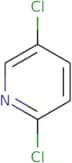
CAS:2,5-Dichloropyridine is a reactive substance that belongs to the group of halogenated substances. It can be found as a white crystalline solid or as a yellow gas. 2,5-Dichloropyridine reacts with water vapor in the air to form hydrochloric acid and chloride. This substance also has photocatalytic activity and is used as an affinity ligand for separation of organic compounds from soil microorganisms. 2,5-Dichloropyridine is used in the production of dimethylformamide and can be synthesized by reacting aryl chlorides with water vapor in the presence of sodium hydroxide.Formula:C5H3CI2NPurity:Min. 95%Color and Shape:PowderMolecular weight:147.99 g/mol4-Amino-3-nitropyridine
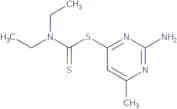
CAS:4-Amino-3-nitropyridine is a molecule with the chemical formula C6H6N4O2. It is an organic compound that has been shown to have analgesic, antimicrobial, and antiviral properties. 4-Amino-3-nitropyridine has been shown to inhibit the growth of bacteria in vitro by reducing the ability of bacteria to synthesize DNA. It is not active against bacteria that use RNA as their genetic material. 4-Amino-3-nitropyridine also inhibits viral replication and may be useful in treating chronic pain, diabetic neuropathy, and other conditions related to nerve damage. This drug binds to chloride ions and nucleophilic functional groups on microbial metabolites, which prevents their conversion into other metabolites.Formula:C5H5N3O2Purity:Min. 95%Color and Shape:PowderMolecular weight:139.11 g/mol(2-Amino-6-methylpyrimidin-4-ylthio)(diethylamino)methane-1-thione
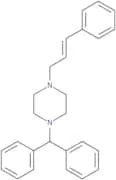
CAS:Please enquire for more information about (2-Amino-6-methylpyrimidin-4-ylthio)(diethylamino)methane-1-thione including the price, delivery time and more detailed product information at the technical inquiry form on this pageFormula:C10H16N4S2Purity:Min. 95%Color and Shape:PowderMolecular weight:256.39 g/mol1-trans-Cinnamyl-4-diphenylmethylpiperazine
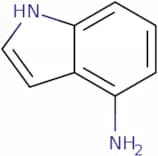
CAS:Calcium channel blocker; piperazine derivativeFormula:C26H28N2Purity:Min. 95%Color and Shape:White PowderMolecular weight:368.51 g/mol4-Aminoindole
CAS:4-Aminoindole is a heterocycle with a carboxy group and four nitrogen atoms. It can be synthesized by reacting hydrochloric acid with nitrobenzene. 4-Aminoindole has shown potential as a drug target, which may be due to its ability to inhibit the enzyme carboxamidase. The compound is also acidic in water, making it an ideal candidate for use as an acid catalyst. Electropolymerization of 4-aminoindole has been achieved using Pt electrodes in the presence of an acidic environment. This reaction results in the formation of functional groups on the metal surface that are not found in most other electropolymerization reactions.
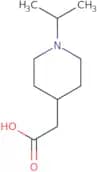
Formula:C8H8N2Color and Shape:PowderMolecular weight:132.16 g/mol(1-Isopropylpiperidin-4-yl)acetic acid
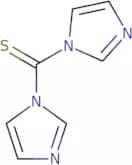
CAS:(1-Isopropylpiperidin-4-yl)acetic acid is a fine chemical that has a versatile scaffold and can be used as a building block in the synthesis of complex compounds. It is also useful as a reaction component or reagent in the synthesis of new speciality chemicals. This chemical is available in high quality and purity grades.Formula:C10H19NO2Purity:Min. 95%Color and Shape:PowderMolecular weight:185.26 g/molN,N'-Thiocarbonyldiimidazole
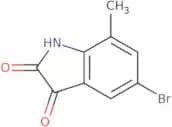
CAS:N,N'-Thiocarbonyldiimidazole is a potent inhibitor of the enzyme acetylcholinesterase. It is used in research as an inhibitor molecule for receptor activity and to study the mechanism of action of other drugs. N,N'-Thiocarbonyldiimidazole inhibits the production of ester hydrochloride by rat liver microsomes and muscle cell proliferation. In addition, this compound has been shown to be a protonophore that can transport protons across membranes without energy input. This can be done through Langmuir adsorption isotherm and electrochemical impedance spectroscopy.Formula:C7H6N4SPurity:Min. 95%Color and Shape:Yellow PowderMolecular weight:178.22 g/mol5-Bromo-7-methyl-1H-indole-2,3-dione
CAS:5-Bromo-7-methyl-1H-indole-2,3-dione is a lead compound that inhibits the inosine monophosphate (IMP) deaminase enzyme. This compound is an inhibitor of the IMP deaminase enzyme and has been shown to reduce viral load in HIV patients. 5-Bromo-7-methyl-1H-indole-2,3-dione has been studied as a potential treatment for other diseases such as mycophenolic acid renal toxicity and inflammatory bowel disease. This molecule is a regiospecific inhibitor of the IMPDE4 protein with IC50 values of 0.5 μM and 2 μM for the wild type and mutant forms respectively.Formula:C9H6BrNO2Purity:Min. 95%Color and Shape:Orange PowderMolecular weight:240.05 g/molDiacylglycerol kinase inhibitor II
CAS:Diacylglycerol kinase inhibitor II is a transcriptional regulator that inhibits diacylglycerol kinase. This inhibitor blocks the signaling pathways for growth factor-β1 by inhibiting the enzyme phosphatidic acid phosphatase, which plays an important role in cellular proliferation and migration. Diacylglycerol Kinase Inhibitor II has also been shown to inhibit cation channels and calcium release from intracellular stores. Diacylglycerol Kinase Inhibitor II binds to both cytosolic and nuclear proteins. It has been shown to inhibit cell proliferation and induce apoptosis in breast cancer cells.
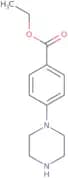
Formula:C28H25F2N3OSPurity:Min. 97 Area-%Color and Shape:PowderMolecular weight:489.58 g/mol1-(4-Ethoxycarbonylphenyl)piperazine
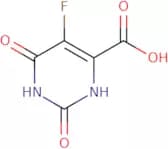
CAS:1-(4-Ethoxycarbonylphenyl)piperazine is an enantiopure phosphatase inhibitor. It is used in the treatment of cancer and other life-threatening diseases. 1-(4-Ethoxycarbonylphenyl)piperazine inhibits phosphatases, which are enzymes that catalyze hydrolysis of phosphate groups from substrates. This inhibition leads to a decrease in the production of fatty acids and cholesterol, resulting in a reduction in body mass index. The drug has been shown to be effective against animal models for cancer, with an effective dose of 100 mg/kg intraperitoneally. In addition, 1-(4-ethoxycarbonylphenyl)piperazine has been shown to inhibit cardiac phosphatases and increase cardiac uptake by inhibiting acylation reactions.Formula:C13H18N2O2Purity:Min. 98%Color and Shape:White PowderMolecular weight:234.29 g/mol5-Fluoroorotic acid
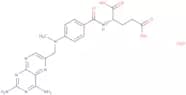
CAS:Selection reagent for orotidine 5'-phosphate decarboxylase mutantsFormula:C5H3FN2O4Purity:Min. 98 Area-%Color and Shape:PowderMolecular weight:174.09 g/molL(+)-Amethopterin hydrate
CAS:L(+)-Amethopterin hydrate is an immunosuppressant that suppresses the immune system by inhibiting RNA synthesis. It is a structural analogue of folic acid and has been shown to be effective in treating autoimmune diseases, such as rheumatoid arthritis. L(+)-Amethopterin hydrate is a neutral compound that is soluble in water and microsomal membranes, making it more easily absorbed through the gut than other compounds of this class. It also has been shown to have no toxic effects on cardiac cells at therapeutic concentrations. These properties make L(+)-Amethopterin hydrate an attractive candidate for treating autoimmune diseases when other treatments have failed.Formula:C20H22N8O5·xH2OPurity:Min. 98 Area-%Color and Shape:Yellow PowderMolecular weight:454.44 g/mol5-Hydroxyindole-2-carboxylic acid ethyl ester
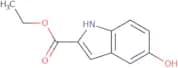
CAS:5-Hydroxyindole-2-carboxylic acid ethyl ester is a fluorescent probe that is used in the detection of hepatitis C virus by micropet assay. The compound reacts with amines and undergoes fluorescence quenching, and can be used to quantitate their concentration. 5-Hydroxyindole-2-carboxylic acid ethyl ester is also used for the determination of the kinetics of amines and other compounds that are involved in the metabolism of drugs and biogenic amines. It can be applied to chromatographic analysis or sample preparation prior to analysis by analytical chemistry methods such as gas chromatography or liquid chromatography.
Formula:C11H11NO3Purity:Min. 95%Color and Shape:PowderMolecular weight:205.21 g/mol6-Methoxyindole-2-carboxylic acid methyl ester
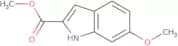
CAS:6-Methoxyindole-2-carboxylic acid methyl ester is a pyrroloquinoline alkaloid with cytotoxic and antiproliferative activities. It inhibits the growth of cancer cells in culture by inducing apoptosis and cell cycle arrest. 6-Methoxyindole-2-carboxylic acid methyl ester has been shown to be effective against breast cancer cell lines in vitro and to inhibit the proliferation of breast cancer cells in vivo. This compound also inhibits the growth of a number of other cancer cell lines such as prostate, colon, lung, liver, stomach, and leukemia. The mechanism of action for this compound is thought to be due to its ability to act as an intramolecular quencher of reactive oxygen species (ROS) or as an inhibitor of DNA synthesis through inhibition of ribonucleotide reductase activity.
Formula:C11H11NO3Purity:Min. 95%Color and Shape:PowderMolecular weight:205.21 g/mol3-Fluoro-5-methylpyridine
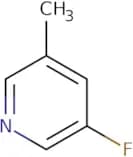
CAS:3-Fluoro-5-methylpyridine is a fine chemical, useful building block and research chemical. It is a versatile building block that can be used as a reaction component or as an intermediate in the synthesis of various other organic compounds. 3-Fluoro-5-methylpyridine is also a reagent for the preparation of pharmaceuticals and agrochemicals. This compound can be used in the synthesis of complex compounds with high quality and purity, such as inorganic salts, metal complexes and organometallic compounds. 3-Fluoro-5-methylpyridine has CAS No. 407-21-6 and has been assigned to category 1B by the European Union's classification system (EU CLP).Formula:C6H6FNPurity:Min. 95%Molecular weight:111.12 g/mol6-Chloro-2-fluoropyridine-3-boronic acid
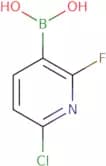
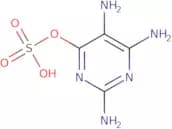
CAS:6-Chloro-2-fluoropyridine-3-boronic acid is a versatile building block for the synthesis of complex compounds, which can be used as a reagent in research or as a speciality chemical. This compound can be used as an intermediate, reaction component, or scaffold to synthesize other more complex structures. 6-Chloro-2-fluoropyridine-3-boronic acid is available in high quality and has CAS No. 1256345-66-0.Formula:C5H4BClFNO2Purity:Min. 95%Color and Shape:Light (Or Pale) Orange SolidMolecular weight:175.35 g/mol2,5,6-Triaminopyrimidin-4-ol sulphate
CAS:2,5,6-Triaminopyrimidin-4-ol sulphate is a fine chemical that is used as a reagent in the synthesis of other compounds. It can be used as a building block for research chemicals and speciality chemicals such as pesticides. This compound is also useful in the manufacture of pharmaceuticals and agrochemicals. 2,5,6-Triaminopyrimidin-4-ol sulphate has been shown to react with aniline derivatives to produce a variety of products including pyrrolidine and piperidine derivatives. This versatile compound can also be used as a scaffold in the synthesis of complex molecules.
Formula:C4H7N5O4SPurity:Min. 95%Color and Shape:Yellow PowderMolecular weight:221.2 g/mol5-Formylindole
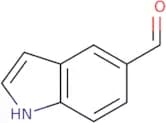
CAS:5-Formylindole is a non-selective and irreversible inhibitor of protein α, which is the catalytic subunit of the enzyme AMP-activated protein kinase. It binds to the hydroxyl group at position Cys177 in the ATP binding pocket of protein α, thereby inhibiting its activity. 5-Formylindole has been shown to inhibit tumor growth in xenografts and also inhibits fat accumulation in 3T3-L1 preadipocytes by inhibition of fatty acid synthesis. This compound has also been used to study molecular modeling in order to understand hydrogen bond interactions between aldehyde groups and intramolecular hydrogen. The genus that this compound belongs to is stilbene derivatives.Formula:C9H7NOPurity:Min. 95%Color and Shape:PowderMolecular weight:145.16 g/mol5-Benzyloxyindole-3-glyoxylamide
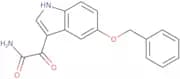
CAS:5-Benzyloxyindole-3-glyoxylamide is a versatile building block that can be used in the synthesis of complex compounds. It has been shown to have a high quality and is useful as a reagent for research purposes. 5-Benzyloxyindole-3-glyoxylamide can be used as a reaction component and is useful as an intermediate in organic synthesis. 5BIGA has CAS number 22424-62-0 and is also known as 3-(benzyloxy)-5-(2,2,2-trifluoroethoxy)indole glyoxamide.Formula:C17H14N2O3Purity:Min. 95%Molecular weight:294.3 g/molEthyl 6-Bromoindole-2-carboxylate
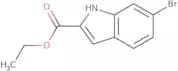
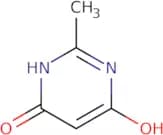
CAS:Please enquire for more information about Ethyl 6-Bromoindole-2-carboxylate including the price, delivery time and more detailed product information at the technical inquiry form on this pageFormula:C11H10BrNO2Purity:Min. 95%Molecular weight:268.11 g/mol4.6-Dihydroxy-2-methylpyrimidine
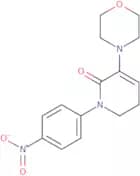
CAS:4,6-Dihydroxy-2-methylpyrimidine is a monomer that is used in the synthesis of polyurethanes. It is an intermediate in the reaction between hydrochloric acid and nitrous acid, which produces 4,6-dichloro-2-methylpyrimidine. The reaction mechanism involves transfer of a methyl group from an organic molecule to hydrochloric acid. This reaction can be carried out at either low or high pH values. The addition of magnesium salt increases the rate of the reaction by increasing the solubility of chloroformate in water. When ethyl esters are used as starting materials, a constant conversion rate can be obtained with a large excess of magnesium salt.Formula:C5H6N2O2Purity:Min 99%Color and Shape:PowderMolecular weight:126.11 g/mol3-(4-Morpholinyl)-1-(4-nitrophenyl)-5,6-dihydro-2(1H)-pyridinone
CAS:3-(4-Morpholinyl)-1-(4-nitrophenyl)-5,6-dihydro-2(1H)-pyridinone is a synthetic coagulation factor that has been shown to be cost-effective and to have a high yield. It is an inhibitor of blood coagulation, which is detectable by x-ray powder diffraction. 3-(4-Morpholinyl)-1-(4-nitrophenyl)-5,6-dihydro-2(1H)-pyridinone has been synthetically prepared from 3,5,6,7,8,9,10,-hexahydro-[2]benzo[e][1]pyridinone and 4-morpholinecarboxylic acid.Formula:C15H17N3O4Purity:Min. 98 Area-%Color and Shape:Yellow PowderMolecular weight:303.31 g/mol6-(4,4,5,5-Tetramethyl-1,3,2-dioxaborolan-2-yl)imidazo[1,2-α]pyridine
CAS:6-(4,4,5,5-Tetramethyl-1,3,2-dioxaborolan-2-yl)imidazo[1,2-a]pyridine is a fine chemical that can be used as a building block in organic synthesis. It is a useful reagent and intermediate for the synthesis of other compounds. 6-(4,4,5,5-Tetramethyl-1,3,2-dioxaborolan-2-yl)imidazo[1,2-a]pyridine is soluble in acetone and ethanol. The compound has been found to be an effective reaction component in the synthesis of various complex molecules.Formula:C13H17BN2O2Purity:Min. 95%Color and Shape:SolidMolecular weight:244.1 g/mol4,4'-Dinonyl-2,2'-bipyridine
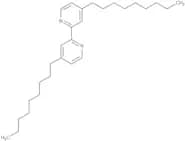
CAS:4,4'-Dinonyl-2,2'-bipyridine is a high-yield transfer reagent that is used in organic synthesis. It can be used to transfer aryl or alkyl groups from ancillary to the functional group on the substrate. 4,4'-Dinonyl-2,2'-bipyridine is also used for the production of polymers and organic semiconductors. In addition, this compound has been shown to be useful in the production of silicon solar cells and as a catalyst for photovoltaic devices. 4,4'-Dinonyl-2,2'-bipyridine has been shown to be thermostable and can be used in temperatures up to 200°C. This compound is also a ligand with ruthenium complex properties and can be used as an electron acceptor in radiation therapy procedures.
Formula:C28H44N2Purity:Min. 98 Area-%Color and Shape:White PowderMolecular weight:408.68 g/molN-Acetyl-3-hydroxyindole
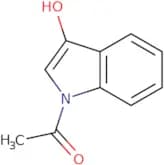
CAS:N-Acetyl-3-hydroxyindole is a chemical compound that can be used as a building block for other organic compounds. It is an intermediate in the synthesis of 3-amino-2,4,6-trichloropyrimidine, which is used in the synthesis of some pharmaceuticals and pesticides. N-Acetyl-3-hydroxyindole has been shown to react with thiourea to yield 2-(3,4-dihydroxyphenyl)acetic acid. It also reacts with hydroxylamine to produce 2-(aminooxymethyl)pyrrolidinone. N-Acetyl-3-hydroxyindole has been shown to have antioxidant properties, which may be due to its ability to reduce lipid peroxidation and scavenge reactive oxygen species.Formula:C10H9NO2Purity:Min. 98.0 Area-%Molecular weight:175.19 g/molPiperacillin
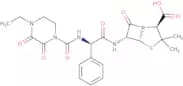
CAS:Piperacillin is a β-lactam antibiotic that inhibits the synthesis of bacterial cell walls by binding to penicillin-binding proteins. It is used for the treatment of serious infections caused by gram-negative organisms such as Aerogenes, Enterobacter, and Klebsiella. Piperacillin has a high MIC90 value against Staphylococcus and other gram-positive bacteria, but it is not active against β-lactamase producing strains of bacteria such as E. coli or Klebsiella pneumoniae. The MIC90 values are determined through an analytical method on different strains of bacteria and validated with a sample preparation before use in clinical trials.Formula:C23H27N5O7SPurity:Min. 95 Area-%Color and Shape:White PowderMolecular weight:517.56 g/mol(4-Bromophenyl)-(pyridin-3-yl)methanone
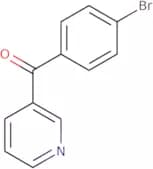
CAS:The compound is a reactive, logistic and logistic regression analysis. The logistic regression was used to determine the effects of temperature on the yields of this organic chemical. The compound is not active against test organisms such as dimethylamine, but does react with carbonyl groups in other organic chemicals. This chemical is considered reactive because it can be easily oxidized by air or water. It has been shown that this chemical reacts with oxygen molecules to form aldehydes and ketones.Formula:C12H8BrNOPurity:Min. 95%Molecular weight:262.1 g/mol4-Aminopyrimidin-5-ol
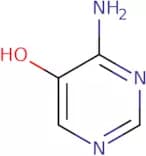
CAS:4-Aminopyrimidin-5-ol (4AP) is a small molecule that has been shown to mitigate populations of bacteria that are resistant to antibiotics. 4AP is a thiol compound that can be synthesized in high quantities using scalable, scalable synthesis. It has been shown to inhibit the protein synthesis of sensitive populations of bacteria by targeting their ribosomes and inhibiting the activity of bacterial DNA gyrase and topoisomerase IV. 4AP inhibits bacterial growth at low concentrations, with no effect on mammalian cells. This drug also shows potential as an antibiotic adjuvant because it utilizes trigonometric calculations, multigram scales, and chromatographic techniques for purification. 4AP is stable under a variety of temperatures, making it suitable for use in many environments.Formula:C4H5N3OPurity:Min. 95%Color and Shape:SolidMolecular weight:111.1 g/mol2-Amino-3-nitropyridine
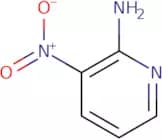
CAS:2-Amino-3-nitropyridine is a synthetic molecule that has the chemical formula C6H7N5O2. It can exist in four different forms, three of which are isomers. These three isomers have different properties, such as melting point and solubility. The synthesis of 2-amino-3-nitropyridine can be achieved through a solid phase synthesis using sodium periodate as the acid catalyst. The reaction mechanism involves nitration of 2-amino pyridine with hydrogen peroxide to produce 3-nitro pyridine followed by hydrolysis to form 2-amino-3 nitropyridine. This reaction produces two dihedral angles in the molecule, one between the nitrogen and oxygen atoms and another between the nitrogen atom and carbon atom bonded to it. The functional groups present on this molecule are an amino group, a nitro group, and an amide group.
Purity:Min. 98 Area-%Color and Shape:Yellow SolidMolecular weight:139.11 g/mol6-Fluoroindole-3-carboxaldehyde
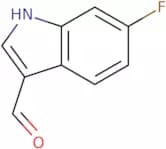
CAS:6-Fluoroindole-3-carboxaldehyde (6FLA) is a synthetic compound that inhibits biosynthesis of the phytoalexins salicylic acid and lignin in plants. It also inhibits the β-glucuronidase enzyme, which hydrolyzes the glucuronide conjugates of phenolic compounds and xenobiotics. 6FLA has been shown to cause mild liver damage in rats, but its effects on humans are unknown. 6FLA may be used as a detectable substance for assays.
Formula:C9H6FNOPurity:Min. 95%Molecular weight:163.15 g/mol4-Fluoroindole
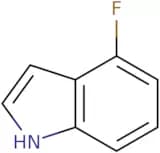
CAS:4-Fluoroindole is a compound that belongs to the class of 5-methoxyindoles, which are used as drugs in plant physiology. The analog of 4-fluoroindole is important for cell culture and transcriptomic analysis. It has been shown to reduce the growth of cryptococcus neoformans by inhibiting its ability to produce acid. 4-Fluoroindole also inhibits the growth of other opportunistic fungi, such as Aspergillus niger. This drug is addictive and can be toxic if it enters the environment. 4-Fluoroindole also inhibits the growth of plants when applied as a pesticide.Formula:C8H6FNColor and Shape:PowderMolecular weight:135.14 g/mol3-Hydroxypiperidine
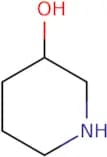
CAS:3-Hydroxypiperidine is a chemical compound that contains an asymmetric carbonyl group. It has been used in the synthesis of enantiopure pharmaceuticals, and is also a competitive inhibitor for some enzymes. 3-Hydroxypiperidine can be synthesized by hydrogenation reduction or hydroxylation of piperidine. This compound has been shown to have pharmacokinetic properties in rats and mice, as well as inhibitory effects on brain functions such as memory retention and learning. 3-Hydroxypiperidine has also been shown to induce apoptosis in breast cancer cells, which may be due to its ability to inhibit protein synthesis in these cells.Formula:C5H11NOPurity:Min. 95%Color and Shape:White PowderMolecular weight:101.15 g/molIndole-3-butyric acid, potassium salt
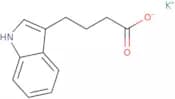
CAS:Plant hormone; auxin; inducer of root development; used in plant rootingFormula:C12H12KNO2Color and Shape:White Yellow PowderMolecular weight:241.33 g/mol2,4-Dimethyl-5-nitropyridine
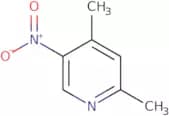
CAS:2,4-Dimethyl-5-nitropyridine is a hydroxyurea analog that inhibits the synthesis of ribonucleotides by competitively binding to the enzyme ribonucleotide reductase. This inhibition leads to the accumulation of diphosphate and deoxyribonucleotides, which are necessary for DNA synthesis. 2,4-Dimethyl-5-nitropyridine was found to be more potent than hydroxyurea as an inhibitor of cellular growth in vitro and cancer cell lines in vivo. The potency of 2,4-dimethyl-5-nitropyridine can be attributed to its ability to bind very tightly with ribonucleotide reductase and form a stable complex.
Formula:C7H8N2O2Purity:Min. 95%Color and Shape:Yellow Clear LiquidMolecular weight:152.15 g/mol4-Amino-2-benzylamino-6-phenyl-1,3,5-triazine
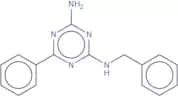
CAS:4-Amino-2-benzylamino-6-phenyl-1,3,5-triazine is a high quality chemical that can be used as a reagent in organic synthesis. This compound is also a useful intermediate and has been used as a building block in the preparation of various pharmaceuticals. 4-Amino-2-benzylamino-6-phenyl-1,3,5-triazine has CAS No. 693241-47-3 and is an important speciality chemical for research purposes. It is also versatile and can be used as a reaction component for the synthesis of other compounds.Formula:C16H15N5Purity:Min. 95%Color and Shape:PowderMolecular weight:277.32 g/mol5-Hydroxyindole-3-acetic acid
CAS:5-Hydroxyindole-3-acetic acid is a versatile building block that is useful as a reagent, speciality chemical, and reaction component. It has been used in the synthesis of complex compounds with various applications. The compound can be distilled to produce high-purity 5-hydroxyindole-3-acetic acid for research purposes.Formula:C10H9NO3Purity:Min. 98.0 Area-%Molecular weight:191.19 g/mol6-Carboxyindole
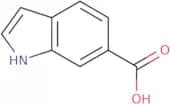
CAS:6-Carboxyindole is an indole that binds to the IL-17A receptor, which leads to the production of pro-inflammatory cytokines. It has been shown to be involved in autoimmune diseases and other inflammatory conditions. 6-Carboxyindole can be used as a probe for studying the biology of IL-17A, by binding to it and inhibiting its effects. The chemical structure of 6-carboxyindole is also useful for diagnostic purposes, as it can bind to antibodies and antigens for detecting infectious diseases or other biological processes. 6-Carboxyindole can be used in the treatment of heart tissue by binding with monoclonal antibodies that are specific for cardiac proteins such as myosin light chain kinase.Formula:C9H7NO2Purity:Min. 95%Molecular weight:161.16 g/mol



![6-(4,4,5,5-Tetramethyl-1,3,2-dioxaborolan-2-yl)imidazo[1,2-α]pyridine](/_next/image/?url=https%3A%2Fstatic.cymitquimica.com%2Fproducts%2F3D%2Fthumb-webp%2FFT159967.webp&w=3840&q=75)