Aliphatic compounds and derivatives
Found 8755 products of "Aliphatic compounds and derivatives"
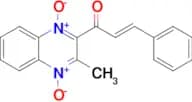
2-Cinnamoyl-3-methylquinoxaline 1,4-dioxide
CAS:Purity:95.0%Color and Shape:Liquid, No data available.Molecular weight:306.3210144042969(R)-Methyl 3-((tert-butyldimethylsilyl)oxy)hex-5-enoate
CAS:Purity:97%Molecular weight:258.4330139160156(Z)-N-(1-Chloro-3-oxo-3-(piperidin-1-yl)-1-(o-tolyl)prop-1-en-2-yl)benzamide
CAS:Purity:95.0%Molecular weight:382.8900146484375(2E)-1-{[1,1'-biphenyl]-4-yl}-3-(2-chlorophenyl)prop-2-en-1-one
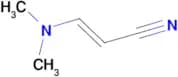
CAS:Purity:95.0%Molecular weight:318.79998779296875(E)-3-(Dimethylamino)acrylonitrile
CAS:Purity:95.0%Color and Shape:LiquidMolecular weight:96.13300323486328Capsaicin, natural extract (mixture of Capsaicinoids)
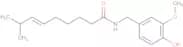
CAS:M01481 - Capsaicin, natural extract (mixture of Capsaicinoids)
Formula:C18H27NO3Purity:≥60%Color and Shape:SolidMolecular weight:305.418tert-butyl 4-[2-cyano-3-(dimethylamino)prop-2-enoyl]piperazine-1-carboxylate
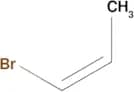
CAS:Molecular weight:308.3819885253906CIS-1-BROMO-1-PROPENE
CAS:Purity:98.0%Color and Shape:Liquid (Oil)Molecular weight:120.97699737548828(2E)-1-(4-Methylphenyl)-3-{4-[(1E)-3-(4-methylphenyl)-3-oxoprop-1-en-1-yl]phenyl}prop-2-en-1-one
CAS:Purity:techMolecular weight:366.4599914550781(2E)-1-{[1,1'-biphenyl]-4-yl}-3-(2-fluorophenyl)prop-2-en-1-one
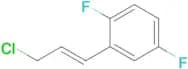
CAS:Purity:95.0%Molecular weight:302.3479919433594(E)-2-(3-chloroprop-1-en-1-yl)-1,4-difluorobenzene
CAS:Purity:95% mix TBC as stabilizerMolecular weight:188.60000610351562(2E)-1-{[1,1'-biphenyl]-4-yl}-3-(4-bromophenyl)prop-2-en-1-one
CAS:Purity:95.0%Molecular weight:363.2539978027344(2E)-3-[4-(benzyloxy)phenyl]-1-(3,4-dichlorophenyl)prop-2-en-1-one
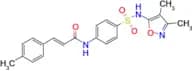
CAS:Purity:95.0%Molecular weight:383.2699890136719(E)-N-(4-(N-(3,4-dimethylisoxazol-5-yl)sulfamoyl)phenyl)-3-(p-tolyl)acrylamide
CAS:Purity:98%Molecular weight:411.48001098632811-(4-Difluoromethoxy-3-methoxy-phenyl)-4,4,4-trifluoro-butane-1,3-dione
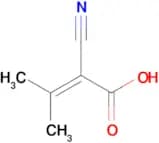
CAS:Formula:C12H9F5O4Purity:98%Color and Shape:SolidMolecular weight:312.1922-Cyano-3-methylbut-2-enoic acid
CAS:Purity:95%Color and Shape:SolidMolecular weight:125.12699890136719(2E)-1-{[1,1'-biphenyl]-4-yl}-3-(4-methylphenyl)prop-2-en-1-one
CAS:Purity:95.0%Molecular weight:298.3850097656251-methyl-3-[(prop-2-en-1-yl)amino]pyrrolidin-2-one
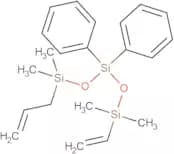
CAS:Purity:95.0%Molecular weight:154.212997436523441,5-Divinyl-3,3-diphenyl-1,1,5,5-tetramethyl-trisiloxane
CAS:S08360 - 1,5-Divinyl-3,3-diphenyl-1,1,5,5-tetramethyl-trisiloxane
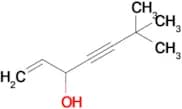
Formula:C21H30O2Si3Color and Shape:LiquidMolecular weight:398.7246,6-Dimethylhept-1-en-4-yn-3-ol
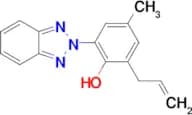
CAS:Purity:98% +(stabilized with MEHQ)Molecular weight:138.21000671386722-(2H-Benzotriazol-2-yl)-4-methyl-6-(2-propenyl)phenol
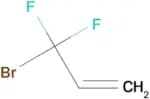
CAS:Purity:98+%Color and Shape:SolidMolecular weight:265.31600952148441-Bromo-1,1-difluoroprop-2-ene
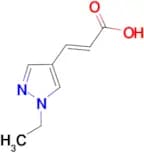
CAS:Purity:99.0%Color and Shape:LiquidMolecular weight:156.95799255371094(E)-3-(1-Ethyl-1H-pyrazol-4-yl)-acrylic acid
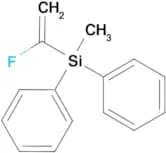
CAS:Formula:C8H10N2O2Purity:95.0%Color and Shape:SolidMolecular weight:166.18(1-Fluorovinyl)methyldiphenylsilane
CAS:Formula:C15H15FSiPurity:96.0%Color and Shape:LiquidMolecular weight:242.368(3R,7AR)-3-(1,1-DIMETHYLETHYL)-7A-ETHENYLDIHYDRO-1H,3H-PYRROLO[1,2-C]OXAZOLE-1,5(6H)-DIONE
CAS:Purity:95.0%Molecular weight:223.27200317382812(3R,3aR,6R,6aR)-3,6-Bis(allyloxy)hexahydrofuro[3,2-b]furan
CAS:Purity:97.0%Molecular weight:226.27200317382812(2E)-3-[4-(benzyloxy)phenyl]-1-(2,4-dichlorophenyl)prop-2-en-1-one
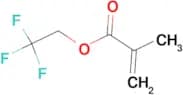
CAS:Purity:95.0%Molecular weight:383.26998901367192,2,2-Trifluoroethyl methacrylate “30-50ppm 4-Methoxyphenol as stabiliser”
CAS:Purity:99.0%Color and Shape:LiquidMolecular weight:168.115005493164063-(Perfluoro-5-methylhexyl)-2-hydroxypropylmethacrylate
CAS:Purity:97.0%Color and Shape:LiquidMolecular weight:512.215(E)-1-(1H-benzo[d][1,2,3]triazol-1-yl)-3-(furan-2-yl)prop-2-en-1-one
CAS:Purity:98%Molecular weight:239.23399353027344Allyl isothiocyanate(stabilised with 0.1% tocopherols)
CAS:Formula:C4H5NSPurity:90.0%Color and Shape:LiquidMolecular weight:99.152-Propenamide, N-[4-[(3-chloro-4-fluorophenyl)amino]-7-[3-(4-morpholinyl)propoxy]-6-quinazolinyl]-, hydrochloride (1:2)
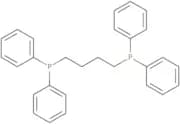
CAS:Purity:98%Molecular weight:558.8599853515631,4-Bis-(diphenylphosphino)butane
CAS:1,4-Bis-(diphenylphosphino)butane is a coordination compound that contains a bicyclic heterocycle. The compounds are made up of phosphorus and nitrogen atoms which are arranged in a tetrahedral geometry. It has photochemical properties and can be used to inhibit the growth of myeloid leukemia cells. The complexes bind to amines and form stable complexes with hydroxyl groups, so they are also able to cross mitochondrial membranes. This compound has been shown to bind to copper ions in x-ray crystal structures. 1,4-Bis-(diphenylphosphino)butane binds more strongly to ethylene diamine than it does to aryl halides such as chloroethane or phenylethane. Activation energies for the binding of 1,4-bis-(diphenylphosphino)butane with ethylene diamine have been found by measuring the free energy change for its formation fromFormula:C28H28P2Purity:Min. 95%Color and Shape:White PowderMolecular weight:426.47 g/molLinoleic acid - liquid
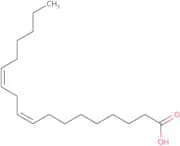
CAS:Linoleic acid is a type of essential fatty acid that is found in vegetable oils. It is the most predominant polyunsaturated fatty acid and can be classified as either a cis- or trans-isomer. Linoleic acid has been shown to have inhibitory properties against bowel disease, polymerase chain reaction (PCR) analysis, and disease activity. Linoleic acid may also be used as an analytical method for determining levels of linoleate, linoleic acid, or p-hydroxybenzoic acid in body proteins. The inhibition of cancer cell proliferation by linoleic acid may be due to its ability to inhibit the production of signal peptide or 3t3-l1 preadipocytes.Formula:C18H32O2Purity:94 To 96%Color and Shape:Colorless Clear LiquidMolecular weight:280.45 g/molTris(phenylthio)methane
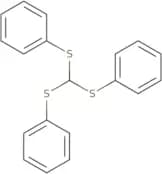
CAS:Tris(phenylthio)methane is a formylating reagent that reacts with ethyl formate to produce the nitro compound. It is used in the preparation of β-amino acids and as an asymmetric synthesis catalyst. Tris(phenylthio)methane can be used as a polymerization initiator for metathesis reactions, such as the Suzuki reaction. It has been shown to be a good nucleophile and polymerizing agent when combined with hydrochloric acid or silver trifluoromethanesulfonate. Tris(phenylthio)methane may also react with chloride in the presence of base to produce phosphoric acid esters.
Formula:C19H16S3Purity:Min. 95%Color and Shape:Off-White PowderMolecular weight:340.53 g/molSodium pyruvate
CAS:Pyruvate is an intermediary organic acid metabolite in glycolysis and the first of the Embden Meyerhoff pathways that can pass readily in or out of the cell. Thus, the addition of sodium pyruvate to tissue culture medium provides both an energy source and a carbon skeleton for anabolic processes. Furthermore, it assists with maintaining certain specialized cells, is useful when cloning, and may be necessary when the serum concentration is reduced in the medium.Formula:C3H3O3NaPurity:Min. 95%Color and Shape:Crystalline PowderMolecular weight:110.04 g/molAMP
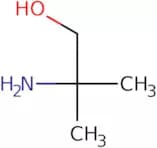
CAS:AMP, also known as 2-Amino-2-methyl-1-propanol, is a buffering agent with an optimal pH range of 9.0-10.5 and a pKa of 9.7. It is used in biochemical assays, enzyme activity tests, and cosmetic formulations.
Formula:C4H11NOPurity:Min. 95%Color and Shape:Colorless Clear LiquidMolecular weight:89.14 g/mol12-Bromo-1-aminododecane, hydrobromide
CAS:12-Bromo-1-aminododecane, hydrobromide is a reagent that can be used as a building block in organic synthesis. It is also useful for the preparation of 12-bromo-1-aminododecane, hydrochloride, which has been shown to be an effective reaction component and reagent in both organic and organometallic synthesis. This compound has a CAS number of 14502-45-5 and can be purchased as a fine chemical or speciality chemical.
Formula:C12H27Br2NPurity:Min. 95%Color and Shape:PowderMolecular weight:345.16 g/molAgaricinic acid
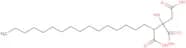
CAS:Organic tricarboxylic acid; inducer of MPT
Formula:C22H40O7Purity:Min. 95%Color and Shape:PowderMolecular weight:416.55 g/molDibutyl Squarate
CAS:Dibutyl squarate is a new experimental drug that has been shown to have potential in the treatment of autoimmune diseases. Dibutyl squarate is also effective for treating infectious diseases, such as HIV and tuberculosis. The drug has been shown to work by blocking the apoptosis pathway, which prevents the release of pro-inflammatory cytokines. This drug also inhibits the synthesis of chemoattractant proteins, which are important for recruiting cells to the site of infection or injury. In addition, dibutyl squarate blocks cancer cell proliferation and can be used in combination therapy groups. Dibutyl squarate has also been shown to reduce alopecia in mice by inhibiting hair loss caused by inflammation.
Formula:C12H18O4Purity:Min. 96.0 Area-%Color and Shape:Slightly Yellow Clear LiquidMolecular weight:226.27 g/molβ-Glycerophosphate, disodium salt pentahydrate, max. 2% α
CAS:Beta-Glycerophosphate, Disodium Salt Pentahydrate is a complex compound that is used as a reagent, useful intermediate, and fine chemical. It is also useful as a scaffold or building block for the synthesis of organic compounds. Beta-glycerophosphate has CAS No. 13408-09-8 and is classified as a speciality chemical. This compound can be used in research and development for versatile building blocks and reaction components to synthesize organic compounds.Formula:C3H17Na2O11PMolecular weight:306.12 g/molRef: 3D-G-4200
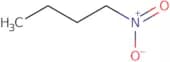
1kgTo inquire100gTo inquire250gTo inquire500gTo inquire2500gTo inquire-Unit-kgkgTo inquire1-Nitrobutane
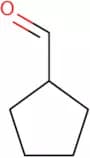
CAS:1-Nitrobutane is an organic compound with the chemical formula CH3NO2. It is a colorless liquid that is soluble in water and insoluble in ether. 1-Nitrobutane can react with hydroxyl groups to form nitroalkanes and it has been used as a reaction product for kinetic measurements of hydroxyl group concentration. The reaction mechanism of 1-nitrobutane is not completely known, but it has been proposed that the hydroxyl group reacts with the nitro group by nucleophilic substitution. 1-Nitrobutane can be used as a reagent for chromatography because it absorbs ultraviolet radiation and emits photoelectrons, which can be detected by covid-19 detectors. 1-Nitrobutane also has been shown to have antiviral properties against pandemic influenza A virus (H1N1) in cultured cells and rat liver microsomes.Formula:C4H9NO2Purity:Min. 95%Color and Shape:PowderMolecular weight:103.12 g/molCyclopentanecarbaldehyde
CAS:Cyclopentanecarbaldehyde is a reactive molecule that is used as a ligand in coordination chemistry. It has been shown to bind to the toll-like receptor and may be useful for treating autoimmune diseases. Cyclopentanecarbaldehyde binds with nitrogen atoms in the active site of chelate ligands, which can cause changes in coordination geometry. This reaction mechanism is similar to that of other heterocycles such as 2-picolylhydrazine and 4-picolylhydrazine, which have been shown to be effective in treating Parkinson's disease.
Formula:C6H10OPurity:Min. 95%Color and Shape:Colorless Yellow Clear LiquidMolecular weight:98.14 g/mol2-(4-Benzyloxyphenyl)ethanol
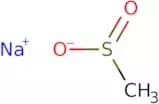
CAS:2-(4-Benzyloxyphenyl)ethanol is an organic compound that has a particle size of less than 10 μm and is soluble in water. It is used as a reaction system for the production of tannins, which are polyphenolic compounds that have antioxidant properties. 2-(4-Benzyloxyphenyl)ethanol also inhibits maltase activity and metal ion-induced allylic oxidation. This compound can be used to inhibit fatty acid synthesis, which is important for the prevention of atherosclerosis and other cardiovascular diseases.Formula:C15H16O2Purity:Min. 95%Color and Shape:PowderMolecular weight:228.29 g/molMethanesulfinic acid sodium salt
CAS:Methanesulfinic acid sodium salt (MSAS) is a chemical compound that inhibits the growth of bacteria by inhibiting the synthesis of proteins. It is used as an antimicrobial agent in plant physiology and has been shown to be effective against infectious diseases including HIV infection. MSAS inhibits protein synthesis by binding to the hydroxyl group of a substrate molecule, which is required for amino acid formation. This inhibitory effect leads to a decrease in the production of proteins vital for cell division. Inhibiting protein synthesis also prevents the production of enzymes needed for metabolism, leading to metabolic disorders.Formula:CH3O2S·NaPurity:Min. 95%Color and Shape:PowderMolecular weight:102.09 g/molOctyl isocyanate
CAS:Octyl isocyanate is a non-steroidal anti-inflammatory drug that belongs to the class of isocyanates. The biological activity of octyl isocyanate has been studied extensively, and it has been shown to inhibit the polymerase chain reaction (PCR). Octyl isocyanate also inhibits the growth of bacteria in vitro through metal chelation and polymyxin B., which are antibiotics that bind metal ions and disrupt bacterial cell membranes. Octyl isocyanate has been shown to be reactive in vivo, leading to autophagy and necrosis.Formula:C9H17NOPurity:Min. 97 Area-%Color and Shape:Clear LiquidMolecular weight:155.24 g/mol4-Acetoxystyrene Stabilized with TB
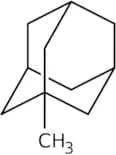
CAS:Stabilised with TBFormula:C10H10O2Molecular weight:162.19 g/mol1-Methyl adamantane
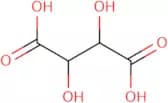
CAS:1-Methyl adamantane is a molecule that is used in the chemical industry. It can be synthesized from 1,3-butadiene, which is obtained from petroleum or coal tar. The molecule has been shown to have anti-inflammatory properties and can be used for the treatment of autoimmune diseases, such as multiple sclerosis and rheumatoid arthritis. This compound has also shown potential as a therapeutic agent for inflammatory diseases like Crohn's disease and ulcerative colitis. The mechanism of action of 1-methyl adamantane may be due to its ability to inhibit the production of inflammatory cytokines such as tumor necrosis factor alpha (TNFα), interleukin-1 beta (IL-1β), and IL-6. This inhibition occurs when 1-methyl adamantane binds to the enzyme cyclooxygenase (COX).Formula:C11H18Purity:Min. 95%Color and Shape:White PowderMolecular weight:150.26 g/molDL-Tartaric acid
CAS:DL-Tartaric acid is a calcium salt of tartaric acid. It is used as a standard in the analysis of total calcium and tartaric acid content in beverages, wines, foodstuffs, and pharmaceuticals. DL-Tartaric acid can be used to prepare standard solutions for the determination of benzalkonium chloride and other natural compounds by chromatographic methods. The rate constants for the reaction between DL-tartaric acid and calcium pantothenate have been determined by electrochemical impedance spectroscopy. The fluorescence intensity of chemiluminescent reactions with DL-tartaric acid has been found to be proportional to the concentration of tartrate ions in solution. X-ray diffraction data confirm that DL-tartaric acid is an orthorhombic crystal system with space group P2/c.
Formula:C4H6O6Color and Shape:White PowderMolecular weight:150.09 g/mol1,4-Cyclohexanedione monoethlylene acetal
CAS:1,4-Cyclohexanedione monoethlylene acetal is a hydrochloric acid analog of pyrazole. It has been shown to bind selectively to serotonin receptors in the central nervous system and is used as an anti-inflammatory drug. 1,4-Cyclohexanedione monoethlylene acetal has a stereoselective profile that can be used for the treatment of inflammatory diseases. It has also been shown to have immunosuppressant properties, which may be due to its ability to inhibit T-cell proliferation and cytokine production.Formula:C8H12O3Purity:Min. 95%Color and Shape:White PowderMolecular weight:156.18 g/mol6-Mercapto-1-hexanol
CAS:6-Mercapto-1-hexanol is a redox active molecule that has been shown to be a potent inhibitor of human immunodeficiency virus type 1 reverse transcriptase. It has also been shown to inhibit the polymerase chain reaction and transfer reactions, including those mediated by DNA-dependent RNA polymerase. 6-Mercapto-1-hexanol can be detected with high sensitivity in human serum, which is its main application for the diagnosis of HIV infection. This compound reacts with molecular oxygen to form superoxide radicals, which are responsible for its redox potential. The rate constant for this reaction has been shown to be dependent on pH and temperature. 6-Mercapto-1-hexanol can also form stable complexes with proteins such as albumin or human immunoglobulin G (IgG). These complexes have been shown to exhibit electrochemical impedance spectroscopy activity at low concentrations and chemical stability in biological media.Formula:C6H14OSPurity:Min. 96%Color and Shape:Clear LiquidMolecular weight:134.24 g/mol10-Amino-1-decanol
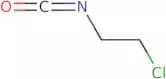
CAS:10-Amino-1-decanol is a synthetic compound that has been shown to be neuroprotective and estrogenic. It also inhibits the growth of MCF-7 cells by interacting with the cell's signalling pathways. This molecule was synthesized by ozonides and contains ether linkages, which may be responsible for its inhibitory activity. The molecular modelling of this molecule shows that it contains an iron chelating group, which may be responsible for its ability to interact with other molecules containing iron. 10-Amino-1-decanol interacts with proteins in a similar way to tamoxifen, inhibiting their activity.Formula:C10H23NOPurity:Min. 95%Color and Shape:White PowderMolecular weight:173.3 g/mol2-Chloroethyl isocyanate
CAS:Inhibitor of DNA repair mechanisms
Formula:C3H4ClNOPurity:Min. 98%Color and Shape:Colorless Clear LiquidMolecular weight:105.52 g/molDipropyl ether
CAS:Dipropyl ether is a reagent that is used in organic synthesis as a reaction component or building block for the preparation of complex compounds. It is also known to be an intermediate in the production of propylene oxide, which is used in the production of polyurethane. Dipropyl ether has been shown to be useful as a research chemical and speciality chemical. This compound has CAS number 111-43-3 and can be prepared by reacting diethyl ether with propene, acetone, or chloroform.
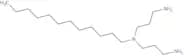
Formula:C4H9NO2SMolecular weight:135.19 g/molN-(3-Aminopropyl)-N-dodecylpropane-1,3-diamine
CAS:N-(3-Aminopropyl)-n-dodecylpropane-1,3-diamine, also called N,N-bis(3-aminopropyl)dodecylamine and laurylamine dipropylenediamine, is dodecylamine substituted with 2 propylamine units. Laurylamine dipropylenediamine is a non-ionic surfactant, antimicrobial agent, preservative, emulsifying agent, dispersing agent, corrosion inhibitor and an anti-static agent used in hair products.Formula:C18H41N3Purity:(¹H-Nmr) Min. 85 Area-%Color and Shape:Colorless Clear LiquidMolecular weight:299.54 g/mol2-Adamantanone
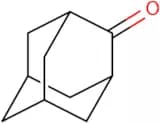
CAS:2-Adamantanone is a chemical compound that belongs to the group of p2-adamantanes. It has been shown to have acute toxicities in rats and mice, as well as a high reactivity with water vapor. 2-Adamantanone is used as an oxidation catalyst in organic synthesis reactions and has biological properties that are related to its inhibitory effects on acetylcholinesterase. This compound also reacts readily with malonic acid and fatty acid, which may be due to steric interactions between the two molecules. 2-Adamantanone is also shown to have chemiluminescent activity, which can be used for the detection of trifluoroacetic acid (TFA) in vitro. It is also active against fungus cells when combined with hydroxyl groups, such as those found in fatty acids.Formula:C10H14OPurity:Min. 95%Color and Shape:White PowderMolecular weight:150.22 g/mol1-Butene-3,4-diol
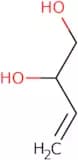
CAS:1-Butene-3,4-diol is a reactive compound that is used in analytical methods. It can be synthesized by an asymmetric synthesis from 1,2-butanediol. This product has been shown to inhibit aminotransferase activity in rat liver microsomes and to be metabolized through the cytochrome P450 system. 1-Butene-3,4-diol also inhibits polymerase chain reactions and is reactive with hydrochloric acid. It may cause fatty acid metabolism and hydroxyl group formation.Formula:C4H8O2Purity:Min. 95%Color and Shape:Colorless Clear LiquidMolecular weight:88.11 g/mol6-Bromo-1-hexanol
CAS:6-Bromo-1-hexanol is an azobenzene polymer film that is used in the manufacture of a number of pharmaceuticals. The polymer has been shown to have a broad spectrum of activity against bacteria and fungi, including human maltase glucoamylase, which is found in the gut. The polymers are prepared by reacting sodium salts with maleate, hydroxyl group, and x-ray crystal structures. 6-Bromo-1-hexanol has been shown to have good optical properties and can be used as a sample preparation material for x-ray diffraction studies. It also has a high chloride ion content and acts as a halide donor in cell culture experiments. This polymer also fluoresces under UV light.!--Formula:C6H13BrOPurity:Min. 97 Area-%Color and Shape:Colorless Clear LiquidMolecular weight:181.07 g/mol1,3-Dibromoadamantane
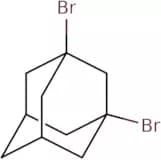
CAS:1,3-Dibromoadamantane is an organic compound that belongs to the group of organobromides. It has a chemical structure with three bromine atoms and one carbon atom, which are bonded to each other in a triangle shape. 1,3-Dibromoadamantane is soluble in solvents such as water and methanol. The reaction yield of 1,3-dibromoadamantane is 100% when it reacts with hydrochloric acid as the catalyst under optimal conditions. The reaction also occurs at a high temperature (100 degrees Celsius) and releases energy efficiently. 1,3-Dibromoadamantane can be used as a substrate molecule for the Suzuki coupling reaction. The coordination chemistry of 1,3-dibromoadamantane involves the formation of a square planar complex with copper ions and ammonia molecules to form copper(I) ammine complexes, which are then able to bindFormula:C10H14Br2Purity:Min. 95%Color and Shape:PowderMolecular weight:294.03 g/mol1-Amino-1-cyclopropanecarboxylic acid
CAS:1-Amino-1-cyclopropanecarboxylic acid (ACC) is a precursor of ethylene, which is a plant hormone that regulates many aspects of plant growth and development. ACC can be converted to ethylene by the enzyme ACC synthase. The conversion of ACC to ethylene is facilitated by the enzymes ACC oxidase and ACC deaminase. Ethylene has been shown to regulate the expression of genes involved in photosynthesis, protein synthesis, and other metabolic pathways. Ethylene also modulates physiological processes such as fruit ripening, leaf senescence, and stomatal closure. This molecule participates in a variety of biological reactions including receptor activity and protein degradation via ubiquitin ligases. It also regulates calcium levels in cells through its role in signal transduction pathways.
Formula:C4H7NO2Purity:Min. 95%Color and Shape:PowderMolecular weight:101.1 g/mol(+)-Diacetyl-D-tartaric acid
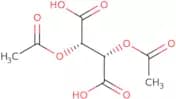
CAS:(+)-Diacetyl-D-tartaric acid is a chiral organic compound that is soluble in organic solvents. It can be used as a catalyst for the asymmetric synthesis of organic compounds and has been shown to cleave bonds with high stereoselectivity. (+)-Diacetyl-D-tartaric acid also exhibits mesomorphic properties, meaning it changes from liquid to solid and vice versa at certain temperatures. The optical activity of this compound can be seen by its magnetic resonance spectrum, which displays two peaks at different wavelengths. This molecule has been shown to have potential uses in microscopy, as well as for the preparation of monomers for magnetic materials.Formula:C8H10O8Purity:Min. 95%Color and Shape:White PowderMolecular weight:234.16 g/mol4-Bromo-1-butene
CAS:4-Bromo-1-butene is a colorless liquid with a boiling point of 102°C. It is soluble in ethanol, acetone, and chloroform. 4-Bromo-1-butene undergoes an acid-catalyzed phase transition to the solid form at temperatures below its melting point. 4-Bromobutene can be synthesized by reacting ethyl bromide with 1-butene in the presence of a catalyst such as copper or silver oxide. The kinetic energy of the reaction is determined by measuring the rate of evolution of hydrogen bromide gas from the reaction mixture. The β-unsaturated ketone reacts with dimethyl fumarate in the presence of sodium hydroxide to produce 4-bromobutene and 2,2'-difluoroethanol. This product has been shown to have IR spectra similar to those for other products containing a hydroxyl group such as phenol andFormula:C4H7BrPurity:Min. 95%Color and Shape:Colorless Clear LiquidMolecular weight:135 g/mol1,2-Dioleoyl-sn-glycerol
CAS:1,2-Dioleoyl-sn-glycerol is a lipid molecule that contains an acyl chain of carbon atoms with two double bonds. It is formed through the union of glycerol and oleic acid. 1,2-Dioleoyl-sn-glycerol has been shown to activate diacylglycerol and fatty acid, which are important for cell signaling. The enzyme activity of 1,2-dioleoyl-sn-glycerol is dependent on its concentration in the body. This molecule also interacts with membranes by hydrogen bonding and can form a hydrophobic region that may be used to stabilize membrane structures.Formula:C39H72O5Purity:Min. 95%Color and Shape:LiquidMolecular weight:620.99 g/molACES
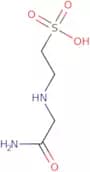
CAS:ACES, also known as N-(2-Acetamido)-2-aminoethanesulfonic acid, is an acetamido buffer that is used in culture media and protein extractions. It also forms metal complexes and has an optimal pH range of 6.1-7.5 and a pKa of 6.78.Formula:C4H10N2O4SPurity:Min. 95%Color and Shape:White PowderMolecular weight:182.2 g/mol1-Nonanol
CAS:1-Nonanol is a colorless liquid with a pleasant odor. It can be synthesized from methyl pentanoate by the asymmetric addition of an inorganic acid to the ester hydrochloride. This process results in a mixture of 1-nonanol and its isomer 2-nonanol, which can be separated using an analytical method such as gas chromatography. 1-Nonanol has been shown to have high transport properties, making it useful for detergent compositions. It has also been shown to exhibit strong hydrogen bonding abilities that may contribute to its adsorption mechanism.Formula:C9H20OPurity:Min. 95%Color and Shape:Colorless Clear LiquidMolecular weight:144.25 g/molcis-4,7,10,13,16,19-Docosahexaenoic acid
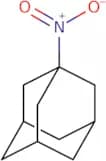
CAS:cis-4,7,10,13,16,19-Docosahexaenoic acid (also known as DHA or cervonic acid) is one of the omega-3 fatty acids (a group of highly unsaturated fatty acids). As for most omega-3 fatty acids, good sources of DHA include fish oils and other seafoods. DHA plays a key role in human brain development and function and is also found in high concentration in the retina, central nervous system and skin. As such DHA is a key nutrient which is widely used as a dietary supplement, particularly for infants and pregnant women, with its potential health benefits currently being investigated across a number of different disease areas.Formula:C22H32O2Purity:Min. 80 Area-%Color and Shape:Yellow Clear LiquidMolecular weight:328.49 g/mol1-Nitroadamantane
CAS:1-Nitroadamantane is a metal-free catalyst that oxidizes organic compounds in the presence of water. It is synthesized using the following method: 1) The reaction of carbon monoxide with nitric acid produces nitrous acid, which reacts with a fatty acid to yield 1-nitroadamantane. 2) This product can be obtained from trifluoroacetic acid and hydrogen fluoride. 3) This product can also be prepared by reacting diphenyl ether with an acylurea.
Formula:C10H15NO2Purity:Min. 95%Color and Shape:White PowderMolecular weight:181.23 g/mol10-Undecen-1-ol
CAS:10-Undecen-1-ol is a fatty acid with a hydroxyl group at the 10th position. It has strong intermolecular hydrogen bonding and reacts to form esters and ethers. 10-Undecen-1-ol is used as a multi-walled carbon for wastewater treatment, which removes organic contaminants. This compound also has a high degree of chemical stability, which makes it suitable for use in anhydrous sodium synthesis methods.
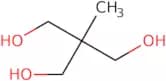
Formula:C11H22OPurity:Min. 98%Color and Shape:Colorless Clear LiquidMolecular weight:170.29 g/mol1,1,1-Tris(hydroxymethyl)ethane
CAS:1,1,1-Tris(hydroxymethyl)ethane is a liquid that can be used in the treatment of wastewater. It is a non-ionic surfactant that reacts with metal hydroxides to form insoluble salts. 1,1,1-Tris(hydroxymethyl)ethane has been shown to have a light emission property at room temperature and below. The structure of 1,1,1-Tris(hydroxymethyl)ethane has been determined using spectroscopic analysis and chemical synthesis. Hypoglycemic effects have been demonstrated in mice fed a high-fat diet supplemented with 1,1,1-Tris(hydroxymethyl)ethane as well as in rats fed an experimental diet containing this compound.Formula:C5H12O3Purity:Min. 95 Area-%Color and Shape:White Off-White PowderMolecular weight:120.15 g/mol4-Anisylchlorodiphenylmethane
CAS:4-Anisylchlorodiphenylmethane is a trifluoroacetic acid derivative of diphenyl sulfoxide. It is activated by hydrochloric acid and hydrogen chloride to form the corresponding anisyl chlorodiphenylmethane chloride. This compound has a high resistance to nucleophilic attack, with a reaction solution that is resistant to nucleophiles such as water, amines, alcohols, and carboxylic acids. 4-Anisylchlorodiphenylmethane can be synthesized from uridine and acetic acid in the presence of diphenyl sulfoxide and a base. The reaction is then heated at reflux for 24 hours. 4-Anisylchlorodiphenylmethane binds to DNA as well as RNA templates in vitro and can be used for linear regression analysis of DNA sequences. It also has inhibitory effects on cell growth in culture.Formula:C20H17ClOPurity:Min. 95%Color and Shape:White PowderMolecular weight:308.8 g/moltert-Butylisocyanate
CAS:Tert-butylisocyanate is a reactive chemical that contains a carboxylate group. It is an ester hydrochloride that can be synthesized by reacting trifluoroacetic acid with molybdenum trioxide. This compound has been studied using X-ray crystal structures and the intramolecular hydrogen transfer reaction between two nitrogen atoms in the molecule. Tert-butylisocyanate is stable in solution because it does not react with water or alkalis, but does react with sodium carbonate, forming sodium cyanate and tetrabutylammonium hydroxide. Tert-butylisocyanate reacts with inorganic acids such as sulfuric acid to form its corresponding salts. The chelate ligand of tert-butylisocyanate prevents it from reacting with transition metals such as copper and iron, but will react with zinc metal.Formula:C5H9NOPurity:Min. 98 Area-%Color and Shape:Colorless Clear LiquidMolecular weight:99.13 g/mol11-Mercaptoundecanoic acid
CAS:11-Mercaptoundecanoic acid (11MUA) is a fluorescence probe that reacts with the amide group of proteins. It has been used to study HIV-1 infection and the early stages of human immunodeficiency virus (HIV) replication. 11MUA can be detected by fluorescence spectrometry and gives a strong, selective signal in human serum. This compound is also used as a model system for studying protease activity and electrochemical impedance spectroscopy. 11MUA is stable in solution and can be detected at very low levels, making it an excellent probe for protein degradation studies. The reaction solution containing 11MUA can be prepared using trifluoroacetic acid (TFA), which facilitates the formation of esters from carboxylic acids, or by adding TFA to an acyl chloride derivative of 11-mercaptoundecanoic acid.Formula:C11H22O2SPurity:Min. 95%Color and Shape:White PowderMolecular weight:218.36 g/mol



![(2E)-1-{[1,1'-biphenyl]-4-yl}-3-(2-chlorophenyl)prop-2-en-1-one](/_next/image/?url=https%3A%2Fstatic.cymitquimica.com%2Fproducts%2F10%2Fthumb-webp%2FF524222.webp&w=3840&q=75)
![2-[(E)-2-nitrovinyl]dibenzo[b,d]furan](/_next/image/?url=https%3A%2Fstatic.cymitquimica.com%2Fproducts%2F10%2Fthumb-webp%2FF373487.webp&w=3840&q=75)
![tert-butyl 4-[2-cyano-3-(dimethylamino)prop-2-enoyl]piperazine-1-carboxylate](/_next/image/?url=https%3A%2Fstatic.cymitquimica.com%2Fproducts%2F10%2Fthumb-webp%2FF518026.webp&w=3840&q=75)

![(2E)-1-(4-Methylphenyl)-3-{4-[(1E)-3-(4-methylphenyl)-3-oxoprop-1-en-1-yl]phenyl}prop-2-en-1-one](/_next/image/?url=https%3A%2Fstatic.cymitquimica.com%2Fproducts%2F10%2Fthumb-webp%2FF183298.webp&w=3840&q=75)
![(2E)-1-{[1,1'-biphenyl]-4-yl}-3-(2-fluorophenyl)prop-2-en-1-one](/_next/image/?url=https%3A%2Fstatic.cymitquimica.com%2Fproducts%2F10%2Fthumb-webp%2FF524227.webp&w=3840&q=75)
![(2E)-1-{[1,1'-biphenyl]-4-yl}-3-(4-bromophenyl)prop-2-en-1-one](/_next/image/?url=https%3A%2Fstatic.cymitquimica.com%2Fproducts%2F10%2Fthumb-webp%2FF524245.webp&w=3840&q=75)
![(2E)-3-[4-(benzyloxy)phenyl]-1-(3,4-dichlorophenyl)prop-2-en-1-one](/_next/image/?url=https%3A%2Fstatic.cymitquimica.com%2Fproducts%2F10%2Fthumb-webp%2FF524051.webp&w=3840&q=75)

![[(oxiran-2-yl)methyl]bis(prop-2-en-1-yl)amine](/_next/image/?url=https%3A%2Fstatic.cymitquimica.com%2Fproducts%2F10%2Fthumb-webp%2FF522623.webp&w=3840&q=75)
![(2E)-1-{[1,1'-biphenyl]-4-yl}-3-(4-methylphenyl)prop-2-en-1-one](/_next/image/?url=https%3A%2Fstatic.cymitquimica.com%2Fproducts%2F10%2Fthumb-webp%2FF524224.webp&w=3840&q=75)
![1-methyl-3-[(prop-2-en-1-yl)amino]pyrrolidin-2-one](/_next/image/?url=https%3A%2Fstatic.cymitquimica.com%2Fproducts%2F10%2Fthumb-webp%2FF515201.webp&w=3840&q=75)

![(3R,7AR)-3-(1,1-DIMETHYLETHYL)-7A-ETHENYLDIHYDRO-1H,3H-PYRROLO[1,2-C]OXAZOLE-1,5(6H)-DIONE](/_next/image/?url=https%3A%2Fstatic.cymitquimica.com%2Fproducts%2F10%2Fthumb-webp%2FF502975.webp&w=3840&q=75)

![(3R,3aR,6R,6aR)-3,6-Bis(allyloxy)hexahydrofuro[3,2-b]furan](/_next/image/?url=https%3A%2Fstatic.cymitquimica.com%2Fproducts%2F10%2Fthumb-webp%2FF516515.webp&w=3840&q=75)

![(2E)-3-[4-(benzyloxy)phenyl]-1-(2,4-dichlorophenyl)prop-2-en-1-one](/_next/image/?url=https%3A%2Fstatic.cymitquimica.com%2Fproducts%2F10%2Fthumb-webp%2FF523572.webp&w=3840&q=75)


![(E)-1-(1H-benzo[d][1,2,3]triazol-1-yl)-3-(furan-2-yl)prop-2-en-1-one](/_next/image/?url=https%3A%2Fstatic.cymitquimica.com%2Fproducts%2F10%2Fthumb-webp%2FF754035.webp&w=3840&q=75)
![2-Propenamide, N-[4-[(3-chloro-4-fluorophenyl)amino]-7-[3-(4-morpholinyl)propoxy]-6-quinazolinyl]-…](/_next/image/?url=https%3A%2Fstatic.cymitquimica.com%2Fproducts%2F10%2Fthumb-webp%2FF862305.webp&w=3840&q=75)