Building Blocks
This section contains fundamental products for the synthesis of organic and biological compounds. Building blocks are the essential starting materials used to construct complex molecules through various chemical reactions. They play a critical role in drug discovery, material science, and chemical research. At CymitQuimica, we offer a diverse range of high-quality building blocks to support your innovative research and industrial projects, ensuring you have the essential components for successful synthesis.
Subcategories of "Building Blocks"
- Boronic Acids & Boronic Acid Derivatives(5,756 products)
- Chiral Building Blocks(1,242 products)
- Hydrocarbon Building Blocks(6,095 products)
- Organic Building Blocks(61,038 products)
Found 196817 products of "Building Blocks"
Sort by
Purity (%)
0
100
|
0
|
50
|
90
|
95
|
100
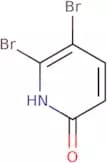
5,6-Dibromopyridin-2-ol
CAS:<p>Versatile small molecule scaffold</p>Formula:C5H3Br2NOPurity:Min. 95%Molecular weight:252.89 g/molFmoc-Dap(Ac)-OH
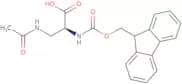
CAS:<p>Fmoc-Dap(Ac)-OH is a fine chemical that is used as a building block in the synthesis of complex compounds. It reacts with various nucleophiles to form an amide bond, and has been shown to be useful for both research and industrial applications. Fmoc-Dap(Ac)-OH can also be used as a reagent to synthesize peptides, which are biologically active compounds that form the basis of many drugs. This versatile intermediate is also used as a scaffold in the construction of more complex molecules. Fmoc-Dap(Ac)-OH has CAS No. 181952-29-4 and is classified as a speciality chemical by the International Union of Pure and Applied Chemistry (IUPAC).</p>Formula:C20H20N2O5Purity:Min. 95%Color and Shape:PowderMolecular weight:368.38 g/molMethyl 2-cyano-5-fluorobenzoate
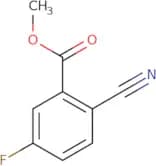
CAS:<p>Versatile small molecule scaffold</p>Formula:C9H6FNO2Purity:Min. 95%Molecular weight:179.15 g/mol(2-Methyl-4-pyrimidinyl)methanol
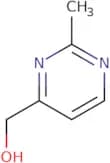
CAS:<p>Versatile small molecule scaffold</p>Formula:C6H8N2OPurity:Min. 95%Molecular weight:124.14 g/moltert-Butyl 7-bromoheptanoate
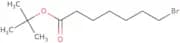
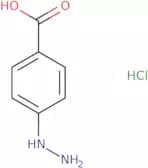
CAS:<p>Versatile small molecule scaffold</p>Formula:C11H21BrO2Purity:Min. 95%Molecular weight:265.19 g/mol4-Hydrazinobenzoic acid hydrochloride
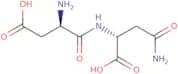
CAS:<p>4-Hydrazinobenzoic acid hydrochloride is a chemical species that has an oxidative effect on DNA. It is a reactive oxygen species (ROS) that changes the hydrogen spectrum of water. The hydrogen bond is broken and the electrons in the molecule are excited to a higher energy level, which results in ROS formation. 4-Hydrazinobenzoic acid hydrochloride also inhibits mitochondrial function and causes heart disease by increasing blood pressure and weakening the heart muscle. This compound can be used as a cancer treatment for human cells, because it suppresses genes that promote cell growth. In addition, 4-hydrazinobenzoic acid hydrochloride may inhibit endothelial cell proliferation in animal experiments.</p>Formula:C7H8N2O2•HClPurity:Min. 95%Color and Shape:PowderMolecular weight:188.61 g/molH-D-ASN-L-ASP-OH
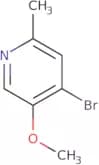
<p>Please enquire for more information about H-D-ASN-L-ASP-OH including the price, delivery time and more detailed product information at the technical inquiry form on this page</p>Purity:Min. 95%Color and Shape:Powder4-Bromo-5-methoxy-2-methylpyridine
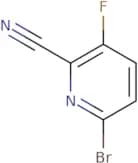
CAS:<p>Versatile small molecule scaffold</p>Formula:C7H8BrNOPurity:Min. 95%Molecular weight:202.05 g/mol6-Bromo-3-fluoropyridine-2-carbonitrile
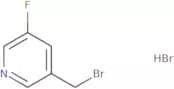
CAS:<p>Versatile small molecule scaffold</p>Formula:C6H2N2FBrPurity:Min. 95%Molecular weight:200.99 g/mol3-(bromomethyl)-5-fluoropyridine hbr
CAS:<p>Versatile small molecule scaffold</p>Formula:C6H6Br2FNPurity:Min. 95%Molecular weight:270.93 g/molMethyl 3-chloropropionate
CAS:<p>Methyl 3-chloropropionate is an alkyl ether that has been used in clinical studies as a liquid phase ion-pair extraction solvent. It was developed to replace the use of hexane, which is not environmentally friendly and can also cause irritation. Methyl 3-chloropropionate has been shown to have a higher viscosity than hexane at room temperature and is less likely to evaporate than hexane. Methyl 3-chloropropionate has also been used as a synthetic process solvent, with the reaction time being shorter than that of hexane. This compound can be used for chromatography without any effect on the solute or the stationary phase. Methyl 3-chloropropionate has also been shown to be effective in lipase and agarose gel assays, as well as chloride ion extraction from water samples.</p>Formula:C4H7ClO2Purity:Min. 95%Color and Shape:Clear LiquidMolecular weight:122.55 g/mol2,4,6-Trichloropyrimidine
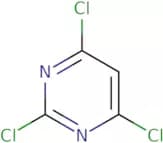
CAS:<p>2,4,6-Trichloropyrimidine is an antimicrobial agent that belongs to the chemical class of pyrimidine compounds. It inhibits bacterial growth by cross-linking with amino acids and nucleic acids in the cell wall, thereby inhibiting protein synthesis. 2,4,6-Trichloropyrimidine is also a cross-linking agent for polymers such as polyurethane and vinyl chloride. This compound has been shown to be effective against P. aeruginosa and other bacteria that are resistant to antibiotics. 2,4,6-Trichloropyrimidine reacts with water vapor or oxygen nucleophiles to form hydrogen chloride and amine groups. These reactions can be used for identification of this compound in the laboratory.</p>Formula:C4HCl3N2Purity:Min. 95%Color and Shape:PowderMolecular weight:183.42 g/mol2-(tert-Butyl)-5-chloroisothiazol-3(2H)-one
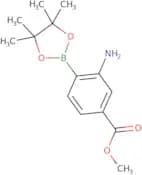
CAS:<p>Versatile small molecule scaffold</p>Formula:C7H10ClNOSPurity:Min. 95%Molecular weight:191.68 g/molMethyl 3-amino-4-(tetramethyl-1,3,2-dioxaborolan-2-yl)benzoate
CAS:<p>Versatile small molecule scaffold</p>Formula:C14H20BNO4Purity:Min. 95%Molecular weight:277.13 g/molCASIN
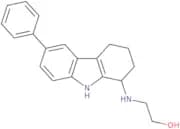
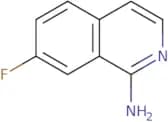
CAS:<p>CASIN is a lysine-derived antimicrobial agent that inhibits the growth of bacteria by binding to the peptide chains of collagen, which are found in skin and mucous membranes. CASIN has been shown to inhibit the growth of many bacterial species, including those that are resistant to other antibiotics. CASIN can be used for the treatment of infectious diseases caused by bacteria, such as bacterial vaginosis or chlamydia. CASIN has also been shown to reduce body mass index in animal models. The mechanism of action is not known but may involve interference with an enzyme that controls the biosynthesis of fatty acids. The use of CASIN in humans is limited due to its toxicity on human cells and potential safety concerns.</p>Formula:C20H22N2OPurity:Min. 95%Molecular weight:306.4 g/mol7-Fluoroisoquinolin-1-amine
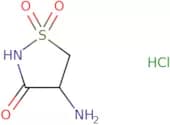
CAS:<p>Versatile small molecule scaffold</p>Formula:C9H7FN2Purity:Min. 95%Molecular weight:162.16 g/mol4-Amino-3-isothiazolidinone 1,1-dioxide hydrochloride
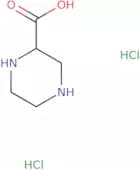
CAS:Versatile small molecule scaffoldFormula:C3H7ClN2O3SPurity:Min. 95%Molecular weight:186.62 g/molPiperazine-2-carboxylic acid dihydrochloride
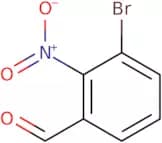
CAS:<p>Piperazine-2-carboxylic acid dihydrochloride (PZC) is an aminopyrimidine antibiotic that binds to the amine groups of plasma proteins and hydroxyapatite. It has been shown to have a specific interaction with Gram-negative bacteria, such as Escherichia coli and Salmonella typhimurium, as well as cancer cells. PZC can be used as a modifier in the treatment of staphylococcal infections and has been shown to inhibit protein synthesis in mammalian cells. PZC interacts with histidine residues on the surface of bacterial cells and inhibits their growth by binding to sites on DNA called triplexes. This drug also specifically binds to primary amines and reacts with other molecules containing amines such as polyamines, amides, or thiols.</p>Formula:C5H12Cl2N2O2Purity:Min. 95%Color and Shape:PowderMolecular weight:203.07 g/mol3-Bromo-2-nitrobenzaldehyde
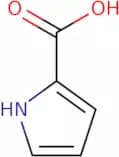
CAS:<p>3-Bromo-2-nitrobenzaldehyde is an organic chemical compound used in the synthesis of other chemical compounds. It is a colorless liquid that can be easily synthesized using potassium permanganate, tetrahydrofuran, acetone and hydrochloric acid. The chemical reaction is carried out by reacting potassium permanganate with hydrochloric acid to form potassium chloride and manganese dioxide. The manganese dioxide then reacts with acetone to produce 3-bromo-2-nitrobenzaldehyde. This synthetic method for producing 3-bromo-2-nitrobenzaldehyde uses less hazardous chemicals than the traditional method.</p>Formula:C7H4BrNO3Purity:Min. 95%Molecular weight:230.02 g/molPyrrole-2-carboxylic acid
CAS:<p>Pyrrole-2-carboxylic acid is a polycyclic aromatic compound that can be found in coal tar. It has been shown to have anti-inflammatory, antiallergic, and antifungal properties. Pyrrole-2-carboxylic acid is produced by the human body as an intermediate in the metabolism of tryptophan. This compound can also be synthesized and used to treat chronic bronchitis, which is caused by excessive mucus production and inflammation of the airways. The reaction mechanism for pyrrole-2-carboxylic acid is similar to that of other drugs that are used in respiratory therapy, such as aminophylline or acetylcysteine.</p>Formula:C5H5NO2Purity:Min. 95%Molecular weight:111.1 g/molPotassium (cyclopropylmethyl)trifluoroborate
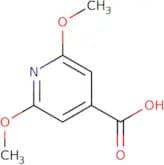
CAS:<p>Versatile small molecule scaffold</p>Formula:C4H7BF3KPurity:Min. 95%Molecular weight:162 g/mol2,6-Dimethoxyisonicotinic acid
CAS:<p>2,6-Dimethoxyisonicotinic acid is a cytotoxic agent that is structurally related to colchicine and combretastatin A-4. It has been shown to induce apoptosis in cancer cells by inhibiting the polymerization of tubulin. This drug also inhibits the proliferation of cancer cells by binding to DNA and disrupting the synthesis of proteins necessary for cell division. The inhibitory effect on protein synthesis may be due to its ability to inhibit the activity of RNA polymerase II and III, which are essential for transcription. 2,6-Dimethoxyisonicotinic acid also induces an anticancer effect through its ability to bind to phenolic moieties and inhibit the growth of cancer cells.</p>Formula:C8H9NO4Purity:Min. 95%Molecular weight:183.16 g/mol8-Quinolinesulfonyl chloride
CAS:<p>8-Quinolinesulfonyl chloride (8QSC) is a quinoline derivative that has been shown to have anticancer activity. 8QSC binds to the receptor site of cells and inhibits the production of amines, which are important for cell growth and proliferation. It also binds to hydrogen bonds, which may be involved in the cytotoxicity observed in pancreatic cancer cells. 8QSC shows significant cytotoxicity against Panc-1 cells, but not against NIH 3T3 cells. This may be due to its ability to form supramolecular aggregates with copper ions and quinoline derivatives.</p>Purity:Min. 95%tert-Butyl 3-(piperidin-3-yl)azetidine-1-carboxylate
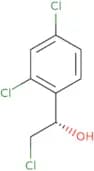
CAS:<p>Versatile small molecule scaffold</p>Formula:C13H24N2O2Purity:Min. 95%Molecular weight:240.35 g/mol(S)-2,4-Dichloro-±-(chloromethyl)benzyl Alcohol
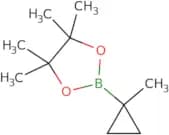
CAS:<p>Versatile small molecule scaffold</p>Formula:C8H7Cl3OPurity:Min. 95%Molecular weight:225.49 g/mol4,4,5,5-Tetramethyl-2-(1-methylcyclopropyl)-1,3,2-dioxaborolane
CAS:<p>Versatile small molecule scaffold</p>Formula:C10H19BO2Purity:Min. 95%Molecular weight:182.07 g/mol(2S,6S)-2,6-Dimethylmorpholine
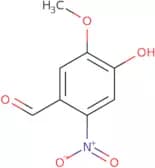
CAS:<p>(2S,6S)-2,6-Dimethylmorpholine is an optically pure compound that can be used to optimize the epoxidase reaction. It belongs to the class of morpholines and has two enantiomers. The (2R,6R)-enantiomer is more active than the (2S,6S)-enantiomer in catalyzing the epoxidase reaction. The temperature optima for both enantiomers are different with the (2R,6R)-enantiomer having a higher optimal temperature than the (2S,6S) enantiomer. This compound can be used as a chiral auxiliary to separate racemic mixtures by focusing on one enantiomer at a time. It can also be used as an analytical method for determining plate number and plate height.</p>Formula:C6H13NOPurity:Min. 95%Molecular weight:115.17 g/mol4-hydroxy-5-methoxy-2-nitrobenzaldehyde
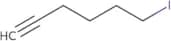
CAS:<p>4-Hydroxy-5-methoxy-2-nitrobenzaldehyde (4HMN) is a proton donor that can be used as a crosslinking agent. It is an acidic compound that binds to the substrate, usually via hydrogen bonds. 4HMN has been shown to have good binding affinity for tumour cell lines and can be used as a crosslinking agent in bioconjugation reactions. It is also a reversible chemical reaction, which means it can be hydrolyzed under certain conditions. 4HMN has been shown to be capable of enhancing the rate of enzymatic reactions by acting as a cofactor or coenzyme, such as degradable enzymes and enzymes with low turnover rates. The kinetic process of these reactions are measured by fluorescence techniques and gel permeation chromatography.</p>Formula:C8H7NO5Purity:Min. 95%Color and Shape:PowderMolecular weight:197.1 g/mol6-Iodo-1-hexyne
CAS:<p>Versatile small molecule scaffold</p>Formula:C6H9IPurity:Min. 95%Molecular weight:208.04 g/mol2-Oxohexanoic acid
CAS:<p>2-Oxohexanoic acid (2-OHBA) is a fatty acid that is synthesized from the amino acids lysine and methionine. It is involved in mitochondrial metabolism and has been found to be necessary for spermatozoa motility. 2-OHBA has been shown to inhibit the activity of glutamate dehydrogenase, an enzyme that catalyzes the conversion of glutamate to α-ketoglutarate, which is required for energy production. This inhibition leads to a decrease in ATP levels, which may cause a variety of symptoms, including fatigue and weight loss. Furthermore, 2-OHBA inhibits protein synthesis by blocking the incorporation of amino acids into proteins. The inhibition of this process can lead to high ammonia levels in the blood and accumulation of other nitrogenous wastes in tissues such as liver or muscle tissue. Analysis of urine samples has shown that 2-OHBA is excreted unchanged in urine.</p>Formula:C6H10O3Purity:Min. 95%Molecular weight:130.14 g/mol6-Bromo-2-methoxyquinoline
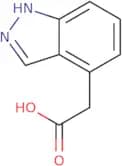
CAS:<p>6-Bromo-2-methoxyquinoline is a versatile compound with various applications. It is commonly used as a disinfectant in ceramic compositions and research chemicals. Additionally, it has been found to have potential therapeutic benefits. Studies have shown that 6-Bromo-2-methoxyquinoline exhibits antioxidant properties and can inhibit the production of inflammatory mediators such as arachidonic acid and prostaglandins. Furthermore, it has been found to modulate potassium channels, which play a crucial role in cellular function. This compound also shows promise in the development of copolymers and other materials due to its unique chemical structure. With its wide range of applications, 6-Bromo-2-methoxyquinoline is an essential compound for various industries.</p>Formula:C10H8BrNOPurity:Min. 95%Color and Shape:PowderMolecular weight:238.08 g/mol(1H-Indazol-4-yl)acetic acid
CAS:<p>(1H-Indazol-4-yl)acetic acid is a cation that has been shown to have pharmacological activity. It is hydrolyzable and is used as an anti-inflammatory agent. This compound also decarboxylates and hydrolyzes, which are processes that produce carboxyl and fluoro groups. (1H-Indazol-4-yl)acetic acid has been shown to be an anti-inflammatory agent, with effects against inflammation in the central nervous system. This drug also inhibits the production of inflammatory cytokines, including tumor necrosis factor alpha (TNFα), interleukin 1β (IL1β), and IL6.</p>Formula:C9H8N2O2Purity:Min. 95%Molecular weight:176.17 g/mol2-(4-Amino-1h-pyrazol-1-yl)ethanol
CAS:<p>Versatile small molecule scaffold</p>Formula:C5H9N3OPurity:Min. 95%Molecular weight:127.15 g/molFG-2216
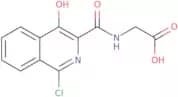
CAS:<p>FG-2216 is a peptide that activates the G protein-coupled receptor, leading to increased intracellular calcium. FG-2216 is a potent agonist of the GPRC6A receptor and has been shown to inhibit pain perception in animal models. FG-2216 has been shown to have no effect on ion channels and does not affect cellular proliferation or migration. FG-2216 may be useful as a research tool for studying the function of the GPRC6A receptor in animal models.</p>Formula:C12H9ClN2O4Purity:Min. 95%Molecular weight:280.66 g/mol(1R,2S)-2-Phenylcyclopropane-1-carboxylic acid
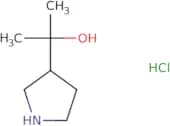
CAS:<p>(1R,2S)-2-Phenylcyclopropane-1-carboxylic acid is a dicarboxylic acid that is produced from the decarboxylation of benzyne. This compound has been shown to be a precursor of benzene and ozonolysis. The stereospecifically of (1R,2S)-2-Phenylcyclopropane-1-carboxylic acid has been determined using lead tetraacetate as the substrate. (1R,2S)-2-Phenylcyclopropane-1-carboxylic acid is an asymmetric molecule.</p>Formula:C10H10O2Purity:Min. 95%Molecular weight:162.18 g/mol(S)-2-(3-Pyrrolidinyl)-2-propanol Hydrochloride ee
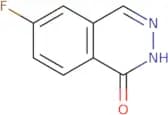
CAS:<p>Versatile small molecule scaffold</p>Formula:C7H16ClNOPurity:Min. 95%Molecular weight:165.66 g/mol6-fluoro-1,2-dihydrophthalazin-1-one
CAS:<p>Versatile small molecule scaffold</p>Formula:C8H5FN2OPurity:Min. 95%Molecular weight:164.14 g/moltert-Butyl 2-bromo-2-methylpropanoate
CAS:<p>tert-Butyl 2-bromo-2-methylpropanoate is a versatile compound with various applications. It is commonly used as a cytotoxic agent in the pharmaceutical industry and as an amide intermediate in organic synthesis. This compound has also been studied for its potential therapeutic effects, such as its ability to inhibit the growth of cancer cells. tert-Butyl 2-bromo-2-methylpropanoate is often utilized in research settings to study the efficacy of drugs like rabeprazole and tripterygium. Additionally, it finds applications in the production of polymers, catalysts, and hydrogen atom transfer reactions. With its wide range of uses, tert-Butyl 2-bromo-2-methylpropanoate is a valuable compound for researchers and industries alike.</p>Formula:C8H15BrO2Purity:Min. 95%Molecular weight:223.11 g/mol2,3-Dihydro-1H-pyrrolo[3,2-c]pyridine
CAS:<p>2,3-Dihydro-1H-pyrrolo[3,2-c]pyridine is an alkaloid compound that has various applications in research and chemical studies. It has been found to interact with dopamine receptors and exhibit photothermal properties. This compound has been studied in the context of G. lucidum (also known as Reishi mushroom) and its potential therapeutic effects. Additionally, it has shown interactions with quinpirole, lithium, ergovaline, efrotomycin, and other compounds. The photocatalytic and fatty acid properties of 2,3-Dihydro-1H-pyrrolo[3,2-c]pyridine make it a versatile compound for various research purposes.</p>Purity:Min. 95%6-Amino-2-propylhexanoic acid hydrochloride
CAS:<p>Versatile small molecule scaffold</p>Formula:C9H19NO2•HClPurity:Min. 95%Molecular weight:209.71 g/mol4-(2,6-Difluorophenyl)piperidin-4-ol hydrochloride
CAS:<p>Versatile small molecule scaffold</p>Formula:C11H14ClF2NOPurity:Min. 95%Molecular weight:249.68 g/mol8-Bromo-6-methoxyisoquinoline
CAS:<p>Versatile small molecule scaffold</p>Formula:C10H8BrNOPurity:Min. 95%Molecular weight:238.08 g/mol[(1S)-1-Ethyl-2-oxopropyl]-1,1-dimethylethyl ester carbamic acid
CAS:<p>Versatile small molecule scaffold</p>Formula:C10H19NO3Purity:Min. 95%Molecular weight:201.26 g/mol(Ir[dF(CF3)ppy]2(dtbpy))PF6
CAS:<p>Ir(dF(CF3)ppy)2 (dtbpy)PF6 is a photosensitizer that can be used in cycloaddition reactions. It is soluble in nonpolar solvents and can be used as a catalyst for cycloadditions involving uncharged substrates. Ir(dF(CF3)ppy)2 (dtbpy)PF6 has been shown to catalyze the transfer of an electron from a donor molecule to an acceptor molecule, which generates energy that can be transferred to the environment. This process is called "energy transfer."</p>Formula:C42H34F16IrN4PPurity:Min. 95%Molecular weight:1,121.91 g/mol(4R)-5,7-Difluoro-3,4-dihydro-2H-1-benzopyran-4-ol
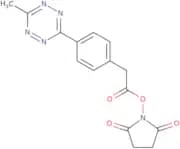
CAS:<p>Versatile small molecule scaffold</p>Formula:C9H8F2O2Purity:Min. 95%Molecular weight:186.15 g/molMethyltetrazine-NHS ester
CAS:<p>Versatile small molecule scaffold</p>Formula:C15H13N5O4Purity:Min. 95%Molecular weight:327.29 g/moltert-Butyl (4-formylpyridin-2-yl)carbamate
CAS:<p>Versatile small molecule scaffold</p>Formula:C11H14N2O3Purity:Min. 95%Molecular weight:222.2 g/molBenzophenone-4-carboxylic acid
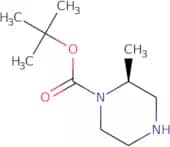
CAS:<p>Organic intermediate</p>Formula:C14H10O3Purity:Min. 98 Area-%Color and Shape:White PowderMolecular weight:226.23 g/mol(R)-tert-Butyl 2-methylpiperazine-1-carboxylate
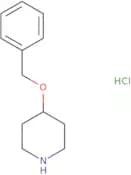
CAS:<p>(R)-tert-Butyl 2-methylpiperazine-1-carboxylate is a versatile building block that can be used for the synthesis of complex compounds. The compound is a reagent, speciality chemical, and useful building block in research. It can be used as a reaction component or scaffold in synthesis. (R)-tert-Butyl 2-methylpiperazine-1-carboxylate has been shown to react with nucleophiles such as amines and alcohols to form stable products. This product has high quality and is useful for chemical reactions involving carbonyl groups.</p>Formula:C10H20N2O2Purity:Min. 95%Color and Shape:White PowderMolecular weight:200.28 g/mol4-(Benzyloxy)piperidine HCl
CAS:<p>4-(Benzyloxy)piperidine HCl is a versatile building block that is used in the synthesis of complex compounds such as research chemicals, reagents and speciality chemicals. 4-(Benzyloxy)piperidine HCl is also a useful intermediate in organic synthesis and can be used as a reaction component. 4-(Benzyloxy)piperidine HCl has CAS number 81151-68-0 and is a useful scaffold for chemical syntheses.</p>Formula:C12H17NOHClPurity:Min. 95%Color and Shape:White PowderMolecular weight:227.73 g/molBisaboloxide A
CAS:<p>Please enquire for more information about Bisaboloxide A including the price, delivery time and more detailed product information at the technical inquiry form on this page</p>Formula:C15H26O2Purity:Min. 95%Molecular weight:238.37 g/mol6-Bromo-4-hydroxypyrazolo[1,5-a]pyridine-3-carbonitrile
CAS:<p>Please enquire for more information about 6-Bromo-4-hydroxypyrazolo[1,5-a]pyridine-3-carbonitrile including the price, delivery time and more detailed product information at the technical inquiry form on this page</p>Formula:C8H4BrN3OPurity:Min. 95%Molecular weight:238.04 g/mol1,2-Bis(chlorodimethylsilyl)ethane
CAS:<p>1,2-Bis(chlorodimethylsilyl)ethane is a reactive chemical that is synthesized from hydroxychloroformates and hydrogen chloride. It reacts with silicon to form chlorosilanes, which are then used in the polymerization of siloxanes. 1,2-Bis(chlorodimethylsilyl)ethane has been shown to be an effective initiator for the polymerization of methyl methacrylate and ethylene glycol dimethacrylate. 1,2-Bis(chlorodimethylsilyl)ethane is also used as a hydroxyl group donor in organic reactions.</p>Formula:C6H16Cl2Si2Purity:Min. 95 Area-%Color and Shape:PowderMolecular weight:215.27 g/mol5-Chloro-1H-pyrrolo[2,3-c]pyridine-3-carboxylic acid
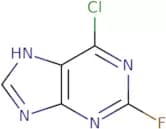
CAS:<p>Versatile small molecule scaffold</p>Formula:C8H5ClN2O2Purity:Min. 95%Molecular weight:196.59 g/mol6-Chloro-2-fluoropurine
CAS:<p>6-Chloro-2-fluoropurine is an analytical reagent with a monoclonal antibody that binds to the nucleic acid of HL-60 cells and can be used for optical analysis. 6-Chloro-2-fluoropurine has been shown to have significant cytotoxicity against HL-60 cells, which may be due to its ability to bind to intracellular targets. 6-Chloro-2-fluoropurine has also been shown to inhibit the growth of HL-60 cells in a fluorescein angiography study and is used as a diagnostic agent for diagnosis of cancer.</p>Formula:C5H2ClFN4Purity:Min. 98 Area-%Color and Shape:Off-White PowderMolecular weight:172.55 g/molChlorbutanol hemihydrate
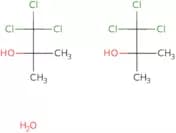
CAS:Chlorbutanol hemihydrate is an antimicrobial agent that is used as an intra-articular injection, and has been shown to be effective against choline chloride. Chlorbutanol hemihydrate binds to the active substances and reacts with chlorine atom to form an active substance. The reaction rate of chlorbutanol hemihydrate with chlorine atoms is slow, so it can be administered intravenously or intramuscularly. Functional assays have shown that chlorbutanol hemihydrate can inhibit the growth of cancer cells in a dose-dependent manner. It also inhibits the production of oxytocin receptor in mice tissues. Chlorbutanol hemihydrate has been shown to be safe for humans when given at doses up to 10 times higher than the recommended dosage, but may cause allergic reactions in some people.Formula:C4H7Cl3O•(H2O)0Purity:Min. 95%Color and Shape:White PowderMolecular weight:186.46 g/mol3-aminopyrrolidin-2-one hcl
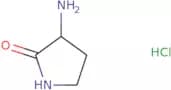
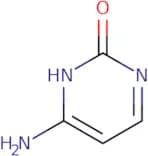
CAS:<p>3-Aminopyrrolidin-2-one hcl is an antibiotic that is used to treat tuberculosis. It inhibits the enzyme transacylase, which catalyses the conversion of L-lysine into L-pipecolic acid in bacteria. This antibiotic has been shown to be effective against Mycobacterium tuberculosis and Mycobacterium avium complex. 3-Aminopyrrolidin-2-one hcl has a broad spectrum of activity against gram positive and gram negative bacteria, but it is not active against acid-fast bacteria.</p>Formula:C4H9ClN2OPurity:Min. 95%Molecular weight:136.58 g/molCytosine
CAS:<p>Pyrimidine nucleobase; component of nucleic acids</p>Formula:C4H5N3OPurity:(Hplc) Min. 99%Color and Shape:White PowderMolecular weight:111.1 g/molCyclobutanethiol
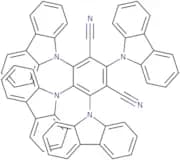
CAS:<p>Cyclobutanethiol is a 1-cyclopentene-1-carboxylic acid, which is a cyclic form of the alkylthio group. It is an organic solvent with a hydroxyl group at one end and an alkyl group at the other end. Cyclobutanethiol can be used as a sealant or as a solvent in organic chemistry. The compound has been shown to inhibit insulin resistance by binding to cb1 receptors on cells, thereby inhibiting the production of glucose. Cyclobutanethiol also absorbs ultraviolet light, so it can be used in photochemistry.</p>Formula:C4H8SPurity:90%Color and Shape:Clear LiquidMolecular weight:88.17 g/mol2,4,5,6-Tetra(9H-carbazol-9-yl)isophthalonitrile
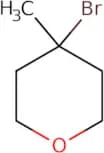
CAS:<p>2,4,5,6-Tetra(9H-carbazol-9-yl)isophthalonitrile is a redox molecule that emits light when excited by an electron or photon. It is used in organic light emitting devices (OLEDs) as the emissive material. This compound has been shown to have low chemical stability and limited transport properties. Its efficiency can be improved by increasing the concentration of the molecule. Activated 2,4,5,6-tetra(9H-carbazol-9-yl)isophthalonitrile emits a bright red orange emission with a maximum at 569 nm and it is activated by electron transfer from an electrode. 2,4,5,6-Tetra(9H-carbazol-9-yl)isophthalonitrile has been shown to emit blue light when excited by UV light in the presence of oxygen as an oxidant.</p>Formula:C56H32N6Purity:Min. 98 Area-%Color and Shape:PowderMolecular weight:788.89 g/mol4-Bromo-4-methyltetrahydropyran
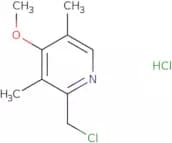
CAS:<p>Versatile small molecule scaffold</p>Formula:C6H11BrOPurity:Min. 95%Molecular weight:179.06 g/mol2-(Chloromethyl)-4-methoxy-3,5-dimethylpyridine hydrochloride
CAS:<p>2-(Chloromethyl)-4-methoxy-3,5-dimethylpyridine hydrochloride is a benzimidazole derivative. It has a chemical stability and can be used for wastewater treatment. It is also a pump inhibitor and can be used for anhydrous sodium magnesium salts. This product is synthesized from the reaction of protonated 2-bromo-4-methoxyphenol with 2,6-dimethylpyridine in the presence of hydrochloric acid. The reaction was carried out in an asymmetric synthesis using a proton transport system. 2-(Chloromethyl)-4-methoxy-3,5-dimethylpyridine hydrochloride is soluble in water and has a pH of 1 to 3. It has been shown that this product can be used as an antioxidant and as a metal chelation agent.</p>Formula:C9H13Cl2NOPurity:Min. 95%Color and Shape:PowderMolecular weight:222.11 g/mol5-bromo-3-methoxy-1h-pyrazole
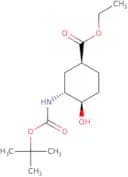
CAS:<p>Versatile small molecule scaffold</p>Formula:C4H5BrN2OPurity:Min. 95%Molecular weight:177 g/mol(1S,3R,4R)-3-(Boc-amino)-4-hydroxy-cyclohexanecarboxylic acid ethyl ester
CAS:<p>Versatile small molecule scaffold</p>Formula:C14H25NO5Purity:Min. 95%Molecular weight:287.35 g/molThiophen-3-ylmethanamine hydrochloride
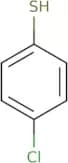
CAS:<p>Versatile small molecule scaffold</p>Formula:C5H8ClNSPurity:Min. 95%Molecular weight:149.64 g/mol4-Chlorobenzenethiol
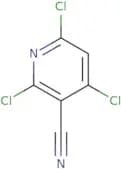
CAS:<p>4-Chlorobenzenethiol is a chemical compound that contains a fatty acid. It is an intramolecular hydrogen donor with the ability to form a disulfide bond. The compound also has high stability and can be used in organic synthesis reactions involving reactive sulfur groups. 4-Chlorobenzenethiol reacts with sodium carbonate to produce sodium thiocarbonate and chloroform, which are then reacted with phosphorus pentoxide for oxidation. The reaction mechanism is similar to that of the Diels-Alder reaction and the model system involves dinucleotide phosphate. 4-Chlorobenzenethiol can be reacted with hydrochloric acid or trifluoroacetic acid as an oxidizing agent.</p>Formula:C6H5ClSPurity:Min. 95%Color and Shape:White PowderMolecular weight:144.62 g/mol2,4,6-trichloropyridine-3-carbonitrile
CAS:<p>Versatile small molecule scaffold</p>Formula:C6HCl3N2Purity:Min. 95%Molecular weight:207.4 g/mol5-Boc-4H,5H,6H,7H,8H-pyrazolo[1,5-a][1,4]diazepine-2-carboxylic acid
CAS:<p>Versatile small molecule scaffold</p>Formula:C13H19N3O4Purity:Min. 95%Molecular weight:281.31 g/mol3-Amino-2,2-difluoropropan-1-ol
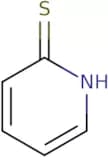
CAS:<p>Versatile small molecule scaffold</p>Formula:C3H7F2NOPurity:Min. 95%Molecular weight:111.09 g/mol2-Mercaptopyridine
CAS:<p>2-Mercaptopyridine is a quinone that has been used as an inhibitor of the HIV reverse transcriptase enzyme. It binds to the active site of the enzyme and inhibits its activity by forming a stable covalent bond with two cysteine residues in the enzyme. The molecule is stabilized by two adjacent sulfide bonds, which form a six-membered ring with three nitrogen atoms and one oxygen atom. This ring coordinates to the zinc ion in the active site of the enzyme. 2-Mercaptopyridine has also been found to be effective against methicillin-resistant Staphylococcus aureus (MRSA) and Mycobacterium tuberculosis. 2-Mercaptopyridine binds to DNA at positions where it is complementary to guanine or adenine nucleotides, thus preventing RNA synthesis and replication.</p>Formula:C5H5NSPurity:Min. 95%Color and Shape:PowderMolecular weight:111.17 g/mol2-Amino-5-fluoro-4-methoxybenzoic acid
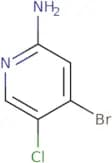
CAS:<p>Versatile small molecule scaffold</p>Formula:C8H8FNO3Purity:Min. 95%Molecular weight:185.15 g/mol4-Bromo-5-chloropyridin-2-amine
CAS:<p>Versatile small molecule scaffold</p>Formula:C5H4BrClN2Purity:Min. 95%Molecular weight:207.46 g/mol6-Maleimidocaproic acid N-hydroxysuccinimide ester
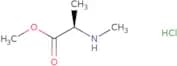
CAS:<p>6-Maleimidocaproic acid N-hydroxysuccinimide ester (6MCA-NHS) is a fluorescent probe that reacts with the hydroxyl group of fatty acids in human serum and other biological samples. 6MCA-NHS binds to the carboxylic acid group at the end of a fatty acid molecule, forming a covalent bond. This process generates light emission that can be detected by a fluorescence probe to measure changes in pH or other chemical properties within the solution. 6MCA-NHS has been used as a tumor treatment, where laser ablation is used to break up tumor cells and release 6MCA-NHS into the cytoplasm. The drug can then bind to DNA molecules and inhibit protein synthesis, which results in cell death.</p>Formula:C14H16N2O6Purity:Min. 95%Color and Shape:White Off-White PowderMolecular weight:308.29 g/molN-Me-D-Ala-OMe·HCl
CAS:<p>Please enquire for more information about N-Me-D-Ala-OMe·HCl including the price, delivery time and more detailed product information at the technical inquiry form on this page</p>Formula:C5H11NO2·HClPurity:Min. 95%Molecular weight:153.61 g/mol4-(Aminomethyl)pyridine-2-carbonitrile hydrochloride
CAS:<p>Versatile small molecule scaffold</p>Formula:C7H8ClN3Purity:Min. 95%Molecular weight:169.61 g/mol2-(Methoxycarbonyl)-1,3-oxazole-4-carboxylic acid
CAS:<p>Versatile small molecule scaffold</p>Formula:C6H5NO5Purity:Min. 95%Molecular weight:171.11 g/mol1-Boc-pyrrolidine-3-ethanol
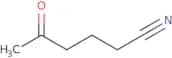
CAS:<p>Versatile small molecule scaffold</p>Formula:C11H21NO3Purity:Min. 95%Molecular weight:215.29 g/mol5-Ketohexanenitrile
CAS:<p>5-Ketohexanenitrile is a liquid that is used in the production of medicine. The compound has been shown to be an effective inhibitor of the enzyme, dehydrogenase, which catalyzes the conversion of 5-ketohexanoic acid to hexadecanoic acid. This reaction is important for the oxidation of fatty acids and can be found in all living organisms. 5-Ketohexanenitrile has also been shown to inhibit the enzyme, hydrogen peroxide oxidase, which catalyzes the conversion of hydrogen peroxide to water and oxygen gas. 5-Ketohexanenitrile is also an intermediate in acrylonitrile production. It can be produced by vaporizing hexadecanoic acid with a catalyst such as trimethylpyridine or acetic acid. 5-Ketohexanenitrile can exist as two isomers: cis and trans. It is a primary amine that reacts with alkali metals such as</p>Formula:C6H9NOPurity:Min. 95%Molecular weight:111.14 g/mol2-Cyclopropylphenol
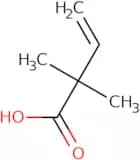
CAS:<p>2-Cyclopropylphenol is a hydrogen chloride derivative of 2-cyclohexen-1-one. It has been shown to have high affinity for the α receptor, which is a functional group in the integrin receptor that mediates cell adhesion. 2-Cyclopropylphenol has been shown to be effective for the treatment of hepatitis. 2-Cyclopropylphenol also forms an organometallic complex with platinum, which can be used as an anticancer agent and shows good antiviral activity against hepatitis C virus (HCV). The molecular modeling of this compound was done by using quantum chemical calculations and NMR spectra. The synthesis of this compound was developed from benzene and ethynylbenzene. The photochemical properties of this compound were investigated by methane monooxygenase reconstitution studies.</p>Formula:C9H10OPurity:Min. 95%Molecular weight:134.18 g/mol2,2-Dimethylbut-3-enoic acid
CAS:<p>2,2-Dimethylbut-3-enoic acid is a bioactive compound that is used to synthesize other compounds. It has been shown to have a number of functions, such as being an electrolyte and having an electron deficient group in its structure. 2,2-Dimethylbut-3-enoic acid reacts with electrophilic functional groups at high temperatures to form allylation products. This reaction is called cheletropic and has been shown to be reversible.</p>Formula:C6H10O2Purity:Min. 95%Molecular weight:114.14 g/mol8-chloro-3H,4H-pyrido[3,4-d]pyrimidin-4-one
CAS:<p>Versatile small molecule scaffold</p>Formula:C7H4N3OClPurity:Min. 95%Molecular weight:181.57 g/mol(S)-1-N-Boc-2-methylpiperazine
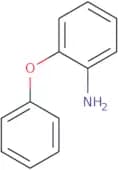
CAS:<p>(S)-1-N-Boc-2-methylpiperazine is a quinolone synthon that has been shown to have antibacterial activity against bacteria. The synthesis of this compound is done through the condensation of piperazine with an N-Boc protected 2,6-dichloroquinoline. This reaction proceeds in good yield and enantioselectivity. The antibacterial properties of (S)-1-N-Boc-2-methylpiperazine are not yet known.</p>Formula:C10H20N2O2Purity:Min. 95%Color and Shape:White PowderMolecular weight:200.28 g/mol2-Phenoxyaniline
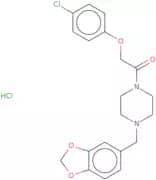
CAS:<p>2-Phenoxyaniline is a nitro compound that can be converted to the corresponding palladium complexes. It is an inhibitor of the acylation reaction, which is a type of chemical reaction in which an organic molecule reacts with an acid. The inhibition of this reaction has been shown to have an effect on heart disease, specifically by lowering cholesterol levels and reducing atherosclerosis. 2-Phenoxyaniline has also been shown to inhibit the activation energy for electron transfer reactions, making it useful as a catalyst in analytical methods. 2-Phenoxyaniline also undergoes vibrational spectroscopy when exposed to liquid chromatography and other analytical methods.</p>Formula:C12H11NOPurity:Min. 95%Color and Shape:Brown PowderMolecular weight:185.22 g/molFipexide hydrochloride
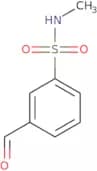
CAS:<p>Fipexide is a dopamine analog that is used as an anti-inflammatory drug. Fipexide has been shown to be effective against inflammatory bowel disease, autoimmune diseases and chronic oral toxicity in animal models. The symptoms of fipexide are similar to the symptoms of Parkinson's disease, which include tremors, muscle rigidity and slowness of movement. Fipexide also has a reactive nitrogen atom in its molecular structure, which may contribute to its toxicity. It has been shown to have no effect on locomotor activity in animals with bowel disease.</p>Formula:C20H21ClN2O4·HClPurity:Min. 95%Molecular weight:425.31 g/mol3-Formyl-N-methyl-benzenesulfonamide
CAS:<p>Versatile small molecule scaffold</p>Formula:C8H9NO3SPurity:Min. 95%Color and Shape:PowderMolecular weight:199.23 g/molγ-Ethyl L-glutamate N-carboxyanhydride
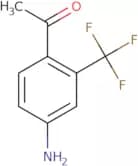
CAS:<p>Please enquire for more information about γ-Ethyl L-glutamate N-carboxyanhydride including the price, delivery time and more detailed product information at the technical inquiry form on this page</p>Formula:C8H11NO5Purity:Min. 95%Molecular weight:201.18 g/mol1-(4-Amino-2-trifluoromethyl-phenyl)-ethanone
CAS:<p>Versatile small molecule scaffold</p>Formula:C9H8F3NOPurity:Min. 95%Molecular weight:203.16 g/mol4,5-Dihydroxy-2,3-Pentanedione
CAS:<p>4,5-Dihydroxy-2,3-pentanedione is a carbonyl compound that is the product of the oxidation of ascorbic acid. It is used in wastewater treatment and has antimicrobial properties against infectious diseases. This compound has been shown to inhibit protein synthesis by binding to the ribosome and preventing the formation of peptide bonds between amino acids. 4,5-Dihydroxy-2,3-pentanedione has also been shown to bind to plasma proteins, which may be due to its acyl chain structure. 4,5-Dihydroxy-2,3-pentanedione can be synthesized in a catalytic mechanism that involves dehydroascorbic acid and molecular oxygen.</p>Formula:C5H8O4Purity:Min. 95%Color and Shape:PowderMolecular weight:132.11 g/mol3,3',5'-Triiodo-D-thyronine
CAS:<p>3,3',5'-Triiodo-D-thyronine is a thyroid hormone that is used in the treatment of hypothyroidism. It is administered by injection or by mouth. 3,3',5'-Triiodo-D-thyronine is an insoluble drug, which means it cannot be dissolved in water. This drug can be injected into the body or taken as a pill. 3,3',5'-Triiodo-D-thyronine has been shown to increase metabolic rate and may also inhibit the growth of certain types of tumors. 3,3',5'-Triiodo-D-thyronine has been used in diagnostic procedures such as iontophoresis and implanting devices to treat prostate cancer. This medication can also be used for cosmetic purposes such as skin rejuvenation and hair loss prevention. 3,3',5'-Triiodo-D-thyronine has two structural isomers: levothyroxine and</p>Formula:C15H12I3NO4Purity:Min. 95%Molecular weight:650.97 g/mol6-Chloroisoquinoline-8-carboxylic acid
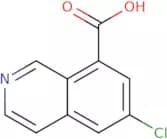
CAS:<p>Versatile small molecule scaffold</p>Formula:C10H6ClNO2Purity:90%MinMolecular weight:207.61 g/mol1-(4-Ethylphenyl)-2,2,2-trifluoroethan-1-ol
CAS:<p>Versatile small molecule scaffold</p>Formula:C10H11F3OPurity:Min. 95%Molecular weight:204.19 g/molTrans-3-aminocyclohexanecarboxylic acidhydrochloride
CAS:<p>Versatile small molecule scaffold</p>Formula:C7H14ClNO2Purity:Min. 95%Molecular weight:179.64 g/molSegetalin A trifluoroacetate
CAS:<p>Segetalin A trifluoroacetic acid is a protein-based product, which is a derivative of a natural compound isolated from the seeds of the plant Vaccaria segetalis. This plant is traditionally recognized for its medicinal properties, and segetalin A represents one of the active proteins responsible for these biological effects.</p>Formula:C31H43N7O6C2HF3O2Purity:Min. 95%Molecular weight:609.72 g/molLithium orotate monohydrate
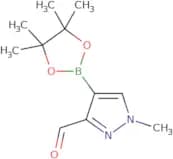
CAS:<p>Please enquire for more information about Lithium orotate monohydrate including the price, delivery time and more detailed product information at the technical inquiry form on this page</p>Formula:C5H3LiN2O4Purity:Min. 95%Molecular weight:162.10 g/mol1-Methyl-4-(4,4,5,5-tetramethyl-1,3,2-dioxaborolan-2-yl)-1H-pyrazole-3-carboxaldehyde
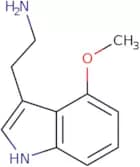
CAS:<p>Versatile small molecule scaffold</p>Formula:C11H17BN2O3Purity:Min. 95%Molecular weight:236.08 g/mol2-(4-Methoxy-1H-indol-3-yl)ethan-1-amine
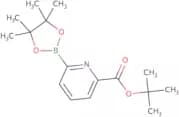
CAS:Controlled Product<p>2-(4-Methoxy-1H-indol-3-yl)ethan-1-amine is a synthetic compound that belongs to the class of organocatalysts. It is a serotonin receptor agonist, and has been shown to act as an antagonist at the 5HT2AR. This drug has been shown to have stereoselective effects in vitro, with high affinity for the S form of 5HT2AR. 2-(4-Methoxy-1H-indol-3-yl)ethan-1-amine also has some activity against dopamine receptors, but not as much as other compounds in its class. !--[if !supportLists]-->· !--[endif]-->This drug binds to speciogynine and alstovenine receptors, which are part of the opioid system.!--[if !supportLists]-->· !--[endif]-->Modelling studies suggest that 2-(4-M</p>Formula:C11H14N2OPurity:Min. 95%Color and Shape:PowderMolecular weight:190.24 g/moltert-Butyl 6-(4,4,5,5-tetramethyl-1,3,2-dioxaborolan-2-yl)picolinate
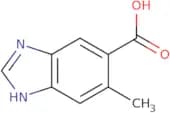
CAS:<p>Versatile small molecule scaffold</p>Formula:C16H24BNO4Purity:Min. 95%Molecular weight:305.2 g/mol6-Methylbenzimidazole-5-carboxylic acid
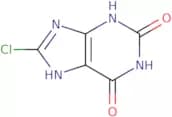
CAS:<p>Versatile small molecule scaffold</p>Formula:C9H8N2O2Purity:Min. 95%Molecular weight:176.17 g/mol8-Chloro-3,7-dihydro-1H-purine-2,6-dione
CAS:<p>8-Chloro-3,7-dihydro-1H-purine-2,6-dione is a reactive molecule that binds to the active site of bacterial cyclic nucleotide phosphodiesterases and inhibits their activity. This inhibition prevents the breakdown of cAMP and cGMP, which are important second messengers in eukaryotic cells. 8-Chloro-3,7-dihydro-1H-purine-2,6-dione is also a potent inhibitor of protein synthesis and has been used in research studies on wheat leaves.</p>Formula:C5H3N4O2ClPurity:Min. 95%Color and Shape:PowderMolecular weight:186.56 g/moltrans-Cinnamic acid
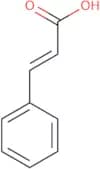
CAS:<p>Cinnamic acid is a phenolic acid that is found in plants and has a general structure of CH2-C6H4-CO2H. It can be metabolized by the enzyme cinnamate 4-hydroxylase to caffeic acid. Cinnamic acid has been shown to have genotoxic activity through its ability to form DNA adducts, which can cause mutations in cells. This compound also has antioxidant properties and may be used as an anticancer agent due to its ability to inhibit proliferation of cancer cells and induce apoptosis. Cinnamic acid inhibits the production of prostaglandin E2 (PGE2) in rat primary astrocytes, which may lead to the development of inflammatory eye disorders such as uveitis or retinal detachment. The compound is also able to suppress the expression of toll-like receptor 2 (TLR2), which may make it useful for treatment of infectious diseases. Cinnamic acid also forms hydrogen bonds</p>Formula:C9H8O2Purity:Min. 95%Color and Shape:White PowderMolecular weight:148.16 g/mol











![2,3-Dihydro-1H-pyrrolo[3,2-c]pyridine](/_next/image/?url=https%3A%2Fstatic.cymitquimica.com%2Fproducts%2F3D%2Fthumb-webp%2FYAA59628.webp&w=3840&q=75)


![[(1S)-1-Ethyl-2-oxopropyl]-1,1-dimethylethyl ester carbamic acid](/_next/image/?url=https%3A%2Fstatic.cymitquimica.com%2Fproducts%2F3D%2Fthumb-webp%2FEMA02105.webp&w=3840&q=75)
![(Ir[dF(CF3)ppy]2(dtbpy))PF6](/_next/image/?url=https%3A%2Fstatic.cymitquimica.com%2Fproducts%2F3D%2Fthumb-webp%2FVJB98763.webp&w=3840&q=75)




![6-Bromo-4-hydroxypyrazolo[1,5-a]pyridine-3-carbonitrile](/_next/image/?url=https%3A%2Fstatic.cymitquimica.com%2Fproducts%2F3D%2Fthumb-webp%2FFB182798.webp&w=3840&q=75)

![5-Chloro-1H-pyrrolo[2,3-c]pyridine-3-carboxylic acid](/_next/image/?url=https%3A%2Fstatic.cymitquimica.com%2Fproducts%2F3D%2Fthumb-webp%2FSSB19336.webp&w=3840&q=75)



![5-Boc-4H,5H,6H,7H,8H-pyrazolo[1,5-a][1,4]diazepine-2-carboxylic acid](/_next/image/?url=https%3A%2Fstatic.cymitquimica.com%2Fproducts%2F3D%2Fthumb-webp%2FFEC17097.webp&w=3840&q=75)






![8-chloro-3H,4H-pyrido[3,4-d]pyrimidin-4-one](/_next/image/?url=https%3A%2Fstatic.cymitquimica.com%2Fproducts%2F3D%2Fthumb-webp%2FJDA34113.webp&w=3840&q=75)