Building Blocks
Subcategories of "Building Blocks"
- Boronic Acids & Boronic Acid Derivatives(5,786 products)
- Chiral Building Blocks(1,246 products)
- Hydrocarbon Building Blocks(6,107 products)
- Organic Building Blocks(61,079 products)
Found 205461 products of "Building Blocks"
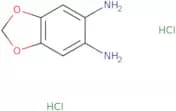
1,2-Diamino-4,5-methylenedioxybenzene dihydrochloride
CAS:1,2-Diamino-4,5-methylenedioxybenzene dihydrochloride, also known as DMB dihydrochloride, is a building block used in organic chemistry. DMB dihydrochloride is the bis HCl salt of a 1,3-benzodioxole ring with amino groups in the 4 and 5 positions.
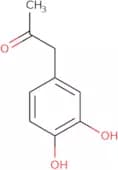
Formula:C7H10Cl2N2O2Purity:Min. 90 Area-%Color and Shape:Beige PowderMolecular weight:225.07 g/mol3',4'-Dihydroxyphenylacetone
CAS:3',4'-Dihydroxyphenylacetone (DOPA) is a metabolite of dopamine that is produced in the brain and kidneys. DOPA has been shown to have pharmacological properties, but its function as an endogenous neurotransmitter has not been confirmed. DOPA is also a precursor for the synthesis of melanin, which is found in skin cells. The detection of DOPA in urine samples can be used to diagnose Parkinson's disease or other conditions characterized by low levels of dopamine. The enzyme glutamate dehydrogenase converts DOPA into 3-methoxytyramine, which can be detected in urine samples using chromatographic methods. 3',4'-Dihydroxyphenylacetone may be measured in the blood plasma of patients with bacterial infections and urinary tract infections. A detectable concentration of this metabolite could indicate that the body is making use of an alternate pathway for synthesizing amines.Formula:C9H10O3Purity:Min. 95%Color and Shape:Off-White PowderMolecular weight:166.17 g/mol3,5-Diiodo-4-hydroxybenzaldehyde
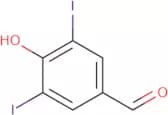
CAS:3,5-Diiodo-4-hydroxybenzaldehyde (3,5-DIBA) is a functional group that contains both hydroxyl and iodide groups. The hydroxyl group is positioned ortho to the iodide group. 3,5-DIBA is found in wastewater and can be used as a bioremediation agent. It has been shown to react with chromatographic solvents and may be used for the removal of organic contaminants from water. 3,5-DIBA reacts with monoiodotyrosine in an aqueous environment to form hypoiodous acid (HIO). This reaction is catalyzed by hydrochloric acid. HIO reacts with diiodoacetic acid or iodoacetic acid to form coagulation products such as diiodoacetate or iodoacetate. These reactions are reversible and can be used for the removal of excess iodine from wastewater.Formula:C7H4I2O2Purity:Min. 98 Area-%Color and Shape:Off-White PowderMolecular weight:373.91 g/mol3,5-Diiodo-4-hydroxybenzoic acid
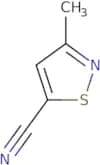
CAS:3,5-Diiodo-4-hydroxybenzoic acid (3,5 DIBA) is an aminotriazole that inhibits the growth of a wide range of bacteria. 3,5 DIBA inhibits the transport of catechol and 2,6-dichlorobenzoic acid into cells. This inhibition leads to decreased levels of catechol-O-methyltransferase activity and increased levels of lysine decarboxylase activity. The combination of these two reactions causes a decrease in lysine production. Lysine is important for cell division and protein synthesis in bacteria. 3,5 DIBA also inhibits root formation in plants and has been shown to inhibit the uptake of nutrients by plant roots. Also known as: Dibenzoylmethane; 1,2-Benzenediamine, 3-[(2,6-dichlorophenyl)imino]-, diiodide;Formula:C7H4I2O3Purity:Min 97%Color and Shape:PowderMolecular weight:389.91 g/mol3-Methyl-1,2-thiazole-5-carbonitrile
CAS:Versatile small molecule scaffoldFormula:C5H4N2SPurity:Min. 95%Molecular weight:124.17 g/mol2-{1-[(tert-Butoxy)carbonyl]piperidin-4-yl}-2-methylpropanoic acid
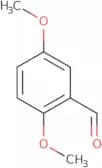
CAS:2-{1-[(tert-Butoxy)carbonyl]piperidin-4-yl}-2-methylpropanoic acid is a reagent that can be used as a building block for the synthesis of complex compounds. This compound is also useful for the preparation of fine chemicals, research chemicals, and speciality chemicals. 2-{1-[(tert-Butoxy)carbonyl]piperidin-4-yl}-2-methylpropanoic acid is a versatile intermediate that has been employed in many reactions. It is also an excellent reaction component for use in organic chemistry.Formula:C14H25NO4Purity:Min. 95%Color and Shape:PowderMolecular weight:271.4 g/mol2,5-Dimethoxybenzaldehyde
CAS:Intermediate in organic synthesis
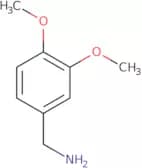
Formula:C9H10O3Purity:Min. 98 Area-%Color and Shape:Off-White PowderMolecular weight:166.17 g/mol3,4-Dimethoxybenzylamine
CAS:3,4-Dimethoxybenzylamine is an amine that is used in the synthesis of pharmaceuticals. It can be polymerized by heating with aqueous formaldehyde and hydrochloric acid to form a resin. 3,4-Dimethoxybenzylamine inhibits serotonin receptors, exhibiting inhibitory properties at concentrations of 10-5 M. 3,4-Dimethoxybenzylamine also has pharmacokinetic properties that are similar to vitamin B1. This compound has been shown to inhibit homogeneous catalysts and is used for coatings for ganglion cells.
Formula:C9H13NO2Purity:Min. 95%Color and Shape:Clear LiquidMolecular weight:167.21 g/molIndole-3-carbinol
CAS:Indole-3-carbinol is a fine chemical that has been used for research purposes as a reagent and speciality chemical. Indole-3-carbinol is also a versatile building block and reaction intermediate in organic synthesis, which has been used for the synthesis of many complex compounds. Indole-3-carbinol is also an important precursor to pharmaceuticals, including antiestrogens and anti-angiogenesis agents. Indole-3-carbinol has been shown to have antiinflammatory effects, which may be due to its ability to inhibit prostaglandin synthesis.
Formula:C9H9NOPurity:Min. 99 Area-%Molecular weight:147.18 g/molRef: 3D-I-2100
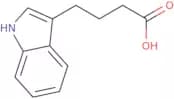
-Unit-ggTo inquire1kgTo inquire50gTo inquire100gTo inquire250gTo inquire500gTo inquireIndole-3-butyric acid
CAS:Indole-3-butyric acid is a chemical compound that has a wide range of applications. It is used in the synthesis of many organic compounds and can be used as a reagent or speciality chemical. Indole-3-butyric acid is also used as an intermediate in the synthesis of other compounds, such as indoles, indanones, and benzofuranones. The high quality of this compound makes it a useful scaffold for constructing complex molecules.Formula:C12H13NO2Molecular weight:203.24 g/molRef: 3D-I-2005
-Unit-kgkgTo inquire1kgTo inquire5kgTo inquire10kgTo inquire100gTo inquire2500gTo inquire(S)-(+)-2-Amino-3-methylbutane
CAS:(S)-(+)-2-Amino-3-methylbutane is a chiral, optically active pyruvate. It can be used as an optical reagent to determine the configuration of an amino acid in the presence of a hydrazone or amine. The 2-amino group is attached to the C1 carbon atom and the methyl group is attached to the C4 carbon atom. Hydrogenolysis of (S)-(+)-2-amino-3-methylbutane produces ethyl pyruvate and hydrogen gas.
Formula:C5H13NPurity:Min. 95%Color and Shape:Clear LiquidMolecular weight:87.17 g/mol2,4-Dichloronitrobenzene
CAS:2,4-Dichloronitrobenzene is a chemical compound that is used in the production of dyes, drugs, and pesticides. It has been shown to be effective against alopecia areata in vitro. This chemical also exhibits detoxification enzymes activity. 2,4-Dichloronitrobenzene is activated by benzalkonium chloride and then undergoes microbial metabolism. The chlorine atom on this molecule can be substituted with another kind of halogen in order to modify its properties. In vitro studies have shown that 2,4-dichloronitrobenzene is metabolized by human serum as well as wastewater treatment systems.
2,4-DichloronitrobenzeneFormula:C6H3Cl2NO2Purity:Min. 95%Color and Shape:Solidified MassMolecular weight:192 g/mol2,3-Dimercaptopropanesulfonic acid sodium salt monohydrate
CAS:Chelating agent for heavy metalsFormula:C3H8O3S3·H2O·NaPurity:(¹H-Nmr) Min. 95 Area-%Color and Shape:White/Off-White SolidMolecular weight:229.3 g/molIndole-3-acetyl-DL-tryptophan
CAS:Indole-3-acetyl-DL-tryptophan is a useful intermediate for the synthesis of various biologically active compounds. It is a white solid that can be synthesized from indole and tryptophan using acetic acid as a catalyst. Indole-3-acetyl-DL-tryptophan has been used in the synthesis of several complex compounds, such as β-(N) indolyloxypropanal, which is a fine chemical with potential use in the production of polyurethane foam. This compound has also been found to be an effective building block for the synthesis of novel scaffolds, such as 2-(1H-indol-2-yl)-N-(2H-[1,2,4]triazol-3-yl)ethanamine. Indole 3 acetyl DL tryptophan has also been shown to be an excellent intermediate in the synthesis of other heterocycles, such as pyrazolo
Formula:C21H19N3O3Molecular weight:361.4 g/molRef: 3D-I-1700
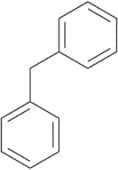
-Unit-ggTo inquire1gTo inquire5gTo inquire10gTo inquire500mgTo inquire2500mgTo inquireDiphenylmethane
CAS:Diphenylmethane is a chemical that has been used in the synthesis of pharmaceuticals and other organic compounds. It is also a useful reagent for the preparation of synthetic amines. Diphenylmethane can be used to synthesize drugs such as epidermal growth factor, which stimulates the growth and differentiation of keratinocytes. This chemical also has a number of potential therapeutic uses for metabolic disorders and infectious diseases, including hepatitis. The mechanism by which this compound reacts with nitrogen atoms is not fully understood, but it may involve the formation of diphenylmethanesulfinic acid.Formula:C13H12Purity:Min. 99 Area-%Color and Shape:White PowderMolecular weight:168.23 g/molIndole-3-acetic acid
CAS:Plant growth hormone. Regulates cell membrane electron transport and proton flux, plays important roles in a number of plant activities, including: development of the embryo, leafformation, phototropism, gravitropism, apical dominance, fruit development, abscission, root initiation.
Formula:C10H9NO2Purity:Min. 99 Area-%Molecular weight:175.19 g/mol2,4-Dinitrobenzoic acid
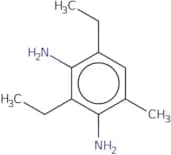
CAS:2,4-Dinitrobenzoic acid (2,4-DNBA) is a chemical reagent that has been used as a positive control for the detection of hydrogen bonding interactions. It is also used in analytical methods to detect protonation, carboxylate, and hydroxyl groups. This compound can be prepared from picric acid by nitration with nitric acid and then reacting with aniline. The 2,4-DNBA molecule contains two intramolecular hydrogen bonds and four intermolecular hydrogen bonds. 2,4-DNBA is classified as a trifluoroacetic acid derivative.Formula:C7H4N2O6Purity:Min. 96 Area-%Color and Shape:Slightly Yellow PowderMolecular weight:212.12 g/molDiethyltoluenediamine (2,4 and 2,6 diamine regioisomers)
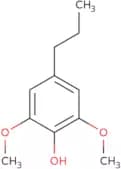
CAS:Chain extender for elastomeric polyurethane; curing agent for epoxy resinFormula:C11H18N2Purity:Min. 95%Color and Shape:Clear LiquidMolecular weight:178.27 g/mol2,6-Dimethoxy-4-propylphenol
CAS:2,6-Dimethoxy-4-propylphenol is an organic solvent that is used in the synthesis of pharmaceuticals and agricultural chemicals. It is also a precursor for lignin, a natural polymer found in plants. 2,6-Dimethoxy-4-propylphenol can be converted to 2,6-dimethoxyphenol by hydrolysis with water vapor or an acid catalyst. The skeleton of 2,6-dimethoxy-4-propylphenol is a carbon chain with ether linkages that are susceptible to hydrolysis reactions. These reactions produce monomers and fatty acids.
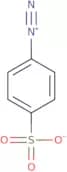
Formula:C11H16O3Purity:Min. 95%Color and Shape:Clear LiquidMolecular weight:196.24 g/mol4-Diazobenzenesulfonic acid - moistened with water (H2O~50%)
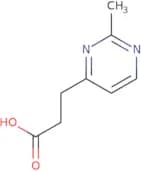
CAS:4-Diazobenzenesulfonic acid is a reagent used for the determination of phenols, amines and, bilirubin. It also has extensive usage as a protein-modifying reagent. This is because it reacts with a wide variety of functional groups in proteins including: tyrosine, histidine, amino, and thiol residues. It is known to react with proteins located on the exterior of erythrocytes; additionally, it has been used to study chloroplast and mitochondrial membranes.Formula:C6H4N2O3SPurity:Min. 95%Color and Shape:PowderMolecular weight:184.17 g/mol3-(2-Methylpyrimidin-4-yl)propanoic acid
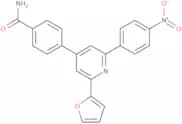
CAS:Versatile small molecule scaffoldFormula:C8H10N2O2Purity:Min. 95%Color and Shape:PowderMolecular weight:166.18 g/molKJ Pyr 9
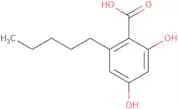
CAS:KJ Pyr 9 is an all-trans retinoic acid (ATRA) derivative that has been shown to inhibit the growth of cancer cells in vitro. KJ Pyr 9 selectively binds to the retinoid X receptor, which is a transcription factor that regulates gene expression. ATRA derivatives are also known as potential biomarkers for colorectal adenocarcinoma and cervical cancer. KJ Pyr 9 was found to be cytostatic rather than cytotoxic, meaning it inhibits cell proliferation but does not kill cells. This molecule has low expression levels and may be a target for inhibitory compounds.Formula:C22H15N3O4Purity:Min. 95%Molecular weight:385.37 g/mol2,4-Dihydroxy-6-pentylbenzoic acid
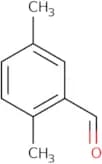
CAS:An intermediate in the phytocannabinoid biosynthetic pathway.Formula:C12H16O4Purity:Min. 98 Area-%Color and Shape:PowderMolecular weight:224.25 g/mol2,5-Dimethylbenzaldehyde
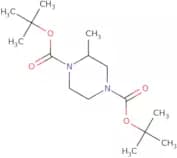
CAS:2,5-Dimethylbenzaldehyde is a chemical that is used in the synthesis of various compounds. It has been shown to have anticancer and energy metabolism properties. 2,5-Dimethylbenzaldehyde can be used as an energy source in the mitochondria. This compound also prevents the formation of fatty acids by inhibiting the conversion of acetyl-CoA into malonyl-CoA. The phase transition temperature for 2,5-dimethylbenzaldehyde is approximately −20 °C. The reaction mechanism for this compound is not well understood, but it has been shown to react with piperonal to form 3,4-dimethylbenzyl alcohol and methyl ethyl ether, which are both carcinogenic compounds. Chemical ionization mass spectrometry experiments have shown that protonated 2,5-dimethylbenzaldehyde reacts with methane gas to form methyl ethane and hydrogen gas. Thermodynamic data suggest that 2,5-dimethylFormula:C9H10OPurity:Min. 98.0 Area-%Color and Shape:Slightly Yellow Clear LiquidMolecular weight:134.18 g/mol1,4-Di-tert-butyl 2-methylpiperazine-1,4-dicarboxylate
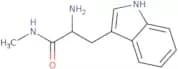
CAS:Versatile small molecule scaffoldFormula:C15H28N2O4Purity:Min. 95%Color and Shape:PowderMolecular weight:300.39 g/mol(2S)-2-Amino-3-(1H-indol-3-yl)-N-methylpropanamide
CAS:Acetaminophen is a non-opioid analgesic and antipyretic drug. It is a common medication used to treat pain, fever, and inflammation. Acetaminophen inhibits matrix metalloproteinase (MMPs) by binding to the active site of the enzyme, thus preventing it from breaking down collagen in the extracellular matrix. This inhibition has been shown to be effective against cancer cells. Acetaminophen also has an antioxidative activity that may be due to its ability to inhibit lipid peroxidation, which is important for cell membrane integrity. Acetaminophen has been shown to reduce ulceration in animal models.Formula:C12H15N3OPurity:Min. 95%Color and Shape:PowderMolecular weight:217.27 g/mol3,5-Dibromo-2-anisic acid
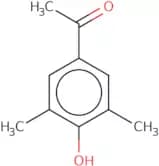
CAS:3,5-Dibromo-2-anisic acid is a short chain dodecyl amine with the chemical formula CH2Br2C6H4N. It is an active compound that has been shown to have nematicidal activity and also shows high activity against saprophytes. 3,5-Dibromo-2-anisic acid is synthesized by reacting chlorine with salicylaldehyde in the presence of a base. The compound is used in the synthesis of various other organic compounds such as amides and amines.Formula:C8H6Br2O3Purity:Min. 95%Color and Shape:PowderMolecular weight:309.94 g/mol3',5'-Dimethyl-4'-hydroxyacetophenone
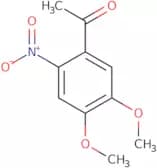
CAS:3',5'-Dimethyl-4'-hydroxyacetophenone is a versatile building block that can be used as an intermediate in the synthesis of complex compounds. This compound has been shown to be useful for the synthesis of fine chemicals, such as insecticides and herbicides. 3',5'-Dimethyl-4'-hydroxyacetophenone can also be used as a reaction component, reagent, and useful scaffold in research chemicals. It has a CAS number of 5325-04-2 and is a fine chemical with high quality.Formula:C10H12O2Purity:Min. 95%Color and Shape:White PowderMolecular weight:164.2 g/mol3',4'-Dimethoxy-6'-nitroacetophenone
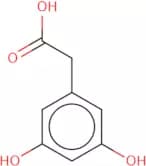
CAS:3',4'-Dimethoxy-6'-nitroacetophenone is a high detection compound that has been used for the detection of p2y12. This molecule has also been shown to be an inhibitor of survivin and inorganic uptake. 3',4'-Dimethoxy-6'-nitroacetophenone has been shown to have anti-cancer properties, specifically against bladder cancer. It is important to note that this compound is not cytotoxic, which means it does not kill or harm cells. The modifications made to the molecule are what make it an effective anti-cancer agent.Formula:C10H11NO5Purity:Min. 95%Color and Shape:SolidMolecular weight:225.2 g/mol3,5-Dihydroxyphenylacetic acid
CAS:3,5-Dihydroxyphenylacetic acid is a versatile building block that can be used to synthesize complex molecules. 3,5-Dihydroxyphenylacetic acid is a reagent in organic chemistry and has been used in the synthesis of novel drugs, among other applications. This chemical has been shown to be useful as a building block for the synthesis of high-quality compounds. 3,5-Dihydroxyphenylacetic acid can be used as an intermediate for the synthesis of pharmaceuticals or other chemicals. It is also a useful scaffold for the production of new molecules with desired properties.
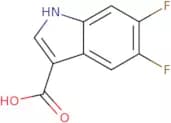
Formula:C8H8O4Purity:Min. 95%Color and Shape:PowderMolecular weight:168.15 g/mol5,6-Difluoro-1H-indole-3-carboxylic acid
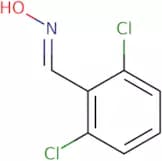
CAS:Versatile small molecule scaffoldFormula:C9H5F2NO2Purity:Min. 95%Color and Shape:PowderMolecular weight:197.14 g/mol2,6-Dichlorobenzaldehyde oxime
CAS:2,6-Dichlorobenzaldehyde oxime is a synthetic molecule that is prepared by the reaction of triphenylphosphine oxide and halides. It is also known as aldoxime and has been used in a number of chemical reactions. 2,6-Dichlorobenzaldehyde oxime has been used in the synthesis of a variety of organic compounds, including toxicants and preservatives.
Formula:C7H5Cl2NOPurity:Min. 95 Area-%Color and Shape:White PowderMolecular weight:190.03 g/mol6-Formylpicolinic acid
CAS:Versatile small molecule scaffoldFormula:C7H5NO3Purity:Min. 95%Color and Shape:PowderMolecular weight:151.12 g/molTrans-methylisoeugenol
CAS:Trans-methylisoeugenol is a natural compound that has been shown to have anti-inflammatory, antioxidant, and immunomodulatory properties. It is a metabolite of isoeugenol, which is a constituent of the essential oils from plants such as angelica dahurica and eugenia caryophyllata. Trans-methylisoeugenol binds to the glucuronide conjugate receptor on the cell surface, leading to various effects including inflammatory responses. Trans-methylisoeugenol also inhibits the activity of enzymes such as benzalkonium chloride and eugenol that are responsible for inflammation. Molecular docking analysis predicts that trans-methylisoeugenol may bind to the same site on the receptor as benzalkonium chloride.Formula:C11H14O2Purity:Min. 90 Area-%Color and Shape:PowderMolecular weight:178.23 g/mol3,4-Dihydroxy-5-methoxybenzoic acid
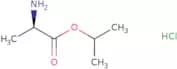
CAS:3,4-Dihydroxy-5-methoxybenzoic acid is a natural phenolic compound found in many plants. It has been shown to inhibit the growth of cancer cells and can be used as a chemopreventive agent for cancer treatment. 3,4-Dihydroxy-5-methoxybenzoic acid is metabolized by the liver into 3,4-dihydroxyphenylacetic acid (3,4-DHPA), which is excreted in urine and feces. The bioavailability of 3,4-Dihydroxy-5-methoxybenzoic acid is low due to its low solubility in water and high reactivity with proteins.Formula:C8H8O5Purity:Min. 95%Color and Shape:PowderMolecular weight:184.15 g/molD-Alanine isopropyl ester HCl
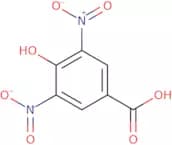
CAS:D-Alanine isopropyl ester HCl is a synthetic compound that has been used as a diagnostic tool for detecting the presence of molybdenum in urine. It has been shown to have a high affinity for the receptor, and acts as an agonist. D-Alanine isopropyl ester HCl has also been shown to induce malignant growth in fibroblast cells.Formula:C6H13NO2·ClHPurity:Min. 95%Color and Shape:White PowderMolecular weight:167.63 g/mol3,5-Dinitro-4-hydroxybenzoic acid
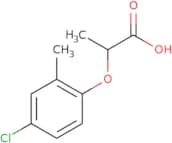
CAS:3,5-Dinitro-4-hydroxybenzoic acid (DNHB) is an organic compound that is used as a reagent in organic synthesis. DNHB has been shown to be a nucleophile, reacting with chloride ions from HCl and forming the corresponding 3,5-dinitrosalicylic acid (DNSA) salt. This reaction has been shown to be efficient at low temperature and pH values. The efficiency of this reaction has been shown to increase by the addition of halides such as fluoride and bromide. Electrospray ionisation mass spectroscopy analysis of DNHB has also revealed that it is an anion with a molecular weight of 228.3 g/mol. DNHB is synthesised by reacting benzoic acid with nitrous acid and hydrochloric acid, followed by treatment with concentrated sulfuric acid.Formula:C7H4N2O7Purity:Min. 95%Color and Shape:Yellow PowderMolecular weight:228.12 g/mol(2S)-2-(4-Chloro-2-methylphenoxy)propanoic acid
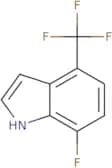
CAS:(2S)-2-(4-Chloro-2-methylphenoxy)propanoic acid (MCPP) is a phenoxy herbicide that is used in the control of annual and perennial broadleaf weeds. It is often found in wastewater treatment plants because it binds to iron ions and can be removed by coagulation, adsorption, or chemical precipitation. MCPP has been shown to produce genotoxic effects in model systems and high values for enzyme activities. The long-term efficacy of MCPP was studied using a bacterial strain with high levels of resistance to this compound. Structural analysis showed that MCPP contains a chlorophenoxy radical, which may contribute to its carcinogenic potential.Formula:C10H11ClO3Purity:Min. 95%Color and Shape:PowderMolecular weight:214.64 g/mol7-Fluoro-4-(trifluoromethyl)-1H-indole
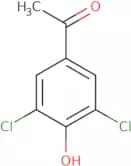
CAS:Versatile small molecule scaffoldFormula:C9H5F4NPurity:Min. 95%Color and Shape:PowderMolecular weight:203.14 g/mol3,5-Dichloro-4-hydroxyacetophenone
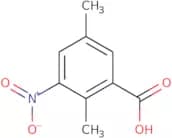
CAS:3,5-Dichloro-4-hydroxyacetophenone (3,5-DCA) is a phosphorylating agent that is used as a reagent to form conjugates with amines. It has been extensively used in the synthesis of natural products and drugs. 3,5-DCA is commonly used in the kinetic method for determining phosphatase activity. 3,5-DCA has high specificity and can be used to measure acid phosphatase activity. It is also synthesized from lapatinib and can be used in biomimetic synthesis schemes for the production of anticancer drugs.Formula:C8H6Cl2O2Purity:Min. 95%Color and Shape:PowderMolecular weight:205.04 g/mol2,5-Dimethyl-3-nitrobenzoic acid
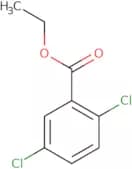
CAS:2,5-Dimethyl-3-nitrobenzoic acid is a versatile building block that can be used in the synthesis of a wide range of compounds. It is also an important intermediate for the synthesis of pharmaceuticals and other speciality chemicals. 2,5-Dimethyl-3-nitrobenzoic acid has been shown to be useful in the preparation of high quality fine chemicals and research chemicals. This compound has been found to be an excellent reagent for various chemical reactions.Formula:C9H9NO4Purity:Min. 95%Color and Shape:PowderMolecular weight:195.17 g/mol2,5-Dichlorobenzoic acid ethyl ester
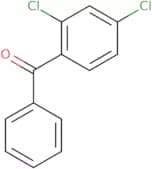
CAS:2,5-Dichlorobenzoic acid ethyl ester is a high quality, versatile building block that can be used as a reagent or intermediate. It is a useful scaffold for the synthesis of fine chemicals and research chemicals. This compound has been used in the synthesis of 2,5-dichloro-N-(2-hydroxyethyl)benzamide (CAS No. 35112-27-7), which is a speciality chemical with potential applications in pharmaceuticals and agrochemicals. 2,5-Dichlorobenzoic acid ethyl ester reacts with an amine to produce an N-[2-(2,5-dichlorophenyl)ethyl]amine (CAS No. 35112-27-7). The reaction proceeds via an amide bond formation by condensation of the amine with the acid chloride formed from the acid and ethyl chloride. This reaction is facilitated by heat andFormula:C9H8Cl2O2Purity:Min. 95%Color and Shape:PowderMolecular weight:219.06 g/mol2,4-Dichlorobenzophenone
CAS:2,4-Dichlorobenzophenone has a molecular weight of 220.38 g/mol and a melting point of -7 °C. It is soluble in chloroform, benzene, ether, and acetone. The 2,4-dichlorobenzophenone has a cyclic structure with two reactive groups that can undergo desorption reactions. When the 2,4-dichlorobenzophenone is sulfated it becomes insoluble in water and isomerizes to 1-chloro-2,4-dichlorobenzene. This product can be used to make silicone products by reacting it with silicone oil.Formula:C13H8Cl2OPurity:Min. 95%Color and Shape:White PowderMolecular weight:251.11 g/mol2,6-Dihydroxy-4-methylbenzoic acid
CAS:2,6-Dihydroxy-4-methylbenzoic acid is a phenolic compound that has been shown to have significant cytotoxicity against cancer cells and may be used in the treatment of various cancers. It is also an endophytic fungus that has been found to produce significant desorption of chloride ions from soil. This compound can also be synthesized by reacting 2,6-dihydroxyphenylacetic acid with methyl iodide or methyl bromide. The reaction system for this synthesis includes concentrated hydrochloric acid, zinc dust, and ethyl acetate. The reaction solution was crystallized in the form of a white solid and the crystals were analyzed by X-ray crystallography to determine their structure. Photocatalytic activity was observed when using 2,6-dihydroxy-4-methylbenzoic acid as an electron donor in a reaction system containing titanium dioxide and hydrogen peroxide as an electron acceptor.Formula:C8H8O4Purity:Min. 98 Area-%Color and Shape:SolidMolecular weight:168.15 g/mol3,5-Diisopropyl-4-hydroxybenzoic acid
CAS:3,5-Diisopropyl-4-hydroxybenzoic acid is a white, crystalline compound that can be found as a dimer. It is soluble in solvents such as chloroform and ethers but insoluble in water. 3,5-Diisopropyl-4-hydroxybenzoic acid is used in the production of polyesters, polymers, and resins. This compound has been used to produce propofol and decarboxylating monomers for organic solvents. 3,5-Diisopropyl-4-hydroxybenzoic acid reacts with chloride ion at high temperatures to form chlorine gas and hydrogen chloride. The melting point of this compound is 169 degrees Celsius.Formula:C13H18O3Purity:Min. 95%Color and Shape:PowderMolecular weight:222.28 g/mol(1S,3S,5S)-2-Azabicyclo[3.1.0]hexane-3-carboxylic Acid
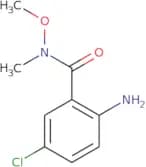
CAS:(1S,3S,5S)-2-Azabicyclo[3.1.0]hexane-3-carboxylic Acid is a crystalline compound in the form of a white solid with a melting point of 210°C and a molecular weight of 164.09 g/mol. It has been used to stabilize the helical conformation of l-proline and proline, which are amino acids that have been shown to inhibit the conformational changes in proteins that may lead to protein misfolding and aggregation. (1S,3S,5S)-2-Azabicyclo[3.1.0]hexane-3-carboxylic Acid also has structural properties that make it suitable for x-ray crystallography experiments as well as structural studies with dichroism or tetrameric techniques.Formula:C6H9NO2Purity:Min. 95%Molecular weight:127.14 g/mol2-Amino-5-chloro-N-methoxy-N-methylbenzamide
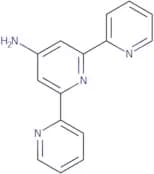
CAS:Versatile small molecule scaffoldFormula:C9H11ClN2O2Purity:Min. 95%Color and Shape:PowderMolecular weight:214.65 g/mol4'-Amino-2,2':6',2''-terpyridine
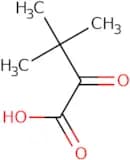
CAS:4'-Amino-2,2':6',2''-terpyridine is a fine chemical that can be used as a versatile building block in the synthesis of complex compounds. It has been shown to be useful in the synthesis of various research chemicals and reaction components, including pharmaceuticals and agrochemicals. 4'-Amino-2,2':6',2''-terpyridine is also a reagent for organic synthesis and can be used as a high-quality laboratory chemical.Formula:C15H12N4Purity:Min. 80%Color and Shape:PowderMolecular weight:248.28 g/molTrimethylpyruvic acid
CAS:Trimethylpyruvic acid is an organic compound that is a colorless liquid with a strong odor. It is produced by the oxidation of l-tert-leucine with hydrogen peroxide in the presence of sodium hydroxide. The molecule is chiral, which means it can exist as two different forms that have different physical and chemical properties. Trimethylpyruvic acid can be used for the synthesis of other molecules, including amides, carboxylic acids, and nucleotides. It also has photochemical properties and can be used in reactions that require heating or light.Formula:C6H10O3Purity:Min. 95%Color and Shape:Clear LiquidMolecular weight:130.14 g/mol2-Mercaptobenzimidazole zinc salt
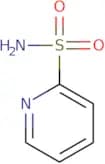
CAS:2-Mercaptobenzimidazole zinc salt is a synthetic, organic solvent that is used as an additive in the manufacture of dyes, paints, and varnishes. It is also used to make photographic film and x-ray film. 2-Mercaptobenzimidazole zinc salt is not soluble in water but can be dissolved by organic solvents such as acrylonitrile. This compound has been shown to have photocatalytic activity when activated by light. It has been found to be heat resistant up to 110°C, which makes it suitable for use in coating and printing applications. 2-Mercaptobenzimidazole zinc salt has carboxylate properties that allow it to react with calcium carbonate and hydrogen tartrate for industrial purposes.Formula:C14H10N4S2ZnColor and Shape:White Off-White PowderMolecular weight:363.8 g/molPyridine-2-sulfonamide
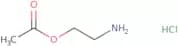
CAS:Pyridine-2-sulfonamide is a synthetic drug that has been shown to inhibit the growth of cancer cells. It binds to the endothelin-A receptor, which is found in many tissues including the heart, brain, and skin. This binding inhibits the binding of epidermal growth factor to its receptor. Pyridine-2-sulfonamide also inhibits pancreatitis by inhibiting the production of hydrogen ions from hydrochloric acid and reducing inflammation. This drug has been shown to be effective against HIV infection.Formula:C5H6N2O2SPurity:Min. 95%Color and Shape:PowderMolecular weight:158.18 g/mol2-Aminoethyl Acetate Hydrochloride
CAS:Versatile small molecule scaffoldFormula:C4H9NO2·HClPurity:Min. 95%Color and Shape:PowderMolecular weight:139.58 g/mol3-Methyl-5-(trifluoromethyl)isoxazole-4-carboxylic acid
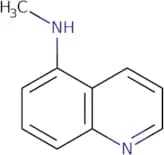
CAS:Versatile small molecule scaffoldFormula:C6H4F3NO3Purity:Min. 95%Molecular weight:195.1 g/molN-Methylquinolin-5-amine
CAS:Versatile small molecule scaffoldFormula:C10H10N2Purity:Min. 95%Color and Shape:PowderMolecular weight:158.2 g/molL-Valinol
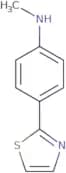
CAS:L-Valinol is a model system that is used to study the reaction of aziridines with oxygen nucleophiles. It has been shown that this reaction proceeds through the formation of an intermediate, hydrogen tartrate, followed by a second step with nitrogen atoms as the nucleophile and alcohol residue as the substrate. The use of L-valinol in asymmetric synthesis was also demonstrated. In this process, amides were obtained with high enantioselectivity by reacting L-valinol with amines in acidic conditions. This synthetic pathway was found to be synergic with other reactions, such as nitroolefination and benzoylation.Formula:C5H13NOPurity:Min. 95%Color and Shape:Solidified MassMolecular weight:103.16 g/molN-Methyl-4-(1,3-thiazol-2-yl)aniline
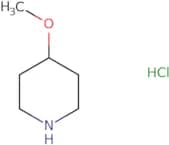
CAS:Versatile small molecule scaffoldFormula:C10H10N2SPurity:Min. 95%Color and Shape:PowderMolecular weight:190.27 g/mol4-Methoxypiperidine hydrochloride
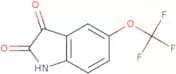
CAS:4-Methoxypiperidine hydrochloride is an organic compound that belongs to the chemical class of aminomethylpiperidines. It is a cycloaddition reaction product of 5-hydroxyisoquinoline and an aldehyde, and it has been used to synthesize aminomethylene derivatives. 4-Methoxypiperidine hydrochloride is also reductively aminated with ammonia or ammonium salts to form alkylamine derivatives. The ring system in 4-methoxypiperidine hydrochloride can be modified by substituting the methyl group with other groups, such as ethyl or phenyl.Formula:C6H13NO•HClPurity:Min. 95%Molecular weight:151.63 g/mol5-(Trifluoromethoxy)-1H-indole-2,3-dione
CAS:5-(Trifluoromethoxy)-1H-indole-2,3-dione is a potent anticancer agent that inhibits the growth of cancer cells by inducing apoptosis. It binds to DNA, forming hydrogen bonds with guanine and adenine residues. This binding prevents the formation of hydrogen bonds between DNA bases, which are essential for maintaining the stability of DNA. The disruption of these bonds leads to chromosomal degradation and eventually cell death. 5-(Trifluoromethoxy)-1H-indole-2,3-dione has shown antifungal activity against Cryptococcus neoformans in vitro and in vivo. This drug also has an allosteric modulator effect on HL60 cells.Formula:C9H4F3NO3Purity:Min. 95%Color and Shape:Red PowderMolecular weight:231.13 g/mol2-Amino-4-oxopentanoic acid hydrochloride
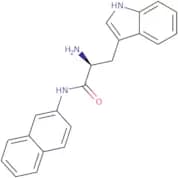
CAS:Versatile small molecule scaffoldFormula:C5H9NO3•HClPurity:Min. 95%Color and Shape:PowderMolecular weight:167.59 g/molL-Tryptophan β-naphthylamide
CAS:L-Tryptophan beta-naphthylamide is a fine chemical that is useful for research purposes. It can be used as a versatile building block in the synthesis of other chemicals and can also be used as a reaction component. L-Tryptophan beta-naphthylamide has been used to synthesize complex compounds such as 5,6-dihydroindolizine, which has been shown to have anti-inflammatory properties. This compound can also be used as a reagent in organic synthesis.Formula:C21H19N3OPurity:Min. 95%Color and Shape:PowderMolecular weight:329.4 g/mol2-(2-(2-Chloroethoxy)ethoxy)ethanol
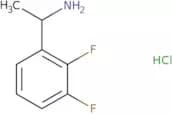
CAS:2-(2-(2-Chloroethoxy)ethoxy)ethanol (CETOI) is a coumarin derivative that is used as an additive in the fabrication of polyurethane. Magnetic resonance spectroscopy has shown that CETOI can be used as a probe to study amide groups by its ability to form hydrogen bonds with amide groups. This chemical can also be used in regenerative medicine and cyclic peptides. Azobenzene monomers have been shown to inhibit viral replication, including influenza virus, through the formation of covalent bonds with phosphate groups on dsDNA.Formula:C6H13ClO3Purity:Min. 95%Color and Shape:Colorless Clear LiquidMolecular weight:168.62 g/mol1-(2,3-Difluorophenyl)ethan-1-amine hydrochloride
CAS:1-(2,3-Difluorophenyl)ethan-1-amine hydrochloride is a high quality chemical. It is a reagent that can be used as an intermediate in the synthesis of complex compounds and fine chemicals. This compound is also a useful scaffold for the development of new drugs and novel materials. 1-(2,3-Difluorophenyl)ethan-1-amine hydrochloride is also a versatile building block for reactions in organic chemistry. It is a speciality chemical that can be used as a research chemical or reaction component for synthetic organic chemistry.Formula:C8H10ClF2NPurity:Min. 95%Color and Shape:PowderMolecular weight:193.62 g/moltert-Butyl 1H,4H,5H,6H,7H-pyrrolo[3,2-c]pyridine-5-carboxylate
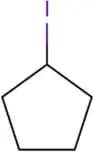
CAS:Tert-Butyl 1H,4H,5H,6H,7H-pyrrolo[3,2-c]pyridine-5-carboxylate is a fine chemical that is a useful scaffold for the synthesis of various organic compounds. It is an intermediate for research chemicals and a reaction component for speciality chemicals. Tert-Butyl 1H,4H,5H,6H,7H-pyrrolo[3,2-c]pyridine-5-carboxylate has been used as a reagent in the synthesis of complex compounds. This compound has high purity and can be used as a building block in synthesis of other compounds.Formula:C12H18N2O2Purity:Min. 95%Color and Shape:PowderMolecular weight:222.28 g/molIodocyclopentane (stabilised with copper)
CAS:Iodocyclopentane is an organic compound that has been synthesized for the treatment of infectious diseases. Iodocyclopentane binds to the active site of a lipid kinase and inhibits the enzyme activity, which prevents the synthesis of phospholipids and lipids. This compound also inhibits bacterial growth by binding to nitrogen atoms in their DNA, preventing replication. The X-ray crystal structure of iodocyclopentane shows that it is a symmetric molecule.Formula:C5H9IPurity:Min. 95%Molecular weight:196.03 g/molPhenoxazine
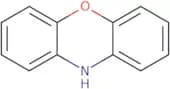
CAS:Phenoxazine is a fluorescence probe that binds to DNA and has minimal toxicity. It is used in biological studies as a redox potential indicator to measure the electrochemical impedance of cells. Phenoxazine has been shown to have anti-inflammatory activity by inhibiting prostaglandin E2 levels in HL-60 cells. This drug also can be used as a model system for studying infectious diseases, such as tuberculosis, which are caused by mycobacteria. Phenoxazine has been shown to inhibit the growth of mycobacteria using an electrochemical impedance spectroscopy (EIS) polymerase chain reaction (PCR) technique.Formula:C12H9NOPurity:Min. 96.5 Area-%Color and Shape:Beige PowderMolecular weight:183.21 g/mol4-Formyl-3-hydroxybenzoic acid
CAS:4-Formyl-3-hydroxybenzoic acid (4FHB) is a member of the phenylacetic acid family. It has been shown to have potential as a substrate for creatine kinase and amines, as well as an inhibitor of the enzyme. 4FHB binds to the surface of silica particles in order to enhance Raman scattering in a solid-phase synthesis. The molecular weight of 4FHB is 148 g/mol, with optical properties that can be described by fluorescence spectroscopy. 4FHB has been shown to be homochiral and tetradentate, with a magnetic resonance spectrum that can be characterized by hydroxyl group and salicylaldehyde groups.Formula:C8H6O4Purity:Min. 96.5 Area-%Color and Shape:PowderMolecular weight:166.13 g/mol5-Fluoroindole
CAS:5-Fluoroindole is a reagent that can be used in organic synthesis. It can be used to synthesize a variety of compounds, including pharmaceuticals and agrochemicals. 5-Fluoroindole is also useful as an intermediate for the synthesis of complex molecules or fine chemicals. 5-Fluoroindole can be used as a building block for the preparation of other chemical compounds. It is a versatile building block with many applications in research and industry.Formula:C8H6FNMolecular weight:135.14 g/mol(3-Aminopropyl)trimethylazanium chloride
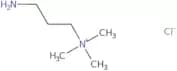
CAS:(3-Aminopropyl)trimethylazanium chloride is a fine chemical that is used as a building block and reagent in the synthesis of various organic compounds. It has been shown to be useful for reactions involving nucleophilic aromatic substitution, radical addition, and cycloaddition reactions. (3-Aminopropyl)trimethylazanium chloride has also been shown to be an effective intermediate in the synthesis of various pharmaceuticals. The CAS number is 19223-69-9.Formula:C6H17ClN2Purity:Min. 95%Color and Shape:PowderMolecular weight:152.66 g/mol3-Formylindole-5-carboxylic acid methyl ester
CAS:3-Formylindole-5-carboxylic acid methyl ester is a chemical compound that can be used as a building block or intermediate for the synthesis of more complex compounds. 3-Formylindole-5-carboxylic acid methyl ester has a high purity and is an excellent reagent for use in research. This chemical may also be used as a starting material for the synthesis of speciality chemicals and fine chemicals.Formula:C11H9NO3Purity:Min. 98.0 Area-%Molecular weight:203.20 g/mol2,4-Dimethoxybenzaldehyde
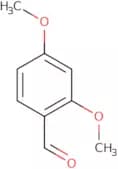
CAS:2,4-Dimethoxybenzaldehyde is a synthetic compound that has been shown to have activity against pancreatic lipase. It has been suggested as a potential drug for the treatment of metabolic disorders such as obesity or diabetes. 2,4-Dimethoxybenzaldehyde can be synthesized by reacting ethyl diazoacetate with an aldehyde in the presence of ammonium acetate. This chemical can also be used to produce ethyl esters and compounds belonging to the group of phlorotannins. 2,4-Dimethoxybenzaldehyde has been shown to have antioxidative activity and inhibitory effects on pancreatic lipase.
Formula:C9H10O3Purity:Min. 95%Color and Shape:White PowderMolecular weight:166.18 g/molDL-Pantolactone
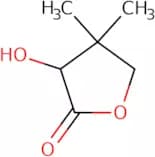
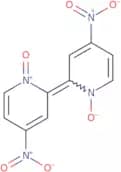
CAS:DL-Pantolactone is a chiral lactone compound. In cosmetics, it is often used in formulations aimed at improving skin hydration and elasticity as it is an emulsion stabiliser. In pharmaceuticals it can be used as an intermediate in organic synthesis. The D-enantiomer is often used as a chiral auxiliary.Formula:C6H10O3Purity:Min. 95%Color and Shape:White PowderMolecular weight:130.14 g/mol4,4'-Dinitro-2,2'-bipyridine-N,N'-dioxide
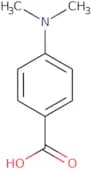
CAS:Please enquire for more information about 4,4'-Dinitro-2,2'-bipyridine-N,N'-dioxide including the price, delivery time and more detailed product information at the technical inquiry form on this pageFormula:C10H6N4O6Purity:Min. 94 Area-%Color and Shape:Yellow PowderMolecular weight:278.18 g/mol4-Dimethylaminobenzoic acid
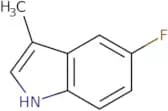
CAS:4-Dimethylaminobenzoic acid is a cationic surfactant that is used in analytical chemistry to measure the proton concentration. It reacts with protons and forms a positively charged ion. 4-Dimethylaminobenzoic acid can be used in experimental models to study the effects of protonation on cell growth and metabolism. Research has found that 4-dimethylaminobenzoic acid can be used as a growth factor by stimulating the production of protein, DNA, and RNA in cells. 4-Dimethylaminobenzoic acid is used as an ingredient in some skin care products because it has been shown to have anti-inflammatory properties.Formula:C9H11NO2Purity:Min. 98 Area-%Color and Shape:White PowderMolecular weight:165.19 g/mol5-Fluoro-3-methylindole
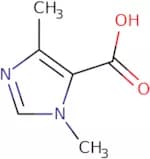
CAS:5-Fluoro-3-methylindole is a reactive compound that is not soluble in water. It has a molecular weight of 288.5 and an ionization potential of 7.8 eV. 5-Fluoro-3-methylindole can act as a potent antagonist by binding to the pharmacophore, which is the three hydrogen bonding sites on the benzodiazepine receptor. This drug has been shown to be reactive with halides, nitro, and magnesium, as well as with some endogenous compounds such as nitroarenes and amides. 5-Fluoro-3-methylindole also reacts with fluorescence ligands and transfer agents.Formula:C9H8FNPurity:Min. 95%Molecular weight:149.16 g/mol1,4-Dimethyl-1H-imidazole-5-carboxylic acid
CAS:Versatile small molecule scaffoldFormula:C6H8N2O2Purity:Min. 90%Molecular weight:140.14 g/molDibenzofuran
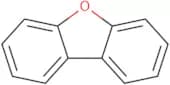
CAS:Dibenzofuran is a polycyclic aromatic hydrocarbon (PAH) that can be found in the environment and in living organisms. The body mass index, concentrations of dibenzofurans in maternal blood, and analytical method are factors that determine the levels of this compound. Dibenzofurans have been shown to induce enzyme activities in human serum. It is also an oral pathogen for humans, causing health problems such as DNA damage and cancer. Dibenzofurans are metabolized by cytochrome P450 enzymes and can react with other PAHs to form polychlorinated dibenzodioxins. Structural analysis shows nitrogen atoms on the benzene ring, which are essential for biological properties such as mutagenicity.Formula:C12H8OPurity:Min. 95%Color and Shape:White PowderMolecular weight:168.19 g/molDipropyl ether
CAS:Dipropyl ether is an ether that has a glycol ether backbone. It is used as a solvent in the production of optical sensors, and it may be used as a carrier for fatty acids. Dipropyl ether also has the ability to transport water, which makes it useful for wastewater treatment. This compound is synthesized by reacting ethylene diamine with two equivalents of propylene oxide. The glycol chain consists of two hydroxyl groups that are separated by an intramolecular hydrogen bond, which stabilizes the molecule and prevents it from reacting with other substances.Formula:C6H14OPurity:Min. 99.0 Area-%Color and Shape:Colorless Clear LiquidMolecular weight:102.17 g/mol1,3-Diamino-2-hydroxypropane
CAS:Intermediate 1,3-Diamino-2-hydroxypropane, also known as 1,3-Diamino-2-propanol, is the simplest amino alcohol containing two primary amino groups and one secondary alcohol group. 1,3-diamino-2-hydroxypropane is quite versatile, serving as a building block for the synthesis of many organometallic compounds and for the biological synthesis of peptides. In industry, 1,3-diamino-2-hydroxypropane is often used as a scrubber for industrial exhaust gases, used in organic synthesis and used biochemically for proteomics research.Formula:C3H10N2OPurity:Min. 97 Area-%Color and Shape:Yellow PowderMolecular weight:90.12 g/mol2,5-Diketopiperazine
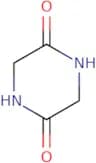
CAS:2,5-Diketopiperazine is a trifluoroacetic acid derivative that has been shown to inhibit the growth of prostate cancer cells. The molecular docking analysis revealed that 2,5-Diketopiperazine binds to epidermal growth factor (EGF) and intermolecular hydrogen bonding may be involved in its interaction with EGF. 2,5-Diketopiperazine also inhibits the activity of fatty acid synthase by binding to the acyl carrier protein and blocking the formation of malonyl coenzyme A. This compound can be found in plants and some marine invertebrates as well as in etoac extract. It has been shown to have anti-inflammatory properties due to its ability to inhibit cyclic peptide production from arachidonic acid.Formula:C4H6N2O2Purity:Min. 98 Area-%Color and Shape:PowderMolecular weight:114.1 g/mol5-Chlorosulfonyl-2-hydroxybenzoic acid
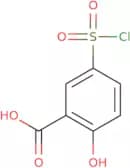
CAS:5-Chlorosulfonyl-2-hydroxybenzoic acid is a convergent, clean, and efficient synthesis of the pharmaceutical drug sildenafil. It has been shown to be a reagent for the preparation of sildenafil. 5-Chlorosulfonyl-2-hydroxybenzoic acid is an organic compound that belongs to the class of compounds called sulfonamides. This compound has been shown to be an efficient and effective synthetic intermediate in the preparation of sildenafil.Formula:C7H5ClO5SPurity:Min. 95%Color and Shape:PowderMolecular weight:236.63 g/molFmoc-Gly-Gly-OH
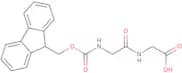
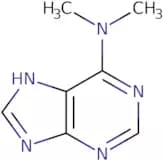
CAS:Fmoc-Gly-Gly-OH is an Fmoc protected glycine derivative used in proteomics studies and in solid phase peptide synthesis. In the synthesis of antibody-drug conjugates (ADC), Fmoc-Gly-Gly-OH acts as a cleavable ADC linker. The protected head of Fmoc-Gly-Gly-OH allows expanding the chain of the peptide to produce polypeptides.Formula:C19H18N2O5Purity:Min. 97 Area-%Color and Shape:PowderMolecular weight:354.36 g/mol6-(Dimethylamino)purine
CAS:6-(Dimethylamino)purine (6-DAP) is a purine nucleoside that acts as an inhibitor of the transcription factor leukemia inhibitory factor (LIF). 6-DAP binds to the response element in the promoter region of LIF and blocks the binding of LIF to this site. This prevents transcription of LIF, which leads to cell cycle arrest. 6-DAP also has inhibitory effects on skin cells and inhibits the formation of fetal bovine serum protein in a model system. 6-DAP binds to nuclear DNA and alters its structure, which may cause problems with DNA replication or transcription.Formula:C7H9N5Purity:Min. 98 Area-%Color and Shape:White PowderMolecular weight:163.18 g/mol2,4,6-Trihydroxybenzoic acid methyl ester
CAS:2,4,6-Trihydroxybenzoic acid methyl ester is a synthetic compound that has been used in animal studies to investigate the inflammatory effects of substances. It has been shown to have anti-inflammatory properties in vitro and in vivo. Furthermore, 2,4,6-Trihydroxybenzoic acid methyl ester has been shown to inhibit the production of tumour necrosis factor-α (TNF-α) and other cytokines. This drug also has anti-fungal activity against Candida albicans and Aspergillus fumigatus. 2,4,6-Trihydroxybenzoic acid methyl ester is biodegradable.
Formula:C8H8O5Purity:Min. 95%Color and Shape:PowderMolecular weight:184.15 g/mol6-(Aminomethyl)-2-naphthol
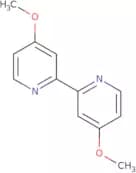
CAS:Versatile small molecule scaffoldFormula:C11H11NOPurity:Min. 95%Molecular weight:173.21 g/mol4,4'-Dimethoxy-2,2'-bipyridine
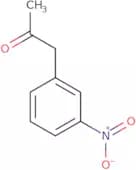
CAS:4,4'-Dimethoxy-2,2'-bipyridine (DMBP) is a reactive compound that can undergo nucleophilic attack on protonated molecules. DMBP has a high value for protonation and is able to react with water vapor in the air to form hydroxide. It has been used as a model protein to study the redox potential of biomolecules and the biological properties of halides. The crystal structure of DMBP has been studied by X-ray crystallography and is found to be related to technetium.Formula:C12H12N2O2Purity:Min. 95%Color and Shape:PowderMolecular weight:216.24 g/mol(3-Nitrophenyl)acetone
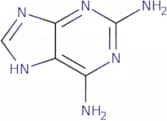
CAS:3-Nitrophenylacetone is a white solid that is soluble in water and polar organic solvents. 3-Nitrophenylacetone can be used as a building block for the synthesis of other compounds, such as pharmaceuticals and dyes. This compound has been researched for its ability to inhibit protein glycosylation. 3-Nitrophenylacetone is also used as an intermediate in the synthesis of polyurethanes and polycarbonates.Formula:C9H9NO3Purity:Min. 95%Color and Shape:White PowderMolecular weight:179.17 g/mol2,6-Diaminopurine
CAS:2,6-Diaminopurine is a nucleotide analogue that is synthesized from guanosine. It inhibits the enzyme ribonucleotide reductase and blocks the synthesis of DNA precursors, which are necessary for viral replication. 2,6-Diaminopurine has been shown to inhibit hiv infection in tissue culture and animal models by decreasing the levels of nucleotides in cells. This drug can be used as an anti-viral agent against HIV and other retroviruses. 2,6-Diaminopurine has also been shown to be effective against murine sarcoma virus. The compound binds to the enzyme ribonucleotide reductase, which is important for DNA synthesis, and prevents its activity by mimicking adenosine triphosphate (ATP). The binding of 2,6-diaminopurine to ATP results in a coordination geometry that causes a long hydrogen bond with one oxygen
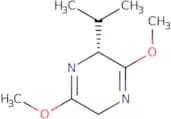
Formula:C5H6N6Purity:Min. 95%Color and Shape:PowderMolecular weight:150.14 g/mol(R)-2,5-Dihydro-3,6-dimethoxy-2-isopropylpyrazine
CAS:(R)-2,5-Dihydro-3,6-dimethoxy-2-isopropylpyrazine and its enantiomer (S)-2,5-Dihydro-3,6-dimethoxy-2-isopropylpyrazine are also known as Schöllkopf chiral auxiliaries or Schöllkopf reagents, and are used to produce optically pure α-amino acids via asymmetric synthesis. The Schöllkopf reagent can be deprotonated at the prochiral α-carbon, and the resulting enolate is trapped with electrophiles to yield adducts with high (typically > 95% d.e.) diastereoselectivity. The enolate is essentially planar, and the steric bulk of the isopropyl group directs the incoming electrophile to attack from the opposite face, yielding trans adducts. A wide range of electrophiles including alkyl halides, alkyl sulfonates, acyl chlorides, aldehydes, ketones, epoxides, thioketones and enones can be used. Hydrolysis, typically under mild acidic conditions, yields the non-substituted amino acid with high (typically > 95 e.e.) enantiopurity.
Formula:C9H16N2O2Purity:Min. 98%Color and Shape:Colorless Yellow Clear LiquidMolecular weight:184.24 g/mol1,2,5,6-Diepoxycyclooctane
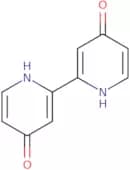
CAS:1,2,5,6-Diepoxycyclooctane is a chemical compound that has been used as a crosslinking agent for the polymerization of epoxies. It is also used as a reactive intermediate in organic synthesis. 1,2,5,6-Diepoxycyclooctane can be prepared by reacting epichlorohydrin with ethylene oxide and then hydrogenation. This chemical compound is stable to ultraviolet light and does not react with cationic surfactants. 1,2,5,6-Diepoxycyclooctane can form monoadducts or diploid adducts when it reacts with chemicals such as dioxane and benzene. The nmr spectra of 1,2,5,6-diepoxycyclooctane show signals characteristic of epoxides.Formula:C8H12O2Purity:Min. 95%Color and Shape:PowderMolecular weight:140.18 g/mol4,4'-Dihydroxy-2,2'-bipyridine
CAS:4,4'-Dihydroxy-2,2'-bipyridine is a metallo-organic compound that can be used as a homogeneous catalyst for the oxidation of hydroxyl groups. It is also used in cancer research because it has been shown to inhibit tumor cell proliferation and induce apoptosis. 4,4'-Dihydroxy-2,2'-bipyridine is an activated form of 2,2'-bipyridyl with a hydroxyl group on its ortho position. It can be prepared by reacting bromine with the metal salt of 2-hydroxybenzaldehyde in the presence of sodium hydroxide. This reaction produces two products: 4,4'-dihydroxy-2,2'-bipyridine and 2-bromoethanol. The deuterium isotope is used for nuclear magnetic resonance spectroscopy studies because it has a spin quantum number of one and does not cause chemical shift
Formula:C10H8N2O2Purity:Min. 98 Area-%Color and Shape:White PowderMolecular weight:188.18 g/molHexahydropyrrolo[1,2-a]pyrazine-1,4-dione
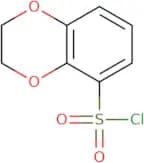
CAS:Hexahydropyrrolo[1,2-a]pyrazine-1,4-dione is a neuroprotective compound that is structurally related to the well-known anti-inflammatory drug ketoprofen. It has been shown to inhibit the production of pro-inflammatory cytokines and reactive oxygen species in vitro by a mechanism involving inhibition of mitochondrial membrane permeability. Hexahydropyrrolo[1,2-a]pyrazine-1,4-dione also inhibits bacterial growth and urea nitrogen excretion in mice. This compound has been found in cyanobacteria and some etoac extracts, as well as in bacteria from the genera Pseudomonas and Staphylococcus.Formula:C7H10N2O2Purity:Min. 95%Molecular weight:154.17 g/mol2,3-Dihydro-1,4-benzodioxine-5-sulfonyl chloride
CAS:Versatile small molecule scaffold
Formula:C8H7ClO4SPurity:Min. 95%Color and Shape:PowderMolecular weight:234.65 g/mol3-[3-(Methylcarbamoyl)phenyl]propanoic acid
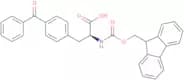
CAS:Versatile small molecule scaffoldFormula:C11H13NO3Purity:Min. 95%Color and Shape:PowderMolecular weight:207.23 g/molFmoc-4-benzoyl-L-phenylalanine
CAS:Fmoc-4-benzoyl-L-phenylalanine is a benzoic acid derivative that binds to the 5-HT1A receptor and the intestinal polypeptide receptor. It may also act as a vasoactive intestinal peptide (VIP) agonist. The pharmacophore of Fmoc-4-benzoyl-L-phenylalanine is similar to other antiarrhythmic drugs, such as quinidine and procainamide, with substituents at positions 2, 3, 4, 6, 7, and 8. Fmoc-4-benzoyl-L-phenylalanine has been shown to inhibit nitric oxide production in amines and ethane. This drug has been shown to have therapeutic potential in the treatment of cardiovascular diseases by visualizing cellular changes in heart tissue.Formula:C31H25NO5Purity:Min. 95%Color and Shape:Off-White PowderMolecular weight:491.53 g/molMethyl 5-chlorosalicylate
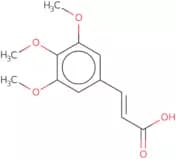
CAS:Methyl 5-chlorosalicylate is a chemical compound with the molecular formula CHClO. It is a colorless liquid that has a minty odor. Methyl 5-chlorosalicylate is used in organic chemistry as an intermediate to synthesize other compounds, and it can be used in the synthesis of β-cell receptor antagonists. This drug is an analog of salicylic acid and its anti-inflammatory effects are due to the inhibition of chloride channels on macrophages. The drug's neutralizing properties have been shown by experiments with neutralizing antibody levels at physiological levels, which blocks viral replication and prevents cell damage by free radicals.Formula:C8H7ClO3Purity:Min. 95%Color and Shape:White PowderMolecular weight:186.59 g/mol3,4,5-Trimethoxycinnamic acid
CAS:3,4,5-Trimethoxycinnamic acid (TMC) is a hydroxycinnamic acid that is an intermediate in the synthesis of protocatechuic acid. TMC has been found to have an inhibitory effect on the matrix metalloproteinase activity in the cerebellar granule cells and may be useful for treating allergic reactions. It also has anti-inflammatory properties and can be used as a replacement for sodium carbonate in certain industrial processes. TMC also has been shown to have GABA-ergic effects, increasing locomotor activity and reducing anxiety. TMC can also be used as a Chinese herb for the treatment of ganoderma lucidum.Formula:C12H14O5Purity:Min. 98 Area-%Color and Shape:PowderMolecular weight:238.24 g/mol5-Carboxyvanillic acid
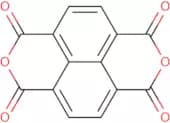
CAS:5-Carboxyvanillic acid is a chemical compound that belongs to the class of organic compounds known as carboxylic acids. It is also called o-vanillin, and it has a molecular weight of 116.19 g/mol. 5-Carboxyvanillic acid is one of the main ingredients in natural vanilla flavour. The hydroxyl group on the 5th carbon atom of this molecule reacts with a proton, which results in an addition reaction mechanism. The reaction proceeds through two steps: first, protonation occurs at the 5th carbon atom; second, deprotonation occurs at the 4th carbon atom. This chemical compound can be found as a white crystalline solid and as a volatile oil.Formula:C9H8O6Purity:Min. 95%Color and Shape:PowderMolecular weight:212.16 g/molNaphthalene-1,4,5,8-tetracarboxylic dianhydride
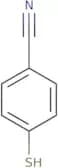
CAS:Naphthalene-1,4,5,8-tetracarboxylic dianhydride is a molecule that contains two carboxylic acid groups and one tetracarboxylic acid group. It is an adsorbent material that is used to remove water vapor from the atmosphere. Naphthalene-1,4,5,8-tetracarboxylic dianhydride is also used in wastewater treatment processes because it has high chemical stability and can be regenerated with anhydrous sodium. The transport properties of naphthalene-1,4,5,8-tetracarboxylic dianhydride are well suited for use as a model system for studying the kinetics of proton exchange membrane fuel cells (PEMFC). This compound has been studied using electrochemical impedance spectroscopy to determine its kinetic data.Formula:C14H4O6Purity:Min. 95 Area-%Color and Shape:Off-White PowderMolecular weight:268.18 g/mol4-Mercaptobenzonitrile
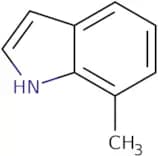
CAS:4-mercaptobenzonitrile (4MBN) is a typical compound used in many spectroscopic experiments. The addition of 4-mercaptobenzonitrile to metal surfaces is used to create self-assembled monolayers with metals. For numerous reasons, it can difficult to immbolize certain chemical groups on surfaces. The addition of 4-mercaptobenzonitrile forms a modified metal surface that enhances technique sensitivity and serves as tool for a better understanding of the interfaces. In recent years, the use of 4-mercaptobenzonitrile together with other molecules on metal nanoparticles has been explored for biomedicinal purposes, serving as a tool for creating surface-enhanced Raman scattering tags (SER tags), useful as cancer biomarker imaging (Li, 2018).Formula:C7H5NSPurity:Min. 95%Color and Shape:PowderMolecular weight:135.19 g/mol7-Methylindole
CAS:7-Methylindole is a biochemical substance that is synthesized in the body. It is produced in the liver, and it can be found in the brain, heart, and kidney. 7-Methylindole has been shown to have cancer-fighting properties. 7-Methylindole binds to DNA by methylating nucleic acid bases, which causes a change in the genetic code. This leads to tumor cells being more sensitive to treatment with other substances that inhibit DNA synthesis or repair, such as anthranilate and 5-methoxyindole.
Formula:C9H9NPurity:Min 98%Color and Shape:PowderMolecular weight:131.17 g/mol


![2-{1-[(tert-Butoxy)carbonyl]piperidin-4-yl}-2-methylpropanoic acid](/_next/image/?url=https%3A%2Fstatic.cymitquimica.com%2Fproducts%2F3D%2Fthumb-webp%2FQJB15685.webp&w=3840&q=75)










![(1S,3S,5S)-2-Azabicyclo[3.1.0]hexane-3-carboxylic Acid](/_next/image/?url=https%3A%2Fstatic.cymitquimica.com%2Fproducts%2F3D%2Fthumb-webp%2FPIA19313.webp&w=3840&q=75)





![tert-Butyl 1H,4H,5H,6H,7H-pyrrolo[3,2-c]pyridine-5-carboxylate](/_next/image/?url=https%3A%2Fstatic.cymitquimica.com%2Fproducts%2F3D%2Fthumb-webp%2FPGC95879.webp&w=3840&q=75)







![Hexahydropyrrolo[1,2-a]pyrazine-1,4-dione](/_next/image/?url=https%3A%2Fstatic.cymitquimica.com%2Fproducts%2F3D%2Fthumb-webp%2FUAA17912.webp&w=3840&q=75)
![3-[3-(Methylcarbamoyl)phenyl]propanoic acid](/_next/image/?url=https%3A%2Fstatic.cymitquimica.com%2Fproducts%2F3D%2Fthumb-webp%2FJZB49430.webp&w=3840&q=75)