Building Blocks
Subcategories of "Building Blocks"
- Boronic Acids & Boronic Acid Derivatives(5,784 products)
- Chiral Building Blocks(1,242 products)
- Hydrocarbon Building Blocks(6,105 products)
- Organic Building Blocks(61,065 products)
Found 205418 products of "Building Blocks"
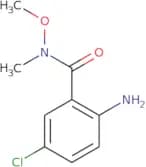
2-Amino-5-chloro-N-methoxy-N-methylbenzamide
CAS:Versatile small molecule scaffoldFormula:C9H11ClN2O2Purity:Min. 95%Color and Shape:PowderMolecular weight:214.65 g/mol4-Chlorothiophene-3-carboxylic acid
CAS:4-Chlorothiophene-3-carboxylic acid is a chemical compound that can be used as a building block for other compounds. It has been used in the preparation of many complex compounds, including pharmaceuticals and fine chemicals. CAS No. 59337-81-4
Formula:C5H3ClO2SPurity:Min. 95%Color and Shape:PowderMolecular weight:162.59 g/mol2,3-Dichloropyridine
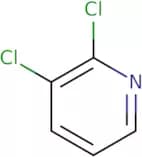
CAS:2,3-Dichloropyridine is an organic compound with the formula P(Cl)Cl. It is a white crystalline solid that reacts violently with water and alcohols. 2,3-Dichloropyridine can be used for the preparation of dichloroacetic acid by reaction with phosphorus pentachloride in the presence of sodium carbonate and water vapor. This compound can also be used to prepare copper chloride by reaction with diazonium salt in hydrochloric acid and chlorine atom in the presence of sodium carbonate at low energy.Formula:C5H3Cl2NPurity:Min. 95%Color and Shape:PowderMolecular weight:147.99 g/mol3,4-Diaminobenzoic acid
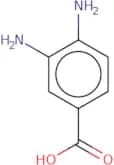
CAS:3,4-Diaminobenzoic acid is a compound that is produced by the condensation of two molecules of hydrochloric acid. 3,4-Diaminobenzoic acid has been used as a reagent in the synthesis of coumarin derivatives. This chemical has been shown to be an effective proton scavenger in an optimum concentration. Benzimidazole compounds are also synthesized from 3,4-diaminobenzoic acid and have been shown to be effective against autoimmune diseases. 3,4-Diaminobenzoic acid can be used for the production of diazonium salts, which are used in the synthesis of anti-inflammatory drugs and other pharmaceuticals. The hydroxyl group on this molecule makes it chemically stable and kinetic data shows that it has high diphenolase activity.Formula:C7H8N2O2Purity:Min. 96 Area-%Color and Shape:PowderMolecular weight:152.15 g/molCyclamic acid
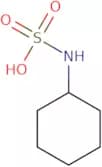
CAS:Artificial sweetener
Formula:C6H13NO3SColor and Shape:PowderMolecular weight:179.24 g/mol2,3,4-Trihydroxybenzaldehyde
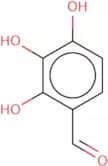
CAS:2,3,4-Trihydroxybenzaldehyde is a chemical compound that has been shown to have anti-cancer properties. It is used in the detection of cancer cells and as an indicator for the presence of palladium complexes. 2,3,4-Trihydroxybenzaldehyde is also a skin allergen and can cause allergic reactions. This chemical reacts with potassium ions in solution to form a precipitate or sludge. 2,3,4-Trihydroxybenzaldehyde has been shown to be effective against colorectal carcinoma cells and Group P2 bacteria.Formula:C7H6O4Purity:Min. 95%Color and Shape:PowderMolecular weight:154.12 g/molMinoxidil
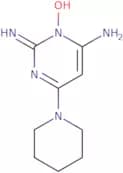
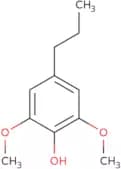
CAS:Anti-androgen; anti-hypertensive; alopecia treatmentFormula:C9H15N5OPurity:Min. 95%Color and Shape:White Off-White PowderMolecular weight:209.25 g/mol2,6-Dimethoxy-4-propylphenol
CAS:2,6-Dimethoxy-4-propylphenol is an organic solvent that is used in the synthesis of pharmaceuticals and agricultural chemicals. It is also a precursor for lignin, a natural polymer found in plants. 2,6-Dimethoxy-4-propylphenol can be converted to 2,6-dimethoxyphenol by hydrolysis with water vapor or an acid catalyst. The skeleton of 2,6-dimethoxy-4-propylphenol is a carbon chain with ether linkages that are susceptible to hydrolysis reactions. These reactions produce monomers and fatty acids.
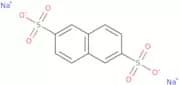
Formula:C11H16O3Purity:Min. 95%Color and Shape:Clear LiquidMolecular weight:196.24 g/mol2,6-Naphthalenedisulfonic acid disodium
CAS:2,6-Naphthalenedisulfonic acid disodium salt is a luminophore that is soluble in water. This compound has been found to have antibacterial activity against the bacteria Staphylococcus aureus and Escherichia coli. The 2,6-naphthalenedisulfonic acid disodium salt is not active against Gram-negative bacteria, such as Pseudomonas aeruginosa. It has been shown to be effective against Gram-positive bacteria by binding to the cell wall and inhibiting protein synthesis. The 2,6-naphthalenedisulfonic acid disodium salt may also be responsible for the antimicrobial activity of copper salts and other antibacterial agents.Formula:C10H8O6S2•Na2Purity:Min. 95%Color and Shape:PowderMolecular weight:334.28 g/mol2-Hydroxy-4-(pyrrolidin-1-yl)benzaldehyde
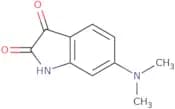
CAS:Versatile small molecule scaffoldFormula:C11H13NO2Purity:Min. 95%Molecular weight:191.23 g/mol6-(Dimethylamino)-2,3-dihydro-1H-indole-2,3-dione
CAS:6-(Dimethylamino)-2,3-dihydro-1H-indole-2,3-dione is a reagent that is used as a high quality intermediate for the synthesis of complex compounds. It is also a useful scaffold for the synthesis of organic compounds. 6-(Dimethylamino)-2,3-dihydro-1H-indole-2,3-dione is a speciality chemical that can be used in research and development to produce novel compounds. This compound can be used in versatile synthetic reactions and is a reaction component with many applications.Formula:C10H10N2O2Purity:Min. 95%Color and Shape:PowderMolecular weight:190.2 g/mol2-Amino-4,6-dimethoxybenzoic acid
CAS:2-Amino-4,6-dimethoxybenzoic acid is an organic chemical compound that can be used as a building block for the synthesis of other compounds. 2-Amino-4,6-dimethoxybenzoic acid has a number of uses including being a reagent in organic and inorganic reactions, such as the synthesis of dyes, pharmaceuticals, and pesticides. It is also used as a building block for complex compounds that are difficult to make. This chemical has been classified by the Chemical Abstract Services (CAS) registry with CAS number 21577-57-1.
Formula:C9H11NO4Purity:Min. 95%Color and Shape:Yellow SolidMolecular weight:197.19 g/mol1,5-Anhydro-D-glucitol 6-dihydrogenphosphate disodium
CAS:Please enquire for more information about 1,5-Anhydro-D-glucitol 6-dihydrogenphosphate disodium including the price, delivery time and more detailed product information at the technical inquiry form on this pageFormula:C6H13O8P•Na2Purity:Min. 95%Molecular weight:290.12 g/mol1,4-Diacetylbenzene
CAS:1,4-Diacetylbenzene (1,4-DAB) is a tetradentate ligand that binds to metal ions. It has been used to model the active site of acetylcholinesterase, as well as for supramolecular chemistry. 1,4-DAB has been shown to have anticholinesterase activity and is used in crosslinkers. 1,4-DAB forms hydrogen bonds with the nitrogen atom of the carbonyl group and also stabilizes molecules through its dipole interactions. The kinetic properties of 1,4-DAB have been studied by modelling studies and by Nuclear Magnetic Resonance spectroscopy. Metformin hydrochloride (MET) is a biguanide antihyperglycemic agent that inhibits glucose production in the liver and promotes insulin sensitivity in peripheral tissues.Formula:C10H10O2Purity:Min. 99.0 Area-%Color and Shape:White PowderMolecular weight:162.19 g/mol4,4'-Dimethoxybenzophenone
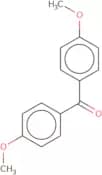
CAS:4,4'-Dimethoxybenzophenone is a process optimization agent that can be used to measure the concentration of basic proteins in human serum. It is also used as a chemical intermediate in the production of polymers. In this application, 4,4'-dimethoxybenzophenone undergoes an irreversible oxidation reaction with trifluoroacetic acid to form 4-methoxybenzoic acid and hydrogen peroxide. The linear model for this reaction has been shown to be: The rate of the reaction depends on the concentration of homogeneous catalysts, such as metal surfaces or hydrogen bonds.Formula:C15H14O3Purity:Min. 95%Color and Shape:PowderMolecular weight:242.27 g/mol2,5-Dimethoxybenzoic acid
CAS:2,5-Dimethoxybenzoic acid (2,5-DMA) is a plant metabolite that belongs to the group of cinnamic acid derivatives. It can be found in plants and has been shown to have systemic effects. 2,5-DMA is involved in the cycloacylation of protocatechuic acid. This reaction is catalyzed by an enzyme called cyclooxygenase and requires molecular oxygen as a cofactor. 2,5-DMA also forms hydrogen bonds with methoxy groups and other molecules. The monoclonal antibodies against 2,5-DMA have been used for radiation therapy and are effective against cancer cells. Model studies show that 2,5-DMA can be converted into more potent metabolites by the action of cytochrome P450 enzymes or glutathione S-transferases.Formula:C9H10O4Purity:Min. 95%Color and Shape:PowderMolecular weight:182.17 g/mol6-(Aminomethyl)-2-naphthol
CAS:Versatile small molecule scaffoldFormula:C11H11NOPurity:Min. 95%Molecular weight:173.21 g/mol6-Hydroxy-2-oxo-1,2-dihydropyridine-3-carboxylic acid
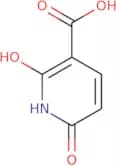
CAS:6-Hydroxy-2-oxo-1,2-dihydropyridine-3-carboxylic acid is a hydroxylate that is found in animals and plants. It is also a flavinoid, meaning it has an aromatic ring with two carbon atoms and a nitrogen atom. 6-Hydroxy-2-oxo-1,2-dihydropyridine 3 carboxylic acid is found in the subunits of flavoproteins, which are enzymes that produce molecular oxygen from hydrogen peroxide. 6HODCA has been shown to be an acceptor for electrons in lipid oxidation reactions and can be used as a precursor for the synthesis of lipids. Hydroxylases also produce 6HODCA by adding water to pyridines.Formula:C6H5NO4Purity:Min. 95%Molecular weight:155.11 g/mol6-Bromo-2-oxindole
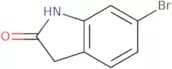
CAS:6-Bromo-2-oxindole is a crystalline compound with a molecular formula of C10H6BrO. It has been shown to have a high efficiency in the production of butyric acid and other organic acids. 6-Bromo-2-oxindole is also used in electron microscopy studies as an electron acceptor, and can be used for producing polymers with crystalline structures and dihedral angles. The compound has been shown to inhibit the growth of breast cancer cells by preventing the synthesis of mda-mb-231 breast cancer cells. It also has been shown to inhibit the production of isoindigo and morphology.
Formula:C8H6BrNOPurity:Min. 98 Area-%Color and Shape:PowderMolecular weight:212.04 g/mol2-Fluoro-4-(hydroxymethyl)phenol
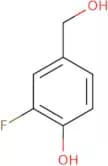
CAS:2-Fluoro-4-(hydroxymethyl)phenol is a versatile building block, which can be used as a reagent to synthesize complex compounds. 2-Fluoro-4-(hydroxymethyl)phenol is also a useful building block for the synthesis of various pharmaceuticals, such as selective androgen receptor modulators (SARMs). It has been reported that 2-fluoro-4-(hydroxymethyl)phenol inhibits the activity of human liver cytochrome P450 enzymes. In addition, this compound has been used as an intermediate in the synthesis of some research chemicals. 2-Fluoro-4-(hydroxymethyl)phenol has CAS number 96740-93-1 and is a high quality chemical with many uses.Formula:C7H7FO2Purity:Min. 95%Color and Shape:PowderMolecular weight:142.13 g/mol6-Bromonaphthalene-2-sulfonyl chloride
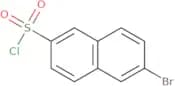
CAS:Versatile small molecule scaffoldFormula:C10H6BrClO2SPurity:Min. 95%Color and Shape:PowderMolecular weight:305.58 g/mol4-Bromo-3-methylbenzaldehyde
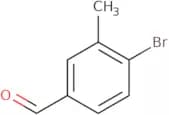
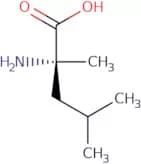
CAS:4-Bromo-3-methylbenzaldehyde is a versatile building block that is used in the synthesis of many complex compounds. It can be used as a reactant, reagent, or speciality chemical. 4-Bromo-3-methylbenzaldehyde is an intermediate for the production of other chemicals and has been shown to be useful in the synthesis of various scaffolds. This product has been shown to have high purity and quality.Formula:C8H7BrOPurity:Min. 95%Color and Shape:Yellow PowderMolecular weight:199.04 g/molα-Me-D-Leu-OH
CAS:a-Me-D-Leu-OH is a versatile building block that is used as a reagent in the synthesis of complex compounds, research chemicals, and speciality chemicals. It is also a useful scaffold for drug design. This chemical is also widely used as an intermediate in organic syntheses.
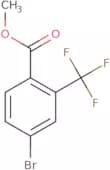
Formula:C7H15NO2Purity:Min. 95%Color and Shape:PowderMolecular weight:145.2 g/mol4-Bromo-2-(trifluoromethyl)benzoic acid methyl ester
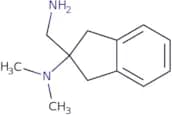
CAS:4-Bromo-2-(trifluoromethyl)benzoic acid methyl ester is a versatile building block that can be used to produce complex compounds. It is also an intermediate and a useful scaffold in organic synthesis. This chemical has been used as a research chemical and as a reagent for the production of other chemicals. The compound has CAS number 957207-58-8 and can be obtained from our supplier in high quality, with purity of 99%.Formula:C9H6BrF3O2Purity:Min. 95%Color and Shape:Colorless PowderMolecular weight:283.04 g/mol2-(Aminomethyl)-N,N-dimethyl-2,3-dihydro-1H-inden-2-amine
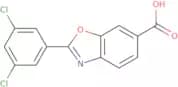
CAS:Versatile small molecule scaffoldFormula:C12H18N2Purity:Min. 95%Color and Shape:PowderMolecular weight:190.28 g/mol2-(3,5-Dichlorophenyl)-6-benzoxazole carboxylic acid
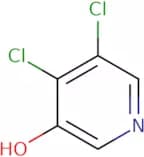
CAS:2-(3,5-Dichlorophenyl)-6-benzoxazole carboxylic acid (XZP) is a diagnostic agent used in the diagnosis of certain diseases. XZP binds to the matrix metalloproteinases and inhibits their activity, which has been shown to reduce the effects of these enzymes on collagen fibers. This inhibition can be demonstrated using a titration calorimetry technique. The drug is also a potential therapeutic agent for congestive heart failure, as it can stimulate cardiac natriuretic peptide levels and reduce transthyretin levels. XZP has also been shown to be an effective adjunct therapy in vancomycin therapy for treatment of tubulointerstitial injury in rats.Formula:C14H7Cl2NO3Purity:Min. 98 Area-%Color and Shape:PowderMolecular weight:308.12 g/mol4,5-Dichloro-3-hydroxypyridine
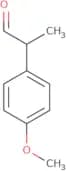
CAS:4,5-Dichloro-3-hydroxypyridine is a reactive chemical that is a building block in organic synthesis. It is used as a reactant in the preparation of other compounds and as a reagent for various reactions, such as those involving amines, alcohols, and thiols. 4,5-Dichloro-3-hydroxypyridine has been found to be useful in the synthesis of heterocyclic compounds with an aromatic ring. It can also be used as an intermediate in the synthesis of pharmaceuticals. This chemical is classified by CAS number 1261269-63-9 and has an MW of 138.2 g/mol.Formula:C5H3Cl2NOPurity:Min. 95%Color and Shape:White PowderMolecular weight:163.99 g/mol2-(4-Methoxyphenyl)propanal
CAS:Versatile small molecule scaffoldFormula:C10H12O2Purity:Min. 95%Molecular weight:164.2 g/molPamoic acid
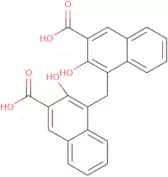
CAS:Pamoic acid is a natural compound that has been found to exhibit antimicrobial activity against a variety of microorganisms. Pamoic acid is also used in the treatment of infectious diseases, such as leprosy, tuberculosis, and AIDS. The biological properties of pamoic acid are due to its ability to bind with peptide hormones and act as a pharmacological agent. Pamoic acid is able to inhibit the synthesis of peptide hormones by binding to their receptors on the cell surface. This inhibition can lead to immunosuppression (e.g., autoimmune diseases) and mitochondrial membrane depolarization. Pamoic acid is also able to bind with benzalkonium chloride, which may account for some of its antimicrobial activity.
Pamoic acid is synthesized from pantothenic acid (vitamin B5) and caproic acid by means of an enzymatic process called transamination.Formula:C23H16O6Purity:Min. 95%Color and Shape:Yellow PowderMolecular weight:388.37 g/molMethyl 5-nitrosalicylate
CAS:Methyl 5-nitrosalicylate is a chemical compound that belongs to the group of 4-hydroxycoumarin derivatives. It is an inhibitor of the reaction between salicylic acid and nitrous acid, inhibiting the formation of 5-nitrosalicylic acid. Methyl 5-nitrosalicylate has shown inhibitory activity against various nitro compounds, including benzofurans. The inhibitory effect on oxidation reactions may be due to its ability to act as a ligand and form coordination complexes with metal ions such as copper, zinc, and iron. Methyl 5-nitrosalicylate also has anti-inflammatory properties that are due to its ability to inhibit prostaglandin synthesis by blocking cyclooxygenase enzyme activity. Methyl 5-nitrosalicylate can be synthesized in a few ways. One method includes reacting methyl salicylate with nitrous acid in the presence of lightFormula:C8H7NO5Purity:Min. 95%Color and Shape:PowderMolecular weight:197.14 g/mol3-Carboxypropanesulfonamide
CAS:3-Carboxypropanesulfonamide is a chemical compound that has been shown to have the ability to modulate cardiac cell function. This compound has been shown to be effective in a reaction monitoring technique, which monitors the functional groups and techniques of chemical reactions, in order to introduce this molecule into the cell membrane and alter its potential. 3-Carboxypropanesulfonamide is capable of changing the lipid composition of the membrane by introducing a linker group that can bind with other molecules such as cholesterol or phospholipids. This linker group alters the membrane potential of cells, leading to changes in ion flow and cellular response.Formula:C4H9NO4SPurity:Min. 95%Color and Shape:White PowderMolecular weight:167.18 g/molCGS 9895
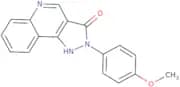
CAS:CGS 9895 is a benzodiazepine ligand that binds to the α1 subunit of the GABA receptor. It has been shown to be an effective dose for treating nervous system diseases such as anxiety, panic disorders, and insomnia. CGS 9895 is a competitive antagonist of benzodiazepines, which bind to the same site on the GABA receptor. It also blocks chloride channels in neurons by acting as an uptake inhibitor and allosteric modulator of GABA receptors. This agent may have potential uses in the treatment of epilepsy, Parkinson's disease, and other central nervous system disorders.Formula:C17H13N3O2Purity:Min. 95%Color and Shape:PowderMolecular weight:291.3 g/molPPACK hydrochloride
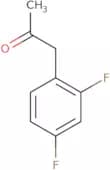
CAS:Please enquire for more information about PPACK hydrochloride including the price, delivery time and more detailed product information at the technical inquiry form on this pageFormula:C21H31ClN6O3•xHClPurity:Min. 95%Color and Shape:PowderMolecular weight:487.42 g/mol(2,4-Difluorophenyl)acetone
CAS:(2,4-Difluorophenyl)acetone is a high quality chemical that can be used as a reagent, intermediate or building block for the synthesis of complex compounds. It is also a versatile building block for the synthesis of speciality chemicals, research chemicals and reaction components. (2,4-Difluorophenyl)acetone is an important intermediate in the synthesis of fluoroquinolones and it has been shown to be useful in the preparation of dyes such as indigo and phthalocyanine. This compound is also used to synthesize other pharmaceuticals such as aspirin and acetaminophen.
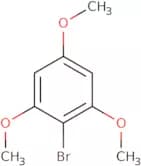
Formula:C9H8F2OPurity:Min. 95%Color and Shape:PowderMolecular weight:170.16 g/mol1-Bromo-2,4,6-trimethoxybenzene
CAS:1-Bromo-2,4,6-trimethoxybenzene is a reactive chemical that has shown to have toxic properties in model studies. It reacts with metals such as Iridium and can be used to remove halogens from solutions. It is also able to react with a variety of other molecules, including peroxides, chlorine gas and bromine gas. 1-Bromo-2,4,6-trimethoxybenzene can form free radicals when exposed to UV radiation and may be used as a ligand for metal ions. 1-Bromo-2,4,6-trimethoxybenzene is also soluble in n-dimethylformamide and carbon tetrachloride.
Formula:C9H11BrO3Purity:Min. 95%Color and Shape:White PowderMolecular weight:247.09 g/mol1-Cyano-2-hydroxy-3-butene
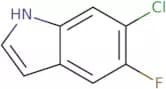
CAS:1-Cyano-2-hydroxy-3-butene is a mitochondrial toxin that causes apoptosis in liver cells. It has been shown to cause liver lesions in CD1 mice. 1-Cyano-2-hydroxy-3-butene reduces the mitochondrial membrane potential, which leads to a decrease in ATP production and an increase in reactive oxygen species (ROS) production. This toxin also inhibits the transcriptional activity of nuclear receptors and induces the expression of cytochrome P450 2E1, leading to increased detoxification enzyme activity. 1-Cyano-2-hydroxy-3-butene is activated by mitochondria, which leads to its ability to cause apoptosis of liver cells.Formula:C5H7NOPurity:Min. 95%Color and Shape:Colorless PowderMolecular weight:97.12 g/mol6-Chloro-5-fluoroindole
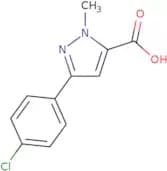
CAS:6-Chloro-5-fluoroindole is a chemical compound that has been shown to be an effective inhibitor of 5-HT2C receptors. 6-Chloro-5-fluoroindole was synthesized in 1972 by the reaction of formamide with chloroacetyl chloride, and it was found to have anti-cancer effects in 1979. 6-Chloro-5-fluoroindole binds to 5HT2C receptors and prevents the activation of G proteins. This inhibition leads to cancer cell death because the receptor is involved in many important signalling pathways. 6CI5FI is used as a research tool for studying the function of this receptor.Formula:C8H5ClFNPurity:Min. 95%Color and Shape:PowderMolecular weight:169.58 g/mol5-(4-Chloro-phenyl)-2-methyl-2H-pyrazole-3-carboxylic acid
CAS:Versatile small molecule scaffoldFormula:C11H9ClN2O2Purity:Min. 95%Molecular weight:236.65 g/molBP fluor 647 NHS ester trisodium
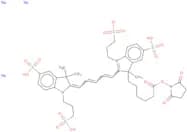
CAS:Please enquire for more information about BP fluor 647 NHS ester trisodium including the price, delivery time and more detailed product information at the technical inquiry form on this page
Formula:C40H46N3Na3O16S4Purity:90%MinColor and Shape:PowderMolecular weight:1,022 g/mol3',4'-Dimethylacetophenone
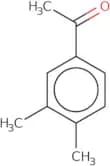
CAS:3',4'-Dimethylacetophenone is a natural product that belongs to the class of salicylates. It is a yellow oily liquid with an odor reminiscent of ocimene, which has been shown to be an attractant for the cotton bollworm (Hirsutum). 3',4'-Dimethylacetophenone is also used in cyclization reactions, such as the conversion of a benzene ring into a cyclohexane ring. This compound can be found in many plants and flowers, including hirsutum, caryophyllene, gossypium, medicago, and chalcone. The molecule can be synthesized in several ways through combinations of different reactants.Formula:C10H12OPurity:Min. 95%Color and Shape:PowderMolecular weight:148.2 g/molN6-Trifluoroacetyl-L-lysine N-carboxyanhydride
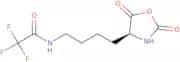
CAS:Trifluoroacetyl-L-lysine N-carboxyanhydride is an N6-trifluoroacetylated lysine derivative that is used in the synthesis of peptides. It is a racemic mixture of L and D forms, which is hydrolyzed to form L-glutamic acid, NH4Cl, and CO2. Trifluoroacetyl-L-lyside N-carboxyanhydride has been shown to be useful in the formation of bonds between amino acids, such as lysine and dipeptides. The compound is also used for the protection of lysine against oxidation during peptide synthesis.Formula:C9H11F3N2O4Purity:Min. 95%Color and Shape:White PowderMolecular weight:268.19 g/molBicyclo[2.1.1]hexane-1-carboxylic acid
CAS:Versatile small molecule scaffoldFormula:C7H10O2Purity:Min. 95%Molecular weight:126.15 g/mol(3-Isopropyl-[1,2,4]oxadiazol-5-yl)-acetonitrile
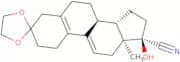
CAS:Heterocycle with nitrile functional handleFormula:C7H9N3OPurity:Min. 95%Color and Shape:PowderMolecular weight:151.17 g/molCyclic-3-(1,2-ethanediylacetal)-17β-cyano-17α-hydroxy-estra-5(10),9(11)-dien-3-one
CAS:Cyclic-3-(1,2-ethanediylacetal)-17beta-cyano-17alpha-hydroxy-estra-5(10),9(11)-dien-3 -one is a chemical compound that is used as a reaction component, reagent, and high quality research chemical. It can be used as a useful scaffold or building block for the synthesis of complex compounds. Cyclic-3-(1,2-ethanediylacetal)-17beta-cyano-17alpha -hydroxyestra-5(10),9(11)-diene 3 one has CAS number 3330019 5.Formula:C21H27NO3Purity:Min. 95%Color and Shape:White to off-white solid.Molecular weight:341.44 g/mol3,5-Dihydroxyacetophenone
CAS:3,5-Dihydroxyacetophenone is a chemical intermediate that is used as a building block in organic synthesis. It can be used to synthesize other chemicals, such as pharmaceuticals, dyes, and perfumes. 3,5-Dihydroxyacetophenone is also an important reagent for the production of α-hydroxyketones. It can react with nucleophiles such as amines or alcohols to form esters or ethers. 3,5-Dihydroxyacetophenone is a versatile building block that can serve as a reaction component in various reactions. This compound is also used as a useful scaffold for the construction of complex molecules.Formula:C8H8O3Molecular weight:152.15 g/molRef: 3D-D-3420
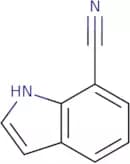
-Unit-kgkgTo inquire1kgTo inquire5kgTo inquire250gTo inquire500gTo inquire2500gTo inquire7-Cyanoindole
CAS:7-Cyanoindole is a synthetic compound that can be synthesized from amino-acids. The synthesis of 7-cyanoindole starts with the hydration of cyanamide, which yields cyanogen chloride. This reaction is followed by the dehydration of this molecule to produce 7-cyanoindole. The fluorescence properties and lifetimes are dependent on the hydration and dehydrations states. Synthetically, 7-cyanoindole is used as a fluorescent probe for amino acids in solution. This probe has been shown to bind to amino acids at acidic pHs and fluoresce brightly at wavelengths around 400 nm. Industrialized methods for synthesis include reacting cyanoacetylene with ammonia or methylamine in the presence of silicane or silicon dioxide as a catalyst. Reaction yield is dependent on the method used and ranges from 10% to 100%.Formula:C9H6N2Purity:Min. 95%Color and Shape:Off-White PowderMolecular weight:142.16 g/mol3,4-Dihydroxybenzaldehyde
CAS:Please enquire for more information about 3,4-Dihydroxybenzaldehyde including the price, delivery time and more detailed product information at the technical inquiry form on this pageFormula:C7H6O3Molecular weight:138.12 g/molMES monohydrate
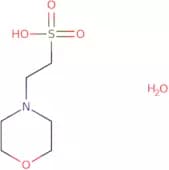
CAS:MES buffer is a synthetic buffer commonly used in biological and biochemical experiments. It's known for its buffering capacity within the pH range of 5.5 to 6.7, making it suitable for various applications. It has good water solubility, chemical stability, and minimal interaction with metal ions, which is crucial for many biological systems.Formula:C6H13NO4S·H2OColor and Shape:White Off-White PowderMolecular weight:213.25 g/molAcrylamide
CAS:Used for gel preparation for protein electrophoresisFormula:C3H5NOPurity:Min. 95%Color and Shape:PowderMolecular weight:71.08 g/mol6-Formylpicolinic acid
CAS:Versatile small molecule scaffoldFormula:C7H5NO3Purity:Min. 95%Color and Shape:PowderMolecular weight:151.12 g/mol4-Methylfuran-2-carboxylic acid
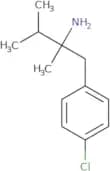
CAS:4-Methylfuran-2-carboxylic acid is a versatile building block that is used in the synthesis of complex compounds. It can be used as a research chemical, reagent, or speciality chemical. 4-Methylfuran-2-carboxylic acid can also be used as a useful intermediate for synthesizing products with high quality and as a reaction component for synthesizing scaffolds.Formula:C6H6O3Purity:Min. 95%Molecular weight:126.11 g/mol1-(4-Chlorophenyl)-2,3-dimethylbutan-2-amine
CAS:4-Chloro-1-(4-chlorophenyl)butan-2-amine (PCPA) is a versatile building block in organic synthesis. It is used as a precursor to other chemicals, such as pharmaceuticals and pesticides. PCPA can be used to synthesize many complex compounds, such as 1-(4-chlorophenyl)-2,3-dimethylbutan-2-amine. PCPA is useful for the production of research chemicals and speciality chemical intermediates. This compound has a high quality and can be used as a reagent for further reactions.
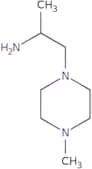
Formula:C12H18ClNPurity:Min. 95%Color and Shape:Clear LiquidMolecular weight:211.73 g/mol(S)-1-(2-Amino-propan-1-yl)-4-methyl-piperazine
CAS:(S)-1-(2-Amino-propan-1-yl)-4-methyl-piperazine is a reagent, reaction component and building block for speciality chemicals. It is a versatile intermediate that has been used in the synthesis of complex compounds. (S)-1-(2-Amino-propan-1-yl)-4-methyl-piperazine is an important building block for the synthesis of a variety of pharmaceuticals and other organic compounds. This compound can be used as an intermediate or reagent to produce high quality research chemicals.Formula:C8H19N3Purity:Min. 95%Molecular weight:157.26 g/mol(2S)-2-(Boc-amino)-4-Methyl-1-[(2R)-2-methyloxiran-2-yl]-1-oxopentane ee
CAS:Versatile small molecule scaffoldFormula:C14H25NO4Purity:Min. 95%Color and Shape:PowderMolecular weight:271.35 g/mol1-(5-Propylpyridin-2-yl)ethan-1-one
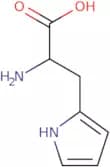
CAS:Versatile small molecule scaffoldFormula:C10H13NOPurity:Min. 95%Color and Shape:Clear LiquidMolecular weight:163.2 g/mol2-Amino-3-(1H-pyrrol-2-yl)propanoic acid
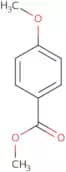
CAS:Versatile small molecule scaffoldFormula:C7H10N2O2Purity:Min. 95%Color and Shape:PowderMolecular weight:154.17 g/molMethyl 4-methoxybenzoate
CAS:Methyl 4-methoxybenzoate is a white, crystalline powder that is soluble in alcohol and ether. The chemical formula for methyl 4-methoxybenzoate is C8H10O4. It has a molecular weight of 196.19 g/mol and a melting point of 136°C. Methyl 4-methoxybenzoate has been used as an organic reagent, as well as a pharmaceutical intermediate and additive in food manufacturing. It also has biological properties such as being an anti-inflammatory agent and being able to inhibit the growth of infectious diseases like tuberculosis and malaria. Methyl 4-methoxybenzoate can be synthesized by reacting benzoic acid with methanol, phosphoric acid, or hydrochloric acid. This molecule can also be synthesized from p-hydroxybenzoic acid by electrophilic substitution with methyl iodide followed by hydrolysis using sodium hydroxide. The chemicalFormula:C9H10O3Purity:Min. 98%Color and Shape:PowderMolecular weight:166.17 g/molMethyl 2-methoxybenzoate
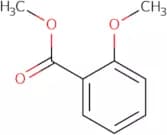
CAS:Methyl 2-methoxybenzoate is a synthetic chemical that is used in the treatment of wastewater. It inhibits the activity of enzymes such as fatty acid synthase, which are involved in the synthesis of long-chain fatty acids. Methyl 2-methoxybenzoate has been found to be an efficient method for the synthesis of prenyl compounds. This product is also an active methylene and hydrogen bond donor, and it can form products with carboxylic acid conjugates through acid catalysis. Methyl 2-methoxybenzoate has been used as a reagent for analytical chemistry, including gas chromatography and liquid chromatography.Formula:C9H10O3Purity:Min. 95%Color and Shape:Colorless Clear LiquidMolecular weight:166.17 g/mol1-(Chloromethyl)-3,5-diiodobenzene
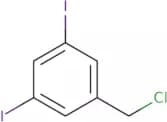
CAS:1-(Chloromethyl)-3,5-diiodobenzene is a versatile and high quality chemical building block that is useful for research purposes. It can be used as a reagent or speciality chemical in the synthesis of other compounds. This compound has been shown to be an intermediate for the synthesis of more complex compounds, such as pharmaceuticals, agrochemicals, and fine chemicals. 1-(Chloromethyl)-3,5-diiodobenzene has many uses in organic chemistry including as a reaction component or scaffold for the construction of complex molecules.Formula:C7H5ClI2Purity:Min. 95%Color and Shape:PowderMolecular weight:378.37 g/mol2-Naphthalenesulfonic acid
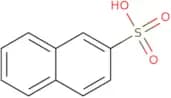
CAS:2-Naphthalenesulfonic acid is an activated sodium salt that is used to treat wastewater. It has been shown to react with malonic acid, a major component of wastewater, by forming a kinetic and thermodynamic acid complex. The reaction solution then reacts with epidermal growth factor to form benzalkonium chloride. 2-Naphthalenesulfonic acid has been shown to be effective in the treatment of wastewater due to its ability to remove organic materials and inhibit the growth of bacteria.
Formula:C10H8SO3Purity:Min. 98 Area-%Color and Shape:PowderMolecular weight:208.23 g/mol3-Bromo-5-methylisoxazole-4-carboxylic acid
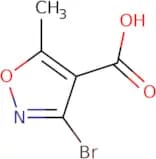
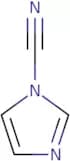
CAS:Versatile small molecule scaffoldFormula:C5H4BrNO3Purity:Min. 95%Molecular weight:206 g/mol1-Cyanoimidazole
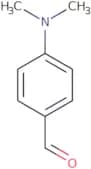
CAS:1-Cyanoimidazole is a phosphodiester that is used in the chemical ligation of nucleic acids. It reacts with terminal alkynes to form covalent linkages between DNA molecules, and can be used as a crosslinker for dna duplexes. 1-Cyanoimidazole can be used as a phosphate group replacement in DNA replication. This compound has been shown to react with terminal alkyne groups on DNA templates, forming stable covalent linkages between strands in the presence of an appropriate nucleophile. 1-Cyanoimidazole has been shown to have sequence specificity and efficient method for linking strands of DNA.Formula:C4H3N3Purity:Min. 95%Color and Shape:Off-White PowderMolecular weight:93.09 g/mol4-(Dimethylamino)benzaldehyde
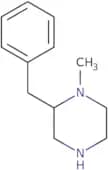
CAS:4-(Dimethylamino)benzaldehyde (4DMAB) is an analytical reagent used to identify sulfa drugs. It has been shown to react with sulfonamides by the formation of a complex ion, which can be detected by analytical methods such as electrochemical impedance spectroscopy or ultraviolet spectroscopy. 4DMAB has also been studied for its anticarcinoid properties. The carcinoid syndrome is characterized by a tumor that releases serotonin and other substances into the bloodstream, causing severe diarrhea, flushing, and bronchial spasms. Studies have shown that 4DMAB inhibits the release of serotonin in this condition. As a result, it may be effective against carcinoid syndrome.Formula:C9H11NOPurity:Min. 95%Color and Shape:White Slightly Yellow PowderMolecular weight:149.19 g/mol2-Benzyl-1-methylpiperazine
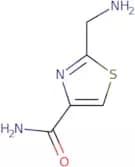
CAS:2-Benzyl-1-methylpiperazine is a versatile building block that can be used in the synthesis of other compounds. It is used as a reagent and building block in research, as well as a speciality chemical and useful scaffold for synthesizing new materials. 2-Benzyl-1-methylpiperazine has been shown to have usefulness in organic synthesis due to its ability to undergo both nucleophilic and electrophilic substitution reactions. It can also react with aldehydes to form ketones, or with alcohols to form ethers. This compound is also used as a reaction component for the synthesis of heterocycles or polymers.Formula:C12H18N2Purity:Min. 95%Color and Shape:Clear LiquidMolecular weight:190.28 g/mol2-(Aminomethyl)-1,3-thiazole-4-carboxamide
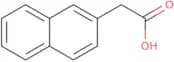
CAS:2-(Aminomethyl)-1,3-thiazole-4-carboxamide is a chemical compound that can be used as a chemical reagent and as a reaction component. It is a versatile building block with many possible uses. 2-(Aminomethyl)-1,3-thiazole-4-carboxamide has been shown to be useful in the synthesis of complex compounds and fine chemicals. It is also an intermediate for the production of pharmaceuticals and other research chemicals.Formula:C5H7N3OSPurity:Min. 95%Color and Shape:PowderMolecular weight:157.2 g/mol2-Naphthylacetic acid
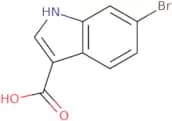
CAS:2-Naphthylacetic acid is a molecule that has been shown to inhibit serine proteases in humans and other mammals. It has been tested as a growth regulator for plants and has shown promising results in the prevention of root formation. 2-Naphthylacetic acid can be used to inhibit the activity of hydrogen bonding, which is required for chromatographic methods. The compound's chemical structure includes a naphthalene ring with two acetic acid groups on either side of it.Formula:C12H10O2Purity:Min. 95%Color and Shape:PowderMolecular weight:186.21 g/mol6-Bromo-1H-indole-3-carboxylic acid
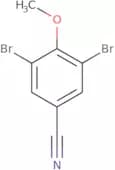
CAS:6-Bromo-1H-indole-3-carboxylic acid is a natural product that is isolated from the marine sponge Smenospongia purpurea. It was first reported in 1979 and has been used for the synthesis of other compounds. 6-Bromoindole, a precursor to 6-bromo-1H-indole-3-carboxylic acid, is biosynthesized from methyl ester and NMR spectra indicate that it has a dihedral angle of 173°. This compound has been shown to have antibacterial activity against staphylococcus.Formula:C9H6BrNO2Purity:Min. 95%Color and Shape:PowderMolecular weight:240.05 g/mol3,5-Dibromo-4-methoxybenzonitrile
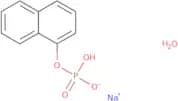
CAS:3,5-Dibromo-4-methoxybenzonitrile (DBMB) is a pentane that can be synthesized in the laboratory. DBMB is used as a weed control agent to kill weeds and grasses in neoprene rubber products and other materials. The chemical reacts with nitro groups on the surface of the material, producing an unstable intermediate that decomposes into pentane and nitric acid. 3,5-Dibromo-4-methoxybenzonitrile has been shown to have low toxicity to mammals at high doses. The compound may also be used as a chemical intermediate for the synthesis of other compounds or drugs. Nitro groups may be reduced by reductants such as sodium borohydride or lithium aluminium hydride to produce analdehyde derivatives.Formula:C8H5Br2NOPurity:Min. 95%Color and Shape:White Off-White PowderMolecular weight:290.94 g/mol1-Naphthol dihydrogen phosphate monosodium monohydrate
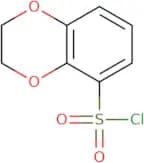
CAS:1-Naphthol dihydrogen phosphate monosodium salt monohydrate is an organic compound that is a useful scaffold for the synthesis of other organic compounds. It is also used as a reagent and building block in organic synthesis. 1-Naphthol dihydrogen phosphate monosodium salt monohydrate has CAS No. 81012-89-7 and can be used as a reaction component, intermediate, or building block in the synthesis of complex compounds. This compound is soluble in water, ethanol, ethers, benzene, chloroform, and acetone. The purity level of 1-naphthol dihydrogen phosphate monosodium salt monohydrate ranges from 99% to 100%.Formula:C10H9O4P•Na•H2OPurity:Min. 98%Color and Shape:PowderMolecular weight:265.16 g/mol2,3-Dihydro-1,4-benzodioxine-5-sulfonyl chloride
CAS:Versatile small molecule scaffold
Formula:C8H7ClO4SPurity:Min. 95%Color and Shape:PowderMolecular weight:234.65 g/mol1-(4-Hydroxyphenyl)dodecan-1-one
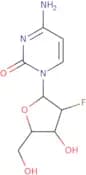
CAS:Versatile small molecule scaffoldFormula:C18H28O2Purity:Min. 95%Molecular weight:276.4 g/mol4-Amino-1-(2-deoxy-2-fluoro-β-D-arabinofuranosyl)-2(1H)-pyrimidinone
CAS:Please enquire for more information about 4-Amino-1-(2-deoxy-2-fluoro-β-D-arabinofuranosyl)-2(1H)-pyrimidinone including the price, delivery time and more detailed product information at the technical inquiry form on this page
Formula:C9H12FN3O4Purity:Min. 95%Molecular weight:245.21 g/molNα-Nim-Bis-Z-L-histidine ethanol
CAS:Please enquire for more information about Nα-Nim-Bis-Z-L-histidine ethanol including the price, delivery time and more detailed product information at the technical inquiry form on this pageFormula:C22H21N3O6•C2H6OPurity:Min. 95%Color and Shape:PowderMolecular weight:469.49 g/mol[2,2':6',2''- Terpyridine]-4'-methanol
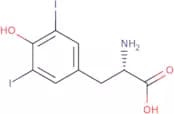
CAS:2,2':6',2''- Terpyridine-4'-methanol is a high quality reagent that is used as an intermediate in the synthesis of other fine chemicals. It has been shown to be a useful scaffold for synthesis of complex compounds with interesting biological and chemical properties. 2,2':6',2''- Terpyridine-4'-methanol has also been found to be a versatile building block for the preparation of new speciality chemicals. This compound can be used as a reaction component in many organic reactions.Formula:C16H13N3OPurity:Min. 95%Color and Shape:PowderMolecular weight:263.29 g/mol3,5-Diiodo-L-tyrosine dihydrate
CAS:There are many good reasons to eat fish and seafood, one of them is certainly the fact that they are rich in iodine salts, which are a fundamental for the endocrine activity of the thyroid gland. Iodine salts are enzymatically converted into molecular iodine, which adds to tyrosine residues in thyroglobulin forming diiodotyrosine. This is the first step towards the biosynthesis of thyroid hormones triodityronine T3 and tetraiodotyronine T4 which serve important regulatory functions in body metabolism and energy expenditure. Recently, the dietary introduction of potassium iodide and diiodotyrosine were compared in mice showing that diiodotyrosine can also be used effectively as food supplement preventing the potential damage from excessive intake of inorganic iodine salts.Formula:C9H13I2NO5Purity:Min. 95.0 Area-%Molecular weight:469.02 g/mol1-Naphthoic acid
CAS:1-Naphthoic acid is a phenolic antioxidant that is used in the treatment of inflammatory bowel disease. It has been shown to reduce the production of inflammatory cytokines and improve symptoms of bowel disease. 1-Naphthoic acid, as a fluorescence probe, can be used to detect and quantify hydroxycinnamic acids in biological fluids such as serum and urine. 1-Naphthoic acid also inhibits serine protease activity, which is involved in autoimmune diseases such as lupus erythematosus. It also inhibits the activity of hydrolytic enzymes that are associated with metabolic disorders such as diabetes mellitus. In addition, 1-naphthoic acid can act as an agonist at certain receptors including muscarinic receptors and α2A receptors. It has also been shown to increase levels of retinoic acid and inhibit the formation of hydrogen peroxide by bacteria like H. pylori due to its abilityFormula:C11H8O2Purity:Min. 95%Color and Shape:Clear LiquidMolecular weight:172.18 g/moltert-Butyl 7-oxo-2-azaspiro[4.4]nonane-2-carboxylate
CAS:Versatile small molecule scaffoldFormula:C13H21NO3Purity:Min. 95%Molecular weight:239.31 g/mol4-Dimethylamino-2-methoxybenzaldehyde
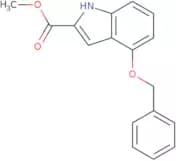
CAS:4-Dimethylamino-2-methoxybenzaldehyde is a chemical used as a research reagent and intermediate. It can be used to synthesize other compounds, such as pharmaceuticals, pesticides, and agrochemicals. It is also useful in the production of various dyes, pigments, and fragrances, representing effective staining under anaerobic conditions. CAS No. 84562-48-1Formula:C10H13NO2Molecular weight:179.22 g/mol4-Benzyloxy-1H-indole-2-carboxylic acid methyl ester
CAS:4-Benzyloxy-1H-indole-2-carboxylic acid methyl ester is a high quality reagent that is used as an intermediate in the synthesis of various complex compounds, including useful scaffolds and building blocks. It is a versatile building block with a wide range of reactions that can be carried out on it. 4-Benzyloxy-1H-indole-2-carboxylic acid methyl ester has been shown to be useful for the synthesis of speciality chemicals and research chemicals. This compound has also been shown to be useful for the preparation of fine chemicals, such as pharmaceuticals, pesticides, and flavorants.Formula:C17H15NO3Color and Shape:PowderMolecular weight:281.31 g/mol1,2,4-Triazole-3-carboxamide
CAS:1,2,4-Triazole-3-carboxamide is a pharmacologic agent that inhibits the synthesis of polypeptides by interfering with neurotransmission. It is used to inhibit the replication of influenza virus and other viruses in tissue culture. The compound has been shown to have an inhibitory effect on viruses by binding to the viral polypeptide chain at the active site and preventing its polymerization into a functional protein. 1,2,4-Triazole-3-carboxamide also inhibits the activity of influenza virus neuraminidase (NA) by binding reversibly to the active site of NA and blocking its catalytic activity. The inhibition of NA leads to a decrease in release of virus particles from infected cells and thus prevents infection.
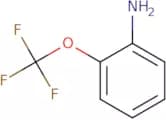
Formula:C3H4N4OPurity:Min. 95%Color and Shape:White PowderMolecular weight:112.09 g/mol2-(Trifluoromethoxy)aniline
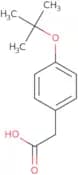
CAS:2-(Trifluoromethoxy)aniline is a heterocyclic aromatic compound that can act as an electrophilic catalyst. It is a strong nucleophile and reacts with various types of nucleophiles. 2-(Trifluoromethoxy)aniline has been used for the synthesis of aliphatic sulfoxides under acidic conditions, including alcohols, phenols, and thiols. The reaction mechanism is often a 1,2-addition of the nucleophile to the carbonyl group of 2-(trifluoromethoxy)aniline. This reaction is catalytic and produces a stable dimerized product. 2-(Trifluoromethoxy)aniline also has mesoporous properties, which allow it to be used in reactions involving alcohols or other polar molecules because they are soluble in the pores.Formula:C7H6F3NOPurity:Min. 95%Color and Shape:Clear LiquidMolecular weight:177.12 g/mol4-tert-Butoxyphenylacetic acid
CAS:Ruthenium complexes of 4-tert-butoxyphenylacetic acid are catalysts that have been shown to be effective in the asymmetric synthesis of alcohols and terpyridines.
This complex has been shown to be a ligand for ruthenium metal, which is often used as a catalyst in organic reactions. The use of this catalyst has led to advances in the field of organic chemistry, specifically the synthesis of new oligomers.Formula:C12H16O3Purity:Min. 95%Color and Shape:PowderMolecular weight:208.25 g/mol3-Methoxybenzoic acid
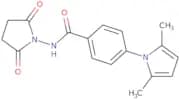
CAS:3-Methoxybenzoic acid is a compound that has two carboxyl groups, one on each of the two benzene rings. It is a white crystalline solid with a melting point of 86°C and a boiling point of 240°C at 1 mmHg. 3-Methoxybenzoic acid can be found in plants such as cranberries and strawberries. It also occurs naturally in animal fat, where it functions as an antioxidant and antimicrobial agent. 3-Methoxybenzoic acid has been shown to have synergistic effects when combined with protocatechuic acid in the treatment of carcinoma cells.Formula:C8H8O3Purity:Min. 95%Color and Shape:PowderMolecular weight:152.15 g/mol4-(2,5-Dimethyl-1H-pyrrol-1-yl)-N-(2,5-dioxopyrrolidin-1-yl)benzamide
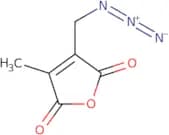
CAS:4-(2,5-Dimethyl-1H-pyrrol-1-yl)-N-(2,5-dioxopyrrolidin-1-yl)benzamide is a useful scaffold that can be used to synthesize high quality and versatile building blocks. This compound is also a useful intermediate in the synthesis of complex compounds. This chemical is not an approved pharmaceutical, but it has shown promising activity as an antihistamine.Formula:C17H17N3O3Purity:Min. 95%Molecular weight:311.33 g/mol3-(Azidomethyl)-4-methyl-2,5-dihydrofuran-2,5-dione, 1M in acetonitrile
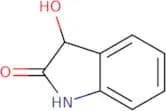
CAS:Please enquire for more information about 3-(Azidomethyl)-4-methyl-2,5-dihydrofuran-2,5-dione, 1M in acetonitrile including the price, delivery time and more detailed product information at the technical inquiry form on this pageFormula:C6H5N3O3Purity:Min. 95%Color and Shape:PowderMolecular weight:167.12 g/mol3-Hydroxy-2,3-dihydro-1H-indol-2-one
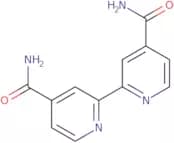
CAS:3-Hydroxy-2,3-dihydro-1H-indol-2-one (3HID) is a heterocyclic compound that contains a trifluoroacetate group. It is an intermediate in the synthesis of histamine, serotonin, and melatonin. 3HID is an inhibitor of the growth factor receptor, which inhibits the proliferation of human liver cells. 3HID also has a strong affinity for basic proteins such as albumin and hemoglobin. These interactions are thought to be important for its cytotoxic activity in cancer cells. 3HID can be synthesized by reacting acetyl chloride with 2-aminobutyric acid in the presence of potassium hydroxide or sodium hydroxide at room temperature, followed by hydrolysis with water. The reaction produces 3HID and acetic acid, which can be removed by distillation. The product can then be purified by recrystallization from methanol orFormula:C8H7NO2Purity:Min. 95%Color and Shape:PowderMolecular weight:149.15 g/mol2,2'-Bipyridine-4,4'-dicarboxamide
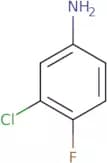
CAS:2,2'-Bipyridine-4,4'-dicarboxamide is a catalyst that can be used in a variety of reactions. It has been used as an additive to increase yields and to accelerate catalytic reactions. The compound also has the ability to oxidize picolinic acid and form formic acid. This product can be used in glycerol synthesis or hydrogen peroxide production. 2,2'-Bipyridine-4,4'-dicarboxamide is a ligand that binds to picolinic acid and peroxide ions, forming an ion pair with the peroxide ion. This complex increases the efficiency of hydrogen peroxide evolution from water by up to 100%.Formula:C12H10N4O2Purity:Min. 95%Color and Shape:PowderMolecular weight:242.23 g/mol3-Chloro-4-fluoroaniline
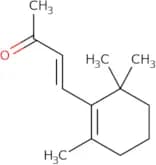
CAS:3-Chloro-4-fluoroaniline is an amine that is used as a chemical intermediate and an antimicrobial agent. It is a potent inhibitor of the enzyme IDO1. 3-Chloro-4-fluoroaniline has been shown to inhibit the growth of carcinoma cell lines and epidermal growth factor in vitro, which may be due to its ability to inhibit the production of protein data. This drug also inhibits the production of the growth factor n-dimethyl formamide by hydrolyzing it into dimethylamine and formic acid, which are then excreted in urine samples. 3-Chloro-4-fluoroaniline has been found to be highly effective at inhibiting IDO1, as well as other enzymes such as tryptophan 2,3 dioxygenase (TDO2) and indoleamine 2,3 dioxygenase (IDO).Formula:C6H5ClFNPurity:Min. 95%Color and Shape:Clear Liquid Solidified MassMolecular weight:145.56 g/molβ-Ionone
CAS:2-Ionone is a carotenoid that is an intermediate in the biosynthesis of vitamin A. It is also used as a flavoring and fragrance additive and has been shown to have cancer-preventing properties. 2-Ionone inhibits the NADP-cytochrome P450 reductase, which prevents formation of NADPH, an essential cofactor in cellular respiration and biosynthesis of fatty acids. 2-Ionone also inhibits cell growth in vitro by interacting with the polymerase chain reaction (PCR) process. The physiological function of 2-Ionone is not well understood, but it has been shown to inhibit steric interactions between DNA molecules. 2-Ionone can be prepared industrially by photolysis or by thermal decomposition of acetophenone.
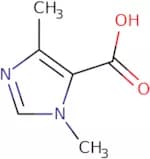
Formula:C13H20OPurity:Min. 95%Color and Shape:Clear LiquidMolecular weight:192.3 g/mol1,4-Dimethyl-1H-imidazole-5-carboxylic acid
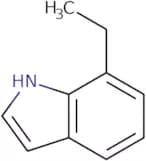
CAS:Versatile small molecule scaffoldFormula:C6H8N2O2Purity:Min. 90%Molecular weight:140.14 g/mol7-Ethylindole
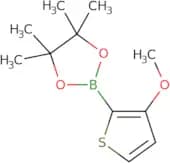
CAS:7-Ethylindole is a fatty acid with a cationic surfactant that belongs to the group of mesoporous materials. It has been synthesized by using chromatographic method and sample preparation techniques. The synthetic process is based on the protonation of 7-ethylindole. It undergoes dehydrogenation and activation energy, which is programmed in copper chromite. The chemical compositions are chloride, hydrogenated, and activated 7-ethylindole.Formula:C10H11NPurity:Min. 95%Molecular weight:145.2 g/mol3-Methoxythiophene-2-boronic acid pinacol ester
CAS:3-Methoxythiophene-2-boronic acid pinacol ester is a ligand that can be used in the synthesis of organic molecules. It undergoes nucleophilic substitution reactions and has been shown to be an excellent substrate for Suzuki coupling reactions. This reactant can also be used as a backbone in the synthesis of optical materials, such as semiconductors. 3-Methoxythiophene-2-boronic acid pinacol ester is capable of forming a variety of substitutions and transfers with benzothiadiazole derivatives, which have been shown to have an acceptor effect on organic molecules.Formula:C11H17BO3SPurity:Min. 95%Color and Shape:PowderMolecular weight:240.13 g/mol4-[(1E)-3-Hydroxyprop-1-en-1-yl]phenol
CAS:4-[(1E)-3-Hydroxyprop-1-en-1-yl]phenol (4-HP) is a natural compound that belongs to the group of polyphenols. It is one of the main constituents of the plant extract, which is obtained from leaves of the plant Ferula communis. 4-HP has been shown to have antiinflammatory activity by inhibiting prostaglandin synthesis in 3T3-L1 preadipocytes. The synergic effect can be explained by a combination of its antioxidant and antiinflammatory properties. In an analytical method, 4-HP was found to be present in ferulic acid and p-hydroxybenzoic acid. 4-HP also inhibits dna polymerase activity and rna synthesis at low concentration levels. The mechanism of action may be due to the inhibition of bacterial dna gyrase and topoisomerase I, leading to bacterial cell death.Formula:C9H10O2Purity:Min. 95%Molecular weight:150.17 g/mol4-Bromo-1-butene
CAS:4-Bromo-1-butene is a useful building block, reaction component, and useful scaffold that can be used in the synthesis of various chemical compounds. This compound is a high quality, complex compound with versatile building blocks that can be used as a reagent in research or as a speciality chemical. 4-Bromo-1-butene has been found to have many uses in the production of other chemicals such as pharmaceuticals, pesticides, and cosmetics.Formula:C3H8INMolecular weight:185.01 g/mol4-[(1E)-Prop-1-en-1-yl]phenol
CAS:Eugenol is a phenolic compound and the main active ingredient of clove oil. Eugenol has been shown to have antioxidant, anti-inflammatory, analgesic, and antimicrobial properties. It also inhibits the growth of cancer cells in vitro (mcf-7 cells). The mechanism of eugenol’s activity is not well understood. It may involve activation of adenine nucleotide levels by inhibiting the production of p-hydroxybenzoic acid or by increasing nucleotide levels by inhibiting the conversion to p-hydroxybenzoic acid. Eugenol also inhibits bacterial DNA gyrase and topoisomerase IV, which are enzymes that maintain the integrity of bacterial DNA. This inhibition leads to cell death by inhibiting protein synthesis. Eugenol has been shown to inhibit mineralization in petunia plants and may have a similar effect on human bone tissue.Formula:C9H10OPurity:90%Molecular weight:134.17 g/mol6-[(1E)-2-(3,4-Dihydroxyphenyl)ethenyl]-3,4-dihydroxy-2H-pyran-2-one
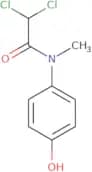
CAS:Versatile small molecule scaffoldFormula:C13H10O6Purity:Min. 95%Color and Shape:PowderMolecular weight:262.2 g/mol2,2-Dichloro-N-(4-hydroxyphenyl)-N-methylacetamide
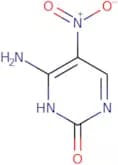
CAS:2,2-Dichloro-N-(4-hydroxyphenyl)-N-methylacetamide (FUROATE) is a synthetic antimicrobial agent that is structurally related to the furoate class of antibiotics. FUROATE has been shown to be effective against urothelial carcinoma cells and minimal toxic in animals. It binds to the fatty acid component of bacterial cell membranes and causes rapid lysis. FUROATE is used as an analytical reagent for the determination of hydroxyl groups in organic solutes. The detection limit of this test is 0.1 ppm. Monoclonal antibodies can be generated against FUROATE for use as diagnostic or therapeutic agents for infectious diseases, such as HIV infection.Formula:C9H9Cl2NO2Purity:Min. 95%Color and Shape:PowderMolecular weight:234.08 g/mol6-Amino-5-nitro-1,2-dihydropyrimidin-2-one
CAS:6-Amino-5-nitro-1,2-dihydropyrimidin-2-one (6ANPD) is a neutral molecule that can form self-assembled monolayers at the air/water interface. 6ANPD adsorbs to the interface by hydrogen bonding and van der Waals interactions. This molecule has been shown to stabilize the monolayer against electrolytes, which are molecules that disrupt the bonding between molecules in a solution. The self-assembled monolayers formed by 6ANPD are two dimensional in nature and have been shown to be stable for more than three months at room temperature.Formula:C4H4N4O3Purity:Min. 95%Color and Shape:PowderMolecular weight:156.1 g/mol2-Iodothiazole
CAS:2-Iodothiazole is a molecule that contains two iodine atoms. It is an isomeric compound of thiourea and 2-thiazolidine. The nucleophilic attack by the amide group on the magnesium leads to the formation of a magnesium amide complex, which can be hydrolyzed to get valine. This reaction can also be catalyzed by palladium complexes or vitamin B1, which results in one molecule of 2-iodothiazole being produced for each molecule of magnesium amide complex. The halides and diazonium salt are used as oxidizing agents in this reaction. 2-Iodothiazole can be synthesized from primary amines and iodides or halides. 2-Iodothiazole has been shown to inhibit bacterial growth by inhibiting RNA synthesis (ribosome binding) in bacteria such as Mycobacterium tuberculosis and Mycobacterium avium complex, but not inFormula:C3H2INSPurity:Min. 95%Color and Shape:Yellow PowderMolecular weight:211.03 g/molIsopropyl 4-hydroxybenzoate
CAS:Isopropyl 4-hydroxybenzoate is a preservative that is used in cosmetics, pharmaceuticals, and other household products. It can be found in a wide range of products, including moisturizers, shampoos, conditioners, hair sprays, sunscreens, skin lotions and creams. Isopropyl 4-hydroxybenzoate has been shown to inhibit the growth of bacteria by binding to their cell walls. This compound also has been shown to have an antimicrobial effect against fungi and yeast in vitro assays. A number of toxicological studies have been conducted on this compound with no observed adverse effects on animals at doses up to 2,000 mg/kg body weight. The activity index for this compound is low; therefore it does not appear to be carcinogenic or mutagenic. Analytical methods for quantifying this preservative are available in the literature.Formula:C10H12O3Purity:Min. 95%Color and Shape:PowderMolecular weight:180.2 g/mol








![Bicyclo[2.1.1]hexane-1-carboxylic acid](/_next/image/?url=https%3A%2Fstatic.cymitquimica.com%2Fproducts%2F3D%2Fthumb-webp%2FPCA72577.webp&w=3840&q=75)
![(3-Isopropyl-[1,2,4]oxadiazol-5-yl)-acetonitrile](/_next/image/?url=https%3A%2Fstatic.cymitquimica.com%2Fproducts%2F3D%2Fthumb-webp%2FPZB75236.webp&w=3840&q=75)




![(2S)-2-(Boc-amino)-4-Methyl-1-[(2R)-2-methyloxiran-2-yl]-1-oxopentane ee](/_next/image/?url=https%3A%2Fstatic.cymitquimica.com%2Fproducts%2F3D%2Fthumb-webp%2FXJA06882.webp&w=3840&q=75)


![[2,2':6',2''- Terpyridine]-4'-methanol](/_next/image/?url=https%3A%2Fstatic.cymitquimica.com%2Fproducts%2F3D%2Fthumb-webp%2FFT171190.webp&w=3840&q=75)

![tert-Butyl 7-oxo-2-azaspiro[4.4]nonane-2-carboxylate](/_next/image/?url=https%3A%2Fstatic.cymitquimica.com%2Fproducts%2F3D%2Fthumb-webp%2FUCC71642.webp&w=3840&q=75)


![4-[(1E)-3-Hydroxyprop-1-en-1-yl]phenol](/_next/image/?url=https%3A%2Fstatic.cymitquimica.com%2Fproducts%2F3D%2Fthumb-webp%2FVAA64940.webp&w=3840&q=75)

![4-[(1E)-Prop-1-en-1-yl]phenol](/_next/image/?url=https%3A%2Fstatic.cymitquimica.com%2Fproducts%2F3D%2Fthumb-webp%2FVAA64939.webp&w=3840&q=75)
![6-[(1E)-2-(3,4-Dihydroxyphenyl)ethenyl]-3,4-dihydroxy-2H-pyran-2-one](/_next/image/?url=https%3A%2Fstatic.cymitquimica.com%2Fproducts%2F3D%2Fthumb-webp%2FZWC96466.webp&w=3840&q=75)