


Building Blocks
This section contains fundamental products for the synthesis of organic and biological compounds. Building blocks are the essential starting materials used to construct complex molecules through various chemical reactions. They play a critical role in drug discovery, material science, and chemical research. At CymitQuimica, we offer a diverse range of high-quality building blocks to support your innovative research and industrial projects, ensuring you have the essential components for successful synthesis.
Subcategories of "Building Blocks"
- Boronic Acids & Boronic Acid Derivatives(5,756 products)
- Chiral Building Blocks(1,242 products)
- Hydrocarbon Building Blocks(6,093 products)
- Organic Building Blocks(60,532 products)
Found 195533 products of "Building Blocks"
Sort by
Purity (%)
0
100
|
0
|
50
|
90
|
95
|
100
Dimethyl bicyclo[3.1.1]heptane-1,5-dicarboxylate
CAS:<p>Versatile small molecule scaffold</p>Formula:C11H16O4Purity:Min. 95%Molecular weight:212.24 g/mol(4-Chlorobenzyl)hydrazine hydrochloride
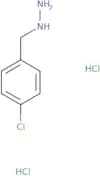
CAS:<p>Versatile small molecule scaffold</p>Formula:C7H10Cl2N2Purity:Min. 95%Molecular weight:193.07 g/mol[(4-Phenylphenyl)methyl]hydrazine hydrochloride
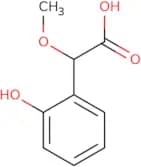
CAS:<p>Versatile small molecule scaffold</p>Formula:C13H15ClN2Purity:Min. 95%Molecular weight:234.72 g/mol2-(2-Hydroxyphenyl)-2-methoxyacetic acid
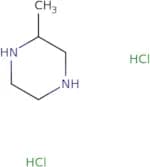
CAS:<p>Versatile small molecule scaffold</p>Formula:C9H10O4Purity:Min. 95%Molecular weight:182.17 g/mol(R)-2-Methylpiperazine dihydrochloride
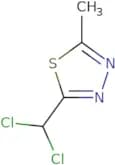
CAS:<p>Versatile small molecule scaffold</p>Formula:C5H14Cl2N2Purity:Min. 95%Molecular weight:173.08 g/mol2-(Dichloromethyl)-5-methyl-1,3,4-thiadiazole
CAS:<p>Versatile small molecule scaffold</p>Formula:C4H4Cl2N2SPurity:Min. 95%Molecular weight:183.06 g/mol2-(Bromomethyl)-5-methyl-1,3,4-thiadiazole
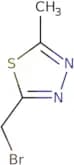
CAS:<p>Versatile small molecule scaffold</p>Formula:C4H5BrN2SPurity:Min. 95%Molecular weight:193.07 g/mol4-Methoxy-6-methylpyridine-2-carbaldehyde
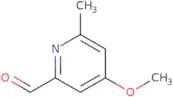
CAS:<p>Versatile small molecule scaffold</p>Formula:C8H9NO2Purity:Min. 95%Molecular weight:151.16 g/mol2-[(1R,2S)-2-Hydroxycyclohexyl]acetic acid
CAS:<p>Versatile small molecule scaffold</p>Formula:C8H14O3Purity:Min. 95%Molecular weight:158.2 g/mol2-Bromo-6-methylbenzyl bromide
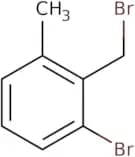
CAS:<p>Versatile small molecule scaffold</p>Formula:C8H8Br2Purity:Min. 95%Molecular weight:263.96 g/mol2-Bromo-1-(bromomethyl)-4-methylbenzene
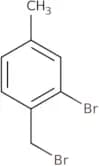
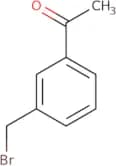
CAS:<p>Versatile small molecule scaffold</p>Formula:C8H8Br2Purity:Min. 95%Molecular weight:263.96 g/mol-1(3-Bromomethyl-Phenyl)-Ethanone
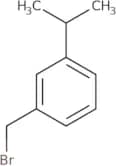
CAS:<p>Versatile small molecule scaffold</p>Formula:C9H9BrOPurity:Min. 95%Molecular weight:213.07 g/mol1-(bromomethyl)-3-isopropylbenzene
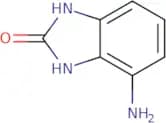
CAS:<p>Versatile small molecule scaffold</p>Formula:C10H13BrPurity:Min. 95%Molecular weight:213.12 g/mol4-Amino-1,3-dihydro-2H-benzimidazol-2-one
CAS:<p>Versatile small molecule scaffold</p>Formula:C7H7N3OPurity:Min. 95%Molecular weight:149.15 g/mol1-(2,4-Dimethyl-4H-pyrazolo[1,5-a]benzimidazol-3-yl)ethanone
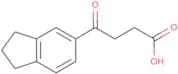
CAS:<p>Versatile small molecule scaffold</p>Formula:C13H13N3OPurity:Min. 95%Molecular weight:227.27 g/mol4-(2,3-Dihydro-1H-inden-5-yl)-4-oxobutanoic acid
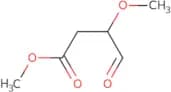
CAS:<p>Versatile small molecule scaffold</p>Formula:C13H14O3Purity:Min. 95%Molecular weight:218.25 g/molMethyl 3-methoxy-4-oxobutanoate
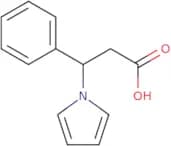
CAS:<p>Versatile small molecule scaffold</p>Formula:C6H10O4Purity:Min. 95%Molecular weight:146.14 g/mol3-Phenyl-3-(1H-pyrrol-1-yl)propanoic acid
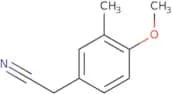
CAS:<p>Versatile small molecule scaffold</p>Formula:C13H13NO2Purity:Min. 95%Molecular weight:215.25 g/mol4-Methoxy-3-methylphenylacetonitrile
CAS:<p>Versatile small molecule scaffold</p>Formula:C10H11NOPurity:Min. 95%Molecular weight:161.2 g/mol4-(2-Ethyl-1H-imidazol-1-yl)aniline
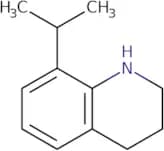
CAS:<p>Versatile small molecule scaffold</p>Formula:C11H13N3Purity:Min. 95%Molecular weight:187.24 g/mol8-(Propan-2-yl)-1,2,3,4-tetrahydroquinoline
CAS:<p>Versatile small molecule scaffold</p>Formula:C12H17NPurity:Min. 95%Molecular weight:175.27 g/mol2-({1-Azabicyclo[2.2.2]octan-3-yl}amino)ethan-1-ol dihydrochloride
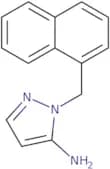
CAS:<p>Versatile small molecule scaffold</p>Formula:C9H20Cl2N2OPurity:Min. 95%Molecular weight:243.2 g/mol1-(Naphthalen-1-ylmethyl)-1H-pyrazol-5-amine
CAS:<p>Versatile small molecule scaffold</p>Formula:C14H13N3Purity:Min. 95%Molecular weight:223.27 g/mol5-Nitrothiophene-3-carbaldehyde
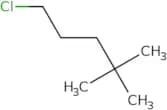
CAS:<p>5-Nitrothiophene-3-carbaldehyde (NTAC) is a tripodal that has been shown to be able to form aggregations with other molecules. It has been used in solar cells as a semiconductor material and can be used as a ligand for optical or x-ray sensors. NTAC also has the ability to absorb light and can be used as a dye in dye-sensitized solar cells. The electron affinity of NTAC is low, making it an effective electron acceptor for photocatalytic reactions. This compound is also useful for particle size measurements using microscopy techniques.</p>Formula:C5H3NO3SPurity:Min. 95%Molecular weight:157.15 g/mol1-Chloro-4,4-dimethylpentane
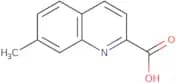
CAS:<p>Versatile small molecule scaffold</p>Formula:C7H15ClPurity:Min. 95%Molecular weight:134.65 g/mol7-Methyl-2-Quinolinecarboxylic Acid
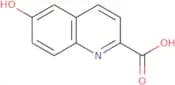
CAS:<p>Versatile small molecule scaffold</p>Formula:C11H9NO2Purity:Min. 95%Molecular weight:187.2 g/mol6-hydroxyquinoline-2-carboxylic acid
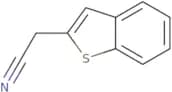
CAS:<p>6-Hydroxyquinoline-2-carboxylic acid is a drug that has been shown to inhibit phospholipidosis, which is the accumulation of phospholipids in cells. It also inhibits naphthalene-induced hyperphosphorylation and histamine release from mast cells. 6-Hydroxyquinoline-2-carboxylic acid is an acceptor for the pharmacophore model and has been validated by molecular properties. The optimization process for this compound was monitored and validated. This lead compound is being considered as a potential therapeutic agent for the treatment of autoimmune diseases such as multiple sclerosis, rheumatoid arthritis, and lupus erythematosus.</p>Formula:C10H7NO3Purity:Min. 95%Molecular weight:189.17 g/mol2-(1-Benzothiophen-2-yl)acetonitrile
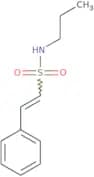
CAS:<p>Versatile small molecule scaffold</p>Formula:C10H7NSPurity:Min. 95%Molecular weight:173.24 g/mol2-Phenyl-N-propylethene-1-sulfonamide
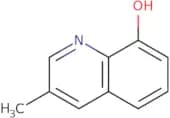
CAS:<p>Versatile small molecule scaffold</p>Formula:C11H15NO2SPurity:Min. 95%Molecular weight:225.31 g/mol3-Methyl-8-hydroxyquinoline
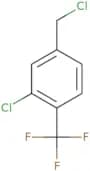
CAS:<p>3-Methyl-8-hydroxyquinoline (3MQ) is a chemical compound that has been shown to be an inhibitor of the enzyme cyclen. 3MQ binds to the active site of cyclen and blocks the binding of calcium ions, preventing the formation of calcium complexes with cyclen. This inhibition leads to a decrease in cyclen activity and an increase in the synthesis of protein. 3MQ has also been shown to be potent inhibitor against chloride ion currents through voltammetry experiments. It was found that its redox potential is very low, which suggests that it can be used as a probe for electron transfer reactions in cells. The photophysical properties of 3MQ have also been studied and it was found that this molecule absorbs light at wavelengths between 400–600 nm, which may lead to its use as a photosensitizer or photoantagonist for photodynamic therapy.</p>Formula:C10H9NOPurity:Min. 95%Molecular weight:159.18 g/mol2-Chloro-4-(chloromethyl)-1-(trifluoromethyl)benzene
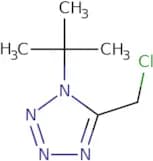
CAS:<p>Versatile small molecule scaffold</p>Formula:C8H5Cl2F3Purity:Min. 95%Molecular weight:229.02 g/mol1-tert-Butyl-5-(chloromethyl)-1H-1,2,3,4-tetrazole
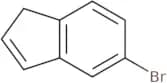
CAS:<p>Versatile small molecule scaffold</p>Formula:C6H11ClN4Purity:Min. 95%Molecular weight:174.63 g/mol5-Bromo-1H-indene
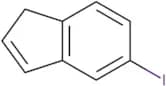
CAS:<p>5-Bromo-1H-indene is the structural modification of naphthalene. This compound is a benzannulation product that can be systematically obtained through the addition of methoxy groups to the naphthalene ring. 5-Bromo-1H-indene has been shown to have a role in solar cells, as it can act as an electron donor and acceptor. This molecule also has a mechanistic role in transport, as it can bind to metal carbene complexes and form a stable complex with them. 5-Bromo-1H-indene has been used in the synthesis of biomolecules such as arene and fluorine, which are important for the treatment of cancer.</p>Formula:C9H7BrPurity:Min. 95%Molecular weight:195.06 g/mol5-Iodo-1H-indene
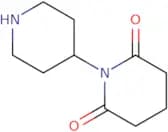
CAS:<p>Versatile small molecule scaffold</p>Formula:C9H7IPurity:Min. 95%Molecular weight:242.06 g/mol1-(Piperidin-4-yl)piperidine-2,6-dione
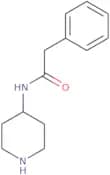
CAS:<p>Versatile small molecule scaffold</p>Formula:C10H16N2O2Purity:Min. 95%Molecular weight:196.25 g/mol2-Phenyl-N-(piperidin-4-yl)acetamide
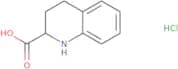
CAS:<p>Versatile small molecule scaffold</p>Formula:C13H18N2OPurity:Min. 95%Molecular weight:218.29 g/mol1,2,3,4-Tetrahydroquinoline-2-carboxylic acid HCl
CAS:<p>Versatile small molecule scaffold</p>Formula:C10H12ClNO2Purity:Min. 95%Molecular weight:213.66 g/molrac-(4aR,9bS)-2,8-Dimethyl-1H,2H,3H,4H,4aH,5H,9bh-pyrido[4,3-b]indole
CAS:<p>Dimebon is a drug that binds to dopamine receptors (D2 and D3) and inhibits locomotor activity in rats. It also has been found to be effective in the treatment of cancer-induced cachexia, as well as bowel disease. Dimebon is a hydrogenated form of rac-(4aR,9bS)-2,8-dimethyl-1H,2H,3H,4H,4aH,5H,9bh-pyrido[4,3-b]indole. The drug was originally synthesized in the Soviet Union for use as an antidepressant but was never marketed because it caused severe side effects such as tardive dyskinesia. Dimebon has been shown to cause neuronal death through inhibition of the growth factor BDNF and its receptor activity. It also blocks dopamine release from nerve cells in the striatum. Dimebon is water soluble and can be taken orally or injected intravenously.</p>Formula:C13H18N2Purity:Min. 95%Molecular weight:202.3 g/mol1-(2-Methoxyphenyl)-3-methylbutan-2-one
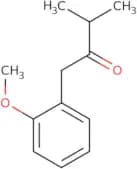
CAS:<p>Versatile small molecule scaffold</p>Formula:C12H16O2Purity:Min. 95%Molecular weight:192.25 g/mol3-(1,3-Dioxo-3,4-dihydroisoquinolin-2(1H)-yl)propanoic acid
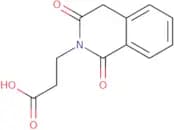
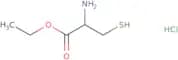
CAS:<p>Versatile small molecule scaffold</p>Formula:C12H11NO4Purity:Min. 95%Molecular weight:233.22 g/molD-Cysteine ethyl ester hydrochloride
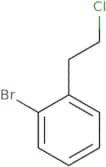
CAS:<p>D-Cysteine ethyl ester hydrochloride is a water-soluble drug that can be used as an additive in food composition. It is used in pharmaceutical preparations to treat bowel disease, congestive heart, and inflammatory bowel disease. This drug has a vasodilatory effect and can be used to treat inflammatory diseases, such as infectious diseases. D-Cysteine ethyl ester hydrochloride is also used for the treatment of autoimmune diseases, such as pyrazole ring.END></p>Formula:C5H12ClNO2SPurity:Min. 95%Molecular weight:185.67 g/mol1-Bromo-2-(2-chloroethyl)benzene
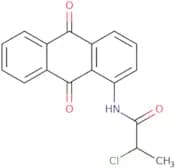
CAS:<p>Versatile small molecule scaffold</p>Formula:C8H8BrClPurity:Min. 95%Molecular weight:219.5 g/mol2-Chloro-N-(9,10-dioxo-9,10-dihydroanthracen-1-yl)propanamide
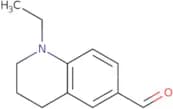
CAS:<p>Versatile small molecule scaffold</p>Formula:C17H12ClNO3Purity:Min. 95%Molecular weight:313.7 g/mol1-Ethyl-1,2,3,4-tetrahydro-quinoline-6-carbaldehyde
CAS:<p>Versatile small molecule scaffold</p>Formula:C12H15NOPurity:Min. 95%Molecular weight:189.26 g/mol3,4-Dihydro-2H-spiro[naphthalene-1,3'-oxolane]-2',5'-dione
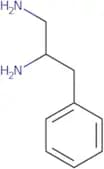
CAS:<p>Versatile small molecule scaffold</p>Formula:C13H12O3Purity:Min. 95%Molecular weight:216.23 g/mol3-Phenylpropane-1,2-diamine
CAS:<p>3-Phenylpropane-1,2-diamine is a phenoxy compound that has potent inhibitory activity against benzyl aminosulfonyl and phenylethyl groups. It also has an anti-metastatic effect on anions, which may be due to its ability to inhibit the activity of metalloproteinases. 3-Phenylpropane-1,2-diamine is synthesized from phenol and acetone by the reaction with methylamine in the presence of ethylamine. This compound also inhibits the activity of carboxypeptidase A, an enzyme that degrades insulin. 3-Phenylpropane-1,2-diamine can be used as a derivate for other substances such as nitrobenzene or chloroacetophenone.</p>Formula:C9H14N2Purity:Min. 95%Molecular weight:150.22 g/mol[2-(Azepan-1-ylmethyl)phenyl]methanamine
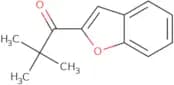
CAS:<p>Versatile small molecule scaffold</p>Formula:C14H22N2Purity:Min. 95%Molecular weight:218.34 g/mol1-(1-Benzofuran-2-yl)-2,2-dimethylpropan-1-one
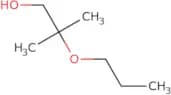
CAS:<p>Versatile small molecule scaffold</p>Formula:C13H14O2Purity:Min. 95%Molecular weight:202.25 g/mol2-Methyl-2-propoxypropan-1-ol
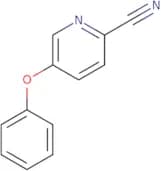
CAS:<p>Versatile small molecule scaffold</p>Formula:C7H16O2Purity:Min. 95%Molecular weight:132.2 g/mol5-Phenoxypyridine-2-carbonitrile
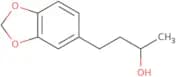
CAS:<p>5-Phenoxypyridine-2-carbonitrile is a pharmacological agent that has been shown to induce amnesia in rats. It has also been found to inhibit the activity of acetylcholinesterase. 5-Phenoxypyridine-2-carbonitrile may be used as a research tool for studying the mechanisms of memory and learning.</p>Formula:C12H8N2OPurity:Min. 95%Molecular weight:196.2 g/mol4-(1,3-Dioxaindan-5-yl)butan-2-ol
CAS:Controlled Product<p>Versatile small molecule scaffold</p>Formula:C11H14O3Purity:Min. 95%Molecular weight:194.23 g/mol2-{[(2-Phenyl-1,3-oxazol-4-yl)methyl]sulfanyl}acetic acid
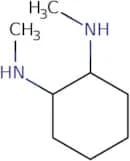
CAS:<p>Versatile small molecule scaffold</p>Formula:C12H11NO3SPurity:Min. 95%Molecular weight:249.29 g/molCis-N,N-dimethyl-1,2-cyclohexanediamine
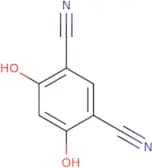
CAS:<p>Versatile small molecule scaffold</p>Formula:C8H18N2Purity:Min. 95%Molecular weight:142.24 g/mol4,6-Dihydroxybenzene-1,3-dicarbonitrile
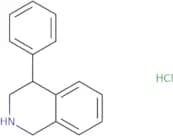
CAS:<p>4,6-Dihydroxybenzene-1,3-dicarbonitrile (4,6DBCN) is a glycosylase that selectively removes damaged nucleotides from the DNA backbone. 4,6DBCN has been shown to protect mammalian cells against oxidative damage by removing reactive oxygen species (ROS) and reducing the redox potential. This drug has been shown to be effective in preventing cancer and neurodegenerative diseases such as Alzheimer's disease. The effectiveness of 4,6DBCN is dose-dependent, with lower doses inducing cell recruitment and death while higher doses cause excision of damaged DNA.</p>Formula:C8H4N2O2Purity:Min. 95%Molecular weight:160.13 g/mol4-Phenyl-1,2,3,4-tetrahydroisoquinoline HCl
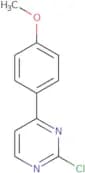
CAS:<p>4-Phenyl-1,2,3,4-tetrahydroisoquinoline HCl (4PTI) is a purgative drug that is used for the treatment of chronic kidney disease. It has been shown to have an inhibitory effect on cancer cells in culture. 4PTI prevents the uptake of glucose and fatty acids into the cell by binding to the cellular receptor for these substances. This binding inhibits cellular uptake of glucose and fatty acids by inhibiting the translocation of GLUT1 from intracellular compartments to the plasma membrane. 4PTI also blocks dopamine release from nerve terminals in rat striatum by inhibiting dopamine uptake.</p>Formula:C15H16ClNPurity:Min. 95%Molecular weight:245.75 g/mol2-Chloro-4-(4-methoxyphenyl)pyrimidine
CAS:<p>Versatile small molecule scaffold</p>Formula:C11H9ClN2OPurity:Min. 95%Molecular weight:220.65 g/molN-(2-Hydroxyethyl)bicyclo[2.2.1]hept-5-ene-2-carboxamide
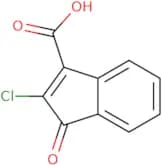
CAS:<p>Versatile small molecule scaffold</p>Formula:C10H15NO2Purity:Min. 95%Molecular weight:181.23 g/mol2-Chloro-1-oxo-1H-indene-3-carboxylic acid
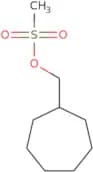
CAS:<p>Versatile small molecule scaffold</p>Formula:C10H5ClO3Purity:Min. 95%Molecular weight:208.6 g/molcycloheptylmethanol; methanesulfonic acid
CAS:<p>Versatile small molecule scaffold</p>Formula:C9H20O4SPurity:Min. 95%Molecular weight:224.32 g/molN-[2-(4-Methoxyphenyl)ethyl]-2-(methylamino)benzamide
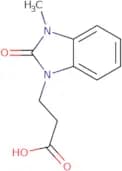
CAS:<p>Versatile small molecule scaffold</p>Formula:C17H20N2O2Purity:Min. 95%Molecular weight:284.35 g/mol3-(3-Methyl-2-oxo-2,3-dihydro-benzoimidazol-1-yl)-propionic acid
CAS:<p>Versatile small molecule scaffold</p>Formula:C11H12N2O3Purity:Min. 95%Molecular weight:220.22 g/molrac[(1R,2S)-2-(Hydroxymethyl)cyclopentyl]methanol
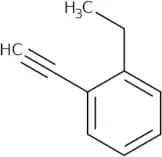
CAS:<p>Versatile small molecule scaffold</p>Formula:C7H14O2Purity:Min. 95%Molecular weight:130.18 g/mol1-Ethyl-2-ethynylbenzene
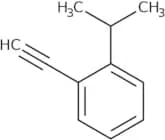
CAS:<p>1-Ethyl-2-ethynylbenzene is an indene that can be synthesized by the reaction of 1-ethylbenzene with ethynylmagnesium bromide and trifluoroacetyl chloride. 1-Ethyl-2-ethynylbenzene reacts as a nucleophile with electrophiles, such as phenylsulfonyl and acetylene compounds, to form sulfones and acetylenes. It can also react with tetrafluoroborates to form indenes.</p>Formula:C10H10Purity:Min. 95%Molecular weight:130.19 g/mol1-Ethynyl-2-(propan-2-yl)benzene
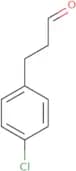
CAS:<p>1-Ethynyl-2-(propan-2-yl)benzene is an organic compound with the chemical formula C8H8. It is a colorless liquid that readily undergoes electrophilic substitution reactions, such as alkylation, acylation, halogenation and nitration. 1-Ethynyl-2-(propan-2-yl)benzene can be synthesized by two different pathways: (1) by the reaction of benzene and propyne or (2) by the reaction of ethyne and propane. The first pathway involves an intramolecular alkyl group shift, while the second pathway requires activation via an electron transfer agent. The product of this latter process is 1-(prop-2-ynyl)benzene.</p>Formula:C11H12Purity:Min. 95%Molecular weight:144.21 g/mol3-(4-Chlorophenyl)propanal
CAS:<p>3-(4-Chlorophenyl)propanal is a regioselective glycol ether that has been used as a catalyst in organic synthesis. It produces high yields of carbonyl complexes with macrocyclic compounds and homogeneous catalysts. 3-(4-Chlorophenyl)propanal also has been shown to be an effective catalyst for the formation of phosphine rhodium complexes and macrocyclic ruthenium complexes, which are used in high-rate reactions.</p>Formula:C9H9ClOPurity:Min. 95%Molecular weight:168.62 g/molEthyl 6-Chloro-[1,2,4]triazolo[4,3-b]pyridazine-3-carboxylate
CAS:<p>Versatile small molecule scaffold</p>Formula:C8H7N4O2ClPurity:Min. 95%Molecular weight:226.61 g/mol4-[Butyl(methyl)amino]benzoic acid
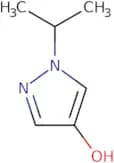
CAS:<p>Versatile small molecule scaffold</p>Formula:C12H17NO2Purity:Min. 95%Molecular weight:207.27 g/mol1-isopropyl-1H-pyrazol-4-ol
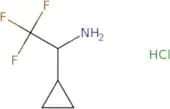
CAS:<p>Versatile small molecule scaffold</p>Formula:C6H10N2OPurity:Min. 95%Molecular weight:126.16 g/mol1-cyclopropyl-2,2,2-trifluoroethanamine hcl
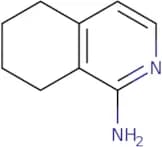
CAS:<p>Versatile small molecule scaffold</p>Formula:C5H9ClF3NPurity:Min. 95%Molecular weight:175.58 g/mol1-Amino-5,6,7,8-tetrahydroisoquinoline
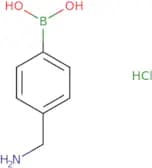
CAS:<p>1-Amino-5,6,7,8-tetrahydroisoquinoline is a potent inhibitor of coagulation factor Xa. It also has the ability to inhibit other enzymes in the coagulation pathway such as thrombin and factor VIIa. This drug is orally bioavailable and has been shown to be effective in animal models with oral exposure. 1-Amino-5,6,7,8-tetrahydroisoquinoline is modified with a linker or analog to improve selectivity for inhibition of factor Xa over other factors in the coagulation pathway. The profile of this compound can be optimized by changing the amino acid sequence at specific positions within the molecule.</p>Formula:C9H12N2Purity:Min. 95%Molecular weight:148.21 g/mol4-Aminomethylphenylboronic acid hydrochloride
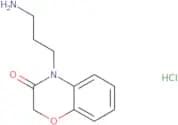
CAS:<p>4-Aminomethylphenylboronic acid hydrochloride is a synthetic ligand that binds to phosphopeptides and biologics. It has been shown to bind to targets in the presence of an affinity ligand and is used in affinity chromatography. This ligand can be used as a fluorescent probe for the identification of proteins, peptides, and other biomolecules by microscopy or chromatographic techniques. 4-Aminomethylphenylboronic acid hydrochloride is also used in fluorescence microscopy for the study of protein-protein interactions.</p>Formula:C7H11BClNO2Purity:Min. 95%Molecular weight:187.44 g/mol4-(3-Aminopropyl)-3,4-dihydro-2H-1,4-benzoxazin-3-one hydrochloride
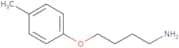
CAS:<p>Versatile small molecule scaffold</p>Formula:C11H15ClN2O2Purity:Min. 95%Molecular weight:242.7 g/mol1-(4-Aminobutoxy)-4-methylbenzene
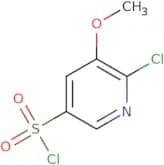
CAS:<p>Versatile small molecule scaffold</p>Formula:C11H17NOPurity:Min. 95%Molecular weight:179.26 g/mol6-Chloro-5-methoxypyridine-3-sulfonyl chloride
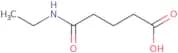
CAS:<p>Versatile small molecule scaffold</p>Formula:C6H5Cl2NO3SPurity:Min. 95%Molecular weight:242.08 g/mol4-(Ethylcarbamoyl)butanoic acid
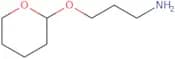
CAS:<p>Versatile small molecule scaffold</p>Formula:C7H13NO3Purity:Min. 95%Molecular weight:159.18 g/mol2-(3-Aminopropoxy)oxane
CAS:<p>Versatile small molecule scaffold</p>Formula:C8H17NO2Purity:Min. 95%Molecular weight:159.23 g/mol2-(Methylsulfanyl)phenyl acetate
CAS:<p>2-(Methylsulfanyl)phenyl acetate is a potent inhibitor of cyclooxygenase-2 (COX-2). It also inhibits COX-1, but to a lesser extent. 2-(Methylsulfanyl)phenyl acetate has been shown to inhibit cancer cell proliferation and suppress the inflammatory response in cells with high COX-2 levels. This compound is chemically modified by acetylation, which can attenuate its biological activity. Additionally, the residue may be removed from the molecule by tryptic digestion. 2-(Methylsulfanyl)phenyl acetate is an analog of aspirin and interacts with the sulfoxides in a similar manner as does aspirin, albeit more weakly.</p>Formula:C9H10O2SPurity:Min. 95%Molecular weight:182.24 g/molMethyl 2-(benzo[d]oxazol-2-yl)acetate
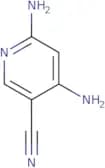
CAS:<p>Versatile small molecule scaffold</p>Formula:C10H9NO3Purity:Min. 95%Molecular weight:191.19 g/mol4,6-Diaminopyridine-3-carbonitrile
CAS:<p>4,6-Diaminopyridine-3-carbonitrile (CAS No. 20520-22-4) is a synthetic dyestuff with red color and low solubility in water. It has been used as a dye for polyester and other synthetic fibers. The dye is soluble in organic solvents such as ethoxycarbonylethyl acetate and benzene, but insoluble in water. In addition to the red color, 4,6-diaminopyridine-3-carbonitrile has good lightfastness properties. This chemical is also a precursor to diazotized compounds that can be used to produce hydrogenated hydrocarbons.</p>Formula:C6H6N4Purity:Min. 95%Molecular weight:134.14 g/mol(8S)-1,4-Dioxa-7-azaspiro[4.4]nonane-8-carboxylic acid
CAS:<p>Versatile small molecule scaffold</p>Formula:C7H11NO4Purity:Min. 95%Molecular weight:173.17 g/mol1-Ethoxy-1,3-dihydro-2,1-benzoxaphosphole 1-oxide
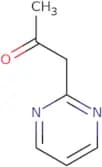
CAS:<p>Versatile small molecule scaffold</p>Formula:C9H11O3PPurity:Min. 95%Molecular weight:198.2 g/mol1-(Pyrimidin-2-yl)propan-2-one
CAS:<p>1-(Pyrimidin-2-yl)propan-2-one is an intermediate used in the production of diketene, a fungicide. It is a colorless liquid with a pungent odor and is soluble in organic solvents. This compound has been shown to have antifungal activity against many species of fungi and can be used as an intermediate for other agrochemicals.</p>Formula:C7H8N2OPurity:Min. 95%Molecular weight:136.15 g/mol5-(Propan-2-yl)thiolan-3-one
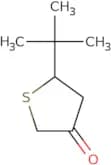
CAS:<p>Versatile small molecule scaffold</p>Formula:C7H12OSPurity:Min. 95%Molecular weight:144.24 g/mol5-tert-Butylthiolan-3-one
CAS:<p>Versatile small molecule scaffold</p>Formula:C8H14OSPurity:Min. 95%Molecular weight:158.26 g/mol3-Ethoxy-2-methoxybenzaldehyde
CAS:<p>Versatile small molecule scaffold</p>Formula:C10H12O3Purity:Min. 95%Molecular weight:180.2 g/mol3-Methoxy-2-(propan-2-yloxy)benzaldehyde
CAS:<p>3-Methoxy-2-(propan-2-yloxy)benzaldehyde is a chemical compound belonging to the amaryllidaceae family and has been found to have biological activity. This natural product is structurally related to alkaloids such as sceletium, which is used in traditional medicine. 3-Methoxy-2-(propan-2-yloxy)benzaldehyde was isolated from the plant Sceletium tortuosum and its structure was determined through spectroscopy. The compound's molecular formula is C12H20O4, with a molecular weight of 224.272 g/mol.</p>Formula:C11H14O3Purity:Min. 95%Molecular weight:194.23 g/mol3-Chloro-6-(2-methyl-1H-imidazol-1-yl)pyridazine
CAS:<p>Versatile small molecule scaffold</p>Formula:C8H7ClN4Purity:Min. 95%Molecular weight:194.62 g/mol6-(5-Chlorothiophen-2-yl)-2,3-dihydropyridazin-3-one
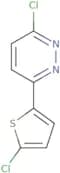
CAS:<p>Versatile small molecule scaffold</p>Formula:C8H5ClN2OSPurity:Min. 95%Molecular weight:212.66 g/mol3-Chloro-6-(5-chlorothiophen-2-yl)pyridazine
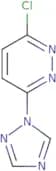
CAS:<p>Versatile small molecule scaffold</p>Formula:C8H4Cl2N2SPurity:Min. 95%Molecular weight:231.1 g/mol3-Chloro-6-(1H-1,2,4-triazol-1-yl)pyridazine
CAS:<p>3-Chloro-6-(1H-1,2,4-triazol-1-yl)pyridazine (3CPY) is a nitrate salt that has been shown to have antioxidant properties. It has been shown to be a singe crystal x-ray diffraction compound with coordination and hydrogen bonding interactions in the crystalline lattice. 3CPY was also found to have antibacterial activity. 3CPY is a ligand that can bind to metal ions and form supramolecular complexes, which are important for its antibacterial properties. Inorganic salts such as 3CPY are luminescent, meaning they emit light when excited by energy sources such as ultraviolet light or electricity. This compound may also be used for the treatment of connective tissue diseases, including arthritis.</p>Formula:C6H4ClN5Purity:Min. 95%Molecular weight:181.58 g/mol3-Hydrazinyl-6-(1H-imidazol-1-yl)pyridazine
CAS:<p>Versatile small molecule scaffold</p>Formula:C7H8N6Purity:Min. 95%Molecular weight:176.18 g/mol3-(5-Chlorothiophen-2-yl)-6-hydrazinylpyridazine
CAS:<p>Versatile small molecule scaffold</p>Formula:C8H7ClN4SPurity:Min. 95%Molecular weight:226.69 g/mol4-(tert-Butylsulfanyl)-2-methylaniline
CAS:<p>Versatile small molecule scaffold</p>Formula:C11H17NSPurity:Min. 95%Molecular weight:195.33 g/molMethyl 5-aminoisoquinoline-1-carboxylate
CAS:<p>Versatile small molecule scaffold</p>Formula:C11H10N2O2Purity:Min. 95%Molecular weight:202.21 g/mol2,3-Dimethyl-2,3-butanediamine dihydrochloride
CAS:<p>Versatile small molecule scaffold</p>Formula:C6H16N2·2HClPurity:Min. 95%Molecular weight:189.13 g/mol2-(4-Methoxyphenyl)-1-methyl-6-oxopiperidine-3-carboxylic acid
CAS:<p>Versatile small molecule scaffold</p>Formula:C14H17NO4Purity:Min. 95%Molecular weight:263.29 g/mol2-(4-Fluorophenyl)-1-methyl-5-oxopyrrolidine-3-carboxylic acid
CAS:<p>Versatile small molecule scaffold</p>Formula:C12H12FNO3Purity:Min. 95%Molecular weight:237.23 g/mol[2-(4-Methoxyphenyl)-1-methylpiperidin-3-yl]methanol
CAS:<p>Versatile small molecule scaffold</p>Formula:C14H21NO2Purity:Min. 95%Molecular weight:235.32 g/mol[2-(4-Methoxyphenyl)-1-methylpyrrolidin-3-yl]methanol
CAS:<p>Versatile small molecule scaffold</p>Formula:C13H19NO2Purity:Min. 95%Molecular weight:221.29 g/mol2-Bromo-2'-chloropropiophenone
CAS:Controlled Product<p>Versatile small molecule scaffold</p>Formula:C9H8BrClOPurity:Min. 95%Molecular weight:247.52 g/mol
![Dimethyl bicyclo[3.1.1]heptane-1,5-dicarboxylate](/_next/image/?url=https%3A%2Fstatic.cymitquimica.com%2Fproducts%2F3D%2Fthumb-webp%2FADA32854.webp&w=3840&q=75)

![[(4-Phenylphenyl)methyl]hydrazine hydrochloride](/_next/image/?url=https%3A%2Fstatic.cymitquimica.com%2Fproducts%2F3D%2Fthumb-webp%2FADA33307.webp&w=3840&q=75)
![2-[(1R,2S)-2-Hydroxycyclohexyl]acetic acid](/_next/image/?url=https%3A%2Fstatic.cymitquimica.com%2Fproducts%2F3D%2Fthumb-webp%2FADA36490.webp&w=3840&q=75)
![1-(2,4-Dimethyl-4H-pyrazolo[1,5-a]benzimidazol-3-yl)ethanone](/_next/image/?url=https%3A%2Fstatic.cymitquimica.com%2Fproducts%2F3D%2Fthumb-webp%2FADA38054.webp&w=3840&q=75)

![2-({1-Azabicyclo[2.2.2]octan-3-yl}amino)ethan-1-ol dihydrochloride](/_next/image/?url=https%3A%2Fstatic.cymitquimica.com%2Fproducts%2F3D%2Fthumb-webp%2FADA42674.webp&w=3840&q=75)

![rac-(4aR,9bS)-2,8-Dimethyl-1H,2H,3H,4H,4aH,5H,9bh-pyrido[4,3-b]indole](/_next/image/?url=https%3A%2Fstatic.cymitquimica.com%2Fproducts%2F3D%2Fthumb-webp%2FADA49488.webp&w=3840&q=75)
![3,4-Dihydro-2H-spiro[naphthalene-1,3'-oxolane]-2',5'-dione](/_next/image/?url=https%3A%2Fstatic.cymitquimica.com%2Fproducts%2F3D%2Fthumb-webp%2FADA54229.webp&w=3840&q=75)
![[2-(Azepan-1-ylmethyl)phenyl]methanamine](/_next/image/?url=https%3A%2Fstatic.cymitquimica.com%2Fproducts%2F3D%2Fthumb-webp%2FADA54579.webp&w=3840&q=75)
![2-{[(2-Phenyl-1,3-oxazol-4-yl)methyl]sulfanyl}acetic acid](/_next/image/?url=https%3A%2Fstatic.cymitquimica.com%2Fproducts%2F3D%2Fthumb-webp%2FADA59527.webp&w=3840&q=75)
![N-(2-Hydroxyethyl)bicyclo[2.2.1]hept-5-ene-2-carboxamide](/_next/image/?url=https%3A%2Fstatic.cymitquimica.com%2Fproducts%2F3D%2Fthumb-webp%2FADA63978.webp&w=3840&q=75)
![N-[2-(4-Methoxyphenyl)ethyl]-2-(methylamino)benzamide](/_next/image/?url=https%3A%2Fstatic.cymitquimica.com%2Fproducts%2F3D%2Fthumb-webp%2FADA65261.webp&w=3840&q=75)
![rac[(1R,2S)-2-(Hydroxymethyl)cyclopentyl]methanol](/_next/image/?url=https%3A%2Fstatic.cymitquimica.com%2Fproducts%2F3D%2Fthumb-webp%2FADA65883.webp&w=3840&q=75)
![Ethyl 6-Chloro-[1,2,4]triazolo[4,3-b]pyridazine-3-carboxylate](/_next/image/?url=https%3A%2Fstatic.cymitquimica.com%2Fproducts%2F3D%2Fthumb-webp%2FADA68093.webp&w=3840&q=75)
![4-[Butyl(methyl)amino]benzoic acid](/_next/image/?url=https%3A%2Fstatic.cymitquimica.com%2Fproducts%2F3D%2Fthumb-webp%2FADA68164.webp&w=3840&q=75)

![Methyl 2-(benzo[d]oxazol-2-yl)acetate](/_next/image/?url=https%3A%2Fstatic.cymitquimica.com%2Fproducts%2F3D%2Fthumb-webp%2FADA76223.webp&w=3840&q=75)
![(8S)-1,4-Dioxa-7-azaspiro[4.4]nonane-8-carboxylic acid](/_next/image/?url=https%3A%2Fstatic.cymitquimica.com%2Fproducts%2F3D%2Fthumb-webp%2FADA77651.webp&w=3840&q=75)






![[2-(4-Methoxyphenyl)-1-methylpiperidin-3-yl]methanol](/_next/image/?url=https%3A%2Fstatic.cymitquimica.com%2Fproducts%2F3D%2Fthumb-webp%2FADA81059.webp&w=3840&q=75)
![[2-(4-Methoxyphenyl)-1-methylpyrrolidin-3-yl]methanol](/_next/image/?url=https%3A%2Fstatic.cymitquimica.com%2Fproducts%2F3D%2Fthumb-webp%2FADA81065.webp&w=3840&q=75)
