


Building Blocks
Subcategories of "Building Blocks"
- Boronic Acids & Boronic Acid Derivatives(5,783 products)
- Chiral Building Blocks(1,242 products)
- Hydrocarbon Building Blocks(6,105 products)
- Organic Building Blocks(61,055 products)
Found 205383 products of "Building Blocks"
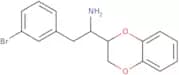
2-(3-Bromophenyl)-1-(2,3-dihydro-1,4-benzodioxin-2-yl)ethan-1-amine
CAS:Versatile small molecule scaffold
Formula:C16H16BrNO2Purity:Min. 95%Molecular weight:334.21 g/molRef: 3D-HJC76426
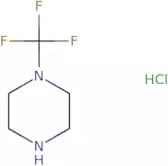
Discontinued product1-(Trifluoromethyl)piperazine hydrochloride
CAS:Versatile small molecule scaffoldFormula:C5H10ClF3N2Purity:Min. 95%Molecular weight:190.59 g/mol(1S,2S,5R)-3-{[(9H-Fluoren-9-yl)methoxy]carbonyl}-3-azabicyclo[3.1.0]hexane-2-carboxylic acid
CAS:Versatile small molecule scaffoldFormula:C21H19NO4Purity:Min. 95%Molecular weight:349.4 g/mol[(1-Methyl-1H-pyrazol-4-yl)methyl](propyl)amine
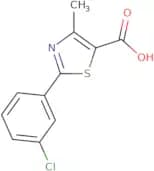
CAS:Versatile small molecule scaffoldFormula:C8H15N3Purity:Min. 95%Molecular weight:153.22 g/mol2-(3-Chlorophenyl)-4-methyl-1,3-thiazole-5-carboxylic acid
CAS:Versatile small molecule scaffold
Formula:C11H8ClNO2SPurity:Min. 95%Molecular weight:253.71 g/molRef: 3D-EJB13757
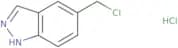
Discontinued product5-(Chloromethyl)-1H-indazole hydrochloride
CAS:Versatile small molecule scaffoldFormula:C8H8Cl2N2Purity:Min. 95%Molecular weight:203.07 g/molRef: 3D-GDD31009
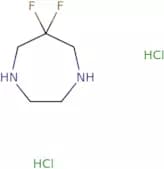
Discontinued product6,6-difluoro-1,4-diazepane dihydrochloride
CAS:Versatile small molecule scaffoldFormula:C5H12Cl2F2N2Purity:Min. 95%Molecular weight:209.1 g/mol3-Amino-2-(3-chlorophenyl)propan-1-ol hydrochloride
CAS:Versatile small molecule scaffold
Formula:C9H13Cl2NOPurity:Min. 95%Molecular weight:222.11 g/mol(2E)-3-[2-(Difluoromethoxy)-3-methoxyphenyl]prop-2-enoic acid
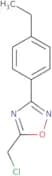
CAS:Versatile small molecule scaffoldFormula:C11H10F2O4Purity:Min. 95%Molecular weight:244.19 g/mol5-(Chloromethyl)-3-(4-ethylphenyl)-1,2,4-oxadiazole
CAS:Versatile small molecule scaffold
Formula:C11H11ClN2OPurity:Min. 95%Molecular weight:222.67 g/mol1-[2-(Adamantan-1-yl)ethyl]piperazine
CAS:Versatile small molecule scaffold
Formula:C16H28N2Purity:Min. 95%Molecular weight:248.41 g/molRef: 3D-CWB84297
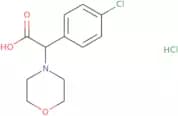
Discontinued product(4-Chloro-Phenyl)-Morpholin-4-Yl-Acetic Acid Hydrochloride
CAS:Versatile small molecule scaffold
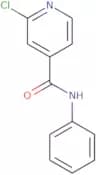
Formula:C12H15Cl2NO3Purity:Min. 95%Molecular weight:292.16 g/mol2-Chloro-N-phenylisonicotinamide
CAS:Versatile small molecule scaffold
Formula:C12H9ClN2OPurity:Min. 95%Molecular weight:232.67 g/mol2-(4-Hydroxypiperidin-1-yl)-N,N-dimethylacetamide
CAS:Versatile small molecule scaffold
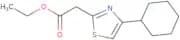
Formula:C9H18N2O2Purity:Min. 95%Molecular weight:186.25 g/molEthyl 2-(4-cyclohexyl-1,3-thiazol-2-yl)acetate
CAS:Versatile small molecule scaffold
Formula:C13H19NO2SPurity:Min. 95%Molecular weight:253.4 g/molRef: 3D-CWB84540
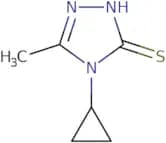
Discontinued product4-Cyclopropyl-5-methyl-4H-1,2,4-triazole-3-thiol
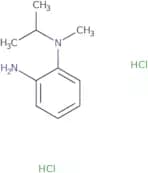
CAS:Versatile small molecule scaffoldFormula:C6H9N3SPurity:Min. 95%Molecular weight:155.22 g/molN1-Methyl-N1-(propan-2-yl)benzene-1,2-diamine dihydrochloride
CAS:Versatile small molecule scaffold
Formula:C10H18Cl2N2Purity:Min. 95%Molecular weight:237.17 g/molRef: 3D-DXC58875
Discontinued product9-Chloro-1H,2H,3H,4H,5H,6H-azepino[4,3-b]indol-1-one
CAS:Versatile small molecule scaffold
Formula:C12H11ClN2OPurity:Min. 95%Molecular weight:234.68 g/molRef: 3D-GDC93668
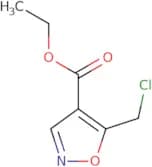
Discontinued productEthyl 5-(chloromethyl)-1,2-oxazole-4-carboxylate
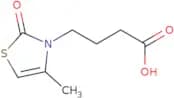
CAS:Versatile small molecule scaffoldFormula:C7H8ClNO3Purity:Min. 95%Molecular weight:189.59 g/mol4-(4-Methyl-2-oxo-2,3-dihydro-1,3-thiazol-3-yl)butanoic acid
CAS:Versatile small molecule scaffold
Formula:C8H11NO3SPurity:Min. 95%Molecular weight:201.25 g/molRef: 3D-EJB13779
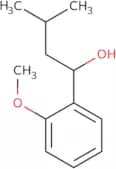
Discontinued product1-(2-Methoxyphenyl)-3-methylbutan-1-ol
CAS:Versatile small molecule scaffold
Formula:C12H18O2Purity:Min. 95%Molecular weight:194.27 g/molRef: 3D-EJB17904
Discontinued product(4-Butoxy-3-methoxybenzyl)amine
CAS:Versatile small molecule scaffold
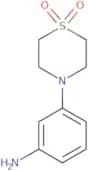
Formula:C12H19NO2Purity:Min. 95%Molecular weight:209.29 g/mol3-(1,1-Dioxothiomorpholin-4-yl)phenylamine
CAS:Versatile small molecule scaffold
Formula:C10H14N2O2SPurity:Min. 95%Molecular weight:226.3 g/molRef: 3D-CWB85934
Discontinued product1-Oxaspiro[4.4]nonan-3-ol
CAS:1-Oxaspiro[4.4]nonan-3-ol is an organic compound that belongs to the group of spirocyclic compounds. It has been shown to be a potent inhibitor of bacterial growth, with activity against Bacillus subtilis and Escherichia coli. This molecule also acts as an oxidant, reacting with various substrates in oxidation reactions, such as periodate and ammonium chloride. 1-Oxaspiro[4.4]nonan-3-ol is used in the synthesis of other products, such as n-substituted amines, alcohols, and cyclopentanone derivatives. 1-Oxaspiro[4.4]nonan-3-ol can be synthesized by oxidative cyclization of 3-(2H)furanone with ammonium chloride and sodium metabisulfite or sodium periodate followed by hydrolysis under acidic conditions or by direct oxidation of 3-(2H)fur
Formula:C8H14O2Purity:Min. 95%Molecular weight:142.2 g/mol4-[(1H-Pyrazol-1-yl)methyl]phenol
CAS:4-[(1H-Pyrazol-1-yl)methyl]phenol (4PMP) is an inhibitor of dopamine beta-hydroxylase that has been studied in assays with dopamine and noradrenaline. It has been shown to activate both noradrenaline and dopamine receptors, and can be used as a tool for the study of blood pressure regulation. 4PMP also increases reactive oxygen species production, which may be due to its ability to react with cyanide ions. The binding of 4PMP to the enzyme is reversible and competitive. The pH profile of 4PMP has also been studied, with a range from 2 to 5.4. Kinetic studies have shown that the reaction rate for 4PMP is best described by a Michaelis-Menten kinetic model, with a Km value of 0.03 mM and Vmax value of 9.3 μM/min for dopamine β-hydroxylase inhibition. There are
Formula:C10H10N2OPurity:Min. 95%Molecular weight:174.2 g/molRef: 3D-FDA20009
Discontinued product4-Ethoxy-2,5-dimethylaniline
CAS:Versatile small molecule scaffold
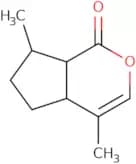
Formula:C10H15NOPurity:Min. 95%Molecular weight:165.23 g/molcis-trans Nepetalactone
CAS:荆芥内酯是一种驱虫的化合物,使猫薄荷开花植物能够吸引猫。据信,荆芥内酯可以通过模仿猫的信息素来改变猫的行为。
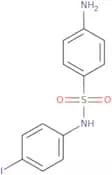
Formula:C10H14O2Purity:Min. 97 Area-%Color and Shape:Colorless Clear LiquidMolecular weight:166.22 g/mol4-Amino-N-(4-iodophenyl)benzene-1-sulfonamide
CAS:Versatile small molecule scaffold
Formula:C12H11IN2O2SPurity:Min. 95%Molecular weight:374.2 g/molRef: 3D-GAA96575
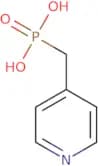
Discontinued product4-Pyridylmethylphosphonic acid
CAS:4-Pyridylmethylphosphonic acid is an inorganic compound that is a ligand for the metal Ruthenium. It is used in organic synthesis as a photosensitizer and a potentiometric titrant. The ligand binds to the metal through one or more of its oxygen atoms, forming a coordination complex. The bond cleavage reaction occurs when the molecule absorbs light of sufficient energy, causing it to break into two parts. 4-Pyridylmethylphosphonic acid is not very soluble in water and is therefore used as an electrolyte in potentiometric titrations. The pH of the solution will change depending on the concentration of the acid. 4-Pyridylmethylphosphonic acid can also be used as a catalyst for certain organic reactions such as esterification and transesterification reactions.
Formula:C6H8NO3PPurity:Min. 95%Molecular weight:173.11 g/molRef: 3D-FDA24143
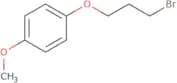
Discontinued product1-(3-Bromo-propoxy)-4-methoxy-benzene
CAS:Versatile small molecule scaffold
Formula:C10H13BrO2Purity:Min. 95%Molecular weight:245.12 g/molRef: 3D-GAA26737
Discontinued product2-[(Methoxycarbonyl)amino]benzoic acid
CAS:Versatile small molecule scaffold
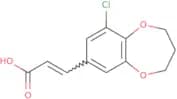
Formula:C9H9NO4Purity:Min. 95%Molecular weight:195.17 g/mol(2E)-3-(9-Chloro-3,4-dihydro-2H-1,5-benzodioxepin-7-yl)prop-2-enoic acid
CAS:Versatile small molecule scaffoldFormula:C12H11ClO4Purity:Min. 95%Molecular weight:254.66 g/molRef: 3D-EJB35733
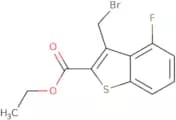
Discontinued productEthyl 3-(bromomethyl)-4-fluoro-1-benzothiophene-2-carboxylate
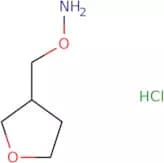
CAS:Versatile small molecule scaffoldFormula:C12H10BrFO2SPurity:Min. 95%Molecular weight:317.18 g/molo-(Oxolan-3-ylmethyl)hydroxylamine hydrochloride
CAS:Versatile small molecule scaffold
Formula:C5H12ClNO2Purity:Min. 95%Molecular weight:153.61 g/molRef: 3D-EJB38286
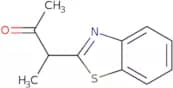
Discontinued product3-(1,3-Benzothiazol-2-yl)butan-2-one
CAS:Versatile small molecule scaffold
Formula:C11H11NOSPurity:Min. 95%Molecular weight:205.28 g/molRef: 3D-GAA26944
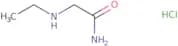
Discontinued product2-(Ethylamino)acetamide hydrochloride
CAS:Versatile small molecule scaffold
Formula:C4H11ClN2OPurity:Min. 95%Molecular weight:138.59 g/molRef: 3D-GAA91324
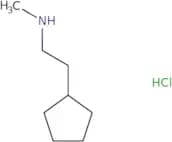
Discontinued product(2-Cyclopentylethyl)(methyl)amine hydrochloride
CAS:Versatile small molecule scaffold
Formula:C8H18ClNPurity:Min. 95%Molecular weight:163.69 g/molRef: 3D-EJB41364
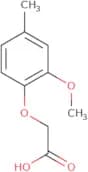
Discontinued product(2-Methoxy-4-methyl-phenoxy)-acetic acid
CAS:Versatile small molecule scaffold
Formula:C10H12O4Purity:Min. 95%Molecular weight:196.2 g/molRef: 3D-GAA27023
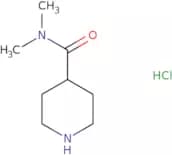
Discontinued productPiperidine-4-carboxylic acid dimethylamide HCl
CAS:Versatile small molecule scaffold
Formula:C8H16N2O·HClPurity:Min. 95%Molecular weight:192.69 g/molRef: 3D-GAA27042
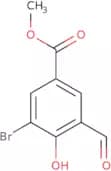
Discontinued productmethyl 3-bromo-5-formyl-4-hydroxybenzoate
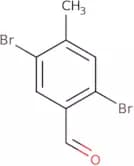
CAS:Versatile small molecule scaffoldFormula:C9H7BrO4Purity:Min. 95%Molecular weight:259.06 g/mol2,5-Dibromo-4-methylbenzaldehyde
CAS:Versatile small molecule scaffold
Formula:C8H6Br2OPurity:Min. 95%Molecular weight:277.94 g/molRef: 3D-GDB82009
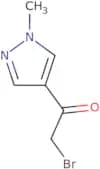
Discontinued product2-Bromo-1-(1-methyl-1H-pyrazol-4-yl)ethanone
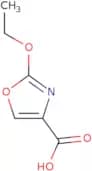
CAS:Versatile small molecule scaffoldFormula:C6H7BrN2OPurity:Min. 95%Molecular weight:203.04 g/mol2-Ethoxy-1,3-oxazole-4-carboxylic acid
CAS:Versatile small molecule scaffoldFormula:C6H7NO4Purity:Min. 95%Molecular weight:157.12 g/molRef: 3D-GDB78909
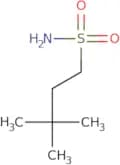
Discontinued product3,3-Dimethylbutane-1-sulfonamide
CAS:Versatile small molecule scaffold
Formula:C6H15NO2SPurity:Min. 95%Molecular weight:165.26 g/molRef: 3D-EJB46244
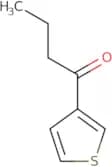
Discontinued product1-(Thiophen-3-yl)butan-1-one
CAS:Versatile small molecule scaffold
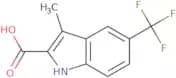
Formula:C8H10OSPurity:Min. 95%Molecular weight:154.23 g/mol3-Methyl-5-(trifluoromethyl)-1H-indole-2-carboxylic acid
CAS:Versatile small molecule scaffold
Formula:C11H8F3NO2Purity:Min. 95%Molecular weight:243.18 g/molRef: 3D-EJB53137
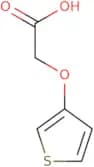
Discontinued product2-(Thiophen-3-yloxy)acetic acid
CAS:Versatile small molecule scaffold
Formula:C6H6O3SPurity:Min. 95%Molecular weight:158.18 g/molRef: 3D-FDA30506
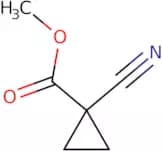
Discontinued productMethyl 1-cyanocyclopropanecarboxylate
CAS:Versatile small molecule scaffoldFormula:C6H7NO2Purity:Min. 95%Molecular weight:125.13 g/molRef: 3D-GAA91473
Discontinued product(2S)-3-(Boc-amino)-2-amino-1-propanol
CAS:Versatile small molecule scaffold
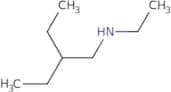
Formula:C8H18N2O3Purity:Min. 95%Molecular weight:190.24 g/molEthyl(2-ethylbutyl)amine
CAS:Versatile small molecule scaffold
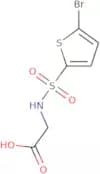
Formula:C8H19NPurity:Min. 95%Molecular weight:129.24 g/mol2-(5-Bromothiophene-2-sulfonamido)acetic acid
CAS:Versatile small molecule scaffold
Formula:C6H6BrNO4S2Purity:Min. 95%Molecular weight:300.2 g/molrac-(2S,4S)-2-Amino-5-oxa-7-azaspiro[3.4]octan-6-one hydrochloride
CAS:Versatile small molecule scaffoldFormula:C6H11ClN2O2Purity:Min. 95%Molecular weight:178.6 g/molRef: 3D-FSD25328
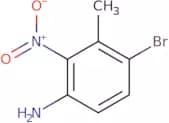
Discontinued product4-Bromo-3-methyl-2-nitroaniline
CAS:Versatile small molecule scaffold
Formula:C7H7BrN2O2Purity:Min. 95%Molecular weight:231.05 g/mol3-(Cycloheptylamino)propan-1-ol hydrochloride
CAS:Versatile small molecule scaffold
Formula:C10H22ClNOPurity:Min. 95%Molecular weight:207.7 g/molRef: 3D-FSD25333
Discontinued product3-{[(tert-Butoxy)carbonyl]amino}-4,4-difluorobutanoic acid
CAS:Versatile small molecule scaffoldFormula:C9H15F2NO4Purity:Min. 95%Molecular weight:239.22 g/molRef: 3D-GDA98256
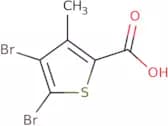
Discontinued product4,5-dibromo-3-methylthiophene-2-carboxylic acid
CAS:Versatile small molecule scaffold
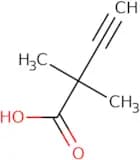
Formula:C6H4Br2O2SPurity:Min. 95%Molecular weight:300 g/mol2,2-Dimethylbut-3-ynoic acid
CAS:2,2-Dimethylbut-3-ynoic acid is an organic compound that can be synthesized from acetone. The chemical formula of this compound is C6H12O2. 2,2-Dimethylbut-3-ynoic acid has a boiling point of 157 degrees Celsius and a melting point of -87 degrees Celsius. It has the molecular weight of 136.19 g/mol and its density is 1.07 g/cm^3 at 25 degrees Celsius. This compound can be used as a precursor to other chemicals, such as butanediol or butyraldehyde, which are used in production processes for plastics and synthetic rubber.
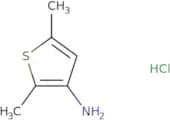
Formula:C6H8O2Purity:Min. 95%Molecular weight:112.13 g/mol2,5-Dimethylthiophen-3-amine hydrochloride
CAS:Versatile small molecule scaffold
Formula:C6H10ClNSPurity:Min. 95%Molecular weight:163.67 g/molRef: 3D-EJB62835
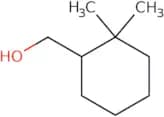
Discontinued product(2,2-Dimethylcyclohexyl)methanol
CAS:Versatile small molecule scaffold
Formula:C9H18OPurity:Min. 95%Molecular weight:142.24 g/molRef: 3D-GDA98007
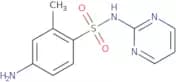
Discontinued product4-Amino-2-methyl-N-(pyrimidin-2-yl)benzene-1-sulfonamide
CAS:Versatile small molecule scaffold
Formula:C11H12N4O2SPurity:Min. 95%Molecular weight:264.31 g/molRef: 3D-EJB63429
Discontinued product2-Ethoxy-5-methylbenzoic acid
CAS:Versatile small molecule scaffold
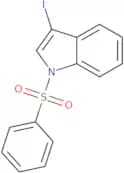
Formula:C10H12O3Purity:Min. 95%Molecular weight:180.2 g/mol3-Iodo-1-(phenylsulfonyl)indole
CAS:3-Iodo-1-(phenylsulfonyl)indole (3-ISI) is a ligand that is used to crystallize metal ions. 3-ISI binds to metal ions through interactions with the halide ion. The 3-ISI molecule has two phenylsulfonyl groups and one iodine atom, which are the sites of coordination to metal ions. Friedel-Crafts acylation reactions use 3-ISI as a ligand because it does not react with the catalyst or acid, but can be easily replaced by other ligands during the reaction. Parameters for determining its structure include X-ray crystallography, NMR spectroscopy, IR spectroscopy, and elemental analysis. The chloride anion in 3-ISI is able to form hydrogen bonds with other chloride anions in order to stabilize its structure.
3-ISI can be synthesized by reacting iodides with benzyl bromide and phosphorous pentFormula:C14H10INO2SPurity:Min. 95%Molecular weight:383.21 g/molRef: 3D-FDA36014
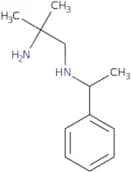
Discontinued product(2-Amino-2-methylpropyl)(1-phenylethyl)amine
CAS:Versatile small molecule scaffold
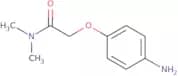
Formula:C12H20N2Purity:Min. 95%Molecular weight:192.3 g/mol2-(4-Aminophenoxy)-N,N-dimethylacetamide
CAS:Versatile small molecule scaffold
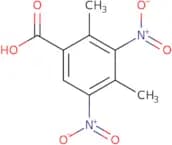
Formula:C10H14N2O2Purity:Min. 95%Molecular weight:194.23 g/mol2,4-Dimethyl-3,5-dinitrobenzoic acid
CAS:Versatile small molecule scaffold
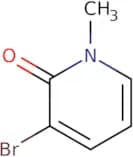
Formula:C9H8N2O6Purity:Min. 95%Molecular weight:240.17 g/mol3-bromo-1-methylpyridin-2(1h)-one
CAS:Versatile small molecule scaffold
Formula:C6H6BrNOPurity:Min. 95%Molecular weight:188.02 g/mol3-tert-Butyl-1-phenyl-1H-pyrazole-4-carboxylic acid
CAS:Versatile small molecule scaffold
Formula:C14H16N2O2Purity:Min. 95%Molecular weight:244.29 g/molRef: 3D-CWB93321
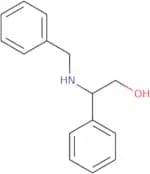
Discontinued product2-(Benzylamino)-2-phenylethanol
CAS:Versatile small molecule scaffold
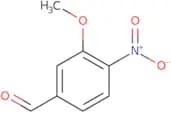
Formula:C15H17NOPurity:Min. 95%Molecular weight:227.3 g/mol3-methoxy-4-nitrobenzaldehyde
CAS:3-Methoxy-4-nitrobenzaldehyde (3MNB) is a biomolecular that is used to study nucleophilic substitutions. It has been shown to inhibit the growth of cells in culture, specifically those with fatty acid amides. 3MNB inhibits the synthesis of β-amyloid, a protein associated with Alzheimer's disease. 3MNB also has potent inhibitory activity on chloride channels and phenylhydrazone binding sites, which are targets for antipsychotic drugs. 3MNB inhibits the production of sh-sy5y cells and piperazine binding sites in the brain. The inhibition of these sites leads to an improvement in memory and learning ability.
Formula:C8H7NO4Purity:Min. 95%Molecular weight:181.1 g/molRef: 3D-FDA41057
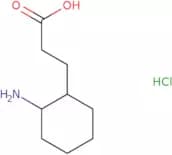
Discontinued product3-(2-Aminocyclohexyl)propanoic acid hydrochloride
CAS:Versatile small molecule scaffold
Formula:C9H18ClNO2Purity:Min. 95%Molecular weight:207.7 g/molRef: 3D-EJB70900
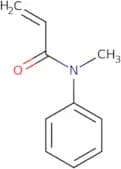
Discontinued productN-Methyl-N-phenylprop-2-enamide
CAS:N-Methyl-N-phenylprop-2-enamide is a perfluorinated compound with acrylate functional groups. It is a monomer that can react with other compounds to form polymers. It has been shown to be useful in the production of polyacrylates, which are used in industrial and medical applications. NMPEA has a bond cleavage reaction when it reacts with triphosgene, which can lead to the formation of acrylonitrile and chlorobenzene. This type of reaction also exhibits hydrogen bonding interactions and can be activated by an amide or an alcohol.
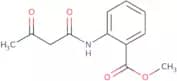
Formula:C10H11NOPurity:Min. 95%Molecular weight:161.2 g/molMethyl 2-(acetoacetylamino)benzoate
CAS:Versatile small molecule scaffold
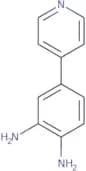
Formula:C12H13NO4Purity:Min. 95%Molecular weight:235.24 g/mol4-(Pyridin-4-yl)benzene-1,2-diamine
CAS:Versatile small molecule scaffold
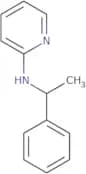
Formula:C11H11N3Purity:Min. 95%Molecular weight:185.22 g/molN-(1-Phenylethyl)pyridin-2-amine
CAS:Versatile small molecule scaffold
Formula:C13H14N2Purity:Min. 95%Molecular weight:198.26 g/molRef: 3D-GDA93648
Discontinued product4-((4-Amino-1H-pyrazol-1-yl)methyl)benzonitrile
CAS:Versatile small molecule scaffoldFormula:C11H10N4Purity:Min. 95%Molecular weight:198.22 g/molRef: 3D-CWB94014
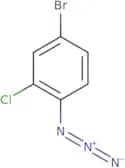
Discontinued product1-Azido-4-bromo-2-chlorobenzene
CAS:Versatile small molecule scaffold
Formula:C6H3BrClN3Purity:Min. 95%Molecular weight:232.46 g/molRef: 3D-CWB94347
Discontinued product6-Chloro-3-methyl-1-phenyl-1H-pyrazolo[3,4-b]pyridine-5-carbaldehyde
CAS:Versatile small molecule scaffold
Formula:C14H10ClN3OPurity:Min. 95%Molecular weight:271.7 g/mol1-[1-(4-Fluorophenyl)-5-methyl-1H-pyrazol-4-yl]ethan-1-amine
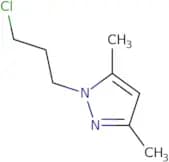
CAS:Versatile small molecule scaffoldFormula:C12H14FN3Purity:Min. 95%Molecular weight:219.26 g/mol1-(3-Chloropropyl)-3,5-dimethyl-1H-pyrazole
CAS:Versatile small molecule scaffoldFormula:C8H13ClN2Purity:Min. 95%Molecular weight:172.65 g/mol6-Methyl-5-oxa-8-azaspiro[3.5]nonane
CAS:Versatile small molecule scaffold
Formula:C8H15NOPurity:Min. 95%Molecular weight:141.21 g/molRef: 3D-HJC13358
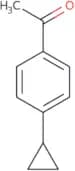
Discontinued product1-(4-Cyclopropylphenyl)ethanone
CAS:Versatile small molecule scaffold
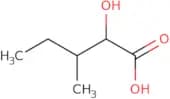
Formula:C11H12OPurity:Min. 95%Molecular weight:160.22 g/mol2-Hydroxy-3-methylpentanoic acid
CAS:2-Hydroxy-3-methylpentanoic acid is a natural compound that has been isolated from the bacteria Corynebacterium glutamicum. It is a cyclic pentapeptide with two ester linkages and one hydroxyl group. This molecule is an antimicrobial agent that inhibits bacterial growth by binding to the active site of enzymes, such as bacterial glutamyl endopeptidase and glutamate decarboxylase, which are involved in peptide and amino acid metabolism. 2-Hydroxy-3-methylpentanoic acid has been shown to have anti-inflammatory properties in bowel disease models, which may be due to its ability to inhibit prostaglandin synthesis. 2-Hydroxy-3-methylpentanoic acid also has cytotoxic effects on carcinoma cell lines in vitro.
Formula:C6H12O3Purity:Min. 95%Molecular weight:132.16 g/mol1-Phenyl-2-buten-1-one
CAS:1-Phenyl-2-buten-1-one is a ketone that is produced by the Friedel-Crafts reaction, which entails the use of an aluminum chloride catalyst in the presence of hydroxy groups. This chemical can also be produced by a reductive carbonylation reaction using acetaldehyde and an organic solvent.
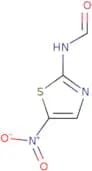
This chemical has been shown to have reductase activities and coordination geometry. It has also been shown to inhibit enzyme activities such as β-unsaturated ketones reductase, indole alkaloid reductase, and acetaldehyde dehydrogenase. The optimal reaction for this compound is borohydride reduction. 1-Phenyl-2-buten-1-one has not been isolated in yields greater than 90%.Formula:C10H10OPurity:Min. 95%Molecular weight:146.19 g/molN-(5-Nitro-1,3-thiazol-2-yl)formamide
CAS:N-(5-Nitro-1,3-thiazol-2-yl)formamide is a hydrogen bond donor that has been shown to be an occlusive molecule. It is soluble in organic solvents. N-(5-Nitro-1,3-thiazol-2-yl)formamide has a molecular weight of 138.18 and is a white crystalline powder. This molecule is active as an antisolvent and can be used for the preparation of microspheres with fibers.
Formula:C4H3N3O3SPurity:Min. 95%Molecular weight:173.15 g/molRef: 3D-AAA50008
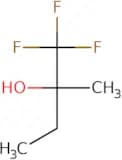
Discontinued product1,1,1-Trifluoro-2-methylbutan-2-ol
CAS:Versatile small molecule scaffold
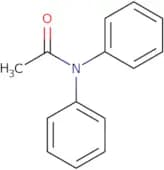
Formula:C5H9F3OPurity:Min. 95%Molecular weight:142.12 g/molN,N-Diphenylacetamide
CAS:N,N-Diphenylacetamide is an amide that is used in the pharmaceutical industry as a test compound. It has been shown to be effective at doses of 10 mg/kg in the treatment of inflammatory diseases. The chemical stability of N,N-diphenylacetamide is dependent on the pH and the presence of inorganic acids such as hydrochloric acid and sulfuric acid. In acidic conditions, N,N-diphenylacetamide hydrolyzes to form a sulfamic acid and an amide. The enantiomer of N,N-diphenylacetamide that can be formed under alkaline conditions is also an active ingredient in some medications for inflammatory diseases.
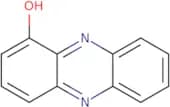
Formula:C14H13NOPurity:Min. 95%Molecular weight:211.26 g/mol1-Hydroxyphenazine
CAS:1-Hydroxyphenazine is an anti-fungal agent that inhibits the growth of opportunistic fungal pathogens. It has been shown to be effective in vitro against some bacteria, including Staphylococcus aureus and Pseudomonas aeruginosa, but not against others such as Escherichia coli. 1-Hydroxyphenazine reacts with intracellular Ca2+ to activate the reactive oxygen species (ROS), which are cytotoxic to fungi and other microorganisms. The compound is a structural analog of phenazone, but has higher antimicrobial activity and lower toxicity. 1-Hydroxyphenazine also chelates metal ions and forms stable complexes with them. This property may contribute to its biological properties.
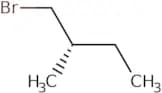
Formula:C12H8N2OPurity:Min. 95%Molecular weight:196.21 g/mol(S)-(+)-1-Bromo-2-methylbutane
CAS:(S)-(+)-1-Bromo-2-methylbutane is a chiral molecule with two stereoisomers, the cis and trans forms. The cis form has been observed to be the more stable of the two. It is a functional theory that these two forms are not mirror images of each other because they have different conformations. (S)-(+)-1-Bromo-2-methylbutane has been used in the synthesis of a number of important molecules. The stereoisomers can be distinguished by conformational analysis and optical microscopy. (S)-(+)-1-Bromo-2-methylbutane also has an application in biotechnology for use as a precursor for hydrazones, which are important in organic chemistry and molecular biology, such as DNA sequencing.
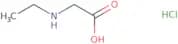
Formula:C5H11BrPurity:Min. 95%Molecular weight:151.04 g/molN-Ethyl-glycine hydrochloride
CAS:N-Ethylglycine hydrochloride is a pharmaceutical preparation that inhibits the enzyme cholesterol esterase. It is used to treat congestive heart failure and as a diuretic. N-Ethylglycine hydrochloride prevents the production of unsaturated fatty acids by inhibiting the enzyme cholesterol esterase, which converts cholesterol into fatty acid. This leads to lower levels of cholesterol in the blood, which can be beneficial in treating high cholesterol levels. N-Ethylglycine hydrochloride has been shown to have antiviral effects against influenza virus, with an IC50 of 0.5 μM, as well as anti-inflammatory properties.
Formula:C4H10ClNO2Purity:Min. 95%Molecular weight:139.58 g/molAmisometradine-d3
CAS:Amisometradine-d3 is a beta-blocker medication that belongs to the class of non-selective beta blockers. It is used to treat high blood pressure, congestive heart failure, and angina pectoris. Amisometradine-d3 blocks the action of the enzyme phosphodiesterase, which then prevents the breakdown of cyclic AMP (cAMP). This results in an increase in cAMP levels in cardiac muscle cells. The increased cAMP levels result in relaxation of the myocardial muscles, which can reduce the workload on the heart and lower blood pressure. Amisometradine-d3 also has a lipophilic profile that allows it to cross cell membranes and act on cardiac tissue by binding to collagen molecules or other proteins involved in contraction.
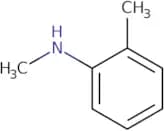
Formula:C9H10D3N3O2Purity:Min. 95%Molecular weight:198.24 g/molN-Methyl-o-toluidine
CAS:N-Methyl-o-toluidine is an alkylating agent that can be used in the synthesis of a variety of organic compounds. It is a carboxylate compound with a C=O group and an amine group, which makes it susceptible to autoprotolysis. N-Methyl-o-toluidine is used as a precursor for other compounds, such as dyes and pharmaceuticals. The exciplex formed between N-methyl-o-toluidine and nitrogen dioxide can be detected using ultraviolet absorption spectroscopy. This compound has been shown to have activation energy of 23 kcal/mol at temperatures above 100°C and below 300°C. Techniques used to measure the activation energy include butyllithium and supercritical fluid techniques.
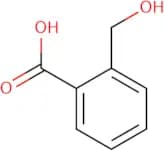
Formula:C8H11NPurity:Min. 95%Molecular weight:121.18 g/mol2-(Hydroxymethyl)benzoic acid
CAS:2-(Hydroxymethyl)benzoic acid is a molecule that can be found in the human liver. It is a metabolite of the drug 2-hydroxybenzoic acid, which inhibits bacterial growth by binding to DNA-dependent RNA polymerase, thereby preventing transcription and replication. The high frequency of human activity has been shown using a patch-clamp technique on human erythrocytes. This active form is metabolized through a number of metabolic transformations, including hydrolysis by esterases or glucuronidases, oxidation by cytochrome P450 enzymes, reduction by glutathione reductase, or conjugation with glucuronic acid. 2-(Hydroxymethyl)benzoic acid also specifically binds to markers expressed at high levels in Mycobacterium tuberculosis strains (e.g., ESX-1 secretion system protein) and inhibits cell growth in culture.
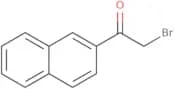
Formula:C8H8O3Purity:Min. 95%Molecular weight:152.15 g/mol2-Bromo-2²-acetonaphthone
CAS:2-Bromo-2²-acetonaphthone (2BA) is a chemical compound belonging to the group of naphthalene derivatives. It has significant inhibitory activities against bacteria, fungi, and protozoans. The 2BA molecule is an antimicrobial agent that binds to fatty acids in the cell membrane and inhibits the synthesis of fatty acids in the mitochondria. This leads to cell death by inhibiting protein synthesis and cell division. 2BA has also been shown to have anti-inflammatory properties, which may be due to its inhibition of prostaglandin synthesis. The chemical structure of 2BA can be found below:
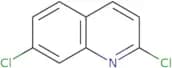
Formula:C10H7COCH2BrPurity:Min. 95%Molecular weight:249.1 g/mol2,7-Dichloroquinoline
CAS:2,7-Dichloroquinoline is a quinoline derivative that has been synthesized to be a potential drug. The molecule is structurally similar to the natural bioactive molecule called adenosine, which is involved in many cellular processes. The 2,7-dichloroquinoline has been shown to have anti-inflammatory properties and may also have anticancer activity. It was identified as an inhibitor of protein kinase C and as a potent inhibitor of angiogenesis. This drug has also been shown to inhibit the growth of bacteria and fungi, which may be due to its ability to form covalent bonds with nucleophiles such as anions or azides.
Formula:C9H5Cl2NPurity:Min. 95%Molecular weight:198.05 g/molRef: 3D-AAA61377
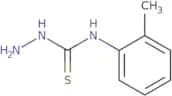
Discontinued product4-(2-Methylphenyl)-3-thiosemicarbazide
CAS:4-(2-Methylphenyl)-3-thiosemicarbazide is a crystalline solid that belongs to the group of benzoic acid derivatives. It has an orthorhombic crystal structure, with a yellow color. The crystals are measured at room temperature, and it has an atomic weight of 197.11 g/mol. 4-(2-Methylphenyl)-3-thiosemicarbazide is stable in air and in solution, but decomposes at temperatures above 250°C. This compound has been studied by using X-ray diffraction measurements and Bruker parameters. Its isotropic radiation is recorded at the following wavelength: 1.5418 Å (1).
Formula:C8H11N3SPurity:Min. 95%Molecular weight:181.26 g/mol1-Ethoxy-2-iodobenzene
CAS:1-Ethoxy-2-iodobenzene is a model complex that has been used to study the interactions between copper ions and chlorine atoms. The complexes are found in the chlorobenzene molecule, which is itself an organometallic compound. The covalent bonds in this complex are unsymmetrical, with a higher electron density on the carbon atom of the ethoxy group. 1-Ethoxy-2-iodobenzene has been shown to be carcinogenic, inducing mutations in ovary cells. This may be due to its interaction with DNA and interference with transcription.
Formula:C8H9IOPurity:Min. 95%Molecular weight:248.06 g/molRef: 3D-AAA61473
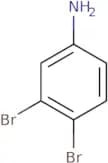
Discontinued product3,4-Dibromoaniline
CAS:3,4-Dibromoaniline is an organic compound that has been shown to be a potential anti-cancer drug. It inhibits the growth of cancer cells by interfering with their metabolism and DNA synthesis. 3,4-Dibromoaniline also inhibits the growth of bacteria in the environment, and can be recycled for use as a feedstock for chemical synthesis. This compound may have potential uses in other areas of biology as well, such as in testing mouse strains or biphenyls.
Formula:C6H5Br2NPurity:Min. 95%Molecular weight:250.92 g/mol2-[(3-Nitrophenyl)formamido]acetic acid
CAS:2-[(3-Nitrophenyl)formamido]acetic acid (2NPA) is a modifying agent that has been used in the modification of carboxyl groups. It can react with nucleophiles to form adducts and with carbodiimides to form ureas. 2NPA reacts with amino acids, peptides, and other nitrogenous compounds at their carboxyl groups to form ester or amide bonds. The nature of the residues after modification varies depending on the nature of the carboxyl group that was modified.
Formula:C9H8N2O5Purity:Min. 95%Molecular weight:224.17 g/molRef: 3D-AAA61710
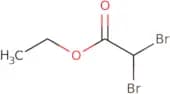
Discontinued productAcetic acid, dibromo-, ethyl ester
CAS:Acetic acid, dibromo-, ethyl ester is a reactive molecule that can be used as a nucleophilic substituent. It has hydroxyl group and ruthenium complex. It is a particle that can be used in the production of monoclonal antibodies. Acetic acid, dibromo-, ethyl ester also has viscosity and polycarboxylic acid. This chemical reacts with β-unsaturated ketones to form polymerization initiator. Acetic acid, dibromo-, ethyl ester also has carbonyl group and monoclonal antibodies. Acetic acid, dibromo-, ethyl ester can be conjugated with ethyl bromoacetate to produce conjugates.
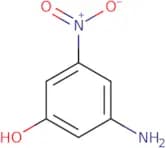
Formula:C4H6Br2O2Purity:Min. 95%Molecular weight:245.9 g/mol3-Amino-5-nitrophenol
CAS:Versatile small molecule scaffold
Formula:C6H6N2O3Purity:Min. 95%Molecular weight:154.12 g/molRef: 3D-AAA61864
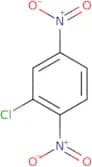
Discontinued product2-Chloro-1,4-dinitrobenzene
CAS:Versatile small molecule scaffold
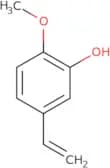
Formula:C6H3ClN2O4Purity:Min. 95%Molecular weight:202.55 g/mol5-Ethenyl-2-methoxyphenol
CAS:5-Ethenyl-2-methoxyphenol is a volatile compound that has been isolated from the bark of the cinnamon tree. It has shown anticancer activities "in vitro" and "in vivo". 5-Ethenyl-2-methoxyphenol has been shown to be demethylated by cytochrome P450 enzymes, which may result in its antitumor activity. This active compound can also be detected in postharvested fruit and vegetables as well as processed foods such as apple juice, tomato sauce, and dried fruits. 5-Ethenyl-2-methoxyphenol is responsible for the characteristic flavor of cinnamon, so it is often used as a flavoring agent in food processing.
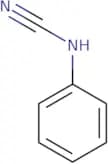
Formula:C9H10O2Purity:Min. 95%Color and Shape:PowderMolecular weight:150.17 g/molN-Phenylcyanamide
CAS:N-Phenylcyanamide is a nitrogen-containing compound that has been shown to have biological properties. It binds to the mitochondria and inhibits the mitochondrial membrane potential, which is required for cell division, leading to the death of cancer cells in cervical cancer. N-Phenylcyanamide also reacts with human serum and forms a crystalline product, which has been shown to be reactive in solution. The structure of this product is determined by crystallography.
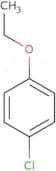
Formula:C7H6N2Purity:Min. 95%Molecular weight:118.14 g/mol4-Chlorophenetole
CAS:4-Chlorophenetole is a colorless gas with a pungent odor that is soluble in water. It is used as an intermediate for organic synthesis, being converted to piperidine in the presence of sodium formate and hydrogen chloride. 4-Chlorophenetole can be prepared by reduction of naphthalene with sodium and ethylene or by treatment with sodium metal. 4-Chlorophenetole has been used as an insecticide but its toxicity to mammals has made it less desirable than other compounds. Its use as a fumigant has decreased due to its continued production of chlorides, which are toxic to humans.
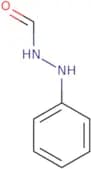
4-Chlorophenetole also reacts with dipolar molecules such as chlorides and gaseous chlorine to produce a constant emission of light at visible wavelengths (λ=548 nm).Formula:C8H9ClOPurity:Min. 95%Molecular weight:156.61 g/molN'-Phenylcarbohydrazide
CAS:N'-Phenylcarbohydrazide is an anion that binds to the nitrogen atom in the ammonium ion. It can be hydrolysed by a feedback inhibition mechanism. This compound has been used as a precursor for various analogues, often those of carbonyl compounds. N'-Phenylcarbohydrazide is also used as a reagent in organic synthesis and has been shown to inhibit bacterial growth when used at high concentrations.
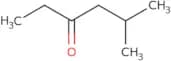
Formula:C7H8N2OPurity:Min. 95%Molecular weight:136.15 g/molEthyl isobutyl ketone
CAS:Ethyl isobutyl ketone, also known as acetone, belongs to the group of aliphatic ketones. It is a colorless and volatile liquid that has a sweet odor. Ethyl isobutyl ketone can be used in the synthesis of pharmaceuticals, dyes, and perfumes. In addition to this, it has shown to have properties of a solvent in organic chemistry and as an active oxygen source in electrochemical impedance spectroscopy. This product also has functional groups such as hydroxy and carbonyl groups that are responsible for its solvency in water and its viscosity. Nitro and hydroxyl groups on the other hand are responsible for its solvency in water vapor.
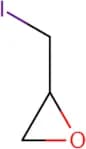
Formula:C7H14OPurity:Min. 95%Molecular weight:114.19 g/mol2-(Iodomethyl)oxirane
CAS:2-(Iodomethyl)oxirane is a chemical compound that contains a hydroxyl group, two nitrogen atoms, and a single hydrochloric acid molecule. It is not soluble in water and is only slightly soluble in organic solvents. 2-(Iodomethyl)oxirane can be used to remove pollutants from wastewater. This chemical reacts with the carboxylic acid groups on the pollutant molecules to form an ester. The ester can then be broken down by enzymes or by heating it to produce the original hydroxy group and carboxylic acid. 2-(Iodomethyl)oxirane has been shown to react with aliphatic hydrocarbons, naphthalene, fatty acids, alkynyl groups, alkanoic acids, and carbonyl groups.
Formula:C3H5IOPurity:Min. 95%Molecular weight:183.98 g/molRef: 3D-AAA62457
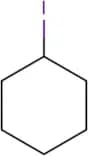
Discontinued productIodocyclohexane
CAS:Iodocyclohexane is an antimicrobial agent that has the chemical formula CHClI. It is a colorless, volatile liquid which has been shown to have some antibacterial properties. Iodocyclohexane is not toxic when applied externally to the skin and has been used in medical devices such as eye drops, ointments, and ear drops. Iodocyclohexane is also used in agriculture as a fungicide. The chemical structure of iodocyclohexane includes a hydroxyl group (-OH) and a nitrogen atom (N). These two groups make it more resistant to degradation by bacteria or fungi. The presence of these two groups also provides iodocyclohexane with biological properties such as the ability to inhibit bacterial growth and prevent the formation of resistant mutant strains.
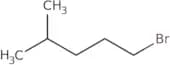
Formula:C6H11IPurity:Min. 95%Molecular weight:210.06 g/mol1-Bromo-4-methylpentane
CAS:1-Bromo-4-methylpentane is a long-chain, dehydrohalogenated pheromone that has been shown to inhibit the growth of Leishmania by binding to the topoisomerase enzyme. This compound is synthesized from heptadecane and chloroacetonitrile in the presence of cuprate and tetrahydrofuran. 1-Bromo-4-methylpentane has also been shown to be an alkylating agent. It reacts with chloride, converting it into chloroform. The bromine atom on the carbon adjacent to the double bond then attacks a fatty acid, adding it to the molecule. The resulting alkoxycarbonyl group then reacts with a second fatty acid molecule, yielding a new 1-bromoalkoxycarbonyl group.
Formula:C6H13BrPurity:Min. 95%Molecular weight:165.07 g/mol1-Bromopentadecane-1-13C
CAS:1-Bromopentadecane-1-13C is a 13C labelled derivative of pentadecane that is used as a reactant in organic synthesis. It has been used to investigate the structural analysis of pyridinium, coumarin derivatives and alkynyl groups. This compound also has chain reaction properties and can be used to study the reactions of aromatic hydrocarbons. 1-Bromopentadecane-1-13C reacts with hydrogen chloride to form fatty acids, which are then converted into fatty acid chlorides by atp levels. The formation of these fatty acid chlorides is an important intermediate in the production of polychlorinated biphenyls (PCBs).
Formula:C15H31BrPurity:Min. 95%Molecular weight:292.31 g/mol1-Pentadecanol
CAS:1-Pentadecanol is a cyclase inhibitor that was first isolated from copper chloride. It has been shown to be an effective inhibitor of the enzyme cyclase, which catalyzes the conversion of cyclic AMP to cyclic GMP. 1-Pentadecanol can be used as a reference substance for electrochemical impedance spectroscopy. The compound also has odorant binding properties and can be used as a substrate in analytical methods for p-hydroxybenzoic acid and caproic acid. 1-Pentadecanol is found in many types of food, including cheese, chocolate, coffee, and wine.
Formula:C15H32OPurity:Min. 95%Molecular weight:228.41 g/molRef: 3D-AAA62976
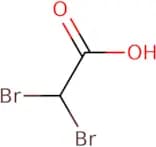
Discontinued productDibromoacetic Acid
CAS:Dibromoacetic acid is a genotoxic chemical that is used to form an acid. It has been shown to have toxic effects on the testes, and can also cause liver damage. Dibromoacetic acid binds to DNA and alters its structure by forming bromoacetic adducts. The binding of dibromoacetic acid to DNA alters the way in which it replicates, leading to mutations. This compound has been detected in human plasma at levels close to those seen in samples from people with occupational exposure, indicating that it may be found in the environment as well. Dibromoacetic acid has been shown to induce inflammation and increase toll-like receptor (TLR) expression through activation of NF-κB signaling pathways. It is able to do this because it contains a hydroxyl group, which allows for oxidation catalysts to bind with it easily.
Formula:C2H2Br2O2Purity:Min. 95%Molecular weight:217.84 g/molRef: 3D-AAA63164
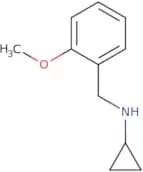
Discontinued productN-(2-Methoxybenzyl)cyclopropanamine
CAS:Versatile small molecule scaffold
Formula:C11H15NOPurity:Min. 95%Molecular weight:177.24 g/moltert-Butyl N-[1-(N'-hydroxycarbamimidoyl)-2-methylpropyl]carbamate
CAS:Versatile small molecule scaffoldFormula:C10H21N3O3Purity:Min. 95%Molecular weight:231.29 g/molRef: 3D-AAB83948
Discontinued product3-[(1R)-1-Hydroxyethyl]phenol
CAS:Versatile small molecule scaffold
Formula:C8H10O2Purity:Min. 95%Molecular weight:138.16 g/molRef: 3D-AAB85210
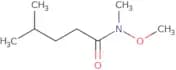
Discontinued productN-Methoxy-N,4-dimethylpentanamide
CAS:Versatile small molecule scaffold
Formula:C8H17NO2Purity:Min. 95%Molecular weight:159.23 g/mol1-(2-Bromo-4-fluorophenyl)propan-2-one
CAS:Versatile small molecule scaffold
Formula:C9H8BrFOPurity:Min. 95%Molecular weight:231.06 g/molRef: 3D-AAC02116
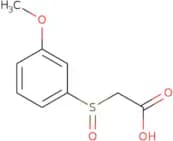
Discontinued product2-(3-Methoxybenzenesulfinyl)acetic acid
CAS:Versatile small molecule scaffold
Formula:C9H10O4SPurity:Min. 95%Molecular weight:214.24 g/molRef: 3D-AAC02726
Discontinued product2-[Methyl(3-methylbut-2-en-1-yl)amino]ethan-1-ol
CAS:Versatile small molecule scaffold
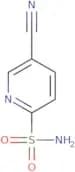
Formula:C8H17NOPurity:Min. 95%Molecular weight:143.23 g/mol5-Cyano-pyridine-2-sulfonic acid amide
CAS:Versatile small molecule scaffoldFormula:C6H5N3O2SPurity:Min. 95%Molecular weight:183.19 g/molRef: 3D-AAC04759
Discontinued product[2-(2-Ethoxyethoxy)ethyl](methyl)amine
CAS:Versatile small molecule scaffold
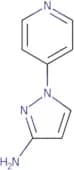
Formula:C7H17NO2Purity:Min. 95%Molecular weight:147.22 g/mol1-(Pyridin-4-yl)-1H-pyrazol-3-amine
CAS:Versatile small molecule scaffold
Formula:C8H8N4Purity:Min. 95%Molecular weight:160.18 g/molRef: 3D-AAC15526
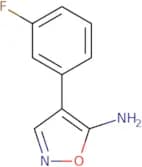
Discontinued product4-(3-Fluorophenyl)-1,2-oxazol-5-amine
CAS:Versatile small molecule scaffold
Formula:C9H7FN2OPurity:Min. 95%Molecular weight:178.16 g/molRef: 3D-AAC98100
Discontinued product2-({[(9H-Fluoren-9-yl)methoxy]carbonyl}amino)bicyclo[4.1.0]heptane-2-carboxylic acid
CAS:Versatile small molecule scaffold
Formula:C23H23NO4Purity:Min. 95%Molecular weight:377.4 g/molRef: 3D-AAD95870
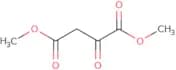
Discontinued product1,4-Dimethyl 2-oxobutanedioate
CAS:Versatile small molecule scaffold
Formula:C6H8O5Purity:Min. 95%Molecular weight:160.12 g/mol5-{[(6-Methoxypyridin-3-yl)amino]methylidene}-2,2-dimethyl-1,3-dioxane-4,6-dione
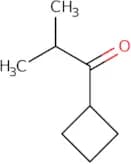
CAS:Versatile small molecule scaffoldFormula:C13H14N2O5Purity:Min. 95%Molecular weight:278.26 g/mol1-Cyclobutyl-2-methylpropan-1-one
CAS:Versatile small molecule scaffold
Formula:C8H14OPurity:Min. 95%Molecular weight:126.2 g/molRef: 3D-ABA11133
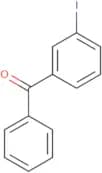
Discontinued product(3-Iodophenyl)(phenyl)methanone
CAS:3-Iodophenyl)(phenyl)methanone is an organic compound that contains a diaryl ketone group. It has been shown to be electrochromic and reacts with the isophthalates, which are used as plasticizers in polyvinyl chloride. 3-Iodophenyl)(phenyl)methanone has also been shown to react with organic peroxides, such as benzoyl peroxide. The radical formed by this reaction can be used in organic synthesis reactions.
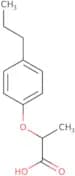
Formula:C13H9IOPurity:Min. 95%Molecular weight:308.11 g/mol2-(4-Propylphenoxy)propanoic acid
CAS:Versatile small molecule scaffold
Formula:C12H16O3Purity:Min. 95%Molecular weight:208.25 g/molRef: 3D-ABA14102
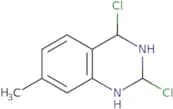
Discontinued product2,4-Dichloro-7-methylquinazoline
CAS:Versatile small molecule scaffold
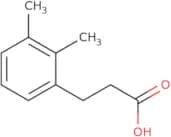
Formula:C9H6Cl2N2Purity:Min. 95%Molecular weight:213.06 g/mol3-(2',3'-Dimethylphenyl)propionic acid
CAS:3-(2',3'-Dimethylphenyl)propionic acid is a prostaglandin compound that inhibits the production of vasoconstricting and vasodilating substances. It belongs to the class of amide, benzoic acid, and azacyclic compounds. The structural formula is CHCOOH. 3-(2',3'-Dimethylphenyl)propionic acid inhibits the response of cells to agonists such as histamine, serotonin, and bradykinin by binding to specific receptors on cell surfaces called integrins. This compound has been shown to have vasospastic effects in patients with Raynaud's phenomenon or other diseases involving vasospasm. 3-(2',3'-Dimethylphenyl)propionic acid also has thrombotic effects due to its inhibition of blood coagulation factors IIa and Xa.
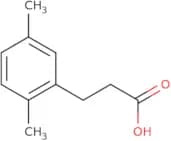
Formula:C11H14O2Purity:Min. 95%Molecular weight:178.23 g/mol3-(2,5-Dimethylphenyl)propionic acid
CAS:3-(2,5-Dimethylphenyl)propionic acid is a cytotoxic agent that belongs to the group of carboxamides. It is lipophilic and has been shown to be effective against colon tumor cells in vivo. 3-(2,5-Dimethylphenyl)propionic acid binds to DNA chains and inhibits cellular proliferation by inhibiting the synthesis of nucleic acids. This agent also inhibits the activity of topoisomerases I and II, which are enzymes that are necessary for DNA replication and transcription. 3-(2,5-Dimethylphenyl)propionic acid has been shown to have a high cytotoxic potency in vitro but low potency against cultured human cells.
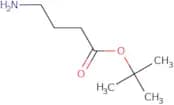
Formula:C11H14O2Purity:Min. 95%Molecular weight:178.23 g/moltert-Butyl 4-aminobutanoate
CAS:tert-Butyl 4-aminobutanoate is an amine that has been shown to stabilize the natural formyl group of the molecule. It is a nucleophilic reactant, which means it will react with electrophiles. The nucleophilic attack occurs when a nucleophile reacts with an electrophile, leading to the formation of a new bond between the two molecules. Tert-butyl 4-aminobutanoate also has a hydroxymethyl group on its side chain. This hydroxymethyl group can be reduced by pyridoxal phosphate in order to form gamma-aminobutyric acid.
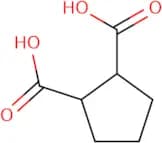
Formula:C8H17NO2Purity:Min. 95%Molecular weight:159.23 g/molCyclopentane-1,2-dicarboxylic acid
CAS:Cyclopentane-1,2-dicarboxylic acid is a bioactive chemical that contains nitrogen atoms. It has a structural formula of C5H8O4 and an x-ray structure with antibacterial properties. Cyclopentane-1,2-dicarboxylic acid can be found in cocatalyst preparations for organic solvents such as benzene, toluene, and xylene. This compound has been shown to inhibit the growth of bacteria by binding to amines and forming coordination complexes with carboxylate groups on the surface of bacterial cells. The crystal structures of cyclopentane-1,2-dicarboxylic acid have not yet been determined due to its alicyclic nature.
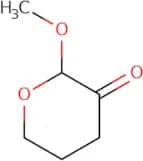
Formula:C7H10O4Purity:Min. 95%Molecular weight:158.15 g/mol2-Methoxyoxan-3-one
CAS:Versatile small molecule scaffold
Formula:C6H10O3Purity:Min. 95%Molecular weight:130.14 g/molRef: 3D-ACA54508
Discontinued product1H,4H,5H,6H,7H,8H-Pyrrolo[3,2-c]azepine
CAS:1H,4H,5H,6H,7H,8H-Pyrrolo[3,2-c]azepine is a tranquilizer that is chemically related to piperazine. It has no analgesic properties and is used as a tranquilizer.
Formula:C8H12N2Purity:Min. 95%Molecular weight:136.19 g/molRef: 3D-ACA61514
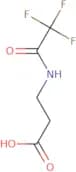
Discontinued product3-(Trifluoroacetamido)propanoic acid
CAS:Versatile small molecule scaffold
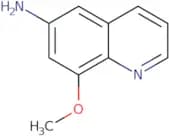
Formula:C5H6F3NO3Purity:Min. 95%Molecular weight:185.1 g/mol8-Methoxyquinolin-6-amine
CAS:Versatile small molecule scaffold
Formula:C10H10N2OPurity:Min. 95%Molecular weight:174.2 g/molRef: 3D-ADA95908
Discontinued product4-[1-(Morpholin-4-yl)ethyl]aniline
CAS:Versatile small molecule scaffold
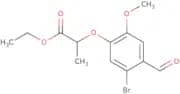
Formula:C12H18N2OPurity:Min. 95%Molecular weight:206.28 g/molEthyl 2-(5-bromo-4-formyl-2-methoxyphenoxy)propanoate
CAS:Versatile small molecule scaffold
Formula:C13H15BrO5Purity:Min. 95%Molecular weight:331.16 g/molRef: 3D-ADB86010
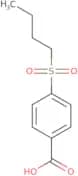
Discontinued product4-(Butane-1-sulfonyl)benzoic acid
CAS:Versatile small molecule scaffold
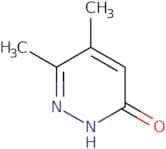
Formula:C11H14O4SPurity:Min. 95%Molecular weight:242.29 g/mol5,6-Dimethylpyridazin-3(2H)-one
CAS:Versatile small molecule scaffold
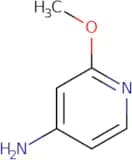
Formula:C6H8N2OPurity:Min. 95%Molecular weight:124.14 g/mol(4-Aminopyridin-2-yl)methanol
CAS:Versatile small molecule scaffold
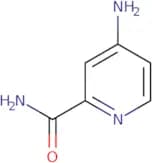
Formula:C6H8N2OPurity:Min. 95%Molecular weight:124.14 g/mol4-Aminopicolinamide
CAS:4-Aminopicolinamide is a monolithic integrated circuit that has a high frequency and coupling, as well as the capability of transmitting data through a magnetic or radio frequency. It also has the ability to operate with microprocessors with transponders. This circuit can be used in a variety of applications, such as RFID tags and labels, GPS devices, and biochips.
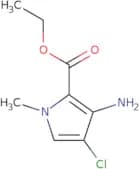
Formula:C6H7N3OPurity:Min. 95%Molecular weight:137.14 g/molEthyl 3-amino-4-chloro-1-methyl-1H-pyrrole-2-carboxylate
CAS:Versatile small molecule scaffoldFormula:C8H11ClN2O2Purity:Min. 95%Molecular weight:202.64 g/molRef: 3D-AEA15871
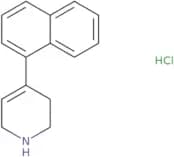
Discontinued product4-(Naphthalen-1-yl)-1,2,3,6-tetrahydropyridine hydrochloride
CAS:Versatile small molecule scaffold
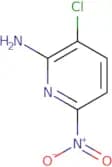
Formula:C15H16ClNPurity:Min. 95%Molecular weight:245.74 g/mol3-Chloro-6-nitropyridin-2-amine
CAS:Versatile small molecule scaffold
Formula:C5H4ClN3O2Purity:Min. 95%Molecular weight:173.56 g/molRef: 3D-AEA51674
Discontinued product2-Chloro-1-[1-(4-fluorophenyl)-1H-1,2,3-triazol-4-yl]ethan-1-one
CAS:Versatile small molecule scaffold
Formula:C10H7ClFN3OPurity:Min. 95%Molecular weight:239.63 g/molRef: 3D-AFC47168
Discontinued product[1-(Methanesulfonylmethyl)cyclopropyl]methanamine hydrochloride
CAS:Versatile small molecule scaffold
Formula:C6H14ClNO2SPurity:Min. 95%Molecular weight:199.7 g/molRef: 3D-AFC47196
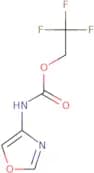
Discontinued product2,2,2-Trifluoroethyl N-(1,3-oxazol-4-yl)carbamate
CAS:Versatile small molecule scaffold
Formula:C6H5F3N2O3Purity:Min. 95%Molecular weight:210.11 g/molRef: 3D-AFC47282
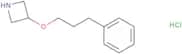
Discontinued product3-(3-Phenylpropoxy)azetidine hydrochloride
CAS:Versatile small molecule scaffold
Formula:C12H18ClNOPurity:Min. 95%Molecular weight:227.73 g/molRef: 3D-AFC47291
Discontinued product6,8-Dimethyl-1,2,3,4-tetrahydroquinoline hydrochloride
CAS:Versatile small molecule scaffoldFormula:C11H16ClNPurity:Min. 95%Molecular weight:197.7 g/molRef: 3D-AFC47309
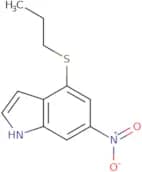
Discontinued product6-Nitro-4-(propylsulfanyl)-1H-indole
CAS:Versatile small molecule scaffold
Formula:C11H12N2O2SPurity:Min. 95%Molecular weight:236.29 g/molRef: 3D-AFC47315
Discontinued product3-Methyl-3-azabicyclo[3.1.1]heptan-6-one hydrochloride, somers
CAS:Versatile small molecule scaffold
Formula:C7H12ClNOPurity:Min. 95%Molecular weight:161.63 g/molRef: 3D-AFC47460
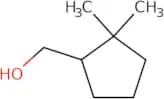
Discontinued product(2,2-Dimethylcyclopentyl)methanol
CAS:Versatile small molecule scaffold
Formula:C8H16OPurity:Min. 95%Molecular weight:128.21 g/molRef: 3D-ANA70562
Discontinued product4-Chloro-3-[(4-chlorophenyl)sulfamoyl]benzoic acid
CAS:Versatile small molecule scaffold
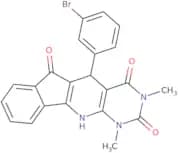
Formula:C13H9Cl2NO4SPurity:Min. 95%Molecular weight:346.2 g/molBPIPP
CAS:Biphenyl-2,3,4,5-tetracarboxylic acid dianhydride (BPIPP) is a small molecule that has been shown to be effective in the treatment of chronic diarrhea. It is also able to prevent malignant brain tumors and colorectal carcinomas. BPIPP inhibits intracellular cyclic guanosine monophosphate (cGMP) levels and activates protein kinase G (PKG), which causes an increase in cAMP levels. The increase in cAMP levels is responsible for the decrease in blood pressure. BPIPP also decreases camp levels and increases fluorescence efficiency. With this drug, it was possible to use a more efficient method to measure plasma concentrations of BPIPPA than with other methods.
Formula:C22H16BrN3O3Purity:Min. 95%Molecular weight:450.28 g/molRef: 3D-ANA74694
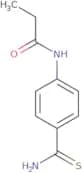
Discontinued productN-(4-Carbamothioylphenyl)propanamide
CAS:Versatile small molecule scaffold
Formula:C10H12N2OSPurity:Min. 95%Molecular weight:208.28 g/mol4-Oxo-4H,5H-thieno[3,2-c]quinoline-2-carboxylic acid
CAS:Versatile small molecule scaffold
Formula:C12H7NO3SPurity:Min. 95%Molecular weight:245.26 g/molRef: 3D-ANB25881
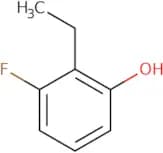
Discontinued product2-Ethyl-3-fluorophenol
CAS:Versatile small molecule scaffold
Formula:C8H9FOPurity:Min. 95%Molecular weight:140.15 g/molRef: 3D-ANB51997
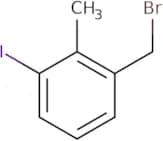
Discontinued product3-Iodo-2-methylbenzyl bromide
CAS:Versatile small molecule scaffold
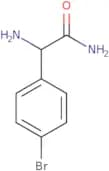
Formula:C8H8BrIPurity:Min. 95%Molecular weight:310.96 g/mol2-Amino-2-(4-bromophenyl)acetamide
CAS:Versatile small molecule scaffold
Formula:C8H9BrN2OPurity:Min. 95%Molecular weight:229.07 g/molRef: 3D-ANB65122
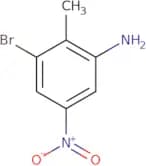
Discontinued product3-bromo-2-methyl-5-nitroaniline
CAS:Versatile small molecule scaffold
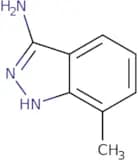
Formula:C7H7BrN2O2Purity:Min. 95%Molecular weight:231 g/mol3-Amino-7-methyl (1H)indazole
CAS:Versatile small molecule scaffold
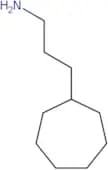
Formula:C8H9N3Purity:Min. 95%Molecular weight:147.18 g/mol3-Cycloheptylpropan-1-amine
CAS:Versatile small molecule scaffold
Formula:C10H21NPurity:Min. 95%Molecular weight:155.3 g/molRef: 3D-AQB51360
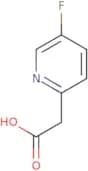
Discontinued product2-(5-fluoropyridin-2-yl)acetic acid
CAS:Versatile small molecule scaffold
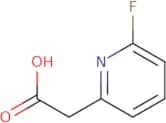
Formula:C7H6FNO2Purity:Min. 95%Molecular weight:155.13 g/mol2-(6-Fluoropyridin-2-yl)acetic acid
CAS:Versatile small molecule scaffold
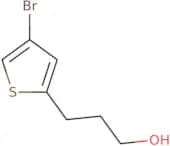
Formula:C7H6FNO2Purity:Min. 95%Molecular weight:155.13 g/mol3-(4-Bromothiophen-2-yl)propan-1-ol
CAS:Versatile small molecule scaffold
Formula:C7H9BrOSPurity:Min. 95%Molecular weight:221.12 g/molRef: 3D-AQB52980
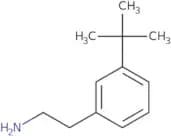
Discontinued product2-(3-tert-Butylphenyl)ethan-1-amine
CAS:Controlled ProductVersatile small molecule scaffold
Formula:C12H19NPurity:Min. 95%Molecular weight:177.29 g/molRef: 3D-AQB53858
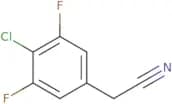
Discontinued product4-Chloro-3,5-difluorophenylacetonitrile
CAS:Versatile small molecule scaffold
Formula:C8H4ClF2NPurity:Min. 95%Molecular weight:187.57 g/mol2-[3-(Difluoromethyl)phenyl]acetic acid
CAS:Versatile small molecule scaffold
Formula:C9H8F2O2Purity:Min. 95%Molecular weight:186.15 g/molRef: 3D-AQB54715
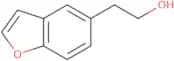
Discontinued product2-(1-Benzofuran-5-yl)ethan-1-ol
CAS:Versatile small molecule scaffold
Formula:C10H10O2Purity:Min. 95%Molecular weight:162.18 g/molRef: 3D-AQB54828
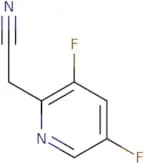
Discontinued product2-(3,5-Difluoropyridin-2-yl)acetonitrile
CAS:Versatile small molecule scaffold
Formula:C7H4F2N2Purity:Min. 95%Molecular weight:154.12 g/molRef: 3D-AQB55740
Discontinued product3-(5-Chlorothiophen-2-yl)propan-1-amine
CAS:Versatile small molecule scaffoldFormula:C7H10ClNSPurity:Min. 95%Molecular weight:175.68 g/molRef: 3D-AQB56479
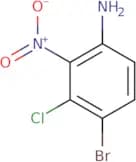
Discontinued product4-Bromo-3-chloro-2-nitroaniline
CAS:Versatile small molecule scaffold
Formula:C6H4BrClN2O2Purity:Min. 95%Molecular weight:251.47 g/mol2-Bromo-4-(difluoromethoxy)aniline
CAS:Versatile small molecule scaffold
Formula:C7H6BrF2NOPurity:Min. 95%Molecular weight:238.03 g/molRef: 3D-AQB57479
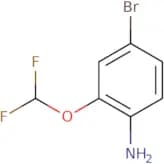
Discontinued product4-Bromo-2-(difluoromethoxy)aniline
CAS:Versatile small molecule scaffold
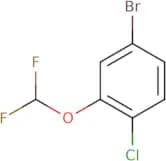
Formula:C7H6BrF2NOPurity:Min. 95%Molecular weight:238.03 g/mol5-Bromo-2-chloro-(difluoromethoxy)benzene
CAS:Versatile small molecule scaffold
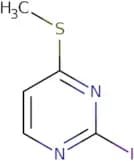
Formula:C7H4BrClF2OPurity:Min. 95%Molecular weight:257.46 g/mol2-Iodo-4-methylthiopyrimidine
CAS:2-Iodo-4-methylthiopyrimidine (2IMT) is a benzene derivative that is used in the treatment of melanoma. It has been shown to have cytotoxic and antiproliferative activities in vitro against human melanoma cell lines, as well as in vivo against melanoma cells in mice. 2IMT has been shown to inhibit the proliferation of human melanoma cells by binding to nucleic acid. This causes the cell cycle to arrest at the G1 phase, which leads to apoptosis. In addition, this drug inhibits DNA synthesis by inhibiting RNA polymerase II activity, leading to an increase in p53 levels and activation of p21 protein levels.
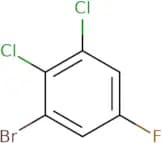
Formula:C5H5IN2SPurity:Min. 95%Molecular weight:252.08 g/mol2,3-Dichloro-5-fluorobromobenzene
CAS:Versatile small molecule scaffold
Formula:C6H2BrCl2FPurity:Min. 95%Molecular weight:243.88 g/mol5-Benzyl-1-methylpiperazin-2-one
CAS:Versatile small molecule scaffold
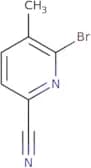
Formula:C12H17ClN2OPurity:Min. 95%Molecular weight:240.73 g/mol6-Bromo-5-methylpicolinonitrile
CAS:Versatile small molecule scaffold
Formula:C7H5BrN2Purity:Min. 95%Molecular weight:197.04 g/molRef: 3D-ATA84427
Discontinued productMethyl 2-cyano-3-methylbenzoate
CAS:Versatile small molecule scaffold
Formula:C10H9NO2Purity:Min. 95%Molecular weight:175.18 g/molRef: 3D-AVA02427
Discontinued product4-[(Dimethylamino)methyl]-N'-hydroxybenzene-1-carboximidamide
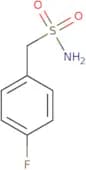
CAS:Versatile small molecule scaffoldFormula:C10H15N3OPurity:Min. 95%Molecular weight:193.25 g/mol(4-Fluorophenyl)methanesulfonamide
CAS:Versatile small molecule scaffold
Formula:C7H8FNO2SPurity:Min. 95%Molecular weight:189.21 g/mol[4-(Trifluoromethyl)phenyl]methanesulfonamide
CAS:Versatile small molecule scaffold
Formula:C8H8F3NO2SPurity:Min. 95%Molecular weight:239.22 g/molRef: 3D-AVA10807
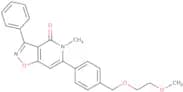
Discontinued productIp7E
CAS:Ip7E is a neuroprotective agent that has been shown to be effective in the treatment of various neurodegenerative diseases, such as Parkinson's and Alzheimer's disease. Ip7E is a small molecule that modulates the metabolism of cells and protects them from death by inducing changes in cell nuclei. It also prevents radiation-induced neuronal cell death. Ip7E has been shown to be effective when administered before or after the onset of disease, suggesting it may be a possible diagnostic for neurodegenerative diseases.
Ip7E binds to cellular membranes and stabilizes them against oxidative damage, thus protecting cells from death by apoptosis, necrosis, or autophagy. It also inhibits fatty acid synthase (FAS) activity and hepatic steatosis.
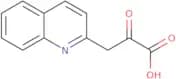
Ip7E has not yet been tested on humans but is being investigated as a potential drug target for neuroprotection in various neurological disorders.Formula:C23H22N2O4Purity:Min. 95%Molecular weight:390.4 g/mol2-Quinolinepyruvic acid
CAS:Versatile small molecule scaffold
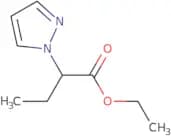
Formula:C12H9NO3Purity:Min. 95%Molecular weight:215.2 g/molEthyl 2-(1H-pyrazol-1-yl)butanoate
CAS:Versatile small molecule scaffold
Formula:C9H14N2O2Purity:Min. 95%Molecular weight:182.22 g/molRef: 3D-AVA33569
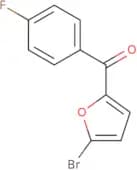
Discontinued product2-Bromo-5-(4-fluorobenzoyl)furan
CAS:Versatile small molecule scaffold
Formula:C11H6BrFO2Purity:Min. 95%Molecular weight:269.07 g/molRef: 3D-AVA36583
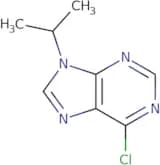
Discontinued product6-Chloro-9-(propan-2-yl)-9H-purine
CAS:6-Chloro-9-(propan-2-yl)-9H-purine is an intermediate in the synthesis of nucleoside analogues. It is obtained by the catalyzed reaction of acetonitrile and purines, which undergoes regioisomerization to form a mixture of 6-chloro-9-(propyl)- and 6-chloro-9-(butyl)purine. This intermediate can be used for the alkynylation of amino acids or peptides with alkynes. The selective formation of one regioisomer can be achieved by using a chiral catalyst or by reacting with an optically active reagent such as (+)-camphor sulfonic acid.
Formula:C8H9ClN4Purity:Min. 95%Molecular weight:196.64 g/molRef: 3D-AVA53908
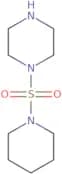
Discontinued product1-(Piperidine-1-sulfonyl)-piperazine
CAS:Versatile small molecule scaffold
Formula:C9H19N3O2SPurity:Min. 95%Molecular weight:233.33 g/molRef: 3D-AVA58748
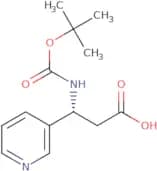
Discontinued product(R)-N-Boc-3-(3-pyridyl)-beta-alanine
CAS:Versatile small molecule scaffold
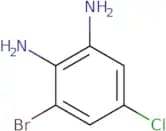
Formula:C13H18N2O4Purity:Min. 95%Molecular weight:266.3 g/mol3-Bromo-5-chlorobenzene -1,2-diamine
CAS:Versatile small molecule scaffold
Formula:C6H6BrClN2Purity:Min. 95%Molecular weight:221.48 g/mol1-[(2-Aminophenyl)methyl]pyrrolidine-2,5-dione
CAS:Versatile small molecule scaffold
Formula:C11H12N2O2Purity:Min. 95%Molecular weight:204.22 g/molRef: 3D-AVA89660
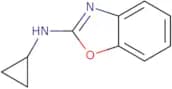
Discontinued productN-Cyclopropyl-1,3-benzoxazol-2-amine
CAS:Versatile small molecule scaffoldFormula:C10H10N2OPurity:Min. 95%Molecular weight:174.2 g/molRef: 3D-AVB86714
Discontinued product(2S)-Bicyclo[2.2.2]octan-2-amine hydrochloride
CAS:Versatile small molecule scaffold
Formula:C8H16ClNPurity:Min. 95%Molecular weight:161.7 g/molRef: 3D-AVD24864
Discontinued product(5R)-5-Methylthiomorpholin-3-one
CAS:Versatile small molecule scaffold
Formula:C5H9NOSPurity:Min. 95%Molecular weight:131.2 g/molRef: 3D-AVD25031
Discontinued product2,2-Bis(chloromethyl)oxirane
CAS:2,2-Bis(chloromethyl)oxirane is a chemical intermediate that can be used as a binder in the production of polyurethane and polyester resins. It can also be used to produce target products such as hydroxyethyl acrylate, methacrylic acid, and acrylic acid esters. 2,2-Bis(chloromethyl)oxirane is usually prepared by reacting methylene chloride with chloromethyl methyl ether in the presence of a catalyst such as tetrabutylammonium. The reaction mixture is heated to reflux for at least one hour before cooling to room temperature and adding an excess of water to quench the reaction.
Formula:C4H6Cl2OPurity:Min. 95%Molecular weight:140.99 g/molRef: 3D-BAA00320
Discontinued product(3-Methylmorpholin-3-yl)methanol
CAS:Versatile small molecule scaffold
Formula:C6H13NO2Purity:Min. 95%Molecular weight:131.17 g/molRef: 3D-BAA00381
Discontinued product

![(1S,2S,5R)-3-{[(9H-Fluoren-9-yl)methoxy]carbonyl}-3-azabicyclo[3.1.0]hexane-2-carboxylic acid](/_next/image/?url=https%3A%2Fstatic.cymitquimica.com%2Fproducts%2F3D%2Fthumb-webp%2FEJB11343.webp&w=3840&q=75)
amine](/_next/image/?url=https%3A%2Fstatic.cymitquimica.com%2Fproducts%2F3D%2Fthumb-webp%2FCWB83968.webp&w=3840&q=75)

![(2E)-3-[2-(Difluoromethoxy)-3-methoxyphenyl]prop-2-enoic acid](/_next/image/?url=https%3A%2Fstatic.cymitquimica.com%2Fproducts%2F3D%2Fthumb-webp%2FEJB13762.webp&w=3840&q=75)
![1-[2-(Adamantan-1-yl)ethyl]piperazine](/_next/image/?url=https%3A%2Fstatic.cymitquimica.com%2Fproducts%2F3D%2Fthumb-webp%2FCWB84297.webp&w=3840&q=75)

![9-Chloro-1H,2H,3H,4H,5H,6H-azepino[4,3-b]indol-1-one](/_next/image/?url=https%3A%2Fstatic.cymitquimica.com%2Fproducts%2F3D%2Fthumb-webp%2FGDC93668.webp&w=3840&q=75)

![1-Oxaspiro[4.4]nonan-3-ol](/_next/image/?url=https%3A%2Fstatic.cymitquimica.com%2Fproducts%2F3D%2Fthumb-webp%2FGDC82549.webp&w=3840&q=75)
![4-[(1H-Pyrazol-1-yl)methyl]phenol](/_next/image/?url=https%3A%2Fstatic.cymitquimica.com%2Fproducts%2F3D%2Fthumb-webp%2FFDA20009.webp&w=3840&q=75)

![2-[(Methoxycarbonyl)amino]benzoic acid](/_next/image/?url=https%3A%2Fstatic.cymitquimica.com%2Fproducts%2F3D%2Fthumb-webp%2FGAA26838.webp&w=3840&q=75)

![rac-(2S,4S)-2-Amino-5-oxa-7-azaspiro[3.4]octan-6-one hydrochloride](/_next/image/?url=https%3A%2Fstatic.cymitquimica.com%2Fproducts%2F3D%2Fthumb-webp%2FFSD25328.webp&w=3840&q=75)
![3-{[(tert-Butoxy)carbonyl]amino}-4,4-difluorobutanoic acid](/_next/image/?url=https%3A%2Fstatic.cymitquimica.com%2Fproducts%2F3D%2Fthumb-webp%2FGDA98256.webp&w=3840&q=75)


![6-Chloro-3-methyl-1-phenyl-1H-pyrazolo[3,4-b]pyridine-5-carbaldehyde](/_next/image/?url=https%3A%2Fstatic.cymitquimica.com%2Fproducts%2F3D%2Fthumb-webp%2FGDA93375.webp&w=3840&q=75)
![1-[1-(4-Fluorophenyl)-5-methyl-1H-pyrazol-4-yl]ethan-1-amine](/_next/image/?url=https%3A%2Fstatic.cymitquimica.com%2Fproducts%2F3D%2Fthumb-webp%2FCWB94997.webp&w=3840&q=75)
![6-Methyl-5-oxa-8-azaspiro[3.5]nonane](/_next/image/?url=https%3A%2Fstatic.cymitquimica.com%2Fproducts%2F3D%2Fthumb-webp%2FHJC13358.webp&w=3840&q=75)


![2-[(3-Nitrophenyl)formamido]acetic acid](/_next/image/?url=https%3A%2Fstatic.cymitquimica.com%2Fproducts%2F3D%2Fthumb-webp%2FAAA61710.webp&w=3840&q=75)


![tert-Butyl N-[1-(N'-hydroxycarbamimidoyl)-2-methylpropyl]carbamate](/_next/image/?url=https%3A%2Fstatic.cymitquimica.com%2Fproducts%2F3D%2Fthumb-webp%2FAAB83948.webp&w=3840&q=75)
![3-[(1R)-1-Hydroxyethyl]phenol](/_next/image/?url=https%3A%2Fstatic.cymitquimica.com%2Fproducts%2F3D%2Fthumb-webp%2FAAB85210.webp&w=3840&q=75)

![2-[Methyl(3-methylbut-2-en-1-yl)amino]ethan-1-ol](/_next/image/?url=https%3A%2Fstatic.cymitquimica.com%2Fproducts%2F3D%2Fthumb-webp%2FAAC03876.webp&w=3840&q=75)
amine](/_next/image/?url=https%3A%2Fstatic.cymitquimica.com%2Fproducts%2F3D%2Fthumb-webp%2FAAC06291.webp&w=3840&q=75)
![2-({[(9H-Fluoren-9-yl)methoxy]carbonyl}amino)bicyclo[4.1.0]heptane-2-carboxylic acid](/_next/image/?url=https%3A%2Fstatic.cymitquimica.com%2Fproducts%2F3D%2Fthumb-webp%2FAAD95870.webp&w=3840&q=75)
![5-{[(6-Methoxypyridin-3-yl)amino]methylidene}-2,2-dimethyl-1,3-dioxane-4,6-dione](/_next/image/?url=https%3A%2Fstatic.cymitquimica.com%2Fproducts%2F3D%2Fthumb-webp%2FABA06369.webp&w=3840&q=75)
![1H,4H,5H,6H,7H,8H-Pyrrolo[3,2-c]azepine](/_next/image/?url=https%3A%2Fstatic.cymitquimica.com%2Fproducts%2F3D%2Fthumb-webp%2FACA61514.webp&w=3840&q=75)
![4-[1-(Morpholin-4-yl)ethyl]aniline](/_next/image/?url=https%3A%2Fstatic.cymitquimica.com%2Fproducts%2F3D%2Fthumb-webp%2FADB80406.webp&w=3840&q=75)
![2-Chloro-1-[1-(4-fluorophenyl)-1H-1,2,3-triazol-4-yl]ethan-1-one](/_next/image/?url=https%3A%2Fstatic.cymitquimica.com%2Fproducts%2F3D%2Fthumb-webp%2FAFC47168.webp&w=3840&q=75)
![[1-(Methanesulfonylmethyl)cyclopropyl]methanamine hydrochloride](/_next/image/?url=https%3A%2Fstatic.cymitquimica.com%2Fproducts%2F3D%2Fthumb-webp%2FAFC47196.webp&w=3840&q=75)

![3-Methyl-3-azabicyclo[3.1.1]heptan-6-one hydrochloride, somers](/_next/image/?url=https%3A%2Fstatic.cymitquimica.com%2Fproducts%2F3D%2Fthumb-webp%2FAFC47460.webp&w=3840&q=75)
![4-Chloro-3-[(4-chlorophenyl)sulfamoyl]benzoic acid](/_next/image/?url=https%3A%2Fstatic.cymitquimica.com%2Fproducts%2F3D%2Fthumb-webp%2FANA72462.webp&w=3840&q=75)
![4-Oxo-4H,5H-thieno[3,2-c]quinoline-2-carboxylic acid](/_next/image/?url=https%3A%2Fstatic.cymitquimica.com%2Fproducts%2F3D%2Fthumb-webp%2FANB25881.webp&w=3840&q=75)
![2-[3-(Difluoromethyl)phenyl]acetic acid](/_next/image/?url=https%3A%2Fstatic.cymitquimica.com%2Fproducts%2F3D%2Fthumb-webp%2FAQB54715.webp&w=3840&q=75)




![4-[(Dimethylamino)methyl]-N'-hydroxybenzene-1-carboximidamide](/_next/image/?url=https%3A%2Fstatic.cymitquimica.com%2Fproducts%2F3D%2Fthumb-webp%2FAVA02479.webp&w=3840&q=75)
![[4-(Trifluoromethyl)phenyl]methanesulfonamide](/_next/image/?url=https%3A%2Fstatic.cymitquimica.com%2Fproducts%2F3D%2Fthumb-webp%2FAVA10807.webp&w=3840&q=75)
![1-[(2-Aminophenyl)methyl]pyrrolidine-2,5-dione](/_next/image/?url=https%3A%2Fstatic.cymitquimica.com%2Fproducts%2F3D%2Fthumb-webp%2FAVA89660.webp&w=3840&q=75)
![(2S)-Bicyclo[2.2.2]octan-2-amine hydrochloride](/_next/image/?url=https%3A%2Fstatic.cymitquimica.com%2Fproducts%2F3D%2Fthumb-webp%2FAVD24864.webp&w=3840&q=75)


