Building Blocks
This section contains fundamental products for the synthesis of organic and biological compounds. Building blocks are the essential starting materials used to construct complex molecules through various chemical reactions. They play a critical role in drug discovery, material science, and chemical research. At CymitQuimica, we offer a diverse range of high-quality building blocks to support your innovative research and industrial projects, ensuring you have the essential components for successful synthesis.
Subcategories of "Building Blocks"
- Boronic Acids & Boronic Acid Derivatives(5,756 products)
- Chiral Building Blocks(1,242 products)
- Hydrocarbon Building Blocks(6,095 products)
- Organic Building Blocks(61,037 products)
Found 196200 products of "Building Blocks"
Sort by
Purity (%)
0
100
|
0
|
50
|
90
|
95
|
100
Methyl L-(S)-b-Hydroxyisobutanoate
CAS:<p>Methyl L-(S)-b-hydroxyisobutanoate is a spiroketal that belongs to the class of methyl ketones. It has been found to inhibit the growth of cancer cells in vitro and in vivo. This effect is mediated by its ability to inhibit fatty acid synthesis and its ability to activate Bafilomycin A1, which inhibits ATP synthase. Methyl L-(S)-b-hydroxyisobutanoate also has an asymmetric carbon atom at position 4, which makes it possible to synthesize stereoisomers with different biological properties. The hydroxyl group on the side chain is important for its biological function because it facilitates the binding to biomolecules.</p>Formula:C5H10O3Purity:Min. 95%Color and Shape:PowderMolecular weight:118.13 g/molBenzofuran-2-carboxaldehyde
CAS:<p>Benzofuran-2-carboxaldehyde is a compound that inhibits metathesis reactions. It has been shown to inhibit the growth of cancer cells in vivo and in vitro. Benzofuran-2-carboxaldehyde also shows estrogen receptor modulator activity, which may be due to its ability to bind to estrogen receptors. The molecular modelling study of this compound reveals a possible mechanism for benzofuran-2-carboxaldehyde’s inhibition of metathesis reactions as well as its cytotoxicity. This mechanism suggests that the benzofuran-2-carboxaldehyde molecule can form hydrogen bonds with diphenyl ether and mcf7 cells, leading to their destabilization.</p>Formula:C9H6O2Purity:Min. 95%Molecular weight:146.14 g/mol2-Amino-5-bromo-3-iodopyridine
CAS:<p>2-Amino-5-bromo-3-iodopyridine (2AB3IP) is a cacchi anthelmintic that is active against the trophozoites of Giardia lamblia. 2AB3IP also has antimicrobial properties, but is not active against bacteria. The high lipophilicity and pharmacokinetic properties of this drug make it a potential therapeutic candidate for the treatment of giardiasis. The mechanism of action of 2AB3IP is mediated by potassium t-butoxide, which activates the drug to form its reactive intermediate. This intermediate reacts with DNA in the parasite to form covalent adducts. This process leads to inhibition of RNA synthesis and subsequent cell death.</p>Formula:C5H4BrIN2Purity:Min. 95%Color and Shape:White to tan solid.Molecular weight:298.9 g/mol2,4-Difluorobenzyl Alcohol
CAS:Formula:C7H6F2OPurity:>96.0%(GC)Color and Shape:Colorless to Light orange to Yellow clear liquidMolecular weight:144.123,5-Dimethoxybenzamide
CAS:<p>3,5-Dimethoxybenzamide belongs to the class of quinolone drugs. It is a potentiator of nabilone, which is a synthetic cannabinoid similar to THC. 3,5-Dimethoxybenzamide has been shown to be an electron-deficient compound that reacts with 5-hydroxytryptamine (serotonin) in vitro. This reaction leads to the formation of hydrogen bonds and modifications in the structure of serotonin molecules. 3,5-Dimethoxybenzamide also has grignard reagent activity and can be used as a carboxyamide or amide precursor in organic synthesis.</p>Formula:C9H11NO3Purity:Min. 95%Color and Shape:PowderMolecular weight:181.19 g/mol2-Cyanopyrazine
CAS:<p>2-Cyanopyrazine is a molecule that belongs to the group of nitrogen-containing heterocyclic compounds. It has been shown to exhibit antiinflammatory activity in skin cancer cells and bacterial strain, group P2. This compound inhibits the growth of bacteria by binding to their pyrazinoic acid, which is an electron acceptor. 2-Cyanopyrazine also exhibits tuberculostatic activity against M. tuberculosis and M. avium complex by inhibiting the synthesis of mycolic acids and cell wall lipids, respectively. The redox cycle of this compound is coordinated with a hydrogen bond between the hydroxyl group and the carbonyl carbon atom. 2-Cyanopyrazine is oxidized from its initial state through a reaction mechanism involving molecular oxygen or hydrogen peroxide as an oxidant and water as a reductant. The oxidation products can be reduced back to 2-cyanoapyrazine using ascorbate or NADH as</p>Formula:C5H3N3Purity:Min. 95%Color and Shape:Off-White To Light (Or Pale) Yellow Solid Or Liquid (May Vary)Molecular weight:105.1 g/mol2,8-Diiododibenzofuran
CAS:Formula:C12H6I2OPurity:>98.0%(GC)Color and Shape:White to Light yellow to Light orange powder to crystalMolecular weight:419.994-Amino-N-(2-phenylethyl)benzenesulfonamide
CAS:<p>4-Amino-N-(2-phenylethyl)benzenesulfonamide (4APBS) is a histone deacetylase inhibitor. It has been shown to inhibit the histone methyltransferase activity of EZH2, which is important for regulating gene expression, in cells treated with 4APBS. This inhibition leads to increased levels of the transcriptional coactivator β-catenin and reduced levels of tumor suppressor genes. These changes ultimately lead to an increase in cancer cell proliferation and decreased apoptosis. 4APBS also interacts with hormone receptors that are found on the surface of cells and can regulate cellular functions such as proliferation, differentiation, or apoptosis.</p>Formula:C14H16N2O2SPurity:Min. 95%Color and Shape:Off-White PowderMolecular weight:276.36 g/mol2-(Chloromethyl)-1,3-thiazole
CAS:<p>2-(Chloromethyl)-1,3-thiazole is an aromatic hydrocarbon that is used as a pesticide. It is also a metabolic intermediate in the metabolism of chlorinating agents and has been shown to be carcinogenic. This compound degrades by reacting with hydrochloric acid, nitric acid, sodium hydroxide solution, or hydrogen chloride to form 2-chloro-1,3-thiazole or 2-chloromethyltetrahydrothiophene. The pharmacokinetic properties of this compound are unknown.</p>Formula:C4H4ClNSPurity:Min. 95%Color and Shape:PowderMolecular weight:133.6 g/mol3,4,6-Tri-O-acetyl-2-deoxy-D-glucopyranose
CAS:Formula:C12H18O8Purity:>98.0%(GC)Color and Shape:White to Almost white powder to crystalMolecular weight:290.27DL-Leucine
CAS:<p>DL-Leucine is an amino acid that is needed for the formation of proteins. It is also able to inhibit the activity of enzymes by hydrolyzing them. DL-Leucine has been shown to be a potent inhibitor of lysine hydrolases and can be used as an additive in the manufacture of animal feed. DL-Leucine has been shown to be stable in many environments, including those containing chlorine, hydrochloric acid, n-dimethyl formamide, and x-ray crystallography. The enantiomers of DL-leucine have different chemical stability; one form is more stable than the other in acidic environments.</p>Formula:C6H13NO2Purity:Min. 95%Color and Shape:PowderMolecular weight:131.17 g/molL-Lysine diisocyanate ethyl ester
CAS:<p>L-Lysine diisocyanate ethyl ester (LDIEE) is a fluorescence probe that can be used to detect the presence of disulfide bonds. This compound reacts with thiols, such as cysteine, glutathione, and metallothioneins. LDIEE has been shown to bind to human serum proteins and has been used in biological studies for the detection of hydrogen bonding interactions. The biological properties of this compound have not been studied but it is hypothesized that LDIE may have anti-cancer activities due to its ability to react with coumarin derivatives.</p>Formula:C10H14N2O4Purity:Min. 95 Area-%Color and Shape:Clear LiquidMolecular weight:226.23 g/molc(R,S)-1-(2-Nitrophenyl)ethanol
CAS:<p>1,2-Dichloroethane is an organic solvent that has a number of industrial uses. It is also used as an antigen for the detection of antibodies in biological studies. 1,2-Dichloroethane reacts with free amino groups on proteins to form antigen-binding sites. The cavity created by the reaction then binds to the antigen and induces a change in fluorescence. This process can be detected using fluorescence resonance energy transfer (FRET). Irradiation of 1,2-dichloroethane leads to the formation of reactive oxygen species (ROS) such as singlet oxygen, which can react with aspartyl groups in proteins to form diphosgene. This reaction can lead to protein denaturation and loss of function, which may be responsible for some of the toxic effects observed with this compound.</p>Formula:C8H9NO3Purity:Min. 95%Color and Shape:PowderMolecular weight:167.16 g/mol4-(4-Pyridyl)benzaldehyde
CAS:Formula:C12H9NOPurity:>98.0%(GC)Color and Shape:White to Orange to Green powder to crystalMolecular weight:183.213-Fluorobenzamide
CAS:Formula:C7H6FNOPurity:>97.0%(HPLC)(N)Color and Shape:White to Almost white powder to crystalMolecular weight:139.133-Nitro-5-(trifluoromethyl)benzoic acid
CAS:<p>3-Nitro-5-(trifluoromethyl)benzoic acid is a versatile chemical that is an intermediate in the synthesis of a number of pharmaceutical compounds. It can be used to synthesize complex compounds and has been shown to have a high reactivity as well as being useful as a building block for other reactions. 3-Nitro-5-(trifluoromethyl)benzoic acid is also used as a reagent or reaction component in various research projects, such as in the synthesis of many pharmaceuticals and fine chemicals. This chemical has CAS No. 328-80-3, which provides it with high quality and makes it a valuable speciality chemical.</p>Formula:C8H4F3NO4Purity:80%Color and Shape:PowderMolecular weight:235.12 g/mol4-Methoxyphenyl 2-Amino-3,6-di-O-benzyl-2-deoxy-β-D-glucopyranoside
CAS:Formula:C27H31NO6Color and Shape:White to Almost white powder to crystalMolecular weight:465.55Ethyl 3-(Benzylamino)-3-oxopropionate
CAS:Formula:C12H15NO3Purity:>98.0%(GC)Color and Shape:White to Light yellow powder to crystalMolecular weight:221.263-(2-Thienyl)pyridine
CAS:Formula:C9H7NSPurity:>98.0%(GC)Color and Shape:White to Yellow to Green clear liquidMolecular weight:161.223,7-Dibromodibenzo[b,d]thiophene
CAS:<p>3,7-Dibromodibenzo[b,d]thiophene is a polymerizable monomer that can be used for the synthesis of polymers with interesting optical properties. This material has been shown to undergo copolymerization with vinyl ethers and vinyl esters in the presence of sodium carbonate. The resulting copolymer has semiconducting properties and gel permeation chromatography showed a ring structure. Cross-coupling reactions have been used to synthesize 3,7-dibromodibenzo[b,d]thiophene from 2-bromo-1,3-dithiolane and 2-iodobenzene.</p>Formula:C12H6Br2SPurity:Min. 95%Color and Shape:White PowderMolecular weight:342.05 g/mol3,4-Dimethyl-1-pentyn-3-ol
CAS:Formula:C7H12OPurity:>96.0%(GC)Color and Shape:Colorless to Light orange to Yellow clear liquidMolecular weight:112.172-Nitrobenzylamine hydrochloride
CAS:<p>2-Nitrobenzylamine hydrochloride is a compound that has been shown to have cancer-fighting properties. It inhibits the synthesis of proteins necessary for the proliferation of cancer cells, but it does not affect the synthesis of proteins in healthy cells. This drug is used to diagnose and treat certain types of cancers, such as lymphoma and leukemia. 2-Nitrobenzylamine hydrochloride can be modified by genetic engineering techniques to specifically target cancer cells, which may help with the treatment of other types of diseases in the future. It is believed that this drug will be useful for treating cancers that are resistant to chemotherapy or radiation therapy, as well as those that are caused by mutations in DNA.</p>Formula:C7H9ClN2O2Purity:Min. 95%Color and Shape:PowderMolecular weight:188.61 g/molLeu-Leu-OH
CAS:<p>Leu-Leu-OH is a polymerase chain that belongs to the group of p2. It has been used as an experimental model for biological studies and cell lysis. The activity of Leu-Leu-OH is due to hydrogen bonding interactions with water molecules. This polymerase chain has been shown to be involved in infectious diseases, autoimmune diseases, and toll-like receptor signaling pathways. Leu-Leu-OH has also been studied as a model system for apoptosis by cell factor and histological analysis in anhydrous sodium phosphate buffer at pH 7.4.</p>Formula:C12H24N2O3Purity:Min. 95%Color and Shape:PowderMolecular weight:244.33 g/mol3-Methyl-1-butene (ca. 15% in Dichloromethane, ca. 2.5mol/L)
CAS:Formula:C5H10Color and Shape:Colorless to Almost colorless clear liquidMolecular weight:70.14Adamantane-2-carboxylic acid
CAS:<p>Adamantane-2-carboxylic acid is a synthetic polymer that is used as a matrix in molecular electrostatic potential flow chromatography. Adamantane-2-carboxylic acid has been shown to form a polymeric matrix with trifluoromethyl groups and carbon tetrachloride, which can be used to separate neurotensin receptor agonists from dopamine antagonists. This compound also has the ability to cross the blood-brain barrier and bind to dopamine receptors, which may be useful for controlling diabetes. Adamantane-2-carboxylic acid is also an organic solvent and can be used as an alternative to chlorinated solvents such as carbon tetrachloride for environmental pollution control.</p>Formula:C11H16O2Purity:Min. 95%Color and Shape:White PowderMolecular weight:180.24 g/mol3-Methyl-1-butene (ca. 12.5% in Tetrahydrofuran, ca. 1.5mol/L)
CAS:Formula:C5H10Color and Shape:Colorless to Almost colorless clear liquidMolecular weight:70.143-Methylpyridine
CAS:<p>3-Methylpyridine is a compound that can be used in the treatment of wastewater. It has been shown to have high adsorption capacity for malonic acid and a Langmuir adsorption isotherm with high values. 3-Methylpyridine is stable in acidic conditions and has been shown to efficiently remove nitrogen from wastewater. The coordination geometry of 3-methylpyridine is octahedral, which makes it capable of removing hydrogen fluoride from wastewater. This compound also has the ability to transfer reactions and can be used for titration calorimetry.</p>Formula:C6H7NPurity:Min. 95%Color and Shape:Colorless Clear LiquidMolecular weight:93.13 g/mol4-Nitropyridine-2-carboxylic acid
CAS:<p>4-Nitropyridine-2-carboxylic acid (4NPCA) is a nitro compound that can form both an n-oxide and a deuterium isotope effect. 4NPCA has been shown to react with picolinic acid, forming a stable chelate ligand that is stabilized by the electron withdrawal of the nitro group. 4NPCA also reacts with acetonitrile to form isotopomers, which are molecules that differ only in the number of atoms of hydrogen or deuterium present. The formation of these isotopomers occurs through an intramolecular hydrogen transfer from the hydroxyl group on one molecule to the nitro group on another.</p>Formula:C6H4N2O4Purity:Min. 95%Color and Shape:Pale yellow solid.Molecular weight:168.11 g/mol2-(4-Methoxyphenyl)ethanol
CAS:<p>2-(4-Methoxyphenyl)ethanol is a chemical compound that can be synthesized in an efficient method. It is a by-product of the reaction of fatty acids with hydroxyl compounds and has been shown to have synergistic effects when combined with chloride. 2-(4-Methoxyphenyl)ethanol is used as a synthetic intermediate for the production of methyl anthranilate, which is an important industrial chemical that is used as a flavor and fragrance additive. 2-(4-Methoxyphenyl)ethanol also has eugenol as one of its cleavage products, which can be found in plants such as clove oil, cinnamon bark, and nutmeg.</p>Formula:C9H12O2Purity:Min. 98%Color and Shape:White PowderMolecular weight:152.19 g/mol3-Pyridyl trifluoromethanesulfonate
CAS:<p>3-Pyridyl trifluoromethanesulfonate is a synthetic chemical compound. It is used in the cross-coupling reaction with an alkyl halide to form a substituted enolate and can be used to synthesize chloroformates, nitro compounds, and other organic compounds. 3-Pyridyl trifluoromethanesulfonate reacts with hydroxyl groups to form trisubstituted ethers. This chemical is also used for the irradiation of activated alkene in order to convert it into an epoxide.</p>Formula:C6H4F3NO3SPurity:Min. 95%Color and Shape:PowderMolecular weight:227.16 g/molTrimethyl 1,3,5-benzene tricarboxylate
CAS:<p>Trimethyl 1,3,5-benzene tricarboxylate is a chemical compound that belongs to the group of polycarboxylic acids. It is used as a polymerization agent in the manufacture of ionic polymers. The first step in this process is cationic polymerization, which involves the reaction between trimethyl 1,3,5-benzene tricarboxylate and sodium citrate to form an ion pair. This process can be followed by hydrolysis with hydrochloric acid and sodium carbonate to release the carboxylate anion from the polymer chain and regenerate trimethyl 1,3,5-benzene tricarboxylate. Trimethyl 1,3,5-benzene tricarboxylate has been shown to have optical properties that depend on its molecular weight and metal surface interactions. It can also be used as a chelating agent for zinc diethyld</p>Formula:C12H12O6Purity:Min. 95%Color and Shape:White PowderMolecular weight:252.22 g/mol(1S,2R,5S)-(+)-Menthol
CAS:<p>(1S,2R,5S)-(+)-Menthol is a pharmacological agent that has been shown to have anti-inflammatory activity. It inhibits prostaglandin synthesis by competitively blocking cyclooxygenase-1 and cyclooxygenase-2. (1S,2R,5S)-(+)-Menthol has also been shown to have x-ray crystal structures of the complex with sodium citrate in solution. These structures provide information about how menthol reacts with sodium citrate and water vapor for its reaction mechanism. The thermodynamic data for this process are also available. Menthol was found to be most effective when used in cell lysis experiments at a concentration of 1.0 mM and at room temperature. This compound is a white crystalline solid that is soluble in ethanol or chloroform but insoluble in water.</p>Formula:C10H20OPurity:Min. 98%Color and Shape:White PowderMolecular weight:156.27 g/mol1,3-Thiazole-2-carbonyl chloride
CAS:<p>1,3-Thiazole-2-carbonyl chloride is a hydrogen chloride with an amide and thionyl group. It is used in the synthesis of alicyclic compounds. 1,3-Thiazole-2-carbonyl chloride can be chlorinated to produce a chlorinating agent. This compound has been shown to have oncologic properties and can cause cancer in target cells by binding to the tyrosine kinase enzyme. It is also orally active and aromatic hydrocarbon.</p>Formula:C4H2ClNOSPurity:Min. 95%Color and Shape:Yellow PowderMolecular weight:147.58 g/mol2,4-Dimethoxybenzaldoxime
CAS:Formula:C9H11NO3Purity:>95.0%(GC)Color and Shape:White to Almost white powder to crystalMolecular weight:181.192-Amino-5-(trifluoromethyl)benzoic acid methyl ester
CAS:<p>2-Amino-5-(trifluoromethyl)benzoic acid methyl ester is a fine chemical that can be used in research and development. It is an intermediate for the synthesis of other compounds, such as pharmaceuticals and pesticides. This compound has a wide range of uses in various chemical reactions, including as a building block or reaction component.</p>Formula:C9H8F3NO2Purity:Min. 95%Color and Shape:PowderMolecular weight:219.16 g/molDi-n-octyl Sulfoxide
CAS:Formula:C16H34OSPurity:>98.0%(HPLC)Color and Shape:White to Almost white powder to crystalMolecular weight:274.512-Isopropylnaphthalene
CAS:Formula:C13H14Purity:>95.0%(GC)Color and Shape:Colorless to Light yellow clear liquidMolecular weight:170.262,3-Naphthalenedicarboxylic Anhydride
CAS:Formula:C12H6O3Purity:>95.0%(GC)(T)Color and Shape:White to Gray to Brown powder to crystalMolecular weight:198.183,5-Dimethoxy-4-hydroxybenzoic acid methyl ester
CAS:<p>3,5-Dimethoxy-4-hydroxybenzoic acid methyl ester (DMHBME) is a natural compound that has been shown to have high redox potential values and chemical stability. This compound is an inhibitor of p-hydroxylases and has been shown to inhibit human serum laccase activity. DMHBME also inhibits polymerase chain reactions in the presence of DNA templates, which may be due to its ability to bind to the enzyme at the active site. DMHBME is a potent antimicrobial agent that can be used as a fungicide or preservative in food products. It is also effective against bacteria such as Staphylococcus aureus, Clostridium perfringens, Escherichia coli, and Mycobacterium tuberculosis.</p>Formula:C10H12O5Purity:Min. 95%Color and Shape:White PowderMolecular weight:212.2 g/molDiethyl Oxalacetate
CAS:Formula:C8H12O5Purity:>95.0%(GC)Color and Shape:Colorless to Light yellow clear liquidMolecular weight:188.18(S)-4-Methylbenzenesulfinamide
CAS:<p>(S)-4-Methylbenzenesulfinamide is a synthetic β-amino acid that has been used for the synthesis of various heterocycles. It has been shown to be a selective inhibitor of the enzyme carboxypeptidase B (CPB) in vitro, which is involved in the degradation of β-amino acids. The stereoselective synthesis of (S)-4-methylbenzenesulfinamide has been achieved through the use of hydrophobic phenylphosphinate as a chiral ligand and an azetidine as a starting material. The reaction time was found to be 20 minutes at room temperature with ethyl phenylphosphinate.</p>Formula:C7H9NOSPurity:Min. 95%Color and Shape:White PowderMolecular weight:155.22 g/molDiethyl Oxalacetate Sodium Salt
CAS:Formula:C8H11NaO5Purity:>95.0%(T)Color and Shape:White to Light yellow to Light orange powder to crystalMolecular weight:210.16Oxamide
CAS:Formula:C2H4N2O2Purity:>98.0%(N)Color and Shape:White to Almost white powder to crystalMolecular weight:88.07Methyl Pentafluorophenyl Carbonate
CAS:Formula:C8H3F5O3Purity:>98.0%(GC)Color and Shape:White to Almost white powder to lumpMolecular weight:242.108-oxa-5-azaspiro[3.5]nonane
CAS:<p>8-oxa-5-azaspiro[3.5]nonane is a high quality, non-toxic reagent with many uses as a building block for the synthesis of complex compounds. It can be used as an intermediate in the synthesis of fine chemicals, such as pharmaceuticals and agrochemicals, or as a building block for the synthesis of other chemical compounds. CAS No. 602326-48-7 is a versatile building block that can be used to synthesize molecules for research purposes. This compound has been shown to be useful in organic synthesis because it reacts easily with different functional groups.</p>Formula:C7H13NOPurity:Min. 95%Color and Shape:PowderMolecular weight:127.18 g/molN-Methyl methanesulfonamide
CAS:<p>N-Methyl methanesulfonamide is an amide compound that has a vibrational frequency of 1605 cm-1. It is used in the manufacture of covid-19, a pandemic influenza virus vaccine. Covid-19 contains N-methyl methanesulfonamide as one of its ingredients. The vaccine has been shown to have a constant temperature and an inhibitory effect on the production of tyrosine kinase, which is a protein that regulates cell growth and division. The reaction product also inhibits sulfoxide reductase, an enzyme that catalyzes the reduction of sulfoxides. N-Methyl methanesulfonamide is susceptible to acidic hydrolysis and can be structurally represented as follows:</p>Formula:C2H7NO2SPurity:Min. 95%Color and Shape:Light (Or Pale) Yellow To Amber To Brown LiquidMolecular weight:109.15 g/molBithionol Disodium Salt
CAS:Formula:C12H4Cl4Na2O2SPurity:>98.0%(T)(HPLC)Color and Shape:White to Gray to Brown powder to crystalMolecular weight:400.00trans-4-Propyl-L-proline
CAS:<p>Please enquire for more information about trans-4-Propyl-L-proline including the price, delivery time and more detailed product information at the technical inquiry form on this page</p>Formula:C8H15NO2Purity:Min. 95%Molecular weight:157.21 g/molDithio-2,2'-bis(N-methylbenzamide)
CAS:<p>Dithio-2,2'-bis(N-methylbenzamide) is a chlorphenesin and benzyl alcohol combination that also contains pyrithione, benzyl chloride and benzalkonium chloride. It is a microbicide that inhibits the growth of bacteria by reacting with their cell membranes. Dithio-2,2'-bis(N-methylbenzamide) is used in cosmetics as a preservative, and has been shown to have antimicrobial properties against the section Micrococcus luteus. This product also contains imidazolidinyl urea as an anti-fungal agent.</p>Formula:C16H16N2O2S2Purity:Min. 95%Color and Shape:White PowderMolecular weight:332.44 g/molDiphenyl Oxalate
CAS:Formula:C14H10O4Purity:>98.0%(GC)Color and Shape:White to Light yellow to Light orange powder to crystalMolecular weight:242.235-Nitroquinoline
CAS:<p>5-Nitroquinoline is a nitrogen-containing heterocyclic organic compound. It is a white solid that has a melting point of 104 °C and a boiling point of 212 °C. 5-Nitroquinoline can be synthesized by the addition of sodium carbonate to 6-nitroquinoline in hydrochloric acid. The product is then purified by vacuum distillation and recrystallization from nitric acid and acetic acid. 5-Nitroquinoline can be used as an intermediate in the synthesis of other molecules, such as quinolones, which are used in pharmaceuticals. This compound has been shown to cause metastatic colorectal cancer in mice, but not in human liver cells or human lymphocytes.</p>Formula:C9H6N2O2Purity:Min. 95%Color and Shape:Light (Or Pale) Yellow To Dark Yellow SolidMolecular weight:174.16 g/mol2-Methylimidazole
CAS:<p>2-Methylimidazole is a crystalline solid that has been used in the preparation of coordination compounds. The compound is prepared by reacting 2-methylimidazole with an appropriate metal cyanide, such as copper cyanide or nickel cyanide. The crystal structure of 2-methylimidazole shows strong hydrogen bonding interaction between the nitrogen atoms and the carboxylate groups. This compound has been used in clinical pathology to detect increased levels of ammonia, uric acid, and lactic acid in the blood. 2-Methylimidazole is not toxic to humans but has shown some toxicity to mice when injected intravenously at high concentrations. It can be used as an analytical method for determining trace amounts of chlorine in chemical compounds by way of electrochemical impedance spectroscopy (EIS).</p>Formula:C4H6N2Purity:Min. 95%Color and Shape:White Clear LiquidMolecular weight:82.1 g/mol3,5-Dibromo-4-hydroxytoluene
CAS:<p>3,5-Dibromo-4-hydroxytoluene (DBHT) is a brominated aromatic hydrocarbon. It has been shown to be an efficient debrominating agent for bromophenols and chloride, which are two major environmental pollutants. DBHT can also catalyze the conversion of styrene to benzene and acetic acid in the presence of hydrogen, as well as methylating styrene. This chemical is an effective catalyst for the formation of metabolic intermediates and crystal x-ray diffraction studies have shown that DBHT is a good substrate for enzyme activity.</p>Formula:C7H6Br2OPurity:Min. 95%Color and Shape:White To Yellow To Light Brown SolidMolecular weight:265.93 g/mol3-Amino-5-bromo-2-chloropyridine
CAS:<p>3-Amino-5-bromo-2-chloropyridine is a synthetic compound that has been shown to be an inhibitor of phosphoinositide 3 kinase delta (PI3Kδ). It is also a potent inhibitor of the proliferation of human cancer cells in vitro and in vivo. The PI3Kδ is activated by insulin and other growth factors, which leads to the activation of downstream pathways. These pathways trigger cell growth and proliferation. 3-Amino-5-bromo-2-chloropyridine may have potential as a novel anticancer drug due to its ability to inhibit PI3Kδ activity and prevent the progression of cancer.</p>Formula:C5H4BrClN2Purity:Min. 95%Color and Shape:Yellow PowderMolecular weight:207.46 g/mol2,4,6-Tribromo-3-nitroaniline
CAS:<p>2,4,6-Tribromo-3-nitroaniline is a brominating agent that can produce hydrogen peroxide. It is prepared by the reaction of hydrochloric acid with 2,4,6-tribromoaniline. The bromination of 2,4,6-tribromo-3-nitroaniline produces 4 equivalents of hydrogen peroxide.</p>Formula:C6H3Br3N2O2Purity:Min. 95%Color and Shape:Beige To Brown SolidMolecular weight:374.81 g/mol1,1'-[1,4-Phenylenebis(methylene)]bis(4,4'-bipyridinium) Dibromide
CAS:Formula:C28H24Br2N4Purity:>98.0%(HPLC)Color and Shape:White to Light yellow to Light orange powder to crystalMolecular weight:576.342-Methylquinoline-6-carboxylic Acid
CAS:Formula:C11H9NO2Purity:>98.0%(T)(HPLC)Color and Shape:White to Light yellow to Light orange powder to crystalMolecular weight:187.20Ditridecyl Phthalate (mixture of branched chain isomers)
CAS:Formula:C34H58O4Purity:multi component mixture(GC)Color and Shape:Colorless to Almost colorless clear liquidMolecular weight:530.832-(Acetylamino)-1,3-benzothiazole-6-carboxylic acid
CAS:<p>2-(Acetylamino)-1,3-benzothiazole-6-carboxylic acid is a chemical intermediate that is used in organic synthesis as a reagent for the preparation of other compounds. It is a versatile building block and useful scaffold for the preparation of complex compounds. This compound can be used as a reaction component for research chemicals and speciality chemicals.</p>Formula:C10H8N2O3SPurity:Min. 95%Color and Shape:PowderMolecular weight:236.25 g/mol4,4'-Dipyridyl Disulfide
CAS:Formula:C10H8N2S2Purity:>97.0%(GC)(T)Color and Shape:White to Light yellow to Light red powder to crystalMolecular weight:220.313,5-Dimethoxybenzoic acid ethyl ester
CAS:<p>3,5-Dimethoxybenzoic acid ethyl ester is a carbonic acid ester that can be used as a synthetic intermediate. It is synthesized by reacting 3,5-dimethoxybenzoic acid with the ethyl chloride. The molecular weight of 3,5-dimethoxybenzoic acid ethyl ester is 222.6 g/mol. The homologous series includes dimethylformamide, diethylformamide, and diisopropylformamide. This compound has been shown to inhibit growth factor signaling in vitro and in vivo and may have potential therapeutic applications for cancer treatment. Impurities that may be found in 3,5-dimethoxybenzoic acid ethyl ester include chloride and sulfinyl groups. Synopses of the molecular modeling study are available on request.</p>Formula:C11H14O4Purity:Min. 95%Molecular weight:210.23 g/mol1-(3-Methoxyphenoxy)-2-propanol
CAS:Formula:C10H14O3Purity:>90.0%(GC)Color and Shape:Colorless to Light yellow to Light orange clear liquidMolecular weight:182.22(1S,4S)-2-Benzyl-2,5-diazabicyclo[2.2.1]heptane Dihydrobromide
CAS:Formula:C12H16N2·2HBrPurity:>98.0%(T)(HPLC)Color and Shape:White to Almost white powder to crystalMolecular weight:350.10N-Methyl-N,O-bis(trimethylsilyl)hydroxylamine
CAS:Formula:C7H21NOSi2Purity:>98.0%(T)Color and Shape:Colorless to Light yellow to Light orange clear liquidMolecular weight:191.423-Ethoxy-4-methoxybenzonitrile
CAS:Formula:C10H11NO2Purity:>98.0%(GC)Color and Shape:White to Light yellow powder to crystalMolecular weight:177.202-Ethoxy-1,3-thiazole-5-carbaldehyde
CAS:<p>2-Ethoxy-1,3-thiazole-5-carbaldehyde is a fine chemical that is a versatile building block for the synthesis of complex molecules. It can be used as a reagent in organic chemistry, and it is also an intermediate in the synthesis of drugs and other compounds. This compound has been shown to be useful as a scaffold in the development of novel drug candidates.</p>Formula:C6H7NO2SPurity:Min. 95%Color and Shape:PowderMolecular weight:157.19 g/mol7-(Trifluoromethyl)1H-indole-2,3-dione
CAS:<p>Trifluoromethyl-substituted 7-(trifluoromethyl)1H-indole-2,3-dione is a trifluoromethyl analogue of indole-2,3-dione that has been shown to have antimalarial activity. It has been shown to be active against plasmodium and cancer cells in vitro. Trifluoromethyl group can be replaced by other substituents such as methoxy, ethoxy, or nitro groups. The compound has centrosymmetric structures and an elemental composition of C8H4F3N.</p>Formula:C9H4F3NO2Purity:Min. 95%Color and Shape:PowderMolecular weight:215.13 g/molPentadecane
CAS:Formula:C15H32Purity:>99.0%(GC)Color and Shape:Colorless clear liquidMolecular weight:212.42Galβ(1-3)[Neu5Acα(2-6)]GalNAc-β-pNP
CAS:Formula:C31H45N3O21Purity:min. 97.0 area%(HPLC)Color and Shape:White to Light yellow to Green powder to crystalMolecular weight:795.70GlcNAcβ(1-3)GalNAc-α-Thr
CAS:Formula:C20H35N3O13Purity:>97.0%(HPLC)Color and Shape:White to Almost white powder to crystalMolecular weight:525.515-Bromophthalide
CAS:Formula:C8H5BrO2Purity:>98.0%(GC)Color and Shape:White to Light yellow to Light orange powder to crystalMolecular weight:213.03β-Cyano-L-alanine
CAS:<p>Beta-cyano-l-alanine is a naturally occurring amino acid that is found in plants. It is synthesized by the enzyme beta-cyanoalanine synthase and is involved in plant metabolism. Beta-cyano-l-alanine is a precursor of the neurotransmitter gamma aminobutyric acid, or GABA, which has been shown to regulate the opening and closing of calcium channels in brain cells. In addition, it has been shown to inhibit enzymes such as phosphofructokinase and pyruvate kinase that are involved in the breakdown of glucose and other nutrients. Beta-cyano-l-alanine has also been shown to inhibit ryanodine receptors and other enzymes involved in muscle contraction. This amino acid can be used as an indicator for tissue culture experiments because it can be detected by sephadex G-100 chromatography.</p>Formula:C4H6N2O2Purity:Min. 95%Color and Shape:White PowderMolecular weight:114.1 g/molL-γ-glutamyl-L-threonine
CAS:<p>L-gamma-glutamyl-L-threonine is a compound in the sphingolipid metabolism pathway. It has been shown to be a regulator of acidic phospholipids and fatty acids. L-gamma-glutamyl-L-threonine is found in human urine at high concentrations and has demonstrated antibacterial activity against gram negative bacteria. The analog, L-threo-gamma-glutamyltyrosine, was shown to have anticancer activity against leukemia cells in vitro.</p>Formula:C9H16N2O6Purity:Min. 95%Color and Shape:PowderMolecular weight:248.23 g/mol(-)-3-Bromocamphor-8-sulfonic Acid Ammonium Salt
CAS:Formula:C10H18BrNO4SPurity:>97.0%(T)Color and Shape:White to Light yellow to Light orange powder to crystalMolecular weight:328.22Ethylene Glycol Mono-m-tolyl Ether
CAS:Formula:C9H12O2Purity:>98.0%(GC)Color and Shape:Colorless to Almost colorless clear liquidMolecular weight:152.193-Amino-2-bromopyridine
CAS:<p>3-Amino-2-bromopyridine is a synthetic compound that has been found to be a potential antitumor agent. It undergoes a palladium-catalyzed coupling reaction with 3-phenylpropene, forming an amide. The reaction yield is dependent on the temperature of the reaction, which must be low enough for the desired product to form. 3-Amino-2-bromopyridine has been shown to possess pharmacokinetic properties and can be transported by amide, hydroxyl, and carboxyl groups. This compound also undergoes acid formation reactions at elevated temperatures.</p>Formula:C5H5BrN2Purity:Min. 95%Color and Shape:White PowderMolecular weight:173.01 g/mol3-Chloro-2-nitroaniline
CAS:<p>3-Chloro-2-nitroaniline is an organic compound that regulates the neuron and can be used in the treatment of Alzheimer's disease. It has been shown to bind to the potassium channel, which regulates the flow of potassium ions across neuronal membranes. 3-Chloro-2-nitroaniline also binds to the CB2 receptor, which is found on immune cells, and has been shown to be a potent agonist for this receptor. The affinity of 3-chloro-2-nitroaniline for the CB2 receptor is about 100 times greater than for the CB1 receptor. 3-Chloro-2-nitroaniline also binds to other proteins such as ABCA1 and Abca1, which regulate cholesterol transport in cells. 3-Chloro-2-nitroaniline is currently being studied as a potential drug candidate for treatment of Alzheimer's disease and other neurological disorders.</p>Formula:C6H5ClN2O2Purity:Min. 95%Color and Shape:PowderMolecular weight:172.57 g/mol7,7,8,8-Tetracyanoquinodimethane
CAS:<p>7,7,8,8-Tetracyanoquinodimethane is a quinoid compound that is used as an analytical chemical reagent. It has been shown to be a powerful reducing agent and can be used in the determination of trace amounts of metals. 7,7,8,8-Tetracyanoquinodimethane also reacts with cationic surfactants and hydroxyl groups to form stable compounds. The nitrogen atoms in this molecule are capable of multiple transfer reactions with other molecules.br>br> <br>The redox potentials of this substance are negative and it has been shown to have the ability to transport pharmaceutical preparations across cell membranes. Boron nitride (BN) has been shown to stabilize the structure of 7,7,8,8-tetracyanoquinodimethane by forming strong hydrogen bonds between the BN and hydroxyl groups on this molecule.</p>Formula:C12H4N4Purity:Min. 95%Color and Shape:Yellow To Green Or Brown SolidMolecular weight:204.19 g/mol(S)-3-(Benzoylthio)-2-methylpropionic Acid
CAS:Formula:C11H12O3SPurity:>98.0%(GC)(T)Color and Shape:White to Almost white powder to crystalMolecular weight:224.274-Butoxyphthalonitrile
CAS:Formula:C12H12N2OPurity:>96.0%(GC)Color and Shape:White to Light yellow powder to crystalMolecular weight:200.24L-Tryptophan benzyl ester
CAS:<p>L-Tryptophan benzyl ester is an angiotensin converting enzyme (ACE) inhibitor that is used as a deodorant. It inhibits the action of ACE, which leads to the formation of angiotensin II and a decrease in blood pressure. L-Tryptophan benzyl ester also prevents the formation of metastases and reduces the risk of cancer cells spreading to other parts of the body. This drug also has solvating properties, which may lead to its ability to inhibit enzymes such as catalase and isomerase. L-Tryptophan benzyl ester has been shown to have antithrombotic effects by inhibiting platelet aggregation and reducing blood clotting time. The geometric isomers of this compound have different plasma concentrations than the optical isomers because they are not metabolised in the same way in humans.</p>Formula:C18H18N2O2Purity:Min. 95%Color and Shape:White To Off-White SolidMolecular weight:294.35 g/molN,N-Bis[2-(p-tolylsulfonyloxy)ethyl]-p-toluenesulfonamide
CAS:Formula:C25H29NO8S3Purity:>98.0%(HPLC)(N)Color and Shape:White to Almost white powder to crystalMolecular weight:567.693-Ethynylbenzaldehyde
CAS:<p>3-Ethynylbenzaldehyde is a tryptic, nitro compound that contains terminal alkynes and has functional groups. The functional theory of this compound suggests that it may be used as a chemosensor for the detection of acidic compounds. 3-Ethynylbenzaldehyde reacts with sodium trifluoroacetate to form an aldehyde, which is then oxidized to an acid by the addition of water. This acid can be detected using NMR spectroscopy. 3-Ethynylbenzaldehyde has been shown to react with sodium trifluoroacetate in solid form at room temperature and above. The resulting product is a yellow crystalline solid that can be identified by its UV spectrum.</p>Formula:C9H6OPurity:Min. 95%Color and Shape:PowderMolecular weight:130.14 g/molDiisopropyl Phosphorochloridate
CAS:Formula:C6H14ClO3PPurity:>97.0%(GC)(T)Color and Shape:Colorless to Almost colorless clear liquidMolecular weight:200.60Triethyl phosphonoacetate
CAS:<p>Triethyl phosphonoacetate is a dpp-iv inhibitor that has been shown to have beneficial effects on congestive heart failure. It is a pyrimidine compound that can be synthesized in an asymmetric synthesis reaction. The hydroxyl group on the triethyl phosphonoacetate molecule reacts with potassium dichromate to form a reactive intermediate, which undergoes hydrolysis by hydrochloric acid to release acetaldehyde. Acetaldehyde then reacts with malonic acid to produce triethyl phosphonoacetate. Triethyl phosphonoacetate has been shown to have biological properties that are similar to those of other dpp-iv inhibitors, and it has also been shown to have receptor binding activity.</p>Formula:C8H17O5PPurity:Min. 98%Color and Shape:Colorless Clear LiquidMolecular weight:224.19 g/molN-Tritylimidazole
CAS:<p>N-tritylimidazole is a palladium complex that was designed as an inhibitor of glycosidases. It binds to the active site of these enzymes and inhibits their function. N-tritylimidazole has been shown to inhibit the growth of Gram-positive bacteria, such as Staphylococcus aureus, by preventing the production of extracellular polysaccharides. This compound also binds to κ-opioid receptors in the brain and has been shown to block pain transmission. N-tritylimidazole can be synthesized using a cross-coupling reaction with phenylboronic acid and chloroiodomethane, which requires hydrochloric acid as a catalyst.</p>Formula:C22H18N2Purity:Min. 95%Color and Shape:White PowderMolecular weight:310.39 g/mol1-(1-Naphthylmethyl)piperazine
CAS:<p>1-(1-Naphthylmethyl)piperazine (1-NMPP) is an antimicrobial agent that inhibits bacterial efflux pumps. It was shown to be active against Gram-positive bacteria, such as Erythromycin and tetracycline resistant mutants. 1-NMPP has been shown to inhibit the expression of efflux pump proteins in Gram-negative bacteria. One study showed that 1-NMPP can reverse the resistance of colistin and sulfa drugs in a multidrug resistant strain of Staphylococcus aureus. The mechanism of action for this drug is not yet known, but it may be due to its ability to prevent the synthesis of new efflux pump proteins by inhibiting translation or by decreasing mRNA stability.</p>Formula:C15H18N2Purity:Min. 95%Color and Shape:Off-White PowderMolecular weight:226.32 g/mol2-Chloro-3-methoxyaniline
CAS:<p>2-Chloro-3-methoxyaniline is a high quality chemical. It is an intermediate in the synthesis of other complex compounds and has been used as a reagent for organic synthesis. It is also useful as a building block for the preparation of speciality chemicals, research chemicals, and versatile building blocks. 2-Chloro-3-methoxyaniline reacts with other chemicals to form new compounds that are useful for pharmaceuticals and agrochemicals.</p>Formula:C7H8ClNOPurity:Min. 95%Color and Shape:Brown PowderMolecular weight:157.6 g/mol7-Chloroquinoline-3-carboxylicacid
CAS:<p>7-Chloroquinoline-3-carboxylicacid (7CQCA) is a synthetic compound that has been shown to have regulatory, immunomodulatory, and anticancer properties. It is a potent inhibitor of mammalian DNA polymerase beta and it has been shown to induce apoptosis in human prostate cancer cells by inhibiting the production of cAMP. 7CQCA also inhibits the proliferation of mouse CD1 leukemia cells in vitro and induces apoptosis in these cells. The compound was found to be more effective when used with other agents such as triticum aestivum extract, which may be due to its synergistic interaction with these compounds.</p>Formula:C10H6ClNO2Purity:Min. 95%Color and Shape:Off-White PowderMolecular weight:207.61 g/mol4-Nitrophenylacetic acid
CAS:<p>4-Nitrophenylacetic acid is a chemical compound that belongs to the class of organic compounds known as nitrophenols. It has been shown to inhibit malonic enzyme, also known as 3-hydroxyacyl-CoA dehydrogenase. This inhibition is thought to be due to the nitro group on the molecule, which reacts with the active site cysteine residue in the enzyme. 4-Nitrophenylacetic acid can be used in the synthesis of monoclonal antibodies. The structure of 4-nitrophenylacetic acid has one hydroxyl group and two nitro groups that are separated by a methylene bridge (a carbon atom with two hydrogen atoms). The reaction solution for this substance contains diazonium salt and hydrochloric acid.</p>Formula:C8H7NO4Purity:Min. 98 Area-%Color and Shape:White PowderMolecular weight:181.15 g/mol1,2-Ethanediol ditosylate
CAS:<p>1,2-Ethanediol ditosylate is a coumarin derivative that is used as a contrast agent in the diagnosis of prostate cancer. It has been shown to be effective against prostate cancer cells in vitro and in vivo. 1,2-Ethanediol ditosylate is injected into the excretory organ (e.g., urinary bladder) and then excreted from the body by the kidneys. The compound accumulates in the prostate gland, where it binds to fatty acids on the cell membrane and induces a positron emission that can be detected with positron emission tomography (PET). This compound also inhibits tumor growth by blocking epidermal growth factor receptor signaling through its ability to bind to carbonic anhydrase II (CAII) receptors on tumor cells.</p>Formula:C16H18O6S2Purity:Min. 95%Color and Shape:White PowderMolecular weight:370.44 g/molMethyl But-3-enoate
CAS:Formula:C5H8O2Purity:>95.0%(GC)Color and Shape:Colorless to Light yellow clear liquidMolecular weight:100.124-Methoxy-1-naphthol
CAS:<p>Spectrophotometric substrate for peroxidase</p>Formula:C11H10O2Purity:Min. 95%Color and Shape:Brown PowderMolecular weight:174.2 g/mol2-Bromo-5-hydroxybenzaldehyde
CAS:<p>Intermediate in the synthesis of crisaborole AN2728</p>Formula:C7H5BrO2Purity:Min. 95%Color and Shape:White PowderMolecular weight:201.02 g/molBis(2-bromoethyl) Ether
CAS:Formula:C4H8Br2OPurity:>98.0%(GC)Color and Shape:Colorless to Yellow clear liquidMolecular weight:231.92N-(Bromomethyl)phthalimide
CAS:Formula:C9H6BrNO2Purity:>96.0%(T)Color and Shape:White to Almost white powder to crystalMolecular weight:240.06N,N-Bis(4-bromobenzyl)amine
CAS:Formula:C14H13Br2NPurity:>98.0%(GC)(T)Color and Shape:White to Orange to Green powder to crystalMolecular weight:355.073-Methoxy-5-(trifluoromethyl)aniline
CAS:Formula:C8H8F3NOPurity:>98.0%(GC)(T)Color and Shape:Light yellow to Brown to Dark red powder to crystalMolecular weight:191.156-Methyl-4-chromanone
CAS:Formula:C10H10O2Purity:>98.0%(GC)Color and Shape:White to Almost white powder to lumpMolecular weight:162.19Fmoc-Pro-Pro-Gly-OH
<p>Fmoc-Pro-Pro-Gly-OH is an activating reagent that has been used in the synthesis of peptides with a C-terminal carboxyl group. It is typically used as a chloroformate ester and reacts with amino groups to form amide bonds. The activation of this reagent can be performed either by reaction with isobutyl or by reaction with piperidine. This product may also be used for the synthesis of tripeptides, pentafluorophenyl esters, and mimetic peptides. Fmoc-Pro-Pro-Gly-OH is typically purified by trituration, followed by evaporation in vacuum and then recrystallization from methanol or ethanol.</p>Formula:C27H29N3O6Purity:Min. 95%Color and Shape:PowderMolecular weight:491.54 g/molMethyl 2-(Chloromethyl)benzoate
CAS:Formula:C9H9ClO2Purity:>97.0%(GC)Color and Shape:Light yellow to Amber to Dark green clear liquidMolecular weight:184.624,4'-Methylenebis(benzenesulfonyl Chloride)
CAS:Formula:C13H10Cl2O4S2Purity:>95.0%(T)Color and Shape:White to Almost white powder to crystalMolecular weight:365.243-Methoxy-2-methylaniline
CAS:Formula:C8H11NOPurity:>98.0%(GC)(T)Color and Shape:Colorless to Light orange to Yellow clear liquidMolecular weight:137.184-Methoxyphenyl 2,3,4,6-Tetra-O-acetyl-β-D-galactopyranoside
CAS:Formula:C21H26O11Purity:>98.0%(HPLC)Color and Shape:White to Almost white powder to crystalMolecular weight:454.43Methyl Nonanoate
CAS:<p>Methyl Nonanoate is an ester with a chemical formula of C11H24O2. It has been shown to have antidiabetic activity in mice and is being developed as a potential therapeutic agent for type 2 diabetes. Methyl Nonanoate inhibits the production of glucose by inhibiting the conversion of glucose into glycogen, which can be accomplished via its interaction with the insulin receptor. This chemical also has antimicrobial properties, which are due to its ability to inhibit bacterial cell wall synthesis. This mechanism may be due to methyl nonanoate's ability to bind to the hydroxyl group on glycol esters and react with hydrogen fluoride (HF), which leads to the release of energy that is used in the production of fatty acids.</p>Formula:C10H20O2Purity:Min. 95%Color and Shape:Clear LiquidMolecular weight:172.27 g/mol2,6-Dinitrotoluene
CAS:Formula:C7H6N2O4Purity:>99.0%(GC)Color and Shape:White to Orange to Green powder to crystalMolecular weight:182.142,6-Dichlorobenzenesulfonyl Chloride
CAS:Formula:C6H3Cl3O2SPurity:>97.0%(GC)(T)Color and Shape:White to Light yellow powder to crystalMolecular weight:245.504-Methoxybenzenesulfonyl chloride
CAS:<p>4-Methoxybenzenesulfonyl chloride is a water-soluble and colorless solid that is used in the treatment of wastewater. It binds to hydroxyl groups and copper complexes, which are present in high concentrations in wastewater. 4-Methoxybenzenesulfonyl chloride can be used as an analytical reagent for determining binding constants, as well as for the separation of amyloid proteins. This compound has been shown to have anti-inflammatory properties by inhibiting the production of pro-inflammatory cytokines such as tumor necrosis factor (TNF) and interleukin (IL)-1β. 4-Methoxybenzenesulfonyl chloride also has activity against certain cancers such as L1210 leukemia cells in mice and diphenyl ethers.</p>Formula:C7H7ClO3SPurity:Min. 97 Area-%Color and Shape:Brown Off-White PowderMolecular weight:206.65 g/molBromoform (stabilized with 2-Methyl-2-butene) [for Spectrophotometry]
CAS:Formula:CHBr3Purity:>99.0%(GC)Color and Shape:Colorless clear liquidMolecular weight:252.733-Hexylthiophene
CAS:<p>Starting reagent for synthesis of P3HT; nanofibres used for preparation of OPTs</p>Formula:C10H16SPurity:Min. 95%Color and Shape:Colorless Clear LiquidMolecular weight:168.3 g/molEthyl Hydrogen Maleate
CAS:Formula:C6H8O4Purity:>95.0%(GC)Color and Shape:Colorless to Almost colorless clear liquidMolecular weight:144.136-Bromopyrrolo[2,1-f][1,2,4]triazin-4(3H)-one
CAS:<p>Kinase inhibitor mimicking quinazoline kinase inhibitor scaffold</p>Formula:C6H4BrN3OPurity:Min. 95%Color and Shape:Yellow PowderMolecular weight:214.02 g/mol5-Chloroisatoic Anhydride
CAS:Formula:C8H4ClNO3Purity:>98.0%(T)(HPLC)Color and Shape:White to Light yellow powder to crystalMolecular weight:197.57Isoquinoline
CAS:<p>Isoquinoline is a heterocyclic organic compound that can be synthesized by the asymmetric addition of hydrochloric acid to an isoquinol. It has been shown to inhibit the enzyme DPP-IV, which is involved in the degradation of glucagon-like peptide-1 (GLP-1). Isoquinoline is also a potent antagonist of the NMDA receptor, and has been shown to have anti-inflammatory properties in HLA-60 cells. This drug is soluble in organic solvents and forms crystalline polymorphs. Isoquinoline has been used in polymerase chain reactions as a hydrogen bond donor.</p>Formula:C9H7NPurity:Min. 95%Color and Shape:PowderMolecular weight:129.16 g/mol2-Cyano-6-methoxy benzothiazole
CAS:<p>2-Cyano-6-methoxy benzothiazole is a bioluminescent molecule that emits light when reacted with an enzyme from the firefly luciferase family. This molecule has been used in assays for detecting gram-negative bacteria and in vitro assays for measuring the enzyme activities of cytochrome P450, β-lactamases, and DNA gyrase. 2-Cyano-6-methoxy benzothiazole has also been used to measure human serum concentrations of drugs such as acetaminophen and phenytoin. The luminescence intensity is proportional to the concentration of these drugs in the serum. 2-Cyano-6-methoxy benzothiazole is synthesized by reacting a hydroxyl group with an inorganic acid.</p>Formula:C9H6N2OSPurity:Min. 95%Color and Shape:White PowderMolecular weight:190.22 g/mol2-(2,6-Dichlorophenyl)ethylamine
CAS:Formula:C8H9Cl2NPurity:>98.0%(GC)(T)Color and Shape:Colorless to Light orange to Yellow clear liquidMolecular weight:190.072-Amino-3-methylpyridine
CAS:Formula:C6H8N2Purity:>98.0%(GC)Color and Shape:White or Colorless to Light orange to Yellow powder to lump to clear liquidMolecular weight:108.14Ethyl 1-(tert-Butoxycarbonyl)-4-piperidinecarboxylate
CAS:Formula:C13H23NO4Purity:>97.0%(GC)Color and Shape:Colorless to Light yellow to Light orange clear liquid to slightly cloudy liquidMolecular weight:257.33Fmoc-D-Asp(OtBu)-Opfp
CAS:<p>Fmoc-D-Asp(OtBu)-Opfp is a high quality, complex compound that is used as a building block for the synthesis of various drugs and pharmaceuticals. It has been shown to be an excellent reaction component in the synthesis of various drugs and pharmaceuticals. The versatility of this chemical makes it a useful scaffold for generating complex molecules. It has been shown to be a useful intermediate for the synthesis of peptides, oligonucleotides, and small organic molecules. Fmoc-D-Asp(OtBu)-Opfp can also be used as a reagent in biochemical research.<br>Fmoc-D-Asp(OtBu)-Opfp can be synthesized by reacting 2-(2'-aminoethoxy)propionic acid with N,N'-dimethylformamide dimethyl acetal in the presence of sodium hydride at 0°C. This reaction produces an amide bond between the N termin</p>Formula:C29H24NO6F5Purity:Min. 95%Color and Shape:PowderMolecular weight:577.5 g/mol4-Chloro-6-iodoquinazoline
CAS:Formula:C8H4ClIN2Purity:>98.0%(GC)Color and Shape:White to Yellow to Green powder to crystalMolecular weight:290.492,4-Pyridinedicarboxylic acid diethyl ester
CAS:<p>2,4-Pyridinedicarboxylic acid diethyl ester is an aliphatic hydrocarbon that has been shown to be a potent active oxygen scavenger. It has also been shown to inhibit the uptake of fatty acids and organic anions by tubule cells in the liver, as well as to reduce collagen breakdown in the endoplasmic reticulum. This compound is converted into pyridinedicarboxylic acid, which inhibits hepcidin production and thus increases iron absorption. 2,4-Pyridinedicarboxylic acid diethyl ester also has a biochemical profile that is similar to that of a lipophilic fatty acid ester.</p>Formula:C11H13NO4Purity:Min. 95%Color and Shape:Colorless PowderMolecular weight:223.23 g/mol2,3-Dichlorobenzyl Bromide
CAS:Formula:C7H5BrCl2Purity:>98.0%(GC)(T)Color and Shape:White or Colorless to Light yellow powder to lump to clear liquidMolecular weight:239.92Ethyl Indoline-2-carboxylate
CAS:Formula:C11H13NO2Purity:>95.0%(GC)Color and Shape:White to Orange to Green powder to crystalMolecular weight:191.232-(1H-Pyrazol-3-yl)pyrazine
CAS:<p>2-(1H-Pyrazol-3-yl)pyrazine is a dinuclear compound that has been shown to inhibit the activity of anions. It has also been used in the treatment of diabetes by increasing the thermal expansion of beta cells and decreasing insulin resistance. 2-(1H-Pyrazol-3-yl)pyrazine has been shown to have magnetic properties, which can be exploited for its use in medicine. This compound is a single crystal x-ray diffraction research tool that is used to aid in understanding the structural changes that occur during thermal expansion. This compound also expands when heated, which may be due to an increase in volume or less electron density as a result of loss of hydrogens.</p>Formula:C7H6N4Purity:Min. 95%Color and Shape:White PowderMolecular weight:146.15 g/mol2-(4-Hydroxyphenylazo)benzoic acid
CAS:<p>2-(4-Hydroxyphenylazo)benzoic acid is a molecule that is used in the production of human immunoglobulin. It is activated with fatty acids and oligosaccharides to form a complex, which can be detected using confocal microscopy. The matrix-assisted laser ablation technique was used to determine the chemical structures and hydrogen bonding interactions of this molecule. 2-(4-Hydroxyphenylazo)benzoic acid has been shown to inhibit microbial infections by binding to the sodium salt form of Streptavidin, which inhibits bacterial growth. This molecule also has been used as an indicator for trifluoroacetic acid, which can be used as a sample preparation reagent.</p>Formula:C13H10N2O3Purity:Min. 95%Color and Shape:Yellow PowderMolecular weight:242.23 g/mol6-Hydroxy-5-nitronicotinic Acid
CAS:Formula:C6H4N2O5Purity:>97.0%(GC)(T)Color and Shape:Light yellow to Yellow powder to crystalMolecular weight:184.116-Bromocoumarin-3-carboxylic Acid
CAS:Formula:C10H5BrO4Purity:>98.0%(HPLC)Color and Shape:White to Orange to Green powder to crystalMolecular weight:269.05Ethyl 2-aminothiophene-3-carboxylate
CAS:<p>Ethyl 2-aminothiophene-3-carboxylate is a triazole derivative with anticancer activity. It has been shown to inhibit the adenosine A1 receptor and show anticancer activity in vitro. The drug has also been shown to have potent cytotoxic effects against cancer cells, which may be due to its ability to activate apoptosis in tumor cells through structural modifications that lead to the inhibition of DNA synthesis. This compound has also been shown to be less toxic than other chemotherapeutic drugs, such as thiosemicarbazide and ethylene diamine, and it does not cause red blood cell lysis or hemolysis.</p>Formula:C7H9NO2SPurity:Min. 95%Color and Shape:Slightly Yellow PowderMolecular weight:171.22 g/mol1,2:5,6-Di-O-isopropylidene-α-D-allofuranose
CAS:Formula:C12H20O6Purity:>98.0%(GC)Color and Shape:White to Almost white powder to crystalMolecular weight:260.294-(3-Hydroxyphenyl)piperidine
CAS:Formula:C11H15NOPurity:>98.0%(GC)(T)Color and Shape:White to Orange to Green powder to crystalMolecular weight:177.253-Hydroxy-2-pyridine carboxylic acid
CAS:<p>3-Hydroxy-2-pyridine carboxylic acid is a picolinic acid derivative. It is a ligand for the P2 site of ATP synthase, which it binds to by hydrogen bonding interactions. 3-Hydroxy-2-pyridine carboxylic acid has been shown to be an inhibitor of human immunoglobulin production. 3-Hydroxy-2-pyridine carboxylic acid has also been shown to inhibit matrix metalloproteinases (MMPs) and collagenases, which are enzymes that degrade extracellular matrix proteins in the tumor microenvironment.</p>Formula:C6H5NO3Purity:Min. 95%Color and Shape:Off-White PowderMolecular weight:139.11 g/mol6-Ethylmercaptopurine
CAS:<p>6-Ethylmercaptopurine is a purine analogue that inhibits the synthesis of DNA. It is used as an inhibitor of protein synthesis and in the treatment of inflammatory bowel disease. 6-Ethylmercaptopurine has been shown to inhibit the activity of ATPase, which may be responsible for its ability to suppress the proliferation of cells. This drug can also act as an analog to adenosine, which can be used to determine ATP levels in a cell or tissue sample by measuring the amount of p-nitrophenyl phosphate produced. 6-Ethylmercaptopurine has been shown to block phosphatase activity, which may lead to inflammation in some cases.<br>6-Ethylmercaptopurine has a molecular weight of 194.2 g/mol and an optimum pH of 4.5</p>Formula:C7H8N4SPurity:Min. 95%Color and Shape:Off-White PowderMolecular weight:180.23 g/mol1,2-Dimethylnaphthalene
CAS:Formula:C12H12Purity:>95.0%(GC)Color and Shape:Colorless to Light orange to Yellow clear liquidMolecular weight:156.231,1-Bis(morpholino)ethylene
CAS:Formula:C10H18N2O2Purity:>97.0%(GC)(T)Color and Shape:White to Orange to Green powder to lumpMolecular weight:198.273-[Bis(phenylmethyl)amino]-5-fluoro-6-methyl-2-(phenylmethoxy)benzoic acid phenyl ester
CAS:<p>Building block in tetracycline antibiotic synthesis</p>Formula:C35H30FNO3Purity:Min. 95%Color and Shape:PowderMolecular weight:531.62 g/mol1,4-Diphenyl-2-butyne-1,4-dione
CAS:<p>1,4-Diphenyl-2-butyne-1,4-dione is a reactive compound that reacts with nucleophiles (such as hydroxide) to form an oxime. It is a chiral compound that has been shown to react with amines and hydrogen chloride in the presence of UV light. The UV absorption spectrum of 1,4-diphenyl-2-butyne-1,4-dione has been measured at wavelengths from 190 nm to 400 nm. The x-ray diffraction data showed the molecular structure of the molecule and revealed a very short bond length between the carbonyl group and hydrogen chloride.</p>Formula:C16H10O2Purity:Min. 95%Color and Shape:White To Yellow SolidMolecular weight:234.25 g/mol2,3-Dichlorobenzaldehyde
CAS:<p>2,3-Dichlorobenzaldehyde (2,3-DBA) is an organic compound that is used as a synthetic intermediate in the preparation of other chemicals. It is prepared by reacting 2-chloroacetophenone with hydrochloric acid and sodium carbonate in a reaction vessel. The product can be purified through fractional distillation or crystallization. The optical properties of 2,3-DBA are determined by its dipole moment and the substituents attached to the methylene group. Molecular modeling studies have shown that felodipine can bind to 2,3-DBA through its active methylene group. The reaction products between sulfadiazine and 2,3-DBA are pyridinedicarboxylic acid and 3-chlorobenzaldehyde.</p>Formula:C7H4Cl2OPurity:Min. 95%Color and Shape:White PowderMolecular weight:175.01 g/mol6-Bromo-2-(4-bromophenyl)-indole
CAS:<p>6-Bromo-2-(4-bromophenyl)-indole is a fine chemical with CAS No. 28718-96-9 that can be used as a versatile building block for the synthesis of complex compounds, useful scaffold for research chemicals, and reaction component for speciality chemicals. This compound has high quality and is a reagent in the synthesis of other compounds.</p>Formula:C14H9Br2NPurity:Min. 95%Color and Shape:Off white to pale yellow powder.Molecular weight:351.04 g/molBenzo[b]furan-2-boronic acid
CAS:<p>Benzo[b]furan-2-boronic acid is a potent matrix metalloproteinase inhibitor that can be used in the treatment of cancer. It is synthesized from 2-aminobenzofuran by using a Suzuki coupling reaction with boronic acid. Benzo[b]furan-2-boronic acid has been shown to inhibit MMP-1, MMP-13, and MMP-14. This compound also inhibits the activity of other proteases such as cathepsin G, elastase, and chymase. The compound has been shown to be cytotoxic against human breast cancer cells and colon cancer cells. In addition, this compound is fluorescent and its fluorescence has been shown to increase when it binds to cancer cells.</p>Formula:C8H7BO3Purity:Min. 95%Color and Shape:White PowderMolecular weight:161.95 g/mol5-Bromo-1H-indazole-3-carbonitrile
CAS:<p>5-Bromo-1H-indazole-3-carbonitrile is a high quality, versatile building block that can be used in the synthesis of complex compounds. It has been described as a "useful intermediate" and a "useful scaffold".</p>Formula:C8H4BrN3Purity:Min. 95%Color and Shape:PowderMolecular weight:222.04 g/mol1-Bromo-4-iodonaphthalene
CAS:<p>1-Bromo-4-iodonaphthalene is an organic compound that can be synthesized in a number of steps. The first step involves the reaction of 4-bromobenzonitrile with sulfur. This is followed by the acetylation of the product to give 2-(acetyloxy)benzonitrile. An intermediate product is then obtained by reacting this with sodium azide in water and heating to 90°C for 12 hours. Finally, the intermediate product is reacted with phenylmagnesium bromide in ether and hydrolyzed with an alkali to give 1-bromo-4-iodonaphthalene. This compound has been used in the industrial synthesis of biphenyls and dyes such as methyl violet.</p>Formula:C10H6BrIPurity:Min. 95%Color and Shape:Off-White PowderMolecular weight:332.96 g/mol3-Bromo-4-nitrobenzoic acid
CAS:<p>3-Bromo-4-nitrobenzoic acid is a chemical compound with the molecular formula CHBrNO2. It is a versatile building block that can be used in the synthesis of many different compounds. 3-Bromo-4-nitrobenzoic acid is a white crystalline solid that is soluble in water, ethanol, and ether. It reacts with many substances to produce other useful compounds. It can also be used as a reagent for the detection of proteins or nucleic acids. This product has been shown to be an effective intermediate in organic reactions and has been used as a scaffold in the synthesis of complex molecules such as natural products, pharmaceuticals, and agrochemicals.</p>Formula:C7H4BrNO4Purity:Min. 95%Color and Shape:PowderMolecular weight:246.02 g/molCyclododecane
CAS:Formula:C12H24Purity:>99.0%(GC)Color and Shape:White to Almost white powder to crystalMolecular weight:168.326,6'-Dibromo-2,2'-bipyridine
CAS:<p>6,6'-Dibromo-2,2'-bipyridine is a synthetic molecule that is used to produce amines. It can be synthesized in a cross-coupling reaction involving the reaction of an amine with bromine and a palladium catalyst. 6,6'-Dibromo-2,2'-bipyridine reacts with formaldehyde to form 2,4-diaminobiphenyls. This reaction is catalyzed by acid or base. 6,6'-Dibromo-2,2'-bipyridine has been shown to be reactive and photoexcited. Its photophysical properties make it a useful synthetic intermediate for the production of amines.</p>Formula:C10H6Br2N2Purity:Min. 95%Color and Shape:PowderMolecular weight:313.98 g/mol3,5-Dichlorosalicylic acid
CAS:<p>3,5-Dichlorosalicylic acid is a proton donor that is used to inhibit the 5-nitrosalicylic acid chain reaction. It has a high binding constant with the chlorine atom and can be used as a competitive inhibitor for the binding of 5-nitrosalicylic acid to its target enzyme. 3,5-Dichlorosalicylic acid inhibits the polymerase chain reaction by binding to DNA. This chemical also has biological properties that are similar to those of salicylic acid, including anti-inflammatory activities. 3,5-Dichlorosalicylic acid is not an effective anti-cancer agent because it does not form intramolecular hydrogen bonds or hydrogen bond interactions with DNA bases.</p>Formula:C7H4Cl2O3Purity:Min. 95%Color and Shape:White PowderMolecular weight:207.01 g/mol2,4-Dihydroxybenzoic acid
CAS:<p>2,4-Dihydroxybenzoic acid (2,4-DB) is a metabolite of salicylic acid. It is used as an intermediate in the production of various drugs and dyes. 2,4-DB has been shown to be effective against hepatic steatosis induced by hydrogen fluoride in mice. This drug also inhibits mitochondrial membrane potential and DNA binding activity in human serum. 2,4-DB can bind to the α subunit of mitochondrial ATPase and act as a competitive inhibitor for p-hydroxybenzoic acid which is essential for the activation of this enzyme. The x-ray diffraction data from crystalline 2,4-DB shows that this compound binds to dna with coordination geometry that resembles that of salicylic acid. The kinetic studies have shown that 2,4-DB reacts noncompetitively with nonsteroidal anti-inflammatory drugs (NSAIDs).</p>Formula:C7H6O4Purity:Min 98%Color and Shape:PowderMolecular weight:154.12 g/molBourgeonal
CAS:Formula:C13H18OPurity:>90.0%(GC)Color and Shape:Colorless to Yellow to Yellow green clear liquidMolecular weight:190.292-Bromo-5-decylthiophene
CAS:Formula:C14H23BrSPurity:>97.0%(GC)Color and Shape:White - Yellow LiquidMolecular weight:303.30DL-Alanine methyl ester hydrochloride
CAS:<p>DL-Alanine methyl ester hydrochloride is a cytotoxic drug that is used to treat cancer. It inhibits the growth of cancer cells by binding to guanine in the cell's DNA and preventing its incorporation into DNA during replication. The substance also inhibits amino acid transport, causing a shortage of amino acids for protein synthesis. This leads to cell death by nucleophilic attack on the bond between two amino acids. DL-Alanine methyl ester hydrochloride has been shown to be effective against murine leukemia, HIV, and Herpes simplex virus type 1 (HSV-1). DL-Alanine methyl ester hydrochloride has two geometric isomers: L-alanine methyl ester hydrochloride and D-alanine methyl ester hydrochloride. These substances have different reactivities due to their different geometric shapes. Magnetic resonance spectroscopy can be used to differentiate between these substances in vivo, as well as in vitro.</p>Formula:C4H9NO2·HClPurity:Min. 95%Color and Shape:White PowderMolecular weight:139.58 g/mol9-Bromo-10-[4-(2-naphthyl)phenyl]anthracene
CAS:Formula:C30H19BrPurity:>98.0%(HPLC)Color and Shape:Light orange to Yellow to Green powder to crystalMolecular weight:459.392-(2-Bromo-1,1,2,2-tetrafluoroethoxy)-1,1,1,2,3,3-hexafluoro-3-(pentafluoroethoxy)propane
CAS:Formula:C7BrF15O2Purity:>98.0%(GC)Color and Shape:Colorless to Almost colorless clear liquidMolecular weight:480.964-Bromo-2,6-difluorobenzaldehyde
CAS:Formula:C7H3BrF2OPurity:>98.0%(GC)Color and Shape:White to Light yellow to Light orange powder to crystalMolecular weight:221.002,6-Dibromobenzaldehyde
CAS:<p>2,6-Dibromobenzaldehyde is an imidazole derivative that has been shown to be a potent inhibitor of tyrosine kinase. It has been shown to inhibit the replication of virus type-1 and is effective in the treatment of pain models. 2,6-Dibromobenzaldehyde also inhibits the activity of enzymes, such as phosphodiesterases and protein kinases. This compound has shown promising results in animal studies for the treatment of human immunodeficiency virus type 1 (HIV-1) infection. The pharmacokinetic properties of 2,6-dibromobenzaldehyde have been studied in rats and dogs with oral administration and found to be linear and rapid with high bioavailability.</p>Formula:C7H4Br2OPurity:Min. 95%Color and Shape:PowderMolecular weight:263.91 g/mol4-(2-Aminoanilino)pyridine
CAS:<p>4-(2-Aminoanilino)pyridine is a pyridine that has been shown to be an impurity in the acid salt of 4-(2-aminophenyl)pyridine. It is an acidified impurity that can form when the pyridine reacts with hydrochloric acid or sulfuric acid.</p>Formula:C11H11N3Purity:Min. 95%Color and Shape:PowderMolecular weight:185.23 g/mol1,10-Undecadiene
CAS:Formula:C11H20Purity:>90.0%(GC)Color and Shape:Colorless to Light yellow clear liquidMolecular weight:152.28D-Allylglycine
CAS:<p>D-Allylglycine is a l-amino acid with the chemical formula of CH2CH(CH3)COOH. D-Allylglycine binds to the N-methyl-D-aspartate (NMDA) receptor and has been shown in animal studies to have effects on blood pressure, although its clinical relevance remains unclear. It is an enantiopure compound and can be obtained as a trifluoroacetate salt or ethyl diazoacetate ester hydrochloride. D-Allylglycine is also an aminoglycoside and ester hydrochloride that can be used for the treatment of bacterial infections. The amino group in D-allylglycine binds to glutamate receptors, which are found on neurons, and inhibits the release of gamma-aminobutyric acid (GABA). This drug may also have potential as a serotonergic agent due to its ability to inhibit serotonin re</p>Formula:C5H9NO2Purity:Min. 95%Color and Shape:White PowderMolecular weight:115.13 g/mol4-(2-Thienyl)piperidine
CAS:Formula:C9H13NSPurity:>98.0%(GC)Color and Shape:Light yellow to Brown powder to lumpMolecular weight:167.271-(1,2,3,6-Tetrahydro-4-pyridyl)-2-benzimidazolinone
CAS:Formula:C12H13N3OPurity:>97.0%(HPLC)Color and Shape:Light orange to Yellow to Green powder to crystalMolecular weight:215.263-Bromobenzoyl Chloride
CAS:Formula:C7H4BrClOPurity:>98.0%(T)Color and Shape:Colorless to Light yellow to Light orange clear liquidMolecular weight:219.462-(Trifluoromethyl)benzenethiol
CAS:Formula:C7H5F3SPurity:>97.0%(GC)(T)Color and Shape:Colorless to Light yellow to Light orange clear liquidMolecular weight:178.172-Naphthalenesulfonic acid sodium
CAS:<p>2-Naphthalenesulfonic acid sodium is a chemical compound that belongs to the class of naphthalene sulfonic acids. It is used in the production of medicines and as an industrial chemical. 2-Naphthalenesulfonic acid sodium has been shown to inhibit the viscosity of blood capillaries and has been proposed for use in the treatment of diabetic retinopathy. This compound also reduces the permeability of cell membranes by binding to fatty acids, which has led it to be studied for its potential effects on prostate cancer. 2-Naphthalenesulfonic acid sodium has been shown to have a Michaelis–Menten kinetics with respect to the enzyme ft-ir spectroscopy and can be used as a reagent for cationic surfactants. 2-Naphthalenesulfonic acid sodium is soluble in water, but insoluble in hydrochloric acid or solvents such as chloroform or acetone.</p>Formula:C10H7O3SNaPurity:Min. 98 Area-%Color and Shape:White Off-White PowderMolecular weight:230.22 g/mol2-Fluoro-4-iodo-5-methylpyridine
CAS:<p>2-Fluoro-4-iodo-5-methylpyridine is a versatile building block that can be used as a reagent or reaction component. It is an intermediate for the production of pharmaceuticals, pesticides, and other organic compounds. 2-Fluoro-4-iodo-5-methylpyridine is also used as a speciality chemical in research laboratories. 2-Fluoro-4-iodo-5-methylpyridine can be used as a building block to produce complex compounds with various functionalities.</p>Formula:C6H5FINPurity:Min. 95%Color and Shape:White PowderMolecular weight:237.01 g/molDiethylisopropylsilyl Trifluoromethanesulfonate
CAS:Formula:C8H17F3O3SSiPurity:>98.0%(T)Color and Shape:Colorless to Light yellow to Light orange clear liquidMolecular weight:278.362-Fluoro-4-methoxyaniline
CAS:<p>2-Fluoro-4-methoxyaniline is a non-selective amide that forms in the presence of amines, aminobutyraldehyde, and fluorine. 2-Fluoro-4-methoxyaniline is a product of the industrial process for synthesizing acetylated products through the use of dichloroketene as an acetylating agent. This chemical compound has been used to produce five-membered heterocycles that are used in the manufacture of pharmaceuticals. Mechanistic studies have shown that this chemical reacts with oxygen, water, and halogens to form a variety of products.</p>Formula:C7H8FNOPurity:Min. 95%Color and Shape:Yellow PowderMolecular weight:141.14 g/molFmoc-Thr(tBu)-Ser(Psi(Me,Me)pro)-OBzl
<p>Fmoc-Thr(tBu)-Ser(Psi(Me,Me)pro)-OBzl is a high quality, research chemical that is used as an intermediate in the synthesis of complex compounds. It is a useful building block and can be used to make speciality chemicals. This reagent has many uses including being a useful scaffold for organic synthesis and a reaction component in the production of other fine chemicals. Fmoc-Thr(tBu)-Ser(Psi(Me,Me)pro)-OBzl has CAS No. 7791-02-8 and may be found in the following chemical structure:</p>Formula:C36H42N2O7Purity:Min. 95%Color and Shape:PowderMolecular weight:614.73 g/molTetrathiafulvalene
CAS:Formula:C6H4S4Purity:>98.0%(GC)Color and Shape:Orange to Brown powder to crystalMolecular weight:204.344-Phenylcinnamic acid
CAS:<p>4-Phenylcinnamic acid is a prenylated aromatic compound that is used as a chromatographic stationary phase. It has been shown to inhibit the activity of tyrosinase and thus may be used for the treatment of hyperpigmentation disorders such as melasma. 4-Phenylcinnamic acid interacts with piperidine and inhibits its activity, which may lead to new drug development. Molecular modelling of 4-phenylcinnamic acid has shown that it is possible to introduce functional groups into the molecule, making it more reactive. The introduction of biphenyl derivatives may improve the lipophilicity of this molecule.</p>Formula:C15H12O2Purity:Min. 95%Color and Shape:White PowderMolecular weight:224.25 g/molFmoc-Cys(3-(t-butoxycarbonyl)-propyl)-OH
CAS:<p>Fmoc-Cys(3-(t-butoxycarbonyl)-propyl)-OH is a cysteine derivative that has been shown to be effective in the treatment of ulcers. It is a competitive inhibitor of the enzyme cyclooxygenase, which is responsible for the production of prostaglandins, and can be used to decrease inflammation. Fmoc-Cys(3-(t-butoxycarbonyl)-propyl)-OH has been shown to inhibit carassius erythrocyte meiosis, with an effective dose of 0.02 mM. The drug also has a conformation that can bind to the hydroxamic acid moiety, which is thought to be responsible for its anti-inflammatory properties. This drug also inhibits genotype 3a2 and 5b2 of Cyprinus carpio and may have potential as a chemotherapeutic agent for these genotypes.END></p>Formula:C26H31NO6SPurity:Min. 95%Color and Shape:PowderMolecular weight:485.59 g/mol4,6-Dichloro-2-methylpyrimidine
CAS:<p>2-Chloro-6-methylaniline is a synthetic compound that has been used in the synthesis of medicines, such as dasatinib. It is a nucleophile that binds to the receptor site on cells and blocks the binding of natural hormones. It is also an inhibitor of certain enzymes, including RNA polymerase and protein kinase. 2-Chloro-6-methylaniline is industrially produced by reacting sodium chloride with chlorosulfonic acid or hydrochloric acid in an autoclave at a temperature of 180 °C for three hours. The product can be purified by adding magnesium oxide and activated with hydrochloric acid to form 2-chloro-6-methylpyrimidine. The main impurities are 4,6-dichloro2 methylpyrimidine and 6,8 dichloro2 methylpyrimidine.</p>Formula:C5H4Cl2N2Purity:Min. 95%Color and Shape:White To Yellow SolidMolecular weight:163 g/molTris(trimethylsilyl) Phosphite
CAS:Formula:C9H27O3PSi3Purity:>95.0%(NMR)Color and Shape:Colorless to Almost colorless clear liquidMolecular weight:298.54DL-Phosphinothricin ammonium salt
CAS:<p>Non-proteinogenic amino acid; Inhibitor of glutamine synthetase</p>Formula:C5H15N2O4PPurity:Min. 95 Area-%Color and Shape:White PowderMolecular weight:198.16 g/mol2-[(Phenylsulfonyl)amino]benzoic acid
CAS:<p>2-[(Phenylsulfonyl)amino]benzoic acid is a white crystalline solid that is soluble in water and ethanol. It has a melting point of 176°C and a boiling point of 280°C. 2-[(Phenylsulfonyl)amino]benzoic acid binds to DNA by an intercalative mechanism, forming covalent bonds with the bases on the DNA. This binding prevents the DNA from unwinding during replication and transcription, thus inhibiting the synthesis of RNA and protein. The dimers form between two molecules of 2-[(Phenylsulfonyl)amino]benzoic acid, due to hydrogen bonding between the carboxylic acid groups. The crystal structure has been determined for this compound as centrosymmetric with space group P2 1 /c. A benzene ring is found in the molecule, which can form a pyridine ring when exposed to heat or</p>Formula:C13H11NO4SPurity:Min. 95%Color and Shape:White PowderMolecular weight:277.3 g/mol6-Amino-m-cresol
CAS:Formula:C7H9NOPurity:>98.0%(GC)(T)Color and Shape:White to Brown powder to crystallineMolecular weight:123.163,5,5-Trimethylhexyl Acetate
CAS:Formula:C11H22O2Purity:>93.0%(GC)Color and Shape:Colorless to Almost colorless clear liquidMolecular weight:186.302-Amino-1,1,3-tricyano-1-propene
CAS:Formula:C6H4N4Purity:>98.0%(T)Color and Shape:White to Gray to Brown powder to crystalMolecular weight:132.13Dibenzyl Phosphite
CAS:Formula:C14H15O3PPurity:>95.0%(GC)Color and Shape:Colorless to Almost colorless clear liquidMolecular weight:262.24n-Octanal Diethyl Acetal
CAS:Formula:C12H26O2Purity:>97.0%(GC)Color and Shape:Colorless to Almost colorless clear liquidMolecular weight:202.34Neu5Acα(2-3)Galβ(1-4)Glc-β-pNP
CAS:Formula:C29H42N2O21Purity:>97.0%(HPLC)Color and Shape:White to Light yellow to Green powder to crystalineMolecular weight:754.65Neu5Acα(2-6)Galβ(1-3)GlcNAc-β-pNP
Formula:C31H45N3O21Purity:>97.0%(HPLC)Color and Shape:White to Light yellow to Green powder to crystalMolecular weight:795.70(3R)-(-)-1-Benzyl-3-aminopyrrolidine
CAS:Formula:C11H16N2Purity:>98.0%(GC)(T)Color and Shape:Colorless to Almost colorless clear liquidMolecular weight:176.261-(3-Aminopropyl)imidazole
CAS:Formula:C6H11N3Purity:>97.0%(GC)Color and Shape:Colorless to Almost colorless clear liquidMolecular weight:125.182-Hydroxy-4-methoxyaniline Hydrochloride
CAS:Formula:C7H9NO2·HClPurity:>98.0%(HPLC)(qNMR)Color and Shape:White to Light red to Green powder to crystallineMolecular weight:175.61(S)-(-)-2-Acetoxypropionic Acid
CAS:Formula:C5H8O4Purity:>98.0%(T)Color and Shape:Colorless to Almost colorless clear liquidMolecular weight:132.12Neu5Acα(2-3)Galβ(1-4)GlcNAc-β-pNP
CAS:Formula:C31H45N3O21Purity:>95.0%(HPLC)Color and Shape:White to Almost white powder to crystalMolecular weight:795.70Heptylnonyl Adipate (so called) [Plasticizer]
CAS:Purity:mixture of Heptylnonyl adipate, Diheptyl adipate, Dinonyl adipate(GC)Color and Shape:Colorless to Almost colorless clear liquidDisodium 1,5-Naphthalenedisulfonate
CAS:Formula:C10H6Na2O6S2Purity:>98.0%(T)(HPLC)Color and Shape:White to Almost white powder to crystalMolecular weight:332.25N-Allyloxyphthalimide
CAS:Formula:C11H9NO3Purity:>98.0%(GC)Color and Shape:White to Light yellow powder to crystalMolecular weight:203.20(S)-1-(4-Methoxyphenyl)ethanol
CAS:Formula:C9H12O2Purity:>95.0%(GC)Color and Shape:Colorless to Light yellow clear liquidMolecular weight:152.195-Propyl-1,3-benzenediol
CAS:<p>5-Propyl-1,3-benzenediol is a chemical compound that is found in cannabis. It has been shown to have anti-inflammatory and neuroprotective effects in vitro. 5-Propyl-1,3-benzenediol also inhibits the growth of cancer cells in vivo by inducing apoptosis.<br>5-Propyl-1,3-benzenediol can be synthesized from cannabidiol with high yield and selectivity by a one-pot reaction. This product has not been studied for toxicity or other side effects on humans.</p>Formula:C9H12O2Purity:Min. 95%Color and Shape:PowderMolecular weight:152.19 g/mol3-Methyl-N-methylbenzylamine
CAS:Formula:C9H13NPurity:>97.0%(GC)Color and Shape:Colorless to Light yellow to Light orange clear liquidMolecular weight:135.21N-(5-Aminopentyl)-2-nitrobenzenesulfonamide Hydrochloride
CAS:Formula:C11H17N3O4S·HClPurity:>98.0%(T)Color and Shape:Light orange to Yellow to Green powder to crystalMolecular weight:323.792,6-Pyridinedicarboxylic acid dimethyl ester
CAS:<p>2,6-Pyridinedicarboxylic acid dimethyl ester is a drug that has shown anticancer activity in animal models. It binds to DNA, forming a ternary complex with the DNA and the enzyme topoisomerase I. The binding of this drug to the enzyme prevents it from breaking the DNA strands during replication, causing the cell to die. It has been shown that 2,6-pyridinedicarboxylic acid dimethyl ester can be used as a non-competitive inhibitor of topoisomerase I. Furthermore, it has been demonstrated that 2,6-pyridinedicarboxylic acid dimethyl ester is able to bind to human endometrial cancer cells with high affinity. Finally, 2,6-pyridinedicarboxylic acid dimethyl ester was found in x-ray crystal structures of complexes with hydrogen bonds and low activation enthalpy and entropy.</p>Formula:C9H9NO4Purity:Min. 95%Color and Shape:White PowderMolecular weight:195.17 g/mol3,5,7-Trimethyl-1-aminoadamantane hydrochloride
CAS:<p>3,5,7-Trimethyl-1-aminoadamantane hydrochloride is a versatile building block that can be used in the production of various fine chemicals. 3,5,7-Trimethyl-1-aminoadamantane hydrochloride is a reagent and speciality chemical that has been used as a research chemical in the synthesis of complex compounds. It is also a useful building block for the synthesis of high quality reaction components and scaffolds.</p>Formula:C13H23N•HClPurity:Min. 95%Color and Shape:White PowderMolecular weight:229.79 g/molD-Phenylalanine
CAS:<p>D-Phenylalanine is an amino acid that is found in the human body and is used as a pharmacological agent. It has been shown to be an antimicrobial peptide with a broad spectrum of activity against bacteria, yeast, and fungi. D-Phenylalanine also has the ability to inhibit the production of peptide hormones, such as gastrin and vasopressin, and can be used as an inhibitor for enzymes such as acetylcholine esterase. Studies have shown that D-phenylalanine can increase mitochondrial membrane potential in cells by binding to ester hydrochloride. This leads to increased enzyme activities, which may result in a decrease in hydrogen bonding interactions.</p>Formula:C9H11NO2Purity:Min. 95%Color and Shape:White Off-White PowderMolecular weight:165.19 g/mol5-Amino-N,N'-bis(2,3-dihydroxypropyl)isophthalamide Hydrochloride
CAS:Formula:C14H21N3O6·HClPurity:>98.0%(HPLC)(N)Color and Shape:White to Almost white powder to crystalMolecular weight:363.802-Methyl-5-oxo-1-cyclopentenyl Butyrate
CAS:Formula:C10H14O3Purity:>98.0%(GC)Color and Shape:Colorless to Light yellow to Light orange clear liquidMolecular weight:182.225,6,7,8-Tetrahydronaphthalene-2-carbaldehyde
CAS:<p>5,6,7,8-Tetrahydronaphthalene-2-carbaldehyde is an indole derivative that is used as a precursor to produce other compounds. It is an inducers of enzymes (e.g., hydroxylase) and has been shown to increase the production of toxic metabolites such as cyclized products. 5,6,7,8-Tetrahydronaphthalene-2-carbaldehyde can be synthesized from anthracene by reacting it with acetone and hydrochloric acid. This compound can be converted into a variety of derivatives including esters and zoxazolamine. 5,6,7,8-Tetrahydronaphthalene-2-carbaldehyde also has carcinogenic properties and has been shown to cause cancer in rats when injected or orally administered in high doses.</p>Formula:C11H12OPurity:Min. 95%Color and Shape:PowderMolecular weight:160.21 g/mol2-[1,2,4]Triazol-1-yl-benzylamine
CAS:<p>2-[1,2,4]Triazol-1-yl-benzylamine is a chemical compound that has been shown to be an excellent reagent in organic synthesis. It is also used as a building block for the synthesis of compounds related to pharmaceuticals, pesticides and other speciality chemicals. 2-[1,2,4]Triazol-1-yl-benzylamine is a versatile intermediate that can be used in the synthesis of complex compounds with good yields and high purity.</p>Formula:C9H10N4Purity:Min. 95%Color and Shape:PowderMolecular weight:174.2 g/mol(2-Mercapto-4-methyl-5-thiazolyl)acetic Acid
CAS:Formula:C6H7NO2S2Purity:>98.0%(T)(HPLC)Color and Shape:White to Light yellow powder to crystalMolecular weight:189.25Azathioprine
CAS:Formula:C9H7N7O2SPurity:>98.0%(T)(HPLC)Color and Shape:Light yellow to Yellow to Green powder to crystalMolecular weight:277.26
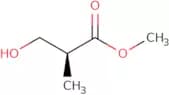

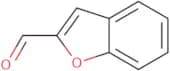
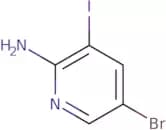
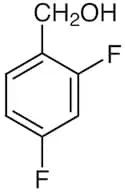

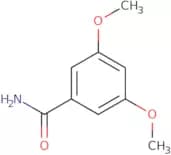
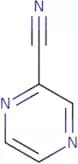
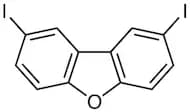
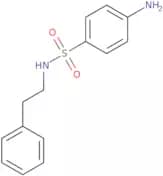

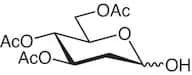
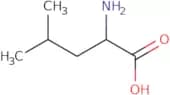
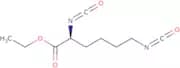

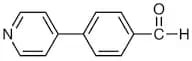
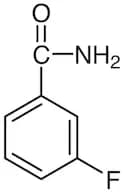

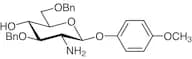
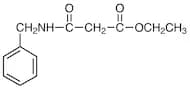
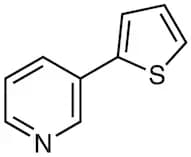
![3,7-Dibromodibenzo[b,d]thiophene](/_next/image/?url=https%3A%2Fstatic.cymitquimica.com%2Fproducts%2F3D%2Fthumb-webp%2FFD62242.webp&w=3840&q=75)
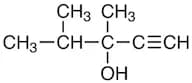

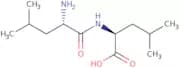
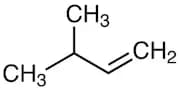

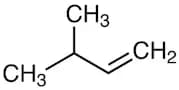


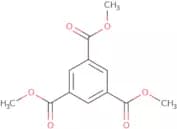
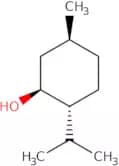
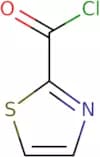
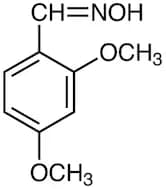

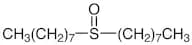
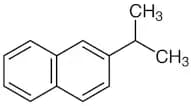
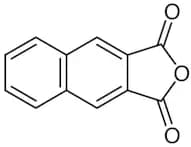

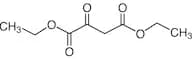
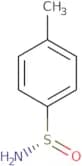
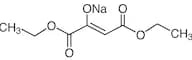
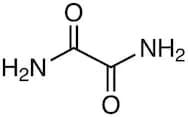

![8-oxa-5-azaspiro[3.5]nonane](/_next/image/?url=https%3A%2Fstatic.cymitquimica.com%2Fproducts%2F3D%2Fthumb-webp%2FFO76093.webp&w=3840&q=75)

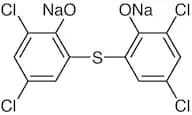
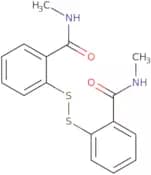
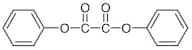
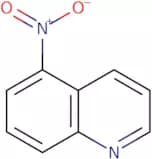
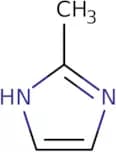
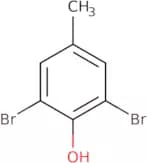
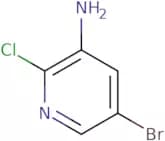

![1,1'-[1,4-Phenylenebis(methylene)]bis(4,4'-bipyridinium) Dibromide](/_next/image/?url=https%3A%2Fstatic.cymitquimica.com%2Fproducts%2F3B%2Fthumb-webp%2FP1405.webp&w=3840&q=75)
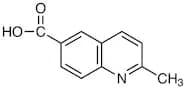
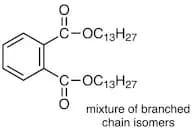
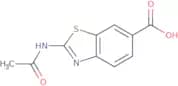
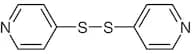
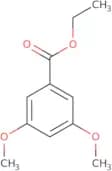
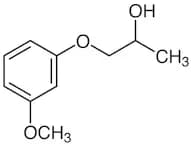
![(1S,4S)-2-Benzyl-2,5-diazabicyclo[2.2.1]heptane Dihydrobromide](/_next/image/?url=https%3A%2Fstatic.cymitquimica.com%2Fproducts%2F3B%2Fthumb-webp%2FB2054.webp&w=3840&q=75)
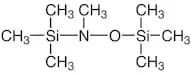
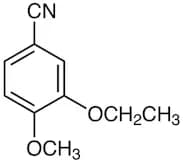

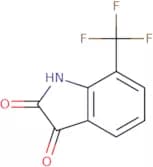

![Galβ(1-3)[Neu5Acα(2-6)]GalNAc-β-pNP](/_next/image/?url=https%3A%2Fstatic.cymitquimica.com%2Fproducts%2F3B%2Fthumb-webp%2FG0345.webp&w=3840&q=75)
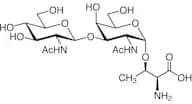
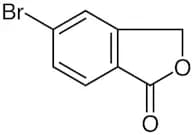
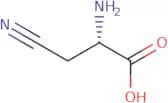

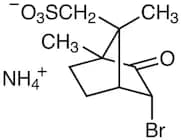
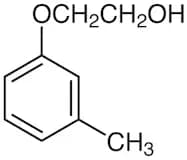
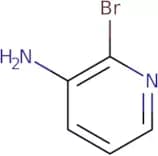
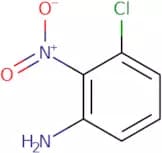
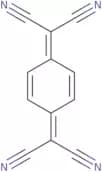
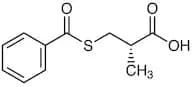

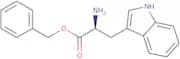
![N,N-Bis[2-(p-tolylsulfonyloxy)ethyl]-p-toluenesulfonamide](/_next/image/?url=https%3A%2Fstatic.cymitquimica.com%2Fproducts%2F3B%2Fthumb-webp%2FB4136.webp&w=3840&q=75)
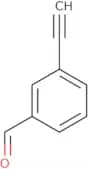
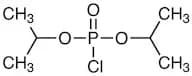
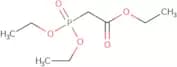
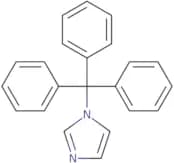
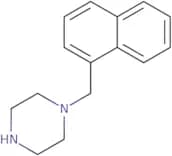
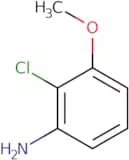


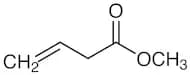
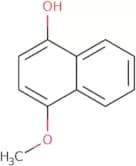
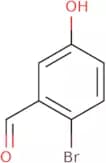

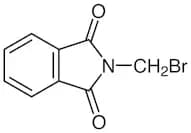


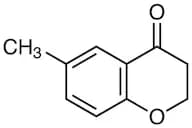

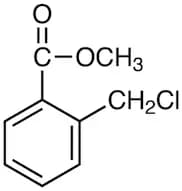

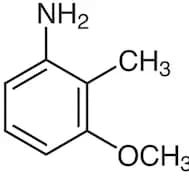
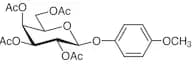

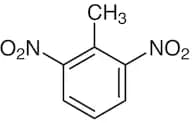
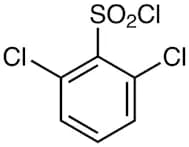
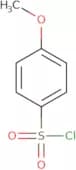
![Bromoform (stabilized with 2-Methyl-2-butene) [for Spectrophotometry]](/_next/image/?url=https%3A%2Fstatic.cymitquimica.com%2Fproducts%2F3B%2Fthumb-webp%2FB0806.webp&w=3840&q=75)
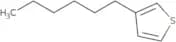
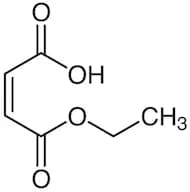
![6-Bromopyrrolo[2,1-f][1,2,4]triazin-4(3H)-one](/_next/image/?url=https%3A%2Fstatic.cymitquimica.com%2Fproducts%2F3D%2Fthumb-webp%2FFB63187.webp&w=3840&q=75)
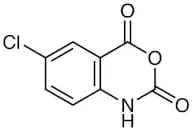
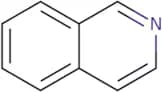

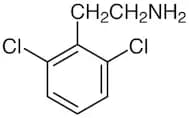
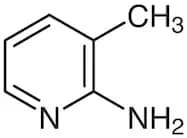
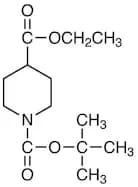

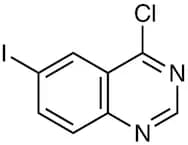
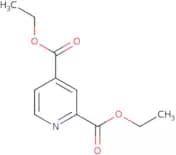
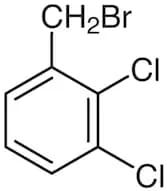
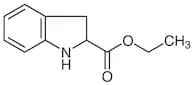
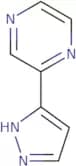
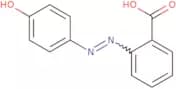
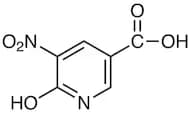
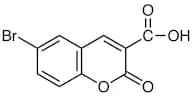

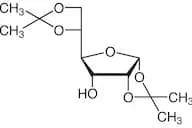
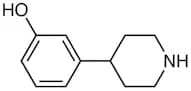

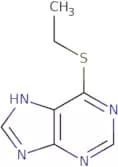
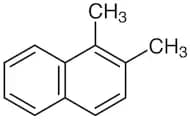
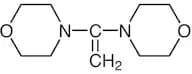
![3-[Bis(phenylmethyl)amino]-5-fluoro-6-methyl-2-(phenylmethoxy)benzoic acid phenyl ester](/_next/image/?url=https%3A%2Fstatic.cymitquimica.com%2Fproducts%2F3D%2Fthumb-webp%2FFB101468.webp&w=3840&q=75)
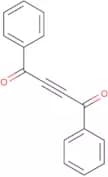
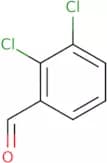

![Benzo[b]furan-2-boronic acid](/_next/image/?url=https%3A%2Fstatic.cymitquimica.com%2Fproducts%2F3D%2Fthumb-webp%2FFB40264.webp&w=3840&q=75)
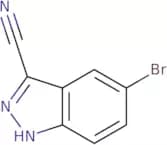

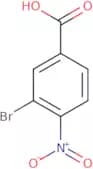
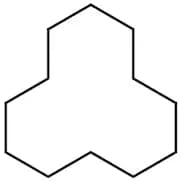
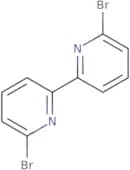
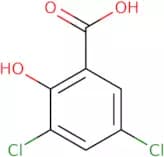

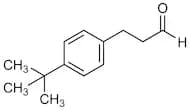
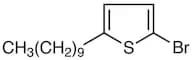

![9-Bromo-10-[4-(2-naphthyl)phenyl]anthracene](/_next/image/?url=https%3A%2Fstatic.cymitquimica.com%2Fproducts%2F3B%2Fthumb-webp%2FB4571.webp&w=3840&q=75)

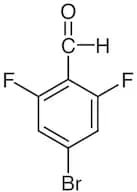
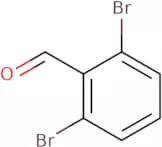


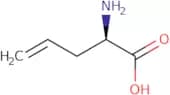
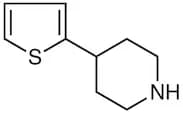

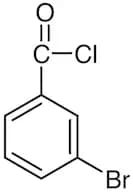
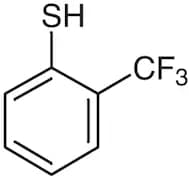

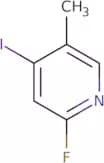
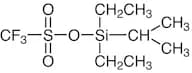
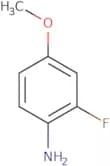

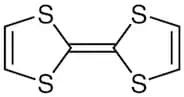
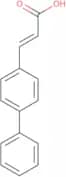
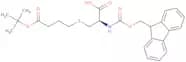
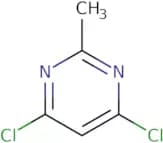
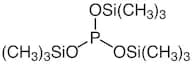
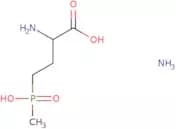
![2-[(Phenylsulfonyl)amino]benzoic acid](/_next/image/?url=https%3A%2Fstatic.cymitquimica.com%2Fproducts%2F3D%2Fthumb-webp%2FFP136709.webp&w=3840&q=75)
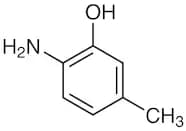
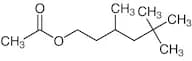
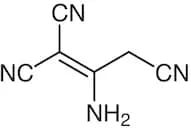
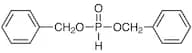
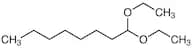
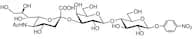


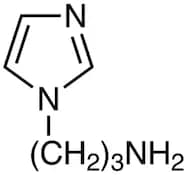
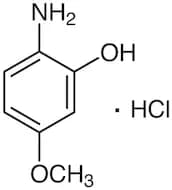

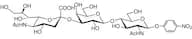
![Heptylnonyl Adipate (so called) [Plasticizer]](/_next/image/?url=https%3A%2Fstatic.cymitquimica.com%2Fproducts%2F3B%2Fthumb-webp%2FA1388.webp&w=3840&q=75)
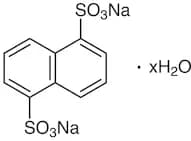
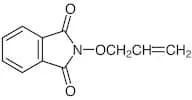
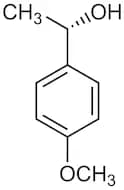
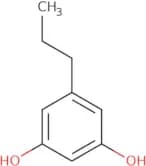

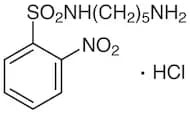


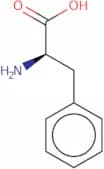
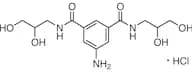
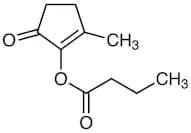

![2-[1,2,4]Triazol-1-yl-benzylamine](/_next/image/?url=https%3A%2Fstatic.cymitquimica.com%2Fproducts%2F3D%2Fthumb-webp%2FFT50933.webp&w=3840&q=75)