Building Blocks
This section contains fundamental products for the synthesis of organic and biological compounds. Building blocks are the essential starting materials used to construct complex molecules through various chemical reactions. They play a critical role in drug discovery, material science, and chemical research. At CymitQuimica, we offer a diverse range of high-quality building blocks to support your innovative research and industrial projects, ensuring you have the essential components for successful synthesis.
Subcategories of "Building Blocks"
- Boronic Acids & Boronic Acid Derivatives(5,756 products)
- Chiral Building Blocks(1,242 products)
- Hydrocarbon Building Blocks(6,095 products)
- Organic Building Blocks(61,037 products)
Found 196139 products of "Building Blocks"
Sort by
Purity (%)
0
100
|
0
|
50
|
90
|
95
|
100
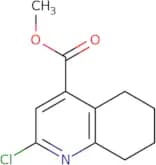
Methyl 2-chloro-5,6,7,8-tetrahydroquinoline-4-carboxylate
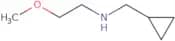
CAS:<p>Versatile small molecule scaffold</p>Formula:C11H12ClNO2Purity:Min. 95%Molecular weight:225.67 g/molN-(Cyclopropylmethyl)-2-methoxy-1-ethanamine
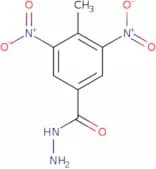
CAS:<p>Versatile small molecule scaffold</p>Formula:C7H15NOPurity:Min. 95%Molecular weight:129.2 g/mol4-Methyl-3,5-dinitrobenzohydrazide
CAS:<p>Versatile small molecule scaffold</p>Formula:C8H8N4O5Purity:Min. 95%Molecular weight:240.17 g/molMethyl 2-aminobenzo[d]thiazole-5-carboxylate
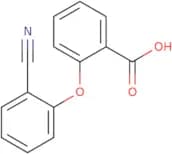
CAS:<p>Versatile small molecule scaffold</p>Formula:C9H8N2O2SPurity:Min. 95%Molecular weight:208.24 g/mol2-(2-Cyanophenoxy)benzoic acid
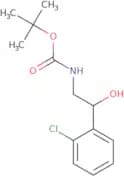
CAS:<p>Versatile small molecule scaffold</p>Formula:C14H9NO3Purity:Min. 95%Molecular weight:239.23 g/molBoc-2-hydroxy-2-(2-chlorophenyl)-ethylamine
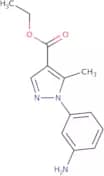
CAS:<p>Versatile small molecule scaffold</p>Formula:C13H18ClNO3Purity:Min. 95%Molecular weight:271.74 g/molEthyl 1-(3-aminophenyl)-5-methyl-1H-pyrazole-4-carboxylate
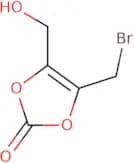
CAS:<p>Versatile small molecule scaffold</p>Formula:C13H15N3O2Purity:Min. 95%Molecular weight:245.28 g/mol4-(Bromomethyl)-5-(hydroxymethyl)-2H-1,3-dioxol-2-one
CAS:<p>Versatile small molecule scaffold</p>Formula:C5H5BrO4Purity:Min. 95%Molecular weight:208.99 g/mol3-[(Methoxycarbonyl)Amino]-Benzoic Acid
CAS:<p>Versatile small molecule scaffold</p>Formula:C9H9NO4Purity:Min. 95%Molecular weight:195.17 g/molBoc-(R)-2-amino-2-(3-fluorophenyl)acetic acid
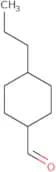
CAS:<p>Versatile small molecule scaffold</p>Formula:C13H16FNO4Purity:Min. 95%Molecular weight:269.27 g/mol4-Propylcyclohexane-1-carbaldehyde
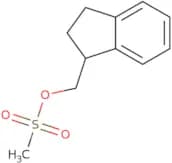
CAS:<p>Versatile small molecule scaffold</p>Formula:C10H18OPurity:Min. 95%Molecular weight:154.25 g/mol2,3-Dihydro-1H-inden-1-ylmethyl methanesulfonate
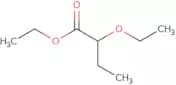
CAS:<p>Versatile small molecule scaffold</p>Formula:C11H14O3SPurity:Min. 95%Molecular weight:226.29 g/molEthyl 2-ethoxybutanoate
CAS:<p>Versatile small molecule scaffold</p>Formula:C8H16O3Purity:Min. 95%Molecular weight:160.21 g/moltert-Butyl 4-(methylamino)pentanoate hydrochloride
CAS:<p>Versatile small molecule scaffold</p>Formula:C10H22ClNO2Purity:Min. 95%Molecular weight:223.7 g/mol5-Azaspiro[3.5]nonane-8-carboxylic acid hydrochloride
CAS:<p>Versatile small molecule scaffold</p>Formula:C9H16ClNO2Purity:Min. 95%Molecular weight:205.7 g/mol(3-Methoxyoxan-3-yl)methanamine hydrochloride
CAS:<p>Versatile small molecule scaffold</p>Formula:C7H16ClNO2Purity:Min. 95%Molecular weight:181.7 g/mol2-(3-{[(tert-Butoxy)carbonyl]amino}adamantan-1-yl)acetic acid
CAS:<p>Versatile small molecule scaffold</p>Formula:C17H27NO4Purity:Min. 95%Molecular weight:309.4 g/moltert-Butyl 3-[5-amino-2-(methoxycarbonyl)phenoxy]pyrrolidine-1-carboxylate
CAS:<p>Versatile small molecule scaffold</p>Formula:C17H24N2O5Purity:Min. 95%Molecular weight:336.4 g/molSpiro[3.4]octane-6-carboxylic acid
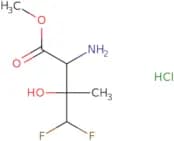
CAS:<p>Versatile small molecule scaffold</p>Formula:C9H14O2Purity:Min. 95%Molecular weight:154.2 g/molMethyl 2-amino-4,4-difluoro-3-hydroxy-3-methylbutanoate hydrochloride
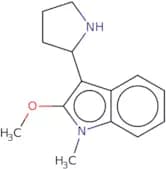
CAS:<p>Versatile small molecule scaffold</p>Formula:C6H12ClF2NO3Purity:Min. 95%Molecular weight:219.6 g/mol2-Methoxy-1-methyl-3-(pyrrolidin-2-yl)-1H-indole
CAS:<p>Versatile small molecule scaffold</p>Formula:C14H18N2OPurity:Min. 95%Molecular weight:230.3 g/mol3-{1-[(tert-Butoxy)carbonyl]piperidin-2-yl}-2-{[(9H-fluoren-9-yl)methyl]amino}propanoic acid
CAS:<p>Versatile small molecule scaffold</p>Formula:C27H34N2O4Purity:Min. 95%Molecular weight:450.6 g/molMethyl 3-(3-chlorophenyl)pyrrolidine-3-carboxylate hydrochloride
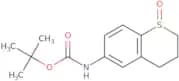
CAS:<p>Versatile small molecule scaffold</p>Formula:C12H15Cl2NO2Purity:Min. 95%Molecular weight:276.2 g/moltert-Butyl N-(1-oxo-3,4-dihydro-2H-1λ4-benzothiopyran-6-yl)carbamate
CAS:<p>Versatile small molecule scaffold</p>Formula:C14H19NO3SPurity:Min. 95%Molecular weight:281.4 g/mol4-{3-Methyl-[1,2,4]triazolo[4,3-b]pyridazin-6-yl}piperidine dihydrochloride
CAS:<p>Versatile small molecule scaffold</p>Formula:C11H17Cl2N5Purity:Min. 95%Molecular weight:290.2 g/mol2-Methoxy-3,3-dimethylcyclobutan-1-amines
CAS:<p>Versatile small molecule scaffold</p>Formula:C7H15NOPurity:Min. 95%Molecular weight:129.2 g/molMethyl 3-(4-methoxyphenyl)pyrrolidine-3-carboxylate hydrochloride
CAS:<p>Versatile small molecule scaffold</p>Formula:C13H18ClNO3Purity:Min. 95%Molecular weight:271.7 g/molrac-(5S,8S)-8-(Propan-2-yl)-1,3-diazaspiro[4.5]decane-2,4-dione
CAS:<p>Versatile small molecule scaffold</p>Formula:C11H18N2O2Purity:Min. 95%Molecular weight:210.3 g/mol3-(Aminomethyl)-5-methyl-4H,5H,6H,7H-pyrazolo[1,5-a]pyrazin-4-one
CAS:<p>Versatile small molecule scaffold</p>Formula:C8H12N4OPurity:Min. 95%Molecular weight:180.2 g/mol3-[2-(Dimethylamino)ethoxy]-4-methoxyaniline dihydrochloride
CAS:Controlled Product<p>Versatile small molecule scaffold</p>Formula:C11H20Cl2N2O2Purity:Min. 95%Molecular weight:283.2 g/mol2-{Spiro[3.3]heptan-1-yl}acetic acid
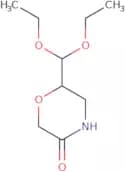
CAS:<p>Versatile small molecule scaffold</p>Formula:C9H14O2Purity:Min. 95%Molecular weight:154.2 g/mol6-(Diethoxymethyl)morpholin-3-one
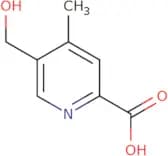
CAS:<p>Versatile small molecule scaffold</p>Formula:C9H17NO4Purity:Min. 95%Molecular weight:203.2 g/mol5-(Hydroxymethyl)-4-methylpyridine-2-carboxylic acid
CAS:<p>Versatile small molecule scaffold</p>Formula:C8H9NO3Purity:Min. 95%Molecular weight:167.2 g/mol2,8-Dimethyl-5H,6H,7H,8H-imidazo[1,2-a]pyridine-6-carboxylic acid hydrochloride
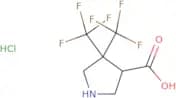
CAS:<p>Versatile small molecule scaffold</p>Formula:C10H15ClN2O2Purity:Min. 95%Molecular weight:230.7 g/mol4,4-Bis(trifluoromethyl)pyrrolidine-3-carboxylic acid hydrochloride
CAS:<p>Versatile small molecule scaffold</p>Formula:C7H8ClF6NO2Purity:Min. 95%Molecular weight:287.6 g/mol{Bicyclo[3.1.0]hexan-6-yl}methanamine hydrochloride
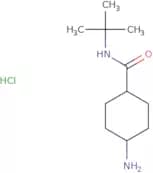
CAS:<p>Versatile small molecule scaffold</p>Formula:C7H14ClNPurity:Min. 95%Molecular weight:147.6 g/mol4-Amino-N-tert-butylcyclohexane-1-carboxamide hydrochloride
CAS:<p>Versatile small molecule scaffold</p>Formula:C11H23ClN2OPurity:Min. 95%Molecular weight:234.8 g/mol1'-[(tert-Butoxy)carbonyl]-4-(acetamidomethyl)-3-oxaspiro[bicyclo[2.1.1]hexane-2,4'-piperidine]-1-carboxylic acid
CAS:<p>Versatile small molecule scaffold</p>Formula:C18H28N2O6Purity:Min. 95%Molecular weight:368.4 g/molMethyl 2-({1-[(tert-butoxy)carbonyl]azetidin-3-yl}methoxy)pyridine-4-carboxylate
CAS:<p>Versatile small molecule scaffold</p>Formula:C16H22N2O5Purity:Min. 95%Molecular weight:322.4 g/molMethyl (5R,8R)-1-azaspiro[4.5]decane-8-carboxylate hydrochloride
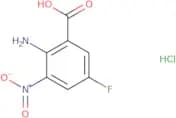
CAS:<p>Versatile small molecule scaffold</p>Formula:C11H20ClNO2Purity:Min. 95%Molecular weight:233.7 g/mol2-Amino-5-fluoro-3-nitrobenzoic acid hydrochloride
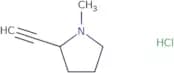
CAS:<p>Versatile small molecule scaffold</p>Formula:C7H6ClFN2O4Purity:Min. 95%Molecular weight:236.6 g/mol2-Ethynyl-1-methylpyrrolidine hydrochloride
CAS:<p>Versatile small molecule scaffold</p>Formula:C7H12ClNPurity:Min. 95%Molecular weight:145.63 g/moltert-Butyl N-[3-(piperidin-2-yl)-1H-pyrazol-4-yl]carbamate
CAS:<p>Versatile small molecule scaffold</p>Formula:C13H22N4O2Purity:Min. 95%Molecular weight:266.3 g/mol2,2-Dioxo-2λ⁶-thia-1-azabicyclo[2.1.1]hexane-4-carbonitrile
CAS:<p>Versatile small molecule scaffold</p>Formula:C5H6N2O2SPurity:Min. 95%Molecular weight:158.2 g/mol2-{5-Oxa-8-azaspiro[3.5]nonan-6-yl}acetic acid hydrochloride
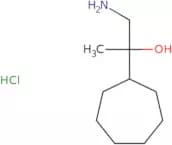
CAS:<p>Versatile small molecule scaffold</p>Formula:C9H16ClNO3Purity:Min. 95%Molecular weight:221.7 g/mol1-Amino-2-cycloheptylpropan-2-ol hydrochloride
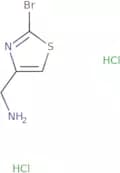
CAS:<p>Versatile small molecule scaffold</p>Formula:C10H22ClNOPurity:Min. 95%Molecular weight:207.7 g/mol(2-Bromo-1,3-thiazol-4-yl)methanamine dihydrochloride
CAS:<p>Versatile small molecule scaffold</p>Formula:C4H7BrCl2N2SPurity:Min. 95%Molecular weight:265.99 g/mol1-Benzyl-N-methyl-1H-1,2,3-triazol-4-amine
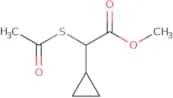
CAS:<p>Versatile small molecule scaffold</p>Formula:C10H12N4Purity:Min. 95%Molecular weight:188.2 g/molMethyl 2-(acetylsulfanyl)-2-cyclopropylacetate
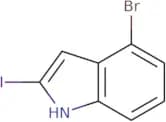
CAS:<p>Versatile small molecule scaffold</p>Formula:C8H12O3SPurity:Min. 95%Molecular weight:188.2 g/mol4-Bromo-2-iodo-1H-indole
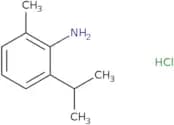
CAS:<p>Versatile small molecule scaffold</p>Formula:C8H5BrINPurity:Min. 95%Molecular weight:321.94 g/mol2-Methyl-6-(propan-2-yl)aniline hydrochloride
CAS:<p>Versatile small molecule scaffold</p>Formula:C10H16ClNPurity:Min. 95%Molecular weight:185.69 g/mol{8-Thia-2-azaspiro[4.5]decan-3-yl}methanol hydrochloride
CAS:<p>Versatile small molecule scaffold</p>Formula:C9H18ClNOSPurity:Min. 95%Molecular weight:223.8 g/mol2-methylbenzene-1-sulfinate lithium
CAS:<p>Versatile small molecule scaffold</p>Formula:C7H7LiO2SPurity:Min. 95%Molecular weight:162.1 g/mol5-(2-Methylpropyl)-1,4-oxazepane hydrochloride
CAS:<p>Versatile small molecule scaffold</p>Formula:C9H20ClNOPurity:Min. 95%Molecular weight:193.7 g/mol6-Amino-3-ethyl-1-methyl-1,2,3,4-tetrahydro-1,3,5-triazine-2,4-dione
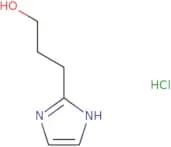
CAS:<p>Versatile small molecule scaffold</p>Formula:C6H10N4O2Purity:Min. 95%Molecular weight:170.2 g/mol3-(1H-Imidazol-2-yl)propan-1-ol hydrochloride
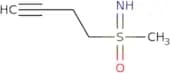
CAS:<p>Versatile small molecule scaffold</p>Formula:C6H11ClN2OPurity:Min. 95%Molecular weight:162.62 g/mol4-(S-Methylsulfonimidoyl)but-1-yne
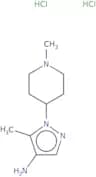
CAS:<p>Versatile small molecule scaffold</p>Formula:C5H9NOSPurity:Min. 95%Molecular weight:131.2 g/mol5-Methyl-1-(1-methylpiperidin-4-yl)-1H-pyrazol-4-amine dihydrochloride
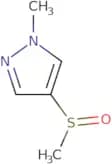
CAS:<p>Versatile small molecule scaffold</p>Formula:C10H20Cl2N4Purity:Min. 95%Molecular weight:267.2 g/mol4-Methanesulfinyl-1-methyl-1H-pyrazole
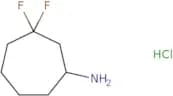
CAS:<p>Versatile small molecule scaffold</p>Formula:C5H8N2OSPurity:Min. 95%Molecular weight:144.2 g/mol3,3-Difluorocycloheptan-1-amine hydrochloride
CAS:<p>Versatile small molecule scaffold</p>Formula:C7H14ClF2NPurity:Min. 95%Molecular weight:185.6 g/mol5-Oxaspiro[3.4]octane-1-carboxylic acids
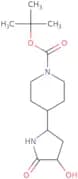
CAS:<p>Versatile small molecule scaffold</p>Formula:C8H12O3Purity:Min. 95%Molecular weight:156.2 g/moltert-Butyl 4-(4-hydroxy-5-oxopyrrolidin-2-yl)piperidine-1-carboxylate
CAS:<p>Versatile small molecule scaffold</p>Formula:C14H24N2O4Purity:Min. 95%Molecular weight:284.4 g/mol(5-Amino-2-methoxypyridin-3-yl)methanol
CAS:<p>Versatile small molecule scaffold</p>Formula:C7H10N2O2Purity:Min. 95%Molecular weight:154.2 g/mol8-Oxaspiro[4.5]decan-2-amine hydrochloride
CAS:<p>Versatile small molecule scaffold</p>Formula:C9H18ClNOPurity:Min. 95%Molecular weight:191.7 g/mol1,6-Dimethyl-1,2,3,4-tetrahydropyrimidine-2,4-dione hydrochloride
CAS:<p>Versatile small molecule scaffold</p>Formula:C6H9ClN2O2Purity:Min. 95%Molecular weight:176.6 g/mol3-[(tert-Butoxy)carbonyl]-9-({[(9H-fluoren-9-yl)methoxy]carbonyl}amino)-3-azabicyclo[3.3.1]nonane-7-carboxylic acid
CAS:<p>Versatile small molecule scaffold</p>Formula:C29H34N2O6Purity:Min. 95%Molecular weight:506.6 g/mol2-Amino-4-hydroxybenzonitrile hydrochloride
CAS:<p>Versatile small molecule scaffold</p>Formula:C7H7ClN2OPurity:Min. 95%Molecular weight:170.6 g/moltert-Butyl N-[1-(1H-1,2,3,4-tetrazol-5-yl)propan-2-yl]carbamate
CAS:<p>Versatile small molecule scaffold</p>Formula:C9H17N5O2Purity:Min. 95%Molecular weight:227.3 g/moltert-Butyl 3-(chloromethyl)-1H,4H,5H,6H,7H-pyrazolo[4,3-c]pyridine-5-carboxylate hydrochloride
CAS:<p>Versatile small molecule scaffold</p>Formula:C12H19Cl2N3O2Purity:Min. 95%Molecular weight:308.2 g/molEthyl 2-bromo-4-(difluoromethyl)-1,3-oxazole-5-carboxylate
CAS:<p>Versatile small molecule scaffold</p>Formula:C7H6BrF2NO3Purity:Min. 95%Molecular weight:270.03 g/moltert-Butyl N-{5-aminobicyclo[2.2.1]heptan-2-yl}carbamate hydrochloride
CAS:<p>Versatile small molecule scaffold</p>Formula:C12H23ClN2O2Purity:Min. 95%Molecular weight:262.8 g/molMethyl 9-hydroxy-3-azabicyclo[3.3.1]nonane-7-carboxylate hydrochloride
CAS:<p>Versatile small molecule scaffold</p>Formula:C10H18ClNO3Purity:Min. 95%Molecular weight:235.7 g/mol{1-[(Methylamino)methyl]cyclopropyl}methanol hydrochloride
CAS:<p>Versatile small molecule scaffold</p>Formula:C6H14ClNOPurity:Min. 95%Molecular weight:151.6 g/mol7-Amino-N,N-dimethylheptanamide hydrochloride
CAS:<p>Versatile small molecule scaffold</p>Formula:C9H21ClN2OPurity:Min. 95%Molecular weight:208.7 g/mol5-[(4-Methoxyphenyl)methyl]-1,3-thiazol-2-amine hydrochloride
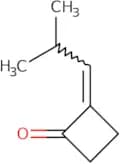
CAS:<p>Versatile small molecule scaffold</p>Formula:C11H13ClN2OSPurity:Min. 95%Molecular weight:256.8 g/mol(2Z)-2-(2-Methylpropylidene)cyclobutan-1-one
CAS:<p>Versatile small molecule scaffold</p>Formula:C8H12OPurity:Min. 95%Molecular weight:124.2 g/mol1-(2-Methyl-1-benzothiophen-3-yl)methanamine hydrochloride
CAS:<p>Versatile small molecule scaffold</p>Formula:C10H12ClNSPurity:Min. 95%Molecular weight:213.73 g/mol4-Oxo-4,5,6,7-tetrahydro-pyrazolo[1,5-a]pyridine-2-carboxylic acid
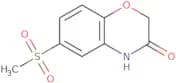
CAS:<p>Versatile small molecule scaffold</p>Formula:C8H8N2O3Purity:Min. 95%Molecular weight:180.16 g/mol6-Methanesulfonyl-3,4-dihydro-2H-1,4-benzoxazin-3-one
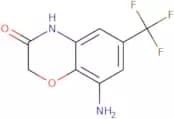
CAS:<p>Ruxolitinib is a small molecule Jak1/Jak2 inhibitor that blocks the JAK-STAT signaling pathway, which is involved in the proliferation and survival of cancer cells. Ruxolitinib has been shown to be synergistic with 6-Methanesulfonyl-3,4-dihydro-2H-1,4-benzoxazin-3-one (MSD), a myeloproliferative neoplasm drug that inhibits protein synthesis by interfering with the function of RNA polymerase. The combination of these drugs may be an effective therapy for myeloproliferative neoplasms such as chronic myelogenous leukemia and polycythemia vera.</p>Formula:C9H9NO4SPurity:Min. 95%Molecular weight:227.24 g/mol8-Amino-6-(trifluoromethyl)-3,4-dihydro-2H-1,4-benzoxazin-3-one
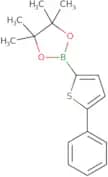
CAS:<p>Versatile small molecule scaffold</p>Formula:C9H7F3N2O2Purity:Min. 95%Molecular weight:232.16 g/mol5-Phenylthiophene-2-boronic acid pinacol ester
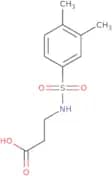
CAS:<p>Versatile small molecule scaffold</p>Formula:C16H19BO2SPurity:Min. 95%Molecular weight:286.2 g/mol3-(3,4-Dimethylbenzenesulfonamido)propanoic acid
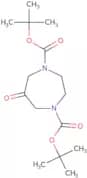
CAS:<p>Versatile small molecule scaffold</p>Formula:C11H15NO4SPurity:Min. 95%Molecular weight:257.31 g/moldi-tert-butyl 6-oxo-1,4-diazepane-1,4-dicarboxylate
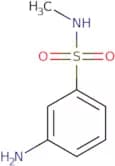
CAS:<p>Versatile small molecule scaffold</p>Formula:C15H26N2O5Purity:Min. 95%Molecular weight:314.38 g/molN-Methyl 3-Aminobenzenesulfonamide
CAS:<p>N-Methyl 3-aminobenzenesulfonamide is a potent anticancer agent that inhibits the transcription of certain genes. It has been shown to inhibit transcription in human cells and in vitro. This molecule has been shown to act as a potent inhibitor of polymerase activity, with IC 50 values of 0.01 nM for DNA polymerase and 10 nM for RNA polymerase. N-Methyl 3-aminobenzenesulfonamide is an oncogene domain inhibitor, which prevents the expression of oncogenes such as Ras, Raf, and Myc by binding to their respective domains. The substitution effects of this molecule have also been studied extensively, showing that substituent groups can change its activity.</p>Formula:C7H10N2O2SPurity:Min. 95%Molecular weight:186.23 g/mol5-[(Diethylamino)methyl]furan-2-carboxylic acid
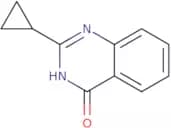
CAS:<p>Versatile small molecule scaffold</p>Formula:C10H15NO3Purity:Min. 95%Molecular weight:197.23 g/mol2-cyclopropylquinazolin-4(3h)-one
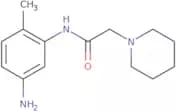
CAS:<p>Versatile small molecule scaffold</p>Formula:C11H10N2OPurity:Min. 95%Molecular weight:186.21 g/molN-(5-Amino-2-methylphenyl)-2-(piperidin-1-yl)acetamide
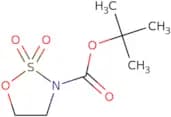
CAS:<p>Versatile small molecule scaffold</p>Formula:C14H21N3OPurity:Min. 95%Molecular weight:247.34 g/moltert-Butyl 1,2,3-oxathiazolidine-3-carboxylate 2,2-dioxide
CAS:<p>Versatile small molecule scaffold</p>Formula:C7H13NO5SPurity:Min. 95%Molecular weight:223.25 g/mol5-(2-{[2-(2,5-Dioxoimidazolidin-4-yl)ethyl]disulfanyl}ethyl)imidazolidine-2,4-dione
CAS:<p>Versatile small molecule scaffold</p>Formula:C10H14N4O4S2Purity:Min. 95%Molecular weight:318.4 g/mol[(4R)-2,5-Dioxoimidazolidin-4-yl]methanesulfonyl chloride
CAS:<p>Versatile small molecule scaffold</p>Formula:C4H5ClN2O4SPurity:Min. 95%Molecular weight:212.61 g/mol3-{[(tert-butoxy)carbonyl](methyl)amino}cyclobutane-1-carboxylic acid, Mixture of diastereomers
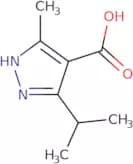
CAS:<p>Versatile small molecule scaffold</p>Formula:C11H19NO4Purity:Min. 95%Molecular weight:229.3 g/mol3-Methyl-5-(propan-2-yl)-1H-pyrazole-4-carboxylic acid
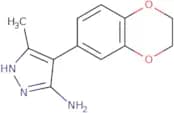
CAS:<p>Versatile small molecule scaffold</p>Formula:C8H12N2O2Purity:Min. 95%Molecular weight:168.19 g/mol4-(2,3-Dihydro-1,4-benzodioxin-6-yl)-3-methyl-1H-pyrazol-5-amine
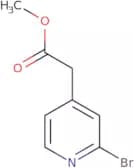
CAS:<p>Versatile small molecule scaffold</p>Formula:C12H13N3O2Purity:Min. 95%Molecular weight:231.25 g/molMethyl 2-(2-Bromo-4-pyridyl)acetate
CAS:<p>Versatile small molecule scaffold</p>Formula:C8H8NO2BrPurity:Min. 95%Molecular weight:230.05 g/mol2-[4-(Fluoromethyl)phenyl]-4,4,5,5-tetramethyl-1,3,2-dioxaborolane
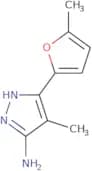
CAS:<p>Versatile small molecule scaffold</p>Formula:C13H18BFO2Purity:Min. 95%Molecular weight:236.09 g/mol4-Methyl-3-(5-methylfuran-2-yl)-1H-pyrazol-5-amine
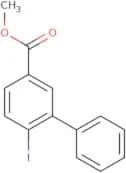
CAS:<p>Versatile small molecule scaffold</p>Formula:C9H11N3OPurity:Min. 95%Molecular weight:177.2 g/molMethyl 4-iodo-3-phenylbenzoate
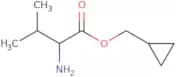
CAS:<p>Versatile small molecule scaffold</p>Formula:C14H11IO2Purity:Min. 95%Molecular weight:338.1 g/molCyclopropylmethyl (2S)-2-amino-3-methylbutanoate
CAS:<p>Versatile small molecule scaffold</p>Formula:C9H17NO2Purity:Min. 95%Molecular weight:171.24 g/molMethyl 3-[3-(dimethylamino)phenyl]propanoate
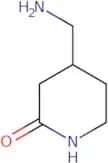
CAS:<p>Versatile small molecule scaffold</p>Formula:C12H17NO2Purity:Min. 95%Molecular weight:207.27 g/mol4-(aminomethyl)piperidin-2-one
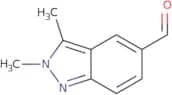
CAS:<p>Versatile small molecule scaffold</p>Formula:C6H12N2OPurity:Min. 95%Molecular weight:128.18 g/mol2,3-dimethyl-2H-indazole-5-carbaldehyde
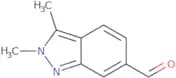
CAS:<p>Versatile small molecule scaffold</p>Formula:C10H10N2OPurity:Min. 95%Molecular weight:174.2 g/mol2,3-dimethyl-2h-indazole-6-carbaldehyde
CAS:<p>Versatile small molecule scaffold</p>Formula:C10H10N2OPurity:Min. 95%Molecular weight:174.2 g/mol8-Bromoimidazo[1,2-a]pyridine-6-carboxylic acid
CAS:<p>Versatile small molecule scaffold</p>Formula:C8H5BrN2O2Purity:Min. 95%Molecular weight:241 g/molmethyl 3-bromoimidazo[1,2-b]pyridazine-6-carboxylate
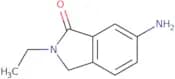
CAS:<p>Versatile small molecule scaffold</p>Formula:C8H6BrN3O2Purity:Min. 95%Molecular weight:256.06 g/mol6-amino-2-ethyl-2,3-dihydro-1H-isoindol-1-one
CAS:<p>Versatile small molecule scaffold</p>Formula:C10H12N2OPurity:Min. 95%Molecular weight:176.22 g/mol3-bromo-pyrazolo[1,5-a]pyrimidine-6-carboxaldehyde
CAS:<p>Versatile small molecule scaffold</p>Formula:C7H4BrN3OPurity:Min. 95%Molecular weight:226.03 g/mol5-Chloropyrazolo[1,5-a]pyrimidin-3-amine
CAS:<p>Versatile small molecule scaffold</p>Formula:C6H5ClN4Purity:Min. 95%Molecular weight:168.58 g/moltert-Butyl 7-oxo-2,6-diazaspiro[3.4]octane-2-carboxylate
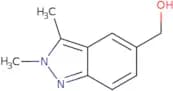
CAS:<p>Versatile small molecule scaffold</p>Formula:C11H18N2O3Purity:Min. 95%Molecular weight:226.28 g/mol(2,3-Dimethyl-2H-indazol-5-yl)methanol
CAS:<p>Versatile small molecule scaffold</p>Formula:C10H12N2OPurity:Min. 95%Molecular weight:176.21 g/molMethyl 5-bromo-1H-pyrrolo[2,3-b]pyridine-2-carboxylate
CAS:<p>Versatile small molecule scaffold</p>Formula:C9H7BrN2O2Purity:Min. 95%Molecular weight:255.07 g/mol(2S)-2-{[(tert-Butoxy)carbonyl]amino}hept-6-ynoic acid
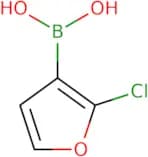
CAS:<p>Versatile small molecule scaffold</p>Formula:C12H19NO4Purity:Min. 95%Molecular weight:241.28 g/mol(2-Chlorofuran-3-yl)boronic acid
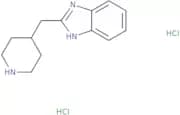
CAS:<p>Versatile small molecule scaffold</p>Formula:C4H4BClO3Purity:Min. 95%Molecular weight:146.34 g/mol2-(Piperidin-4-ylmethyl)-1H-1,3-benzodiazole dihydrochloride
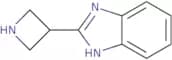
CAS:<p>Versatile small molecule scaffold</p>Formula:C13H19Cl2N3Purity:Min. 95%Molecular weight:288.21 g/mol2-(Azetidin-3-yl)-1H-1,3-benzodiazole
CAS:<p>Versatile small molecule scaffold</p>Formula:C10H11N3Purity:Min. 95%Molecular weight:173.21 g/mol2-(5-Chlorofuran-2-yl)-4,4,5,5-tetramethyl-1,3,2-dioxaborolane
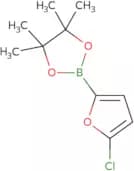
CAS:<p>Versatile small molecule scaffold</p>Formula:C10H14BClO3Purity:Min. 95%Molecular weight:228.48 g/mol2-Hydroxyhex-5-ynoic acid
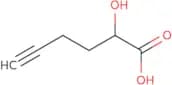
CAS:<p>Versatile small molecule scaffold</p>Formula:C6H8O3Purity:Min. 95%Molecular weight:128.13 g/moltrans-N1,N1-Dimethylcyclohexane-1,2-diamine dihydrochloride
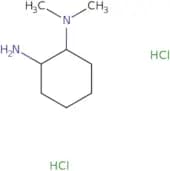
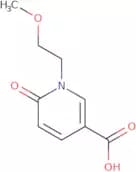
CAS:<p>Versatile small molecule scaffold</p>Formula:C8H20Cl2N2Purity:Min. 95%Molecular weight:215.16 g/mol1-(2-Methoxyethyl)-6-oxo-1,6-dihydropyridine-3-carboxylic acid
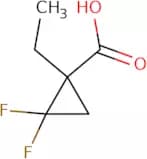
CAS:<p>Versatile small molecule scaffold</p>Formula:C9H11NO4Purity:Min. 95%Molecular weight:197.19 g/mol1-Ethyl-2,2-difluorocyclopropane-1-carboxylic acid
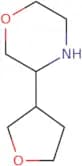
CAS:<p>Versatile small molecule scaffold</p>Formula:C6H8F2O2Purity:Min. 95%Molecular weight:150.12 g/mol3-(Oxolan-3-yl)morpholine
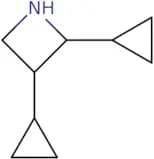
CAS:<p>Versatile small molecule scaffold</p>Formula:C8H15NO2Purity:Min. 95%Molecular weight:157.21 g/mol2,3-Dicyclopropylazetidine
CAS:<p>Versatile small molecule scaffold</p>Formula:C9H15NPurity:Min. 95%Molecular weight:137.22 g/mol3-Phenyl-2-azaspiro[3.5]nonan-1-one
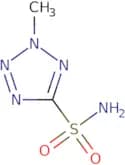
CAS:<p>Versatile small molecule scaffold</p>Formula:C14H17NOPurity:Min. 95%Molecular weight:215.29 g/mol2-Methyl-2H-1,2,3,4-tetrazole-5-sulfonamide
CAS:<p>Versatile small molecule scaffold</p>Formula:C2H5N5O2SPurity:Min. 95%Molecular weight:163.16 g/mol3-(4-Methyl-4H-1,2,4-triazol-3-yl)pyridine-2-carboxylic acid
CAS:<p>Versatile small molecule scaffold</p>Formula:C9H8N4O2Purity:Min. 95%Molecular weight:204.2 g/mol{1-[Amino(phenyl)methyl]cyclopentyl}methanol
CAS:<p>Versatile small molecule scaffold</p>Formula:C13H19NOPurity:Min. 95%Molecular weight:205.3 g/mol[5-Bromo-2-(2,2-difluoroethoxy)pyridin-4-yl]methanol
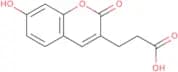
CAS:<p>Versatile small molecule scaffold</p>Formula:C8H8BrF2NO2Purity:Min. 95%Molecular weight:268.06 g/mol3-(7-Hydroxy-2-oxo-2H-chromen-3-yl)propanoic acid
CAS:<p>Versatile small molecule scaffold</p>Formula:C12H10O5Purity:Min. 95%Molecular weight:234.2 g/molKinetin
CAS:<p>Kinetin is a chemical compound that is used in research as a reagent, useful scaffold, and an intermediate. It has been shown to be an effective building block for the synthesis of complex compounds. Kinetin is also a versatile building block that can be used to synthesize many different types of compounds. Kinetin has a CAS number 525-79-1 and is classified as a speciality chemical.</p>Formula:C10H9N5OMolecular weight:215.22 g/mol1-(4-Methylpiperazin-1-yl)pentan-1-one
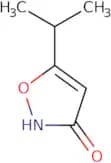
CAS:Controlled Product<p>Versatile small molecule scaffold</p>Formula:C10H20N2OPurity:Min. 95%Molecular weight:184.3 g/mol5-Propan-2-yl-1,2-oxazol-3-one
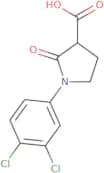
CAS:<p>Versatile small molecule scaffold</p>Formula:C6H9NO2Purity:Min. 95%Molecular weight:127.14 g/mol1-(3,4-Dichlorophenyl)-2-oxopyrrolidine-3-carboxylic acid
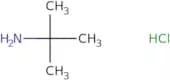
CAS:<p>Versatile small molecule scaffold</p>Formula:C11H9Cl2NO3Purity:Min. 95%Molecular weight:274.1 g/mol2-Amino-2-methylpropane hydrochloride
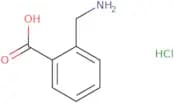
CAS:<p>2-Amino-2-methylpropane hydrochloride (AMP) is a chemical compound that is used in the synthesis of pharmaceuticals. It belongs to the class of amines and has been shown to inhibit the activity of enzymes involved in the synthesis of proteins, such as protein kinase A. The chemical structure of AMP consists of a hydrogen bond between its two hydroxyl groups and an intramolecular hydrogen bond. This structural feature may explain why it is an effective inhibitor against many different enzymes.</p>Formula:C4H12ClNPurity:Min. 95%Molecular weight:109.6 g/mol2-(Aminomethyl)benzoic acid hydrochloride
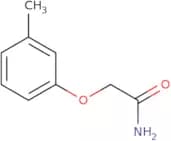
CAS:<p>Versatile small molecule scaffold</p>Formula:C8H10ClNO2Purity:Min. 95%Molecular weight:187.62 g/mol3'-Methylphenoxyacetamide
CAS:<p>3'-Methylphenoxyacetamide is a chemotherapeutic agent that inhibits the growth of cancer cells. It is a glutathione S-transferase inhibitor and glutathione detoxifier. 3'-Methylphenoxyacetamide has been shown to inhibit the growth of cancer cells in vitro and in vivo, as well as to protect against oxidative stress in rats. This compound induces apoptosis by inhibiting the synthesis of proteins necessary for cell division or by preventing DNA replication.</p>Formula:C9H11NO2Purity:Min. 95%Molecular weight:165.19 g/mol1-[1-(3-Chlorophenyl)-5-methyl-1H-pyrazol-4-yl]ethan-1-one
CAS:<p>Versatile small molecule scaffold</p>Formula:C12H11ClN2OPurity:Min. 95%Molecular weight:234.68 g/mol7-Methyl-benzo[1,2-D:4,3-D']bisthiazol-2-ylamine
CAS:<p>Versatile small molecule scaffold</p>Formula:C9H7N3S2Purity:Min. 95%Molecular weight:221.3 g/molN4-{7-Chloro-2-[2-(2-chloro-phenyl)-vinyl]-quinolin-4-yl}-N1,N1-diethyl-pentane-1,4-diamine
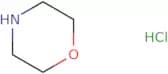
CAS:<p>N4-{7-Chloro-2-[2-(2-chloro-phenyl)-vinyl]-quinolin-4-yl}-N1,N1-diethylpentane-1,4-diamine is a small molecule that inhibits signal pathways by binding to the amine groups on proteins. It has been shown to inhibit the production of proinflammatory cytokines and chemokines in skin cancer cells. N4-(7-chloroquinolin-4-yl)-N1,N1 diethylpentaneamine also blocks the adenosine receptor, which prevents cell proliferation. This drug has been found to be effective for treating diabetic neuropathy. N4-(7 chloroquinolin 4 yl) -N1,N1 diethylpentaneamine is water soluble and structurally related to drugs such as nifedipine. It can be synthesized with an x ray crystal structure and has a red</p>Formula:C26H40Cl2N3O12P3Purity:Min. 95%Molecular weight:750.44 g/molMorpholinium chloride
CAS:<p>Morpholinium chloride is a mixed-ligand complex of the amine and methyl ethyl groups. It belongs to the class of drugs that inhibit dipeptidyl peptidase-IV (DPP-IV), which is an enzyme that breaks down insulin in the body. Morpholinium chloride has been shown to have pharmacokinetic properties in humans, with a half-life of 1.2 hours and a volume of distribution of 0.6L/kg. This drug also has the potential to interact with other drugs that are metabolized by DPP-IV, such as metformin or sulfonylureas. Morpholinium chloride has been shown to inhibit the growth of human pathogens by binding to their nucleic acids, including bacteria, viruses and fungi. The drug binds specifically to nitrogen atoms in DNA, preventing RNA synthesis and protein production in cells.</p>Formula:C4H10ClNOPurity:Min. 95%Molecular weight:123.58 g/mol1-(4-Methoxy-3-methylphenyl)ethanone
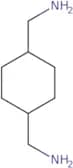
CAS:<p>1-(4-Methoxy-3-methylphenyl)ethanone is a methoxyacetophenone with the chemical formula CH3OCH2C6H4O. It is a white crystalline solid that is soluble in organic solvents and insoluble in water. It has been studied extensively for its resonance, borohydride, and enhancement properties. The methoxy group enhances the reaction of this compound with sodium borohydride, which leads to an increase in the yield of products. The resonance effect is due to the increased electron density on the methoxy group, which allows for more electrons to be transferred during reactions. The steric effect can also be seen when looking at this compound's mesomeric and steric effects. These effects are due to how bulky it is and how it interacts with other compounds.</p>Formula:C10H12O2Purity:Min. 95%Molecular weight:164.2 g/molcis-1,4-Bis(aminomethyl)cyclohexane
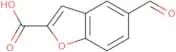
CAS:<p>cis-1,4-Bis(aminomethyl)cyclohexane is a cycloaliphatic compound that can be used as an intermediate for the synthesis of terephthalic acid. It has been shown to reduce blood pressure in women, and may have anticancer effects. cis-1,4-Bis(aminomethyl)cyclohexane is prepared by reacting alkali metal with this compound in water or ethanol. The reaction system is gas chromatographic analysis, which separates cis-1,4-Bis(aminomethyl)cyclohexane from its isomers on the basis of their different boiling points. cis-1,4-Bis(aminomethyl)cyclohexane can also react with hydrogen to produce trans-1,4-bis(aminomethyl)cyclohexane and amide.</p>Formula:C8H18N2Purity:Min. 95%Molecular weight:142.25 g/mol5-Formyl-1-benzofuran-2-carboxylic acid
CAS:<p>Versatile small molecule scaffold</p>Formula:C10H6O4Purity:Min. 95%Molecular weight:190.15 g/molBicyclo[3.3.1]nonan-3-one
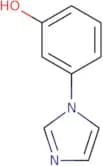
CAS:<p>Bicyclo[3.3.1]nonan-3-one is a bicyclic organic compound that has been shown to be an inorganic base, with a boiling point of 206°C and a melting point of -128°C. It is insoluble in water, but soluble in most organic solvents. This compound is used as an intermediate for the production of dioxane, which is used as a solvent and chemical intermediate. Bicyclo[3.3.1]nonan-3-one can also be used as an inorganic base for the preparation of methylene compounds such as ethylene oxide and propylene oxide.</p>Formula:C9H14OPurity:Min. 95%Molecular weight:138.21 g/mol3-(1H-Imidazol-1-yl)phenol
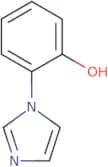
CAS:<p>Versatile small molecule scaffold</p>Formula:C9H8N2OPurity:Min. 95%Molecular weight:160.17 g/mol2-(1H-Imidazol-1-yl)phenol
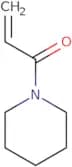
CAS:<p>Versatile small molecule scaffold</p>Formula:C9H8N2OPurity:Min. 95%Molecular weight:160.17 g/mol1-(Piperidin-1-yl)prop-2-en-1-one
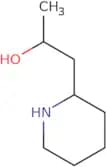
CAS:<p>1-(Piperidin-1-yl)prop-2-en-1-one is a heterocycle that is used as a pharmaceutical compound. It is one of the most potent known inhibitors of cellular efflux pumps, which are responsible for recycling natural products and xenobiotics from cells. The inhibition of these pumps by 1-(piperidin-1-yl)prop-2-en-1-one leads to increased concentrations of estrogens in the blood plasma, which has been shown to lead to an increase in breast cancer cell growth. 1-(Piperidin-1-yl)prop-2-en-1-one also inhibits aromatase, an enzyme that converts androgens into estrogens. This can lead to suppression of estrogen levels in males and females. The drug also has depressant activity and is used for treating anxiety disorders.</p>Formula:C8H13NOPurity:Min. 95%Molecular weight:139.19 g/mol1-(Piperidin-2-yl)propan-2-ol
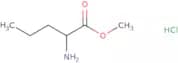
CAS:<p>Versatile small molecule scaffold</p>Formula:C8H17NOPurity:Min. 95%Molecular weight:143.23 g/molMethyl 2-aminopentanoate hydrochloride
CAS:<p>Versatile small molecule scaffold</p>Formula:C6H14ClNO2Purity:Min. 95%Molecular weight:167.63 g/molEthambutol Related Compound A
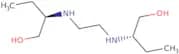
CAS:<p>Ethambutol Related Compound A is a disulfate salt of Ethambutol. It has been eluted at the wavelength of 257 nm and has a cation that is not the same as the anion. The compound was derivatized with pentafluorobenzoyl chloride. The uv detector was used to measure the flow rate of the compounds and to detect any changes in their spectra. This compound has been shown to have an ionizable nature, which can be characterized using an hplc method. The nitrate and sulfate ions are also present in this compound, which is a crystalline solid with a dihydrate crystal structure.</p>Formula:C10H24N2O2Purity:Min. 95%Molecular weight:204.31 g/mol2-Methyl-1-(6-methyl-1H-indol-3-yl)propan-2-amine
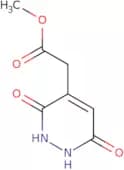
CAS:Controlled Product<p>Versatile small molecule scaffold</p>Formula:C13H18N2Purity:Min. 95%Molecular weight:202.3 g/molMethyl 2-(3,6-dihydroxypyridazin-4-yl)acetate
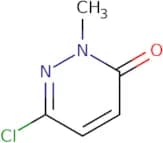
CAS:<p>Versatile small molecule scaffold</p>Formula:C7H8N2O4Purity:Min. 95%Molecular weight:184.15 g/mol6-chloro-2-methylpyridazin-3(2h)-one
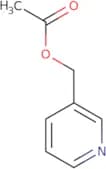
CAS:<p>Versatile small molecule scaffold</p>Formula:C5H5ClN2OPurity:Min. 95%Molecular weight:144.56 g/mol(Pyridin-3-yl)methyl acetate
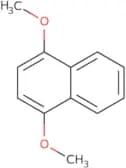
CAS:<p>(Pyridin-3-yl)methyl acetate is a synthetic analog of prednisolone that has been shown to have similar anti-inflammatory effects. This drug binds to the cox-1 enzyme, which is involved in the formation of prostaglandins. This binding prevents the formation of an enzyme-substrate complex and inhibits the conversion of arachidonic acid to prostaglandins. The synthesis of this product has been shown to be catalyzed by metal complexes such as metalloporphyrins and bond cleavage mediated by peroxide. It has also been shown to be effective in reducing inflammation in rats given prednisolone.</p>Formula:C8H9NO2Purity:Min. 95%Molecular weight:151.16 g/mol1,4-Dimethoxynaphthalene
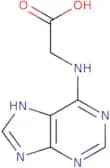
CAS:<p>1,4-Dimethoxynaphthalene is a halide that has the chemical formula CHClFO. It is a synthetic precursor for epoxides and other organic compounds. 1,4-Dimethoxynaphthalene can be synthesized from ferrocene and trifluoroacetic acid by the addition of chloride. The compound was first prepared by Edward D. Leete in 1891, who proposed its name "1,4-dimethoxybenzene". It has been studied extensively as a model compound for organic synthesis due to its ability to undergo electrophilic substitution reactions with electron-deficient alkenes to form epoxides stereoselectively. X-ray crystal structures have been obtained for both the free base and the salt form of this compound. IR spectra show bands at 3367 cm−1 (ν(C=O) stretching), 1658 cm−1 (ν(C=O) symmetric stretch),</p>Formula:C12H12O2Purity:Min. 95%Molecular weight:188.22 g/mol(9H-Purin-6-ylamino)-acetic acid
CAS:<p>9H-Purin-6-ylamino)-acetic acid is a cytokinin that can be found in plants such as fruits. It has been found to have biological activity, with the ability to inhibit cell growth and induce differentiation. 9H-Purin-6-ylamino)-acetic acid is an endogenous compound that is synthesized from purine and ribosylzeatin. This compound has been shown to inhibit the oxidation of purines, which results in the production of biologically active metabolites.</p>Formula:C7H7N5O2Purity:Min. 95%Molecular weight:193.16 g/mol6-Hydroxyhexyl prop-2-enoate
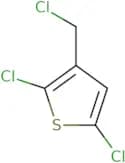
CAS:<p>6-Hydroxyhexyl prop-2-enoate is a fatty acid that is used as a biomarker for oxidative injury. It is also known to induce growth factor and reactive oxygen species (ROS) production in human serum, which can lead to inflammatory diseases. 6-Hydroxyhexyl prop-2-enoate has been shown to react with Toll-like receptors (TLRs), causing mitochondrial membrane potential changes and the release of proinflammatory cytokines. This compound has been used as a diagnostic marker for choroidal neovascularization, which is characterized by light exposure and an increase in growth factors such as vascular endothelial growth factor (VEGF).</p>Formula:C9H16O3Purity:Min. 95%Molecular weight:172.22 g/mol2,5-Dichloro-3-(chloromethyl)thiophene
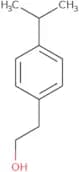
CAS:<p>Versatile small molecule scaffold</p>Formula:C5H3Cl3SPurity:Min. 95%Molecular weight:201.5 g/mol2-(4-Isopropylphenyl)ethanol
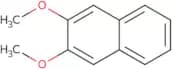
CAS:<p>Versatile small molecule scaffold</p>Formula:C11H16OPurity:Min. 95%Molecular weight:164.25 g/mol2,3-Dimethoxynaphthalene
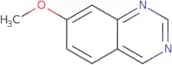
CAS:<p>2,3-Dimethoxynaphthalene is a crystalline solid with a molecular weight of 170.24 g/mol. It has a melting point of 150 °C and a boiling point of 313 °C, and it is soluble in organic solvents such as chloroform and ether. 2,3-Dimethoxynaphthalene is an electron donor that can coordinate to metals through sulfur atoms in sulfonated form. The crystal structure consists of alternating double bonds and single bonds, forming a hexagonal closed packed structure. 2,3-Dimethoxynaphthalene has been shown to be luminescent in the visible region of the electromagnetic spectrum due to its ability to emit light when excited by an external source.</p>Formula:C12H12O2Purity:Min. 95%Molecular weight:188.22 g/mol7-Methoxyquinazoline
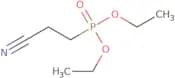
CAS:<p>7-Methoxyquinazoline is a heterocycle that is used as a medicine. It has been shown to inhibit the growth of epidermal cells, which may be due to its ability to inhibit the epidermal growth factor and epidermal growth receptor. 7-Methoxyquinazoline also inhibits tyrosine kinase, hexamethylenetetramine, and factor receptors. This drug selectively inhibits the enzyme activity of anilines, which are compounds that are involved in the synthesis of epidermal growth factor. The selectivity for this enzyme activity may be due to its hydration properties.</p>Formula:C9H8N2OPurity:Min. 95%Molecular weight:160.17 g/mol3-Diethoxyphosphorylpropanenitrile
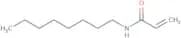
CAS:<p>3-Diethoxyphosphorylpropanenitrile is a chemical compound that is used in the detection of nerve agents. It can be used to identify and quantify the presence of nerve agents in skin or other samples. 3-Diethoxyphosphorylpropanenitrile has been shown to mimic the effects of inflammatory skin disease and nerve agent-induced inflammation, which may be due to its ability to activate sensory nerves.</p>Formula:C7H14NO3PPurity:Min. 95%Molecular weight:191.17 g/molN-Octylprop-2-enamide
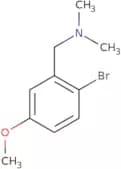
CAS:<p>N-Octylprop-2-enamide is a monomer of methacrylic acid copolymer. It is a stable complex and has an efflux pump that can be used to transport drugs across the cell membrane. The hydroxy group, carbonyl group, and double bonds in this molecule are responsible for its optical properties. The film-forming polymer stabilizes the molecule and prevents it from evaporating or breaking down. The viscosity of this polymer is affected by the type of fatty acid used in the polymerization process and can be titrated calorimetrically. N-Octylprop-2-enamide has been shown to have an inhibitory effect on crotonic acid production in bacteria such as Acinetobacter baumannii.</p>Formula:C11H21NOPurity:Min. 95%Molecular weight:183.29 g/mol2-Bromo-5-methoxy-N,N-dimethylbenzylamine
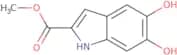
CAS:<p>Versatile small molecule scaffold</p>Formula:C10H14BrNOPurity:Min. 95%Molecular weight:244.13 g/molMethyl 5,6-dihydroxy-1H-indole-2-carboxylate
CAS:<p>Methyl 5,6-dihydroxy-1H-indole-2-carboxylate is a neutral molecule that has the potential to be used as an antioxidant. It is a substrate for the enzyme tyrosinase and can react with other molecules to form eumelanin. Methyl 5,6-dihydroxy-1H-indole-2-carboxylate reacts with reactive oxygen species (ROS) and may play an important role in the protection of cells from oxidative damage. Methyl 5,6-dihydroxy-1H-indole-2-carboxylate also has been shown to have synergistic effects with natural compounds such as dopamine and phenolic compounds. This compound can be found in natural sources such as plants and animals. The structure of this compound has been determined by chemical analysis using daltons and chromatography.</p>Formula:C10H9NO4Purity:Min. 95%Molecular weight:207.18 g/molDimethylthetin chloride
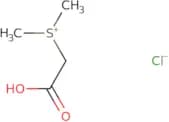
CAS:<p>Please enquire for more information about Dimethylthetin chloride including the price, delivery time and more detailed product information at the technical inquiry form on this page</p>Formula:C4H9ClO2SPurity:Min. 95%Molecular weight:156.63 g/mol5-(bromomethyl)-1-benzothiophene
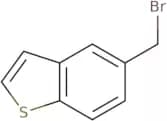
CAS:<p>5-(bromomethyl)-1-benzothiophene is a biochemical that is found in the environment. It has been shown to be an antibiotic drug that binds to apolar regions of bacterial cell membranes and inhibits catalysis by binding to the enzyme's active site. This inhibition leads to the disruption of bacterial biosynthesis, which results in the death of bacteria. 5-(bromomethyl)-1-benzothiophene has been shown to have antimicrobial activity against isolates of Mycobacterium tuberculosis, Mycobacterium avium complex, and Staphylococcus aureus.</p>Formula:C9H7BrSPurity:Min. 95%Molecular weight:227.12 g/molBenzo[b]thiophene-4-carboxaldehyde
CAS:<p>Versatile small molecule scaffold</p>Formula:C9H6OSPurity:Min. 95%Molecular weight:162.21 g/molBenzo[b]thiophene-5-carbaldehyde
CAS:<p>Benzo[b]thiophene-5-carbaldehyde is a cytotoxic compound that is catalyzed to produce toxic metabolites. It has an agonistic effect on the nicotinic acetylcholine receptor and can be used for the treatment of nicotine addiction. Benzo[b]thiophene-5-carbaldehyde inhibits tumor cell growth in culture by inhibiting metabolic processes, including formylation, which leads to the production of stable compounds. It also has inhibitory effects on aldehyde dehydrogenase, which is involved in the conversion of glucose into glyceraldehyde 3-phosphate. This prevents glycolysis from proceeding and leads to cell death.</p>Formula:C9H6OSPurity:Min. 95%Molecular weight:162.21 g/mol(5-Nitro-1,3-dioxo-1,3-dihydro-2H-isoindol-2-yl)acetic acid
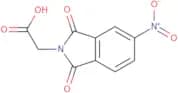
CAS:<p>Versatile small molecule scaffold</p>Formula:C10H6N2O6Purity:Min. 95%Molecular weight:250.16 g/molBenzo[b]thiophene-7-carboxylic acid
CAS:<p>Benzo[b]thiophene-7-carboxylic acid is a versatile compound that has various applications in the field of research. It is commonly used as a precursor or intermediate in the synthesis of different compounds, including carbostyril derivatives and nitro-substituted benzo[b]thiophenes. This compound has also been utilized as a fluorescent probe for detecting gamma-aminobutyric acid (GABA) receptors and studying their binding affinity.</p>Formula:C9H6O2SPurity:Min. 95%Molecular weight:178.21 g/mol3-bromo-1-benzothiophene-2-carbaldehyde
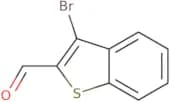
CAS:<p>3-Bromo-1-benzothiophene-2-carbaldehyde (BBTA) is a ligand that has been used extensively in supramolecular chemistry. It has a strong binding constant to formyl and chloride ions, which are important in the study of fluorescence. The tautomers of this compound have been shown to be fluorescent in dimethylformamide, and it can be easily synthesized by reacting piperidine with formaldehyde. This ligand can exist as different isomeric forms depending on the substituents on the benzene ring. 3-Bromo-1-benzothiophene-2-carbaldehyde behaves as a bidentate ligand, meaning that it binds to two different sites on an atom or molecule. The functional theory for this compound is based on the interaction between its two carbonyl groups and two halides, which lead to a series of conjugated double bonds.</p>Formula:C9H5BrOSPurity:Min. 95%Molecular weight:241.1 g/mol6-Phenylimidazo[2,1-b][1,3,4]thiadiazol-2-amine
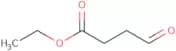
CAS:<p>Versatile small molecule scaffold</p>Formula:C10H8N4SPurity:Min. 95%Molecular weight:216.26 g/molEthyl 4-oxobutanoate
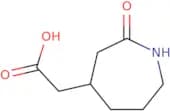
CAS:<p>Ethyl 4-oxobutanoate is a volatile compound that belongs to the group of organic compounds. It has an unpleasant odor and taste, which may be due to its deamination. It is also classified as a glutamic acid derivative because it is synthesised from L-glutamic acid. Ethyl 4-oxobutanoate has been shown to have antibacterial properties against Gram-positive bacteria such as staphylococcus aureus and listeria monocytogenes. The antimicrobial activity of ethyl 4-oxobutanoate is related to its ability to inhibit bacterial protein synthesis by deaminating L-glutamic acid and forming an adduct with the ribosome.</p>Formula:C6H10O3Purity:Min. 95%Molecular weight:130.14 g/mol2-(2-Oxoazepan-4-yl)acetic acid
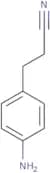
CAS:<p>Versatile small molecule scaffold</p>Formula:C8H13NO3Purity:Min. 95%Molecular weight:171.19 g/mol3-(4-Aminophenyl)propanenitrile
CAS:<p>Versatile small molecule scaffold</p>Formula:C9H10N2Purity:Min. 95%Molecular weight:146.19 g/mol3-(4-Aminophenyl)-1-phenylurea
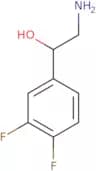
CAS:<p>Versatile small molecule scaffold</p>Formula:C13H13N3OPurity:Min. 95%Molecular weight:227.26 g/mol2-Amino-1-(3,4-difluorophenyl)ethan-1-ol
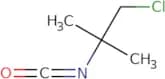
CAS:<p>Versatile small molecule scaffold</p>Formula:C8H9F2NOPurity:Min. 95%Molecular weight:173.16 g/mol1-Chloro-2-isocyanato-2-methylpropane
CAS:<p>Versatile small molecule scaffold</p>Formula:C5H8ClNOPurity:Min. 95%Molecular weight:133.57 g/mol2-(1-Carboxy-1-methylethoxy)-2-methylpropanoic acid
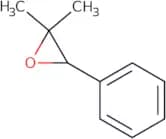
CAS:<p>Versatile small molecule scaffold</p>Formula:C8H14O5Purity:Min. 95%Molecular weight:190.19 g/mol2,2-Dimethyl-3-phenyloxirane
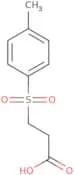
CAS:<p>2,2-Dimethyl-3-phenyloxirane is a hydroxy substituted cyclohexene. It can be synthesized by the elimination of hydroxy groups in cyclohexane. Hydroxy groups are eliminated through reaction with ethylene oxide and phosphonic acid. The compound can be used as an intermediate for the production of some pharmaceuticals, such as adrenoreceptor agonists and alicyclic drugs. 2,2-Dimethyl-3-phenyloxirane has a chemical formula of C8H14O2. It contains 8 carbon atoms, 14 hydrogen atoms, and 2 oxygen atoms. It also has a molecular weight of 136.22 g/mol and a density of 0.86 g/cm3 at 20°C and 1 atmosphere pressure.</p>Formula:C10H12OPurity:Min. 95%Molecular weight:148.2 g/mol3-(4-Methylbenzenesulfonyl)propanoic acid
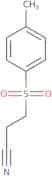
CAS:<p>3-(4-Methylbenzenesulfonyl)propanoic acid (MBPSA) is a tosylated analog of the electrophile propanoic acid. It reacts with nucleophiles and heteroatoms to form an ionic product with a negative charge on the carbon atom adjacent to the sulfonate group. The carbonyl group in MBPSA is susceptible to nucleophilic attack by lithium, forming lithium enolate. This enolate can react with other electrophiles, such as anion or carbonyls, to form a new molecule containing the original electrophile and a sulfonate group.</p>Formula:C10H12O4SPurity:Min. 95%Molecular weight:228.27 g/mol3-(4-Methylbenzenesulfonyl)propanenitrile
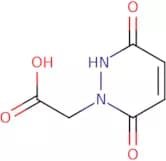
CAS:<p>Versatile small molecule scaffold</p>Formula:C10H11NO2SPurity:Min. 95%Molecular weight:209.27 g/mol(3-Hydroxy-6-oxo-6H-pyridazin-1-yl)-acetic acid
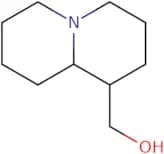
CAS:<p>Versatile small molecule scaffold</p>Formula:C6H6N2O4Purity:Min. 95%Molecular weight:170.12 g/mol(Octahydro-1H-quinolizin-1-yl)methanol
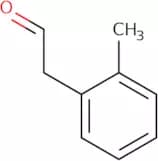
CAS:<p>Versatile small molecule scaffold</p>Formula:C10H19NOPurity:Min. 95%Molecular weight:169.26 g/mol(2-Methylphenyl)acetaldehyde
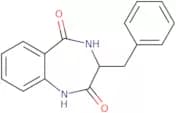
CAS:<p>(2-Methylphenyl)acetaldehyde is an enamine with a dimer. It can be used to synthesize amines and n-substituted amines. This compound has been shown to catalyze the dimerization of pinacolborane in the presence of protonation and deuterium activation. The regioselectivity of this reaction is dependent on the substituents on the 2-methylphenyl group. The reactivity of this compound is due to its ability to act as a nucleophile, which allows for reactions with electrophiles.</p>Formula:C9H10OPurity:Min. 95%Molecular weight:134.18 g/mol3-Benzyl-2,3,4,5-tetrahydro-1H-1,4-benzodiazepine-2,5-dione
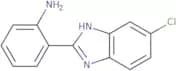
CAS:<p>Versatile small molecule scaffold</p>Formula:C16H14N2O2Purity:Min. 95%Molecular weight:266.29 g/mol2-(5-Chloro-1H-1,3-benzodiazol-2-yl)aniline
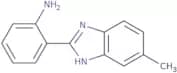
CAS:<p>Versatile small molecule scaffold</p>Formula:C13H10ClN3Purity:Min. 95%Molecular weight:243.69 g/mol2-(5-Methyl-1H-1,3-benzodiazol-2-yl)aniline
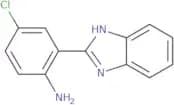
CAS:<p>Versatile small molecule scaffold</p>Formula:C14H13N3Purity:Min. 95%Molecular weight:223.27 g/mol2-(1H-1,3-Benzodiazol-2-yl)-4-chloroaniline
CAS:<p>Versatile small molecule scaffold</p>Formula:C13H10ClN3Purity:Min. 95%Molecular weight:243.69 g/mol[(2-Chlorophenyl)methyl]dimethylamine
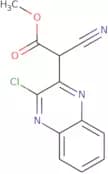
CAS:<p>Versatile small molecule scaffold</p>Formula:C9H12ClNPurity:Min. 95%Molecular weight:169.65 g/molMethyl 2-(3-chloroquinoxalin-2-yl)-2-cyanoacetate
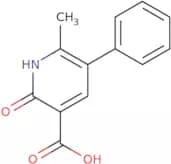
CAS:<p>Versatile small molecule scaffold</p>Formula:C12H8ClN3O2Purity:Min. 95%Molecular weight:261.66 g/mol6-Methyl-2-oxo-5-phenyl-1,2-dihydropyridine-3-carboxylic acid
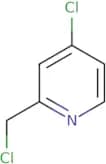
CAS:<p>Versatile small molecule scaffold</p>Formula:C13H11NO3Purity:Min. 95%Molecular weight:229.23 g/mol4-Chloro-2-(chloromethyl)pyridine
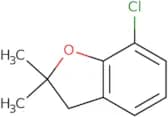
CAS:<p>4-Chloro-2-(chloromethyl)pyridine is a heterocyclic compound with the chemical formula CHClN. It is a colorless liquid that is soluble in organic solvents and insoluble in water. 4-Chloro-2-(chloromethyl)pyridine is used as a precursor to picolinic acid, an intermediate for the synthesis of pharmaceuticals and other products. 4-Chloro-2-(chloromethyl)pyridine also serves as a catalyst for the synthesis of thionyl chloride and amide from pyridine nitrogen chloride. The use of this compound for various purposes has been detected by x-ray crystal structures, which are obtained through coordination chemistry techniques.</p>Formula:C6H5Cl2NPurity:Min. 95%Molecular weight:162.02 g/mol7-Chloro-2,2-dimethyl-2,3-dihydro-1-benzofuran
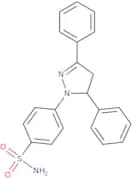
CAS:<p>Versatile small molecule scaffold</p>Formula:C10H11ClOPurity:Min. 95%Molecular weight:182.64 g/mol4-(3,5-Diphenyl-4,5-dihydro-1H-pyrazol-1-yl)benzenesulfonamide
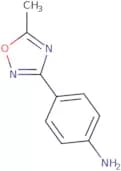
CAS:<p>Versatile small molecule scaffold</p>Formula:C21H19N3O2SPurity:Min. 95%Molecular weight:377.5 g/mol4-(5-Methyl-1,2,4-oxadiazol-3-yl)aniline
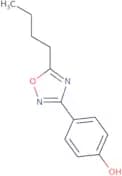
CAS:<p>Versatile small molecule scaffold</p>Formula:C9H9N3OPurity:Min. 95%Molecular weight:175.19 g/mol4-(5-Butyl-1,2,4-oxadiazol-3-yl)phenol
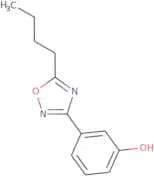
CAS:<p>Versatile small molecule scaffold</p>Formula:C12H14N2O2Purity:Min. 95%Molecular weight:218.25 g/mol3-(5-Butyl-1,2,4-oxadiazol-3-yl)phenol
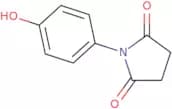
CAS:<p>Versatile small molecule scaffold</p>Formula:C12H14N2O2Purity:Min. 95%Molecular weight:218.25 g/mol1-(4-Hydroxyphenyl)pyrrolidine-2,5-dione
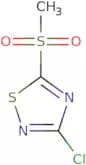
CAS:<p>Versatile small molecule scaffold</p>Formula:C10H9NO3Purity:Min. 95%Molecular weight:191.18 g/mol3-Chloro-5-methanesulfonyl-1,2,4-thiadiazole
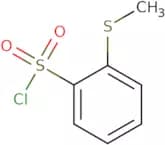
CAS:<p>Versatile small molecule scaffold</p>Formula:C3H3ClN2O2S2Purity:Min. 95%Molecular weight:198.7 g/mol2-(Methylsulfanyl)benzene-1-sulfonyl chloride
CAS:<p>Versatile small molecule scaffold</p>Formula:C7H7ClO2S2Purity:Min. 95%Molecular weight:222.7 g/mol

![Methyl 2-aminobenzo[d]thiazole-5-carboxylate](/_next/image/?url=https%3A%2Fstatic.cymitquimica.com%2Fproducts%2F3D%2Fthumb-webp%2FJIA45907.webp&w=3840&q=75)
![3-[(Methoxycarbonyl)Amino]-Benzoic Acid](/_next/image/?url=https%3A%2Fstatic.cymitquimica.com%2Fproducts%2F3D%2Fthumb-webp%2FJIA55166.webp&w=3840&q=75)
![5-Azaspiro[3.5]nonane-8-carboxylic acid hydrochloride](/_next/image/?url=https%3A%2Fstatic.cymitquimica.com%2Fproducts%2F3D%2Fthumb-webp%2FJSD44837.webp&w=3840&q=75)
![2-(3-{[(tert-Butoxy)carbonyl]amino}adamantan-1-yl)acetic acid](/_next/image/?url=https%3A%2Fstatic.cymitquimica.com%2Fproducts%2F3D%2Fthumb-webp%2FJSD44862.webp&w=3840&q=75)
![tert-Butyl 3-[5-amino-2-(methoxycarbonyl)phenoxy]pyrrolidine-1-carboxylate](/_next/image/?url=https%3A%2Fstatic.cymitquimica.com%2Fproducts%2F3D%2Fthumb-webp%2FJSD44863.webp&w=3840&q=75)
![Spiro[3.4]octane-6-carboxylic acid](/_next/image/?url=https%3A%2Fstatic.cymitquimica.com%2Fproducts%2F3D%2Fthumb-webp%2FJSD44893.webp&w=3840&q=75)
![3-{1-[(tert-Butoxy)carbonyl]piperidin-2-yl}-2-{[(9H-fluoren-9-yl)methyl]amino}propanoic acid](/_next/image/?url=https%3A%2Fstatic.cymitquimica.com%2Fproducts%2F3D%2Fthumb-webp%2FJSD44985.webp&w=3840&q=75)
![4-{3-Methyl-[1,2,4]triazolo[4,3-b]pyridazin-6-yl}piperidine dihydrochloride](/_next/image/?url=https%3A%2Fstatic.cymitquimica.com%2Fproducts%2F3D%2Fthumb-webp%2FJSD45646.webp&w=3840&q=75)
![rac-(5S,8S)-8-(Propan-2-yl)-1,3-diazaspiro[4.5]decane-2,4-dione](/_next/image/?url=https%3A%2Fstatic.cymitquimica.com%2Fproducts%2F3D%2Fthumb-webp%2FJSD45676.webp&w=3840&q=75)
![3-(Aminomethyl)-5-methyl-4H,5H,6H,7H-pyrazolo[1,5-a]pyrazin-4-one](/_next/image/?url=https%3A%2Fstatic.cymitquimica.com%2Fproducts%2F3D%2Fthumb-webp%2FJSD45751.webp&w=3840&q=75)
![3-[2-(Dimethylamino)ethoxy]-4-methoxyaniline dihydrochloride](/_next/image/?url=https%3A%2Fstatic.cymitquimica.com%2Fproducts%2F3D%2Fthumb-webp%2FJSD45775.webp&w=3840&q=75)
![2-{Spiro[3.3]heptan-1-yl}acetic acid](/_next/image/?url=https%3A%2Fstatic.cymitquimica.com%2Fproducts%2F3D%2Fthumb-webp%2FJSD45781.webp&w=3840&q=75)
![2,8-Dimethyl-5H,6H,7H,8H-imidazo[1,2-a]pyridine-6-carboxylic acid hydrochloride](/_next/image/?url=https%3A%2Fstatic.cymitquimica.com%2Fproducts%2F3D%2Fthumb-webp%2FJSD45981.webp&w=3840&q=75)
![{Bicyclo[3.1.0]hexan-6-yl}methanamine hydrochloride](/_next/image/?url=https%3A%2Fstatic.cymitquimica.com%2Fproducts%2F3D%2Fthumb-webp%2FJSD46025.webp&w=3840&q=75)
![1'-[(tert-Butoxy)carbonyl]-4-(acetamidomethyl)-3-oxaspiro[bicyclo[2.1.1]hexane-2,4'-piperidine]-1-…](/_next/image/?url=https%3A%2Fstatic.cymitquimica.com%2Fproducts%2F3D%2Fthumb-webp%2FJSD46161.webp&w=3840&q=75)
![Methyl 2-({1-[(tert-butoxy)carbonyl]azetidin-3-yl}methoxy)pyridine-4-carboxylate](/_next/image/?url=https%3A%2Fstatic.cymitquimica.com%2Fproducts%2F3D%2Fthumb-webp%2FJSD46164.webp&w=3840&q=75)
![Methyl (5R,8R)-1-azaspiro[4.5]decane-8-carboxylate hydrochloride](/_next/image/?url=https%3A%2Fstatic.cymitquimica.com%2Fproducts%2F3D%2Fthumb-webp%2FJSD46200.webp&w=3840&q=75)
![tert-Butyl N-[3-(piperidin-2-yl)-1H-pyrazol-4-yl]carbamate](/_next/image/?url=https%3A%2Fstatic.cymitquimica.com%2Fproducts%2F3D%2Fthumb-webp%2FJSD46217.webp&w=3840&q=75)
![2,2-Dioxo-2λ⁶-thia-1-azabicyclo[2.1.1]hexane-4-carbonitrile](/_next/image/?url=https%3A%2Fstatic.cymitquimica.com%2Fproducts%2F3D%2Fthumb-webp%2FJSD46241.webp&w=3840&q=75)
![2-{5-Oxa-8-azaspiro[3.5]nonan-6-yl}acetic acid hydrochloride](/_next/image/?url=https%3A%2Fstatic.cymitquimica.com%2Fproducts%2F3D%2Fthumb-webp%2FJSD46243.webp&w=3840&q=75)
![{8-Thia-2-azaspiro[4.5]decan-3-yl}methanol hydrochloride](/_next/image/?url=https%3A%2Fstatic.cymitquimica.com%2Fproducts%2F3D%2Fthumb-webp%2FJSD46563.webp&w=3840&q=75)
![5-Oxaspiro[3.4]octane-1-carboxylic acids](/_next/image/?url=https%3A%2Fstatic.cymitquimica.com%2Fproducts%2F3D%2Fthumb-webp%2FJSD46797.webp&w=3840&q=75)
![8-Oxaspiro[4.5]decan-2-amine hydrochloride](/_next/image/?url=https%3A%2Fstatic.cymitquimica.com%2Fproducts%2F3D%2Fthumb-webp%2FJSD46838.webp&w=3840&q=75)
![3-[(tert-Butoxy)carbonyl]-9-({[(9H-fluoren-9-yl)methoxy]carbonyl}amino)-3-azabicyclo[3.3.1]nonane-…](/_next/image/?url=https%3A%2Fstatic.cymitquimica.com%2Fproducts%2F3D%2Fthumb-webp%2FJSD46879.webp&w=3840&q=75)
![tert-Butyl N-[1-(1H-1,2,3,4-tetrazol-5-yl)propan-2-yl]carbamate](/_next/image/?url=https%3A%2Fstatic.cymitquimica.com%2Fproducts%2F3D%2Fthumb-webp%2FJSD46898.webp&w=3840&q=75)
![tert-Butyl 3-(chloromethyl)-1H,4H,5H,6H,7H-pyrazolo[4,3-c]pyridine-5-carboxylate hydrochloride](/_next/image/?url=https%3A%2Fstatic.cymitquimica.com%2Fproducts%2F3D%2Fthumb-webp%2FJSD46942.webp&w=3840&q=75)
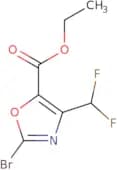
![tert-Butyl N-{5-aminobicyclo[2.2.1]heptan-2-yl}carbamate hydrochloride](/_next/image/?url=https%3A%2Fstatic.cymitquimica.com%2Fproducts%2F3D%2Fthumb-webp%2FJSD47499.webp&w=3840&q=75)
![Methyl 9-hydroxy-3-azabicyclo[3.3.1]nonane-7-carboxylate hydrochloride](/_next/image/?url=https%3A%2Fstatic.cymitquimica.com%2Fproducts%2F3D%2Fthumb-webp%2FJSD47530.webp&w=3840&q=75)
![{1-[(Methylamino)methyl]cyclopropyl}methanol hydrochloride](/_next/image/?url=https%3A%2Fstatic.cymitquimica.com%2Fproducts%2F3D%2Fthumb-webp%2FJSD47553.webp&w=3840&q=75)
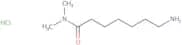
![5-[(4-Methoxyphenyl)methyl]-1,3-thiazol-2-amine hydrochloride](/_next/image/?url=https%3A%2Fstatic.cymitquimica.com%2Fproducts%2F3D%2Fthumb-webp%2FJSD47656.webp&w=3840&q=75)
![4-Oxo-4,5,6,7-tetrahydro-pyrazolo[1,5-a]pyridine-2-carboxylic acid](/_next/image/?url=https%3A%2Fstatic.cymitquimica.com%2Fproducts%2F3D%2Fthumb-webp%2FJTA15720.webp&w=3840&q=75)
![5-[(Diethylamino)methyl]furan-2-carboxylic acid](/_next/image/?url=https%3A%2Fstatic.cymitquimica.com%2Fproducts%2F3D%2Fthumb-webp%2FJTA79581.webp&w=3840&q=75)
![5-(2-{[2-(2,5-Dioxoimidazolidin-4-yl)ethyl]disulfanyl}ethyl)imidazolidine-2,4-dione](/_next/image/?url=https%3A%2Fstatic.cymitquimica.com%2Fproducts%2F3D%2Fthumb-webp%2FJTA81866.webp&w=3840&q=75)
![[(4R)-2,5-Dioxoimidazolidin-4-yl]methanesulfonyl chloride](/_next/image/?url=https%3A%2Fstatic.cymitquimica.com%2Fproducts%2F3D%2Fthumb-webp%2FJTA81867.webp&w=3840&q=75)
amino}cyclobutane-1-carboxylic acid, Mixture of diastereomers](/_next/image/?url=https%3A%2Fstatic.cymitquimica.com%2Fproducts%2F3D%2Fthumb-webp%2FJZB17674.webp&w=3840&q=75)
![2-[4-(Fluoromethyl)phenyl]-4,4,5,5-tetramethyl-1,3,2-dioxaborolane](/_next/image/?url=https%3A%2Fstatic.cymitquimica.com%2Fproducts%2F3D%2Fthumb-webp%2FJZB31913.webp&w=3840&q=75)
![Methyl 3-[3-(dimethylamino)phenyl]propanoate](/_next/image/?url=https%3A%2Fstatic.cymitquimica.com%2Fproducts%2F3D%2Fthumb-webp%2FJZB50356.webp&w=3840&q=75)
![8-Bromoimidazo[1,2-a]pyridine-6-carboxylic acid](/_next/image/?url=https%3A%2Fstatic.cymitquimica.com%2Fproducts%2F3D%2Fthumb-webp%2FJZB61606.webp&w=3840&q=75)
![methyl 3-bromoimidazo[1,2-b]pyridazine-6-carboxylate](/_next/image/?url=https%3A%2Fstatic.cymitquimica.com%2Fproducts%2F3D%2Fthumb-webp%2FJZB61607.webp&w=3840&q=75)
![3-bromo-pyrazolo[1,5-a]pyrimidine-6-carboxaldehyde](/_next/image/?url=https%3A%2Fstatic.cymitquimica.com%2Fproducts%2F3D%2Fthumb-webp%2FJZB61643.webp&w=3840&q=75)
![5-Chloropyrazolo[1,5-a]pyrimidin-3-amine](/_next/image/?url=https%3A%2Fstatic.cymitquimica.com%2Fproducts%2F3D%2Fthumb-webp%2FJZB61650.webp&w=3840&q=75)
![tert-Butyl 7-oxo-2,6-diazaspiro[3.4]octane-2-carboxylate](/_next/image/?url=https%3A%2Fstatic.cymitquimica.com%2Fproducts%2F3D%2Fthumb-webp%2FJZB61651.webp&w=3840&q=75)
![Methyl 5-bromo-1H-pyrrolo[2,3-b]pyridine-2-carboxylate](/_next/image/?url=https%3A%2Fstatic.cymitquimica.com%2Fproducts%2F3D%2Fthumb-webp%2FJZB61683.webp&w=3840&q=75)
![(2S)-2-{[(tert-Butoxy)carbonyl]amino}hept-6-ynoic acid](/_next/image/?url=https%3A%2Fstatic.cymitquimica.com%2Fproducts%2F3D%2Fthumb-webp%2FJZB69259.webp&w=3840&q=75)
![3-Phenyl-2-azaspiro[3.5]nonan-1-one](/_next/image/?url=https%3A%2Fstatic.cymitquimica.com%2Fproducts%2F3D%2Fthumb-webp%2FJZC53642.webp&w=3840&q=75)
![{1-[Amino(phenyl)methyl]cyclopentyl}methanol](/_next/image/?url=https%3A%2Fstatic.cymitquimica.com%2Fproducts%2F3D%2Fthumb-webp%2FJZC65290.webp&w=3840&q=75)
![[5-Bromo-2-(2,2-difluoroethoxy)pyridin-4-yl]methanol](/_next/image/?url=https%3A%2Fstatic.cymitquimica.com%2Fproducts%2F3D%2Fthumb-webp%2FJZC65304.webp&w=3840&q=75)

![1-[1-(3-Chlorophenyl)-5-methyl-1H-pyrazol-4-yl]ethan-1-one](/_next/image/?url=https%3A%2Fstatic.cymitquimica.com%2Fproducts%2F3D%2Fthumb-webp%2FKAA02179.webp&w=3840&q=75)
![7-Methyl-benzo[1,2-D:4,3-D']bisthiazol-2-ylamine](/_next/image/?url=https%3A%2Fstatic.cymitquimica.com%2Fproducts%2F3D%2Fthumb-webp%2FKAA02329.webp&w=3840&q=75)
![N4-{7-Chloro-2-[2-(2-chloro-phenyl)-vinyl]-quinolin-4-yl}-N1,N1-diethyl-pentane-1,4-diamine](/_next/image/?url=https%3A%2Fstatic.cymitquimica.com%2Fproducts%2F3D%2Fthumb-webp%2FKAA02354.webp&w=3840&q=75)

![Bicyclo[3.3.1]nonan-3-one](/_next/image/?url=https%3A%2Fstatic.cymitquimica.com%2Fproducts%2F3D%2Fthumb-webp%2FKAA03609.webp&w=3840&q=75)

![Benzo[b]thiophene-4-carboxaldehyde](/_next/image/?url=https%3A%2Fstatic.cymitquimica.com%2Fproducts%2F3D%2Fthumb-webp%2FKAA13325.webp&w=3840&q=75)
![Benzo[b]thiophene-5-carbaldehyde](/_next/image/?url=https%3A%2Fstatic.cymitquimica.com%2Fproducts%2F3D%2Fthumb-webp%2FKAA13330.webp&w=3840&q=75)
![Benzo[b]thiophene-7-carboxylic acid](/_next/image/?url=https%3A%2Fstatic.cymitquimica.com%2Fproducts%2F3D%2Fthumb-webp%2FKAA13498.webp&w=3840&q=75)
![6-Phenylimidazo[2,1-b][1,3,4]thiadiazol-2-amine](/_next/image/?url=https%3A%2Fstatic.cymitquimica.com%2Fproducts%2F3D%2Fthumb-webp%2FKAA13664.webp&w=3840&q=75)

![[(2-Chlorophenyl)methyl]dimethylamine](/_next/image/?url=https%3A%2Fstatic.cymitquimica.com%2Fproducts%2F3D%2Fthumb-webp%2FKAA17531.webp&w=3840&q=75)