Building Blocks
This section contains fundamental products for the synthesis of organic and biological compounds. Building blocks are the essential starting materials used to construct complex molecules through various chemical reactions. They play a critical role in drug discovery, material science, and chemical research. At CymitQuimica, we offer a diverse range of high-quality building blocks to support your innovative research and industrial projects, ensuring you have the essential components for successful synthesis.
Subcategories of "Building Blocks"
- Boronic Acids & Boronic Acid Derivatives(5,756 products)
- Chiral Building Blocks(1,242 products)
- Hydrocarbon Building Blocks(6,095 products)
- Organic Building Blocks(61,037 products)
Found 196139 products of "Building Blocks"
Sort by
Purity (%)
0
100
|
0
|
50
|
90
|
95
|
100
[(4-Chlorophenyl)(4-fluorophenyl)methyl](methyl)amine
CAS:<p>Versatile small molecule scaffold</p>Formula:C14H13ClFNPurity:Min. 95%Molecular weight:249.71 g/mol[1-(4-Chlorophenyl)-2,2-dimethylpropyl](methyl)amine
CAS:<p>Versatile small molecule scaffold</p>Formula:C12H18ClNPurity:Min. 95%Molecular weight:211.73 g/mol[(4-Chlorophenyl)(pyridin-3-yl)methyl](methyl)amine
CAS:<p>Versatile small molecule scaffold</p>Formula:C13H13ClN2Purity:Min. 95%Molecular weight:232.71 g/mol1-[(5-Chlorothiophen-2-yl)methyl]piperidine-4-carboxylic acid
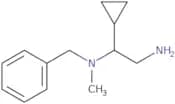
CAS:<p>Versatile small molecule scaffold</p>Formula:C11H14ClNO2SPurity:Min. 95%Molecular weight:259.75 g/mol(2-Amino-1-cyclopropylethyl)(benzyl)methylamine
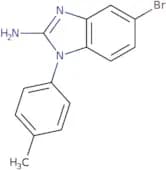
CAS:<p>Versatile small molecule scaffold</p>Formula:C13H20N2Purity:Min. 95%Molecular weight:204.31 g/mol5-Bromo-1-(4-methylphenyl)-1H-1,3-benzodiazol-2-amine
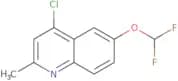
CAS:<p>Versatile small molecule scaffold</p>Formula:C14H12BrN3Purity:Min. 95%Molecular weight:302.17 g/mol4-Chloro-6-(difluoromethoxy)-2-methylquinoline
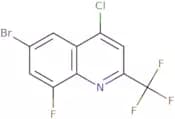
CAS:<p>Versatile small molecule scaffold</p>Formula:C11H8ClF2NOPurity:Min. 95%Molecular weight:243.63 g/mol6-Bromo-4-chloro-8-fluoro-2-(trifluoromethyl)quinoline
CAS:<p>Versatile small molecule scaffold</p>Formula:C10H3BrClF4NPurity:Min. 95%Molecular weight:328.49 g/mol2-{[(tert-Butoxy)carbonyl](cyclopropylmethyl)amino}acetic acid
CAS:<p>Versatile small molecule scaffold</p>Formula:C11H19NO4Purity:Min. 95%Molecular weight:229.27 g/molEthyl 4-[(cyclopropylmethyl)amino]benzoate
CAS:<p>Versatile small molecule scaffold</p>Formula:C13H17NO2Purity:Min. 95%Molecular weight:219.28 g/mol{[1-(2-Methoxyethyl)-3,5-dimethyl-1H-pyrazol-4-yl]methyl}(methyl)amine
CAS:<p>Versatile small molecule scaffold</p>Formula:C10H19N3OPurity:Min. 95%Molecular weight:197.28 g/mol[2-(4-Chlorophenyl)ethyl](cyclopropylmethyl)amine
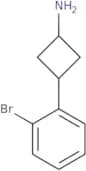
CAS:Controlled Product<p>Versatile small molecule scaffold</p>Formula:C12H16ClNPurity:Min. 95%Molecular weight:209.71 g/mol3-(2-Bromophenyl)cyclobutan-1-amine
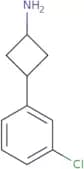
CAS:<p>Versatile small molecule scaffold</p>Formula:C10H12BrNPurity:Min. 95%Molecular weight:226.11 g/mol3-(3-Chlorophenyl)cyclobutan-1-amine
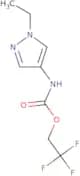
CAS:<p>Versatile small molecule scaffold</p>Formula:C10H12ClNPurity:Min. 95%Molecular weight:181.66 g/mol2,2,2-Trifluoroethyl N-(1-ethyl-1H-pyrazol-4-yl)carbamate
CAS:<p>Versatile small molecule scaffold</p>Formula:C8H10F3N3O2Purity:Min. 95%Molecular weight:237.18 g/mol2,3-Dihydro-benzo[b]thiophene-3-methanamine 1,1-dioxide
CAS:<p>Versatile small molecule scaffold</p>Formula:C9H11NO2SPurity:Min. 95%Molecular weight:197.26 g/molN-[(5-Bromothiophen-3-yl)methyl]cyclopropanamine
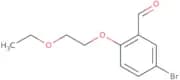
CAS:<p>Versatile small molecule scaffold</p>Formula:C8H10BrNSPurity:Min. 95%Molecular weight:232.14 g/mol5-Bromo-2-(2-ethoxyethoxy)benzaldehyde
CAS:<p>Versatile small molecule scaffold</p>Formula:C11H13BrO3Purity:Min. 95%Molecular weight:273.12 g/mol[1-(5-Methylfuran-2-carbonyl)piperidin-3-yl]methanol
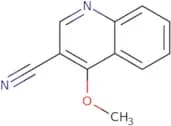
CAS:<p>Versatile small molecule scaffold</p>Formula:C12H17NO3Purity:Min. 95%Molecular weight:223.27 g/mol4-Methoxyquinoline-3-carbonitrile
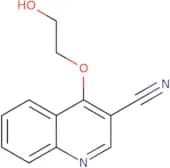
CAS:<p>Versatile small molecule scaffold</p>Formula:C11H8N2OPurity:Min. 95%Molecular weight:184.19 g/mol4-(2-Hydroxyethoxy)quinoline-3-carbonitrile
CAS:<p>Versatile small molecule scaffold</p>Formula:C12H10N2O2Purity:Min. 95%Molecular weight:214.22 g/mol1-[4-(Prop-2-yn-1-yloxy)phenyl]propan-1-ol
CAS:<p>Versatile small molecule scaffold</p>Formula:C12H14O2Purity:Min. 95%Molecular weight:190.24 g/mol1-[3-(Prop-2-yn-1-yloxy)phenyl]ethan-1-ol
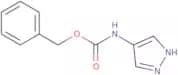
CAS:<p>Versatile small molecule scaffold</p>Formula:C11H12O2Purity:Min. 95%Molecular weight:176.21 g/molBenzyl N-(1H-pyrazol-4-yl)carbamate
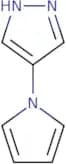
CAS:<p>Versatile small molecule scaffold</p>Formula:C11H11N3O2Purity:Min. 95%Molecular weight:217.22 g/mol4-(1H-Pyrrol-1-yl)-1H-pyrazole
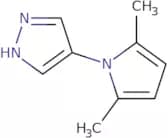
CAS:<p>Versatile small molecule scaffold</p>Formula:C7H7N3Purity:Min. 95%Molecular weight:133.15 g/mol4-(2,5-Dimethyl-1H-pyrrol-1-yl)-1H-pyrazole
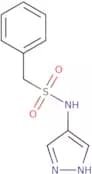
CAS:<p>Versatile small molecule scaffold</p>Formula:C9H11N3Purity:Min. 95%Molecular weight:161.2 g/mol1-Phenyl-N-(1H-pyrazol-4-yl)methanesulfonamide
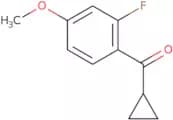
CAS:<p>Versatile small molecule scaffold</p>Formula:C10H11N3O2SPurity:Min. 95%Molecular weight:237.28 g/molCyclopropyl(2-fluoro-4-methoxyphenyl)methanone
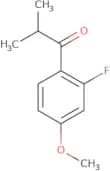
CAS:<p>Versatile small molecule scaffold</p>Formula:C11H11FO2Purity:Min. 95%Molecular weight:194.2 g/mol1-(2-Fluoro-4-methoxyphenyl)-2-methylpropan-1-one
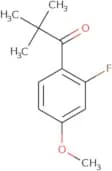
CAS:<p>Versatile small molecule scaffold</p>Formula:C11H13FO2Purity:Min. 95%Molecular weight:196.22 g/mol1-(2-Fluoro-4-methoxyphenyl)-2,2-dimethylpropan-1-one
CAS:<p>Versatile small molecule scaffold</p>Formula:C12H15FO2Purity:Min. 95%Molecular weight:210.24 g/mol3-Chloro-6-[3-(difluoromethoxy)phenyl]pyridazine
CAS:<p>Versatile small molecule scaffold</p>Formula:C11H7ClF2N2OPurity:Min. 95%Molecular weight:256.63 g/mol1-N,1-N-Dimethyl-4-N-[1-(pyridin-2-yl)ethyl]benzene-1,4-diamine
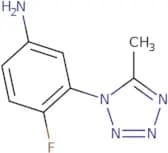
CAS:<p>Versatile small molecule scaffold</p>Formula:C15H19N3Purity:Min. 95%Molecular weight:241.33 g/mol4-Fluoro-3-(5-methyl-1H-1,2,3,4-tetrazol-1-yl)aniline
CAS:<p>Versatile small molecule scaffold</p>Formula:C8H8FN5Purity:Min. 95%Molecular weight:193.18 g/mol2-Fluoro-5-(5-methyl-1H-1,2,3,4-tetrazol-1-yl)aniline
CAS:<p>Versatile small molecule scaffold</p>Formula:C8H8FN5Purity:Min. 95%Molecular weight:193.18 g/mol3-[2-(Dimethyl-1,2-oxazol-4-yl)acetamido]benzoic acid
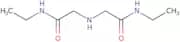
CAS:<p>Versatile small molecule scaffold</p>Formula:C14H14N2O4Purity:Min. 95%Molecular weight:274.3 g/mol2,2'-Azanediylbis(N-ethylacetamide)
CAS:<p>Versatile small molecule scaffold</p>Formula:C8H17N3O2Purity:Min. 95%Molecular weight:187.24 g/molN-[4-(1-Hydroxyethyl)phenyl]benzamide
CAS:<p>Versatile small molecule scaffold</p>Formula:C15H15NO2Purity:Min. 95%Molecular weight:241.28 g/mol2-[(2-Methoxyethyl)amino]-2-methylpropan-1-ol
CAS:<p>Versatile small molecule scaffold</p>Formula:C7H17NO2Purity:Min. 95%Molecular weight:147.22 g/mol2-{[(4-Bromo-2-fluorophenyl)methyl]sulfanyl}ethan-1-ol
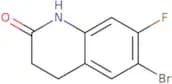
CAS:<p>Versatile small molecule scaffold</p>Formula:C9H10BrFOSPurity:Min. 95%Molecular weight:265.14 g/mol6-Bromo-7-fluoro-3,4-dihydroquinolin-2(1H)-one
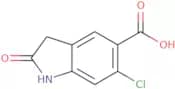
CAS:<p>Versatile small molecule scaffold</p>Formula:C9H7NOFBrPurity:Min. 95%Molecular weight:244.06 g/mol6-Chloro-2-oxo-2,3-dihydro-1H-indole-5-carboxylic acid
CAS:<p>Versatile small molecule scaffold</p>Formula:C9H6ClNO3Purity:Min. 95%Molecular weight:211.6 g/mol1-{3-Methoxy-4-[(3-methoxyphenyl)methoxy]phenyl}ethan-1-ol
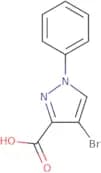
CAS:<p>Versatile small molecule scaffold</p>Formula:C17H20O4Purity:Min. 95%Molecular weight:288.3 g/mol4-Bromo-1-phenyl-1H-pyrazole-3-carboxylic acid
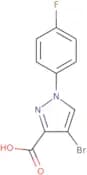
CAS:<p>Versatile small molecule scaffold</p>Formula:C10H7BrN2O2Purity:Min. 95%Molecular weight:267.08 g/mol4-Bromo-1-(4-fluorophenyl)-1H-pyrazole-3-carboxylic acid
CAS:<p>Versatile small molecule scaffold</p>Formula:C10H6BrFN2O2Purity:Min. 95%Molecular weight:285.07 g/mol4-[(Dimethyl-4H-1,2,4-triazol-3-yl)methoxy]aniline
CAS:<p>Versatile small molecule scaffold</p>Formula:C11H14N4OPurity:Min. 95%Molecular weight:218.26 g/mol1-[3-(Propan-2-yloxy)phenyl]ethan-1-ol
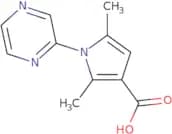
CAS:<p>Versatile small molecule scaffold</p>Formula:C11H16O2Purity:Min. 95%Molecular weight:180.24 g/mol2,5-Dimethyl-1-(pyrazin-2-yl)-1H-pyrrole-3-carboxylic acid
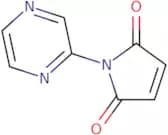
CAS:<p>Versatile small molecule scaffold</p>Formula:C11H11N3O2Purity:Min. 95%Molecular weight:217.22 g/mol1-(Pyrazin-2-yl)-2,5-dihydro-1H-pyrrole-2,5-dione
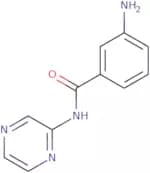
CAS:<p>Versatile small molecule scaffold</p>Formula:C8H5N3O2Purity:Min. 95%Molecular weight:175.14 g/mol3-Amino-N-(pyrazin-2-yl)benzamide
CAS:<p>Versatile small molecule scaffold</p>Formula:C11H10N4OPurity:Min. 95%Molecular weight:214.22 g/mol3-[(5-Cyclopropyl-1,3,4-oxadiazol-2-yl)carbamoyl]propanoic acid
CAS:<p>Versatile small molecule scaffold</p>Formula:C9H11N3O4Purity:Min. 95%Molecular weight:225.2 g/mol2-{2-[(4-Cyanophenyl)methanesulfonamido]acetamido}acetic acid
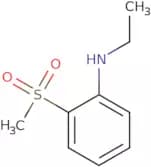
CAS:<p>Versatile small molecule scaffold</p>Formula:C12H13N3O5SPurity:Min. 95%Molecular weight:311.32 g/molN-Ethyl-2-methanesulfonylaniline
CAS:<p>Versatile small molecule scaffold</p>Formula:C9H13NO2SPurity:Min. 95%Molecular weight:199.27 g/mol3-[(2-Methylpropane-2-sulfonyl)methyl]aniline
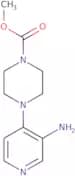
CAS:<p>Versatile small molecule scaffold</p>Formula:C11H17NO2SPurity:Min. 95%Molecular weight:227.33 g/molMethyl 4-(3-aminopyridin-4-yl)piperazine-1-carboxylate
CAS:<p>Versatile small molecule scaffold</p>Formula:C11H16N4O2Purity:Min. 95%Molecular weight:236.27 g/mol1-[(4-Chlorophenyl)methyl]-3,5-dimethyl-1H-pyrazole-4-carboxylic acid
CAS:<p>Versatile small molecule scaffold</p>Formula:C13H13ClN2O2Purity:Min. 95%Molecular weight:264.71 g/molrac-(1R,2S)-2-(2,4-Difluorophenyl)cyclopropan-1-amine hydrochloride
CAS:<p>Versatile small molecule scaffold</p>Formula:C9H10ClF2NPurity:Min. 95%Molecular weight:205.6 g/molrac-(1R,2S)-2-[3-(Trifluoromethyl)phenyl]cyclopropan-1-amine hydrochloride
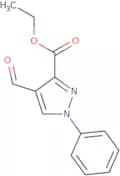
CAS:<p>Versatile small molecule scaffold</p>Formula:C10H11ClF3NPurity:Min. 95%Molecular weight:237.65 g/molEthyl 4-formyl-1-phenyl-1H-pyrazole-3-carboxylate
CAS:<p>Ethyl 4-formyl-1-phenyl-1H-pyrazole-3-carboxylate is an antioxidant that can be used in molecular biology, genetics and biology. It has been shown to have a high level of antioxidant activity with a low toxicity profile. This compound is capable of protecting DNA from oxidative damage and also has the ability to inhibit the production of reactive oxygen species.</p>Formula:C13H12N2O3Purity:Min. 95%Molecular weight:244.25 g/mol1-[2-Fluoro-6-(morpholin-4-yl)phenyl]ethan-1-ol
CAS:<p>Versatile small molecule scaffold</p>Formula:C12H16FNO2Purity:Min. 95%Molecular weight:225.26 g/mol2-[(Furan-2-ylmethyl)(methyl)amino]benzoic acid
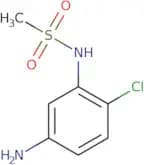
CAS:<p>Versatile small molecule scaffold</p>Formula:C13H13NO3Purity:Min. 95%Molecular weight:231.25 g/molN-(5-Amino-2-chlorophenyl)methanesulfonamide
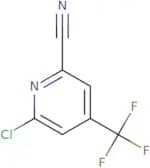
CAS:<p>Versatile small molecule scaffold</p>Formula:C7H9ClN2O2SPurity:Min. 95%Molecular weight:220.68 g/mol6-Chloro-4-(trifluoromethyl)picolinonitrile
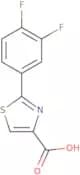
CAS:<p>Versatile small molecule scaffold</p>Formula:C7H2ClF3N2Purity:Min. 95%Molecular weight:206.55 g/mol2-(3,4-Difluorophenyl)-1,3-thiazole-4-carboxylic acid
CAS:<p>Versatile small molecule scaffold</p>Formula:C10H5F2NO2SPurity:Min. 95%Molecular weight:241.22 g/mol2-[2-(3,4-Difluorophenyl)-1,3-thiazol-4-yl]acetic acid
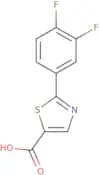
CAS:<p>Versatile small molecule scaffold</p>Formula:C11H7F2NO2SPurity:Min. 95%Molecular weight:255.24 g/mol2-(3,4-Difluorophenyl)-1,3-thiazole-5-carboxylic acid
CAS:<p>Versatile small molecule scaffold</p>Formula:C10H5F2NO2SPurity:Min. 95%Molecular weight:241.22 g/mol2-[(2-Methoxyethyl)sulfanyl]-5-nitrobenzoic acid
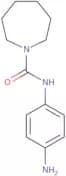
CAS:<p>Versatile small molecule scaffold</p>Formula:C10H11NO5SPurity:Min. 95%Molecular weight:257.27 g/molN-(4-Aminophenyl)azepane-1-carboxamide
CAS:<p>N-(4-Aminophenyl)azepane-1-carboxamide is an analytical reference material, which is a secondary metabolite of plants. It is isolated from the root of the plant Scoparia dulcis, and it has been shown to have a variety of bioactive effects. N-(4-Aminophenyl)azepane-1-carboxamide has been found to inhibit the growth of various cancer cells in vitro and in vivo. It also inhibits protein synthesis and has antioxidant properties.</p>Formula:C13H19N3OPurity:Min. 95%Molecular weight:233.31 g/mol2-{[(Cyclopentylmethyl)carbamoyl]amino}acetic acid
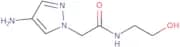
CAS:<p>Versatile small molecule scaffold</p>Formula:C9H16N2O3Purity:Min. 95%Molecular weight:200.23 g/mol2-(4-Amino-1H-pyrazol-1-yl)-N-(2-hydroxyethyl)acetamide
CAS:<p>Versatile small molecule scaffold</p>Formula:C7H12N4O2Purity:Min. 95%Molecular weight:184.2 g/mol5-{[(2-Methoxyethyl)sulfanyl]methyl}furan-2-carboxylic acid
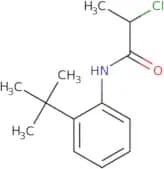
CAS:<p>Versatile small molecule scaffold</p>Formula:C9H12O4SPurity:Min. 95%Molecular weight:216.3 g/molN-(2-tert-Butylphenyl)-2-chloropropanamide
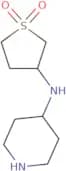
CAS:<p>Versatile small molecule scaffold</p>Formula:C13H18ClNOPurity:Min. 95%Molecular weight:239.74 g/molN-(Tetrahydro-1,1-dioxido-3-thienyl)-4-piperidinamine
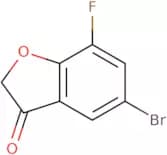
CAS:<p>Versatile small molecule scaffold</p>Formula:C9H18N2O2SPurity:Min. 95%Molecular weight:218.32 g/mol5-Bromo-7-fluoro-2,3-dihydro-1-benzofuran-3-one
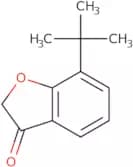
CAS:<p>Versatile small molecule scaffold</p>Formula:C8H4BrFO2Purity:Min. 95%Molecular weight:231.02 g/mol7-tert-Butyl-2,3-dihydro-1-benzofuran-3-one
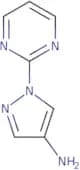
CAS:<p>Versatile small molecule scaffold</p>Formula:C12H14O2Purity:Min. 95%Molecular weight:190.24 g/mol1-(Pyrimidin-2-yl)-1H-pyrazol-4-amine
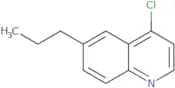
CAS:<p>Versatile small molecule scaffold</p>Formula:C7H7N5Purity:Min. 95%Molecular weight:161.17 g/mol4-Chloro-6-propylquinoline
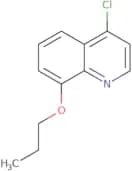
CAS:<p>Versatile small molecule scaffold</p>Formula:C12H12ClNPurity:Min. 95%Molecular weight:205.68 g/mol4-Chloro-8-propoxyquinoline
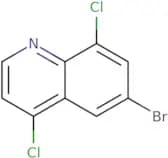
CAS:<p>Versatile small molecule scaffold</p>Formula:C12H12ClNOPurity:Min. 95%Molecular weight:221.68 g/mol6-Bromo-4,8-dichloroquinoline
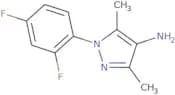
CAS:<p>Versatile small molecule scaffold</p>Formula:C9H4BrCl2NPurity:Min. 95%Molecular weight:276.94 g/mol1-(2,4-Difluorophenyl)-3,5-dimethyl-1H-pyrazol-4-amine
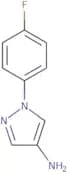
CAS:<p>Versatile small molecule scaffold</p>Formula:C11H11F2N3Purity:Min. 95%Molecular weight:223.22 g/mol1-(4-Fluorophenyl)-1H-pyrazol-4-amine
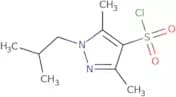
CAS:<p>Versatile small molecule scaffold</p>Formula:C9H8FN3Purity:Min. 95%Molecular weight:177.18 g/mol3,5-Dimethyl-1-(2-methylpropyl)-1H-pyrazole-4-sulfonyl chloride
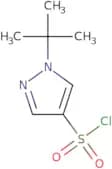
CAS:<p>Versatile small molecule scaffold</p>Formula:C9H15ClN2O2SPurity:Min. 95%Molecular weight:250.75 g/mol1-tert-Butyl-1H-pyrazole-4-sulfonyl chloride
CAS:<p>Versatile small molecule scaffold</p>Formula:C7H11ClN2O2SPurity:Min. 95%Molecular weight:222.69 g/mol6-Methyl-1-(pyrimidin-2-yl)-1H,4H,5H-pyrazolo[3,4-d]pyrimidin-4-one
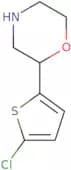
CAS:<p>Versatile small molecule scaffold</p>Formula:C10H8N6OPurity:Min. 95%Molecular weight:228.21 g/mol2-(5-Chlorothiophen-2-yl)morpholine
CAS:<p>Versatile small molecule scaffold</p>Formula:C8H10ClNOSPurity:Min. 95%Molecular weight:203.69 g/mol2-[4-(2-Hydroxyethanesulfonyl)phenyl]acetic acid
CAS:<p>Versatile small molecule scaffold</p>Formula:C10H12O5SPurity:Min. 95%Molecular weight:244.27 g/mol2-Oxaspiro[4.5]decan-3-one
CAS:<p>2-Oxaspiro[4.5]decan-3-one is a chemical that is structurally related to the neurotransmitter gamma-aminobutyric acid (GABA). It has been shown to be an effective treatment for chronic pain, with a relatively low incidence of adverse effects. 2-Oxaspiro[4.5]decan-3-one inhibits the activity of protein kinase C, which may contribute to its analgesic effect. GABA receptors are present in the detrusor muscle and urethral sphincter, which may explain some of the drug's efficacy. 2-Oxaspiro[4.5]decan-3-one also binds to gabapentin binding sites on the alpha2 delta subunit of voltage dependent calcium channels and inhibits Ca2+ entry into cells, thereby reducing intracellular Ca2+ levels and lowering the excitability of neurons.</p>Formula:C9H14O2Purity:Min. 95%Molecular weight:154.21 g/mol1-Bromo-4-(4-bromobutoxy)butane
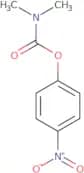
CAS:<p>Versatile small molecule scaffold</p>Formula:C8H16Br2OPurity:Min. 95%Molecular weight:288.02 g/mol4-Nitrophenyl N,N-dimethylcarbamate
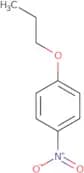
CAS:<p>4-Nitrophenyl N,N-dimethylcarbamate is an enzyme that catalyses the chemical reaction: anions + NADPH → nitrite + NADP. The enzyme can be inactivated by chloral and aldehyde dehydrogenase. It is labile in the cytosol but stable when bound to follicle cells. 4-Nitrophenyl N,N-dimethylcarbamate has been used to measure the activity of this enzyme in follicle cells, which are found in the ovaries and testes. The protein is active only when it binds to follicle cells.</p>Formula:C9H10N2O4Purity:Min. 95%Molecular weight:210.19 g/mol1-Nitro-4-propoxybenzene
CAS:<p>1-Nitro-4-propoxybenzene is a covalent inhibitor of aspartic acid proteases. It is an aspartic acid analog that competes with the natural substrate for the active site and inhibits the transpeptidation reaction. This compound has been shown to be highly selective against renin, which is a key enzyme in the blood coagulation cascade. The 1-nitro group can be replaced by other groups to modulate potency or selectivity. These modifications may also improve water solubility, stability, or bioavailability.</p>Formula:C9H11NO3Purity:Min. 95%Molecular weight:181.19 g/mol2-{[(Phenylformamido)methanethioyl]amino}acetic acid
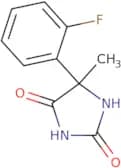
CAS:<p>Versatile small molecule scaffold</p>Formula:C10H10N2O3SPurity:Min. 95%Molecular weight:238.27 g/mol5-(2-Fluorophenyl)-5-methylimidazolidine-2,4-dione
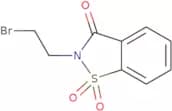
CAS:<p>Versatile small molecule scaffold</p>Formula:C10H9FN2O2Purity:Min. 95%Molecular weight:208.19 g/mol2-(2-Bromoethyl)-2,3-dihydro-1,2-benzothiazole-1,1,3-trione
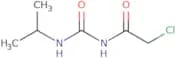
CAS:<p>Versatile small molecule scaffold</p>Formula:C9H8BrNO3SPurity:Min. 95%Molecular weight:290.14 g/mol3-(2-Chloroacetyl)-1-(propan-2-yl)urea
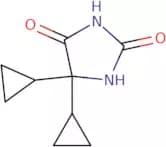
CAS:<p>Versatile small molecule scaffold</p>Formula:C6H11ClN2O2Purity:Min. 95%Molecular weight:178.62 g/mol5,5-Dicyclopropylimidazolidine-2,4-dione
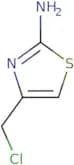
CAS:<p>5,5-Dicyclopropylimidazolidine-2,4-dione is an ammonium salt that has a strong antispasmodic effect. It is used to treat muscle spasms and other types of spasticity. 5,5-Dicyclopropylimidazolidine-2,4-dione also has an alkali metal (e.g., sodium) or alkali earth metal (e.g., magnesium) salt form that can be used for the treatment of cystitis, pyelonephritis, and other urinary tract infections. This compound is converted to the corresponding hydantoin derivative in vivo by hydrolysis of the ethoxide group. Hydantoins are related to the hydantoin class of nonsteroidal anti-inflammatory drugs (NSAIDs).</p>Formula:C9H12N2O2Purity:Min. 95%Molecular weight:180.2 g/mol2-Amino-4-chloromethylthiazole
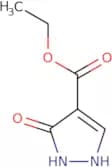
CAS:<p>2-Amino-4-chloromethylthiazole (2ACMT) has been shown to be an effective antifilarial agent in pyridinium, acanthocheilonema, and refluxed mice. 2ACMT is a nucleophilic compound that binds to the active site of the enzyme DNA gyrase, inhibiting DNA synthesis. This drug also has antibacterial activity, which may be due to its ability to inhibit protein synthesis in bacteria.</p>Formula:C4H5ClN2SPurity:Min. 95%Molecular weight:148.61 g/molEthyl 3-hydroxy-1H-pyrazole-4-carboxylate
CAS:<p>Ethyl 3-hydroxy-1H-pyrazole-4-carboxylate is a hypoglycemic agent that binds to the ATP receptor in the body. It has been shown to reduce blood sugar levels in diabetic mice and has also been used to treat cancer. Ethyl 3-hydroxy-1H-pyrazole-4-carboxylate is an amide with a hydrogen bond, which may be responsible for its ability to bind to the ATP receptor. This drug is not effective against bladder, hepatitis, or nervous system diseases. Ethyl 3-hydoxy-1H-pyrazole-4-carboxylate is effective against neurodermatitis and inflammatory diseases, but only at high doses.</p>Formula:C6H8N2O3Purity:Min. 95%Molecular weight:156.14 g/mol3-[(Pyridin-4-ylmethyl)amino]propan-1-ol
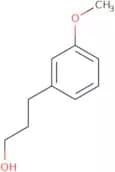
CAS:<p>Versatile small molecule scaffold</p>Formula:C9H14N2OPurity:Min. 95%Molecular weight:166.22 g/mol3-Methoxybenzenepropanol
CAS:<p>3-Methoxybenzenepropanol is an organic compound that belongs to the group of hydrocarbons. It is made by reacting allylsilane with chloride in a hydroboration reaction to form a single-crystal x-ray analysis. 3-Methoxybenzenepropanol has been shown to react with cyclopropanes, forming intramolecular cyclopropanation and ring-opening reactions to yield x-ray products. This product has also been used as a precursor for the synthesis of tetralin and biomolecules.</p>Formula:C10H14O2Purity:Min. 95%Molecular weight:166.22 g/mol1,5-Dimethyl-1H-pyrazolo[3,4-d]pyrimidine-4,6(5H,7H)-dione
CAS:Controlled Product<p>Versatile small molecule scaffold</p>Formula:C7H8N4O2Purity:Min. 95%Molecular weight:180.16 g/mol(2-Aminoethyl)(decyl)amine
CAS:<p>(2-Aminoethyl)(decyl)amine is an orthogonal and metallic amino acid that can be used as a ligand for monolayer formation. This amino acid is synthesized from the reaction of 2-aminopropane and decanol, which are both readily available in industry. The unique properties of (2-aminoethyl)(decyl)amine make it an ideal candidate for use in tailored nanoparticles to form a monolayer.</p>Formula:C12H28N2Purity:Min. 95%Molecular weight:200.36 g/molEthyl [(2-methoxyphenyl)carbamoyl]formate
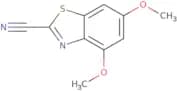
CAS:<p>Versatile small molecule scaffold</p>Formula:C11H13NO4Purity:Min. 95%Molecular weight:223.22 g/mol4,6-Dimethoxy-2-benzothiazolecarbonitrile
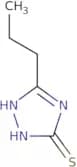
CAS:<p>Versatile small molecule scaffold</p>Formula:C10H8N2O2SPurity:Min. 95%Molecular weight:220.25 g/mol5-Propyl-4H-1,2,4-triazole-3-thiol
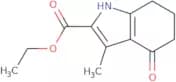
CAS:<p>Versatile small molecule scaffold</p>Formula:C5H9N3SPurity:Min. 95%Molecular weight:143.21 g/molEthyl 3-methyl-4-oxo-4,5,6,7-tetrahydro-1H-indole-2-carboxylate
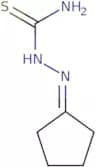
CAS:<p>Versatile small molecule scaffold</p>Formula:C12H15NO3Purity:Min. 95%Molecular weight:221.25 g/mol(Cyclopentylideneamino)thiourea
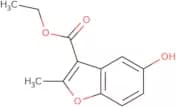
CAS:<p>(Cyclopentylideneamino)thiourea is a chemical compound that is also known as CPT. CPT is a tautomer of the amino acid cysteine and has been shown to have anti-cancer properties in vitro. It chelates with ferric ions, forming a redox cycle that produces reactive oxygen species (ROS). This leads to lipid peroxidation and cell death. CPT has been shown to be effective against neurodegenerative diseases such as Alzheimer's disease, Parkinson's disease, and Huntington's disease. However, it does not work on cancer cells that are resistant to chemotherapy drugs such as 5-fluorouracil or cisplatin. The mechanism of action for these types of cancers is not yet fully understood.</p>Formula:C6H11N3SPurity:Min. 95%Molecular weight:157.24 g/molEthyl 5-hydroxy-2-methyl-1-benzofuran-3-carboxylate
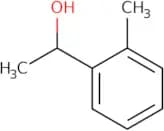
CAS:<p>Ethyl 5-hydroxy-2-methyl-1-benzofuran-3-carboxylate (EHMBFC) is a novel photocurrent sensitizer that has been shown to be effective in the treatment of prostate cancer cells. It is formed by the formylation of an ethyl ester of 5,6,7,8-tetrahydroquinoline. EHMBFC is capable of inducing demethylation reactions with DNA glycosylases and polymerases. The quantum efficiency of this compound has been determined to be greater than 0.5%. This efficiency can be increased by adding ruthenium nanoparticles as a catalyst. EHMBFC is also used in solar cell technology because it can generate charge carriers from visible light and can function as an electron donor or acceptor in organic semiconductors.</p>Formula:C12H12O4Purity:Min. 95%Molecular weight:220.23 g/mol1-(2-Methylphenyl)ethanol
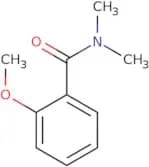
CAS:<p>1-(2-Methylphenyl)ethanol is a colorless liquid with a pleasant odor. It can be used as an intermediate in the synthesis of various pharmaceuticals, such as diazepam and lorazepam. 1-(2-Methylphenyl)ethanol is oxidized to produce toxic metabolites that have been shown to have cytotoxic effects on mitochondria. In addition, 1-(2-Methylphenyl)ethanol has been shown to inhibit the formation of cyclic amides from carboxylic acids and amines by competing for the same enzyme binding site. The toxicity of this compound was studied in rats using acute toxicity tests, and it induced hematological parameters indicative of renal toxicity.</p>Formula:C9H12OPurity:Min. 95%Molecular weight:136.19 g/mol2-Methoxy-N,N-dimethylbenzamide
CAS:<p>Versatile small molecule scaffold</p>Formula:C10H13NO2Purity:Min. 95%Molecular weight:179.22 g/mol2-[(4-Nitrophenyl)methyl]-1H-1,3-benzodiazole
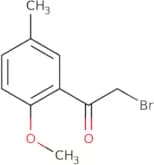
CAS:<p>2-[(4-Nitrophenyl)methyl]-1H-1,3-benzodiazole (NPDB) is an antioxidant that can be used to protect cells against free radical damage. It has significant antioxidant activity and can inhibit the production of reactive oxygen species (ROS). NPDB has been shown to have a protective effect on cells by inhibiting lipid peroxidation and the oxidation of thiadiazole. The antioxidant activities of NPDB are due to its ability to inhibit the activity of various enzymes, such as oxidase, triazole or moieties that significantly affect ROS production.</p>Formula:C14H11N3O2Purity:Min. 95%Molecular weight:253.26 g/mol2-Bromo-1-(2-methoxy-5-methylphenyl)ethan-1-one
CAS:<p>Versatile small molecule scaffold</p>Formula:C10H11BrO2Purity:Min. 95%Molecular weight:243.1 g/mol[4-(1,3-Dioxaindan-5-yl)butan-2-yl]hydrazine hydrochloride
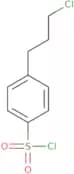
CAS:Controlled Product<p>4-(1,3-Dioxaindan-5-yl)butan-2-yl]hydrazine hydrochloride (4ODBH) is a selective inhibitor of the enzyme dopamine β-hydroxylase. It is used in the treatment of inflammatory bowel disease and has been shown to decrease symptoms of this disease. 4ODBH has also been shown to inhibit adipose tissue inflammation, increase weight loss in obese subjects, and reduce inflammation in the epididymal adipose tissue. This drug can cause toxic epidermal necrolysis and Stevens-Johnson syndrome when taken at high doses. 4ODBH has also been shown to have effects on toll-like receptor signaling pathways and may be an effective drug for treating diabetic neuropathy.</p>Formula:C11H17ClN2O2Purity:Min. 95%Molecular weight:244.72 g/mol4-(3-Chloropropyl)benzene-1-sulfonyl chloride
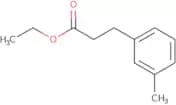
CAS:<p>Versatile small molecule scaffold</p>Formula:C9H10Cl2O2SPurity:Min. 95%Molecular weight:253.14 g/molEthyl 3-(3-methylphenyl)propanoate
CAS:<p>Versatile small molecule scaffold</p>Formula:C12H16O2Purity:Min. 95%Molecular weight:192.26 g/mol5'-Acetamido-2'-hydroxyacetophenone
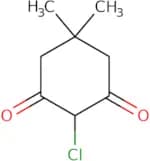
CAS:<p>5'-Acetamido-2'-hydroxyacetophenone is a monoclonal antibody that has been shown to inhibit the growth of cancer cells. The antibody elicits its effect by binding to the benzofuran derivatives, which are oncogenic proteins that promote the development of cancer. In vitro assays have shown that 5'-Acetamido-2'-hydroxyacetophenone inhibits the activity of cromakalim and prognosis in patients with malignant melanoma. There is also evidence suggesting that this drug may be effective against other types of cancer, including prostate, breast, lung, and colon cancers. 5'-Acetamido-2'-hydroxyacetophenone binds to the benzofuran derivatives oncogenic proteins by preventing them from interacting with their receptor and inhibiting protein synthesis. This process leads to cell death by inhibiting the production of proteins vital for cell division.<br>!--END-->/p></p>Formula:C10H11NO3Purity:Min. 95%Molecular weight:193.2 g/mol2-Chlorodimedone
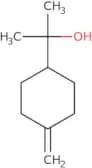
CAS:<p>2-Chlorodimedone is an antimicrobial agent that inhibits the growth of bacteria by binding to chloroperoxidase and preventing the conversion of chloride ions to hypochlorous acid. It has been shown to be effective against a wide variety of microorganisms, including Gram-positive and Gram-negative bacteria, fungi, and yeast. The effectiveness of 2-chlorodimedone has been demonstrated in a model system in which it inhibited the growth of hl-60 cells at concentrations over 10 mM. This anti-microbial agent also has a linear calibration curve with optical sensor measurements and can be used for monitoring chlorination levels in water systems. 2-Chlorodimedone belongs to a class of compounds called chlorinating agents. Chlorinating agents are chemical reagents that produce chlorine when they react with water or other substances. These reactions typically involve oxidation by transfer of electrons from hydrogen peroxide or another substance, such as myeloperoxidase in</p>Formula:C8H11ClO2Purity:Min. 95%Molecular weight:174.62 g/mol2-(4-Methylidenecyclohexyl)propan-2-ol
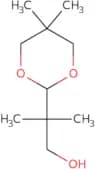
CAS:<p>Terpinen-4-ol is a fatty acid that is found in a variety of plants, including camphor and tea tree. It has been shown to have antibacterial properties. Terpinen-4-ol also interacts with proteins on the surface of bacteria, inhibiting their growth. This inhibition is related to the formation of fatty acid esters, which cause changes in the cell membrane and inhibit protein synthesis. Terpinen-4-ol has been shown to reduce the growth of Camphora and other bacteria by interfering with energy metabolism.</p>Formula:C10H18OPurity:Min. 95%Molecular weight:154.25 g/mol2-(5,5-Dimethyl-1,3-dioxan-2-yl)-2-methylpropan-1-ol
CAS:<p>Versatile small molecule scaffold</p>Formula:C10H20O3Purity:Min. 95%Molecular weight:188.26 g/mol1,4-Butanediol Bis(3-aminopropyl) Ether
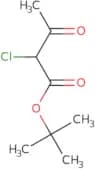
CAS:Controlled Product<p>1,4-Butanediol Bis(3-aminopropyl) Ether is a ether compound that can be used as a chemical reagent. It is a heterobifunctional reagent that can react with two different functional groups to form ether linkages. 1,4-Butanediol Bis(3-aminopropyl) Ether has been shown to be an efficient catalyst for the synthesis of nicotinic acetylcholine in oocytes from the frog Xenopus laevis. More importantly, it has been shown to be an effective catalyst for the synthesis of chiral amines. This chemical reaction occurs through an activating hydrogen atom transfer (HAT) process between nitrogen atoms and chloride ions. The activation energy for this reaction is significantly lower than that of other reactions involving chlorine ions or thallium ions.</p>Formula:C10H24N2O2Purity:Min. 95%Molecular weight:204.31 g/moltert-Butyl 2-chloro-3-oxobutanoate
CAS:<p>Versatile small molecule scaffold</p>Formula:C8H13ClO3Purity:Min. 95%Molecular weight:192.64 g/mol1-[(Pyrrolidin-1-yl)methyl]pyrrolidine
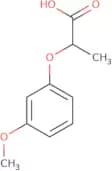
CAS:<p>1-[(Pyrrolidin-1-yl)methyl]pyrrolidine is a chemical compound that is structurally related to the neurotransmitter κ-opioid receptor. This drug has been used as a model system to study the effects of nitro, which is an endogenous agonist of the κ-opioid receptor. 1-[(Pyrrolidin-1-yl)methyl]pyrrolidine has been shown to have depressant effects on the central nervous system. The drug also has a direct effect on renal proximal tubules, leading to potassium secretion and natriuresis. 1-[(Pyrrolidin-1-yl)methyl]pyrrolidine also binds with moderate affinity to mineralocorticoid receptors and growth factor receptors.</p>Formula:C9H18N2Purity:Min. 95%Molecular weight:154.25 g/mol2-(3-Methoxy-phenoxy)-propionic acid
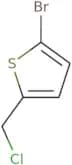
CAS:<p>2-(3-Methoxy-phenoxy)-propionic acid is a chiral compound that is used in organic synthesis. The racemic form of this molecule can be crystallized with the help of other molecules such as cocrystallization, heterodimers, underscores and enantiomers. It crystallizes in two different forms: the α-form and the β-form. The α-form has a melting point of 120 °C, whereas the β-form melts at 138 °C. The polymorphic nature of 2-(3-methoxy-phenoxy)-propionic acid is due to its structural differences in the crystal lattice. These differences are made possible by supramolecular interactions between neighboring molecules.</p>Formula:C10H12O4Purity:Min. 95%Molecular weight:196.2 g/mol2-Bromo-5-(chloromethyl)thiophene
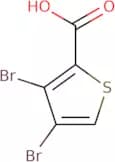
CAS:<p>Versatile small molecule scaffold</p>Formula:C5H4BrClSPurity:Min. 95%Molecular weight:211.51 g/mol3,4-dibromothiophene-2-carboxylic acid
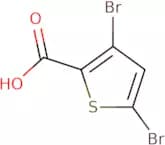
CAS:<p>Versatile small molecule scaffold</p>Formula:C5H2Br2O2SPurity:Min. 95%Molecular weight:285.9 g/mol3,5-Dibromothiophene-2-carboxylic acid
CAS:<p>Versatile small molecule scaffold</p>Formula:C5H2Br2O2SPurity:Min. 95%Molecular weight:285.94 g/mol5-Bromo-1-benzothiophene-3-carboxylic acid
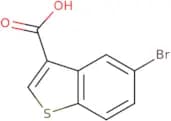
CAS:<p>Versatile small molecule scaffold</p>Formula:C9H5BrO2SPurity:Min. 95%Molecular weight:257.1 g/mol5-Vinylbenzo[d][1,3]dioxole
CAS:Controlled Product<p>5-Vinylbenzo[d][1,3]dioxole is an organic compound that belongs to the amide class. It has been shown to be a potent inhibitor of leishmania and related protozoan parasites. 5-Vinylbenzo[d][1,3]dioxole inhibits these parasites by targeting the amine group on their surface, which is responsible for the conversion of ammonium nitrate into nitric oxide. 5-Vinylbenzo[d][1,3]dioxole also has reactive properties and can form covalent bonds with other molecules in a process called redox chemistry. This property makes it useful as a reactive intermediate in chemical synthesis. 5-Vinylbenzo[d][1,3]dioxole is an example of a primary amino compound because it does not contain any secondary or tertiary amines.</p>Formula:C9H8O2Purity:Min. 95%Molecular weight:148.16 g/mol3-Methyl-4-oxo-4-phenylbutanoic acid
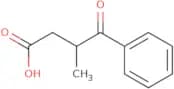
CAS:<p>Versatile small molecule scaffold</p>Formula:C11H12O3Purity:Min. 95%Molecular weight:192.21 g/molDiethyl [(oxiran-2-yl)methyl]phosphonate
CAS:<p>Diethyl [(oxiran-2-yl)methyl]phosphonate is a monoepoxide that can be used as a nucleophile in organic reactions. The hydroxylamine group of diethyl [(oxiran-2-yl)methyl]phosphonate reacts with a variety of substrates, including polyesters and silicone resins. This reaction is catalyzed by hydrochloric acid or other acids. Diethyl [(oxiran-2-yl)methyl]phosphonate is also known to react with diphenylmethane to produce oxirane.</p>Formula:C7H15O4PPurity:Min. 95%Molecular weight:194.17 g/molMethyl[1-(phenylsulfanyl)propan-2-yl]amine
CAS:<p>Versatile small molecule scaffold</p>Formula:C10H15NSPurity:Min. 95%Molecular weight:181.3 g/mol1,2-Epoxyhexadecane
CAS:<p>1,2-Epoxyhexadecane is a calcium stearate that inhibits the growth of cells. It has been shown to have an inhibitory effect on cell growth when used in combination with piperonyl butoxide and glauberite. 1,2-Epoxyhexadecane can also be used as a cationic surfactant for extraction of intracellular targets with monolayer partitioning. This product is also known to cause cancer.</p>Formula:C16H32OPurity:Min. 95%Molecular weight:240.43 g/mol2-Bromophenyl Methyl Sulfoxide
CAS:<p>2-Bromophenyl Methyl Sulfoxide is a chiral molecule that has been studied for its light emission properties. It has potentials as an electrochemical oxidant, which can be used to oxidize organic compounds and hydrogen peroxide. 2-Bromophenyl Methyl Sulfoxide is soluble in solvents such as triflic acid, sulfur dioxide, and carbon tetrachloride. The oxidation of the sulfoxides with 2-bromophenyl methyl sulfoxide yields the corresponding sulfones. This compound has also been studied for its optical properties.</p>Formula:C7H7BrOSPurity:Min. 95%Molecular weight:219.1 g/mol1-Methyl-1H-imidazo[4,5-c]pyridine-2-thiol
CAS:<p>Versatile small molecule scaffold</p>Formula:C7H7N3SPurity:Min. 95%Molecular weight:165.22 g/mol3-[(Butan-2-yl)sulfamoyl]benzoic acid
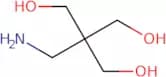
CAS:<p>Versatile small molecule scaffold</p>Formula:C11H15NO4SPurity:Min. 95%Molecular weight:257.31 g/mol2-(Aminomethyl)-2-(hydroxymethyl)propane-1,3-diol
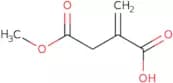
CAS:<p>2-(Aminomethyl)-2-(hydroxymethyl)propane-1,3-diol (DMAPP) is a plant amino acid that is an intermediate in the synthesis of aminobutyric acid. It is also involved in the synthesis of ethylene, which is important for fruit ripening. DMAPP has been shown to be a precursor for the α-subunit of carbonic anhydrase and it has been detected in urine samples and assays. The uptake of DMAPP from water by plants has been studied using gas chromatography and ultracentrifugation. DMAPP has also been used as a biochemical marker for plant physiology studies.</p>Formula:C5H13NO3Purity:Min. 95%Molecular weight:135.16 g/molMonomethyl Itaconate
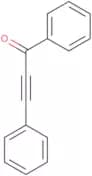
CAS:<p>Monomethyl Itaconate is a chemical compound that has been used to synthesize polymers for use in the production of coatings, adhesives, and lubricants. It is a liquid at room temperature with a viscosity of about 4.3 cSt at 25°C. Monomethyl Itaconate is soluble in organic solvents such as benzene, ether, or chloroform and can be stored in temperatures from -30°C to 120°C. The FT-IR spectroscopy has shown that this chemical has an active methylene group and contains one double bond. This product also has high optical purity and low viscosity, which makes it useful for polymerization reactions.</p>Formula:C6H8O4Purity:Min. 95%Molecular weight:144.13 g/molDiphenylprop-2-yn-1-one
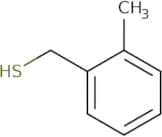
CAS:<p>Diphenylprop-2-yn-1-one is a nitro compound that reacts with an acid to produce a terminal alkene. It has been shown to have a high melting point and does not react with light, making it useful for organic solvents. Diphenylprop-2-yn-1-one also binds to the enzyme acetylcholinesterase in Alzheimer's disease, which may help to prevent or delay the development of neurodegenerative diseases. The bond cleavage reaction can be used as a model system for studying the mechanism of alkynes and dialkylamino compounds.</p>Formula:C15H10OPurity:Min. 95%Molecular weight:206.24 g/mol2-Methylbenzyl mercaptan
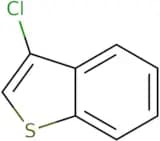
CAS:<p>2-Methylbenzyl mercaptan is a covalent probe for the detection of yields. It can be used as an additive in organic chemistry to increase the efficiency of reactions. 2-Methylbenzyl mercaptan has been shown to catalyze the desulfurization of amines and dithiocarbamates. This compound reacts with electrophiles such as oxygen, chlorine, and bromine. The reaction forms a crosslinked structure that is resistant to further reaction with these electrophiles. 2-Methylbenzyl mercaptan has also been shown to react with amines and form desulfurized products through transfer of a methyl group from the mercaptan to the amine.</p>Formula:C8H10SPurity:Min. 95%Molecular weight:138.23 g/mol3-Chloro-1-benzothiophene
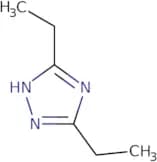
CAS:<p>3-Chloro-1-benzothiophene is a molecule that is used to treat bowel disease. It has been shown to inhibit the proliferation of colon cancer cells in vitro and in vivo, as well as to induce apoptosis. 3-Chloro-1-benzothiophene also inhibits inflammation by blocking chloride channels, which are found on the surface of inflammatory cells in the digestive tract. This drug may have regenerative effects because it has been shown to stimulate the growth of new nerve and muscle cells in mice. 3-Chloro-1-benzothiophene binds to receptor cells and blocks chloride channels, inhibiting the release of inflammatory mediators from these cells.</p>Formula:C8H5ClSPurity:Min. 95%Molecular weight:168.64 g/mol3,5-Diethyl-1H-1,2,4-triazole
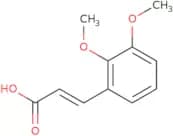
CAS:<p>3,5-Diethyl-1H-1,2,4-triazole is a ligand that has been used for the preparation of coordination compounds. It is a triazole with a 3,5-diethyl substituent. This ligand can be prepared by reacting acetonitrile with anions in the presence of hydrochloric acid. The ligand can be characterized by its diffraction properties and its ability to bind metal ions. 3,5-Diethyl-1H-1,2,4-triazole forms complexes with metals that are hydrophobic in nature and this property can be exploited to prepare synthetic materials. The complex that features this ligand is kinetically stable and crystallographically well defined.</p>Formula:C6H11N3Purity:Min. 95%Molecular weight:125.17 g/moltrans-2,3-Dimethoxycinnamic Acid
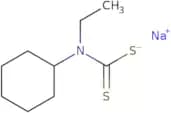
CAS:<p>Trans-2,3-dimethoxycinnamic acid is a dicarboxylic acid that is formed through the condensation of phenylacetic acid and methanol. This compound has been used in the synthesis of pharmaceuticals, such as antihistamines. Trans-2,3-dimethoxycinnamic acid has also been shown to have antioxidant properties by scavenging free radicals produced during lipid peroxidation.</p>Formula:C11H12O4Purity:Min. 95%Molecular weight:208.21 g/molSodium cyclohexyl(ethyl)carbamodithioate
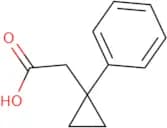
CAS:<p>Versatile small molecule scaffold</p>Formula:C9H16NNaS2Purity:Min. 95%Molecular weight:225.4 g/mol2-(1-Phenylcyclopropyl)acetic acid
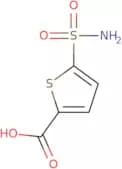
CAS:<p>Versatile small molecule scaffold</p>Formula:C11H12O2Purity:Min. 95%Molecular weight:176.21 g/mol5-Sulfamoylthiophene-2-carboxylic acid
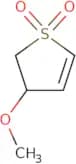
CAS:<p>Versatile small molecule scaffold</p>Formula:C5H5NO4S2Purity:Min. 95%Molecular weight:207.2 g/mol3-methoxy-2,3-dihydrothiophene 1,1-dioxide
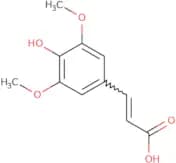
CAS:<p>Versatile small molecule scaffold</p>Formula:C5H8O3SPurity:Min. 95%Molecular weight:148.18 g/moltrans-Sinapic acid
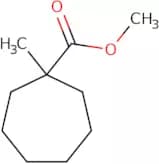
CAS:<p>Trans-Sinapic acid is an organic compound with the formula HOCHC(OH)CHCOH. It is a white solid that is soluble in water and ethanol. Trans-Sinapic acid is found in plants, such as the leaves of Vitexin, and has been shown to have various pharmacological activities including anti-inflammatory and anticholinesterase properties. Trans-Sinapic acid also has been shown to be a potent inhibitor of acetylcholinesterase (AChE) activity. AChE inhibitors are used clinically as treatments for Alzheimer's disease and other conditions involving memory loss and cognitive decline. Trans-Sinapic acid binds to AChE with high affinity and inhibits its ability to break down acetylcholine, thereby increasing its concentration at nerve junctions. This may lead to improvement in symptoms associated with Alzheimer's disease, such as memory loss and cognitive decline.</p>Formula:C11H12O5Purity:Min. 95%Color and Shape:PowderMolecular weight:224.21 g/molMethyl 1-methylcycloheptane-1-carboxylate
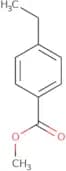
CAS:<p>Versatile small molecule scaffold</p>Formula:C10H18O2Purity:Min. 95%Molecular weight:170.25 g/molMethyl 4-ethylbenzoate
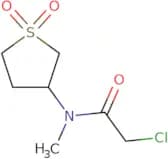
CAS:<p>Methyl 4-ethylbenzoate is an activated sensitizer that is used in the production of polyvinyl chloride. It is isolated from a reaction mixture by distillation and has been shown to be an efficient method for activation of ethylbenzene. The organoleptic properties of methyl 4-ethylbenzoate are dependent on the temperature, with higher temperatures producing a more unpleasant odor. Methyl 4-ethylbenzoate can also be used as a catalyst for electrocatalysis reactions that involve c–h bond activation. This chemical has been found to be useful in the production of polyethylene terephthalate and its derivatives, which are used in many products such as packaging materials, plastic bottles, fibers, and clothing.</p>Formula:C10H12O2Purity:Min. 95%Molecular weight:164.2 g/mol2-Chloro-N-(1,1-dioxo-tetrahydro-1λ(6)-thiophen-3-yl)-N-methyl-acetamide
CAS:<p>Versatile small molecule scaffold</p>Formula:C7H12ClNO3SPurity:Min. 95%Molecular weight:225.69 g/mol4-[(E)-2-(2-Methylphenyl)ethenyl]pyridine
CAS:<p>Versatile small molecule scaffold</p>Formula:C14H13NPurity:Min. 95%Molecular weight:195.26 g/mol2-[4-(Bromomethyl)phenyl]acetonitrile
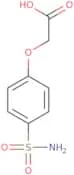
CAS:<p>Versatile small molecule scaffold</p>Formula:C9H8BrNPurity:Min. 95%Molecular weight:210.07 g/mol2-(4-Sulfamoylphenoxy)acetic acid
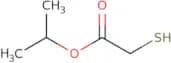
CAS:<p>2-(4-Sulfamoylphenoxy)acetic acid is a chemical compound with the formula CHOSO2H. It is a colorless liquid that is soluble in water and polar organic solvents. It can be prepared by treating 4-hydroxybenzoic acid with sulfuryl chloride to produce the ethyl ester, which hydrolyses to give 2-(4-sulfamoylphenoxy)acetic acid. The compound has been used as a model for kinetic studies of reactions involving protonated amines and hydroxyl groups. A microencapsulation technique was developed for preparing stable dispersions of the drug in water with an average particle size of 1.5 micrometres.</p>Formula:C8H9NO5SPurity:Min. 95%Molecular weight:231.23 g/molPropan-2-yl 2-sulfanylacetate
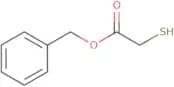
CAS:<p>Propan-2-yl 2-sulfanylacetate is a chloride that is the magnesium salt of propan-2-yl 2-sulfanylacetic acid. It has been shown to be a film forming polymer with a number of functional groups and has been used as a fixative agent for acrylonitrile. Propan-2-yl 2-sulfanylacetate has also been shown to have anti psychotic effects in patients with chronic schizophrenia, and may be due to its primary amino group.</p>Formula:C5H10O2SPurity:Min. 95%Molecular weight:134.2 g/molBenzyl 2-sulfanylacetate
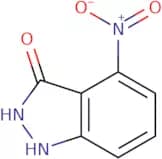
CAS:<p>Benzyl 2-sulfanylacetate is a liquid crystal compound that belongs to the group of aromatic hydrocarbons and fatty acids. It has a high resistance to chloride and an alkylthio group. Benzyl 2-sulfanylacetate can be used as a film-forming polymer, which is used in the stabilizing of pyrimidine compounds and phosphites. Benzyl 2-sulfanylacetate also has neurotrophic effects and can be used for dry extract enzymatic reactions.</p>Formula:C9H10O2SPurity:Min. 95%Molecular weight:182.24 g/mol4-Nitro-1H-indazol-3-ol
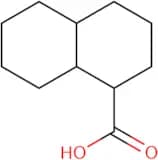
CAS:<p>Versatile small molecule scaffold</p>Formula:C7H5N3O3Purity:Min. 95%Molecular weight:179.13 g/moldecahydronaphthalene-1-carboxylic acid
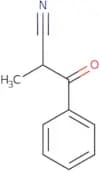
CAS:<p>Decahydronaphthalene-1-carboxylic acid is a polyester that is synthesized from a primary alcohol and the carboxylic acid. It is an efficient method to produce naphthalene by oxidation of decahydronaphthalene-1-carboxylic acid with manganese dioxide in the presence of peroxide. The reaction rate can be increased by using a suitable catalyst such as copper, iron, or nickel. Decahydronaphthalene-1-carboxylic acid has been used to synthesize cycloalkanes with high yields. The toxicity of decahydronaphthalene-1-carboxylic acid depends on its metal content.</p>Formula:C11H18O2Purity:Min. 95%Molecular weight:182.26 g/mol2-Methyl-3-oxo-3-phenylpropanenitrile
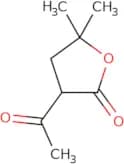
CAS:<p>2-Methyl-3-oxo-3-phenylpropanenitrile is an activated form of acetonitrile. It is a colorless liquid with a strong ammonia odor. 2-Methyl-3-oxo-3-phenylpropanenitrile is used as a reagent in organic synthesis and can be used to catalyze the elimination of hydroxyl groups, activating groups, and carbonyl groups. 2-Methyl-3-oxo-3-phenylpropanenitrile has been shown to be capable of hydrogenating unsaturated bonds during the course of nucleophilic substitution reactions. The compound can also be used to synthesize isoxazoles, which are used as pharmaceuticals or pesticides.</p>Formula:C10H9NOPurity:Min. 95%Molecular weight:159.18 g/mol3-Acetyl-5,5-dimethyloxolan-2-one
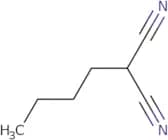
CAS:<p>Versatile small molecule scaffold</p>Formula:C8H12O3Purity:Min. 95%Molecular weight:156.18 g/mol2-Butylpropanedinitrile
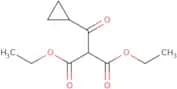
CAS:<p>2-Butylpropanedinitrile is an aliphatic hydrocarbon that is used as a solvent in the manufacture of pesticides and pharmaceutical preparations. It is also used to produce diphenyl ethers, which are used as solvents for dyes and lacquers. This compound has been shown to be sensitive to lithium and is nonaqueous. It reacts with ester compounds, such as pesticides, to form ester products which are reactive. The electrode potential of 2-butylpropanedinitrile is reversibly determined by the electrolyte solution it is in.</p>Formula:C7H10N2Purity:Min. 95%Molecular weight:122.17 g/mol1,3-Diethyl 2-cyclopropanecarbonylpropanedioate
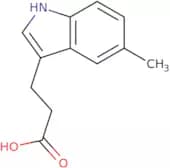
CAS:<p>Diethyl malonate is an organic compound that is used as a reactant in the synthesis of esters. It is prepared by the elimination of diethyl oxalate from diethyl acetoacetate with sodium hydroxide. Diethyl malonate reacts with propiolic acid to form 1,3-diethyl 2-cyclopropanecarbonylpropanedioate. This compound can also be prepared by reacting ethyl chloroformate with propiolic acid. The elimination reaction of diethyl malonate and propiolic acid yields 1,3-diethyl 2-cyclopropanecarbonylpropanedioate and water.</p>Formula:C11H16O5Purity:Min. 95%Molecular weight:228.24 g/mol3-(5-methyl-1H-indol-3-yl)propanoic acid
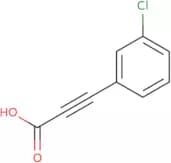
CAS:<p>Versatile small molecule scaffold</p>Formula:C12H13NO2Purity:Min. 95%Molecular weight:203.24 g/mol3-(3-chlorophenyl)prop-2-ynoic acid
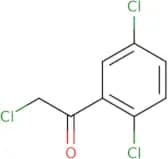
CAS:<p>Versatile small molecule scaffold</p>Formula:C9H5O2ClPurity:Min. 95%Molecular weight:180.59 g/mol2-Chloro-1-(2,5-dichlorophenyl)ethan-1-one
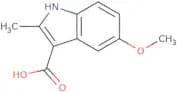
CAS:<p>Versatile small molecule scaffold</p>Formula:C8H5Cl3OPurity:Min. 95%Molecular weight:223.5 g/mol5-Methoxy-2-methyl-1H-indole-3-carboxylic acid
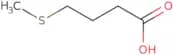
CAS:<p>Versatile small molecule scaffold</p>Formula:C11H11NO3Purity:Min. 95%Molecular weight:205.21 g/mol4-(Methylsulfanyl)butanoic acid
CAS:<p>4-(Methylsulfanyl)butanoic acid is an organic solvent that is used in the production of butyric acid and butyronitrile. It is also a reaction product of inorganic acids, such as sulfuric acid, hydrogen sulfate, and nitric acid. 4-(Methylsulfanyl)butanoic acid has a crystalline structure and optical properties that are similar to those of acetic acid. This compound is expressed in plasmids and can be used as an amide or metal chelate. The enzymatic methods of 4-(methylsulfanyl)butanoic acid are supplementing with hydrogen sulfate or recycled by adding an acid catalyst.</p>Formula:C5H10O2SPurity:Min. 95%Molecular weight:134.2 g/molN-(Propan-2-yl)pyridin-3-amine
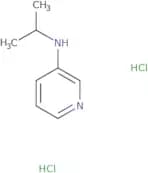
CAS:<p>Versatile small molecule scaffold</p>Formula:C8H14Cl2N2Purity:Min. 95%Molecular weight:209.11 g/mol3,5-Dichloro-4-methoxyaniline
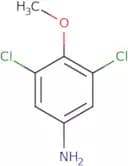
CAS:<p>3,5-Dichloro-4-methoxyaniline is a chemical compound that belongs to the group of medicinal compounds. It is used as an intermediate in organic synthesis and has been found to inhibit the growth of cancer cells. This molecule can be prepared by reacting 3,5-dichloroaniline with methoxyacetone in the presence of hydrochloric acid. The chemical shifts observed for this compound's proton resonances are consistent with its structure as a geometric isomer. This molecule has two chiral centers and eight possible stereoisomers. Tic10 (N-[3-(3,4-dichlorophenyl)propionyl]glycine) is one such stereoisomer that inhibits the growth of cancer cells through damage to protein structures. Tic10 has been shown to be more potent than bosutinib, an inhibitor of Bcr-Abl kinase, in inhibiting tumor growth in animal models.</p>Formula:C7H7Cl2NOPurity:Min. 95%Molecular weight:192.04 g/mol2-Bromo-5-fluorothiophene
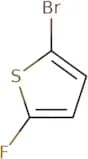
CAS:<p>Versatile small molecule scaffold</p>Formula:C4H2BrFSPurity:Min. 95%Molecular weight:181.03 g/molN-[(5-Acetylthiophen-2-yl)methyl]acetamide
CAS:<p>Versatile small molecule scaffold</p>Formula:C9H11NO2SPurity:Min. 95%Molecular weight:197.26 g/molEthyl [(5-amino-1,3,4-thiadiazol-2-yl)thio]acetate
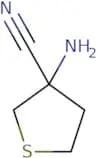
CAS:<p>Versatile small molecule scaffold</p>Formula:C6H9N3O2S2Purity:Min. 95%Molecular weight:219.3 g/mol3-Aminothiolane-3-carbonitrile
CAS:<p>Versatile small molecule scaffold</p>Formula:C5H8N2SPurity:Min. 95%Molecular weight:128.2 g/mol2-Bromo-N-(2,6-dichlorophenyl)acetamide
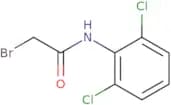
CAS:<p>Versatile small molecule scaffold</p>Formula:C8H6BrCl2NOPurity:Min. 95%Molecular weight:282.95 g/mol6-Chloro-2-oxo-1,2-dihydroquinoline-4-carboxylic acid
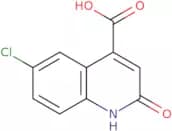
CAS:<p>6-Chloro-2-oxo-1,2-dihydroquinoline-4-carboxylic acid (6ClOQ) is a molecule that is used as a diagnostic agent and biodegradable drug. It has high affinity binding with target tissues, such as the liver and kidney. 6ClOQ also has potential as an anticancer drug, which may be due to its ability to inhibit DNA synthesis by interacting with hydroxyl groups. 6ClOQ can be conjugated with different molecules, such as monoclonal antibodies, and this characteristic can be used to increase its efficacy in targeting cancer cells. The conjugation of 6ClOQ to a monoclonal antibody increases the stability of the drug and decreases its toxicity.</p>Formula:C10H6ClNO3Purity:Min. 95%Molecular weight:223.61 g/molN-(2,2-Diethoxyethyl)-N-methylaniline
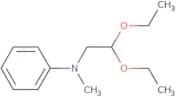
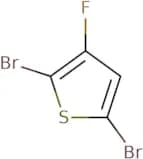
CAS:<p>Versatile small molecule scaffold</p>Formula:C13H21NO2Purity:Min. 95%Molecular weight:223.31 g/mol2,5-dibromo-3-fluorothiophene
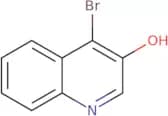
CAS:<p>Versatile small molecule scaffold</p>Formula:C4HBr2FSPurity:Min. 95%Molecular weight:259.9 g/mol4-bromoquinolin-3-ol
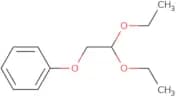
CAS:<p>4-bromoquinolin-3-ol is a piperidine derivative that belongs to the group of pyrrole derivatives. It is primarily used as a reagent in organic synthesis and in the preparation of 3-bromo-5-hydroxypyridine, 2-amino-4-hydroxypyridine, and 3-amino-2-bromopyridine. 4BQ3H is an isomeric nucleus with substitutions on the 2-, 4-, or 6 positions. The hydroxy group on the 3 position can be substituted with a variety of groups such as methoxy, ethoxy, or acetoxy. The oxindole moiety can also be replaced by a piperidide moiety. Note that the aminations are reversible under basic conditions.</p>Formula:C9H6NOBrPurity:Min. 95%Molecular weight:224.05 g/mol(2,2-Diethoxyethoxy)benzene
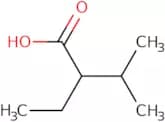
CAS:<p>2,2-Diethoxyethoxy)benzene is a chemical that belongs to the group of polyvinyl alcohols. It is an organic compound that can be found in the environment, usually as a byproduct of industrial processes. The chemical is used in coatings, plasticizers, and solvents. 2,2-Diethoxyethoxy)benzene has been shown to cause heart disease and eye disorders when it binds to the receptors in the body.</p>Formula:C12H18O3Purity:Min. 95%Molecular weight:210.27 g/mol2-Ethyl-3-methylbutanoic acid
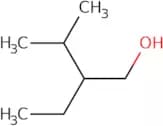
CAS:<p>2-Ethyl-3-methylbutanoic acid is a plant cell-active compound that belongs to the group of alkylating agents. It is an acetaldehyde analogue and can be used for the synthesis of trachelanthamine, which is a skeleton building agent in the biosynthesis pathway for valine. 2-Ethyl-3-methylbutanoic acid is activated by incubation with unlabelled ethyl groups. This compound can also be used to synthesize acetaldehyde, which can be analyzed using chromatography.</p>Formula:C7H14O2Purity:Min. 95%Molecular weight:130.18 g/mol2-Ethyl-3-methylbutan-1-ol
CAS:<p>2-Ethyl-3-methylbutan-1-ol is a chemical that can be activated at the 2-, 3-, or 4-position by a stepwise process. The amines are used in the synthesis of other compounds, such as pharmaceuticals and polymers. The selectivity for the alkylation reaction is high, with yields greater than 95%. The ethyl group can be removed from 2-ethyl-3-methylbutan-1-ol by using an alcohol catalyst. This chemical has been shown to have high yields when synthesized with a transfer hydrogenation reaction. It also has a byproduct that can be removed with hydrogen gas in the presence of palladium on carbon.</p>Formula:C7H16OPurity:Min. 95%Molecular weight:116.2 g/mol2-tert-Butyl-1λ⁶,2-thiazinane-1,1-dione
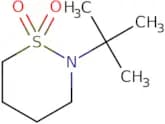
CAS:<p>Versatile small molecule scaffold</p>Formula:C8H17NO2SPurity:Min. 95%Molecular weight:191.29 g/molCyclobutyl(cyclohexyl)methanone
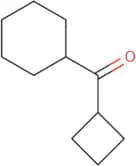
CAS:<p>Versatile small molecule scaffold</p>Formula:C11H18OPurity:Min. 95%Molecular weight:166.26 g/mol2-(4-Bromophenyl)-2-methylpropanal
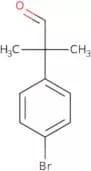
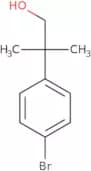
CAS:<p>Versatile small molecule scaffold</p>Formula:C10H11BrOPurity:Min. 95%Molecular weight:227.1 g/mol2-(4-Bromophenyl)-2-methylpropan-1-ol
CAS:<p>Versatile small molecule scaffold</p>Formula:C10H13BrOPurity:Min. 95%Molecular weight:229.11 g/mol3-Bromofuran-2-carbonitrile
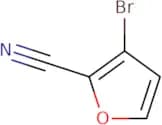
CAS:<p>Versatile small molecule scaffold</p>Formula:C5H2BrNOPurity:Min. 95%Molecular weight:171.98 g/mol1-[3-Methoxy-4-(methylsulfanyl)phenyl]ethan-1-one
CAS:<p>Versatile small molecule scaffold</p>Formula:C10H12O2SPurity:Min. 95%Molecular weight:196.27 g/mol1-(1,1-Difluoroethyl)-4-nitrobenzene
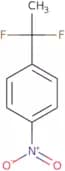
CAS:<p>Versatile small molecule scaffold</p>Formula:C8H7F2NO2Purity:Min. 95%Molecular weight:187.15 g/mol2-Amino-2-(1,2-thiazol-5-yl)acetic acid
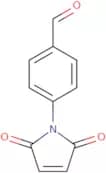
CAS:<p>Versatile small molecule scaffold</p>Formula:C5H6N2O2SPurity:Min. 95%Molecular weight:158.18 g/mol4-(2,5-Dioxo-2,5-dihydro-1H-pyrrol-1-yl)benzaldehyde
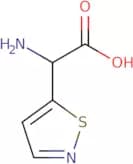
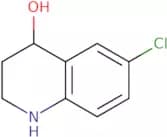
CAS:<p>Versatile small molecule scaffold</p>Formula:C11H7NO3Purity:Min. 95%Molecular weight:201.18 g/mol6-Chloro-1,2,3,4-tetrahydroquinolin-4-ol
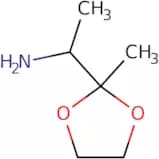
CAS:<p>Versatile small molecule scaffold</p>Formula:C9H10ClNOPurity:Min. 95%Molecular weight:183.63 g/mol1-(2-Methyl-1,3-dioxolan-2-yl)ethan-1-amine
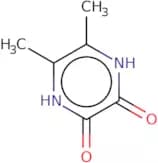
CAS:<p>Versatile small molecule scaffold</p>Formula:C6H13NO2Purity:Min. 95%Molecular weight:131.17 g/mol5,6-Dimethylpyrazine-2,3(1H,4H)-dione
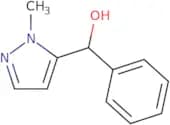
CAS:<p>Versatile small molecule scaffold</p>Formula:C6H8N2O2Purity:Min. 95%Molecular weight:140.14 g/mol(1-Methyl-1H-pyrazol-5-yl)(phenyl)methanol
CAS:<p>Versatile small molecule scaffold</p>Formula:C11H12N2OPurity:Min. 95%Molecular weight:188.23 g/mol1-Propylpyrazole
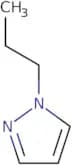
CAS:<p>1-Propylpyrazole is a non-classical inhibitor of aldehyde oxidase that has been shown to have an inhibitory effect on pentane. 1-Propylpyrazole has peroxidase-like activity, which means it can bind to lipid hydroperoxides in the presence of hydrogen peroxide or peroxidase. It has also been shown to be an effective inhibitor of dehydrogenase, which is an enzyme that catalyzes the oxidation of aldehydes and ketones to carboxylic acids. This drug is not active against classical aldehyde oxidases such as alcohol dehydrogenase, but it does inhibit polyunsaturated fatty acid synthesis by binding with cytochrome P450 enzymes.</p>Formula:C6H10N2Purity:Min. 95%Molecular weight:110.16 g/mol1H-Pyrrolo[3,2-b]pyridin-2(3H)-one
CAS:<p>1H-Pyrrolo[3,2-b]pyridin-2(3H)-one belongs to a class of heterocyclic compounds that are structurally related to the pyridine ring. It has been shown to inhibit the activity of b-raf and may be used as an anticancer agent. 1H-Pyrrolo[3,2-b]pyridin-2(3H)-one is synthesized from formamide and ammonium acetate by a two step process involving nucleophilic substitution and elimination reactions. It is hypothesized that 1H-Pyrrolo[3,2-b]pyridin-2(3H)-one may have an effect on cancer due to its ability to inhibit protein synthesis.</p>Formula:C7H6N2OPurity:Min. 95%Molecular weight:134.14 g/mol2-Methylbicyclo[2.2.1]heptane-2-carboxylic acid
CAS:<p>2-Methylbicyclo[2.2.1]heptane-2-carboxylic acid is a carotenoid that is found in some bacteria and plants, including the green alga Chlorella sorokiniana. It has been shown to have anticancer activity by inducing apoptosis in cancer cells. 2-Methylbicyclo[2.2.1]heptane-2-carboxylic acid also reduces the redox potential of cancer cells and inhibits their growth, which may be due to its ability to regulate cell cycle progression and inhibit protein synthesis. This compound also has been shown to stimulate the formation of bacteriochlorophyll a and membrane systems in bacteria, such as Escherichia coli and Pseudomonas aeruginosa, respectively. The gene product responsible for this carotenoid biosynthesis has been identified as a transcriptional regulator of dna binding activity and protein expression in Escher</p>Formula:C9H14O2Purity:Min. 95%Molecular weight:154.21 g/molMethyl(1-phenylethyl)amine
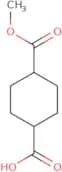
CAS:<p>Methyl(1-phenylethyl)amine is a receptor protein that binds to the factor receptor and has been shown to be a potent growth factor. It can be used in the diagnosis of diseases, such as cancer. Methyl(1-phenylethyl)amine is detected by mass spectrometry and chromatography. The chemical structure of this compound is amide, which is composed of an amine group with an organic acid molecule. Methyl(1-phenylethyl)amine has been shown to have constitutive activation activity due to its tyrosine kinase activity.</p>Formula:C9H13NPurity:Min. 95%Molecular weight:135.21 g/molcis-4-Carbomethoxycyclohexane-1-carboxylic acid
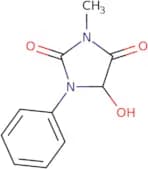
CAS:<p>cis-4-Carbomethoxycyclohexane-1-carboxylic acid is a dicarboxylic acid that is produced by the inorganic and organic hydrolysis of cyclohexanecarboxylic acid. The average yield of cis-4-carbomethoxycyclohexane-1-carboxylic acid is around 30%. It has been used for the production of diacids such as adipic acid, succinic acid, and glutaric acid. cis-4-Carbomethoxycyclohexane-1-carboxylic acid can be used as an activating agent for the industrial synthesis of monomethyl esters or methyl alcohols. In this reaction, cis-4-carbomethoxycyclohexane-1-carboxylic acid reacts with an alcohol to form a carbonyl group, which then reacts with methyl chloride to form a methyl es</p>Formula:C9H14O4Purity:Min. 95%Molecular weight:186.21 g/mol5-Hydroxy-3-methyl-1-phenylimidazolidine-2,4-dione
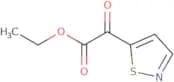
CAS:<p>5-Hydroxy-3-methyl-1-phenylimidazolidine-2,4-dione is a phenylcarbamate that is used as a herbicide and fungicide. The compound is transformed into glyoxylic acid by the action of sodium ethoxide in the presence of prototropic acid. It has been shown that this transformation occurs at a faster rate when it is added to water than when it is added to an organic solvent. The glyoxylic acid derivatives are then formed by adding an organic solvent such as isopropyl alcohol to the solution. This reaction produces various compounds depending on the type of alcohol used and its concentration.</p>Formula:C10H10N2O3Purity:Min. 95%Molecular weight:206.2 g/molEthyl 2-oxo-2-(1,2-thiazol-5-yl)acetate
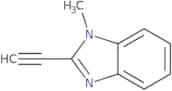
CAS:<p>Versatile small molecule scaffold</p>Formula:C7H7NO3SPurity:Min. 95%Molecular weight:185.2 g/mol2-Ethynyl-1-methyl-1H-1,3-benzodiazole
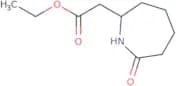
CAS:<p>2-Ethynyl-1-methyl-1H-1,3-benzodiazole is a fluorescent compound that has been shown to emit light in the visible region of the spectrum. The emission of light from this compound is due to its alkynyl group, which contains an electron with a high degree of reactivity. This chemical also has inorganic functionalities and optical properties that make it useful for inorganic chemistry and luminescent or optical devices.</p>Formula:C10H8N2Purity:Min. 95%Molecular weight:156.18 g/molEthyl 2-(7-oxoazepan-2-yl)acetate
CAS:<p>Versatile small molecule scaffold</p>Formula:C10H17NO3Purity:Min. 95%Molecular weight:199.25 g/mol
amine](/_next/image/?url=https%3A%2Fstatic.cymitquimica.com%2Fproducts%2F3D%2Fthumb-webp%2FGWB26529.webp&w=3840&q=75)

amine](/_next/image/?url=https%3A%2Fstatic.cymitquimica.com%2Fproducts%2F3D%2Fthumb-webp%2FGWB26678.webp&w=3840&q=75)
amine](/_next/image/?url=https%3A%2Fstatic.cymitquimica.com%2Fproducts%2F3D%2Fthumb-webp%2FGWB26703.webp&w=3840&q=75)
![1-[(5-Chlorothiophen-2-yl)methyl]piperidine-4-carboxylic acid](/_next/image/?url=https%3A%2Fstatic.cymitquimica.com%2Fproducts%2F3D%2Fthumb-webp%2FGWB26960.webp&w=3840&q=75)
amino}acetic acid](/_next/image/?url=https%3A%2Fstatic.cymitquimica.com%2Fproducts%2F3D%2Fthumb-webp%2FGWB27822.webp&w=3840&q=75)
![Ethyl 4-[(cyclopropylmethyl)amino]benzoate](/_next/image/?url=https%3A%2Fstatic.cymitquimica.com%2Fproducts%2F3D%2Fthumb-webp%2FGWB28040.webp&w=3840&q=75)
![{[1-(2-Methoxyethyl)-3,5-dimethyl-1H-pyrazol-4-yl]methyl}(methyl)amine](/_next/image/?url=https%3A%2Fstatic.cymitquimica.com%2Fproducts%2F3D%2Fthumb-webp%2FGWB28267.webp&w=3840&q=75)
amine](/_next/image/?url=https%3A%2Fstatic.cymitquimica.com%2Fproducts%2F3D%2Fthumb-webp%2FGWB28368.webp&w=3840&q=75)
![2,3-Dihydro-benzo[b]thiophene-3-methanamine 1,1-dioxide](/_next/image/?url=https%3A%2Fstatic.cymitquimica.com%2Fproducts%2F3D%2Fthumb-webp%2FGWB30717.webp&w=3840&q=75)
![N-[(5-Bromothiophen-3-yl)methyl]cyclopropanamine](/_next/image/?url=https%3A%2Fstatic.cymitquimica.com%2Fproducts%2F3D%2Fthumb-webp%2FGWB31338.webp&w=3840&q=75)
![[1-(5-Methylfuran-2-carbonyl)piperidin-3-yl]methanol](/_next/image/?url=https%3A%2Fstatic.cymitquimica.com%2Fproducts%2F3D%2Fthumb-webp%2FGWB31475.webp&w=3840&q=75)
![1-[4-(Prop-2-yn-1-yloxy)phenyl]propan-1-ol](/_next/image/?url=https%3A%2Fstatic.cymitquimica.com%2Fproducts%2F3D%2Fthumb-webp%2FGWB34522.webp&w=3840&q=75)
![1-[3-(Prop-2-yn-1-yloxy)phenyl]ethan-1-ol](/_next/image/?url=https%3A%2Fstatic.cymitquimica.com%2Fproducts%2F3D%2Fthumb-webp%2FGWB34549.webp&w=3840&q=75)
![3-Chloro-6-[3-(difluoromethoxy)phenyl]pyridazine](/_next/image/?url=https%3A%2Fstatic.cymitquimica.com%2Fproducts%2F3D%2Fthumb-webp%2FGWB36497.webp&w=3840&q=75)
![1-N,1-N-Dimethyl-4-N-[1-(pyridin-2-yl)ethyl]benzene-1,4-diamine](/_next/image/?url=https%3A%2Fstatic.cymitquimica.com%2Fproducts%2F3D%2Fthumb-webp%2FGWB36914.webp&w=3840&q=75)

![3-[2-(Dimethyl-1,2-oxazol-4-yl)acetamido]benzoic acid](/_next/image/?url=https%3A%2Fstatic.cymitquimica.com%2Fproducts%2F3D%2Fthumb-webp%2FGWB37511.webp&w=3840&q=75)
![N-[4-(1-Hydroxyethyl)phenyl]benzamide](/_next/image/?url=https%3A%2Fstatic.cymitquimica.com%2Fproducts%2F3D%2Fthumb-webp%2FGWB37924.webp&w=3840&q=75)
![2-[(2-Methoxyethyl)amino]-2-methylpropan-1-ol](/_next/image/?url=https%3A%2Fstatic.cymitquimica.com%2Fproducts%2F3D%2Fthumb-webp%2FGWB38097.webp&w=3840&q=75)
![2-{[(4-Bromo-2-fluorophenyl)methyl]sulfanyl}ethan-1-ol](/_next/image/?url=https%3A%2Fstatic.cymitquimica.com%2Fproducts%2F3D%2Fthumb-webp%2FGWB38132.webp&w=3840&q=75)
![1-{3-Methoxy-4-[(3-methoxyphenyl)methoxy]phenyl}ethan-1-ol](/_next/image/?url=https%3A%2Fstatic.cymitquimica.com%2Fproducts%2F3D%2Fthumb-webp%2FGWB39191.webp&w=3840&q=75)
![4-[(Dimethyl-4H-1,2,4-triazol-3-yl)methoxy]aniline](/_next/image/?url=https%3A%2Fstatic.cymitquimica.com%2Fproducts%2F3D%2Fthumb-webp%2FGWB39379.webp&w=3840&q=75)
![1-[3-(Propan-2-yloxy)phenyl]ethan-1-ol](/_next/image/?url=https%3A%2Fstatic.cymitquimica.com%2Fproducts%2F3D%2Fthumb-webp%2FGWB39704.webp&w=3840&q=75)
![3-[(5-Cyclopropyl-1,3,4-oxadiazol-2-yl)carbamoyl]propanoic acid](/_next/image/?url=https%3A%2Fstatic.cymitquimica.com%2Fproducts%2F3D%2Fthumb-webp%2FGWB42449.webp&w=3840&q=75)
![2-{2-[(4-Cyanophenyl)methanesulfonamido]acetamido}acetic acid](/_next/image/?url=https%3A%2Fstatic.cymitquimica.com%2Fproducts%2F3D%2Fthumb-webp%2FGWB42542.webp&w=3840&q=75)
![3-[(2-Methylpropane-2-sulfonyl)methyl]aniline](/_next/image/?url=https%3A%2Fstatic.cymitquimica.com%2Fproducts%2F3D%2Fthumb-webp%2FGWB42901.webp&w=3840&q=75)
![1-[(4-Chlorophenyl)methyl]-3,5-dimethyl-1H-pyrazole-4-carboxylic acid](/_next/image/?url=https%3A%2Fstatic.cymitquimica.com%2Fproducts%2F3D%2Fthumb-webp%2FGWB43310.webp&w=3840&q=75)
![rac-(1R,2S)-2-[3-(Trifluoromethyl)phenyl]cyclopropan-1-amine hydrochloride](/_next/image/?url=https%3A%2Fstatic.cymitquimica.com%2Fproducts%2F3D%2Fthumb-webp%2FGWB49111.webp&w=3840&q=75)
![1-[2-Fluoro-6-(morpholin-4-yl)phenyl]ethan-1-ol](/_next/image/?url=https%3A%2Fstatic.cymitquimica.com%2Fproducts%2F3D%2Fthumb-webp%2FGWB52132.webp&w=3840&q=75)
![2-[(Furan-2-ylmethyl)(methyl)amino]benzoic acid](/_next/image/?url=https%3A%2Fstatic.cymitquimica.com%2Fproducts%2F3D%2Fthumb-webp%2FGWB52453.webp&w=3840&q=75)
![2-[2-(3,4-Difluorophenyl)-1,3-thiazol-4-yl]acetic acid](/_next/image/?url=https%3A%2Fstatic.cymitquimica.com%2Fproducts%2F3D%2Fthumb-webp%2FGWB58475.webp&w=3840&q=75)
![2-[(2-Methoxyethyl)sulfanyl]-5-nitrobenzoic acid](/_next/image/?url=https%3A%2Fstatic.cymitquimica.com%2Fproducts%2F3D%2Fthumb-webp%2FGWB59231.webp&w=3840&q=75)
![2-{[(Cyclopentylmethyl)carbamoyl]amino}acetic acid](/_next/image/?url=https%3A%2Fstatic.cymitquimica.com%2Fproducts%2F3D%2Fthumb-webp%2FGWB59310.webp&w=3840&q=75)
![5-{[(2-Methoxyethyl)sulfanyl]methyl}furan-2-carboxylic acid](/_next/image/?url=https%3A%2Fstatic.cymitquimica.com%2Fproducts%2F3D%2Fthumb-webp%2FGWB59478.webp&w=3840&q=75)
![6-Methyl-1-(pyrimidin-2-yl)-1H,4H,5H-pyrazolo[3,4-d]pyrimidin-4-one](/_next/image/?url=https%3A%2Fstatic.cymitquimica.com%2Fproducts%2F3D%2Fthumb-webp%2FGWB60854.webp&w=3840&q=75)
![2-[4-(2-Hydroxyethanesulfonyl)phenyl]acetic acid](/_next/image/?url=https%3A%2Fstatic.cymitquimica.com%2Fproducts%2F3D%2Fthumb-webp%2FGWB63248.webp&w=3840&q=75)
![2-Oxaspiro[4.5]decan-3-one](/_next/image/?url=https%3A%2Fstatic.cymitquimica.com%2Fproducts%2F3D%2Fthumb-webp%2FHAA23678.webp&w=3840&q=75)

![2-{[(Phenylformamido)methanethioyl]amino}acetic acid](/_next/image/?url=https%3A%2Fstatic.cymitquimica.com%2Fproducts%2F3D%2Fthumb-webp%2FHAA24561.webp&w=3840&q=75)
![3-[(Pyridin-4-ylmethyl)amino]propan-1-ol](/_next/image/?url=https%3A%2Fstatic.cymitquimica.com%2Fproducts%2F3D%2Fthumb-webp%2FHAA25162.webp&w=3840&q=75)
![1,5-Dimethyl-1H-pyrazolo[3,4-d]pyrimidine-4,6(5H,7H)-dione](/_next/image/?url=https%3A%2Fstatic.cymitquimica.com%2Fproducts%2F3D%2Fthumb-webp%2FHAA25433.webp&w=3840&q=75)

![Ethyl [(2-methoxyphenyl)carbamoyl]formate](/_next/image/?url=https%3A%2Fstatic.cymitquimica.com%2Fproducts%2F3D%2Fthumb-webp%2FHAA26726.webp&w=3840&q=75)
![2-[(4-Nitrophenyl)methyl]-1H-1,3-benzodiazole](/_next/image/?url=https%3A%2Fstatic.cymitquimica.com%2Fproducts%2F3D%2Fthumb-webp%2FHAA29196.webp&w=3840&q=75)
![[4-(1,3-Dioxaindan-5-yl)butan-2-yl]hydrazine hydrochloride](/_next/image/?url=https%3A%2Fstatic.cymitquimica.com%2Fproducts%2F3D%2Fthumb-webp%2FHAA29630.webp&w=3840&q=75)


![1-[(Pyrrolidin-1-yl)methyl]pyrrolidine](/_next/image/?url=https%3A%2Fstatic.cymitquimica.com%2Fproducts%2F3D%2Fthumb-webp%2FHAA30947.webp&w=3840&q=75)
![5-Vinylbenzo[d][1,3]dioxole](/_next/image/?url=https%3A%2Fstatic.cymitquimica.com%2Fproducts%2F3D%2Fthumb-webp%2FHAA31532.webp&w=3840&q=75)
![Diethyl [(oxiran-2-yl)methyl]phosphonate](/_next/image/?url=https%3A%2Fstatic.cymitquimica.com%2Fproducts%2F3D%2Fthumb-webp%2FHAA31637.webp&w=3840&q=75)
![Methyl[1-(phenylsulfanyl)propan-2-yl]amine](/_next/image/?url=https%3A%2Fstatic.cymitquimica.com%2Fproducts%2F3D%2Fthumb-webp%2FHAA31999.webp&w=3840&q=75)

![1-Methyl-1H-imidazo[4,5-c]pyridine-2-thiol](/_next/image/?url=https%3A%2Fstatic.cymitquimica.com%2Fproducts%2F3D%2Fthumb-webp%2FHAA32194.webp&w=3840&q=75)
![3-[(Butan-2-yl)sulfamoyl]benzoic acid](/_next/image/?url=https%3A%2Fstatic.cymitquimica.com%2Fproducts%2F3D%2Fthumb-webp%2FHAA32676.webp&w=3840&q=75)
![4-[(E)-2-(2-Methylphenyl)ethenyl]pyridine](/_next/image/?url=https%3A%2Fstatic.cymitquimica.com%2Fproducts%2F3D%2Fthumb-webp%2FHAA37031.webp&w=3840&q=75)
![2-[4-(Bromomethyl)phenyl]acetonitrile](/_next/image/?url=https%3A%2Fstatic.cymitquimica.com%2Fproducts%2F3D%2Fthumb-webp%2FHAA37194.webp&w=3840&q=75)
![N-[(5-Acetylthiophen-2-yl)methyl]acetamide](/_next/image/?url=https%3A%2Fstatic.cymitquimica.com%2Fproducts%2F3D%2Fthumb-webp%2FHBA41545.webp&w=3840&q=75)
![Ethyl [(5-amino-1,3,4-thiadiazol-2-yl)thio]acetate](/_next/image/?url=https%3A%2Fstatic.cymitquimica.com%2Fproducts%2F3D%2Fthumb-webp%2FHBA41824.webp&w=3840&q=75)
![1-[3-Methoxy-4-(methylsulfanyl)phenyl]ethan-1-one](/_next/image/?url=https%3A%2Fstatic.cymitquimica.com%2Fproducts%2F3D%2Fthumb-webp%2FHBA46774.webp&w=3840&q=75)
![1H-Pyrrolo[3,2-b]pyridin-2(3H)-one](/_next/image/?url=https%3A%2Fstatic.cymitquimica.com%2Fproducts%2F3D%2Fthumb-webp%2FHBA50105.webp&w=3840&q=75)
![2-Methylbicyclo[2.2.1]heptane-2-carboxylic acid](/_next/image/?url=https%3A%2Fstatic.cymitquimica.com%2Fproducts%2F3D%2Fthumb-webp%2FHBA50822.webp&w=3840&q=75)