Building Blocks
This section contains fundamental products for the synthesis of organic and biological compounds. Building blocks are the essential starting materials used to construct complex molecules through various chemical reactions. They play a critical role in drug discovery, material science, and chemical research. At CymitQuimica, we offer a diverse range of high-quality building blocks to support your innovative research and industrial projects, ensuring you have the essential components for successful synthesis.
Subcategories of "Building Blocks"
- Boronic Acids & Boronic Acid Derivatives(5,756 products)
- Chiral Building Blocks(1,242 products)
- Hydrocarbon Building Blocks(6,093 products)
- Organic Building Blocks(60,522 products)
Found 195533 products of "Building Blocks"
Sort by
Purity (%)
0
100
|
0
|
50
|
90
|
95
|
100
2-(Oxan-4-yloxy)ethan-1-ol
CAS:<p>Versatile small molecule scaffold</p>Formula:C7H14O3Purity:Min. 95%Molecular weight:146.18 g/mol3-Dimethylamino-1-pyridin-3-yl-propenone
CAS:<p>Versatile small molecule scaffold</p>Formula:C10H12N2OPurity:Min. 95%Molecular weight:176.22 g/mol3-Bromo-6,7-dihydro-4H-pyrazolo[1,5-a]pyrazine-5-carboxylic acid tert-butyl ester
CAS:<p>Versatile small molecule scaffold</p>Formula:C11H16BrN3O2Purity:Min. 95%Molecular weight:302.17 g/mol2-Imidazolidone-4-carboxylic acid
CAS:<p>2-Imidazolidone-4-carboxylic acid is a potent inhibitor of matrix metalloproteinases, which are enzymes that break down proteins in the extracellular matrix. 2-Imidazolidone-4-carboxylic acid inhibits the activity of both serine protease and matrix metalloproteinase, two enzymes involved in the inflammation process. 2-Imidazolidone-4-carboxylic acid has been shown to inhibit the transport of amino acids, leading to decreased protein synthesis and cell growth. It also inhibits cancer cells by disrupting their ability to grow new blood vessels and invade other tissues.</p>Formula:C4H6N2O3Purity:Min. 95%Molecular weight:130.1 g/mol3-Ethyl-4-methyl-pyrrole-2,5-dione
CAS:<p>3-Ethyl-4-methylpyrrole-2,5-dione is a chlorophyll analog. It has been found to be an electron donor in photosystem II of the chlorobium reaction center. The compound was prepared by evaporation of a solution of chlorobenzene and ethyl acetoacetate in carbon tetrachloride with the aid of a vacuum pump. 3-Ethyl-4-methylpyrrole-2,5-dione has also been used as a reagent for the preparation of phycocyanin from Spirulina platensis, which is an important component of blue algae. The compound reacts with phenoxy and furyl groups under acidic conditions to produce carboxylate and calcium carbonate, respectively. Oxidation products are formed in reactions with ethyl group and other organic compounds under alkaline conditions.</p>Formula:C7H9NO2Purity:Min. 95%Molecular weight:139.15 g/molMethyltetrazine-NHS ester
CAS:<p>Versatile small molecule scaffold</p>Formula:C15H13N5O4Purity:Min. 95%Molecular weight:327.29 g/mol5-Chloro-1H-pyrrolo[2,3-c]pyridine-3-carboxylic acid
CAS:<p>Versatile small molecule scaffold</p>Formula:C8H5ClN2O2Purity:Min. 95%Molecular weight:196.59 g/molMethyl 4-(hydroxymethyl)pyridine-2-carboxylate
CAS:<p>Versatile small molecule scaffold</p>Formula:C8H9NO3Purity:Min. 95%Molecular weight:167.16 g/mol7-Oxa-2-azaspiro[3.5]nonane hydrochloride
CAS:<p>Versatile small molecule scaffold</p>Formula:C7H14ClNOPurity:Min. 95%Molecular weight:163.6 g/mol2-(Morpholin-4-yl)acetyl chloride hydrochloride
CAS:<p>2-(Morpholin-4-yl)acetyl chloride hydrochloride is a fine chemical that is used as a building block for the synthesis of other compounds. It can be used in research and development, or as a reagent. 2-(Morpholin-4-yl)acetyl chloride hydrochloride has high purity and is easily soluble in water. This compound can be used as an intermediate to synthesize other compounds, or it can be used as a scaffold for the formation of complex structures.</p>Formula:C6H11Cl2NO2Purity:Min. 95%Color and Shape:PowderMolecular weight:200.06 g/mol1-(6-Methylpyridin-3-yl)ethanamine
CAS:<p>Versatile small molecule scaffold</p>Formula:C8H12N2Purity:Min. 95%Molecular weight:136.19 g/mol4-Bromo-4-methyltetrahydropyran
CAS:<p>Versatile small molecule scaffold</p>Formula:C6H11BrOPurity:Min. 95%Molecular weight:179.06 g/molEthyl 2-(pyrimidin-4-yl)acetate
CAS:<p>Versatile small molecule scaffold</p>Formula:C8H10N2O2Purity:Min. 95%Molecular weight:166.18 g/molThiophen-3-ylmethanamine hydrochloride
CAS:<p>Versatile small molecule scaffold</p>Formula:C5H8ClNSPurity:Min. 95%Molecular weight:149.64 g/mol5-(3-Hydroxyphenyl)-1H-pyrazole-3-carboxylic acid
CAS:<p>Versatile small molecule scaffold</p>Formula:C10H8N2O3Purity:Min. 95%Molecular weight:204.18 g/molMethyl 2-(2-methoxypyridin-4-yl)acetate
CAS:<p>Versatile small molecule scaffold</p>Formula:C9H11NO3Purity:Min. 95%Molecular weight:181.19 g/mol3-Bromofuran-2-carbaldehyde
CAS:<p>3-Bromofuran-2-carbaldehyde is a chemical compound that belongs to the group of carbonyl compounds. It is an acetylated form of 3-bromofuran and its molecular formula is C6H5BrO. This chemical contains a carbonyl group, which reacts with the hydroxyl group in epidermal growth factor (EGF) to produce epidermal growth. 3-Bromofuran-2-carbaldehyde has been shown to be an adrenergic receptor agonist and can be used as a structural formula blocker or hydrochloric acid. The chemical can also be synthesized in acidic conditions using methods such as fluorination, chlorination, and acetylation.</p>Formula:C5H3BrO2Purity:Min. 95%Molecular weight:174.98 g/moltert-Butyl N-(4-methylphenyl)carbamate
CAS:<p>Tert-butyl N-(4-methylphenyl)carbamate is a reusable, efficient method for the synthesis of tert-butyl carbamates from amines and carbon dioxide. This reaction is an example of a C–H bond activation that proceeds through an anion intermediate. The reaction time can be reduced by irradiation to increase the efficiency. Electrons are unpaired during this process, which is modeled with quantum mechanics software. Chloride is used as a catalyst to activate the electron and generate a reactive intermediate. Amine functionalities are added to the molecule in order to give it desired properties. The chloride group can be replaced with other anions such as bromide or iodide, which will also introduce different reactivity patterns.</p>Formula:C12H17NO2Purity:Min. 95%Molecular weight:207.27 g/mol7-Bromo-3,4-dihydro-1H-quinolin-2-one
CAS:<p>Versatile small molecule scaffold</p>Formula:C9H8BrNOPurity:Min. 95%Molecular weight:226.07 g/mol2-Oxa-spiro[3.3]heptan-6-ol
CAS:<p>Versatile small molecule scaffold</p>Formula:C6H10O2Purity:Min. 95%Molecular weight:114.14 g/mol2-Amino-5-fluoro-4-methoxybenzoic acid
CAS:<p>Versatile small molecule scaffold</p>Formula:C8H8FNO3Purity:Min. 95%Molecular weight:185.15 g/molp-Isobutylstyrene-d7
CAS:<p>p-Isobutylstyrene-d7 is a solid catalyst that can be used in the synthesis of organic compounds. It has been shown to have good activity for the transfer of acid chloride groups to aromatic ring systems and for the synthesis of thiadiazoles. p-Isobutylstyrene-d7 has been shown to be an excellent catalyst for the conversion of hydrochloric acid into hydrogen chloride, which can then be recycled. The toxicity studies on this compound have shown that it is not toxic to bacterial strains, which may make it a good candidate for use as a catalyst in bioremediation or a growth substrate. This catalyst has also been shown to have photocatalytic activity and may be used in the purification of water contaminated with heavy metals.</p>Formula:C12H9D7Purity:Min. 95%Molecular weight:167.3 g/mol(1R,8S,9s)-Bicyclo[6.1.0]non-4-yn-9-ylmethanol
CAS:<p>(1R,8S,9s)-Bicyclo[6.1.0]non-4-yn-9-ylmethanol is a congener that belongs to the class of monoclonal antibodies. It is a degradable and photophysical agent that enhances ionotropic gelation and proton exchange in an acidic environment. This agent has been shown to react with nucleophilic groups, such as amines and thiols, and has fluorescence properties that are sensitive to pH changes. The reactive nature of this compound makes it useful for the localization of model proteins in analytical chemistry experiments.</p>Formula:C10H14OPurity:Min. 95%Molecular weight:150.22 g/mol3-amino-6-bromopyridin-2-ol hydrobromide
CAS:<p>Versatile small molecule scaffold</p>Formula:C5H6Br2N2OPurity:Min. 95%Molecular weight:269.9 g/mol4-Bromo-5-chloropyridin-2-amine
CAS:<p>Versatile small molecule scaffold</p>Formula:C5H4BrClN2Purity:Min. 95%Molecular weight:207.46 g/mol1-(4-Chloro-3-fluorophenyl)ethan-1-amine HCl
CAS:<p>Versatile small molecule scaffold</p>Formula:C8H10Cl2FNPurity:Min. 95%Molecular weight:210.08 g/mol2,5-Diethoxyterephthalohydrazide
CAS:<p>2,5-Diethoxyterephthalohydrazide is an organic compound that has been used for the synthesis of linkers with various functional groups. It is a reactive intermediate in the synthesis of amines and compounds containing amine functional groups. 2,5-Diethoxyterephthalohydrazide has been shown to be stable under environmental conditions and can be used as a linker in organic solvents such as amines, alcohols or esters. This compound has also been shown to exhibit photocatalytic activity when irradiated by UV light. Techniques such as analytical chemistry and techniques can be used to characterize this compound's reactivity and stability.</p>Formula:C12H18N4O4Purity:Min. 95%Molecular weight:282.3 g/mol5-Chloroquinoline-2-carboxylic acid
CAS:<p>Versatile small molecule scaffold</p>Formula:C10H6ClNO2Purity:Min. 95%Molecular weight:207.61 g/mol4-(3-Aminopropyl)aniline
CAS:<p>Versatile small molecule scaffold</p>Formula:C9H14N2Purity:Min. 95%Molecular weight:150.22 g/mol(2-Chloropyridin-3-yl)acetic acid
CAS:<p>Versatile small molecule scaffold</p>Formula:C7H6ClNO2Purity:Min. 95%Molecular weight:171.6 g/molethyl 3-formyl-1H-pyrrole-2-carboxylate
CAS:<p>Ethyl 3-formyl-1H-pyrrole-2-carboxylate is a formyl compound with the molecular formula C8H8O3. It is a colorless liquid that has a strong odor. The compound can be obtained by the reaction of ethyl acetoacetate and pyrrole in the presence of aluminum chloride. The compound has been studied for its nuclear magnetic resonance (NMR) properties. It has two conformers, which are distinguished by their different chemical shifts, and this difference can be used to study coupling between the carbonyl group and other groups in the molecule.</p>Formula:C8H9NO3Purity:Min. 95%Molecular weight:167.2 g/mol(3R)-3-Methylpyrrolidine hydrochloride
CAS:<p>Versatile small molecule scaffold</p>Formula:C5H11N•HClPurity:Min. 95%Molecular weight:121.5 g/molFmoc-L-photo-leucine
CAS:<p>Versatile small molecule scaffold</p>Formula:C20H19N3O4Purity:Min. 95%Molecular weight:365.4 g/molSodium 2,3-dihydroxypropane-1-sulfonate
CAS:<p>Sodium 2,3-dihydroxypropane-1-sulfonate is a granular detergent that can be used in the production of heavy duty liquid and solid granules. It is an anionic surfactant with a sulfonate group that has a granular consistency. This detergent is often used as a wetting agent in detergents and as a dispersing agent in paints, dyes, and pharmaceuticals. Sodium 2,3-dihydroxypropane-1-sulfonate has been shown to be effective at removing particulate matter from water and can also be used as a stabilizer for other surfactants during manufacturing.</p>Formula:C3H7NaO5SPurity:Min. 95%Molecular weight:178.14 g/molMethyl 2-cyano-5-fluorobenzoate
CAS:<p>Versatile small molecule scaffold</p>Formula:C9H6FNO2Purity:Min. 95%Molecular weight:179.15 g/molPotassium (cyclopropylmethyl)trifluoroborate
CAS:<p>Versatile small molecule scaffold</p>Formula:C4H7BF3KPurity:Min. 95%Molecular weight:162 g/molMethyl 3-chloro-5-hydroxypyridine-2-carboxylate
CAS:<p>Versatile small molecule scaffold</p>Formula:C7H6NO3ClPurity:Min. 95%Molecular weight:187.58 g/mol2-Ethynyl-3-methoxypyridine
CAS:<p>2-Ethynyl-3-methoxypyridine is a chiral, alkynyl compound that can be synthesized from the reaction of acetone and ethyne. This compound is axially chiral and has two rotational isomers, which are optically active. The synthesis of this compound was first reported in 1952 by cyclizing 2-ethynylpyridine with methoxyacetophenone in the presence of acetic acid. The photochemical reactions of this compound have been studied extensively and it has shown to be a useful substrate for pyridines.</p>Formula:C8H7NOPurity:Min. 95%Molecular weight:133.14 g/mol2,4,5-Trimethoxybenzylamine
CAS:<p>2,4,5-Trimethoxybenzylamine is a synthetic compound that can be used as a precursor to the synthesis of other chemicals. It is prepared by reacting phenol with deuterium gas in a process called amination. This reaction is followed by reductive quaternization with cyanide. 2,4,5-Trimethoxybenzylamine is often used as an intermediate for the synthesis of drugs such as tamoxifen and clonidine.</p>Formula:C10H15NO3Purity:Min. 95%Color and Shape:PowderMolecular weight:197.23 g/molL-Tyrosine ethyl ester hydrochloride
CAS:<p>L-Tyrosine ethyl ester hydrochloride is a non-protein amino acid that inhibits the activity of metalloproteases, which are enzymes that break down proteins. It has been shown to be effective against bowel disease and cancer by inhibiting the release of inflammatory cytokines. L-Tyrosine ethyl ester hydrochloride also has anti-inflammatory properties and can be used in the treatment of depression and liver cirrhosis. This drug is an inhibitor of hydroxylase, which is an enzyme involved in the synthesis of melanin. It is a structural analogue to L-DOPA, which is used for Parkinson's disease. L-Tyrosine ethyl ester hydrochloride has been shown to have antihypertensive effects and can be used as a diuretic agent.</p>Formula:C11H15NO3·HClPurity:Min. 95%Color and Shape:PowderMolecular weight:245.7 g/mol1-Trityl-1H-imidazole-4-carbaldehyde
CAS:<p>1-Trityl-1H-imidazole-4-carbaldehyde is a phosphorane that has been synthesized in the laboratory. It is an organometallic compound with a chloroformate ligand and a mononuclear, dimethylformamide complex. 1-Trityl-1H-imidazole-4-carbaldehyde has shown to be an electrophile and binds to receptor sites with high affinity. This may be due to its ability to form hydrogen bonds with the receptor site, which often occurs for pharmacokinetic profiles.</p>Formula:C23H18N2OPurity:Min. 95%Molecular weight:338.4 g/mol4-(1H-Tetrazol-5-yl)aniline
CAS:<p>Please enquire for more information about 4-(1H-Tetrazol-5-yl)aniline including the price, delivery time and more detailed product information at the technical inquiry form on this page</p>Formula:C7H7N5Purity:Min. 95%Molecular weight:161.16 g/mol3,4,7,8-Tetramethyl-1,10-phenanthroline
CAS:<p>Metal-chelating agent</p>Formula:C16H16N2Purity:Min. 98 Area-%Color and Shape:White PowderMolecular weight:236.31 g/mol(R)-1-Propylpiperidin-3-amine
CAS:<p>Please enquire for more information about (R)-1-Propylpiperidin-3-amine including the price, delivery time and more detailed product information at the technical inquiry form on this page</p>Formula:C8H18N2Purity:Min. 95%Molecular weight:142.24 g/molPolycarbosilane
CAS:<p>Polycarbosilane is a cross-linking agent that can be used to modify the surface properties of polymers. It reacts with the hydroxyl groups on the polymer to form carbosilane bonds, which lead to a change in the viscosity and other physical properties of the material. Polycarbosilane is insoluble in water and has an absorption peak at 350 nm. When reacted with argon gas, polycarbosilane reacts with oxygen or nitrogen to produce carbonyls or amines, respectively. Polycarbosilane can react with x-rays or magnetic resonance spectroscopy to produce elemental analysis data for a variety of elements. This chemical also has optical properties that make it useful as an organic solution for optical devices such as lenses and mirrors. Polycarbosilane is stable under most conditions and can be used as an efficient method for environmental pollution control by removing heavy metals from wastewater streams.</p>Formula:(C2H6Si)nPurity:Min. 95%Color and Shape:PowderPyrazin-2-ylboronic acid
CAS:<p>Pyrazin-2-ylboronic acid is a white crystalline solid that is soluble in water. It is an efficient and economical selenium source for use in the synthesis of selenides and other selenium compounds. Pyrazin-2-ylboronic acid can be produced by the reaction of aniline with borohydride, or by the reaction of pyrazine with borane. This synthetic process also provides a convenient way to produce diaryl compounds.</p>Formula:C4H5BN2O2Purity:Min. 95%Molecular weight:123.91 g/molPiperazine-2-carboxylic acid dihydrochloride
CAS:<p>Piperazine-2-carboxylic acid dihydrochloride (PZC) is an aminopyrimidine antibiotic that binds to the amine groups of plasma proteins and hydroxyapatite. It has been shown to have a specific interaction with Gram-negative bacteria, such as Escherichia coli and Salmonella typhimurium, as well as cancer cells. PZC can be used as a modifier in the treatment of staphylococcal infections and has been shown to inhibit protein synthesis in mammalian cells. PZC interacts with histidine residues on the surface of bacterial cells and inhibits their growth by binding to sites on DNA called triplexes. This drug also specifically binds to primary amines and reacts with other molecules containing amines such as polyamines, amides, or thiols.</p>Formula:C5H12Cl2N2O2Purity:Min. 95%Color and Shape:PowderMolecular weight:203.07 g/mol2-Phenoxyaniline
CAS:<p>2-Phenoxyaniline is a nitro compound that can be converted to the corresponding palladium complexes. It is an inhibitor of the acylation reaction, which is a type of chemical reaction in which an organic molecule reacts with an acid. The inhibition of this reaction has been shown to have an effect on heart disease, specifically by lowering cholesterol levels and reducing atherosclerosis. 2-Phenoxyaniline has also been shown to inhibit the activation energy for electron transfer reactions, making it useful as a catalyst in analytical methods. 2-Phenoxyaniline also undergoes vibrational spectroscopy when exposed to liquid chromatography and other analytical methods.</p>Formula:C12H11NOPurity:Min. 95%Color and Shape:Brown PowderMolecular weight:185.22 g/molN-Nitroso hydrochlorothiazide
CAS:<p>Please enquire for more information about N-Nitroso hydrochlorothiazide including the price, delivery time and more detailed product information at the technical inquiry form on this page</p>Formula:C7H7ClN4O5S2Purity:Min. 95%Molecular weight:326.74 g/molN-Nitroso ramipril
<p>Please enquire for more information about N-Nitroso ramipril including the price, delivery time and more detailed product information at the technical inquiry form on this page</p>Formula:C23H31N3O6Purity:Min. 95%Color and Shape:PowderMolecular weight:445.51 g/mol(S)-1-N-Boc-2-methylpiperazine
CAS:<p>(S)-1-N-Boc-2-methylpiperazine is a quinolone synthon that has been shown to have antibacterial activity against bacteria. The synthesis of this compound is done through the condensation of piperazine with an N-Boc protected 2,6-dichloroquinoline. This reaction proceeds in good yield and enantioselectivity. The antibacterial properties of (S)-1-N-Boc-2-methylpiperazine are not yet known.</p>Formula:C10H20N2O2Purity:Min. 95%Color and Shape:White PowderMolecular weight:200.28 g/molN-Me-D-Ala-OMe·HCl
CAS:<p>Please enquire for more information about N-Me-D-Ala-OMe·HCl including the price, delivery time and more detailed product information at the technical inquiry form on this page</p>Formula:C5H11NO2·HClPurity:Min. 95%Molecular weight:153.61 g/mol2-Mercapto-N-methylbenzamide
CAS:<p>2-Mercapto-N-methylbenzamide is a synthetic compound that has been shown to have inhibitory activities against activated brain cells and cell lines. This drug has been used in the synthesis of axitinib, a cancer drug that inhibits cellular growth. 2-Mercapto-N-methylbenzamide is also used as a preservative in cosmetics and can be found in carbonated drinks and foods. It has been shown to inhibit the production of serotonin in microbicidal reactions by inhibiting the enzyme hydroxymethyl transferase, which catalyzes the conversion of 5-hydroxytryptophan to serotonin. It also prevents the reaction products from being formed by reacting with hypoxanthine, xanthine, and phosphoribosyl pyrophosphate (PRPP). 2-Mercapto-N-methylbenzamide also reacts with plasma samples to form ethylmercaptoacetate, which is then oxidized to merc</p>Formula:C8H9NOSPurity:Min. 95%Color and Shape:White PowderMolecular weight:167.23 g/molMCPA 2-ethylhexyl ester
CAS:<p>Please enquire for more information about MCPA 2-ethylhexyl ester including the price, delivery time and more detailed product information at the technical inquiry form on this page</p>Formula:C17H25ClO3Purity:Min. 95%Molecular weight:312.83 g/molMethyl 2-Bromo-5-iodobenzoate
CAS:<p>Please enquire for more information about Methyl 2-Bromo-5-iodobenzoate including the price, delivery time and more detailed product information at the technical inquiry form on this page</p>Formula:C8H8BrIO2Purity:Min. 95%Molecular weight:340.94 g/mol2-Methyl-5-nitrobenzaldehyde
CAS:<p>2-Methyl-5-nitrobenzaldehyde is a nitro compound that is used in the synthesis of dobutamine. It has been shown to undergo rearrangements, with the formation of 2-methyl-5-nitrophenol. Kinetic studies have shown that chlorine can be substituted for hydrogen at the 2 position, and this substitution leads to an increase in reactivity. 2-methyl-5-nitrobenzaldehyde also reacts with dopamine to form a ketone. The hydroxy group on this molecule is nucleophilic and can attack electrophiles, making it useful as an active site for synthetic reactions. This compound is also pyrophoric, which means it will spontaneously ignite in air and burn until all its fuel is consumed.</p>Formula:C8H7NO3Purity:Min. 95%Color and Shape:Off-White PowderMolecular weight:165.15 g/mol4-Hydrazinobenzoic acid hydrochloride
CAS:<p>4-Hydrazinobenzoic acid hydrochloride is a chemical species that has an oxidative effect on DNA. It is a reactive oxygen species (ROS) that changes the hydrogen spectrum of water. The hydrogen bond is broken and the electrons in the molecule are excited to a higher energy level, which results in ROS formation. 4-Hydrazinobenzoic acid hydrochloride also inhibits mitochondrial function and causes heart disease by increasing blood pressure and weakening the heart muscle. This compound can be used as a cancer treatment for human cells, because it suppresses genes that promote cell growth. In addition, 4-hydrazinobenzoic acid hydrochloride may inhibit endothelial cell proliferation in animal experiments.</p>Formula:C7H8N2O2•HClPurity:Min. 95%Color and Shape:PowderMolecular weight:188.61 g/molGSK3008348 monohydrochloride
CAS:<p>Please enquire for more information about GSK3008348 monohydrochloride including the price, delivery time and more detailed product information at the technical inquiry form on this page</p>Formula:C29H37N5O2•HClPurity:Min. 95%Molecular weight:524.1 g/molGlycine - EP
CAS:<p>Glycine is a buffering agent that can be used in electrophoresis for protein samples. It has an optimal pH range of 2.2-3.6 and a pKa of 2.35.</p>Formula:NH2CH2COOHPurity:Min. 95%Molecular weight:75.07 g/molEthyl 4-bromoacetoacetate
CAS:<p>Ethyl 4-bromoacetoacetate is a chemical compound that is used in the synthesis of quinoline derivatives. It also has antiinflammatory properties and can be used to treat inflammatory diseases such as arthritis. The thermal expansion of this compound is greater than that of water, which can be useful in treating respiratory problems by providing increased oxygen transport. Ethyl 4-bromoacetoacetate is a reactive chemical that reacts with hydrochloric acid to produce hydrogen gas and ethyl bromide gas. It also undergoes nucleophilic substitutions at the carbon atom adjacent to the acetoacetate group. This reaction solution can be analyzed using magnetic resonance spectroscopy, which produces data on the sequences of this compound's atoms and its antiinflammatory activity.</p>Formula:C6H9BrO3Purity:90%NmrMolecular weight:209.04 g/mol(4-Acetylpiperazin-1-yl)acetic acid
CAS:<p>Versatile small molecule scaffold</p>Formula:C8H14N2O3Purity:Min. 95%Molecular weight:186.21 g/mol2-Hydroxy-3-(1-methylethyl)-butanedioic acid
CAS:<p>2-Hydroxy-3-(1-methylethyl)-butanedioic acid is an organic compound that is a metabolite of the amino acid methionine. It is formed by the oxidation of the methyl group on the 2 position in methionine. The protein subunits are expressed in liver cells and it has been shown to have antioxidant properties. The analytical methods used for this compound include LC-MS/MS, which separates it into its individual isomers. This method can be used to determine the purity of 2-hydroxy-3-(1-methylethyl)-butanedioic acid. The carbonyl group in this molecule makes it susceptible to steric interactions with other molecules, which may lead to it being oxidized or reduced. It has been found that 2-hydroxy-3-(1-methylethyl)-butanedioic acid shows thermophilic and enterocolitic properties.</p>Formula:C7H12O5Purity:Min. 95%Molecular weight:176.17 g/molN-Carbethoxy-4-hydroxypiperidine
CAS:<p>N-Carbethoxy-4-hydroxypiperidine is a drug substance that is a h1 receptor antagonist. It is used as an antihistamine to treat the symptoms of hay fever and other allergic reactions. N-Carbethoxy-4-hydroxypiperidine is available in two enantiomers, or mirror images, which are labelled S and R. The R enantiomer is more potent than the S enantiomer for inhibiting histamine h1 receptors. This drug has been shown to inhibit the growth of tuberculosis bacteria in cell culture and animal models, but not against Mycobacterium avium complex. N-Carbethoxy-4-hydroxypiperidine has also been shown to have significant antibacterial activity against Clostridium perfringens with minimal toxicity in mice.</p>Formula:C8H15NO3Purity:Min. 95%Molecular weight:173.21 g/mol2-(4-Methoxyphenyl)ethyl bromide
CAS:<p>2-(4-Methoxyphenyl)ethyl bromide is an adenosine receptor antagonist that can be used in cancer treatment. It has been shown to inhibit the growth of cancer cells by blocking the binding of adenosine to its receptors and inhibiting phosphodiesterase, which is an enzyme that breaks down the key cellular messenger, cyclic AMP (cAMP). 2-(4-Methoxyphenyl)ethyl bromide also inhibits the production of aphanorphine, a morphine analogue that has been shown to stimulate endoplasmic reticulum stress and apoptosis in cancer cells. This compound has been synthesised and tested on animal models with promising results.</p>Formula:C9H11BrOPurity:Min. 95%Molecular weight:215.09 g/mol4-Amino-2,6-dimethoxypyrimidine
CAS:<p>4-Amino-2,6-dimethoxypyrimidine is an organic compound that has been shown to be a methylating agent. It reacts with the hydrogen chloride present in seawater to form methyl chloride and hydrochloric acid. 4-Amino-2,6-dimethoxypyrimidine also interacts with hydrogen bonds and forms hydrogen bonds with other molecules. The molecular modeling study revealed that this compound is soluble in mineral acids such as sulfuric acid and hydrochloric acid. The solubility data also showed that 4-amino-2,6-dimethoxypyrimidine is soluble in water but not in chlorinated water. This drug has shown significant antifungal activity against Cryptococcus neoformans and Gram-negative organisms such as Escherichia coli, Salmonella typhi, Pseudomonas aeruginosa, Klebsiella pneumoniae, Proteus mirabilis, Enterobacter</p>Formula:C6H9N3O2Purity:Min. 95%Molecular weight:155.15 g/mol4-bromo-1H-pyrazole-5-carbaldehyde
CAS:<p>Versatile small molecule scaffold</p>Formula:C4H3BrN2OPurity:Min. 95%Molecular weight:175 g/mol3-Bromo-2-hydroxy-5-iodopyridine
CAS:<p>Versatile small molecule scaffold</p>Formula:C5H3BrINOPurity:Min. 95%Molecular weight:299.89 g/molMethyl 2-amino-5-pyridin-3-yl-1,3-thiazole-4-carboxylate
CAS:<p>Versatile small molecule scaffold</p>Formula:C10H9N3O2SPurity:Min. 95%Molecular weight:235.26 g/mol(R)-2-(N-Boc-aminomethyl)morpholine
CAS:<p>Versatile small molecule scaffold</p>Formula:C10H20N2O3Purity:Min. 95%Molecular weight:216.28 g/mol5-Methyl-1,3,4-thiadiazole-2-carbaldehyde
CAS:<p>Versatile small molecule scaffold</p>Formula:C4H4N2OSPurity:Min. 95%Molecular weight:128.16 g/molethyl 6-benzyl-2-oxa-6-azaspiro[3.4]octane-8-carboxylate
CAS:<p>Versatile small molecule scaffold</p>Formula:C16H21NO3Purity:Min. 95%Molecular weight:275.35 g/mol2,4-Dichloroimidazo[2,1-F][1,2,4]triazine
CAS:<p>Versatile small molecule scaffold</p>Formula:C5H2Cl2N4Purity:Min. 95%Molecular weight:189 g/molBis(3,5-bis(trifluoromethyl)phenyl)(2²,6²-bis(isopropoxy)-3,6-dimethoxybiphenyl-2-yl)phosphine
CAS:<p>Versatile small molecule scaffold</p>Formula:C36H31F12O4PPurity:Min. 95%Molecular weight:786.58 g/mol5-Bromo-2-(2,2,2-trifluoroethyl)pyridine
CAS:<p>Versatile small molecule scaffold</p>Formula:C7H5BrF3NPurity:Min. 95%Molecular weight:240.02 g/mol5-Ketohexanenitrile
CAS:<p>5-Ketohexanenitrile is a liquid that is used in the production of medicine. The compound has been shown to be an effective inhibitor of the enzyme, dehydrogenase, which catalyzes the conversion of 5-ketohexanoic acid to hexadecanoic acid. This reaction is important for the oxidation of fatty acids and can be found in all living organisms. 5-Ketohexanenitrile has also been shown to inhibit the enzyme, hydrogen peroxide oxidase, which catalyzes the conversion of hydrogen peroxide to water and oxygen gas. 5-Ketohexanenitrile is also an intermediate in acrylonitrile production. It can be produced by vaporizing hexadecanoic acid with a catalyst such as trimethylpyridine or acetic acid. 5-Ketohexanenitrile can exist as two isomers: cis and trans. It is a primary amine that reacts with alkali metals such as</p>Formula:C6H9NOPurity:Min. 95%Molecular weight:111.14 g/mol2-Cyclopropylphenol
CAS:<p>2-Cyclopropylphenol is a hydrogen chloride derivative of 2-cyclohexen-1-one. It has been shown to have high affinity for the α receptor, which is a functional group in the integrin receptor that mediates cell adhesion. 2-Cyclopropylphenol has been shown to be effective for the treatment of hepatitis. 2-Cyclopropylphenol also forms an organometallic complex with platinum, which can be used as an anticancer agent and shows good antiviral activity against hepatitis C virus (HCV). The molecular modeling of this compound was done by using quantum chemical calculations and NMR spectra. The synthesis of this compound was developed from benzene and ethynylbenzene. The photochemical properties of this compound were investigated by methane monooxygenase reconstitution studies.</p>Formula:C9H10OPurity:Min. 95%Molecular weight:134.18 g/mol2,2-Dimethylbut-3-enoic acid
CAS:<p>2,2-Dimethylbut-3-enoic acid is a bioactive compound that is used to synthesize other compounds. It has been shown to have a number of functions, such as being an electrolyte and having an electron deficient group in its structure. 2,2-Dimethylbut-3-enoic acid reacts with electrophilic functional groups at high temperatures to form allylation products. This reaction is called cheletropic and has been shown to be reversible.</p>Formula:C6H10O2Purity:Min. 95%Molecular weight:114.14 g/mol5-Iodo-2-methylphenol
CAS:<p>Versatile small molecule scaffold</p>Formula:C7H7IOPurity:Min. 95%Molecular weight:234.03 g/mol7-Fluoroisoquinolin-1-amine
CAS:<p>Versatile small molecule scaffold</p>Formula:C9H7FN2Purity:Min. 95%Molecular weight:162.16 g/mol4-Amino-3-isothiazolidinone 1,1-dioxide hydrochloride
CAS:<p>Versatile small molecule scaffold</p>Formula:C3H7ClN2O3SPurity:Min. 95%Molecular weight:186.62 g/mol4-Bromo-2-fluoro-6-methoxybenzonitrile
CAS:<p>Versatile small molecule scaffold</p>Formula:C8H5NOFBrPurity:Min. 95%Molecular weight:230.03 g/mol3-Bromo-2-nitrobenzaldehyde
CAS:<p>3-Bromo-2-nitrobenzaldehyde is an organic chemical compound used in the synthesis of other chemical compounds. It is a colorless liquid that can be easily synthesized using potassium permanganate, tetrahydrofuran, acetone and hydrochloric acid. The chemical reaction is carried out by reacting potassium permanganate with hydrochloric acid to form potassium chloride and manganese dioxide. The manganese dioxide then reacts with acetone to produce 3-bromo-2-nitrobenzaldehyde. This synthetic method for producing 3-bromo-2-nitrobenzaldehyde uses less hazardous chemicals than the traditional method.</p>Formula:C7H4BrNO3Purity:Min. 95%Molecular weight:230.02 g/mol2-Bromo-4-iodoanisole
CAS:<p>2-Bromo-4-iodoanisole is an electrophilic intermediate that can be synthetically prepared by regioselective halogenations of 4-iodoanisole. It is also a substrate for sequential halogenations with bromine or iodine. The 2-bromo-4-iodoanisole reacts with aluminum to form an aluminate, which can be used as a catalyst in organic synthesis. 2-Bromo-4-iodoanisole has been shown to react with aromatic rings by electrophilically attacking the ring and adding a second bromine atom to the ring, leading to quenching of the molecule and formation of structurally diverse products.</p>Formula:C7H6BrIOPurity:Min. 95%Molecular weight:312.93 g/mol2-[3-Chloro-5-(trifluoromethyl)-2-pyridinyl]-acetonitrile
CAS:<p>Versatile small molecule scaffold</p>Formula:C8H4ClF3N2Purity:Min. 95%Color and Shape:PowderMolecular weight:220.58 g/molTriglycol dichloride
CAS:<p>Triglycol dichloride is a synthetic, water-soluble solid that is prepared by the reaction of 3-chloroperoxybenzoic acid with a hydroxide solution. It has been used in a variety of applications such as the preparation of hemicyanine, the synthesis of polymers, and the degradation of chlorinated hydrocarbons. Triglycol dichloride also has synergistic effects with other photocatalysts, increasing their activity and reducing their cost. Triglycol dichloride can be used to synthesize polymer films or coatings that are biodegradable, have low environmental impact, and are structurally stable. This compound is also unaffected by water or neutral pH and can be used in the production of semiconductors.</p>Formula:C6H12Cl2O2Purity:Min. 95%Color and Shape:Clear LiquidMolecular weight:187.06 g/mol2,4,6-Trichloropyrimidine
CAS:<p>2,4,6-Trichloropyrimidine is an antimicrobial agent that belongs to the chemical class of pyrimidine compounds. It inhibits bacterial growth by cross-linking with amino acids and nucleic acids in the cell wall, thereby inhibiting protein synthesis. 2,4,6-Trichloropyrimidine is also a cross-linking agent for polymers such as polyurethane and vinyl chloride. This compound has been shown to be effective against P. aeruginosa and other bacteria that are resistant to antibiotics. 2,4,6-Trichloropyrimidine reacts with water vapor or oxygen nucleophiles to form hydrogen chloride and amine groups. These reactions can be used for identification of this compound in the laboratory.</p>Formula:C4HCl3N2Purity:Min. 95%Color and Shape:PowderMolecular weight:183.42 g/molTert-butyl N-(8-bromooctyl)carbamate
CAS:<p>Please enquire for more information about Tert-butyl N-(8-bromooctyl)carbamate including the price, delivery time and more detailed product information at the technical inquiry form on this page</p>Formula:C13H26BrNO2Purity:Min. 95%Molecular weight:308.26 g/mol1,2,3,4-Tetrahydropyridin-4-one
CAS:<p>1,2,3,4-Tetrahydropyridin-4-one is an organic compound that can be synthesized by a cross-coupling reaction between a pyridine and chloroformate. The reaction mechanism involves nucleophilic addition of the amine to the electrophile followed by reductive elimination. This process leads to the formation of a tetrahydroquinoline skeleton with stereoselectivity. Tetrahydropyridin-4-one can also be synthesized from an iminium ion or an activated pyridinium salt. The resulting product will have a different skeleton because it was synthesized through different mechanisms.</p>Formula:C5H7NOPurity:Min. 95%Molecular weight:97.12 g/molRC-3095 trifluoroacetate
CAS:<p>Please enquire for more information about RC-3095 trifluoroacetate including the price, delivery time and more detailed product information at the technical inquiry form on this page</p>Formula:C56H79N15O9•C2HF3O2Purity:Min. 95%Molecular weight:1,220.35 g/mol4-Methylenepiperidine hydrochloride
CAS:<p>4-Methylenepiperidine hydrochloride is a synthetic, ethylene oxide derivative that is used as an antifungal drug. It is also used in the synthesis of other compounds and as a reagent in organic chemistry. 4-Methylenepiperidine hydrochloride can be synthesized by reacting ethylene with an alkoxide, followed by adding a metal halide such as organolithium reagents to form the desired product. The yield rate of this reaction is high and it is easy to perform on a large scale.</p>Formula:C6H11N·HClPurity:Min. 95%Color and Shape:White PowderMolecular weight:133.62 g/mol1-Methyl-1,2,4-triazole
CAS:<p>1-Methyl-1,2,4-triazole is a molecule containing nitrogen atoms. It can be used as a monomer in the preparation of polymers or materials. 1-Methyl-1,2,4-triazole has been shown to be effective for the equilibration of mixtures of organic compounds in analytical methods and matrix effect studies. The reaction vessel must be unsymmetrical to prevent the polymer from sticking to it and causing potential problems with the separation process.</p>Formula:C3H5N3Purity:Min. 98%Color and Shape:Clear LiquidMolecular weight:83.09 g/molα-Ketoglutaric acid disodium dihydrate
CAS:<p>α-Ketoglutaric acid (α-KGA) is a natural metabolite of glucose and is an intermediate in the citric acid cycle. α-KGA has been shown to have powerful anti-cancer properties, which may be due to its ability to inhibit glucose uptake and metabolism in tumor cells. α-KGA has also been shown to reduce locomotor activity, which may be due to its ability to induce transcriptional regulation of genes that are involved in glucose regulation. In addition, α-KGA has been shown to regulate fatty acid synthesis by inhibiting acetyl CoA carboxylase, which is an enzyme that catalyzes the production of malonyl CoA.</p>Formula:C5H4Na2O5•(H2O)2Purity:Min. 95%Color and Shape:PowderMolecular weight:226.09 g/mol4-Hydroxybenzenesulfonic acid, 65% aqueous solution
CAS:<p>4-Hydroxybenzenesulfonic acid is a chemical compound that is used as an antimicrobial agent in industrial applications. It is commonly used as a corrosion inhibitor, a chelating agent, and an additive for detergents and other cleaning products. 4-Hydroxybenzenesulfonic acid has been shown to inhibit the growth of bacteria by binding to fatty acids in the cell membrane and preventing them from being incorporated into the cell wall. This process causes the cell wall to weaken and eventually rupture. The reaction mechanism of 4-hydroxybenzenesulfonic acid is similar to that of p-hydroxybenzoic acid, which also inhibits bacterial growth by attacking fatty acids in the cell membrane. 4-Hydroxybenzenesulfonic acid may be preferable because it can be produced from renewable sources rather than from petroleum or natural gas.</p>Formula:C6H6O4SPurity:65%MinColor and Shape:Red PowderMolecular weight:174.18 g/mol3-Hydroxy-5-methylpyridine
CAS:<p>3-Hydroxy-5-methylpyridine (3HMP) is a chemical substance that has been classified as an amine. It is a product of the metabolism of purines, which are nitrogenous bases found in DNA and RNA. 3HMP is produced by aerogenic bacteria (such as Enterobacter), and can be used to estimate the number of these bacteria present in water samples. 3HMP has been shown to have antiviral properties against influenza virus, and can be used as a biomarker for the presence of other viruses in animals. 3HMP also has mineralization properties, which have been studied extensively, particularly with regards to pancreatic disease.</p>Formula:C6H7NOPurity:Min. 95%Color and Shape:PowderMolecular weight:109.13 g/molGly-Gly-OMe·HCl
CAS:<p>Gly-Gly-OMe·HCl is a diagnostic agent that can be used to diagnose atherosclerotic lesions. It is conjugated to an organic molecule and then radiolabeled. The conjugate can be detected by cyclopentadienyl, which emits gamma rays when it decays. This conjugate has been shown to selectively accumulate in atherosclerotic lesions of the coronary arteries, where it accumulates with a higher concentration than in the surrounding tissue. This product also has gastroprotective effects on the stomach and liver and can reduce lipid levels in hyperlipidaemic patients.</p>Formula:C5H10N2O3•HClPurity:Min. 95 Area-%Color and Shape:Slightly Rose PowderMolecular weight:182.61 g/molFmoc-Lys-OH·HCl
CAS:<p>Fmoc-Lys-OH·HCl is an acidic pyrylium that has been shown to be a potent inhibitor of tumor vasculature. It binds to the human serum albumin and inhibits the binding of ligands to the receptor tyrosine kinases, which are involved in brain tumor proliferation. Fmoc-Lys-OH·HCl has also been shown to inhibit the growth of cancer cells by binding to cell membrane receptors and inhibiting protein synthesis. This compound is also isomeric, meaning it can exist in different forms with different properties.</p>Formula:C21H24N2O4·HClPurity:Min. 95 Area-%Color and Shape:White PowderMolecular weight:404.89 g/molFmoc-α-Me-Lys(Boc)-OH
CAS:<p>Fmoc-a-Me-Lys(Boc)-OH is a versatile building block that can be used in the synthesis of complex compounds. It is a reagent and speciality chemical, which are substances used in research laboratories. Fmoc-a-Me-Lys(Boc)-OH has been used as an intermediate in the synthesis of drugs such as antihypertensive agents, anticonvulsants, and antibiotics. It has also been used as a reaction component in organic syntheses to produce peptides, polymers, and other compounds with biologically active properties.</p>Formula:C27H34N2O6Purity:Min. 95%Color and Shape:White PowderMolecular weight:482.57 g/mol3-Fluorobenzyl bromide
CAS:<p>3-Fluorobenzyl bromide is a fluorinated benzyl derivative that can be used as a fluorescent probe for the study of cellular uptake and metabolism. 3-Fluorobenzyl bromide has been shown to have potent inhibitory activity against the growth of cancer cells in culture. It has also been shown to reduce ischemia reperfusion injury in cardiac tissue. The pharmacokinetic properties of 3-fluorobenzyl bromide have been studied in detail, revealing a rapid uptake into cells and elimination by renal excretion. This compound also inhibits the growth of P. aeruginosa in an animal model, with no effect on other bacterial strains or mammalian cells.</p>Purity:Min. 95%N-Fluorobenzenesulfonimide
CAS:<p>N-Fluorobenzenesulfonimide is an organic compound with the molecular formula CHFNS. It is a fluorinating agent that can be used for the synthesis of organic compounds. N-Fluorobenzenesulfonimide has been shown to have anti-inflammatory properties and has shown promising results in animal studies for the treatment of hepatitis. The mechanism of action is not fully understood, but it may involve the formation of hydrogen bonds between N-fluorobenzenesulfonimide and amino acid residues in proteins, leading to inhibition of protein synthesis.</p>Formula:C12H10FNO4S2Purity:Min. 95%Color and Shape:White PowderMolecular weight:315.34 g/mol4-Fluoro-2-methoxy-5-nitroaniline
CAS:<p>Intermediate in the synthesis of osimertinib (AZD9291)</p>Formula:C7H7FN2O3Purity:Min. 95%Molecular weight:186.14 g/molFmoc-D-Ala-OH
CAS:<p>Fmoc-D-Ala-OH is a synthetic cyclic peptide that has been shown to have anticancer properties. This compound was synthesized by solid-phase chemistry and exhibits an inhibitory effect on cancer cells. Fmoc-D-Ala-OH blocks the synthesis of proteins in cancer cells, leading to cell death. It also inhibits the activity of serine proteases such as degarelix acetate, which are important for cancer cell growth and metastasis.</p>Formula:C18H17NO4Purity:Min. 95%Color and Shape:PowderMolecular weight:311.33 g/mol4-Formylbenzoic acid
CAS:<p>4-Formylbenzoic acid is an organic compound with the molecular formula CH2=C(O)CH=CHCO2H. It is a white solid that is soluble in water and has a strong, unpleasant odor. 4-Formylbenzoic acid has been shown to have affinity for binding to odorous molecules such as sulfur compounds, amines, and mercaptans. The binding of these molecules to the 4-formylbenzoic acid leads to a decrease in their odor concentration. This process can be done using electrochemical impedance spectroscopy or optical sensors. The oxidation of 4-formylbenzoic acid by trifluoroacetic acid produces 2-formylphenol and formaldehyde, which are themselves volatile compounds with an unpleasant odor. These reactions may be used as wastewater treatment methods. Langmuir adsorption isotherm may be used as an analytical method for measuring the concentration of 4-formylbenzoic acid</p>Formula:C8H6O3Purity:Min. 98 Area-%Color and Shape:White Yellow PowderMolecular weight:150.13 g/molN-Carbamoyl linagliptin
CAS:<p>N-Carbamoyl linagliptin is a synthetic drug that is a selective, reversible inhibitor of dipeptidyl peptidase-4 (DPP-4), an enzyme that breaks down the incretin hormones GLP-1 and GIP. This drug has been shown to help control blood glucose levels in patients with type 2 diabetes. It binds to the active site of DPP-4 and prevents it from breaking down GLP-1 and GIP, which leads to increased levels of these hormones in the body. N-Carbamoyl linagliptin has a long half life, making it suitable for once daily administration. It also lacks any significant interactions with other drugs or foods.</p>Formula:C26H29N9O3Purity:Min. 95%Molecular weight:515.6 g/mol4,6-Dimethoxysalicylaldehyde
CAS:<p>4,6-Dimethoxysalicylaldehyde is a protonated molecule with a cyclohexane ring and 4 hydroxyl groups. Its chemical formula is C6H8O3. The compound has low bioavailability due to the presence of an intramolecular hydrogen bond that causes high redox potential. There are two amines on the aromatic ring which can coordinate with metal ions to form a complex. This compound's structural analysis has been conducted using X-ray crystallography, NMR spectroscopy, and IR spectroscopy. The structure of 4,6-dimethoxysalicylaldehyde is unsymmetrical due to the presence of two asymmetric carbon atoms in the molecule. It forms hydrogen bonds with other molecules due to its hydroxyl group and intramolecular hydrogen bond. Hydrogen bonding interactions occur between this compound and other molecules including water, alcohols, ammonia, amines, and carboxylic acids.</p>Formula:C9H10O4Purity:Min. 95%Color and Shape:Off-White PowderMolecular weight:182.17 g/mol1-[3-(Dimethylamino)propyl]-1-(4-fluorophenyl)-1,3-dihydro-3-oxo-5-isobenzofurancarbonitrile
CAS:<p>Please enquire for more information about 1-[3-(Dimethylamino)propyl]-1-(4-fluorophenyl)-1,3-dihydro-3-oxo-5-isobenzofurancarbonitrile including the price, delivery time and more detailed product information at the technical inquiry form on this page</p>Formula:C20H19FN2O2Purity:Min. 95%Molecular weight:338.38 g/molDepropyl rotigotine hydrochloride
CAS:<p>Please enquire for more information about Depropyl rotigotine hydrochloride including the price, delivery time and more detailed product information at the technical inquiry form on this page</p>Formula:C16H19NOS•(HCl)xPurity:Min. 95%Domperidone N-oxide
CAS:<p>Please enquire for more information about Domperidone N-oxide including the price, delivery time and more detailed product information at the technical inquiry form on this page</p>Formula:C22H24ClN5O3Purity:Min. 95%Molecular weight:441.91 g/mol4-Desmethyl-2-methyl celecoxib
CAS:<p>Please enquire for more information about 4-Desmethyl-2-methyl celecoxib including the price, delivery time and more detailed product information at the technical inquiry form on this page</p>Formula:C17H14F3N3O2SPurity:Min. 95%Molecular weight:381.4 g/mol4,5-Dihydro-1H-imidazol-2-amine hydrochloride
CAS:<p>Please enquire for more information about 4,5-Dihydro-1H-imidazol-2-amine hydrochloride including the price, delivery time and more detailed product information at the technical inquiry form on this page</p>Formula:C3H7N3•HClPurity:Min. 95%Molecular weight:121.57 g/mol6,7-Dichloro-1-cyclopropyl-1,4-dihydro-4-oxo-3-quinolinecarboxylic acid
CAS:<p>Please enquire for more information about 6,7-Dichloro-1-cyclopropyl-1,4-dihydro-4-oxo-3-quinolinecarboxylic acid including the price, delivery time and more detailed product information at the technical inquiry form on this page</p>Formula:C13H9Cl2NO3Purity:Min. 95%Molecular weight:298.12 g/mol4,5-Dihydro-2-methyl-4-thiazolecarboxylic acid trifluoroacetate
CAS:<p>Please enquire for more information about 4,5-Dihydro-2-methyl-4-thiazolecarboxylic acid trifluoroacetate including the price, delivery time and more detailed product information at the technical inquiry form on this page</p>Formula:C5H7NO2S•(C2HF3O2)xPurity:Min. 95%3-(cis-4-(2-(4-(2,3-Dichlorophenyl)piperazin-1-yl)ethyl)cyclohexyl)-1,1-dimethylurea
CAS:<p>Please enquire for more information about 3-(cis-4-(2-(4-(2,3-Dichlorophenyl)piperazin-1-yl)ethyl)cyclohexyl)-1,1-dimethylurea including the price, delivery time and more detailed product information at the technical inquiry form on this page</p>Formula:C21H32Cl2N4OPurity:Min. 95%Molecular weight:427.41 g/molDeschloro amlodipine maleate
CAS:<p>Please enquire for more information about Deschloro amlodipine maleate including the price, delivery time and more detailed product information at the technical inquiry form on this page</p>Formula:C20H26N2O5•C4H4O4Purity:Min. 95%Molecular weight:490.5 g/molrac-Demiditraz
CAS:<p>Please enquire for more information about rac-Demiditraz including the price, delivery time and more detailed product information at the technical inquiry form on this page</p>Formula:C13H16N2Purity:Min. 95%Molecular weight:200.28 g/mol2,6-Diaminopyridine
CAS:<p>2,6-Diaminopyridine is a heterocyclic compound that is used in analytical chemistry as an indicator for the presence of protonated amines. It is prepared by coupling 2,6-diamino-pyridine with 1,3-benzodioxole-5-carboxylic acid. The nitrogen atoms are electron withdrawing groups and form hydrogen bonding interactions with the protonated amine. This type of interaction leads to a phase transition temperature of about 115°C and a high value for electrochemical impedance spectroscopy (EIS) measurements. The reaction mechanism involves the formation of a protonated amine from 2,6-diaminopyridine and 1,3-benzodioxole-5-carboxylic acid followed by proton transfer to yield the corresponding pyridinium salt.</p>Formula:C5H7N3Purity:Min. 95%Color and Shape:Beige To Brown SolidMolecular weight:109.13 g/mol4-Chloro-8-quinolinol
CAS:<p>4-Chloro-8-quinolinol is a quinoline derivative that has been shown to have pharmacological effects. It is used in the synthesis of other compounds, such as 5-chloro-8-hydroxyquinoline, which is used in the treatment of cancer. 4-Chloro-8-quinolinol can also be prepared by oxidizing 5,6,7,8 tetrachloroquinoline with chlorine and ammonia. The photophysical properties of this compound are analogous to those of benzothiazole derivatives. The fluorescence emission spectrum ranges from 360 nm to 450 nm with a maximum at 390 nm and emission intensity at 350 nm. This compound exhibits fungitoxicity against Penicillium notatum and Aspergillus fumigatus.</p>Formula:C9H6ClNOPurity:Min. 95%Molecular weight:179.6 g/mol4-Chloro-3-nitroquinoline
CAS:<p>4-Chloro-3-nitroquinoline is a quinoline derivative that can be synthesized by cross-coupling reaction. The amide and n-oxide functional groups are the most reactive sites. It can react with nucleophiles such as haloamines, azides, and pyridazines to form covalent bonds. 4-Chloro-3-nitroquinoline has been shown to have anti-HIV activity in vitro and in vivo in animal models. In addition, this compound has shown potential use for the treatment of leishmania.</p>Formula:C9H5ClN2O2Purity:Min. 95%Color and Shape:Slightly Yellow PowderMolecular weight:208.6 g/mol(-)-Corey lactone 4-phenylbenzoate
CAS:<p>Corey lactone 4-phenylbenzoate is an efficient, large-scale preparation of (-)-Corey lactone. It is synthesized in two steps from 4-phenylbenzoic acid and ethyl acetoacetate. Corey lactone 4-phenylbenzoate has been used for the synthesis of a variety of natural products. This compound is also a precursor to the synthesis of other compounds, such as 3-amino-4-(2'-hydroxyethoxy)benzaldehyde.</p>Formula:C21H20O5Purity:Min. 95%Molecular weight:352.38 g/mol5-Chloro-2-methoxycarbonyl pyrazine
CAS:<p>5-Chloro-2-methoxycarbonyl pyrazine is a linker that is used to connect two pharmacophores. β-Lactamase, which is an enzyme that degrades β-lactams antibiotics, was inhibited by 5-chloro-2-methoxycarbonyl pyrazine in vitro and in vivo. The inhibitory potency of 5-chloro-2-methoxycarbonyl pyrazine was increased when it was combined with other molecules. This molecule has shown antibacterial activity against Enterobacter cloacae, methicillin resistant Staphylococcus aureus (MRSA), and Mycobacterium tuberculosis.</p>Formula:C6H5ClN2O2Purity:Min. 95%Color and Shape:PowderMolecular weight:172.57 g/mol1,4-Benzenedicarboxylic acid, monoethyl ester
CAS:<p>1,4-Benzenedicarboxylic acid, monoethyl ester (1,4-BDE) is a monomer that is used in the manufacture of polycarbonates and other plastics. 1,4-BDE is also used as a solvent for xylene and butanol. It has been shown to be useful in the production of polyester fibers. The monomer can be synthesized by reacting ethylene with terephthalic acid or dimethyl terephthalate (DMT). This reaction produces 1,4-BDE and methanol as byproducts. The process is carried out at temperatures of 250 °C to 300 °C and under atmospheric pressure. The purified product can be isolated using distillation or extraction with organic solvents such as benzene or butanol. The reaction can be carried out in the presence of ruthenium, which acts as a catalyst.</p>Formula:C10H10O4Purity:Min. 95%Color and Shape:White PowderMolecular weight:194.18 g/mol2-(Boc-aminomethyl)benzoic acid
CAS:<p>2-(Boc-aminomethyl)benzoic acid is a versatile building block with a wide range of applications in the field of organic chemistry. It has been shown to be useful as a reagent in the synthesis of complex compounds and fine chemicals, as well as a reaction component for the preparation of pharmaceuticals. 2-(Boc-aminomethyl)benzoic acid can also be used as an intermediate in the synthesis of speciality chemicals such as herbicides, pesticides, and fungicides.</p>Formula:C13H17NO4Purity:Min. 95%Color and Shape:PowderMolecular weight:251.28 g/mol2,3-Dihydro-1H-pyrrolo[3,2-c]pyridine hydrochloride
CAS:<p>Versatile small molecule scaffold</p>Formula:C7H8N2·HClPurity:Min. 95%Molecular weight:156.62 g/molJMJD2 Inhibitor, 5-carboxy-8HQ
CAS:<p>JMJD2 is an enzyme that catalyzes the methylation of histone H3 at lysine 27. JMJD2 inhibitors are compounds that inhibit JMJD2 activity, which may be used to treat cancer. This class of drugs inhibits the activity of JMJD2 by binding to the active site and blocking the substrate from entering. The most potent compound in this class, 5-carboxy-8HQ, has been shown to have antibacterial efficacy in a squamous cell carcinoma model system and up-regulated expression in wild-type cells. Additionally, this compound has been shown to significantly inhibit tumor growth in a mouse model of atherosclerotic lesion.</p>Formula:C10H7NO3Purity:Min. 95%Molecular weight:189.17 g/mol4-Acetamidobenzenesulfonyl azide
CAS:<p>4-Acetamidobenzenesulfonyl azide (4ABS) is a low detection reagent that can be used for the determination of 4-acetamidobenzoic acid. It reacts with the amine group in 4-acetamidobenzoic acid to form a sulfonamide intermediate and releases an azide ion. The linear calibration curve was obtained using vibrational spectroscopy and has a detection sensitivity of 0.03 ppm. This method can also be used to determine the functional groups present in dopamine, which have been shown to affect electrochemical impedance spectroscopy measurements.</p>Formula:C8H8N4O3SPurity:Min. 95%Color and Shape:White PowderMolecular weight:240.24 g/mol5-Amino-3-methylisothiazole HCl
CAS:<p>5-Amino-3-methylisothiazole HCl is a pyridine-5-carboxylic acid that inhibits bacterial growth by binding to the 50S ribosomal subunit. It has been shown to inhibit the growth of both aeruginosa and nalidixic acid resistant strains of S. aureus, P. aeruginosa, and P. mirabilis in vitro. 5-Amino-3-methylisothiazole HCl has also been shown to be active against E. coli, quinolone resistant strains of Proteus mirabilis, and methicillin resistant strains of Staphylococcus aureus in vitro.</p>Formula:C4H7ClN2SPurity:Min. 95%Color and Shape:Yellow to red or brown solid.Molecular weight:150.63 g/mol4-Iodo-1-methyl-1h-pyrazole-5-carbonitrile
CAS:<p>4-Iodo-1-methyl-1H-pyrazole-5-carbonitrile is a tetrazole molecule that has been shown to have potent and selective inhibitory activity against human PCSK9. This compound binds to the catalytic site of PCSK9 and prevents the formation of an active enzyme, therefore inhibiting the production of LDL cholesterol. 4-Iodo-1-methyl-1H-pyrazole-5-carbonitrile is a prodrug that is metabolized by acetaldehyde dehydrogenase to form an active inhibitor. The reaction proceeds in a chiral and enantioselective manner, which allows for the synthesis of racemic mixtures of this drug.</p>Formula:C5H4IN3Purity:Min. 95%Molecular weight:233.01 g/mol7-(Bromomethyl)isoquinoline hydrobromide
CAS:<p>Versatile small molecule scaffold</p>Formula:C10H8BrN·HBrPurity:Min. 95%Molecular weight:303 g/mol(S)-(-)-1-Phenylpropylamine
CAS:<p>(S)-(-)-1-Phenylpropylamine is a compound that can be synthesized by the asymmetric synthesis of 1-phenylethylamine. It is an amine that is used in the production of other compounds and has been shown to be reactive with a number of different compounds. The chemical profile of (S)-(-)-1-Phenylpropylamine consists mainly of aldehydes, amides, amines, and alkylating agents. This chiral molecule can be used for the production of drugs or as a precursor for other chemicals.</p>Formula:C9H13NPurity:Min. 95%Molecular weight:135.21 g/mol6-Cyanopyridine-2-boronic Acid Pinacol Ester
CAS:<p>Versatile small molecule scaffold</p>Formula:C12H15BN2O2Purity:Min. 95%Molecular weight:230.07 g/mol4,4,5,5-Tetramethyl-2-(1-methylcyclopropyl)-1,3,2-dioxaborolane
CAS:<p>Versatile small molecule scaffold</p>Formula:C10H19BO2Purity:Min. 95%Molecular weight:182.07 g/mol(S)-2,4-Dichloro-±-(chloromethyl)benzyl Alcohol
CAS:<p>Versatile small molecule scaffold</p>Formula:C8H7Cl3OPurity:Min. 95%Molecular weight:225.49 g/moltert-Butyl 7-bromoheptanoate
CAS:<p>Versatile small molecule scaffold</p>Formula:C11H21BrO2Purity:Min. 95%Molecular weight:265.19 g/molCASIN
CAS:<p>CASIN is a lysine-derived antimicrobial agent that inhibits the growth of bacteria by binding to the peptide chains of collagen, which are found in skin and mucous membranes. CASIN has been shown to inhibit the growth of many bacterial species, including those that are resistant to other antibiotics. CASIN can be used for the treatment of infectious diseases caused by bacteria, such as bacterial vaginosis or chlamydia. CASIN has also been shown to reduce body mass index in animal models. The mechanism of action is not known but may involve interference with an enzyme that controls the biosynthesis of fatty acids. The use of CASIN in humans is limited due to its toxicity on human cells and potential safety concerns.</p>Formula:C20H22N2OPurity:Min. 95%Molecular weight:306.4 g/mol(2R,3S)-Benzyl 6-oxo-2,3-diphenylmorpholine-4-carboxylate
CAS:<p>(2R,3S)-Benzyl 6-oxo-2,3-diphenylmorpholine-4-carboxylate is a molecule with an enantioselective synthesis and a preparative method. It has been catalysed by chiral reagents such as chiral catalysts, chiral auxiliaries, and chiral ligands. This molecule can be synthesized in racemic form or in the form of its two enantiomers. The two enantiomers have different physical properties and biological activities. (2S,3S)-Benzyl 6-oxo-2,3-diphenylmorpholine-4-carboxylate is known to be an inhibitor of protein kinase C (PKC) that causes the release of intracellular calcium ions from cytoplasmic stores. The other enantiomer (2R,3S)-benzyl 6-oxo-2,3-d</p>Formula:C24H21NO4Purity:Min. 95%Molecular weight:387.43 g/mol(R)-3-Phenylbutyric Acid
CAS:<p>Versatile small molecule scaffold</p>Formula:C10H12O2Purity:Min. 95%Molecular weight:164.2 g/mol4-Acetamidobenzenesulfonamide
CAS:<p>4-Acetamidobenzenesulfonamide is a drug that inhibits the activity of several enzymes and is used in wastewater treatment. It has been shown to have a beneficial effect on metabolic disorders, such as insulin resistance, obesity, and type 2 diabetes. 4-Acetamidobenzenesulfonamide also regulates transcriptional activity by inhibiting the interaction between DNA and RNA polymerases. This drug has been shown to be active in treating autoimmune diseases, such as multiple sclerosis, rheumatoid arthritis, lupus erythematosus and Crohn's disease. It also aids in HIV infection by acting as an inhibitor of toll-like receptor signalling pathways. The drug binds to hydrogen bonds and hydrophobic interactions with water molecules to form a hydrophobic layer on the surface of cells in order to reduce water permeability. The drug also reduces bowel diseases such as ulcerative colitis and liver lesions caused by alcohol consumption or congestive</p>Formula:C8H10N2O3SPurity:Min. 95%Molecular weight:214.24 g/mol6-Bromo-2-methoxyquinoline
CAS:<p>6-Bromo-2-methoxyquinoline is a versatile compound with various applications. It is commonly used as a disinfectant in ceramic compositions and research chemicals. Additionally, it has been found to have potential therapeutic benefits. Studies have shown that 6-Bromo-2-methoxyquinoline exhibits antioxidant properties and can inhibit the production of inflammatory mediators such as arachidonic acid and prostaglandins. Furthermore, it has been found to modulate potassium channels, which play a crucial role in cellular function. This compound also shows promise in the development of copolymers and other materials due to its unique chemical structure. With its wide range of applications, 6-Bromo-2-methoxyquinoline is an essential compound for various industries.</p>Formula:C10H8BrNOPurity:Min. 95%Color and Shape:PowderMolecular weight:238.08 g/moltert-Butyl 3-(2-aminoethyl)azetidine-1-carboxylate
CAS:<p>Versatile small molecule scaffold</p>Formula:C10H20N2O2Purity:Min. 95%Molecular weight:200.28 g/mol4-chloropyrimidine-2-carbonitrile
CAS:<p>4-Chloropyrimidine-2-carbonitrile is an industrial chemical that belongs to the class of heterocycles. It is commonly used in the synthesis of amines, phenoxy compounds, and halides. This compound is widely used in research laboratories as a building block for the synthesis of various organic compounds. 4-Chloropyrimidine-2-carbonitrile is available in enantiopure form, making it suitable for chiral chemistry applications. It contains cyano and ethoxycarbonyl functional groups, which make it versatile for further derivatization. This compound exhibits solid catalyst properties and can be used as a methyl ether or amide precursor. Its emission properties make it useful in fluorescence-based assays and imaging techniques.</p>Formula:C5H2ClN3Purity:Min. 95%Molecular weight:139.5 g/molFG-2216
CAS:<p>FG-2216 is a peptide that activates the G protein-coupled receptor, leading to increased intracellular calcium. FG-2216 is a potent agonist of the GPRC6A receptor and has been shown to inhibit pain perception in animal models. FG-2216 has been shown to have no effect on ion channels and does not affect cellular proliferation or migration. FG-2216 may be useful as a research tool for studying the function of the GPRC6A receptor in animal models.</p>Formula:C12H9ClN2O4Purity:Min. 95%Molecular weight:280.66 g/mol(1R,2S)-2-Phenylcyclopropane-1-carboxylic acid
CAS:<p>(1R,2S)-2-Phenylcyclopropane-1-carboxylic acid is a dicarboxylic acid that is produced from the decarboxylation of benzyne. This compound has been shown to be a precursor of benzene and ozonolysis. The stereospecifically of (1R,2S)-2-Phenylcyclopropane-1-carboxylic acid has been determined using lead tetraacetate as the substrate. (1R,2S)-2-Phenylcyclopropane-1-carboxylic acid is an asymmetric molecule.</p>Formula:C10H10O2Purity:Min. 95%Molecular weight:162.18 g/mol(S)-2-(3-Pyrrolidinyl)-2-propanol Hydrochloride ee
CAS:<p>Versatile small molecule scaffold</p>Formula:C7H16ClNOPurity:Min. 95%Molecular weight:165.66 g/mol6-fluoro-1,2-dihydrophthalazin-1-one
CAS:<p>Versatile small molecule scaffold</p>Formula:C8H5FN2OPurity:Min. 95%Molecular weight:164.14 g/moltert-Butyl 2-bromo-2-methylpropanoate
CAS:<p>tert-Butyl 2-bromo-2-methylpropanoate is a versatile compound with various applications. It is commonly used as a cytotoxic agent in the pharmaceutical industry and as an amide intermediate in organic synthesis. This compound has also been studied for its potential therapeutic effects, such as its ability to inhibit the growth of cancer cells. tert-Butyl 2-bromo-2-methylpropanoate is often utilized in research settings to study the efficacy of drugs like rabeprazole and tripterygium. Additionally, it finds applications in the production of polymers, catalysts, and hydrogen atom transfer reactions. With its wide range of uses, tert-Butyl 2-bromo-2-methylpropanoate is a valuable compound for researchers and industries alike.</p>Formula:C8H15BrO2Purity:Min. 95%Molecular weight:223.11 g/mol2,3-Dihydro-1H-pyrrolo[3,2-c]pyridine
CAS:<p>2,3-Dihydro-1H-pyrrolo[3,2-c]pyridine is an alkaloid compound that has various applications in research and chemical studies. It has been found to interact with dopamine receptors and exhibit photothermal properties. This compound has been studied in the context of G. lucidum (also known as Reishi mushroom) and its potential therapeutic effects. Additionally, it has shown interactions with quinpirole, lithium, ergovaline, efrotomycin, and other compounds. The photocatalytic and fatty acid properties of 2,3-Dihydro-1H-pyrrolo[3,2-c]pyridine make it a versatile compound for various research purposes.</p>Purity:Min. 95%tert-Butyl 4-hydroxy-1-oxa-7-azaspiro[4.4]nonane-7-carboxylate
CAS:<p>Versatile small molecule scaffold</p>Formula:C12H21NO4Purity:Min. 95%Molecular weight:243.3 g/mol2-(3,4-Dihydro-2H-1,5-benzodioxepin-6-yl)-4,4,5,5-tetramethyl-1,3,2-dioxaborolane
CAS:<p>Versatile small molecule scaffold</p>Formula:C15H21BO4Purity:Min. 95%Molecular weight:276.14 g/mol1-(3,3-Difluorocyclobutyl)ethan-1-one
CAS:<p>Versatile small molecule scaffold</p>Formula:C6H8F2OPurity:Min. 95%Molecular weight:134.13 g/molBromo-PEG3-azide
CAS:<p>Bromo-PEG3-azide is a PEG compound with two different functional groups (also known as heterobifunctional). Unlike homobifunctional PEG compounds (same functional group on both ends), this type of compounds are more versatile as have two different anchor points. Bromo-PEG3-azide is used as a linker and spacer to add a PEG moiety, via pegylation (a bioconjugation technique) to proteins, peptides, oligonucleotides, small molecules and nanoparticles.</p>Formula:C8H16BrN3O3Purity:Min. 95%Color and Shape:Clear LiquidMolecular weight:282.14 g/mol2-Bromo-3-hydroxy-benzaldehyde
CAS:<p>2-Bromo-3-hydroxy-benzaldehyde is a nitrate that has been shown to have anti-cancer properties. It inhibits the growth of cancer cells by binding to bromodomains in their DNA, thereby preventing transcription and replication. 2-Bromo-3-hydroxy-benzaldehyde also inhibits the production of nitric oxide, which may lead to an inhibitory effect on tumour angiogenesis. The stereoisomers of this compound are used as precursors for the synthesis of ammonium nitrate, which is used as a fertilizer and explosive. 2-Bromo-3-hydroxy-benzaldehyde is also used in organic synthesis as a precursor for acetylation or halide reactions with palladium complexes or halides.</p>Formula:C7H5BrO2Purity:Min. 95%Molecular weight:201.02 g/mol2-Methyl-1-(piperazin-1-yl)propan-1-one
CAS:<p>Versatile small molecule scaffold</p>Formula:C8H16N2OPurity:Min. 95%Molecular weight:156.23 g/molPiperidine-3-sulfonamide hydrochloride
CAS:<p>Versatile small molecule scaffold</p>Formula:C5H13ClN2O2SPurity:Min. 95%Molecular weight:200.69 g/molMethyl 3-formyl-4-methoxybenzoate
CAS:<p>Versatile small molecule scaffold</p>Formula:C10H10O4Purity:Min. 95%Molecular weight:194.19 g/mol2-Methylthiazole-4-carboxaldehyde
CAS:<p>2-Methylthiazole-4-carboxaldehyde is an aldehyde that is the product of the condensation of 2,4-dibenzoylacetone and acetone in the presence of diazomethane. It has been used as a precursor to other compounds such as benzoyl chloride, glyoxal, and aldehydes. 2-Methylthiazole-4-carboxaldehyde can be synthesized using acetylation or nitration of thiols or with glyoxal or aldehyde. The reactivity of this compound is high and can be carried out in high yield.</p>Formula:C5H5NOSPurity:Min. 95%Molecular weight:127.16 g/mol3-Bromo-5-cyanobenzaldehyde
CAS:<p>Versatile small molecule scaffold</p>Formula:C8H4BrNOPurity:Min. 95%Molecular weight:210.04 g/mol2-boc-5-oxo-2-azabicyclo[2.2.2]octane
CAS:<p>Versatile small molecule scaffold</p>Formula:C12H19NO3Purity:Min. 95%Molecular weight:225.29 g/mol(R)-2-[(9H-Fluoren-9-ylmethoxycarbonylamino)-methyl]-butyric acid
CAS:<p>Versatile small molecule scaffold</p>Formula:C20H21NO4Purity:Min. 95%Color and Shape:PowderMolecular weight:339.4 g/mol3-aminopyrrolidin-2-one hcl
CAS:<p>3-Aminopyrrolidin-2-one hcl is an antibiotic that is used to treat tuberculosis. It inhibits the enzyme transacylase, which catalyses the conversion of L-lysine into L-pipecolic acid in bacteria. This antibiotic has been shown to be effective against Mycobacterium tuberculosis and Mycobacterium avium complex. 3-Aminopyrrolidin-2-one hcl has a broad spectrum of activity against gram positive and gram negative bacteria, but it is not active against acid-fast bacteria.</p>Formula:C4H9ClN2OPurity:Min. 95%Molecular weight:136.58 g/molMethyl 2-(5-bromothiophen-2-yl)acetate
CAS:<p>Versatile small molecule scaffold</p>Formula:C7H7BrO2SPurity:Min. 95%Molecular weight:235.1 g/mol2,2,2-Trifluoroethanesulfinyl chloride
CAS:<p>Please enquire for more information about 2,2,2-Trifluoroethanesulfinyl chloride including the price, delivery time and more detailed product information at the technical inquiry form on this page</p>Formula:C2H2ClF3OSPurity:Min. 95%Color and Shape:Clear LiquidMolecular weight:166.55 g/mol(2S)-3-Hydroxy-2-phenylpropanoic acid
CAS:<p>(2S)-3-Hydroxy-2-phenylpropanoic acid is an unlabelled, naturally occurring compound. It is the citric acid analog of L-phenylalanine. The structure of (2S)-3-Hydroxy-2-phenylpropanoic acid is a skeleton that consists of one hydroxyl group and one carboxylic acid group. The carboxylic acid group has a double bond in the alpha position to the carboxyl carbon, which gives this molecule an acidic character. The chloride ion is also present in this structure. This molecule can be synthesized by a kinetic reaction that involves fatty acids and brugmansia as catalysts. It can also be synthesized through a catalysed reaction using thionyl chloride as a catalyst.</p>Formula:C9H10O3Purity:Min. 95%Molecular weight:166.17 g/mol1,4-Dicyanobenzene
CAS:<p>1,4-Dicyanobenzene is an organic compound that is used as a reactant in the production of other chemicals. It has been shown to be reactive with nucleophiles such as amines and alcohols. 1,4-Dicyanobenzene has shown good transport properties and can be used in industrial preparation of polymers such as polyurethane. The reaction mechanism for 1,4-dicyanobenzene is nucleophilic attack by a nucleophile on the carbonyl carbon of the double bond. This reaction yields two products: an amide or an aliphatic hydrocarbon. 1,4-Dicyanobenzene can also undergo reactions involving hydrogen bonds with other molecules in order to form new compounds.</p>Formula:C8H4N2Purity:Min. 98 Area-%Color and Shape:Off-White PowderMolecular weight:128.13 g/mol3,5-Dimethyl-4H-1,2,4-triazol-4-amine
CAS:<p>3,5-Dimethyl-4H-1,2,4-triazol-4-amine is a crystalline compound with antiproliferative and anti-inflammatory properties. It has been shown to inhibit the growth of cancer cells in vitro and in vivo. The mechanism of action is not fully understood but may be due to inhibition of DNA synthesis or by inhibiting the activity of topoisomerase II. 3,5-Dimethyl-4H-1,2,4-triazol-4-amine can also act as an antioxidant by scavenging reactive oxygen species (ROS). 3,5-Dimethyl-4H-1,2,4-triazol-4-amine has been shown to have a low toxicity in animals and humans.</p>Formula:C4H8N4Purity:Min. 95%Molecular weight:112.13 g/mol4-Bromo-1-fluoro-2-nitrobenzene
CAS:<p>4-Bromo-1-fluoro-2-nitrobenzene is a boron trifluoride compound that reacts with sulfuric acid to form the target product, 4-bromo-2-fluorobenzenesulfonic acid. It is used in the production of dyes and pharmaceuticals. The reaction is conducted at a temperature of 60°C in a reaction time of 8 hours. The repeatability of this process was found to be high, with a relative standard deviation (RSD) of 2.5% and an RSD for peak area of 3%. Experiments have been conducted to optimize the reaction conditions and determine the optimum reaction time and target product yield. A sulfuric acid concentration of 1M has been found to produce the highest yield, while maintaining the lowest RSD values.</p>Formula:C6H3BrFNO2Purity:Min. 98%Molecular weight:220 g/mol5'-Bromo-2'-hydroxyacetophenone
CAS:<p>5'-Bromo-2'-hydroxyacetophenone is a chemical that is used as a substrate in the preparation of other chemicals. The reaction solution contains 5'-bromo-2'-hydroxyacetophenone, nitrogen atoms, and a biological sample. This substrate reacts with trifluoroacetic acid to form an intramolecular hydrogen bond. The magnetic resonance spectrum of this product reveals the presence of two carbon atoms, three hydrogen atoms, and one oxygen atom. The resulting chemical structure is that of 2-Aminobenzamide.</p>Formula:C8H7BrO2Purity:Min. 95%Color and Shape:White PowderMolecular weight:215.04 g/mol2-Bromo-5-hydroxypyridine
CAS:<p>2-Bromo-5-hydroxypyridine is an aromatic compound that is used in the synthesis of a variety of pharmaceuticals and other organic compounds. It can be synthesized by the Suzuki coupling reaction from 2-bromobenzaldehyde and 5-aminopyridine. 2-Bromo-5-hydroxypyridine has been shown to be a hepatotoxin in humans, with possible carcinogenic activity. It also has cholinergic properties, as well as being able to cause fluorescence when exposed to halogens. The carbon next to the hydroxyl group is a stereocenter, so there are two different configurations for this molecule. The configuration shown above (R) is the more stable form of this molecule due to its electron withdrawing power on the neighboring oxygen atom.</p>Formula:C5H4BrNOPurity:Min. 95%Color and Shape:White PowderMolecular weight:174 g/molMethyl 3-oxoisoindoline-5-carboxylate
CAS:<p>Versatile small molecule scaffold</p>Formula:C10H9NO3Purity:Min. 95%Molecular weight:191.18 g/mol5-Bromo-3,3-dimethyl-2,3-dihydro-1H-indol-2-one
CAS:<p>Versatile small molecule scaffold</p>Formula:C10H10NOBrPurity:Min. 95%Molecular weight:240.09 g/mol2-Amino-3-methoxypropanoic acid hydrochloride
CAS:<p>2-Amino-3-methoxypropanoic acid hydrochloride is a mitochondrial enzyme inhibitor that is used as a research tool to study protein synthesis. It binds to the cytochrome b2 subunit of the mitochondrial respiratory chain, inhibiting the oxidation of pyruvate and affecting the production of ATP. 2-Amino-3-methoxypropanoic acid hydrochloride has been shown to induce apoptosis in human liver cells by triggering caspase 3, which is an important enzyme in the apoptotic pathway. 2-Amino-3-methoxypropanoic acid hydrochloride also has a number of chemical properties that make it useful for analytical chemistry. For example, 2-amino-3-methoxypropanoic acid hydrochloride can be used to measure carboxylic acids, acetylation reactions, hydrogen bonds and hydroxyl groups. It can also be used as a nucle</p>Formula:C4H10ClNO3Purity:Min. 95%Molecular weight:155.58 g/mol8-Methylnonan-1-ol
CAS:<p>Please enquire for more information about 8-Methylnonan-1-ol including the price, delivery time and more detailed product information at the technical inquiry form on this page</p>Formula:C10H22OPurity:Min. 95%Molecular weight:158.28 g/mol[Ir{dFCF3ppy}2(bpy)]PF6
CAS:<p>Iridium(III) bis-(2-phenylpyridine) (Ir{dFCF3ppy}2(bpy)) is a monomeric amido ligand that can be used in polymerization processes. It has an average molecular weight of 185.8 and a transition temperature of -55°C. Ir{dFCF3ppy}2(bpy) is soluble in organic solvents such as chloroform and acetone and will react with amines, anionic sites, and cycloalkyl groups to form polymers. The yields of the polymerization process are dependent on the starting materials used.</p>Formula:C34H18F16IrN4PPurity:Min. 95%Molecular weight:1,009.7 g/mol(S)-tert-Butyl (3-oxocyclopentyl)carbamate
CAS:<p>Versatile small molecule scaffold</p>Formula:C10H17NO3Purity:Min. 95%Molecular weight:199.25 g/moln-Butyl methanesulfonate
CAS:<p>N-butyl methanesulfonate is a genotoxic agent that inhibits the growth of bacteria by binding to the DNA. N-butyl methanesulfonate is effective against typhimurium and has shown carcinogenic effects in hamster cells. N-butyl methanesulfonate is also capable of inhibiting quinoline derivatives, which are carcinogens that are found in tobacco smoke. This chemical can be used as a natural compound for the treatment of diabetic neuropathy and cryptococcus neoformans. It may also be used as an antiviral agent for the treatment of influenza virus.</p>Formula:C5H12O3SPurity:Min. 95%Molecular weight:152.21 g/molGSK'547
CAS:<p>GSK'547 is a small molecule that can interact with the ferroptosis pathway, which is involved in both acute and chronic kidney injury. GSK'547 has been shown to inhibit ischemia reperfusion-induced renal dysfunction by suppressing inflammation and oxidative stress. GSK'547 also inhibits cancer cell proliferation and acts as an anti-inflammatory agent. In addition, GSK'547 has been shown to be beneficial for treating tuberculosis infections and cavity diseases. The mechanism of action of GSK'547 involves inhibiting bacterial cell wall synthesis by binding to the beta-subunit of DNA gyrase. This binding prevents the formation of an antibiotic-inhibitor complex with the enzyme cell wall synthesis that is required for cell wall biosynthesis, inhibiting protein synthesis and cell division.</p>Formula:C20H18F2N6OPurity:Min. 95%Molecular weight:396.39 g/mol2-Methyl-2-(4-nitrophenyl)propanoic acid
CAS:<p>Versatile small molecule scaffold</p>Formula:C10H11NO4Purity:Min. 95%Molecular weight:209.2 g/molMethyl 3-((tert-butoxycarbonyl)amino)propanoate
CAS:<p>Versatile small molecule scaffold</p>Formula:C9H17NO4Purity:Min. 95%Molecular weight:203.24 g/mol4-(Isopropylamino)butanol
CAS:<p>4-(Isopropylamino)butanol is a colorless liquid with an alkaline reaction. It reacts easily with acids and is soluble in water. The boiling point of this substance is 242°C. In the presence of ammonium chloride, the solution becomes acidic. 4-(Isopropylamino)butanol is used as a solvent for paints, varnishes, and lacquers.</p>Formula:C7H17NOPurity:Min. 95%Molecular weight:131.22 g/moltert-Butyl 5-hydroxy-3,4-dihydroisoquinoline-2(1H)-carboxylate
CAS:<p>Versatile small molecule scaffold</p>Formula:C14H19NO3Purity:Min. 95%Molecular weight:249.31 g/mol2-[(6-Chloro-3,4-dihydro-3-methyl-2,4-dioxo-1(2H)-pyrimidinyl)methyl]-benzonitrile
CAS:<p>2-[(6-Chloro-3,4-dihydro-3-methyl-2,4-dioxo-1(2H)-pyrimidinyl)methyl]-benzonitrile is an antibacterial agent that belongs to the group of nitro compounds. It inhibits bacterial growth by blocking the synthesis of proteins and DNA. 2-[(6-Chloro-3,4-dihydro-3-methyl-2,4-dioxo-1(2H)-pyrimidinyl)methyl]-benzonitrile has been shown to be active against a wide range of bacteria including Gram positive and Gram negative organisms. This compound also exhibits metal ion chelating properties and can be used for the removal of heavy metals from water. The square planar geometry of 2-[(6-Chloro-3,4-(dihydro)-3-(methyl)-2,4-(dioxo)-1</p>Formula:C13H10ClN3O2Purity:Min. 95%Molecular weight:275.69 g/mol3-(4-Hydroxyphenyl)hex-4-ynoic acid
CAS:<p>Versatile small molecule scaffold</p>Formula:C12H12O3Purity:Min. 95%Molecular weight:204.22 g/mol2-(tert-Butyl)-5-chloroisothiazol-3(2H)-one
CAS:<p>Versatile small molecule scaffold</p>Formula:C7H10ClNOSPurity:Min. 95%Molecular weight:191.68 g/mol7H,8H-Pyrido[2,3-d]pyridazin-8-one
CAS:<p>Versatile small molecule scaffold</p>Formula:C7H5N3OPurity:Min. 95%Color and Shape:PowderMolecular weight:147.13 g/molMethyl 5-Hexynoate
CAS:<p>Methyl 5-hexynoate is a synthetic product that can be synthesized from soybean lipoxygenase and hydrogenation reduction. This product has been shown to be a useful synthon for the synthesis of monoclonal antibodies with high binding affinity. The synthetic pathway, which involves cross-coupling and asymmetric synthesis, is outlined in the diagram below. The following are the steps involved in the production of methyl 5-hexynoate: 1) Addition of ethyl bromide to terminal alkynes 2) Addition of hydrochloric acid 3) Reaction with potassium tert-butoxide 4) Hydrogenation reduction 5) Cross-coupling reaction 6) Asymmetric synthesis</p>Formula:C7H10O2Purity:Min. 95%Molecular weight:126.15 g/molMethyl Pyridin-3-ylacetate
CAS:<p>Methyl Pyridin-3-ylacetate is an organic compound that is the methyl ester of pyridine-3-carboxylic acid. It has a melting point of 197°C, with an ionization potential of 1.78 eV and a lactam. Methyl Pyridin-3-ylacetate has been shown to react with hydrochloric acid to form picric acid and methyl 3-(hydroxymethyl)pyridine-2,5-dicarboxylate. Methyl Pyridin-3-ylacetate can be used in the preparation of picrates, which are used in the synthesis of dyes and explosives such as picric acid and TNT. Methyl Pyridin-3-ylacetate can also be demethylated by heating with sodium methoxide to give methyl pyridine carboxylate.</p>Formula:C8H9NO2Purity:Min. 95%Molecular weight:151.16 g/mol2,4-Dimethylphenyl isothiocyanate
CAS:<p>2,4-Dimethylphenyl isothiocyanate (DMIT) is a dipole molecule that has been used as a preservative and antimicrobial agent. DMIT has been shown to be an effective anti-microbial agent against Gram-positive bacteria such as Staphylococcus aureus, Enterococcus faecalis, and Streptococcus pyogenes. It also inhibits the growth of Gram-negative bacteria such as Escherichia coli, Pseudomonas aeruginosa, and Klebsiella pneumoniae. DMIT has been shown to be non-toxic to animals at high concentrations. It is also safe for use in food products because it does not react with polyunsaturated compounds.</p>Formula:C9H9NSPurity:Min. 95%Molecular weight:163.24 g/mol4-[1-(tert-Butoxy)-2-methyl-1-oxopropan-2-yl]benzoic acid
CAS:<p>Versatile small molecule scaffold</p>Formula:C15H20O4Purity:Min. 95%Molecular weight:264.32 g/molMethyl 3-amino-4-(tetramethyl-1,3,2-dioxaborolan-2-yl)benzoate
CAS:<p>Versatile small molecule scaffold</p>Formula:C14H20BNO4Purity:Min. 95%Molecular weight:277.13 g/mol4-(Oxazol-2-yl)aniline
CAS:<p>Versatile small molecule scaffold</p>Formula:C9H8N2OPurity:Min. 95%Molecular weight:160.17 g/mol8-Chlorotetrazolo[1,5-A]pyrazine
CAS:<p>8-Chlorotetrazolo[1,5-A]pyrazine is a chlorine-containing compound. It is a heterocyclic aromatic organic compound and an important intermediate in the synthesis of other compounds. 8-Chlorotetrazolo[1,5-A]pyrazine is not found in nature. The elimination of chlorine from 8-chlorotetrazolo[1,5-A]pyrazine produces benzotriazole and the molecule tetrazole. 8-Chlorotetrazolo[1,5-A]pyrazine is used as a raw material for many organic syntheses.</p>Formula:C4H2N5ClPurity:Min. 95%Molecular weight:155.54 g/moltert-Butyl 6-(4,4,5,5-tetramethyl-1,3,2-dioxaborolan-2-yl)-3,4-dihydroquinoline-1(2H)-carboxylate 97
CAS:<p>Versatile small molecule scaffold</p>Formula:C20H30BNO4Purity:Min. 95%Molecular weight:359.27 g/moltert-Butyl 3,9-diazaspiro[5.5]undecane-3-carboxylate hydrochloride
CAS:<p>Versatile small molecule scaffold</p>Formula:C14H27ClN2O2Purity:Min. 95%Molecular weight:290.83 g/mol2-(Chloromethyl)-4-methoxy-3-methylpyridine hydrochloride
CAS:<p>2-(Chloromethyl)-4-methoxy-3-methylpyridine hydrochloride is a lead compound that belongs to the family of pyridine derivatives. It has been shown to be a potent inhibitor of bacterial RNA synthesis, with an IC50 value of 1.2 μM for Escherichia coli and 8 μM for Bacillus subtilis. 2-(Chloromethyl)-4-methoxy-3-methylpyridine hydrochloride also inhibits the growth of Gram negative bacteria such as Pseudomonas aeruginosa and Enterobacter cloacae. The compound binds to the nucleophilic site on ribosomes, which prevents the formation of peptide bonds between amino acids in protein synthesis. This leads to cell death by inhibiting protein synthesis, leading to cell division.</p>Formula:C8H11Cl2NOPurity:Min. 95%Molecular weight:208.08 g/moltert-butyl 4-(4,4,5,5-tetramethyl-1,3,2-dioxaborolan-2-yl)phenethylcarbamate
CAS:<p>Versatile small molecule scaffold</p>Formula:C19H30BNO4Purity:Min. 95%Molecular weight:347.26 g/mol(3-Aminobenzyl)carbamic acid tert-butyl ester
CAS:<p>Versatile small molecule scaffold</p>Formula:C12H18N2O2Purity:Min. 95%Molecular weight:222.28 g/molMethyl 3-bromo-1-methyl-1H-pyrazole-5-carboxylate
CAS:<p>Versatile small molecule scaffold</p>Formula:C6H7BrN2O2Purity:Min. 95%Molecular weight:219.04 g/molMethyl 5-amino-1,3,4-thiadiazole-2-carboxylate
CAS:<p>Versatile small molecule scaffold</p>Formula:C4H5N3O2SPurity:Min. 95%Molecular weight:159.17 g/mol2-Bromothieno[3,2-c]pyridin-4(5H)-one
CAS:<p>Versatile small molecule scaffold</p>Formula:C7H4BrNOSPurity:Min. 95%Molecular weight:230.08 g/mol8-Bromo-1-chloroisoquinoline
CAS:<p>Versatile small molecule scaffold</p>Formula:C9H5BrClNPurity:Min. 95%Molecular weight:242.5 g/mol5-Bromo-1-methyl-1H-pyrazole-4-carboxylic acid
CAS:<p>Versatile small molecule scaffold</p>Formula:C5H5BrN2O2Purity:Min. 95%Molecular weight:205.01 g/mol
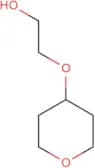


![3-Bromo-6,7-dihydro-4H-pyrazolo[1,5-a]pyrazine-5-carboxylic acid tert-butyl ester](/_next/image/?url=https%3A%2Fstatic.cymitquimica.com%2Fproducts%2F3D%2Fthumb-webp%2FWXB15425.webp&w=3840&q=75)

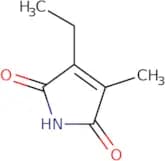
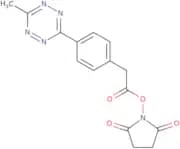
![5-Chloro-1H-pyrrolo[2,3-c]pyridine-3-carboxylic acid](/_next/image/?url=https%3A%2Fstatic.cymitquimica.com%2Fproducts%2F3D%2Fthumb-webp%2FSSB19336.webp&w=3840&q=75)
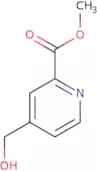
![7-Oxa-2-azaspiro[3.5]nonane hydrochloride](/_next/image/?url=https%3A%2Fstatic.cymitquimica.com%2Fproducts%2F3D%2Fthumb-webp%2FSGC63309.webp&w=3840&q=75)

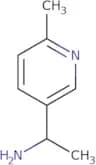
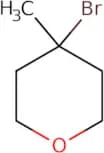
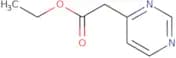

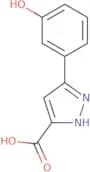
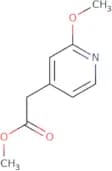
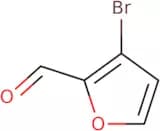


![2-Oxa-spiro[3.3]heptan-6-ol](/_next/image/?url=https%3A%2Fstatic.cymitquimica.com%2Fproducts%2F3D%2Fthumb-webp%2FNEC38108.webp&w=3840&q=75)

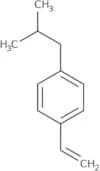
![(1R,8S,9s)-Bicyclo[6.1.0]non-4-yn-9-ylmethanol](/_next/image/?url=https%3A%2Fstatic.cymitquimica.com%2Fproducts%2F3D%2Fthumb-webp%2FNAC16690.webp&w=3840&q=75)
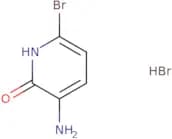
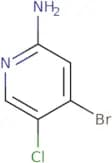


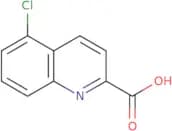

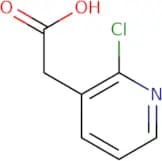
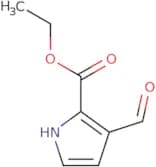

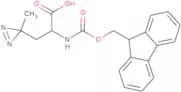
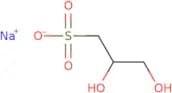
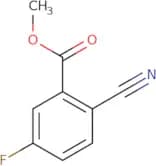

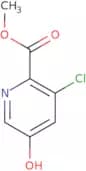
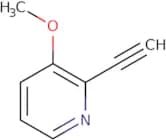
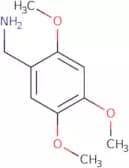
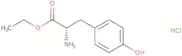

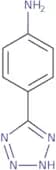
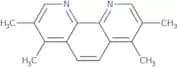

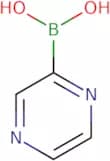
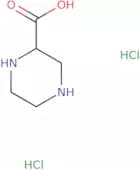
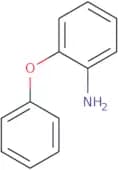
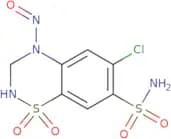
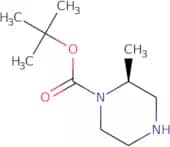
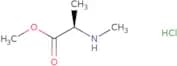
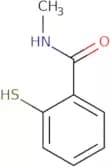
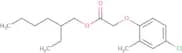
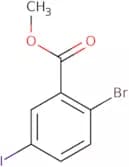
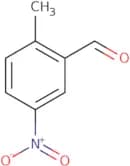
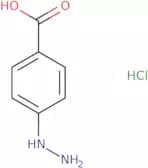
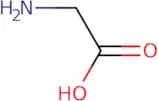
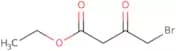
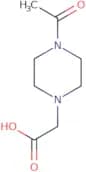
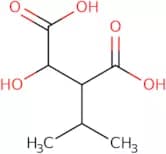


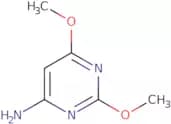
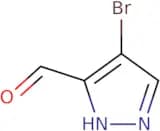

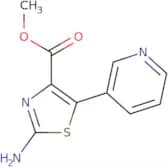
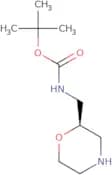
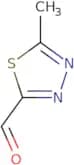
![ethyl 6-benzyl-2-oxa-6-azaspiro[3.4]octane-8-carboxylate](/_next/image/?url=https%3A%2Fstatic.cymitquimica.com%2Fproducts%2F3D%2Fthumb-webp%2FLBC69289.webp&w=3840&q=75)
![2,4-Dichloroimidazo[2,1-F][1,2,4]triazine](/_next/image/?url=https%3A%2Fstatic.cymitquimica.com%2Fproducts%2F3D%2Fthumb-webp%2FKXC70089.webp&w=3840&q=75)
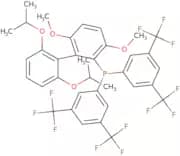
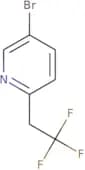
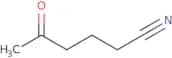

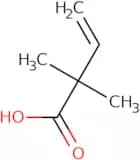

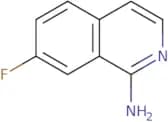
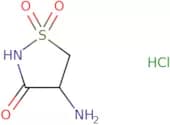
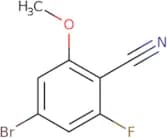
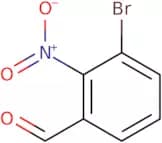
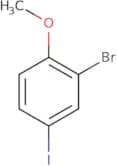
![2-[3-Chloro-5-(trifluoromethyl)-2-pyridinyl]-acetonitrile](/_next/image/?url=https%3A%2Fstatic.cymitquimica.com%2Fproducts%2F3D%2Fthumb-webp%2FHGA76410.webp&w=3840&q=75)

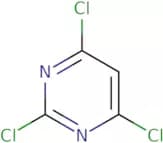

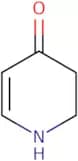
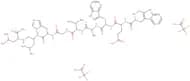
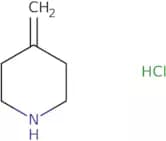



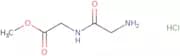
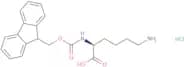
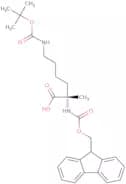
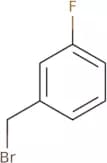


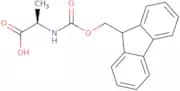

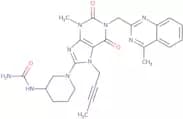
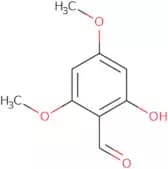
![1-[3-(Dimethylamino)propyl]-1-(4-fluorophenyl)-1,3-dihydro-3-oxo-5-isobenzofurancarbonitrile](/_next/image/?url=https%3A%2Fstatic.cymitquimica.com%2Fproducts%2F3D%2Fthumb-webp%2FFD184085.webp&w=3840&q=75)
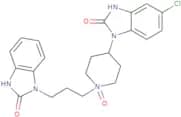


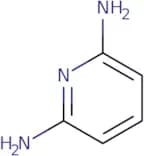

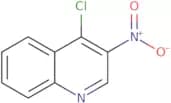
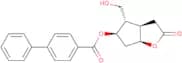
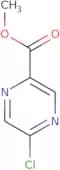
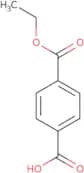
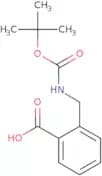
![2,3-Dihydro-1H-pyrrolo[3,2-c]pyridine hydrochloride](/_next/image/?url=https%3A%2Fstatic.cymitquimica.com%2Fproducts%2F3D%2Fthumb-webp%2FFAA91219.webp&w=3840&q=75)
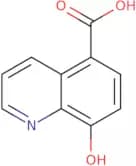
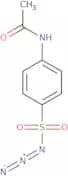
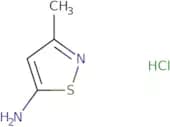

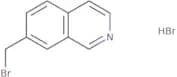
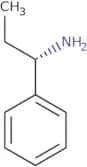
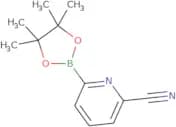
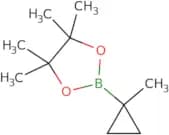
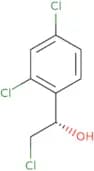
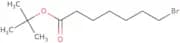
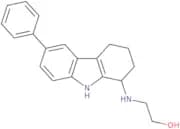

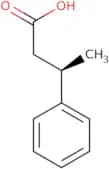
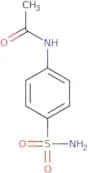
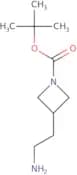
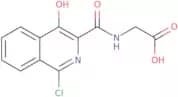

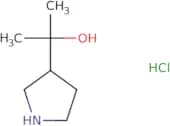
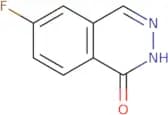

![2,3-Dihydro-1H-pyrrolo[3,2-c]pyridine](/_next/image/?url=https%3A%2Fstatic.cymitquimica.com%2Fproducts%2F3D%2Fthumb-webp%2FYAA59628.webp&w=3840&q=75)
![tert-Butyl 4-hydroxy-1-oxa-7-azaspiro[4.4]nonane-7-carboxylate](/_next/image/?url=https%3A%2Fstatic.cymitquimica.com%2Fproducts%2F3D%2Fthumb-webp%2FXXC50503.webp&w=3840&q=75)
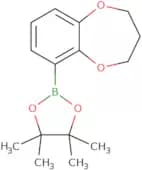
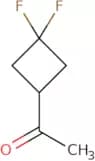

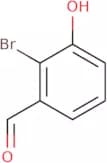


![2-boc-5-oxo-2-azabicyclo[2.2.2]octane](/_next/image/?url=https%3A%2Fstatic.cymitquimica.com%2Fproducts%2F3D%2Fthumb-webp%2FSZA71422.webp&w=3840&q=75)
![(R)-2-[(9H-Fluoren-9-ylmethoxycarbonylamino)-methyl]-butyric acid](/_next/image/?url=https%3A%2Fstatic.cymitquimica.com%2Fproducts%2F3D%2Fthumb-webp%2FSYB71157.webp&w=3840&q=75)
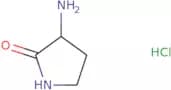
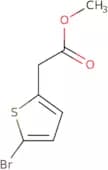
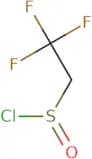

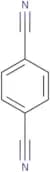

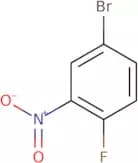
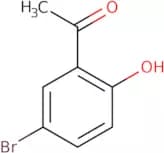


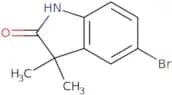
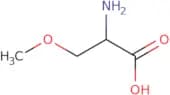
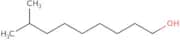
![[Ir{dFCF3ppy}2(bpy)]PF6](/_next/image/?url=https%3A%2Fstatic.cymitquimica.com%2Fproducts%2F3D%2Fthumb-webp%2FSTB77562.webp&w=3840&q=75)
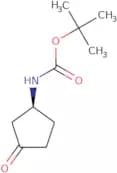

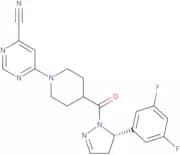
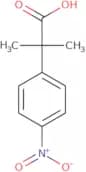
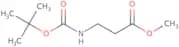
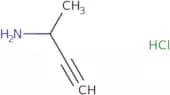
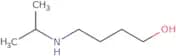
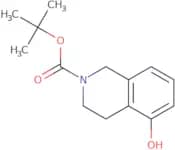
![2-[(6-Chloro-3,4-dihydro-3-methyl-2,4-dioxo-1(2H)-pyrimidinyl)methyl]-benzonitrile](/_next/image/?url=https%3A%2Fstatic.cymitquimica.com%2Fproducts%2F3D%2Fthumb-webp%2FQJB75896.webp&w=3840&q=75)


![7H,8H-Pyrido[2,3-d]pyridazin-8-one](/_next/image/?url=https%3A%2Fstatic.cymitquimica.com%2Fproducts%2F3D%2Fthumb-webp%2FQAA37579.webp&w=3840&q=75)


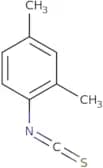
![4-[1-(tert-Butoxy)-2-methyl-1-oxopropan-2-yl]benzoic acid](/_next/image/?url=https%3A%2Fstatic.cymitquimica.com%2Fproducts%2F3D%2Fthumb-webp%2FNKD15780.webp&w=3840&q=75)
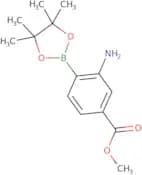
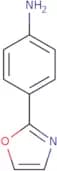
![8-Chlorotetrazolo[1,5-A]pyrazine](/_next/image/?url=https%3A%2Fstatic.cymitquimica.com%2Fproducts%2F3D%2Fthumb-webp%2FCDA88819.webp&w=3840&q=75)
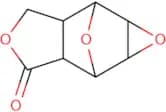
![tert-Butyl 3,9-diazaspiro[5.5]undecane-3-carboxylate hydrochloride](/_next/image/?url=https%3A%2Fstatic.cymitquimica.com%2Fproducts%2F3D%2Fthumb-webp%2FLJA40647.webp&w=3840&q=75)
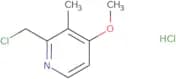
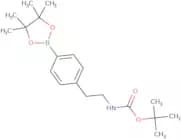
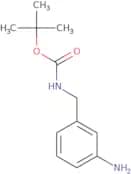


![2-Bromothieno[3,2-c]pyridin-4(5H)-one](/_next/image/?url=https%3A%2Fstatic.cymitquimica.com%2Fproducts%2F3D%2Fthumb-webp%2FDBA94860.webp&w=3840&q=75)