Building Blocks
This section contains fundamental products for the synthesis of organic and biological compounds. Building blocks are the essential starting materials used to construct complex molecules through various chemical reactions. They play a critical role in drug discovery, material science, and chemical research. At CymitQuimica, we offer a diverse range of high-quality building blocks to support your innovative research and industrial projects, ensuring you have the essential components for successful synthesis.
Subcategories of "Building Blocks"
- Boronic Acids & Boronic Acid Derivatives(5,778 products)
- Chiral Building Blocks(1,242 products)
- Hydrocarbon Building Blocks(6,098 products)
- Organic Building Blocks(61,034 products)
Found 199601 products of "Building Blocks"
Sort by
Purity (%)
0
100
|
0
|
50
|
90
|
95
|
100
3-Methoxy-1-methyl-1H-pyrazole-4-carbaldehyde
CAS:Versatile small molecule scaffoldFormula:C6H8N2O2Purity:Min. 95%Color and Shape:PowderMolecular weight:140.14 g/mol3,4-Dichloro-5-fluorobromobenzene
CAS:<p>Versatile small molecule scaffold</p>Formula:C6H2BrCl2FPurity:Min. 95%Molecular weight:243.88 g/mol3-Bromo-5-fluoro-2-iodotoluene
CAS:<p>Versatile small molecule scaffold</p>Formula:C7H5BrFIPurity:Min. 95%Molecular weight:314.92 g/mol4-[4-(Tetramethyl-1,3,2-dioxaborolan-2-yl)-1H-pyrazol-1-yl]pyridine
CAS:<p>Versatile small molecule scaffold</p>Formula:C14H18BN3O2Purity:Min. 95%Molecular weight:271.12 g/mol(Chloromethyl)cyclohexane
CAS:<p>(Chloromethyl)cyclohexane is a synthase gene that is responsible for synthesizing the enzyme chloromethyl cyclohexane, which is used as a solid catalyst. The synthesis of (chloromethyl)cyclohexane from phenyl groups and liquid crystal composition has been demonstrated using expression plasmids and active oxygen. The compound inhibits inflammatory diseases by preventing the production of arachidonic acid, which is an inflammatory agent. This compound also inhibits the production of prostaglandins, which are involved in the release of histamine from mast cells. Pharmaceutical preparations that contain this compound are primarily used to treat rheumatoid arthritis and other inflammatory diseases.</p>Formula:C7H13ClPurity:Min. 95%Molecular weight:132.63 g/mol3-[5-(Aminomethyl)-1-oxo-2,3-dihydro-1H-isoindol-2-yl]piperidine-2,6-dione hydrochloride
CAS:<p>Versatile small molecule scaffold</p>Formula:C14H16ClN3O3Purity:Min. 95%Molecular weight:309.75 g/mol1-Boc 3-(2-bromoethyl)pyrrolidine
CAS:<p>Versatile small molecule scaffold</p>Formula:C11H20BrNO2Purity:Min. 95%Molecular weight:278.19 g/mol3,6-Dichloropicolinonitrile
CAS:<p>3,6-Dichloropicolinonitrile is a peroxide that is used in the synthesis of organic compounds. It is produced by the reaction of sodium carbonate and hydrochloric acid with nitric acid as a catalyst. 3,6-Dichloropicolinonitrile has been shown to be more selective than other oxidizing agents such as hydrogen peroxide and potassium permanganate. The product can then be purified by adding diacetate, which selectively reacts with the chlorine to form acetyl chloride and glycolic acid. The resulting mixture can then be distilled to produce 3,6-dichloropicolinonitrile in high purity. 3,6-Dichloropicolinonitrile can also be used in electrochemical methods for the synthesis of cyanides or biochemically for virulent products such as pesticides and organic solvents.</p>Formula:C6H2Cl2N2Purity:Min. 95%Molecular weight:173 g/mol5-Iodo-2-methylphenol
CAS:Versatile small molecule scaffoldFormula:C7H7IOPurity:Min. 95%Molecular weight:234.03 g/molNerol oxide
CAS:<p>Nerol oxide is a natural compound and fragrance ingredient that has been shown to have anti-aging effects. Nerol oxide is an ester of citronellal, nerolic acid and ethyl decanoate. It is found naturally in orange blossoms and other citrus plants, as well as in lavender oil. Nerol oxide can be extracted from the plant material using solid phase microextraction. The chemical analyses of this extract reveal the presence of various fatty acids, including ethyl esters, fatty acids and their corresponding alcohols. These compounds are used to produce nerol oxide by polymerization with an initiator such as potassium hydroxide or sodium hydroxide at a neutral pH.</p>Formula:C10H16OPurity:Min. 95%Molecular weight:152.23 g/molDimethyl pyridine-3,4-dicarboxylate
CAS:<p>Dimethyl pyridine-3,4-dicarboxylate is an organic compound that is used as a precursor to make other chemicals. It is a pyridinedicarboxylic acid and it can be synthesized from the reduction of pyridine with sodium borohydride in ethanol. Dimethyl pyridine-3,4-dicarboxylate is also used in the production of acetaldehyde by way of hydrosilylation with chloride and chloroform. This chemical has been found to be useful for the synthesis of various drugs such as antiepileptics, antihistamines, antipsychotics, and antidepressants.</p>Formula:C9H9NO4Purity:Min. 95%Molecular weight:195.17 g/mol7-Fluoroisoquinolin-1-amine
CAS:<p>Versatile small molecule scaffold</p>Formula:C9H7FN2Purity:Min. 95%Molecular weight:162.16 g/mol4-Amino-3-isothiazolidinone 1,1-dioxide hydrochloride
CAS:Versatile small molecule scaffoldFormula:C3H7ClN2O3SPurity:Min. 95%Molecular weight:186.62 g/molH-Glu(OMe)-NHdihydrochloride
CAS:<p>Versatile small molecule scaffold</p>Formula:C6H13ClN2O3Purity:Min. 95%Molecular weight:196.63 g/mol6,7-dihydro-5h-pyrrolo[3,4-d]pyrimidin-2-amine 2hcl
CAS:<p>Versatile small molecule scaffold</p>Formula:C6H10Cl2N4Purity:Min. 95%Molecular weight:209.07 g/molDi(1-adamantyl)chlorophosphine
CAS:<p>Di(1-adamantyl)chlorophosphine is a bifunctional ligand that can be used for the palladium-catalyzed coupling of aryl chlorides and amines. Di(1-adamantyl)chlorophosphine is synthesized from adamantane, phosphorous pentachloride, and anhydrous ammonia in the presence of catalytic amounts of palladium. Di(1-adamantyl)chlorophosphine is immobilized on silica gel to prevent hydrolysis. This ligand reacts with primary amines to form iminophosphoranes, which can then be reacted with aryl chlorides to form aryl chloroamines.</p>Formula:C20H30ClPPurity:Min. 95%Molecular weight:336.88 g/mol2-(2-Bromophenyl)-2-hydroxyacetic acid
CAS:<p>2-Bromophenyl-2-hydroxyacetic acid is a ligand that binds to the ethylene receptor in plants and can be used as a monomer for the polymerization of polyethylene. It has been shown that 2-bromophenyl-2-hydroxyacetic acid can also be used as an initiator for the polymerization of β-cyclodextrin. This compound has also been shown to be an analyte in gas chromatography, which is used to separate compounds based on their chemical properties. The use of this compound as a tethering agent has also been investigated with copolymerization reactions in order to create more stable polymers. 2-Bromophenyl-2-hydroxyacetic acid has been found to inhibit nonsteroidal antiinflammatory drugs and may have potential applications for chiral synthesis, such as mandelic acid production.</p>Formula:C8H7BrO3Purity:Min. 95%Molecular weight:231.04 g/mol3-(p-tolyl)propiolic acid
CAS:<p>3-(p-tolyl)propiolic acid is a functional group that is used in organic chemistry. It is an alkynoic acid with a terminal triple bond. The compound can be synthesized by the reaction of propiolic acid with an alkyne, followed by oxidation. The 3-(p-tolyl)propiolic acid can be used as a surrogate for other functional groups in organic synthesis, and it has been shown to react as an oxidant in biomolecular systems.</p>Formula:C10H8O2Purity:Min. 95%Molecular weight:160.17 g/mol2-Methyl-4-(4,4,5,5-tetramethyl-1,3,2-dioxaborolan-2-yl)phenol
CAS:<p>Versatile small molecule scaffold</p>Formula:C13H19BO3Purity:Min. 95%Molecular weight:234.1 g/moltert-butyl 5-amino-octahydro-1H-isoindole-2-carboxylate, Mixture of diastereomers
CAS:<p>Versatile small molecule scaffold</p>Formula:C13H24N2O2Purity:Min. 95%Molecular weight:240.3 g/mol2,2-Dipropylpentanoic acid
CAS:<p>2,2-Dipropylpentanoic acid is a white crystalline solid with a melting point of -51°C. It has a hydroxyl group and an ester linkage. The chemical formula is CH3(CH2)3COOC3H7. It has a molecular weight of 182.27 g/mol and a density of 1.071 g/cm3. It is soluble in organic solvents such as chloroform, ether, benzene, acetone, and carbon tetrachloride but insoluble in water. 2,2-Dipropylpentanoic acid can be used as a catalyst for the synthesis of polymers from monocarboxylic acids and chloride or magnesium halides. This compound also has antidepressant activity by inhibiting the reuptake of serotonin from the synapse into the presynaptic neuron.</p>Formula:C11H22O2Purity:Min. 95%Molecular weight:186.29 g/mol6-(tert-butoxy)-6-oxohexanoic acid
CAS:<p>Versatile small molecule scaffold</p>Formula:C10H18O4Purity:Min. 95%Molecular weight:202.2 g/mol3-Chloro-4-(pyridin-3-yl)-1,2,5-thiadiazole
CAS:<p>Versatile small molecule scaffold</p>Formula:C7H4ClN3SPurity:Min. 95%Molecular weight:197.64 g/molMethyl 5-Hexynoate
CAS:<p>Methyl 5-hexynoate is a synthetic product that can be synthesized from soybean lipoxygenase and hydrogenation reduction. This product has been shown to be a useful synthon for the synthesis of monoclonal antibodies with high binding affinity. The synthetic pathway, which involves cross-coupling and asymmetric synthesis, is outlined in the diagram below. The following are the steps involved in the production of methyl 5-hexynoate: 1) Addition of ethyl bromide to terminal alkynes 2) Addition of hydrochloric acid 3) Reaction with potassium tert-butoxide 4) Hydrogenation reduction 5) Cross-coupling reaction 6) Asymmetric synthesis</p>Formula:C7H10O2Purity:Min. 95%Molecular weight:126.15 g/mol1-(2,4-Difluoro-6-hydroxyphenyl)ethan-1-one
CAS:<p>Versatile small molecule scaffold</p>Formula:C8H6F2O2Purity:Min. 95%Molecular weight:172.13 g/molN-(4-Bromophenyl)-N-phenylacrylamide
CAS:<p>Versatile small molecule scaffold</p>Formula:C15H12BrNOPurity:Min. 95%Color and Shape:PowderMolecular weight:302.16 g/mol4-Hydroxyvaleric Acid Sodium Salt
CAS:Controlled Product<p>4-Hydroxyvaleric acid sodium salt is a hydrophilic, thermally sensitive substance that is used as an analytical reagent in toxicology. It is typically used as a screening agent for the detection of acetaldehyde and other aldehydes. 4-Hydoxyvaleric acid sodium salt reacts with acetone to form a clear solution and can be injected into a gas chromatograph using an injection method. The reaction between 4-hydroxyvaleric acid sodium salt and acetone produces an efficient method for the analysis of acetaldehyde. This chemical is often used by toxicologists and chemists to screen for the presence of acetaldehyde in blood or urine samples.</p>Formula:C5H9NaO3Purity:Min. 95%Molecular weight:140.11 g/molFerrocenylmethyl methacrylate
CAS:<p>Ferrocenylmethyl methacrylate is a reactive, irreversible oxidation agent. It is used in the synthesis of hydroxylated polymers and redox-active biological sensors. Ferrocenylmethyl methacrylate has been used as a component in polymerization reactions to produce polymers with recording potential. It has also been used for the detection of cancer cells and for the diagnosis of prostate cancer.</p>Formula:C15H16FeO2Purity:Min. 95%Molecular weight:284.13 g/mol4-Bromo-2,5-dimethoxybenzaldehyde
CAS:<p>4-Bromo-2,5-dimethoxybenzaldehyde is a nucleophilic compound that can act as an iminium. It is used in the synthesis of chalcones, which are aromatic compounds that have been found to have anticancer properties. 4-Bromo-2,5-dimethoxybenzaldehyde has two isomers: 2,4-dimethoxybenzaldehyde and 2,5-dimethoxybenzaldehyde. The separation of these compounds can be achieved using chromatography with a silica gel column. This process can be done on both the mixture of the two isomers or on one specific isomer. The synthetic pathway for this product begins with benzylpiperazine and piperazine. These two molecules react to form 3,4-dichlorobenzylpiperazine, which reacts with dimethoxybenzyl chloride to form 4-bromo-2,5-dim</p>Formula:C9H9BrO3Purity:Min. 95%Molecular weight:245.07 g/mol4-Bromo-5-methoxy-2-methylpyridine
CAS:<p>Versatile small molecule scaffold</p>Formula:C7H8BrNOPurity:Min. 95%Molecular weight:202.05 g/mol6-Bromo-3-fluoropyridine-2-carbonitrile
CAS:<p>Versatile small molecule scaffold</p>Formula:C6H2N2FBrPurity:Min. 95%Molecular weight:200.99 g/mol8-Chlorotetrazolo[1,5-A]pyrazine
CAS:<p>8-Chlorotetrazolo[1,5-A]pyrazine is a chlorine-containing compound. It is a heterocyclic aromatic organic compound and an important intermediate in the synthesis of other compounds. 8-Chlorotetrazolo[1,5-A]pyrazine is not found in nature. The elimination of chlorine from 8-chlorotetrazolo[1,5-A]pyrazine produces benzotriazole and the molecule tetrazole. 8-Chlorotetrazolo[1,5-A]pyrazine is used as a raw material for many organic syntheses.</p>Formula:C4H2N5ClPurity:Min. 95%Molecular weight:155.54 g/mol3-(bromomethyl)-5-fluoropyridine hbr
CAS:<p>Versatile small molecule scaffold</p>Formula:C6H6Br2FNPurity:Min. 95%Molecular weight:270.93 g/mol(1H-Indazol-4-yl)acetic acid
CAS:<p>(1H-Indazol-4-yl)acetic acid is a cation that has been shown to have pharmacological activity. It is hydrolyzable and is used as an anti-inflammatory agent. This compound also decarboxylates and hydrolyzes, which are processes that produce carboxyl and fluoro groups. (1H-Indazol-4-yl)acetic acid has been shown to be an anti-inflammatory agent, with effects against inflammation in the central nervous system. This drug also inhibits the production of inflammatory cytokines, including tumor necrosis factor alpha (TNFα), interleukin 1β (IL1β), and IL6.</p>Formula:C9H8N2O2Purity:Min. 95%Molecular weight:176.17 g/mol6-Cyanopyridine-2-boronic Acid Pinacol Ester
CAS:<p>Versatile small molecule scaffold</p>Formula:C12H15BN2O2Purity:Min. 95%Molecular weight:230.07 g/molMethyl 3-chloropropionate
CAS:<p>Methyl 3-chloropropionate is an alkyl ether that has been used in clinical studies as a liquid phase ion-pair extraction solvent. It was developed to replace the use of hexane, which is not environmentally friendly and can also cause irritation. Methyl 3-chloropropionate has been shown to have a higher viscosity than hexane at room temperature and is less likely to evaporate than hexane. Methyl 3-chloropropionate has also been used as a synthetic process solvent, with the reaction time being shorter than that of hexane. This compound can be used for chromatography without any effect on the solute or the stationary phase. Methyl 3-chloropropionate has also been shown to be effective in lipase and agarose gel assays, as well as chloride ion extraction from water samples.</p>Formula:C4H7ClO2Purity:Min. 95%Color and Shape:Clear LiquidMolecular weight:122.55 g/molMethyl trans-4-bromo-2-butenoate
CAS:<p>Methyl trans-4-bromo-2-butenoate is a synthetic compound that contains a hydroxyl group and two bromine atoms. It is synthesized by the reaction of diethyl succinate, hydrogen, and piperazine in an aqueous solution. Methyl trans-4-bromo-2-butenoate has been shown to have antineoplastic activity in combination with epidermal growth factor (EGF) and carbohydrate conjugates. It also binds to cell surface receptors on the epidermal cells, inhibiting their growth. The structural formula of methyl trans-4-bromo-2-butenoate can be seen below: [[File:Methyltrans4bromobutanoate.png|thumb|300px|left|The structural formula of methyl trans-[4] -[bromo]-[2] -butenoate.]]</p>Formula:C5H7BrO2Purity:Min. 95%Color and Shape:Clear LiquidMolecular weight:179.01 g/mol5-Bromopyridine-3-thiol
CAS:<p>Versatile small molecule scaffold</p>Formula:C5H4BrNSPurity:Min. 95%Molecular weight:190.06 g/mol4-Bromo-2,3-difluoropyridine
CAS:<p>Versatile small molecule scaffold</p>Formula:C5H2BrF2NPurity:Min. 95%Molecular weight:193.98 g/mol2,2-Dimethyl-1,3-dioxan-5-ol
CAS:<p>2,2-Dimethyl-1,3-dioxan-5-ol is a chemical compound that has been shown to have catalytic properties. It has also been used as an additive in organic synthesis reactions to activate carboxylic acids. 2,2-Dimethyl-1,3-dioxan-5-ol is an oxygenated compound that can be synthesized by the reaction of pyridine and formaldehyde. This substance can be used in acidic conditions and must be activated by solketal or dioxane before use. The physical properties of this chemical are shown using FTIR spectroscopy on corncob samples and physicochemical parameters were determined using standard techniques.</p>Formula:C6H12O3Purity:Min. 95%Molecular weight:132.16 g/mol2,4,5-Trimethoxybenzylamine
CAS:<p>2,4,5-Trimethoxybenzylamine is a synthetic compound that can be used as a precursor to the synthesis of other chemicals. It is prepared by reacting phenol with deuterium gas in a process called amination. This reaction is followed by reductive quaternization with cyanide. 2,4,5-Trimethoxybenzylamine is often used as an intermediate for the synthesis of drugs such as tamoxifen and clonidine.</p>Formula:C10H15NO3Purity:Min. 95%Color and Shape:PowderMolecular weight:197.23 g/molTriglycol dichloride
CAS:<p>Triglycol dichloride is a synthetic, water-soluble solid that is prepared by the reaction of 3-chloroperoxybenzoic acid with a hydroxide solution. It has been used in a variety of applications such as the preparation of hemicyanine, the synthesis of polymers, and the degradation of chlorinated hydrocarbons. Triglycol dichloride also has synergistic effects with other photocatalysts, increasing their activity and reducing their cost. Triglycol dichloride can be used to synthesize polymer films or coatings that are biodegradable, have low environmental impact, and are structurally stable. This compound is also unaffected by water or neutral pH and can be used in the production of semiconductors.</p>Formula:C6H12Cl2O2Purity:Min. 95%Color and Shape:Clear LiquidMolecular weight:187.06 g/mol(6,6)-Phenyl-C61 butyric acid methyl ester
CAS:<p>(6,6)-Phenyl-C61 butyric acid methyl ester (PCBM) is an organic semiconductor that has been used in molecular modeling studies and experimental models. The molecular structure of PCBM consists of a phenyl group on one end and a butyrate group on the other end. It has been shown that PCBM can be used to create polymer films with enhanced UV absorption properties. These films can be used as reaction products for low energy transport properties. This organic semiconductor is also known to have a high efficiency when it comes to cycloaddition processes, which can be achieved by multi-walled carbon nanotubes. PCBM has been shown to have a morphology that includes spherical particles with diameters between 10 and 20 nm.</p>Formula:C72H14O2Purity:Min. 95%Molecular weight:910.88 g/molPent-4-enylamine
CAS:<p>Pent-4-enylamine is a nitrogen nucleophile that can react with alkenes to form compounds. Pent-4-enylamine reacts quickly with alcohols and ethers in the presence of an acid catalyst to produce an alkene. Pent-4-enylamine has been used in food chemistry as a reactive intermediate for the formation of functional groups, such as amines, hydroxyl groups, and nitriles. It is also a model system for studying aminoalkenes and their reactions with other functional groups. Pent-4-enylamine has been shown to be a reactive heterocycle that forms 5 membered heteroaryl rings using structural analysis and model system studies.</p>Formula:C5H11NPurity:Min. 95%Molecular weight:85.15 g/molPhentolamine methanesulfonate
CAS:<p>Phentolamine is a synthetic mesylate that is used as an antihypertensive agent, and for the treatment of Raynaud's syndrome and pheochromocytoma. Phentolamine is also used to prevent frostbite and to treat various types of shock. Phentolamine blocks alpha-2-adrenergic receptors, thereby decreasing sympathetic nerve impulses to the heart, blood vessels, kidneys, and other organs. This drug also acts as a histamine antagonist by blocking H1-receptors on vascular smooth muscle cells. Phentolamine has been shown to have no significant effects on 5-hydroxytryptamine (5HT) release in vitro or in vivo.</p>Formula:C18H23N3O4SPurity:Min. 95%Color and Shape:White PowderMolecular weight:377.46 g/molPiperazine-2-carboxylic acid dihydrochloride
CAS:<p>Piperazine-2-carboxylic acid dihydrochloride (PZC) is an aminopyrimidine antibiotic that binds to the amine groups of plasma proteins and hydroxyapatite. It has been shown to have a specific interaction with Gram-negative bacteria, such as Escherichia coli and Salmonella typhimurium, as well as cancer cells. PZC can be used as a modifier in the treatment of staphylococcal infections and has been shown to inhibit protein synthesis in mammalian cells. PZC interacts with histidine residues on the surface of bacterial cells and inhibits their growth by binding to sites on DNA called triplexes. This drug also specifically binds to primary amines and reacts with other molecules containing amines such as polyamines, amides, or thiols.</p>Formula:C5H12Cl2N2O2Purity:Min. 95%Color and Shape:PowderMolecular weight:203.07 g/mol2-Phenoxyaniline
CAS:<p>2-Phenoxyaniline is a nitro compound that can be converted to the corresponding palladium complexes. It is an inhibitor of the acylation reaction, which is a type of chemical reaction in which an organic molecule reacts with an acid. The inhibition of this reaction has been shown to have an effect on heart disease, specifically by lowering cholesterol levels and reducing atherosclerosis. 2-Phenoxyaniline has also been shown to inhibit the activation energy for electron transfer reactions, making it useful as a catalyst in analytical methods. 2-Phenoxyaniline also undergoes vibrational spectroscopy when exposed to liquid chromatography and other analytical methods.</p>Formula:C12H11NOPurity:Min. 95%Color and Shape:Brown PowderMolecular weight:185.22 g/molN-Me-D-Ala-OMe·HCl
CAS:<p>Please enquire for more information about N-Me-D-Ala-OMe·HCl including the price, delivery time and more detailed product information at the technical inquiry form on this page</p>Formula:C5H11NO2·HClPurity:Min. 95%Molecular weight:153.61 g/mol4-Methylenepiperidine hydrochloride
CAS:<p>4-Methylenepiperidine hydrochloride is a synthetic, ethylene oxide derivative that is used as an antifungal drug. It is also used in the synthesis of other compounds and as a reagent in organic chemistry. 4-Methylenepiperidine hydrochloride can be synthesized by reacting ethylene with an alkoxide, followed by adding a metal halide such as organolithium reagents to form the desired product. The yield rate of this reaction is high and it is easy to perform on a large scale.</p>Formula:C6H11N·HClPurity:Min. 95%Color and Shape:White PowderMolecular weight:133.62 g/molH-Lys(Boc)-OH
CAS:<p>H-Lys(Boc)-OH is an ε-amino-protected lysine that plays a pivotal role in solution phase peptide synthesis. Strategically protected at the ε-amino group, it allows controlled peptide assembly, and it serves as intermediate for synthesizing β-peptides. The bulky Boc (tert-butyloxycarbonyl) group shields its epsilon amine (NH2) group, acting as a protective measure to prevent unwanted side reactions.</p>Formula:C11H22N2O4Color and Shape:White PowderMolecular weight:246.3 g/mol(S)-Laudanosine
CAS:<p>Laudanosine is a gamma-aminobutyric acid (GABA) analog that is metabolized by the liver to form laudanosine. Laudanosine has been shown to be a competitive antagonist of benzodiazepine binding sites, including those of atracurium, mivacurium chloride, and diazepam. Laudanosine has also been shown to inhibit cyclic nucleotide phosphodiesterases in vitro, with clinical relevance for its use as an anti-epileptic drug.</p>Formula:C21H27NO4Purity:Min. 95%Molecular weight:357.44 g/mol(S)-(-)-1-Phenylpropylamine
CAS:<p>(S)-(-)-1-Phenylpropylamine is a compound that can be synthesized by the asymmetric synthesis of 1-phenylethylamine. It is an amine that is used in the production of other compounds and has been shown to be reactive with a number of different compounds. The chemical profile of (S)-(-)-1-Phenylpropylamine consists mainly of aldehydes, amides, amines, and alkylating agents. This chiral molecule can be used for the production of drugs or as a precursor for other chemicals.</p>Formula:C9H13NPurity:Min. 95%Molecular weight:135.21 g/molCbznh-PEG3-OH
CAS:<p>Cbznh-PEG3-OH is a pegylation product that belongs to the family of PEG products. It is a derivative of Cbz-NH-PEG5-OH and Cbz-N-PEG5-OH, which are carboxybenzyl amido PEG compounds. Pegylation is the process of attaching polyethylene glycol (PEG) chains to molecules, such as proteins or drugs, to enhance their stability, solubility, and bioavailability. Cbznh-PEG3-OH can be used in various applications, including drug delivery systems, diagnostics, and biotechnology. Its unique chemical structure allows for precise control over the size and properties of the PEG chains, making it a versatile tool in the field of biomedical research.</p>Formula:C14H21NO5Purity:Min. 95%Molecular weight:283.32 g/mol(S)-2-Methylpiperidine hydrochloride
CAS:<p>(S)-2-Methylpiperidine hydrochloride is a synthetic reagent that can be used in asymmetric synthesis. It is a homochiral amide that can be used as a reagent for the efficient preparation of β-unsaturated piperidines. (S)-2-Methylpiperidine hydrochloride can be synthesized from a Grignard reaction with an aldehyde, which is an important chemical reaction in organic chemistry.</p>Formula:C6H14ClNPurity:Min. 95%Molecular weight:135.64 g/mol6-Quinolinecarboxylic acid, 4-chloro-7-methoxy-, methyl ester
CAS:<p>Versatile small molecule scaffold</p>Formula:C12H10ClNO3Purity:Min. 95%Molecular weight:251.67 g/molMethyl 7-methoxy-4-oxo-1,4-dihydro-6-quinolinecarboxylate
CAS:<p>Versatile small molecule scaffold</p>Formula:C12H11NO4Purity:Min. 95%Molecular weight:233.22 g/mol2-Bromothieno[3,2-c]pyridin-4(5H)-one
CAS:Versatile small molecule scaffoldFormula:C7H4BrNOSPurity:Min. 95%Molecular weight:230.08 g/molImidazolepyruvic acid hydrobromide hydrate
CAS:<p>Please enquire for more information about Imidazolepyruvic acid hydrobromide hydrate including the price, delivery time and more detailed product information at the technical inquiry form on this page</p>Formula:C6H6N2O3•(HBr)x•(H2O)xPurity:Min. 95%Color and Shape:PowderInosine 5'-monophosphate disodium hydrate
CAS:<p>Please enquire for more information about Inosine 5'-monophosphate disodium hydrate including the price, delivery time and more detailed product information at the technical inquiry form on this page</p>Formula:C10H13N4O8P•Na2•(H2O)xPurity:Min. 95%4-Imidazole methyl carboxylate
CAS:<p>4-Imidazole methyl carboxylate is a drug that inhibits the activity of dehydrogenases and other enzymes. It has been shown to be an inhibitor of the enzyme catalase in vitro and in vivo, which may be due to its ability to bind bidentately with the active site. 4-Imidazole methyl carboxylate is effective when administered orally, and it has been shown to improve symptoms of neurodegenerative diseases such as Alzheimer's disease. This drug also has a trifunctional chemical structure that contains a macrocyclic ring system with an imidazole group and a carboxylic acid group. The redox potential of this molecule makes it suitable for use as an antioxidant.</p>Formula:C5H6N2O2Purity:Min. 95%Color and Shape:White PowderMolecular weight:126.11 g/molIsononyl alcohol
CAS:<p>Isononyl alcohol is a polycarboxylic acid that has been used in the treatment of skin conditions, such as atopic dermatitis and psoriasis. It has been shown to penetrate the skin and stimulate the production of sebum. Isononyl alcohol is also used as a plasticizer for polyvinyl chloride (PVC) and other plastics, which increases their flexibility. This chemical also has a hydrophobic effect, which may be due to its hydroxyl group. The unsaturated alkyl chain on this chemical also makes it susceptible to oxidation by ozone in air and water vapor in air. Isononyl alcohol is metabolized by humans through conjugation with glucuronic acid or sulfate esters.</p>Formula:C9H20OPurity:Min. 95%Color and Shape:Clear LiquidMolecular weight:144.25 g/mol6-Hydroxy-1-naphthoic acid
CAS:<p>6-Hydroxy-1-naphthoic acid is a synthetic carboxylate compound with an analog structure that has been shown to be cytotoxic to cancer cells. It inhibits the activity of protein kinases by binding to ATP, which blocks the phosphorylation of tyrosine residues on proteins. 6-Hydroxy-1-naphthoic acid has been shown to inhibit growth factor receptors and induce apoptosis in tumor cells. The mechanism of action for this drug is believed to be through ring opening and hydrolysis of the naphthalene ring, followed by reaction with p-hydroxybenzoic acid. This results in inhibition of histone deacetylase activity, leading to decreased expression of genes involved in cell proliferation.</p>Formula:C11H8O3Purity:Min. 95%Color and Shape:PowderMolecular weight:188.18 g/mol2-Hydroxy-3-mercapto-1-propanesulfonic acid sodium salt
CAS:<p>2-Hydroxy-3-mercapto-1-propanesulfonic acid sodium salt (2HMP) is a diagnostic agent that can be used for the detection of bacterial infections. The conformational properties of 2HMP are similar to those of ATP, which allows it to bind to the polymerase chain reaction enzyme and initiate an enzymatic reaction. This leads to the production of a signal that can be detected by spectrophotometry or fluorometry. 2HMP has also been shown to have chemokine activity in vitro, but this has not been tested in vivo. 2HMP is a competitive inhibitor of human protein serine proteases, such as trypsin and chymotrypsin, with an IC50 value of approximately 1 μM.</p>Formula:C3H7NaO4S2Purity:Min. 95%Molecular weight:194.2 g/mol1-Hydroxypyridine-2-thione zinc
CAS:<p>Zinc pyrithione is a chemical compound that can be used as an antifungal agent. It has been shown to have genotoxic activity in vitro and in vivo. Zinc pyrithione binds to the surface of the fungal cell wall and inhibits the synthesis of ergosterol, a component of the fungal cell membrane. This binding prevents the formation of an ergosterol-zinc complex with cytochrome P450 enzymes, which are required for sterol biosynthesis, leading to inhibition of energy metabolism. The model system for zinc pyrithione is a mixture of 1-hydroxypyridine-2-thione (1HP) and zinc ions in water. Some studies have shown that zinc pyrithione can cause long-term toxicity, including glycol ether toxicity, when applied topically on hair or skin. Acute toxicities may include skin irritation or contact dermatitis from shampoos containing this substance.</p>Formula:C10H8N2O2S2ZnPurity:Min. 95%Color and Shape:White/Off-White SolidMolecular weight:317.69 g/mol8-Hydroxyquinoline hemisulfate salt hemihydrate
CAS:<p>8-Hydroxyquinoline is a sweet, water soluble, and heat stable inhibitor that has been used in the treatment of kidney disease. 8-Hydoxyquinoline has been shown to inhibit the growth of the rootstock Asiaticus by interfering with cell metabolism. It is also an insecticide that kills insects by causing damage to their cells. 8-Hydoxyquinoline inhibits polymerase chain reaction (PCR) by binding to DNA polymerase, blocking its activity and reducing its ability to synthesize DNA. This drug is also a potent blocker of angiotensinogen synthesis, which leads to reduced blood pressure levels.</p>Formula:C9H7NOH2SO4H2OColor and Shape:Yellow PowderMolecular weight:203.21 g/mol4-Hydrazinobenzoic acid
CAS:<p>4-Hydrazinobenzoic acid is a chemical compound that is used as an inhibitor of DNA synthesis. It prevents the formation of hydrogen bonds between nucleotides in DNA, which prevents the synthesis of new DNA strands. 4-Hydrazinobenzoic acid has been shown to inhibit the growth of human breast cancer cells by reactivating the tumor suppressor genes p21 and Rb1, which are responsible for regulating cell cycle progression. This compound also inhibits the production of hydrogen chloride (HCl) in reaction solutions containing sodium hypochlorite (NaOCl).</p>Formula:C7H8N2O2Purity:Min. 95%Color and Shape:Slightly Yellow PowderMolecular weight:152.15 g/mol1-Boc-2-methyl (2R,3S)-3-hydroxypyrrolidine-2-carboxylate
CAS:Please enquire for more information about 1-Boc-2-methyl (2R,3S)-3-hydroxypyrrolidine-2-carboxylate including the price, delivery time and more detailed product information at the technical inquiry form on this pageFormula:C11H19NO5Purity:Min. 95%Molecular weight:245.27 g/mol3-(boc-amino)-cyclobutanemethanol
CAS:<p>Versatile small molecule scaffold</p>Formula:C10H19NO3Purity:Min. 95%Molecular weight:201.27 g/mol5-bromo-3,3-dimethyl-2,3-dihydro-1H-indole
CAS:<p>5-bromo-3,3-dimethyl-2,3-dihydro-1H-indole is an activator that is used in palladium catalyzed reactions to form a phosphine ligand. 5-bromo-3,3-dimethyl-2,3-dihydro-1H-indole is also used as a vasotropic agent and reagent for organic synthesis. It is used to synthesize ethylesters and salts of 5-(5'-bromo)-2,2'-dihydroquinoline carboxylic acid. This compound can be hydrolyzed with alkaline solution to produce the corresponding amine.</p>Formula:C10H12BrNPurity:Min. 95%Molecular weight:226.1 g/molFmoc-Ala-Ala-Pro-OH
CAS:<p>Fmoc-Ala-Ala-Pro-OH is a building block that is used in organic synthesis as a reaction component or reagent. It can be used to synthesize a wide range of complex compounds with speciality chemical and fine chemical applications. Fmoc-Ala-Ala-Pro-OH is also a versatile building block that can be used to synthesize various useful scaffolds, such as the Fmoc amino acid sequence, which has been shown to bind heparin. This compound has high purity and can be used in research and development.</p>Formula:C26H29N3O6Purity:Min. 95%Color and Shape:PowderMolecular weight:479.53 g/molFmoc-b-Ala-Phe-Pro-OH
<p>Fmoc-b-Ala-Phe-Pro-OH is a chemical compound that is used as a reaction component, reagent, and useful scaffold. It reacts with various other chemicals to form complex compounds. This synthetic compound can be used as an intermediate in the synthesis of peptides, proteins, and other organic compounds. Fmoc-b-Ala-Phe-Pro-OH can also be used as a building block for the synthesis of speciality chemicals.</p>Formula:C32H33N3O6Purity:Min. 95%Color and Shape:PowderMolecular weight:555.62 g/molFmoc-b-Ala-Ala-Pro-OH
CAS:<p>Fmoc-b-Ala-Ala-Pro-OH is a reaction component that can be used in the synthesis of peptides and other compounds. It is a building block for the preparation of complex compounds, such as small molecules, polymers and natural products. Fmoc-b-Ala-Ala-Pro-OH has been shown to be useful in the synthesis of various types of reagents, including antibiotics and pharmaceuticals. This chemical has been reported as a useful scaffold for the preparation of high quality research chemicals. Fmoc-b-Ala-Ala-Pro is also an intermediate in the synthesis of speciality chemicals and fine chemicals.</p>Formula:C26H29N3O6Purity:Min. 95%Color and Shape:White PowderMolecular weight:479.53 g/molEthyl 4-bromoacetoacetate
CAS:<p>Ethyl 4-bromoacetoacetate is a chemical compound that is used in the synthesis of quinoline derivatives. It also has antiinflammatory properties and can be used to treat inflammatory diseases such as arthritis. The thermal expansion of this compound is greater than that of water, which can be useful in treating respiratory problems by providing increased oxygen transport. Ethyl 4-bromoacetoacetate is a reactive chemical that reacts with hydrochloric acid to produce hydrogen gas and ethyl bromide gas. It also undergoes nucleophilic substitutions at the carbon atom adjacent to the acetoacetate group. This reaction solution can be analyzed using magnetic resonance spectroscopy, which produces data on the sequences of this compound's atoms and its antiinflammatory activity.</p>Formula:C6H9BrO3Purity:90%NmrMolecular weight:209.04 g/molEdoxaban impurity 2 p-toluenesulfonic acid
CAS:<p>Please enquire for more information about Edoxaban impurity 2 p-toluenesulfonic acid including the price, delivery time and more detailed product information at the technical inquiry form on this page</p>Formula:C24H30ClN7O4S•C7H8O3SPurity:Min. 95%Molecular weight:720.26 g/molEdoxaban impurity G benzenesulfonate
CAS:<p>Please enquire for more information about Edoxaban impurity G benzenesulfonate including the price, delivery time and more detailed product information at the technical inquiry form on this page</p>Formula:C24H30ClN7O4S•C7H8O3SPurity:Min. 95%Molecular weight:720.26 g/molEthyl 2-(3-phthalimidopropyl)acetoacetate
CAS:<p>Please enquire for more information about Ethyl 2-(3-phthalimidopropyl)acetoacetate including the price, delivery time and more detailed product information at the technical inquiry form on this page</p>Formula:C17H19NO5Purity:Min. 95%Molecular weight:317.34 g/mol5-Bromo-1,3-oxazole hydrochloride
CAS:<p>Versatile small molecule scaffold</p>Formula:C3H3BrClNOPurity:Min. 95%Molecular weight:184.42 g/molethyl cyclopropaneacetate
CAS:<p>Ethyl cyclopropaneacetate is an organic compound that belongs to the class of aminophenyl ethyl esters. It has been shown to inhibit neutrophil migration and angiotensin II-induced vasoconstriction in cerebral arteries, suggesting that it may have a role in the treatment of chronic bronchitis. Ethyl cyclopropaneacetate has also been shown to have antimycotic activity against Candida albicans and Aspergillus niger, as well as cancer-fighting effects. This compound is synthesized by reacting triethyl orthoformate with adenosine under mild conditions. The reaction system is high yielding and can be used for the synthesis of other drugs.</p>Formula:C7H12O2Purity:Min. 95%Molecular weight:128.17 g/mol1-Amino-2,3-dihydro-1H-indene-5-carbonitrile hydrochloride
CAS:<p>Versatile small molecule scaffold</p>Formula:C10H11ClN2Purity:Min. 95%Molecular weight:194.66 g/mol3-(iodomethyl)oxetane
CAS:<p>Versatile small molecule scaffold</p>Formula:C4H7IOPurity:Min. 95%Molecular weight:198 g/mol2-Bromo-5-methylpyridin-3-ol
CAS:Versatile small molecule scaffoldFormula:C6H6BrNOPurity:Min. 95%Molecular weight:188.02 g/mol2,4-Dichloro-3-nitropyridine
CAS:<p>2,4-Dichloro-3-nitropyridine is a halogenated pyridinium salt that has been shown to inhibit the influenza virus in vitro. This compound is also reactive with nucleophilic groups such as amines, alcohols, and thiols. 2,4-Dichloro-3-nitropyridine has been used for the synthesis of quinoline derivatives that have potential applications in autoimmune diseases or cancer. 2,4-Dichloro-3-nitropyridine has also been found to be an inhibitor of tumor necrosis factor alpha (TNFα) production by LPS stimulated human monocytes.</p>Formula:C5H2Cl2N2O2Purity:Min. 95%Color and Shape:White PowderMolecular weight:192.99 g/mol2,4-Dinitrophenylacetic acid
CAS:<p>2,4-Dinitrophenylacetic acid is a chemical substance with the potential to inhibit acetylation. It can be used as an antigen and has been detected in environmental chemistry. 2,4-Dinitrophenylacetic acid is produced by the reaction of chemicals that are found in the environment and it can be detected at low concentrations. This compound is able to react with proteins in cells, leading to high cytotoxicity. 2,4-Dinitrophenylacetic acid can also stabilize optical systems.</p>Formula:C8H6N2O6Purity:Min. 95%Color and Shape:PowderMolecular weight:226.14 g/mol1H,1H,7H-Dodecafluoroheptanol
CAS:<p>1H,1H,7H-Dodecafluoroheptanol is a perfluorinated compound. It has been shown to be an efficient scavenger of reactive oxygen species (ROS) and to have a protective effect on collagen. The reaction mechanism of 1H,1H,7H-dodecafluoroheptanol is not fully understood. However, it has been shown that the chloride ion plays a key role in the formation of this product from 1H,1H,7F-dodecafluoroheptane. The reaction vessel used in this synthesis is critical because it must be anhydrous to prevent the formation of 1HF3OCl. Magnetic resonance spectroscopy has been used to study the chemical structures of this compound.</p>Formula:C7H4F12OPurity:Min. 95%Color and Shape:Colorless PowderMolecular weight:332.09 g/mol3,5-Dimethyl-4H-1,2,4-triazol-4-amine
CAS:<p>3,5-Dimethyl-4H-1,2,4-triazol-4-amine is a crystalline compound with antiproliferative and anti-inflammatory properties. It has been shown to inhibit the growth of cancer cells in vitro and in vivo. The mechanism of action is not fully understood but may be due to inhibition of DNA synthesis or by inhibiting the activity of topoisomerase II. 3,5-Dimethyl-4H-1,2,4-triazol-4-amine can also act as an antioxidant by scavenging reactive oxygen species (ROS). 3,5-Dimethyl-4H-1,2,4-triazol-4-amine has been shown to have a low toxicity in animals and humans.</p>Formula:C4H8N4Purity:Min. 95%Molecular weight:112.13 g/mol4,4'-Dimethyl-2,2'-bipyridine
CAS:<p>4,4'-Dimethyl-2,2'-bipyridine is a molecule that belongs to the group of p2 metal complexes. It has been shown to have synergistic effects with ruthenium complexes in analytical chemistry and electrochemical studies. Theoretical calculations have been performed for 4,4'-dimethyl-2,2'-bipyridine and its derivatives. These calculations show that the molecule is planar and that it can be considered as a diazonium salt. The photochemical properties of 4,4'-dimethyl-2,2'-bipyridine have also been studied in detail. This substance emits light when excited by ultraviolet light or visible light, which makes it an excellent candidate for use as a luminescent material in optical displays.</p>Formula:C12H12N2Purity:Min. 98%Color and Shape:Slightly Yellow PowderMolecular weight:184.24 g/mol2,4-Dibromopyridine
CAS:<p>2,4-Dibromopyridine is a brominated derivative of pyridine. It is synthesized through the substitution of two bromine atoms for two hydrogens on the pyridine ring. This synthesis can be achieved by disubstitution or cross-coupling reactions. The reaction products are nucleophilic and react with electrophiles to produce substitution products. The reaction mechanism is thought to involve a six-membered transition state, which has been observed using X-ray absorption spectroscopy.</p>Formula:C5H3Br2NPurity:Min. 95%Color and Shape:White To Off-White SolidMolecular weight:236.89 g/mol2,4-Dimethyl-3-hydroxypyridine
CAS:2,4-Dimethyl-3-hydroxypyridine is a hydroxypyridine compound with epoxide. It inhibits cytochrome P450 enzymes and is used as an organic solvent. 2,4-Dimethyl-3-hydroxypyridine is also used in research to study the structure of the pyridine ring and the hydroxyl group.Formula:C7H9NOPurity:Min. 95%Color and Shape:PowderMolecular weight:123.15 g/mol2,5-Dibromopyridine
CAS:<p>2,5-Dibromopyridine is a chemical compound that can be used as a coupling agent in palladium-catalyzed cross-coupling reactions. It is used on the surface of metal particles to increase the efficiency of the reaction, and has been shown to react with substrates such as sodium hydroxide solution, sodium carbonate, halides and hydroxides. 2,5-Dibromopyridine also reacts with benzoate to form a palladium complex. 2,5-Dibromopyridine can be used as an oxidant or reductant depending on the type of reaction it is being used in. It has redox potentials at -0.6 volts for oxidation and +0.6 volts for reduction.</p>Formula:C5H3Br2NPurity:Min. 95%Color and Shape:PowderMolecular weight:236.89 g/mol2,6-Diaminopyridine
CAS:<p>2,6-Diaminopyridine is a heterocyclic compound that is used in analytical chemistry as an indicator for the presence of protonated amines. It is prepared by coupling 2,6-diamino-pyridine with 1,3-benzodioxole-5-carboxylic acid. The nitrogen atoms are electron withdrawing groups and form hydrogen bonding interactions with the protonated amine. This type of interaction leads to a phase transition temperature of about 115°C and a high value for electrochemical impedance spectroscopy (EIS) measurements. The reaction mechanism involves the formation of a protonated amine from 2,6-diaminopyridine and 1,3-benzodioxole-5-carboxylic acid followed by proton transfer to yield the corresponding pyridinium salt.</p>Formula:C5H7N3Purity:Min. 95%Color and Shape:Beige To Brown SolidMolecular weight:109.13 g/molMethyl 5-bromo-2-fluoro-4-methylbenzoate
CAS:<p>Versatile small molecule scaffold</p>Formula:C9H8BrFO2Purity:Min. 95%Molecular weight:247.06 g/molManganese bis(trifluoromethanesulfonate)
CAS:<p>Manganese bis(trifluoromethanesulfonate) is a chemical compound that is soluble in acetone, ether, and anhydrous acetonitrile. It has been recrystallized from an ethanol-ether mixture and purified by filtration. The solubility of this chemical in acetone, ether, and anhydrous acetonitrile makes it useful for the preparation of manganese complexes with various ligands. Manganese bis(trifluoromethanesulfonate) is used as a catalyst in the epoxidation of olefins.</p>Formula:C2F6MnO6S2Purity:Min. 95%Molecular weight:353.08 g/mol2-Chloro-1-(3,4-difluoro-phenyl)-ethanone
CAS:2-Chloro-1-(3,4-difluoro-phenyl)-ethanone (2CFP) is an organic compound that is used as a choline precursor in the synthesis of acetylcholine. It has been shown to have escherichia coli inhibitory activity and can be used for process optimization in the synthesis of 2-chloroacetaldehyde from choline. The enzyme activities are specific to the concentration of substrate and the molecule's ability to permeate through cell membranes. 2CFP is synthesized by reduction of chloride ions with catalytic amounts of copper metal at an acceptor such as ticagrelor.Formula:C8H5ClF2OPurity:Min. 95%Molecular weight:190.57 g/mol3-Cyano-2-methylphenylboronic acid
CAS:<p>3-Cyano-2-methylphenylboronic acid is a high quality compound that can be used as a reagent, intermediate, or building block in the synthesis of complex compounds. This chemical is also useful as a speciality chemical and research chemical. 3-Cyano-2-methylphenylboronic acid has versatile uses in organic synthesis due to its versatility in reactions and building blocks.</p>Formula:C8H8BNO2Purity:Min. 95%Color and Shape:PowderMolecular weight:160.97 g/mol2-Chloro-3-(hydroxymethyl)pyridine
CAS:<p>2-Chloro-3-(hydroxymethyl)pyridine is an organic compound that is used as a building block for the synthesis of other heterocycles. This compound can be synthesized from 2-chloronicotinic acid, which is obtained by oxidation of nicotine with sodium hypochlorite in the presence of potassium ion. The reaction proceeds via a cleavage of the C-Cl bond and formation of a pyridine ring. The catalytic process can be performed at room temperature and at atmospheric pressure in a variety of solvents, including water.<br>2-Chloro-3-(hydroxymethyl)pyridine has been shown to have high yields for the preparation of compounds such as 2,4-dichloropyridine and 4,5-dichloropyrimidine. It also has been used in the preparation of pharmaceuticals such as atrial natriuretic factor (ANF).</p>Formula:C6H6ClNOPurity:Min. 98 Area-%Color and Shape:PowderMolecular weight:143.57 g/mol2-Chlorobenzonitrile
CAS:<p>2-Chlorobenzonitrile is a white solid that is soluble in organic solvents. It is an aryl halide and has a chemical structure of C6ClCN. 2-Chlorobenzonitrile is used as a raw material for the production of dyes and pharmaceuticals. This compound reacts with hydrochloric acid to form 4-chlorobenzonitrile, which can be used in the synthesis of other chemicals. 2-Chlorobenzonitrile can also react with n-dimethyl formamide in an optimal reaction solution to form 4-chlorobenzonitrile. The FTIR spectroscopy on this compound shows that it has a chloride group at 795 cm−1. The optimum reaction temperature for this compound is between 100 and 120 °C, but it will react with inorganic acids such as sulfuric acid or phosphoric acid at higher temperatures. Synthesis of this compound can be done by reacting</p>Formula:C7H4ClNPurity:Min. 95%Color and Shape:White PowderMolecular weight:137.57 g/mol4-Chlorobenzenethiol
CAS:<p>4-Chlorobenzenethiol is a chemical compound that contains a fatty acid. It is an intramolecular hydrogen donor with the ability to form a disulfide bond. The compound also has high stability and can be used in organic synthesis reactions involving reactive sulfur groups. 4-Chlorobenzenethiol reacts with sodium carbonate to produce sodium thiocarbonate and chloroform, which are then reacted with phosphorus pentoxide for oxidation. The reaction mechanism is similar to that of the Diels-Alder reaction and the model system involves dinucleotide phosphate. 4-Chlorobenzenethiol can be reacted with hydrochloric acid or trifluoroacetic acid as an oxidizing agent.</p>Formula:C6H5ClSPurity:Min. 95%Color and Shape:White PowderMolecular weight:144.62 g/molN-[2-[(2S)-2-Cyano-4,4-difluoro-1-pyrrolidinyl]-2-oxoethyl]-6-[methyl[3-(1-piperazinyl)propyl]amino]-4-quinolinecarboxamide trifluor oacetate
CAS:<p>Please enquire for more information about N-[2-[(2S)-2-Cyano-4,4-difluoro-1-pyrrolidinyl]-2-oxoethyl]-6-[methyl[3-(1-piperazinyl)propyl]amino]-4-quinolinecarboxamide trifluor oacetate including the price, delivery time and more detailed product information at the technical inquiry form on this page</p>Formula:C25H31F2N7O2•(C2HF3O2)xPurity:Min. 95%Molecular weight:499.56 g/molD-Carnosine trifluoroacetate
CAS:<p>Please enquire for more information about D-Carnosine trifluoroacetate including the price, delivery time and more detailed product information at the technical inquiry form on this page</p>Formula:C9H14N4O3•(C2HF3O2)xPurity:Min. 95%(αR)-α-(2-Chlorophenyl)-2H-tetrazole-2-ethanol
CAS:<p>Please enquire for more information about (αR)-α-(2-Chlorophenyl)-2H-tetrazole-2-ethanol including the price, delivery time and more detailed product information at the technical inquiry form on this page</p>Formula:C9H9ClN4OPurity:Min. 95%Molecular weight:224.65 g/mol4-Chloro-N-[2-(1,2-dihydro-2-oxo-4-quinolinyl)ethyl]benzamide
CAS:<p>Please enquire for more information about 4-Chloro-N-[2-(1,2-dihydro-2-oxo-4-quinolinyl)ethyl]benzamide including the price, delivery time and more detailed product information at the technical inquiry form on this page</p>Formula:C18H15ClN2O2Purity:Min. 95%Molecular weight:326.78 g/molCoproporphyrin III
CAS:<p>Please enquire for more information about Coproporphyrin III including the price, delivery time and more detailed product information at the technical inquiry form on this page</p>Formula:C36H38N4O8Purity:Min. 95%Molecular weight:654.71 g/molCyanidin 3-O-rutinoside
CAS:<p>Please enquire for more information about Cyanidin 3-O-rutinoside including the price, delivery time and more detailed product information at the technical inquiry form on this page</p>Formula:C27H31O15Purity:Min. 95%Molecular weight:595.53 g/mol6-(Chloromethyl)pteridine-2,4-diamine monohydrochloride
CAS:<p>Please enquire for more information about 6-(Chloromethyl)pteridine-2,4-diamine monohydrochloride including the price, delivery time and more detailed product information at the technical inquiry form on this page</p>Formula:C7H7ClN6•HClPurity:Min. 95%Molecular weight:247.08 g/molChlorpheniramine N-oxide
CAS:<p>Please enquire for more information about Chlorpheniramine N-oxide including the price, delivery time and more detailed product information at the technical inquiry form on this page</p>Formula:C16H19ClN2OPurity:Min. 95%Molecular weight:290.79 g/mol(3S)-3- [4- [(2-Chlorophenyl) methyl] phenoxy] tetrahydrofuran
CAS:<p>Please enquire for more information about (3S)-3- [4- [(2-Chlorophenyl) methyl] phenoxy] tetrahydrofuran including the price, delivery time and more detailed product information at the technical inquiry form on this page</p>Purity:Min. 95%2-Bromo-1-(4-chloro-3-fluorophenyl)ethanone
CAS:<p>Please enquire for more information about 2-Bromo-1-(4-chloro-3-fluorophenyl)ethanone including the price, delivery time and more detailed product information at the technical inquiry form on this page</p>Formula:C8H5BrCIFOPurity:Min. 95%Molecular weight:354.94 g/molCyclobutanesulfonyl chloride
CAS:<p>Cyclobutanesulfonyl chloride is a reagent that is used for the synthesis of 1-6-alkylcyclobutanes. It can be used to synthesize heterocyclic compounds, including those with high optical purity. Cyclobutanesulfonyl chloride has been shown to have antiviral and antiproliferative properties. It has also been shown to exhibit anticancer activity in vitro and in vivo. The mechanism of action for this compound is unclear, but it may inhibit protein synthesis by attacking the amino acid methionine in proteins or by inhibiting DNA replication.</p>Formula:C4H7ClO2SPurity:Min. 95%Color and Shape:Clear LiquidMolecular weight:154.62 g/molChloroiodomethane, stabilised with copper
CAS:<p>Chloroiodomethane is a chemical that is used as an intermediate in the production of other chemicals. It is a colourless liquid with a strong odour. 3-Bromopropylamine hydrobromide reacts with chloroiodomethane to form 3-bromopropyl bromide, which can be reacted with hydrogen chloride to form the corresponding acid chloride. This reaction product can then be reacted with β-amino acids to form amides or esters. The reaction mechanism of this process involves nucleophilic substitution of chloroiodomethane by the amino group of the β-amino acid to produce an intermediate α,β-unsaturated carbonyl chloride, which undergoes elimination to give the final product. Chloroiodomethane also reacts rapidly with fatty acids and hydroxyl groups in biological systems, leading to inflammatory diseases such as HIV infection.</p>Formula:CH2ClIPurity:Min. 95%Color and Shape:Colorless Clear LiquidMolecular weight:176.38 g/molH-beta-Cyclohexyl-Ala-OMe·HCl
CAS:<p>Please enquire for more information about H-beta-Cyclohexyl-Ala-OMe·HCl including the price, delivery time and more detailed product information at the technical inquiry form on this page</p>Formula:C10H19NO2·HClPurity:Min. 95%Molecular weight:221.72 g/mol(-)-Corey lactone 4-phenylbenzoate
CAS:<p>Corey lactone 4-phenylbenzoate is an efficient, large-scale preparation of (-)-Corey lactone. It is synthesized in two steps from 4-phenylbenzoic acid and ethyl acetoacetate. Corey lactone 4-phenylbenzoate has been used for the synthesis of a variety of natural products. This compound is also a precursor to the synthesis of other compounds, such as 3-amino-4-(2'-hydroxyethoxy)benzaldehyde.</p>Formula:C21H20O5Purity:Min. 95%Molecular weight:352.38 g/mol5-Chloro-2-methoxycarbonyl pyrazine
CAS:<p>5-Chloro-2-methoxycarbonyl pyrazine is a linker that is used to connect two pharmacophores. β-Lactamase, which is an enzyme that degrades β-lactams antibiotics, was inhibited by 5-chloro-2-methoxycarbonyl pyrazine in vitro and in vivo. The inhibitory potency of 5-chloro-2-methoxycarbonyl pyrazine was increased when it was combined with other molecules. This molecule has shown antibacterial activity against Enterobacter cloacae, methicillin resistant Staphylococcus aureus (MRSA), and Mycobacterium tuberculosis.</p>Formula:C6H5ClN2O2Purity:Min. 95%Color and Shape:PowderMolecular weight:172.57 g/molCytosine
CAS:<p>Pyrimidine nucleobase; component of nucleic acids</p>Formula:C4H5N3OPurity:(Hplc) Min. 99%Color and Shape:White PowderMolecular weight:111.1 g/molChlorbutanol hemihydrate
CAS:Chlorbutanol hemihydrate is an antimicrobial agent that is used as an intra-articular injection, and has been shown to be effective against choline chloride. Chlorbutanol hemihydrate binds to the active substances and reacts with chlorine atom to form an active substance. The reaction rate of chlorbutanol hemihydrate with chlorine atoms is slow, so it can be administered intravenously or intramuscularly. Functional assays have shown that chlorbutanol hemihydrate can inhibit the growth of cancer cells in a dose-dependent manner. It also inhibits the production of oxytocin receptor in mice tissues. Chlorbutanol hemihydrate has been shown to be safe for humans when given at doses up to 10 times higher than the recommended dosage, but may cause allergic reactions in some people.Formula:C4H7Cl3O•(H2O)0Purity:Min. 95%Color and Shape:White PowderMolecular weight:186.46 g/mol6-Chloro-2-fluoropurine
CAS:<p>6-Chloro-2-fluoropurine is an analytical reagent with a monoclonal antibody that binds to the nucleic acid of HL-60 cells and can be used for optical analysis. 6-Chloro-2-fluoropurine has been shown to have significant cytotoxicity against HL-60 cells, which may be due to its ability to bind to intracellular targets. 6-Chloro-2-fluoropurine has also been shown to inhibit the growth of HL-60 cells in a fluorescein angiography study and is used as a diagnostic agent for diagnosis of cancer.</p>Formula:C5H2ClFN4Purity:Min. 98 Area-%Color and Shape:Off-White PowderMolecular weight:172.55 g/molR-(-)-3-Chloro-1,2-propanediol
CAS:<p>R-(-)-3-Chloro-1,2-propanediol is a chiral epoxide that is used in the synthesis of other chemicals. It has been shown to be active against bacterial strains such as corynebacterium and coryneform bacteria. This chemical can be synthesized from hydrochloric acid and chlorinated propane with an asymmetric synthesis. The R-(-)-3-Chloro-1,2-propanediol can also be synthesized through electrochemical methods using chloride ion as the reducing agent. This compound is soluble in water and shows kinetic activity with carbon sources when used as an antibiotic.</p>Formula:C3H7ClO2Purity:Min. 95%Color and Shape:Colorless Clear LiquidMolecular weight:110.54 g/mol6-Chlorohexanol
CAS:<p>6-Chlorohexanol is a fatty alcohol with a hydroxyl group. It is soluble in water and has a phase transition temperature of -114°C. 6-Chlorohexanol can be synthesized by reacting 2,6-dichlorophenol with hydrochloric acid and sodium hydroxide in the presence of azobenzene. The reaction solution is then heated to about 300°C for 3 hours. 6-Chlorohexanol is used as a model system for studying the photochemical reactions of fatty acids. Hydroxy groups are susceptible to light exposure, which leads to the formation of carbonyl compounds such as malonic acid and chloride monomers.</p>Formula:C6H13ClOPurity:Min. 95%Color and Shape:PowderMolecular weight:136.62 g/moltert-Butyl 3-amino-5-methyl-1H-pyrazole-1-carboxylate
CAS:Versatile small molecule scaffoldFormula:C9H15N3O2Purity:Min. 95%Molecular weight:197.23 g/mol(R)-4-Boc-2-methylpiperazine
CAS:<p>(R)-4-Boc-2-methylpiperazine is a picolinamide dehydrogenase inhibitor that is used to treat type 2 diabetes. It has been shown to reduce blood glucose levels in animal models and human subjects with type 2 diabetes mellitus. The mechanism of action is thought to be via inhibition of the 11β-hydroxysteroid dehydrogenase, which increases insulin sensitivity. This drug also has good oral bioavailability, does not cause weight gain, and has an acceptable safety profile.</p>Formula:C10H20N2O2Purity:Min. 95%Color and Shape:White PowderMolecular weight:200.28 g/mol4-(Boc-amino)pyridine
CAS:<p>4-(Boc-amino)pyridine is a pyridine derivative that exhibits magnetic properties. It can be used to study the luminescence properties of pyridine rings. 4-(Boc-amino)pyridine inhibits cell proliferation and growth by binding to the kinase receptor in the cytoplasm, which blocks phosphorylation of proteins in the cell. This compound inhibits hCT-116 cells, which are human colorectal carcinoma cells, and has shown promising results in xenograft studies. 4-(Boc-amino)pyridine is an anionic molecule that can be used as a starting material for synthesis of other compounds. It was first synthesized by reacting 2-aminopyridine with boron trichloride in acetonitrile.</p>Formula:C10H14N2O2Purity:Min. 95%Color and Shape:White/Off-White SolidMolecular weight:194.23 g/molBenzophenone-4,4'-dicarboxylic acid
CAS:Benzophenone-4,4'-dicarboxylic acid is a reactive compound that can form ethylene. It has been shown to be an ultrafast encapsulation material for organic molecules and metal ions. Benzophenone-4,4'-dicarboxylic acid can be used in simulations to study the molecule's surface properties and densities. The linker also plays an important role in determining the diffraction of the molecule. This compound is susceptible to delamination when exposed to silicon surfaces.Formula:C15H10O5Purity:Min. 95%Color and Shape:White PowderMolecular weight:270.24 g/mol6-Bromohexanoic acid methyl ester
CAS:<p>6-Bromohexanoic acid methyl ester is a linker that can be used in the synthesis of amides. This compound is synthesized by reaction between 2-bromobutyric acid and malonic acid, followed by hydrolysis with sodium hydroxide. 6-Bromohexanoic acid methyl ester is an efficient method for the preparation of amides. It is biologically active and has been shown to have anti-inflammatory properties in biological studies.</p>Formula:C7H13BrO2Purity:Min. 95%Color and Shape:Clear LiquidMolecular weight:209.08 g/molBoc-Phe-Phe-OH
CAS:<p>Boc-Phe-Phe-OH is a linker that is used to create homologues. It has been shown to be able to form supramolecular structures and encapsulate biomolecules, such as amino acids. The ester linkage of Boc-Phe-Phe-OH can be modified by the addition of a carboxylic acid, which can lead to changes in its fluorescence and magnetic properties. Boc-Phe-Phe-OH is primarily used as an intermediate for fluorescent probes or other molecules.</p>Formula:C23H28N2O5Purity:Min. 95%Molecular weight:412.48 g/mol1-Bromo-4-iodobenzene
CAS:<p>1-Bromo-4-iodobenzene is an aryl halide that can be synthesized by the cross coupling of ethyl formate and hydrochloric acid. This compound is useful in analytical applications, such as chromatographic methods, due to its high solubility in organic solvents. It is also used in synthetic procedures for the preparation of other aryl halides. 1-Bromo-4-iodobenzene has been used to synthesize calcium carbonate via the Suzuki coupling reaction with sodium salts, which are nucleophiles. The carbonyl group on this molecule reacts with the nucleophile, forming an alkyl group and a metal salt. Transfer reactions involving these salts can produce other products with different functional groups.</p>Formula:C6H4BrIPurity:Min. 95%Color and Shape:PowderMolecular weight:282.9 g/molBenzophenone hydrazone
CAS:Benzophenone hydrazone is a benzophenone derivative that belongs to the group of pharmaceutical preparations. It is a hydrazone compound that contains one nitrogen atom and one phosphorus pentoxide group. The reaction mechanism of this molecule involves oxidation catalyzed by a radiation or light source. The diphenylmethanone, which acts as an electron donor, reacts with the benzophenone compound to produce the benzophenone hydrazone product. This reaction has been shown in solution and in solid form by reacting with potassium dichromate and hydrogen peroxide in the presence of hydrochloric acid.Purity:Min. 95%8-Boc-3,8-diaza-bicyclo[3.2.1]octane
CAS:8-Boc-3,8-diaza-bicyclo[3.2.1]octane is a functional group that can be used in the preparation of pharmaceutical preparations. It is insoluble in water and soluble in organic solvents. This compound has been shown to be effective in the treatment of neurodegenerative diseases such as Alzheimer's disease and Parkinson's disease. 8-Boc-3,8-diaza-bicyclo[3.2.1]octane has also been shown to have protective effects against sae-cd induced cytotoxicity by upregulating the expression of antiapoptotic proteins Bcl2 and Bclxl, which are important for neuronal cell survival.Formula:C11H20N2O2Purity:Min. 95%Molecular weight:212.29 g/mol3-Bromobenzaldehyde
CAS:<p>3-Bromobenzaldehyde is an organic compound with the formula CHBrCHO. It is a colorless liquid that is soluble in many organic solvents. 3-Bromobenzaldehyde can be synthesized by the reaction of ethyl acetoacetate and anhydrous sodium in methanol, and can be purified by distillation or recrystallization from ethanol. This compound has been used as a solvent for analytical methods, such as GC-MS analysis, due to its high boiling point and low volatility. 3-Bromobenzaldehyde also reacts with hydrogen chloride to form benzoyl chloride, which can then be reacted with alcohols to produce esters. 3-Bromobenzaldehyde has been shown to react with chalcones to form optical active compounds, such as curcumin analogues. These reactions are typically carried out in solution using acetic acid or sulfuric acid as a catalyst.br>br></p>Formula:C7H5BrOPurity:Min. 95%Molecular weight:185.02 g/mol4-Bromo-1-methyl-1H-pyrazolo[4,3-c]pyridine-6-carboxylic acid
CAS:<p>Please enquire for more information about 4-Bromo-1-methyl-1H-pyrazolo[4,3-c]pyridine-6-carboxylic acid including the price, delivery time and more detailed product information at the technical inquiry form on this page</p>Formula:C8H6BrN3O2Purity:Min. 95%Molecular weight:256.06 g/mol4-Bromo-3-(trifluoromethoxy)pyridine hydrobromide
CAS:<p>Please enquire for more information about 4-Bromo-3-(trifluoromethoxy)pyridine hydrobromide including the price, delivery time and more detailed product information at the technical inquiry form on this page</p>Formula:C6H3BrF3NO•BrHPurity:Min. 95%Molecular weight:322.91 g/mol2-Bromo-5-hydroxypyridine
CAS:2-Bromo-5-hydroxypyridine is an aromatic compound that is used in the synthesis of a variety of pharmaceuticals and other organic compounds. It can be synthesized by the Suzuki coupling reaction from 2-bromobenzaldehyde and 5-aminopyridine. 2-Bromo-5-hydroxypyridine has been shown to be a hepatotoxin in humans, with possible carcinogenic activity. It also has cholinergic properties, as well as being able to cause fluorescence when exposed to halogens. The carbon next to the hydroxyl group is a stereocenter, so there are two different configurations for this molecule. The configuration shown above (R) is the more stable form of this molecule due to its electron withdrawing power on the neighboring oxygen atom.Formula:C5H4BrNOPurity:Min. 95%Color and Shape:White PowderMolecular weight:174 g/mol2-Bromobenzo[d]thiazol-6-amine
CAS:<p>Please enquire for more information about 2-Bromobenzo[d]thiazol-6-amine including the price, delivery time and more detailed product information at the technical inquiry form on this page</p>Formula:C7H5BrN2SPurity:Min. 95%Molecular weight:229.1 g/mol3-Bromo-4-chloroaniline
CAS:<p>3-Bromo-4-chloroaniline is a chloroaniline compound. It is synthesized by reacting hexamethylenetetramine with chlorine gas in the presence of formaldehyde and paraformaldehyde. 3-Bromo-4-chloroaniline has been used to produce other compounds, such as trimethylchlorosilane, which is used in the production of silicone rubber. Chloroanilines are toxic chemicals that can be found in the environment and react with formaldehyde to produce carcinogenic substances called halofuginones.</p>Formula:C6H5BrClNPurity:Min. 95%Molecular weight:206.47 g/mol1-Benzofuran-5-carbaldehyde
CAS:1-Benzofuran-5-carbaldehyde is a synthetic compound that inhibits the enzyme ido1. It has been shown to have potent cytotoxicity, potent inhibition, and neurotrophic properties in a number of cell lines. 1-Benzofuran-5-carbaldehyde also exhibits inhibitory effects on the enzymes hydrolyzing dopamine, which is involved in the synthesis of norepinephrine and epinephrine. The chemical structure of 1-benzofuran-5-carbaldehyde closely resembles that of dopamine and its derivatives, and can be used for the treatment of neurodegenerative diseases such as Parkinson's disease.Formula:C9H6O2Purity:Min. 95%Color and Shape:Yellow To Brown SolidMolecular weight:146.14 g/mol4-Bromobenzaldehyde
CAS:<p>4-Bromobenzaldehyde is a chemical compound that belongs to the group of aromatic compounds. It has been shown to have a potent stimulatory effect on locomotor activity in mice, which may be due to its ability to increase levels of epidermal growth factor and gamma-aminobutyric acid in the brain. 4-Bromobenzaldehyde can be synthesized from 2,4-dibromophenol and anhydrous copper chloride in the presence of sodium hydroxide. The reaction mechanism for this synthesis is believed to involve an intermediate enamine form of 4-bromobenzaldehyde, which can then undergo hydrolysis into 2,4-dibromophenol and benzaldehyde. This product is used as a reagent in organic synthesis because it can be used to form esters with trifluoroacetic acid or hydrochloric acid in high yield.</p>Formula:C7H5BrOPurity:Min. 90 Area-%Color and Shape:White PowderMolecular weight:185.02 g/molBenzophenone-4-carboxylic acid
CAS:<p>Organic intermediate</p>Formula:C14H10O3Purity:Min. 98 Area-%Color and Shape:White PowderMolecular weight:226.23 g/mol5-Bromo-2-fluoro-1,3-dimethylbenzene
CAS:<p>Please enquire for more information about 5-Bromo-2-fluoro-1,3-dimethylbenzene including the price, delivery time and more detailed product information at the technical inquiry form on this page</p>Formula:C8H8BrFPurity:Min. 95%Color and Shape:Clear Colourless To Yellow LiquidMolecular weight:203.05 g/mol3-Bromo-2-fluoro-6-methylpyridine
CAS:<p>Please enquire for more information about 3-Bromo-2-fluoro-6-methylpyridine including the price, delivery time and more detailed product information at the technical inquiry form on this page</p>Formula:C6H5BrFNPurity:Min. 95%Molecular weight:190.01 g/mol4-Acetylimidazole
CAS:<p>4-Acetylimidazole is a histidine analogue that has been shown to have anticancer activity in breast cancer cells. It can react with amines and form imidazoles. The hydroxyl group on the 4-position of the imidazole ring is able to undergo dehydration, which leads to the formation of a chloride ion. This reaction mechanism is reversible and can be used in organic synthesis. 4-Acetylimidazole can also act as an h2 receptor antagonist, although it does not bind to the zwitterionic site of the h2 receptor. NMR spectra show that 4-acetylimidazole exists as a zwitterion in water solution, but becomes a monovalent ion when dissolved in an organic solvent such as methanol or acetone. 4-Acetylimidazole is chemically stable and does not react with poloxamer.</p>Formula:C5H6N2OPurity:Min. 95%Color and Shape:Yellow PowderMolecular weight:110.11 g/mol4-Acetamidobenzenesulfonyl azide
CAS:<p>4-Acetamidobenzenesulfonyl azide (4ABS) is a low detection reagent that can be used for the determination of 4-acetamidobenzoic acid. It reacts with the amine group in 4-acetamidobenzoic acid to form a sulfonamide intermediate and releases an azide ion. The linear calibration curve was obtained using vibrational spectroscopy and has a detection sensitivity of 0.03 ppm. This method can also be used to determine the functional groups present in dopamine, which have been shown to affect electrochemical impedance spectroscopy measurements.</p>Formula:C8H8N4O3SPurity:Min. 95%Color and Shape:White PowderMolecular weight:240.24 g/mol(R)-1-[3-[4-Amino-3-(4-phenoxyphenyl)-1H-pyrazolo[3,4-d]pyrimidin-1-yl]piperidin-1-yl]-3-chloropropan-1-one
CAS:<p>Please enquire for more information about (R)-1-[3-[4-Amino-3-(4-phenoxyphenyl)-1H-pyrazolo[3,4-d]pyrimidin-1-yl]piperidin-1-yl]-3-chloropropan-1-one including the price, delivery time and more detailed product information at the technical inquiry form on this page</p>Formula:C25H25ClN6O2Purity:Min. 95%Molecular weight:476.96 g/mol(2R,4R)-1-[(2S)-5-Amino-1-oxo-2-[[(1,2,3,4-tetrahydro-3-methyl-8-quinolinyl)sulfonyl]amino]pentyl]-4-methyl-2-piperidinecarboxylic a cid
CAS:<p>Please enquire for more information about (2R,4R)-1-[(2S)-5-Amino-1-oxo-2-[[(1,2,3,4-tetrahydro-3-methyl-8-quinolinyl)sulfonyl]amino]pentyl]-4-methyl-2-piperidinecarboxylic a cid including the price, delivery time and more detailed product information at the technical inquiry form on this page</p>Formula:C22H34N4O5SPurity:Min. 95%Molecular weight:466.6 g/mol2-Amino-4-hydroxypyridine
CAS:<p>2-Amino-4-hydroxypyridine (2AH) is a synthetic, isomeric compound that has been synthesized in two different forms: 3-bromo-5-hydroxypyridine and hydroxy group. 2AH has been shown to be chemically stable at room temperature and pH levels of less than 7. It also withstands the loss of membrane fluidity induced by amides, such as 3-amino-2-bromopyridine. 2AH can be used to synthesize oxindole derivatives, which are found in natural gas, and piperidines. This chemical can also be used for aminations with pyrrole or 2 amino 4 hydroxypyridine.</p>Formula:C5H6N2OPurity:Min. 95%Color and Shape:PowderMolecular weight:110.11 g/mol(R)-(-)-3-Amino-3-phenylpropionic acid
CAS:<p>(R)-(-)-3-Amino-3-phenylpropionic acid is a hydrogenated, stereoselective β-amino acid that is involved in the biosynthesis of animal health. The enzyme acylase catalyzes this reaction by binding with chiral pyridoxal phosphate to form an acylation product. The stereospecificity of the reaction is determined by whether the enzyme has a preference for L or D amino acids. Acylases are found in organisms such as mammals and bacteria.</p>Formula:C9H11NO2Purity:Min. 95%Color and Shape:PowderMolecular weight:165.19 g/mol2-Aminoimidazole sulfate
CAS:<p>2-Aminoimidazole sulfate is a chemical compound that is used as a transfection reagent. It has been shown to have high transfection efficiency with low cytotoxicity. The diameter of the molecule is in the range of 2 - 3 nm, which allows it to be taken up by cells and thus be active in them. This chemical can be dehydrogenated to form imidazole-2-sulfonic acid, which may interact with other molecules. There have been many advances in this area, including modifications and gaseous forms of the molecule. Research into the interactions of this compound with other chemicals and their effects on cellular uptake are ongoing.</p>Formula:C3H5N3•(H2O4S)0Purity:Min. 95%Color and Shape:Off-White PowderMolecular weight:264.26 g/mol2-Amino-6-chloropurine
CAS:<p>2-Amino-6-chloropurine is a nucleophilic substituent that is used in the synthesis of 2-amino-6-chloropurine. It reacts with hydroxyl groups to form a palladium-catalyzed coupling reaction solution, which is then treated with hydrochloric acid and trifluoroacetic acid. The product is purified by crystallization and recrystallization. This compound has potent antitumor activity against carcinoma cell lines, but it has not been shown to have any effect against Mycobacterium tuberculosis.</p>Formula:C5H4ClN5Purity:Min. 95%Color and Shape:Off-White PowderMolecular weight:169.57 g/molAdamantane
CAS:<p>Adamantane is a potent antiviral drug for the treatment of influenza. It is an oxidation catalyst that also has biological properties, such as a potent antitumor activity and potent antiviral resistance. Adamantane has been used to treat many human pathogens, including viruses, fungi and bacteria. Adamantane is a skeleton-like structure with four carbons and six hydrogen atoms that can be oxidized to adamantane oxide or reduced to adamantane alcohol. The adamantane molecule binds to the viral protein at a site called the toll-like receptor. This binding prevents viral replication by inhibiting mRNA synthesis in the virus.</p>Formula:C10H16Purity:Min. 95%Color and Shape:White Off-White PowderMolecular weight:136.23 g/mol2-{[2-(2,6-Dioxopiperidin-3-yl)-1-oxo-2,3-dihydro-1H-isoindol-4-yl]oxy}acetic acid
CAS:<p>Versatile small molecule scaffold</p>Formula:C15H14N2O6Purity:Min. 95%Molecular weight:318.28 g/molMethyl 3-oxoisoindoline-5-carboxylate
CAS:<p>Versatile small molecule scaffold</p>Formula:C10H9NO3Purity:Min. 95%Molecular weight:191.18 g/mol5-Bromo-1-methyl-1H-pyrazole-4-carboxylic acid
CAS:<p>Versatile small molecule scaffold</p>Formula:C5H5BrN2O2Purity:Min. 95%Molecular weight:205.01 g/mol1-Boc-3-Oxo-1,4-diazepane
CAS:<p>Versatile small molecule scaffold</p>Formula:C10H18N2O3Purity:Min. 95%Molecular weight:214.27 g/mol4,6-Dichloro-5-fluoronicotinic Acid
CAS:Versatile small molecule scaffoldFormula:C6H2Cl2FNO2Purity:Min. 95%Molecular weight:209.99 g/molγ-L-Glutamyl-α-naphthylamide monohydrate
CAS:<p>Gamma-L-glutamyl-alpha-naphthylamide is an enzyme that catalyzes the conversion of L-glutamic acid to L-glutamate. It is expressed in red blood cells, human liver, and human serum. Gamma-L-glutamyl-alpha-naphthylamide has been shown to have various specificities for different tissues and isoenzymes. This enzyme also has immunoassay procedures that are used to detect it in tissues or cells. These assays use monoclonal antibodies or solubilized gamma-L-glutamyl-alpha-naphthylamide molecules as detection agents.</p>Formula:C15H16N2O3•H2OPurity:Min. 95%Color and Shape:PowderMolecular weight:290.31 g/mol4-Bromo-2,6-dimethoxybenzaldehyde
CAS:<p>Versatile small molecule scaffold</p>Formula:C9H9BrO3Purity:Min. 95%Molecular weight:245.07 g/mol5-Methoxy-N1-methylbenzene-1,2-diamine
CAS:<p>Versatile small molecule scaffold</p>Formula:C8H12N2OPurity:Min. 95%Molecular weight:152.19 g/mol4-Benzyloxy-1-butanol
CAS:Controlled Product<p>Versatile small molecule scaffold</p>Formula:C11H16O2Purity:Min. 95%Molecular weight:180.24 g/molEthyl 4-methoxy-3-oxobutanoate
CAS:<p>Versatile small molecule scaffold</p>Formula:C7H12O4Purity:Min. 95%Molecular weight:160.17 g/mol4-(1,3-Dioxolan-2-yl)benzonitrile
CAS:<p>Versatile small molecule scaffold</p>Formula:C10H9NO2Purity:Min. 95%Molecular weight:175.18 g/molEthyl 2-(pyrimidin-4-yl)acetate
CAS:<p>Versatile small molecule scaffold</p>Formula:C8H10N2O2Purity:Min. 95%Molecular weight:166.18 g/mol2-[(6-Chloro-3,4-dihydro-3-methyl-2,4-dioxo-1(2H)-pyrimidinyl)methyl]-benzonitrile
CAS:<p>2-[(6-Chloro-3,4-dihydro-3-methyl-2,4-dioxo-1(2H)-pyrimidinyl)methyl]-benzonitrile is an antibacterial agent that belongs to the group of nitro compounds. It inhibits bacterial growth by blocking the synthesis of proteins and DNA. 2-[(6-Chloro-3,4-dihydro-3-methyl-2,4-dioxo-1(2H)-pyrimidinyl)methyl]-benzonitrile has been shown to be active against a wide range of bacteria including Gram positive and Gram negative organisms. This compound also exhibits metal ion chelating properties and can be used for the removal of heavy metals from water. The square planar geometry of 2-[(6-Chloro-3,4-(dihydro)-3-(methyl)-2,4-(dioxo)-1</p>Formula:C13H10ClN3O2Purity:Min. 95%Molecular weight:275.69 g/mol3-(4-Hydroxyphenyl)hex-4-ynoic acid
CAS:Versatile small molecule scaffoldFormula:C12H12O3Purity:Min. 95%Molecular weight:204.22 g/molThiophen-3-ylmethanamine hydrochloride
CAS:<p>Versatile small molecule scaffold</p>Formula:C5H8ClNSPurity:Min. 95%Molecular weight:149.64 g/molDSP-4 hydrochloride
CAS:DSP-4 hydrochloride is a neurotoxin that inhibits the synthesis of norepinephrine. It binds to neurons and prevents the uptake of dopamine, which can lead to neuronal death. DSP-4 hydrochloride affects brain functions by decreasing the concentration of serotonin in the cortex and increasing the concentrations of norepinephrine in the coeruleus. DSP-4 hydrochloride also has estrogenic effects by binding to estrogen receptors and increasing estradiol benzoate concentrations.Formula:C11H16BrCl2NPurity:Min. 95%Molecular weight:313.06 g/mol2-(2,4-dimethoxyphenyl)ethan-1-amine
CAS:Controlled Product<p>Versatile small molecule scaffold</p>Formula:C10H15NO2Purity:Min. 95%Molecular weight:181.24 g/mol5-Chloro-2-ethoxy-phenylamine
CAS:<p>5-Chloro-2-ethoxy-phenylamine is an enzyme inhibitor that binds to the active site of glucocerebrosidase, the enzyme that catalyzes the hydrolysis of glucocerebroside to glucose and ceramide. This compound has been shown to be a selective inhibitor against this enzyme and not affect other hydrolases or chaperones. It was also found that 5-chloro-2-ethoxy-phenylamine can act as a chemical chaperone by stabilizing protein folding in vitro. 5-Chloro-2-ethoxy phenylamine is a new analogue of 3-(3,4,-dichlorophenyl)-1-[(1R,2S)-2-(5,6,-dichloropyridin-3 yl)ethenyl]-1H-pyrazole. It is an inhibitor of Gaucher disease caused by glu</p>Formula:C8H10ClNOPurity:Min. 95%Molecular weight:171.63 g/mol7H,8H-Pyrido[2,3-d]pyridazin-8-one
CAS:<p>Versatile small molecule scaffold</p>Formula:C7H5N3OPurity:Min. 95%Color and Shape:PowderMolecular weight:147.13 g/mol2-(4-Carboxy-phenyl)-pyrrolidine-1-carboxylic acid tert-butyl ester
CAS:<p>Versatile small molecule scaffold</p>Formula:C16H21NO4Purity:Min. 95%Molecular weight:291.34 g/mol4-(4-Methylpiperazin-1-yl)-2-(trifluoromethyl)aniline
CAS:<p>Versatile small molecule scaffold</p>Formula:C12H16N3F3Purity:Min. 95%Molecular weight:259.27 g/mol2,3,6-Trimethylpyridin-4(1H)-One
CAS:<p>Versatile small molecule scaffold</p>Formula:C8H11NOPurity:Min. 95%Molecular weight:137.18 g/molcis-6-Boc-octahydropyrrolo[3,4-b]morpholine
CAS:<p>Versatile small molecule scaffold</p>Formula:C11H20N2O3Purity:Min. 95%Molecular weight:228.29 g/mol2-Oxa-spiro[3.3]heptan-6-ol
CAS:<p>Versatile small molecule scaffold</p>Formula:C6H10O2Purity:Min. 95%Molecular weight:114.14 g/mol2-Amino-5-fluoro-4-methoxybenzoic acid
CAS:Versatile small molecule scaffoldFormula:C8H8FNO3Purity:Min. 95%Molecular weight:185.15 g/molp-Isobutylstyrene-d7
CAS:<p>p-Isobutylstyrene-d7 is a solid catalyst that can be used in the synthesis of organic compounds. It has been shown to have good activity for the transfer of acid chloride groups to aromatic ring systems and for the synthesis of thiadiazoles. p-Isobutylstyrene-d7 has been shown to be an excellent catalyst for the conversion of hydrochloric acid into hydrogen chloride, which can then be recycled. The toxicity studies on this compound have shown that it is not toxic to bacterial strains, which may make it a good candidate for use as a catalyst in bioremediation or a growth substrate. This catalyst has also been shown to have photocatalytic activity and may be used in the purification of water contaminated with heavy metals.</p>Formula:C12H9D7Purity:Min. 95%Molecular weight:167.3 g/mol1,2,3,4-Tetrahydro-1,7-naphthyridine
CAS:<p>Versatile small molecule scaffold</p>Formula:C8H10N2Purity:Min. 95%Color and Shape:Clear LiquidMolecular weight:134.18 g/mol4-Bromo-5-chloropyridin-2-amine
CAS:<p>Versatile small molecule scaffold</p>Formula:C5H4BrClN2Purity:Min. 95%Molecular weight:207.46 g/mol8-Bromo-6-chloroisoquinoline
CAS:<p>Versatile small molecule scaffold</p>Formula:C9H5BrClNPurity:Min. 95%Molecular weight:242.5 g/mol1-(4-Chloro-3-fluorophenyl)ethan-1-amine HCl
CAS:<p>Versatile small molecule scaffold</p>Formula:C8H10Cl2FNPurity:Min. 95%Molecular weight:210.08 g/mol4-(Oxazol-2-yl)aniline
CAS:<p>Versatile small molecule scaffold</p>Formula:C9H8N2OPurity:Min. 95%Molecular weight:160.17 g/molMethyl 1-methyl-4-oxocyclohexanecarboxylate
CAS:<p>Versatile small molecule scaffold</p>Formula:C9H14O3Purity:Min. 95%Molecular weight:170.21 g/mol2-Azaspiro[3.3]heptane-2,6-dicarboxylic acid 2-tert-butyl ester
CAS:<p>Versatile small molecule scaffold</p>Formula:C12H19NO4Purity:Min. 95%Molecular weight:241.28 g/molMethyl 2-amino-5-pyridin-3-yl-1,3-thiazole-4-carboxylate
CAS:<p>Versatile small molecule scaffold</p>Formula:C10H9N3O2SPurity:Min. 95%Molecular weight:235.26 g/moltert-Butyl 3,9-diazaspiro[5.5]undecane-3-carboxylate hydrochloride
CAS:<p>Versatile small molecule scaffold</p>Formula:C14H27ClN2O2Purity:Min. 95%Molecular weight:290.83 g/molMethyl 4-chloropyrimidine-2-carboxylate
CAS:<p>Versatile small molecule scaffold</p>Formula:C6H5ClN2O2Purity:Min. 95%Molecular weight:172.57 g/mol2-Cyano-5-fluorophenol
CAS:<p>2-Cyano-5-fluorophenol is an organic compound that is used as a precursor to medicines and other chemicals. It reacts with calcium hydroxide in water to form 2-cyano-5-hydroxyfluorobenzene, which can be hydrolyzed to form 2-cyano-5-chlorofluorobenzene. This compound can also react with sodium hydroxide to produce sodium cyanate, which can be hydrolyzed to form sodium chloride and hydrogen cyanide gas. The alkali metal ions are needed for this reaction, which is why the product should not be exposed to water or moisture. 2-Cyano-5-fluorophenol has been shown to have liquid crystal properties and is used in the production of certain types of polymers. 2Cyano-5Fluorophenol crystals are also used in some medicines such as acetaminophen (paracetamol).</p>Formula:C7H4FNOPurity:Min. 95%Molecular weight:137.11 g/mol1-Azaspiro[3.3]heptane hydrochloride
CAS:<p>Versatile small molecule scaffold</p>Formula:C6H12ClNPurity:Min. 95%Molecular weight:133.62 g/mol2-(Chloromethyl)-4-methoxy-3-methylpyridine hydrochloride
CAS:<p>2-(Chloromethyl)-4-methoxy-3-methylpyridine hydrochloride is a lead compound that belongs to the family of pyridine derivatives. It has been shown to be a potent inhibitor of bacterial RNA synthesis, with an IC50 value of 1.2 μM for Escherichia coli and 8 μM for Bacillus subtilis. 2-(Chloromethyl)-4-methoxy-3-methylpyridine hydrochloride also inhibits the growth of Gram negative bacteria such as Pseudomonas aeruginosa and Enterobacter cloacae. The compound binds to the nucleophilic site on ribosomes, which prevents the formation of peptide bonds between amino acids in protein synthesis. This leads to cell death by inhibiting protein synthesis, leading to cell division.</p>Formula:C8H11Cl2NOPurity:Min. 95%Molecular weight:208.08 g/moltert-Butyl 3-bromo-1,4,6,7-tetrahydro-5H-pyrazolo[4,3-c]pyridine-5-carboxylate
CAS:<p>Versatile small molecule scaffold</p>Formula:C11H16BrN3O2Purity:Min. 95%Molecular weight:302.17 g/mol2-(Bromomethyl)-6-nitro-benzoic acid methyl ester
CAS:Versatile small molecule scaffoldFormula:C9H8BrNO4Purity:Min. 95%Molecular weight:274.07 g/mol5-Methyl-1,3,4-thiadiazole-2-carbaldehyde
CAS:<p>Versatile small molecule scaffold</p>Formula:C4H4N2OSPurity:Min. 95%Molecular weight:128.16 g/molethyl 6-benzyl-2-oxa-6-azaspiro[3.4]octane-8-carboxylate
CAS:<p>Versatile small molecule scaffold</p>Formula:C16H21NO3Purity:Min. 95%Molecular weight:275.35 g/molethyl 3-formyl-1H-pyrrole-2-carboxylate
CAS:<p>Ethyl 3-formyl-1H-pyrrole-2-carboxylate is a formyl compound with the molecular formula C8H8O3. It is a colorless liquid that has a strong odor. The compound can be obtained by the reaction of ethyl acetoacetate and pyrrole in the presence of aluminum chloride. The compound has been studied for its nuclear magnetic resonance (NMR) properties. It has two conformers, which are distinguished by their different chemical shifts, and this difference can be used to study coupling between the carbonyl group and other groups in the molecule.</p>Formula:C8H9NO3Purity:Min. 95%Molecular weight:167.2 g/mol2-(Bromomethyl)-6-fluorobenzonitrile
CAS:<p>Versatile small molecule scaffold</p>Formula:C8H5BrFNPurity:Min. 95%Molecular weight:214.04 g/mol3-chloro-4-cyanobenzoic acid
CAS:Versatile small molecule scaffoldFormula:C8H4ClNO2Purity:Min. 95%Molecular weight:181.58 g/mol2,4-Dichloroimidazo[2,1-F][1,2,4]triazine
CAS:Versatile small molecule scaffoldFormula:C5H2Cl2N4Purity:Min. 95%Molecular weight:189 g/molBis(3,5-bis(trifluoromethyl)phenyl)(2²,6²-bis(isopropoxy)-3,6-dimethoxybiphenyl-2-yl)phosphine
CAS:<p>Versatile small molecule scaffold</p>Formula:C36H31F12O4PPurity:Min. 95%Molecular weight:786.58 g/mol(e)-(2-(1-(tert-butoxycarbonyl)piperidin-4-yl)vinyl)boronic acid pinacol ester
CAS:<p>Versatile small molecule scaffold</p>Formula:C18H32BNO4Purity:Min. 95%Molecular weight:337.27 g/mol1-chloro-4-fluoroisoquinoline
CAS:<p>1-chloro-4-fluoroisoquinoline is a chlorinating agent that has been used as a synthetic method for the synthesis of oxychloride. It is typically used in the presence of palladium catalyst, in the presence of phosphorus and under reductive conditions. The chlorination reaction is initiated by addition of hydrochloric acid or phosphorous oxychloride. The 1-hydroxyisoquinoline reacts with phosphorus to form a chloroformate, which reacts with fluorine gas to produce an intermediate chlorofluorinate. This intermediate then reacts with chlorine gas in the presence of palladium catalyst to generate the desired product, 1-chloro-4-fluoroisoquinoline.</p>Formula:C9H5ClFNPurity:Min. 95%Molecular weight:181.59 g/moltert-butyl 4-(4,4,5,5-tetramethyl-1,3,2-dioxaborolan-2-yl)phenethylcarbamate
CAS:<p>Versatile small molecule scaffold</p>Formula:C19H30BNO4Purity:Min. 95%Molecular weight:347.26 g/mol1-Boc-pyrrolidine-3-ethanol
CAS:<p>Versatile small molecule scaffold</p>Formula:C11H21NO3Purity:Min. 95%Molecular weight:215.29 g/molFmoc-L-photo-leucine
CAS:Versatile small molecule scaffoldFormula:C20H19N3O4Purity:Min. 95%Molecular weight:365.4 g/mol5-Bromo-2-(2,2,2-trifluoroethyl)pyridine
CAS:<p>Versatile small molecule scaffold</p>Formula:C7H5BrF3NPurity:Min. 95%Molecular weight:240.02 g/mol


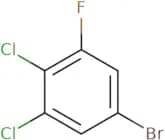
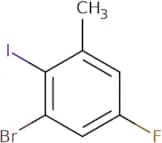
![4-[4-(Tetramethyl-1,3,2-dioxaborolan-2-yl)-1H-pyrazol-1-yl]pyridine](/_next/image/?url=https%3A%2Fstatic.cymitquimica.com%2Fproducts%2F3D%2Fthumb-webp%2FARC54869.webp&w=3840&q=75)

![3-[5-(Aminomethyl)-1-oxo-2,3-dihydro-1H-isoindol-2-yl]piperidine-2,6-dione hydrochloride](/_next/image/?url=https%3A%2Fstatic.cymitquimica.com%2Fproducts%2F3D%2Fthumb-webp%2FIWB26469.webp&w=3840&q=75)


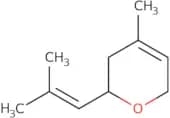

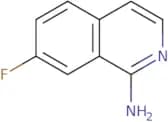
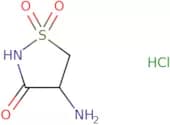
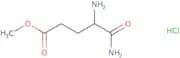
![6,7-dihydro-5h-pyrrolo[3,4-d]pyrimidin-2-amine 2hcl](/_next/image/?url=https%3A%2Fstatic.cymitquimica.com%2Fproducts%2F3D%2Fthumb-webp%2FHGA32752.webp&w=3840&q=75)
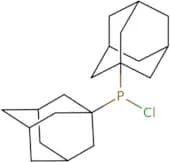
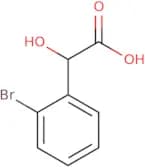

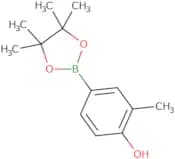
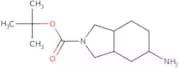

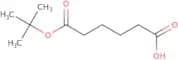
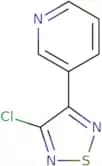


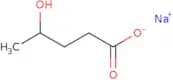
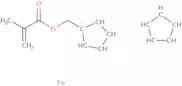
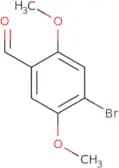
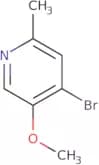
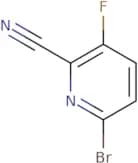
![8-Chlorotetrazolo[1,5-A]pyrazine](/_next/image/?url=https%3A%2Fstatic.cymitquimica.com%2Fproducts%2F3D%2Fthumb-webp%2FCDA88819.webp&w=3840&q=75)
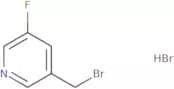
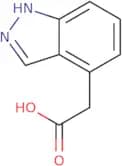
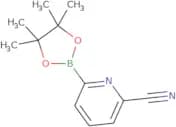


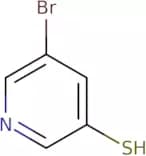

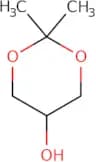
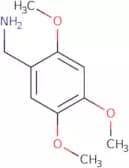



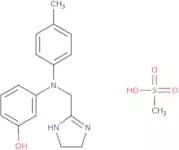
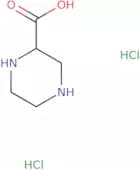
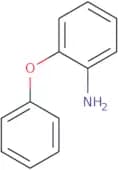
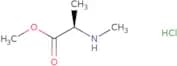
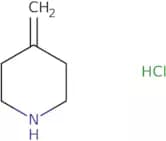
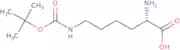
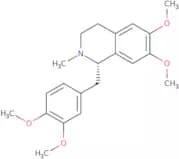
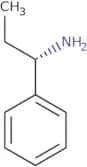


![2-Bromothieno[3,2-c]pyridin-4(5H)-one](/_next/image/?url=https%3A%2Fstatic.cymitquimica.com%2Fproducts%2F3D%2Fthumb-webp%2FDBA94860.webp&w=3840&q=75)
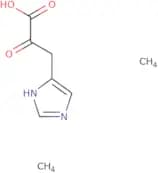
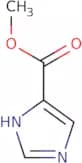
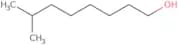

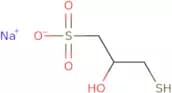

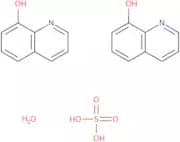
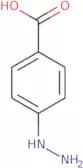


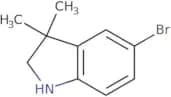
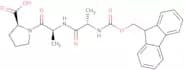


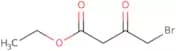
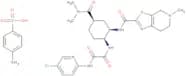
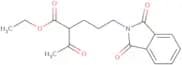

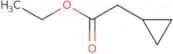
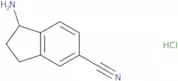


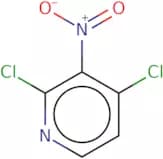
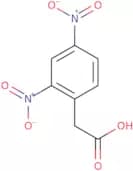


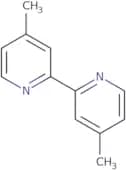
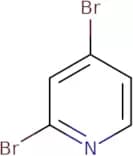
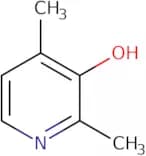
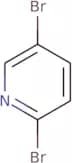
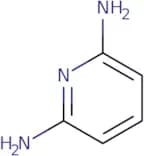
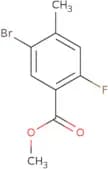
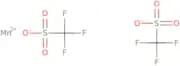
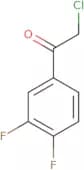
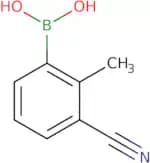
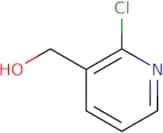
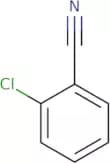
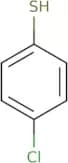
![N-[2-[(2S)-2-Cyano-4,4-difluoro-1-pyrrolidinyl]-2-oxoethyl]-6-[methyl[3-(1-piperazinyl)propyl]amin…](/_next/image/?url=https%3A%2Fstatic.cymitquimica.com%2Fproducts%2F3D%2Fthumb-webp%2FFC184139.webp&w=3840&q=75)

![4-Chloro-N-[2-(1,2-dihydro-2-oxo-4-quinolinyl)ethyl]benzamide](/_next/image/?url=https%3A%2Fstatic.cymitquimica.com%2Fproducts%2F3D%2Fthumb-webp%2FFC184071.webp&w=3840&q=75)


![(3S)-3- [4- [(2-Chlorophenyl) methyl] phenoxy] tetrahydrofuran](/_next/image/?url=https%3A%2Fstatic.cymitquimica.com%2Fproducts%2F3D%2Fthumb-webp%2FFC181171.webp&w=3840&q=75)


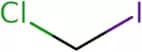

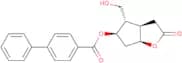
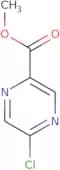
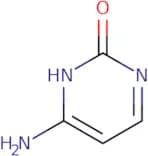
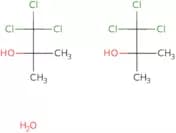
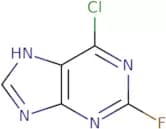



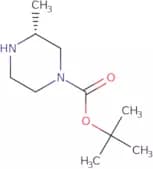
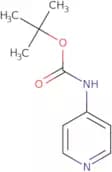
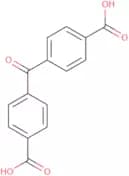
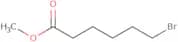
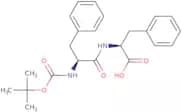

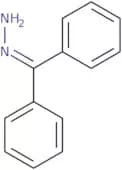
![8-Boc-3,8-diaza-bicyclo[3.2.1]octane](/_next/image/?url=https%3A%2Fstatic.cymitquimica.com%2Fproducts%2F3D%2Fthumb-webp%2FFB29382.webp&w=3840&q=75)
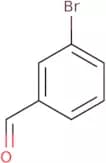
![4-Bromo-1-methyl-1H-pyrazolo[4,3-c]pyridine-6-carboxylic acid](/_next/image/?url=https%3A%2Fstatic.cymitquimica.com%2Fproducts%2F3D%2Fthumb-webp%2FFB183353.webp&w=3840&q=75)

![2-Bromobenzo[d]thiazol-6-amine](/_next/image/?url=https%3A%2Fstatic.cymitquimica.com%2Fproducts%2F3D%2Fthumb-webp%2FFB144124.webp&w=3840&q=75)

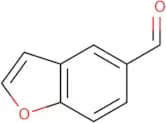


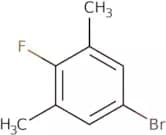

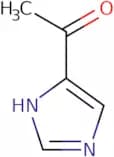
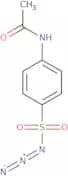
![(R)-1-[3-[4-Amino-3-(4-phenoxyphenyl)-1H-pyrazolo[3,4-d]pyrimidin-1-yl]piperidin-1-yl]-3-chloropro…](/_next/image/?url=https%3A%2Fstatic.cymitquimica.com%2Fproducts%2F3D%2Fthumb-webp%2FFA183174.webp&w=3840&q=75)
![(2R,4R)-1-[(2S)-5-Amino-1-oxo-2-[[(1,2,3,4-tetrahydro-3-methyl-8-quinolinyl)sulfonyl]amino]pentyl]…](/_next/image/?url=https%3A%2Fstatic.cymitquimica.com%2Fproducts%2F3D%2Fthumb-webp%2FFA182661.webp&w=3840&q=75)
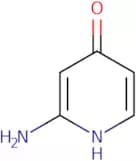

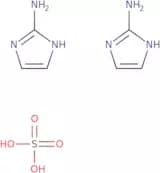
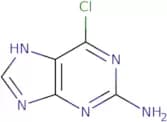

![2-{[2-(2,6-Dioxopiperidin-3-yl)-1-oxo-2,3-dihydro-1H-isoindol-4-yl]oxy}acetic acid](/_next/image/?url=https%3A%2Fstatic.cymitquimica.com%2Fproducts%2F3D%2Fthumb-webp%2FEPD97616.webp&w=3840&q=75)


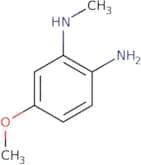

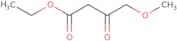
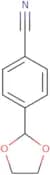
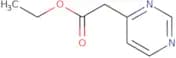
![2-[(6-Chloro-3,4-dihydro-3-methyl-2,4-dioxo-1(2H)-pyrimidinyl)methyl]-benzonitrile](/_next/image/?url=https%3A%2Fstatic.cymitquimica.com%2Fproducts%2F3D%2Fthumb-webp%2FQJB75896.webp&w=3840&q=75)


![7H,8H-Pyrido[2,3-d]pyridazin-8-one](/_next/image/?url=https%3A%2Fstatic.cymitquimica.com%2Fproducts%2F3D%2Fthumb-webp%2FQAA37579.webp&w=3840&q=75)


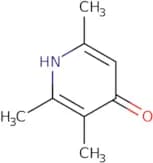
![cis-6-Boc-octahydropyrrolo[3,4-b]morpholine](/_next/image/?url=https%3A%2Fstatic.cymitquimica.com%2Fproducts%2F3D%2Fthumb-webp%2FNFA02702.webp&w=3840&q=75)
![2-Oxa-spiro[3.3]heptan-6-ol](/_next/image/?url=https%3A%2Fstatic.cymitquimica.com%2Fproducts%2F3D%2Fthumb-webp%2FNEC38108.webp&w=3840&q=75)





![2-Azaspiro[3.3]heptane-2,6-dicarboxylic acid 2-tert-butyl ester](/_next/image/?url=https%3A%2Fstatic.cymitquimica.com%2Fproducts%2F3D%2Fthumb-webp%2FLYB52653.webp&w=3840&q=75)
![tert-Butyl 3,9-diazaspiro[5.5]undecane-3-carboxylate hydrochloride](/_next/image/?url=https%3A%2Fstatic.cymitquimica.com%2Fproducts%2F3D%2Fthumb-webp%2FLJA40647.webp&w=3840&q=75)
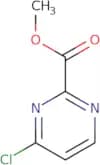

![1-Azaspiro[3.3]heptane hydrochloride](/_next/image/?url=https%3A%2Fstatic.cymitquimica.com%2Fproducts%2F3D%2Fthumb-webp%2FLED33729.webp&w=3840&q=75)
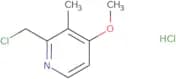
![tert-Butyl 3-bromo-1,4,6,7-tetrahydro-5H-pyrazolo[4,3-c]pyridine-5-carboxylate](/_next/image/?url=https%3A%2Fstatic.cymitquimica.com%2Fproducts%2F3D%2Fthumb-webp%2FLCD42906.webp&w=3840&q=75)

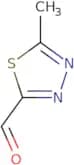
![ethyl 6-benzyl-2-oxa-6-azaspiro[3.4]octane-8-carboxylate](/_next/image/?url=https%3A%2Fstatic.cymitquimica.com%2Fproducts%2F3D%2Fthumb-webp%2FLBC69289.webp&w=3840&q=75)
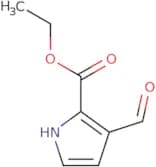


![2,4-Dichloroimidazo[2,1-F][1,2,4]triazine](/_next/image/?url=https%3A%2Fstatic.cymitquimica.com%2Fproducts%2F3D%2Fthumb-webp%2FKXC70089.webp&w=3840&q=75)