Alcohols
Subcategories of "Alcohols"
Found 5818 products of "Alcohols"
1-Octacosanol, 90%
CAS:Octacosanol is a mixture of eight fatty alcohols that can be found in wheat germ oil. It has been shown to have hypoglycemic effects and may be useful for the treatment of bowel disease. Octacosanol has been shown to have anti-inflammatory properties, which may be due to its ability to prevent the release of prostaglandin E2 from macrophages, thereby inhibiting the production of inflammatory mediators. It also binds to 2-adrenergic receptors and is thought to regulate energy metabolism by increasing levels of ATP in cells. Octacosanol is commonly used for elderly patients with metabolic disorders such as type II diabetes or hyperlipidemia.
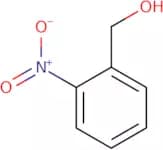
Formula:C28H58OPurity:Min. 90%Color and Shape:PowderMolecular weight:410.76 g/mol2-Nitrobenzyl alcohol
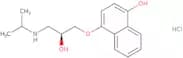
CAS:2-Nitrobenzyl alcohol is a molecule with photochemical properties. It has been used as a solid catalyst and in genotoxic studies. 2-Nitrobenzyl alcohol is also toxic to liver cells, although the mechanism behind this toxicity is not yet clear. The chemical biology of this molecule is being studied, which includes its receptor binding and interactions with human liver cells.Formula:C7H7NO3Purity:Min. 97%Color and Shape:PowderMolecular weight:153.14 g/mol(S)-4-Hydroxy propranolol hydrobromide
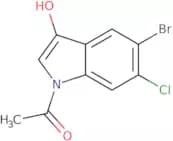
CAS:(S)-4-Hydroxy propranolol hydrobromide is an enantiomer of propranolol. It is a beta blocker that blocks the action of the neurotransmitter noradrenaline. The (S)-enantiomer of propranolol has been shown to be more potent in inhibiting the release of noradrenaline from nerve endings than the (R)-enantiomer and also to have a longer duration of action. This product is used as an antihypertensive agent and for beta-blockade during myocardial infarction. It can be used in assays to assess drug metabolism, quantify alprenolol, or assess the effects on carbon source, ionic environment, and fluorescence by measuring changes in pH.Formula:C16H22BrNO3Purity:Min. 95 Area-%Color and Shape:PowderMolecular weight:356.25 g/mol1-Acetyl-5-bromo-6-chloro-1H-indol-3-ol
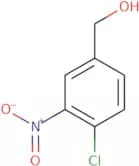
CAS:Please enquire for more information about 1-Acetyl-5-bromo-6-chloro-1H-indol-3-ol including the price, delivery time and more detailed product information at the technical inquiry form on this pageFormula:C10H7BrClNO2Purity:Min. 95 Area-%Color and Shape:PowderMolecular weight:288.52 g/mol4-Chloro-3-nitrobenzyl alcohol
CAS:4-Chloro-3-nitrobenzyl alcohol is a synthetic chemical that reacts with hydrochloric acid to form 4-chloro-3-nitrobenzyl chloride and hydrogen. It can be used in the preparation of other chemicals, such as divinylbenzene and chloride. This compound is insoluble in water and soluble in organic solvents, such as acetone and ether. 4-Chloro-3-nitrobenzyl alcohol has two stereoisomers, one of which is more reactive than the other.
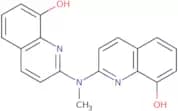
Formula:C7H6ClNO3Purity:Min. 95%Molecular weight:187.58 g/mol2,2'-(Methylimino)diquinolin-8-ol
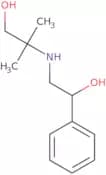
CAS:Please enquire for more information about 2,2'-(Methylimino)diquinolin-8-ol including the price, delivery time and more detailed product information at the technical inquiry form on this pageFormula:C19H15N3O2Purity:Min. 95%Molecular weight:317.34 g/mol(R)-2-((4-Aminophenethyl)amino)-1-phenylethanol hydrochloride
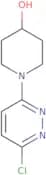
CAS:Intermediate in the synthesis of mirabegronFormula:C16H20N2O·HClPurity:Min. 95%Color and Shape:PowderMolecular weight:292.8 g/mol1-(6-Chloropyridazin-3-yl)piperidin-4-ol
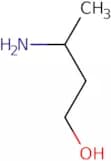
CAS:1-(6-Chloropyridazin-3-yl)piperidin-4-ol (CPP) is an organic compound that is used as a corrosion inhibitor. It has been shown to be effective in the presence of hydrochloric acid and chloride ions in various media. The mechanism of CPP's anti-corrosion properties is due to its ability to form a protective film on metal surfaces, which can be attributed to its electron donating ability. This film prevents the occurrence of metal dissolution or metal oxidation, thereby preventing corrosion. CPP has been shown to inhibit the growth of bacteria by binding with DNA and RNA. It also inhibits protein synthesis through competitive inhibition of ribosomes.Formula:C9H12ClN3OPurity:(%) Min. 85%Molecular weight:213.66 g/mol3-Aminobutan-1-ol
CAS:3-Aminobutan-1-ol is an amine that is synthesized industrially by the reduction of soybean trypsin with borohydride. This chemical has been used as a substrate in asymmetric synthesis and can be detected by high detection sensitivity. 3-Aminobutan-1-ol binds to the carbonyl group of amino acid residues and causes a reaction with chloride ions for detection. The product of this reaction is an enantiomer, which can be separated from other reaction products by purified chiral stationary phases. 3-Aminobutan-1-ol is also involved in the biosynthesis of proteins and enzymes. It reacts with hydrochloric acid to form a salt, which can then be used as an enzyme inhibitor.
Formula:C4H11NOPurity:Min. 95%Color and Shape:Clear LiquidMolecular weight:89.14 g/mol2-Tributyltin-allyl-1-ol
CAS:Controlled Product2-Tributyltin-allyl-1-ol is a research chemical that has shown potential in various areas of study. It has been found to interact with epidermal growth factor (EGF) and may have implications in the development of new therapies targeting EGF receptors. Additionally, 2-Tributyltin-allyl-1-ol has been studied for its potential interactions with drugs such as afatinib and paroxetine, indicating its possible role in drug metabolism and pharmacokinetics.
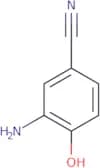
Formula:C15H32OSnPurity:Min. 95%Color and Shape:Colorless Clear LiquidMolecular weight:347.12 g/mol2-Amino-4-cyano-phenol
CAS:2-Amino-4-cyano-phenol is a compound that has been shown to have antitubercular activity. It modulates the activity of cromakalim, which is a drug used for the treatment of tuberculosis. 2-Amino-4-cyano-phenol is also an antibacterial agent and has been shown to activate bacterial DNA replication and protein synthesis. The mechanism of action of this compound is thought to be due in part to its ability to bind with the ribosomes on the outside surface of cells and inhibit their function. 2-Amino-4-cyano-phenol has also been shown to have structural similarities with phenylephrine, which inhibits bacterial growth by binding to DNA gyrase, thereby preventing transcription and replication.Formula:C7H6N2OPurity:Min. 95%Color and Shape:PowderMolecular weight:134.14 g/molm-Aminophenolsulfate
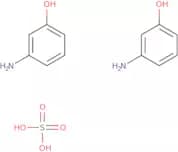
CAS:m-Aminophenolsulfate is a sulfonated derivative of m-aminophenol. It has been used for wastewater treatment and as an analytical reagent for the determination of p2 group substances, such as sulfa drugs. It is also used in pharmaceutical preparations and human serum. m-Aminophenolsulfate may be activated by hydrochloric acid to form a reactive intermediate (m-aminophenoxy radical) that reacts with electron acceptors such as oxygen or nitrous oxide to generate reactive oxygen species. In this way, m-aminophenolsulfate can act as a broad-spectrum antimicrobial agent against both Gram negative and Gram positive bacteria. The mechanism of this reaction is adsorption on the bacterial cell wall, which leads to cell death through osmotic lysis or disruption of membrane integrity.Formula:C12H16N2O6SPurity:Min. 95%Color and Shape:PowderMolecular weight:316.33 g/mol4-Ethoxy-3-methoxybenzyl alcohol
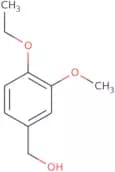
CAS:4-Ethoxy-3-methoxybenzyl alcohol is a metabolite of the drug benzocaine. It is formed by hydrolysis of the ester linkages in benzocaine and is then further metabolized to form 4-hydroxy-3-methoxybenzyl alcohol. 4-Ethoxy-3-methoxybenzyl alcohol has been shown to have antinociceptive effects in rats, which may be due to its ability to inhibit pain signals from the peripheral nerves.Formula:C10H14O3Purity:Min. 95%Color and Shape:PowderMolecular weight:182.22 g/molResorcinol bis(2-hydroxyethyl)ether
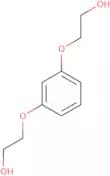
CAS:Resorcinol bis(2-hydroxyethyl)ether is a chemical compound that belongs to the class of polyols. It is a colorless liquid with a strong odor and has a molecular weight of 198.22 g/mol. Resorcinol bis(2-hydroxyethyl)ether is used in the production of polyester, polyurethane, and cellulose acetate butyrate. This chemical also has an anti-oxidant effect that can be utilized in industrial processes such as oxidation polymerization, dyeing, and curing agents. The synthesis methods for resorcinol bis(2-hydroxyethyl)ether include acetaldehyde condensation with glycerol or ethylene oxide followed by hydrolysis.Formula:C10H14O4Purity:Min. 95%Color and Shape:White PowderMolecular weight:198.22 g/mol2-(2-(3(S)-(3-(2-(7-Chloro-2-quinolinyl)-ethenylphenyl)-3-hydroxypropyl)phenyl)-2-propanol
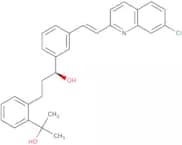
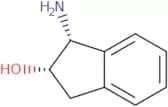
CAS:Covid-19 is a polymer that can be used as a coating for surfaces, such as plastics and metals. Covid-19 has been shown to have antibacterial properties against bacteria, including methicillin-resistant Staphylococcus aureus (MRSA) and Clostridium perfringens. Covid-19 also has functional groups that can be used in analytical methods to determine the concentration of drugs in biological samples. Covid-19 is soluble in polyvinyl alcohol and glycerol, which are both common additives in pharmaceuticals. Covid-19 has optical properties that make it suitable for use as a coating on contact lenses or other ophthalmic devices.Formula:C29H28ClNO2Purity:Min. 95%Color and Shape:PowderMolecular weight:457.99 g/mol(1R,2S)-1-Amino-2-indanol
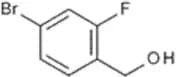
CAS:(1R,2S)-1-Amino-2-indanol is a potential drug candidate that can be used in asymmetric synthesis. It has been shown to inhibit the flow of hydrogen bond and to form an enantiomer. The enantiomer is more active than the racemic mixture, which may be due to the higher binding affinity for the enzyme. This compound has also been shown to inhibit herpes simplex virus and HIV in vitro with a high potency. (1R,2S)-1-Amino-2-indanol is modeled using molecular dynamics simulations and quantum mechanical calculations.Purity:Min. 95%Color and Shape:PowderMolecular weight:149.19 g/mol4-Bromo-2-fluorobenzyl alcohol
CAS:4-Bromo-2-fluorobenzyl alcohol is a high quality chemical that is used as an intermediate to produce other useful chemicals. It is also a reagent, useful in the production of complex compounds. 4-Bromo-2-fluorobenzyl alcohol has a CAS No. 188582-62-9 and can be used as a building block for producing speciality chemicals. This compound can be used as a versatile building block for the production of new products and it is often used as a reaction component in organic synthesis.
Formula:C7H6BrFOPurity:Min. 95%Color and Shape:PowderMolecular weight:205.02 g/mol[5-(4-Amino-2-bromophenyl)-2-furyl]methanol
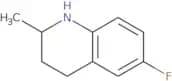
CAS:5-(4-Amino-2-bromophenyl)-2-furyl]methanol (5ABF) is a fine chemical that has been shown to be an effective building block. The compound is used as a reagent in organic synthesis and can be used as a reaction component. 5ABF is also an intermediate, which can be converted into useful building blocks. 5ABF has been shown to have versatile uses in research chemicals and speciality chemicals. This chemical's CAS number is 874592-18-4. 5ABF has a high quality and is a versatile scaffold.Formula:C11H10BrNO2Purity:Min. 95%Color and Shape:Slightly Yellow PowderMolecular weight:268.11 g/mol6-Fluoro-1,2,3,4-tetrahydro-2-methylquinoline
CAS:6-Fluoro-1,2,3,4-tetrahydro-2-methylquinoline is an organocatalytic fluorine compound that has been investigated as a fluoroquinolone antibiotic. It is an enantiopure compound and has been shown to be effective in the treatment of bacterial infections. 6-Fluoro-1,2,3,4-tetrahydro-2-methylquinoline inhibits bacterial growth by binding to DNA gyrase and topoisomerase IV. 6FLMQ is a chiral molecule with two possible configurations (R or S), which can be determined from x-ray crystallography. The S configuration is more potent than the R configuration. 6FLMQ also binds with chloride ions to form a cationic complex that can be used for antibacterial activity against Gram negative bacteria such as Escherichia coli and Pseudomonas aeruginosa. 6FLMQ hasFormula:C10H12FNPurity:Min. 95%Color and Shape:PowderMolecular weight:165.21 g/molTriadimenol
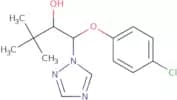
CAS:Triadimenol is a fungicide for cereals, beet and brassicas used to control a range of diseases including powdery mildew, rusts, bunts and smuts. It is a xenobiotic metabolite and an antifungal agrochemical.
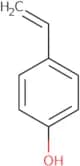
Formula:C14H18ClN3O2Purity:Min. 95%Color and Shape:White PowderMolecular weight:295.76 g/mol4-Vinylphenol, 10 wt % in propylene glycol
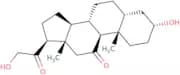
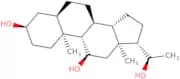
CAS:4-Vinylphenol is a chemical compound that has the molecular formula CH2=CHC6H4OH. It is a hydroxyl derivative of phenol and has the chemical structure of a phenolic acid. This compound is used in the laboratory to study the effects of cationic polymerization on surface methodology and activation energies. 4-Vinylphenol inhibits Saccharomyces cerevisiae strain, which is commonly found in urine samples as well as in recombinant cells, by inhibiting cell growth and reducing ATP production. The inhibition of Saccharomyces cerevisiae strain by 4-vinylphenol can be reversed with p-hydroxybenzoic acid or cationic polymerization. The molecule also contains two nitrogen atoms that can form hydrogen bonds with other molecules, such as water molecules. It is possible that these hydrogen bonds are what allow 4-vinylphenol to inhibit Saccharomyces cerevisiae strain, although this hypothesis hasFormula:C8H8OPurity:Min. 95 Area-%Color and Shape:Colorless Clear LiquidMolecular weight:120.15 g/mol5beta-Pregnan-3alpha,21-diol-11,20-dione
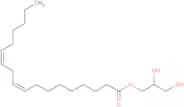
CAS:Controlled Product5beta-Pregnan-3alpha,21-diol-11,20-dione (5beta-pregnan) is a fine chemical used in research and development as a building block or intermediate. It has many uses, including as a useful scaffold for complex compounds. This chemical is also an excellent reagent for the synthesis of new organic compounds. It is a versatile building block that can be used in the production of high quality speciality chemicals. 5beta-pregnan may be used to synthesize many different types of building blocks and intermediates that are useful for the synthesis of other compounds.Formula:C21H32O4Purity:(Tlc) Min. 95.0%Color and Shape:PowderMolecular weight:348.48 g/mol1-Linoleoyl-rac-glycerol
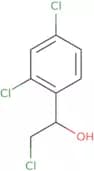
CAS:1-Linoleoyl-rac-glycerol is a lipid with a structure similar to that of linoleic acid. The compound is used as a substrate for the study of the effects of oxygenation on lipid metabolism. 1-Linoleoyl-rac-glycerol has been shown to have anti-inflammatory properties in chronic kidney disease and pancreatitis models, which may be due to its inhibition of pancreatic lipase. 1-Linoleoyl-rac-glycerol is also used as a reaction product in sample preparation techniques, such as thin layer chromatography and high performance liquid chromatography. A variety of reactions can be performed with this compound, including hydrolysis by thrombin or trypsin, esterification with methanol or chloroform, or oxidation by potassium permanganate. 1-Linoleoyl-rac-glycerol has been shown to inhibit the growth of human lung epithelial cells (thp1Formula:C21H38O4Purity:Min. 95 Area-%Color and Shape:Clear LiquidMolecular weight:354.52 g/mol2,4-Dichloro-α-(chloromethyl)benzyl alcohol
CAS:2,4-Dichloro-alpha-(chloromethyl)benzyl alcohol is an enantiopure compound that belongs to the class of acetylating agents. This drug is used in organic chemistry as a hydrophobic reagent to acetylate hydrophobic or electron-deficient carbon centers. It reacts with alcohols in the presence of aluminium and catalysts such as pyridine, 2,6-lutidine, or benzoyl chloride. The reaction time is dependent on the substrate binding and the kinetic effect. 2,4-Dichloro-alpha-(chloromethyl)benzyl alcohol has been shown to be an antifungal agent against Candida albicans. It has also been shown to be a chiral compound that can inhibit the growth of fungi by inhibiting the enzyme alcohol dehydrogenase which controls cellular levels of NADH2 and NAD+.Formula:C8H7Cl3OPurity:Min. 95%Color and Shape:SolidMolecular weight:225.5 g/mol3-Bromo-4-hydroxybenzyl alcohol
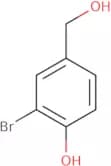
CAS:3-Bromo-4-hydroxybenzyl alcohol (3BHA) is a synthetic compound that is used as an antagonist in the treatment of platelet aggregation. It inhibits the activity of benzoxazine, an enzyme involved in the synthesis of 4-hydroxybenzoic acid. 3BHA blocks this pathway at high concentrations, inhibiting biosynthesis and leading to the accumulation of bromophenols. This inhibition may explain why aspirin has a potent inhibitory effect on platelet aggregation when combined with 3BHA.Formula:C7H7BrO2Purity:Min. 95%Color and Shape:PowderMolecular weight:203.03 g/mol8-Methoxy-2-methylquinolin-5-amine monohydrochloride
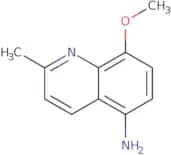
CAS:8-Methoxy-2-methylquinolin-5-amine monohydrochloride is a fine chemical that is used as a versatile building block in the synthesis of complex compounds. 8-Methoxy-2-methylquinolin-5-amine monohydrochloride is an intermediate for the production of research chemicals and pharmaceuticals. It can be used to synthesize speciality chemicals, useful scaffolds, and reagents. It also has a wide range of applications as a reaction component in synthetic organic chemistry. 8-Methoxy-2-methylquinolin-5-amine monohydrochloride has high purity and quality.Formula:C11H12N2O•HClPurity:Min. 95 Area-%Color and Shape:PowderMolecular weight:224.73 g/mol4-Nitroresorcinol
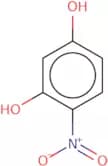
CAS:4-Nitroresorcinol is a hydroxamic acid that inhibits bacterial growth by reacting with riboflavin, which is essential for the synthesis of flavoproteins and folate. This compound has been shown to have a specific growth rate on the order of 10^-5 and 10^-6 M. The reaction of 4-Nitroresorcinol with riboflavin leads to the production of nitric oxide and hydrogen peroxide, which can lead to the destruction of cells. 4-Nitroresorcinol has been synthesized in an organic solvent using various techniques such as thermal decomposition, photochemical synthesis, and hydrolysis. 4-Nitroresorcinol can be viewed under a microscope using techniques such as electron microscopy or light microscopy.Formula:C6H5NO4Purity:Min. 98 Area-%Color and Shape:PowderMolecular weight:155.11 g/mol4-Methoxyresorcinol
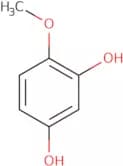
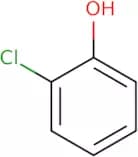
CAS:4-Methoxyresorcinol is a chemical compound that has the molecular formula CHNO. It has a hydroxyl group in the 4-position and a methyl group on the 8-position. The intramolecular hydrogen of this molecule is denatured by heating to about 220°C. This process converts it into resorcinol, which is structurally similar but has different properties. 4-Methoxyresorcinol can be used as a polymerization initiator for polycarboxylic acid or quinoline derivatives, and its analytical methods are used in determining its structure.Formula:C7H8O3Purity:Min. 95%Color and Shape:PowderMolecular weight:140.14 g/mol2-Chlorophenol
CAS:2-Chlorophenol is an organic compound that is used as a disinfectant and antiseptic. It has been shown to adsorb onto activated carbon and other organic matter in wastewater treatment facilities, where it is degraded by the intramolecular hydrogenation of 2-chlorophenol to 2-hydroxybenzoic acid. This reaction can be catalyzed by sodium citrate, which acts as a proton donor. The kinetics of this transformation can be described using the pseudo-first order rate law. 2-Chlorophenol also regulates transcriptional activity through binding to DNA at specific sites. This binding can be detected using solid phase microextraction techniques on copper chloride or surfactant sodium dodecyl. The reaction mechanism for the conversion of 2-chlorophenol to 2-hydroxybenzoic acid involves intermolecular hydrogen bonding with a proton donor that leads to the oxidation of the substrate. The redox potential for this processFormula:C6H5ClOPurity:Min. 95%Color and Shape:LiquidMolecular weight:128.56 g/mol2,2-Bis(hydroxymethyl)-2,2',2''-nitrilotriethanol
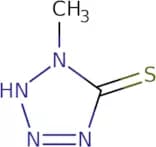
CAS:Bis-Tris is a Bis(2-hydroxyethyl) amine buffer that forms metal chelates and can be used with proteins and nucleic acids. This buffering agent has an optimal pH range of 5.8-7.2 and a pKa of 6.46.Formula:C8H19NO5Purity:Min. 98%Color and Shape:PowderMolecular weight:209.24 g/molN-Methyl-5-tetrazolethiol
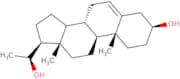
CAS:N-Methyl-5-tetrazolethiol is a vitamin B6 (pyridoxine) analog that inhibits bacterial growth by competitively inhibiting enzymes involved in the synthesis of folate. It has been shown to be toxic for animals and humans at high doses, but the toxicity of this compound has not been studied extensively. N-Methyl-5-tetrazolethiol has been shown to inhibit the activity of enzymes such as methionine synthase, cytochrome C reductase, and nitroreductase in vitro. This drug is used as a treatment for infectious diseases such as malaria and toxoplasmosis. The mechanism of action of N-methyl tetrazolethiol is not known, but it is believed to be related to its ability to inhibit enzyme activity.Formula:C2H4N4SPurity:Min. 95 Area-%Color and Shape:PowderMolecular weight:116.15 g/mol20a-Dihydro pregnenolone
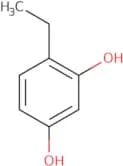
CAS:Controlled ProductPregnenolone is a steroid hormone that is synthesized in the adrenal cortex. It has been used as a diagnostic agent for detecting low levels of human chorionic gonadotropin (hCG). Pregnenolone interacts with the 3β-hydroxysteroid dehydrogenase, which is an enzyme involved in the conversion of pregnenolone to progesterone. The gene encoding this enzyme has been found to be mutated in patients with hydroxylase deficiency. Pregnenolone can also be converted into other hormones such as cortisol and androstenedione by various hydroxylases. This process may be inhibited by 20a-dihydroprogesterone, leading to increased concentrations of pregnenolone in the plasma.Formula:C21H34O2Purity:Min. 95%Color and Shape:White PowderMolecular weight:318.49 g/mol4-Ethylresorcinol
CAS:4-Ethylresorcinol is a natural compound that has been shown to be an effective inhibitor of the enzyme acetylcholinesterase. It is synthesized from resorcinol and 4-ethylphenol by a Friedel-Crafts reaction. This compound can exist in two different crystalline polymorphs: monoclinic or orthorhombic. 4-Ethylresorcinol exhibits good solubility in water, alcohols, and organic solvents. The molecular weight of this compound ranges from 310 to 340g/mol. 4-Ethylresorcinol inhibits the transcriptional activity of RNA polymerase II and III, as well as DNA polymerase, by binding to the active sites on these enzymes. It also prevents DNA replication by binding to the enzyme DNA gyrase. 4-Ethylresorcinol is most commonly used in cell culture studies where it inhibits cellular protein synthesis and decreases protein levels within cellsFormula:C8H10O2Purity:Min. 95%Color and Shape:PowderMolecular weight:138.16 g/mol2-Chloro-1-methylquinolinium tetrafluoroborate
CAS:2-Chloro-1-methylquinolinium tetrafluoroborate (2CQBF) is a synthetic compound that inhibits protein synthesis. It has been used as an analytical reagent for the determination of proteins, including those in urine samples. 2CQBF has been shown to be effective in the treatment of cancer and other diseases, such as lupus erythematosus, arthritis, and psoriasis.Formula:C10H9ClN•BF4Purity:Min. 95%Color and Shape:White PowderMolecular weight:265.44 g/molNonoxynol-8-carboxylic acid - Average Mn - 600
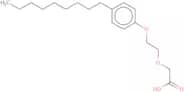
CAS:Nonoxynol-8-carboxylic acid (NONOX) is a benzyl ester of octanoic acid. It has been extensively studied in micellar environment. NONOX has been found to be an effective surfactant with good environmental compatibility and chemical stability.
Formula:C17H26O3·(C2H4O)nColor and Shape:Clear Liquid2,6-Dimethoxy-4-methylbenzyl alcohol
CAS:2,6-Dimethoxy-4-methylbenzyl alcohol is a high quality, versatile building block that is used as a reagent. The chemical has been shown to be a useful intermediate in the production of fine chemicals and speciality chemicals. 2,6-Dimethoxy-4-methylbenzyl alcohol can be used as a reaction component in the production of research chemicals and versatile building blocks. This compound can be found on CAS registry number 875664-51-0.Formula:C10H14O3Purity:Min. 95%Color and Shape:PowderMolecular weight:182.22 g/mol2-(2,4-Dinitrophenoxy)ethanol
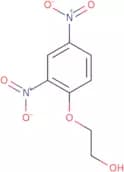
CAS:2-(2,4-Dinitrophenoxy)ethanol is a glycol ether that has been shown to be an effective nucleophile in nucleophilic substitution reactions. It is a colorless liquid with a boiling point of between 204°C and 205°C. 2-(2,4-Dinitrophenoxy)ethanol reacts with deionized water in the presence of ethylene to produce a crystalline precipitate. The product can be recrystallized from ethanol/water or purified by chromatography on silica gel. This chemical can also be used as an activated nucleophile in the synthesis of spirocyclic compounds and isomeric ketones. 2-(2,4-Dinitrophenoxy)ethanol is toxic and may cause severe skin burns if it comes into contact with unprotected skin. It is also environmentally hazardous when released into the environment because it breaks down slowly and may accumulate in soil or water systems.Formula:C8H8N2O6Purity:Min. 95%Color and Shape:PowderMolecular weight:228.16 g/molDL-Homocysteine thiolactone hydrochloride
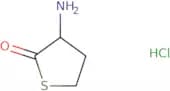
CAS:DL-Homocysteine thiolactone hydrochloride is a compound that has been found in human serum and urine. It is used to measure the concentration of homocysteine in the blood, which may be an indicator of coronary heart disease. DL-Homocysteine thiolactone hydrochloride is used to synthesize the amino acid cysteine, which is vital for cell growth and protein synthesis. DL-Homocysteine thiolactone hydrochloride also has optical properties that make it suitable as a photochromic material. The compound has been shown to be a hydrogen bond donor, which makes it useful for stabilizing proteins in mammalian cells.Formula:C4H8ClNOSPurity:Min. 95%Color and Shape:White PowderMolecular weight:153.63 g/mol2-Cyclopropyl-4-(4-fluorophenyl)-quinolyl-3-methanol
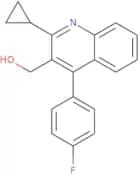
CAS:2-Cyclopropyl-4-(4-fluorophenyl)-quinolyl-3-methanol is a crystalline compound that has been obtained by reacting 3-methoxyquinoline with cyclopropyl bromide. It has the dihedral angle of about 120 degrees and is stabilized by hydrogen bonds. The compound crystallizes in an asymmetric unit cell with two molecules in the asymmetric unit and space group P2/n. The target compound can be obtained in high yield, and it is soluble in organic solvents such as benzene and triphenylphosphine. 2-Cyclopropyl-4-(4-fluorophenyl)-quinolyl-3-methanol can be used to suppress wastewater containing halogenated aromatic compounds, such as quinoline.Formula:C19H16FNOPurity:Min. 95%Molecular weight:293.33 g/molDiethanololeamide
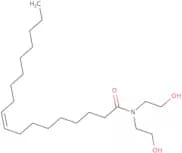
CAS:Emulgator; stabilizing surfactant used in cosmetics, pharmaceuticals, textilesFormula:C22H43NO3Color and Shape:Yellow PowderMolecular weight:369.58 g/mol(S)-(+)-Prolinol
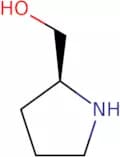
CAS:(S)-(+)-Prolinol is a chiral compound that belongs to the class of polymerase chain reaction (PCR) reagents. It is used as an antibacterial agent, which inhibits bacterial growth by interfering with DNA replication and transcription. The stereoselective nature of the compound has been shown by its differential activity against two different strains of subtilis. This molecule also interacts with diazepam and other drugs, as well as with environmental pollutants such as polychlorinated biphenyls (PCBs). The anti-inflammatory properties of this molecule may be due to its ability to inhibit prostaglandin synthesis through inhibition of cyclooxygenase or lipoxygenase enzymes.Formula:C5H11NOPurity:Min. 95%Color and Shape:Clear LiquidMolecular weight:101.15 g/mol2-Amino-5-chlorothiophenol
CAS:2-Amino-5-chlorothiophenol is an aminothiophene derivative that has been shown to be an effective antibacterial agent. It is a substrate in the synthesis of polyesters and is used as a precursor in the synthesis of ciprofloxacin, a broad spectrum antibiotic. 2-Amino-5-chlorothiophenol has been shown to catalyze the reaction between phenyl groups and heterocycles, which is an important step in the synthesis of ciprofloxacin and fluconazole. The optimal reaction temperature for this process is between 150°C - 180°C. The irradiation time for this process varies depending on the intensity of light used, with optimal results obtained after 10 minutes at 25 kGy.Formula:C6H6ClNSPurity:Min. 95 Area-%Color and Shape:PowderMolecular weight:159.64 g/mol16-Epiestriol
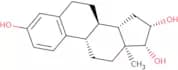
CAS:Controlled Product16-Epiestriol is a natural estrogen that can be found in urine samples. It has been shown to bind to the glucocorticoid receptor, which plays an important role in the regulation of immune responses and metabolism. 16-Epiestriol has also been shown to have immunosuppressive activities and may be used to treat cancer. 16-Epiestriol is metabolized by esterases in the liver, which leads to the production of covalent adducts. These covalent adducts bind to proteins in human liver and other tissues, leading to potential carcinogenicity. 16-Epiestriol binds with high affinity to streptococcus faecalis, which is an opportunistic pathogen associated with urinary tract infections. The optimum pH for this drug is 8.5 and it has been shown that it does not bind well at pH levels below 7 or above 11.
Formula:C18H24O3Purity:Min. 95%Color and Shape:PowderMolecular weight:288.38 g/mol5-Fluoro-2-methylphenol
CAS:The fluoroquinolone 5-Fluoro-2-methylphenol (5FM) is an inhibitor of angiotensin, an enzyme that is involved in the regulation of blood pressure and fluid balance. The structure of this compound was optimized to make it more potent and selective for angiotensin, while minimizing its adverse effects. This optimization was achieved using high throughput screening and x-ray crystallography. The fluorine atom in 5FM binds to aspartyl protease, which prevents the protease from breaking down proteins into smaller amino acid chains. This binding also inhibits the activity of other enzymes that are involved in protein synthesis, such as aspartyl proteases and salicylic acid esterases. 5FM has been shown to inhibit the growth of bacteria such as Staphylococcus aureus at concentrations that are not toxic to mammalian cells.Formula:C7H7FOPurity:Min. 95%Color and Shape:Clear LiquidMolecular weight:126.13 g/mol(17α)-6-Fluorocholest-5-en-3-ol
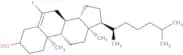
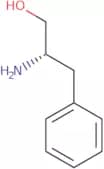
CAS:Controlled Product(17alpha)-6-Fluorocholest-5-en-3-ol is a fluorinated cholesterol derivative that inhibits the cholesterol acyltransferase enzyme, which is responsible for the enzymatic esterification of cholesterol to form cholesteryl esters. This product has been shown to inhibit cellular growth and may be useful in treating bacterial infections. (17alpha)-6-Fluorocholest-5-en-3-ol has also been shown to inhibit the growth of bacteria by binding to the hmg coa reductase enzyme, which is involved in cholesterol metabolism. This product has been found to increase membrane fluidity and promote cell growth. It also prevents the formation of foam cells by inhibiting cholesterol uptake from peripheral tissues into macrophages.Formula:C27H45FOPurity:Min. 95%Molecular weight:404.64 g/molL-Phenylalaninol
CAS:L-Phenylalaninol is a β-amino acid with the molecular formula C9H11NO2. It is an organic compound that contains both a hydroxy methyl and a fatty acid group. L-Phenylalaninol has been shown to enhance the asymmetric synthesis of cycloleucine, which is an antibiotic with anti-inflammatory properties. The reaction mechanism for this process is not yet fully understood but it is hypothesized that the nitrogen atoms in l-phenylalaninol form intramolecular hydrogen bonds with the hydroxymethyl groups on the nitro group of cycloleucine, stabilizing it and allowing for more efficient reactions.
Formula:C9H13NOColor and Shape:White PowderMolecular weight:151.21 g/mol4,5-Bis(2-cyanoethylthio)-1,3-dithiole-2-thione
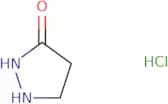
CAS:4,5-Bis(2-cyanoethylthio)-1,3-dithiole-2-thione is a fluorescent compound that exists in two orientations, cis and trans. It has been used as a linker for the construction of new compounds with interesting properties. 4,5-Bis(2-cyanoethylthio)-1,3-dithiole-2-thione has been shown to be an effective ligand for palladium cross coupling reactions. This compound can also be used in supramolecular chemistry due to its ability to fluoresce brightly.Formula:C9H8N2S5Purity:Min. 95%Molecular weight:304.5 g/mol4,5-Dihydro-1H-pyrazol-3-ol hydrochloride
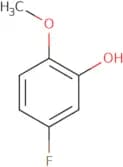
CAS:4,5-Dihydro-1H-pyrazol-3-ol hydrochloride (DHPE) is a potent inhibitor of the uptake and transport of serotonin in the rat brain. DHPE inhibits serotonin uptake by blocking the binding of serotonin to its transporter protein and also inhibits serotonin reuptake at the synapse. It is also an inhibitor of lysine hydroxylase, which converts lysine to catecholamine neurotransmitters. This inhibition leads to decreased levels of dopamine, norepinephrine and epinephrine, which can cause depression. DHPE binds to acidic amino acids such as glycine and glutamate, potentiating their actions on postsynaptic neurons. This effect may be due to increased synaptic activity or decreased inhibitory neurotransmitter release.br> br> The environment can affect the pharmacokinetics of DHPE. DHPE has been shown to have higher concentrations in acidic environments than basic environments because it is more solubleFormula:C3H6N2OPurity:Min. 95%Color and Shape:PowderMolecular weight:86.09 g/mol5-Fluoro-2-methoxyphenol
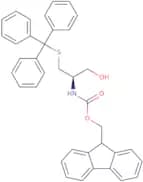
CAS:5-Fluoro-2-methoxyphenol is a heterodimeric natural product that consists of anisoles and acetanilides. It has been shown to induce liver microsomes in rats, as well as hypervalent organometallic complexes with methoxy groups. 5-Fluoro-2-methoxyphenol also exhibits vinylic shift and product synthesis abilities. This compound is useful for the synthesis of acetanilides and other compounds with a methoxy group. Reagents such as phenyllithium, butyllithium, and lithium diisopropylamide are used in this synthesis.Formula:C7H7FO2Purity:Min. 95%Color and Shape:Clear LiquidMolecular weight:142.13 g/molFmoc-Cysteinol(Trt)
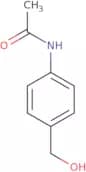
CAS:Fmoc-Cysteinol(Trt) is a versatile building block that can be used in the production of complex compounds and research chemicals. This compound is a high quality, useful building block that is used to synthesize many other compounds. It can also be used as a reagent or speciality chemical. Fmoc-Cysteinol(Trt) has been classified as a CAS No. 215954-72-6 and is a useful scaffold for chemical reactions.Formula:C37H33NO3SPurity:Min. 95%Color and Shape:PowderMolecular weight:571.73 g/mol4-Acetamidobenzyl alcohol
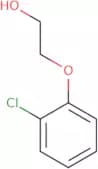
CAS:4-Acetamidobenzyl alcohol is a white crystalline solid that is soluble in water. It is used as a reagent in organic synthesis, and also as a chemical intermediate. 4-Acetamidobenzyl alcohol has been shown to catalyze the oxidation of potassium with liquid phase oxygen. The mechanism of this reaction may be due to an amidation followed by an oxidative deamination or an oxidative decarboxylation of the amide. 4-Acetamidobenzyl alcohol has been shown to oxidize primary alcohols in the presence of hydrogen peroxide, yielding an acetaldehyde and a ketone.Formula:C9H11NO2Purity:Min. 95%Color and Shape:PowderMolecular weight:165.19 g/mol2-(2-Chlorophenoxy)ethanol
CAS:2-(2-Chlorophenoxy)ethanol is a versatile building block that can be used as a chemical reagent, speciality chemical, or useful intermediate. It is a high quality chemical with many uses in research and industrial chemistry. 2-(2-Chlorophenoxy)ethanol has been shown to be an efficient building block for the synthesis of complex compounds and has also been used as a reaction component in the synthesis of many other chemical compounds. This compound has been shown to have many applications and is worth consideration for any number of research or industrial endeavors.Formula:C8H9ClO2Purity:Min. 95%Color and Shape:Clear LiquidMolecular weight:172.61 g/mol(1S,2R)-(-)-cis-1-Amino-2-indanol
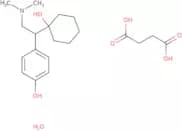
CAS:Precusor for preparation of indinavir; a chiral ligand for asymmetric synthesisFormula:C9H11NOPurity:Min. 95%Color and Shape:White PowderMolecular weight:149.19 g/mol4-(2-(Dimethylamino)-1-(1-hydroxycyclohexyl)ethyl)phenol
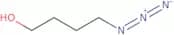
CAS:Controlled ProductVenlafaxine is a selective serotonin and norepinephrine reuptake inhibitor (SNRI) that is used to treat depression. Venlafaxine inhibits the reuptake of serotonin and norepinephrine into the presynaptic neuron, increasing their availability in the synaptic cleft. Venlafaxine has been shown to be effective in treating major depressive disorder and other depressive disorders, such as dysthymia and post-partum depression. The antidepressant effects of venlafaxine are believed to be due to its ability to block the uptake of serotonin and norepinephrine in the brain, resulting in an increased concentration of these neurotransmitters. Venlafaxine is metabolized by CYP2D6, CYP3A4, CYP1A2 and CYP2C19 enzymes, which may result in drug interactions with other drugs metabolized by these enzymes. To control for this effect, venlafaxine bloodFormula:C16H25NO2Purity:Min. 97 Area-%Color and Shape:PowderMolecular weight:263.38 g/mol4-Azidobutanol
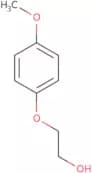
CAS:4-Azidobutanol is a nicotinic acetylcholine receptor antagonist that has been shown to inhibit tumor growth. It can be used as a cancer therapeutic and for the prevention of cancer. 4-Azidobutanol has been shown to inhibit the activity of growth factor receptors, such as insulin-like growth factor (IGF) or vascular endothelial growth factor (VEGF), which are involved in cell proliferation and angiogenesis. 4-Azidobutanol also inhibits glucose monitoring by interfering with the binding of glucose to monoclonal antibodies. The drug blocks the kinase domain of VEGFR2, thereby inhibiting the phosphorylation of VEGFR2 downstream signaling proteins that promote angiogenesis and cell migration. This can be used in treatments for leukemia cells or endothelial cells.Formula:C4H9N3OPurity:Min. 95%Color and Shape:PowderMolecular weight:115.13 g/mol2-(4-Methoxyphenoxy)ethanol
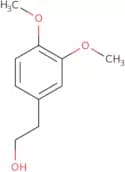
CAS:2-(4-Methoxyphenoxy)ethanol is a carboxylic acid. It has been used as a hydrogen peroxide donor in catalytic reactions, and as an ethylene glycol ether in the production of polyester resins. 2-(4-Methoxyphenoxy)ethanol has been shown to be useful in multilayer coatings with optimal reaction rates, and is a good oxidant for many organic compounds.Formula:C9H12O3Purity:Min. 95%Color and Shape:PowderMolecular weight:168.19 g/mol3,4-Dimethoxyphenyl ethanol
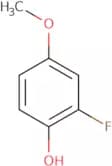
CAS:3,4-Dimethoxyphenyl ethanol is a product of the asymmetric synthesis of 3,4-dimethoxyphenylacetic acid. It has been shown to have high redox potentials and hydrochloric acid resistance. 3,4-Dimethoxyphenyl ethanol has been used in the delignification of cellulose fibers and has also been shown to have photophysical and photochemical properties. This compound binds with hydroxyl groups on proteins, which may be due to its ability to undergo acylation reactions. The binding of 3,4-dimethoxyphenyl ethanol with human liver microsomes was found to be rapid and reversible. Kinetic analysis showed that this binding can be explained by substrate binding or acylation reaction.Formula:C10H14O3Purity:Min. 95%Color and Shape:White PowderMolecular weight:182.22 g/mol2-Fluoro-4-methoxyphenol
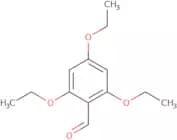
CAS:2-Fluoro-4-methoxyphenol is a white crystalline solid with a melting point of 100°C. It is soluble in water, ethanol and ether and insoluble in chloroform. The compound has been shown to be an intermediate for the synthesis of other organic compounds, such as 2-fluoro-4-(2,2,2-trifluoroethoxy)benzaldehyde, 2-fluoro-4-(3,3,3-trifluoropropoxy)benzaldehyde and 4-(2,2,2-trifluoroethoxy)-3'-nitroacetophenone. 2-Fluoro-4-methoxyphenol can also be used as a building block for speciality chemicals including research chemicals.Formula:C7H7FO2Purity:Min. 95%Color and Shape:Clear LiquidMolecular weight:142.13 g/molPhloroglucinol aldehyde triethyl ether
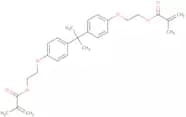
CAS:Phloroglucinol aldehyde triethyl ether is a high quality, research chemical, speciality chemical and versatile building block. It is used in the synthesis of complex compounds that are useful as intermediates or fine chemicals. The CAS No. for this compound is 59652-88-9.Formula:C13H18O4Purity:Min. 95%Molecular weight:238.28 g/molBisphenol A ethoxylate dimethacrylate - Average Mn -1700, stabilized with MEHQ 200ppm
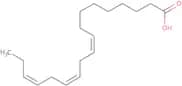
CAS:Bisphenol A ethoxylate dimethacrylate is a polymer that is used as a hydrophilic binder in pharmaceutical preparations. It has been shown to have an affinity for the receptor molecule, which may be due to its ability to form hydrogen bonds with water molecules. The polymer is also able to form cross-links with other polymers. Bisphenol A ethoxylate dimethacrylate has been shown to have radiation-resistant properties and can be used in the production of coatings for x-ray films. The chemical structure of this compound consists of two phenolic rings, one ester group, and one methacrylate group.Purity:Min. 95%Color and Shape:Clear LiquidMolecular weight:376.44Linolenic acid - 70%
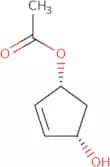
CAS:Linolenic acid is a polyunsaturated fatty acid that belongs to the omega-6 family. It has been shown to have apoptosis-inducing effects in various experimental models and has anti-oxidant properties. Linolenic acid also protects against UV radiation and skin cancer. In addition, linolenic acid may be beneficial for eye disorders such as dry eye syndrome and age-related macular degeneration. Clinical studies have shown that linolenic acid may help with weight loss, improve body mass index, and reduce inflammation.Formula:C18H30O2Purity:Min. 95%Color and Shape:Brown Slightly Yellow Red Clear LiquidMolecular weight:278.43 g/mol(1S,4R)-cis-4-Acetoxy-2-cyclopenten-1-ol
CAS:Chiral building block for synthesis of functionalised nucleosides
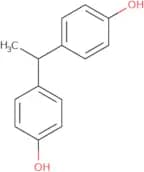
Formula:C7H10O3Purity:Min. 98 Area-%Color and Shape:White PowderMolecular weight:142.15 g/mol4,4'-Ethylidenebisphenol
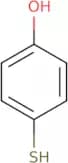
CAS:4,4'-Ethylidenebisphenol is a phenolic compound that has hydroxyl groups in its structure. It is used as a chemical intermediate in the production of resins and coatings. 4,4'-Ethylidenebisphenol is also used as an analytical reagent. It reacts with hydrogen peroxide to form a reactive radical intermediate that can be detected by electron spin resonance spectroscopy. The mechanism of this reaction involves the formation of an intermolecular hydrogen bond between the hydroxyl group on 4,4'-ethylidenebisphenol and the hydrogen peroxide molecule. The reaction solution contains 4-hydroxybenzaldehyde and 2,2-diphenyl-1-picrylhydrazyl radical as intermediates.Formula:C14H14O2Purity:Min. 95%Molecular weight:214.26 g/mol4-Hydroxythiophenol
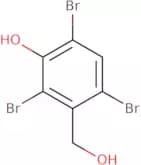
CAS:4-Hydroxythiophenol is an organic compound with the molecular formula C6H4OHO. It is a white crystalline solid that is soluble in water and ethanol. 4-Hydroxythiophenol has been shown to inhibit the growth of bacteria by reacting with free intracellular hydroxyl groups, which are necessary for the biosynthesis of cell walls. This molecule also reacts with other biological molecules, such as nucleic acids and proteins, to form covalent bonds. 4-Hydroxythiophenol has been shown to be effective against both Gram-positive and Gram-negative bacteria in vitro assays.Formula:C6H6OSPurity:(%) Min. 75%Color and Shape:PowderMolecular weight:126.18 g/mol3-Hydroxy-2,4,6-tribromobenzyl alcohol
CAS:3-Hydroxy-2,4,6-tribromobenzyl alcohol is a chemoenzymatic reagent that is used in the production of phenols. It is prepared from acetone and sodium bromide and catalyzes the bromination of phenols. This product has high yield and can be used as a source for 3-hydroxy-2,4,6-tribromobenzyl alcohol. 3-Hydroxy-2,4,6-tribromobenzyl alcohol is also an important reagent in the synthesis of polymers that are used in the production of paints and coatings.
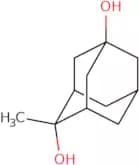
Formula:C7H5Br3O2Purity:Min. 95%Color and Shape:PowderMolecular weight:360.83 g/mol5-Hydroxy-2-methyl-2-adamantanol
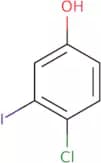
CAS:5-Hydroxy-2-methyl-2-adamantanol is a fine chemical that is used as a building block in research and development of various products. It can be used to make other substances, such as pharmaceuticals and cosmetics. 5-Hydroxy-2-methyl-2-adamantanol is also a versatile intermediate in the synthesis of complex molecules, such as peptides and polymers. This product is soluble in water and has a high quality standard. It is also an excellent reagent for many reactions, such as condensation, esterification, nitration, oxidation, reduction, and decarboxylation.Formula:C11H18O2Purity:Min. 95%Molecular weight:182.26 g/mol4-Chloro-3-iodophenol
CAS:4-Chloro-3-iodophenol is a reactive chemical substance that can be used as a reagent in the synthesis of diagnostic agents, sunscreens and disinfectants. The reaction rate is increased by the presence of chlorine and other halogens such as iodine or bromine. 4-Chloro-3-iodophenol reacts with triclosan to form chlorinated trihalomethanes, which are more efficient disinfectants than their nonchlorinated counterparts. However, 4-chloro-3-iodophenol can also react with the oxidant hydrogen peroxide to form an unstable intermediate compound that degrades into toxic products like hypochlorous acid and chloramines. This instability makes this substance unsuitable for use in certain applications such as water purification.Formula:C6H4ClIOPurity:Min. 98 Area-%Color and Shape:PowderMolecular weight:254.45 g/molZinc ricinoleate
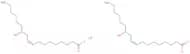
CAS:Zinc ricinoleate is a metal compound that is an absorber of hydrogen. It is primarily used as a deodorant for cosmetics and is often found in deodorant creams, powders, gels, and sticks. Zinc ricinoleate has been shown to be effective against lipases and chloride-containing compounds. The metal ion zinc in this compound reacts with the fatty acid esters in the skin and forms a protective layer that prevents the skin from becoming dry or irritated. Zinc ricinoleate also inhibits bacterial growth by preventing the synthesis of proteins needed for cell division.Formula:C36H66O6ZnPurity:Min. 95%Color and Shape:PowderMolecular weight:660.29 g/mol11β-Hydroxy etiocholanolone
CAS:Controlled Product11b-Hydroxy etiocholanolone is a major metabolite of 11-ketotestosterone. It is formed from the reaction of 11-ketotestosterone with either carbon disulphide or plasma cortisol. The physiological levels of 11b-hydroxy etiocholanolone are not well known, but it has been observed that there are higher levels in women than in men. This metabolite is an active form of testosterone and can be detected in urine samples. 11b-hydroxy etiocholanolone has been shown to have a biphasic response to testosterone treatment, where it increases at low concentrations and decreases at high concentrations. This metabolite is also involved in the synthesis of estradiol through the side chain cleavage, which leads to a chromatographic peak during gas chromatography analysis.Formula:C19H30O3Purity:Min. 95%Color and Shape:White PowderMolecular weight:306.44 g/mol4-Fluoro-2-(trifluoromethyl)phenol
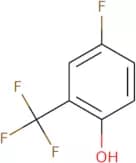
CAS:4-Fluoro-2-(trifluoromethyl)phenol is a reactive compound that can be used for the synthesis of a variety of functionalized molecules. It is prepared by a cross-coupling reaction with an organometallic reagent and a chloride such as methylene chloride or chloroform. The 4-fluoro group on the phenol provides the desired electrophilic character to react with electron rich nucleophiles, such as an allylbenzene or styrene. The product of this reaction is an alkylating agent that has been shown to have signalling properties, operational capabilities, and fabricating benefits.Formula:C7H4F4OPurity:Min. 95%Color and Shape:PowderMolecular weight:180.1 g/mol4-Hydroxy-5-iodo-3-methoxybenzyl alcohol
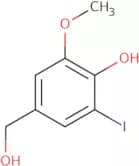
CAS:4-Hydroxy-5-iodo-3-methoxybenzyl alcohol is a polymer that has been synthesized as a model compound for lignin. It is a synthetic compound, which has not been found in nature. 4-Hydroxy-5-iodo-3-methoxybenzyl alcohol is toxic to bacteria and fungi, but not to mammalian cells. The metabolic products of this compound have not yet been identified.Formula:C8H9IO3Purity:Min. 95%Color and Shape:PowderMolecular weight:280.06 g/mol3-Amino-1-adamantanol hydrochloride
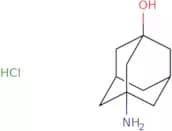
CAS:3-Amino-1-adamantanol hydrochloride (3AAAH) is a versatile building block that can be used for the synthesis of complex compounds. It has been shown to have a high quality and is useful as a reagent, research chemical, speciality chemical, or useful scaffold in organic synthesis.Formula:C10H17NO·HClPurity:Min. 95%Molecular weight:203.71 g/molTriamcinolone
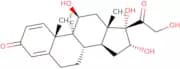
CAS:Controlled ProductTriamcinolone is a synthetic corticosteroid that reduces inflammation, suppresses the immune system, and relieves pain. It inhibits the production of cytokines and other inflammatory mediators by binding to specific receptors located in the cells of the immune system. Triamcinolone acetonide is an ester prodrug that is converted to triamcinolone in vivo. This drug has a long-term efficacy because it can be released slowly over time after intravitreal injection. The pharmacokinetic properties of triamcinolone are determined by its lipophilicity and water solubility. Triamcinolone acetonide has been shown to reduce inflammation in chronic arthritis, as well as reducing symptoms of eye disorders such as uveitis or glaucoma. This drug also prevents tumor growth by inhibiting protein synthesis and gene expression at the level of transcription, which leads to decreased cell proliferation or apoptosis.Formula:C21H27FO6Purity:Min. 97 Area-%Color and Shape:White PowderMolecular weight:394.43 g/mol2-Methoxy 17b-estradiol
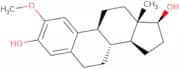
CAS:Controlled Product2-Methoxy 17b-estradiol is a synthetic estrogen that binds to DNA and alters the transcriptional process. It has been shown to induce apoptosis by activating the pro-apoptotic protein Bax and inhibiting the anti-apoptotic protein Bcl-2. This drug inhibits the metabolic response of cancer cells to chemotherapy, leading to a decrease in tumor size, and can be used as an implantable device for treating cancer. 2-Methoxy 17b-estradiol also has minimal toxicity in comparison to other estrogens, with no significant cytotoxicity observed in cells of reproductive tissues or endocrine organs, nor any significant toxic effects on liver function tests or serum lipids.Formula:C19H26O3Purity:Min. 95%Color and Shape:White/Off-White SolidMolecular weight:302.41 g/mol3,5-Dichlorobenzyl alcohol
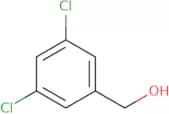
CAS:3,5-Dichlorobenzyl alcohol is an organic compound that is classified as a xylene. It is used in the synthesis of chitin synthase and has shown potential for use as an anti-fungal agent. 3,5-Dichlorobenzyl alcohol is synthesized by refluxing zinc chloride in benzene with dehydrogenase. The product can be isolated by adding solid phase synthesis to the reaction mixture followed by solvent removal. 3,5-Dichlorobenzyl alcohol has been shown to be toxicologically safe in rat studies and shows enzyme specificity for chitin synthase.Formula:C7H6Cl2OPurity:Min. 95%Color and Shape:PowderMolecular weight:177.03 g/mol(4S)-2,2-Dimethyl-1,3-dioxane-4-methanol
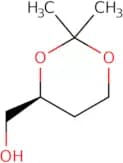
CAS:(4S)-2,2-Dimethyl-1,3-dioxane-4-methanol is a chemical with the CAS number 85287-64-5. It is used as a building block in organic synthesis. This chemical can be used in reactions to create more complex compounds. (4S)-2,2-Dimethyl-1,3-dioxane-4-methanol is also useful as a scaffold for larger molecules and as an intermediate in the production of other chemicals.Formula:C7H14O3Purity:Min. 95%Color and Shape:Colourless To Pale Yellow LiquidMolecular weight:146.18 g/molFepradinol
CAS:Fepradinol is a potent inhibitor of microbial infection. It is a coordination complex that inhibits the growth of bacteria, fungi, and viruses by interfering with the synthesis of proteins required for the cell-wall biosynthesis. The diameter of this particle is between 10 and 100 nanometers, with an average particle size of 20 nanometers. It has been shown to be effective against eye diseases such as choroidal neovascularization due to its anti-inflammatory activity. Fepradinol has also been shown to inhibit the production of prostaglandins in animal models, which may be responsible for its anti-inflammatory activity.Formula:C12H19NO2Purity:Min. 95%Color and Shape:PowderMolecular weight:209.28 g/mol5β-Pregnane-3α,11α,20β-triol
CAS:Controlled Product5-b-Pregnan-3-a,11-a-,20-b-triol is a high quality research chemical with CAS No. 55647-22-8. It is a complex compound that can be used as an intermediate in the synthesis of other compounds. 5-b-Pregnan-3-a,11-a-,20-b-triol is a speciality chemical that has many uses and is also a versatile building block for synthesis. This reagent can be used to create new compounds or to react in different ways with other chemicals to produce useful scaffolds or building blocks for reactions. 5 b pregna 3 a, 11 a, 20 b triol has been shown to have the ability to react with other chemicals in order to form useful reaction components.Formula:C21H36O3Purity:Min. 95%Color and Shape:PowderMolecular weight:336.51 g/mol4,6-Diaminoresorcinol dihydrochloride
CAS:4,6-Diaminoresorcinol dihydrochloride is a white solid that has viscosity and hydrochloric acid as its structural formula. It is soluble in water and reacts with proton, monosodium salt to form a precipitate. 4,6-Diaminoresorcinol dihydrochloride reacts with phosphorus pentoxide to form the sulfonation product. The thermal expansion of this material is 2.8 x 10^-5/K and it has shown chemical stability at high temperatures up to 450°C. This compound has been found to be an element analysis for chloride (Cl), hydrogen chloride (HCl) and morphology.Formula:C6H10N2O2Cl2Purity:Min. 98 Area-%Molecular weight:213.06 g/mol4-Keto retinol
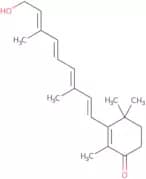
CAS:4-Keto retinol is an analog of vitamin A, which is used in the treatment of various diseases. It has been shown to reduce the levels of PGE2 and increase the redox potential in cells. 4-Keto retinol has also been shown to increase locomotor activity and improve energy metabolism. The structural analysis of 4-keto retinol has revealed that it binds to DNA polymerase, inhibiting transcriptional activity. The pharmacokinetic properties of this drug have been studied in rats and mice, but not yet humans. This compound will most likely be administered orally or intravenously with a dosage range from 0.01 mg/kg to 10 mg/kg per day.
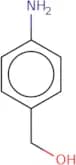
Formula:C20H28O2Purity:Min. 95%Color and Shape:PowderMolecular weight:300.44 g/mol4-Aminobenzyl alcohol
CAS:4-Aminobenzyl alcohol is an ethylene diamine derivative that is insoluble in water. It has been shown to react with sodium carbonate in aqueous solution to form a polymer. The polymer has potential as a biomarker for the early detection of cancer and other diseases. 4-Aminobenzyl alcohol has low potency and is activated by caproic acid, which is used as an inhibitor of the enzyme epidermal growth factor (EGF). This compound also reacts with azobenzene to form a primary cell line.Formula:C7H9NOPurity:Min. 98 Area-%Color and Shape:White PowderMolecular weight:123.15 g/mol(R)-(+)-Diphenyl-2-pyrrolidinemethanol
CAS:Controlled Product(R)-(+)-Diphenyl-2-pyrrolidinemethanol is a chiral reagent that is used to catalyze the hydrogenolysis of esters and amides. This reaction yields a mixture of the corresponding alcohol and acid. The reagent can also be used to deprotonate azides, yielding diphenylprolinol. The product can then be hydrolyzed with an alkaline solution to form a methyl ester or an ester hydrochloride. This process is useful for the preparation of chiral alcohols and amines.Formula:C17H19NOPurity:Min. 95%Color and Shape:White PowderMolecular weight:253.34 g/mol2,4-Dihydroxy-6-methoxyquinoline
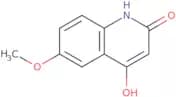
CAS:2,4-Dihydroxy-6-methoxyquinoline is a compound that exhibits antifungal properties. It has been shown to have activity against Aspergillus flavus, Aspergillus fumigatus, Candida albicans and other fungi. 2,4-Dihydroxy-6-methoxyquinoline also inhibits the growth of E. coli and A. aureus in vitro. Elemental analysis showed that this compound possesses antibacterial properties and can inhibit the growth of Staphylococcus aureus.Formula:C10H9NO3Purity:Min. 95%Color and Shape:PowderMolecular weight:191.18 g/mol4-Benzyloxybenzyl alcohol
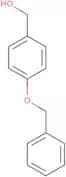
CAS:4-Benzyloxybenzyl alcohol is a potent inhibitor of CXCR4, a receptor for chemokines that is involved in the trafficking of immune cells. It binds to CXCR4 and blocks its activation by HIV-1 gp120. 4-Benzyloxybenzyl alcohol inhibits both CXCR4-dependent and -independent chemotaxis. This compound also has a hydroxy group which can be used for the synthesis of β-amino acids or p-hydroxybenzoic acid. 4-Benzyloxybenzyl alcohol also has a monoclonal antibody that recognizes it, which can be used as an immunogen to raise antibodies against this molecule. The disulfide bond in 4-Benzyloxybenzyl alcohol prevents oxidation, which makes it stable at high temperatures.Formula:C14H14O2Purity:Min. 95%Color and Shape:PowderMolecular weight:214.26 g/mol2-Bromo-4-tert-octylphenol
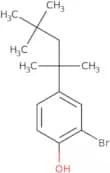
CAS:2-Bromo-4-tert-octylphenol is a high quality chemical that can be used in research. It is an organic compound that reacts as a building block to create other complex compounds. 2-Bromo-4-tert-octylphenol is also a versatile building block, useful intermediate, and useful building block for the creation of speciality chemicals. This reagent has been shown to be effective as a reaction component in the synthesis of reagents, such as with the synthesis of 1,3-bis(2,4,6-trimethylbenzoyl)benzene.Formula:C14H21BrOPurity:Min. 95 Area-%Color and Shape:Clear LiquidMolecular weight:285.22 g/mol(S)-Morpholin-3-ylmethanol
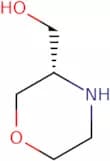
CAS:(S)-Morpholin-3-ylmethanol is a chiral catalyst that is used in the enantioselective synthesis of alcohols. The chemical structure of the compound includes two phenyl substituents, which provide significant enhancement of the reaction. It also has catalytic properties and can be used as a ligand to catalysts. This compound is most commonly used to catalyze the oxidation of aldehydes to produce alcohols with high enantiomeric purity. (S)-Morpholin-3-ylmethanol is an effective catalyst for this reaction because it shows significant transition metal enhancement and can be used in both acidic and basic conditions.Formula:C5H11NO2Purity:Min. 95%Color and Shape:PowderMolecular weight:117.15 g/mol3-Bromo-5-methylphenol
CAS:3-Bromo-5-methylphenol is an enolate that can be used to synthesize methicillin-resistant dibenzofurans. The synthesis of these compounds is a multistep process, which includes the formation of an enolate from 3-bromo-5-methylphenol and subsequent displacement with a variety of electrophiles. The use of 3-bromo-5-methylphenol as an enolate allows for high yields in the synthesis of dibenzofurans. Further, this compound has antibacterial properties and is effective against both gram positive and negative bacteria. 3-Bromo-5-methylphenol also has chloride and sulfonation properties, which have been used to make advances in the development of antibacterial agents.
Formula:C7H7BrOPurity:Min. 95%Color and Shape:PowderMolecular weight:187.03 g/molTilbroquinol
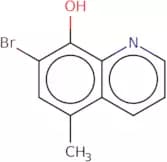
CAS:Tilbroquinol is a coordination complex that contains a fatty acid. It is used in the treatment of bowel disease, infectious diseases, cancer and autoimmune diseases. Tilbroquinol has been shown to have broad-spectrum antimicrobial activity against bacteria such as Escherichia coli, Bacillus subtilis, Pseudomonas aeruginosa, Staphylococcus aureus and Salmonella typhimurium. It inhibits bacterial growth by inhibiting fatty acid synthesis through the inhibition of enzymes such as enoyl-acyl carrier protein reductase (ENR) and 3-hydroxyacyl-coenzyme A dehydrogenase (HAD). This drug also has anti-inflammatory properties because it is an antagonist of prostaglandin synthesis.
Formula:C10H8BrNOPurity:Min. 95%Color and Shape:PowderMolecular weight:238.08 g/mol20-Deoxo-23-deoxy-5-O-[3,6-dideoxy-3-(dimethylamino)-β-D-glucopyranosyl]-20,23-di-1-piperidinyltylonolide
CAS:20-Deoxo-23-deoxy-5-O-[3,6-dideoxy-3-(dimethylamino)-beta-D-glucopyranosyl]-20,23-di-1-piperidinyltylonolide is an antimicrobial agent that belongs to the group of chemotherapeutic agents. It is a fluorinated analog of tilmicosin. The low dose group was treated with this drug for five days, and the high dose group received 20 times the amount of drug. Fluorescence spectrometry showed that there was no significant difference in the fluorescence intensity between these two groups after 24 hours. This drug has been shown to have pharmacokinetic properties in rats and mice, but further optimization may be required to improve its process.Formula:C41H71N3O8Purity:Min. 95%Color and Shape:Off-White PowderMolecular weight:734.02 g/mol1-(2,5-Dimethoxyphenyl)-2-nitroethanol
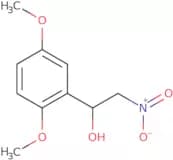
CAS:1-(2,5-Dimethoxyphenyl)-2-nitroethanol is a chiral, asymmetric catalyst that has been shown to be effective in the enantioselective reduction of ketones. This process is important because it allows for the synthesis of chiral amino alcohols, which are then used in a variety of chemical reactions. The reaction can also be carried out with methyl amine as an amine source. 1-(2,5-Dimethoxyphenyl)-2-nitroethanol is an example of a catalyst that participates in catalysis through the lone pair on oxygen and nitrogen atoms.Formula:C10H13NO5Purity:Min. 95%Color and Shape:White PowderMolecular weight:227.21 g/mol4-[(7-Chloro-4-quinolinyl)amino]-1-pentanol
CAS:4-[(7-Chloro-4-quinolinyl)amino]-1-pentanol (QLT) is a drug that has been shown to be effective against both healthy volunteers and malaria patients. It is a prodrug that is metabolized by the liver into 7-chloroquinalone, which inhibits the growth of plasmodium falciparum. QLT has been shown to be safe and well tolerated in studies with healthy volunteers, and it does not appear to cause significant adverse effects. QLT also has an effect on T cells, which may be due to its ability to inhibit protein synthesis and cell division.Formula:C14H17ClN2OPurity:Min. 95%Color and Shape:Yellow SolidMolecular weight:264.75 g/molEpifriedelanol
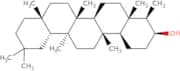
CAS:Controlled ProductEpifriedelanol is a sesquiterpene lactone that belongs to the group of natural compounds. This molecule is produced by the plant B. dracunculifolia and has shown anti-inflammatory properties in vitro. Epifriedelanol has been shown to inhibit mitochondrial membrane potential and activity index, which are important for cancer cell growth and survival. Epifriedelanol also has anticancer effects on colorectal adenocarcinoma cells as well as skin cancer cells. It may also be used for urinary tract infections due to its inhibition of bacterial growth.Purity:Min. 95%Color and Shape:Powder4-Bromo-3-methylphenol
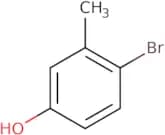
CAS:4-Bromo-3-methylphenol is a hydrochloride salt of 4-bromo-3-methylphenol that has acidic properties. It can be used as a reagent to prepare samples for phosphotungstic acid and ligand desorption techniques. It can also be used in the reduction of sulfoxides by means of hydrogen gas in an efficient method, which is suitable for on-line analysis. 4-Bromo-3-methylphenol is soluble in water and easily prepared from chlorobenzene. This compound has been extensively studied for its use in liquid phase electroosmotic techniques, which are based on the principle that the movement of ions is influenced by an electric field applied to a liquid medium.Formula:C7H7BrOPurity:Min. 95%Color and Shape:PowderMolecular weight:187.03 g/mol6b-Hydroxy-7a-(thiomethyl) spironolactone
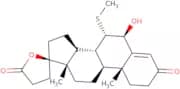
CAS:6b-Hydroxy-7a-(thiomethyl) spironolactone is a drug that is metabolized in the liver and excreted in the bile. It has been found to be safe and effective for the treatment of ascites due to cirrhosis. The pharmacokinetics of 6b-hydroxy-7a-(thiomethyl) spironolactone are linear, with a plasma elimination rate of 0.3 mg/kg/h. The elimination half-life for 6b-hydroxy-7a-(thiomethyl) spironolactone is about 3 hours. 6b-Hydroxy-7a-(thiomethyl) spironolactone has been found to be eliminated from the body at a constant rate, regardless of age, gender or weight. The population studied was healthy adult males who ingested 6b-hydroxy-7a-(thiomethFormula:C23H32O4SPurity:Min. 95%Color and Shape:PowderMolecular weight:404.56 g/molPhenol
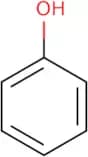
CAS:Phenol is an aromatic organic compound and belongs to the class of compounds known as phenols. Phenol consists of a benzene ring (a six-membered carbon ring with alternating single and double bonds) with a hydroxyl (-OH) group attached to one of the carbon atoms. The chemical structure can be represented as: Phenol is a white crystalline solid at room temperature and has a distinct, sweet, and medicinal odor. It was initially isolated from coal tar, but it can also be produced through various chemical processes. Phenol has numerous applications in industry. It is used in the production of plastics, resins, dyes, detergents, pharmaceuticals, and various chemical intermediates. It also has antiseptic properties and was historically used as a disinfectant and topical anesthetic. However, its use for these purposes has diminished due to its potential toxicity. It's important to note that phenol can be corrosive and toxic, and exposure should be handled with care. Various derivatives and substitutes have been developed for specific applications to mitigate some of the drawbacks associated with phenol itself.Formula:C6H6OPurity:Min. 98 Area-%Color and Shape:PowderMolecular weight:94.11 g/molPiceatannol
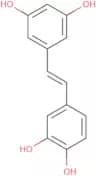
CAS:Piceatannol is a natural compound that is found in grapes, red wine, and grape seed extract. It has been shown to inhibit the injury-induced expression of proinflammatory cytokines and to protect against oxidative stress. Piceatannol has also been reported to bind DNA by competitive inhibition and to have inhibitory properties on 3T3-L1 preadipocytes. In addition, it has been shown to induce apoptosis in murine hepatoma cells and cancer tissues. Piceatannol may be an effective dietary antioxidant due to its ability to regulate gene expression by binding with response elements or through its antioxidant properties.
Formula:C14H12O4Purity:Min. 95%Color and Shape:Slightly Yellow PowderMolecular weight:244.24 g/mol4-Nitroquinoline-N-oxide
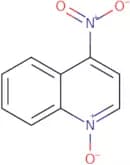
CAS:4-Nitroquinoline-N-oxide is a polymerase chain reaction (PCR) inhibitor that blocks the activity of methyltransferases, which are enzymes involved in DNA replication and repair. The mechanism of action has been shown to be due to the inhibition of the activities of these enzymes in cancer tissues. The efficacy of 4-Nitroquinoline-N-oxide has been demonstrated using an experimental model system composed of cells from Candida glabrata and other cancers, as well as a model system for carcinogenesis in vitro. This compound also shows antiinflammatory activity and can be used as a natural compound for chemotherapy. Chromatographic analysis has revealed that 4-Nitroquinoline-N-oxide is not toxic to wild type strains, but it is toxic to cancer cells with mutations in their DNA repair mechanisms.Formula:C9H6N2O3Purity:Min. 95%Color and Shape:PowderMolecular weight:190.16 g/mol(8S,9S,11R,13S,14S,17S)-11-(2-Fluoroethyl)-13-Methyl-6,7,8,9,11,12,14,15,16,17-Decahydrocyclopenta[a]Phenanthrene-3,17-Diol
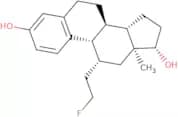
CAS:Controlled Product(8S,9S,11R,13S,14S,17S)-11-(2-Fluoroethyl)-13-Methyl-6,7,8,9,11,12,14,15,16,17-Decahydrocyclopenta[a]Phenanthrene-3,17-Diol is a light emitting diode (LED) that emits light in the near infrared spectrum. This LED is composed of a single layer of CdTe nanowires and has an emission wavelength of 760 nm. It also has a high quantum efficiency and low energy requirements for fabrication. The lifetime of this device is also long and its optical properties are stable over time. This device can be used to replace traditional incandescent bulbs or to emit light in specific wavelengths for biomedical applications.Formula:C20H27FO2Purity:Min. 95%Molecular weight:318.43 g/mol4-Cyano-2-fluorobenzyl alcohol
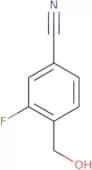
CAS:4-Cyano-2-fluorobenzyl alcohol is a reagent that is used to produce chlorine and hydrochloric acid. It is also used industrially in the production of potassium chloride, a compound that is used in fertilizers, animal feed supplements, and water treatment. 4-Cyano-2-fluorobenzyl alcohol reacts with chloride ions to form hypochlorous acid (HOCl), which then reacts with water to form hydrogen chloride gas. The reaction with fluoride ions leads to the formation of hydrofluoric acid (HF).Formula:C8H6FNOPurity:Min. 95%Color and Shape:White To Beige SolidMolecular weight:151.14 g/molTrimethylolpropane trioleate
CAS:Trimethylolpropane trioleate (TTOP) is a fatty acid that is derived from trimethylolpropane. It has a hydroxyl group and three oleate ester groups with one hydrochloric acid molecule. The optimal concentration of TTOP is 20%. The surface methodology for the synthesis of TTOP involves the reaction of sodium citrate with a cationic surfactant, which produces an intermediate. This intermediate can then react with an alcohol to form TTOP. The molecular weight of TTOP is 906.81 g/mol and its chemical formula is C18H36O6. The following are examples of high-quality product descriptions: "Rifapentine is an anti-tuberculosis drug that belongs to the class of rifamycins." "Tilmicosin is a macrolide antibiotic that inhibits the growth of bacteria by binding to the 50S ribosomal subunitFormula:C60H110O6Purity:Min. 95%Color and Shape:Colorless Clear LiquidMolecular weight:927.51 g/mol




![[5-(4-Amino-2-bromophenyl)-2-furyl]methanol](/_next/image/?url=https%3A%2Fstatic.cymitquimica.com%2Fproducts%2F3D%2Fthumb-webp%2FFA134218.webp&w=3840&q=75)











![20-Deoxo-23-deoxy-5-O-[3,6-dideoxy-3-(dimethylamino)-β-D-glucopyranosyl]-20,23-di-1-piperidinyltyl…](/_next/image/?url=https%3A%2Fstatic.cymitquimica.com%2Fproducts%2F3D%2Fthumb-webp%2FFT137728.webp&w=3840&q=75)
![4-[(7-Chloro-4-quinolinyl)amino]-1-pentanol](/_next/image/?url=https%3A%2Fstatic.cymitquimica.com%2Fproducts%2F3D%2Fthumb-webp%2FFC20107.webp&w=3840&q=75)