Amines
Subcategories of "Amines"
- Nitrosamines(2,621 products)
- Primary Amines(30,967 products)
- Quaternary Ammonium Cations and Salts(1,102 products)
- Secondary Amines(20,913 products)
- Tertiary Amines(17,219 products)
Found 8794 products of "Amines"
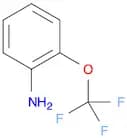
2-(Trifluoromethoxy)aniline
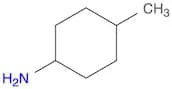
CAS:Formula:C7H6F3NOPurity:97%Color and Shape:LiquidMolecular weight:177.12384-Methylcyclohexanamine
CAS:Formula:C7H15NPurity:99.0%Color and Shape:LiquidMolecular weight:113.2007Ref: IN-DA003LRU
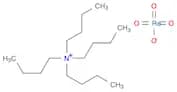
Discontinued product1-Butanaminium, N,N,N-tributyl-, (T-4)-tetraoxorhenate(1-) (1:1)
CAS:Formula:C16H36NO4RePurity:98%Color and Shape:SolidMolecular weight:492.6683Ref: IN-DA001UGA
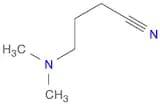
Discontinued product4-(Dimethylamino)butyronitrile
CAS:Formula:C6H12N2Purity:97%Color and Shape:LiquidMolecular weight:112.1729Ref: IN-DA007Z36
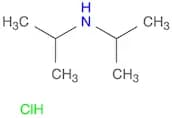
Discontinued productDiisopropylamine hydrochloride
CAS:Formula:C6H16ClNPurity:97%Color and Shape:SolidMolecular weight:137.65092-(Cyclopropylmethoxy)ethanamine
CAS:Complexity 61.5
Compound Is Canonicalized Yes
Covalently-Bonded Unit Count 1
Defined Atom Stereocenter Count 0
Defined Bond Stereocenter Count 0
Exact Mass 115.1g/mol
Formal Charge 0
Heavy Atom Count 8
Hydrogen Bond Acceptor Count 2
Hydrogen Bond Donor Count 1
Isotope Atom Count 0
Molecular Weight 115.176g/mol
Monoisotopic Mass 115.1g/mol
Rotatable Bond Count 4
Topological Polar Surface Area 35.2A^2
Undefined Atom Stereocenter Count 0
Undefined Bond Stereocenter Count 0
XLogP3 -0.1Formula:C6H13NOMolecular weight:115.17353-Furanmethanamine, tetrahydro-
CAS:Formula:C5H11NOPurity:97%Color and Shape:LiquidMolecular weight:101.1469Ref: IN-DA001W0R
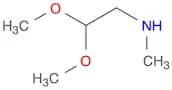
Discontinued productMethylaminoacetaldehyde dimethyl acetal
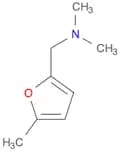
CAS:Formula:C5H13NO2Purity:96%Color and Shape:LiquidMolecular weight:119.16222-Furanmethanamine, N,N,5-trimethyl-
CAS:Formula:C8H13NOPurity:97%Color and Shape:LiquidMolecular weight:139.19492-(1-Cyclohexenyl)ethylamine
CAS:Formula:C8H15NPurity:98%Color and Shape:LiquidMolecular weight:125.2114Ref: IN-DA00328K
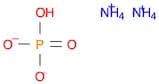
Discontinued productDiammonium hydrogenphosphate
CAS:Formula:H9N2O4PPurity:99%Color and Shape:SolidMolecular weight:132.056221Ref: IN-DA0057DU
Discontinued productN,N,N'-Trimethylethylenediamine
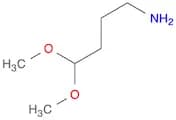
CAS:Formula:C5H14N2Purity:98%Color and Shape:LiquidMolecular weight:102.17811-Butanamine, 4,4-dimethoxy-
CAS:Formula:C6H15NO2Purity:97%Color and Shape:LiquidMolecular weight:133.18889,9'-spirobi[fluoren]-2-amine
CAS:Formula:C25H17NPurity:99%Color and Shape:SolidMolecular weight:331.4092Ref: IN-DA00920R
Discontinued productTetraethylammonium Borohydride
CAS:Formula:C8H24BNPurity:97%Color and Shape:SolidMolecular weight:145.0939Ref: IN-DA003UNV
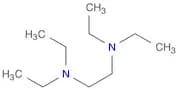
Discontinued product1,2-Ethanediamine, N1,N1,N2,N2-tetraethyl-
CAS:Formula:C10H24N2Purity:%Color and Shape:LiquidMolecular weight:172.3110Ref: IN-DA001M83
Discontinued productRef: IN-DA003T2A
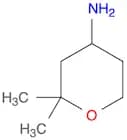
Discontinued product2,2-Dimethyltetrahydro-2H-pyran-4-amine
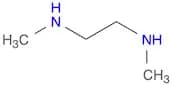
CAS:Formula:C7H15NOPurity:95%Color and Shape:LiquidMolecular weight:129.2001N,N'-Dimethylethylenediamine
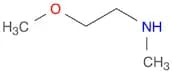
CAS:Formula:C4H12N2Purity:97%Color and Shape:LiquidMolecular weight:88.15152-Methoxy-N-methylethanamine
CAS:Formula:C4H11NOPurity:97%Color and Shape:LiquidMolecular weight:89.1362Ref: 4Z-A-331016
Discontinued productRef: 4Z-A-331042
Discontinued productRef: 4Z-A-331106
Discontinued productRef: 4Z-A-331032
Discontinued productRef: 4Z-A-331105
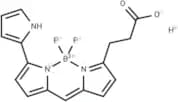
Discontinued productBODIPY 576/589
CAS:BODIPY 576/589 is a long wavelength biological labeled dye.Formula:C16H14BF2N3O2Color and Shape:SolidMolecular weight:329.11N-Cyclohexyl-6-Methoxy-2-(5-Methylfuran-2-yl)imidazo[2,1-b][1,3]benzothiazol-1-Amine
CAS:Formula:C21H23N3O2SMolecular weight:381.49Ref: 4Z-A-331070
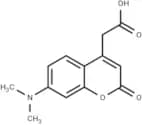
Discontinued product7-Dimethylaminocoumarin-4-acetic acid
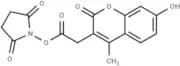
CAS:7-Dimethylaminocoumarin-4-acetic acid, catalog number T64950, CAS number 80883-54-1, is a valuable organic compound for life sciences research.Formula:C13H13NO4Color and Shape:SolidMolecular weight:247.257-Hydroxy-4-methylcoumarin-3-acetic acid, SE
CAS:7-Hydroxy-4-methylcoumarin-3-acetic acid, SE is a useful organic compound for research related to life sciences. The catalog number is T67683 and the CAS number is 96735-88-5.Formula:C16H13NO7Color and Shape:SolidMolecular weight:331.28Ref: 4Z-A-331021
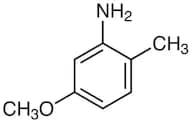
Discontinued product5-Methoxy-2-methylaniline
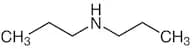
CAS:Formula:C8H11NOPurity:>98.0%(GC)(T)Color and Shape:White to Yellow to Orange powder to lumpMolecular weight:137.18Dipropylamine
CAS:Formula:C6H15NPurity:>99.0%(GC)Color and Shape:Colorless to Almost colorless clear liquidMolecular weight:101.19Ref: 4Z-A-331069
Discontinued productRef: 4Z-A-331044
Discontinued productRef: 4Z-L-195036
Discontinued productRef: 4Z-A-331049
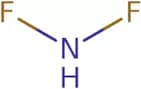
Discontinued productDifluoroamine
CAS:Controlled ProductDifluoroamine is a chemical compound that is used in the production of organic compounds. It has been shown to have high stability and detection sensitivity, which is attributed to its hydrogen bond forming ability. Difluoroamine also reacts with trifluoroacetic acid and hydrogen fluoride, both of which are strong acids. The reaction mechanism of difluoroamine involves the protonation of nitrogen atoms on the molecule followed by a nucleophilic attack on the electrophilic carbon atom that results in the formation of an amine group. This reaction can be carried out in a flow system as well as in a batch process. Difluoramine is an intermediate product during this process and can be converted into glycol ethers or nitrobenzene.
Formula:F2HNPurity:Min. 95%Molecular weight:53.01 g/mol2,4-Diamino-6-(hydroxymethyl)pteridine hydrobromide
CAS:Please enquire for more information about 2,4-Diamino-6-(hydroxymethyl)pteridine hydrobromide including the price, delivery time and more detailed product information at the technical inquiry form on this page
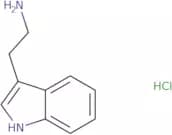
Formula:C7H8N6O•HBrPurity:Min. 95%Molecular weight:273.9 g/molTryptamine hydrochloride
CAS:Controlled ProductTryptamine hydrochloride is a tryptamine that is used in the synthesis of various drugs with antiinflammatory properties. It has been shown to be a potent and selective antagonist of 5-HT2 receptors, with a pKi value of 7.4. Tryptamine hydrochloride has also been found to have an inhibitory effect on mitochondrial membrane potential and to decrease human serum 5-HT levels at physiological doses. This drug is structurally related to serotonin, which is believed to be a cause for its antiinflammatory activity.
Formula:C10H12N2HClPurity:Min. 95%Color and Shape:Brown White Yellow Orange PowderMolecular weight:196.68 g/molRef: 3D-FT37087
Discontinued productSulfur trioxide triethylamine complex
CAS:Sulfur trioxide triethylamine complex is a second-order rate constant for the reaction of ester hydrochloride with carbapenem. It has been shown to have anti-inflammatory properties, which may be due to its inhibition of prostaglandin synthesis. Sulfur trioxide triethylamine complex has also been shown to be an effective inhibitor of pyrazoles and chromatographic analysis at nmr spectra. It has been found to act as a substrate for hydroxyl group, fetal bovine serum, and metabolic disorders in urine samples. Disulfate is a byproduct of this reaction.
Formula:C6H15N·SO3Purity:Min. 95%Color and Shape:White PowderMolecular weight:181.25 g/molRef: 3D-FS61304
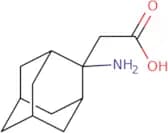
Discontinued product(2-Amino-2-adamantyl)acetic acid
CAS:2-Amino-2-adamantylacetic acid is a fine chemical that is used as a building block in the synthesis of many other compounds. It is also used as a research reagent and speciality chemical, and has been shown to be a versatile building block for complex molecules. This compound can be reacted with other chemicals to form useful intermediates that are used in the synthesis of pharmaceuticals and agrochemicals. 2-Amino-2-adamantylacetic acid is listed on the Chemical Abstracts Service (CAS) registry as 1573548-14-7.
Formula:C12H19NO2Purity:Min. 95%Color and Shape:White PowderMolecular weight:209.28 g/molRef: 3D-FA135391
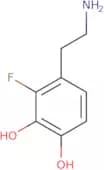
Discontinued product3-Fluoro-Dopamine
CAS:Controlled Product3-Fluoro-Dopamine is a fluorinated catecholamine that is used in research as a radioligand and in animal models. It has been shown to be an agonist of β-adrenergic receptors and to have a safety profile similar to that of dopamine. 3-Fluoro-Dopamine has been shown to increase the uptake of dopamine in rat striatal membranes, which may be due to its affinity for β-adrenergic receptors.
Formula:C8H10FNO2Purity:Min. 95%Molecular weight:171.17 g/mol3-Amino-2,2,4,4-tetramethylthietane
CAS:3-Amino-2,2,4,4-tetramethylthietane is an organic compound that is found in the nitrate group. It is a colorless liquid that is soluble in water and most organic solvents. It can be used as a precursor to other compounds or as a reagent in chemical reactions. 3-Amino-2,2,4,4-tetramethylthietane has been shown to form ethers with sulfate ions and chloride ions. It also catalyzes the activation of vinyl ethers by leuckart's catalyst to produce vinyl sulfonates. 3-Amino-2,2,4,4-tetramethylthietane can be synthesized from thiourea and nitric acid.
Formula:C7H15NSPurity:Min. 95%Color and Shape:White to yellow crystalline powderMolecular weight:145.27 g/molRef: 3D-FA09812
Discontinued product[1-(Azepan-1-ylcarbonyl)butyl]amine hydrochloride
CAS:Controlled ProductPlease enquire for more information about [1-(Azepan-1-ylcarbonyl)butyl]amine hydrochloride including the price, delivery time and more detailed product information at the technical inquiry form on this page
Formula:C11H22N2OPurity:Min. 95%Molecular weight:198.31 g/molAmylamine
CAS:Amylamine is a nitrite ion that is used in analytical chemistry to measure the concentration of nitrite ions. It is often used as a control analysis in vitro assays to compare the effects of different treatments on biological systems. Amylamine is also used to produce p-nitrophenyl phosphate, which can be detected by electrochemical impedance spectroscopy. This chemical has been shown to induce autoimmune diseases and inhibit the growth of resistant breast cancer cells.
Formula:C5H13NPurity:Min. 95%Color and Shape:Clear LiquidMolecular weight:87.16 g/molTrolamine salicylate
CAS:Controlled ProductTrolamine salicylate is a polymer film-forming drug that contains methyl anthranilate and trolamine. It is used in the treatment of skin cancer, as well as for the prevention of radiation-induced erythema. Trolamine salicylate has been shown to be effective in reducing the incidence of skin cancer caused by exposure to ultraviolet light at wavelengths below 320 nm. Trolamine salicylate forms a polymeric matrix on the surface of skin cells and acts as an anti-inflammatory agent. When applied topically, it undergoes chemical reactions with water vapor in the air and can be degraded by enzymes in human serum. The elimination rate of trolamine salicylate from body is about 1% per day and its half-life is about 20 days.
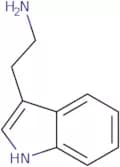
Trolamine salicylate is also used to treat acute dermatitis caused by contact with industrial chemicals such as phenols, amines, and ketones. ItFormula:C13H21NO6Purity:Min. 95%Color and Shape:PowderMolecular weight:287.31 g/molTryptamine
CAS:Controlled ProductPlease enquire for more information about Tryptamine including the price, delivery time and more detailed product information at the technical inquiry form on this page
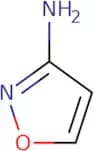
Formula:C10H12N2Purity:Min. 95%Color and Shape:PowderMolecular weight:160.22 g/mol3-Aminoisoxazole
CAS:3-Aminoisoxazole is a chemical compound that belongs to the class of quinoline derivatives. It has potent antitumor activity and has been shown to inhibit the growth of cancer cells in vitro. 3-Aminoisoxazole is also an inhibitor of inflammatory disease, and has been shown to inhibit the production of cytokines (e.g., TNF-α) and nitric oxide, which are key mediators of inflammation. The mechanism by which 3-aminoisoxazole inhibits the production of inflammatory cytokines and nitric oxide may be due to its ability to react with nucleophilic groups on proteins and deactivate them, or by inhibiting the formation of reactive oxygen species through chemical reactions.
Formula:C3H4N2OPurity:Min. 95%Color and Shape:Light (Or Pale) Yellow LiquidMolecular weight:84.08 g/molRef: 3D-FA57628
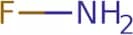
Discontinued productMonofluoroamine
CAS:Controlled ProductMonofluoroamine is a chemical substance with the chemical formula NH2F. It is a colorless liquid that is stable to both acidic and basic environments, but reacts with fluorine gas to form hydrofluoric acid. Monofluoroamine is used in the synthesis of pharmaceuticals, pesticides, and other organic compounds. This compound can be prepared by reacting ammonia with hydrogen fluoride at low temperature or by reacting ammonia with hydrogen fluoride at high pressure. The Friedel-Crafts reaction of monofluoroamine with an amide produces the corresponding amine. Monofluoroamine has been used as a conditioning agent in NMR spectroscopy experiments to remove the water signal from complex NMR spectra. In addition, this compound has been shown to have antiviral effects against HIV infection through its ability to inhibit protein synthesis.
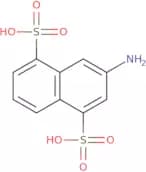
Formula:FH2NPurity:Min. 95%Molecular weight:35.02 g/mol2-Amino-4,8-naphthalenedisulfonic acid
CAS:2-Amino-4,8-naphthalenedisulfonic acid is a structural analog of the natural amino acid phenylalanine. It is an inhibitor of the enzyme tyrosinase, which participates in the oxidation of dopamine to DOPA and subsequent conversion to melanin. 2-Amino-4,8-naphthalenedisulfonic acid has been shown to inhibit the growth of probiotic bacteria and can be used as a food additive. The compound also inhibits the oxidation catalyst that is required for some analytical chemistry tests. 2-Amino-4,8-naphthalenedisulfonic acid has been shown to have toxicological properties in animal studies and this toxicity is exacerbated by its ability to bind with pyridine nucleotides found in cells. The toxicological effects are thought to be related to the inhibition of protein synthesis that leads to cell death.
Formula:C10H9NO6S2Purity:Min. 95%Color and Shape:PowderMolecular weight:303.31 g/molRef: 3D-FA40997
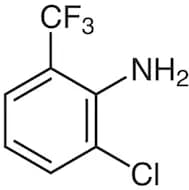
Discontinued product2-Amino-3-chlorobenzotrifluoride
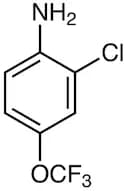
CAS:Formula:C7H5ClF3NPurity:>97.0%(GC)Color and Shape:Colorless to Almost colorless clear liquidMolecular weight:195.572-Chloro-4-(trifluoromethoxy)aniline
CAS:Formula:C7H5ClF3NOPurity:>97.0%(GC)(T)Color and Shape:Colorless to Light yellow to Light orange clear liquidMolecular weight:211.57Ammonium hexafluorotitanate(iv)
CAS:Ammonium hexafluorotitanate(IV) is a fine chemical that can be used as a reagent, building block, or intermediate in the synthesis of other chemicals. It is a versatile building block and reacts with other compounds to form complex compounds. Ammonium hexafluorotitanate(IV) is also an intermediate for the production of ammonium hexafluorophosphate (III), which is used in the manufacture of fertilizers. Ammonium hexafluorotitanate(IV) can be used as a reactant to produce titanium metal, which has many industrial applications.
Formula:F6H8N2TiPurity:Min. 95%Color and Shape:White SolidMolecular weight:197.93 g/molRef: 3D-FA105292
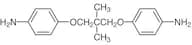
Discontinued productNeopentyl Glycol Bis(4-aminophenyl) Ether
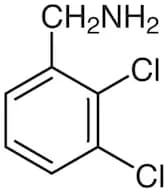
CAS:Formula:C17H22N2O2Purity:>97.0%(T)Color and Shape:White to Light yellow to Light orange powder to crystalMolecular weight:286.382,3-Dichlorobenzylamine
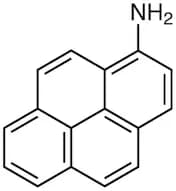
CAS:Formula:C7H7Cl2NPurity:>98.0%(GC)(T)Color and Shape:Colorless to Light orange to Yellow clear liquidMolecular weight:176.041-Aminopyrene (purified by sublimation)
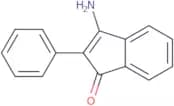
CAS:Formula:C16H11NPurity:>99.0%(T)(HPLC)Color and Shape:Light yellow to Amber to Dark green powder to crystalMolecular weight:217.273-Amino-2-phenylindenone
CAS:3-Amino-2-phenylindenone is a lactam molecule with a five-membered ring and a carbonyl group. The compound's acetylation, protonation, and skeleton are important to its structure. 3-Amino-2-phenylindenone is an aromatic compound that has two deuterium atoms. It has the chemical formula C9H6N2O2, which consists of one chloride atom and two nitro groups. 3-Amino-2-phenylindenone has three deuterium atoms that can be seen in its proton resonances at 1.5 ppm on the IR spectrum. The compound's proton resonances are at 2.8 ppm on the IR spectrum. The compound's chloroformate can be seen in its IR spectrum at 1780 cm^(-1). This molecule has no nonequivalence in its bonds because it does not have any double or
Formula:C15H11NOPurity:Min. 95%Color and Shape:PowderMolecular weight:221.25 g/molRef: 3D-FA168839
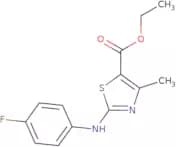
Discontinued productethyl 3-((4-fluorophenyl)amino)-5-methyl-2,4-thiazolecarboxylate
CAS:Please enquire for more information about ethyl 3-((4-fluorophenyl)amino)-5-methyl-2,4-thiazolecarboxylate including the price, delivery time and more detailed product information at the technical inquiry form on this page
Purity:Min. 95%Ref: 3D-FE169431
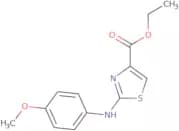
Discontinued productEthyl 4-((4-methoxyphenyl)amino)-3,5-thiazolecarboxylate
CAS:Please enquire for more information about Ethyl 4-((4-methoxyphenyl)amino)-3,5-thiazolecarboxylate including the price, delivery time and more detailed product information at the technical inquiry form on this page
Formula:C13H14N2O3SPurity:Min. 95%Color and Shape:PowderMolecular weight:278.33 g/molRef: 3D-FE169188
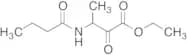
Discontinued productEthyl 3-(Butanoylamino)-2-oxobutanoate
CAS:Controlled ProductApplications Ethyl 3-(Butanoylamino)-2-oxobutanoate s a reactant used to prepare Vardenafil (V098001, 2HCl salt) which is a selective phosphodiesterase type 5 (PDE5) inhibitor.
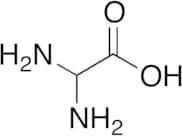
References Bischoff, E., et al.: J. Urol., 165, 1316 (2001), Kim, N.N., et al.: Life Sci., 69, 2249 (2001), Kendirci, M., et al.: Expert Opin. Pharmacother., 5, 923 (2004)Formula:C10H17NO4Color and Shape:NeatMolecular weight:215.252,2-Diaminoacetic Acid
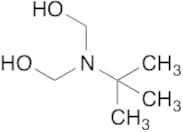
CAS:Controlled ProductFormula:C2H6N2O2Color and Shape:NeatMolecular weight:90.081N,N-Bis(hydroxymethyl)tert-butylamine
CAS:Controlled ProductFormula:C6H15NO2Color and Shape:NeatMolecular weight:133.1892-Diethylamino)ethanol hydrochloride
CAS:Controlled Product2-Diethylamino)ethanol hydrochloride is a chemical compound that is used in analytical chemistry as a stationary phase for thin layer chromatography. Sephadex G-100 was developed by Pharmacia & Upjohn Company and marketed in the 1970s. It has been shown to be useful in plasma mass spectrometry experiments, which measure the molecular weight of proteins and other compounds. The solubility of 2-diethylamino)ethanol hydrochloride has been studied using experimental solubility data, electrochemical impedance spectroscopy, and amines. The reaction mechanism of 2-diethylamino)ethanol hydrochloride is not well understood but it appears to involve potassium dichromate, hydrochloric acid, fluoroacetic acid, benzalkonium chloride and other chemicals.
Formula:C6H16ClNOPurity:Min. 95%Molecular weight:153.65 g/molRef: 3D-FD21828
Discontinued productBis(hydroxyethyl)methylamine
CAS:Controlled ProductBis(hydroxyethyl)methylamine is a chemical compound that is used in wastewater treatment. It is a strong base that can be used to remove nitrogen compounds, such as ammonia and nitrite, from wastewater. The process optimization of the thermal expansion of Bis(hydroxyethyl)methylamine has been studied. This chemical has been found to inhibit the growth of bacteria and fungi, which may be due to its ability to disrupt protein synthesis by interfering with the enzyme fatty acid synthase.
Formula:C5H13NO2Purity:Min. 95%Molecular weight:119.16 g/molRef: 3D-FB18727
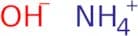
Discontinued productAmmonium hydroxide - 28% NH3 in H2O
CAS:Controlled ProductAmmonium hydroxide is a chemical compound that is used to remove sodium salts from water in the treatment of wastewater. Ammonium hydroxide is also an analytical reagent for the determination of ammonium ions by titration, and is used as a polymerization catalyst. It can be used to produce glycol ethers, which are solvents with low toxicity and high boiling points. The reaction mechanism involves the conversion of hydrogen fluoride (HF) to hydrofluoric acid (HF), which reacts with ammonia to form ammonium fluoride (NH4F). This reaction produces heat and gives off water vapor. Ammonium hydroxide is a weak base, so it will react with any strong acid, such as hydrochloric acid or sulfuric acid, but not with weak acids such as acetic acid or phosphoric acid.
Formula:NH4OHPurity:Min. 95%Color and Shape:Clear LiquidMolecular weight:35.05 g/molRef: 3D-FA35279
Discontinued product3-Amino-1,2,4-triazole
CAS:3-Amino-1,2,4-triazole is a fine chemical that has been used as a versatile building block in the synthesis of complex compounds. It reacts with many different types of molecules to form covalent bonds, and can also be used as a reactant in many organic reactions, such as the formation of amides. 3-Amino-1,2,4-triazole is not currently available commercially but can be synthesized in the laboratory from readily available starting materials. 3-Amino-1,2,4-triazole is a high quality chemical with few impurities that is suitable for use in research or industrial settings.
Formula:C2H4N4Molecular weight:84.08 g/molRef: 3D-A-7200
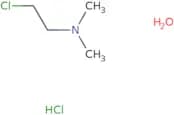
Discontinued product2-Chloro-N,N-dimethylethanamine hydrochloride hydrate
Controlled ProductPlease enquire for more information about 2-Chloro-N,N-dimethylethanamine hydrochloride hydrate including the price, delivery time and more detailed product information at the technical inquiry form on this page
Formula:C4H13Cl2NOPurity:Min. 95%Molecular weight:162.06 g/molRef: 3D-FC139987
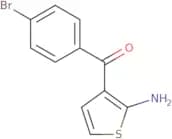
Discontinued product(2-Aminothiophen-3-yl)(4-bromophenyl)methanone
CAS:2-Aminothiophen-3-yl)(4-bromophenyl)methanone is a new compound that is being developed as a potential antiviral agent. Covid-19, the trade name for 2-aminothiophen-3-yl)(4-bromophenyl)methanone, prevents the replication of viruses by binding to their nucleic acids and blocking their ability to produce proteins. Covid-19 has been shown to be effective against both influenza A and B viruses in cellular and animal models. The antiviral activity of Covid-19 is due to its ability to bind to viral nucleic acid, preventing the production of proteins vital for viral replication. This compound has also been shown to have anti-inflammatory properties, which may be due to its ability to inhibit the production of amyloid plaques in mice with Alzheimer's disease.
Formula:C11H8BrNOSPurity:Min. 95%Molecular weight:282.16 g/molRef: 3D-FA54199
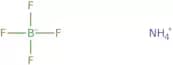
Discontinued productAmmonium tetrafluoroborate
CAS:Ammonium tetrafluoroborate is a salt of the organic compound tetrafluoroborate and ammonium. It is a colorless solid that can be used as a chemical reagent. Ammonium tetrafluoroborate has a higher chemical stability than other salts of tetrafluoroborate, such as ammonium hexafluorophosphate and ammonium hexafluoroarsenate. Ammonium tetrafluoroborate is used to make the dinucleotide phosphate, which is an important component in DNA synthesis. In a redox potential test, ammonium tetrafluoroborate showed no electrochemical activity in water vapor at pH 7. Ammonium tetrafluoroborate reacts with trifluoroacetic acid to produce hydrogen fluoride and ammonium chloride. This reaction is reversible, which means that it can be used for the synthesis of ammonia gas from hydrogen and nitrogen gases or for the
Formula:NH4BF4Purity:Min. 98%Color and Shape:White PowderMolecular weight:104.84 g/molRef: 3D-FA55588
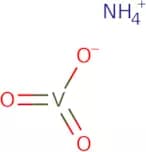
Discontinued productAmmonium metavanadate
CAS:Ammonium metavanadate is a compound with the chemical formula NH4VO3. It is an oxidizing agent that can be used in wastewater treatment to remove organic and inorganic contaminants from wastewater streams. The product has been shown to be a strong catalyst for the oxidation of ammonium, water vapor, and sulphur dioxide at ambient temperature. Ammonium metavanadate has been studied extensively as a catalyst for the removal of volatile organic substances (VOS) from gas streams, and is considered to be one of the most efficient catalysts currently available. Ammonium metavanadate also increases cytosolic calcium levels in human cells by promoting its release from intracellular stores.
Formula:NH4VO3Purity:Min. 98%Molecular weight:116.98 g/molAmmonium iron(III) sulfate dodecahydrate
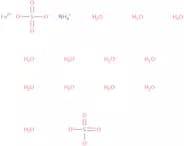
CAS:Ammonium iron(III) sulfate dodecahydrate is a water-soluble inorganic salt that can be used as an oxidizing agent to reduce the color of stains. It has been shown to have good growth kinetics and is easy to use. Ammonium iron(III) sulfate dodecahydrate is an inorganic acid that can be used as a reagent for extractions. It has been found to have good extraction yield and particle size, which makes it ideal for use in polymer films. Ammonium iron(III) sulfate dodecahydrate reacts with hydroxyl groups and forms p-hydroxybenzoic acid, which can be used in clinical pathology tests.
Formula:NH4Fe(SO4)2•(H2O)12Purity:Min. 95%Color and Shape:PowderMolecular weight:482.19 g/molRef: 3D-FA40933
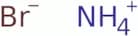
Discontinued productAmmonium bromide
CAS:Ammonium bromide is a chemical compound used in wastewater treatment. It is the active ingredient in a number of water purification methods, including those used to remove nitrates and heavy metals. Ammonium bromide also has inhibitory properties on the release of neurotransmitters from nerve cells. This inhibition of neurotransmitter release may be due to its ability to inhibit the action of neurokinin-1 receptor (NK-1) at the synapse. Ammonium bromide has been shown to have some toxic effects on the heart, although it does not appear to be toxic to other organs or tissues. Experimental solubility data shows that this solution is soluble in water, but insoluble in ethanol and ether. 4-Hydroxycinnamic acid, which can be found in coffee beans, has been shown to increase ammonium bromide solubility in water solutions by forming an inclusion complex with ammonium bromide.
Formula:H4BrNPurity:Min. 95%Color and Shape:White SolidMolecular weight:97.94 g/molRef: 3D-FA33731
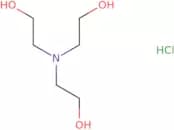
Discontinued productTriethanolamine hydrochloride
CAS:Controlled ProductTriethanolamine hydrochloride, widely known as TEA-HCl, is a buffer used in biochemistry to maintain a stable pH in the range of 7.3 to 8.3 during processes like protein extraction and purification. They are also used in enzyme assays.
Formula:C6H15NO3·HClPurity:Min. 95%Color and Shape:PowderMolecular weight:185.65 g/molRef: 3D-FT46965
Discontinued productAmmonium Hexafluoroniobate
CAS:Ammonium hexafluoroniobate is an organosilicon compound that does not react with water and is used as a solvent for other organics. It can be activated to form a reactive surface by treatment with a metal such as copper or aluminum, which can then be used in the treatment of metals. Ammonium hexafluoroniobate has been used as a diagnostic agent and diagnostic reagent in various reactions at different temperatures. It has also been used as the photoreceptor in electrophotographic printing processes, where it is exposed to light-sensitive material and then developed using organic solvents.
Formula:F6H4NNbPurity:Min. 95%Molecular weight:224.94 g/mol3-Amino-4-fluorobenzoic acid
CAS:3-Amino-4-fluorobenzoic acid is a hydrocarbon that is used as an analgesic. It has been shown to be nontoxic and has analgesic effects in the intestinal tract. 3-Amino-4-fluorobenzoic acid also has radiopaque properties, which makes it useful for diagnosis and treatment of certain types of cancer and other tumors. The analgesic effect of 3-amino-4-fluorobenzoic acid may be due to its ability to act as a competitive antagonist at the N -methyl--aspartate (NMDA) receptor, which is important in pain perception.
Formula:C7H6FNO2Purity:Min. 95%Molecular weight:155.13 g/molRef: 3D-FA64177
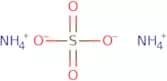
Discontinued productAmmonium sulphate
CAS:Ammonium sulphate is a white, crystalline solid that is used as a fertilizer and in the manufacture of paper. Ammonium sulphate is an ammonium salt of sulfuric acid with the chemical formula NH4HSO4. It is most often used as a fertilizer, although it has many other uses. Ammonium sulfate enhances the absorption of water vapor by plants, which increases their ability to grow. The optimum concentration for ammonium sulfate is from 20-40 g/L. Ammonium sulfate also increases the rate of synthesis of RNA and proteins in cells. This may be because it provides sulfur for enzymes involved in energy metabolism and protein synthesis. Ammonium sulfate has been shown to have synergistic effects with zirconium oxide, allowing more rapid dissolution in water than would be expected from its solubility alone. Ammonium sulfate reacts with bowel disease causing inflammation and ulceration due to its effect on bowel flora (e
Formula:H8N2O4SPurity:Min. 95%Color and Shape:White Clear LiquidMolecular weight:132.14 g/molRef: 3D-FA30582
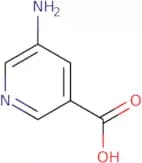
Discontinued product5-Aminopyridine-3-carboxylic acid
CAS:5-Aminopyridine-3-carboxylic acid (5APC) is a structural analog of nicotinic acid that has been shown to have anti-inflammatory effects. 5APC inhibits the production of inflammatory cytokines, such as IL-10 and IL-17, by inhibiting the activation of NFκB and MAPK pathways. This drug also has significant inhibitory activities against dextran sulfate sodium (DSS)-induced acute colitis in experimental models. 5APC is thought to act by interrupting the assembly of p38 mitogen activated protein kinase (MAPK) and nuclear factor kappa B (NFκB) signaling complexes.
Formula:C6H6N2O2Purity:Min. 95%Molecular weight:138.12 g/molRef: 3D-FA66664
Discontinued product2-Dimethylaminoethanol (+)-bitartrate salt
CAS:Controlled Product2-Dimethylaminoethanol (+)-bitartrate salt is a potent, reversible inhibitor of protein synthesis that binds reversibly to the 50S ribosomal subunit. It is used in regulatory toxicology and clinical pathology as a positive control for the study of chronic toxicity and long-term effects. 2-Dimethylaminoethanol (+)-bitartrate salt has shown no treatment effect on ovary weight or estrous cycle length in female Sprague-Dawley rats after chronic exposure and long-term exposure at doses up to 1,000 mg/kg/day. This drug has also shown no effect on rat fertility or reproductive performance, indicating it does not cause reproductive toxicity.
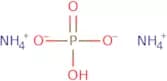
Formula:C4H11NO·C4H6O6Color and Shape:White Off-White PowderMolecular weight:239.22 g/molDiammonium hydrogenphosphate
CAS:Diammonium hydrogenphosphate is a monoammonium or diammonium phosphate salt of the phosphoric acid. It is used as a fertilizer and in analytical chemistry. Diammonium hydrogenphosphate is often used in wastewater treatment, because it has high solubility and low toxicity. Diammonium hydrogenphosphate can be synthesized by the reaction of ammonium phosphate with magnesium and ammonium hydroxide. This compound has synergic effects with magnesium, which may be due to its ability to reduce enzyme activities in the cell membrane. Diammonium hydrogenphosphate also has an effect on calcium-protein binding and phosphorus pentoxide crystallization.
Formula:H9N2O4PPurity:(%) Min. 99%Color and Shape:PowderMolecular weight:132.06 g/molRef: 3D-FD44626
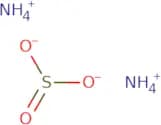
Discontinued productAmmonium sulfite
CAS:Ammonium sulfite is a chemical compound that is used as an additive in wastewater treatment and as a reagent in organic synthesis. The reaction solution contains ammonium sulfite, sodium carbonate, and water. It has been shown to be toxic to animals when administered at high doses. Ammonium sulfite does not react with hydrogen fluoride or water and it is not soluble in anhydrous sodium. The polymerase chain reaction (PCR) technique has been used to study the reaction mechanism of ammonium sulfite. The reactions are catalysed by metal hydroxides such as magnesium hydroxide and aluminium hydroxide, which are present at the surface of the solid phase.
Formula:(NH4)2SO3Purity:Min. 95%Color and Shape:PowderMolecular weight:116.14 g/molRef: 3D-FA164872
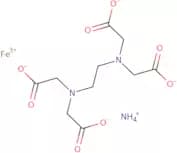
Discontinued productEDTA ferric ammonium
CAS:EDTA ferric ammonium is a metal complex that is used in the manufacture of textile dyes. EDTA ferric ammonium is an oxidizing agent that can be used as a reducing agent by adding an oxidizing agent such as potassium permanganate. The solution form of this compound has a particle size distribution with a median particle size of about 0.5 micrometers and a polydispersity index of about 2. In addition, it has been shown to have surfactant properties, which may be due to its ability to interact with the surface tension of water molecules. EDTA ferric ammonium has also been shown to react with silver ions to form silver ethylene diamine tetraacetic acid (AgEDTA), which can then be used for patterning purposes in textiles.
Formula:C10H12FeN2O8•NH4Purity:80%MinColor and Shape:PowderMolecular weight:362.09 g/molRef: 3D-FF147350
Discontinued product





![9,9'-spirobi[fluoren]-2-amine](/_next/image/?url=https%3A%2Fstatic.cymitquimica.com%2Fproducts%2FIN%2Fthumb-webp%2FDA00920R.webp&w=3840&q=75)




![N-Cyclohexyl-6-Methoxy-2-(5-Methylfuran-2-yl)imidazo[2,1-b][1,3]benzothiazol-1-Amine](/_next/image/?url=https%3A%2Fstatic.cymitquimica.com%2Fproducts%2F4Z%2Fthumb-webp%2FA-331070.webp&w=3840&q=75)









![[1-(Azepan-1-ylcarbonyl)butyl]amine hydrochloride](/_next/image/?url=https%3A%2Fstatic.cymitquimica.com%2Fproducts%2F3D%2Fthumb-webp%2FFA130693.webp&w=3840&q=75)