Amines
Amines are a set of molecules containing an amino functional group (derived from ammonia). This category includes amines at any level of substitution : primary, secondary, tertiary, and ammonium salts. Amines are fundamental in organic synthesis and are widely used in pharmaceuticals, agrochemicals, and materials science. At CymitQuimica, we provide a comprehensive selection of amines to meet your research and industrial needs. Our range ensures access to various amines for diverse chemical processes and innovative research.
Subcategories of "Amines"
- Nitrosamines(2,606 products)
- Primary Amines(30,821 products)
- Quaternary Ammonium Cations and Salts(1,100 products)
- Secondary Amines(20,817 products)
- Tertiary Amines(17,117 products)
Found 8779 products of "Amines"
Sort by
Purity (%)
0
100
|
0
|
50
|
90
|
95
|
100
Prop-2-en-1-amine Hydrochloride
CAS:<p>Applications PROP-2-EN-1-AMINE HCL (cas# 10017-11-5) is a useful research chemical.<br></p>Formula:C3H7N•HClColor and Shape:White to Off-White SolidMolecular weight:93.56Tetrabutylammonium Chloride
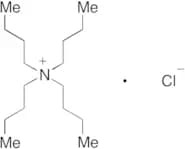
CAS:<p>Applications Tetrabutylammonium Chloride is used in the preparation of polypyrrole coatings with self healing properties for iron corrosion.<br>References Nakayama, M. et al.: Electrochem. Comm., 9, 1145 (2007);<br></p>Formula:C16H36ClNColor and Shape:NeatMolecular weight:277.92N,N-Dimethyldecylamine
CAS:Controlled Product<p>Applications N,N-Dimethyldecylamine is a useful synthetic intermediate. It can be used to prepare emodin (E523000) quaternary ammonium salt derivatives as potential anticancer agents It is also a reactant used to synthesize Benzyldecyldimethylammonium chloride (B234550), a biocide.<br>References Wang, W., et al.: Eur. J. Med. Chem., 56, 320 (2012); Qiu, B., et al.: Zhongguo Yaowu Huaxue Zazhi, 20, 353 (2010); Shao, J., et al.: Eur. J. Med. Chem., 56, 308 (2012); Lee, M., et al.: Appl. Micro. Biotech., 87, 1109 (2010)<br></p>Formula:C12H27NColor and Shape:NeatMolecular weight:185.352-Amino-5,6-dimethylbenzothiazole
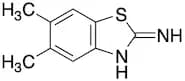
CAS:Controlled Product<p>Applications 2-AMINO-5,6-DIMETHYLBENZOTHIAZOLE (cas# 29927-08-0) is a useful research chemical.<br></p>Formula:C9H10N2SColor and Shape:NeatMolecular weight:178.25Hexadecyltrimethylammonium Bromide
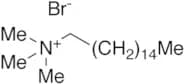
CAS:<p>Applications Hexadecyltrimethylammonium Bromide (CTAB) is a cationic surfactant used as a template in the synthesis of Mesoporous γ-Fe2O3.<br> Not a dangerous good if item is equal to or less than 1g/ml and there is less than 100g/ml in the package<br>References Yu, H.-h., et al.: Gongneng Cailiao, 42, 2005 (2011),<br></p>Formula:C19H42N·BrColor and Shape:NeatMolecular weight:364.45N-[(4-Chlorophenyl)methyl]cyclopentanamine
CAS:Controlled Product<p>Applications N-[(4-chlorophenyl)methyl]cyclopentanamine is a useful reagent for the preparation of γ-lactams.<br>References Fujii, T., et al.: Tetrahedron Letters, 61, 152276 (2020)<br></p>Formula:C12H16ClNColor and Shape:ColourlessMolecular weight:209.723,4'-Diaminodiphenyl Ether
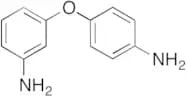
CAS:Controlled Product<p>Applications 3,4'-Diaminodiphenyl Ether, can be used for the synthesis of asymmetric soluble polyimides. It can also be used as a spacer in the preparation of glycine-based molecular tongs as inhibitors of β-amyloid peptide Aβ1-40 aggregation in vitro.<br>References Zhao, T., et al.: Suliao Gongye, 39, 20 (2011); Cellamare, S., et al.: Bioorg. Med. Chem., 16, 4810 (2008);<br></p>Formula:C12H12N2OColor and Shape:NeatMolecular weight:200.241-Adamantanamine Sulfate
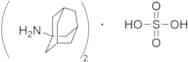
CAS:<p>Stability Hygroscopic<br>Applications 1-Adamantanamine Sulfate (cas# 31377-23-8) is a useful research chemical.<br></p>Formula:(C10H17N)·H2SO4Color and Shape:NeatMolecular weight:2(151.25) + 98.083-Diethylaminophenol
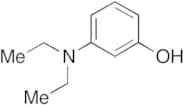
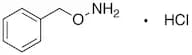
CAS:Controlled Product<p>Applications 3-Diethylaminophenol is used as a reagent in the synthesis of coumarin- and rhodamine-fused deep red fluorescent dyes.<br>References Chen, J., et al.: J. Org. Chem., 78, 6121 (2013)<br></p>Formula:C10H15NOColor and Shape:BlackMolecular weight:165.23O-Benzylhydroxylamine Hydrochloride
CAS:Controlled Product<p>Applications A reagent used for the synthesis of hydroxylamines and hydroxyamates.<br>References Magin, D.F., et al.: J. Chromatogr., 178, 219 (1979), Safavy, A., et al.: Bioconjug. Chem., 13, 327 (2002),<br></p>Formula:C7H9NO·HClColor and Shape:NeatMolecular weight:159.612-Amino-5-nitrothiazole
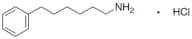
CAS:Controlled Product<p>Impurity Niltazoxanide USP Related Compound A 2-Amino-5-nitrothiazole<br>Applications Niltazoxanide USP Related Compound A 2-Amino-5-nitrothiazole.<br>References Kariduraganavar, M. et al.; J. Mol. Struct. 987, 158 (2011). Tambe, S. J. et al.; Appl Polymer Sci. 114, 2291 (2009)<br></p>Formula:C3H3N3O2SColor and Shape:YellowMolecular weight:145.146-Phenylhexylamine Hydrochloride
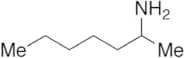
CAS:Controlled Product<p>Applications 6-Phenylhexylamine Hydrochloride (cas# 120375-57-7) is a compound useful in organic synthesis.<br></p>Formula:C12H19N·ClHColor and Shape:NeatMolecular weight:213.752-Heptylamine
CAS:Controlled Product<p>Applications 2-Heptylamine is used as a reagent in the synthesis of human A3 adenosine receptor antagonists<br> Not a dangerous good if item is equal to or less than 1g/ml and there is less than 100g/ml in the package<br>References Federico, S. et al.: J. Med. Chem., 55, 9654 (2012);<br></p>Formula:C7H17NColor and Shape:Colourless LiquidMolecular weight:115.224-Aminohippuric Acid
CAS:Controlled Product<p>Applications 4-Aminohippuric Acid is used in the measurement of renal plasma flow as a diagnostic tool which may be applied towards kidney disorders.<br>References Phillips, R. et al.: Am. J. Physiol., 152, 523 (1948);<br></p>Formula:C9H10N2O3Color and Shape:Off White SolidMolecular weight:194.19Ethylamine Solution (2.0 M In Meoh)
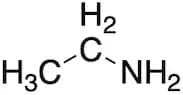
CAS:Controlled Product<p>Applications Ethylamine Solution is used as a reagent in the synthesis of a series of hexadentate ligands as potential antibacterial agents. Also used as a reagent in the synthesis of tetrahydrothiazolopyridine derivatives as potent smoothened antagonists.<br>References Zhang, M., et al.: Chem. Biol. Drug Des., 84, 659 (2014); Ma, H., et al.: Eur. J. Med. Chem., 89, 721 (2015)<br></p>Formula:C2H7NColor and Shape:ColourlessMolecular weight:45.084-Amino-1-butanol
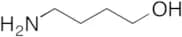
CAS:Controlled Product<p>Stability Unstable in Aqueous Solution<br>Applications 4-Amino-1-butanol is used in the synthesis of NSAIDs with anti-inflammatory properties. Also used in the synthesis of polyamine transport ligands with specificity against human cancers allowing easy access to specific cancer cells.<br> Not a dangerous good if item is equal to or less than 1g/ml and there is less than 100g/ml in the package<br>References Majumder, J. et al.: Langmuir, 29, 10254 (2013); Muth, A. et al.: J. Med. Chem., 56, 5819 (2013)<br></p>Formula:C4H11NOColor and Shape:NeatMolecular weight:89.14Aminopterin
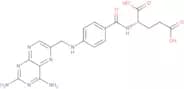
CAS:<p>Aminopterin is an antineoplastic agent and antifolate, which is a synthetic derivative of pteroylglutamic acid. It functions as a chemotherapeutic agent by inhibiting dihydrofolate reductase, an enzyme crucial in the folic acid pathway, thereby preventing the conversion of dihydrofolate to tetrahydrofolate. This disruption leads to impaired synthesis of purine nucleotides and thymidylate, which are essential for DNA synthesis and cell division.</p>Formula:C19H20N8O5Purity:Min. 97 Area-%Color and Shape:Slightly Yellow PowderMolecular weight:440.41 g/mol(S)-2-((((9H-Fluoren-9-yl)methoxy)carbonyl)amino)-3-(1H-pyrrolo[2,3-b]pyridin-3-yl)propanoic acid
CAS:<p>Please enquire for more information about (S)-2-((((9H-Fluoren-9-yl)methoxy)carbonyl)amino)-3-(1H-pyrrolo[2,3-b]pyridin-3-yl)propanoic acid including the price, delivery time and more detailed product information at the technical inquiry form on this page</p>Formula:C25H21N3O4Purity:Min. 95%Molecular weight:427.45 g/mol1S,2S-(+)-Diaminocyclohexane
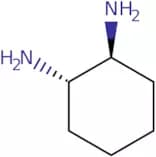
CAS:<p>1S,2S-(+)-Diaminocyclohexane is a copper complex that has been reported to have anticancer activity. It has been shown to chelate metal ions and form hydrogen bonding interactions with acidic groups on the surface of cancer cells. The solubility data for 1S,2S-(+)-Diaminocyclohexane indicates that it is not soluble in water, but soluble in methanol and ethanol. Cyclic voltammetry studies indicate that the reaction mechanism for 1S,2S-(+)-Diaminocyclohexane involves electron transfer from the cyclohexane ring to a benzimidazole derivative. Linear regression analysis of carcinoma cell lines indicates that 1S,2S-(+)-Diaminocyclohexane is selective for cancer cells over normal cells.</p>Formula:C6H14N2Purity:Min. 95%Color and Shape:PowderMolecular weight:114.19 g/mol2-Chloro-5-methylbenzylamine hydrochloride
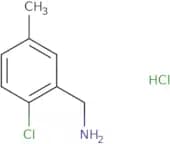
CAS:<p>2-Chloro-5-methylbenzylamine hydrochloride is a chemical that is used as a versatile building block in the synthesis of complex compounds. It has a wide range of uses, including as a research chemical, reagent, and speciality chemical. 2-Chloro-5-methylbenzylamine hydrochloride is also used as an intermediate in the synthesis of other chemicals and can be used as an organic building block, reaction component, and scaffold. This product can be used to produce high-quality products, such as pharmaceuticals and agrochemicals.</p>Formula:C8H10ClN•HClPurity:Min. 95%Molecular weight:192.09 g/mol(2R,3S)-3-(tert-Butoxycarbonyl)amino-1,2-epoxy-4-phenylbutane
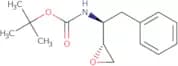
CAS:<p>The compound (2R,3S)-3-(tert-Butoxycarbonyl)amino-1,2-epoxy-4-phenylbutane is an epoxide with a thionyl chloride mediated reaction. This compound has been shown to react with amines and nucleophiles to form epoxides. The time required for this reaction was found to be dependent on the concentration of the amine. The reaction was also found to be chiral as it produced a mixture of diastereomers. When irradiated, this compound undergoes a stereoselective reaction that leads to a new epoxide product.</p>Formula:C15H21NO3Purity:Min. 95%Color and Shape:Off-White PowderMolecular weight:263.34 g/mol2-Amino-8-hydroxyquinoline
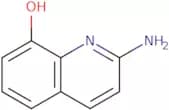
CAS:<p>2-Amino-8-hydroxyquinoline is a molecule that has been shown to have optical properties. 2-Amino-8-hydroxyquinoline has also been shown to be reactive in vitro and inhibit the growth of cancer cells. It is thought that this inhibition may be due to its ability to bind to the active site of DNA polymerase, preventing DNA replication. 2-Amino-8-hydroxyquinoline has also been shown in vitro studies and vivo studies to have potent inhibition activity against human serum albumin (HSA). The molecules that are used as linkers to attach 2-amino 8 hydroxyquinoline to other molecules are thermodynamically stable. The isomers of 2 amino 8 hydroxyquinoline have also been studied by X-ray crystallography and nuclear magnetic resonance spectroscopy, which provides information about the structure of the molecule. Finally, 2 amino 8 hydroxyquinoline has been found to be an odorant</p>Formula:C9H8N2OPurity:Min. 98%Color and Shape:Off-White PowderMolecular weight:160.17 g/mol[(1,2-Dimethyl-1H-imidazol-5-yl)methyl]amine dihydrochloride
CAS:<p>[(1,2-Dimethyl-1H-imidazol-5-yl)methyl]amine dihydrochloride is a diagnostic agent that is used for the detection of cancer. It reacts with copper oxide to form a green precipitate that can be detected by dissolution in hydrochloric acid. This reaction takes place at a relatively short time and at temperatures as low as 0°C. The use of [(1,2-dimethyl-1H-imidazol-5-yl)methyl]amine dihydrochloride is limited to the diagnosis of pancreatic cancer because it has no effect on any other type of cancer cells.</p>Formula:C6H13Cl2N3Purity:Min. 95%Color and Shape:White PowderMolecular weight:198.09 g/molL-Glutamine
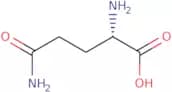
CAS:<p>L-Glutamine is an amino acid that is important for protein synthesis and the maintenance of muscle mass. It is also a precursor for other compounds, such as nucleotides and glutathione, which are required for maintaining cell viability. L-Glutamine may be used to treat bowel diseases, such as Crohn's disease, by improving the function of the intestines and reducing intestinal permeability. It has been shown to decrease levels of oxidative injury in cells by acting as an antioxidant. L-Glutamine may also be used to help prevent or treat infectious diseases by increasing the activity of transcription activators that protect cells from oxidative injury. L-Glutamine can be administered intravenously or orally and can be used as a biocompatible polymer carrier for drugs that are difficult to administer due to their poor water solubility.</p>Formula:C5H10N2O3Purity:Min. 95%Color and Shape:White PowderMolecular weight:146.14 g/molAmino(naphthalen-2-yl)acetic acid
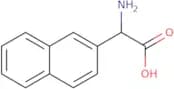
CAS:<p>Amino(naphthalen-2-yl)acetic acid is a versatile chemical building block that can be used in research, industry and as a high quality reagent. It is a useful scaffold for the synthesis of complex compounds. Amino(naphthalen-2-yl)acetic acid has been shown to be an excellent reactant for the production of fine chemicals and is high quality, with a purity of 99%. This product is also used as a speciality chemical for the production of pharmaceuticals, pesticides, and other chemical products.</p>Formula:C12H11NO2Purity:Min. 95%Color and Shape:PowderMolecular weight:201.22 g/mol2-[(2,6-Dichlorophenyl)amino]-N,N-dimethylbenzeneacetamide
CAS:<p>2-[(2,6-Dichlorophenyl)amino]-N,N-dimethylbenzeneacetamide is a reagent, complex compound and useful intermediate with a CAS number of 21789-06-0. It is a fine chemical that can be used as a building block in the synthesis of other compounds. It has been shown to be useful in the production of speciality chemicals and research chemicals. The versatility of this compound makes it an excellent scaffold for the synthesis of other compounds. This product is not intended for human or animal use.</p>Formula:C16H16Cl2N2OPurity:Min. 95%Color and Shape:PowderMolecular weight:323.22 g/mol3-Amino-2,4,6-tribromotoluene
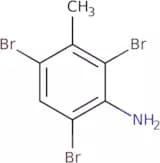
CAS:<p>3-Amino-2,4,6-tribromotoluene is a reactive organic compound that is a highly flammable additive. It has been used as an oxidizing agent in the production of polymeric materials and as a catalyst in the vulcanization of rubber. 3-Amino-2,4,6-tribromotoluene can react with hydrogen peroxide to form bromophenols and hydrochloric acid. When heated or exposed to light, 3-amino-2,4,6-tribromotoluene can produce toxic fumes such as hydrogen bromide and phosphorus pentoxide. This substance has been shown to be toxic to animals and humans if ingested or inhaled.</p>Formula:C7H6Br3NPurity:Min. 95%Color and Shape:PowderMolecular weight:343.84 g/mol2,4-Diamino-6-(hydroxymethyl)pteridine hydrobromide
CAS:<p>Please enquire for more information about 2,4-Diamino-6-(hydroxymethyl)pteridine hydrobromide including the price, delivery time and more detailed product information at the technical inquiry form on this page</p>Formula:C7H8N6O•HBrPurity:Min. 95%Molecular weight:273.9 g/molDehydro norketamine
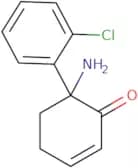
CAS:Controlled Product<p>Dehydro norketamine is a chiral compound that is used as a sample preparation for analytical methods. It has been shown to be the major metabolite of ketamine and can be detected in human serum, urine, and sweat. Dehydro norketamine has also been found to have similar pharmacological effects as ketamine, such as analgesia and hallucinogenic properties. The detection sensitivity of dehydro norketamine is lower than that of ketamine, as it cannot be detected in human serum at concentrations less than 0.5 ng/mL. The clinical relevance of dehydro norketamine is still being studied. The following product description should not exceed 150 words: Dehydro norketamine is a chiral compound that is used as a sample preparation for analytical methods. It has been shown to be the major metabolite of ketamine and can be detected in human serum, urine, and sweat. Dehydro nork</p>Formula:C12H12ClNOPurity:90%MinColor and Shape:PowderMolecular weight:221.68 g/mol3-Amino-4-methylpentan-2-one hydrochloride
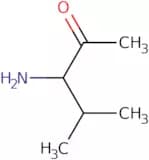
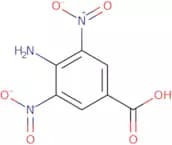
CAS:<p>3-Amino-4-methylpentan-2-one hydrochloride is a versatile building block that is used for the synthesis of high quality research chemicals, useful scaffolds, and speciality chemicals. It is also used as a reagent in organic syntheses. This chemical has a wide range of uses and is a fine chemical that can be used as an intermediate or reaction component. 3-Amino-4-methylpentan-2-one hydrochloride can be reacted with other compounds to form complex molecules that have many different applications.</p>Formula:C6H13NO•HClPurity:Min. 95%Color and Shape:SolidMolecular weight:151.63 g/mol4-Amino-3,5-dinitrobenzoic acid
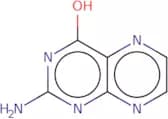
CAS:<p>4-Amino-3,5-dinitrobenzoic acid (4ADBA) is a reactive chemical compound with acidic properties. It reacts with nucleophiles to form diazo compounds, which are used in analytical methods for the detection of amines and phenols. 4ADBA can be used to measure the concentration of aspirin in pharmaceutical formulations. The reaction is linear over a wide range of concentrations and has an optimal reaction time of 10 minutes at pH 2.0–2.5. The half-life values for 4ADBA are approximately 3 hours at pH 3 and 7 hours at pH 5.</p>Formula:C7H5N3O6Purity:Min. 95%Color and Shape:SolidMolecular weight:227.13 g/mol2-Amino-4-hydroxypteridine
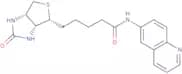
CAS:<p>2-Amino-4-hydroxypteridine is a chemical compound that is used in the synthesis of other organic compounds. 2-Amino-4-hydroxypteridine binds to molybdenum and coordinates with it through hydrogen bonding, which stabilizes the molecule. The binding between 2-amino-4-hydroxypteridine and molybdenum has been shown to be essential for its antimicrobial activity. This compound inhibits bacterial growth by inhibiting the biosynthesis of monoamine neurotransmitters, such as dopamine and serotonin.<br>2-Amino-4-hydroxypteridine also inhibits enzyme activities, such as those involved in energy metabolism, as well as structural analysis of nitrogen containing molecules. <br>The reaction mechanism of 2 amino 4 hydroxypteridine is not well understood, but it has been proposed that this compound reacts with electron acceptors such as oxygen or nitric oxide to form an excited state</p>Formula:C6H5N5OPurity:Min. 95%Color and Shape:PowderMolecular weight:163.14 g/molBiotinyl-6-aminoquinoline
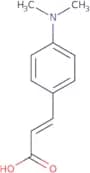
CAS:<p>Biotinyl-6-aminoquinoline is a synthetic chemical that has been shown to inhibit the growth of cancer cells in laboratory mice. It was synthesized to be a substrate for the enzyme quinolinate synthase, which is involved in the synthesis of nicotinic acid. Biotinyl-6-aminoquinoline is an analytical method that has been used in urinary samples from patients with bladder cancer as well as healthy individuals. The sequences of each individual were determined and analyzed using an algorithm that performs logistic regression, which can predict whether or not the patient has bladder cancer.</p>Formula:C19H22N4O2SPurity:Min. 95 Area-%Color and Shape:PowderMolecular weight:370.47 g/mol4-Dimethylaminocinnamic acid
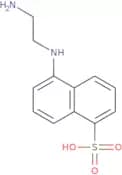
CAS:<p>4-Dimethylaminocinnamic acid (DMA) is a natural organic compound found in plants and animals. This compound has been studied for its potential use as a drug, but it is not currently used in medicine. 4-Dimethylaminocinnamic acid can inhibit the activity of certain enzymes by binding to them, including the enzyme polymerase chain that synthesizes DNA. It also can bind to other proteins, such as carbonyl groups and cinnamic acid derivatives, which are found in human liver cells. 4-Dimethylaminocinnamic acid can form hydrogen bonds with other molecules due to its hydroxyl group and carboxylic acid group. It also has a high viscosity due to its long hydrocarbon chain.</p>Formula:C11H13NO2Purity:Min. 95%Color and Shape:PowderMolecular weight:191.23 g/molN-(Aminoethyl)-5-naphthylamine-1-sulfonic acid
CAS:<p>The Michaelis-Menten kinetics of N-(Aminoethyl)-5-naphthylamine-1-sulfonic acid (NENSA) have been determined by studying the reaction of NENSA with a variety of acceptors. Basic fibroblasts were found to be a good substrate for this compound and it was shown that proteolytic activity is required for the hydrolysis of NENSA. The toxin is also reactive with the enzyme polymerase chain, which inhibits bacterial growth. In the presence of epidermal growth factor, NENSA has been shown to inhibit proliferation in fetal bovine retinal cells and human epidermal keratinocytes.</p>Formula:C12H14N2O3SPurity:Min. 97 Area-%Color and Shape:Yellow PowderMolecular weight:266.32 g/mol(S)-Fmoc-2-amino-heptanedioic acid-7-tert-butyl ester
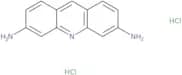
CAS:<p>Please enquire for more information about (S)-Fmoc-2-amino-heptanedioic acid-7-tert-butyl ester including the price, delivery time and more detailed product information at the technical inquiry form on this page</p>Formula:C26H31NO6Purity:Min. 95%Molecular weight:453.53 g/molAcridine-3,6-diamine
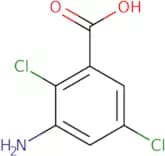
CAS:<p>Acridine-3,6-diamine is a fluorescent dye that is used in analytical chemistry to measure the concentration of DNA. The dye binds to the enzyme form of DNA and can be detected with a fluorescence microscope. Acridine-3,6-diamine is also used as a model system for studying multidrug efflux pumps found in cells, which are ATPases that pump out toxic substances from bacteria. This drug has shown antibacterial efficacy against various bacteria, including Staphylococcus aureus and Escherichia coli. The potential mechanism of action may be due to inhibition of the bacterial DNA replication processes by binding to the cell nuclei or through inhibition of energy metabolism or dinucleotide phosphate synthesis.</p>Formula:C13H11N3Purity:Min. 95%Color and Shape:PowderMolecular weight:209.25 g/mol3-Amino-2,5-dichlorobenzoic acid
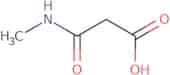
CAS:<p>2,5-Dichlorobenzoic acid is a chemical compound that is used as an intermediate in the production of herbicides and other agricultural chemicals. It is also used for the synthesis of pharmaceuticals and dyes. 2,5-Dichlorobenzoic acid has been shown to have significant physiological effects at high doses. The use of 2,5-dichlorobenzoic acid may cause death in humans through kidney failure, although it has not been shown to be toxic to humans at low doses. The mechanism by which this effect occurs is not known.<br>2,5-Dichlorobenzoic acid has been found to be moderately toxic in animal studies with acute oral LD50 values ranging from 1,000 mg/kg body weight (mg/kg BW) to 10,000 mg/kg BW depending on the animal species tested.</p>Formula:C7H5Cl2NO2Purity:Min. 95%Color and Shape:White PowderMolecular weight:206.03 g/mol3-(Methylamino)-3-oxopropanoic acid
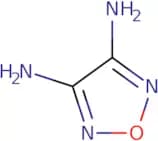
CAS:<p>3-(Methylamino)-3-oxopropanoic acid is a metabolite of nitroprusside. It is a potent inhibitor of the uptake of nitrates by cells, which causes cell lysis. 3-(Methylamino)-3-oxopropanoic acid has been shown to inhibit the uptake and transport chain of amino acids in the human metabolism. This results in an accumulation of metabolites that are toxic to cells and can lead to necrosis. 3-(Methylamino)-3-oxopropanoic acid is also a biocide with anti-inflammatory properties. It inhibits monoclonal antibody production by blocking protein synthesis and has been shown to be effective against tumor growth in animal models.</p>Formula:C4H7NO3Purity:Min. 95%Color and Shape:PowderMolecular weight:117.1 g/mol3,4-Diaminofurazan
CAS:<p>3,4-Diaminofurazan is a chemical compound that is stable in an oral environment. It has an optimal reactivity with a pyrazole ring and methoxy groups. 3,4-Diaminofurazan is active against Staphylococcus aureus strains that are resistant to other antibiotics. The molecule has been shown to inhibit bacterial growth by inhibiting the synthesis of DNA and RNA. The kinetic of 3,4-diaminofurazan was studied using nitro as the substrate, and it had an activation energy of 11.8 kcal/mol at 298 K. The chemical structure of 3,4-diaminofurazan has been determined by x-ray crystallography and nuclear magnetic resonance spectroscopy (NMR). It can be synthesized using nitric acid or hydrochloric acid as solvents: 1) Nitric Acid Synthesis: 2) Hydrochlor</p>Formula:C2H4N4OPurity:Min. 98 Area-%Color and Shape:PowderMolecular weight:100.08 g/mol[1-(Morpholin-4-ylcarbonyl)propyl]amine hydrochloride
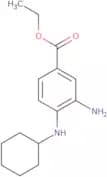
CAS:Controlled Product<p>Please enquire for more information about [1-(Morpholin-4-ylcarbonyl)propyl]amine hydrochloride including the price, delivery time and more detailed product information at the technical inquiry form on this page</p>Formula:C8H16N2O2Purity:Min. 95%Molecular weight:172.22 g/molEthyl 3-amino-4-(cyclohexylamino)benzoate
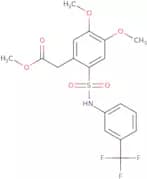
CAS:<p>Ethyl 3-amino-4-(cyclohexylamino)benzoate is a potent inhibitor of cellular death. It induces ferroptosis, a caspase-independent cell death mechanism, in cells that are normally resistant to apoptosis. Ethyl 3-amino-4-(cyclohexylamino)benzoate has been shown to induce the release of iron from ferritin and inhibit iron uptake by macrophages. This drug has also been shown to protect against oxidative injury and radiation, as well as neuronal death. Ethyl 3-amino-4-(cyclohexylamino)benzoate may be beneficial for treating bowel disease by reducing inflammation and protecting against damage from radiation therapy.</p>Formula:C15H22N2O2Purity:Min. 95%Color and Shape:PowderMolecular weight:262.35 g/molmethyl 2-(4,5-dimethoxy-2-(((3-(trifluoromethyl)phenyl)amino)sulfonyl)phenyl)acetate
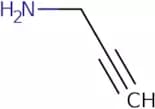
CAS:<p>Please enquire for more information about methyl 2-(4,5-dimethoxy-2-(((3-(trifluoromethyl)phenyl)amino)sulfonyl)phenyl)acetate including the price, delivery time and more detailed product information at the technical inquiry form on this page</p>Purity:Min. 95%Propargylamine
CAS:<p>Propargylamine is an irreversible inhibitor that binds to the active site of the enzyme acetylcholinesterase (AChE) and blocks the breakdown of acetylcholine. This leads to increased levels of acetylcholine in the synaptic cleft, which enhances neurotransmission and causes increased muscle contractions. Propargylamine has been shown to be a potent chemotherapy agent against cancer cells, causing neuronal death. It also inhibits epidermal growth factor receptor (EGFR) signaling pathways, leading to decreased tumor cell proliferation. The drug may also have neurotrophic effects by stimulating nerve growth factors or preventing neuronal apoptosis.</p>Formula:C3H5NPurity:Min. 95%Color and Shape:Colorless Yellow Clear LiquidMolecular weight:55.08 g/molN-Amino-2-methylindoline hydrochloride
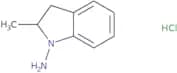
CAS:<p>N-Amino-2-methylindoline HCl is an organic chemical compound that belongs to the class of acylating agents. It is a colorless solid that is soluble in water and methanol. The compound has been used in the acylation reaction with triethylamine and chloride to synthesize dioxane. N-Amino-2-methylindoline HCl is also a substance that can be found in nature, such as in the leaves of plants. Organic chemistry deals with the study of compounds and their reactions, which includes N-Amino-2-methylindoline HCl and its uses.</p>Formula:C9H12N2•HClPurity:Min. 95%Color and Shape:PowderMolecular weight:184.67 g/molN-Cyclopropyl-N-tetrahydro-2H-pyran-4-ylamine HCl
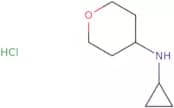
CAS:<p>N-Cyclopropyl-N-tetrahydro-2H-pyran-4-ylamine HCl is a fine chemical used as a building block in the synthesis of many compounds. It is also used in research and development, as a reagent, and as a speciality chemical. N-Cyclopropyl-N-tetrahydro-2H-pyran-4-ylamine HCl has been shown to be an excellent intermediate for the synthesis of many different products. This product is versatile and can be used as a building block or scaffold for synthesizing other compounds. N-Cyclopropyl-N-tetrahydro-2H-pyran-4-ylamine HCl has a CAS number of 1158426–65–3.</p>Formula:C8H16NOClPurity:Min. 95%Color and Shape:PowderMolecular weight:177.67 g/mol(E)-N-(3-Methylaminopropyl)-2-thiopheneacrylamide hydrochloride
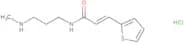
CAS:<p>(E)-N-(3-Methylaminopropyl)-2-thiopheneacrylamide hydrochloride is a high quality, reagent, complex compound, useful intermediate, fine chemical. It has CAS No. 1449108-90-0 and is used as a research chemical and building block in the synthesis of other compounds. (E)-N-(3-Methylaminopropyl)-2-thiopheneacrylamide hydrochloride can be used as a versatile building block in organic synthesis reactions and is an important reaction component for the preparation of speciality chemicals.</p>Formula:C11H17N2OSClPurity:Min. 95%Color and Shape:White PowderMolecular weight:260.78 g/molThiamine sulfate inner salt
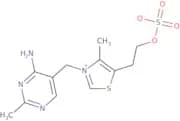
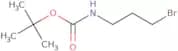
CAS:<p>Thiamine sulfate inner salt is a hyaluronic acid that is used in skin cancer treatment. It has been shown to have antimicrobial properties, which may be due to its ability to disrupt the cell membrane. Thiamine sulfate inner salt has also been shown to increase the germination rate of damaged seeds and can be used as a stabilizer for carrageenan. This compound is an acidic substance with a pH of 2-3. It is soluble in water and hydrochloric acid and reacts with magnesium salts, ethylene diamine, diamine tetraacetic acid, and antimicrobial peptides.</p>Formula:C12H16N4O4S2Purity:Min. 95%Color and Shape:White PowderMolecular weight:344.41 g/mol3-(Boc-amino)propyl bromide
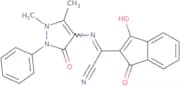
CAS:<p>3-(Boc-amino)propyl bromide is an antimicrobial agent that has been shown to be a potent inhibitor of cancer cell growth in vitro. The mechanism of action of 3-(Boc-amino)propyl bromide is not yet known, but it may be due to its ability to inhibit the uptake of radiotracers by mda-mb-231 cells. 3-(Boc-amino)propyl bromide has also been shown to have a high affinity for proteins and is able to hydrogen bond with them. This property may explain the high salt requirement for its solubility, as well as its toxicity towards bacteria and other microorganisms.</p>Formula:C8H16BrNO2Purity:Min. 95 Area-%Color and Shape:Colorless PowderMolecular weight:238.12 g/mol2-((2,3-dimethyl-5-oxo-1-phenyl(3-pyrazolin-4-yl))amino)-2-(1,3-dioxoindan-2-ylidene)ethanenitrile
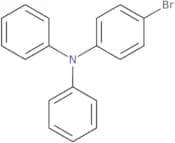
CAS:<p>Please enquire for more information about 2-((2,3-dimethyl-5-oxo-1-phenyl(3-pyrazolin-4-yl))amino)-2-(1,3-dioxoindan-2-ylidene)ethanenitrile including the price, delivery time and more detailed product information at the technical inquiry form on this page</p>Purity:Min. 95%4-Bromotriphenylamine
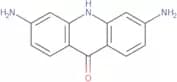
CAS:<p>4-Bromotriphenylamine is a molecule that has two acceptor groups and one donor group. It reacts with methylamine to form the product 4,4′-dibromobutyric acid. The reaction rate of this chemical is increased by the presence of an electron withdrawing substituent on the aromatic ring such as bromine. This compound is stable at higher temperatures, but not at lower ones. When heated, it undergoes thermal expansion and molecules are forced apart from each other. The butyric acid formed in this reaction may be used to synthesize butyrate esters for use in cancer therapy or light emission systems.<br>Light emission from this compound is due to its fluorescence properties, which depend on the chemical structure of the molecule and its environment. The efficiency of light emission is related to the number of electron-hole pairs created during excitation, which depends on the energy of incident photons and their wavelength.</p>Formula:C18H14BrNPurity:Min. 95%Color and Shape:PowderMolecular weight:324.21 g/mol3,6-Diamino-9(10H)-acridone
CAS:<p>3,6-Diamino-9(10H)-acridone is a nucleophilic compound that is used as a catalyst in peptide synthesis. It can be used to selectively introduce an acridine group into a peptide or other organic molecule. 3,6-Diamino-9(10H)-acridone is an example of a hypervalent organometallic compound that has been shown to catalyze the iodocyclization of aromatic rings. It also has been shown to catalyze the substitution of electron-deficient alkenes with electrophiles.</p>Formula:C13H11N3OPurity:Min. 97 Area-%Color and Shape:Yellow PowderMolecular weight:225.25 g/molD,L-Mevalonic acid dicyclohexylammonium salt
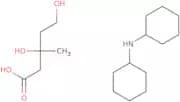
CAS:Controlled Product<p>Mevalonic acid dicyclohexylammonium salt is a reagent, compound, and fine chemical that is used in the synthesis of complex compounds. It has CAS No. 1215802-31-5 and is a useful intermediate, building block, and scaffold for the synthesis of many speciality chemicals. Mevalonic acid dicyclohexylammonium salt is also a versatile building block that can be used as a reaction component in many organic syntheses. This product can be used in research chemicals or as an intermediate for pharmaceuticals.</p>Formula:C18H35NO4Purity:Min. 95%Color and Shape:PowderMolecular weight:329.47 g/mol2-Amino-4-cyano-phenol
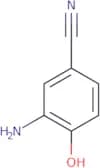
CAS:<p>2-Amino-4-cyano-phenol is a compound that has been shown to have antitubercular activity. It modulates the activity of cromakalim, which is a drug used for the treatment of tuberculosis. 2-Amino-4-cyano-phenol is also an antibacterial agent and has been shown to activate bacterial DNA replication and protein synthesis. The mechanism of action of this compound is thought to be due in part to its ability to bind with the ribosomes on the outside surface of cells and inhibit their function. 2-Amino-4-cyano-phenol has also been shown to have structural similarities with phenylephrine, which inhibits bacterial growth by binding to DNA gyrase, thereby preventing transcription and replication.</p>Formula:C7H6N2OPurity:Min. 95%Color and Shape:PowderMolecular weight:134.14 g/molTris(3-Aminopropyl)amine
CAS:<p>Tris(3-Aminopropyl)amine is a polypeptide that binds to copper ions and forms a chelate ring. It also has binding constants with nitrogen atoms, which are important in enzyme activities, biochemical properties, and the molecule's structure. Tris(3-Aminopropyl)amine chelates copper ions and prevents them from reacting with other molecules in the environment. This compound is used as an antioxidant for proteins and other macromolecules. Tris(3-Aminopropyl)amine has been shown to be effective in inhibiting protein synthesis and preventing the growth of bacteria such as E. coli. Tris(3-Aminopropyl)amine is also used to stabilize biomacromolecules such as DNA, RNA, or proteins against chemical modification or degradation by metal ions such as copper or iron. In addition, this compound can be used for water permeability studies because it allows water molecules to penetrate its</p>Formula:C9H24N4Purity:Min. 95 Area-%Color and Shape:Clear LiquidMolecular weight:188.31 g/mol(3-((hydroxyimino)ethyl)-4-methyl(2,5-thiazolyl))phenylamine
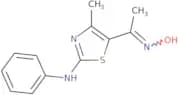
CAS:<p>Please enquire for more information about (3-((hydroxyimino)ethyl)-4-methyl(2,5-thiazolyl))phenylamine including the price, delivery time and more detailed product information at the technical inquiry form on this page</p>Formula:C12H13N3OSPurity:Min. 95%Color and Shape:Clear LiquidMolecular weight:247.32 g/mol4-Hydroxy-4'-aminobiphenyl
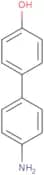
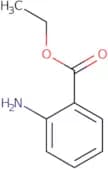
CAS:<p>4-Hydroxy-4'-aminobiphenyl (4-OH-4'ABP) is a test compound that is an aromatic aminobiphenyl and has been shown to be carcinogenic. This compound has been found in the urine and serum of human subjects as well as in the liver, lung and brain of experimental animals. 4-OH-4'ABP has been shown to cause cancer in target organs such as the liver and lung. It is also considered a carcinogen due to its ability to bind to DNA, inhibit protein synthesis, and induce oxidative stress. 4-OH-4'ABP can be hydroxylated at position 3 or 4 by cytochrome P450 enzymes into reactive metabolites which are then able to bind covalently with cellular macromolecules like DNA, proteins, or lipids. This binding can lead to mutations or cell death.</p>Formula:C12H11NOPurity:Min. 95%Color and Shape:PowderMolecular weight:185.22 g/molEthyl 2-aminobenzoate
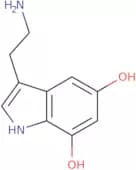
CAS:Controlled Product<p>Ethyl 2-aminobenzoate is a chemical compound that has been used in research and as a pharmaceutical intermediate. It is also known to be an intermediate in the synthesis of other 2-aminobenzoates, such as ethyl 4-aminobenzoate and ethyl 5-aminobenzoate. The anthranilate moiety can be cleaved by hydrolysis or oxidation to produce the corresponding amino acid. This compound has been shown to have low toxicity in rats, although it may cause irritation at high concentrations.</p>Formula:C9H11NO2Purity:Min. 95%Color and Shape:Clear LiquidMolecular weight:165.19 g/mol5,7-Dihydroxytryptamine hydrobromide
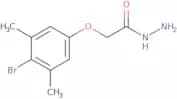
CAS:Controlled Product<p>5,7-Dihydroxytryptamine hydrobromide (5,7-DHT) is a serotonin agonist that inhibits the reuptake of 5-hydroxytryptamine. 5,7-DHT is used to study the role of serotonin in regulating mood and behavior. It is also used as an experimental model for studying pain mechanisms and for testing potential analgesic drugs. The drug has been shown to act on the serotonergic system by increasing cholinergic activity and decreasing dopamine levels, leading to an excitatory effect. 5,7-DHT can also inhibit histamine release from mast cells. This drug also has a potent anti-inflammatory effect through its action on cytokine production. 5,7-DHT has been shown to be effective against chronic neuropathic pain in rats with experimental models of peripheral neuropathy and spinal cord injury.</p>Formula:C10H12N2O2•HBrPurity:(Hplc-Ms) Min. 94 Area-%Color and Shape:PowderMolecular weight:273.13 g/molN-amino-2-(4-bromo-3,5-dimethylphenoxy)ethanamide
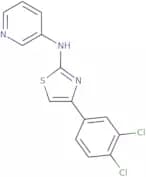
CAS:<p>Please enquire for more information about N-amino-2-(4-bromo-3,5-dimethylphenoxy)ethanamide including the price, delivery time and more detailed product information at the technical inquiry form on this page</p>Formula:C10H13BrN2O2Purity:Min. 95%Color and Shape:PowderMolecular weight:273.13 g/mol(4-(3,4-dichlorophenyl)(2,5-thiazolyl))-3-pyridylamine
CAS:<p>Please enquire for more information about (4-(3,4-dichlorophenyl)(2,5-thiazolyl))-3-pyridylamine including the price, delivery time and more detailed product information at the technical inquiry form on this page</p>Purity:Min. 95%Chloropyramine HCl
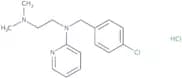
CAS:<p>Chloropyramine is a drug that has been used to treat autoimmune diseases, such as rheumatoid arthritis and systemic lupus erythematosus. It is an antihistamine drug that acts by blocking the histamine receptor. Chloropyramine has been shown to have an effect on diastolic pressure in animal models. The model system used was human serum with locomotor activity as the endpoint. The sample preparation involved calcium pantothenate, which is a precursor of coenzymes A and C. The pharmacological agent chloropyramine binds to the agonist binding site, which is located at the end of the cell membrane and regulates ion channels, including those for calcium ions. Tricyclic antidepressant drugs are known to bind to this same binding site, inhibiting the action of both histamine and chloropyramine. Histamine causes increased blood flow due to vasodilation by stimulating H1 receptors in smooth muscles cells. Histamine</p>Formula:C16H20ClN3·HClPurity:Min. 98 Area-%Color and Shape:White PowderMolecular weight:326.26 g/mol7-Aminodesacetoxycephalosporanic acid
CAS:<p>7-Aminodesacetoxycephalosporanic acid is a chemical compound that is used for wastewater treatment as a biocatalyst. It has been shown to have group P2 activity and can be used in the treatment of corynebacterium glutamicum. 7-Adca has been found to bind to the magnesium salt, which leads to control analysis and kinetic studies. The reactions are initiated by the addition of an electron donor, such as penicillin, which results in a transfer reaction. The nitrogen atoms are substituted with hydrogen atoms, which produces a fatty acid intermediate. This intermediate reacts with nitrogen atoms from another molecule of 7-Adca or 7-adca to form an amide bond. The amide bond is then hydrolyzed in water to produce 7-aminodesacetoxycephalosporanic acid and ammonia.</p>Formula:C8H10N2O3SPurity:Min. 95%Color and Shape:White PowderMolecular weight:214.24 g/mol4-Benzyloxybenzylamine
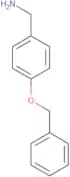
CAS:<p>4-Benzyloxybenzylamine is a synthetic analogue of the amino acid phenylalanine. It is a potent inhibitor of the enzyme tyrosinase and has been shown to be effective in inhibiting cell proliferation and inducing apoptosis in melanoma cells. The drug also has a potential for use as an anti-aging agent, which may be due to its ability to block tyrosinase activity, thereby preventing the formation of melanin. 4-Benzyloxybenzylamine also shows strong antimicrobial effects against both gram-positive and gram-negative bacteria. This drug is being investigated for use as a skin protectant, especially in cases where there are immunosuppressive conditions such as human immunodeficiency virus (HIV) or organ transplantation.</p>Formula:C14H15NOPurity:Min. 95%Color and Shape:PowderMolecular weight:213.28 g/mol2-(3,5-Dimethyl-1H-pyrazol-1-yl)quinolin-8-amine
CAS:<p>2-(3,5-Dimethyl-1H-pyrazol-1-yl)quinolin-8-amine is a fine chemical that belongs to the group of versatile building blocks. It can be used as a reagent or as a speciality chemical in research and development. 2-(3,5-Dimethyl-1H-pyrazol-1-yl)quinolin-8-amine is also a useful scaffold for the synthesis of complex compounds and has been shown to be an effective inhibitor of protein tyrosine kinases.</p>Formula:C14H14N4Purity:Min. 95%Color and Shape:PowderMolecular weight:238.29 g/mol(1R,2R)-(+)-1,2-Diaminocyclohexane-N,N'-bis(2'-diphenylphosphinobenzoyl)
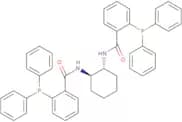
CAS:<p>(+)-1,2-Diaminocyclohexane-N,N'-bis(2'-diphenylphosphinobenzoyl) is an important chemical building block and intermediate that can be used in a wide range of organic synthesis. This compound is a versatile building block with high quality and has been shown to be useful for the synthesis of complex compounds. (+)-1,2-Diaminocyclohexane-N,N'-bis(2'-diphenylphosphinobenzoyl) can be used as a reagent in many reactions. CAS No. 138517-61-0 is a fine chemical that has been widely used in research laboratories around the world.</p>Formula:C44H40N2O2P2Purity:Min. 95%Color and Shape:White PowderMolecular weight:690.75 g/mol6-Methoxygramine
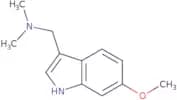
CAS:Controlled Product<p>6-Methoxygramine is a mitochondrial oxidase inhibitor, which is used in animal models of Parkinson's disease. It has been shown to be selective for the mitochondria and not to penetrate the blood-brain barrier. 6-Methoxygramine binds to an active site that is specific for oxidases, such as monoamine oxidase (MAO). This binding prevents the oxidation of dopamine, leading to its accumulation in the brain. 6-Methoxygramine also has been shown to inhibit MAO type A in rat brains.</p>Formula:C12H16N2OPurity:Min. 95%Color and Shape:PowderMolecular weight:204.27 g/mol2-(4-Diethylaminophenyl)ethylamine dihydrochloride
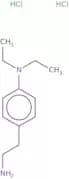
CAS:<p>2-(4-Diethylaminophenyl)ethylamine dihydrochloride is a fine chemical that belongs to the group of versatile building blocks. It is mainly used as a reagent and speciality chemical in research. 2-(4-Diethylaminophenyl)ethylamine dihydrochloride can be used as a high quality, useful intermediate or reaction component in the synthesis of complex compounds. As a scaffold, it can be used to synthesize other useful compounds.</p>Formula:C12H20N2·2HClPurity:Min. 95%Color and Shape:PowderMolecular weight:265.22 g/mol[3-(2-Methoxyethoxy)benzyl]amine
CAS:<p>[3-(2-Methoxyethoxy)benzyl]amine is a high-quality chemical that can be used as an intermediate in the synthesis of complex compounds. It is also a useful scaffold for the synthesis of other chemicals, such as pharmaceuticals and pesticides. This compound also has many uses in research, such as being a versatile building block and reaction component.</p>Formula:C10H15NO2Purity:Min. 95%Color and Shape:PowderMolecular weight:181.23 g/mol5-Amino-(3,4'-bipyridin)-6(1H)-one
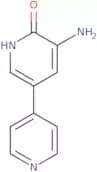
CAS:<p>Phosphodiesterase type 3 inhibitor; positive inotropic agent; vasodilatory</p>Formula:C10H9N3OPurity:Min. 95%Color and Shape:PowderMolecular weight:187.2 g/molN-Methyltryptamine hydrochloride
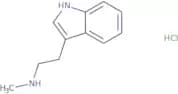
CAS:Controlled Product<p>N-Methyltryptamine hydrochloride is a chemical that has been shown to be an antagonist of the serotonin receptor 5-HT7 in vivo. This drug is also a potent inhibitor of acetylcholinesterase, which may be due to its ability to inhibit the methylation of serotonergic receptors. It has been shown to have clinical efficacy in treating depression, although it is not currently approved by the FDA for this use. N-Methyltryptamine hydrochloride has been shown to have an antidepressant effect in wild-type mice and in mouse models of depression. It inhibits the growth of cancer cells by inducing apoptosis and inhibiting cell proliferation.</p>Formula:C11H15ClN2Purity:Min. 95%Color and Shape:PowderMolecular weight:210.7 g/molAmmonium metatungstate hydrate
CAS:<p>Ammonium metatungstate hydrate is a catalyst that is used for the efficient production of fatty acids from vegetable oils. It has been shown to be an effective catalyst in the reaction of deionized water and particle at various reaction temperatures. The cationic surfactant, optical properties, and morphology of the fatty acid are all dependent on the type of carbon source used in the reaction. Ammonium metatungstate hydrate is also used as a photocatalyst for gas sensors.</p>Formula:(H4N)6•H2O40W12•(H2O)xPurity:Min. 85%Color and Shape:PowderMolecular weight:2,956.3 g/mol(R)-N-Methyl-3-(1-naphthoxy)-3-(2-thienyl)propylamine hydrochloride
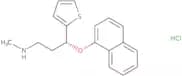
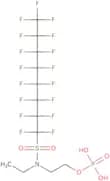
CAS:Controlled Product<p>(R)-N-Methyl-3-(1-naphthoxy)-3-(2-thienyl)propylamine hydrochloride is a nonsteroidal anti-inflammatory drug that has been shown to be effective for the treatment of osteoarthritis, rheumatoid arthritis, ankylosing spondylitis, and chronic low back pain. This drug can also be used for other inflammatory conditions such as psoriasis and Crohn's disease. The mechanism of action of (R)-N-Methyl-3-(1-naphthoxy)-3-(2-thienyl)propylamine hydrochloride is not fully understood. It may work by blocking the synthesis of prostaglandins in the body. This drug is metabolized in the liver to its active form, which binds to cyclooxygenase 1 and 2 enzymes to inhibit the production of prostaglandins. It also inhibits human serum x-ray</p>Formula:C18H19NOS•HClPurity:Min. 95%Color and Shape:White To Off-White SolidMolecular weight:333.88 g/molAzane; 2-(Ethyl-(1,1,2,2,3,3,4,4,5,5,6,6,7,7,8,8,8-Heptadecafluorooctylsulfonyl)Amino)Ethyl Dihydrogen Phosphate
CAS:Controlled Product<p>Azane is a tyrosinase inhibitor that is used in the treatment of dental plaque, expressed as Streptococcus mutans. Azane is also an anti-inflammatory agent and has been shown to inhibit the growth of spirochetes and viscosa. This drug has been sequenced and the sequences have been submitted to GenBank. Azane inhibits the activity of Streptococcus mutans by binding to its enzyme, tyrosinase, which catalyzes the conversion of tyrosine to L-DOPA, an important precursor for melanin synthesis. Azane inhibits microflora by binding to bacterial 16S ribosomal RNA and inhibiting protein synthesis, leading to cell death by inhibiting the production of proteins vital for cell division. It has also shown anti-inflammatory properties.</p>Formula:C12H11F17NO6PSPurity:Min. 95%Molecular weight:651.23 g/mol[(2-Methylimidazo[2,1-b][1,3,4]thiadiazol-6-yl)methyl]amine dihydrochloride
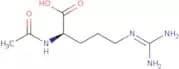
CAS:<p>[(2-Methylimidazo[2,1-b][1,3,4]thiadiazol-6-yl)methyl]amine dihydrochloride is a high quality reagent with many uses. It is a complex compound that is used as an intermediate in the synthesis of many other compounds. This chemical has been shown to be useful as a scaffold for drug design and development. It also has been found to be a valuable building block for the synthesis of speciality chemicals and pharmaceuticals. This chemical can be used in reactions as a versatile building block and reaction component.</p>Formula:C6H8N4S·2HClPurity:Min. 95%Color and Shape:White PowderMolecular weight:241.14 g/mol(2R)-2-Acetamido-5-(Diaminomethylideneazaniumyl)Pentanoate
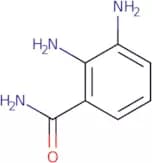
CAS:(2R)-2-Acetamido-5-(Diaminomethylideneazaniumyl)Pentanoate is an insoluble, acylase inhibitor. It is obtained from the reaction of histidine with acetaldehyde and ammonia in refluxed ethanol. This product has two optical isomers, one being (2R)-2-acetamido-5-(diaminomethylideneazaniumyl)pentanoic acid and the other being (2S)-2-acetamido-5-(diaminomethylideneazaniumyl)pentanoic acid. The former is more active than the latter against acetylesterase. The product also inhibits lysine decarboxylase and d-alanine racemase to a lesser extent. The enzyme activity of this compound can be increased by adding l-amino acid or dl-alanine.Formula:C8H16N4O3Purity:Min. 95%Color and Shape:PowderMolecular weight:216.24 g/mol2,3-Diaminobenzamide
CAS:<p>2,3-Diaminobenzamide is a synthetic aromatic compound that is used as a radiation stabilizer. It is also an effective antimicrobial agent with reactive properties against bacteria and fungi. 2,3-Diaminobenzamide has been shown to have anti-cancer properties and can be used to treat inflammatory diseases such as rheumatoid arthritis or ulcerative colitis. The intramolecular hydrogen bond between the amide group and the benzene ring in 2,3-diaminobenzamide contributes to its stability and biological activity.</p>Formula:C7H9N3OPurity:Min. 95%Color and Shape:PowderMolecular weight:151.17 g/mol1-Boc-amino-3,6,9-trioxaundecanyl-11-ol
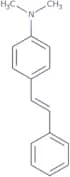
CAS:<p>1-Boc-amino-3,6,9-trioxaundecanyl-11-ol is a PEG polymer categorised as monofunctional (OH-PEG-X). Used as a linker, 1-boc-amino-3,6,9-trioxaundecanyl-11-ol is used to attached PEG to proteins, peptides, oligonucleotides, nanoparticles and small molecules via pegylation, a bioconjugation technique.</p>Formula:C13H27NO6Purity:Min. 95%Color and Shape:Clear LiquidMolecular weight:293.36 g/mol4-Dimethylaminostilbene
CAS:<p>4-Dimethylaminostilbene is a stilbene derivative that is used in the laboratory as an inhibitor of protein synthesis. 4-Dimethylaminostilbene inhibits the activity of enzymes such as acid conjugates, which are enzymes that catalyze reactions involving the addition of an acid to a molecule. This drug has been shown to inhibit sarcoma cells and to be active against animals. 4-Dimethylaminostilbene reacts with proteins by forming adducts with amino groups on the side chains of lysine or arginine residues in proteins, thereby inhibiting their function. The reaction products are excreted from the body through urine and bile. 4-Dimethylaminostilbene can be administered orally, but it must be taken with acidic foods or drinks to prevent its destruction.</p>Formula:C16H17NPurity:95%NmrMolecular weight:223.31 g/mol2-[3-[N-(4-tert-Butylbenzyl)-N-(pyridin-3-ylsulfonyl)aminomethyl]phenoxy]acetic acid
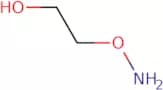
CAS:<p>2-[3-[N-(4-tert-Butylbenzyl)-N-(pyridin-3-ylsulfonyl)aminomethyl]phenoxy]acetic acid is a synthetic chemical compound, which is derived from organic synthesis processes involving aromatic compounds. It functions primarily through the modulation of specific biochemical pathways, likely involving interactions with enzymatic or receptor targets due to its structural characteristics. This compound is particularly noteworthy for its potential applications in biomedical research, where it may serve as a lead or active molecule in the development of new pharmaceutical agents. Its unique structure, featuring both aromatic and sulfonyl groups, allows for versatile interactions with biological targets, opening possibilities for its use in therapeutic development. Further research into its exact mechanisms and potential therapeutic uses could yield significant advancements in the treatment of various ailments.</p>Formula:C25H28N2O5SPurity:Min. 98 Area-%Color and Shape:PowderMolecular weight:468.57 g/mol2-(Aminooxy)ethanol
CAS:<p>2-(Aminooxy)ethanol is an organic compound that has the chemical formula CH3NOCH2CH2OH. It belongs to the group of cyclic ketones and is a colorless liquid with a boiling point of 78°C. This substance can be produced by dehydrogenation of ethylene oxide or by reaction of formamide with sodium hydroxide and hydrochloric acid. The product can also be prepared from 2-hydroxyethanol, which reacts with ethylene in presence of HCl. The reaction time for this process is around 1 hour at room temperature. The chemical formula for 2-(Aminooxy)ethanol is C4H11NO2O.</p>Formula:C2H7NO2Purity:Min. 95%Color and Shape:Clear LiquidMolecular weight:77.08 g/mol4-Amino isoquinoline
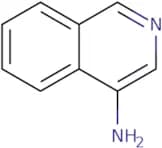
CAS:<p>4-Amino isoquinoline is a synthetic chemical that has a pyridine ring and chlorine atom. It can be synthesized by reacting 2,4-dichlorobenzene with acetaldehyde and hydrochloric acid. 4-Amino isoquinoline binds to the receptor that it interacts with, such as the ligand, dimethyl acetylenedicarboxylate, or taraxasterol acetate. This binding process can be used for treatment purposes. The ligand is usually introduced into the body through injection or ingestion of a drug. The ligand can also be attached to an antibody in order to target specific cells. The ligand has shown efficacy in treating cancerous tumors and other diseases like Parkinson's disease and Alzheimer's disease.</p>Formula:C9H8N2Purity:Min. 95%Color and Shape:White To Brown SolidMolecular weight:144.17 g/molFmoc-4-(Boc-amino)-D-phenylalanine
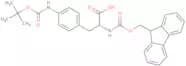
CAS:<p>Fmoc-4-(Boc-amino)-D-phenylalanine is a versatile building block and a useful intermediate in organic synthesis. It is used as a reaction component in the synthesis of pharmaceuticals, antibiotics, herbicides, pesticides and other organic compounds. Fmoc-4-(Boc-amino)-D-phenylalanine is also used as an additive for the production of polyurethane foams. This compound has a high quality and purity level and can be used as a reagent for chemical reactions.</p>Formula:C29H30N2O6Purity:Min. 98 Area-%Color and Shape:White Off-White PowderMolecular weight:502.56 g/mol2-Iodobenzylamine HCl
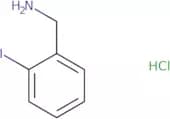
CAS:<p>2-Iodobenzylamine HCl is an imine that is used in the synthesis of carboxamides. It can be produced by carbonylation of alkylamines with formaldehyde and hydrogen peroxide. In the presence of palladium, 2-iodobenzylamine HCl undergoes deprotection to give the desired carboxamide.<br>2-Iodobenzylamine HCl has been shown to react intramolecularly with amines to produce imines, which are useful intermediates in organic synthesis.</p>Formula:C7H8IN·HClPurity:Min. 95%Color and Shape:PowderMolecular weight:269.51 g/mol5,5'-Diamino-2,2'-bipyridine
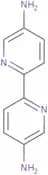
CAS:<p>5,5'-Diamino-2,2'-bipyridine is an acidic metalloporphyrin that has been shown to react with epoxides to form nucleophilic adducts. This compound can be used as a ligand for lanthanide ions and reacts with aminopyridine to form bromoethane. 5,5'-Diamino-2,2'-bipyridine has been shown to have carcinogenic properties and may induce bromoethane mutagenicity in the liver. This compound is also mutagenic when added to propylene carbonate. 5,5'-Diamino-2,2'-bipyridine is luminescent in air or water when exposed to UV light.</p>Formula:C10H10N4Purity:Min. 97 Area-%Color and Shape:PowderMolecular weight:186.21 g/mol3-Iodobenzylamine hydrochloride
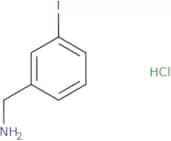
CAS:<p>3-Iodobenzylamine HCl is a weak anion that has a moderate affinity for the adenosine A3 receptor. 3-Iodobenzylamine HCl is used in the analysis of adenosine, d-xylose and other compounds. The binding of 3-iodobenzylamine to the A3 receptor causes an increase in cyclic AMP levels and an increase in intracellular Ca2+ levels, leading to cell signaling. 3-Iodobenzylamine HCl also acts as a competitive antagonist at the A3 receptor. This drug can also act as an agonist at the A3 receptor, with binding affinities for this site comparable to those of adenosine. This drug is able to inhibit cyanamide catalysis due to its ability to bind with fluorine atoms on the acceptor site of this enzyme.</p>Formula:C7H8IN•HClPurity:Min. 95%Color and Shape:PowderMolecular weight:269.51 g/molDisopyramid
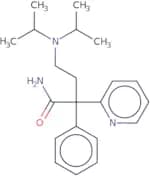
CAS:Controlled Product<p>a-[2-(Diisopropylamino)ethyl]-a-phenyl-2-pyridineacetamide is a hydrogen bond donor. It has been shown to have cytotoxicity in vitro, with parameters that can be used for accurate prediction of descriptors. These descriptors are informative and insightful, which can be used for regression analyses and linear regression methods. The pharmacokinetic properties of a-[2-(Diisopropylamino)ethyl]-a-phenyl-2-pyridineacetamide have been studied in humans and have shown linearity between dose and plasma concentration.</p>Formula:C21H29N3OColor and Shape:White PowderMolecular weight:339.47 g/molL-α-Aminoadipic acid
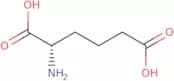
CAS:<p>L-alpha-Aminoadipic acid is a metabolite of the amino acid L-lysine. It is an intermediate in the synthesis of polyamines, which are essential for cell growth and replication. L-alpha-Aminoadipic acid has been shown to be important in energy metabolism and has also been found to have neuroprotective properties, which may be due to its ability to inhibit glutamate excitotoxicity by blocking neuronal death pathways. This amino acid is not active against most bacteria, but it inhibits the growth of pathogenic strains such as Escherichia coli and Clostridium difficile.</p>Formula:C6H11NO4Purity:Min. 95%Color and Shape:White PowderMolecular weight:161.16 g/mol2-Amino-4-methyl benzoic acid
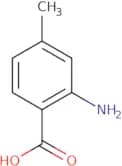
CAS:<p>2-Amino-4-methyl benzoic acid (AMBA) is a methyltransferase inhibitor. It has been shown to inhibit the enzyme in the methyl group transfer process, which is important for the synthesis of anthranilic acid, an intermediate of choline. AMBA inhibits acetylcholine production by blocking the enzyme that converts choline to acetylcholine. In addition, this compound has been shown to be a potent anticancer agent and a chemical biology tool that can be used to study protein function.</p>Formula:C8H9NO2Purity:Min. 95%Color and Shape:PowderMolecular weight:151.16 g/mol3-Amino-3'-nitrobiphenyl hydrochloride
CAS:<p>3-Amino-3'-nitrobiphenyl hydrochloride is a versatile intermediate that can be used in the synthesis of complex compounds. It is a white crystalline solid with a melting point of 178 °C. This product is soluble in water, methanol, ethanol, acetone and chloroform. 3-Amino-3'-nitrobiphenyl hydrochloride has many applications including research chemicals and speciality chemicals.</p>Formula:C12H10N2O2·HClPurity:Min. 95%Color and Shape:PowderMolecular weight:250.68 g/mol3-Aminoisoxazole
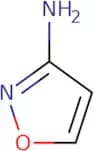
CAS:<p>3-Aminoisoxazole is a chemical compound that belongs to the class of quinoline derivatives. It has potent antitumor activity and has been shown to inhibit the growth of cancer cells in vitro. 3-Aminoisoxazole is also an inhibitor of inflammatory disease, and has been shown to inhibit the production of cytokines (e.g., TNF-α) and nitric oxide, which are key mediators of inflammation. The mechanism by which 3-aminoisoxazole inhibits the production of inflammatory cytokines and nitric oxide may be due to its ability to react with nucleophilic groups on proteins and deactivate them, or by inhibiting the formation of reactive oxygen species through chemical reactions.</p>Formula:C3H4N2OPurity:Min. 95%Color and Shape:Light (Or Pale) Yellow LiquidMolecular weight:84.08 g/mol2-Nitro-p-phenylenediamine
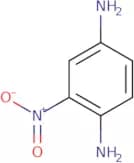
CAS:<p>2-Nitro-p-phenylenediamine is a chemical substance that can be used as a predictive biomarker for allergic reactions. It is an amine with the chemical formula C6H5CH2N2O2. It is soluble in water, ethanol, and ether, but insoluble in acetone and diethylether. 2-Nitro-p-phenylenediamine has been shown to cause cutaneous lesions in animal studies and has been classified as a possible human carcinogen by the International Agency for Research on Cancer (IARC). This compound was not mutagenic to bacteria or yeast strains tested, but it did cause chromosome aberrations in cultured human lymphocytes. The metabolite profile of 2-nitro-p-phenylenediamine has been studied in rats treated with this compound at different doses. When administered orally to rats at a dose of 50 mg/kg body weight per day, 2 nitro p phenylened</p>Formula:C6H7N3O2Purity:Min. 95%Color and Shape:PowderMolecular weight:153.14 g/mol2-Amino-4-(methylsulfonyl)butanoic acid
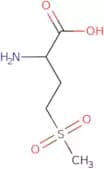
CAS:<p>2-Amino-4-(methylsulfonyl)butanoic acid is a nonsteroidal anti-inflammatory drug that belongs to the group of sulfonamides. It is a prodrug that is hydrolyzed in vivo to its active form, 4-(methylsulfonyl)butanamide. 2-Amino-4-(methylsulfonyl)butanoic acid has been shown to be effective in the treatment of pain and inflammation in animal models. The mechanism of action has not been fully elucidated, but it may be due to its ability to inhibit prostaglandin synthesis by blocking the enzyme cyclooxygenase. This drug also inhibits glutamate release and may have epigenetic modulating effects on gene expression. 2-Amino-4-(methylsulfonyl)butanoic acid has been found to have matrix effect on physiological effects such as blood pressure, heart rate, and respiration. This drug also binds</p>Formula:C5H11NO4SPurity:Min. 95%Color and Shape:PowderMolecular weight:181.21 g/molMelamine polyphosphate
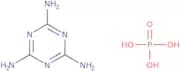
CAS:Controlled Product<p>Melamine polyphosphate is a coordination compound that has been used as an antimicrobial agent and polymer retardant. It has been shown to have a Langmuir adsorption isotherm, which is indicative of the ability to form a monolayer on the surface of water droplets. Melamine polyphosphate also has an electrochemical impedance spectroscopy (EIS) that can be used for determining the rate constant of its reaction with water vapor. The rate constants are determined by measuring the change in impedance over time and plotting it against frequency. This analytical method is used for determining the concentration and stability of melamine polyphosphate in solution and can be applied to other similar compounds.</p>Formula:C3H9N6O4PPurity:Min. 95%Color and Shape:White PowderMolecular weight:224.12 g/molColumbamine chloride
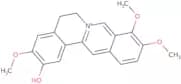
CAS:<p>Columbamine chloride is an alkaloid compound, which is a synthetic derivative known for its relevance in biochemical and pharmacological research. This compound is derived from plant sources, primarily found in specific species within the Berberidaceae family. It functions by interacting with cellular pathways, influencing various cellular processes through its effects on signaling pathways and enzyme activity.</p>Formula:C20H20NO4•ClPurity:Min. 98%Color and Shape:PowderMolecular weight:373.83 g/mol3-Fluoro-Dopamine
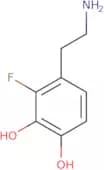
CAS:Controlled Product<p>3-Fluoro-Dopamine is a fluorinated catecholamine that is used in research as a radioligand and in animal models. It has been shown to be an agonist of β-adrenergic receptors and to have a safety profile similar to that of dopamine. 3-Fluoro-Dopamine has been shown to increase the uptake of dopamine in rat striatal membranes, which may be due to its affinity for β-adrenergic receptors.</p>Formula:C8H10FNO2Purity:Min. 95%Molecular weight:171.17 g/mol4-Aminobenzoic acid sodium salt
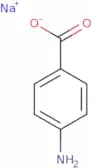
CAS:<p>4-Aminobenzoic acid sodium salt is an aminobenzoic acid that is used as a pharmaceutical intermediate. It is soluble in water and alcohol and has a pH of 4.5. The compound has been shown to inhibit the growth of bacteria by binding to enzymes involved in fatty acid synthesis, which prevents the formation of fatty acids and results in cell death. The compound also inhibits allergic reactions through its inhibition of histamine release from mast cells. 4-Aminobenzoic acid sodium salt has been found to have anti-inflammatory properties, which may be due to its ability to bind to epidermal growth factor receptors on the surface of keratinocytes, leading to increased cell proliferation and less inflammation.</p>Formula:C7H6NO2NaPurity:Min. 95%Color and Shape:PowderMolecular weight:159.12 g/molKetorolac tromethamine
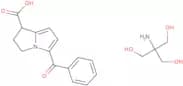
CAS:<p>Ketorolac tromethamine salt is a nonsteroidal anti-inflammatory drug used to treat pain and inflammation. It is often administered intravenously or intramuscularly. Ketorolac tromethamine salt may interact with other drugs, such as monoethyl ethers or benzalkonium chloride, which can result in adverse effects. The polymerase chain reaction (PCR) method was used to detect the presence of ketorolac and its metabolite, ketorolac tromethamine in neural cells. The PCR method has been shown to be a statistically reliable method for detecting these substances.</p>Formula:C15H13NO3•C4H11NO3Purity:Min. 98 Area-%Color and Shape:PowderMolecular weight:376.4 g/molN-Nitrosodiisopropylamine
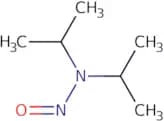
CAS:<p>N-Nitrosodiisopropylamine is an alkylating agent that binds to DNA and inhibits the synthesis of proteins, leading to cell death. It has been shown to be carcinogenic in animal studies, where it caused bladder cancer in Sprague-Dawley rats. N-Nitrosodiisopropylamine is also a reactive chemical compound that reacts with other chemicals in the body. It is often found as a contaminant in urine samples of smokers who are exposed to nitrites and other nitrogen oxides and can be detected using gas chromatography mass spectrometry (GC-MS/MS) methods. The most common method for sample preparation is liquid–liquid extraction followed by hydrolysis with hydroxide solution.</p>Formula:C6H14N2OPurity:Min. 95 Area-%Color and Shape:Off-White PowderMolecular weight:130.19 g/mol2,4-Diamino-6-hydroxypyrimidine
CAS:<p>2,4-Diamino-6-hydroxypyrimidine is a potent antitumor agent that has been shown to have potent cytotoxicity against tubule cells in the kidney. It binds to DNA and inhibits transcription by interfering with polymerase chain reaction. This drug also inhibits protein synthesis and has been shown to be effective in treating diabetic patients. 2,4-Diamino-6-hydroxypyrimidine has been found to be useful in detecting high levels of c-reactive protein (CRP) in serum, which can help diagnose inflammation or myocardial infarct. 2,4-Diamino-6-hydroxypyrimidine is also used as a fluorescent probe for determining low levels of hydrogen bonds between polymers or proteins.</p>Formula:C4H6N4OPurity:Min. 95%Color and Shape:White PowderMolecular weight:126.12 g/mol



![N-[(4-Chlorophenyl)methyl]cyclopentanamine](/_next/image/?url=https%3A%2Fstatic.cymitquimica.com%2Fproducts%2FTR%2Fthumb-webp%2FN300096.webp&w=3840&q=75)



![(S)-2-((((9H-Fluoren-9-yl)methoxy)carbonyl)amino)-3-(1H-pyrrolo[2,3-b]pyridin-3-yl)propanoic acid](/_next/image/?url=https%3A%2Fstatic.cymitquimica.com%2Fproducts%2F3D%2Fthumb-webp%2FFF154979.webp&w=3840&q=75)
![[(1,2-Dimethyl-1H-imidazol-5-yl)methyl]amine dihydrochloride](/_next/image/?url=https%3A%2Fstatic.cymitquimica.com%2Fproducts%2F3D%2Fthumb-webp%2FFD124269.webp&w=3840&q=75)
![2-[(2,6-Dichlorophenyl)amino]-N,N-dimethylbenzeneacetamide](/_next/image/?url=https%3A%2Fstatic.cymitquimica.com%2Fproducts%2F3D%2Fthumb-webp%2FFD21691.webp&w=3840&q=75)

![[1-(Morpholin-4-ylcarbonyl)propyl]amine hydrochloride](/_next/image/?url=https%3A%2Fstatic.cymitquimica.com%2Fproducts%2F3D%2Fthumb-webp%2FFM130661.webp&w=3840&q=75)



![[3-(2-Methoxyethoxy)benzyl]amine](/_next/image/?url=https%3A%2Fstatic.cymitquimica.com%2Fproducts%2F3D%2Fthumb-webp%2FFM134467.webp&w=3840&q=75)

![[(2-Methylimidazo[2,1-b][1,3,4]thiadiazol-6-yl)methyl]amine dihydrochloride](/_next/image/?url=https%3A%2Fstatic.cymitquimica.com%2Fproducts%2F3D%2Fthumb-webp%2FFM123820.webp&w=3840&q=75)

![2-[3-[N-(4-tert-Butylbenzyl)-N-(pyridin-3-ylsulfonyl)aminomethyl]phenoxy]acetic acid](/_next/image/?url=https%3A%2Fstatic.cymitquimica.com%2Fproducts%2F3D%2Fthumb-webp%2FFT145127.webp&w=3840&q=75)