Amines
Amines are a set of molecules containing an amino functional group (derived from ammonia). This category includes amines at any level of substitution : primary, secondary, tertiary, and ammonium salts. Amines are fundamental in organic synthesis and are widely used in pharmaceuticals, agrochemicals, and materials science. At CymitQuimica, we provide a comprehensive selection of amines to meet your research and industrial needs. Our range ensures access to various amines for diverse chemical processes and innovative research.
Subcategories of "Amines"
- Nitrosamines(2,605 products)
- Primary Amines(30,821 products)
- Quaternary Ammonium Cations and Salts(1,099 products)
- Secondary Amines(20,817 products)
- Tertiary Amines(17,117 products)
Found 8778 products of "Amines"
Sort by
Purity (%)
0
100
|
0
|
50
|
90
|
95
|
100
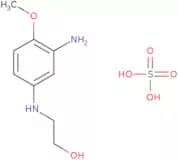
2-((3-Amino-4-methoxyphenyl)amino)ethanol sulfate
CAS:<p>2-((3-Amino-4-methoxyphenyl)amino)ethanol sulfate is a potent antibacterial agent that inhibits the growth of bacteria by binding to the 50S ribosomal subunit. It is also used in dermatology, as an aminophenol, and as an ingredient in cosmetics. 2-((3-Amino-4-methoxyphenyl)amino)ethanol sulfate has been shown to be efficacious against bacterial infections caused by methicillin resistant Staphylococcus aureus (MRSA), Pseudomonas aeruginosa, Proteus mirabilis, and Klebsiella pneumoniae. This compound also has antihistamine properties.</p>Formula:C9H16N2O6SPurity:Min. 95%Molecular weight:280.3 g/molN-Methyl-5H-dibenzo[a,d]cycloheptene-5-propylamine hydrochloride
CAS:Controlled Product<p>N-Methyl-5H-dibenzo[a,d]cycloheptene-5-propylamine hydrochloride (NMBPD) is a drug with anti-inflammatory properties that belongs to the class of tricyclic antidepressants. It has been shown to have synergistic effects with synthetic matrix in vitro. This drug also has receptor activity and can be used to treat infectious diseases such as HIV and tuberculosis. NMBPD is excreted in the urine, which can lead to kidney fibrosis. The drug is metabolized by α1-acid glycoprotein, which may be related to its potential adverse effects on the liver and kidneys. The analytical method for quantification of NMBPD includes gas chromatography with mass spectrometry detection (GC/MS).</p>Formula:C19H22ClNPurity:Min. 95%Color and Shape:PowderMolecular weight:299.84 g/mol4-Aminomethylphenylacetic acid
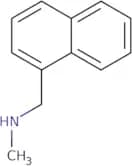
CAS:<p>4-Aminomethylphenylacetic acid is a nonsteroidal anti-inflammatory drug that is used to treat inflammation and pain. It belongs to the class of peptidomimetics, which are compounds that mimic the structure of a natural biological molecule. 4-Aminomethylphenylacetic acid has an analog with a lactam ring at position 3, which is not present in other NSAIDs. This structural difference may contribute to its high stability and low reactivity. 4-Aminomethylphenylacetic acid has been shown to exhibit antiviral activity against viruses such as HIV or Hepatitis C virus by inhibiting viral replication.</p>Formula:C9H11NO2·HClPurity:Min. 95%Molecular weight:201.65 g/molMethyl-1-naphthalenemethylamine
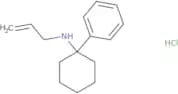
CAS:<p>Methyl-1-naphthalenemethylamine is a synthetic drug that is used as an anti-fungal agent. It is used to treat dermatophytosis and onychomycosis caused by Trichophyton mentagrophytes. Methyl-1-naphthalenemethylamine has been shown to have a clinical response in patients with the skin condition tinea pedis. This drug inhibits the growth of fungi by inhibiting cell membrane synthesis, which leads to cell death. Methyl-1-naphthalenemethylamine has been shown to be effective against Trichophyton mentagrophytes in plasma samples from patients with tinea pedis who were treated with this drug. The effectiveness of this drug may be due to its ability to inhibit the synthesis of polysaccharides, proteins, and lipids in the fungal cell membrane, or its ability to inhibit protein synthesis by binding with ribos</p>Formula:C12H13NPurity:Min. 95%Color and Shape:Clear LiquidMolecular weight:171.24 g/molN-Allyl-1-phenylcyclohexanamine hydrochloride
CAS:Controlled Product<p>Please enquire for more information about N-Allyl-1-phenylcyclohexanamine hydrochloride including the price, delivery time and more detailed product information at the technical inquiry form on this page</p>Formula:C15H21NPurity:Min. 95%Molecular weight:215.33 g/mol2,5-Dimethoxy-4-methylamphetamine hydrochloride
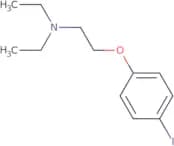
CAS:Controlled Product<p>2,5-Dimethoxy-4-methylamphetamine hydrochloride is a molecule that belongs to the class of phenethylamines. It has a serotonergic activity and can be used in the treatment of depression. This drug also affects the dopaminergic system and 5-HT2 receptors. 2,5-Dimethoxy-4-methylamphetamine hydrochloride is an agonist for 5HT1A receptors and an antagonist for 5HT2A and 5HT2C receptors. It has been shown to have a significant effect on locomotor activity in humans. The effects of this drug are dose dependent, with high doses leading to hallucinogenic effects.</p>Formula:C12H20ClNO2Purity:Min. 95%Molecular weight:245.75 g/mol2- (4-Iodophenoxy) - N, N- diethylethanamine
CAS:Controlled Product<p>Please enquire for more information about 2- (4-Iodophenoxy) - N, N- diethylethanamine including the price, delivery time and more detailed product information at the technical inquiry form on this page</p>Formula:C12H18INOPurity:Min. 95%Molecular weight:319.18 g/molPoly(2-hydroxypropyldimethylammonium chloride)
CAS:Controlled Product<p>Poly(2-Hydroxypropyl Dimethylammonium Chloride) is a polymer that has been shown to inhibit the growth of bacteria by forming stable complexes with chloride ions. Its application include water treatment.</p>Formula:(C5H12ClNO)nPurity:Min. 95%Color and Shape:Clear Liquid4'-Methyl aminorex
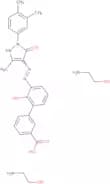
CAS:Controlled Product<p>Please enquire for more information about 4'-Methyl aminorex including the price, delivery time and more detailed product information at the technical inquiry form on this page</p>Formula:C10H12N2OPurity:Min. 95%Molecular weight:176.22 g/molEltrombopag olamine
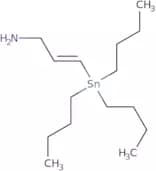
CAS:<p>Eltrombopag olamine is an orally active drug that belongs to the class of thiazolidinones. It has been used for the treatment of thrombocytopenia in patients with chronic liver disease and myelodysplastic syndrome. Eltrombopag olamine inhibits platelet aggregation by binding to glycoprotein IIb/IIIa receptors on the surface of platelets. The drug is a prodrug that is metabolized in vivo to its active form, eltrombopag. This conversion is catalysed by CYP3A4 and CYP2D6 enzymes and can be inhibited by drugs that inhibit these enzymes, such as trifluoroacetic acid and hydroxyl group-containing compounds. Eltrombopag olamine binds to erythrocytes, which may be due to its ability to form intramolecular hydrogen bonds with nitrogen atoms. The synthesis of elt</p>Formula:C25H22N4O4•(C2H7NO)2Purity:Min. 95%Color and Shape:PowderMolecular weight:564.63 g/molE-3-(Tributylstannyl)-2-propen-1-amine
CAS:Controlled Product<p>Please enquire for more information about E-3-(Tributylstannyl)-2-propen-1-amine including the price, delivery time and more detailed product information at the technical inquiry form on this page</p>Formula:C15H33NSnPurity:Min. 95%Molecular weight:346.14 g/mol2-(2-Aminoethyl)-1,3-dioxolane
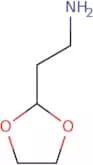
CAS:<p>2-(2-Aminoethyl)-1,3-dioxolane is a model membrane used to study the transport of hydrazides across membranes. It is also a vector for the study of supramolecular polymers and has been shown to be activated by aldehydes. 2-(2-Aminoethyl)-1,3-dioxolane has biological activity against human cells and has been used as a screening agent for hydrazide drugs. This compound can be used to study transport efficiency and functionality in vitro.</p>Formula:C5H11NO2Purity:Min. 95%Color and Shape:Clear LiquidMolecular weight:117.15 g/mol3-(2-Chlorophenyl)-1,2-oxazol-5-amine
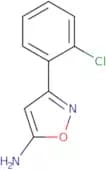
CAS:<p>Please enquire for more information about 3-(2-Chlorophenyl)-1,2-oxazol-5-amine including the price, delivery time and more detailed product information at the technical inquiry form on this page</p>Formula:C9H7ClN2OPurity:Min. 95%Molecular weight:194.62 g/mol6-Amino-5,6,7,8-tetrahydronaphthalene-2,3-diol
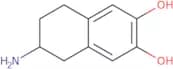
CAS:Controlled Product<p>6-Amino-5,6,7,8-tetrahydronaphthalene-2,3-diol is a potent dopamine D2 receptor antagonist. It has been shown to inhibit the light emission of dopamine in vitro. This compound also has a high affinity for 5-HT receptors and has been shown to be a potent agonist at these sites. 6-Amino-5,6,7,8-tetrahydronaphthalene-2,3-diol has been found to induce pluripotent stem cells from human fibroblasts. These cells can differentiate into virtually any cell type in the body and may be used to study diseases such as Parkinson's disease and cancer.</p>Formula:C10H13NO2Purity:Min. 95%Molecular weight:179.22 g/molBis(2,2,2-Trifluoroethyl)amine
CAS:<p>Bis(2,2,2-trifluoroethyl)amine is a colorless liquid that is soluble in water. It has a molecular weight of 122.11 and a boiling point of 217°C. Bis(2,2,2-trifluoroethyl)amine reacts with tetramethylammonium to form a dimer. The reaction is reversible and the bis(2,2,2-trifluoroethyl)amine can be regenerated by the addition of fluoride or an acid such as hydrochloric acid or sulfuric acid. Bis(2,2,2-trifluoroethyl)amine has an anion that can accept a proton from another molecule. This anion is also known as the bisulfite ion which reacts with hydrogen peroxide to form bisulfate and water.</p>Formula:C4H5F6NPurity:Min. 95%Color and Shape:PowderMolecular weight:181.08 g/mol2-(Methyl-2-pyridylamino)ethanol
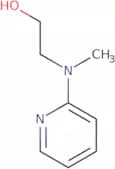
CAS:<p>2-(Methyl-2-pyridylamino)ethanol (2MPE) is a small molecule that has been studied for its potential use as an inhibitor of the enzyme protein kinase C-alpha. The reaction mechanism of 2MPE with rosiglitazone, a drug used to treat type II diabetes mellitus, has been shown to be nucleophilic and proceeds through an addition-elimination mechanism. The kinetic parameters for this reaction have been determined by studying the effect of temperature on the reaction rate. Density measurements indicate that 2MPE is a low-molecular weight compound with a density of 1.08 g/mL at 25°C and 1 atm pressure. This study also found that microreactors are capable of producing high reaction yields in shorter amounts of time than larger reactors, making them well suited to the synthesis of small molecules such as 2MPE.</p>Formula:C8H12N2OPurity:Min. 95%Molecular weight:152.19 g/mol(N,N-Dimethyl)methyleneammonium iodide
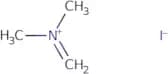
CAS:<p>(N,N-Dimethyl)methyleneammonium iodide is a potent antagonist for the histamine H2 receptor that has been shown to inhibit gastric acid secretion. It is an enantiopure compound that can be prepared by asymmetric synthesis using palladium complexes. The methylene group in this molecule is activated with hydroxylamine and acrylates, which are then reacted with ethyl diazoacetate and amines to produce (N,N-dimethyl)methyleneammonium iodide. (N,N-Dimethyl)methyleneammonium iodide is a potent antagonist at the histamine H2 receptor, where it can inhibit gastric acid secretion and reduce stomach ulcers. It also has been shown to have anti-inflammatory effects.</p>Formula:C3H8INMolecular weight:185.01 g/mol2,3-Diaminotoluene
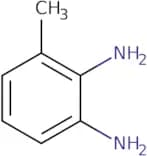
CAS:<p>2,3-Diaminotoluene is a compound that can be synthesized through the reaction of 2,4-diaminotoluene and picric acid. It has been used as a fluorescent probe for palladium complexes and has been shown to have efficient fluorescence properties in chromatographic applications. 2,3-Diaminotoluene has also been found to be an effective anti-bacterial agent against Gram-positive bacteria such as Staphylococcus aureus and Enterococcus faecalis. This compound has also been shown to have antitumour activity against leukemia cells. The synthesis of 2,3-diaminotoluene involves the reaction of amines with formaldehyde followed by dehydration.</p>Formula:C7H10N2Purity:Min. 95%Color and Shape:PowderMolecular weight:122.17 g/mol4-Aminobicyclo[2.2.2]octane-1-carboxylic acid methyl ester
CAS:<p>Please enquire for more information about 4-Aminobicyclo[2.2.2]octane-1-carboxylic acid methyl ester including the price, delivery time and more detailed product information at the technical inquiry form on this page</p>Formula:C10H17NO2Purity:Min. 95%Molecular weight:183.25 g/mol2-Amino-6-chloropyrazine
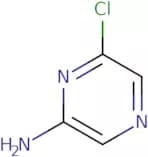
CAS:<p>2-Amino-6-chloropyrazine (2ACP) is an inhibitor that binds to the active site on human protein kinase C (PKC). It has been shown to inhibit PKC by hydrogen bonding with the hydroxide ion, which blocks its catalytic activity. 2ACP has been studied for its potential use in treating cancer and for inhibiting amine oxidases, which are enzymes associated with inflammation and chronic obstructive pulmonary disease. The inhibition of these enzymes may help to reduce stenosis in the lungs or other organs. 2ACP also has been shown to have antimycobacterial activity against Mycobacterium tuberculosis, M. avium complex, and M. leprae by inhibiting DNA synthesis and RNA synthesis. 2ACP inhibits the kinase receptor on the cell membrane that phosphorylates a water molecule into a chlorine atom, which then reacts with hydrogen peroxide to form free radicals that can kill bacteria</p>Formula:C4H4ClN3Purity:Min. 95%Molecular weight:129.55 g/mol1-(4-Amino-6,7-dimethoxy-2-quinazolinyl)-4-[(tetrahydro-2-furanyl)carbonxyl]piperazine hydrochloride
CAS:<p>Terazosin HCL dehydrate is an inhibitor of alpha-1 adrenergic receptors. This results in vasodilation followed by a reduction in urethral resistance, venous return to the heart and peripheral vascular resistance. In particular Terazosin HCL hydrate’s ability to recover urine flow and alleviate symptoms in patients with benign prostatic hyperplasia is of benefit to the therapeutic and clinical industries.</p>Formula:C19H26ClN5O4Purity:Min. 95%Molecular weight:423.89 g/mol7-Bromo-[1,2,4]triazolo[1,5-a]pyridin-2-ylamine
CAS:<p>Please enquire for more information about 7-Bromo-[1,2,4]triazolo[1,5-a]pyridin-2-ylamine including the price, delivery time and more detailed product information at the technical inquiry form on this page</p>Formula:C6H5BrN4Purity:Min. 95%Molecular weight:213.03 g/mol(S)-(-)-1-Boc-3-aminopyrrolidine
CAS:<p>(S)-(-)-1-Boc-3-aminopyrrolidine is an inhibitor that inhibits the activity of phosphoinositide 3-kinase (PI3K) by binding to the ATP binding site and inhibiting PI3K. It has been shown to inhibit the activation of PI3Kδ, which plays a key role in tumorigenesis and metastasis. The drug also has metabolic stability and selectivity for PI3Kδ over other kinases, as well as high affinity for this enzyme. The drug was found to have low toxicity in vitro, but its effects on humans are unknown.</p>Formula:C9H18N2O2Purity:Min. 95%Color and Shape:Clear LiquidMolecular weight:186.25 g/molNicotianamine
CAS:<p>Nicotianamine is a nicotinic acid amide that is synthesized from nicotianamine synthase. Nicotianamine is a nutrient that plays an important role in iron homeostasis. It is also involved in the regulation of plant metabolism and enzyme activities. Nicotianamine has been shown to be stable in complex with iron, which makes it a good candidate for use as an analytical reagent for measuring plant metabolites. The nicotianamine assay can be used to determine concentrations of nicotianamine and nicotinic acid amides in plants by plasma mass spectrometry. This method takes advantage of the ability of nicotianamine to form stable complexes with iron ions, which can be measured by quantifying the concentration of free iron ions. Nicotianamine can also be used as an indicator of nutrient solution quality because it reacts with various compounds present in the solution, such as phosphate, nitrate, and sulfate ions. The matrix effect can affect the</p>Formula:C12H21N3O6Purity:(%) Min. 94%Color and Shape:PowderMolecular weight:303.31 g/mol1-(4-Amino-3,5-dichloro-phenyl)-2-bromo-ethanone
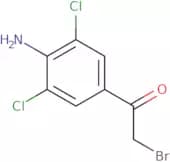
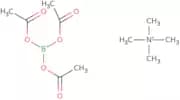
CAS:<p>Please enquire for more information about 1-(4-Amino-3,5-dichloro-phenyl)-2-bromo-ethanone including the price, delivery time and more detailed product information at the technical inquiry form on this page</p>Formula:C8H6BrCl2NOPurity:Min. 95%Molecular weight:282.95 g/molTetramethylammonium triacetoxyborohydride
CAS:<p>Tetramethylammonium triacetoxyborohydride is a potent antagonist that binds to the active site of hydrogen-bond forming enzymes. It is used in the treatment of bowel disease, as well as other diseases such as cancer, diabetic neuropathy and inflammatory bowel disease. Tetramethylammonium triacetoxyborohydride has been shown to inhibit the growth of certain bacteria by inhibiting their ability to form hydrogen bonds. This chemical can also be used in asymmetric synthesis, which is the process of synthesizing only one enantiomer from a racemic mixture. Tetramethylammonium triacetoxyborohydride can function as an organocatalyst for this process by activating achiral substrates into chiral ones.</p>Formula:C10H22BNO6Purity:Min. 95%Color and Shape:White PowderMolecular weight:263.1 g/mol5-(3-Methylphenyl)-1,3,4-oxadiazol-2-amine
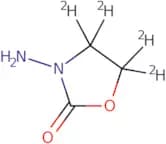
CAS:<p>Please enquire for more information about 5-(3-Methylphenyl)-1,3,4-oxadiazol-2-amine including the price, delivery time and more detailed product information at the technical inquiry form on this page</p>Formula:C9H9N3OPurity:Min. 95%Molecular weight:175.19 g/mol3-Amino-2-oxazolidinone-d4
CAS:Controlled Product<p>3-Amino-2-oxazolidinone-d4 is a methanol solvent that can be used to analyze the muscle tissue. 3-Amino-2-oxazolidinone-d4 can be synthesized by reacting oxalyl chloride and 2 nitrobenzaldehyde in acetonitrile. It can also be prepared by dehydrating and analyzing the synthesis of 3 amino 2 oxazolidinones in chloroform and bromoacetic acid. 3 - Amino - 2 - oxazolidinone - d4 is deuterated, which means it has an extra neutron in its nucleus.</p>Formula:C3H2D4N2O2Purity:Min. 95%Molecular weight:106.11 g/mol4-(Trifluoromethyl)benzyl amine
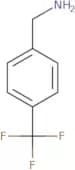
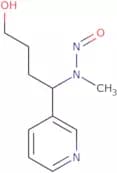
CAS:<p>4-(Trifluoromethyl)benzyl amine is a nucleophilic reagent that is used for the asymmetric synthesis of chiral amines. The reaction mechanism involves the nucleophilic attack of the trifluoromethyl group on an electron-deficient carbon atom of a substrate, followed by elimination of hydrogen fluoride. The trifluoromethyl group also acts as a light emitter when irradiated with UV light. 4-(Trifluoromethyl)benzyl amine is able to produce carbonyl groups through irreversible oxidation and has been shown to inhibit cancer cell proliferation in vitro and in vivo. This compound can be found as white crystals and has a polymorphic nature.</p>Formula:C8H8F3NPurity:Min. 95%Color and Shape:PowderMolecular weight:175.15 g/mol4-(N-Methyl-N-nitrosamino)-4-(3-pyridyl)butane-1-ol
CAS:<p>4-(N-Methyl-N-nitrosamino)-4-(3-pyridyl)butane-1-ol is a chemical that can be found in tobacco smoke. It has been shown that chronic exposure to 4-(N-methyl-N-nitrosamino)-4-(3-pyridyl)butane-1-ol causes cancer in rodents, as evidenced by increased rates of tumorigenesis. This chemical also has the ability to inhibit butyric acid formation, which may reduce the risk of colon cancer. The carcinogenic effect of this chemical is due to its ability to react with DNA and form adducts that cause methylation at C8 position on guanine nucleotide (G). These adducts lead to mutations, which can lead to cancer.</p>Formula:C10H15N3O2Purity:Min. 95%Molecular weight:209.25 g/mol[2-(Methylsulfinyl)ethyl]amine hydrobromide
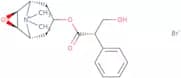
CAS:<p>Please enquire for more information about [2-(Methylsulfinyl)ethyl]amine hydrobromide including the price, delivery time and more detailed product information at the technical inquiry form on this page</p>Formula:C3H9NOSPurity:90%MinMolecular weight:107.18 g/molMethscopolamine bromide
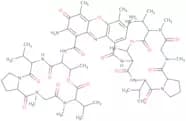
CAS:<p>Methscopolamine bromide is a leukotriene receptor antagonist that is used to treat various conditions including bowel diseases and autoimmune diseases. Methscopolamine bromide binds to muscarinic receptors and blocks the action of acetylcholine, which mediates inflammation. Methscopolamine bromide can also be used to treat congestive heart failure. This drug has significant interactions with other medications, including thermal expansion, fatty acid metabolism, or symptoms of bowel disease. The drug should not be taken by patients who have had a stroke or who have asthma. It is contraindicated in patients who are pregnant or breastfeeding.</p>Formula:C18H24BrNO4Purity:Min. 95%Color and Shape:White PowderMolecular weight:398.29 g/mol7-Aminoactinomycin D
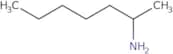
CAS:<p>7-Aminoactinomycin D is a fluorescent DNA dye that is commonly used for the detection or exclusion of non-viable cells in flow cytometric analysis, as it is generally excluded by live cells</p>Formula:C62H87N13O16Purity:Min. 95%Molecular weight:1,270.43 g/mol1-Methylhexylamine
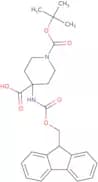
CAS:Controlled Product<p>1-Methylhexylamine is a chemical compound that has been shown to be an effective treatment for inflammatory bowel disease. It works by activating the H1 receptor, which blocks the production of proinflammatory cytokines and reduces inflammation. 1-Methylhexylamine also has anti-inflammatory effects and can inhibit the growth of bacteria in vitro. This compound can be used as an analog for histamine in sample preparation, where it is used to reduce hydrochloric acid from acidic samples. The uptake of 1-methylhexylamine into cells is pH dependent and can be enhanced by adding sodium citrate or redox potential. 1-Methylhexylamine has been shown to cause symptoms such as headache, nausea, vomiting, dizziness, and depression when it is injected or ingested at high doses. Toxicity studies have shown that this drug may cause liver damage and kidney failure at high doses.</p>Formula:C7H17NPurity:Min. 95%Molecular weight:115.22 g/molN-Boc-amino-(4-N-fmoc-piperidinyl)carboxylic acid
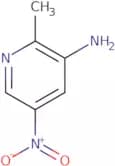
CAS:<p>Please enquire for more information about N-Boc-amino-(4-N-fmoc-piperidinyl)carboxylic acid including the price, delivery time and more detailed product information at the technical inquiry form on this page</p>Formula:C26H30N2O6Purity:Min. 95%Molecular weight:466.53 g/mol2-Methyl-5-nitropyridin-3-amine
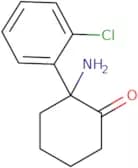
CAS:<p>2-Methyl-5-nitropyridin-3-amine is a heterocyclic compound that is synthesized by the cyclization of 2-methylpyridine with sodium nitrite. The reaction product is hydrolyzed to yield the desired compound, 5-nitropyridine. The synthesis of this compound can be used as a target for organic synthesis.</p>Formula:C6H7N3O2Purity:Min. 95%Molecular weight:153.14 g/mol2-Amino-2-(2-chlorophenyl)cyclohexan-1-one
CAS:Controlled Product<p>2-Amino-2-(2-chlorophenyl)cyclohexan-1-one is an anesthetic drug that belongs to the group of ketamine. It is a chiral compound and has been shown to have central nervous system depressant effects, which are more pronounced than those of ketamine. This drug also affects the cardiovascular system and can cause respiratory depression. 2-Amino-2-(2-chlorophenyl)cyclohexan-1-one has been shown to be metabolized in humans by cytochrome P450 (CYP3A4). It may potentiate the effect of drugs that induce CYP3A4 activity such as erythromycin, rifampin, and phenobarbital.<br> 2-Amino-2-(2-chlorophenyl)cyclohexan-1-one is not active against MRSA or methicillin resistant pseudomonas aeruginosa (MR</p>Formula:C12H14ClNOPurity:Min. 95%Color and Shape:PowderMolecular weight:223.7 g/mol2,5-Diaminopyridine dihydrochloride
CAS:<p>2,5-Diaminopyridine dihydrochloride is a compound that belongs to the class of hydroxamic acids. It is an intermediate in the synthesis of the anti-cancer drug, hydroxyurea (hydroxylamine). 2,5-Diaminopyridine dihydrochloride can be used as a cross-coupling reagent for coupling reactions with chlorinated and tritiated organic compounds. The efficiency of this reaction is dependent on the coulombic and mutagenic properties of 2,5-diaminopyridine dihydrochloride. 2,5-Diaminopyridine dihydrochloride has been shown to cause cancer in animal studies.</p>Formula:C5H7N3•(HCl)2Purity:Min. 95%Molecular weight:182.05 g/molCyclohexamine hydrochloride
CAS:Controlled Product<p>Cyclohexamine hydrochloride is a potent non-selective muscarinic antagonist that has been used as an anesthetic for rodents for the past three decades. It binds to the muscarinic acetylcholine receptors and blocks the effects of acetylcholine, which are involved in regulating heart rate, blood pressure, and other cardiovascular functions. It is also used to treat Alzheimer's disease by blocking acetylcholine from binding to its receptor. Cyclohexamine hydrochloride can cause psychotic symptoms such as hallucinations and delusions when taken in high doses. It may also be toxic to the cerebral cortex when administered at high doses.</p>Formula:C14H22ClNPurity:Min. 95%Molecular weight:239.78 g/molO,O'-Bis(3-aminopropyl)polyethylene glycol
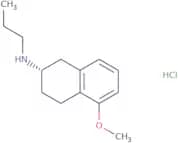
CAS:Controlled Product<p>O,O'-Bis(3-aminopropyl)polyethylene glycol is a PEG polymer categorised as homobifunctional PEG (X-PEG X). Used as a linker, O,O'-bis(3-aminopropyl)polyethylene glycol is used to attached PEG to proteins, peptides, oligonucleotides, nanoparticles and small molecules via pegylation, a bioconjugation technique.</p>Formula:(C2H4O)nC6H16N2OPurity:Min. 95%Color and Shape:White Powder(S)-1,2,3,4-Tetrahydro-5-methoxy-N-propyl-2-naphthalenamine hydrochloride
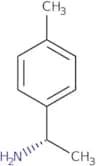
CAS:Controlled Product<p>Please enquire for more information about (S)-1,2,3,4-Tetrahydro-5-methoxy-N-propyl-2-naphthalenamine hydrochloride including the price, delivery time and more detailed product information at the technical inquiry form on this page</p>Formula:C14H22ClNOPurity:Min. 95%Molecular weight:255.78 g/mol(S)-(-)-1-(4-Merthylphenylethylamine
CAS:<p>(S)-(-)-1-(4-Merthylphenylethylamine is a crystalline solid that is soluble in organic solvents. It has a melting point of 159 degrees Celsius and a solubility of 0.3g/mL in water. The compound is used as an intermediate for synthesizing other chemical compounds, such as pharmaceuticals. This chemical has been shown to exhibit photochemical reactions with uv irradiation and high pressure parameters, which are the basis for its use in diffraction studies. The crystals can be monitored using x-ray diffraction studies or x-ray crystallography, which provides information about their structure and molecular parameters.</p>Formula:C9H13NPurity:Min. 95%Molecular weight:135.21 g/mol2-Amino-5-chloropyridine
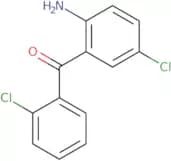
CAS:<p>2-Amino-5-chloropyridine is an organic compound that is a metabolite of nicotinic acid. 2-Amino-5-chloropyridine has been detected in urine samples and can be extracted from urine with hydrochloric acid. It can also be prepared by the reaction of picolinic acid and malonic acid, which are both found in the human body. The compound has been shown to have pharmacokinetic properties, including a half life of approximately 1 hour and a volume of distribution of 0.3 L/kg. 2-Amino-5-chloropyridine has also been shown to have structural analysis and binding properties with hydrogen bonding interactions. The structure was determined by X-ray crystal structures, which revealed the presence of a reactive group p2 and the absence of any other reactive groups. 2-Amino-5-chloropyridine is used as an analytical method for fluorescence detection in combination</p>Purity:Min. 95%Color and Shape:White To Off-White SolidMolecular weight:128.56 g/mol2-Amino-2',5-dichlorobenzophenone
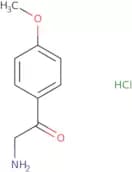
CAS:<p>2-Amino-2',5-dichlorobenzophenone (2,5-DCP) is a molecule with a chromatographic retention time of 23.8 minutes. 2,5-DCP has been detected in human urine samples using the chemical ionization technique as well as the Nova-Pak C18 column and an acetic acid/methanol mobile phase. This compound has been used as a standard for the detection of benzodiazepine drugs such as diazepam and flunitrazepam in urine samples by gas chromatography. 2,5-DCP has also been used in analytical toxicology to detect lormetazepam and lorazepam metabolites in human urine samples.</p>Formula:C13H9Cl2NOPurity:Min. 95%Color and Shape:Off-White PowderMolecular weight:266.12 g/mol2-Amino-4'-methoxyacetophenone hydrochloride
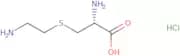
CAS:Controlled Product<p>Please enquire for more information about 2-Amino-4'-methoxyacetophenone hydrochloride including the price, delivery time and more detailed product information at the technical inquiry form on this page</p>Formula:C9H11NO2·HClPurity:Min. 95%Color and Shape:PowderMolecular weight:201.65 g/molS-Aminoethyl-L-cysteine hydrochloride
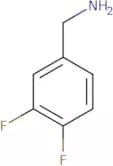
CAS:<p>S-Aminoethyl-L-cysteine hydrochloride is an amino acid that is used in the diagnosis of metabolic disorders. It has been found to have a high concentration in plasma and can be used to measure the activity of bowel disease. S-Aminoethyl-L-cysteine hydrochloride is also used as a diagnostic marker for inflammatory diseases. It is extensively metabolized by acidic hydrolysis, which results in the release of chloride ions and amines.</p>Formula:C5H12N2O2S·HClPurity:Min. 95%Color and Shape:White PowderMolecular weight:200.69 g/mol3,4-Difluorobenzyl amine
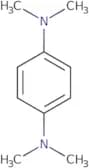
CAS:<p>3,4-Difluorobenzyl amine (3,4-DFBA) is a synthetic compound that has been shown to have anti-cancer properties. It has been used in the synthesis of perovskites as an alternative strategy for solar cell applications. 3,4-DFBA has also been used to investigate the effect of hydrophobic and deformation on the biological activity of amines. This compound inhibits aldehyde oxidase and catalase from glyoxal and hydrogen peroxide respectively, which may be due to its ability to form microcapsules with a diameter of less than 50 nm.</p>Formula:C7H7F2NPurity:Min. 95%Color and Shape:Clear LiquidMolecular weight:143.13 g/molN,N,N',N'-Tetramethyl-p-phenylenediamine
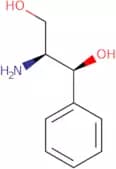
CAS:<p>N,N,N',N'-Tetramethyl-p-phenylenediamine is a chemical compound that has been found to have a high affinity for proteins and nucleic acids. It interacts with these molecules by steric interactions and can change the phase transition temperature of water. N,N,N',N'-Tetramethyl-p-phenylenediamine reacts with surfactant sodium dodecyl (SDA) to produce protonated SDA species. These protonated SDA species are able to react with nucleophiles such as p-hydroxybenzoic acid (PHBA), which leads to an exchange reaction. The redox potentials of PHBA and N,N,N',N'-tetramethyl-p-phenylenediamine vary from -0.85 V to -1.05 V at pH 7.4, depending on the number of nitrogen atoms in the molecule. The x-ray</p>Formula:C10H16N2Purity:Min. 95%Molecular weight:164.25 g/mol(1S,2S)-(+)-2-Amino-1-phenyl-1,3-propanediol
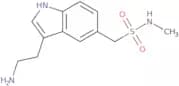
CAS:<p>(1S,2S)-(+)-2-Amino-1-phenyl-1,3-propanediol is a synthetic compound that has been synthesized and studied as an amide. It has a hydroxy group on the skeleton of the molecule. The enantiomer of this compound is (1R,2R)-(-)-2-amino-1-phenyl-1,3-propanediol. This compound contains two chiral centers and four stereoisomers. These stereoisomers are not mirror images of each other. (1S,2S)-(+)-2-Amino-1-phenyl-1,3-propanediol has been shown to be effective against cryptococcus neoformans in cell culture experiments.</p>Formula:C9H13NO2Purity:Min. 95%Molecular weight:167.21 g/mol3-(2-Aminoethyl)-N-methyl-1H-indole-5-methanesulfonamide
CAS:<p>3-(2-Aminoethyl)-N-methyl-1H-indole-5-methanesulfonamide (AMIS) is an intermediate in the preparation of medicaments. It is a stable process and can be used as an intermediate for other compounds. AMIS is prepared by reacting methanesulfonic acid with methanol and ammonium carbonate, which produces methanesulfonamide, succinic acid and ammonium hydroxide. The reaction liquid is then heated to produce a crystalline solid. The crystals are then recrystallized to yield AMIS as a white solid.</p>Formula:C12H17N3O2SPurity:Min. 95%Color and Shape:Off-White To Beige To Light Brown SolidMolecular weight:267.35 g/mol2’-Nor thiamine hydrochloride
CAS:<p>Please enquire for more information about 2’-Nor thiamine hydrochloride including the price, delivery time and more detailed product information at the technical inquiry form on this page</p>Formula:C11H16Cl2N4OSPurity:Min. 95%Molecular weight:323.24 g/molMethyl 4-(2-(2-amino-4-oxo-4,7-dihydro-3H-pyrrolo[2,3-d]pyrimidin-5-yl)ethyl)benzoate
CAS:<p>Methyl 4-(2-(2-amino-4-oxo-4,7-dihydro-3H-pyrrolo[2,3-d]pyrimidin-5-yl)ethyl)benzoate is a prodrug that is hydrolyzed to form the active drug pemetrexed disodium. The drug has been shown to be effective for the treatment of cancer and has been used in clinical trials for patients with lung cancer. The conversion of this prodrug to its active form occurs through a hydrolysis reaction at high temperature and by saponification with sodium hydroxide. Methyl 4-(2-(2-amino-4-oxo-4,7-dihydro-3H-pyrrolo[2,3 - d]pyrimidin -5 -yl)ethyl)benzoate can also be converted into its active form by enzymatic action using ester</p>Purity:Min. 95%4-Aminoquinoline-2-one
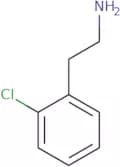
CAS:<p>4-Aminoquinoline-2-one is a nonsteroidal anti-inflammatory drug that has tuberculostatic activity. It binds to the nitrogen atoms of the enzyme dihydropteroate synthase, which is involved in the synthesis of folic acid and DNA. This leads to an increase in reactive oxygen species and inflammation, which causes disease activity. 4-Aminoquinoline-2-one has been shown to be synergistic with monoclonal antibodies when used as a treatment for inflammatory diseases. In order for 4-aminoquinoline-2-one to be taken up by cells, it must bind to cellular uptake proteins through hydrogen bonds or disulfide bonds.</p>Formula:C9H8N2OPurity:Min. 95%Molecular weight:160.17 g/mol2-(2-Chlorophenyl)ethylamine
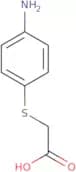
CAS:Controlled Product<p>2-(2-Chlorophenyl)ethylamine is an amine that inhibits the production of proteins vital for cell division. It binds to bacterial 16S ribosomal RNA and inhibits protein synthesis, leading to cell death by inhibiting the production of proteins vital for cell division. 2-(2-Chlorophenyl)ethylamine has been shown to be effective against methicillin-resistant Staphylococcus aureus (MRSA) and Clostridium perfringens, although is not active against acid-fast bacteria such as Mycobacterium tuberculosis or Mycobacterium avium complex. 2-(2-Chlorophenyl)ethylamine has shown anti-inflammatory properties, which may be due to its inhibition of prostaglandin synthesis.</p>Formula:C8H10ClNPurity:Min. 95%Molecular weight:155.62 g/mol2-(4-Aminophenylthio)acetic acid
CAS:<p>2-(4-Aminophenylthio)acetic acid is an analytical reagent that is used for the determination of nitrite ion. It reacts with nitrous acid to form a red-colored dye. 2-(4-Aminophenylthio)acetic acid has been shown to be an effective anhydrase inhibitor, which can be used in analytical chemistry as a method for determining the concentration of nitrate ion. This compound also has a constant value of 1.5, which can be used to calculate the concentration of nitric acid in hydrochloric acid by using the following equation: 2 NaOH + HCl → NaCl + 2 H2O 1.5 (aq) + 4H+(aq) → 6H2O(l) 6H2O(l) ÷ 1.5 (mol/L) = 3 mol/L 3 mol/L ÷ 0.037 (mol/g) =</p>Formula:C8H9NO2SPurity:Min. 95%Molecular weight:183.23 g/molQuaternary ammonium compounds, bis(hydroxyethyl) methyltallow alkyl, chlorides, salts with bentonite
CAS:<p>Please enquire for more information about Quaternary ammonium compounds, bis(hydroxyethyl) methyltallow alkyl, chlorides, salts with bentonite including the price, delivery time and more detailed product information at the technical inquiry form on this page</p>Purity:Min. 95%7-Amino-4-(trifluoromethyl)coumarin
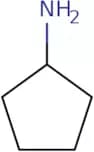
CAS:<p>7-Amino-4-(trifluoromethyl)coumarin is a coumarin derivative that has been used as a fluorescence probe for the study of enzyme activities. It can be used as a potential biomarker for autoimmune diseases, and has also been shown to have tyrosine kinase domain binding activity. 7-Amino-4-(trifluoromethyl)coumarin can bind to the hydroxyl group in tyrosine residues with high affinity, and binds to the nitrogen atoms in protein kinases with low affinity. This compound is able to form intermolecular hydrogen bonds and steric interactions with peptide hormones.</p>Formula:C10H6F3NO2Purity:Min. 95%Molecular weight:229.16 g/molCyclopentylamine
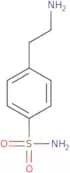
CAS:<p>Cyclopentylamine is a chemical compound with the molecular formula C9H14N. It is an organic amine that has the chemical properties of both a primary and secondary amine. Cyclopentylamine can be synthesized from cyclopentanone and ammonia, which are reacted in the presence of hydrochloric acid as a catalyst. Cyclopentylamine has been shown to inhibit DPP-IV, an enzyme that breaks down proteins in the intestines. This may contribute to its anti-inflammatory effects. It has also been shown to have anti-inflammatory effects by inhibiting production of prostaglandins, which are substances involved in inflammation. Cyclopentylamine is used as a starting material for synthesis of other chemical compounds such as pharmaceuticals, pesticides, and herbicides.</p>Formula:C5H11NPurity:Min. 95%Color and Shape:Colorless Clear LiquidMolecular weight:85.15 g/mol4-(2-Aminoethyl)benzene sulfonamide
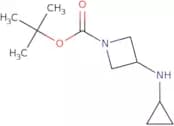
CAS:<p>4-(2-Aminoethyl)benzene sulfonamide is a small-molecule drug that inhibits the activity of proteases, including serine and cysteine proteases. It has been shown to inhibit the growth of human renal cell cancer cells, as well as subcutaneous tumors in mice. 4-(2-Aminoethyl)benzene sulfonamide also inhibits the proliferation of Hl-60 cells and shows antitumor activity in a mouse model system. This drug is an inhibitor of prostaglandin endoperoxide synthase (PGHS), which is involved in tumorigenesis by causing inflammation and oxidative stress. 4-(2-Aminoethyl)benzene sulfonamide has been shown to be effective for treating colorectal adenocarcinoma, with no significant side effects on other organs.</p>Formula:C8H12N2O2SPurity:Min. 95%Molecular weight:200.26 g/moltert-Butyl 3-(cyclopropylamino)azetidine-1-carboxylate
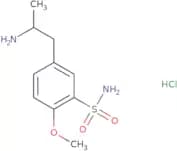
CAS:<p>Please enquire for more information about tert-Butyl 3-(cyclopropylamino)azetidine-1-carboxylate including the price, delivery time and more detailed product information at the technical inquiry form on this page</p>Formula:C11H20N2O2Purity:Min. 95%Molecular weight:212.29 g/mol3-(4'-Methoxy-3'-sulfonamidophenyl)-2-propylamine, hydrochloride
CAS:Controlled Product<p>Please enquire for more information about 3-(4'-Methoxy-3'-sulfonamidophenyl)-2-propylamine, hydrochloride including the price, delivery time and more detailed product information at the technical inquiry form on this page</p>Formula:C10H16N2O3S•HClPurity:Min. 95%Color and Shape:PowderMolecular weight:280.77 g/mol[3-(1-Piperidin-1-ylcyclohexyl)phenyl]amine hydrochloride
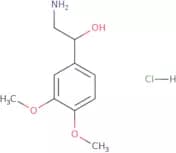
CAS:Controlled Product<p>3-(1-Piperidin-1-ylcyclohexyl)phenyl]amine hydrochloride is a ligand that binds to the acetylcholine receptor. 3-(1-Piperidin-1-ylcyclohexyl)phenyl]amine hydrochloride is an active analogue and has a high binding affinity for the cholinergic receptor. It has been shown to have a kinetic effect on the excitatory system, enhancing excitatory effects of acetylcholine without affecting inhibitory effects. 3-(1-Piperidin-1-ylcyclohexyl)phenyl]amine hydrochloride also has an antagonistic effect on modifiers of acetylcholine activity such as amantadine, but enhances the effects of other drugs, such as clonidine.</p>Formula:C17H26N2Purity:Min. 95%Molecular weight:258.4 g/mol2-Hydroxy-2-(3,4-dimethoxyphenyl)ethylamine hydrochloride
CAS:Controlled Product<p>Please enquire for more information about 2-Hydroxy-2-(3,4-dimethoxyphenyl)ethylamine hydrochloride including the price, delivery time and more detailed product information at the technical inquiry form on this page</p>Formula:C10H15NO3·HClPurity:Min. 95%Molecular weight:233.69 g/mol[2-(5-Chloro-1-methyl-1H-benzimidazol-2-yl)ethyl]amine dihydrochloride
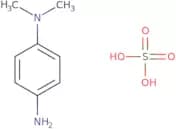
CAS:Controlled Product<p>Please enquire for more information about [2-(5-Chloro-1-methyl-1H-benzimidazol-2-yl)ethyl]amine dihydrochloride including the price, delivery time and more detailed product information at the technical inquiry form on this page</p>Formula:C10H12ClN3Purity:Min. 95%Molecular weight:209.68 g/molDimethyl-p-phenylenediamine sulfate
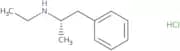
CAS:<p>Dimethyl-p-phenylenediamine sulfate (DMPD) is a response element that is involved in the regulation of physiological function and energy metabolism. DMPD is found in prostate cancer cells, which may be due to its ability to regulate the apoptosis pathway. The clinical relevance of DMPD has been shown by a low dose study on rats with myocardial infarcts. Rats were given doses of 0.5, 1, or 2 mg/kg DMPD for 3 weeks before being subjected to an occlusive coronary artery ligation procedure. The results showed that the rats given DMPD had significantly lower systolic blood pressure than those not given DMPD, but there was no difference in diastolic blood pressure.</p>Formula:C8H14N2O4SPurity:Min. 95%Molecular weight:234.27 g/mol(S)-N-Ethyl amphetamine hydrochloride
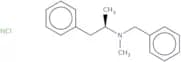
CAS:Controlled Product<p>Please enquire for more information about (S)-N-Ethyl amphetamine hydrochloride including the price, delivery time and more detailed product information at the technical inquiry form on this page</p>Formula:C11H18ClNPurity:Min. 95%Molecular weight:199.72 g/mol(R)-Benzphetamine hydrochloride
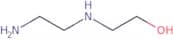
CAS:Controlled Product<p>Please enquire for more information about (R)-Benzphetamine hydrochloride including the price, delivery time and more detailed product information at the technical inquiry form on this page</p>Formula:C17H22ClNPurity:Min. 95%Molecular weight:275.82 g/molN-(2-Hydroxyethyl)ethylenediamine
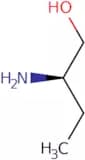
CAS:<p>N-(2-Hydroxyethyl)ethylenediamine is a chemical compound that belongs to the group of p2. It has been used for the treatment of wastewater and is also an inhibitor of blood coagulation. N-(2-Hydroxyethyl)ethylenediamine contains hydrogen bonding interactions, which lead to its high adsorption capacity for metals such as mercury and cadmium. This chemical inhibits reactions by binding to substrate molecules, such as metal ions or oxygen, thereby preventing them from participating in reactions. It has been shown that N-(2-Hydroxyethyl)ethylenediamine binds to transition metal ions with a higher affinity than other compounds, including ethylenediaminetetraacetic acid (EDTA). The reaction mechanism of this compound is not yet fully understood.</p>Formula:C4H12N2OPurity:Min. 95%Color and Shape:Colorless Clear LiquidMolecular weight:104.15 g/mol(R)-(-)-2-Amino-1-butanol
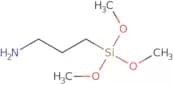
CAS:<p>(R)-(-)-2-Amino-1-butanol is an organic compound that is used as a reagent in the synthesis of pharmaceuticals. It has antimycobacterial properties and can be used to treat tuberculosis. The mechanism for its antimycobacterial activity is not fully understood, but it may involve copper complex formation with the mycobacteria. The chloride ion may also play a role in this process by binding to the copper complex and increasing its solubility in water. This compound may react with aminothiols from the host cell, leading to degradation of DNA, RNA, and proteins. (R)-(-)-2-Amino-1-butanol has been shown to have cytotoxic effects on colorectal adenocarcinoma cells and human lung cancer cells in culture. It also inhibits human colon carcinoma cells in culture through the production of organic acids such as formic acid and acetic acid.</p>Formula:C4H11NOPurity:Min. 95%Molecular weight:89.14 g/mol3-Aminopropyltrimethoxysilane
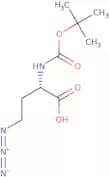
CAS:<p>3-Aminopropyltrimethoxysilane is a chemical that belongs to the group of aminopropyltriethoxysilanes. It is a reactive substance and is commonly used as an additive in adhesives and sealants. 3-Aminopropyltrimethoxysilane has been shown to be an efficient coupling agent for the formation of hydroxyl groups on nanoparticles, which are then used as drug carriers. The optimum concentration of 3-aminopropyltrimethoxysilane lies between 0.01 and 0.1 M, with a pH range of 6 and 8. This chemical can react with hydrochloric acid, resulting in the production of hydrogen gas; with cervical cancer cells in culture, leading to cell death; or with skin cells, causing damage to their transport properties.</p>Formula:C6H17NO3SiPurity:Min. 95%Color and Shape:Clear LiquidMolecular weight:179.29 g/molN-α-Boc-Nγ-Azido-L-2,4-diaminobutyric acid cyclohexylamine salt
CAS:<p>Please enquire for more information about N-alpha-Boc-Ngamma-Azido-L-2,4-diaminobutyric acid cyclohexylamine salt including the price, delivery time and more detailed product information at the technical inquiry form on this page</p>Formula:C9H16N4O4·C6H13NPurity:Min. 95%Molecular weight:343.42 g/mol3-Amino-1,2,4-triazole
CAS:<p>3-Amino-1,2,4-triazole is a fine chemical that has been used as a versatile building block in the synthesis of complex compounds. It reacts with many different types of molecules to form covalent bonds, and can also be used as a reactant in many organic reactions, such as the formation of amides. 3-Amino-1,2,4-triazole is not currently available commercially but can be synthesized in the laboratory from readily available starting materials. 3-Amino-1,2,4-triazole is a high quality chemical with few impurities that is suitable for use in research or industrial settings.</p>Formula:C2H4N4Molecular weight:84.08 g/mol5-Bromo-1-Methyl-1H-indazol-3-amine
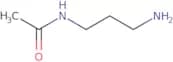
CAS:<p>Please enquire for more information about 5-Bromo-1-Methyl-1H-indazol-3-amine including the price, delivery time and more detailed product information at the technical inquiry form on this page</p>Formula:C8H8BrN3Purity:Min. 95%Molecular weight:226.07 g/molN-(3-Aminopropyl)acetamide
CAS:<p>N-(3-Aminopropyl)acetamide is a secondary amine that is used as a reagent in the profiling of tissues. It has been shown to inhibit the growth of Thermus thermophilus and other bacteria, including Staphylococcus aureus, Escherichia coli, and Pseudomonas aeruginosa. N-(3-Aminopropyl)acetamide has also been shown to inhibit the growth of cancer cells in cell culture. It was found to be effective against logarithmic growth phase cells and not against stationary phase cells. However, its mechanism of action is unknown.</p>Formula:C5H12N2OPurity:Min. 95%Color and Shape:Colorless PowderMolecular weight:116.16 g/mol1-Octadecylamine
CAS:<p>1-Octadecylamine is a chemical compound that can be used as a raw material for the synthesis of colloidal gold. It has been shown to have significant cytotoxicity and hypoglycemic effects, and is also used in the preparation of liposomes. 1-Octadecylamine is a component of polymer compositions that are used in the treatment of bowel disease. It has been shown to increase water vapor permeability and has an electrochemical impedance spectroscopy profile with a rate constant of 0.4 s−1. It also shows significant antimicrobial activity against Gram-positive bacteria such as Staphylococcus aureus, Streptococcus pyogenes, and Clostridium difficile, but not against Gram-negative bacteria such as Escherichia coli or Pseudomonas aeruginosa.</p>Formula:C18H39NPurity:Min. 95%Color and Shape:White/Off-White SolidMolecular weight:269.51 g/mol[(1-Benzyl-1H-pyrazol-4-yl)methyl]amine
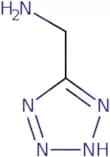
CAS:<p>Please enquire for more information about [(1-Benzyl-1H-pyrazol-4-yl)methyl]amine including the price, delivery time and more detailed product information at the technical inquiry form on this page</p>Formula:C11H13N3Purity:Min. 95%Molecular weight:187.24 g/mol(2H-Tetrazol-5-yl)methylamine
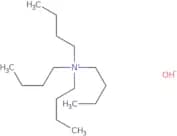
CAS:<p>(2H-Tetrazol-5-yl)methylamine is a sweetener that has been used as an analog of saccharin. It is not approved for use in the United States. The sweetness of (2H-tetrazol-5-yl)methylamine is due to its interaction with sodium ions, which make it a sodium salt. This compound is not sweet by itself but it does have optical properties that can be used to measure the concentration of sodium ions in solution. The chemical structure of (2H-tetrazol-5-yl)methylamine consists of a tetrazole group, an amine group and two methyl groups.</p>Formula:C2H5N5Purity:Min. 95%Molecular weight:99.09 g/molTetrabutylammonium hydroxide - 40 wt. % aqueous solution
CAS:<p>Picolinic acid is a product of the reaction between sodium salts and tetrabutylammonium hydroxide. It has been shown to have anti-inflammatory properties in chronic arthritis patients and may be due to its ability to inhibit the production of prostaglandins. Picolinic acid also has been shown to inhibit the growth of bacteria, including Mycobacterium tuberculosis, by preventing protein synthesis. The analytical method for picolinic acid is electrochemical impedance spectroscopy with a 5% picolinic acid solution in human serum or other biological sample.</p>Formula:C16H37NOPurity:Min. 95%Color and Shape:Clear LiquidMolecular weight:259.47 g/molBoc-N-methylethylenediamine
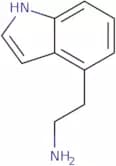
CAS:<p>Boc-N-methylethylenediamine is an amphiphile that can form micelles and assemble into a bilayer membrane. It has been shown to interact with nucleic acids, such as RNA and DNA, in a complexing process. This product also has the ability to form complexes with cationic species, including sodium ions, through electrostatic interactions. Boc-N-methylethylenediamine has been shown to be effective in the treatment of certain cancers by inhibiting endosomal processes and thereby reducing cancer cell proliferation.</p>Formula:C8H18N2O2Purity:Min. 95%Color and Shape:Clear LiquidMolecular weight:174.24 g/mol1H-Indole-4-ethanamine
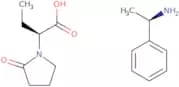
CAS:Controlled Product<p>Please enquire for more information about 1H-Indole-4-ethanamine including the price, delivery time and more detailed product information at the technical inquiry form on this page</p>Formula:C10H12N2Purity:Min. 95%Molecular weight:160.22 g/mol(S)-α-Ethyl-2-oxo-1-pyrrolidineacetic acid(R)-α-methylbenzenemethanaminesalt
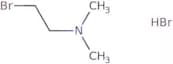
CAS:Controlled Product<p>Please enquire for more information about (S)-alpha-Ethyl-2-oxo-1-pyrrolidineacetic acid(R)-alpha-methylbenzenemethanaminesalt including the price, delivery time and more detailed product information at the technical inquiry form on this page</p>Formula:C16H24N2O3Purity:Min. 95%Molecular weight:292.37 g/mol2-Bromo-N,N-dimethylethanamine hydrobromide
CAS:<p>2-Bromo-N,N-dimethylethanamine hydrobromide is a quaternary ammonium salt that is used as an excipient in pharmaceutical formulations. It has been used to prepare conjugates for clinical diagnostics and can be used as a substrate in phosphorus pentoxide assays. This product is also an intermediate in the synthesis of paracyclophanes, which are stereoisomers of cyclopentane. 2-Bromo-N,N-dimethylethanamine hydrobromide has been shown to have anti-inflammatory properties and may be useful for the treatment of respiratory diseases. The drug also has potential in the treatment of Alzheimer's disease due to its ability to inhibit β-amyloid aggregation.</p>Formula:C4H11Br2NPurity:Min. 95%Color and Shape:White PowderMolecular weight:232.94 g/molTriisopropanolamine Borate
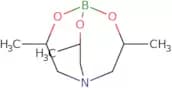
CAS:<p>Triisopropanolamine borate is an organic compound with the formula (CH3)3N(CH2)3OH. It is a colorless liquid with a sweet, amine-like odor. Triisopropanolamine borate is widely used as a cross-linking agent in coatings, and as a reactive functional group in polycarboxylic acid synthesis and cationic polymerization. It also has been used as a blood pressure lowering agent and to treat high calcium levels in the blood. The chemical structure of triisopropanolamine borate can be seen below: Triisopropanolamine Borate, Chemical Structure The chemical formula for triisopropanolamine borate is CH3N(CH2)3OH. Triisopropanolamine borate has many applications due to its reactive functional groups, including cross-linking agents for coatings and polycarboxylic acid synthesis</p>Formula:C9H18BNO3Purity:Min. 95%Molecular weight:199.06 g/molDiammonium hydrogen citrate
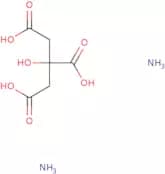
CAS:<p>Diammonium hydrogen citrate is a nutrient solution that contains copper chloride, sodium citrate, and hydrogen fluoride. It is used in surface methodology to separate hydroxyl groups from the surface of an object. Diammonium hydrogen citrate has been shown to be effective in enhancing iron homeostasis in skin cells. It also has been shown to have anti-malarial properties that are due to its ability to chelate copper ions and prevent the formation of free radicals. The reaction solution can be used for the synthesis of diammonium citrate, which is a monoclonal antibody.</p>Formula:C6H14N2O7Purity:Min. 95%Color and Shape:White PowderMolecular weight:226.18 g/mol(1,3-Dimethylbutyl)amine
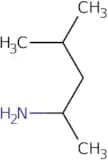
CAS:Controlled Product<p>(1,3-Dimethylbutyl)amine is a chemical substance that can be found in dietary supplements. It is structurally similar to amines and has been shown to have an effect on blood pressure. (1,3-Dimethylbutyl)amine has also been reported as being used in the manufacture of medicines for the treatment of heart disease. This chemical substance is produced by the reaction of hydrochloric acid with isovaleric acid. The product is then purified by chromatography and converted into its salt form for use as a dietary supplement. In addition to this, (1,3-Dimethylbutyl)amine is also used in some herbal remedies.</p>Formula:C6H15NPurity:Min. 95%Color and Shape:Clear LiquidMolecular weight:101.19 g/mol4-(1-Adamantyl)-2-aminophenol
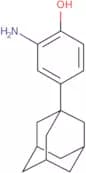
CAS:<p>Please enquire for more information about 4-(1-Adamantyl)-2-aminophenol including the price, delivery time and more detailed product information at the technical inquiry form on this page</p>Formula:C16H21NOPurity:Min. 95%Molecular weight:243.34 g/molN-[2-[4-(Aminosulfonyl)-phenyl]-ethyl]-5-methyl-2-pyrazinecarboxamide
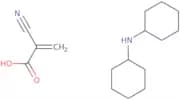
CAS:<p>Fluoxetine is a potent inhibitor of the enzyme cytochrome P450 (CYP) 2C19. The inhibition of CYP2C19 by fluoxetine may lead to an increase in the plasma concentration of other drugs that are metabolized by this enzyme, such as glipizide and hydroxycyclohexyl. Fluoxetine inhibits human uric acid secretion and increases plasma concentrations of uric acid. This drug also inhibits human erythrocyte dihydropyrimidine dehydrogenase, leading to increased blood levels of pyrimidines, especially cytotoxic ones like 6-fluoro-3-indoxyl-beta-D-galactopyranoside. Fluoxetine has been shown to have a protective effect against acetaminophen toxicity in rats because it enhances the conversion of acetaminophen to its less toxic metabolite N-acetylcysteine.</p>Formula:C14H16N4O3SPurity:Min. 95%Color and Shape:White To Off-White SolidMolecular weight:320.37 g/molDicyclohexylamine 2-cyanoacrylate
CAS:Controlled Product<p>Please enquire for more information about Dicyclohexylamine 2-cyanoacrylate including the price, delivery time and more detailed product information at the technical inquiry form on this page</p>Formula:C16H26N2O2Purity:Min. 95%Molecular weight:278.39 g/mol2-Aminomethyl-18-crown-6
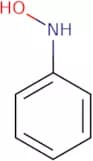
CAS:<p>2-Aminomethyl-18-crown-6 is a crown ether that can be used to transport molecules across membranes. It has been shown to form ionic or nonionic complexes with single-stranded DNA, as well as having bifunctional properties. It can also be used to immobilize organic molecules on surfaces and can be synthesized in the laboratory by reacting an imine with sodium salts. The crown ethers have the ability to solvate hydrophobic molecules and are able to form hydrogen bonds with water. 2-Aminomethyl-18-crown-6 has been shown to have synergistic effects with other drugs, including antibiotics, due to its ability to bind divalent cations such as magnesium and calcium. This molecule has functional groups that are reactive towards nucleophilic attack, which makes it a good candidate for molecular modeling studies of proteins and peptides.br>br> 2-Aminomethyl-18</p>Formula:C13H27NO6Purity:Min. 94.0 Area-%Color and Shape:Clear LiquidMolecular weight:293.36 g/molN-Phenylhydroxylamine
CAS:<p>N-Phenylhydroxylamine is a chemical compound that is used in wastewater treatment. It is a hydrophobic compound that has been shown to irreversibly inhibit the nitrite reductase enzyme, which is responsible for converting nitrite ions into nitrate ions. This reaction mechanism was studied using in vitro assays with picolinic acid and nitrobenzene. N-Phenylhydroxylamine binds to the active site of the enzyme and blocks access by the substrate, preventing it from being converted into its product. The reaction can be reversed by adding hydrogen fluoride, which displaces the N-phenylhydroxylamine molecule from its binding site. N-Phenylhydroxylamine also binds to nitrogen atoms and participates in transfer reactions with other molecules, making it reactive and capable of reacting with other compounds. The sample preparation process should include separating N-phenylhydroxylamine from water samples after extraction because it will react with</p>Formula:C6H7NOPurity:Min. 95%Color and Shape:PowderMolecular weight:109.13 g/mol5-Aminothiophene-2-carbonitrile
CAS:<p>Please enquire for more information about 5-Aminothiophene-2-carbonitrile including the price, delivery time and more detailed product information at the technical inquiry form on this page</p>Formula:C5H4N2SPurity:Min. 95%Molecular weight:124.16 g/mol4-N-Boc-aminocyclohexanone
CAS:<p>4-N-Boc-aminocyclohexanone is a chemical that inhibits the proliferation of cancer cells in vitro. It also has an antiproliferative effect on fibroblast cells, which may be due to its ability to inhibit protein synthesis and induce cell death by apoptosis. 4-N-Boc-aminocyclohexanone can also be used for the preparation of photoresponsive polymers that are used in drug delivery systems. This compound can be prepared by reacting 4-aminocyclohexanol with formaldehyde in the presence of base. This reaction forms a five-membered ring via an amide bond. The amide group is then hydrolyzed to form the corresponding carboxylic acid. The colorimetric method is used to determine the degree of hydrolysis, which is determined by measuring the absorbance at 590 nm. In addition, this compound can be used as a reactive intermediate for other compounds like</p>Formula:C11H19NO3Purity:Min. 95%Color and Shape:White To Light (Or Pale) Yellow SolidMolecular weight:213.27 g/molN-[4-Amino-3-(trifluoromethyl)phenyl]-2-methylpropanamide
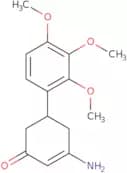
CAS:<p>Please enquire for more information about N-[4-Amino-3-(trifluoromethyl)phenyl]-2-methylpropanamide including the price, delivery time and more detailed product information at the technical inquiry form on this page</p>Formula:C11H13F3N2OPurity:Min. 95%Molecular weight:246.23 g/mol3-Amino-5-(2,3,4-trimethoxyphenyl)cyclohex-2-en-1-one
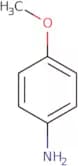
CAS:Controlled Product<p>Please enquire for more information about 3-Amino-5-(2,3,4-trimethoxyphenyl)cyclohex-2-en-1-one including the price, delivery time and more detailed product information at the technical inquiry form on this page</p>Formula:C15H19NO4Purity:Min. 95%Molecular weight:277.32 g/mol4-Aminoanisole
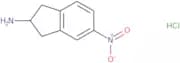
CAS:<p>4-Aminoanisole is a solvent that is used in analytical chemistry. 4-Aminoanisole has been shown to be an optimum concentration for x-ray diffraction data, sodium carbonate, and trifluoroacetic acid. It has been shown to have a redox potential of -0.14 V vs. NHE at pH 7.4 and a hydrogen bonding interaction with co2 gas. 4-Aminoanisole is used as a solvent in analytical chemistry and is also found in rat liver microsomes where it may play a role in the metabolism of certain drugs through its ability to inhibit cytochrome P450 enzymes.</p>Formula:C7H9NOPurity:Min. 95%Color and Shape:Dark Grey To Brown SolidMolecular weight:123.15 g/mol2-Amino-5-nitroindan hydrochloride
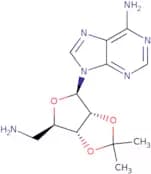
CAS:Controlled Product<p>Please enquire for more information about 2-Amino-5-nitroindan hydrochloride including the price, delivery time and more detailed product information at the technical inquiry form on this page</p>Formula:C9H10N2O2·HClPurity:Min. 95%Molecular weight:214.65 g/mol5'-Amino-5'-deoxy-2',3'-O-(1-methylethylidene)-adenosine
CAS:<p>Please enquire for more information about 5'-Amino-5'-deoxy-2',3'-O-(1-methylethylidene)-adenosine including the price, delivery time and more detailed product information at the technical inquiry form on this page</p>Formula:C13H18N6O3Purity:Min. 95%Molecular weight:306.32 g/mol[2-(1-Ethyl-1H-benzimidazol-2-yl)ethyl]amine dihydrochloride
CAS:Controlled Product<p>Please enquire for more information about [2-(1-Ethyl-1H-benzimidazol-2-yl)ethyl]amine dihydrochloride including the price, delivery time and more detailed product information at the technical inquiry form on this page</p>Formula:C11H15N3Purity:Min. 95%Molecular weight:189.26 g/molHexamethylenediamine adipate
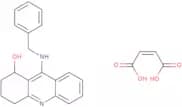
CAS:<p>Hexamethylenediamine adipate (HMDAA) is a pyrimidine compound with the chemical formula of CHN(NHCOCH). It is an amide that emits light when heated. HMDAA can be used as a chemical intermediate and has shown to be stable in sodium salt solutions. HMDAA is also used as a dicarboxylic acid or dicarboxylic acid ester, which is important for the production of polyamide-6. It can also be used to produce glycol ethers, which are useful in the manufacture of water vapor. This product has shown to have diamine and trifluoroacetic acid properties.</p>Formula:C12H26N2O4Purity:Min. 95%Molecular weight:262.35 g/mol9-(Benzylamino)-1,2,3,4-tetrahydroacridin-1-ol maleate
CAS:<p>9-(Benzylamino)-1,2,3,4-tetrahydroacridin-1-ol maleate is a cholinergic drug that is used for the treatment of inflammatory diseases. It inhibits phosphodiesterase activity and has been shown to be effective in clinical studies against a number of inflammatory diseases. This drug also has anti-inflammatory properties and can be used to treat acute inflammation. 9-(Benzylamino)-1,2,3,4-tetrahydroacridin-1-ol maleate is also conjugated with fatty acids and this formation helps to increase its bioavailability.</p>Formula:C24H24N2O5Purity:Min. 95%Molecular weight:420.46 g/mol

![N-Methyl-5H-dibenzo[a,d]cycloheptene-5-propylamine hydrochloride](/_next/image/?url=https%3A%2Fstatic.cymitquimica.com%2Fproducts%2F3D%2Fthumb-webp%2FFN76683.webp&w=3840&q=75)




![4-Aminobicyclo[2.2.2]octane-1-carboxylic acid methyl ester](/_next/image/?url=https%3A%2Fstatic.cymitquimica.com%2Fproducts%2F3D%2Fthumb-webp%2FFA44258.webp&w=3840&q=75)
![1-(4-Amino-6,7-dimethoxy-2-quinazolinyl)-4-[(tetrahydro-2-furanyl)carbonxyl]piperazine hydrochlori…](/_next/image/?url=https%3A%2Fstatic.cymitquimica.com%2Fproducts%2F3D%2Fthumb-webp%2FFA28036.webp&w=3840&q=75)
![7-Bromo-[1,2,4]triazolo[1,5-a]pyridin-2-ylamine](/_next/image/?url=https%3A%2Fstatic.cymitquimica.com%2Fproducts%2F3D%2Fthumb-webp%2FFB140382.webp&w=3840&q=75)



![[2-(Methylsulfinyl)ethyl]amine hydrobromide](/_next/image/?url=https%3A%2Fstatic.cymitquimica.com%2Fproducts%2F3D%2Fthumb-webp%2FFM121339.webp&w=3840&q=75)



![Methyl 4-(2-(2-amino-4-oxo-4,7-dihydro-3H-pyrrolo[2,3-d]pyrimidin-5-yl)ethyl)benzoate](/_next/image/?url=https%3A%2Fstatic.cymitquimica.com%2Fproducts%2F3D%2Fthumb-webp%2FFM41972.webp&w=3840&q=75)



![[3-(1-Piperidin-1-ylcyclohexyl)phenyl]amine hydrochloride](/_next/image/?url=https%3A%2Fstatic.cymitquimica.com%2Fproducts%2F3D%2Fthumb-webp%2FFP120158.webp&w=3840&q=75)
![[2-(5-Chloro-1-methyl-1H-benzimidazol-2-yl)ethyl]amine dihydrochloride](/_next/image/?url=https%3A%2Fstatic.cymitquimica.com%2Fproducts%2F3D%2Fthumb-webp%2FFC135802.webp&w=3840&q=75)



![[(1-Benzyl-1H-pyrazol-4-yl)methyl]amine](/_next/image/?url=https%3A%2Fstatic.cymitquimica.com%2Fproducts%2F3D%2Fthumb-webp%2FFB133964.webp&w=3840&q=75)

![N-[2-[4-(Aminosulfonyl)-phenyl]-ethyl]-5-methyl-2-pyrazinecarboxamide](/_next/image/?url=https%3A%2Fstatic.cymitquimica.com%2Fproducts%2F3D%2Fthumb-webp%2FFA150607.webp&w=3840&q=75)



![N-[4-Amino-3-(trifluoromethyl)phenyl]-2-methylpropanamide](/_next/image/?url=https%3A%2Fstatic.cymitquimica.com%2Fproducts%2F3D%2Fthumb-webp%2FFA17485.webp&w=3840&q=75)
![[2-(1-Ethyl-1H-benzimidazol-2-yl)ethyl]amine dihydrochloride](/_next/image/?url=https%3A%2Fstatic.cymitquimica.com%2Fproducts%2F3D%2Fthumb-webp%2FFE125216.webp&w=3840&q=75)