Amines
Amines are a set of molecules containing an amino functional group (derived from ammonia). This category includes amines at any level of substitution : primary, secondary, tertiary, and ammonium salts. Amines are fundamental in organic synthesis and are widely used in pharmaceuticals, agrochemicals, and materials science. At CymitQuimica, we provide a comprehensive selection of amines to meet your research and industrial needs. Our range ensures access to various amines for diverse chemical processes and innovative research.
Subcategories of "Amines"
- Nitrosamines(2,605 products)
- Primary Amines(30,805 products)
- Quaternary Ammonium Cations and Salts(1,098 products)
- Secondary Amines(20,809 products)
- Tertiary Amines(17,111 products)
Found 8777 products of "Amines"
Sort by
Purity (%)
0
100
|
0
|
50
|
90
|
95
|
100
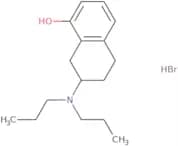
rac-8-hydroxy-2-dipropylaminotetralin hydrobromide
CAS:Controlled Product<p>Rac-8-hydroxy-2-dipropylaminotetralin hydrobromide is a potent 5-HT agonist that has been shown to inhibit the release of prolactin in the serum of rats. Rac-8-hydroxy-2-dipropylaminotetralin hydrobromide was found to be an antagonist of 5HT receptors, with a potency comparable to that of 8-OHDPAT and WAY 100635. Rac rac8-hydroxy-2-dipropylaminotetralin hydrobromide also inhibits locomotor activity induced by the 5HT1A agonist 8OHDPAT. Experiments in vivo have shown that rac rac8-hydroxy-2-dipropylaminotetralin hydrobromide binds to benzodiazepine binding sites and has a low affinity for dopamine receptors. It also blocks cholinergic transmission in the brain, which may explain its</p>Formula:C16H26BrNOPurity:Min. 95%Molecular weight:328.29 g/mol6-Amino-1-methyl-5-nitrosouracil
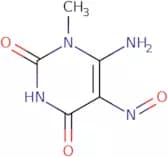
CAS:<p>6-Amino-1-methyl-5-nitrosouracil is a neutral form of the molecule that has both protonated and unprotonated forms. It is a bidentate ligand that can bind to a metal ion. The nitrogen atom in the molecule is an important part of its structure, as it contains two nitro groups and one amino group. 6-Amino-1-methyl-5-nitrosouracil has been used in techniques such as spectroscopies and dinitroso analysis. The neutral form of the molecule can be converted into its ionic form by adding either chlorine or nitrate ions to it, which causes the nitrogen atoms to be more electronegative. This conversion changes the nature of the compound, making it more acidic. Dehydration also occurs when water molecules are removed from 6-amino 1 methyl 5 nitrosourea, which causes a change in shape and shifts its properties to</p>Formula:C5H6N4O3Purity:Min. 95%Molecular weight:170.13 g/molAmmonium ferric citrate
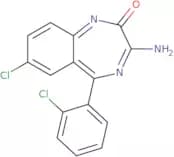
CAS:<p>Ammonium ferric citrate is a solution of ammonium ferric citrate, which is a mixture of ammonium and ferric ions. It is used in biological research as a reaction solution for the determination of mitochondrial membrane potential. The chemical composition of the solution is such that it can be used to determine the iron homeostasis in human serum samples and other biological samples. Ammonium ferric citrate reacts with sodium citrate to form a polymerase chain reaction product that generates light signals proportional to the concentration of electron transfer agents in the system. This process can be monitored using an optical sensor or by measuring electrochemical impedance spectroscopy (EIS) data on the solution.</p>Formula:C6H8O7·xFe·xH3NPurity:Min. 95%Color and Shape:PowderZ-(R,S)-3-amino-7-chloro-5-(2-chlorophenyl)-2-oxo-1,4-benzodiazepine
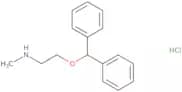
CAS:Controlled Product<p>Please enquire for more information about Z-(R,S)-3-amino-7-chloro-5-(2-chlorophenyl)-2-oxo-1,4-benzodiazepine including the price, delivery time and more detailed product information at the technical inquiry form on this page</p>Formula:C23H17N3O3Cl2Purity:Min. 95%Molecular weight:454.3 g/molN-Desmethyl diphenhydramine hydrochloride
CAS:<p>N-Desmethyl diphenhydramine hydrochloride is a high quality, complex compound with CAS No. 53499-40-4 that can be used as a useful intermediate, speciality chemical, or research chemicals. It is a versatile building block and reaction component.</p>Formula:C16H20ClNOPurity:Min. 95 Area-%Color and Shape:PowderMolecular weight:277.79 g/mol1,1,2,2,3,3,3-Heptafluoro-n,n-bis(1,1,2,2,3,3,3-heptafluoropropyl)-1-propanamine
CAS:Controlled Product<p>1,1,2,2,3,3,3-Heptafluoro-n,n-bis(1,1,2,2,3,3-heptafluoropropyl)-1-propanamine (HFIP) is a fluorinated compound that is used as a solvent for hydrogen fluoride and water vapor. HFIP has been shown to be toxic to the liver cells of rats. It also causes lesions in the liver of the isolated heart. The monoclonal antibody against HFIP has been shown to reduce the transport properties of this solvent to tissues and reduce light emission from this compound. HFIP is not chemically reactive with other chemicals at room temperature and has excellent chemical stability in light exposure.</p>Formula:C9F21NPurity:Min. 90 Area-%Color and Shape:Colorless PowderMolecular weight:521.07 g/mol4-Methylcyclohexylamine
CAS:<p>4-Methylcyclohexylamine is a compound that is used as an inhibitor of the enzyme ornithine decarboxylase. It also has been shown to have anti-inflammatory properties in cell culture and in animal models of inflammatory bowel disease. 4-Methylcyclohexylamine binds to the active site of the enzyme, preventing it from converting ornithine into putrescine. Ornithine decarboxylase inhibitors are a new class of drugs for the treatment of inflammatory bowel disease, which are effective against both ulcerative colitis and Crohn's disease.</p>Formula:C7H15NPurity:Min. 95%Molecular weight:113.2 g/mol3-Amino-1-diphenylmethylazetidine
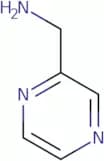
CAS:<p>3-Amino-1-diphenylmethylazetidine (3ADM) is a dopaminergic antagonist that binds to the D4 receptor. This compound has been shown to have affinity for the D4 receptor and can inhibit the binding of dopamine to its receptors, thereby blocking its effects. 3ADM is a potent antagonist of the dopaminergic system and has been shown to be effective in animal models.</p>Formula:C16H18N2Purity:Min. 95%Molecular weight:238.33 g/mol2-Aminomethylpyrazine
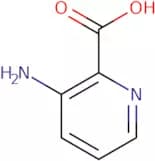
CAS:<p>2-Aminomethylpyrazine (2-AP) is a molecule that has been studied for its potential as an anti-cancer agent. It has been shown to bind to the DNA of tumor cells and prevent them from dividing, leading to cell death. 2-AP also prevents the production of survivin, which is a protein that promotes cancer cell growth and survival. 2-AP can be used in positron emission tomography (PET) scans to detect tumors, and has shown promise in treating acute myeloid leukemia.</p>Formula:C5H7N3Purity:Min. 95%Molecular weight:109.13 g/mol3-Aminopicolinic acid
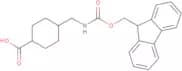
CAS:<p>3-Aminopicolinic acid is a carboxylate that can be found in the cytosol, mitochondria, and nucleus of cells. It is an efficient method for the synthesis of picolinic acid from 3-aminopyridine-2-carboxylic acid. The synthesis of picolinic acid has been shown to have structural analogs to molecules involved in nucleotide metabolism such as single-stranded DNA, mitochondrial DNA, and mitochondrial RNA. 3-Aminopicolinic acid has been shown to increase renal blood flow by stabilizing complexes with chloride and phosphoenolpyruvate. This compound also enhances the renal excretion of picolinic acid. 3-Desacetylcefotaxime potassium Tilmicosin Gatifloxacin 3-Aminopicolinic acid</p>Formula:C6H6N2O2Purity:Min. 95 Area-%Color and Shape:Yellow PowderMolecular weight:138.12 g/molFmoc-trans-4-(aminomethyl)cyclohexane-1-carboxylic acid
CAS:<p>Fmoc-trans-4-(aminomethyl)cyclohexane-1-carboxylic acid is a synthetic amino acid that has been shown in vitro to inhibit the growth of prostate cancer cells. It is an analog of butyric acid, a naturally occurring fatty acid. Fmoc-trans-4-(aminomethyl)cyclohexane-1-carboxylic acid has been synthesized by solid phase methods and labeled with radiotracers such as indium 111 or technetium 99m. The use of Fmoc-trans-4-(aminomethyl)cyclohexane-1-carboxylic acid in vivo is limited by its short circulating half life, rapid metabolism, and high toxicity.</p>Formula:C23H25NO4Purity:Min. 95%Color and Shape:White SolidMolecular weight:379.45 g/mol4-Fluoro methamphetamine hydrochloride
CAS:Controlled Product<p>4-Fluoro methamphetamine hydrochloride is a psychoactive substance that can be detected by the use of a gas chromatograph. It is a formic acid derivative of methamphetamine, which is found in methanolic solution. The drug is used as an illicit recreational drug and can be used to treat ADHD and narcolepsy. 4-Fluoro methamphetamine hydrochloride is also used as a research chemical. The detection of this substance in urine samples can be done by the use of chromatography, with confirmation by mass spectrometry or gas chromatography-mass spectrometry.</p>Formula:C10H15ClFNPurity:Min. 95%Molecular weight:203.68 g/mol1-[4-(4-Methylpiperidin-1-yl)phenyl]methanamine
CAS:<p>Please enquire for more information about 1-[4-(4-Methylpiperidin-1-yl)phenyl]methanamine including the price, delivery time and more detailed product information at the technical inquiry form on this page</p>Formula:C13H20N2Purity:Min. 95%Molecular weight:204.31 g/molEthyl 2-(2-Amino-4-thiazolyl)-2-(hydroxyimino)acetate
CAS:<p>Ethyl 2-(2-amino-4-thiazolyl)-2-(hydroxyimino)acetate is a phosphomolybdate antibiotic that is used in the treatment of respiratory tract infections. It binds to the bacterial enzyme, phosphomolybdate oxidase, and inhibits the formation of acid in the body. The reaction solution is recycled and activated with an acid catalyst to increase the yield of acetonitrile. The ion-pair formed by ethyl 2-(2-amino-4-thiazolyl)-2-(hydroxyimino)acetate and sodium carbonate is nucleophilic and reacts with nitrous to produce acetonitrile as a side product.</p>Formula:C7H9N3O3SPurity:Min. 95%Molecular weight:215.23 g/mol2-(Dimethylamino)ethyl methacrylate
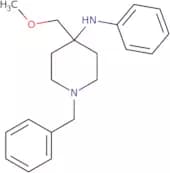
CAS:Controlled Product<p>2-(Dimethylamino)ethyl methacrylate is a monomer that belongs to the class of water-soluble acrylic monomers. It is used as a polymerization initiator and in the preparation of hydrogels, which are materials with high water content. 2-(Dimethylamino)ethyl methacrylate copolymers have shown inhibitory properties against bacterial growth, including Staphylococcus aureus and Pseudomonas aeruginosa. The antimicrobial activity of these copolymers may be due to their acidic nature or their ability to form acid complexes with metal ions. Other biological properties include cytotoxicity and significant inhibition of cell proliferation. 2-(Dimethylamino)ethyl methacrylate polymerizes readily at low temperatures, making it useful for sample preparation techniques such as thin layer chromatography (TLC).</p>Formula:C8H15NO2Purity:Min. 95%Color and Shape:Clear LiquidMolecular weight:157.21 g/mol1-Benzyl-4-phenylamino-4-(methoxymethyl)piperidine
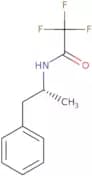
CAS:<p>Please enquire for more information about 1-Benzyl-4-phenylamino-4-(methoxymethyl)piperidine including the price, delivery time and more detailed product information at the technical inquiry form on this page</p>Formula:C20H26N2OPurity:Min. 95%Molecular weight:310.43 g/molN-Trifluoroacetyl (R)-amphetamine
CAS:Controlled Product<p>Please enquire for more information about N-Trifluoroacetyl (R)-amphetamine including the price, delivery time and more detailed product information at the technical inquiry form on this page</p>Formula:C11H12F3NOPurity:Min. 95%Molecular weight:231.21 g/molN-(2-Aminoethyl)-3-aminopropylmethyldimethoxysilane
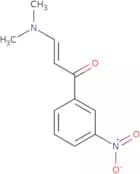
CAS:<p>N-(2-Aminoethyl)-3-aminopropylmethyldimethoxysilane is an antibacterial agent that inhibits the growth of bacteria by binding to the cell wall, thereby preventing the synthesis of proteins. It is used in dentistry and medicine as a coating for metal surfaces. This compound has been shown to be effective against Escherichia coli and Enterococcus faecalis. The optimum concentration for this compound is 1 mg/mL.</p>Formula:C8H22N2O2SiPurity:Min. 95%Molecular weight:206.36 g/mol(2E)-3-(Dimethylamino)-1-(3-nitrophenyl)prop-2-en-1-one
CAS:<p>Please enquire for more information about (2E)-3-(Dimethylamino)-1-(3-nitrophenyl)prop-2-en-1-one including the price, delivery time and more detailed product information at the technical inquiry form on this page</p>Formula:C11H12N2O3Purity:Min. 95%Molecular weight:220.22 g/mol1-(4-Amino-6,7-dimethoxy-2-quinazolinyl)-4-[(tetrahydro-2-furanyl)carbonxyl]piperazine hydrochloride
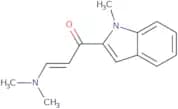
CAS:<p>Terazosin HCL dehydrate is an inhibitor of alpha-1 adrenergic receptors. This results in vasodilation followed by a reduction in urethral resistance, venous return to the heart and peripheral vascular resistance. In particular Terazosin HCL hydrate’s ability to recover urine flow and alleviate symptoms in patients with benign prostatic hyperplasia is of benefit to the therapeutic and clinical industries.</p>Formula:C19H26ClN5O4Purity:Min. 95%Molecular weight:423.89 g/mol3-(Dimethylamino)-1-(1-methyl-1H-indol-2-yl)prop-2-en-1-one
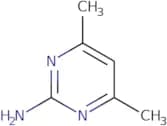
CAS:Controlled Product<p>Please enquire for more information about 3-(Dimethylamino)-1-(1-methyl-1H-indol-2-yl)prop-2-en-1-one including the price, delivery time and more detailed product information at the technical inquiry form on this page</p>Formula:C14H16N2OPurity:Min. 95%Molecular weight:228.29 g/mol2-Amino-4,6-dimethylpyrimidine
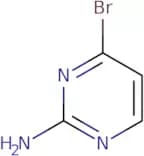
CAS:<p>2-Amino-4,6-dimethylpyrimidine is a molecule that contains a hydroxyl group, copper chloride, nitrogen atoms, sodium carbonate, and hydroxybenzoic acid. The antimicrobial properties of 2-amino-4,6-dimethylpyrimidine are due to the presence of the hydroxyl group and copper chloride in its structure. This compound has been shown to have bactericidal activity against Pseudomonas aeruginosa and other gram-negative bacteria. It also inhibits the growth of these bacteria by interfering with their ability to synthesize proteins. 2-Amino-4,6-dimethylpyrimidine is a molecule that has an octahedral coordination geometry and forms hydrogen bonds with water molecules. It binds to the surface of minerals such as calcite or quartz and can be used for gravimetric analysis.</p>Formula:C6H9N3Purity:Min. 95%Molecular weight:123.16 g/mol2-Amino-4-bromopyrimidine
CAS:<p>Please enquire for more information about 2-Amino-4-bromopyrimidine including the price, delivery time and more detailed product information at the technical inquiry form on this page</p>Formula:C4H4BrN3Purity:Min. 95%Color and Shape:White PowderMolecular weight:174 g/mol4-Amino-3-bromo-1-(tert-butyl)-1H-pyrazolo[3,4-d]pyrimidine
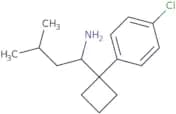
CAS:<p>4-Amino-3-bromo-1-(tert-butyl)-1H-pyrazolo[3,4-d]pyrimidine is a drug that inhibits the growth of tumour cells by binding to and inhibiting kinases. It has been shown to have a significant inhibitory effect on lung cancer cells and pyridazine derivatives in vitro. 4-Amino-3-bromo-1-(tert-butyl)-1H-pyrazolo[3,4-d]pyrimidine has been shown to be effective against lung cancer cells in vivo. This drug may be useful for the treatment of cancer.</p>Formula:C9H12BrN5Purity:Min. 95%Molecular weight:270.13 g/molDidesmethyl sibutramine
CAS:<p>Didesmethyl sibutramine is a drug that has been used to treat obesity. It is an anorectic agent that decreases appetite by affecting the central nervous system. Didesmethyl sibutramine stimulates the release of norepinephrine and dopamine in the brain, which are neurotransmitters that regulate hunger and satiety. This drug also influences the metabolism of fat cells, leading to weight loss. Didesmethyl sibutramine may be prescribed as a combination therapy with other drugs for conditions such as primary pulmonary hypertension, coronary heart disease, congestive heart failure, or experimental models of these diseases. Didesmethyl sibutramine can cause adverse reactions such as insomnia, anxiety, or high blood sugar levels.</p>Formula:C15H22ClNPurity:Min. 98 Area-%Color and Shape:Clear LiquidMolecular weight:251.79 g/mol2-[2-(Dimethylamino)ethyl]-1-indanone
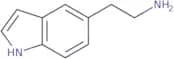
CAS:<p>Please enquire for more information about 2-[2-(Dimethylamino)ethyl]-1-indanone including the price, delivery time and more detailed product information at the technical inquiry form on this page</p>Formula:C13H17NOPurity:Min. 95%Molecular weight:203.28 g/mol2-(1H-Indol-5-yl)ethanamine
CAS:Controlled Product<p>Please enquire for more information about 2-(1H-Indol-5-yl)ethanamine including the price, delivery time and more detailed product information at the technical inquiry form on this page</p>Formula:C10H12N2Purity:Min. 95%Molecular weight:160.22 g/mol12-Amino-1-dodecanoic acid methyl ester hydrochloride salt
CAS:<p>12-Amino-1-dodecanoic acid methyl ester hydrochloride salt (12ADM) has been shown to have immunomodulatory properties. It has a nanomolar range of activity, which is the optimal for an immunosuppressant. 12ADM inhibits the transcriptional activity of human immunodeficiency virus type 1 (HIV-1) and HIV-2, as well as other retroviruses, through interactions with specific RNA sequences in the viral genome. The amide group in this compound is essential for its antiviral activity, and it also interacts with betulinic acid to enhance its cytotoxicity.</p>Formula:C13H28ClNO2Purity:Min. 95%Color and Shape:PowderMolecular weight:265.82 g/mol7-Bromo-[1,2,4]triazolo[1,5-a]pyridin-2-ylamine
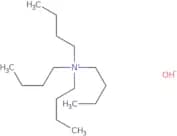
CAS:<p>Please enquire for more information about 7-Bromo-[1,2,4]triazolo[1,5-a]pyridin-2-ylamine including the price, delivery time and more detailed product information at the technical inquiry form on this page</p>Formula:C6H5BrN4Purity:Min. 95%Molecular weight:213.03 g/molTetrabutylammonium hydroxide - 40 wt. % aqueous solution
CAS:<p>Picolinic acid is a product of the reaction between sodium salts and tetrabutylammonium hydroxide. It has been shown to have anti-inflammatory properties in chronic arthritis patients and may be due to its ability to inhibit the production of prostaglandins. Picolinic acid also has been shown to inhibit the growth of bacteria, including Mycobacterium tuberculosis, by preventing protein synthesis. The analytical method for picolinic acid is electrochemical impedance spectroscopy with a 5% picolinic acid solution in human serum or other biological sample.</p>Formula:C16H37NOPurity:Min. 95%Color and Shape:Clear LiquidMolecular weight:259.47 g/molrac-5,6,7,8-tetrahydro-6-(propylamino)-1-naphthalenol
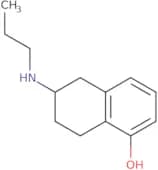
CAS:Controlled Product<p>Rotigotine is a substance that belongs to the class of active compounds. It has been shown to have optical activity, but this property is not well understood. Rotigotine is a racemic mixture with two enantiomers, which are mirror images of each other. The optical rotation of rac-5,6,7,8-tetrahydro-6-(propylamino)-1-naphthalenol is given as +28°. This property can be determined by measuring the angle of rotation when light passes through the substance in solution in contact with a polarizer and analyzer.</p>Formula:C13H19NOPurity:Min. 95%Molecular weight:205.3 g/molMethyl-(2-m-tolyl-ethyl)amine
CAS:Controlled Product<p>Please enquire for more information about Methyl-(2-m-tolyl-ethyl)amine including the price, delivery time and more detailed product information at the technical inquiry form on this page</p>Formula:C10H15NPurity:Min. 95%Molecular weight:149.23 g/molAmmonium chloride
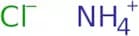
CAS:<p>Ammonium chloride is a salt of ammonium and chloride. It is used in wastewater treatment as a coagulant, to remove suspended solids from the water. In addition, ammonium chloride has been shown to have potent antitumor activity and is used in chemotherapy treatments. Ammonium chloride can be toxic if ingested or inhaled and should not be handled without proper safety precautions. Ammonium chloride also has an effect on the bowel disease, slowing down the rate at which it progresses. It is produced when trimethyl reacts with blood or water vapor. The surface methodology was used to obtain thermodynamic data for ammonium chloride. This method can be applied to other compounds that are difficult to analyze by other methods.</p>Formula:NH4ClPurity:Min. 95%Color and Shape:PowderMolecular weight:53.49 g/moltert-Butyl 6-(aminomethyl)-1,4-oxazepane-4-carboxylate
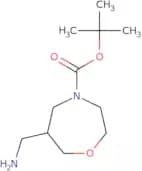
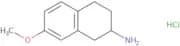
CAS:<p>Please enquire for more information about tert-Butyl 6-(aminomethyl)-1,4-oxazepane-4-carboxylate including the price, delivery time and more detailed product information at the technical inquiry form on this page</p>Formula:C11H22N2O3Purity:Min. 95%Molecular weight:230.3 g/mol7-Methoxy-1,2,3,4-tetrahydronaphthalen-2-ylamine hydrochloride
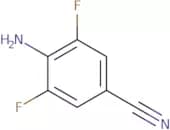
CAS:Controlled Product<p>Please enquire for more information about 7-Methoxy-1,2,3,4-tetrahydronaphthalen-2-ylamine hydrochloride including the price, delivery time and more detailed product information at the technical inquiry form on this page</p>Formula:C11H15NO•HClPurity:Min. 95%Molecular weight:213.7 g/mol4-Amino-3,5-difluorobenzonitrile
CAS:<p>4-Amino-3,5-difluorobenzonitrile is a fine chemical used as a building block in research chemicals, reagent, and speciality chemical. It is versatile and can be used as a reaction component in the synthesis of complex compounds with various applications. CAS No. 110301-23-0 is an important intermediate for the synthesis of organic compounds and pharmaceuticals. 4-Amino-3,5-difluorobenzonitrile is also used as a scaffold for the synthesis of organic compounds.</p>Formula:C7H4F2N2Purity:Min. 95%Color and Shape:PowderMolecular weight:154.12 g/mol2-(4-fluorophenyl)-n-methylethanamine
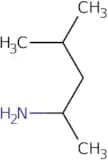
CAS:Controlled Product<p>Please enquire for more information about 2-(4-fluorophenyl)-n-methylethanamine including the price, delivery time and more detailed product information at the technical inquiry form on this page</p>Formula:C9H12FNPurity:Min. 95%Molecular weight:153.2 g/mol(1,3-Dimethylbutyl)amine
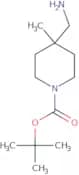
CAS:Controlled Product<p>(1,3-Dimethylbutyl)amine is a chemical substance that can be found in dietary supplements. It is structurally similar to amines and has been shown to have an effect on blood pressure. (1,3-Dimethylbutyl)amine has also been reported as being used in the manufacture of medicines for the treatment of heart disease. This chemical substance is produced by the reaction of hydrochloric acid with isovaleric acid. The product is then purified by chromatography and converted into its salt form for use as a dietary supplement. In addition to this, (1,3-Dimethylbutyl)amine is also used in some herbal remedies.</p>Formula:C6H15NPurity:Min. 95%Color and Shape:Clear LiquidMolecular weight:101.19 g/moltert-Butyl 4-(aminomethyl)-4-methylpiperidine-1-carboxylate
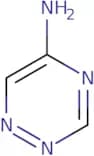
CAS:<p>Please enquire for more information about tert-Butyl 4-(aminomethyl)-4-methylpiperidine-1-carboxylate including the price, delivery time and more detailed product information at the technical inquiry form on this page</p>Formula:C12H24N2O2Purity:Min. 95%Molecular weight:228.33 g/mol1,2,4-Triazin-5-amine
CAS:<p>1,2,4-Triazin-5-amine is a synthetic compound that has been shown to have significant activity against the enzyme carbonyl reductase. The term "significant" refers to the inhibition of this enzyme by 1,2,4-triazin-5-amine in a dose dependent manner. This inhibition was observed with allosteric inhibitors and orthosteric inhibitors. 1,2,4-Triazin-5-amine has also been shown to be effective in inhibiting phosphatases and butyric acid hydrolase in vitro. The mechanism of 1,2,4-triazin-5-amine is unknown but it is thought that it may act as an inhibitor of human diseases such as Alzheimer's disease or Parkinson's disease.</p>Formula:C3H4N4Purity:Min. 95%Molecular weight:96.09 g/molN-Methyl-5H-dibenzo[a,d]cycloheptene-5-propylamine hydrochloride
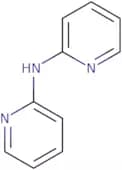
CAS:Controlled Product<p>N-Methyl-5H-dibenzo[a,d]cycloheptene-5-propylamine hydrochloride (NMBPD) is a drug with anti-inflammatory properties that belongs to the class of tricyclic antidepressants. It has been shown to have synergistic effects with synthetic matrix in vitro. This drug also has receptor activity and can be used to treat infectious diseases such as HIV and tuberculosis. NMBPD is excreted in the urine, which can lead to kidney fibrosis. The drug is metabolized by α1-acid glycoprotein, which may be related to its potential adverse effects on the liver and kidneys. The analytical method for quantification of NMBPD includes gas chromatography with mass spectrometry detection (GC/MS).</p>Formula:C19H22ClNPurity:Min. 95%Color and Shape:PowderMolecular weight:299.84 g/mol2,2'-Dipyridylamine
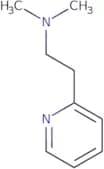
CAS:<p>2,2'-Dipyridylamine is a compound that belongs to the group of low-energy compounds. It has been shown to have antimicrobial activity against bacteria and fungi and has been demonstrated to be effective in treating cancer cells. 2,2'-Dipyridylamine is a molecule with two nitrogen atoms, which are bound by hydrogen bonds. This compound also contains methoxy groups that are coordinated by the nitrogen atoms. The structural analysis shows that there are three open coordination sites for metal ions that can bind with the nitrogen atoms. The x-ray diffraction data show that 2,2'-dipyridylamine crystallizes in a monoclinic system with an orthorhombic unit cell.</p>Formula:C10H9N3Purity:Min. 95%Molecular weight:171.2 g/mol2-(2-Dimethylamino)Ethyl) Pyridine
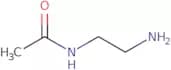
CAS:<p>2-(2-Dimethylamino)Ethyl) Pyridine is a chemical compound that contains oxygen atoms, hydroxo, and nitrogen atoms. It has a tetranuclear hexahydrate form and the molecular formula C5H7N3O2. 2-(2-Dimethylamino)Ethyl) Pyridine has been shown to have desilylation properties. 2-(2-Dimethylamino)Ethyl) Pyridine binds to group P2 of RNA and represses translation by preventing ribosomal binding to the mRNA strand. This drug is also an x-ray data collection agent in which it is used as a ligand in magnetic resonance imaging (MRI).</p>Formula:C9H14N2Purity:Min. 95%Molecular weight:150.22 g/molN-Acetylethylenediamine
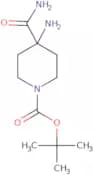
CAS:<p>N-Acetylethylenediamine is a chemical compound that belongs to the class of quinoline derivatives. It has been shown to have detergent properties and can be used in the production of protein data, with ft-ir spectroscopy being used as a diagnostic tool for autoimmune diseases and cancer. N-acetylethylenediamine also has an anti-inflammatory effect due to its ability to inhibit the release of reactive oxygen species (ROS). This chemical is also used as a reagent in the synthesis of other compounds, such as hydrochloric acid.</p>Formula:C4H10N2OPurity:Min. 95%Color and Shape:PowderMolecular weight:102.14 g/mol4-Amino-1-Boc-piperidine-4-carboxamide
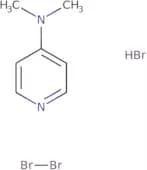
CAS:<p>Please enquire for more information about 4-Amino-1-Boc-piperidine-4-carboxamide including the price, delivery time and more detailed product information at the technical inquiry form on this page</p>Formula:C11H21N3O3Purity:Min. 95%Molecular weight:243.3 g/mol4-Dimethylaminopyridinium Bromide Perbromide
CAS:Controlled Product<p>4-Dimethylaminopyridinium Bromide Perbromide is a synthetic compound that contains a phenolic hydroxyl group. It reacts with chloride to form the perbromide salt, which is anhydrous and insoluble in water. The compound has been shown to inhibit the growth of cancer cells by interfering with DNA replication and transcription.</p>Formula:C7H11Br3N2Purity:Min. 95%Molecular weight:362.89 g/mol2-(Aminomethyl)-1,3-benzothiazole hydrochloride
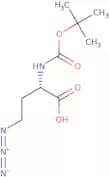
CAS:<p>Please enquire for more information about 2-(Aminomethyl)-1,3-benzothiazole hydrochloride including the price, delivery time and more detailed product information at the technical inquiry form on this page</p>Formula:C8H8N2S·HClPurity:Min. 95%Molecular weight:200.69 g/molN-α-Boc-Nγ-Azido-L-2,4-diaminobutyric acid cyclohexylamine salt
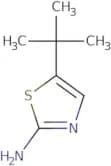
CAS:<p>Please enquire for more information about N-alpha-Boc-Ngamma-Azido-L-2,4-diaminobutyric acid cyclohexylamine salt including the price, delivery time and more detailed product information at the technical inquiry form on this page</p>Formula:C9H16N4O4·C6H13NPurity:Min. 95%Molecular weight:343.42 g/mol5-tert-Butyl-1,3-thiazol-2-amine
CAS:<p>5-tert-Butyl-1,3-thiazol-2-amine is an aromatic compound with the molecular formula CHN. This compound is a colorless solid that is soluble in water and alcohol. It can be used as a substitute for 2-aminothiazole, which belongs to the group of halogenated compounds. 5-tert-Butyl-1,3-thiazol-2-amine has been shown to react with alkyl halides to form alkylated products. The reaction with alkyl halides may be due to its primary amino group and amino group. 5-tert-Butyl-1,3-thiazol-2-amine also reacts with sulfuric acid and sulfuric acid salts to form thiazoles and thiazolones.</p>Formula:C7H12N2SPurity:Min. 95%Molecular weight:156.25 g/molN-[2-[4-(Aminosulfonyl)-phenyl]-ethyl]-5-methyl-2-pyrazinecarboxamide
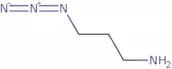
CAS:<p>Fluoxetine is a potent inhibitor of the enzyme cytochrome P450 (CYP) 2C19. The inhibition of CYP2C19 by fluoxetine may lead to an increase in the plasma concentration of other drugs that are metabolized by this enzyme, such as glipizide and hydroxycyclohexyl. Fluoxetine inhibits human uric acid secretion and increases plasma concentrations of uric acid. This drug also inhibits human erythrocyte dihydropyrimidine dehydrogenase, leading to increased blood levels of pyrimidines, especially cytotoxic ones like 6-fluoro-3-indoxyl-beta-D-galactopyranoside. Fluoxetine has been shown to have a protective effect against acetaminophen toxicity in rats because it enhances the conversion of acetaminophen to its less toxic metabolite N-acetylcysteine.</p>Formula:C14H16N4O3SPurity:Min. 95%Color and Shape:White To Off-White SolidMolecular weight:320.37 g/mol3-Azido-1-propanamine
CAS:<p>3-Azido-1-propanamine is a model protein that has been used in analytical chemistry and clinical relevance. It has also been used as a model system to study the effects of immobilization, titration calorimetry, reactive species, and hepg2 cells on cancer growth. 3-Azido-1-propanamine is reactive with superparamagnetic iron, which results in a change in the redox potential. This change can be detected by using disulfide bonds.</p>Formula:C3H8N4Purity:Min. 95%Color and Shape:Clear LiquidMolecular weight:100.12 g/mol3-(Dimethylaminomethyl)-5-methyl-2-hexanone
CAS:<p>3-(Dimethylaminomethyl)-5-methyl-2-hexanone is a chemical compound that can be used as an intermediate in the synthesis of tetrabenazine. It is a colorless liquid that can be synthesized from 2,4-diiodobenzene and dimethylamine. The optimal reaction time for this chemical is at reflux conditions. 3-(Dimethylaminomethyl)-5-methyl-2-hexanone has a molecular weight of 164.27 g/mol and an elemental composition of C: 68.09%, H: 18.07%, N: 7.91%. The target product for this chemical is 2,5-dimethyloctane, which has a molecular weight of 116.14 g/mol and an elemental composition of C: 73.06%, H: 9.11%, N: 5.79%. This chemical reacts with triethylbenzylammonium to form 3-(dim</p>Formula:C10H21NOPurity:Min. 95%Molecular weight:171.28 g/molDiethyl[2-(4-nitrophenoxy)ethyl]amine
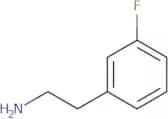
CAS:Controlled Product<p>Please enquire for more information about Diethyl[2-(4-nitrophenoxy)ethyl]amine including the price, delivery time and more detailed product information at the technical inquiry form on this page</p>Formula:C12H18N2O3Purity:Min. 95%Molecular weight:238.28 g/mol3-Fluorophenethylamine
CAS:Controlled Product<p>3-Fluorophenethylamine is a fluorinated analog of phenethylamine that binds to the same receptors and has a similar effect on neurotransmitters as the parent compound. 3-Fluorophenethylamine inhibits the production of tumor necrosis factor-α (TNF-α) in vitro, which may be due to its ability to inhibit prostaglandin synthesis by binding to cyclooxygenase. This drug has also been shown to have anti-inflammatory effects that are mediated by inhibition of TNF-α production and activation of nuclear factor kappa B (NFκB) pathways in hippocampal neurons.</p>Formula:C8H10FNPurity:Min. 95%Molecular weight:139.17 g/mol(R)-(-)-a-[[(4-Ethyl-2,3-dioxo-1-piperazinyl)carbonyl]amino]benzeneacetic Acid
CAS:<p>(R)-(-)-a-[[(4-Ethyl-2,3-dioxo-1-piperazinyl)carbonyl]amino]benzeneacetic Acid is an inhibitor of the enzyme histamine N-methyltransferase (HNMT), which is responsible for the synthesis of histamine. The inhibition of HNMT leads to a decrease in histamine levels and therefore has been used as a treatment for chronic prostatitis, lacrimal gland, and energy efficiency. Histamine N-methyltransferase also participates in the regulation of apoptosis by methylating proapoptotic proteins like Bax, so inhibition can lead to an increase in apoptosis. This chemical is also able to bind with chloride ions and form diphenyl ethers through a reaction solution, which are known to have anticancer properties.</p>Formula:C15H17N3O5Purity:Min. 98 Area-%Color and Shape:PowderMolecular weight:319.31 g/molDehydroevodiamine
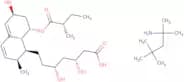
CAS:<p>Dehydroevodiamine is a plant-derived indole alkaloid, which is extracted from the fruit of the Evodia rutaecarpa plant. This compound is garnering scientific interest due to its potential neuroprotective properties. The mode of action of dehydroevodiamine is multifaceted, involving the modulation of neurotransmitter systems, particularly the enhancement of cholinergic function, as well as antioxidant effects that mitigate oxidative stress.</p>Purity:Min. 95%Pravastatin 1,1,3,3-tetramethylbutylamine
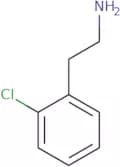
CAS:<p>Please enquire for more information about Pravastatin 1,1,3,3-tetramethylbutylamine including the price, delivery time and more detailed product information at the technical inquiry form on this page</p>Formula:C31H55NO7Purity:Min. 95%Molecular weight:553.77 g/mol2-(2-Chlorophenyl)ethylamine
CAS:Controlled Product<p>2-(2-Chlorophenyl)ethylamine is an amine that inhibits the production of proteins vital for cell division. It binds to bacterial 16S ribosomal RNA and inhibits protein synthesis, leading to cell death by inhibiting the production of proteins vital for cell division. 2-(2-Chlorophenyl)ethylamine has been shown to be effective against methicillin-resistant Staphylococcus aureus (MRSA) and Clostridium perfringens, although is not active against acid-fast bacteria such as Mycobacterium tuberculosis or Mycobacterium avium complex. 2-(2-Chlorophenyl)ethylamine has shown anti-inflammatory properties, which may be due to its inhibition of prostaglandin synthesis.</p>Formula:C8H10ClNPurity:Min. 95%Molecular weight:155.62 g/molPerfluorotriamylamine (so called)
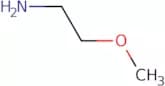
CAS:Controlled Product<p>Perfluorotriamylamine (so called) is a perfluorinated compound that has thermal expansion properties. It is used in the production of polymer films, membranes and flow systems. This compound has shown to be effective against bacteria such as Escherichia coli and Staphylococcus aureus, but not against other types of organisms. The binding constants for this compound are high with hydroxyl groups and lipophilic solutes. It is also stable at low pH levels and in light exposure.</p>Formula:C15F33NPurity:Min. 95%Molecular weight:821.11 g/mol2-Methoxyethanamine
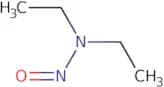
CAS:<p>2-Methoxyethanamine is a metabolite of the drug 2-methoxyethanol. It is an amine that can be found in urine samples. Its structure consists of a hydroxyl group, sodium carbonate, and an intramolecular hydrogen. 2-Methoxyethanamine inhibits the production of angiotensin II, which reduces blood pressure. This molecule has antihypertensive activity because it prevents the conversion of angiotensin I to angiotensin II in the kidneys. 2-Methoxyethanamine also has a stepwise mechanism for its synthesis from ethylene diamine and nitrogen atoms. It can be oxidized by hydrochloric acid or reduced by hydrogen bond or amines. The redox potential of this molecule is -0.06 V, which makes it a nucleophilic compound with an amide bond as its conjugate base.</p>Formula:C3H9NOPurity:Min. 95%Color and Shape:Colourless To Yellow Clear LiquidMolecular weight:75.11 g/molN-Nitrosodiethylamine
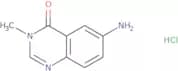
CAS:<p>N-Nitrosodiethylamine (NDEA) is a genotoxic carcinogen that is formed as an intermediate in the industrial production of nitric acid. It has been shown to be a potent inhibitor of DNA polymerase and topoisomerase II, which are involved in DNA replication and repair. NDEA has been detected in human blood samples and has been shown to induce squamous cell carcinoma in animal models. This chemical can also cause inflammation by binding to toll-like receptor 4, which activates the inflammatory response. The biocompatible polymer used for this product is not known to produce any genotoxic or mutagenic effects.</p>Formula:C4H10N2OPurity:Min. 95%Color and Shape:Colorless Clear LiquidMolecular weight:102.14 g/mol6-Amino-3-methylquinazolin-4(3H)-one hydrochloride
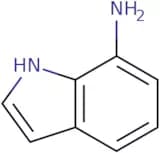
CAS:Controlled Product<p>Please enquire for more information about 6-Amino-3-methylquinazolin-4(3H)-one hydrochloride including the price, delivery time and more detailed product information at the technical inquiry form on this page</p>Formula:C9H9N3OPurity:Min. 95%Molecular weight:175.19 g/mol1H-Indol-7-amine
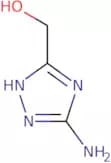
CAS:<p>1H-Indol-7-amine is a molecule that belongs to the group of basic proteins. It has been shown to be an optimum concentration for biological activity and can be used in the treatment of diseases such as cancer and diabetes. 1H-Indol-7-amine binds to acidic molecules and exhibits redox potentials that are suitable for hydrogen bond formation with other molecules. The molecule is also involved in protein kinase selectivity, which may be due to its ability to bind with nitrogen atoms. 1H-Indol-7-amine has been shown to have beneficial effects on agarose gels through x-ray crystal structures and has a number of favorable electrochemical properties, including low charge transfer resistance, high electron mobility, and good chemical stability.</p>Formula:C8H8N2Purity:Min. 95%Molecular weight:132.16 g/mol(5-Amino-1H-1,2,4-triazol-3-yl)methanol
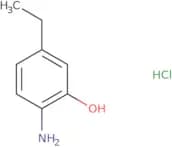
CAS:<p>Please enquire for more information about (5-Amino-1H-1,2,4-triazol-3-yl)methanol including the price, delivery time and more detailed product information at the technical inquiry form on this page</p>Formula:C3H6N4OPurity:Min. 95%Molecular weight:114.11 g/mol2-Amino-5-ethylphenol hydrochloride
CAS:<p>Please enquire for more information about 2-Amino-5-ethylphenol hydrochloride including the price, delivery time and more detailed product information at the technical inquiry form on this page</p>Formula:C8H12ClNOPurity:Min. 95%Molecular weight:173.64 g/mol4-Ethyl-Benzeneethanamine
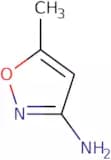
CAS:Controlled Product<p>4-Ethyl-benzeneethanamine (4EBE) is a molecule that has been used in assays to measure the pharmacokinetic profile of drugs. 4EBE is also a potential anti-cancer drug, which has been shown to inhibit the proliferation of cancer cells. Studies have shown that 4EBE induces hypermethylation and suppresses suppressor genes, which can lead to cell death. In addition, this agent may be used as an anti-HIV drug. It is envisaged that 4EBE will be useful for the treatment of HIV infection by inhibiting viral replication and suppressing viral gene expression.</p>Formula:C10H16NPurity:Min. 95%Molecular weight:150.24 g/mol3-Amino-5-methylisoxazole
CAS:<p>3-Amino-5-methylisoxazole is a chemical compound that is used in the treatment of wastewater. It belongs to the group of p2, which includes sulfamethoxazole and sulfa drugs. 3-Amino-5-methylisoxazole is activated by multi-walled carbon or fatty acid and has a neutral pH. It has been shown to have significant cytotoxicity against cancer cells and also has antibiotic combinations with other drugs. 3-Amino-5-methylisoxazole is a drug that can be used in chemotherapy, but it may cause drug reactions.</p>Formula:C4H6N2OPurity:Min. 95%Molecular weight:98.1 g/mol2-Amino-7-(2,3,4-trimethoxyphenyl)-7,8-dihydroquinazolin-5(6H)-one
CAS:Controlled Product<p>Please enquire for more information about 2-Amino-7-(2,3,4-trimethoxyphenyl)-7,8-dihydroquinazolin-5(6H)-one including the price, delivery time and more detailed product information at the technical inquiry form on this page</p>Formula:C17H19N3O4Purity:Min. 95%Molecular weight:329.35 g/mol5-Amino-8-hydroxyquinoline dihydrochloride
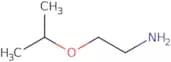
CAS:<p>5-Amino-8-hydroxyquinoline dihydrochloride (5-AQDH) is an anticancer drug that inhibits the activity of survivin, a protein that is overexpressed in cancer cells. It has been shown to be effective in vivo against melanoma tumor growth. 5-AQDH binds to the unpaired cysteine residues of the survivin molecule and inhibits its function by binding to the active site, blocking access to ATP and preventing DNA synthesis. The efficacy of 5-AQDH has been confirmed in vitro by studying the effect on cell viability and DNA synthesis, as well as by measuring plasma mass spectrometry data from melanoma patients. This drug is currently being investigated for its potential use as an anticancer agent.</p>Formula:C9H8N2O•(HCl)2Purity:Min. 95%Molecular weight:212.63 g/mol2-Aminoethyl isopropylether
CAS:<p>2-Aminoethyl isopropylether (2-AP) has been shown to have inhibitory effects on the growth of Staphylococcus aureus, Bacillus subtilis and Escherichia coli. It also showed in vitro antifungal activity against Trichophyton mentagrophytes and Candida albicans. 2-AP inhibits the synthesis of unsaturated fatty acids by inhibiting the enzyme enoyl coenzyme A reductase, which is involved in the degradation of fatty acids. 2-AP is metabolized by two pathways: one is through hydrolysis by esterases or glucuronidases, oxidation by cytochrome P450 enzymes, reduction by glutathione reductase, or conjugation with glucuronic acid; the other pathway involves cyclobutanol formation. The cytotoxic effect of 2-AP has been shown to be due to inhibition of protein synthesis and cell division</p>Formula:C5H13NOPurity:Min. 95%Color and Shape:Clear LiquidMolecular weight:103.16 g/mol4-Hydroxy-N,N-diethyltryptamine
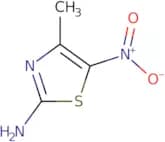
CAS:Controlled Product<p>4-Hydroxy-N,N-diethyltryptamine (4HT) is a synthetic psychedelic drug that has been shown to cause infected and uninfected cells to produce elastin and chloride. 4HT causes iontophoresis in the dermis, which may be due to its ability to inhibit surfactant production. It has also been shown to have an anti-inflammatory effect. The skin concentration of 4HT is dependent on the area of the body where it is applied and can range from 0.1% in the face to 1% in the back. In addition, 4HT has been shown to be toxic to echinacea and other plants grown in soil containing benzyl alcohol.</p>Formula:C14H20N2OPurity:Min. 95%Molecular weight:232.32 g/mol4-Methyl-5-nitrothiazol-2-amine
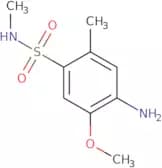
CAS:<p>Please enquire for more information about 4-Methyl-5-nitrothiazol-2-amine including the price, delivery time and more detailed product information at the technical inquiry form on this page</p>Formula:C4H5N3O2SPurity:Min. 95%Color and Shape:PowderMolecular weight:159.17 g/mol4-Amino-5-methoxy-2-methyl-N-methylbenzenesulfonamide
CAS:<p>4-Amino-5-methoxy-2-methyl-N-methylbenzenesulfonamide is a surfactant that is used in the chemical industry to dissolve diazotized aromatic amines. It is also used in the preparation of coupling agents, such as naphthol, and hydrochloric acid. 4-Amino-5-methoxy-2-methylbenzenesulfonamide can be prepared by the diazotization of aniline followed by coupling with hydrochloric acid and sodium phosphate. The product can then be purified by recrystallization from a salt solution containing sodium acetate.</p>Formula:C9H14N2O3SPurity:Min. 95%Molecular weight:230.29 g/mol2-(Trifluoroacetamido)Ethylamine Hydrochloride
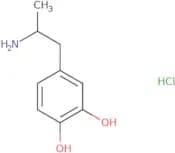
CAS:<p>Please enquire for more information about 2-(Trifluoroacetamido)Ethylamine Hydrochloride including the price, delivery time and more detailed product information at the technical inquiry form on this page</p>Formula:C4H7F3N2OPurity:Min. 95%Molecular weight:156.11 g/mol3,4-Dihydroxy amphetamine hydrochloride
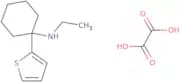
CAS:Controlled Product<p>3,4-Dihydroxy amphetamine hydrochloride is a metabolite of amphetamine. It is a chemical intermediate in the metabolism of amphetamine and therefore has similar pharmacological effects. 3,4-Dihydroxy amphetamine hydrochloride is not embryotoxic or teratogenic in rats or mice at doses as high as 2000 mg/kg. The concentration range for humans is unknown. 3,4-Dihydroxy amphetamine hydrochloride has been shown to inhibit the production of dopamine in the brain and may be associated with neurotoxicity.</p>Formula:C9H14ClNO2Purity:Min. 95%Molecular weight:203.67 g/molN-Ethyl-1-(2-thienyl)cyclohexanamine oxalate
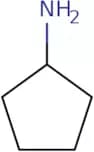
CAS:Controlled Product<p>Please enquire for more information about N-Ethyl-1-(2-thienyl)cyclohexanamine oxalate including the price, delivery time and more detailed product information at the technical inquiry form on this page</p>Formula:C12H19NSPurity:Min. 95%Molecular weight:209.35 g/molCyclopentylamine
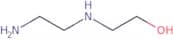
CAS:<p>Cyclopentylamine is a chemical compound with the molecular formula C9H14N. It is an organic amine that has the chemical properties of both a primary and secondary amine. Cyclopentylamine can be synthesized from cyclopentanone and ammonia, which are reacted in the presence of hydrochloric acid as a catalyst. Cyclopentylamine has been shown to inhibit DPP-IV, an enzyme that breaks down proteins in the intestines. This may contribute to its anti-inflammatory effects. It has also been shown to have anti-inflammatory effects by inhibiting production of prostaglandins, which are substances involved in inflammation. Cyclopentylamine is used as a starting material for synthesis of other chemical compounds such as pharmaceuticals, pesticides, and herbicides.</p>Formula:C5H11NPurity:Min. 95%Color and Shape:Colorless Clear LiquidMolecular weight:85.15 g/molN-(2-Hydroxyethyl)ethylenediamine
CAS:<p>N-(2-Hydroxyethyl)ethylenediamine is a chemical compound that belongs to the group of p2. It has been used for the treatment of wastewater and is also an inhibitor of blood coagulation. N-(2-Hydroxyethyl)ethylenediamine contains hydrogen bonding interactions, which lead to its high adsorption capacity for metals such as mercury and cadmium. This chemical inhibits reactions by binding to substrate molecules, such as metal ions or oxygen, thereby preventing them from participating in reactions. It has been shown that N-(2-Hydroxyethyl)ethylenediamine binds to transition metal ions with a higher affinity than other compounds, including ethylenediaminetetraacetic acid (EDTA). The reaction mechanism of this compound is not yet fully understood.</p>Formula:C4H12N2OPurity:Min. 95%Color and Shape:Colorless Clear LiquidMolecular weight:104.15 g/mol5-Iodo-2-aminoindane
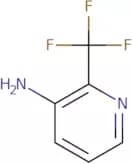
CAS:Controlled Product<p>5-Iodo-2-aminoindane is a chemical pesticide that belongs to the group of diallyl trisulfide. It is used for the control of fruit pests such as Drosophila, Ceratitis capitata, and Rhagoletis pomonella. 5-Iodo-2-aminoindane has been shown to inhibit the growth of these pests through in vitro assay. The synthetic cannabinoid activity of 5-iodo-2-aminoindane may be due to its ability to inhibit fatty acid uptake by binding to the fatty acid transporter protein at the cell membrane.</p>Formula:C9H10INPurity:Min. 95%Molecular weight:259.09 g/mol2-(Trifluoromethyl)pyridin-3-amine
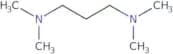
CAS:<p>2-(trifluoromethyl)pyridin-3-amine is an industrial chemical that is used as a reagent in the synthesis of other chemicals. It is synthesized from benzene and an acid ethyl ester in a complex reaction. 2-(trifluoromethyl)pyridin-3-amine is toxic, with industrial uses such as the synthesis of dyes and pesticides.</p>Formula:C6H5F3N2Purity:Min. 95%Color and Shape:PowderMolecular weight:162.11 g/molN,N,N',N'-Tetramethyl-1,3-diaminopropane
CAS:<p>N,N,N',N'-Tetramethyl-1,3-diaminopropane is a chemical compound that is used as a cross-linking agent. It reacts with fatty acids and hydroxyl groups in the presence of sodium citrate to form cross-links between molecules. This reaction is useful for modifying the transport properties of fat cells. N,N,N',N'-Tetramethyl-1,3-diaminopropane can also be used as a reactive chemical in the synthesis of other compounds such as selenium compounds.</p>Formula:C7H18N2Purity:Min. 98.0 Area-%Color and Shape:Clear LiquidMolecular weight:130.23 g/mol4-Amino-3-(trifluoromethoxy)benzoic acid
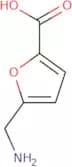
CAS:<p>Please enquire for more information about 4-Amino-3-(trifluoromethoxy)benzoic acid including the price, delivery time and more detailed product information at the technical inquiry form on this page</p>Formula:C8H6F3NO3Purity:Min. 95%Molecular weight:221.13 g/mol5-(Aminomethyl)-2-furoic acid hydrochloride
CAS:<p>5-(Aminomethyl)-2-furoic acid hydrochloride is a molecule that belongs to the group of carboxylates. It has a molecular weight of 191.2 g/mol and a chemical formula of CHNO. The structure of 5-(aminomethyl)-2-furoic acid hydrochloride is similar to that of hexamethylenetetramine, a common organic compound with the formula (CH)N(H)CH. 5-(Aminomethyl)-2-furoic acid hydrochloride can be used as an acceptor in hydrogen chloride gas generation reactions, which are used in the synthesis of some pharmaceutical drugs and other organic compounds. The molecule also has potential use in telomerase research because it is structurally similar to natural telomeres. In addition, this molecule has been shown to have anti-inflammatory properties due to its ability to inhibit prostaglandin synthesis.</p>Formula:C6H7NO3Purity:Min. 95%Molecular weight:141.12 g/molN,N'-Bis(2-hydroxyethyl)propane-1,3-diamine
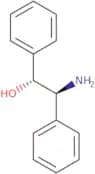
CAS:<p>Please enquire for more information about N,N'-Bis(2-hydroxyethyl)propane-1,3-diamine including the price, delivery time and more detailed product information at the technical inquiry form on this page</p>Formula:C7H18N2O2Purity:Min. 95%Molecular weight:162.23 g/mol(1R,2S)-(-)-2-Amino-1,2-diphenylethanol
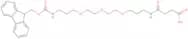
CAS:Controlled Product<p>The compound is a stereoselective amine. The molecule has two diastereomers, one of which is the (1R,2S) configuration and the other of which is the (1S,2R) configuration. The compound is an efficient method for preparing fatty acid esters with aromatic hydrocarbons.<br>The chemical structure of the molecule provides a cavity that can be used to bind with ethyl bromoacetate. This cavity has been shown in x-ray crystal structures to be able to bind with ethyl bromoacetate and provide an efficient method for preparing fatty acid esters with aromatic hydrocarbons.</p>Formula:C14H15NOPurity:Min. 95%Molecular weight:213.28 g/molFmoc-1-amino-4,7,10-trioxa-13-tridecanamine succinimic acid
CAS:<p>Fmoc-1-amino-4,7,10-trioxa-13-tridecanamine succinimic acid is a synthetic amide that is used as an intermediate in the synthesis of peptides. It has a conformational structure and can be labeled with dyes to study the structures of proteins or peptides. Fmoc-1-amino-4,7,10-trioxa-13-tridecanamine succinimic acid has been used as an immunogen in the preparation of monoclonal antibodies. It also can be conjugated to drugs or other compounds for use as bioconjugates. This compound has been shown to have enzymatic activity and can be used as a substrate for enzyme linked immunosorbent assays (ELISA). Trifluoroacetic acid is commonly used in the synthesis of this compound.</p>Formula:C29H38N2O8Purity:Min. 98 Area-%Molecular weight:542.62 g/mol4-(3-Amino-2-hydroxypropoxy)phenylacetamide
CAS:<p>4-(3-Amino-2-hydroxypropoxy)phenylacetamide is a sweetener that is used as an artificial sweetener. It can be found in many foods and drinks and is often used to replace sucralose due to its lower cost. 4-(3-Amino-2-hydroxypropoxy)phenylacetamide is a white powder with a melting point of 133°C. This product has been shown to be safe for human consumption, although it may cause headaches, drowsiness, or dizziness in some people.</p>Formula:C11H16N2O3Purity:Min. 95%Molecular weight:224.26 g/mol[(6-Chloro-1-isopropyl-1H-benzimidazol-2-yl)methyl]amine dihydrochloride
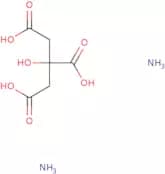
CAS:Controlled Product<p>Please enquire for more information about [(6-Chloro-1-isopropyl-1H-benzimidazol-2-yl)methyl]amine dihydrochloride including the price, delivery time and more detailed product information at the technical inquiry form on this page</p>Formula:C11H14ClN3Purity:Min. 95%Molecular weight:223.7 g/molDiammonium hydrogen citrate
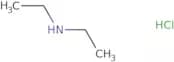
CAS:<p>Diammonium hydrogen citrate is a nutrient solution that contains copper chloride, sodium citrate, and hydrogen fluoride. It is used in surface methodology to separate hydroxyl groups from the surface of an object. Diammonium hydrogen citrate has been shown to be effective in enhancing iron homeostasis in skin cells. It also has been shown to have anti-malarial properties that are due to its ability to chelate copper ions and prevent the formation of free radicals. The reaction solution can be used for the synthesis of diammonium citrate, which is a monoclonal antibody.</p>Formula:C6H14N2O7Purity:Min. 95%Color and Shape:White PowderMolecular weight:226.18 g/molDiethylamine hydrochloride
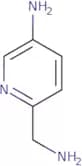
CAS:Controlled Product<p>Diethylamine hydrochloride is a chemical compound that is used as an intermediate in the manufacture of other chemicals. It can be used to treat metabolic disorders such as diabetes, hypothyroidism, and osteoporosis. Diethylamine hydrochloride has been shown to inhibit group P2 phosphodiesterases (PDEs) and prevent their degradation by the enzyme dipeptidyl peptidase-IV (DPP-IV). This inhibition leads to increased levels of cyclic AMP in cells, which contributes to its anti-inflammatory activity. The structural analysis of diethylamine hydrochloride has been performed using x-ray diffraction data and x-ray crystal structures.</p>Formula:C4H12ClNPurity:Min. 95%Molecular weight:109.6 g/mol6-(Aminomethyl)pyridin-3-amine
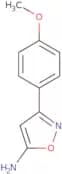
CAS:<p>Please enquire for more information about 6-(Aminomethyl)pyridin-3-amine including the price, delivery time and more detailed product information at the technical inquiry form on this page</p>Purity:Min. 95%3-(4-Methoxyphenyl)-1,2-oxazol-5-amine
CAS:<p>Please enquire for more information about 3-(4-Methoxyphenyl)-1,2-oxazol-5-amine including the price, delivery time and more detailed product information at the technical inquiry form on this page</p>Formula:C10H10N2O2Purity:Min. 95%Molecular weight:190.2 g/molZ-(R,S)-3-amino-5-cyclohexyl-2-oxo-1,4-benzodiazepine
CAS:Controlled Product<p>Please enquire for more information about Z-(R,S)-3-amino-5-cyclohexyl-2-oxo-1,4-benzodiazepine including the price, delivery time and more detailed product information at the technical inquiry form on this page</p>Formula:C23H25N3O3Purity:Min. 95%Molecular weight:391.46 g/mol3,5-Diamino-2,4,6-trimethylbenzenesulfonicacid
CAS:<p>3,5-Diamino-2,4,6-trimethylbenzenesulfonic acid (DTMS) is an aromatic hydrocarbon that has been found in the environment. DTMS is used as a chlorine scavenger in water treatment plants and wastewater treatment facilities to remove chlorinated organics from the water. It has been shown to be a ligand for uranium. DTMS reacts with cyanuric acid to form 3,5-dichloro-2,4,6-trimethylbenzenesulfonyl chloride (CAS No. 52834-57-1). DTMS also exhibits affinity for metal ions such as copper and nickel.</p>Formula:C9H14N2O3SPurity:90%NmrMolecular weight:230.29 g/mol5-[3-Methoxy-4-(4-methoxy-benzyloxy)-benzyl]-pyrimidine-2,4-diamine
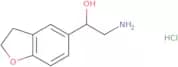
CAS:<p>5-[3-Methoxy-4-(4-methoxy-benzyloxy)-benzyl]-pyrimidine-2,4-diamine is a monoclonal antibody that blocks the signal of CTLA-4, a receptor on T cells. It has been shown to be effective in inhibiting skin cancer and primary breast cancers. This drug also has immunomodulatory effects and can be used to treat autoimmune diseases. 5-[3-Methoxy-4-(4-methoxy-benzyloxy)-benzyl]-pyrimidine-2,4-diamine binds to ctla-4 with high affinity and specificity, preventing the interaction of ctla-4 with its ligands such as CD80 (B7.1) and CD86 (B7.2). This prevents the activation of T cells by antigen presenting cells and suppresses the immune response.</p>Formula:C20H22N4O3Purity:Min. 95%Molecular weight:366.41 g/mol2-Amino-1-(2,3-dihydro-benzofuran-5-yl)-ethanolHydrochloride
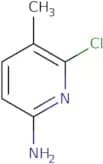
CAS:Controlled Product<p>Please enquire for more information about 2-Amino-1-(2,3-dihydro-benzofuran-5-yl)-ethanolHydrochloride including the price, delivery time and more detailed product information at the technical inquiry form on this page</p>Formula:C10H14ClNO2Purity:Min. 95%Molecular weight:215.68 g/mol6-Chloro-5-methylpyridin-2-amine
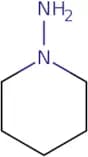
CAS:<p>6-Amino-2-chloro-3-methylpyridine is a heteroaromatic compound that belongs to the class of imidazopyridine. It is a monomer used in research, and can be transformed into the cross-coupling reaction with electron irradiation, which provides an efficient method for synthesizing other heteroaromatic compounds. 6-Amino-2-chloro-3-methylpyridine has low ionization potential and can be used as a drug discovery agent.</p>Formula:C6H7ClN2Purity:Min. 95%Molecular weight:142.59 g/mol1-Aminopiperidine
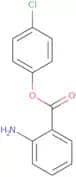
CAS:<p>1-Aminopiperidine is a hydrochloric acid derivative that is used to treat tuberculosis. It inhibits the enzyme catalysis of phospholipase A2 (PLA2) and blocks the release of arachidonic acid from cell membranes. 1-Aminopiperidine has been shown to have tuberculostatic activity in vivo by inhibiting PLA2 and blocking the release of arachidonic acid. This agent also exhibits antitumor properties, which may be due to its ability to inhibit the production of prostaglandin E2 (PGE2), an inflammatory mediator that can stimulate tumor growth. 1-Aminopiperidine binds to cannabinoid receptors, but does not bind to opioid or benzodiazepine receptors. This drug also exhibits antagonist activity against rimonabant, a type of receptor blocker for cannabinoid receptors.</p>Formula:C5H12N2Purity:Min. 95%Color and Shape:Clear LiquidMolecular weight:100.16 g/mol4-Chlorophenyl 2-aminobenzoate
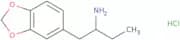
CAS:Controlled Product<p>Please enquire for more information about 4-Chlorophenyl 2-aminobenzoate including the price, delivery time and more detailed product information at the technical inquiry form on this page</p>Formula:C13H10ClNO2Purity:Min. 95%Molecular weight:247.68 g/molrac benzodioxole-5-butanamine hydrochloride
CAS:Controlled Product<p>Racemic benzodioxole-5-butanamine hydrochloride (RAC) is a pharmacologic agent that has been shown to bind to dopamine receptors, thereby activating them. It has been shown to be an effective treatment for depression and other mental illnesses. Racemic benzodioxole-5-butanamine hydrochloride is also used in analytical toxicology as a chromatographic standard. This compound has been synthesized using the asymmetric synthesis of primary amines. RAC is also an enantiomer and can exist in two forms: (+)-RAC and (-)-RAC, which are mirror images of each other. The (+) form of racemic benzodioxole-5-butanamine hydrochloride is the more active form, with greater binding affinity for dopamine receptors than the (-) form.</p>Formula:C11H16ClNO2Purity:Min. 95%Molecular weight:229.7 g/mol





![1-[4-(4-Methylpiperidin-1-yl)phenyl]methanamine](/_next/image/?url=https%3A%2Fstatic.cymitquimica.com%2Fproducts%2F3D%2Fthumb-webp%2FFM117851.webp&w=3840&q=75)



![1-(4-Amino-6,7-dimethoxy-2-quinazolinyl)-4-[(tetrahydro-2-furanyl)carbonxyl]piperazine hydrochlori…](/_next/image/?url=https%3A%2Fstatic.cymitquimica.com%2Fproducts%2F3D%2Fthumb-webp%2FFA28036.webp&w=3840&q=75)
![4-Amino-3-bromo-1-(tert-butyl)-1H-pyrazolo[3,4-d]pyrimidine](/_next/image/?url=https%3A%2Fstatic.cymitquimica.com%2Fproducts%2F3D%2Fthumb-webp%2FFA168683.webp&w=3840&q=75)
![2-[2-(Dimethylamino)ethyl]-1-indanone](/_next/image/?url=https%3A%2Fstatic.cymitquimica.com%2Fproducts%2F3D%2Fthumb-webp%2FFD22321.webp&w=3840&q=75)

![7-Bromo-[1,2,4]triazolo[1,5-a]pyridin-2-ylamine](/_next/image/?url=https%3A%2Fstatic.cymitquimica.com%2Fproducts%2F3D%2Fthumb-webp%2FFB140382.webp&w=3840&q=75)


![N-Methyl-5H-dibenzo[a,d]cycloheptene-5-propylamine hydrochloride](/_next/image/?url=https%3A%2Fstatic.cymitquimica.com%2Fproducts%2F3D%2Fthumb-webp%2FFN76683.webp&w=3840&q=75)

![N-[2-[4-(Aminosulfonyl)-phenyl]-ethyl]-5-methyl-2-pyrazinecarboxamide](/_next/image/?url=https%3A%2Fstatic.cymitquimica.com%2Fproducts%2F3D%2Fthumb-webp%2FFA150607.webp&w=3840&q=75)

![Diethyl[2-(4-nitrophenoxy)ethyl]amine](/_next/image/?url=https%3A%2Fstatic.cymitquimica.com%2Fproducts%2F3D%2Fthumb-webp%2FFD21808.webp&w=3840&q=75)
![(R)-(-)-a-[[(4-Ethyl-2,3-dioxo-1-piperazinyl)carbonyl]amino]benzeneacetic Acid](/_next/image/?url=https%3A%2Fstatic.cymitquimica.com%2Fproducts%2F3D%2Fthumb-webp%2FFE60111.webp&w=3840&q=75)











![[(6-Chloro-1-isopropyl-1H-benzimidazol-2-yl)methyl]amine dihydrochloride](/_next/image/?url=https%3A%2Fstatic.cymitquimica.com%2Fproducts%2F3D%2Fthumb-webp%2FFC135800.webp&w=3840&q=75)

![5-[3-Methoxy-4-(4-methoxy-benzyloxy)-benzyl]-pyrimidine-2,4-diamine](/_next/image/?url=https%3A%2Fstatic.cymitquimica.com%2Fproducts%2F3D%2Fthumb-webp%2FFM31223.webp&w=3840&q=75)