Amines
Amines are a set of molecules containing an amino functional group (derived from ammonia). This category includes amines at any level of substitution : primary, secondary, tertiary, and ammonium salts. Amines are fundamental in organic synthesis and are widely used in pharmaceuticals, agrochemicals, and materials science. At CymitQuimica, we provide a comprehensive selection of amines to meet your research and industrial needs. Our range ensures access to various amines for diverse chemical processes and innovative research.
Subcategories of "Amines"
- Nitrosamines(2,606 products)
- Primary Amines(30,805 products)
- Quaternary Ammonium Cations and Salts(1,099 products)
- Secondary Amines(20,809 products)
- Tertiary Amines(17,111 products)
Found 8777 products of "Amines"
Sort by
Purity (%)
0
100
|
0
|
50
|
90
|
95
|
100
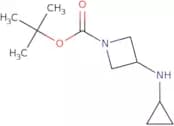
tert-Butyl 3-(cyclopropylamino)azetidine-1-carboxylate
CAS:<p>Please enquire for more information about tert-Butyl 3-(cyclopropylamino)azetidine-1-carboxylate including the price, delivery time and more detailed product information at the technical inquiry form on this page</p>Formula:C11H20N2O2Purity:Min. 95%Molecular weight:212.29 g/mol7-Bromo-[1,2,4]triazolo[1,5-a]pyridin-2-ylamine
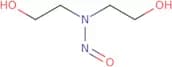
CAS:<p>Please enquire for more information about 7-Bromo-[1,2,4]triazolo[1,5-a]pyridin-2-ylamine including the price, delivery time and more detailed product information at the technical inquiry form on this page</p>Formula:C6H5BrN4Purity:Min. 95%Molecular weight:213.03 g/molNitrosobis(2-hydroxyethyl)amine
CAS:<p>Nitrosobis(2-hydroxyethyl)amine (NBEA) is an inhibitor of nitrite reductase, an enzyme that catalyzes the reduction of nitrite to ammonia. Nitrite reductase is used in wastewater treatment and is also involved in the metabolism of some carcinogens. NBEA has been shown to inhibit the activity of nitrite reductase by binding to its active site, preventing the enzyme from reducing nitrite to ammonia. NBEA has genotoxic effects on E. coli K-12 cells and increases DNA damage with prolonged exposure, which may be due to the production of reactive oxygen species such as superoxide radical anion and hydrogen peroxide.</p>Formula:C4H10N2O3Purity:Min. 95%Color and Shape:Clear LiquidMolecular weight:134.13 g/mol(S)-(-)-1-Boc-3-aminopyrrolidine
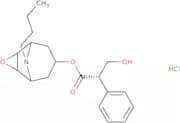
CAS:<p>(S)-(-)-1-Boc-3-aminopyrrolidine is an inhibitor that inhibits the activity of phosphoinositide 3-kinase (PI3K) by binding to the ATP binding site and inhibiting PI3K. It has been shown to inhibit the activation of PI3Kδ, which plays a key role in tumorigenesis and metastasis. The drug also has metabolic stability and selectivity for PI3Kδ over other kinases, as well as high affinity for this enzyme. The drug was found to have low toxicity in vitro, but its effects on humans are unknown.</p>Formula:C9H18N2O2Purity:Min. 95%Color and Shape:Clear LiquidMolecular weight:186.25 g/molN-Butyl nor scopolamine hydrochloride
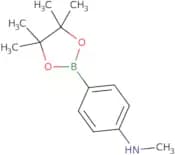
CAS:<p>Please enquire for more information about N-Butyl nor scopolamine hydrochloride including the price, delivery time and more detailed product information at the technical inquiry form on this page</p>Formula:C20H28ClNO4Purity:Min. 95%Molecular weight:381.89 g/mol4-(N-Methylamino)phenylboronic acid pinacol ester
CAS:<p>Please enquire for more information about 4-(N-Methylamino)phenylboronic acid pinacol ester including the price, delivery time and more detailed product information at the technical inquiry form on this page</p>Formula:C13H20BNO2Purity:Min. 95%Molecular weight:233.11 g/mol2-(Dimethylaminocarbonyl)ethylboronic acid, pinacol ester
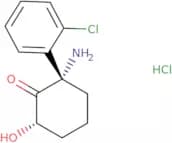
CAS:<p>Please enquire for more information about 2-(Dimethylaminocarbonyl)ethylboronic acid, pinacol ester including the price, delivery time and more detailed product information at the technical inquiry form on this page</p>Formula:C11H22BNO3Purity:Min. 95%Molecular weight:227.11 g/mol(2S,6S)-2-Amino-2-(2-chlorophenyl)-6-hydroxycyclohexan-1-one HCl
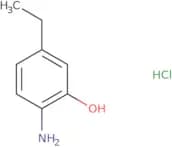
CAS:Controlled Product<p>Please enquire for more information about (2S,6S)-2-Amino-2-(2-chlorophenyl)-6-hydroxycyclohexan-1-one HCl including the price, delivery time and more detailed product information at the technical inquiry form on this page</p>Formula:C12H15CI2NO2Purity:Min. 95%Color and Shape:PowderMolecular weight:471.07 g/mol2-Amino-5-ethylphenol hydrochloride
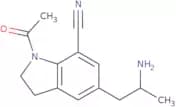
CAS:<p>Please enquire for more information about 2-Amino-5-ethylphenol hydrochloride including the price, delivery time and more detailed product information at the technical inquiry form on this page</p>Formula:C8H12ClNOPurity:Min. 95%Molecular weight:173.64 g/mol1-Acetyl-5-(2-aminopropyl)-2,3-dihydro-1H-indole-7-carbonitrile
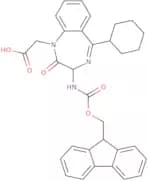
CAS:Controlled Product<p>Please enquire for more information about 1-Acetyl-5-(2-aminopropyl)-2,3-dihydro-1H-indole-7-carbonitrile including the price, delivery time and more detailed product information at the technical inquiry form on this page</p>Formula:C14H17N3OPurity:Min. 95%Molecular weight:243.3 g/molFmoc-(R,S)-3-amino-N-1-carboxymethyl-2-oxo-5-cyclohexyl-1,4-benzodiazepine
CAS:Controlled Product<p>Please enquire for more information about Fmoc-(R,S)-3-amino-N-1-carboxymethyl-2-oxo-5-cyclohexyl-1,4-benzodiazepine including the price, delivery time and more detailed product information at the technical inquiry form on this page</p>Formula:C32H31N3O5Purity:Min. 95%Molecular weight:537.61 g/molN,N-Dimethyl-N-[4-(piperazin-1-ylmethyl)phenyl]amine
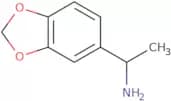
CAS:Controlled Product<p>Please enquire for more information about N,N-Dimethyl-N-[4-(piperazin-1-ylmethyl)phenyl]amine including the price, delivery time and more detailed product information at the technical inquiry form on this page</p>Formula:C13H21N3Purity:Min. 95%Molecular weight:219.33 g/mol1-(1,3-Benzodioxol-5-yl)ethanamine
CAS:Controlled Product<p>1-(1,3-Benzodioxol-5-yl)ethanamine is a psychostimulant drug that is structurally related to amphetamine. It has been shown to increase the hatchability of eggs and also to have supersensitivity effects on embryos. The hatchability was increased by pretreatment with 1-(1,3-benzodioxol-5-yl)ethanamine before being incubated with d-amphetamine. The supersensitivity effects were demonstrated by experiments in which the hatchability of eggs was enhanced when they were incubated with various concentrations of this drug. 1-(1,3-Benzodioxol-5-yl)ethanamine has not been shown to have any effect on motility or vocalization in organisms.</p>Formula:C9H11NO2Purity:Min. 95%Molecular weight:165.19 g/mol2-Amino-7-(2,3,4-trimethoxyphenyl)-7,8-dihydroquinazolin-5(6H)-one
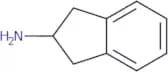
CAS:Controlled Product<p>Please enquire for more information about 2-Amino-7-(2,3,4-trimethoxyphenyl)-7,8-dihydroquinazolin-5(6H)-one including the price, delivery time and more detailed product information at the technical inquiry form on this page</p>Formula:C17H19N3O4Purity:Min. 95%Molecular weight:329.35 g/mol2-Aminoindan
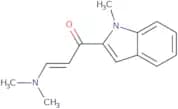
CAS:Controlled Product<p>2-Aminoindan is a compound that has inhibitory properties against the human liver enzyme dopamine β-hydroxylase. It binds to the active site of the enzyme and inhibits its activity, which decreases the production of dopamine and other monoamines in the body. 2-Aminoindan has been shown to be effective in animal models of Parkinson's disease by reducing oxidative stress and restoring dopamine levels. The drug also has a chemical diversity, with many different possible structures for medicinal use. 2-Aminoindan has been shown to inhibit the formation of carbonic acid, which is used by mammalian tissue as a buffer for pH regulation. This property may account for its inhibitory effect on carbonic anhydrase II (CAII), an enzyme involved in tissue respiration and acid-base balance. 2-Aminoindan has also been shown to have inhibitory effects on two bacterial enzymes: ddpP and ddpD, which are involved</p>Formula:C9H11NPurity:Min. 95%Molecular weight:133.19 g/mol3-(Dimethylamino)-1-(1-methyl-1H-indol-2-yl)prop-2-en-1-one
CAS:Controlled Product<p>Please enquire for more information about 3-(Dimethylamino)-1-(1-methyl-1H-indol-2-yl)prop-2-en-1-one including the price, delivery time and more detailed product information at the technical inquiry form on this page</p>Formula:C14H16N2OPurity:Min. 95%Molecular weight:228.29 g/mol2-Aminoethyl isopropylether
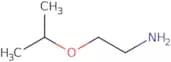
CAS:<p>2-Aminoethyl isopropylether (2-AP) has been shown to have inhibitory effects on the growth of Staphylococcus aureus, Bacillus subtilis and Escherichia coli. It also showed in vitro antifungal activity against Trichophyton mentagrophytes and Candida albicans. 2-AP inhibits the synthesis of unsaturated fatty acids by inhibiting the enzyme enoyl coenzyme A reductase, which is involved in the degradation of fatty acids. 2-AP is metabolized by two pathways: one is through hydrolysis by esterases or glucuronidases, oxidation by cytochrome P450 enzymes, reduction by glutathione reductase, or conjugation with glucuronic acid; the other pathway involves cyclobutanol formation. The cytotoxic effect of 2-AP has been shown to be due to inhibition of protein synthesis and cell division</p>Formula:C5H13NOPurity:Min. 95%Color and Shape:Clear LiquidMolecular weight:103.16 g/mol(2E)-3-(Dimethylamino)-1-(3-nitrophenyl)prop-2-en-1-one
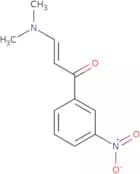
CAS:<p>Please enquire for more information about (2E)-3-(Dimethylamino)-1-(3-nitrophenyl)prop-2-en-1-one including the price, delivery time and more detailed product information at the technical inquiry form on this page</p>Formula:C11H12N2O3Purity:Min. 95%Molecular weight:220.22 g/molN-(2-Aminoethyl)-3-aminopropylmethyldimethoxysilane
CAS:<p>N-(2-Aminoethyl)-3-aminopropylmethyldimethoxysilane is an antibacterial agent that inhibits the growth of bacteria by binding to the cell wall, thereby preventing the synthesis of proteins. It is used in dentistry and medicine as a coating for metal surfaces. This compound has been shown to be effective against Escherichia coli and Enterococcus faecalis. The optimum concentration for this compound is 1 mg/mL.</p>Formula:C8H22N2O2SiPurity:Min. 95%Molecular weight:206.36 g/molAmmonium molybdate
CAS:<p>Ammonium molybdate is a form of the mineral molybdenum that is used as a nutrient in the solution for hepg2 cells. Ammonium molybdate has been shown to inhibit the growth of multi-walled carbon nanotubes, which may be due to its ability to catalyze hydrogen fluoride and zirconium oxide. It also has an inhibitory effect on serine protease (a protein found in many tissues and secretions). The chemical stability of ammonium molybdate has been studied by exposing it to hydrogen fluoride and it was found that this compound is stable at pH levels of around 7.5.</p>Formula:H8N2MoO4Purity:Min. 95%Color and Shape:White PowderMolecular weight:196.03 g/mol3,4-Diaminobenzotrifluoride
CAS:<p>3,4-Diaminobenzotrifluoride is a photophysical agent that emits light of a specific wavelength when irradiated with ultraviolet light. It has been shown to inhibit the growth of human cervical carcinoma cells in vitro and to cause apoptosis in these cells. 3,4-Diaminobenzotrifluoride also inhibits the proliferation of human liver and lung cancer cells in vitro. The mechanism by which this agent causes cell death is unknown. 3,4-Diaminobenzotrifluoride is an acid catalyst and stabilizes the chloride ion. This agent may inhibit DNA synthesis or affect proteins that are involved in signal transduction pathways for cell proliferation.</p>Formula:C7H7F3N2Purity:Min. 95%Color and Shape:PowderMolecular weight:176.14 g/molEthyl 2-(2-Amino-4-thiazolyl)-2-(hydroxyimino)acetate
CAS:<p>Ethyl 2-(2-amino-4-thiazolyl)-2-(hydroxyimino)acetate is a phosphomolybdate antibiotic that is used in the treatment of respiratory tract infections. It binds to the bacterial enzyme, phosphomolybdate oxidase, and inhibits the formation of acid in the body. The reaction solution is recycled and activated with an acid catalyst to increase the yield of acetonitrile. The ion-pair formed by ethyl 2-(2-amino-4-thiazolyl)-2-(hydroxyimino)acetate and sodium carbonate is nucleophilic and reacts with nitrous to produce acetonitrile as a side product.</p>Formula:C7H9N3O3SPurity:Min. 95%Molecular weight:215.23 g/mol1-[4-(4-Methylpiperidin-1-yl)phenyl]methanamine
CAS:<p>Please enquire for more information about 1-[4-(4-Methylpiperidin-1-yl)phenyl]methanamine including the price, delivery time and more detailed product information at the technical inquiry form on this page</p>Formula:C13H20N2Purity:Min. 95%Molecular weight:204.31 g/mol1H-Indole-4-ethanamine
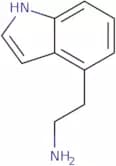
CAS:Controlled Product<p>Please enquire for more information about 1H-Indole-4-ethanamine including the price, delivery time and more detailed product information at the technical inquiry form on this page</p>Formula:C10H12N2Purity:Min. 95%Molecular weight:160.22 g/mol[2-(1-Ethyl-1H-benzimidazol-2-yl)ethyl]amine dihydrochloride
CAS:Controlled Product<p>Please enquire for more information about [2-(1-Ethyl-1H-benzimidazol-2-yl)ethyl]amine dihydrochloride including the price, delivery time and more detailed product information at the technical inquiry form on this page</p>Formula:C11H15N3Purity:Min. 95%Molecular weight:189.26 g/mol5-Amino-1-(4-Fluorophenyl)-1H-Pyrazole-4-Carboxamide
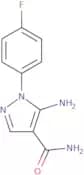
CAS:<p>Please enquire for more information about 5-Amino-1-(4-Fluorophenyl)-1H-Pyrazole-4-Carboxamide including the price, delivery time and more detailed product information at the technical inquiry form on this page</p>Formula:C10H9FN4OPurity:Min. 95%Molecular weight:220.2 g/molN,N-Bis[3-(methylamino)propyl]methylamine
CAS:<p>Please enquire for more information about N,N-Bis[3-(methylamino)propyl]methylamine including the price, delivery time and more detailed product information at the technical inquiry form on this page</p>Formula:C9H23N3Purity:Min. 95%Color and Shape:Clear LiquidMolecular weight:173.3 g/molN,N'-Di-(4-methyl-phenyl)-N,N'-diphenyl-1,4-phenylendiamine
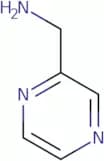
CAS:<p>Please enquire for more information about N,N'-Di-(4-methyl-phenyl)-N,N'-diphenyl-1,4-phenylendiamine including the price, delivery time and more detailed product information at the technical inquiry form on this page</p>Formula:C32H28N2Purity:Min. 95%Molecular weight:440.58 g/mol2-Aminomethylpyrazine
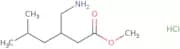
CAS:<p>2-Aminomethylpyrazine (2-AP) is a molecule that has been studied for its potential as an anti-cancer agent. It has been shown to bind to the DNA of tumor cells and prevent them from dividing, leading to cell death. 2-AP also prevents the production of survivin, which is a protein that promotes cancer cell growth and survival. 2-AP can be used in positron emission tomography (PET) scans to detect tumors, and has shown promise in treating acute myeloid leukemia.</p>Formula:C5H7N3Purity:Min. 95%Molecular weight:109.13 g/molMethyl 3-(aminomethyl)-5-methylhexanoate hydrochloride
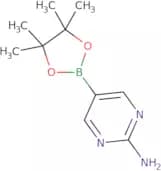
CAS:Controlled Product<p>Please enquire for more information about Methyl 3-(aminomethyl)-5-methylhexanoate hydrochloride including the price, delivery time and more detailed product information at the technical inquiry form on this page</p>Purity:Min. 95%2-Aminopyrimidine-5-boronic acid pinacol ester
CAS:<p>2-Aminopyrimidine-5-boronic acid pinacol ester is a boronic acid derivative that has been shown to inhibit the activity of protein kinase C. This compound is also an effective linker for cross-coupling reactions and has a low reactivity with nucleophiles, which makes it safer than other boronic acids. 2-Aminopyrimidine-5-boronic acid pinacol ester has been shown to be potent against cancer cells in vitro and in vivo and synthetic cells. 2-Aminopyrimidine-5-boronic acid pinacol ester inhibits the growth of cancer cells by binding to the ATP site on protein kinase C, thereby inhibiting its function.</p>Formula:C10H16BN3O2Purity:Min. 95 Area-%Color and Shape:PowderMolecular weight:221.06 g/mol2,3-Difluorobenzyl amine
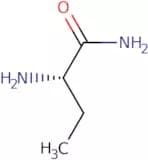
CAS:<p>2,3-Difluorobenzyl amine is a versatile building block that is used in the synthesis of complex organic compounds. It is a high quality reagent and can be used as a reaction component. 2,3-Difluorobenzyl amine can be synthesized from 3-fluoroaniline and difluoroacetic acid using a nitrite salt as the oxidant. The reaction yields the desired product in good yield with no side products.</p>Formula:C7H7F2NPurity:Min. 95%Color and Shape:Colorless PowderMolecular weight:143.13 g/molL-2-Aminobutanamide
CAS:<p>L-2-Aminobutanamide is a compound that is used as an industrial preparation and as a reagent in kinetic studies. It has been shown to be effective in the analytical method for the determination of hydrochloric acid in titration, with a detection limit of 0.1%. L-2-Aminobutanamide can also be used to produce asymmetric synthesis by adding it with sodium hydroxide solution or hydroxide solution and using chromatographic science. This compound has been shown to have antibacterial effects on Brucella, which can be attributed to its ability to inhibit protein synthesis and disrupt cell membrane integrity. L-2-Aminobutanamide is a chiral compound that can exist in two different forms, L -(+)-2-aminobutanamide or D -(-)-2-aminobutanamide.</p>Formula:C4H10N2OPurity:Min. 95%Molecular weight:102.14 g/mol4-Methylcyclohexylamine
CAS:<p>4-Methylcyclohexylamine is a compound that is used as an inhibitor of the enzyme ornithine decarboxylase. It also has been shown to have anti-inflammatory properties in cell culture and in animal models of inflammatory bowel disease. 4-Methylcyclohexylamine binds to the active site of the enzyme, preventing it from converting ornithine into putrescine. Ornithine decarboxylase inhibitors are a new class of drugs for the treatment of inflammatory bowel disease, which are effective against both ulcerative colitis and Crohn's disease.</p>Formula:C7H15NPurity:Min. 95%Molecular weight:113.2 g/molDinonylamine
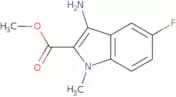
CAS:<p>Dinonylamine is an industrial chemical that is used as a solvent for waxes and resins. It has been used as a substrate film for the production of polycarbonate plastics and in the manufacture of amines, nitroaromatic compounds, and fluoropolymers. Dinonylamine has been shown to have an inhibitory effect on the growth of microorganisms by reacting with their aromatic hydrocarbons. This chemical reacts with carbonyl groups to form hydroxyl groups, which are toxic to bacteria. It also reacts with radiation to form a patterned surface that can be used to immobilize enzymes or other proteins.br>br> br>br> Dinonylamine is used in industrial processes as a precursor for amines and hydroxy groups, which are important components in many organic molecules including pharmaceuticals. These reactions take place in solvent vapor phase reaction vessels at high temperatures.br>br> br>br> Din</p>Formula:C18H39NPurity:Min. 95%Color and Shape:PowderMolecular weight:269.51 g/molMethyl 3-amino-5-fluoro-1-methyl-1H-indole-2-carboxylate
CAS:Controlled Product<p>Please enquire for more information about Methyl 3-amino-5-fluoro-1-methyl-1H-indole-2-carboxylate including the price, delivery time and more detailed product information at the technical inquiry form on this page</p>Formula:C11H11FN2O2Purity:Min. 95%Molecular weight:222.22 g/mol4-Amino-3-(trifluoromethoxy)benzoic acid
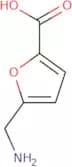
CAS:<p>Please enquire for more information about 4-Amino-3-(trifluoromethoxy)benzoic acid including the price, delivery time and more detailed product information at the technical inquiry form on this page</p>Formula:C8H6F3NO3Purity:Min. 95%Molecular weight:221.13 g/mol5-(Aminomethyl)-2-furoic acid hydrochloride
CAS:<p>5-(Aminomethyl)-2-furoic acid hydrochloride is a molecule that belongs to the group of carboxylates. It has a molecular weight of 191.2 g/mol and a chemical formula of CHNO. The structure of 5-(aminomethyl)-2-furoic acid hydrochloride is similar to that of hexamethylenetetramine, a common organic compound with the formula (CH)N(H)CH. 5-(Aminomethyl)-2-furoic acid hydrochloride can be used as an acceptor in hydrogen chloride gas generation reactions, which are used in the synthesis of some pharmaceutical drugs and other organic compounds. The molecule also has potential use in telomerase research because it is structurally similar to natural telomeres. In addition, this molecule has been shown to have anti-inflammatory properties due to its ability to inhibit prostaglandin synthesis.</p>Formula:C6H7NO3Purity:Min. 95%Molecular weight:141.12 g/molN,N'-Bis(2-hydroxyethyl)propane-1,3-diamine
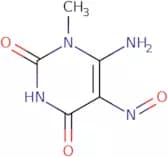
CAS:<p>Please enquire for more information about N,N'-Bis(2-hydroxyethyl)propane-1,3-diamine including the price, delivery time and more detailed product information at the technical inquiry form on this page</p>Formula:C7H18N2O2Purity:Min. 95%Molecular weight:162.23 g/mol6-Amino-1-methyl-5-nitrosouracil
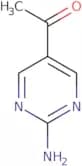
CAS:<p>6-Amino-1-methyl-5-nitrosouracil is a neutral form of the molecule that has both protonated and unprotonated forms. It is a bidentate ligand that can bind to a metal ion. The nitrogen atom in the molecule is an important part of its structure, as it contains two nitro groups and one amino group. 6-Amino-1-methyl-5-nitrosouracil has been used in techniques such as spectroscopies and dinitroso analysis. The neutral form of the molecule can be converted into its ionic form by adding either chlorine or nitrate ions to it, which causes the nitrogen atoms to be more electronegative. This conversion changes the nature of the compound, making it more acidic. Dehydration also occurs when water molecules are removed from 6-amino 1 methyl 5 nitrosourea, which causes a change in shape and shifts its properties to</p>Formula:C5H6N4O3Purity:Min. 95%Molecular weight:170.13 g/mol1-(2-Aminopyrimidin-5-yl)ethanone
CAS:<p>Please enquire for more information about 1-(2-Aminopyrimidin-5-yl)ethanone including the price, delivery time and more detailed product information at the technical inquiry form on this page</p>Formula:C6H7N3OPurity:Min. 95%Molecular weight:137.14 g/mol(2-Cyclohexyl-1-methylethyl)methylamine
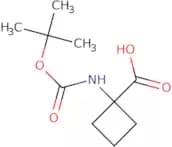
CAS:Controlled Product<p>2-Cyclohexyl-1-methylethyl)methylamine is a monoethyl ether of (2-cyclohexyl-1-methylethyl)amine. It is used as a nasal decongestant and has been shown to be effective against respiratory disorders such as bronchitis, sinusitis, and allergies. The drug can also be used for the diagnosis and prognosis of congestive heart failure. 2-Cyclohexyl-1-methylethyl)methylamine has been shown to bind to calcium ions in the nasal mucosa, thereby inhibiting the production of inflammatory mediators such as prostaglandins and leukotrienes. This drug also has an inhibitory effect on receptor activity for histamine, which leads to relief from allergic symptoms by reducing inflammation in the nose.</p>Formula:C10H22BrNPurity:Min. 95%Molecular weight:236.19 g/molBoc-1-amino-1-cyclobutane carboxylic acid
CAS:<p>Boc-1-amino-1-cyclobutane carboxylic acid is a synthetic and potent agonist of the androgen receptor. It is an analog of apalutamide, which is a selective antagonist of the androgen receptor. Boc-1-amino-1-cyclobutane carboxylic acid has been shown to have high oral bioavailability, which makes it suitable for oral administration. Boc-1-amino-1-cyclobutane carboxylic acid has been shown to have increased functional activity in cancer cells, which may be due to its ability to inhibit the growth of tumor cells by binding to their androgen receptors. Boc-1-amino-1-cyclobutane carboxylic acid has also been found to have good affinity for the androgen receptor when tested on cultured cells.</p>Formula:C10H17NO4Purity:Min. 95%Color and Shape:White/Off-White SolidMolecular weight:215.25 g/mol2-(2-Aminoethyl)-3',6'-bis(diethylaMino)spiro[isoindoline-1,9'-xanthen]-3-one
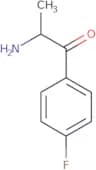
CAS:<p>Please enquire for more information about 2-(2-Aminoethyl)-3',6'-bis(diethylaMino)spiro[isoindoline-1,9'-xanthen]-3-one including the price, delivery time and more detailed product information at the technical inquiry form on this page</p>Purity:Min. 95%2-Amino-1-(4-fluorophenyl)-1-propanone
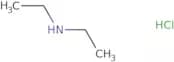
CAS:Controlled Product<p>2-Amino-1-(4-fluorophenyl)-1-propanone (Fluoroamphetamine) is a chemical that binds to the serotonin transporter, which is responsible for the reuptake of serotonin into the presynaptic neuron. Fluoroamphetamine has been shown to lower empathy and increase feelings of reward in animals. This drug has no significant effect on dopamine and noradrenaline levels but does cause an increase in metabolic acidosis. Fluoroamphetamine is most often used by analytical laboratories as a synthetic intermediate, but it can also be used as a strategy to develop specific antidotes against serotonin blockers. Fluoroamphetamine's health effects are similar to those of amphetamine with regards to cardiovascular risks and addictive potential.</p>Formula:C9H10FNOPurity:Min. 95%Molecular weight:167.18 g/molDiethylamine hydrochloride
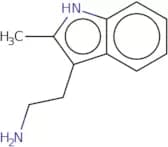
CAS:Controlled Product<p>Diethylamine hydrochloride is a chemical compound that is used as an intermediate in the manufacture of other chemicals. It can be used to treat metabolic disorders such as diabetes, hypothyroidism, and osteoporosis. Diethylamine hydrochloride has been shown to inhibit group P2 phosphodiesterases (PDEs) and prevent their degradation by the enzyme dipeptidyl peptidase-IV (DPP-IV). This inhibition leads to increased levels of cyclic AMP in cells, which contributes to its anti-inflammatory activity. The structural analysis of diethylamine hydrochloride has been performed using x-ray diffraction data and x-ray crystal structures.</p>Formula:C4H12ClNPurity:Min. 95%Molecular weight:109.6 g/mol2-Methyltryptamine
CAS:Controlled Product<p>2-Methyltryptamine is a tryptamine derivative that binds to the 5-HT2 receptors in the brain and blocks the action of serotonin. It has been proposed as a possible treatment for human immunodeficiency, but more research is needed to determine its efficacy. 2-Methyltryptamine acts as an agonist at 5-HT2 receptors and can be used in plate tests to detect histones deacetylase activity.</p>Formula:C11H14N2Color and Shape:Slightly Yellow PowderMolecular weight:174.24 g/mol2-Amino-5-bromobenzonitrile
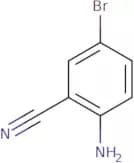
CAS:<p>2-Amino-5-bromobenzonitrile is a bioactive substance that belongs to the class of amines. It is used as an intermediate in the production of other industrial chemicals, such as polyurethanes and polyamides. 2-Amino-5-bromobenzonitrile can be found in faeces at a concentration of approximately 1 µg/g. The metabolic pathway for 2-amino-5-bromobenzonitrile has been shown to be cyp3a5 dependent.</p>Formula:C7H5BrN2Purity:Min. 95%Color and Shape:Brown PowderMolecular weight:197.03 g/mol2-Amino-6-chloropyrazine
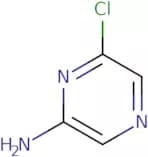
CAS:<p>2-Amino-6-chloropyrazine (2ACP) is an inhibitor that binds to the active site on human protein kinase C (PKC). It has been shown to inhibit PKC by hydrogen bonding with the hydroxide ion, which blocks its catalytic activity. 2ACP has been studied for its potential use in treating cancer and for inhibiting amine oxidases, which are enzymes associated with inflammation and chronic obstructive pulmonary disease. The inhibition of these enzymes may help to reduce stenosis in the lungs or other organs. 2ACP also has been shown to have antimycobacterial activity against Mycobacterium tuberculosis, M. avium complex, and M. leprae by inhibiting DNA synthesis and RNA synthesis. 2ACP inhibits the kinase receptor on the cell membrane that phosphorylates a water molecule into a chlorine atom, which then reacts with hydrogen peroxide to form free radicals that can kill bacteria</p>Formula:C4H4ClN3Purity:Min. 95%Molecular weight:129.55 g/mol2,3-Diaminotoluene
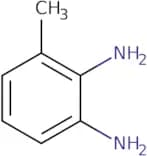
CAS:<p>2,3-Diaminotoluene is a compound that can be synthesized through the reaction of 2,4-diaminotoluene and picric acid. It has been used as a fluorescent probe for palladium complexes and has been shown to have efficient fluorescence properties in chromatographic applications. 2,3-Diaminotoluene has also been found to be an effective anti-bacterial agent against Gram-positive bacteria such as Staphylococcus aureus and Enterococcus faecalis. This compound has also been shown to have antitumour activity against leukemia cells. The synthesis of 2,3-diaminotoluene involves the reaction of amines with formaldehyde followed by dehydration.</p>Formula:C7H10N2Purity:Min. 95%Color and Shape:PowderMolecular weight:122.17 g/mol3-Amino-2-hydroxy-N,N-dimethylbenzamide
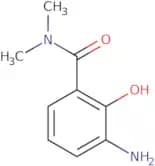
CAS:<p>Please enquire for more information about 3-Amino-2-hydroxy-N,N-dimethylbenzamide including the price, delivery time and more detailed product information at the technical inquiry form on this page</p>Formula:C9H12N2O2Purity:Min. 95%Molecular weight:180.2 g/mol3-(Methylnitrosamino)propionitrile
CAS:<p>3-(Methylnitrosamino)propionitrile (NNK) is a potent, but toxic, carcinogen that has been shown to be one of the major causes of lung cancer in animals. It is metabolized to 3-aminobenzamide and N-nitrosodimethylamine (NDMA) by cytochrome P450 enzymes. These metabolites are then further converted into reactive species that bind covalently with DNA, leading to mutations and ultimately cancer. The activation of NNK can be prevented by inhibiting the enzyme hydrolysis or by blocking the synthesis of the reactive metabolites.</p>Formula:C4H7N3OPurity:Area-% Min. 95 Area-%Molecular weight:113.12 g/molo-Fluorobenzyl amine
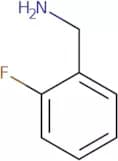
CAS:<p>o-Fluorobenzyl amine (o-FA) is an inhibitor of the HIV integrase enzyme. It forms a covalent bond with the active site of the enzyme and has been shown to be effective in inhibiting HIV replication in vitro. Impurities such as chloride, water molecule, hydrogen bond, and fluorine can be found in o-FA. o-FA has been shown to inhibit monoamine oxidase and may have other biological properties. o-FA also has an intramolecular hydrogen bond that is stabilized by a dihedral angle. The low energy of this compound makes it difficult to detect by chromatographic methods or spectrometry.</p>Formula:C7H8FNPurity:Min. 95%Color and Shape:Clear LiquidMolecular weight:125.14 g/molPhenyltrimethylammonium tribromide
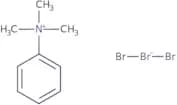
CAS:<p>Phenyltrimethylammonium tribromide is a quaternary ammonium compound that is used in combination preparations. It is an inhibitor of the replication of RNA and DNA, and modulates enzyme activity. Phenyltrimethylammonium tribromide has been shown to be a potent inhibitor of nicotinic acetylcholine receptors, which are important for nerve transmission. This drug also has been shown to inhibit the replication of HIV-1 and other viruses in vitro. Phenyltrimethylammonium tribromide can be synthesized by reacting epoxides with benzalkonium chloride or other quaternary ammonia compounds. The structural formula for phenyltrimethylammonium tribromide can be viewed here: br> C8H17N+Br− br> C6H5N+(CH3)3+Br− br></p>Formula:C9H14Br3NPurity:Min. 95%Molecular weight:375.93 g/mol1,3-Thiazol-5-ylmethylamineHydrochloride
CAS:<p>Please enquire for more information about 1,3-Thiazol-5-ylmethylamineHydrochloride including the price, delivery time and more detailed product information at the technical inquiry form on this page</p>Formula:C4H7ClN2SPurity:Min. 95%Molecular weight:150.63 g/mol4-Aminobiphenyl-D9
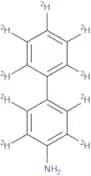
CAS:Controlled Product<p>4-Aminobiphenyl is a chemical compound that belongs to the group of aromatic amines. It is a human carcinogen and has been shown to cause cancer in animals. 4-Aminobiphenyl has been detected in the environment as an environmental pollutant and can be found in small quantities at low levels in food, air, and water. 4-Aminobiphenyl can be hydrolyzed by acid or alkaline hydrolysis to form its hydrolysate, which contains nitroarenes that are not present in the original compound. The DNA modification caused by 4-aminophenol may be due to its ability to modify DNA bases through reactive metabolites such as nitroarenes.</p>Formula:C12H2D9NPurity:Min. 95%Molecular weight:178.27 g/mol2-Hydroxybenzylamine
CAS:<p>2-Hydroxybenzylamine is a dietary supplement that is used to prevent atherosclerosis and cardiovascular disease. It inhibits the oxidation of fatty acids and decreases the production of reactive oxygen species. This drug has been shown to have an effect on cardiac hypertrophy and blood pressure. 2-Hydroxybenzylamine has been shown to reduce the levels of 4-hydroxybutyric acid, malondialdehyde, and reactive oxygen species in cultured cells. These effects may be due to its ability to inhibit the enzyme fatty acid synthase. 2HBA also has a protective effect against oxidative injury by reducing the release of reactive oxygen species from mitochondria in cultured cells.</p>Formula:C7H9NOPurity:Min. 95%Molecular weight:123.15 g/molBis(2,2,2-Trifluoroethyl)amine
CAS:<p>Bis(2,2,2-trifluoroethyl)amine is a colorless liquid that is soluble in water. It has a molecular weight of 122.11 and a boiling point of 217°C. Bis(2,2,2-trifluoroethyl)amine reacts with tetramethylammonium to form a dimer. The reaction is reversible and the bis(2,2,2-trifluoroethyl)amine can be regenerated by the addition of fluoride or an acid such as hydrochloric acid or sulfuric acid. Bis(2,2,2-trifluoroethyl)amine has an anion that can accept a proton from another molecule. This anion is also known as the bisulfite ion which reacts with hydrogen peroxide to form bisulfate and water.</p>Formula:C4H5F6NPurity:Min. 95%Color and Shape:PowderMolecular weight:181.08 g/mol3-Amino-6,7-dimethoxy-2-methylquinazolin-4(3H)-one
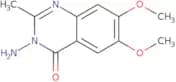
CAS:Controlled Product<p>Please enquire for more information about 3-Amino-6,7-dimethoxy-2-methylquinazolin-4(3H)-one including the price, delivery time and more detailed product information at the technical inquiry form on this page</p>Formula:C11H13N3O3Purity:Min. 95%Molecular weight:235.24 g/mol1-Aminopiperidine
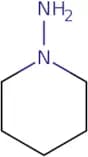
CAS:<p>1-Aminopiperidine is a hydrochloric acid derivative that is used to treat tuberculosis. It inhibits the enzyme catalysis of phospholipase A2 (PLA2) and blocks the release of arachidonic acid from cell membranes. 1-Aminopiperidine has been shown to have tuberculostatic activity in vivo by inhibiting PLA2 and blocking the release of arachidonic acid. This agent also exhibits antitumor properties, which may be due to its ability to inhibit the production of prostaglandin E2 (PGE2), an inflammatory mediator that can stimulate tumor growth. 1-Aminopiperidine binds to cannabinoid receptors, but does not bind to opioid or benzodiazepine receptors. This drug also exhibits antagonist activity against rimonabant, a type of receptor blocker for cannabinoid receptors.</p>Formula:C5H12N2Purity:Min. 95%Color and Shape:Clear LiquidMolecular weight:100.16 g/mol3,3'-Diaminodiphenylmethane
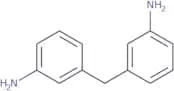
CAS:<p>3,3'-Diaminodiphenylmethane is a diamine that is used in organic synthesis as an electron-deficient ligand. It is used to prepare metal complexes and as a catalyst for the preparation of various organic compounds. 3,3'-Diaminodiphenylmethane has been used as an imprinting agent to generate fluorescent labels on proteins, nucleotides, and peptides. 3,3'-Diaminodiphenylmethane also emits fluorescence when irradiated with ultraviolet light. This compound can be used to identify amines in urine samples by reacting with them under acidic conditions.</p>Formula:C13H14N2Purity:Min. 95%Color and Shape:White To Tan To Orange SolidMolecular weight:198.26 g/mol2-(2-Aminoethyl)-1,3-dioxolane
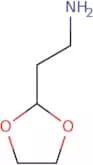
CAS:<p>2-(2-Aminoethyl)-1,3-dioxolane is a model membrane used to study the transport of hydrazides across membranes. It is also a vector for the study of supramolecular polymers and has been shown to be activated by aldehydes. 2-(2-Aminoethyl)-1,3-dioxolane has biological activity against human cells and has been used as a screening agent for hydrazide drugs. This compound can be used to study transport efficiency and functionality in vitro.</p>Formula:C5H11NO2Purity:Min. 95%Color and Shape:Clear LiquidMolecular weight:117.15 g/molN-Nitroso-N-methyl-4-aminobutyric acid methyl ester
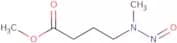
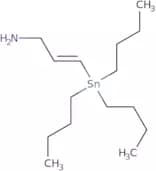
CAS:<p>Please enquire for more information about N-Nitroso-N-methyl-4-aminobutyric acid methyl ester including the price, delivery time and more detailed product information at the technical inquiry form on this page</p>Formula:C6H12N2O3Purity:Min. 95%Molecular weight:160.17 g/molE-3-(Tributylstannyl)-2-propen-1-amine
CAS:Controlled Product<p>Please enquire for more information about E-3-(Tributylstannyl)-2-propen-1-amine including the price, delivery time and more detailed product information at the technical inquiry form on this page</p>Formula:C15H33NSnPurity:Min. 95%Molecular weight:346.14 g/mol3-Aminopyridine
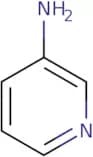
CAS:<p>3-Aminopyridine is a compound with the chemical formula C6H5N3. It is used in biological studies as a model for the hydrogen bond, and has been shown to be effective against some bacteria and fungi. 3-Aminopyridine may also have antimicrobial activity. The mechanism of action of 3-aminopyridine is not well understood, but it is thought that this compound might bind to the active site of an enzyme or receptor and deactivate it. 3-Aminopyridine has been found to inhibit dinucleotide phosphate (DNP) reductase, which may play a role in carcinogenesis. There are two nitrogen atoms in 3-aminopyridine, one in the amine group and one in the pyridine ring. The hydroxyl group on the molecule can form hydrogen bonds with other molecules such as hydrochloric acid or hydrogen tartrate, which may be why it reacts with these substances so easily.</p>Purity:Min. 95%Molecular weight:94.11 g/molN-Methyl-1-(3,4,5-trimethoxyphenyl)methanamine hydrochloride
CAS:Controlled Product<p>Please enquire for more information about N-Methyl-1-(3,4,5-trimethoxyphenyl)methanamine hydrochloride including the price, delivery time and more detailed product information at the technical inquiry form on this page</p>Formula:C11H17NO3Purity:Min. 95%Molecular weight:211.26 g/mol2-Amino-7-Benzyl-1H-Purin-6(7H)-One
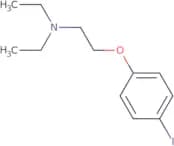
CAS:<p>Please enquire for more information about 2-Amino-7-Benzyl-1H-Purin-6(7H)-One including the price, delivery time and more detailed product information at the technical inquiry form on this page</p>Formula:C12H11N5OPurity:Min. 95%Molecular weight:241.25 g/mol2- (4-Iodophenoxy) - N, N- diethylethanamine
CAS:Controlled Product<p>Please enquire for more information about 2- (4-Iodophenoxy) - N, N- diethylethanamine including the price, delivery time and more detailed product information at the technical inquiry form on this page</p>Formula:C12H18INOPurity:Min. 95%Molecular weight:319.18 g/mol5-Aminoorotic acid
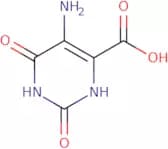
CAS:<p>5-Aminoorotic acid is an antimicrobial agent that has been shown to have anticancer activity. It has a nitrogen atom and two oxygen atoms in the molecule. The chemical structure of 5-aminoorotic acid can be determined using NMR spectroscopy and its biological properties are dependent on hydrogen bonding interactions with other molecules. 5-Aminoorotic acid is a chelate ring, which means it can bind to metal ions such as lanthanum (La3+). 5-Aminoorotic acid has been shown to inhibit the glycol oxidation reaction and may also be able to inhibit other enzymatic reactions. This drug is stable for use in model systems and may also be used for cancer treatment.</p>Formula:C5H5N3O4Purity:Min. 95%Molecular weight:171.11 g/mol4-Amino-3-bromo-1-(tert-butyl)-1H-pyrazolo[3,4-d]pyrimidine
CAS:<p>4-Amino-3-bromo-1-(tert-butyl)-1H-pyrazolo[3,4-d]pyrimidine is a drug that inhibits the growth of tumour cells by binding to and inhibiting kinases. It has been shown to have a significant inhibitory effect on lung cancer cells and pyridazine derivatives in vitro. 4-Amino-3-bromo-1-(tert-butyl)-1H-pyrazolo[3,4-d]pyrimidine has been shown to be effective against lung cancer cells in vivo. This drug may be useful for the treatment of cancer.</p>Formula:C9H12BrN5Purity:Min. 95%Molecular weight:270.13 g/molγ-Aminobutyric acid
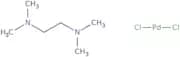
CAS:<p>Gamma-aminobutyric acid (GABA) is a neurotransmitter that inhibits the transmission of nerve impulses in the brain. GABA binds to specific receptors and blocks voltage-dependent calcium channels, which are ion channels that allow the passage of calcium ions into cells. GABA also has a number of other functions, including biochemical properties, its role in brain function and drug interactions. The GABA receptor is found on neurons and is subject to modulation by drugs that interact with GABA receptors. In addition, GABA can react with water vapor to produce hydrogen bonding interactions. This reaction is used in electrochemical impedance spectroscopy as an analytical tool for determining the concentration of free water in a sample.</p>Formula:C4H9NO2Purity:Min. 98.0%Color and Shape:White PowderMolecular weight:103.12 g/molcis-Dichloro(N,N,N',N'-tetramethylethylenediamine)palladium(II)
CAS:Controlled Product<p>Please enquire for more information about cis-Dichloro(N,N,N',N'-tetramethylethylenediamine)palladium(II) including the price, delivery time and more detailed product information at the technical inquiry form on this page</p>Formula:C6H16Cl2N2PdPurity:Min. 95%Molecular weight:293.53 g/mol2-[(Dimethylamino)methylene]-5-(2,3,4-trimethoxyphenyl)cyclohexane-1,3-dione
CAS:Controlled Product<p>Please enquire for more information about 2-[(Dimethylamino)methylene]-5-(2,3,4-trimethoxyphenyl)cyclohexane-1,3-dione including the price, delivery time and more detailed product information at the technical inquiry form on this page</p>Formula:C18H23NO5Purity:Min. 95%Molecular weight:333.38 g/molN-[1,1'-Biphenyl]-4-yl-9,9-dimethyl-9H-fluoren-2-amine
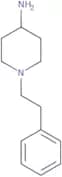
CAS:<p>N-Biphenyl-4-yl-9,9-dimethyl-9H-fluoren-2-amine is a fluorescent probe that is used in fluorescence spectroscopy, chemiluminescence detection, and electron spin resonance. It has been shown to be selective for metal ions such as Cu(II), Fe(III), and Mn(II) in the presence of thioacetal. The probe can be synthesized by reacting 4-(phenylazo)benzoic acid with 9,9'-dimethoxybiphenyl. In addition to being a probe, N-Biphenyl-4-yl-9,9'-dimethyl-9H -fluoren 2 amine has been used as an herbal medicine to treat cancer and other diseases in China.</p>Formula:C27H23NPurity:Min. 95%Molecular weight:361.48 g/mol1-(2-Phenylethyl)piperidin-4-amine dihydrochloride
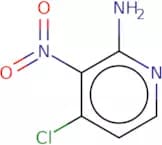
CAS:Controlled Product<p>Please enquire for more information about 1-(2-Phenylethyl)piperidin-4-amine dihydrochloride including the price, delivery time and more detailed product information at the technical inquiry form on this page</p>Formula:C13H20N2Purity:Min. 95%Molecular weight:204.31 g/mol2-Amino-4-chloro-3-nitropyridine
CAS:<p>2-Amino-4-chloro-3-nitropyridine is a potent inhibitory molecule that inhibits the activity of the enzyme acetylcholinesterase. It has been used in the treatment of chronic pain, and has been shown to be effective for inhibiting malonate esters and amino acid esters. This drug is an ethyl ester that can be synthesized from chlorobenzene and malonic acid by chlorinating it with chlorine gas. 2-Amino-4-chloro-3-nitropyridine has also been shown to have a high affinity for malonic acid diethyl esters.</p>Formula:C5H4ClN3O2Purity:Min. 98 Area-%Color and Shape:PowderMolecular weight:173.56 g/mol[2-(1-Ethyl-1H-indol-3-yl)-1-methylethyl]amine hydrochloride
CAS:Controlled Product<p>Please enquire for more information about [2-(1-Ethyl-1H-indol-3-yl)-1-methylethyl]amine hydrochloride including the price, delivery time and more detailed product information at the technical inquiry form on this page</p>Formula:C13H18N2Purity:Min. 95%Molecular weight:202.3 g/molDidecyl dimethyl ammonium chloride - 80% aqueous solution
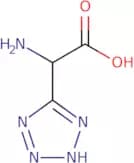
CAS:<p>Didecyl dimethyl ammonium chloride is a quaternary ammonium compound that has been shown to have a broad-spectrum antimicrobial activity. It has been used in disinfectants and as an active ingredient in pharmaceuticals, cosmetics, and foods. The compound is not toxic to humans or animals at concentrations up to 50%. Didecyl dimethyl ammonium chloride has been shown to be effective against infectious diseases caused by bacteria, viruses, fungi, and protozoa. This compound also has an effect on the epithelial-mesenchymal transition (EMT) process. Didecyl dimethyl ammonium chloride can be prepared by titration calorimetry or analytical method. The preparation of didecyl dimethyl ammonium chloride can be done using chloroform and benzalkonium chloride or glycol ether.</p>Formula:C22H48ClNColor and Shape:Clear LiquidMolecular weight:362.08 g/molα-Amino-2H-tetrazole-5-acetic acid
CAS:<p>Alpha-amino-2H-tetrazole-5-acetic acid (AAT) is a neurotoxin that inhibits glutamate receptors and causes neuronal cell death. It also decreases heart function in rats by inhibiting the cardiac sodium channel. AAT has been shown to be effective for inducing neuronal death in Xenopus oocytes, as well as decreasing the expression of certain receptor protein, such as NMDA and AMPA receptor subtypes. AAT is also known to cause apoptosis, which may be due to its inhibition of receptor function.</p>Formula:C3H5N5O2Purity:Min. 95%Color and Shape:Light (Or Pale) Green To Green SolidMolecular weight:143.1 g/mol2-(2-Aminoethoxy)ethanol
CAS:<p>2-(2-Aminoethoxy)ethanol (2-AE) is a natural compound that has been synthesized from ethanol and 2-aminoethanol. It has been shown to react with sodium carbonate to form stable complexes that are resistant to hydrolysis by amines. The stability of the complex is attributed to the formation of an intermolecular hydrogen bond between the hydroxyl group on the 2-AE molecule and the carboxylate group on the sodium carbonate molecule. 2-AE reacts with benzalkonium chloride, a quaternary ammonium salt, in water vapor to produce an alcohol and a fatty acid, which is then hydrolyzed by glycol ethers into glycolates. This mechanism is similar to that of other reactions involving quaternary ammonium salts, such as those in fatty acids or glycol ethers.</p>Formula:C4H11NO2Purity:Min. 95%Molecular weight:105.14 g/molN-Phenylhydroxylamine
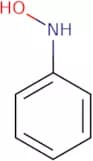
CAS:<p>N-Phenylhydroxylamine is a chemical compound that is used in wastewater treatment. It is a hydrophobic compound that has been shown to irreversibly inhibit the nitrite reductase enzyme, which is responsible for converting nitrite ions into nitrate ions. This reaction mechanism was studied using in vitro assays with picolinic acid and nitrobenzene. N-Phenylhydroxylamine binds to the active site of the enzyme and blocks access by the substrate, preventing it from being converted into its product. The reaction can be reversed by adding hydrogen fluoride, which displaces the N-phenylhydroxylamine molecule from its binding site. N-Phenylhydroxylamine also binds to nitrogen atoms and participates in transfer reactions with other molecules, making it reactive and capable of reacting with other compounds. The sample preparation process should include separating N-phenylhydroxylamine from water samples after extraction because it will react with</p>Formula:C6H7NOPurity:Min. 95%Color and Shape:PowderMolecular weight:109.13 g/mol1,2-Diamino-2-methylpropane
CAS:<p>Intermediate in the synthesis of anagliptin</p>Formula:C4H12N2Purity:Min. 95%Molecular weight:88.15 g/molDes(isopropylamino) atenolol diol
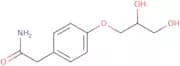
CAS:<p>Des(isopropylamino) atenolol diol is a synthetic, high-performance liquid chromatography (HPLC) analyte with an absorbance maximum of 254 nm. It is a white/off-white solid that is soluble in water and has a molecular weight of 187.5 g/mol. This compound can be analyzed using multichannel or liquid chromatographic techniques. Des(isopropylamino) atenolol diol can be used to measure the concentration of various compounds, such as impurities, by elution from the column. The elution profile has been shown to be dependent on the type of sample and technique used for analysis.</p>Formula:C11H15NO4Purity:Min. 95%Molecular weight:225.24 g/mol(R)-Tetrahydro-2H-pyran-3-amine hydrochloride
CAS:<p>Please enquire for more information about (R)-Tetrahydro-2H-pyran-3-amine hydrochloride including the price, delivery time and more detailed product information at the technical inquiry form on this page</p>Formula:C5H12ClNOPurity:Min. 95%Molecular weight:137.61 g/mol4-Benzyloxy-3-methoxy-N-methylphenethylamine hydrochloride
CAS:Controlled Product<p>Please enquire for more information about 4-Benzyloxy-3-methoxy-N-methylphenethylamine hydrochloride including the price, delivery time and more detailed product information at the technical inquiry form on this page</p>Formula:C17H22ClNO2Purity:Min. 95%Molecular weight:307.81 g/molN-Nitrosodicyclohexylamine
CAS:<p>N-Nitrosodicyclohexylamine (NDCA) is a chemical that is used as a corrosion inhibitor. The stability of NDCA in the environment has been studied extensively and found to be resistant to many conditions including heat, light, and pH. NDCA is absorbed by the skin or ingested and has been shown to cause genotoxic effects in human lymphocytes. The genotoxic potential of NDCA has also been demonstrated in V79 cells. NDCA reacts with amines to form an intermediate that spontaneously decomposes into nitrosamines, which are carcinogenic. This reaction mechanism was confirmed using analytical methods such as gas chromatography-mass spectrometry (GC-MS).</p>Formula:C12H22N2OPurity:Min. 95%Molecular weight:210.32 g/mol2-Amino-5-chloropyridine
CAS:<p>2-Amino-5-chloropyridine is an organic compound that is a metabolite of nicotinic acid. 2-Amino-5-chloropyridine has been detected in urine samples and can be extracted from urine with hydrochloric acid. It can also be prepared by the reaction of picolinic acid and malonic acid, which are both found in the human body. The compound has been shown to have pharmacokinetic properties, including a half life of approximately 1 hour and a volume of distribution of 0.3 L/kg. 2-Amino-5-chloropyridine has also been shown to have structural analysis and binding properties with hydrogen bonding interactions. The structure was determined by X-ray crystal structures, which revealed the presence of a reactive group p2 and the absence of any other reactive groups. 2-Amino-5-chloropyridine is used as an analytical method for fluorescence detection in combination</p>Purity:Min. 95%Color and Shape:White To Off-White SolidMolecular weight:128.56 g/mol3,4-Methylenedioxy amphetamine hydrochloride
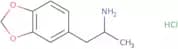
CAS:Controlled Product<p>3,4-Methylenedioxy amphetamine hydrochloride is an enantiomer of methylenedioxyamphetamine. It is a synthetic molecule that has been used as a drug and chemical intermediate. 3,4-MDA has not been detected in any natural products. 3,4-MDA is not soluble in water but is soluble in most organic solvents and oils. 3,4-MDA can be made into a non-polymeric form by adding acid to the molecule. The impurities are typically related to the solvent used during synthesis and include unreacted starting materials, side products from chemical reactions, and traces of other chemicals such as acetyl derivatives or polymers. 3,4-MDA can be assayed using high performance liquid chromatography (HPLC) with fluorescent detection; however, due to the impurities present in this substance it may be difficult to obtain a reliable result. There are two polymorphs for 3,4-MDA:</p>Formula:C10H14ClNO2Purity:Min. 95%Color and Shape:PowderMolecular weight:215.68 g/mol5-Iodo-2,3-dihydro-1H-inden-2-amine hydrochloride hydrate
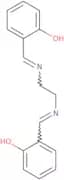
Controlled Product<p>Please enquire for more information about 5-Iodo-2,3-dihydro-1H-inden-2-amine hydrochloride hydrate including the price, delivery time and more detailed product information at the technical inquiry form on this page</p>Formula:C9H13ClINOPurity:Min. 95%Molecular weight:313.56 g/molN,N'-Bis(salicylidene)ethylenediamine
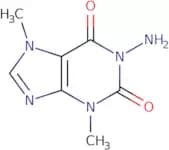
CAS:<p>N,N'-Bis(salicylidene)ethylenediamine is a catalyst that belongs to the group of transition metal complexes. It is used in hydrogenation reactions in the presence of a palladium-based catalyst. The coordination geometry is octahedral with two bridging ethylene diamine ligands and one terminal ethylene diamine ligand. The complex has been shown to catalyze the reaction between aryl chlorides and alkynes as well as between alkenes and sulfur dioxide to produce corresponding nitriles. N,N'-Bis(salicylidene)ethylenediamine has also been shown to be active in polymerization reactions and can be used as an effective chiral catalyst for polymer compositions.</p>Formula:C16H16N2O2Purity:Min. 95%Molecular weight:268.31 g/mol5-Amino-3,7-dimethylxanthine
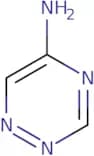
CAS:Controlled Product<p>Please enquire for more information about 5-Amino-3,7-dimethylxanthine including the price, delivery time and more detailed product information at the technical inquiry form on this page</p>Formula:C7H9N5O2Purity:Min. 95%Molecular weight:195.18 g/mol1,2,4-Triazin-5-amine
CAS:<p>1,2,4-Triazin-5-amine is a synthetic compound that has been shown to have significant activity against the enzyme carbonyl reductase. The term "significant" refers to the inhibition of this enzyme by 1,2,4-triazin-5-amine in a dose dependent manner. This inhibition was observed with allosteric inhibitors and orthosteric inhibitors. 1,2,4-Triazin-5-amine has also been shown to be effective in inhibiting phosphatases and butyric acid hydrolase in vitro. The mechanism of 1,2,4-triazin-5-amine is unknown but it is thought that it may act as an inhibitor of human diseases such as Alzheimer's disease or Parkinson's disease.</p>Formula:C3H4N4Purity:Min. 95%Molecular weight:96.09 g/mol(1R,2S)-2-[N-Benzyl-N-(mesitylenesulfonyl)amino]-1-phenyl-1-propanol
CAS:Controlled Product<p>Please enquire for more information about (1R,2S)-2-[N-Benzyl-N-(mesitylenesulfonyl)amino]-1-phenyl-1-propanol including the price, delivery time and more detailed product information at the technical inquiry form on this page</p>Formula:C25H29NO3SPurity:Min. 95%Molecular weight:423.57 g/mol[2-(1,2-Dimethyl-1H-indol-3-yl)ethyl]amine hydrochloride
CAS:Controlled Product<p>Please enquire for more information about [2-(1,2-Dimethyl-1H-indol-3-yl)ethyl]amine hydrochloride including the price, delivery time and more detailed product information at the technical inquiry form on this page</p>Formula:C12H16N2Purity:Min. 95%Molecular weight:188.27 g/mol(S)-tert-Butyl 3-(methylamino)pyrrolidine-1-carboxylate
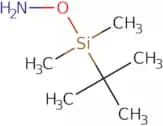
CAS:<p>(S)-tert-Butyl 3-(methylamino)pyrrolidine-1-carboxylate is a research chemical that can be used as a versatile building block for the synthesis of complex compounds. It is also a reaction component in the synthesis of speciality chemicals and useful scaffolds. It has been shown to have high quality, reagent grade and purity.</p>Formula:C10H20N2O2Purity:Min. 95%Color and Shape:PowderMolecular weight:200.28 g/molO-(Tert-Butyldimethylsilyl)hydroxylamine
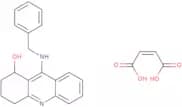
CAS:<p>O-(Tert-butyldimethylsilyl)hydroxylamine is a stereospecific, oxidized, insoluble, tautomeric hydroxamic acid. It is used as a reagent in organic synthesis to form lactams by reaction with hexamethylenetetramine. The compound can be prepared by treatment of hydroxylamine with diacetate in the presence of aluminium chloride. The product is an orange liquid that crystallizes from water, but is not soluble in most organic solvents.</p>Formula:C6H17NOSiPurity:Min. 95%Molecular weight:147.29 g/mol9-(Benzylamino)-1,2,3,4-tetrahydroacridin-1-ol maleate
CAS:<p>9-(Benzylamino)-1,2,3,4-tetrahydroacridin-1-ol maleate is a cholinergic drug that is used for the treatment of inflammatory diseases. It inhibits phosphodiesterase activity and has been shown to be effective in clinical studies against a number of inflammatory diseases. This drug also has anti-inflammatory properties and can be used to treat acute inflammation. 9-(Benzylamino)-1,2,3,4-tetrahydroacridin-1-ol maleate is also conjugated with fatty acids and this formation helps to increase its bioavailability.</p>Formula:C24H24N2O5Purity:Min. 95%Molecular weight:420.46 g/mol4-Amino-3,5-difluorobenzoic Acid
CAS:<p>4-Amino-3,5-difluorobenzoic Acid is a chemical compound that is used to manufacture dyes and pharmaceuticals. It is prepared by the reaction of dimethyl formamide with bromobenzoate and hydrobromic acid. The reaction product is decompressed to remove the toxic hydrogen cyanide gas and then reacted with sodium borohydride in liquid ammonia. This process yields 4-amino-3,5-difluorobenzoic acid which can be purified by recrystallization from water or chloroform.</p>Formula:C7H5F2NO2Purity:Min. 95%Molecular weight:173.12 g/mol5-({[2-(4-Chlorophenyl)-1,3-oxazol-4-yl]methyl}thio)-1,3,4-thiadiazol-2-amine
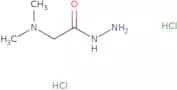
CAS:<p>Please enquire for more information about 5-({[2-(4-Chlorophenyl)-1,3-oxazol-4-yl]methyl}thio)-1,3,4-thiadiazol-2-amine including the price, delivery time and more detailed product information at the technical inquiry form on this page</p>Formula:C12H9ClN4OS2Purity:Min. 95%Color and Shape:PowderMolecular weight:324.81 g/molDimethylaminoacetic acid hydrazide dihydrochloride
CAS:<p>Please enquire for more information about Dimethylaminoacetic acid hydrazide dihydrochloride including the price, delivery time and more detailed product information at the technical inquiry form on this page</p>Purity:Min. 95%

![7-Bromo-[1,2,4]triazolo[1,5-a]pyridin-2-ylamine](/_next/image/?url=https%3A%2Fstatic.cymitquimica.com%2Fproducts%2F3D%2Fthumb-webp%2FFB140382.webp&w=3840&q=75)


![N,N-Dimethyl-N-[4-(piperazin-1-ylmethyl)phenyl]amine](/_next/image/?url=https%3A%2Fstatic.cymitquimica.com%2Fproducts%2F3D%2Fthumb-webp%2FFD113841.webp&w=3840&q=75)



![1-[4-(4-Methylpiperidin-1-yl)phenyl]methanamine](/_next/image/?url=https%3A%2Fstatic.cymitquimica.com%2Fproducts%2F3D%2Fthumb-webp%2FFM117851.webp&w=3840&q=75)
![[2-(1-Ethyl-1H-benzimidazol-2-yl)ethyl]amine dihydrochloride](/_next/image/?url=https%3A%2Fstatic.cymitquimica.com%2Fproducts%2F3D%2Fthumb-webp%2FFE125216.webp&w=3840&q=75)
![N,N-Bis[3-(methylamino)propyl]methylamine](/_next/image/?url=https%3A%2Fstatic.cymitquimica.com%2Fproducts%2F3D%2Fthumb-webp%2FFB166306.webp&w=3840&q=75)







![2-(2-Aminoethyl)-3',6'-bis(diethylaMino)spiro[isoindoline-1,9'-xanthen]-3-one](/_next/image/?url=https%3A%2Fstatic.cymitquimica.com%2Fproducts%2F3D%2Fthumb-webp%2FFA39948.webp&w=3840&q=75)






![4-Amino-3-bromo-1-(tert-butyl)-1H-pyrazolo[3,4-d]pyrimidine](/_next/image/?url=https%3A%2Fstatic.cymitquimica.com%2Fproducts%2F3D%2Fthumb-webp%2FFA168683.webp&w=3840&q=75)

![2-[(Dimethylamino)methylene]-5-(2,3,4-trimethoxyphenyl)cyclohexane-1,3-dione](/_next/image/?url=https%3A%2Fstatic.cymitquimica.com%2Fproducts%2F3D%2Fthumb-webp%2FFD134779.webp&w=3840&q=75)
![N-[1,1'-Biphenyl]-4-yl-9,9-dimethyl-9H-fluoren-2-amine](/_next/image/?url=https%3A%2Fstatic.cymitquimica.com%2Fproducts%2F3D%2Fthumb-webp%2FFB151933.webp&w=3840&q=75)
![[2-(1-Ethyl-1H-indol-3-yl)-1-methylethyl]amine hydrochloride](/_next/image/?url=https%3A%2Fstatic.cymitquimica.com%2Fproducts%2F3D%2Fthumb-webp%2FFE123632.webp&w=3840&q=75)





![(1R,2S)-2-[N-Benzyl-N-(mesitylenesulfonyl)amino]-1-phenyl-1-propanol](/_next/image/?url=https%3A%2Fstatic.cymitquimica.com%2Fproducts%2F3D%2Fthumb-webp%2FFB59938.webp&w=3840&q=75)
![[2-(1,2-Dimethyl-1H-indol-3-yl)ethyl]amine hydrochloride](/_next/image/?url=https%3A%2Fstatic.cymitquimica.com%2Fproducts%2F3D%2Fthumb-webp%2FFD135164.webp&w=3840&q=75)


![5-({[2-(4-Chlorophenyl)-1,3-oxazol-4-yl]methyl}thio)-1,3,4-thiadiazol-2-amine](/_next/image/?url=https%3A%2Fstatic.cymitquimica.com%2Fproducts%2F3D%2Fthumb-webp%2FFC122189.webp&w=3840&q=75)