Amines
Amines are a set of molecules containing an amino functional group (derived from ammonia). This category includes amines at any level of substitution : primary, secondary, tertiary, and ammonium salts. Amines are fundamental in organic synthesis and are widely used in pharmaceuticals, agrochemicals, and materials science. At CymitQuimica, we provide a comprehensive selection of amines to meet your research and industrial needs. Our range ensures access to various amines for diverse chemical processes and innovative research.
Subcategories of "Amines"
- Nitrosamines(2,605 products)
- Primary Amines(30,821 products)
- Quaternary Ammonium Cations and Salts(1,099 products)
- Secondary Amines(20,817 products)
- Tertiary Amines(17,117 products)
Found 8778 products of "Amines"
Sort by
Purity (%)
0
100
|
0
|
50
|
90
|
95
|
100
2,7-Bis[2-(diethylamino)ethoxy]-9-fluorenone dihydrochloride
CAS:Controlled Product<p>2,7-Bis[2-(diethylamino)ethoxy]-9-fluorenone dihydrochloride (2,7-BDFE) is a potent inducer of interferon. It is a natural compound that has been shown to have significant cytotoxicity against murine sarcoma virus and opportunistic fungal infections. 2,7-BDFE has also been shown to induce toll-like receptor 4 (TLR4), which triggers the production of other cytokines and chemokines. 2,7-BDFE has also been found to inhibit the growth of cancer cells in vitro and in vivo. This drug is used as an inhibitor for benzalkonium chloride for the prevention of bacterial contamination on surfaces.</p>Formula:C25H36N2O3Cl2Purity:Min. 95%Color and Shape:Yellow PowderMolecular weight:483.47 g/mol1,3,4-Oxadiazol-2-amine
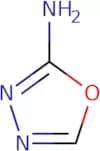
CAS:<p>1,3,4-Oxadiazol-2-amine is a synthetic compound that belongs to the group of peptidomimetics. It is an alkylating agent that has been shown to inhibit glycogen synthase kinase 3 (GSK3) and prevent the formation of amyloid plaques in Alzheimer's disease. 1,3,4-Oxadiazol-2-amine also has antibacterial activity against Gram-positive and Gram-negative bacteria. This compound can be synthesized by reacting chloroacetaldehyde with 2-(2'-aminophenoxy)ethanol in the presence of acid. The molecular weight for this compound is 167.260 g/mol. Crystals are obtained from melting the substance at 180 °C under vacuum and then allowing it to cool down to room temperature over a period of 4 hours. The crystal system for this molecule is monoclinic and its space group is P21/c. X-ray diffraction</p>Formula:C2H3N3OPurity:Min. 95%Molecular weight:85.06 g/mol2,5-Diaminopyridine
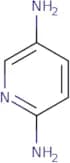
CAS:<p>2,5-Diaminopyridine is an organic compound that is expressed in the human body. It has been shown to inhibit the growth of cells in culture by binding to their DNA and preventing the production of hydrogen bonds. 2,5-Diaminopyridine has also been used clinically to treat inflammatory diseases such as rheumatoid arthritis. The hydrogen bond formation and inhibition of cell growth occurs at a low concentration of 2,5-Diaminopyridine. This drug may have potential as a therapeutic agent for cancer treatment because it inhibits the transcription factor CXCR4.</p>Formula:C5H7N3Purity:Min. 98.0 Area-%Color and Shape:Yellow To Purple To Brown SolidMolecular weight:109.13 g/molTritylamine
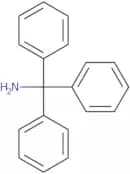
CAS:<p>Tritylamine is an inorganic acid that is synthesized by the reaction of trifluoroacetic acid with ammonia. It can be used to treat autoimmune diseases, such as rheumatoid arthritis, and has been shown to have a beneficial effect on collagen synthesis. Tritylamine has also been studied as a fluorescent probe for the detection of metal ions in biological systems. Tritylamine has been used in asymmetric synthesis and can also inhibit enzymes that catalyze metabolic reactions.</p>Formula:C19H17NPurity:Min. 98 Area-%Color and Shape:White PowderMolecular weight:259.35 g/molBoc-15-amino-4,7,10,13-tetraoxapentadecanoic acid
CAS:<p>Boc-15-amino-4,7,10,13-tetraoxapentadecanoic acid is a PEG compound with two different functional groups (also known as heterobifunctional). Unlike homobifunctional PEG compounds (same functional group on both ends), this type of compounds are more versatile as have two different anchor points. Boc-15-amino-4,7,10,13-tetraoxapentadecanoic acid is used as a linker and spacer to add a PEG moiety, via pegylation (a bioconjugation technique) to proteins, peptides, oligonucleotides, small molecules and nanoparticles.</p>Formula:C16H31NO8Purity:Min. 95%Molecular weight:365.42 g/mol3-Amino-2-nitropyridine
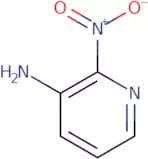
CAS:<p>3-Amino-2-nitropyridine is a heterocyclic compound that is an oxidation product of 2,4,6-trinitrotoluene. 3-Amino-2-nitropyridine is a potent inhibitor of the d4 receptor and has been shown to be active in animal models of cancer and autoimmune diseases. The mechanism of action of this drug is not well understood, but it has been found to inhibit cell proliferation in vitro by binding to nucleophilic sites on the receptor. Nitrobenzoic acid may also contribute to its activity. 3-Amino-2-nitropyridine inhibits inflammatory responses by inhibiting cell proliferation and migration.</p>Formula:C5H5N3O2Purity:Min. 95%Molecular weight:139.11 g/molAminocaproic acid
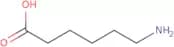
CAS:<p>Aminocaproic acid is a non-specific lysing agent that is used in the treatment of acute blood clots. Aminocaproic acid has minimal toxicity and low-dose effects, and can be used for the treatment of thrombotic disorders. It also has biological properties that are different from those of aminocaproate, which can lead to a more rapid dissolution of the clot. Aminocaproic acid is an organic compound that belongs to the class of dicarboxylic acids. It is synthesized from two molecules of aminoacetic acid by the enzyme aminocaproic acid synthetase. The synthesis occurs in a two-step process: first, caprylic acid reacts with ATP to form aminopropyl-adenylate (APA), followed by hydrolysis by APA lyase to form aminocaproic acid.</p>Formula:C6H13NO2Color and Shape:PowderMolecular weight:131.17 g/mol(2-Bromopyridin-4-yl)methanamine
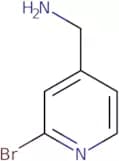
CAS:<p>Please enquire for more information about (2-Bromopyridin-4-yl)methanamine including the price, delivery time and more detailed product information at the technical inquiry form on this page</p>Purity:Min. 95%2-Methoxy-5-[[(phenylmethyl)sulfonyl]methyl]benzenamine
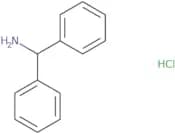
CAS:<p>3-Amino-4-methoxybenzyl sulphone is a high quality, versatile building block that is used in the synthesis of complex compounds. It is a reagent that can be used for reactions such as the coupling of amines and carboxylic acids. 3-Amino-4-methoxybenzyl sulphone is also useful in the synthesis of pharmaceuticals and speciality chemicals. The compound has been shown to react with other substances, such as thiols and alcohols, to form new materials with interesting properties.</p>Formula:C15H17NO3SPurity:Min. 95%Color and Shape:PowderMolecular weight:291.37 g/molBenzhydrylamine resin (200-400 mesh)·HCl
<p>Please enquire for more information about Benzhydrylamine resin (200-400 mesh)·HCl including the price, delivery time and more detailed product information at the technical inquiry form on this page</p>Purity:Min. 95%Mozavaptan
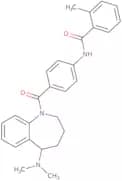
CAS:Controlled Product<p>Mozavaptan is a pharmacological agent that acts as a vasopressin V2 receptor antagonist. It is derived through synthetic chemical processes designed to target specific neurohormonal pathways in the body. Mozavaptan exerts its effects by inhibiting the action of vasopressin, a hormone that promotes water reabsorption in the kidneys. By blocking the vasopressin receptors, it enhances water excretion and corrects imbalances in electrolyte levels, particularly addressing conditions like hyponatremia.</p>Formula:C27H29N3O2Purity:Min. 98 Area-%Color and Shape:PowderMolecular weight:427.54 g/mol2-[4-(Diethylamino)-2-hydroxybenzoyl]benzoic acid hexyl ester
CAS:<p>2-[4-(Diethylamino)-2-hydroxybenzoyl]benzoic acid hexyl ester is a sunscreen agent that has been shown to be effective against the formation of skin cancer. This compound is a white powder that can be used as a cream or lotion and is typically applied to the skin before going out in the sun. 2-[4-(Diethylamino)-2-hydroxybenzoyl]benzoic acid hexyl ester absorbs ultraviolet radiation, preventing it from penetrating the skin and causing damage. The compound also acts as an antioxidant, protecting cells from oxidative stress.</p>Formula:C24H31NO4Purity:Min. 95%Color and Shape:PowderMolecular weight:397.51 g/molAminomethyl resin (200-400 mesh)
CAS:<p>Aminomethyl resin is a polymeric solid that is used in peptide synthesis. It has been shown to interact with peptides and peptide fragments with high efficiency. Aminomethyl resin also has the ability to form specific interactions with amino acids and other molecules that are involved in the chemical synthesis of peptides. This resin can be used for screening and purification of peptides.</p>Purity:Min. 95%Tetraethylammonium tetrafluoroborate
CAS:<p>Tetraethylammonium tetrafluoroborate is a diamagnetic chemical species that reacts with water, forming the hydrated salt tetraethylammonium hydroxide. Tetraethylammonium tetrafluoroborate has a high resistance to oxidation and reduction reactions. It can be used as an electrolyte in electrochemistry and as a thermal expansion agent in plastics. The potentials of this substance are around +1 V, which makes it useful for electrochemical impedance spectroscopy. Tetraethylammonium tetrafluoroborate is activated by organic solvents, but not by water vapor.</p>Formula:C8H20N·BF4Color and Shape:White Off-White PowderMolecular weight:217.06 g/molEthylammonium Tetrafluoroborate
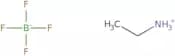
CAS:Controlled Product<p>Ethylammonium tetrafluoroborate is an ionic liquid that is a colorless, nonvolatile liquid at room temperature. It has a melting point of -9 °C and a boiling point of 230 °C. This compound is soluble in water and organic solvents, but insoluble in diethyl ether. Ethylammonium tetrafluoroborate can be used as an electrolyte for lithium-ion batteries. The reversible oxidation reaction of ethylammonium tetrafluoroborate can be catalyzed by the addition of fluorine or carbonyl groups to the molecule. The NMR spectra of ethylammonium tetrafluoroborate show that it contains an alcohol group with a phase transition temperature near 35 °C and an activation energy near 15 kJ/mol. This compound also undergoes polymerization reactions with various types of monomers, such as vinyl acetate and methyl methacrylate,</p>Formula:C2H7BF4NPurity:Min. 95%Color and Shape:PowderMolecular weight:131.89 g/mol12-Amino minocycline
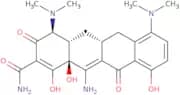
CAS:<p>Please enquire for more information about 12-Amino minocycline including the price, delivery time and more detailed product information at the technical inquiry form on this page</p>Formula:C23H28N4O6Purity:90% MinMolecular weight:456.49 g/mol(2R,4S)-1-tert-Butyl 2-methyl4-aminopyrrolidine-1,2-dicarboxylate
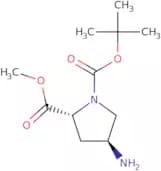
CAS:<p>Please enquire for more information about (2R,4S)-1-tert-Butyl 2-methyl4-aminopyrrolidine-1,2-dicarboxylate including the price, delivery time and more detailed product information at the technical inquiry form on this page</p>Formula:C11H20N2O4Purity:Min. 95%Molecular weight:244.29 g/molcis-4-Aminocyclohexanecarboxylic acid methyl ester hcl
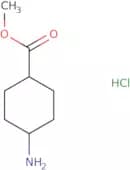
CAS:<p>cis-4-Aminocyclohexanecarboxylic acid methyl ester hcl is a chemical compound that is used in research and industry. It is an efficient isomer of 4-aminocyclohexanecarboxylic acid methyl ester hydrochloride. cis-4-Aminocyclohexanecarboxylic acid methyl ester hcl has been used as a model for the study of glimepiride, an insulin secretagogue, and has been shown to be active against Toxoplasma gondii.</p>Formula:C8H15NO2·HClPurity:Min. 95%Color and Shape:SolidMolecular weight:193.67 g/mol(S)-3-Amino-3-(4-chlorophenyl)-propan-1-ol
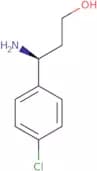
CAS:<p>Please enquire for more information about (S)-3-Amino-3-(4-chlorophenyl)-propan-1-ol including the price, delivery time and more detailed product information at the technical inquiry form on this page</p>Formula:C9H12ClNOPurity:Min. 95%Molecular weight:185.65 g/mol3-(Boc-amino)pyridine
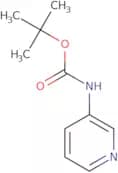
CAS:<p>3-(Boc-amino)pyridine is a glycine derivative with a trigonal, chelate ring. It can be hydrolyzed by acid to form 3-aminopyridine. 3-(Boc-amino)pyridine has been shown to react with trimethyltin chloride to form an intramolecular complex in the presence of alkyllithiums. This reaction proceeds through lithiation and methylation of the carboxyl group of 3-(Boc-amino)pyridine. The interaction between 3-(Boc-amino)pyridine and trimethyltin chloride forms an antiaromatic six membered ring that resembles a benzene molecule.</p>Formula:C10H14N2O2Purity:Min. 95%Molecular weight:194.23 g/mol2-[(5-Chloropyridin-2-yl)amino]-2-oxoacetic acid ethyl ester monohydrochloride
CAS:<p>Intermediate in the synthesis of edoxaban</p>Formula:C9H9ClN2O3·HClPurity:Min. 95%Molecular weight:265.09 g/mol(Deamino-Cys3, Nle 4,Arg5,D-2-Nal 7,Cys11)-a-MSH (3-11) amide trifluoroacetate salt
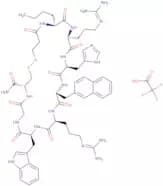
CAS:<p>Please enquire for more information about (Deamino-Cys3, Nle 4,Arg5,D-2-Nal 7,Cys11)-a-MSH (3-11) amide trifluoroacetate salt including the price, delivery time and more detailed product information at the technical inquiry form on this page</p>Formula:C56H76N18O9S2Purity:Min. 95%Molecular weight:1,209.45 g/mol4-((5-Bromopyridin-2-yl)amino)-4-oxobutanoic acid
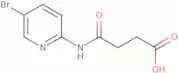
CAS:<p>4-((5-Bromopyridin-2-yl)amino)-4-oxobutanoic acid (BABA) is a potent photosynthetic inhibitor that inhibits light-driven electron transport in chloroplasts. This inhibition of electron transport leads to the accumulation of reactive oxygen species and cellular dysfunction. BABA is used to induce dormancy in plants and is also used as a chemical inhibitor for arabidopsis thaliana, a type of plant commonly used in molecular biology research. Studies have shown that BABA inhibits the growth of fat cells, which may be due to its ability to inhibit protein synthesis, leading to decreased fat deposition. In addition, this drug has been shown to reduce eye disorders such as retinal degeneration and cataracts by inhibiting the production of reactive oxygen species, which causes oxidative stress.</p>Formula:C9H9BrN2O3Purity:(Elemental Analysis) Min. 97%Color and Shape:PowderMolecular weight:273.08 g/molN-(3-Dimethylaminopropyl)acrylamide, stabilized with MEHQ
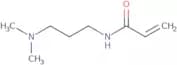
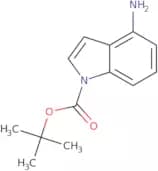
CAS:<p>N-(3-Dimethylaminopropyl)acrylamide is a polymerization initiator that is used in the synthesis of polymers. It is also a model protein, which can be used to study bacterial growth rates and tissue metabolism. N-(3-Dimethylaminopropyl)acrylamide has been shown to have biological properties similar to human serum, as well as to serve as a model for primary cells. The FT-IR spectroscopy of N-(3-Dimethylaminopropyl)acrylamide reveals the presence of chloride ions in its molecular structure. The reaction mechanism for this compound has been determined by deionized water and ionic reactions with chloride ions.</p>Formula:C8H16N2OPurity:Min. 95%Molecular weight:156.23 g/mol1-Boc-4-aminoindole
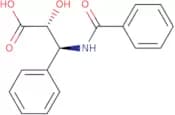
CAS:<p>Please enquire for more information about 1-Boc-4-aminoindole including the price, delivery time and more detailed product information at the technical inquiry form on this page</p>Formula:C13H16N2O2Purity:Min. 95%Molecular weight:232.28 g/molN-Benzoyl-(2R,3S)-3-amino-2-hydroxy-3-phenyl-propionicacid
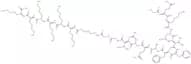
CAS:<p>N-Benzoyl-(2R,3S)-3-amino-2-hydroxy-3-phenylpropionic acid (BAPA) is a substance that is used in the manufacture of various drugs. It is also a potent anticancer drug that can be used for the treatment of cancer. BAPA has been shown to be an effective chemotherapeutic agent against many types of cancer cells. This drug is synthesized through an asymmetric synthesis process and has been shown to have potent cytotoxic effects against cancer cells with low levels of glutathione peroxide reductase. BAPA also inhibits the growth of bacteria by hydrolyzing or oxidizing proteins or by binding to DNA and RNA.</p>Formula:C16H15NO4Purity:Min. 95%Molecular weight:285.29 g/molGly-Amyloid b-Protein (15-25)-Gly-ε-aminocaproyl(-Lys)6
CAS:<p>Please enquire for more information about Gly-Amyloid b-Protein (15-25)-Gly-epsilon-aminocaproyl(-Lys)6 including the price, delivery time and more detailed product information at the technical inquiry form on this page</p>Formula:C105H178N28O26Purity:Min. 95%Molecular weight:2,248.71 g/mol4-Aminobenzocyclobutene
CAS:<p>4-Aminobenzocyclobutene is a monomer that can be used as a crosslinker. It has been shown to have magnetic properties and is soluble in organic solvents such as dioxane and dichloromethane. 4-Aminobenzocyclobutene readily reacts with paraformaldehyde to form the corresponding paraformaldehyde resin, which is insoluble in water and can be used for the preparation of coatings or adhesives. The hydrosilylation reaction between 4-aminobenzocyclobutene and 3-chloropropyl trimethoxysilane leads to the formation of an aminosilane resin, which exhibits a low water absorption rate and high thermal expansion coefficient. This material can also be used for coating or adhesive applications.</p>Formula:C8H7NPurity:Min. 95%Molecular weight:117.15 g/mol3-Nitro-4-[[(tetrahydropyran-4-yl)methyl]amino]benzenesulfonamide
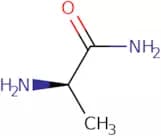
CAS:<p>Please enquire for more information about 3-Nitro-4-[[(tetrahydropyran-4-yl)methyl]amino]benzenesulfonamide including the price, delivery time and more detailed product information at the technical inquiry form on this page</p>Formula:C12H17N3O5SPurity:Min. 95%Molecular weight:315.35 g/mol(2R)-2-Aminopropanamide
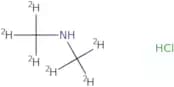
CAS:<p>(2R)-2-Aminopropanamide is a chemical compound that is classified as an amide. It has been shown to inhibit bacterial growth and induce apoptosis in mammalian cells, but not in bacteria. This drug has a number of hydrogen bonding interactions with the carbonyl group and amide functional groups and can bind to affinity ligands with hydrogen bonding interactions. (2R)-2-Aminopropanamide inhibits the activity of enzymes that are involved in the synthesis of d-alanine, which is a precursor for protein synthesis. It also inhibits the enzyme glutamine synthase, which plays a key role in building up nitrogen reserves in bacteria. The drug binds to DNA by forming hydrogen bonds with the phosphate backbone and intercalates into double-stranded DNA by forming van der Waals interactions with base pairs.</p>Formula:C3H8N2OPurity:Min. 95%Molecular weight:88.11 g/molDimethyl-d6-amine HCl
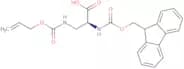
CAS:Controlled Product<p>Dimethyl-d6-amine HCl is a drug that inhibits the growth of cancer cells. It is an inhibitor of epidermal growth factor (EGF), which has been shown to be effective in the treatment of skin cancer. Dimethyl-d6-amine HCl is also effective against some strains of bacteria that are resistant to other antibiotics, such as erythromycin and tetracycline. Dimethyl-d6-amine HCl has been shown to have a suppressive effect on the production of sesquiterpene lactones by dehydrocostus lactone, which may be responsible for its anti-inflammatory properties.</p>Formula:C2H2ClD6NPurity:Min. 95%Color and Shape:White PowderMolecular weight:87.58 g/molN-α-Fmoc-Nβ-allyloxycarbonyl-L-2,3-diaminopropionic acid
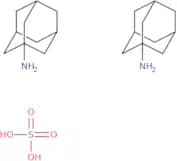
CAS:<p>Please enquire for more information about N-alpha-Fmoc-Nbeta-allyloxycarbonyl-L-2,3-diaminopropionic acid including the price, delivery time and more detailed product information at the technical inquiry form on this page</p>Formula:C22H22N2O6Purity:Min. 95%Molecular weight:410.53 g/mol1-Aminoadamantane sulphate
CAS:Controlled Product<p>1-Aminoadamantane sulphate is a drug that has been used for the treatment of autoimmune diseases, such as multiple sclerosis and chronic inflammatory demyelinating polyneuropathy. It inhibits Na channels in nerves and therefore blocks the transmission of nerve impulses. 1-Aminoadamantane sulphate has also shown to inhibit amyloid protein formation, which is associated with Alzheimer's disease. This drug binds to an adenine nucleotide and inhibits the transport of hydrogen fluoride into cells. The drug also has anti-viral properties. 1-Aminoadamantane sulphate is able to bind to calcium ions and prevent the binding of viruses to cells by interfering with their ability to attach themselves to the cell surface.</p>Color and Shape:White Off-White PowderMolecular weight:400.58 g/mol2-Thien-2-ylethanamine
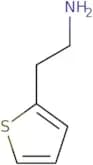
CAS:Controlled Product<p>2-Thien-2-ylethanamine is an ethylene diamine that inhibits the production of hydrochloric acid. It has been shown to have potent antitumor activity and inhibitory effects on infectious diseases, such as malaria, caused by Plasmodium falciparum. 2-Thien-2-ylethanamine has also been shown to be a mitochondrial membrane potential inhibitor. These properties may be due to its ability to inhibit the action of malonic acid and other molecules that are involved in mitochondrial function. The inhibition of polycystic ovarian syndrome (PCOS) is also thought to be related to the inhibition of mitochondrial function.</p>Formula:C6H9NSPurity:Min. 95%Molecular weight:127.21 g/molMethylamine hydrochloride
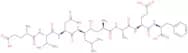
CAS:Controlled Product<p>Methylamine hydrochloride is a biologically active chemical that can be used to treat eye disorders. It is a p-nitrophenyl phosphate substrate and its optimum concentration in the reaction solution is 0.5 mg/mL. The compound reacts with methylamine, which is produced by the hydrolysis of peptide hormones in the human body, to form a bicyclic heterocycle. The bicyclic heterocycle reacts with hydrogen fluoride in the model system to produce an analytical method for determining plasma mass spectrometry. Methylamine hydrochloride has been shown to inhibit biological activity at high concentrations and stimulate it at low concentrations.</p>Formula:CH6ClNColor and Shape:White PowderMolecular weight:67.52 g/mol(H-Asp-Glu-Val-Asp)2-Rhodamine 110 trifluoroacetate salt
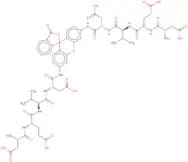
CAS:<p>Please enquire for more information about (H-Asp-Glu-Val-Asp)2-Rhodamine 110 trifluoroacetate salt including the price, delivery time and more detailed product information at the technical inquiry form on this page</p>Formula:C56H66N10O23Purity:Min. 95%Molecular weight:1,247.18 g/mol2-Amino-5,6-dihydro-4H-benzothiazol-7-one
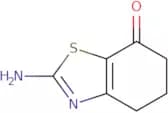
CAS:<p>2-Amino-5,6-dihydro-4H-benzothiazol-7-one is a thiourea that is used as a reactant in the synthesis of brominated compounds. It reacts with ethanol to form 2,5,6-triaminopyrimidine and hydrogen bromide. This reaction occurs in the presence of acid such as hydrochloric acid or acetic acid. The reflux reaction is commonly conducted at elevated temperatures and pressures.</p>Purity:Min. 95%Hippuryl-Cys(2-aminoethyl)-OH hydrochloride salt
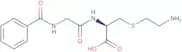
CAS:<p>Please enquire for more information about Hippuryl-Cys(2-aminoethyl)-OH hydrochloride salt including the price, delivery time and more detailed product information at the technical inquiry form on this page</p>Formula:C14H19N3O4SPurity:Min. 95%Molecular weight:325.38 g/mol2-Chloro-N-[2-(diethylamino)ethyl]-4-quinolinecarboxamide
CAS:<p>2-Chloro-N-[2-(diethylamino)ethyl]-4-quinolinecarboxamide is a carboxamide analog of dibucaine. It is synthesized from chloroacetyl chloride and isatin in the presence of sodium hydroxide. The synthesis has been scaled to an industrial level. 2-Chloro-N-[2-(diethylamino)ethyl]-4-quinolinecarboxamide has been shown to have analgesic properties, similar to those of dibucaine. Radiolysis of this compound gives a carboxylic acid and a heterocyclic ring product.</p>Formula:C16H20ClN3OPurity:95%MinColor and Shape:PowderMolecular weight:305.8 g/mol4-Piperidylformylaminomethyl resin (200-400 mesh)
<p>Please enquire for more information about 4-Piperidylformylaminomethyl resin (200-400 mesh) including the price, delivery time and more detailed product information at the technical inquiry form on this page</p>Purity:Min. 95%Color and Shape:Solid7-Amino-3-vinyl-3-cephem-4-carboxylic acid
CAS:<p>7-Amino-3-vinyl-3-cephem-4-carboxylic acid (AVC) is a synthetic, inorganic acid that is used clinically. It is produced by the hydrolysis of chlorocarboxylic acids and has been shown to be effective as an antihypertensive agent. AVC has also been used as a catalyst for acylation reactions with chlorides and trifluoroacetic acid. This process yields a reaction yield that can be up to 95% with the use of catalysts such as aluminum chloride or zinc chloride. AVC has been shown to be an environmentally safe alternative to hydrogen chloride, which has been linked to environmental pollution.</p>Formula:C9H10N2O3SPurity:Min. 95 Area-%Color and Shape:PowderMolecular weight:226.25 g/mol4-Amino-3,5,6-trichloropyridine-2-carboxylic acid
CAS:<p>4-Amino-3,5,6-trichloropyridine-2-carboxylic acid (4ATC) is a herbicide that inhibits the activity of pyridoxal phosphate (PLP)-dependent enzymes. 4ATC has been shown to be more toxic to plants than temozolomide and is used in vitro to study the effects of herbicides on cells. It inhibits cell growth and induces apoptosis in human cancer cells. In addition, 4ATC has been shown to inhibit the enzyme activities of group P2 proteins and nucleic acid synthesis. 4ATC also inhibits protein synthesis by inhibiting RNA synthesis in eukaryotic cells. 4ATC is not active against bacteria or fungi.</p>Formula:C6H3Cl3N2O2Purity:Min. 95%Color and Shape:White To Tan SolidMolecular weight:241.46 g/mol2-chloro-3-fluoropyridin-4-amine
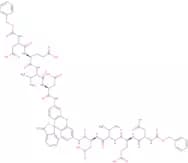
CAS:<p>Please enquire for more information about 2-chloro-3-fluoropyridin-4-amine including the price, delivery time and more detailed product information at the technical inquiry form on this page</p>Formula:C5H4ClFN2Purity:Min. 95%Molecular weight:146.55 g/mol(Z-Asp-Glu-Val-Asp)2-Rhodamine 110
CAS:<p>Fluorogenic dye targeting caspase 3</p>Formula:C72H78N10O27Purity:Min. 95%Molecular weight:1,515.44 g/molEthyl 3-(pyridin-2-ylamino)propanoate
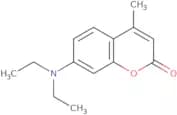
CAS:<p>Ethyl 3-(pyridin-2-ylamino)propanoate is a thrombin inhibitor that can be used for the treatment of cancer. Ethyl 3-(pyridin-2-ylamino)propanoate is a reactive, profile compound with electrons and hydrogen bonds. It has been shown to have anticancer activity in vitro and in vivo, inhibiting tumor cell growth by inhibiting DNA synthesis. This molecule also has anti-inflammatory properties, which may be due to its ability to inhibit platelet aggregation.</p>Formula:C10H14N2O2Purity:Min. 95 Area-%Color and Shape:PowderMolecular weight:194.23 g/mol7-Diethylamino-4-methylcoumarin
CAS:<p>7-Diethylamino-4-methylcoumarin is a fluorescence probe that can be used in applications such as the study of hydrogen bonding interactions. It is excited by laser light and emits a red-shifted fluorescent light. 7-Diethylamino-4-methylcoumarin is a hydroxyl group analogue of coumarin, which has been shown to have physiological effects on the liver cells. The absorption spectrum of 7-Diethylamino-4-methylcoumarin is sensitive to changes in pH and chemical stability. A decrease in pH increases the intensity of the emission while an increase in pH decreases the intensity of the emission. This compound can also be used to label nucleic acids during polymerase chain reactions (PCR) or for sample preparation before analysis using nuclear magnetic resonance spectroscopy (NMR).</p>Formula:C14H17NO2Purity:Min. 98 Area-%Color and Shape:PowderMolecular weight:231.29 g/molAc-p-amino-Phe-OMe
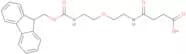
CAS:<p>Please enquire for more information about Ac-p-amino-Phe-OMe including the price, delivery time and more detailed product information at the technical inquiry form on this page</p>Formula:C12H16N2O3Purity:Min. 95%Molecular weight:236.27 g/molN-(Fmoc-5-amino-3-oxa-pentyl)succinamic acid
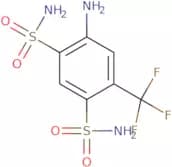
CAS:<p>N-(Fmoc-5-amino-3-oxa-pentyl)succinamic acid is a high quality chemical that is used as an intermediate in the production of pharmaceuticals and other fine chemicals. It is also a reagent for use in peptide synthesis. N-(Fmoc-5-amino-3-oxa-pentyl)succinamic acid has a CAS No. 669073-62-5 and can be used as a useful scaffold for the production of complex compounds. This compound is also useful for research purposes, due to its versatility as a building block with speciality chemical applications.</p>Formula:C23H26N2O6Purity:Min. 95%Molecular weight:426.46 g/mol4-Amino-6-(trifluoromethyl)benzene-1,3-disulfonamide
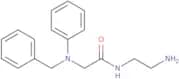
CAS:<p>4-Amino-6-(trifluoromethyl)benzene-1,3-disulfonamide (4AFBDS) is a chemical compound that can be used for the treatment of wastewater. It has shown to be effective against anhydrase, which is an enzyme that catalyzes the conversion of water to hydrogen peroxide and hydroxide ion. 4AFBDS also attenuates oxidative stress in cardiac cells and inhibits the production of active oxygen species by inhibiting the activity of carbonic anhydrase. The chromatographic method used to detect 4AFBDS was found to be more sensitive than a standard colorimetric assay, making it a better tool for detecting this compound in wastewater samples. br> br> br> br> br> This compound has been shown to have inhibitory effects on e3 ubiquitin ligase, which plays a role in protein degradation via aut</p>Formula:C7H8F3N3O4S2Purity:Min. 95%Molecular weight:319.28 g/molN-(2-Amino-ethyl)-2-(benzyl-phenyl-amino)-acetamide
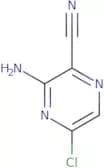
CAS:<p>Please enquire for more information about N-(2-Amino-ethyl)-2-(benzyl-phenyl-amino)-acetamide including the price, delivery time and more detailed product information at the technical inquiry form on this page</p>Formula:C17H21N3OPurity:Min. 95%Color and Shape:White PowderMolecular weight:283.37 g/mol3-Amino-5-chloropyrazine-2-carbonitrile
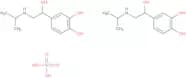
CAS:<p>Please enquire for more information about 3-Amino-5-chloropyrazine-2-carbonitrile including the price, delivery time and more detailed product information at the technical inquiry form on this page</p>Formula:C5H3ClN4Purity:Min. 95%Molecular weight:154.56 g/molIsoprenaline sulphate dihydrate
CAS:<p>4-[1-Hydroxy-2-[(1-methylethyl)amino]ethyl]-1,2-benzenediol sulfate dihydrate (benserazide) is a cholinergic agent that has been shown to increase the release of acetylcholine by acting as an agonist at nicotinic receptors. It increases the amount of acetylcholine released in the brain and can be used for the treatment of Alzheimer's disease. Benserazide has also been shown to have a depressant effect on the respiratory system, which can be beneficial for lung diseases. This drug also has anti-inflammatory properties and can inhibit growth factor synthesis.</p>Formula:C22H34N2O6·H2SO4·2H2OPurity:Min. 95%Color and Shape:PowderMolecular weight:520.59 g/molLys(Dabsyl)-(Asn670,Leu671)-Amyloid β/A4 Protein Precursor770 (667-676)-Gln-Lucifer Yellow ammonium salt
CAS:<p>Please enquire for more information about Lys(Dabsyl)-(Asn670,Leu671)-Amyloid beta/A4 Protein Precursor770 (667-676)-Gln-Lucifer Yellow ammonium salt including the price, delivery time and more detailed product information at the technical inquiry form on this page</p>Formula:C89H122N24O31S3Purity:Min. 95%Molecular weight:2,120.26 g/molOM99-2trifluoroacetate salt
CAS:<p>Please enquire for more information about OM99-2trifluoroacetate salt including the price, delivery time and more detailed product information at the technical inquiry form on this page</p>Formula:C41H64N8O14Purity:Min. 95%Molecular weight:892.99 g/molAzido-PEG2-amine
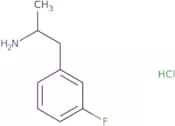
CAS:<p>Azido-PEG2-amine is a PEG compound with two different functional groups (also known as heterobifunctional). Unlike homobifunctional PEG compounds (same functional group on both ends), this type of compounds are more versatile as have two different anchor points. Azido-PEG2-amine is used as a linker and spacer to add a PEG moiety, via pegylation (a bioconjugation technique) to proteins, peptides, oligonucleotides, small molecules and nanoparticles.</p>Formula:C6H14N4O2Purity:Min. 95%Color and Shape:Clear LiquidMolecular weight:174.2 g/molrac 3-fluoro amphetamine hydochloride
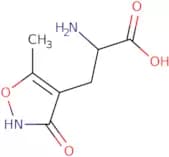
CAS:Controlled Product<p>3-Fluoroamphetamine hydrochloride (3FAH) is a histological and microscopic technique used to study the effects of analgesics on human skin. 3FAH is an analgesic that has been shown to reduce pain in a number of studies. It has also been observed to enhance the effects of laser treatments on human skin, as it reduces inflammation and increases transdermal permeation. This drug is applied topically or injected for the treatment of pain, muscle spasms, or Parkinson’s disease. 3FAH can be administered by iontophoresis or permeation techniques, which are both effective ways to deliver drugs through skin.</p>Formula:C9H13ClFNPurity:Min. 95%Molecular weight:189.66 g/mol(R,S)-α-Amino-3-hydroxy-5-methyl-4-isoxazolepropionic acid hydrobromide
CAS:<p>(R,S)-AMPA is a synthetic analog of the excitatory neurotransmitter glutamate, specifically designed to activate AMPA receptors, a subtype of ionotropic glutamate receptors. These receptors are pivotal in mediating fast synaptic transmission in the central nervous system. (R,S)-AMPA serves as a prototypical agonist for AMPA receptors, facilitating the study of receptor function and synaptic plasticity.</p>Formula:C7H10N2O4•HBrPurity:Min. 95%Molecular weight:267.08 g/molDes[3-acetyl-5-(2-dimethylamino)ethyl] diltiazem
CAS:<p>Diltiazem is an anti-anginal agent that belongs to the group of calcium channel blockers. It is used to treat chest pain (angina) due to coronary artery disease and other conditions. Diltiazem is a racemic mixture of two enantiomers, (+)-diltiazem and (-)-diltiazem. The synthesis of diltiazem from (+)-diltiazem has been reported by asymmetric synthesis with a chiral catalyst. In this process, irradiation of the reaction mixture at 254 nm converts the nitro group in the molecule into an anisaldehyde group, which can be cleaved by nucleophilic substitution with phenylmethyl sulfide. This high yield, efficient method produces diltiazem hydrochloride as a white solid that crystallizes in needles or crystals.</p>Formula:C16H15NO3SPurity:Min. 95%Color and Shape:Beige PowderMolecular weight:301.36 g/molAmmonium isothiocyanate
CAS:<p>Ammonium thiocyanate is a natural compound that is found in the blood of humans and animals. It binds to an antigen-binding molecule and has been shown to be effective against infectious diseases. Ammonium thiocyanate is toxic, so it should only be administered as a last resort for treatment. The toxicity of ammonium thiocyanate can be reduced by complexing with copper chloride or zirconium oxide. Ammonium thiocyanate has also been shown to have high redox potentials, which are indicative of its ability to donate electrons. These properties make ammonium thiocyanate an ideal candidate for use in electrochemical impedance spectroscopy experiments.</p>Formula:CH4N2SPurity:Min. 95%Color and Shape:PowderMolecular weight:76.12 g/molHydroxylamine-Wang resin (200-400 mesh)
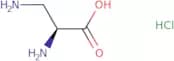
<p>Please enquire for more information about Hydroxylamine-Wang resin (200-400 mesh) including the price, delivery time and more detailed product information at the technical inquiry form on this page</p>Purity:Min. 95%L(+)-2,3-Diaminopropionic acid HCl
CAS:<p>L(+)-2,3-Diaminopropionic acid HCl is a chiral modifier that is used in the separation of organic compounds. It has been shown to selectively interact with borate, sulfate, and hydroxyapatite. This interaction changes the physical properties of these substances by modifying their surface charge or adsorption capacity. L(+)-2,3-Diaminopropionic acid HCl has also been shown to be useful in diastereoselective reactions. The technique of elution can be used to isolate specific compounds from mixtures using this compound as a modifier. Hydrogen bonding groups and moieties on the functional group are important factors in the specificity of this interaction.END>></p>Formula:C3H8N2O2·HClPurity:Min. 95%Color and Shape:White PowderMolecular weight:140.57 g/mol4-Aminostyrene
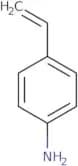
CAS:<p>4-Aminostyrene is a chemical compound that belongs to the class of ethylene diamines. It is a photoelectron acceptor and can be used as a cross-linking agent. 4-Aminostyrene reacts with nitro groups to form polycarboxylic acid amines, which are used in the preparation of model proteins. The use of 4-aminostyrene is limited by its high reactivity with oxygen and light, which leads to degradation.</p>Formula:C8H9NPurity:Min. 95%Color and Shape:Liquid.Molecular weight:119.16 g/molImidazo[1,2-a]pyridin-7-amine hydrobromide
CAS:<p>Please enquire for more information about Imidazo[1,2-a]pyridin-7-amine hydrobromide including the price, delivery time and more detailed product information at the technical inquiry form on this page</p>Formula:C7H8BrN3Purity:Min. 95%Molecular weight:214.06 g/mol4-Amino-5-methoxy-2-methylbenzenesulfonic acid
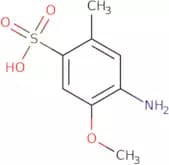
CAS:<p>4-Amino-5-methoxy-2-methylbenzenesulfonic acid is a compound that has been used as an additive to analytical reagents in order to improve their sensitivity. This compound is used as the sodium salt, which is water soluble and has a high degree of reproducibility. 4-Amino-5-methoxy-2-methylbenzenesulfonic acid has also been used for the validation of analytical methods, including calibration and cytotoxicity testing. The validation procedure includes colorants, spectra analysis, impurities, and solvents.</p>Formula:C8H11NO4SPurity:Min. 95%Color and Shape:PowderMolecular weight:217.24 g/mol1-Oleoyl-3-palmitoyl-rac-glycero-2-phosphoethanolamine
CAS:<p>Please enquire for more information about 1-Oleoyl-3-palmitoyl-rac-glycero-2-phosphoethanolamine including the price, delivery time and more detailed product information at the technical inquiry form on this page</p>Formula:C39H76NO8PPurity:Min. 95%Molecular weight:718 g/molPropylamine
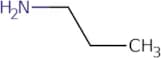
CAS:<p>Propylamine is a colorless, volatile liquid with a boiling point of -26.3°C. It has been shown to have the ability to react with sephadex g-100, which is a chromatographic material that separates proteins according to their size and charge. Propylamine has also been shown to undergo transfer reactions in the presence of hydroxyl groups and disulfide bonds. The chemical properties of propylamine have been studied using analytical methods such as nuclear DNA analysis, as well as biological studies involving the use of trifluoroacetic acid and nitrogen atoms for hydrogen bonding interactions.</p>Formula:C3H9NPurity:Min. 95%Molecular weight:59.11 g/mol4-Acetylamino-5-bromo-2-methoxy-benzoic acid methylester
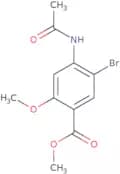
CAS:<p>Please enquire for more information about 4-Acetylamino-5-bromo-2-methoxy-benzoic acid methylester including the price, delivery time and more detailed product information at the technical inquiry form on this page</p>Formula:C11H12BrNO4Purity:Min. 95%Color and Shape:PowderMolecular weight:302.12 g/molIsopropyl 2-amino-4-hydroxy-5,8-dihydropyrido[3,4-d]pyrimidine-7(6H)-carboxylate
CAS:<p>Please enquire for more information about Isopropyl 2-amino-4-hydroxy-5,8-dihydropyrido[3,4-d]pyrimidine-7(6H)-carboxylate including the price, delivery time and more detailed product information at the technical inquiry form on this page</p>Formula:C11H16N4O3Purity:Min. 95%Molecular weight:252.27 g/molBoc-4-aminopiperidine
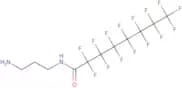
CAS:<p>Boc-4-aminopiperidine is a molecule that is used as a substrate in chemical reactions. It reacts with sodium hydroxide solution to form an imine, which is hydrogenated by reducing agents such as NaBH4. This reaction yields the products 4-aminopiperidine and acetaldehyde. Boc-4-aminopiperidine is also utilized as a cholinesterase inhibitor, which inhibits the breakdown of acetylcholine at nerve endings. The inhibitory activity of Boc-4-aminopiperidine can be determined using diagnostic techniques and it can be used to inhibit viruses such as HIV and influenza A virus.</p>Formula:C10H20N2O2Purity:Min. 95%Molecular weight:200.28 g/molN-(3-Aminopropyl)-2,2,3,3,4,4,5,5,6,6,7,7,8,8,8-pentadecafluorooctanamide
CAS:Controlled Product<p>Please enquire for more information about N-(3-Aminopropyl)-2,2,3,3,4,4,5,5,6,6,7,7,8,8,8-pentadecafluorooctanamide including the price, delivery time and more detailed product information at the technical inquiry form on this page</p>Formula:C11H9F15N2OPurity:Min. 95%Molecular weight:470.18 g/molDextroamphetamine saccharate
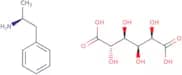
CAS:Controlled Product<p>Dextroamphetamine saccharate is a pharmaceutical drug that belongs to the group of amphetamine derivatives. It is used in the treatment of conditions such as narcolepsy and attention-deficit disorder (ADD). The epidermal growth factor receptor (EGFR) is an important target for the effects of this drug, which has been shown to stimulate growth and proliferation in vitro. Dextroamphetamine saccharate has a complex pharmacokinetic profile and is metabolized by hydrolysis into dextroamphetamine. This drug also binds to voltage-dependent calcium channels, which regulate neurotransmitter release at nerve terminals. The pain relief associated with dextroamphetamine saccharate may be due to its ability to block pro-inflammatory cytokines or inhibit trigeminal nerve activity.</p>Formula:C6H10O8(C9H13N)2Purity:Min. 95%Molecular weight:480.6 g/mol4-Amino-6-mercaptopyrazolo[3,4-d]pyrimidine
CAS:<p>Please enquire for more information about 4-Amino-6-mercaptopyrazolo[3,4-d]pyrimidine including the price, delivery time and more detailed product information at the technical inquiry form on this page</p>Formula:C5H5N5SPurity:Min. 95%Molecular weight:167.19 g/molTES
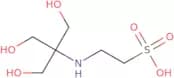
CAS:<p>TES, also known as N-Tris(hydroxymethyl)methyl-2-aminoethanesulfonic acid, is a buffering agent that is used in protein assays and forms complexes with DNA and copper ions. The optimal pH range of this zwitterionic buffer is 6.8-8.2 and its pKa is 7.4.</p>Formula:C6H15NO6SPurity:Min. 95%Color and Shape:PowderMolecular weight:229.25 g/mol4-[2-[[(1S)-1-(2-Aminophenyl)-3-methylbutyl]amino]-2-oxoethyl]-2-ethoxybenzoic acid
CAS:<p>Bosentan is a potent inhibitor of the uptake of organic anions. It is used in the treatment of pulmonary arterial hypertension and has been shown to be effective against pravastatin-resistant HIV protease inhibitors, such as saquinavir, quinidine, and rosuvastatin. Bosentan inhibits uptake by binding to the transporter protein at a site that does not overlap with the binding site for organic anion substrates. This leads to a change in kinetic parameters for substrates, such as pravastatin and saquinavir. The binding site on bosentan may also be elucidated through monolayer experiments with efflux transporters.</p>Formula:C22H28N2O4Purity:Min. 95%Molecular weight:384.47 g/molEVP4593
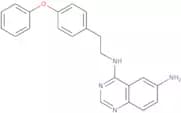
CAS:<p>6-Amino-4-(4-phenoxyphenylethylamino)quinazoline is a potential anticancer drug that has been shown to inhibit the polymerase chain reaction in human osteosarcoma cells. It also inhibits the signaling pathway of nuclear factor-κB (NF-κB), which is involved in cell death and tumorigenesis. 6-Amino-4-(4-phenoxyphenylethylamino)quinazoline has shown significant cytotoxicity against murine hepatoma cells and bowel disease cells, but not against normal tissue. This drug is also an inhibitor of the drug transporter Pgp. 6-Amino-4-(4-phenoxyphenylethylamino)quinazoline has been shown to be effective in experimental models for cancer, AIDS, and other infectious diseases.</p>Formula:C22H20N4OPurity:Min. 95%Color and Shape:PowderMolecular weight:356.42 g/molAmmonium Undecafluorohexanoate
CAS:<p>Undecafluorohexanoic acid is a perfluoroalkyl carboxylic acid that has been shown to disrupt steroidogenesis in vitro. It may be able to inhibit the transport of cholesterol, fats, and other lipids in cells, which causes disruption in steroidogenesis. This compound also has anti-cancer properties due to its ability to induce apoptosis and arrest cancer cell proliferation. Undecafluorohexanoic acid may also have developmental effects on animals because it can bind to estrogen receptors and disrupt the normal process of estrogen-mediated signaling pathways.</p>Formula:C6H4F11NO2Purity:Min. 95%Molecular weight:331.08 g/molEDTA ferric ammonium
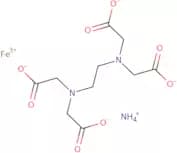
CAS:<p>EDTA ferric ammonium is a metal complex that is used in the manufacture of textile dyes. EDTA ferric ammonium is an oxidizing agent that can be used as a reducing agent by adding an oxidizing agent such as potassium permanganate. The solution form of this compound has a particle size distribution with a median particle size of about 0.5 micrometers and a polydispersity index of about 2. In addition, it has been shown to have surfactant properties, which may be due to its ability to interact with the surface tension of water molecules. EDTA ferric ammonium has also been shown to react with silver ions to form silver ethylene diamine tetraacetic acid (AgEDTA), which can then be used for patterning purposes in textiles.</p>Formula:C10H12FeN2O8•NH4Purity:80%MinColor and Shape:PowderMolecular weight:362.09 g/molN1-(Pivaloyloxy)methyl-N2-(dimethylamino)methylene 9-deazaguanine
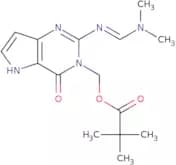
CAS:<p>Please enquire for more information about N1-(Pivaloyloxy)methyl-N2-(dimethylamino)methylene 9-deazaguanine including the price, delivery time and more detailed product information at the technical inquiry form on this page</p>Formula:C15H21N5O3Purity:Min. 95%Molecular weight:319.36 g/mol4-Aminopyrene
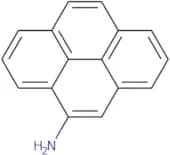
CAS:<p>4-Aminopyrene is an aromatic amine that contains a nitro group. It has been used in biological studies to study the metabolism of amines, and chromatographic and mass spectrometric detection methods have been developed for its determination. 4-Aminopyrene also has the ability to form isomers through substitution on the N atom. The activation energy for this process is 14.3 kcal/mol. 4-Aminopyrene has been shown to be cytotoxic and mutagenic in vitro, and it can inhibit protein synthesis in bacteria by inhibiting RNA synthesis at the ribosome level. It has also been shown to induce changes in cell morphology and stimulate morphological differentiation of human promyelocytic leukemia cells (HL-60).</p>Purity:Min. 95%4-Methylaminophenol sulfate
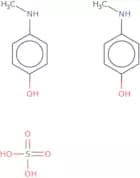
CAS:<p>4-Methylaminophenol sulfate is an enzyme substrate that is used in the analytical method for determining the concentration of potassium dichromate. It is prepared by reacting 4-methylaminophenol with sulfuric acid, and its optimum concentration is 0.2 mM. The linear calibration curve was obtained at a pH range of 2 to 5.4 and a temperature range of 25 to 37°C. The analytical method can be applied to human serum samples and has been shown to be applicable for studies on autoimmune diseases and anthelmintics.</p>Formula:C7H9NO•(H2O4S)0Purity:Min. 95%Color and Shape:White PowderMolecular weight:344.39 g/molTetrapropylammonium perruthenate
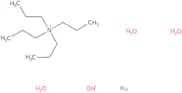
CAS:<p>Tetrapropylammonium perruthenate is a polymeric matrix that contains a chelate ligand and can be used as an oxygen sensor. The polymer is synthesized in the presence of trifluoroacetic acid (TFA) using tetrapropylammonium chloride (TPACl) and perruthenate. Tetrapropylammonium perruthenate forms a polymeric matrix with TPACl, which contains a chelate ligand. The polymer is sensitive to changes in the environment such as pH, temperature, and oxidation-reduction potential. The polymeric matrix can be used for sensing the concentration of oxygen in liquid or gas phase by measuring fluorescence intensity at various wavelengths. These measurements are correlated with the concentration of oxygen in the environment.</p>Formula:C12H28NO4RuPurity:Min. 95%Molecular weight:351.43 g/molN-(5-Aminopentyl) methotrexate amide-LC-biotin
<p>N-(5-Aminopentyl) methotrexate amide-LC-biotin is a specialized bioconjugate, derived through the conjugation of methotrexate, an established antifolate drug, with an LC-biotin moiety. This product is synthesized by covalently linking methotrexate, which is known for its role in cancer therapy through the inhibition of dihydrofolate reductase (DHFR), to a biotin moiety via a long-chain spacer. The resultant bioconjugate retains the therapeutic effects of methotrexate, particularly in its ability to interrupt nucleotide synthesis, thereby affecting cell division in rapidly proliferating cancer cells.The inclusion of biotin in the structure allows for facile attachment to avidin or streptavidin-labeled systems, facilitating targeted delivery and enhanced detection in molecular and cellular studies. The primary application of N-(5-Aminopentyl) methotrexate amide-LC-biotin lies in the realm of targeted drug delivery and advanced research into methotrexate metabolism. By leveraging the high affinity of biotin-streptavidin interactions, researchers can effectively study the biodistribution and cellular uptake of methotrexate, advancing cancer therapeutic strategies and providing insights into antifolate drug mechanisms at the molecular level.</p>Formula:C41H59N13O7SPurity:Min. 95%Color and Shape:PowderMolecular weight:878.06 g/mol7-[(2S,3R)-3-Amino-2-methyl-azetidin-1-yl]-1-(2,4-difluorophenyl)-6-fluoro-4-oxo-quinoline-3-carboxylic acid
CAS:<p>7-[(2S,3R)-3-Amino-2-methyl-azetidin-1-yl]-1-(2,4-difluorophenyl)-6-fluoro-4-oxo-quinoline-3-carboxylic acid (ABT) is a drug that binds to bacterial enzymes and inhibits their ability to synthesize proteins. ABT is a conjugate of fluoroquinolone and an amino acid. As the drug is degradable by hydrolysis, it has been shown to be less toxic in Sprague Dawley rats than other fluoroquinolones. This drug has been used in diagnostic tests as a ligand for affinity ligands, but has not been approved for human use. The drug also possesses functional groups that are important for binding to reconstituted enzymes.br>br>ABT's ester linkages are degradable by hydrolysis and can be</p>Formula:C20H16F3N3O3Purity:Min. 95%Molecular weight:403.35 g/molN-Phenylbenzene-1,3-diamine
CAS:<p>Please enquire for more information about N-Phenylbenzene-1,3-diamine including the price, delivery time and more detailed product information at the technical inquiry form on this page</p>Formula:C12H12N2Purity:Min. 95%Color and Shape:PowderMolecular weight:184.24 g/mol5-[4-(1,2,4,5-Tetrazin-3-yl)benzylamino]-5-oxopentanoic acid
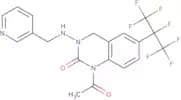
CAS:<p>Please enquire for more information about 5-[4-(1,2,4,5-Tetrazin-3-yl)benzylamino]-5-oxopentanoic acid including the price, delivery time and more detailed product information at the technical inquiry form on this page</p>Formula:C14H15N5O3Purity:Min. 95%Color and Shape:White To Yellow To Dark Red SolidMolecular weight:301.3 g/mol1-Acetyl-6-(perfluoropropan-2-yl)-3-((pyridin-3-ylmethyl)amino)-3,4-dihydroquinazolin-2(1H)-one
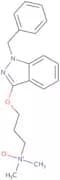
CAS:<p>1-Acetyl-6-(perfluoropropan-2-yl)-3-((pyridin-3-ylmethyl)amino)-3,4-dihydroquinazolin-2(1H)-one (PAFQ) is a mitochondrial cytochrome P450 inhibitor that inhibits the function of the ryanodine receptor and interacts with the piperonyl butoxide synergistically. PAFQ has been shown to be effective against animal pests such as termites, ants, and cockroaches. It also inhibits population growth in these populations by interfering with their ability to synthesize proteins. The effective dose for PAFQ varies depending on whether it is applied topically or orally.</p>Formula:C19H15F7N4O2Purity:Min. 95%Molecular weight:464.34 g/molBenzydamine N-oxide
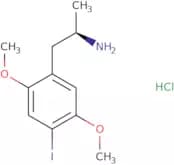
CAS:Controlled Product<p>Benzydamine N-oxide is a polymorphic, michaelis-menten kinetics and pharmacological treatments drug. It has been shown to have anti-inflammatory effects in humans and animals. The main pharmacological targets of benzydamine are the human liver and alveolar type II cells. This drug has low bioavailability but is metabolized by the liver cells into benzydamine n-oxide which can be excreted through urine or bile. The formation rate of benzydamine n-oxide in the human body is about 2% per hour, which is dependent on the enzyme catalysis.</p>Formula:C19H23N3O2Purity:Min. 90 Area-%Color and Shape:PowderMolecular weight:325.4 g/mol(R)(−)-DOI hydrochloride
CAS:Controlled Product<p>(R)(−)-DOI hydrochloride is a synthetic compound classified as a selective serotonin receptor agonist. It is primarily sourced from chemical synthesis processes designed to explore potential interactions within serotonergic pathways. The compound’s mode of action involves the activation of 5-HT2A, 5-HT2B, and 5-HT2C serotonin receptors, which play crucial roles in modulating neurotransmission and signaling pathways within the central nervous system.In research and experimental contexts, (R)(−)-DOI hydrochloride is utilized to investigate the molecular mechanisms of serotonin receptors, contributing to a deeper understanding of their role in neurophysiology and potential implications in neuropsychiatric disorders. Studies often explore its effects on cognition, perception, and mood regulation. Despite its promising role in scientific exploration, (R)(−)-DOI hydrochloride is not intended for therapeutic use and remains predominantly a tool for advancing the field of neuropharmacology through controlled experimental settings.</p>Formula:C11H17ClINO2Purity:Min. 95%Molecular weight:357.62 g/molEthyl2-(acetylamino)-3-[3,5-diiodo-4-(4-methoxyphenoxy)phenyl]propanoate
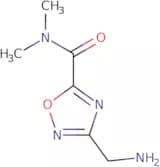
CAS:<p>Please enquire for more information about Ethyl2-(acetylamino)-3-[3,5-diiodo-4-(4-methoxyphenoxy)phenyl]propanoate including the price, delivery time and more detailed product information at the technical inquiry form on this page</p>Formula:C20H21I2NO5Purity:Min. 95%Molecular weight:609.19 g/mol3-(Aminomethyl)-N,N-dimethyl-1,2,4-oxadiazole-5-carboxamide
CAS:<p>Please enquire for more information about 3-(Aminomethyl)-N,N-dimethyl-1,2,4-oxadiazole-5-carboxamide including the price, delivery time and more detailed product information at the technical inquiry form on this page</p>Formula:C6H10N4O2Purity:Min. 95%Molecular weight:170.17 g/mol2-[(2,3-Dimethylphenyl)amino]nicotinic acid
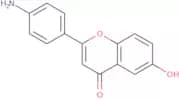
CAS:<p>2-[(2,3-Dimethylphenyl)amino]nicotinic acid is an arylpropionic acid that has been designed for the treatment of cancer. It is a neutral compound that can be crystallized or sterilized and then injected or implanted into tissues. The compound can be used as a diagnostic tool to target specific tissues in the body by using iontophoresis or organic solvents. 2-[(2,3-Dimethylphenyl)amino]nicotinic acid interacts with chlorine ions to form a chloride derivative, which is then transported through the tissue. This process can be reversed by adding an acid solution to the tissue, which will cause the chloride ions to break down into hydrogen and chloride ions.</p>Formula:C14H14N2O2Purity:Min. 95%Molecular weight:242.27 g/molAminogenistein
CAS:<p>Aminogenistein is a molecule that has been shown to inhibit the growth of cancer cells. It has been shown to have a reactive functional group, which can be used as a diagnostic and prognostic tool for kidney disease and cancers. Aminogenistein has also been shown to inhibit epidermal growth factor (EGF) in rat kidneys, which may be due to its ability to bind EGF with high affinity. In addition, it has been shown to inhibit cellular physiology by blocking the transport properties of proximal tubules in rat kidneys. Aminogenistein is thought to induce apoptosis through the death protein pathway in cancer cells, but not normal cells.</p>Formula:C15H11NO3Purity:Min. 95%Molecular weight:253.25 g/mol[(5-Isopropyl-1,2,4-oxadiazol-3-yl)methyl]amine
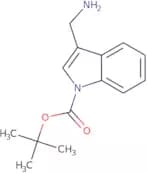
CAS:<p>Please enquire for more information about [(5-Isopropyl-1,2,4-oxadiazol-3-yl)methyl]amine including the price, delivery time and more detailed product information at the technical inquiry form on this page</p>Formula:C6H11N3OPurity:Min. 95%Molecular weight:141.17 g/moltert-Butyl 3-(aminomethyl)-1H-indole-1-carboxylate hydrochloride
CAS:<p>Please enquire for more information about tert-Butyl 3-(aminomethyl)-1H-indole-1-carboxylate hydrochloride including the price, delivery time and more detailed product information at the technical inquiry form on this page</p>Formula:C14H18N2O2Purity:Min. 95%Molecular weight:246.31 g/mol2-[(Ethylamino)methyl]-4-aminophenol dihydrochloride
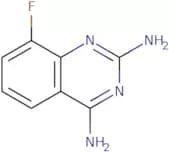
CAS:<p>Please enquire for more information about 2-[(Ethylamino)methyl]-4-aminophenol dihydrochloride including the price, delivery time and more detailed product information at the technical inquiry form on this page</p>Formula:C9H14N2O•(HCl)2Purity:Min. 95%Color and Shape:PowderMolecular weight:239.14 g/mol8-Fluoro-Quinazoline-2,4-Diamine
CAS:<p>8-Fluoro-Quinazoline-2,4-Diamine is an organic compound with the formula CHClN. It is a yellow solid that is soluble in organic solvents such as chloroform and toluene. The compound is used to produce dyes and pharmaceuticals. 8-Fluoro-Quinazoline-2,4-Diamine can be obtained by nitrating 2,4-diaminoquinazoline with nitric acid and hydrochloric acid in the presence of carbonate or stannous chloride. This reaction produces two isomers: 8-fluoroquinazoline (8FQ) and 6-fluoroquinazoline (6FQ). The 8FQ isomer has been shown to have a nuclear magnetic resonance spectrum at 300 MHz that contains four signals at 1.3 ppm, 3.5 ppm, 5.6 ppm, and 7.0 ppm, which are assigned to</p>Formula:C8H7FN4Purity:Min. 95%Molecular weight:178.17 g/mol[[4-[[2-(4-Cyclohexylphenoxy)ethyl]ethylamino]-2-methylphenyl]methylene]malononitrile
CAS:<p>[[4-[[2-(4-Cyclohexylphenoxy)ethyl]ethylamino]-2-methylphenyl]methylene]malononitrile (CAS #: 68436-91-7) is a reactive chemical species that has been used as a crosslinking agent and an uv absorption dye. CEM is a styryl dye that absorbs radiation in the uv range, with a maximum absorption at about 275 nm. It is a substrate film for light emission and can be used to measure viscosity. CEM is also chemically related to aromatic hydrocarbons and fatty acids, and can be synthesized from hydroxyl groups.</p>Formula:C27H31N3OPurity:Min. 95%Molecular weight:413.55 g/mol3-[2-Amino-3-(2-tert-butoxycarbonyl-ethoxy)-2-(2-tert-butoxycarbonyl-ethoxymethyl)-propoxy]-propionic acid tert-butyl ester
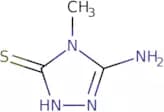
CAS:<p>Please enquire for more information about 3-[2-Amino-3-(2-tert-butoxycarbonyl-ethoxy)-2-(2-tert-butoxycarbonyl-ethoxymethyl)-propoxy]-propionic acid tert-butyl ester including the price, delivery time and more detailed product information at the technical inquiry form on this page</p>Formula:C25H47NO9Purity:Min. 95%Molecular weight:505.64 g/mol5-Amino-4-methyl-4H-1,2,4-triazole-3-thiol
CAS:<p>Please enquire for more information about 5-Amino-4-methyl-4H-1,2,4-triazole-3-thiol including the price, delivery time and more detailed product information at the technical inquiry form on this page</p>Formula:C3H6N4SPurity:Min. 95%Molecular weight:130.17 g/molN,N-Dimethyl-N′-1H-pyrazol-4-ylmethanimidamide
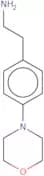
CAS:<p>2-(4-Morpholinophenyl)ethylamine is a fine chemical that is a versatile building block, useful intermediate, and research chemical. It is used in the synthesis of complex compounds, useful building blocks, and high quality reagents. The CAS registry number for 2-(4-morpholinophenyl)ethylamine is 930779-56-9.</p>Formula:C6H10N4Purity:Min. 95%Color and Shape:PowderMolecular weight:138.17 g/mol
![2,7-Bis[2-(diethylamino)ethoxy]-9-fluorenone dihydrochloride](/_next/image/?url=https%3A%2Fstatic.cymitquimica.com%2Fproducts%2F3D%2Fthumb-webp%2FFB37106.webp&w=3840&q=75)


![2-Methoxy-5-[[(phenylmethyl)sulfonyl]methyl]benzenamine](/_next/image/?url=https%3A%2Fstatic.cymitquimica.com%2Fproducts%2F3D%2Fthumb-webp%2FFA70820.webp&w=3840&q=75)
![2-[4-(Diethylamino)-2-hydroxybenzoyl]benzoic acid hexyl ester](/_next/image/?url=https%3A%2Fstatic.cymitquimica.com%2Fproducts%2F3D%2Fthumb-webp%2FFD161840.webp&w=3840&q=75)

![2-[(5-Chloropyridin-2-yl)amino]-2-oxoacetic acid ethyl ester monohydrochloride](/_next/image/?url=https%3A%2Fstatic.cymitquimica.com%2Fproducts%2F3D%2Fthumb-webp%2FFC63138.webp&w=3840&q=75)
![3-Nitro-4-[[(tetrahydropyran-4-yl)methyl]amino]benzenesulfonamide](/_next/image/?url=https%3A%2Fstatic.cymitquimica.com%2Fproducts%2F3D%2Fthumb-webp%2FFN145631.webp&w=3840&q=75)

![2-Chloro-N-[2-(diethylamino)ethyl]-4-quinolinecarboxamide](/_next/image/?url=https%3A%2Fstatic.cymitquimica.com%2Fproducts%2F3D%2Fthumb-webp%2FFC20289.webp&w=3840&q=75)







![Des[3-acetyl-5-(2-dimethylamino)ethyl] diltiazem](/_next/image/?url=https%3A%2Fstatic.cymitquimica.com%2Fproducts%2F3D%2Fthumb-webp%2FFD21106.webp&w=3840&q=75)


![Imidazo[1,2-a]pyridin-7-amine hydrobromide](/_next/image/?url=https%3A%2Fstatic.cymitquimica.com%2Fproducts%2F3D%2Fthumb-webp%2FFI111192.webp&w=3840&q=75)

![Isopropyl 2-amino-4-hydroxy-5,8-dihydropyrido[3,4-d]pyrimidine-7(6H)-carboxylate](/_next/image/?url=https%3A%2Fstatic.cymitquimica.com%2Fproducts%2F3D%2Fthumb-webp%2FFI135088.webp&w=3840&q=75)

![4-Amino-6-mercaptopyrazolo[3,4-d]pyrimidine](/_next/image/?url=https%3A%2Fstatic.cymitquimica.com%2Fproducts%2F3D%2Fthumb-webp%2FFA17663.webp&w=3840&q=75)
![4-[2-[[(1S)-1-(2-Aminophenyl)-3-methylbutyl]amino]-2-oxoethyl]-2-ethoxybenzoic acid](/_next/image/?url=https%3A%2Fstatic.cymitquimica.com%2Fproducts%2F3D%2Fthumb-webp%2FFD21379.webp&w=3840&q=75)


![7-[(2S,3R)-3-Amino-2-methyl-azetidin-1-yl]-1-(2,4-difluorophenyl)-6-fluoro-4-oxo-quinoline-3-carbo…](/_next/image/?url=https%3A%2Fstatic.cymitquimica.com%2Fproducts%2F3D%2Fthumb-webp%2FFA30404.webp&w=3840&q=75)
![5-[4-(1,2,4,5-Tetrazin-3-yl)benzylamino]-5-oxopentanoic acid](/_next/image/?url=https%3A%2Fstatic.cymitquimica.com%2Fproducts%2F3D%2Fthumb-webp%2FFT170851.webp&w=3840&q=75)
![Ethyl2-(acetylamino)-3-[3,5-diiodo-4-(4-methoxyphenoxy)phenyl]propanoate](/_next/image/?url=https%3A%2Fstatic.cymitquimica.com%2Fproducts%2F3D%2Fthumb-webp%2FFE149894.webp&w=3840&q=75)
![2-[(2,3-Dimethylphenyl)amino]nicotinic acid](/_next/image/?url=https%3A%2Fstatic.cymitquimica.com%2Fproducts%2F3D%2Fthumb-webp%2FFD136106.webp&w=3840&q=75)
![[(5-Isopropyl-1,2,4-oxadiazol-3-yl)methyl]amine](/_next/image/?url=https%3A%2Fstatic.cymitquimica.com%2Fproducts%2F3D%2Fthumb-webp%2FFI122962.webp&w=3840&q=75)
![2-[(Ethylamino)methyl]-4-aminophenol dihydrochloride](/_next/image/?url=https%3A%2Fstatic.cymitquimica.com%2Fproducts%2F3D%2Fthumb-webp%2FFE23131.webp&w=3840&q=75)
![[[4-[[2-(4-Cyclohexylphenoxy)ethyl]ethylamino]-2-methylphenyl]methylene]malononitrile](/_next/image/?url=https%3A%2Fstatic.cymitquimica.com%2Fproducts%2F3D%2Fthumb-webp%2FFC157254.webp&w=3840&q=75)
![3-[2-Amino-3-(2-tert-butoxycarbonyl-ethoxy)-2-(2-tert-butoxycarbonyl-ethoxymethyl)-propoxy]-propio…](/_next/image/?url=https%3A%2Fstatic.cymitquimica.com%2Fproducts%2F3D%2Fthumb-webp%2FFA163774.webp&w=3840&q=75)