Amines
Amines are a set of molecules containing an amino functional group (derived from ammonia). This category includes amines at any level of substitution : primary, secondary, tertiary, and ammonium salts. Amines are fundamental in organic synthesis and are widely used in pharmaceuticals, agrochemicals, and materials science. At CymitQuimica, we provide a comprehensive selection of amines to meet your research and industrial needs. Our range ensures access to various amines for diverse chemical processes and innovative research.
Subcategories of "Amines"
- Nitrosamines(2,603 products)
- Primary Amines(30,805 products)
- Quaternary Ammonium Cations and Salts(1,099 products)
- Secondary Amines(20,809 products)
- Tertiary Amines(17,111 products)
Found 8777 products of "Amines"
Sort by
Purity (%)
0
100
|
0
|
50
|
90
|
95
|
100
2-Amino-3-fluorobenzoic acid
CAS:<p>2-Amino-3-fluorobenzoic acid is a covid-19 pandemic anti-infective agent that has been shown to modulate the nicotinic acetylcholine receptor. It has been shown to be effective in preventing the spread of influenza A (H1N1) and other flu strains, as well as the related H5N1 avian flu. 2-Amino-3-fluorobenzoic acid is an organofluorine compound with a five membered ring and fluorine atom in the para position. 2-Amino-3-fluorobenzoic acid binds to the ligand binding site of the acetylcholine receptor, which is found on nerve cells. The drug competitively inhibits acetylcholine's binding to this site, preventing activation of the receptor and blocking transmission of nerve impulses across synapses. This prevents muscle contraction, leading to paralysis and death from respiratory</p>Formula:C7H6FNO2Purity:Min. 95%Color and Shape:PowderMolecular weight:155.13 g/mol3'-Aminopropionanilide
CAS:<p>3'-Aminopropionanilide is a synthetic chemical that belongs to the group of aminopropionates. It has been used as a reaction component and reagent in organic synthesis. 3'-Aminopropionanilide is a versatile building block, which can be used to synthesize complex compounds with different functions. This compound is also an intermediate in the synthesis of other chemicals, such as pharmaceuticals or agrochemicals. 3'-Aminopropionanilide has a CAS number of 22987-10-6.</p>Formula:C9H12N2OPurity:Min. 95%Color and Shape:PowderMolecular weight:164.2 g/mol(1S,2R)-(-)-cis-1-Amino-2-indanol
CAS:<p>Precusor for preparation of indinavir; a chiral ligand for asymmetric synthesis</p>Formula:C9H11NOPurity:Min. 95%Color and Shape:White PowderMolecular weight:149.19 g/molCbz-L-glutamine
CAS:<p>Cbz-L-glutamine is a water soluble compound that is used in the synthesis of pomalidomide. It is synthesized through a stepwise amide formation from methylamine and ethylene diamine. Cbz-L-glutamine has been shown to have an inhibitory effect on cancer cells, which may be due to its ability to break down hydroxamic acids. This chemical reaction causes the release of hydrogen ions, which leads to the disruption of various cellular processes, such as DNA replication and protein synthesis. The uptake of Cbz-L-glutamine by cancer cells has been shown in tissue culture experiments.</p>Formula:C13H16N2O5Purity:Min. 95%Color and Shape:PowderMolecular weight:280.28 g/mol5-Carboxymethoxytryptamine hydrochloride
CAS:Controlled Product<p>5-Carboxymethoxytryptamine hydrochloride (5CMT) is a chemical compound that belongs to the group of useful building blocks. It is a versatile intermediate that can be used in the synthesis of many important compounds. 5CMT reacts with amines and alcohols to form amides and esters. It also reacts with carboxylic acids to form acid halides and anhydrides. 5CMT has been shown to be a useful scaffold in organic synthesis, as it can be converted into various derivatives. 5CMT is soluble in water, methanol, ethanol, acetone, and dichloromethane.</p>Formula:C12H14N2O3•HClPurity:Min. 95%Molecular weight:270.71 g/mol5,6-Diamino-1,3-dipropyluracil
CAS:<p>5,6-Diamino-1,3-dipropyluracil (DAU) is a synthetic drug that acts as an adenosine receptor antagonist. DAU binds to the adenosine receptors in the brain and inhibits the binding of adenosine, which may result in an anti-congestive effect. DAU has been found to be a potent inhibitor of the A2A adenosine receptor at nanomolar concentrations. This inhibition may be due to its ability to form covalent bonds with the receptor or its affinity for or blocking of agonist binding sites on the receptor. It also has been shown to have affinity for dopamine receptors, although it is not yet known if this activity contributes to its anti-congestive effects.</p>Formula:C10H18N4O2Purity:Area-% Min. 95 Area-%Color and Shape:PowderMolecular weight:226.28 g/mol2,6-Diaminopurine hemisulfate
CAS:<p>2,6-Diaminopurine hemisulfate salt is a fine chemical that can be used as a building block for research chemicals, reagents, and specialty chemicals. It has been shown to be useful in the synthesis of various types of complex compounds. 2,6-Diaminopurine hemisulfate salt is also versatile in the sense that it can be used as an intermediate in reactions or as a scaffold for chemical synthesis. This product has CAS number 69369-16-0.</p>Formula:C5H6N6•(H2O4S)0Purity:Min. 95%Color and Shape:PowderMolecular weight:398.36 g/mol3-Amino-4-chlorobenzoic acid
CAS:<p>3-Amino-4-chlorobenzoic acid is a diacid that has been shown to have strong steric interactions with manumycin and fibrinogen, which are proteins found in the human body. 3-Amino-4-chlorobenzoic acid has a carboxylate group at one end of the molecule, which can coordinate to metal ions such as chloride. The other end of the molecule contains a hydrogen atom that can form hydrogen bonds with other molecules. 3-Amino-4-chlorobenzoic acid can be synthesized by reacting 2 moles of chloroacetyl chloride with an amino acid.</p>Formula:C7H6ClNO2Purity:Min. 95%Color and Shape:PowderMolecular weight:171.58 g/mol3-Hydroxy-4-methoxyphenethylamine HCl
CAS:Controlled Product<p>3-Hydroxy-4-methoxyphenethylamine HCl is an amine that is found in plants. It has been shown to be a reactive compound with a carbonyl group and an amine group. 3-Hydroxy-4-methoxyphenethylamine HCl can act as a dopamine receptor agonist, causing the release of serotonin from neurons. This chemical also has anti-inflammatory properties and may be used to treat inflammatory diseases such as asthma. 3-Hydroxy-4-methoxyphenethylamine HCl may also have blood pressure lowering effects.</p>Formula:C9H14ClNO2Purity:Min. 95%Color and Shape:White to off-white solid.Molecular weight:203.67 g/molN-tert-Butoxycarbonyl tyramine
CAS:<p>N-tert-Butoxycarbonyl tyramine is a molecule that has been shown to have anti-tuberculosis properties. It is synthesized by reacting N-Boc-tyrosine with chloroform in the presence of an acid catalyst. The reaction product is a zwitterion, which can be converted to an ionic form by treatment with mineral acids or phosphoric acid. The chloride ion is released from the molecule and reacts with phosphate ions to form hydroxyapatite, which is used as a bone substitute. This compound also has potential for use in cancer treatments due to its ability to inhibit cell proliferation and induce apoptosis in cancer cells.<br>The uptake of this drug was studied using caco-2 cells cultured on plastic membrane inserts in contact with phosphate buffered saline (PBS). The results showed that it had a high uptake rate and concentration in these cells. This compound was also found to have an inhibitory effect on phosphatase</p>Formula:C13H19NO3Purity:Min. 95%Molecular weight:237.29 g/mol[2-(1,3-Benzodioxol-5-yloxy)ethyl]amine hydrochloride
CAS:<p>[2-(1,3-Benzodioxol-5-yloxy)ethyl]amine hydrochloride is a versatile building block for organic synthesis. It can be used as a starting material for the synthesis of many complex compounds and research chemicals. This compound has been shown to have high quality, useful scaffolds, and is an excellent reagent in many chemical reactions.</p>Formula:C9H11NO3•HClPurity:Min. 95%Color and Shape:PowderMolecular weight:217.65 g/molAlkylated diphenylamines
CAS:<p>Alkylated diphenylamines are reactive compounds that have been used as antioxidants in industrial processes. These antioxidants inhibit the propagation of oxidation reactions, which can lead to the degradation of polycarboxylic acids. Alkylated diphenylamines are usually synthesized from phenyl groups and fatty acid esters. They are also known as synthetic antioxidants and are used in a variety of industries, such as food production and textiles. Alkylated diphenylamines have been shown to react with metal hydroxides, such as magnesium oxide or sodium nitrate, to form reaction products that include alkanes and alkenes. The viscosity of these compounds is dependent on the length of their fatty acid chains; the longer the chain length, the lower the viscosity.</p>Purity:Min. 95%Color and Shape:Clear Viscous LiquidMolecular weight:281.4 g/molN,N,N',N'-Tetramethylenediamine
CAS:<p>Initiates acrylamide polymerization in combination with ammonium persulfate</p>Formula:C6H16N2Purity:Min. 98 Area-%Color and Shape:Colorless Slightly Yellow Clear LiquidMolecular weight:116.2 g/molmethyl 2-nitrilo-3-methylthio-3-(phenylamino)prop-2-enoate
CAS:<p>Please enquire for more information about methyl 2-nitrilo-3-methylthio-3-(phenylamino)prop-2-enoate including the price, delivery time and more detailed product information at the technical inquiry form on this page</p>Purity:Min. 95%N-[(1-Methyl-1H-indol-3-yl)methyl]cyclohexanamine
CAS:Controlled Product<p>Please enquire for more information about N-[(1-Methyl-1H-indol-3-yl)methyl]cyclohexanamine including the price, delivery time and more detailed product information at the technical inquiry form on this page</p>Formula:C16H22N2Purity:Min. 95%Molecular weight:242.36 g/mol6-Aminocoumarin HCl
CAS:<p>Use as a positive control when detecting nitroreductase activity</p>Formula:C9H7NO2·HClPurity:Min. 95%Molecular weight:197.62 g/mol2-amino-4-(3,4-dimethoxyphenyl)-5-oxo-4,6,7,8-tetrahydro2H-chromene-3-carbonitrile
CAS:<p>Please enquire for more information about 2-amino-4-(3,4-dimethoxyphenyl)-5-oxo-4,6,7,8-tetrahydro2H-chromene-3-carbonitrile including the price, delivery time and more detailed product information at the technical inquiry form on this page</p>Formula:C18H18N2O4Purity:Min. 95%Color and Shape:PowderMolecular weight:326.35 g/molN-tert-Butyl-N-(2-methyl-1-phenylpropyl)-O-(1-phenylethyl)hydroxylamine
CAS:<p>N-tert-Butyl-N-(2-methyl-1-phenylpropyl)-O-(1-phenylethyl)hydroxylamine is a telechelic metathesis polymer that is soluble in organic solvents. This product has been shown to copolymerize with styrene, which can be used as a monomer. Copolymers of this product are resistant to chemical reactions and metal ion. The reaction time and temperature for this product depends on the nature of the monomers and initiator used. This substance is also able to undergo metathesis reactions, such as those involving silicon.</p>Formula:C22H31NOPurity:Min. 95%Color and Shape:PowderMolecular weight:325.49 g/mol4-(2,5-Dimethoxyphenyl)-1,3-thiazol-2-amine
CAS:<p>Please enquire for more information about 4-(2,5-Dimethoxyphenyl)-1,3-thiazol-2-amine including the price, delivery time and more detailed product information at the technical inquiry form on this page</p>Formula:C11H12N2O2SPurity:Min. 95%Molecular weight:236.29 g/mol5,6-Diethyl-2,3-dihydro-1H-inden-2-amine hydrochloride
CAS:Controlled Product<p>5,6-Diethyl-2,3-dihydro-1H-inden-2-amine hydrochloride is the salt form of a chemical compound that belongs to the group of acetylation agents. This chemical is highly soluble in water and is used as a reagent to acetylate amines. The industrial process for this compound begins with an acetone solution of 2,3-dihydroindene. Acetyl chloride reacts with 2,3-dithiobenzoyl chloride in an acid environment to produce 5,6-diethyl-2,3-dihydroindane. The product is treated with hydrogen chloride gas to produce 5,6-diethyl-2,3 dihydroindanamine hydrochloride. This compound has been shown to be toxic for aquatic life and can cause environmental pollution when released into the environment.</p>Formula:C13H19N•HClPurity:Min. 95%Color and Shape:White PowderMolecular weight:225.76 g/mol4-(Dimethylaminobenzylidene)rhodanine
CAS:<p>4-(Dimethylaminobenzylidene)rhodanine is a monosodium salt of the drug rhodanine. Rhodanine is a small-molecule, kinetically stable, and surface active agent that inhibits tumor growth by binding to sulfamoyl chloride, inhibiting the synthesis of DNA. Rhodanine has been shown to inhibit the growth of colon cancer cells in mice and human leukemia cells in vitro. This drug also inhibits the proliferation of erythrocytes and platelets. Rhodanine binds to chloride ions on cell surfaces and forms a complex with silver ions that can then be detected by electron microscopy or profiling studies using hydroxide solutions. The efficacy of 4-(dimethylaminobenzylidene)rhodanine as an anticancer agent is dependent on its concentration. A blood sample containing 4% dimethylaminobenzylidene rhodanine was found to have anti-t</p>Formula:C12H12N2OS2Purity:Min. 95%Color and Shape:PowderMolecular weight:264.37 g/mol2-Benzyltryptamine
CAS:<p>2-Benzyltryptamine (2BT) is a synthetic substance that has been used as a research chemical in the study of the interactions between serotonergic and dopaminergic neurotransmission. In one study, 2BT was found to inhibit dopamine uptake in rat brain synaptosomes and to bind to both serotonin and dopamine receptors. 2BT has also been shown to have an affinity for melatonin receptors, which may be due to its structural similarity to melatonin.</p>Formula:C17H18N2Purity:Min. 95%Color and Shape:SolidMolecular weight:250.34 g/mol5-Aminogramine
CAS:<p>5-Aminogramine is a fine chemical that is used as a versatile building block for the synthesis of complex compounds. 5-Aminoguanidine is an aminoguanidine compound that has been reported to be useful in the synthesis of reagents and speciality chemicals, such as heterocycles, polymers, and pharmaceuticals. 5-Aminoguanidine has been used as a reactant in the preparation of high quality products with various applications. It is also known to be a useful intermediate for reactions involving nucleophiles or electrophiles. Furthermore, it can be used as a scaffold for the synthesis of other compounds.</p>Formula:C11H15N3Purity:Min. 95%Color and Shape:PowderMolecular weight:189.26 g/mol5-Amino-2-fluorobenzoic acid
CAS:<p>5-Amino-2-fluorobenzoic acid (5AFBA) is a synthetic aniline that is used as a fluoroquinolone antibiotic. 5AFBA inhibits the synthesis of trehalose, which is vital for bacterial growth. This drug also has been shown to be active against Mycobacterium tuberculosis and Mycobacterium avium complex. 5AFBA has also been shown to have antifungal properties, inhibiting the synthesis of ergosterol in the fungal cell membrane. 5AFBA can be modified by alkylation with geranyl groups or N-methylation at the amino group. These modifications have been shown to increase its antibacterial activity against Pseudomonas aeruginosa.</p>Formula:C7H6FNO2Color and Shape:PowderMolecular weight:155.13 g/molMethyl 4-aminobutyrate HCl
CAS:<p>Methyl 4-aminobutyrate HCl is an ester hydrochloride that is used as a chiral auxiliary in the synthesis of aminobutyric acid. It has been shown to have cognitive enhancing effects and to increase brain levels of l-glutamic acid. Methyl 4-aminobutyrate HCl also inhibits the uptake of chloride ions into synaptic vesicles, which may be due to its ability to bind with plasma proteins. This drug has been shown to have pharmacological effects on rats when administered at a dose of 1mg/kg.</p>Formula:C5H12ClNO2Color and Shape:White Off-White PowderMolecular weight:153.61 g/mol4,6-Diamino-2-nitro-m-xylene
CAS:<p>Please enquire for more information about 4,6-Diamino-2-nitro-m-xylene including the price, delivery time and more detailed product information at the technical inquiry form on this page</p>Formula:C8H11N3O2·2ClHPurity:Min. 95%Molecular weight:254.10 g/mol3-Aminobenzamide
CAS:<p>3-Aminobenzamide is a drug that has been shown to be effective in the treatment of temozolomide-induced neuronal death. 3-Aminobenzamide inhibits the synthesis of ATP and blocks its binding to the atp-binding cassette transporter, which prevents the transport of this nucleotide into cells. This results in cell death due to insufficient energy metabolism and inability to repair DNA damage. 3-Aminobenzamide also increases production of reactive oxygen species, which are involved in reperfusion injury and myocardial infarcts. 3-Aminobenzamide is used as a model system for studying DNA repair and energy metabolism.</p>Formula:C7H8N2OPurity:Min. 95%Color and Shape:PowderMolecular weight:136.15 g/molEthyl 2-(4-((5-chloro-2-methoxyphenyl)amino)-3,5-thiazolyl)acetate
CAS:<p>Please enquire for more information about Ethyl 2-(4-((5-chloro-2-methoxyphenyl)amino)-3,5-thiazolyl)acetate including the price, delivery time and more detailed product information at the technical inquiry form on this page</p>Purity:Min. 95%2-N-Methylaminoethyl chloride·HCl
CAS:<p>2-N-Methylaminoethyl chloride·HCl is a nitro compound that has been programmed to inhibit PD-1. It is an inhibitor of this protein, which is involved in the regulation of immune responses. Inhibition of PD-1 can lead to an increase in T cell function and proliferation, as well as the production of cytokines. 2-N-Methylaminoethyl chloride·HCl has been shown to be a potent inhibitor of PD-1 with a Ki value of 2 nM, and it inhibits PD-L1 at concentrations up to 10 μM. This drug also inhibits resorcinol at low concentrations (0.5 μM). It is a synthetic molecule that was generated for screening purposes and does not have any other known biological activity.</p>Formula:C3H8ClN·HClPurity:Min. 95%Color and Shape:PowderMolecular weight:130.02 g/mol2-Amino-3-methoxybenzoic acid hydrochloride
CAS:<p>2-Amino-3-methoxybenzoic acid hydrochloride is a synthetic monosubstituted hydroxy analog of the natural alkaloids, which are substituted with an amino group. It is produced by the demethylation of 2-amino-3-hydroxypyridine and reacts with caprolactam to form 2,6-dihydroxybenzaldehyde. It has been used in the synthesis of methoxyanthranilic acid, which is a synthetic analogue of anthranilic acid. Hydrochloric acid can be added to 2-amino-3-methoxybenzoic acid hydrochloride to produce 2,6-dihydroxybenzoyl chloride. This compound also undergoes condensation reactions with methoxyanthranilic acid to form 2,6-dimethoxybenzaldehyde.</p>Formula:C8H9NO3•HClPurity:Min. 95%Color and Shape:PowderMolecular weight:203.62 g/molN-Ethylmethylamine
CAS:<p>N-Ethylmethylamine is a compound that is used in the preparation of fatty acid methyl esters, which are used as biomarkers for assessing lipid metabolism. It has also been shown to be an effective antimicrobial agent against bacteria, such as Pseudomonas aeruginosa and Escherichia coli. N-Ethylmethylamine interacts with membranes by binding to phospholipids and amines. The mechanism of this interaction is not fully understood, but it may be due to steric interactions or hydrogen bonding. N-Ethylmethylamine reacts with chlorine atoms in solution to form chloramines, which are more stable than free chlorine molecules. This reaction can be catalyzed by ph optimum or activated carbon. The reaction between hydrochloric acid and methyl ethyl amine produces methylamine gas, which is toxic in high concentrations.</p>Formula:C3H9NPurity:Min. 95%Color and Shape:Colorless PowderMolecular weight:59.11 g/mol(AlphaS)-α-Amino-4-nitrobenzenepropanamide
CAS:Controlled Product<p>Applications (αS)-α-Amino-4-nitrobenzenepropanamide (cas# 81677-61-4) is a compound useful in organic synthesis.<br></p>Formula:C9H11N3O3Color and Shape:NeatMolecular weight:209.2(S)-2-(Benzylamino)propan-1-ol
CAS:Controlled Product<p>Applications (S)-2-(Benzylamino)propan-1-ol is a useful research chemical for the preparation of cross-benzoin products of heteroaromatic aldehydes and amino aldehydes.<br>References Haghshenas, P., et al.: J. Org. Chem., 81, 12075-83 (2016);<br></p>Formula:C10H15NOColor and Shape:NeatMolecular weight:165.23Diaminomaleonitrile
CAS:Controlled Product<p>Applications Diaminomaleonitrile is a reagent used for the synthesis of 1,4-diazepine-2,3-dicarbonitrile dervatives. Also, it is used for the synthesis of Diaminomaleonitrile-based Schiff bases with a donor-acceptor structure and an aggregation-enhanced emission feature.<br> Not a dangerous good if item is equal to or less than 1g/ml and there is less than 100g/ml in the package<br>References Wieczorek, E., et al.: Tetrahedron Lett., 58, 758-761 (2017); Han, T., et al.: J. Mater. Chem. C Mater. Opt. Electron Devices, 4, 10430-10434 (2016);<br></p>Formula:C4H4N4Color and Shape:NeatMolecular weight:108.1(S)-tert-Butyl 2-((tert-butoxycarbonyl)amino)-6-hydroxyhexanoate
CAS:Controlled Product<p>Applications (S)-Tert-butyl 2-((tert-butoxycarbonyl)amino)-6-hydroxyhexanoate which is a biochemical marker of bone turnover for management of metabolic bone diseases.<br>References Turner, W., et al.: Biol. Psychiatry, 14, 177 (1979), Miyata, T., et al.: Kidney Int., 60, 2351 (2001), Politi, P., et al.: Neurosci. Lett., 396, 163 (2006),<br></p>Formula:C15H29NO5Color and Shape:NeatMolecular weight:303.394-Aminomorpholine
CAS:Controlled Product<p>Applications 4-Aminomorpholine (cas# 4319-49-7) is a useful research chemical.<br></p>Formula:C4H10N2OColor and Shape:NeatMolecular weight:102.145-Amino-2-chlorobenzoic Acid
CAS:Controlled Product<p>Applications 5-Amino-2-chlorobenzoic Acid is a reagent in the preparation of potent and selective benzothiazole hydrazone inhibitors of Bcl-XL.<br>References Sleebs, B.E., et al.: J. Med. Chem., 56, 5514, (2013)<br></p>Formula:C7H6ClNO2Color and Shape:NeatMolecular weight:171.58Sulfur Trioxide Trimethylamine Complex
CAS:Controlled Product<p>Applications Sulfur Trioxide Trimethylamine Complex is a reagent that is used for the design and synthesis of Rho kinase inhibitors.<br> Not a dangerous good if item is equal to or less than 1g/ml and there is less than 100g/ml in the package<br>References Takami, A., et al.: Bioorg. Med. Chem., 12, 6317 (2004);<br></p>Formula:C3H9NO3SColor and Shape:NeatMolecular weight:139.17(2R,3R)-2,3-Bis(acetyloxy)butanedioic Acid Mono[(10S)-5-(aminocarbonyl)-10,11-dihydro-5H-dibenz[b,f]azepin-10-yl] Ester
CAS:Controlled Product<p>Applications (2R,3R)-2,3-Bis(acetyloxy)butanedioic Acid Mono[(10S)-5-(aminocarbonyl)-10,11-dihydro-5H-dibenz[b,f]azepin-10-yl] Ester is an intermediate in the synthesis of Eslicarbazepine (M546510), a novel central nervous system drug.<br>References Duncan, J., et al.: Br. J. Clin. Pharmacol., 53, 123 (2002), Almeida, L., et al.: J. Clin. Pharmacol., 45, 1062 (2005), Coppola, G., et al.: CNS Drugs, 18, 133 (2004),<br></p>Formula:C23H22N2O9Color and Shape:NeatMolecular weight:470.432-Ethyl-1-hexanamine
CAS:Controlled Product<p>Applications Used as a reactant or reagent in preparation of N-alkyl carbamates.<br> Not a dangerous good if item is equal to or less than 1g/ml and there is less than 100g/ml in the package<br>References Lazewska, D. et al.: BioMed. Chem. Let., 19, 6682 (2009);<br></p>Formula:C8H19NColor and Shape:NeatMolecular weight:129.24Diethylamine
CAS:Controlled Product<p>Applications Diethylamine, can be used for the preparation of alkali metal diethylamides, generated with n-BuLi or NaH, have been used for the cleavage of ethers. Also, in combination with Lithium aluminum hydride, generates lithium tris(diethylamino)aluminum hydride, which is a useful selective reducing agent.<br> Not a dangerous good if item is equal to or less than 1g/ml and there is less than 100g/ml in the package<br>References Cha, J.S., et al.: J. Org. Chem., 52, 5030 (1987); Tetrahedron Lett., 32, 6903 (1991);<br></p>Formula:C4H11NColor and Shape:ColourlessMolecular weight:73.14N-tert-Butoxycarbonyl-3,4-dibenzyloxyphenylethylamine
CAS:Controlled Product<p>Applications N-tert-Butoxycarbonyl-3,4-dibenzyloxyphenylethylamine is an intermediate used in the synthesis of S-(-)-Tretoquinol Hydrochloride (T798100), which belongs to the class of adrenergic inhalants, selective β-2-adrenoreceptor agonists. S-(-)-Tretoquinol is used in the treatment of obstructive airway diseases. S-(-)-Tretoquinol is a bronchodilator.<br>References Meshi, et al.: Biochem. Pharmacol., 19, 2937 (1970), Satoh, et al.: Chem. Pharm. Bull., 19, 667 (1971),<br></p>Formula:C27H31NO4Color and Shape:NeatMolecular weight:433.54Ammonium Iodide
CAS:Controlled Product<p>Applications AMMONIUM IODIDE (cas# 12027-06-4) is a useful research chemical.<br></p>Formula:HI·H3NColor and Shape:NeatMolecular weight:144.94Isopropylamine
CAS:<p>Stability Volatile<br>Applications Isopropylamine is an organic compound is a widely used for the synthesis of pharmaceutical and agricultural goods such as glyphosphate herbicides and as an additive for petroleum industry.<br> E0<br>References Dam, J.H. et al.: Chem. A. Eur. J., 16, 6820 (2010); Latli, B. et al.: J Labelled. Compd. Radiopharm., 48, 447 (2005); Guadry, D., et al.: Biomed. Mass. Spectro., 12, 269 (1985);<br></p>Formula:C3H9NColor and Shape:NeatMolecular weight:59.11Ammonium sulfide solution 40-48% wt. in H2O
CAS:Controlled Product<p>Applications Ammonium sulfide is a very useful reagent in various aspects ranging from large scale production of textile manufacture, trace metal analysis, patina to bronze, and as well as cell culture and organic reactions/synthesis. Recently it has been used as a cleaning solution in the study of semiconductor growth on indium phosphide with various metals.<br> Not a dangerous good if item is equal to or less than 1g/ml and there is less than 100g/ml in the package<br>References Ferrandis, P., et al.: J. Appl. Phys., 123, 161534/1-161534/10 (2018)<br></p>Formula:H8N2SColor and Shape:Single SolutionMolecular weight:68.14Triethylmethylammonium Chloride
CAS:Controlled Product<p>Applications Triethylmethylammonium Chloride (cas# 10052-47-8) is a useful research chemical.<br></p>Formula:C7H18ClNColor and Shape:NeatMolecular weight:151.683-Dimethylamino-1-propyne
CAS:Controlled Product<p>Applications 3-Dimethylamino-1-propyne is used as a reactant in the synthesis of quinazoline derivatives such as (2Z)-Afatinib (A355305) which may be used in the treatment of some cancers.<br> Not a dangerous good if item is equal to or less than 1g/ml and there is less than 100g/ml in the package<br>References Tsou, H., et. al.: J. Med. Chem., 44, 2719 (2001)<br></p>Formula:C5H9NColor and Shape:NeatMolecular weight:83.132-(Dimethylaminomethylene)cyclohexanone
CAS:Controlled Product<p>Applications 2-(Dimethylaminomethylene)cyclohexanone is an intermediate in the synthesis of 2-Pentylidenecyclohexanone (P280255), a fragrance chemical. It can also be used in the synthesis of dialkylphenols in the presence of zirconium catalyst.<br>References Tetsuo, B. et al.: Kenkyu Hokoku - Asahi Garasu Zaidan, 58, 201 (1991); Hostynek, J. J., et al.: Toxicology in Vitro, 11, 377 (1997);<br></p>Formula:C9H15NOColor and Shape:NeatMolecular weight:153.22N-(β-Cyanoethyl)-N-(ethoxycarbonylethyl)benzylamine
CAS:Controlled Product<p>Applications N-(β-Cyanoethyl)-N-(ethoxycarbonylethyl)benzylamine is a compound useful in organic synthesis.<br> Not a dangerous good if item is equal to or less than 1g/ml and there is less than 100g/ml in the package<br></p>Formula:C15H20N2O2Color and Shape:NeatMolecular weight:260.333-(Dimethylamino)-1,2-propanediol
CAS:Controlled Product<p>Applications 3-(Dimethylamino)-1,2-propanediol is a reagent in the synthesis of 1,2-Dioleoyl-3-trimethylammonium-propane, Chloride (D484450).<br> Not a dangerous good if item is equal to or less than 1g/ml and there is less than 100g/ml in the package<br></p>Formula:C5H13NO2Color and Shape:NeatMolecular weight:119.16Ammonium Molybdate
CAS:Controlled Product<p>Applications Ammonium Molybdate can be used to improve efficiency of pig purine as a fertilizer<br>References Atares Real, S., et.al.: PCT Int. Appl. WO 2020225459 A1, 30, (2020);<br></p>Formula:(NH4)2MoO4Color and Shape:NeatMolecular weight:196.01Tetrahydro-2-furanmethanamine
CAS:Controlled Product<p>Applications Tetrahydro-2-furanmethanamine is used in the synthesis of novel topoisomerase I targeting anti-cancer agents with mild to potent cytotoxic activity. Also used in the discovery and synthesis of orally bioavailable stearoyl-CoA desaturase 1 inhibitors<br>References Lopez-Rodriguez, M. et al.: 44, 4504 (2001); Liu, G. et al.: J. Med. Chem., 50, 3086 (2007);<br></p>Formula:C5H11NOColor and Shape:NeatMolecular weight:101.154-Amino-1-(diethylamino)pentane
CAS:Controlled Product<p>Applications 4-Amino-1-(diethylamino)pentane was used as a reagent in the synthesis of chromone-2-carboxamide derivatives which displayed cytotoxic activity against specific cancer cell lines.<br> Not a dangerous good if item is equal to or less than 1g/ml and there is less than 100g/ml in the package<br>References Bousejra-ElGarah, F., et al.: Med. Chem. Res., 1054, pages ahead of print (2016);<br></p>Formula:C9H22N2Color and Shape:NeatMolecular weight:158.28Tetrabutylammonium Borohydride
CAS:Controlled Product<p>Applications Tetrabutylammonium Borohydride is a strong reducing agent used in the synthesis of hyperbranched polyglycerol grafting on the surface of silica-coated nanoparticles.<br>References Panja, P. et al.: ACS Sust. Chem. Eng., 5, 4879 (2017);<br></p>Formula:C16H36NBH4Color and Shape:NeatMolecular weight:242.46 + 14.84N,N-Diethyl(trimethylsilyl)amine
CAS:Controlled Product<p>Applications N,N-Diethyl(trimethylsilyl)amine is a chemical reagent with wide application in organic chemistry. Used in stereospecific addition reactions as well as in SN2 nucleophilic substitutions.<br> Not a dangerous good if item is equal to or less than 1g/ml and there is less than 100g/ml in the package<br>References Bassindale, A. et al.: J. Organometal. Chem., 667, 66 (2003); Hagiwara, H. et al.: J. Chem. Soc., Perk Trans., 3, 316 (2002);<br></p>Formula:C7H19NSiColor and Shape:NeatMolecular weight:145.32Triethylamine
CAS:Controlled Product<p>Applications Triethylamine is used as a competing base for the separation of acidic basic and neutral drugs by reverse-phased high-performance liquid chromatography (HPLC). Triethylamine induces visual disturbances (such as foggy vision) in humans (1), and is also used in industry as a quenching agent in the ozonolysis of alkenes (e.g. (E)-2-Pentene [P227315]). Triethylamine is used in the purification of drugs which are pharmacologically or chemically similar through separation in reverse-phase HPLC (2).Drinking water contaminant candidate list 3 (CCL 3) compound as per United States Environmental Protection Agency (EPA). Environmental contaminants; Food contaminants.<br> Not a dangerous good if item is equal to or less than 1g/ml and there is less than 100g/ml in the package<br>References 1. Akesson B. et al.: Int Arch Occup Environ Health. 1986;57(4):297-302. 2. Roos RW. et al.: J Chromatogr. 1986 Dec 24;370(3):403-18.<br></p>Formula:C6H15NColor and Shape:ColourlessMolecular weight:101.192-(4-Phenoxyphenoxy)ethanamine
CAS:Controlled Product<p>Applications 2-(4-Phenoxyphenoxy)ethanamine is an intermediate in the synthesis of Fenoxycarb-d3 (F248871), a labelled form of Fenoxycarb (F248870). Fenoxycarb is a carbamate insect growth regulator by preventing immature insects from reaching maturity by mimicking juvenile hormone. Used as a standard for Pesticide detection. Fenoxycarb is also used in cannabis testing kits as a component of pesticide mixes (P698235).<br>References El-Saeid, M.H., et al.: J. Chem., 10, (2013); Coors, A., et al.: Environ. Toxicol. Chem., 31, 1239 (2012);<br></p>Formula:C14H15NO2Color and Shape:NeatMolecular weight:229.273-Phenylpropylamine
CAS:Controlled Product<p>Stability Hygroscopic<br>Applications 3-Phenylpropylamine is an compound used for the synthesis of various pharmaceuticals.<br> Not a dangerous good if item is equal to or less than 1g/ml and there is less than 100g/ml in the package<br>References Kamochi, Y., et al.: Tetrahedron. Lett., 32, 3511 (1991);<br></p>Formula:C9H13NColor and Shape:NeatMolecular weight:135.21tert-Butoxycarbonyl-ε-aminocaproic Acid
CAS:Controlled Product<p>Applications Protected ε-Aminocaproic Acid (A603015). Used in the preparatiom of esters of 6-aminohexanoic acid as antibacterial agents. EACA is reported to inhibit chymotrypsin, Factor VIIa, lysine carboxy peptidase, plasmin, and plasminogen activator.<br>References Dolezal, P., et al.: Pharm. Res., 10, 1015 (1993), Vavrova, K., et al.: Curr. Med. Chem., 12, 2273 (2005), Holas, T., et al.: Bioorg. Med. Chem., 14, 7671 (2006),<br></p>Formula:C11H21NO4Color and Shape:NeatMolecular weight:231.292-((3-Hydroxy(phenyl)methyl)benzyl)(methyl)amino)ethanol
Controlled Product<p>Applications (3-(((2-Hydroxyethyl)(methyl)amino)methyl)phenyl)(phenyl)methanone-d3 is an intermediate in the synthesis of Nefopam-d3 (N389402), a cyclized labelled analog of orphenadrine and diphenhydramine; representative of a new class of centrally acting skeletal muscle relaxants.<br>References Bassett, et al.: Br. J. Pharmacol., 37, 69 (1969), Klohs, et al.: Arzneim.-Forsch., 22, 132 (1972), Hell, et al.: Drugs, 19, 249 (1980),<br></p>Formula:C17D3H18NO2Color and Shape:NeatMolecular weight:274.373N,N’-Di-Boc (R)-1-Azido-3-[[3-fluoro-4-(morpholin-4-yl)phenyl]amino]propan-2-yl Acetate
Controlled Product<p>Applications N,N’-Di-Boc (R)-1-Azido-3-[[3-fluoro-4-(morpholin-4-yl)phenyl]amino]propan-2-yl Acetate is an intermediate used in the synthesis of N-Desacetyl-N,O-descarbonyl O-Acetyl Linezolid (D288280), which is an impurity of Linezolid (L466500); an oxazolidinone antimicrobial that inhibits bacterial mRNA translation.<br>References Brickner, S.J., et al.: J. Med. Chem., 39, 673 (1996); Ford, C.W., et al.: Antimicrob. Agents Chemother., 40, 1508 (1996); Rybak, M.J., et al.: Pharmacotherapy, 18, 456 (1998); Stevens, D.L., et al.: Clin. Infect. Dis., 34, 1481 (2002)<br></p>Formula:C25H38FN3O7Color and Shape:NeatMolecular weight:511.583-Morpholinopropylamine
CAS:Controlled Product<p>Applications 3-Morpholinopropylamine is a reactant used in the preparation of pyridinyl-quinazolinone derivatives as potential anti-influenza A virus compounds.<br> Not a dangerous good if item is equal to or less than 1g/ml and there is less than 100g/ml in the package<br>References Liu, S., et. al.: Chem. Biol. Drug Design., (Ahead of Print) (2015)<br></p>Formula:C7H16N2OColor and Shape:NeatMolecular weight:144.21N-Isopropylcyclohexylamine
CAS:Controlled Product<p>Applications N-Isopropylcyclohexylamine is a reagent that is used in the synthesis of N3-substituted coformycin aglycon analogs that inhibit AMP deaminase or adenosine deaminase.<br> Not a dangerous good if item is equal to or less than 1g/ml and there is less than 100g/ml in the package<br>References Bookser, B.C., et al.: J. Med. Chem., 43, 1495 (2000);<br></p>Formula:C9H19NColor and Shape:NeatMolecular weight:141.25N-(2-N’,N’-Dimethylaminoethyl)maleamic Acid
CAS:Controlled Product<p>Applications N-(2-N’,N’-Dimethylaminoethyl)maleamic Acid (cas# 116503-79-8) is a compound useful in organic synthesis.<br></p>Formula:C8H14N2O3Color and Shape:NeatMolecular weight:186.21(Z)-5-(2,3-Bis(tert-butoxycarbonyl)guanidino)-2-((tert-butoxycarbonyl)amino)pentanoic Acid
Controlled Product<p>Applications (Z)-5-(2,3-Bis(tert-butoxycarbonyl)guanidino)-2-((tert-butoxycarbonyl)amino)pentanoic Acid is an intermediate used in the synthesis of N-(4-Amino-5-oxoheptyl)guanidine Trifluoroacetate Salt (A633006), which is a biosynthetic intermediate in the study of saxitoxin gene cluster in cyanobacteria.<br>References Kellmann, R., et al.: Appl. Environ. Microbiol., 74, 4044 (2008)<br></p>Formula:C21H38N4O8Color and Shape:NeatMolecular weight:474.5484,5-Dimethyl-o-phenylenediamine
CAS:Controlled Product<p>Applications 4,5-Dimethyl-o-phenylenediamine is used in biological processes as a substrate for CobT nicotinate-mononucleotide:5,6-dimethylbenzimidazole phosphoribosyltransferase from Salmonella typhimurium LT2.<br>References Trzebiatowski, J.R., et al.: J. Biol. Chem., 272, 17662 (1997); Johnson, M.G., et al., J. Biol. Chem., 267, 13302 (1992); Cheong, C., et al.: J. Biol. Chem., 277, 41120 (2002)<br></p>Formula:C8H12N2Color and Shape:NeatMolecular weight:136.19N-ethyl-3-phenyl-1-propanamine hydrochloride
CAS:Controlled Product<p>Applications N-ethyl-3-phenyl-1-propanamine hydrochloride (cas# 13125-63-8) is a useful research chemical.<br></p>Formula:C11H17N·ClHColor and Shape:NeatMolecular weight:199.72N-Aminohexamethylenimine
CAS:Controlled Product<p>Applications N-Aminohexamethylenimine is a sesquiterpene lactones with anti-hepatitis C virus activity.<br> Not a dangerous good if item is equal to or less than 1g/ml and there is less than 100g/ml in the package<br>References Rossini, M., et al.: Lett. Drug. Des. Discov., 9, 881 (2012); Hines, R.N., et al.: J. Pharmacol. Exp. Therap., 214, 88 (1980);<br></p>Formula:C6H14N2Color and Shape:NeatMolecular weight:114.19Tetraethylammonium Tetrafluoroborate
CAS:Controlled Product<p>Applications Tetraethylammonium Tetrafluoroborate is used in the preparation of some organic salts of fluoboric acids.<br>References Wilke-D., et al.: Ber. Dtsch Chem. Ges.; 60B, 115 (1927)<br></p>Formula:C8H20BF4N3Color and Shape:NeatMolecular weight:217.069-(2-Carboxyphenyl)-2,7-dimethyl-3,6-bis(ethylamino)xanthylium
CAS:Controlled Product<p>Applications 9-(2-Carboxyphenyl)-2,7-dimethyl-3,6-bis(ethylamino)xanthylium is an intermediate in the synthesis of SkQR1 (S555050), a mitochondria-targeted plastoquinone antioxidant that exhibits neuroprotective effect. Potent Mitochondrial Targeted antioxidant protecting against the anti-cancer treatment related to oxidative stress (1). Depicted positive effects on rat memory. (2)SkQRl is the substrate of multidrug resistance pump P-glycoproten (Pgp 170) and selectively protects Pgp 170-negative cells against oxidative stress (3)<br>References Fetisova EK, et al. 2010. FEBS Lett. Feb 5;584(3):562-6Stelmashook EV, 2015. Biochemistry (Mosc). May;80(5):592-5 Fetisova EK, et al. 2015. Radiat Res. Jan;183(1):64-71<br></p>Formula:C26H26N2O3Color and Shape:NeatMolecular weight:414.5Cumylamine
CAS:Controlled Product<p>Applications Cumylamine is a reactant in the preparation of anti-malarial drugs. Also used in the preparation of HCV inhibitors.<br>References Ciana, C. et al.: Bioorg. Med. Chem. Lett., 23, 658 (2013); Girijavallabhan, V. et al.: Bioorg. Med. Chem. Lett., 22, 5652 (2012);<br></p>Formula:C9H13NColor and Shape:NeatMolecular weight:135.213-(Diethylamino)-2,2-dimethylpropanol
CAS:Controlled Product<p>Applications 3-(Diethylamino)-2,2-dimethylpropanol is a reactant used in the preparation of herbicides, several local anesthetics and histamine H3 receptor antagonists.<br></p>Formula:C9H21NOColor and Shape:NeatMolecular weight:159.272,3-Diaminophenol
CAS:Controlled Product<p>Applications 2,3-Diaminophenol<br></p>Formula:C6H8N2OColor and Shape:NeatMolecular weight:124.14(S)-3-(Allyl(methyl)amino)-1-(thiophen-2-yl)propan-1-ol
Controlled Product<p>Applications (S)-3-(Allyl(methyl)amino)-1-(thiophen-2-yl)propan-1-ol is an intermediate in the syntehsis of 4-Hydroxy Duloxetine β-D-Glucuronide Sodium Salt (H941805), which is a metabolite of Duloxetine.<br>References Lantz, R.J., et al.: Drug Dispos. Metab., 31, 1142 (2003); Detke, M., et al.: J. Clin Psy., 63, 308 (2002); Bymaster, F.P., et al.: Bioorg. Med., Chem. Lett., 13, 4477 (2003);<br></p>Formula:C11H17NOSColor and Shape:NeatMolecular weight:211.324rac (Aminomethyl)ethylenediaminetetraacetic Acid tetra-(t-Butyl Ester)
CAS:Controlled Product<p>Applications rac (Aminomethyl)ethylenediaminetetraacetic Acid tetra-(t-Butyl Ester) (cas# 1391052-55-3) is a compound useful in organic synthesis.<br></p>Formula:C27H51N3O8Color and Shape:NeatMolecular weight:545.71Diisobutylamine
CAS:Controlled Product<p>Applications Diisobutylamine is a reagent used in organic synthesis including the preparation of bx7 inhibitors which may be useful in the treatment of certain cancers.<br> Not a dangerous good if item is equal to or less than 1g/ml and there is less than 100g/ml in the package<br>References Simhadri, C. et al.:ACS Omega, 1, 541 (2016);<br></p>Formula:C8H19NColor and Shape:NeatMolecular weight:129.242-Amino-4,5,7,8-tetrahydro-6-(N-carbethoxy)thiazolo[5,4-d]azepine
CAS:Controlled Product<p>Applications 2-Amino-4,5,7,8-tetrahydro-6-(N-carbethoxy)thiazolo[5,4-d]azepine (cas# 887352-57-0) is a compound useful in organic synthesis.<br></p>Formula:C10H15N3O2SColor and Shape:NeatMolecular weight:241.31N-Ethylethylenediamine
CAS:Controlled Product<p>Applications N-Ethylethylenediamine<br> Not a dangerous good if item is equal to or less than 1g/ml and there is less than 100g/ml in the package<br></p>Formula:C4H12N2Color and Shape:NeatMolecular weight:88.15α-Aminocyclohexanecarboxylic Acid
CAS:Controlled ProductFormula:C7H13NO2Color and Shape:NeatMolecular weight:143.1843-(4-Aminophenyl)propionic Acid
CAS:Controlled Product<p>Applications 3-(4-Aminophenyl)propionic acid (cas# 2393-17-1) is a useful research chemical.<br></p>Formula:C9H11NO2Color and Shape:NeatMolecular weight:165.19N-Ethylbenzylamine
CAS:Controlled Product<p>Applications N-Ethylbenzylamine is a reactant or reagent used in various organic syntheses. It is used in the preparation of CXCR4 injhibitors which are used to treat cancer metastasis and inflammation.<br> Not a dangerous good if item is equal to or less than 1g/ml and there is less than 100g/ml in the package<br>References Bai, R. et al.: Eur. J. Med. Chem., 118, 340 (2016);<br></p>Formula:C9H13NColor and Shape:NeatMolecular weight:135.219-Amino-3,4-dihydroacridin-1(2H)-one
CAS:Controlled Product<p>Applications Intermediate in the preparation of Mentane.<br>References Shutske, G., et al.: Bioorg. Med. Chem. Lett., 2, 865 (1992),<br></p>Formula:C13H12N2OColor and Shape:NeatMolecular weight:212.254-(Diethylamino)butylamine
CAS:Controlled Product<p>Applications 4-(Diethylamino)butylamine has been used on prostatic cancer cells and has been found to reduce the putrescine uptake inhibitory activity.<br>References Heston, W.D.W., et. al.: Biochem. Pharmacol., 36, 1849 (1987)<br></p>Formula:C8H20N2Color and Shape:NeatMolecular weight:144.262-Aminobenzyl Alcohol
CAS:Controlled Product<p>Applications 2-Aminobenzyl alcohol (cas# 5344-90-1) is a useful research chemical.<br></p>Formula:C7H9NOColor and Shape:NeatMolecular weight:123.15trans-(1R,2R)-N,N’-Bismethyl-1,2-cyclohexanediamine
CAS:Controlled Product<p>Applications trans-(1R,2R)-N,N’-Bismethyl-1,2-cyclohexanediamine is a useful research chemical for organic synthesis and other chemical processes.<br>References Bollenbach, M., et al.: Chem. Eur. J., 23, 13676 (2017); Thaisrivongs, D. A., et al.: Org. Lett., 18, 5780 (2016)<br></p>Formula:C8H18N2Color and Shape:NeatMolecular weight:142.245-Amino-2-chloro-4-fluorobenzoic Acid
CAS:Controlled Product<p>Applications 5-Amino-2-chloro-4-fluorobenzoic Acid is an intermediate in the synthesis of Saflufenacil-d7 (S081802). Saflufenacil-d7 is the labeled version of Saflufenacil (S081800), which is a herbicide of the pyrimidinedione chemical class used for the preplant burndown and selective preemergence dicot weed control in different field crops. It was found to inhibit protoporphyrinogen IX oxidase (PPO) enzyme.<br>References Knezevic, S., et al.: Crop Prot., 29, 148 (2010); Grossmann, K., et al.: Weed Sci., 58, 1 (2010)<br></p>Formula:C7H5ClFNO2Color and Shape:NeatMolecular weight:189.5710-Amino-1-decanol
CAS:Controlled Product<p>Applications 10-Amino-1-decanol (cas# 23160-46-5) is a compound useful in organic synthesis.<br>References Lee, T., et al.: J. Biol. Chem., 270, 5375 (1995),<br></p>Formula:C10H23NOColor and Shape:NeatMolecular weight:173.30(2S)-2-[[(phenylmethoxy)carbonyl]amino]-4-Pentenoic acid
CAS:Controlled Product<p>Applications (2S)-2-[[(phenylmethoxy)carbonyl]amino]-4-Pentenoic acid is a useful building block, and has been used in the regioselective preparation of nonracemic silylated amino acids.<br>References Marchand, D.; et al.: Eur. J. Org. Chem., 18, 3107 (2008).<br></p>Formula:C13H15NO4Color and Shape:NeatMolecular weight:249.26N,N-Bis(2-hydroxyethyl) Tridecylamine
CAS:Controlled ProductFormula:C17H37NO2Color and Shape:Off-WhiteMolecular weight:287.484-(N,N-Dimethylamino)butanal Dimethyl Acetal
CAS:Controlled Product<p>Stability Moisture Sensitive<br>Applications 4-(N,N-Dimethylamino)butanal Dimethyl Acetal is a reactant used in the synthesis of hallucinogenic tryptamines.<br>References Blair, J..B., et. al.: J. Med. Chem., 43, 4701 (2000)<br></p>Formula:C8H19NO2Color and Shape:NeatMolecular weight:161.24N-Benzylethanolamine
CAS:Controlled Product<p>Applications N-Benzylethanolamine is used in the synthesis of imidazoles as potent calcitonin (CGRP) antagonists. Also it aids in the preparation of benzofused hydroxamix acids, as useful fragments for the synthesis of histone deacetylase inhibitors.<br>References Tora, G. et al.: Bioorg. Med. Chem. Lett., 23, 5684 (2013); Marastoni, E. et al.: Bioorg. Med. Chem. Lett., 23, 4091 (2013);<br></p>Formula:C9H13NOColor and Shape:NeatMolecular weight:151.216-Amino-5-(1,1-dimethylethyl)-3,3-dimethyl-2(3H)-benzofuranone
CAS:Controlled Product<p>Applications 6-Amino-5-(1,1-dimethylethyl)-3,3-dimethyl-2(3H)-benzofuranone is an intermediate in synthesizing Ivacaftor Carboxylic Acid (I940605). It is an impurity of Ivacaftor (I940600); a drug used in the treatment of cystic fibrosis.<br>References Clancy, J. et al.: Am. J. Resp. Crit. Care. Med., 186, 593 (2012)<br></p>Formula:C14H19NO2Color and Shape:NeatMolecular weight:233.31Tetraethylammonium P-Toluenesulfonate
CAS:Controlled Product<p>Applications Tetraethylammonium P-Toluenesulfonate (cas# 733-44-8) is a useful research chemical.<br></p>Formula:C15H27NO3SColor and Shape:Off-WhiteMolecular weight:301.45Ethyl 2-Aminothiophene-3-carboxylate
CAS:Controlled Product<p>Applications Ethyl 2-Aminothiophene-3-carboxylate (cas# 31891-06-2) is a compound useful in organic synthesis.<br></p>Formula:C7H9NO2SColor and Shape:NeatMolecular weight:171.229-[2-[[[10-(4,5-Dimethyl-3,6-dioxo-1,4-cyclohexadien-1-yl)decyl]oxy]carbonyl]phenyl]-3,6-bis(ethylamino)-2,7-dimethyl-Xanthylium
CAS:Controlled Product<p>Applications 9-[2-[[[10-(4,5-Dimethyl-3,6-dioxo-1,4-cyclohexadien-1-yl)decyl]oxy]carbonyl]phenyl]-3,6-bis(ethylamino)-2,7-dimethyl-Xanthylium is an intermediate in the synthesis of SkQR1 (S555050), a mitochondria-targeted plastoquinone antioxidant that exhibits neuroprotective effect.<br>References Isaev, N.K.: Biochem. 77, 996 (2012)<br></p>Formula:C44H53N2O5Color and Shape:NeatMolecular weight:689.9N-(Methoxymethyl)-N-[(trimethylsilyl)methyl]benzenemethanamine (>90%)
CAS:Controlled Product<p>Applications N-(Methoxymethyl)-N-[(trimethylsilyl)methyl]benzenemethanamine is used in the synthesis of pyrrolidine derivatives as novel sodium channel blockers used to treat ischemic related ailments.<br>References Seki, M. et al.: Bioorg. Med. Chem. Lett., 23, 4230 (2013);<br></p>Formula:C13H23NOSiPurity:>90%Color and Shape:NeatMolecular weight:237.413-(Methylthio)propylamine
CAS:Controlled Product<p>Applications 3-(Methylthio)propylamine (cas# 4104-45-4) is a useful research chemical.<br></p>Formula:C4H11NSColor and Shape:NeatMolecular weight:105.22-(Carboxymethylamino) Nicotinic Acid Diethyl Ester
CAS:Controlled Product<p>Applications 2-(Carboxymethylamino) Nicotinic Acid Diethyl Ester (cas# 1178176-00-5) is a compound useful in organic synthesis.<br></p>Formula:C12H16N2O4Color and Shape:NeatMolecular weight:252.272-Amino-2-hydroxymethylpropionitrile
CAS:Controlled Product<p>Applications 2-Amino-2-hydroxymethylpropionitrile is an intermediate in synthesizing rac-Monepantel Sulfone (M515810), which is a recently discovered anthelmitic used in the treatment of parasitic nematodes via stun or kill without damaging the host entity.<br>References Baur, R. et al.: Mol. Pharm., 87, 96 (2015); Stuchlikova, L. et al.: Chemico. Biol. Interact., 227, 63 (2015);<br></p>Formula:C4H8N2OColor and Shape:NeatMolecular weight:100.121,3-Diethyl-5-nitroso-6-aminouracil
CAS:Controlled Product<p>Applications 1,3-Diethyl-5-nitroso-6-aminouracil (cas# 89073-60-9) is a compound useful in organic synthesis.<br></p>Formula:C8H12N4O3Color and Shape:NeatMolecular weight:212.216-TAMRA-SE
CAS:<p>6-TAMRA-SE (6-TAMRA-NHS ester) is an amine-reactive form of tetramethylrhodamine and one of the traditional fluorophores used for automated DNA sequencing.</p>Formula:C29H25N3O7Purity:98%Color and Shape:SolidMolecular weight:527.522,4,6-Triaminopyrimidine
CAS:<p>2,4,6-Triaminopyrimidine is an organic compound that can be found in a variety of sources. It is used as a research chemical and has shown to have anti-inflammatory properties in the rat kidney. This compound has been shown to bind with nucleobases and form hydrogen bonds with glycosidic bonds. 2,4,6-Triaminopyrimidine has also been shown to be a ligand for affinity chromatography.</p>Formula:C4H7N5Purity:Min. 95%Color and Shape:Off-White To Yellow SolidMolecular weight:125.070152-Anilino-6-dibutylamino-3-methylfluoran
CAS:<p>2-Anilino-6-dibutylamino-3-methylfluoran is a switchable fluorescent dye that has been used to detect and measure biochemically active substances in living cells. The dye is introduced into the cell, where it binds to specific proteins or nucleic acids, causing a change in fluorescence. This change can then be detected using a microscope with an ultraviolet light source. 2-Anilino-6-dibutylamino-3-methylfluoran has also been used to detect bacteria in wastewater samples. An experiment was conducted to determine the effects of temperature on the reaction time of 2AADMF and metal ion concentration. Increasing the temperature resulted in an increase in reaction time, while increasing the concentration of metal ions had no effect on reaction time. 2AADMF also reacts differently depending on whether it is inside microcapsules or not. Microcapsules with 2AADMF reacted faster than those without it when</p>Formula:C35H36N2O3Purity:Min. 95%Color and Shape:White PowderMolecular weight:532.67 g/mol2-Amino-4'-chloroacetophenone hydrochloride
CAS:Controlled Product<p>2-Amino-4'-chloroacetophenone hydrochloride is a cytotoxic compound that inhibits the polymerization of tubulin. It has been shown to have cytotoxic effects and inhibit the growth of cancer cells in vitro at low micromolar concentrations. 2-Amino-4'-chloroacetophenone hydrochloride is a member of the cytotoxic class of compounds and can be used to slow or stop cell division by inhibiting the production of proteins vital for cell division, such as tubulin. This effect is due to its ability to bind to the beta subunit of tubulin, which disrupts its structure and prevents polymerization from occurring.</p>Formula:C8H8ClNO•HClPurity:Min. 95%Color and Shape:PowderMolecular weight:206.07 g/mol2-Amino-4-thiazolecarboxylic acid
CAS:<p>2-Amino-4-thiazolecarboxylic acid is a potent antiviral agent that inhibits influenza virus replication. It has been shown to be effective in vivo against the growth of tumor cells and to inhibit the activity of viral proteases. It also inhibits the activity of human plasma cholinesterase, which may be due to its structural similarity to acetylcholine. 2-Amino-4-thiazolecarboxylic acid is soluble in water and hydrochloric acid, but insoluble in ether or chloroform. This compound has been used as an analytical standard for measuring plasma levels of chloride ions by ion chromatography.</p>Formula:C4H4N2O2SPurity:Min. 95%Color and Shape:PowderMolecular weight:144.15 g/mol3-(Difluoromethoxy)benzyl amine
CAS:<p>3-(Difluoromethoxy)benzyl amine is a high-quality reagent that is used as an intermediate in the synthesis of complex compounds. 3-(Difluoromethoxy)benzyl amine is also a useful building block for the synthesis of speciality chemicals and research chemicals. This compound can be used as a versatile building block, which can be used to synthesize different functional groups. 3-(Difluoromethoxy)benzyl amine is soluble in many organic solvents and has a boiling point of 193 °C.</p>Formula:C8H9F2NOPurity:Min. 95%Molecular weight:173.16 g/mol1-Isoquinolin-1-ylmethanamine dihydrochloride
CAS:<p>1-Isoquinolin-1-ylmethanamine dihydrochloride is a versatile building block that can be used for the synthesis of a wide variety of compounds. It is a reagent and speciality chemical, as well as an intermediate or reaction component in the production of pharmaceuticals, agrochemicals, plastics, dyes and other chemicals. 1-Isoquinolin-1-ylmethanamine dihydrochloride has been shown to have high purity and quality.</p>Formula:C10H10N2·2HClPurity:Min. 95%Color and Shape:Light Blue SolidMolecular weight:231.12 g/mol(S)-(-)-1-(1-Naphthyl)ethyl amine
CAS:<p>(S)-(-)-1-(1-Naphthyl)ethyl amine is a chromatographic stationary phase that is used in the separation of fatty acids. It consists of an amine group bound to a naphthalene ring, which is tethered to a long alkyl chain. The stationary phase can be immobilized on silica gel or other solid support matrixes and is useful for analyzing fatty acids. This stationary phase can also be used as a model system to study the interactions between fatty acid molecules and other compounds. The enantiomers (R)-(+)-1-(1-naphthyl)ethyl amine and (S)-(-)-1-(1-naphthyl)ethyl amine are available. Although these two compounds are homologues, they have different physical properties, such as boiling points and melting points. Using an analytical method called high performance liquid chromatography (HPLC), it is possible to separate these two enantiomer</p>Formula:C12H13NPurity:Min. 95%Color and Shape:Slightly Yellow Clear LiquidMolecular weight:171.24 g/mol2-Chloro-4,5-diaminopyrimidine
CAS:<p>2-Chloro-4,5-diaminopyrimidine is a pyrimidine compound with the molecular formula CHClN. It can be synthesized by reacting glycine and phenol with piperidine in the presence of hydrochloric acid. 2-Chloro-4,5-diaminopyrimidine has a solubility of 1.2 g/100 mL in water and reacts with quinine to form a red solution. This product also reacts with proline to produce an orange solution that fluoresces green when exposed to UV light. 2-Chloro-4,5-diaminopyrimidine has been used as an intermediate in the synthesis of other compounds such as pyridoxal phosphate and cefixime.</p>Formula:C4H5ClN4Purity:Min. 95%Color and Shape:PowderMolecular weight:144.56 g/mol2,3-Diphenyl-3-phenylamino-acrylonitrile
<p>2,3-Diphenyl-3-phenylaminoacrylonitrile (DPAN) is a fine chemical that is used as a building block in the synthesis of more complex compounds. DPAN can be used as a reagent and speciality chemical in research and development. It has been shown to react with other chemicals to form new compounds, some of which have been shown to have potential therapeutic properties. This compound has also been shown to have potential use as a scaffold for drug discovery.</p>Purity:Min. 95%Oxythiamine chloride
CAS:<p>Oxythiamine chloride is a compound that binds to DNA in the nucleus of cells. It has been shown to inhibit cell growth and induce apoptosis by binding to a number of cellular molecules, including hydrogen bonding interactions with enzymes. Oxythiamine chloride also inhibits energy metabolism by inhibiting mitochondrial respiration and mitochondrial ATP production, and is toxic to cells. This drug has potent inducers, such as cell factor, which are necessary for the production of new cells. It also inhibits thiamine-dependent enzymes, such as pyruvate dehydrogenase kinase (PDK) and pyruvate dehydrogenase (PDH). The wild-type strain of Escherichia coli was used for these studies.</p>Formula:C12H15N3O2S·HClPurity:Min. 95%Color and Shape:White to off-white solid.Molecular weight:301.79 g/mol(4,N-Dimethylamino)benzylamine
CAS:<p>4,N-Dimethylamino)benzylamine is a chromatographic standard that is used to measure the activity of human serum enzymes. It is also used as a reagent in analytical chemistry for the preparation of fatty acids with nmr spectra. This product can be used to detect amines by chemiluminescent reaction and can also be used as an intermediate in carnitine synthesis.</p>Formula:C9H14N2Purity:Min. 95%Molecular weight:150.22 g/molBis(4-tert-butylphenyl)amine
CAS:<p>Bis(4-tert-butylphenyl)amine is a compound that has been shown to have antioxidative properties in cell culture experiments. It is also an aromatic hydrocarbon with a phenoxazine and suzuki coupling reaction. Bis(4-tert-butylphenyl)amine can be used as ancillary ligands in the activation of neutral form of ruthenium, which leads to the emission of thermally activated emissions.</p>Formula:C20H27NPurity:Min. 95%Color and Shape:White To Light (Or Pale) Yellow SolidMolecular weight:281.44 g/molPyridazin-4-ylmethanamine hydrochloride
CAS:<p>Pyridazin-4-ylmethanamine hydrochloride is a fine chemical that is used as a building block for more complex molecules. It is an intermediate in the synthesis of many organic compounds and has been used as a reagent to generate new compounds. This compound can be used as a versatile building block, as it can react with other chemicals to form new compounds. Pyridazin-4-ylmethanamine hydrochloride is also an effective scaffold for generating new drugs and pharmaceuticals.</p>Formula:C5H8ClN3Purity:Min. 95%Color and Shape:Yellow PowderMolecular weight:145.59 g/mol1-Propylpiperidin-4-amine 2HCl
CAS:<p>1-Propylpiperidin-4-amine 2HCl is a cyclic amine. It is an organic compound that has a high absorption rate and can be used as an absorbent. 1-Propylpiperidin-4-amine 2HCl is used in experiments to study the speciation of different compounds, such as carbonates and desorption. The experiment was performed using various solvents with different densities, such as water, ethanol, and acetone, to determine the absorption rate of 1-Propylpiperidin-4-amine 2HCl. The experiment also studied viscosity changes over time while in contact with 1-Propylpiperidin-4-amine 2HCl. This chemical has a molecular structure consisting of one propyl group and four amines.</p>Formula:C8H20Cl2N2Purity:Min. 95%Color and Shape:SolidMolecular weight:215.16 g/mol2-Amino-4,5-diethoxy-benzoic acid methyl ester
CAS:<p>2-Amino-4,5-diethoxy-benzoic acid methyl ester is a fine chemical that is used as a building block in the synthesis of complex compounds. It is a versatile building block with many possible reactions and can be used as a reagent or speciality chemical. 2-Amino-4,5-diethoxy-benzoic acid methyl ester can be used in the synthesis of diverse scaffolds for use in research chemicals, pharmaceuticals and agrochemicals.</p>Formula:C12H17NO4Purity:Min. 95%Molecular weight:239.27 g/mol(S)-(+)-3,3-Dimethyl-2-butylamine
CAS:<p>Chiral bulding block used in the synthesis of allosteric modulators</p>Formula:C6H15NPurity:Min. 95%Color and Shape:Colorless Clear LiquidMolecular weight:101.19 g/molN-Benzyl-N-(2-ethoxyphenoxy)ethylamine
CAS:<p>N-Benzyl-N-(2-ethoxyphenoxy)ethylamine is a fine chemical that belongs to the category of building blocks and research chemicals. It is a versatile intermediate that can be used in the synthesis of a wide range of compounds. This compound has been shown to be useful as a reaction component and scaffold for the construction of complex organic molecules. It has also been used as an intermediate in the synthesis of high quality speciality chemicals.</p>Formula:C17H21NO2Purity:Min. 95%Color and Shape:PowderMolecular weight:271.35 g/mol4,4'-Bis(dimethylamino)benzophenone
CAS:<p>4,4'-Bis(dimethylamino)benzophenone (4,4'-BDMAB) is an organic molecule that has the potential to cause genotoxic effects at high concentrations. It is a cationic polymerization initiator that has been shown to bind to DNA and inhibit hl-60 cells. 4,4'-BDMAB also reacts with phenoxy groups in nucleotide phosphate chains, forming toxic products. The mechanism of this reaction is not yet clear. Studies have shown that 4,4'-BDMAB can cause cell death by inducing apoptosis as well as necrosis. This molecule can also form ketones through reactions with carbonyl groups in cell culture.</p>Formula:C17H20N2OPurity:Min. 95%Molecular weight:268.35 g/mol(1S,2S)-N,N'-Dimethyl-1,2-diphenyl-1,2-ethylenediamine
CAS:<p>(1S,2S)-N,N'-Dimethyl-1,2-diphenyl-1,2-ethylenediamine is a chiral compound that has been shown to be an effective catalyst for the desymmetrization of acid moieties in dna microarrays. The nature of this ligand is determined by the interactions with zirconium complexes and amines. It has been shown to have a strong interaction with monolayers and can be used as a ligand for the expansion of amines.</p>Formula:C16H20N2Purity:Min. 95%Color and Shape:SolidMolecular weight:240.34 g/molBoc-4-(Fmoc-aminomethyl)-L-phenylalanine
CAS:<p>Boc-4-(Fmoc-aminomethyl)-L-phenylalanine is a useful scaffold that is used as a building block in the synthesis of complex compounds. This compound is also known as Boc-L-Phe, and has CAS number 170157-61-6. It can be used as an intermediate in the synthesis of many different compounds, and can be converted to other functional groups through chemical reactions. Boc-4-(Fmoc-aminomethyl)-L-phenylalanine has a variety of uses, including being a reagent for peptide synthesis and being a reaction component in organic chemistry.</p>Formula:C30H32N2O6Purity:Min. 95%Color and Shape:PowderMolecular weight:516.58 g/mol2-Amino-2',4-dichlorodiphenyl Ether
CAS:Formula:C12H9Cl2NOPurity:>98.0%(GC)(T)Color and Shape:Colorless to Brown clear liquidMolecular weight:254.111-Benzyl-3-methyl-1H-pyrazol-5-amine HCl
CAS:<p>1-Benzyl-3-methyl-1H-pyrazol-5-amine HCl is a fine chemical that can be used as a versatile building block in research or as an intermediate in the synthesis of complex compounds. It has been shown to be a useful reagent for the preparation of speciality chemicals and reaction components. 1-Benzyl-3-methyl-1H-pyrazol-5-amine HCl has been shown to be a high quality compound with CAS No. 113482–3, which is listed on the Chemical Abstracts Service registry.</p>Formula:C11H13N3·HClPurity:Min. 95%Color and Shape:Off-White PowderMolecular weight:223.7 g/mol(2S)-Pentan-2-amine hydrochloride
CAS:<p>(2S)-Pentan-2-amine hydrochloride is a versatile building block that can be used as a reaction component, reagent, or useful scaffold for the synthesis of complex organic compounds. It is a high quality chemical that can be used in both research and commercial applications. CAS No. 216237-52-4.</p>Formula:C5H14ClNPurity:Min. 95%Color and Shape:PowderMolecular weight:123.62 g/mol4-Methyl-3-[[4-(3-pyridinyl)-2-pyrimidinyl]amino]benzoicacid methylester
CAS:<p>4-Methyl-3-[[4-(3-pyridinyl)-2-pyrimidinyl]amino]benzoicacid methylester is a fine chemical that is useful as a scaffold for more complex compounds and has many other uses. It is a versatile building block, useful intermediate and research chemical, reaction component, speciality chemical, and building block. This compound can be used to make high quality reagents with many applications in medicine, chemistry, and biology.</p>Formula:C18H16N4O2Purity:Min. 95%Color and Shape:PowderMolecular weight:320.35 g/mol6-Amino-5(2,2-diethoxyethyl)-4-hydroxy pyrimidine
CAS:<p>6-Amino-5(2,2-diethoxyethyl)-4-hydroxy pyrimidine is a reagent that is used in the synthesis of various chemical substances. It is a versatile building block and can be used as an intermediate for the production of fine chemicals. 6-Amino-5(2,2-diethoxyethyl)-4-hydroxy pyrimidine has been shown to have high reactivity and selectivity, making it a useful scaffold for organic synthesis. This compound can be used as an intermediate for the production of complex compounds such as pharmaceuticals, agrochemicals, or perfumes. 6-Amino-5(2,2-diethoxyethyl)-4-hydroxy pyrimidine is also known to be useful in research fields such as biology and medicine.</p>Formula:C10H17N3O3Purity:Min. 95%Color and Shape:White PowderMolecular weight:227.26 g/molBES
CAS:<p>BES, also known as 2-[N,N-Bis-(2-hydroxyethyl)amino]ethanesulfonic acid, is a buffering agent that forms complexes with DNA and certain metal ions, It has an optimal pH range of 6.4-7.8 and a pKa of 7.09.</p>Formula:C6H15NO5SPurity:(%) Min. 99.0%Color and Shape:PowderMolecular weight:213.2 g/mol(s)-2,6-Diamino-4,5,6,7-tetrahydrobenzothiazole
CAS:<p>(S)-2,6-Diamino-4,5,6,7-tetrahydrobenzothiazole is an inhibitor molecule that belongs to the heterocyclic class of molecules. It is synthesized by a chemical reaction between hydrochloric acid and a molecule. The reaction product is then treated with acylation reagents to produce a heterobicyclic compound. The heterobicyclic compound binds to the surface of metal and prevents corrosion reactions from occurring. (S)-2,6-Diamino-4,5,6,7-tetrahydrobenzothiazole has been shown to inhibit leukemia cells and cancer cells in vitro through an unknown mechanism. It also binds to histone H3 proteins and has shown high cytotoxicity against various types of cancer cell lines.</p>Formula:C7H11N3SPurity:Min. 95%Color and Shape:White PowderMolecular weight:169.25 g/molN-Acetylaminomethylphosphonic acid
CAS:<p>N-Acetylaminomethylphosphonic acid is a benzylcompound with an amide group on the nitrogen atom. It has three resonance structures, two of which are shown below.</p>Formula:C3H8NO4PPurity:Min. 95%Color and Shape:White PowderMolecular weight:153.07 g/mol6-Aminoquinoxaline
CAS:<p>6-Aminoquinoxaline is a quinoxaline derivative that has been shown to be effective against the bacterium, Salmonella typhimurium. 6-Aminoquinoxaline has significant cytotoxicity and significant activity against the ryanodine receptor (RYR). This compound is also a dopamine analog which may have neuroprotective effects. It was also shown to have no adverse effects on skeletal development in rats. 6-Aminoquinoxaline is an analog of quinoxaline and it can undergo a thermal expansion reaction with other organic molecules. The biological properties of this compound are still being researched, but it has been shown to be toxic to cells in culture due to its ability to inhibit protein synthesis and DNA replication.</p>Formula:C8H7N3Purity:Min. 95%Color and Shape:Yellow PowderMolecular weight:145.16 g/mol(11bS)-N,N-Dimethyl-8,9,10,11,12,13,14,15-octahydrodinaphtho[2,1-d:1',2'-f][1,3,2]dioxaphosphepin-4-amine
CAS:<p>(11bS)-N,N-Dimethyl-8,9,10,11,12,13,14,15-octahydrodinaphtho[2,1-d:1',2'-f][1,3,2]dioxaphosphepin-4-amine is a chiral compound that can be used as an immobilizer in catalytic asymmetric reactions. This molecule has shown to be effective in hydrogenation reactions and insulating electrodes. It also has bifunctional properties and can be recycled with the use of a gelation process. (11bS)-N,N-Dimethyl-8,9,10,11,12,13,14,15-octahydrodinaphtho[2.1d:1',2'-f][1.3.2]dioxaphosphepin-4-amine has been synthesized from a recyclable material and its interactions have</p>Formula:C22H26NO2PPurity:Min. 95%Color and Shape:White PowderMolecular weight:367.42 g/molN-[3-(Diethylaminomethyl)-4-hydroxyphenyl]acetamide
CAS:<p>N-[3-(Diethylaminomethyl)-4-hydroxyphenyl]acetamide is a molecule that has been shown to have acetylcholine esterase (AChE) inhibitory activity. It binds to the active site of AChE, preventing it from breaking down acetylcholine, leading to the accumulation of this neurotransmitter. The inhibition of AChE by N-[3-(Diethylaminomethyl)-4-hydroxyphenyl]acetamide prevents muscle contraction and leads to paralysis and death by asphyxiation. This drug has been used in the treatment of sarin gas poisoning. The molecular structure of N-[3-(Diethylaminomethyl)-4-hydroxyphenyl]acetamide is similar to that of pyridinium chlorides, which are used for synthesizing nerve agents such as sarin and soman. This drug also has a proton</p>Formula:C13H20N2O2Purity:Min. 95%Color and Shape:PowderMolecular weight:236.31 g/mol2-Cyanobenzylamine hydrochloride
CAS:<p>2-Cyanobenzylamine hydrochloride is a chemical building block and intermediate that can be used in the synthesis of many different compounds. It is also a useful reagent for reactions involving nitro compounds. 2-Cyanobenzylamine hydrochloride is a fine chemical that is registered with the Chemical Abstract Service (CAS No. 1134529-25-1). It has been identified as a versatile building block and useful intermediate in the synthesis of pharmaceuticals, agrochemicals, and other organic chemicals.</p>Formula:C8H8N2·HClPurity:Min. 95%Color and Shape:White/Off-White SolidMolecular weight:168.62 g/molN-Methyloctadecylamine
CAS:<p>N-Methyloctadecylamine is a cationic surfactant that is used in the production of specialty chemicals, such as emulsifiers and wetting agents. It has been reported to have reactive properties, which may be due to its ability to react with fatty acids or amines. N-Methyloctadecylamine is also known as a lubricity agent, which improves the lubricity of materials. This chemical is an organic solution that contains hydroxyl groups, which are responsible for its high water solubility.</p>Formula:C19H41NPurity:Min. 95%Color and Shape:White/Off-White SolidMolecular weight:283.54 g/molN-Benzyloctylamine
CAS:<p>N-Benzyloctylamine is a broad-spectrum antibacterial that is effective against gram-positive and gram-negative bacteria. It has been shown to inhibit the growth of Escherichia coli and Bacillus subtilis, as well as other bacterial strains. N-Benzyloctylamine inhibits the activity of aminopeptidases, which are enzymes that hydrolyze amino acids from the ends of peptides. This inhibition leads to an accumulation of peptides in cells, which may lead to cell death by proteolysis. N-Benzyloctylamine also inhibits fatty acid synthase, which is an enzyme involved in the synthesis of fatty acids. This inhibition leads to a decrease in fatty acid production, resulting in a reduction in lipid accumulation within cells.</p>Formula:C15H25NPurity:Min. 95%Molecular weight:219.37 g/molEthyl 2-(N,N-diethylamino)benzoate
CAS:<p>Ethyl 2-(N,N-diethylamino)benzoate is a high quality chemical that can be used as a reagent in the synthesis of complex compounds. This chemical is also a useful intermediate in the manufacture of fine chemicals and pharmaceuticals. CAS No. 94023-76-4 is an important ingredient for research chemicals and speciality chemicals. It can be used as a building block or scaffold for reaction components to produce versatile products.</p>Formula:C13H19NO2Purity:Min. 95%Molecular weight:221.3 g/mol(S)-3-Methylamino-1-(2-thienyl)-1-propanol
CAS:<p>(S)-3-Methylamino-1-(2-thienyl)-1-propanol is a chiral molecule with two stereogenic centers. It is synthesized by the demethylation of acetylthiophene and the crystallization of the reaction mixture. The class of compounds to which (S)-3-Methylamino-1-(2-thienyl)-1-propanol belongs includes those that have hydroxy groups or diastereomeric salts. The hydroxy group on (S)-3-Methylamino-1-(2-thienyl)-1-propanol can be removed by demethylation, which leads to a mixture of products, including hydroxy and demethylated compounds.</p>Formula:C8H13NOSPurity:Min. 95%Color and Shape:White PowderMolecular weight:171.26 g/mol2-Chloro-3,4-dimethoxybenzylamine HCl
CAS:<p>2-Chloro-3,4-dimethoxybenzylamine HCl is a fine chemical that can be used as a building block to synthesize new compounds. It is also a useful intermediate in the production of pharmaceuticals and other organic chemicals. 2-Chloro-3,4-dimethoxybenzylamine HCl has been used as a reaction component for the synthesis of various complex compounds. This compound has been shown to have high purity and quality.</p>Formula:C9H12ClNO2·HClPurity:Min. 95%Molecular weight:238.11 g/mol(1,10)Phenanthrolin-5-ylamine
CAS:<p>(1,10)Phenanthrolin-5-ylamine is a sample preparation reagent that has been used in the production of polymers with redox potentials below 0.2 V. This compound is also an antimicrobial agent that has shown to be effective against bacteria and fungi. The detection sensitivity of (1,10)phenanthrolin-5-ylamine is high, making it suitable for use in human serum samples. It can be protonated by a base such as sodium hydroxide or ammonia to form its cationic form, which can then react with nucleophiles such as thiols and amines to produce an alkylating agent. It has been used in the synthesis of l1210 murine leukemia cells and has been observed to have photophysical properties that are sensitive to neutral pH levels. <br>(1,10)Phenanthrolin-5-ylamine can be used for process optimization</p>Formula:C12H9N3Purity:Min. 95%Color and Shape:Off-White PowderMolecular weight:195.22 g/mol4-Aminobenzylamine
CAS:<p>4-Aminobenzylamine is a triazine compound that has two nitrogen atoms, each of which carries a proton. The protonated amines are reactive and can undergo diazonium salt formation with the nitrous acid. 4-Aminobenzylamine has been shown to have biological properties, such as inhibiting protein synthesis in various cells types. It inhibits the growth of multi-walled carbon nanotubes (MWNTs) by blocking the lysine residues on the surface of these MWNTs. 4-Aminobenzylamine also binds to magnetic resonance spectroscopy (NMR) and exhibits a characteristic spectrum with an alpha peak at about -0.2 ppm, indicative of a hydrogen bond between the amine group and one of the hydrogens in water molecules.</p>Formula:C7H10N2Purity:Min. 95%Color and Shape:Clear LiquidMolecular weight:122.17 g/molTetrabutylammonium fluoride - 75 wt. % in H2O
CAS:<p>Tetrabutylammonium fluoride is a strong base which reacts with the hydroxyl group of a carboxylic acid to form a salt and hydrogen fluoride. The nucleophilic nature of tetrabutylammonium and its high polarity make it an excellent catalyst for this reaction. Tetrabutylammonium fluoride has been shown to react with sodium salts in nonpolar solvents, such as benzene or toluene, to form quinoline derivatives. It also has been used in the synthesis of x-ray crystal structures of organic molecules by reacting with carbonyl groups, such as acetaldehyde. Tetrabutylammonium fluoride can interact chemically with other compounds, such as hydrogen bond formation with amines or reactions with amides.</p>Formula:C16H36FNPurity:Min. 95%Color and Shape:Clear LiquidMolecular weight:261.46 g/molN-α-Boc-L-2,3-diaminopropionic acid
CAS:<p>N-alpha-Boc-L-2,3-diaminopropionic acid is a synthetic amino acid that has been shown to have anticancer properties. The amino acid contains a functional group with two carboxylates and a disulfide bond. It has also been shown to inhibit the nuclear factor kappa B ligand (NFκB) and hepg2 cells, leading to cell death. This agent is a glycopeptide conjugate that inhibits the growth of mammalian cells by preventing protein synthesis. N-alpha-Boc-L-2,3-diaminopropionic acid has been shown to be cytotoxic in vitro against human leukemia HL60 cells.</p>Formula:C8H16N2O4Purity:Min. 95%Color and Shape:White PowderMolecular weight:204.22 g/mol2,3,4,9-Tetrahydro-1H-carbazol-2-amine
CAS:<p>2,3,4,9-Tetrahydro-1H-carbazol-2-amine is a fine chemical that has been used as a building block in the synthesis of pharmaceuticals and pesticides. It is also an intermediate in the synthesis of other complex compounds. 2,3,4,9-Tetrahydro-1H-carbazol-2-amine is versatile with many reactions that can be performed on it and it is a useful scaffold for organic synthesis.</p>Formula:C12H14N2Purity:Min. 95%Color and Shape:Beige SolidMolecular weight:186.25 g/mol4-[Bis(2-hydroxypropyl)amino]benzoic acid ethyl ester, 90%
CAS:<p>4-[Bis(2-hydroxypropyl)amino]benzoic acid ethyl ester is an absorber that is used in the production of cationic surfactants. It has been shown to have clinical properties and can be combined with antibiotics for the treatment of inflammatory diseases. 4-[Bis(2-hydroxypropyl)amino]benzoic acid ethyl ester is also used as a radiation absorber, which prevents the formation of free radicals by absorbing radiation. This drug also has an antioxidant effect and may protect skin cells from damage caused by UV light.</p>Formula:C15H23NO4Purity:Min. 95%Color and Shape:Yellow PowderMolecular weight:281.35 g/molFmoc-6-aminohexanoic acid
CAS:<p>Fmoc-6-aminohexanoic acid is an amino acid that can be used as a building block for peptides and proteins. It has a hydroxide group that can be reacted with other molecules in order to form a covalent bond. The compound reacts with sodium hydroxide solution to produce a particle that is soluble in water and organic solvents. Fmoc-6-aminohexanoic acid also inhibits the protease activity of subtilisin BPN' and leucine aminopeptidase, which are enzymes that break down proteins into smaller polypeptides. This material is functionalized with carboxyl groups on both ends, making it reactive and able to react with other molecules.</p>Formula:C21H23NO4Purity:Min. 98 Area-%Color and Shape:White Off-White PowderMolecular weight:353.41 g/mol2-[(4-Chlorophenyl)-2-pyridinylmethoxy]-N,N-dimethylethanamine maleate salt
CAS:Controlled Product<p>2-[(4-Chlorophenyl)-2-pyridinylmethoxy]-N,N-dimethylethanamine maleate salt (DCLM) is a controlled-release preparation of an antihistamine that is used for the relief of allergic symptoms. It is a prodrug that is hydrolyzed to 2-[(4-chlorophenyl)-2-pyridinylmethoxy]ethanol (DCPEM) in vivo. DCLM has been shown to be effective against viruses and has been found to have receptor activity in human serum. The drug can be administered either orally or by injection. DCLM has also been shown to suppress allergic symptoms in vitro with LC-MS/MS analysis.</p>Formula:C20H23ClN2O5Purity:Min. 95%Color and Shape:White To Off-White SolidMolecular weight:406.86 g/mol5-Amino-2,4,6,-triiodoisophthaloyl dichloride
CAS:<p>5-Amino-2,4,6,-triiodoisophthaloyl dichloride is a triiodinated compound that has been shown to bind to the receptor for asialoglycoprotein. It is used in the diagnosis of liver and kidney diseases. 5-Amino-2,4,6,-triiodoisophthaloyl dichloride is taken up by tissues and organs and causes damage to these tissues. The chloride ion binds to the molecule, making it more water soluble. The lactobionic acid residue is then cleaved off by an enzyme in the cell called beta-galactosidase. This leaves a molecule containing iodine which can be detected with a diagnostic technique such as X-ray crystallography or nuclear magnetic resonance spectroscopy.</p>Formula:C8H2Cl2I3NO2Purity:Min. 95%Color and Shape:Slightly Yellow PowderMolecular weight:595.73 g/mol2-(tert-Butylamino)-2'-chloropropiophenone hydrochloride
CAS:Controlled Product<p>2-(tert-Butylamino)-2'-chloropropiophenone hydrochloride (BAPCH) is a fine chemical that is used as a building block in the synthesis of other compounds. It can be used as a reagent or speciality chemical in research, and is also an intermediate for the synthesis of other chemicals. BAPCH has a CAS number of 1049718-57-1, and is a versatile building block with many reactions. BAPCH has been shown to be useful in complex syntheses that require reactive groups and scaffolds.</p>Formula:C13H19Cl2NOPurity:Min. 95%Color and Shape:White To Off-White SolidMolecular weight:276.2 g/molButalamine
CAS:<p>Butalamine is a fatty acid ester that has been shown to exhibit a range of biological properties, including anti-inflammatory, anticancer, and anthelmintic activity. It has also been shown to be effective in the treatment of infectious diseases and autoimmune diseases. Butalamine exhibits its anti-inflammatory effects by inhibiting the production of prostaglandins (PGs) and leukotrienes (LTs). This inhibition leads to reduced inflammation, which helps with symptoms associated with microbial infection. Butalamine also has anticancer activity in animal models. The drug inhibits cancer cell proliferation by blocking the synthesis of DNA and RNA in the nucleus. Butalamine is most commonly used as an analog for butyl amine, which is used as a pharmaceutical dosage form.</p>Formula:C18H28N4OPurity:Min. 95%Color and Shape:Brown PowderMolecular weight:316.44 g/molN,N'-Bis-(4-chlorobenzylidene)-C-phenylmethanediamine
CAS:<p>N,N'-Bis-(4-chlorobenzylidene)-C-phenylmethanediamine is a fine chemical that is useful as a building block for the preparation of other compounds. It can also be used as a reaction component in research and as a reagent for synthesizing organic compounds. This compound has CAS No. 320734-42-7 and is classified as speciality chemicals.</p>Formula:C21H16Cl2N2Purity:Min. 95%Molecular weight:367.27 g/molPerindopril t-butylamine salt
CAS:<p>Perindopril t-butylamine salt inhibits the angiotensin converting enzyme (ACE) to prevent the conversion of angiotensin I to angiotensin II. When used in drug formulations, it has been shown to decrease blood pressure in patients with congestive heart failure. Perindopril also has an effect on the renin-angiotensin system, which regulates blood pressure and fluid homeostasis by promoting vasoconstriction and increasing salt and water retention.</p>Formula:C23H43N3O5Purity:Min. 95%Color and Shape:PowderMolecular weight:441.6 g/mol2-Methoxy-4-amino-5-ethylsulfonyl benzoic acid
CAS:<p>2-Methoxy-4-amino-5-ethylsulfonyl benzoic acid is a synthetic chemical that is used in wastewater treatment. It is also used as a precursor for the production of other chemicals, such as thiocyanates, peroxides, and bromoethanes. 2-Methoxy-4-amino-5-ethylsulfonyl benzoic acid can be produced by the reaction of hydrochloric acid with thionyl chloride. It reacts with aluminium to produce an acylation reaction that produces 2,2'-dithiodiethanol (DTE). The DTE can be reacted with an organic compound to produce a variety of products, including salicylic acid or bromoethanes.</p>Formula:C10H13NO5SPurity:Min. 95%Color and Shape:PowderMolecular weight:259.28 g/mol2-(2,6-Dichlorophenyl)ethylamine
CAS:Formula:C8H9Cl2NPurity:>98.0%(GC)(T)Color and Shape:Colorless to Light orange to Yellow clear liquidMolecular weight:190.07(5-Nitro-1-naphthyl)amine
CAS:<p>(5-Nitro-1-naphthyl)amine is an aromatic amine that has been used as a dye and as a reagent in organic synthesis. (5-Nitro-1-naphthyl)amine has an electron withdrawing effect on the aromatic ring, which creates an electron rich environment. This allows it to undergo reductive elimination reactions with hydrochloric acid or hydrazine. It can also be converted into nitro groups by reduction with hydrogen and hydrochloric acid, or by oxidation with potassium permanganate. The intramolecular hydrogen bond of (5-nitro-1-naphthyl)amine is stronger than the intermolecular hydrogen bonding of the molecule with water molecules. This means that the solubility of (5-nitro-1-naphthyl)amine in water is low because it cannot easily form hydrogen bonds with other water molecules. The chromatographic separation of (5-nit</p>Formula:C10H8N2O2Purity:Min. 95%Color and Shape:Red PowderMolecular weight:188.18 g/mol7-Amino-3-cephem-4-carboxylic acid
CAS:<p>Used in synthesis of Cephalosporin antibiotics</p>Formula:C7H8N2O3SPurity:Min. 95%Color and Shape:White Slightly Yellow PowderMolecular weight:200.22 g/mol5-Methoxy-2-nitrophenylamine
CAS:<p>5-Methoxy-2-nitrophenylamine (5MN) is a synthetic compound. It has been shown to produce an inhibitory effect on Alzheimer's disease and Leishmania infantum by inhibiting the formation of amyloid beta (Aβ) and leishmanicidal alpha-ketoglutarate, respectively. 5MN has also been observed to stabilize supramolecular structures in magnetic resonance spectroscopy experiments. This chemical is synthesized from 4-amino-3-nitrophenol and methylamine by reacting them in the presence of sodium hydroxide and sulfuric acid under refluxing conditions. The reaction products are analyzed using FTIR spectroscopy, as shown below:</p>Formula:C7H8N2O3Purity:Min. 95%Color and Shape:PowderMolecular weight:168.15 g/molN-Boc-endo-3-aminotropane
CAS:<p>N-Boc-endo-3-aminotropane is a useful building block for the synthesis of a variety of chemical compounds. It is a versatile intermediate for the synthesis of diverse chemical compounds and is also used in research as a reagent. N-Boc-endo-3-aminotropane has been shown to be highly reactive and to undergo many reactions, including nucleophilic substitution and addition reactions. The compound can be reacted with alkyl halides to form amines, or with nitroalkanes to form oximes. N-Boc-endo-3-aminotropane can also react with anhydrides or acid chlorides to form carboxylic acids, or with sulfonyl chlorides to form sulfonamides. This compound also reacts with thiols or alcohols to form thioethers and ethers respectively.</p>Formula:C12H22N2O2Purity:Min. 95%Color and Shape:White PowderMolecular weight:226.32 g/molFmoc-4-amino-L-phe(t-butyl-carbamoyl)-OH
<p>Fmoc-4-amino-L-phe(t-butyl-carbamoyl)-OH is a versatile building block that is used in the synthesis of complex compounds. This compound has been found to be useful as a reagent, speciality chemical, and reaction component for the synthesis of high quality and useful intermediates. Fmoc-4-amino-L-phe(t-butyl carbamoyl)-OH is also a useful scaffold for the production of novel compounds.</p>Formula:C29H31N3O5Purity:Min. 95%Color and Shape:PowderMolecular weight:501.57 g/mol(3-Isopropoxybenzyl)amine
CAS:<p>(3-Isopropoxybenzyl)amine is a high quality, reagent grade chemical that can be used as an intermediate for the synthesis of complex organic compounds. It is also a useful building block for the synthesis of speciality chemicals and research chemicals. This compound has a versatile building block that is used in the synthesis of new molecules. Reaction components such as (3-isopropoxybenzyl)amine are important for synthesizing more complex molecules and can be easily purified with chromatography or recrystallization.</p>Formula:C10H15NOPurity:Min. 95%Color and Shape:Colorless PowderMolecular weight:165.23 g/mol2-Amino-7,8-dihydroquinazolin-5(6H)-one
CAS:<p>2-Amino-7,8-dihydroquinazolin-5(6H)-one is a research chemical that belongs to the group of quinazolinones. It is a useful building block for the synthesis of other compounds. This compound can be reacted with various reagents to form new compounds. 2-Amino-7,8-dihydroquinazolin-5(6H)-one has been used as a starting material in the synthesis of PET imaging agents for diagnostic and therapeutic purposes. This compound is also used as a reaction component in organic chemistry research.</p>Formula:C8H9N3OPurity:Min. 95%Color and Shape:Off-White PowderMolecular weight:163.18 g/mol[(5-Cyclopropyl-1,2,4-oxadiazol-3-yl)methyl]amine hydrochloride
CAS:<p>[(5-Cyclopropyl-1,2,4-oxadiazol-3-yl)methyl]amine hydrochloride is an intermediate used in the synthesis of a variety of complex compounds. It is also a fine chemical that can be used as a reagent and building block in the manufacture of drugs. [(5-Cyclopropyl-1,2,4-oxadiazol-3-yl)methyl]amine hydrochloride has been shown to be a versatile building block for the synthesis of many types of compounds. This compound has been shown to react with various functional groups, including alcohols and amines. This reagent can also be used as a reaction component with other chemicals such as nitroalkanes or ketones to produce heterocycles or other useful compounds.<br>([(5-Cyclopropyl-1,2,4-oxadiazol-3-yl)methyl]amine hydrochloride)</p>Formula:C6H10ClN3OPurity:Min. 95%Color and Shape:Off-White PowderMolecular weight:175.62 g/molFmoc-(1R,2R)-2-aminocyclohexane carboxylic acid
CAS:<p>Fmoc-(1R,2R)-2-aminocyclohexane carboxylic acid is a versatile building block used as a reaction component in the synthesis of chemical compounds. It is classified as a speciality chemical and has been shown to be useful in the synthesis of complex compounds. The CAS number for this compound is 389057-34-5.</p>Formula:C22H23NO4Purity:Min. 99 Area-%Color and Shape:PowderMolecular weight:365.42 g/mol1-Biotinylamino-3,6,9-trioxaundecane-11-bromide
CAS:<p>1-Biotinylamino-3,6,9-trioxaundecane-11-bromide is a high quality reagent that is used in research and development. It has a CAS number of 1041766-91-9. 1-Biotinylamino-3,6,9-trioxaundecane-11-bromide is a versatile building block that can be used as an intermediate or scaffold in chemical reactions. It is also a useful reaction component for the synthesis of fine chemicals.</p>Formula:C18H32BrN3O5SPurity:Min. 95%Color and Shape:PowderMolecular weight:482.43 g/mol1-(4-Aminobutyl)pyrrolidine
CAS:<p>1-(4-Aminobutyl)pyrrolidine is an amine with acidic properties. It has a molecular weight of 126.1 g/mol and a melting point of -62 °C. The amine group in 1-(4-aminobutyl) pyrrolidine has the general formula NH2-R, where R can be any organic group, such as H, alkyl, or alkoxy. This functional group is reactive because it contains an electron pair that is free to participate in reactions with other molecules. 1-(4-Aminobutyl)pyrrolidine's chemical name indicates that it belongs to the class of monoamines and that it contains one amine group and one methyl substituent on the four carbon chain. The molecule also has two chiral centers at positions 1 and 2. 1-(4-Aminobutyl)pyrrolidine's molar mass is 126.1 g/mol and</p>Formula:C8H18N2Color and Shape:Clear LiquidMolecular weight:142.24 g/mol1-Adamantyl(amino)acetic acid hydrochloride
CAS:<p>1-Adamantyl(amino)acetic acid hydrochloride is an organic compound that is used as a versatile building block and intermediate in the synthesis of complex compounds. It reacts with nitric acid to form 1-Adamantyl nitrate, which is a useful reagent for organic synthesis. This compound has CAS number 16091-96-6 and can be found on the list of speciality chemicals. It is a fine chemical with high quality and is useful for research purposes.</p>Formula:C12H19NO2·HClPurity:Min. 95%Color and Shape:PowderMolecular weight:245.75 g/molN-(Tert-butyl) hydroxylamine acetate
CAS:Controlled Product<p>N-(Tert-butyl) hydroxylamine acetate is a transport inhibitor that prevents the uptake of glutamate, an excitatory neurotransmitter. It has been shown to inhibit the replication of influenza virus in human cells by preventing the uptake of glutamate. N-(Tert-butyl) hydroxylamine acetate reacts with hydrochloric acid to form an antioxidant compound, and it has also been shown to have a protective effect against oxidative stress in yeast cells. This compound can be used as an antioxidant for biodiesel or urine samples, or as a reactant for cell lysis in microdialysis probes.</p>Formula:C6H15NO3Purity:Min. 95%Color and Shape:White To Off-White SolidMolecular weight:149.19 g/mol3-(Aminomethyl)-N,N-dimethylbenzamide
CAS:<p>3-(Aminomethyl)-N,N-dimethylbenzamide (DMBA) is a compound that can be used as a chemical marker for the identification of bacteria. It has been tested on an automated DNA sequencer and found to be effective in identifying different strains of bacteria. DMBA is applied to plates containing bacterial colonies and then contacted with a device containing the sequence analyzer. The analyzer measures the amount of DMBA that binds to the bacterial colony and generates a profile of the colony's DNA. This information can then be used to identify the bacterial colony type.</p>Formula:C10H14N2OPurity:Min. 95%Color and Shape:Brown PowderMolecular weight:178.23 g/molN-Ethyl-3,3'-diphenyldipropylamine citrate
CAS:<p>N-Ethyl-3,3'-diphenyldipropylamine citrate is a nonsteroidal anti-inflammatory drug (NSAID) that inhibits the activity of cyclooxygenase and lipoxygenase. It reduces pain, fever, and inflammation. The drug has been shown to be effective in the treatment of inflammatory bowel disease and colitis. N-Ethyl-3,3'-diphenyldipropylamine citrate is used for the relief of chronic and acute pain associated with osteoarthritis, rheumatoid arthritis, ankylosing spondylitis, or other forms of joint inflammation; as well as for temporary relief from the symptoms of minor aches or pains due to headache, toothache, muscular aches, backache, or menstrual cramps. N-Ethyl-3,3'-diphenyldipropylamine citrate also has been found to be effective in reducing symptoms associated with leukemia</p>Formula:C26H35NO7Purity:Min. 95%Color and Shape:White Off-White PowderMolecular weight:473.56 g/molAminooxyacetic acid hydrochoride
CAS:<p>Aminooxyacetic acid hydrochoride is a nitric oxide synthase inhibitor that binds to the active site of the enzyme and prevents it from producing nitric oxide. Nitric oxide is an important molecule in many biological processes, such as vasodilation, neurotransmission, and cell signaling. This inhibitor has been shown to be effective against a number of cancers including prostate cancer cells and breast cancer cells. Aminooxyacetic acid hydrochoride has also been shown to increase the expression of basic proteins in neuronal cells and inhibit DNA synthesis by binding to polymerase chain reaction primers. It also inhibits α7 nicotinic acetylcholine receptors, which are involved in learning and memory. A matrix effect on wild-type strains has been observed when aminooxyacetic acid hydrochloride is added to culture media as well.</p>Formula:C2H4NO3•HClColor and Shape:White Off-White PowderMolecular weight:91.07 g/molClavulanic acid ammonium
CAS:<p>Clavulanic acid is a beta-lactamase inhibitor that is used to treat infections caused by bacteria that are resistant to penicillin. It is a combination of clavulanate and ammonium. Clavulanic acid blocks the action of beta-lactamases, which are enzymes produced by bacteria that can destroy penicillin before it can act on the bacterial cell wall. Clavulanic acid has been shown to be active against penicillin-resistant strains of Staphylococcus aureus, Enterobacter cloacae, and Klebsiella pneumoniae. Clavulanic acid also inhibits the growth of Mycobacterium avium complex and Mycobacterium tuberculosis.</p>Formula:C8H9NO5•NH3Purity:Min. 95%Molecular weight:216.19 g/molEthyl 3-aminocinnamate
CAS:<p>Ethyl 3-aminocinnamate is a versatile building block for the synthesis of complex compounds. It is also a useful intermediate for the synthesis of reaction components, such as antihistamines and antigens. Ethyl 3-aminocinnamate can be used to synthesize speciality chemicals, such as research chemicals and reagents. This compound has high purity and is a useful scaffold for the preparation of related compounds.</p>Formula:C11H13NO2Purity:Min. 95%Molecular weight:191.23 g/mol2-Amino-5-chlorobenzophenone oxime
CAS:<p>2-Amino-5-chlorobenzophenone oxime is a drug that belongs to the class of hydrazides. It was originally developed as an antidepressant and it has been shown in animal experiments to have antidepressant effects. 2-Amino-5-chlorobenzophenone oxime inhibits the enzyme monoamine oxidase, which is responsible for breaking down amines such as serotonin and norepinephrine. This inhibition leads to increased levels of these neurotransmitters in the brain, which may be responsible for its antidepressant effect. 2-Amino-5-chlorobenzophenone oxime also has analgesic properties, with yields of up to 86%.</p>Formula:C13H11ClN2OPurity:Min. 85 Area-%Color and Shape:PowderMolecular weight:246.69 g/molEthyl 3-aminobenzofuran-2-carboxylate
CAS:<p>Ethyl 3-aminobenzofuran-2-carboxylate is a decarboxylated pyridine derivative that has been shown to react with an aldoxime to form an unsymmetrical aldehyde. This reaction is catalyzed by acid and alkaline hydrolysis. It is also able to form benzothiophenes and benzofurans through the same reaction. Ethyl 3-aminobenzofuran-2-carboxylate can be used in the synthesis of many other organic compounds, including phenacyl, carboxylic acids, pyridines, and aryl halides.</p>Formula:C11H11NO3Purity:Min. 95%Molecular weight:205.21 g/mol2-(3-Pyridyl)-2-pyrrolidinylethylamine
CAS:<p>2-(3-Pyridyl)-2-pyrrolidinylethylamine is a fine chemical that is used as a versatile building block in the synthesis of complex compounds. It is also used as a reagent and speciality chemical for research purposes. This compound can be used to produce useful intermediates and reaction components in organic synthesis. 2-(3-Pyridyl)-2-pyrrolidinylethylamine is also a useful scaffold for making high quality, useful compounds. CAS No. 855659-43-7</p>Formula:C11H17N3Purity:Min. 95%Color and Shape:Clear LiquidMolecular weight:191.27 g/molS-2-(4-Aminobenzyl)-diethylenetriamine pentaacetic acid trifluoroacetic acid salt
CAS:<p>S-2-(4-Aminobenzyl)-diethylenetriamine pentaacetic acid trifluoroacetic acid salt is a reagent that can be used as a complex building block in the synthesis of organic and inorganic compounds. It is also a useful intermediate, with applications in fine chemical, research chemicals and speciality chemical manufacturing. S-2-(4-Aminobenzyl)-diethylenetriamine pentaacetic acid trifluoroacetic acid salt has been shown to be an excellent reaction component for the synthesis of many different types of compounds, such as natural products and pharmaceuticals.</p>Formula:C21H30N4O10•(C2HF3O2)4Purity:Area-% Min. 85 Area-%Color and Shape:PowderMolecular weight:954.56 g/mol4,5-Dimethoxy-2-fluorobenzylamine hydrochloride
CAS:<p>4,5-Dimethoxy-2-fluorobenzylamine hydrochloride is a fine chemical that is the building block for a variety of other compounds. It has been used as an intermediate in organic synthesis and as a research chemical. 4,5-Dimethoxy-2-fluorobenzylamine hydrochloride has also been used as a reaction component in the preparation of complex compounds with interesting physical and chemical properties. This compound is also used as a reagent in the production of high quality products.</p>Formula:C9H12FNO2·HClPurity:Min. 95%Molecular weight:221.66 g/mol5-Amino-o-cresol
CAS:<p>5-Amino-o-cresol is a chemical compound that is used in analytical chemistry as an aminophenol. It reacts with ethylene diamine to form a red dye called 5-aminonaphthalene-2,7-disulphonic acid (5ANDS). The reaction solution can be used to identify the presence of bacterial DNA. 5-Amino-o-cresol has been shown to have genotoxic effects, which may lead to skin cancer or skin damage. This chemical also has toxicological properties and can cause skin irritation at high concentrations.</p>Formula:C7H9NOPurity:Min. 95%Color and Shape:PowderMolecular weight:123.15 g/mol2-Aminothiophene-3-methyl carboxylate
CAS:<p>2-Aminothiophene-3-methyl carboxylate is a hydrogen bond that is derived from the amino acid methionine. It has been shown to have potent antitumor activity and can be used for the treatment of cancer. 2-Aminothiophene-3-methyl carboxylate has a molecular weight of 244.6 g/mol, an isolated yield of 0.68%, and a melting point of 245 °C.</p>Formula:C4H2SCOOCH3NH2Purity:Min. 95%Color and Shape:Yellow PowderMolecular weight:157.19 g/mol4,6-Dimethoxypyrimidin-2-amine
CAS:<p>4,6-Dimethoxypyrimidin-2-amine is a pyrimidine compound with the molecular formula C5H4N4O2. It can be prepared from the reaction of 2,4,6-trichloropyrimidine with formaldehyde and sodium cyanide in an organic solution. The properties of 4,6-Dimethoxypyrimidin-2-amine were studied on bacterial strain and human urine samples. This molecule is soluble in water and reacts with carboxylic acid to form a hydrogen bond. The nitrogen atoms show some reactivity towards copper chloride and hydrogen chloride.</p>Formula:C6H9N3O2Purity:Min. 95%Color and Shape:White PowderMolecular weight:155.15 g/mol2-Chloro-N-methylaniline
CAS:Formula:C7H8ClNPurity:>98.0%(GC)(T)Color and Shape:Colorless to Red to Green clear liquidMolecular weight:141.608-(N,N-Diethylamino)octan-1-ol
CAS:<p>Please enquire for more information about 8-(N,N-Diethylamino)octan-1-ol including the price, delivery time and more detailed product information at the technical inquiry form on this page</p>Formula:C12H27NOPurity:Min. 95%Molecular weight:201.35 g/mol2,3,4-Trimethoxybenzylamine
CAS:<p>2,3,4-Trimethoxybenzylamine is a versatile chemical that can be used as a building block for complex compounds. It has been shown to react with methanol and ammonia to produce 2,3,4-trimethoxyaniline. This chemical can also be used as a reagent or speciality chemical in research and synthesis.</p>Formula:C10H15NO3Purity:Min. 95%Molecular weight:197.23 g/mol1H-Benzimidazol-2-ylmethylamine dihydrochloride
CAS:<p>VX-950 is an antibacterial agent that inhibits the synthesis of bacterial protein. It binds to a small molecule, benzimidazol-2-ylmethylamine, which reduces the production of proteins in the bacterial cell by inhibiting the enzyme dihydrofolate reductase. VX-950 has been shown to be effective against a number of pathogens including fungi and bacteria. VX-950 has also been shown to bind to two ligands, imidazolines and diazepinones, that are found in mammalian tissue. This binding allows it to reduce the production of proteins in hepatocytes as well as inhibit growth in Saccharomyces cerevisiae strain.</p>Formula:C8H9N3•(HCl)2Purity:Min. 95%Color and Shape:PowderMolecular weight:220.1 g/mol[4-(Aminomethyl)cyclohexyl]methanol
CAS:<p>4-(Aminomethyl)cyclohexyl]methanol is a dicarboxylic acid and ester with the chemical formula CH2=C(CH3)(CO2H). It is used to synthesize polycarbonates, which are polyesters that contain carbonate groups. 4-(Aminomethyl)cyclohexyl]methanol has two carboxyl groups and one hydroxyl group that can react with trimellitic anhydride to form polycarbonates. Polycarbonate is a polymer that contains bisphenol A, which is the building block of many plastics and resins. 4-(Aminomethyl)cyclohexyl]methanol can be used as a monomer in the synthesis of polyesters and copolymers.</p>Formula:C8H17NOPurity:Min. 95%Color and Shape:Beige PowderMolecular weight:143.23 g/molDipropargylamine
CAS:Formula:C6H7NPurity:>97.0%(T)Color and Shape:Orange to Brown clear liquidMolecular weight:93.135-Pyridin-4-yl-2H-pyrazol-3-ylamine
CAS:<p>5-Pyridin-4-yl-2H-pyrazol-3-ylamine is a potent inhibitor of b-raf, a protein kinase that is involved in the regulation of cell proliferation and differentiation. It is used as a research tool for studying the role of b-raf in cancer. 5-Pyridin-4-yl-2H-pyrazol-3-ylamine has been shown to have similar activity to other inhibitors of bRaf. It binds to the ATP binding site on bRaf and prevents phosphorylation of serine residues in the activation loop by ATP. This inhibition prevents activation of the kinase and reduces tumor growth in cancer models.</p>Formula:C8H8N4Purity:Min. 95%Color and Shape:White/Off-White SolidMolecular weight:160.18 g/mol2-Ethylhexyl 4-dimethylaminobenzoate
CAS:<p>2-Ethylhexyl 4-dimethylaminobenzoate is a sulfa drug that is used for the prevention of skin cancer, and it has been shown to be effective against bacterial strains in vitro. It also has a monosodium salt and a hydroxyl group. 2-Ethylhexyl 4-dimethylaminobenzoate is used as an analytical method for measuring the concentration of zirconium oxide in wastewater and drinking water samples. This compound has been used in vivo to show that it can inhibit the growth of bacteria by interfering with DNA synthesis. 2-Ethylhexyl 4-dimethylaminobenzoate is also used as a sunscreen and provides protection against UV radiation by absorbing light at wavelengths between 280 and 320 nm.</p>Formula:C17H27NO2Purity:Min. 95%Color and Shape:Clear LiquidMolecular weight:277.4 g/mol2-(3-Bromophenyl)ethanamine
CAS:Controlled Product<p>2-(3-Bromophenyl)ethanamine is an affinity ligand for the 5-hydroxytryptamine receptor 7 (5-HT7). It has a high affinity for the 5-HT7 receptor and can also be used to study other serotonin receptors. This compound has been shown to bind to the 5-HT7 with a Kd of 0.3 nM and no significant binding at other serotonin receptors. It was found that 2-(3-bromophenyl)ethanamine does not inhibit the uptake of serotonin from synaptosomal preparations, but does inhibit the uptake of serotonin from cerebrospinal fluid. These results were confirmed in vitro using radioligand binding assays and autoradiography, demonstrating that 2-(3-bromophenyl)ethanamine binds selectively to the 5-HT7 receptor.</p>Formula:C8H10BrNPurity:Min. 95%Color and Shape:Colorless PowderMolecular weight:200.08 g/mol2,2-Diphenylethylamine
CAS:Formula:C14H15NPurity:>98.0%(GC)(T)Color and Shape:White or Colorless to Light yellow to Light orange powder to lump to clear liquidMolecular weight:197.281,3-Diaminopropane
CAS:<p>1,3-Diaminopropane is a molecule that belongs to the group of organic compounds known as diamine. It is a colorless liquid with an unpleasant odor. 1,3-Diaminopropane has inhibitory properties and can be used in the treatment of squamous cell carcinoma and galleria mellonella. The mechanism of action for this compound has been determined by x-ray crystal structures. 1,3-Diaminopropane reacts with picolinic acid (PA) to form an intramolecular hydrogen bond, which inhibits PA's ability to react with other molecules. This results in PA being unable to form reactive intermediates that normally lead to cancerous changes in cells.</p>Formula:C3H10N2Purity:Min. 95%Color and Shape:Clear LiquidMolecular weight:74.12 g/mol1-Aminooctaethylene glycol
CAS:<p>1-Aminooctaethylene glycol is a PEG polymer categorised as monofunctional (OH-PEG-X). Used as a linker, 1-aminooctaethylene glycol is used to attached PEG to proteins, peptides, oligonucleotides, nanoparticles and small molecules via pegylation, a bioconjugation technique.</p>Formula:C16H35NO8Purity:Min. 95%Color and Shape:PowderMolecular weight:369.45 g/molp-Amino-L-phenylalanine hydrochloride
CAS:<p>p-Amino-L-phenylalanine hydrochloride (PABA) is a type of amino acid that is used in the synthesis of melphalan hydrochloride, a drug used to treat cancer. PABA is a white crystalline powder that can be dissolved in water and formic acid. It has been shown to interact with the hydrophilic interaction chromatography column and flow rate sensor in order to improve the chromatographic separation of ammonium formate. PABA has also been found to be chiral and can be converted into its enantiomeric form by means of an organic solvent, such as acetonitrile. The impurities of PABA are mandelic acid and l-phenylalanine. These impurities are separated from PABA by means of HPLC analysis.</p>Formula:C9H13ClN2O2Purity:Min. 95%Color and Shape:White/Off-White SolidMolecular weight:216.66 g/mol[2-(3-Methyl-1,2,4-oxadiazol-5-yl)ethyl]amine hydrochloride
CAS:<p>2-(3-Methyl-1,2,4-oxadiazol-5-yl)ethyl]amine hydrochloride is a high quality chemical reagent that can be used as a complex intermediate in organic synthesis. It is also a useful scaffold for the synthesis of other complex compounds. 2-(3-Methyl-1,2,4-oxadiazol-5-yl)ethyl]amine hydrochloride is an excellent building block for the synthesis of various fine chemicals and research chemicals. This compound has many uses as a versatile building block in chemical reactions due to its reactivity.</p>Formula:C5H9N3O·HClPurity:Min. 95%Color and Shape:White PowderMolecular weight:163.61 g/mol1-(4-Aminophenyl)-2-nitroethane
CAS:<p>1-(4-Aminophenyl)-2-nitroethane is a high quality, reagent, complex compound that can be used as a useful intermediate in the production of fine chemicals. It is also used as a useful scaffold for the synthesis of compounds with interesting biological activities. This chemical can be used as a building block for reactions to produce versatile building blocks and reaction components for research chemicals.</p>Formula:C8H10N2O2Purity:Min. 95%Color and Shape:PowderMolecular weight:166.18 g/mol2-Amino-4,5-dimethoxybenzamide
CAS:<p>2-Amino-4,5-dimethoxybenzamide is an anticancer agent that inhibits the epidermal growth factor receptor tyrosine kinase. It binds to the linker region of the epidermal growth factor receptor and prevents autophosphorylation. 2-Amino-4,5-dimethoxybenzamide has shown in vitro cytotoxic activity against testicular cancer cells and acute lymphoblastic leukemia cells. 2-Amino-4,5-dimethoxybenzamide is a synthetic compound that has been shown to have bioisosteric properties with other growth factors such as epidermal growth factor.</p>Formula:C9H12N2O3Purity:Min. 95%Color and Shape:PowderMolecular weight:196.2 g/molTrimethylamine N-oxide
CAS:<p>Trimethylamine N-oxide (TMAO) is a trimethylamine derivative that is produced by the oxidation of trimethylamine. TMAO has been shown to be released during digestion and can be detected in plasma and urine. The presence of TMAO in atherosclerotic lesions may have pathological implications, as it has been shown to inhibit the polymerase chain reaction (PCR) for DNA polymerase beta. TMAO has also been associated with bowel disease, as it has been shown to induce an immune response in patients with ulcerative colitis. Furthermore, TMAO inhibits the synthesis of proteins by blocking ribosomal RNA transcription and translation. Trimethylamine N-oxide is known to act as a signal peptide that activates primary sclerosing cholangitis in patients with biliary tract diseases such as primary sclerosing cholangitis or primary biliary cirrhosis.</p>Formula:C3H9NOPurity:Min. 95%Color and Shape:PowderMolecular weight:75.11 g/mol1-(1H-Benzimidazol-4-yl)methanamine hydrochloride
CAS:<p>1-(1H-Benzimidazol-4-yl)methanamine hydrochloride is a versatile building block that can be used as a research chemical, reaction component, or a speciality chemical. It is a fine chemical with high purity and quality. This compound can be used as a useful scaffold for the preparation of other compounds, including pharmaceuticals and agrochemicals. 1-(1H-Benzimidazol-4-yl)methanamine hydrochloride is an intermediate in organic synthesis reactions that are used to synthesize other organic compounds.</p>Formula:C8H8N3·HClPurity:Min. 95%Color and Shape:PowderMolecular weight:182.63 g/mol(R)-3-Hydroxy myristic acid dicyclohexylammonium salt
CAS:Controlled Product<p>(R)-3-Hydroxy myristic acid dicyclohexylammonium salt is a fine chemical that is used as a versatile building block for the synthesis of complex compounds. It has been used as a reagent and speciality chemical in research and as a high-quality, useful intermediate. It can be used in the synthesis of new drugs, such as anti-inflammatory agents. (R)-3-Hydroxy myristic acid dicyclohexylammonium salt is also an interesting scaffold for the development of new drugs or drug leads against various diseases.</p>Formula:C26H51NO3Purity:Min. 95%Color and Shape:White to off-white solid.Molecular weight:425.69 g/mol(+)-(1S,3R)-3-Amino-cyclopentane carboxylic acid
CAS:<p>The nature of the amino acid side chain plays a major role in determining the properties of an amino acid. The side chain is either hydrophobic (CH3) or hydrophilic (NH2). Amino acids are arranged into subunits. The alpha-amino group is attached to the carbon atom at the end of the side chain, and the carboxyl group is attached to a second carbon atom on a different molecule. These two molecules are joined by a chemical bond called an amide bond. The alpha-carboxyl group determines whether an amino acid will be acidic or basic in nature. The pH scale ranges from 0 to 14, with 7 being neutral, and numbers higher than 7 indicating alkaline conditions. Constant values for each amino acid can be found on this website:</p>Formula:C6H11NO2Purity:Min. 95%Color and Shape:White PowderMolecular weight:129.16 g/molEthyl 3,4-diaminobenzoate
CAS:<p>Ethyl 3,4-diaminobenzoate is a molecule that belongs to the family of aldehydes. It has been synthesized by hydrolysis of naphthalene using hydrogen chloride in the presence of ethyl acetate and water. The synthesis process was monitored by gravimetric analysis and X-ray diffraction studies. The product was purified by recrystallization from ethanol before being characterized by single-crystal X-ray diffraction. The crystal structure has revealed two different conformations for the molecule, which are related to its mesoporous nature. The compound is an inhibitor for enzymes that control glycolysis and hydrogen bond formation, such as ferroptosis.</p>Formula:C9H12N2O2Purity:Min. 95%Molecular weight:180.2 g/mol
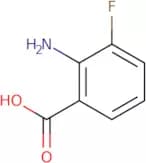

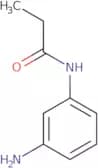

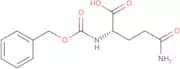
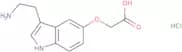
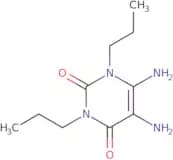
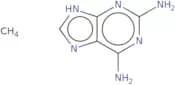
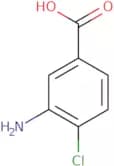
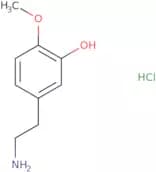

![[2-(1,3-Benzodioxol-5-yloxy)ethyl]amine hydrochloride](/_next/image/?url=https%3A%2Fstatic.cymitquimica.com%2Fproducts%2F3D%2Fthumb-webp%2FFB120300.webp&w=3840&q=75)
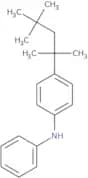
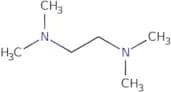
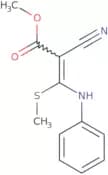
![N-[(1-Methyl-1H-indol-3-yl)methyl]cyclohexanamine](/_next/image/?url=https%3A%2Fstatic.cymitquimica.com%2Fproducts%2F3D%2Fthumb-webp%2FFM128410.webp&w=3840&q=75)
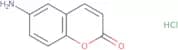
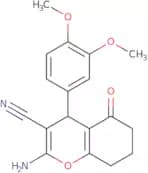
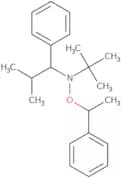
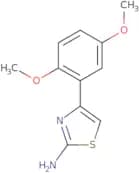
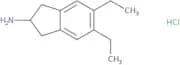
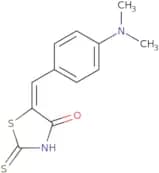
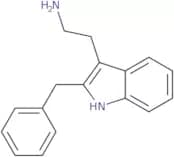
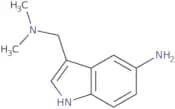
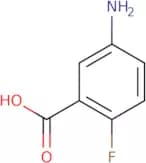
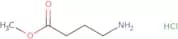
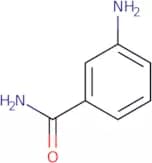
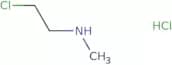


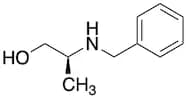
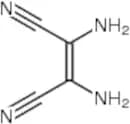
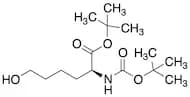

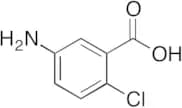
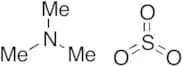
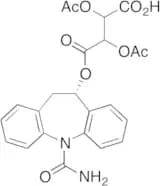
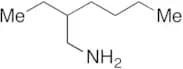
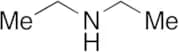
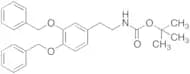
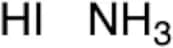


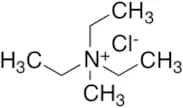
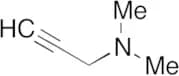
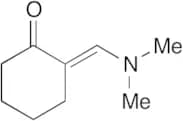
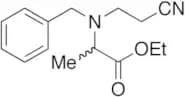
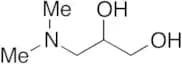


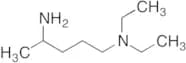
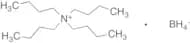
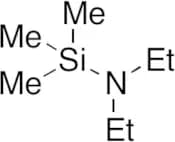
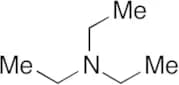


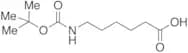
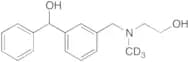
![N,N’-Di-Boc (R)-1-Azido-3-[[3-fluoro-4-(morpholin-4-yl)phenyl]amino]propan-2-yl Acetate](/_next/image/?url=https%3A%2Fstatic.cymitquimica.com%2Fproducts%2FTR%2Fthumb-webp%2FD422605.webp&w=3840&q=75)

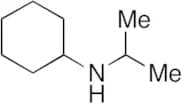
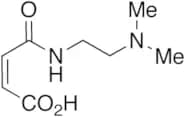

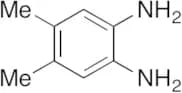
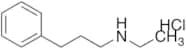
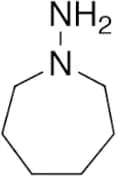
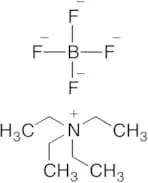


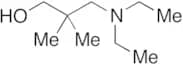
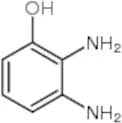
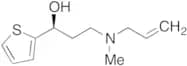
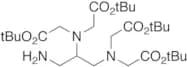
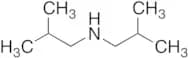
![2-Amino-4,5,7,8-tetrahydro-6-(N-carbethoxy)thiazolo[5,4-d]azepine](/_next/image/?url=https%3A%2Fstatic.cymitquimica.com%2Fproducts%2FTR%2Fthumb-webp%2FA629920.webp&w=3840&q=75)
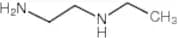
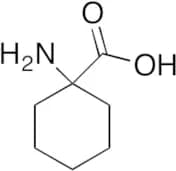
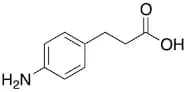
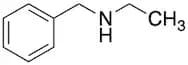


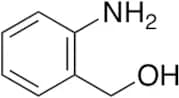
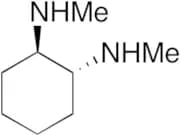
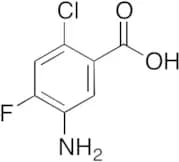

![(2S)-2-[[(phenylmethoxy)carbonyl]amino]-4-Pentenoic acid](/_next/image/?url=https%3A%2Fstatic.cymitquimica.com%2Fproducts%2FTR%2Fthumb-webp%2FP228100.webp&w=3840&q=75)
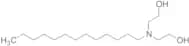
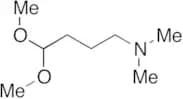

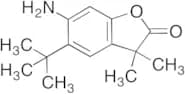
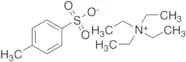
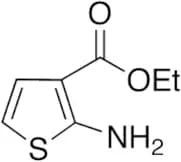
![9-[2-[[[10-(4,5-Dimethyl-3,6-dioxo-1,4-cyclohexadien-1-yl)decyl]oxy]carbonyl]phenyl]-3,6-bis(ethyl…](/_next/image/?url=https%3A%2Fstatic.cymitquimica.com%2Fproducts%2FTR%2Fthumb-webp%2FD469485.webp&w=3840&q=75)
![N-(Methoxymethyl)-N-[(trimethylsilyl)methyl]benzenemethanamine (>90%)](/_next/image/?url=https%3A%2Fstatic.cymitquimica.com%2Fproducts%2FTR%2Fthumb-webp%2FM264620.webp&w=3840&q=75)

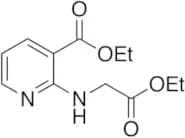


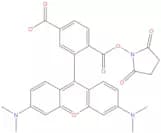

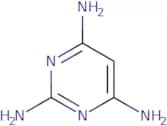

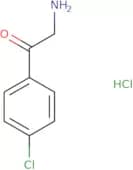

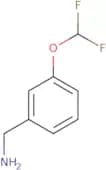
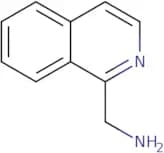

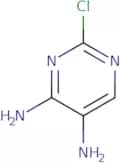
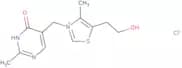
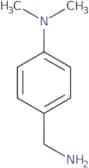
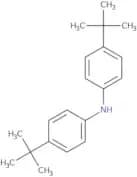
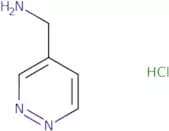

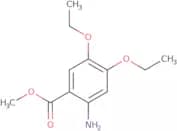
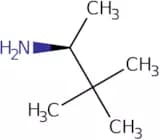
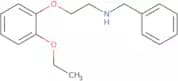
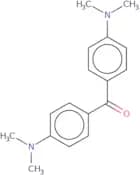
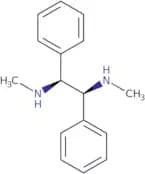
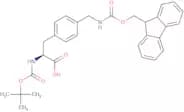
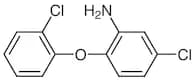

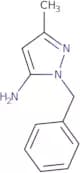
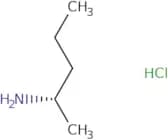
![4-Methyl-3-[[4-(3-pyridinyl)-2-pyrimidinyl]amino]benzoicacid methylester](/_next/image/?url=https%3A%2Fstatic.cymitquimica.com%2Fproducts%2F3D%2Fthumb-webp%2FFM151656.webp&w=3840&q=75)
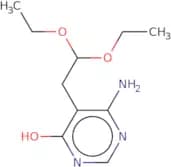

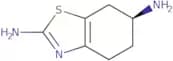
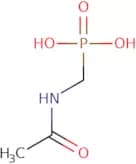
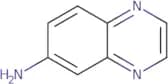
![(11bS)-N,N-Dimethyl-8,9,10,11,12,13,14,15-octahydrodinaphtho[2,1-d:1',2'-f][1,3,2]dioxaphosphepin-…](/_next/image/?url=https%3A%2Fstatic.cymitquimica.com%2Fproducts%2F3D%2Fthumb-webp%2FFD163891.webp&w=3840&q=75)
![N-[3-(Diethylaminomethyl)-4-hydroxyphenyl]acetamide](/_next/image/?url=https%3A%2Fstatic.cymitquimica.com%2Fproducts%2F3D%2Fthumb-webp%2FFD71897.webp&w=3840&q=75)
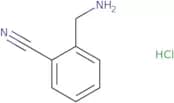


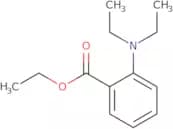
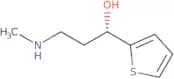
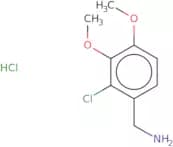
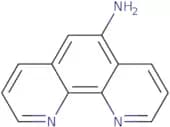
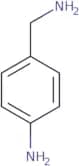
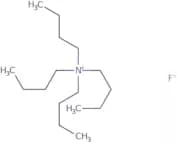
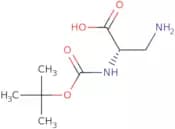
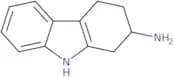
![4-[Bis(2-hydroxypropyl)amino]benzoic acid ethyl ester, 90%](/_next/image/?url=https%3A%2Fstatic.cymitquimica.com%2Fproducts%2F3D%2Fthumb-webp%2FFB18673.webp&w=3840&q=75)
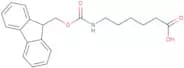
![2-[(4-Chlorophenyl)-2-pyridinylmethoxy]-N,N-dimethylethanamine maleate salt](/_next/image/?url=https%3A%2Fstatic.cymitquimica.com%2Fproducts%2F3D%2Fthumb-webp%2FFC19699.webp&w=3840&q=75)
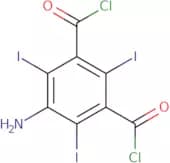
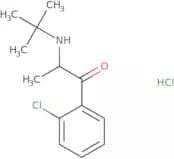

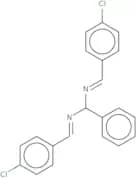
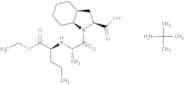
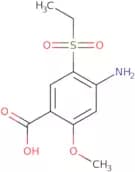
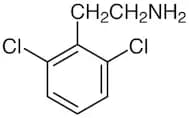
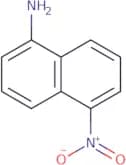
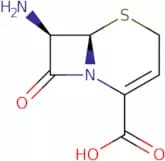
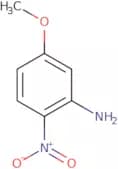
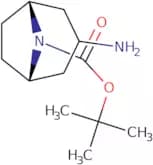


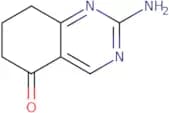
![[(5-Cyclopropyl-1,2,4-oxadiazol-3-yl)methyl]amine hydrochloride](/_next/image/?url=https%3A%2Fstatic.cymitquimica.com%2Fproducts%2F3D%2Fthumb-webp%2FFC121975.webp&w=3840&q=75)


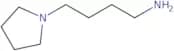
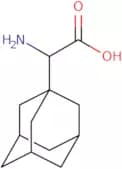
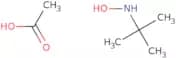
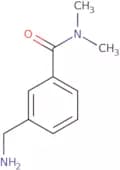
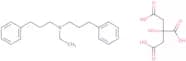
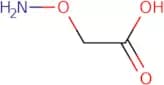

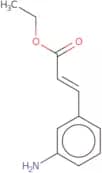
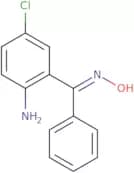
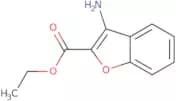
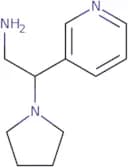
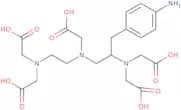
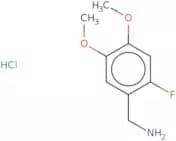


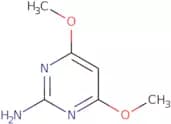
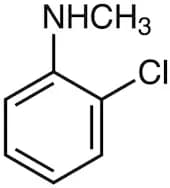
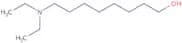
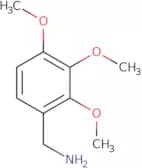
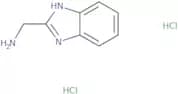
![[4-(Aminomethyl)cyclohexyl]methanol](/_next/image/?url=https%3A%2Fstatic.cymitquimica.com%2Fproducts%2F3D%2Fthumb-webp%2FFA123010.webp&w=3840&q=75)
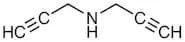
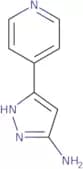
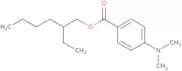
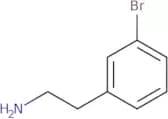
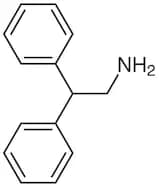
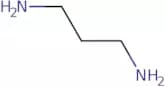

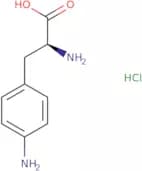
![[2-(3-Methyl-1,2,4-oxadiazol-5-yl)ethyl]amine hydrochloride](/_next/image/?url=https%3A%2Fstatic.cymitquimica.com%2Fproducts%2F3D%2Fthumb-webp%2FFM120047.webp&w=3840&q=75)