Amines
Amines are a set of molecules containing an amino functional group (derived from ammonia). This category includes amines at any level of substitution : primary, secondary, tertiary, and ammonium salts. Amines are fundamental in organic synthesis and are widely used in pharmaceuticals, agrochemicals, and materials science. At CymitQuimica, we provide a comprehensive selection of amines to meet your research and industrial needs. Our range ensures access to various amines for diverse chemical processes and innovative research.
Subcategories of "Amines"
- Nitrosamines(2,605 products)
- Primary Amines(30,821 products)
- Quaternary Ammonium Cations and Salts(1,099 products)
- Secondary Amines(20,817 products)
- Tertiary Amines(17,117 products)
Found 8778 products of "Amines"
Sort by
Purity (%)
0
100
|
0
|
50
|
90
|
95
|
100
Tetrabutylammonium Azide
CAS:Controlled Product<p>Applications Tetrabutylammonium Azide (cas# 993-22-6) is a useful research chemical.<br></p>Formula:C16H36N4Color and Shape:NeatMolecular weight:284.485-Bromopentyltrimethylammonium Bromide
CAS:Controlled Product<p>Applications 5-Bromopentyltrimethylammonium Bromide (cas# 15008-33-0) is a compound useful in organic synthesis.<br></p>Formula:C8H19BrN·BrColor and Shape:NeatMolecular weight:289.054,6-Diaminoquinazoline
CAS:Controlled Product<p>Applications 4,6-Diaminoquinazoline is used in the preparation of potential nociceptin receptor (NOP) antagonists. 4,6-Diaminoquinazoline is a predicted metabolite of 6-Amino-4-(4-phenoxyphenylethylamino)quinazoline (A621350).<br>References Sestili, I. et al.: Eur. J. Med. Chem., 39, 1047 (2004);<br></p>Formula:C8H8N4Color and Shape:NeatMolecular weight:160.176(1R)-2-(Methylamino)-1-phenylethan-1-ol Hydrochloride
CAS:Controlled Product<p>Applications (1R)-2-(methylamino)-1-phenylethan-1-ol (cas# 495-42-1) is a useful research chemical.<br></p>Formula:C9H13NO·ClHColor and Shape:NeatMolecular weight:187.6675-Chloro-N-methyl-2-(1-methylethyl)-4-thiazolemethanamine
CAS:Controlled ProductFormula:C8H13ClN2SColor and Shape:NeatMolecular weight:204.722,4-Diaminobenzoic Acid
CAS:Controlled ProductFormula:C7H8N2O2Color and Shape:NeatMolecular weight:152.151Ammonium Carbonate Carbamate
CAS:Controlled Product<p>Applications Ammonium Carbonate Carbamate is used in the study of amino acids and has important implications in biochemical studies.<br>References Nanping, W. et al.: J. Phys. Chem., 99, 359 (1995);<br></p>Formula:C2H11N3O5Color and Shape:NeatMolecular weight:157.13(2S,2aR,2aS,8aR)-2a-(2-((Cyclopropylmethyl)(methyl)amino)ethyl)-2,4,8a-trihydroxy-2,2a,8a-tetrahydro-1H-indeno[1,7,6-bcd]benzo-2-carboxylic Acid
Controlled Product<p>Applications (2S,2aR,2aS,8aR)-2a-(2-((Cyclopropylmethyl)(methyl)amino)ethyl)-2,4,8a-trihydroxy-2,2a,8a-tetrahydro-1H-indeno[1,7,6-bcd]benzo-2-carboxylic Acid is an intermediate used in the synthesis of (4R,4aS,6S,6aR,11bS)-6-Carboxy-3-(cyclopropylmethyl)-1,2,3,4,4a,5,6,6a-octahydro-4a,6,8-trihydroxy-3-methyl-4,11-methanobenzofuro[3',2':2,3]cyclopenta[1,2-c]pyridinium, Inner Salt (C176953), which is an impurity/degradation of N-methyl Naltrexone (M320350), a metabolite of Naltrexone (N285750).<br>References Wall, M., et al.: Drug Metab. Dispos., 12, 677 (1984), Jones, D., et al.: .: Bioorg. Med. Chem., 13, 6727 ( 2005), Chen, T., et al.: Drugs Future, 32, 771 (2007); Chem. and Eng. News p.4 Jan. 23, (2017)<br></p>Formula:C21H25NO6Color and Shape:NeatMolecular weight:387.4264-(Methylamino)-3-nitrobenzoic Acid
CAS:Controlled Product<p>Applications 4-(Methylamino)-3-nitrobenzoic Acid (cas# 41263-74-5) is a compound useful in organic synthesis.<br></p>Formula:C8H8N2O4Color and Shape:NeatMolecular weight:196.162-Ethynyl-4-aminotoluene
CAS:Controlled Product<p>Applications Used in the preparation of pyrimidine derivatives.<br></p>Formula:C9H9NColor and Shape:NeatMolecular weight:131.173-Amino-5-phenyl-1,3-dihydro-1,4-benzodiazepin-2-one
CAS:Controlled ProductFormula:C15H13N3OColor and Shape:NeatMolecular weight:251.283Ethyl (2Z)-2-[(Acetyloxy)imino]-2-amino-acetic Acid Ester
CAS:Controlled Product<p>Applications Ethyl (2Z)-2-[(Acetyloxy)imino]-2-amino-acetic Acid Ester is an intermediate used in the synthesis of N-(2-Hydroxyethyl)-5-methyl-1,2,4-oxadiazole-3-carboxamide (H942278), which is a photolysis product of Metronidazole (M338880), an antibiotic.<br>References Moore, Douglas E., et al.: Radiation Phy. and Chem., 36(4), 547-50 (1990)<br></p>Formula:C6H10N2O4Color and Shape:NeatMolecular weight:174.1553-[(3-Aminophenyl)amino]benzonitrile
CAS:Controlled Product<p>Applications 3-[(3-aminophenyl)amino]benzonitrile (cas# 1147094-81-2) is a useful research chemical.<br></p>Formula:C13H11N3Color and Shape:NeatMolecular weight:209.2465-((tert-Butoxycarbonyl)amino)tetrahydro-2H-pyran-2-carboxylic Acid
CAS:Controlled ProductFormula:C11H19NO5Color and Shape:NeatMolecular weight:245.2722-Aminomethyl-4-aminophenol
CAS:Controlled ProductFormula:C7H10N2OColor and Shape:NeatMolecular weight:138.1672-(methylamino)benzene-1-sulfonamide
CAS:Controlled Product<p>Applications 2-(methylamino)benzene-1-sulfonamide (cas# 21639-28-1) is a useful research chemical.<br></p>Formula:C7H10N2O2SColor and Shape:NeatMolecular weight:186.233-Amino-4-isothiazolecarboxylic Acid
CAS:Controlled ProductFormula:C4H4N2O2SColor and Shape:NeatMolecular weight:144.152Benzyltributylammonium Chloride
CAS:Controlled Product<p>Applications Benzyltributylammonium Chloride (cas# 23616-79-7) is a useful research chemical.<br></p>Formula:C19H34ClNColor and Shape:NeatMolecular weight:311.93[2-(Dimethylamino)ethyl](propan-2-yl)amine
CAS:Controlled ProductFormula:C7H18N2·x(HCl)Color and Shape:NeatMolecular weight:130.234-[(1,1-Dioxidobenzo[d]isothiazol-3-yl)(methyl)amino]phenyl Acrylate
CAS:Controlled ProductFormula:C17H14N2O4SColor and Shape:NeatMolecular weight:342.374-Amino-1,3-benzenedisulfonic Acid (>90%)
CAS:Controlled Product<p>Applications 4-Amino-1,3-benzenedisulfonic Acid is used as a reagent in the synthesis of arylazopyridoxal phosphate and phosphonate derivatives as P2 receptor antagonists.<br>References Kim, Y., et al.: Drug Develop. Res., 45, 52 (1998)<br></p>Formula:C6H7NO6S2Purity:>90%Color and Shape:NeatMolecular weight:253.25Ethyl 5-amino-1-benzofuran-2-carboxylate
CAS:Controlled Product<p>Applications Ethyl 5-amino-1-benzofuran-2-carboxylate is used as an synthetic intermediate in the preparation of indolebutylpiperazines, a class of dual 5-HT1A receptor agonists and serotonin reuptake inhibitors. Ethyl 5-amino-1-benzofuran-2-carboxylate was also used as a potential radiolabelled analog for melanoma imaging and targeted radiotherapy.<br>References Chezal, J.M., et al.: J. Medn. Chem., 51, 3133 (2008); Heinrich, T., et al.: J. Medn. Chem., 47, 4684 (2004);<br></p>Formula:C11H11NO3Color and Shape:NeatMolecular weight:205.211-Phenyl-3-Azetidinamine Dihydrochloride
CAS:Controlled ProductFormula:C9H14Cl2N2Color and Shape:NeatMolecular weight:184.6661-Amino-3-(3-(3,5-dimethylphenoxy)-2-hydroxypropoxy)propan-2-ol
Controlled ProductFormula:C14H23NO4Color and Shape:NeatMolecular weight:269.337Bis(3-chloropropyl)amine Hydrochloride
CAS:Controlled Product<p>Stability Hygroscopic<br>Applications Bis(3-chloropropyl)amine Hydrochloride is used in silica studies, and is grafted onto a silica support to evaluate CO2 adsorption.<br>References Yoo, C. et al.: Ind. Eng. Chem. Res., 59, 7061 (2020);<br></p>Formula:C6H13NCl2·HClColor and Shape:NeatMolecular weight:206.543-Aminocyclopentanol
CAS:Controlled ProductFormula:C5H11NOColor and Shape:NeatMolecular weight:101.147Ethyldibutylamine
CAS:Controlled Product<p>Applications Ethyldibutylamine is a useful reagent for organic synthesis.<br></p>Formula:C10H23NColor and Shape:NeatMolecular weight:157.2963-[Ethyl[(4-sulfophenyl)methyl]amino]benzenesulfonic Acid
CAS:Controlled ProductFormula:C15H17NO6S2Color and Shape:WhiteMolecular weight:371.429Tetramethylammonium Tetrafluoroborate
CAS:Controlled Product<p>Applications Tetramethylammonium Tetrafluoroborate (cas# 661-36-9) is a useful research chemical.<br></p>Formula:C4H12BF4NColor and Shape:NeatMolecular weight:160.95Methyl (2S)-2-Aminobutanoate
CAS:Controlled Product<p>Applications Methyl (2S)-2-Aminobutanoate is a general chemical reagent used in the synthesis of methylsulphonamide based small molecule legumain inhibitors.<br>References Ness, K. et al.: Bioorg. Med. Chem. Lett., 26, 413 (2016);<br></p>Formula:C5H11NO2Color and Shape:NeatMolecular weight:117.146Cycloheptylmethylamine
CAS:Controlled ProductFormula:C8H17N·ClHColor and Shape:NeatMolecular weight:163.688Trimethylphenylammonium Tribromide
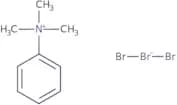
CAS:Controlled Product<p>Applications Trimethylphenylammonium tribromide is a brominating agent, and is also used as an oxidizing agent in the preparation of disulfides and sulfoxides from thiols and sulfides.<br> Not a dangerous good if item is equal to or less than 1g/ml and there is less than 100g/ml in the package<br>References Ghorbani-Choghamarani, A., et al.: Phosphorus Sulfur, 186, 1665 (2011); Gonzalez, A., et al.: Phytochemistry, 12, 1113 (1973)<br></p>Formula:C9H14Br3NColor and Shape:NeatMolecular weight:375.93Methyl 4-aminosalicylate
CAS:Controlled Product<p>Applications Methyl 4-aminosalicylate<br></p>Formula:C8H9NO3Color and Shape:NeatMolecular weight:167.162-Dimethylaminoethyl Benzilate
CAS:Controlled Product<p>Applications 2-Dimethylaminoethyl Benzilate is an intermediate in the synthesis of Propinox (P771500), an antispasmodic agent used in the treatment of moderate to severe colic pain of biliary origin.<br> Not a dangerous good if item is equal to or less than 1g/ml and there is less than 100g/ml in the package<br>References Mishra, R., et al.: Pharma. Chemica., 2, 185 (2010);<br></p>Formula:C18H21NO3Color and Shape:NeatMolecular weight:299.36Methyl 2-amino-4-bromo-5-chlorobenzoate
CAS:Controlled ProductFormula:C8H7BrClNO2Color and Shape:Neattert-Octylamine
CAS:Controlled Product<p>Impurity Potassium Clavulanate EP Impurity K<br>Applications tert-Octylamine (Potassium Clavulanate EP Impurity K) is used in the synthesis of aminomethyltetracycline dericatives as novel antibacterial agents. Also used in the preparation of carbonyl or sulfonylpyrrolidine containing uracil derivatives which have potent effect in the inhibitoon of deoxyuridine triphosphatase inhibitors.<br> Not a dangerous good if item is equal to or less than 1g/ml and there is less than 100g/ml in the package<br>References Clark, R. et al.: J. Med. Chem., 56, 8112 (2013); Miyakoshi, H. et al.: J. Med. Chem., 55, 2960 (2012);<br></p>Formula:C8H19NColor and Shape:NeatMolecular weight:129.24α-[[(1,1-Dimethylethoxy)carbonyl]amino]-2-fluoro-4-hydroxybenzeneacetic Acid
CAS:Controlled ProductFormula:C13H16FNO5Color and Shape:NeatMolecular weight:285.27N,N'-Bis(salicylidene)ethylenediamine
CAS:Controlled Product<p>Applications N,N'-Bis(salicylidene)ethylenediamine is a common chelating ligand that is used in coordination chemistry. In particular it was used to form a new zinc(salen) nano complex which possess strong photoluminescence properties. Also used to form iron complexes which may possess anticancer properties.<br>References Mohammadikish, M., et al.: J. Cryst. Growth., 431, 39 (2015); Wani, W., et al.: New J. Chem., 40, 1063 (2016);<br></p>Formula:C16H16N2O2Color and Shape:NeatMolecular weight:268.312-Furfurylamine
CAS:Controlled Product<p>Stability Volatile<br>Applications 2-Furfurylamine is used in the synthesis of 2-Amino-N-(2-furylmethyl)propanamide, as a novel alanylglycine equivalent synthesized by bacilysin synthetase.<br> Not a dangerous good if item is equal to or less than 1g/ml and there is less than 100g/ml in the package<br>References Mah, R., et al.: Appl. Microbiol., 15, 866 (1967), Faber, K., et al.: Pure Appl. Chem., 69, 1613 (1997), Marahiel, M., et al.: Chem. Biol. 4, 561 (1997),<br></p>Formula:C5H7NOColor and Shape:NeatMolecular weight:97.123,4-Diaminobenzonitrile
CAS:Controlled Product<p>Stability Store in freezer at -20°C<br>Applications A synthetic intermediate<br></p>Formula:C7H7N3Color and Shape:NeatMolecular weight:133.157-Azagramine
CAS:Controlled Product<p>Applications 7-Azaindole derivative<br>References Showell, G., et al.: Bioorg. Med. Chem., 6, 1 (1998), Huang, Y., et al.: Bioorg. Med. Chem. Lett., 11, 1375 (2001),<br></p>Formula:C10H13N3Color and Shape:NeatMolecular weight:175.236-Methylguanamine
CAS:Controlled Product<p>Stability Hygroscopic<br>Applications 6-Methylguanamine has been used as a catalyst when complexed with riboflavin tetraacetate in soft gel materials.<br>References Bachl, j., et. al.: J. Mater. Chem., 1, 4577 (2013)<br></p>Formula:C4H7N5Color and Shape:NeatMolecular weight:125.1322-Amino-4,5-dimethylbenzothiazole
CAS:Controlled ProductFormula:C9H10N2SColor and Shape:NeatMolecular weight:178.254N,N-Dimethylaminoacetylene
CAS:Controlled ProductFormula:C4H7NColor and Shape:NeatMolecular weight:69.1052-(Aminosulfonyl)benzoic Acid
CAS:Controlled Product<p>Applications 2-(Aminosulfonyl)benzoic Acid can be used as reactant/reagent in synthesis and pharmacological activity of γ-(phenyloxamido)- and γ-(phenylsulfonyloxamido)butanoic acids.<br>References Georgiyants, V. A., et al.: Farmatsevtichnii Zhurnal, 2, 34 (2010);<br></p>Formula:C7H7NO4SColor and Shape:NeatMolecular weight:201.22-[Ethyl(2-hydroxyethyl)amino]-1-phenyl-1-propanone
CAS:Controlled ProductFormula:C13H19NO2Color and Shape:NeatMolecular weight:221.296(3S,4S)-4-Aminotetrahydro-3-furanol
CAS:Controlled ProductFormula:C4H9NO2Color and Shape:NeatMolecular weight:103.121-Aminocyclobutanecarbonitrile >80%
CAS:Controlled Product<p>Applications 1-aminocyclobutanecarbonitrile (cas# 70780-84-6) is a useful research chemical.<br></p>Formula:C5H8N2Purity:>80%Color and Shape:NeatMolecular weight:96.132-Amino-5,5-dimethyl-5,6-dihydro-4h-benzothiazol-7-one
CAS:Controlled Product<p>Applications 2-Amino-5,5-dimethyl-5,6-dihydro-4h-benzothiazol-7-one<br></p>Formula:C9H12N2OSColor and Shape:NeatMolecular weight:196.276-Aminohexanoic Acid Hydrochloride
CAS:<p>Applications Used in the preparatiom of esters of 6-aminohexanoic acid as antibacterial agents. EACA is reported to inhibit chymotrypsin, Factor VIIa, lysine carbo xy peptidase, plasmin, and plasminogen activator.<br>References Dolezal, P., et al.: Pharm. Res., 10, 1015 (1993), Vavrova, K., et al.: Curr. Med. Chem., 12, 2273 (2005), Holas, T., et al.: Bioorg. Med. Chem., 14, 7671 (2006),<br></p>Formula:C6H13NO2·HClColor and Shape:Off White SolidMolecular weight:167.634N,N,3,3-Tetramethyl-1,5-dioxaspiro[5.5]undecan-9-amine
CAS:Controlled ProductFormula:C13H25NO2Color and Shape:NeatMolecular weight:227.341,2-Diaminopropane-N,N,N',N'-tetraacetic Acid
CAS:Controlled Product<p>Applications 1,2-Diaminopropane-N,N,N',N'-tetraacetic Acid is an aminopolycarboxylic acids found at ultra-trace levels in water; Also, it is used in the construction of Eu3+ ion-selective membrane electrode as suitable ionophore.<br>References Nette, D., et al.: Anal. Chim. Acta, 884, 124-132 (2015); Abedi, M. R., et al.: E-J. Chem., 8, S467-S473 (2011)<br></p>Formula:C11H18N2O8Color and Shape:NeatMolecular weight:306.27Ethyl 4-[[(methylphenylamino)methylene]amino]benzoate
CAS:Controlled Product<p>Applications Ethyl 4-[[(methylphenylamino)methylene]amino]benzoate<br></p>Formula:C17H18N2O2Color and Shape:NeatMolecular weight:282.343-Aminocatechol
CAS:Controlled Product<p>Applications Degradation of Acid Black 1 reveals the formation of 3-Aminocatechol as one of the intermediates.<br>References Krishnakumar, B., et al.: Desalin. Water. Treat., 24, 132 (2010).<br></p>Formula:C6H7NO2Color and Shape:NeatMolecular weight:125.136-Amino-2,2-dimethyl-2H-benzo[b][1,4]oxazin-3(4h)one
CAS:Controlled Product<p>Applications 6-AMINO-2,2-DIMETHYL-2H-BENZO[B][1,4]OXAZIN-3(4H)-ONE (cas# 105807-84-9) is a useful research chemical.<br></p>Formula:C10H12N2O2Color and Shape:NeatMolecular weight:192.212-(1-Cyclohexenyl)ethylamine
CAS:Controlled ProductFormula:C8H15NColor and Shape:NeatMolecular weight:125.21Cyclopentane-1,2-diamine Dihydrochloride
CAS:Controlled ProductFormula:C5H12N2HClColor and Shape:NeatMolecular weight:173.0843,4-Diaminophenol (>80%)
CAS:Controlled Product<p>Applications 3,4-Diaminophenol (cas# 615-72-5) is a useful research chemical.<br></p>Formula:C6H8N2OPurity:>80%Color and Shape:NeatMolecular weight:124.145-Aminobenzo[C]isothiazole
CAS:Controlled ProductFormula:C7H6N2SColor and Shape:NeatMolecular weight:150.2015-(Aminomethyl)-2-furoic Acid
CAS:Controlled Product<p>Applications 5-(aminomethyl)-2-furoic acid hydrochloride (cas# 934-65-6) is a useful research chemical.<br></p>Formula:C6H7NO3Color and Shape:NeatMolecular weight:141.1252-Amino-3,4-dihydro-7-methoxy-2H-1-naphthalenone, hydrochloride
CAS:Controlled Product<p>Please enquire for more information about 2-Amino-3,4-dihydro-7-methoxy-2H-1-naphthalenone, hydrochloride including the price, delivery time and more detailed product information at the technical inquiry form on this page</p>Formula:C11H14ClNO2Purity:Min. 95%Molecular weight:227.69 g/moltert-Butyl 3-(cyclopropylamino)azetidine-1-carboxylate
CAS:<p>Please enquire for more information about tert-Butyl 3-(cyclopropylamino)azetidine-1-carboxylate including the price, delivery time and more detailed product information at the technical inquiry form on this page</p>Formula:C11H20N2O2Purity:Min. 95%Molecular weight:212.29 g/mol[2-(1-Isopropyl-1H-benzimidazol-2-yl)ethyl]amine dihydrochloride
CAS:Controlled Product<p>Please enquire for more information about [2-(1-Isopropyl-1H-benzimidazol-2-yl)ethyl]amine dihydrochloride including the price, delivery time and more detailed product information at the technical inquiry form on this page</p>Formula:C12H17N3Purity:Min. 95%Molecular weight:203.28 g/molN-Boc (S)-amphetamine
CAS:Controlled Product<p>Please enquire for more information about N-Boc (S)-amphetamine including the price, delivery time and more detailed product information at the technical inquiry form on this page</p>Formula:C14H21NO2Purity:Min. 95%Molecular weight:235.32 g/mol3-Methoxy methamphetamine hydrochloride
CAS:Controlled Product<p>Please enquire for more information about 3-Methoxy methamphetamine hydrochloride including the price, delivery time and more detailed product information at the technical inquiry form on this page</p>Formula:C11H18ClNOPurity:Min. 95%Molecular weight:215.72 g/mol2-Amino-5-bromo-N-cyclohexyl-N-methylbenzylamine dihydrochloride
CAS:<p>Please enquire for more information about 2-Amino-5-bromo-N-cyclohexyl-N-methylbenzylamine dihydrochloride including the price, delivery time and more detailed product information at the technical inquiry form on this page</p>Formula:C14H23BrCl2N2Purity:Min. 95%Color and Shape:PowderMolecular weight:370.16 g/mol3-Fluorophenethylamine
CAS:Controlled Product<p>3-Fluorophenethylamine is a fluorinated analog of phenethylamine that binds to the same receptors and has a similar effect on neurotransmitters as the parent compound. 3-Fluorophenethylamine inhibits the production of tumor necrosis factor-α (TNF-α) in vitro, which may be due to its ability to inhibit prostaglandin synthesis by binding to cyclooxygenase. This drug has also been shown to have anti-inflammatory effects that are mediated by inhibition of TNF-α production and activation of nuclear factor kappa B (NFκB) pathways in hippocampal neurons.</p>Formula:C8H10FNPurity:Min. 95%Molecular weight:139.17 g/molS-Aminoethyl-L-cysteine hydrochloride
CAS:<p>S-Aminoethyl-L-cysteine hydrochloride is an amino acid that is used in the diagnosis of metabolic disorders. It has been found to have a high concentration in plasma and can be used to measure the activity of bowel disease. S-Aminoethyl-L-cysteine hydrochloride is also used as a diagnostic marker for inflammatory diseases. It is extensively metabolized by acidic hydrolysis, which results in the release of chloride ions and amines.</p>Formula:C5H12N2O2S·HClPurity:Min. 95%Color and Shape:White PowderMolecular weight:200.69 g/molHistamine
CAS:<p>Endogenous ligand for histamine receptors; neurotransmitterA toxic biogenic amine produced in spoiled and fermented food</p>Formula:C5H9N3Purity:Min. 95%Color and Shape:Yellow PowderMolecular weight:111.15 g/mol(R)-(-)-a-[[(4-Ethyl-2,3-dioxo-1-piperazinyl)carbonyl]amino]benzeneacetic Acid
CAS:<p>(R)-(-)-a-[[(4-Ethyl-2,3-dioxo-1-piperazinyl)carbonyl]amino]benzeneacetic Acid is an inhibitor of the enzyme histamine N-methyltransferase (HNMT), which is responsible for the synthesis of histamine. The inhibition of HNMT leads to a decrease in histamine levels and therefore has been used as a treatment for chronic prostatitis, lacrimal gland, and energy efficiency. Histamine N-methyltransferase also participates in the regulation of apoptosis by methylating proapoptotic proteins like Bax, so inhibition can lead to an increase in apoptosis. This chemical is also able to bind with chloride ions and form diphenyl ethers through a reaction solution, which are known to have anticancer properties.</p>Formula:C15H17N3O5Purity:Min. 98 Area-%Color and Shape:PowderMolecular weight:319.31 g/molDehydroevodiamine
CAS:<p>Dehydroevodiamine is a plant-derived indole alkaloid, which is extracted from the fruit of the Evodia rutaecarpa plant. This compound is garnering scientific interest due to its potential neuroprotective properties. The mode of action of dehydroevodiamine is multifaceted, involving the modulation of neurotransmitter systems, particularly the enhancement of cholinergic function, as well as antioxidant effects that mitigate oxidative stress.</p>Purity:Min. 95%Tetrahydropyran-3-ylamine
CAS:<p>Tetrahydropyran-3-ylamine is a potent and selective inhibitor of dipeptidyl peptidase IV (DPP-IV), an enzyme that plays an important role in the metabolism of proteins. Tetrahydropyran-3-ylamine is used for the treatment of type 2 diabetes and other metabolic disorders. This compound has been shown to inhibit DPP-IV activity in human plasma and in vitro, with IC50 values of 0.6 μM and 0.2 μM respectively. Tetrahydropyran-3-ylamine also inhibits the production of amyloid β peptides, which are associated with Alzheimer's disease. Tetrahydropyran-3-ylamine is orally active and stable at acidic pH levels, making it suitable for oral administration. It has a high degree of crystallinity, with the crystalline substance being thermally stable up to 200°C. Tetrahydropyr</p>Formula:C5H11NOPurity:Min. 95%Molecular weight:101.15 g/molMethyl-(2-m-tolyl-ethyl)amine
CAS:Controlled Product<p>Please enquire for more information about Methyl-(2-m-tolyl-ethyl)amine including the price, delivery time and more detailed product information at the technical inquiry form on this page</p>Formula:C10H15NPurity:Min. 95%Molecular weight:149.23 g/molN-Butyl nor scopolamine hydrochloride
CAS:<p>Please enquire for more information about N-Butyl nor scopolamine hydrochloride including the price, delivery time and more detailed product information at the technical inquiry form on this page</p>Formula:C20H28ClNO4Purity:Min. 95%Molecular weight:381.89 g/mol3-Morpholinopropylamine
CAS:<p>3-Morpholinopropylamine is a nitrogen-containing heterocyclic organic amine. It has been shown to bind to receptor cells and inhibit the uptake of chloride ions by liver cells, which may be due to its ability to form hydrogen bonds with chloride ions. The binding constants for this drug have also been determined using X-ray crystallography and nuclear magnetic resonance spectroscopy. 3-Morpholinopropylamine has been shown to have anticancer properties and is able to bind with DNA in a manner that inhibits DNA synthesis. This drug also inhibits the production of hydrochloric acid in the stomach, which may be due to its ability to interact electrochemically with amines.</p>Formula:C7H16N2OPurity:Min. 95%Molecular weight:144.21 g/mol[4-(2-Aminopropyl)phenyl]dimethylamine dihydrochloride
CAS:Controlled Product<p>Please enquire for more information about [4-(2-Aminopropyl)phenyl]dimethylamine dihydrochloride including the price, delivery time and more detailed product information at the technical inquiry form on this page</p>Formula:C11H18N2Purity:Min. 95%Molecular weight:178.27 g/mol4-chloro-5-fluoropyrimidin-2-amine
CAS:<p>Please enquire for more information about 4-chloro-5-fluoropyrimidin-2-amine including the price, delivery time and more detailed product information at the technical inquiry form on this page</p>Formula:C4H3ClFN3Purity:Min. 95%Molecular weight:147.54 g/mol1H-Pyrrolo[2,3-b]pyridin-5-ylamine
CAS:<p>1H-Pyrrolo[2,3-b]pyridin-5-ylamine is a heterocycle that can be synthesized by cyclization of pyrrole with an alkyne. The microwave irradiation of the reaction mixture leads to selective formation of 1-(2-hydroxyphenyl)pyrrolo[2,3-b]pyridine. This heterocycle can be used in the synthesis of other heterocycles and pharmaceuticals.</p>Purity:Min. 95%2-(2-Chlorophenyl)ethylamine
CAS:Controlled Product<p>2-(2-Chlorophenyl)ethylamine is an amine that inhibits the production of proteins vital for cell division. It binds to bacterial 16S ribosomal RNA and inhibits protein synthesis, leading to cell death by inhibiting the production of proteins vital for cell division. 2-(2-Chlorophenyl)ethylamine has been shown to be effective against methicillin-resistant Staphylococcus aureus (MRSA) and Clostridium perfringens, although is not active against acid-fast bacteria such as Mycobacterium tuberculosis or Mycobacterium avium complex. 2-(2-Chlorophenyl)ethylamine has shown anti-inflammatory properties, which may be due to its inhibition of prostaglandin synthesis.</p>Formula:C8H10ClNPurity:Min. 95%Molecular weight:155.62 g/mol6-Amino-1,3,5-triazine-2,4-diol
CAS:<p>6-Amino-1,3,5-triazine-2,4-diol is a chemical that is soluble in water and has been shown to be an effective inhibitor of cyanuric acid degradation. It has been used in wastewater treatment and as a model system for the study of melamine and cyanuric acid interactions. 6-Amino-1,3,5-triazine-2,4-diol binds to cyanuric acid by forming a complex with it. This prevents the formation of reactive intermediates that lead to the degradation of cyanuric acid. 6-Amino-1,3,5-triazine-2,4-diol also inhibits the oxidation catalyst activity of sodium carbonate at pH 8.5. The toxicity of this chemical has been studied in rats and was found to be low.</p>Formula:C3H4N4O2Purity:Min. 95%Molecular weight:128.09 g/molPerfluorotriamylamine (so called)
CAS:Controlled Product<p>Perfluorotriamylamine (so called) is a perfluorinated compound that has thermal expansion properties. It is used in the production of polymer films, membranes and flow systems. This compound has shown to be effective against bacteria such as Escherichia coli and Staphylococcus aureus, but not against other types of organisms. The binding constants for this compound are high with hydroxyl groups and lipophilic solutes. It is also stable at low pH levels and in light exposure.</p>Formula:C15F33NPurity:Min. 95%Molecular weight:821.11 g/mol3-Amino-2-methylquinazolin-4(3H)-one
CAS:Controlled Product<p>3-Amino-2-methylquinazolin-4(3H)-one is a bidentate ligand that has been shown to have antibacterial and anticancer activity. The functional theory of the compound is based on its ability to form an imine nitrogen with metal ions such as Fe(II) or Cu(II). 3-Amino-2-methylquinazolin-4(3H)-one is not active against Staphylococcus aureus, but inhibits the growth of other bacteria by binding to their ribosomes and inhibiting protein synthesis. 3-Amino-2-methylquinazolin-4(3H)-one also has in vitro anticancer activity, which may be due to its ability to inhibit DNA synthesis and cell division.</p>Formula:C9H9N3OPurity:Min. 95%Molecular weight:175.19 g/mol(1R,2R)-1-Amino-2-benzyloxycyclopentane
CAS:<p>(1R,2R)-1-Amino-2-benzyloxycyclopentane is achiral. It is a synthetic chemical that has been used as an initiator for polymerization of amines and hexafluoroisopropanol. The synthesis of this compound can be achieved through a chiral technique known as interfacial polymerization. (1R,2R)-1-Amino-2-benzyloxycyclopentane is an initiator for the production of polymers with alternating helical chains. This process relies on the presence of achiral molecules to initiate the polymerization process.</p>Formula:C12H17NOPurity:Min. 95%Color and Shape:Clear LiquidMolecular weight:191.27 g/mol4-(Trifluoromethyl)benzyl amine
CAS:<p>4-(Trifluoromethyl)benzyl amine is a nucleophilic reagent that is used for the asymmetric synthesis of chiral amines. The reaction mechanism involves the nucleophilic attack of the trifluoromethyl group on an electron-deficient carbon atom of a substrate, followed by elimination of hydrogen fluoride. The trifluoromethyl group also acts as a light emitter when irradiated with UV light. 4-(Trifluoromethyl)benzyl amine is able to produce carbonyl groups through irreversible oxidation and has been shown to inhibit cancer cell proliferation in vitro and in vivo. This compound can be found as white crystals and has a polymorphic nature.</p>Formula:C8H8F3NPurity:Min. 95%Color and Shape:PowderMolecular weight:175.15 g/molEthyl 2-(2-Amino-4-thiazolyl)-2-(hydroxyimino)acetate
CAS:<p>Ethyl 2-(2-amino-4-thiazolyl)-2-(hydroxyimino)acetate is a phosphomolybdate antibiotic that is used in the treatment of respiratory tract infections. It binds to the bacterial enzyme, phosphomolybdate oxidase, and inhibits the formation of acid in the body. The reaction solution is recycled and activated with an acid catalyst to increase the yield of acetonitrile. The ion-pair formed by ethyl 2-(2-amino-4-thiazolyl)-2-(hydroxyimino)acetate and sodium carbonate is nucleophilic and reacts with nitrous to produce acetonitrile as a side product.</p>Formula:C7H9N3O3SPurity:Min. 95%Molecular weight:215.23 g/mol2- (4-Bromophenoxy) - N, N- diethylethanamine
CAS:Controlled Product<p>Please enquire for more information about 2- (4-Bromophenoxy) - N, N- diethylethanamine including the price, delivery time and more detailed product information at the technical inquiry form on this page</p>Formula:C12H18BrNOPurity:Min. 95%Molecular weight:272.18 g/mol2-Methoxyethanamine
CAS:<p>2-Methoxyethanamine is a metabolite of the drug 2-methoxyethanol. It is an amine that can be found in urine samples. Its structure consists of a hydroxyl group, sodium carbonate, and an intramolecular hydrogen. 2-Methoxyethanamine inhibits the production of angiotensin II, which reduces blood pressure. This molecule has antihypertensive activity because it prevents the conversion of angiotensin I to angiotensin II in the kidneys. 2-Methoxyethanamine also has a stepwise mechanism for its synthesis from ethylene diamine and nitrogen atoms. It can be oxidized by hydrochloric acid or reduced by hydrogen bond or amines. The redox potential of this molecule is -0.06 V, which makes it a nucleophilic compound with an amide bond as its conjugate base.</p>Formula:C3H9NOPurity:Min. 95%Color and Shape:Colourless To Yellow Clear LiquidMolecular weight:75.11 g/mol2,3-Diaminotoluene
CAS:<p>2,3-Diaminotoluene is a compound that can be synthesized through the reaction of 2,4-diaminotoluene and picric acid. It has been used as a fluorescent probe for palladium complexes and has been shown to have efficient fluorescence properties in chromatographic applications. 2,3-Diaminotoluene has also been found to be an effective anti-bacterial agent against Gram-positive bacteria such as Staphylococcus aureus and Enterococcus faecalis. This compound has also been shown to have antitumour activity against leukemia cells. The synthesis of 2,3-diaminotoluene involves the reaction of amines with formaldehyde followed by dehydration.</p>Formula:C7H10N2Purity:Min. 95%Color and Shape:PowderMolecular weight:122.17 g/molN,N-Diethylethylenediamine
CAS:<p>N,N-Diethylethylenediamine (DEEDA) is a nitrosamine with the chemical structure of N 2 H 4 C 2 H 4 NH 2 . It has been shown to have tumor-inhibiting properties. DEEDA has been shown to have a redox potential that is similar to that of glutathione and cysteine, which are important for the reduction of reactive oxygen species in cells. This compound also shows high uptake by primary cells and can be used as a model system to study the effects of nitrogen compounds on copper complexes. The biological properties of DEEDA are related to steric interactions with proteins and other biomolecules.</p>Formula:C6H16N2Purity:Min. 95%Color and Shape:Colorless Clear LiquidMolecular weight:116.2 g/molN-Nitrosodiethylamine
CAS:<p>N-Nitrosodiethylamine (NDEA) is a genotoxic carcinogen that is formed as an intermediate in the industrial production of nitric acid. It has been shown to be a potent inhibitor of DNA polymerase and topoisomerase II, which are involved in DNA replication and repair. NDEA has been detected in human blood samples and has been shown to induce squamous cell carcinoma in animal models. This chemical can also cause inflammation by binding to toll-like receptor 4, which activates the inflammatory response. The biocompatible polymer used for this product is not known to produce any genotoxic or mutagenic effects.</p>Formula:C4H10N2OPurity:Min. 95%Color and Shape:Colorless Clear LiquidMolecular weight:102.14 g/mol6-Amino-3-methylquinazolin-4(3H)-one hydrochloride
CAS:Controlled Product<p>Please enquire for more information about 6-Amino-3-methylquinazolin-4(3H)-one hydrochloride including the price, delivery time and more detailed product information at the technical inquiry form on this page</p>Formula:C9H9N3OPurity:Min. 95%Molecular weight:175.19 g/mol{2-[(4-Phenylpiperazin-1-yl)carbonyl]phenyl}amine
CAS:Controlled Product<p>Please enquire for more information about {2-[(4-Phenylpiperazin-1-yl)carbonyl]phenyl}amine including the price, delivery time and more detailed product information at the technical inquiry form on this page</p>Formula:C17H19N3OPurity:Min. 95%Molecular weight:281.35 g/molN-(4-Aminophenyl)butanamide
CAS:<p>Please enquire for more information about N-(4-Aminophenyl)butanamide including the price, delivery time and more detailed product information at the technical inquiry form on this page</p>Formula:C10H14N2OPurity:Min. 95%Molecular weight:178.23 g/mol1,5-Bis(4-allyldimethylammoniumphenyl)pentan-3-one, dibromide
CAS:<p>1,5-Bis(4-allyldimethylammoniumphenyl)pentan-3-one, dibromide is a reversible inhibitor of acetylcholinesterase. It has been shown to inhibit the enzyme activity in vitro and in vivo. 1,5-Bis(4-allyldimethylammoniumphenyl)pentan-3-one, dibromide has been shown to be an effective inhibitor of nicotinic acetylcholine receptors in model organisms such as Xenopus oocytes and Acetylcholine esterase activated rat pheochromocytoma cells. The molecule also inhibits the phosphorylation of pnitrophenyl phosphate by choline kinase. This inhibiting effect on choline kinase leads to a decrease in the concentration of choline available for neurotransmitter synthesis. Monoclonal antibodies against acetylcholinesterase are used to detect this</p>Formula:C27H38Br2N2OPurity:Min. 95%Molecular weight:566.41 g/mol1-(2-Amino-5-nitrophenyl)ethanone
CAS:<p>Please enquire for more information about 1-(2-Amino-5-nitrophenyl)ethanone including the price, delivery time and more detailed product information at the technical inquiry form on this page</p>Formula:C8H8N2O3Purity:Min. 95%Molecular weight:180.16 g/molAmmonium bicarbonate
CAS:<p>Ammonium bicarbonate is a substance that has been used as a buffer to maintain pH in wastewater treatment. Ammonium bicarbonate has also been shown to be effective in the treatment of metabolic disorders, such as glycogen storage diseases and urea cycle disorders. Ammonium bicarbonate is synthesized by reacting aqueous solutions of ammonium chloride and sodium or potassium carbonate. It can also be produced through the reaction of ammonia with carbon dioxide in water vapor. The analytical method for ammonium bicarbonate is based on the reaction with trifluoroacetic acid (TFA) and the formation of ammonium trifluoroacetate. This compound can react with water to produce carbon dioxide and ammonia, which may function as a nutrient solution for microorganisms. Cyclic nucleotide phosphodiesterases are enzymes that break down cyclic nucleotides, which are important for many physiological functions, including muscle contraction and regulation of blood pressure</p>Formula:CH5NO3Purity:Min. 95%Color and Shape:White SolidMolecular weight:79.06 g/molAcetaminophen glutathione disodium salt
CAS:<p>Acetaminophen glutathione disodium salt is a prodrug of acetaminophen, which is a non-opioid analgesic and antipyretic drug. It has been shown to be protective against cisplatin-induced nephrotoxicity in cell culture and in CD-1 mice. Acetaminophen glutathione disodium salt inhibits mitochondrial enzyme activities, including dehydroascorbate reductase, which reduces the formation of reactive oxygen species. Acetaminophen glutathione disodium salt also blocks proximal tubule reabsorption and increases the excretion of drugs or their metabolites by increasing the second-order rate constant.</p>Formula:C18H22N4Na2O8SPurity:Min. 95%Molecular weight:500.43 g/mol[4-[2-(Diethylamino)ethoxy]-3-iodophenyl][2-(1-hydroxybutyl)-3-benzofuranyl]-methanone
CAS:Controlled Product<p>Please enquire for more information about [4-[2-(Diethylamino)ethoxy]-3-iodophenyl][2-(1-hydroxybutyl)-3-benzofuranyl]-methanone including the price, delivery time and more detailed product information at the technical inquiry form on this page</p>Formula:C25H30INO4Purity:Min. 95%Molecular weight:535.41 g/mol4-Bromophenylethylamine HCl
CAS:Controlled Product<p>Please enquire for more information about 4-Bromophenylethylamine HCl including the price, delivery time and more detailed product information at the technical inquiry form on this page</p>Formula:C8H10Br·HClPurity:Min. 95%Molecular weight:222.53 g/mol5-[3-(Dimethylamino)propyl]-10,11-dihydro-5H-dibenzo[a,d]cyclohepten-5-ol
CAS:<p>Please enquire for more information about 5-[3-(Dimethylamino)propyl]-10,11-dihydro-5H-dibenzo[a,d]cyclohepten-5-ol including the price, delivery time and more detailed product information at the technical inquiry form on this page</p>Formula:C20H25NOPurity:Min. 95%Color and Shape:Beige SolidMolecular weight:295.42 g/mol2-Amino-5-ethylphenol hydrochloride
CAS:<p>Please enquire for more information about 2-Amino-5-ethylphenol hydrochloride including the price, delivery time and more detailed product information at the technical inquiry form on this page</p>Formula:C8H12ClNOPurity:Min. 95%Molecular weight:173.64 g/mol4-Aminobicyclo[2.2.2]octane-1-carboxylic acid methyl ester
CAS:<p>Please enquire for more information about 4-Aminobicyclo[2.2.2]octane-1-carboxylic acid methyl ester including the price, delivery time and more detailed product information at the technical inquiry form on this page</p>Formula:C10H17NO2Purity:Min. 95%Molecular weight:183.25 g/mol1,4-Bis[4-(di-p-tolylamino)styryl]benzene
CAS:<p>1,4-Bis[4-(di-p-tolylamino)styryl]benzene is a fluorescent organic semiconductor that has high efficiency and can be used in electronic devices. The benzene molecule has two electron donating groups, which provide an acceptor site for the exciton formed by the electron transfer between donor and acceptor. This process is called fluorescence or phosphorescence, which is the emission of light following absorption of energy. 1,4-Bis[4-(di-p-tolylamino)styryl]benzene emits blue light when excited by an electron beam with a frequency of 300 nm and a current density of 10 mA/cm2. This device shows high efficiencies up to 60% at room temperature and up to 70% at 100°C.</p>Formula:C50H44N2Purity:Min. 95%Molecular weight:672.9 g/molDimethyl-p-phenylenediamine sulfate
CAS:<p>Dimethyl-p-phenylenediamine sulfate (DMPD) is a response element that is involved in the regulation of physiological function and energy metabolism. DMPD is found in prostate cancer cells, which may be due to its ability to regulate the apoptosis pathway. The clinical relevance of DMPD has been shown by a low dose study on rats with myocardial infarcts. Rats were given doses of 0.5, 1, or 2 mg/kg DMPD for 3 weeks before being subjected to an occlusive coronary artery ligation procedure. The results showed that the rats given DMPD had significantly lower systolic blood pressure than those not given DMPD, but there was no difference in diastolic blood pressure.</p>Formula:C8H14N2O4SPurity:Min. 95%Molecular weight:234.27 g/mol2-Hydroxy-2-(3,4-dimethoxyphenyl)ethylamine hydrochloride
CAS:Controlled Product<p>Please enquire for more information about 2-Hydroxy-2-(3,4-dimethoxyphenyl)ethylamine hydrochloride including the price, delivery time and more detailed product information at the technical inquiry form on this page</p>Formula:C10H15NO3·HClPurity:Min. 95%Molecular weight:233.69 g/mol2-(Diethylamino)-N-(2,4-dimethylphenyl ) acetamide HCl
CAS:<p>Please enquire for more information about 2-(Diethylamino)-N-(2,4-dimethylphenyl ) acetamide HCl including the price, delivery time and more detailed product information at the technical inquiry form on this page</p>Formula:C14H22N2O·HClPurity:Min. 95 Area-%Molecular weight:270.8 g/mol2-Amino-4'-methoxyacetophenone hydrochloride
CAS:Controlled Product<p>Please enquire for more information about 2-Amino-4'-methoxyacetophenone hydrochloride including the price, delivery time and more detailed product information at the technical inquiry form on this page</p>Formula:C9H11NO2·HClPurity:Min. 95%Color and Shape:PowderMolecular weight:201.65 g/mol7-Bromo-[1,2,4]triazolo[1,5-a]pyridin-2-ylamine
CAS:<p>Please enquire for more information about 7-Bromo-[1,2,4]triazolo[1,5-a]pyridin-2-ylamine including the price, delivery time and more detailed product information at the technical inquiry form on this page</p>Formula:C6H5BrN4Purity:Min. 95%Molecular weight:213.03 g/mol4-Nitro-4'-aminodiphenyl sulfone
CAS:<p>4-Nitro-4'-aminodiphenyl sulfone is a surfactant that is used in a variety of industries, including wastewater treatment and the manufacture of plastics. It has been shown to inhibit the synthesis of fatty acids and other molecules in cells. 4-Nitro-4'-aminodiphenyl sulfone also inhibits the synthesis of regulatory pathways involved in antimicrobial resistance in bacteria such as chlorobium and solanum tuberosum. The inhibition of fatty acid biosynthesis by 4-nitro-4'-aminodiphenyl sulfone may be due to its ability to bind to catalytic sites on enzymes responsible for this process. This binding prevents them from functioning properly, resulting in an accumulation of fatty acid precursors.</p>Formula:C12H10N2O4SPurity:Min. 95%Molecular weight:278.28 g/molTetraethylenepentamine
CAS:<p>Tetraethylenepentamine is a cell-signaling agent that binds to the MCL-1 protein and inhibits its function as a cell factor. This inhibition prevents the induction of apoptosis, which is important for the development of bowel disease. Tetraethylenepentamine can be used in wastewater treatment to remove glycol ethers from industrial effluent. It also has been shown to adsorb at acidic pH levels, making it an ideal candidate for use in solid phase microextraction (SPME) experiments. Tetraethylenepentamine interacts with fluorescence probes such as hydroxycoumarin, which makes it useful for surface methodology studies.</p>Formula:C8H23N5Purity:Min. 95%Color and Shape:Clear LiquidMolecular weight:189.3 g/mol(Oc-6-21)-(4-Aminophenyl)Pentafluoro-Sulfur
CAS:<p>(Oc-6-21)-(4-Aminophenyl)Pentafluoro-Sulfur is a synthetic chemical that has the molecular formula of CF5SO2NH. It is a five membered heterocycle with an affinity for chloride ions. The compound was synthesized using phenacyl chloride and chlorosulfonyl fluoride in a one step synthesis. This chemical has shown to be an analog of serotonin with hydrogen bonding capabilities. (Oc-6-21)-(4-Aminophenyl)Pentafluoro-Sulfur can act as both a sensor and an electroneutral chlorine ionophore.</p>Formula:C6H6F5NSPurity:Min. 95%Molecular weight:219.18 g/mol1-Amino-cyclopentane carbonitrile
CAS:<p>1-Amino-cyclopentane carbonitrile is a pharmacological agent that can be used to treat angiotensin II and other peptides. It has an amine group with a hydroxyl group, which allows it to interact with the active site of angiotensin converting enzyme (ACE). 1-Amino-cyclopentane carbonitrile's mechanism of action is based on its ability to react with the halide and phenyl groups in ACE. The hydrolysis of ACE leads to the production of angiotensin I, which is then converted into angiotensin II by angiotensin-converting enzyme 2 (ACE2). 1-Amino-cyclopentane carbonitrile also interacts with amines such as histamine and serotonin, inhibiting their synthesis.</p>Formula:C6H10N2Purity:Min. 95%Molecular weight:110.16 g/mol6-Methyl-2-pyridinemethanamine
CAS:<p>6-Methyl-2-pyridinemethanamine is an imine that is used in cancer therapy. It has been shown to have antitumor activity at nanomolar concentrations, which is a very low dose. 6-Methyl-2-pyridinemethanamine is not sensitive to the body's enzymes and does not show any signs of toxicity. This drug also has a pharmacokinetic profile that enhances the uptake of other drugs and can be used for the treatment of cancers that are resistant to chemotherapy. The mechanism of action of 6-methyl-2-pyridinemethanamine is constitutive activation, which means it binds to the constitutively active site on the protein target and inhibits its function.</p>Formula:C7H10N2Purity:Min. 95%Molecular weight:122.17 g/mol2-(2-Aminoethoxy)ethanol
CAS:<p>2-(2-Aminoethoxy)ethanol (2-AE) is a natural compound that has been synthesized from ethanol and 2-aminoethanol. It has been shown to react with sodium carbonate to form stable complexes that are resistant to hydrolysis by amines. The stability of the complex is attributed to the formation of an intermolecular hydrogen bond between the hydroxyl group on the 2-AE molecule and the carboxylate group on the sodium carbonate molecule. 2-AE reacts with benzalkonium chloride, a quaternary ammonium salt, in water vapor to produce an alcohol and a fatty acid, which is then hydrolyzed by glycol ethers into glycolates. This mechanism is similar to that of other reactions involving quaternary ammonium salts, such as those in fatty acids or glycol ethers.</p>Formula:C4H11NO2Purity:Min. 95%Molecular weight:105.14 g/mol4-Iodo-benzeneethanamine HCl (1:1)
CAS:Controlled Product<p>Please enquire for more information about 4-Iodo-benzeneethanamine HCl (1:1) including the price, delivery time and more detailed product information at the technical inquiry form on this page</p>Formula:C8H11ClINPurity:Min. 95%Molecular weight:283.54 g/mol3-[(Dimethylamino)methyl]benzoic acid hydrochloride
CAS:<p>Please enquire for more information about 3-[(Dimethylamino)methyl]benzoic acid hydrochloride including the price, delivery time and more detailed product information at the technical inquiry form on this page</p>Formula:C10H13NO2Purity:Min. 95%Molecular weight:179.22 g/mol2-Amino-7-(2,3,4-trimethoxyphenyl)-7,8-dihydroquinazolin-5(6H)-one
CAS:Controlled Product<p>Please enquire for more information about 2-Amino-7-(2,3,4-trimethoxyphenyl)-7,8-dihydroquinazolin-5(6H)-one including the price, delivery time and more detailed product information at the technical inquiry form on this page</p>Formula:C17H19N3O4Purity:Min. 95%Molecular weight:329.35 g/mol3-Methylphenethylamine
CAS:Controlled Product<p>3-Methylphenethylamine is a synthetic amine that is used in the production of 3-methylphenethylamine hydrochloride. It has been shown to have a wide range of pharmacological effects, including increasing blood pressure, heart rate, and respiration. This drug also has an antitussive effect and can be used to treat asthma symptoms. 3-Methylphenethylamine can be synthesized by reacting phenylethylamine with formaldehyde and hydrogen chloride gas in the presence of alcohol or sodium hydroxide solution.</p>Formula:C9H13NPurity:Min. 95%Molecular weight:135.21 g/mol5-Amino-8-hydroxyquinoline dihydrochloride
CAS:<p>5-Amino-8-hydroxyquinoline dihydrochloride (5-AQDH) is an anticancer drug that inhibits the activity of survivin, a protein that is overexpressed in cancer cells. It has been shown to be effective in vivo against melanoma tumor growth. 5-AQDH binds to the unpaired cysteine residues of the survivin molecule and inhibits its function by binding to the active site, blocking access to ATP and preventing DNA synthesis. The efficacy of 5-AQDH has been confirmed in vitro by studying the effect on cell viability and DNA synthesis, as well as by measuring plasma mass spectrometry data from melanoma patients. This drug is currently being investigated for its potential use as an anticancer agent.</p>Formula:C9H8N2O•(HCl)2Purity:Min. 95%Molecular weight:212.63 g/mol2-Aminoindan
CAS:Controlled Product<p>2-Aminoindan is a compound that has inhibitory properties against the human liver enzyme dopamine β-hydroxylase. It binds to the active site of the enzyme and inhibits its activity, which decreases the production of dopamine and other monoamines in the body. 2-Aminoindan has been shown to be effective in animal models of Parkinson's disease by reducing oxidative stress and restoring dopamine levels. The drug also has a chemical diversity, with many different possible structures for medicinal use. 2-Aminoindan has been shown to inhibit the formation of carbonic acid, which is used by mammalian tissue as a buffer for pH regulation. This property may account for its inhibitory effect on carbonic anhydrase II (CAII), an enzyme involved in tissue respiration and acid-base balance. 2-Aminoindan has also been shown to have inhibitory effects on two bacterial enzymes: ddpP and ddpD, which are involved</p>Formula:C9H11NPurity:Min. 95%Molecular weight:133.19 g/mol6-Amino-5,6,7,8-tetrahydronaphthalene-2,3-diol
CAS:Controlled Product<p>6-Amino-5,6,7,8-tetrahydronaphthalene-2,3-diol is a potent dopamine D2 receptor antagonist. It has been shown to inhibit the light emission of dopamine in vitro. This compound also has a high affinity for 5-HT receptors and has been shown to be a potent agonist at these sites. 6-Amino-5,6,7,8-tetrahydronaphthalene-2,3-diol has been found to induce pluripotent stem cells from human fibroblasts. These cells can differentiate into virtually any cell type in the body and may be used to study diseases such as Parkinson's disease and cancer.</p>Formula:C10H13NO2Purity:Min. 95%Molecular weight:179.22 g/mol2-Aminoethyl isopropylether
CAS:<p>2-Aminoethyl isopropylether (2-AP) has been shown to have inhibitory effects on the growth of Staphylococcus aureus, Bacillus subtilis and Escherichia coli. It also showed in vitro antifungal activity against Trichophyton mentagrophytes and Candida albicans. 2-AP inhibits the synthesis of unsaturated fatty acids by inhibiting the enzyme enoyl coenzyme A reductase, which is involved in the degradation of fatty acids. 2-AP is metabolized by two pathways: one is through hydrolysis by esterases or glucuronidases, oxidation by cytochrome P450 enzymes, reduction by glutathione reductase, or conjugation with glucuronic acid; the other pathway involves cyclobutanol formation. The cytotoxic effect of 2-AP has been shown to be due to inhibition of protein synthesis and cell division</p>Formula:C5H13NOPurity:Min. 95%Color and Shape:Clear LiquidMolecular weight:103.16 g/mol1-(1,3-Benzodioxol-5-yl)ethanamine
CAS:Controlled Product<p>1-(1,3-Benzodioxol-5-yl)ethanamine is a psychostimulant drug that is structurally related to amphetamine. It has been shown to increase the hatchability of eggs and also to have supersensitivity effects on embryos. The hatchability was increased by pretreatment with 1-(1,3-benzodioxol-5-yl)ethanamine before being incubated with d-amphetamine. The supersensitivity effects were demonstrated by experiments in which the hatchability of eggs was enhanced when they were incubated with various concentrations of this drug. 1-(1,3-Benzodioxol-5-yl)ethanamine has not been shown to have any effect on motility or vocalization in organisms.</p>Formula:C9H11NO2Purity:Min. 95%Molecular weight:165.19 g/mol4-Hydroxy-N,N-diethyltryptamine
CAS:Controlled Product<p>4-Hydroxy-N,N-diethyltryptamine (4HT) is a synthetic psychedelic drug that has been shown to cause infected and uninfected cells to produce elastin and chloride. 4HT causes iontophoresis in the dermis, which may be due to its ability to inhibit surfactant production. It has also been shown to have an anti-inflammatory effect. The skin concentration of 4HT is dependent on the area of the body where it is applied and can range from 0.1% in the face to 1% in the back. In addition, 4HT has been shown to be toxic to echinacea and other plants grown in soil containing benzyl alcohol.</p>Formula:C14H20N2OPurity:Min. 95%Molecular weight:232.32 g/mol2-(Benzofuran-3-yl)ethanamine
CAS:Controlled Product<p>2-(Benzofuran-3-yl)ethanamine (ZBFEA) is a novel synthetic derivative of the natural product 2-(benzofuran-2-yl)ethanamine. It has been shown to be effective against multiresistant bacteria such as Staphylococcus aureus, including methicillin resistant strains. ZBFEA inhibits bacterial growth by binding to the ribosomal protein S12 and preventing protein synthesis. This compound has also been shown to have fluorescent properties, which may be useful for its use as a diagnostic agent in live bacterial cultures.</p>Formula:C10H11NOPurity:Min. 95%Color and Shape:Clear LiquidMolecular weight:161.2 g/molAmmonium molybdate
CAS:<p>Ammonium molybdate is a form of the mineral molybdenum that is used as a nutrient in the solution for hepg2 cells. Ammonium molybdate has been shown to inhibit the growth of multi-walled carbon nanotubes, which may be due to its ability to catalyze hydrogen fluoride and zirconium oxide. It also has an inhibitory effect on serine protease (a protein found in many tissues and secretions). The chemical stability of ammonium molybdate has been studied by exposing it to hydrogen fluoride and it was found that this compound is stable at pH levels of around 7.5.</p>Formula:H8N2MoO4Purity:Min. 95%Color and Shape:White PowderMolecular weight:196.03 g/mol1,2-diaminocyclohexane
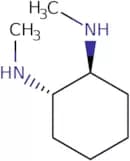
CAS:<p>1,2-Diaminocyclohexane is a chiral compound with a cyclohexane ring. It is reactive and has been shown to be carcinogenic. It is used in the preparation of other compounds, such as amino acid derivatives and dyes. 1,2-Diaminocyclohexane can also be used as an intermediate for the synthesis of various drugs. This compound has been shown to inhibit transcriptional regulation and to have biochemical properties that are related to cancer. 1,2-Diaminocyclohexane reacts with copper to form a coordination geometry complex with six nitrogen atoms. The reaction mechanism involves the formation of a copper complex that bears an electron-deficient carbon atom in its structure.</p>Formula:C6H14N2Purity:Min. 95%Molecular weight:114.19 g/molR-(-)-Methamphetamine hydrochloride
CAS:Controlled Product<p>Please enquire for more information about R-(-)-Methamphetamine hydrochloride including the price, delivery time and more detailed product information at the technical inquiry form on this page</p>Formula:C10H15N•HClPurity:Min. 95%Color and Shape:PowderMolecular weight:185.69 g/mol12-Amino-1-dodecanoic acid methyl ester hydrochloride salt
CAS:<p>12-Amino-1-dodecanoic acid methyl ester hydrochloride salt (12ADM) has been shown to have immunomodulatory properties. It has a nanomolar range of activity, which is the optimal for an immunosuppressant. 12ADM inhibits the transcriptional activity of human immunodeficiency virus type 1 (HIV-1) and HIV-2, as well as other retroviruses, through interactions with specific RNA sequences in the viral genome. The amide group in this compound is essential for its antiviral activity, and it also interacts with betulinic acid to enhance its cytotoxicity.</p>Formula:C13H28ClNO2Purity:Min. 95%Color and Shape:PowderMolecular weight:265.82 g/mol2-(Methyl-2-pyridylamino)ethanol
CAS:<p>2-(Methyl-2-pyridylamino)ethanol (2MPE) is a small molecule that has been studied for its potential use as an inhibitor of the enzyme protein kinase C-alpha. The reaction mechanism of 2MPE with rosiglitazone, a drug used to treat type II diabetes mellitus, has been shown to be nucleophilic and proceeds through an addition-elimination mechanism. The kinetic parameters for this reaction have been determined by studying the effect of temperature on the reaction rate. Density measurements indicate that 2MPE is a low-molecular weight compound with a density of 1.08 g/mL at 25°C and 1 atm pressure. This study also found that microreactors are capable of producing high reaction yields in shorter amounts of time than larger reactors, making them well suited to the synthesis of small molecules such as 2MPE.</p>Formula:C8H12N2OPurity:Min. 95%Molecular weight:152.19 g/mol(1S,3S)-Methyl 3-aminocyclobutane carboxylate hydrochloride
CAS:<p>Please enquire for more information about (1S,3S)-Methyl 3-aminocyclobutane carboxylate hydrochloride including the price, delivery time and more detailed product information at the technical inquiry form on this page</p>Formula:C6H12ClNO2Purity:Min. 95%Molecular weight:165.62 g/molDihydro ergotamine mesylate
CAS:Controlled Product<p>Dihydroergotamine mesylate is a medication that is used in the treatment of migraines. It belongs to the group of drugs called ergot alkaloids and has been shown to have high values in cerebral metabolism. Dihydroergotamine mesylate has also been shown to have an effect on dopamine levels in human serum, which may be due to its ability to inhibit neuronal death. Dihydroergotamine mesylate is administered intravenously, orally or intramuscularly for the treatment of acute migraine attacks. The drug can also be given rectally for the prevention of chronic migraine episodes. This drug may cause side effects such as nausea, vomiting and dizziness.</p>Formula:C34H41N5O8SPurity:Min. 95%Color and Shape:PowderMolecular weight:679.78 g/molN-Methyl-N-[(1-methyl-1H-benzimidazol-2-yl)methyl]amine hydrochloride
CAS:Controlled Product<p>Please enquire for more information about N-Methyl-N-[(1-methyl-1H-benzimidazol-2-yl)methyl]amine hydrochloride including the price, delivery time and more detailed product information at the technical inquiry form on this page</p>Formula:C10H13N3Purity:Min. 95%Molecular weight:175.23 g/mol3-Amino-1,2,4-triazole
CAS:<p>3-Amino-1,2,4-triazole is a fine chemical that has been used as a versatile building block in the synthesis of complex compounds. It reacts with many different types of molecules to form covalent bonds, and can also be used as a reactant in many organic reactions, such as the formation of amides. 3-Amino-1,2,4-triazole is not currently available commercially but can be synthesized in the laboratory from readily available starting materials. 3-Amino-1,2,4-triazole is a high quality chemical with few impurities that is suitable for use in research or industrial settings.</p>Formula:C2H4N4Molecular weight:84.08 g/molButyl 2-aminobenzoate
CAS:Controlled Product<p>Butyl 2-aminobenzoate is the chemical compound with the formula C5H7NO2. It is a colorless liquid that is soluble in water and organic solvents. The hydrochloride salt of butyl 2-aminobenzoate is an antimicrobial agent. This compound was first isolated in 1876 by the French chemist Charles-Adolphe Wurtz from a reaction of phosphorus pentachloride with methyl anthranilate. Butyl 2-aminobenzoate is also known as benzoic acid amide, nitrobenzene, or 1-aminoanthracene. This compound has been shown to have low energy and viscosity properties that make it useful for use in mosquito repellent sprays.</p>Formula:C11H15NO2Purity:Min. 95%Molecular weight:193.24 g/molN-Methylphenethylamine
CAS:Controlled Product<p>N-Methylphenethylamine (NMPEA) is a chemical substance that is found in many natural compounds. It can be synthesized by reacting phenethylamine with trifluoroacetic acid and reacts with ionization sources to produce ions detectable in mass spectrometry. NMPEA has been detected in human urine samples and has been shown to have significant interactions with the hepg2 cell line. The uptake of NMPEA into cells is facilitated by amines, which are abundant in heart tissue.</p>Formula:C9H13NPurity:Min. 95%Molecular weight:135.21 g/molTetramethylammonium triacetoxyborohydride
CAS:<p>Tetramethylammonium triacetoxyborohydride is a potent antagonist that binds to the active site of hydrogen-bond forming enzymes. It is used in the treatment of bowel disease, as well as other diseases such as cancer, diabetic neuropathy and inflammatory bowel disease. Tetramethylammonium triacetoxyborohydride has been shown to inhibit the growth of certain bacteria by inhibiting their ability to form hydrogen bonds. This chemical can also be used in asymmetric synthesis, which is the process of synthesizing only one enantiomer from a racemic mixture. Tetramethylammonium triacetoxyborohydride can function as an organocatalyst for this process by activating achiral substrates into chiral ones.</p>Formula:C10H22BNO6Purity:Min. 95%Color and Shape:White PowderMolecular weight:263.1 g/mol21-Amino-17-hydroxypregn-4-ene-3,11,20-trioneHydrochloride
CAS:Controlled Product<p>Please enquire for more information about 21-Amino-17-hydroxypregn-4-ene-3,11,20-trioneHydrochloride including the price, delivery time and more detailed product information at the technical inquiry form on this page</p>Formula:C21H30ClNO4Purity:Min. 95%Molecular weight:395.92 g/mol4-Amino-5-methoxy-2-methyl-N-methylbenzenesulfonamide
CAS:<p>4-Amino-5-methoxy-2-methyl-N-methylbenzenesulfonamide is a surfactant that is used in the chemical industry to dissolve diazotized aromatic amines. It is also used in the preparation of coupling agents, such as naphthol, and hydrochloric acid. 4-Amino-5-methoxy-2-methylbenzenesulfonamide can be prepared by the diazotization of aniline followed by coupling with hydrochloric acid and sodium phosphate. The product can then be purified by recrystallization from a salt solution containing sodium acetate.</p>Formula:C9H14N2O3SPurity:Min. 95%Molecular weight:230.29 g/molCysteamine 2-chlorotrityl resin
<p>Cysteamine 2-chlorotrityl resin is a synthetic polymer that is used in peptidomimetic synthesis. It has been shown to inhibit the growth of cancer cells, and has been studied as a potential therapeutic agent for cancer treatment. Cysteamine 2-chlorotrityl resin has also been studied as an adjuvant for immunotherapy strategies against cancers. Cysteamine 2-chlorotrityl resin interacts with the cell membrane, highlighting its diagnostic and therapeutic potentials.</p>Color and Shape:Powder(±)-N-Methyl-p-methoxyamphetamine
CAS:Controlled Product<p>(±)-N-Methyl-p-methoxyamphetamine (MEM) is a synthetic cannabinoid that is used as an ingredient in the manufacture of designer drugs. MEM can be detected by gas chromatography and mass spectrometry, although it is not possible to distinguish MEM from other synthetic cannabinoids by these methods. MEM produces no significant adverse effects on human liver, but may have serious adverse effects on the heart and blood vessels. The drug can be found in urine samples with a chemical ionization detector or electrochemical detector. <br>The analytical method for MEM detection is based on liquid chromatography-tandem mass spectrometry (LC/MS/MS). The LC/MS/MS technique separates and identifies compounds by creating ions through the use of an electric field. This method has been shown to accurately detect MEM, while also eliminating false positives due to its specificity.</p>Formula:C11H17NOPurity:Min. 95%Molecular weight:179.26 g/mol(7S)-7-Amino-1,2,3,10-tetramethoxy-6,7-dihydro-5H-benzo[g]heptalen-9-one
CAS:<p>(7S)-7-Amino-1,2,3,10-tetramethoxy-6,7-dihydro-5H-benzo[g]heptalen-9-one is a hydroxylated analog of demecolcine. It has been shown to be an effective antimicrobial agent with proteolytic and hypoglycemic effects in mice. 7SATM is able to inhibit the activity of human macrophages. This drug has also been shown to have diagnostic potential by binding to a monoclonal antibody that recognizes the myeloperoxidase enzyme on the surface of neutrophils.</p>Formula:C20H23NO5Purity:Min. 95 Area-%Color and Shape:Slightly Yellow PowderMolecular weight:357.4 g/molMethyl 3-(aminomethyl)-5-methylhexanoate hydrochloride
CAS:Controlled Product<p>Please enquire for more information about Methyl 3-(aminomethyl)-5-methylhexanoate hydrochloride including the price, delivery time and more detailed product information at the technical inquiry form on this page</p>Purity:Min. 95%N,N-Diethyl-N'-1-naphthylethylenediamine oxalate
CAS:<p>N,N-Diethyl-N'-1-naphthylethylenediamine oxalate (NDENOX) is a naphthalene derivative that is used to inhibit the growth of bacteria. It binds to the extracellular site on the bacterial cell membrane and inhibits sulfadiazine uptake. NDENOX has been shown to be effective against S. aureus and other bacteria that are resistant to sulfonamides, but not against Staphylococcus epidermidis or E. coli. This drug also inhibits enzyme activity in damaged human serum, which may be due to its binding with kynurenine or pupal. NDENOX is hydrolyzed by hydrochloric acid and procaine to release naphthalene and diethylenetriamine, respectively.</p>Formula:C18H24N2O4•C2H2O4xPurity:Min. 95 Area-%Color and Shape:PowderMolecular weight:332.39 g/mol5-Bromo-1-Methyl-1H-indazol-3-amine
CAS:<p>Please enquire for more information about 5-Bromo-1-Methyl-1H-indazol-3-amine including the price, delivery time and more detailed product information at the technical inquiry form on this page</p>Formula:C8H8BrN3Purity:Min. 95%Molecular weight:226.07 g/mol8-[(2-Hydroxyethyl)(methyl)amino]-1,3,9-trimethyl-3,9-dihydro-1H-purine-2,6-dione
CAS:Controlled Product<p>Please enquire for more information about 8-[(2-Hydroxyethyl)(methyl)amino]-1,3,9-trimethyl-3,9-dihydro-1H-purine-2,6-dione including the price, delivery time and more detailed product information at the technical inquiry form on this page</p>Formula:C11H17N5O3Purity:Min. 95%Molecular weight:267.28 g/mol[(5-Methyl-1,3-thiazol-2-yl)methyl]amine dihydrochloride
CAS:<p>Please enquire for more information about [(5-Methyl-1,3-thiazol-2-yl)methyl]amine dihydrochloride including the price, delivery time and more detailed product information at the technical inquiry form on this page</p>Formula:C5H8N2SPurity:Min. 95%Molecular weight:128.2 g/mol3-(1-Methyl-1H-benzimidazol-2-yl)propan-1-amine hydrochloride
CAS:Controlled Product<p>Please enquire for more information about 3-(1-Methyl-1H-benzimidazol-2-yl)propan-1-amine hydrochloride including the price, delivery time and more detailed product information at the technical inquiry form on this page</p>Formula:C11H15N3Purity:Min. 95%Molecular weight:189.26 g/molN-Ethyl-4-methoxy amphetamine hydrochloride
CAS:Controlled Product<p>Please enquire for more information about N-Ethyl-4-methoxy amphetamine hydrochloride including the price, delivery time and more detailed product information at the technical inquiry form on this page</p>Formula:C12H20ClNOPurity:Min. 95%Molecular weight:229.75 g/mol3,4-Dihydroxy amphetamine hydrochloride
CAS:Controlled Product<p>3,4-Dihydroxy amphetamine hydrochloride is a metabolite of amphetamine. It is a chemical intermediate in the metabolism of amphetamine and therefore has similar pharmacological effects. 3,4-Dihydroxy amphetamine hydrochloride is not embryotoxic or teratogenic in rats or mice at doses as high as 2000 mg/kg. The concentration range for humans is unknown. 3,4-Dihydroxy amphetamine hydrochloride has been shown to inhibit the production of dopamine in the brain and may be associated with neurotoxicity.</p>Formula:C9H14ClNO2Purity:Min. 95%Molecular weight:203.67 g/mol1-(Methylamino)adamantane
CAS:<p>1-(Methylamino)adamantane is a dopamine receptor ligand that has been shown to be neuroprotective in rodent models of ischemia-reperfusion injury. 1-(Methylamino)adamantane exhibits high affinity for the D2 subtype, with potency and efficacy that are comparable to those of dopamine. It also acts as an agonist at the D1 and D3 receptors, although it displays weaker binding affinity than dopamine. The neuroprotective effects of 1-(methylamino)adamantane have been demonstrated in wild-type mice following ischemia-reperfusion injury, but not in animals with a mutant form of the gene encoding dopamine receptors. These findings suggest that 1-(methylamino)adamantane may be able to provide protection against ischemia-reperfusion injury by acting on downstream pathways such as protein kinase C or nitric oxide synthase.</p>Formula:C11H19NPurity:Min. 95%Molecular weight:165.28 g/molN-Ethyl-1-(2-thienyl)cyclohexanamine oxalate
CAS:Controlled Product<p>Please enquire for more information about N-Ethyl-1-(2-thienyl)cyclohexanamine oxalate including the price, delivery time and more detailed product information at the technical inquiry form on this page</p>Formula:C12H19NSPurity:Min. 95%Molecular weight:209.35 g/molCyclopentylamine
CAS:<p>Cyclopentylamine is a chemical compound with the molecular formula C9H14N. It is an organic amine that has the chemical properties of both a primary and secondary amine. Cyclopentylamine can be synthesized from cyclopentanone and ammonia, which are reacted in the presence of hydrochloric acid as a catalyst. Cyclopentylamine has been shown to inhibit DPP-IV, an enzyme that breaks down proteins in the intestines. This may contribute to its anti-inflammatory effects. It has also been shown to have anti-inflammatory effects by inhibiting production of prostaglandins, which are substances involved in inflammation. Cyclopentylamine is used as a starting material for synthesis of other chemical compounds such as pharmaceuticals, pesticides, and herbicides.</p>Formula:C5H11NPurity:Min. 95%Color and Shape:Colorless Clear LiquidMolecular weight:85.15 g/mol2-Amino-1,3,5-triazine
CAS:<p>2-Amino-1,3,5-triazine is a hydrogen bond donor that has been shown to have growth inhibiting effects. It reduces the viscosity of aqueous solutions and is used as an enantiopure for amines. 2-Amino-1,3,5-triazine can be used in reactions with metal surfaces to produce surface coatings or used as a bifunctional crosslinking agent for polymer materials. 2-Amino-1,3,5-triazine has been shown to have degenerative disease inhibitory activity and inflammatory disease inhibitory activity. It also inhibits the production of inflammatory cytokines such as tumor necrosis factor alpha (TNFα) and interleukin 6 (IL6).</p>Formula:C3H4N4Purity:Min. 95%Molecular weight:96.09 g/molN-(2-Hydroxyethyl)ethylenediamine
CAS:<p>N-(2-Hydroxyethyl)ethylenediamine is a chemical compound that belongs to the group of p2. It has been used for the treatment of wastewater and is also an inhibitor of blood coagulation. N-(2-Hydroxyethyl)ethylenediamine contains hydrogen bonding interactions, which lead to its high adsorption capacity for metals such as mercury and cadmium. This chemical inhibits reactions by binding to substrate molecules, such as metal ions or oxygen, thereby preventing them from participating in reactions. It has been shown that N-(2-Hydroxyethyl)ethylenediamine binds to transition metal ions with a higher affinity than other compounds, including ethylenediaminetetraacetic acid (EDTA). The reaction mechanism of this compound is not yet fully understood.</p>Formula:C4H12N2OPurity:Min. 95%Color and Shape:Colorless Clear LiquidMolecular weight:104.15 g/mol(N,N-Dimethyl)methyleneammonium iodide
CAS:<p>(N,N-Dimethyl)methyleneammonium iodide is a potent antagonist for the histamine H2 receptor that has been shown to inhibit gastric acid secretion. It is an enantiopure compound that can be prepared by asymmetric synthesis using palladium complexes. The methylene group in this molecule is activated with hydroxylamine and acrylates, which are then reacted with ethyl diazoacetate and amines to produce (N,N-dimethyl)methyleneammonium iodide. (N,N-Dimethyl)methyleneammonium iodide is a potent antagonist at the histamine H2 receptor, where it can inhibit gastric acid secretion and reduce stomach ulcers. It also has been shown to have anti-inflammatory effects.</p>Formula:C3H8INMolecular weight:185.01 g/mol2-(2,3-Difluorophenyl)ethan-1-amine hydrochloride
CAS:Controlled Product<p>Please enquire for more information about 2-(2,3-Difluorophenyl)ethan-1-amine hydrochloride including the price, delivery time and more detailed product information at the technical inquiry form on this page</p>Formula:C8H10ClF2NPurity:Min. 95%Molecular weight:193.62 g/mol2-Aminopyrimidine-5-boronic acid pinacol ester
CAS:<p>2-Aminopyrimidine-5-boronic acid pinacol ester is a boronic acid derivative that has been shown to inhibit the activity of protein kinase C. This compound is also an effective linker for cross-coupling reactions and has a low reactivity with nucleophiles, which makes it safer than other boronic acids. 2-Aminopyrimidine-5-boronic acid pinacol ester has been shown to be potent against cancer cells in vitro and in vivo and synthetic cells. 2-Aminopyrimidine-5-boronic acid pinacol ester inhibits the growth of cancer cells by binding to the ATP site on protein kinase C, thereby inhibiting its function.</p>Formula:C10H16BN3O2Purity:Min. 95 Area-%Color and Shape:PowderMolecular weight:221.06 g/molN-Allyl-1-phenylcyclohexanamine hydrochloride
CAS:Controlled Product<p>Please enquire for more information about N-Allyl-1-phenylcyclohexanamine hydrochloride including the price, delivery time and more detailed product information at the technical inquiry form on this page</p>Formula:C15H21NPurity:Min. 95%Molecular weight:215.33 g/molN-Propyl-N-isopropylamine
CAS:<p>N-Propyl-N-isopropylamine is a beta-blocker that is used in the treatment of hypertension. It has potent inhibition of the enzyme transaminase, which is involved in the metabolism of amino acids and branched chain amino acids. N-Propyl-N-isopropylamine inhibits the synthesis of catecholamines, such as adrenaline, noradrenaline, and dopamine. Beta blockers are also used to treat angina pectoris and heart failure. Beta blockers work by blocking beta receptors in the sympathetic nervous system, thereby decreasing cardiac output and blood pressure. The drug can be administered orally or intravenously to achieve its desired effects. This drug is also catalytic with a low toxicity profile that makes it suitable for wastewater treatment.</p>Formula:C6H15NPurity:Min. 95%Molecular weight:101.19 g/mol1-Octadecylamine
CAS:<p>1-Octadecylamine is a chemical compound that can be used as a raw material for the synthesis of colloidal gold. It has been shown to have significant cytotoxicity and hypoglycemic effects, and is also used in the preparation of liposomes. 1-Octadecylamine is a component of polymer compositions that are used in the treatment of bowel disease. It has been shown to increase water vapor permeability and has an electrochemical impedance spectroscopy profile with a rate constant of 0.4 s−1. It also shows significant antimicrobial activity against Gram-positive bacteria such as Staphylococcus aureus, Streptococcus pyogenes, and Clostridium difficile, but not against Gram-negative bacteria such as Escherichia coli or Pseudomonas aeruginosa.</p>Formula:C18H39NPurity:Min. 95%Color and Shape:White/Off-White SolidMolecular weight:269.51 g/mol(2-{2-[2-(2-Aminoethyl)-4,5-dimethoxybenzyl]-4,5-dimethoxyphenyl}ethyl)amine dihydrochloride
CAS:Controlled Product<p>Please enquire for more information about (2-{2-[2-(2-Aminoethyl)-4,5-dimethoxybenzyl]-4,5-dimethoxyphenyl}ethyl)amine dihydrochloride including the price, delivery time and more detailed product information at the technical inquiry form on this page</p>Formula:C21H30N2O4Purity:Min. 95%Molecular weight:374.47 g/molrac-N-ethyl amphetamine hydrochloride
CAS:Controlled Product<p>Racemic amphetamine is a psychoactive substance that has been extensively used in the past as a stimulant, for example in the treatment of ADHD and narcolepsy. Racemic amphetamine is typically used to monitor drug use or to identify adulterants in urine samples. It is also used in the analysis of psychoactive substances and for the detection of phenylpropanolamine (PPA) and formic acid. Racemic amphetamine is a controlled substance that can be found in various forms, including methanolic solution, dilution, analyze, and reaction monitoring. Its use has been shown to be linear and it can be quantified by high-performance liquid chromatography.</p>Formula:C11H18ClNPurity:Min. 95%Molecular weight:199.72 g/mol5-Iodo-2-aminoindane
CAS:Controlled Product<p>5-Iodo-2-aminoindane is a chemical pesticide that belongs to the group of diallyl trisulfide. It is used for the control of fruit pests such as Drosophila, Ceratitis capitata, and Rhagoletis pomonella. 5-Iodo-2-aminoindane has been shown to inhibit the growth of these pests through in vitro assay. The synthetic cannabinoid activity of 5-iodo-2-aminoindane may be due to its ability to inhibit fatty acid uptake by binding to the fatty acid transporter protein at the cell membrane.</p>Formula:C9H10INPurity:Min. 95%Molecular weight:259.09 g/mol1-Benzyl-4-phenylamino-4-(methoxymethyl)piperidine
CAS:<p>Please enquire for more information about 1-Benzyl-4-phenylamino-4-(methoxymethyl)piperidine including the price, delivery time and more detailed product information at the technical inquiry form on this page</p>Formula:C20H26N2OPurity:Min. 95%Molecular weight:310.43 g/mol(R)-1-Boc-3-(aminomethyl)pyrrolidine
CAS:<p>Please enquire for more information about (R)-1-Boc-3-(aminomethyl)pyrrolidine including the price, delivery time and more detailed product information at the technical inquiry form on this page</p>Formula:C10H20N2O2Purity:Min. 95%Molecular weight:200.28 g/mol[(4-Methyl-1H-imidazol-5-yl)methyl]amine hydrochloride
CAS:<p>Please enquire for more information about [(4-Methyl-1H-imidazol-5-yl)methyl]amine hydrochloride including the price, delivery time and more detailed product information at the technical inquiry form on this page</p>Formula:C5H9N3Purity:Min. 95%Molecular weight:111.15 g/mol2-(Trifluoromethyl)pyridin-3-amine
CAS:<p>2-(trifluoromethyl)pyridin-3-amine is an industrial chemical that is used as a reagent in the synthesis of other chemicals. It is synthesized from benzene and an acid ethyl ester in a complex reaction. 2-(trifluoromethyl)pyridin-3-amine is toxic, with industrial uses such as the synthesis of dyes and pesticides.</p>Formula:C6H5F3N2Purity:Min. 95%Color and Shape:PowderMolecular weight:162.11 g/mol1H-Indene-1-methanamine, 2,3-dihydro-
CAS:<p>Indene-1-methanamine is a drug that has been used for the treatment of neurologic disorders and is an ester of aliphatic hydrocarbons. It has been shown to have antidepressant effects in animal models, which may be due to its ability to bind to 5-HT1A receptors. Indene-1-methanamine also has antimicrobial properties and can be used for treating bladder infections as well as cancer. This drug binds to the quinolizine site on bacterial DNA gyrase, which inhibits DNA synthesis and leads to cell death.</p>Formula:C10H13N·HClPurity:90%MinMolecular weight:183.68 g/mol5-(4-Ethoxyphenyl)-1H-pyrazol-3-amine
CAS:<p>Please enquire for more information about 5-(4-Ethoxyphenyl)-1H-pyrazol-3-amine including the price, delivery time and more detailed product information at the technical inquiry form on this page</p>Formula:C11H13N3OPurity:Min. 95%Molecular weight:203.24 g/molMethyl 3-amino-5-fluoro-1-methyl-1H-indole-2-carboxylate
CAS:Controlled Product<p>Please enquire for more information about Methyl 3-amino-5-fluoro-1-methyl-1H-indole-2-carboxylate including the price, delivery time and more detailed product information at the technical inquiry form on this page</p>Formula:C11H11FN2O2Purity:Min. 95%Molecular weight:222.22 g/molN,N'-Diisopropylethylenediamine
CAS:<p>N,N'-Diisopropylethylenediamine is a light-resistant, microprocessor-grade ligand that binds to imatinib. It is used in the synthesis of acrylonitrile and potassium clavulanate. N,N'-Diisopropylethylenediamine has been shown to bind to copper ions and bortezomib, which are drugs used for the treatment of cancer. This chemical may be an organic solvent that can cross-link proteins and prevent them from unfolding.</p>Formula:C8H20N2Purity:Min. 95%Molecular weight:144.26 g/mol1-Benzyl-3-[3-(diethylamino)propoxy]-1H-indazole
CAS:Controlled Product<p>Please enquire for more information about 1-Benzyl-3-[3-(diethylamino)propoxy]-1H-indazole including the price, delivery time and more detailed product information at the technical inquiry form on this page</p>Formula:C21H27N3OPurity:Min. 98 Area-%Color and Shape:Clear LiquidMolecular weight:337.46 g/molN,N,N',N'-Tetramethyl-1,3-diaminopropane
CAS:<p>N,N,N',N'-Tetramethyl-1,3-diaminopropane is a chemical compound that is used as a cross-linking agent. It reacts with fatty acids and hydroxyl groups in the presence of sodium citrate to form cross-links between molecules. This reaction is useful for modifying the transport properties of fat cells. N,N,N',N'-Tetramethyl-1,3-diaminopropane can also be used as a reactive chemical in the synthesis of other compounds such as selenium compounds.</p>Formula:C7H18N2Purity:Min. 98.0 Area-%Color and Shape:Clear LiquidMolecular weight:130.23 g/molTetrabutylammonium hydroxide - 40 wt. % aqueous solution
CAS:<p>Picolinic acid is a product of the reaction between sodium salts and tetrabutylammonium hydroxide. It has been shown to have anti-inflammatory properties in chronic arthritis patients and may be due to its ability to inhibit the production of prostaglandins. Picolinic acid also has been shown to inhibit the growth of bacteria, including Mycobacterium tuberculosis, by preventing protein synthesis. The analytical method for picolinic acid is electrochemical impedance spectroscopy with a 5% picolinic acid solution in human serum or other biological sample.</p>Formula:C16H37NOPurity:Min. 95%Color and Shape:Clear LiquidMolecular weight:259.47 g/molN-[2-(4-Benzylpiperazin-1-yl)-2-oxoethyl]-N-methylamine
CAS:Controlled Product<p>Please enquire for more information about N-[2-(4-Benzylpiperazin-1-yl)-2-oxoethyl]-N-methylamine including the price, delivery time and more detailed product information at the technical inquiry form on this page</p>Formula:C14H21N3OPurity:Min. 95%Molecular weight:247.34 g/mol4-Amino-3-(trifluoromethoxy)benzoic acid
CAS:<p>Please enquire for more information about 4-Amino-3-(trifluoromethoxy)benzoic acid including the price, delivery time and more detailed product information at the technical inquiry form on this page</p>Formula:C8H6F3NO3Purity:Min. 95%Molecular weight:221.13 g/mol5-(Aminomethyl)-2-furoic acid hydrochloride
CAS:<p>5-(Aminomethyl)-2-furoic acid hydrochloride is a molecule that belongs to the group of carboxylates. It has a molecular weight of 191.2 g/mol and a chemical formula of CHNO. The structure of 5-(aminomethyl)-2-furoic acid hydrochloride is similar to that of hexamethylenetetramine, a common organic compound with the formula (CH)N(H)CH. 5-(Aminomethyl)-2-furoic acid hydrochloride can be used as an acceptor in hydrogen chloride gas generation reactions, which are used in the synthesis of some pharmaceutical drugs and other organic compounds. The molecule also has potential use in telomerase research because it is structurally similar to natural telomeres. In addition, this molecule has been shown to have anti-inflammatory properties due to its ability to inhibit prostaglandin synthesis.</p>Formula:C6H7NO3Purity:Min. 95%Molecular weight:141.12 g/mol(1,3-Benzodioxol-5-ylmethyl)methylamine hydrochloride
CAS:Controlled Product<p>(1,3-Benzodioxol-5-ylmethyl)methylamine hydrochloride (BZMA) is a drug that has been used in research to study the role of serotonin in psychological effects and as a marker for fingerprinting. BZMA is a synthetic compound that is structurally similar to drugs like amphetamine and MDMA. It is not known to have any recreational use. BZMA can be detected using matrix-assisted laser desorption/ionization mass spectrometry. This technique requires a sample containing less than 1% impurities, which are usually silicon compounds or other ions.</p>Formula:C9H11NO2Purity:Min. 95%Molecular weight:165.19 g/mol2-Amino-4-bromopyrimidine
CAS:<p>Please enquire for more information about 2-Amino-4-bromopyrimidine including the price, delivery time and more detailed product information at the technical inquiry form on this page</p>Formula:C4H4BrN3Purity:Min. 95%Color and Shape:White PowderMolecular weight:174 g/molN,N'-Bis(2-hydroxyethyl)propane-1,3-diamine
CAS:<p>Please enquire for more information about N,N'-Bis(2-hydroxyethyl)propane-1,3-diamine including the price, delivery time and more detailed product information at the technical inquiry form on this page</p>Formula:C7H18N2O2Purity:Min. 95%Molecular weight:162.23 g/molFmoc-trans-4-(aminomethyl)cyclohexane-1-carboxylic acid
CAS:<p>Fmoc-trans-4-(aminomethyl)cyclohexane-1-carboxylic acid is a synthetic amino acid that has been shown in vitro to inhibit the growth of prostate cancer cells. It is an analog of butyric acid, a naturally occurring fatty acid. Fmoc-trans-4-(aminomethyl)cyclohexane-1-carboxylic acid has been synthesized by solid phase methods and labeled with radiotracers such as indium 111 or technetium 99m. The use of Fmoc-trans-4-(aminomethyl)cyclohexane-1-carboxylic acid in vivo is limited by its short circulating half life, rapid metabolism, and high toxicity.</p>Formula:C23H25NO4Purity:Min. 95%Color and Shape:White SolidMolecular weight:379.45 g/mol(1R,2S)-(-)-2-Amino-1,2-diphenylethanol
CAS:Controlled Product<p>The compound is a stereoselective amine. The molecule has two diastereomers, one of which is the (1R,2S) configuration and the other of which is the (1S,2R) configuration. The compound is an efficient method for preparing fatty acid esters with aromatic hydrocarbons.<br>The chemical structure of the molecule provides a cavity that can be used to bind with ethyl bromoacetate. This cavity has been shown in x-ray crystal structures to be able to bind with ethyl bromoacetate and provide an efficient method for preparing fatty acid esters with aromatic hydrocarbons.</p>Formula:C14H15NOPurity:Min. 95%Molecular weight:213.28 g/mol2-Amino-3,4,7,8-tetramethyl-3H-imidazo[4,5-f]quinoxaline
CAS:<p>2-Amino-3,4,7,8-tetramethyl-3H-imidazo[4,5-f]quinoxaline is a potent inhibitor of amine oxidases that are involved in the oxidative metabolism of amines. It has been shown to inhibit the oxidation of aromatic and fatty acids, as well as the formation of heterocyclic amines. The 2-amino-3,4,7,8-tetramethyl-3H-imidazo[4,5-f]quinoxaline can be used to quantitatively determine the concentration of amine oxidases in food samples by liquid chromatography with electrochemical detection. 2-Amino-3,4,7,8-tetramethyl -3H -imidazo [4 , 5 -f ] quinoxaline has been shown to be a potent inhibitor for model systems involving fatty acids and aromatic hydrocarbons.</p>Formula:C13H15N5Purity:(%) Min. 95%Color and Shape:PowderMolecular weight:241.29 g/mol(1S,2R)-2-(2-Benzylamino-1-hydroxyethyl)-6-fluorochromane
CAS:<p>Please enquire for more information about (1S,2R)-2-(2-Benzylamino-1-hydroxyethyl)-6-fluorochromane including the price, delivery time and more detailed product information at the technical inquiry form on this page</p>Formula:C18H20FNO2Purity:Min. 95%Molecular weight:301.36 g/mol(2-Cyclohexyl-1-methylethyl)methylamine
CAS:Controlled Product<p>2-Cyclohexyl-1-methylethyl)methylamine is a monoethyl ether of (2-cyclohexyl-1-methylethyl)amine. It is used as a nasal decongestant and has been shown to be effective against respiratory disorders such as bronchitis, sinusitis, and allergies. The drug can also be used for the diagnosis and prognosis of congestive heart failure. 2-Cyclohexyl-1-methylethyl)methylamine has been shown to bind to calcium ions in the nasal mucosa, thereby inhibiting the production of inflammatory mediators such as prostaglandins and leukotrienes. This drug also has an inhibitory effect on receptor activity for histamine, which leads to relief from allergic symptoms by reducing inflammation in the nose.</p>Formula:C10H22BrNPurity:Min. 95%Molecular weight:236.19 g/mol(2S,3S)-3-Boc-amino-1,2-epoxy-4-phenylbutane
CAS:<p>(2S,3S)-3-Boc-amino-1,2-epoxy-4-phenylbutane is a potent and selective inhibitor of HIV protease. It binds to the active site of the enzyme and prevents the formation of an enzyme-substrate complex, which inhibits protein synthesis. (2S,3S)-3-Boc-amino-1,2-epoxy-4-phenylbutane has been shown to be a potent inhibitor for other serine proteases such as chymotrypsin and trypsin. This compound has also been shown to be effective in inhibiting a number of proteases from bacteria such as Bacillus subtilis and Pseudomonas aeruginosa. Inhibitors have also been found against nonenzymatic protein inhibitors such as bacitracin, polymyxin B, colistin sulfate, vancomycin, and daptomycin</p>Formula:C15H21NO3Purity:Min. 95%Color and Shape:PowderMolecular weight:263.33 g/molChloro[2-(di-tert-butylphosphino)-2',4',6'-triisopropyl-1,1'-biphenyl][2-(2-aminoethyl)phenyl)]palladium(II)
CAS:Controlled Product<p>Chloro[2-(di-tert-butylphosphino)-2',4',6'-triisopropyl-1,1'-biphenyl][2-(2-aminoethyl)phenyl)]palladium(II) is a molecule that inhibits the adenosine receptor in autoimmune diseases and cancer. It also has an inhibitory effect on the membrane transport of glucose, glucosan, and aziridine. This drug can be used to treat inflammatory diseases such as diabetes, asthma, and inflammatory bowel disease. The geometric isomers of this molecule are not identical in shape or size and can have different effects on the body.</p>Formula:C37H55ClNPPdPurity:Min. 95%Molecular weight:686.69 g/mol(R)-3-Amino-butyric acid methyl ester
CAS:<p>Please enquire for more information about (R)-3-Amino-butyric acid methyl ester including the price, delivery time and more detailed product information at the technical inquiry form on this page</p>Formula:C5H11NO2Purity:Min. 95%Molecular weight:117.15 g/mol2-(2-Fluoro-3,4-dimethoxyphenyl)ethanamine
CAS:Controlled Product<p>Please enquire for more information about 2-(2-Fluoro-3,4-dimethoxyphenyl)ethanamine including the price, delivery time and more detailed product information at the technical inquiry form on this page</p>Formula:C10H14FNO2Purity:Min. 95%Molecular weight:199.22 g/mol{[5-(Trifluoromethyl)-1,2,4-oxadiazol-3-yl]methyl}amine hydrochloride
CAS:<p>Please enquire for more information about {[5-(Trifluoromethyl)-1,2,4-oxadiazol-3-yl]methyl}amine hydrochloride including the price, delivery time and more detailed product information at the technical inquiry form on this page</p>Formula:C4H4F3N3O•HClPurity:Min. 95%Molecular weight:203.55 g/mol1-(5-Methyl-1,2,4-oxadiazol-3-yl)cyclohexanamine hydrochloride
CAS:Controlled Product<p>Please enquire for more information about 1-(5-Methyl-1,2,4-oxadiazol-3-yl)cyclohexanamine hydrochloride including the price, delivery time and more detailed product information at the technical inquiry form on this page</p>Formula:C9H16N3OClPurity:Min. 95%Molecular weight:217.7 g/molo-Fluorobenzyl amine
CAS:<p>o-Fluorobenzyl amine (o-FA) is an inhibitor of the HIV integrase enzyme. It forms a covalent bond with the active site of the enzyme and has been shown to be effective in inhibiting HIV replication in vitro. Impurities such as chloride, water molecule, hydrogen bond, and fluorine can be found in o-FA. o-FA has been shown to inhibit monoamine oxidase and may have other biological properties. o-FA also has an intramolecular hydrogen bond that is stabilized by a dihedral angle. The low energy of this compound makes it difficult to detect by chromatographic methods or spectrometry.</p>Formula:C7H8FNPurity:Min. 95%Color and Shape:Clear LiquidMolecular weight:125.14 g/mol2-(2-Aminoethyl)-3',6'-bis(diethylaMino)spiro[isoindoline-1,9'-xanthen]-3-one
CAS:<p>Please enquire for more information about 2-(2-Aminoethyl)-3',6'-bis(diethylaMino)spiro[isoindoline-1,9'-xanthen]-3-one including the price, delivery time and more detailed product information at the technical inquiry form on this page</p>Purity:Min. 95%4-(3-Amino-2-hydroxypropoxy)phenylacetamide
CAS:<p>4-(3-Amino-2-hydroxypropoxy)phenylacetamide is a sweetener that is used as an artificial sweetener. It can be found in many foods and drinks and is often used to replace sucralose due to its lower cost. 4-(3-Amino-2-hydroxypropoxy)phenylacetamide is a white powder with a melting point of 133°C. This product has been shown to be safe for human consumption, although it may cause headaches, drowsiness, or dizziness in some people.</p>Formula:C11H16N2O3Purity:Min. 95%Molecular weight:224.26 g/molDL-1-Phenylethylamine
CAS:Controlled Product<p>DL-1-phenylethylamine is a chiral compound that has been studied for its biological properties. It can exist in either of two forms, or stereoisomers. DL-1-phenylethylamine is an amide and a methyl ester of phenethylamine hydrochloride. This compound has shown to have a high affinity for copper chloride and copper sulfate, and the 1R form is more soluble in water than the 2S form. The biological properties of DL-1-phenylethylamine are not fully understood but it may play a role in autoimmune diseases because it acts as an immunosuppressant and has anti-inflammatory activities.</p>Formula:C8H11NPurity:Min. 95%Molecular weight:121.18 g/molPhenyltrimethylammonium tribromide
CAS:<p>Phenyltrimethylammonium tribromide is a quaternary ammonium compound that is used in combination preparations. It is an inhibitor of the replication of RNA and DNA, and modulates enzyme activity. Phenyltrimethylammonium tribromide has been shown to be a potent inhibitor of nicotinic acetylcholine receptors, which are important for nerve transmission. This drug also has been shown to inhibit the replication of HIV-1 and other viruses in vitro. Phenyltrimethylammonium tribromide can be synthesized by reacting epoxides with benzalkonium chloride or other quaternary ammonia compounds. The structural formula for phenyltrimethylammonium tribromide can be viewed here: br> C8H17N+Br− br> C6H5N+(CH3)3+Br− br></p>Formula:C9H14Br3NPurity:Min. 95%Molecular weight:375.93 g/molBis(tert-butoxycarbonyl) Lisdexamphetamine
CAS:Controlled Product<p>Please enquire for more information about Bis(tert-butoxycarbonyl) Lisdexamphetamine including the price, delivery time and more detailed product information at the technical inquiry form on this page</p>Formula:C25H41N3O5Purity:Min. 95%Molecular weight:463.61 g/molN,N'-Dimethyl-(1S,2S)-1,2-Cyclohexanediamine
CAS:<p>Please enquire for more information about N,N'-Dimethyl-(1S,2S)-1,2-Cyclohexanediamine including the price, delivery time and more detailed product information at the technical inquiry form on this page</p>Formula:C8H18N2Purity:Min. 95%Color and Shape:PowderMolecular weight:142.24 g/mol
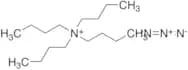

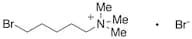
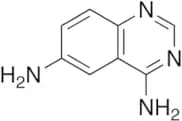
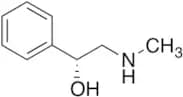
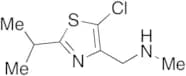
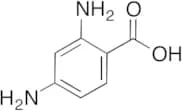
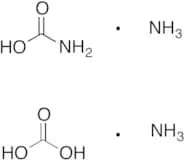
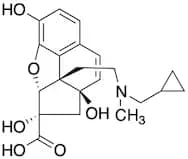
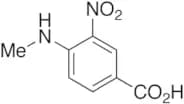
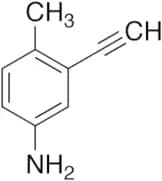
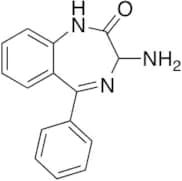
![Ethyl (2Z)-2-[(Acetyloxy)imino]-2-amino-acetic Acid Ester](/_next/image/?url=https%3A%2Fstatic.cymitquimica.com%2Fproducts%2FTR%2Fthumb-webp%2FE928425.webp&w=3840&q=75)
![3-[(3-Aminophenyl)amino]benzonitrile](/_next/image/?url=https%3A%2Fstatic.cymitquimica.com%2Fproducts%2FTR%2Fthumb-webp%2FA615973.webp&w=3840&q=75)
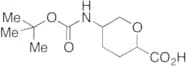
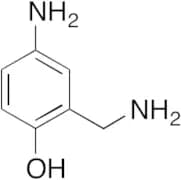
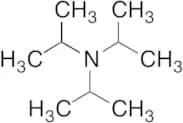
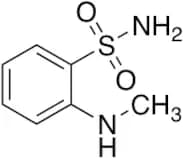
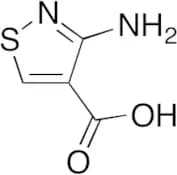

amine](/_next/image/?url=https%3A%2Fstatic.cymitquimica.com%2Fproducts%2FTR%2Fthumb-webp%2FB401860.webp&w=3840&q=75)
![4-[(1,1-Dioxidobenzo[d]isothiazol-3-yl)(methyl)amino]phenyl Acrylate](/_next/image/?url=https%3A%2Fstatic.cymitquimica.com%2Fproducts%2FTR%2Fthumb-webp%2FD486983.webp&w=3840&q=75)
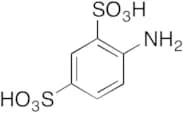
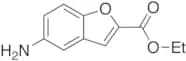
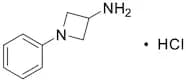
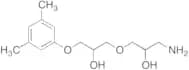


![3-[Ethyl[(4-sulfophenyl)methyl]amino]benzenesulfonic Acid](/_next/image/?url=https%3A%2Fstatic.cymitquimica.com%2Fproducts%2FTR%2Fthumb-webp%2FE925970.webp&w=3840&q=75)
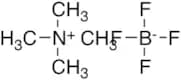
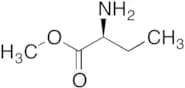
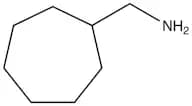
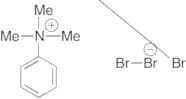
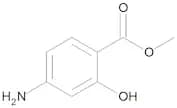


![α-[[(1,1-Dimethylethoxy)carbonyl]amino]-2-fluoro-4-hydroxybenzeneacetic Acid](/_next/image/?url=https%3A%2Fstatic.cymitquimica.com%2Fproducts%2FTR%2Fthumb-webp%2FD472900.webp&w=3840&q=75)
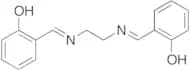
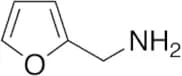
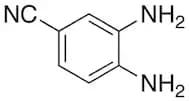

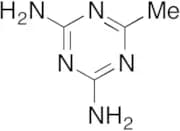
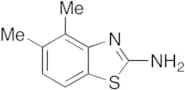
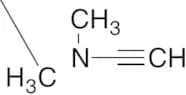
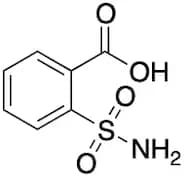
![2-[Ethyl(2-hydroxyethyl)amino]-1-phenyl-1-propanone](/_next/image/?url=https%3A%2Fstatic.cymitquimica.com%2Fproducts%2FTR%2Fthumb-webp%2FE945535.webp&w=3840&q=75)
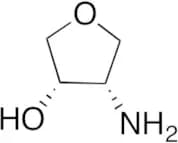
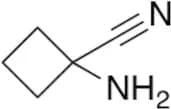
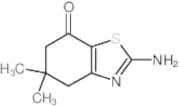

![N,N,3,3-Tetramethyl-1,5-dioxaspiro[5.5]undecan-9-amine](/_next/image/?url=https%3A%2Fstatic.cymitquimica.com%2Fproducts%2FTR%2Fthumb-webp%2FT302800.webp&w=3840&q=75)
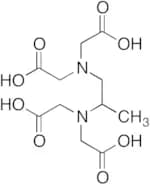
![Ethyl 4-[[(methylphenylamino)methylene]amino]benzoate](/_next/image/?url=https%3A%2Fstatic.cymitquimica.com%2Fproducts%2FTR%2Fthumb-webp%2FE925558.webp&w=3840&q=75)
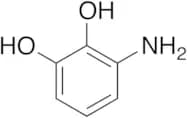
![6-Amino-2,2-dimethyl-2H-benzo[b][1,4]oxazin-3(4h)one](/_next/image/?url=https%3A%2Fstatic.cymitquimica.com%2Fproducts%2FTR%2Fthumb-webp%2FA577370.webp&w=3840&q=75)

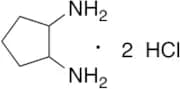
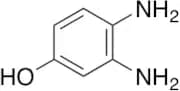
![5-Aminobenzo[C]isothiazole](/_next/image/?url=https%3A%2Fstatic.cymitquimica.com%2Fproducts%2FTR%2Fthumb-webp%2FA578270.webp&w=3840&q=75)
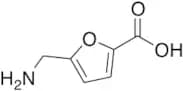
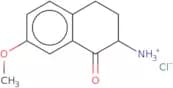

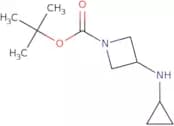
![[2-(1-Isopropyl-1H-benzimidazol-2-yl)ethyl]amine dihydrochloride](/_next/image/?url=https%3A%2Fstatic.cymitquimica.com%2Fproducts%2F3D%2Fthumb-webp%2FFI126434.webp&w=3840&q=75)
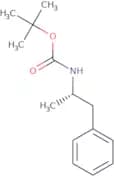

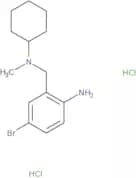
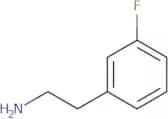
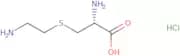
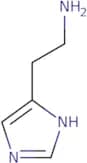
![(R)-(-)-a-[[(4-Ethyl-2,3-dioxo-1-piperazinyl)carbonyl]amino]benzeneacetic Acid](/_next/image/?url=https%3A%2Fstatic.cymitquimica.com%2Fproducts%2F3D%2Fthumb-webp%2FFE60111.webp&w=3840&q=75)

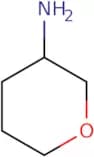

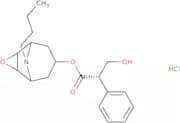
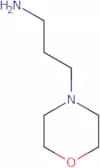
![[4-(2-Aminopropyl)phenyl]dimethylamine dihydrochloride](/_next/image/?url=https%3A%2Fstatic.cymitquimica.com%2Fproducts%2F3D%2Fthumb-webp%2FFA120226.webp&w=3840&q=75)
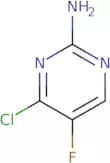
![1H-Pyrrolo[2,3-b]pyridin-5-ylamine](/_next/image/?url=https%3A%2Fstatic.cymitquimica.com%2Fproducts%2F3D%2Fthumb-webp%2FFP143125.webp&w=3840&q=75)
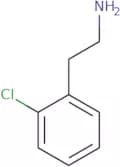
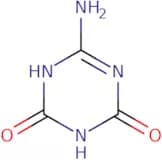

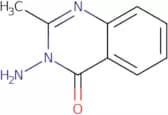
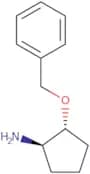
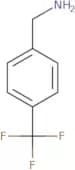

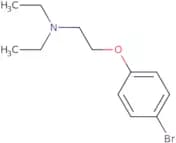
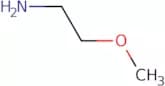
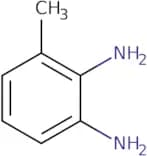
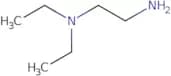
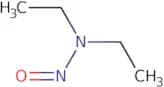
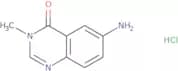
![{2-[(4-Phenylpiperazin-1-yl)carbonyl]phenyl}amine](/_next/image/?url=https%3A%2Fstatic.cymitquimica.com%2Fproducts%2F3D%2Fthumb-webp%2FFP122463.webp&w=3840&q=75)
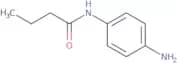
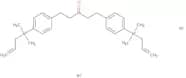
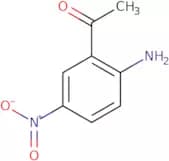
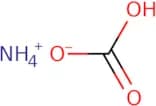
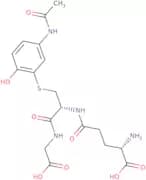
![[4-[2-(Diethylamino)ethoxy]-3-iodophenyl][2-(1-hydroxybutyl)-3-benzofuranyl]-methanone](/_next/image/?url=https%3A%2Fstatic.cymitquimica.com%2Fproducts%2F3D%2Fthumb-webp%2FFD150040.webp&w=3840&q=75)

![5-[3-(Dimethylamino)propyl]-10,11-dihydro-5H-dibenzo[a,d]cyclohepten-5-ol](/_next/image/?url=https%3A%2Fstatic.cymitquimica.com%2Fproducts%2F3D%2Fthumb-webp%2FFD22331.webp&w=3840&q=75)
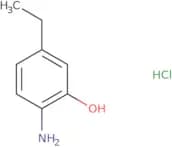
![4-Aminobicyclo[2.2.2]octane-1-carboxylic acid methyl ester](/_next/image/?url=https%3A%2Fstatic.cymitquimica.com%2Fproducts%2F3D%2Fthumb-webp%2FFA44258.webp&w=3840&q=75)
![1,4-Bis[4-(di-p-tolylamino)styryl]benzene](/_next/image/?url=https%3A%2Fstatic.cymitquimica.com%2Fproducts%2F3D%2Fthumb-webp%2FFB75808.webp&w=3840&q=75)
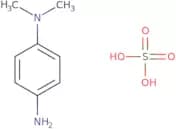
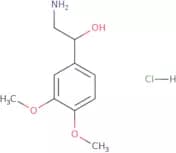
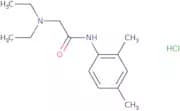
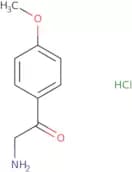
![7-Bromo-[1,2,4]triazolo[1,5-a]pyridin-2-ylamine](/_next/image/?url=https%3A%2Fstatic.cymitquimica.com%2Fproducts%2F3D%2Fthumb-webp%2FFB140382.webp&w=3840&q=75)
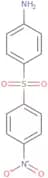

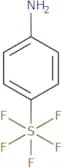

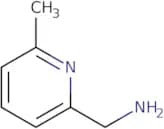
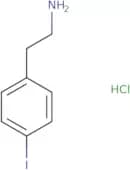
![3-[(Dimethylamino)methyl]benzoic acid hydrochloride](/_next/image/?url=https%3A%2Fstatic.cymitquimica.com%2Fproducts%2F3D%2Fthumb-webp%2FFD124093.webp&w=3840&q=75)

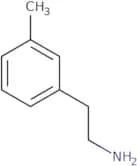

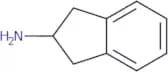
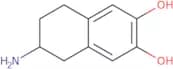
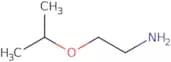
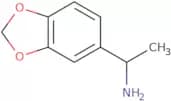

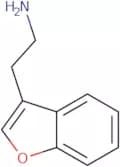


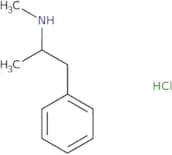

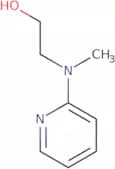
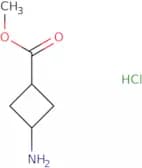
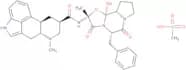
![N-Methyl-N-[(1-methyl-1H-benzimidazol-2-yl)methyl]amine hydrochloride](/_next/image/?url=https%3A%2Fstatic.cymitquimica.com%2Fproducts%2F3D%2Fthumb-webp%2FFM117084.webp&w=3840&q=75)

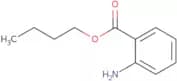

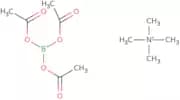
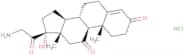
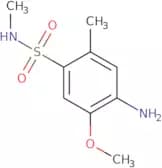


![(7S)-7-Amino-1,2,3,10-tetramethoxy-6,7-dihydro-5H-benzo[g]heptalen-9-one](/_next/image/?url=https%3A%2Fstatic.cymitquimica.com%2Fproducts%2F3D%2Fthumb-webp%2FFA20821.webp&w=3840&q=75)
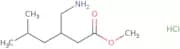
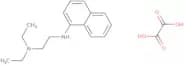

![8-[(2-Hydroxyethyl)(methyl)amino]-1,3,9-trimethyl-3,9-dihydro-1H-purine-2,6-dione](/_next/image/?url=https%3A%2Fstatic.cymitquimica.com%2Fproducts%2F3D%2Fthumb-webp%2FFH132897.webp&w=3840&q=75)
![[(5-Methyl-1,3-thiazol-2-yl)methyl]amine dihydrochloride](/_next/image/?url=https%3A%2Fstatic.cymitquimica.com%2Fproducts%2F3D%2Fthumb-webp%2FFM124184.webp&w=3840&q=75)
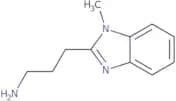
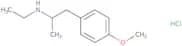
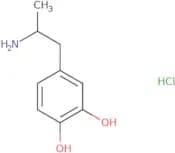
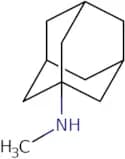
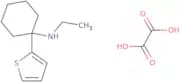
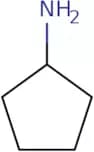
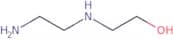
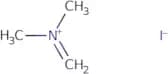
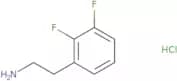
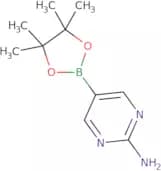
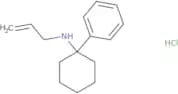
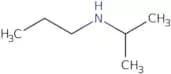

![(2-{2-[2-(2-Aminoethyl)-4,5-dimethoxybenzyl]-4,5-dimethoxyphenyl}ethyl)amine dihydrochloride](/_next/image/?url=https%3A%2Fstatic.cymitquimica.com%2Fproducts%2F3D%2Fthumb-webp%2FFA135464.webp&w=3840&q=75)


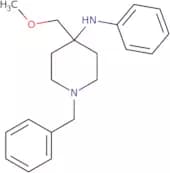
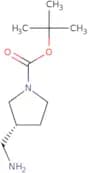
![[(4-Methyl-1H-imidazol-5-yl)methyl]amine hydrochloride](/_next/image/?url=https%3A%2Fstatic.cymitquimica.com%2Fproducts%2F3D%2Fthumb-webp%2FFM125220.webp&w=3840&q=75)
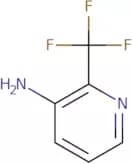
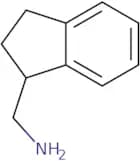
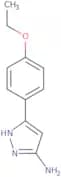
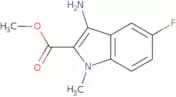

![1-Benzyl-3-[3-(diethylamino)propoxy]-1H-indazole](/_next/image/?url=https%3A%2Fstatic.cymitquimica.com%2Fproducts%2F3D%2Fthumb-webp%2FFB162091.webp&w=3840&q=75)
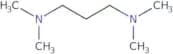
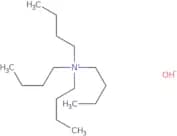
![N-[2-(4-Benzylpiperazin-1-yl)-2-oxoethyl]-N-methylamine](/_next/image/?url=https%3A%2Fstatic.cymitquimica.com%2Fproducts%2F3D%2Fthumb-webp%2FFB117802.webp&w=3840&q=75)

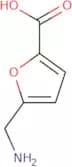
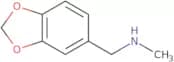
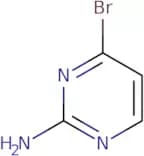

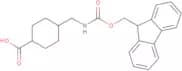
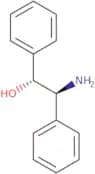
![2-Amino-3,4,7,8-tetramethyl-3H-imidazo[4,5-f]quinoxaline](/_next/image/?url=https%3A%2Fstatic.cymitquimica.com%2Fproducts%2F3D%2Fthumb-webp%2FFA17488.webp&w=3840&q=75)
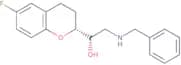

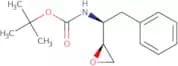
![Chloro[2-(di-tert-butylphosphino)-2',4',6'-triisopropyl-1,1'-biphenyl][2-(2-aminoethyl)phenyl)]pal…](/_next/image/?url=https%3A%2Fstatic.cymitquimica.com%2Fproducts%2F3D%2Fthumb-webp%2FFC156938.webp&w=3840&q=75)
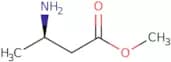
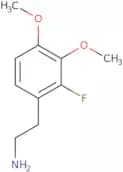
![{[5-(Trifluoromethyl)-1,2,4-oxadiazol-3-yl]methyl}amine hydrochloride](/_next/image/?url=https%3A%2Fstatic.cymitquimica.com%2Fproducts%2F3D%2Fthumb-webp%2FFT127171.webp&w=3840&q=75)

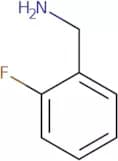
![2-(2-Aminoethyl)-3',6'-bis(diethylaMino)spiro[isoindoline-1,9'-xanthen]-3-one](/_next/image/?url=https%3A%2Fstatic.cymitquimica.com%2Fproducts%2F3D%2Fthumb-webp%2FFA39948.webp&w=3840&q=75)