Amines
Amines are a set of molecules containing an amino functional group (derived from ammonia). This category includes amines at any level of substitution : primary, secondary, tertiary, and ammonium salts. Amines are fundamental in organic synthesis and are widely used in pharmaceuticals, agrochemicals, and materials science. At CymitQuimica, we provide a comprehensive selection of amines to meet your research and industrial needs. Our range ensures access to various amines for diverse chemical processes and innovative research.
Subcategories of "Amines"
- Nitrosamines(2,605 products)
- Primary Amines(30,821 products)
- Quaternary Ammonium Cations and Salts(1,099 products)
- Secondary Amines(20,817 products)
- Tertiary Amines(17,117 products)
Found 8778 products of "Amines"
Sort by
Purity (%)
0
100
|
0
|
50
|
90
|
95
|
100
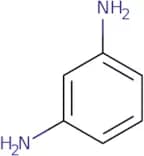
m-Phenylenediamine
CAS:<p>m-Phenylenediamine is a model system for studying the adsorption mechanism of dyes, pigments, and other organic molecules on solid surfaces. It has been shown to be capable of adsorbing at high concentrations on various materials such as calcium carbonate, sandstone, and kaolinite. The adsorption of m-phenylenediamine is influenced by the thermal expansion coefficient of the surface material. Adsorption is also influenced by the pH of the solution, with optimum concentrations occurring at acidic pH levels. Adsorbed m-phenylenediamine may be transported away from the surface in both water and wastewater treatment systems. Inorganic acids can cause significant degradation to adsorbed m-phenylenediamine due to their ability to hydrolyze hydrogen bonds between adsorbate molecules.<br>A number of electrochemical impedance spectroscopy studies have been performed on this molecule in order to better understand its transport properties and electron transfer mechanisms.</p>Formula:C6H8N2Purity:Min. 95%Color and Shape:PowderMolecular weight:108.14 g/molo-Aminobenzoylglycyl-p-nitro-L-phenylalanyl-L-proline TFA salt
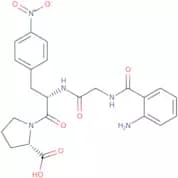
CAS:<p>O-Aminobenzoylglycyl-p-nitro-L-phenylalanyl-L-proline TFA salt is a synthetic, hydrophilic interaction chromatography (HIC) substrate. It has inhibitory properties and is used in biological assays to measure the activities of enzymes that catalyze the hydrolysis of the substrate. O-Aminobenzoylglycyl-p-nitro-L-phenylalanyl-L-proline TFA salt also has been shown to have bioactivities on blood pressure and cell monolayers.</p>Formula:C23H25N5O7•C2HF3O2Purity:Min. 95 Area-%Color and Shape:PowderMolecular weight:597.49 g/molGiosiamine
<p>Giosiamine is a heterocyclic molecule that is used as a reaction component, reagent, and useful scaffold. It is also a high-quality research chemical with speciality use in the synthesis of other chemicals. Giosiamine is available at CAS No. 1815-02-7 and can be used as an intermediate for the production of complex compounds such as pharmaceuticals, pesticides, and fine chemicals. This product has been shown to be versatile in its applications and can serve as a building block for various types of reactions.</p>Purity:Min. 95%2-(((2-Indol-3-ylethyl)amino)ethylidene)indane-1,3-dione
CAS:<p>Please enquire for more information about 2-(((2-Indol-3-ylethyl)amino)ethylidene)indane-1,3-dione including the price, delivery time and more detailed product information at the technical inquiry form on this page</p>Formula:C21H18N2O2Purity:Min. 95%Color and Shape:PowderMolecular weight:330.38 g/mol1-Deoxy-1-(methylamino)-D-glucitol [3-[[(2R,3S)-2-[(1R)-1-[3,5-bis(trifluoromethyl)phenyl]ethoxy]-3-(4-fluorophenyl)-4-morpholinyl]m ethyl]-2,5-dihydro-5-oxo-1H-1,2,4-triazol-1-yl]phosphonate
CAS:<p>Fosaprepitant is a drug that belongs to the class of drugs used for chemotherapy. It is a prodrug that is converted in vivo to aprepitant, its active form. Fosaprepitant acts as an antagonist of the neurokinin-1 receptor (NK-1R) and inhibits the binding of substance P, which leads to an anti-inflammatory effect. Fosaprepitant has been shown to inhibit the production of substance P in animal models, leading to a reduction in inflammation. In clinical trials, fosaprepitant has been shown to be safe and well tolerated when used with other drugs such as cisplatin and docetaxel in patients with cancer.</p>Formula:C23H22F7N4O6P•(C7H17NO5)2Purity:Min. 95%Color and Shape:White To Off-White SolidMolecular weight:1,004.83 g/molN,N,N',N',N'',N''-Hexamethoxymethylmelamine
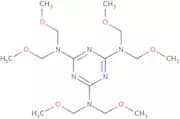
CAS:<p>Hexamethoxymethylmelamine (HMMM) is a polyvinyl-based polymer that can be synthesized by the cationic polymerization of hexamethoxymethylmelamine. HMMM has been shown to have a high water permeability, making it an excellent candidate for use in wastewater treatment. It also has biocompatible properties and can be chemically stable under harsh conditions, making it suitable for use in various applications.</p>Formula:C15H30N6O6Purity:Min. 95%Color and Shape:PowderMolecular weight:390.44 g/mol2-Amino-6-formylpteridin-4-one
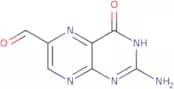
CAS:<p>2-Amino-6-formylpteridin-4-one is a reactive compound that can cause oxidative injury in humans. It has been shown to cause hydrogen bond cleavage and the loss of structural integrity in human serum. 2-Amino-6-formylpteridin-4-one also induces apoptosis by inhibiting the mitochondrial membrane potential and releasing cytochrome c from the mitochondria into the cytosol. 2-Amino-6-formylpteridin-4-one is an inhibitor of binding to anion radicals, which may be beneficial for treating skin disorders such as psoriasis.</p>Formula:C7H5N5O2Purity:Min. 97 Area-%Color and Shape:PowderMolecular weight:191.15 g/molR-(+)-Aminoglutethimide L-tartrate
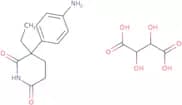
CAS:Controlled Product<p>R-(+)-Aminoglutethimide is a potent inhibitor of mitochondrial electron transport and the cleavage enzyme 4-phenylimidazole. It inhibits mitochondrial ATP production by binding to the inner mitochondrial membrane and preventing the passage of electrons from cytochrome c oxidase to oxygen. This drug has been shown to be effective in treating corticotroph adenoma, a benign tumor of the anterior pituitary gland, which is due to excessive secretion of ACTH by the gland. R-(+)-Aminoglutethimide can also be used for treatment of Cushing's syndrome due to its ability to inhibit cortisol synthesis in the adrenal cortex. This drug has been shown to act as a potent inhibitor of progesterone synthesis in bovine and human ovaries, leading to decreased levels of pregnenolone, which is an important precursor for other steroid hormones such as testosterone or estrogens.</p>Formula:C17H22N2O8Purity:Min. 95%Color and Shape:White To Off-White SolidMolecular weight:382.37 g/mol4,5-Diamino-6-chloropyrimidine
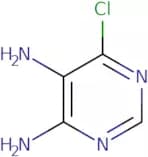
CAS:<p>4,5-Diamino-6-chloropyrimidine is a glycosidic compound that has been used for the optimization of drug targets. It has been shown to have antimalarial activity against Plasmodium falciparum in vitro and in vivo. 4,5-Diamino-6-chloropyrimidine binds to the amine groups on nucleotides, specifically purines (adenine and guanine), and amidates the 6-chloropurine ring. This makes it a potential candidate for use in chemotherapy. The structure of 4,5-diamino-6-chloropyrimidine was determined by NMR and mass spectroscopy analysis.</p>Formula:C4H5ClN4Purity:Min. 95%Molecular weight:144.56 g/mol2-Butoxyethan-1-amine
CAS:<p>2-Butoxyethan-1-amine is a solvent that has been used in the production of polydimethylsiloxane, which is often found in silicone sealants and caulks. This chemical is volatilized, so it can be released into the atmosphere during its manufacture or use. The ethers are cross-linked with glycols to form polyether polyols that are heat treated to produce ethylene glycol. 2-Butoxyethan-1-amine is also an ingredient in water solutions of polydimethylsiloxane, which may include other substances such as salts. The permeation of this chemical through microns (µm) thick layers of silica gel was demonstrated using a template containing pores of various sizes and shapes. Fluoride ions were used to catalyze the reaction between 2-butoxyethan-1-amine and silica gel; this process was shown to increase the rate of permeation by up to 40%.</p>Formula:C6H15NOPurity:Min. 95%Color and Shape:Clear LiquidMolecular weight:117.19 g/molRactopamine hydrochloride, 95%
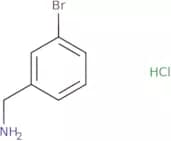
CAS:Controlled Product<p>Ractopamine HCl - 95% is a preparation of the drug Ractopamine, which is used as an animal feed additive to promote muscle growth. The drug is commonly used in pigs, cattle, and turkeys. It binds to the beta-adrenergic receptor and stimulates the release of catecholamines from the adrenal gland. This stimulation leads to an increase in protein synthesis and muscle growth. Ractopamine HCl - 95% can be analyzed by flow assay for antimicrobial resistance, sample preparation, estradiol benzoate, sodium carbonate, camp levels, ractopamine detection sensitivity and electrochemical detector. The matrix effect can be controlled by analyzing acid complex or control analysis with electrochemical impedance spectroscopy.</p>Formula:C18H23NO3•HClPurity:Min. 95%Color and Shape:White PowderMolecular weight:337.84 g/mol3-Bromobenzylamine hydrochloride
CAS:<p>3-Bromobenzylamine hydrochloride is a chemical compound that belongs to the class of alkylating agents. It is a derivative of allylamine, which is an amine and can be used in the synthesis of tripeptides. 3-Bromobenzylamine hydrochloride has been shown to be able to bind to primary amines, such as histamine, serotonin, and dopamine. It has been found to inhibit the reuptake of these neurotransmitters by blocking the transporter responsible for their uptake. This inhibition leads to increased concentrations of neurotransmitters in tissues.</p>Formula:C7H8BrN•HClColor and Shape:PowderMolecular weight:222.51 g/mol6-amino-3-methyl-4-(3-nitrophenyl)-4H-pyrano[3,2-d]pyrazole-5-carbonitrile
CAS:<p>Please enquire for more information about 6-amino-3-methyl-4-(3-nitrophenyl)-4H-pyrano[3,2-d]pyrazole-5-carbonitrile including the price, delivery time and more detailed product information at the technical inquiry form on this page</p>Formula:C14H11N5O3Purity:Min. 95%Color and Shape:PowderMolecular weight:297.27 g/molAminophylline
CAS:Controlled Product<p>Phosphodiesterase inhibitor</p>Formula:(C7H8N4O2)2•C2H8N2Purity:Min. 95%Color and Shape:White PowderMolecular weight:420.43 g/mol5-Methoxygramine
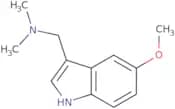
CAS:Controlled Product<p>5-Methoxygramine is a metabolic intermediate which is an analog of 5-hydroxytryptamine (5-HT). It has been shown to increase blood pressure and reduce the activity of the 5-HT2C receptor. This drug also has been found to inhibit the growth of some cancer cells in vitro, but it does not affect normal cells. It can be used as a tool for identifying compounds that may have similar effects. The binding affinity of 5-methoxygramine for the 5-HT2C receptor was measured by displacement experiments with 3H-spiperone. The effect of this compound on dopamine release from rat striatal slices was studied by measuring electrical activity in isolated heart preparations. The effect of this compound on leishmania infection was studied using infected mice and isolated heart preparations.</p>Formula:C12H16N2OPurity:Min. 95%Color and Shape:PowderMolecular weight:204.27 g/molMagnesium 4-aminobenzoate
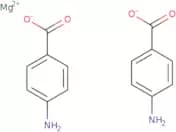
CAS:<p>Magnesium 4-aminobenzoate is a chemical compound that is used as a reaction component or reagent in organic synthesis. It has a high quality and can be used for research purposes. Magnesium 4-aminobenzoate is versatile and can be used as an intermediate in the preparation of complex compounds, such as pharmaceuticals and agrochemicals.</p>Formula:C14H12MgN2O4Purity:Min. 95%Color and Shape:PowderMolecular weight:296.56 g/mol2-Amino-6-bromo-3-formylchromone
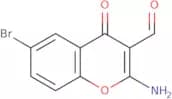
CAS:<p>2-Amino-6-bromo-3-formylchromone is a chemical compound with the molecular formula CHNO. It has a vibrational frequency of 1426.81 cm−1 and a potential energy of −29.35 kcal/mol. The molecule can be classified as an aromatic compound, due to the presence of one or more benzene rings in its structure, and is colored red or orange in solution. 2-Amino-6-bromo-3-formylchromone can be used to produce other compounds that have different spectral properties than it does, such as 2-(2-(2-(2-(2-(2-(benzoyloxy)ethoxy)ethoxy)ethoxy)ethoxy)ethoxy)-4'-nitroacetophenone.</p>Formula:C10H6BrNO3Purity:Min. 95%Color and Shape:PowderMolecular weight:268.06 g/mol2-Amino-3-[[[4-(2-methylpropyl)phenyl]methylene]amino]-2-butenedinitrile
CAS:<p>Please enquire for more information about 2-Amino-3-[[[4-(2-methylpropyl)phenyl]methylene]amino]-2-butenedinitrile including the price, delivery time and more detailed product information at the technical inquiry form on this page</p>Formula:C15H16N4Purity:Min. 95%Color and Shape:PowderMolecular weight:252.31 g/molPropargylamine
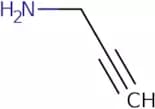
CAS:<p>Propargylamine is an irreversible inhibitor that binds to the active site of the enzyme acetylcholinesterase (AChE) and blocks the breakdown of acetylcholine. This leads to increased levels of acetylcholine in the synaptic cleft, which enhances neurotransmission and causes increased muscle contractions. Propargylamine has been shown to be a potent chemotherapy agent against cancer cells, causing neuronal death. It also inhibits epidermal growth factor receptor (EGFR) signaling pathways, leading to decreased tumor cell proliferation. The drug may also have neurotrophic effects by stimulating nerve growth factors or preventing neuronal apoptosis.</p>Formula:C3H5NPurity:Min. 95%Color and Shape:Colorless Yellow Clear LiquidMolecular weight:55.08 g/mol4-tert-Butyl-2,6-dimethylbenzylamine hydrochloride
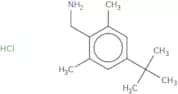
CAS:<p>4-tert-Butyl-2,6-dimethylbenzylamine hydrochloride is a versatile building block that can be used for the synthesis of many different types of chemical compounds. It is a reagent in organic synthesis and has been used as a building block for other compounds. 4-tert-Butyl-2,6-dimethylbenzylamine hydrochloride is also useful as an intermediate or scaffold in complex syntheses. This chemical has been used in research to produce 2,4,5-trichlorotoluene and 1,2,3,5,6-pentachlorocyclohexane. CAS No. 2703627-79-4</p>Formula:C13H21N·HClPurity:Min. 95%Color and Shape:PowderMolecular weight:227.77 g/molEthylenediaminetetraacetic Dianhydride
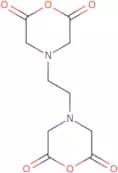
CAS:<p>Ethylenediaminetetraacetic dianhydride (EDTA) is a dianhydride that is used in wastewater treatment. It is a strong chelating agent and reacts with metal ions to form complexes, which are then removed as sludge. EDTA also has amide groups that can react with water under acidic conditions, which increases its adsorption capacity. This compound is thermally stable and has a high chemical stability in the presence of human serum and basic fibroblasts. EDTA binds to DNA by electrostatic interactions, forming hydrogen bonds between the amine group of the EDTA molecule and the phosphate groups of DNA. This prevents cross-linking of DNA chains and results in an increased rate of DNA synthesis.</p>Formula:C10H12N2O6Purity:Min. 95%Color and Shape:PowderMolecular weight:256.21 g/mol1-Aminophthalazine
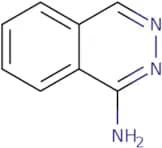
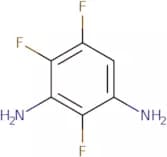
CAS:<p>1-Aminophthalazine is a drug that has been used to treat cancer and other diseases. It has the ability to react with nitrogen atoms in the body, which can cause adverse reactions such as psychosis and drug reactions. 1-Aminophthalazine also blocks tyrosine kinases, which are involved in cell growth and differentiation. 1-Aminophthalazine is a reactive compound that can form diazonium salts with an oxidizing agent such as hydrogen peroxide or peracetic acid. The diazonium salt is then able to react with DNA, and is selective for bacterial DNA when it lacks organic material for the diazonium salt to react with. This makes 1-aminophthalazine a specific treatment for bacterial infections.</p>Formula:C8H7N3Purity:Min. 95%Color and Shape:PowderMolecular weight:145.16 g/mol2,4,5-Trifluorophenylene-1,3-diamine
CAS:<p>2,4,5-Trifluorophenylene-1,3-diamine is an isomer of 2,4,5-trifluorophenol. It is a colorless liquid that is soluble in ether and hexafluorobenzene. This compound can be used as a heat stabilizer in polymers and has been shown to yield high yields (over 95%) when polymerized with maleic anhydride. The compound also has the ability to coordinate to oxygen atoms and assemble into larger structures such as rings or chains. 2,4,5-Trifluorophenylene-1,3-diamine reacts with amines to form hydrogen bonds and exhibits amino groups on its structure that are important for calorimetry measurements.</p>Formula:C6H5F3N2Purity:90%Color and Shape:PowderMolecular weight:162.11 g/molN-Amino-D-proline
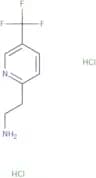
CAS:<p>N-Amino-D-proline is a hydrogen bond donor that has phytotoxic properties. It is synthesized from the reaction of ethanolamine, sulfoxide, and hydrochloric acid in the presence of lysine residues. N-Amino-D-proline may be used to treat death due to tissue injury or degeneration. The compound can also be used in chromatographic techniques as a hydrogen bond acceptor.</p>Formula:C5H10N2O2Purity:Min. 95%Color and Shape:PowderMolecular weight:130.15 g/mol2-(5-Trifluoromethyl-pyridin-2-yl)ethylamine 2HCl
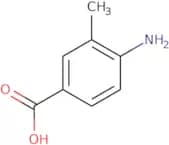
CAS:<p>2-(5-Trifluoromethyl-pyridin-2-yl)ethylamine 2HCl is a fine chemical that can be used as a building block in the synthesis of other compounds. It is also a useful reagent and a speciality chemical, which means it is typically used for research purposes only. This compound has shown to have high quality and versatility, and is often used as an intermediate in the synthesis of complex compounds.</p>Formula:C8H9F3N2H2Cl2Purity:Min. 95%Color and Shape:White PowderMolecular weight:263.09 g/mol4-Amino-3-methylbenzoic acid
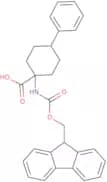
CAS:<p>4-Amino-3-methylbenzoic acid is a chemical compound that can be synthesized from 4-Methylbenzoic acid and sodium carbonate. It has been used in the treatment of cervical cancer and leishmania. The synthesis of this drug is an example of a chemical reaction in which a carboxylic acid is reacted with sodium carbonate to give an ester and sodium bicarbonate. This process requires the use of trifluoroacetic acid. The resulting drug also has antiviral properties, as it inhibits HIV infection by blocking reverse transcriptase activity. 4-Amino-3-methylbenzoic acid was also shown to have anti-inflammatory properties, which may be due to its ability to inhibit prostaglandin synthesis.</p>Formula:C8H9NO2Purity:Min. 95%Color and Shape:Brown PowderMolecular weight:151.16 g/molFmoc-cis-1-amino-4-phenyl-cyclohexane carboxylic acid
CAS:<p>Fmoc-cis-1-amino-4-phenyl-cyclohexane carboxylic acid is a fine chemical, useful building block, and research chemical. It is a versatile building block that can be used in the synthesis of complex compounds such as pharmaceuticals and agrochemicals. Fmoc-cis-1-amino-4-phenyl-cyclohexane carboxylic acid has been shown to react with various other compounds to form useful intermediates, which can be used to produce more complex molecules. This compound has also been shown to have reagent properties.</p>Formula:C28H27NO4Purity:Min. 95%Color and Shape:PowderMolecular weight:441.52 g/molN-Methyldioctylamine
CAS:<p>N-Methyldioctylamine is a biodegradable, water soluble, and non-toxic chemical that can be used as an alternative to caustic soda for wastewater treatment. It removes organic matter from industrial effluents by breaking down long chain hydrocarbons into smaller fragments and reacts with the hydroxyl group of proteins to form hydroxylamines. N-Methyldioctylamine has been shown to inhibit protease activity in wild-type strains of bacteria, such as Escherichia coli and Pseudomonas aeruginosa. It also inhibits hematopoietic cells from developing into mature cells by disrupting the biochemical composition of their membranes. N-Methyldioctylamine is reactive with fatty acids and amines found in mammalian tissue samples. This compound can be used as a sample preparation agent or analytical reagent for caproic acid, which is used in process optimization applications.</p>Formula:C17H37NPurity:Min. 95%Color and Shape:Clear LiquidMolecular weight:255.48 g/mol5-Amino-2-methoxybenzoic acid
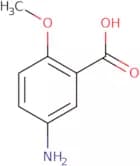
CAS:<p>5-Amino-2-methoxybenzoic acid (5AMBA) is a hydrogen bond acceptor that binds to peptides and rna. It also has enzymatic activity, which can be used in the treatment of diseases such as Alzheimer's disease. 5AMBA is a small molecule that contains two methoxy groups and one hydrogen. It has been shown to bind to an intramolecular hydrogen bond within a peptide or rna sequence and inhibit enzymatic activity. This inhibition occurs by removing the nucleophile from the enzyme's active site or by sterically hindering access to the enzyme's active site. The luminescent properties of 5AMBA make it an ideal candidate for fluorescent labeling, with applications in biomolecular research.</p>Formula:C8H9NO3Purity:Min. 95%Color and Shape:PowderMolecular weight:167.16 g/mol(2-Amino-2-adamantyl)acetic acid
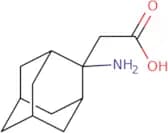
CAS:<p>2-Amino-2-adamantylacetic acid is a fine chemical that is used as a building block in the synthesis of many other compounds. It is also used as a research reagent and speciality chemical, and has been shown to be a versatile building block for complex molecules. This compound can be reacted with other chemicals to form useful intermediates that are used in the synthesis of pharmaceuticals and agrochemicals. 2-Amino-2-adamantylacetic acid is listed on the Chemical Abstracts Service (CAS) registry as 1573548-14-7.</p>Formula:C12H19NO2Purity:Min. 95%Color and Shape:White PowderMolecular weight:209.28 g/mol4-Aminobenzanilide
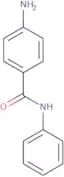
CAS:<p>4-Aminobenzanilide is an antimicrobial agent that is synthesized from 2-aminobenzamide and 4-aminophenol. It has been shown to be effective against a number of bacteria, including Staphylococcus aureus and Streptococcus pyogenes. 4-Aminobenzanilide has also been shown to inhibit the growth of Mycoplasma pneumoniae in mammalian cells, which may be due to its ability to block DNA replication and transcription. This compound can also disrupt the synthesis of amides by inhibiting the enzyme aminopeptidase N. The low energy required for this reaction makes it possible for this compound to work as an antimicrobial agent with minimal toxicity.</p>Formula:C13H12N2OPurity:Min. 95%Color and Shape:PowderMolecular weight:212.25 g/molDiethylenetriamine
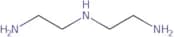
CAS:Controlled Product<p>Diethylenetriamine is a chemical compound that has been studied extensively in the field of biological research. It is a metal chelator, meaning it binds to heavy metals, and can be used to remove them from the body. Diethylenetriamine is also an antimicrobial agent that has been shown to have a protective effect on the liver against gadolinium-induced lesions. It is used for wastewater treatment as well as metal carbonyls and metal-hydroxides reactions, such as electrochemical impedance spectroscopy. Diethylenetriamine can also be used in human immunoglobulin synthesis and Langmuir adsorption isotherm studies. Diethylenetriamine has been shown to bind with human serum proteins by hydrogen bonding interactions, which may explain its effects on the liver.</p>Formula:C4H13N3Purity:Min. 98 Area-%Color and Shape:Clear LiquidMolecular weight:103.17 g/mol[3-Chloro-4-(4-isobutyrylpiperazin-1-yl)phenyl]amine
CAS:<p>3-Chloro-4-(4-isobutyrylpiperazin-1-yl)phenyl]amine is a fine chemical that can be used in the production of medicines, research chemicals, and other speciality chemicals. It has been shown to be a versatile building block with a wide range of uses. 3-Chloro-4-(4-isobutyrylpiperazin-1-yl)phenyl]amine can be used as an intermediate in organic synthesis or as a reagent to generate other chemicals. This compound is also useful as a reaction component for the production of new compounds.</p>Formula:C14H20ClN3OPurity:Min. 95%Color and Shape:PowderMolecular weight:281.78 g/mol4-Aminothiobenzamide
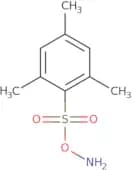
CAS:<p>4-Aminothiobenzamide (4ATB) is a chemical compound that is used as an anticancer agent and an antimicrobial agent. It has been shown to have antitumor activity against human liver cancer cells and anticancer activity against human adrenergic receptor-positive lung cancer cells. 4ATB binds to the chloride ion present in the cell membrane, which prevents the influx of chloride ions into the cell. This leads to an increase in intracellular pH and disruption of cellular functions. 4ATB has also been shown to inhibit methicillin-resistant Staphylococcus aureus (MRSA) infections by inhibiting bacterial growth and reducing the production of proteins vital for cell division.</p>Formula:C7H8N2SPurity:Min. 95%Color and Shape:PowderMolecular weight:152.22 g/molO-Mesitylenesulfonylhydroxylamine - 10-65% water
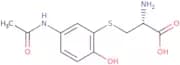
CAS:<p>Aminating Reagent</p>Formula:C9H13NO3SPurity:Min. 70 Area-%Color and Shape:Colorless PowderMolecular weight:215.27 g/mol3-Cysteinylacetaminophen trifluoroacetic acid salt
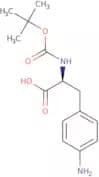
CAS:<p>Acetaminophen is a common pain reliever and fever reducer. It is available over-the-counter in many countries. Acetaminophen is a member of the class of drugs known as analgesic, antipyretic, and anti-inflammatory drugs (APAP). The drug has been shown to be effective for acute pain relief, but not for chronic pain. Acetaminophen has also been found to be an effective analgesic when taken at high doses (above 1000 mg per day) for more than one week. In vivo studies have shown that acetaminophen inhibits mitochondrial membrane potential in hk-2 cells and cd-1 mice. This inhibition leads to apoptosis and cell death. Acetaminophen is not associated with serious side effects when used at the recommended dose, although it can lead to liver damage if taken in large quantities or on a prolonged basis.</p>Formula:C11H14N2O4S·xC2HO2F3Purity:(%) Min. 95%Color and Shape:Brown PowderMolecular weight:270.31 g/molBoc-L-4-Aminophenylalanine
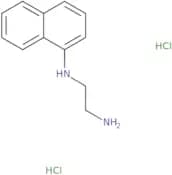
CAS:<p>Boc-L-4-Aminophenylalanine is an amino acid that has been shown to be synthesized by cancer cells in breast cancer cell lines, and can also be conjugated with anticancer drugs. It has been shown to have a high affinity for cancer cells. Boc-L-4-Aminophenylalanine is a substrate for L type amino acid transporters and can be used for the treatment of breast cancer. This compound may also be useful in the treatment of other cancers due to its ability to inhibit the uptake of endogenous amino acids.</p>Formula:C14H20N2O4Purity:Min. 97 Area-%Color and Shape:White PowderMolecular weight:280.32 g/molN-(1-Naphthyl)ethylenediamine dihydrochloride
CAS:<p>N-(1-Naphthyl)ethylenediamine 2HCl is a diazonium salt that is used as an analytical reagent for the determination of nitrite ion in biological samples. It can be prepared by reacting 1-naphthylamine with ethylenediamine and hydrochloric acid. The optimum concentration of N-(1-naphthyl)ethylenediamine 2HCl is between 0.5 and 1.0 M, which should be determined before use. Sulphuric acid or sodium hydroxide can be added to adjust the pH of the solution to around 2.5, although this may change the color of the solution from orange to yellow. The reaction product is then extracted into chloroform and dried over anhydrous sodium sulphate or magnesium sulfate, followed by filtration and evaporation under reduced pressure at 40°C until dryness. The final product is stored in a dark place away from</p>Formula:C12H14N2•2HClPurity:(Titration) Min. 98%Color and Shape:White PowderMolecular weight:259.17 g/mol(6S)-5,6,7,8-Tetrahydro-6-[propyl[2-(2-thienyl)ethyl]amino]-1-naphthalenol
CAS:Controlled Product<p>(6S)-5,6,7,8-Tetrahydro-6-[propyl[2-(2-thienyl)ethyl]amino]-1-naphthalenol is a potent and selective dopamine receptor agonist. It acts by binding to the dopamine receptors in the brain. This binding stimulates the release of dopamine and prevents it from being reabsorbed into the neurons, which in turn increases levels of extracellular dopamine in the synapse. (6S)-5,6,7,8-Tetrahydro-6-[propyl[2-(2-thienyl)ethyl]amino]-1-naphthalenol has been shown to have antidepressant effects in animal models of depression. It also has a long half life and can be administered as a transdermal patch for prolonged relief from depression symptoms.</p>Formula:C19H25NOSPurity:Min. 95%Color and Shape:White Off-White PowderMolecular weight:315.47 g/mol2-[N-[(3,5-Difluorophenyl)carbamoylamino]-C-methylcarbonimidoyl]pyridine-3-carboxylic acid
CAS:<p>2-[N-[(3,5-Difluorophenyl)carbamoylamino]-C-methylcarbonimidoyl]pyridine-3-carboxylic acid (2FPC) is a potent herbicide that inhibits the fatty acid synthase enzyme and blocks cellular energy production. Fatty acid synthase is an important enzyme in the synthesis of essential fatty acids and this inhibition can lead to a number of health complications. 2FPC also inhibits epidermal growth factor receptor (EGFR) and glucocorticoid receptors, which can lead to autoimmune diseases. The compound has been shown to produce neurotoxic effects in animals and humans, including optical sensor activation and cation channel modulation.<br>2FPC is used as a herbicide to control weeds such as knapweed. It is also used as an anti-inflammatory agent in the treatment of rheumatoid arthritis.</p>Formula:C15H12F2N4O3Purity:Min. 97 Area-%Color and Shape:PowderMolecular weight:334.28 g/mol4-Aminobenzamidine dihydrochloride
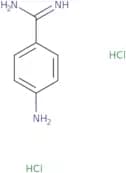
CAS:<p>4-Aminobenzamidine dihydrochloride is used as an analytical reagent for protease activity in tissue culture. It can also be used to inhibit the transcription-polymerase chain reaction (PCR) by binding to the catalytic site of the serine protease, which prevents DNA synthesis and transcription. 4-Aminobenzamidine dihydrochloride has been shown to inhibit platelet aggregation and possesses anti-inflammatory properties. It does not induce any adverse effects on skin or hair. The drug also binds with metal ions such as copper, iron, and zinc, preventing their absorption by the body. 4-Aminobenzamidine dihydrochloride is a metal chelate that also inhibits epidermal growth factor (EGF) and monoclonal antibodies.</p>Formula:C7H9N3·2HClPurity:Min. 95%Color and Shape:PowderMolecular weight:208.09 g/mol(4-(4-(tert-butyl)phenyl)(2,5-thiazolyl))-1-naphthylamine
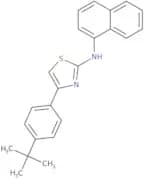
CAS:<p>Please enquire for more information about (4-(4-(tert-butyl)phenyl)(2,5-thiazolyl))-1-naphthylamine including the price, delivery time and more detailed product information at the technical inquiry form on this page</p>Purity:Min. 95%2-Amino-4-bromocinnamic acid
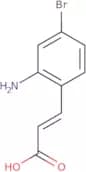
CAS:<p>2-Amino-4-bromocinnamic acid is a fine chemical with a CAS number of 914636-63-8. It is used in the synthesis of complex compounds and useful building blocks, as well as in research. This compound has been shown to be an intermediate for the preparation of derivatives with potential pharmaceutical applications, such as antihistamines, antipsychotics, and antibiotics. 2-Amino-4-bromocinnamic acid is also an important reagent for organic syntheses.</p>Formula:C9H8BrNO2Purity:Min. 98 Area-%Color and Shape:PowderMolecular weight:242.07 g/molDL-Phenylethanolamine
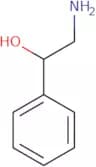
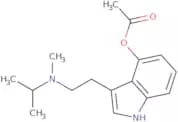
CAS:<p>DL-Phenylethanolamine is a hydroxy amine that is used in the synthesis of other chemicals. It is obtained by reacting phenylacetic acid with hydroxylamine. DL-Phenylethanolamine is an intermediate in the synthesis of the anti-inflammatory drug Indomethacin. This molecule contains a asymmetric carbon atom, which can be distinguished using infrared spectroscopy. The uptake of DL-phenylethanolamine into cells can be measured by detecting the release of amines from lysosomes and mitochondria. In addition, this molecule has conformational properties that can be detected by NMR spectroscopy, making it useful for detection sensitivity and identification purposes.</p>Formula:C8H11NOPurity:(%) Min. 90%Color and Shape:PowderMolecular weight:137.18 g/mol4-Acetoxy-N-isopropyl-N-methyltryptamine
CAS:Controlled Product<p>4-Acetoxy-N-isopropyl-N-methyltryptamine (4AO-NIPMT) is a tryptamine that has been found to be a potent inhibitor of histamine release from mast cells. Its role in allergy and other conditions is not well understood. 4AO-NIPMT also inhibits the activity of the enzyme beta-glucuronidase, which is responsible for breaking down many drugs and toxins.</p>Formula:C16H22N2O2Purity:Min. 95%Molecular weight:274.36 g/molBoc-4-hydroxymethyl-L-phenylalanine dicyclohexyl ammonium salt
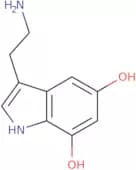
CAS:Controlled Product<p>Boc-4-Hydroxymethyl-L-Phenylalanine Dicyclohexyl Ammonium Salt is a versatile building block and intermediate for the synthesis of complex compounds. It is a useful reagent for research chemicals, speciality chemicals, and fine chemicals. This compound can be used as a high quality and useful scaffold in the synthesis of various types of pharmaceuticals.</p>Formula:C27H44N2O5Purity:Min. 95%Color and Shape:PowderMolecular weight:476.65 g/mol5,7-Dihydroxytryptamine hydrobromide
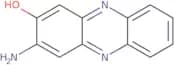
CAS:Controlled Product<p>5,7-Dihydroxytryptamine hydrobromide (5,7-DHT) is a serotonin agonist that inhibits the reuptake of 5-hydroxytryptamine. 5,7-DHT is used to study the role of serotonin in regulating mood and behavior. It is also used as an experimental model for studying pain mechanisms and for testing potential analgesic drugs. The drug has been shown to act on the serotonergic system by increasing cholinergic activity and decreasing dopamine levels, leading to an excitatory effect. 5,7-DHT can also inhibit histamine release from mast cells. This drug also has a potent anti-inflammatory effect through its action on cytokine production. 5,7-DHT has been shown to be effective against chronic neuropathic pain in rats with experimental models of peripheral neuropathy and spinal cord injury.</p>Formula:C10H12N2O2•HBrPurity:(Hplc-Ms) Min. 94 Area-%Color and Shape:PowderMolecular weight:273.13 g/mol3-Amino-phenazin-2-ol
CAS:<p>3-Amino-phenazin-2-ol is a pesticide that has been shown to have genotoxic effects on human lymphocytes in vitro. 3-Amino-phenazin-2-ol inhibits the growth of triticum aestivum, a type of cereal plant, by binding to the aminoacids in the cell wall and disrupting its structure. This leads to cell death and inhibits the synthesis of proteins necessary for cellular growth. The herbicide has also been shown to inhibit the growth of typhimurium at high concentrations and may be used as an herbicide or pesticide. The mechanism by which 3-amino phenazin 2-ol exerts its toxicity is not fully understood, but it may be due to its ability to activate cells that are exposed to low energy levels.</p>Formula:C12H9N3OPurity:Min. 95%Color and Shape:PowderMolecular weight:211.22 g/mol2-[2-(2-t-Boc-aminoethoxy)ethoxy]ethanol
CAS:<p>2-[2-(2-t-Boc-aminoethoxy)ethoxy]ethanol is a versatile chemical building block that can be used to synthesize a variety of compounds. It has been shown to be useful as a reaction component in the synthesis of pharmaceuticals and agrochemicals. The compound is also used as an intermediate for the preparation of other compounds. 2-[2-(2-t-Boc-aminoethoxy)ethoxy]ethanol is soluble in organic solvents, such as chloroform, ethanol, or acetone. It has a CAS number of 139115-92-7 and is relatively easy to purify by recrystallization from methanol.</p>Formula:C11H23NO5Purity:Min. 95%Color and Shape:Clear LiquidMolecular weight:249.3 g/molZoxazolamine
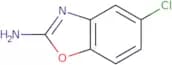
CAS:<p>Zoxazolamine is a synthetic, immunosuppressive and cytotoxic agent that inhibits the enzyme activities of cytosolic Ca2+-ATPases. It has been shown to suppress antibody response in rats. Zoxazolamine also has a number of drug interactions, including inhibition of tetracycline metabolism and induction of cytochrome P450 enzymes. The experimental model for zoxazolamine is based on the T84 cell line, which is an intestinal epithelial cell line derived from human ileum. Zoxazolamine has been shown to induce toxicity in this cell line. Zoxazolamine also causes release of bile acids from rat liver microsomes and can lead to autoimmune diseases in experimental models.</p>Formula:C7H5ClN2OPurity:Min. 95%Color and Shape:PowderMolecular weight:168.58 g/mol


![1-Deoxy-1-(methylamino)-D-glucitol [3-[[(2R,3S)-2-[(1R)-1-[3,5-bis(trifluoromethyl)phenyl]ethoxy]-…](/_next/image/?url=https%3A%2Fstatic.cymitquimica.com%2Fproducts%2F3D%2Fthumb-webp%2FFD46503.webp&w=3840&q=75)


![6-amino-3-methyl-4-(3-nitrophenyl)-4H-pyrano[3,2-d]pyrazole-5-carbonitrile](/_next/image/?url=https%3A%2Fstatic.cymitquimica.com%2Fproducts%2F3D%2Fthumb-webp%2FFA169032.webp&w=3840&q=75)

![2-Amino-3-[[[4-(2-methylpropyl)phenyl]methylene]amino]-2-butenedinitrile](/_next/image/?url=https%3A%2Fstatic.cymitquimica.com%2Fproducts%2F3D%2Fthumb-webp%2FFA168997.webp&w=3840&q=75)


![[3-Chloro-4-(4-isobutyrylpiperazin-1-yl)phenyl]amine](/_next/image/?url=https%3A%2Fstatic.cymitquimica.com%2Fproducts%2F3D%2Fthumb-webp%2FFC134207.webp&w=3840&q=75)

![(6S)-5,6,7,8-Tetrahydro-6-[propyl[2-(2-thienyl)ethyl]amino]-1-naphthalenol](/_next/image/?url=https%3A%2Fstatic.cymitquimica.com%2Fproducts%2F3D%2Fthumb-webp%2FFT76640.webp&w=3840&q=75)
![2-[N-[(3,5-Difluorophenyl)carbamoylamino]-C-methylcarbonimidoyl]pyridine-3-carboxylic acid](/_next/image/?url=https%3A%2Fstatic.cymitquimica.com%2Fproducts%2F3D%2Fthumb-webp%2FFD101726.webp&w=3840&q=75)

![2-[2-(2-t-Boc-aminoethoxy)ethoxy]ethanol](/_next/image/?url=https%3A%2Fstatic.cymitquimica.com%2Fproducts%2F3D%2Fthumb-webp%2FFB18924.webp&w=3840&q=75)