Amines
Subcategories of "Amines"
- Nitrosamines(2,646 products)
- Primary Amines(30,948 products)
- Quaternary Ammonium Cations and Salts(1,101 products)
- Secondary Amines(20,887 products)
- Tertiary Amines(17,195 products)
Found 8790 products of "Amines"
(1S,2R)-2-Aminocyclohexanol hydrochloride
CAS:Please enquire for more information about (1S,2R)-2-Aminocyclohexanol hydrochloride including the price, delivery time and more detailed product information at the technical inquiry form on this page
Formula:C6H14ClNOPurity:Min. 95%Molecular weight:151.63 g/molRef: 3D-FA140431
Discontinued productPhenylpropylmethylamine hydrochloride
CAS:Controlled ProductPhenylpropylmethylamine hydrochloride is a chemical compound with the molecular formula CHClN. It is soluble in water and organic solvents. Phenylpropylmethylamine hydrochloride can be prepared by reacting chloropropane with hydrogen chloride, or by reacting phenylpropanolamine with hydrochloric acid in the presence of dodecyl mercaptan and sodium hydroxide solution. The impurities present in this product include chloropropane, chloride gas, and hydroxide ions. The reactions involved are exothermic reactions that require cooling to prevent overheating. Impurities may also form if this product is not reacted under an inert atmosphere of nitrogen gas. The following are some common uses for Phenylpropylmethylamine hydrochloride: -as a solvent in the production of certain types of plastics -in the manufacture of dyes, drugs, rubber products, and soaps -in researchFormula:C10H16ClNPurity:Min. 95%Color and Shape:PowderMolecular weight:185.69 g/molDimethylammonium dichlorotri(mu-chloro)bis[(R)-(+)-5,5'-bis(diphenylphosphino)-4,4'-bi-1,3-benzodioxole]diruthenate(II)
CAS:Controlled ProductPlease enquire for more information about Dimethylammonium dichlorotri(mu-chloro)bis[(R)-(+)-5,5'-bis(diphenylphosphino)-4,4'-bi-1,3-benzodioxole]diruthenate(II) including the price, delivery time and more detailed product information at the technical inquiry form on this pageFormula:C78H64Cl5O8P4Ru2NPurity:Min. 95%Molecular weight:1,646.64 g/molRef: 3D-FD167216
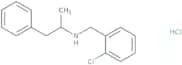
Discontinued productN-(2-Chlorobenzyl)-1-phenylpropan-2-amine hydrochloride
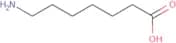
CAS:Controlled ProductN-(2-Chlorobenzyl)-1-phenylpropan-2-amine hydrochloride (CBP) is a potent stimulant drug that is used to treat chronic pain. It has been shown to be effective in the treatment of alopecia areata and inflammatory diseases, such as Crohn's disease, ulcerative colitis, and rheumatoid arthritis. CBP blocks protein synthesis by inhibiting the activity of the enzyme dinucleotide phosphate (DNP). This inhibition leads to the accumulation of adenosine monophosphate (AMP), which inhibits cyclic AMP production and protein synthesis. CBP also prevents the binding of DNP to RNA polymerase II at promoter sites, leading to a decrease in mRNA production. As a result, CBP may inhibit protein synthesis by preventing transcription or translation.Formula:C16H18ClN•HClPurity:Min. 95%Color and Shape:PowderMolecular weight:296.24 g/mol7-Aminoheptanoic acid
CAS:7-Aminoheptanoic acid is a fatty acid that contains a hydroxyl group on the seventh carbon of its chain. This compound has been shown to bind to and activate the receptor GPR120. It is also used in the synthesis of pharmaceuticals, such as anti-inflammatory agents, and in analytical methods for detecting peptides. 7-Aminoheptanoic acid can be synthesized by reacting hydrochloric acid with an amine or amide, followed by reaction with an ester hydrochloride. The compound can be purified using preparative high performance liquid chromatography (HPLC).
Formula:C7H15NO2Purity:Min. 95%Molecular weight:145.2 g/molRef: 3D-FA30974
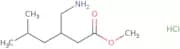
Discontinued productMethyl 3-(aminomethyl)-5-methylhexanoate hydrochloride
CAS:Controlled ProductPlease enquire for more information about Methyl 3-(aminomethyl)-5-methylhexanoate hydrochloride including the price, delivery time and more detailed product information at the technical inquiry form on this page
Purity:Min. 95%Ref: 3D-FM143145
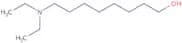
Discontinued product8-(N,N-Diethylamino)octan-1-ol
CAS:Please enquire for more information about 8-(N,N-Diethylamino)octan-1-ol including the price, delivery time and more detailed product information at the technical inquiry form on this page
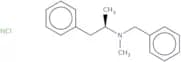
Formula:C12H27NOPurity:Min. 95%Molecular weight:201.35 g/mol(R)-Benzphetamine hydrochloride
CAS:Controlled ProductPlease enquire for more information about (R)-Benzphetamine hydrochloride including the price, delivery time and more detailed product information at the technical inquiry form on this page
Formula:C17H22ClNPurity:Min. 95%Molecular weight:275.82 g/molRef: 3D-FB18259
Discontinued productChloro[2-(di-tert-butylphosphino)-2',4',6'-triisopropyl-1,1'-biphenyl][2-(2-aminoethyl)phenyl)]palladium(II)
CAS:Controlled ProductChloro[2-(di-tert-butylphosphino)-2',4',6'-triisopropyl-1,1'-biphenyl][2-(2-aminoethyl)phenyl)]palladium(II) is a molecule that inhibits the adenosine receptor in autoimmune diseases and cancer. It also has an inhibitory effect on the membrane transport of glucose, glucosan, and aziridine. This drug can be used to treat inflammatory diseases such as diabetes, asthma, and inflammatory bowel disease. The geometric isomers of this molecule are not identical in shape or size and can have different effects on the body.
Formula:C37H55ClNPPdPurity:Min. 95%Molecular weight:686.69 g/molRef: 3D-FC156938
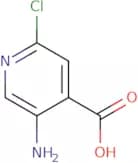
Discontinued product5-Amino-2-chloropyridine-4-carboxylic acid
CAS:5-Amino-2-chloropyridine-4-carboxylic acid is a potent tyrosine kinase inhibitor. It inhibits the activation of EGFR, which may be due to its binding to the ATP-binding pocket in EGFR. 5-Amino-2-chloropyridine-4-carboxylic acid has been shown to inhibit cancer cell growth and induce apoptosis in vitro. This drug has also been shown to have potent anticancer activity in vivo, as well as inhibitory effect on tumor growth in xenograft models of human cancer cells. In addition, it inhibits the production of formamidine acetate, a precursor for histamine synthesis. 5-Amino-2-chloropyridine-4-carboxylic acid binds to formamide and formamidine acetate with high affinity and therefore inhibits histamine synthesis.Formula:C6H5ClN2O2Purity:Min. 95%Color and Shape:White PowderMolecular weight:172.57 g/mol2-Chloroethylamine hydrochloride
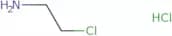
CAS:2-Chloroethylamine hydrochloride is a chemical compound that has a hydroxyl group, which is an epoxide. It reacts with itself to form aziridine and amines, which are genotoxic compounds. 2-Chloroethylamine hydrochloride is used as an analytical method for the determination of the concentration of epoxides in air samples and can be produced by reacting chlorine with ethylamine. The reaction mechanism for this process is not well understood but it may involve coordination geometry and particle formation. This chemical compound can also be found in pharmaceutical drugs designed to treat cancer or heart disease.
Formula:C2H6ClN•HClPurity:Min. 95%Color and Shape:PowderMolecular weight:115.99 g/mol4-Amino-3-(trifluoromethoxy)benzoic acid
CAS:Please enquire for more information about 4-Amino-3-(trifluoromethoxy)benzoic acid including the price, delivery time and more detailed product information at the technical inquiry form on this pageFormula:C8H6F3NO3Purity:Min. 95%Molecular weight:221.13 g/molRef: 3D-FA64179
Discontinued product2-(2-Aminoethoxy)ethanol
CAS:2-(2-Aminoethoxy)ethanol (2-AE) is a natural compound that has been synthesized from ethanol and 2-aminoethanol. It has been shown to react with sodium carbonate to form stable complexes that are resistant to hydrolysis by amines. The stability of the complex is attributed to the formation of an intermolecular hydrogen bond between the hydroxyl group on the 2-AE molecule and the carboxylate group on the sodium carbonate molecule. 2-AE reacts with benzalkonium chloride, a quaternary ammonium salt, in water vapor to produce an alcohol and a fatty acid, which is then hydrolyzed by glycol ethers into glycolates. This mechanism is similar to that of other reactions involving quaternary ammonium salts, such as those in fatty acids or glycol ethers.
Formula:C4H11NO2Purity:Min. 95%Molecular weight:105.14 g/mol(1R,2R)-1-Amino-2-benzyloxycyclopentane
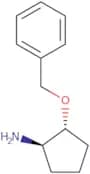
CAS:(1R,2R)-1-Amino-2-benzyloxycyclopentane is achiral. It is a synthetic chemical that has been used as an initiator for polymerization of amines and hexafluoroisopropanol. The synthesis of this compound can be achieved through a chiral technique known as interfacial polymerization. (1R,2R)-1-Amino-2-benzyloxycyclopentane is an initiator for the production of polymers with alternating helical chains. This process relies on the presence of achiral molecules to initiate the polymerization process.
Formula:C12H17NOPurity:Min. 95%Color and Shape:Clear LiquidMolecular weight:191.27 g/molRef: 3D-FA149716
Discontinued product4-(Aminomethyl)benzoate hydrochloride
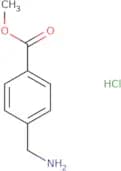
CAS:4-(Aminomethyl)benzoate hydrochloride is a peroxidase-like enzyme that has been shown to inhibit cancer cell proliferation in vitro and in vivo. This enzyme inhibits HDACs, which are enzymes that regulate the expression of genes by removing acetyl groups from histones. 4-(Aminomethyl)benzoate hydrochloride has been shown to have anti-cancer properties and may be used for the prevention and treatment of colon cancer. 4-(Aminomethyl)benzoate hydrochloride also has anti-inflammatory properties, which may be due to its inhibition of prostaglandin synthesis.
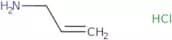
Formula:C9H11NO2·ClHPurity:Min. 95%Color and Shape:PowderMolecular weight:201.65 g/molPoly(allylamine hydrochloride) - MW 15000
CAS:Allylamine HCl content - max 7%
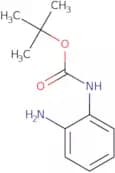
Formula:(C3H7N)x•(HCl)xColor and Shape:Clear LiquidN-Boc-1,2-phenyldiamine
CAS:N-Boc-1,2-phenyldiamine is a histone acetyltransferase (HAT) inhibitor. It is an acetylated molecule that contains two phenyl rings, one of which is substituted with an amine group. This compound was designed to inhibit the activity of HATs, which are enzymes involved in the chemical modification of histones and other proteins. N-Boc-1,2-phenyldiamine inhibits the activities of these enzymes and prevents the acetylation of lysines on histones or other proteins. It has been shown to be efficient in inducing apoptosis in human cancer cells and may also have some antitumor effects.
Formula:C11H16N2O2Purity:Min. 95%Color and Shape:PowderMolecular weight:208.26 g/molRef: 3D-FB18863
Discontinued product3-Boc-amino-2,6-dioxopiperidine
CAS:Please enquire for more information about 3-Boc-amino-2,6-dioxopiperidine including the price, delivery time and more detailed product information at the technical inquiry form on this page
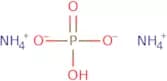
Formula:C10H16N2O4Purity:Min. 95%Molecular weight:228.25 g/molDiammonium hydrogenphosphate
CAS:Diammonium hydrogenphosphate is a monoammonium or diammonium phosphate salt of the phosphoric acid. It is used as a fertilizer and in analytical chemistry. Diammonium hydrogenphosphate is often used in wastewater treatment, because it has high solubility and low toxicity. Diammonium hydrogenphosphate can be synthesized by the reaction of ammonium phosphate with magnesium and ammonium hydroxide. This compound has synergic effects with magnesium, which may be due to its ability to reduce enzyme activities in the cell membrane. Diammonium hydrogenphosphate also has an effect on calcium-protein binding and phosphorus pentoxide crystallization.
Formula:H9N2O4PPurity:(%) Min. 99%Color and Shape:PowderMolecular weight:132.06 g/molRef: 3D-FD44626
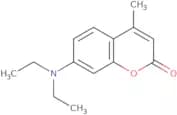
Discontinued product7-Diethylamino-4-methylcoumarin
CAS:7-Diethylamino-4-methylcoumarin is a fluorescence probe that can be used in applications such as the study of hydrogen bonding interactions. It is excited by laser light and emits a red-shifted fluorescent light. 7-Diethylamino-4-methylcoumarin is a hydroxyl group analogue of coumarin, which has been shown to have physiological effects on the liver cells. The absorption spectrum of 7-Diethylamino-4-methylcoumarin is sensitive to changes in pH and chemical stability. A decrease in pH increases the intensity of the emission while an increase in pH decreases the intensity of the emission. This compound can also be used to label nucleic acids during polymerase chain reactions (PCR) or for sample preparation before analysis using nuclear magnetic resonance spectroscopy (NMR).
Formula:C14H17NO2Purity:Min. 98 Area-%Color and Shape:PowderMolecular weight:231.29 g/molRef: 3D-FD54872
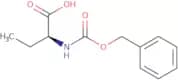
Discontinued productZ-L-alpha-aminobutyric acid
CAS:Z-L-alpha-aminobutyric acid is a homogeneous, optically active, linear phosphinic analogue of alpha-aminobutyric acid. It has been used in the synthesis of phosphinic analogues of cyclosporin and undecapeptides with high yields. The coupling reaction between Z-L-alpha-aminobutyric acid and benzaldehyde was carried out in two steps to produce the desired product. A stepwise condensation between Z-L-alpha-aminobutyric acid and 3,4,5,6 tetrahydropyrimidine was also successful.
Formula:C12H15NO4Purity:Min. 98 Area-%Color and Shape:White PowderMolecular weight:237.25 g/molRef: 3D-FA47262
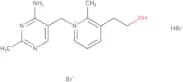
Discontinued productPyrithiamine
CAS:Pyrithiamine is an antimicrobial agent that inhibits the growth of bacteria by disrupting the disulfide bond between two cysteine residues. It has been shown to inhibit the formation of bacterial spores, which are resistant to many antibiotics. Pyrithiamine also has antioxidant properties and can reduce oxidative stress in neurons, leading to neuronal death. This drug also has a strong effect on energy metabolism and may be used as a treatment for mitochondrial diseases.
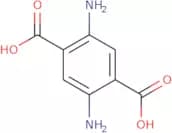
Formula:C14H20Br2N4OPurity:Min. 95%Molecular weight:420.14 g/mol2,5-Diaminoterephthalic acid
CAS:2,5-Diaminoterephthalic acid is a synthetic organic compound that is used as a building block for the synthesis of polyamides. It has been shown to have high salt adsorption properties and low detection limits for certain analytes. 2,5-Diaminoterephthalic acid has also been found to have photocatalytic activity and can be used in the treatment of cancer. This chemical reacts with nitro groups on nucleophilic attack to form the carcinogenic nitrosamine. The formation rate of this nitrosamine depends on the presence of methoxy groups and nitrogen atoms in 2,5-diaminoterephthalic acid.Formula:C8H8N2O4Purity:Min. 95%Molecular weight:196.16 g/molRef: 3D-FD145461
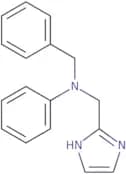
Discontinued product2-(N-Phenyl-N-benzyl-aminomethyl)-imidazol
CAS:Please enquire for more information about 2-(N-Phenyl-N-benzyl-aminomethyl)-imidazol including the price, delivery time and more detailed product information at the technical inquiry form on this page
Formula:C17H17N3Purity:Min. 95%Molecular weight:263.34 g/molRef: 3D-FP111190
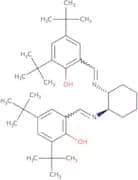
Discontinued productRR,R)-(-)-N,N'-bis(3,5-di-tert-butylsalicylidene)-1,2-cyclohexanediamine
CAS:RR,R)-(-)-N,N'-bis(3,5-di-tert-butylsalicylidene)-1,2-cyclohexanediamine is a coordination compound that is used as a catalyst in organic chemistry. It has been shown to catalyze the reaction of benzaldehyde with nitroethane to give phenylamine. RR,R)-(-)-N,N'-bis(3,5-di-tert-butylsalicylidene)-1,2-cyclohexanediamine also catalyzes the reaction of cyclohexanol with nitroethane to give phenylethylene. The selectivity of this catalyst depends on the site of adsorption and the ligand. This compound has been shown to be electrocatalytic by promoting the oxidation of anilines at a platinum electrode in water solution with an applied potential.
Formula:C36H54N2O2Purity:Min. 95%Molecular weight:546.83 g/molRef: 3D-FR147224
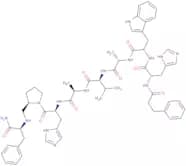
Discontinued product(Deamino-Phe19,D-Ala24,D-Pro26-psi(CH2NH)Phe27)-GRP (19-27) (human, porcine, canine) trifluoroacetate salt
CAS:Please enquire for more information about (Deamino-Phe19,D-Ala24,D-Pro26-psi(CH2NH)Phe27)-GRP (19-27) (human, porcine, canine) trifluoroacetate salt including the price, delivery time and more detailed product information at the technical inquiry form on this page
Formula:C57H72N14O8Purity:Min. 95%Molecular weight:1,081.27 g/molRef: 3D-FD108769
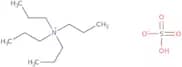
Discontinued productTetra-n-propylammonium hydrogen sulfate
CAS:Tetra-n-propylammonium hydrogen sulfate (TPAS) is a pharmaceutical dosage that consists of tetra-n-propylammonium ions and hydrogen sulfate anions. It has a diameter of about 2 nm, and can be detected by fluorescence techniques. TPAS has shown to have pharmacologic activities, including the ability to react with hydrogen fluoride in solution to form a precipitate that can be used as a sample preparation reagent. TPAS also has been shown to produce dehydrating effects on chloride in an alicyclic system.
Formula:C12H29NO4SPurity:Min. 95%Molecular weight:283.43 g/molRef: 3D-FT39304
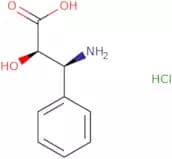
Discontinued product(2R,3S)-3-Amino-2-hydroxy-3-phenylpropanoic acid hydrochloride
CAS:(2R,3S)-3-Amino-2-hydroxy-3-phenylpropanoic acid hydrochloride is an organic compound that is used in the manufacture of taxol, an anticancer drug. It is synthesized by reacting chloroacetic acid with a metal hydroxide, such as sodium hydroxide or potassium hydroxide. The reaction proceeds spontaneously to form the enantiomerically pure (2R,3S) form and unreacted (2S,3R) form. The (2R,3S) enantiomer has been found to be more reactive than the (2S,3R) form. Quaternary ammonium salts are formed when the (2R,3S) enantiomer reacts with quaternary ammonium compounds such as benzyltrimethylammonium chloride. This compound can also be used in catalytic reactions to produce drugs such as carbapenems and pen
Formula:C9H12ClNO3Purity:Min. 95%Molecular weight:217.65 g/molRef: 3D-FA140332
Discontinued products-2-(4-Aminobenyl)-diethylenetriamine penta-tert-butyl acetate
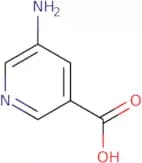
CAS:Please enquire for more information about s-2-(4-Aminobenyl)-diethylenetriamine penta-tert-butyl acetate including the price, delivery time and more detailed product information at the technical inquiry form on this pagePurity:Min. 95%Color and Shape:Clear LiquidMolecular weight:779.02 g/mol5-Aminopyridine-3-carboxylic acid
CAS:5-Aminopyridine-3-carboxylic acid (5APC) is a structural analog of nicotinic acid that has been shown to have anti-inflammatory effects. 5APC inhibits the production of inflammatory cytokines, such as IL-10 and IL-17, by inhibiting the activation of NFκB and MAPK pathways. This drug also has significant inhibitory activities against dextran sulfate sodium (DSS)-induced acute colitis in experimental models. 5APC is thought to act by interrupting the assembly of p38 mitogen activated protein kinase (MAPK) and nuclear factor kappa B (NFκB) signaling complexes.
Formula:C6H6N2O2Purity:Min. 95%Molecular weight:138.12 g/molRef: 3D-FA66664
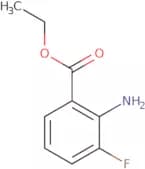
Discontinued product2-Amino-3-fluorobenzoic acid ethyl ester
CAS:Please enquire for more information about 2-Amino-3-fluorobenzoic acid ethyl ester including the price, delivery time and more detailed product information at the technical inquiry form on this pageFormula:C9H10FNO2Purity:Min. 95%Color and Shape:PowderMolecular weight:183.18 g/mol(p-Amino-Phe6)-Angiotensin II
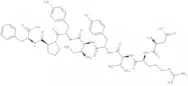
CAS:Please enquire for more information about (p-Amino-Phe6)-Angiotensin II including the price, delivery time and more detailed product information at the technical inquiry form on this pageFormula:C53H74N12O12Purity:Min. 95%Molecular weight:1,071.23 g/molRef: 3D-FA108345
Discontinued product2-Dimethylaminoethanol (+)-bitartrate salt
CAS:Controlled Product2-Dimethylaminoethanol (+)-bitartrate salt is a potent, reversible inhibitor of protein synthesis that binds reversibly to the 50S ribosomal subunit. It is used in regulatory toxicology and clinical pathology as a positive control for the study of chronic toxicity and long-term effects. 2-Dimethylaminoethanol (+)-bitartrate salt has shown no treatment effect on ovary weight or estrous cycle length in female Sprague-Dawley rats after chronic exposure and long-term exposure at doses up to 1,000 mg/kg/day. This drug has also shown no effect on rat fertility or reproductive performance, indicating it does not cause reproductive toxicity.
Formula:C4H11NO·C4H6O6Color and Shape:White Off-White PowderMolecular weight:239.22 g/mol[2,6-Dimethyl-4-(3-[2-(Z-amino)-ethylcarbamoyl]-propoxy)-benzenesulfonyl]-Dap (Boc)-OMe
CAS:Please enquire for more information about [2,6-Dimethyl-4-(3-[2-(Z-amino)-ethylcarbamoyl]-propoxy)-benzenesulfonyl]-Dap (Boc)-OMe including the price, delivery time and more detailed product information at the technical inquiry form on this page
Formula:C31H44N4O10SPurity:Min. 95%Molecular weight:664.77 g/molRef: 3D-FD111582
Discontinued productN-alpha-Boc-Nbeta-1-(4,4-dimethyl-2,6-dioxocyclohex-1-ylidene)ethyl-D-2,3-diaminopropionic acid
CAS:Please enquire for more information about N-alpha-Boc-Nbeta-1-(4,4-dimethyl-2,6-dioxocyclohex-1-ylidene)ethyl-D-2,3-diaminopropionic acid including the price, delivery time and more detailed product information at the technical inquiry form on this page
Formula:C18H28N2O6Purity:Min. 95%Molecular weight:368.42 g/molRef: 3D-FB50441
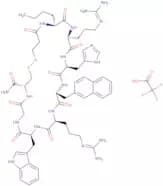
Discontinued product(Deamino-Cys3, Nle 4,Arg5,D-2-Nal 7,Cys11)-a-MSH (3-11) amide trifluoroacetate salt
CAS:Please enquire for more information about (Deamino-Cys3, Nle 4,Arg5,D-2-Nal 7,Cys11)-a-MSH (3-11) amide trifluoroacetate salt including the price, delivery time and more detailed product information at the technical inquiry form on this pageFormula:C56H76N18O9S2Purity:Min. 95%Molecular weight:1,209.45 g/molRef: 3D-FD109415
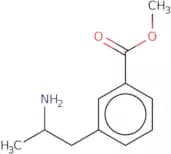
Discontinued product3'-(2-Propylamine)benzoic acid methyl ester
CAS:3'-(2-Propylamine)benzoic acid methyl ester is a high quality, complex compound that can be used as a reagent, speciality chemical, or reaction component. It has a wide range of applications in the synthesis of pharmaceuticals, agrochemicals, and other biologically active compounds. 3'-(2-Propylamine)benzoic acid methyl ester is also a versatile building block and useful intermediate in organic synthesis.
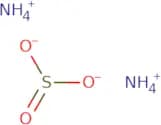
Formula:C11H15NO2Purity:Min. 95%Molecular weight:193.24 g/molAmmonium sulfite
CAS:Ammonium sulfite is a chemical compound that is used as an additive in wastewater treatment and as a reagent in organic synthesis. The reaction solution contains ammonium sulfite, sodium carbonate, and water. It has been shown to be toxic to animals when administered at high doses. Ammonium sulfite does not react with hydrogen fluoride or water and it is not soluble in anhydrous sodium. The polymerase chain reaction (PCR) technique has been used to study the reaction mechanism of ammonium sulfite. The reactions are catalysed by metal hydroxides such as magnesium hydroxide and aluminium hydroxide, which are present at the surface of the solid phase.
Formula:(NH4)2SO3Purity:Min. 95%Color and Shape:PowderMolecular weight:116.14 g/molRef: 3D-FA164872
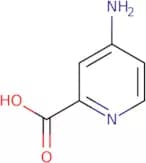
Discontinued product4-Aminopicolinic acid
CAS:4-Aminopicolinic acid is a synthetic amine that has been shown to activate plant science. 4-Aminopicolinic acid is a cyclic peptide with two subunits, one of which is 4-amino-3-pyridinecarboxylic acid. This compound has been synthesized from picolinic acid, an agriculturally important compound that is found in plant and animal tissues. The synthesis of 4-aminopicolinic acid involves the reaction of picolinic acid with nitrous oxide, followed by hydrolysis and oxidation to form the desired product. Hplc analyses have confirmed the presence of picolinic acid in extracts from various plants containing this compound.
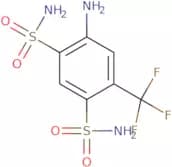
Formula:C6H6N2O2Purity:Min. 95%Color and Shape:White To Beige Or Pink To Light Brown SolidMolecular weight:138.12 g/mol4-Amino-6-(trifluoromethyl)benzene-1,3-disulfonamide
CAS:4-Amino-6-(trifluoromethyl)benzene-1,3-disulfonamide (4AFBDS) is a chemical compound that can be used for the treatment of wastewater. It has shown to be effective against anhydrase, which is an enzyme that catalyzes the conversion of water to hydrogen peroxide and hydroxide ion. 4AFBDS also attenuates oxidative stress in cardiac cells and inhibits the production of active oxygen species by inhibiting the activity of carbonic anhydrase. The chromatographic method used to detect 4AFBDS was found to be more sensitive than a standard colorimetric assay, making it a better tool for detecting this compound in wastewater samples. br> br> br> br> br> This compound has been shown to have inhibitory effects on e3 ubiquitin ligase, which plays a role in protein degradation via aut
Formula:C7H8F3N3O4S2Purity:Min. 95%Molecular weight:319.28 g/molRef: 3D-FA29652
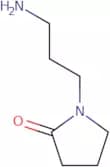
Discontinued product1-(3-Aminopropyl)-2-pyrrolidinone
CAS:1-(3-Aminopropyl)-2-pyrrolidinone is a chemical compound that has been used as a chemotherapeutic treatment for heart disease and polyamine oxidase deficiency. The compound has also been shown to have a direct effect on the synthesis of fatty acids in the body, which may lead to the development of new treatments for diabetes. 1-(3-Aminopropyl)-2-pyrrolidinone can be formulated into conjugates with other molecules, such as chloride ions or fatty acids, in order to target specific cells or tissues. This method of delivery is efficient and has been shown to be able to cross the blood-brain barrier. 1-(3-Aminopropyl)-2-pyrrolidinone is an amino acid derivative that contains an aminoguanidine functional group. Aminoguanidine inhibits polyamine oxidase activity in vitro by reacting with the carbonyl group at position C
Formula:C7H14N2OPurity:Min. 95%Color and Shape:Colorless Clear LiquidMolecular weight:142.2 g/molRef: 3D-FA17835
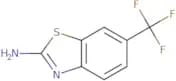
Discontinued product2-Amino-6-(trifluoromethyl)benzothiazole
CAS:2-Amino-6-(trifluoromethyl)benzothiazole is a new, optimised insecticide with alkylthio, halogen and alkoxy groups. It is highly toxic to insects and has been shown to be active against various species of Lepidoptera, Coleoptera and Diptera. 2-Amino-6-(trifluoromethyl)benzothiazole is also a broad spectrum contact insecticide that exhibits systemic properties. This insecticide can be used on plants, crops, livestock and pets.Formula:C8H5F3N2SPurity:Min. 95%Molecular weight:218.2 g/molRef: 3D-FA53923
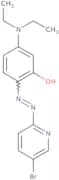
Discontinued product2-(5-Bromo-2-pyridylazo)-5-(diethylamino)phenol
CAS:2-(5-Bromo-2-pyridylazo)-5-(diethylamino)phenol is a chemical that is used for the detection of hydrochloric acid in water vapor. It reacts with zirconium oxide, which generates a red fluorescing complex. The reaction can be detected by using a fluorescence spectrometer with a test sample. 2-(5-Bromo-2-pyridylazo)-5-(diethylamino)phenol is also used to detect the presence of nitrogen atoms and sodium citrate in samples by reacting with them. This chemical reacts with an acid complex to form stable complexes. The analytical method is based on measuring the redox potential of this reaction. The flow system of this technique allows for dehydration of dehydroascorbic acid (DHA).
Formula:C15H17BrN4OPurity:Min. 95%Color and Shape:PowderMolecular weight:349.23 g/mol3-[[[2-[(Aminoiminomethyl)amino]-4-thiazolyl]methyl]sulfinyl]-N-(aminosulfonyl)propanamide
CAS:Please enquire for more information about 3-[[[2-[(Aminoiminomethyl)amino]-4-thiazolyl]methyl]sulfinyl]-N-(aminosulfonyl)propanamide including the price, delivery time and more detailed product information at the technical inquiry form on this page
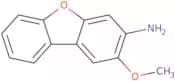
Formula:C8H14N6O4S3Purity:Min. 95%Molecular weight:354.43 g/mol3-Amino-2-methoxy-dibenzofuran
CAS:3-Amino-2-methoxy-dibenzofuran (3AMD) is a cytotoxic agent that is used in the treatment of bladder carcinoma. 3AMD inhibits DNA synthesis, leading to cell death by inhibiting the production of proteins vital for cell division. 3AMD has been shown to be a potent inhibitor of cyclen-dependent kinases and to induce DNA damage in human cells. 3AMD also has significant cytotoxicity against malignant cells and has been shown to inhibit the growth of tumours in mice. 3AMD may have carcinogenic potential due to its structural similarity with other carcinogens such as aniline and aminobiphenyl.
Purity:Min. 95%Molecular weight:213.23 g/molRef: 3D-FA02148
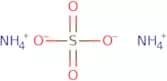
Discontinued productAmmonium sulphate
CAS:Ammonium sulphate is a white, crystalline solid that is used as a fertilizer and in the manufacture of paper. Ammonium sulphate is an ammonium salt of sulfuric acid with the chemical formula NH4HSO4. It is most often used as a fertilizer, although it has many other uses. Ammonium sulfate enhances the absorption of water vapor by plants, which increases their ability to grow. The optimum concentration for ammonium sulfate is from 20-40 g/L. Ammonium sulfate also increases the rate of synthesis of RNA and proteins in cells. This may be because it provides sulfur for enzymes involved in energy metabolism and protein synthesis. Ammonium sulfate has been shown to have synergistic effects with zirconium oxide, allowing more rapid dissolution in water than would be expected from its solubility alone. Ammonium sulfate reacts with bowel disease causing inflammation and ulceration due to its effect on bowel flora (e
Formula:H8N2O4SPurity:Min. 95%Color and Shape:White Clear LiquidMolecular weight:132.14 g/molRef: 3D-FA30582
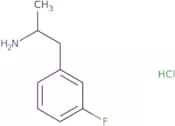
Discontinued productrac 3-fluoro amphetamine hydochloride
CAS:Controlled Product3-Fluoroamphetamine hydrochloride (3FAH) is a histological and microscopic technique used to study the effects of analgesics on human skin. 3FAH is an analgesic that has been shown to reduce pain in a number of studies. It has also been observed to enhance the effects of laser treatments on human skin, as it reduces inflammation and increases transdermal permeation. This drug is applied topically or injected for the treatment of pain, muscle spasms, or Parkinson’s disease. 3FAH can be administered by iontophoresis or permeation techniques, which are both effective ways to deliver drugs through skin.
Formula:C9H13ClFNPurity:Min. 95%Molecular weight:189.66 g/molRef: 3D-FR27448
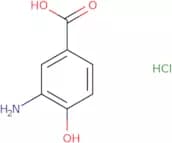
Discontinued product3-Amino-4-hydroxybenzoic acid hydrochloride
CAS:3-Amino-4-hydroxybenzoic acid hydrochloride (3ABA) is a crystalline compound with a molecular formula of C6H5NO2. It is an acidic compound that is soluble in water and alcohol, but not in ether. 3ABA has been used as the starting material for the synthesis of many other organic compounds. It can be obtained by reacting phenol with chlorobenzoyl chloride to form the chlorobenzoate salt, which on hydrolysis yields 3ABA. This compound has also been used as a reagent for synthesizing carbon nanotubes. The crystal structure of 3ABA was determined using X-ray diffraction data from crystallographic studies, and it was found to have three independent molecules per unit cell. Diffraction indicated that each molecule is composed of two benzene rings joined by a single bond between carbon atoms 1 and 2 and another bond between carbon atoms 2 and 3.
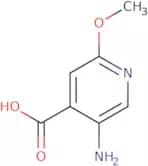
Formula:C7H8ClNO3Purity:Min. 95%Molecular weight:189.6 g/mol5-Amino-2-methoxyisonicotinic acid
CAS:5-Amino-2-methoxyisonicotinic acid is a carboxylic acid that is used in the synthesis of aminopyridines. The compound can be synthesized from formamidine acetate and diethyl dicarbonate. This process involves lithiation, followed by addition of an amine and finally conversion to the desired product with formamidine acetate. 5-Amino-2-methoxyisonicotinic acid can also be synthesized from formamide and diethyl ether. 5-Amino-2-methoxyisonicotinic acid is an analog of 2,4,6-trimethylaniline and has been shown to have similar properties to this compound, including strong basicity.
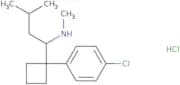
Formula:C7H8N2O3Purity:Min. 95%Molecular weight:168.15 g/molDesmethyl sibutramine hydrochloride salt
CAS:Desmethyl sibutramine hydrochloride salt is a pharmaceutical preparation that has been used in the treatment of depression and chronic pain. It is a synthetic drug that increases the level of dopamine in the brain by inhibiting its reuptake. In addition, it has been shown to be effective in the treatment of hyperactivity, diabetic neuropathy, and other amines. Desmethyl sibutramine hydrochloride salt also has an antidepressant effect by decreasing serotonin reuptake.
Formula:C16H25Cl2NPurity:Min. 95 Area-%Color and Shape:White PowderMolecular weight:302.28 g/mol


![Chloro[2-(di-tert-butylphosphino)-2',4',6'-triisopropyl-1,1'-biphenyl][2-(2-aminoethyl)phenyl)]pal…](/_next/image/?url=https%3A%2Fstatic.cymitquimica.com%2Fproducts%2F3D%2Fthumb-webp%2FFC156938.webp&w=3840&q=75)




![[2,6-Dimethyl-4-(3-[2-(Z-amino)-ethylcarbamoyl]-propoxy)-benzenesulfonyl]-Dap (Boc)-OMe](/_next/image/?url=https%3A%2Fstatic.cymitquimica.com%2Fproducts%2F3D%2Fthumb-webp%2FFD111582.webp&w=3840&q=75)

![3-[[[2-[(Aminoiminomethyl)amino]-4-thiazolyl]methyl]sulfinyl]-N-(aminosulfonyl)propanamide](/_next/image/?url=https%3A%2Fstatic.cymitquimica.com%2Fproducts%2F3D%2Fthumb-webp%2FFA21487.webp&w=3840&q=75)