Ethers
Found 40904 products of "Ethers"
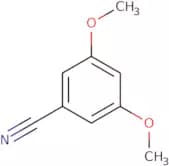
3,5-Dimethoxybenzonitrile
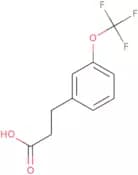
CAS:3,5-Dimethoxybenzonitrile is a chemical that has been shown to inhibit the growth of cancer cells in vitro and in vivo. It is also an effective anticancer drug that has been evaluated clinically. The mechanism by which 3,5-dimethoxybenzonitrile inhibits cancer cell growth is not yet known. This chemical binds to the CB2 receptor, which is located on tumor cells and other tissues. It may also inhibit the release of chloride ions from the cell membrane, leading to decreased levels of cyclic AMP. This chemical can be synthesized using a Grignard reagent and reacting it with an ethyl chloride molecule. The synthesis requires two steps: (1) addition of magnesium metal to an ethyl bromide solution; followed by (2) reaction of the magnesium with methyl iodide or methyl sulfate in a solution containing ether and alcohols.Formula:C9H9NO2Purity:Min. 95%Color and Shape:PowderMolecular weight:163.17 g/mol3-(Trifluoromethoxy)hydrocinnamic acid
CAS:3-(Trifluoromethoxy)hydrocinnamic acid is a useful building block that is used in the synthesis of many organic compounds. It has been used as a reagent and as a speciality chemical, and is also a versatile building block for the synthesis of complex compounds. 3-(Trifluoromethoxy)hydrocinnamic acid can be synthesized from cinnamic acid, which is available commercially and can be obtained by reacting benzaldehyde with nitric acid. 3-(Trifluoromethoxy)hydrocinnamic acid has CAS No. 168833-77-0 and can be found under the name 2,4-dichloro-3-(trifluoromethoxy)benzene.
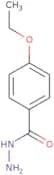
Formula:C10H9F3O3Purity:Min. 98 Area-%Color and Shape:Clear LiquidMolecular weight:234.17 g/mol4-Ethoxybenzhydrazide
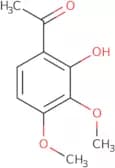
CAS:4-Ethoxybenzhydrazide is a carbonyl compound that is planar and has hydroxyl, carbonyl, and nitro substituents. It has been shown to have an acceptor character in its interactions with other molecules. As a result, it can be used in combinatorial chemistry and optimization studies. 4-Ethoxybenzhydrazide is also able to form hydrogen bonds with the carbonyl group of an alcohol, which may be useful for the synthesis of new molecules.Formula:C9H12N2O2Purity:Min. 95%Color and Shape:PowderMolecular weight:180.2 g/mol3,4-Dimethoxy-2-hydroxyacetophenone
CAS:3,4-Dimethoxy-2-hydroxyacetophenone is a natural product that has been shown to have significant activity against epidermoid carcinoma. The mechanism of action of 3,4-dimethoxy-2-hydroxyacetophenone is not fully understood but it has been shown to inhibit the growth of cancer cells through an unknown mechanism. This compound can be synthesized from coumarin derivatives and its fluorescence and cellular uptake are due to its flavonoid structure. 3,4-Dimethoxy-2-hydroxyacetophenone has also been shown to increase cisplatin sensitivity in nerve cells and has been used as a fluorescent probe for microscopy and magnetic resonance imaging (MRI).Formula:C10H12O4Purity:Min. 98 Area-%Color and Shape:PowderMolecular weight:196.2 g/mol2,5-Diphenyl-3-(4-methoxyphenyl)pyronium tetrafluoroborate
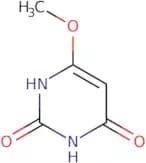
CAS:2,5-Diphenyl-3-(4-methoxyphenyl)pyronium tetrafluoroborate is a chemical compound that can be used as a reagent or building block for the synthesis of other chemical compounds. It is also useful for research and as a versatile building block in organic chemistry. 2,5-Diphenyl-3-(4-methoxyphenyl)pyronium tetrafluoroborate is classified as a speciality chemical product. This compound has CAS Number 2907-20-2 and a molecular weight of 244.12 g/mol.Formula:C24H19O2·BF4Purity:90%Color and Shape:PowderMolecular weight:426.21 g/mol6-Methoxypyrimidine-2,4(1H,3H)-dione
CAS:Controlled Product6-Methoxypyrimidine-2,4(1H,3H)-dione is a nucleophilic compound that is formed by the reaction of an electron with a carbon atom in an organic molecule. It is used as a reagent in organic synthesis. 6-Methoxypyrimidine-2,4(1H,3H)-dione can be synthesized from 2-amino-5-methoxybenzaldehyde and chloroacetic acid in three steps. The chloride ion reacts with the 6-methoxypyridine to form the desired product. 6-Methoxypyrimidine-2,4(1H,3H)-dione can also be used as a reagent to catalyze chemical reactions such as alkylation and allylation reactions. 6-Methoxypyrimidine-2,4(1H,3H)-dione has been shown to have barbiturate activityFormula:C5H6N2O3Purity:Min. 95%Molecular weight:142.11 g/mol2,3,4,5-Tetramethoxytoluene
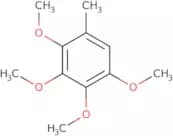
CAS:2,3,4,5-Tetramethoxytoluene is a chlorinated aromatic hydrocarbon that is produced by the chloromethylation of toluene. It can be used in the synthesis of isoquinoline compounds and grignard reagents. 2,3,4,5-Tetramethoxytoluene is also a precursor for the production of 2-chloro-1-(2-chlorophenyl)ethanol (CCPE), which is used as an intermediate for the production of various pesticides and herbicides. Tetramethoxytoluene has been shown to be toxic to fish in water at concentrations as low as 0.1 micrograms per liter. It also has a potential to cause environmental pollution because it reacts with peroxide and alkylates other organic compounds.
Formula:C11H16O4Purity:Min. 95%Color and Shape:Clear LiquidMolecular weight:212.24 g/mol2,4-Dimethoxy-6-methylbenzoic acid
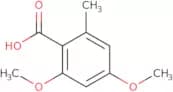
CAS:2,4-Dimethoxy-6-methylbenzoic acid is a polyunsaturated compound that has been shown to have antioxidative properties. It has been shown to inhibit the formation of reactive oxygen species (ROS) and lipid peroxidation and reduce oxidative stress in mice. This molecule also has anticancer activities and is able to inhibit the growth of cancer cells. 2,4-Dimethoxy-6-methylbenzoic acid has been quantified in different food products such as vegetables, fruits, and grains. It can be found in dietary supplements, solvents, and cosmetics.
Formula:C10H12O4Purity:Min. 95%Color and Shape:White PowderMolecular weight:196.2 g/molBisphenol A ethoxylate dimethacrylate - Average Mn -1700, stabilized with MEHQ 200ppm
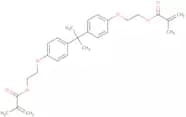
CAS:Bisphenol A ethoxylate dimethacrylate is a polymer that is used as a hydrophilic binder in pharmaceutical preparations. It has been shown to have an affinity for the receptor molecule, which may be due to its ability to form hydrogen bonds with water molecules. The polymer is also able to form cross-links with other polymers. Bisphenol A ethoxylate dimethacrylate has been shown to have radiation-resistant properties and can be used in the production of coatings for x-ray films. The chemical structure of this compound consists of two phenolic rings, one ester group, and one methacrylate group.Purity:Min. 95%Color and Shape:Clear LiquidMolecular weight:376.442-Ethoxy-6-fluorobenzonitrile
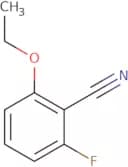
CAS:2-Ethoxy-6-fluorobenzonitrile is a versatile building block that can be used as a reagent, a speciality chemical, or an intermediate in research. It is also used as a high quality compound for the production of fine chemicals. It can be used to make many different compounds with its versatile functional groups. 2-Ethoxy-6-fluorobenzonitrile has been shown to undergo reactions with other compounds to produce useful scaffolds.Formula:C9H8FNOPurity:Min. 95%Color and Shape:PowderMolecular weight:165.16 g/mol5-Iodo-2-methoxybenzonitrile
CAS:5-Iodo-2-methoxybenzonitrile is a fine chemical that is used as a building block in the synthesis of other chemicals or pharmaceuticals. The compound reacts with strong bases to produce an aryl amine and iodoethane, and can be used to make derivatives as well. 5-Iodo-2-methoxybenzonitrile has a number of uses, including as a research chemical, reagent, specialty chemical, and intermediate. It is also useful in the synthesis of other complex compounds. 5-Iodo-2-methoxybenzonitrile belongs to the group of organoiodine compounds that are classified as speciality chemicals. This compound has CAS number 933672-32-3.Formula:C8H6INOColor and Shape:PowderMolecular weight:259.04 g/molCarbonyl cyanide 4-(trifluoromethoxy)phenylhydrazone
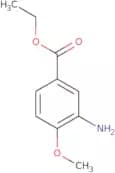
CAS:Carbonyl cyanide 4-(trifluoromethoxy)phenylhydrazone (FCCP) is a pharmacological agent that is used to study the mechanisms of neuronal death and mitochondrial dysfunction. FCCP is reactive with cellular components, such as proteins and nucleic acids. It also affects mitochondrial membrane potential, energy metabolism, and synchronous fluorescence in human cells. The reactive effects of FCCP are due to its ability to reduce intracellular dinucleotide phosphate (DNP). DNP binds to the electron transport chain, which leads to the production of reactive oxygen species that disrupt cellular physiology.Formula:C10H5F3N4OPurity:Min. 97 Area-%Color and Shape:White To Yellow To Green-Yellow SolidMolecular weight:254.17 g/mol3-Amino-4-methoxybenzoic acid ethyl ester
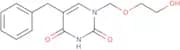
CAS:3-Amino-4-methoxybenzoic acid ethyl ester is a chemical building block that can be used in the synthesis of various organic compounds. It is an important reaction component, and can also be used as a reagent or useful scaffold. 3-Amino-4-methoxybenzoic acid ethyl ester is soluble in organic solvents and has a high quality. This chemical has been shown to be useful for research purposes.Formula:C10H13NO3Purity:Min. 95%Color and Shape:PowderMolecular weight:195.22 g/mol5-Benzyl-1-(2-hydroxyethoxymethyl)uracil
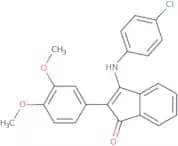
CAS:5-Benzyl-1-(2-hydroxyethoxymethyl)uracil is a cytostatic drug that has been shown to inhibit the growth of cancer cells by inhibiting the enzyme activities necessary for DNA replication and transcription. This compound has been found to be effective in treating metastatic colorectal cancer in experimental models, as well as skin cancers in mice. 5-Benzyl-1-(2-hydroxyethoxymethyl)uracil is also an inhibitor of HIV infection, which may be due to its ability to block the synthesis of uridine. The symptoms that are caused by this drug are not yet known.Formula:C14H16N2O4Purity:Min. 95%Color and Shape:PowderMolecular weight:276.29 g/mol2-(3,4-dimethoxyphenyl)-3-((4-chlorophenyl)amino)inden-1-one
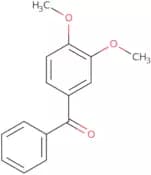
CAS:Please enquire for more information about 2-(3,4-dimethoxyphenyl)-3-((4-chlorophenyl)amino)inden-1-one including the price, delivery time and more detailed product information at the technical inquiry form on this pagePurity:Min. 95%3,4-Dimethoxybenzophenone
CAS:The synthesis of 3,4-dimethoxybenzophenone is carried out by the reaction of benzoyl chloride with 2-methoxy-5-methylbenzophenone. The reaction is catalyzed by phosphotungstic acid or zirconium. This method provides a high yield of product and has been used to synthesize 3,4-dimethoxybenzophenone for industrial purposes. The monomers are converted into polymers through acetoxylation and carbonyl group reactions. This process can be carried out in homogeneous solvents at temperatures between 100°C and 200°C.Formula:C15H14O3Purity:Min. 95%Color and Shape:PowderMolecular weight:242.27 g/molAvanafil
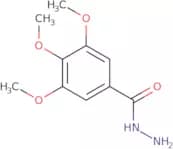
CAS:Avanafil is a drug that can be used as a treatment for male erectile dysfunction. It works by inhibiting the production of PDE5, which is an enzyme that regulates the levels of cGMP in the penis. Avanafil has been shown to be effective when taken at a dose of 100 mg; this is because it takes about 30 minutes for avanafil to reach its peak level. Avanafil has a chemical stability that is greater than 12 hours, with an average lifespan of 24 hours. The drug also has no major drug interactions and does not inhibit any other drugs from working.Formula:C23H26ClN7O3Purity:Min. 98 Area-%Color and Shape:White PowderMolecular weight:483.95 g/mol3,4,5-Trimethoxybenzhydrazide
CAS:3,4,5-Trimethoxybenzhydrazide is an anticancer drug that belongs to the class of acylhydrazones. It has been shown to inhibit the proliferation of tumor cells and induce apoptosis by binding to pBR322 DNA. The molecular docking analysis revealed that this compound binds to nitrogen atoms with a dihedral angle of 180°. This binding results in the formation of a covalent bond between the amine group and the alpha carbon (C=N). 3,4,5-Trimethoxybenzhydrazide is also able to bind with serine protease and glibenclamide. This compound has been shown to have a high uptake rate and a reaction yield of 50%. It also has a viscosity value of 1.2 mPa·s at 25 °C.
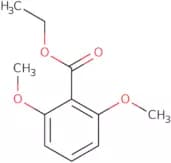
Formula:C10H14N2O4Purity:Min. 95%Color and Shape:White Off-White PowderMolecular weight:226.23 g/molEthyl 2,6-dimethoxybenzoate
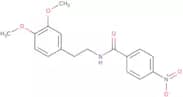
CAS:Ethyl 2,6-dimethoxybenzoate is a ferroelectric material. It is a colorless crystalline solid that can be obtained by the reaction of ethyl acetoacetate with benzoic acid. This compound has been used as a stabilizer for polyvinyl chloride and polyethylene terephthalate plastics. It has also been shown to have antihypertensive effects in rats. The hydroxymethyl group on the ethyl 2,6-dimethoxybenzoate molecule enables it to react with anions such as chloride ions, which in turn stabilize the crystal structure and increase the melting point. Ethyl 2,6-dimethoxybenzoate is also a congener of papaverine, which is used as a vasodilator and antiarrhythmic drug.Formula:C11H14O4Purity:Min. 95%Color and Shape:PowderMolecular weight:210.23 g/molN-(2-(3,4-dimethoxyphenyl)ethyl)(4-nitrophenyl)formamide
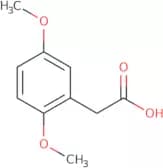
CAS:Controlled ProductPlease enquire for more information about N-(2-(3,4-dimethoxyphenyl)ethyl)(4-nitrophenyl)formamide including the price, delivery time and more detailed product information at the technical inquiry form on this pagePurity:Min. 95%2-(2,5-dimethoxyphenyl)acetic acid
CAS:2-(2,5-dimethoxyphenyl)acetic acid (DMPA) is a potent inhibitor of epidermal growth. It blocks the production of epidermal growth factor, which is a bioactive molecule that is involved in the biosynthesis of epidermal cells. DMPA also inhibits the formation of new blood vessels, which may be due to its ability to bind to silicon and alcaptonuria. DMPA has been shown to have an effect on platelet-derived growth factor and solid-phase synthesis. This drug also binds to factor receptor tyrosine kinase and has been shown to inhibit the growth of certain tumor cells.Formula:C10H12O4Purity:Min. 95%Color and Shape:White PowderMolecular weight:196.2 g/mol3-Methoxy-4-nitrobenzoic acid
CAS:3-Methoxy-4-nitrobenzoic acid is a potent and selective inhibitor of aromatase that can be used for the treatment of breast cancer. 3-Methoxy-4-nitrobenzoic acid inhibits the activity of serine proteases, which are enzymes important in protein degradation and cellular signaling. This drug has been shown to inhibit the activity of many other types of kinases, and this makes it a good candidate for use as an anti-cancer agent. 3-Methoxy-4-nitrobenzoic acid also has been shown to inhibit the formation and development of brain tumors when administered via whole body or brain uptake techniques. In addition to inhibiting tumor growth, this drug can prevent metastasis by preventing circulating tumor cells from entering new tissues. The inhibition of estrogen synthesis by 3methoxy-4 nitrobenzoic acid leads to breast cancer cell death in vitro and in vivo.
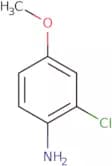
Formula:C8H7NO5Purity:Min. 95%Color and Shape:PowderMolecular weight:197.14 g/mol2-Chloro-4-methoxyaniline
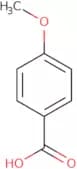
CAS:2-Chloro-4-methoxyaniline is a primary amine that has been used in the synthesis of polychlorinated and chlorinated amines. It is an important precursor for the manufacture of herbicides, insecticides, and pharmaceuticals. 2-Chloro-4-methoxyaniline reacts with hydrogen chloride to form chloroacetanilide, which can be hydrolysed to aniline. This reaction proceeds at room temperature and does not require catalysts. The reactivity of this compound is due to its nucleophilic substitutions in the presence of ketocarboxylic acids or vinyl ethers. 2-Chloro-4-methoxyaniline has also been used as a dehydrating reagent in organic synthesis reactions.br>br> 2-Chloro-4-methoxyaniline is highly reactive because it contains two primary amines (NH2) thatFormula:C7H8ClNOPurity:Min. 95%Molecular weight:157.6 g/mol4-Methoxybenzoic acid
CAS:4-Methoxybenzoic acid is a phenolic compound, which is used in the production of bisphenol A. It can also be found as an intermediate in the synthesis of other compounds, such as protocatechuic acid and pachymic acid. 4-Methoxybenzoic acid can be found naturally in a variety of plants, including cranberries. This compound has been shown to inhibit the growth of bacteria by disrupting their cell walls and inhibiting protein synthesis. 4-Methoxybenzoic acid has also been shown to have anti-inflammatory properties, which may be due to its ability to inhibit prostaglandin synthesis.
Formula:C8H8O3Purity:Min. 95%Color and Shape:White PowderMolecular weight:152.15 g/mol2,5-Dimethoxy-3-nitrobenzoic acid
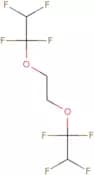
CAS:2,5-Dimethoxy-3-nitrobenzoic acid is a versatile building block that can be used to synthesize many different compounds. It is often used in the synthesis of complex organic molecules and can be used as a reagent or intermediate. The CAS number for this compound is 17894-26-7.Formula:C9H9NO6Purity:Min. 95%Color and Shape:PowderMolecular weight:227.17 g/mol1,2-Bis(1,1,2,2-tetrafluoroethoxy)ethane
CAS:1,2-Bis(1,1,2,2-tetrafluoroethoxy)ethane is an electrolyte with a balanced composition of sulfur and fluorine. It is also a symmetric compound that can shuttle lithium ions between the two halves of the molecule. This process can be repeated many times without significant degradation. 1,2-Bis(1,1,2,2-tetrafluoroethoxy)ethane has been used as a negative electrode material in lithium ion batteries because it has high capacity and good cycling properties.Formula:C6H6F8O2Purity:Min. 99 Area-%Molecular weight:262.10 g/mol6-amino-4-(2-methoxyphenyl)-3-methyl-4H-pyrano[3,2-d]pyrazole-5-carbonitrile
CAS:Please enquire for more information about 6-amino-4-(2-methoxyphenyl)-3-methyl-4H-pyrano[3,2-d]pyrazole-5-carbonitrile including the price, delivery time and more detailed product information at the technical inquiry form on this pageFormula:C15H14N4O2Purity:Min. 95%Color and Shape:PowderMolecular weight:282.30 g/mol[1-(Methoxymethyl)cyclopropyl]amine hydrochloride
CAS:1-(Methoxymethyl)cyclopropyl]amine hydrochloride is a versatile building block that can be used in the synthesis of complex compounds. It has been shown to be useful as a reagent, speciality chemical, and research chemical. This compound is also a useful intermediate in the synthesis of other compounds and as a reaction component for several chemical reactions. 1-(Methoxymethyl)cyclopropyl]amine hydrochloride is high-quality and has CAS No. 1029716-05-9.Formula:C5H11NO•HClPurity:Min. 95%Color and Shape:PowderMolecular weight:137.61 g/mol3-Carbethoxy-2-piperidone
CAS:3-Carbethoxy-2-piperidone is a cycloaddition product of formaldehyde and an amine. This reaction proceeds through the formation of a dicarbonyl intermediate, which then reacts with chloride to form the final product. The absorption maximum of 3-carboxy-2-piperidone is at 270 nm, and its structure can be determined by using infrared spectroscopy. 3-Carbethoxy-2-piperidone has a dipole moment of 1.3 D and is electron deficient due to the absence of a hydrogen atom on the nitrogen atom. It also has an amido group (C=O) that is bonded to the carbonyl group (C=O).
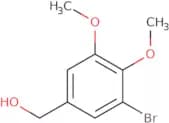
3-Carbethoxy-2-piperidone is not soluble in water, but it does dissolve in polar organic solvents such as acetone or dimethylformamide (DMF). The chemical reactionsFormula:C8H13NO3Color and Shape:White PowderMolecular weight:171.19 g/mol5-Bromo-3,4-dimethoxybenzyl alcohol
CAS:5-Bromo-3,4-dimethoxybenzyl alcohol is a natural product that can be synthesized from the methyl ethers of 5-bromo-3,4-dimethoxybenzoic acid. It has been reported to have high yields and good yields for the synthesis of methyl ethers. The reaction conditions for this natural product are mild and do not require an organic solvent or a catalyst.Formula:C9H11BrO3Purity:Min. 98 Area-%Color and Shape:PowderMolecular weight:247.09 g/mol3,4,5-Triethoxybenzoic acid
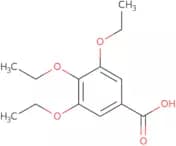
CAS:3,4,5-Triethoxybenzoic acid is a synthetic compound that has been shown to have neurotoxic effects in animal studies. It has been shown to inhibit the dephosphorylation of amyloid fibrils and activation energy for polymerization. 3,4,5-Triethoxybenzoic acid also causes teratogenic effects in animals at high doses. This compound is used as a reagent for the synthesis of amyloid fibrils and has been shown to have an effect on the inhibition of phosphodiesterase activity.
Formula:C13H18O5Purity:Min. 95%Color and Shape:PowderMolecular weight:254.28 g/mol5-Bromo-2-chloro-3-methoxypyridine
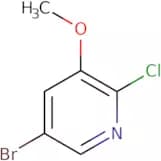
CAS:5-Bromo-2-chloro-3-methoxypyridine is a kinase inhibitor that belongs to the class of compounds called analogues. This compound has been shown to be an efficient, selective and potent inhibitor of the csf1R protein kinase. 5-Bromo-2-chloro-3-methoxypyridine has also been shown to inhibit the activity of other kinases such as cdc2, cdk4, cdk6 and cdk7. The structure of this compound was used as a starting point in the development of a new class of kinase inhibitors.
Formula:C6H5BrClNOPurity:Min. 95%Color and Shape:SolidMolecular weight:222.47 g/mol4-Bromo-3,5-dimethoxybenzyl alcohol
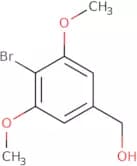
CAS:4-Bromo-3,5-dimethoxybenzyl alcohol is a bromoarene that can be used as a ligand in coupling reactions. It has been shown to be an efficient coupling partner for the synthesis of triphylla, featuring a skeleton of chelating 4-bromo-3,5-dimethoxybenzyl alcohol.Formula:C9H11BrO3Purity:Min. 95%Color and Shape:PowderMolecular weight:247.09 g/mol2,6-Dimethoxy-3-nitrobenzamide
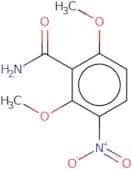
CAS:2,6-Dimethoxy-3-nitrobenzamide is a fine chemical that is used as an intermediate in the synthesis of other compounds. This material can be used to make pharmaceuticals and research chemicals, such as antibiotics and pesticides. 2,6-Dimethoxy-3-nitrobenzamide is a versatile building block that can be used for the production of many different compounds. It has a CAS number of 55776-15-3 and has been assigned the Chemical Abstracts Service (CAS) registry number of 71887-92-8.
Formula:C9H10N2O5Purity:Min. 90%Color and Shape:PowderMolecular weight:226.19 g/mol9-Fluoro-11β,17-Dihydroxy-16α-Methyl-3,20-Dioxopregna-1,4-Dien-21-Yl 2-[2-(2-Ethoxyethoxy)Ethoxy]Acetate
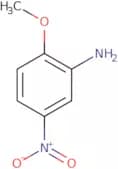
CAS:Controlled ProductMethylprednisolone is a corticosteroid that has been used for the treatment of many conditions, including asthma and arthritis. It is used to reduce inflammation and suppress the immune system. Methylprednisolone can be administered orally or as an injection. It is also used in the diagnosis of tumours, especially those that are difficult to diagnose by other means. Methylprednisolone may be given together with another drug called dexamethasone, which has synergistic effects. These drugs have been shown to cause death in animals with certain types of tumours. In humans, they can cause cutaneous lesions, such as follicle cysts and tnf-α expression in skin cells. This drug also causes a microsporum infection (a type of fungus) on the skin to grow more rapidly when it is applied topically, resulting in a larger diameter section than untreated areas.Formula:C30H43FO9Purity:Min. 95%Molecular weight:566.66 g/mol2-Methoxy-5-nitroaniline
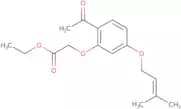
CAS:2-Methoxy-5-nitroaniline is a nitro compound that is cytotoxic at high doses. It is a diazonium salt that can be synthesised from hydrochloric acid and nitrous acid. The toxicity of 2-methoxy-5-nitroaniline has been tested in rats and found to have significant cytotoxicity at doses of 5000 mg/kg, with a LD50 of 2700 mg/kg. The chemical structure of 2-methoxy-5-nitroaniline consists of an amine group, two nitro groups, and two methyl groups. This compound can be synthesized by reacting ammonia with formaldehyde in the presence of nitric acid. 2-Methoxy-5-nitroaniline has shown to inhibit transcription polymerase chain reactions (PCR) in mouse erythrocytes at concentrations as low as 0.1 mM. DietaryFormula:C7H8N2O3Purity:95%NmrColor and Shape:PowderMolecular weight:168.15 g/mol2'-Ethoxycarbonylmethoxy-4'-(3-methyl-2-butenyloxy)acetophenone
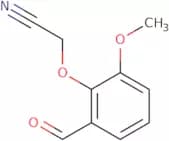
CAS:2'-Ethoxycarbonylmethoxy-4'-(3-methyl-2-butenyloxy)acetophenone is a centrosymmetric molecule with a crystal structure. It has been shown to form dimers in the solid state.Formula:C17H22O5Purity:Min. 95%Color and Shape:PowderMolecular weight:306.35 g/mol2-(2-formyl-6-methoxyphenoxy)acetonitrile
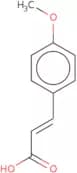
CAS:Please enquire for more information about 2-(2-formyl-6-methoxyphenoxy)acetonitrile including the price, delivery time and more detailed product information at the technical inquiry form on this pageFormula:C10H9NO3Purity:Min. 95%Color and Shape:PowderMolecular weight:191.18 g/mol4-Methoxycinnamic acid
CAS:4-Methoxycinnamic acid is a derivative that is activated by light exposure. It has been shown to have antimicrobial activity against Gram-positive bacteria and yeast, but not Gram-negative bacteria. 4-Methoxycinnamic acid is an analytical reagent that can be used to measure the dry weight of skin cancer cells, as well as to study the genotoxic effects of human liver cells. The chemical has also been shown to be genotoxic in mouse bone marrow cells and human lymphocytes. 4-Methoxycinnamic acid has been found to cause synchronous fluorescence when exposed to UV light, which may be due to its ability to react with molecular oxygen. This reaction produces a linear model with two products: 4-hydroxybenzoic acid and 2,5-dihydroxybenzoic acid.Formula:C10H10O3Purity:Min. 95%Color and Shape:PowderMolecular weight:178.18 g/molDihydro-5-methoxy-2,4(1H,3H)-pyrimidinedione
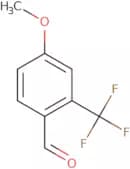
CAS:Dihydro-5-methoxy-2,4(1H,3H)-pyrimidinedione is a high quality chemical and useful building block. It is a fine chemical and research chemicals as well as a versatile building block that can be used in synthesis of various compounds. Dihydro-5-methoxy-2,4(1H,3H)-pyrimidinedione has been shown to have activity against methicillin resistant Staphylococcus aureus (MRSA) and Clostridium perfringens.Formula:C5H8N2O3Purity:Min. 95%Color and Shape:PowderMolecular weight:144.13 g/mol4-Methoxy-2-(trifluoromethyl)benzaldehyde
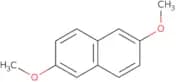
CAS:4-Methoxy-2-(trifluoromethyl)benzaldehyde is a chemical that has been used in the synthesis of a variety of compounds. It is an important intermediate for the production of pharmaceuticals, agrochemicals, and fine chemicals. This compound can be used as a building block to produce other organic compounds with high quality. 4-Methoxy-2-(trifluoromethyl)benzaldehyde can also be used as a reagent in organic chemistry reactions, such as the synthesis of indoles. The CAS number for this compound is 106312-36-1.Formula:C9H7F3O2Purity:Min. 95%Color and Shape:PowderMolecular weight:204.15 g/mol2,6-Dimethoxynaphthalene
CAS:2,6-Dimethoxynaphthalene is a skeleton that belongs to the naphthalene class of compounds. It is a white crystalline solid that is soluble in organic solvents. This compound has been used as an intermediate for the synthesis of dyes and pharmaceuticals, but it is most commonly used as a precursor to reactive carboxylic acid derivatives. The sulfonation of 2,6-dimethoxynaphthalene with SO3 leads to the formation of ethyl diazoacetate and subsequent acylation reactions can be used to produce esters. The reaction mechanism for these reactions involves proton transport from the sulfur atom to the oxygen atom on ethyl diazoacetate. Supramolecular chemistry studies have shown that this reaction also takes place at low temperatures without the need for an acid catalyst.Formula:C12H12O2Purity:Min. 98 Area-%Molecular weight:188.22 g/mol1-Bromo-3,4-dihydroxy-5-methoxybenzene monohydrate
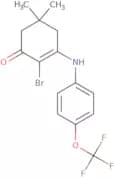
CAS:1-Bromo-3,4-dihydroxy-5-methoxybenzene monohydrate is a versatile building block for the creation of complex compounds. It is a useful intermediate and can be used as a reagent in organic synthesis. This chemical is also used as an additive in plastics and rubber production. 1-Bromo-3,4-dihydroxy-5-methoxybenzene monohydrate is synthesized from 3,4,5-trimethoxyphenol and bromine. It has been assigned the CAS number 205748-04-5.Formula:C7H7BrO3·H2OPurity:Min. 95%Color and Shape:PowderMolecular weight:237.05 g/mol2-bromo-5,5-dimethyl-3-((4-(trifluoromethoxy)phenyl)amino)cyclohex-2-en-1-one
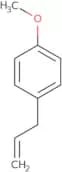
CAS:Please enquire for more information about 2-bromo-5,5-dimethyl-3-((4-(trifluoromethoxy)phenyl)amino)cyclohex-2-en-1-one including the price, delivery time and more detailed product information at the technical inquiry form on this pagePurity:Min. 95%1-Methoxy-4-(2-propenyl)benzene
CAS:1-Methoxy-4-(2-propenyl)benzene is a natural compound that has been found to have insecticidal properties. It is used in the synthesis of eugenol and estragole, which are important components in the flavor industry. The optimum concentration of 1-methoxy-4-(2-propenyl)benzene for killing insects is around 0.1%. In toxicity studies, it has been shown to be carcinogenic in rats and mice. However, this chemical's effect on humans is not well understood at this time.Formula:C10H12OPurity:Min. 95%Color and Shape:Clear LiquidMolecular weight:148.2 g/mol3-Methoxy-2-methylbenzoic acid
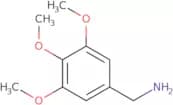
CAS:3-Methoxy-2-methylbenzoic acid is a diazotization agent that is used to produce bromoethane. It is also used as an initiator in the synthesis of dimethylformamide and tetrahydrofuran. 3-Methoxy-2-methylbenzoic acid can be recycled and is used to synthesize methylbenzene, chloroanisole, and grignard reaction products such as chlorobenzene and low yield. 3-Methoxy-2-methylbenzoic acid has been shown to have a high yield for these reactions in comparison to other diazotization agents.Formula:C9H10O3Purity:Min. 95%Color and Shape:White PowderMolecular weight:166.17 g/mol3,4,5-Trimethoxybenzylamine
CAS:Controlled Product3,4,5-Trimethoxybenzylamine (TMB) is a coumarin derivative that inhibits tumor growth in mice. It has been shown to inhibit the proliferation of cells by binding to amines, and also to have an antiradical activity. The in vivo studies on TMB showed that it is effective against a number of tumor types, including lung cancer and melanoma. Additionally, TMB has anti-inflammatory properties.
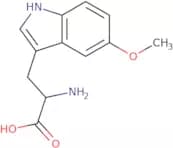
Formula:C10H15O3NPurity:Min. 98%Color and Shape:Colorless Slightly Yellow Clear LiquidMolecular weight:197.23 g/mol5-Methoxy-DL-tryptophan
CAS:5-Methoxy-DL-tryptophan is a molecule that has been shown to inhibit the formation of osteoclasts by binding to tryptophan. This molecule has also been used in magnetic resonance spectroscopy and fluorescence experiments to study the binding of 5-methoxy-DL-tryptophan with various other molecules. It is an inhibitor of tryptophan decarboxylase, an enzyme that catalyzes the conversion of tryptophan into serotonin, which can be used as a neurotransmitter. The inhibition of this enzyme leads to decreased serotonin levels and reduced production of inflammatory cytokines. This molecule has been shown to have an inhibitory effect on the enzymatic reaction between proline and oxaloacetate, leading to the production of alpha ketoglutarate. This molecule has also been shown to have a binding affinity with lung fibroblasts in vitro and inhibits their growth, suggesting that it may be useful for treating lungFormula:C12H14N2O3Color and Shape:White To Light (Or Pale) Beige SolidMolecular weight:234.25 g/molN-Ethyl-N-(3-sulfopropyl)-3-methoxyaniline sodium
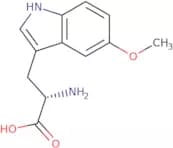
CAS:N-Ethyl-N-(3-sulfopropyl)-3-methoxyaniline sodium (ESP) is a selective agonist of the CB2 receptor. It is structurally unrelated to other CB2 receptor ligands, and has been shown to act as a selective, low affinity antagonist of the epidermal growth factor receptor. ESP has also been shown to be an ATP binding cassette transporter substrate and acts as a voltage sensor in whole cell recordings. ESP has potential therapeutic applications in diabetic neuropathy and chronic pain.Formula:C12H19NO4S•NaPurity:Min. 95%Color and Shape:PowderMolecular weight:296.34 g/mol5-Methoxy-L-tryptophan
CAS:5-Methoxy-L-tryptophan is a nonsteroidal anti-inflammatory drug that acts by inhibiting the synthesis of prostaglandins. It has been shown to have a clinical relevance in the treatment of cancer and ischemia reperfusion injury. 5-Methoxy-L-tryptophan has also been shown to be effective in the treatment of inflammatory diseases such as rheumatoid arthritis, ulcerative colitis, and Crohn disease. 5-Methoxy-L-tryptophan is a precursor for serotonin, which regulates many physiological functions including pain perception. Tryptophan has also been found to increase epithelial mesenchymal transition (EMT) and repair mechanisms in fibroblasts. X-ray crystal structures have revealed that 5-methoxy tryptophan binds at the active site of xanthine oxidase, which is an enzyme involved in purine metabolism.
Formula:C12H14N2O3Purity:Min. 98 Area-%Color and Shape:PowderMolecular weight:234.25 g/mol5-Methoxy-3-methylbenzonitrile
CAS:5-Methoxy-3-methylbenzonitrile is a versatile chemical with a wide range of applications in pharmaceuticals, agrochemicals, and other industries. It is used as a reaction component in the synthesis of drugs such as indomethacin and methotrexate. It is also useful for the production of high-quality research chemicals. 5-Methoxy-3-methylbenzonitrile has been shown to be an efficient building block for the synthesis of complex compounds with diverse structures.
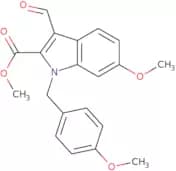
Formula:C9H9NOPurity:Min. 95%Color and Shape:PowderMolecular weight:147.17 g/molMethyl 3-formyl-6-methoxy-1-(4-methoxybenzyl)-1H-indole-2-carboxylate
CAS:Controlled ProductPlease enquire for more information about Methyl 3-formyl-6-methoxy-1-(4-methoxybenzyl)-1H-indole-2-carboxylate including the price, delivery time and more detailed product information at the technical inquiry form on this pageFormula:C20H19NO5Purity:Min. 95%Molecular weight:353.37 g/mol3-(3-Hydroxy-4-methoxyphenyl)propionic acid
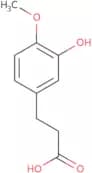
CAS:3-(3-Hydroxy-4-methoxyphenyl)propionic acid is a dihydrochalcone that is found in lettuce. It can be used as an aglycone or with one or more sugar molecules to form glycosides, which are found in many plants. 3-(3-Hydroxy-4-methoxyphenyl)propionic acid has been shown to have a low bioavailability and to inhibit the activity of bile acids. 3-(3-Hydroxy-4-methoxyphenyl)propionic acid can be found in wastewater treatment systems, where it may act as an ecosystem pollutant. In addition, this compound shows antimicrobial properties and has been used for the treatment of wastewater.Formula:C10H12O4Purity:Min. 95%Color and Shape:White Off-White PowderMolecular weight:196.2 g/mol2-Methoxypropyl acetate
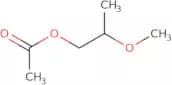
CAS:2-Methoxypropyl acetate is a cross-linking agent that is used in water treatment. It is used as an additive to deionized water and can be found in high concentrations in wastewater. 2-Methoxypropyl acetate reacts with xylene to produce light emission, which makes it suitable for use as a chemical marker. The optimum dose of 2-methoxypropyl acetate ranges from 0.025% to 0.2%. 2-Methoxypropyl acetate has been shown to be toxic when injected into rats at doses of 100 mg/kg body weight, but not at doses of 25 mg/kg body weight or less. This compound was also shown to cause protrusion and necrosis of the nasal septum in rats after administration at doses of 500 mg/kg body weight.Formula:C6H12O3Purity:Min. 95%Color and Shape:Colourless LiquidMolecular weight:132.16 g/mol2-Methoxy-1-naphthaldehyde
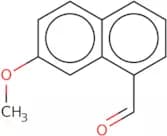
CAS:2-Methoxy-1-naphthaldehyde is a potential chemical intermediate for the synthesis of a variety of biologically active compounds. It has been shown to have anti-tumor activity in solid tumours and can be used as a precursor for the production of new drugs that inhibit the growth of cancer cells. 2-Methoxy-1-naphthaldehyde is synthesized via an intramolecular hydrogen addition reaction with salicylaldehyde, which generates resonance stabilization. It also has an intermolecular hydrogen bond with naphthalene to form the dimer or trimer. The vibrational spectra and analytical methods are used to identify the functional groups present in 2-Methoxy-1-naphthaldehyde, which includes a hydrogen bond between the two methoxy groups. Computational methods can be used to predict how different molecules bind to this chemical intermediate and its role in biological activity.Formula:C12H10O2Purity:Min. 95%Color and Shape:PowderMolecular weight:186.21 g/molEthoxysanguinarine
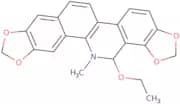
CAS:Ethoxysanguinarine is a copper complex that has been shown to be an autophagy inducer. It has been shown to activate the surface methodology and increase autophagy, which is a process that eliminates intracellular pathogens in cells. Ethoxysanguinarine also has clinical relevance, as it can be used as a prognosis marker for infectious diseases. The ability of ethoxysanguinarine to bind to DNA polymerase and inhibit its activity may be responsible for its antiviral properties. Ethoxysanguinarine binds to the phosphatase enzyme, which is important for cell signaling pathways and protein synthesis. This binding prevents phosphatases from dephosphorylating membrane-bound receptors that initiate the inflammatory response, leading to suppression of inflammation.Formula:C22H19NO5Purity:Min. 98 Area-%Color and Shape:White Off-White PowderMolecular weight:377.39 g/mol3,4-Dimethoxyphenyl ethanol
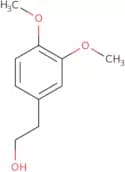
CAS:3,4-Dimethoxyphenyl ethanol is a product of the asymmetric synthesis of 3,4-dimethoxyphenylacetic acid. It has been shown to have high redox potentials and hydrochloric acid resistance. 3,4-Dimethoxyphenyl ethanol has been used in the delignification of cellulose fibers and has also been shown to have photophysical and photochemical properties. This compound binds with hydroxyl groups on proteins, which may be due to its ability to undergo acylation reactions. The binding of 3,4-dimethoxyphenyl ethanol with human liver microsomes was found to be rapid and reversible. Kinetic analysis showed that this binding can be explained by substrate binding or acylation reaction.Formula:C10H14O3Purity:Min. 95%Color and Shape:White PowderMolecular weight:182.22 g/mol1-(2,4-Dimethoxyphenyl)-2-nitropropene
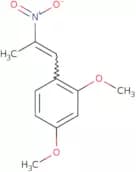
CAS:1-(2,4-Dimethoxyphenyl)-2-nitropropene is a versatile building block that can be used in the synthesis of a wide range of compounds. It is a high quality chemical with a CAS number of 15804-78-1. This compound has been used as an intermediate to synthesize other compounds such as 2-amino-3,5,6-trimethylbenzaldehyde and 1-(2,4-dimethoxyphenyl)-2-(pyrrolidin-1-yl)propene. The compound is also useful as a reagent for reaction components in organic chemistry and biochemistry.
Formula:C11H13NO4Purity:Min. 95%Color and Shape:PowderMolecular weight:223.23 g/mol(2-Methoxyphenoxy)acetonitrile
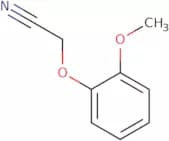
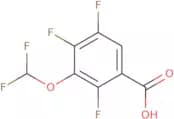
CAS:(2-Methoxyphenoxy)acetonitrile is a versatile building block that has been used in the synthesis of fine chemicals, complex compounds, research chemicals, reagents and speciality chemicals. It is a useful building block for high quality pharmaceuticals. (2-Methoxyphenoxy)acetonitrile can be used as a reaction component or scaffold to synthesize organic molecules with interesting biological activities.Formula:C9H9NO2Purity:Min. 95%Color and Shape:Clear LiquidMolecular weight:163.17 g/mol3-(Difluoromethoxy)-2,4,5-trifluorobenzoic acid
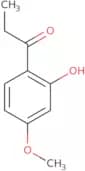
CAS:3-(Difluoromethoxy)-2,4,5-trifluorobenzoic acid is an antibacterial drug that belongs to the class of fluoroquinolones. It inhibits bacterial growth by binding to DNA gyrase and topoisomerase IV enzymes in bacteria. 3-(Difluoromethoxy)-2,4,5-trifluorobenzoic acid has been shown to be active against a wide variety of bacteria and is used as a treatment for urinary tract infections and skin infections. 3-(Difluoromethoxy)-2,4,5-trifluorobenzoic acid can also be used in combination with other antibiotics such as tetrabutyl ammonium chloride to enhance their effects.Formula:C8H3F5O3Purity:Min. 95%Color and Shape:SolidMolecular weight:242.1 g/mol2'-Hydroxy-4'-methoxypropiophenone
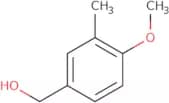
CAS:2'-Hydroxy-4'-methoxypropiophenone is a phenolic compound that belongs to the class of organic chemicals. It has a potent antibacterial activity and inhibits lipid peroxidation. 2'-Hydroxy-4'-methoxypropiophenone has been shown to inhibit the growth of gram-negative bacteria, such as Escherichia coli and Salmonella typhimurium. It also inhibits the production of nitric oxide and prostaglandin E2, which are proinflammatory mediators. This compound is active against anaerobic bacteria such as Clostridium difficile, Enterococcus faecalis, and Bacillus subtilis. 2'-Hydroxy-4'-methoxypropiophenone also exhibits antioxidant activity by inhibiting free radical generation from α-tocopherol.Formula:C10H12O3Purity:Min. 95%Color and Shape:PowderMolecular weight:180.2 g/mol4-Methoxy-3-methylbenzyl alcohol
CAS:4-Methoxy-3-methylbenzyl alcohol is a high quality and versatile chemical reagent. It is a complex compound with the CAS number 114787-91-6. 4-Methoxy-3-methylbenzyl alcohol is useful as an intermediate in the synthesis of other fine chemicals, such as pesticides, dyes, and pharmaceuticals. It is also used as a speciality chemical for research purposes or as a building block for more complicated compounds. This compound can be used in reactions to produce new products, such as reaction components that are versatile building blocks.Formula:C9H12O2Purity:Min. 95%Color and Shape:Clear LiquidMolecular weight:152.19 g/mol(3,5-Dimethoxyphenyl)acetone
CAS:(3,5-Dimethoxyphenyl)acetone is a plant phenolic compound that has been found in many plants. It is an intermediate in the biosynthesis of lignans and a wide range of other natural products. The production of (3,5-dimethoxyphenyl)acetone by plants is induced by the presence of nitrate, chloride and/or tyrosol. This compound also represses the expression of genes involved in dextrose metabolism and carbon fixation pathways. Furthermore, it can be quantified using isotopic labelling techniques and has been detected at low levels in human urine samples.
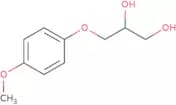
Formula:C11H14O3Purity:Min. 95%Color and Shape:Yellow Clear LiquidMolecular weight:194.23 g/mol3-(4-Methoxyphenoxy)-1,2-propanediol
CAS:3-(4-Methoxyphenoxy)-1,2-propanediol is a chiral molecule that can be found in various products. It has been used in the synthesis of a variety of drugs and other organic compounds. 3-(4-Methoxyphenoxy)-1,2-propanediol is an intermediate for the synthesis of natural products such as benzofuran and benzothiophene. This compound is also used as a reagent in the asymmetric dihydroxylation of epoxides. The rate at which this reaction proceeds depends on the kinetic parameters, such as the concentration of reactant and transition state analogues, and on the reaction conditions, such as temperature and pH. The product of this reaction is an epoxide hydrolase inhibitor with a reactive anion that can be used to synthesize pharmaceuticals.
Formula:C10H14O4Purity:Min. 95%Color and Shape:White PowderMolecular weight:198.22 g/mol2-[2-(2-t-Boc-aminoethoxy)ethoxy]ethanol
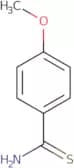
CAS:2-[2-(2-t-Boc-aminoethoxy)ethoxy]ethanol is a versatile chemical building block that can be used to synthesize a variety of compounds. It has been shown to be useful as a reaction component in the synthesis of pharmaceuticals and agrochemicals. The compound is also used as an intermediate for the preparation of other compounds. 2-[2-(2-t-Boc-aminoethoxy)ethoxy]ethanol is soluble in organic solvents, such as chloroform, ethanol, or acetone. It has a CAS number of 139115-92-7 and is relatively easy to purify by recrystallization from methanol.Formula:C11H23NO5Purity:Min. 95%Color and Shape:Clear LiquidMolecular weight:249.3 g/mol4-Methoxybenzenecarbothioamide
CAS:4-Methoxybenzenecarbothioamide is a urea nitrogen analogue that inhibits the synthesis of urea and other nitrogenous compounds. It is an inhibitor of the enzyme pyruvic transaminase, which converts pyruvate to alanine. The drug is also an inhibitor of the enzyme lactam synthetase, which catalyzes the formation of lactams from amino acids. This activity results in decreased production of cancer cells and renal toxicity. 4-Methoxybenzenecarbothioamide has been shown to have anticancer activity in vitro against a number of human cancer cell lines, including A549 lung carcinoma cells and MCF-7 breast cancer cells.Formula:C8H9NOSPurity:Min. 98 Area-%Color and Shape:Off-White Yellow PowderMolecular weight:167.23 g/mol4,5-Dimethoxyindole
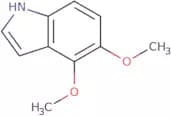
CAS:4,5-Dimethoxyindole is a chemical compound that has been shown to exhibit radical scavenging activity. It is an inhibitor of integrase, which are enzymes involved in the integration of viral DNA into host cell chromosomes. This compound has been synthesized and its optical properties have been studied. The synthesis of 4,5-dimethoxyindole derivatives has also been investigated using molecular modeling. Schrodinger software was used to predict the geometry of these synthesized derivatives. These studies suggest that 4,5-dimethoxyindole may be a potential anti-cancer agent due to its ability to inhibit cancer cell growth and induce apoptosis.
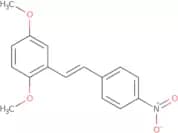
Formula:C10H11NO2Purity:Min. 95%Color and Shape:SolidMolecular weight:177.2 g/moltrans-2,5-Dimethoxy-4'-nitrostilbene
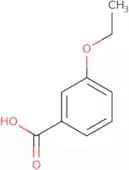
CAS:Trans-2,5-dimethoxy-4'-nitrostilbene is a molecule that belongs to the class of polycyclic aromatic compounds. It is used as a versatile building block in organic synthesis, and is also an intermediate for the production of other compounds. Trans-2,5-dimethoxy-4'-nitrostilbene has been shown to be effective in the preparation of various pharmaceuticals such as diazepam and chloramphenicol. It is also used in research chemicals and speciality chemicals. The structure of trans-2,5-dimethoxy-4'-nitrostilbene can be described as a bicyclic compound with two phenyl rings joined by an oxygen bridge. Trans-2,5-dimethoxy-4'-nitrostilbene has CAS No. 552938 4 and molecular weight of 268.81 g/mol.Formula:C16H15NO4Purity:Min. 95%Color and Shape:PowderMolecular weight:285.29 g/mol3-Ethoxybenzoic acid
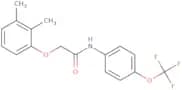
CAS:3-Ethoxybenzoic acid is an organic compound that is used as a ligand in biochemistry. It has been shown to be active in the monooxygenase activity of human cytochrome P450 enzymes, including CYP1A2 and CYP3A4. 3-Ethoxybenzoic acid binds to the ferredoxin molecule, which is a hydrogen-accepting cofactor found in many electron transfer reactions. The orientation of 3-ethoxybenzoic acid with respect to the ferredoxin molecule determines its catalytic activity. Crystallography studies have revealed that 3-ethoxybenzoic acid can bind to two water molecules and one hydroxide ion, stabilizing the ferredoxin molecule and increasing its catalytic activity.Formula:C9H10O3Purity:Min. 95%Color and Shape:PowderMolecular weight:166.17 g/mol2-(2,3-dimethylphenoxy)-N-(4-(trifluoromethoxy)phenyl)ethanamide
CAS:Please enquire for more information about 2-(2,3-dimethylphenoxy)-N-(4-(trifluoromethoxy)phenyl)ethanamide including the price, delivery time and more detailed product information at the technical inquiry form on this pagePurity:Min. 95%Methyl 3-(3-hydroxy-4-methoxyphenyl)acrylate
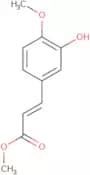
CAS:Methyl 3-(3-hydroxy-4-methoxyphenyl)acrylate is a compound that has been shown to be active against viruses. It is a derivative of salvianolic acid, which has been found to have anti-inflammatory and antiviral properties. Salvianolic acid and its derivatives are produced by the plant Salvia miltiorrhiza Bunge, and are known for their use in traditional Chinese medicine. The mechanism of action of methyl 3-(3-hydroxy-4-methoxyphenyl)acrylate is not yet fully understood, but it may inhibit the replication of influenza virus by binding to the RNA polymerase in the virus. This drug also has a hydrogen bond with cinnamic acid derivatives, which can inhibit HIV replication.Formula:C11H12O4Purity:Min. 95%Molecular weight:208.21 g/mol3-Methoxy-4-nitroacetophenone
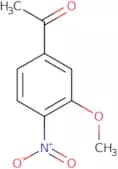
CAS:3-Methoxy-4-nitroacetophenone is an enamine that can be used in the synthesis of a variety of organic compounds. It is a good reducing agent and can be used to synthesize nitrophenols and nitrosamines. Catalytic hydrogenation, transfer hydrogenation, and reductive condensation reactions all use 3-methoxy-4-nitroacetophenone as a starting material. It has been shown to react with a range of alcohols to form acetals, which are stable compounds with a protective group on the alcohol. Cyclization reactions using 3-methoxy-4-nitroacetophenone have also been reported. This compound has been crystallized in pure form.Formula:C9H9NO4Purity:Min. 95%Color and Shape:PowderMolecular weight:195.17 g/mol4-Methoxy-1-indanone
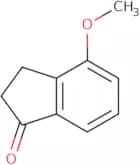
CAS:4-Methoxy-1-indanone is a quinoline derivative that is used as an intermediate for the synthesis of a number of bioactive molecules, such as gephyrotoxin (a potent neurotoxin) and oxime derivatives. 4-Methoxy-1-indanone has been shown to be activated by metal ions and oximes to form iminium cations. These cations are then converted into chloride or carbonic anions by dehydrogenase enzymes, which are important in the metabolism of carbohydrates in living organisms.Formula:C10H10O2Purity:Min. 95%Color and Shape:PowderMolecular weight:162.19 g/mol5-Fluoro-2-methoxyphenol
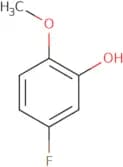
CAS:5-Fluoro-2-methoxyphenol is a heterodimeric natural product that consists of anisoles and acetanilides. It has been shown to induce liver microsomes in rats, as well as hypervalent organometallic complexes with methoxy groups. 5-Fluoro-2-methoxyphenol also exhibits vinylic shift and product synthesis abilities. This compound is useful for the synthesis of acetanilides and other compounds with a methoxy group. Reagents such as phenyllithium, butyllithium, and lithium diisopropylamide are used in this synthesis.Formula:C7H7FO2Purity:Min. 95%Color and Shape:Clear LiquidMolecular weight:142.13 g/molMethyl 2-hydroxy-3-methoxybenzoate
CAS:Methyl 2-hydroxy-3-methoxybenzoate is a tetranuclear synthetic compound that has been reported to have efficient methods for its synthesis. Cryogenic techniques were used in the crystallography and bioassaying of Methyl 2-hydroxy-3-methoxybenzoate. The spectrometric data obtained from this compound are indicative of a hydroxyl group and an isomeric nature. The synthesis of Methyl 2-hydroxy-3-methoxybenzoate occurs through palladium mediated coupling with ethyl 3,4,5,6-tetrahydropyridinecarboxylate. Weevil (Coleoptera) extractable receptors have been shown to bind to this compound.Formula:C9H10O4Purity:Min. 95%Color and Shape:PowderMolecular weight:182.17 g/mol1-Chloro-2-(2-methoxyethoxy)ethane
CAS:Please enquire for more information about 1-Chloro-2-(2-methoxyethoxy)ethane including the price, delivery time and more detailed product information at the technical inquiry form on this page
Formula:C5H11ClO2Purity:Min. 95%Color and Shape:Clear Colourless LiquidMolecular weight:138.59 g/mol(4aS,6R,8aS)-4a,5,9,10,11,12-Hexahydro-3-methoxy-11-methyl-6H-benzofuro[3a,3,2-ef][2]benzazepin-6-ol
CAS:Controlled Product(4aS,6R,8aS)-4a,5,9,10,11,12-Hexahydro-3-methoxy-11-methyl-6H-benzofuro[3a,3,2-ef][2]benzazepin-6-ol is a natural compound that has been shown to be an effective treatment for oxidative injury. It has a cholinergic activity and is able to cross the blood brain barrier. (4aS,6R,8aS)-4a,5,9,10,11,12-Hexahydro-3-methoxy-11-methyl-6Hbenzofuro[3a. 3.2ef][2]benzazepin -6--ol was found to have protective effects in an experimental model of Alzheimer's disease where it significantly reduced neuronal death. The compound also has antiinflammatory properties which mayFormula:C17H21NO3Purity:Min. 95%Color and Shape:PowderMolecular weight:287.35 g/mol3-Fluoro-2-methoxybenzoic acid
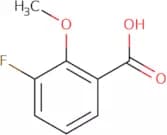
CAS:3-Fluoro-2-methoxybenzoic acid is a chemical compound that is used as a reaction component, reagent, and building block for fine chemicals. It is a versatile intermediate that is useful in the preparation of complex compounds. 3-Fluoro-2-methoxybenzoic acid has been used to synthesize pharmaceuticals, including antipsychotics and anticonvulsants, as well as dyes and pesticides. 3-Fluoro-2-methoxybenzoic acid belongs to the speciality chemical category and can be used in research labs or other specialized settings.
3-Fluoro-2-methoxybenzoic acid has CAS No. 106428-05-1.Formula:C8H7FO3Purity:Min. 95%Color and Shape:PowderMolecular weight:170.14 g/mol3,3'-Dimethoxybenzidine dihydrochloride
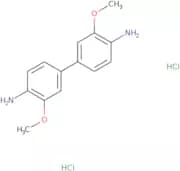
CAS:Controlled Product3,3'-Dimethoxybenzidine dihydrochloride is a fluorogenic probe that has been shown to have activity index in the range of 0.1-0.5, which makes it suitable for use as a fluorescent dye in biological samples such as human serum or cerebrospinal fluid. 3,3'-Dimethoxybenzidine dihydrochloride can be used in histological studies for the detection of cell lysis and cardiac disease activity. It has also been shown to cause liver lesions when administered orally to rats.
Formula:C14H16N2O2•(HCl)2Purity:Min. 98 Area-%Color and Shape:PowderMolecular weight:317.21 g/mol4-(Benzyloxy)-3-methoxyphenylacetonitrile
CAS:4-(Benzyloxy)-3-methoxyphenylacetonitrile is an anti-cancer drug that belongs to the class of dihydroisoquinolines. It is used as a monomer in the synthesis of other drugs and it has been shown to be an effective inhibitor of cancer cells when used with carbamic acid. 4-(Benzyloxy)-3-methoxyphenylacetonitrile is synthesised through the reaction of 2,4-dichloroisonicotinic acid and 3-fluoroacetamide in the presence of a strong acid catalyst. This compound has been shown to have a high level of stereoselectivity, which makes it useful for synthesising other compounds.
Formula:C16H15NO2Purity:Min. 95%Color and Shape:PowderMolecular weight:253.3 g/mol3-Amino-4-methoxybenzoic acid methyl ester
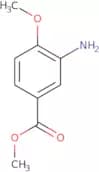
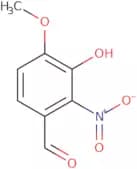
CAS:3-Amino-4-methoxybenzoic acid methyl ester is a modified quinoline derivative that exhibits potent antioxidant activity. It has been shown to inhibit the activation of p38 kinase, which is a proinflammatory enzyme. This leads to decreased levels of inflammatory cytokines and chemokines. 3-Amino-4-methoxybenzoic acid methyl ester also has anti-cancer effects and can be used as an anti-cancer agent in the treatment of cancer, such as lung cancer. It induces apoptosis by inhibiting the synthesis of DNA and proteins. The synthesized drug has been shown to have a chiral center, making it a potential candidate for use in pharmaceuticals.Formula:C9H11NO3Purity:Min. 95%Color and Shape:PowderMolecular weight:181.19 g/mol3-Hydroxy-4-methoxy-2-nitrobenzaldehyde
CAS:3-Hydroxy-4-methoxy-2-nitrobenzaldehyde is a ternary complex that has been adsorbed onto the surface of an ion exchange resin. The adsorption process occurs through the formation of hydrogen bonds between the hydroxyl groups on the resin and the hydroxyl groups on the molecule. This complex is also soluble in chloroform, which may be due to its ability to form hydrogen bonds with itself and other molecules. The 3-hydroxy group on this molecule has been shown to react reductively with nitrophenol, forming a nitroso derivative. 3-Hydroxy-4-methoxy-2-nitrobenzaldehyde has been used as a template for the microbiological assay of azides and quinones.Formula:C8H7NO5Purity:Min. 95%Molecular weight:197.14 g/mol4-(2-Hydroxyethoxy)-3-nitroacetanilide
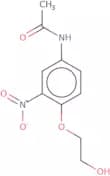
CAS:4-(2-Hydroxyethoxy)-3-nitroacetanilide is a versatile building block that can be used in the synthesis of complex compounds and research chemicals. This compound is also used as a reagent for organic synthesis, or as an intermediate for the production of other chemical substances. 4-(2-Hydroxyethoxy)-3-nitroacetanilide is high quality and has many uses in various reactions. It has been shown to be an effective scaffold for synthetic chemistry.Formula:C10H12N2O5Purity:90%Color and Shape:PowderMolecular weight:240.21 g/mol2-(4-Ethoxyphenylamino)-4-(3-methyl-4-fluorophenyl)thiazole
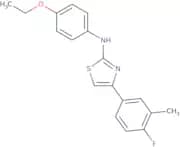
CAS:Please enquire for more information about 2-(4-Ethoxyphenylamino)-4-(3-methyl-4-fluorophenyl)thiazole including the price, delivery time and more detailed product information at the technical inquiry form on this pagePurity:Min. 95%(4-Methoxyphenyl)acetic acid
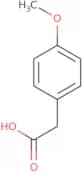
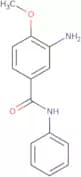
CAS:4-Methoxybenzoic acid is a chemical compound that belongs to the group of phenylacetic acids. It is an organic acid with a carboxylic acid group and a hydroxyl group. 4-Methoxybenzoic acid is used as an intermediate in the synthesis of other compounds, such as 3-methoxyphenylacetic acid and dihydroconiferyl alcohol. 4-Methoxybenzoic acid has been shown to inhibit the growth of breast cancer cells by inducing apoptosis. This effect was found to be increased when combined with tamoxifen (a drug used for the treatment of breast cancer). The mechanism of action is not clear but may involve hydrogen bond formation between 4-methoxybenzoic acid and tamoxifen, leading to increased uptake into cells.Formula:C9H10O3Purity:Min. 95%Color and Shape:White PowderMolecular weight:166.17 g/mol3-Amino-4-methoxybenzanilide
CAS:3-Amino-4-methoxybenzanilide is a white, crystalline solid that is soluble in organic solvents. It reacts with hydrochloric acid to form hydrogen chloride and 3-amino-4-methoxybenzoic acid. 3-Amino-4-methoxybenzanilide is used as an analytical reagent for determining the chloride content of various materials. The heat energy needed for the reaction to occur optimally is between 55 and 75 degrees Celsius. The optimal reaction system includes hydrochloric acid, an organic solvent, and diazonium salt activated by hydrogen chloride gas. The reaction time is 2 hours at room temperature and the analytical method used is titrimetric analysis using triticum aestivum as the particle.Formula:C14H14N2O2Purity:Min. 95%Color and Shape:PowderMolecular weight:242.27 g/mol1-Fluoro-3-methoxy-2-nitrobenzene
CAS:1-Fluoro-3-methoxy-2-nitrobenzene is a versatile building block that can be used as a scaffold for the synthesis of complex compounds. It is also used as a reaction component in research and development, especially in the production of pharmaceuticals, pesticides and other chemicals. 1-Fluoro-3-methoxy-2-nitrobenzene has many uses in the production of high quality reagents, such as pharmaceutical intermediates, dyes, and explosives.Formula:C7H6FNO3Purity:Min. 95%Molecular weight:171.13 g/mol2-[2-[2-(2-Hydroxyethoxy)ethoxy]ethoxy]-1-(p-toluenesulfonyl)-ethanol
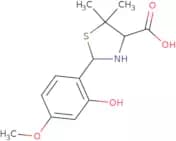
CAS:2-[2-[2-(2-Hydroxyethoxy)ethoxy]ethoxy]-1-(p-toluenesulfonyl)-ethanol is a PEG polymer categorised as monofunctional (OH-PEG-X). Used as a linker, 2-[2-[2-(2-hydroxyethoxy)ethoxy]ethoxy]-1-(p-toluenesulfonyl)-ethanol is used to attached PEG to proteins, peptides, oligonucleotides, nanoparticles and small molecules via pegylation, a bioconjugation technique.Formula:C13H20O6SPurity:Min. 95%Color and Shape:PowderMolecular weight:304.36 g/mol2-(2-Hydroxy-4-methoxyphenyl)-5,5-dimethyl-4-thiazolidinecarboxylic acid
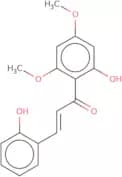
CAS:Please enquire for more information about 2-(2-Hydroxy-4-methoxyphenyl)-5,5-dimethyl-4-thiazolidinecarboxylic acid including the price, delivery time and more detailed product information at the technical inquiry form on this pageFormula:C13H17NO4SPurity:Min. 95%Color and Shape:PowderMolecular weight:283.34 g/mol2,2'-Dihydroxy-4',6'-dimethoxychalcone
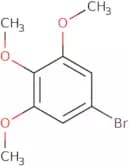
CAS:2,2'-Dihydroxy-4',6'-dimethoxychalcone (DDMC) is a naturally occurring chalcone with antitumor activity. DDMC inhibits the expression of NF-κB and suppresses tumor growth in animal models. In vitro studies have shown that DDMC inhibited the proliferation of human glioma cells without affecting normal brain cells. It has also been shown to inhibit the proliferation of malignant human glioblastoma cells in a dose-dependent manner, while only minimally affecting normal human astrocytes. DDMC has been found to be non-toxic and safe for use in humans and other mammals. The following are some descriptions for products: 6-Fluoro-3-indoxyl-beta-D-galactopyranoside Rifapentine is an anti-tuberculosis drug that belongs to the class of rifamycins. It is theFormula:C17H16O5Purity:Min. 95%Color and Shape:PowderMolecular weight:300.31 g/mol1-Bromo-3,4,5-trimethoxybenzene
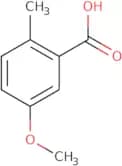
CAS:1-Bromo-3,4,5-trimethoxybenzene is a brominated molecule that is used in the synthesis of other organic compounds. It inhibits protein synthesis by inhibiting the production of ribosomes and is toxic to cancer cells. It has been shown to have inhibitory properties against the growth of k562 cells, which are leukemia cells. The mechanism by which 1-bromo-3,4,5-trimethoxybenzene inhibits protein synthesis is not fully understood. However, it has been found that this compound inhibits DNA polymerase activity and prevents RNA polymerase from transcribing genetic information from DNA to mRNA. This may be due to its ability to act as a diazonium salt or an n-dimethyl formamide substrate. In addition, 1-bromo-3,4,5-trimethoxybenzene can be hydrolyzed into trimethoxybenzene and bFormula:C9H11BrO3Purity:Min. 98 Area-%Color and Shape:PowderMolecular weight:247.09 g/mol5-Methoxy-2-methylbenzoic acid
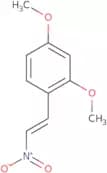
CAS:5-Methoxy-2-methylbenzoic acid is an intermediate in the synthesis of vitamin D3. It can also be used to synthesize calciferol, a configurationally stable form of vitamin D3 that has been shown to be optically active. Lactonic forms are composed of a 5-methoxy group and a 2-methylbenzoic acid moiety. Enantiomers are compounds with the same chemical formula but different arrangements of their atoms in space and each enantiomer is capable of rotating plane polarized light in opposite directions.Formula:C9H10O3Purity:Min. 95%Color and Shape:PowderMolecular weight:166.17 g/mol2,4-Dimethoxy-β-nitrostyrene
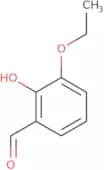
CAS:2,4-Dimethoxy-beta-nitrostyrene is a high quality, versatile building block for synthesis of complex compounds. It is an intermediate for the production of pharmaceuticals and other fine chemicals. 2,4-Dimethoxy-beta-nitrostyrene is used as a reagent in organic chemistry to produce complex compounds, such as esters and amides. This chemical has also been shown to be useful in research into the synthesis of new drugs.Formula:C10H11NO4Purity:Min. 95%Molecular weight:209.2 g/mol3-Ethoxysalicylaldehyde
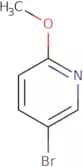
CAS:3-Ethoxysalicylaldehyde (3ESA) is a colorless liquid that has been shown to be soluble in methanol. 3ESA has a molecular weight of 172.2 and an experimental solubility data of 1.01 g/mL at 25 °C. The compound has a coordination geometry of tetrahedral with one metal ion and three oxygen atoms. The compound also contains one hydroxyl group and two hydrogen bonds, which are intramolecular hydrogen bonds. 3ESA has shown high resistance to human serum, suggesting that it is stable in the presence of human proteins, and is able to bind copper ions to form copper complexes.Formula:C9H10O3Purity:Min. 95%Color and Shape:PowderMolecular weight:166.17 g/mol5-Bromo-2-methoxypyridine
CAS:5-Bromo-2-methoxypyridine is a synthetic organic chemical that is used in organic chemistry. It is a precursor to the HIV integrase inhibitor, PSC 833, and has been shown to be effective in treating idiopathic pulmonary fibrosis. 5-Bromo-2-methoxypyridine is synthesized by reacting phosphorus oxychloride with 2-bromomethoxybenzene. This reaction produces a mixture of products that are then separated using column chromatography. The desired product can be purified by recrystallization or distillation. 5-Bromo-2-methoxypyridine has three pairs of asymmetric carbon atoms and four different functional groups: halides, sulfur trifluoride, bromine, and methoxy groups.
Formula:C6H6BrNOPurity:Min. 95%Color and Shape:Clear LiquidMolecular weight:188.02 g/molSodium 2-(4-Methoxyphenoxy)propionate
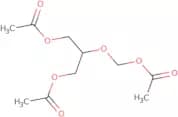
CAS:Sodium 2-(4-methoxyphenoxy)propionate is a chemical compound that inhibits the activity of protein kinase A (PKA). This inhibition is due to the binding of Sodium 2-(4-methoxyphenoxy)propionate to the catalytic site of PKA, which blocks access by ATP. Sodium 2-(4-methoxyphenoxy)propionate has been shown to inhibit the production of inflammatory cytokines in vitro. It also has been shown to be a potent inducer of sweet taste receptors in vivo and in vitro. The inhibition of PKA may be useful for treating bowel diseases such as ulcerative colitis.Formula:C10H12O4•NaPurity:Min. 95%Color and Shape:PowderMolecular weight:219.19 g/mol1,3-Diacetoxy-2-(acetoxymethoxy)propane
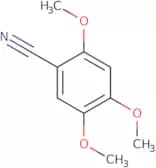
CAS:1,3-Diacetoxy-2-(acetoxymethoxy)propane is a guanine derivative that has been used in the synthesis of ganciclovir. It is prepared by condensation of acetone and acetic anhydride followed by filtration to yield a clear, colorless liquid. 1,3-Diacetoxy-2-(acetoxymethoxy)propane can be used as an intermediate in the preparation of other compounds. It was found that this compound contains a residue of p-toluenesulfonic acid. The catalyst for crystallization is decolorized activated carbon. The product obtained after recrystallization is white crystals with a melting point of 147 °C.Formula:C10H16O7Purity:Min. 95%Color and Shape:Yellow Clear LiquidMolecular weight:248.23 g/mol2,4,5-Trimethoxybenzonitrile
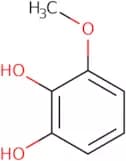
CAS:2,4,5-Trimethoxybenzonitrile is a reagent that is used in organic chemistry. It can be used to cleave a bond between two atoms. It is catalyzed by the presence of azide and nitriles and has been shown to induce cleavage of the C-N bond in etravirine with copper. This compound is also useful for synthesizing nanoparticles from organic compounds.Formula:C10H11NO3Purity:Min. 95%Color and Shape:PowderMolecular weight:193.20 g/mol1,2-Dihydroxy-3-methoxybenzene
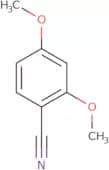
CAS:1,2-Dihydroxy-3-methoxybenzene is a catechol that is used as a sample preparation agent in the analysis of genotoxic activity. It is also used to evaluate the viral life cycle and for studies on the regiospecificity of hydroxylation reactions. 1,2-Dihydroxy-3-methoxybenzene has been shown to inhibit the activity of polymerase chain reaction (PCR) by interfering with hydrogen bonding interactions. This may be due to its ability to act as an inhibitor of DNA polymerase. The carcinogenic potential of 1,2-dihydroxy-3-methoxybenzene has not been determined.Formula:C7H8O3Purity:Min. 95%Color and Shape:PowderMolecular weight:140.14 g/mol2,4-Dimethoxybenzonitrile
CAS:2,4-Dimethoxybenzonitrile is a chiral, heterocycle that is used in the synthesis of anilines. The structure of 2,4-dimethoxybenzonitrile consists of two ring structures with a methyl group on one end and a formyl group on the other. The molecular modeling technique has been used to study this molecule. In dimethylformamide (DMF), 2,4-dimethoxybenzonitrile undergoes deprotection with bond cleavage to give the natural product 2-hydroxy-4-methoxybenzaldehyde. This compound has been shown to inhibit the transferase activity in cells and found to be more potent than other formylated compounds.
Formula:C9H9NO2Purity:Min. 95%Molecular weight:163.17 g/mol







![6-amino-4-(2-methoxyphenyl)-3-methyl-4H-pyrano[3,2-d]pyrazole-5-carbonitrile](/_next/image/?url=https%3A%2Fstatic.cymitquimica.com%2Fproducts%2F3D%2Fthumb-webp%2FFA169804.webp&w=3840&q=75)
![[1-(Methoxymethyl)cyclopropyl]amine hydrochloride](/_next/image/?url=https%3A%2Fstatic.cymitquimica.com%2Fproducts%2F3D%2Fthumb-webp%2FFM129588.webp&w=3840&q=75)

![9-Fluoro-11β,17-Dihydroxy-16α-Methyl-3,20-Dioxopregna-1,4-Dien-21-Yl 2-[2-(2-Ethoxyethoxy)Ethoxy]A…](/_next/image/?url=https%3A%2Fstatic.cymitquimica.com%2Fproducts%2F3D%2Fthumb-webp%2FFF103016.webp&w=3840&q=75)





![2-[2-(2-t-Boc-aminoethoxy)ethoxy]ethanol](/_next/image/?url=https%3A%2Fstatic.cymitquimica.com%2Fproducts%2F3D%2Fthumb-webp%2FFB18924.webp&w=3840&q=75)


![(4aS,6R,8aS)-4a,5,9,10,11,12-Hexahydro-3-methoxy-11-methyl-6H-benzofuro[3a,3,2-ef][2]benzazepin-6-…](/_next/image/?url=https%3A%2Fstatic.cymitquimica.com%2Fproducts%2F3D%2Fthumb-webp%2FFH15703.webp&w=3840&q=75)


![2-[2-[2-(2-Hydroxyethoxy)ethoxy]ethoxy]-1-(p-toluenesulfonyl)-ethanol](/_next/image/?url=https%3A%2Fstatic.cymitquimica.com%2Fproducts%2F3D%2Fthumb-webp%2FFH07578.webp&w=3840&q=75)