


Organoboranes
Found 6123 products of "Organoboranes"
(-)-B-Chlorodiisopinocampheylborane, 65% heptane solution
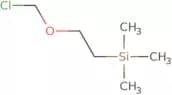
CAS:(-)-B-Chlorodiisopinocampheylborane is a synthetic compound that belongs to the class of diketones. It has been used in asymmetric synthesis, metathesis reactions, and as a catalyst for the preparation of chiral compounds. (-)-B-Chlorodiisopinocampheylborane can be synthesized from trifluoromethylation using chlorodiphenylsilane and sodium borohydride in heptane. This agent has been shown to be effective for the production of β-unsaturated ketones by reaction with carbonyl groups. The reaction produces a racemic mixture of enantiomers, which are isomers that are not identical but have the same chemical formula and similar physical properties. (-)-B-Chlorodiisopinocampheylborane can also be used as an intermediate for the synthesis of latanoprost lactol, which is a prostaglandinFormula:C20H34BClPurity:Min. 95%Color and Shape:Clear LiquidMolecular weight:320.75 g/mol2-(Chloromethoxyethyl)trimethyl silane - stabilized with ca. 0.1% Diisopropylethylamine
CAS:Silyl protecting group for alcohols; reagent for introducing protected C atom
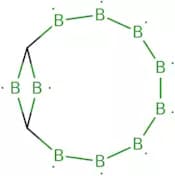
Formula:C6H15ClOSiPurity:Min. 95%Color and Shape:Colorless Clear LiquidMolecular weight:166.72 g/molm-Carborane
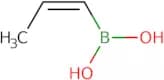
CAS:Controlled Productm-Carborane is a molecule that is composed of a chlorine atom and an aromatic hydrocarbon. m-Carborane has been shown to be an estrogen receptor modulator, which may have potential as a drug for the prevention or treatment of hormone-related diseases. This compound has also been shown to act as a fluorophore and to have high melting points. It forms hydrogen bonds with other molecules and can bind to progesterone receptors, which are found in breast cancer cells. These interactions have been studied using x-ray crystal structures and microscopy studies on MCF-7 cells.Formula:C2H12B10Purity:Min. 95%Color and Shape:White powder(solid)Molecular weight:144.23 g/molcis-1-Propene-1-boronicacid
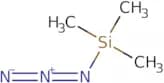
CAS:cis-1-Propene-1-boronicacid is a chiral, pyranoside compound that can be synthesized from the reaction of 2,3,4,5-tetrahydropyran with boron trichloride. cis-1-Propene-1-boronicacid has been shown to be useful for the palladium catalyzed cross coupling reactions. cis-1-Propene-1-boronicacid has been shown to react with cyclopentenone and alkylate different functional groups such as amines and alcohols. cis-1 -Propene 1 boronic acid has been used in peptidomimetics as well as in nature.Formula:C3H7BO2Purity:Min. 95%Molecular weight:85.9 g/molAzidotrimethylsilane
CAS:Azidotrimethylsilane is a chemical compound that can be used in various reactions. It is an unsymmetrical compound with the molecular formula of CH3SiN3, and has an asymmetric carbon atom with four different substituents. Azidotrimethylsilane reacts with nucleophiles to form azides, which can be used as antiviral agents or to synthesize other compounds. It also participates in transfer reactions, such as the reaction of trifluoroacetic acid and fatty acids to form esters. The hydroxyl group on the silicon atom increases its reactivity because it can act as a nucleophile in addition to its electrophilic properties. !-- -->Azidotrimethylsilane is an unsymmetrical compound with the molecular formula CH3SiN3, and has an asymmetric carbon atom with four different substituents. Azidotrimethylsilane reacts with nucleophiles to form az
Formula:C3H9N3SiPurity:Min. 95%Molecular weight:115.21 g/mol(3-Mercaptopropyl)trimethoxysilane
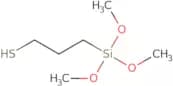
CAS:3-Mercaptopropyl)trimethoxysilane is a molecule made up of three parts: a trimethoxysilane group, a trimethylsilyl group, and a mercapto group. The trimethoxysilane group is hydrophilic in nature and has an electron withdrawing effect on the molecule. The trimethylsilyl group is hydrophobic in nature and has an electron donating effect on the molecule. The mercapto group is reactive in nature and has a high redox potential. 3-Mercaptopropyl)trimethoxysilane can be used as a chemical additive to increase the stability of hydrochloric acid in water vapor by reacting with the hydroxyl groups to form stable compounds. This compound also reacts with hydrogen gas to produce methane gas, which can be used as fuel or as an alternative energy source. 3-Mercaptopropyl)trimethoxysilane also has synergisticFormula:C6H16O3SSiPurity:Min. 98 Area-%Color and Shape:Colorless Clear LiquidMolecular weight:196.34 g/molTriisopropylsilylacetylene
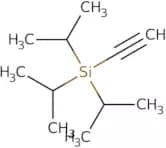
CAS:Triisopropylsilylacetylene is an aliphatic hydrocarbon with a reactive site that can be used in the synthesis of other chemical compounds. It has been shown to have an inhibitory effect on the formation of reactive oxygen species and inflammation in mice, which may be due to its ability to reduce the production of inflammatory mediators such as prostaglandin E2. Triisopropylsilylacetylene also has a hydroxyl group, which allows it to act as an anti-inflammatory agent by inhibiting the enzyme cyclooxygenase. Additionally, triisopropylsilylacetylene has a carbonyl group, which gives it aromatic properties that can be used for synthetic purposes.Formula:C11H22SiPurity:Min. 97 Area-%Color and Shape:Clear LiquidMolecular weight:182.38 g/mol5-Fluoropyridine-2-boronic acid
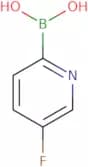
CAS:Please enquire for more information about 5-Fluoropyridine-2-boronic acid including the price, delivery time and more detailed product information at the technical inquiry form on this pageFormula:C5H5BFNO2Purity:Min. 95%Molecular weight:140.91 g/mol1-Butyl-3-methylimidazolium terafluoroborate
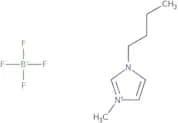
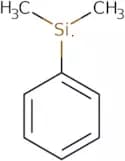
CAS:1-Butyl-3-methylimidazolium terafluoroborate is an ionic liquid that has been used in a number of research applications.Formula:C8H15N2·BF4Purity:Min. 95%Color and Shape:Colorless PowderMolecular weight:226.02 g/molDimethylphenylsilane
CAS:Dimethylphenylsilane is a chemical compound that belongs to the group of trifluoroacetic acid derivatives. It is used as an antimicrobial agent and has been shown to be effective against Gram-positive bacteria, Gram-negative bacteria, and yeast. Dimethylphenylsilane has been shown to inhibit the proliferation of microorganisms by binding to the hydroxyl group in methacrylates and irreversible oxidation of unsaturated alkyl compounds. The reaction mechanism for this process is still unclear but it is thought that it may involve a transfer reaction or a reaction intermediate. Dimethylphenylsilane can be used as a solid catalyst in reactions involving unsaturated alkyl compounds.
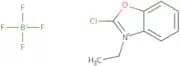
Formula:C8H12SiPurity:Min. 95%Color and Shape:Clear LiquidMolecular weight:136.27 g/mol2-Chloro-3-ethylbenzoxazolium tetrafluoroborate
CAS:2-Chloro-3-ethylbenzoxazolium tetrafluoroborate is a synthetic compound that inhibits the enzyme maltase. This compound is used in the treatment of diabetic patients with intestinal maltase deficiency and has been shown to be effective in clinical studies. 2-Chloro-3-ethylbenzoxazolium tetrafluoroborate has also been shown to inhibit other enzymes, such as thiocarbamate synthetase and aminooxazoline synthetase, which are involved in the biosynthesis of chlorinated pesticides and herbicides. The chloride ion is necessary for this inhibition activity. The compound can be prepared by a preparative method that involves hexaacetate and chloride ion or by using an aglycone, trehalamine, or stereospecific method.Formula:C9H9BClF4NOPurity:Min. 95%Color and Shape:PowderMolecular weight:269.43 g/molPhenyl-1,2-carborane
CAS:Controlled ProductPlease enquire for more information about Phenyl-1,2-carborane including the price, delivery time and more detailed product information at the technical inquiry form on this page
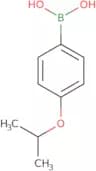
Formula:C8H16B10Purity:Min. 95%Color and Shape:Colourless Or White To Off-White Solid Or Liquid (May Vary)Molecular weight:220.32 g/mol4-Isopropoxyphenylboronic acid
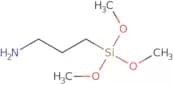
CAS:4-Isopropoxyphenylboronic acid is a boronic acid that can be used as a cross-coupling partner in palladium-catalyzed cross-coupling reactions. It is synthesized by reacting 4-hydroxyphenylacetic acid with 2 equivalents of naphthoquinone diazide. The addition of the 4-isopropoxy group to the phenyl substituent increases the reactivity of this boronic acid. This compound has been used in the synthesis of rofecoxib and cyclooxygenase inhibitors, such as aspirin and ibuprofen. The presence of an electron withdrawing group on one phenyl ring enhances the reactivity of this boronic acid towards nucleophiles, such as amines or alcohols.Formula:C9H13BO3Purity:Min. 95%Molecular weight:180.01 g/mol3-Aminopropyltrimethoxysilane
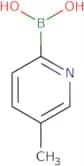
CAS:3-Aminopropyltrimethoxysilane is a chemical that belongs to the group of aminopropyltriethoxysilanes. It is a reactive substance and is commonly used as an additive in adhesives and sealants. 3-Aminopropyltrimethoxysilane has been shown to be an efficient coupling agent for the formation of hydroxyl groups on nanoparticles, which are then used as drug carriers. The optimum concentration of 3-aminopropyltrimethoxysilane lies between 0.01 and 0.1 M, with a pH range of 6 and 8. This chemical can react with hydrochloric acid, resulting in the production of hydrogen gas; with cervical cancer cells in culture, leading to cell death; or with skin cells, causing damage to their transport properties.Formula:C6H17NO3SiPurity:Min. 95%Color and Shape:Clear LiquidMolecular weight:179.29 g/mol5-Methylpyridine-2-boronicacid
CAS:Please enquire for more information about 5-Methylpyridine-2-boronicacid including the price, delivery time and more detailed product information at the technical inquiry form on this pageFormula:C6H8BNO2Purity:Min. 95%Molecular weight:136.94 g/mol[2-(Difluoromethyl)phenyl]boronic acid
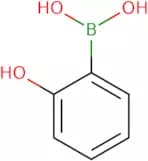
CAS:Please enquire for more information about [2-(Difluoromethyl)phenyl]boronic acid including the price, delivery time and more detailed product information at the technical inquiry form on this pageFormula:C7H7BF2O2Purity:Min. 95%Molecular weight:171.94 g/mol(2-Hydroxyphenyl)boronic acid
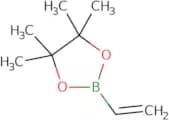
CAS:(2-Hydroxyphenyl)boronic acid is an organic compound that contains a boronate ester group and a hydroxyl group. It is used in the synthesis of lysine-containing peptides, proteins, and other compounds. (2-Hydroxyphenyl)boronic acid is synthesized by cross-coupling reactions using palladium-catalyzed coupling reactions. The most common type of reaction is the Suzuki coupling reaction, which involves the addition of an aryl halide to an aryl or vinyl boronate ester. This reaction is carried out at elevated temperature in organic solvents such as tetrahydrofuran or dioxane. The yield for this reaction can be improved by using catalytic amounts of palladium acetate, which speeds up the rate at which the reaction occurs. The use of catalysts also decreases the need for high temperatures, making it possible to perform this process atFormula:C6H7BO3Purity:Min. 95%Molecular weight:137.93 g/molPinacol vinylboronate
CAS:Pinacol vinylboronate is an anticancer agent that has been shown to inhibit the growth of cancer cells. Pinacol vinylboronate inhibits the activity of cellular targets and generates reactive oxygen species through a hydrogen-bond-mediated mechanism, which eventually leads to cell death. This drug has also been shown to have functional groups that act as pharmacophores for cancer, which may be due to its ability to form hydrogen bonds with the hydroxyl group in DNA.Formula:C8H15BO2Purity:Min. 95%Color and Shape:Clear LiquidMolecular weight:154.01 g/molTetrahydroxydiborane
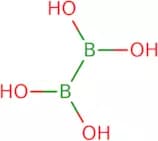
CAS:Tetrahydroxydiborane is an organic compound that contains a hydroxyl group. It has been shown to be an effective nucleophile in the mechanism studies of hydrolysis of halides and nitro compounds. Tetrahydroxydiborane is also used in the Suzuki coupling reaction, which is a chemical reaction between an aryl halide and sodium carbonate, as well as in cationic polymerization. This compound may also have biological applications such as the use of tetrahydroxydiborane as a fluorescence probe for optical sensor detection of autoimmune diseases.
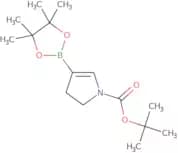
Formula:H4B2O4Purity:Min. 95%Color and Shape:White PowderMolecular weight:89.65 g/mol1-BOC-2,3-Dihydropyrrole-4-boronic acid, pinacol ester
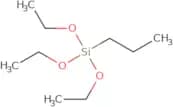
CAS:Please enquire for more information about 1-BOC-2,3-Dihydropyrrole-4-boronic acid, pinacol ester including the price, delivery time and more detailed product information at the technical inquiry form on this pageFormula:C15H26BNO4Purity:Min. 95%Molecular weight:295.18 g/molTriethoxy(propyl)silane
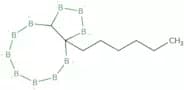
CAS:Triethoxy(propyl)silane is an organosilicon compound that has reactive properties. It is a polymeric material that can be used as a component in paints, coatings, and sealants. The reaction of triethoxy(propyl)silane with sodium hydroxide solution yields hydrogen fluoride, water vapor, and hydrochloric acid. Triethoxy(propyl)silane has been shown to react with hydroxide solution to form polycarboxylic acids. The hydroxyl group on the triethoxy(propyl)silane molecule is responsible for the transport properties of this compound.Formula:C9H22O3SiPurity:Min. 95%Molecular weight:206.35 g/mol1-Hexyl-o-carborane
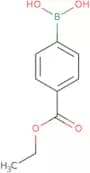
CAS:Controlled Product1-Hexyl-o-carborane is a human bioassay that has shown carcinogenic activity. It has been observed to cause cancer in humans through its ability to bind to DNA and alter the cell cycle. 1-Hexyl-o-carborane is an organometallic compound that binds to ferrocene and other organometallic compounds, preventing their use as anticancer drugs. 1-Hexyl-o-carborane can be synthesized by reacting hexylmagnesium bromide with ammonium carbonyl chloride in a one pot reaction.Formula:C8B10H24Purity:Min. 95%Molecular weight:228.39 g/mol4-(Ethoxycarbonyl)phenylboronic acid
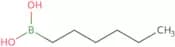
CAS:4-(Ethoxycarbonyl)phenylboronic acid is a potential use for picric acid detection. It has been shown to be a chemosensor with an electrochemical impedance spectroscopy response that is sensitive to chloride ions. 4-(Ethoxycarbonyl)phenylboronic acid can be used as a linker in multigram-scale synthesis of aryl halides, and its reaction mechanism has been elucidated by crystal x-ray diffraction. The synthesis of this compound is scalable and involves the formation of an apical carboxylate from ethoxycarbonyl phenyl boronic acid and an aryl halide.Formula:C9H11BO4Purity:Min. 95%Color and Shape:PowderMolecular weight:193.99 g/molN-Hexylboronic acid
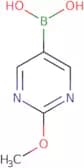
CAS:N-Hexylboronic acid is an organometallic compound that has been used as a model system to study the catalytic mechanism of the Suzuki coupling reaction. It has also been shown to be a substrate film for use in the suzuki coupling reaction when combined with Raney nickel, which can be used to synthesize organic compounds. N-Hexylboronic acid has been shown to inhibit the activity of pancreatic lipase, but not cholesterol esterase or cholesterol ester hydrolase. The skeleton of this molecule is made up of six carbon atoms and one boron atom. Hydrogen chloride and aliphatic hydrocarbons are inhibitors of N-hexylboronic acid.Formula:C6H15BO2Purity:Min. 95%Molecular weight:129.99 g/mol2-Methoxypyrimidine-5-boronic acid
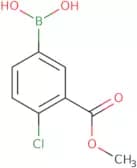
CAS:Please enquire for more information about 2-Methoxypyrimidine-5-boronic acid including the price, delivery time and more detailed product information at the technical inquiry form on this pageFormula:C5H7BN2O3Purity:Min. 95%Molecular weight:153.93 g/mol(4-Chloro-3-(methoxycarbonyl)phenyl)boronic acid
CAS:Please enquire for more information about (4-Chloro-3-(methoxycarbonyl)phenyl)boronic acid including the price, delivery time and more detailed product information at the technical inquiry form on this page
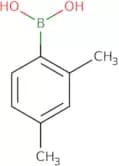
Formula:C8H8BClO4Purity:Min. 95%Molecular weight:214.41 g/mol(2,4-Dimethylphenyl)boronic acid
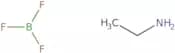
CAS:(2,4-Dimethylphenyl)boronic acid is an arylboronic acid that is used in organic synthesis. The boron atom of the 2,4-dimethylphenyl group coordinates with the metal atom in the catalyst to form a stable complex. This allows for a multilayer reaction and fluorescence to occur. The activated fluorine atoms can be used to boost the reaction by adding them to the substrate and increasing the rate of oxidation. Astragalus membranaceus and rapeseed extracts have been shown to increase the rate of oxidation as well as inhibiting the formation of disaccharides. These extracts also have shown anti-inflammatory effects when tested on rats. (2,4-Dimethylphenyl)boronic acid has also been found to interact with dihydroisoquinolines, which are compounds that are structurally similar to morphine and codeine.Formula:C8H11BO2Purity:Min. 95%Molecular weight:149.98 g/molEthylamine-boron trifluoride
CAS:Controlled ProductEthylanine-boron trifluoride complex (EBTF) is a reactive intermediate that is used in the synthesis of epoxy resins. EBTF reacts with dibutyltin oxide to produce a boron-containing reaction product. The mechanism of this reaction has been studied using fluorescence probes and is found to be dependent on temperature and concentration. EBTF also reacts with epoxides, glycol ethers, and fatty acids to form similar products with different structures. This chemical can be used as a thermal expansion agent for coatings or as a crosslinking agent in polymers.Formula:C2H7BF3NPurity:Min. 95%Color and Shape:White To Off-White SolidMolecular weight:112.89 g/mol2-(Dimethylaminocarbonyl)ethylboronic acid, pinacol ester
CAS:Please enquire for more information about 2-(Dimethylaminocarbonyl)ethylboronic acid, pinacol ester including the price, delivery time and more detailed product information at the technical inquiry form on this page
Formula:C11H22BNO3Purity:Min. 95%Molecular weight:227.11 g/molLithium tetrakis(pentafluorophenyl)borate ethyl etherate
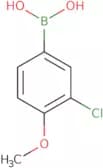
CAS:Controlled ProductLithium tetrakis(pentafluorophenyl)borate ethyl etherate is a lithium salt of the etherate ester of pentafluorophenylboronic acid (B(C6F5)3). The complex is an electron donor and ligand, which can stabilize the high-energy intermediate state in the reaction. Lithium tetrakis(pentafluorophenyl)borate ethyl etherate reacts with magnesium to form a magnesium salt and ethylene. This product can be used as a co-catalyst for coupling reactions, such as the synthesis of cyclic compounds from alkenes.Formula:C24BF20·(C4H10O)2·LiPurity:Min. 95%Molecular weight:760.11 g/mol3-Chloro-4-methoxyphenylboronic acid
CAS:Please enquire for more information about 3-Chloro-4-methoxyphenylboronic acid including the price, delivery time and more detailed product information at the technical inquiry form on this pageFormula:C7H8BClO3Purity:Min. 95%Molecular weight:186.4 g/mol4-(Ethylsulfonyl)phenylboronicacid
CAS:Please enquire for more information about 4-(Ethylsulfonyl)phenylboronicacid including the price, delivery time and more detailed product information at the technical inquiry form on this page
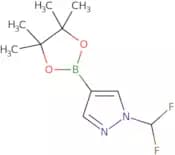
Formula:C8H11BO4SPurity:Min. 95%Molecular weight:214.05 g/mol1-(difluoromethyl)-4-(4,4,5,5-tetramethyl-1,3,2-dioxaborolan
CAS:Please enquire for more information about 1-(difluoromethyl)-4-(4,4,5,5-tetramethyl-1,3,2-dioxaborolan including the price, delivery time and more detailed product information at the technical inquiry form on this page
Formula:C10H15BF2N2O2Purity:Min. 95%Molecular weight:244.05 g/mol1-Isopropyl-o-carborane
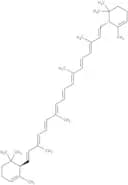
CAS:Controlled Product1-Isopropyl-o-carborane is a solvent that is used in the preparation of alicyclic and iso-alicyclic compounds. It can be used as an alkylating agent for the preparation of substituted cyclohexanes, butyric acid, and aldehydes. 1-Isopropyl-o-carborane has been shown to react with carbon nuclei to form organometallic reagents. This reaction allows for the substitution of hydrogen atoms in hydrocarbons with other organic groups. 1-Isopropyl-o-carborane is also an organometallic reagent that reacts with butyric acid to form 1,2,3,4,5,6,-hexahydrobenzocyclobuta[cd]pentalene and 1,2,3,4,-tetrahydrobenzocyclobuta[cd]pentalene.Purity:Min. 95%Epsilon-Carotene
CAS:Epsilon-Carotene is a carotenoid that is found in plants. It is synthesized from beta-carotene through the action of enzymes called beta-carotene ketolases. Epsilon-Carotene can be cleaved by enzymes to produce lycopene and beta-cryptoxanthin. The biosynthesis of Epsilon-Carotene has been studied in a number of clinical studies, including the effect on human tissues and the prevention of cancer. Epsilon-Carotene has also been shown to have anti-inflammatory properties, which may be due to its ability to inhibit prostaglandin synthesis.Formula:C40H56Purity:Min. 95%Molecular weight:536.87 g/molTrichloro(1H,1H,2H,2H-heptadecafluorodecyl)silane
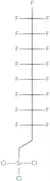
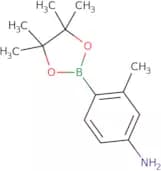
CAS:Controlled ProductTrichloro(1H,1H,2H,2H-heptadecafluorodecyl)silane is a chemical substance that belongs to the group of synthetic substances. It has been shown to have antiviral properties in clinical studies. Trichloro(1H,1H,2H,2H-heptadecafluorodecyl)silane is used to synthesize thymidylate by a two-step process. The first step involves the hydrolysis of sodium hydroxide solution in the presence of hydroxide solution and chemical substances. The second step involves the reaction of synthase enzyme with waveform and water vapor to produce monolayer. This product also has antiviral activity against human pathogens such as HIV and herpes simplex virus type 1 (HSV-1).Formula:C10H4Cl3F17SiPurity:Min. 95%Color and Shape:Clear LiquidMolecular weight:581.56 g/mol4-Amino-2-methylphenylboronic acid, pinacol ester
CAS:Please enquire for more information about 4-Amino-2-methylphenylboronic acid, pinacol ester including the price, delivery time and more detailed product information at the technical inquiry form on this page
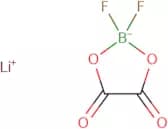
Formula:C13H20BNO2Purity:Min. 95%Molecular weight:233.11 g/molLithium difluoro(oxalato)borate
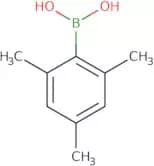
CAS:Lithium difluoro(oxalato)borate is an electron-microscopic corrosion inhibitor that belongs to the class of ester compounds. It is a solid compound that has been shown to be efficacious against oxidation products. The efficiency of this compound is dependent on the concentration and purity of lithium difluoro(oxalato)borate and the type of metal, such as steel or aluminum. Lithium difluoro(oxalato)borate can be used in rechargeable batteries, due to its transport properties, high salt tolerance, and low self-discharge rate. This compound has been shown to have functional groups that are capable of interacting with hydrogen fluoride in an organic solution.Formula:C2BF2O4•LiPurity:Min. 95%Molecular weight:143.77 g/molMesitylboronic acid
CAS:Mesitylboronic acid is a divalent organoboron compound with the molecular formula CHB(O)OH. It is a white solid that is soluble in organic solvents, but not water. Mesitylboronic acid has been used for the palladium-catalyzed cross-coupling of aryl halides and vinylogous esters, yielding substituted pyridines. Mesitylboronic acid also catalyzes the Suzuki coupling reaction of aryl boronic acids and alkenes, producing substituted indoles. This compound has diagnostic applications due to its ability to form a fluorescent complex with certain metal ions. It also plays an important role in insulin resistance due to its ability to form cross-couplings with unsymmetrical boron compounds.
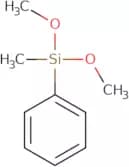
Formula:C9H13BO2Purity:Min. 95%Molecular weight:164.01 g/molDimethoxymethylphenylsilane
CAS:Dimethoxymethylphenylsilane is a chemical compound that can be used as a substrate film. It is commonly used in gravimetric analysis, thermal expansion, and electrochemical impedance spectroscopy. Dimethoxymethylphenylsilane has been shown to form cationic polymers when heated with fatty acids. This polymerization process requires hydrochloric acid for activation. Dimethoxymethylphenylsilane has also been shown to react with zirconium oxide at high temperatures and form a reactive surface layer of titanium dioxide on the surface of the zirconium oxide. The molecule consists of an oxygen atom, two methyl groups, and two phenyl groups. The solid catalyst has a diameter of approximately 1 nm and its NMR spectra are consistent with those expected for this type of molecule.Purity:Min. 95%1H-Benzo[d]imidazol-6-ylboronic acid
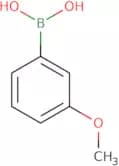
CAS:Please enquire for more information about 1H-Benzo[d]imidazol-6-ylboronic acid including the price, delivery time and more detailed product information at the technical inquiry form on this pageFormula:C7H7BN2O2Purity:Min. 95%Molecular weight:161.95 g/mol3-Methoxyphenylboronic acid
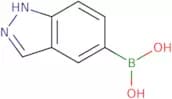
CAS:3-Methoxyphenylboronic acid is a photophysical molecule that can be used as an analytical reagent in plant physiology and analytical chemistry. 3-Methoxyphenylboronic acid reacts reversibly with copper ions to form a complex. The binding constants of the copper complex depend on the pH of the solution, which can be altered by adding a phosphate derivative to the solution. This reaction was investigated using cross-coupling techniques and showed that the binding constants for this complex are dependent on the type of solvent used. 3-Methoxyphenylboronic acid has also been used to measure glucose levels in blood samples.Formula:C7H9BO3Purity:Min. 95%Color and Shape:White PowderMolecular weight:151.96 g/mol1H-Indazole-5-boronic acid
CAS:1H-Indazole-5-boronic acid is a potent compound that belongs to the class of indazole compounds. It has been shown to inhibit protein phosphorylation and induce morphological changes in cells. This compound also inhibits the activity of a number of different cellular enzymes, including protein phosphatases, protein kinases, and protein tyrosine phosphatases. 1H-Indazole-5-boronic acid has been shown to be a promising lead compound for the discovery of novel inhibitors of these enzymes.Formula:C7H7BN2O2Purity:Min. 95%Molecular weight:161.95 g/mol4-Chlorophenylboronic acid
CAS:4-Chlorophenylboronic acid is a chemical compound that is used in the industrial preparation of biphenyl. It is produced by the Friedel-Crafts reaction between chlorine and 4-methoxyphenylboronic acid. This reaction can be carried out using a variety of solvents, such as chloroform or carbon tetrachloride. The optimal reaction conditions are acidic pH values, which are achieved by adding sodium carbonate to the solution. The product can be purified by distillation or crystallization. 4-Chlorophenylboronic acid can also be used for the synthesis of organic compounds through cross-coupling reactions with organometallic reagents, such as palladium chloride and triphenylphosphine, or through asymmetric synthesis with chiral ligands like (S)-proline and 2-(diphenylphosphino)ferrocene.Formula:C6H6BClO2Purity:Min. 95%Color and Shape:PowderMolecular weight:156.37 g/molBorane dimethylamine complex
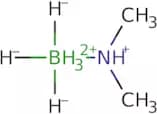
CAS:Please enquire for more information about Borane dimethylamine complex including the price, delivery time and more detailed product information at the technical inquiry form on this page
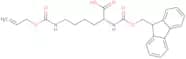
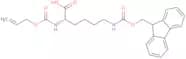
Formula:C2H10BNPurity:Min. 95%Color and Shape:White Clear LiquidMolecular weight:58.92 g/molN-alpha-Fmoc-Nepsilon-allyloxycarbonyl-D-lysine
CAS:N-alpha-Fmoc-Nepsilon-allyloxycarbonyl-D-lysine is a medicament that is modified with an amino group at the alpha position. It is synthesized by modification of the chain with a ganirelix acetate. N-alpha-Fmoc-Nepsilon-allyloxycarbonyl-D-lysine can be used to produce ganirelix, which inhibits the release of follicle stimulating hormone (FSH). The chemical synthesis of this drug has been shown to be successful in large scale production, and it has been shown to be effective in treating patients with prostate cancer. Impurities in this drug have been found and treated by removing the methyl ester group from the lysine residue.Formula:C25H28N2O6Purity:Min. 95%Molecular weight:452.5 g/molN-Methoxymethyl-N-(trimethylsilylmethyl)benzylamine
CAS:N-Methoxymethyl-N-(trimethylsilylmethyl)benzylamine is a chiral, electron deficient reagent that reacts with aldehydes and boronic esters to form products with high chemical yields. This compound can be used as a catalyst for acylation reactions, such as the synthesis of p-nitrophenol. N-Methoxymethyl-N-(trimethylsilylmethyl)benzylamine is synthesized by the reaction of trifluoroacetic acid and an amine, followed by chloroformate displacement. The product is then reacted with acylating agents in the presence of catalysts.Formula:C13H23NOSiPurity:Min. 95%Color and Shape:Clear Colourless To Pale Yellow LiquidMolecular weight:237.41 g/mol4-Mercaptophenylboronic acid
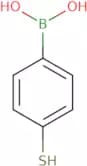
CAS:4-Mercaptophenylboronicacid is a boronic acid that has been used to synthesize gold nanoparticles with antimicrobial properties. Boronic acids are able to form hydrogen bonds with biological molecules such as proteins and DNA, which allows them to be used for immobilization of biomolecules. This compound is also used as a reagent for the synthesis of disulfide bonds in proteins and peptides. 4-Mercaptophenylboronicacid can be used to prepare samples for electrochemical impedance spectroscopy (EIS) and colorimetric analysis.Formula:C6H7BO2SPurity:Min. 95%Molecular weight:154 g/mol3-Bromopropylboronic acid pinacol ester
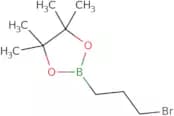
CAS:Please enquire for more information about 3-Bromopropylboronic acid pinacol ester including the price, delivery time and more detailed product information at the technical inquiry form on this pageFormula:C9H18BBrO2Purity:Min. 95%Molecular weight:248.95 g/mol2-Fluoro-6-(trifluoroMethyl)pyridine-3-boronic acid
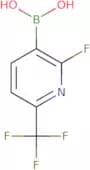
CAS:Please enquire for more information about 2-Fluoro-6-(trifluoroMethyl)pyridine-3-boronic acid including the price, delivery time and more detailed product information at the technical inquiry form on this page
Formula:C6H4BF4NO2Purity:Min. 95%Molecular weight:208.91 g/mol3-Pyridylboronic acid pinacol ester
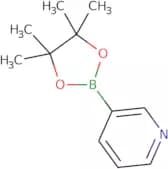
CAS:3-Pyridylboronic acid pinacol ester is a versatile reagent that can be used in the synthesis of polymers with reactive functionalities. This compound is a crosslinker, which means that it reacts with two or more other molecules to form a covalent bond. 3-Pyridylboronic acid pinacol ester has been shown to react with ring-opening methacrylate monomers and expand their polymer backbone, which leads to an increase in the number of reactive groups on the chain. The introduction of 3-pyridylboronic acid pinacol ester can also introduce fluorescent units into polymers for use as probes for biological systems. There are many possible applications for this versatile reagent, including its use in the synthesis of imidazopyridine ligands.
Formula:C11H16BNO2Purity:Min. 95%Color and Shape:PowderMolecular weight:205.06 g/molFITC-epsilonAhx-Antennapedia Homeobox (43-58) amide trifluoroacetate salt
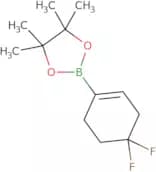
CAS:Please enquire for more information about FITC-epsilonAhx-Antennapedia Homeobox (43-58) amide trifluoroacetate salt including the price, delivery time and more detailed product information at the technical inquiry form on this pageFormula:C131H191N37O25S2Purity:Min. 95%Molecular weight:2,748.28 g/mol2-(4,4-Difluorocyclohex-1-en-1-yl)-4,4,5,5-tetramethyl-1,3,2-dioxaborolane
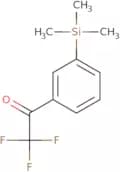
CAS:Please enquire for more information about 2-(4,4-Difluorocyclohex-1-en-1-yl)-4,4,5,5-tetramethyl-1,3,2-dioxaborolane including the price, delivery time and more detailed product information at the technical inquiry form on this pageFormula:C12H19BF2O2Purity:Min. 95%Molecular weight:244.09 g/mol2,2,2-Trifluoro-1-(3-Trimethylsilylphenyl)Ethanone
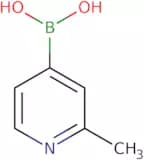
CAS:2,2,2-Trifluoro-1-(3-trimethylsilylphenyl)ethanone is a chemical that can be used as an acetylcholinesterase inhibitor. This agent is designed to inhibit the enzyme that breaks down acetylcholine, which is responsible for transmitting nerve impulses and controlling muscle contractions. The activity of 2,2,2-Trifluoro-1-(3-trimethylsilylphenyl)ethanone is reversible by hydrolysis and it has a low bioavailability due to its high lipophilicity. Acetylcholinesterase inhibitors are mainly used for the treatment of inflammatory diseases such as rheumatoid arthritis. br> The pharmacodynamics of 2,2,2-Trifluoro-1-(3-trimethylsilylphenyl)ethanone are not well understood. This drug also has side effect profilesFormula:C11H13F3OSiPurity:Min. 95%Molecular weight:246.3 g/mol2-Methylpyridine-4-boronic acid
CAS:2-Methylpyridine-4-boronic acid is a reactive molecule that has been used in post-column derivatization and vivo studies. It has been shown to be reactive with mass spectrometric analysis, cancer assays, proteomics, and tumorigenic sample preparation. It also has been shown to have a molecular target of the cytochrome P450 reductase (CPR), which is involved in the metabolism of drugs and other xenobiotics. 2-Methylpyridine-4-boronic acid binds to CPR and inhibits its enzymatic activity, thereby affecting the metabolism of xenobiotics.
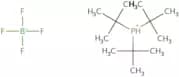
Formula:C6H8BNO2Purity:Min. 95%Color and Shape:White PowderMolecular weight:136.94 g/molTri-tert-butylphosphine tetrafluoroborate
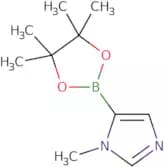
CAS:Tri-tert-butylphosphine tetrafluoroborate (TBPB) is a compound that inhibits tumor growth by inhibiting the activation of allyl carbonates. TBPB has been shown to inhibit tumor growth in vivo and to have an inhibitory effect on the growth of cancer cells in vitro. This drug has been shown to be effective against multiple types of cancer, including breast, prostate, leukemia, and lymphomas. TBPB also inhibits the activity of protein kinase C (PKC), which may play a role in tumorigenesis. It is believed that this drug works by binding to PKC and preventing its activation.Formula:C12H28BF4PPurity:Min. 95%Color and Shape:White PowderMolecular weight:290.13 g/mol1-Methyl-1H-imidazole-5-boronic acid pinacol ester
CAS:Please enquire for more information about 1-Methyl-1H-imidazole-5-boronic acid pinacol ester including the price, delivery time and more detailed product information at the technical inquiry form on this page
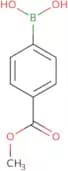
Formula:C10H17BN2O2Purity:Min. 95%Molecular weight:208.07 g/mol4-Methoxycarbonylphenylboronic acid
CAS:4-Methoxycarbonylphenylboronic acid is an organic compound that can be synthesized from biphenyl. It is a diazonium salt with a bidentate ligand and a carbonyl group, which allows it to form an intermolecular hydrogen bond. The phenyl group of 4-methoxycarbonylphenylboronic acid can be oxidized to the corresponding carboxylic acid or reduced to the corresponding alcohol. 4-Methoxycarbonylphenylboronic acid is also soluble in halides, iodinations, and mercaptoacetic acid. This compound has been used as an acceptor in the oxidation of aluminium with diborane as a catalyst. 4-Methoxycarbonylphenylboronic acid has also been used to synthesize other compounds such as metronidazole (a drug) and erythromycin (an antibiotic).Formula:C8H9BO4Purity:Min. 95%Color and Shape:White PowderMolecular weight:179.97 g/molBobbitt's salt
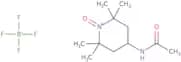
CAS:4-Acetamido-2,2,6,6-tetramethyl-1-oxopiperidinium tetrafluoroborate, most commonly known as Bobbitt's salt, is a cheap and benign oxidant. It’s an oxoamonium salt that is used in oxidative cleveage of C-C and C-O bonds. The most common application of Bobbitt's salts is as a catalyst for the synthesis of dimethylbenzoquinones or DMBQs.
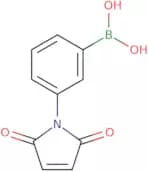
Formula:C11H21BF4N2O2Purity:Min. 95%Color and Shape:Red PowderMolecular weight:300.1 g/mol3-Maleimidophenyl boronic acid
CAS:Please enquire for more information about 3-Maleimidophenyl boronic acid including the price, delivery time and more detailed product information at the technical inquiry form on this page
Formula:C10H8NO4BPurity:Min. 95%Molecular weight:216.99 g/molN-alpha,epsilon-bis-Z-L-Lysine N-hydroxysuccinimide ester
CAS:N-alpha,epsilon-bis-Z-L-Lysine N-hydroxysuccinimide ester is a methyl ester of the amino acid Lysine. This drug has been shown to have antinociceptive effects in animal models and may be useful for the treatment of inflammatory pain. The active conformation of this drug is dependent on the presence of hydroxybenzimidazole (HOBt). In the absence of HOBt, the compound does not have any activity. Acetylation or amidation may also affect its activity. The reaction with nitric acid yields a nitro derivative, which can be reduced back to the original compound by catalytic hydrogenation using palladium on carbon. A carboxylic acid group at the amino terminus can be converted to an amide or amido group by treatment with an appropriate reagent such as acetonitrile. This drug binds to a catalytic site onFormula:C26H29N3O8Purity:Min. 95%Color and Shape:White Off-White PowderMolecular weight:511.52 g/molN-alpha-Allyloxycarbonyl-N-epsilon-2-Fmoc-L-lysine
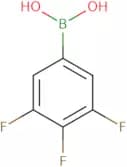
CAS:The synthesis of semaglutide is accomplished by a solid-phase synthetic route. The peptide is synthesized on a polymeric support. The side chains are assembled in the liquid phase and then condensed with the peptide chain. The condensation reaction between the side chains and peptide chain is catalyzed by an acid such as trifluoroacetic acid or ethyl chloroformate. Semaglutide was synthesized using this method to produce high purity, concentration, and yield.Formula:C25H28N2O6Purity:Min. 95%Color and Shape:White/Off-White SolidMolecular weight:452.5 g/mol(3,4,5-Trifluorophenyl)boronic acid
CAS:The trifluorophenylboronic acid is a boronic acid that has been used in the synthesis of vitamin B12. This compound is often used as a catalyst for the Suzuki coupling reaction. It can also be used to synthesize amides and synthons. The trifluorophenylboronic acid is soluble in water, ethanol, and acetone. The pH of the solution depends on the type of base added. For example, when an amine is added to the solution, it increases to approximately 8-9. When a p-hydroxybenzoic acid is added to the solution, it decreases to approximately 2-3.
Formula:C6H4BF3O2Purity:Min. 95%Color and Shape:PowderMolecular weight:175.9 g/molFITC-epsilonAhx-Amyloid b-Protein (1-42) trifluoroacetate salt
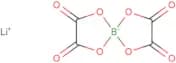
Please enquire for more information about FITC-epsilonAhx-Amyloid b-Protein (1-42) trifluoroacetate salt including the price, delivery time and more detailed product information at the technical inquiry form on this pageFormula:C230H333N57O66S2Purity:Min. 95%Molecular weight:5,016.58 g/molLithium bis(oxalato)borate
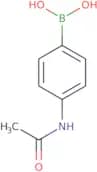
CAS:Lithium bis(oxalato)borate (LBBO), also known as Lithiumbis(oxalato)borate, is a lithium salt of the borate ester. The optimum concentration for LBBO is 1-2 mol/L. LBBO is soluble in water and reacts with glycol esters to form lithium glycolates. This reaction is reversible and the equilibrium can be shifted by changing the temperature or pressure. The NMR spectra of LBBO show a peak at 3.3 ppm which corresponds to the carbon atom attached to the carbonyl group, which is indicative of an organic solution. LBBO has been shown to be an electrolyte for lithium ion batteries but it has not been studied extensively because it decomposes at temperatures above 400°C and exhibits poor transport properties, limiting its application in electronic devices.Formula:C4BO8•LiPurity:Min. 95%Molecular weight:193.79 g/mol4-Acetamidophenyl boronic acid
CAS:4-Acetamidophenyl boronic acid is a cross-coupling reagent that has been used in the synthesis of a variety of organic molecules. The reaction is stereoselective and proceeds with high yield. 4-Acetamidophenyl boronic acid has also been used to synthesize amides and azobenzenes, which can be substituted with chloride or uv irradiation to give chloroazobenzene or benzotriazole respectively. 4-Acetamidophenyl boronic acid has shown potent inhibition against the enzyme cyclooxygenase 2 (COX2) and acidic hydrolysis.
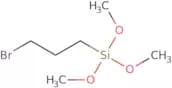
Purity:Min. 95%(3-Bromopropyl)trimethoxysilane
CAS:3-Bromopropyltrimethoxysilane is a divalent hydrocarbon that has been used as a model compound for the study of detection methods. It has been shown to have biocompatible properties and can be used as an immobilization template molecule. 3-Bromopropyltrimethoxysilane also reacts with pyridinium ions to form complexes that are highly stable. The stability of these complexes can be attributed to the functional groups on the pyridine ring, which are more susceptible to hydrolysis than those on the silica surface. 3-Bromopropyltrimethoxysilane is a substrate for nitrate reductase enzymes, resulting in inhibition of growth at concentrations low enough not to cause cytotoxicity.Formula:C6H15BrO3SiPurity:Min. 95%Molecular weight:243.17 g/mol4-Pyridinylboronic acid
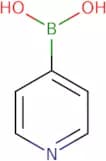
CAS:4-Pyridinylboronic acid is a boron compound that contains two nitrogen atoms. It is an important reagent in organic synthesis and crystallography. 4-Pyridinylboronic acid has been shown to have biological properties, such as hydrogen bonding interactions. It is also used in the suzuki coupling reaction and the photochemical properties of the reaction solution are dependent on its coordination geometry. 4-pyridinylboronic acid has a high pH value, so it must be prepared in anhydrous sodium carbonate before use. The hydrogen bond between 4-pyridinylboronic acid and an azide is shown below: Nnowiki>/nowiki>Hnowiki>/nowiki>nowiki>/nowiki>Nnowiki>/nowiki>nowiki>/nowiki>HFormula:C5H6BNO2Color and Shape:PowderMolecular weight:122.92 g/mol2-Chloropyridine-4-boronic acid
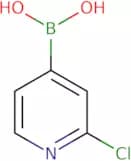
CAS:2-Chloropyridine-4-boronic acid is a nicotinic acetylcholine receptor antagonist that has been shown to be effective against trypanosomiasis. It blocks the binding of acetylcholine to its receptor, which prevents the propagation of an action potential in the postsynaptic cell. 2-Chloropyridine-4-boronic acid inhibits the enzymes cyclooxygenase and prostaglandin synthase, which are involved in inflammation. 2-Chloropyridine-4-boronic acid is potent and selective for nicotinic acetylcholine receptors, but it also binds to other sites on the enzyme. The molecular modeling studies have shown that this compound has a pharmacophore that can be used as a guide for drug design.
Formula:C5H5BClNO2Purity:Min. 95%Molecular weight:157.36 g/mol(2-Chlorophenyl)boronic acid
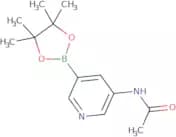
CAS:2-Chlorophenylboronic acid is a diphenyl ether that can be used as a building block for the synthesis of benzodiazepine receptor ligands. It has been shown to be an efficient nucleophile, leading to the formation of carbonyl groups in the presence of halides. 2-Chlorophenylboronic acid has also been shown to inhibit p38 kinase activity and may be useful for anticancer therapy.Formula:C6H6BClO2Purity:Min. 95%Molecular weight:156.37 g/molN-(5-(4,4,5,5-Tetramethyl-1,3,2-dioxaborolan-2-yl)pyridin-3-yl)acetamide
CAS:Please enquire for more information about N-(5-(4,4,5,5-Tetramethyl-1,3,2-dioxaborolan-2-yl)pyridin-3-yl)acetamide including the price, delivery time and more detailed product information at the technical inquiry form on this pageFormula:C13H19BN2O3Purity:Min. 95%Molecular weight:262.11 g/molMethylboronic acid pinacol ester
CAS:Methylboronic acid pinacol ester is an orally administered compound that inhibits the activity of peptidases and imidazole derivatives. It is used as a medicinal preparation for the treatment of cancer and other diseases. Methylboronic acid pinacol ester has been shown to inhibit the growth of bacteria, including Gram-positive bacteria such as methicillin-resistant Staphylococcus aureus (MRSA) and Clostridium perfringens. This compound also has an inhibitory effect on hydroxyl group metabolism, which may be related to its anti-inflammatory properties.Formula:C7H15BO2Purity:Min. 95%Color and Shape:Colourless liquid.Molecular weight:142 g/molH-Arg-epsilon-aminocaproyl-Arg-epsilon-aminocaproyl-Arg-epsilon-aminocaproyl-Arg-epsilon-aminocaproyl-Arg-epsilon-aminocaproyl-Arg-e psilon-aminocaproyl-Arg-OH trifluoroacetate salt
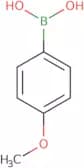
CAS:Please enquire for more information about H-Arg-epsilon-aminocaproyl-Arg-epsilon-aminocaproyl-Arg-epsilon-aminocaproyl-Arg-epsilon-aminocaproyl-Arg-epsilon-aminocaproyl-Arg-e psilon-aminocaproyl-Arg-OH trifluoroacetate salt including the price, delivery time and more detailed product information at the technical inquiry form on this pageFormula:C78H152N34O14Purity:Min. 95%Molecular weight:1,790.26 g/mol4-Methoxyphenyl boronic acid
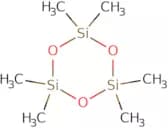
CAS:4-Methoxyphenyl boronic acid is a molecule with a hydroxyl group and a boronic acid. It is synthesized by reacting biphenyl with trifluoroacetic acid in the presence of sodium carbonate and palladium-catalyzed coupling. 4-Methoxyphenyl boronic acid has shown to bind to the receptor for fatty acids, which may be due to its structural similarity to p-hydroxybenzoic acid. The protonated form of this molecule has been shown to react with an electrophilic carbon atom and an electron-deficient alkyl or vinyl halide, resulting in ring formation. This reaction is known as the Suzuki coupling reaction.Formula:C7H9BO3Purity:Min. 95%Color and Shape:PowderMolecular weight:151.96 g/molHexamethylcyclotrisiloxane
CAS:Used for preparation of graft and block polymers
Formula:C6H18O3Si3Purity:Min. 98%Color and Shape:White PowderMolecular weight:222.46 g/mol1-Methyl-4-(4,4,5,5-tetramethyl-[1,3,2]dioxaborolan-2-yl)-1h-imidazole
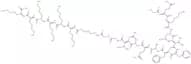
CAS:Please enquire for more information about 1-Methyl-4-(4,4,5,5-tetramethyl-[1,3,2]dioxaborolan-2-yl)-1h-imidazole including the price, delivery time and more detailed product information at the technical inquiry form on this pageFormula:C10H17BN2O2Purity:Min. 95%Color and Shape:PowderMolecular weight:208.07 g/molGly-Amyloid b-Protein (15-25)-Gly-epsilon-aminocaproyl(-Lys)6
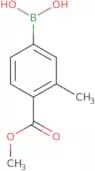
CAS:Please enquire for more information about Gly-Amyloid b-Protein (15-25)-Gly-epsilon-aminocaproyl(-Lys)6 including the price, delivery time and more detailed product information at the technical inquiry form on this pageFormula:C105H178N28O26Purity:Min. 95%Molecular weight:2,248.71 g/mol(4-(Methoxycarbonyl)-3-Methylphenyl)boronic acid
CAS:Please enquire for more information about (4-(Methoxycarbonyl)-3-Methylphenyl)boronic acid including the price, delivery time and more detailed product information at the technical inquiry form on this pageFormula:C9H11BO4Purity:Min. 95%Molecular weight:193.99 g/molBis (neopentylglycolato) diboron
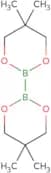
CAS:Bis (neopentylglycolato) diboron is a boronic acid that can be used in catalytic asymmetric synthesis. The compound is prepared by the reaction of neopentyl glycol with boric acid and NaOH, followed by purification by column chromatography. Bis (neopentylglycolato) diboron is soluble in non-polar solvents. It has been shown to have uptake in cells and has been used in the preparation of conjugates for the treatment of cancer.Formula:C10H20O4B2Purity:Min. 95%Color and Shape:White Off-White PowderMolecular weight:225.89 g/mol3-Formylfuran-2-boronic acid
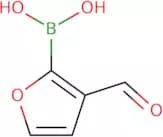
CAS:3-Formylfuran-2-boronic acid is a molecule that can reversibly form an imine with primary amines. 3-Formyl group and fluorophore are the main features of this molecule. The fluorescent properties of 3-formyl group have been extensively studied by functional theory, structural studies and kinetic experiments. The study of these properties has led to the discovery of new fluorescent probes for use in biochemical studies. 3-Formyl furan also interacts with anthracene and other heterocycles by binding constants. These interactions were studied using quantum chemical calculations.
Formula:C5H5BO4Purity:Min. 95%Color and Shape:PowderMolecular weight:139.9 g/molBiotinyl-ε-aminocaproyl-D-Phe-Pro-Arg-chloromethylketone
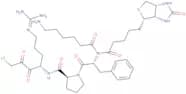
CAS:Please enquire for more information about Biotinyl-ε-aminocaproyl-D-Phe-Pro-Arg-chloromethylketone including the price, delivery time and more detailed product information at the technical inquiry form on this pageFormula:C37H56ClN9O6SPurity:Min. 95%Molecular weight:790.42 g/mol4-(tert-Butyldimethylsilyloxymethyl)pyridine
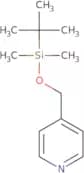
CAS:4-(tert-Butyldimethylsilyloxymethyl)pyridine is a reagent that is used to prepare stoichiometric quantities of triethyloxonium ions in the presence of catalytic amounts of palladium. 4-(tert-Butyldimethylsilyloxymethyl)pyridine is also used as an anticancer agent, which may be due to its ability to inhibit cell proliferation and induce apoptosis. This compound has been shown to prevent the growth of micellar structures and reduce the rate of ester hydrolysis. It also has the ability to convert into two enantiomers, one with a hydroxyl group on the methylene carbon at position 4 and another with an alcohol group on this same carbon.Formula:C12H21NOSiPurity:Min. 95%Color and Shape:Yellow LiquidMolecular weight:223.39 g/molBenzopyrazine-6-boronic acidHCl
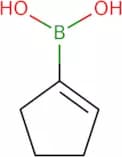
CAS:Please enquire for more information about Benzopyrazine-6-boronic acidHCl including the price, delivery time and more detailed product information at the technical inquiry form on this pageFormula:C8H8BClN2O2Purity:Min. 95%Molecular weight:210.43 g/molCyclopenten-1-ylboronic acid
CAS:Cyclopenten-1-ylboronic acid is a chemical compound that is used in the synthesis of pharmaceuticals. It has been shown to be effective against some viruses, including Hepatitis C virus, and also against some infectious diseases such as malaria. Cyclopenten-1-ylboronic acid binds to cannabinoid receptors and may have therapeutic potential for metabolic disorders such as obesity and diabetes. The diastereomer of this chemical compound may be used as an ophthalmic drug because it has been shown to be a potent vasoconstrictor. The ring structure is similar to other drugs that are used for the treatment of Parkinson's disease, Alzheimer's disease, and epilepsy. Cyclopenten-1-ylboronic acid has two enantiomers, which means that they are mirror images of each other. One enantiomer is more potent than the other one and is more likely to bind with cannabinoid receptors and inhibit viral replication.
Formula:C5H9BO2Purity:Min. 95%Molecular weight:111.93 g/mol[2-fluoro-4-(trifluoromethyl)phenyl]boronic Acid
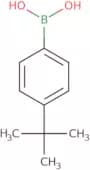
CAS:2-Fluoro-4-(trifluoromethyl)phenylboronic acid is a boron compound that can be used to synthesize a variety of target products. 2-Fluoro-4-(trifluoromethyl)phenylboronic acid occurs in the form of an oil and is an impurity in the target product, phenylboronic acid. This impurity can be removed by reacting with lithium benzotrifluoride. Lithiated 2-fluoro-4-(trifluoromethyl)phenylboronic acid is then reacted with phenylboronic acid to give lithiated phenylboronic ester in high yield. The lithiation reaction can be carried out under alkaline conditions or under a condition where the reactants are dissolved in water.Formula:C7H5BF4O2Purity:Min. 95%Molecular weight:207.92 g/mol4-tert-Butylphenylboronic acid
CAS:4-tert-Butylphenylboronic acid is an aromatic hydrocarbon that belongs to the class of phenoxy. It is a molecule with nitrogen atoms and a molecular weight of 144.17 g/mol. 4-tert-Butylphenylboronic acid has been shown to form a copper complex in the presence of sodium trifluoroacetate, which is used for cross-coupling reactions. This compound also reacts with hydrochloric acid to form 4-methoxyphenylboronic acid and trimethyl boronate, which can be used as reaction products in organic synthesis. The stability of this compound has been studied using electrochemical impedance spectroscopy (EIS) on thin films.
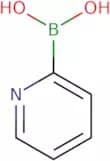
Formula:C10H15BO2Purity:Min. 95%Color and Shape:White PowderMolecular weight:178.04 g/mol2-Pyridineboronic acid
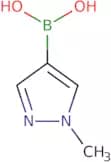
CAS:2-Pyridineboronic acid is a chemical compound that belongs to the group of quinoline derivatives. It is used in pharmaceutical preparations, including as an intermediate for the synthesis of other compounds. 2-Pyridineboronic acid has been shown to have antiproliferative effects on cancer cells and has been found to be active against nicotinic acetylcholine receptors (NAR). The compound also inhibits lipid kinase activity, which is involved in the production of phosphatidylcholine and phosphatidylethanolamine from phosphatidylserine. 2-Pyridineboronic acid can react with hydrochloric acid and electrochemical impedance spectroscopy to produce a solution that has a detection time of about 10 minutes.Formula:C5H6BNO2Purity:Min. 95%Molecular weight:122.92 g/mol(1-Methyl-1H-pyrazol-4-yl)boronic acid
CAS:(1-Methyl-1H-pyrazol-4-yl)boronic acid is a boronic acid that has been used for the synthesis of a number of heterocyclic compounds. Boronic acids are commonly used to synthesize phosphine ligands, which are reactive and can be used in cross-coupling reactions with organic halides, triflates, and tosylates. The efficiency of the reaction depends on the functional group present on the boron atom. (1-Methyl-1H-pyrazol-4-yl)boronic acid can inhibit the activity of many types of enzymes, including those involved in bacterial DNA synthesis and protein synthesis. (1-Methyl-1H-pyrazol-4-yl)boronic acid has been shown to have pharmacokinetic properties that depend on its ionization state.Formula:C4H7BN2O2Purity:Min. 95%Molecular weight:125.92 g/mol4-Hydroxyphenylboronic acid
CAS:4-Hydroxyphenylboronic acid is a potential anticancer agent that has been studied in vitro and in vivo. It has been shown to inhibit the activity of p-glycoprotein, which is a protein that pumps drugs out of cells, and it is also an inhibitor of lipid kinase. 4-Hydroxyphenylboronic acid binds to the ATP binding site of the enzyme and forms covalent bonds with Lys residues on the enzyme, inhibiting its function. The compound can be detected at low concentrations using fluorescence or chemiluminescence techniques. This compound may have therapeutic benefits for antimicrobial agents as well as for cancer treatment.Formula:C6H7BO3Purity:Min. 95%Color and Shape:White PowderMolecular weight:137.93 g/molProp-1-en-2-ylboronic acid
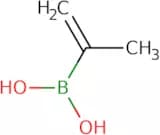
CAS:Prop-1-en-2-ylboronic acid is a chemical compound that belongs to the group of aromatic hydrocarbons. It is used in pharmaceutical preparations as a monomer and as a chiral building block for the synthesis of oxazolidinones, which are used in medicinal chemistry as protein inhibitors against cancers. Prop-1-en-2-ylboronic acid is also used as a reagent in preparative high performance liquid chromatography. This chemical has shown maximal response against colorectal carcinoma cells and has been shown to be an inhibitor of cholesterol ester transfer.Formula:C3H7BO2Purity:90%MinMolecular weight:85.9 g/molN,N'-Dimethyl-2,7-Diazapyrenium bistetrafluoroborate
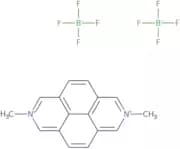
CAS:Please enquire for more information about N,N'-Dimethyl-2,7-Diazapyrenium bistetrafluoroborate including the price, delivery time and more detailed product information at the technical inquiry form on this page
Formula:C16H14B2F8N2Purity:Min. 95%Molecular weight:407.91 g/mol[4-(1-Cyano-1-methylethyl)phenyl]boronic acid
CAS:Please enquire for more information about [4-(1-Cyano-1-methylethyl)phenyl]boronic acid including the price, delivery time and more detailed product information at the technical inquiry form on this pageFormula:C10H12BNO2Purity:Min. 95%Molecular weight:189.02 g/molFmoc-epsilon-aminocaproic acid-Wang resin (200-400 mesh)
Please enquire for more information about Fmoc-epsilon-aminocaproic acid-Wang resin (200-400 mesh) including the price, delivery time and more detailed product information at the technical inquiry form on this pagePurity:Min. 95%(R)-(+)-2-Methyl-CBS-oxazaborolidine
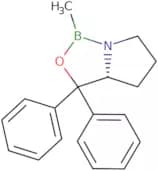
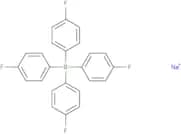
CAS:(R)-(+)-2-Methyl-CBS-oxazaborolidine is a dpp-iv inhibitor that is a β-unsaturated ketone. It has been shown to inhibit the enzyme histone lysine demethylase, which may be involved in the regulation of bone mass. This compound also has a pharmacokinetic profile that is characterized by high oral bioavailability, low plasma protein binding, and rapid metabolism by liver enzymes. The reaction mechanism for this compound is based on the formation of an enolate carbanion. (R)-(+)-2-Methyl-CBS-oxazaborolidine can be synthesized with high stereoselectivity and yields from reactions with simple starting materials. This synthetic route also has a number of advantages over other methods: it does not require any protecting groups, it does not use toxic solvents such as dichloromethane or chloroform, and it can be performed in anhydrous conditionsFormula:C18H20BNOPurity:Min. 95%Color and Shape:SolidMolecular weight:277.17 g/molTetrakis(4-Fluorophenyl)-Borate Sodium (1:1)
CAS:Tetrakis(4-fluorophenyl)borate sodium (1:1) is a solid that is soluble in organic solvents. It has been used as an adsorbent for nuclear waste and organic molecules. Tetrakis(4-fluorophenyl)borate sodium (1:1) has been shown to adsorb hydrophobic molecules such as polycyclic aromatic hydrocarbons, which are difficult to remove from the environment. Tetrakis(4-fluorophenyl)borate sodium (1:1) can be prepared by reacting tetraphenylborate with 4-fluoroboric acid. This reaction produces a mixture of products, of which tetrakis(4-fluorophenyl)borate sodium (1:1) is the most common. Tetrakis(4-fluorophenyl)borate sodium (1:1), like other borate salts, is used in zeolites toFormula:C24H16BF4NaPurity:Min. 95%Molecular weight:414.18 g/molBiotinyl-epsilonAhx-omega-Conotoxin GVIA trifluoroacetate salt
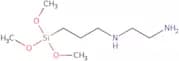
CAS:Controlled ProductPlease enquire for more information about Biotinyl-epsilonAhx-omega-Conotoxin GVIA trifluoroacetate salt including the price, delivery time and more detailed product information at the technical inquiry form on this pageFormula:C136H207N41O46S7Purity:Min. 95%Molecular weight:3,376.81 g/molN-(2-Aminoethyl)-3-(trimethoxysilyl)propylamine
CAS:N-(2-Aminoethyl)-3-(trimethoxysilyl)propylamine (NAP) is a cationic surfactant that is used as a fluorescent probe to study the binding of proteins to cell surface integrin receptors. The adsorption mechanism is based on the interaction between the hydrophobic parts of the protein and the hydrophobic parts of NAP. This interaction leads to an increase in the concentration of NAP at the interface and thus an increase in fluorescence. NAP has been shown to bind human serum albumin, fatty acids, and monoclonal antibodies with high affinity. It also has been shown to bind to plasma proteins through hydrogen bonding. The optimum concentration for NAP adsorption is 1mM.Formula:C8H22N2O3SiPurity:Min. 95%Molecular weight:222.36 g/mol4-[4-(N-Boc)piperazin-1-yl]phenylboronic acid pinacol ester
CAS:Please enquire for more information about 4-[4-(N-Boc)piperazin-1-yl]phenylboronic acid pinacol ester including the price, delivery time and more detailed product information at the technical inquiry form on this pageFormula:C21H33BN2O4Purity:Min. 95%Color and Shape:PowderMolecular weight:388.31 g/molBiphenyldiMethylsilane
CAS:BiphenyldiMethylsilane is a reactive compound that can be used for the surface modification of metals. It reacts with metal carbonyls, such as ZrO2, to form an oxide layer on the metal surface. This reaction can be monitored by magnetic resonance spectroscopy and chemical structures. The reactive site of this compound is a hydroxyl group, which will react with chloride ions to form a zirconium chloride complex. The chemical ionization technique can be used to determine the surface concentrations of this compound. BiphenyldiMethylsilane is often used in analytical chemistry to detect metal ions on surfaces or in films using infrared spectroscopy or mass spectrometry.Purity:Min. 95%3-Pyridineboronic acid
CAS:3-Pyridineboronic acid is an antimicrobial agent that is used to treat bacterial and fungal infections. 3-Pyridineboronic acid is a prodrug that is metabolized to its active form, pyridinium boronate. This drug has been shown to be effective in the treatment of hypoxic tumors in mice, which are resistant to other anticancer drugs. 3-Pyridineboronic acid also has acidic properties and can be used as an antiseptic for the treatment of skin and eye infections. It can also be used as a hydrogen bonding partner when combined with halides, such as chloride or bromide ions. The drug binds to human serum proteins and forms an acidic complex that prevents bacterial growth by inhibiting protein synthesis. 3-Pyridineboronic acid also inhibits prostate cancer cells by competitively inhibiting the enzyme 4-pyridinylboronic acid reductase (4PBAR).Formula:C5H6BNO2Purity:Min. 95%Molecular weight:122.92 g/mol


![[2-(Difluoromethyl)phenyl]boronic acid](/_next/image/?url=https%3A%2Fstatic.cymitquimica.com%2Fproducts%2F3D%2Fthumb-webp%2FFD84620.webp&w=3840&q=75)


![1H-Benzo[d]imidazol-6-ylboronic acid](/_next/image/?url=https%3A%2Fstatic.cymitquimica.com%2Fproducts%2F3D%2Fthumb-webp%2FFH160014.webp&w=3840&q=75)








![1-Methyl-4-(4,4,5,5-tetramethyl-[1,3,2]dioxaborolan-2-yl)-1h-imidazole](/_next/image/?url=https%3A%2Fstatic.cymitquimica.com%2Fproducts%2F3D%2Fthumb-webp%2FFM166321.webp&w=3840&q=75)

![[2-fluoro-4-(trifluoromethyl)phenyl]boronic Acid](/_next/image/?url=https%3A%2Fstatic.cymitquimica.com%2Fproducts%2F3D%2Fthumb-webp%2FFF105416.webp&w=3840&q=75)

![[4-(1-Cyano-1-methylethyl)phenyl]boronic acid](/_next/image/?url=https%3A%2Fstatic.cymitquimica.com%2Fproducts%2F3D%2Fthumb-webp%2FFC121870.webp&w=3840&q=75)
![4-[4-(N-Boc)piperazin-1-yl]phenylboronic acid pinacol ester](/_next/image/?url=https%3A%2Fstatic.cymitquimica.com%2Fproducts%2F3D%2Fthumb-webp%2FFN162753.webp&w=3840&q=75)

